

Koh Samet Island is one of the smaller islands in Thailand with a length of only 7 kilometers. It is located about 2.5 hours from Bangkok and 1 hour from Pattaya and a popular destination for Thailand’s city dwellers. The island gets its name from the cajeput tree, which grows there and is called “Samet” in Thai. However, Koh Samet is most famous for the fine sandy white beaches that line the east coast of the island.
At the southern tip of the island is the place to go for watching the sun set. Most visitors want to experience Koh Samet for its romantic side. In addition to amazing views the rugged coastline at the southern tip is a must see. The tranquility and atmosphere that prevails here is unbelievable. A real highlight for visitors are the sunsets, which are among the most beautiful on Koh Samet.
After watching the sun set take a walk through Samet Village. The capital of the island is Samet City also called Samet Village. It is located just a few minutes from the ferry and ...


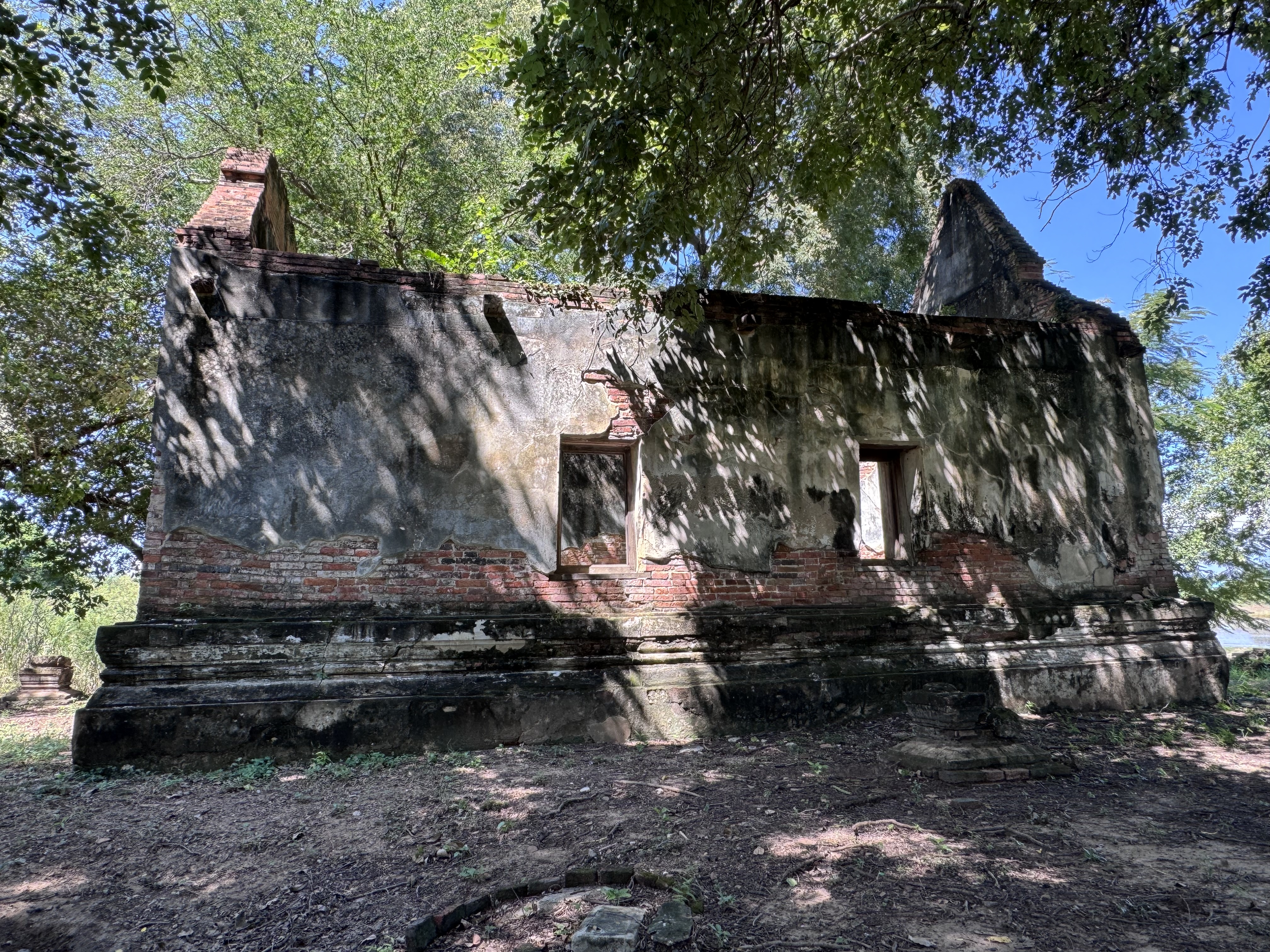
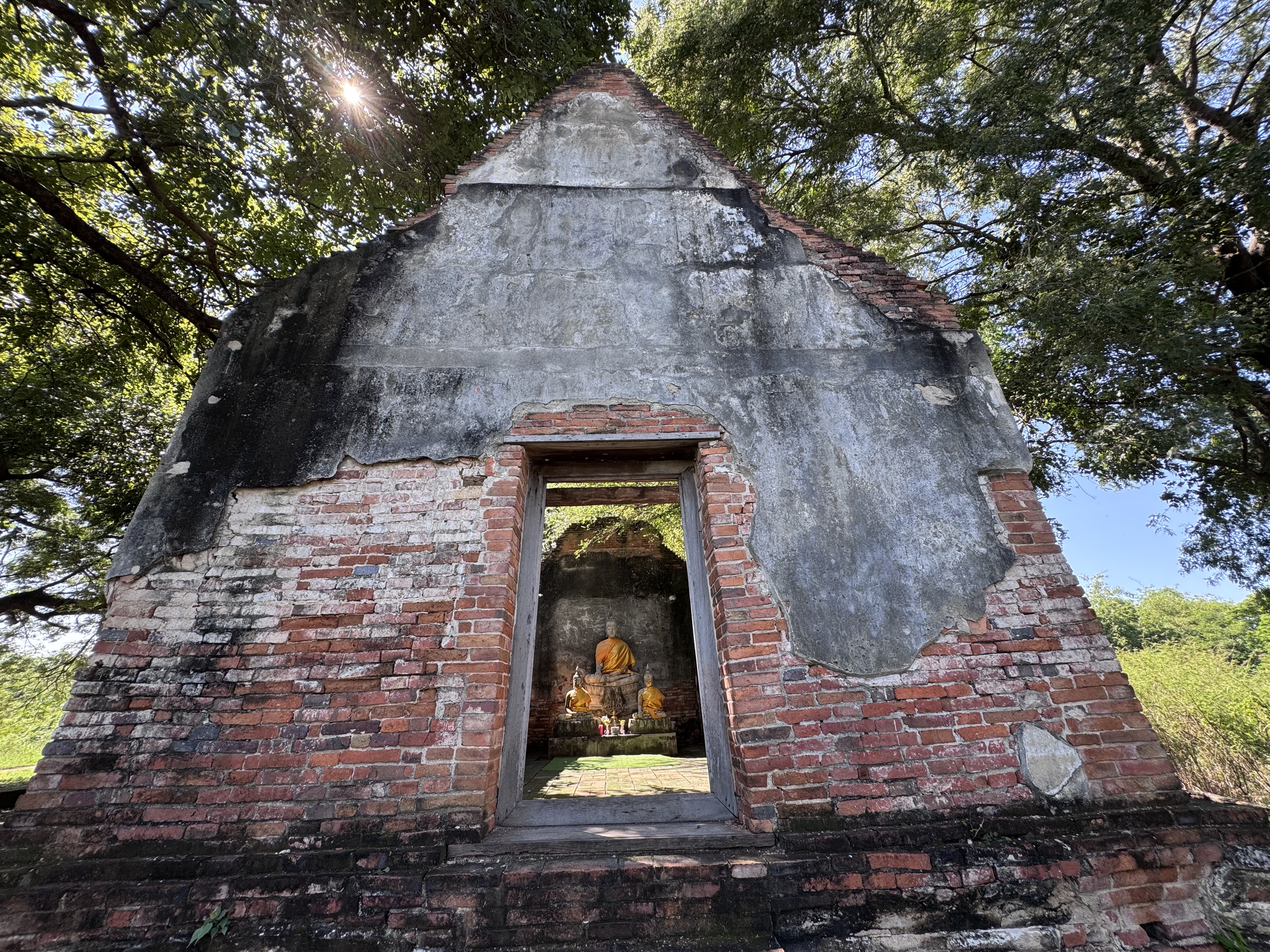
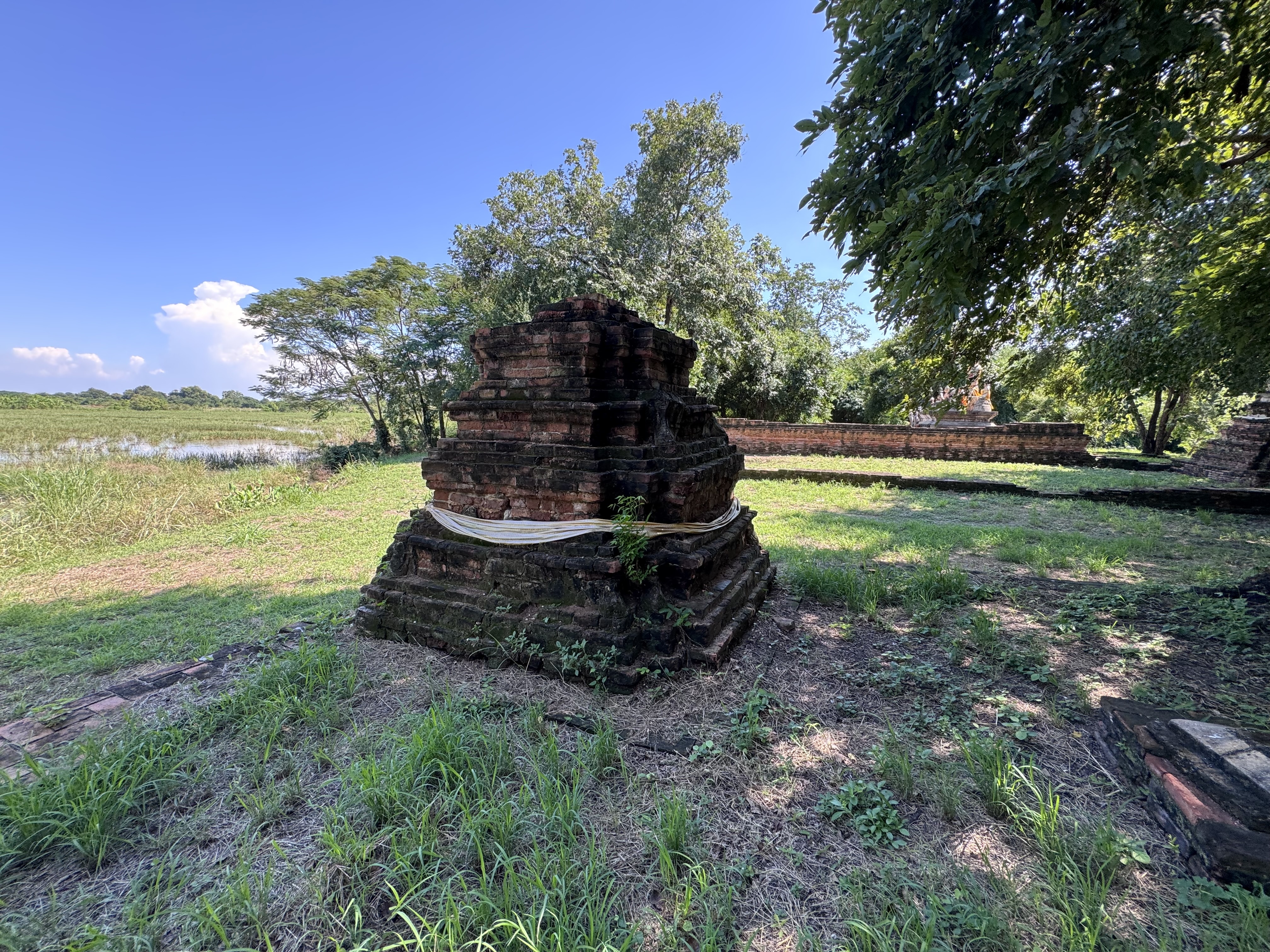
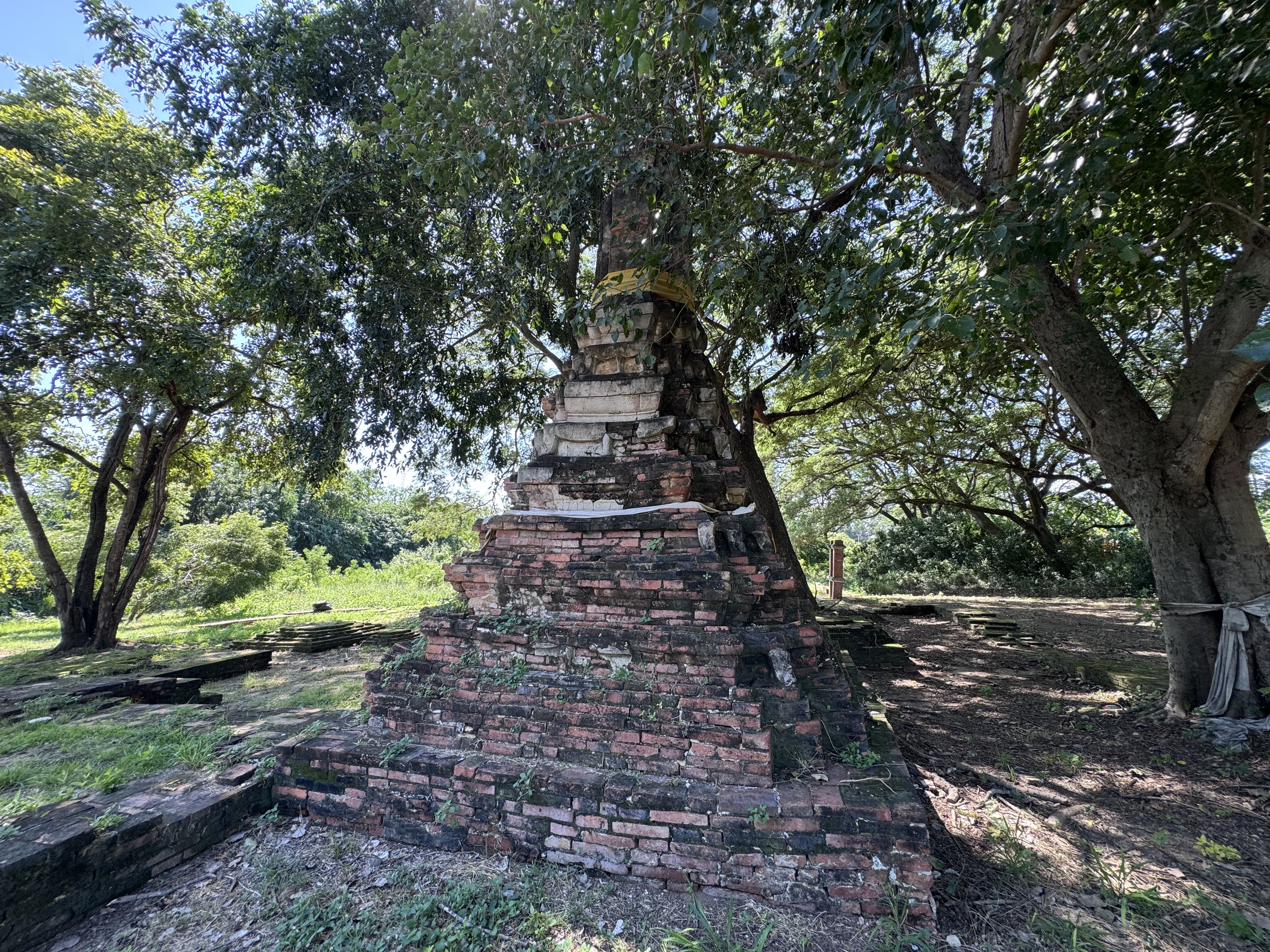
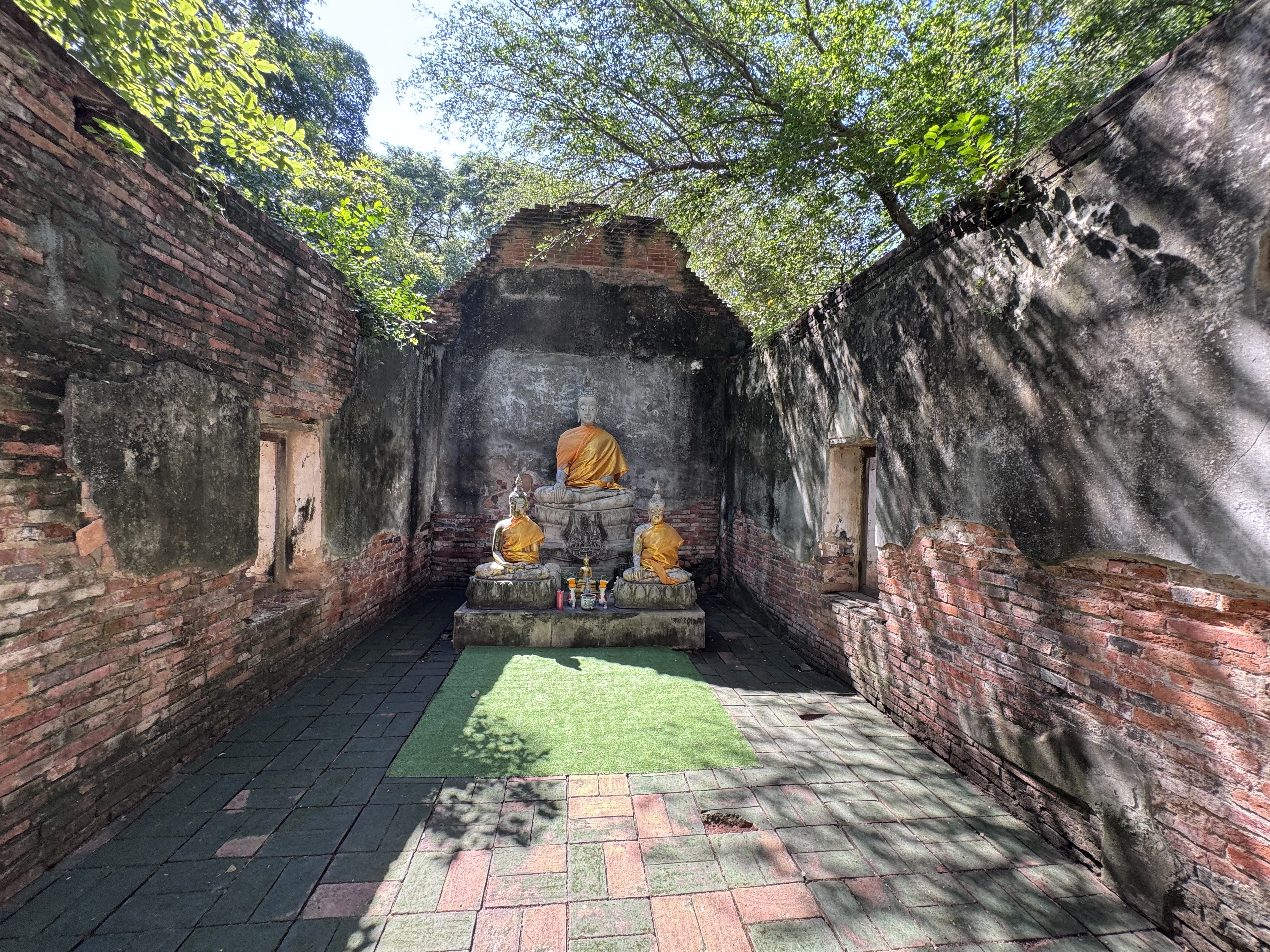
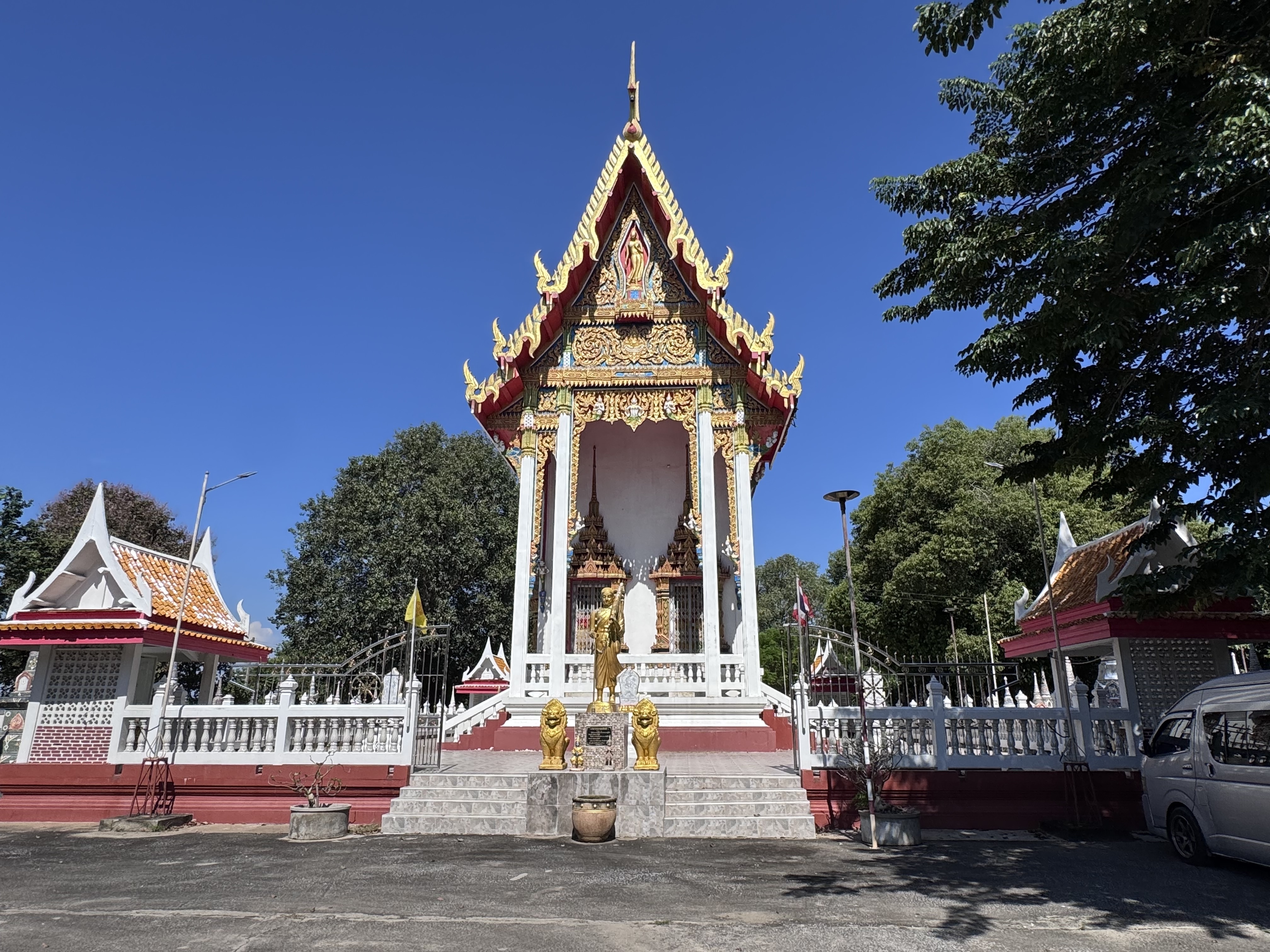
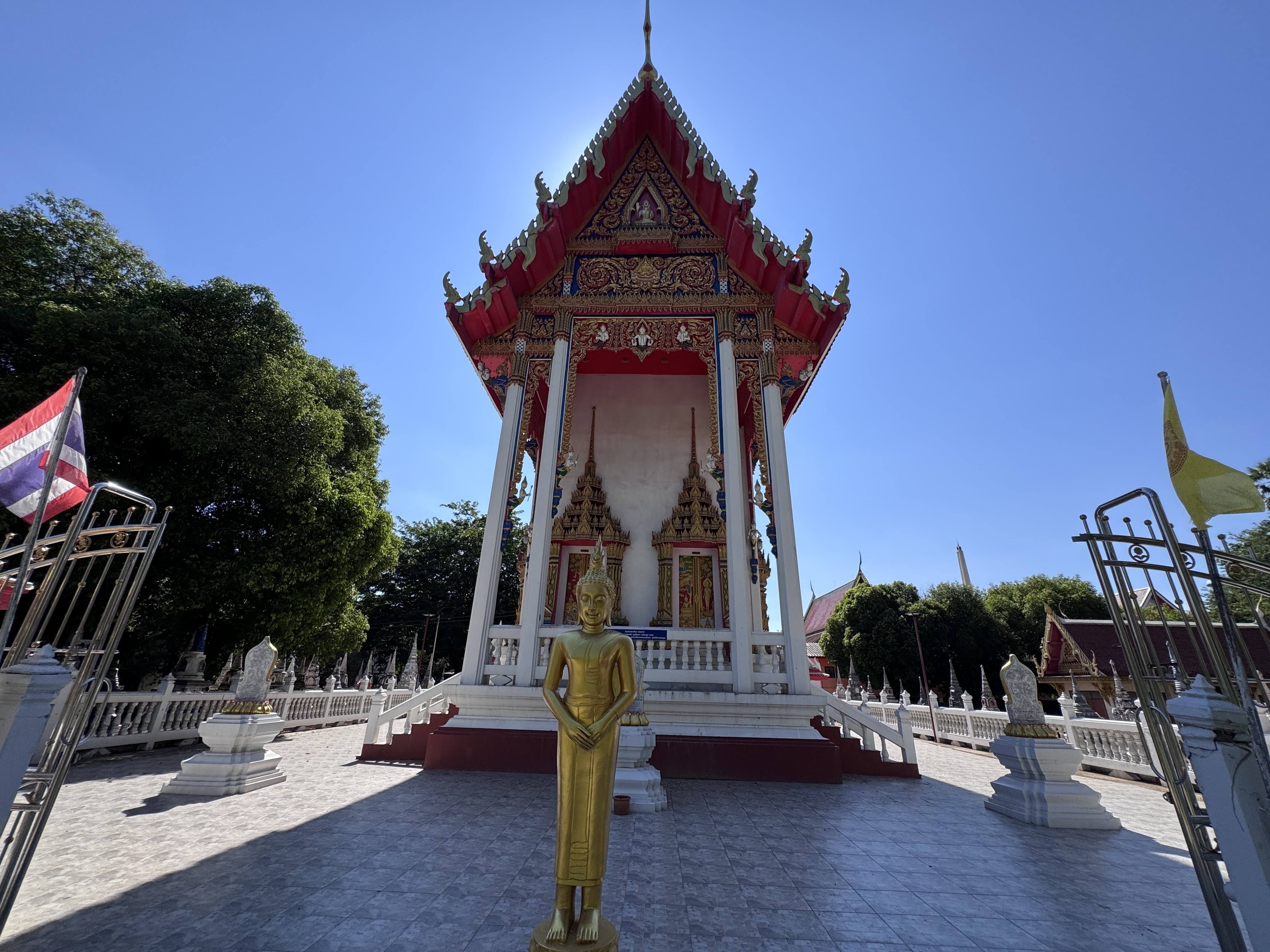
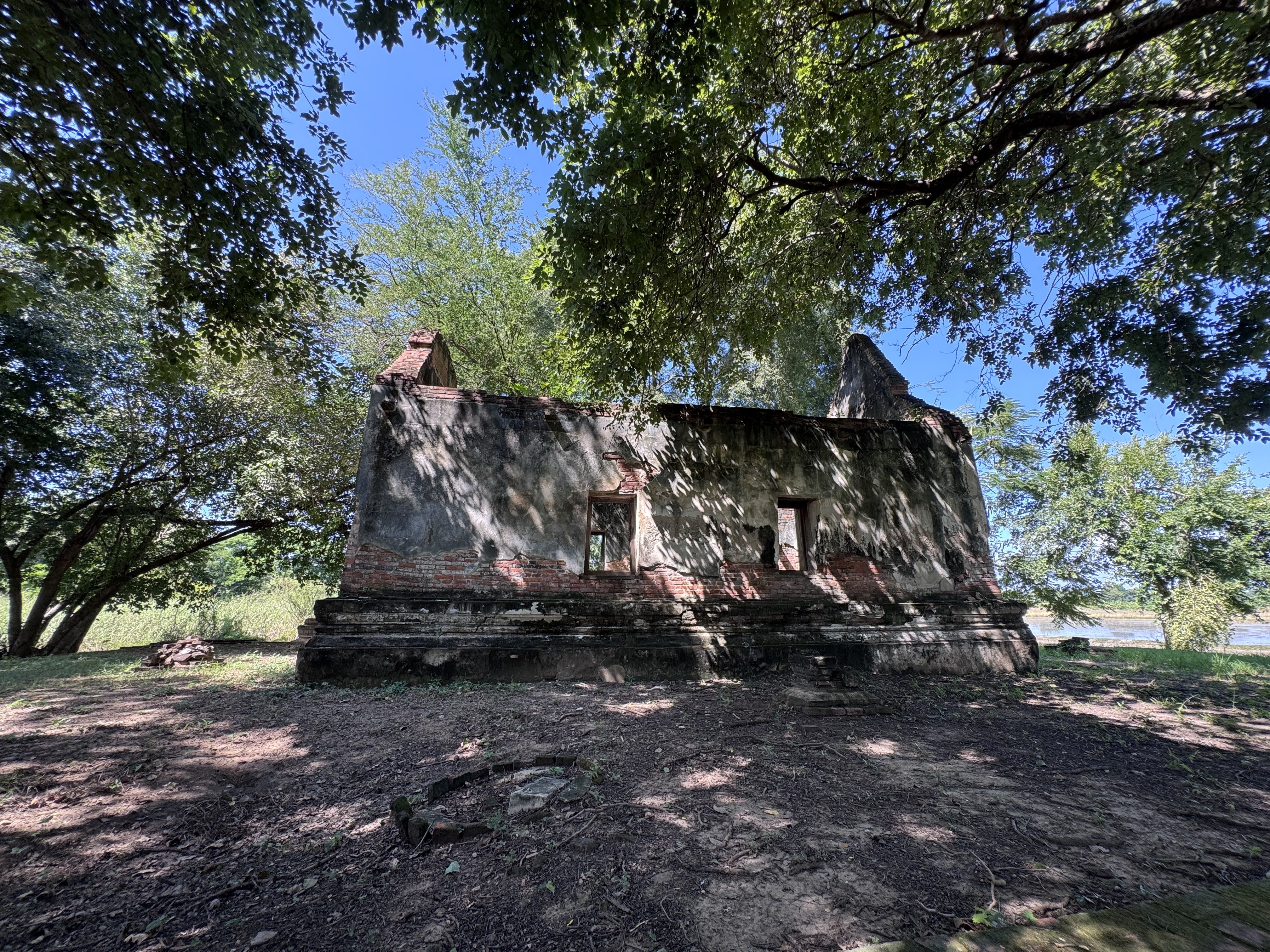
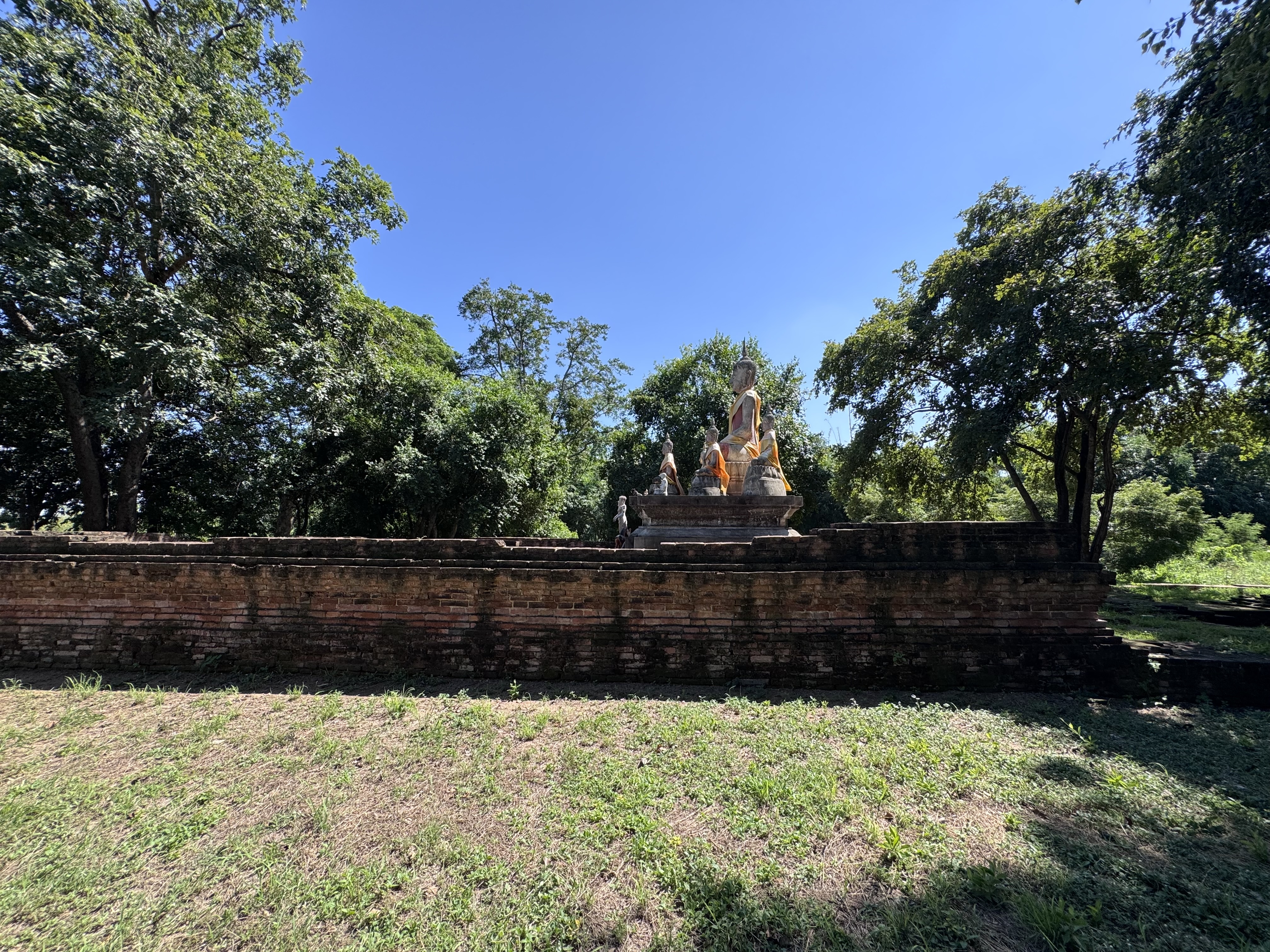
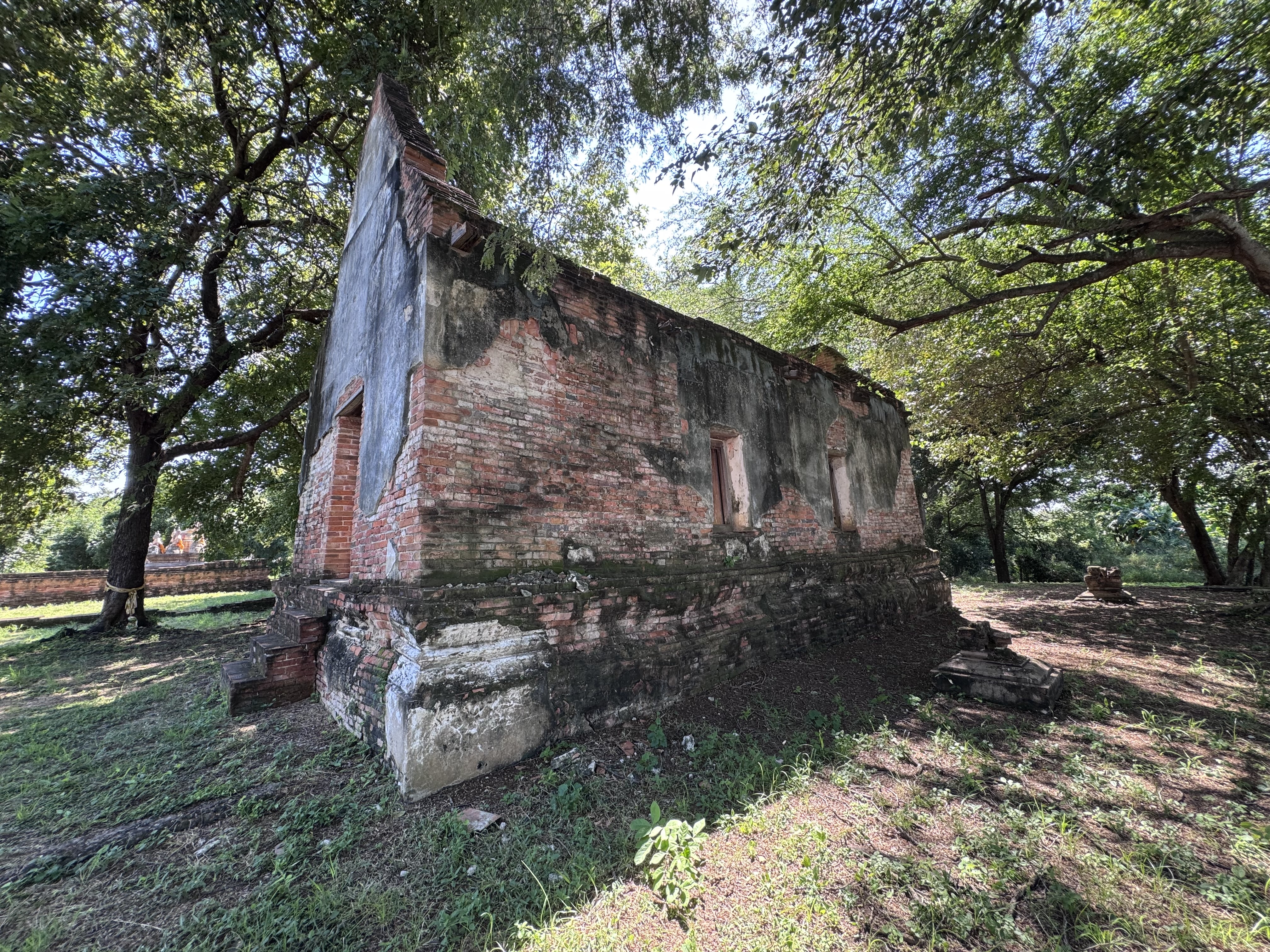
The temple ruin now commonly known in connection with Wat Talad (วัดตลาด) in Bang Pahan District, Phra Nakhon Si Ayutthaya Province, was originally called Wat Thai Talad or Wat Thaitalad.
The name reflected its location immediately behind a local market where residents traded vegetables, food, and other goods. Local tradition holds that this market continued to operate even during the final Burmese siege of Ayutthaya, supplying soldiers from the invading forces who had established a camp in the nearby Pho Sam Ton area. The site therefore sits at the intersection of ordinary village life and the turbulent closing years of the Ayutthaya kingdom.
Archaeological evidence places the original construction in the late Ayutthaya period, roughly the early decades of the 24th Buddhist century (mid-eighteenth century), shortly before the fall of the capital in 1767.
The earliest phase consisted of an ordination hall and a surrounding glass wall. After the destruction of the city, the monastery ...
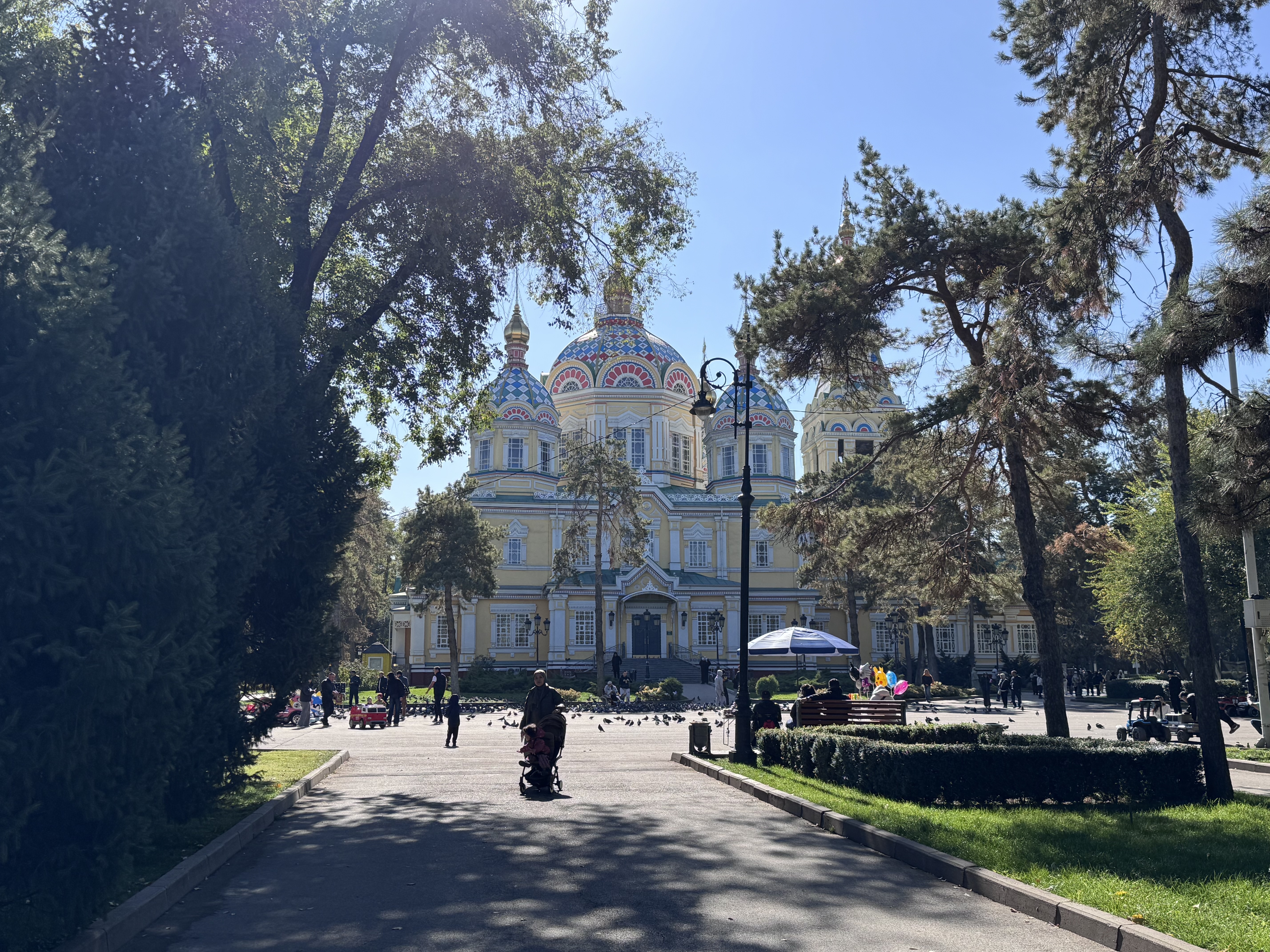
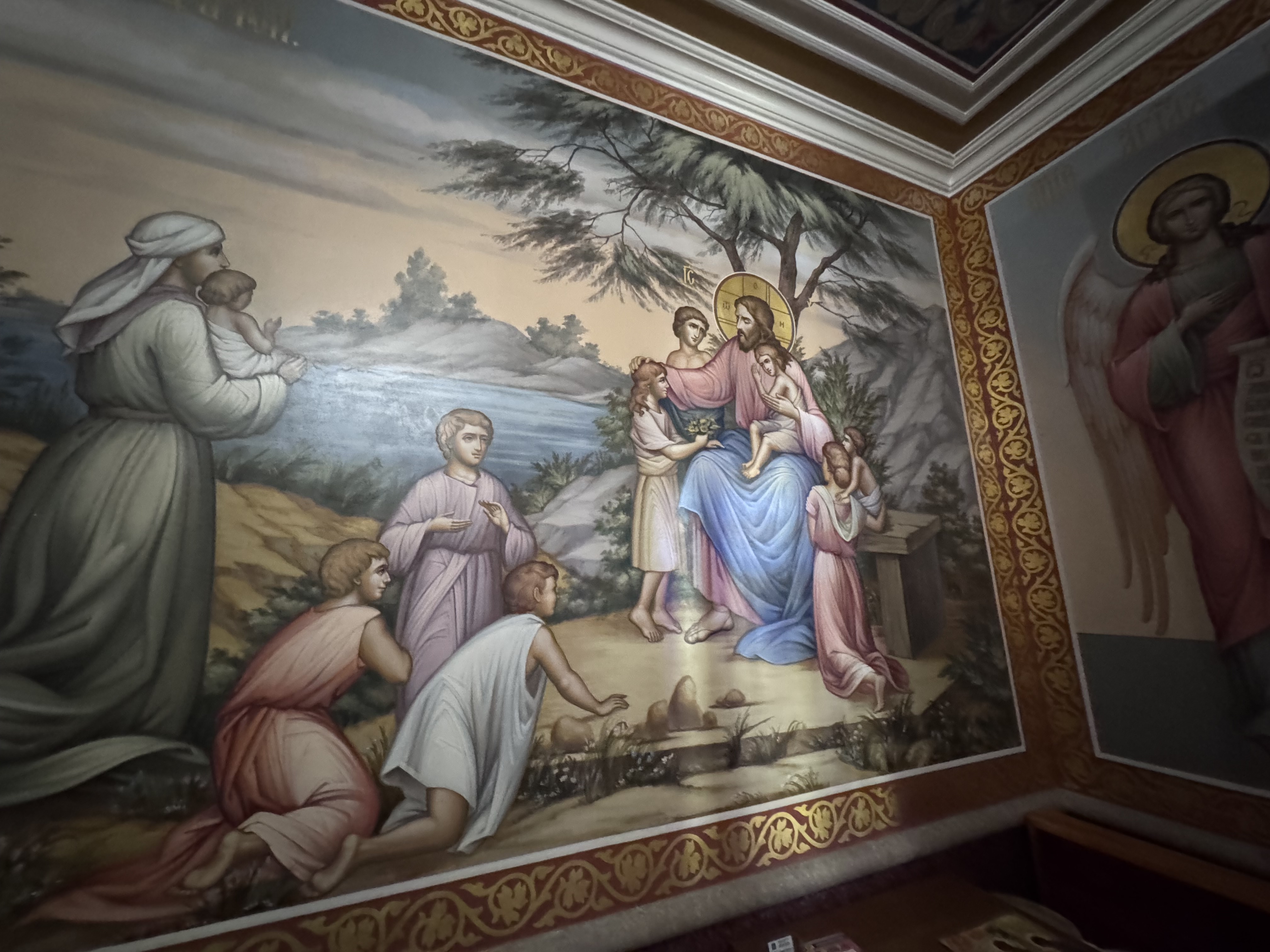
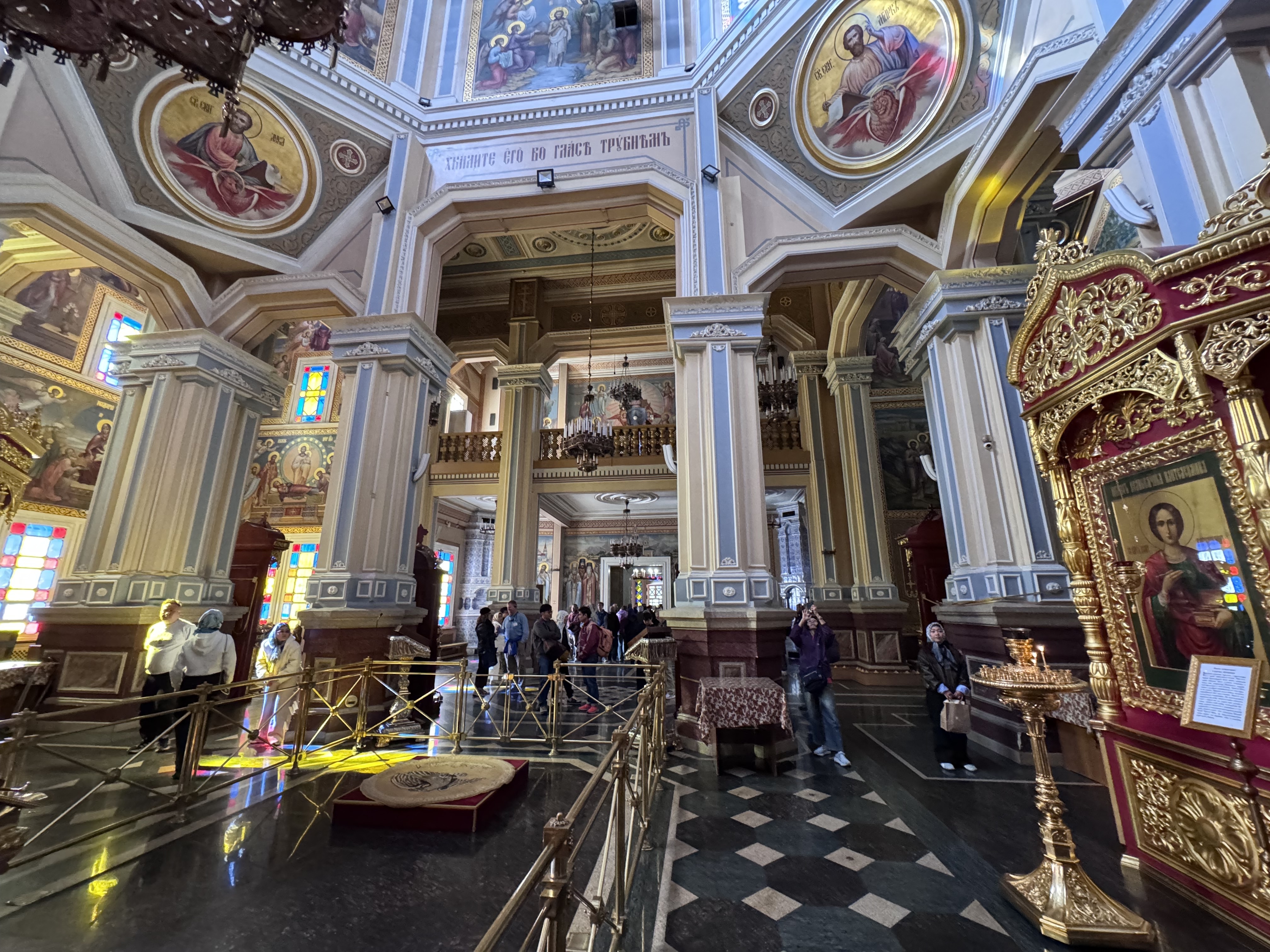
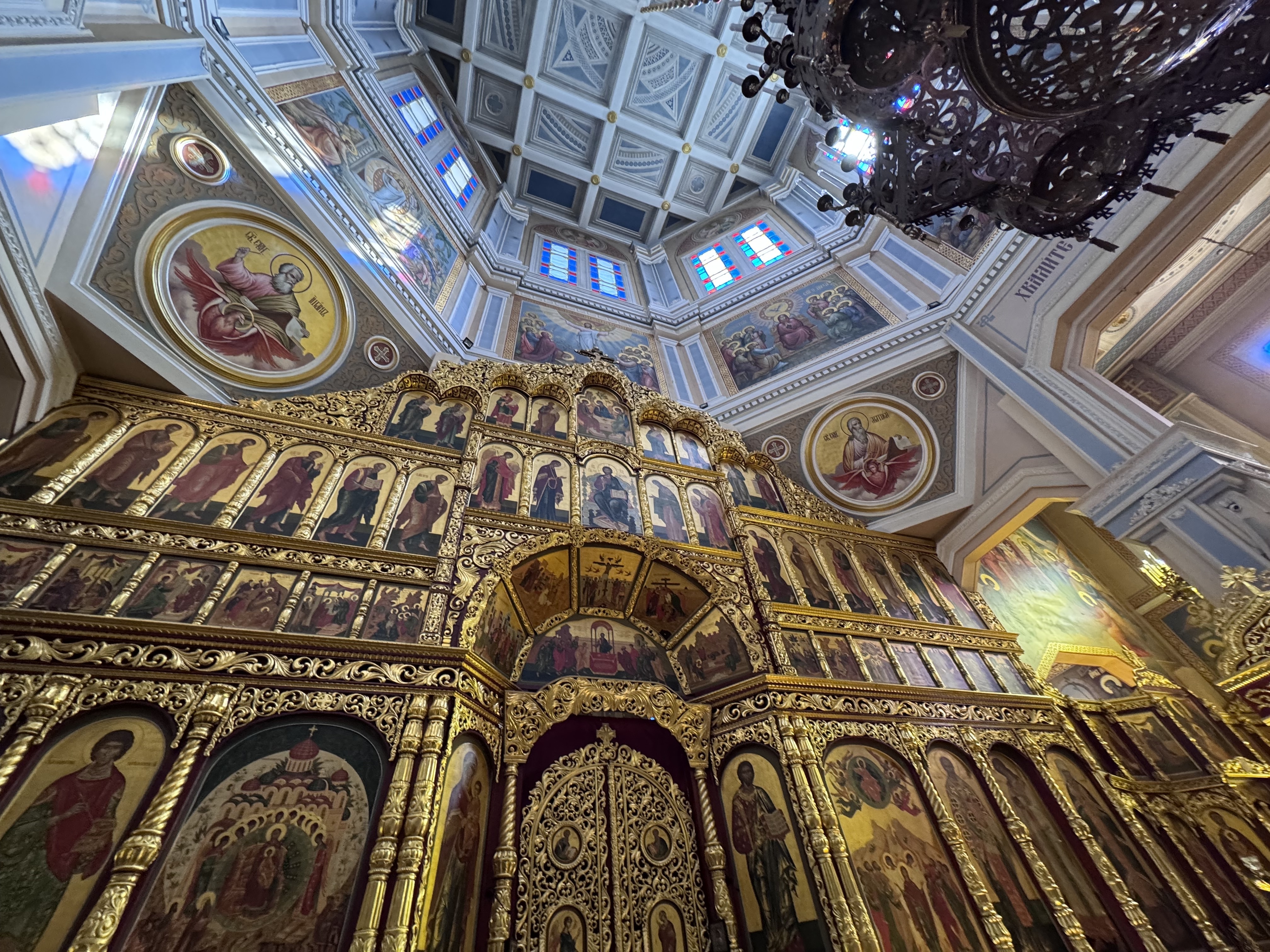
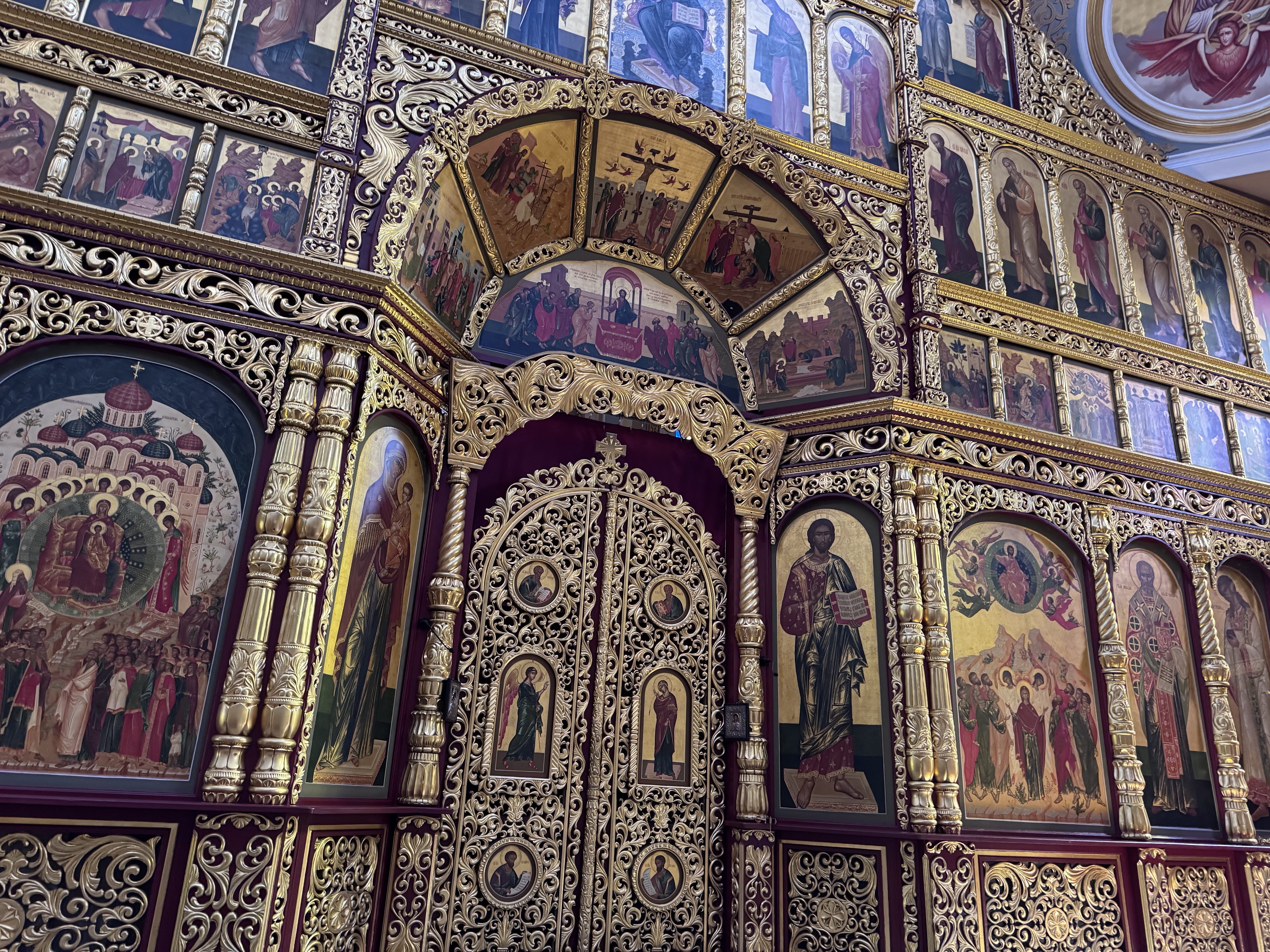
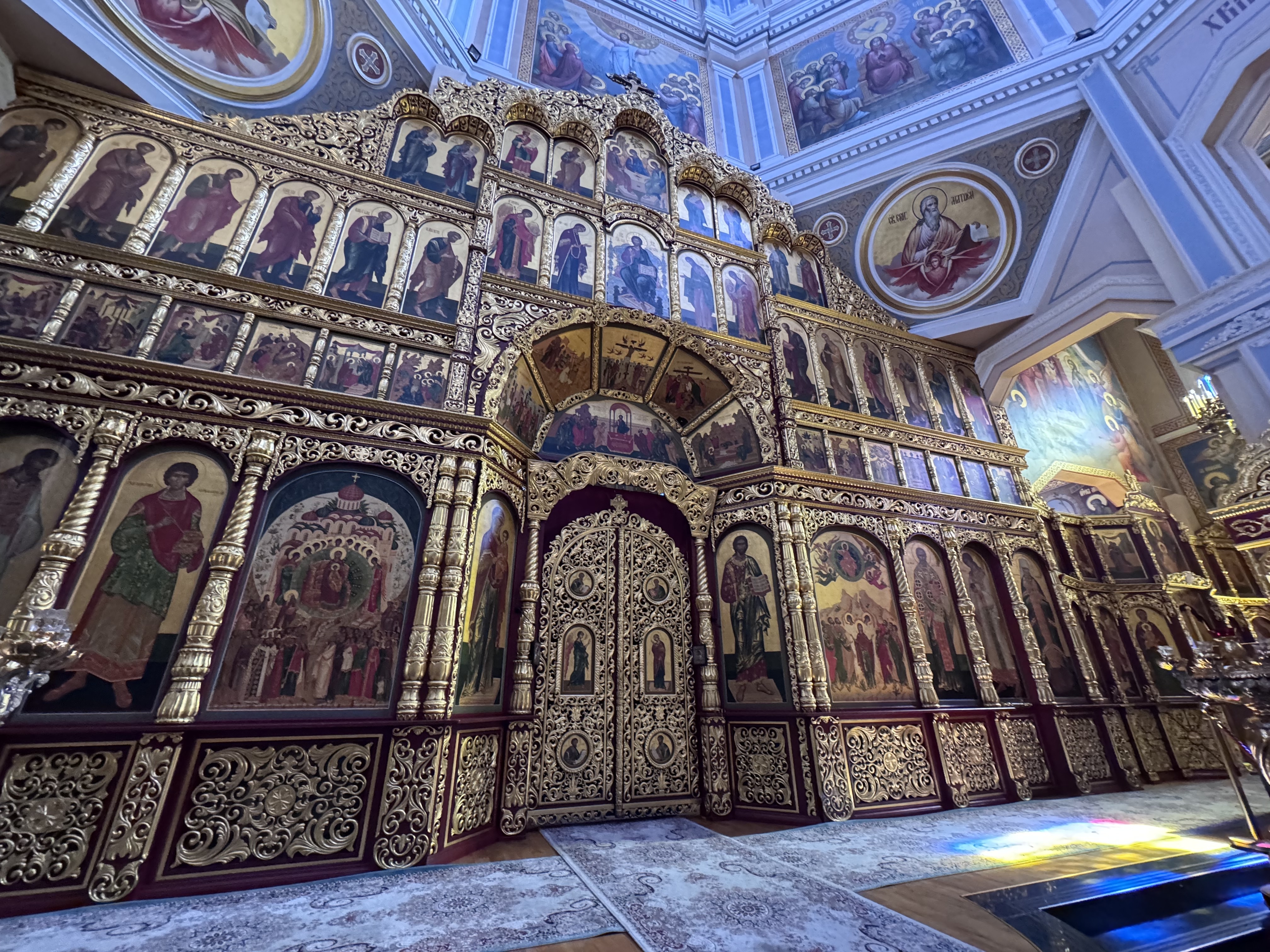
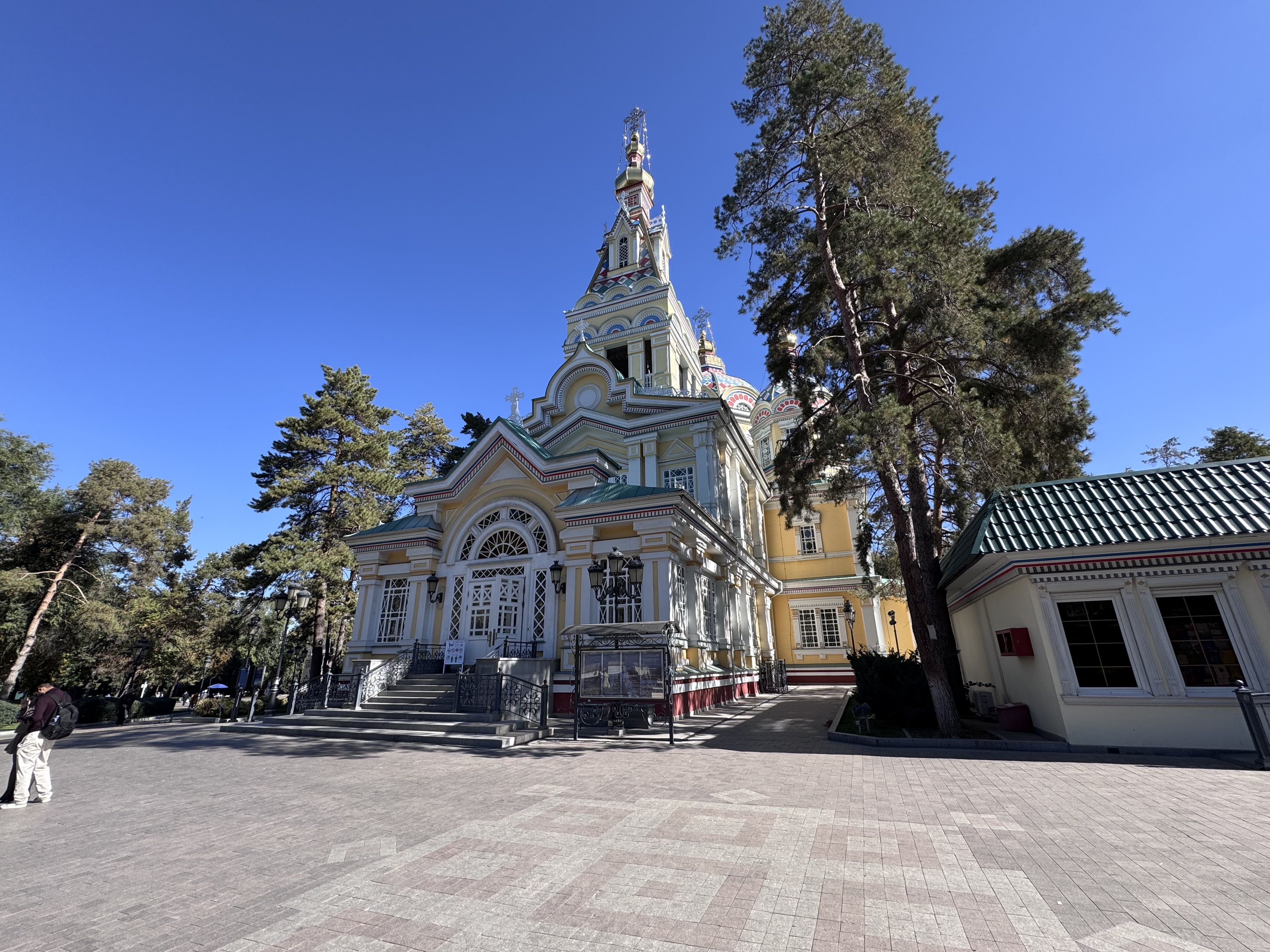
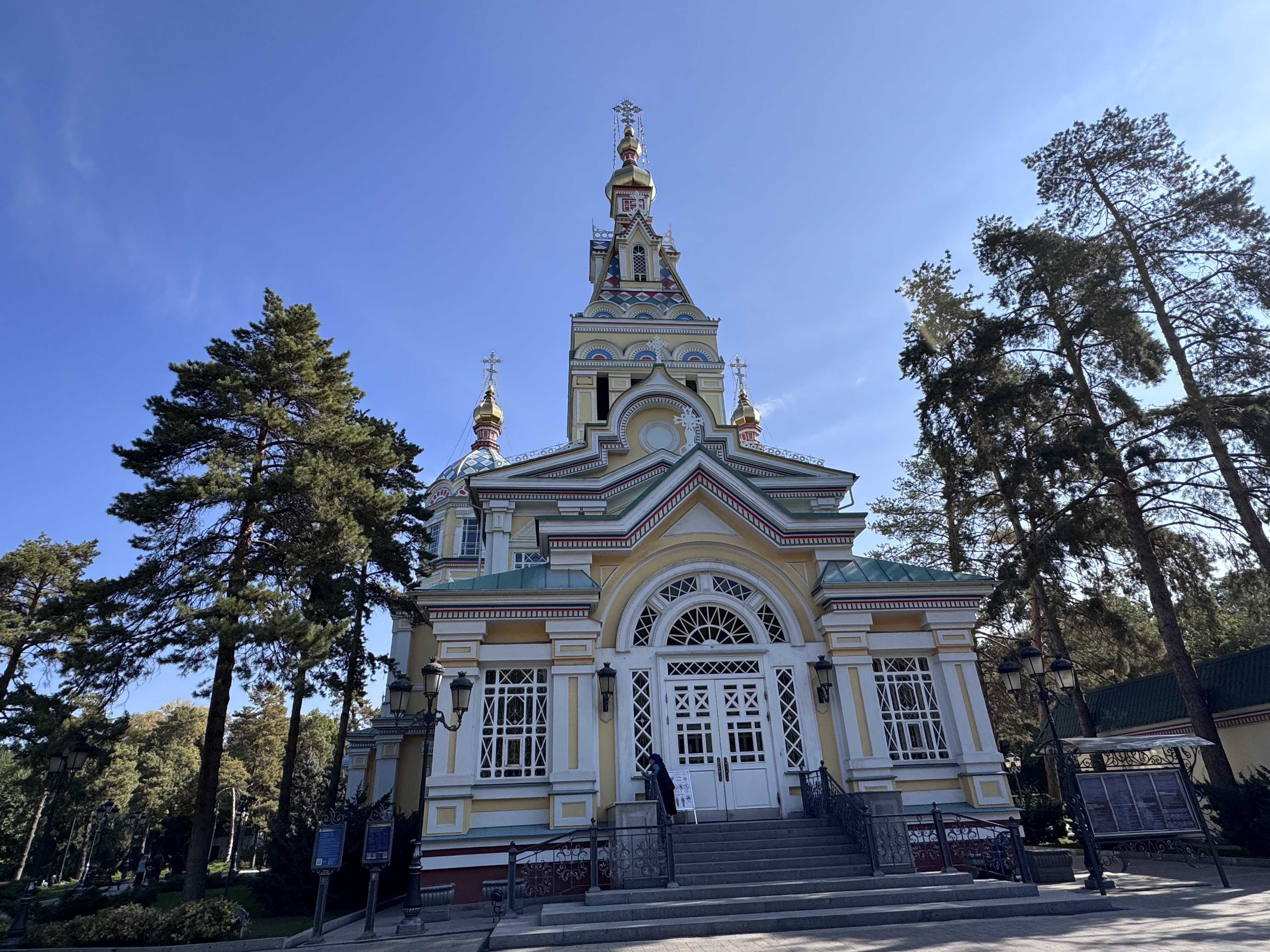
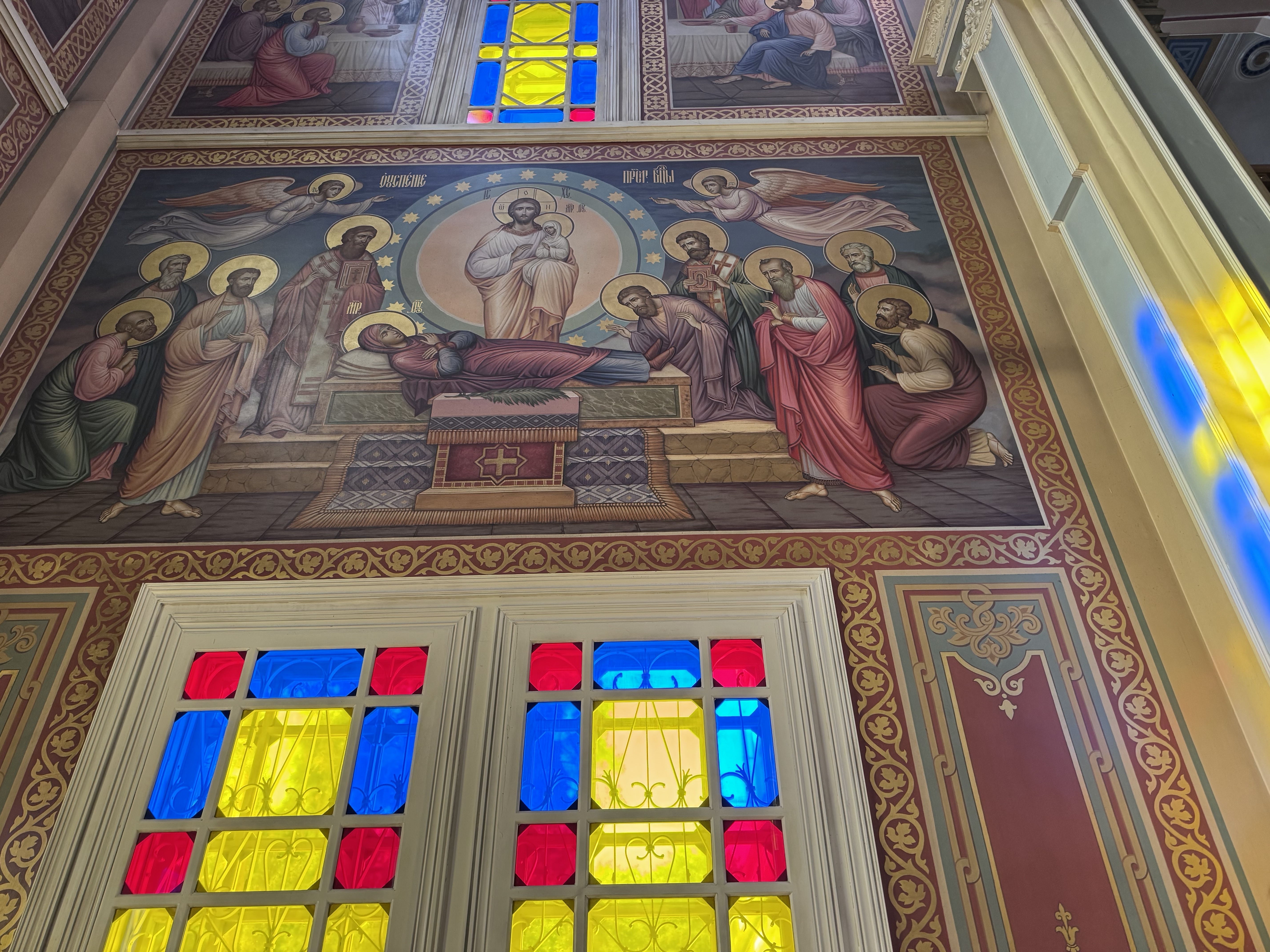
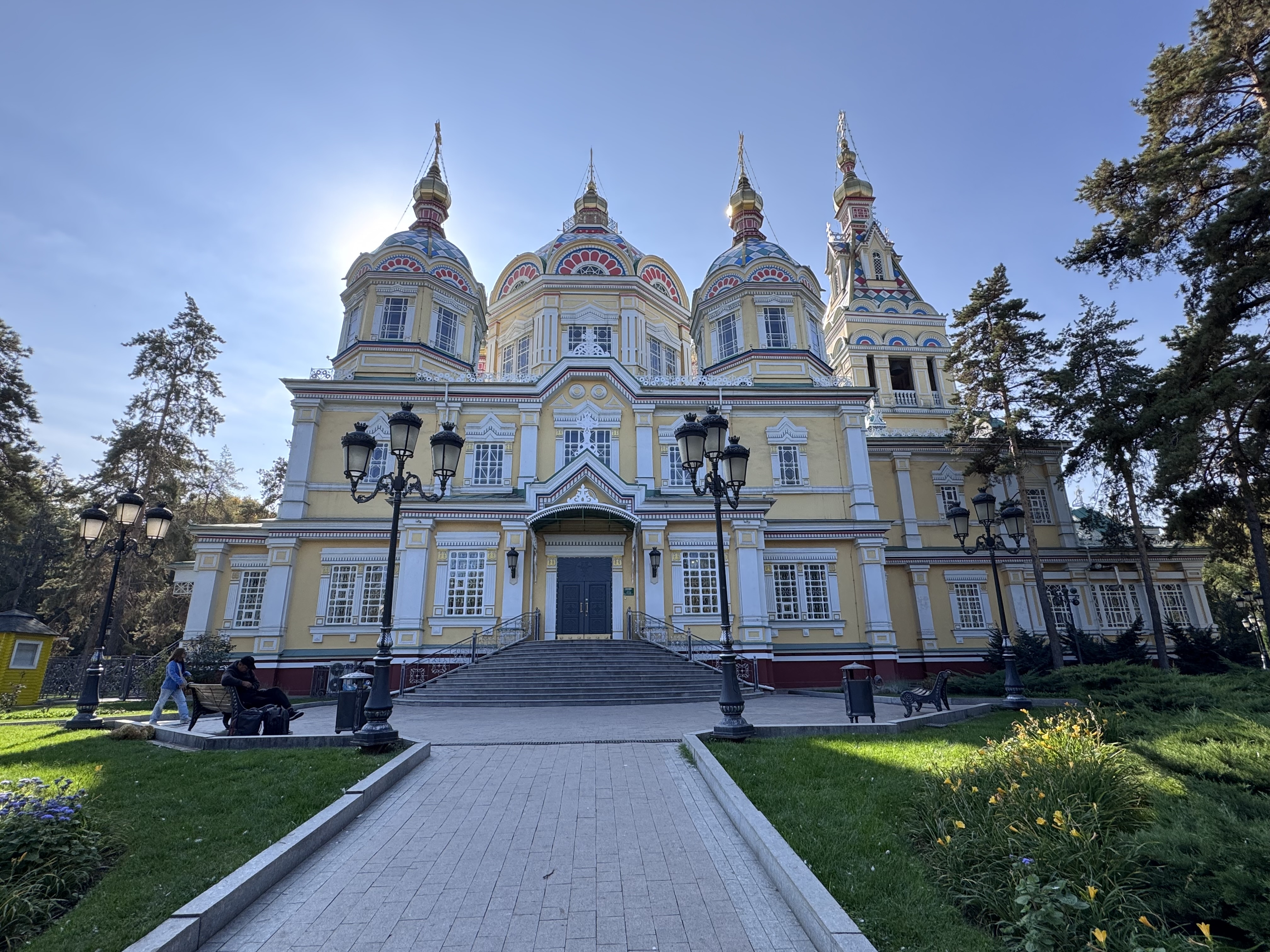
The Ascension Cathedral in Almaty, Kazakhstan, also known as Zenkov Cathedral, stands as a striking Russian Orthodox church and one of the most remarkable examples of wooden ecclesiastical architecture in the world.
Constructed entirely of wood between 1904 and 1907 under the guidance of engineer Andrei Pavlovich Zenkov, who refined earlier plans by architect Konstantin Borisoglebsky, the cathedral was built primarily from durable local Tian Shan spruce using traditional joinery techniques that relied on interlocking wooden elements rather than metal nails for its main structural frame.
This all wood construction reaches approximately 56 meters in height to the tip of its central dome and cross, earning it widespread recognition as the second tallest wooden church on the planet.
Its five onion domes, vibrant pastel exterior of blues, greens, and whites accented with gold, and cruciform plan embody classic Russian Orthodox design adapted to the seismic realities of the region. The flexible wooden ...
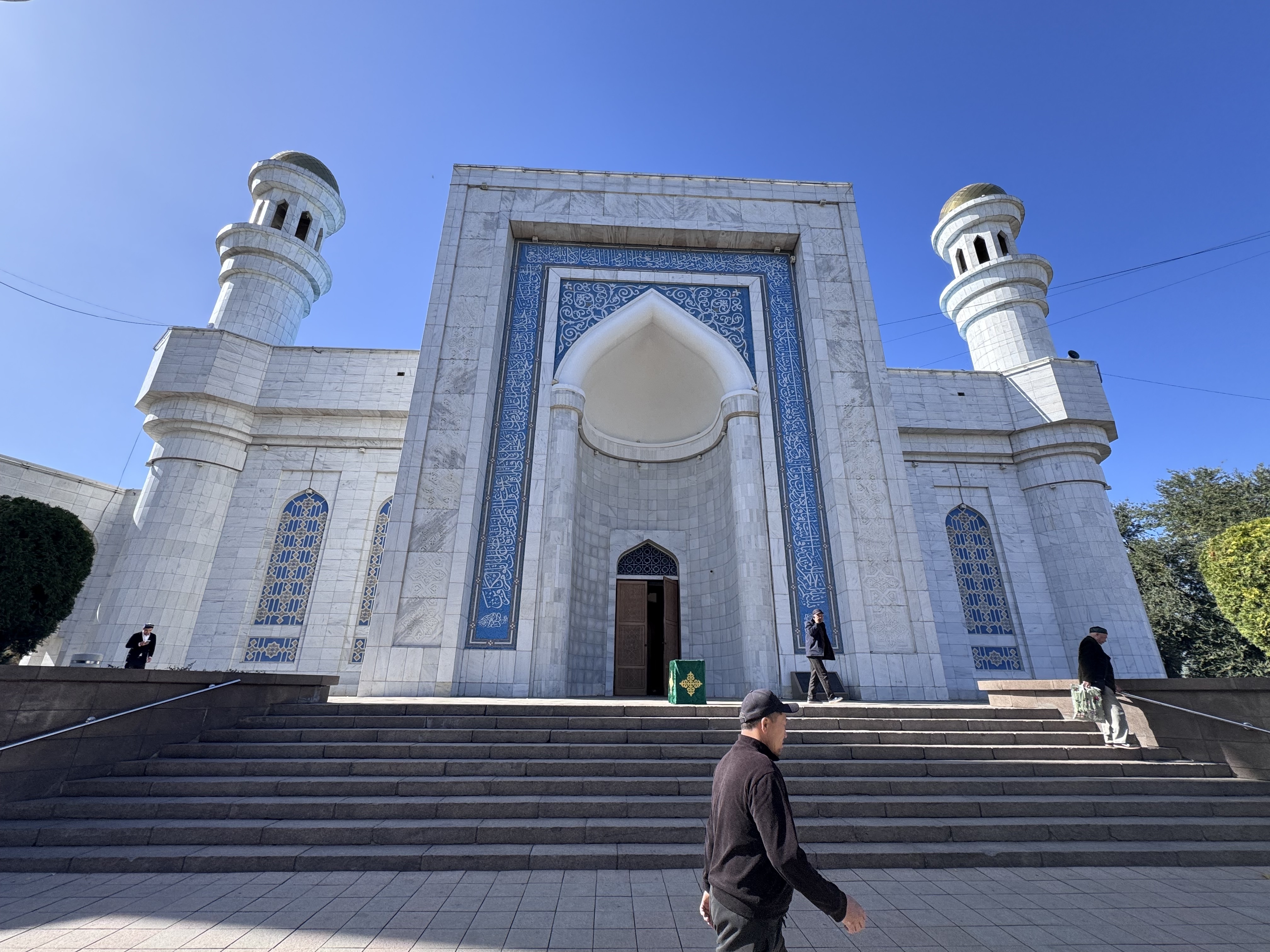
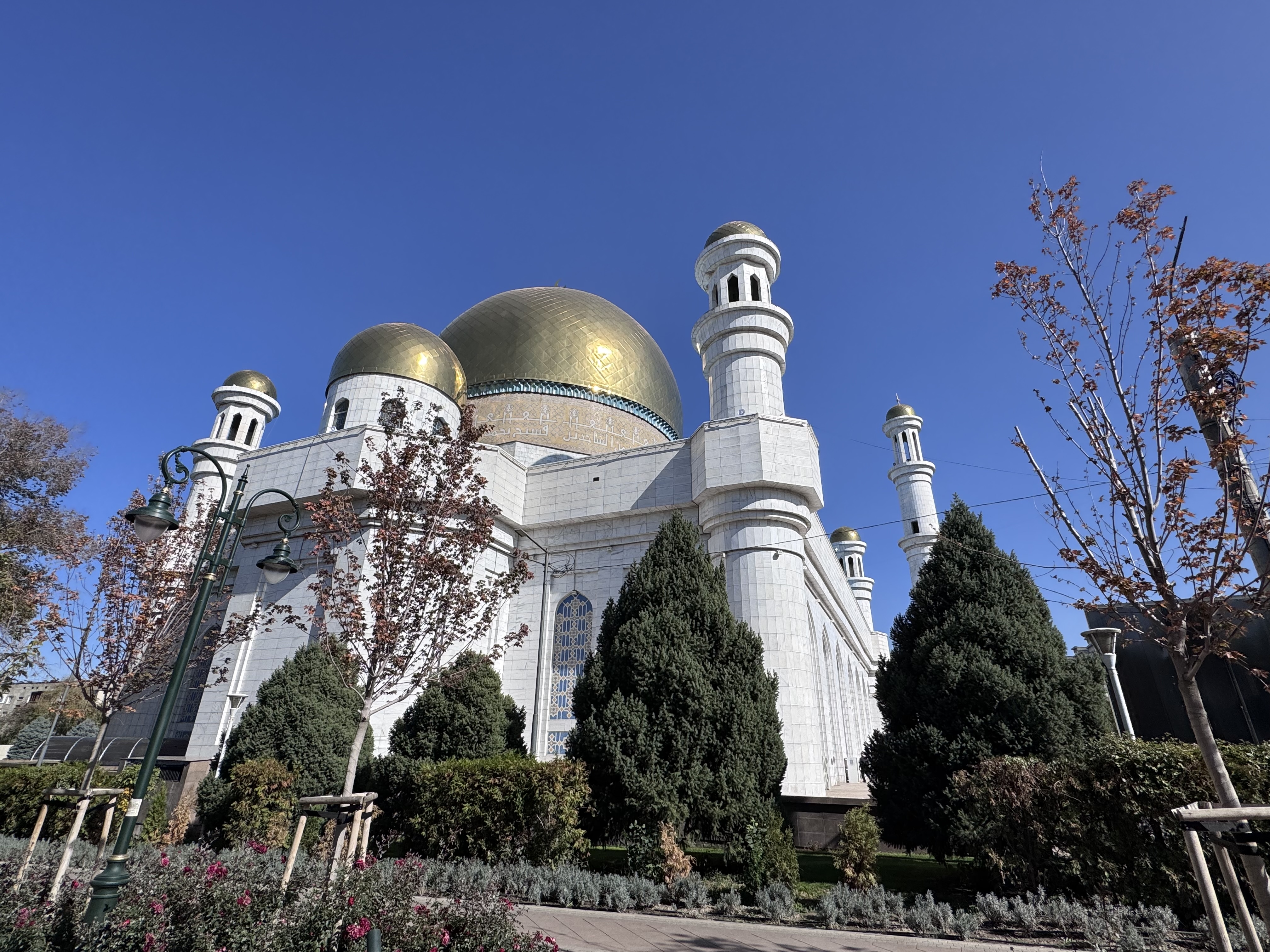
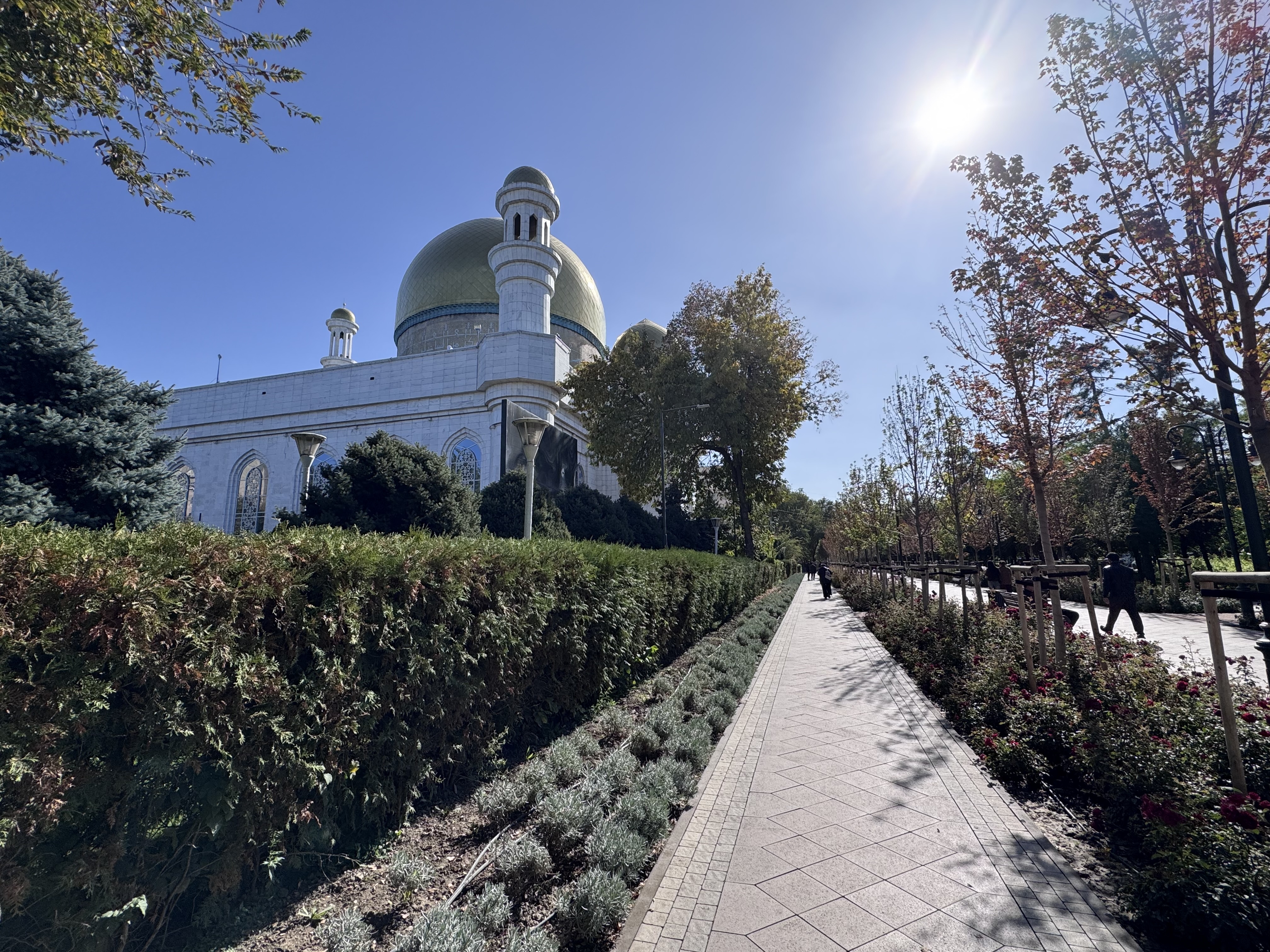
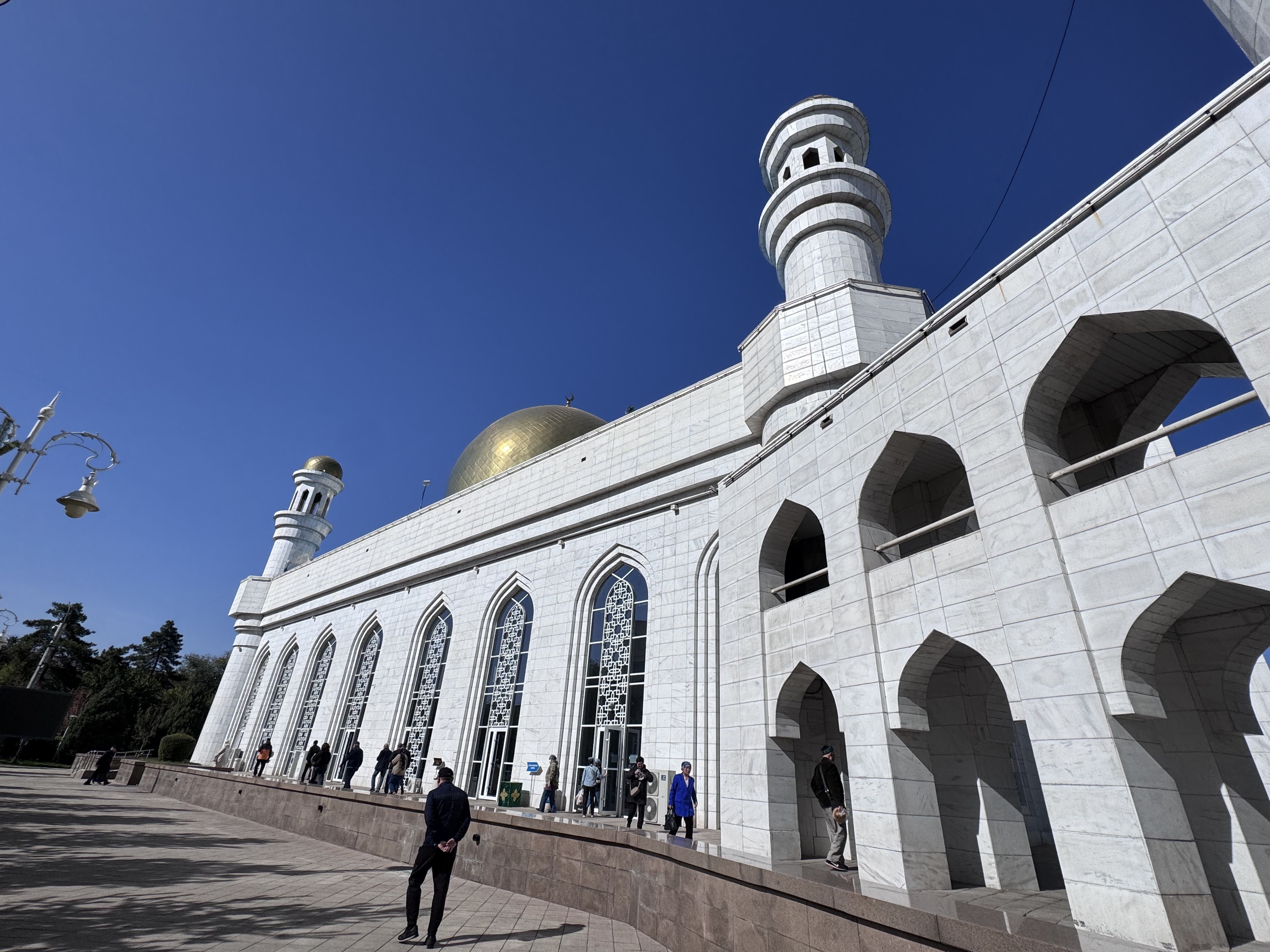
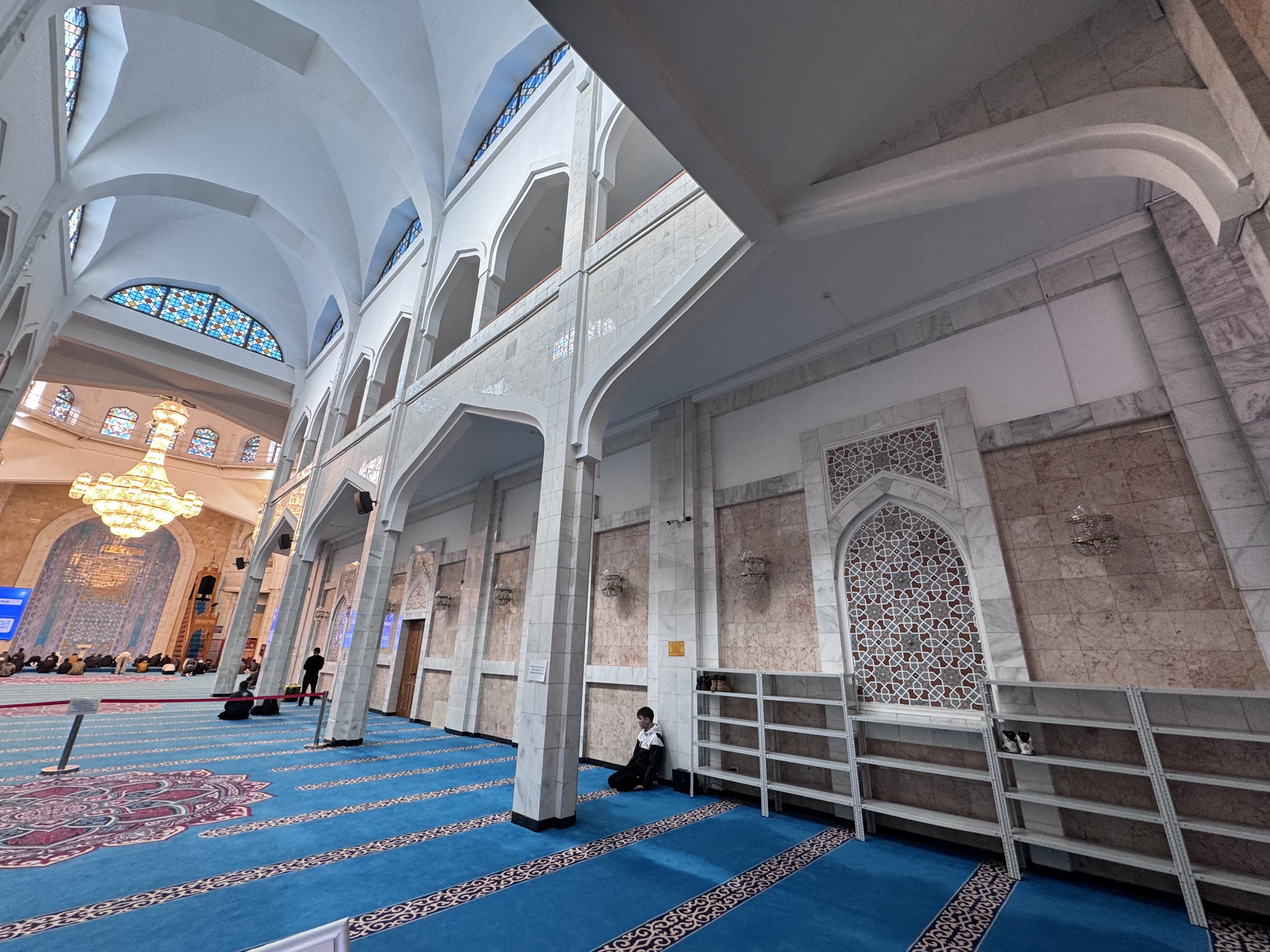
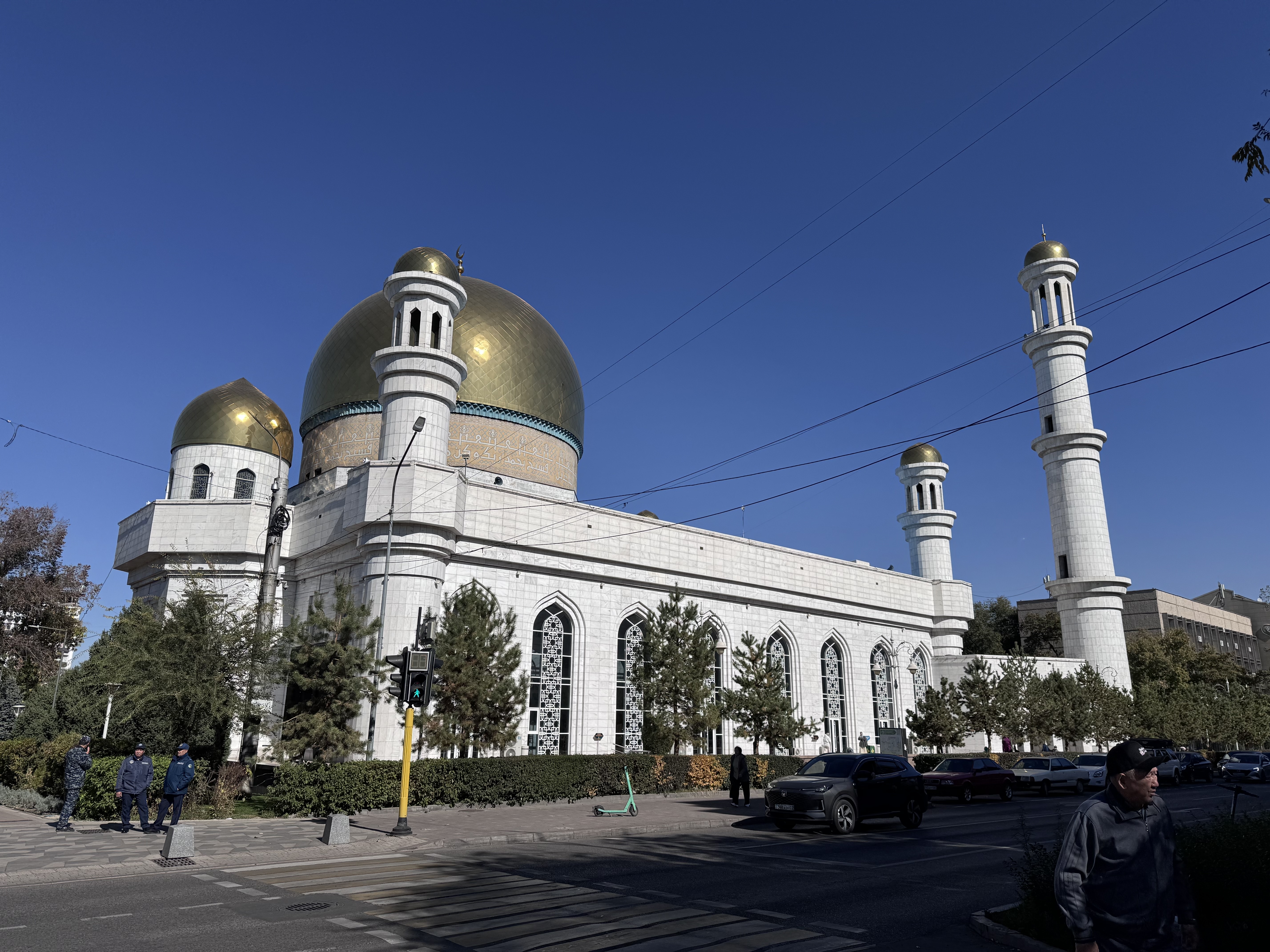
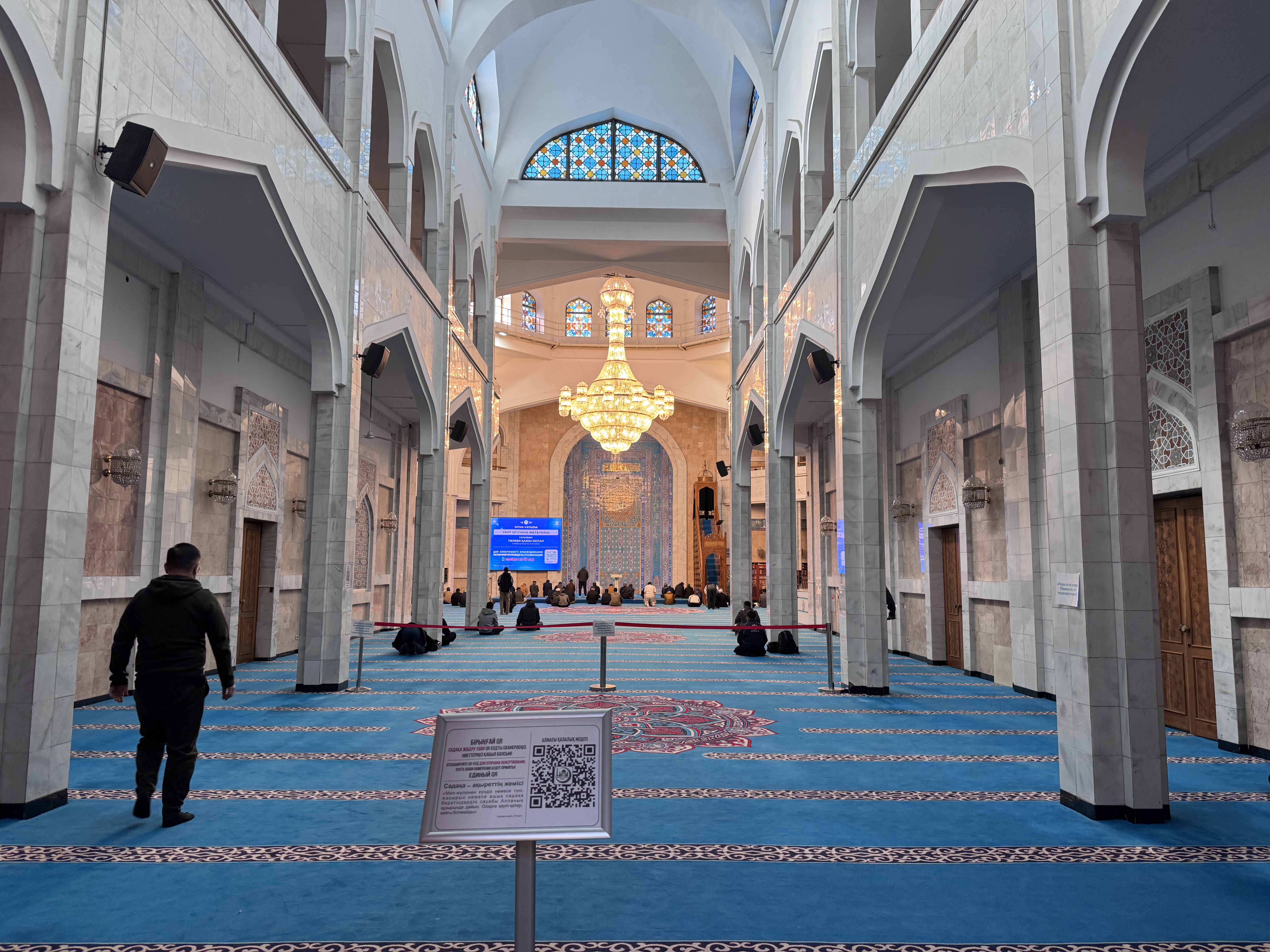
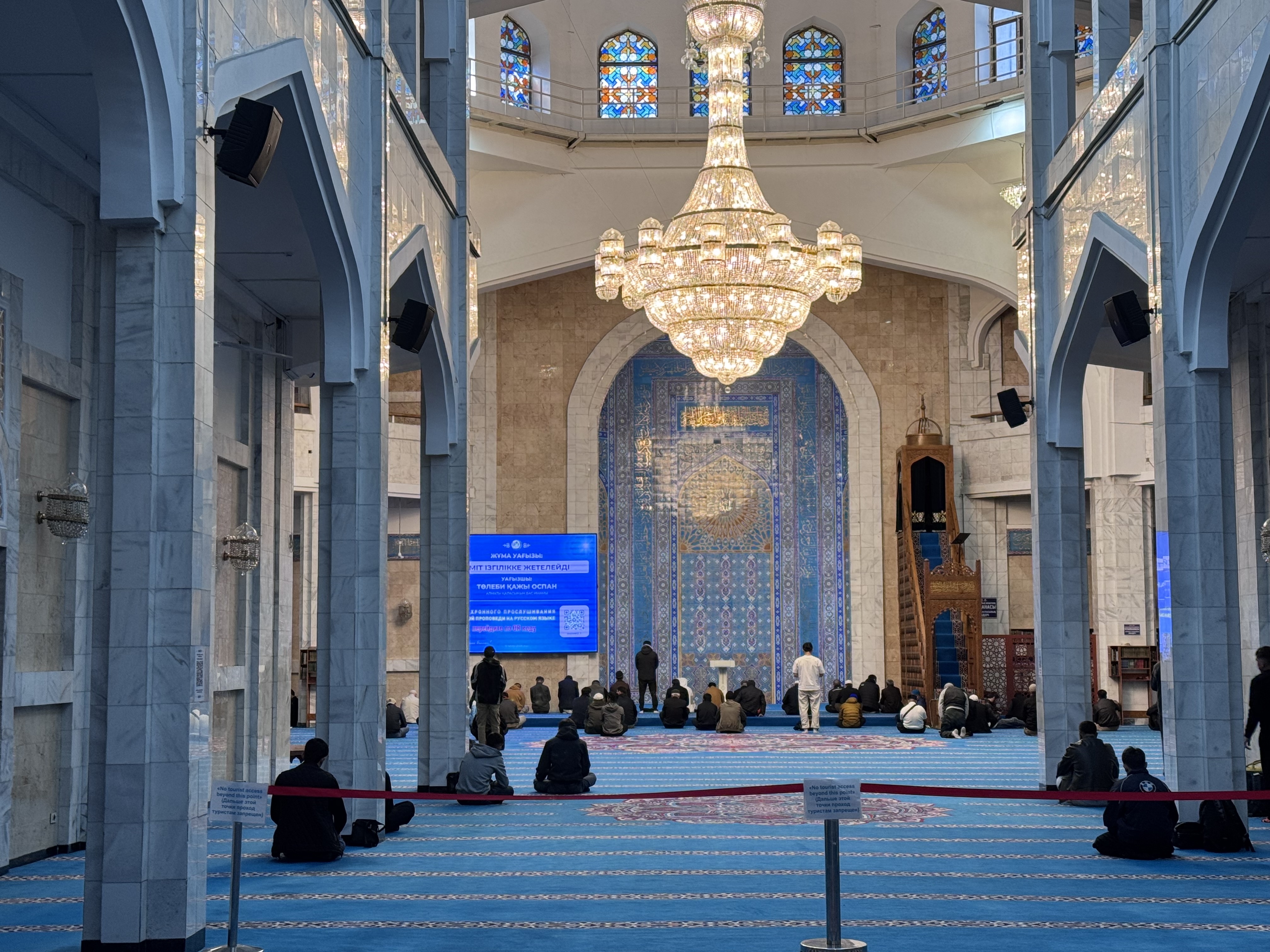
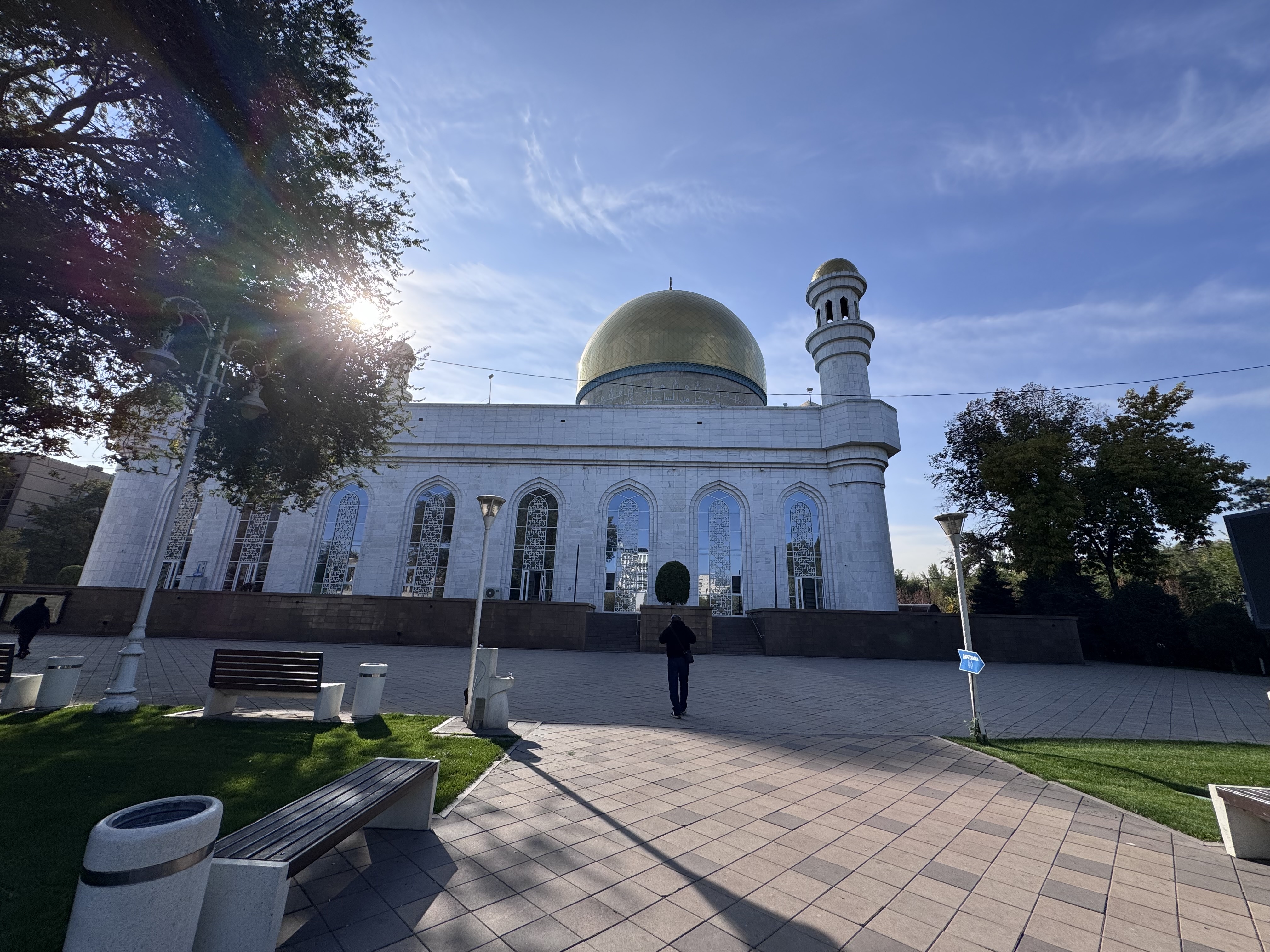
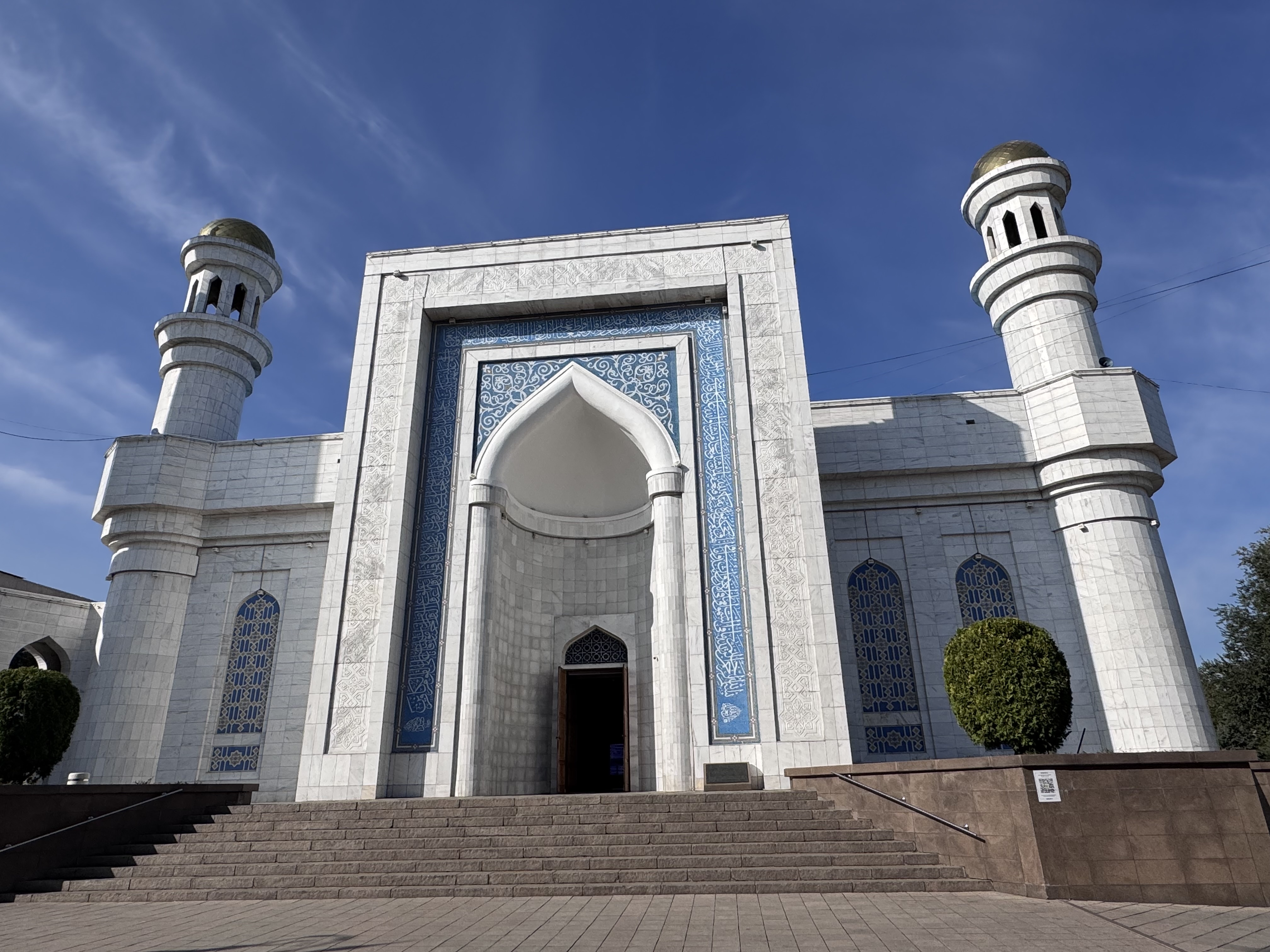
The Almaty Central Mosque, known in Kazakh as Almaty ortalyq meshiti, stands as one of the largest and most prominent mosques in Almaty and throughout Kazakhstan.
The current structure was erected on the site of an earlier Tatar Mosque that had operated since 1890, serving the local Muslim community of Tatar traders, artisans, and settlers during the period of Russian imperial expansion into Central Asia. That wooden mosque was destroyed by fire in 1987. In the years following Kazakhstan’s independence, plans advanced for a major new mosque to meet the needs of a growing Muslim population and to mark a revival of religious life after the Soviet era. The foundation was poured in 1993, and construction continued for six years until the building opened in 1999.
The mosque is a rectangular, domed building oriented along an east-west axis and clad in white marble, giving it a luminous appearance. Its main dome rises 36 meters with a diameter of 20 meters and rests on a two-tiered drum that transitions ...