

One of the most important places for Buddhists in Thailand can be found in Nakhon Pathom, one of the oldest cities in Thailand.
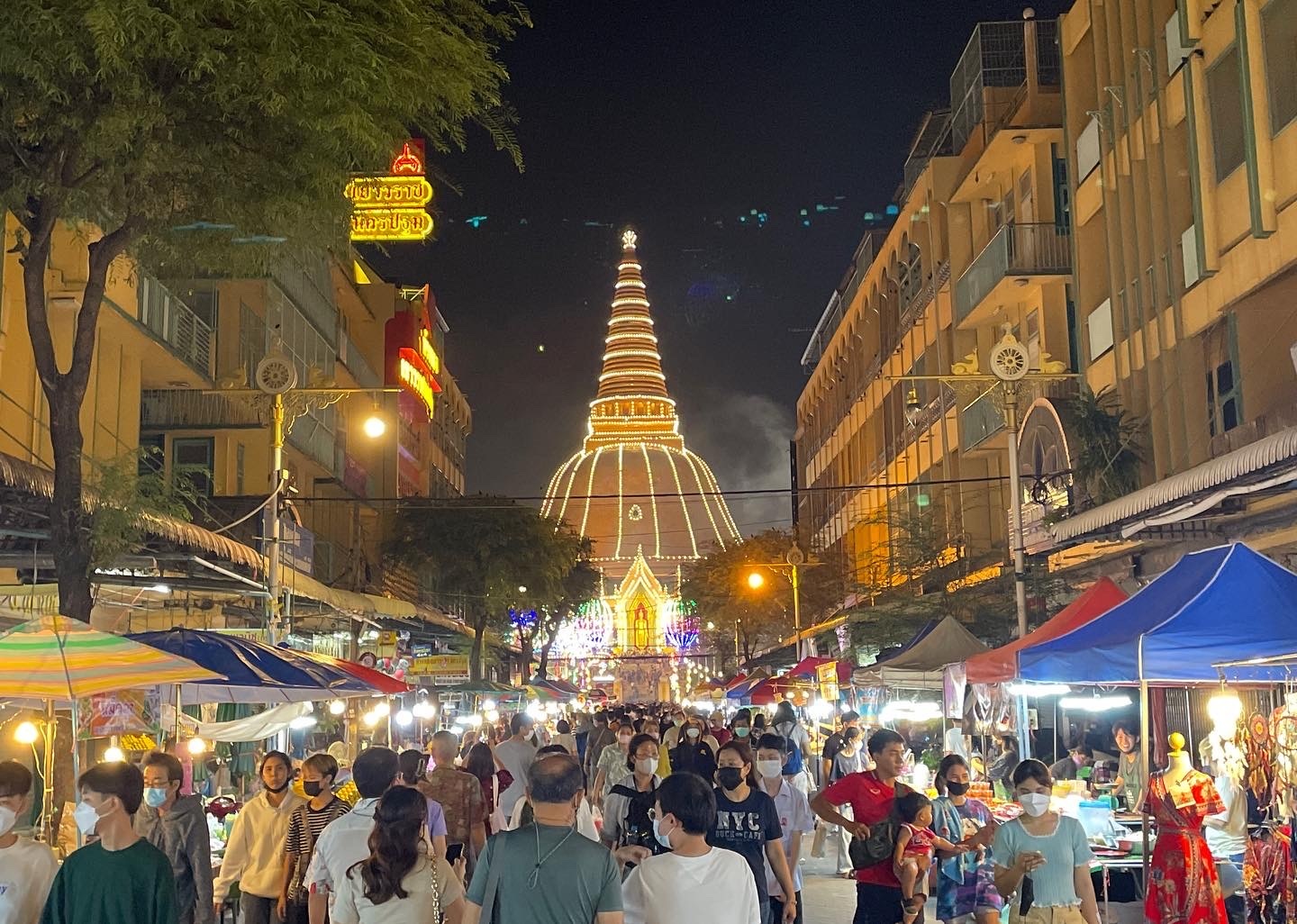
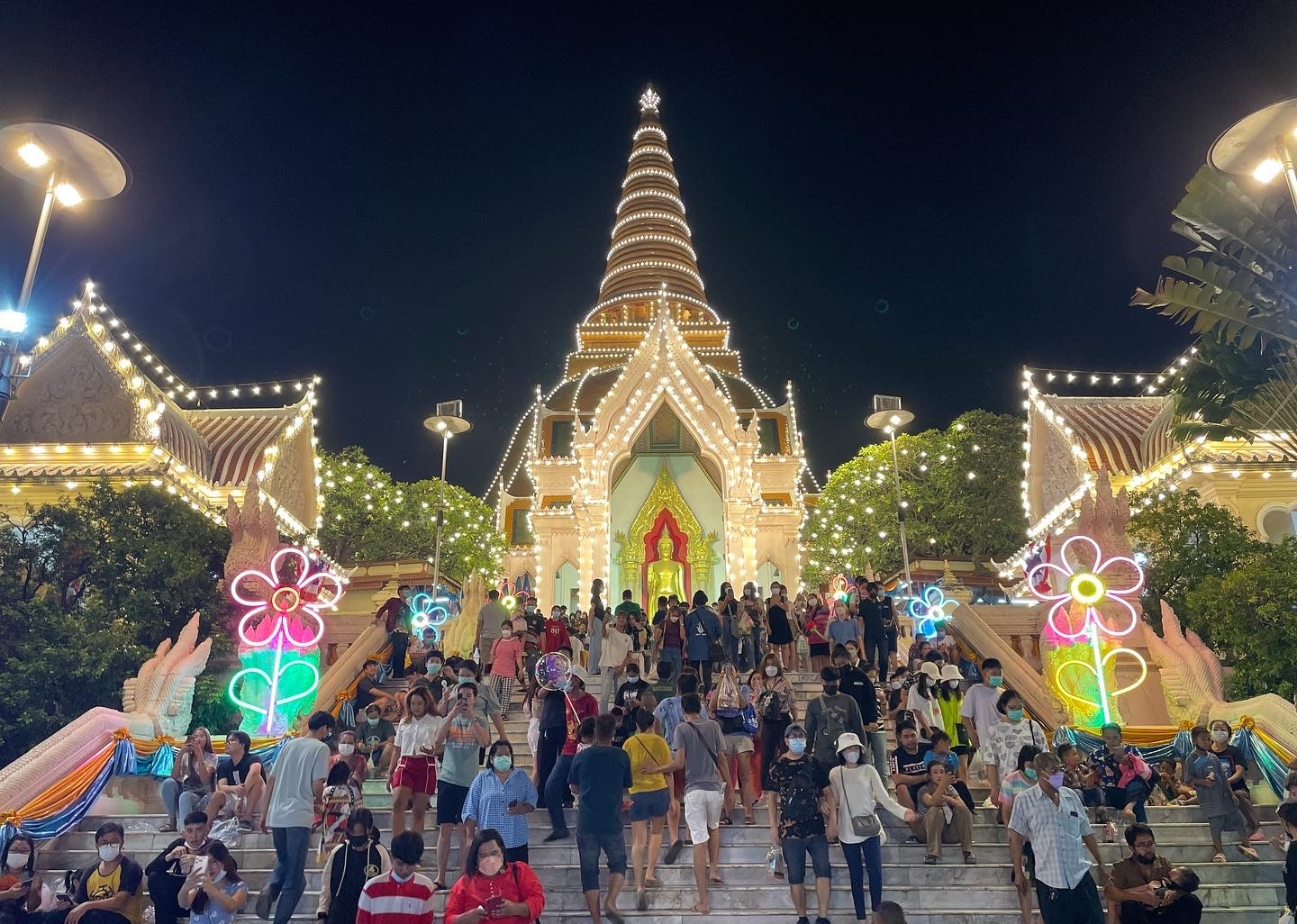
The Phra Pathom chedi, which means “Holy chedi of the beginning” is regarded the oldest Buddhist structure in Thailand. The very impressive chedi (stupa) with its gold roof visible from far away is with its 120 meters height the largest Buddhist chedi in the world.
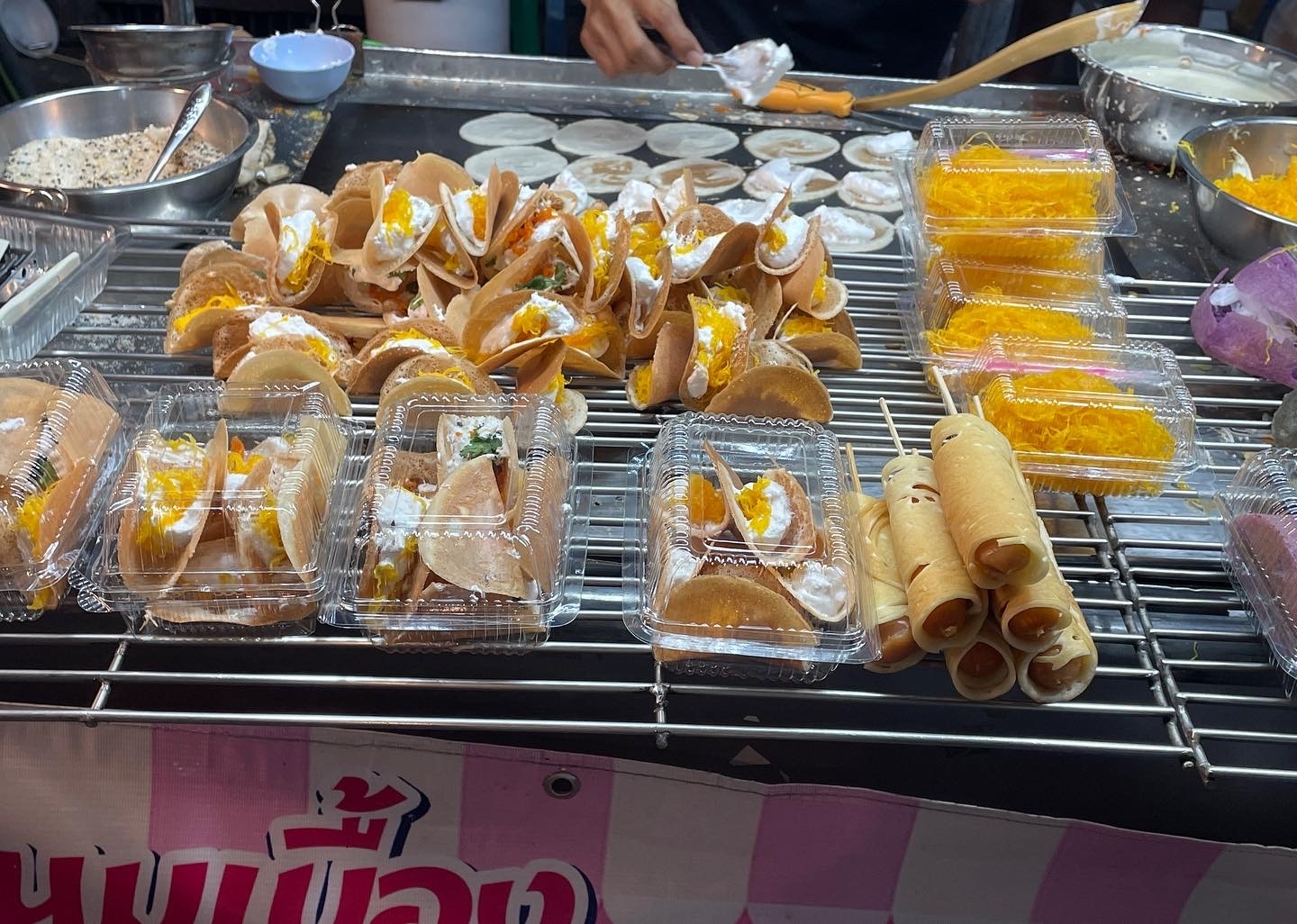
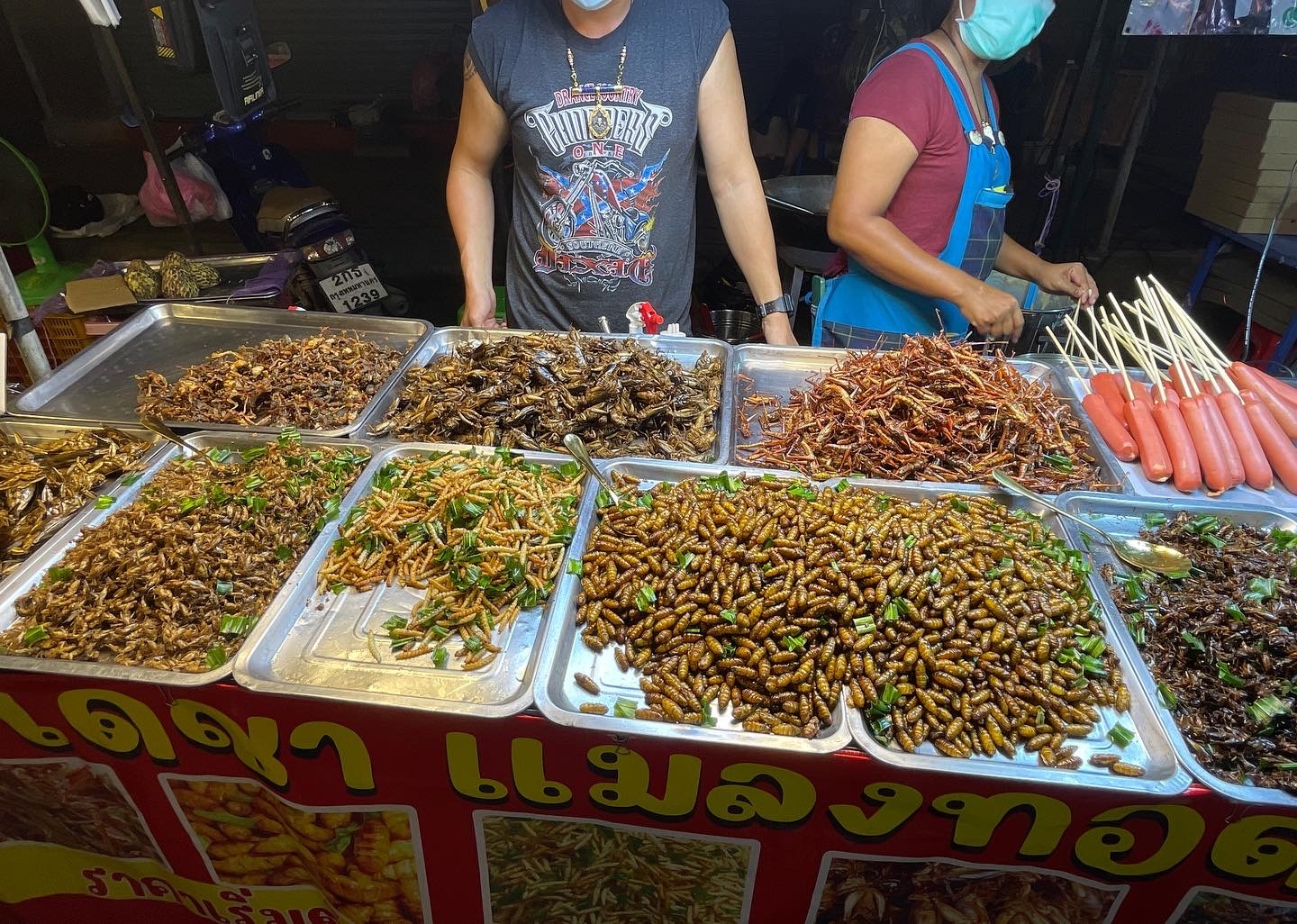
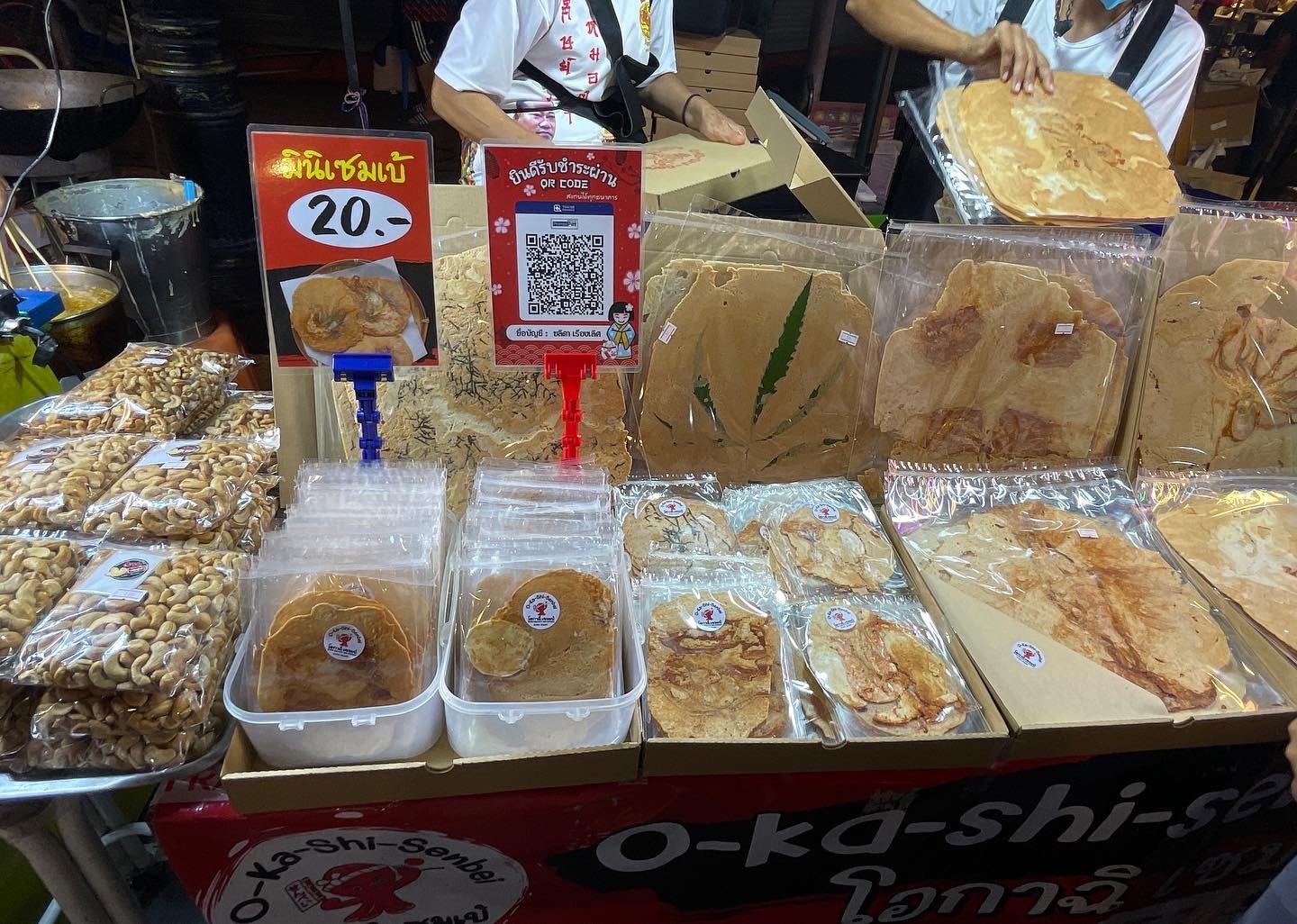
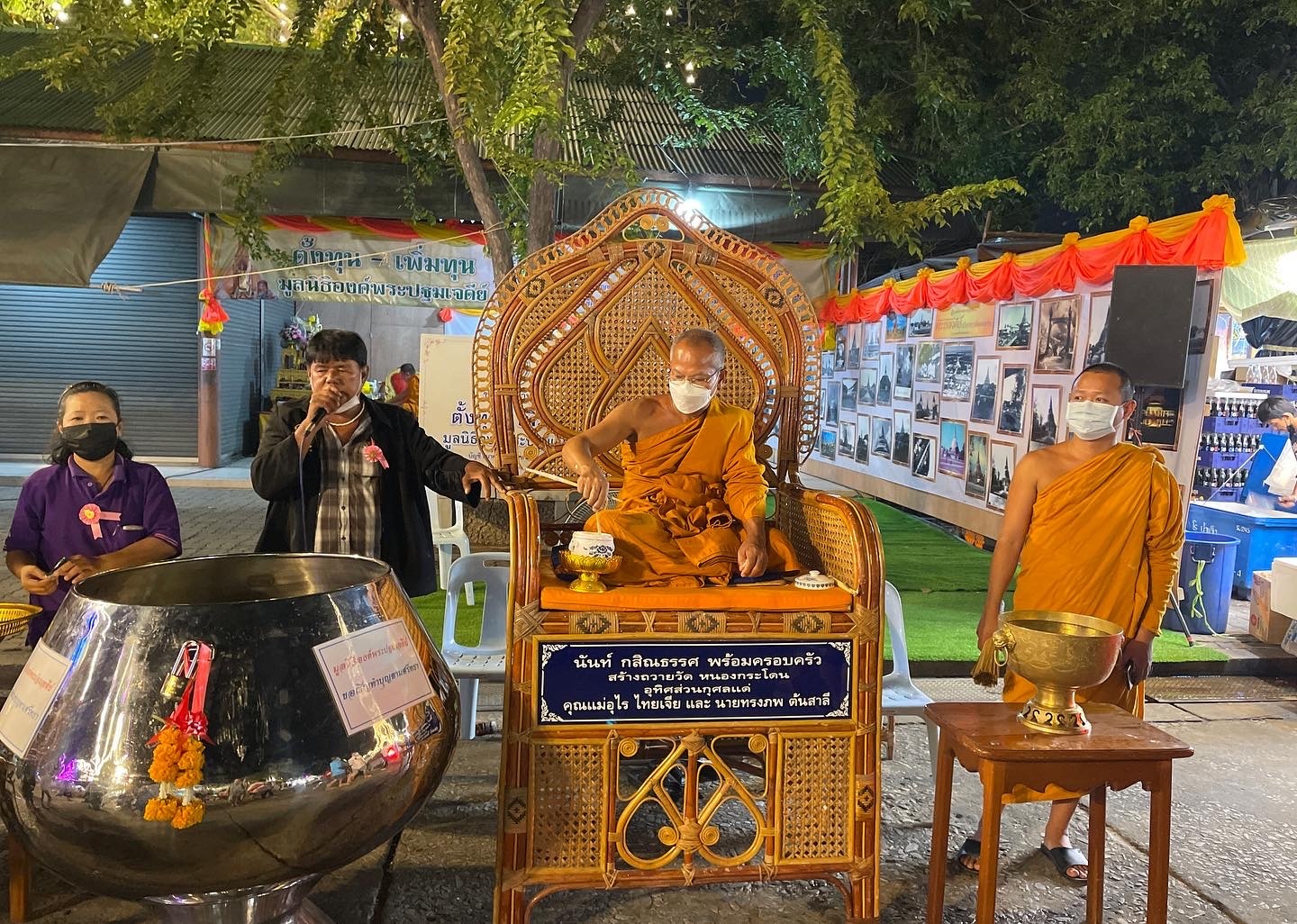
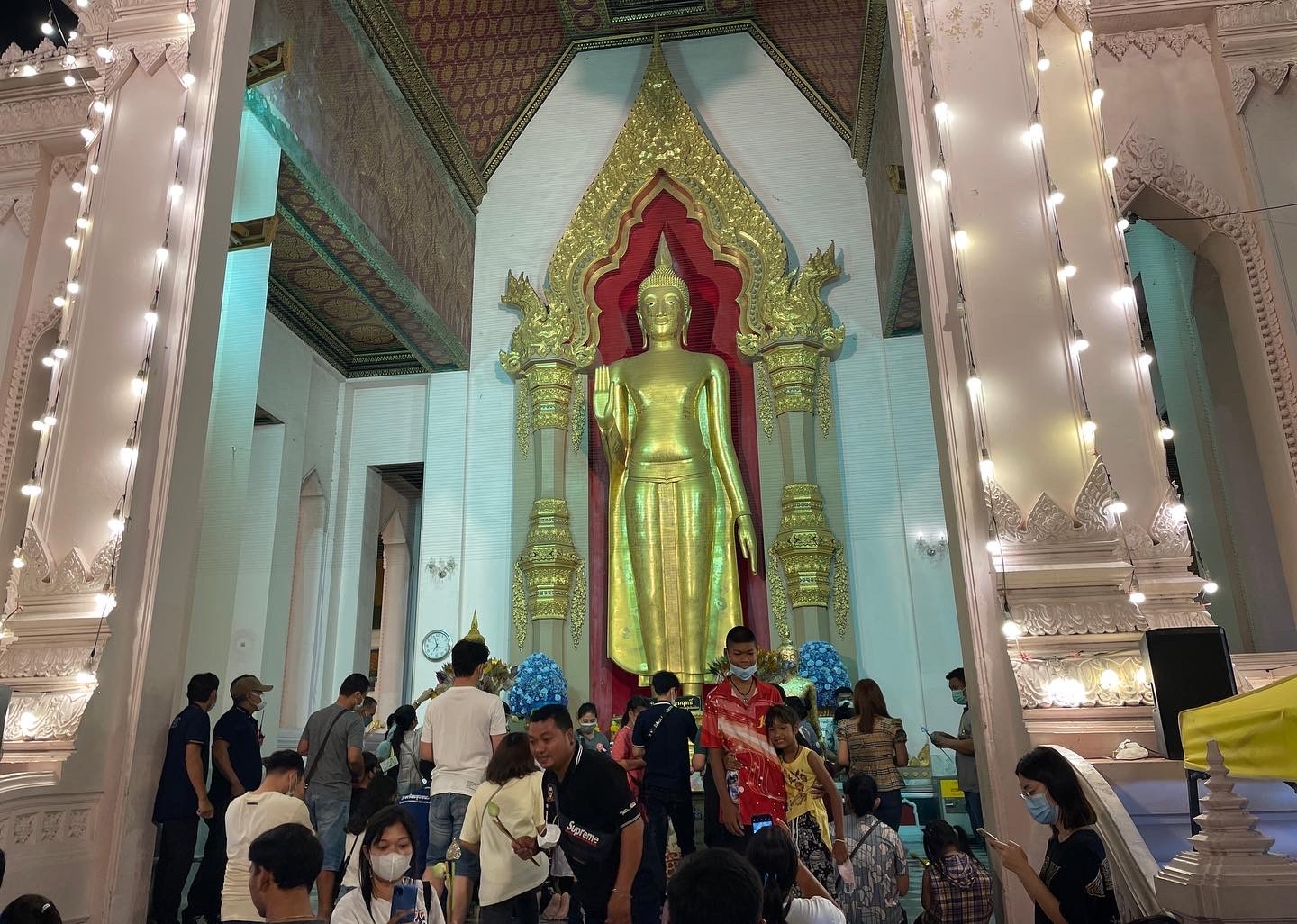
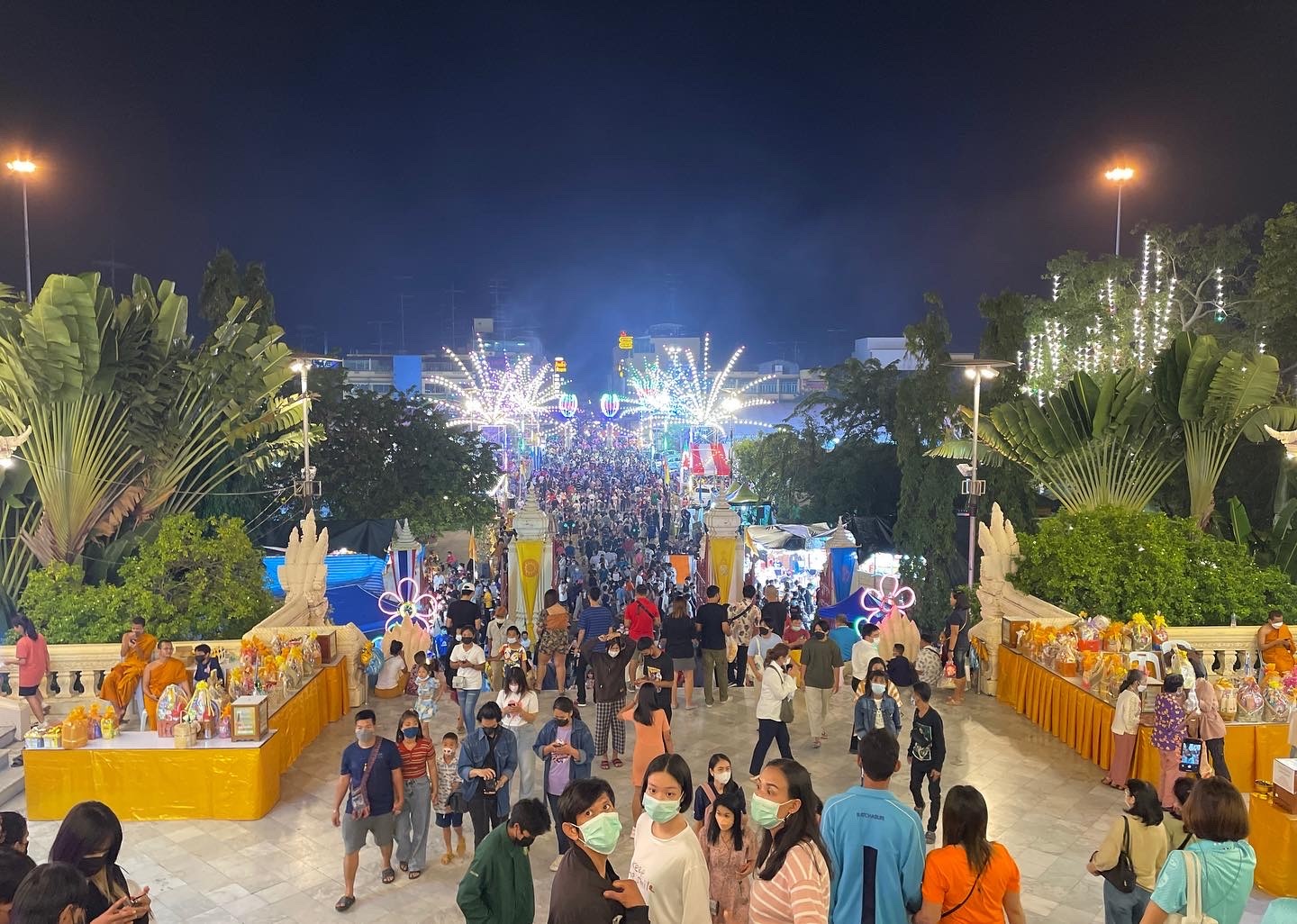
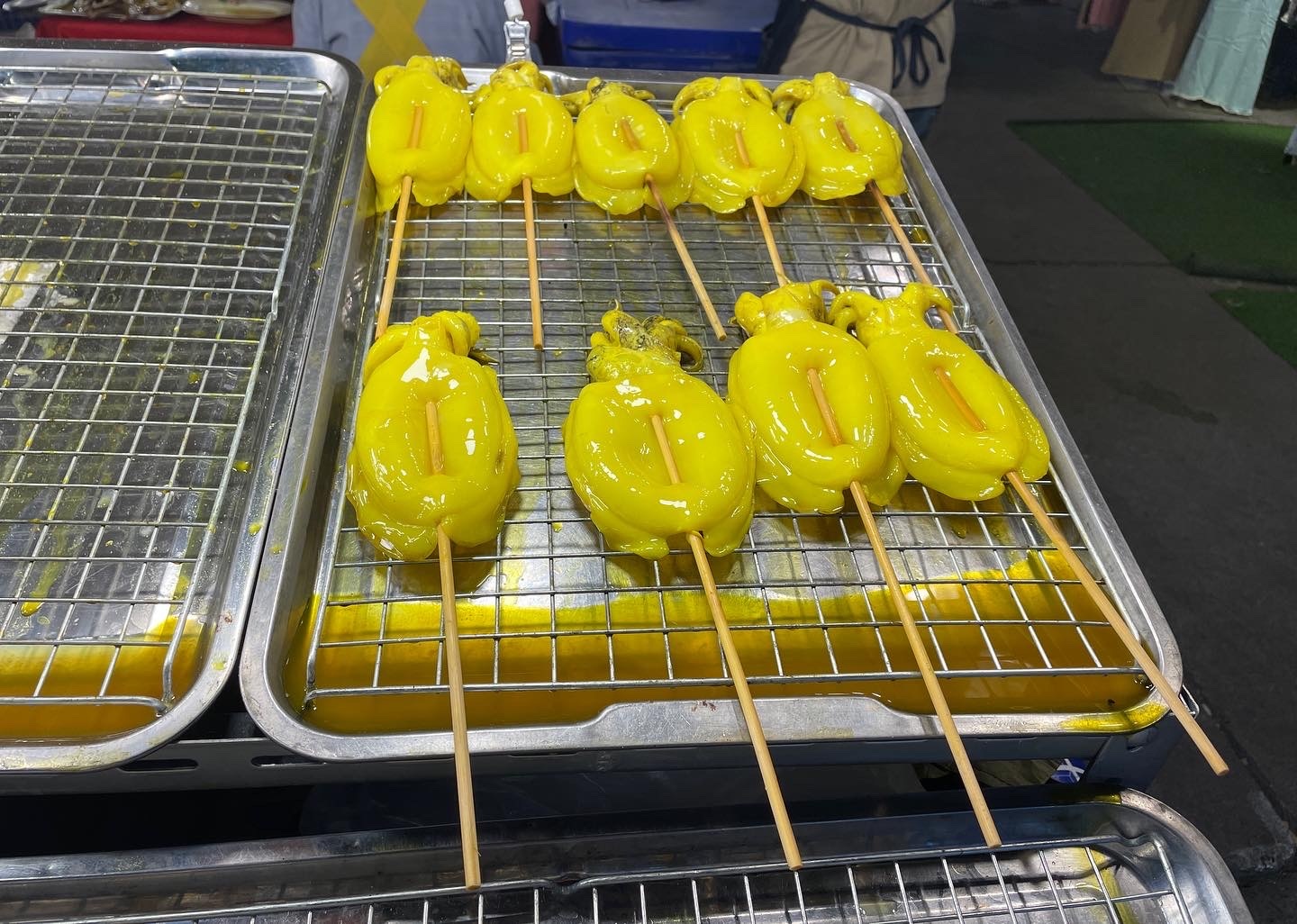
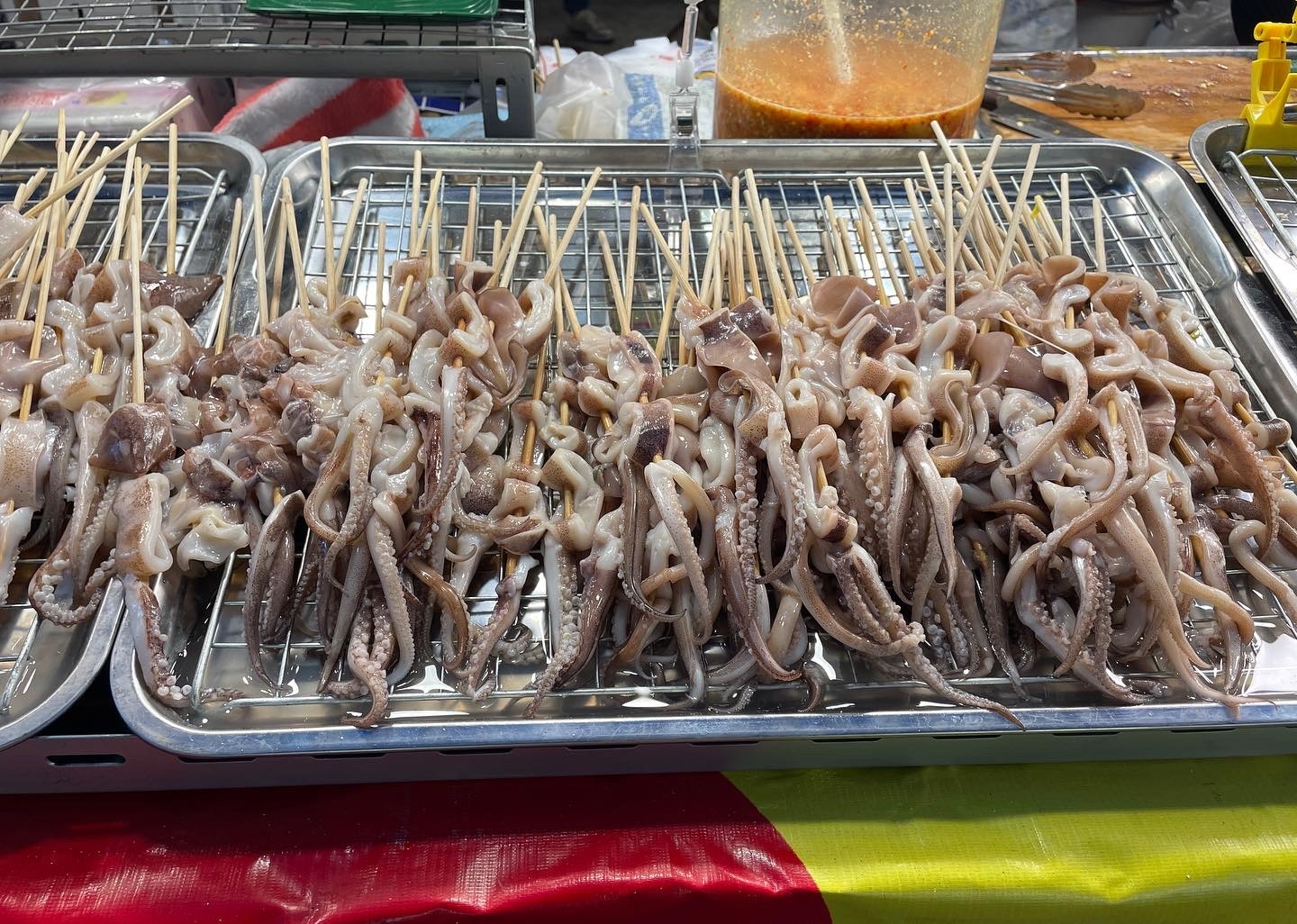
From November 5th through the 13th the Chedi hosts a huge night market to celebrate 107 years of the standing Buddha next to the Chedi. Vendors offer everything you could possibly want. If you are a Thai food lover this is a place you would want to visit.
Night Market - Nakhon Prathom Thailand 2022 - Street Food and More
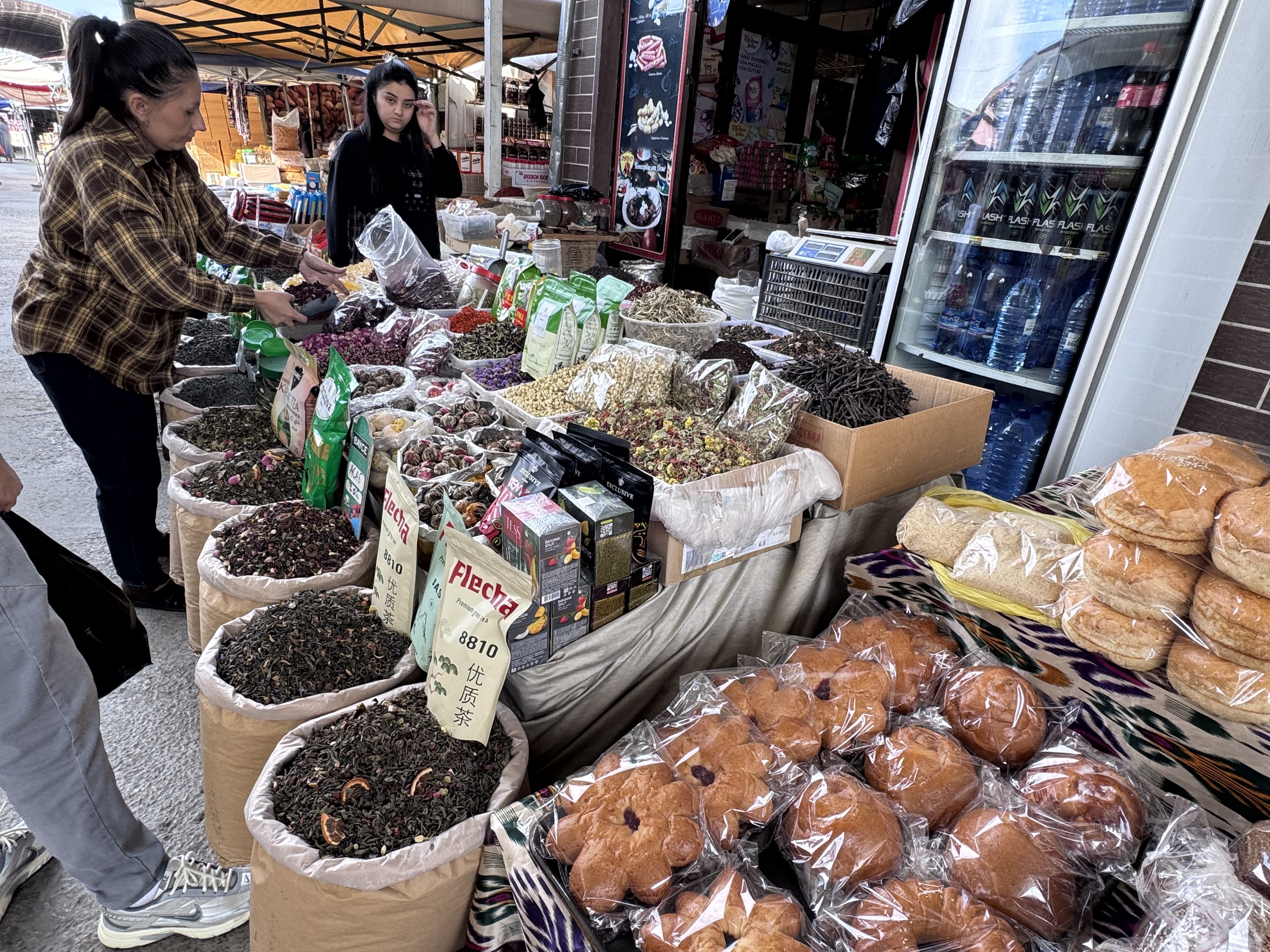
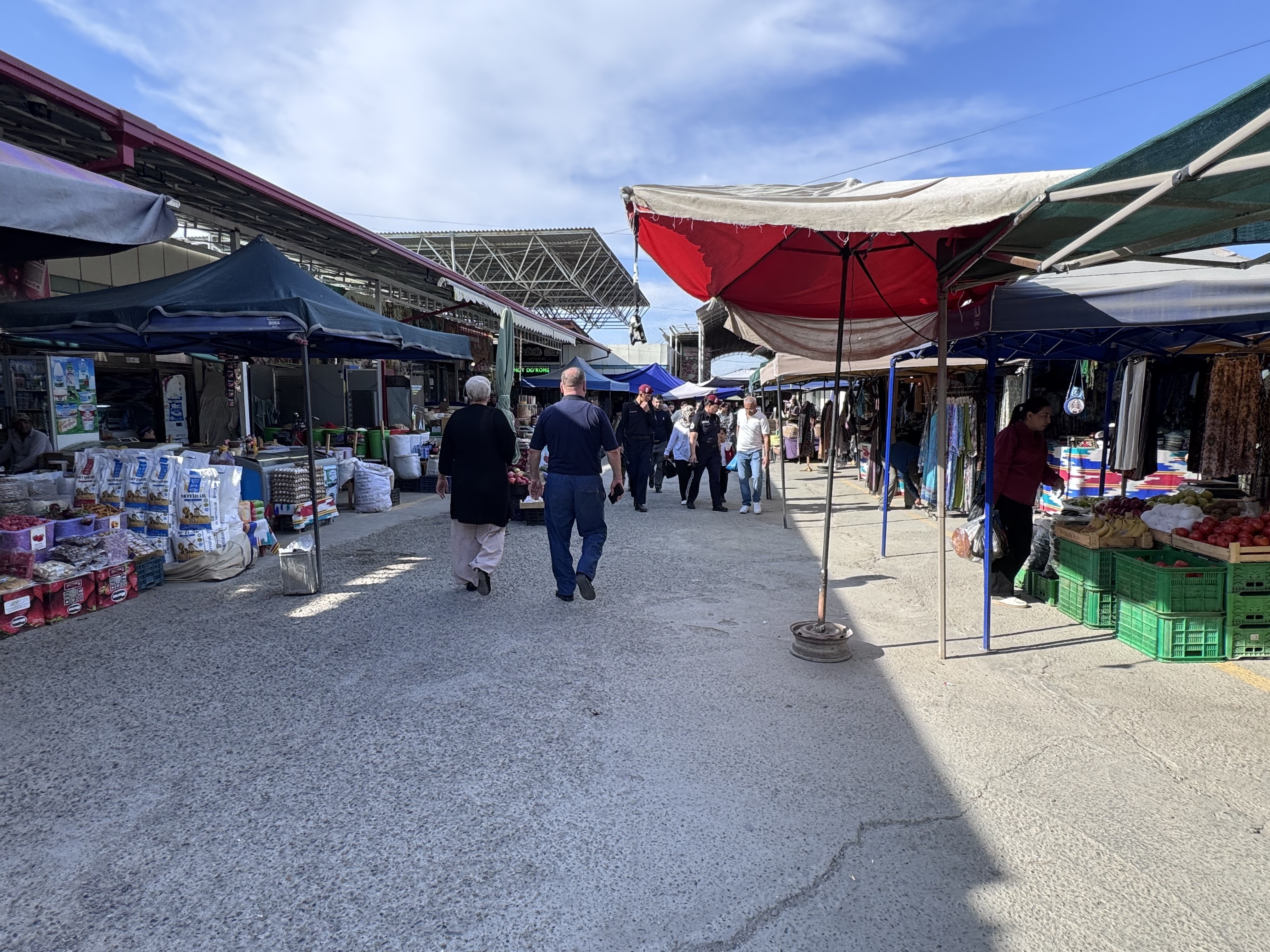
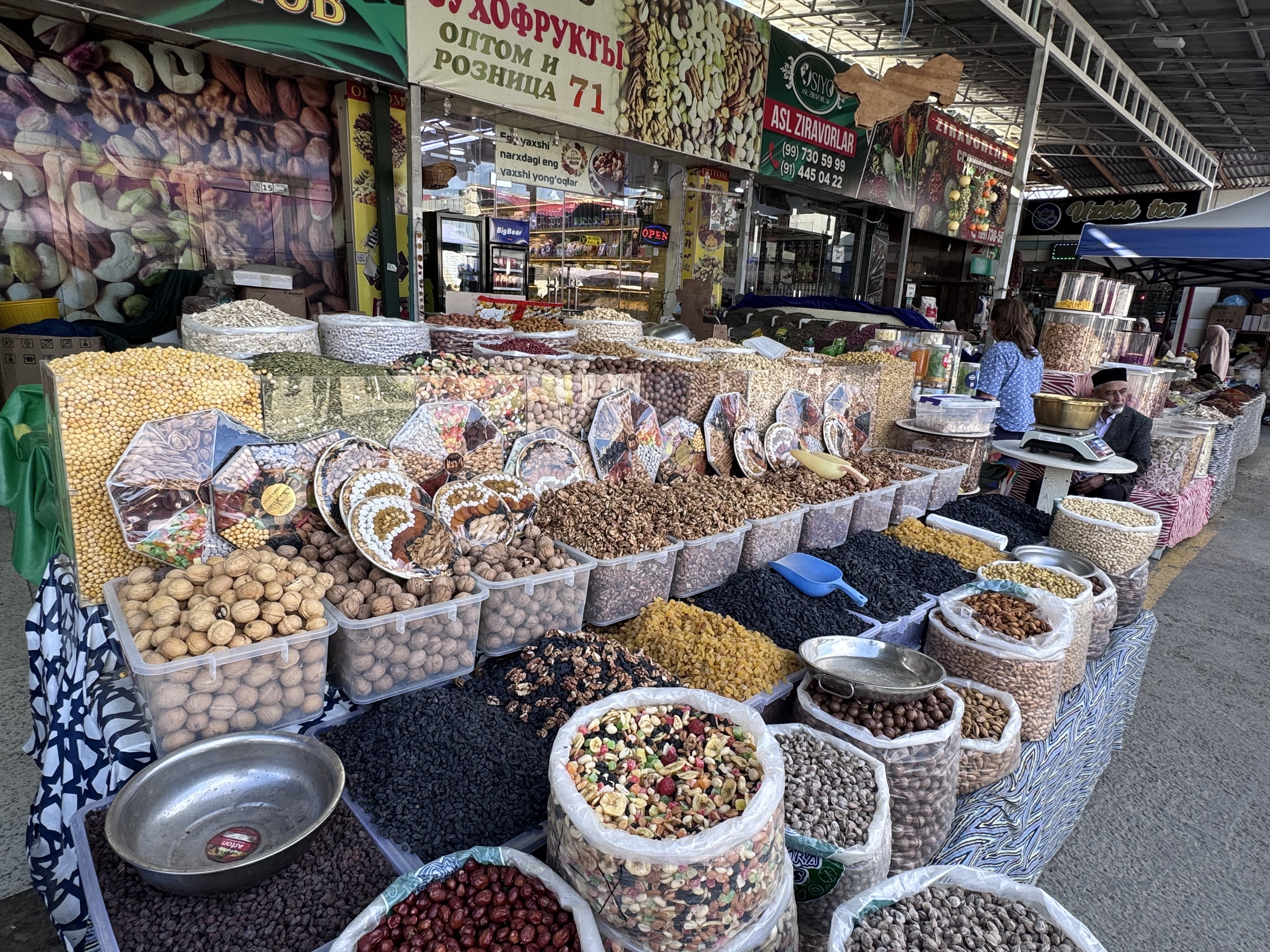
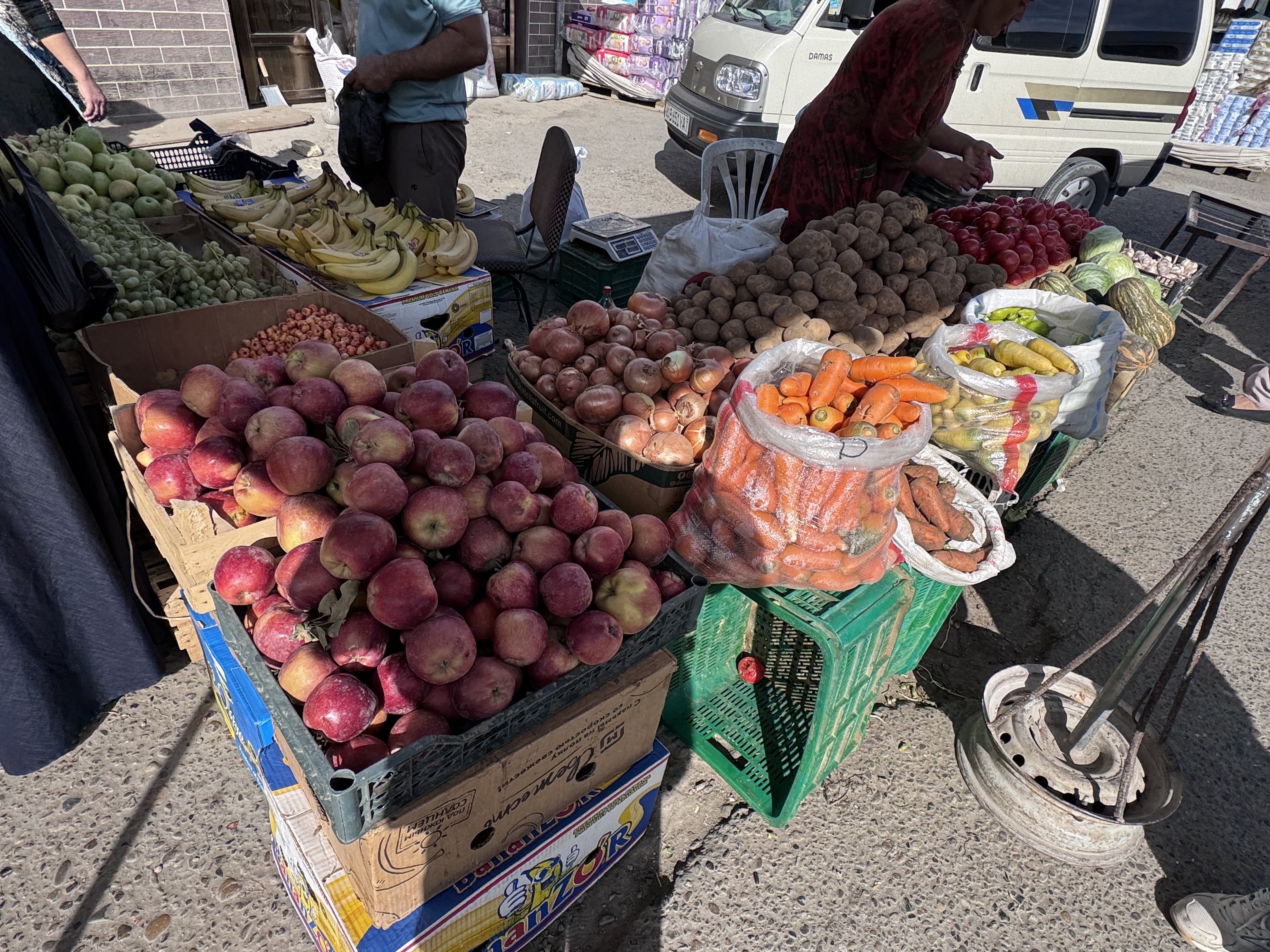
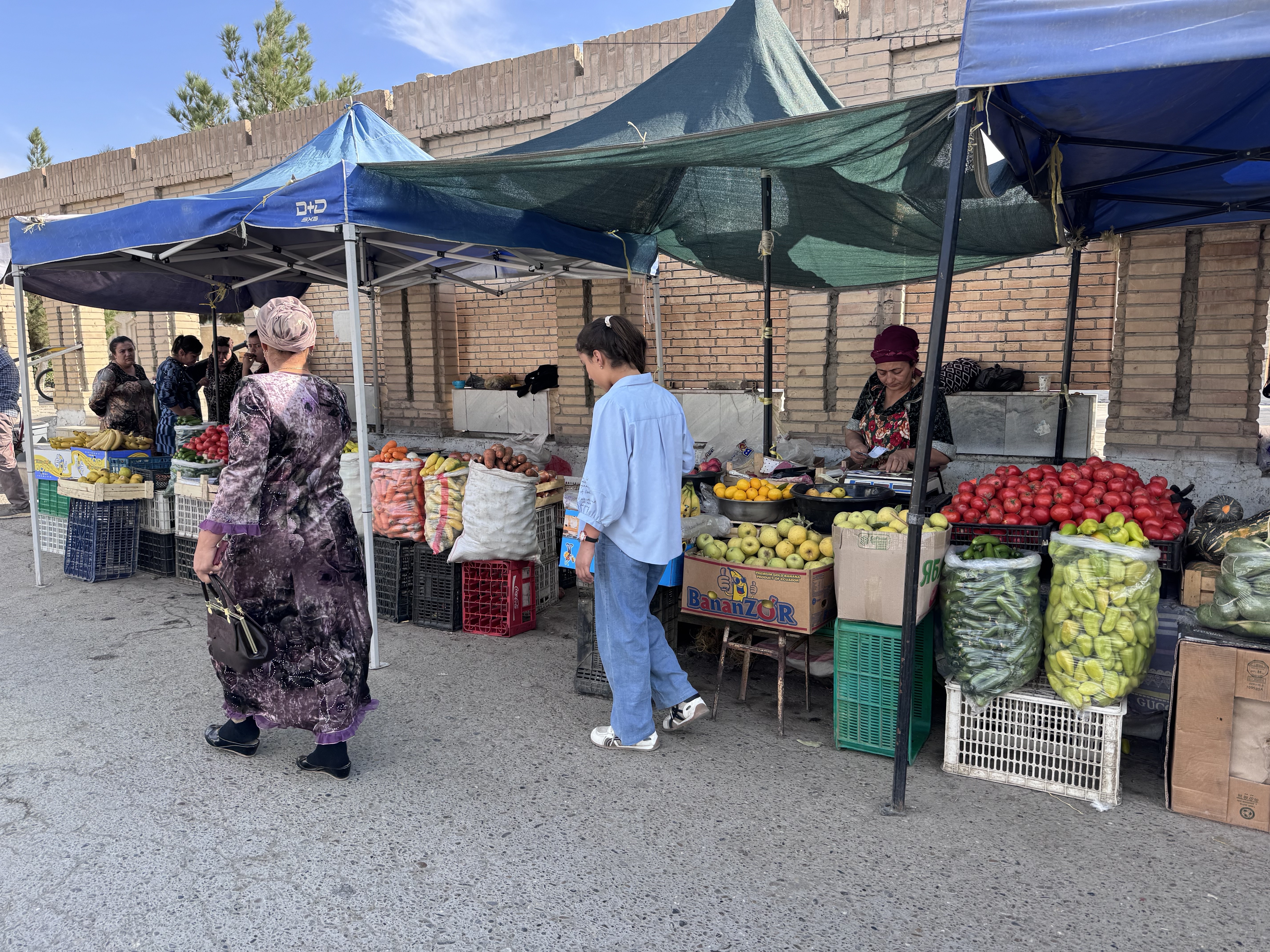
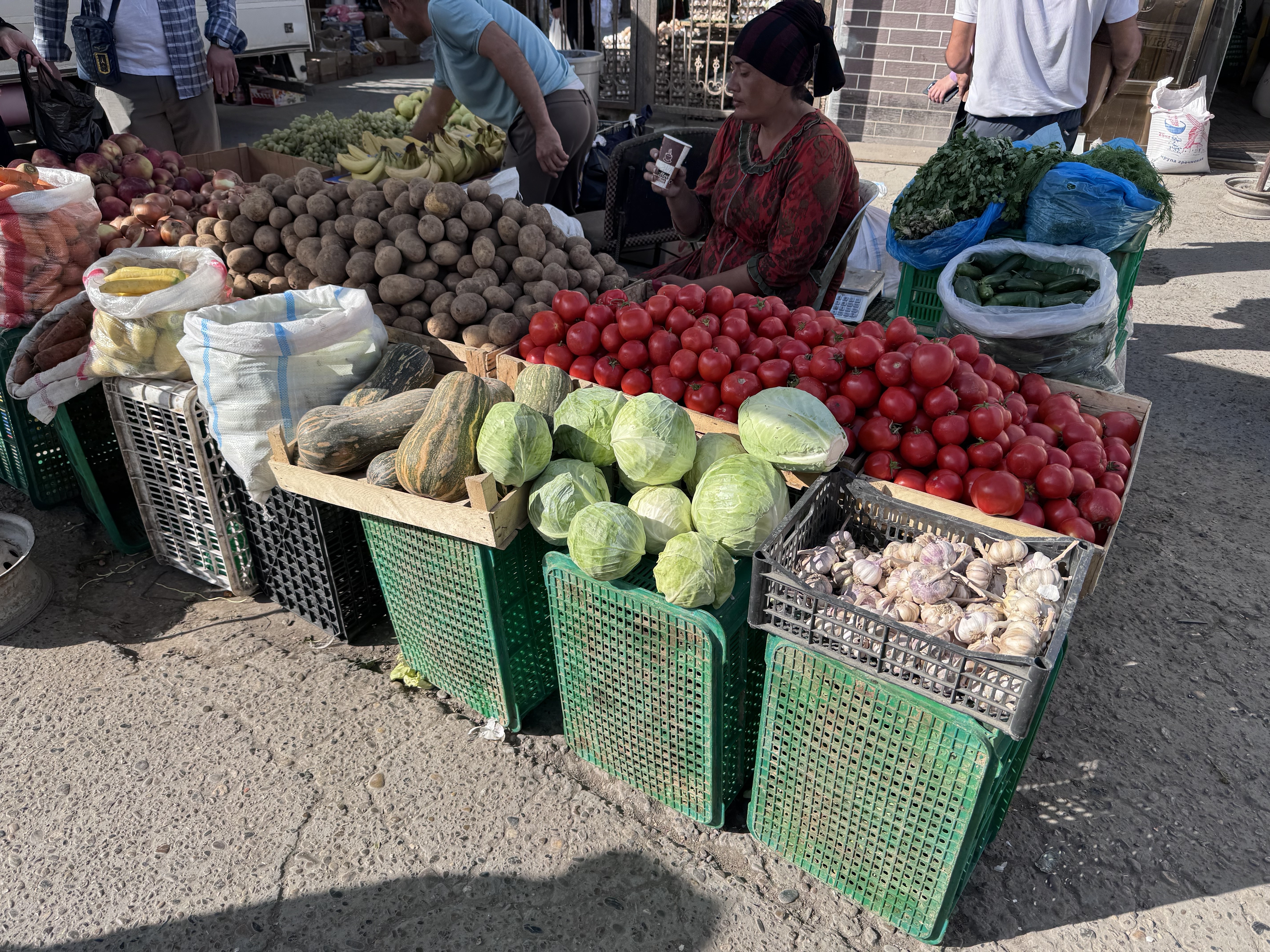
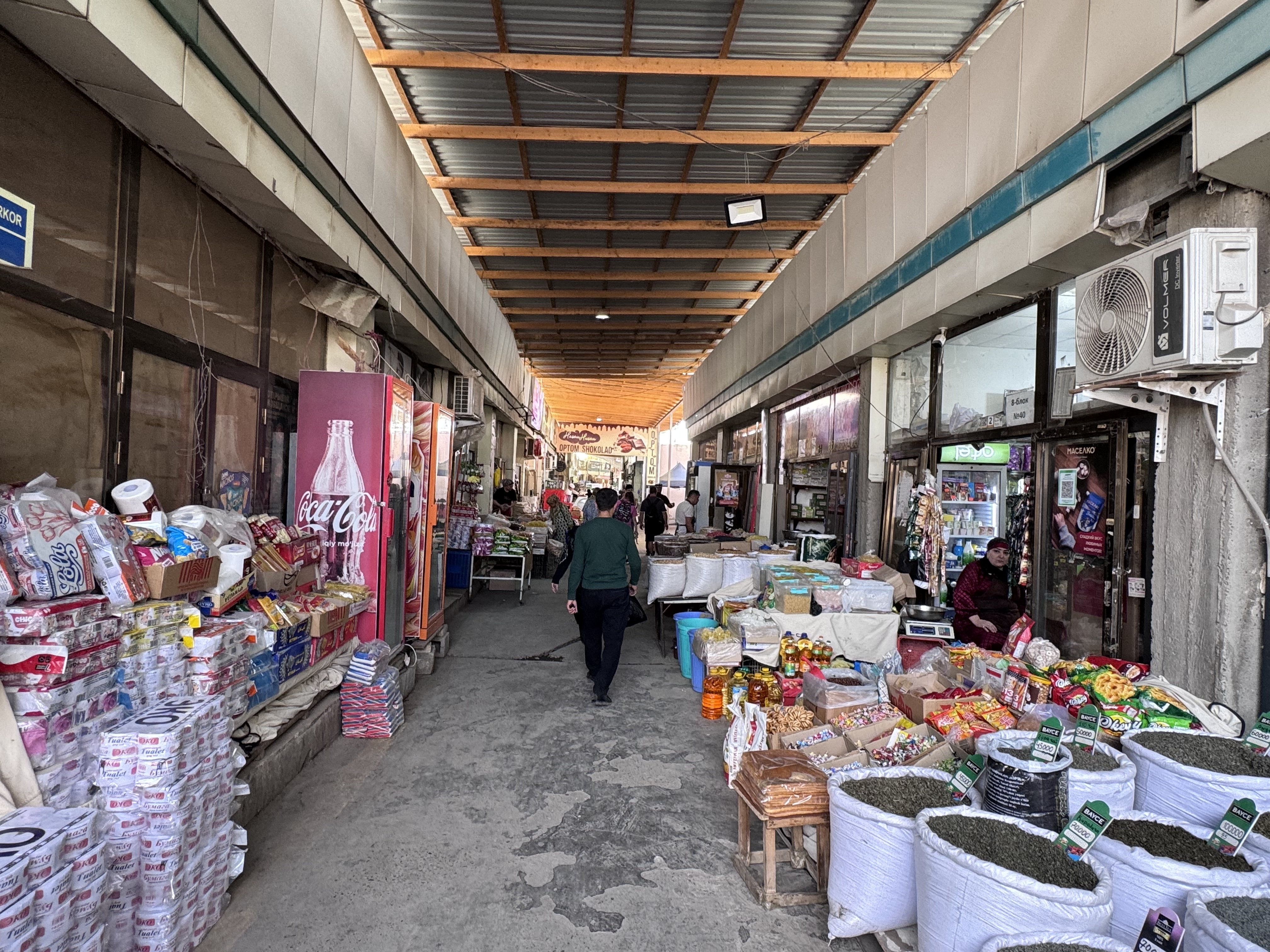
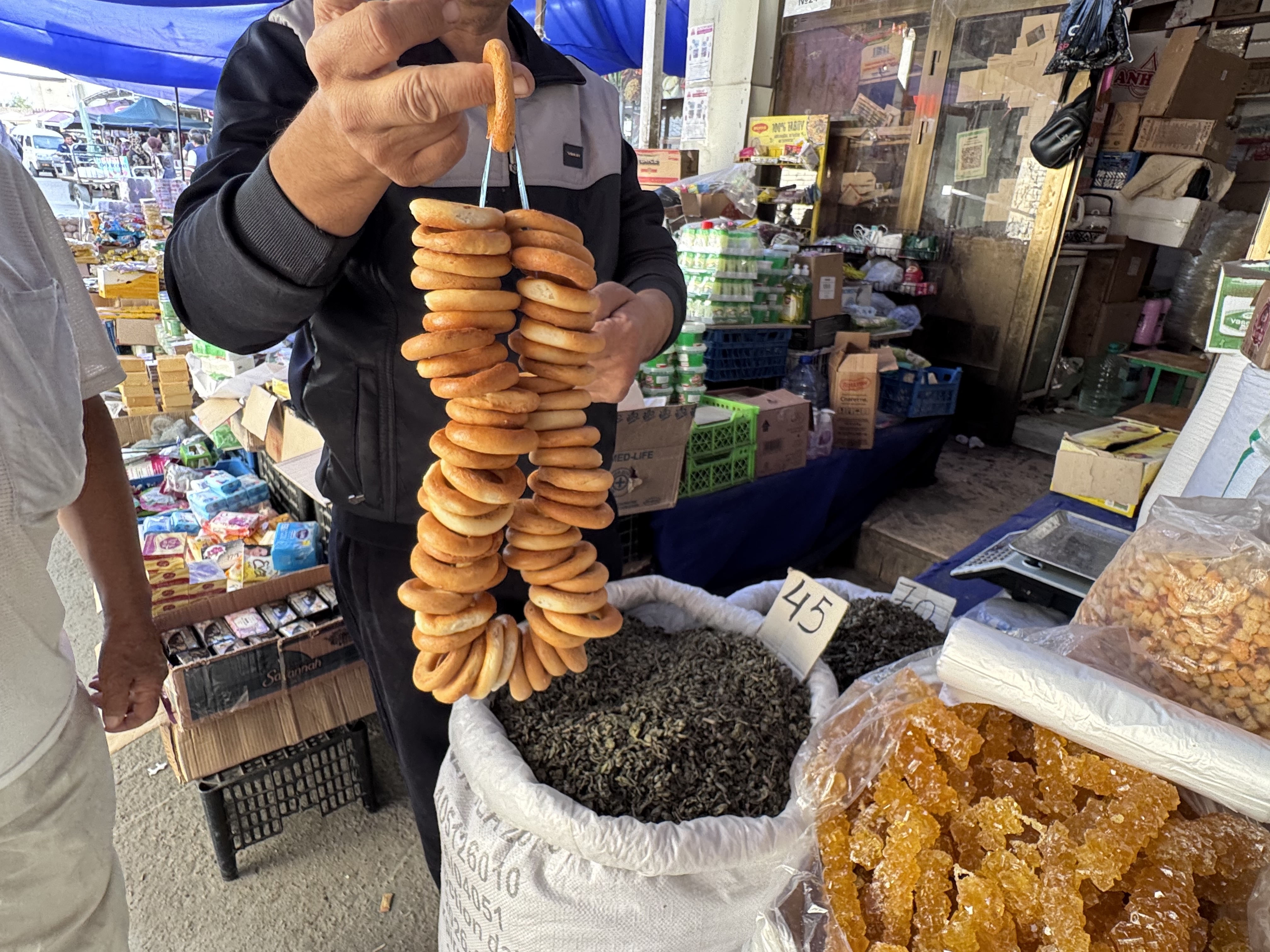
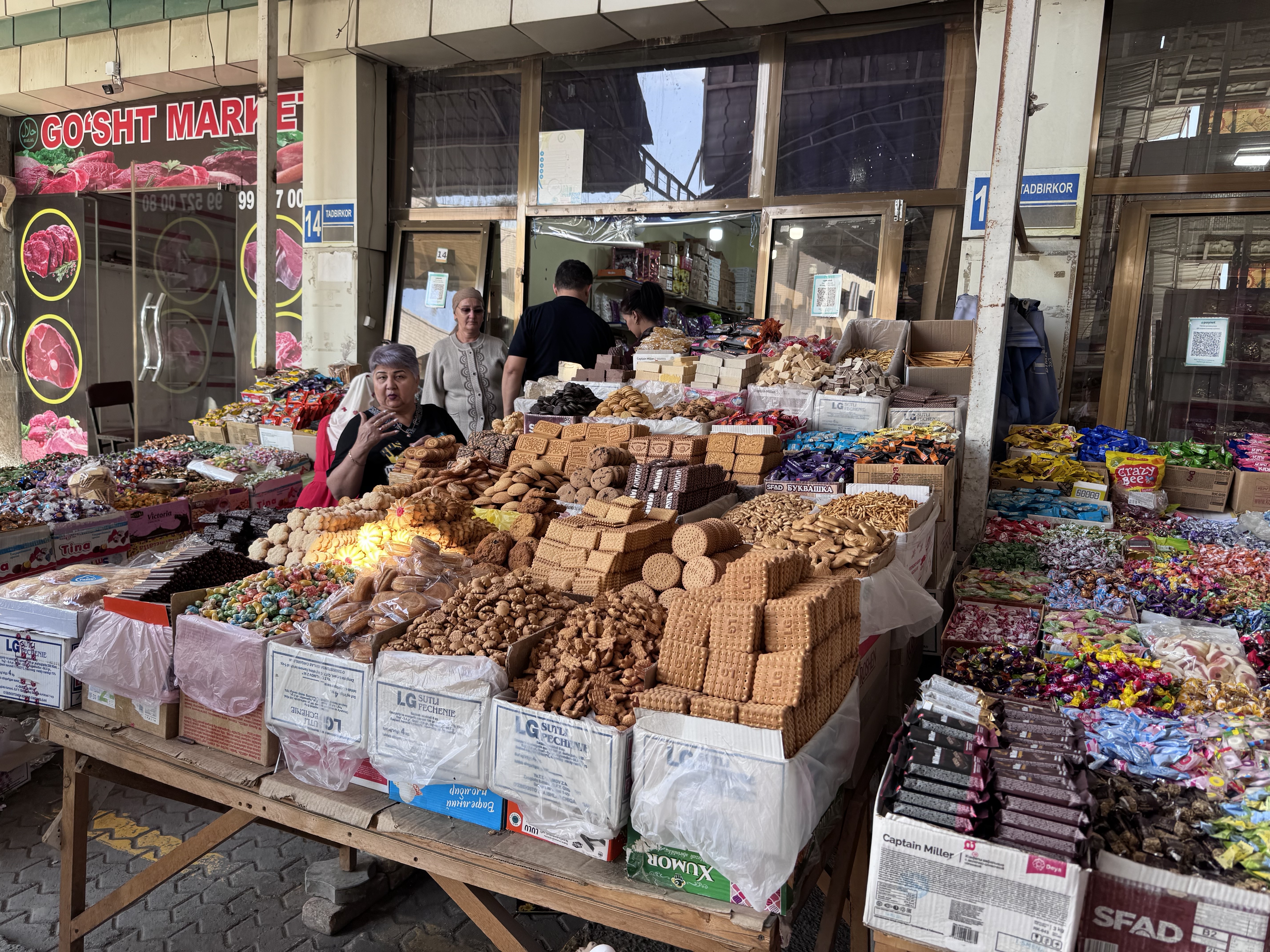
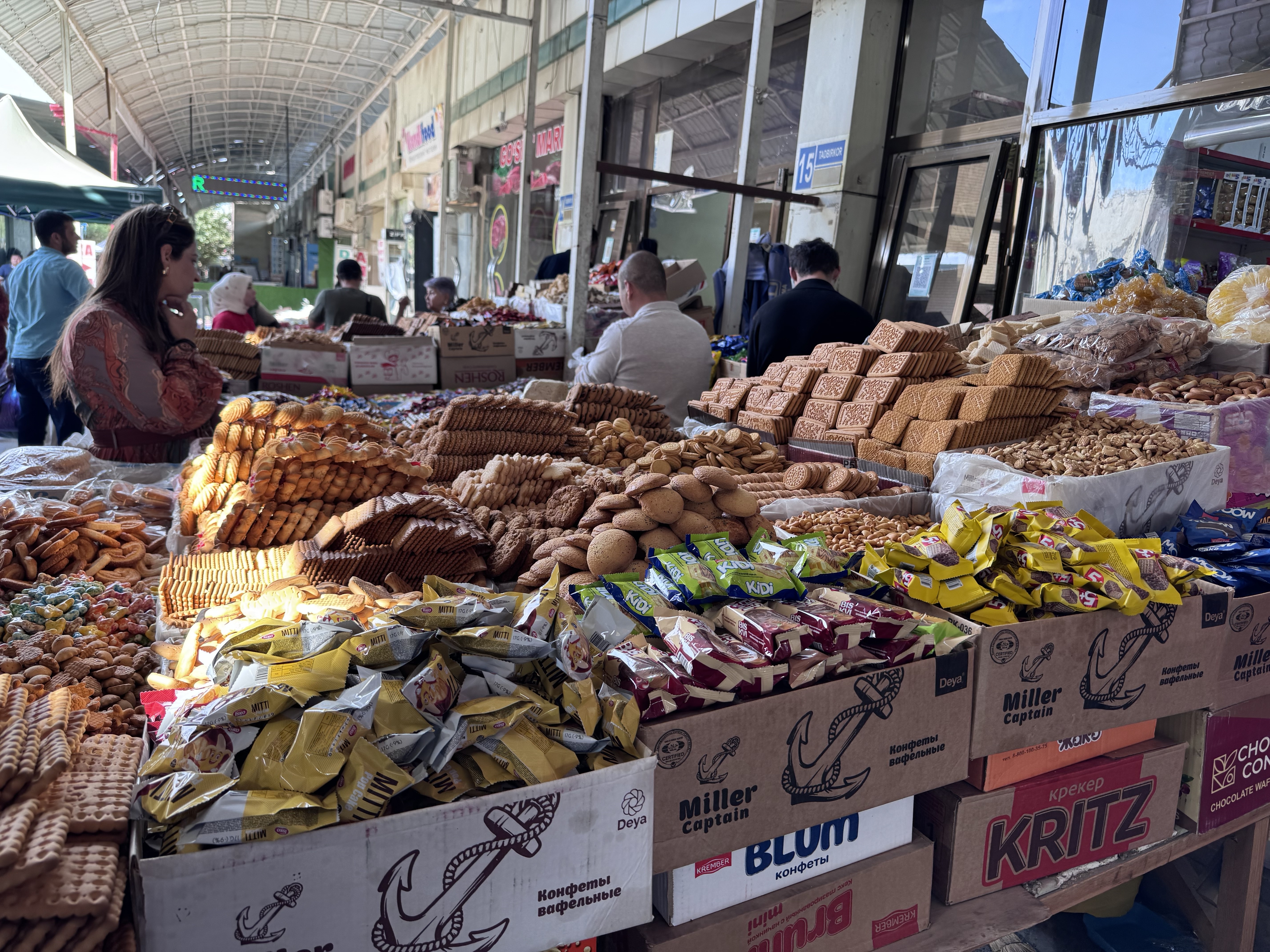
Markaziy Bozor, also known as Kolkhoznyy Rynok or the Central Market of Bukhara, stands on the northern edge of the historic city, close to the Chashma-Ayub Mausoleum, the remains of Talipach Gate, and the green expanse of Samanid Park.
Unlike the sixteenth century covered trading domes that fill the tourist core of the old town, this large marketplace serves the daily needs of local residents and visitors seeking an unfiltered glimpse of contemporary Uzbek life.
Formed during the Soviet period and operating in its present form since the 1980s, it continues Bukhara’s long commercial tradition while occupying a modern site outside the main UNESCO protected monuments.
Farmers from villages within a fifty kilometer radius bring fresh produce each morning, filling the stalls with melons, watermelons, plums, figs, vegetables, dairy products, meats, spices, nuts, dried fruits, honey, and freshly baked flatbreads known as lepyoshka. Sections for clothing, household goods, and simple prepared foods ...
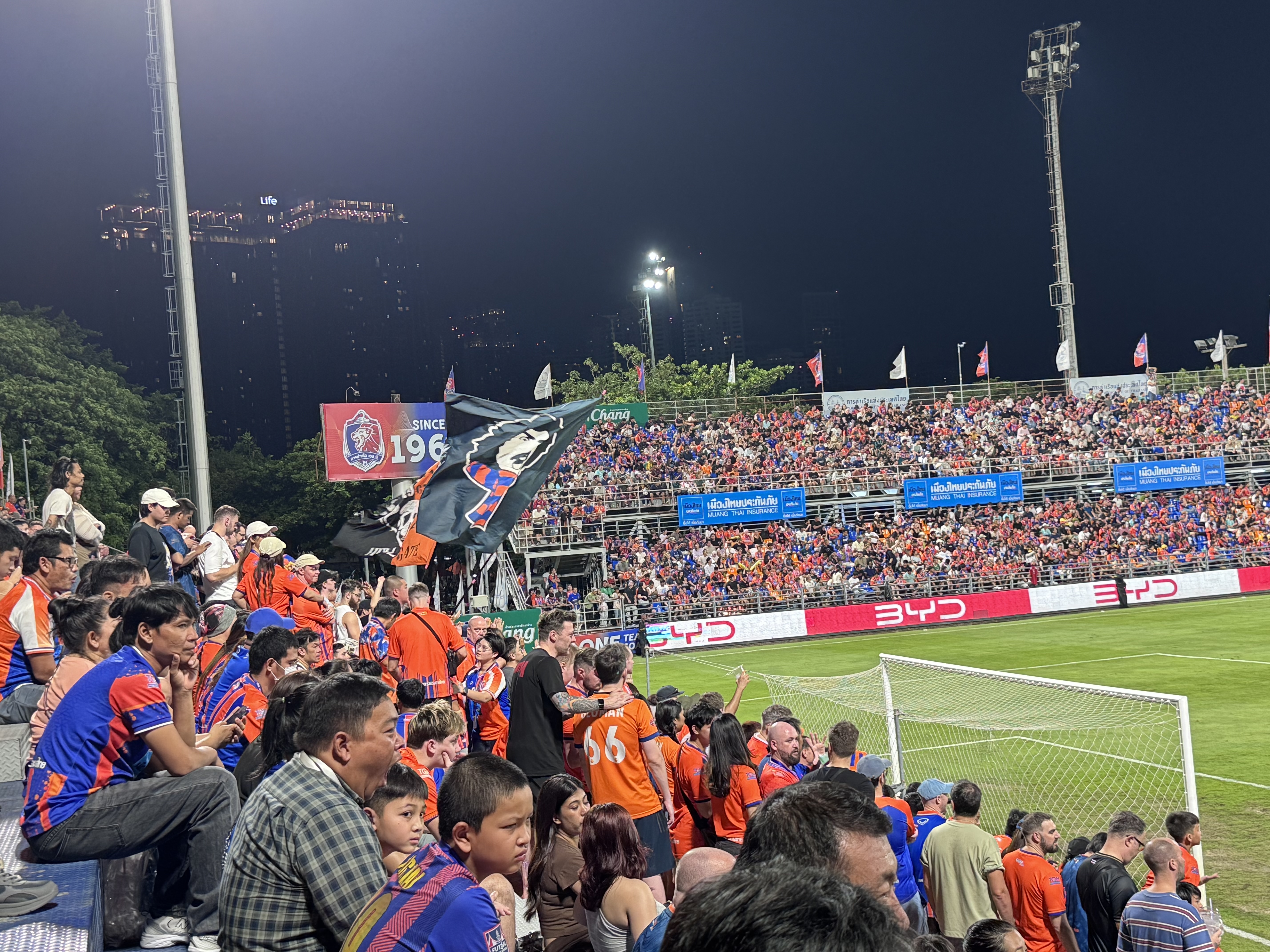
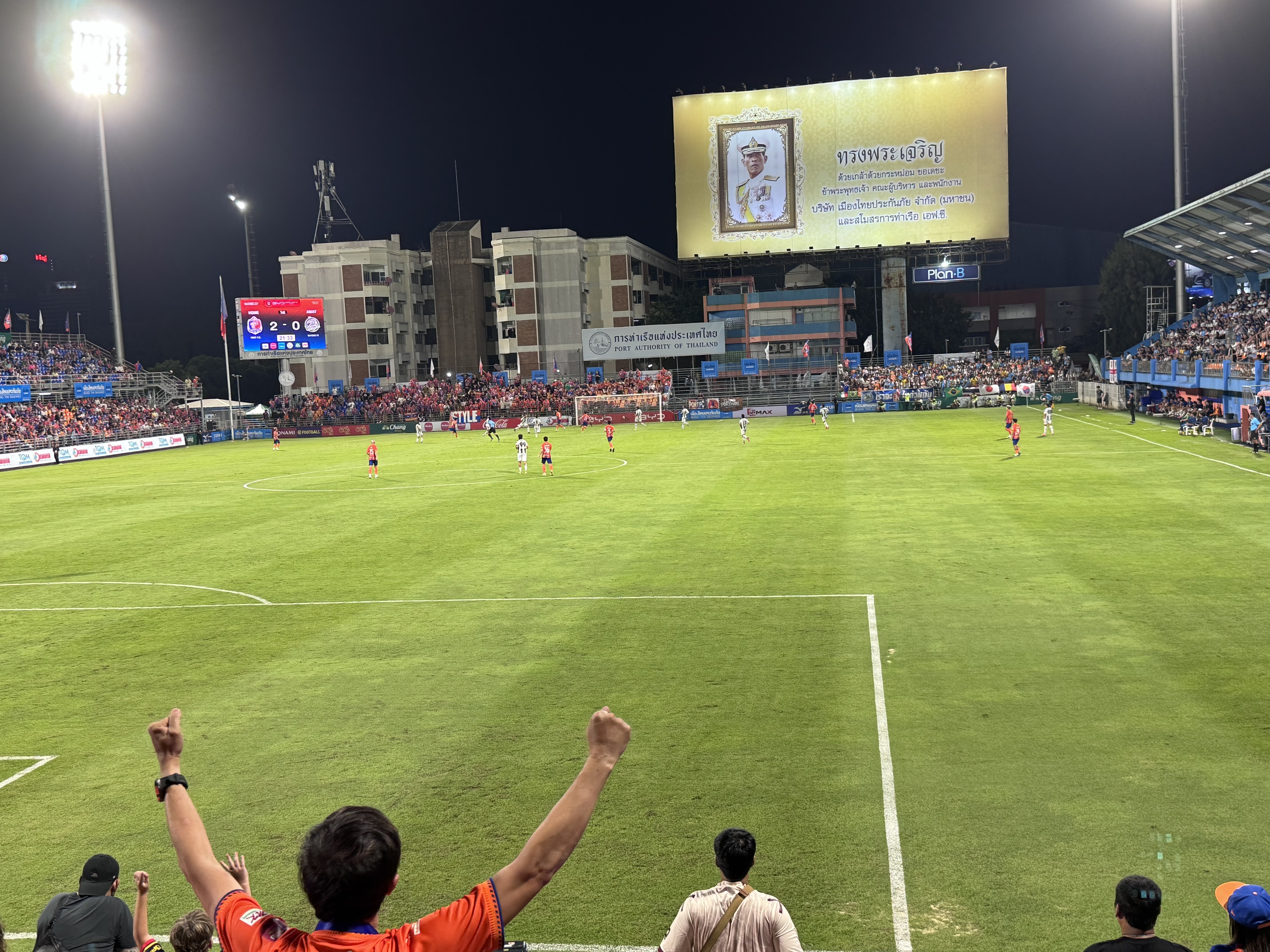
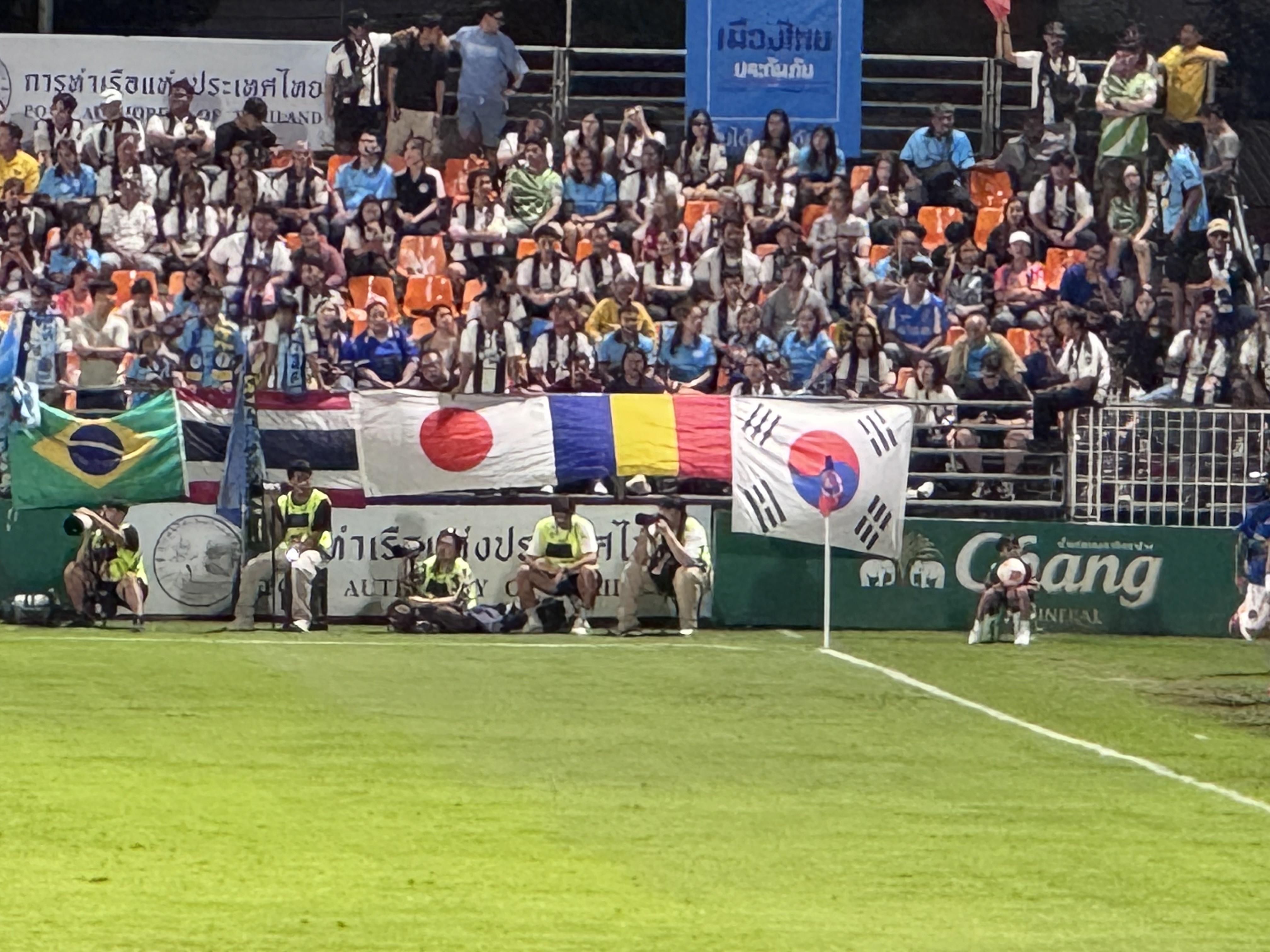
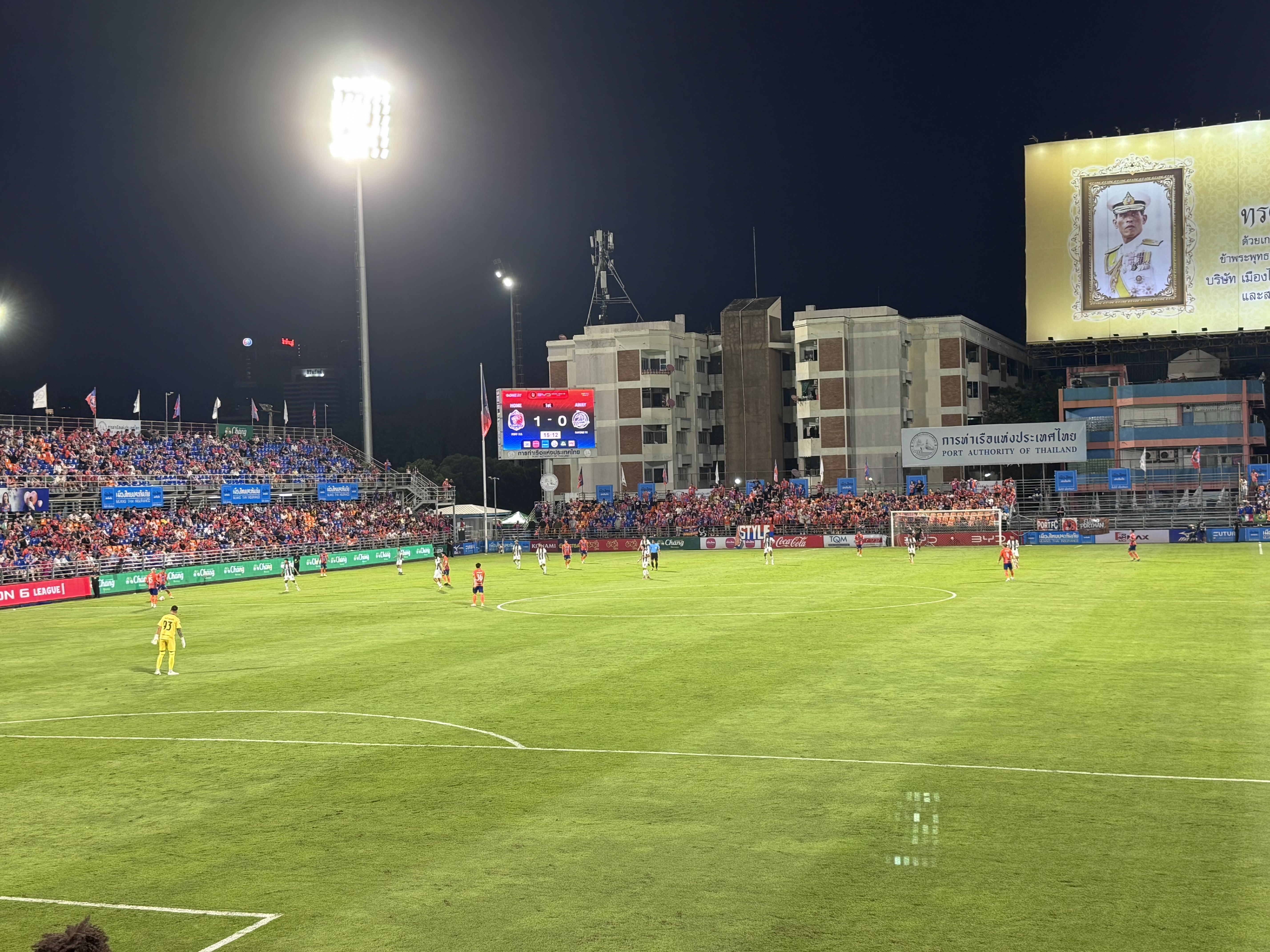
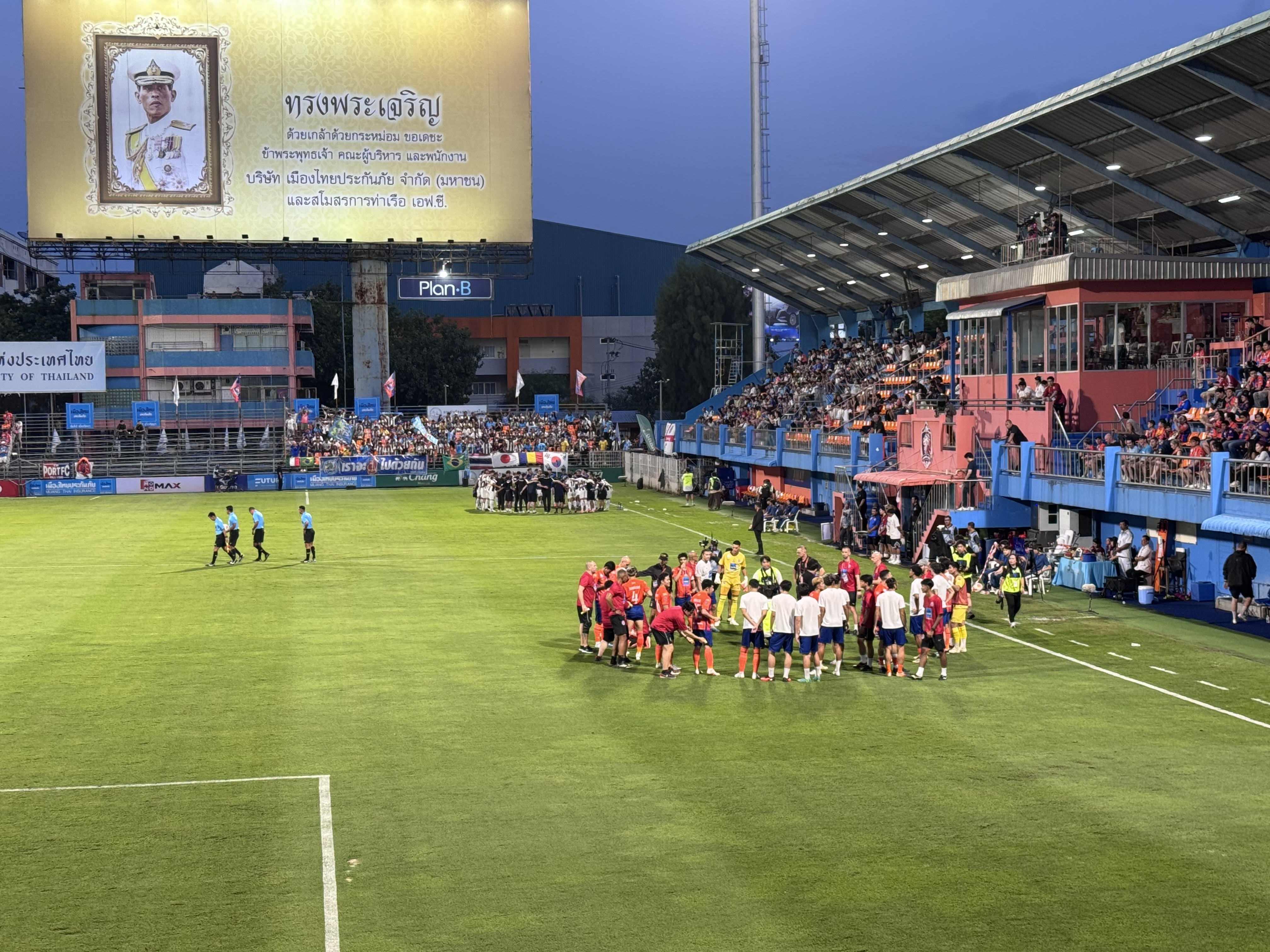
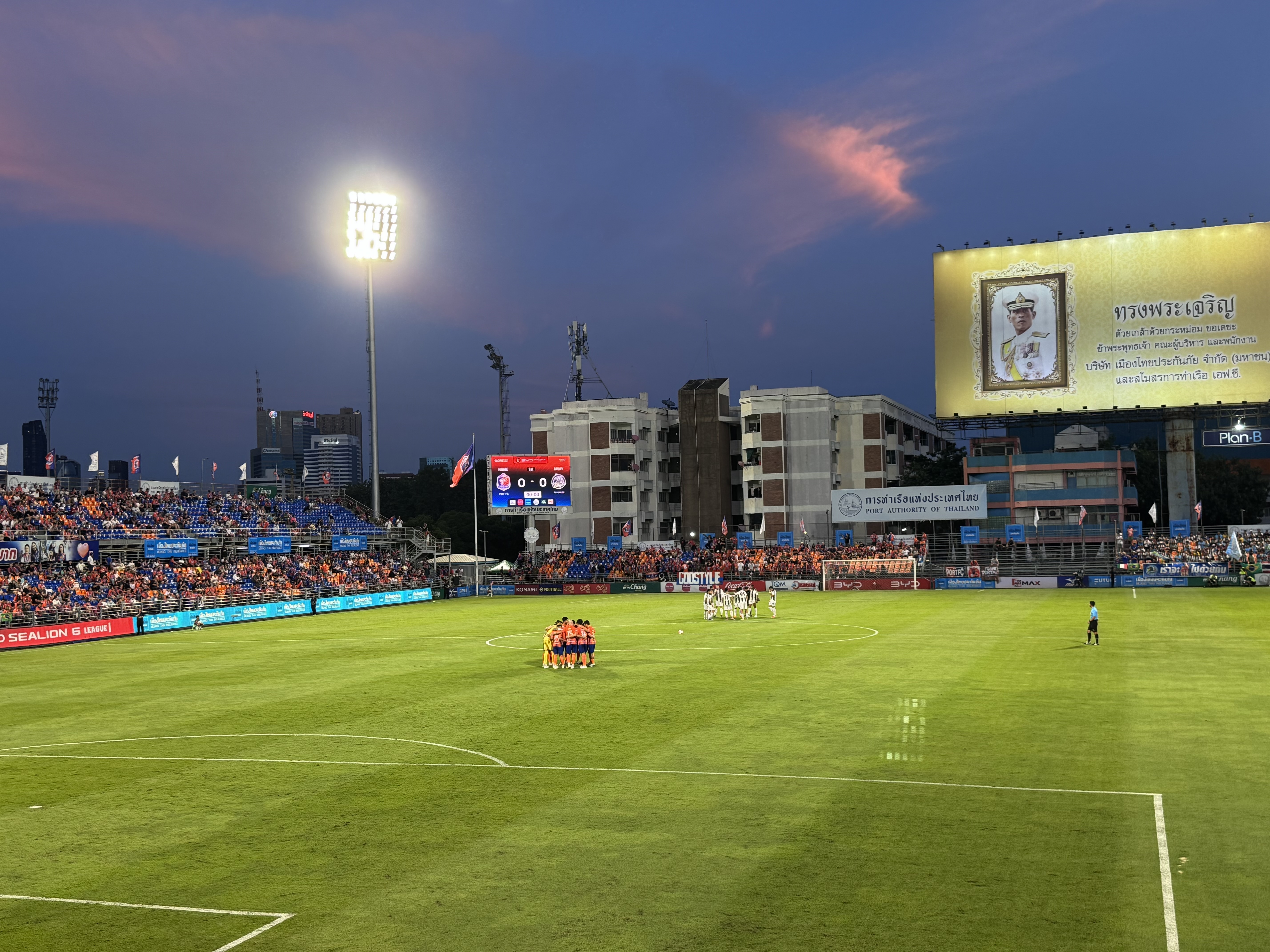
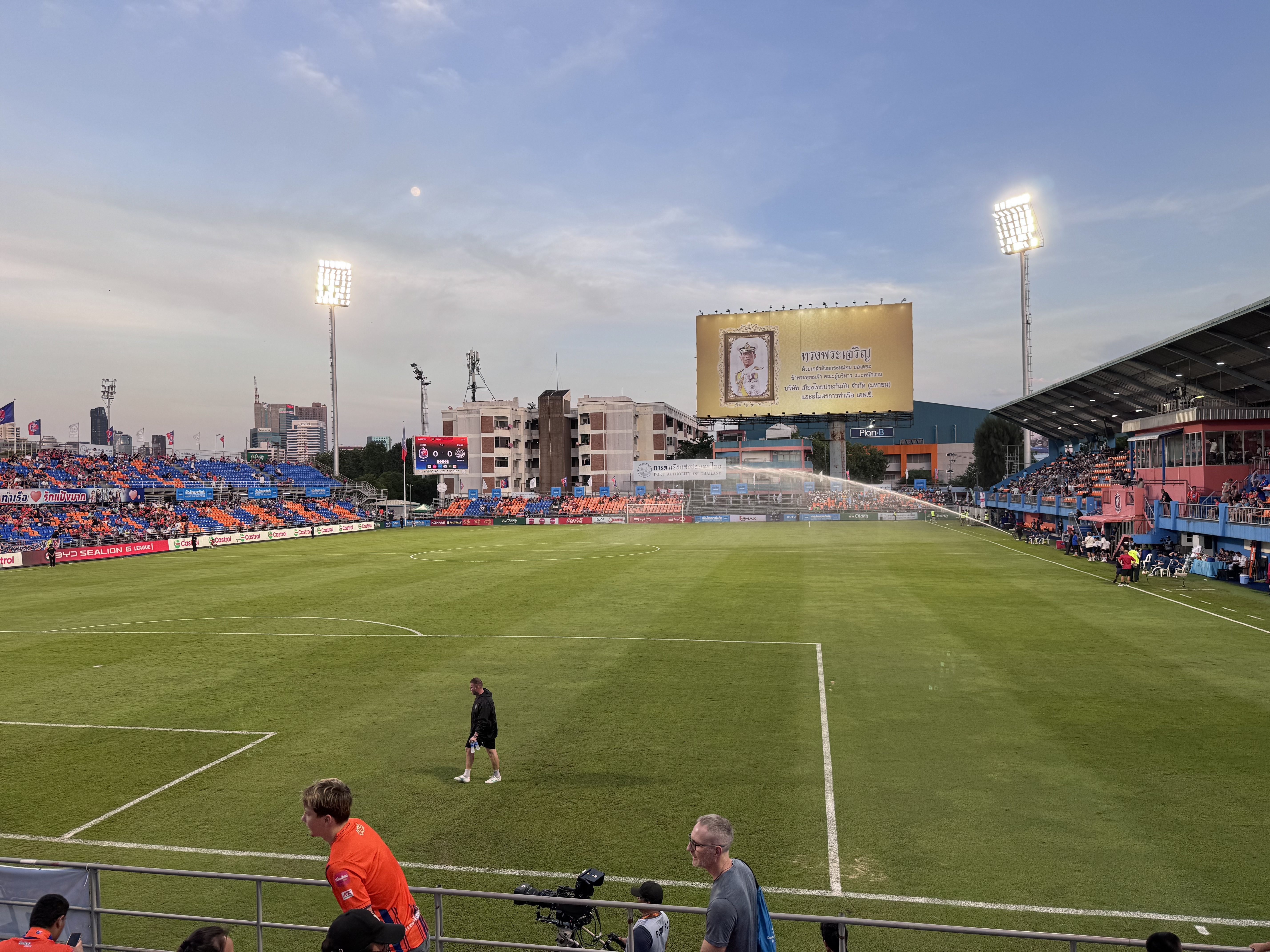
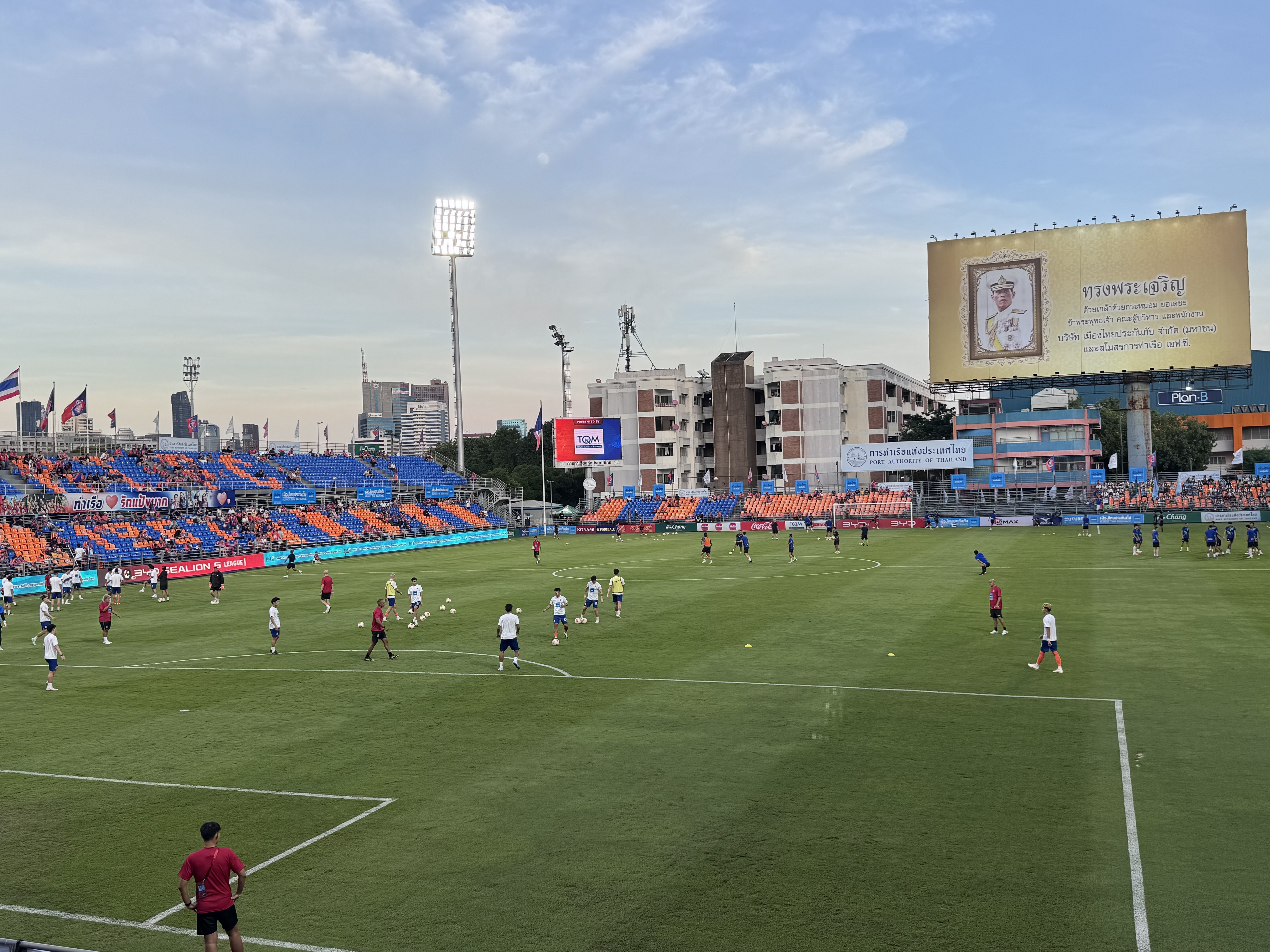
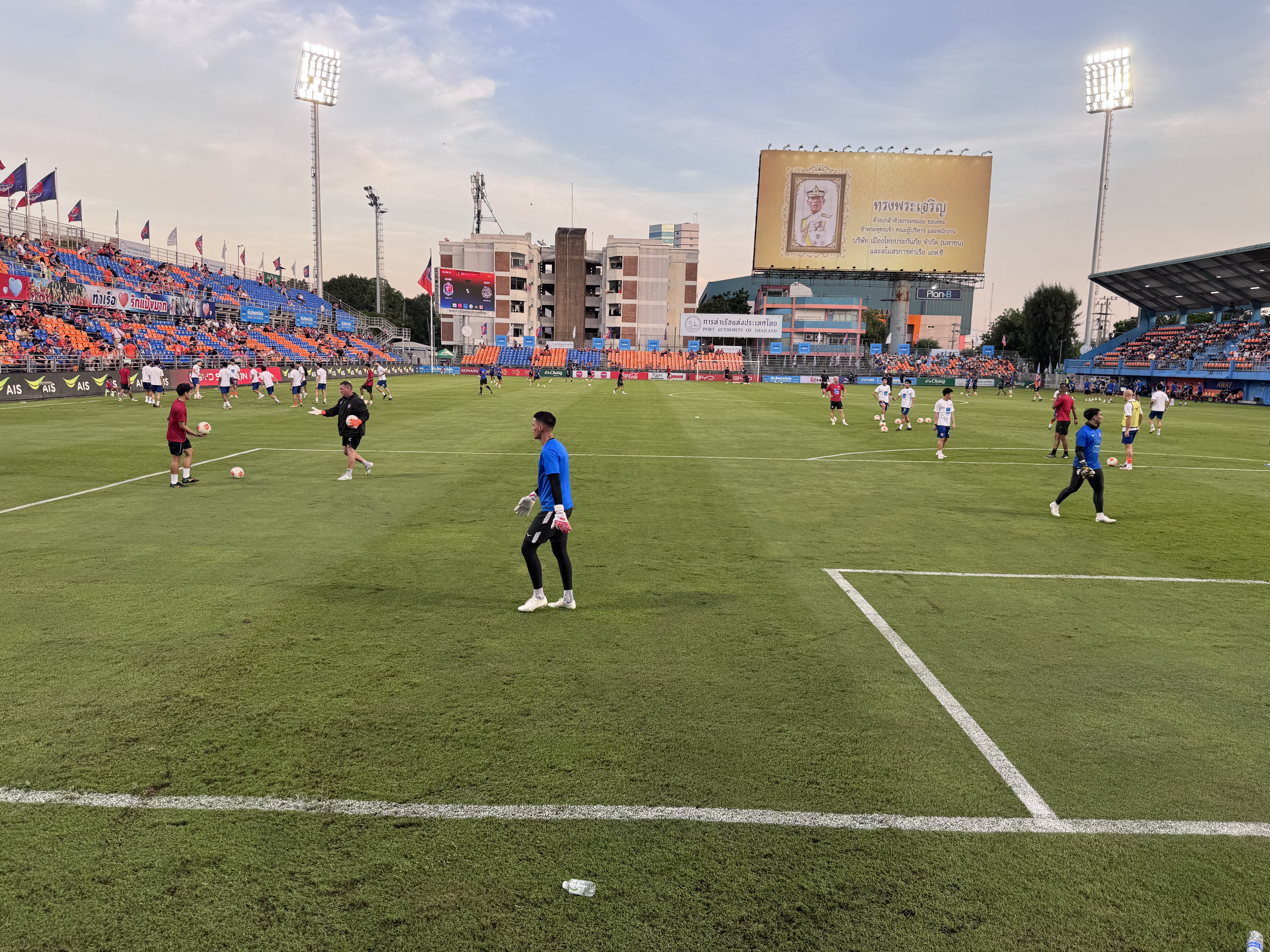
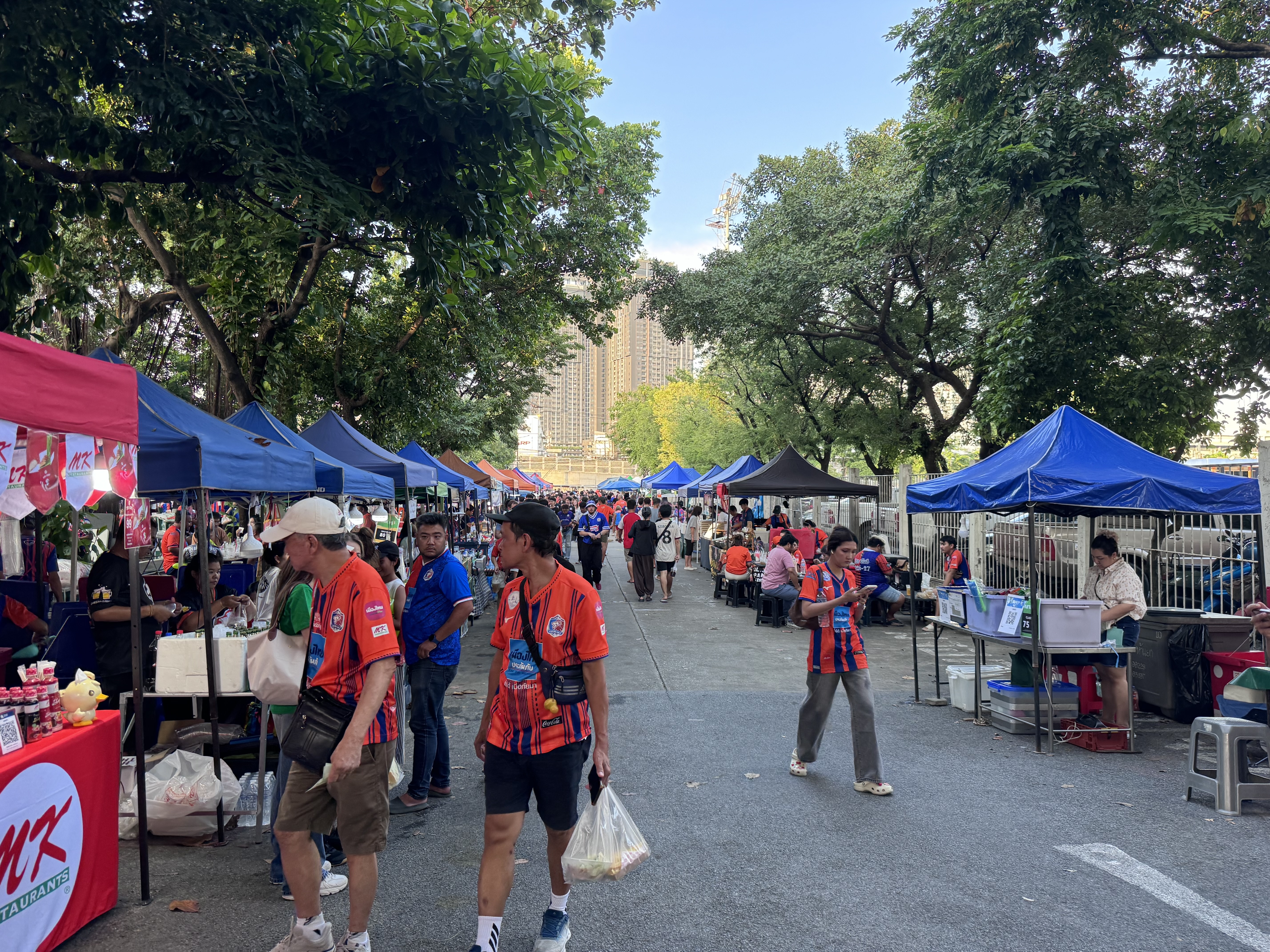
Port FC vs Rayong FC
Thai League 1 - Matchday 6 - 24 October 2026
PAT Stadium
The Thai League stands as Thailand’s top professional football competition, born in 1996 when the Football Association of Thailand converted the traditional Kor Royal Cup into a proper league format. What began as a modest collection of mostly Bangkok-based and institutional sides gradually expanded through mergers with provincial competitions, adopted full professional licensing standards, and settled into its current sixteen-team structure.
Today the league operates as a double round-robin season that determines the national champion, awards Asian qualification places, and sends the bottom three clubs down to the second division, with Buriram United having claimed the majority of recent titles while provincial teams continue to rise and challenge the established order.
Port FC were established in 1967 under the Port Authority of Thailand. The club enjoyed early success by collecting multiple Kor Royal Cup and Queen’s...
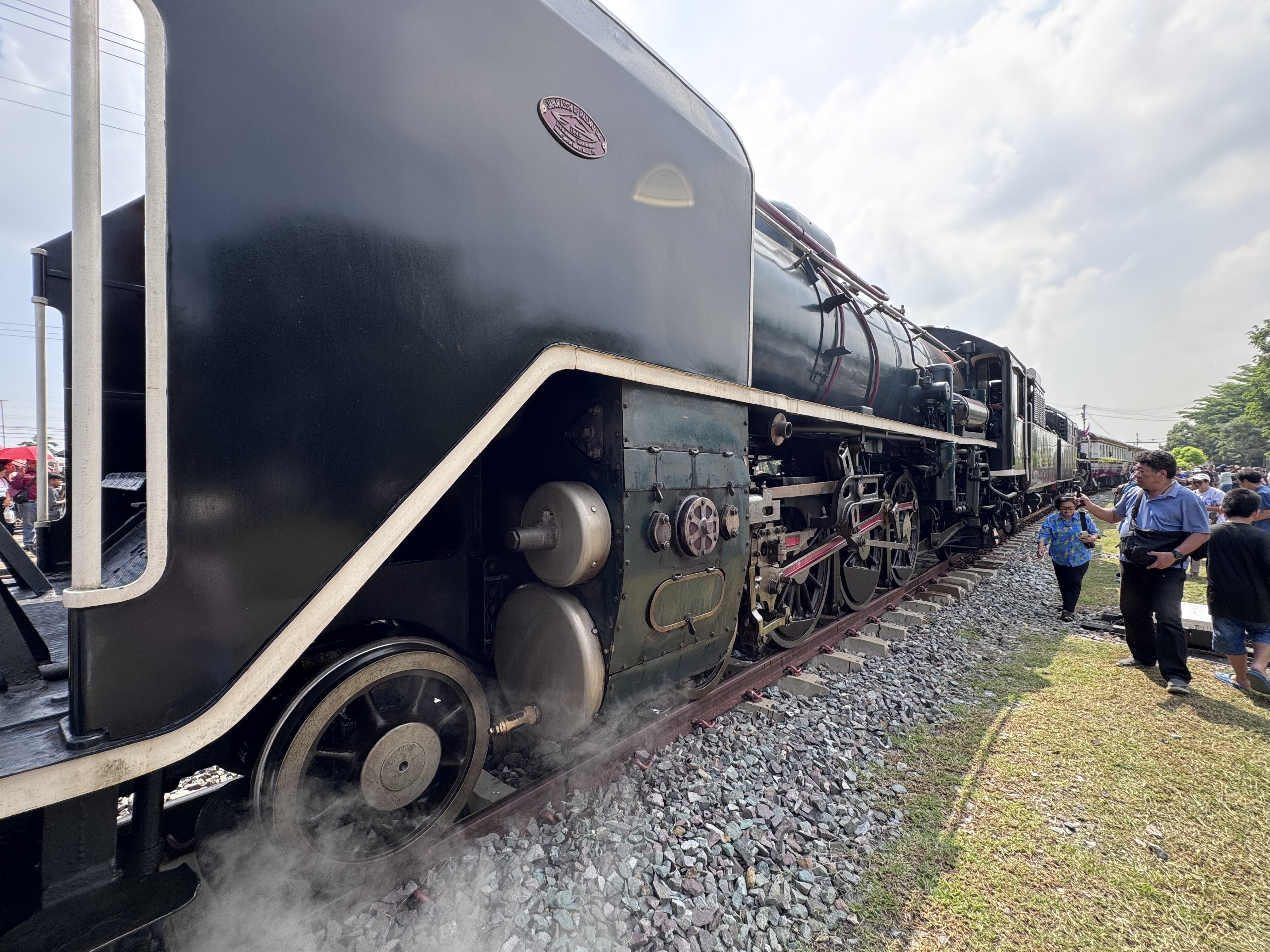
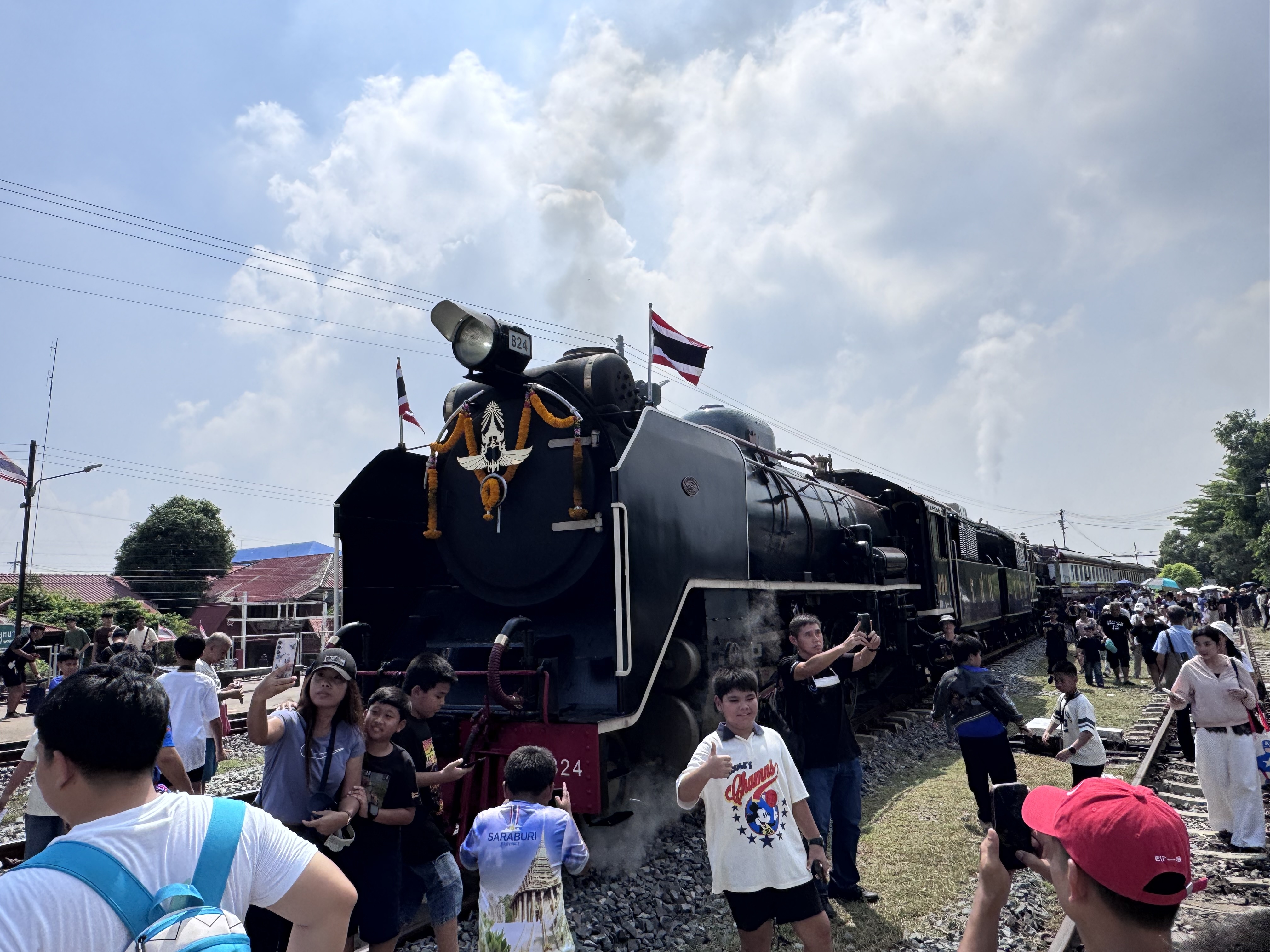
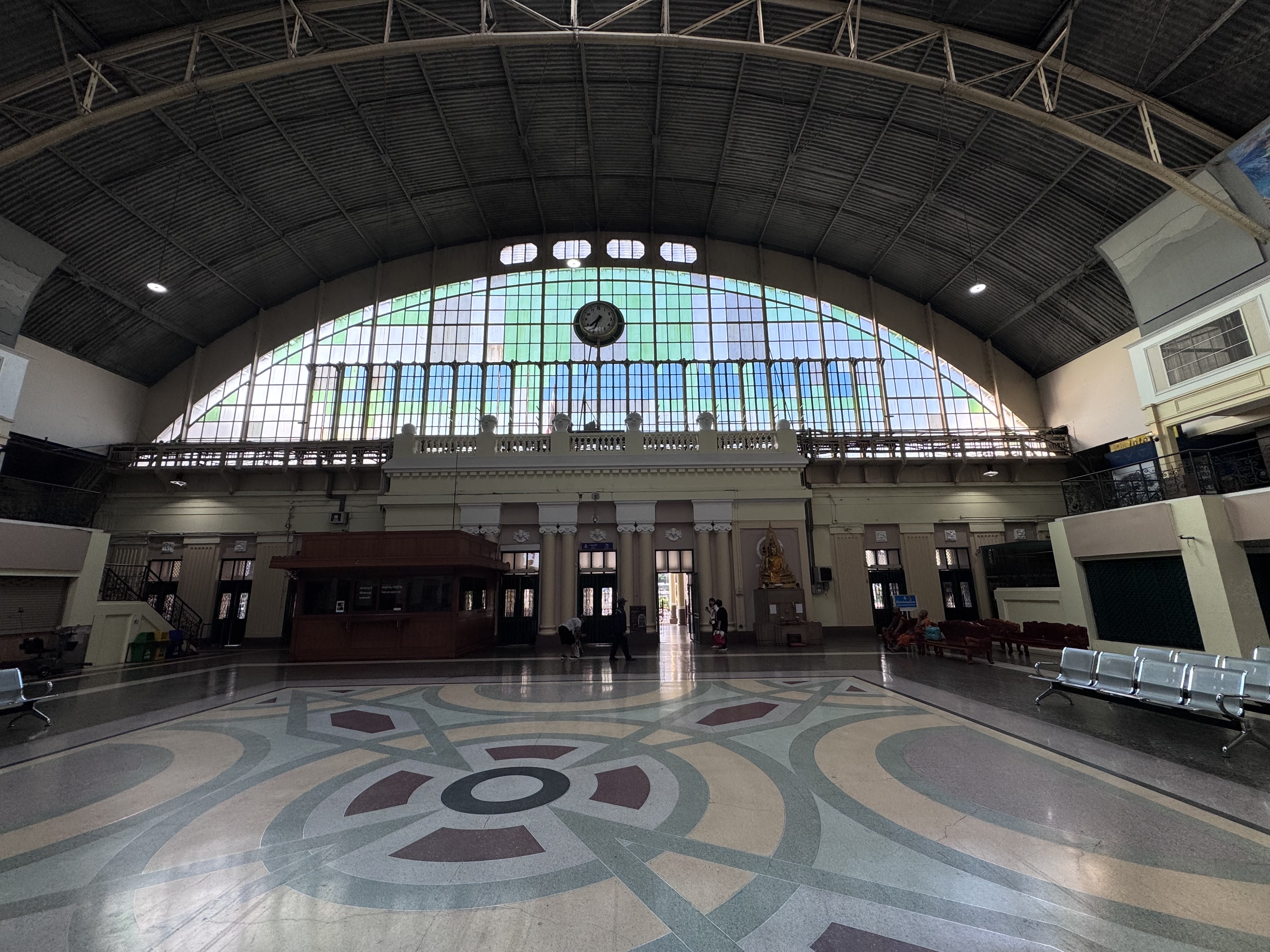
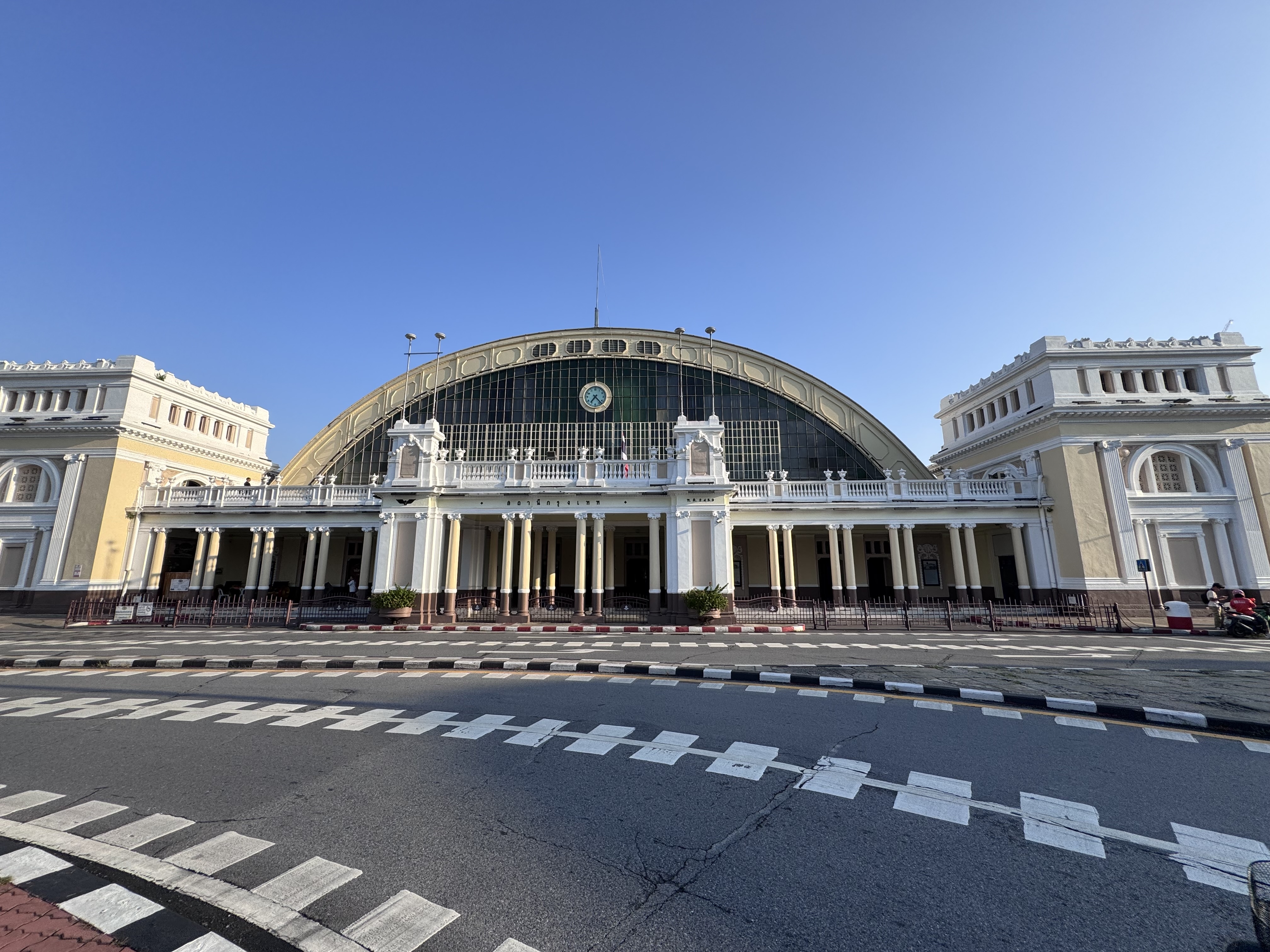
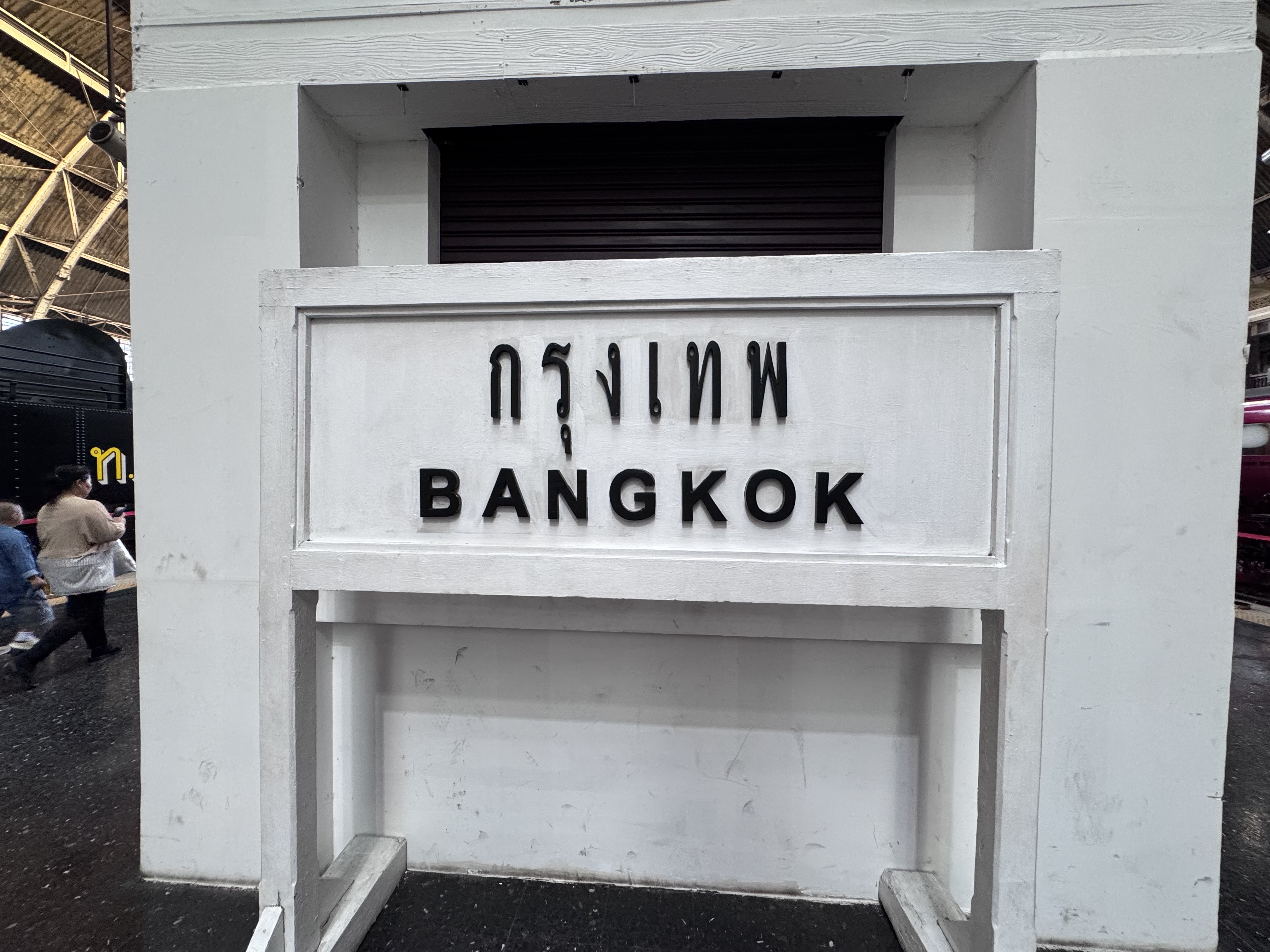
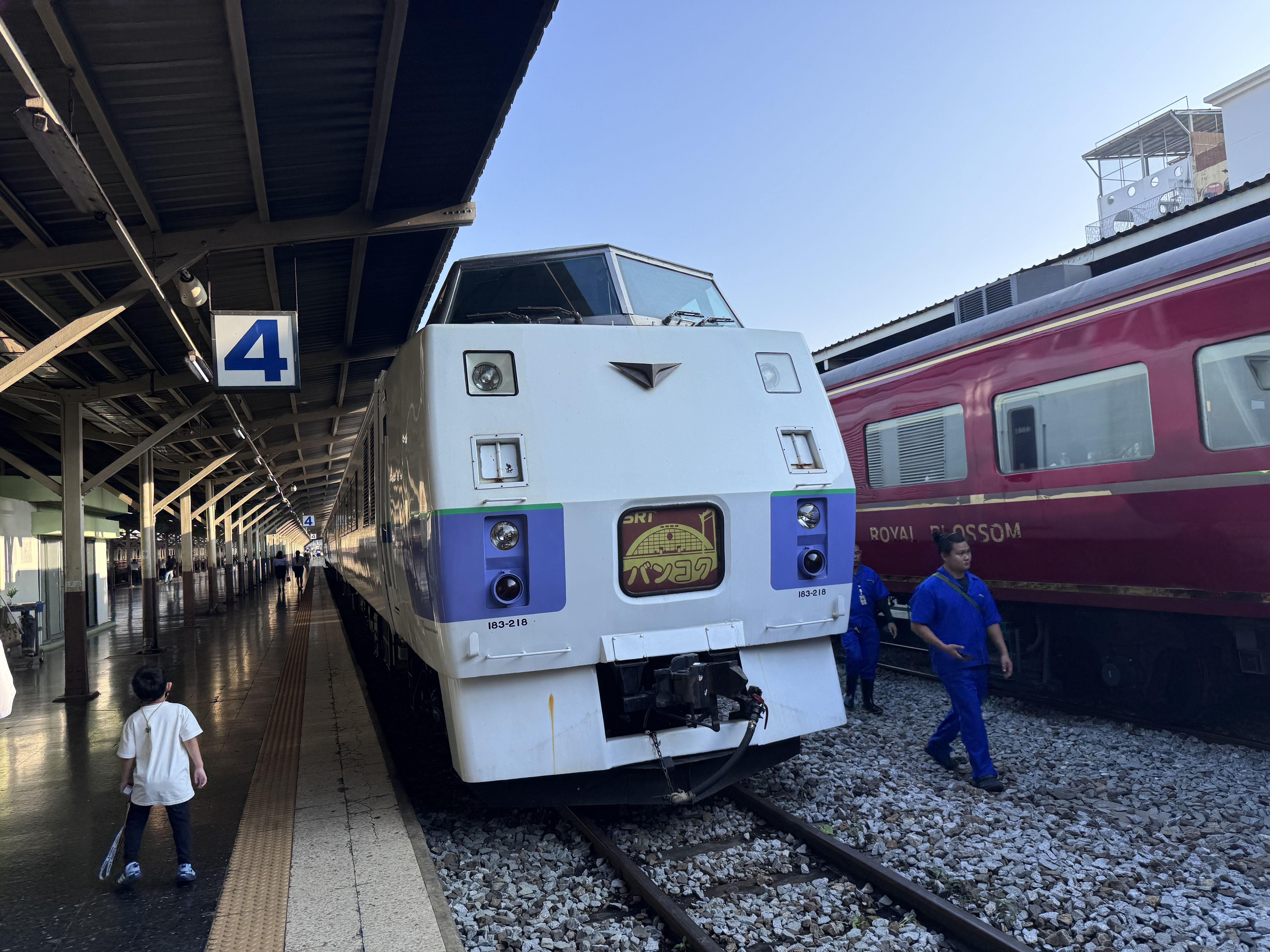
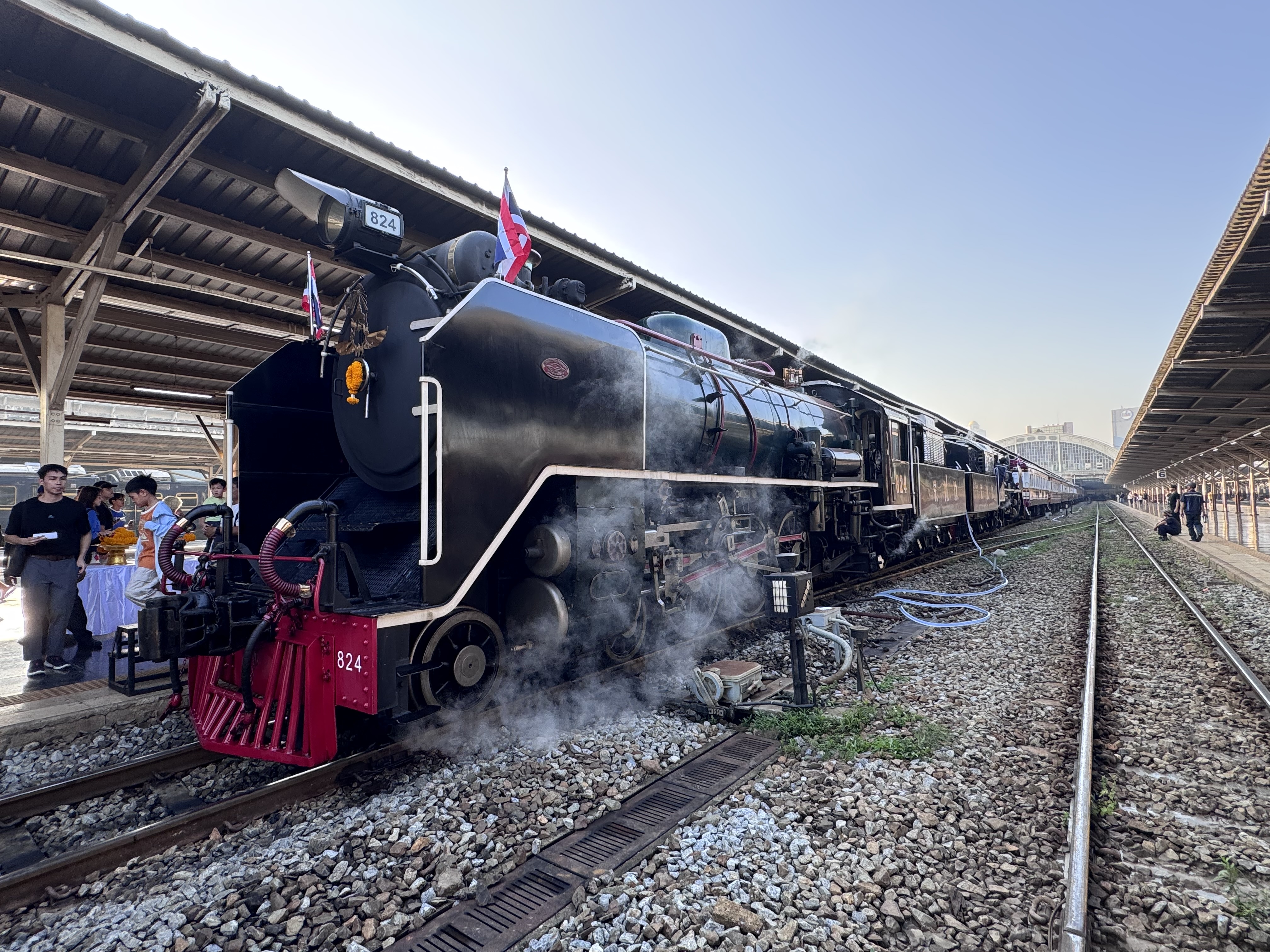
October 23 2026, the State Railway of Thailand operated one of its special steam locomotive services from Bangkok’s Hua Lamphong station to Ayutthaya and back. The trip marks Chulalongkorn Day in honor of King Rama V. Two restored Pacific-class steam locomotives, numbers 824 and 850, pull the train.
They left the Thonburi depot early this morning and reached Hua Lamphong around 6:05 a.m. for an approximate 8:05 a.m. departure. The outbound run arrives in Ayutthaya near 10:20 a.m., giving passengers about six hours to visit the ancient capital’s temples, historical parks, markets, and riverside spots.
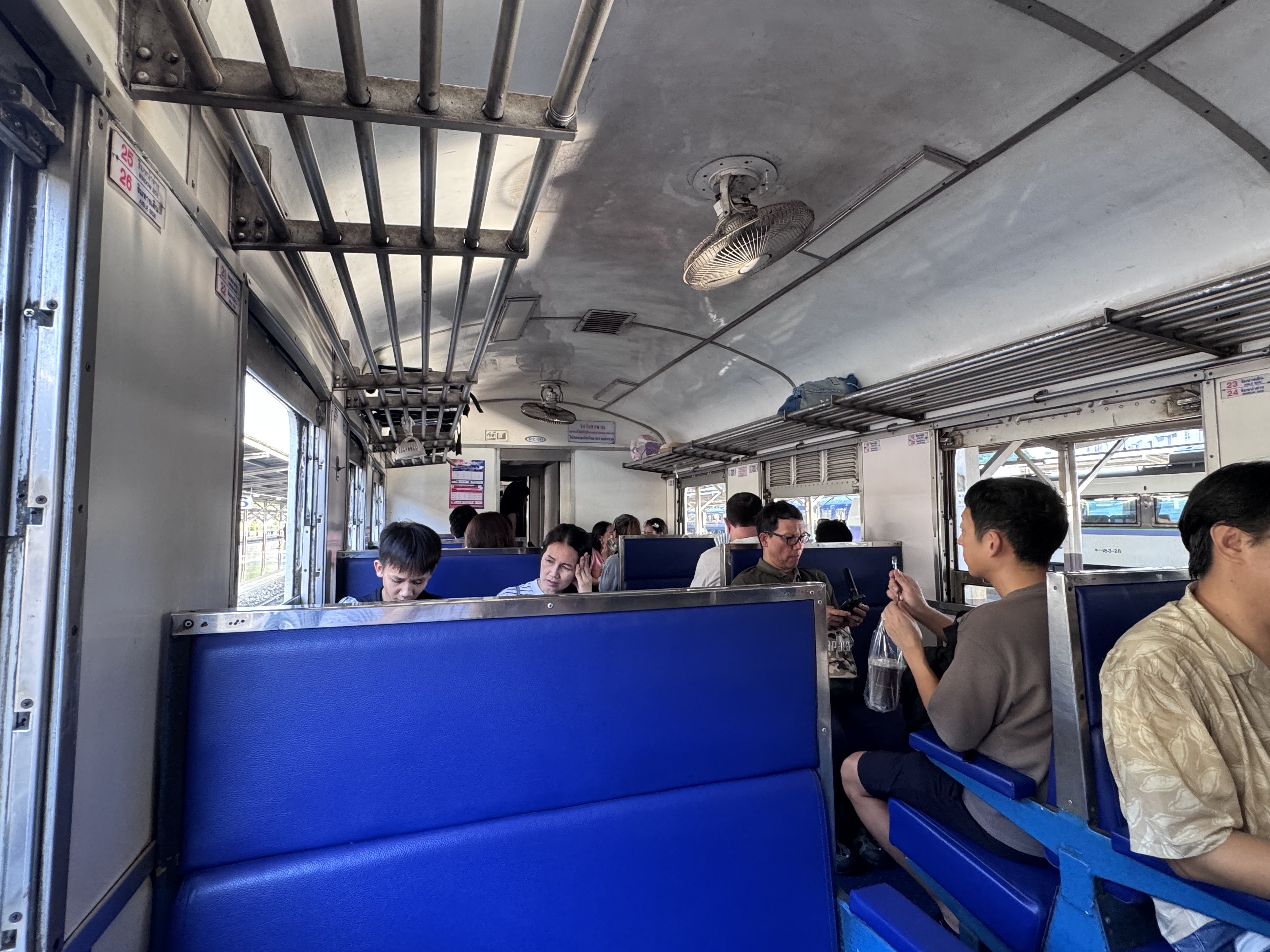
Round-trip fares are 350 baht in ordinary third-class fan carriages and 799 baht in air-conditioned OTOP or JR-West coaches, with the higher price including snacks and drinks.
Tickets are available through the SRT D-Ticket system and at stations across the country, though the Ayutthaya steam trips tend to sell out fast.
These steam excursions run six times a year on selected national and royal ...