

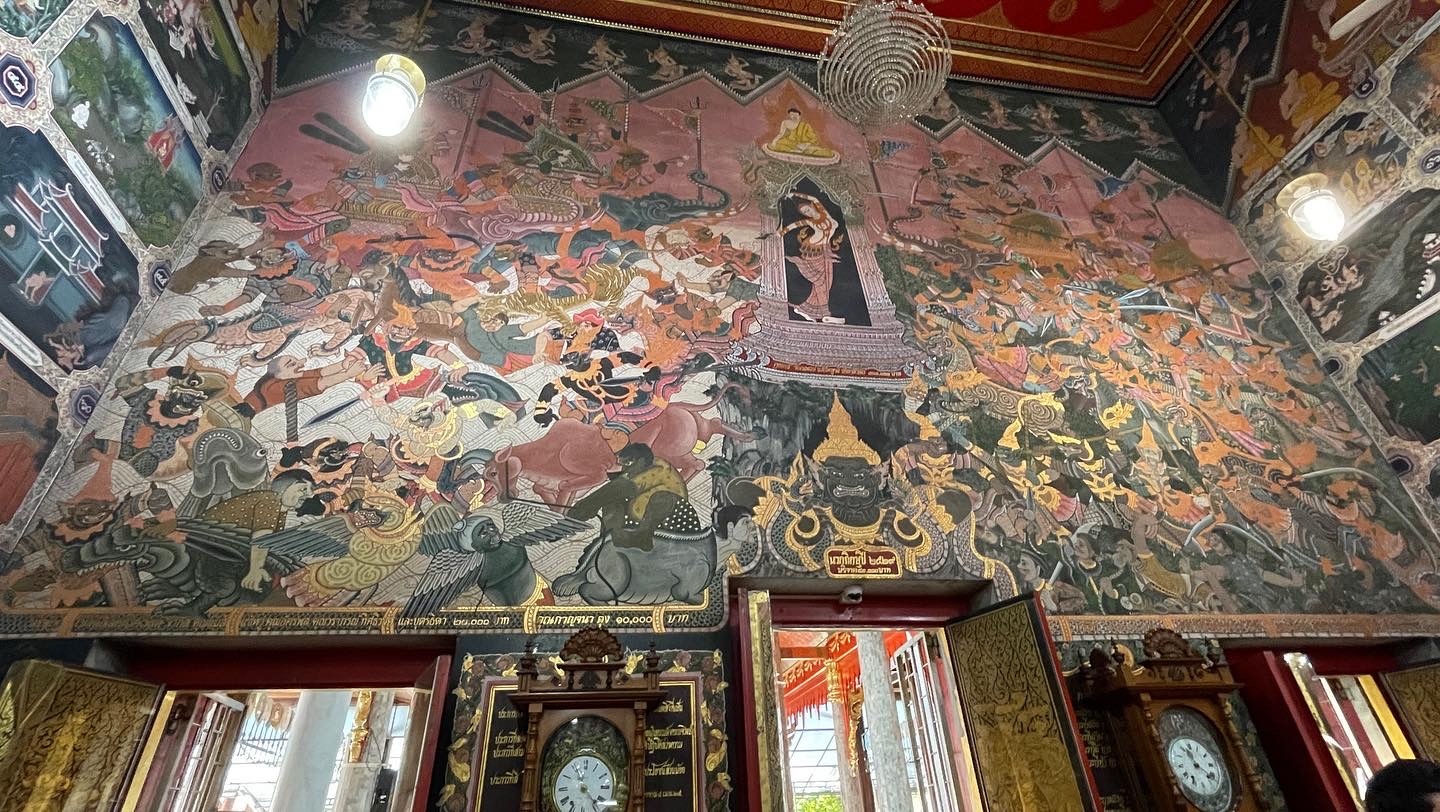
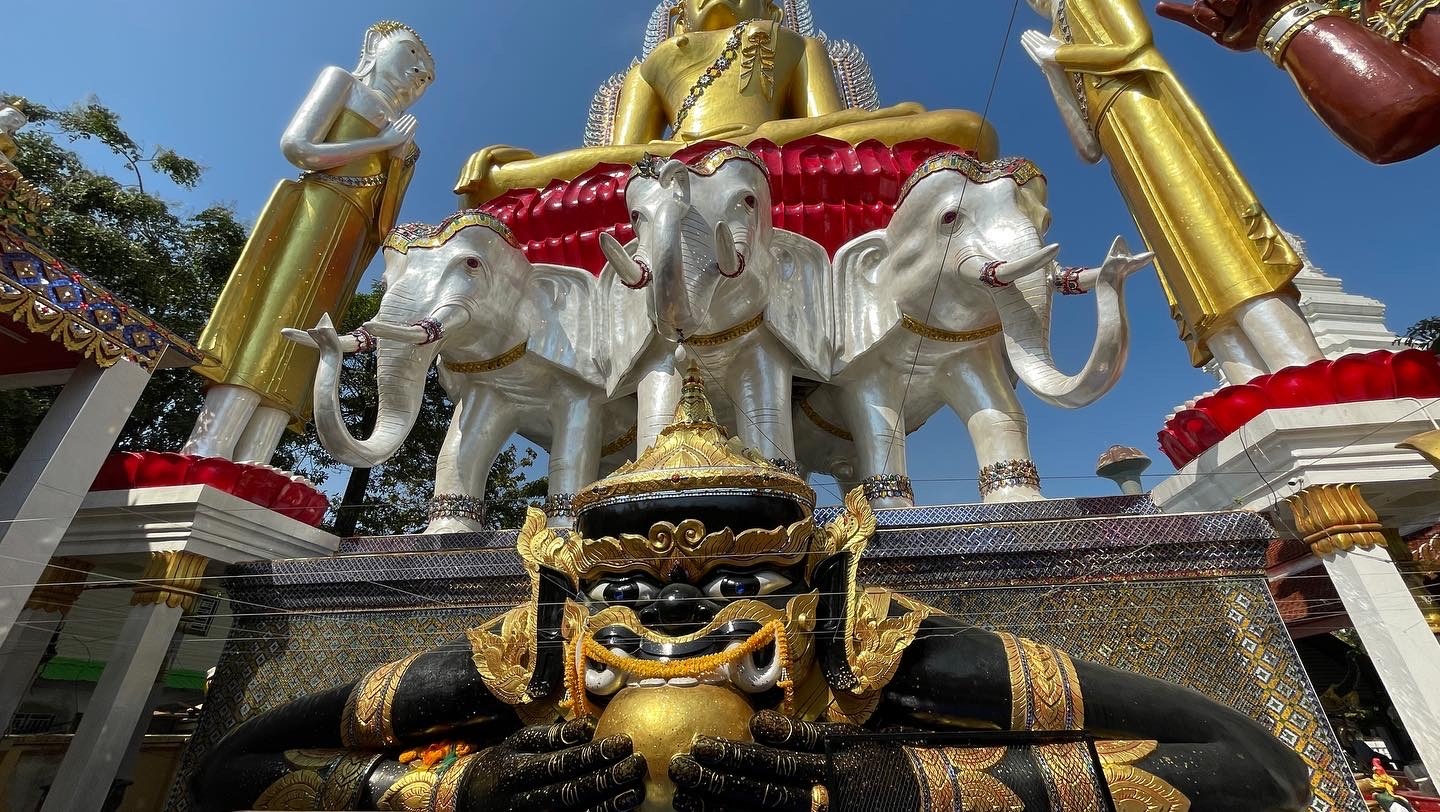
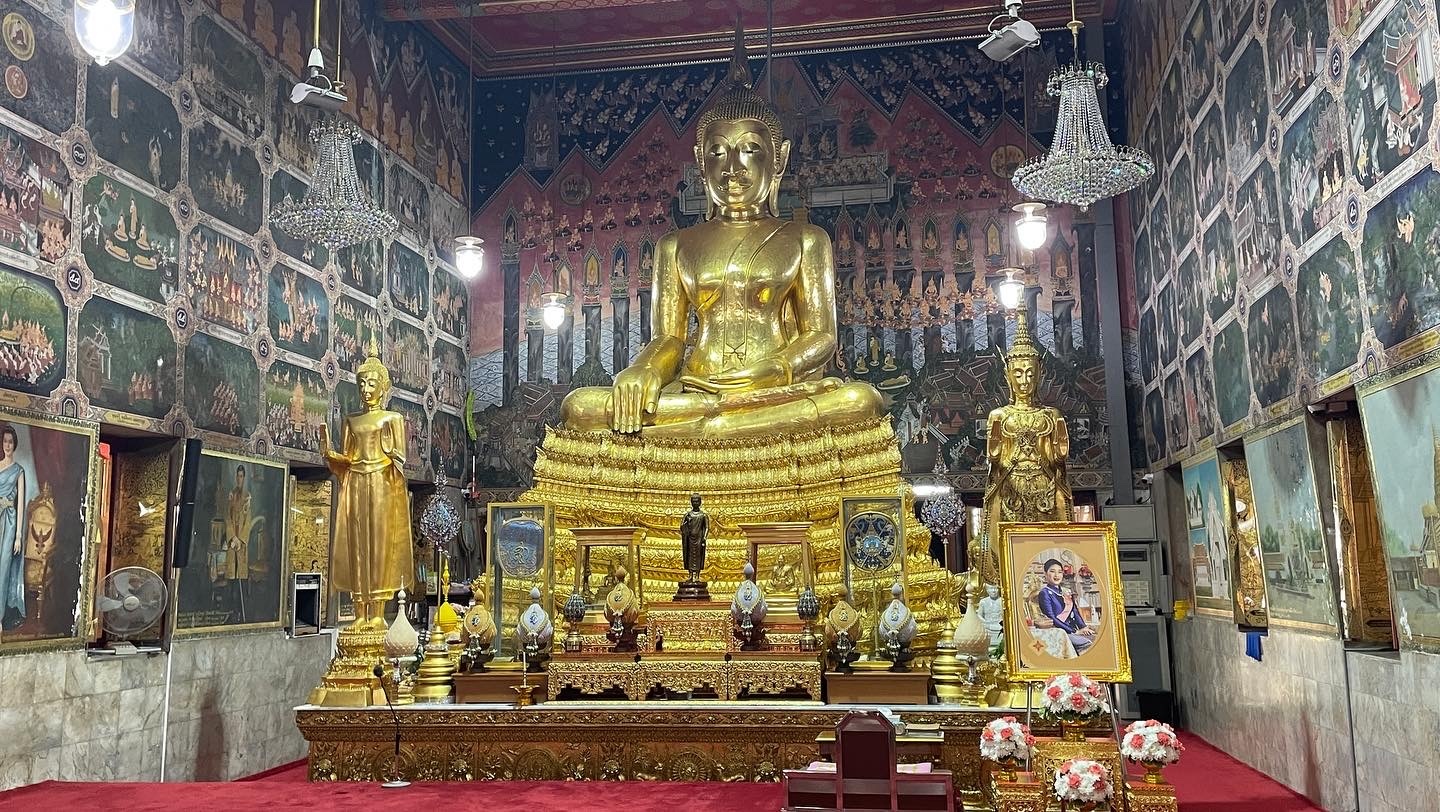
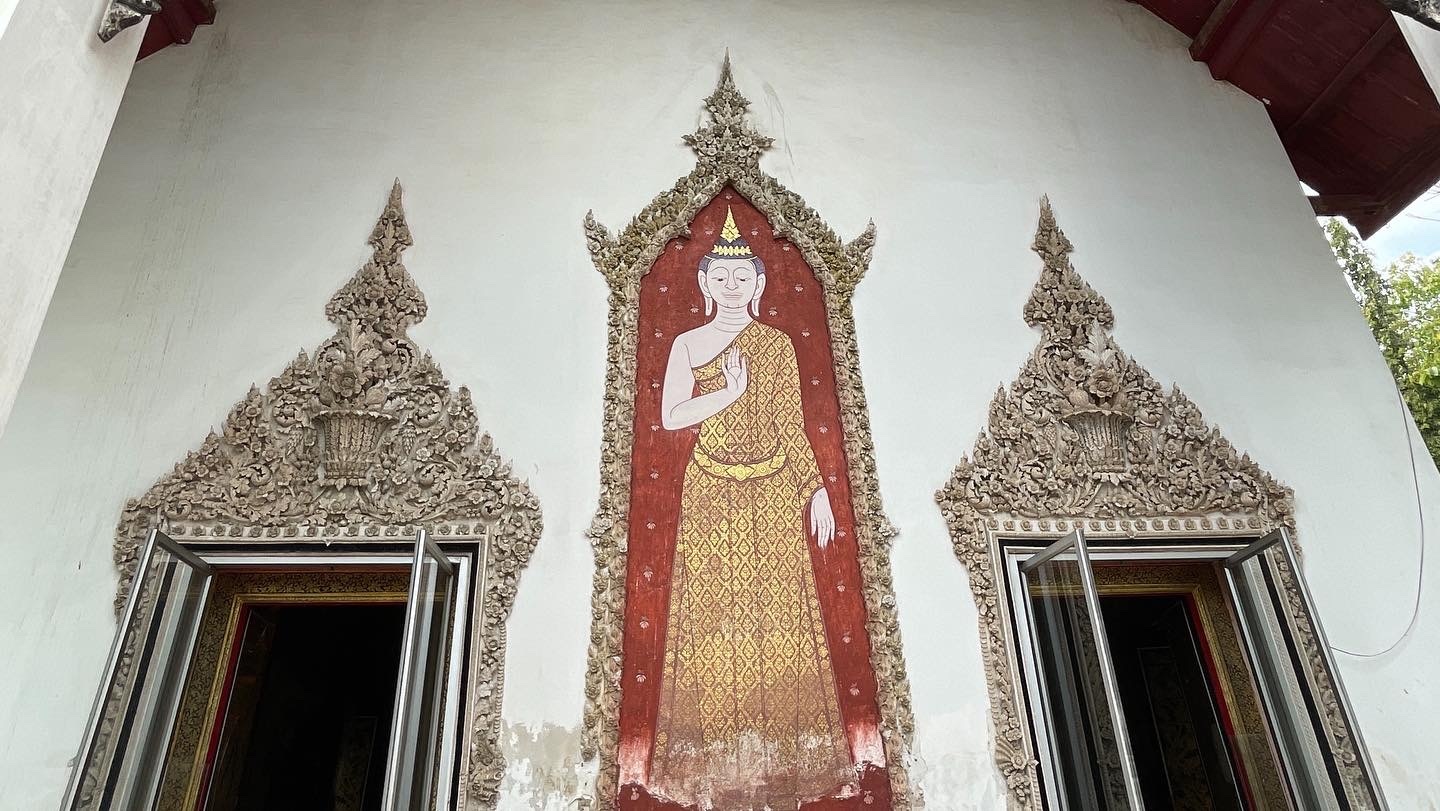
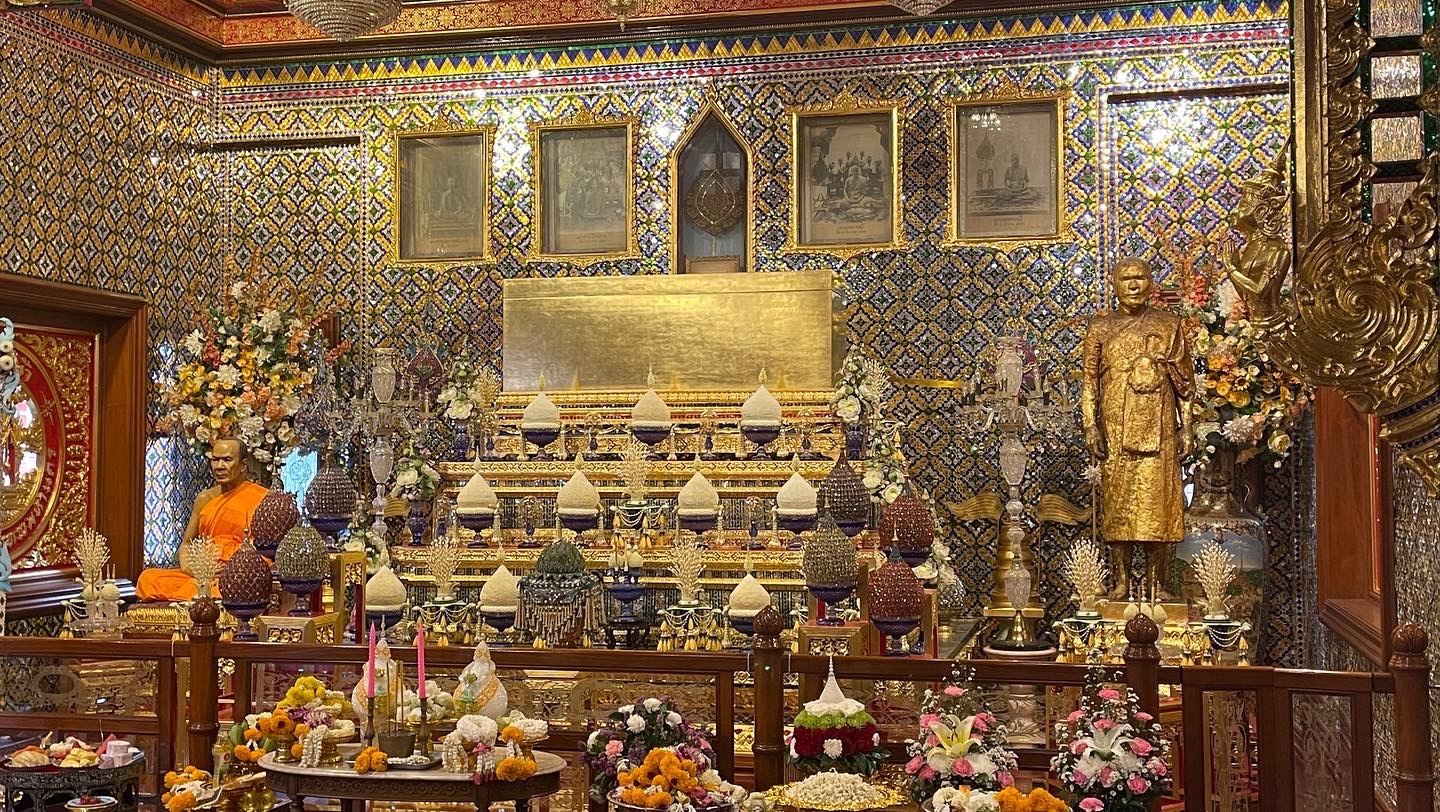
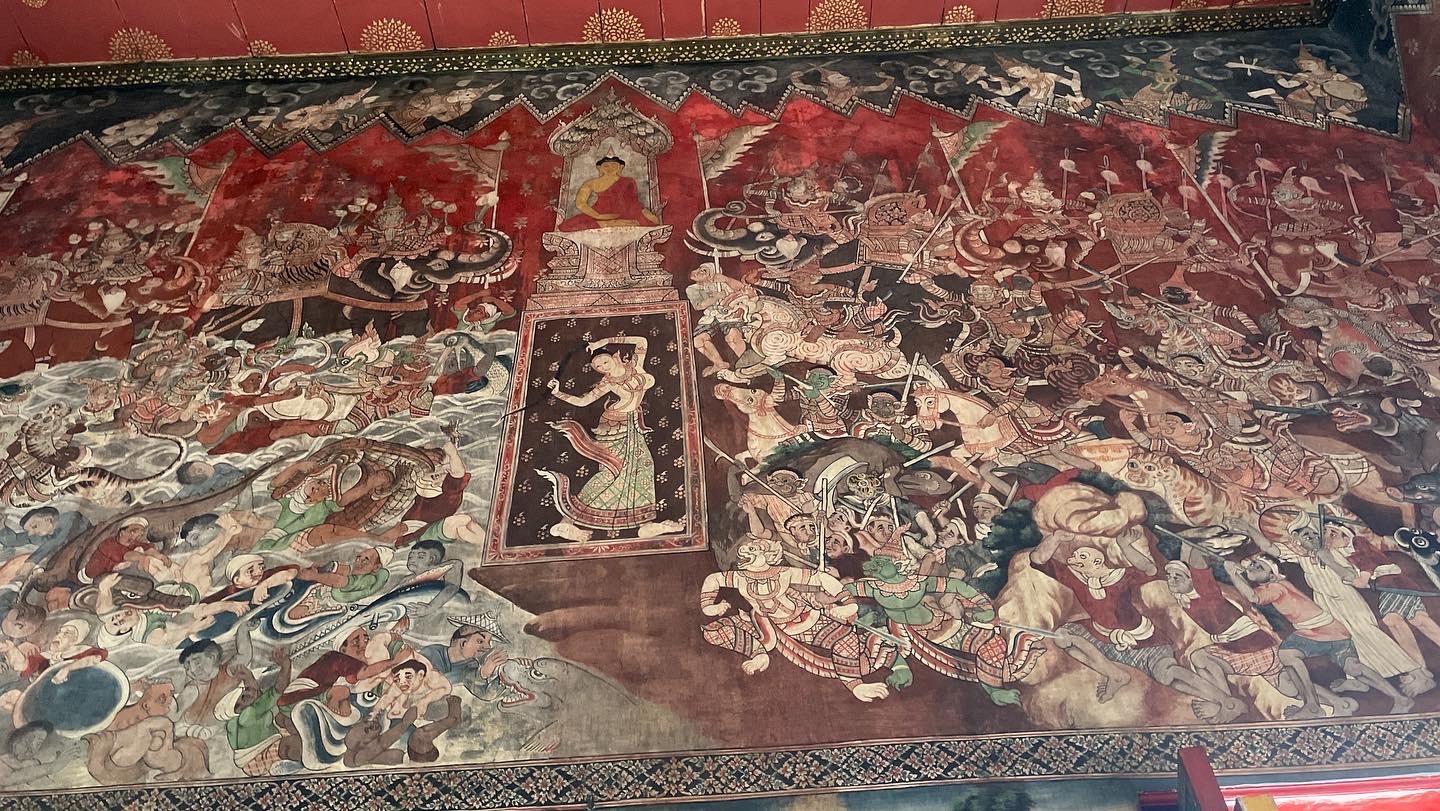
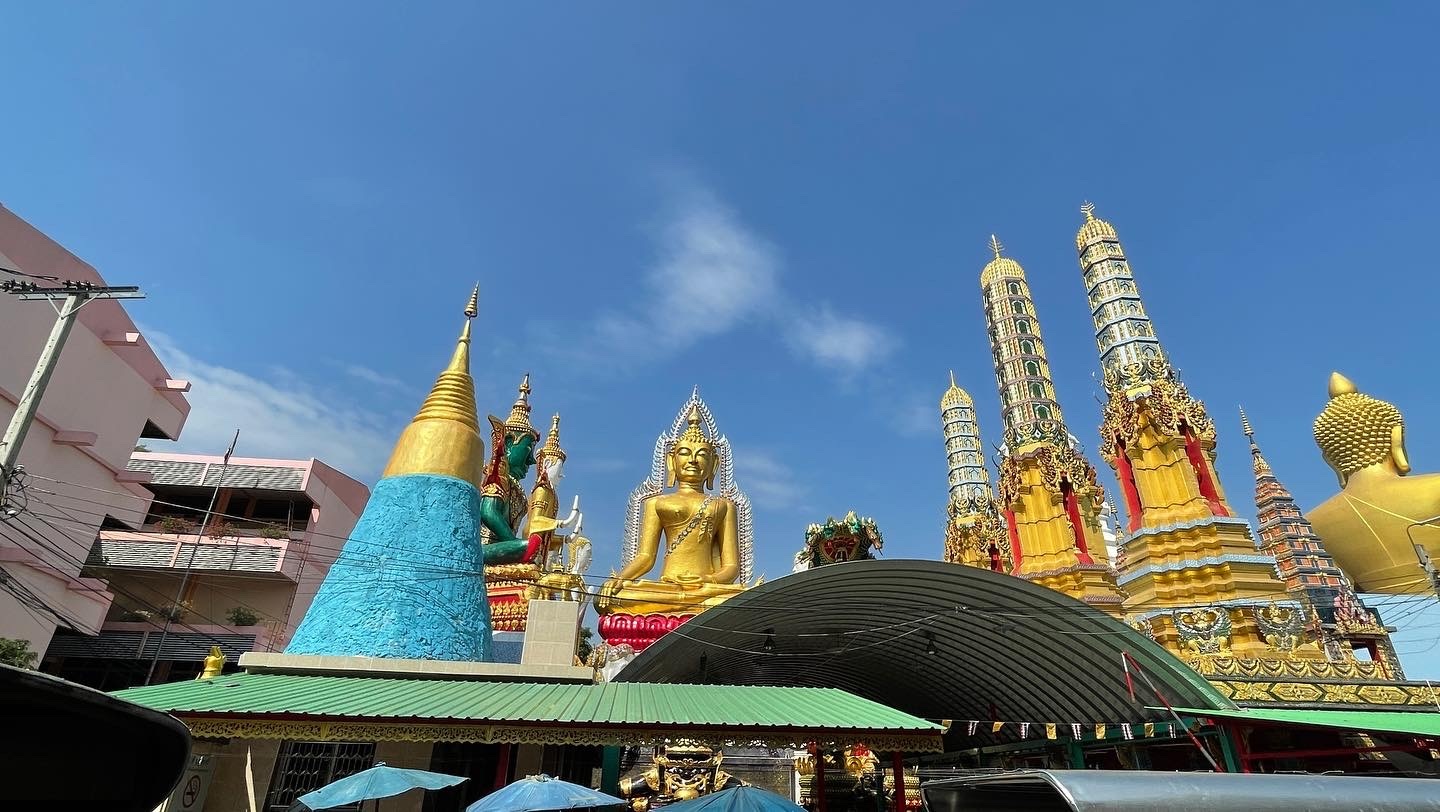
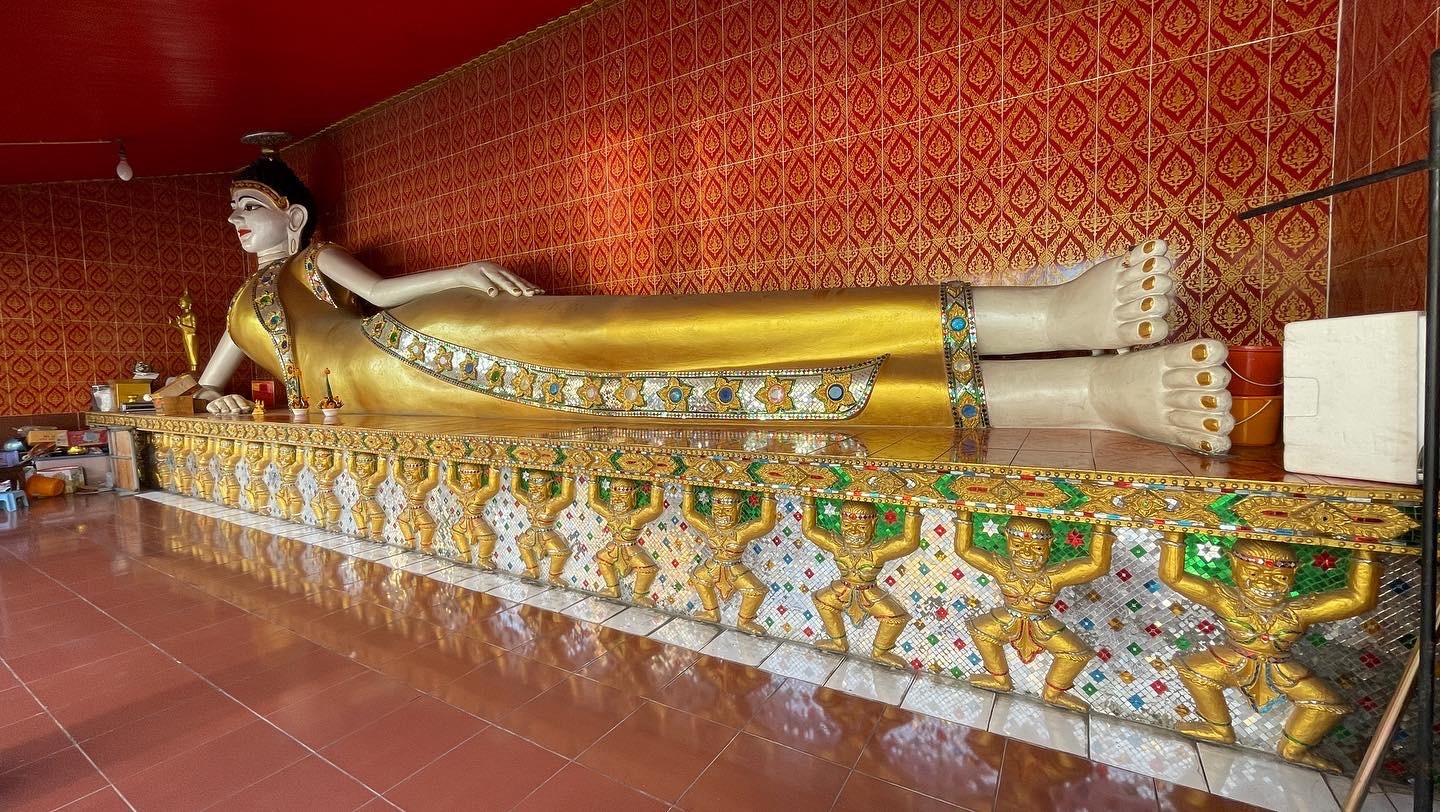
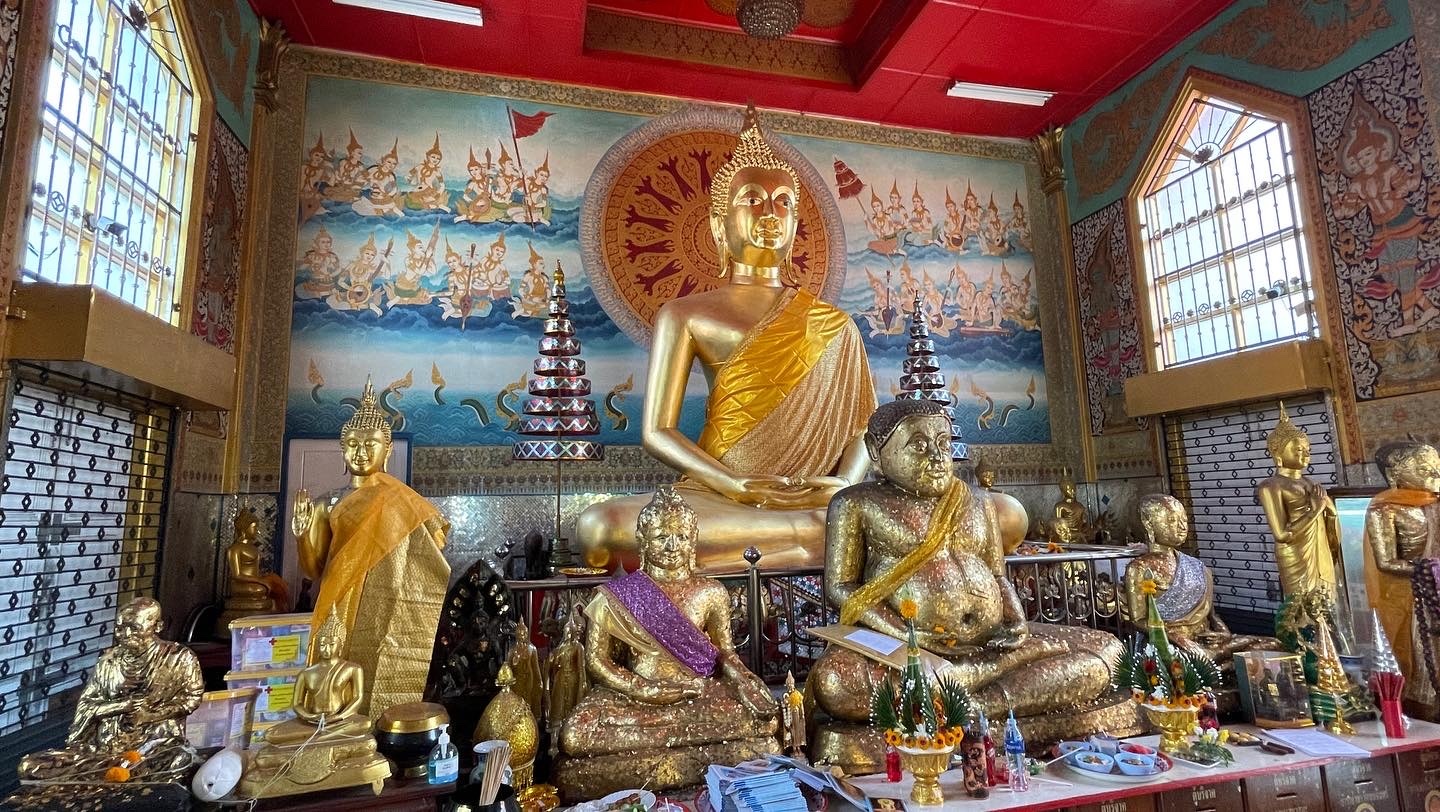
Thonburi has so much to see and do. The canals let you explore the area and see the area without having to fight traffic. Along the canals you see markets, traditional houses and many historic temples. A few of the temples include Wat Kampaeng Bangchak, Wat Paknam Bhasicharoen and Wat Khun Chan.
Wat Khun Chan is a Mon style temple, Wat Paknam is an Ayutthaya era temple with the largest Buddha in Bangkok and Wat Kampaeng pet is a well preserved temple with Bangkok era murals.
If you are exploring the canals another thing to see is the Khlong Bang Luang Floating Market. The floating market is not large but you can shop for local food or enjoy lunch in the canal bank. There is also a traditional puppet show performed on Saturday and Sunday.
Exploring the Canals and Alleyways of Thonburi Thailand - Part 3

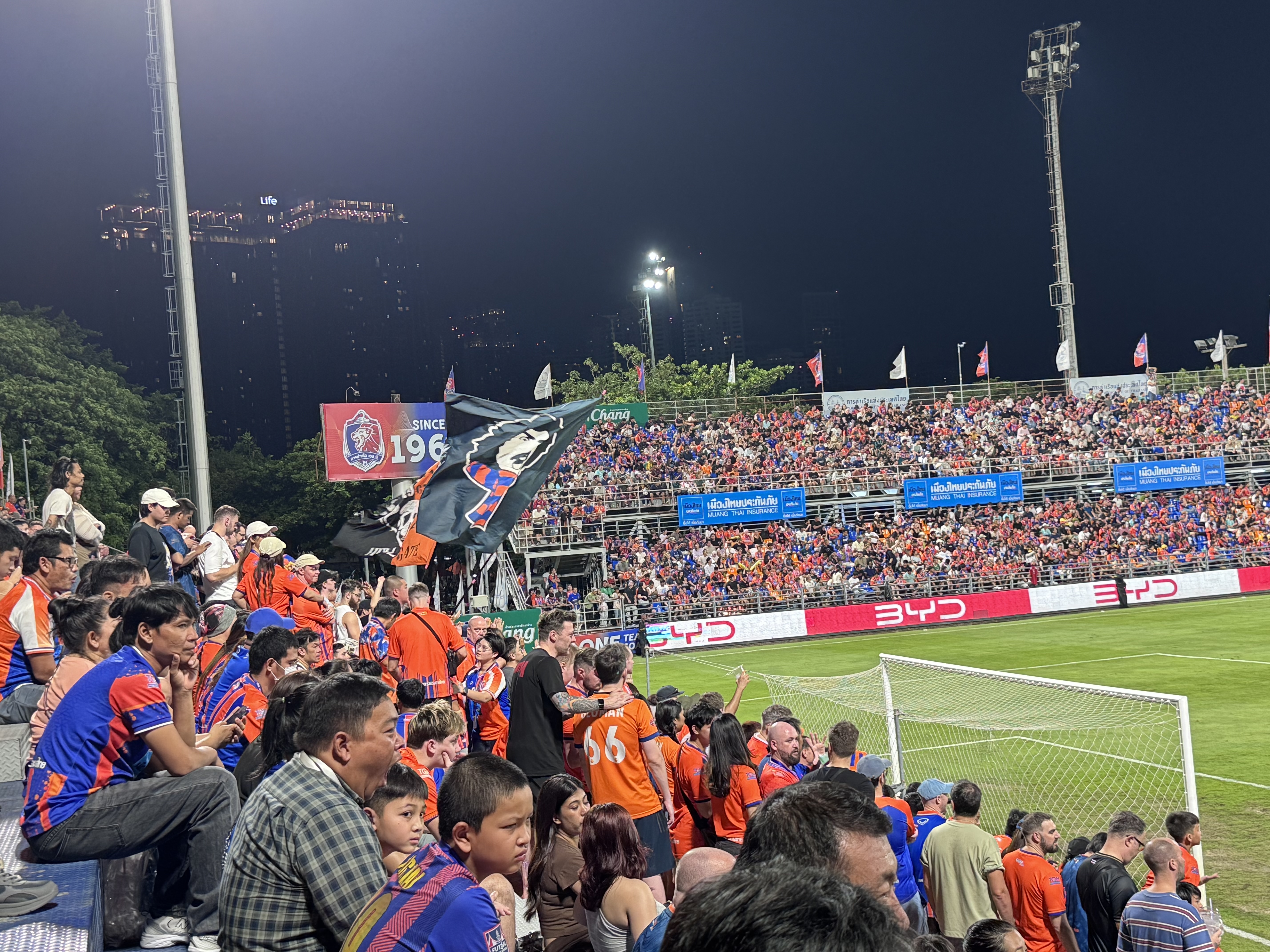
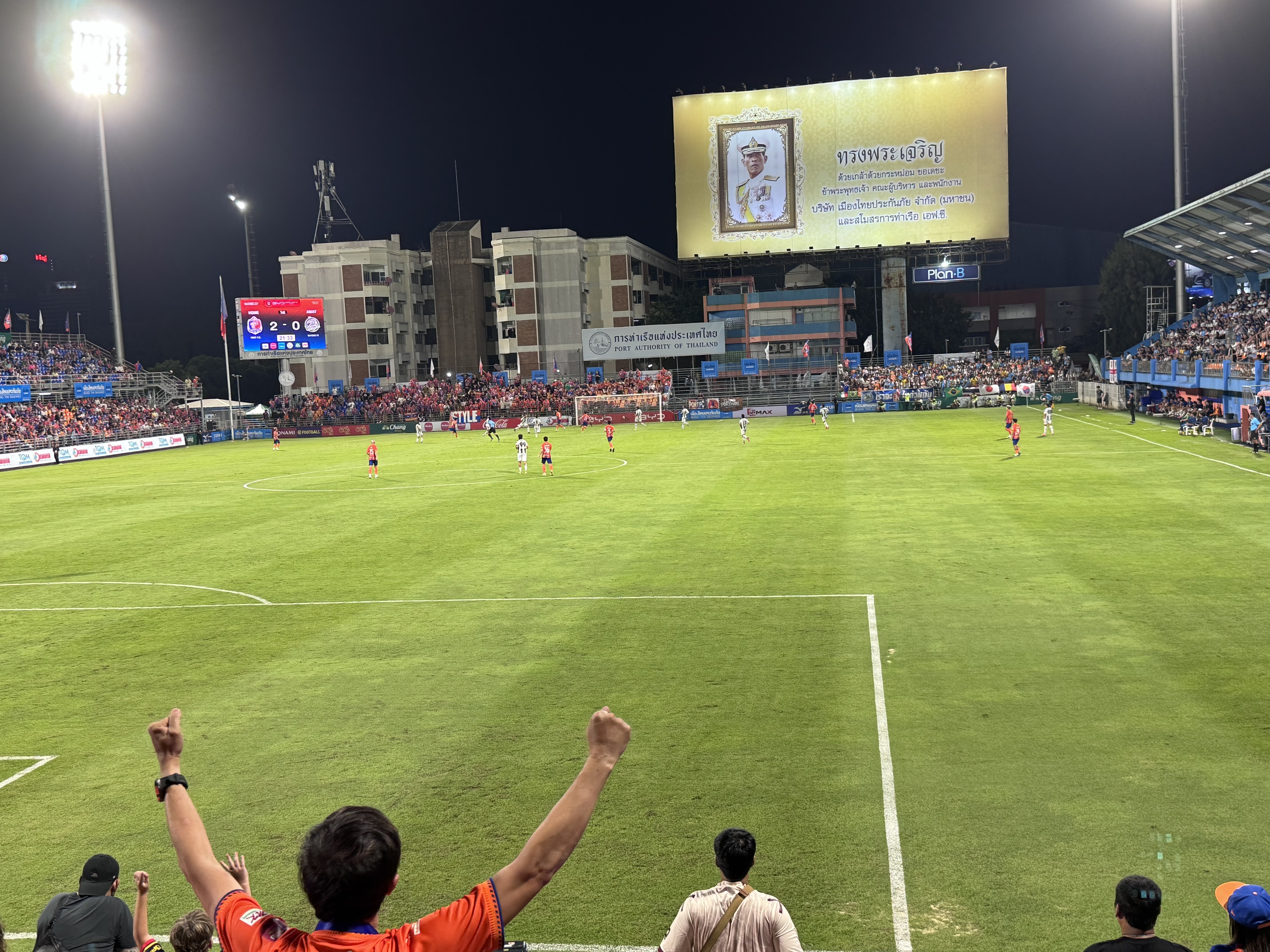
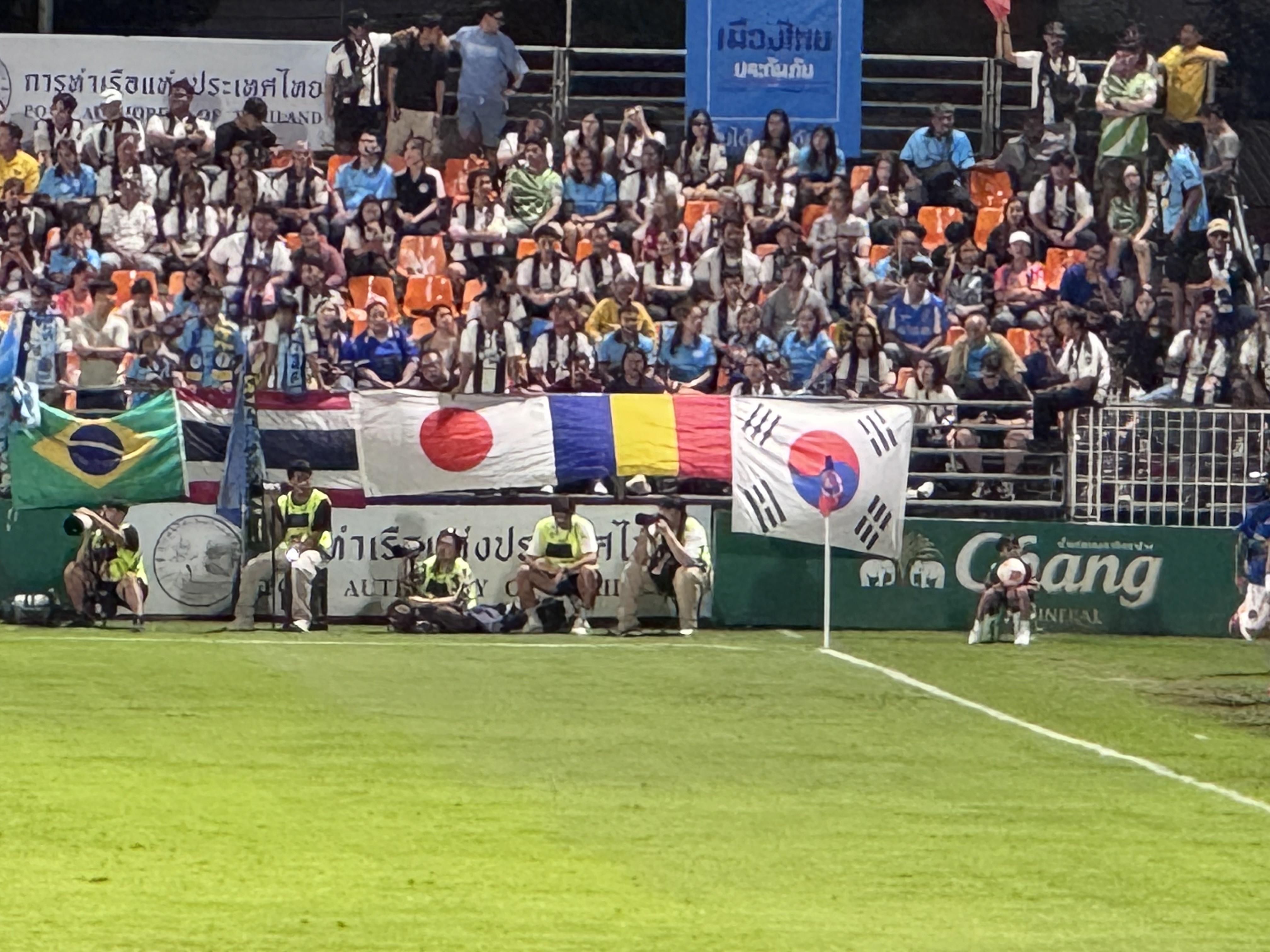
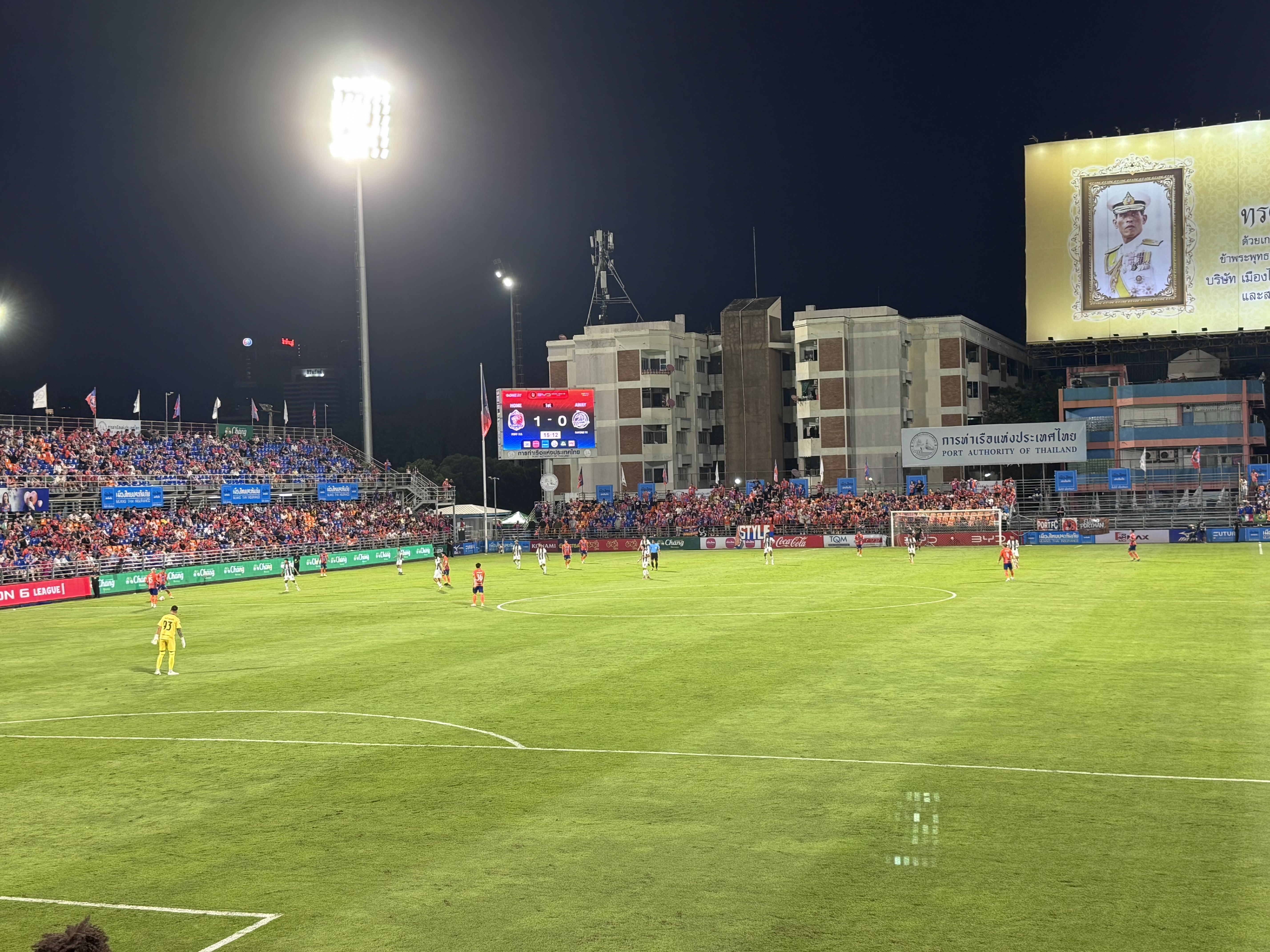
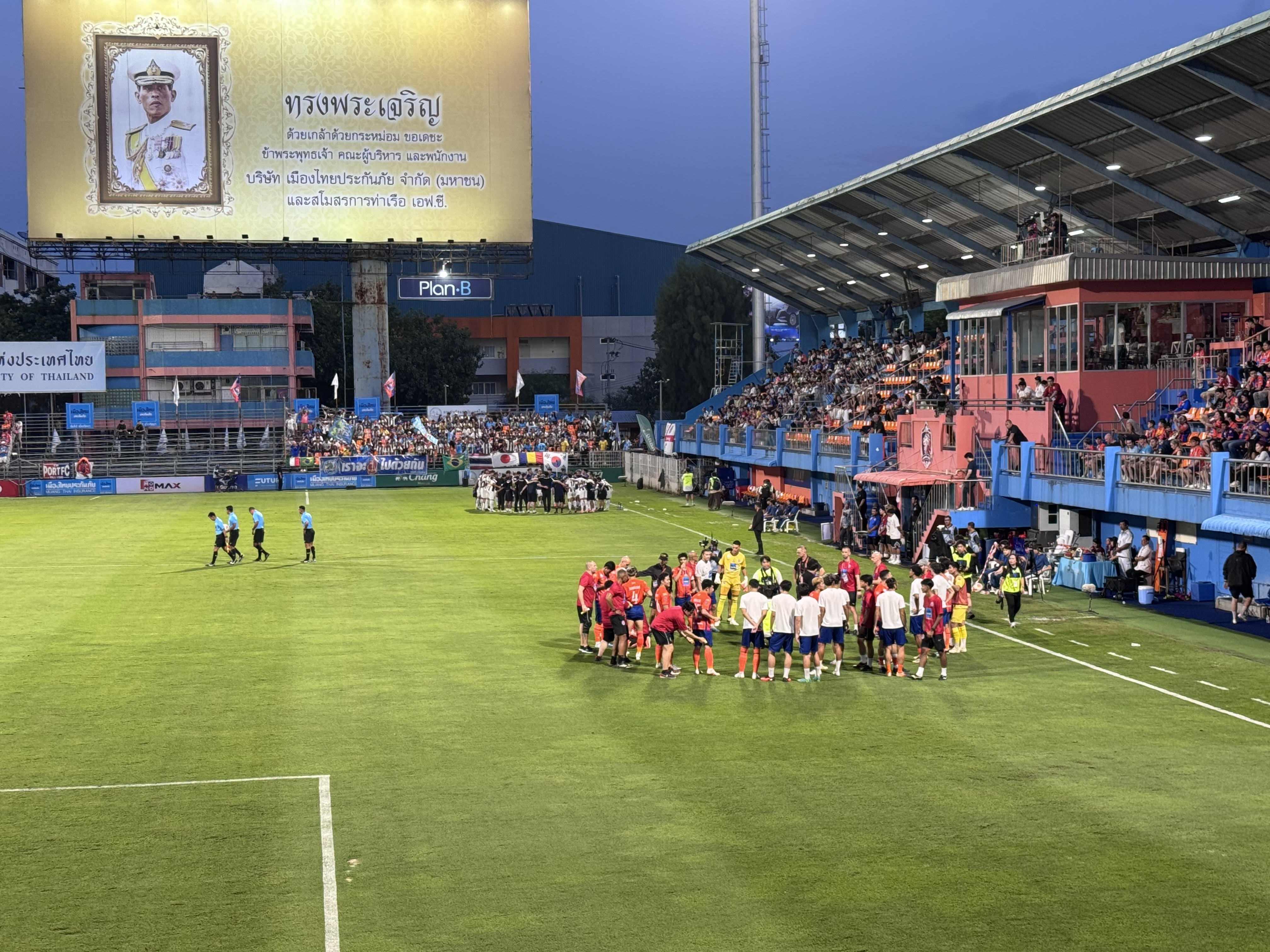
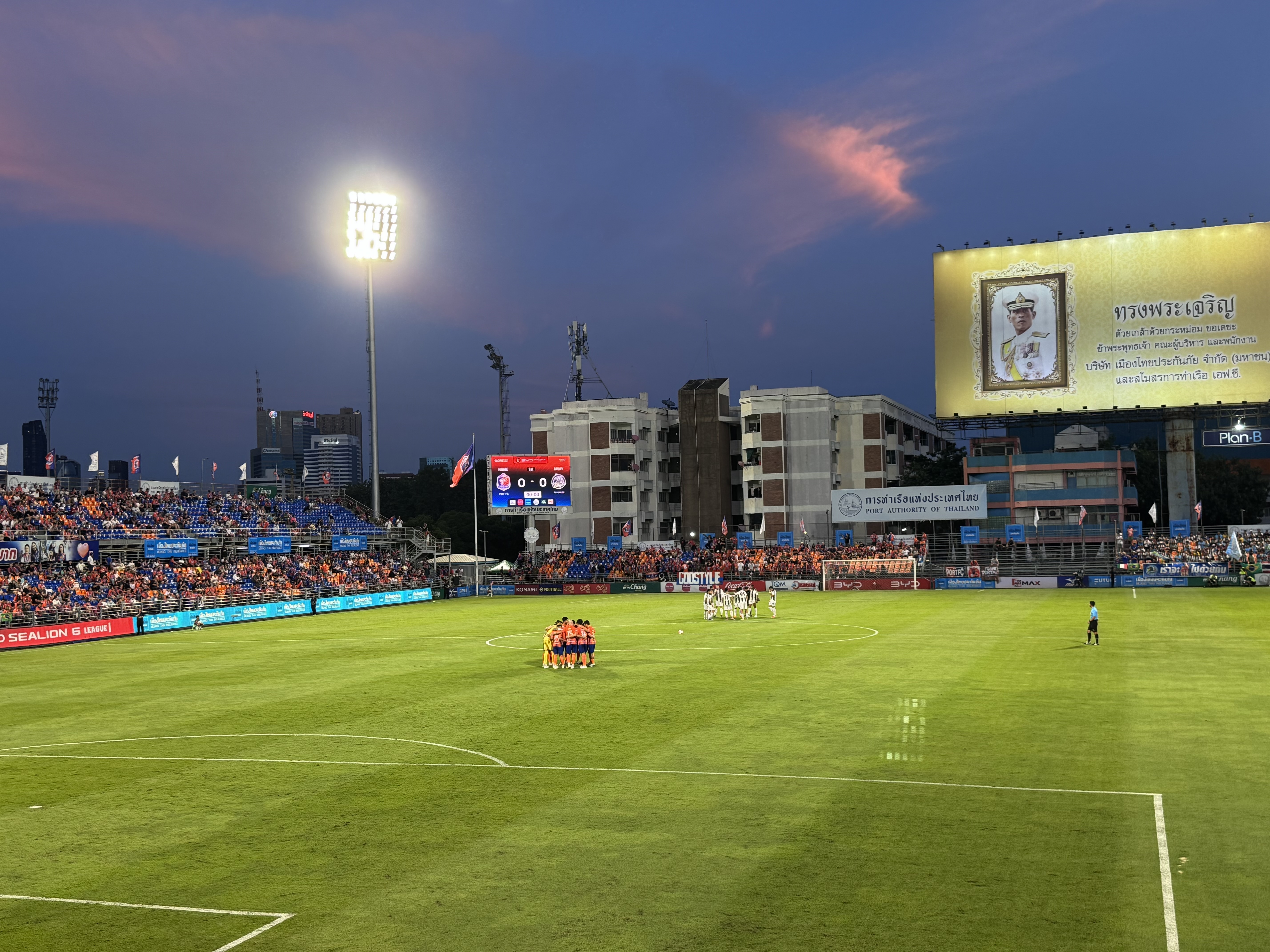
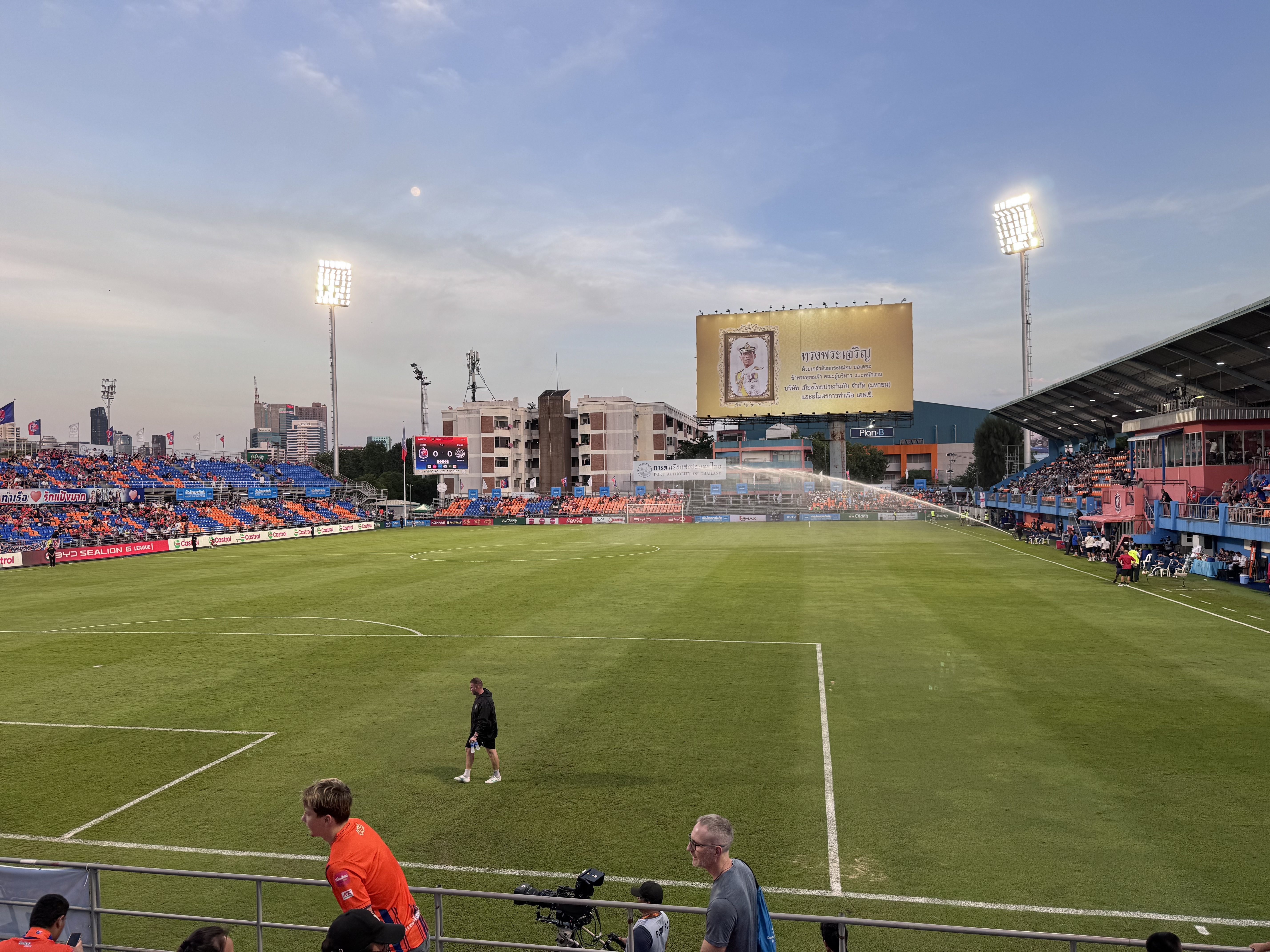
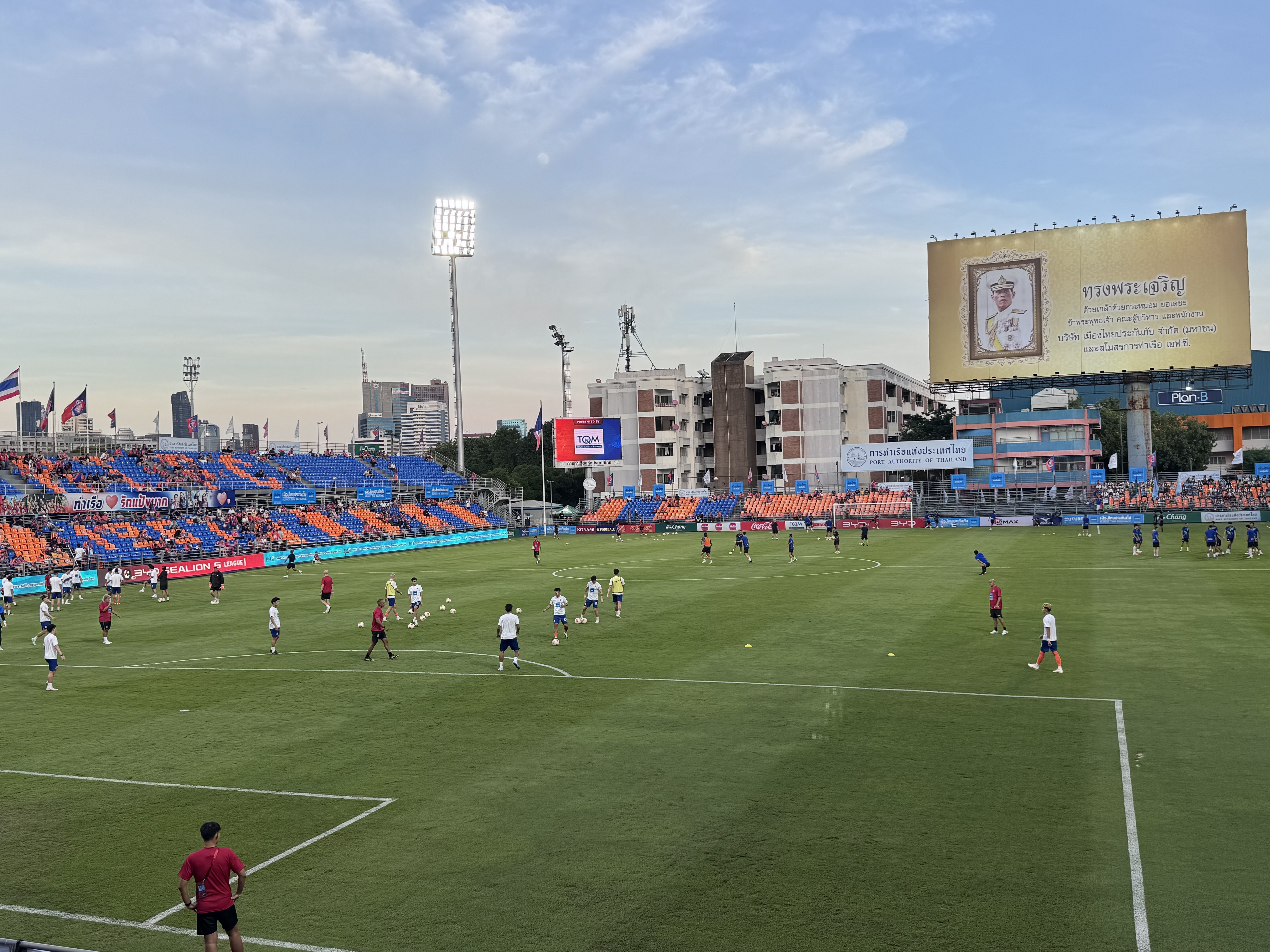
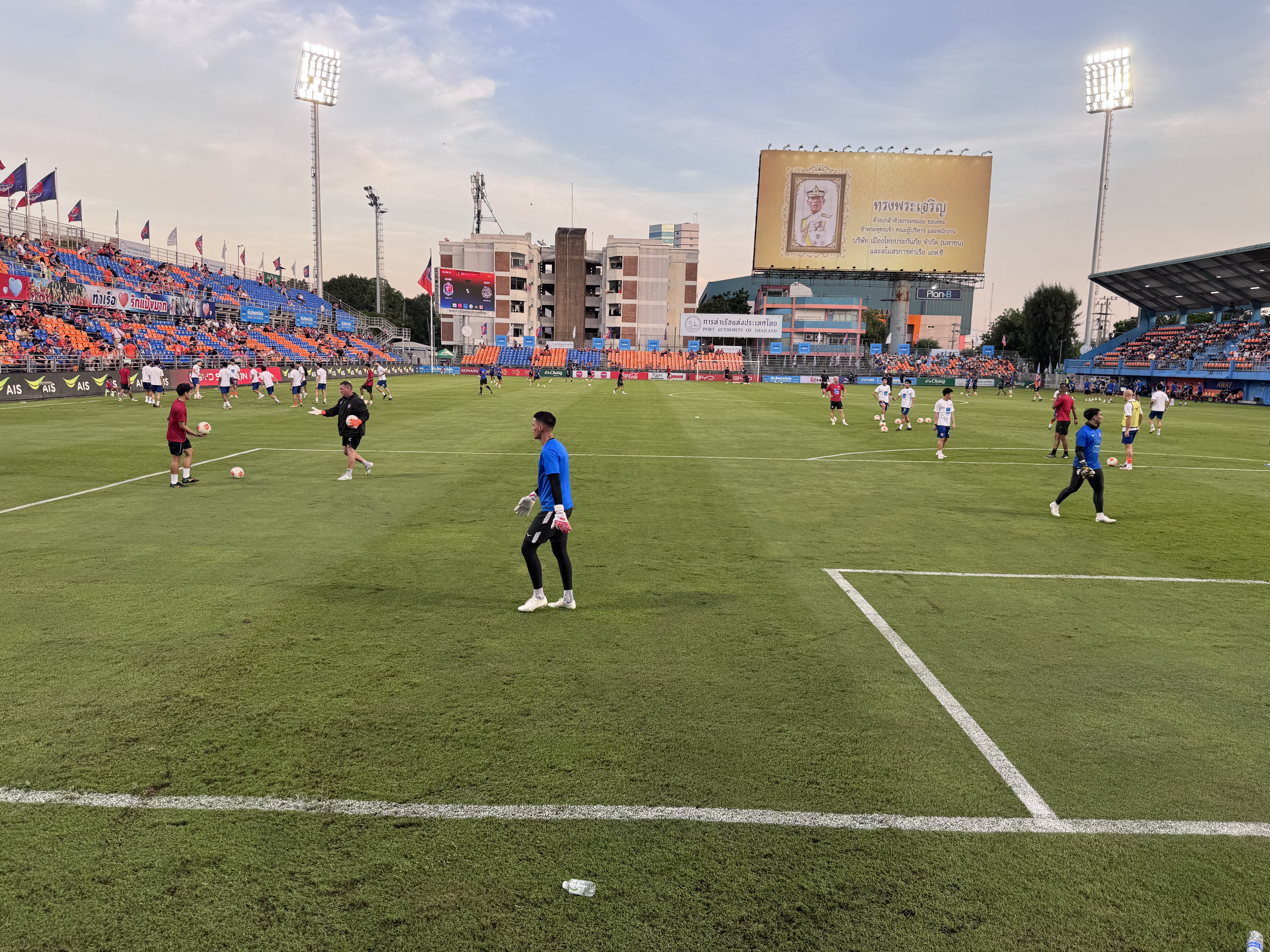
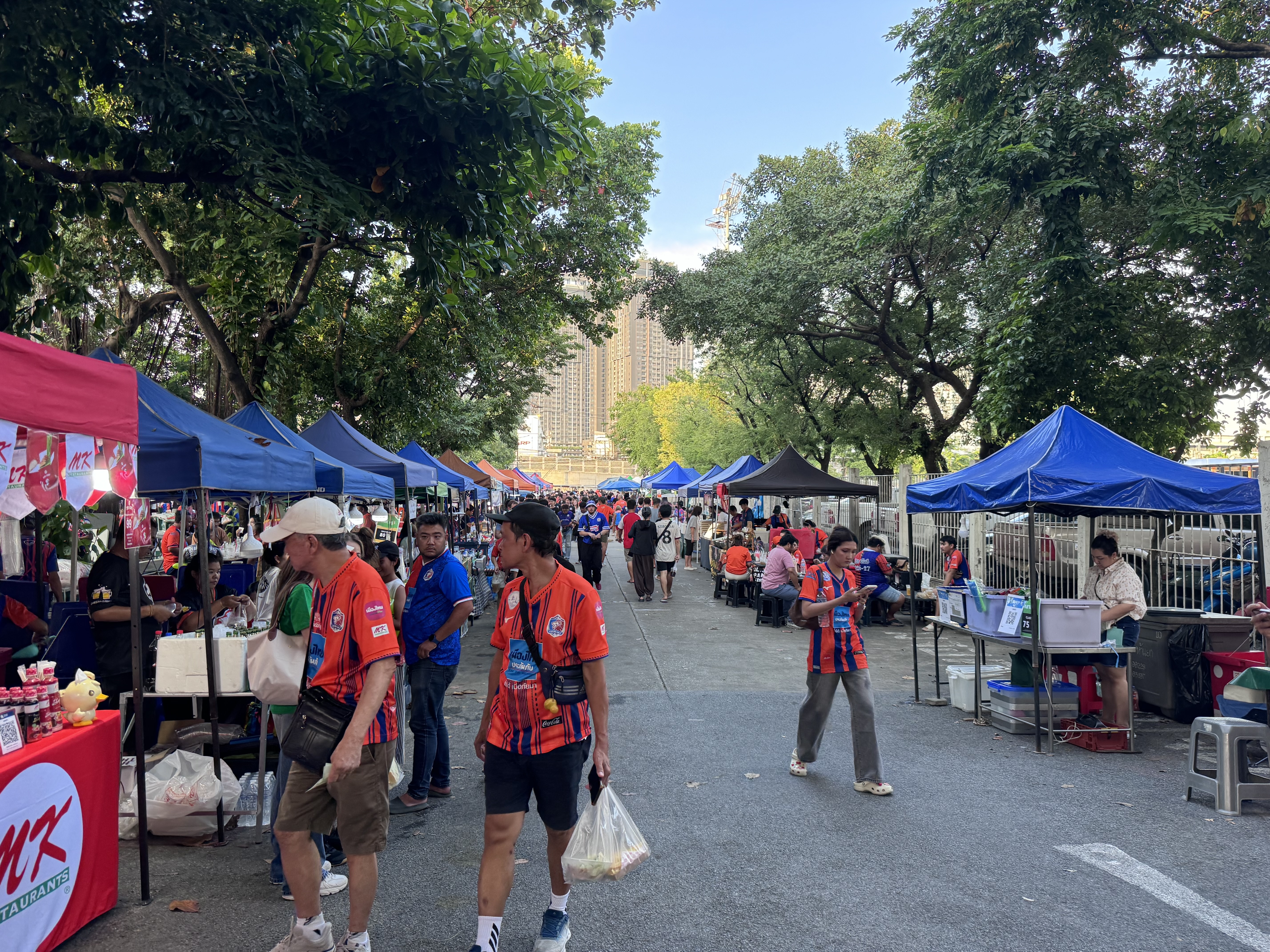
Port FC vs Rayong FC
Thai League 1 - Matchday 6 - 24 October 2026
PAT Stadium
The Thai League stands as Thailand’s top professional football competition, born in 1996 when the Football Association of Thailand converted the traditional Kor Royal Cup into a proper league format. What began as a modest collection of mostly Bangkok-based and institutional sides gradually expanded through mergers with provincial competitions, adopted full professional licensing standards, and settled into its current sixteen-team structure.
Today the league operates as a double round-robin season that determines the national champion, awards Asian qualification places, and sends the bottom three clubs down to the second division, with Buriram United having claimed the majority of recent titles while provincial teams continue to rise and challenge the established order.
Port FC were established in 1967 under the Port Authority of Thailand. The club enjoyed early success by collecting multiple Kor Royal Cup and Queen’s...
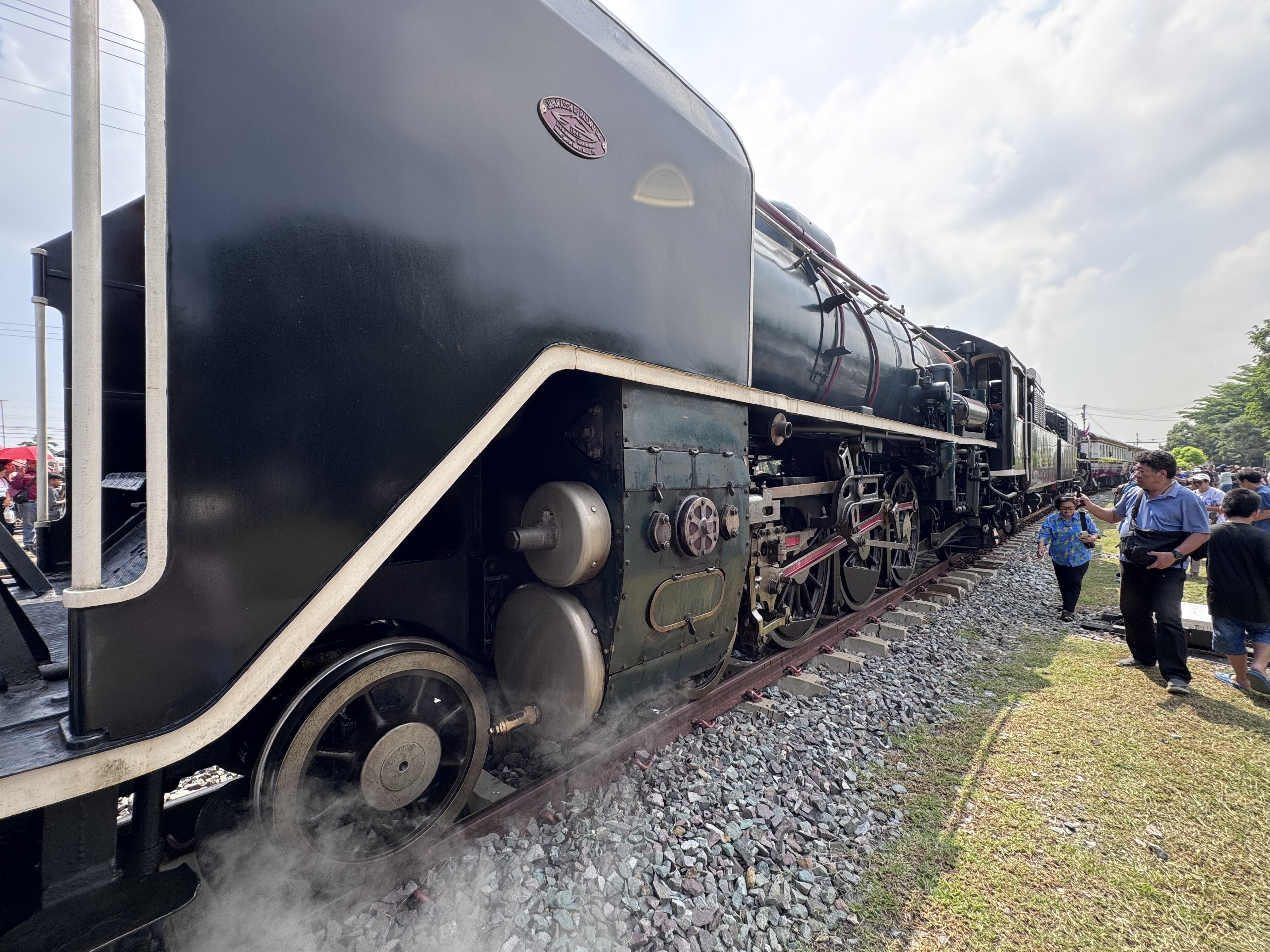
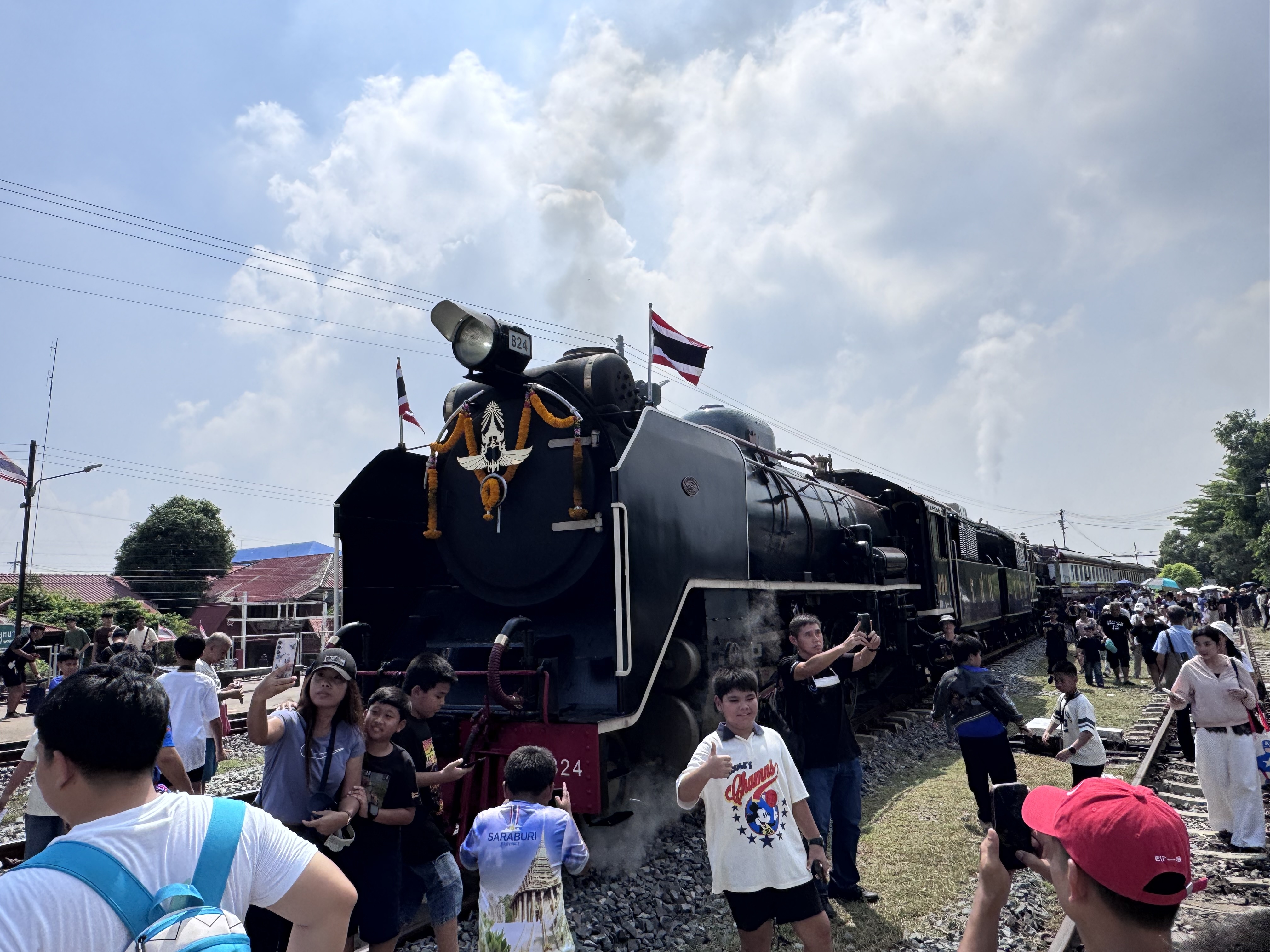
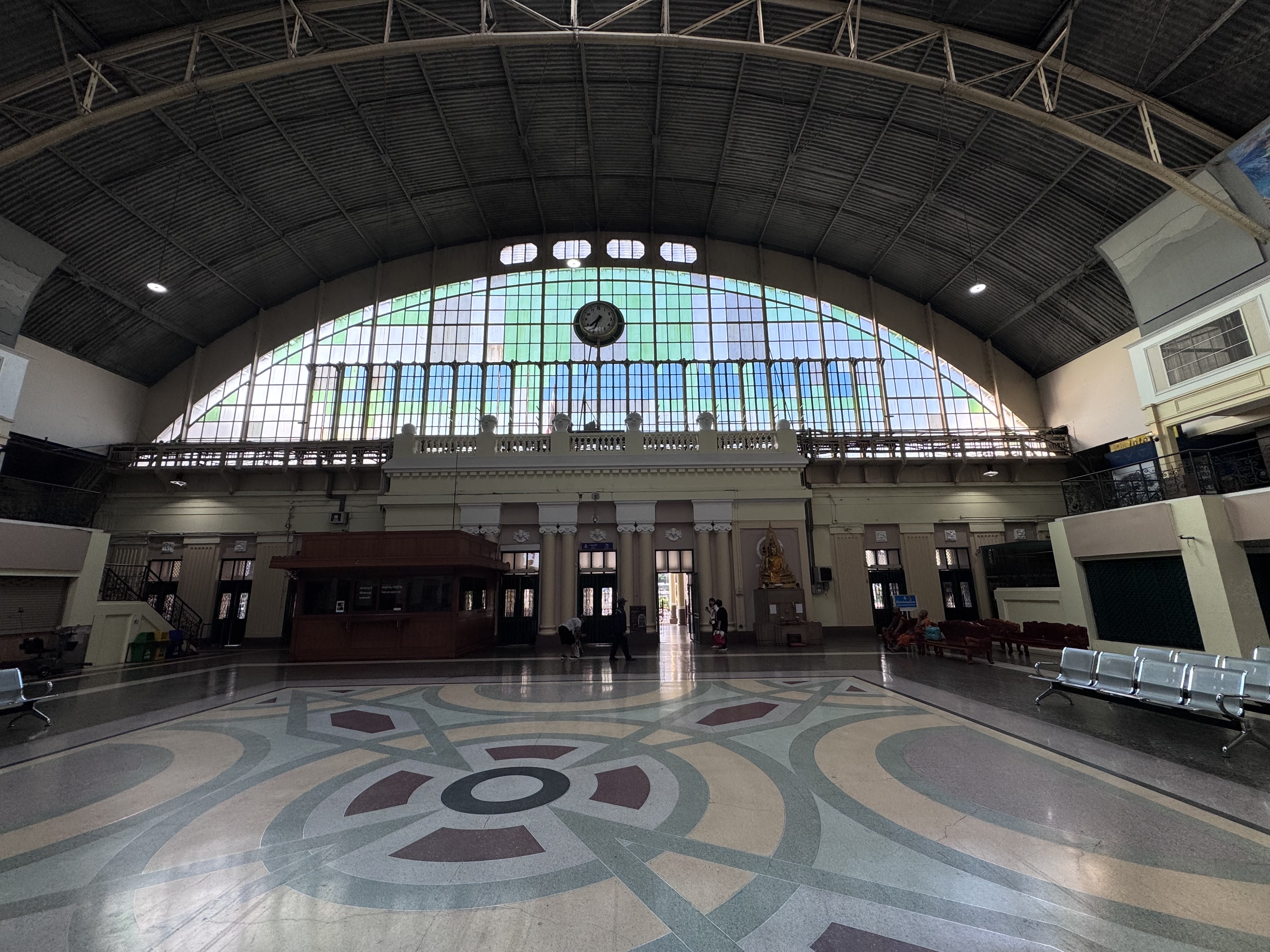
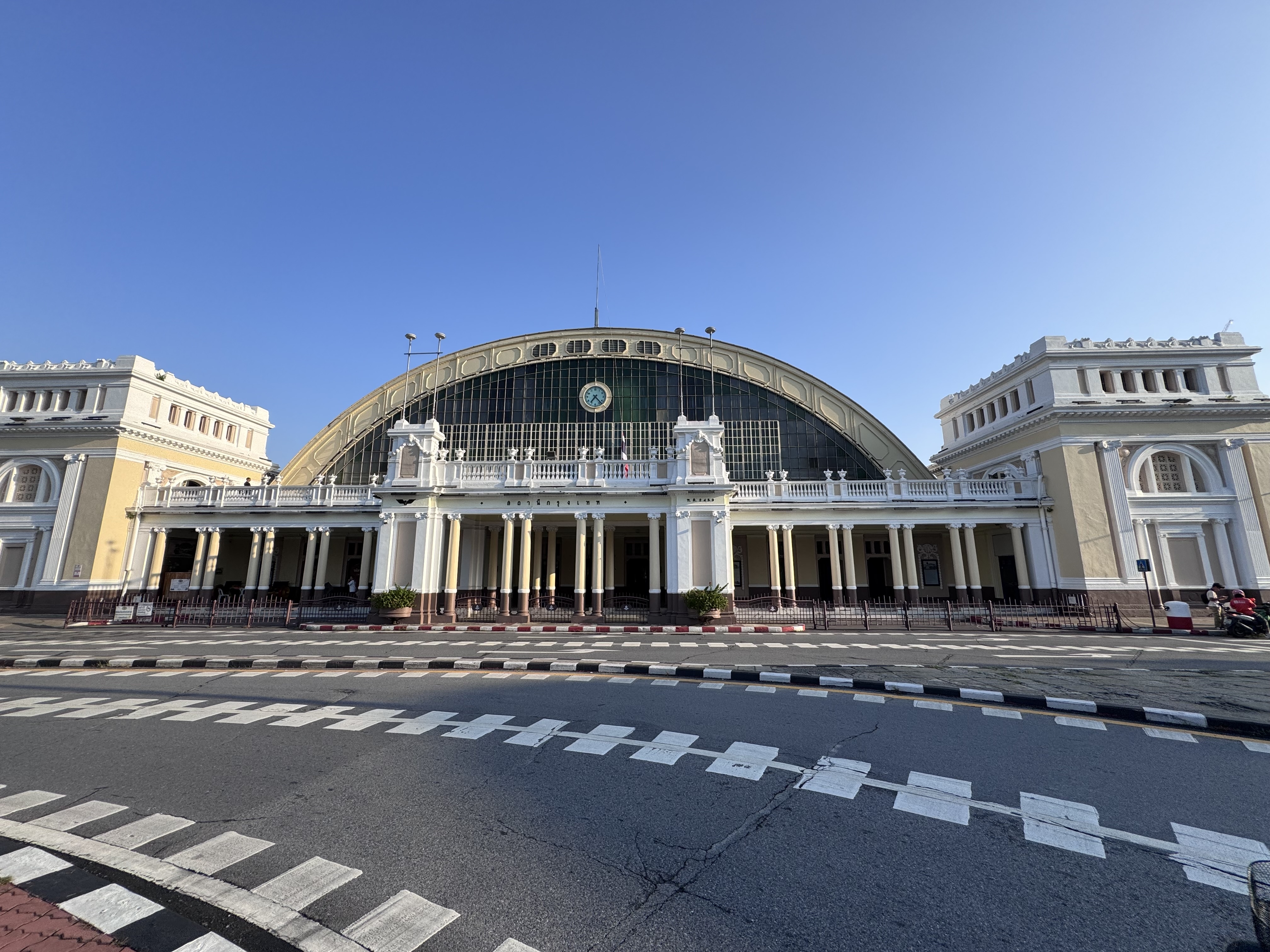
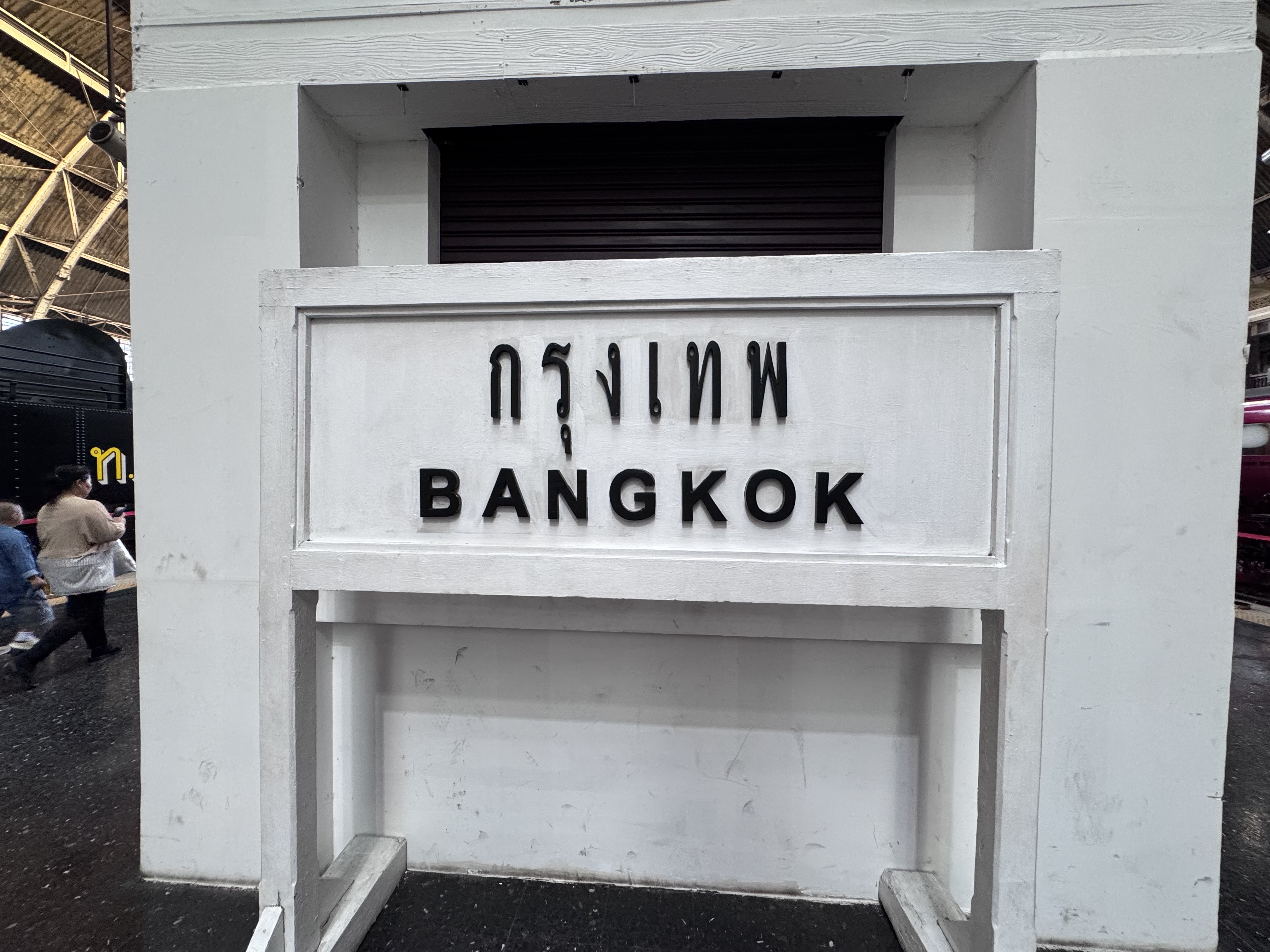
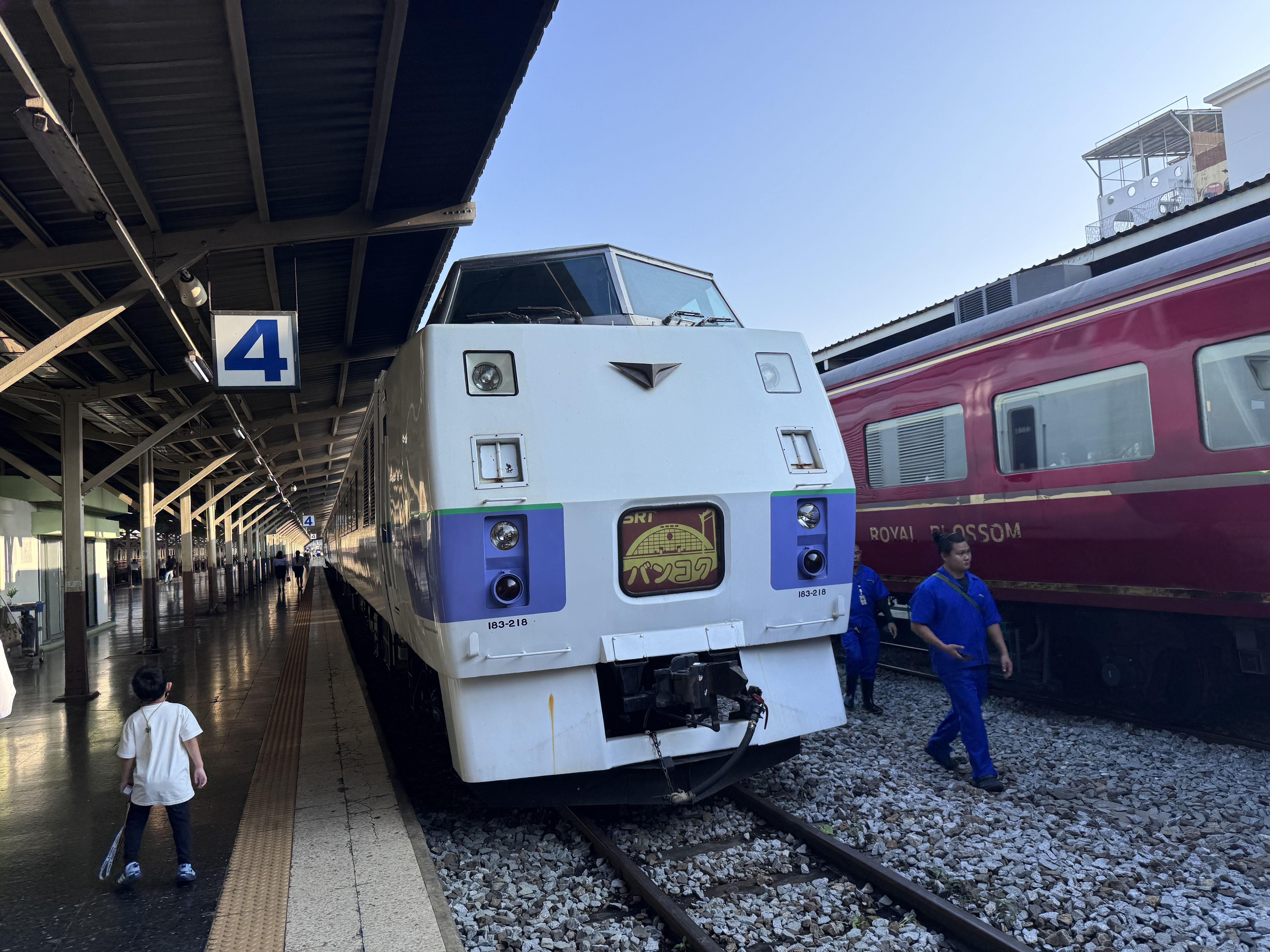
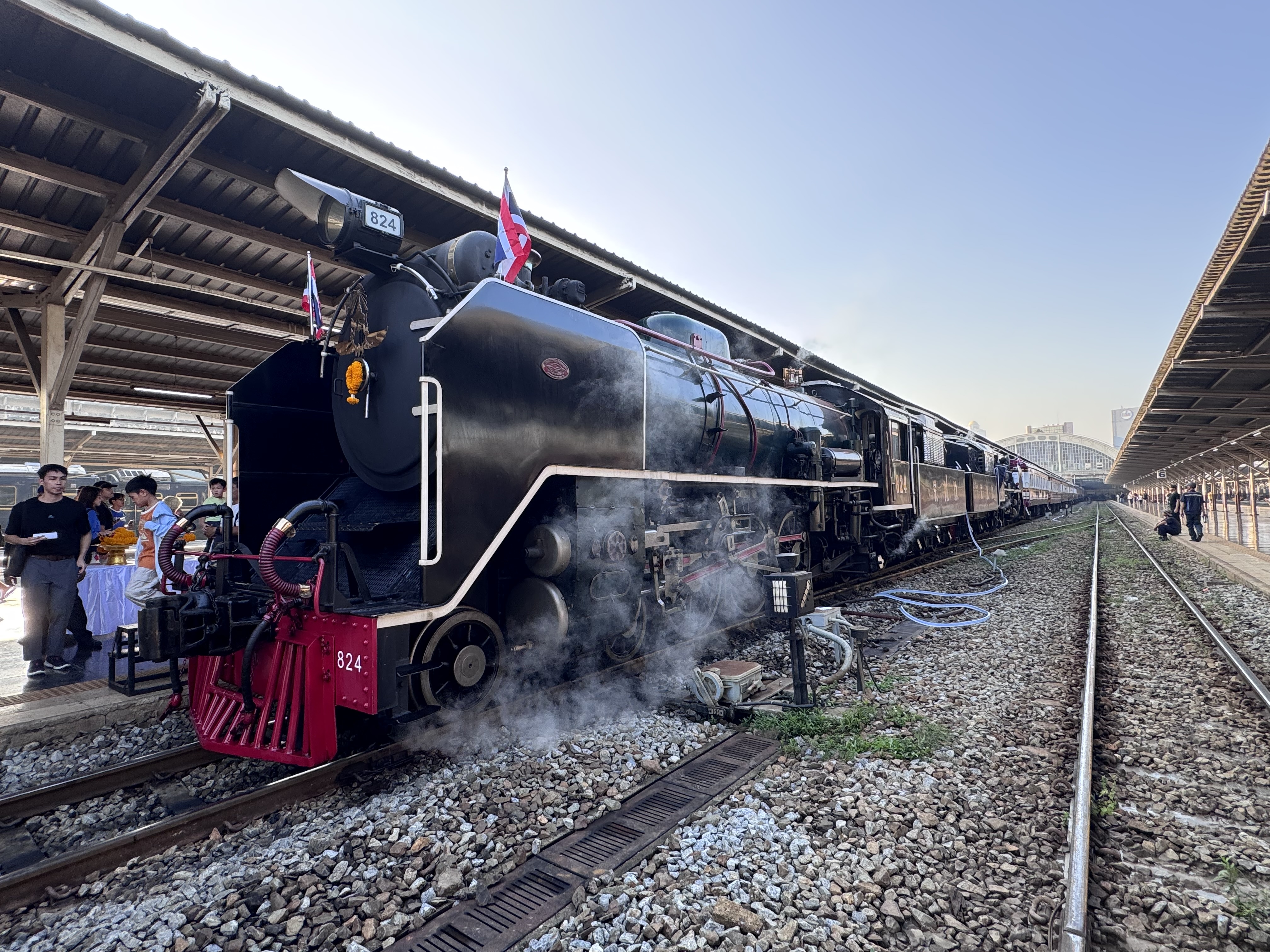
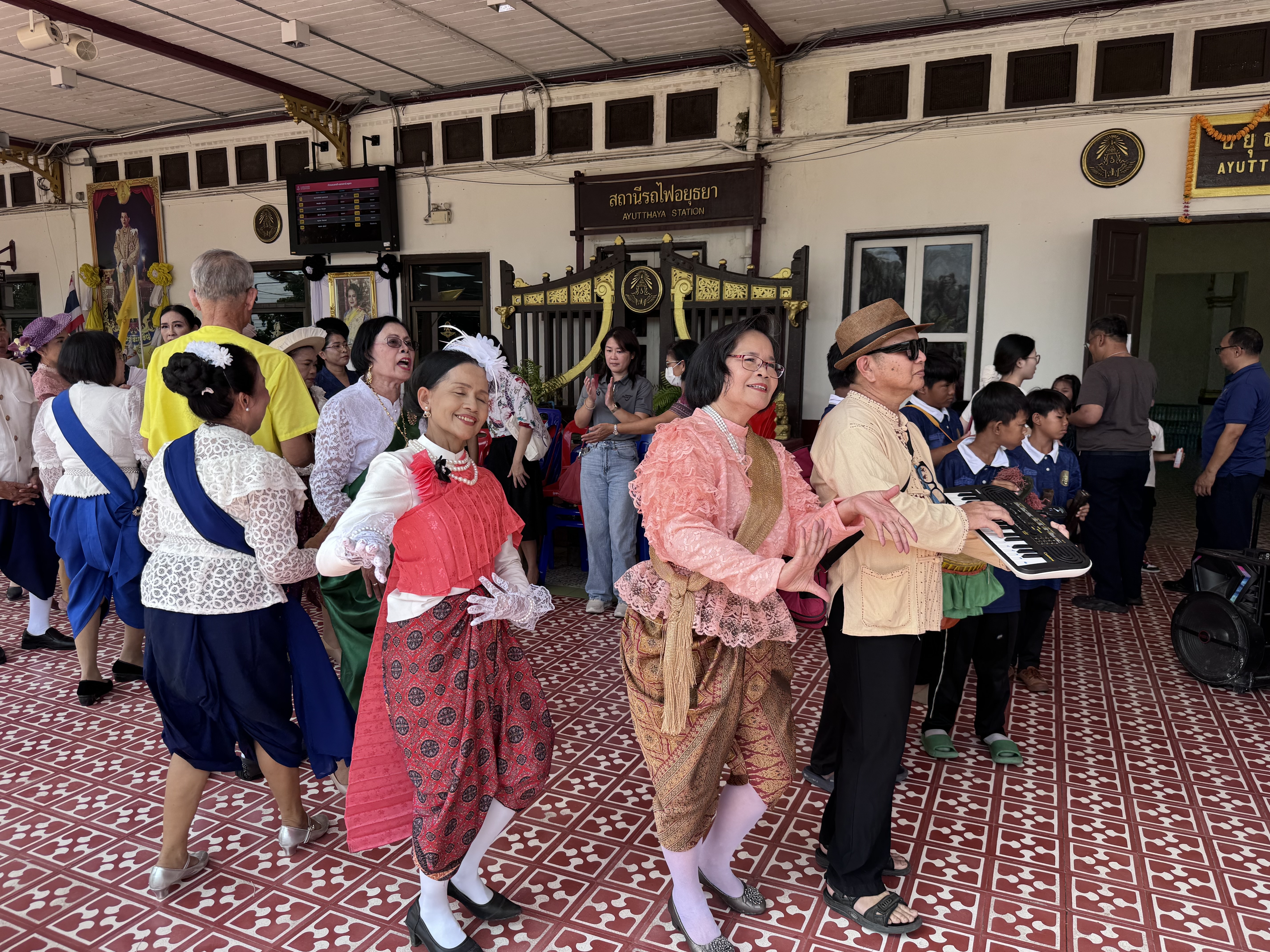
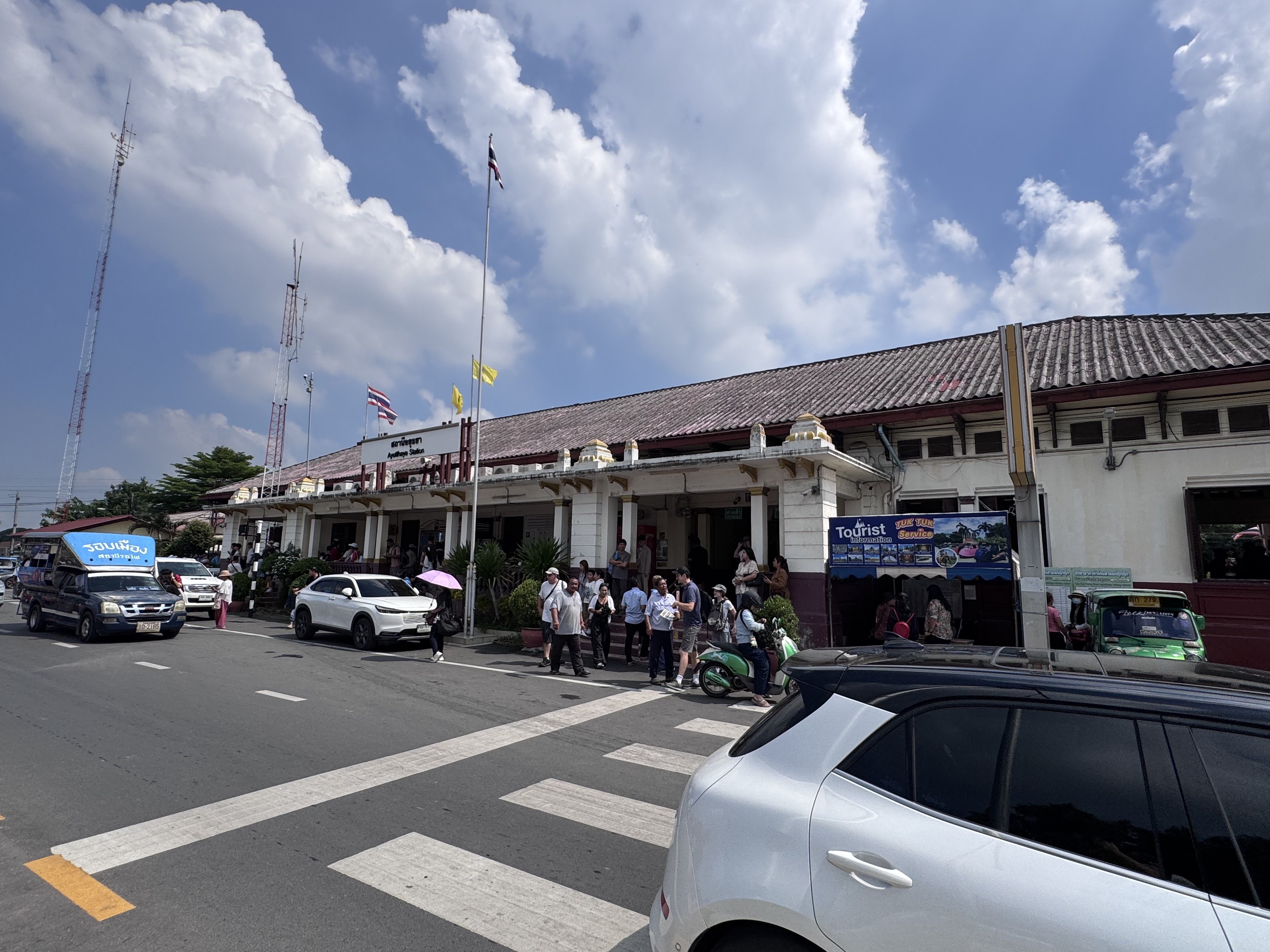
October 23 2026, the State Railway of Thailand operated one of its special steam locomotive services from Bangkok’s Hua Lamphong station to Ayutthaya and back. The trip marks Chulalongkorn Day in honor of King Rama V. Two restored Pacific-class steam locomotives, numbers 824 and 850, pull the train.
They left the Thonburi depot early this morning and reached Hua Lamphong around 6:05 a.m. for an approximate 8:05 a.m. departure. The outbound run arrives in Ayutthaya near 10:20 a.m., giving passengers about six hours to visit the ancient capital’s temples, historical parks, markets, and riverside spots.
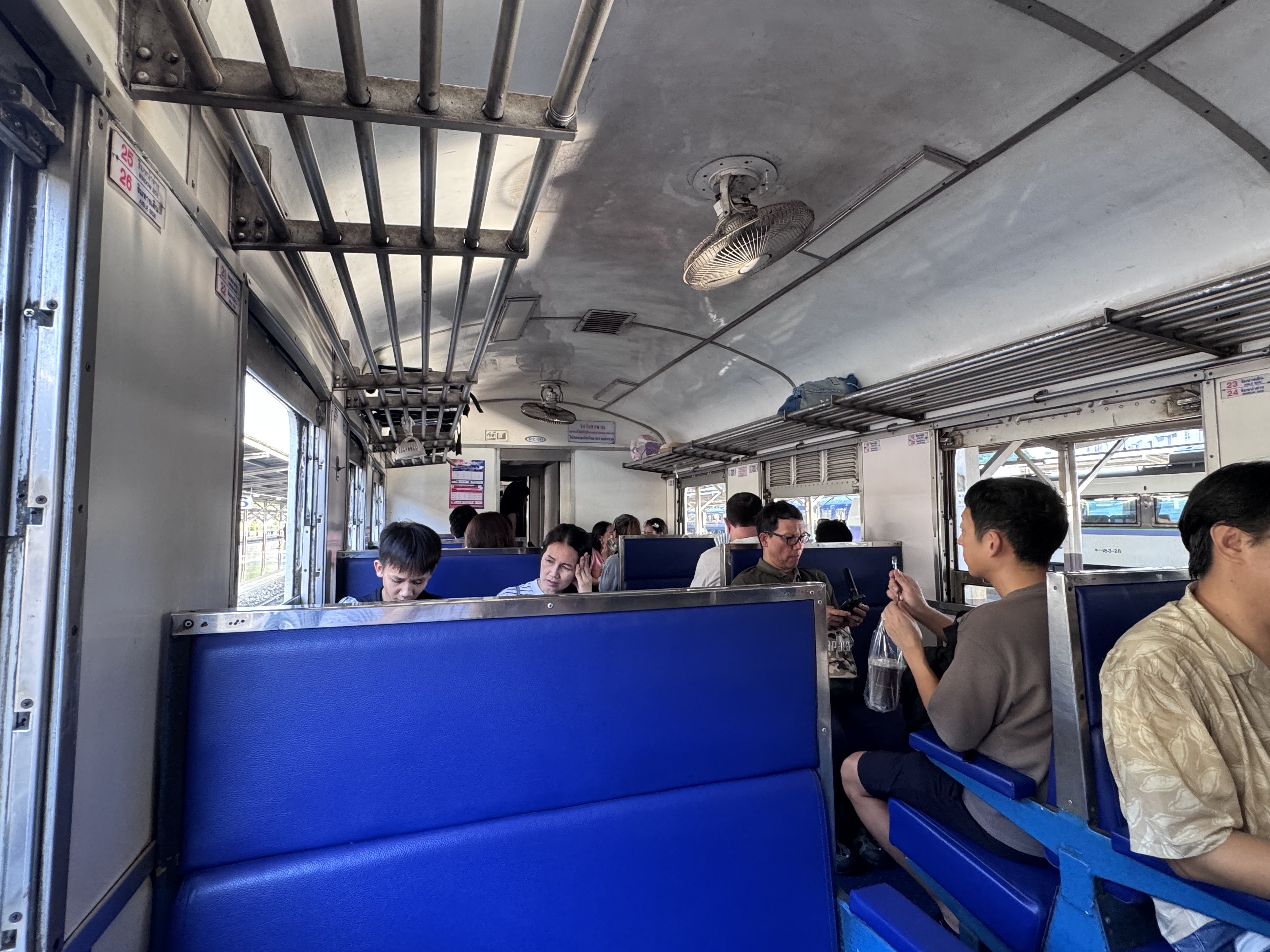
Round-trip fares are 350 baht in ordinary third-class fan carriages and 799 baht in air-conditioned OTOP or JR-West coaches, with the higher price including snacks and drinks.
Tickets are available through the SRT D-Ticket system and at stations across the country, though the Ayutthaya steam trips tend to sell out fast.
These steam excursions run six times a year on selected national and royal ...
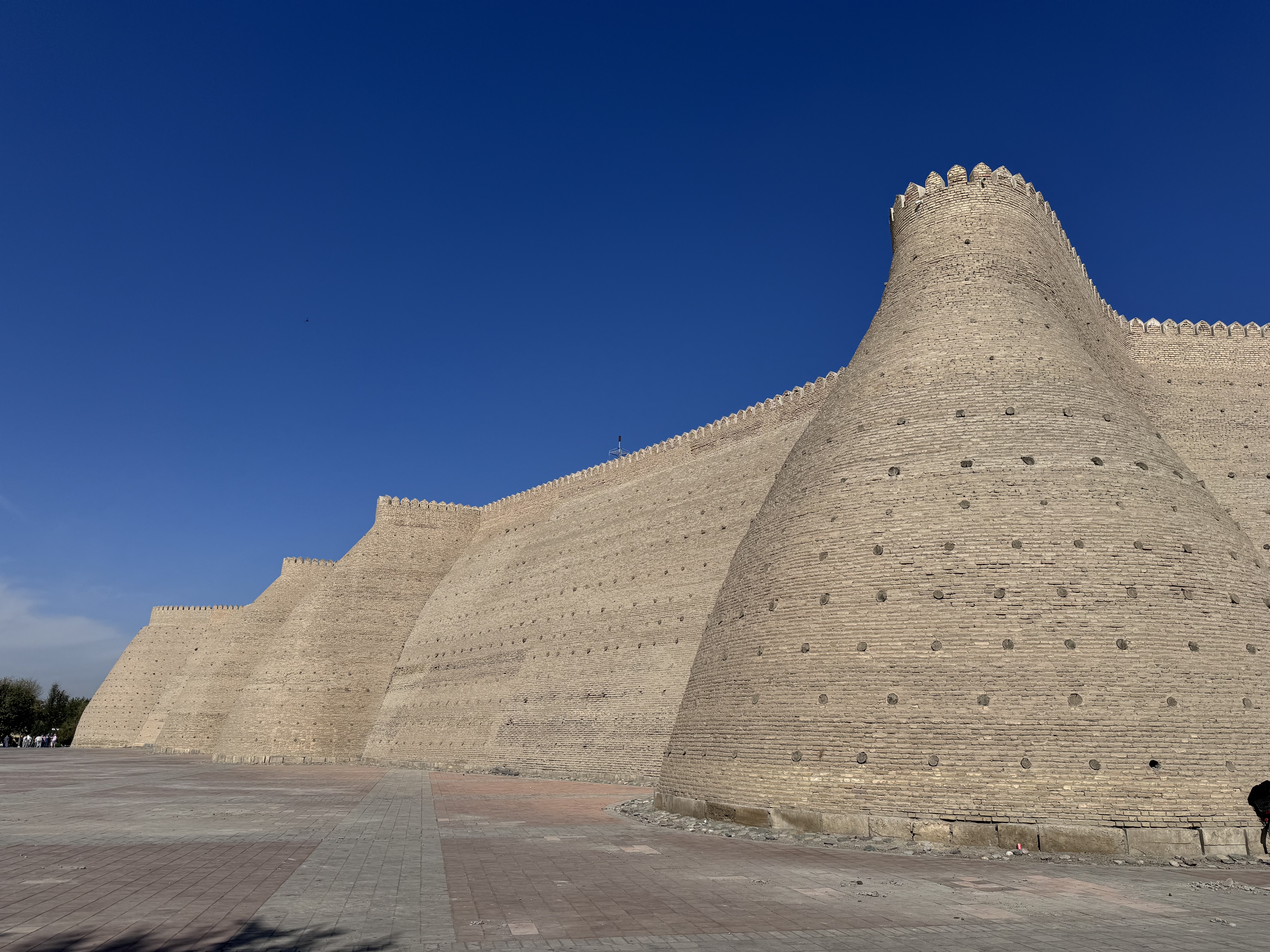
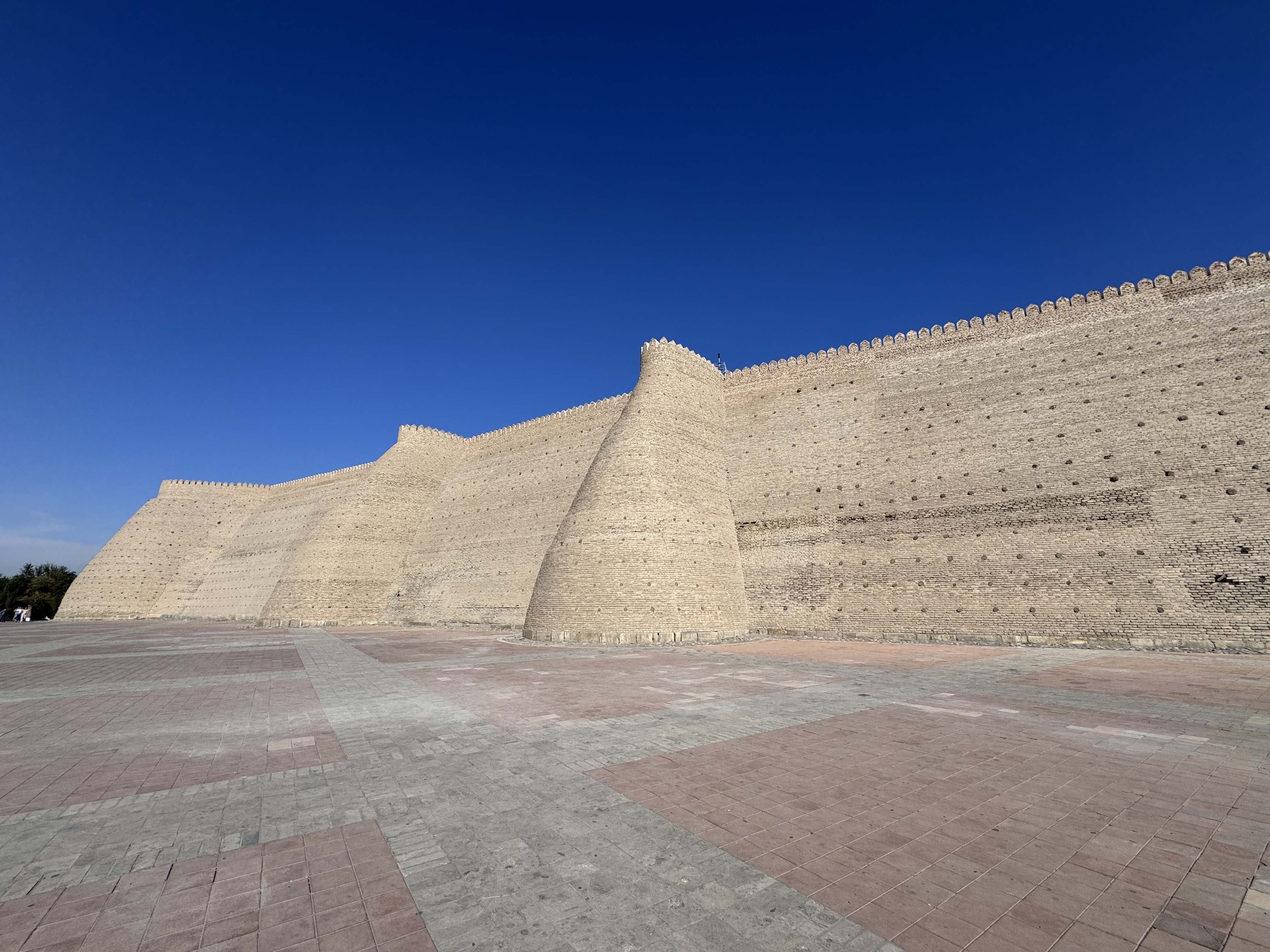
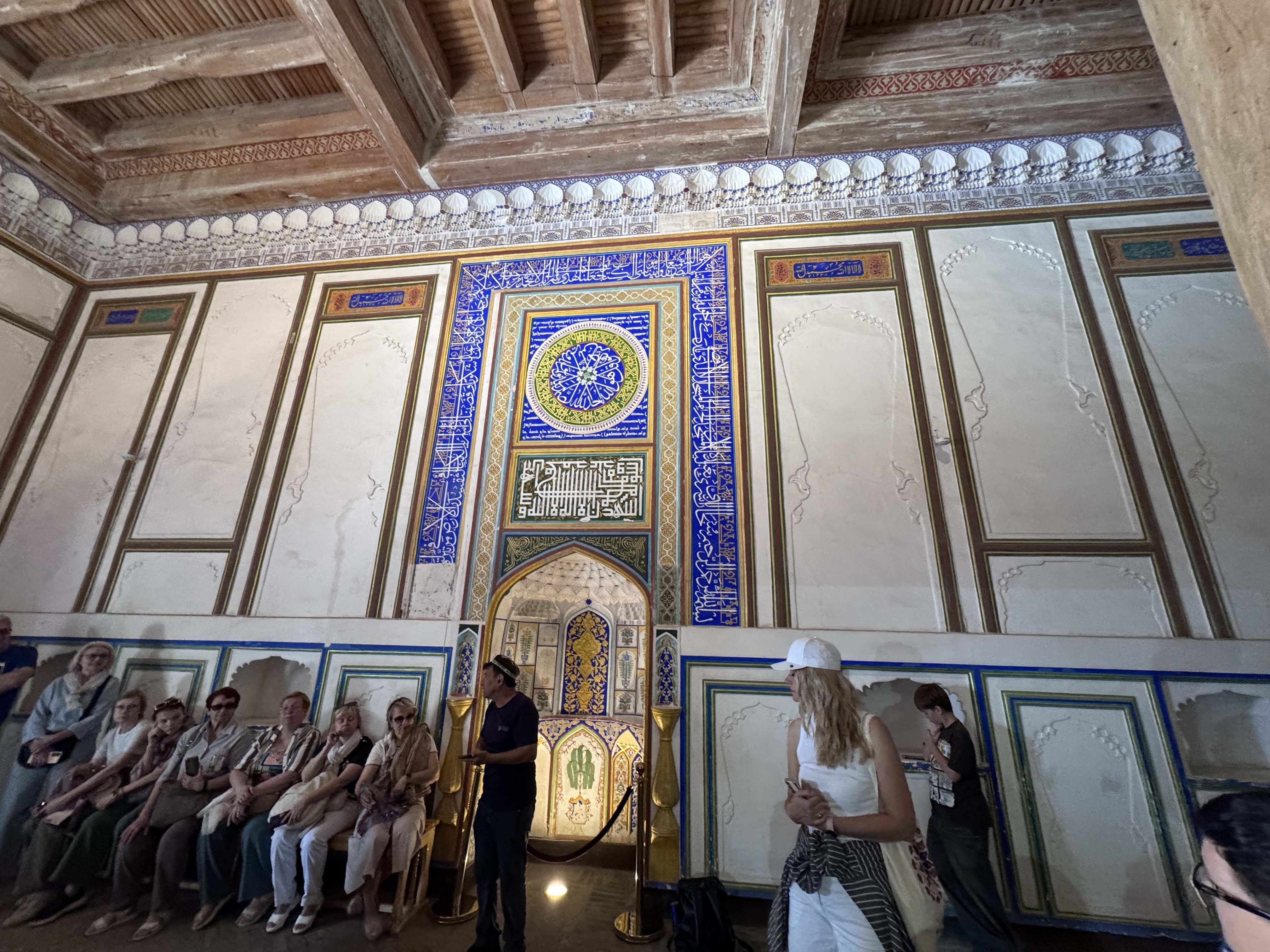
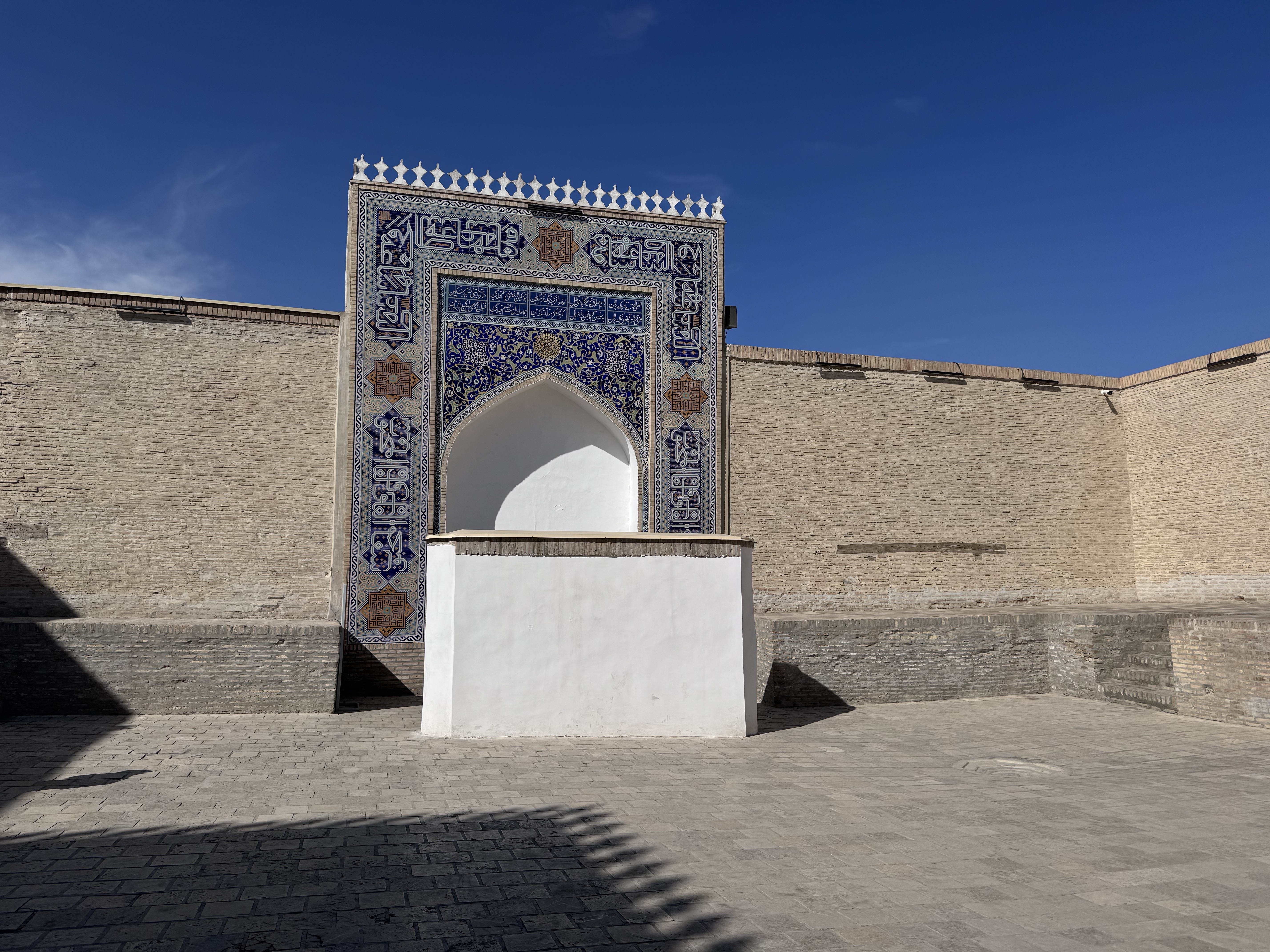
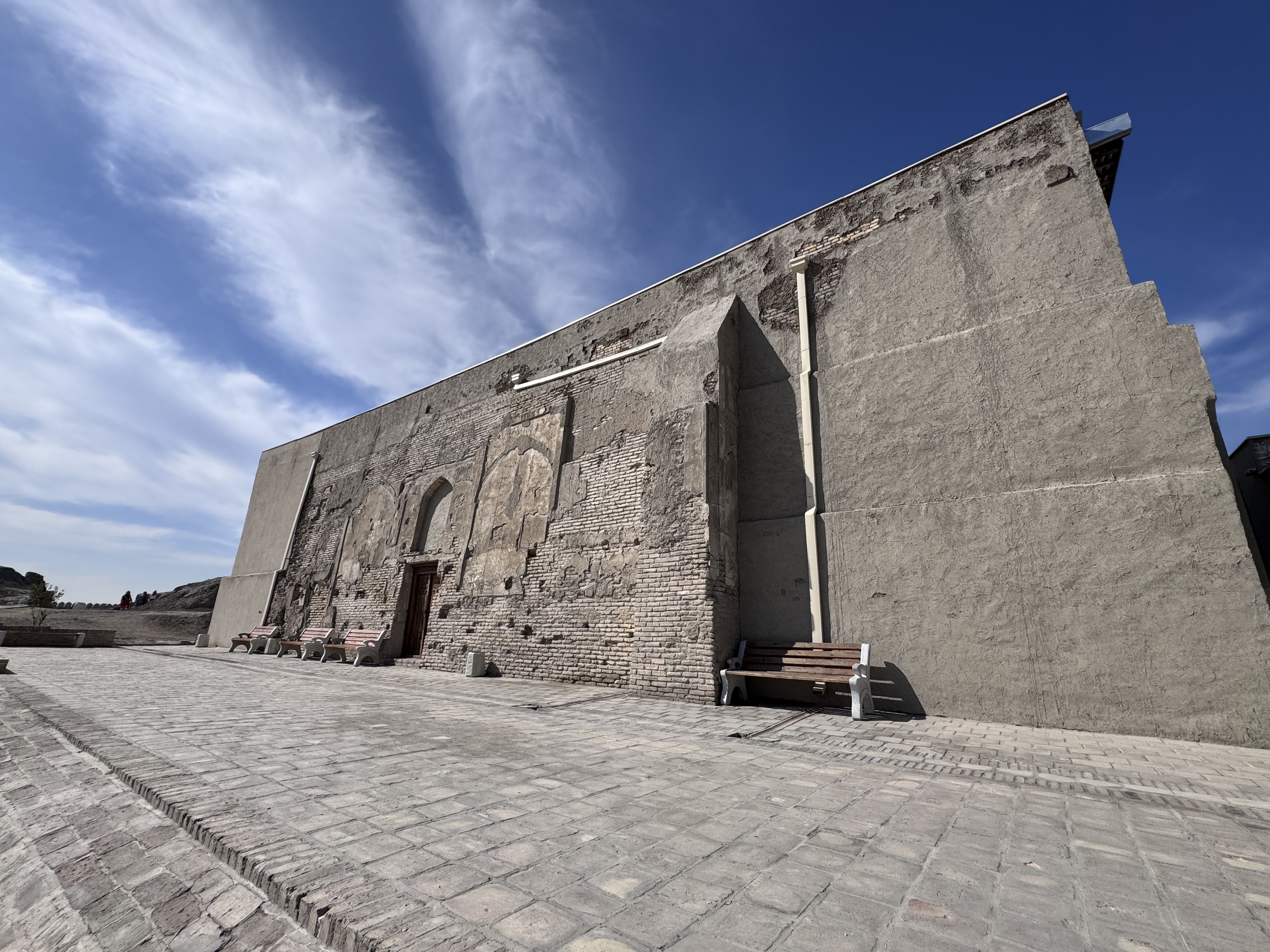
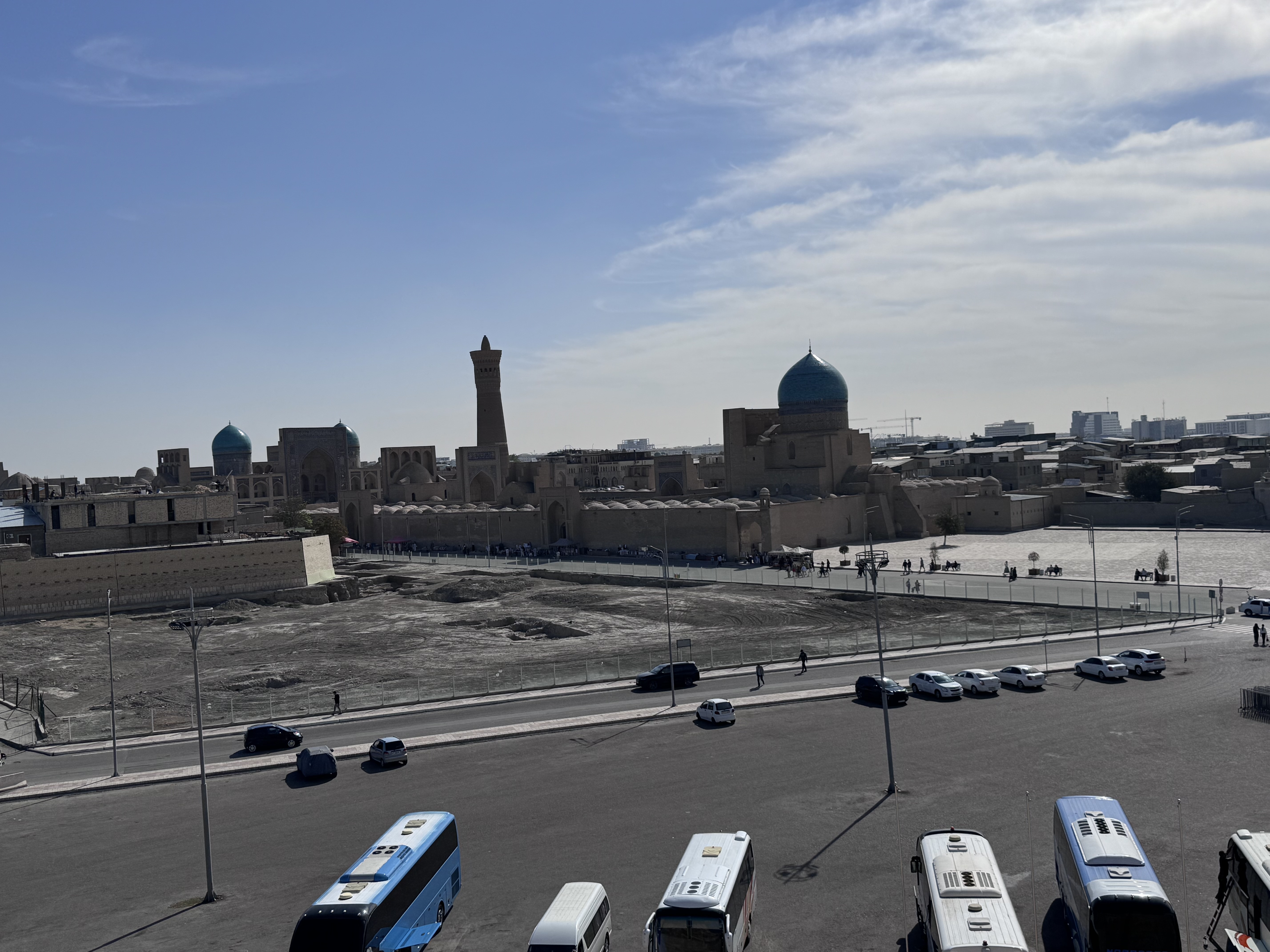
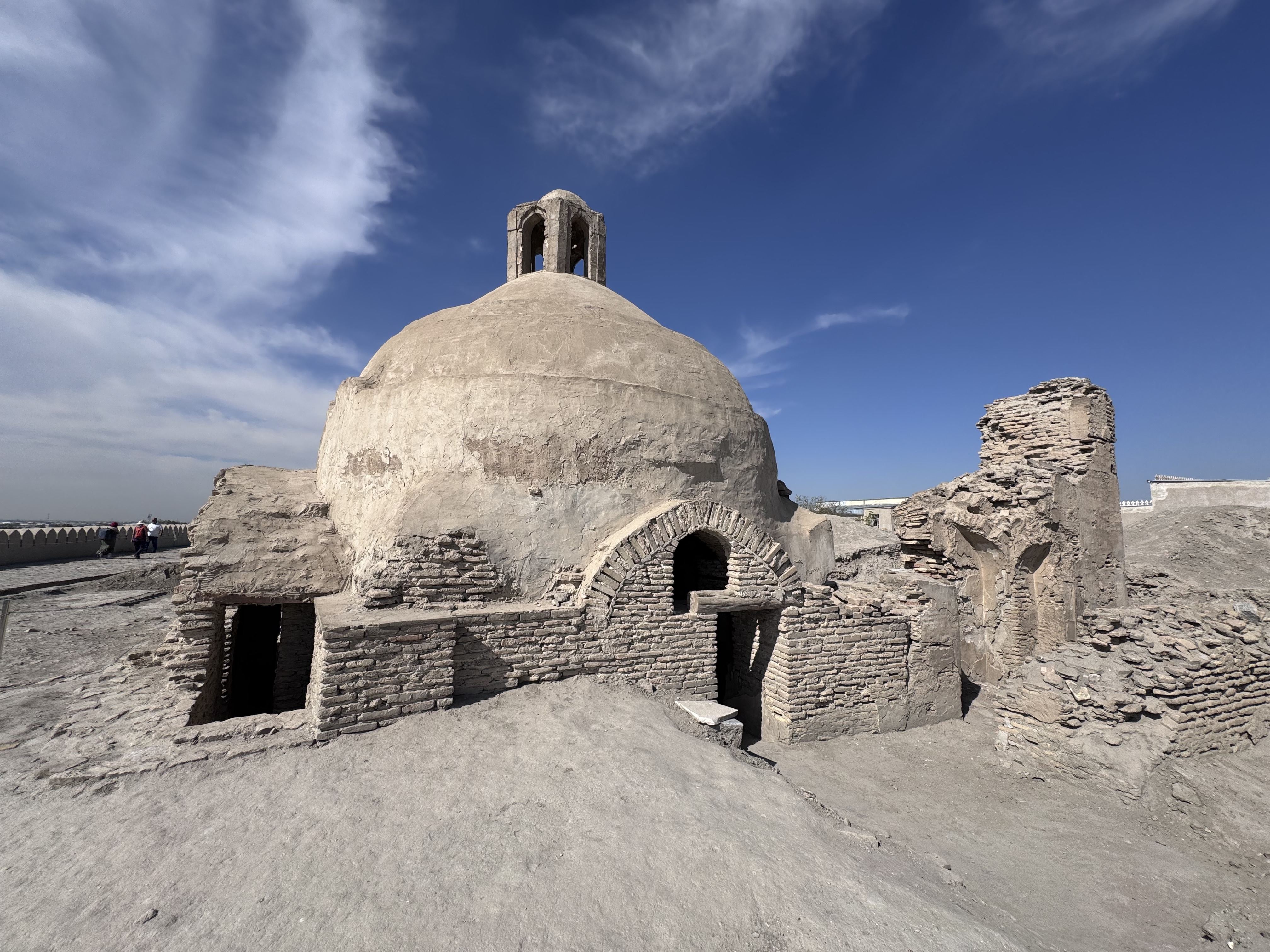
The Ark Fortress rises as a monumental earthen citadel in the northwestern quarter of Bukhara’s historic center in Uzbekistan, its massive sloping walls of packed clay and brick climbing 16 to 20 meters above the surrounding streets and enclosing nearly 4 hectares of ground. In plan the structure forms an irregular rectangle elongated from west to east, with an outer wall circuit measuring roughly 790 meters.
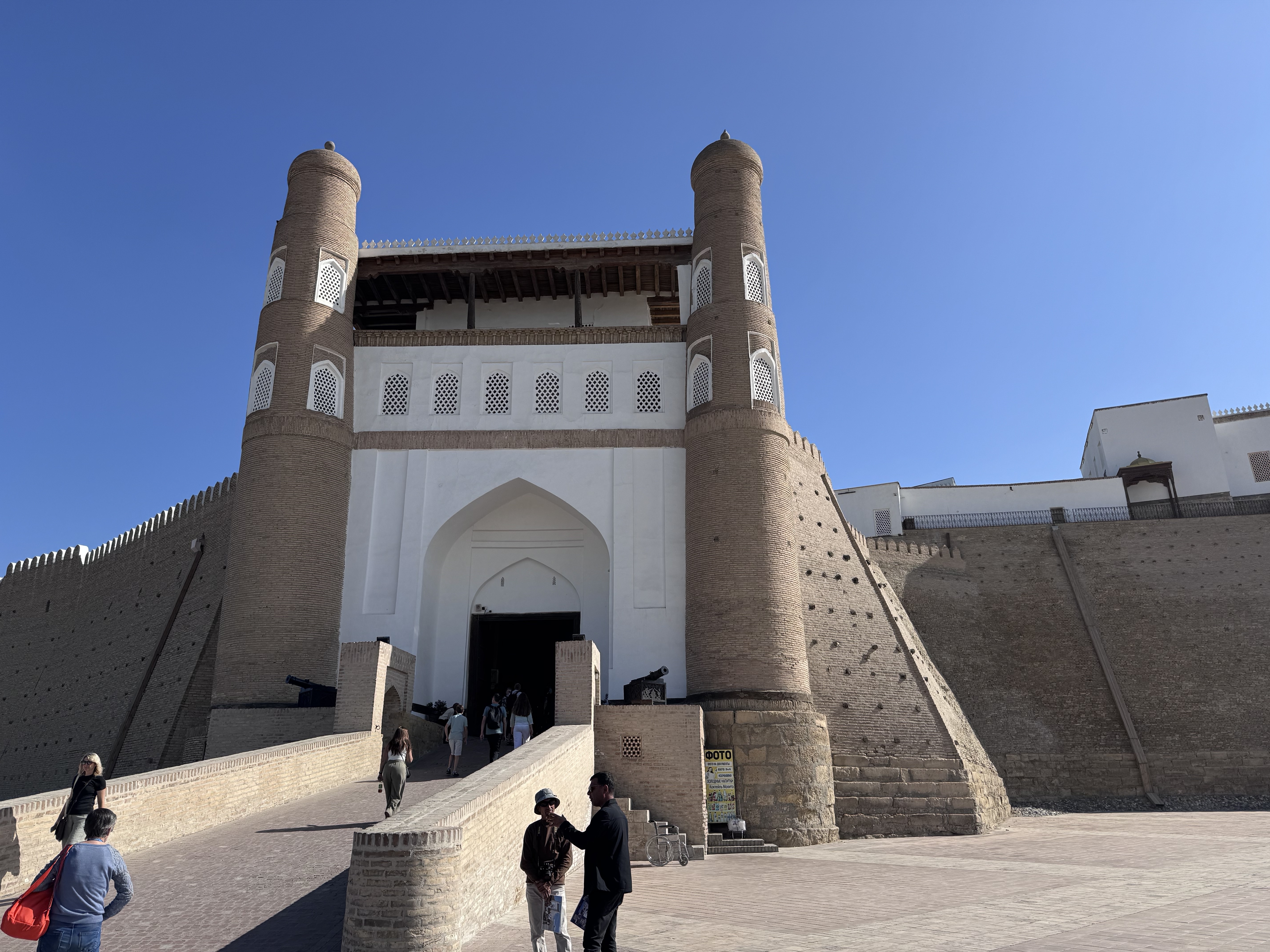
A ceremonial western gateway framed by twin 18th-century towers and linked by an upper gallery opens onto a long rising ramp that once led visitors through a covered corridor past storerooms and prison cells into the heart of the royal complex.
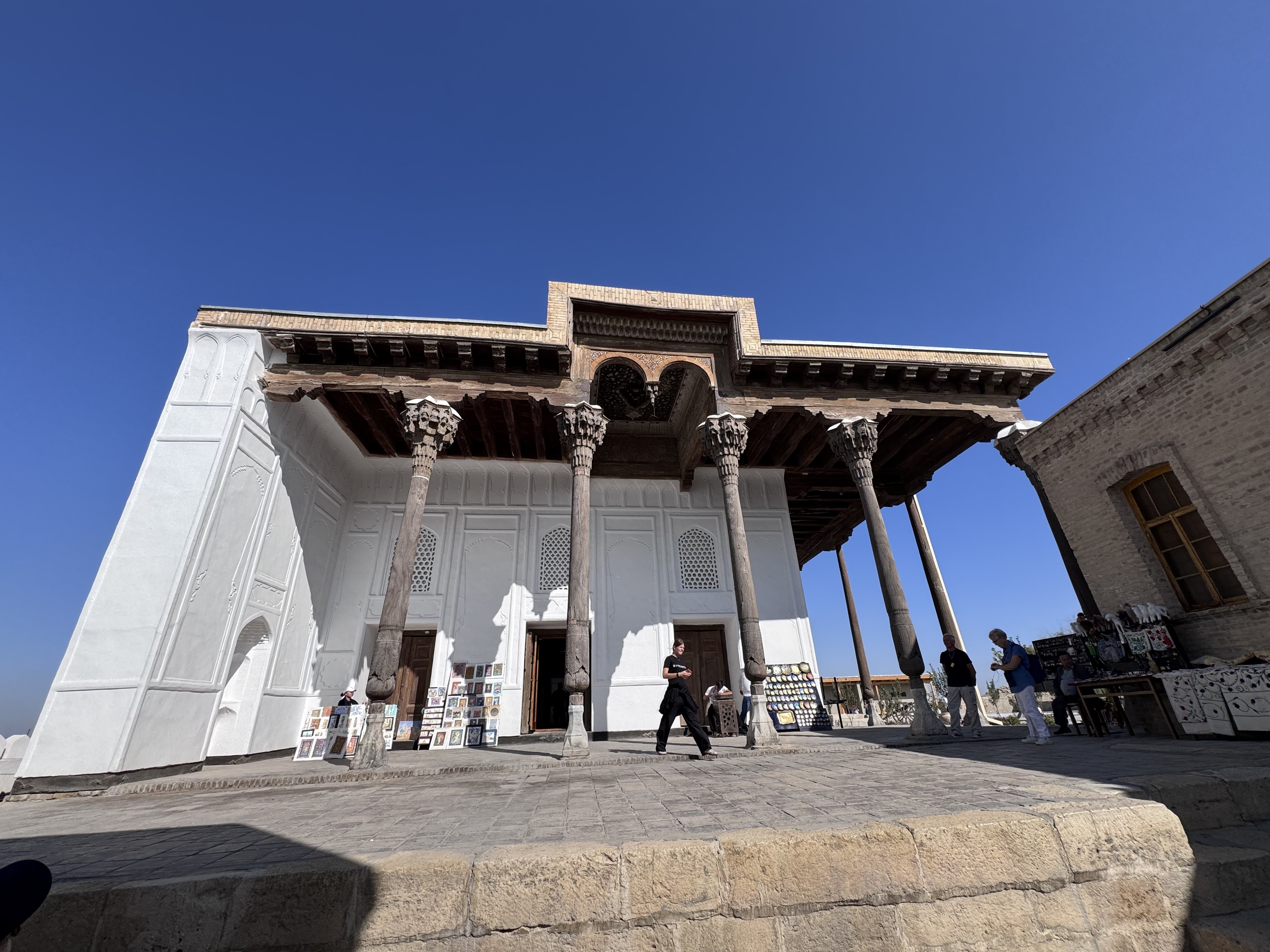
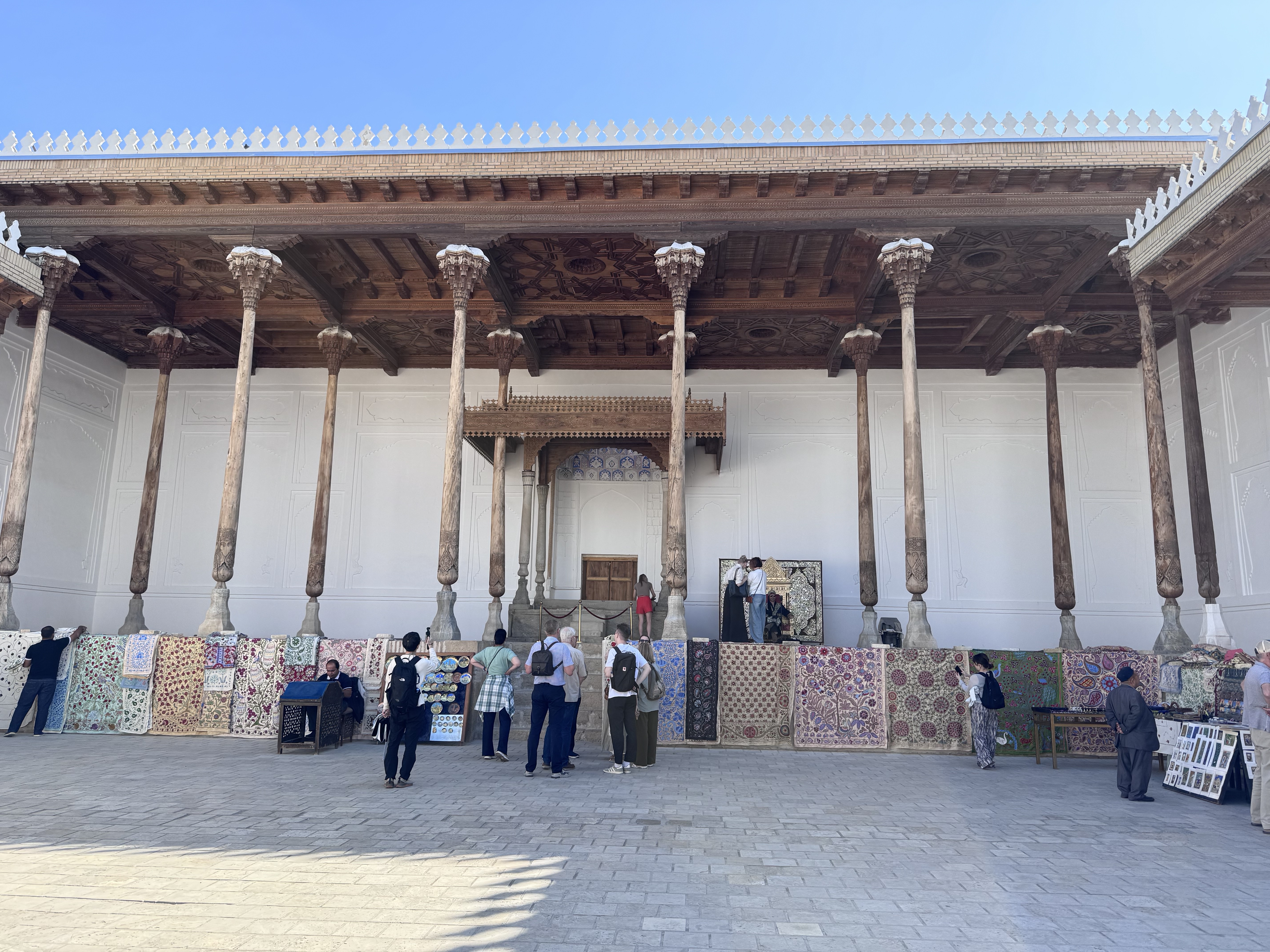
Inside, the surviving western quarter preserves the 17th-century Juma Mosque with its carved wooden columns, the open Reception and Coronation Court where the last emir was crowned in 1910, administrative chambers once occupied by the kushbegi or prime minister, and several museum galleries that display archaeological finds, coins, weapons, textiles, and ...