

Koh Ker ប្រាសាទកោះកេរ្ដិ៍ is a remote archaeological site in northern Cambodia about 120 kilometer’s (75 mi) away from Siem Reap and the ancient site of Angkor. It is a jungle filled region that is sparsely populated. More than 180 sanctuaries were found in a protected area of 81 square kilometres (31 sq mi). Only about two dozen monuments can be visited by tourists because most of the sanctuaries are hidden in the forest and the whole area is not fully demined.
Koh Ker is the modern name for an important city of the Khmer empire. In inscriptions the town is mentioned as Lingapura (city of lingams) or Chok Gargyar (city of glance or as iron tree forest).
Under the reign of the kings Jayavarman IV and Harshavarman II Koh Ker was briefly the capital of the whole empire (928–944 AD). Jayavarman IV enforced an ambitious building program. An enormous water-tank and about forty temples were constructed under his rule. The most significant ...


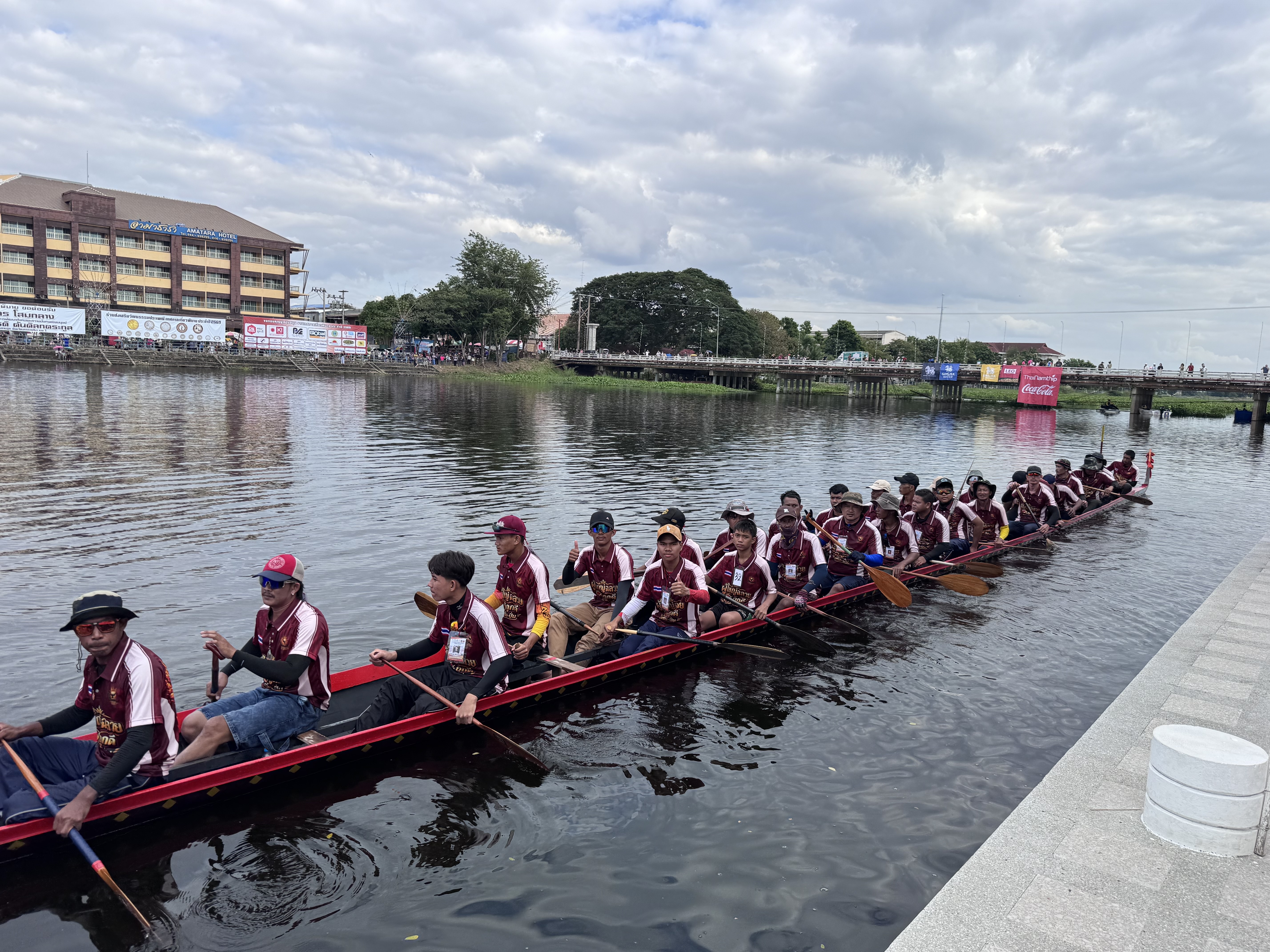
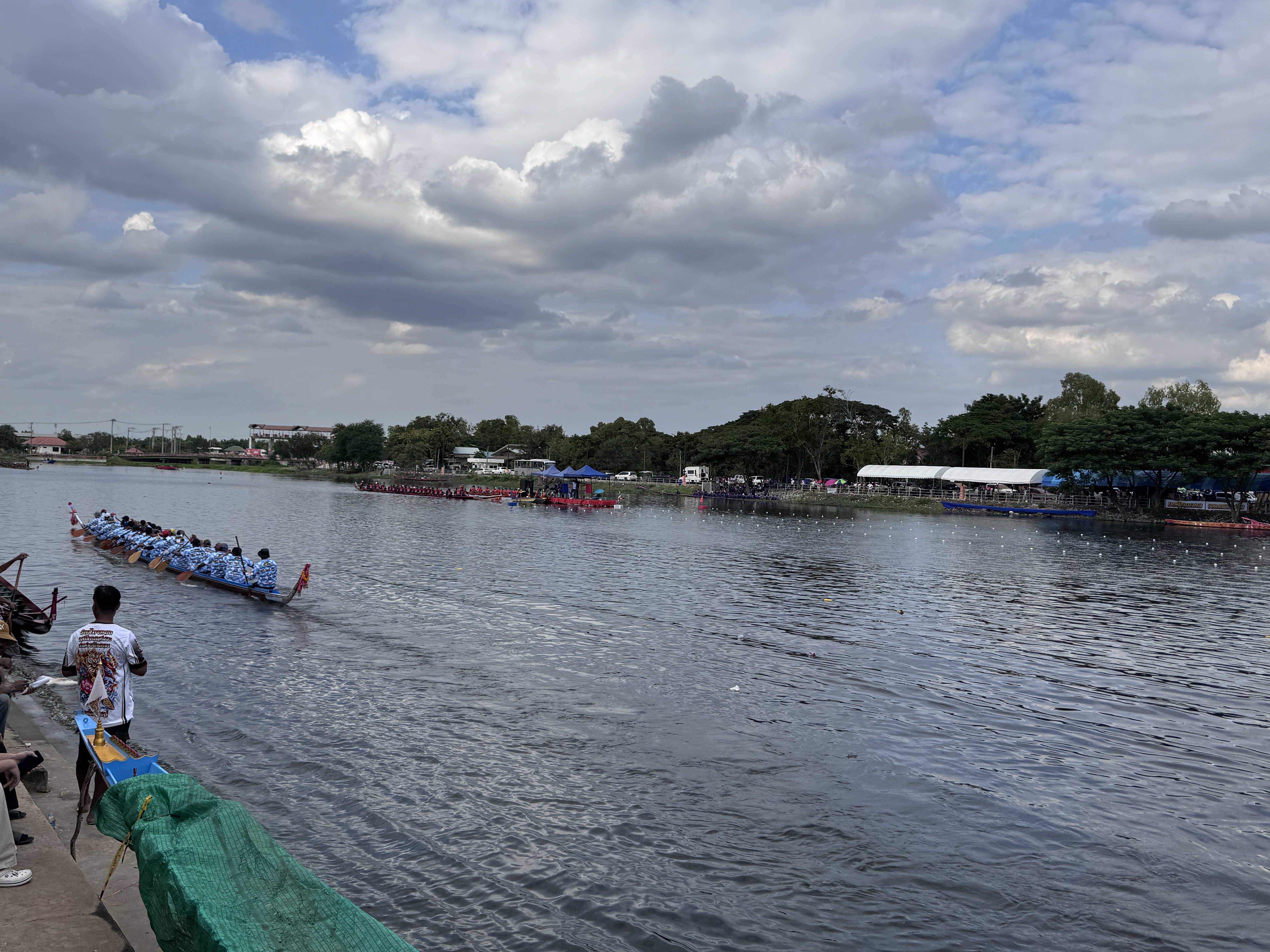
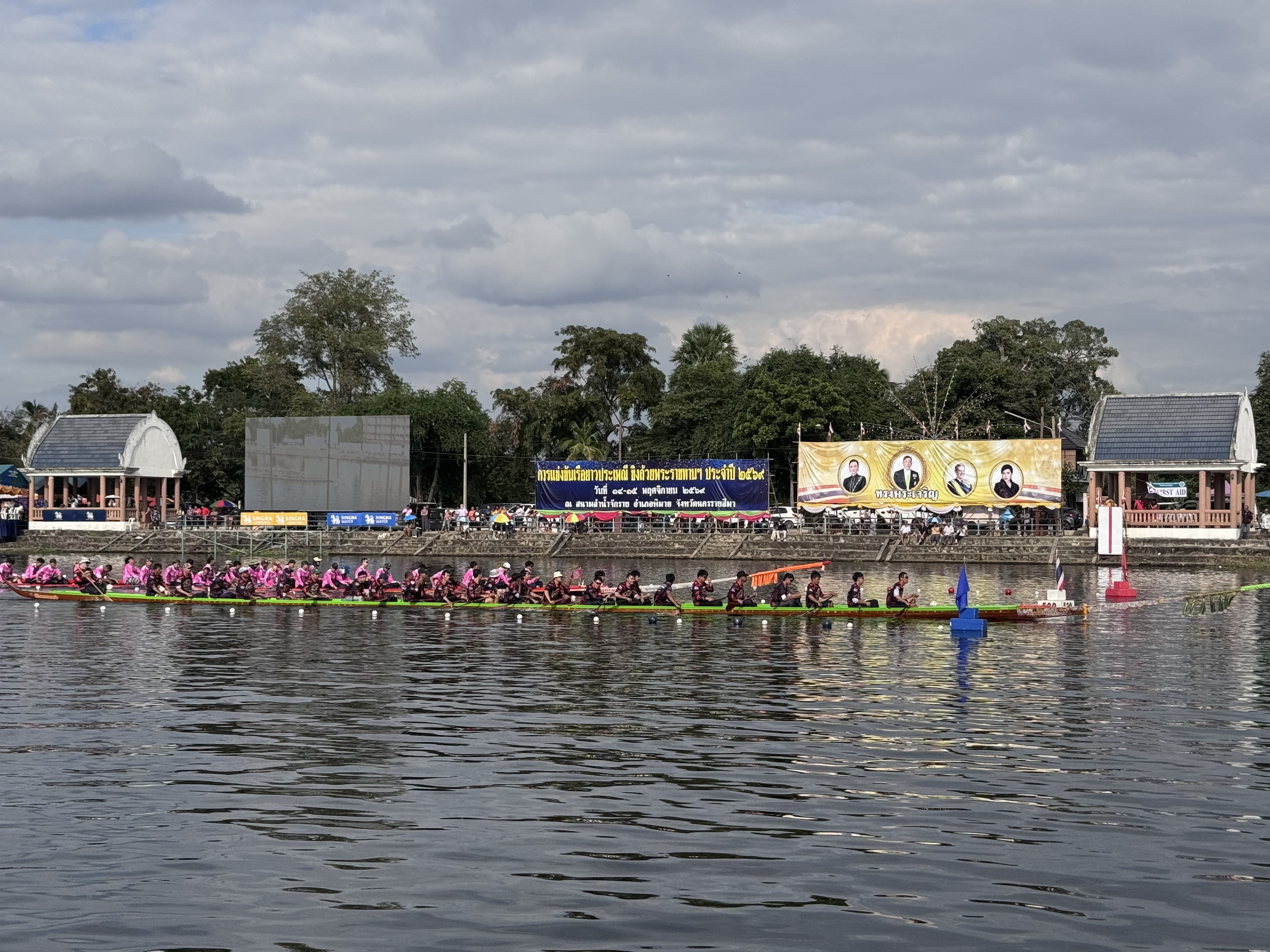
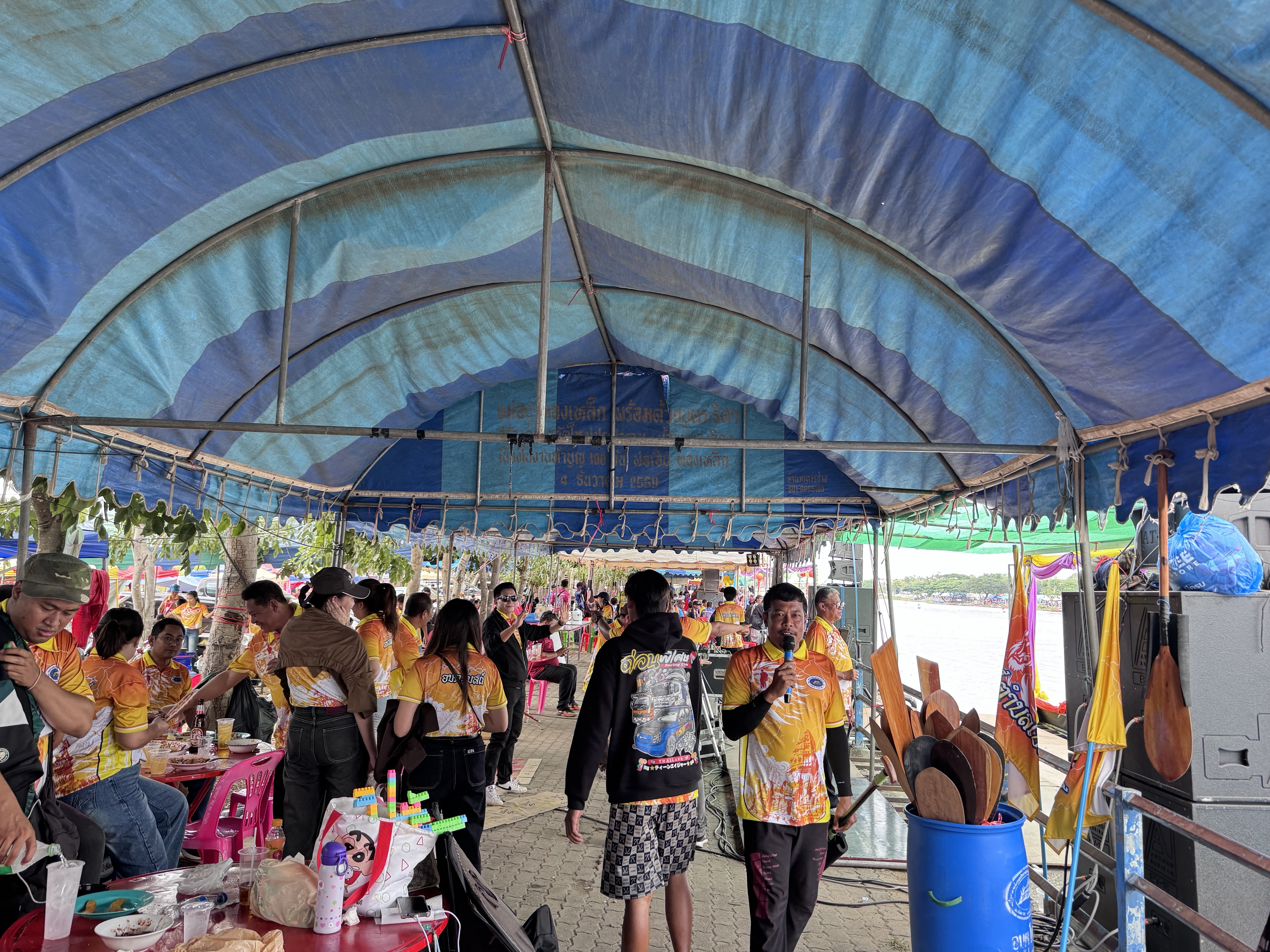
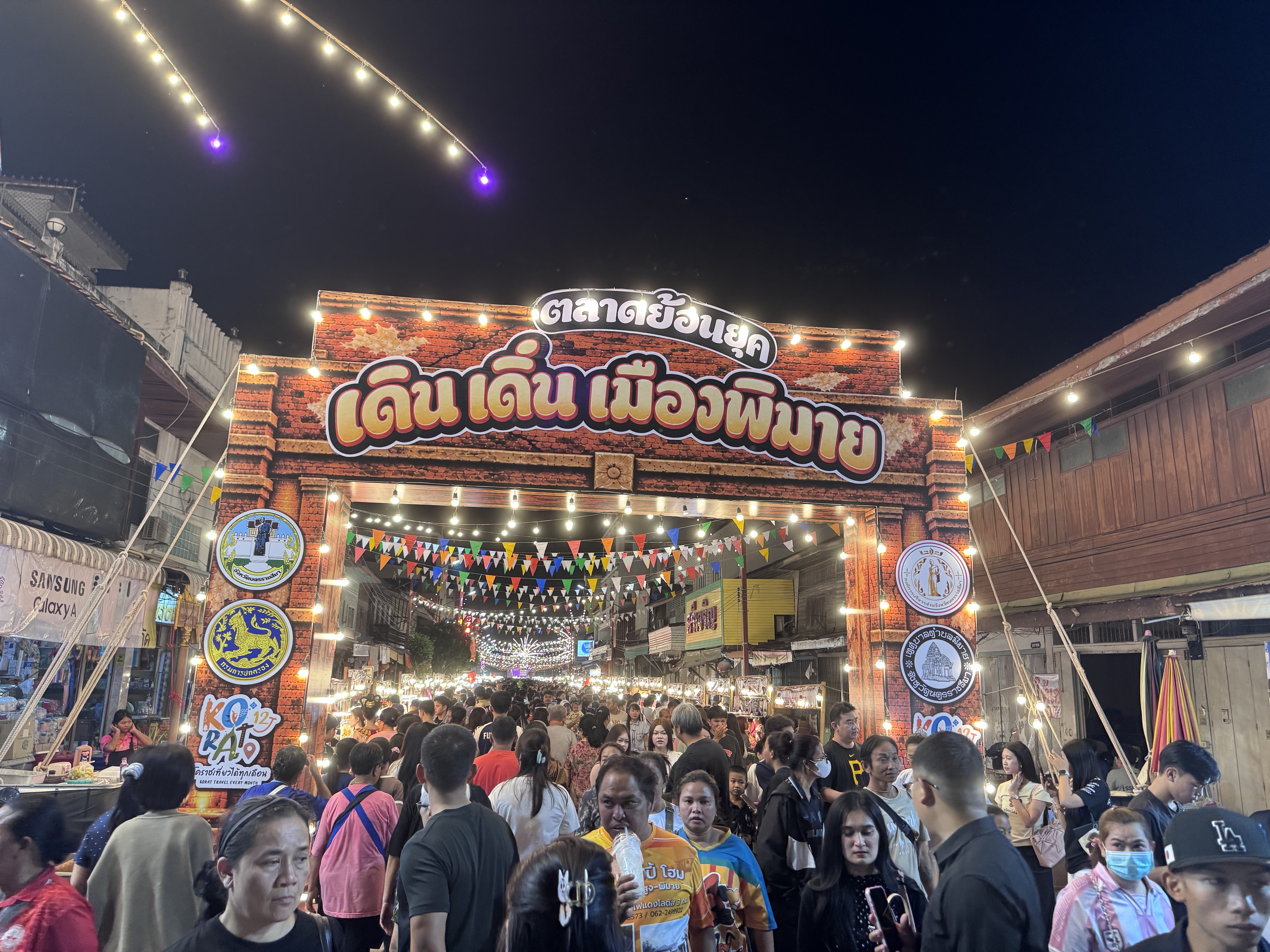
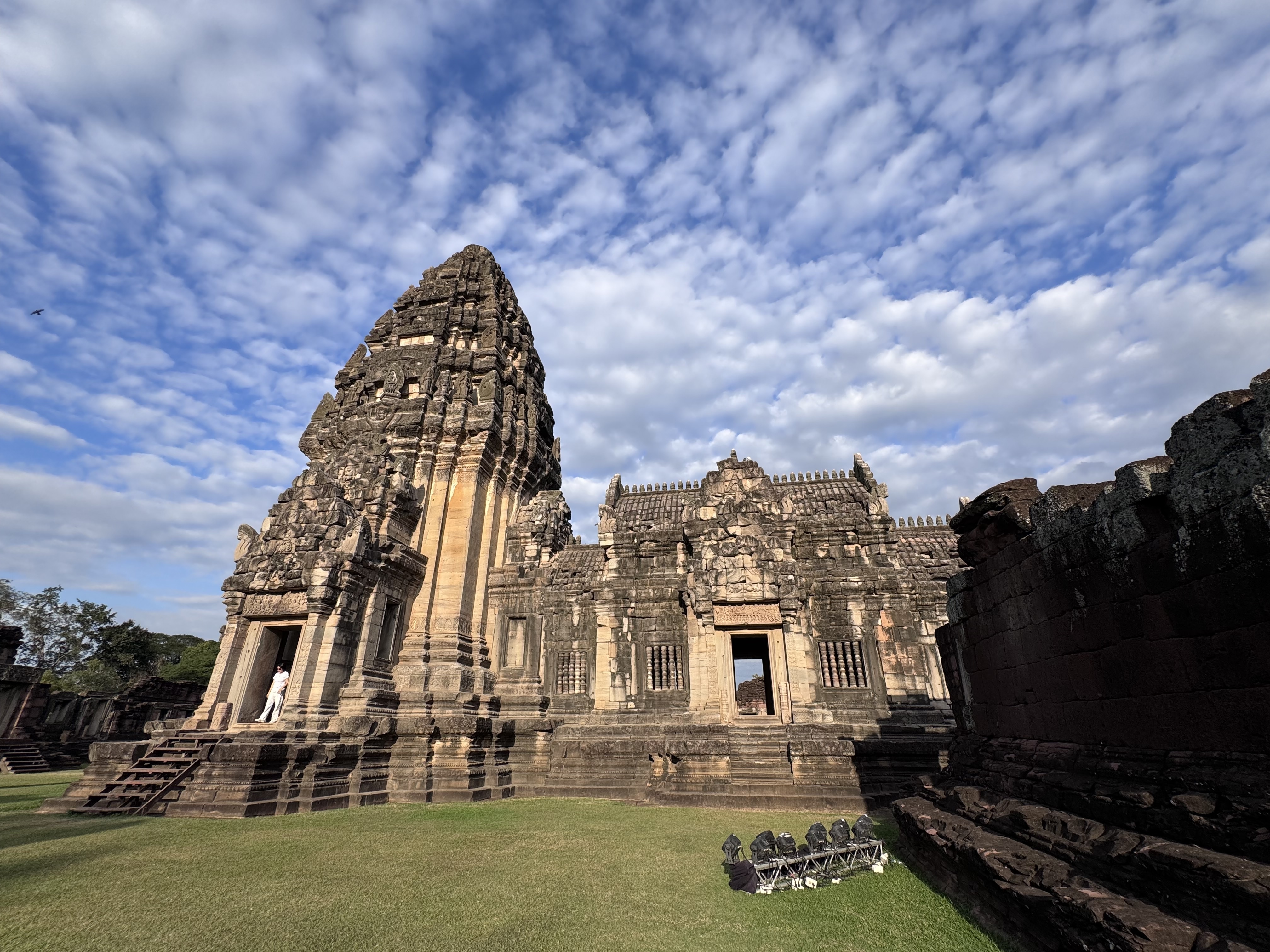
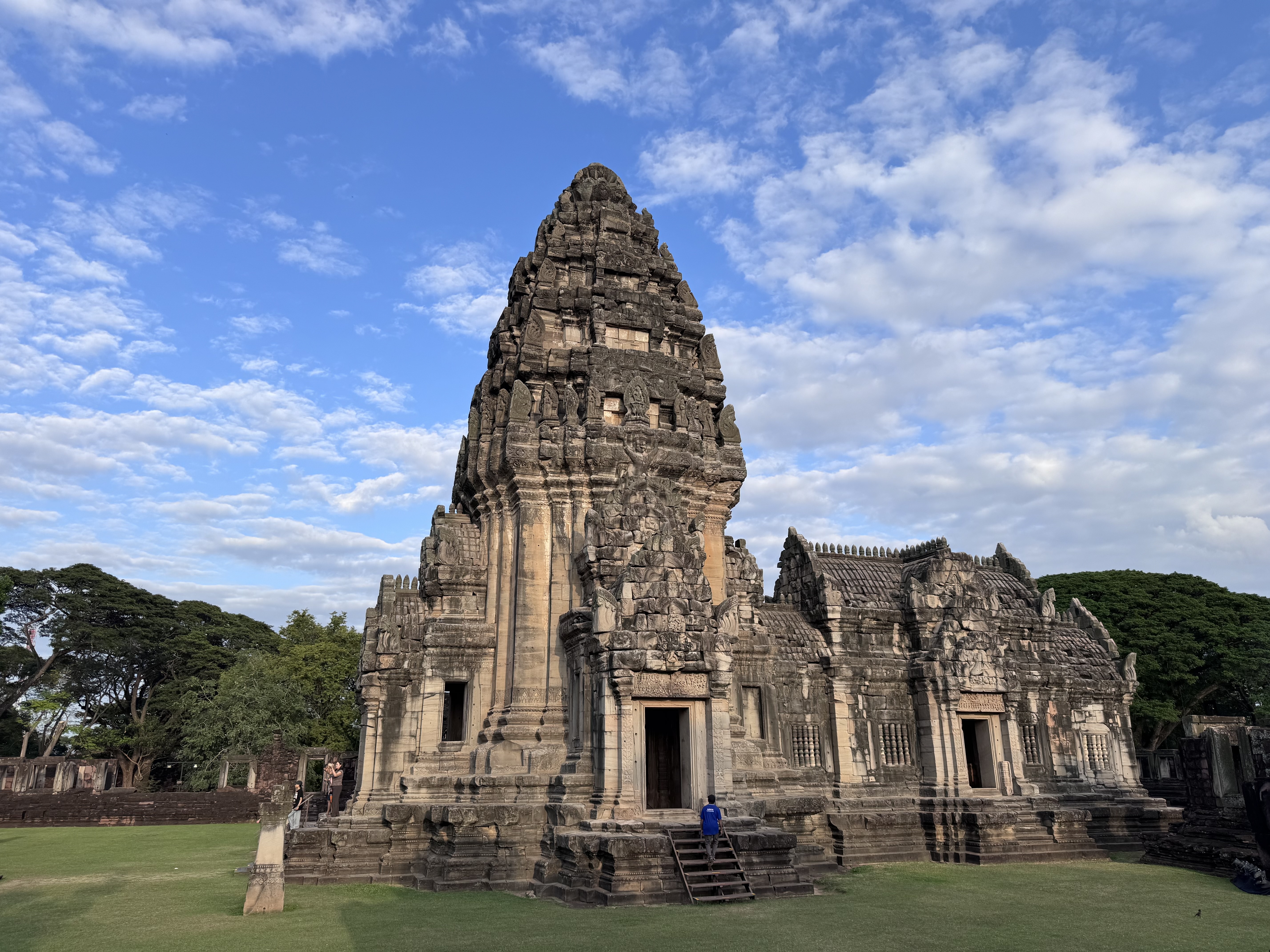
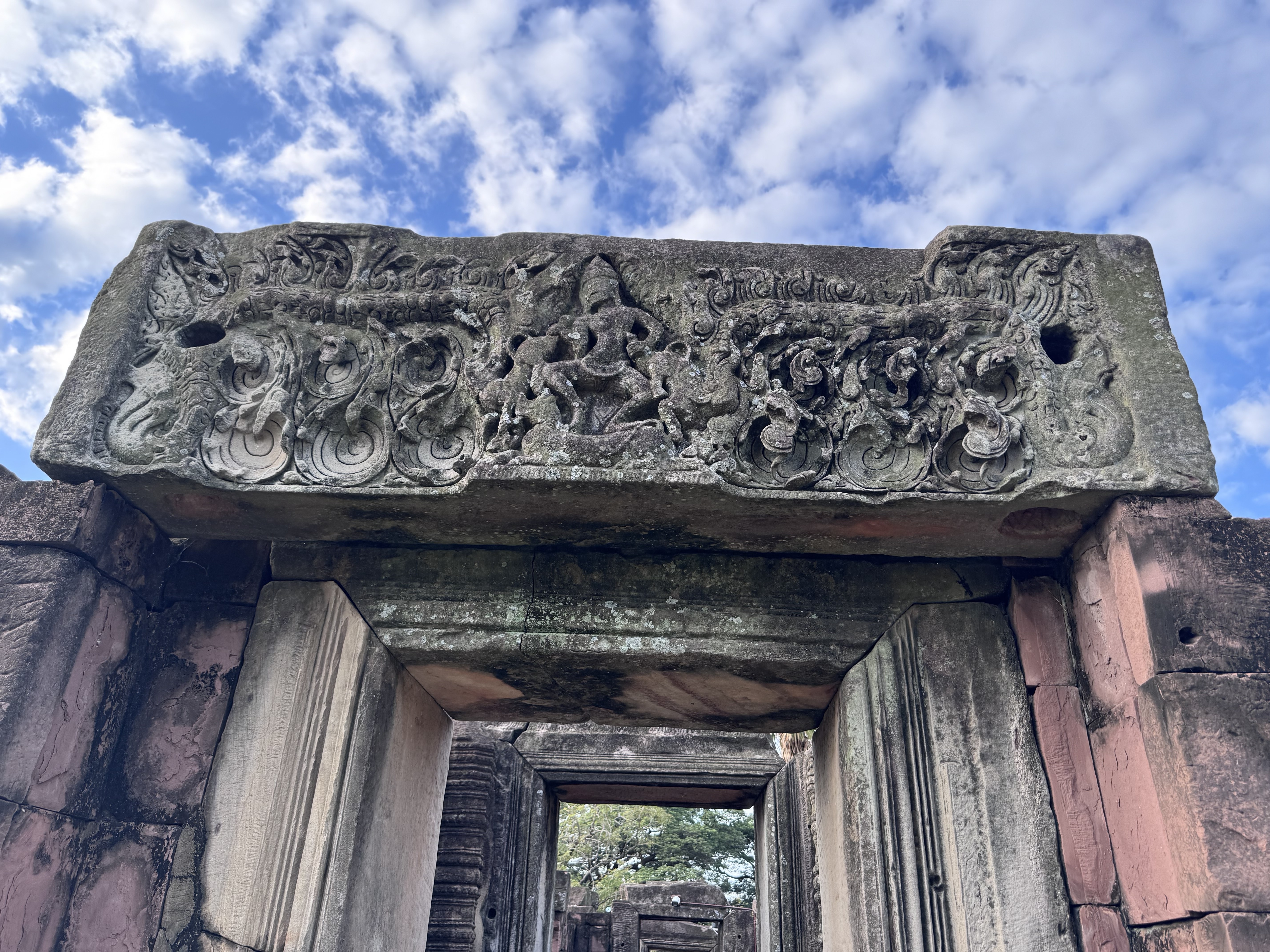
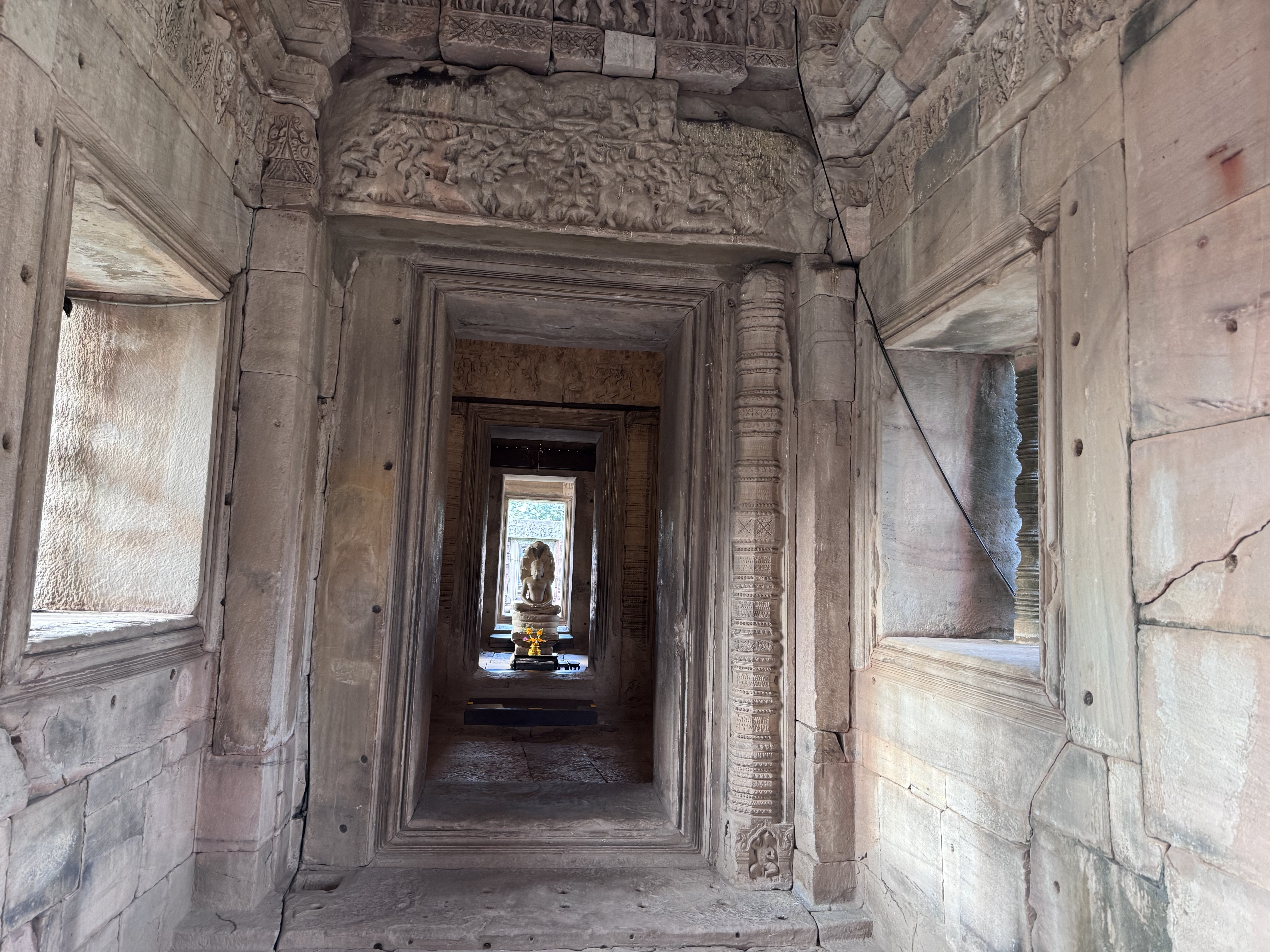
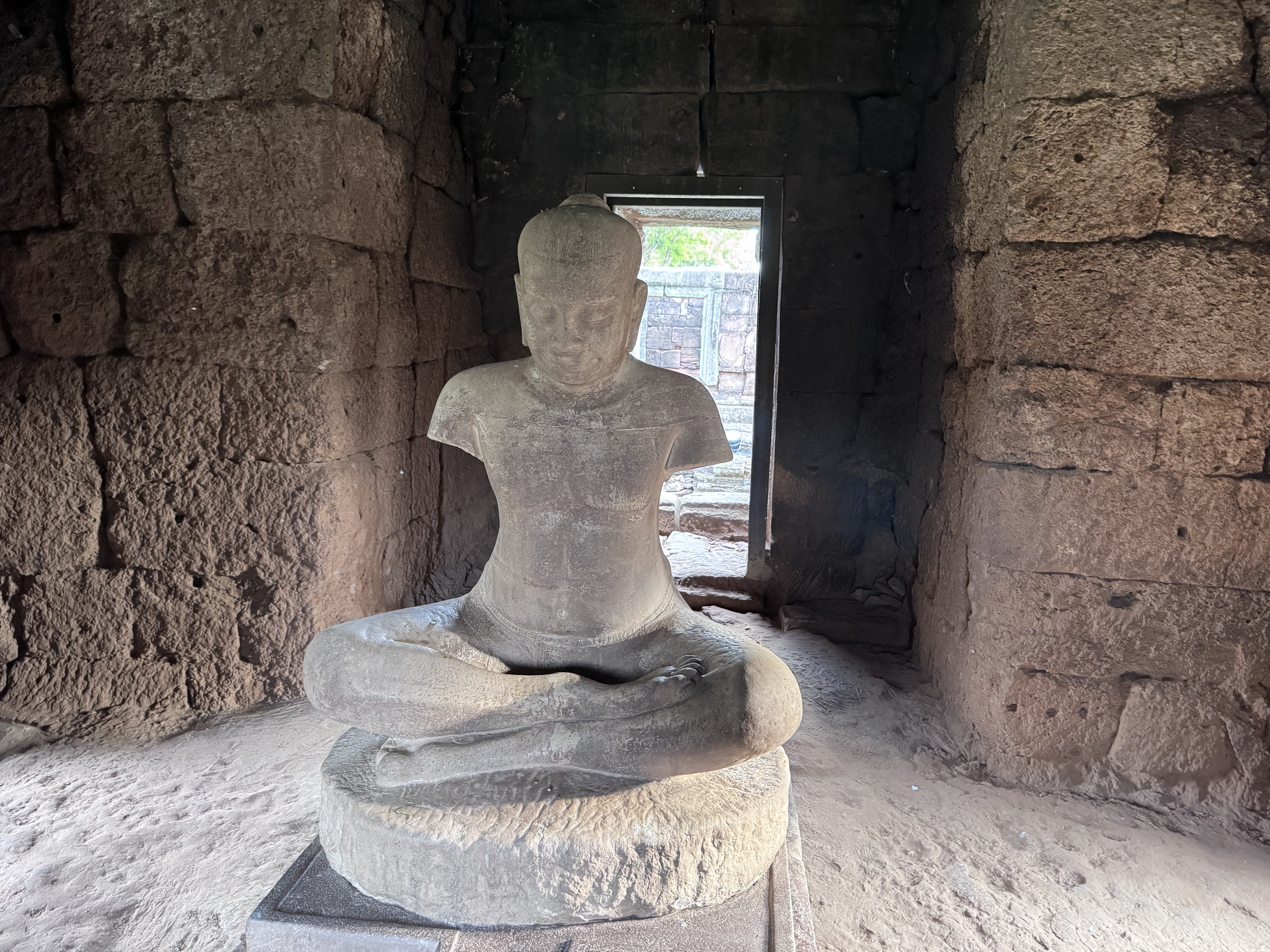
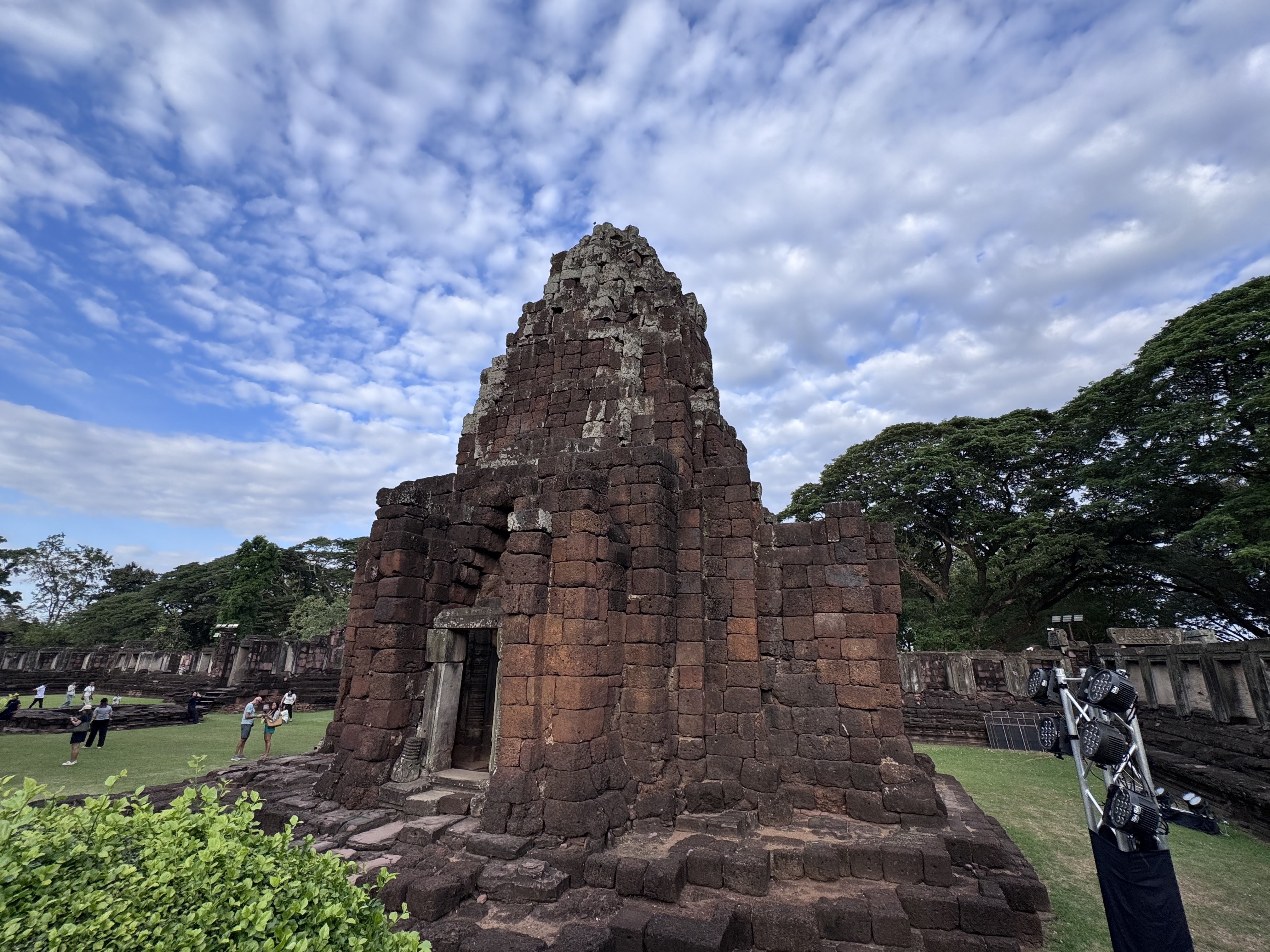
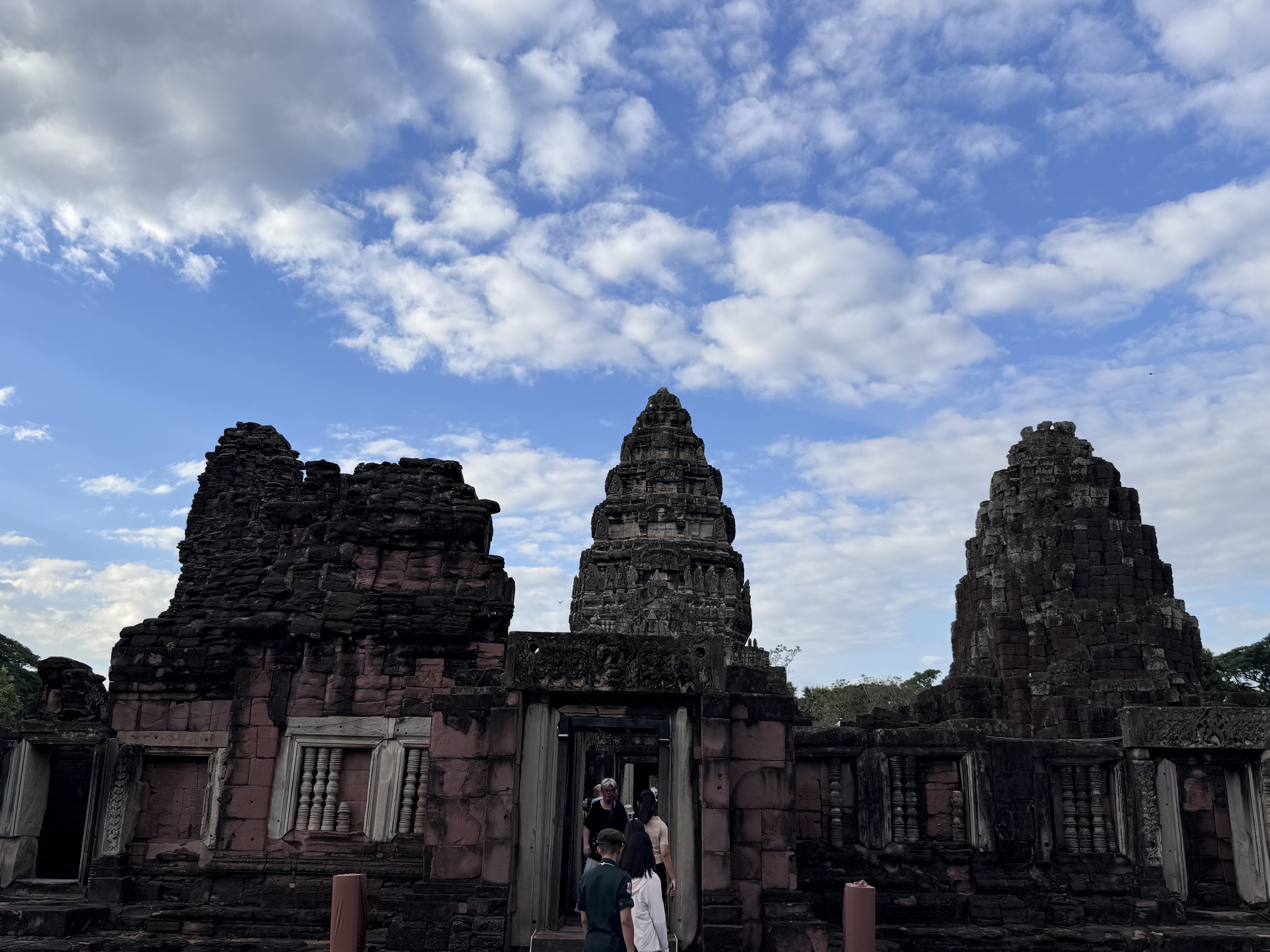
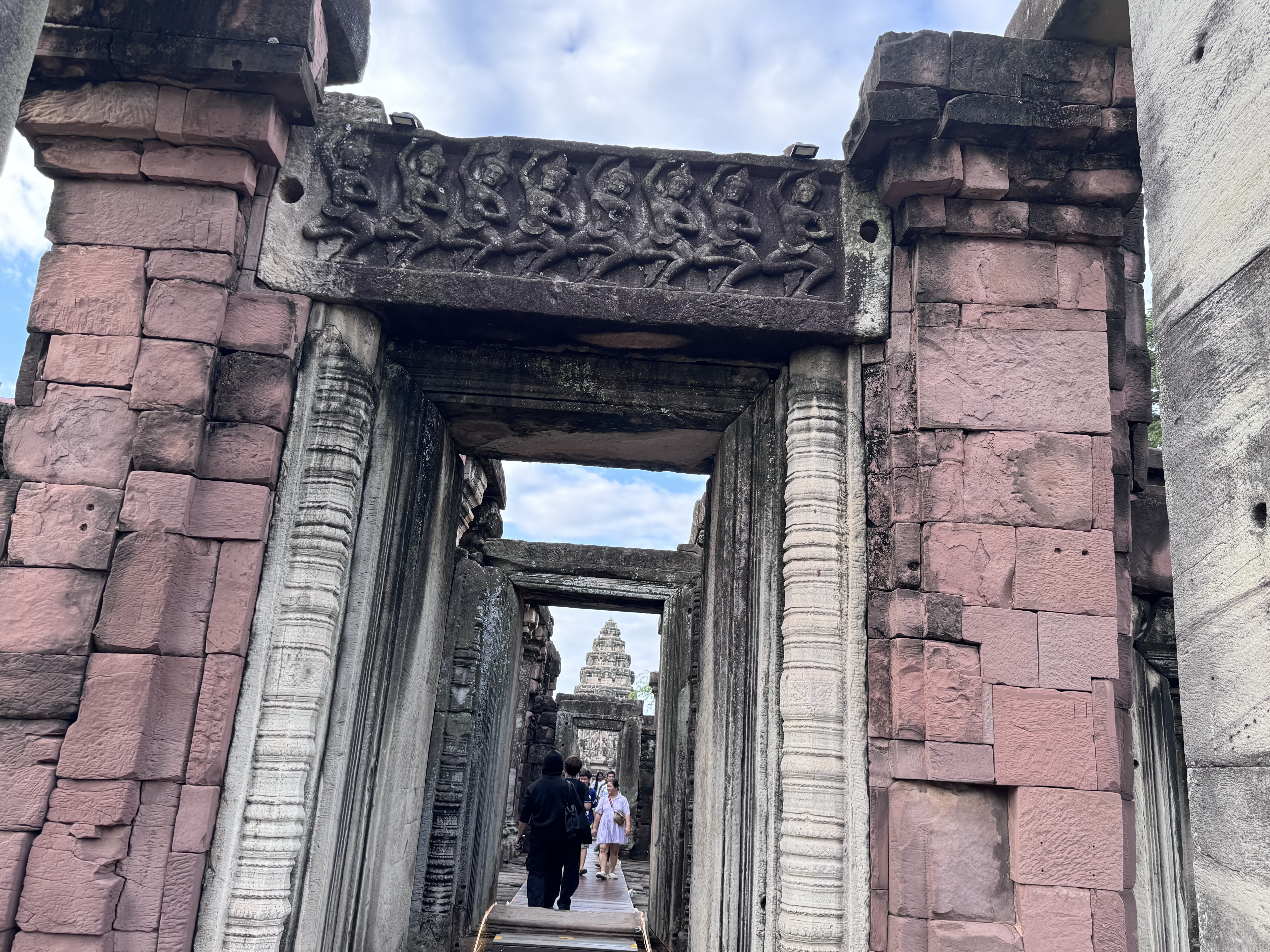
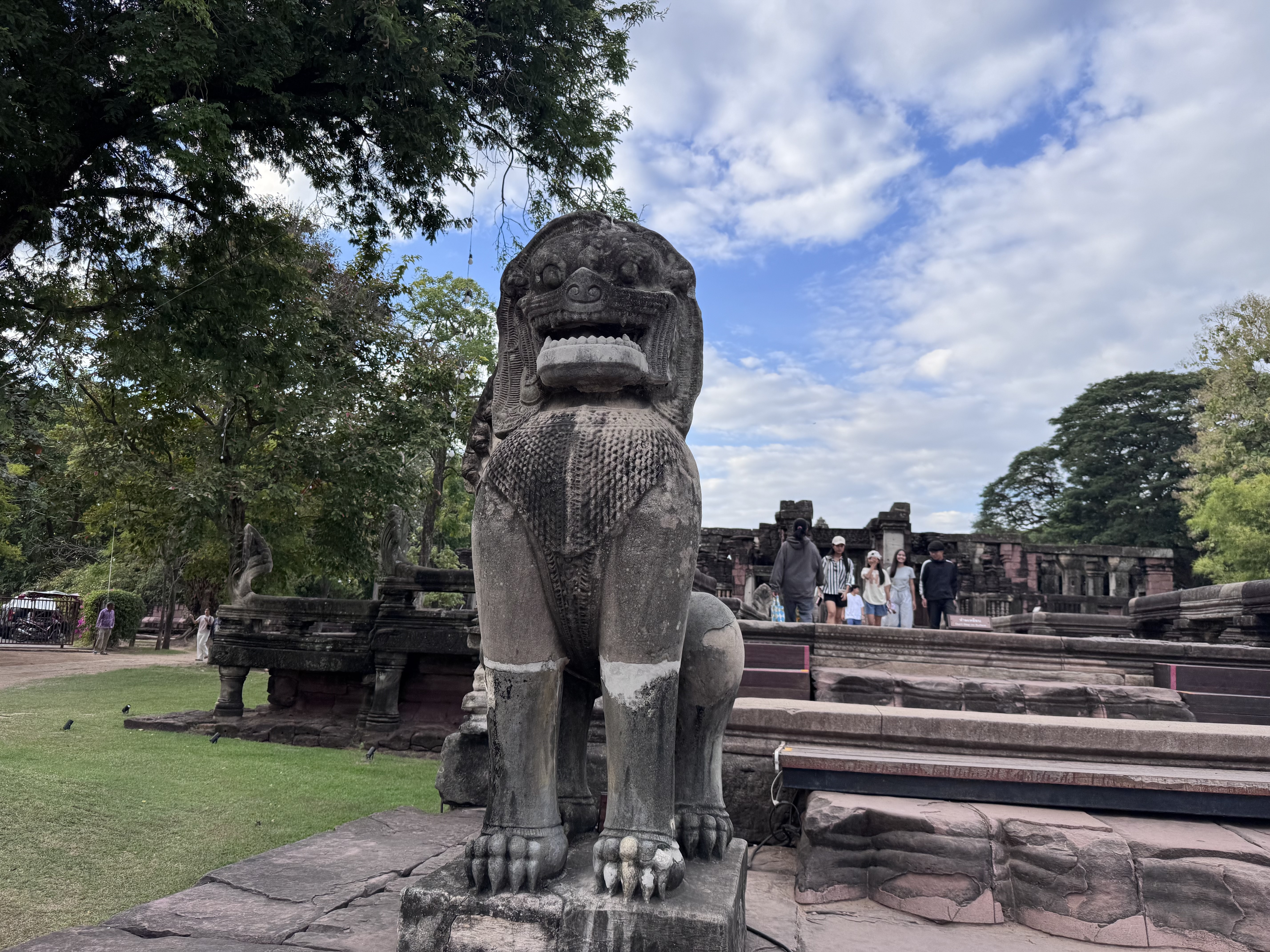
The Phimai Festival, also known as the Phimai Boat Race Festival, is an annual cultural extravaganza held in Phimai, Nakhon Ratchasima Province (Isaan region, Thailand). It celebrates the area’s Khmer heritage, centered around the 1,000-year-old Phimai Historical Park (Prasat Hin Phimai).
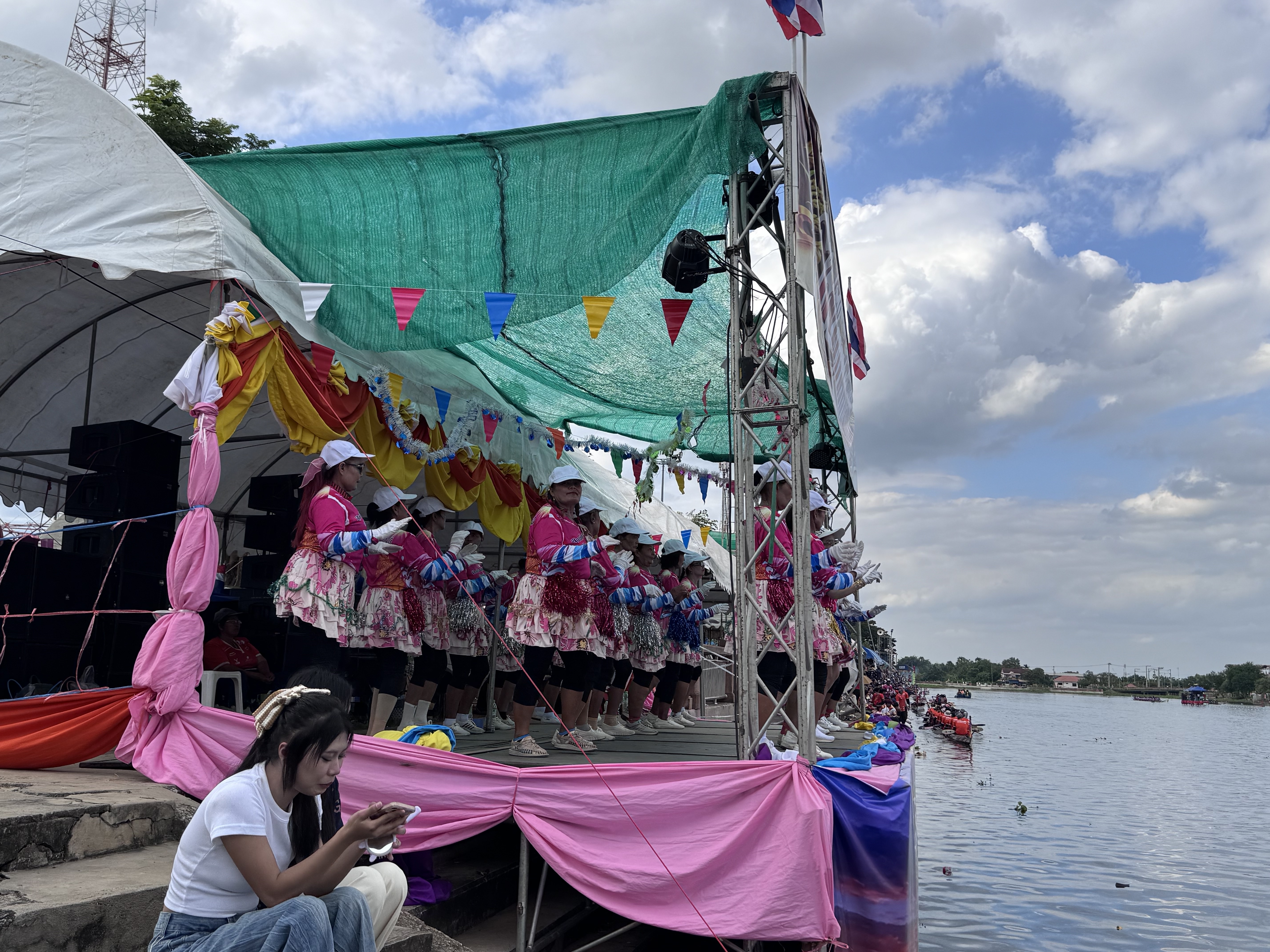
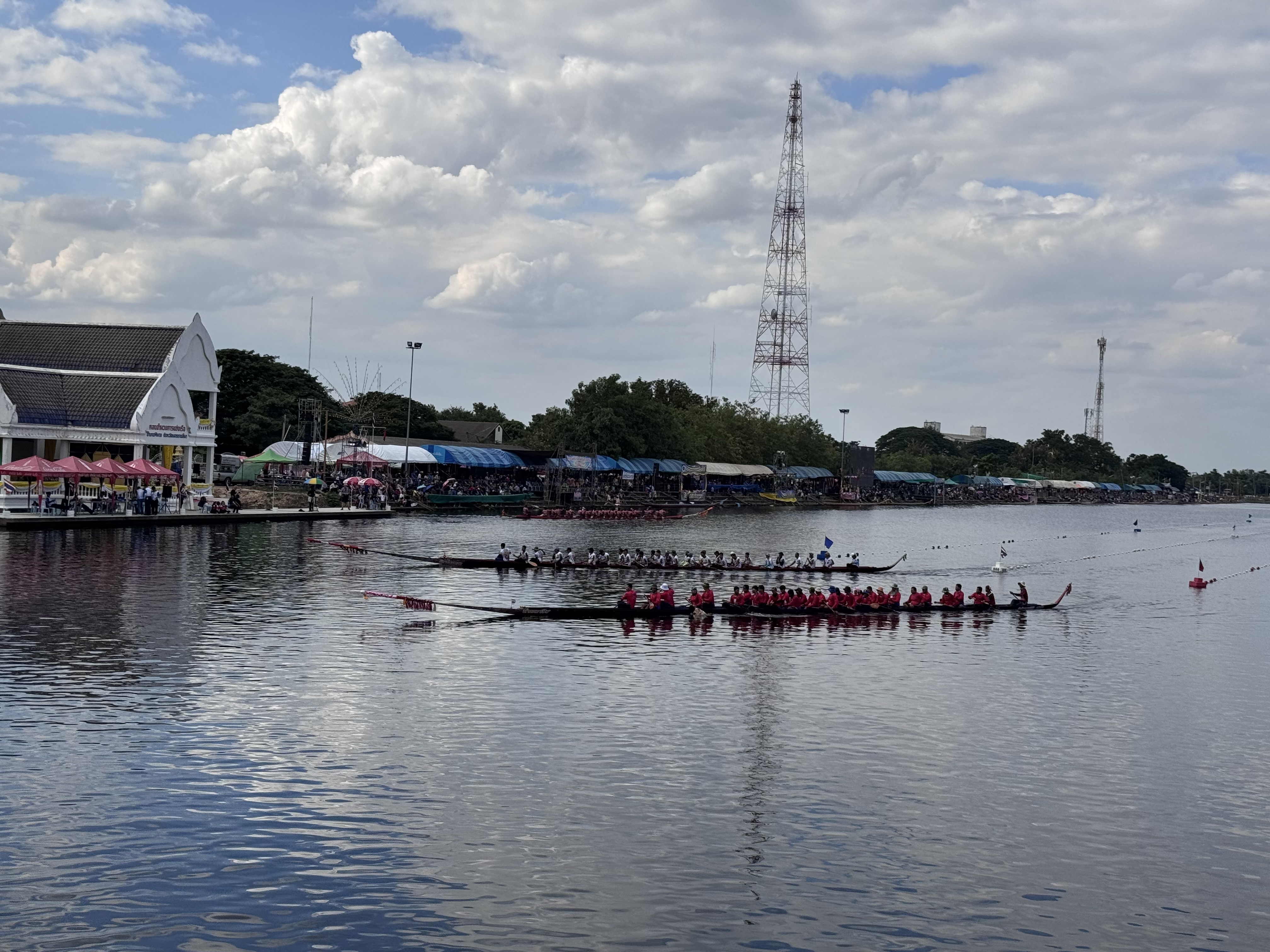
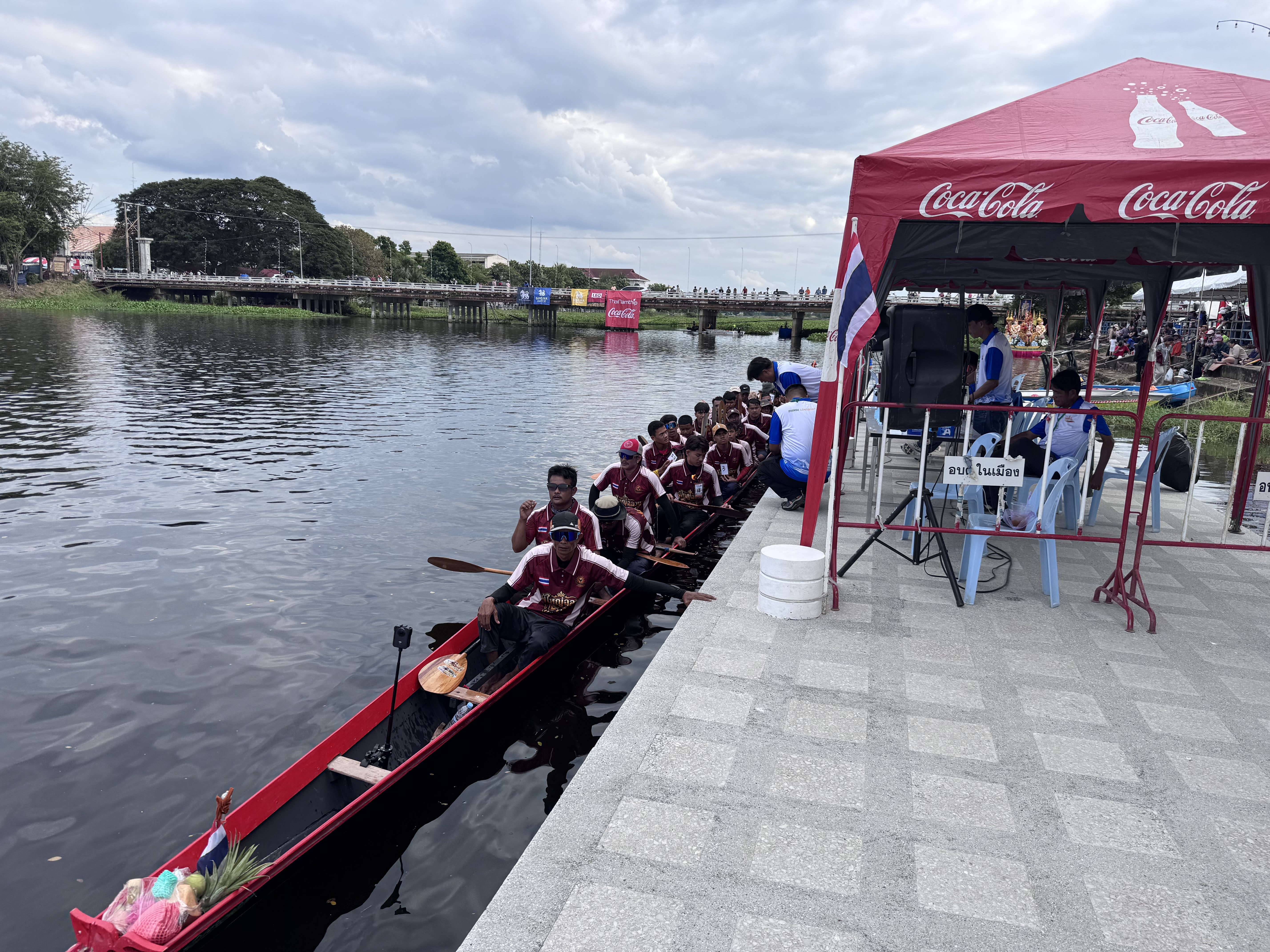
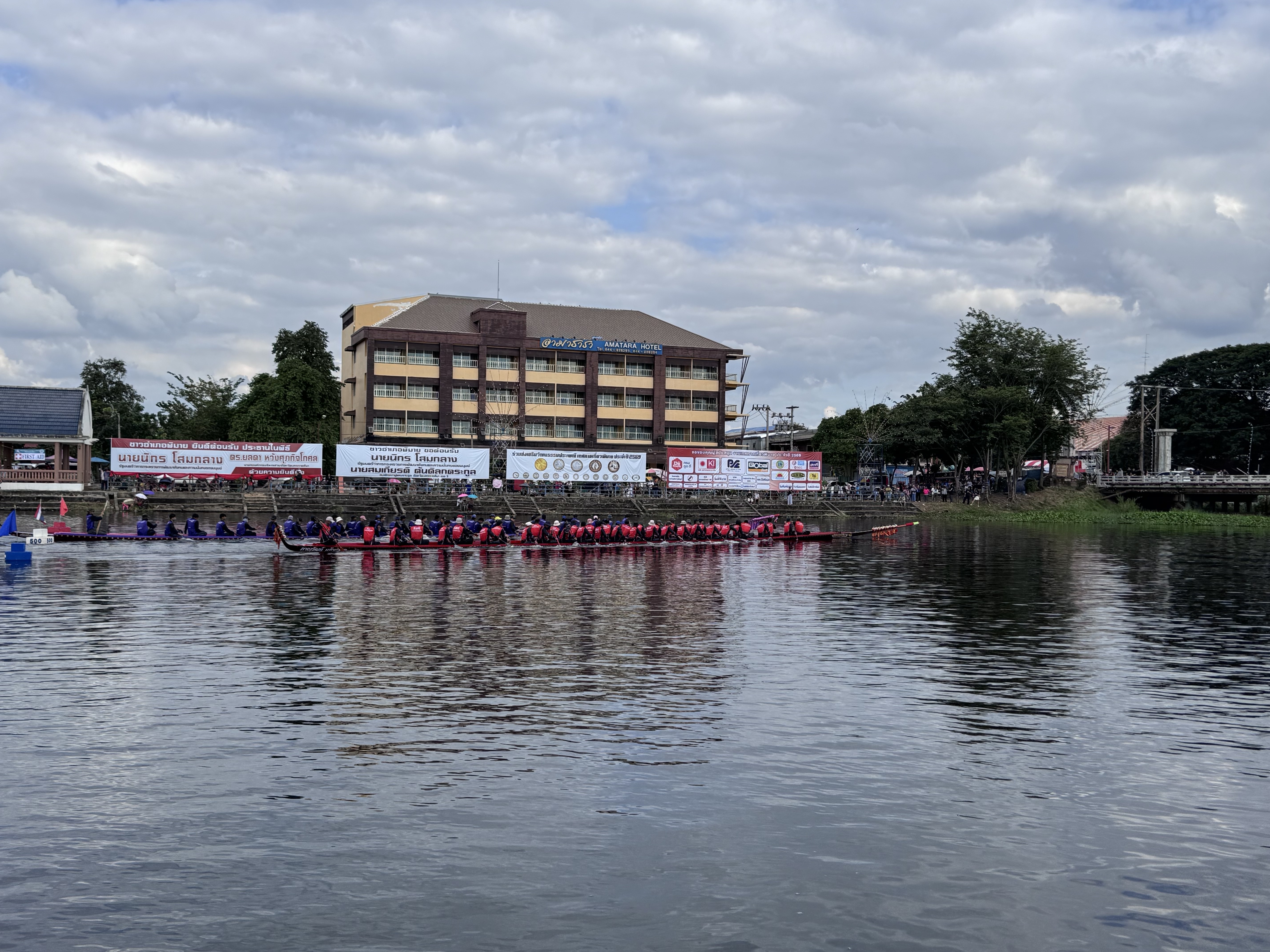
The 2026 occurred during the second weekend of November, 11-15th 2026. Key highlights include long-boat races on the Chakrat River, light-and-sound shows depicting Khmer history, traditional performances, and cultural markets. The festival draws thousands of visitors, transforming the quiet town into a vibrant hub of Isaan traditions.
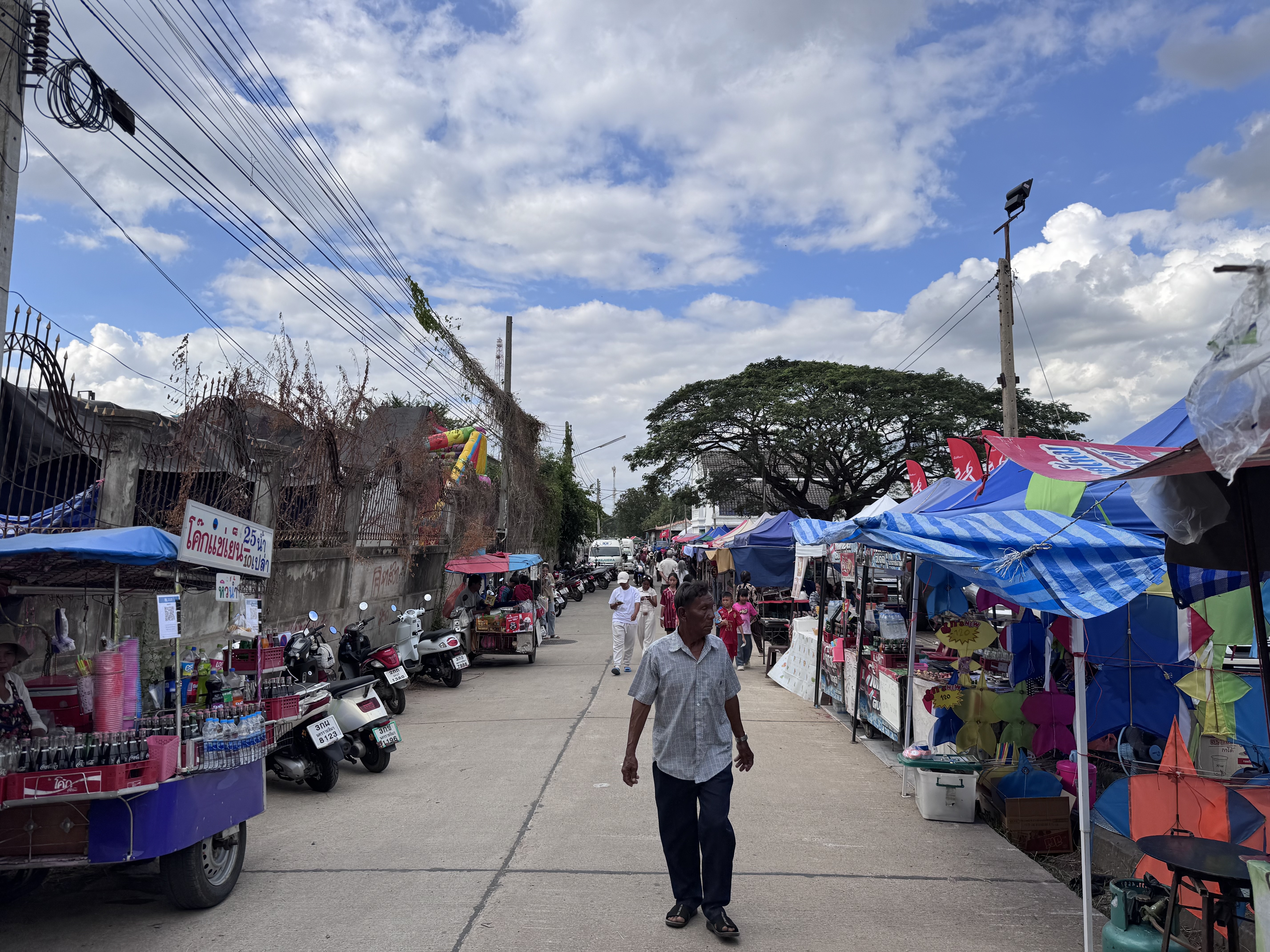
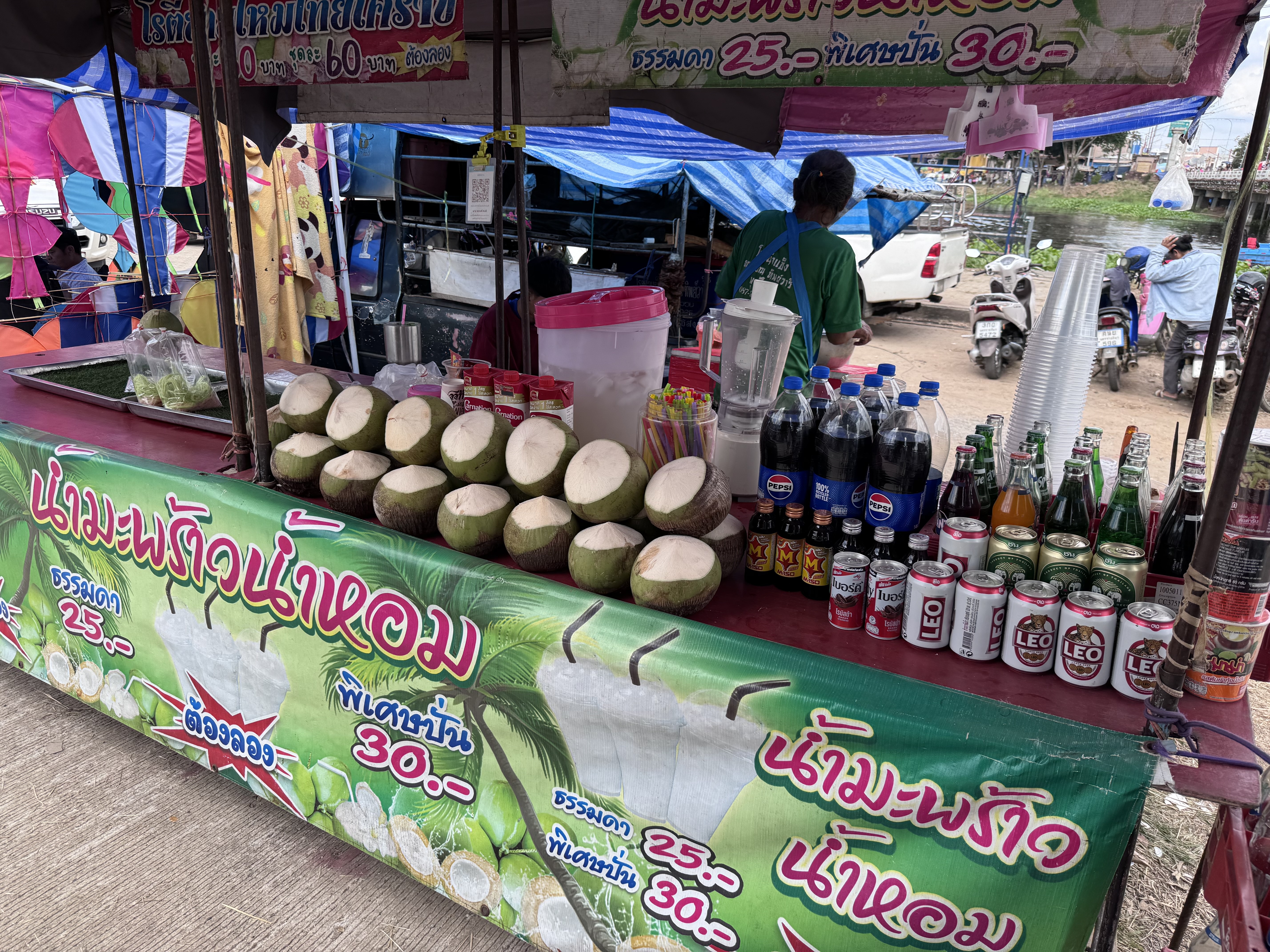
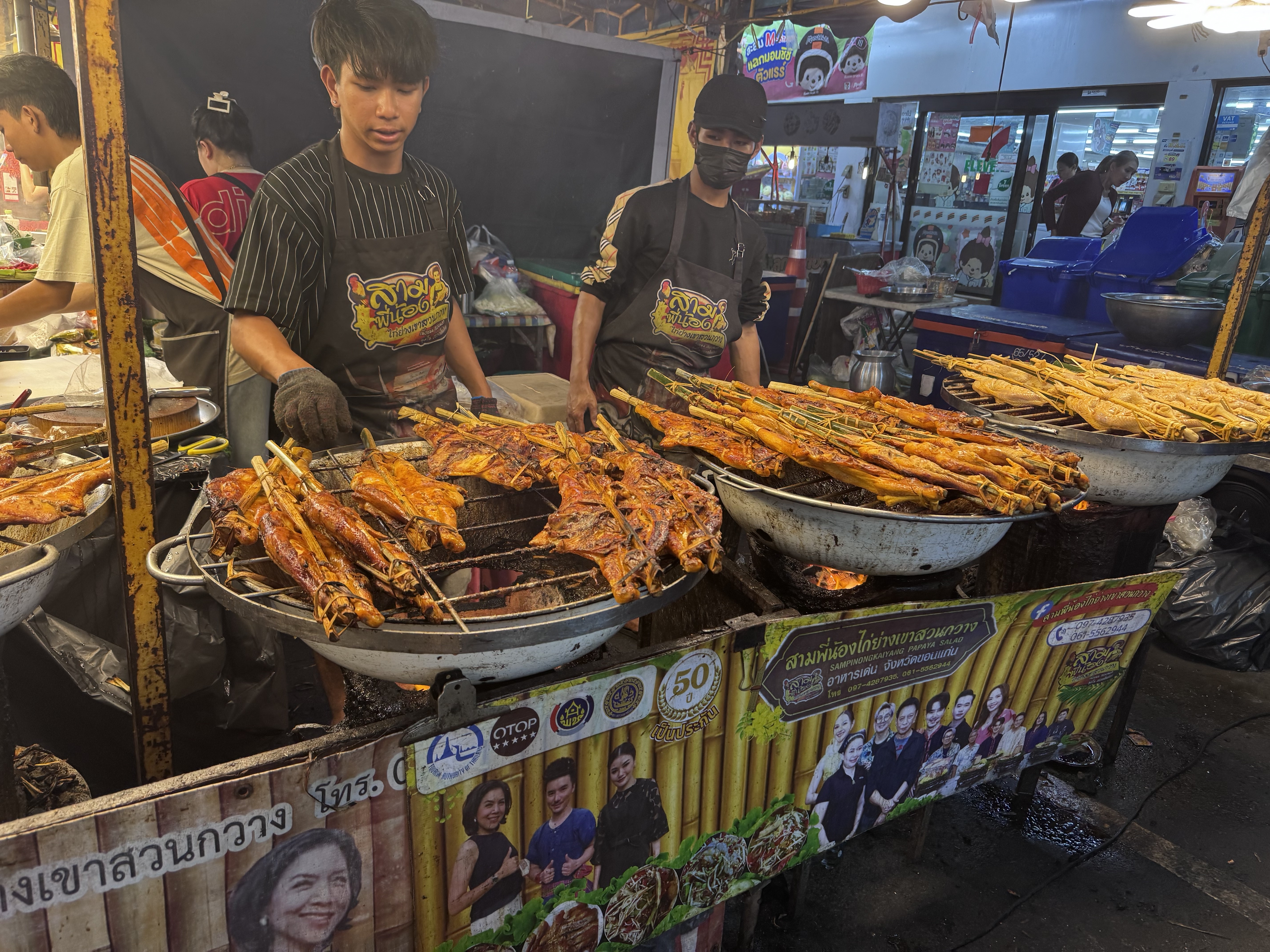
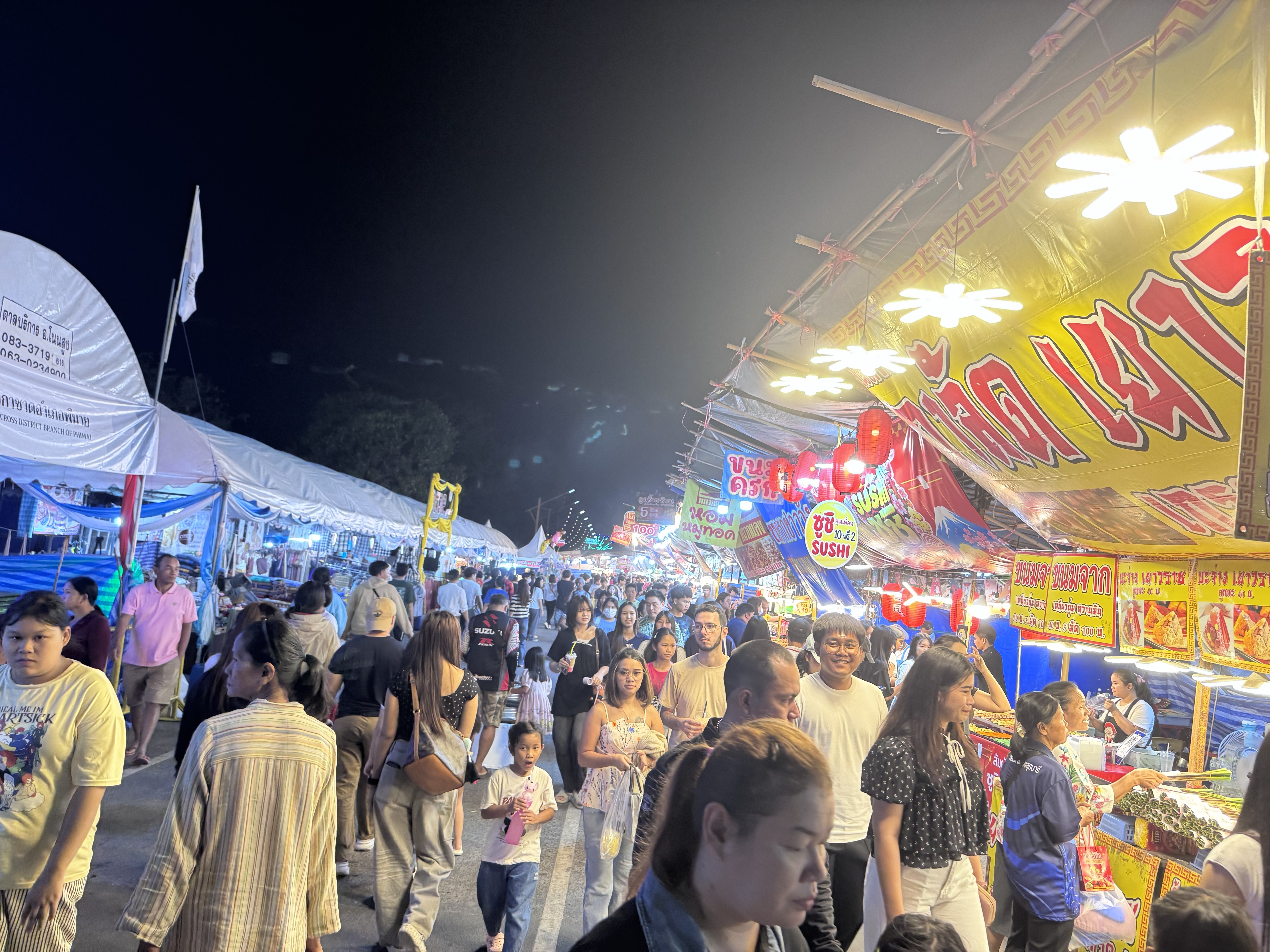
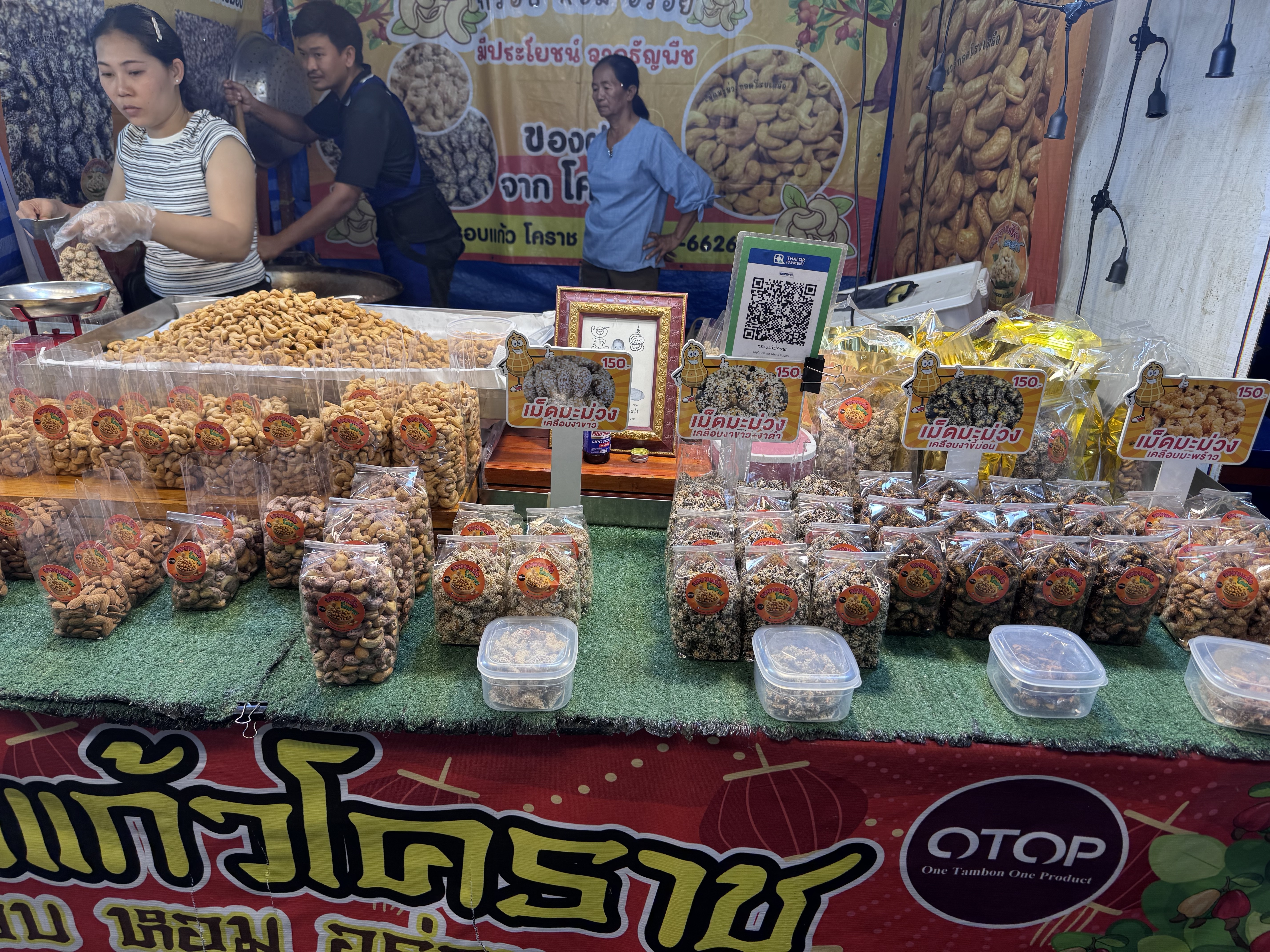
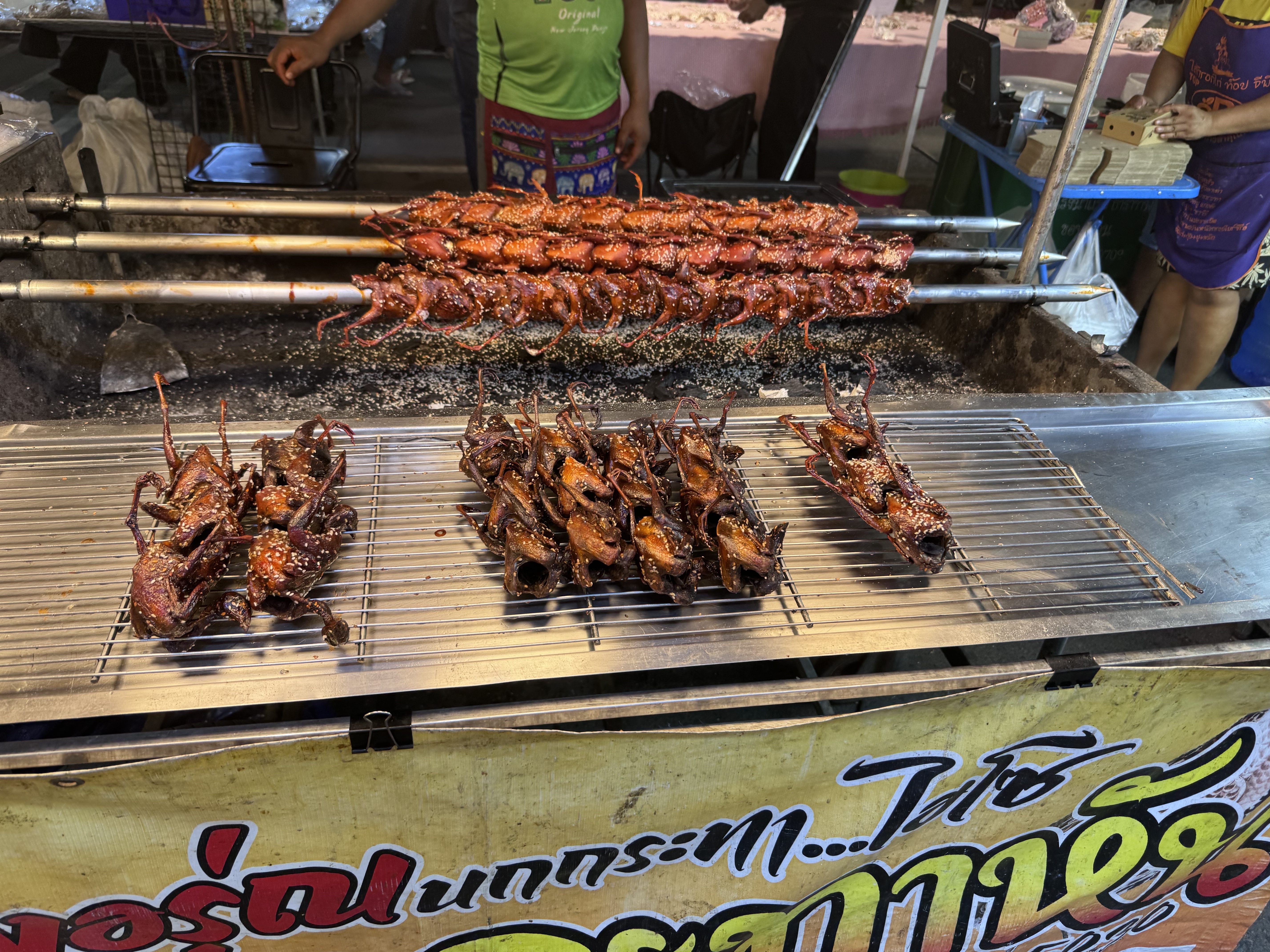
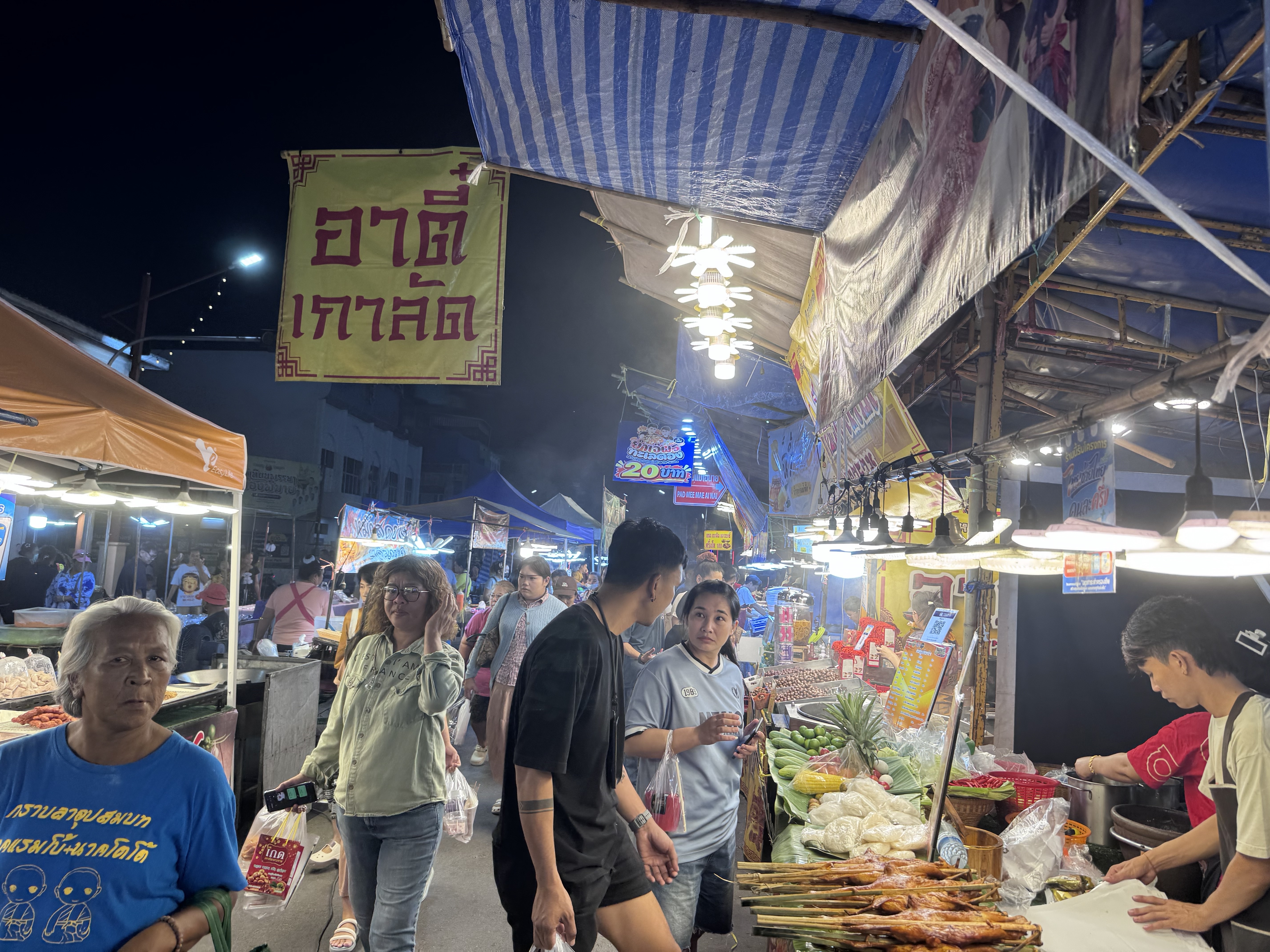
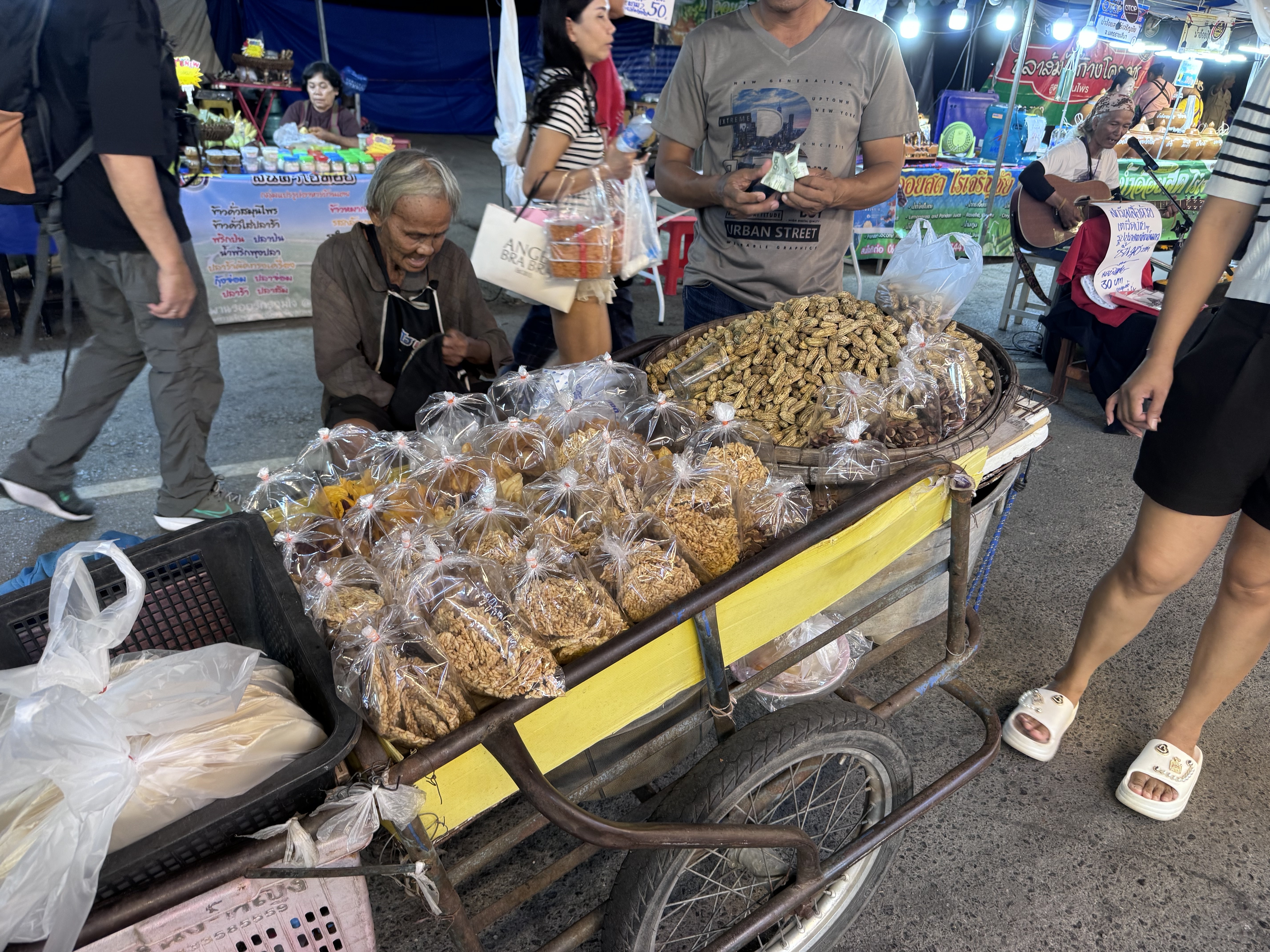
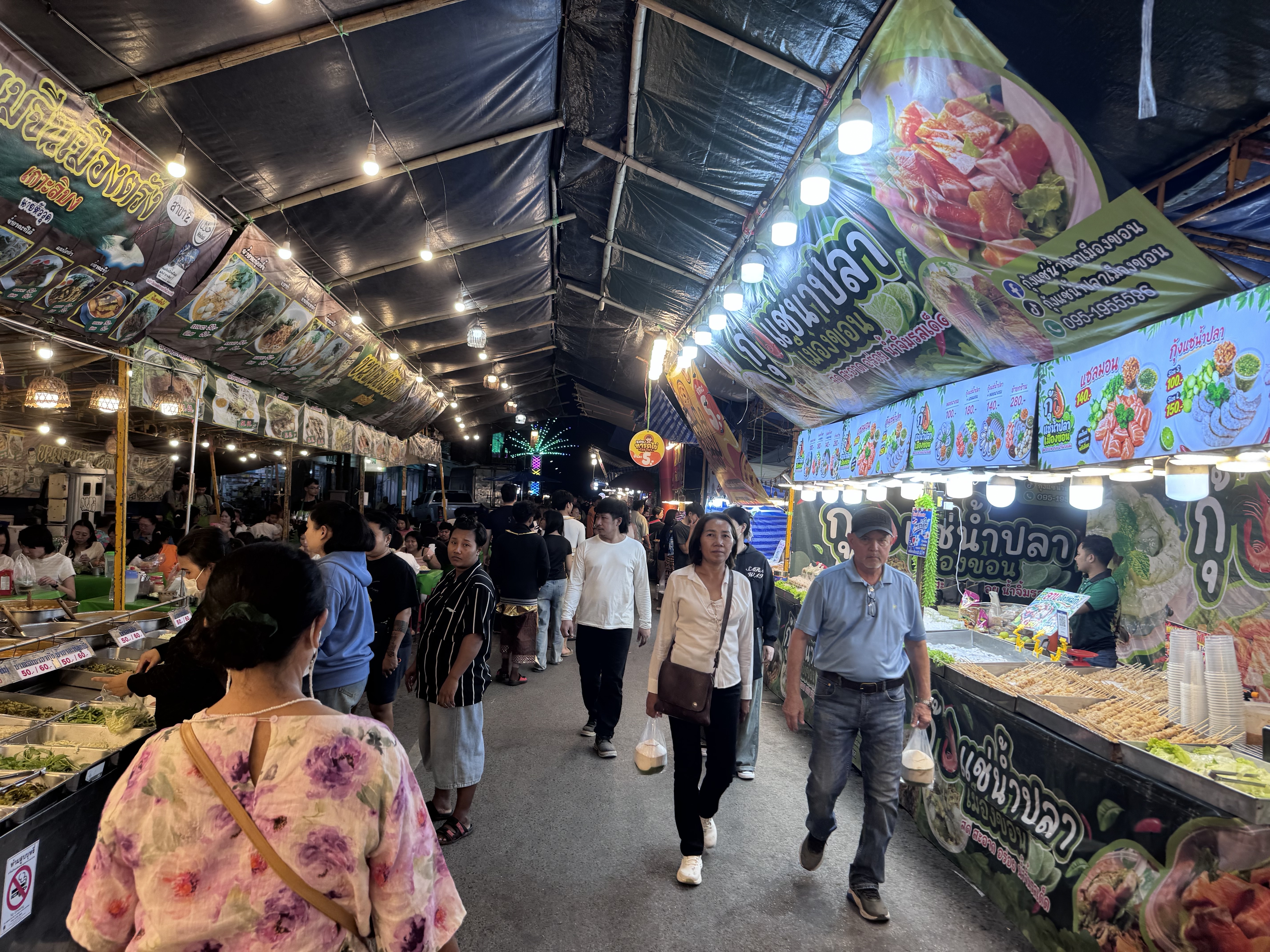
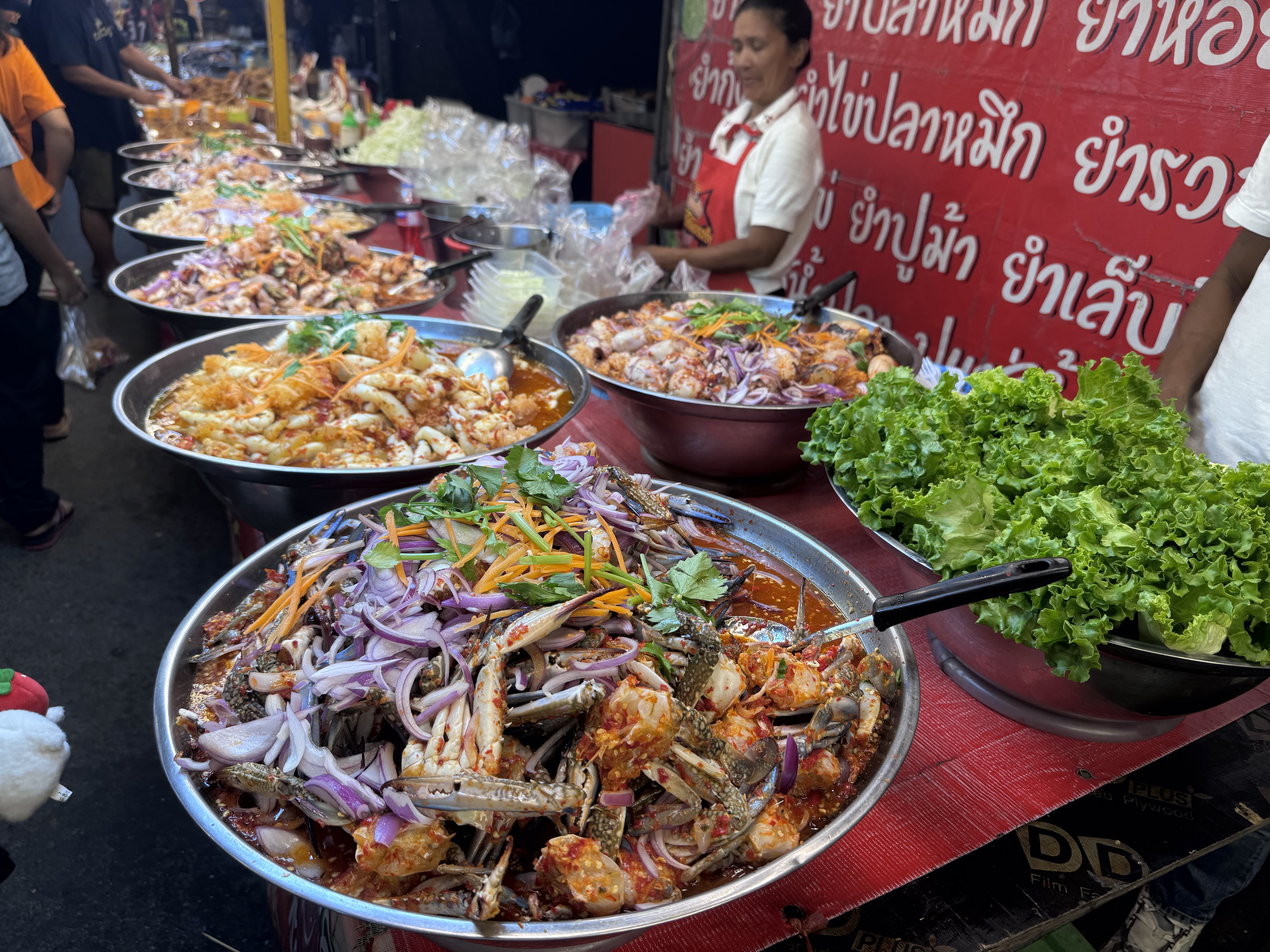
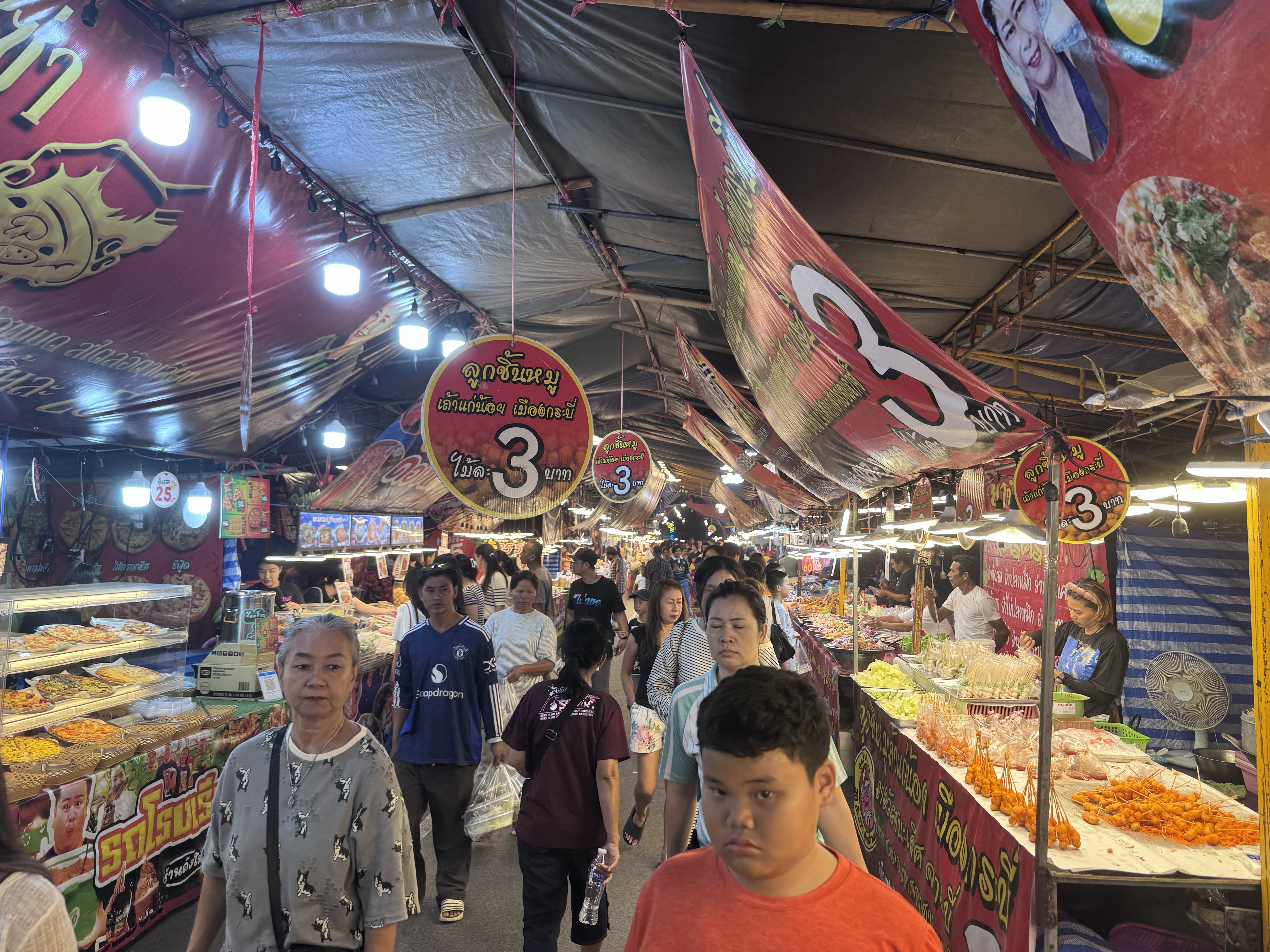
The night market, often styled as an “ancient market” during the festival, is one of the event’s most enchanting features. It turns the streets surrounding Phimai Historical Park into a lively, bamboo-constructed bazaar evoking ancient Khmer trading hubs, blending historical reenactment with modern street vibes.
Centered near the Clock Tower and the park’s entrance, the...
The Khmer Empire was a powerful Kingdom in South-East Asia. Its major architectural works (temples and sculptures) are located in present day Cambodia, where the capital of the empire was located. However, during long periods of time the Khmer ruled over parts of present day Thailand, Laos and Vietnam.
Like other major ethnic groups in the history of South-East Asia (the Thais, the Mons, The Chams) the Khmer are thought to have descended in the prehistoric period from the river valleys in Eastern Tibet and Southwest China. The Khmer appear first on the scene (in Chinese records) in the second half of the 6th century A.D. with the Kingdom known as Chenla.
Since the Khmer reigned for long periods over extended areas of present day Thailand, Thailand has a substantial number of important Khmer monuments on its territory, mainly in its Northeastern Region (such as Phonom Rung and Muang Tam in Buriram Province, Phimai in Nakhon Ratchasima province, Muang Singh in Kanchanaburi province). Any look around the...
The tradition of long-boat racing in Thailand reaches back to the Ayutthaya era, when the kingdom’s rivers and canals formed the arteries of daily life, trade, and military power. Historical records from the period, including palace regulations for the eleventh lunar month, describe boat races as both a popular pastime among ordinary people and an element of royal ceremony. In those days the long, slender vessels, often carved from single massive tree trunks, were powered by ranks of oarsmen whose coordinated strokes could drive the boat at impressive speed.
Racing served practical purposes as well as entertainment. It kept warriors fit for river warfare, tested the skill of crews, and sometimes carried an element of divination linked to the annual flood cycle and hopes for a bountiful harvest. Royal processions themselves featured elaborately decorated long boats and competitive racing appears to have grown naturally from the rivalry that arose when communities travelled by water to make merit at ...