

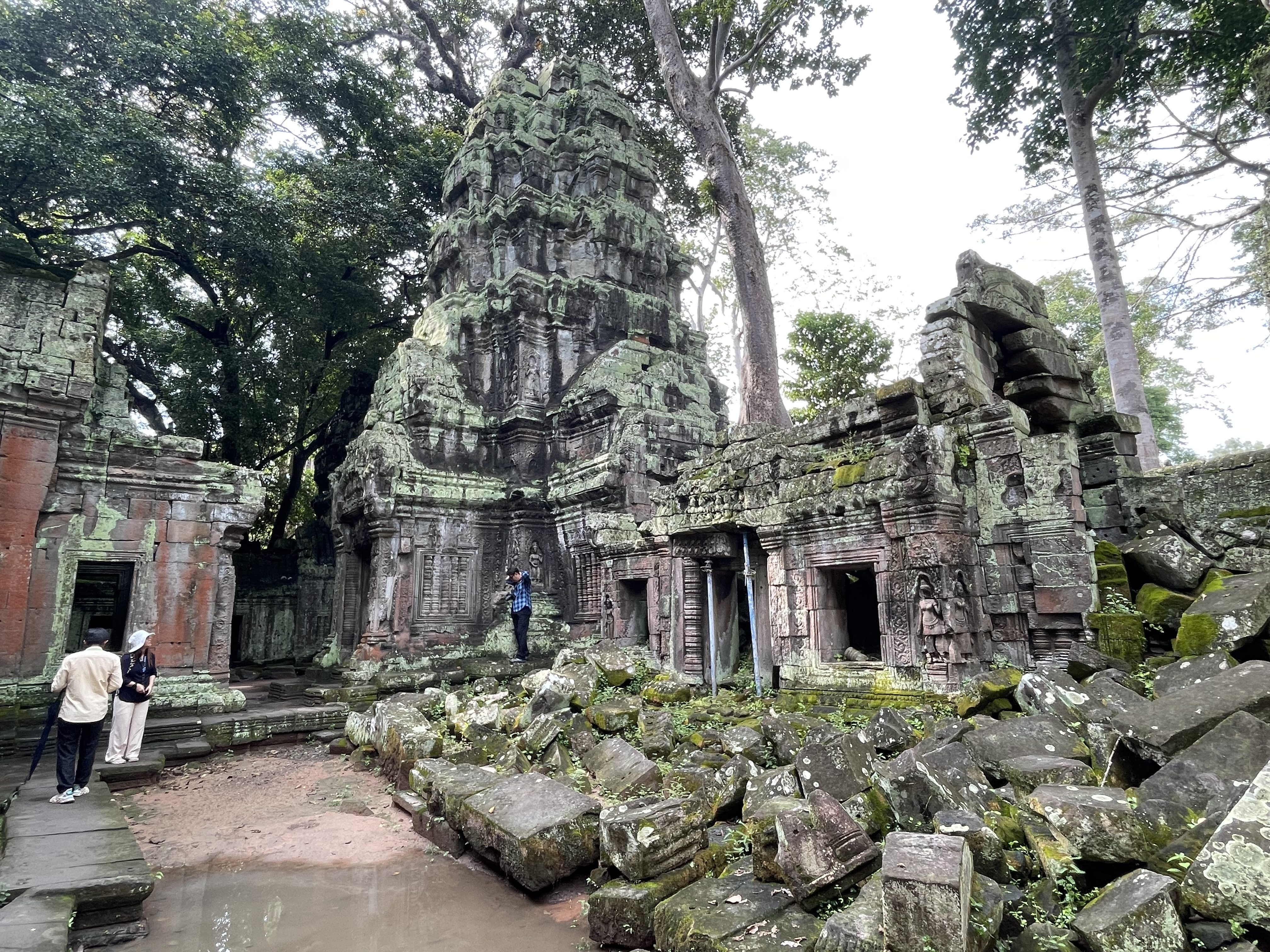
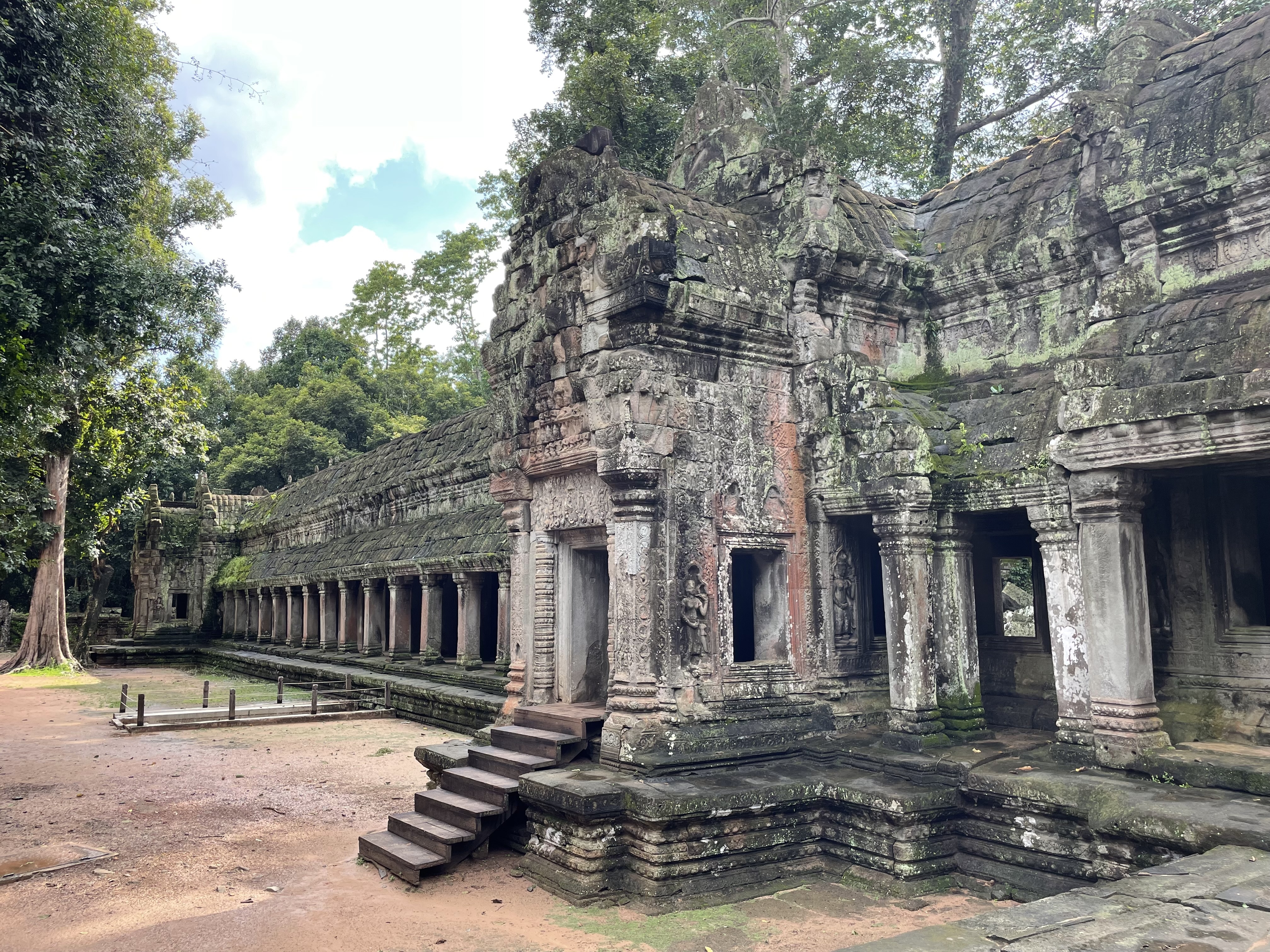
Ta Prohm Temple - World Heritage Site
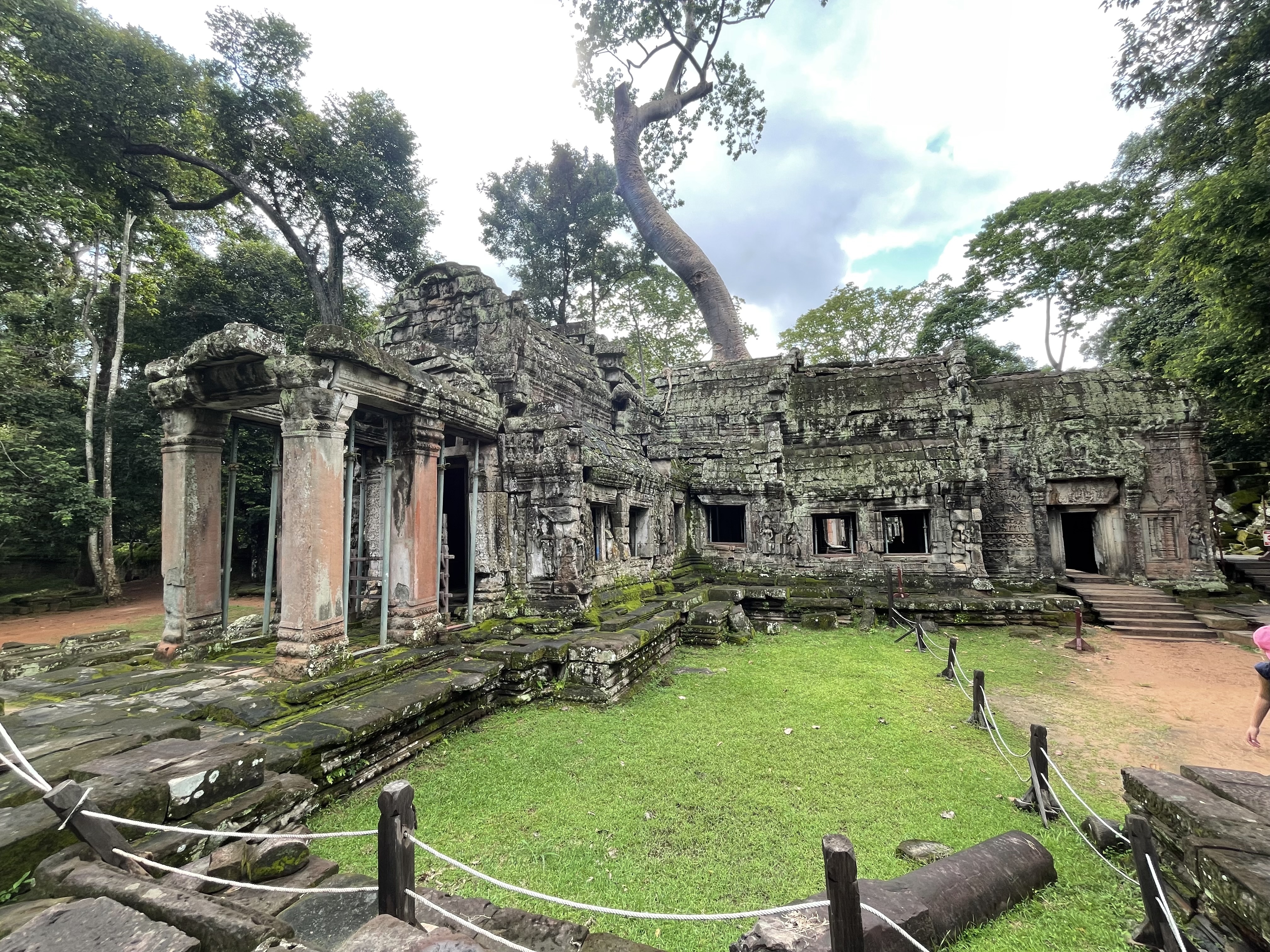
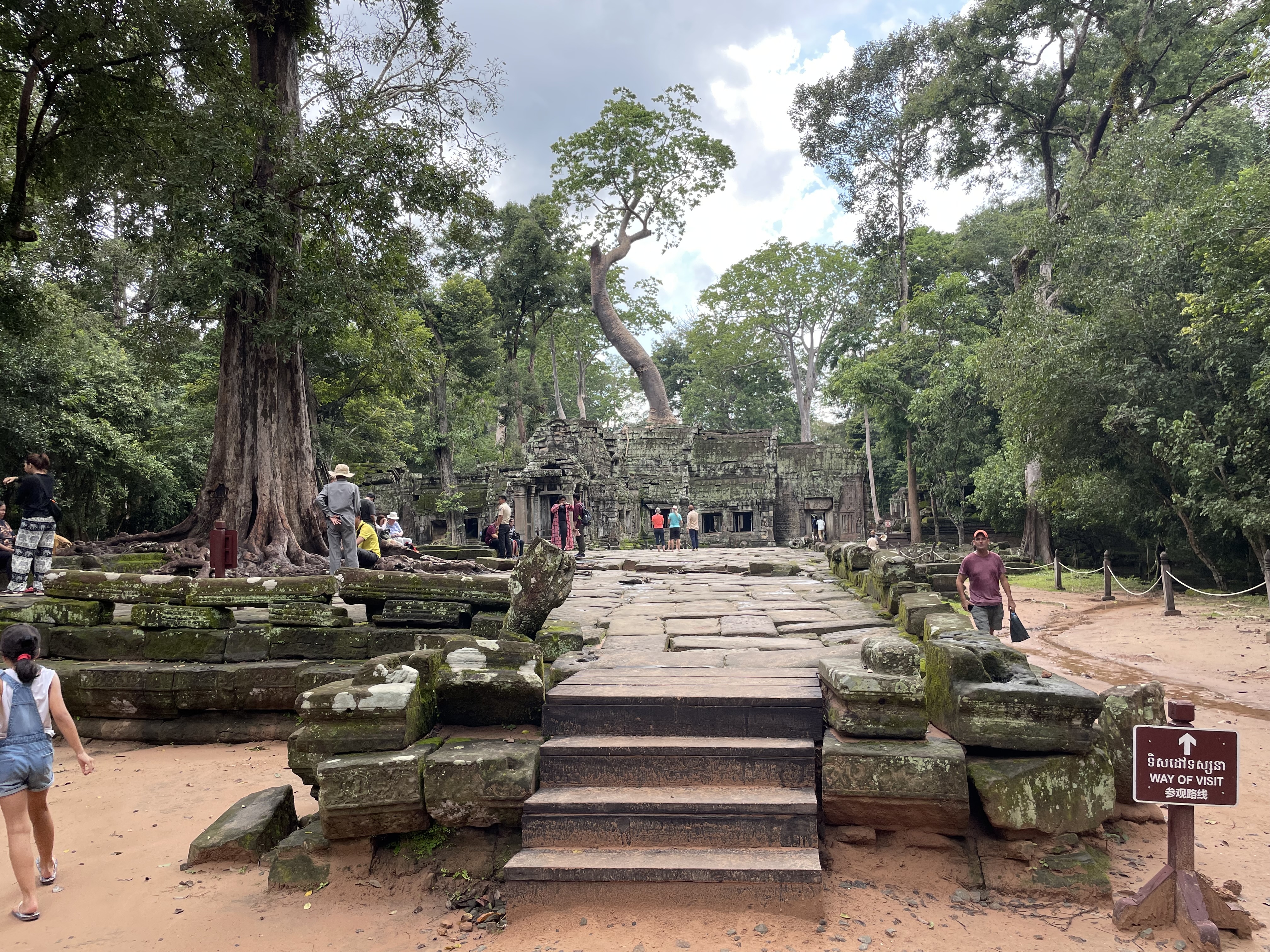
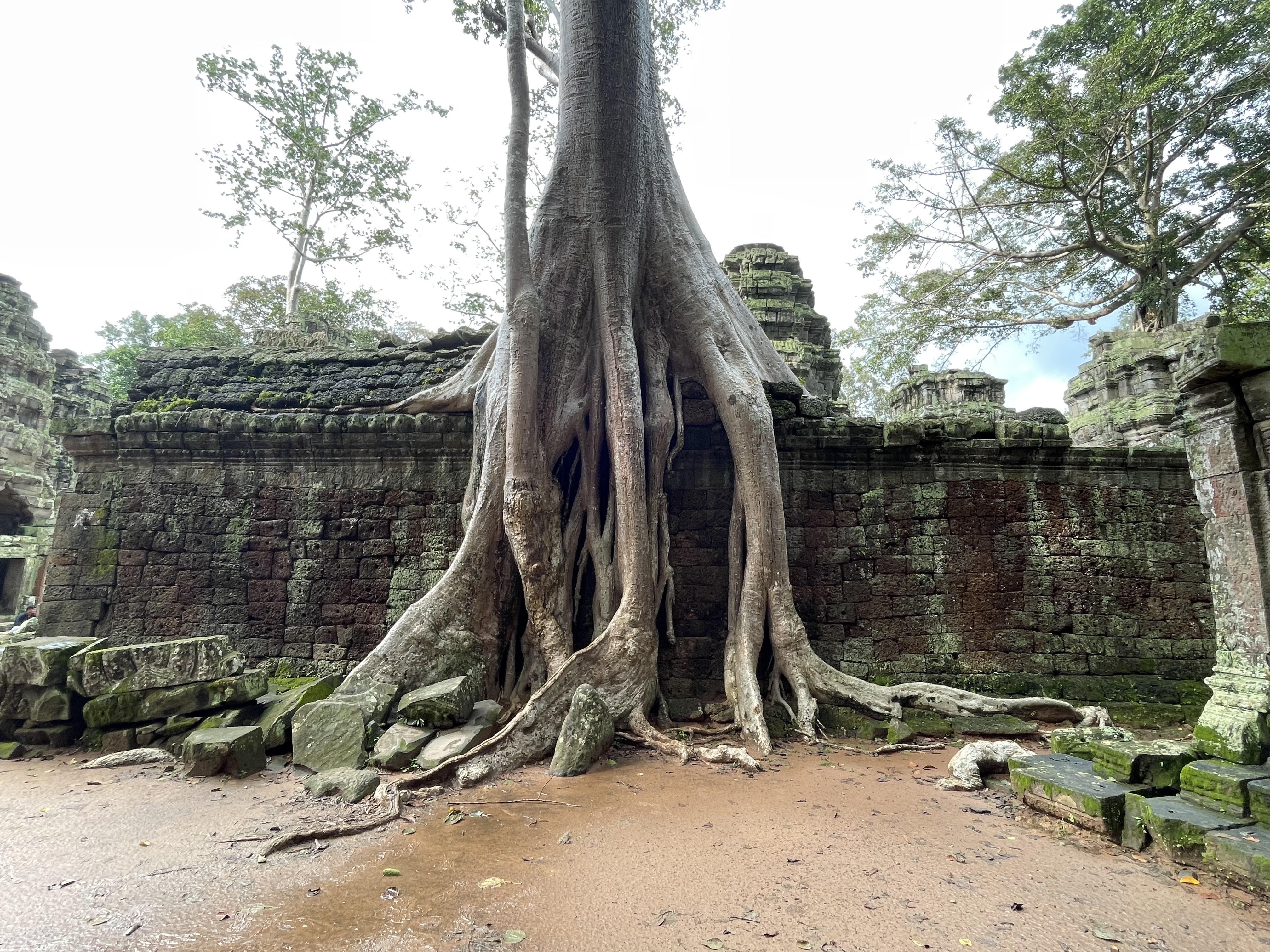
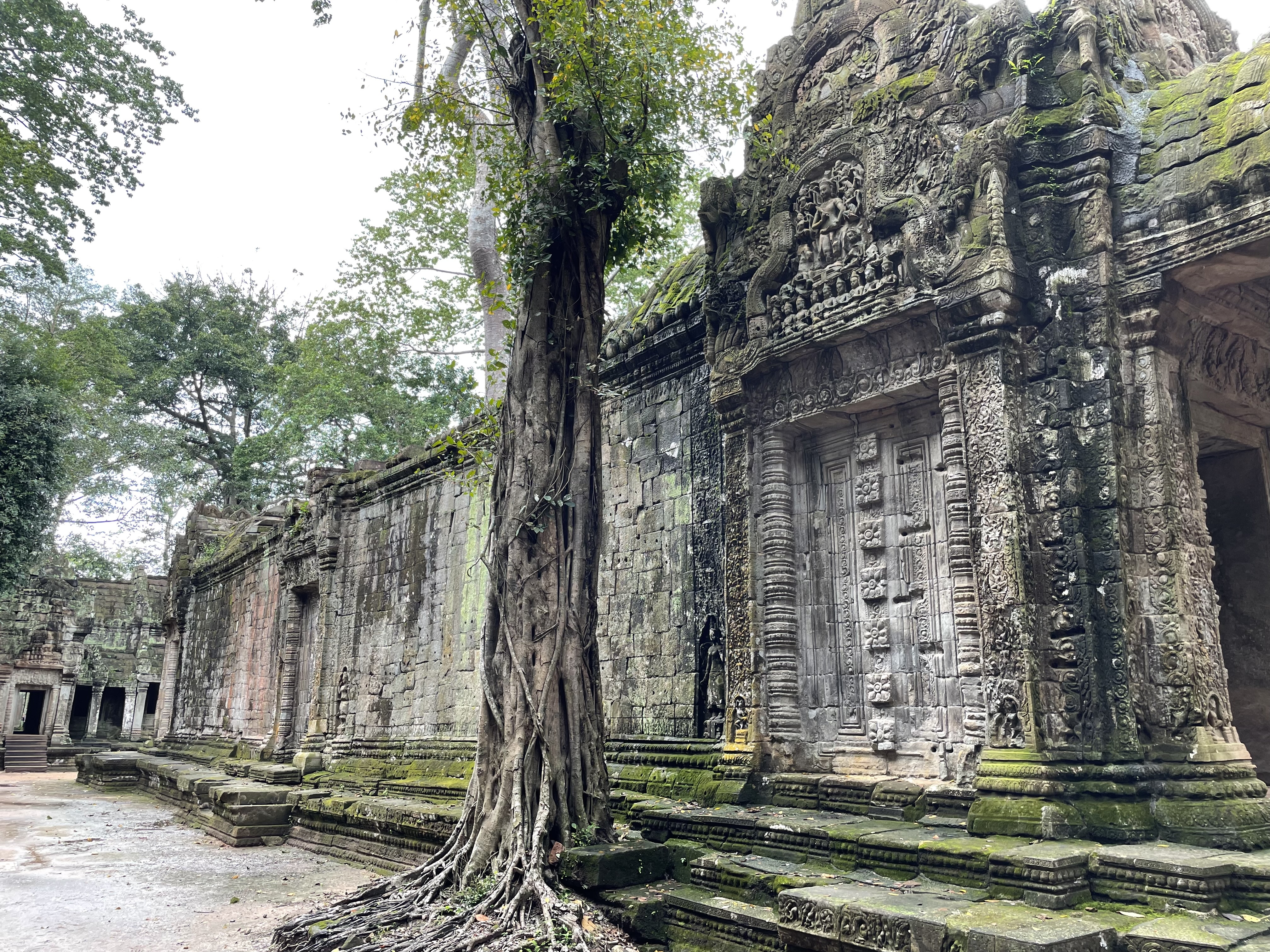
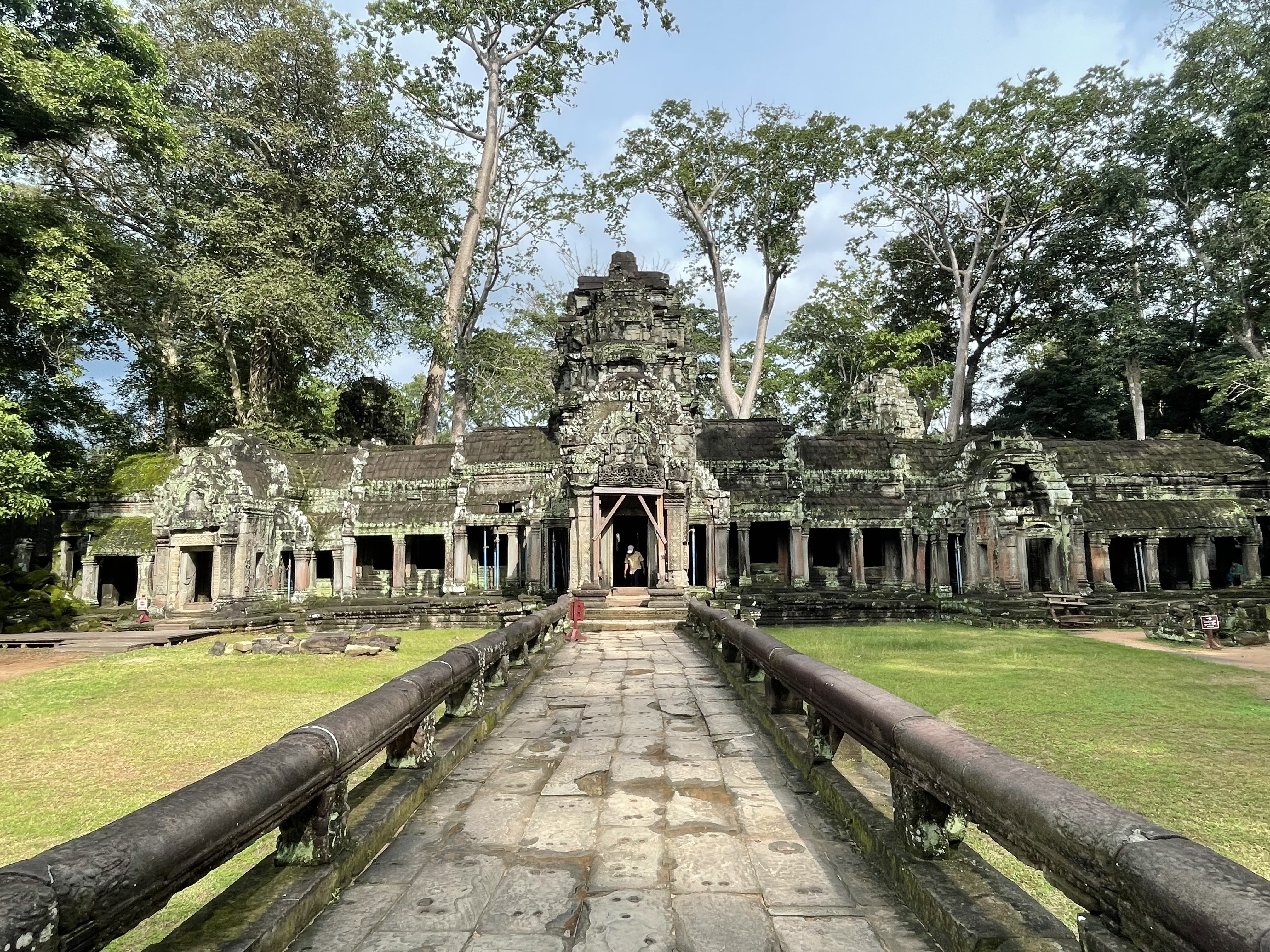
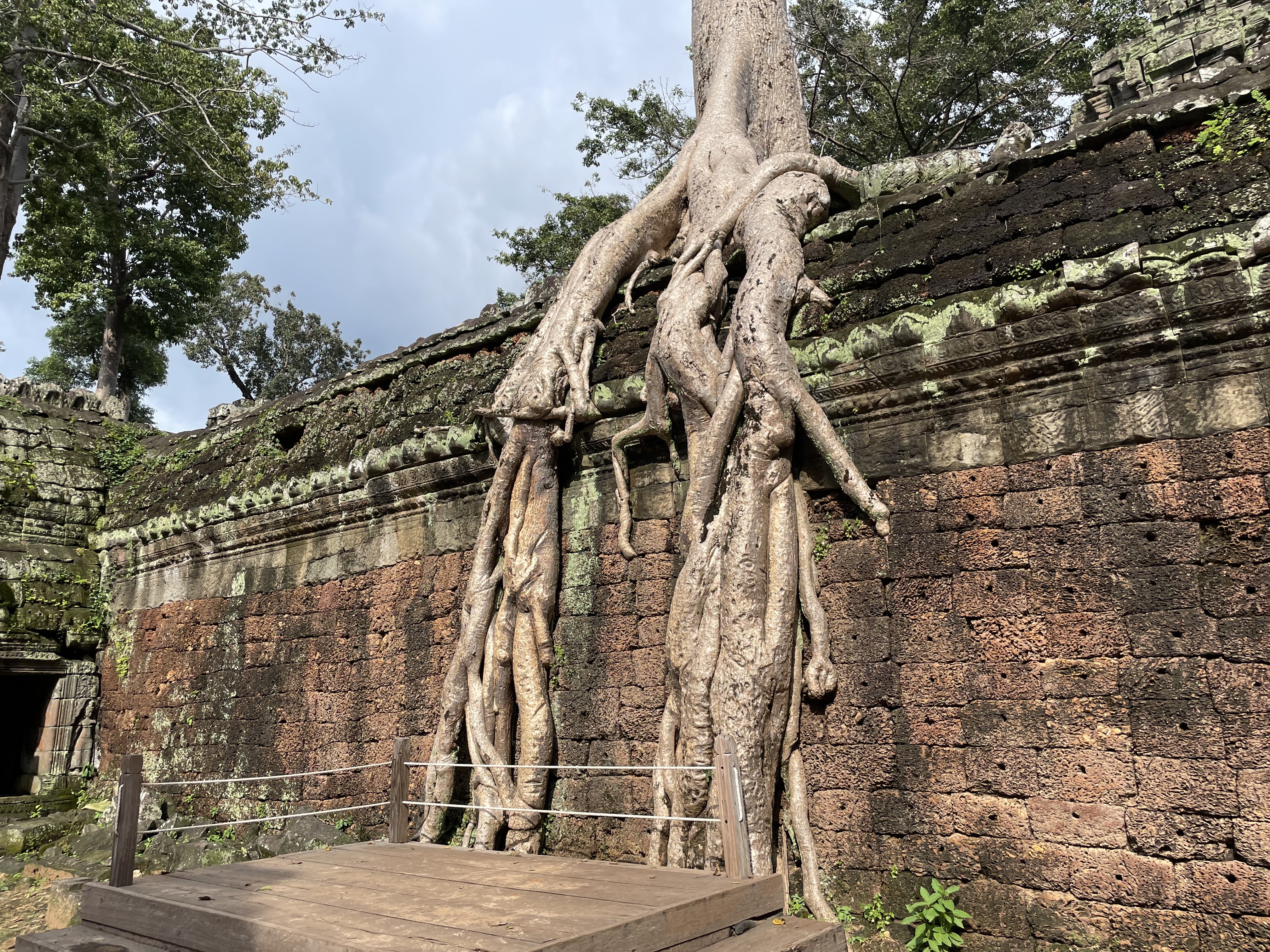
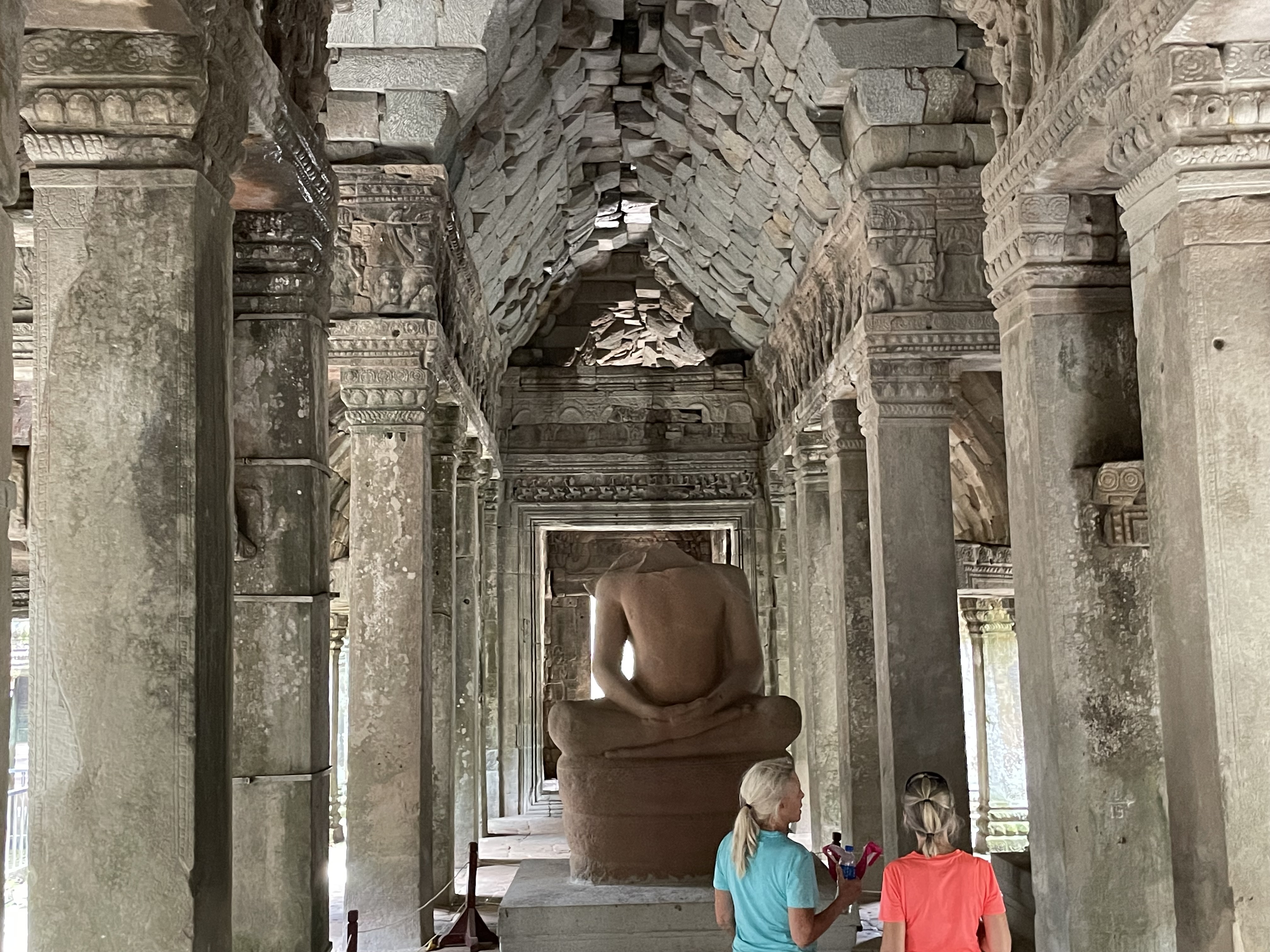
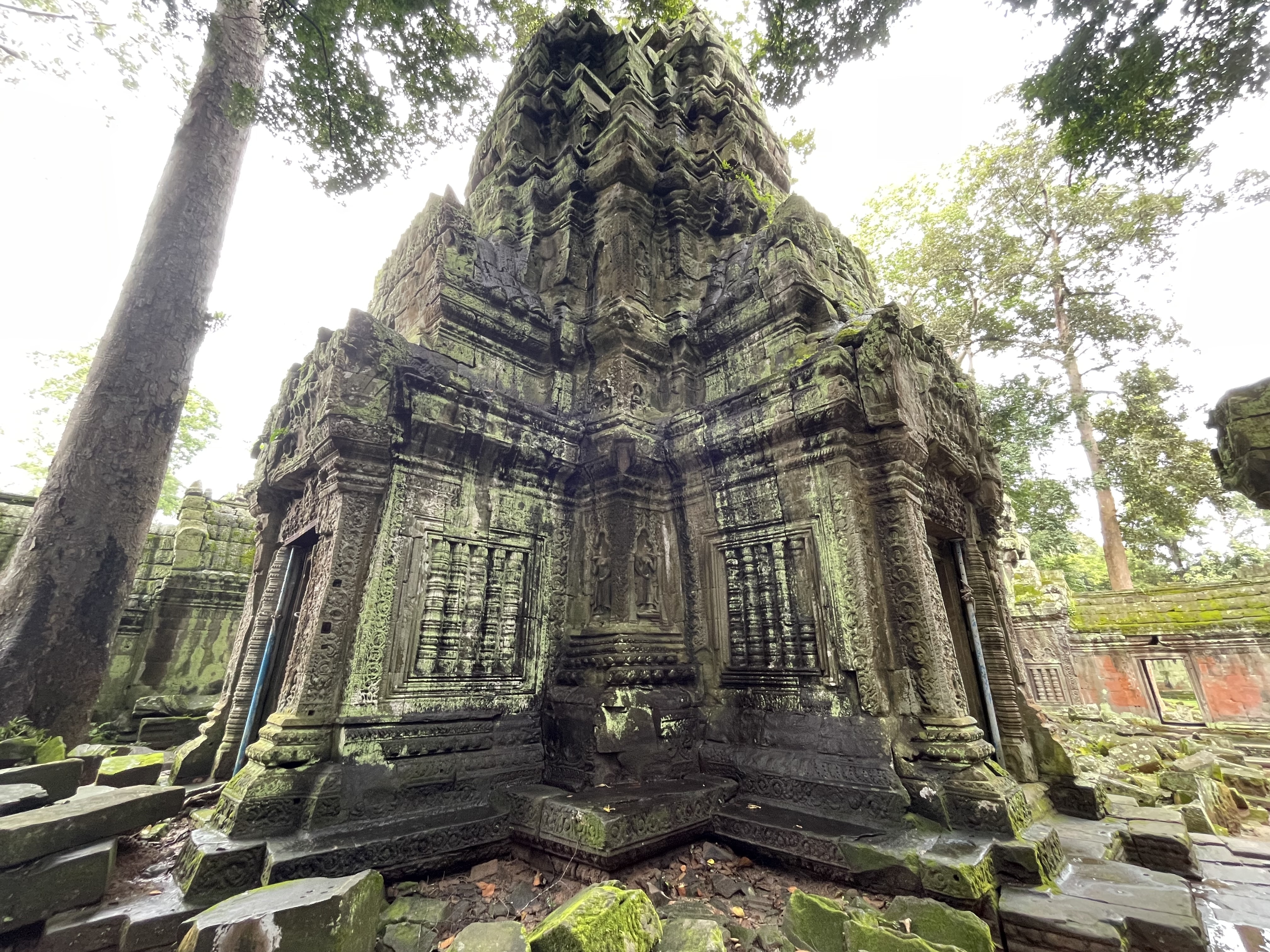
Ta Prohm ប្រាសាទតាព្រហ្ម "Ancestor Brahma" is the modern name of the temple in Siem Reap, Cambodia. It was built in the Bayon style largely in the late 12th and early 13th centuries and originally called Rajavihara រាជវិហារ "Royal Monastery". Located approximately one kilometer east of Angkor Thom and on the southern edge of the East Baray, it was founded by the Khmer King Jayavarman VII as a Mahayana Buddhist monastery and university. Unlike most Angkorian temples, Ta Prohm is in much the same condition in which it was found: the photogenic and atmospheric combination of trees growing out of the ruins and the jungle surroundings have made it one of Angkor's most popular temples with visitors.
Undoubtedly the most evocative and photographic temple in all of Angkor, the Buddhist temple of Ta Prohm lies in a semi-ruined state engulfed by the jungle. The muscular roots of towering trees spill over the ramparts ...
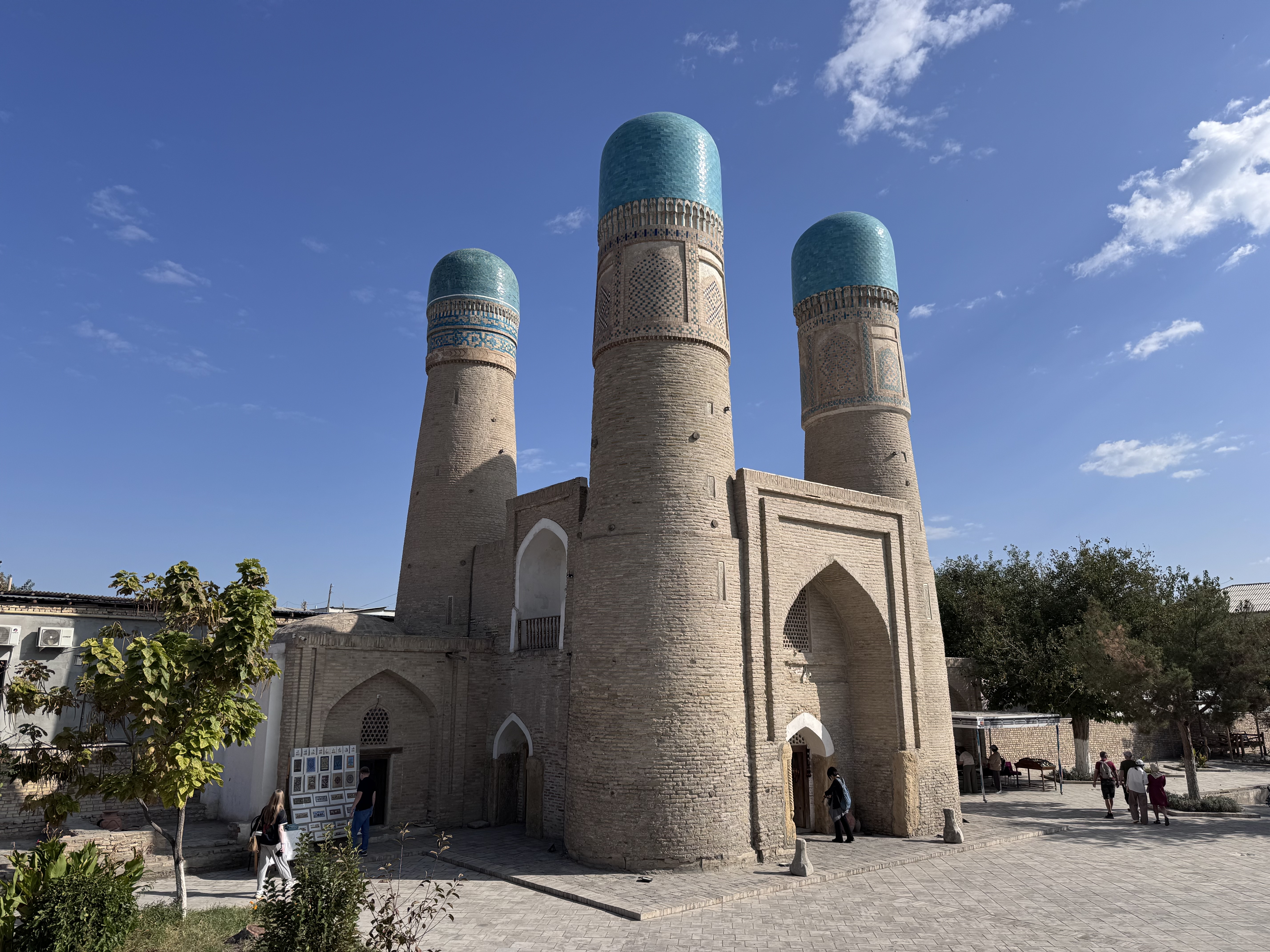
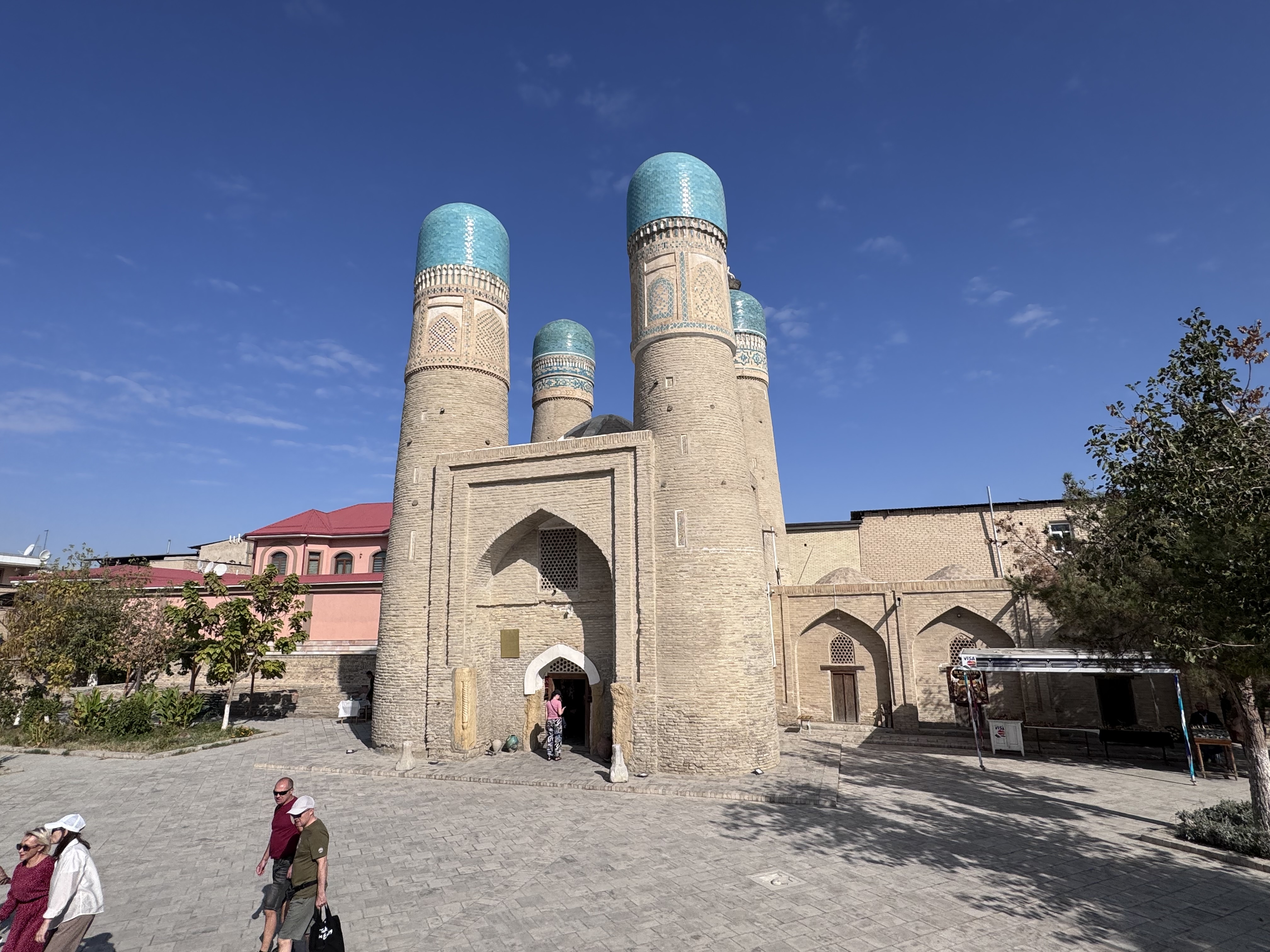
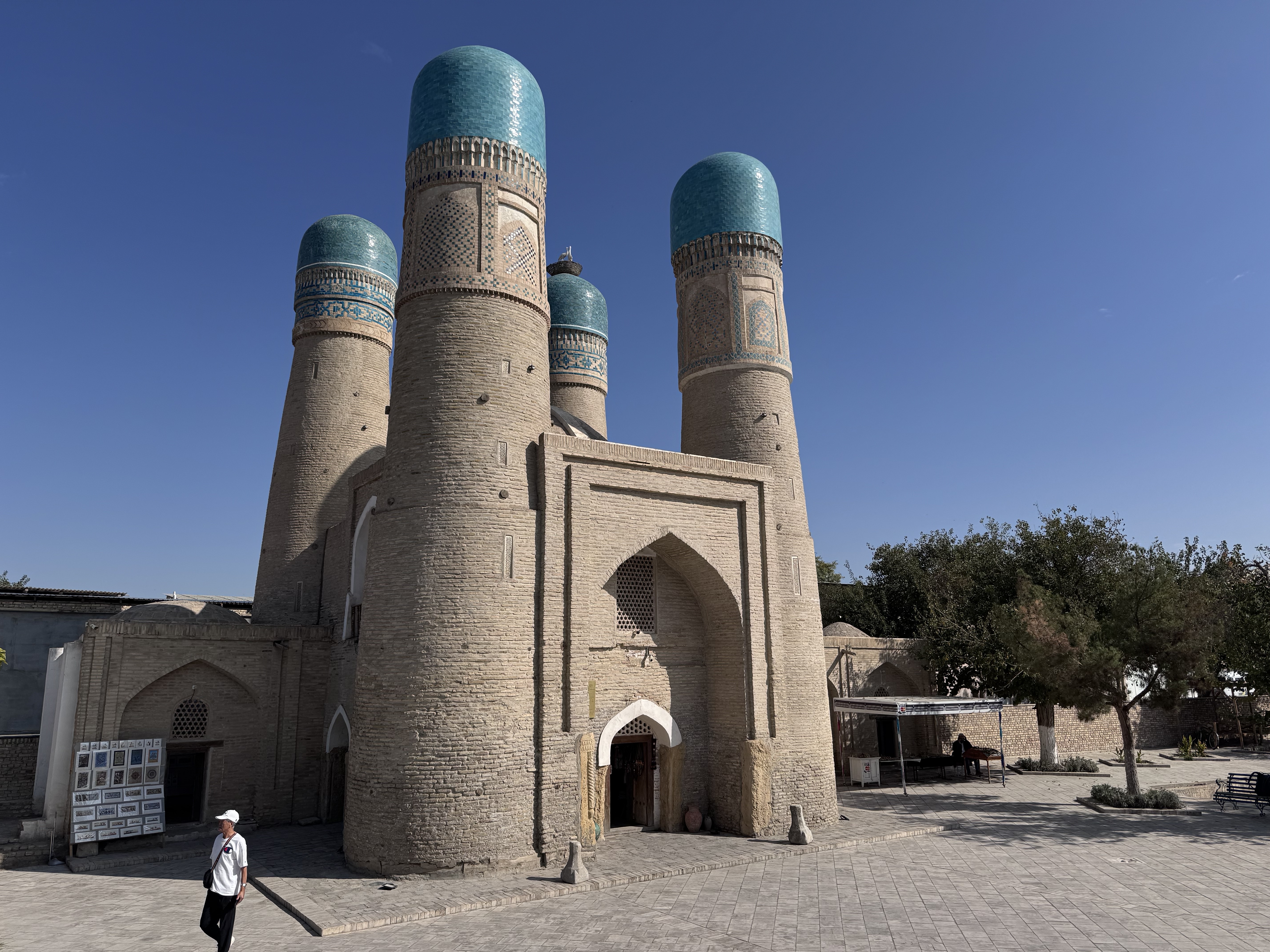
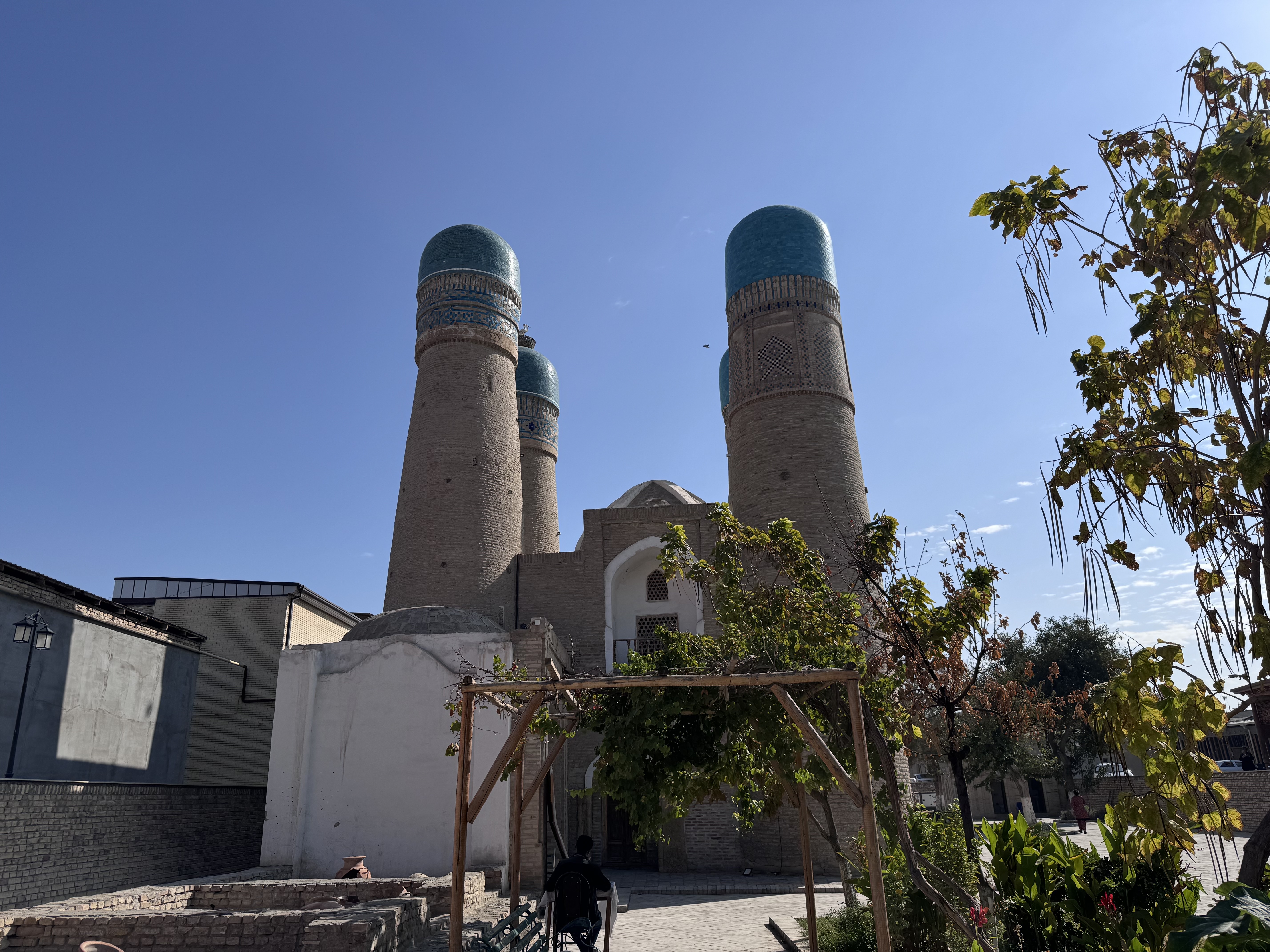
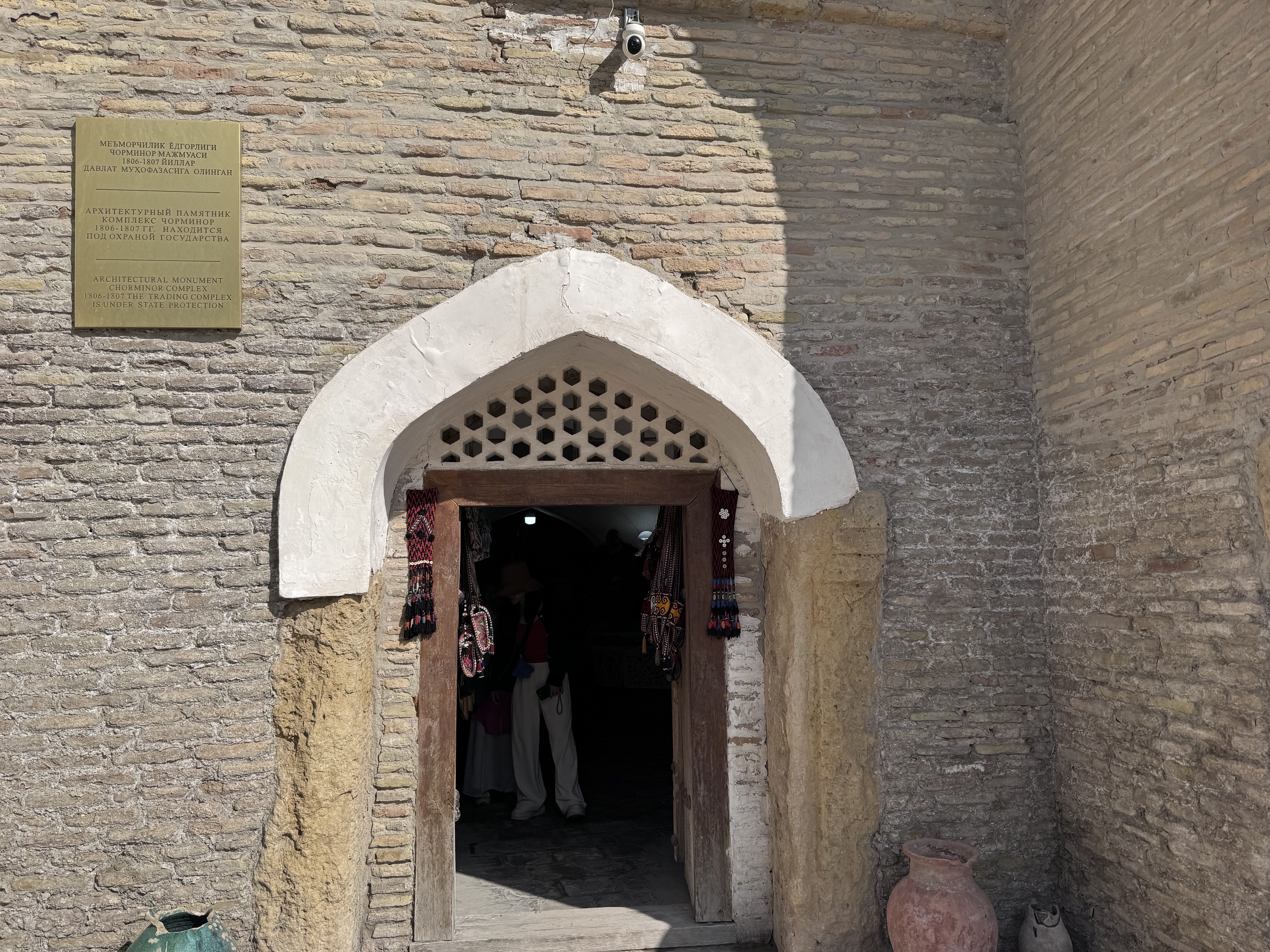
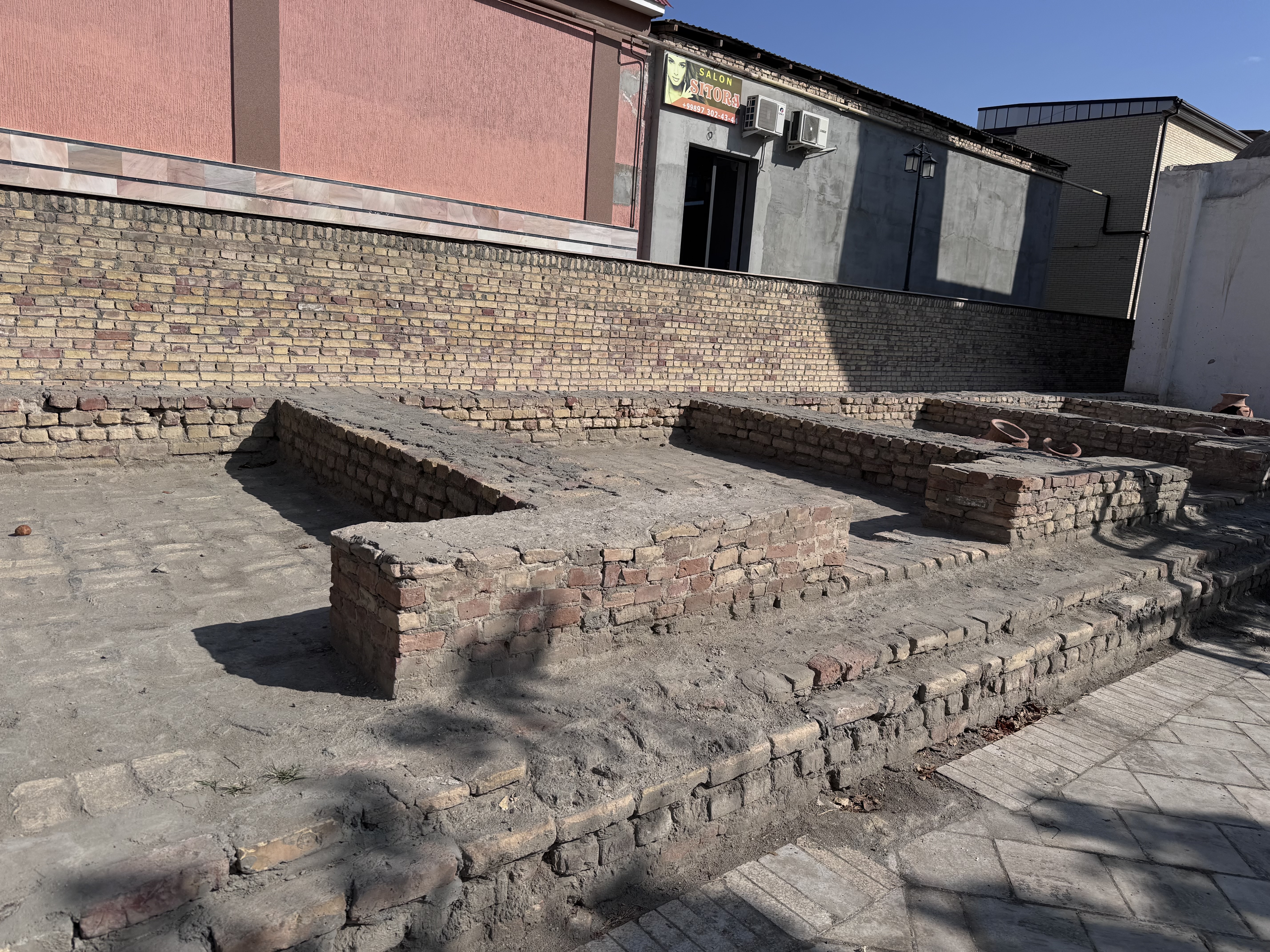
Chor Minor (also called the Madrasah of Khalif Niyaz-kul) is a distinctive early 19th century gatehouse in Bukhara’s historic center, Uzbekistan.
Built in 1807 by the wealthy Turkmen merchant and imam Khalif Niyaz-kul under the Manghit dynasty, it once formed the ornate entrance to a larger madrasa complex that has largely disappeared.
The compact brick structure is crowned by a central dome and four corner towers topped with turquoise ceramic domes; the towers are decorative rather than true minarets and give the building its Persian name meaning “four minarets.” Its unusual design, possibly inspired by India’s Charminar, stands apart from conventional Bukharan architecture.
One tower collapsed in 1995 and was later restored with UNESCO support. Today it remains a protected part of the UNESCO World Heritage Site of Bukhara’s Historic Center.
Chor Minor Madrasah: Bukhara’s Hidden Four Tower Gem & UNESCO World Heritage Site - Uzbekistan 2026
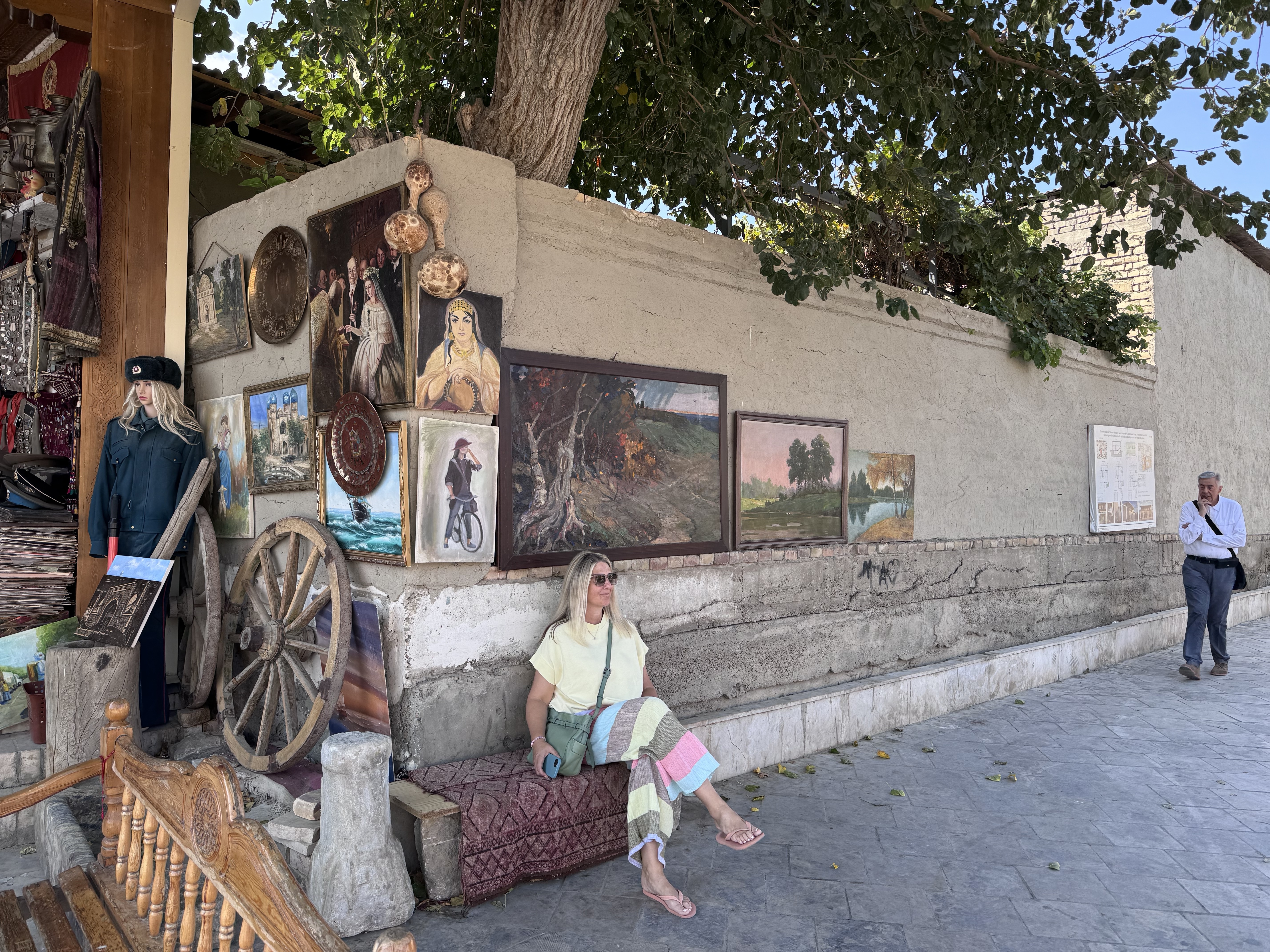
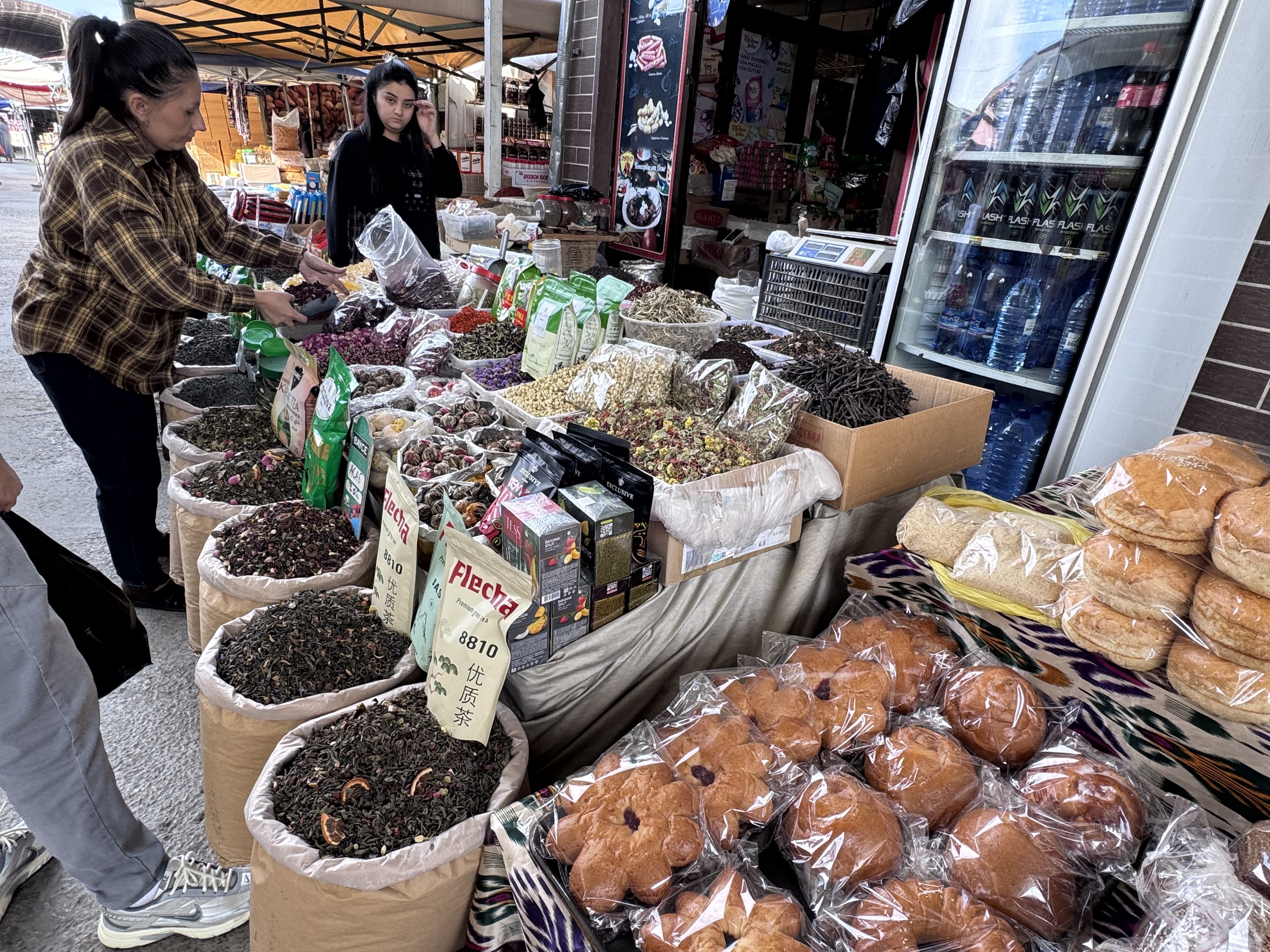
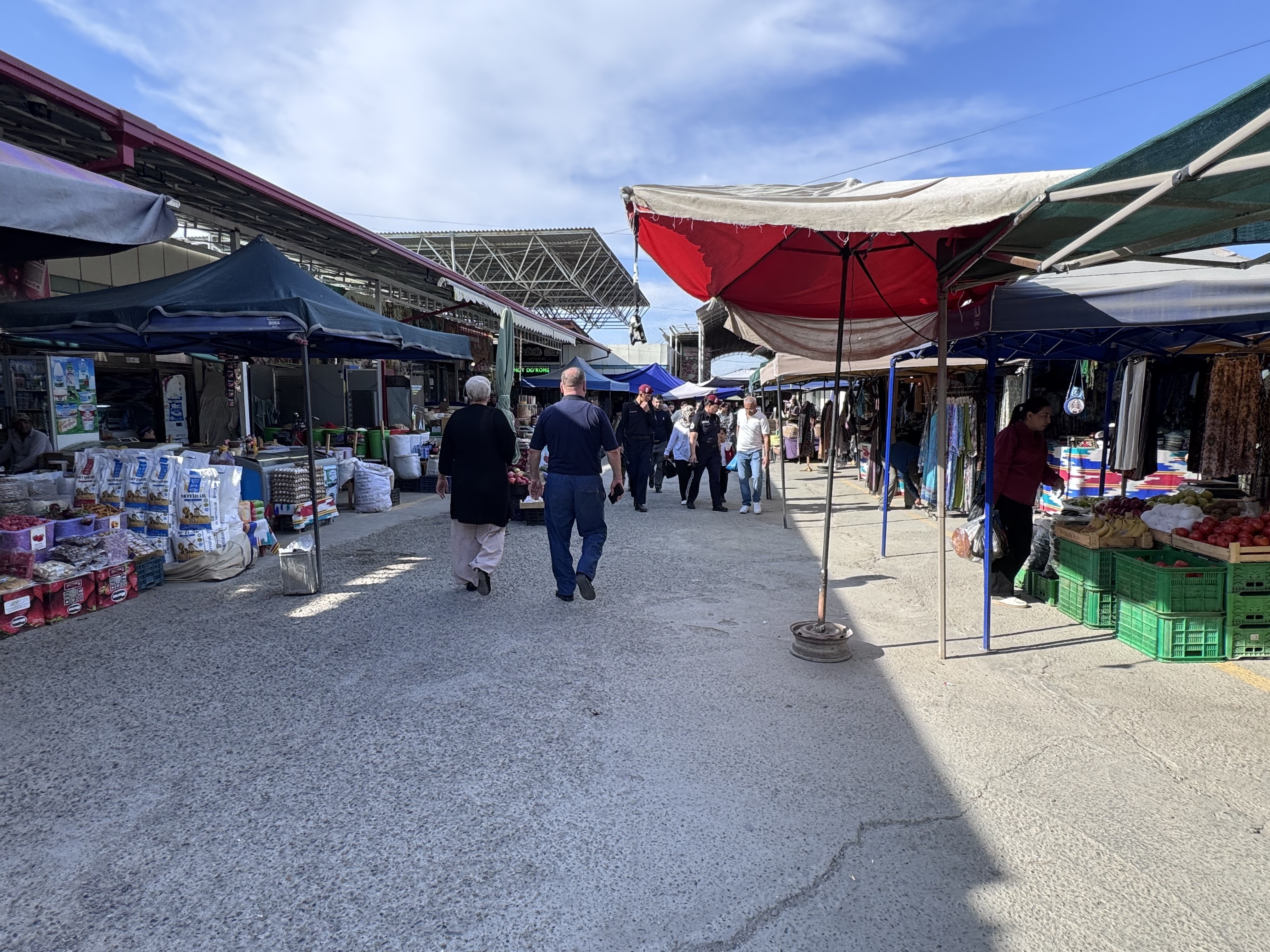
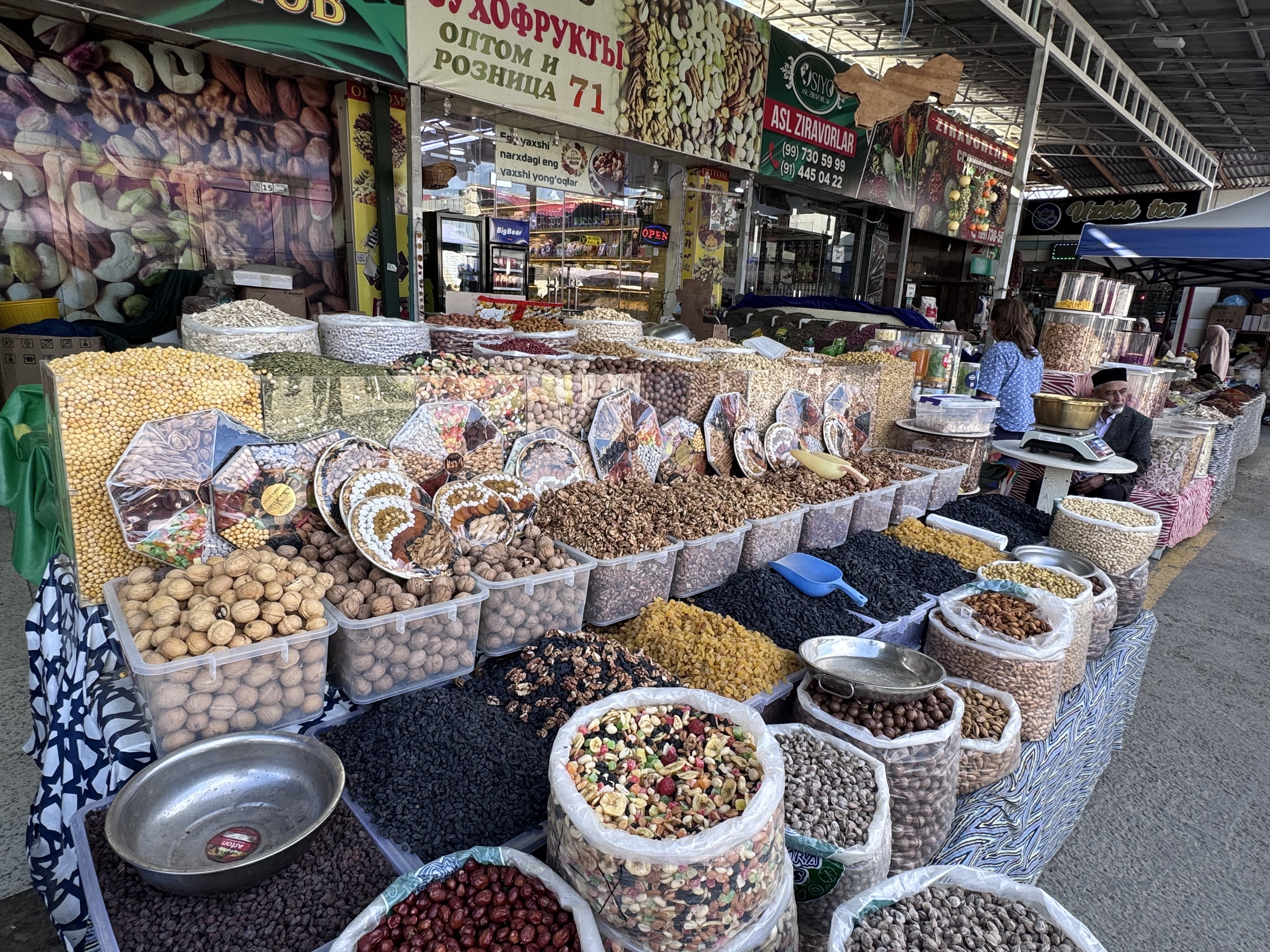
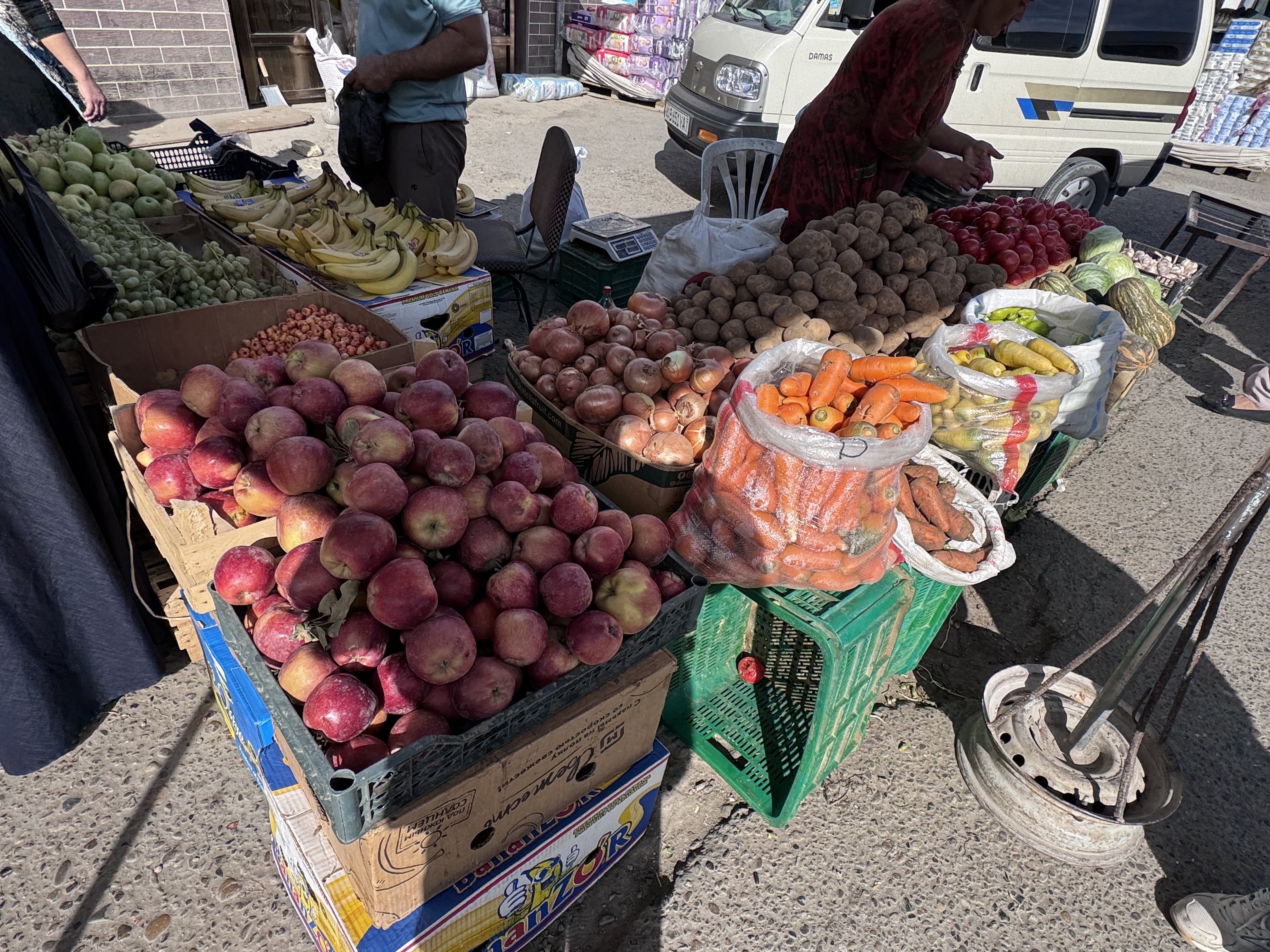
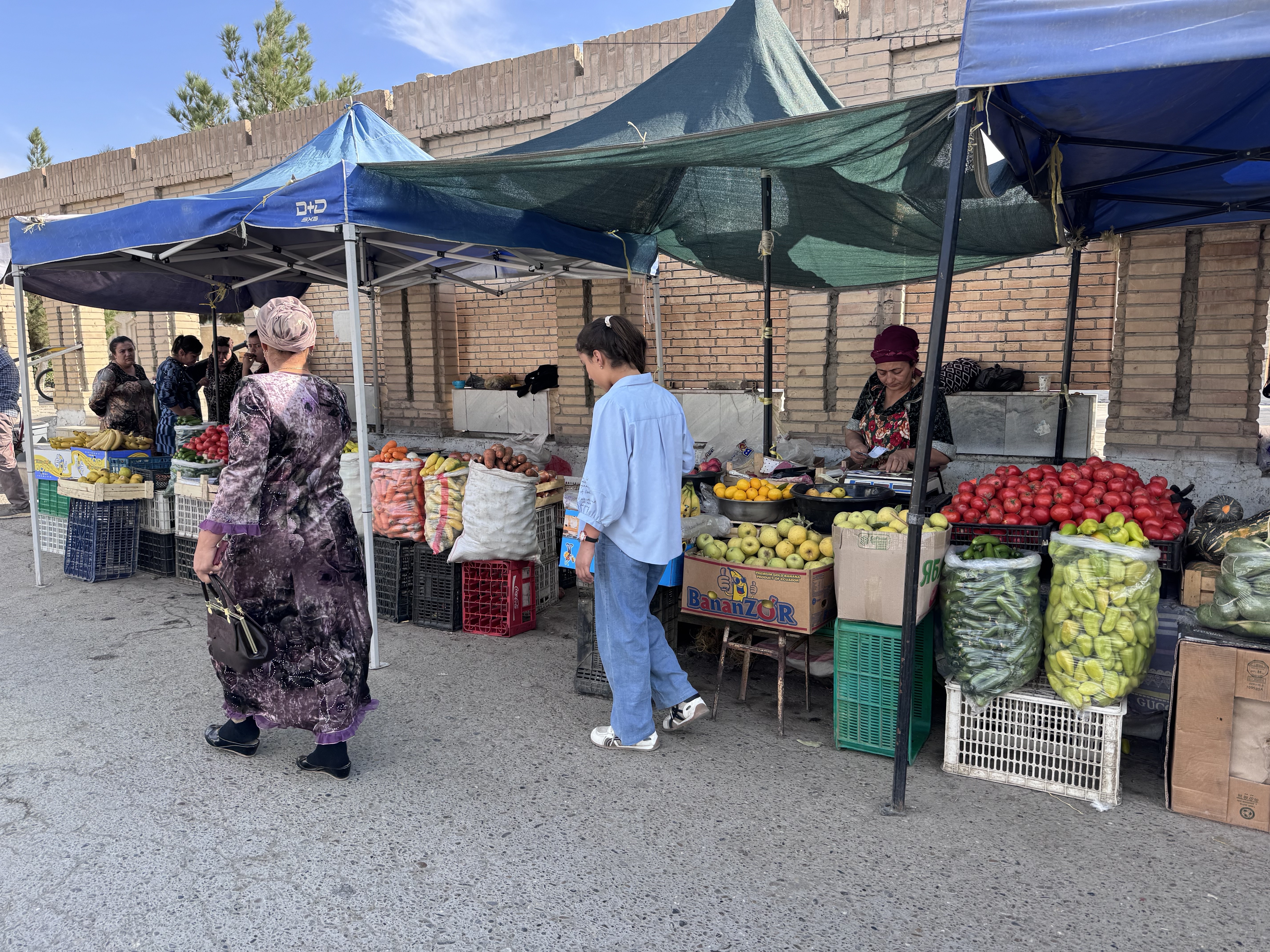
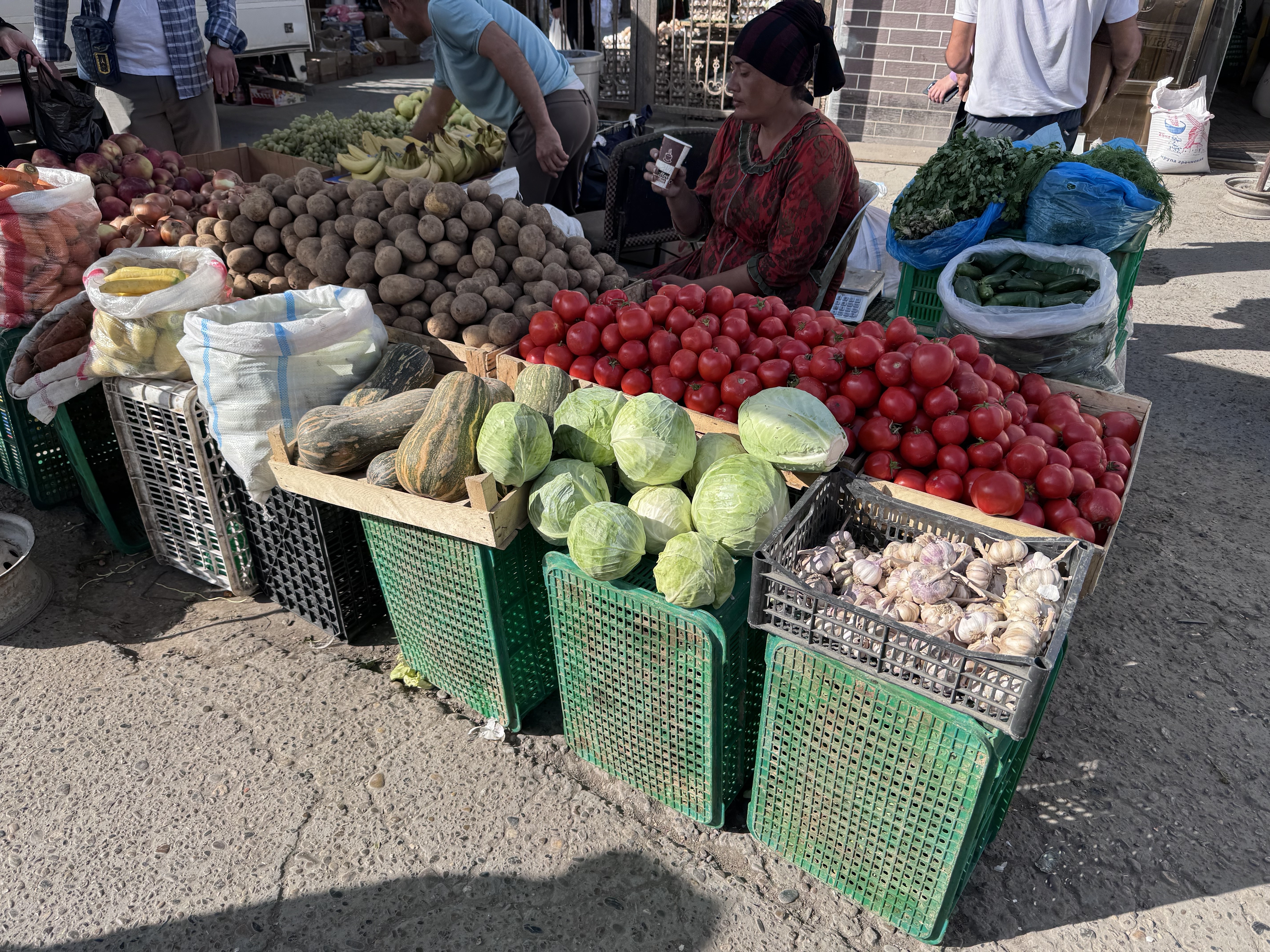
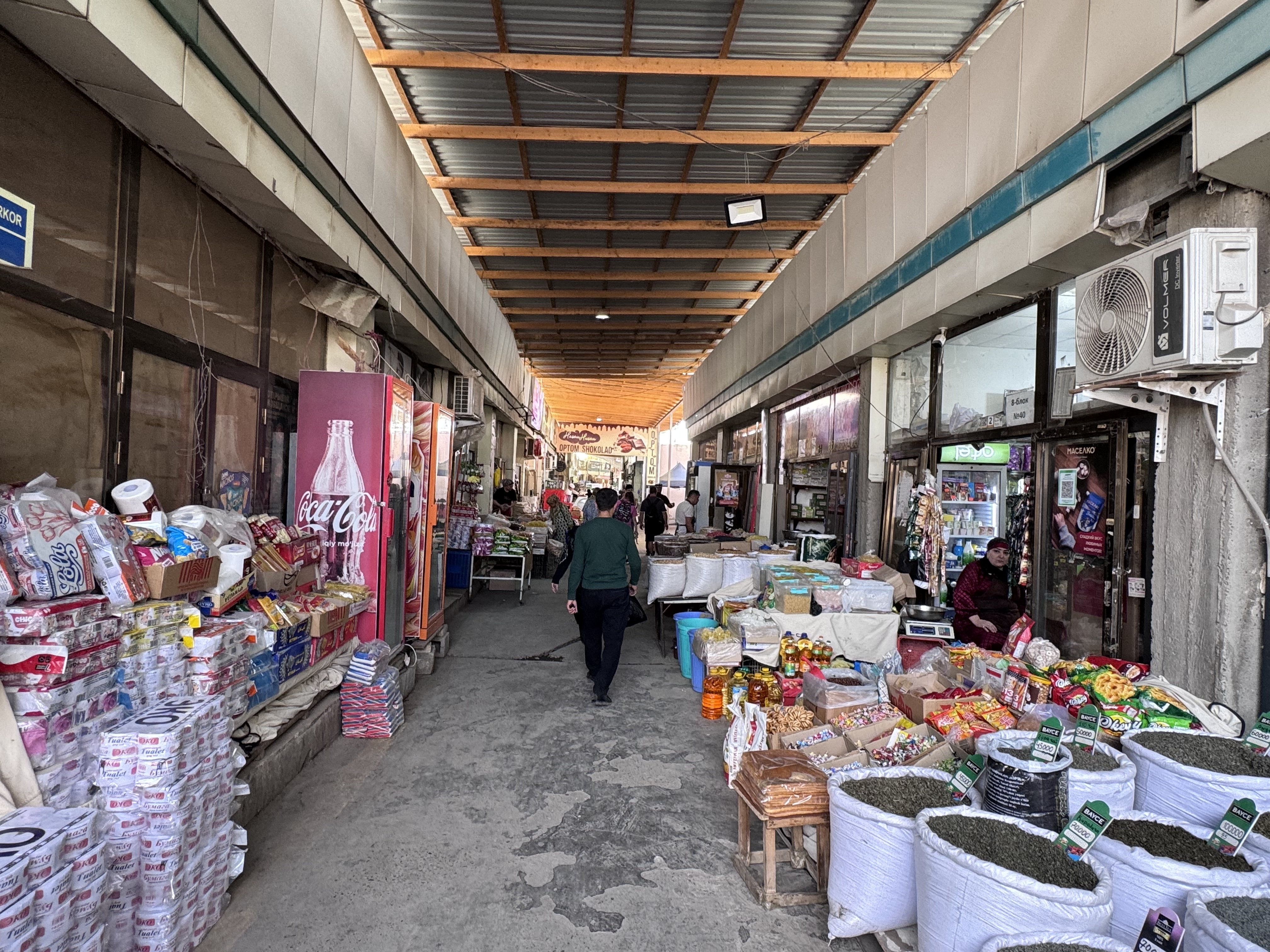
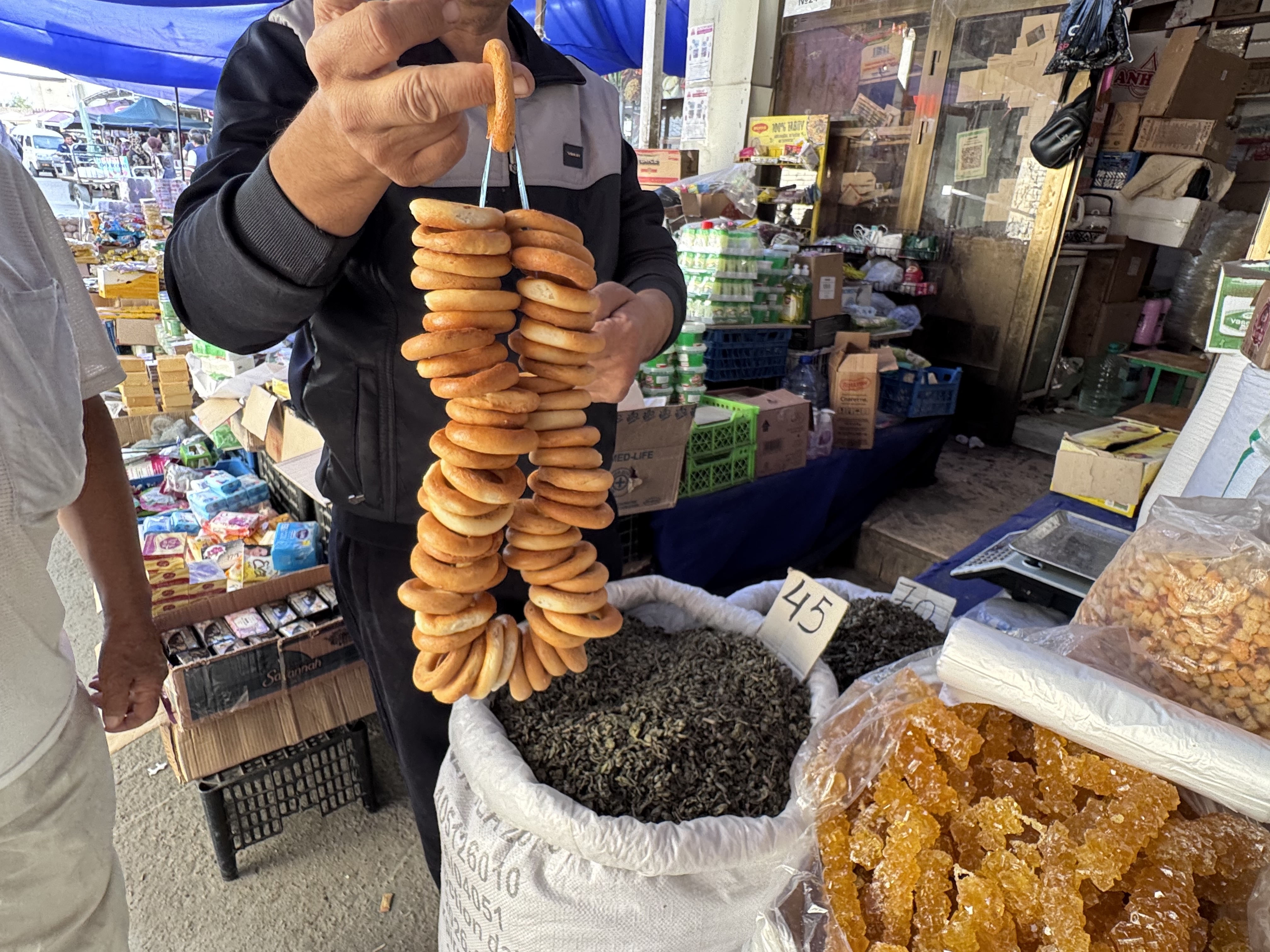
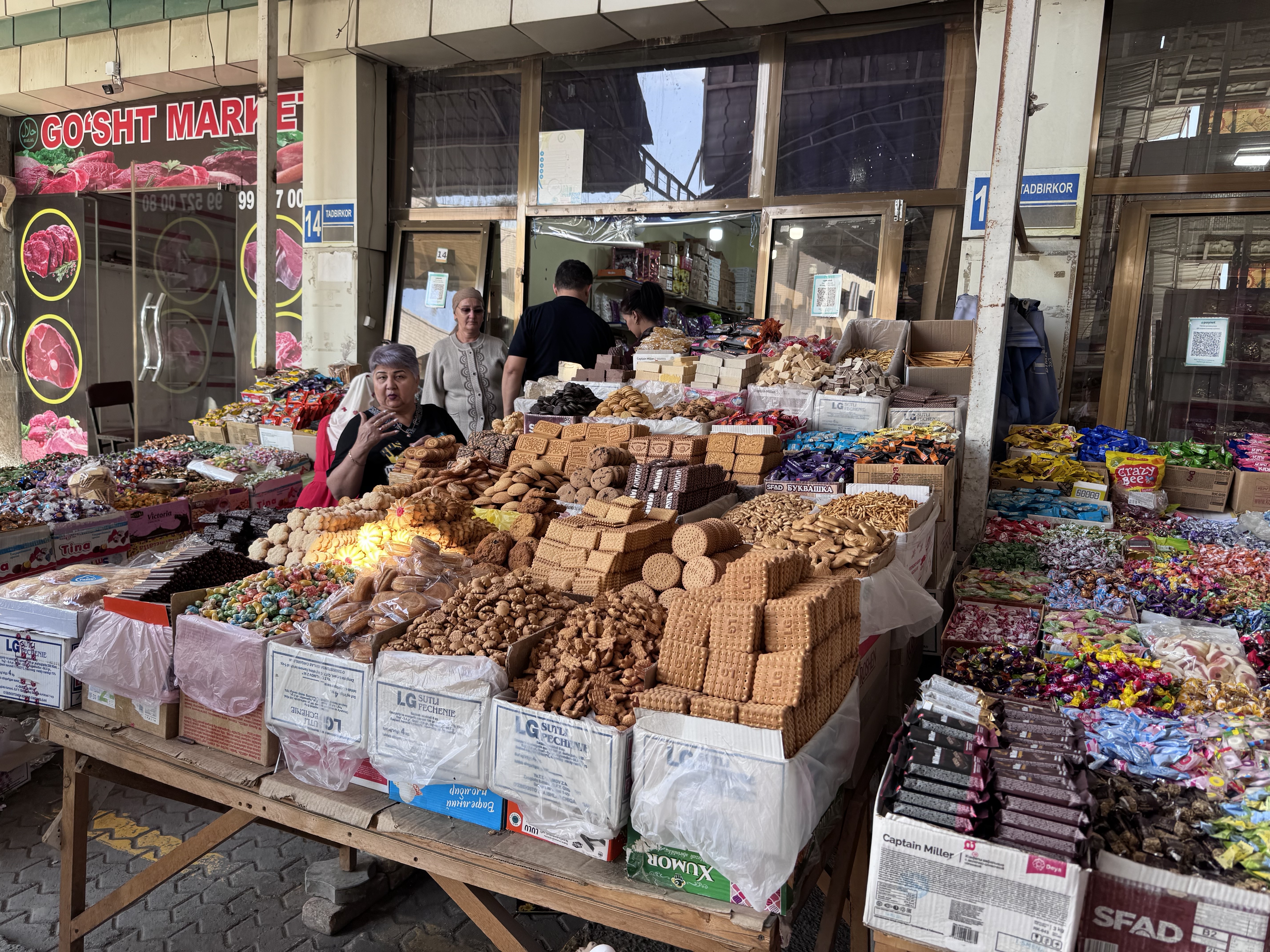
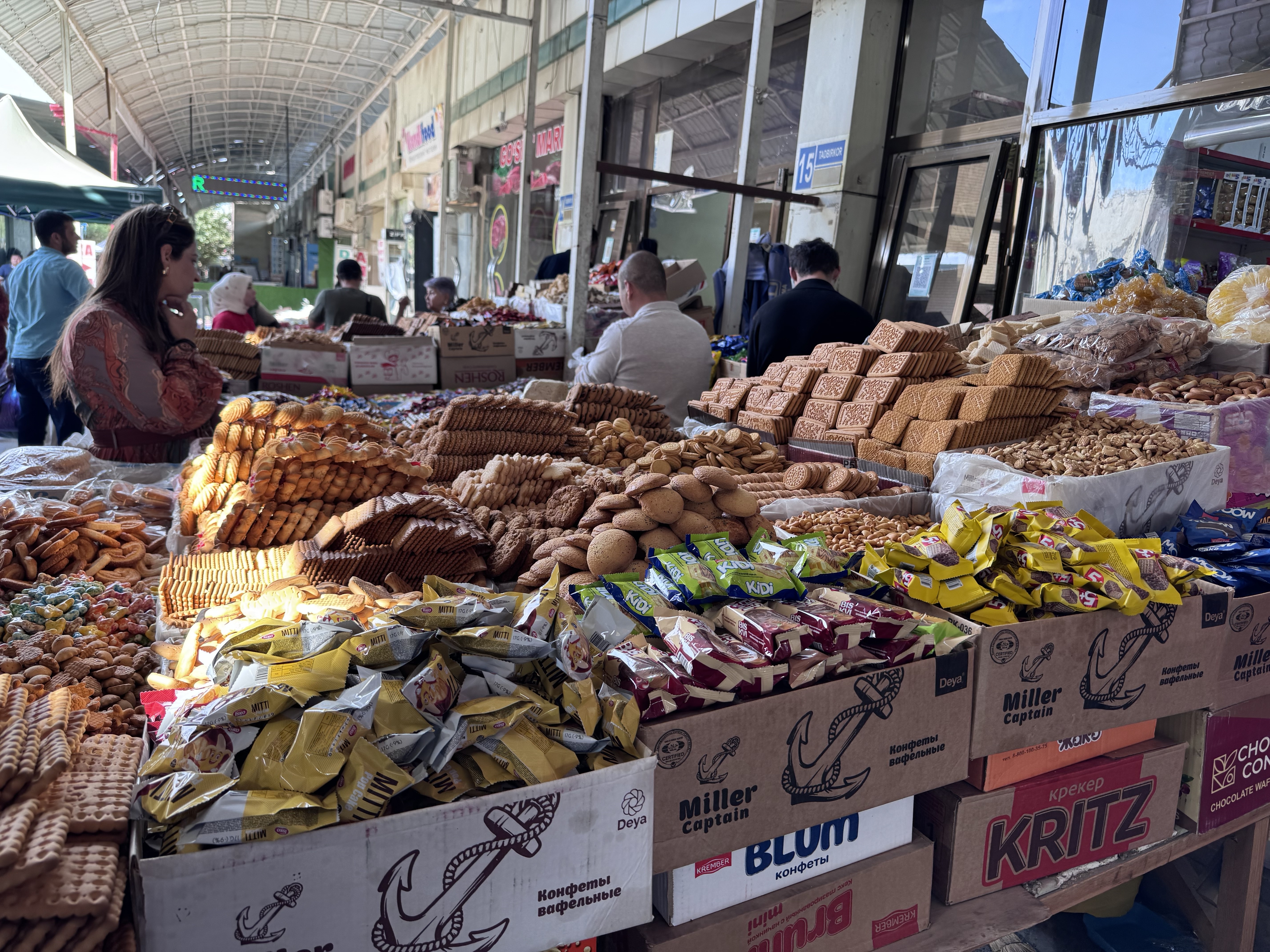
Markaziy Bozor, also known as Kolkhoznyy Rynok or the Central Market of Bukhara, stands on the northern edge of the historic city, close to the Chashma-Ayub Mausoleum, the remains of Talipach Gate, and the green expanse of Samanid Park.
Unlike the sixteenth century covered trading domes that fill the tourist core of the old town, this large marketplace serves the daily needs of local residents and visitors seeking an unfiltered glimpse of contemporary Uzbek life.
Formed during the Soviet period and operating in its present form since the 1980s, it continues Bukhara’s long commercial tradition while occupying a modern site outside the main UNESCO protected monuments.
Farmers from villages within a fifty kilometer radius bring fresh produce each morning, filling the stalls with melons, watermelons, plums, figs, vegetables, dairy products, meats, spices, nuts, dried fruits, honey, and freshly baked flatbreads known as lepyoshka. Sections for clothing, household goods, and simple prepared foods ...
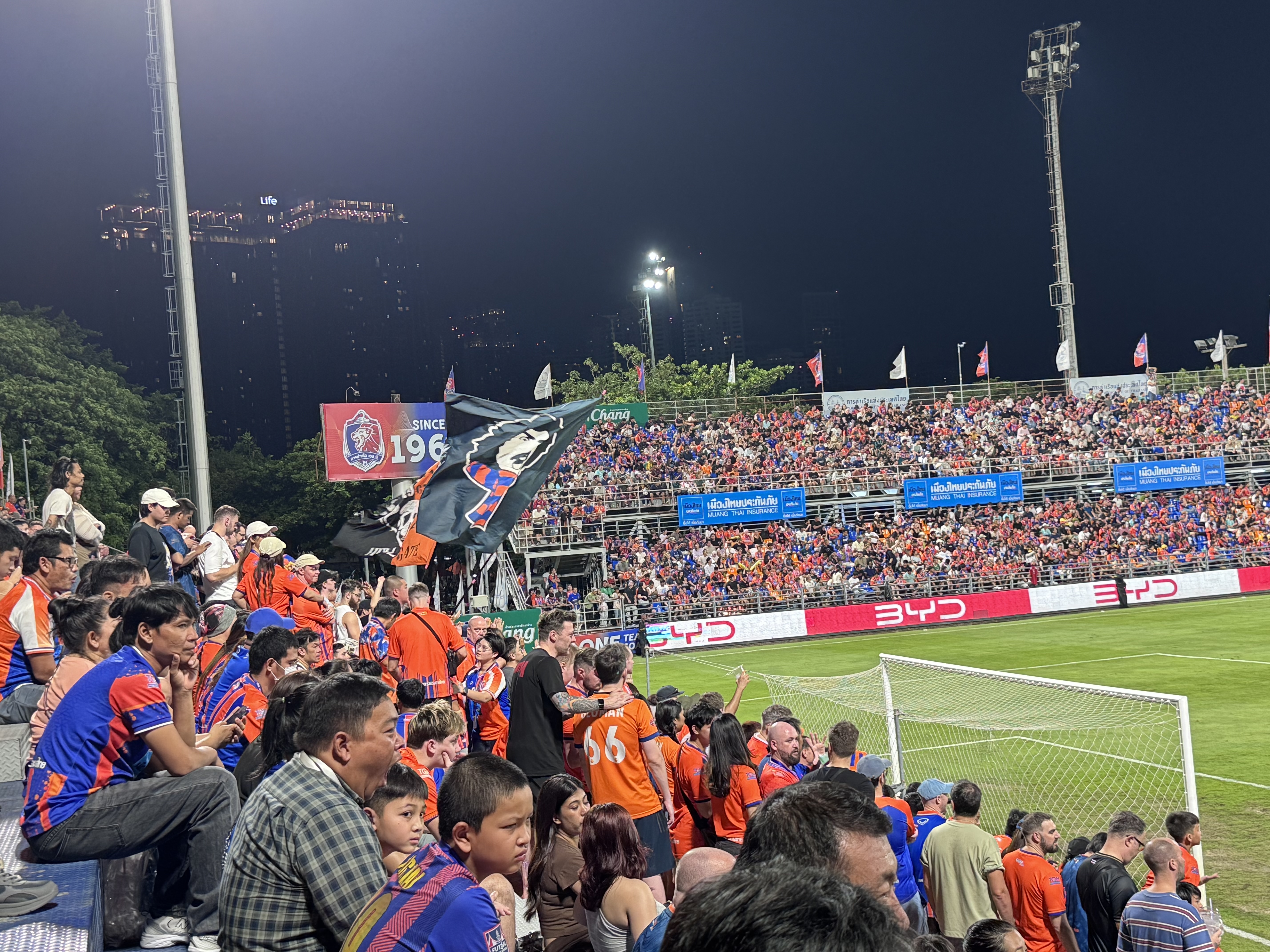
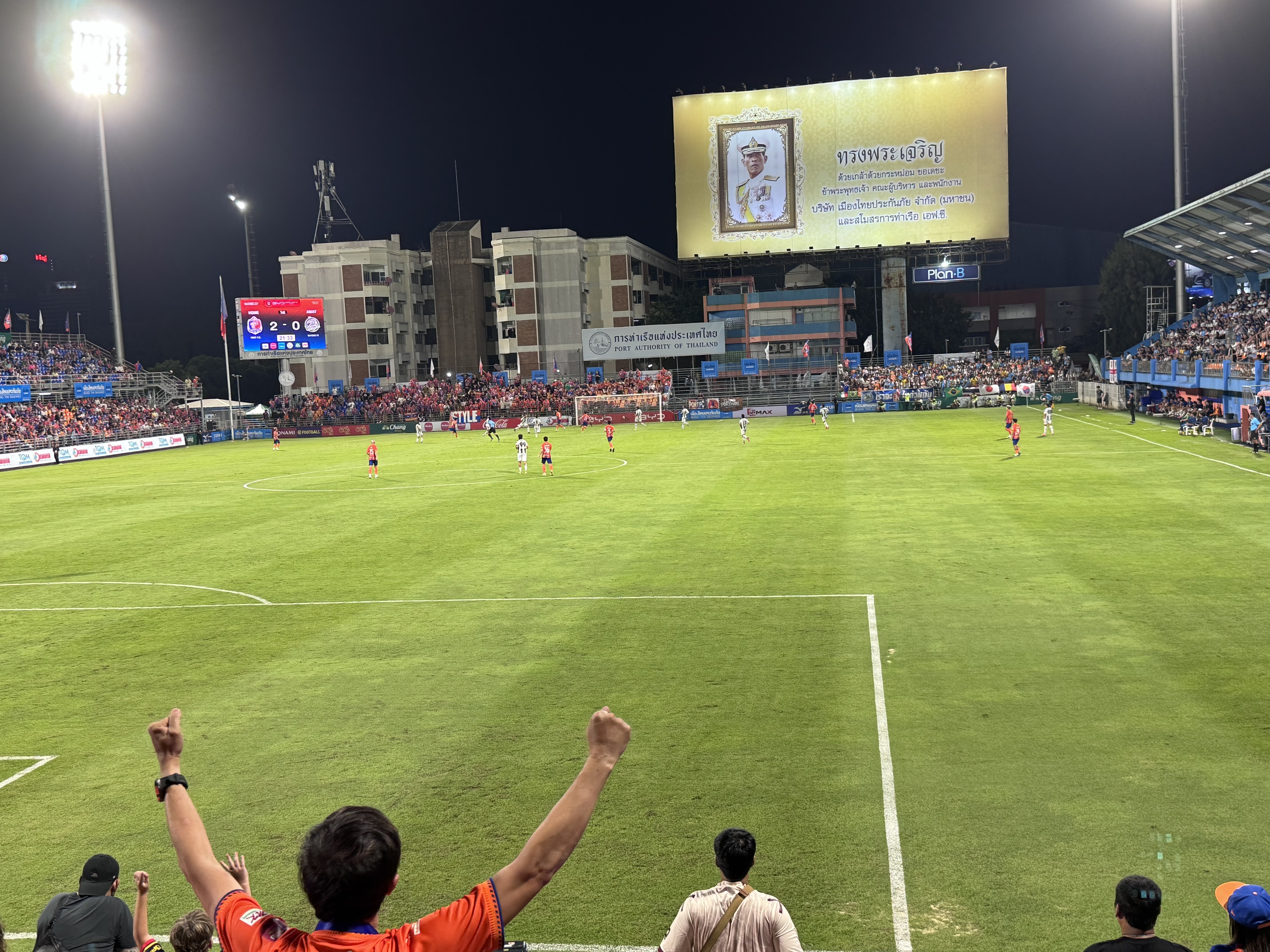
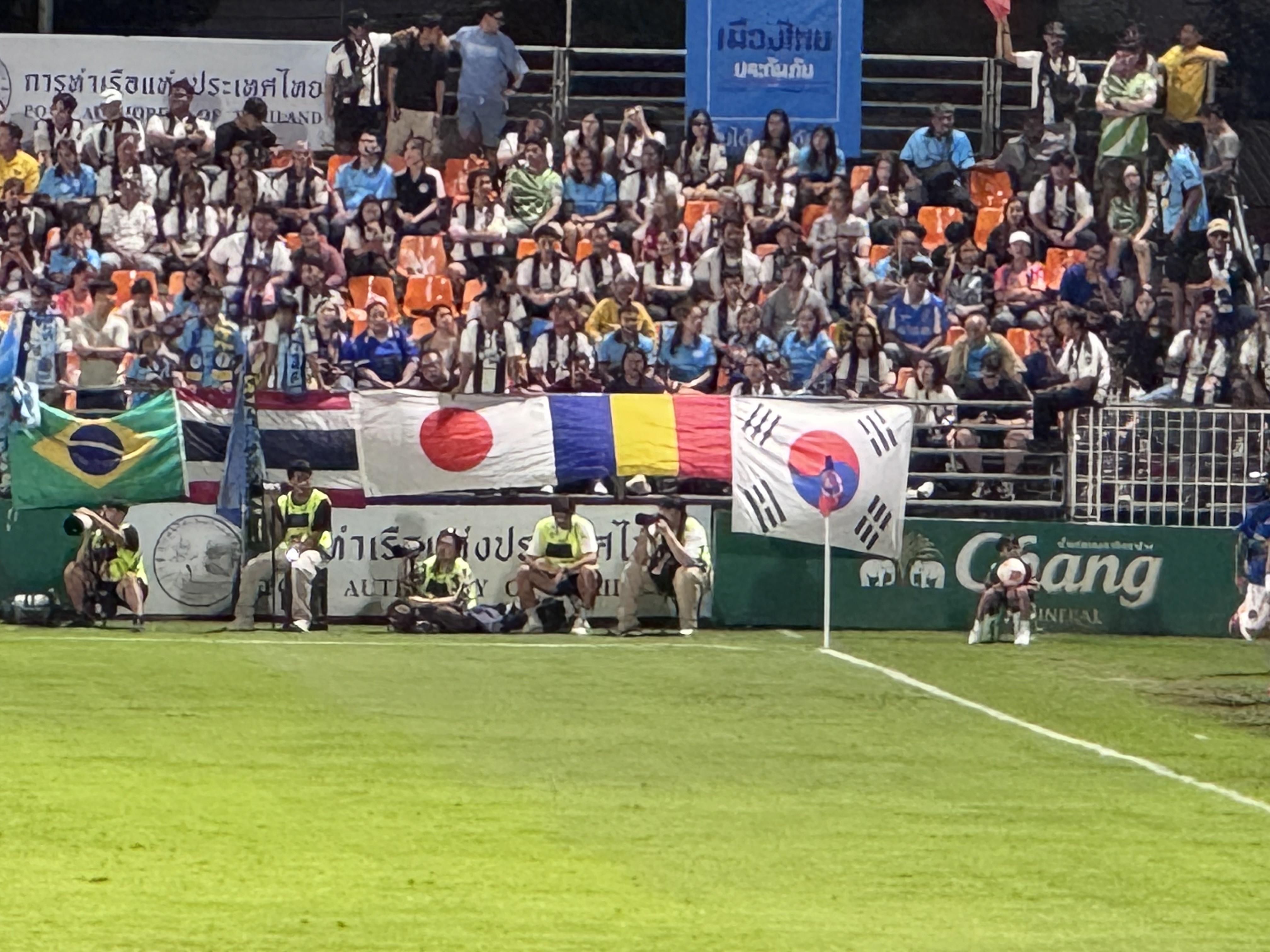
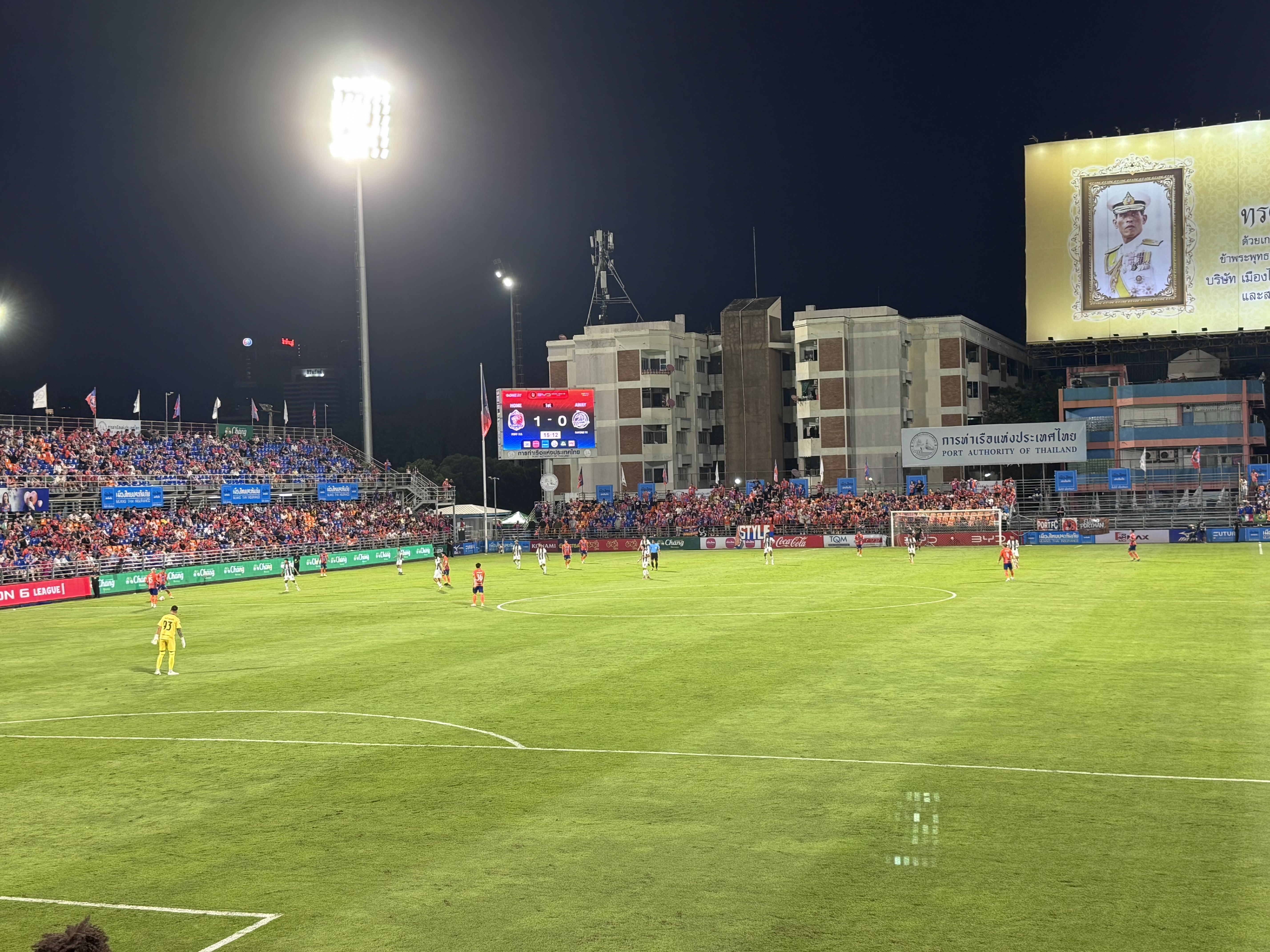
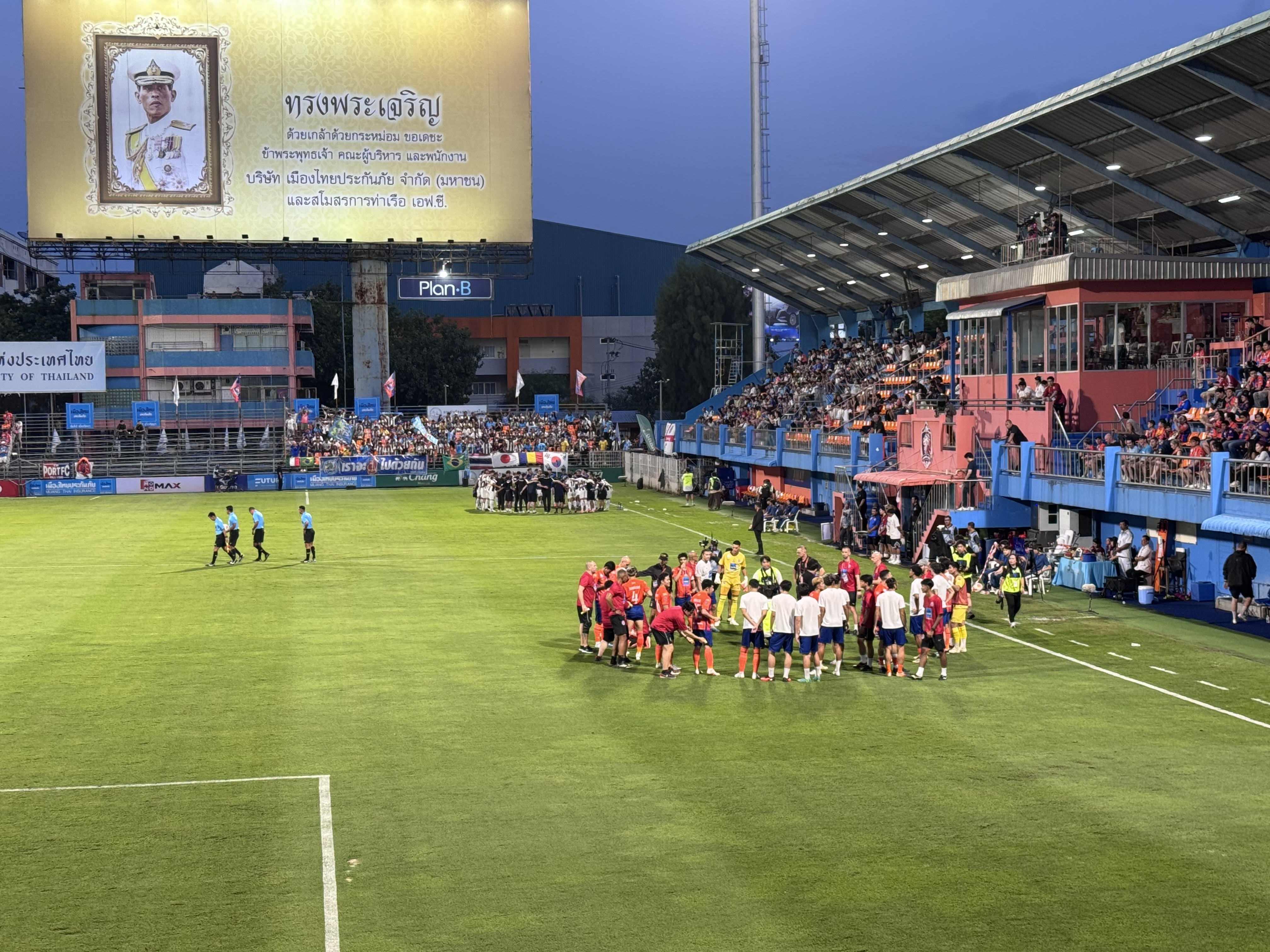
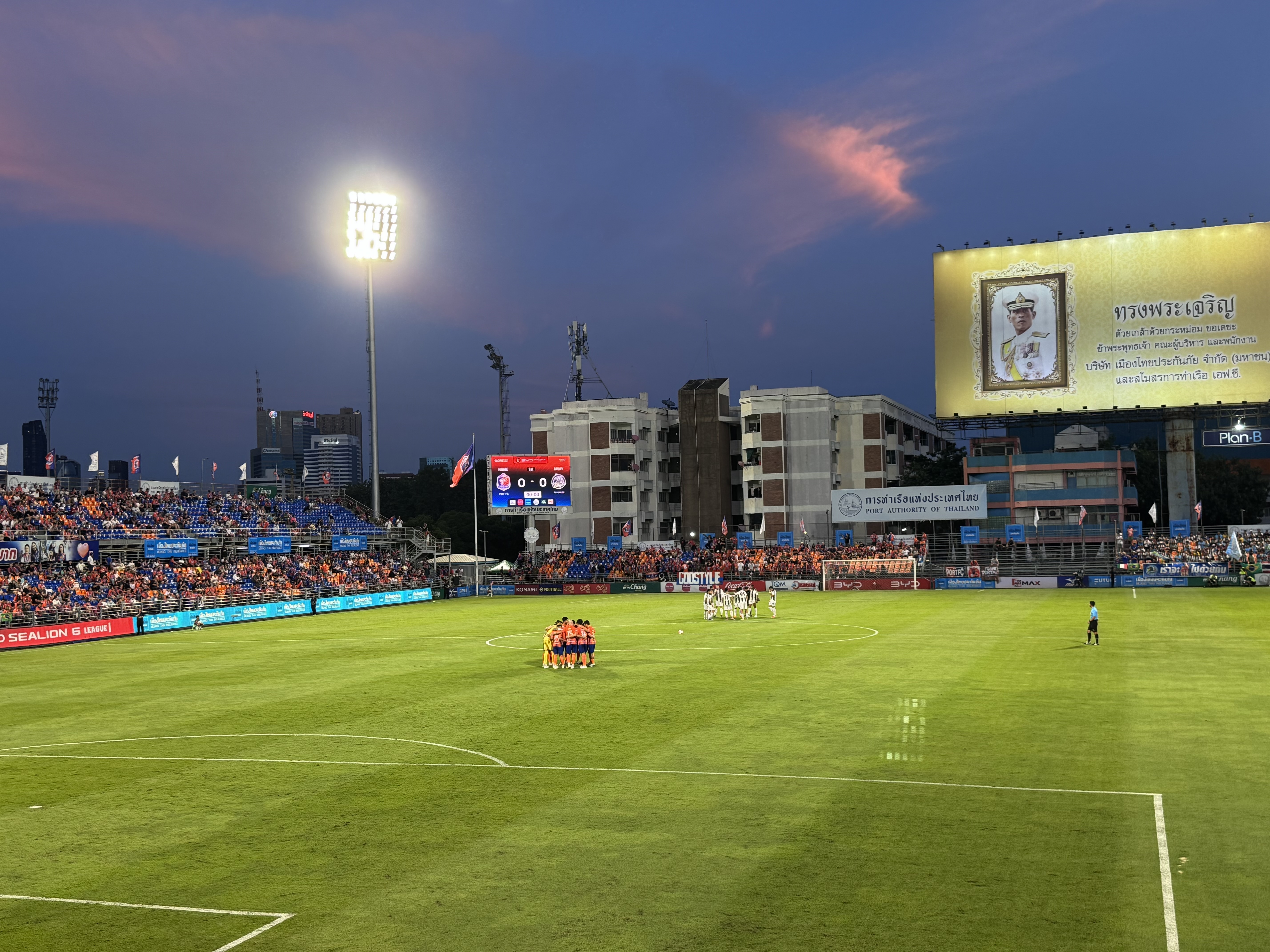
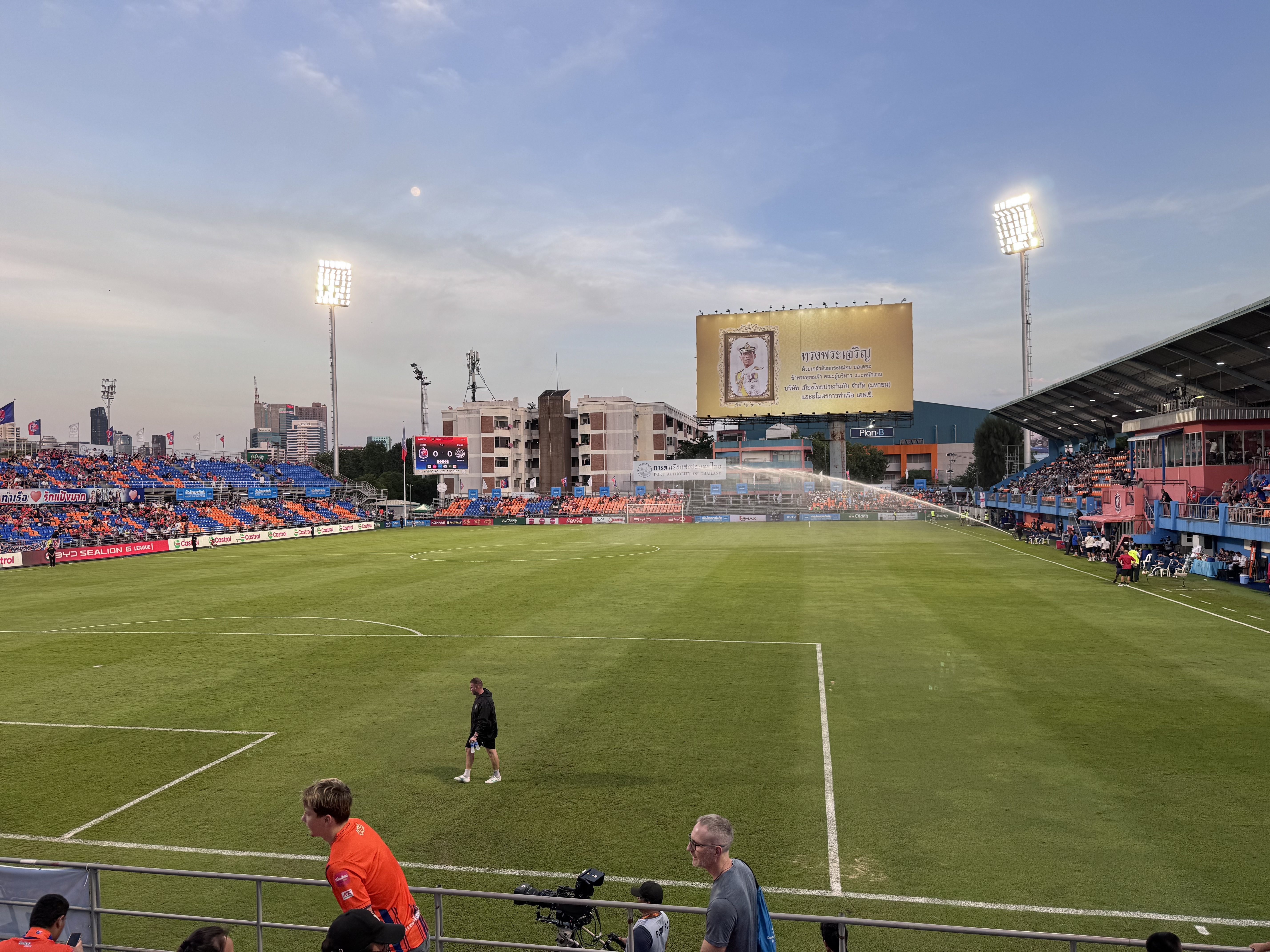
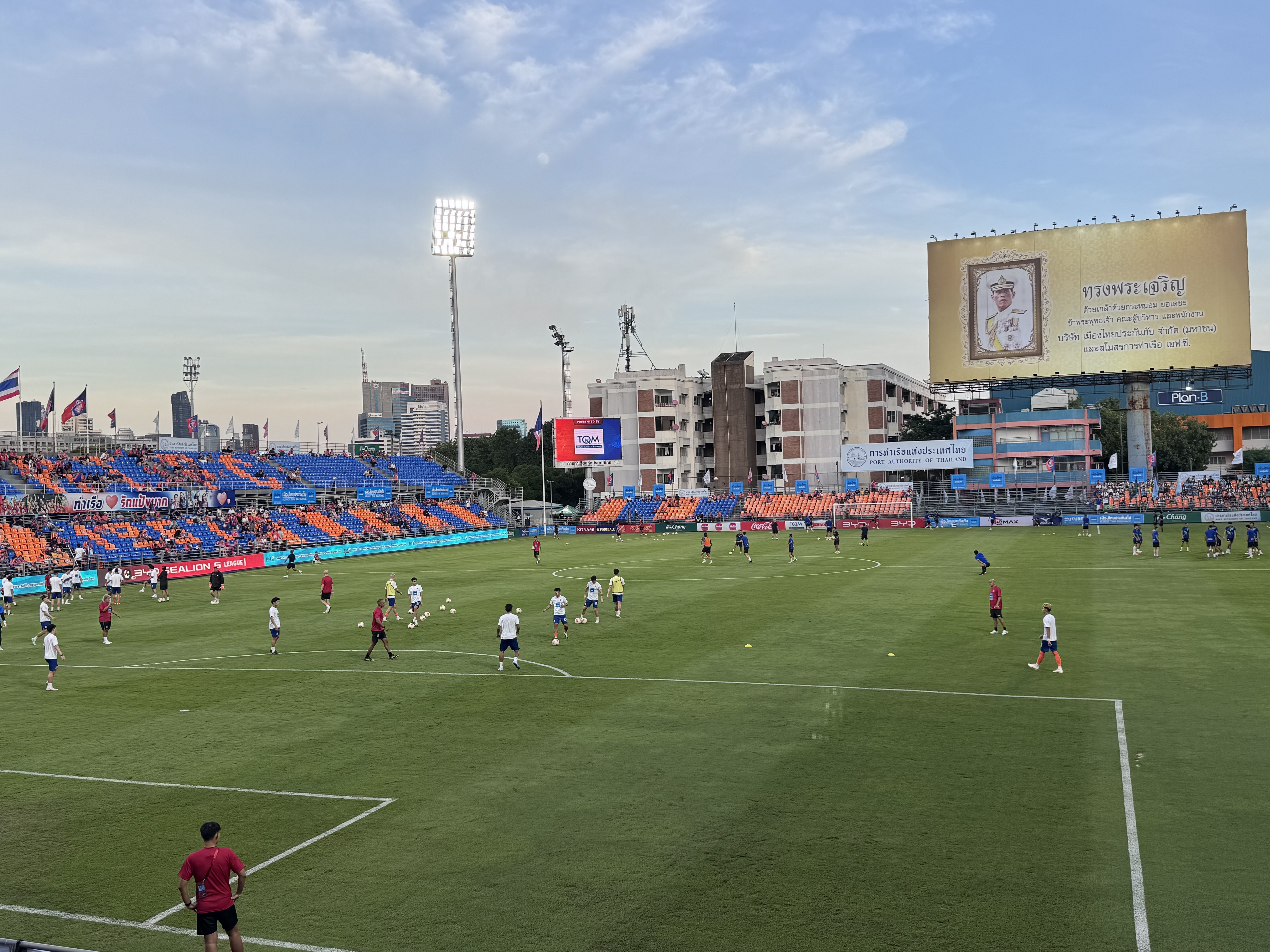
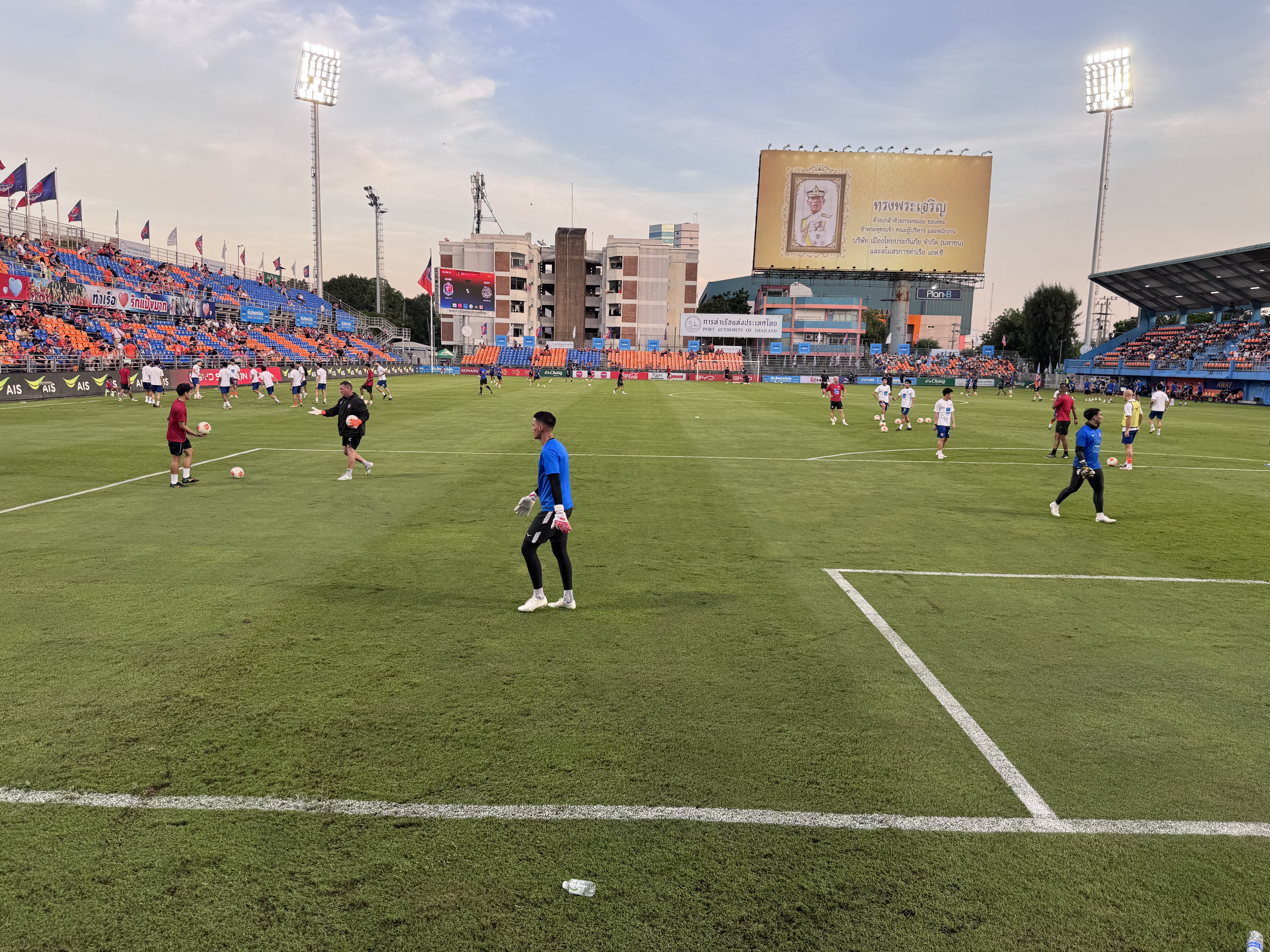
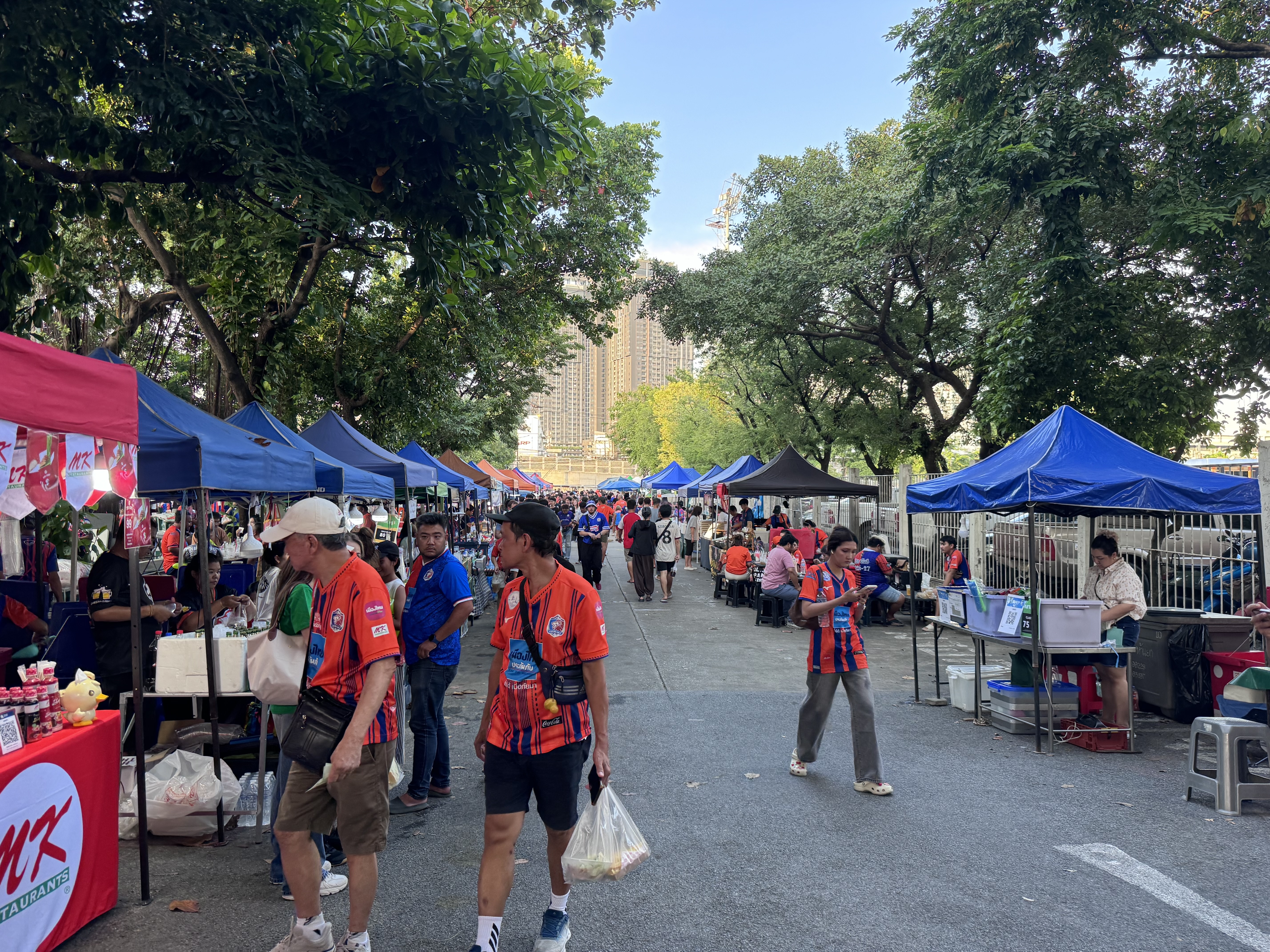
Port FC vs Rayong FC
Thai League 1 - Matchday 6 - 24 October 2026
PAT Stadium
The Thai League stands as Thailand’s top professional football competition, born in 1996 when the Football Association of Thailand converted the traditional Kor Royal Cup into a proper league format. What began as a modest collection of mostly Bangkok-based and institutional sides gradually expanded through mergers with provincial competitions, adopted full professional licensing standards, and settled into its current sixteen-team structure.
Today the league operates as a double round-robin season that determines the national champion, awards Asian qualification places, and sends the bottom three clubs down to the second division, with Buriram United having claimed the majority of recent titles while provincial teams continue to rise and challenge the established order.
Port FC were established in 1967 under the Port Authority of Thailand. The club enjoyed early success by collecting multiple Kor Royal Cup and Queen’s...