

When you think of religion in Bangkok you think of the magnificent Buddhist temples, but along the Chao Phraya River in the heart of Bangkok are a series of beautiful Catholic churches.
Most of the churches date back hundreds of years when European countries were first making contact with Thailand, or the Kingdom of Siam as it was called then.
Portugal was the first European nation to make contact with the Kingdom of Ayutthaya in 1511. Portuguese became dominant foreign traders, and established a significant presence in the old capital.
After the fall of Ayutthaya to the Burmese, King Taksin moved the capital to Tonburi and rewarded the Portuguese a small plot of land for their service and loyalty. On this land they established the Santa Cruz church and built their community. As the years passed the Portuguese were replaced by Chinese immigrants in the area who kept many of the traditions alive.
Today the community around the church is proud of their heritage. In addition to the ...


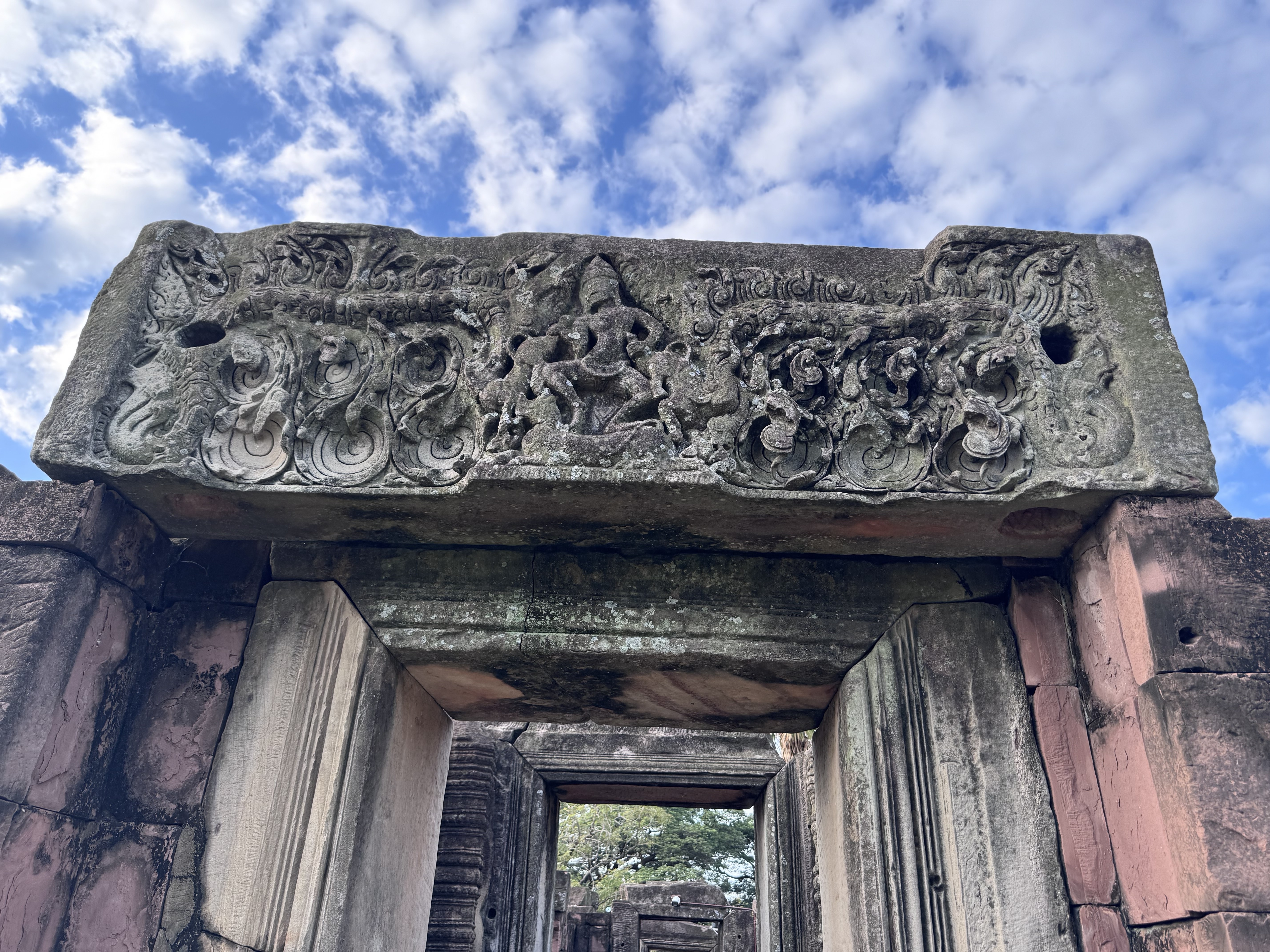
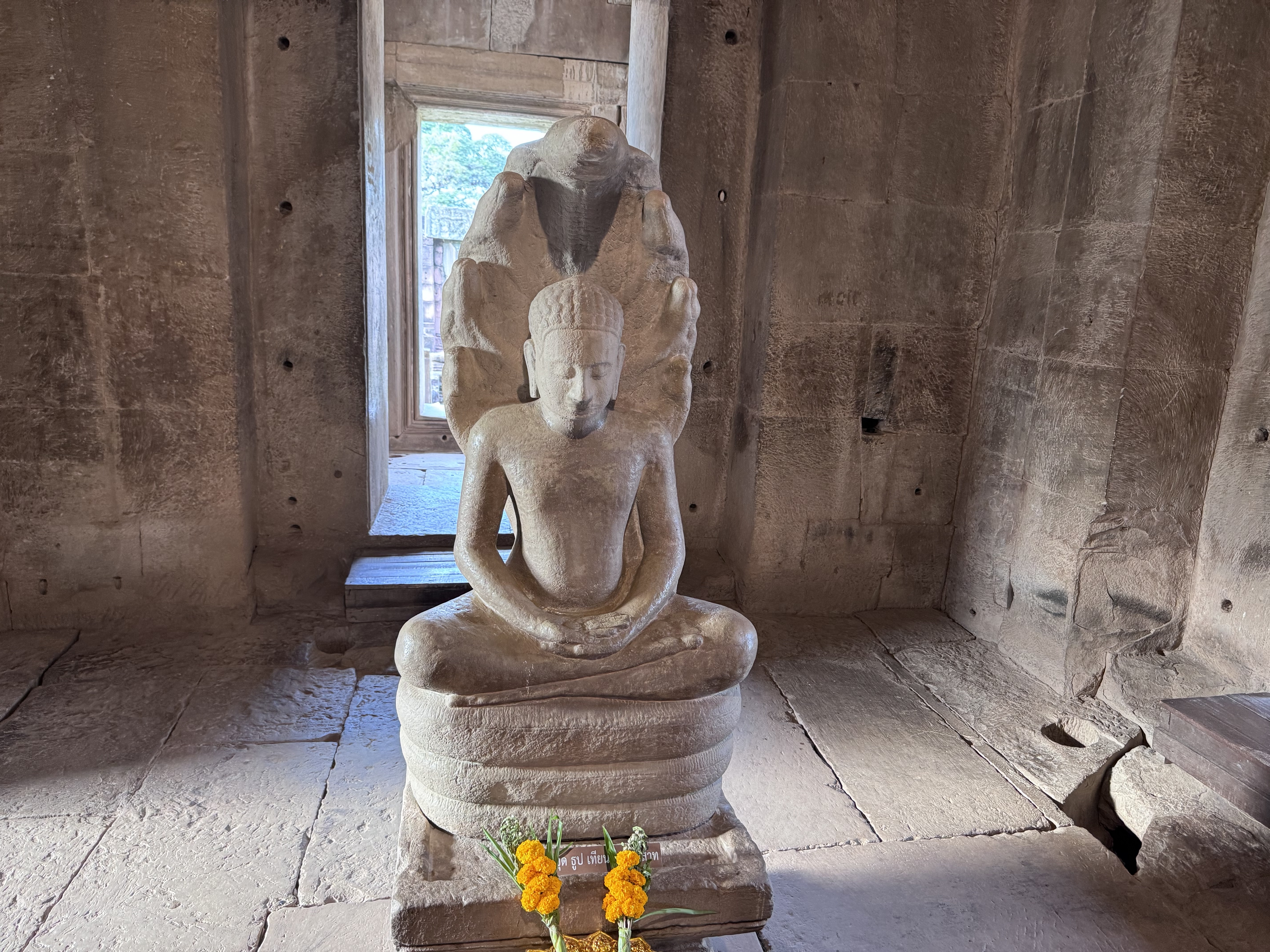
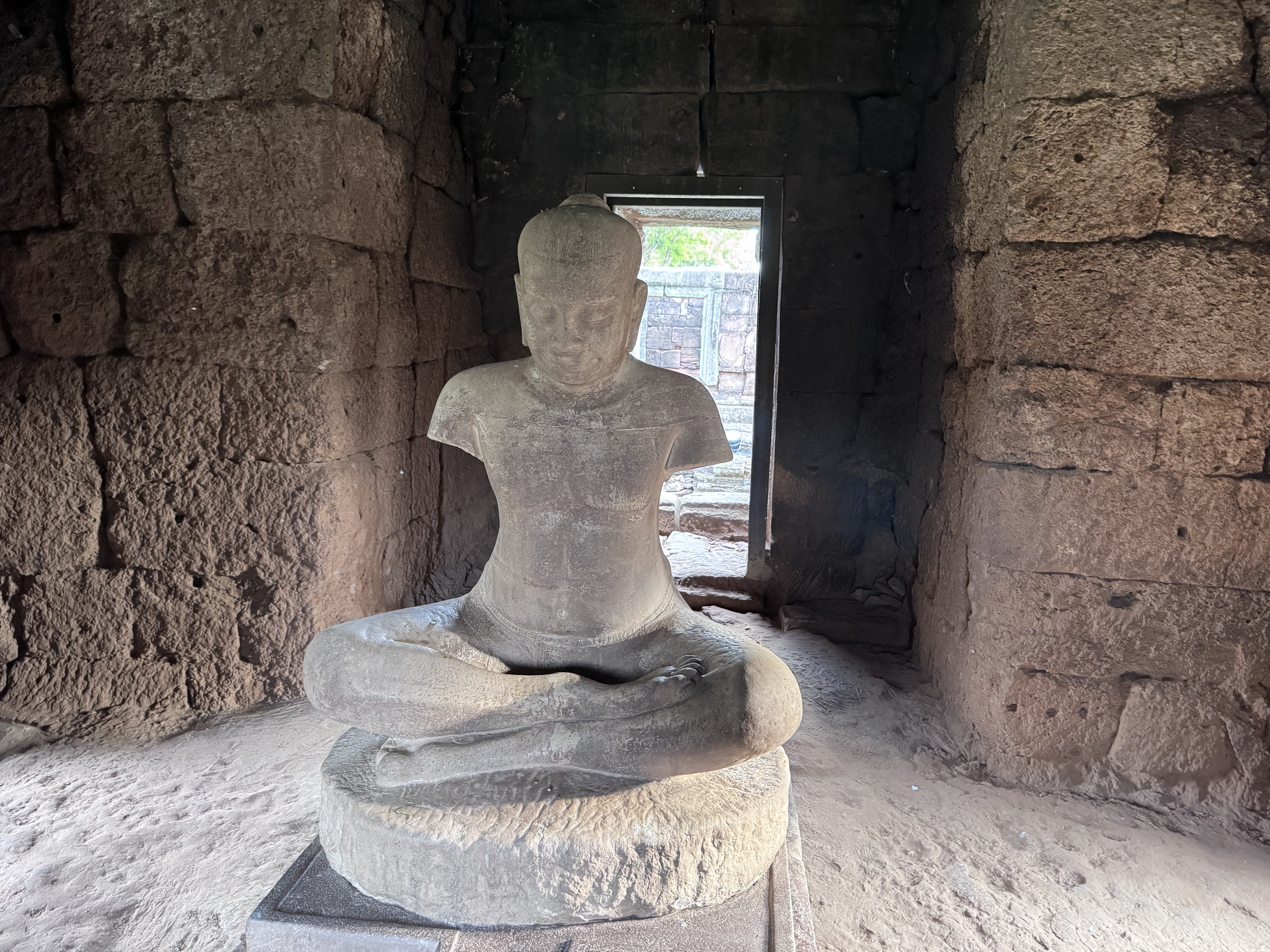
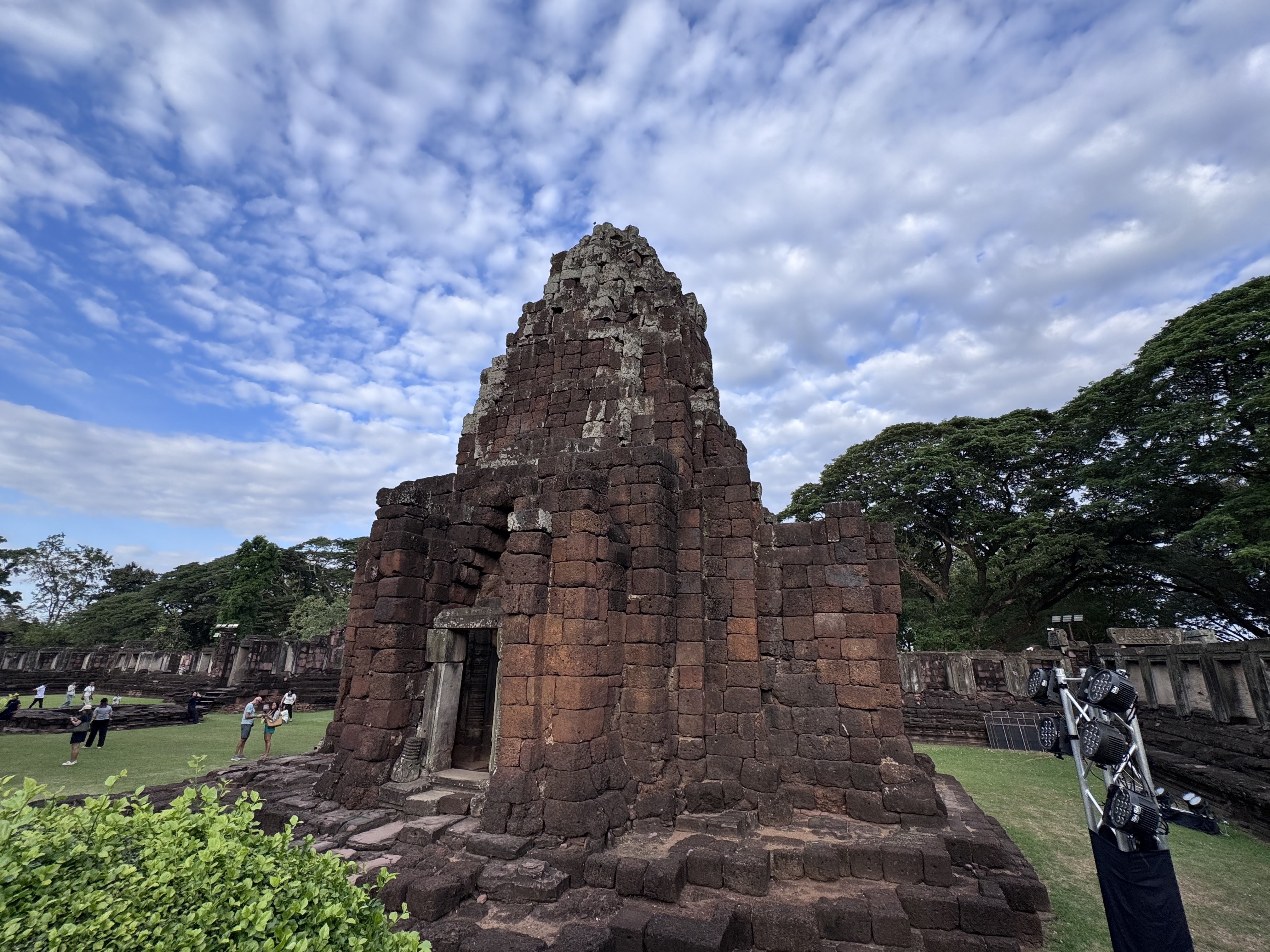
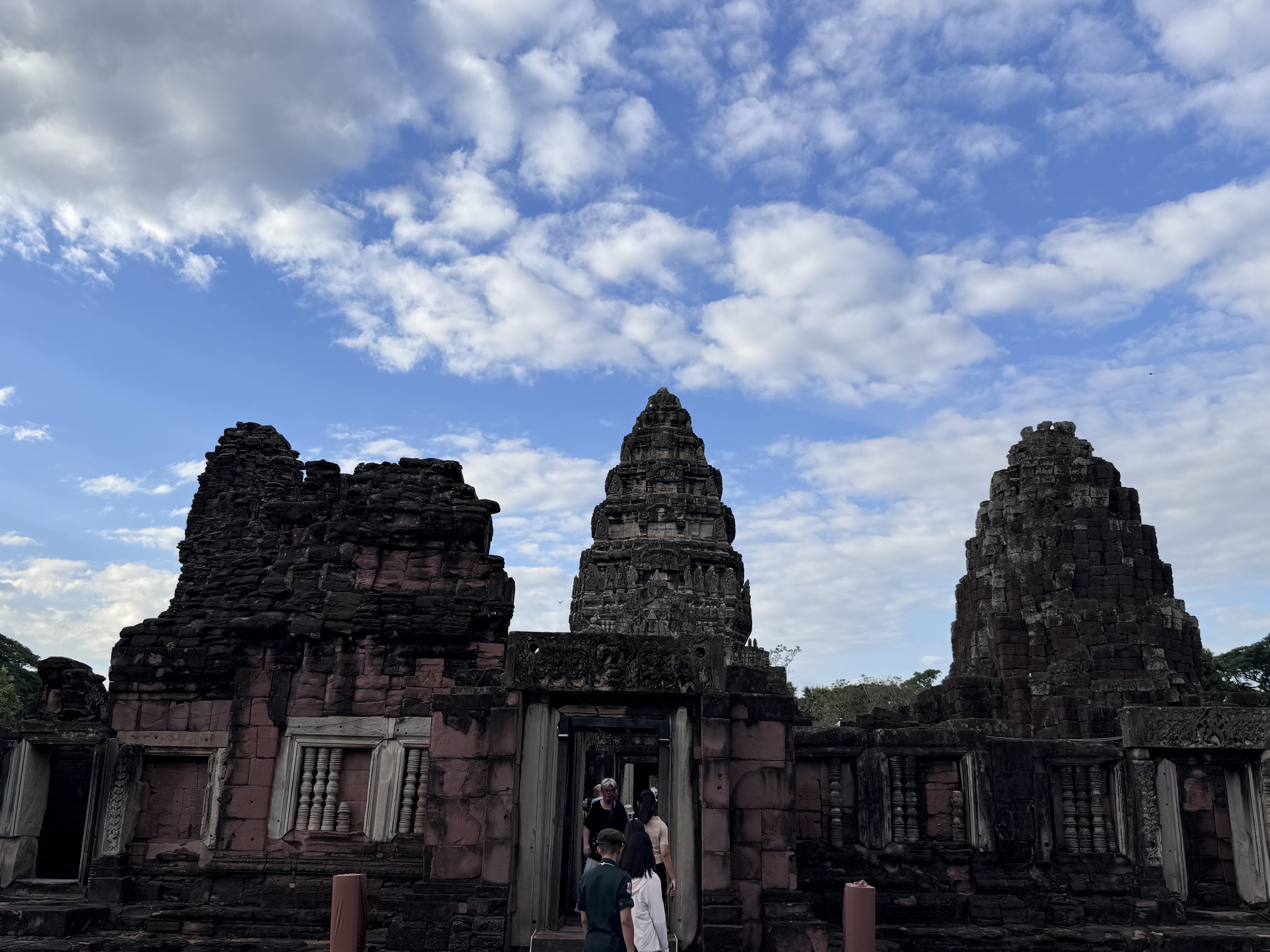
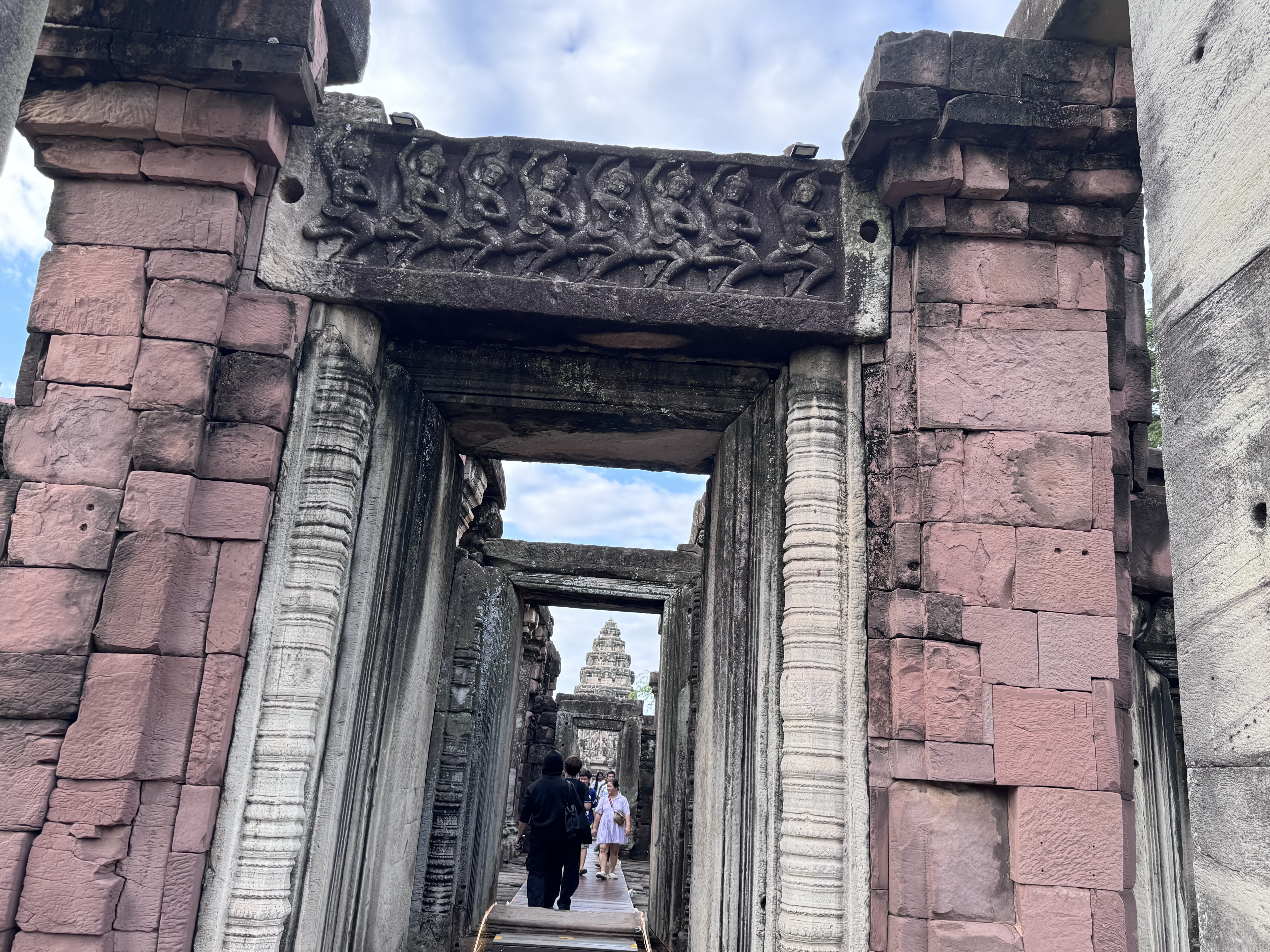
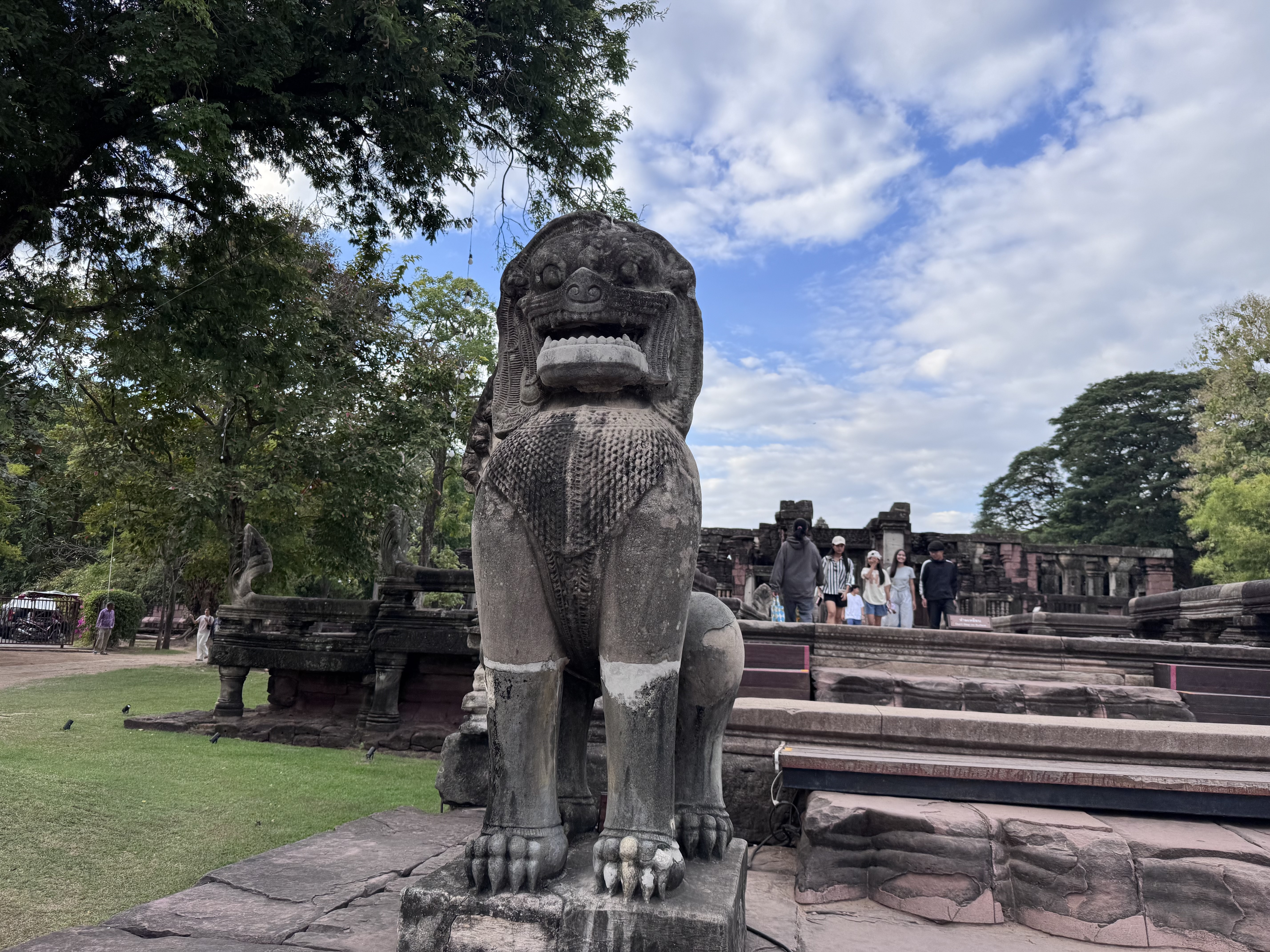
The Khmer Empire was a powerful Kingdom in South-East Asia. Its major architectural works (temples and sculptures) are located in present day Cambodia, where the capital of the empire was located. However, during long periods of time the Khmer ruled over parts of present day Thailand, Laos and Vietnam.
Like other major ethnic groups in the history of South-East Asia (the Thais, the Mons, The Chams) the Khmer are thought to have descended in the prehistoric period from the river valleys in Eastern Tibet and Southwest China. The Khmer appear first on the scene (in Chinese records) in the second half of the 6th century A.D. with the Kingdom known as Chenla.
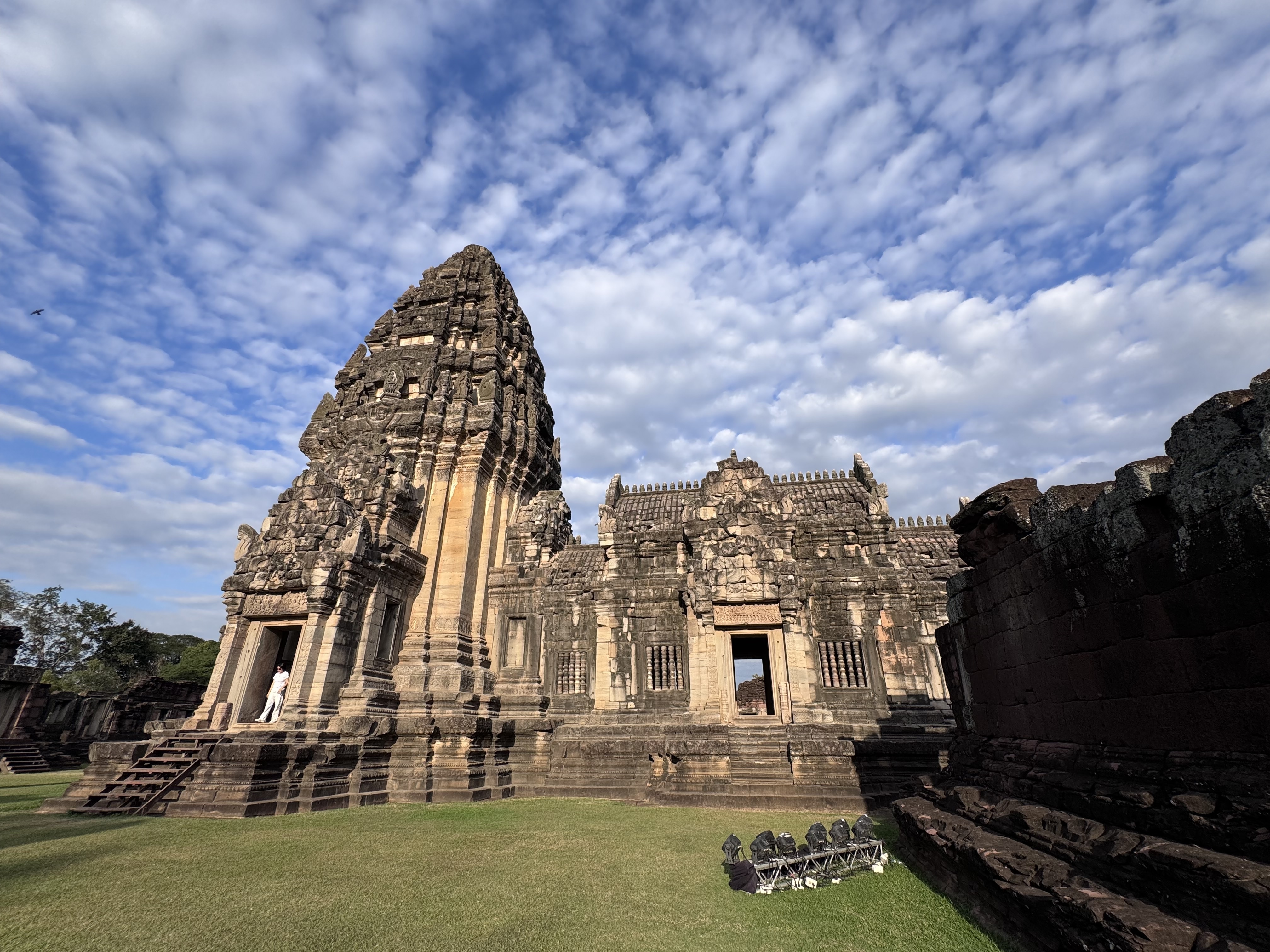
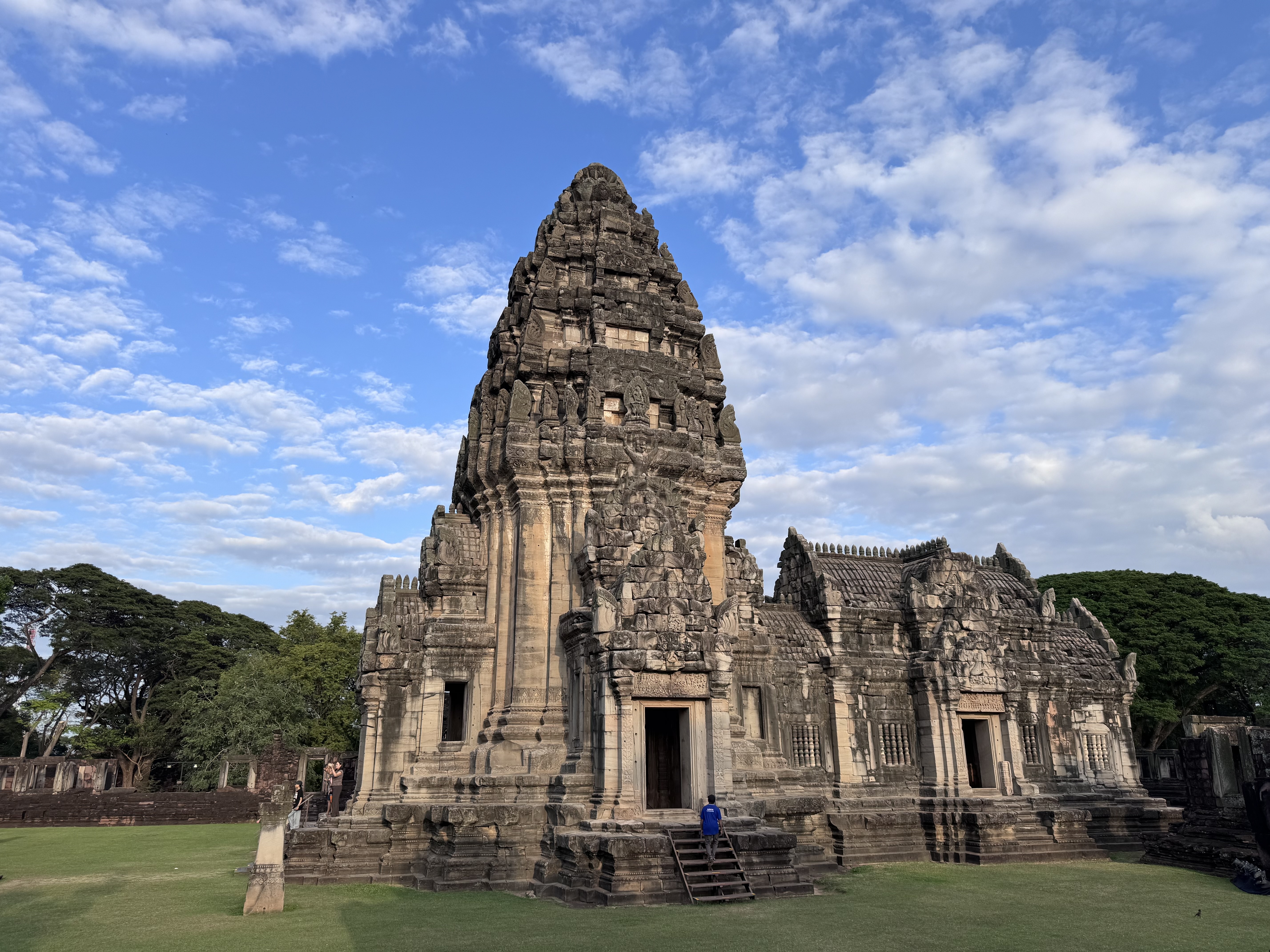
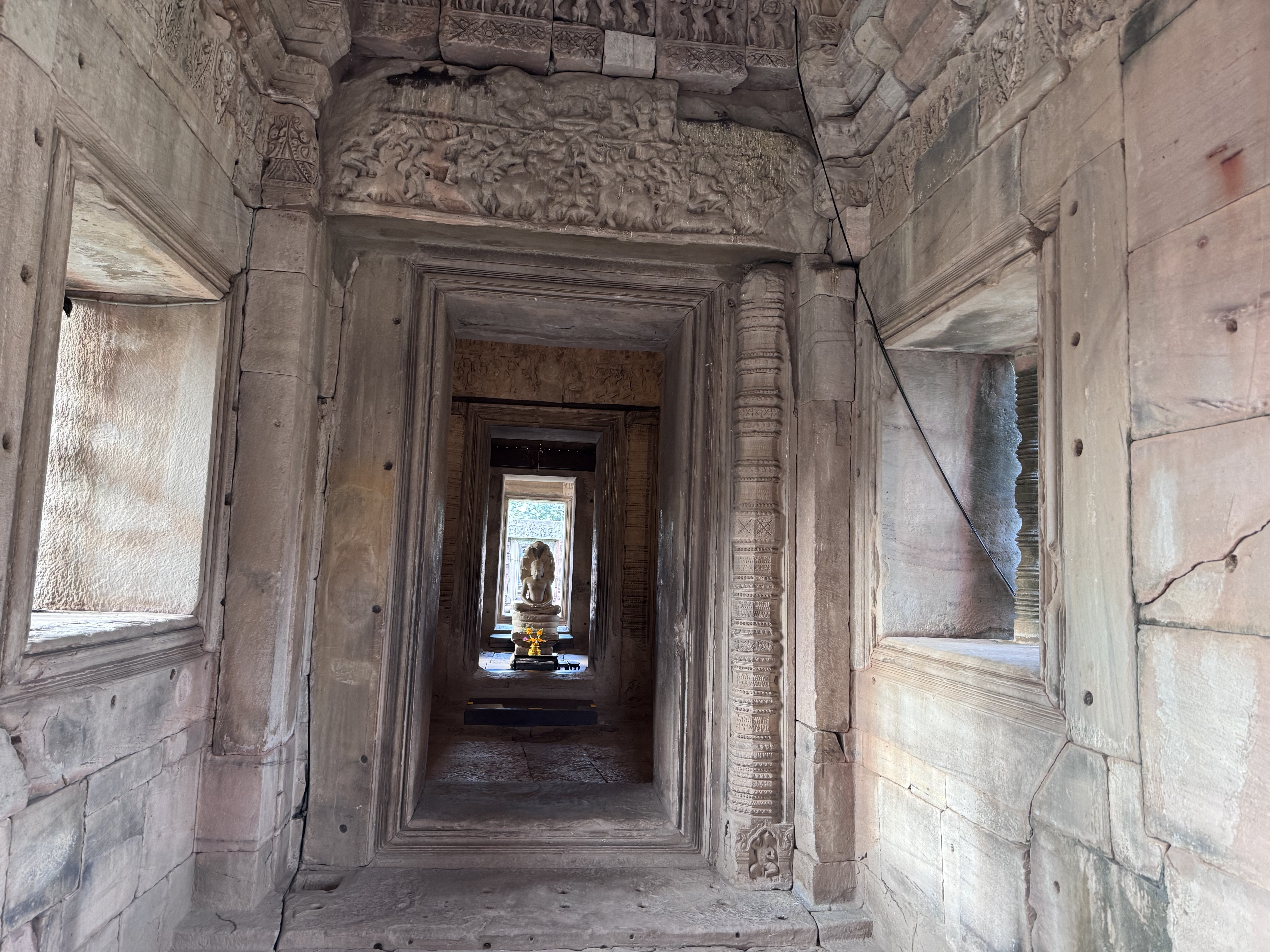
Since the Khmer reigned for long periods over extended areas of present day Thailand, Thailand has a substantial number of important Khmer monuments on its territory, mainly in its Northeastern Region (such as Phonom Rung and Muang Tam in Buriram Province, Phimai in Nakhon Ratchasima province, Muang Singh in Kanchanaburi province). Any look around the...
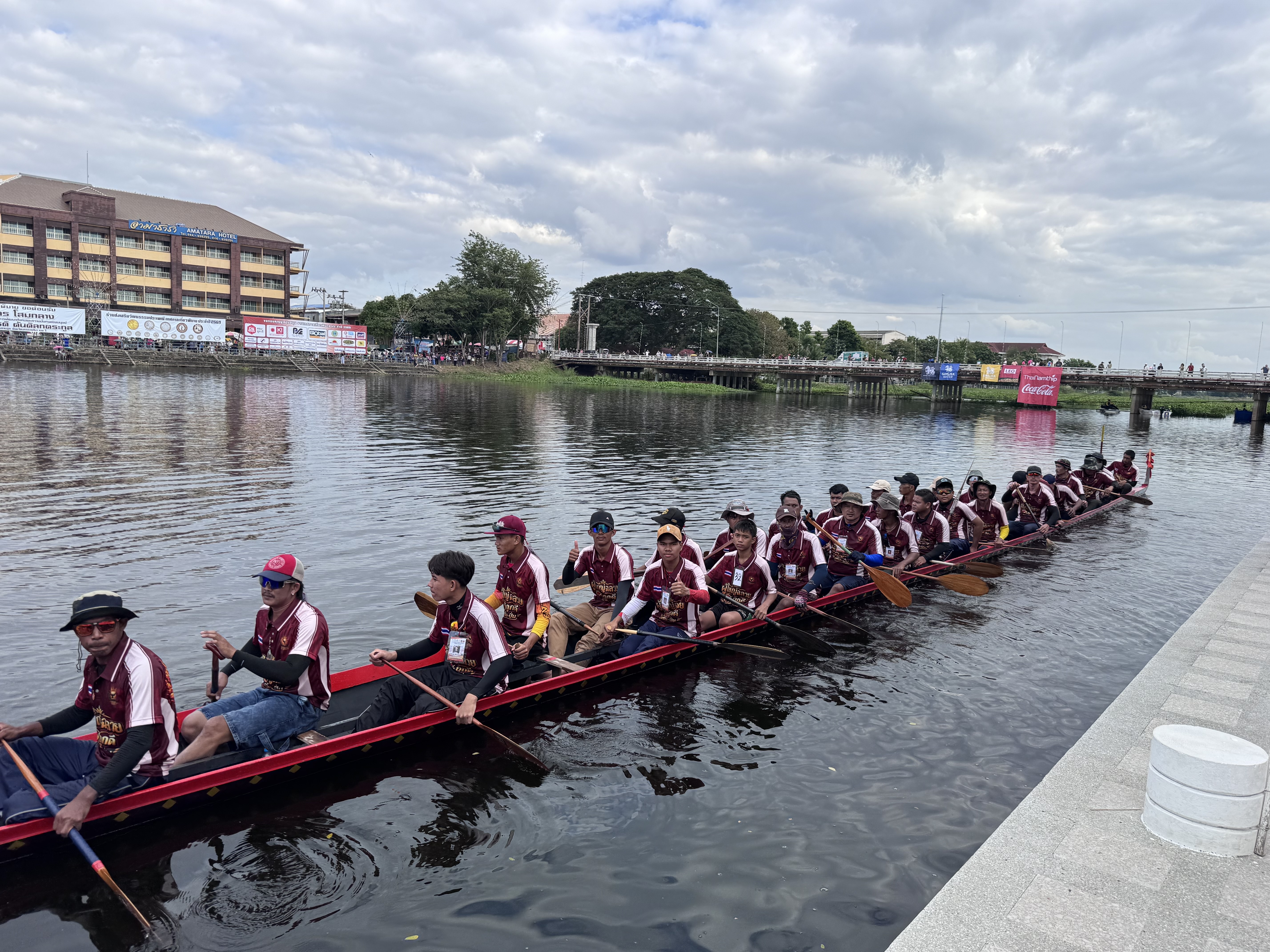
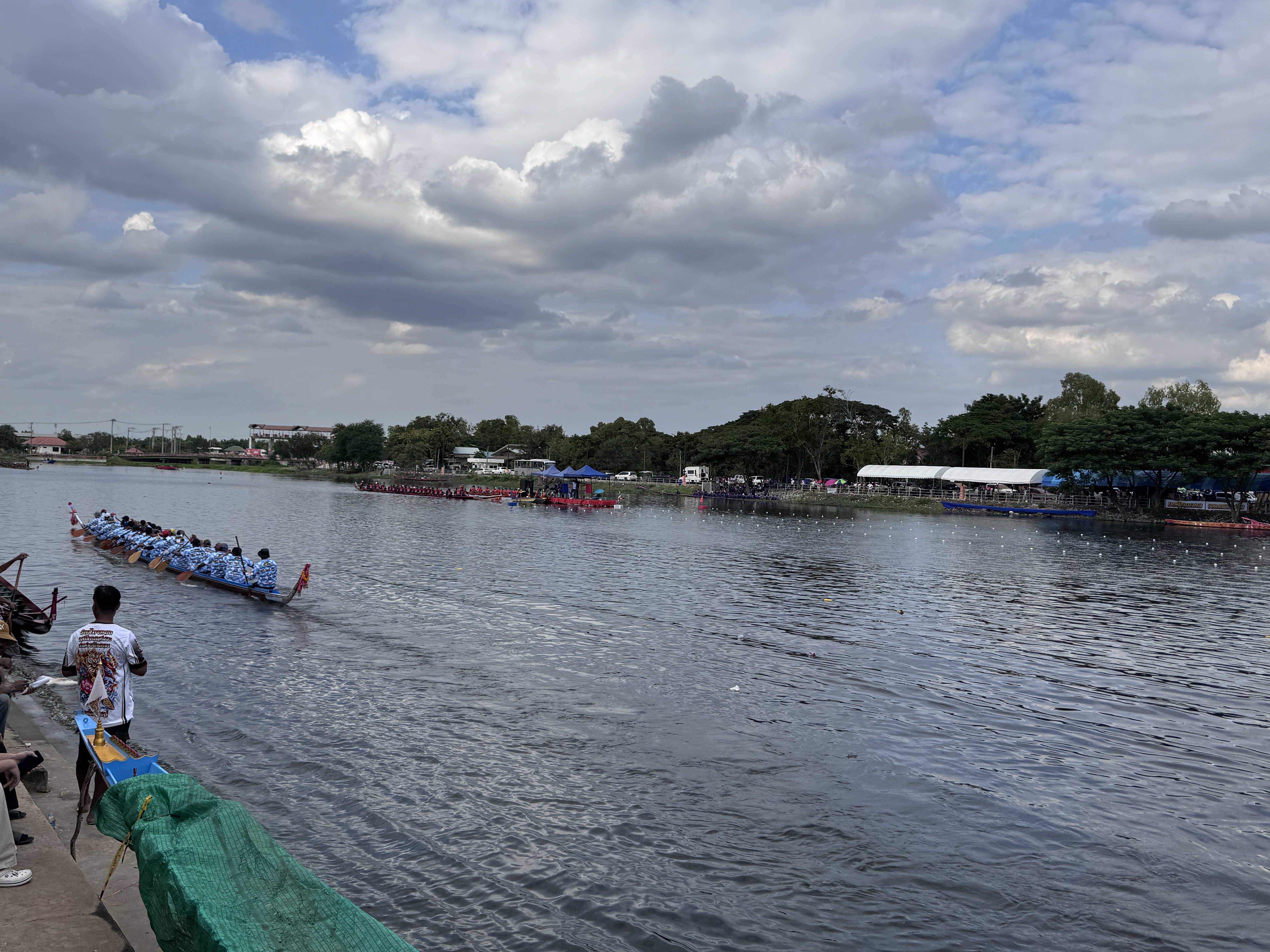
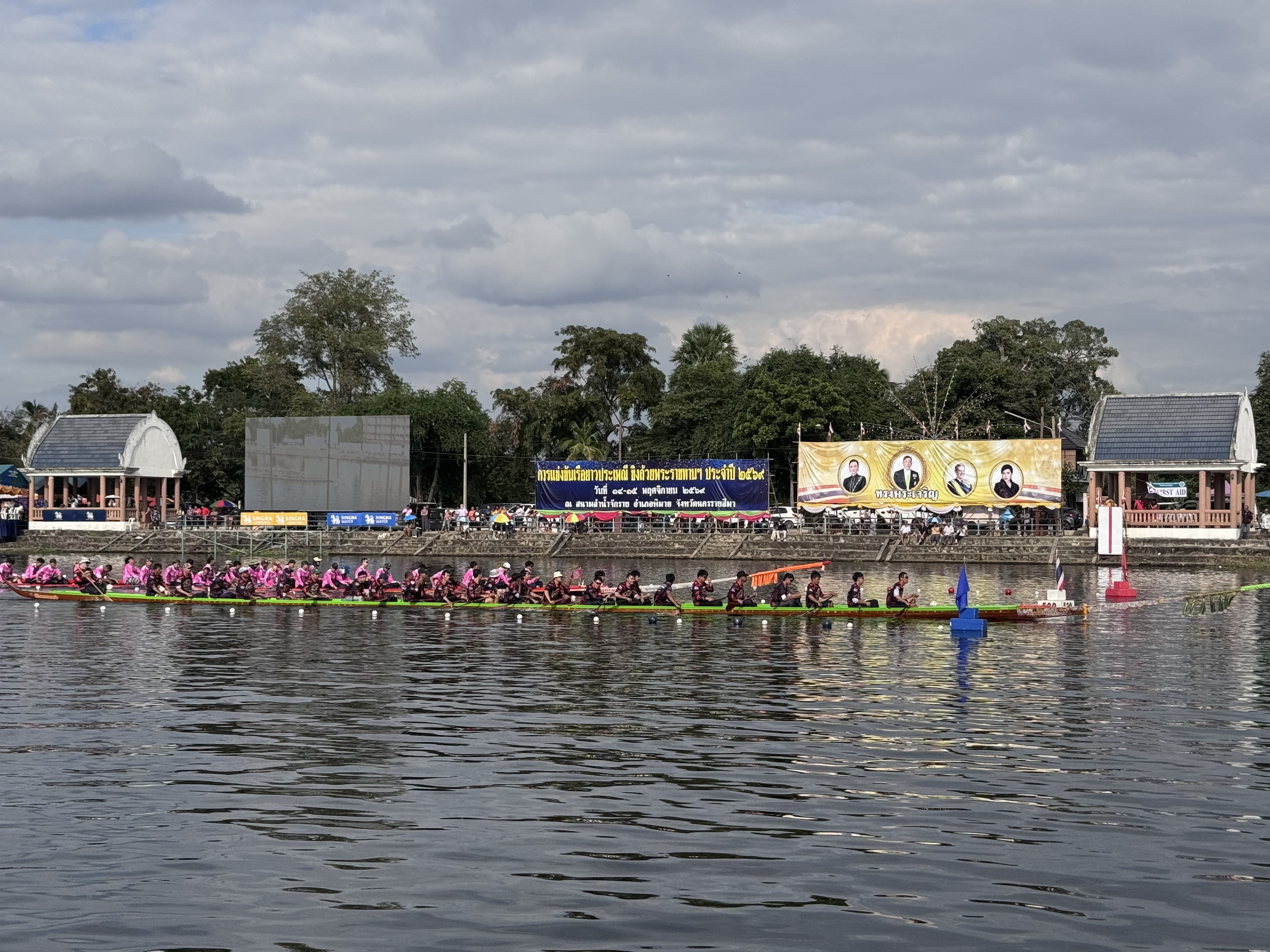
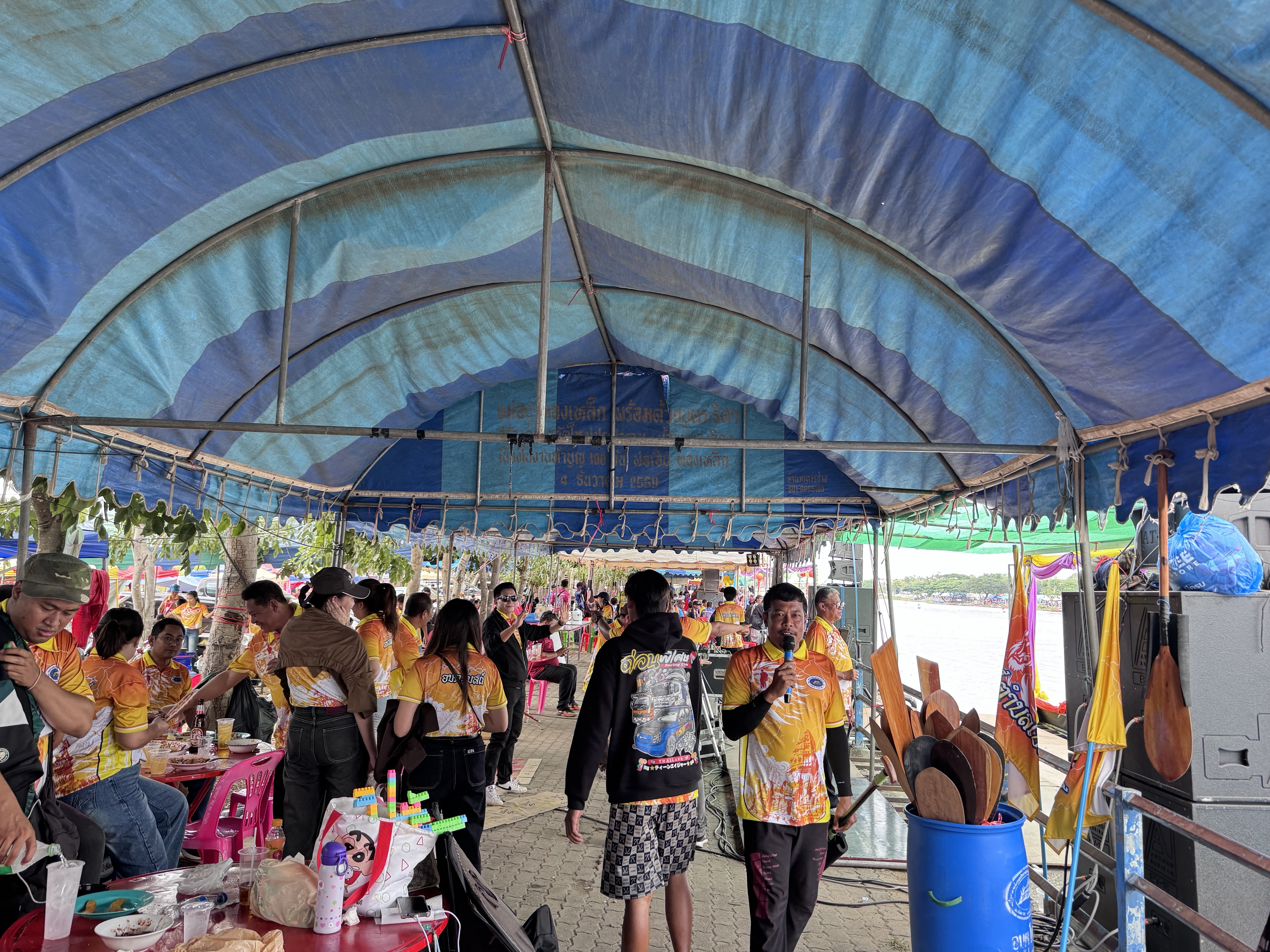
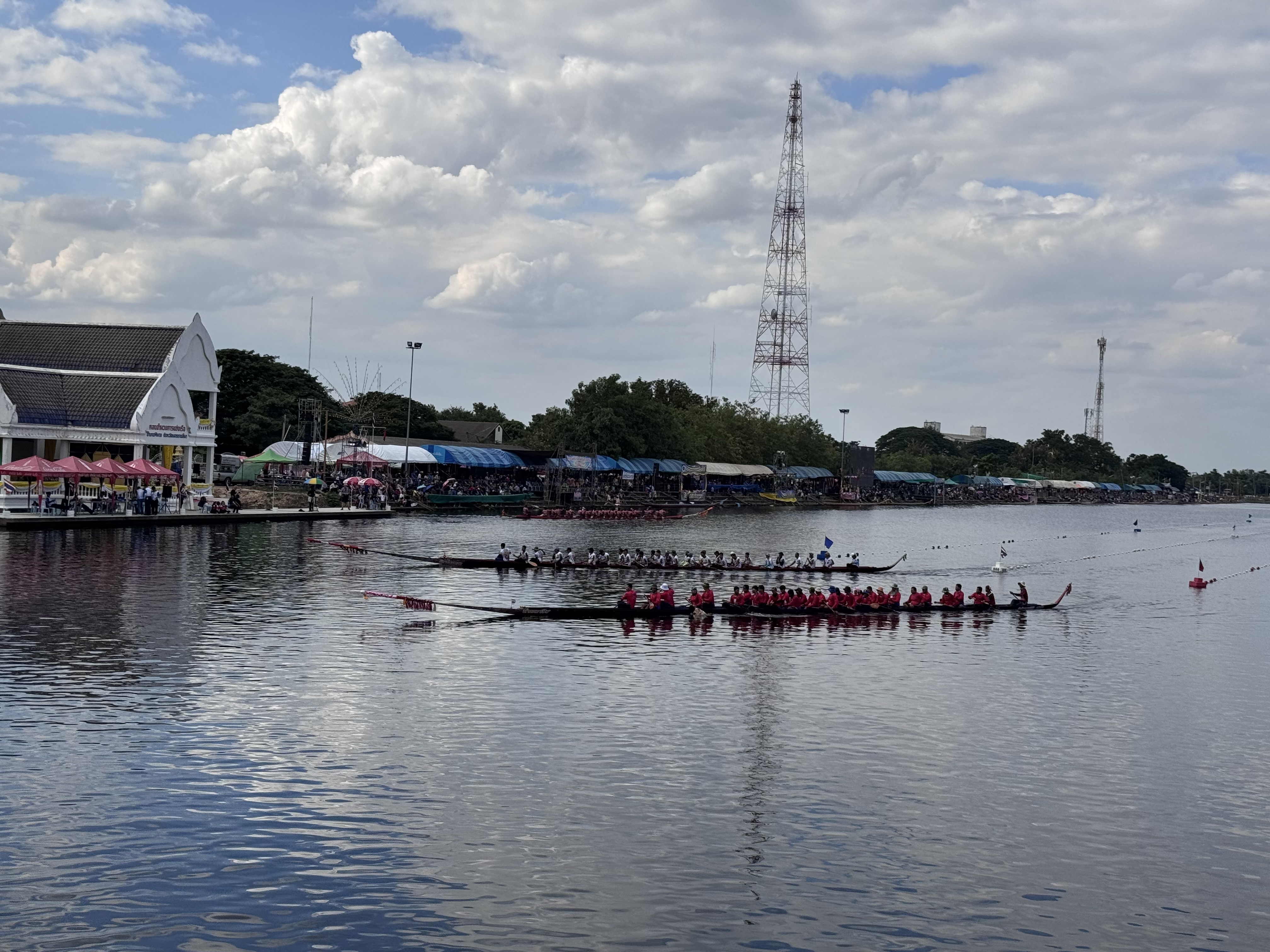
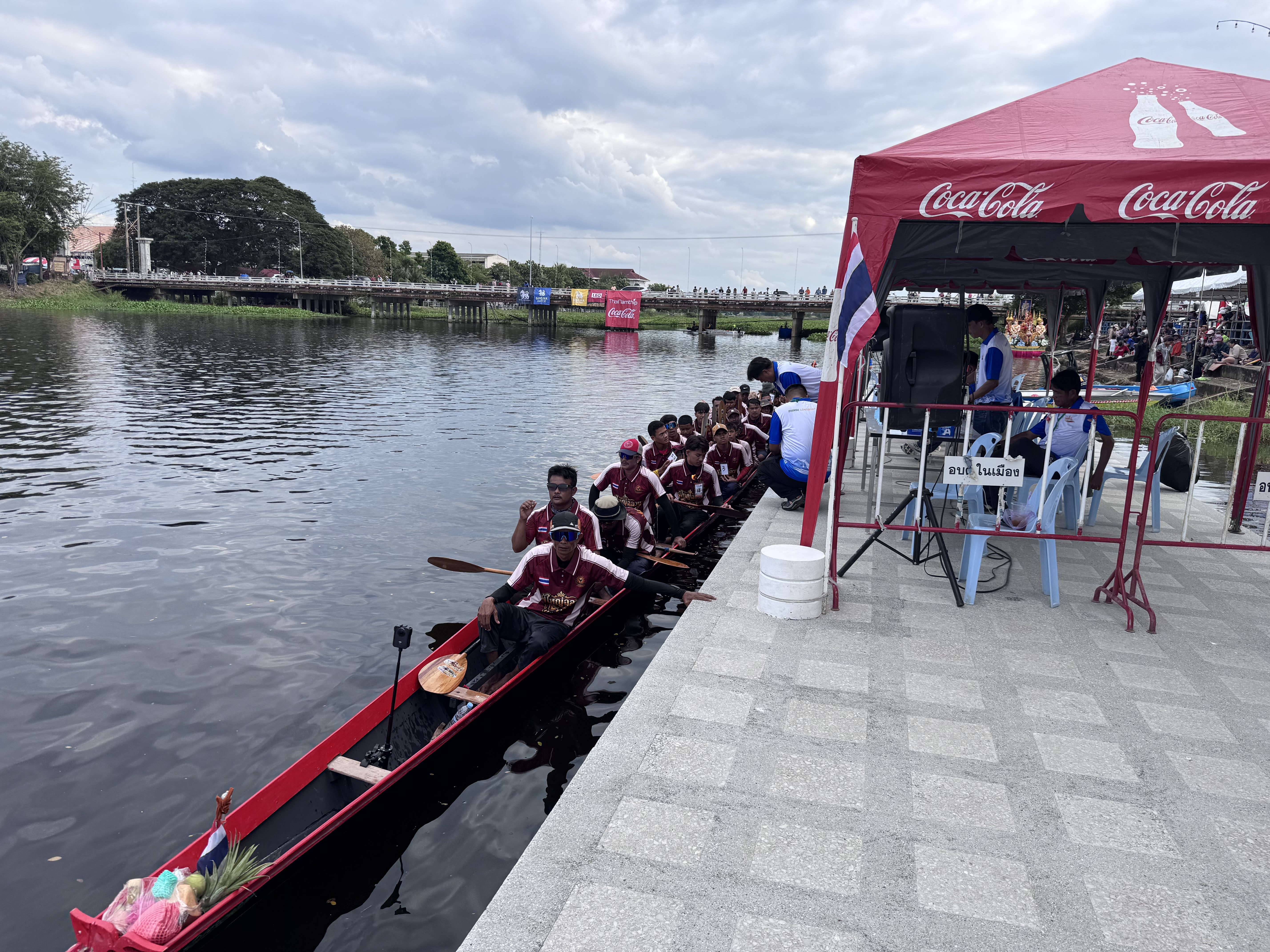
The tradition of long-boat racing in Thailand reaches back to the Ayutthaya era, when the kingdom’s rivers and canals formed the arteries of daily life, trade, and military power. Historical records from the period, including palace regulations for the eleventh lunar month, describe boat races as both a popular pastime among ordinary people and an element of royal ceremony. In those days the long, slender vessels, often carved from single massive tree trunks, were powered by ranks of oarsmen whose coordinated strokes could drive the boat at impressive speed.
Racing served practical purposes as well as entertainment. It kept warriors fit for river warfare, tested the skill of crews, and sometimes carried an element of divination linked to the annual flood cycle and hopes for a bountiful harvest. Royal processions themselves featured elaborately decorated long boats and competitive racing appears to have grown naturally from the rivalry that arose when communities travelled by water to make merit at ...
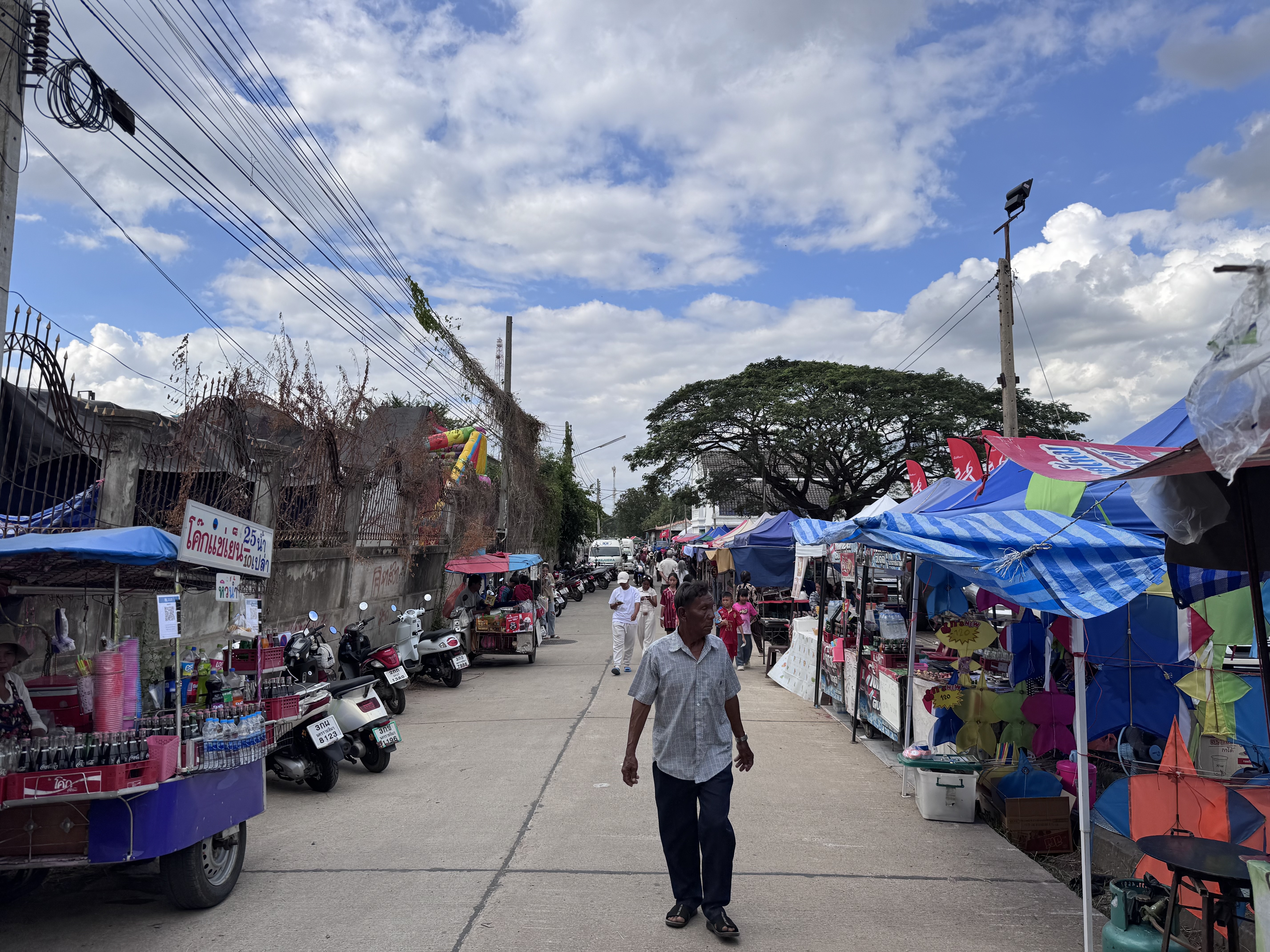
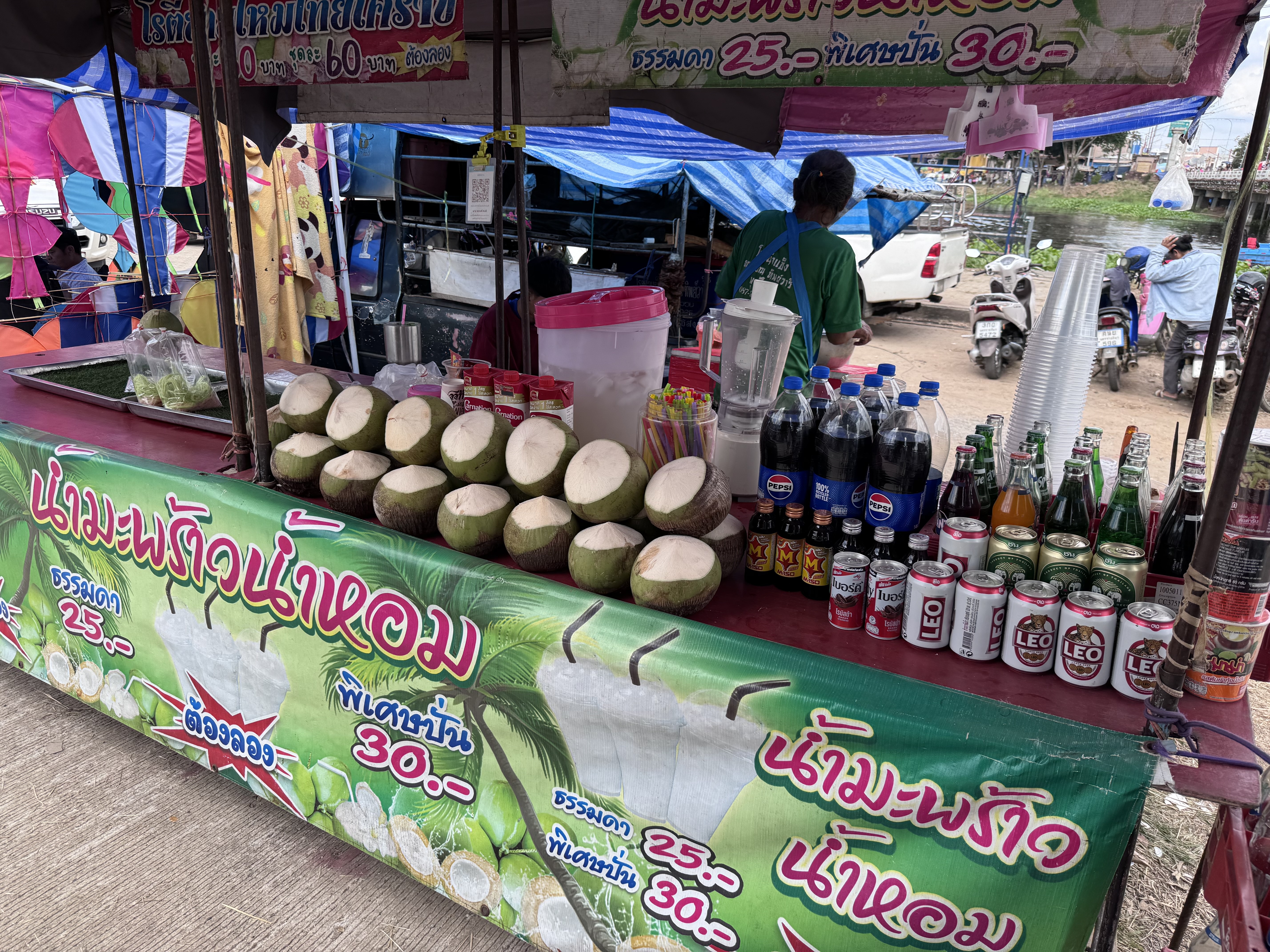
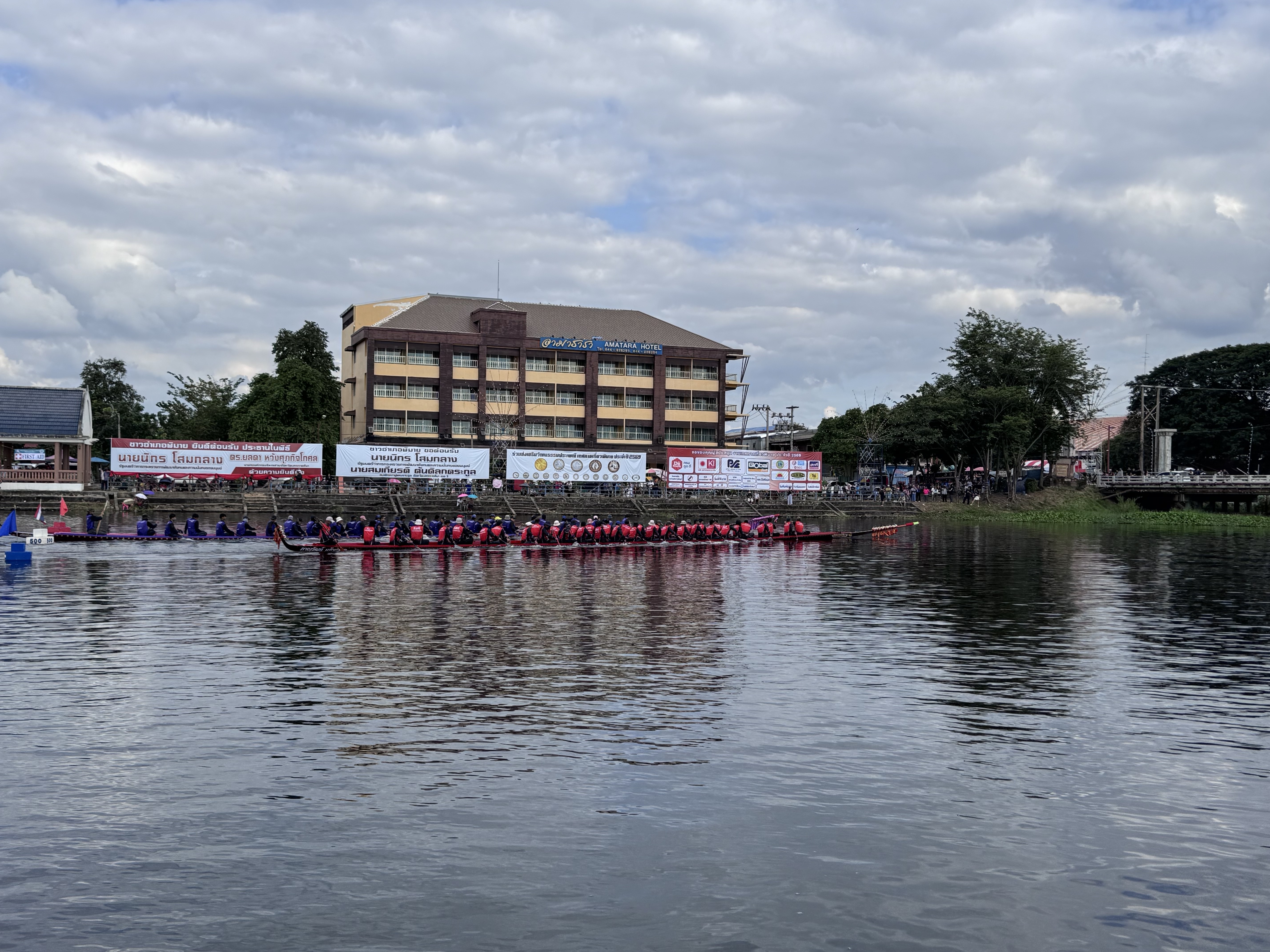
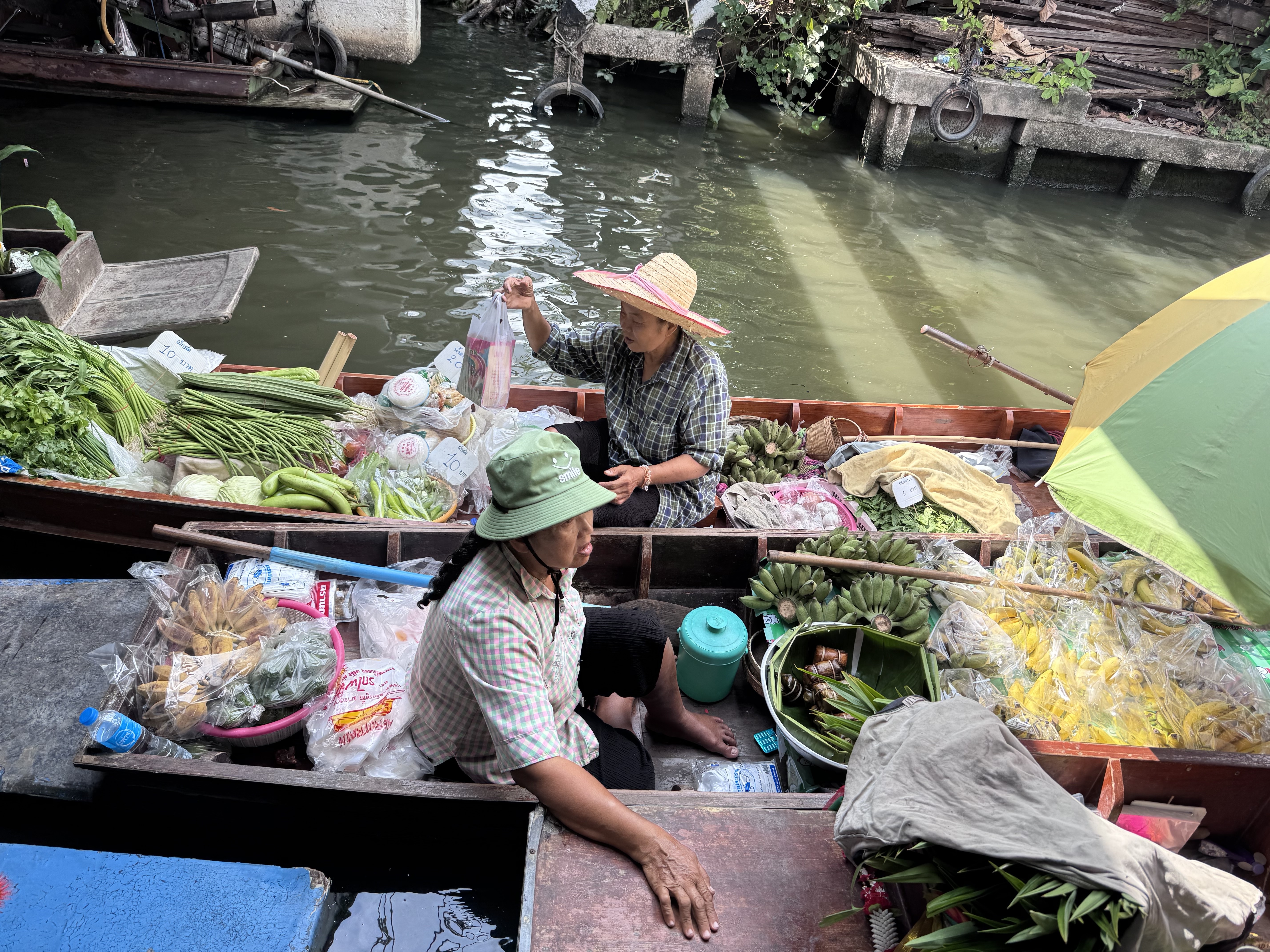
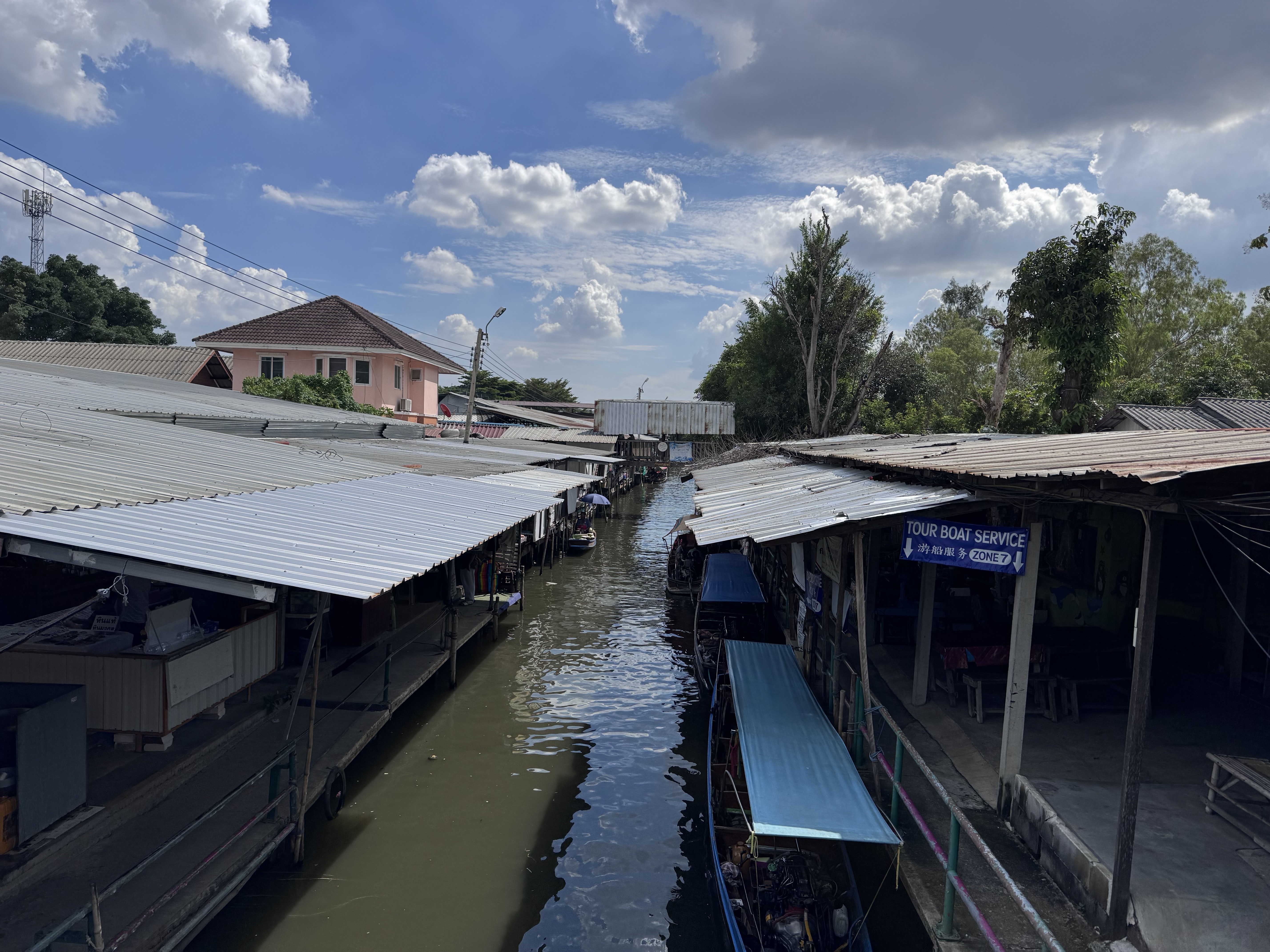
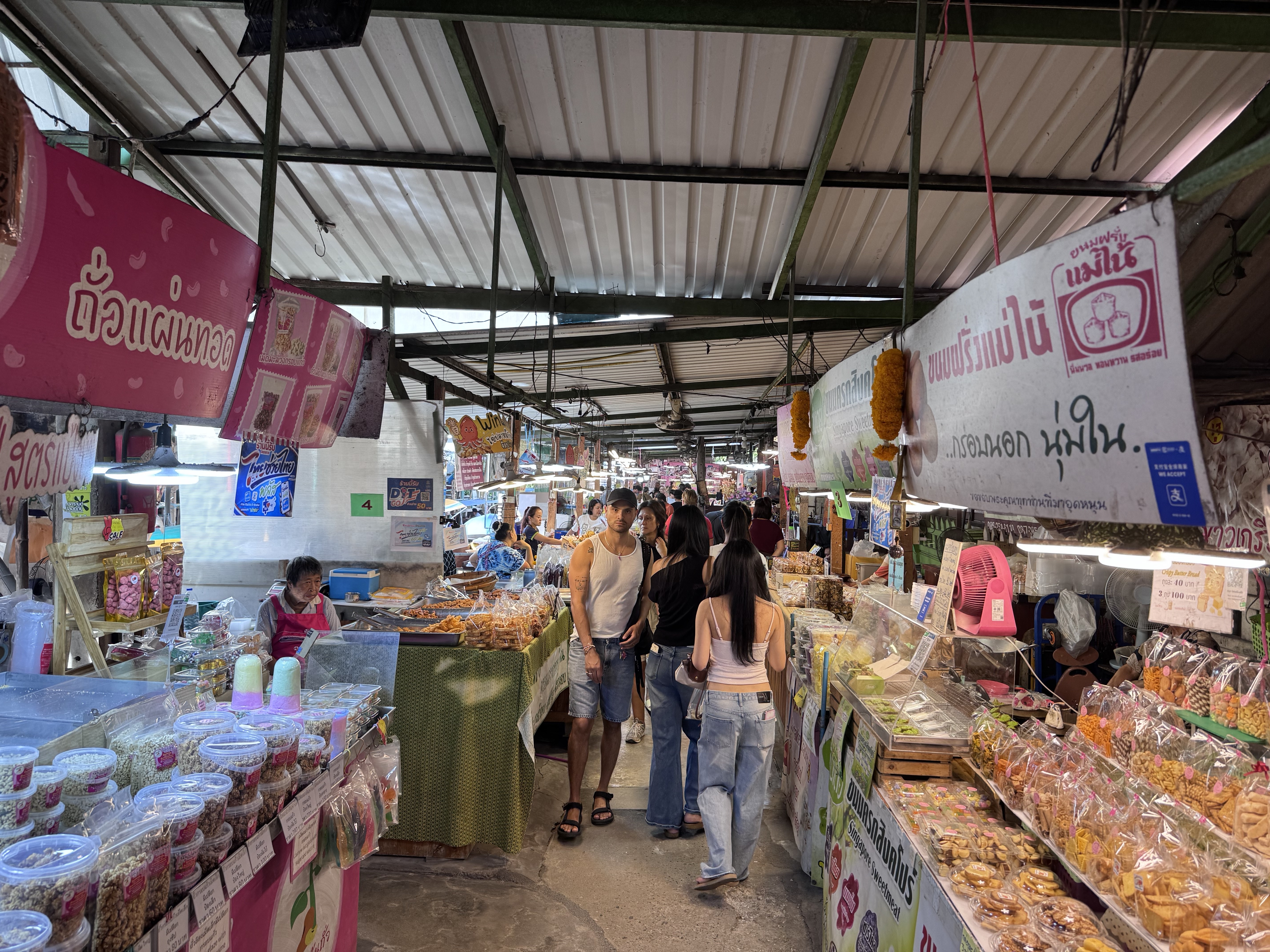
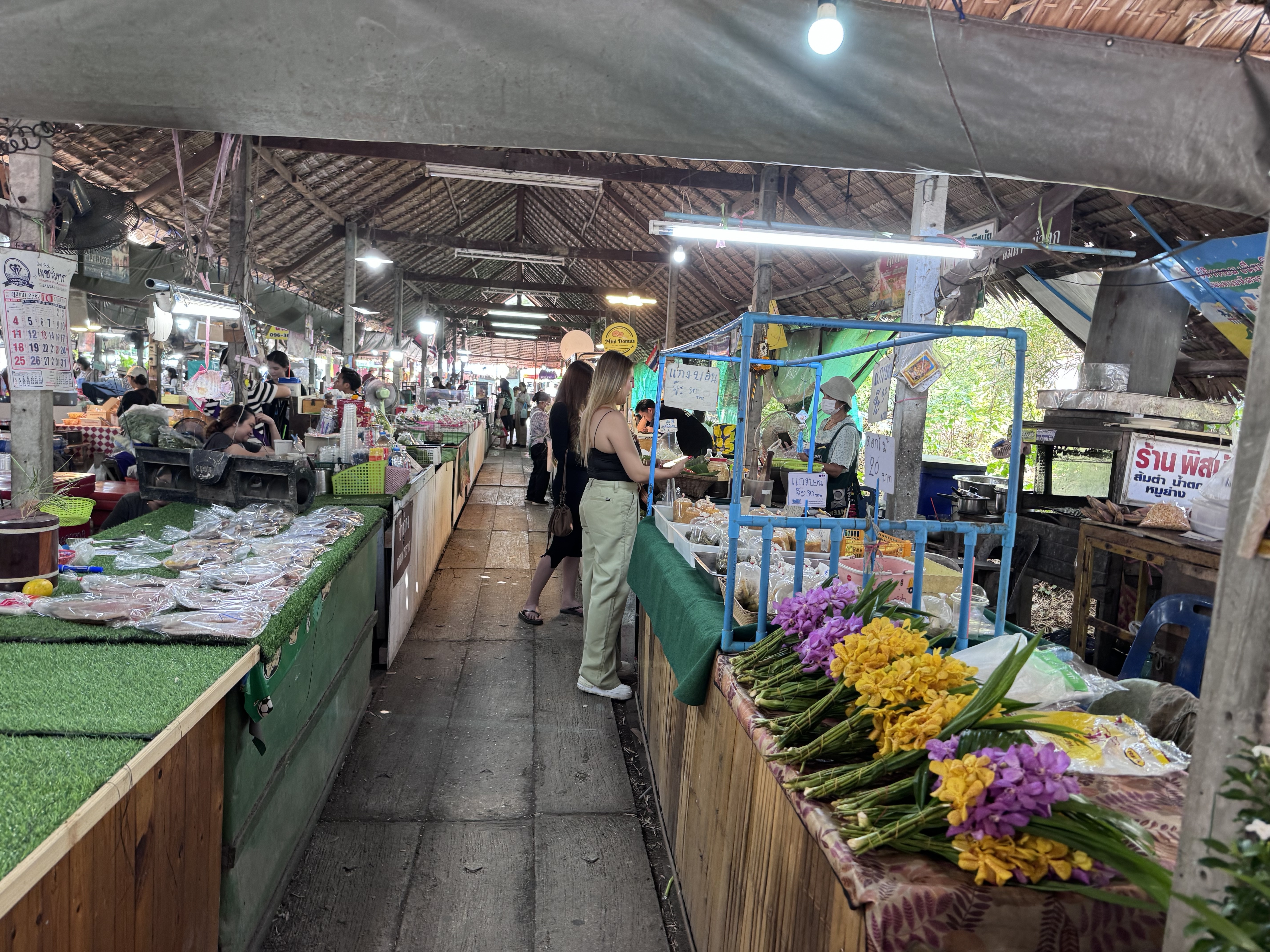
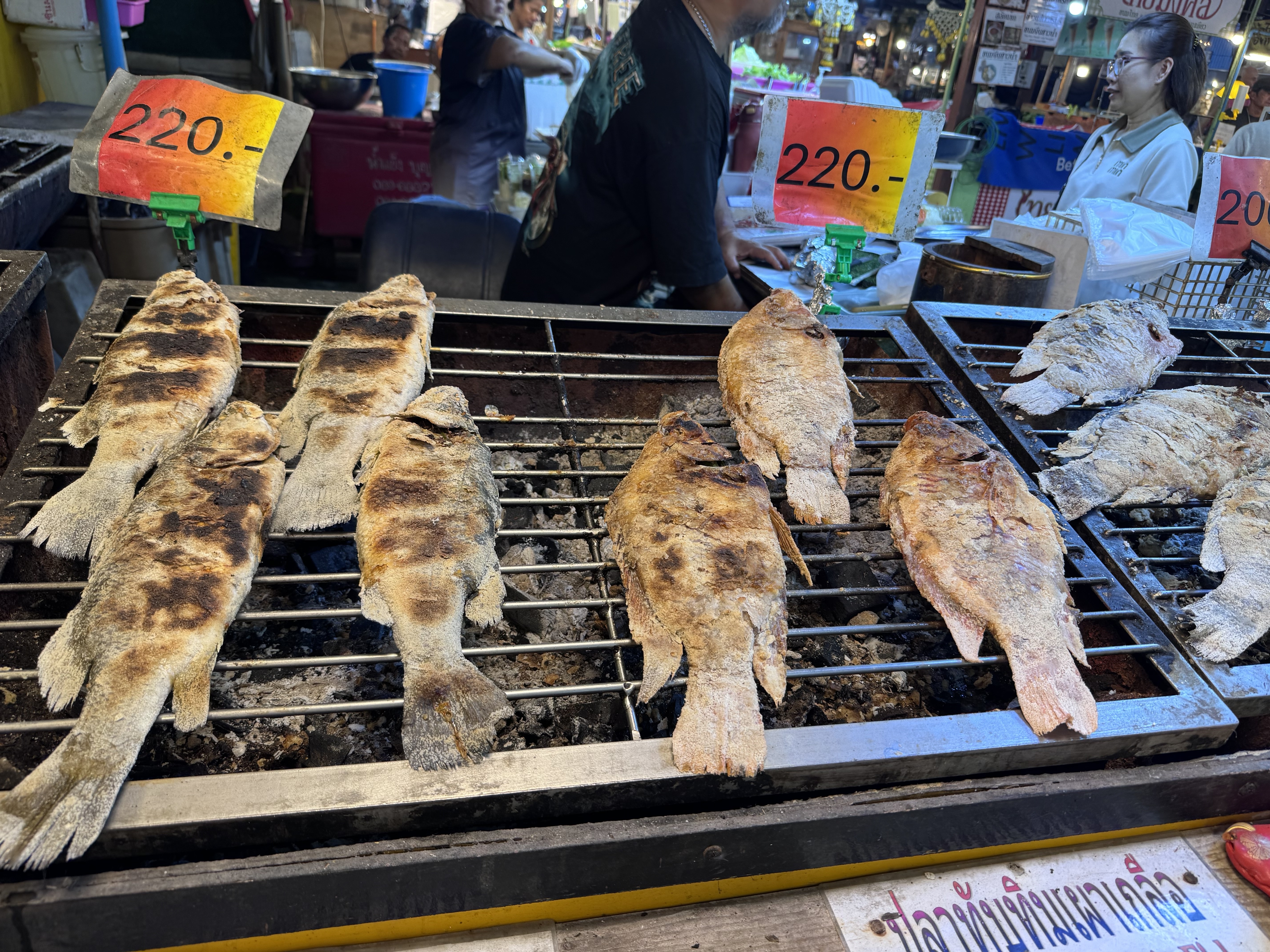
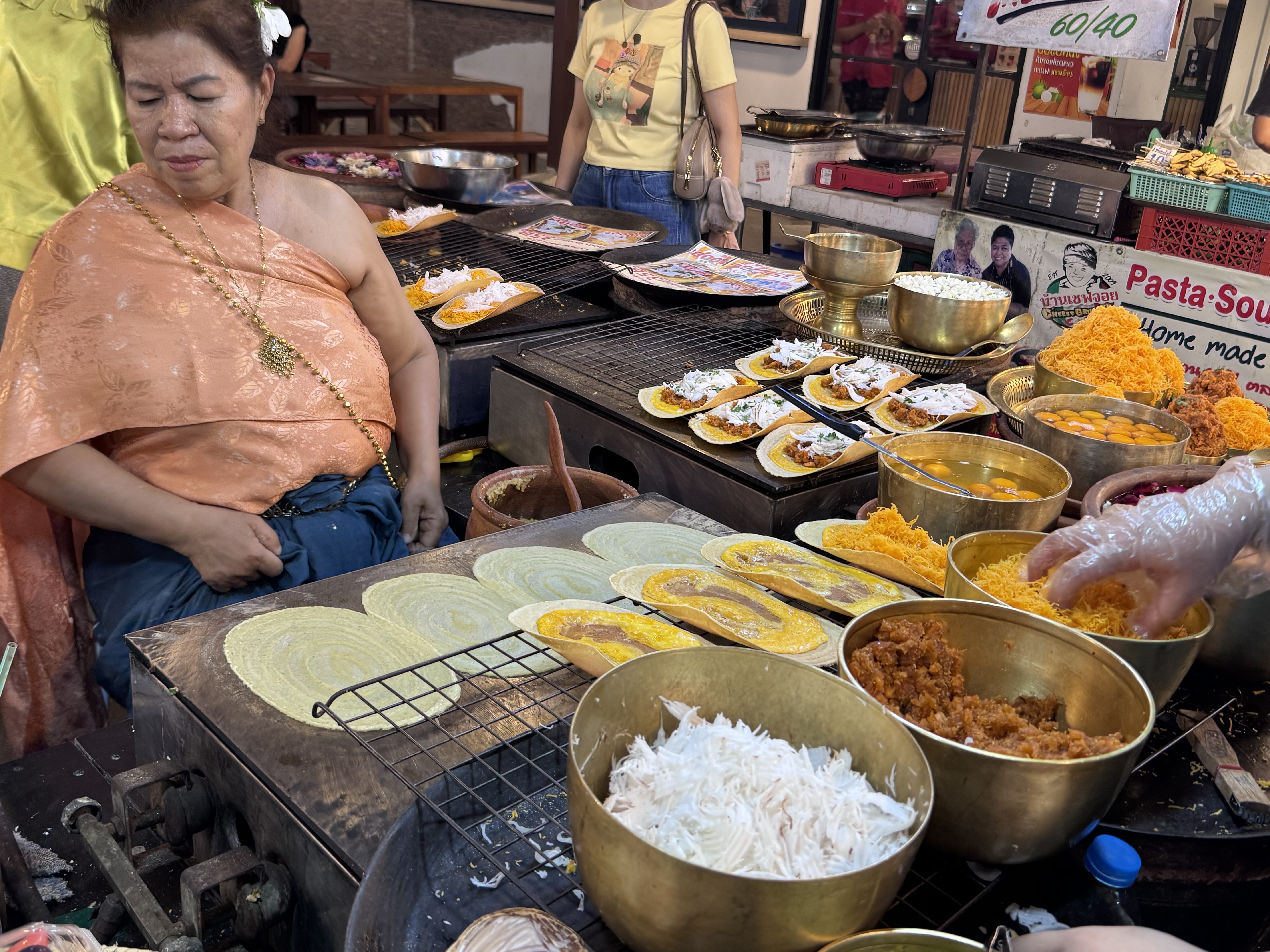
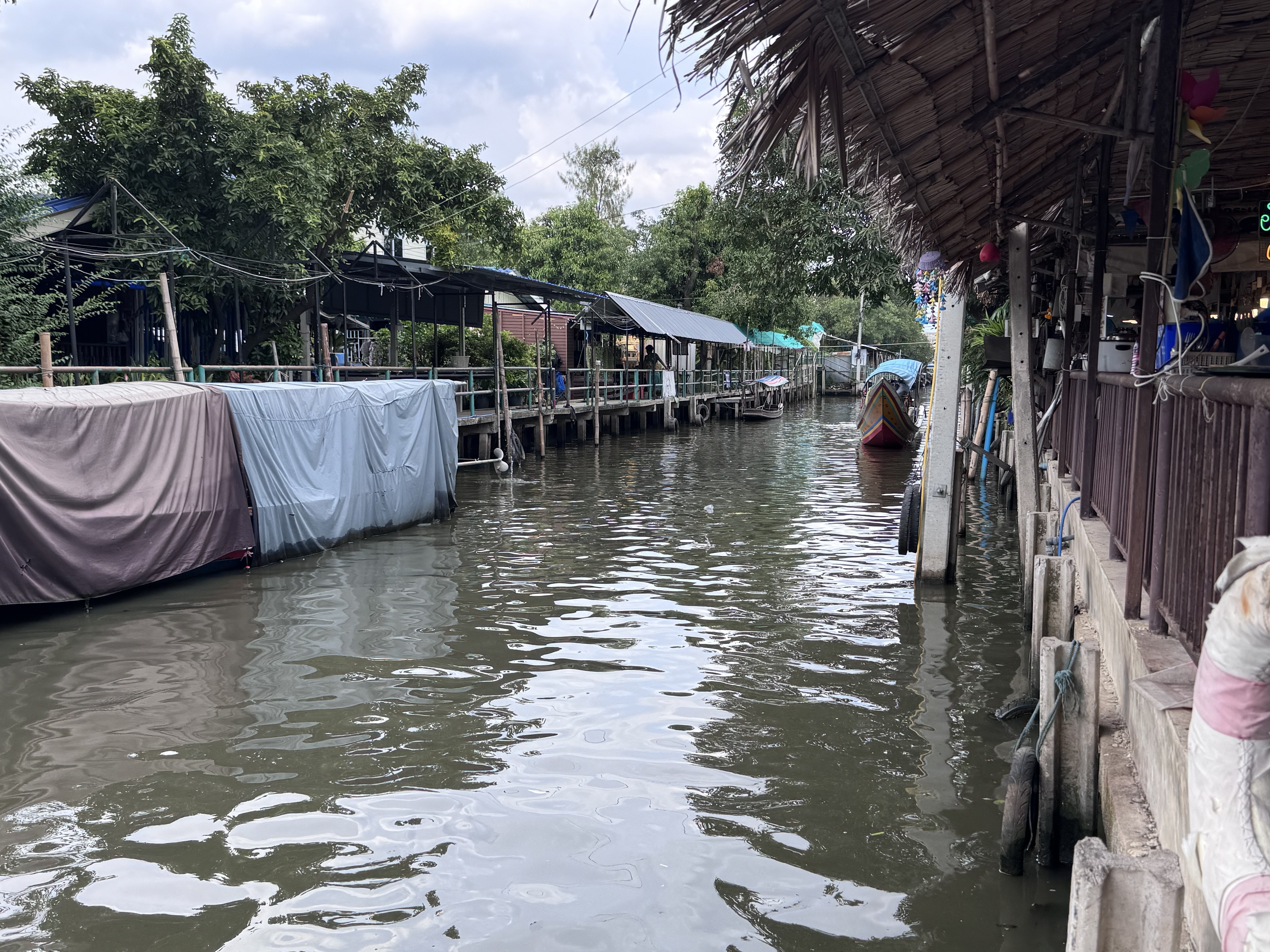
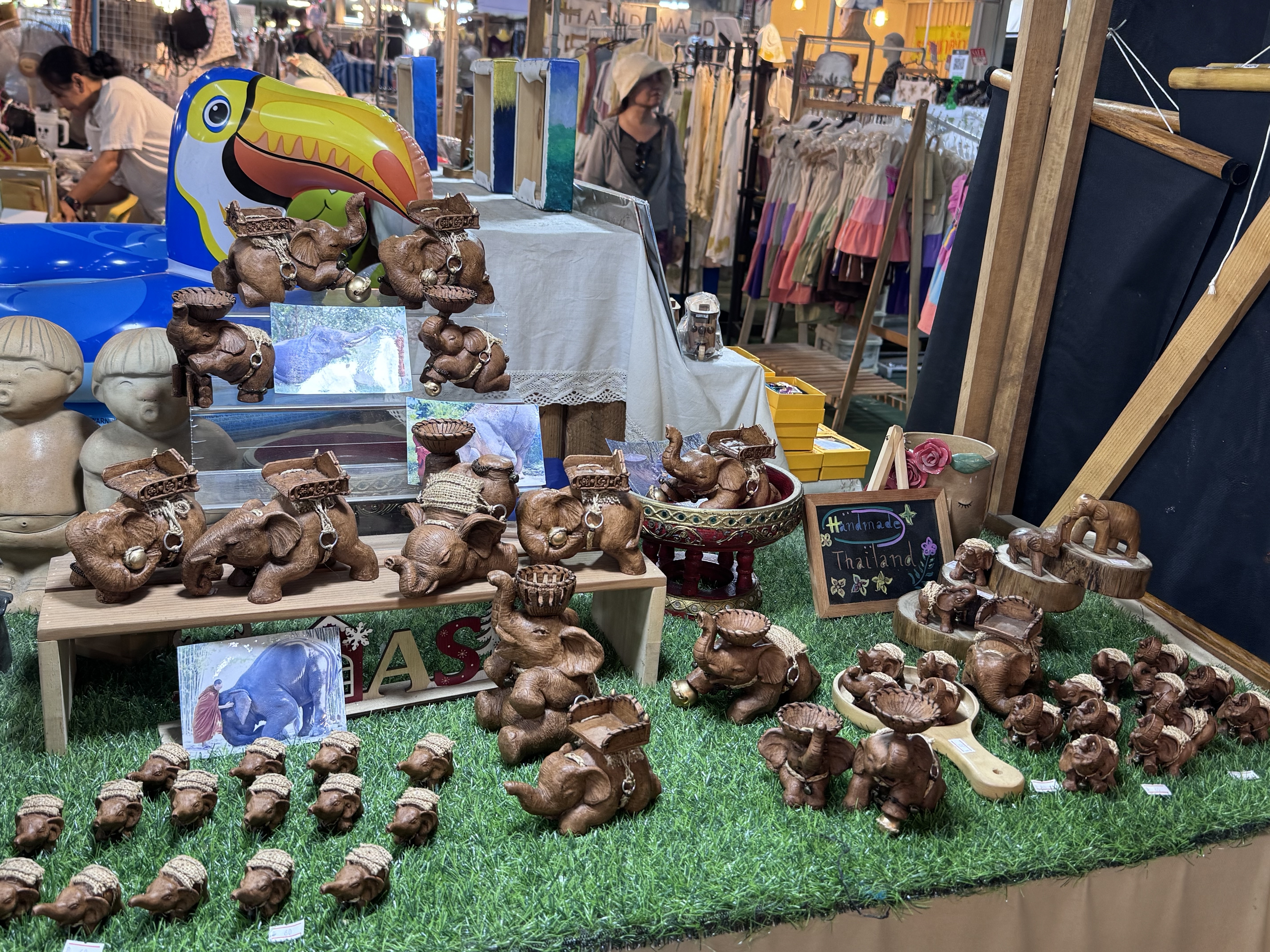
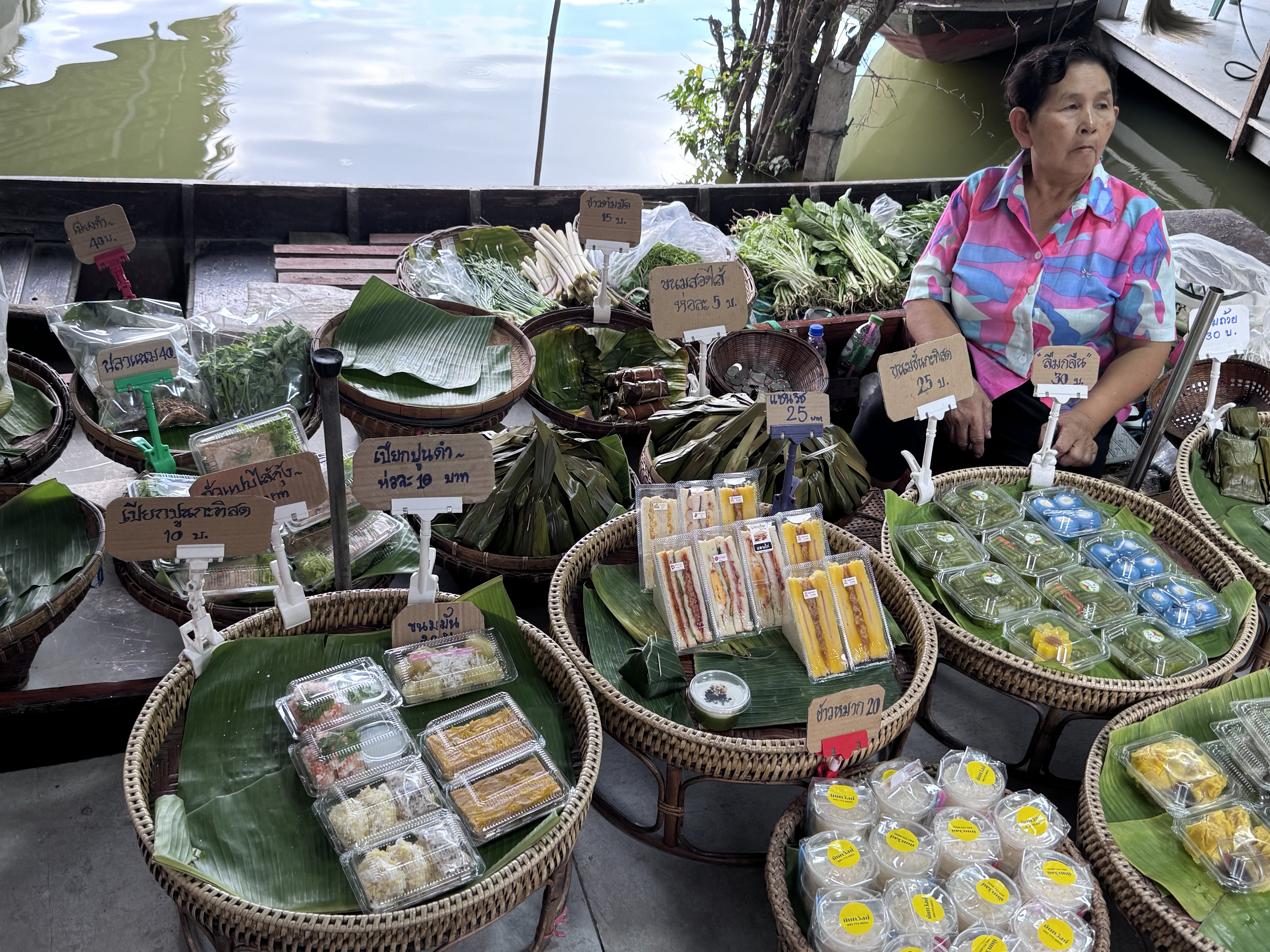
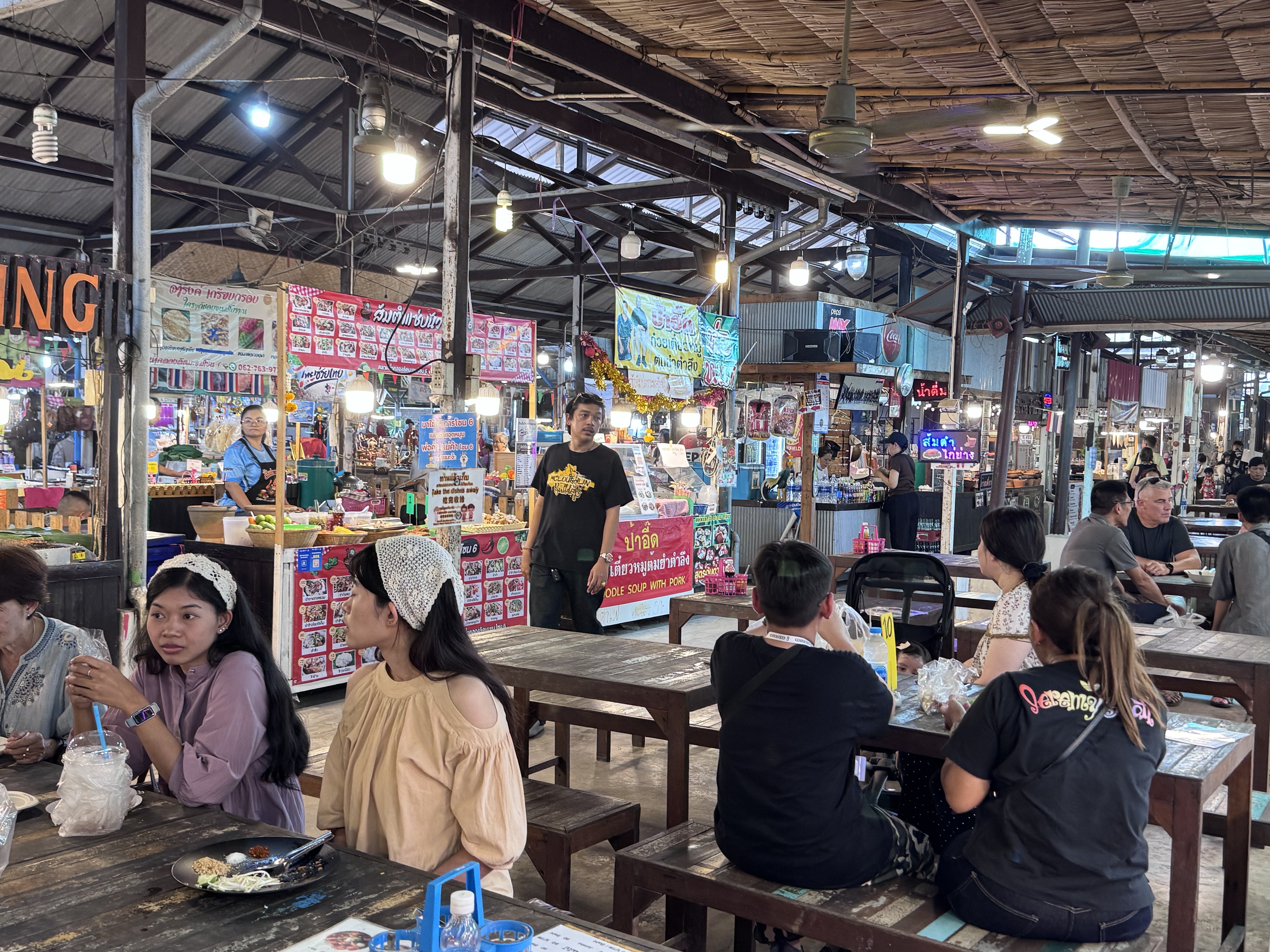
Khlong Lat Mayom Floating Market sits along a quiet canal in Taling Chan on Bangkok’s Thonburi side, roughly half an hour from the city center. Its name comes from the khlong, or canal, and the mayom fruit, the star gooseberry that once grew abundantly in the surrounding orchards. Unlike the heavily photographed tourist markets farther out, this one feels more like a neighborhood gathering place where Thai families come on weekends to eat, shop for produce, and take short boat rides through the green waterways.
The area’s history reaches back to the Ayutthaya period, when the fertile alluvial soils and dense network of rivers made Taling Chan ideal for fruit plantations. Canals such as Khlong Bang Ramat, Khlong Bang Phrom, and others formed a watery web that supported daily life and trade for generations.
By the mid-1990s rapid urbanization brought new roads, construction, and pollution. The once-clean canal filled with garbage, agricultural land lost value relative to housing development, and many ...