

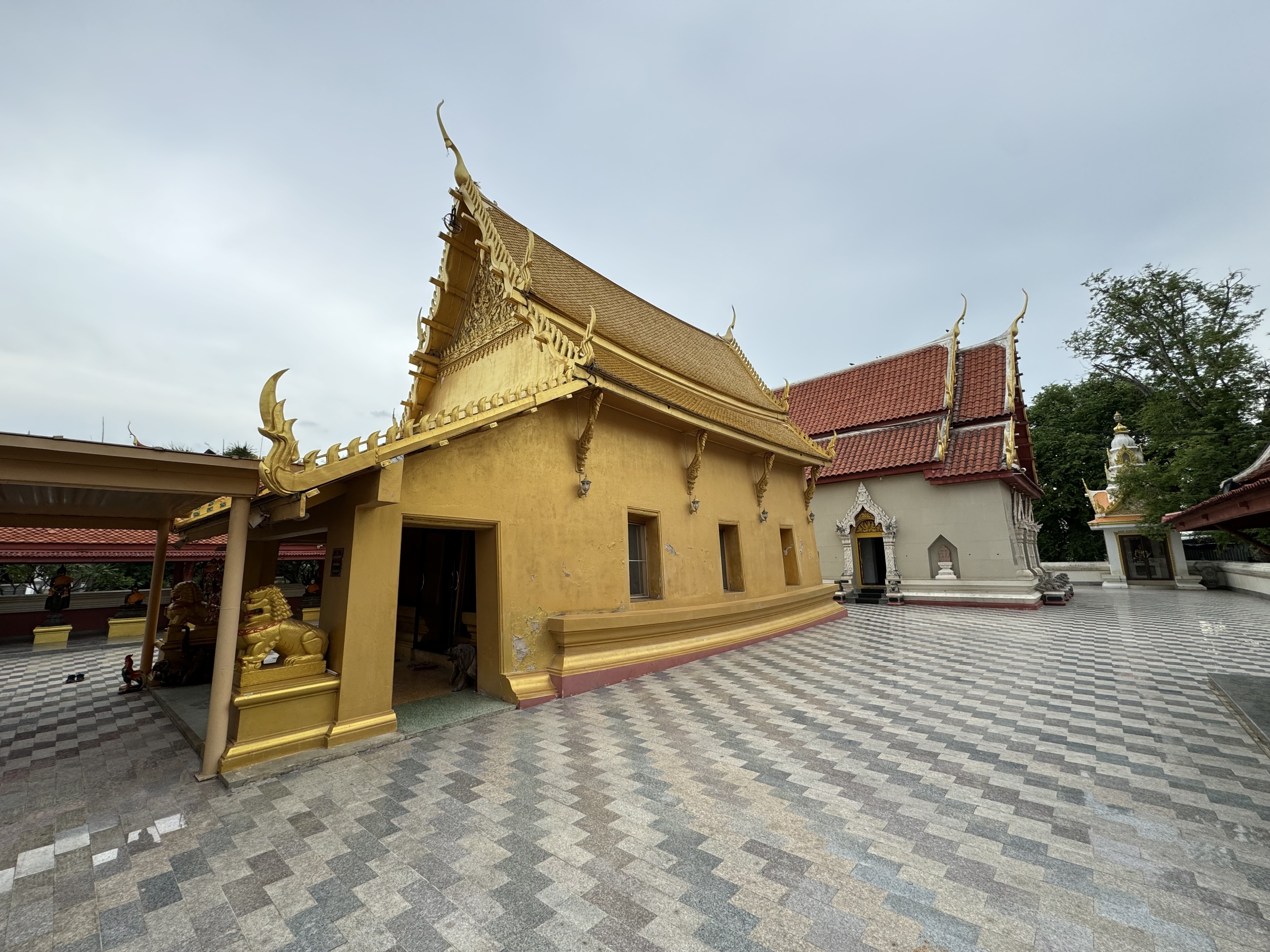
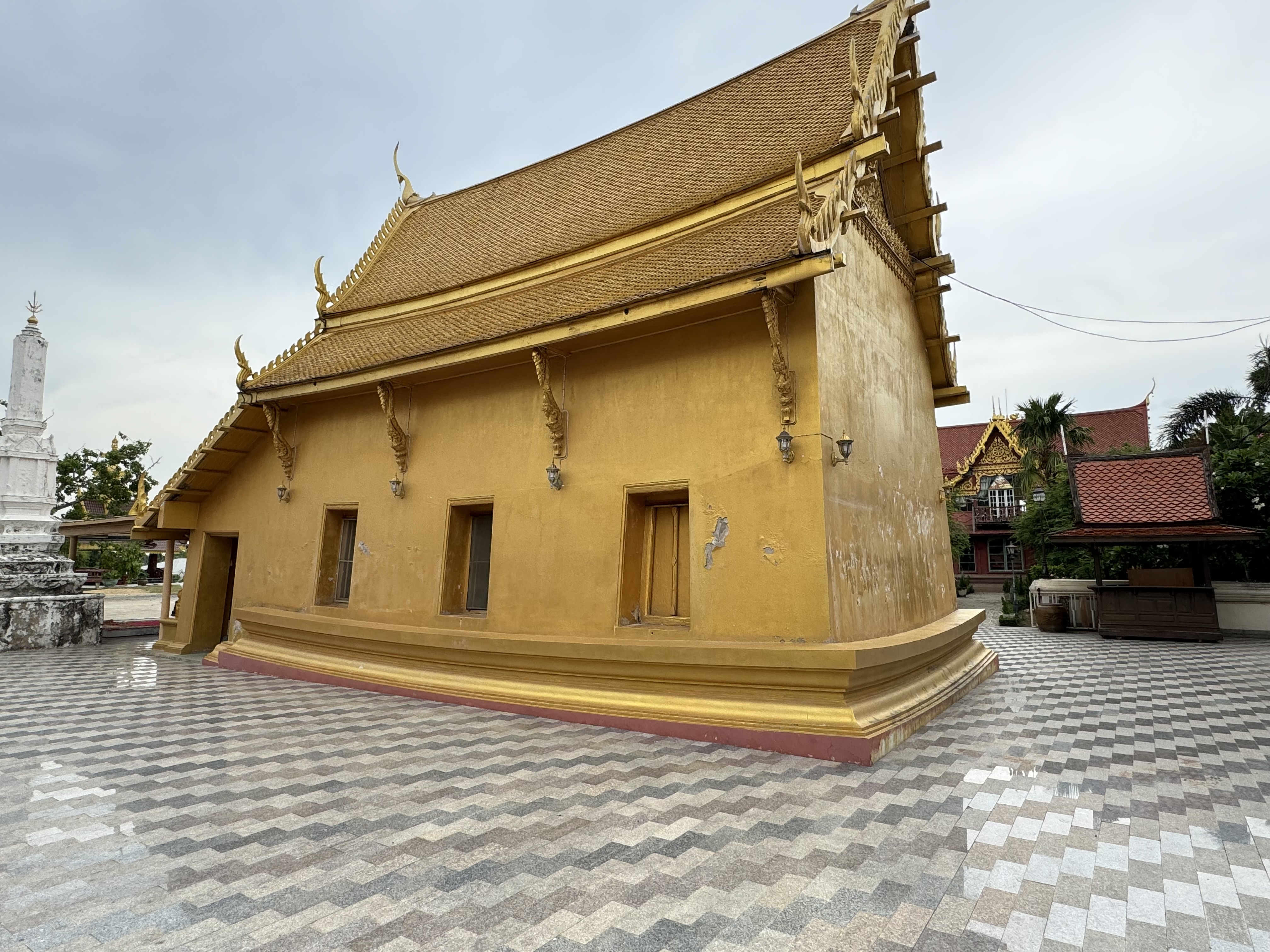
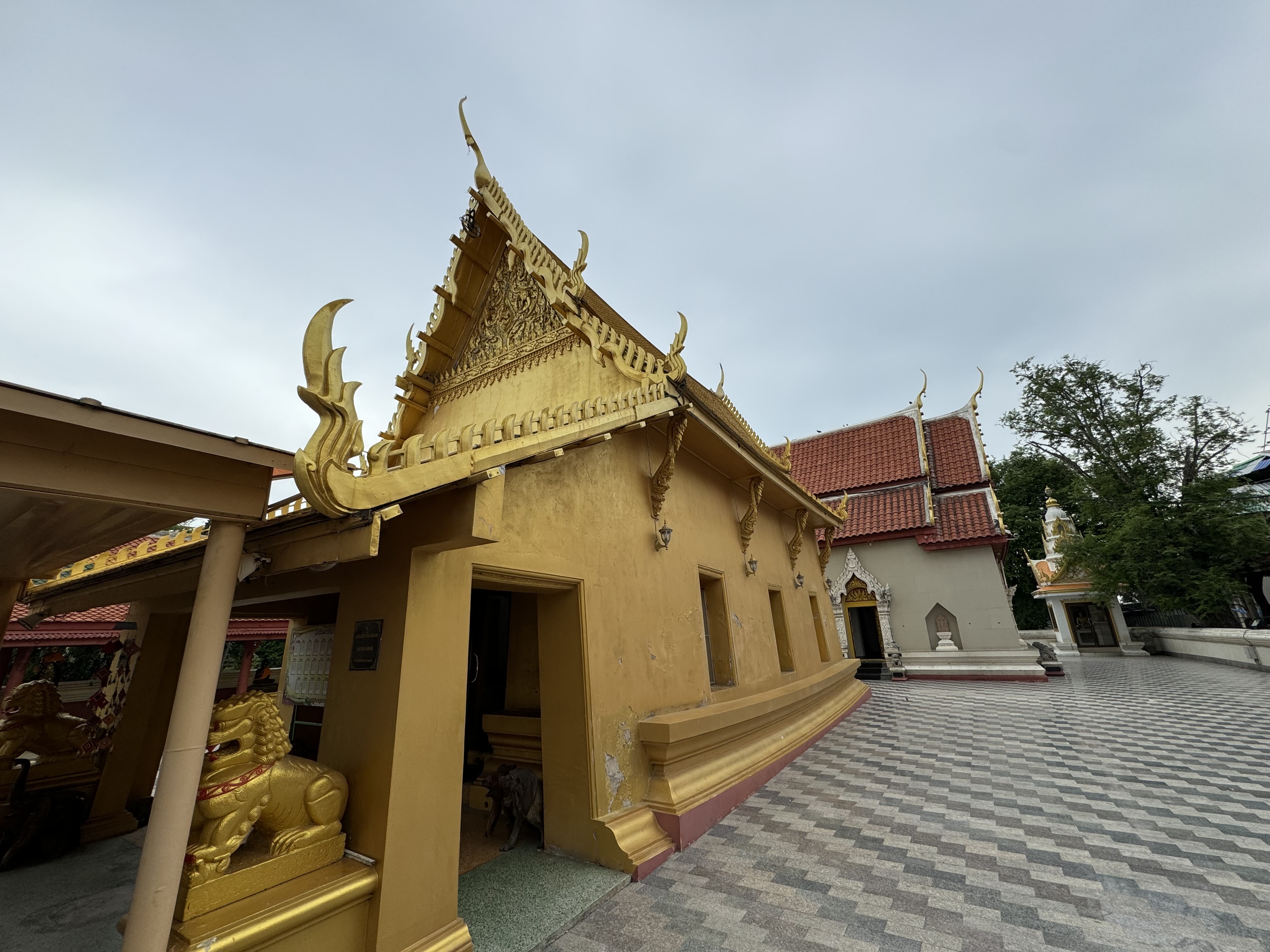
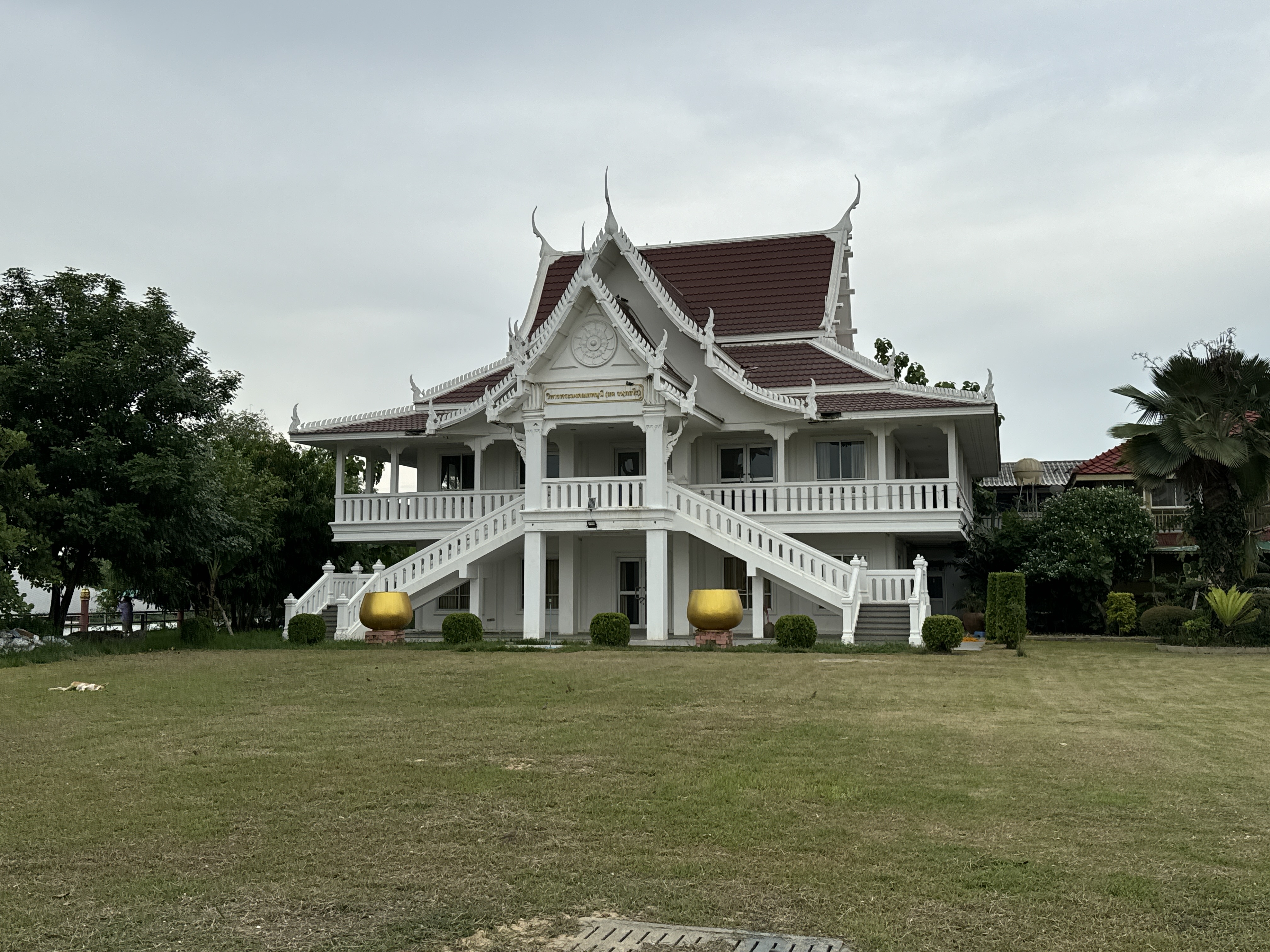
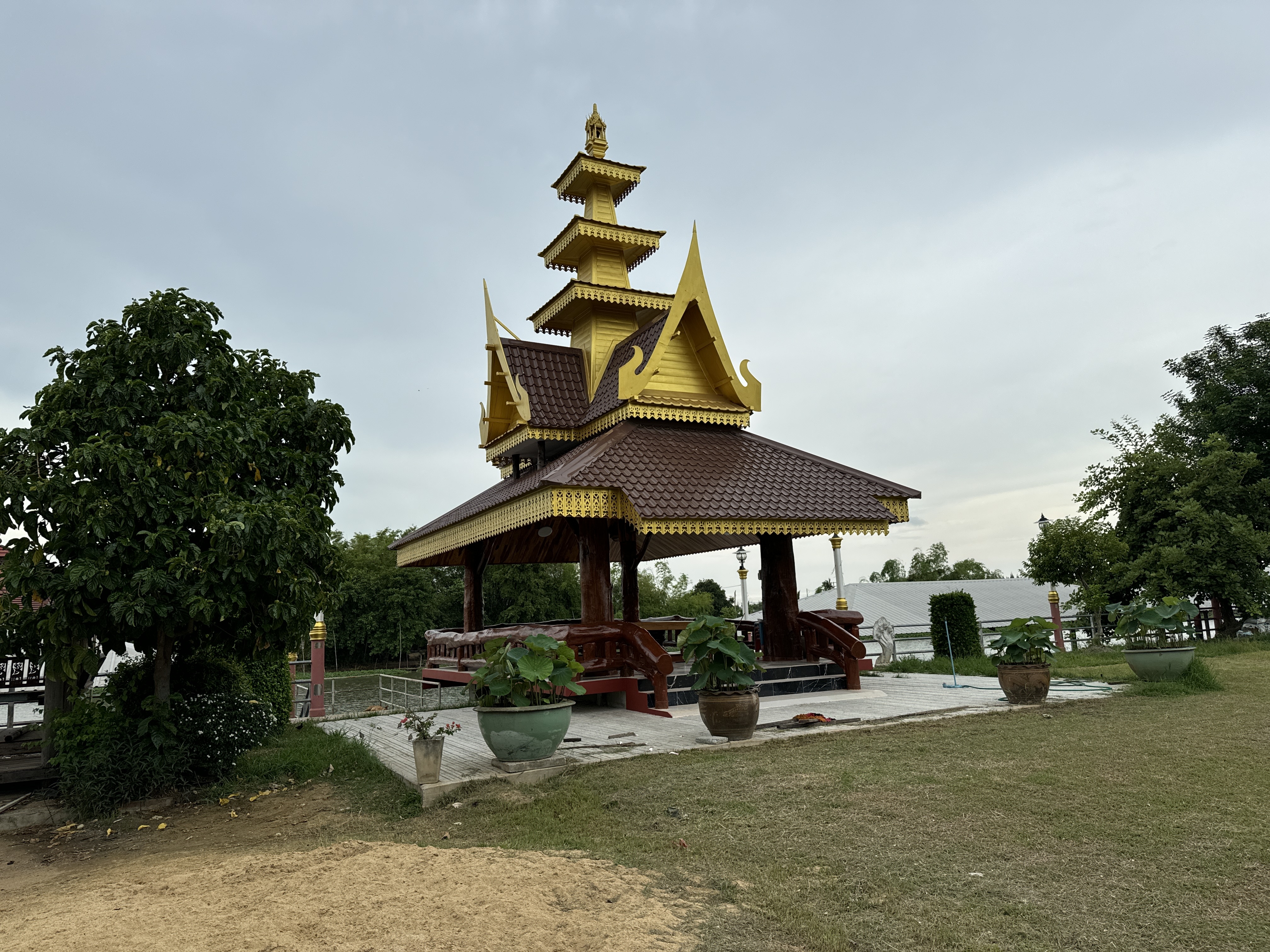
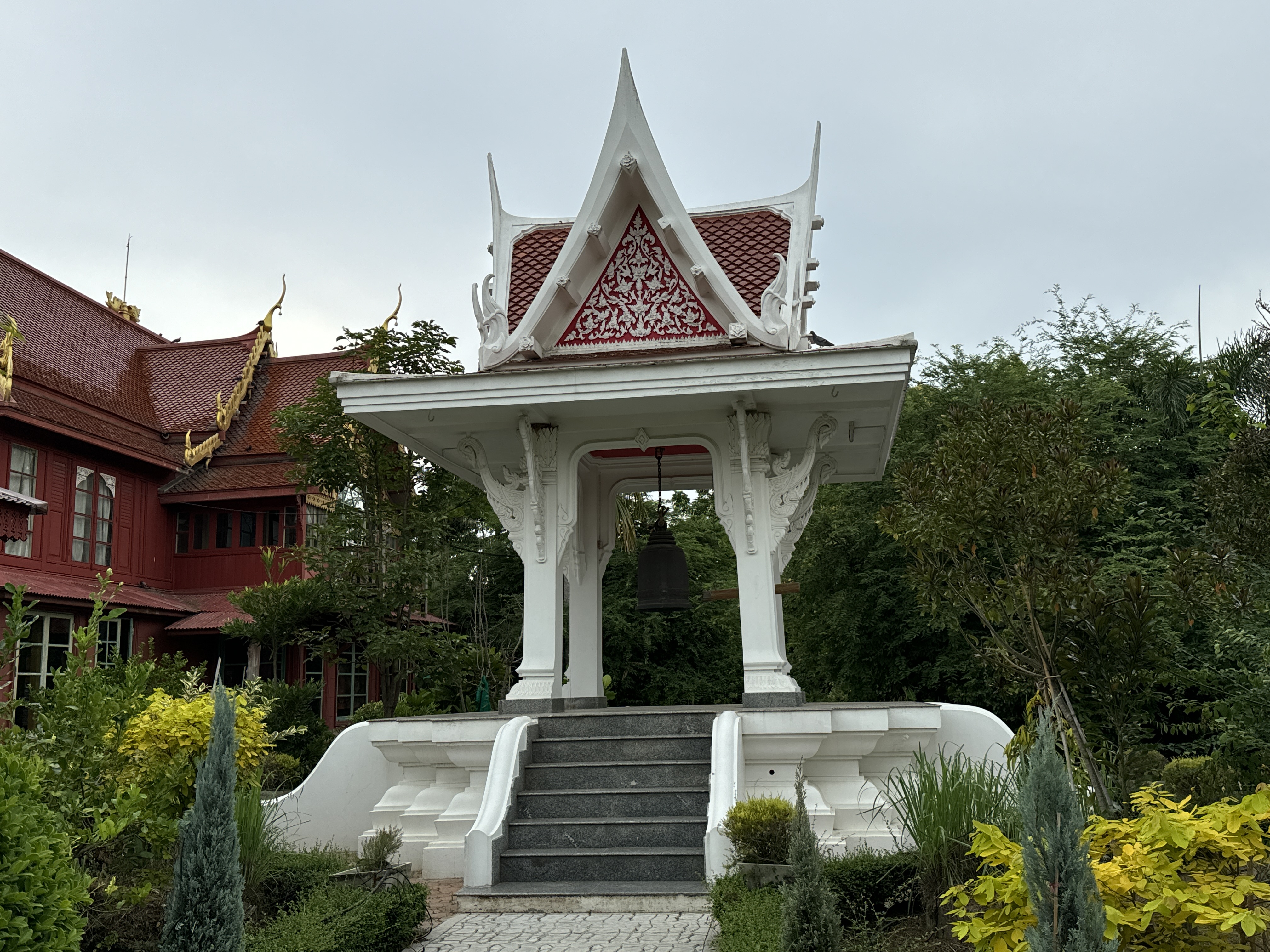
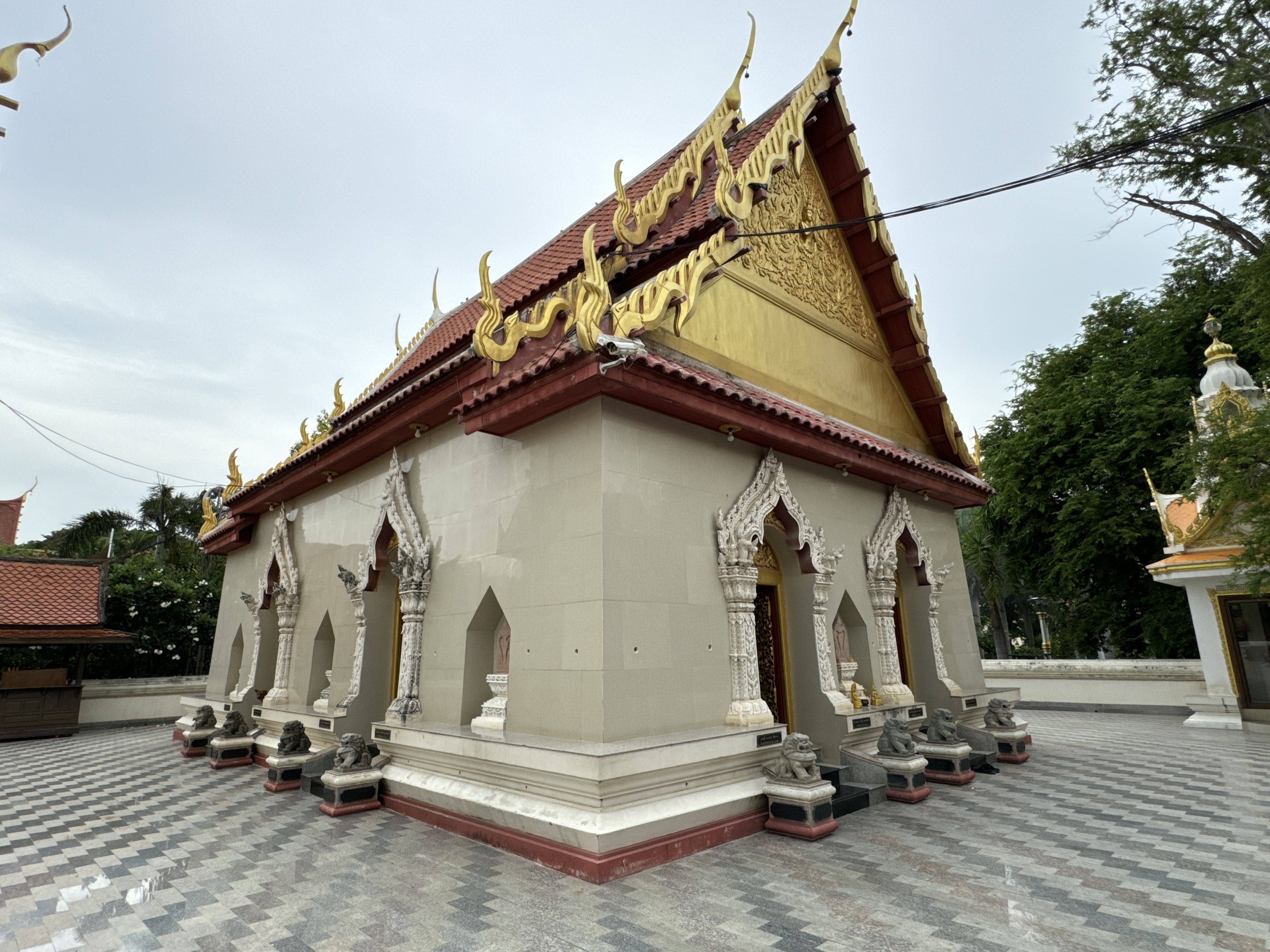
Wat Bang Pla is in the Bang Len district of Nakhon Pathom. It’s about an hour and a half outside of Bangkok to the west. In the past this region was primarily an agricultural area but recently more housing and light industry has changed the communities. Most people were farmers who settled along the water ways, some living on rafts. Rivers and canals were avenues for trade and transport, resulting in the emergence of floating markets in many areas. Boats were the most important means of transport in the water-based culture of Siam.
Bang Len was once an agricultural zone but has since become a residential and light industrial area. Fields which had once grown rice now grow flowers and fruit commercially. The life style of the local people has always been associated with waterways. With the coming of roads the communities along Tha Chin River and other waterways has changed a great deal.
History of Wat Bang Pla
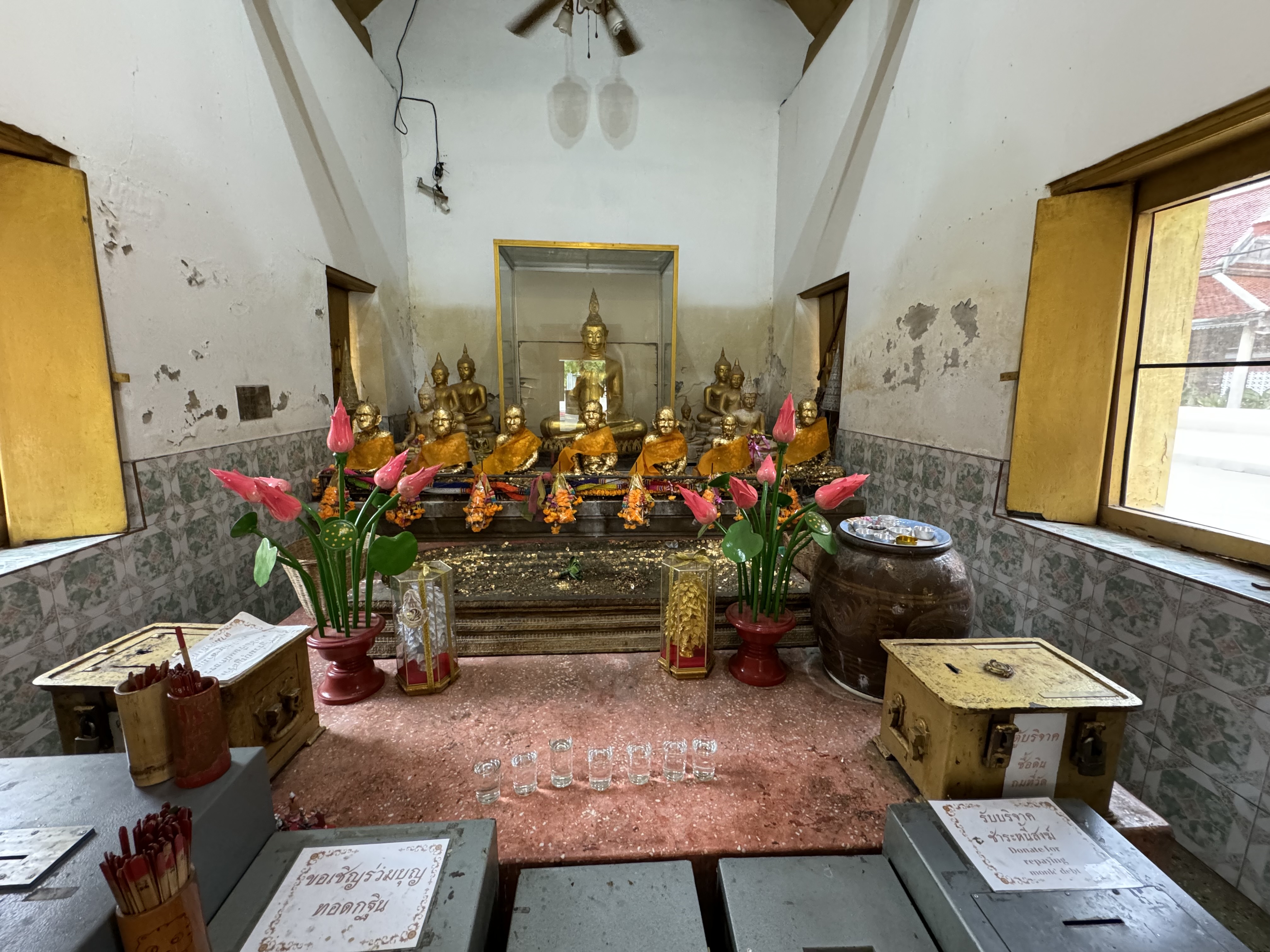
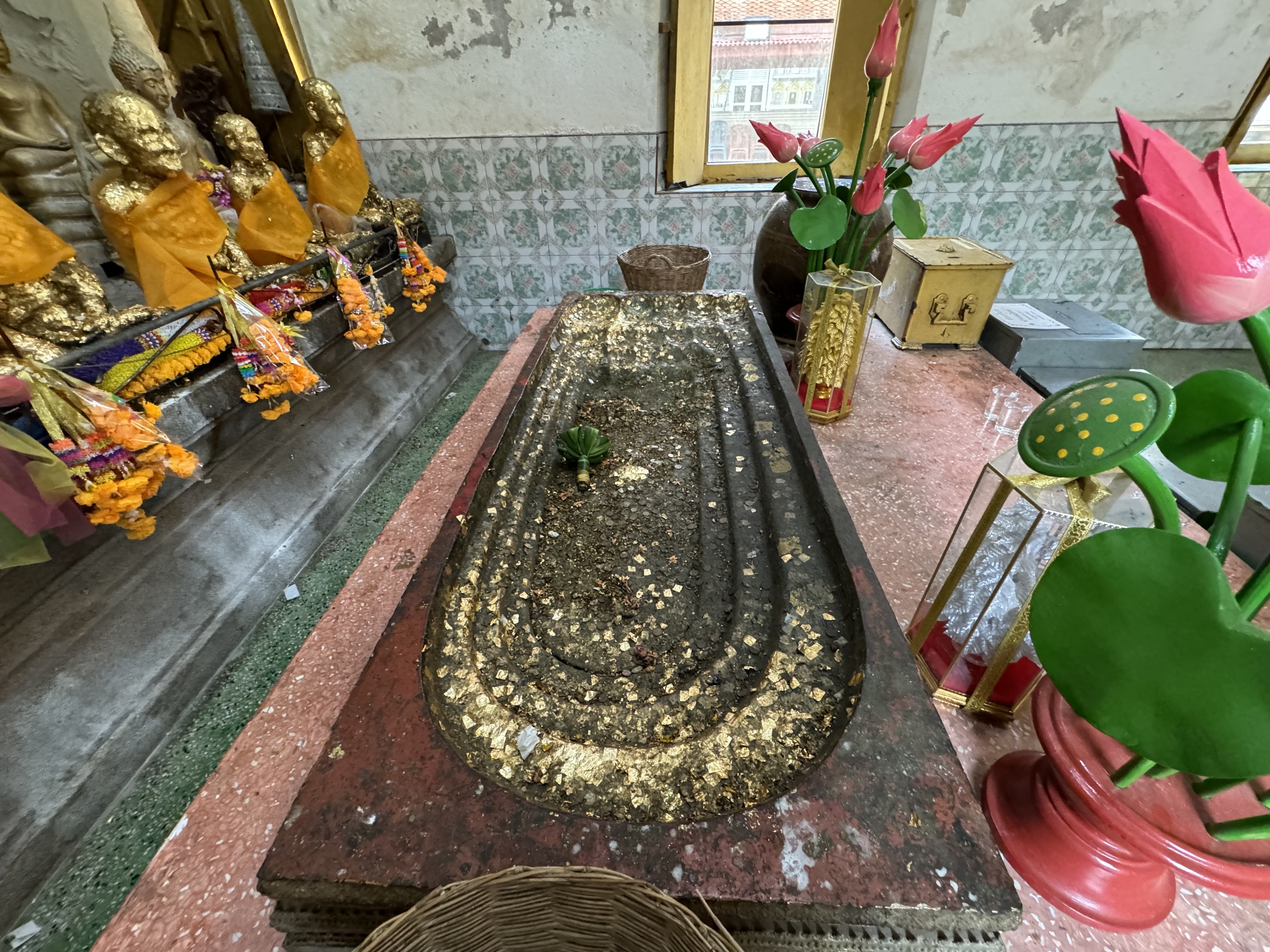
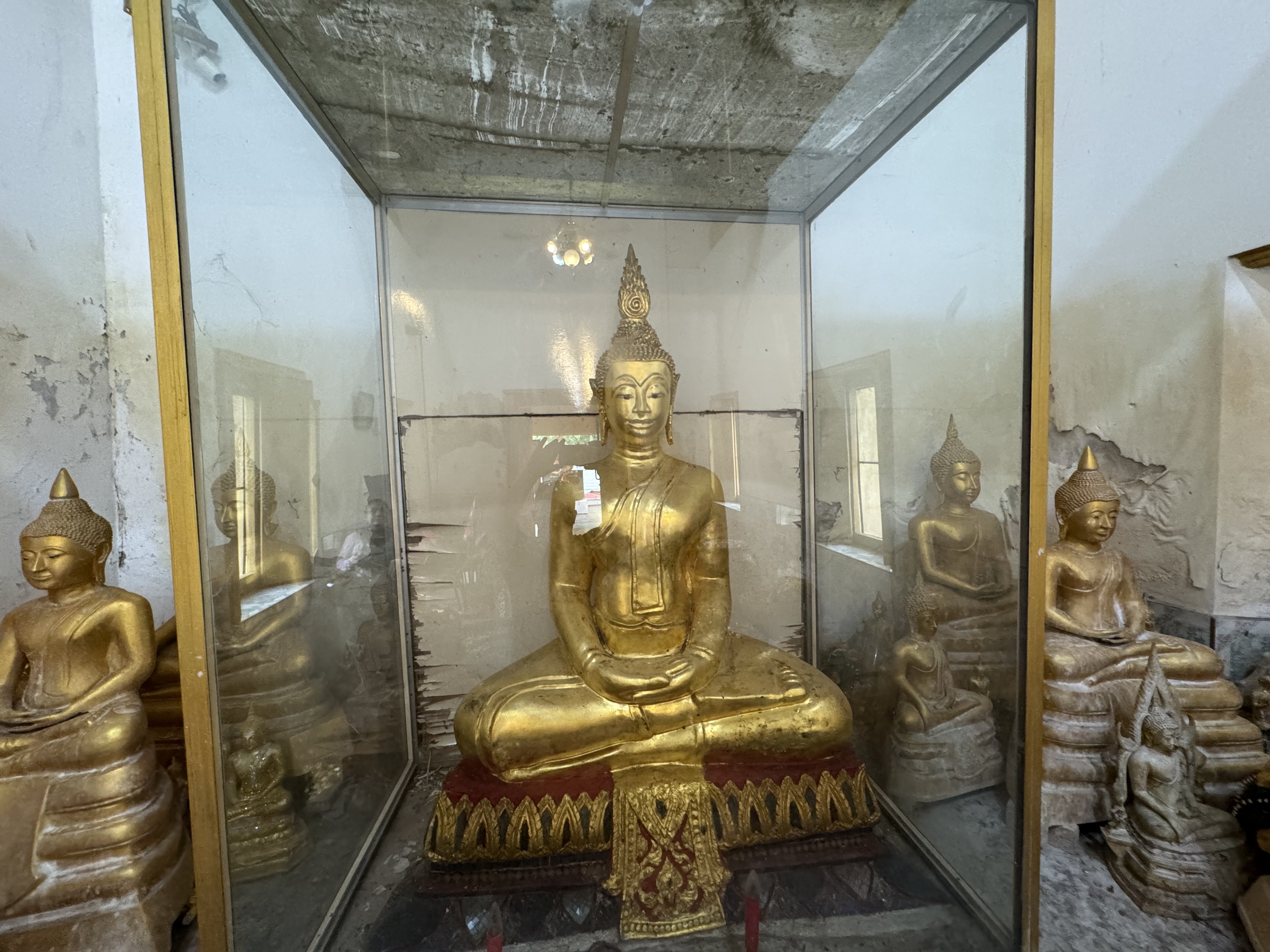
Wat Bang Pla dates back to the end of Ayutthaya the period in 1729. On of the main ...
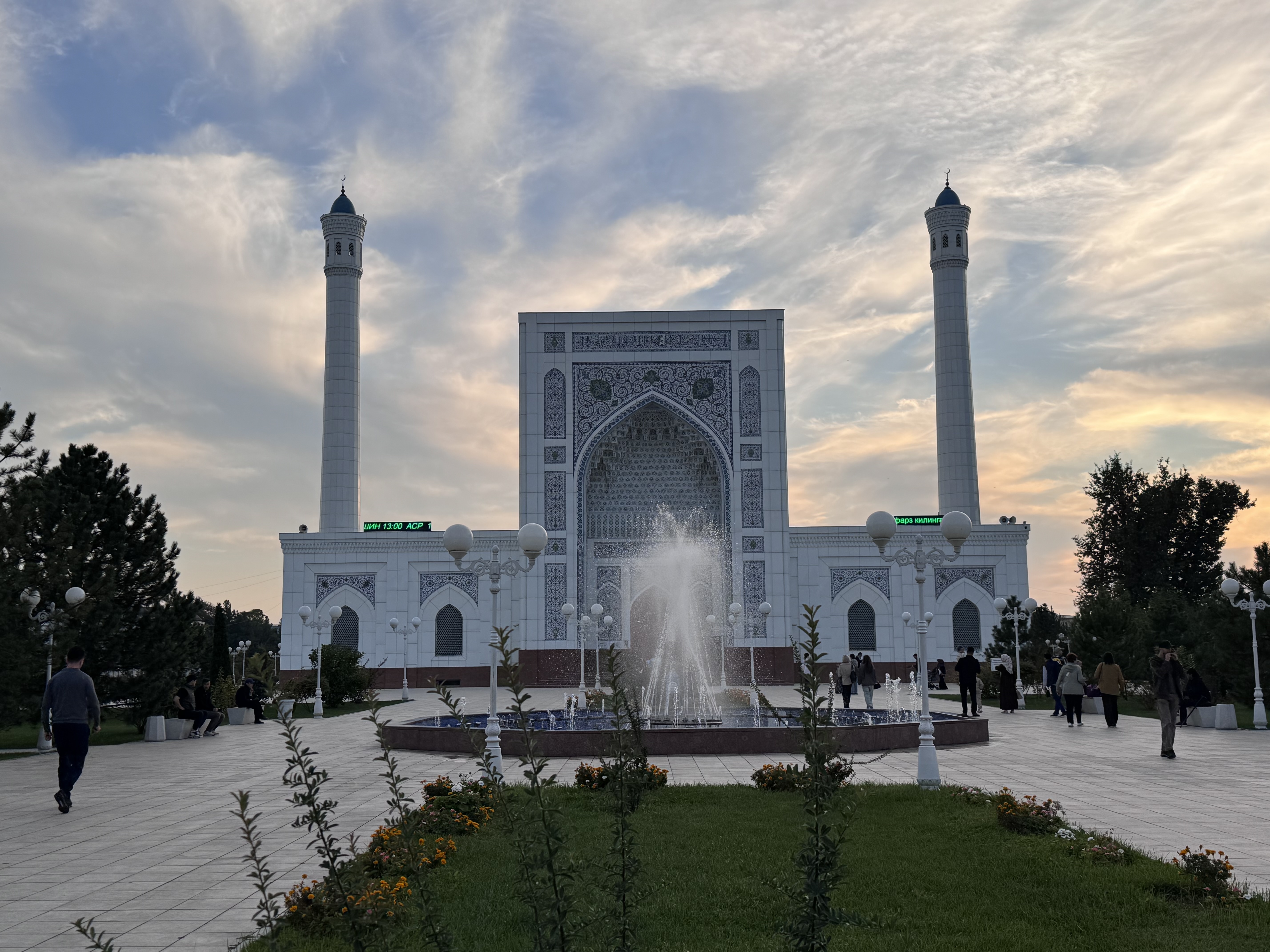
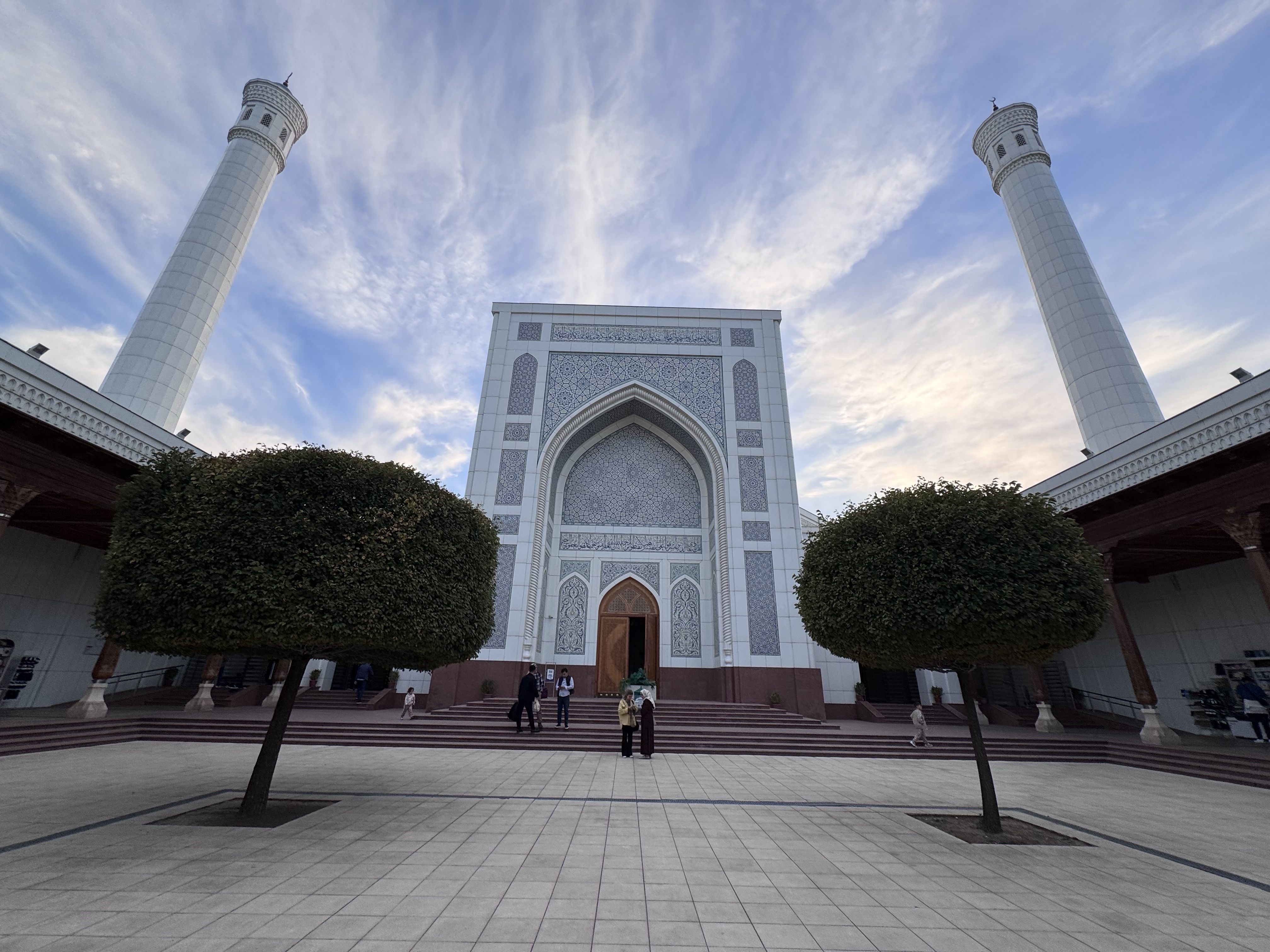
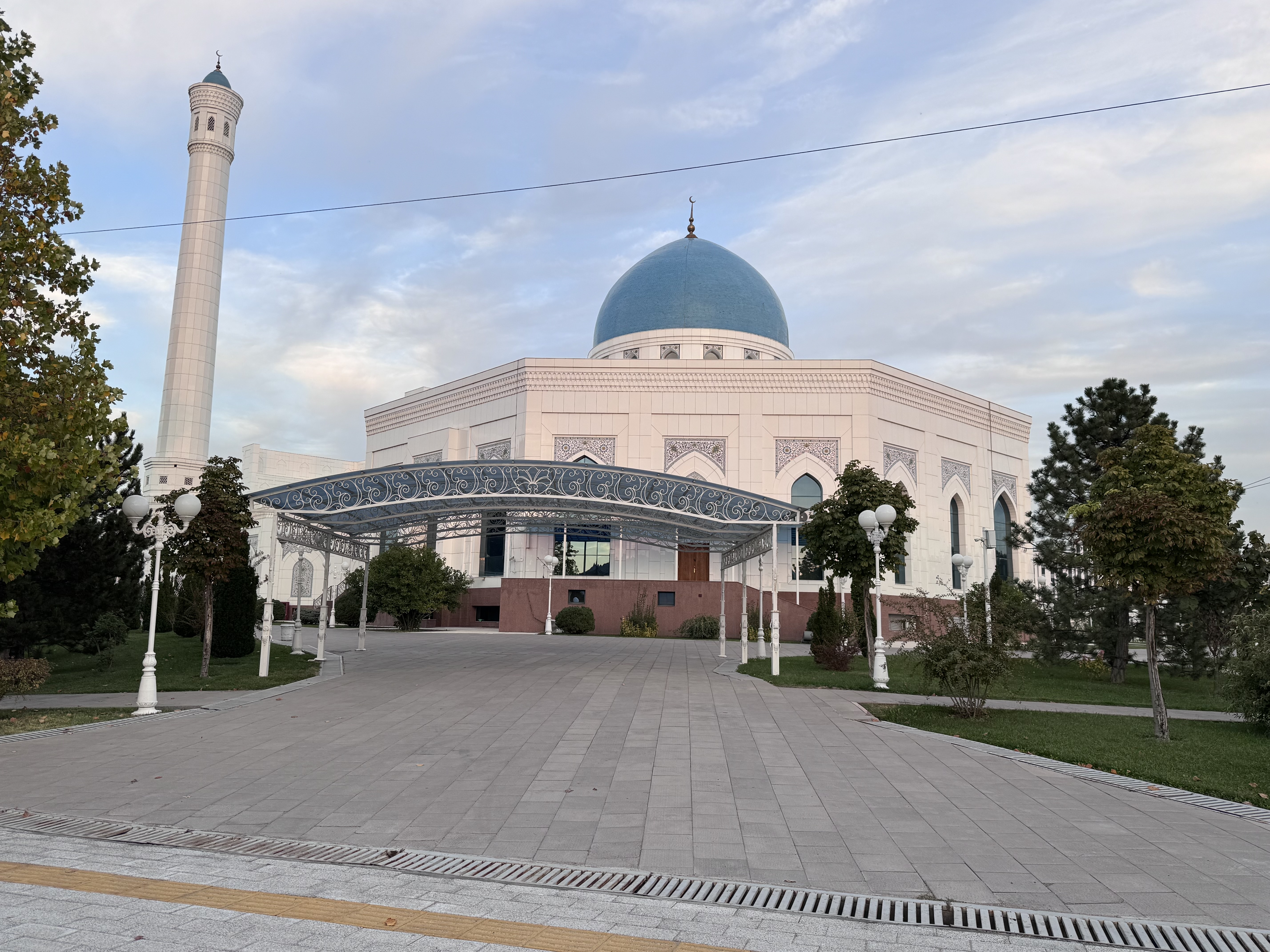
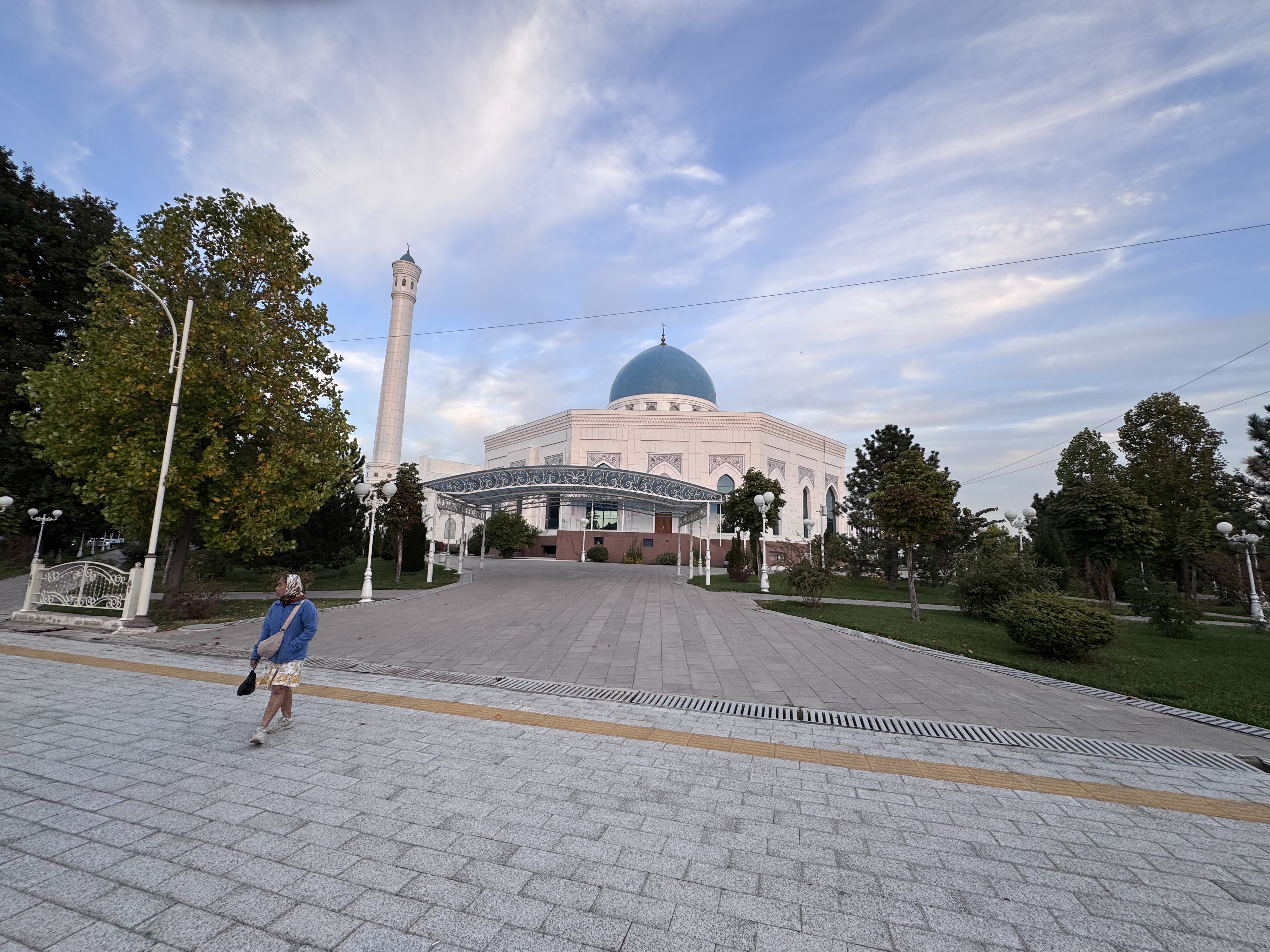
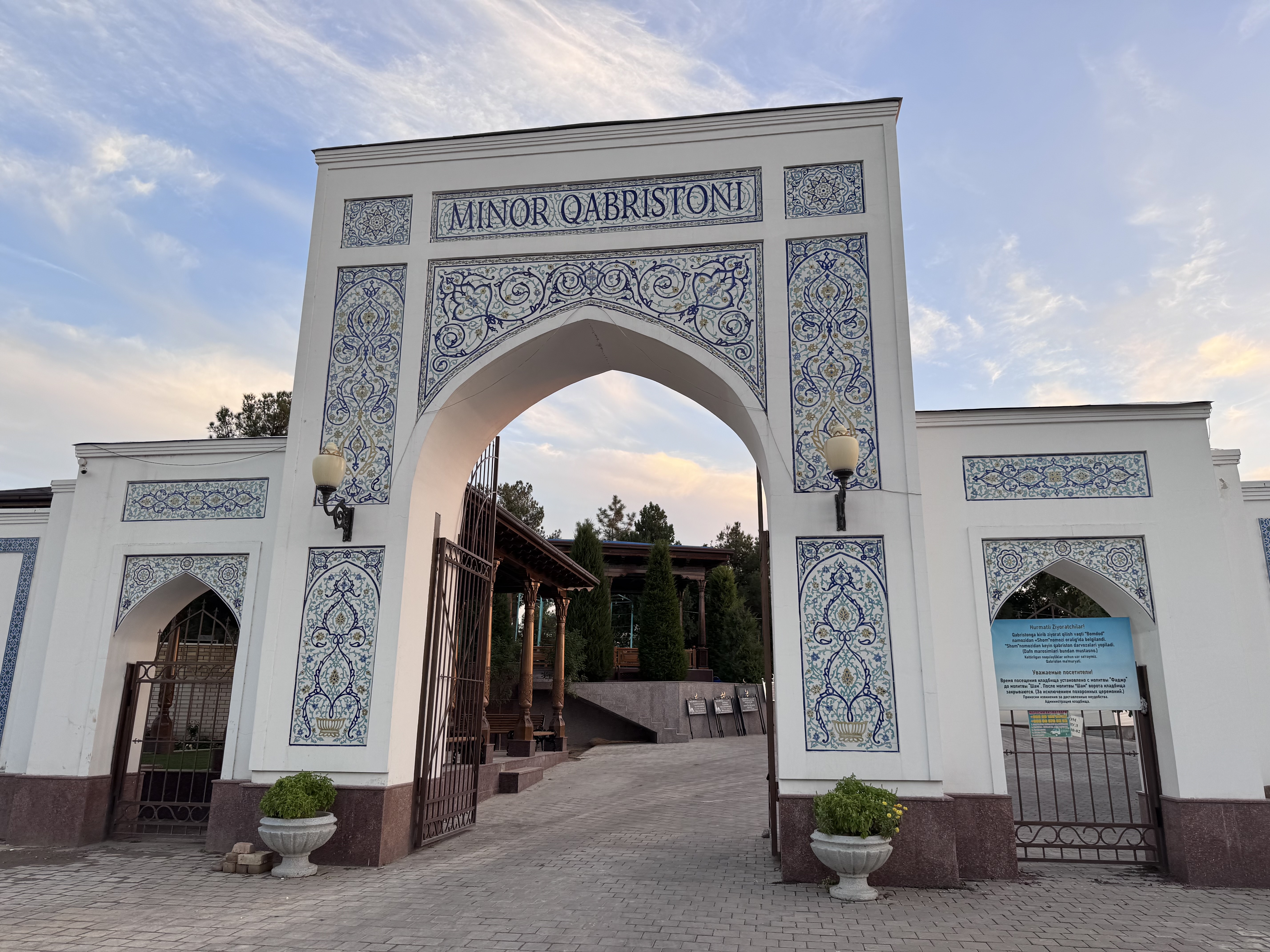
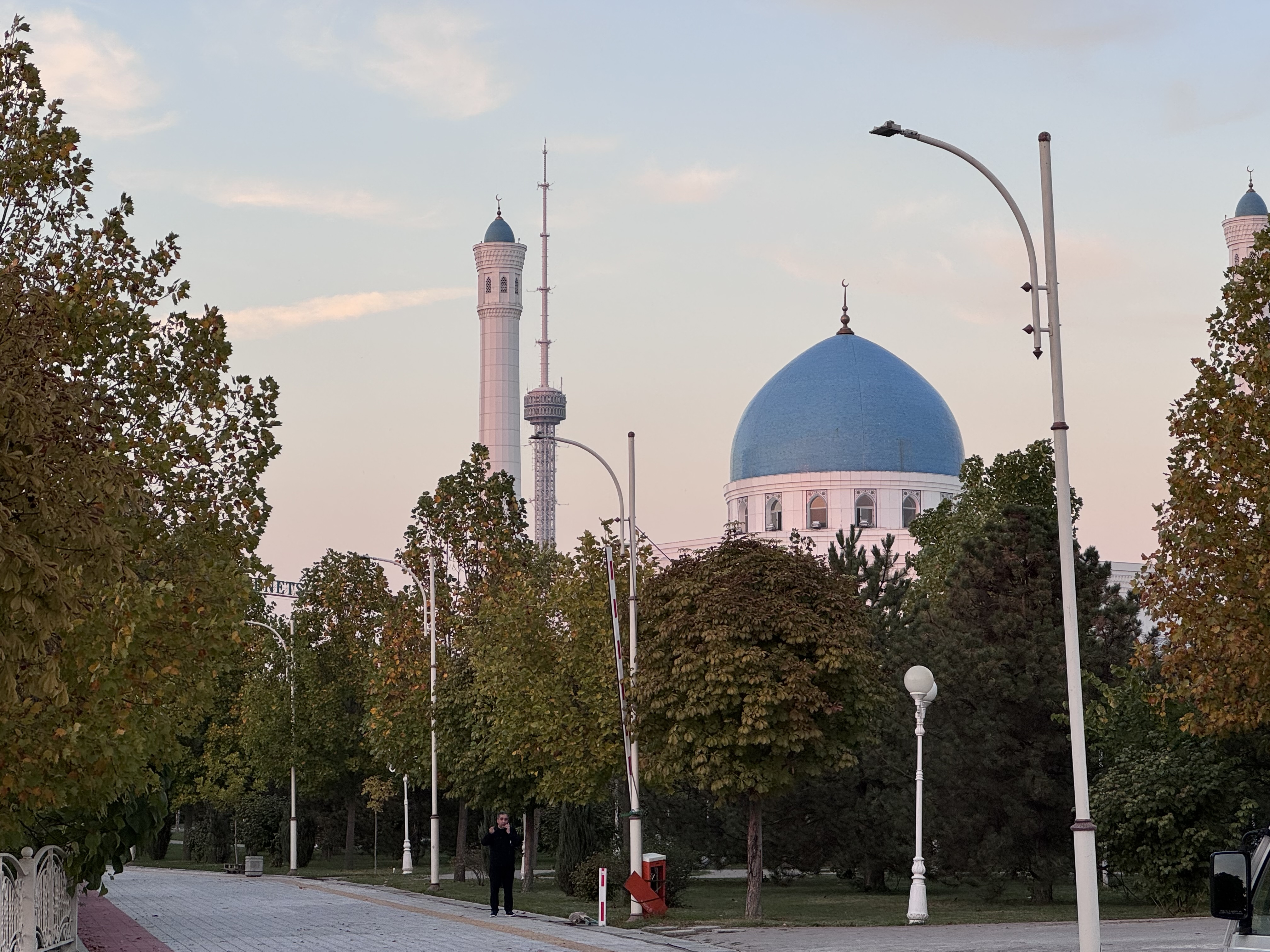
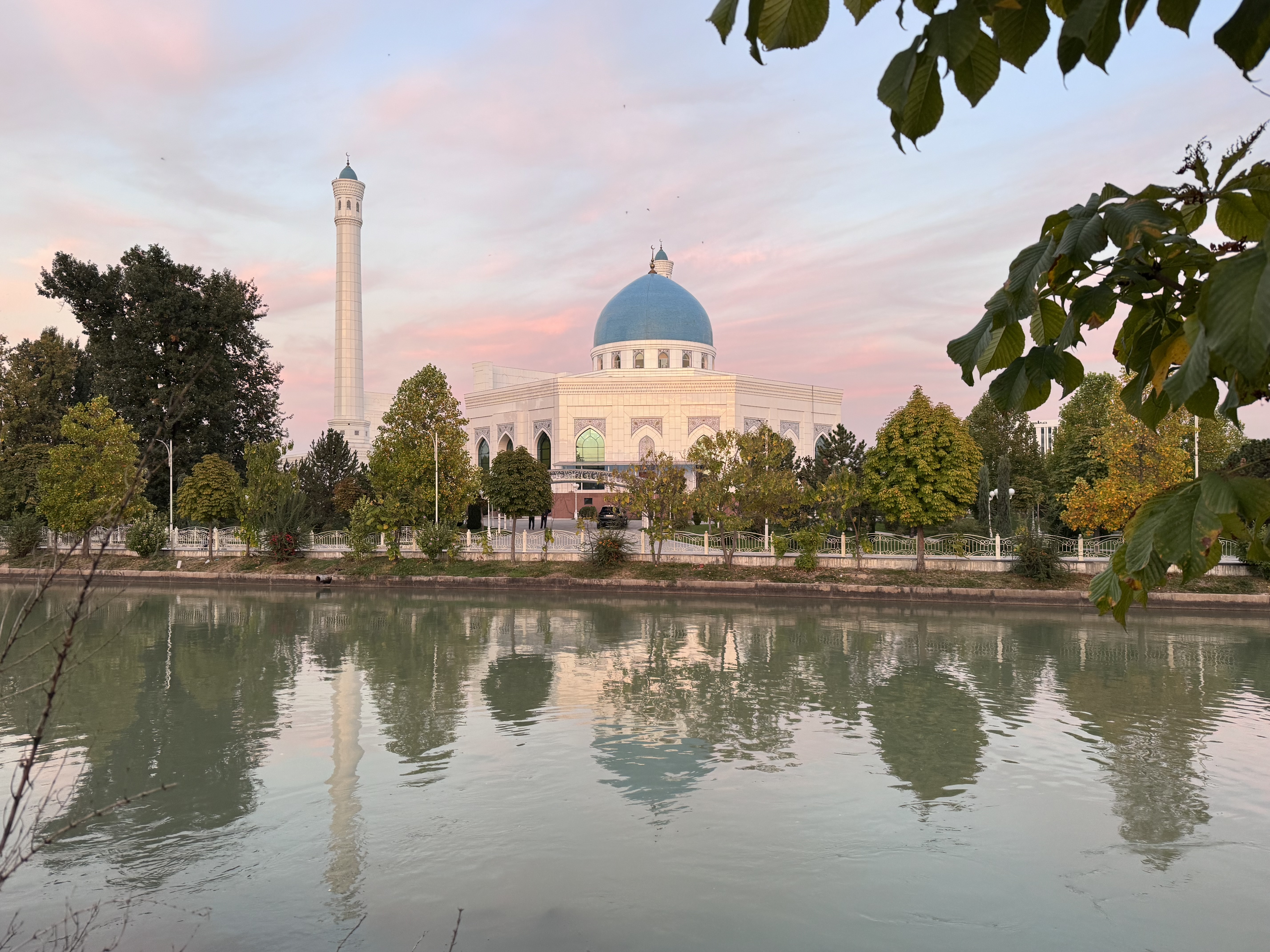
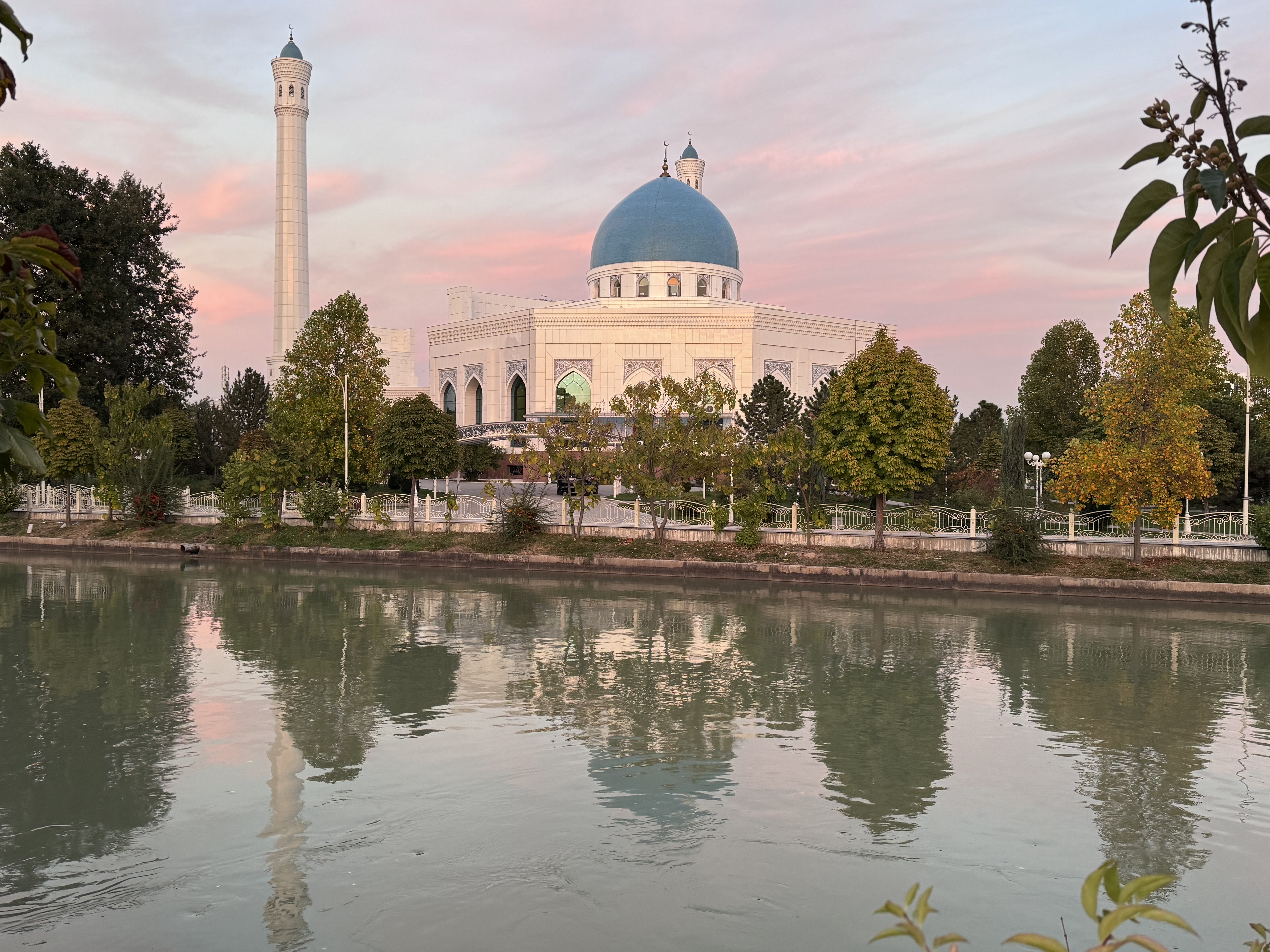
The Minor Mosque rises as one of Tashkent’s most memorable modern landmarks, a radiant white marble structure set along the banks of the Ankhor Canal in the Yunusabad district.
Work began in the summer of 2013 under a presidential decree from Islam Karimov, and the building was finished in a little more than a year. On October 1, 2014, just before the holiday of Kurban Hayit, the president attended the formal opening, giving the city a major new spiritual center that soon became one of the largest and most visited mosques in Uzbekistan.
Its name comes from the Uzbek word for minaret, a natural reference to the twin thirty-eight meter towers that frame the main facade. Unlike the historic brick mosques that shape so much of Central Asian architecture, the Minor Mosque is completely covered in pure white marble.
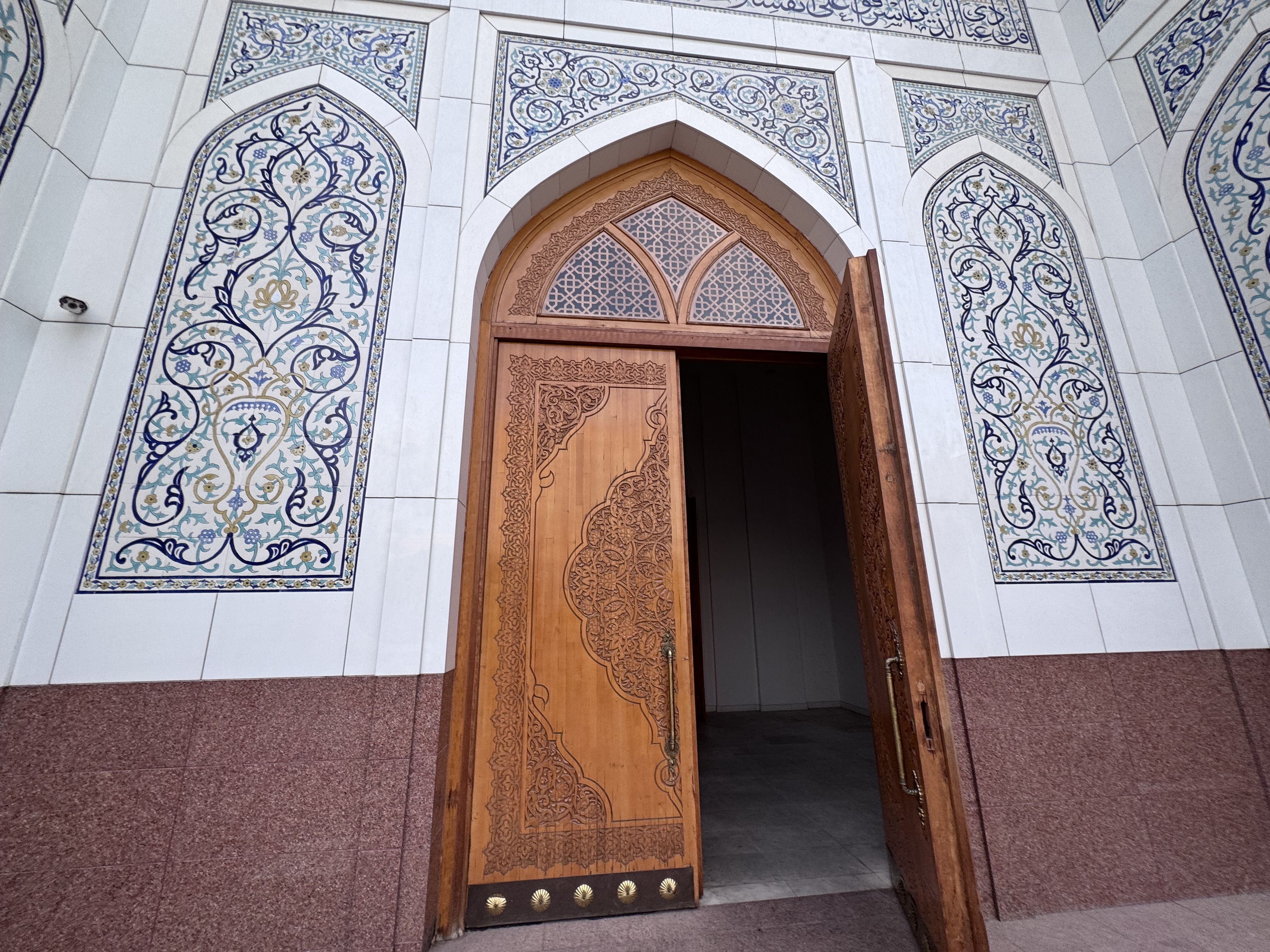
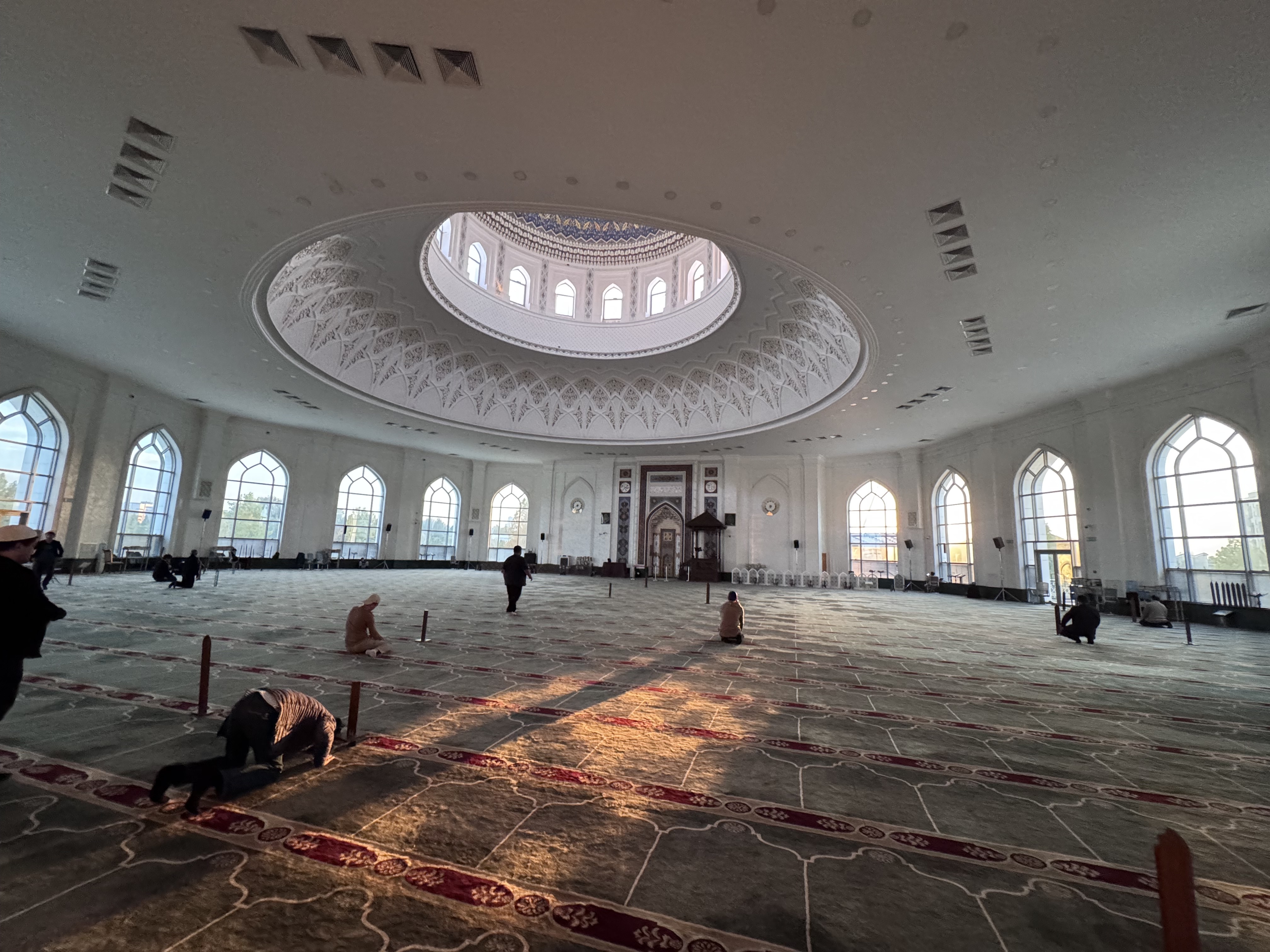
The surface catches the light and gives the entire building a soft, luminous quality, while its broad turquoise dome seems to melt into the sky on clear days. The design blends traditional ...
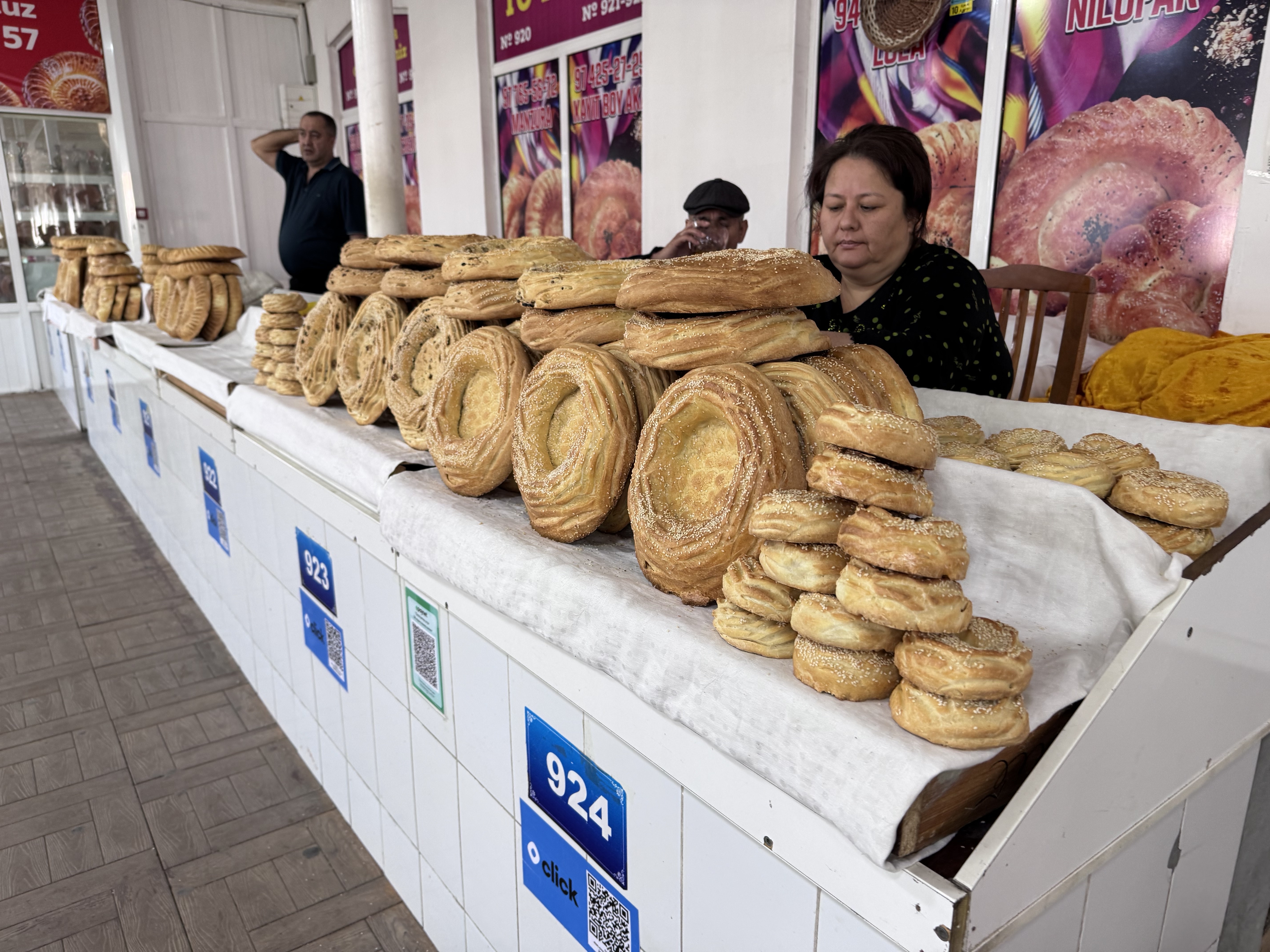
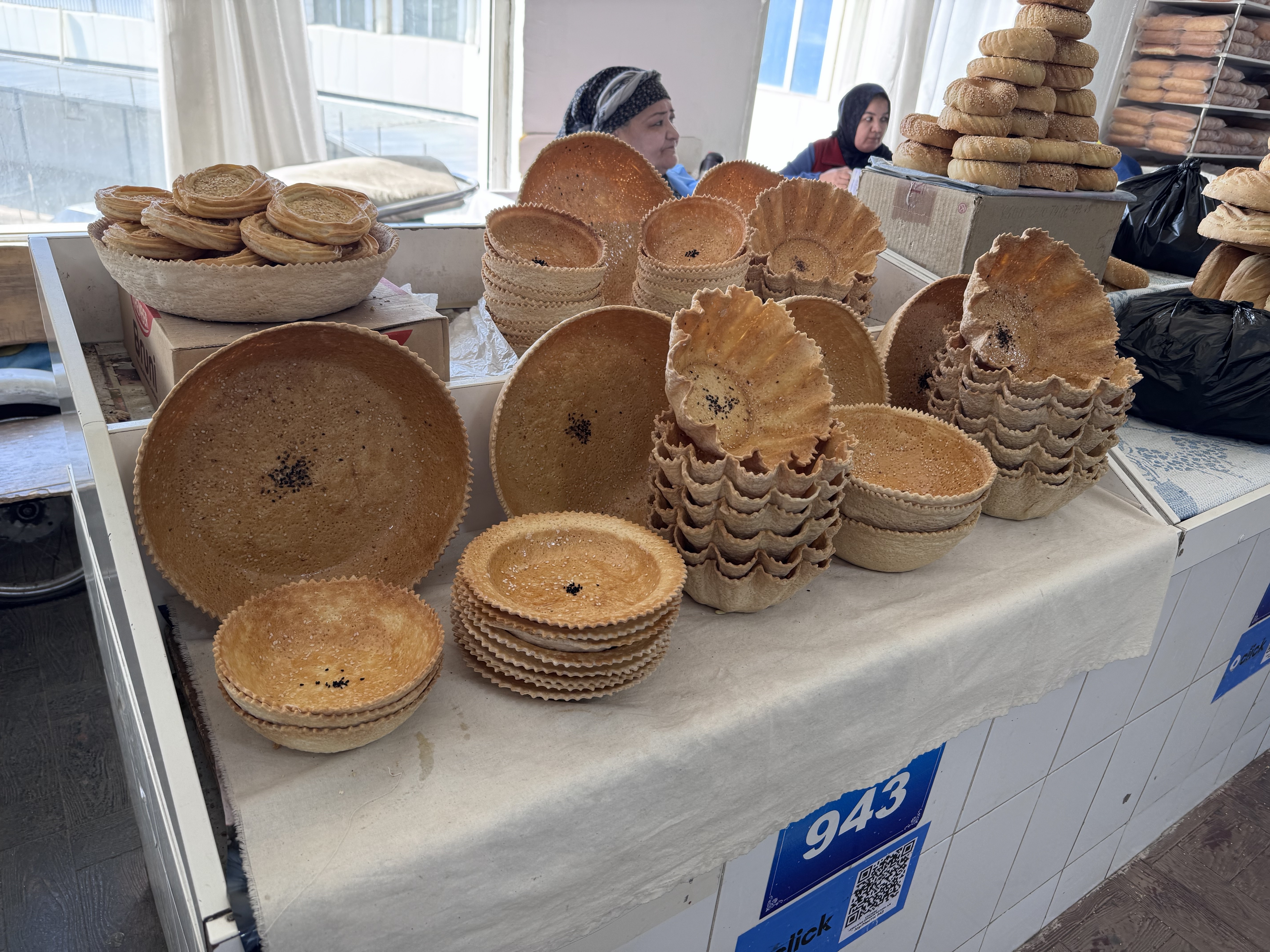
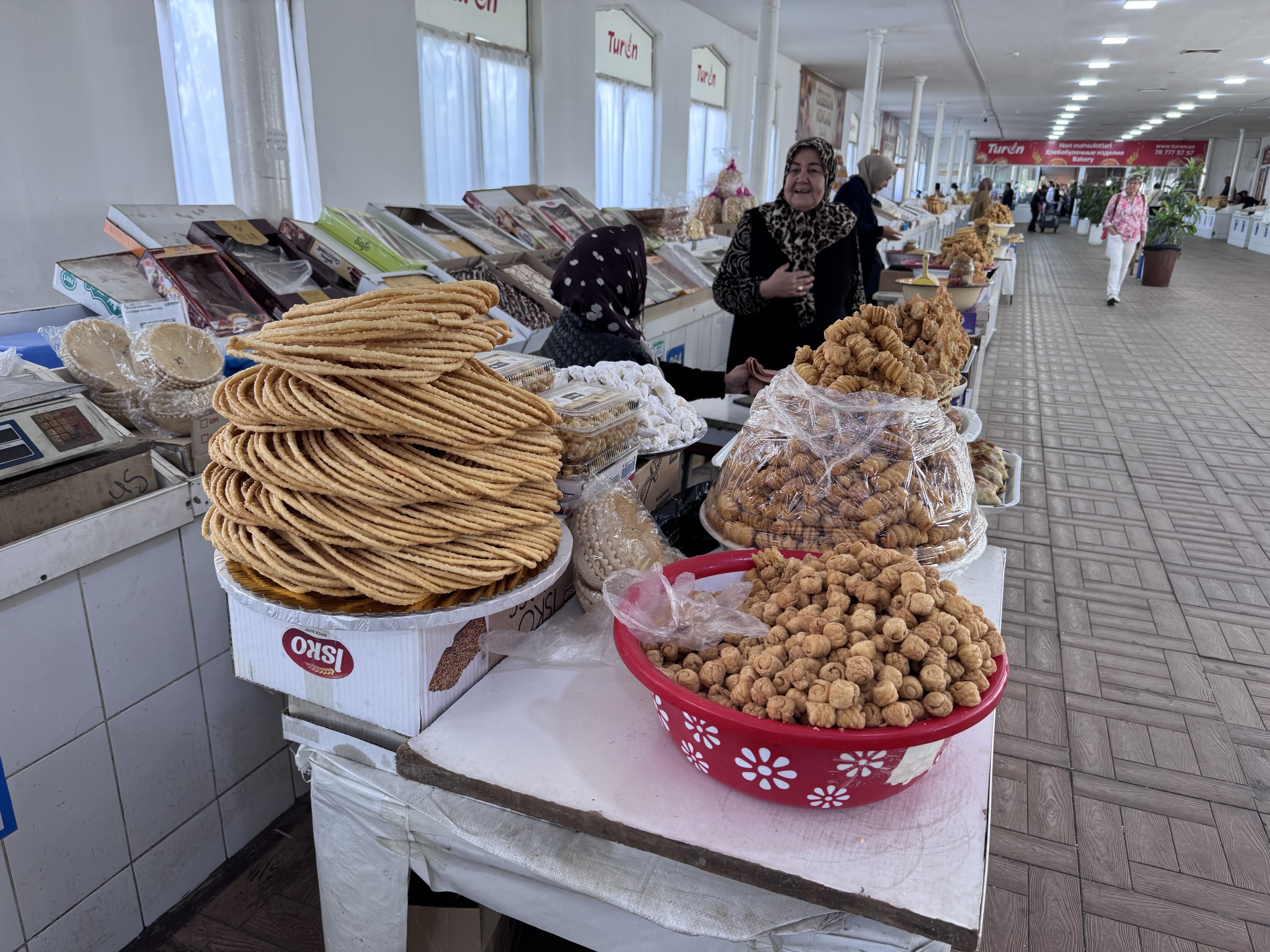
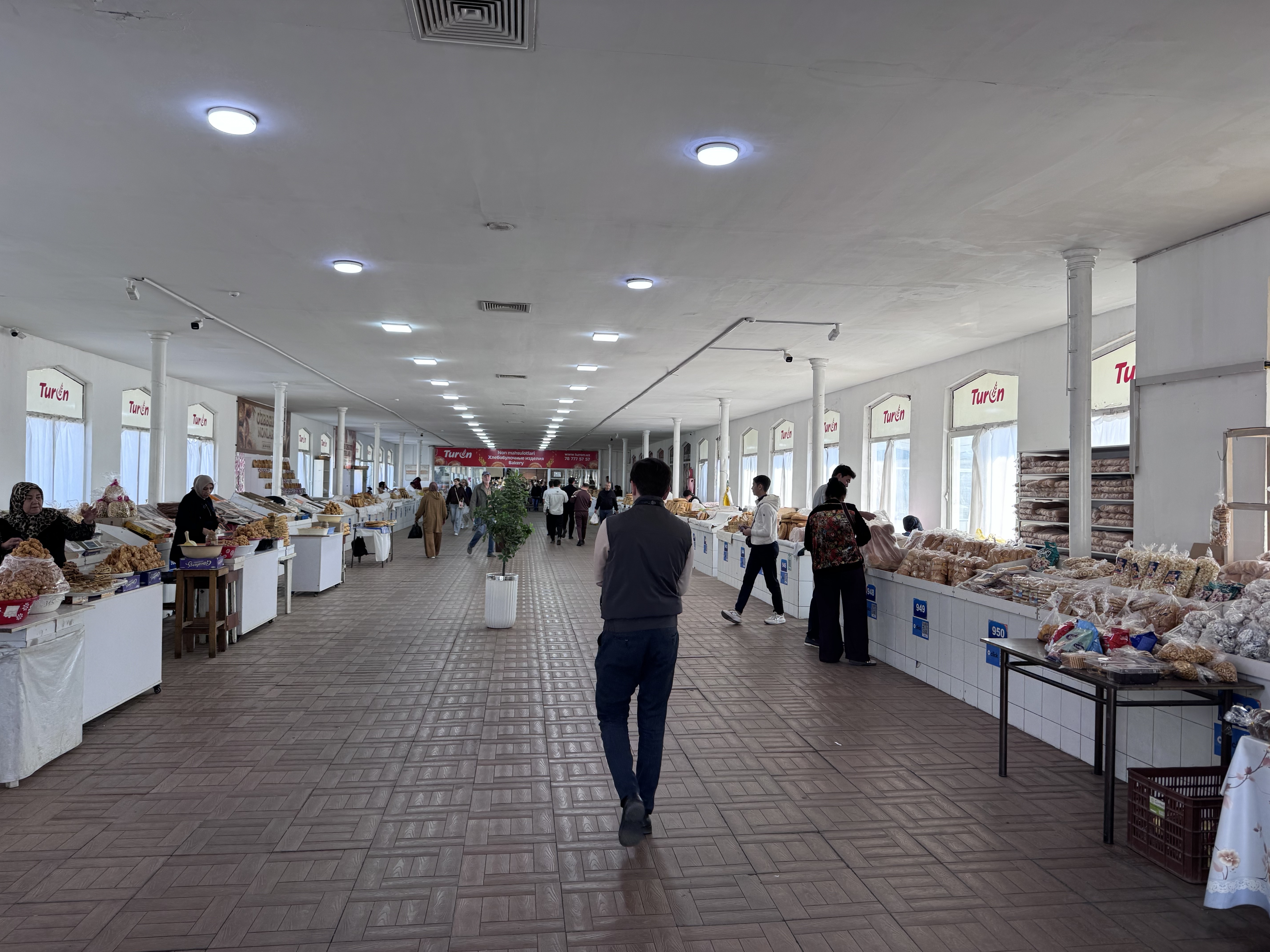
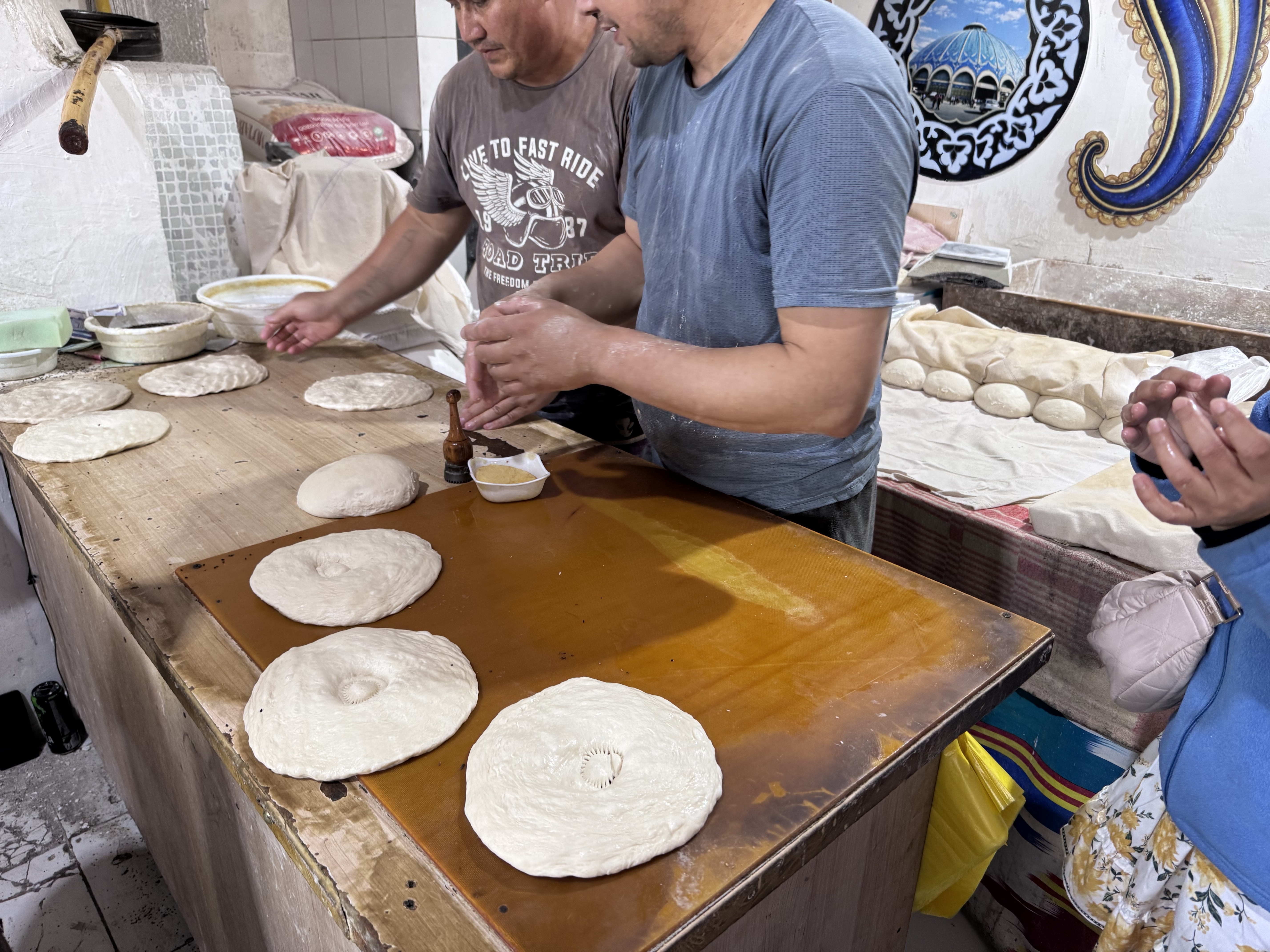
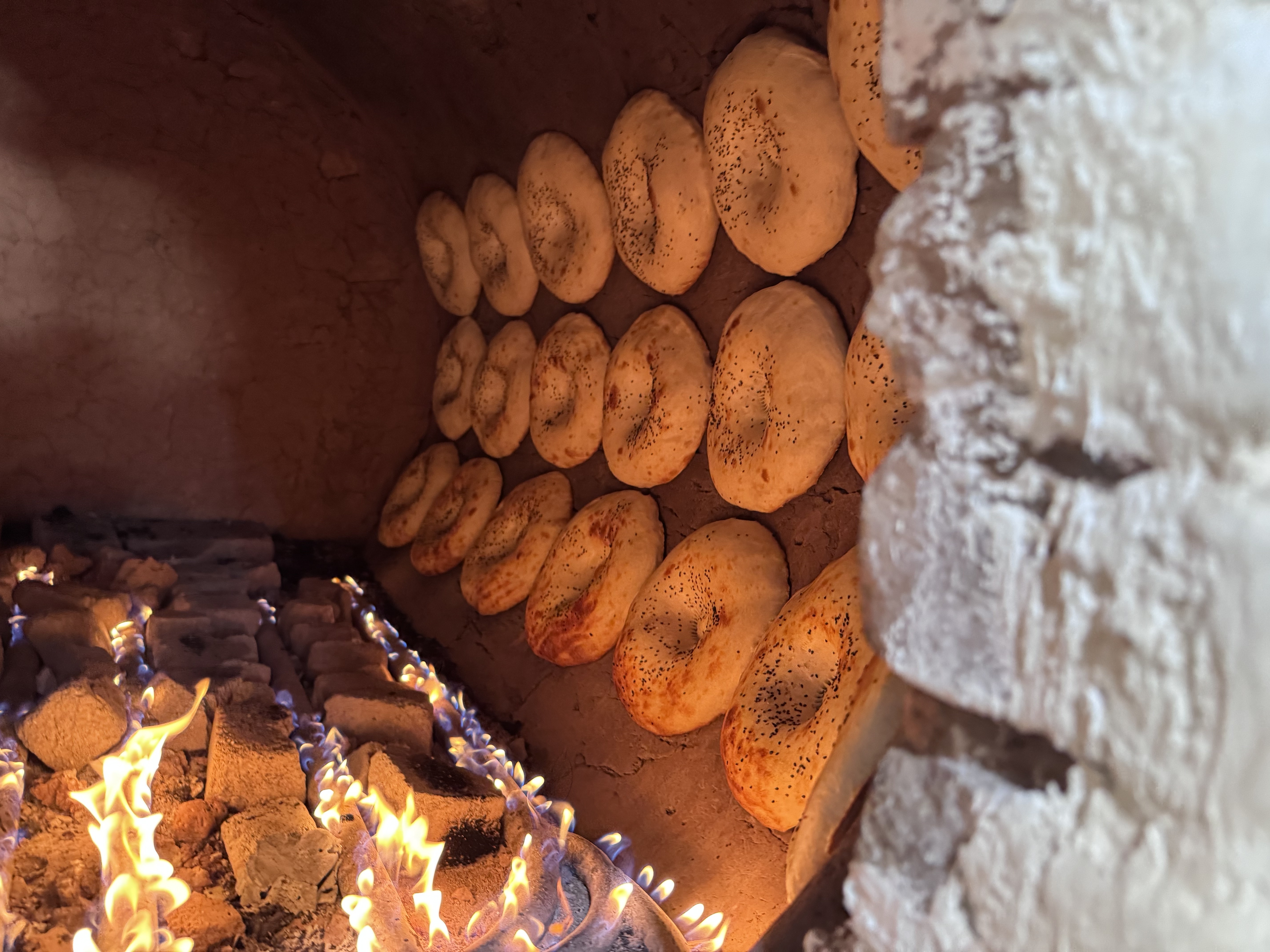
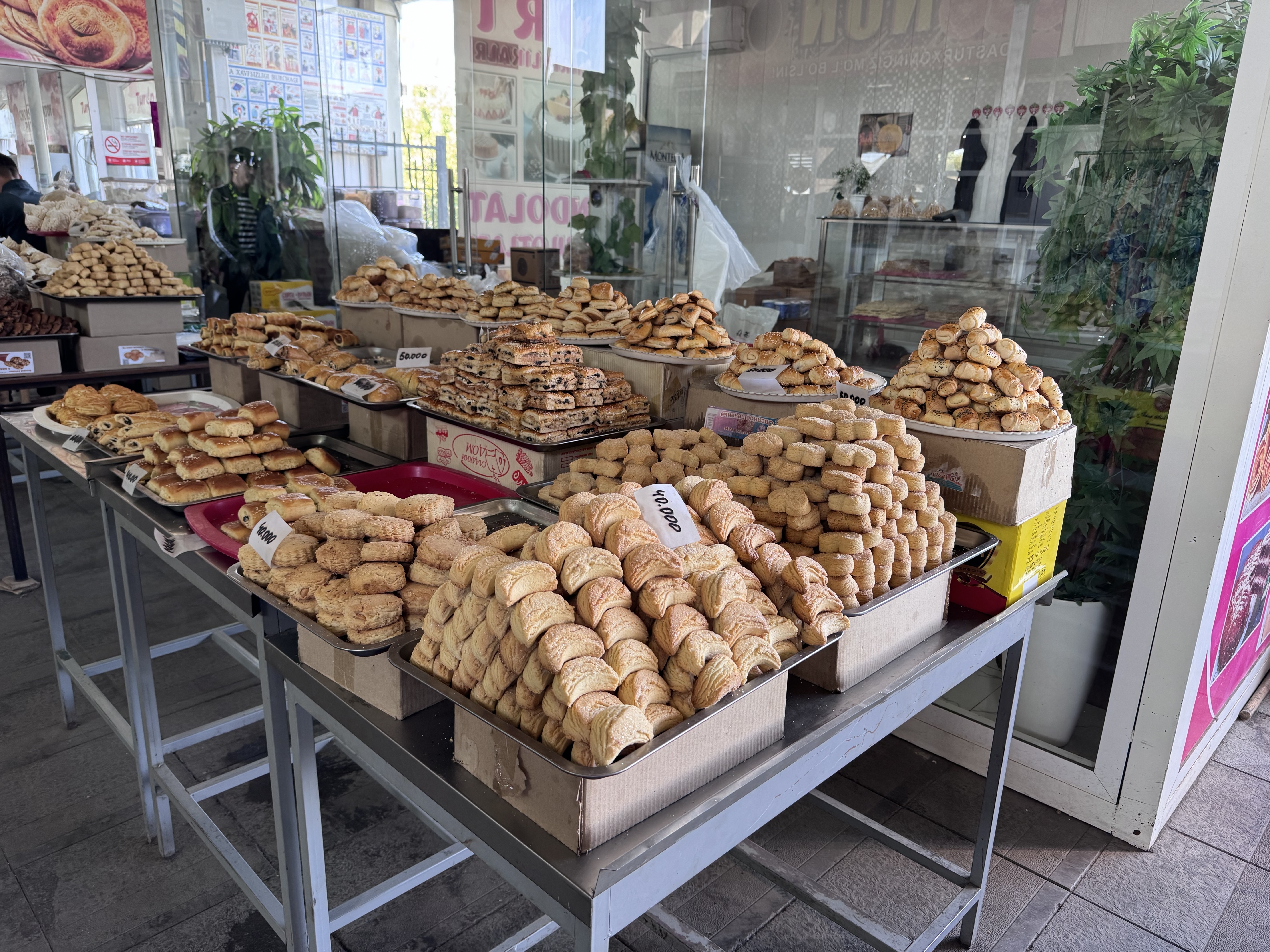
At Chorsu Bazaar in the heart of Tashkent’s Old City, the bread section stands as one of the market’s most sensory and deeply local experiences.
Located to the left or northern side of the iconic blue-domed hall, this area draws both residents buying their daily non and curious visitors following the warm, toasty aroma that rises from traditional clay tandoor ovens.
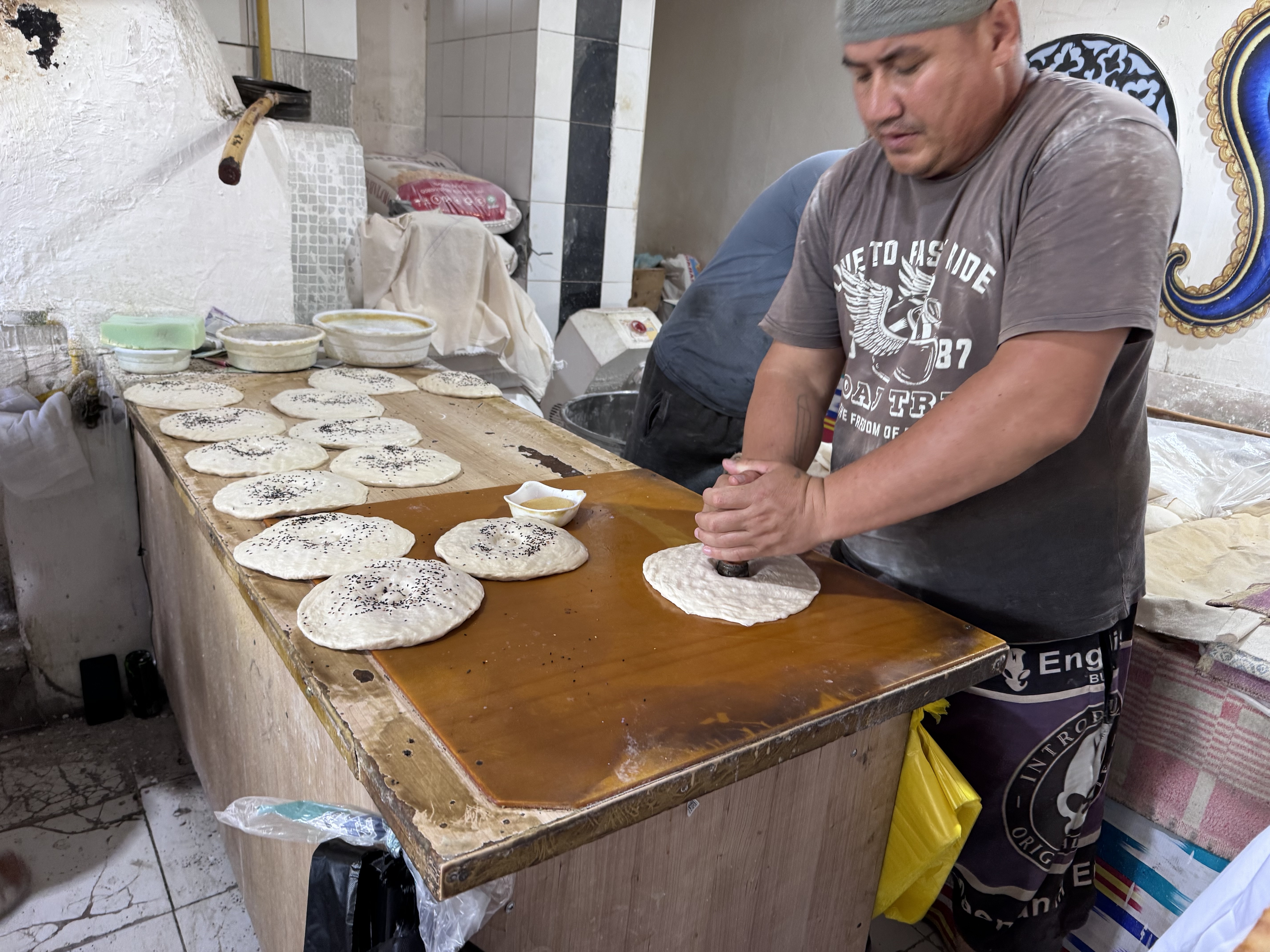
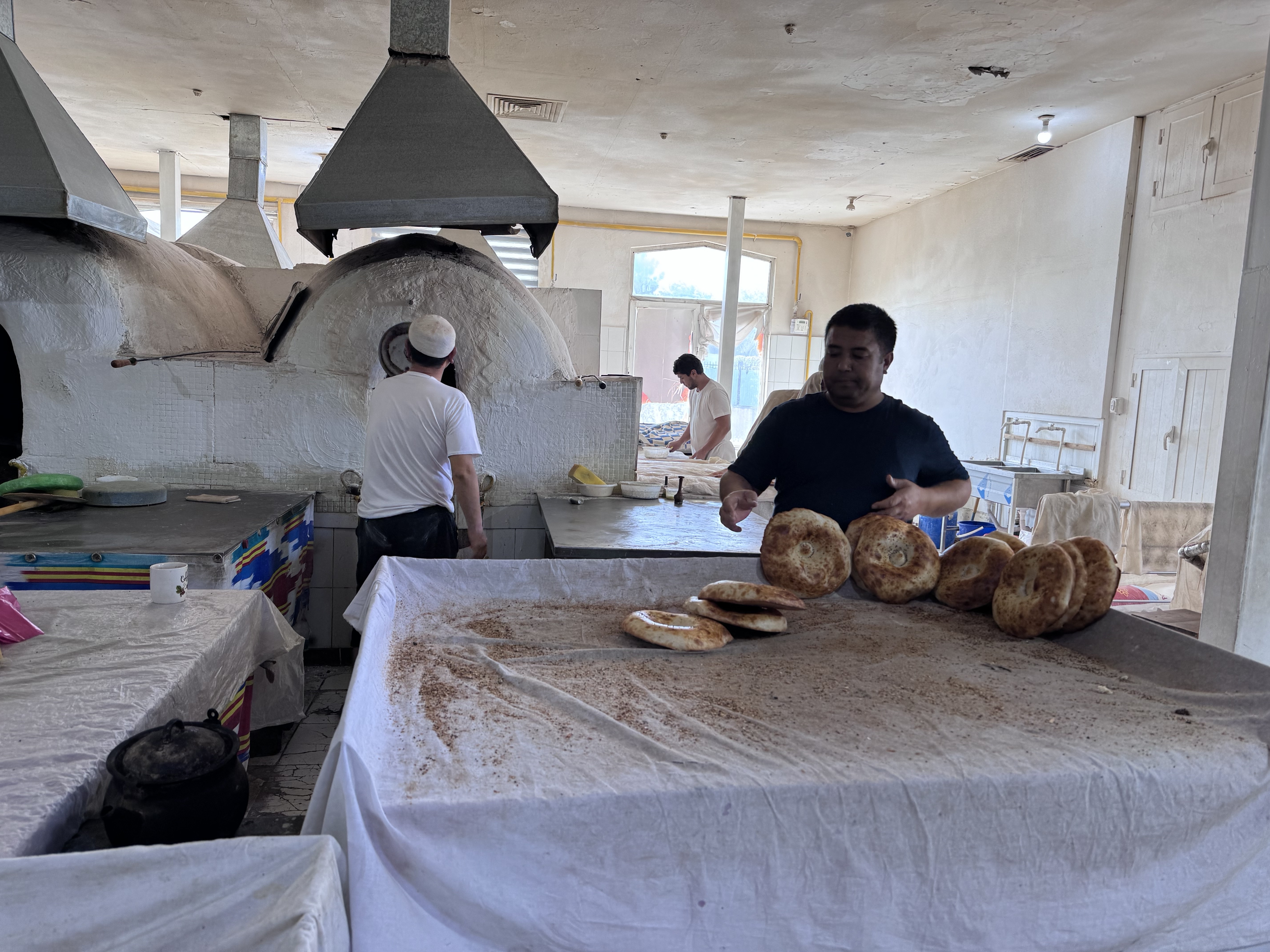
Bakers begin work before dawn, shaping dough into rounds, pressing distinctive geometric patterns into the centers with wooden stamps known as chekich, and then skillfully slapping the loaves against the blistering inner walls of the ovens. Minutes later they pull out golden, fragrant bread with crisp edges and soft interiors, stacking them into tall patterned towers that locals tap lightly to test freshness before purchasing.
The selection reflects Uzbekistan’s rich regional bread culture. Classic obi non appears as the everyday round flatbread with a thinner center and raised rim. Thicker Tashkent-style patyr or patir non ...
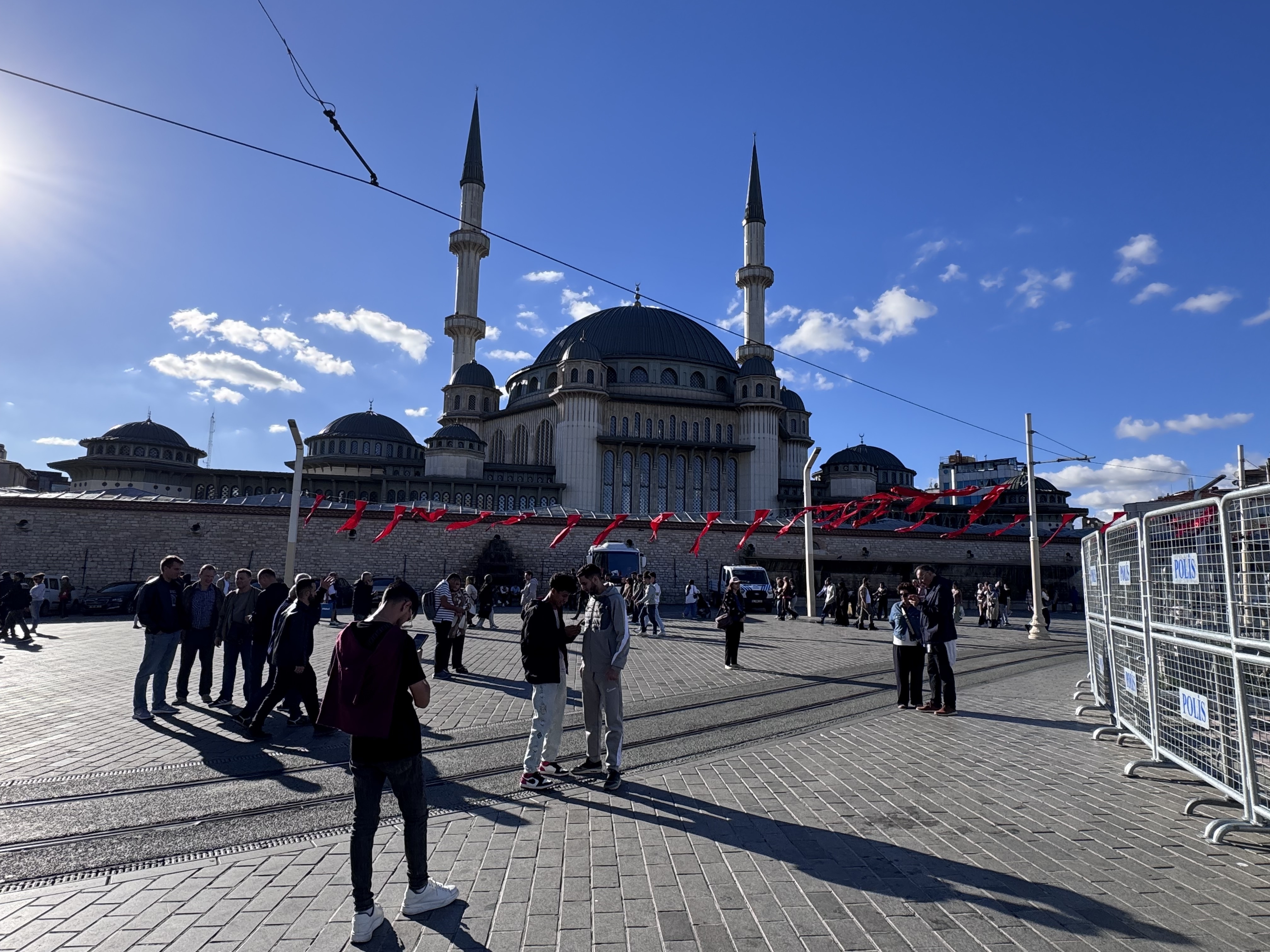
Taksim Square forms a central open plaza in Istanbul, historically linked to the city’s water distribution system and later transformed into a major public gathering space.
The Republic Monument, completed in the 1920s, commemorates the founding of the Turkish Republic and stands as a focal landmark amid the surrounding avenues and nearby Gezi Park.
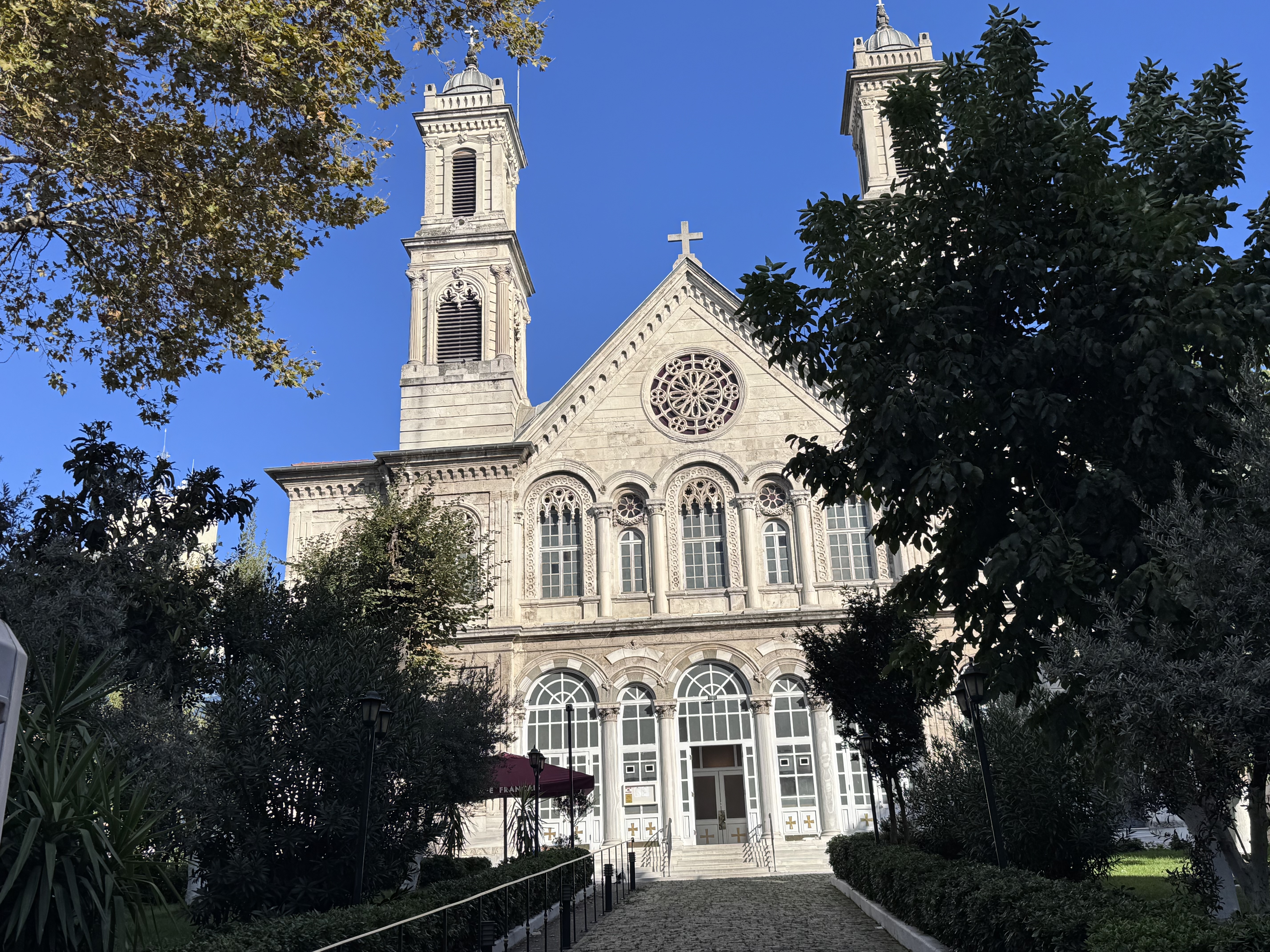
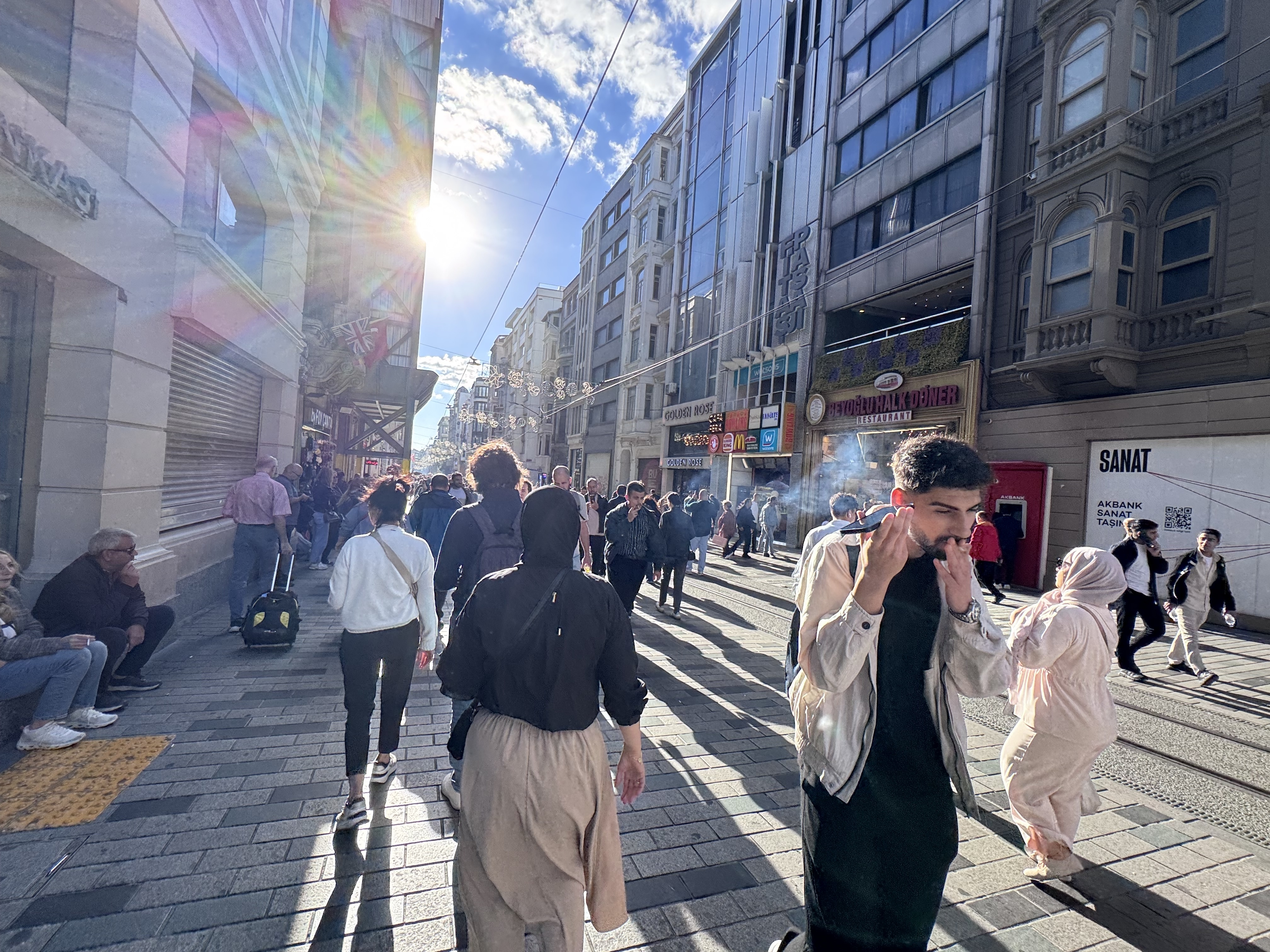
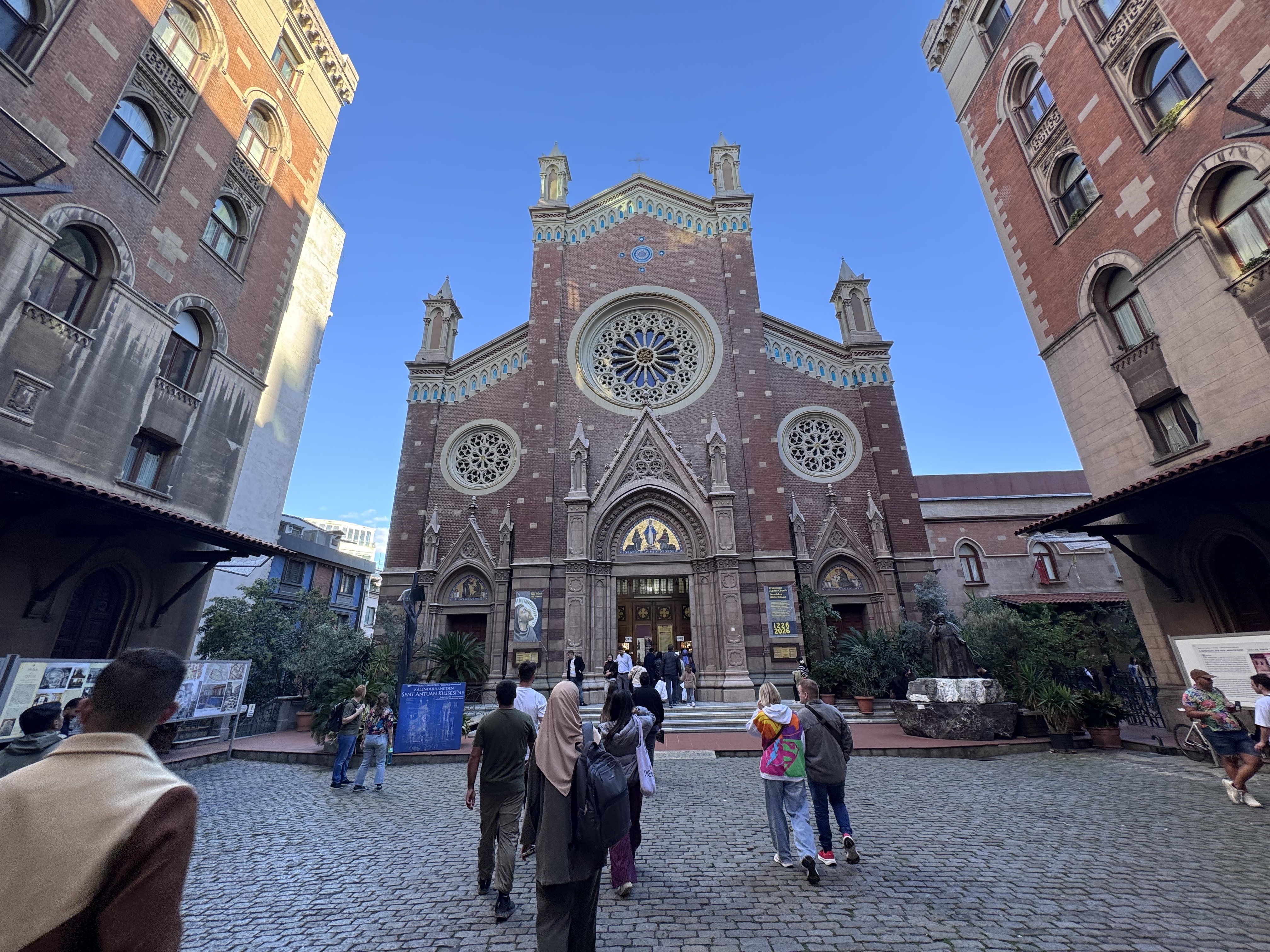
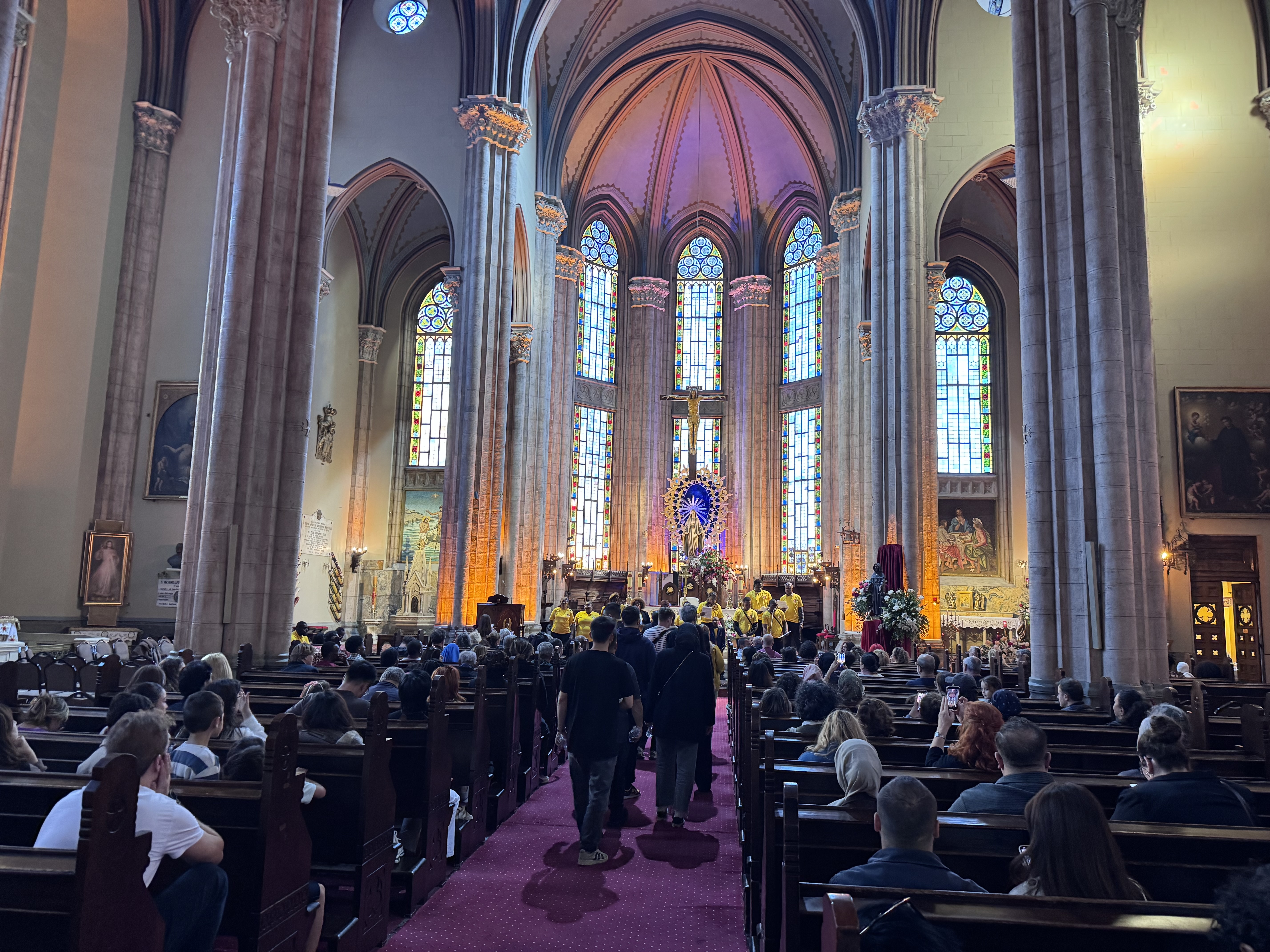
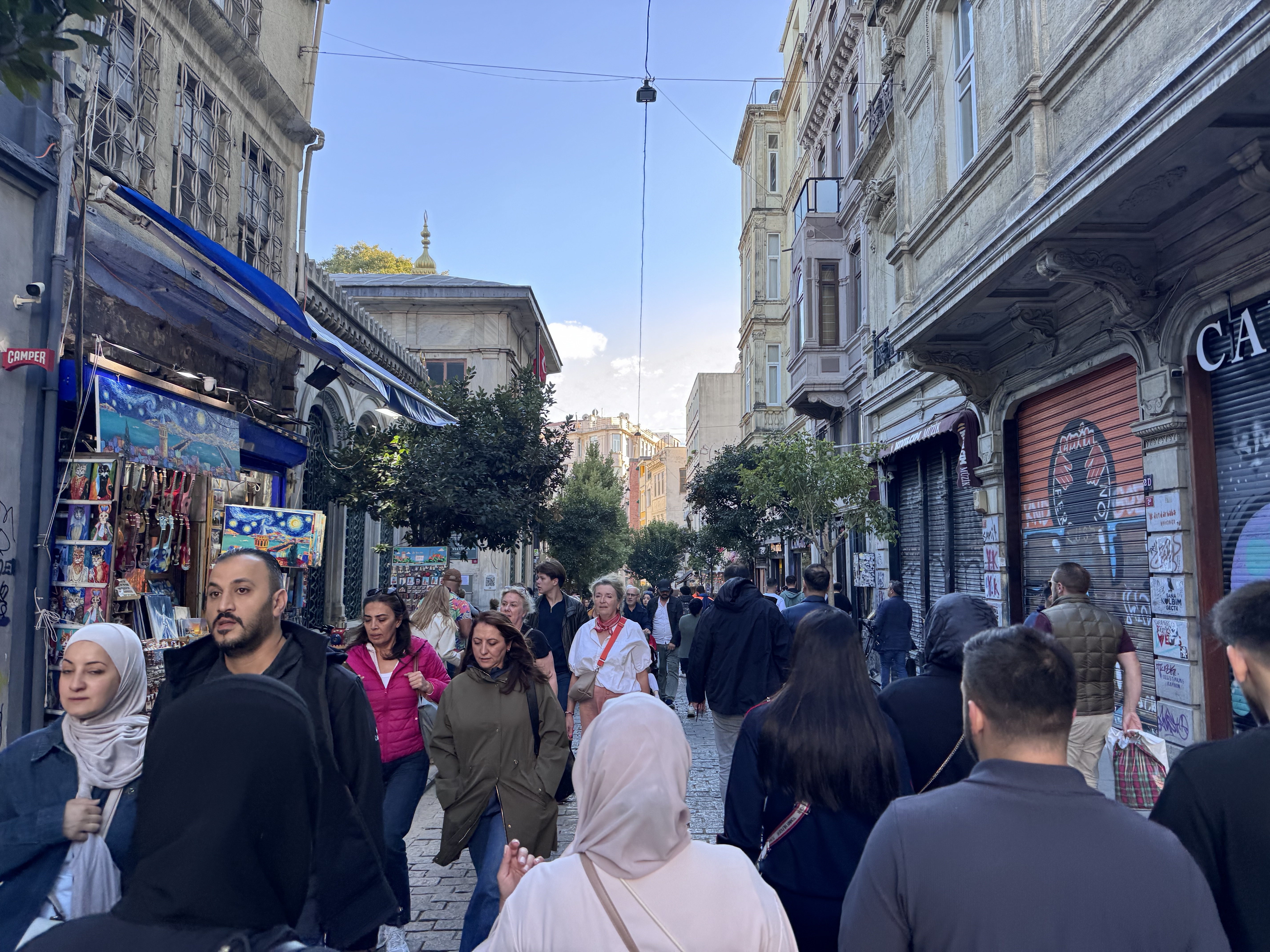
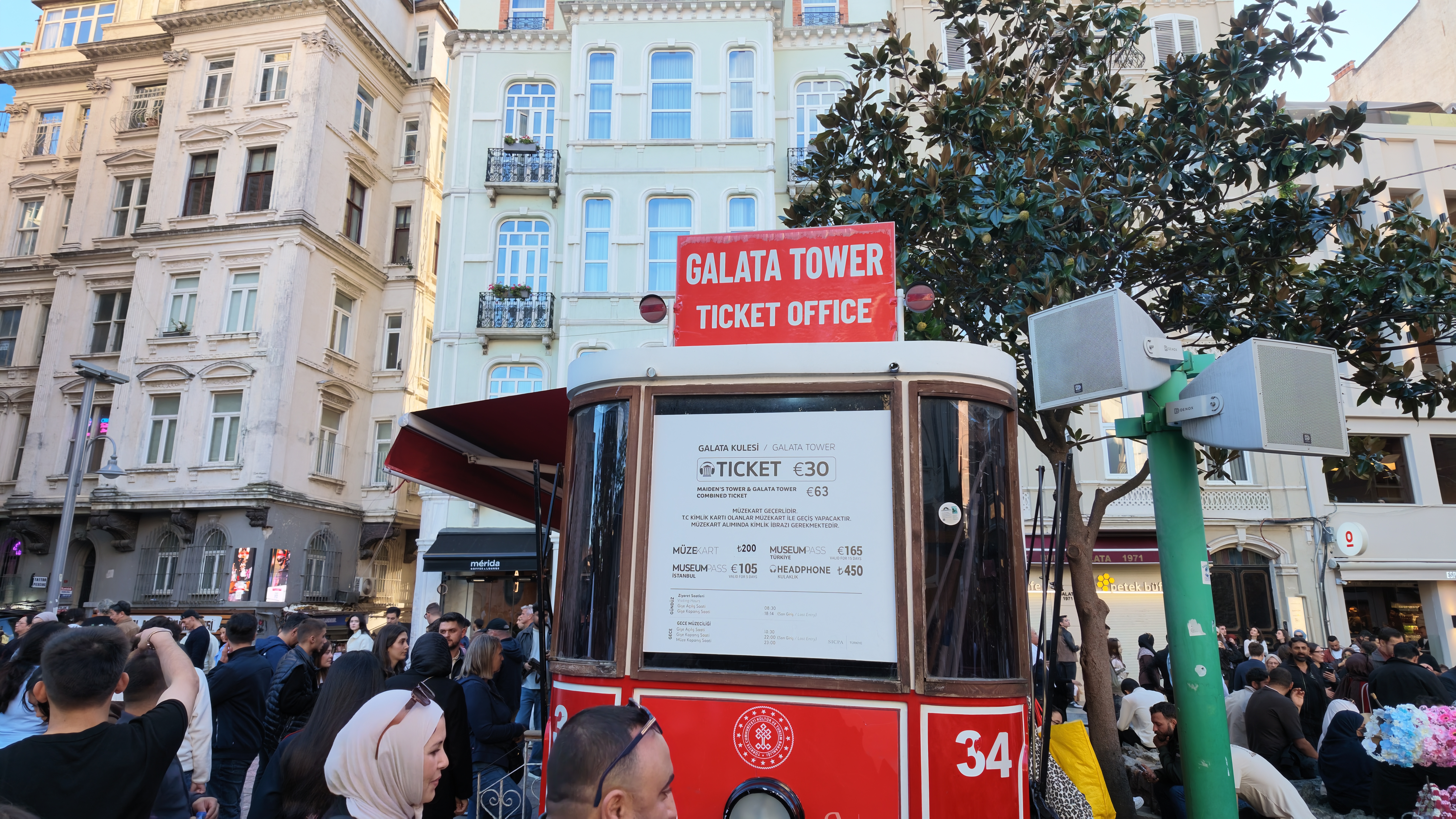
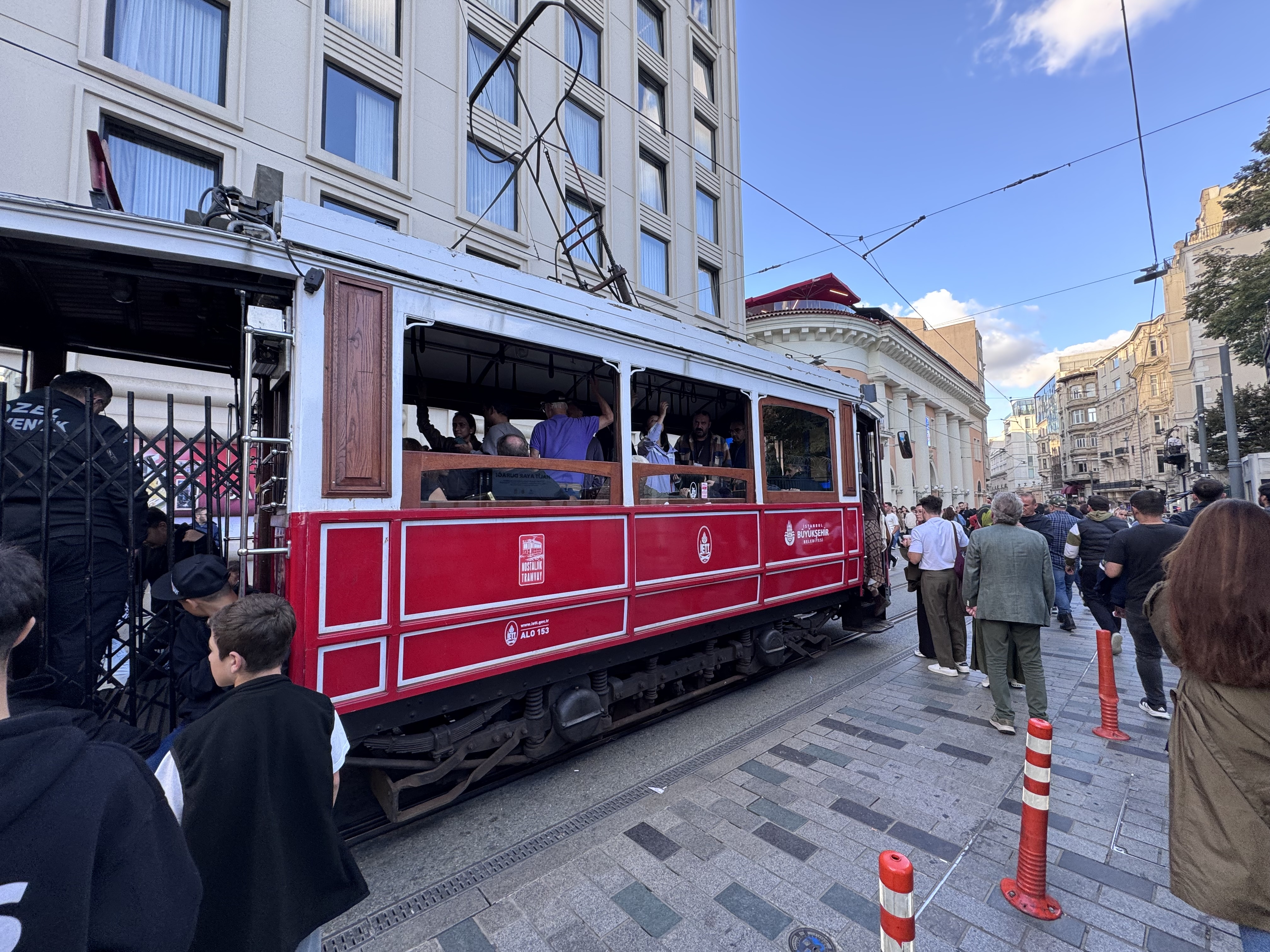
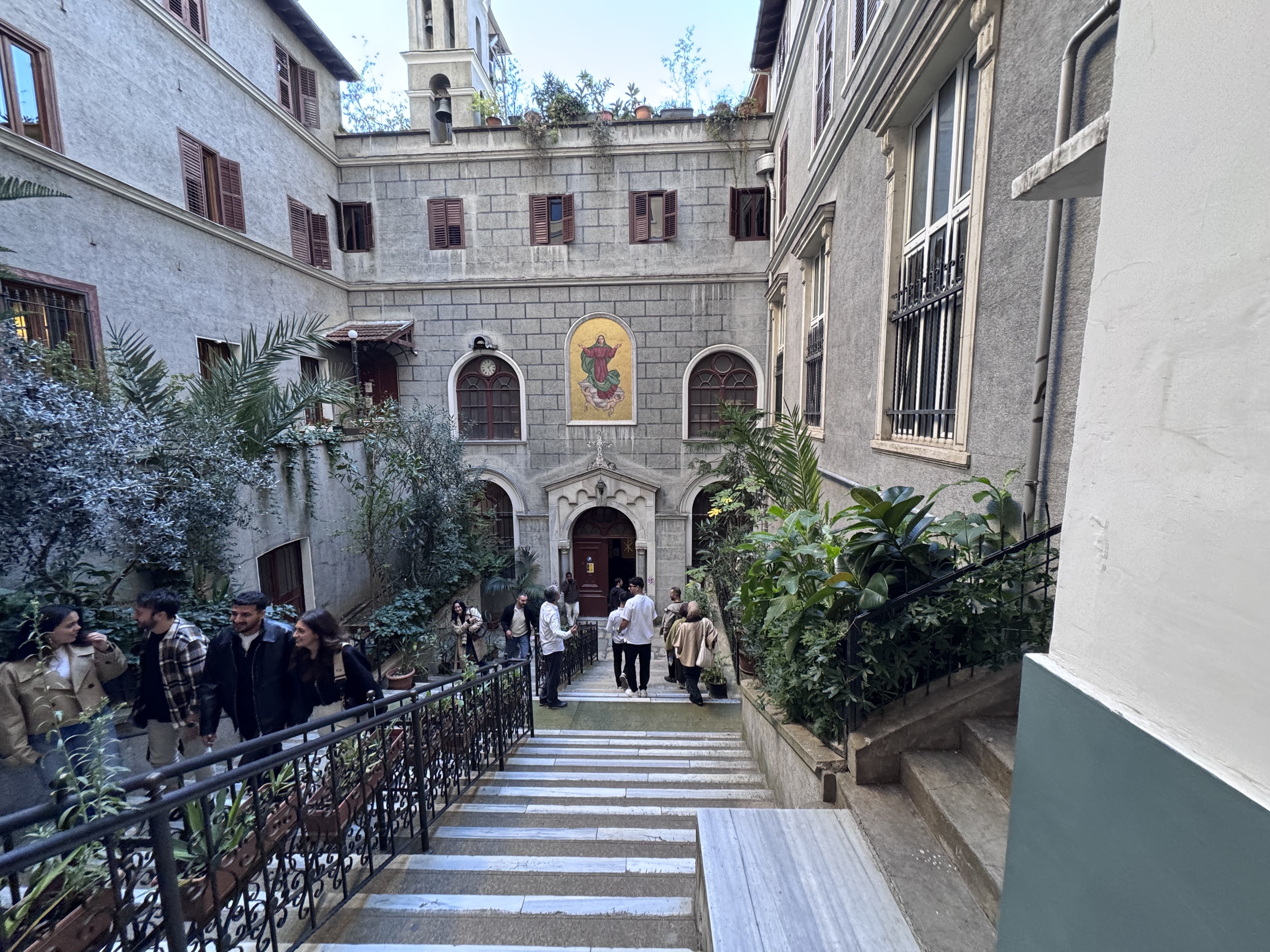
From the square, İstiklal Avenue extends as a broad pedestrian thoroughfare once known as the Grand Rue de Pera, the cosmopolitan spine of the nineteenth-century European quarter. Lined with former embassies, ornate residential buildings, theaters, and commercial spaces, the avenue retains its role as one of Istanbul’s most visited corridors, featuring the historic tram line, cafés, bookstores, and the distinctive Gothic Revival façade of the Church of St. Anthony of Padua.
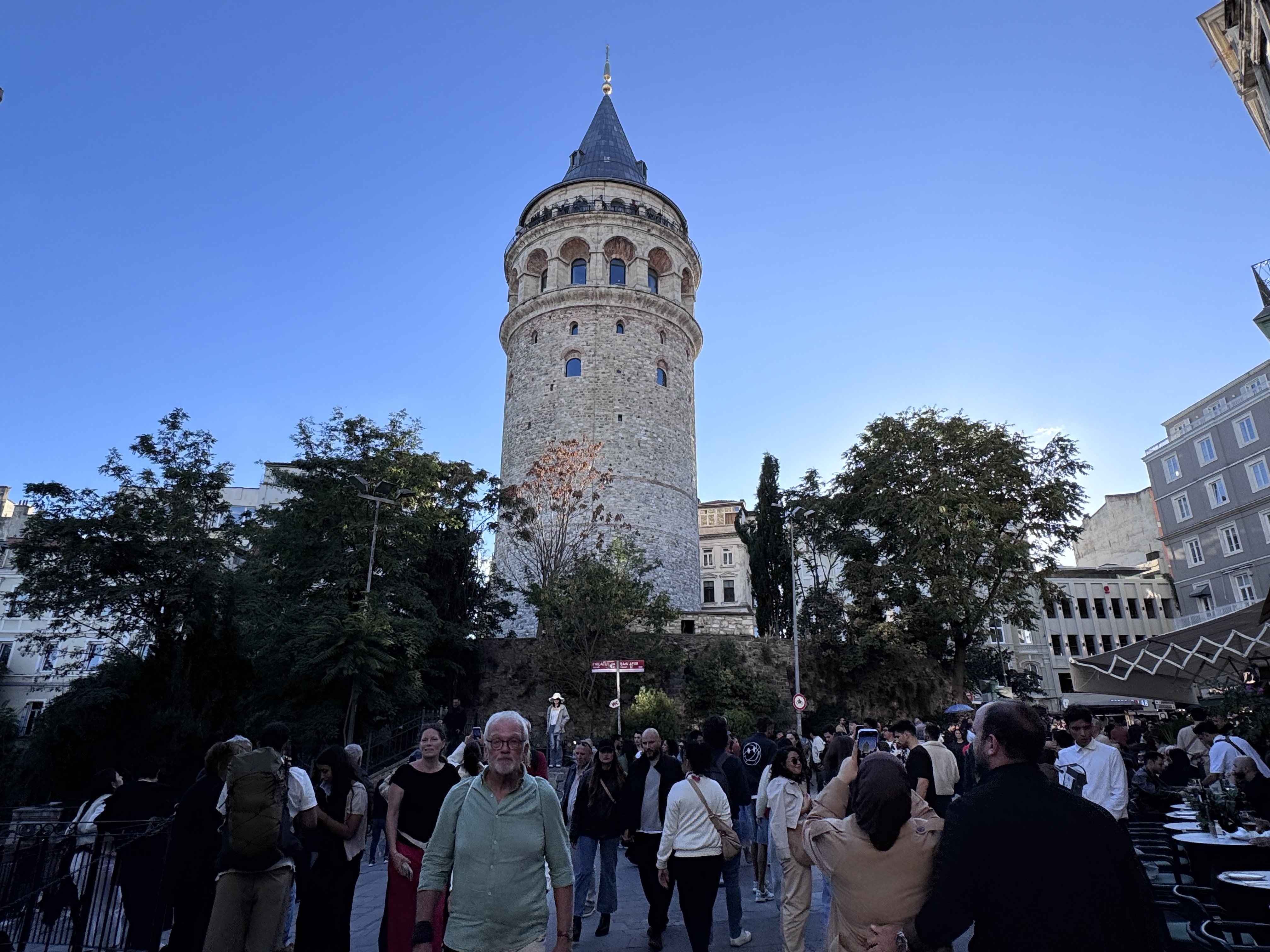
Descending toward the Golden Horn, the streets enter the Galata district, a former Genoese trading colony whose medieval layout of narrow lanes and steep slopes remains ...