

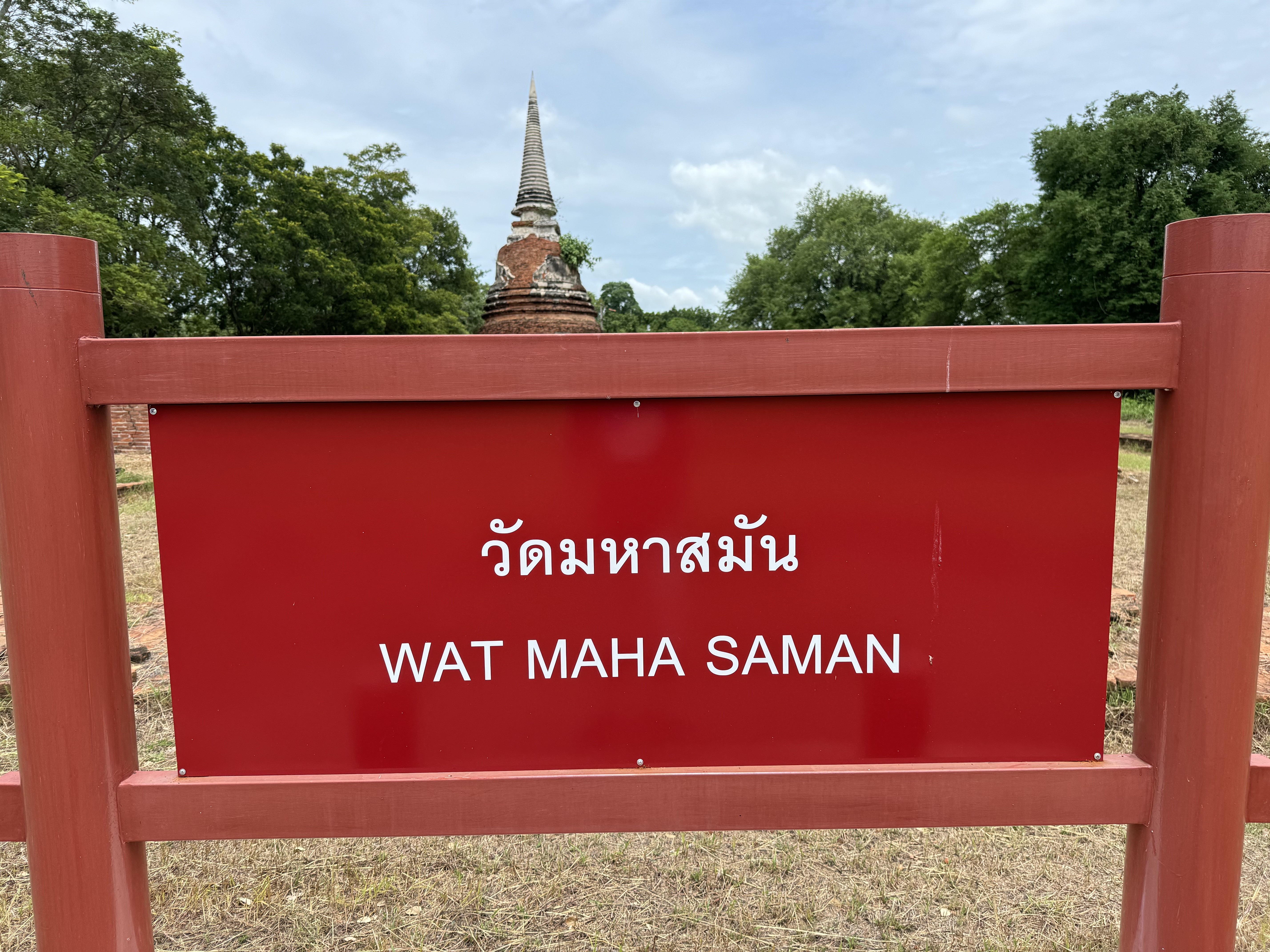
Wat Maha Saman วัดมหาสมัน
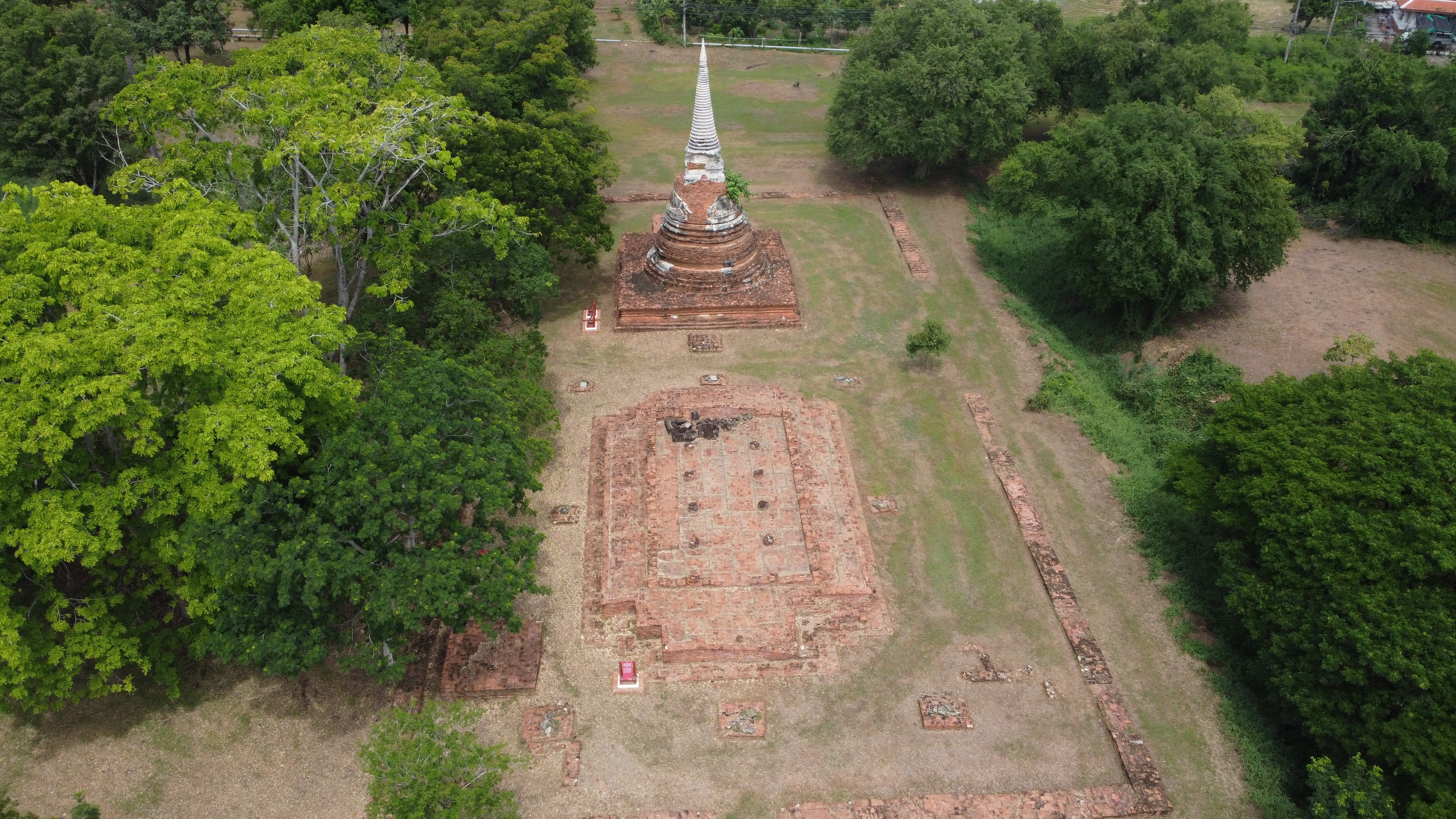
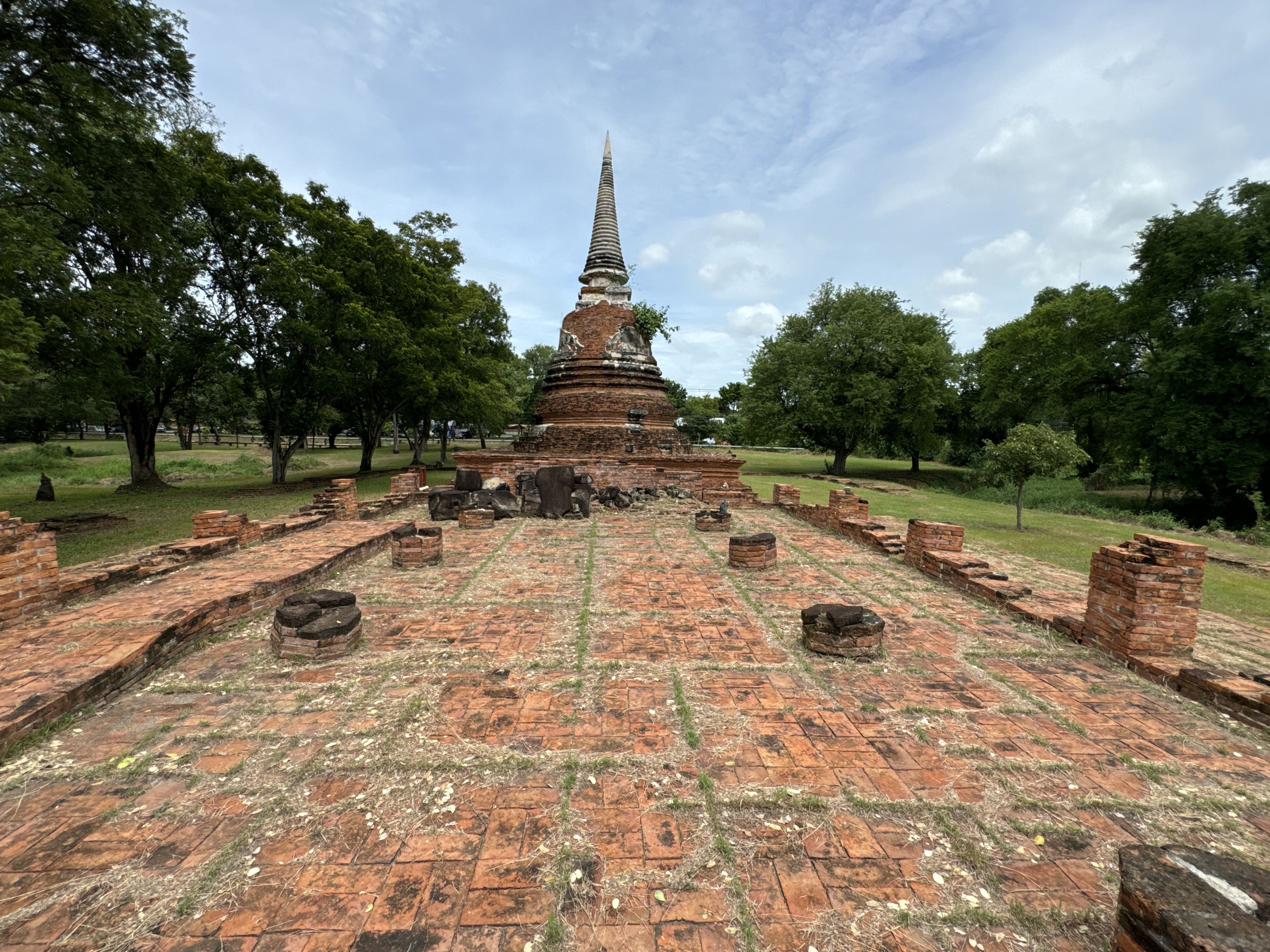
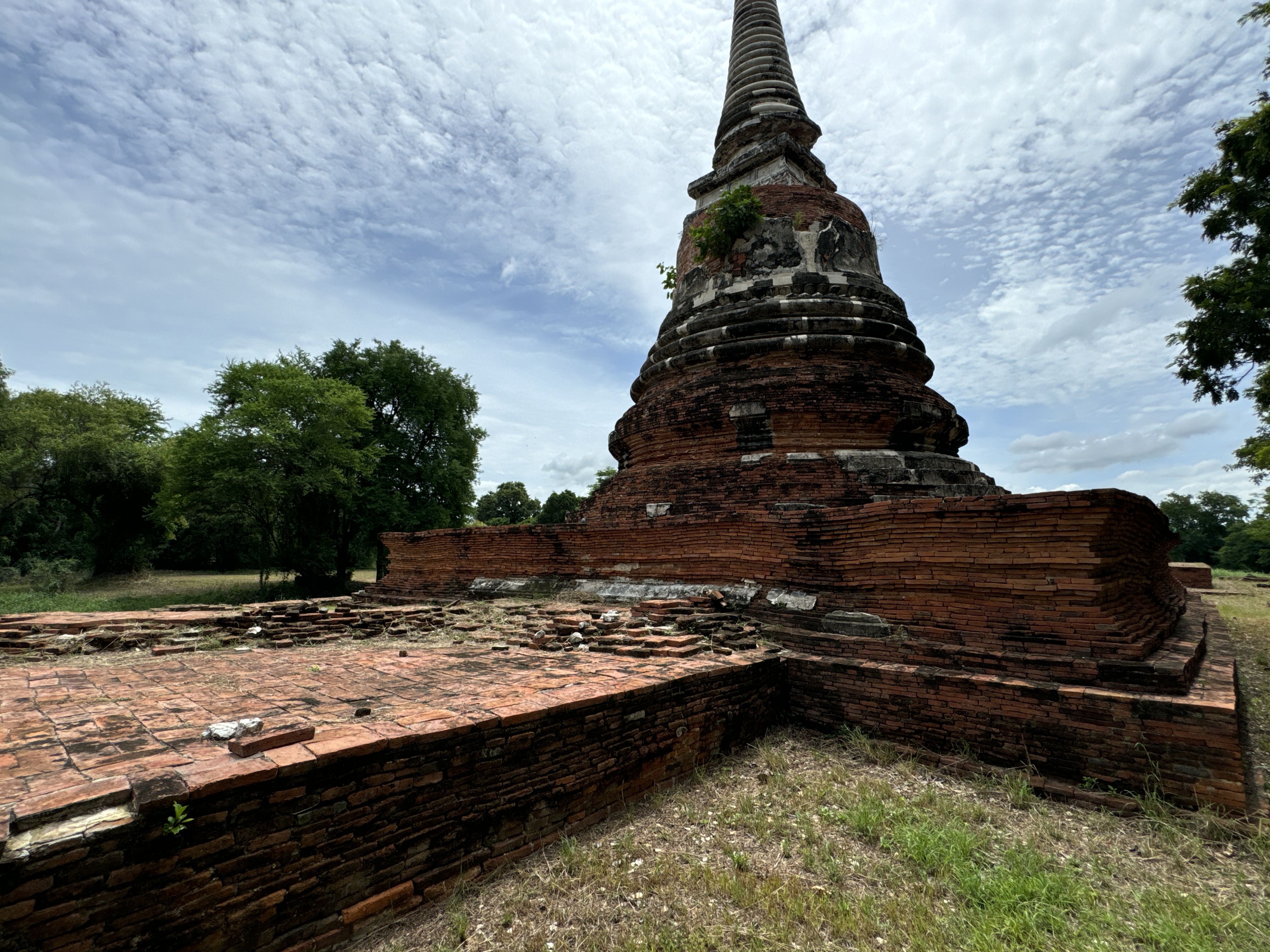
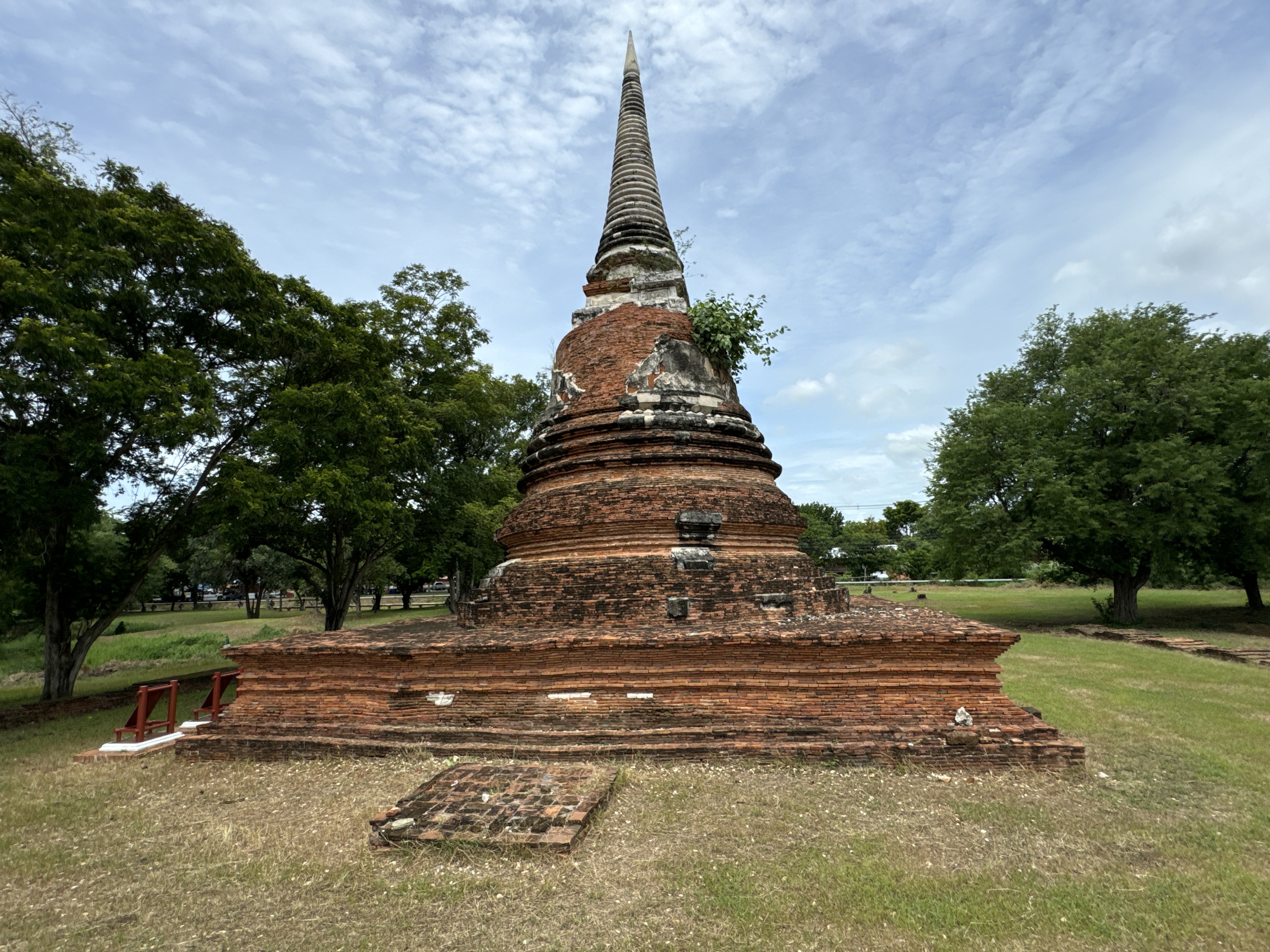
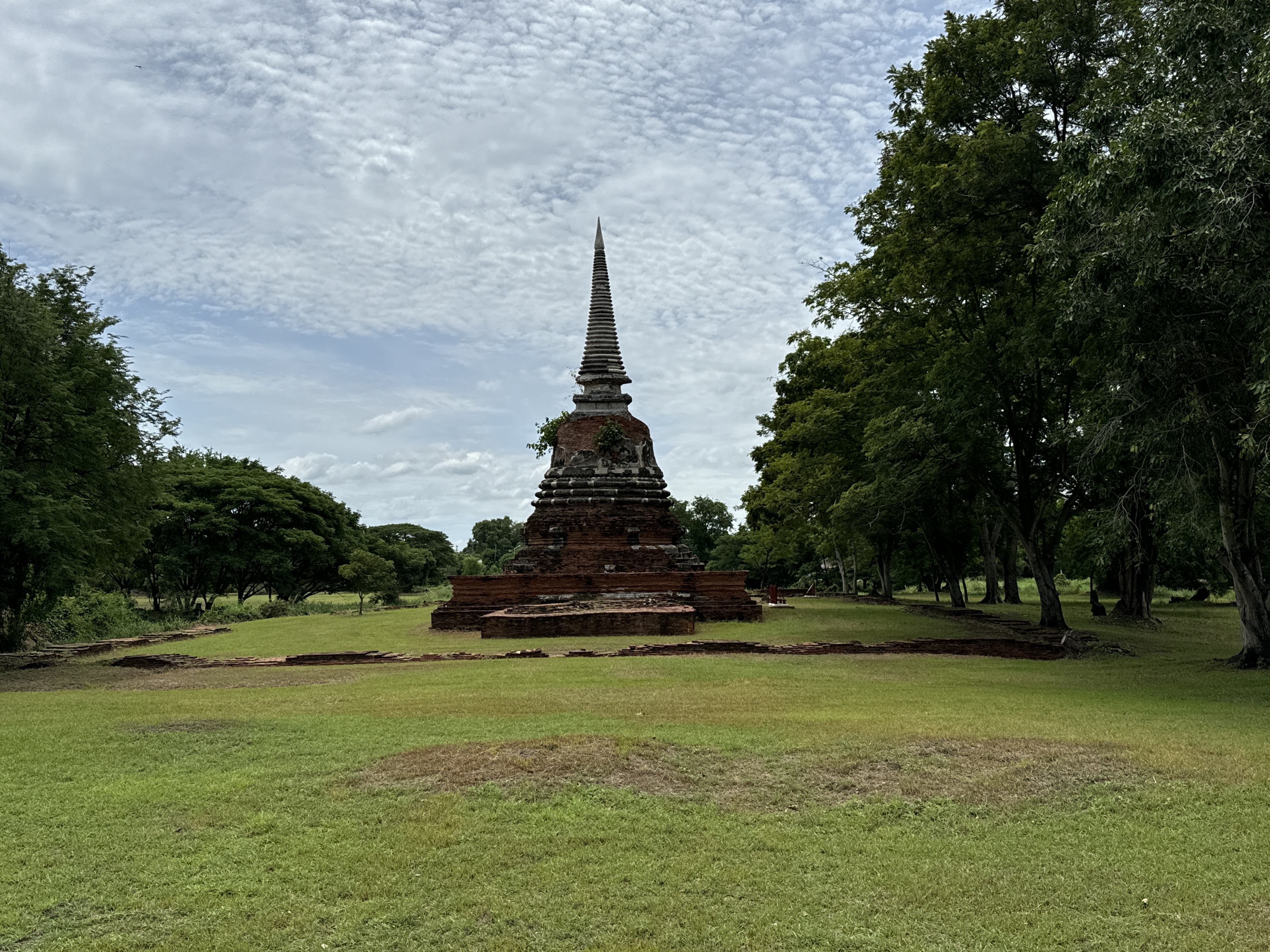
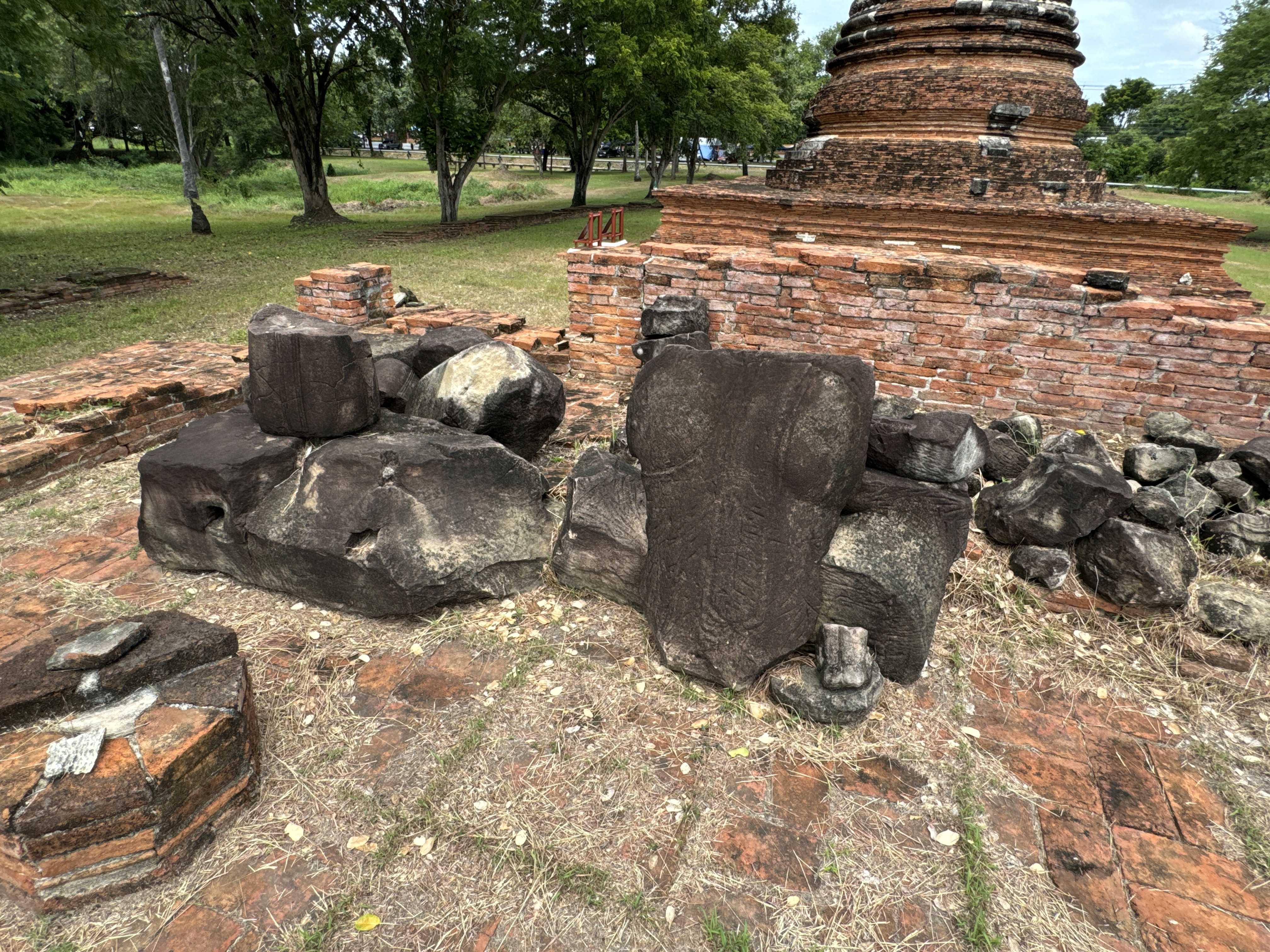
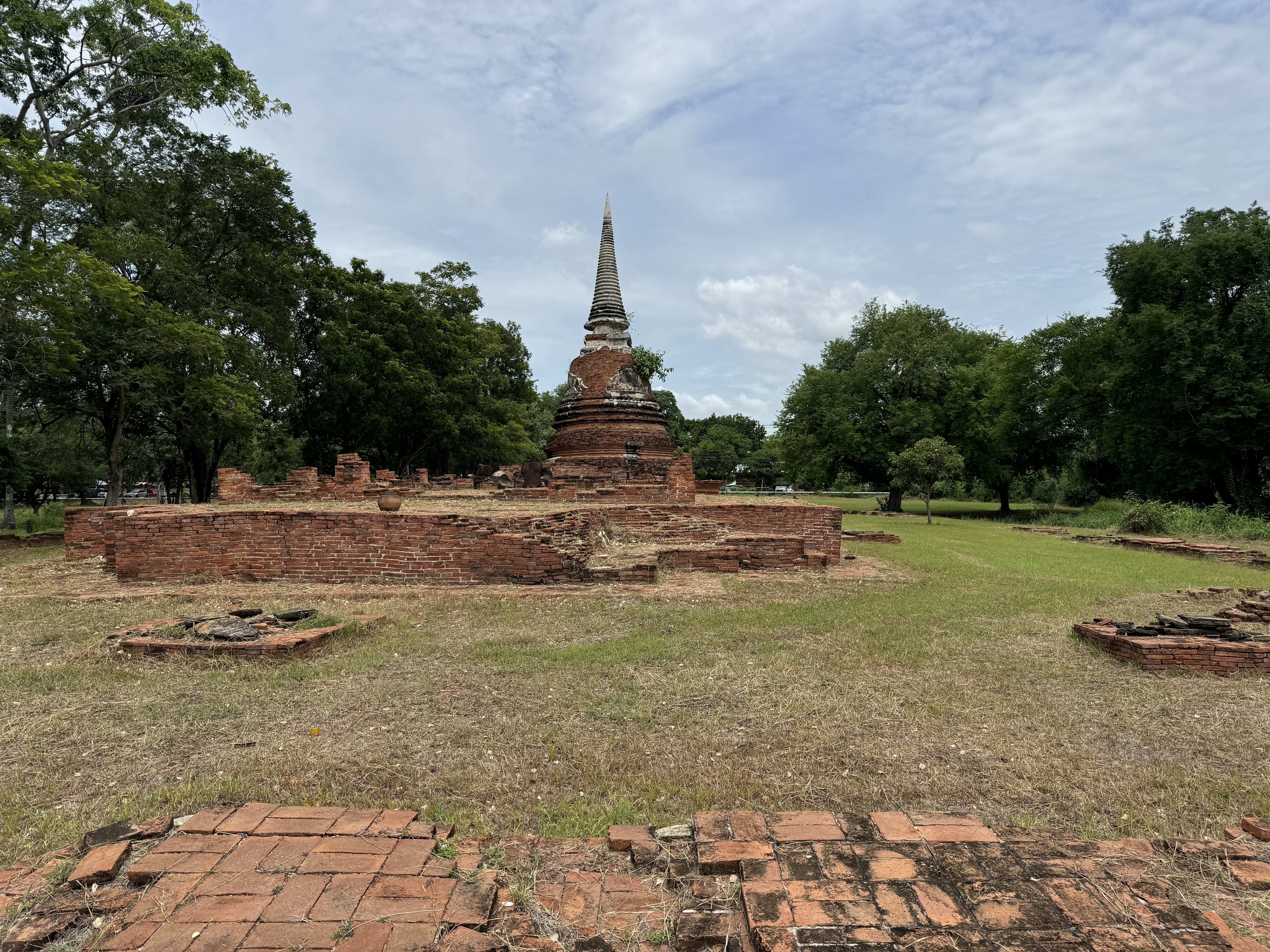
Wat Maha Saman is a restored ruin located on Ayutthaya’s city island and is part of the Historical Park in the Pratu Chai Sub-district. It is situated in a secluded area, surrounded by a field and several moats, accessible from the west side via a parking lot adjacent to U-Thong Road, which encircles the island.
Wat Maha Saman or the Monastery of the Rising Morning is located on the city island west of the
Somdet Phra Sri Nakharin Park. It is situated opposite the Siriyalai Palace.
In situ is a restored ruin of an ubosot or ordination hall with its entrance to the east. The locations of the sema stones are visible. West of the ordination hall stands a bell shaped Thai style chedi. The ubosot was surrounded by an inner wall. Some parts of the outer wall still can be seen. The whole monastery was surrounded by a moat.
The temple could be named after the Schomburgks’ Deer, a deer native to
Thailand and in reference to the Jataka of the "Deer ...

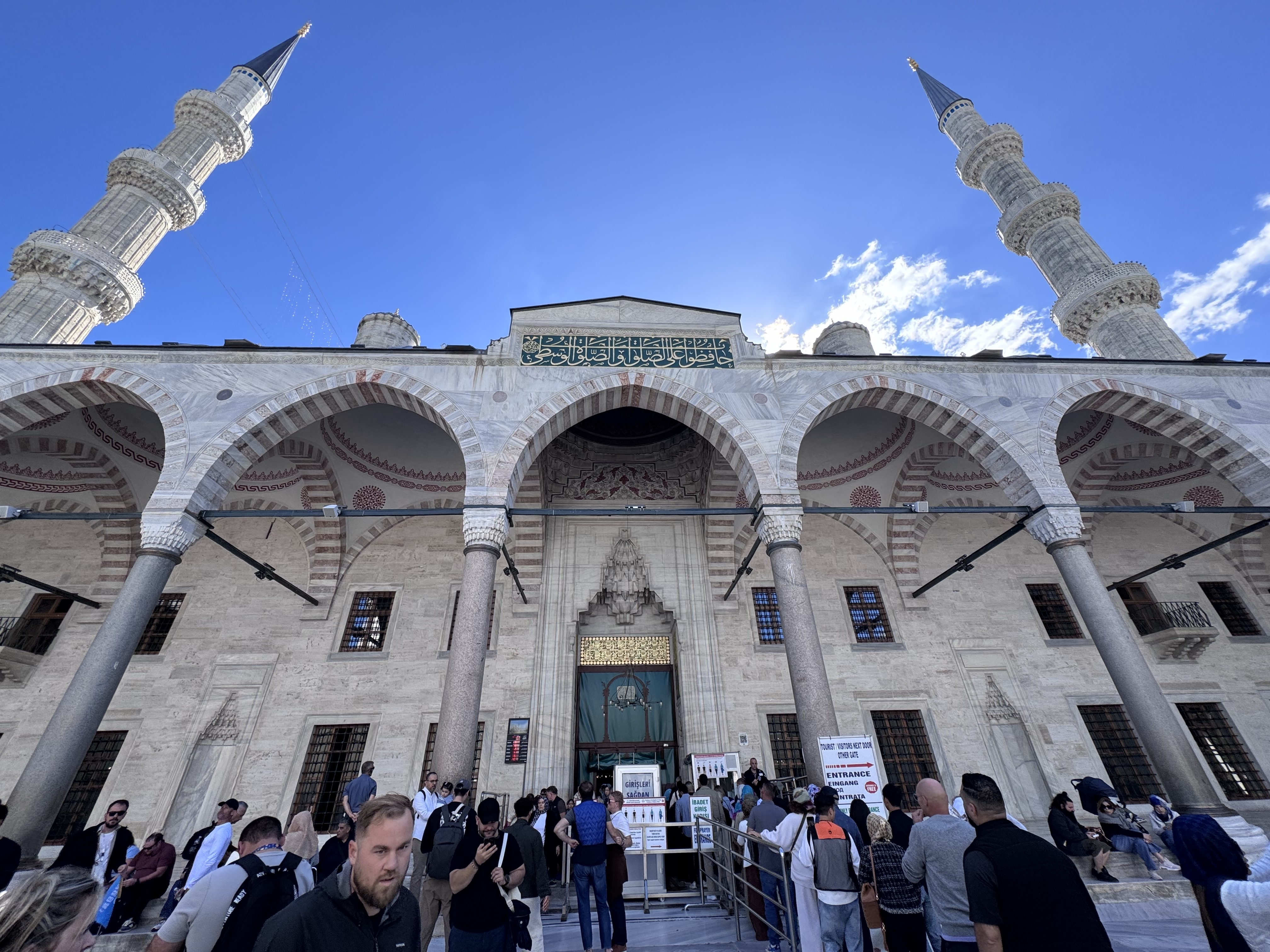
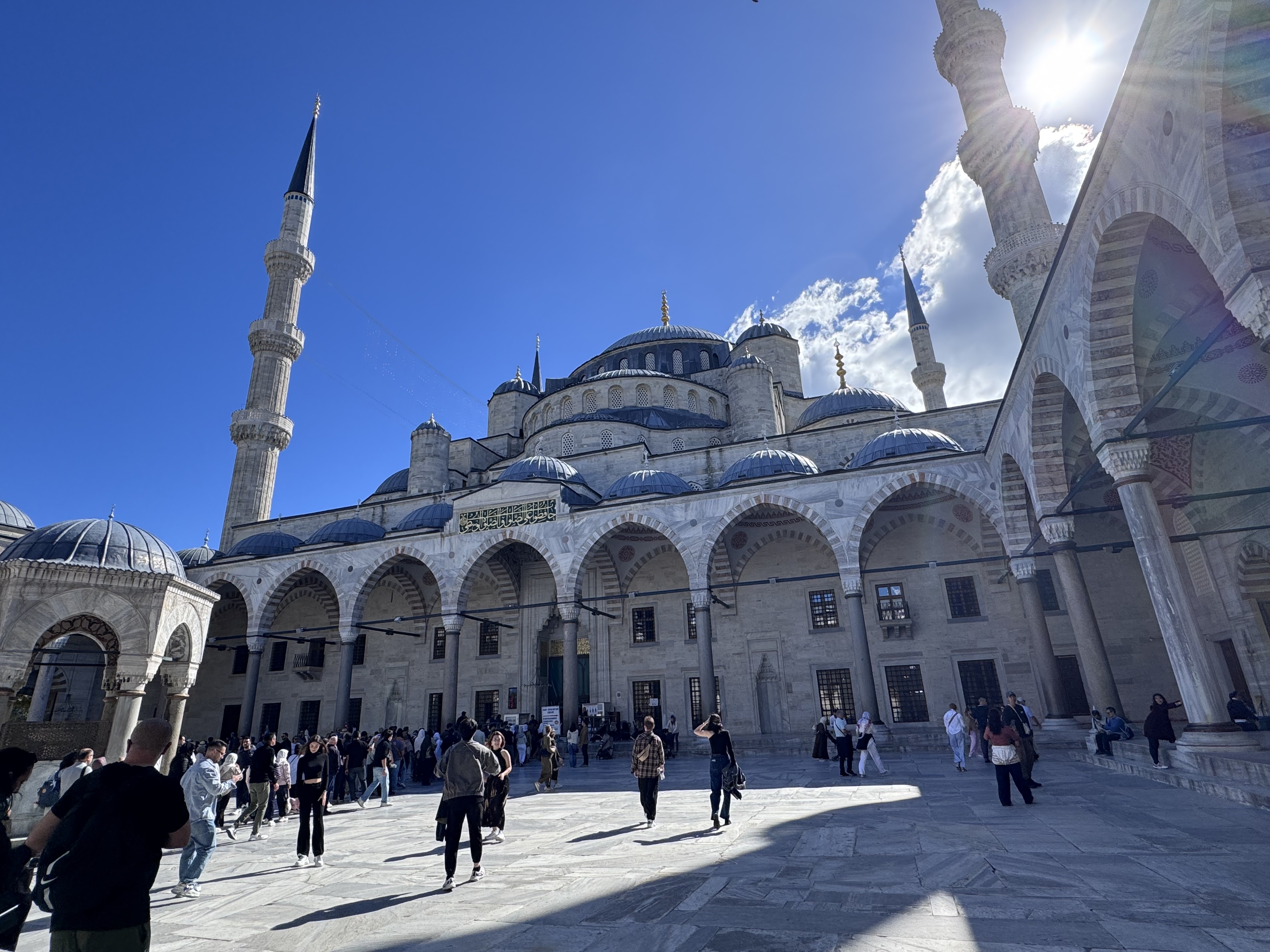
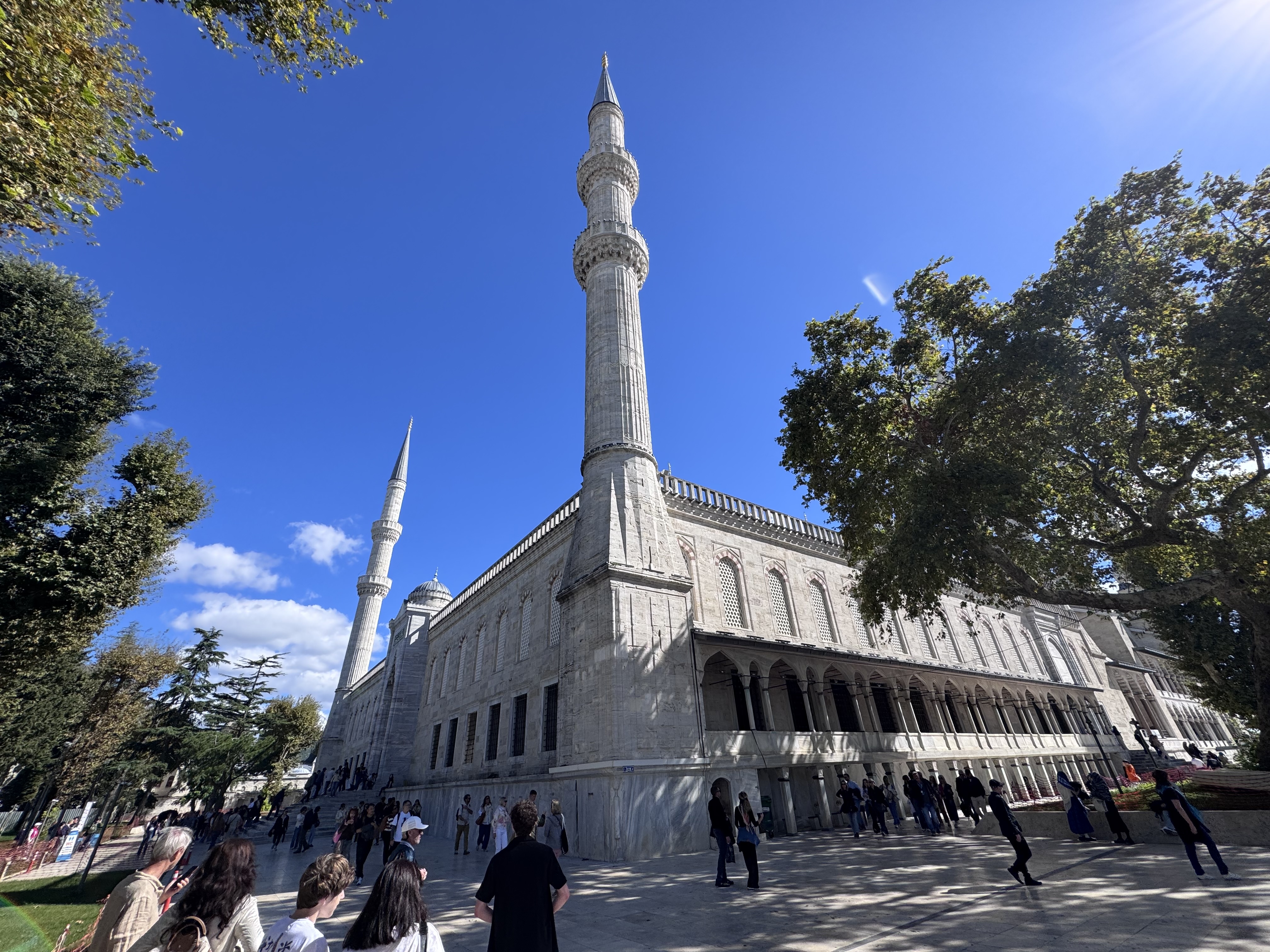
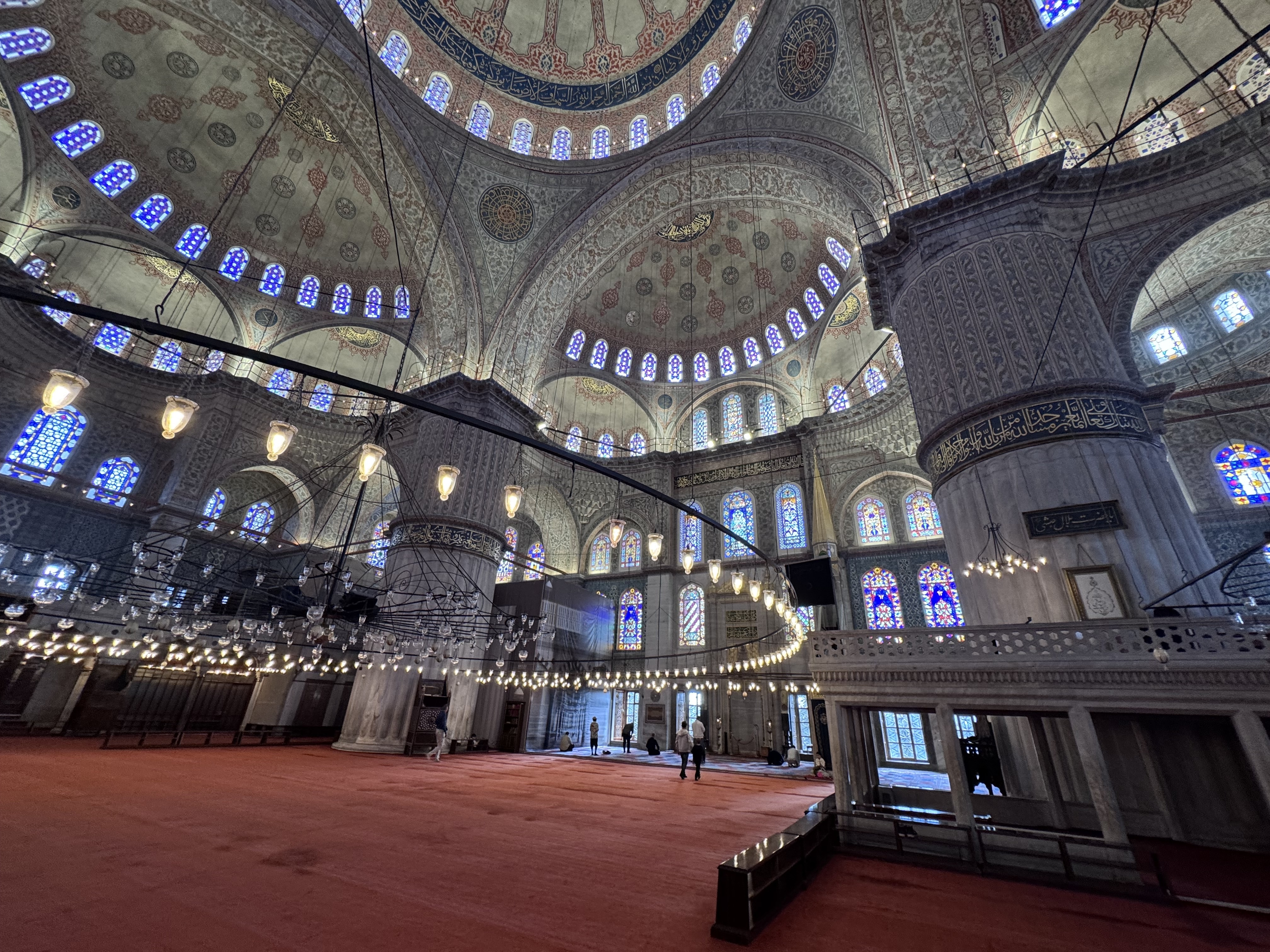
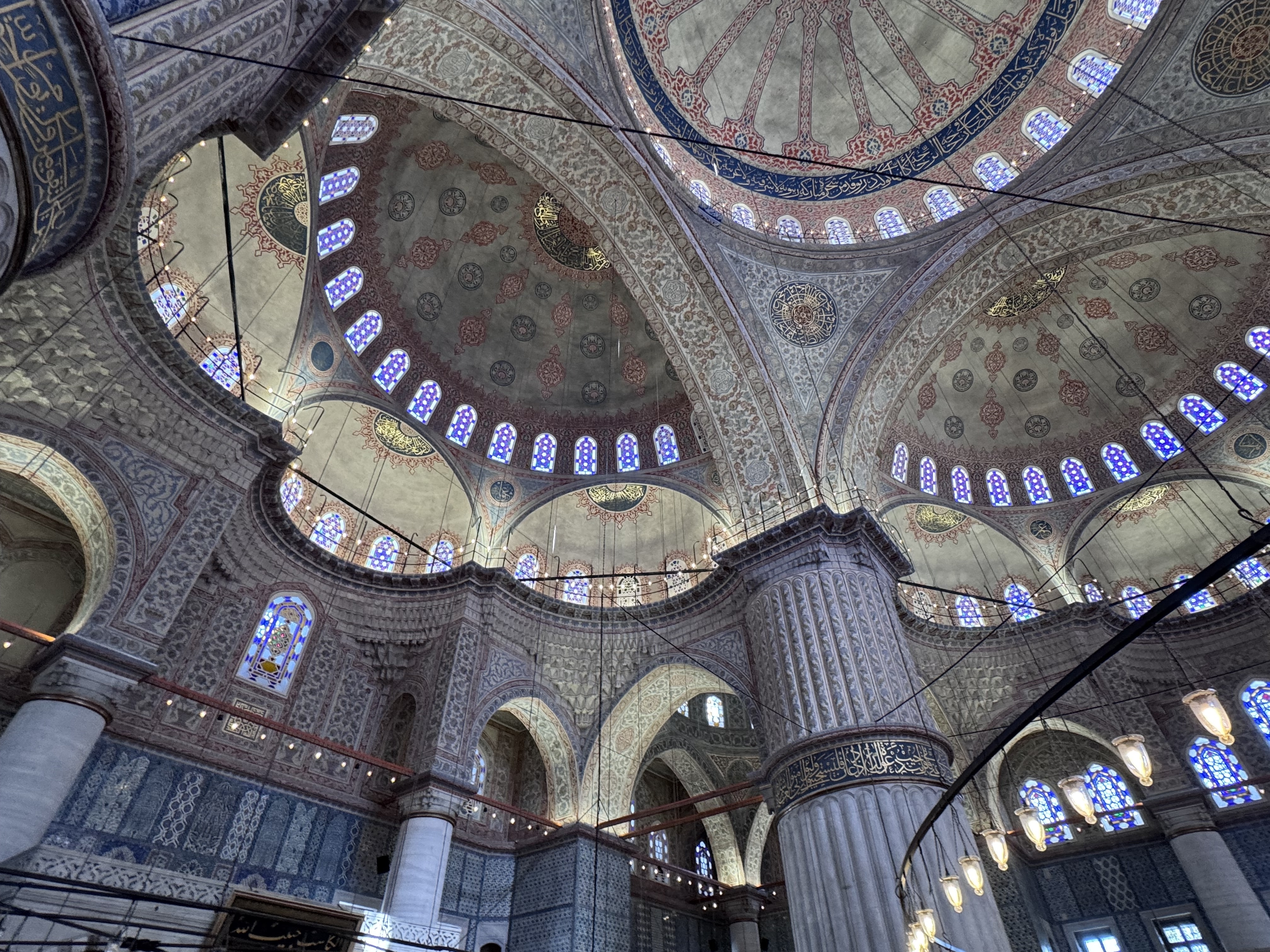
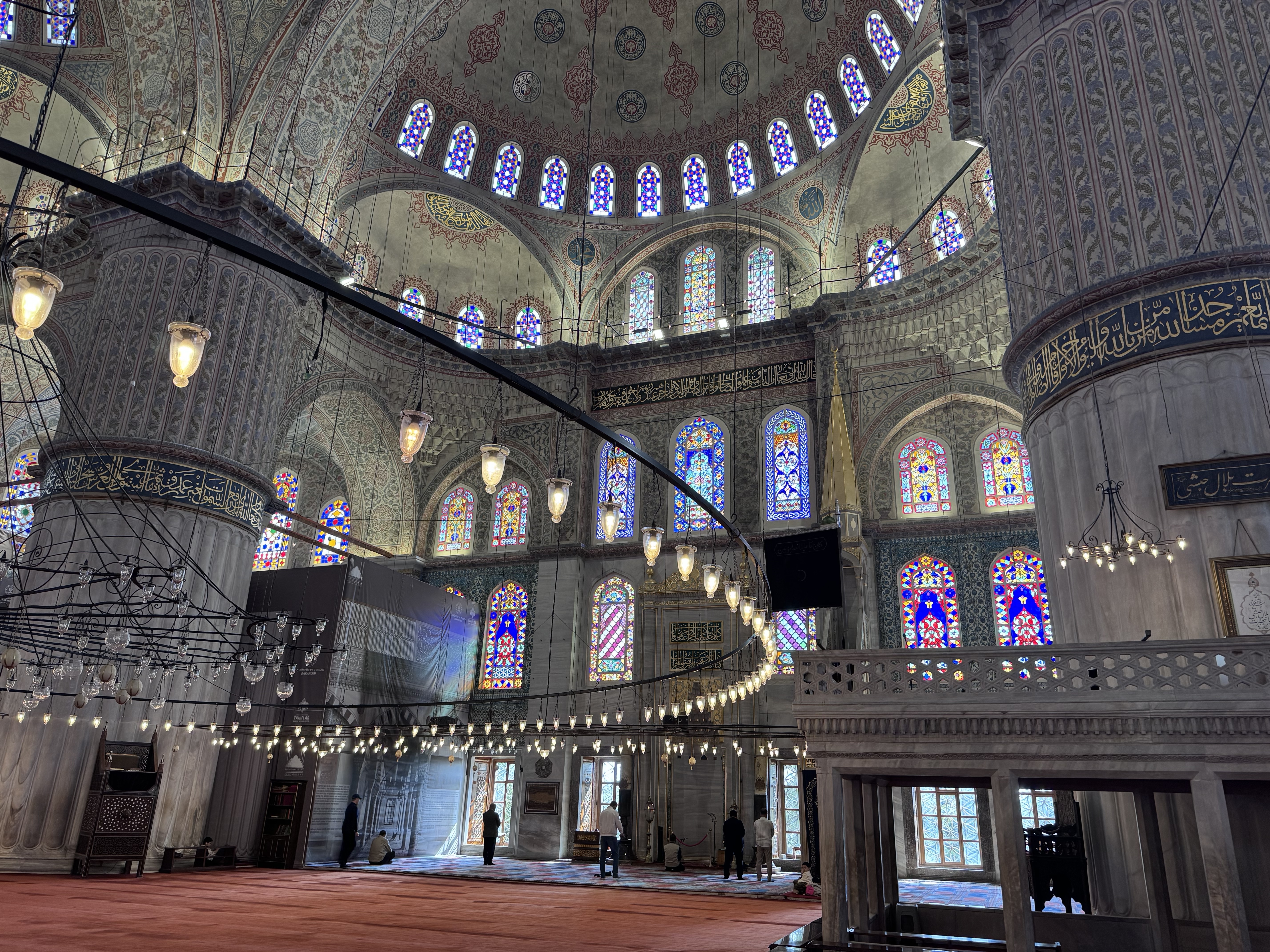
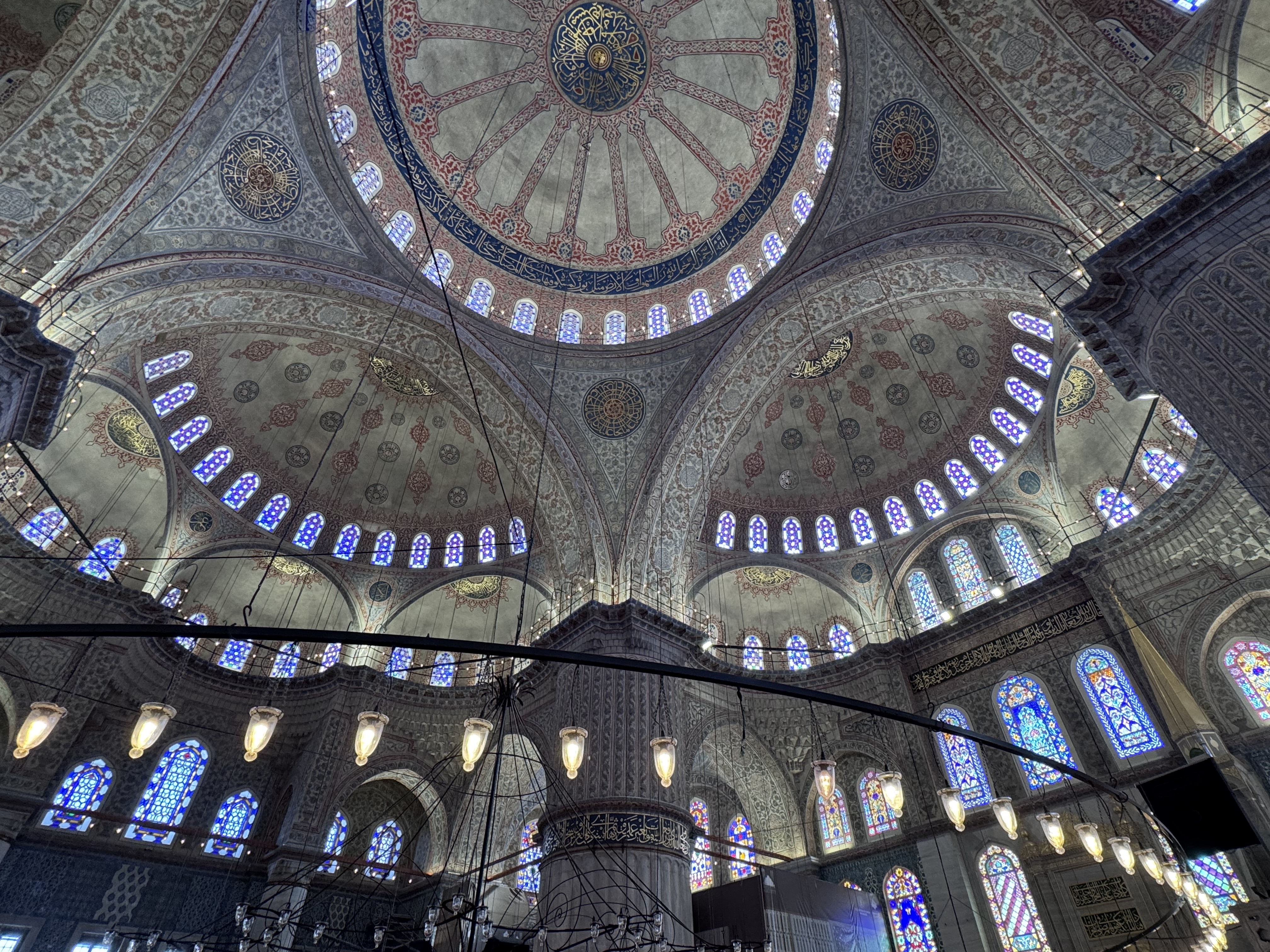
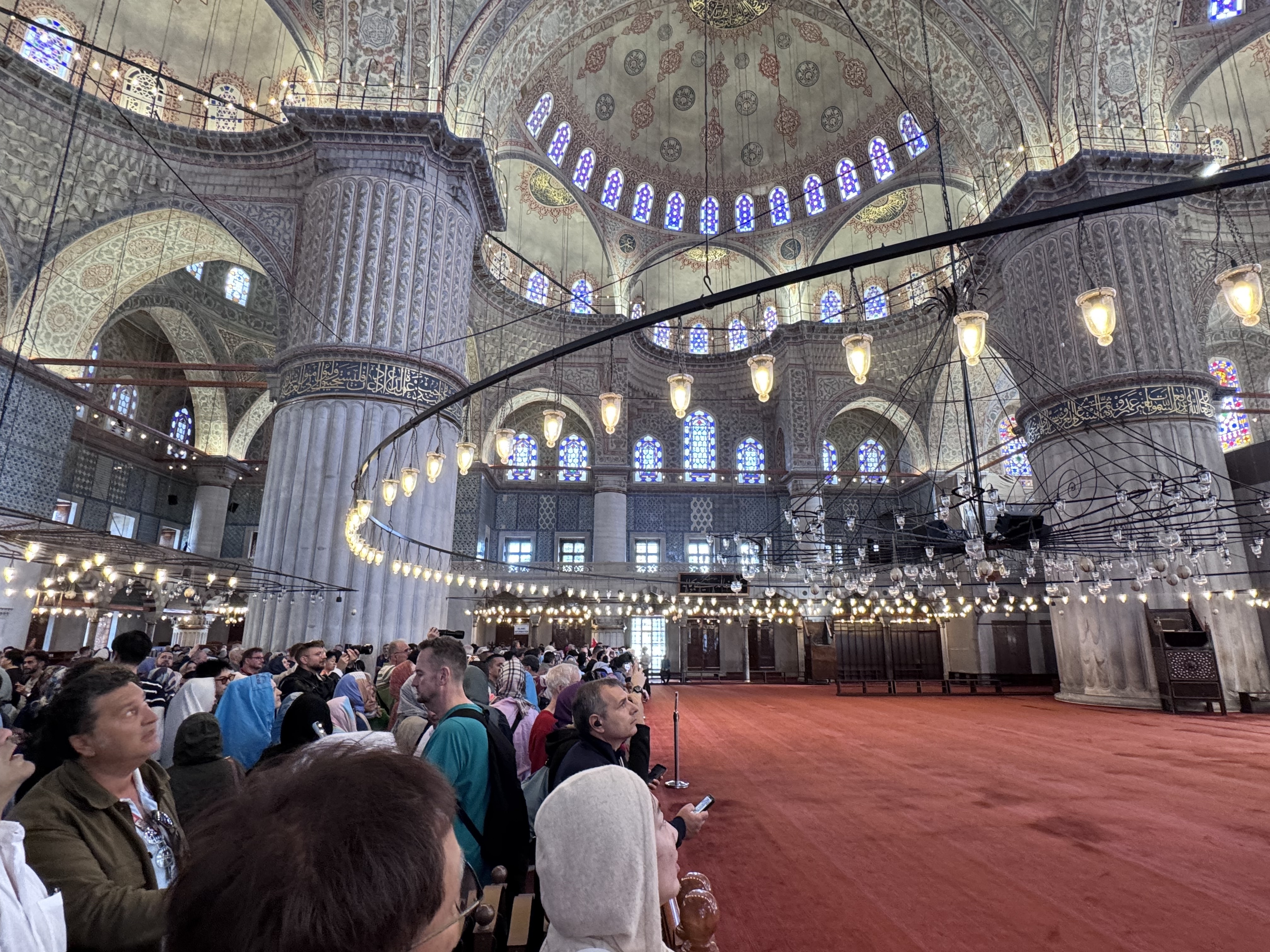
The Blue Mosque, officially the Sultan Ahmed Mosque (Turkish: Sultan Ahmet Camii), is an iconic 17th-century Ottoman mosque in Istanbul’s Sultanahmet district. Renowned for its stunning blue Iznik tiles and six slender minarets, it’s a UNESCO World Heritage site within Istanbul’s Historic Areas.
It remains an active mosque, drawing worshippers and tourists for its architectural grandeur and historical significance.
Commissioned by Sultan Ahmed I (1603–1617), it was built between 1609 and 1616 by architect Sedefkâr Mehmed Ağa, a student of Mimar Sinan. Intended to rival Hagia Sophia (directly opposite), it symbolized Ottoman power and piety after military setbacks.
The mosque sparked controversy for its six minarets, equaling Mecca’s Masjid al-Haram, resolved by adding a seventh minaret to Mecca.
Completed just before Ahmed I’s death at age 27, it has since been a centerpiece of Istanbul’s skyline. Restorations in the 19th and 21st centuries preserved its ornate interiors.
The mosque ...
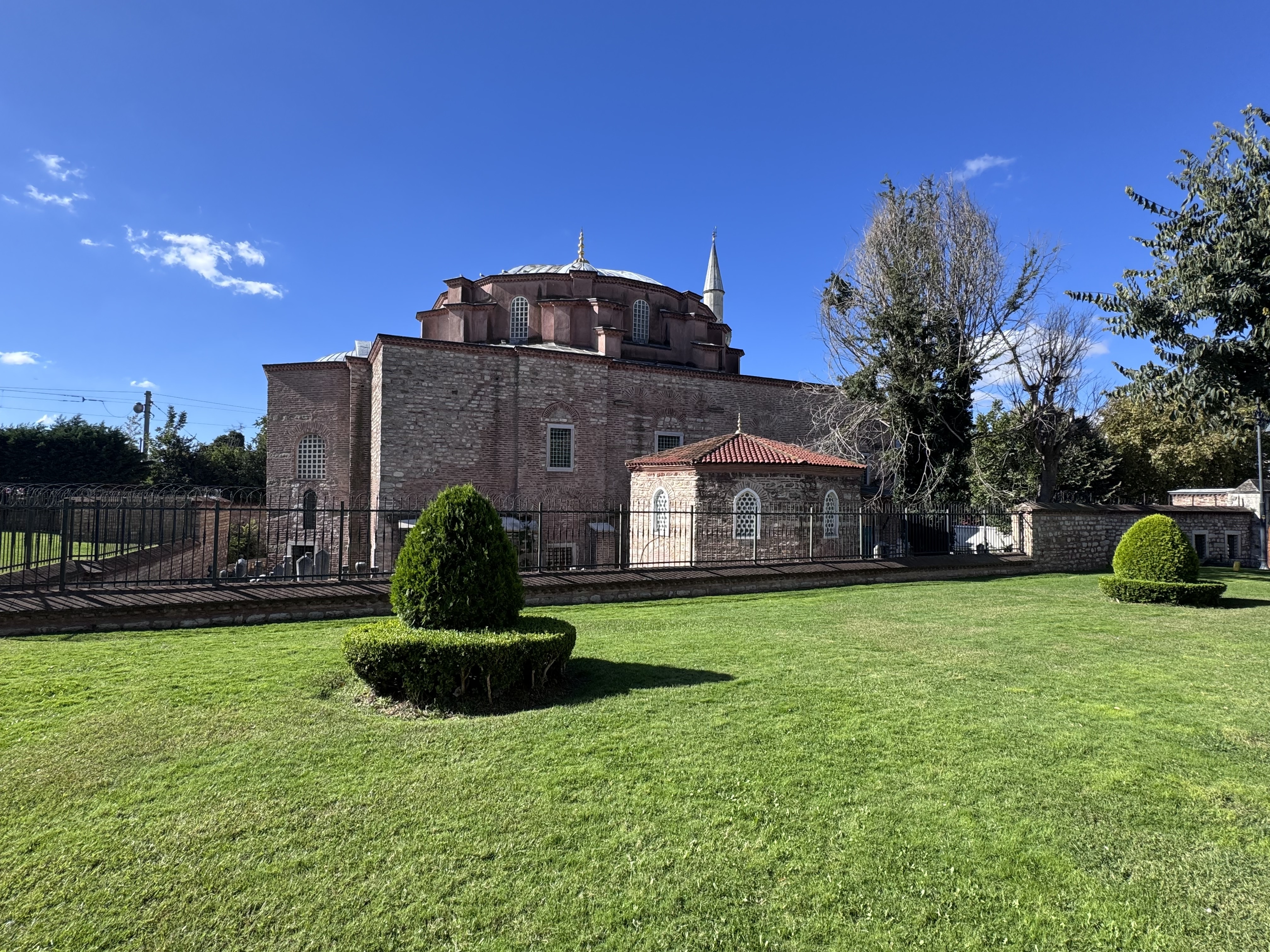
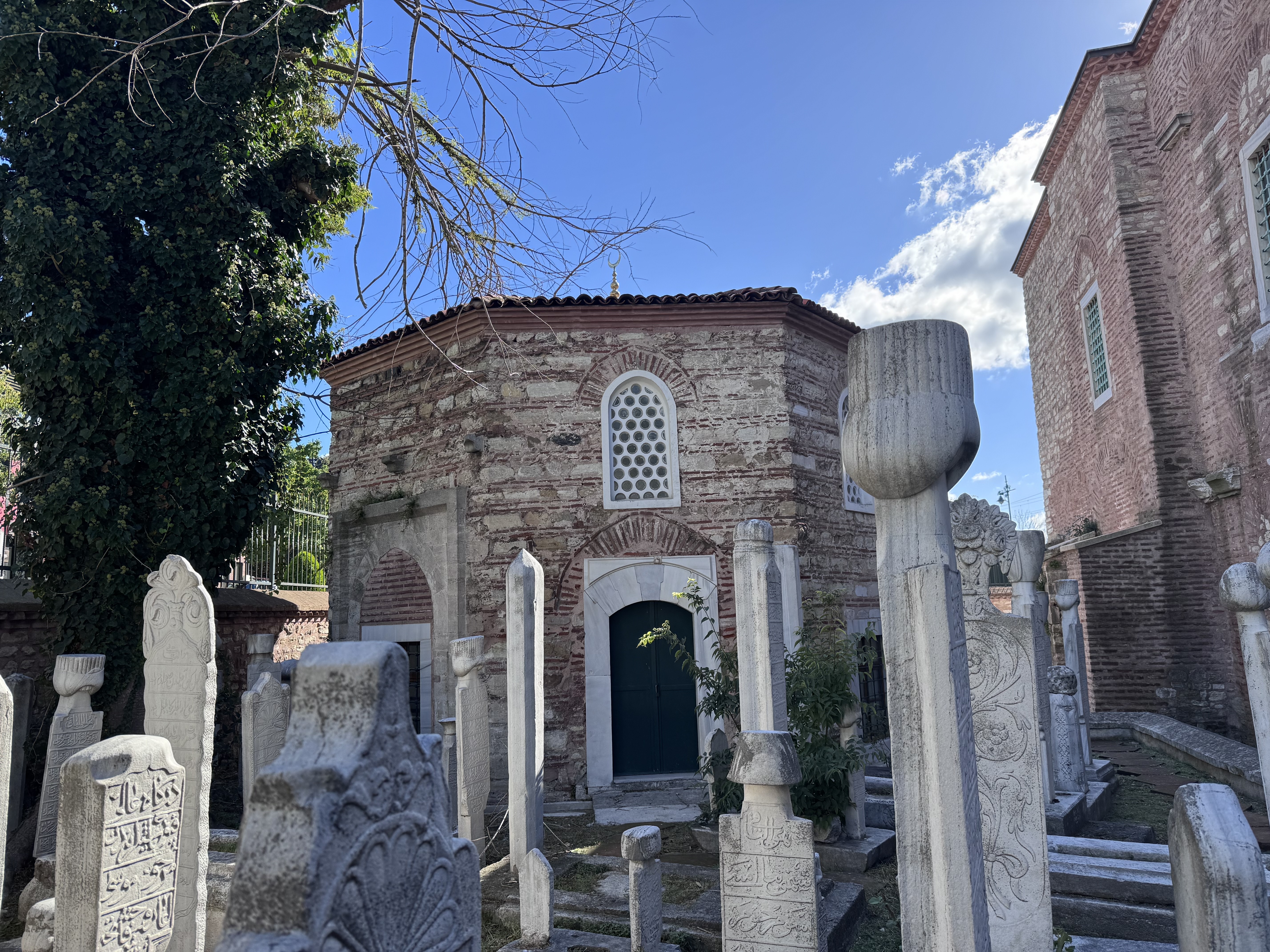
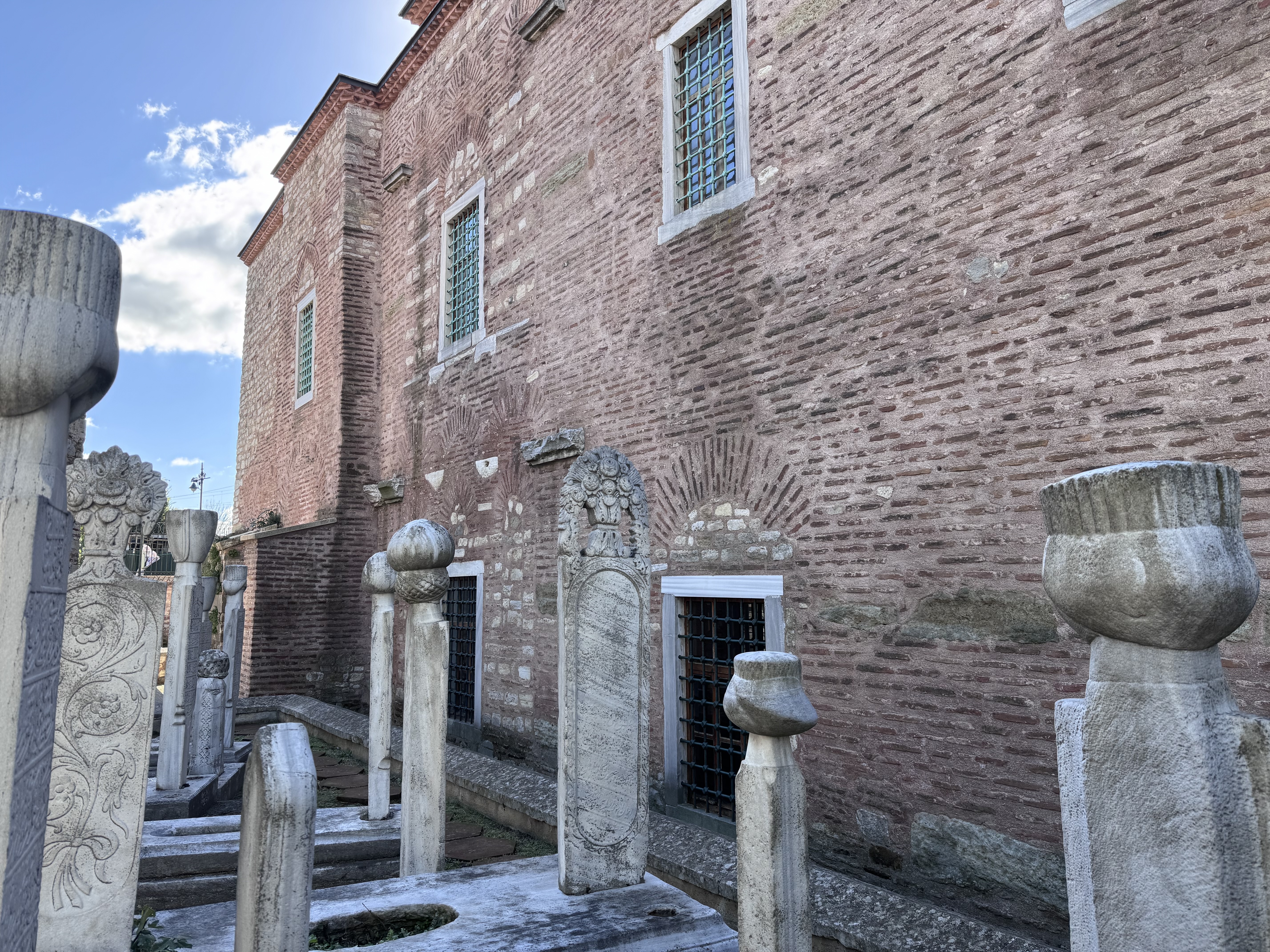
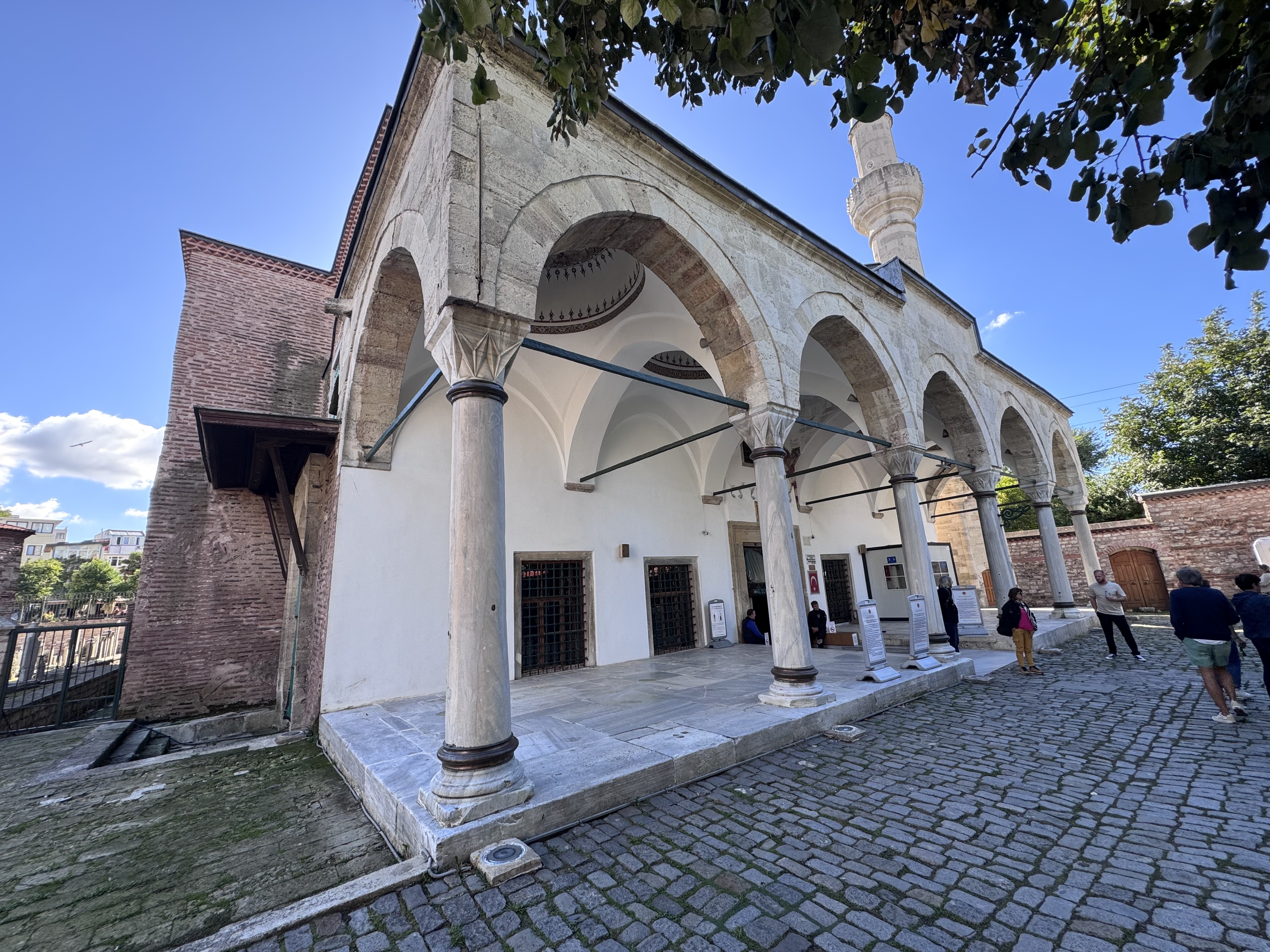
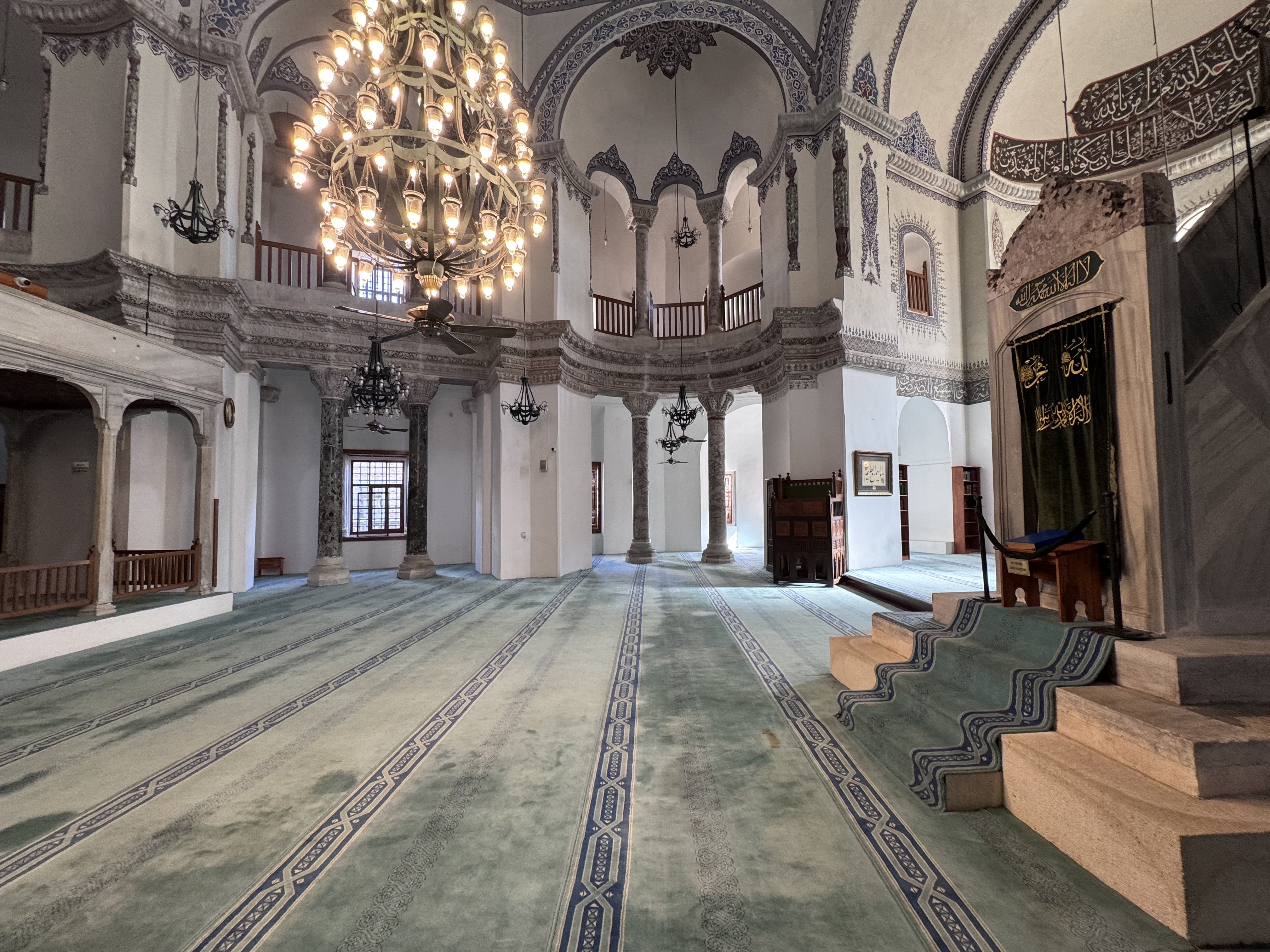
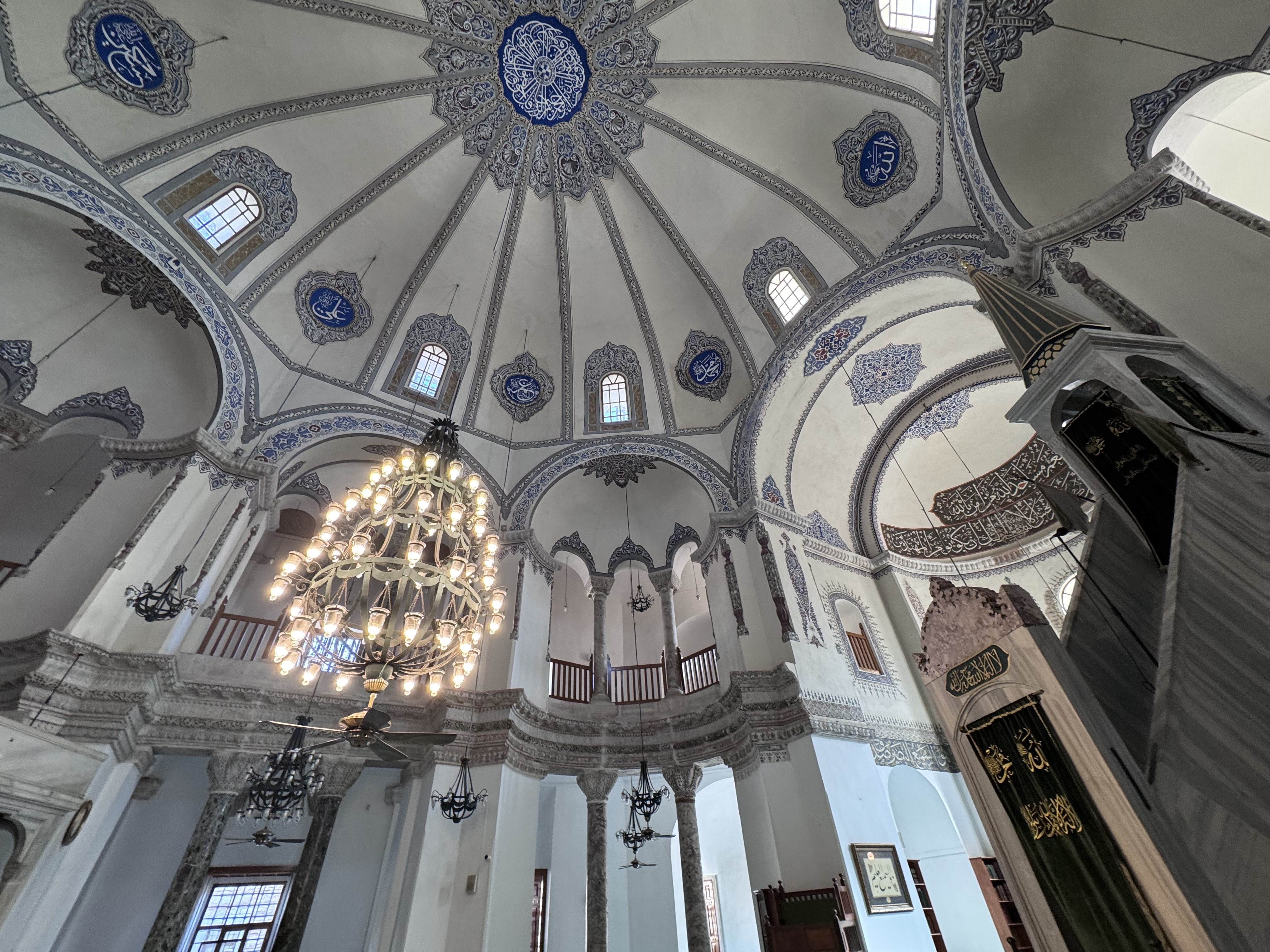
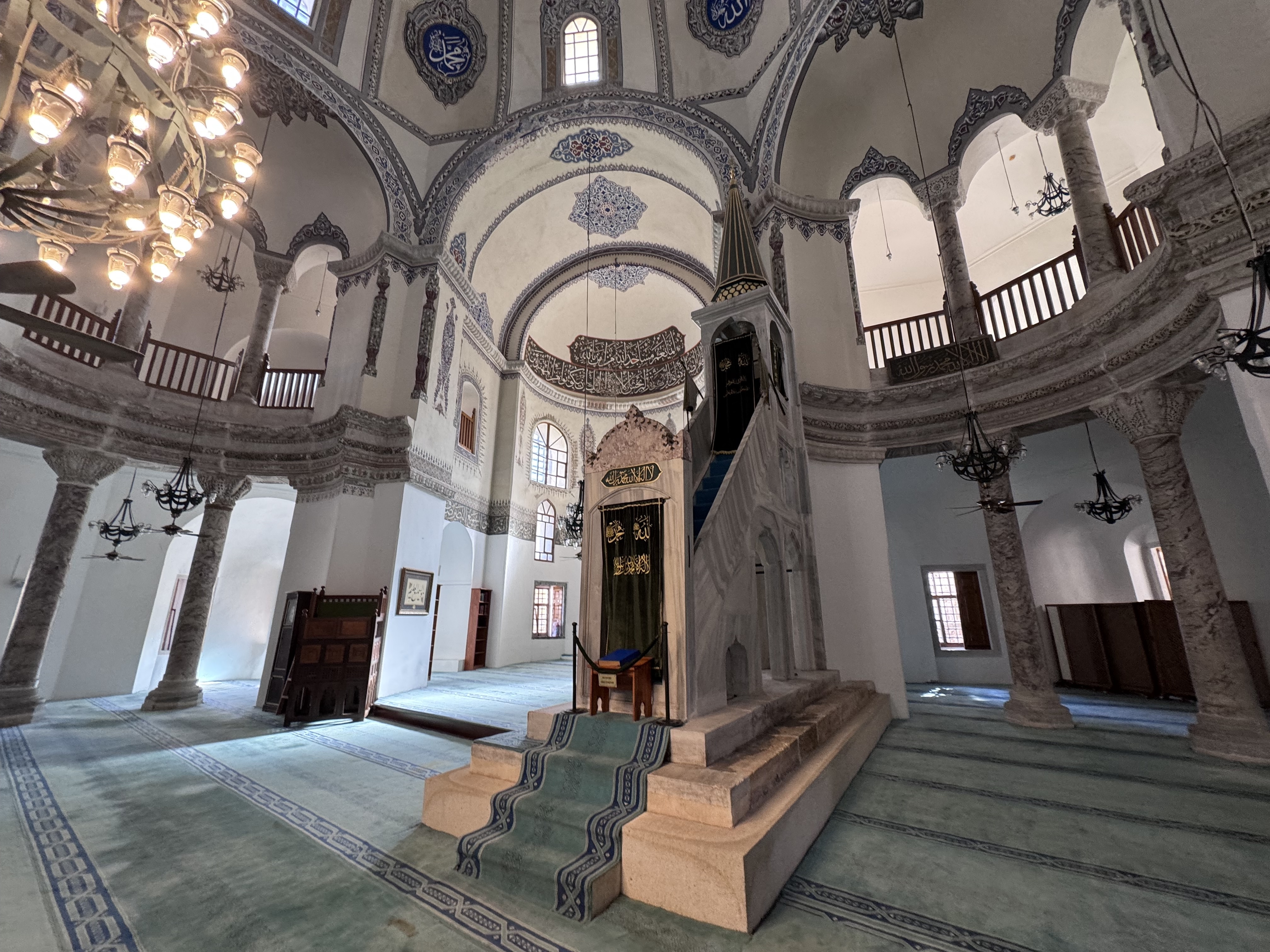
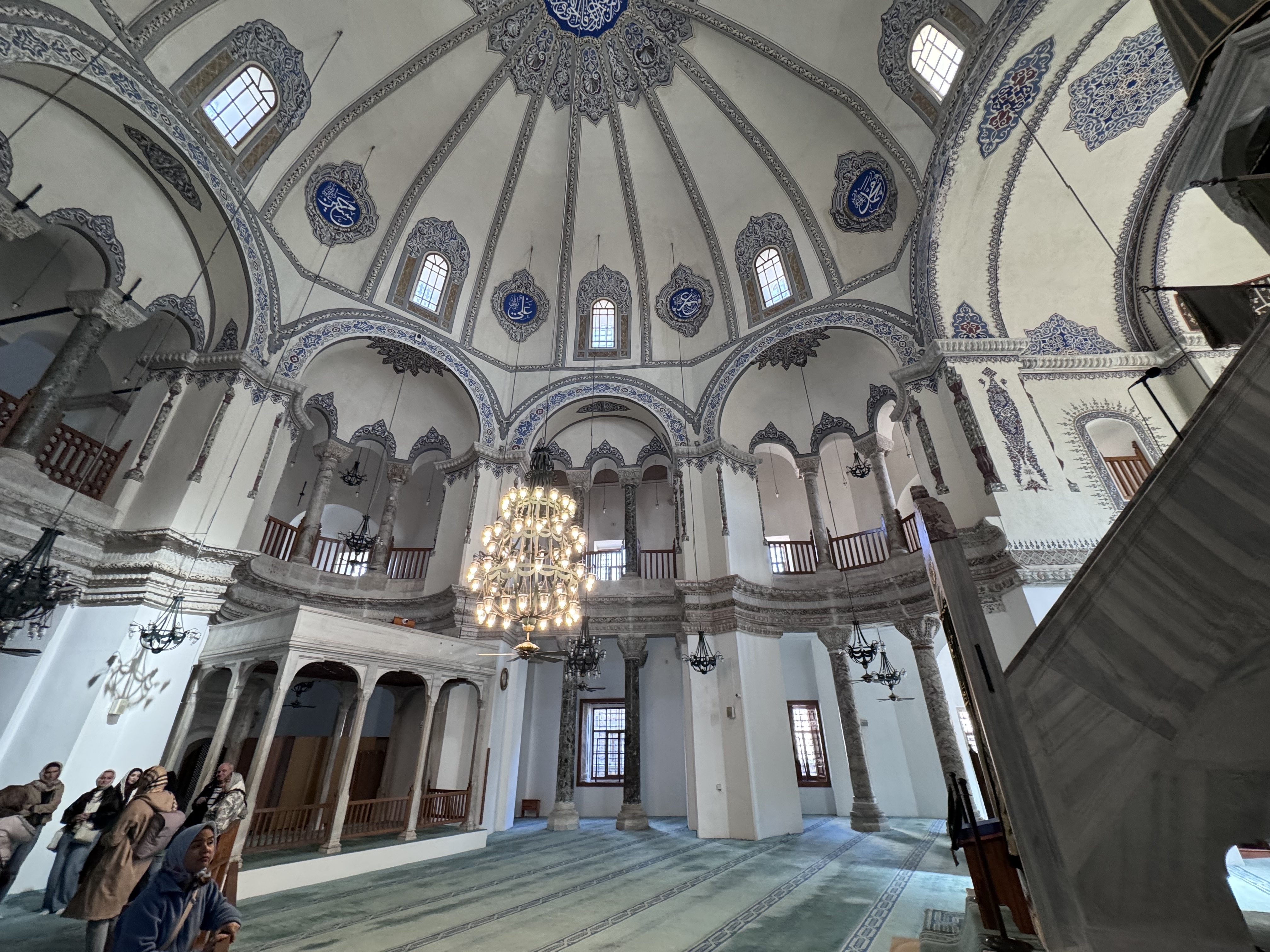
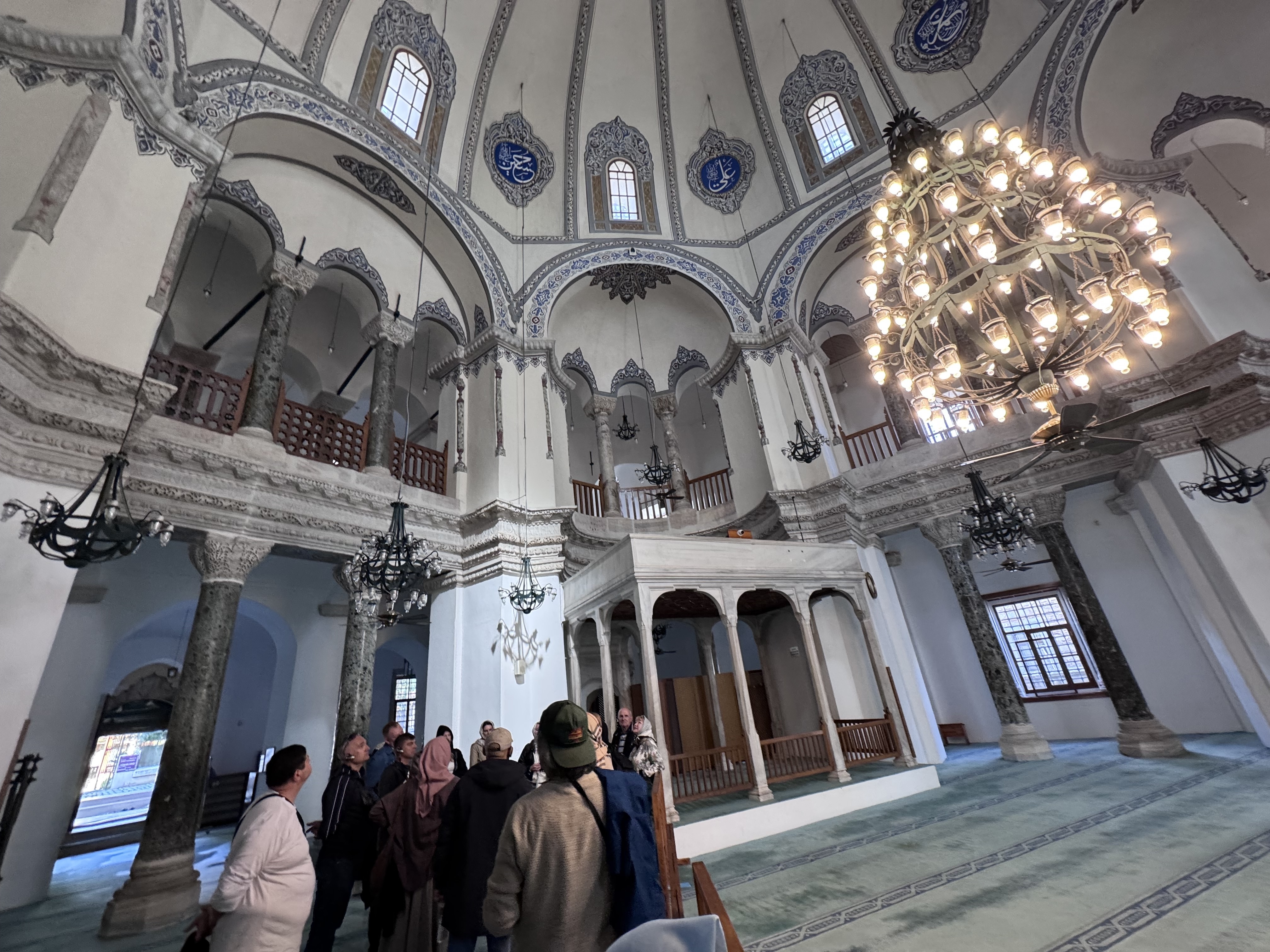
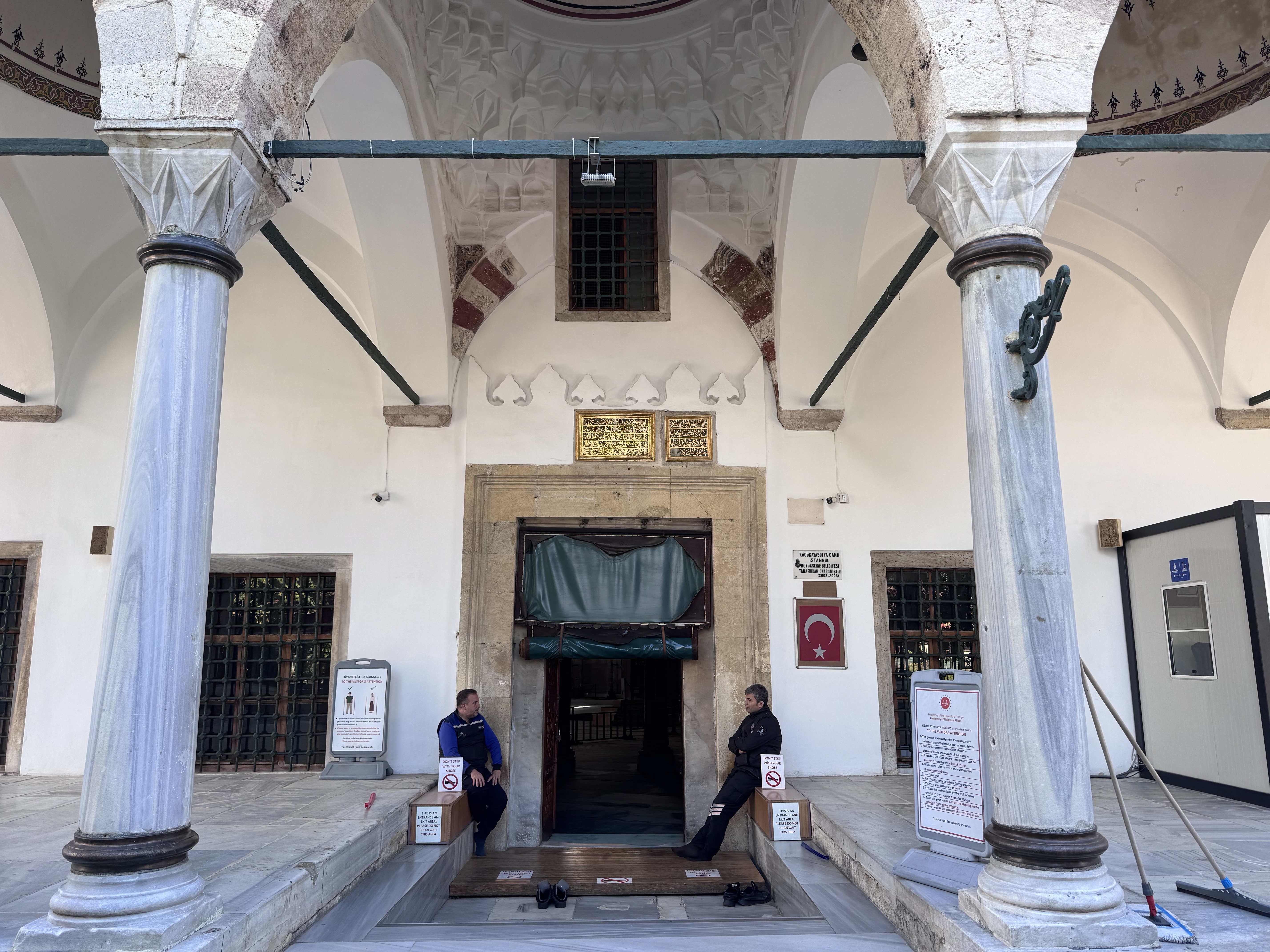
The Little Hagia Sophia, known in Turkish as Küçük Ayasofya Camii, stands in the Fatih district of Istanbul near the shores of the Sea of Marmara, close to the ruins of the Great Palace and south of the Hippodrome. Originally built as the Church of Saints Sergius and Bacchus, it is one of the most important surviving early Byzantine structures in the city and forms part of the Historic Areas of Istanbul, inscribed on the UNESCO World Heritage List in 1985.
Its construction is generally dated between 527 and 536 during the early years of Emperor Justinian I’s reign, though some scholars place the start slightly earlier or later within that decade. The church was dedicated to the Syrian Christian soldier-martyrs Saints Sergius and Bacchus. According to a later legend, Justinian, while still the nephew of Emperor Justin I, had been accused of plotting against the throne and sentenced to death; the two saints appeared to Justin in a dream and vouched for Justinian’s innocence, leading to his ...
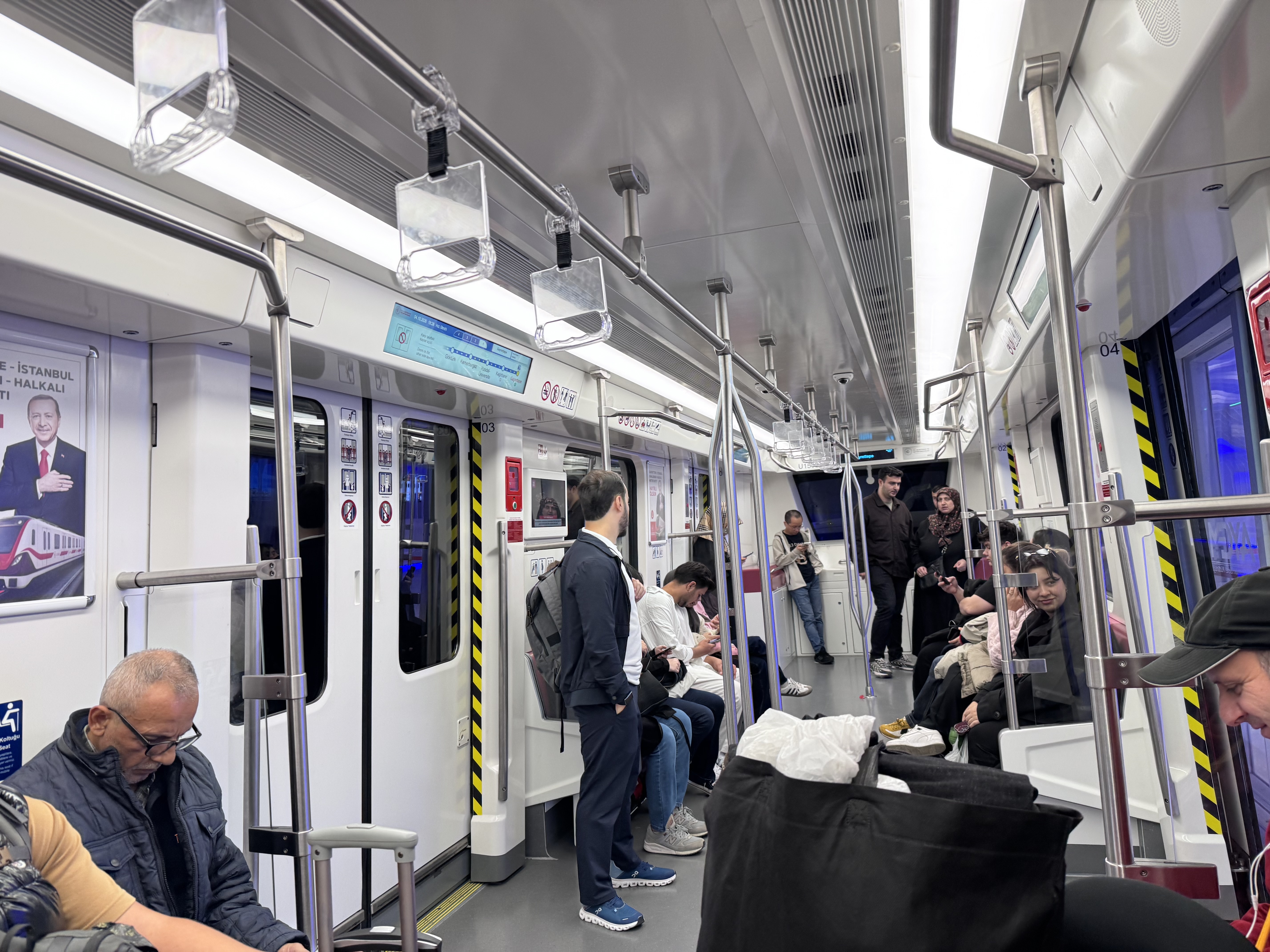
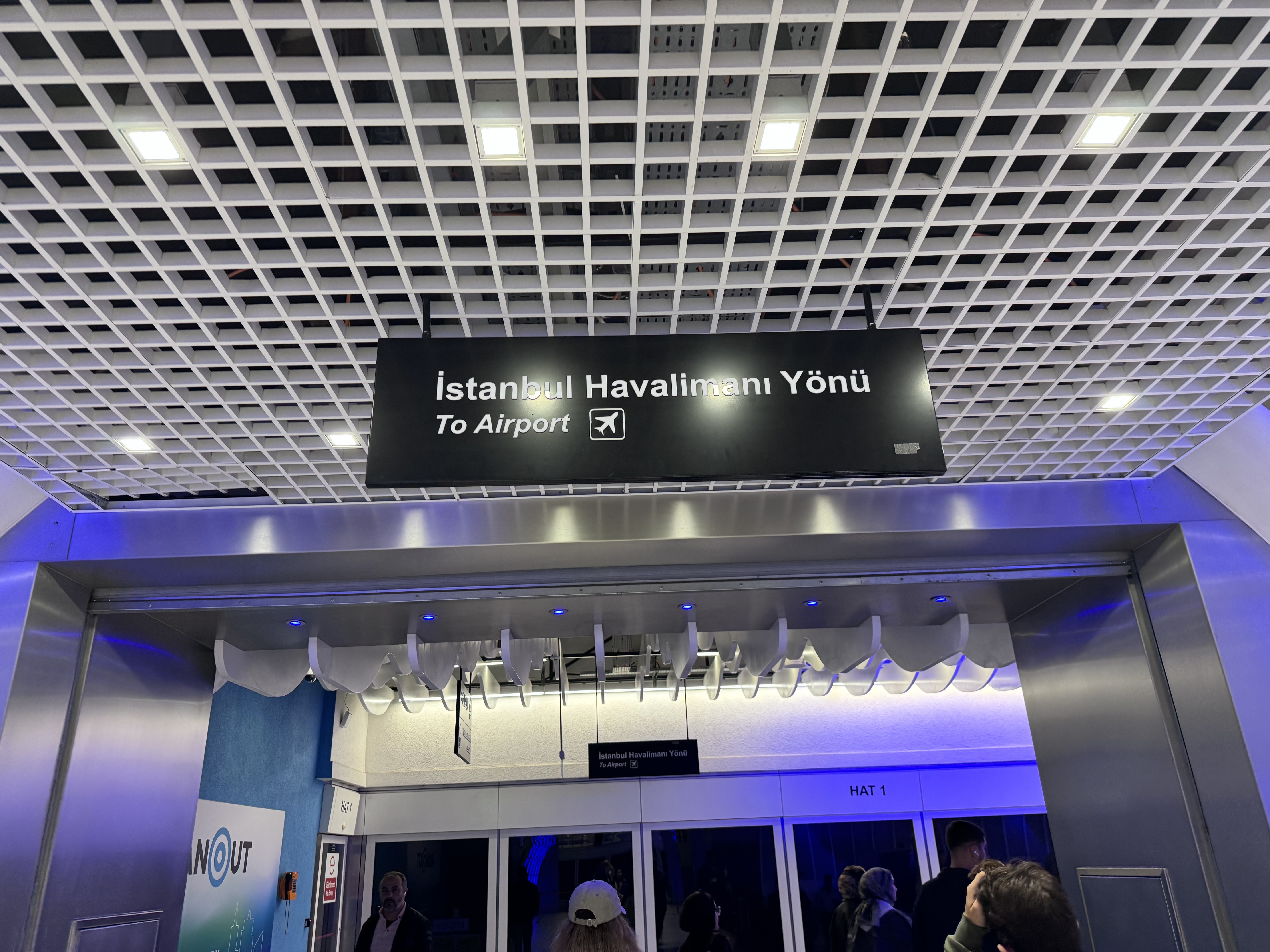
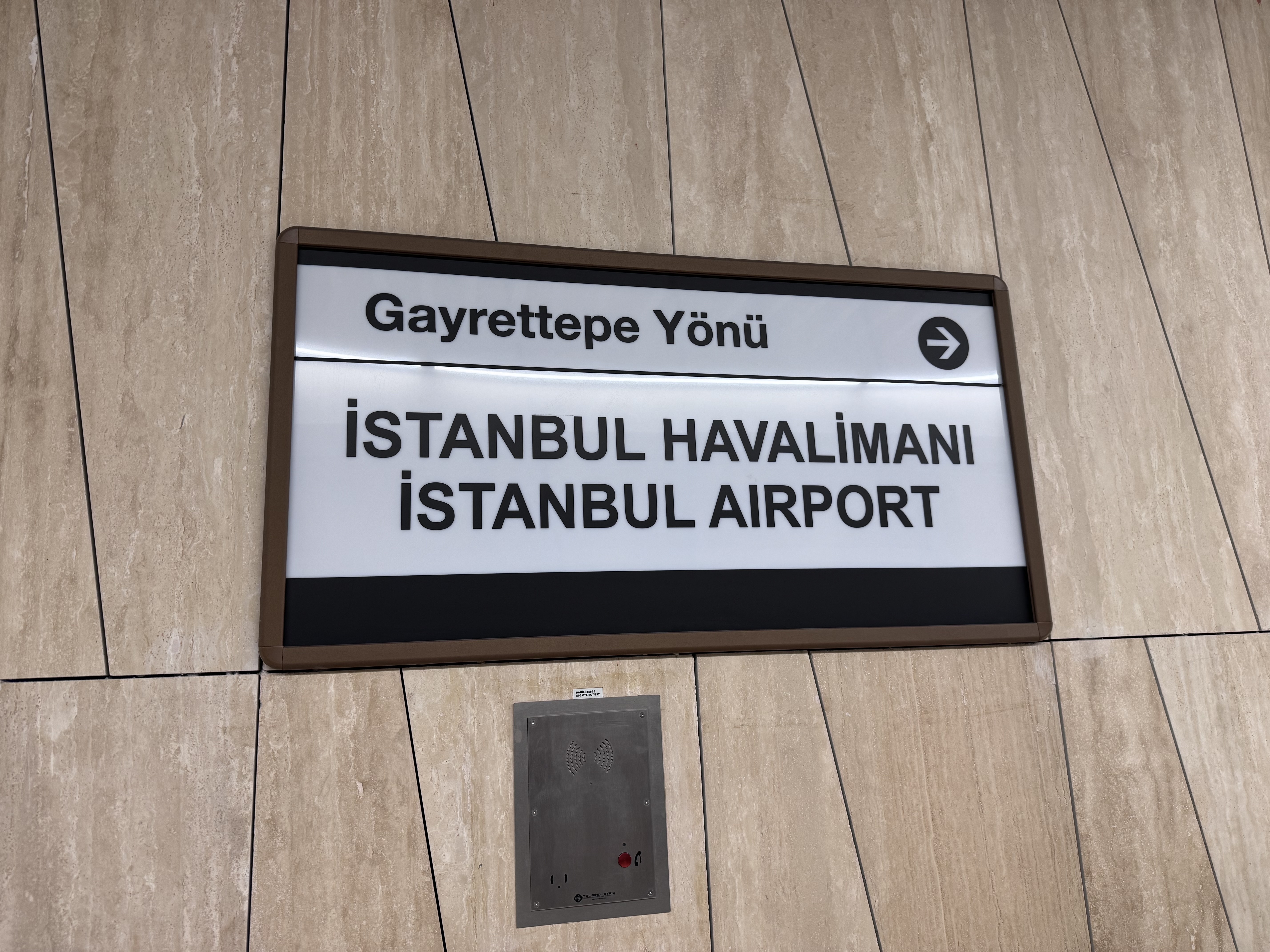
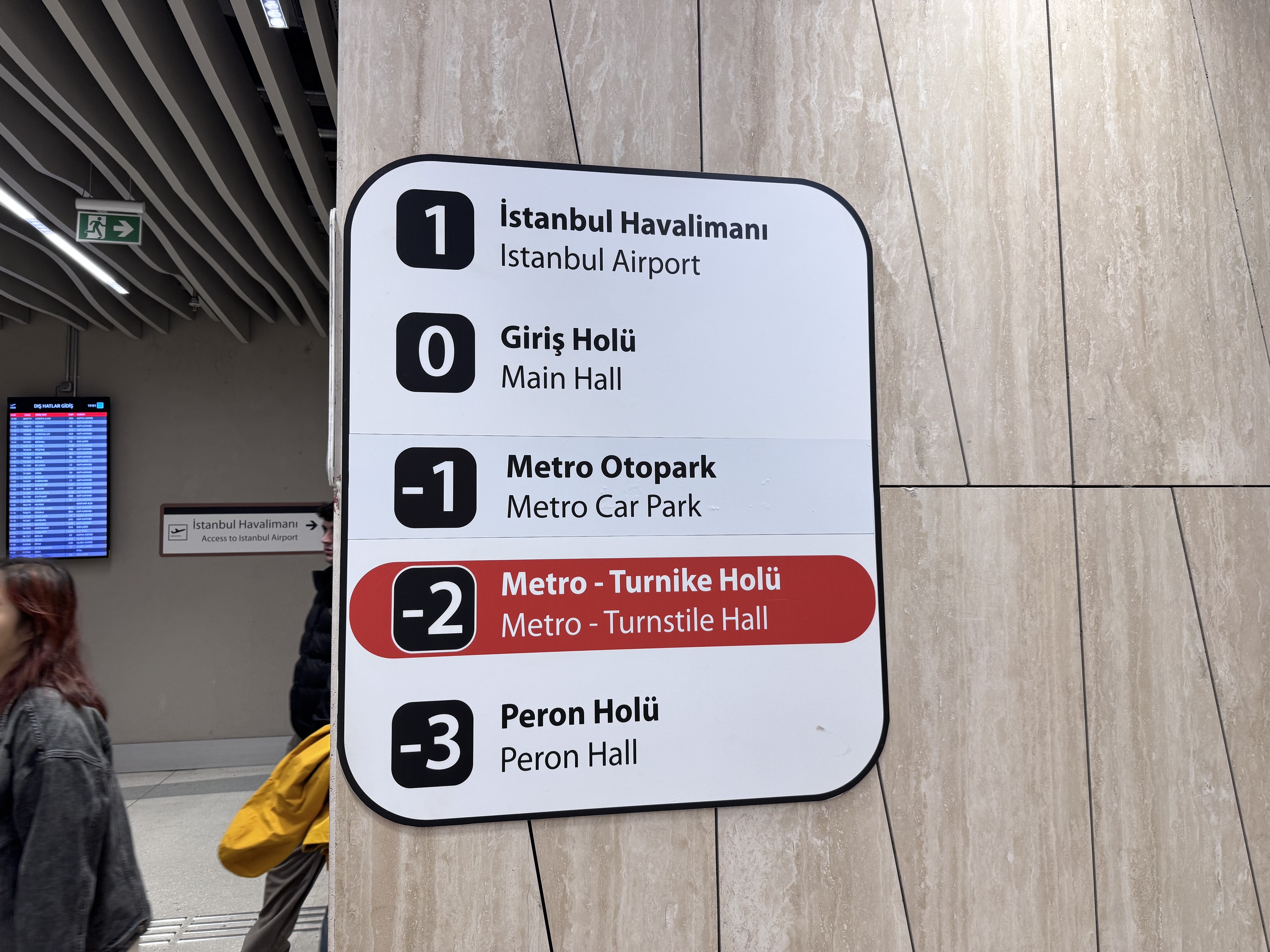
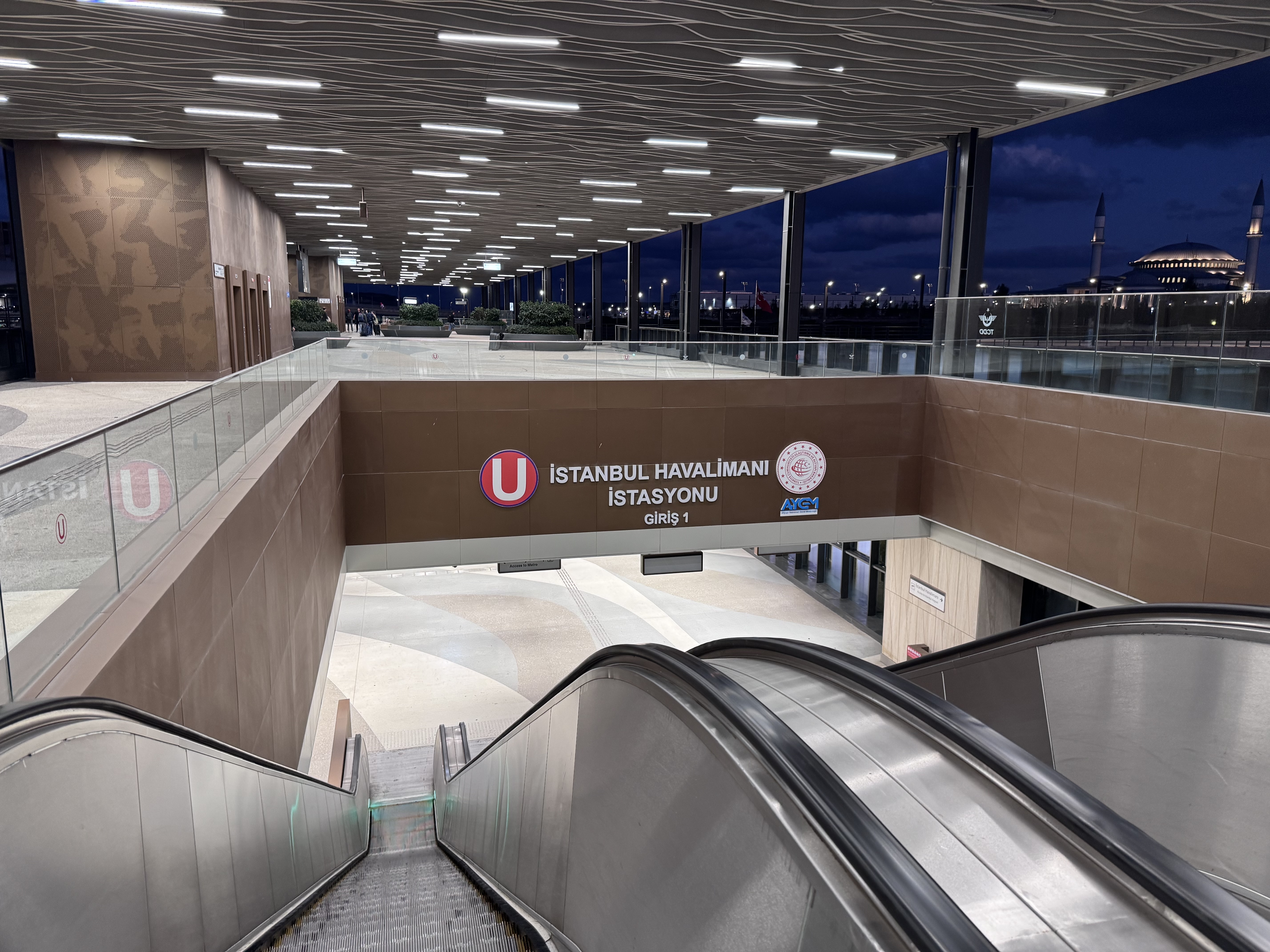
This video shows you exactly how to ride the Istanbul metro from the airport on the M11 line and transfer to the M2 to reach the historical area around Sultanahmet or Taksim Square.
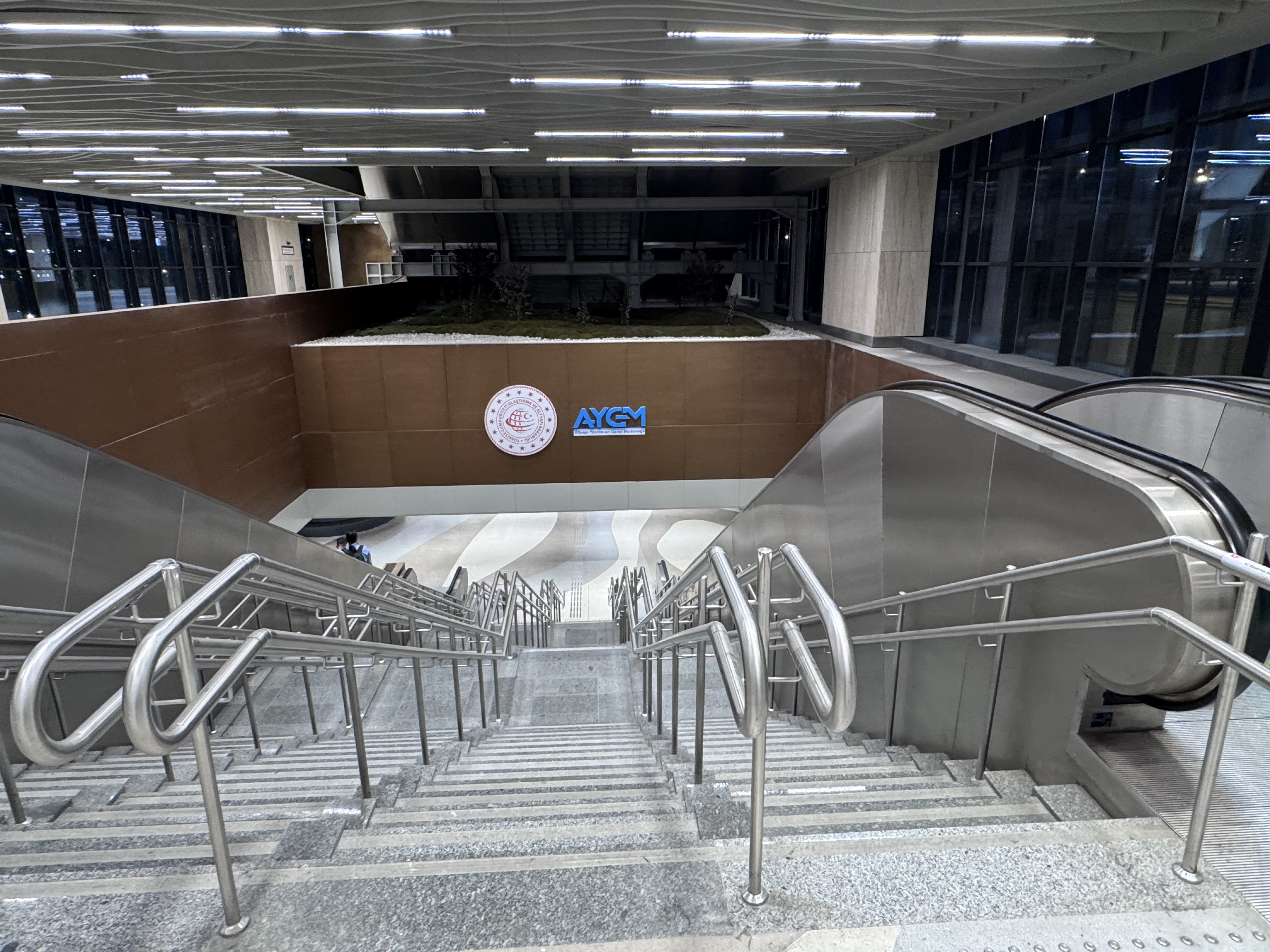
Start by following the metro signs after arrivals at Istanbul Airport, walk a few minutes to the underground station, buy or top up an Istanbulkart at the machines, and board an M11 train heading toward Gayrettepe. The ride takes about 25 to 35 minutes with trains running every 8 to 10 minutes from roughly 6 a.m. until midnight.
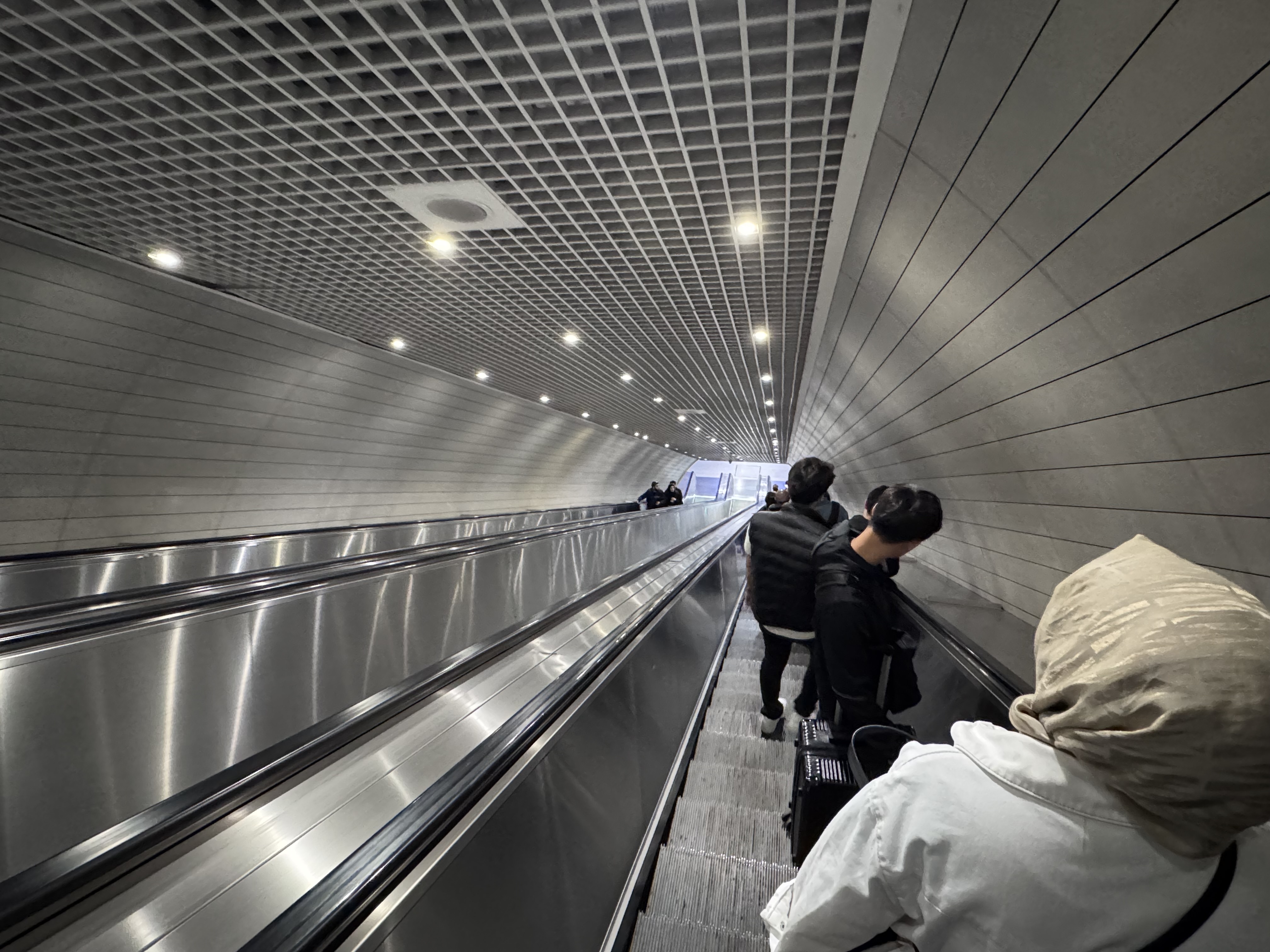
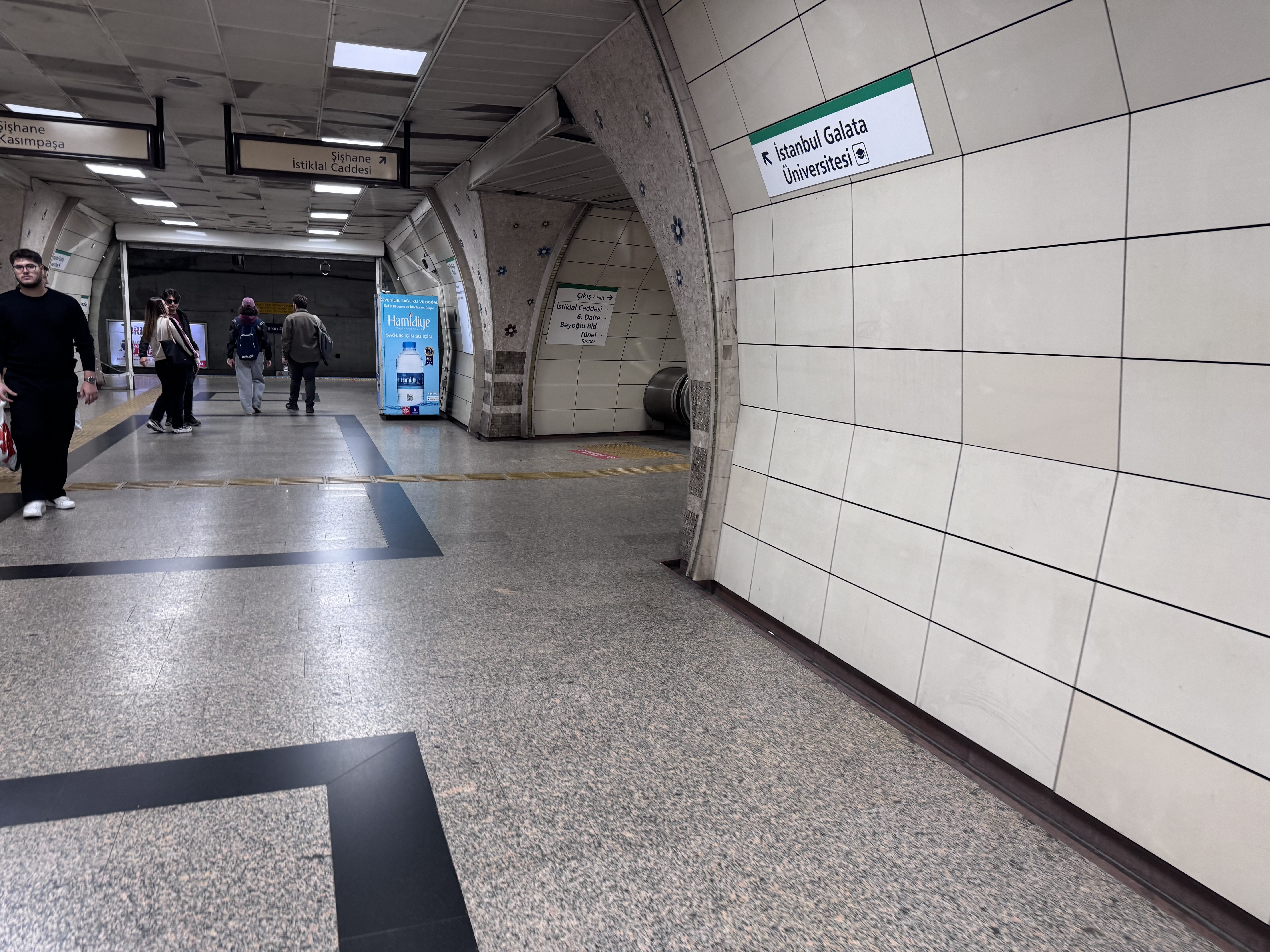
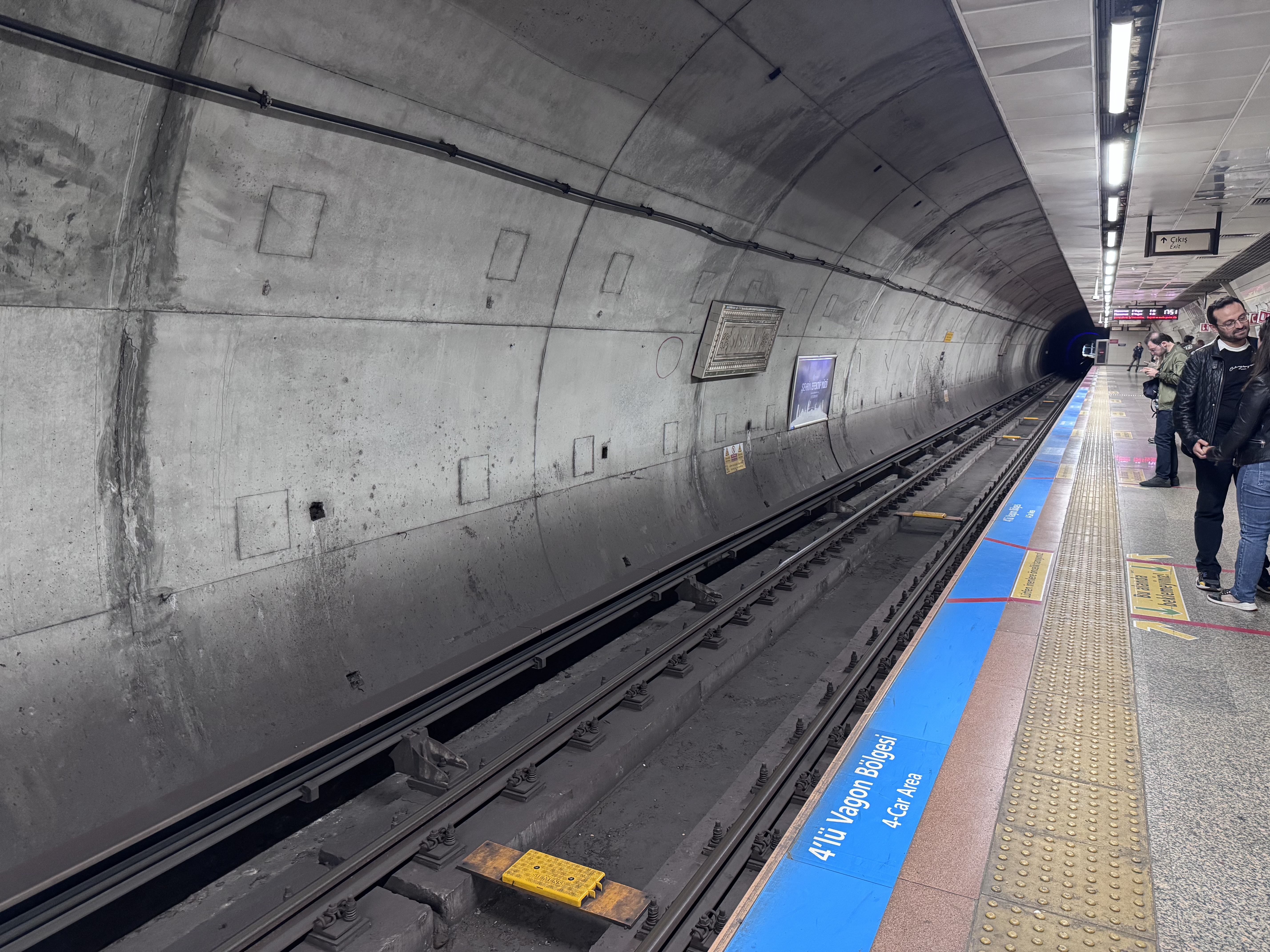
At Gayrettepe follow the signs for the M2 green line, allow 8 to 15 minutes for the long underground walk with escalators, then ride toward Yenikapı and get off at Vezneciler or continue for a short T1 tram connection straight to Sultanahmet near Hagia Sophia and the Blue Mosque.
Total door-to-door time is usually 60 to 90 minutes. The full trip costs roughly 60 to 110 Turkish lira with an Istanbulkart depending on transfers, far cheaper than a taxi that can run 2000 lira or more.
...