

Night markets are part of Thai culture and it’s a great way for friends and family to meet up for dinner or snacks away from the heat of the day.
Each Saturday evening a huge walking street night market opens next to the skywalk on the River Kwai in downtown Kanchanaburi. It’s about 1km of shops selling everything from local snacks to clothing and much more.
It’s known as Kanchanaburi Walking Street and Song Kwai Night Market. It is a popular place for the locals and tourists to spend an evening. Prices are very reasonable and it’s a must see if you are in the area.
Kanchanaburi Walking Street Night Market (Song Kwai Market) - Kanchanaburi Thailand 2024


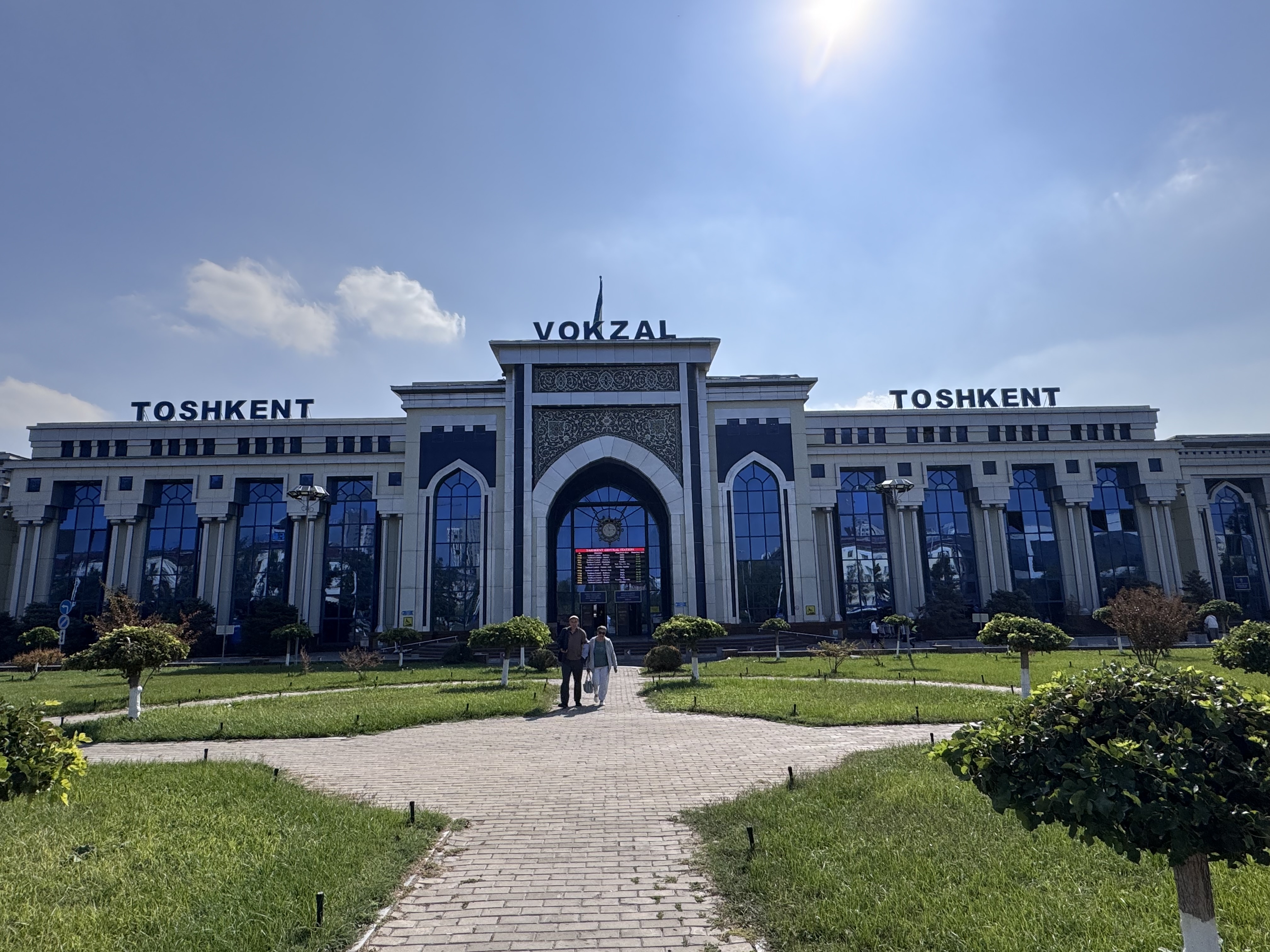
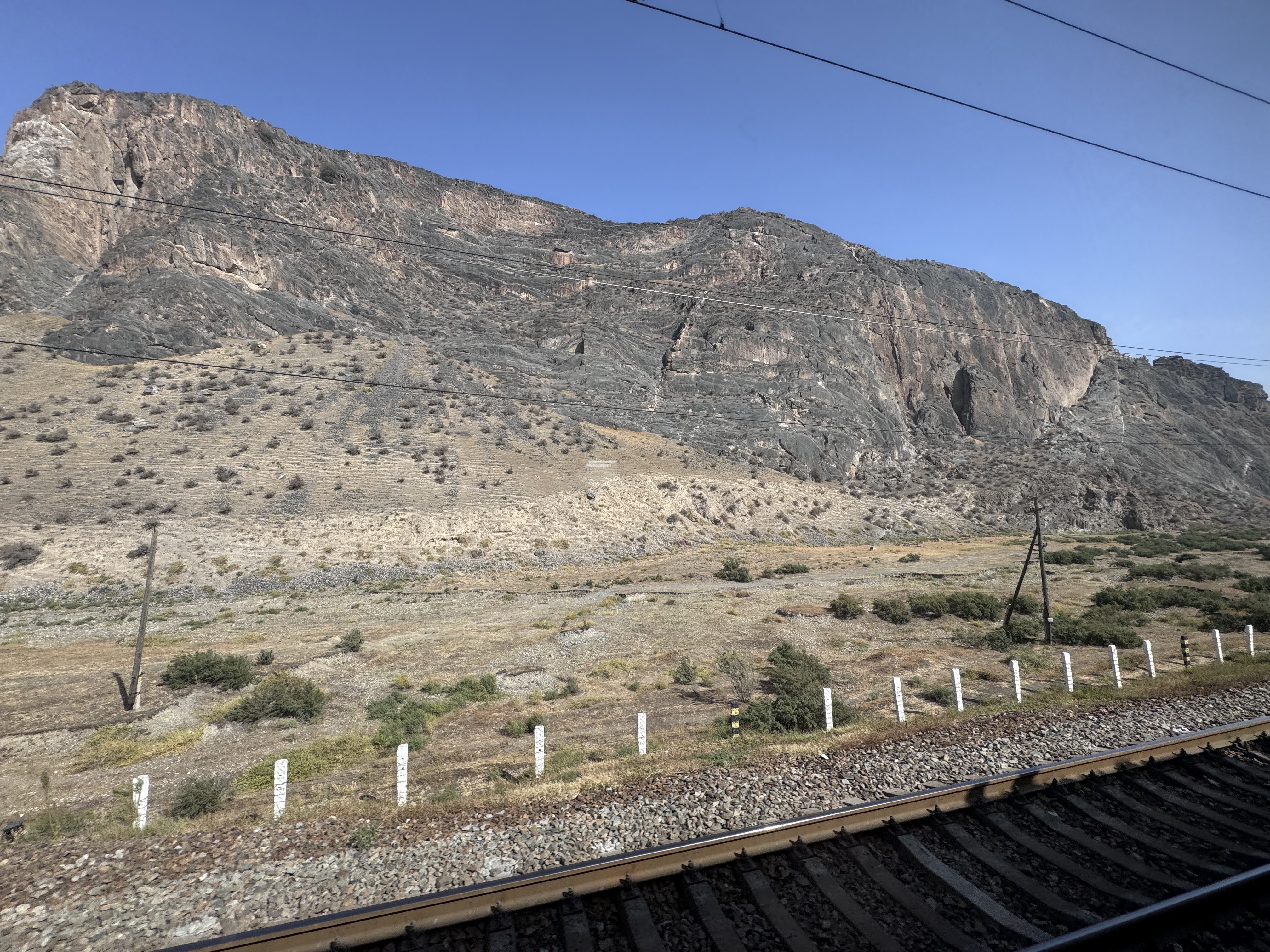
The railways of Uzbekistan began in the late nineteenth century under the Russian Empire with the construction of the Trans-Caspian line that stretched across the deserts to reach Samarkand in 1888 and later connected with Tashkent.
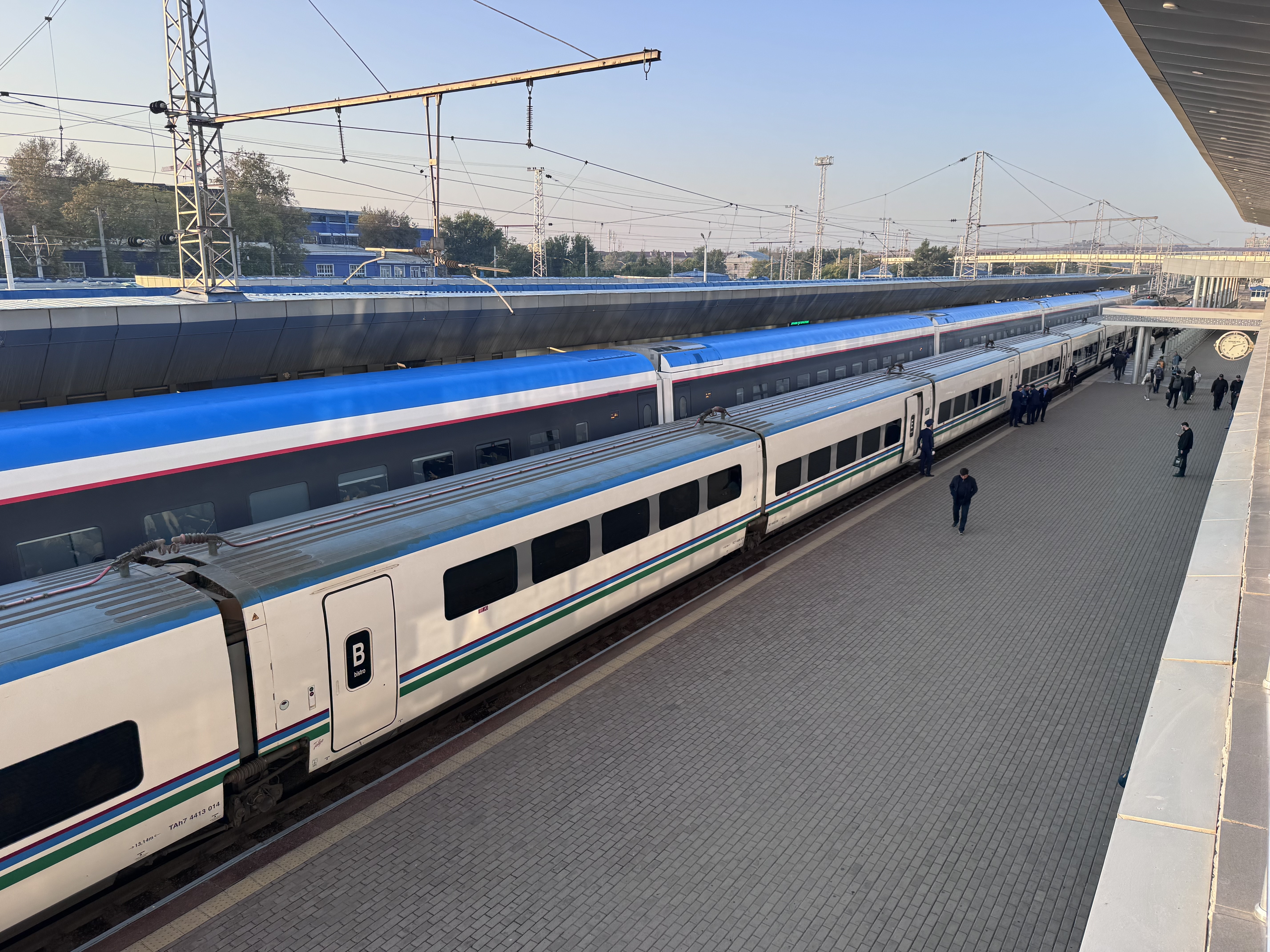
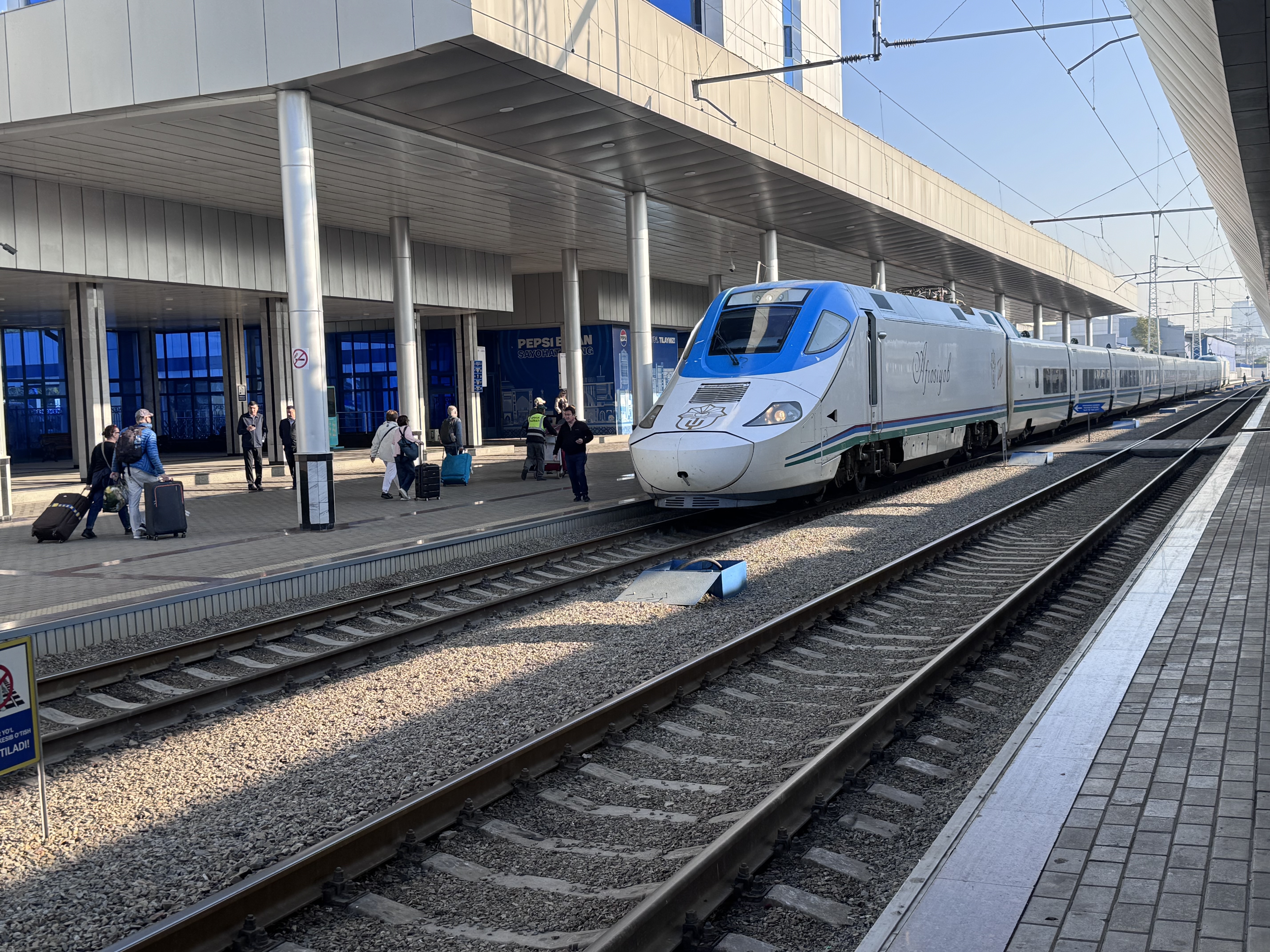
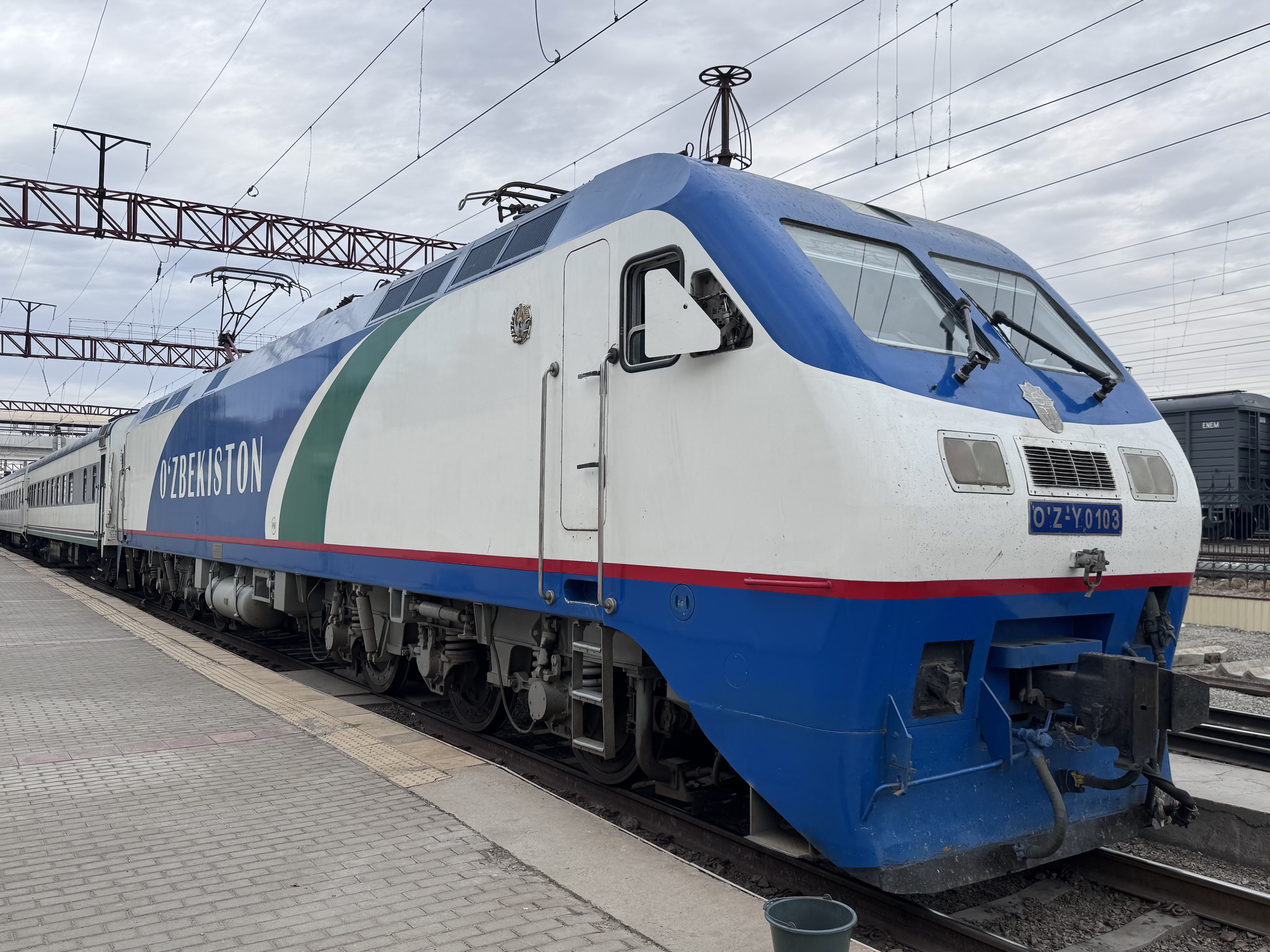
After independence the national operator O‘zbekiston Temir Yo‘llari was created in 1994 and has steadily improved the network. Alongside the newer high-speed services, the reliable Sharq express continues to provide a classic and more affordable way to travel between the country’s main cities.
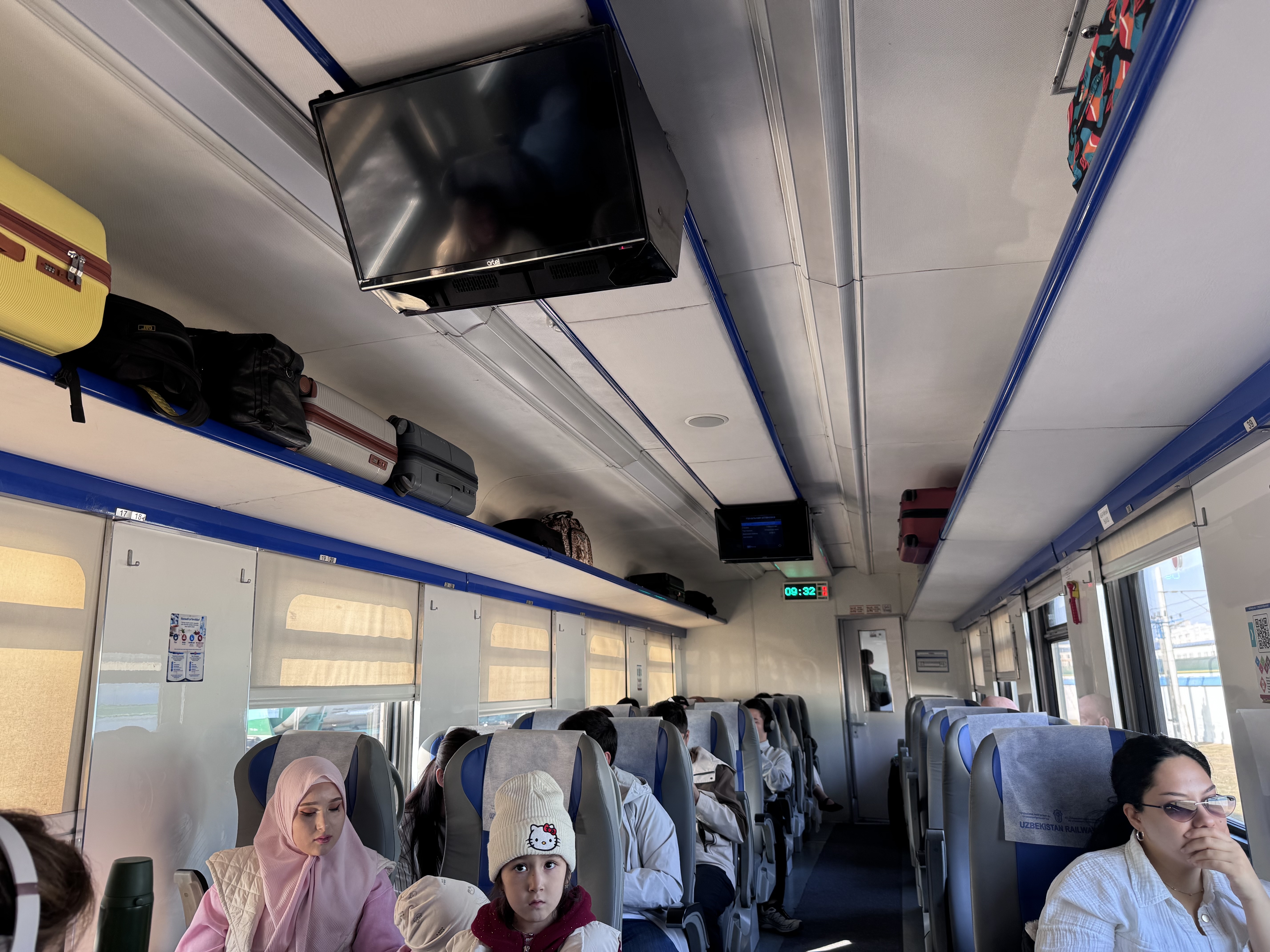
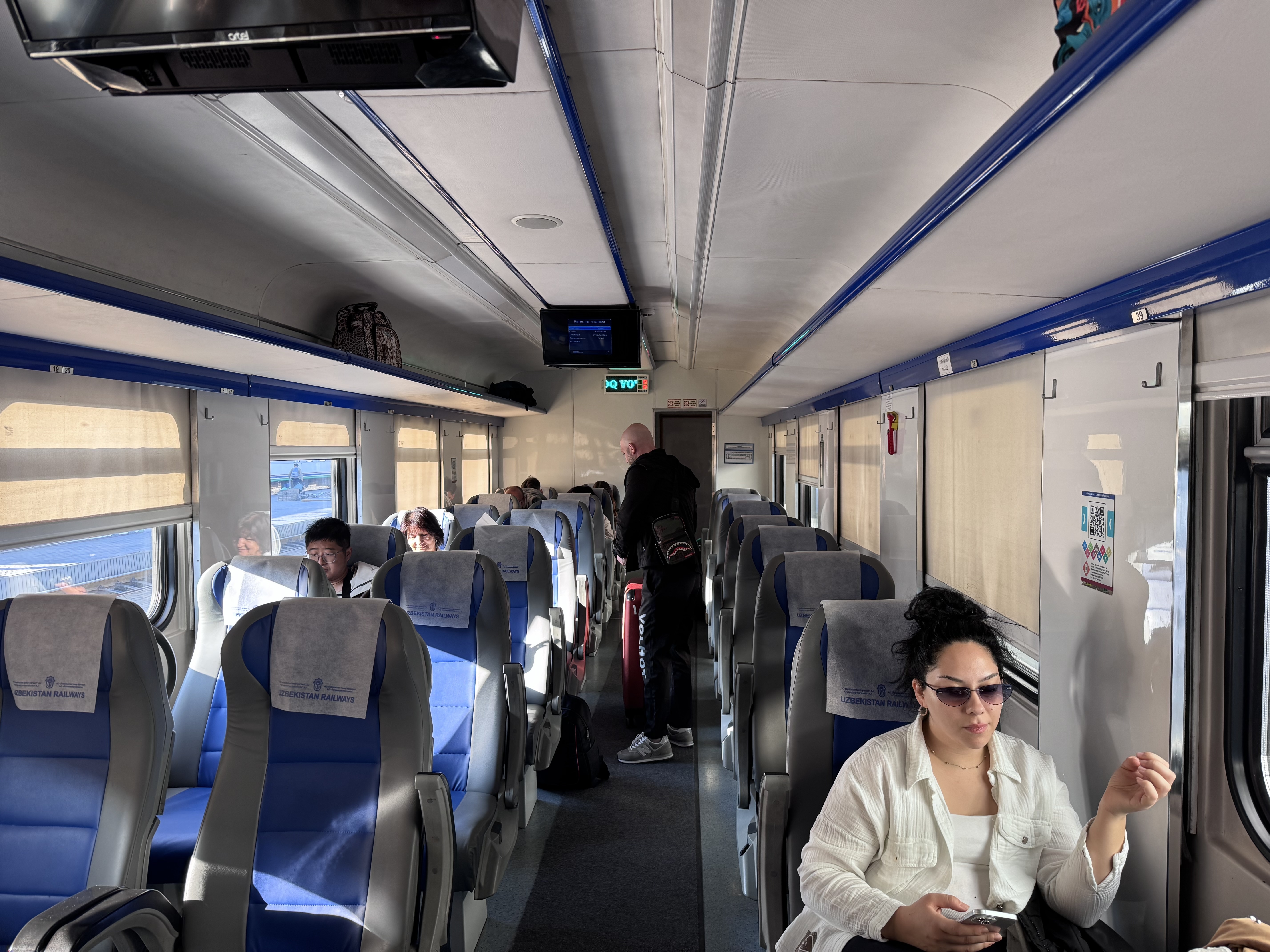
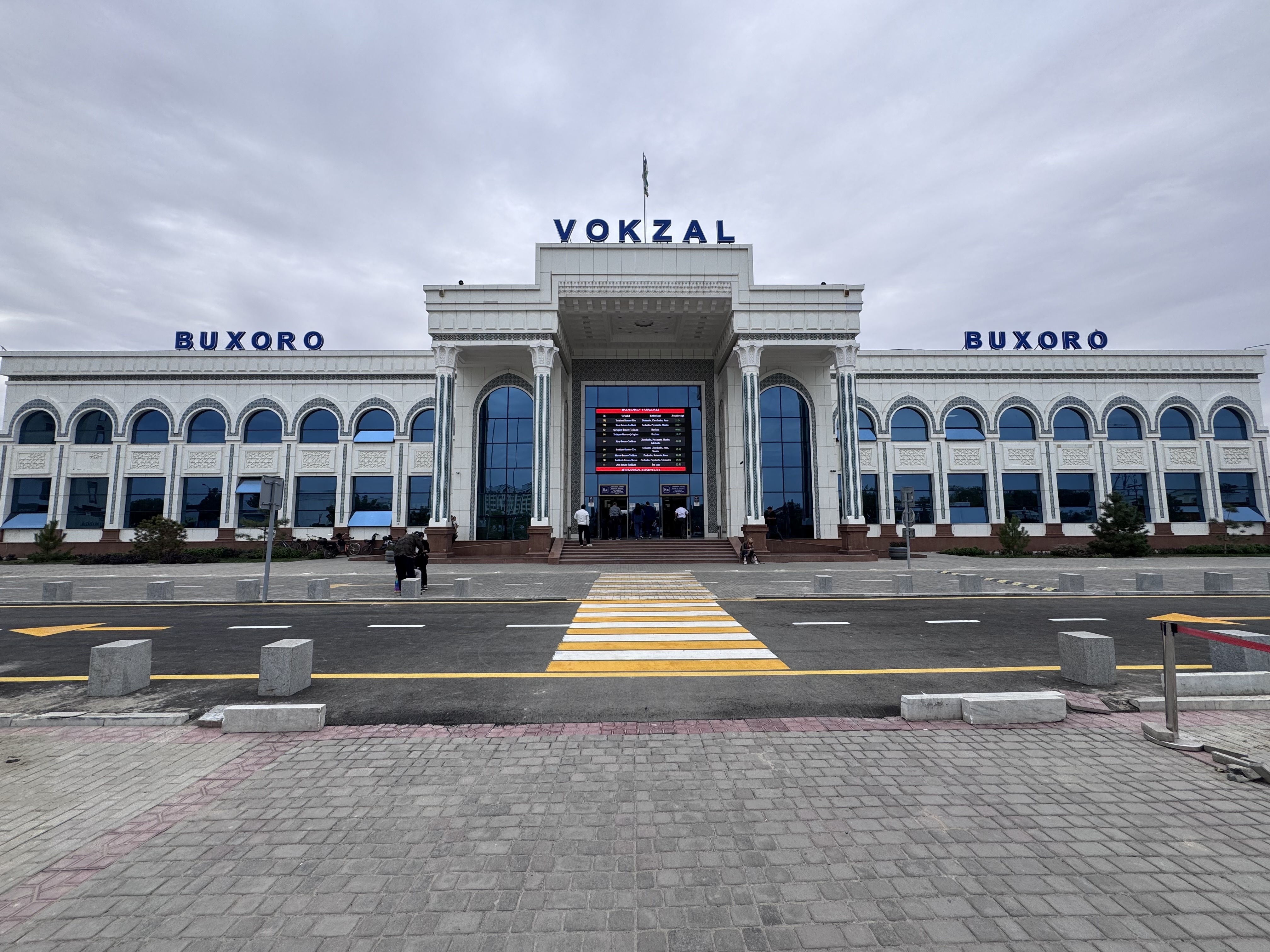
The rail distance from Tashkent to Bukhara is approximately five hundred and eighty to six hundred kilometers. On the regular Sharq train the journey takes around six hours, typically between five hours and fifty minutes and six and a half hours depending on the specific departure and intermediate stops.
Tickets can be purchased online through the official Uzrailway tickets mobile app for Android and iOS or on the website eticket.railway.uz. Select the stations, date, Sharq...
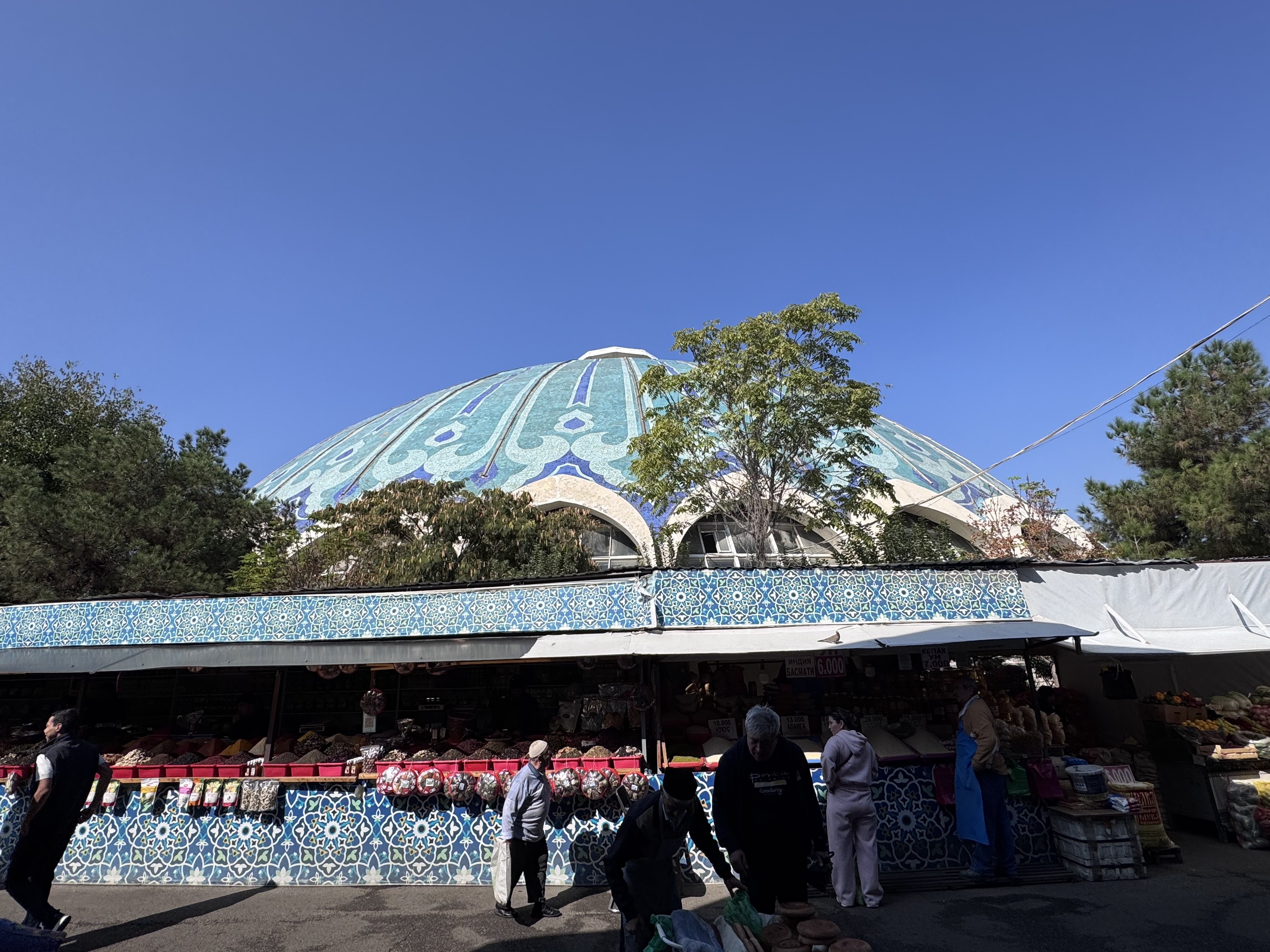
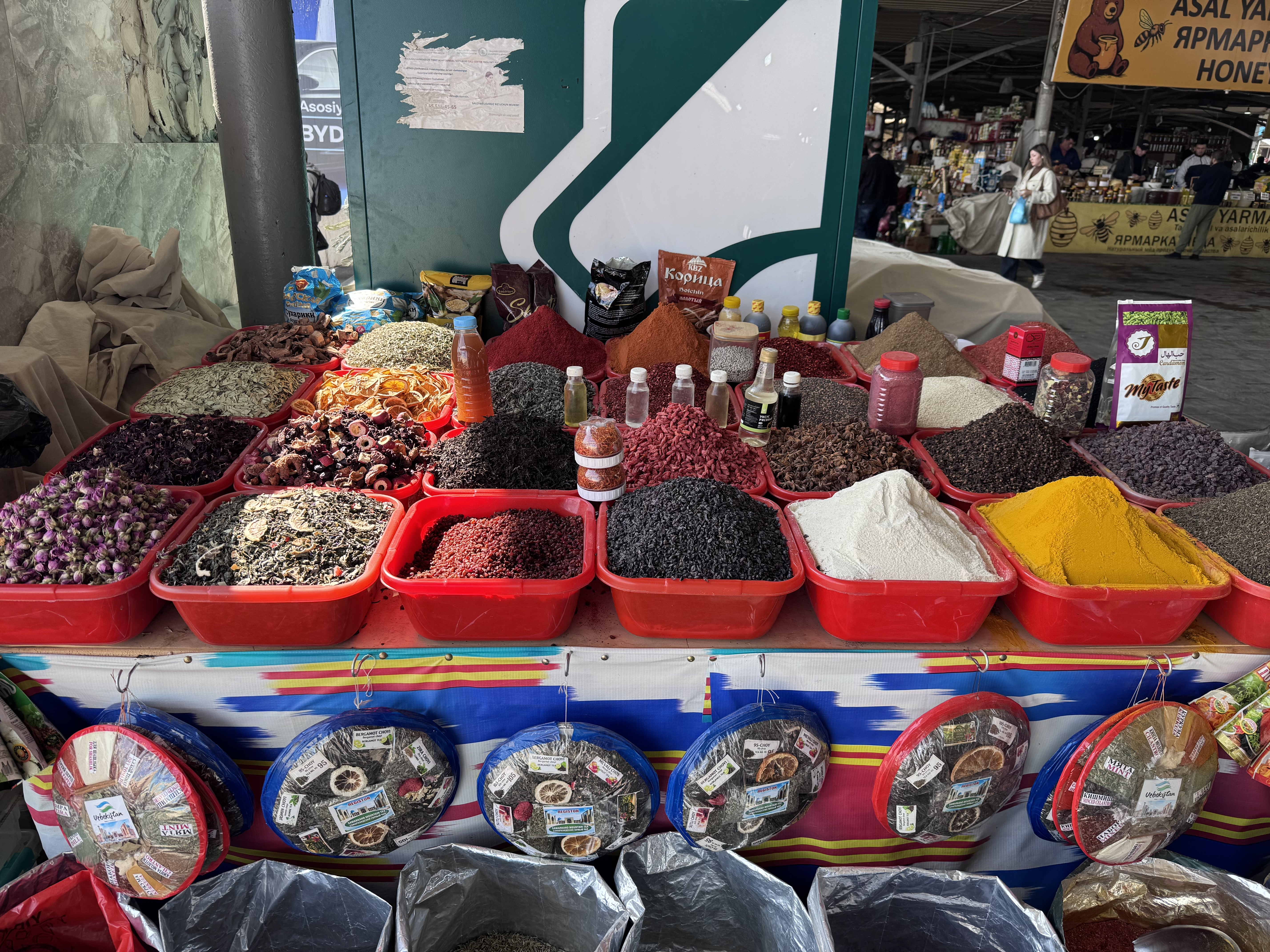
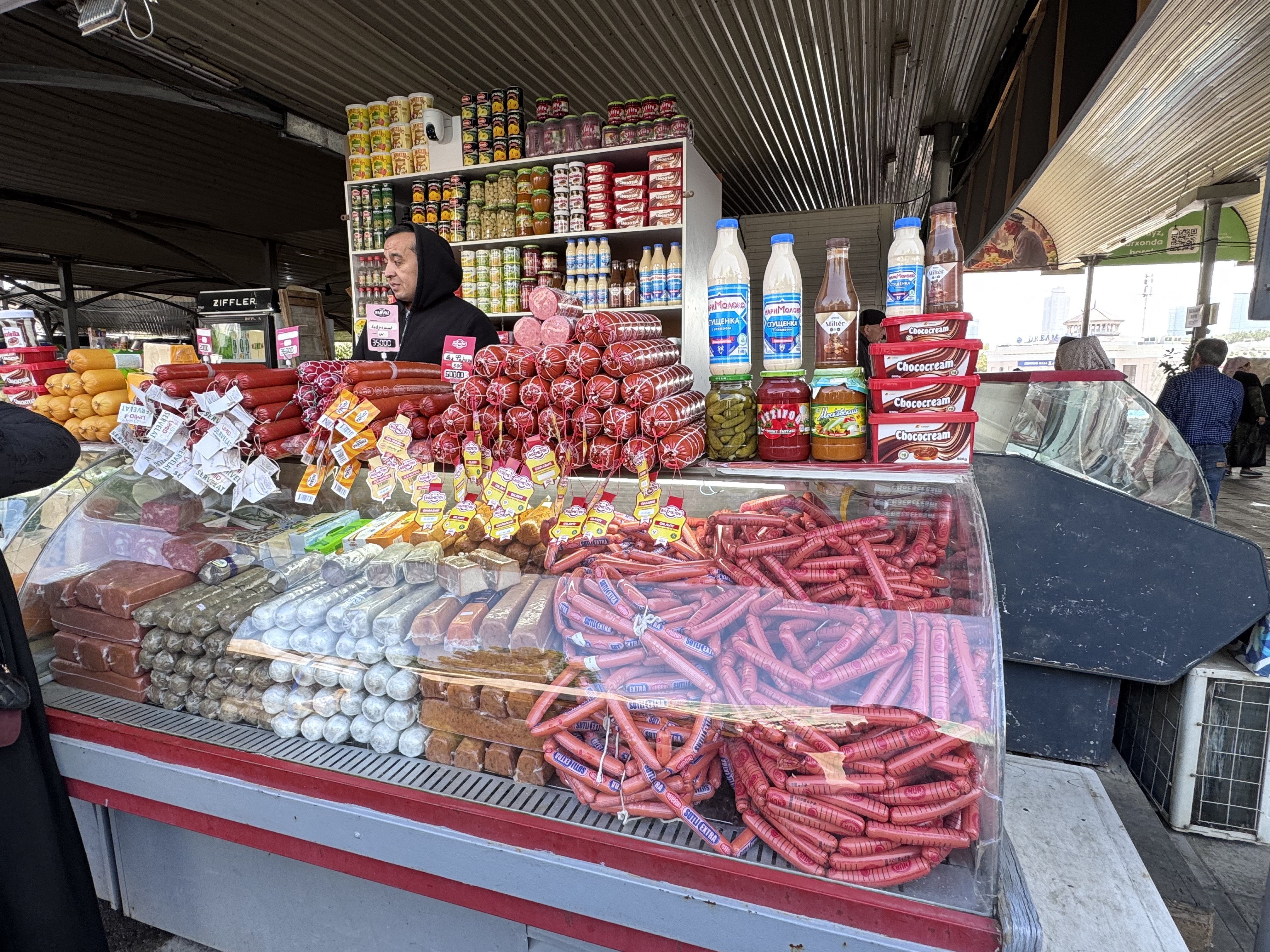
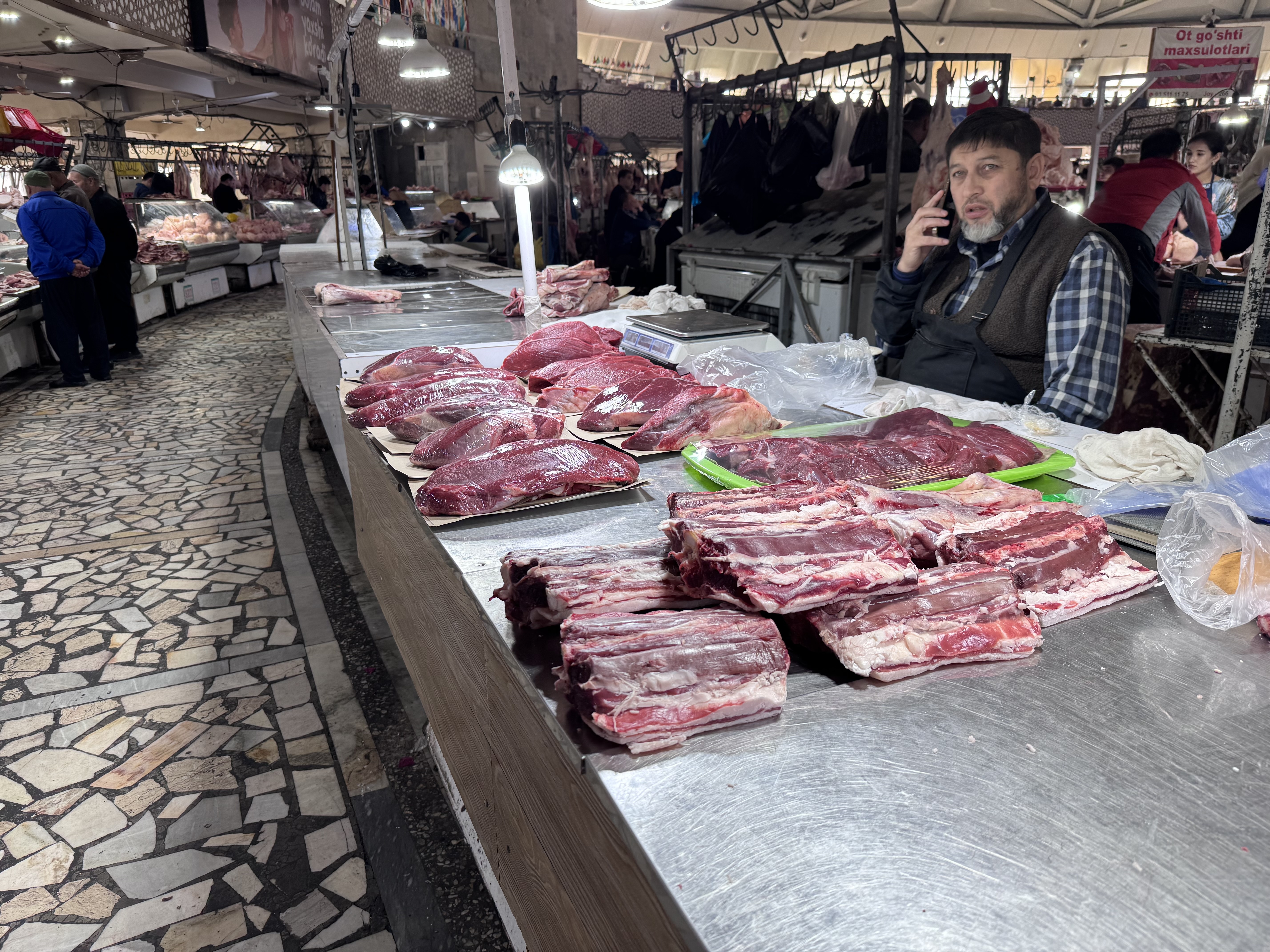
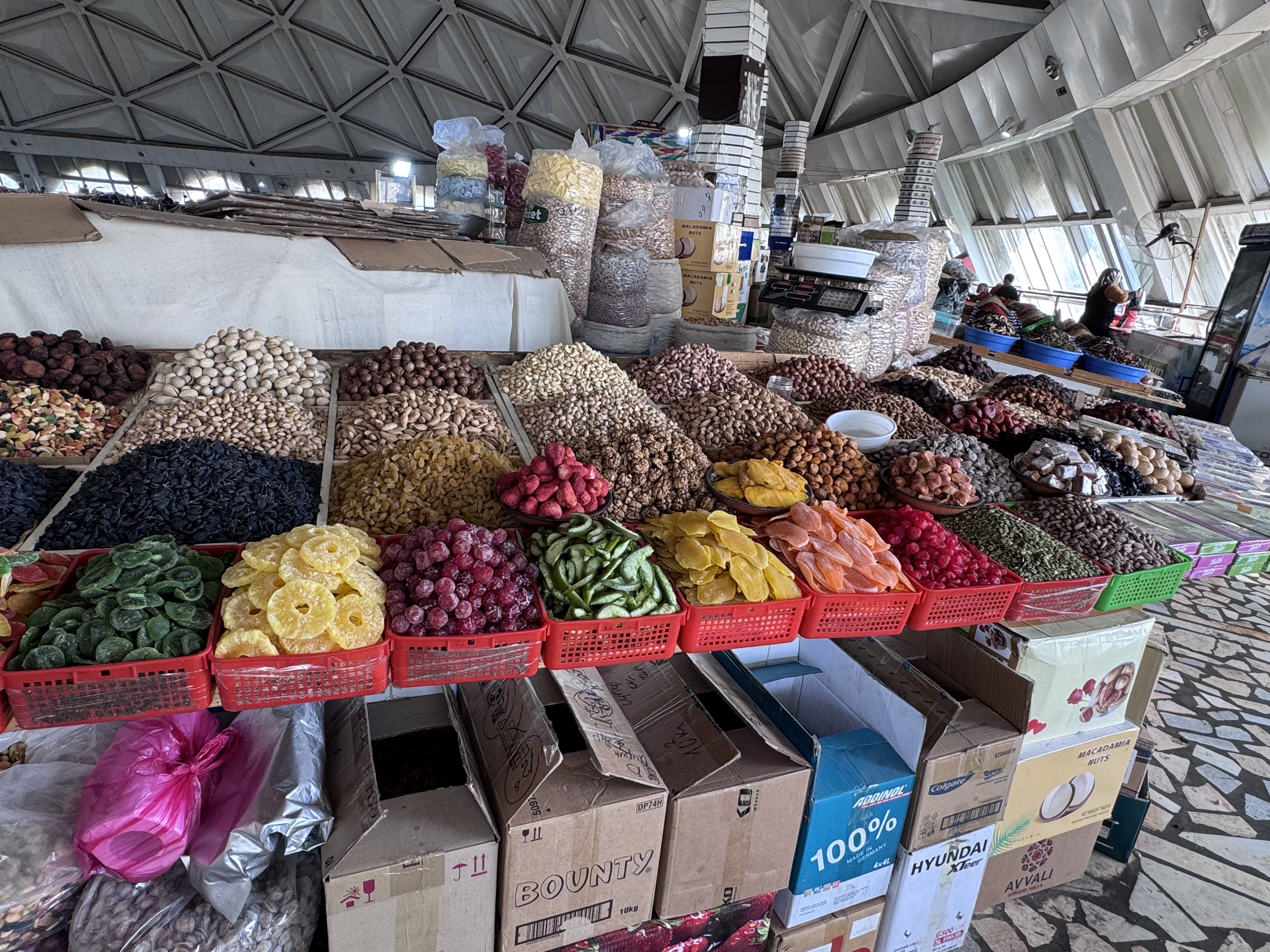
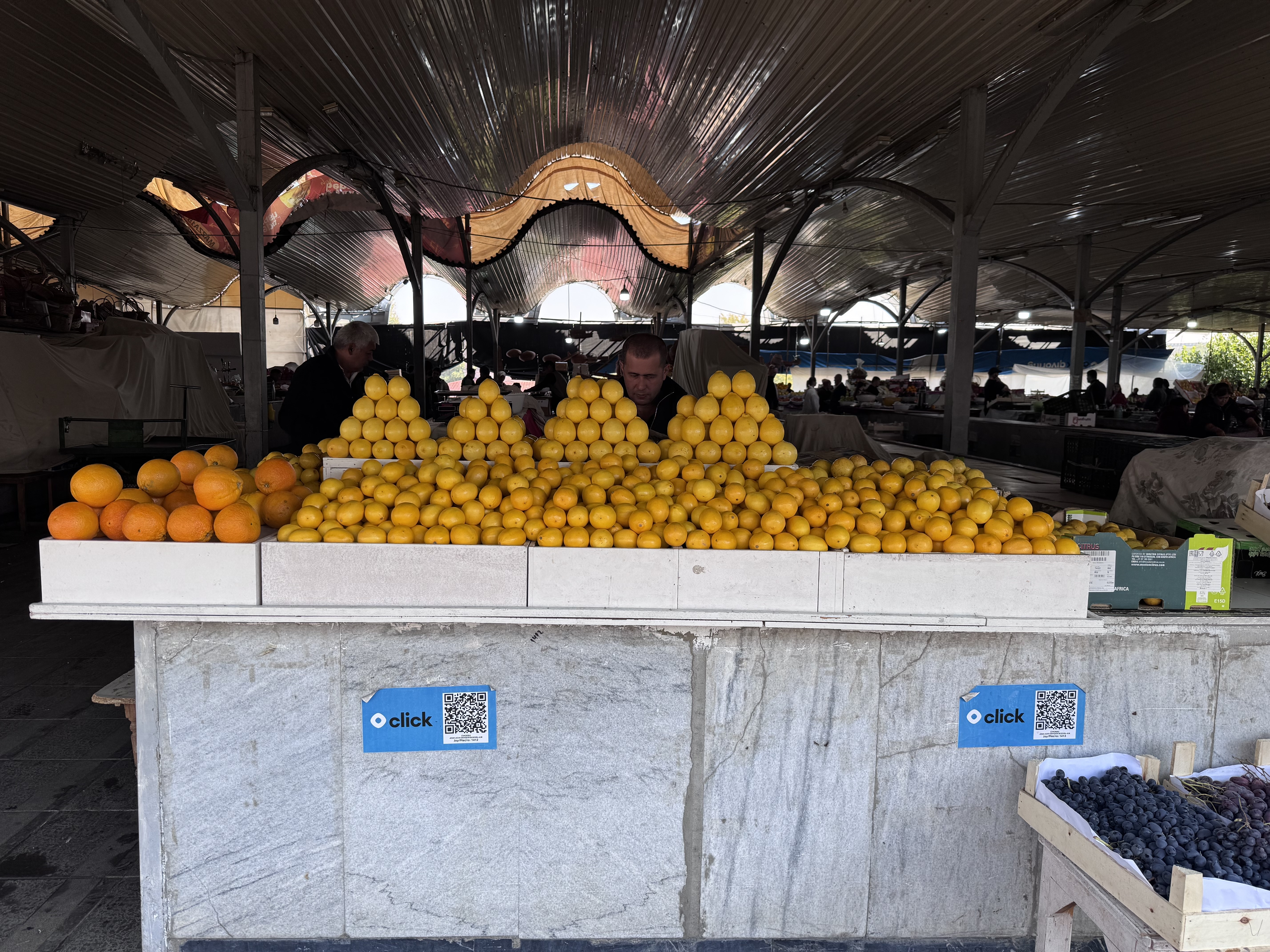
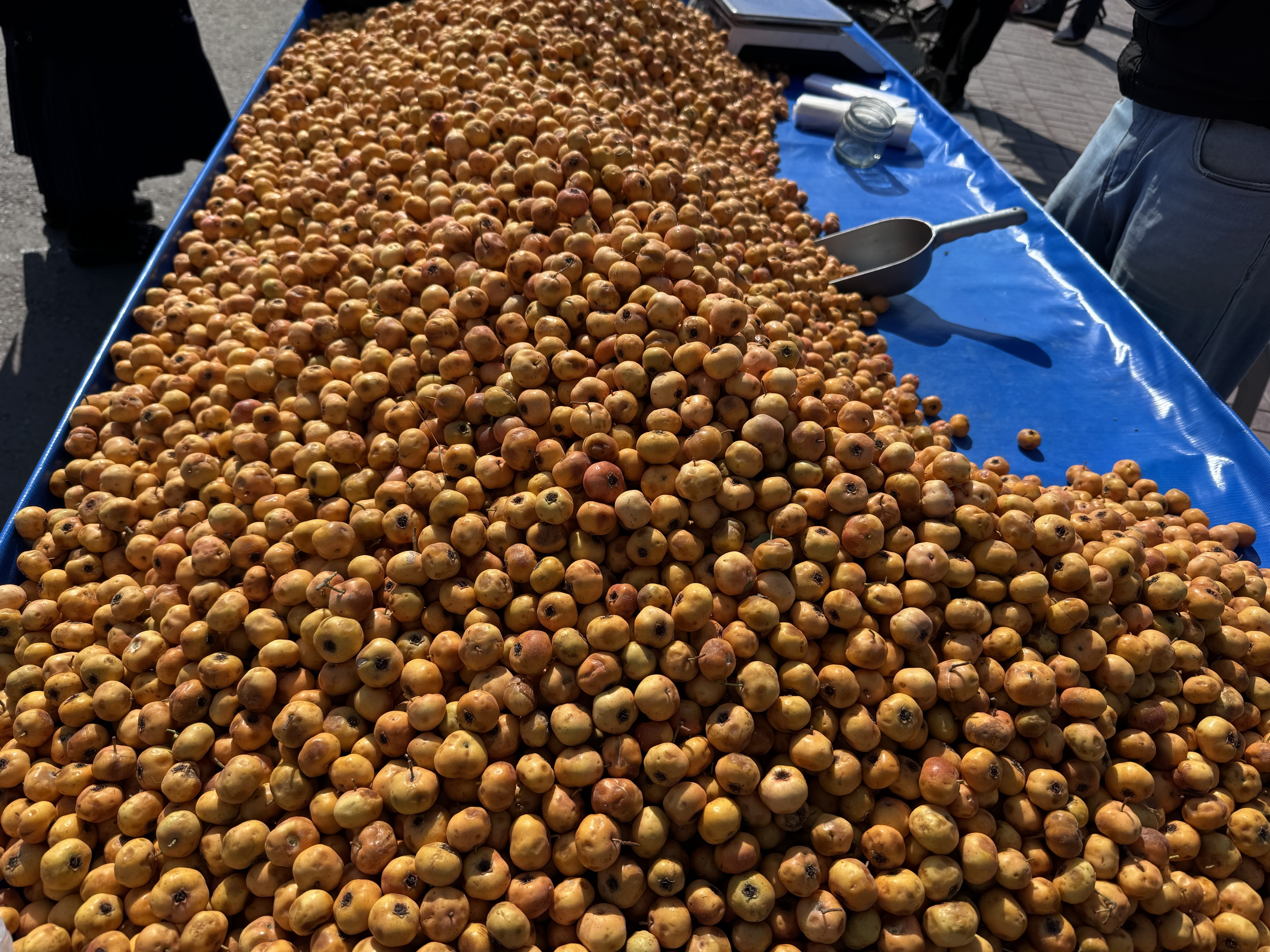
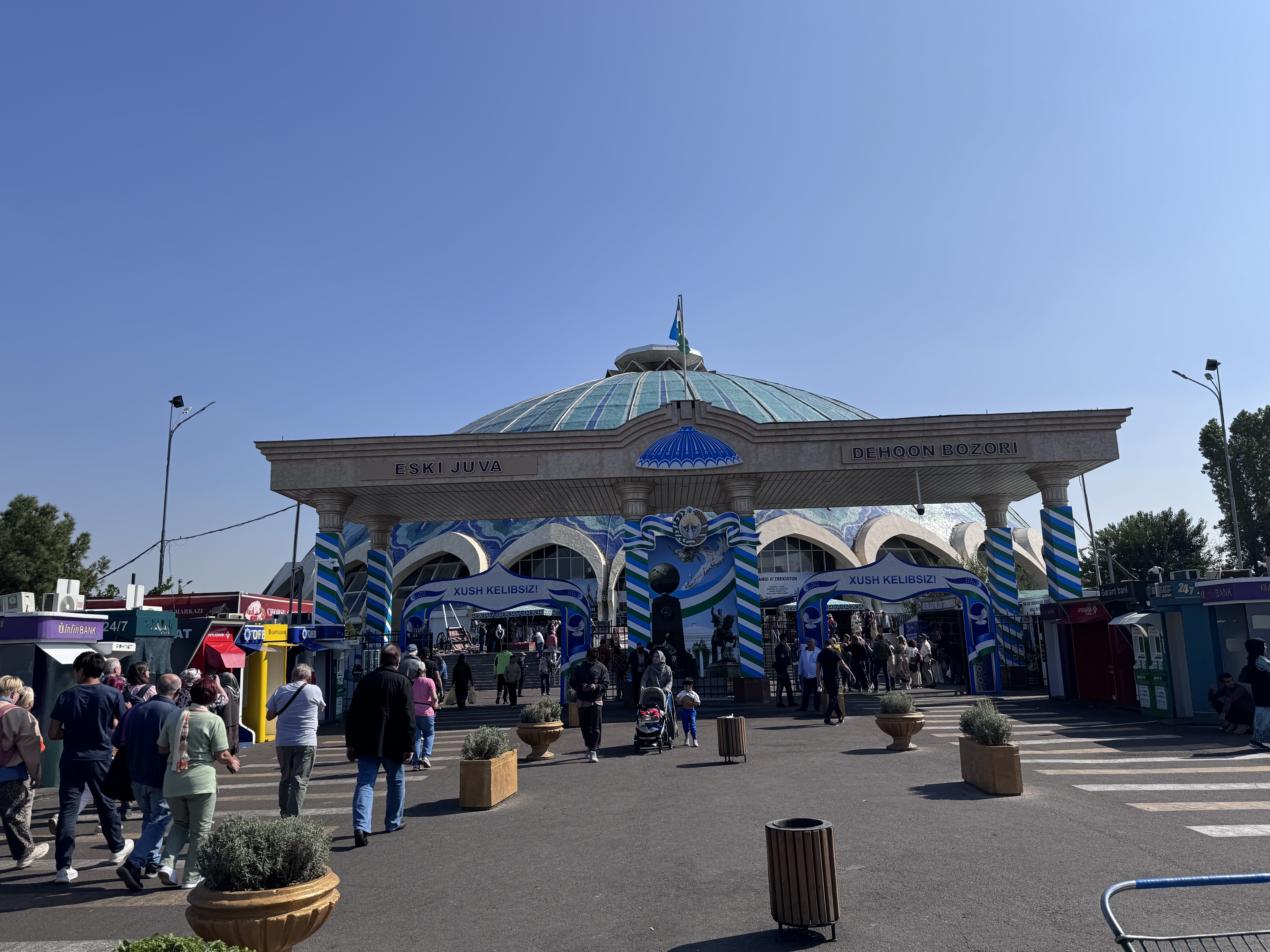
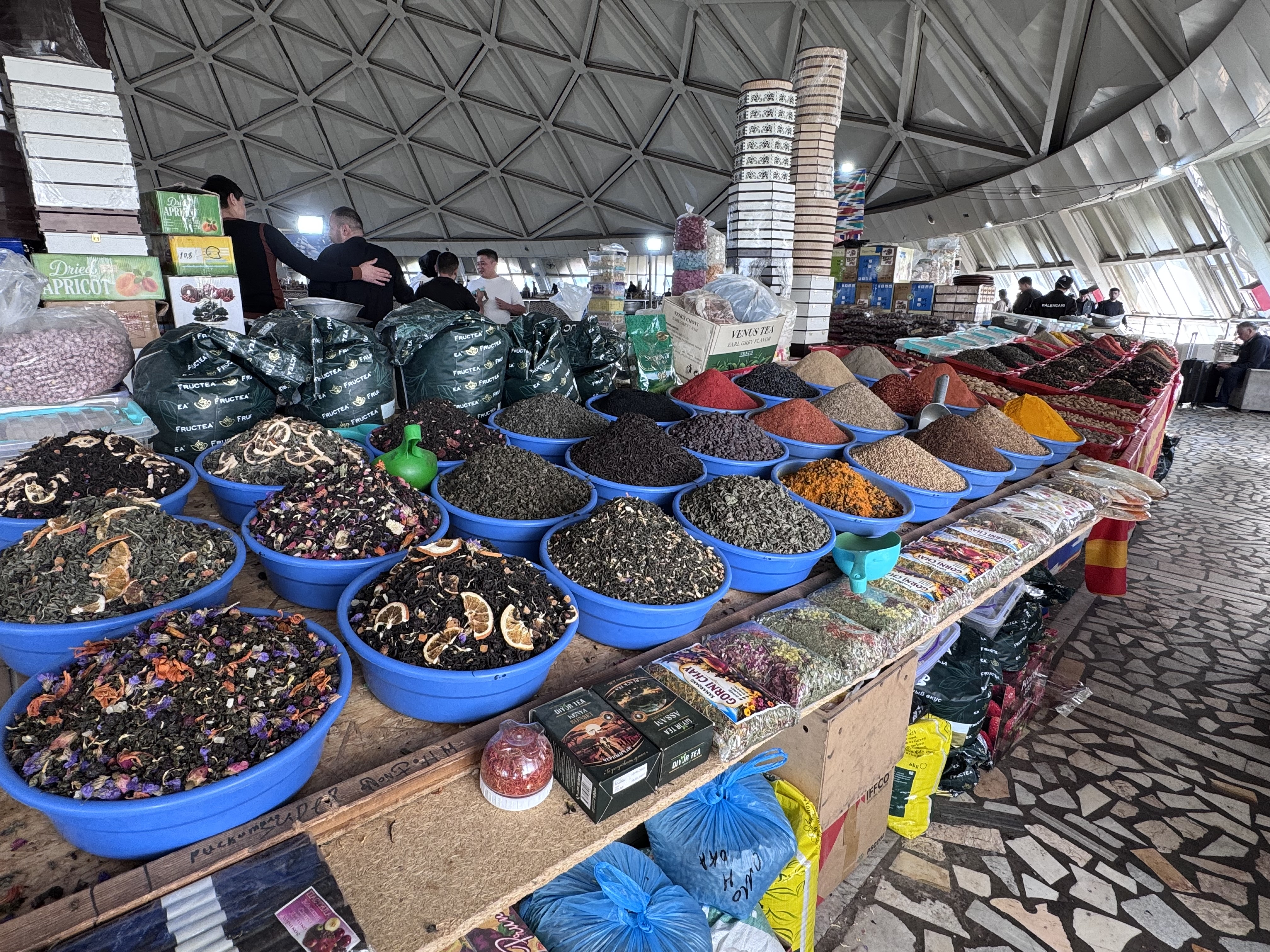
Chorsu Bazaar stands at the heart of Tashkent’s old city, a living marketplace whose name, drawn from Persian, evokes the crossroads and four streams that once guided Silk Road caravans through Central Asia.
For centuries this site has drawn merchants, artisans and travellers, its trading activity continuous since at least the medieval period and firmly established under the Timurids when Tashkent flourished as a vital stop between East and West. Domes were raised in the Shaybanid era to shield goods from sun and dust, and the bazaar remained the commercial and social core of the city’s four traditional quarters long after the Russian conquest divided Tashkent into old and new.
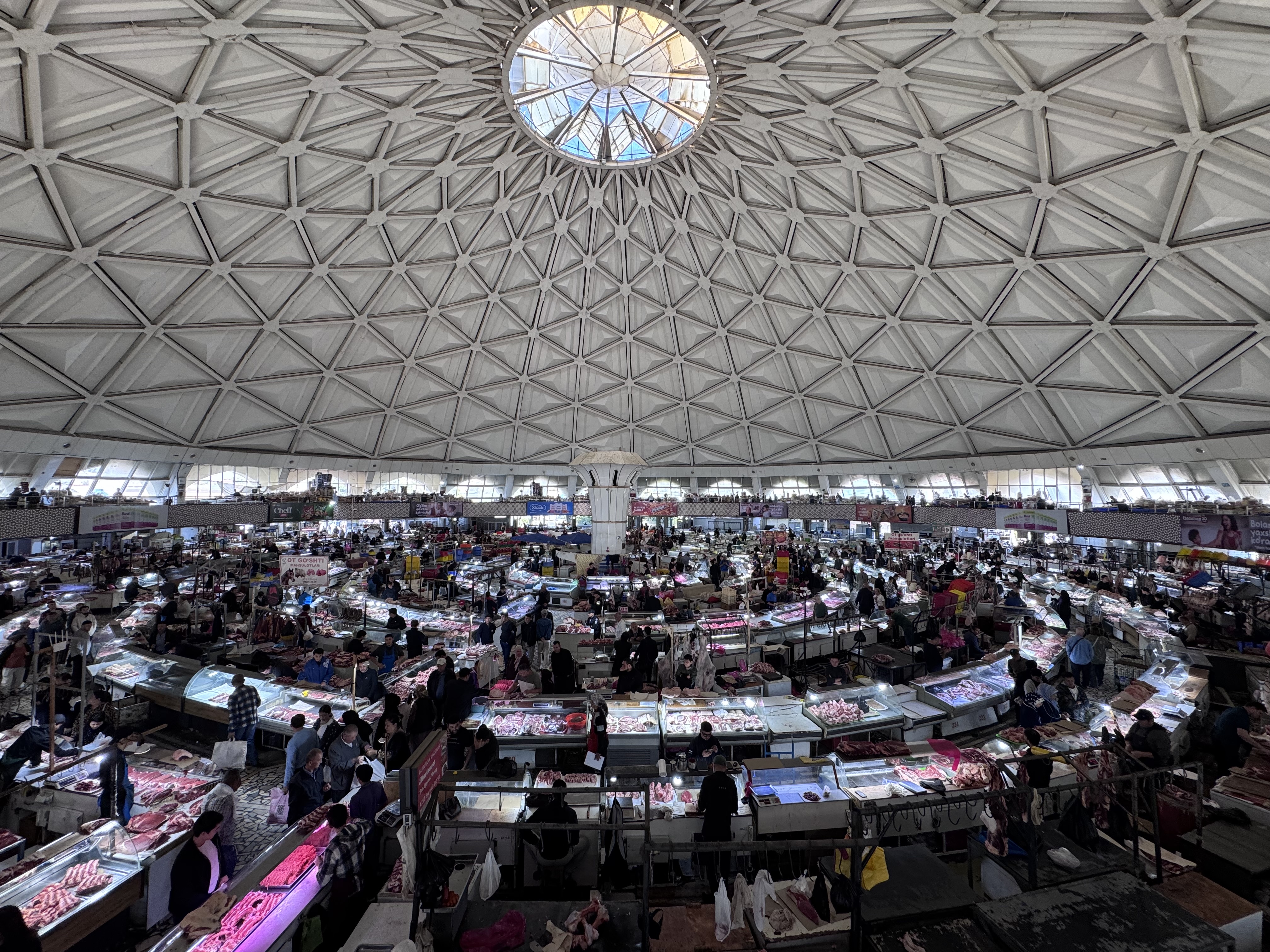
The devastating earthquake of 1966 levelled much of the earlier fabric, yet the market’s spirit endured. In 1980 architects Vladimir Azimov and Sabir Adylov completed the present complex, a late Soviet modernist landmark whose vast turquoise dome, nearly eighty metres across, rises above concentric trading floors and...
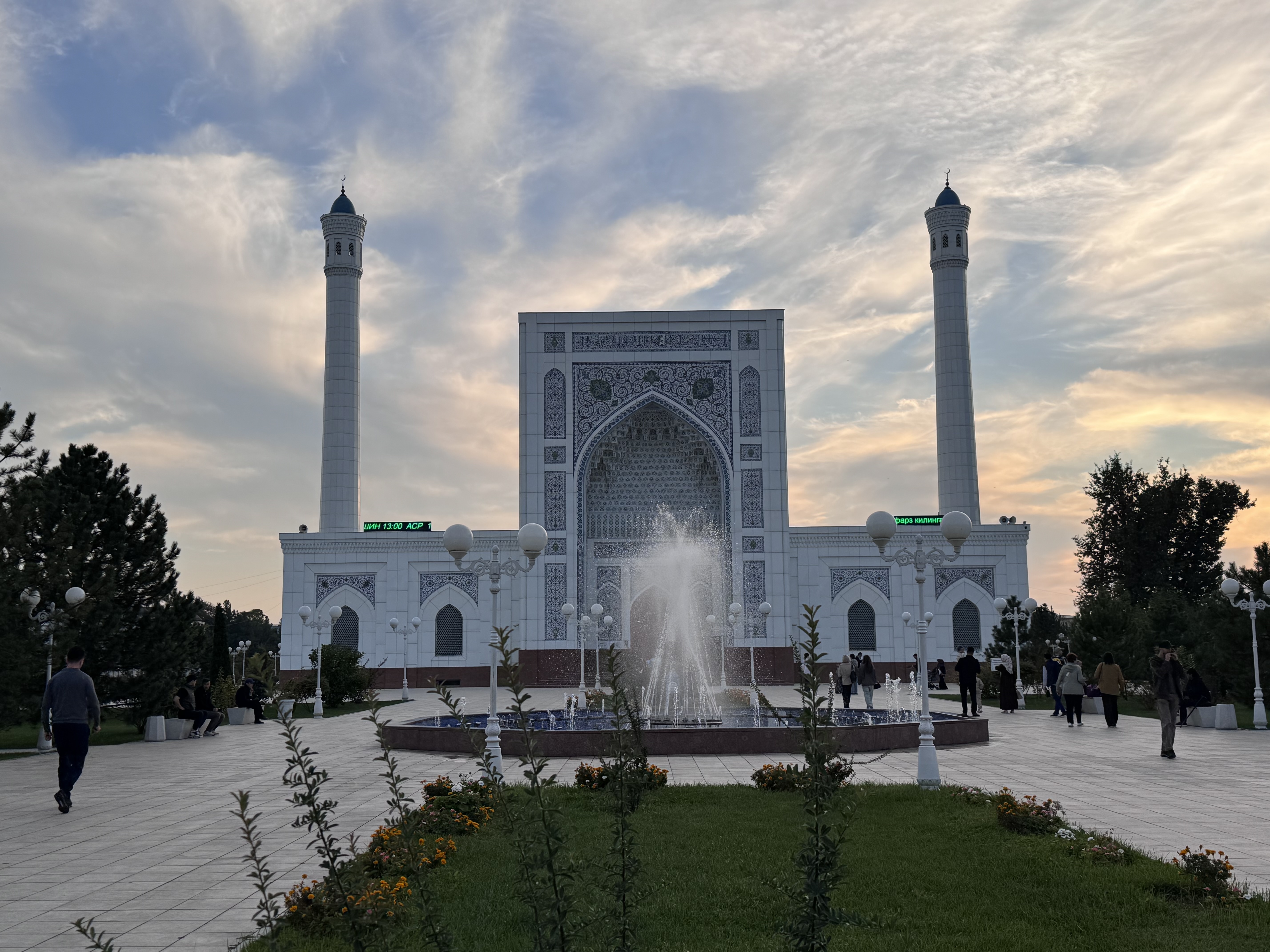
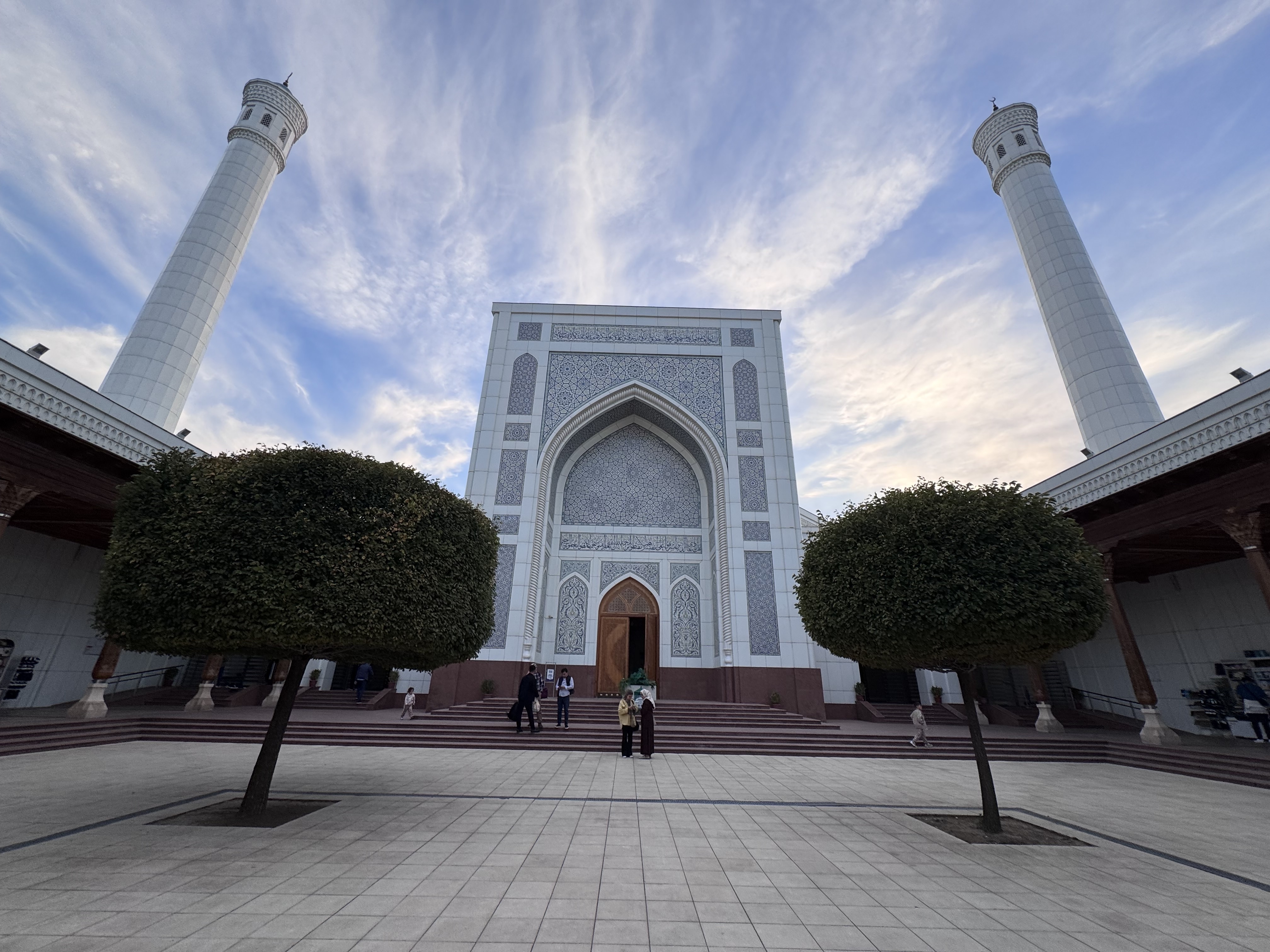
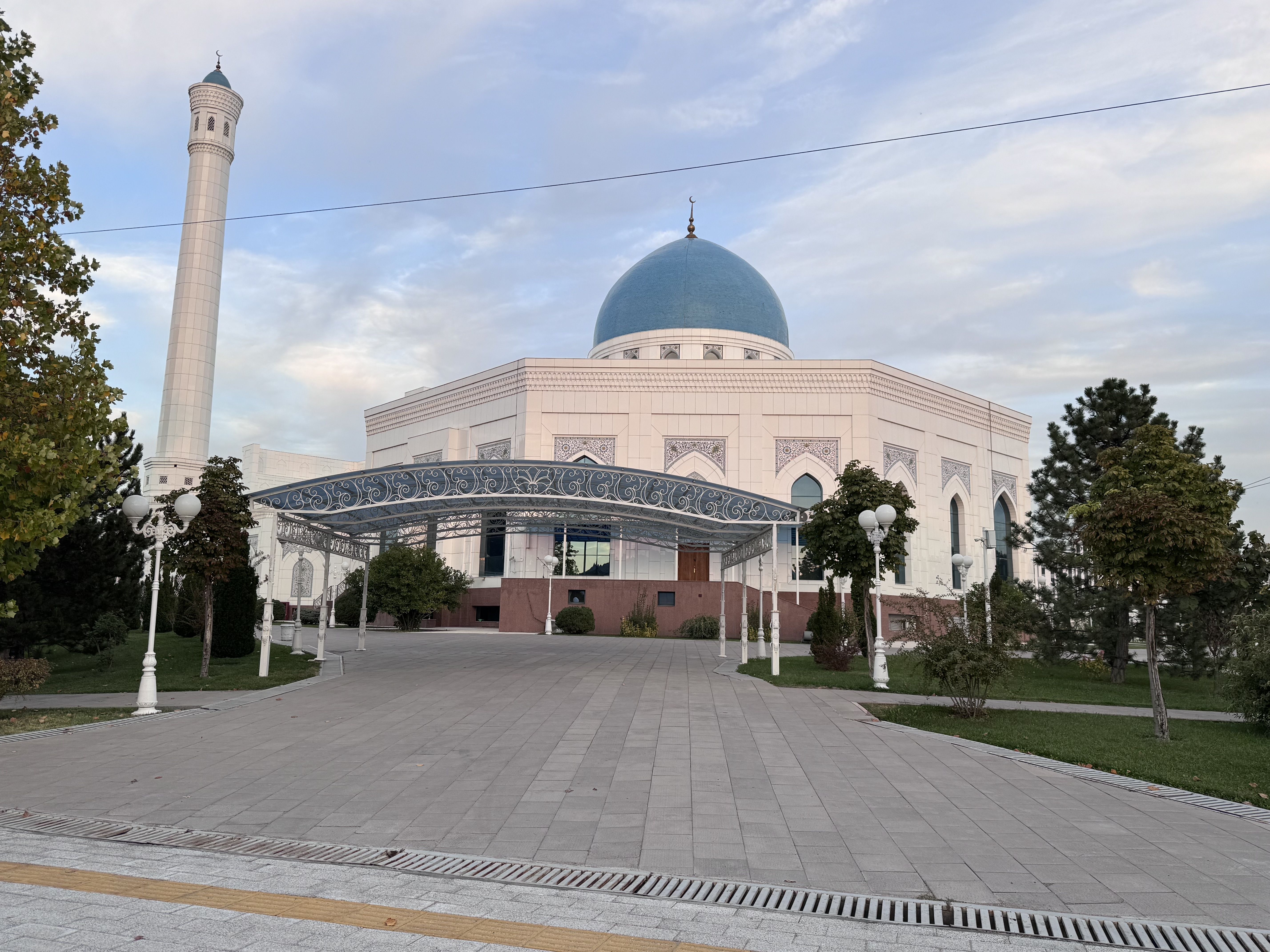
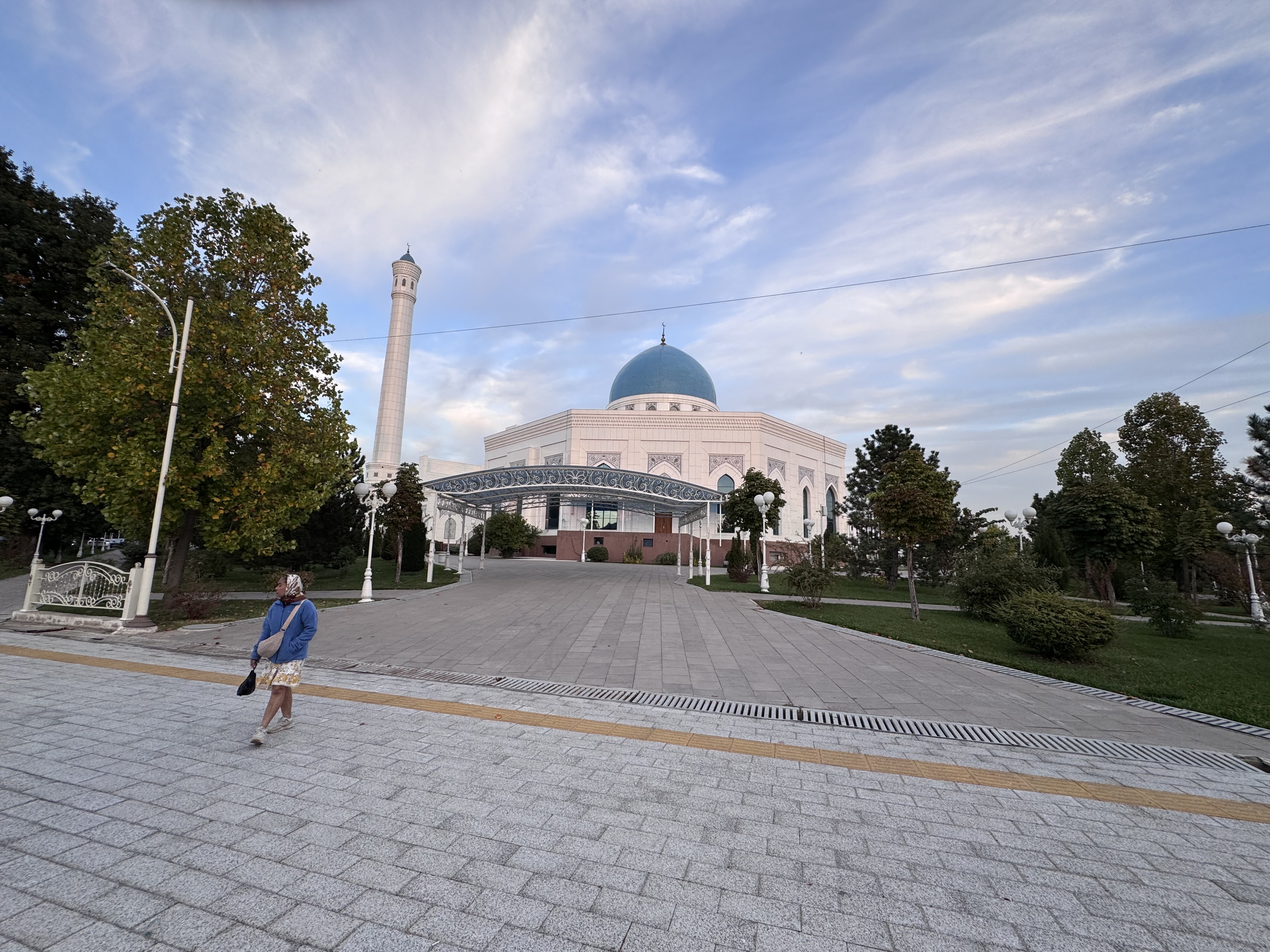
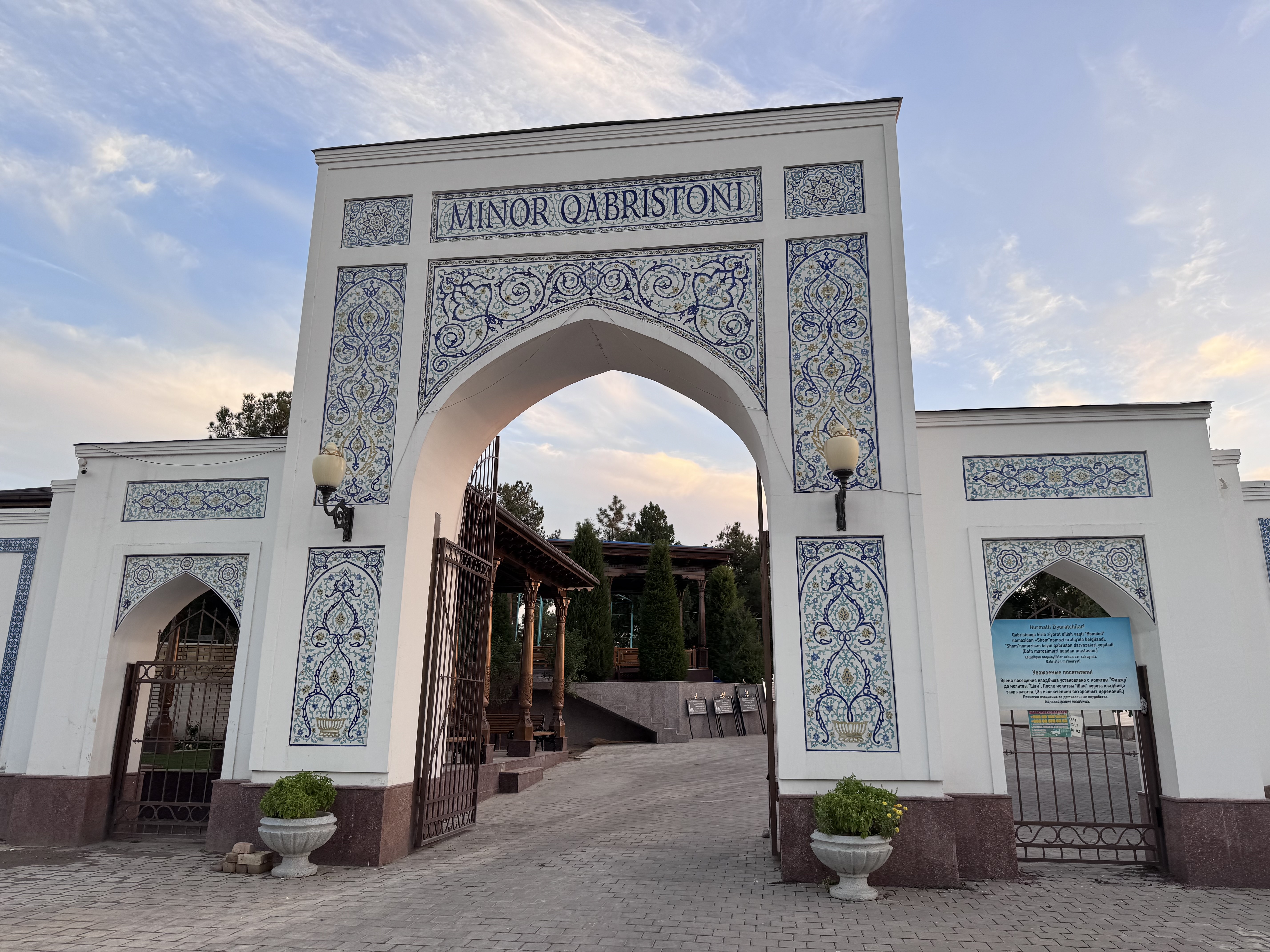
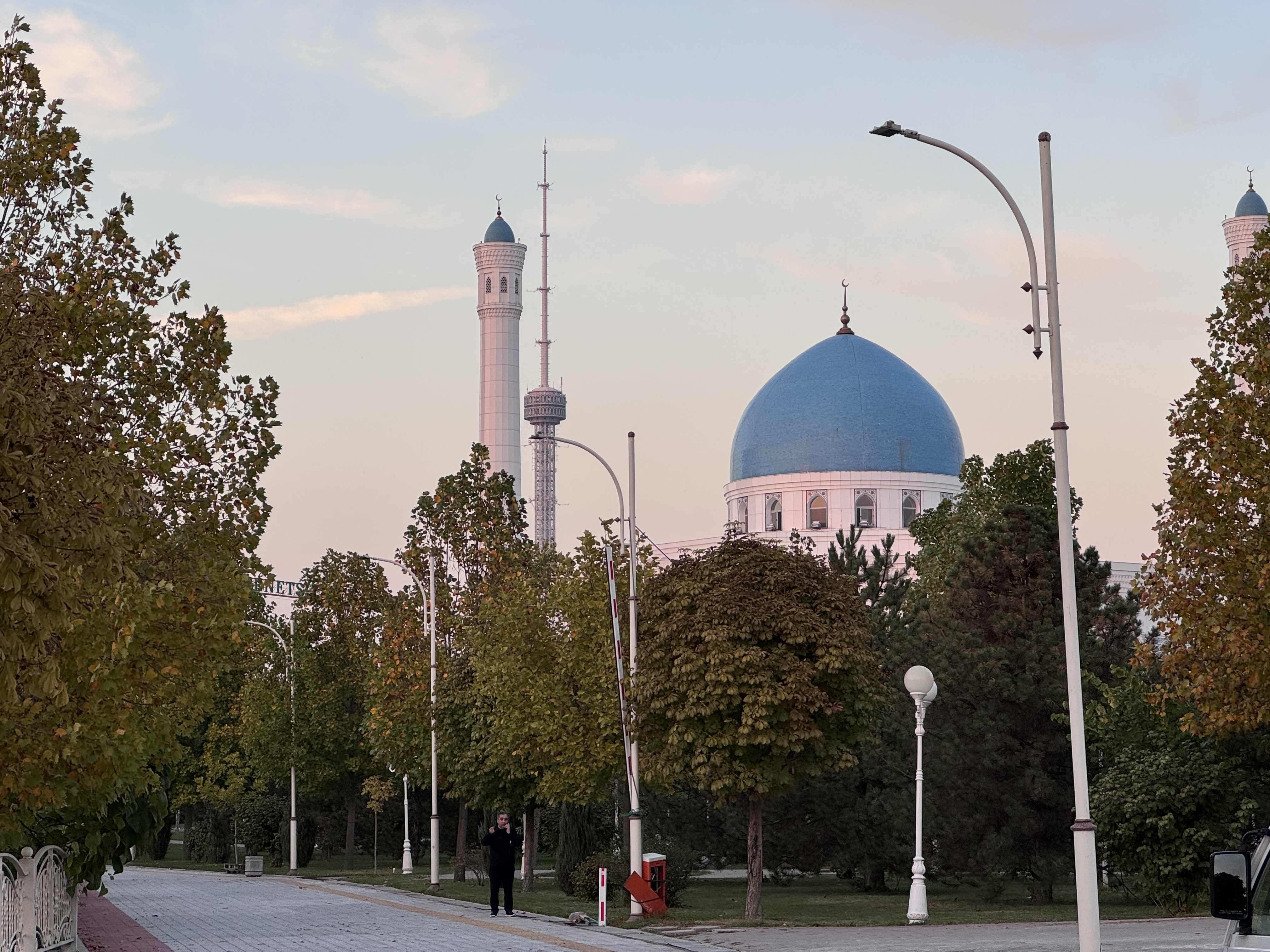
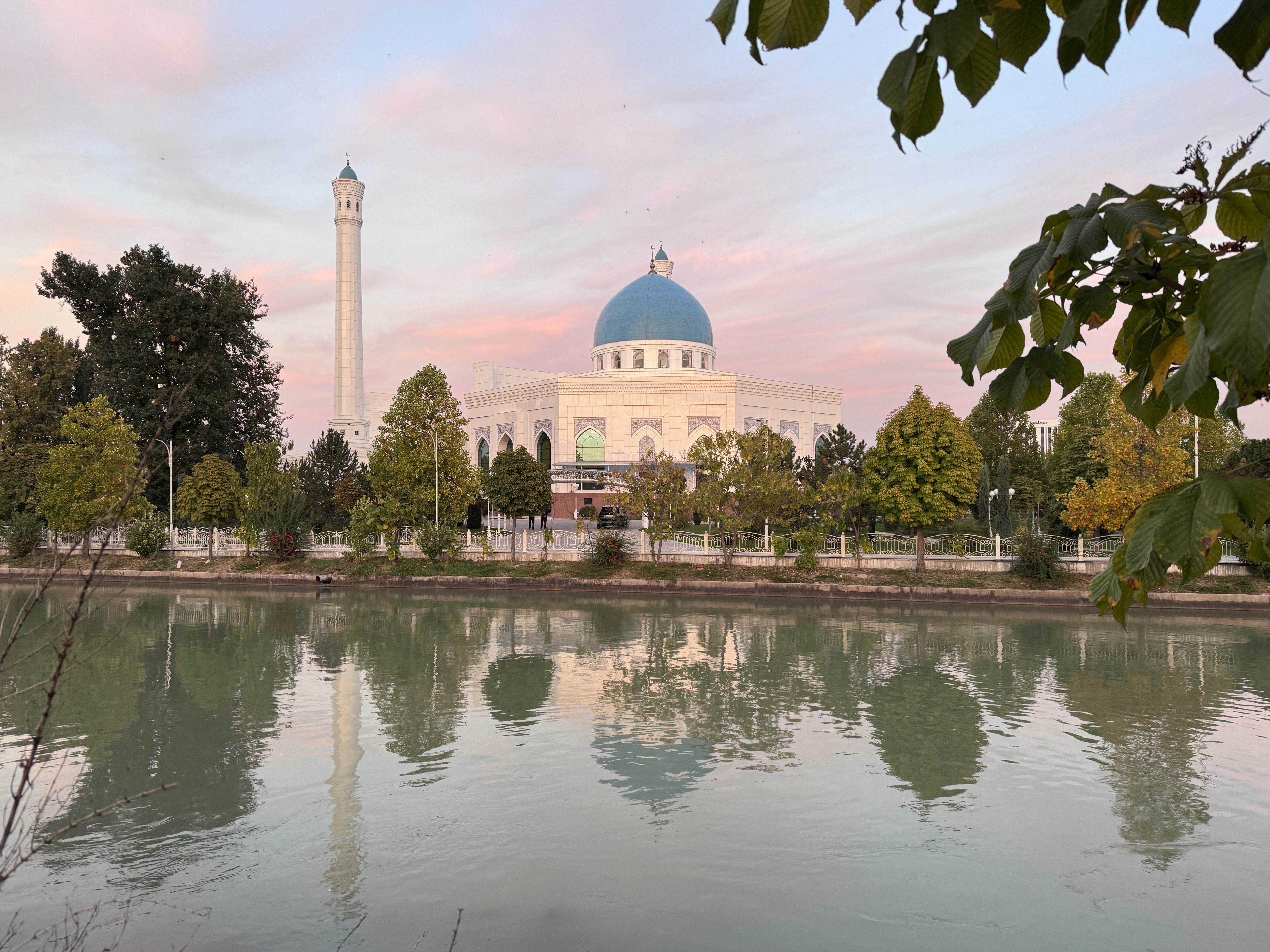
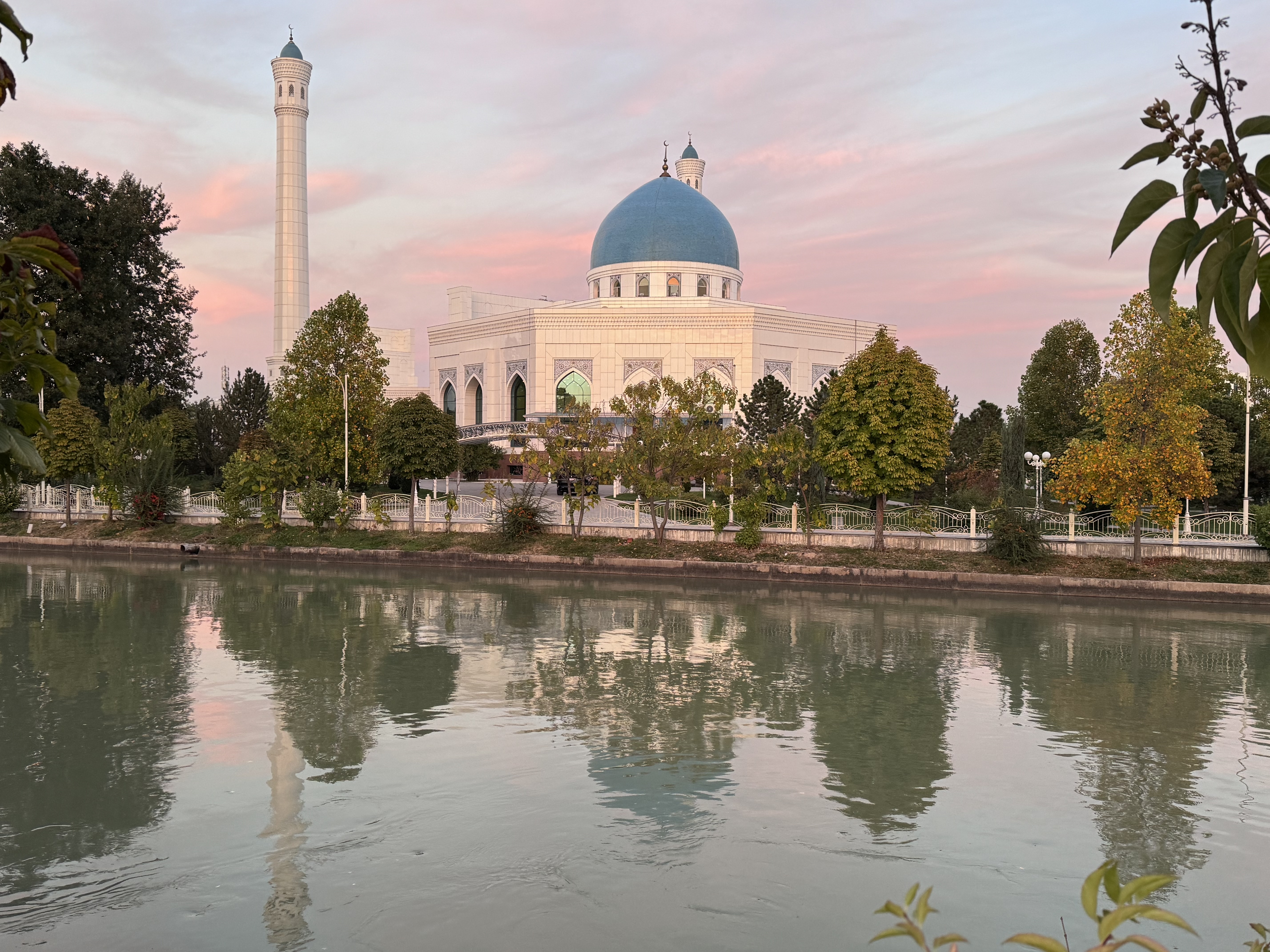
The Minor Mosque rises as one of Tashkent’s most memorable modern landmarks, a radiant white marble structure set along the banks of the Ankhor Canal in the Yunusabad district.
Work began in the summer of 2013 under a presidential decree from Islam Karimov, and the building was finished in a little more than a year. On October 1, 2014, just before the holiday of Kurban Hayit, the president attended the formal opening, giving the city a major new spiritual center that soon became one of the largest and most visited mosques in Uzbekistan.
Its name comes from the Uzbek word for minaret, a natural reference to the twin thirty-eight meter towers that frame the main facade. Unlike the historic brick mosques that shape so much of Central Asian architecture, the Minor Mosque is completely covered in pure white marble.
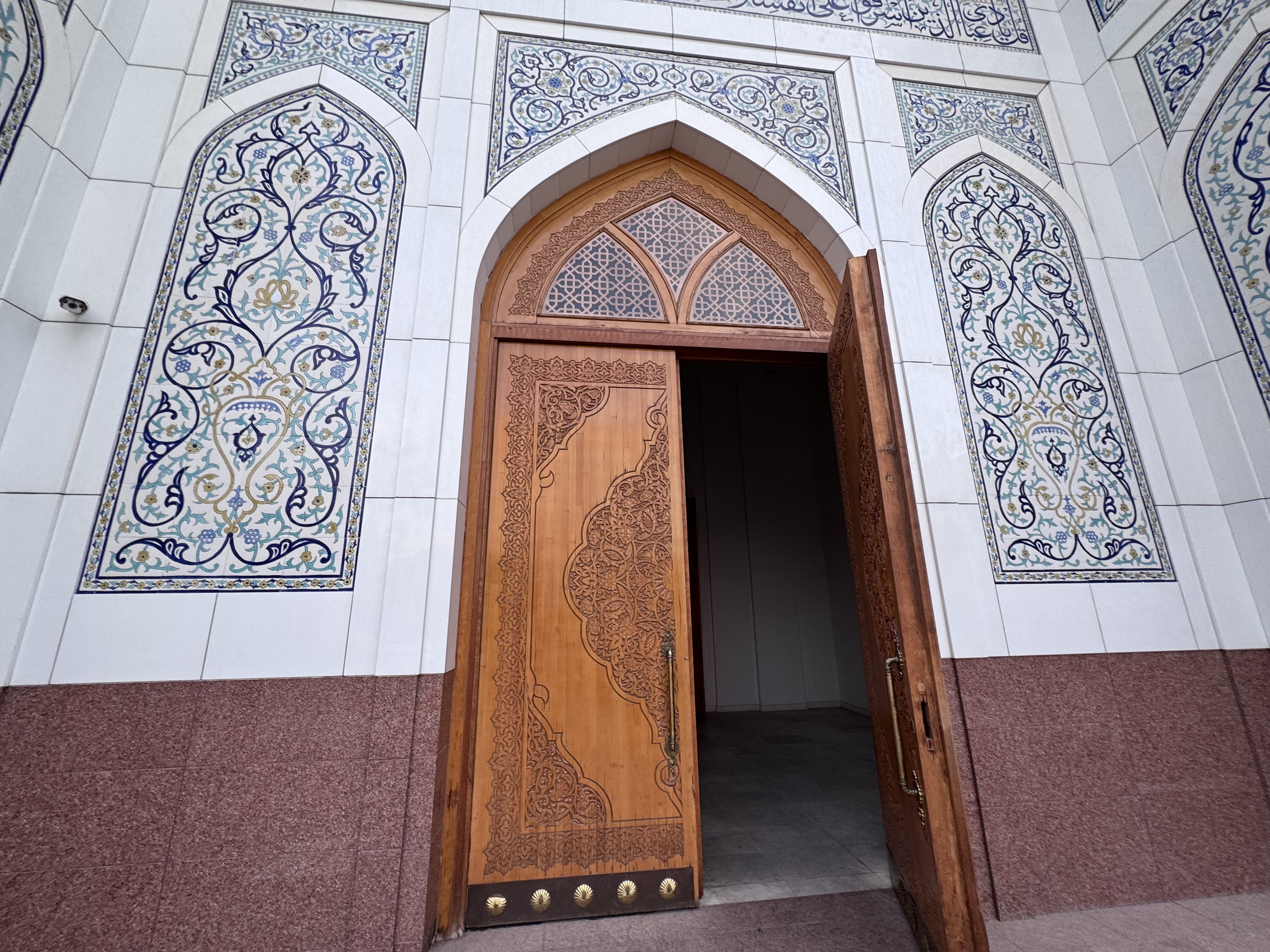
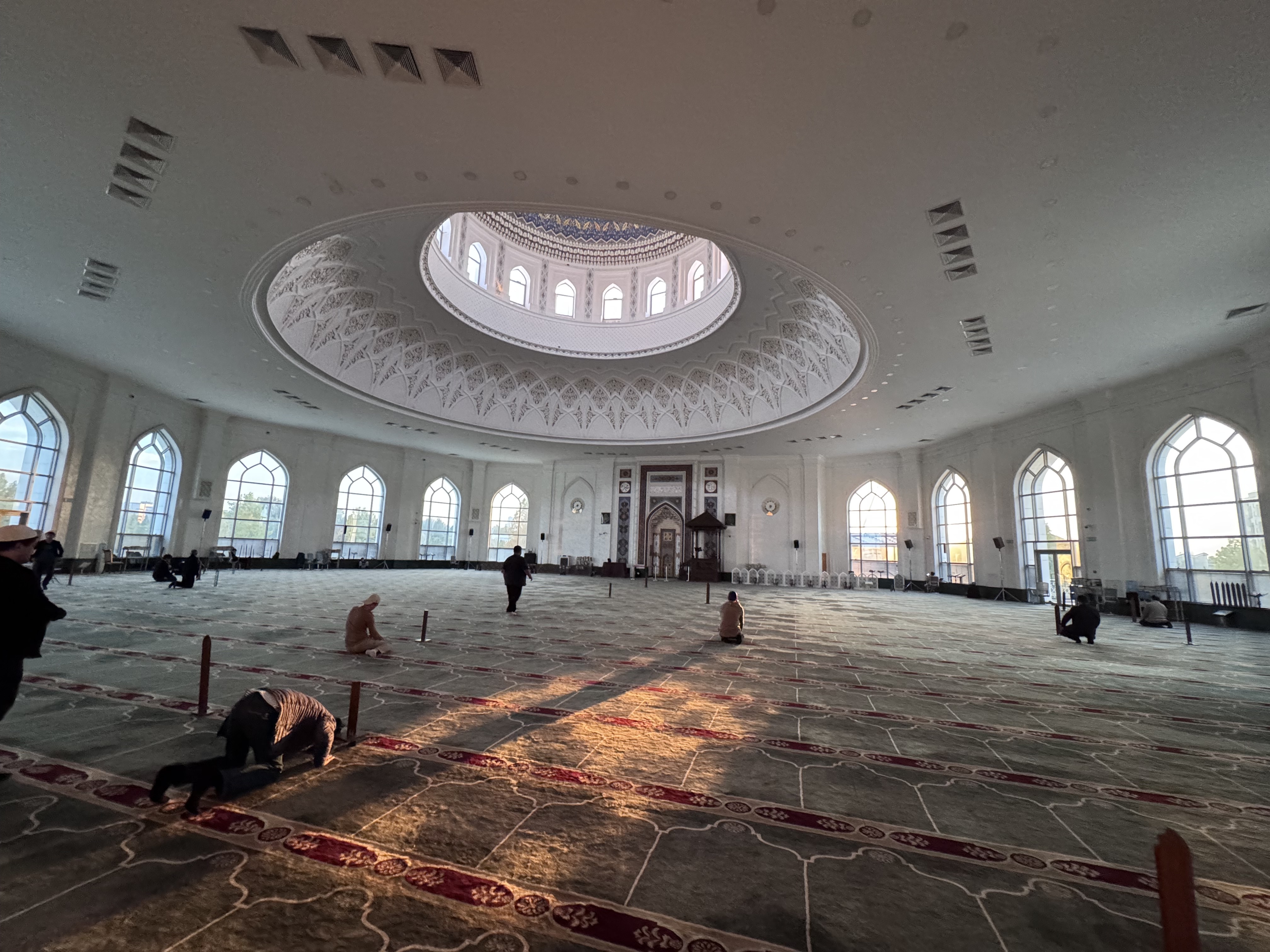
The surface catches the light and gives the entire building a soft, luminous quality, while its broad turquoise dome seems to melt into the sky on clear days. The design blends traditional ...