

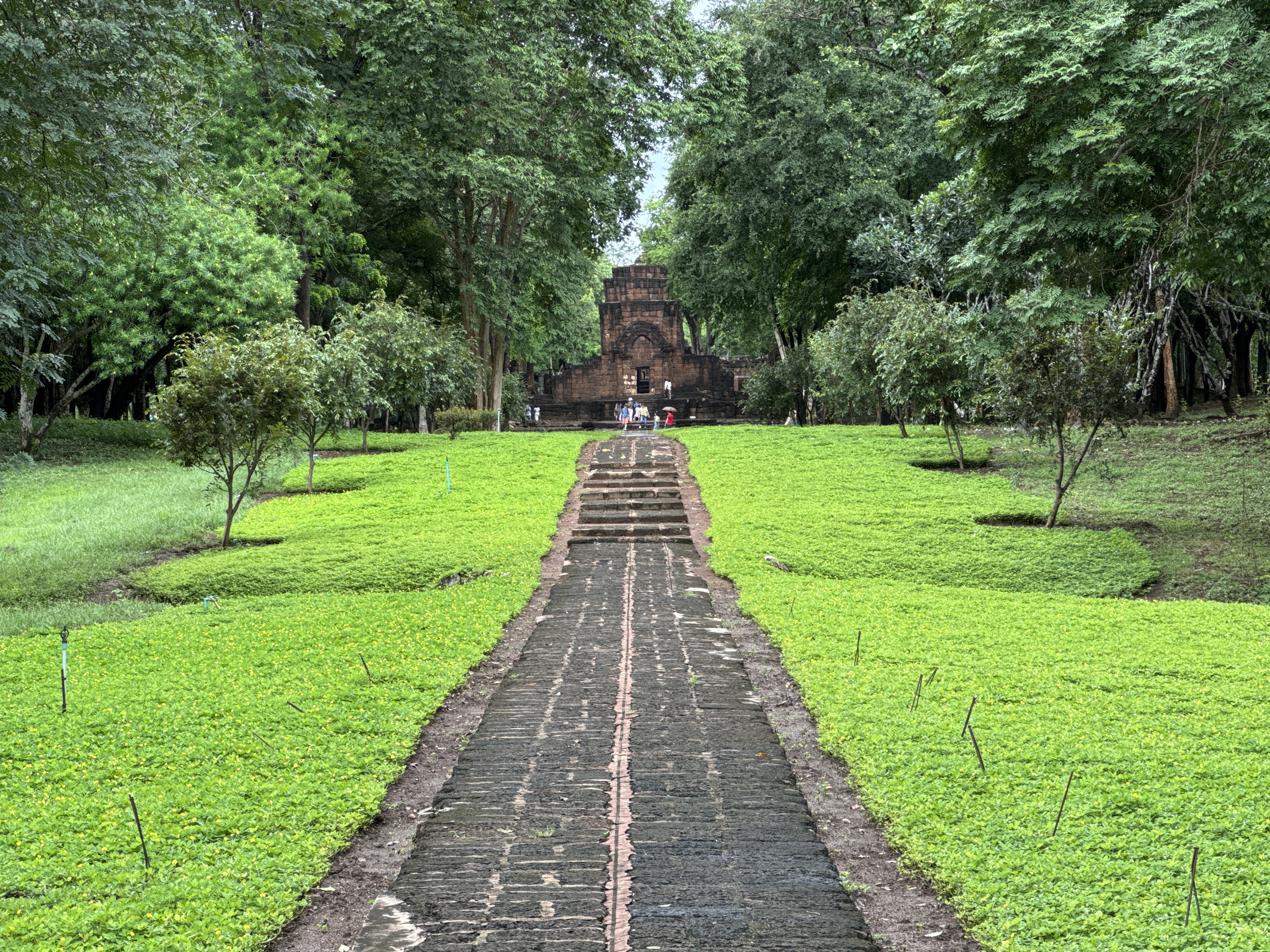
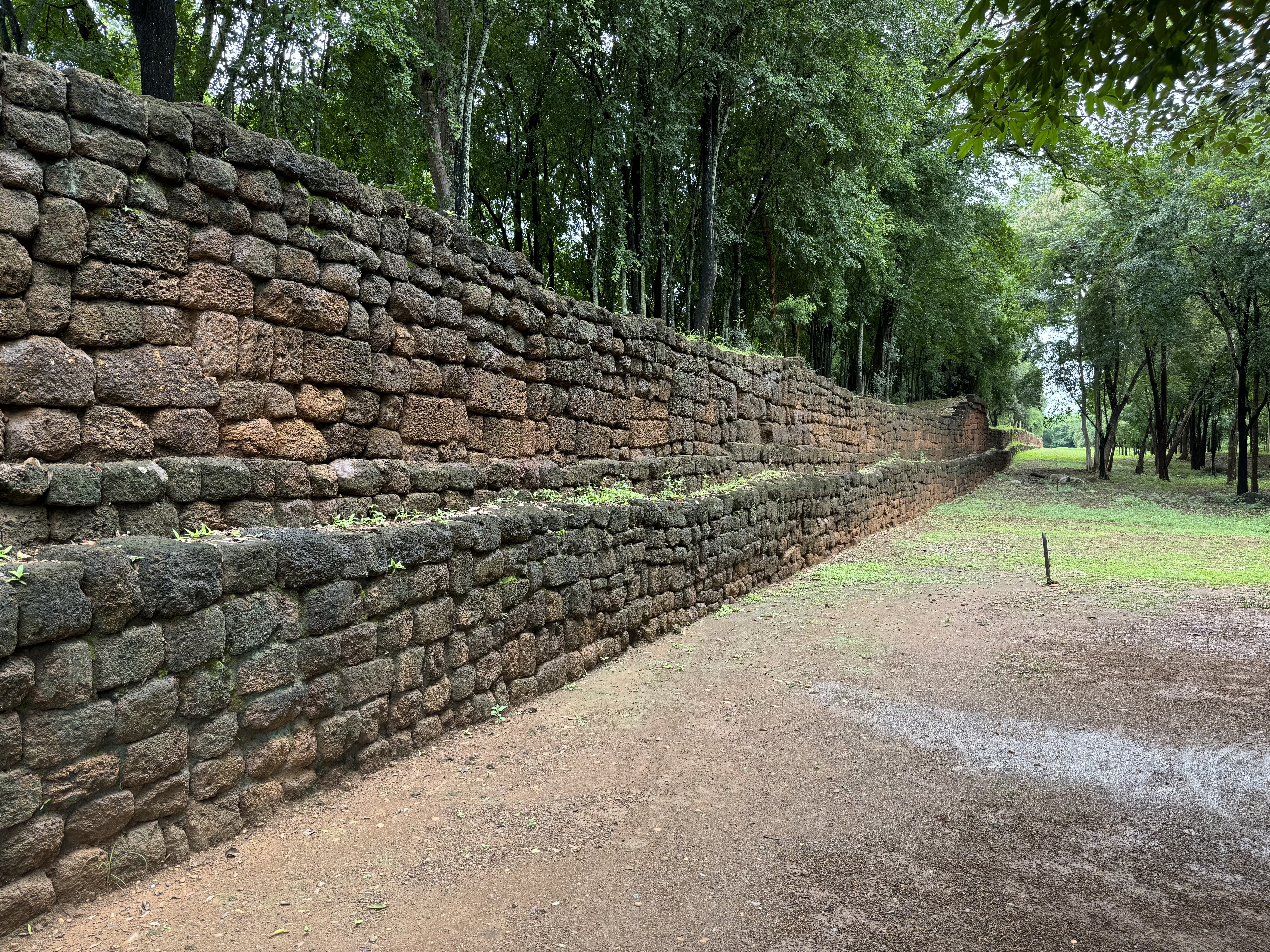
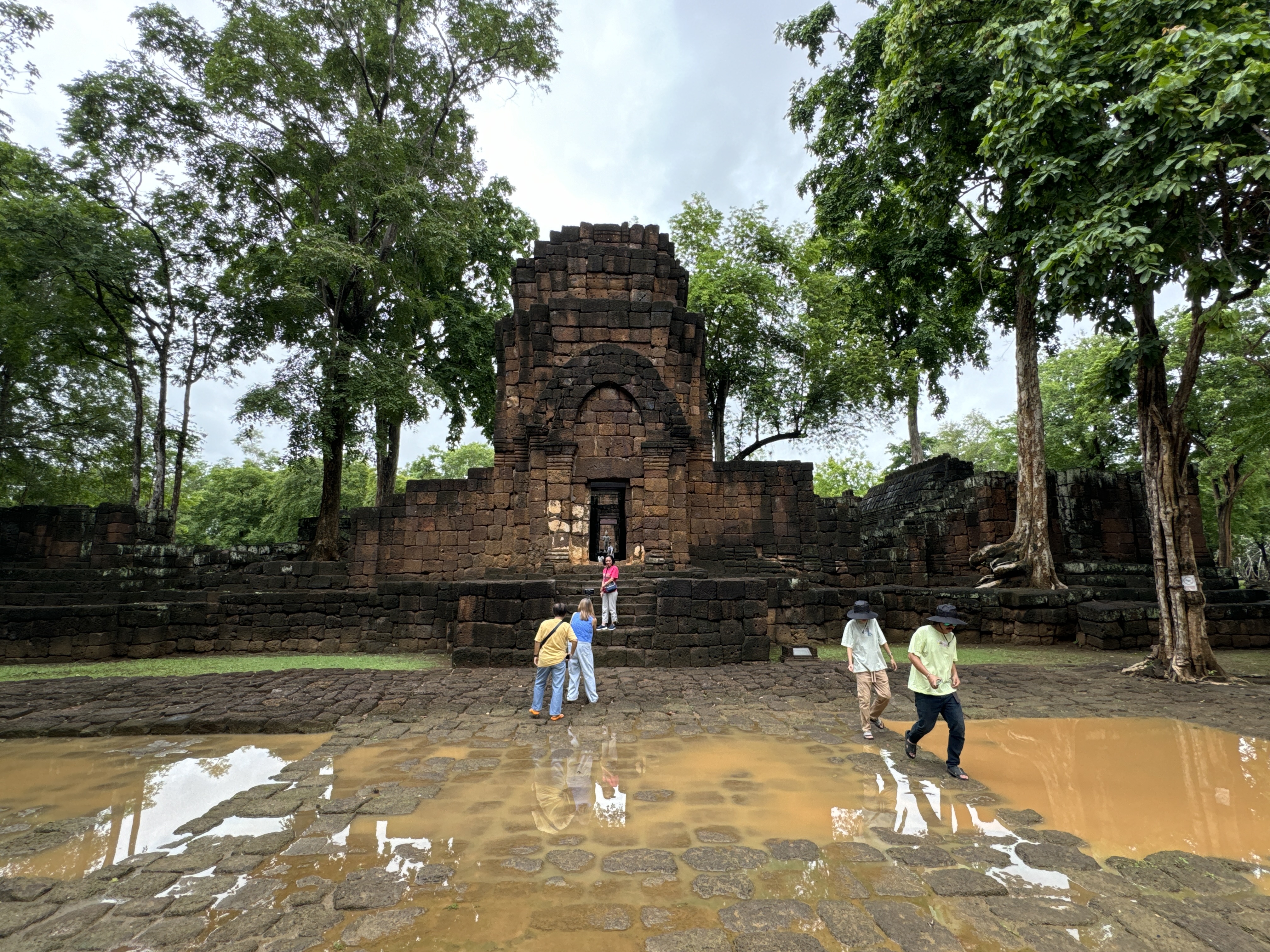
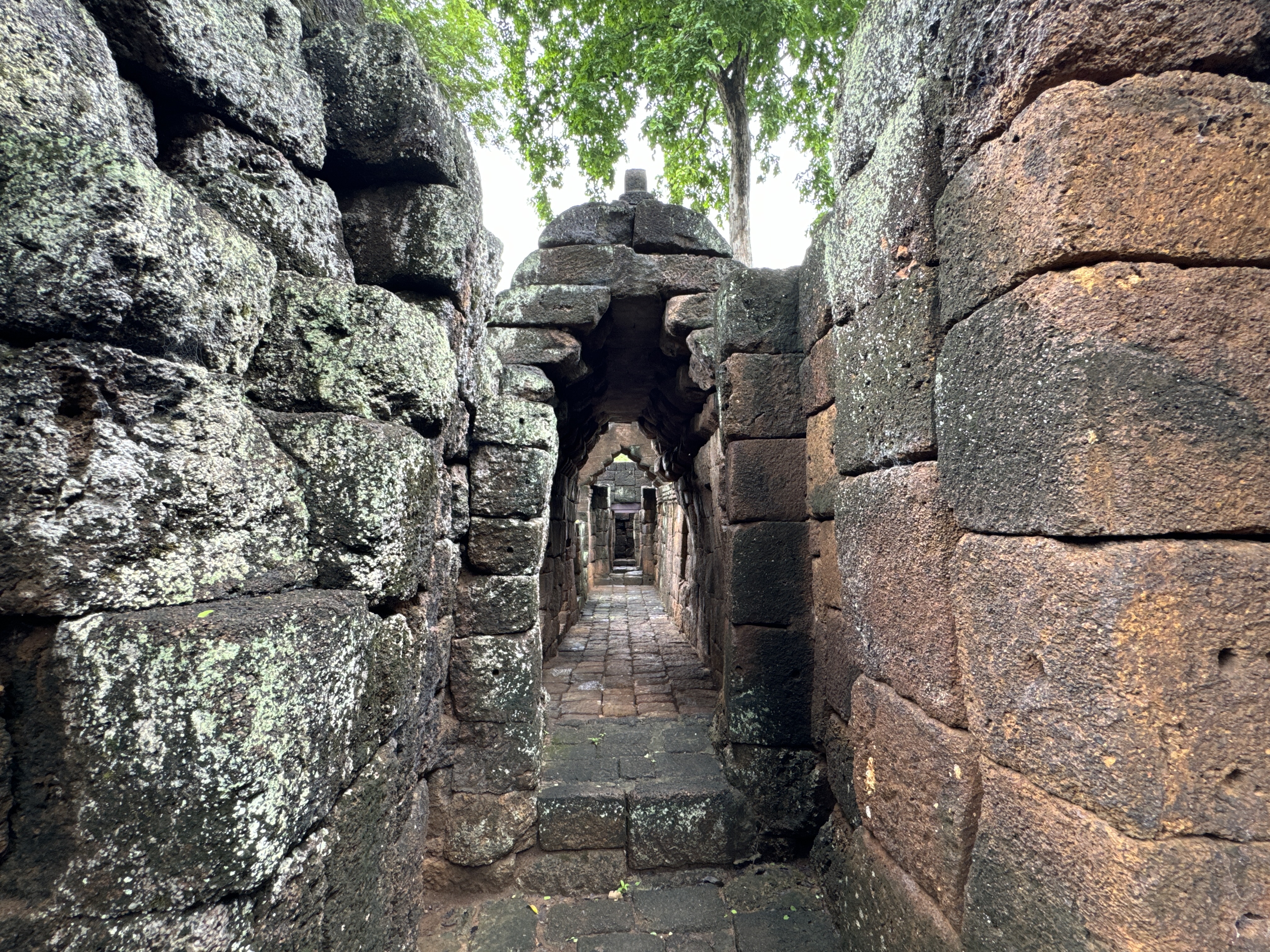
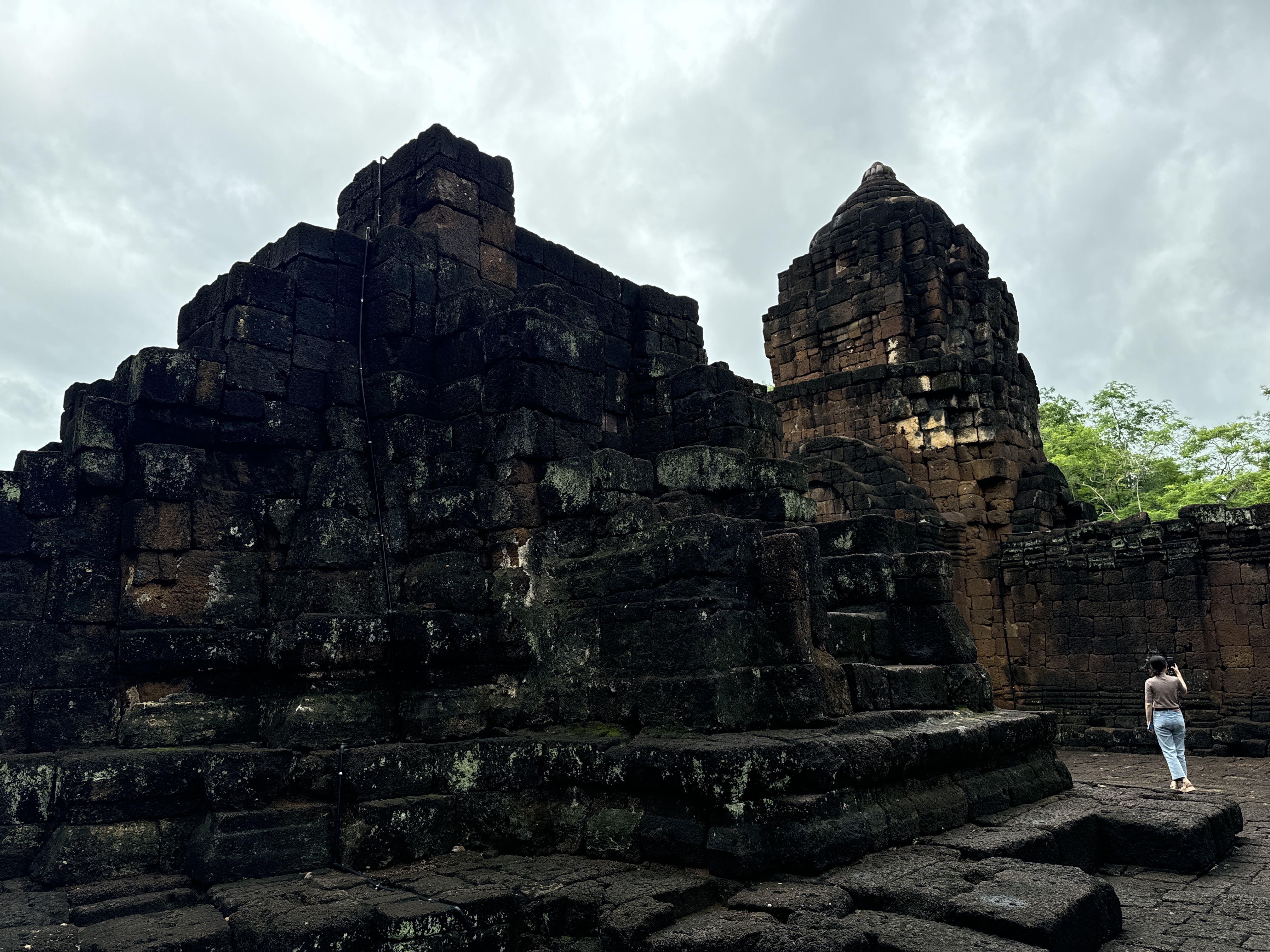
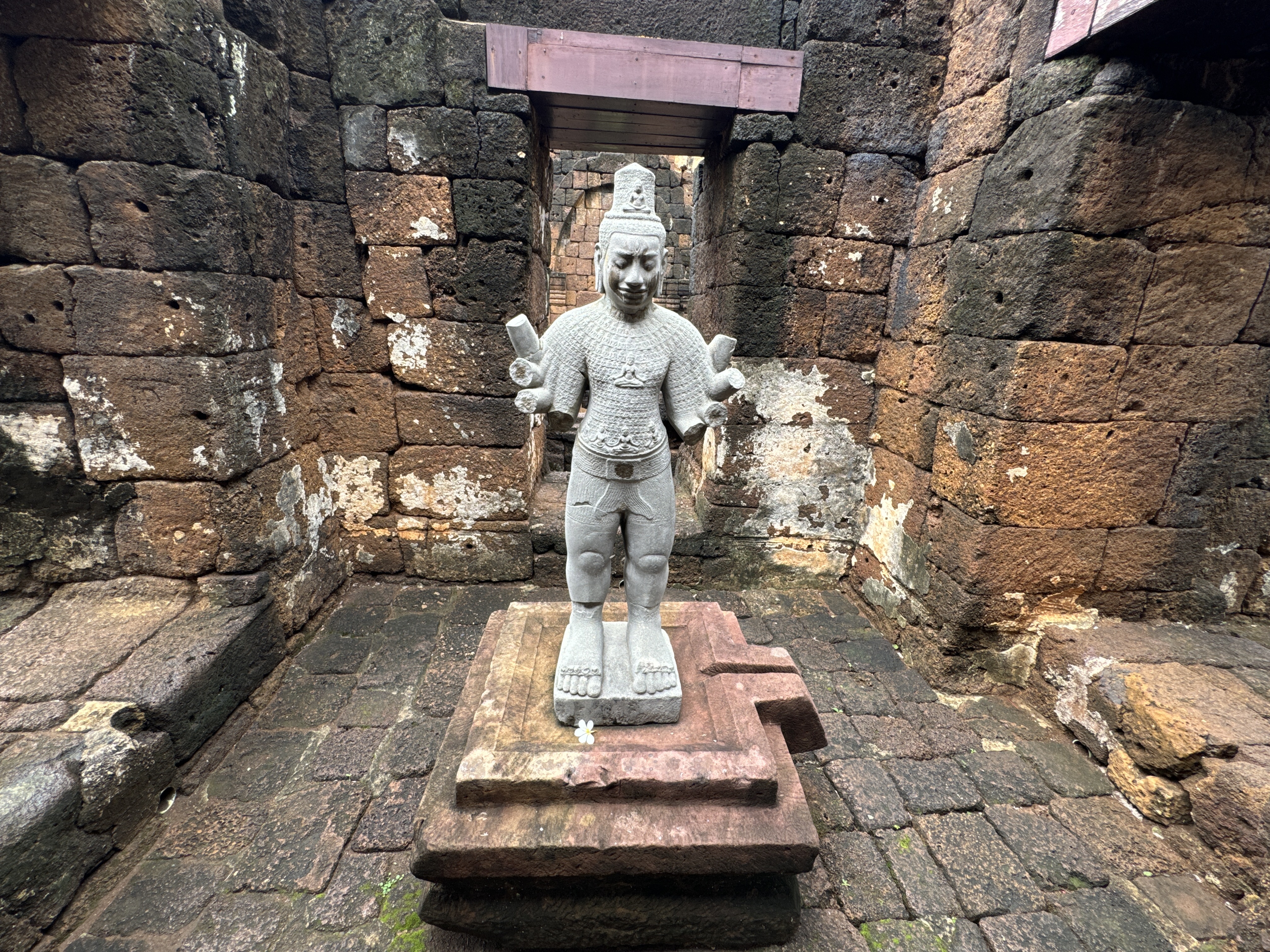
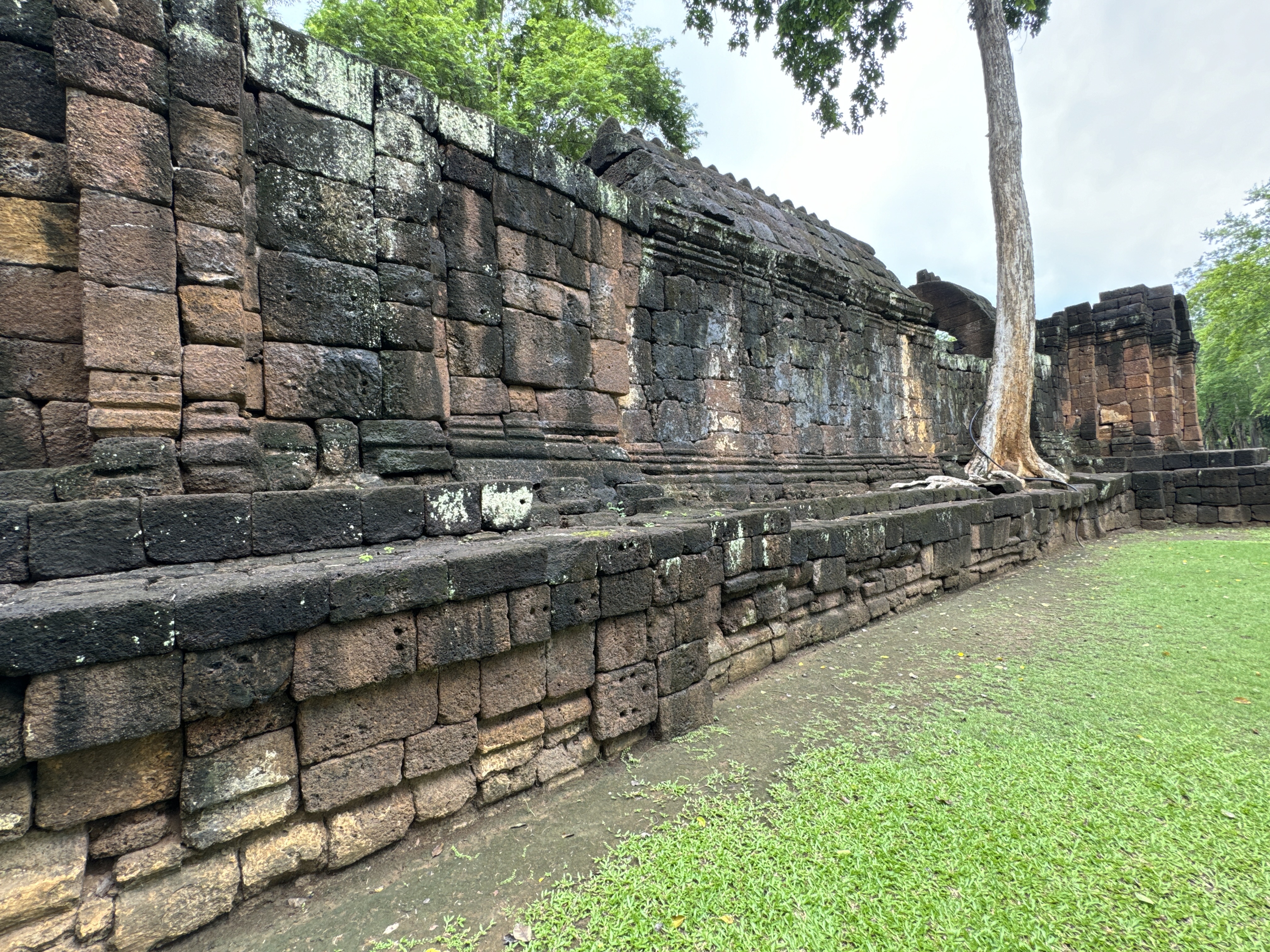
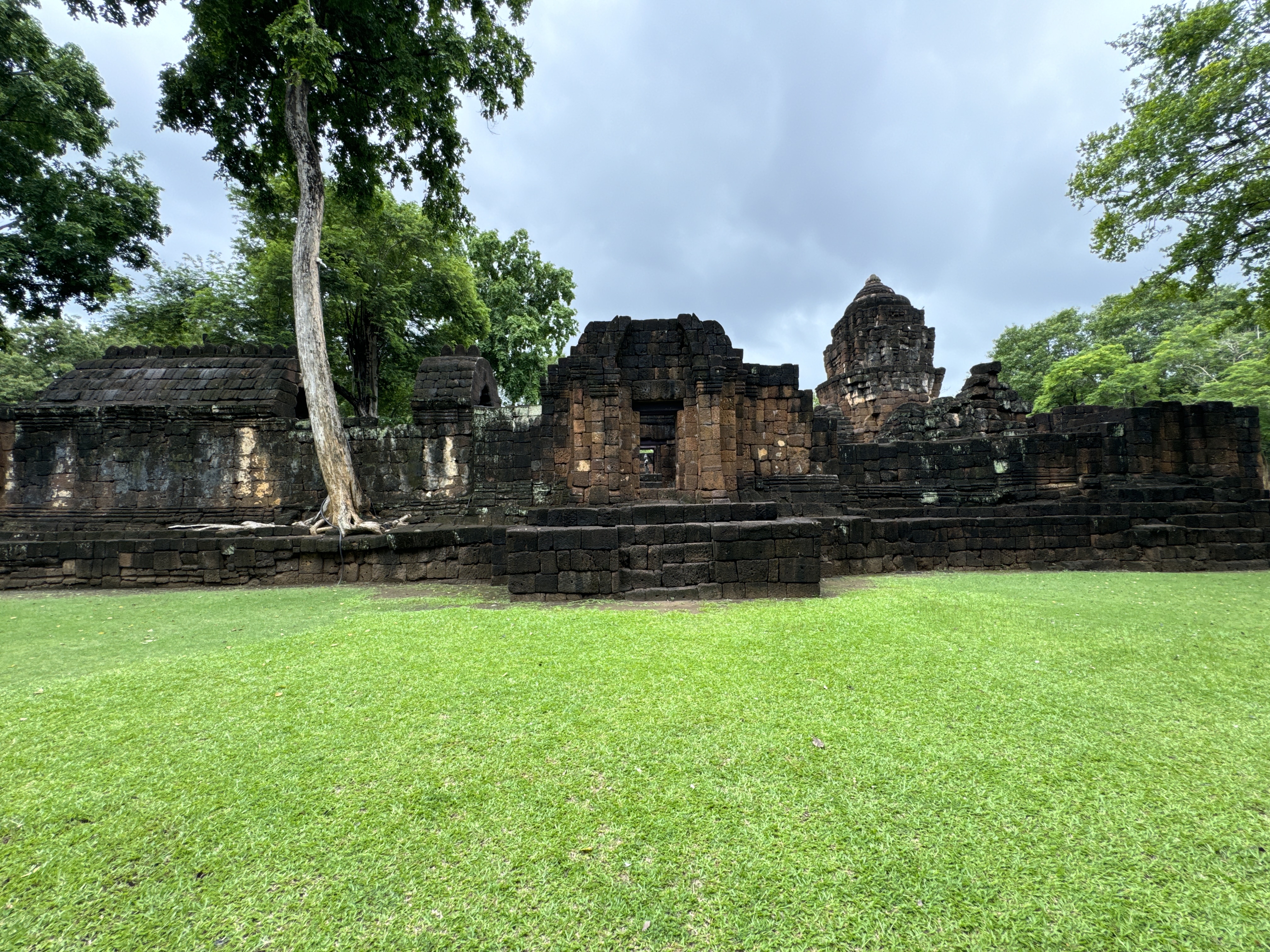
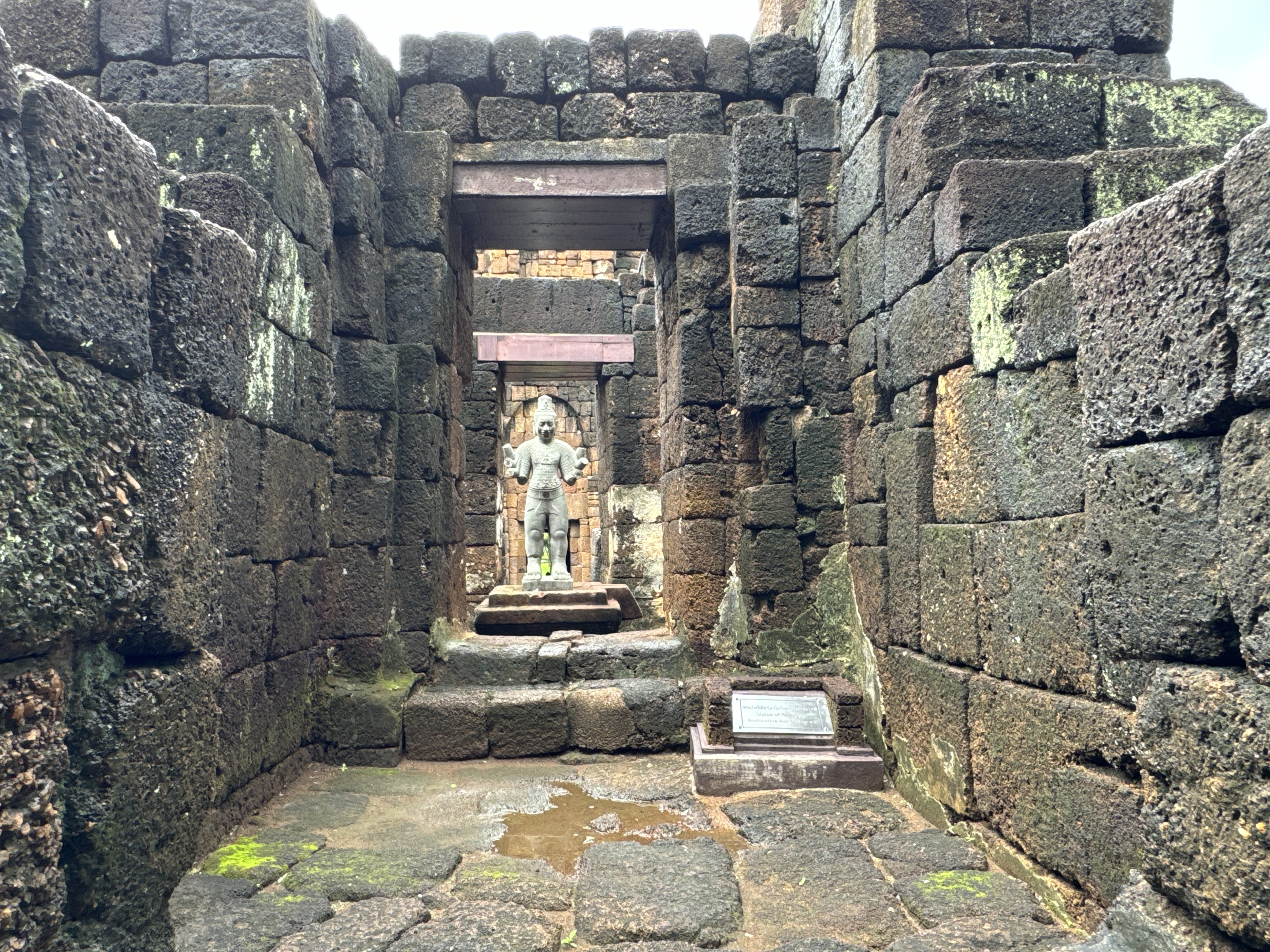
Mueang Sing เมืองสิงห์ is a historical park in Sai Yok District of Kanchanaburi province in Thailand. It protects the remains of two Khmer temples dating to the 13th and 14th centuries. It was declared a historical park in 1987.
The history of the site goes back to the period between 857 and 1157, a period when the Khmer Kingdom was flourishing. The town was abandoned in the early 13th century for unknown reasons. Another site south of here shows signs of being sacked and burned but no evidence of that happening here.
Prasat Mueang Sing ปราสาทเมืองสิงห์ refers to the principal temple structure located within the wider site of Muang Sing. For the walled, moated settlement itself the original name of the city was Jayasinghapura.
The sanctuary itself displays a classic Bayon-period layout with a surrounding rectangular wall with a cruciform entrance causeway to the east and an inner enclosure featuring 4 gopuras at the cardinal directions which...

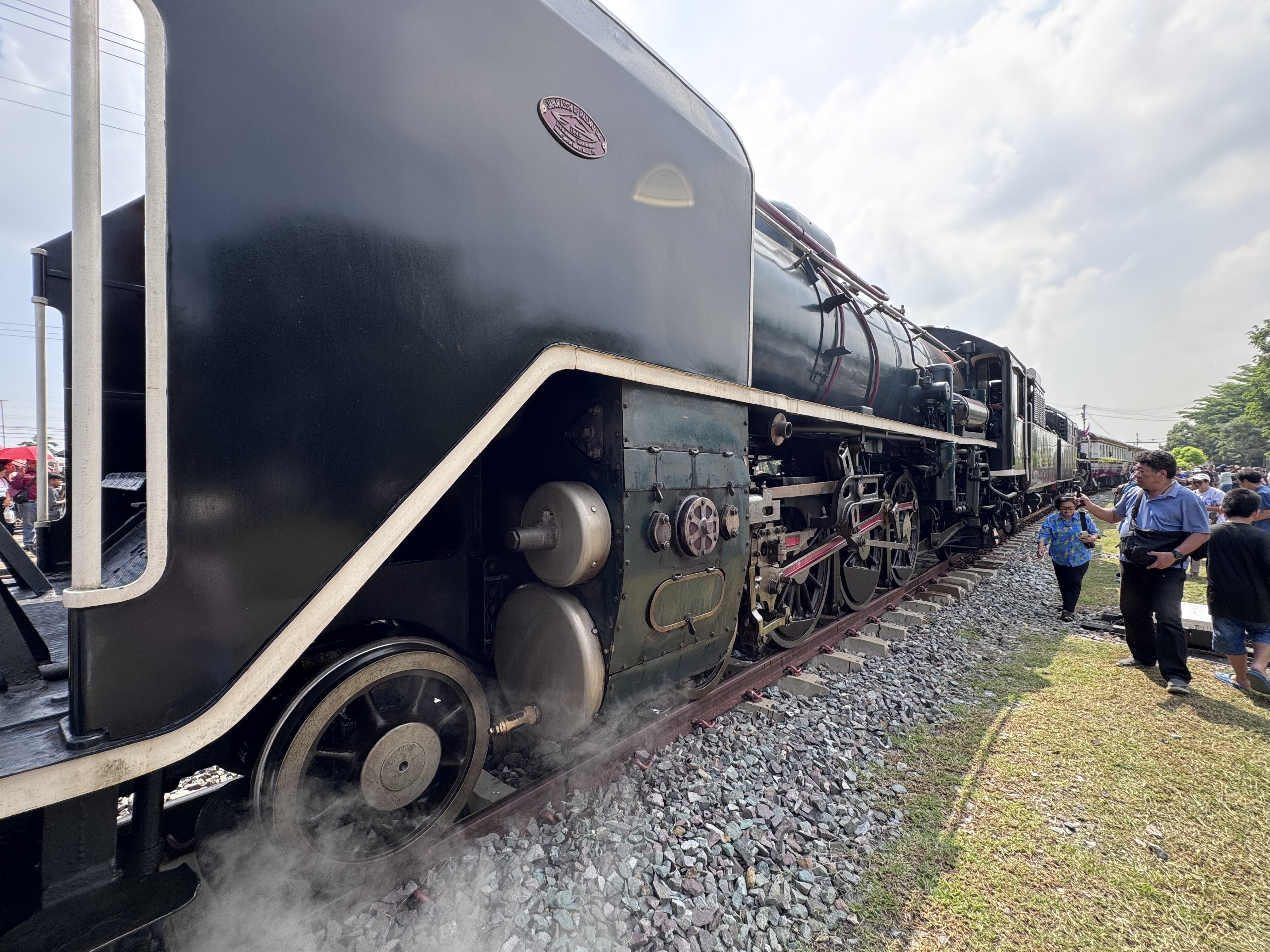
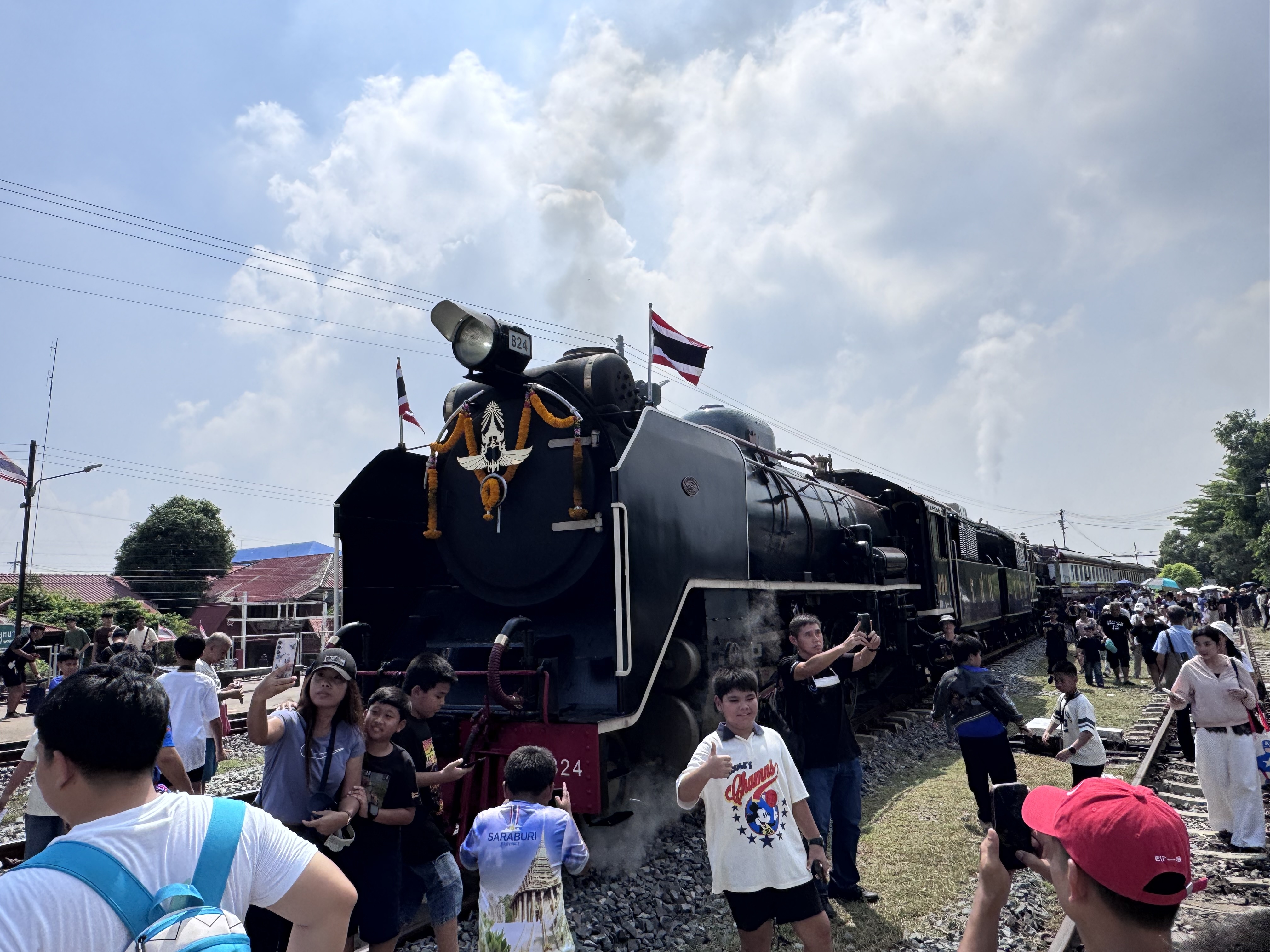
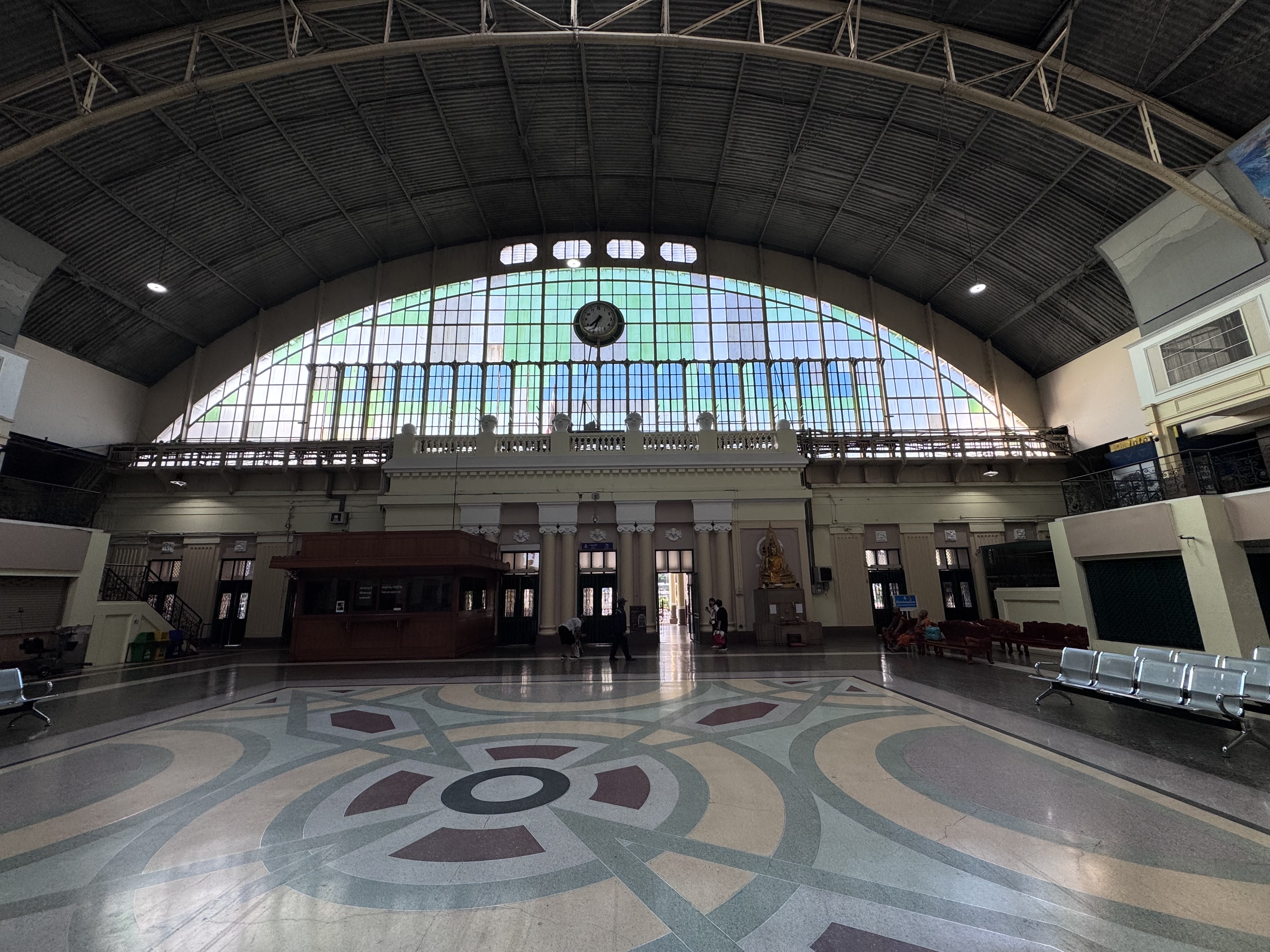
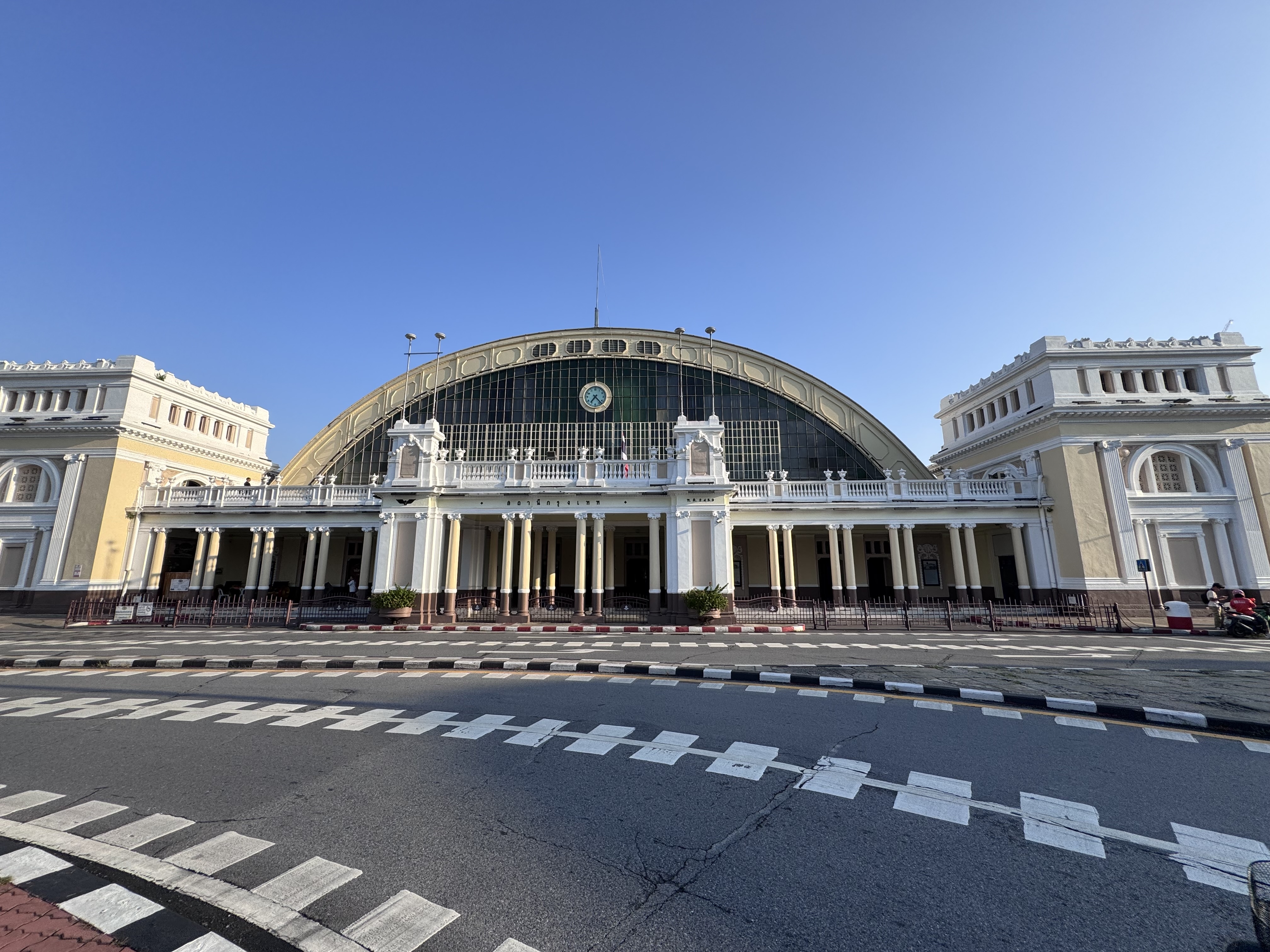
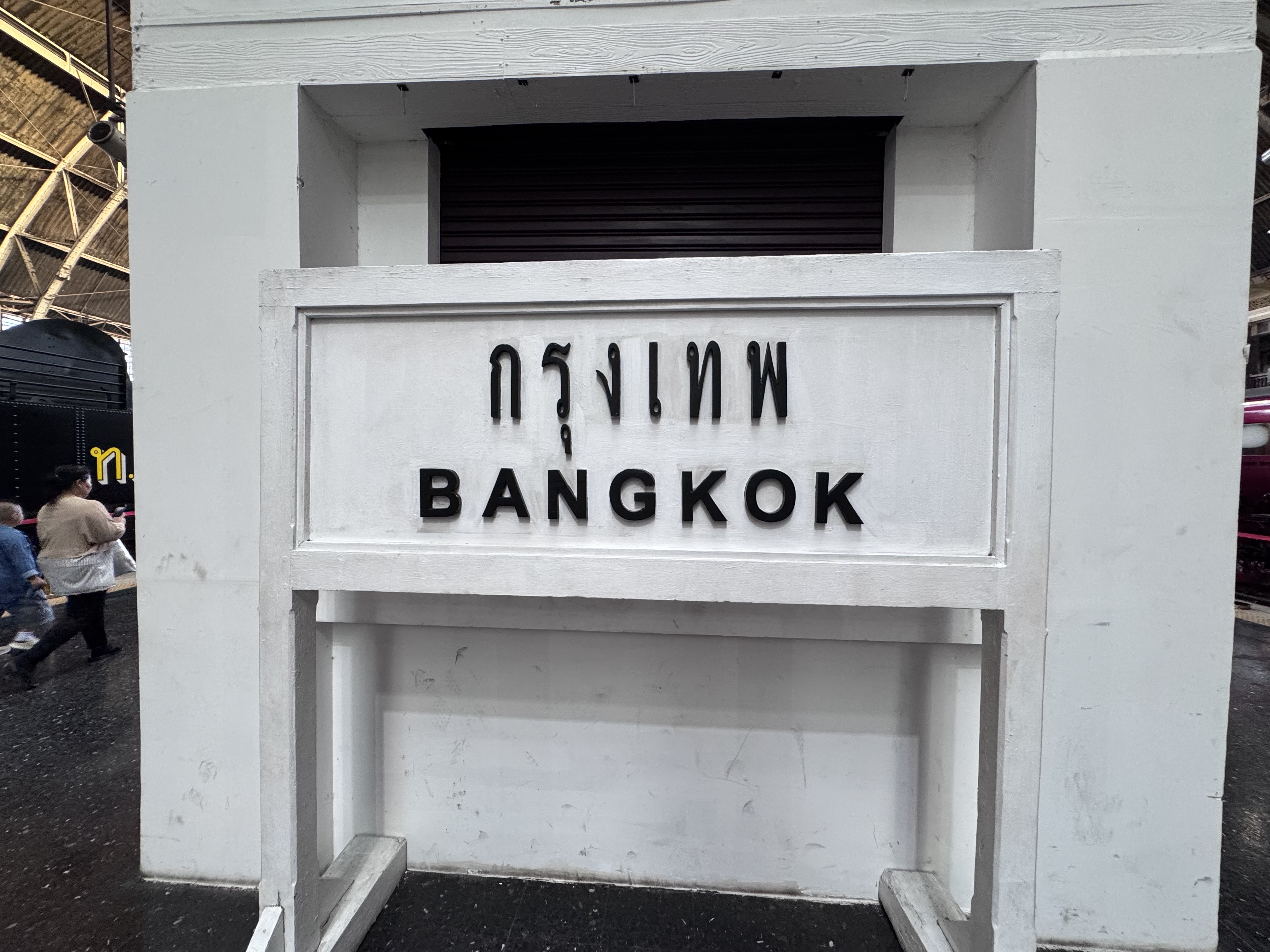
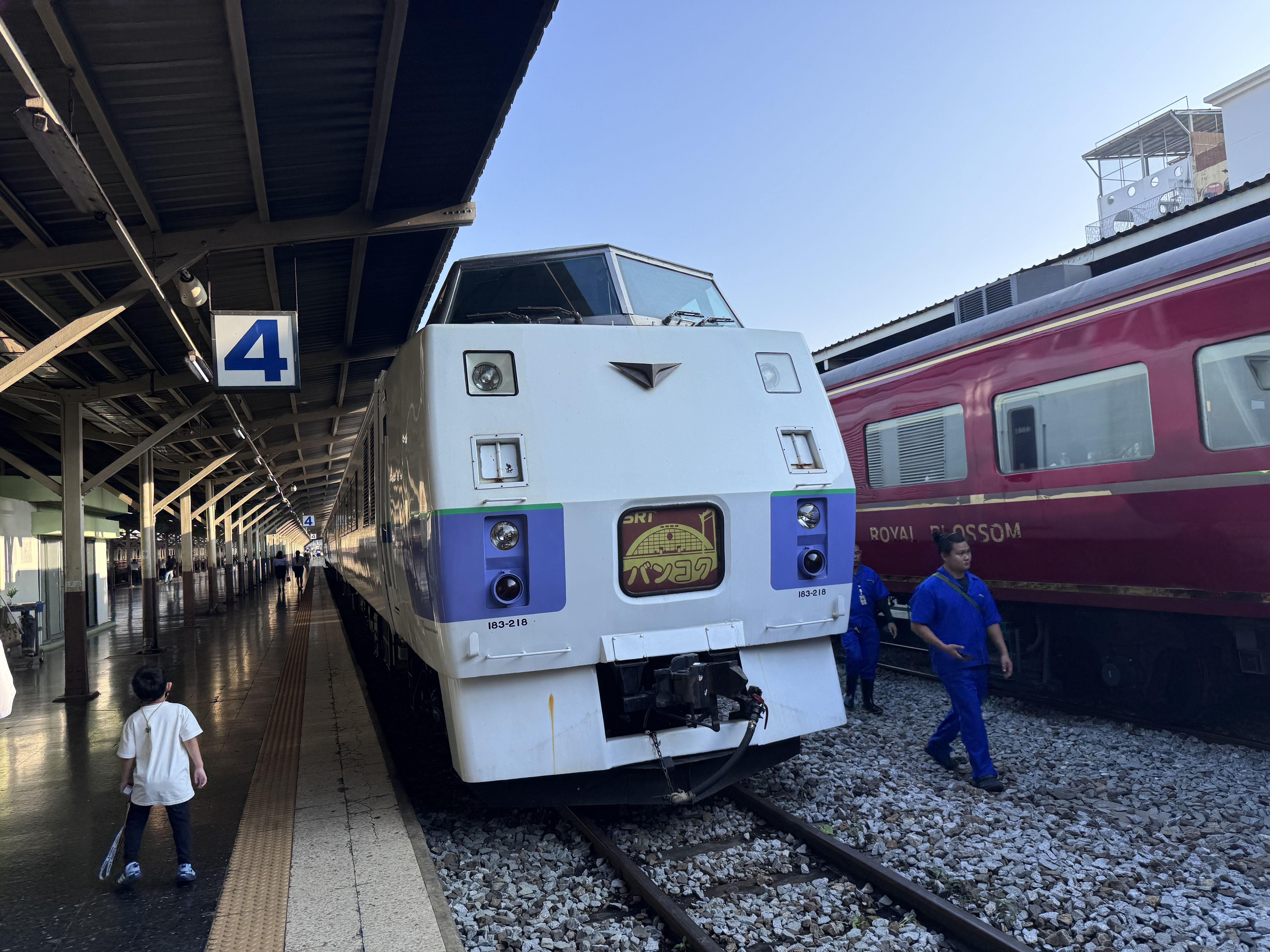
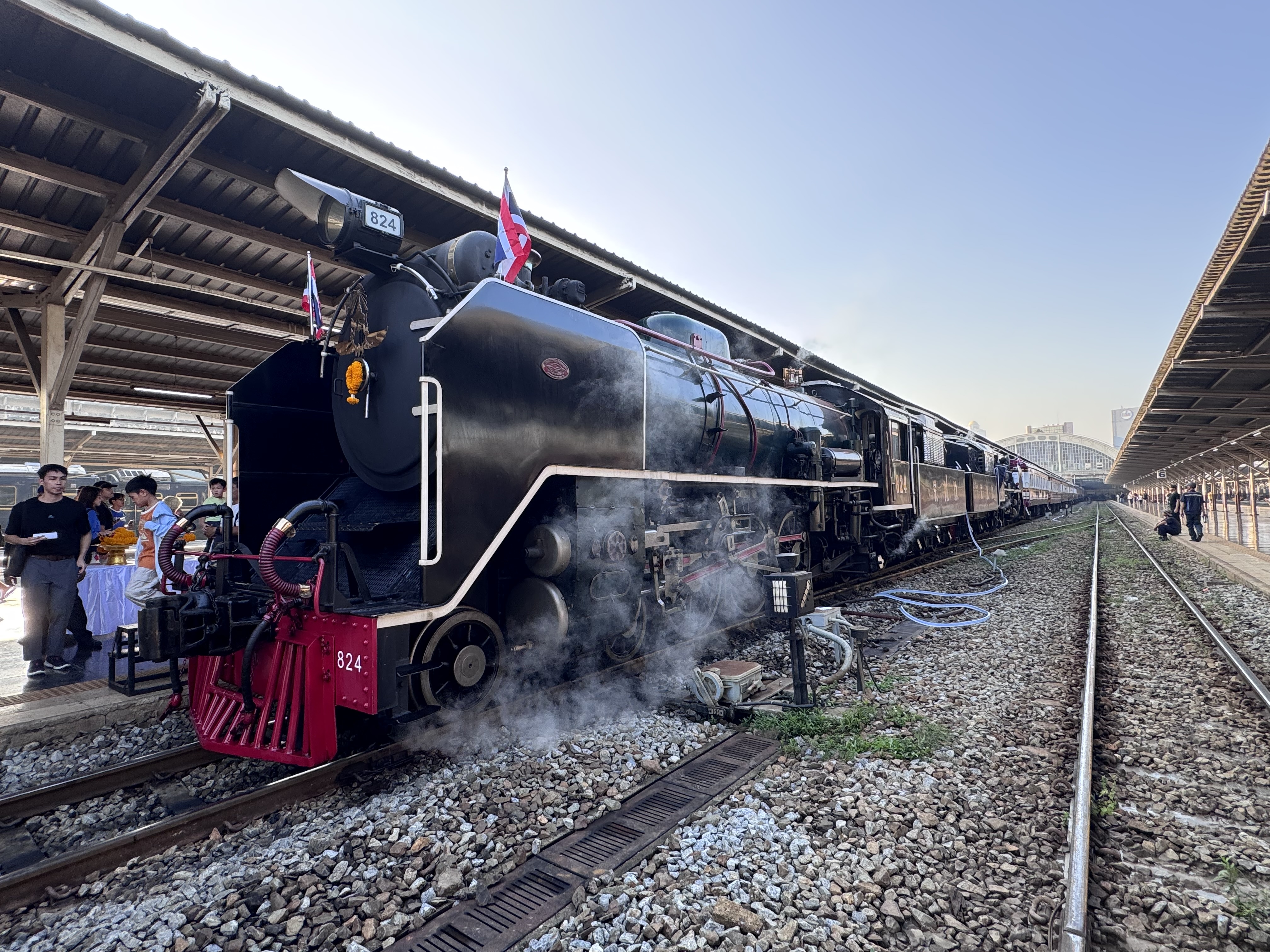
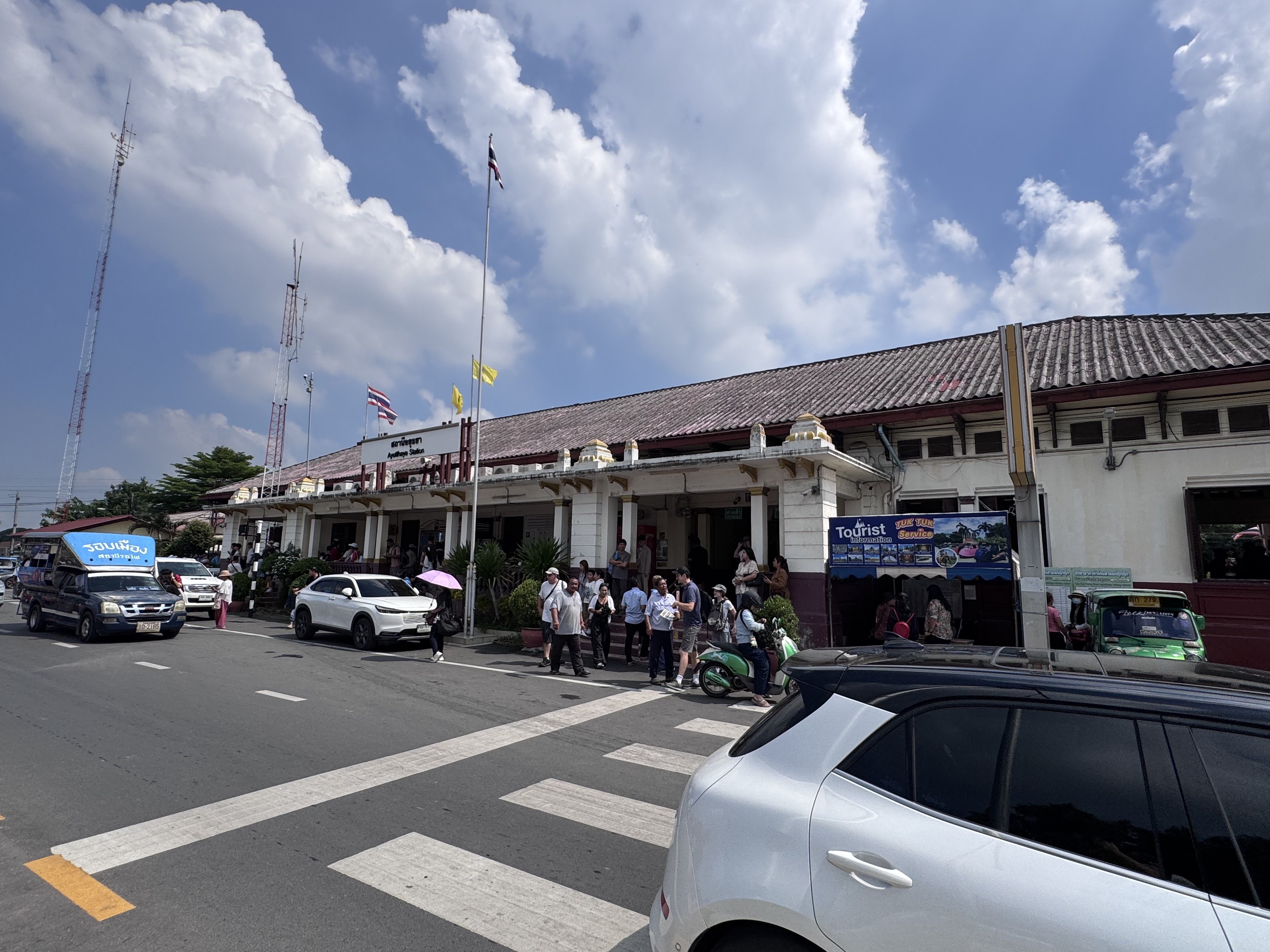
October 23 2026, the State Railway of Thailand operated one of its special steam locomotive services from Bangkok’s Hua Lamphong station to Ayutthaya and back. The trip marks Chulalongkorn Day in honor of King Rama V. Two restored Pacific-class steam locomotives, numbers 824 and 850, pull the train.
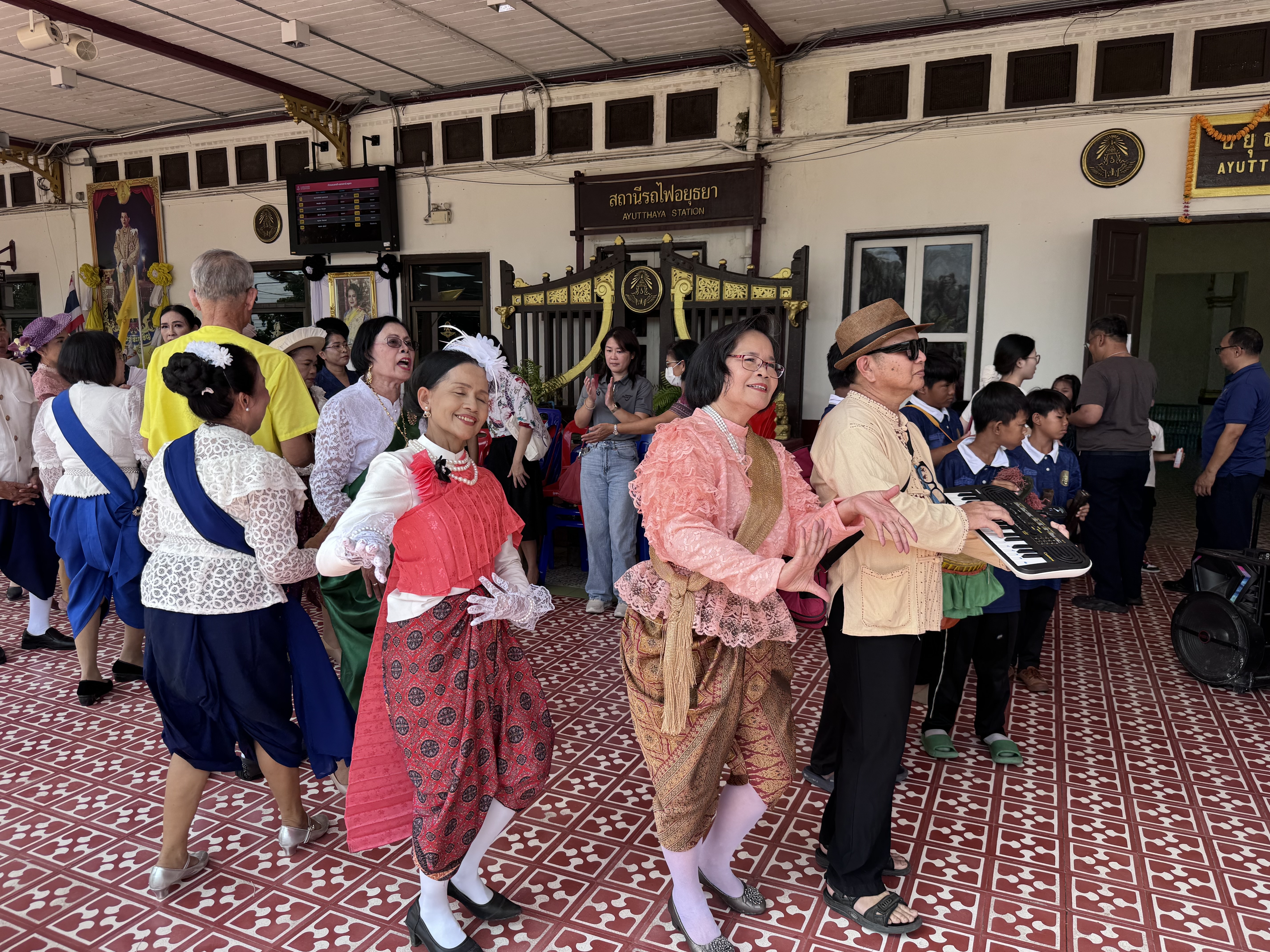
They left the Thonburi depot early this morning and reached Hua Lamphong around 6:05 a.m. for an approximate 8:05 a.m. departure. The outbound run arrives in Ayutthaya near 10:20 a.m., giving passengers about six hours to visit the ancient capital’s temples, historical parks, markets, and riverside spots.
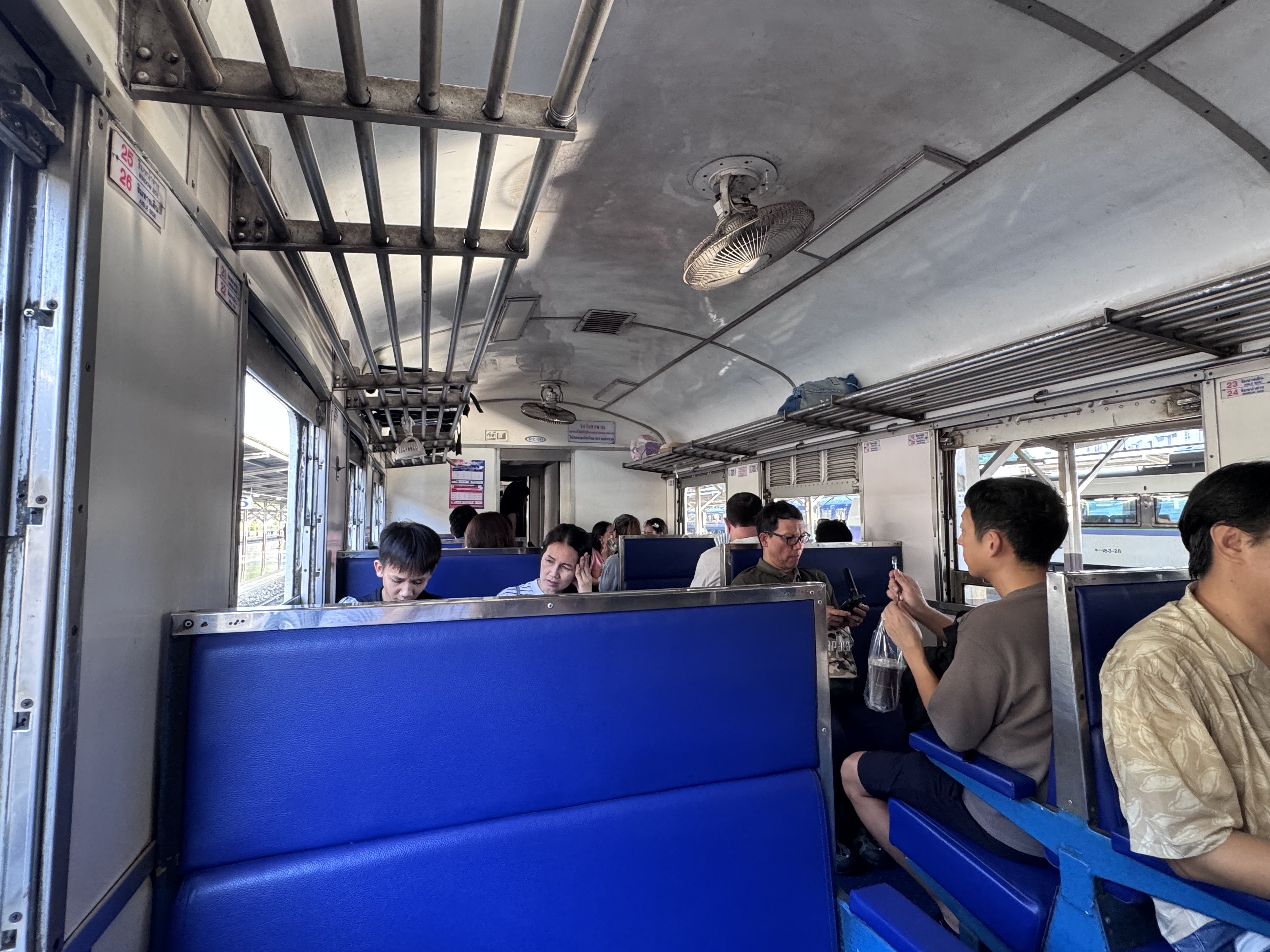
Round-trip fares are 350 baht in ordinary third-class fan carriages and 799 baht in air-conditioned OTOP or JR-West coaches, with the higher price including snacks and drinks.
Tickets are available through the SRT D-Ticket system and at stations across the country, though the Ayutthaya steam trips tend to sell out fast.
These steam excursions run six times a year on selected national and royal ...
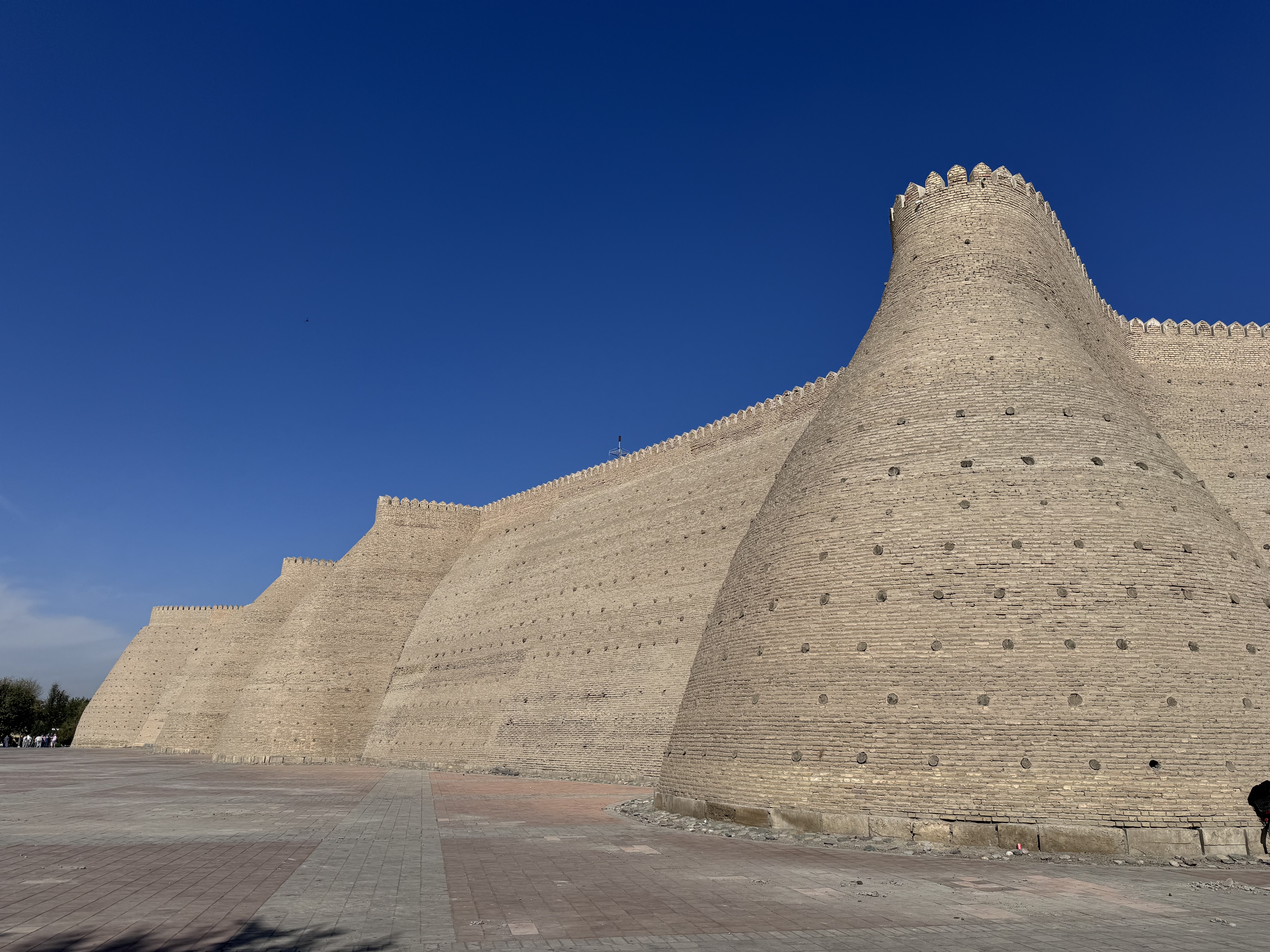
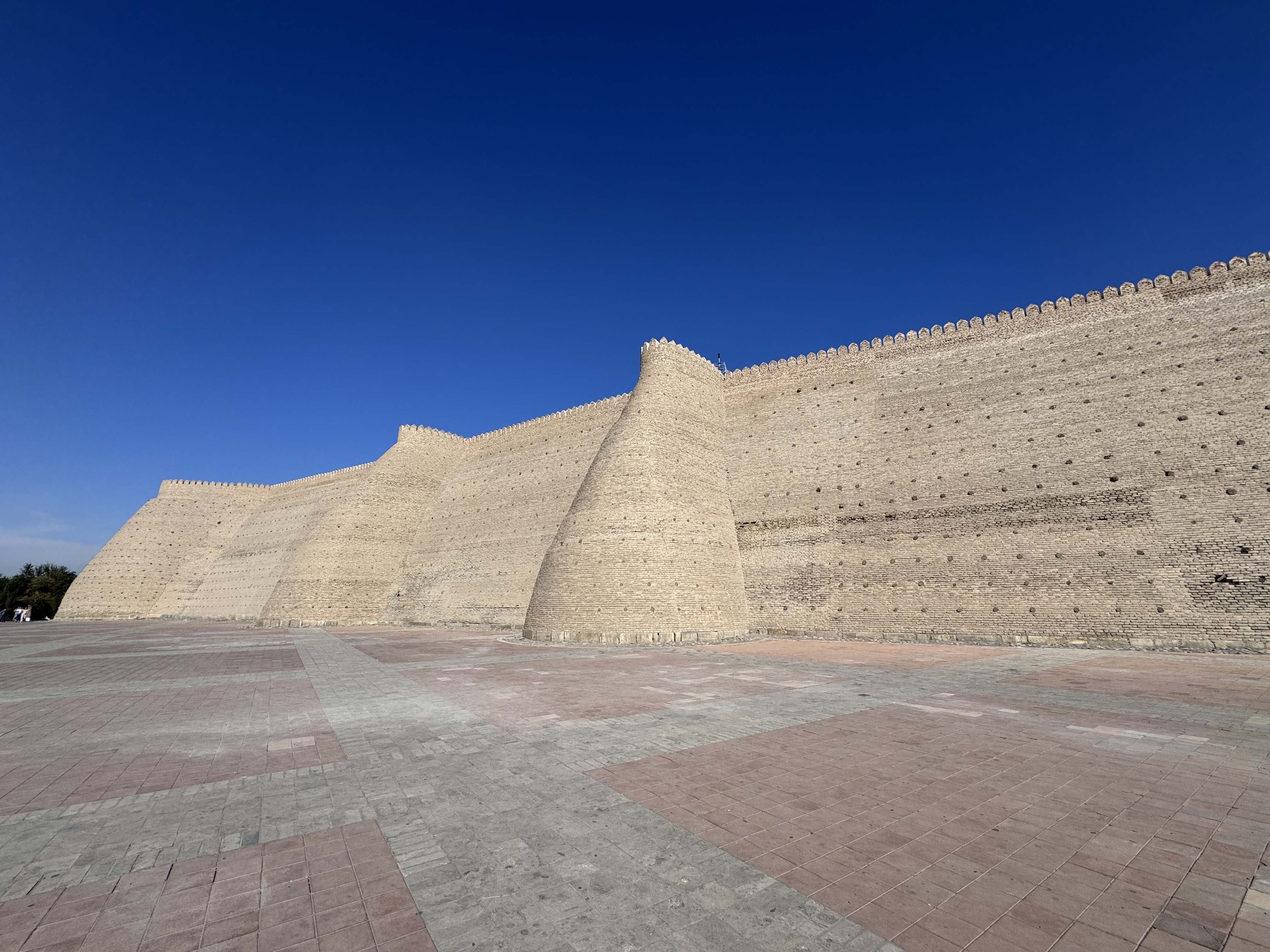
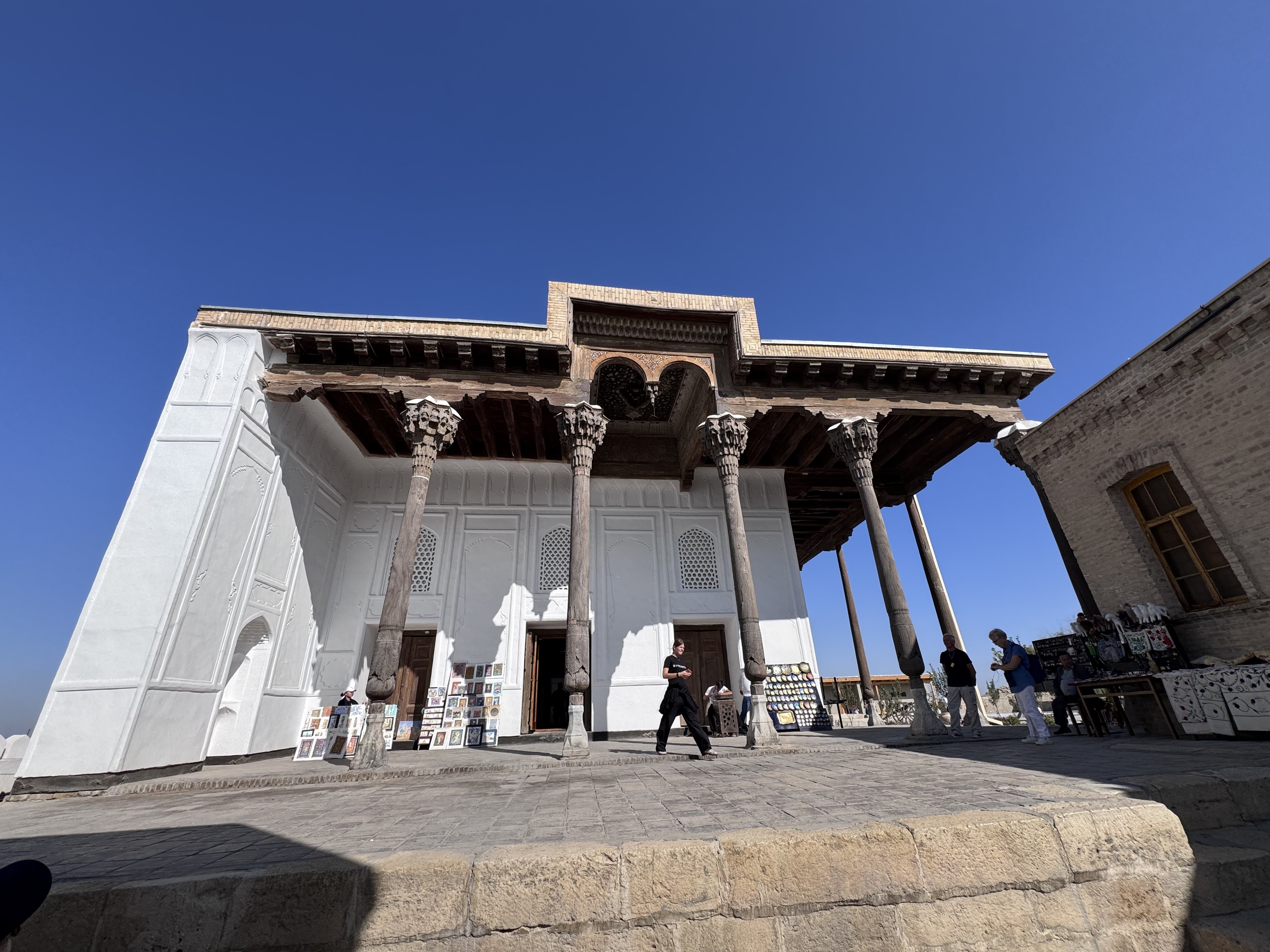
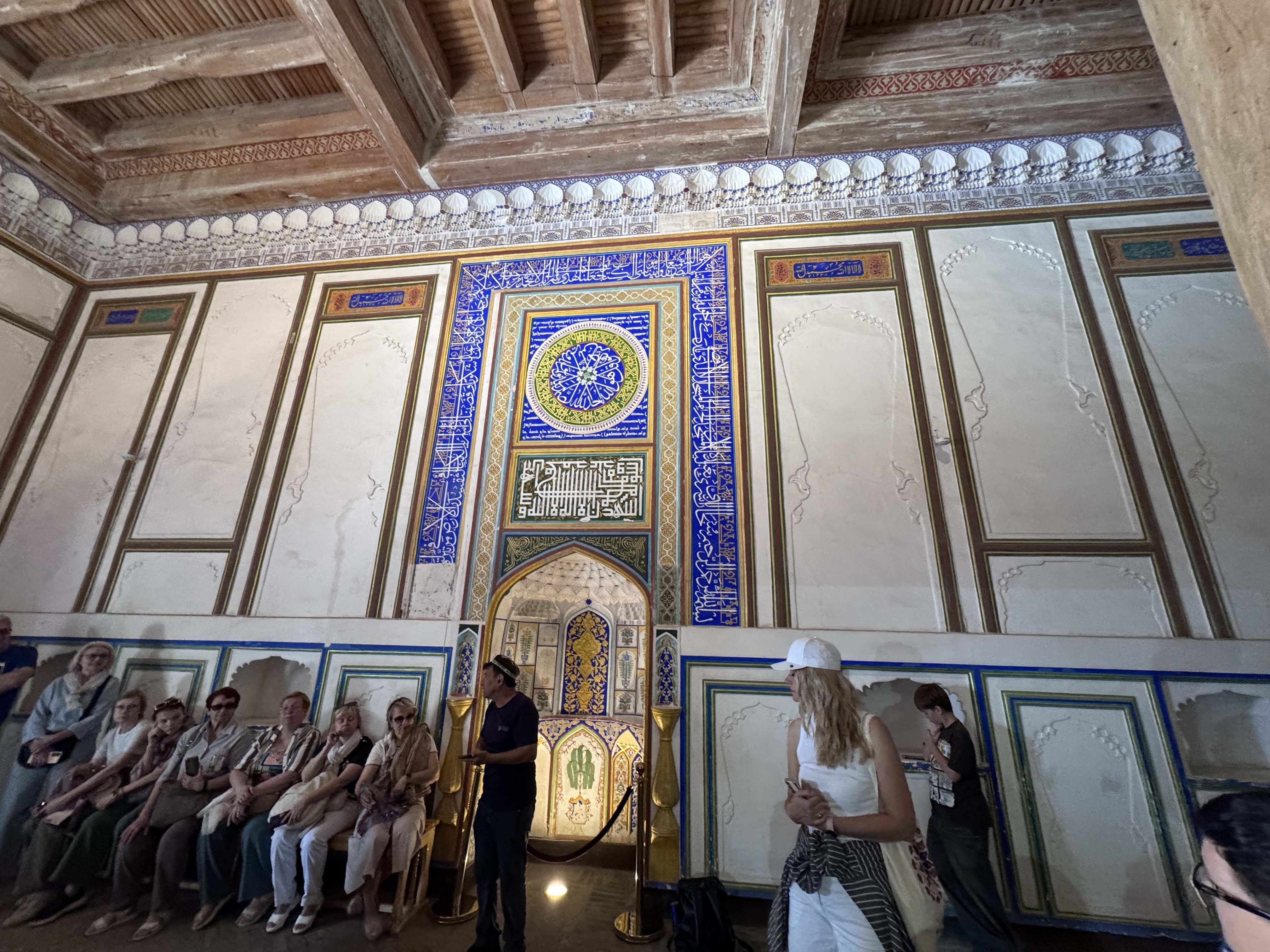
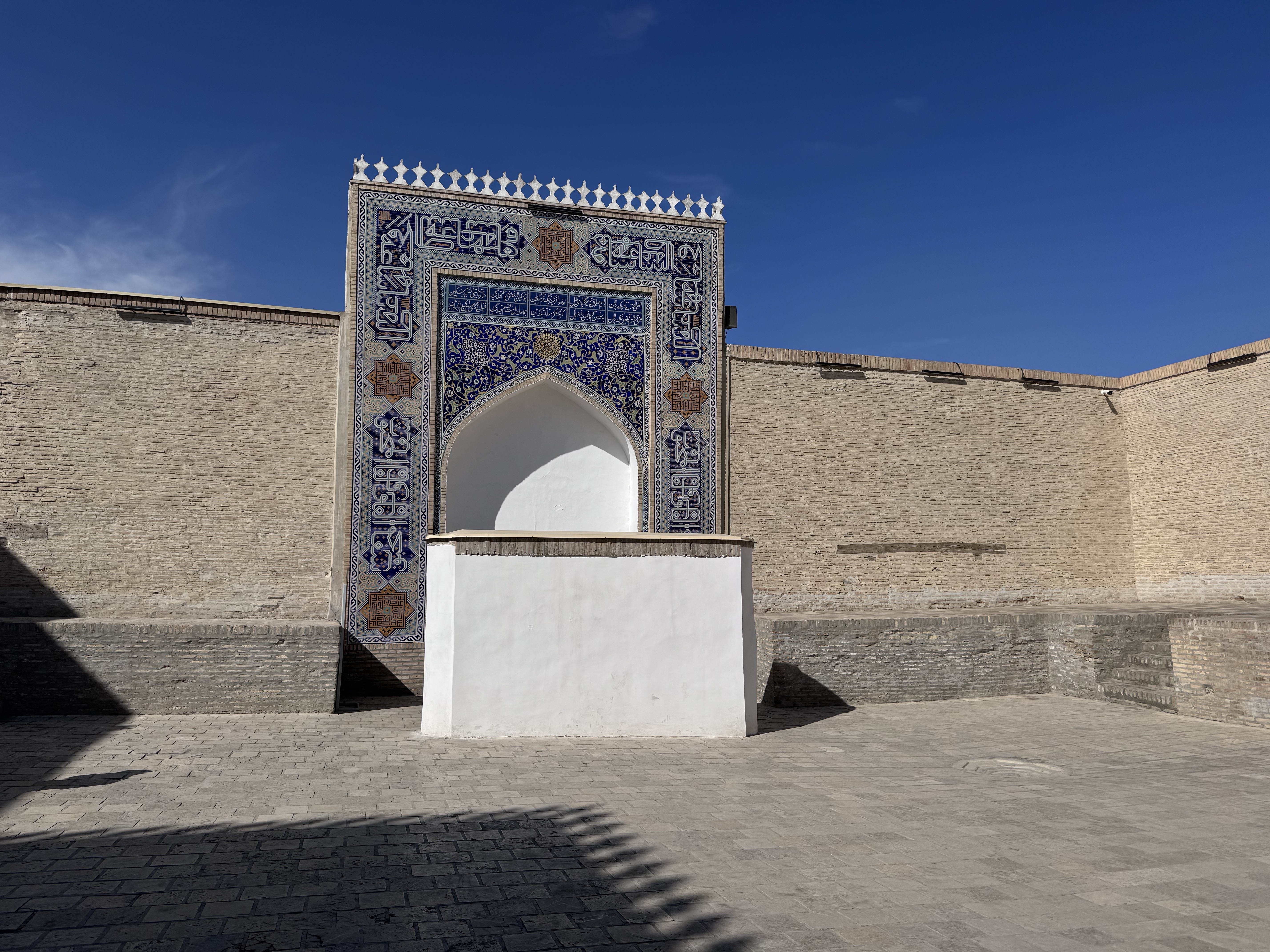
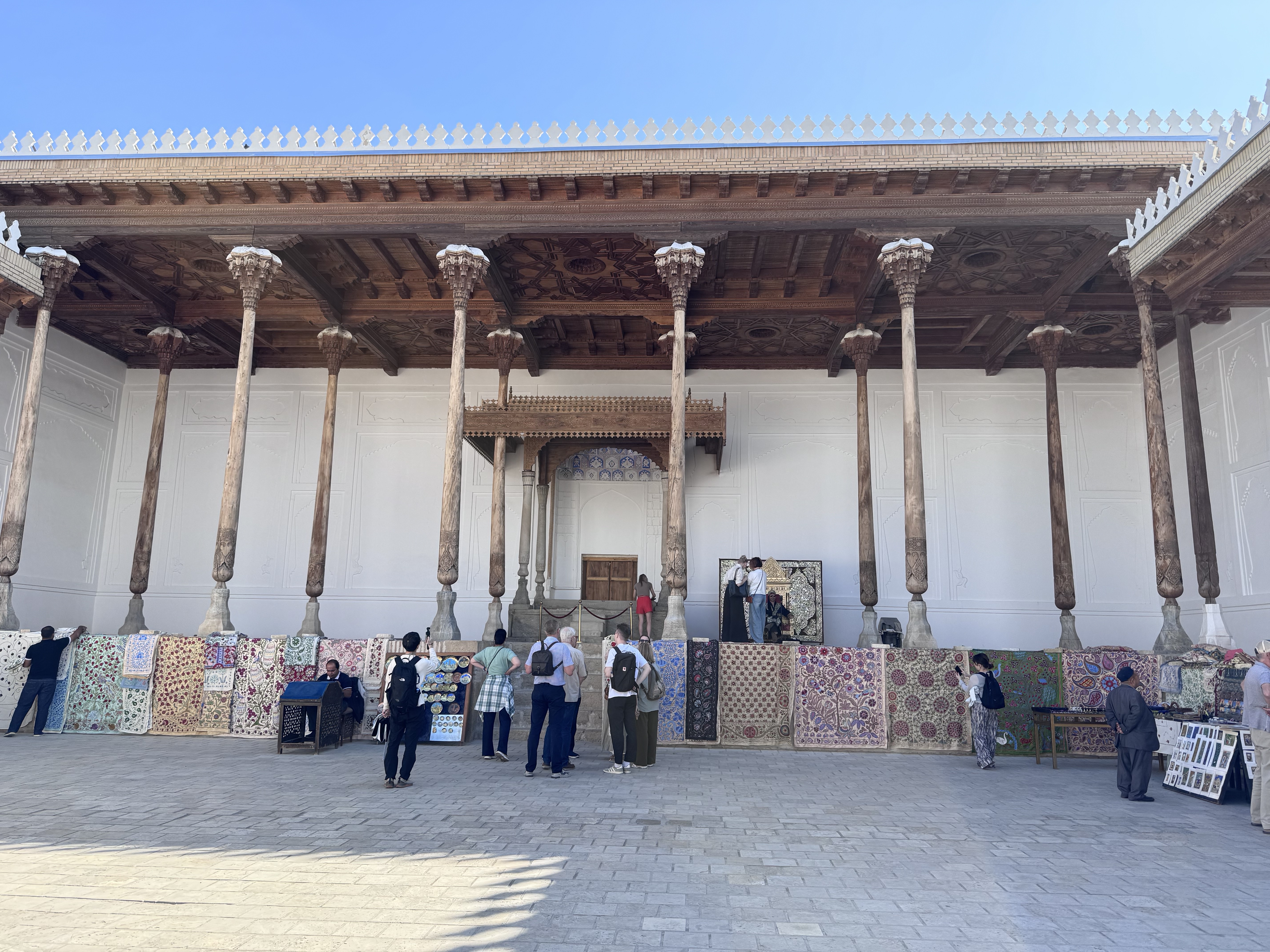
The Ark Fortress rises as a monumental earthen citadel in the northwestern quarter of Bukhara’s historic center in Uzbekistan, its massive sloping walls of packed clay and brick climbing 16 to 20 meters above the surrounding streets and enclosing nearly 4 hectares of ground. In plan the structure forms an irregular rectangle elongated from west to east, with an outer wall circuit measuring roughly 790 meters.
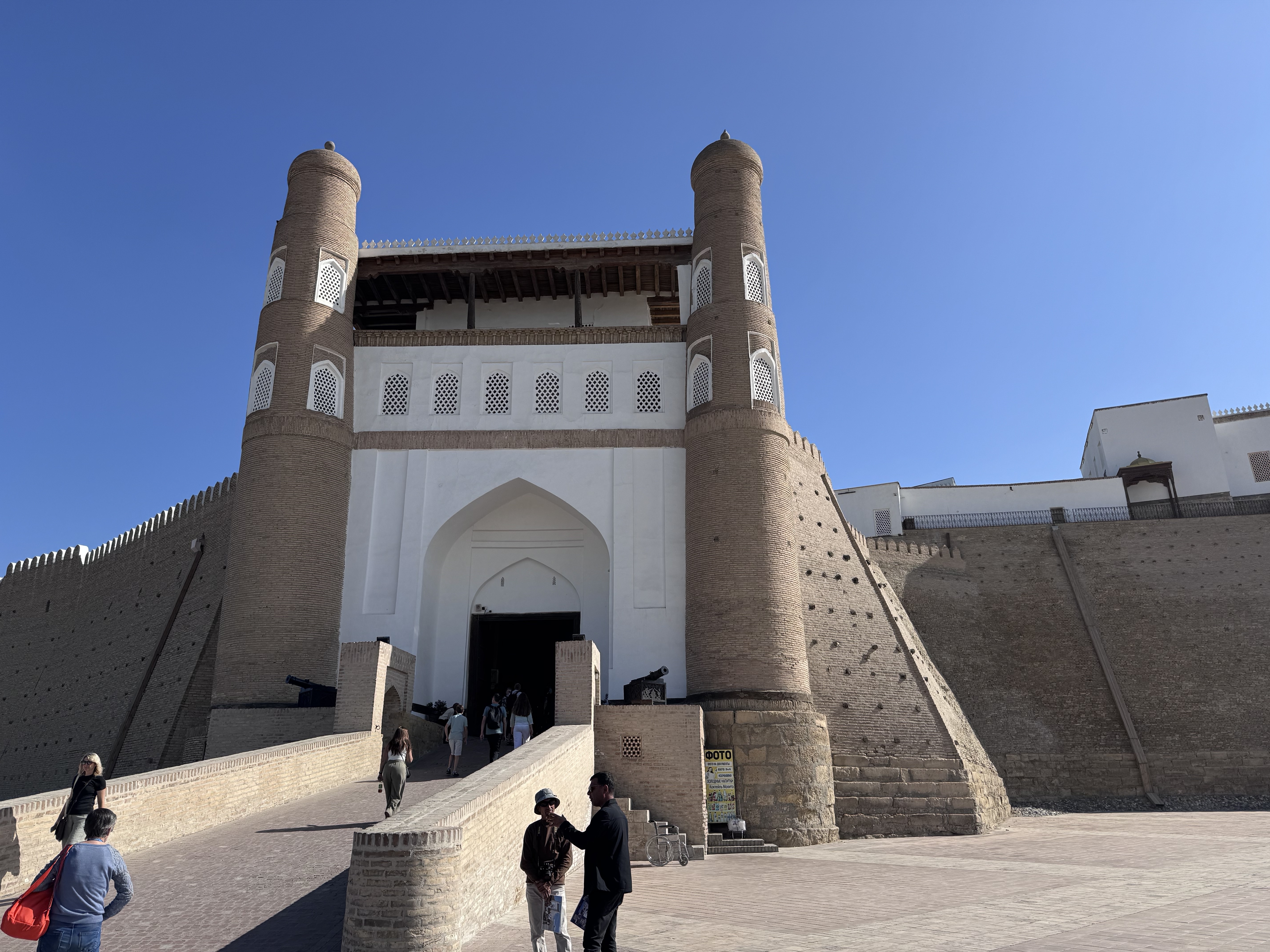
A ceremonial western gateway framed by twin 18th-century towers and linked by an upper gallery opens onto a long rising ramp that once led visitors through a covered corridor past storerooms and prison cells into the heart of the royal complex.
Inside, the surviving western quarter preserves the 17th-century Juma Mosque with its carved wooden columns, the open Reception and Coronation Court where the last emir was crowned in 1910, administrative chambers once occupied by the kushbegi or prime minister, and several museum galleries that display archaeological finds, coins, weapons, textiles, and ...
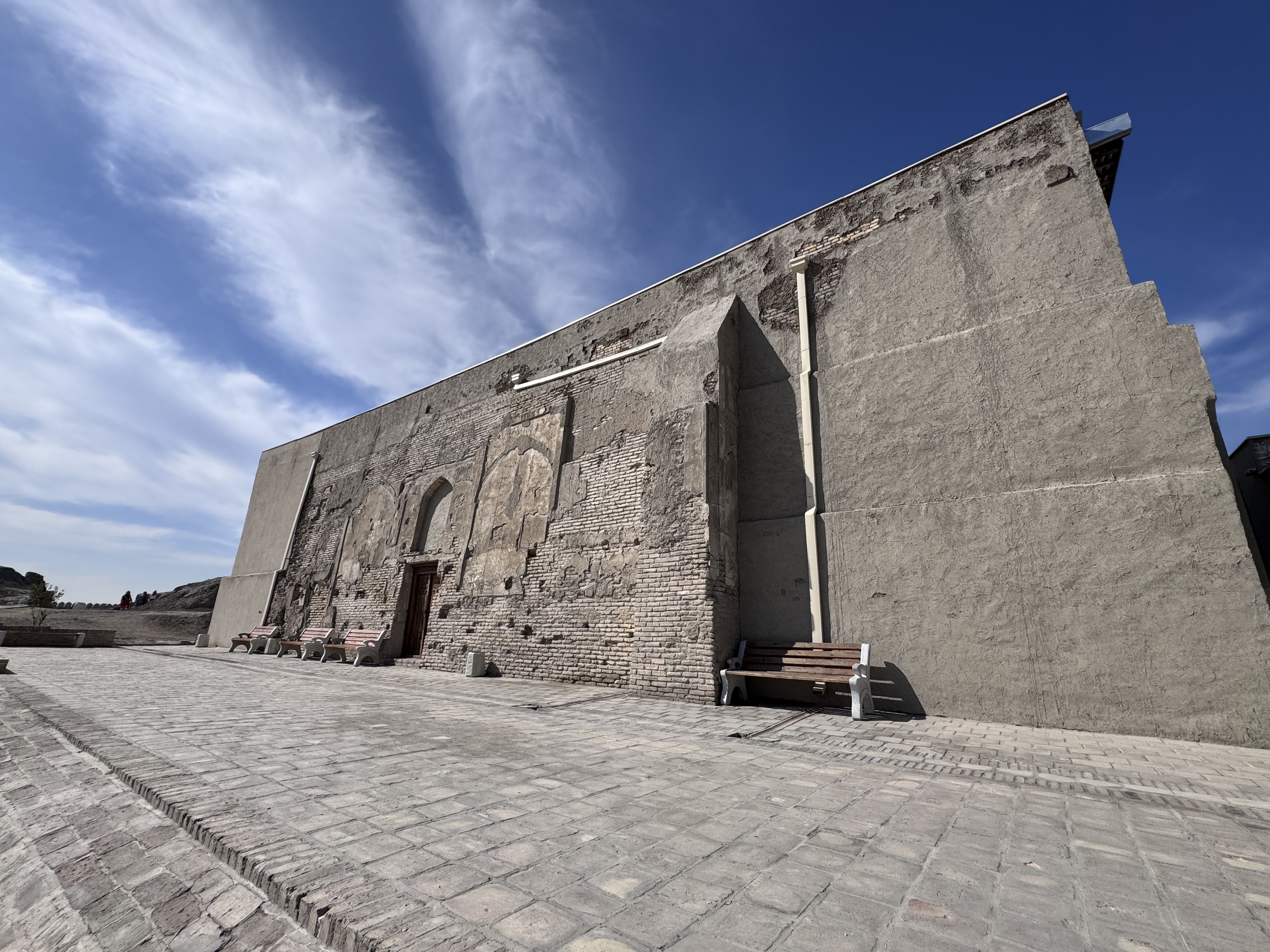
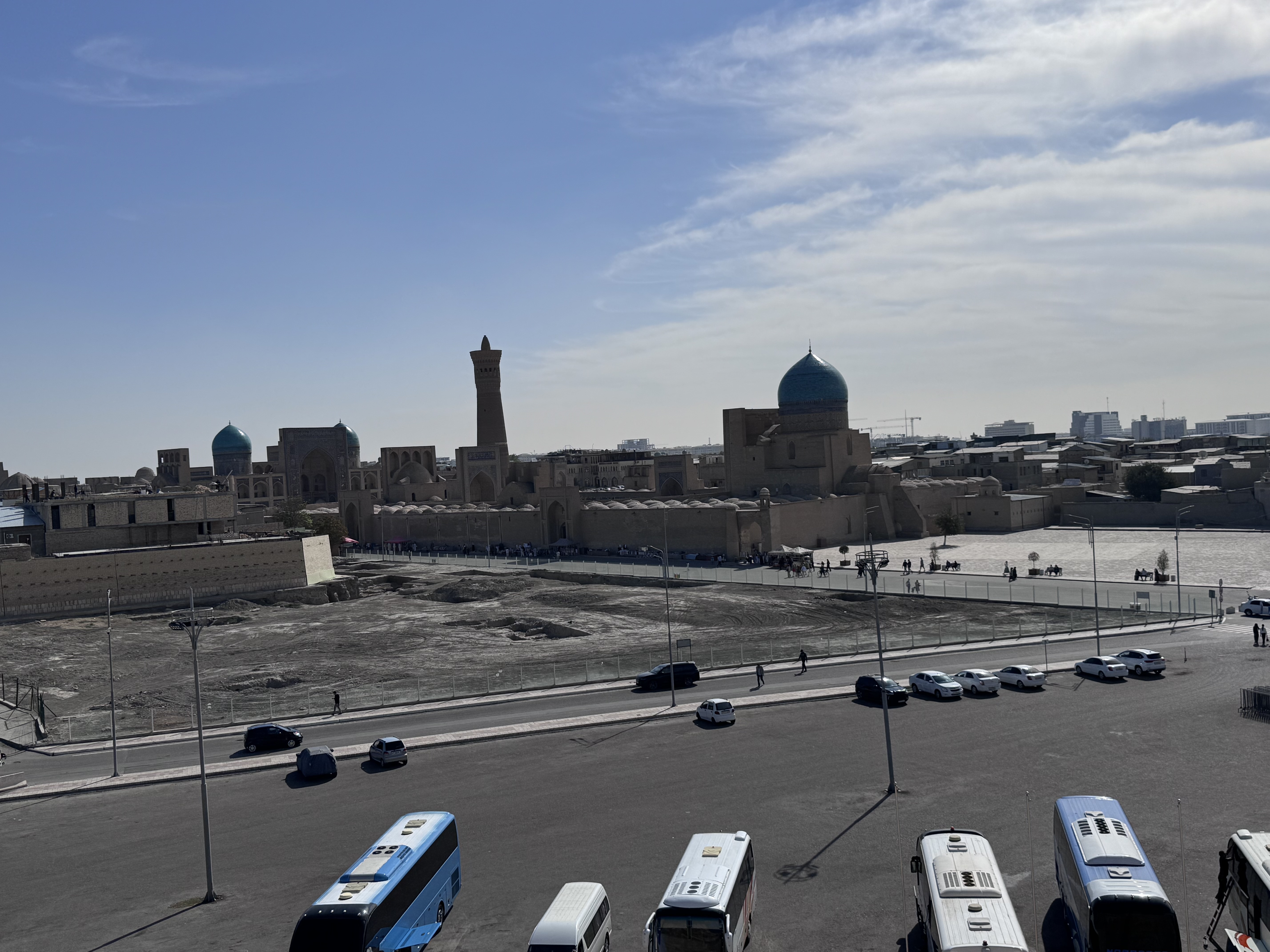
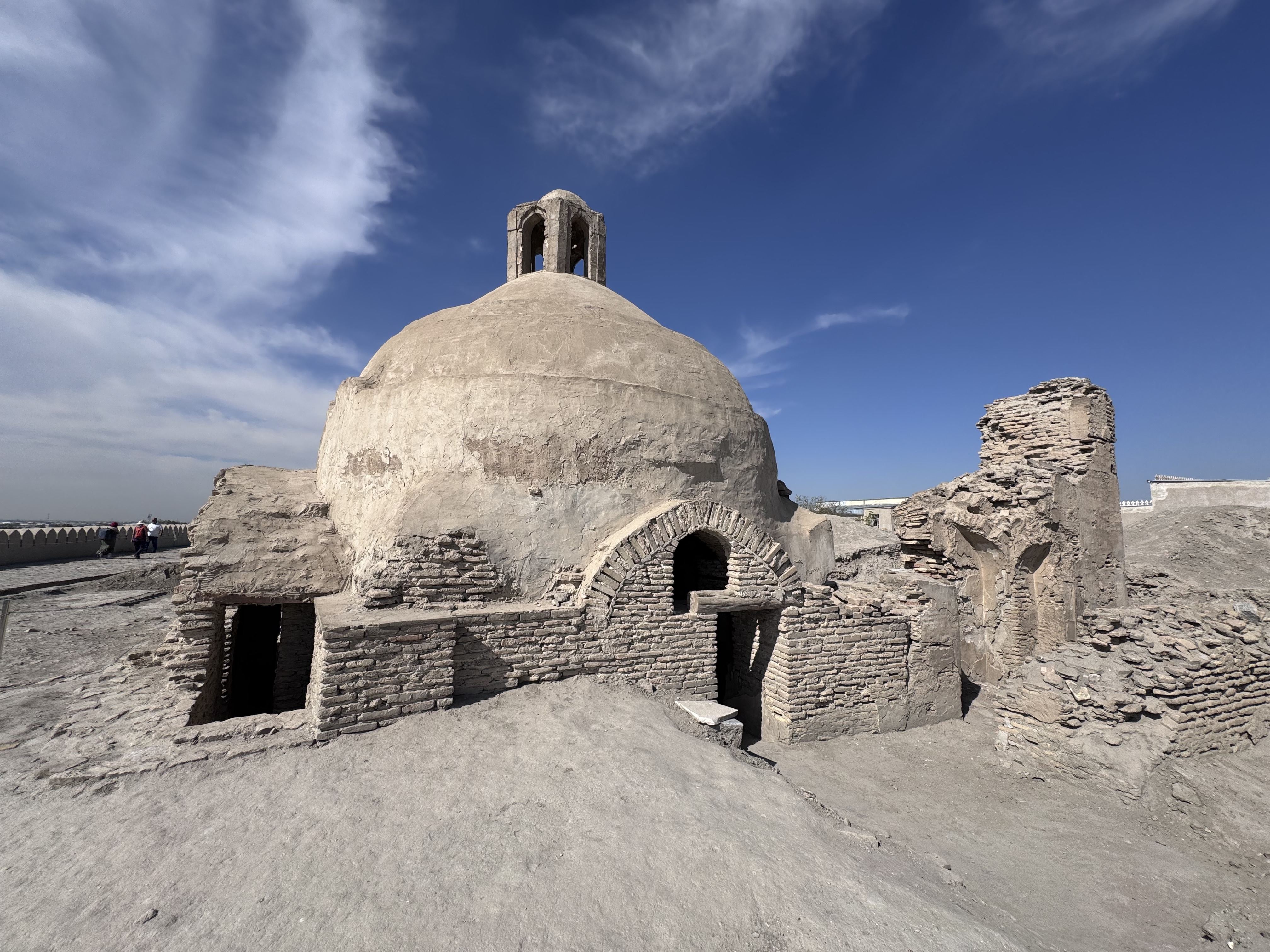
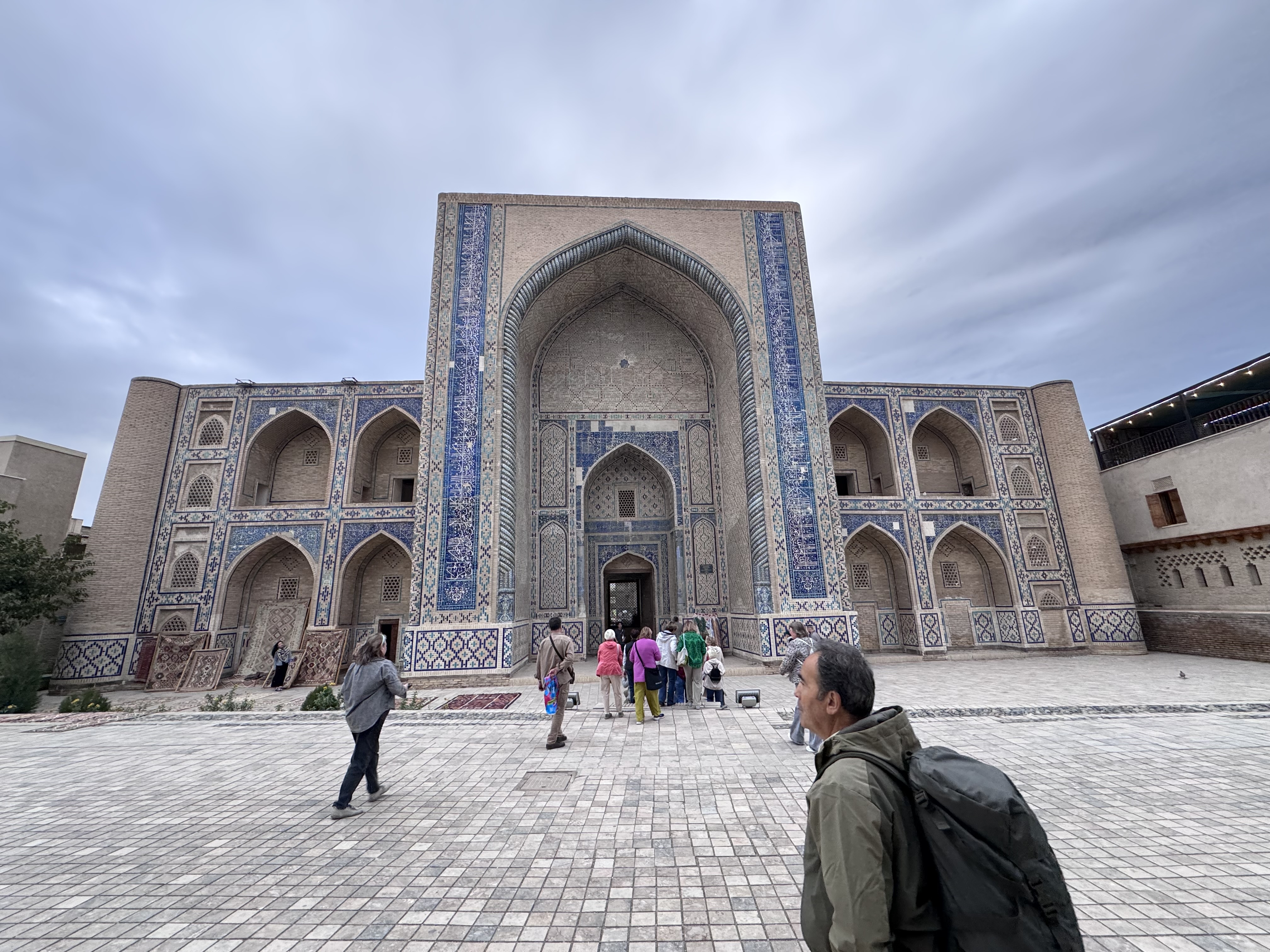
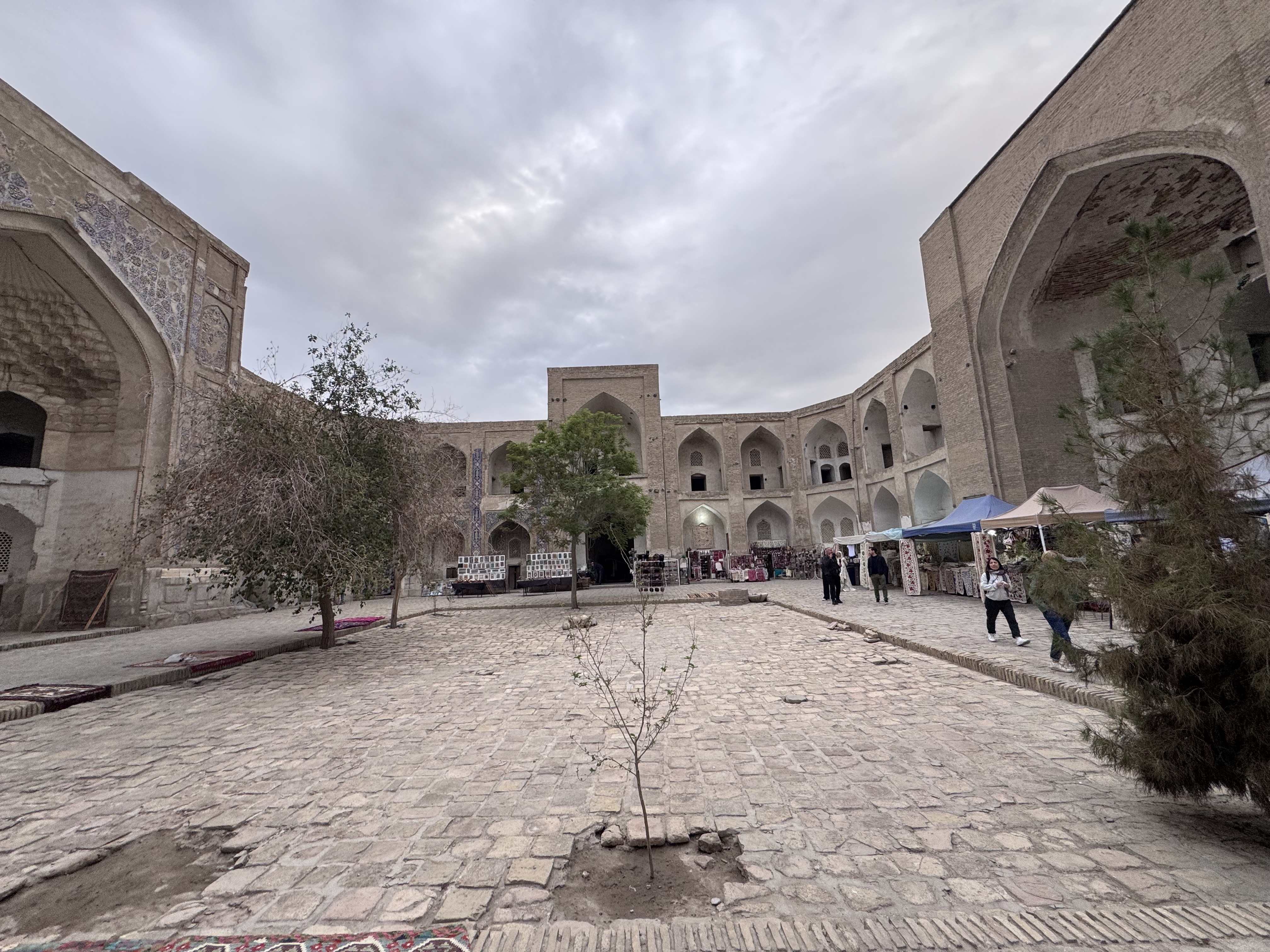
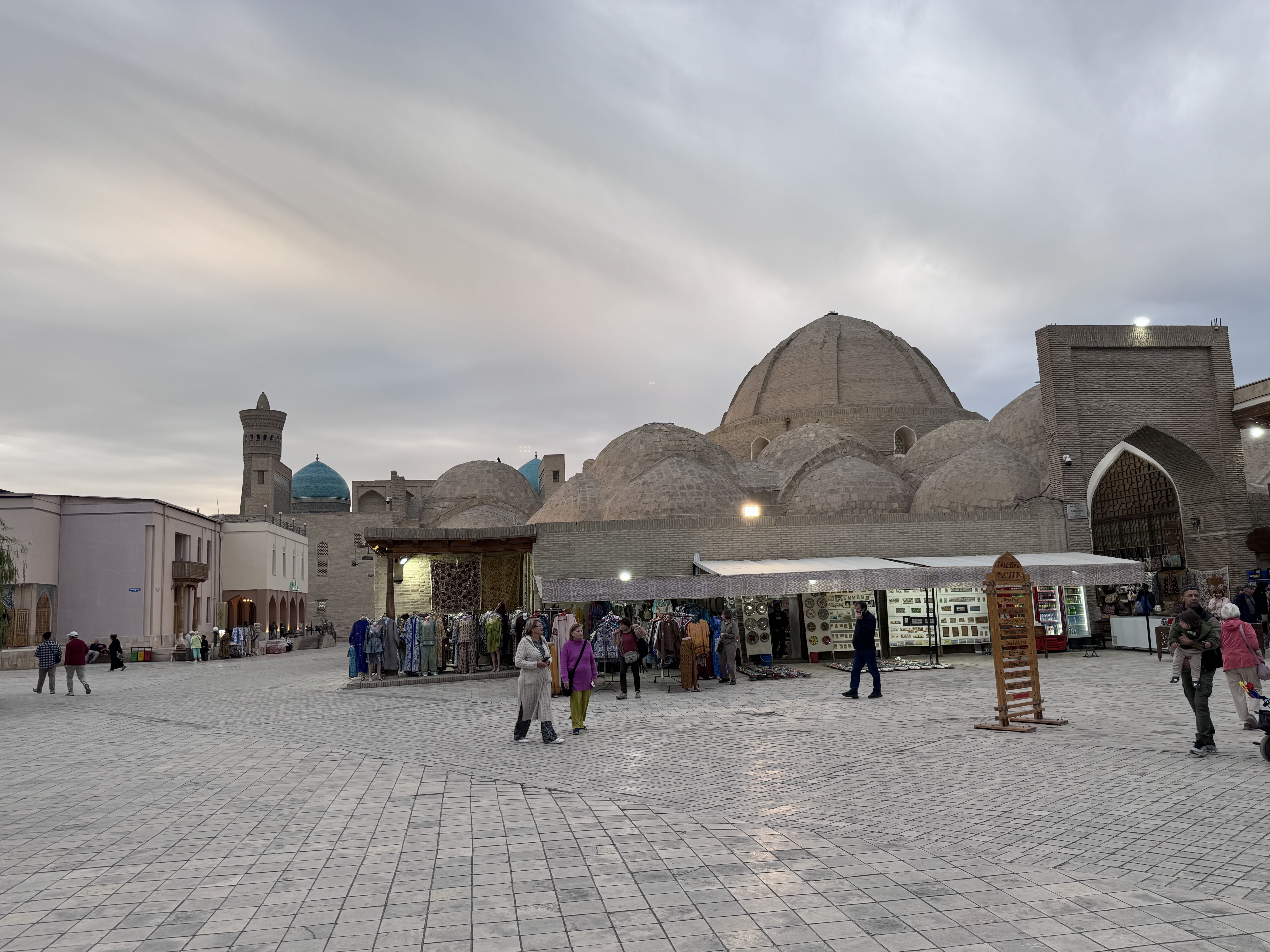
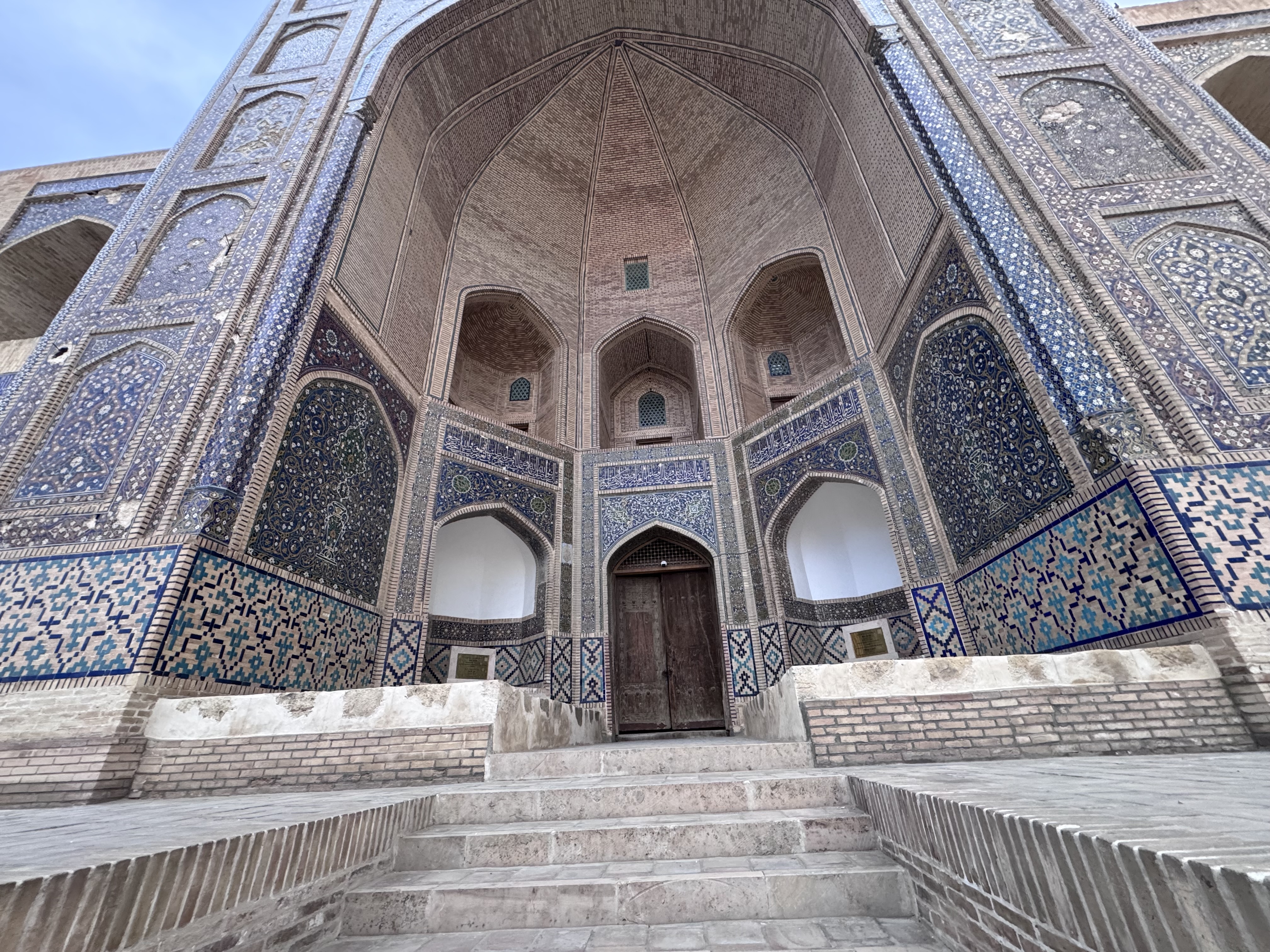
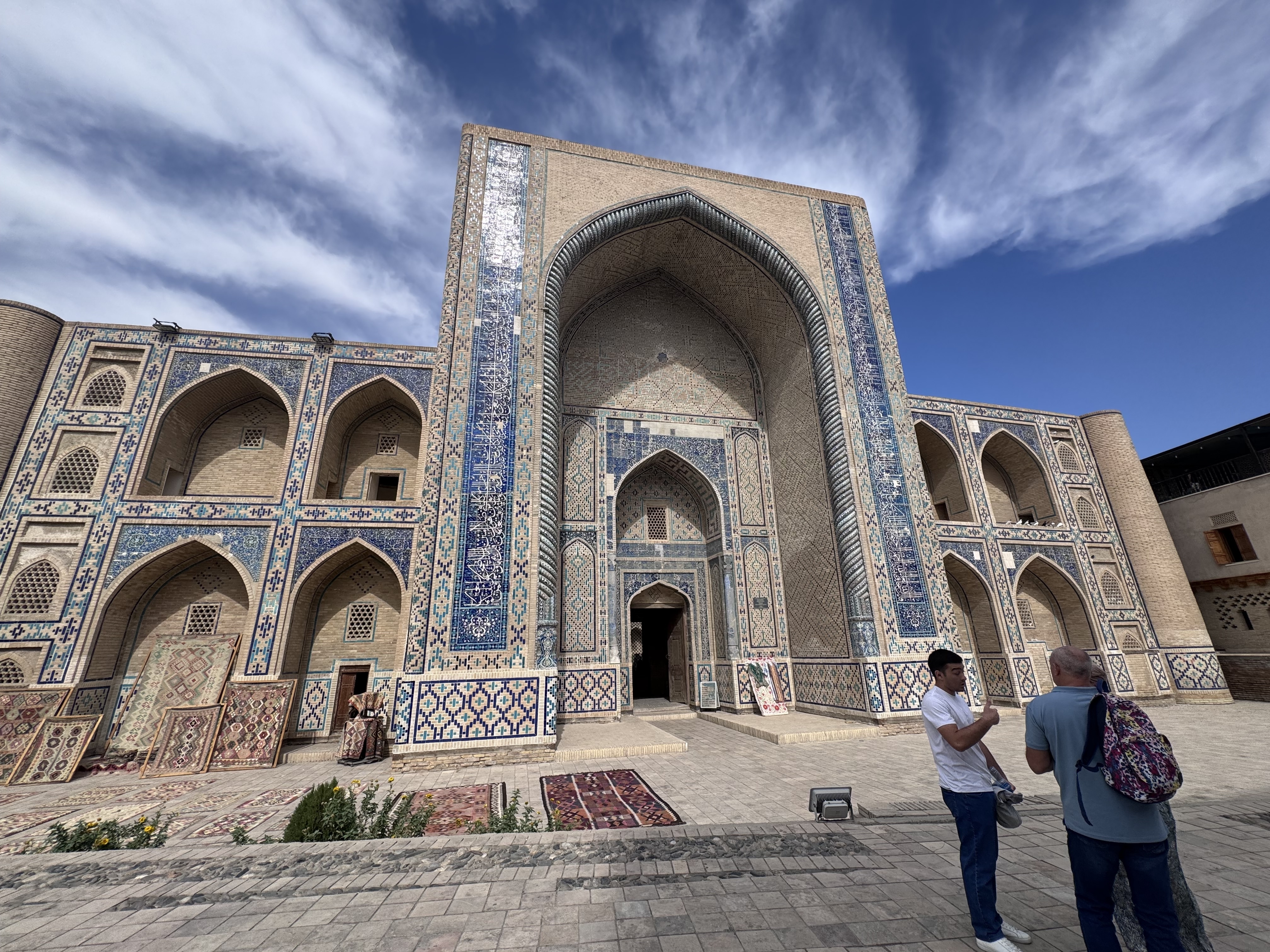
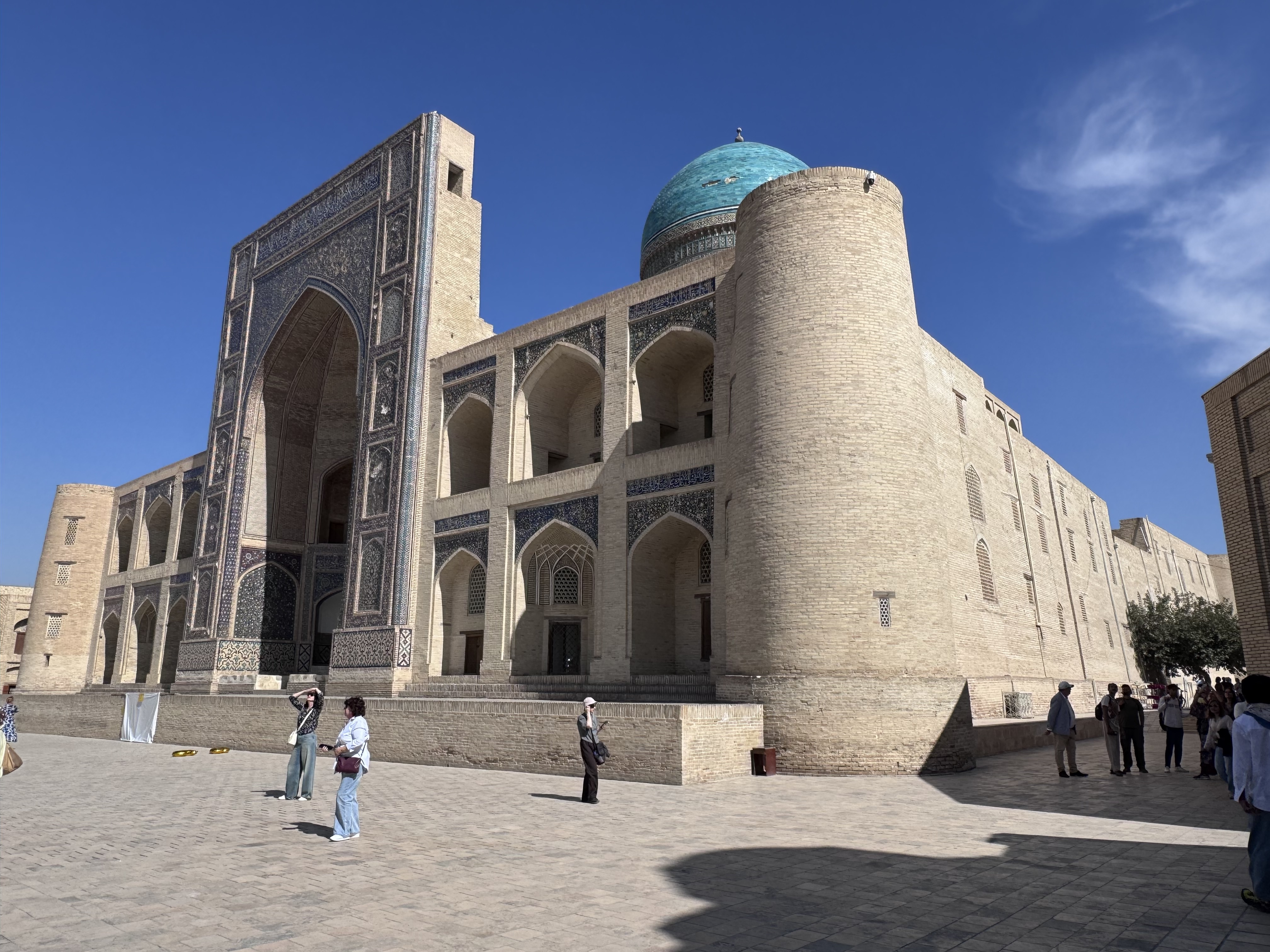
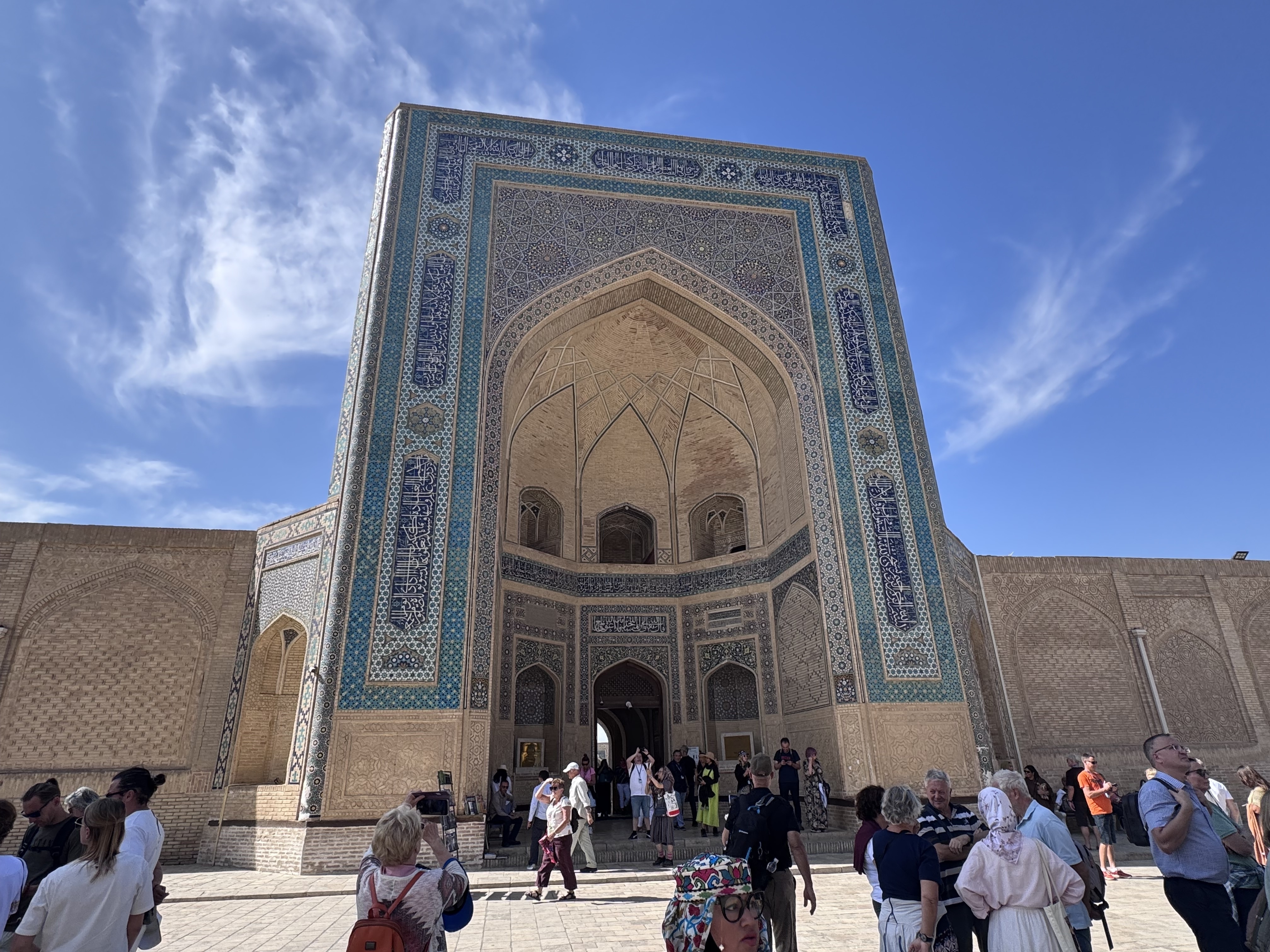
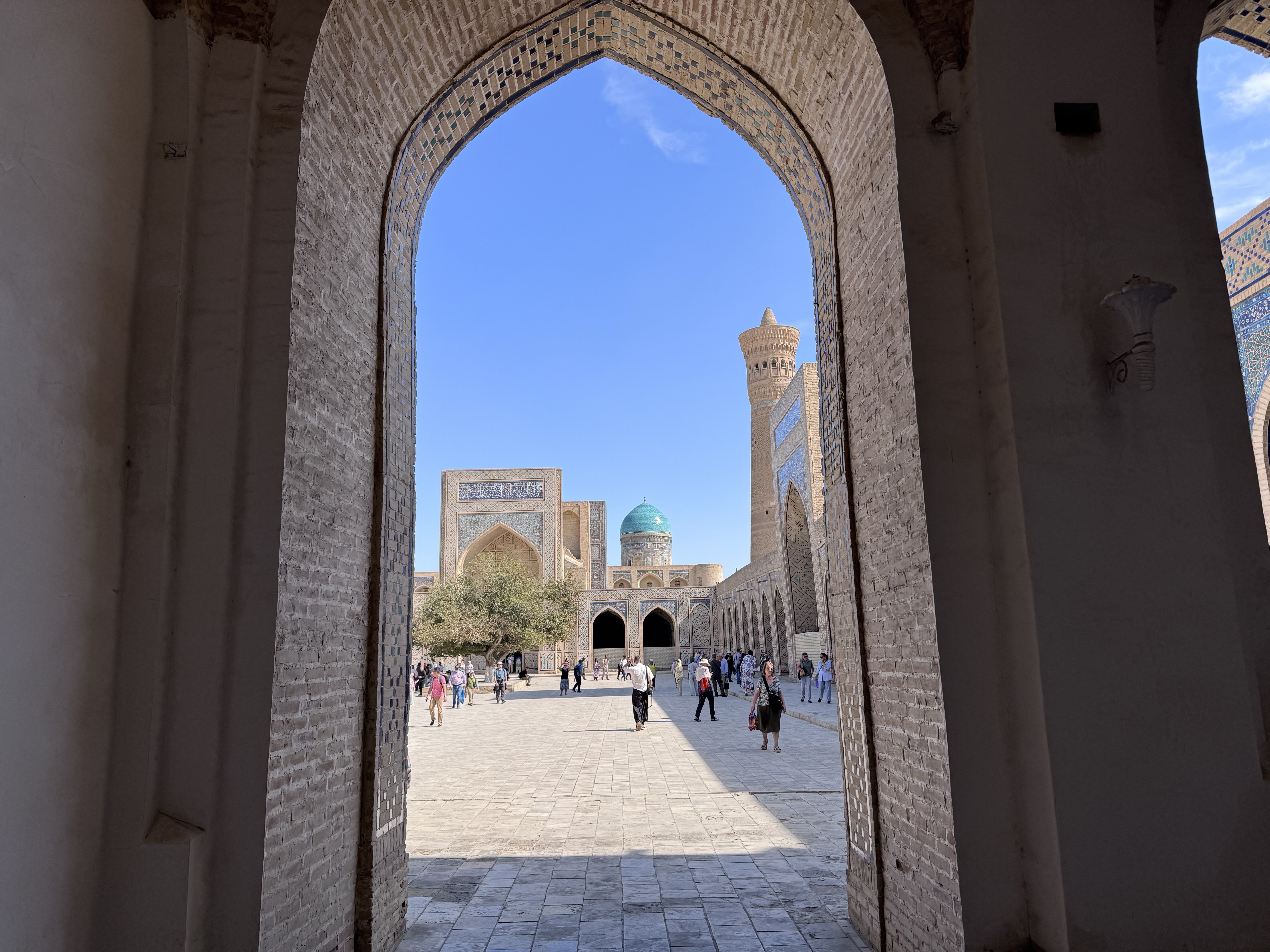
The Historic Center of Bukhara is one of the most complete and best preserved medieval Islamic cities in Central Asia and a UNESCO World Heritage Site inscribed in 1993.
Located in the fertile Zeravshan River oasis of south-central Uzbekistan, this ancient settlement has been continuously inhabited for more than two thousand five hundred years. Long before the arrival of Islam it served as a thriving Sogdian trading center on the Silk Road, and after the Arab conquest in the early eighth century it grew into a major religious, intellectual and commercial capital of the Islamic world, especially under the Samanid dynasty in the ninth and tenth centuries.
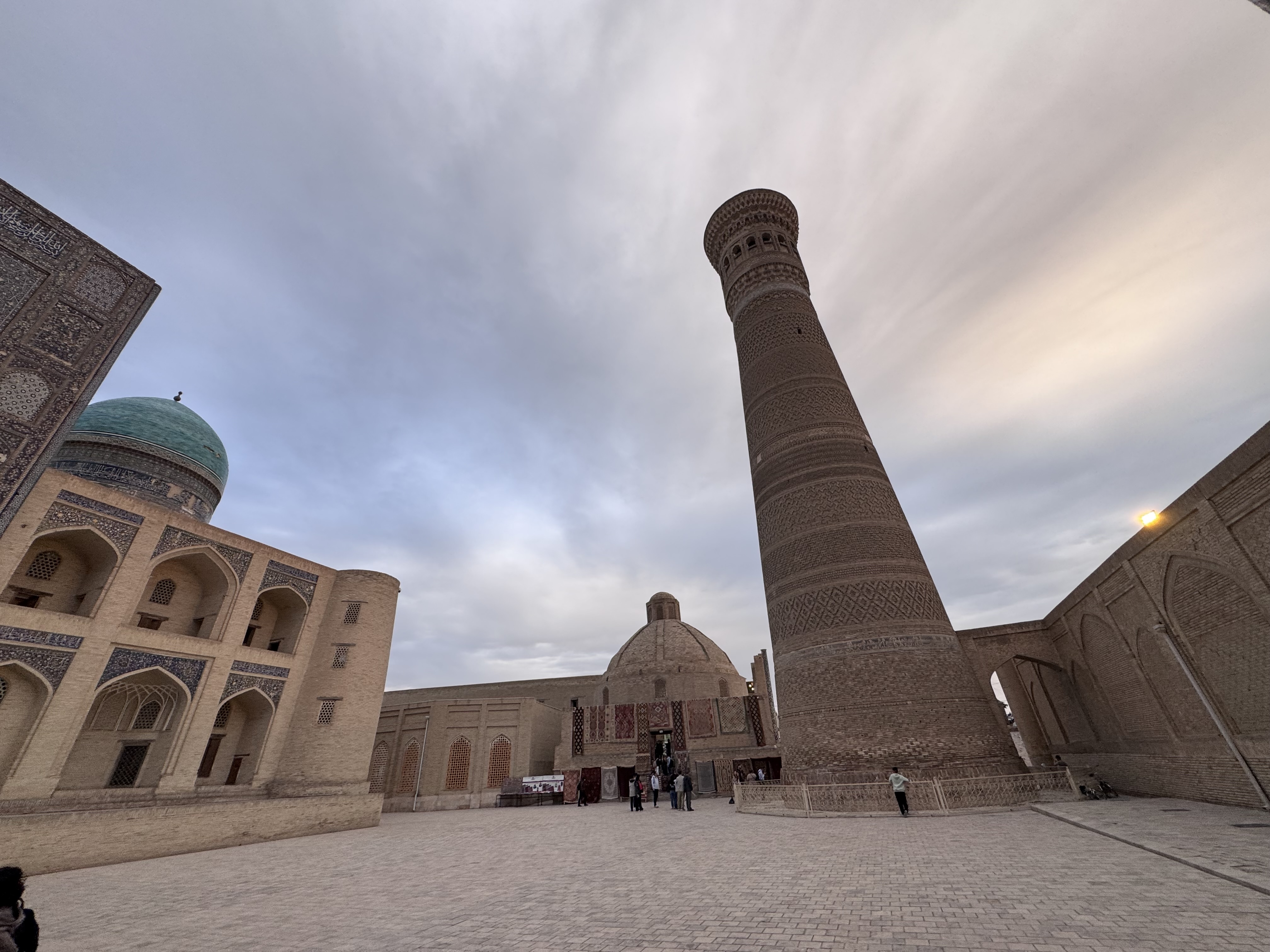
In 1220 the armies of Genghis Khan stormed and largely destroyed the city, yet one structure so impressed the conqueror that it was deliberately spared: the Kalyan Minaret, completed in 1127. Rising nearly fifty meters, this elegant brick tower still dominates the skyline and forms the heart of the Po-i-Kalyan complex, which also includes the ...