

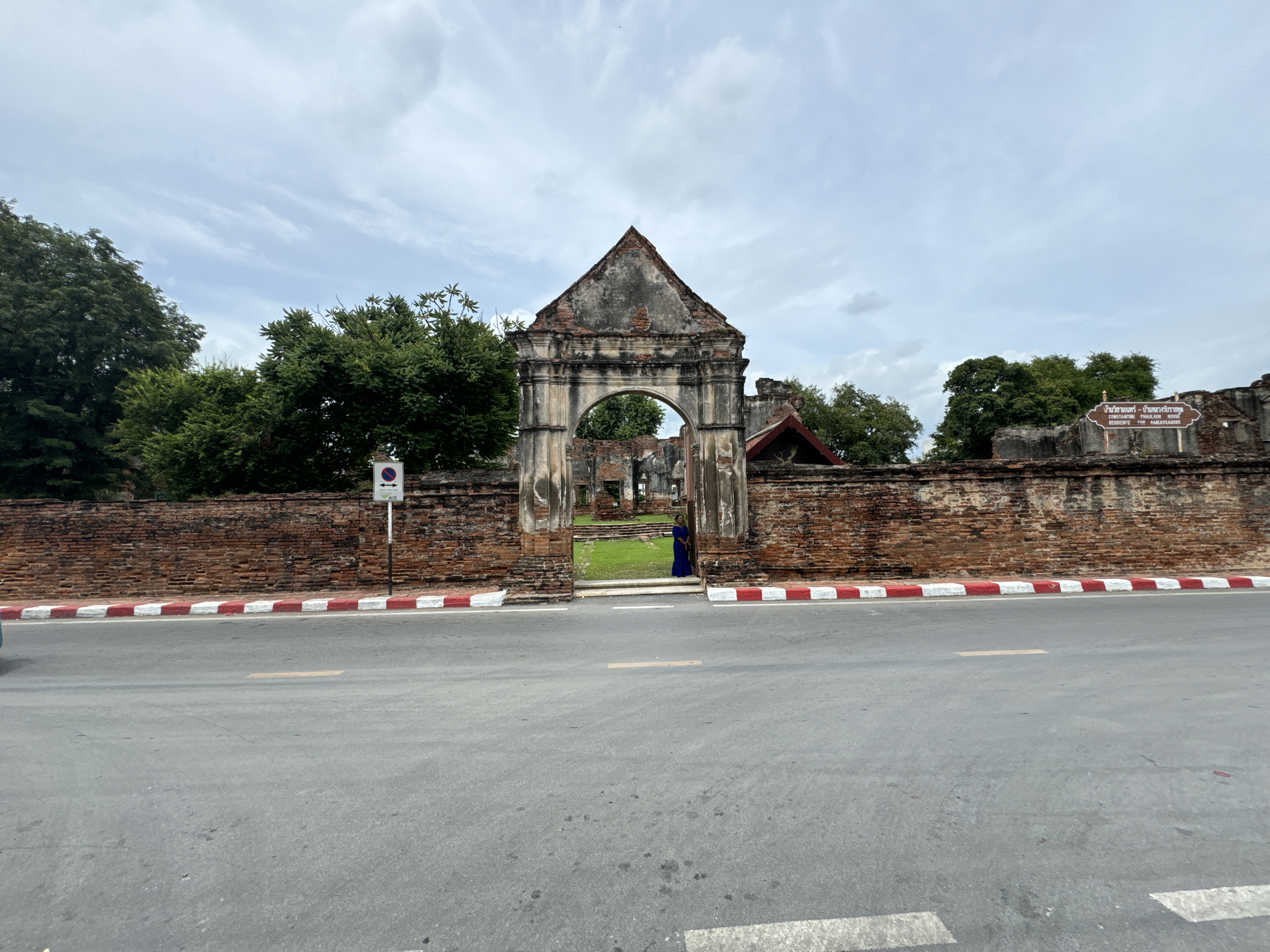
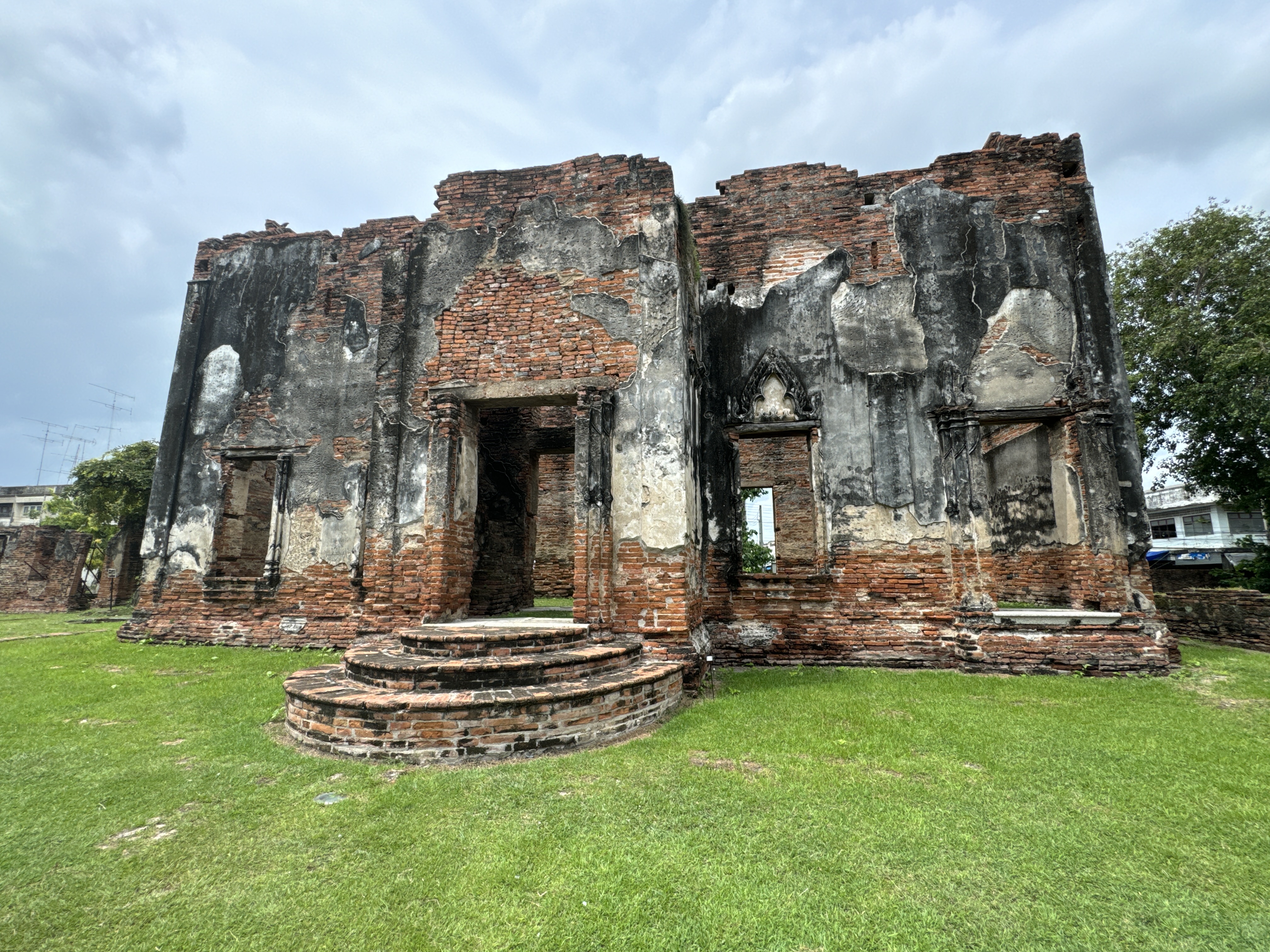
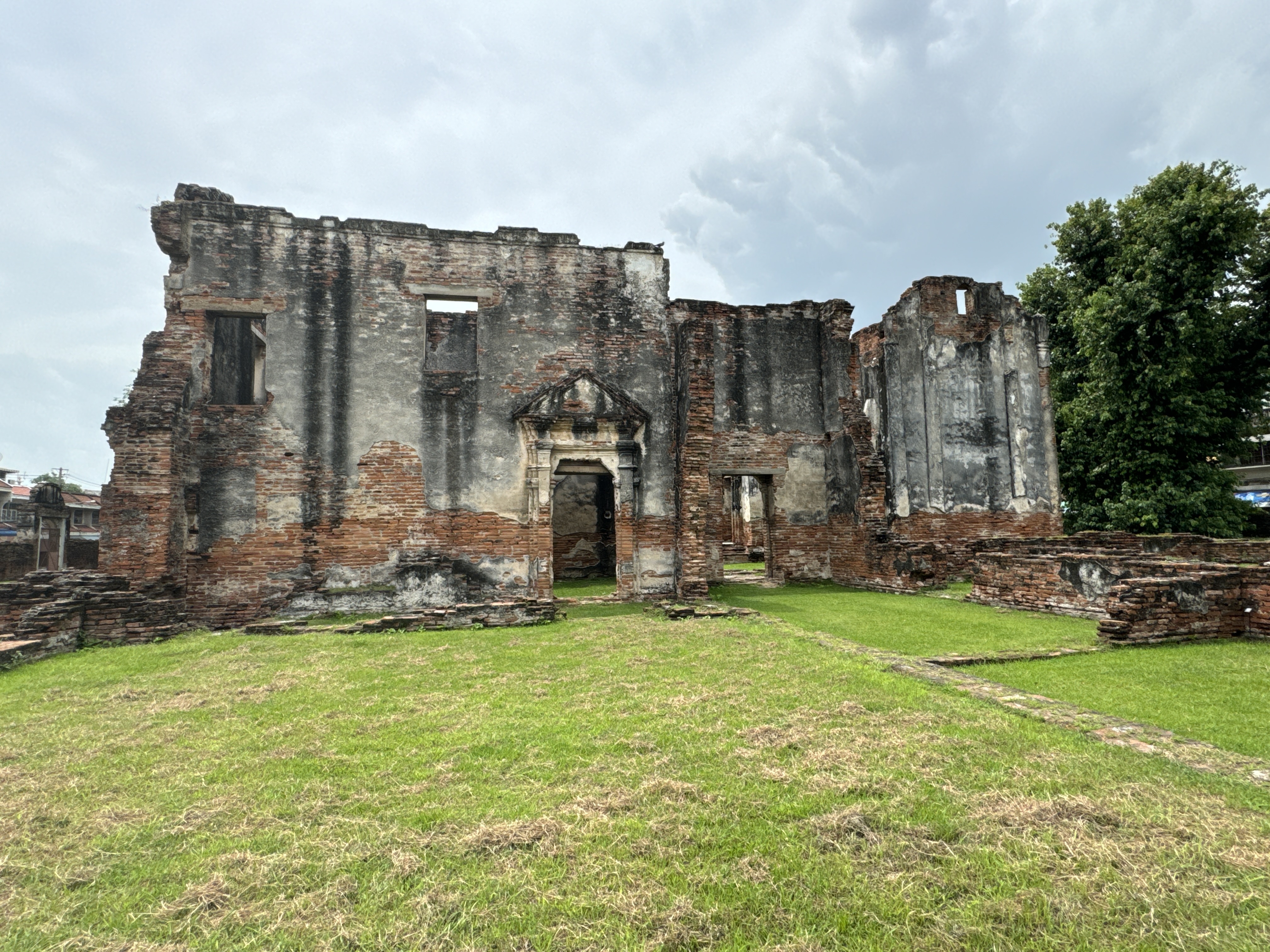
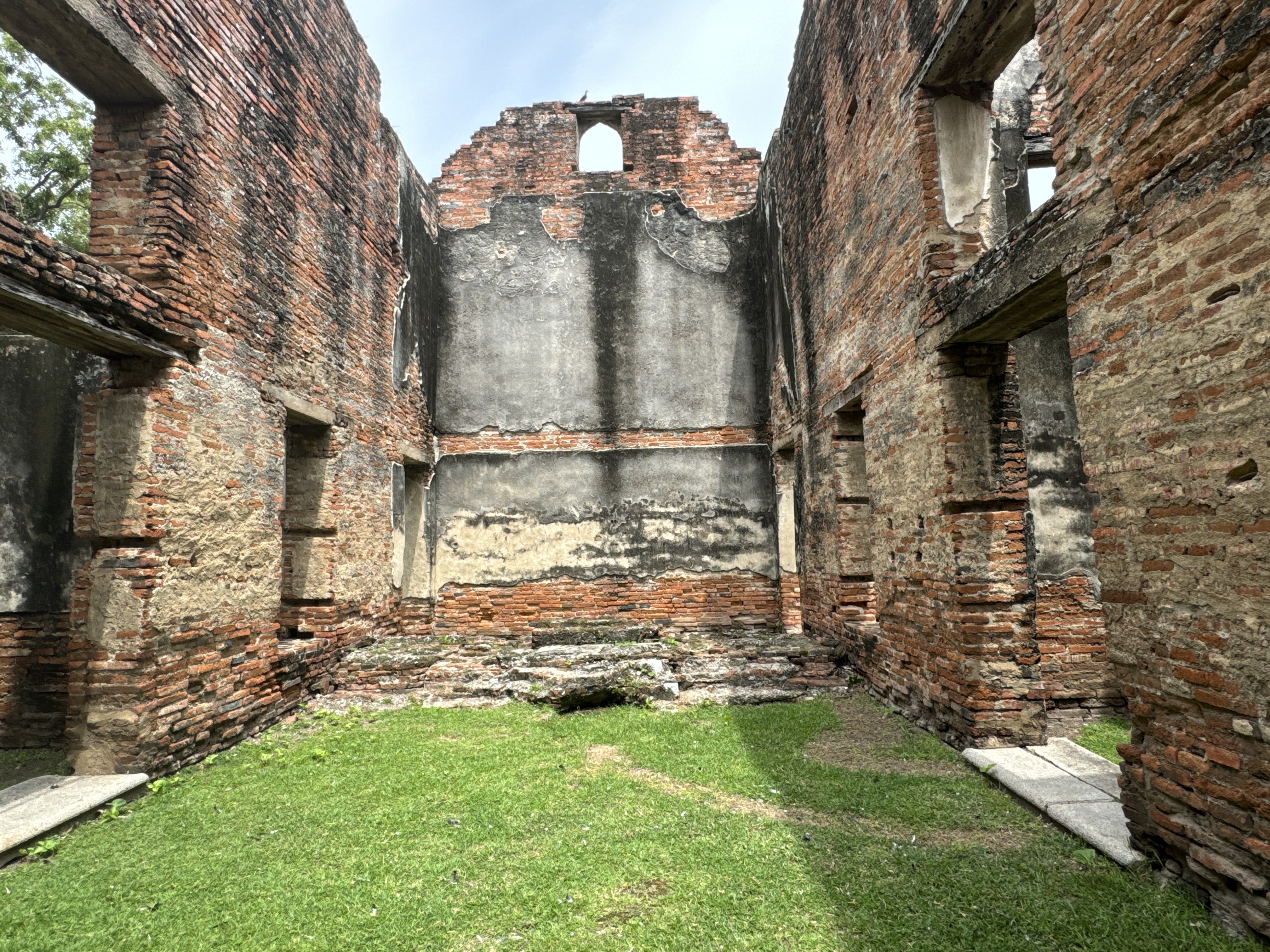
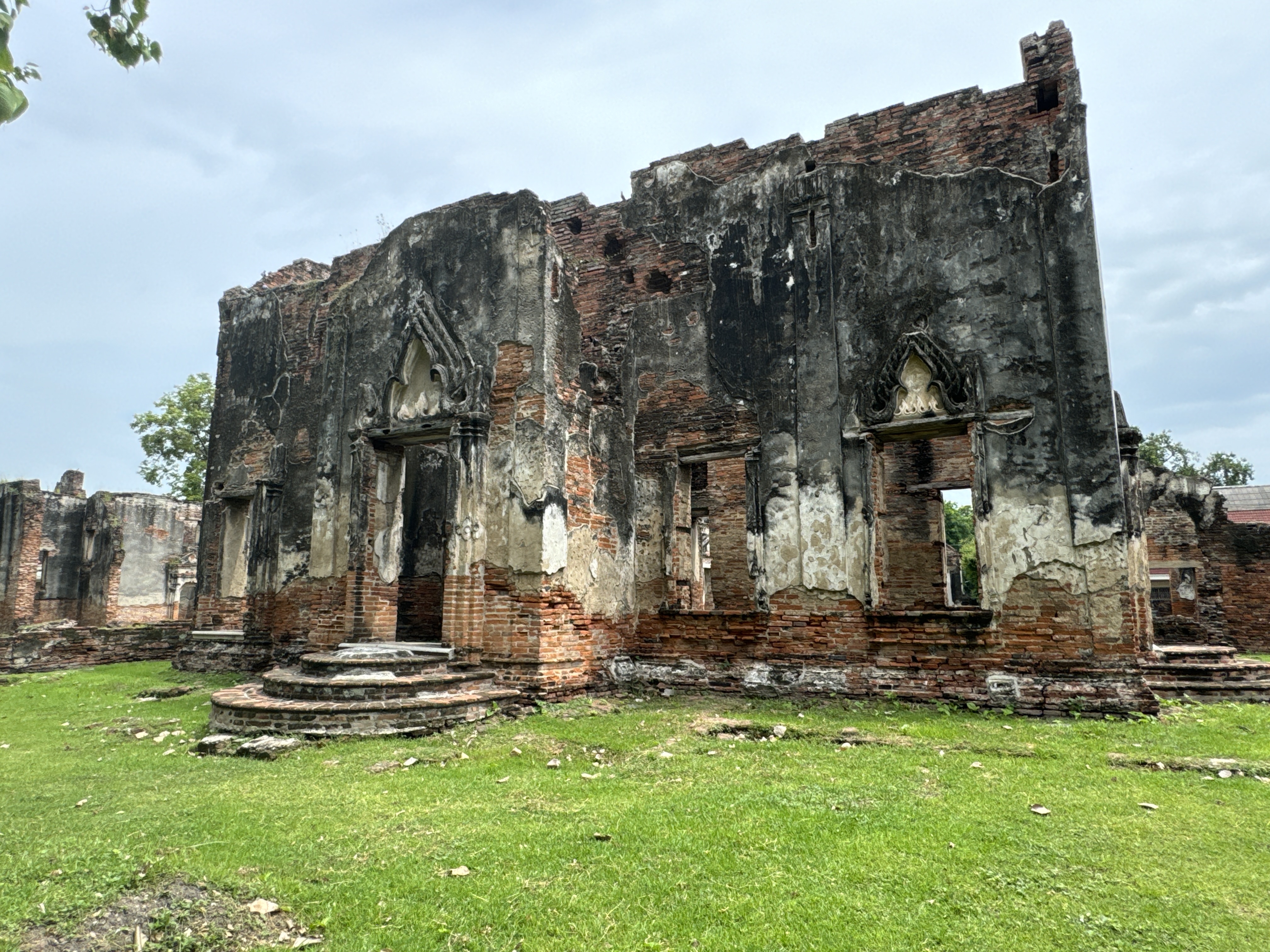
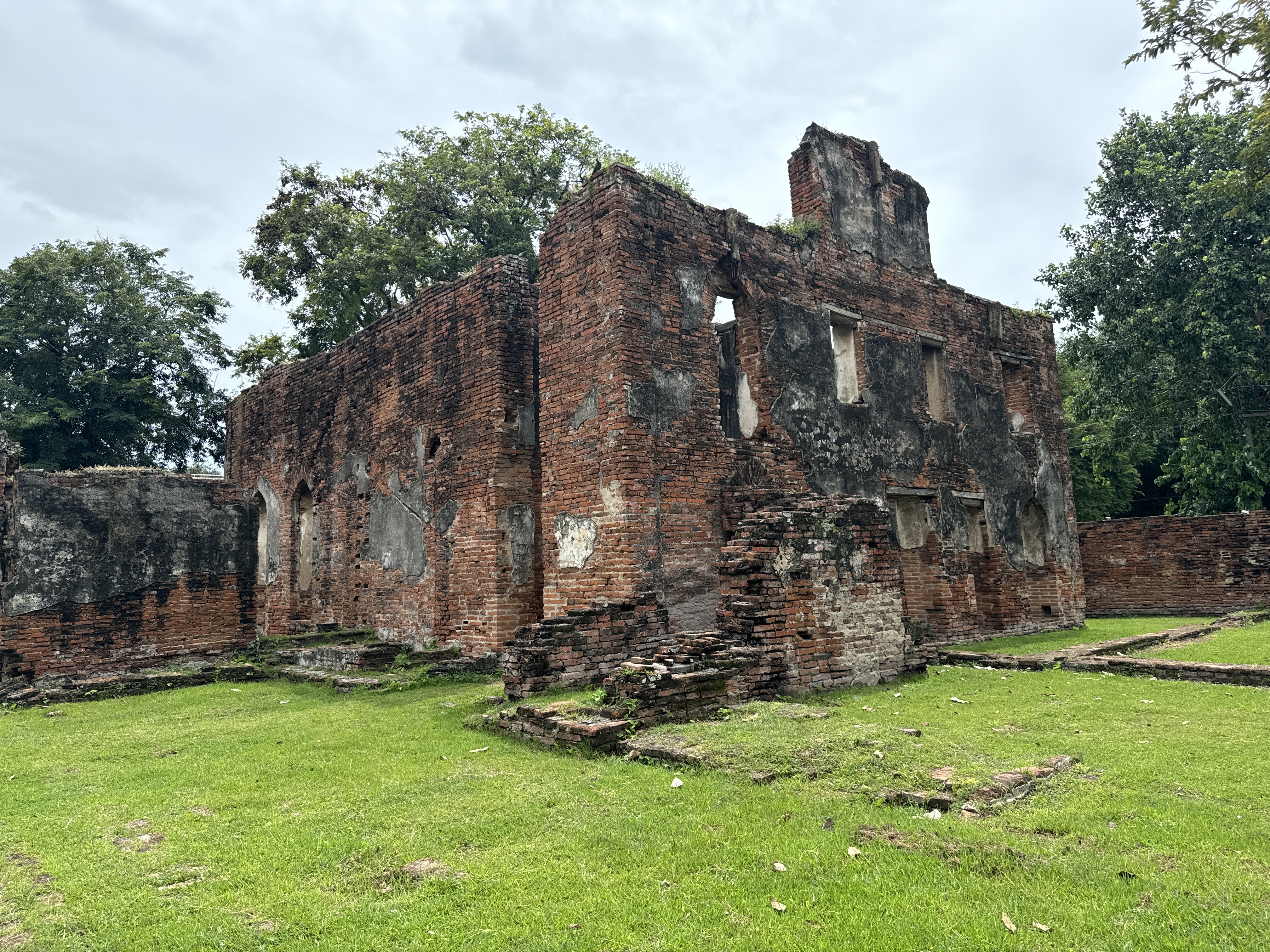
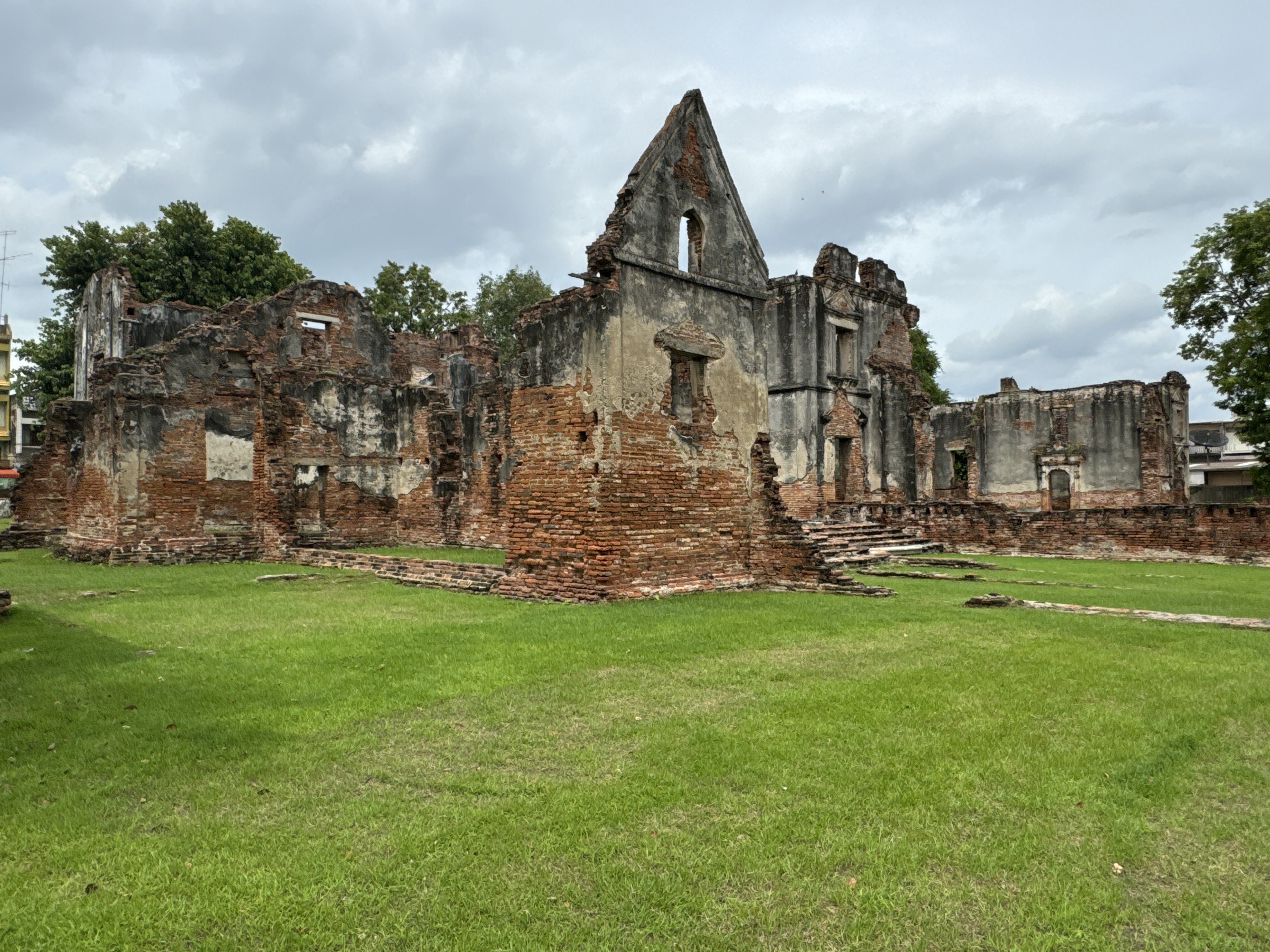
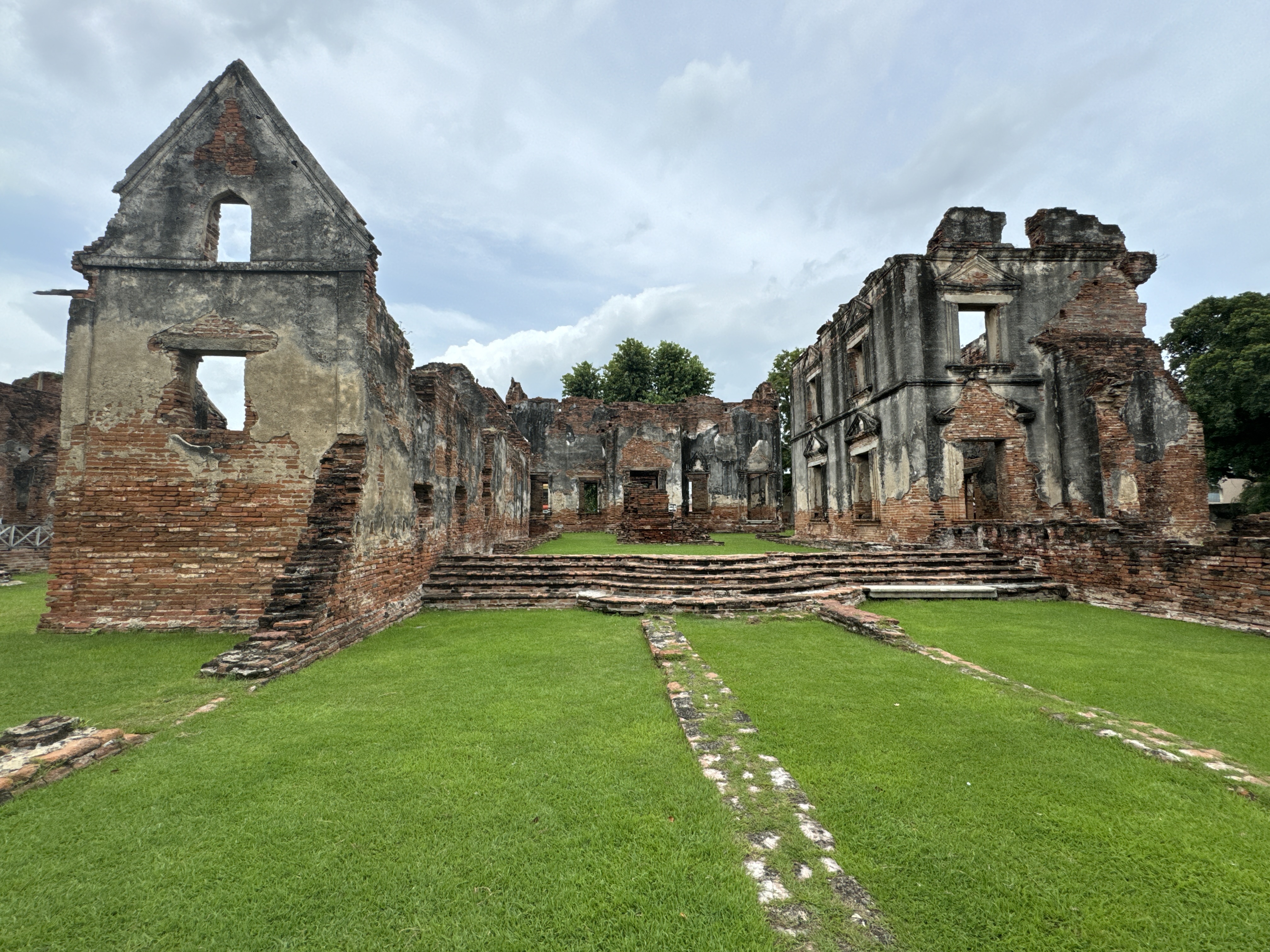
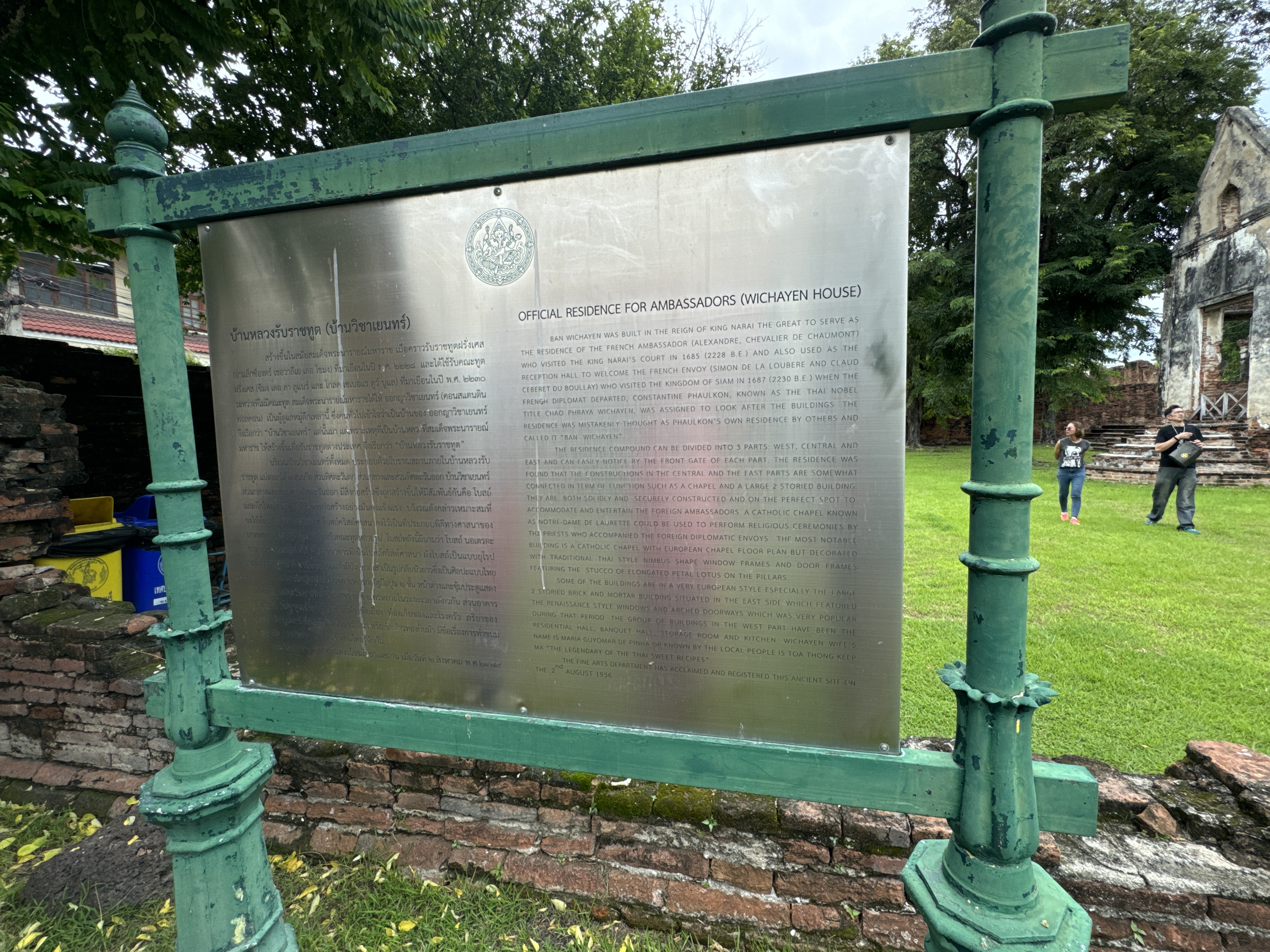
Baan Wichayen was the residence of the French envoy that visited the Ayutthaya Kingdom in the 17th century. The ruins of Baan Wichayen, also known as Vichayen House are found near King Narai’s Palace in the center of Lopburi. The residence was first known as “Ban Luang Rab Rat Thut”, which translates to “Royal House to receive dignitaries”.
It is believed that the Palace buildings were designed by Constantine Phaulkon. Phaulkon was a Greek adventurer who first came to Siam as a merchant and later became one of the most influential counselors of King Narai. Later the mansion became Phaulkon’s residence and was renamed after his title, Chao Phraya Wichayen. After Narai’s death, Phaulkon was executed by the next King because of rumors that he planned to become King himself.
Baan Wichayen consists of several buildings in European style. The main buildings are the ambassadors mansion and the two story houses where the foreign dignitaries lived. According to the accounts of the ...
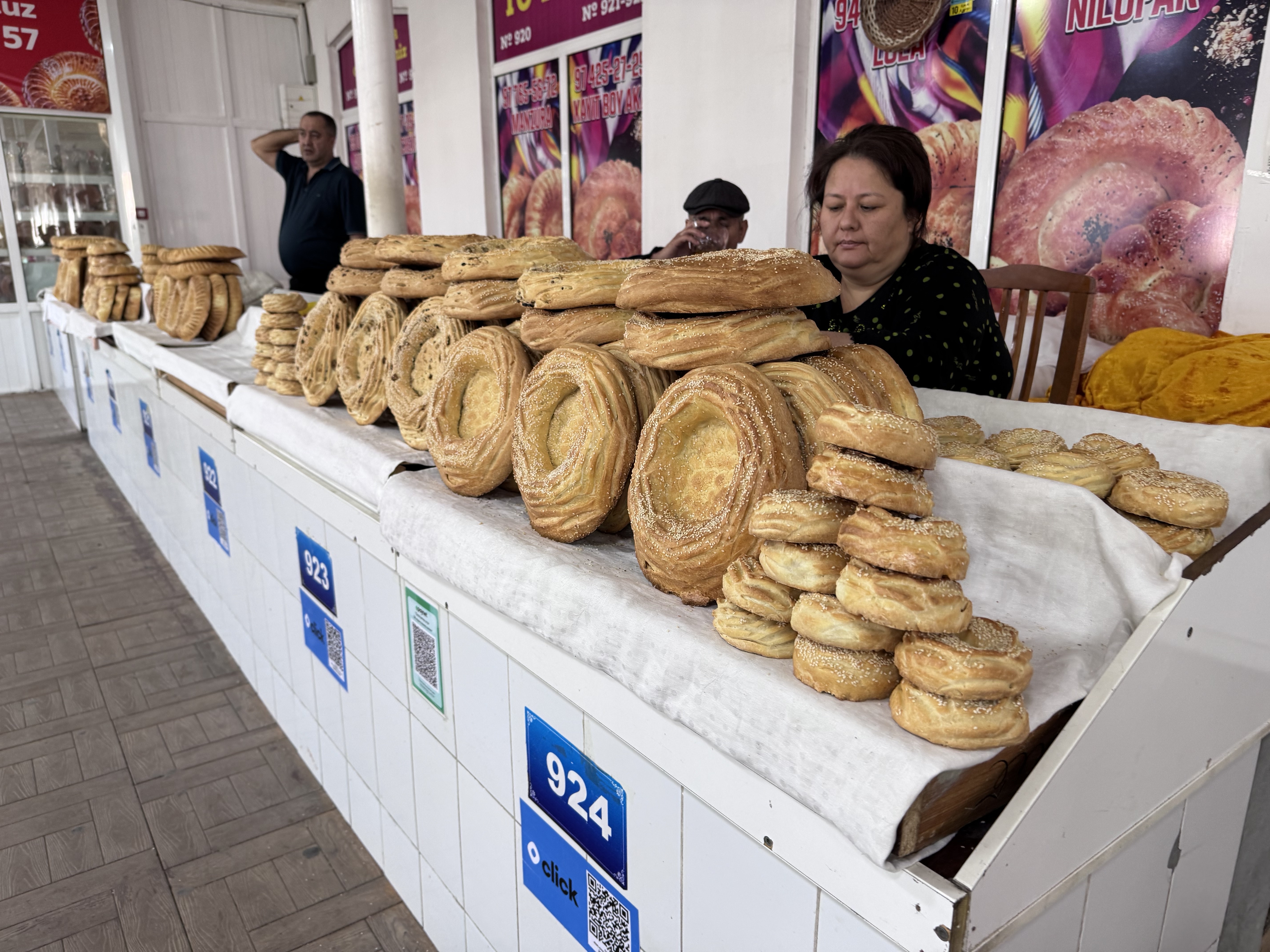
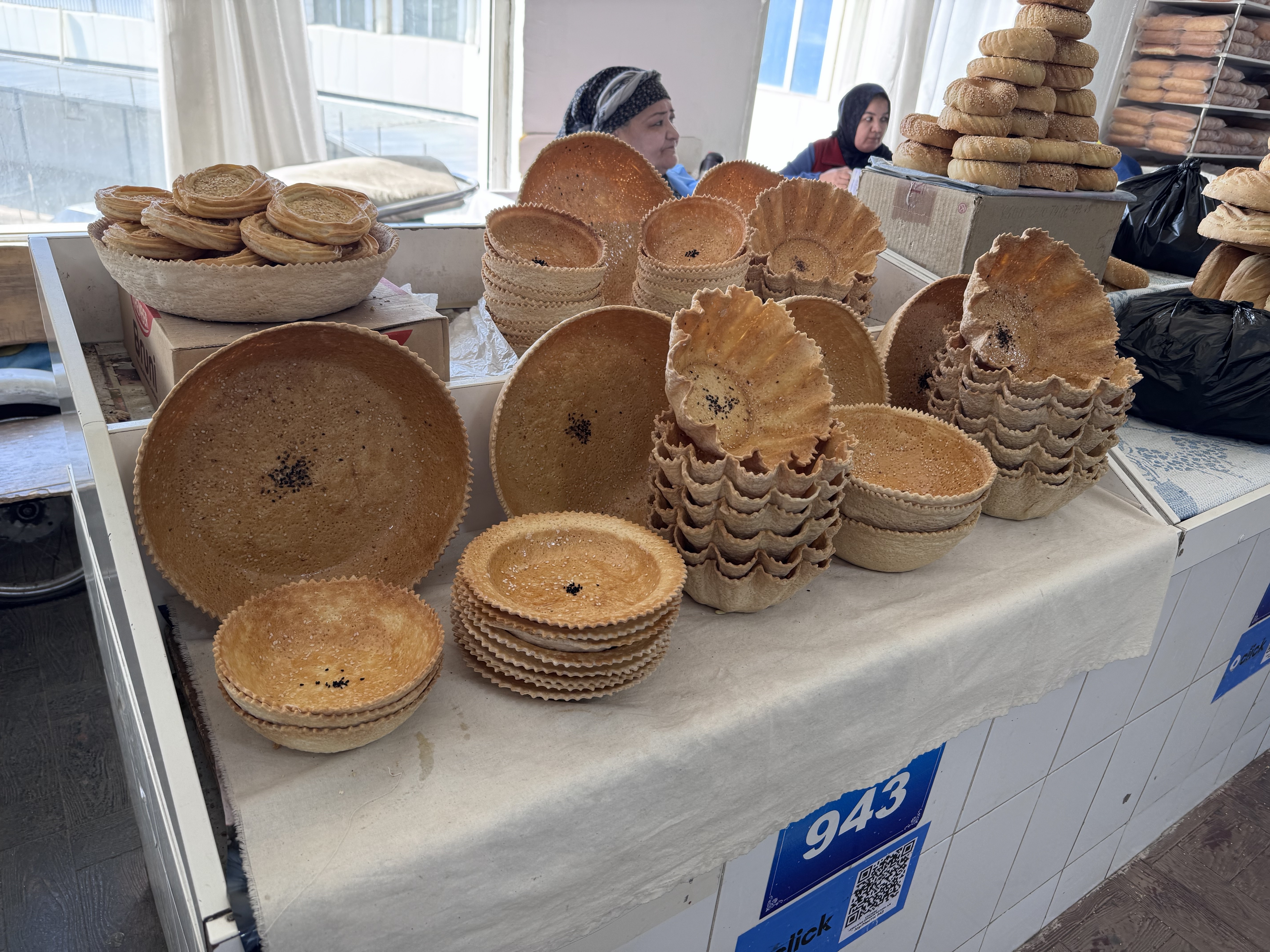
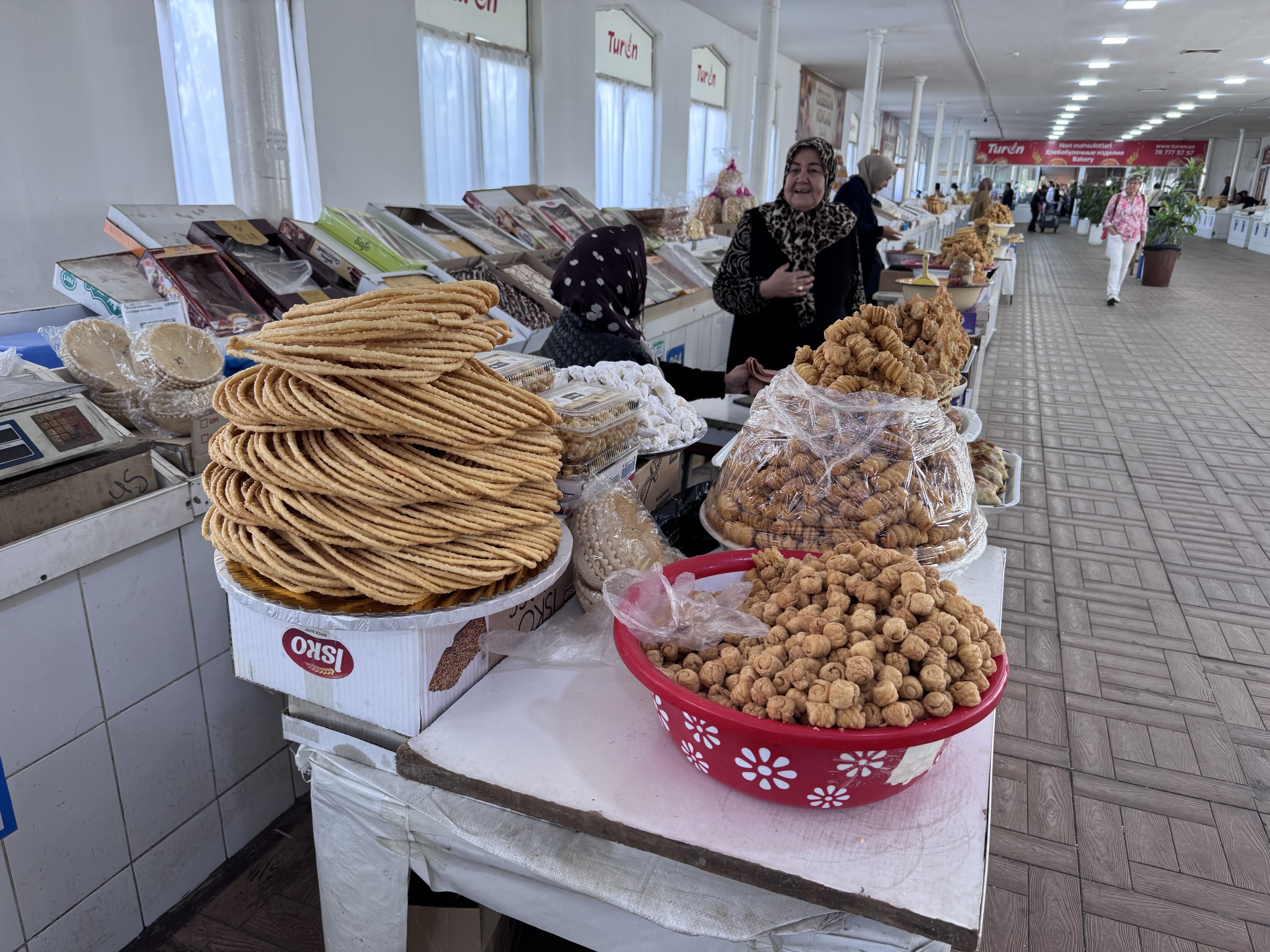
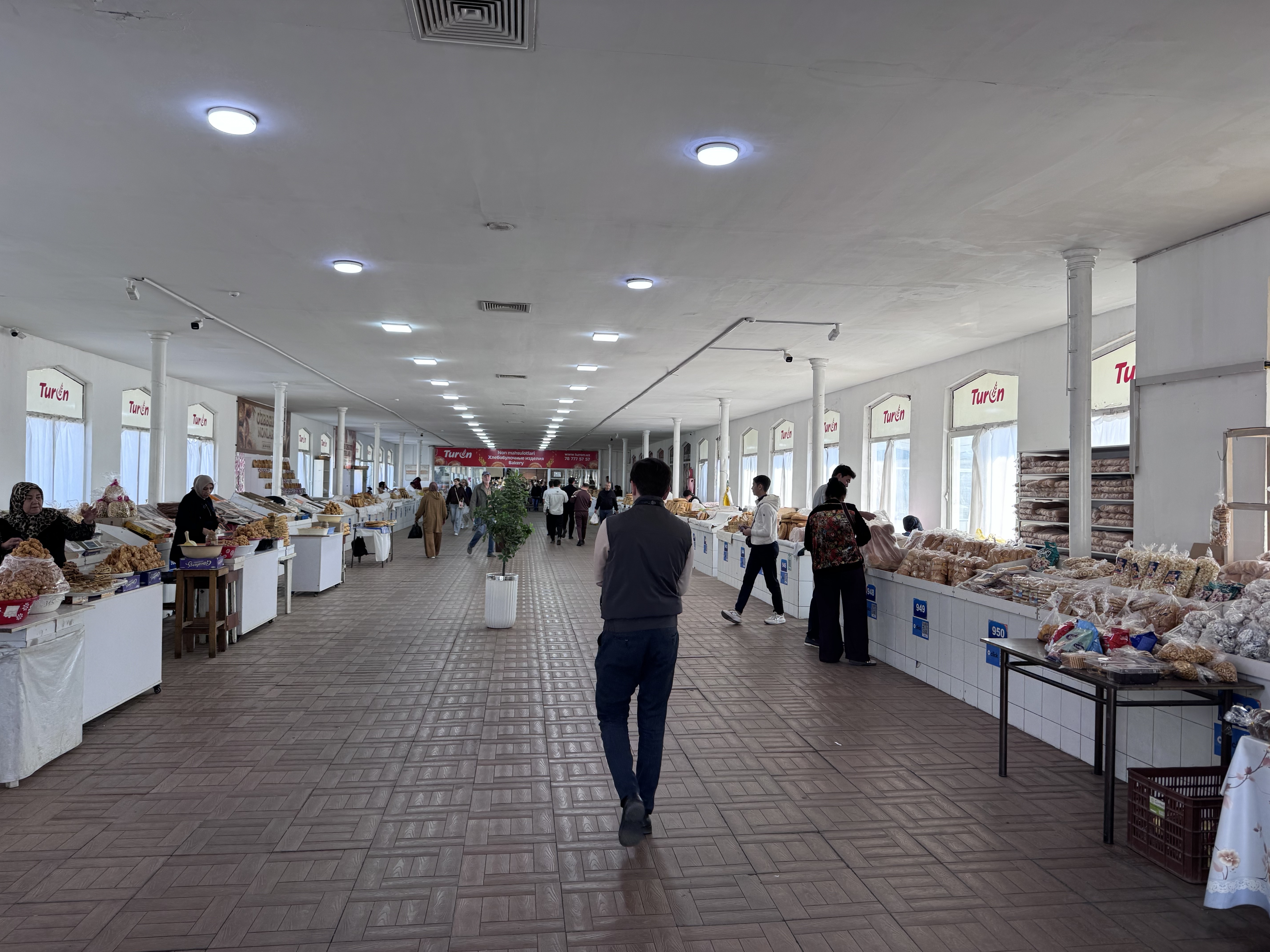
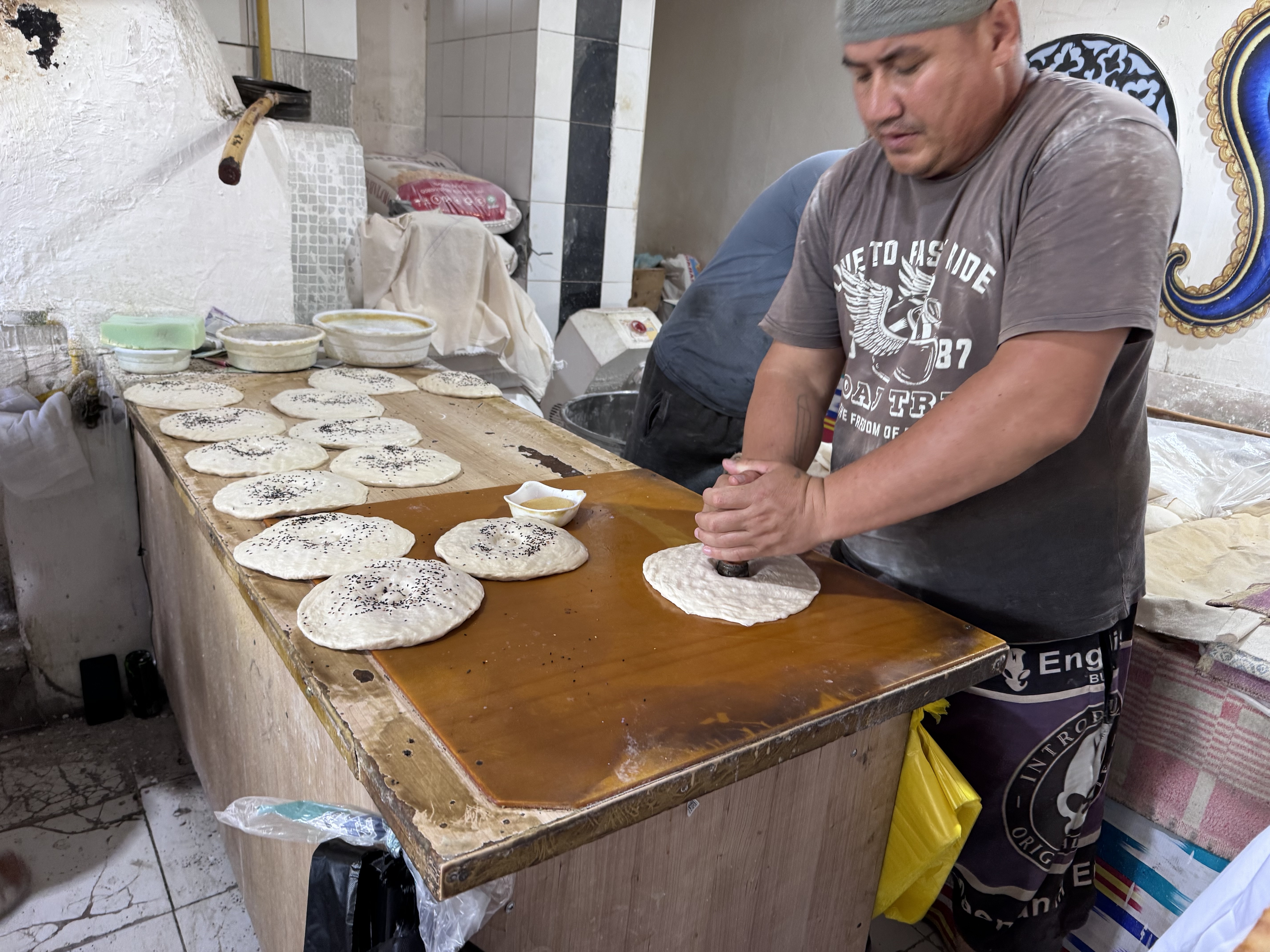
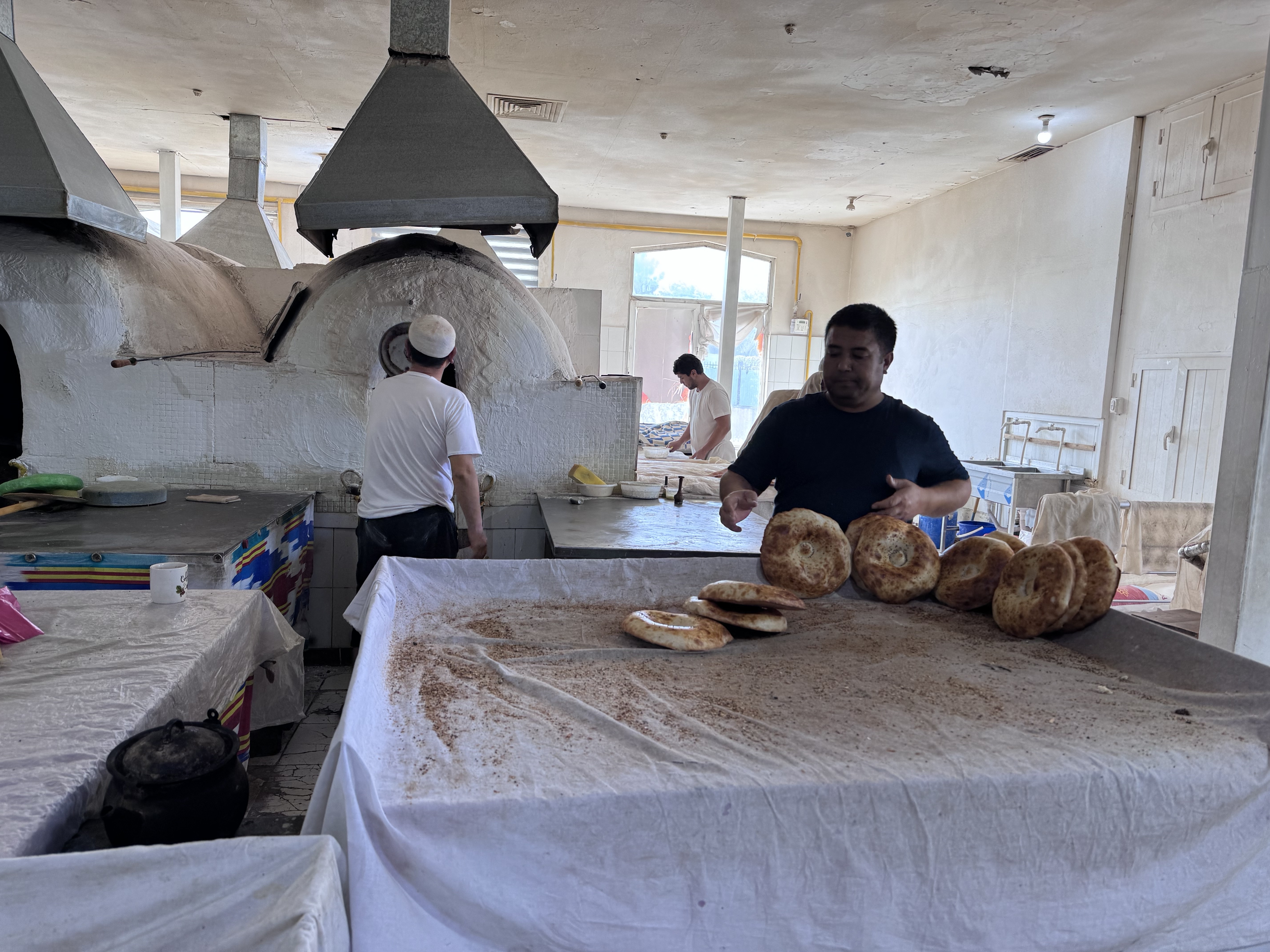
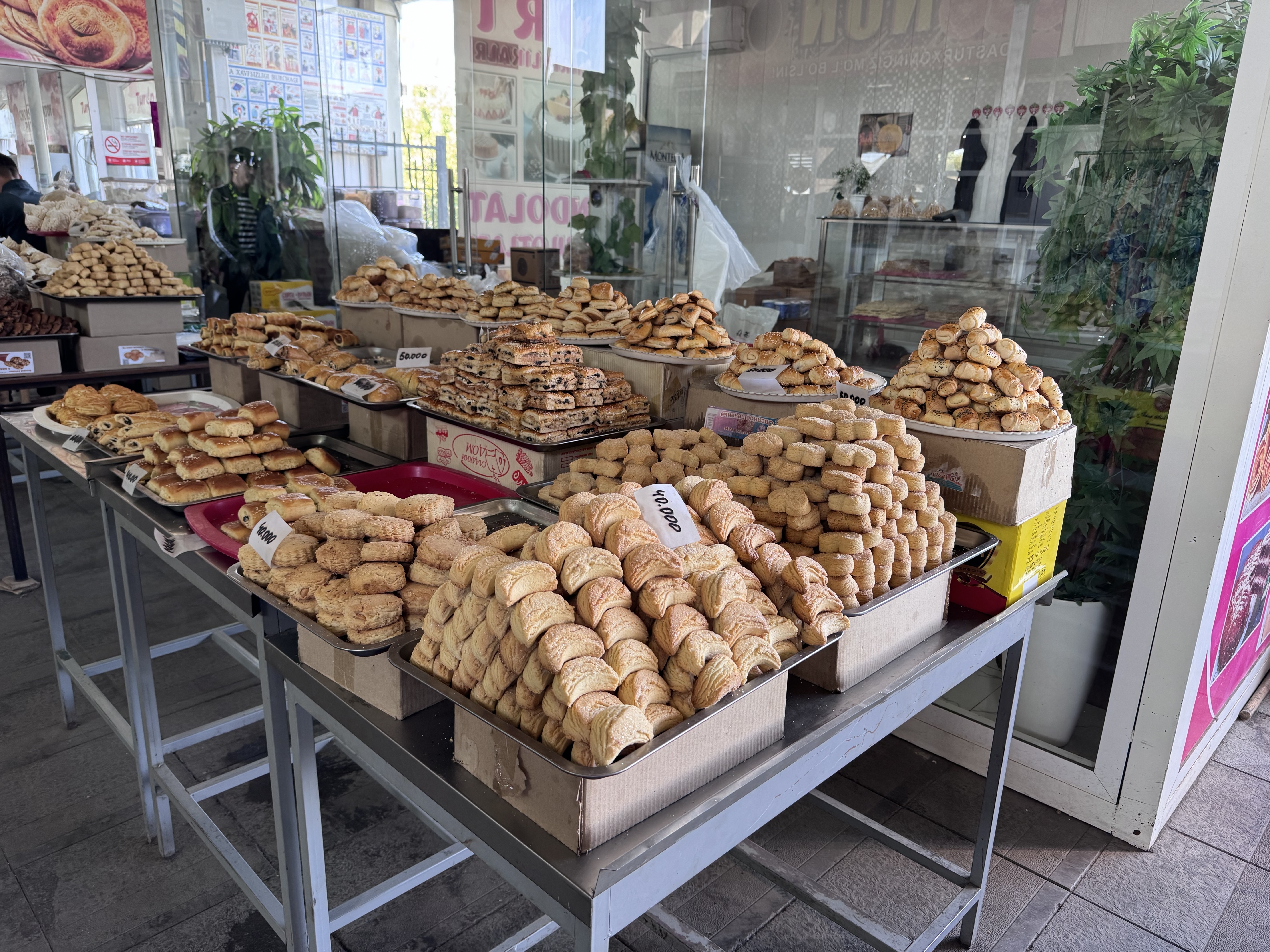
At Chorsu Bazaar in the heart of Tashkent’s Old City, the bread section stands as one of the market’s most sensory and deeply local experiences.
Located to the left or northern side of the iconic blue-domed hall, this area draws both residents buying their daily non and curious visitors following the warm, toasty aroma that rises from traditional clay tandoor ovens.
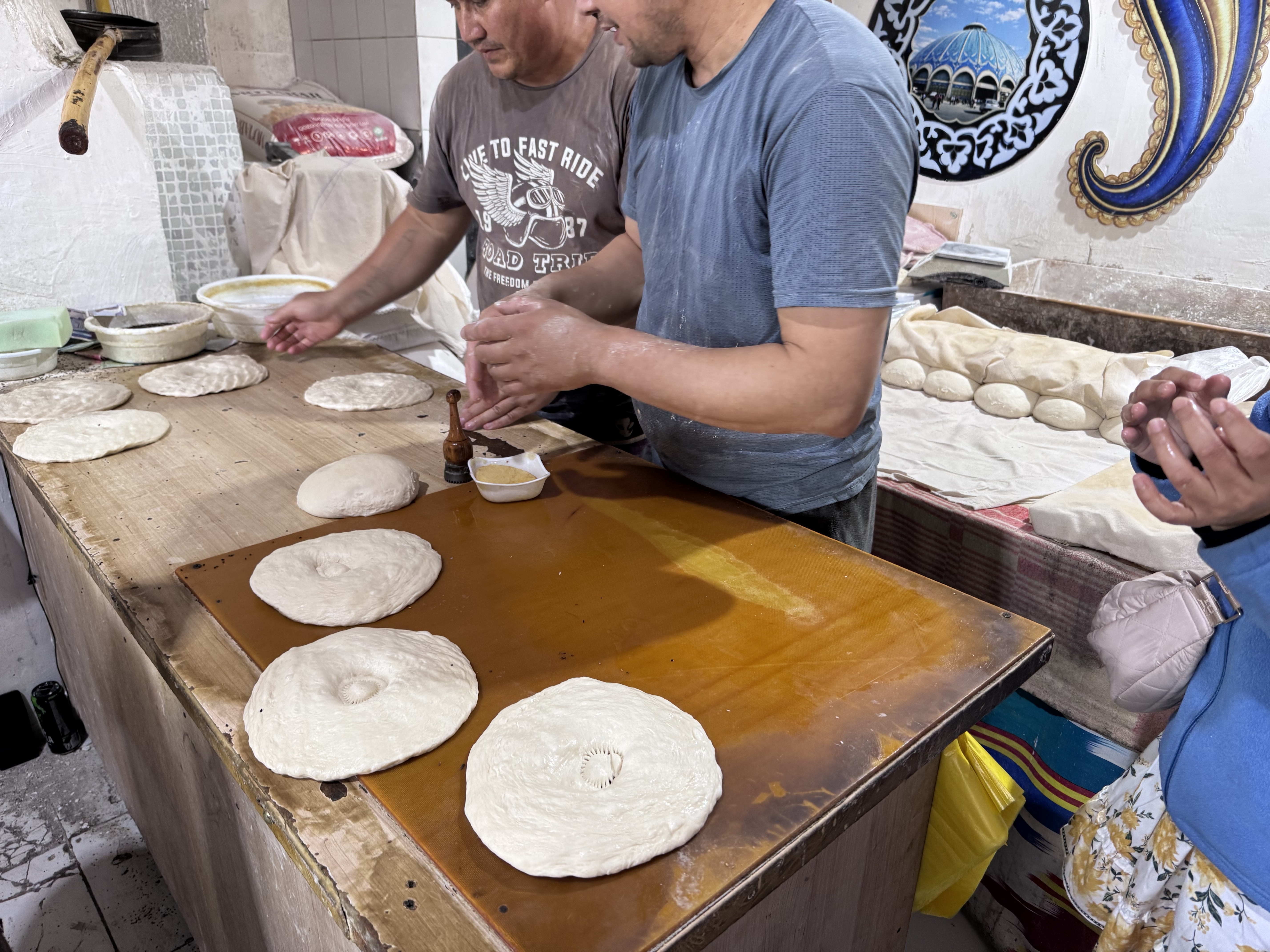
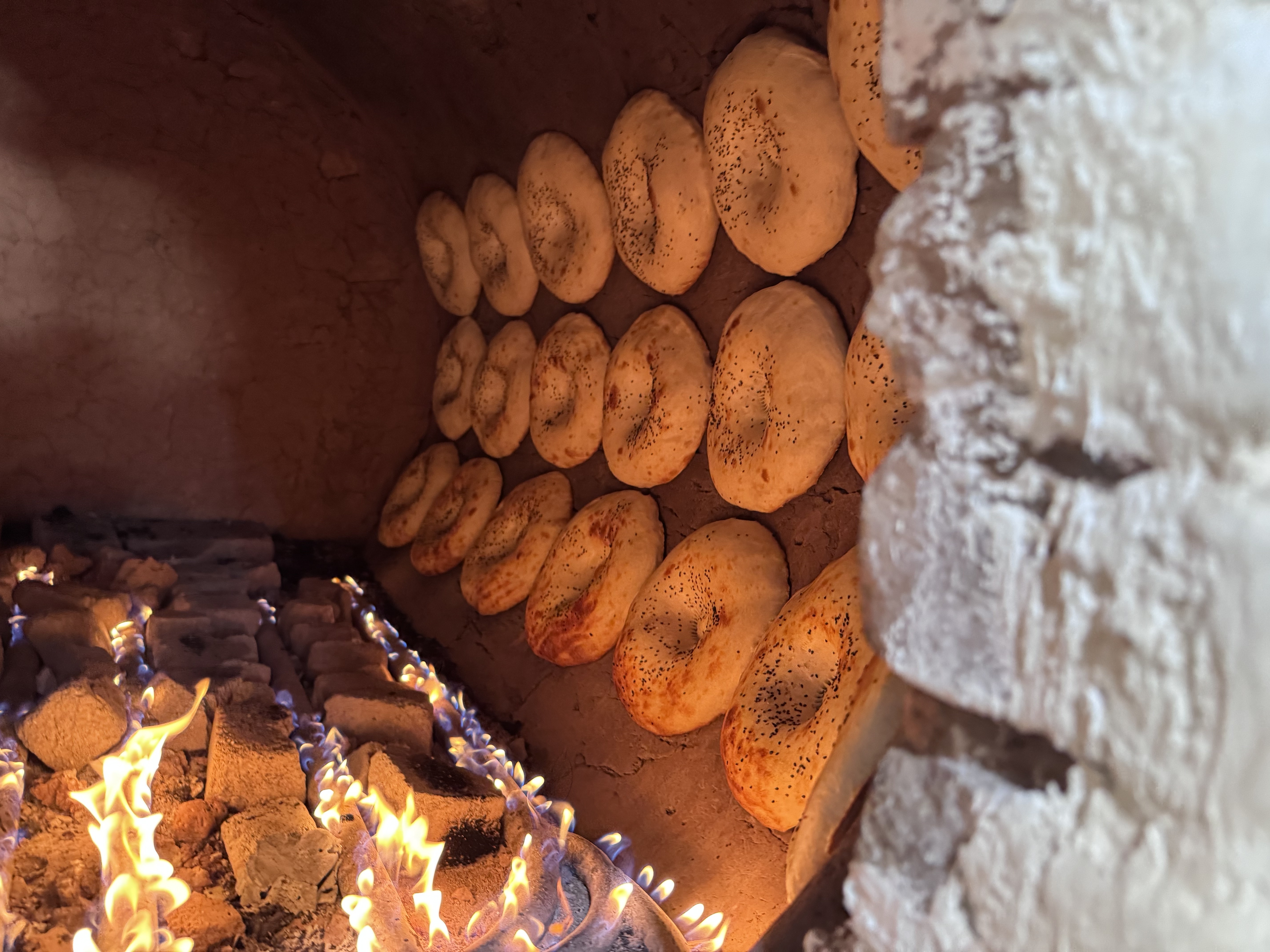
Bakers begin work before dawn, shaping dough into rounds, pressing distinctive geometric patterns into the centers with wooden stamps known as chekich, and then skillfully slapping the loaves against the blistering inner walls of the ovens. Minutes later they pull out golden, fragrant bread with crisp edges and soft interiors, stacking them into tall patterned towers that locals tap lightly to test freshness before purchasing.
The selection reflects Uzbekistan’s rich regional bread culture. Classic obi non appears as the everyday round flatbread with a thinner center and raised rim. Thicker Tashkent-style patyr or patir non ...
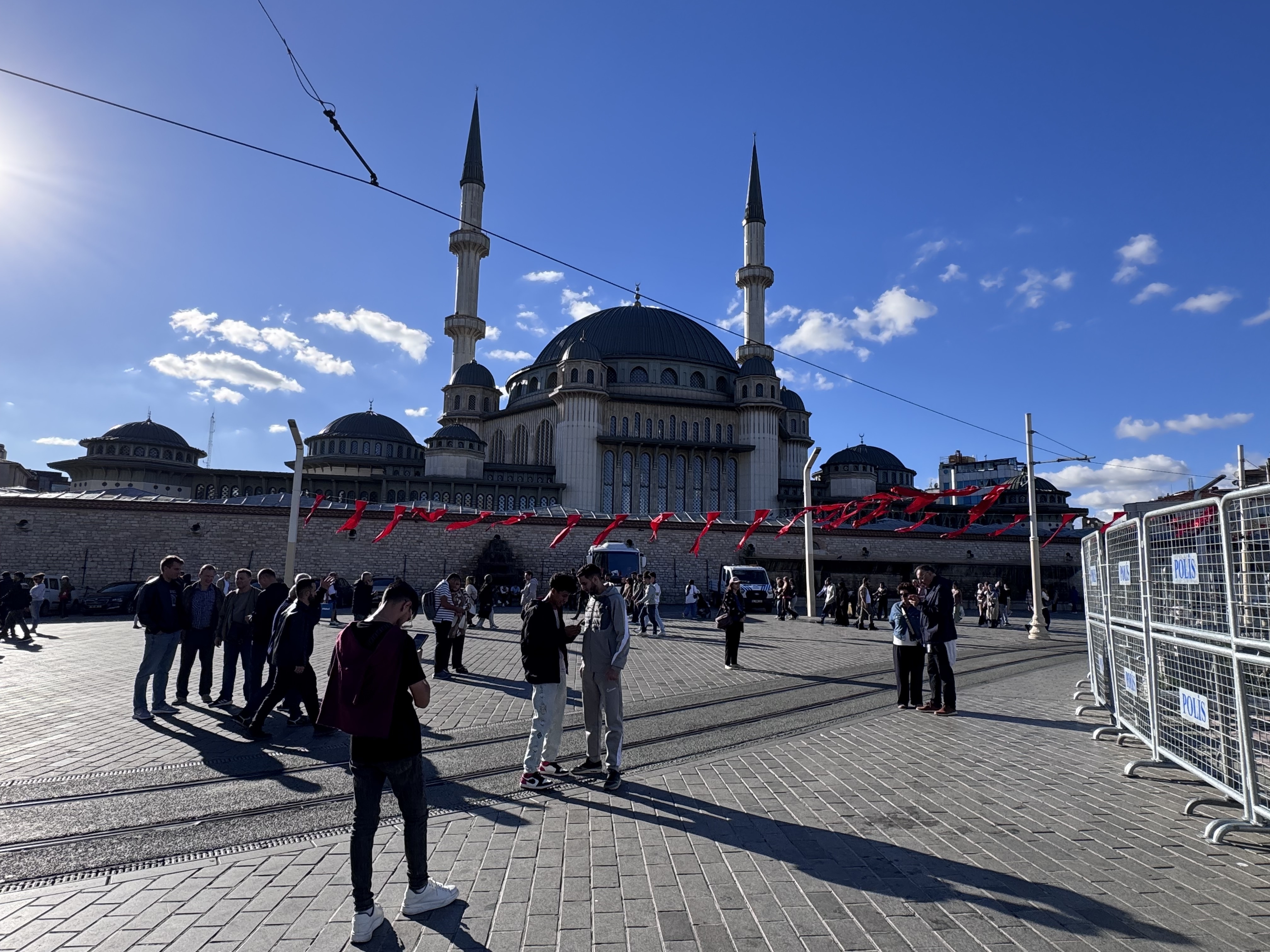
Taksim Square forms a central open plaza in Istanbul, historically linked to the city’s water distribution system and later transformed into a major public gathering space.
The Republic Monument, completed in the 1920s, commemorates the founding of the Turkish Republic and stands as a focal landmark amid the surrounding avenues and nearby Gezi Park.
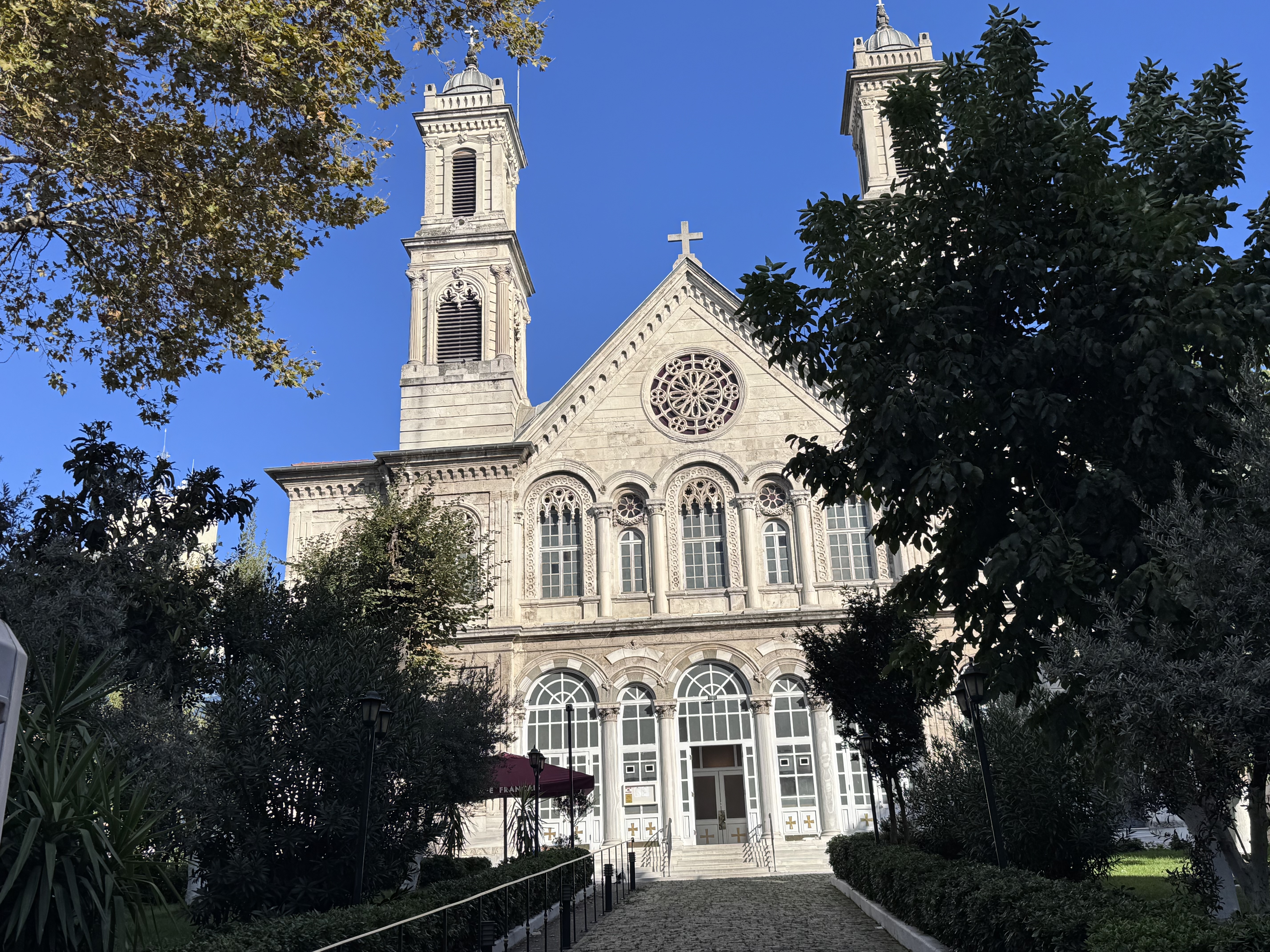
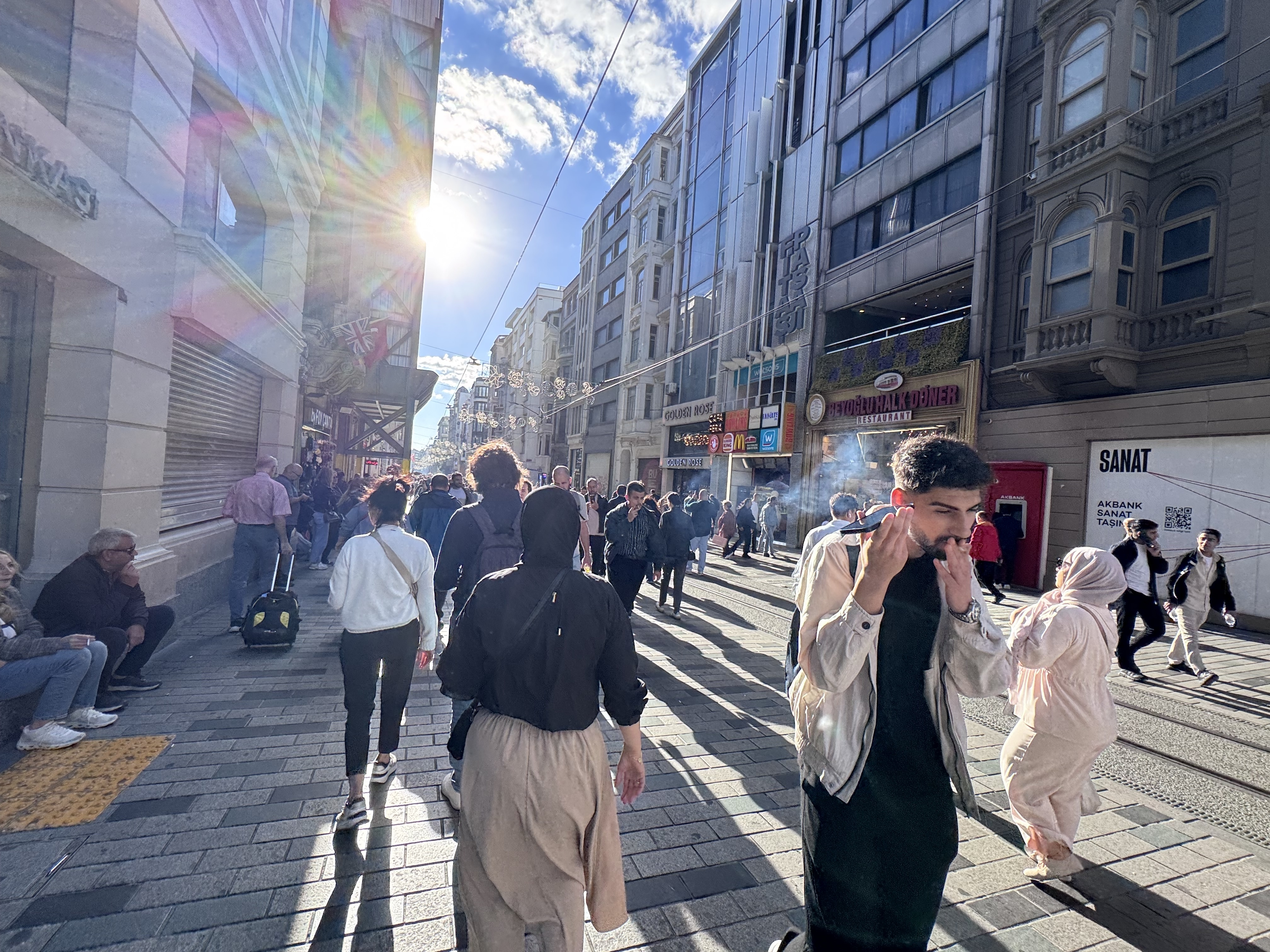
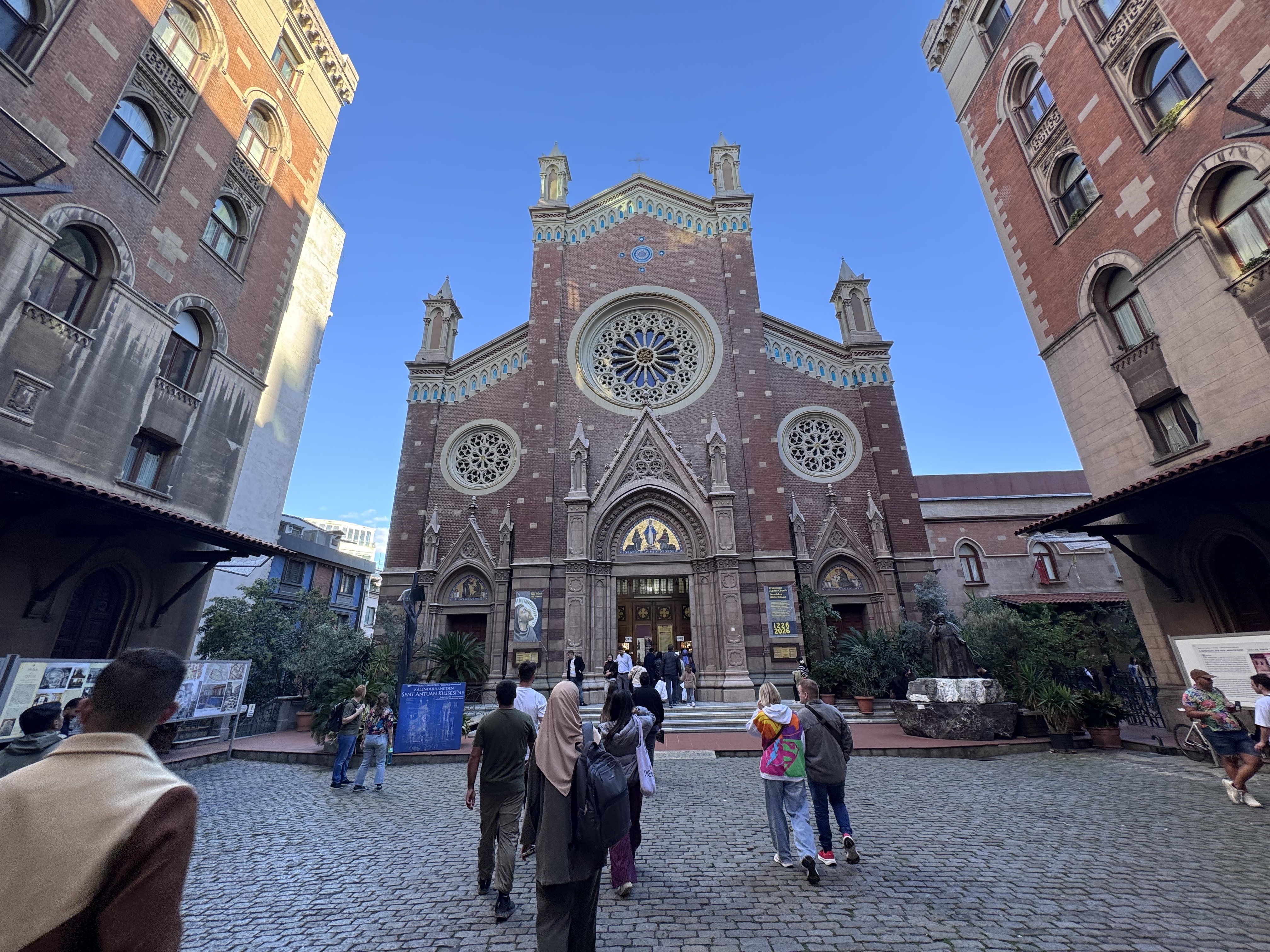
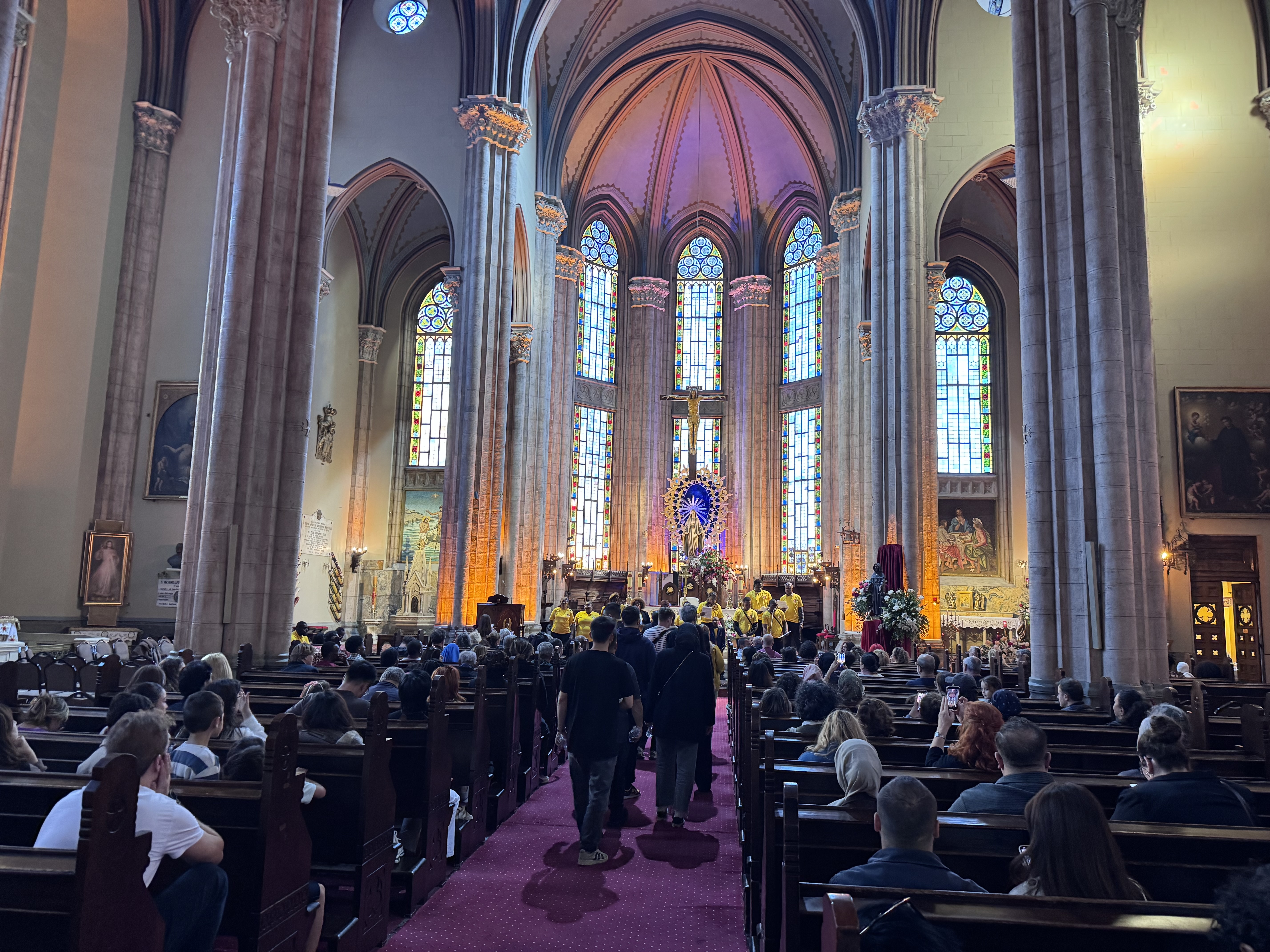
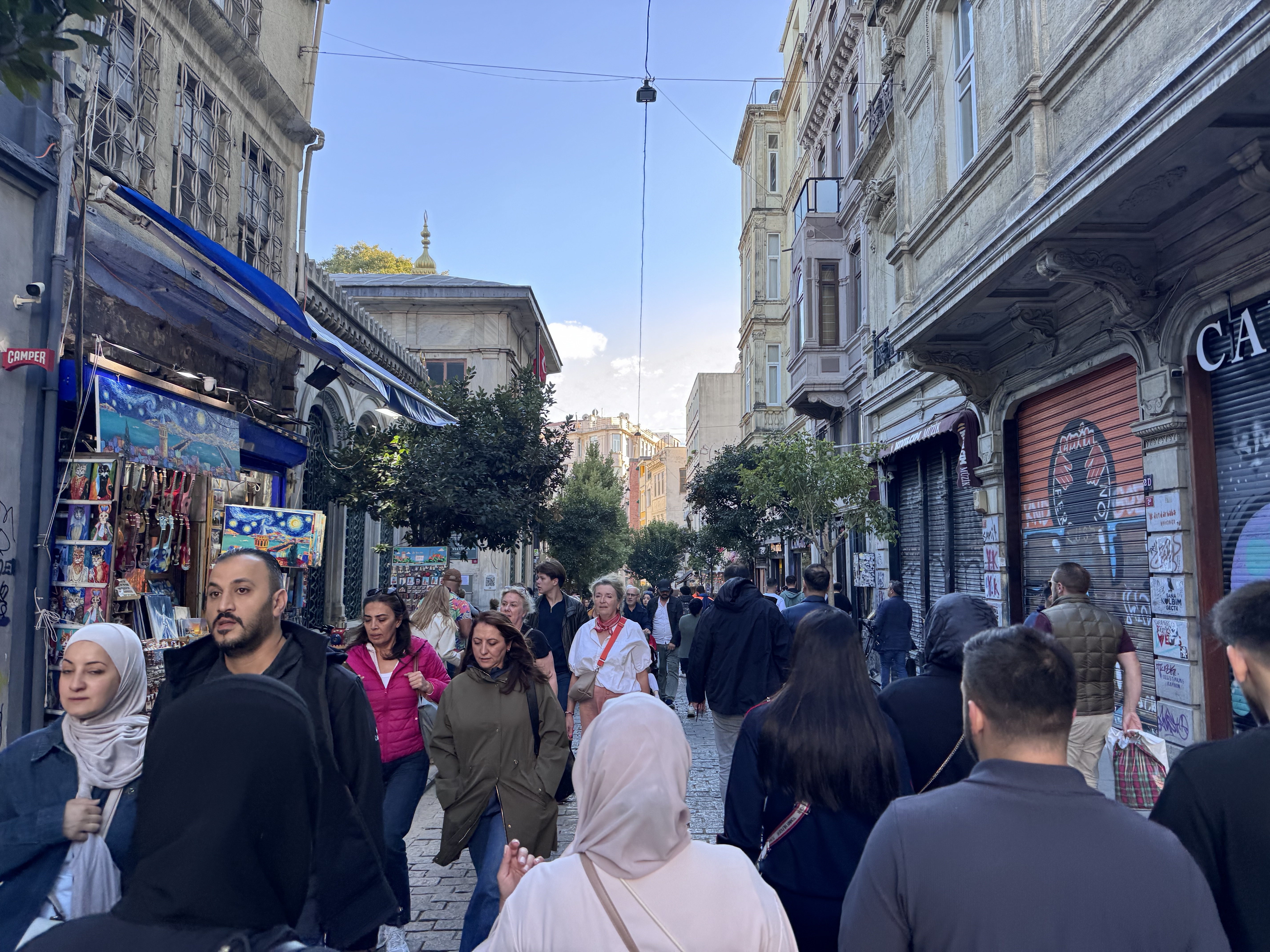
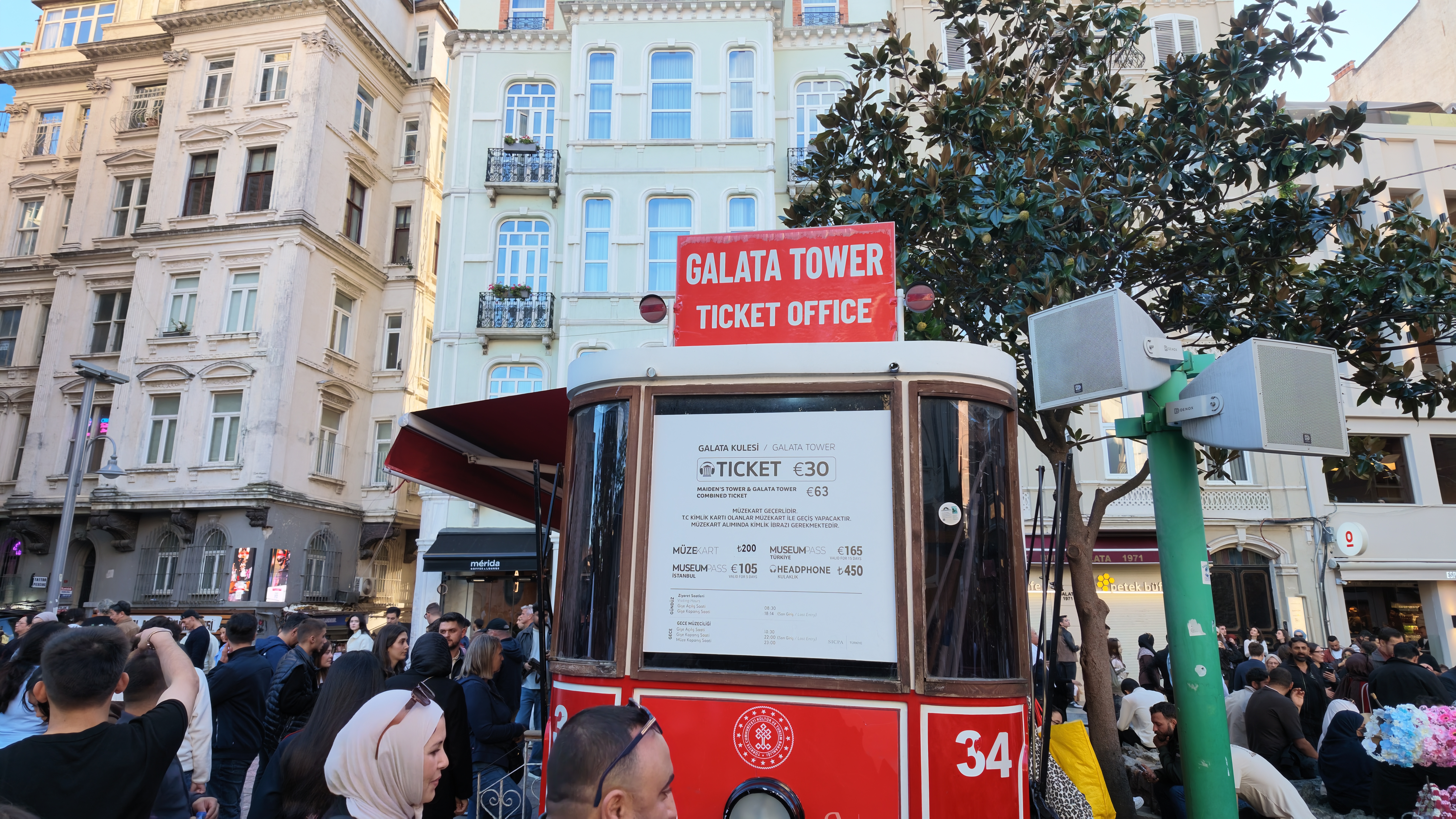
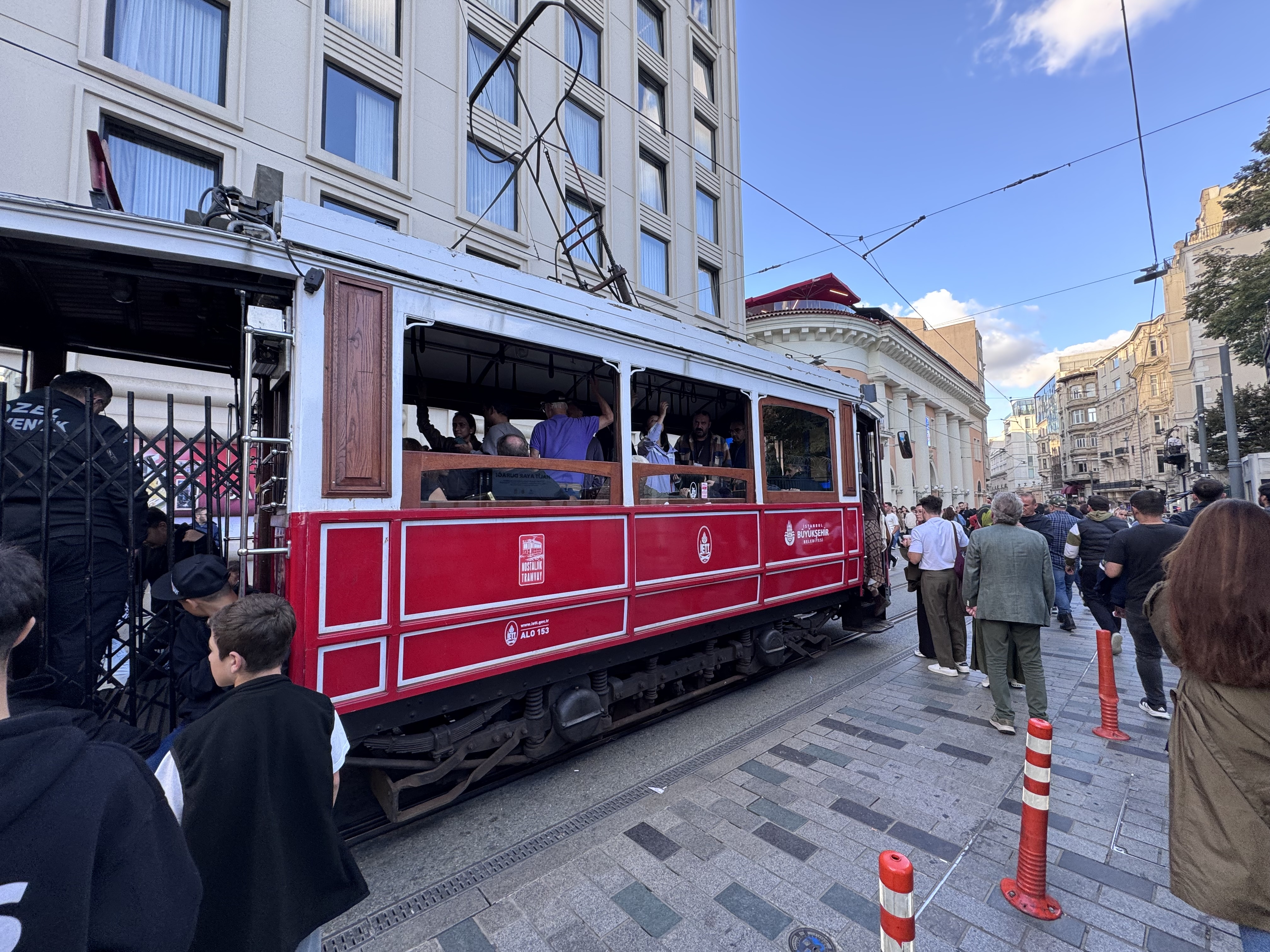
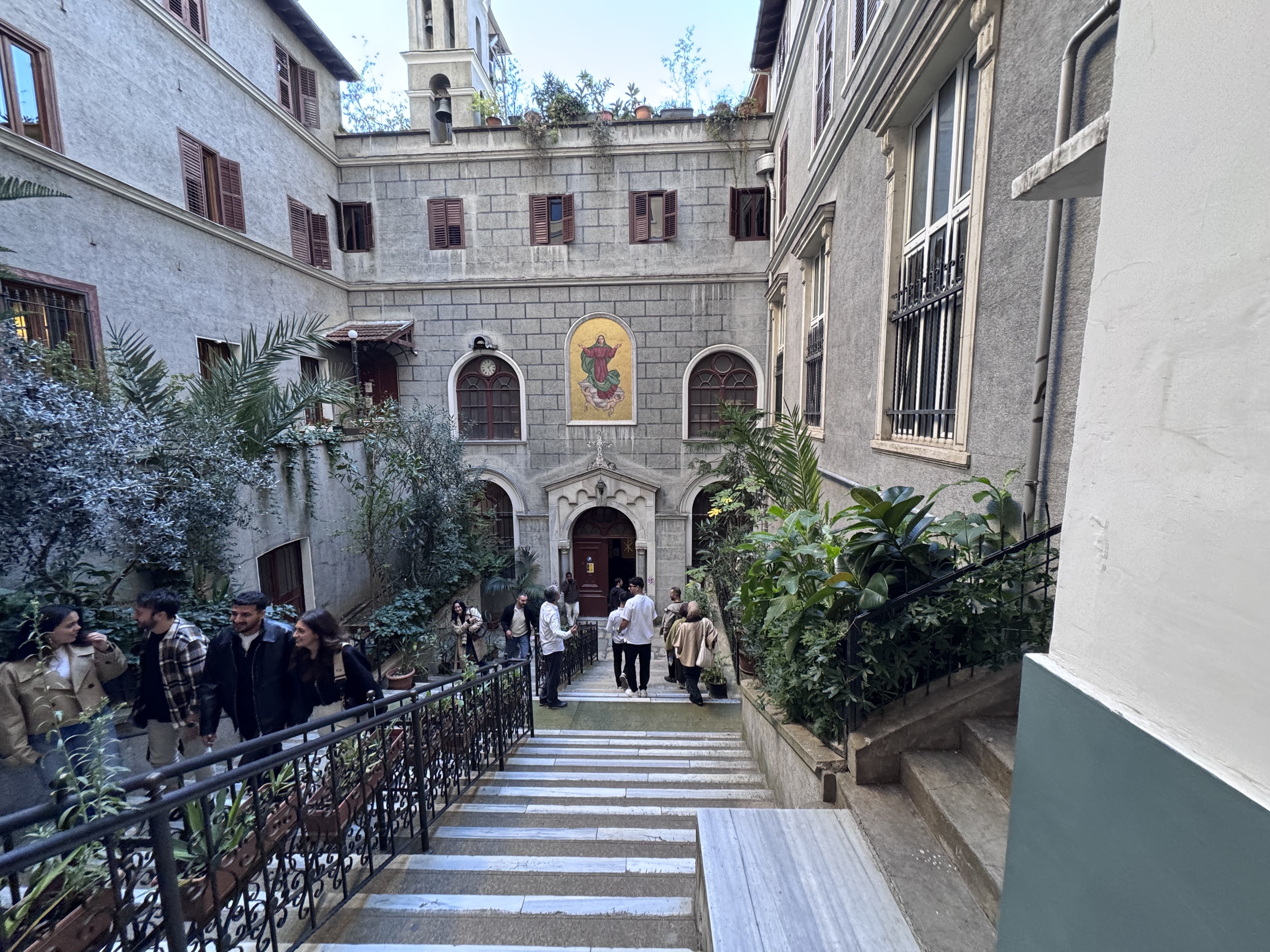
From the square, İstiklal Avenue extends as a broad pedestrian thoroughfare once known as the Grand Rue de Pera, the cosmopolitan spine of the nineteenth-century European quarter. Lined with former embassies, ornate residential buildings, theaters, and commercial spaces, the avenue retains its role as one of Istanbul’s most visited corridors, featuring the historic tram line, cafés, bookstores, and the distinctive Gothic Revival façade of the Church of St. Anthony of Padua.
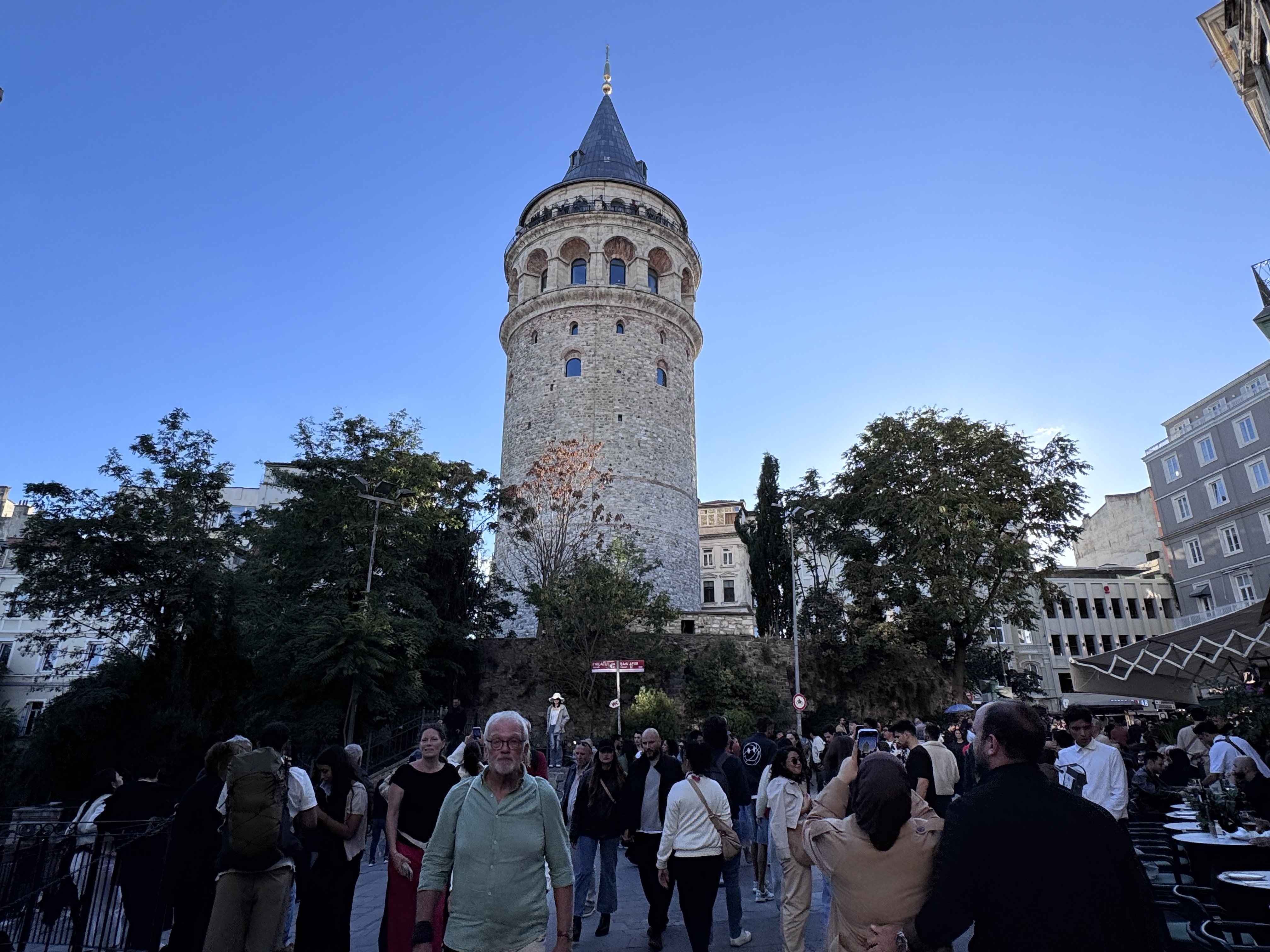
Descending toward the Golden Horn, the streets enter the Galata district, a former Genoese trading colony whose medieval layout of narrow lanes and steep slopes remains ...
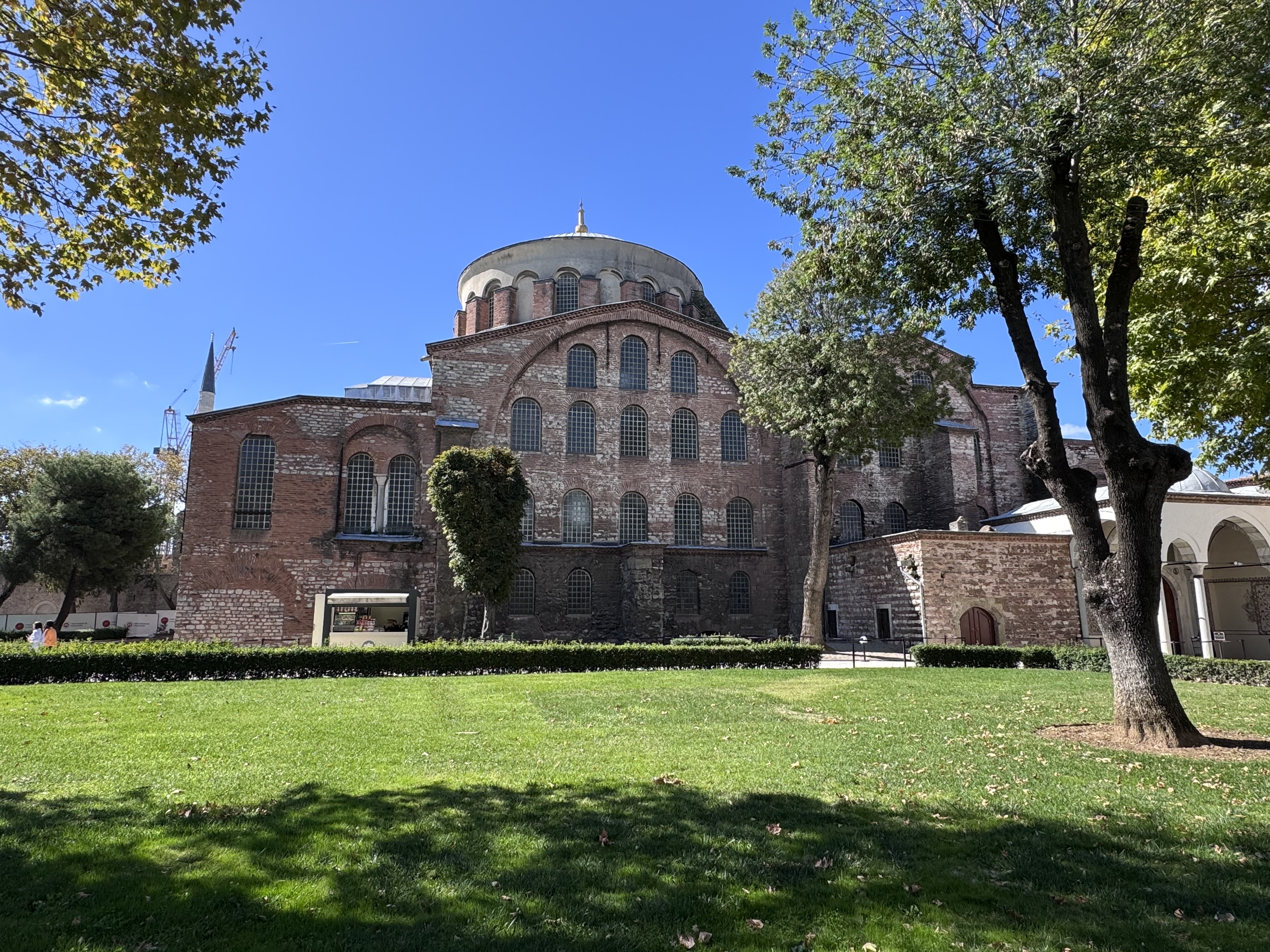
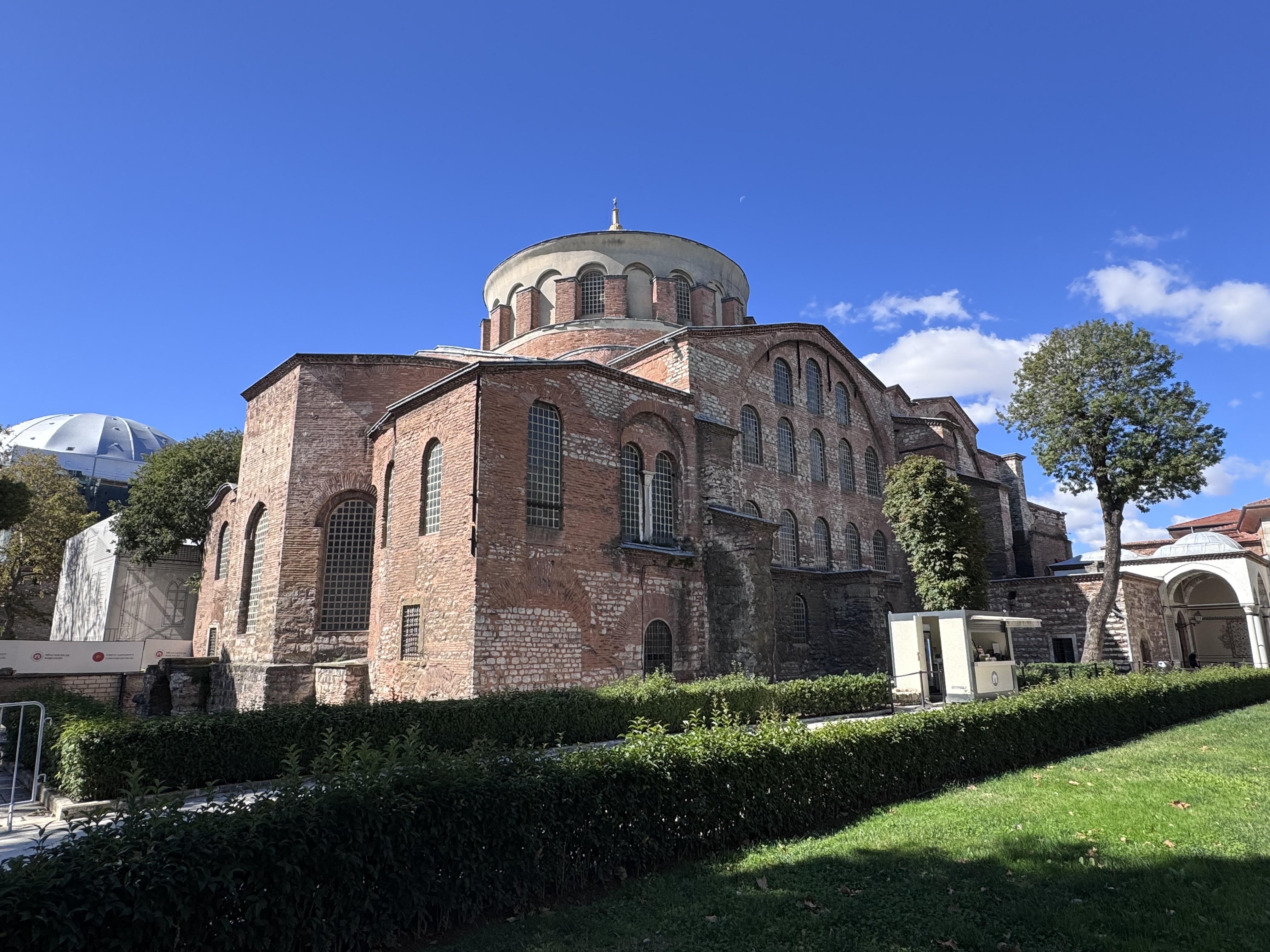
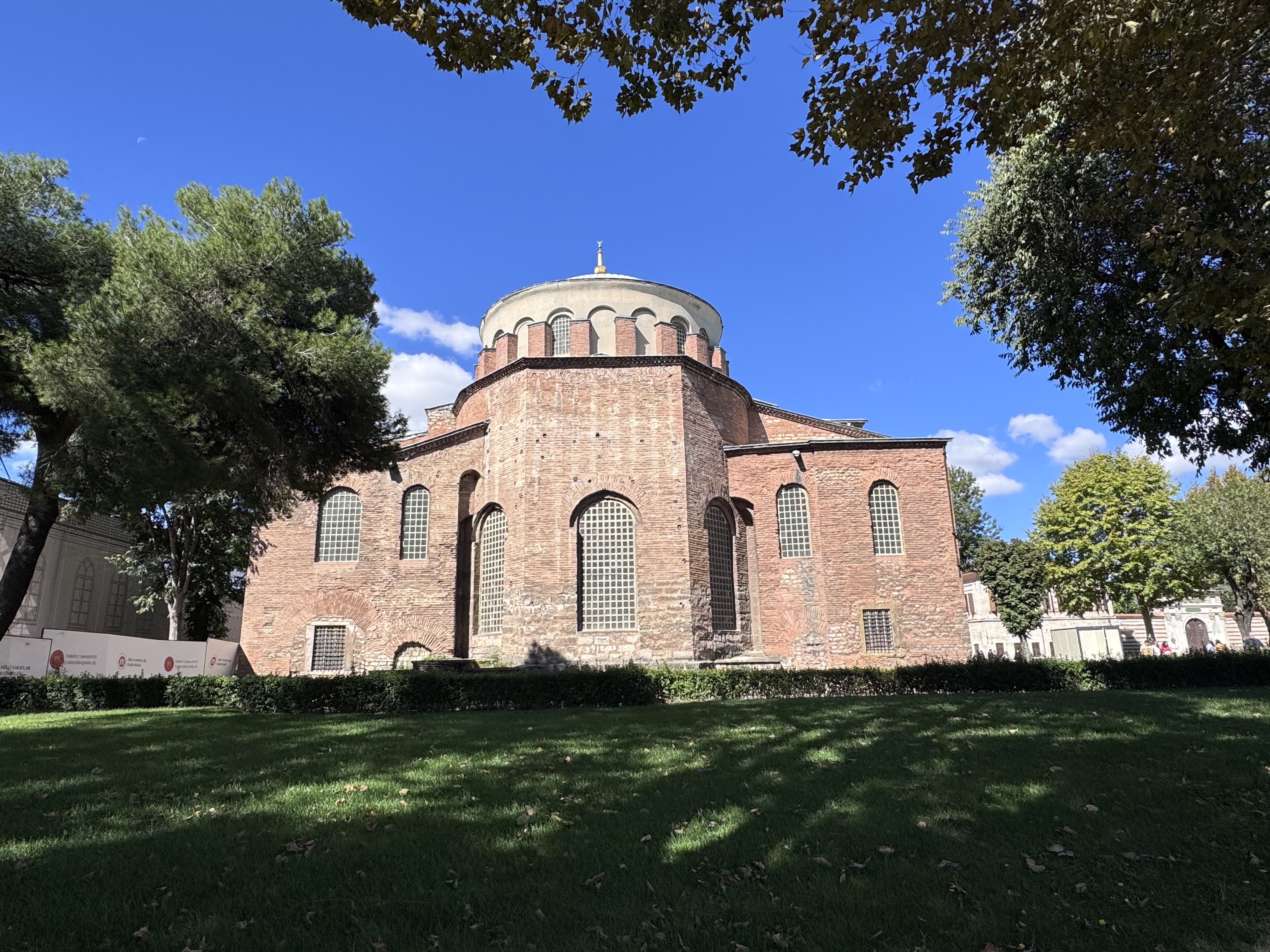
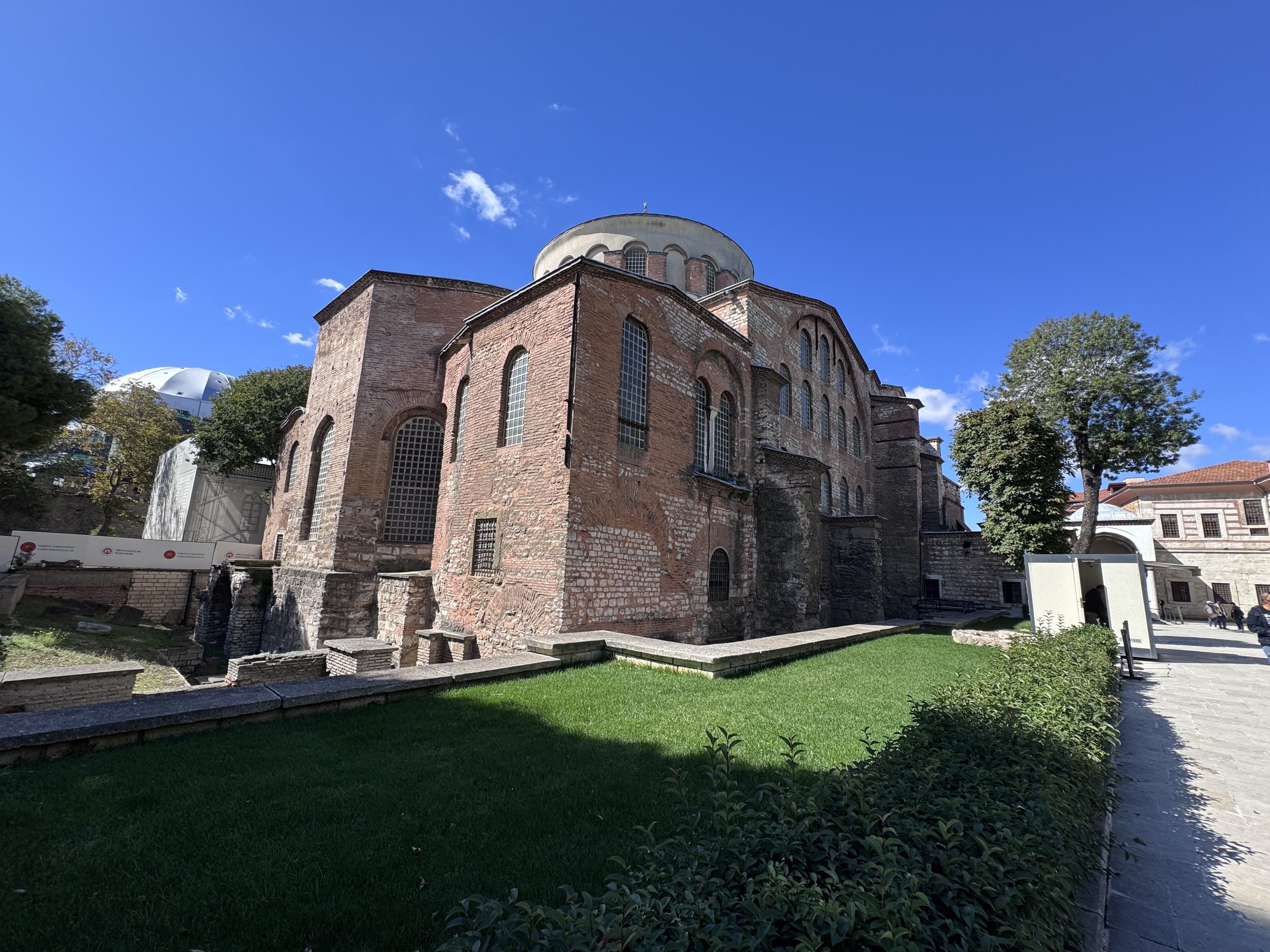
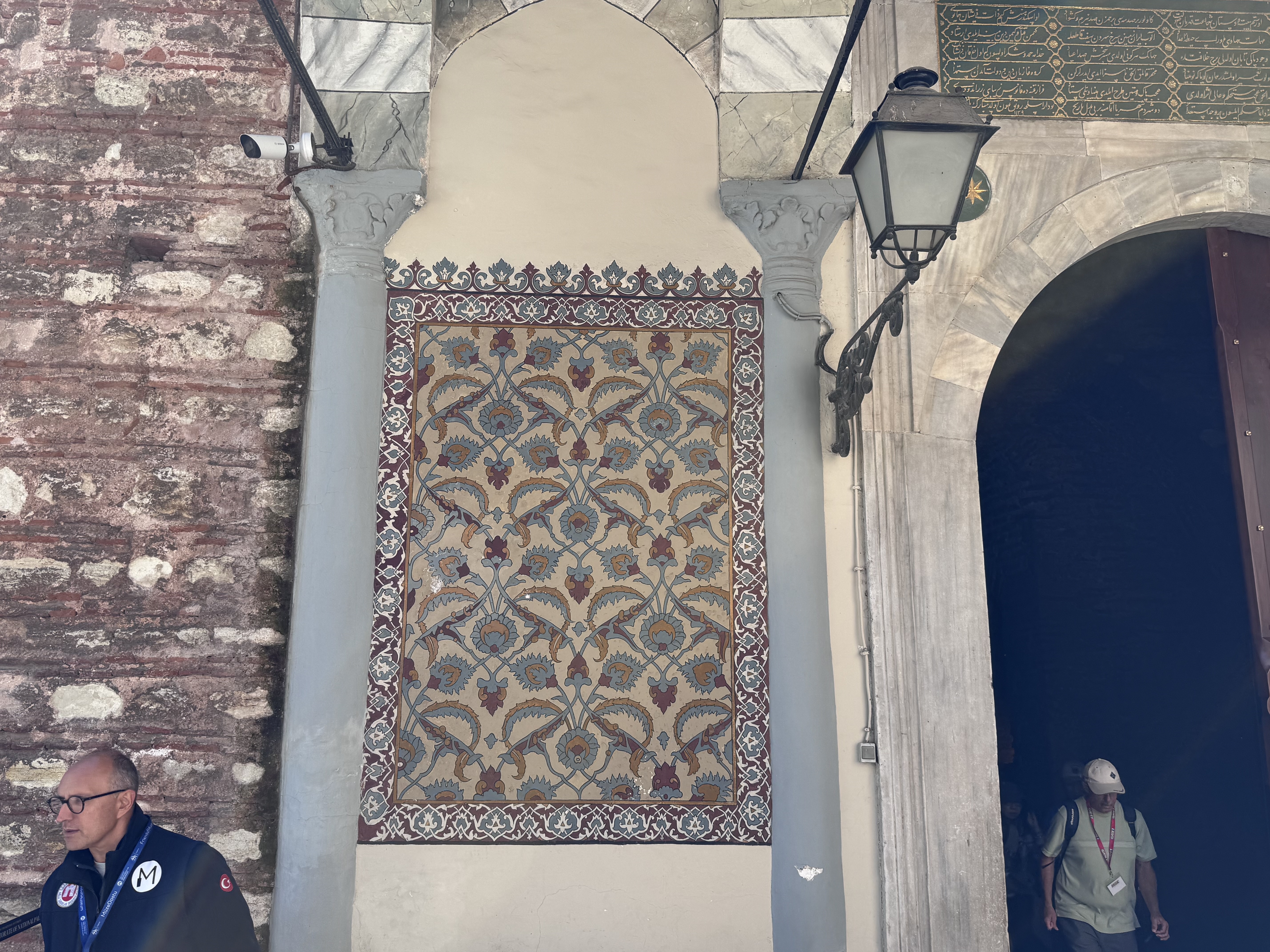
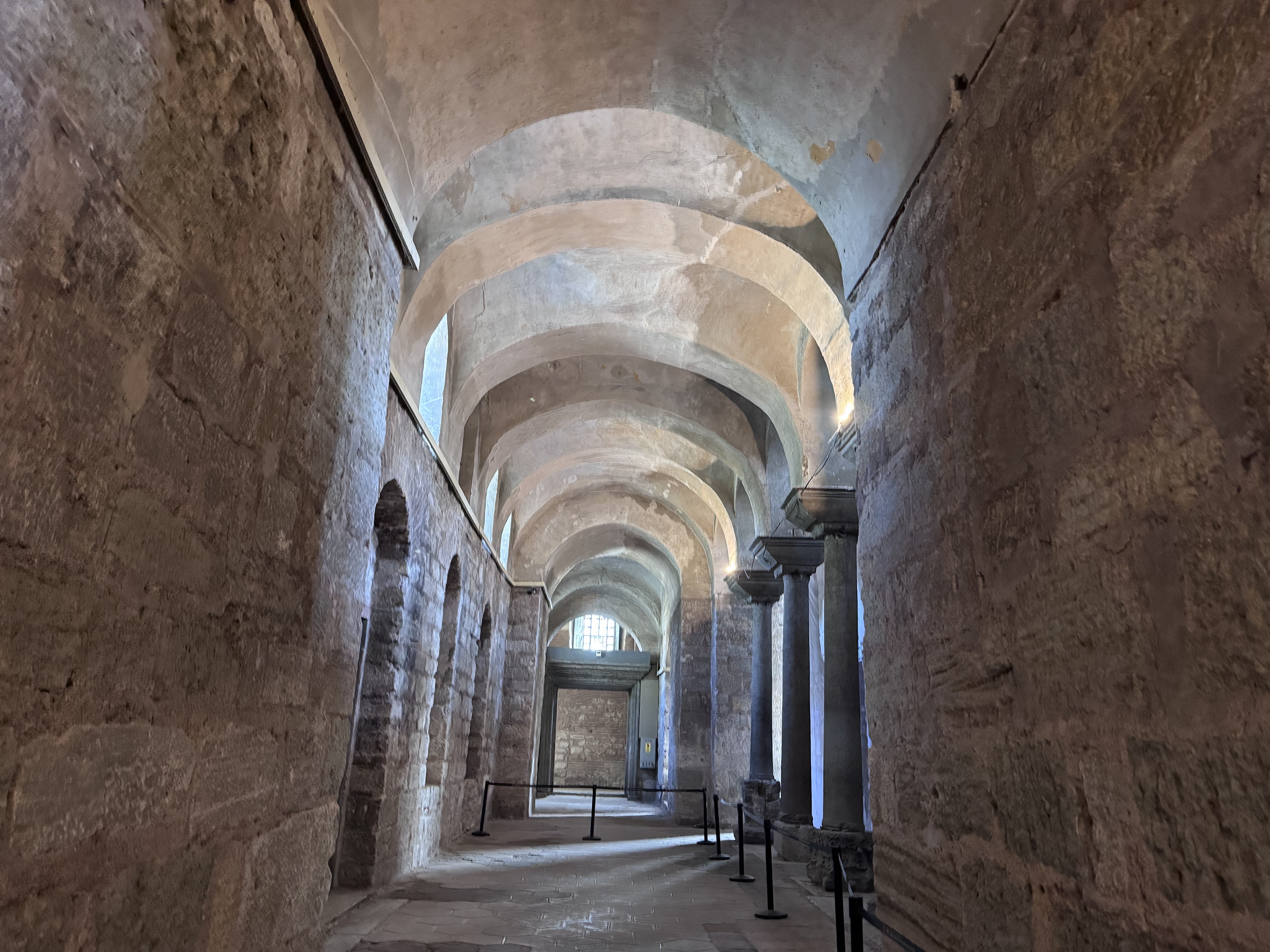
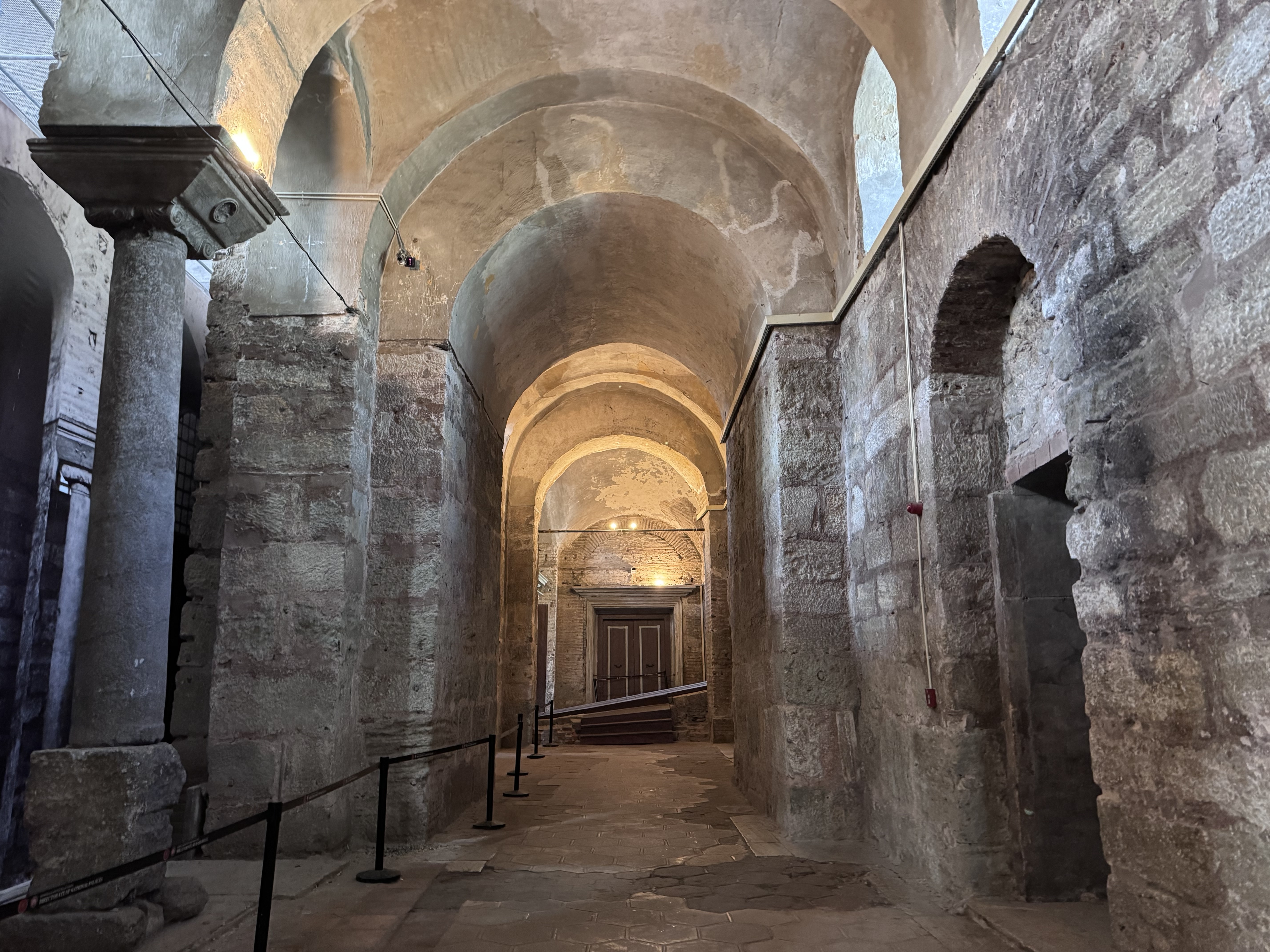
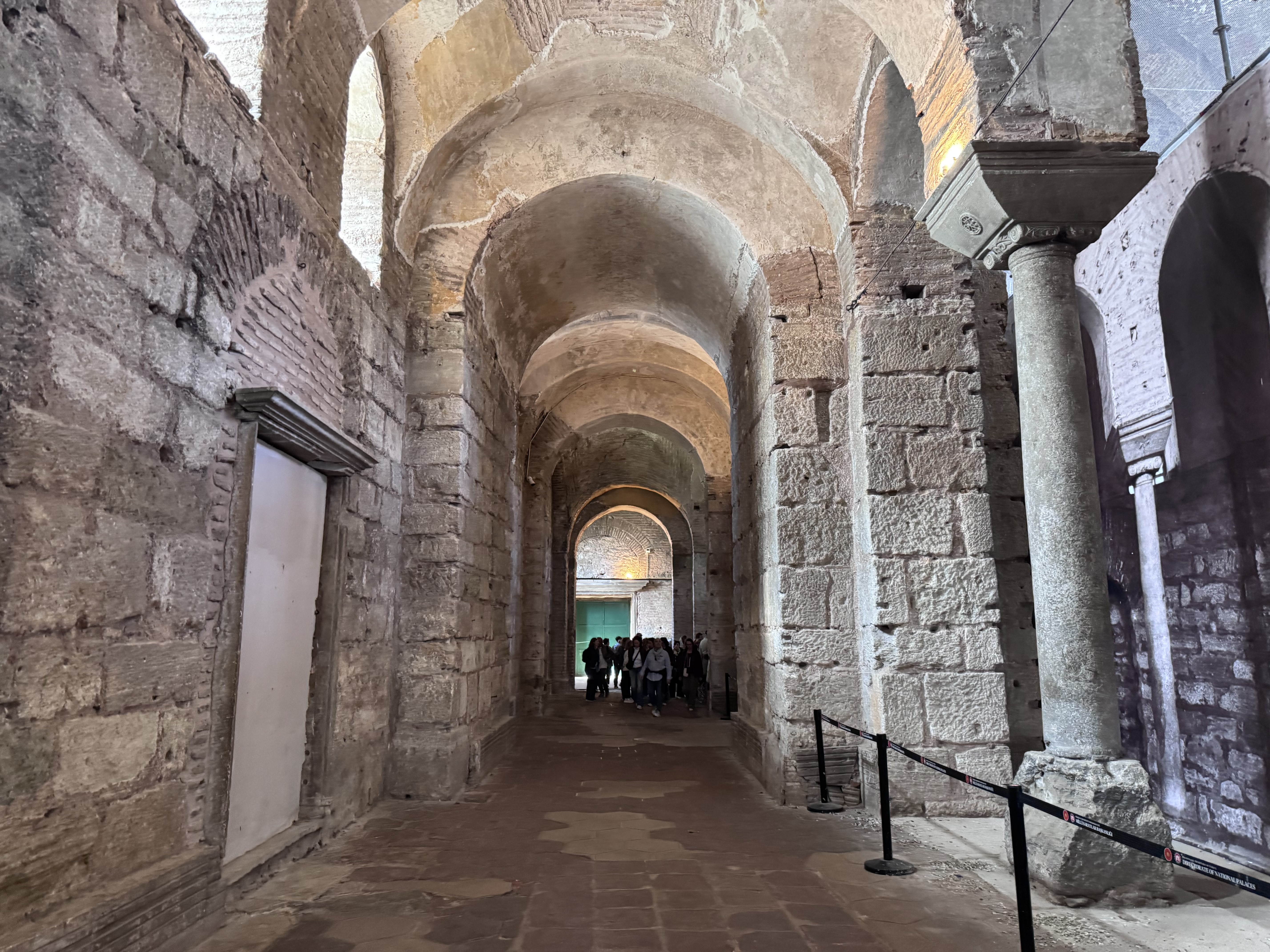
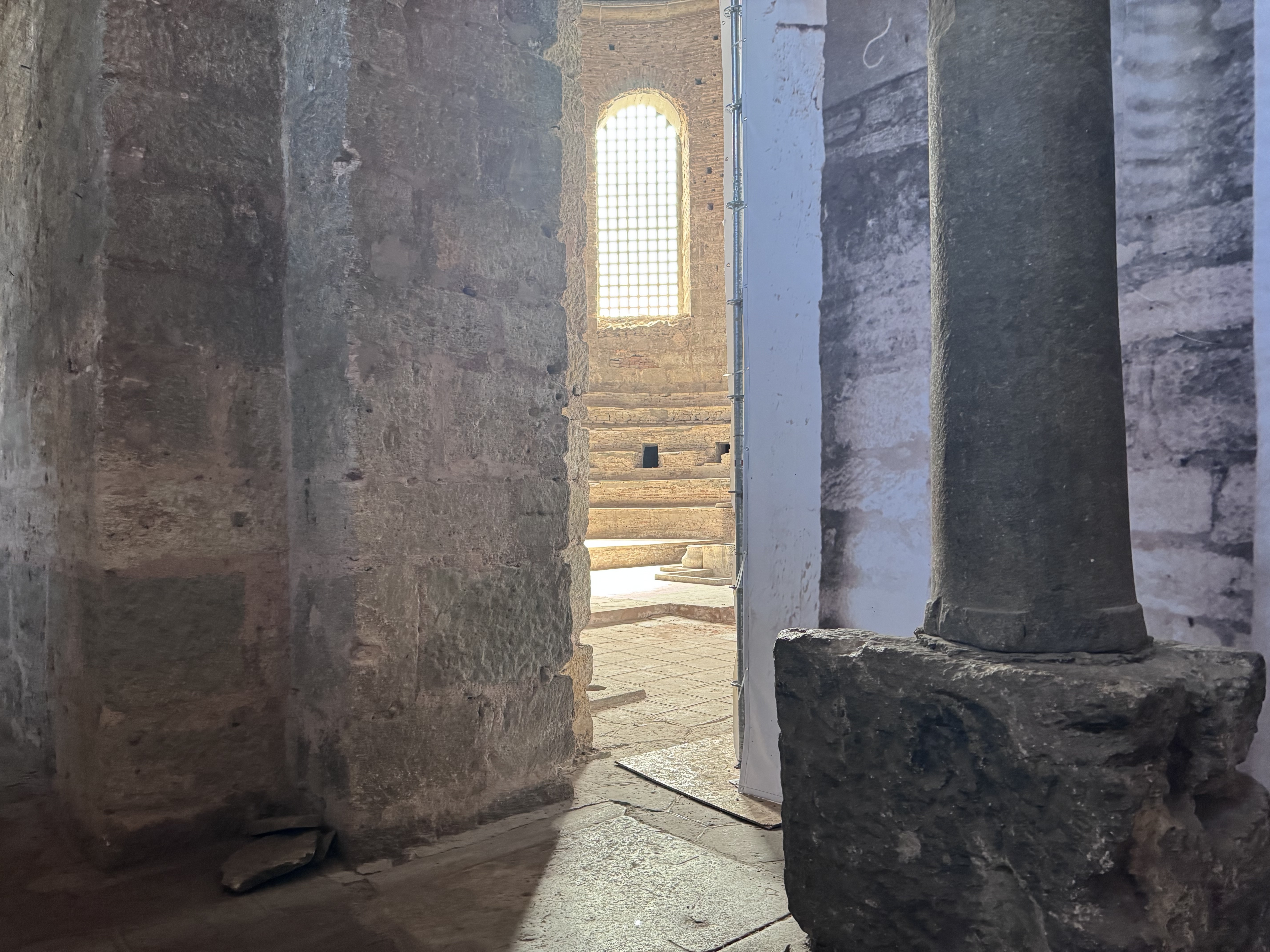
Hagia Irene, known as the Church of Holy Peace, stands as the oldest surviving Byzantine church in Istanbul, a quiet sentinel within the outer courtyard of Topkapı Palace.
Long before the grandeur of Hagia Sophia rose nearby, this sacred space served as the principal church of the newly founded Constantinople, traditionally commissioned by Emperor Constantine the Great in the early fourth century.
It witnessed the city’s transformation from an ancient Greek colony into the eastern capital of the Roman Empire and briefly held the role of cathedral until Hagia Sophia’s completion in 360.
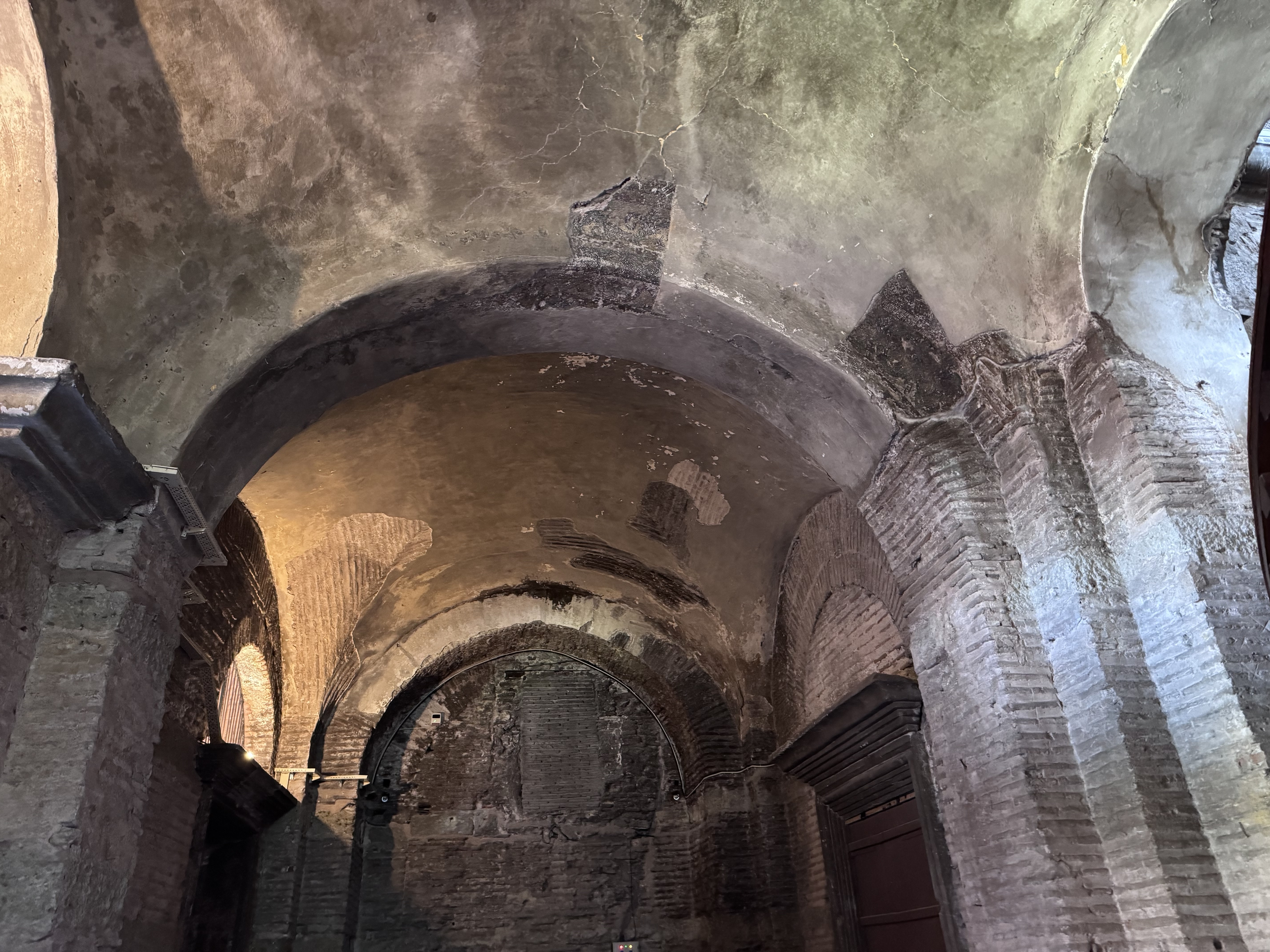
Destroyed by fire during the Nika Revolt of 532, it was rebuilt by Emperor Justinian I as a majestic domed basilica. A devastating earthquake in 740 led to further restoration under the iconoclast emperor Constantine V, who left behind one of its most striking features: a simple yet powerful mosaic cross on a gold ground in the apse, a rare surviving example of Iconoclastic art.
Unlike nearly every other ...