

The Presidential Guards, Evzones, guard the Unknown Soldier’s Tomb in front of the Hellenic Parliament 24/7.
They stand proudly in perfect stillness, motionless and expressionless, regardless of weather conditions.
Evzones are an elite unit of the Greek army, and it is the highest honour for a Greek Guard to be selected as an Evzone. The guards are handpicked according to their height (they must be a minimum of 1.9 meters), in excellent physical condition, have stamina and are disciplined and proud to serve their beloved country.
Two Evzones every hour on the hour guard the Tomb of the Unknown Soldier in one-hour shifts around the clock, three times every two days. They work in pairs to perfectly coordinate their movements in slow motion to preserve the guard’s circulation after standing completely still for one hour.
From Monday to Saturday, the Evzones dress in their khaki summer service uniform or their black winter uniform, depending on the season.
Every Sunday at 11.00 am ...


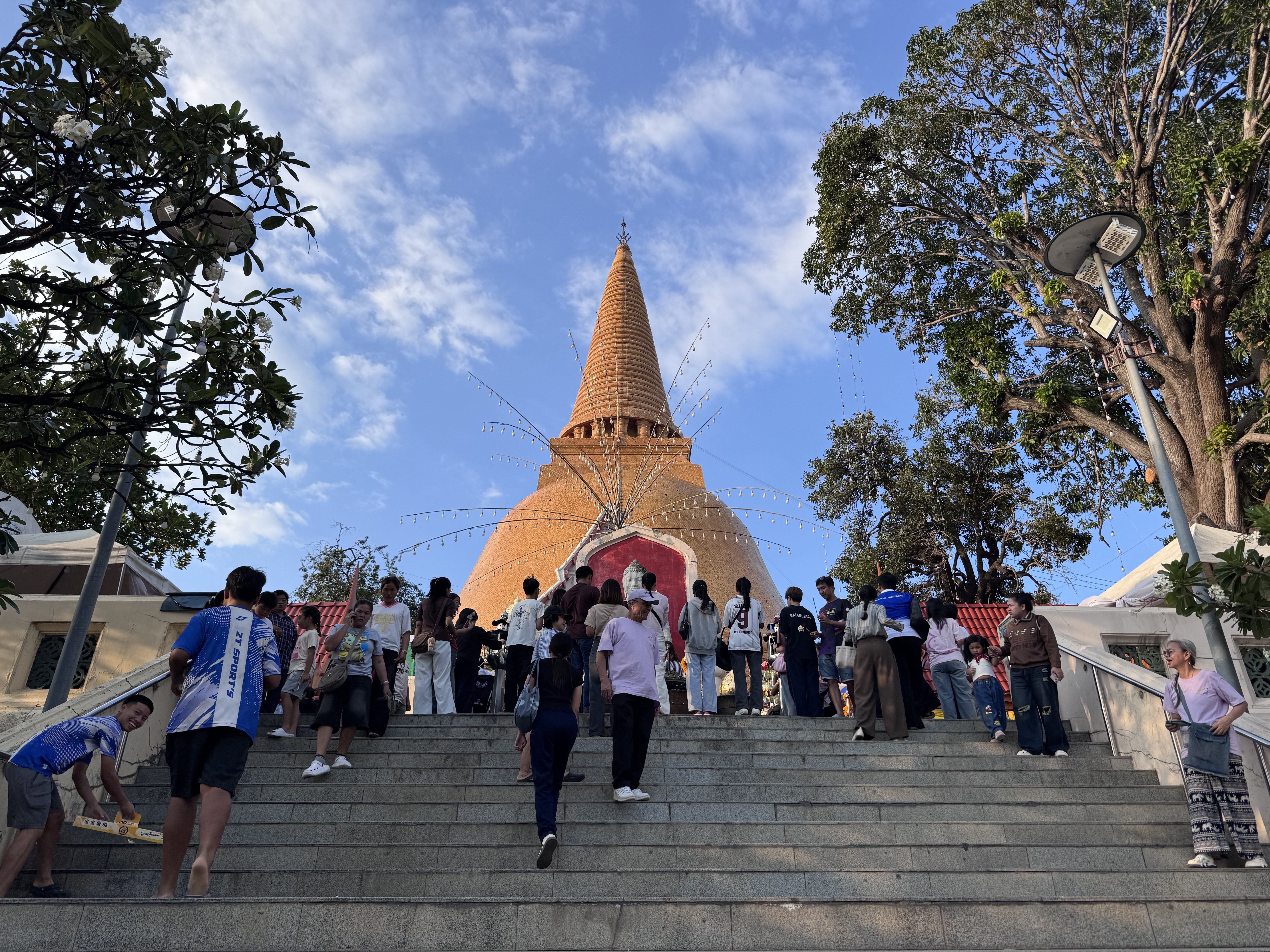
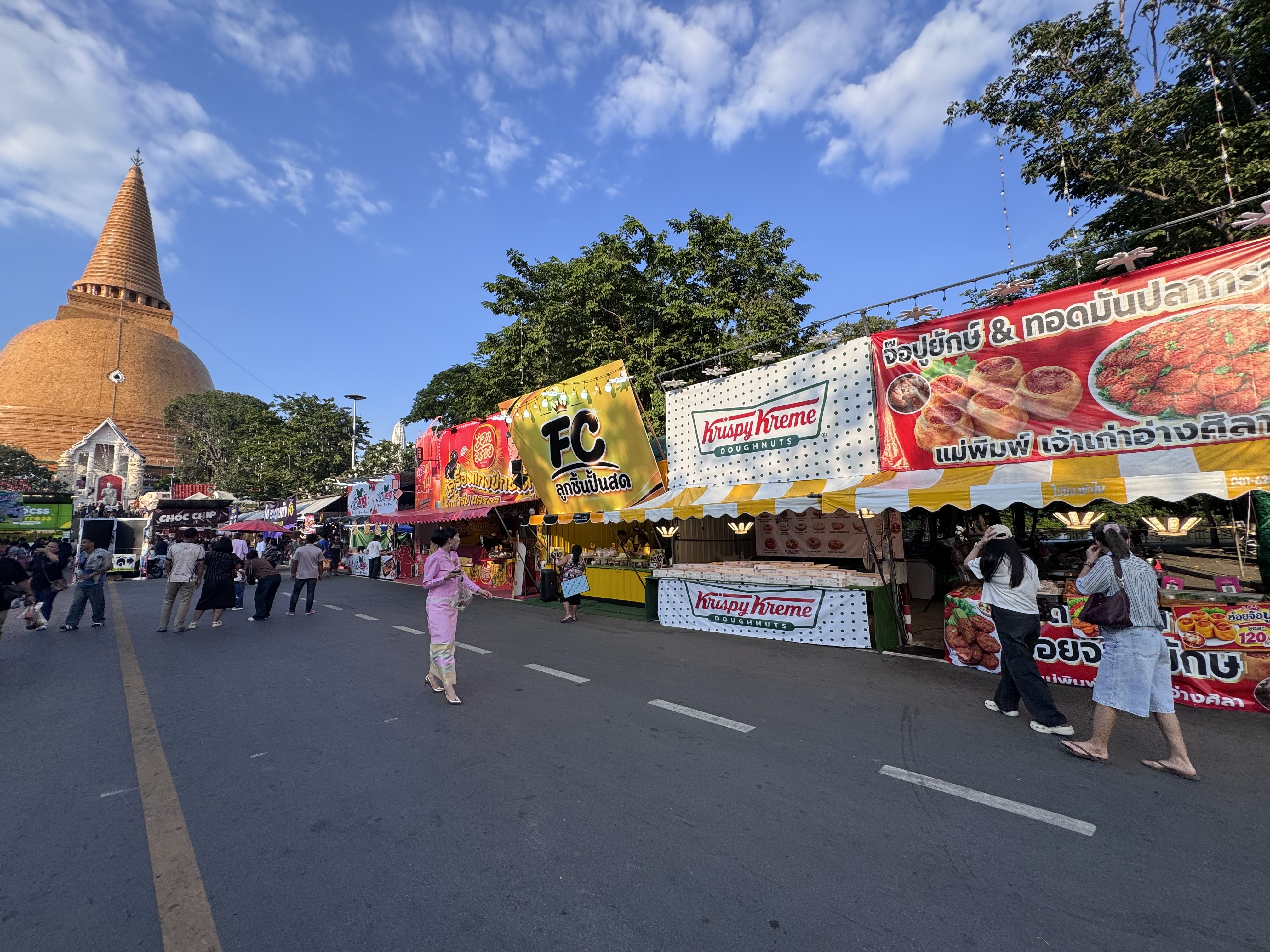
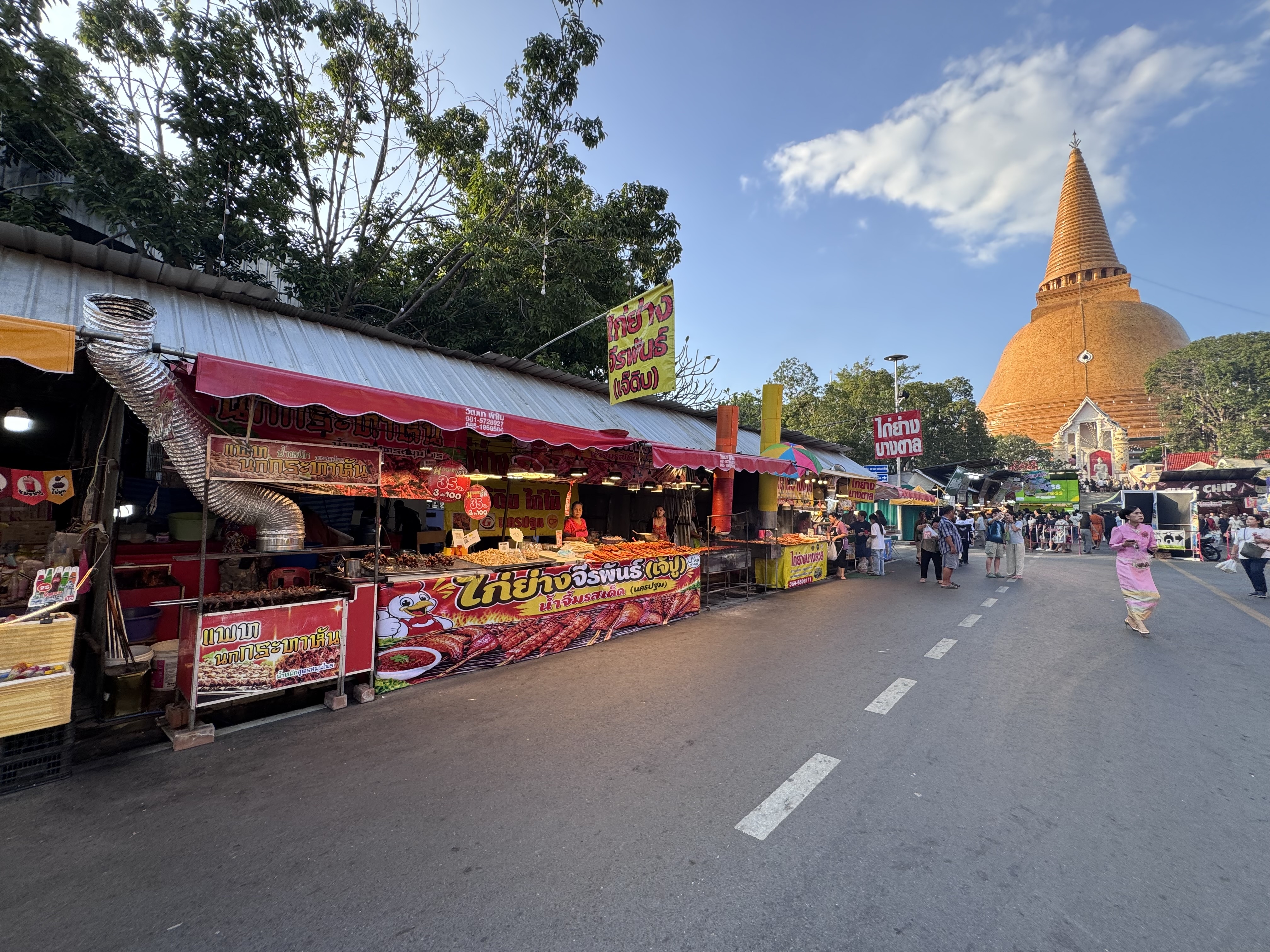
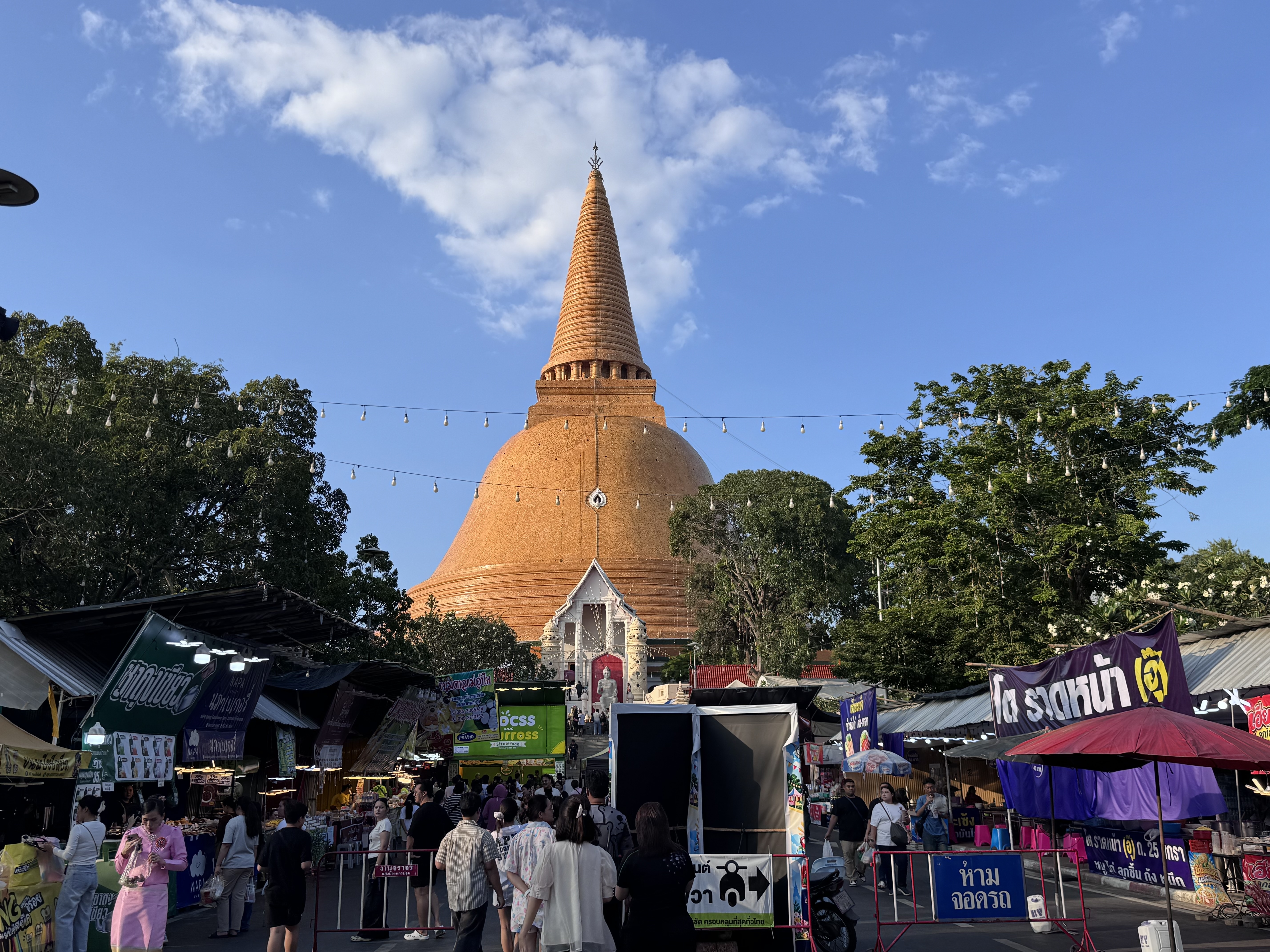
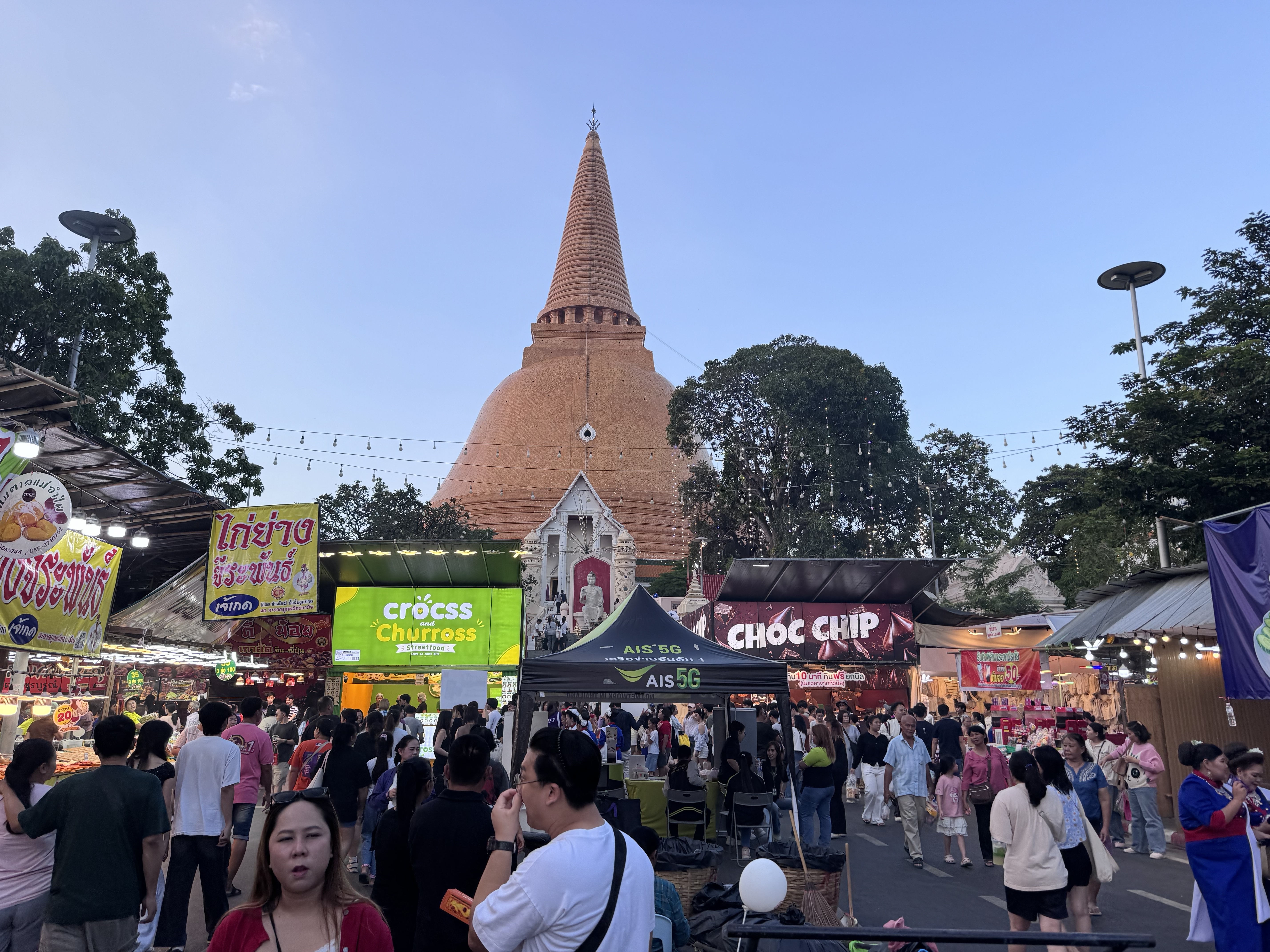
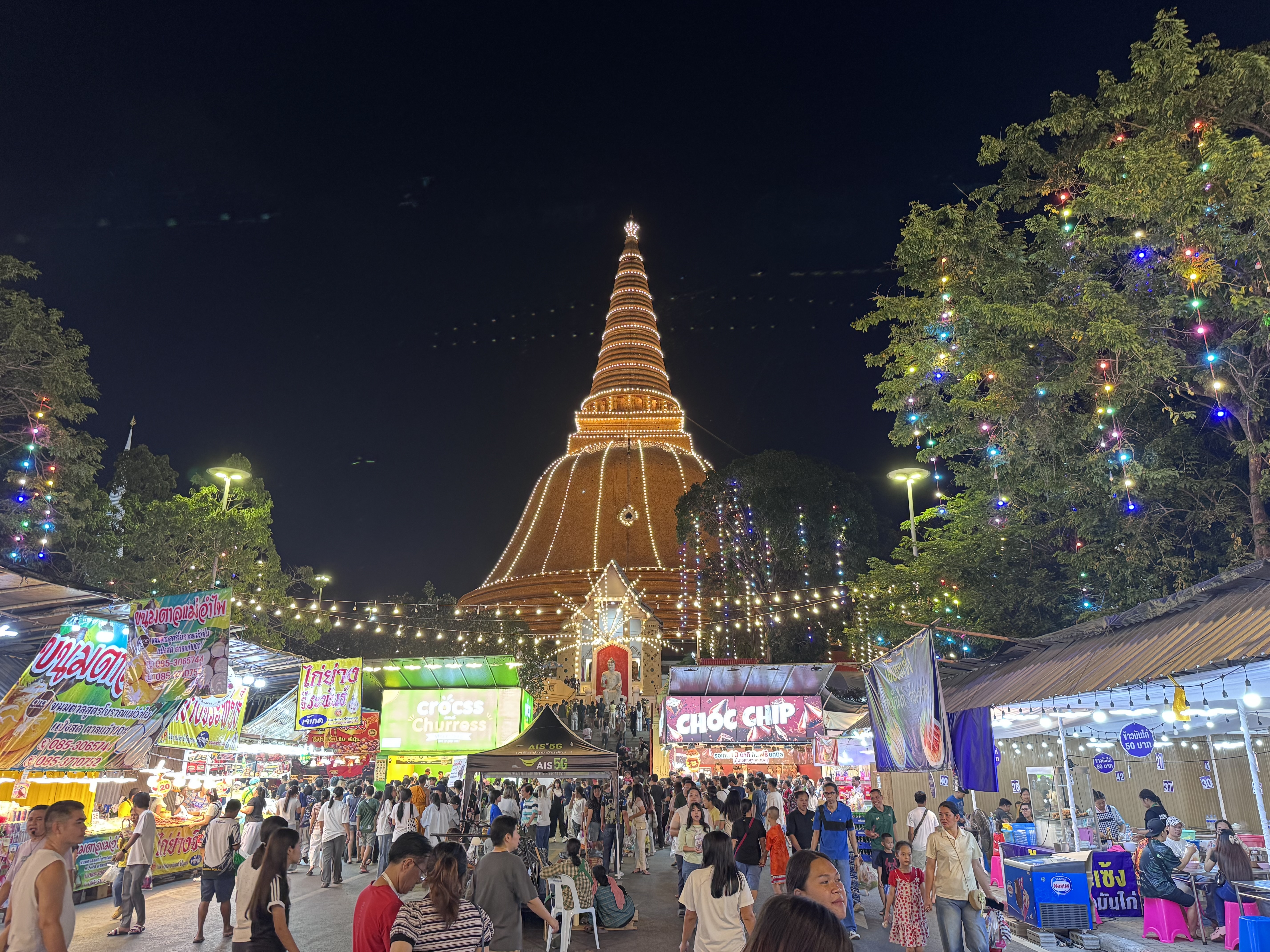
The annual Phra Pathom Chedi Worship Festival is taking place right now at Wat Phra Pathom Chedi Ratchaworamahawihan in Mueang Nakhon Pathom District, with the official nine-day and nine-night religious celebration running from November 21 to November 29, 2026.
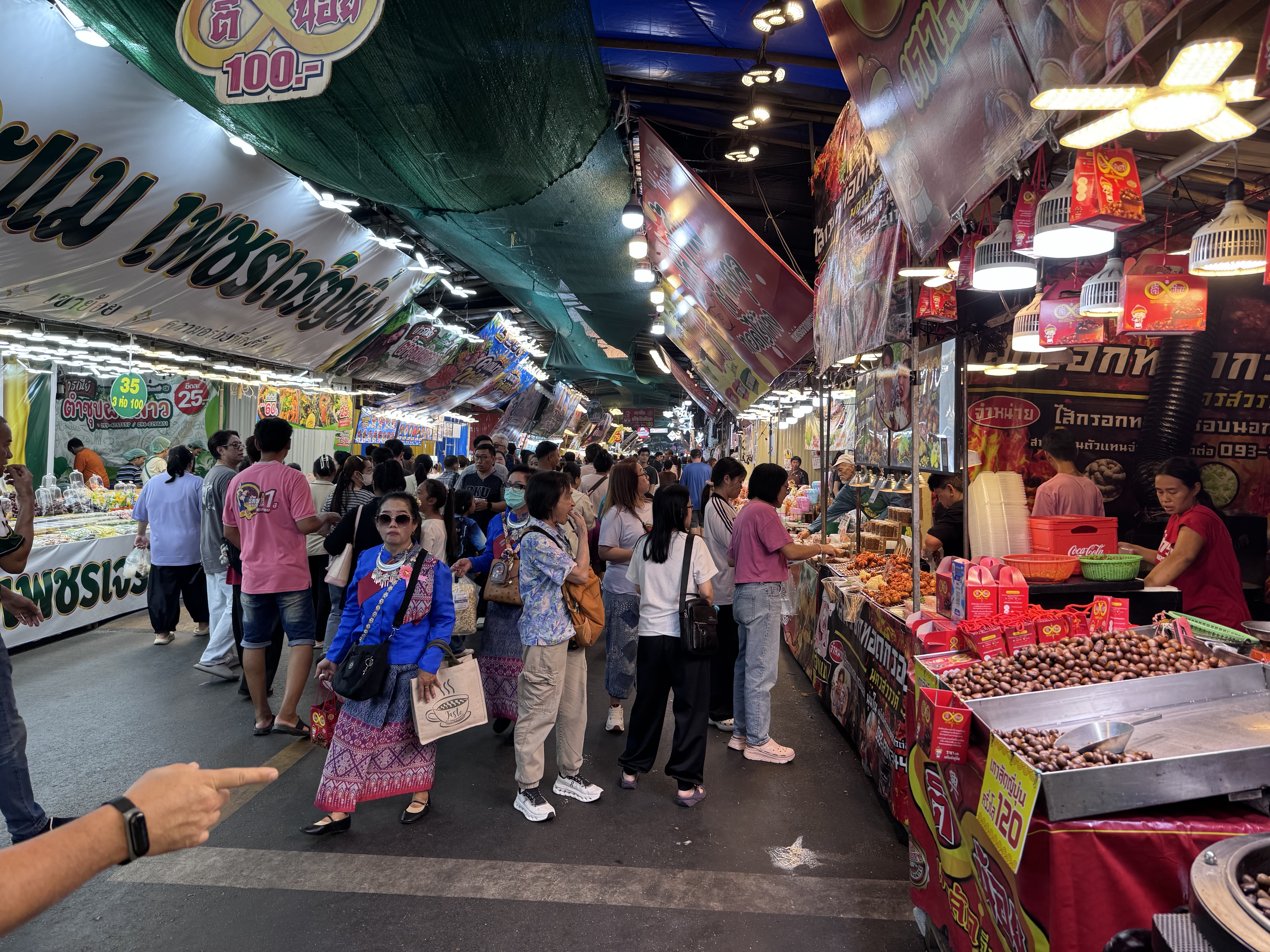
Daily festivities run from 10:00 AM until late at night, and the broader street market surrounding the temple grounds extends from November 10 through December 6, 2026, filling the esplanade with hundreds of food stalls, carnival rides, traditional performances, and merit-making ceremonies.
Rising to a height of roughly 120.5 meters, Phra Pathom Chedi is the tallest stupa in Thailand and marks one of the oldest centers of Buddhism in the country, dating back to the ancient Dvaravati period between the 6th and 8th centuries.
According to local legend, the original monument was built by King Phaya Phan to atone for unknowingly killing his father, with sages advising him to erect a stupa higher than a wild pigeon could fly.
After ...
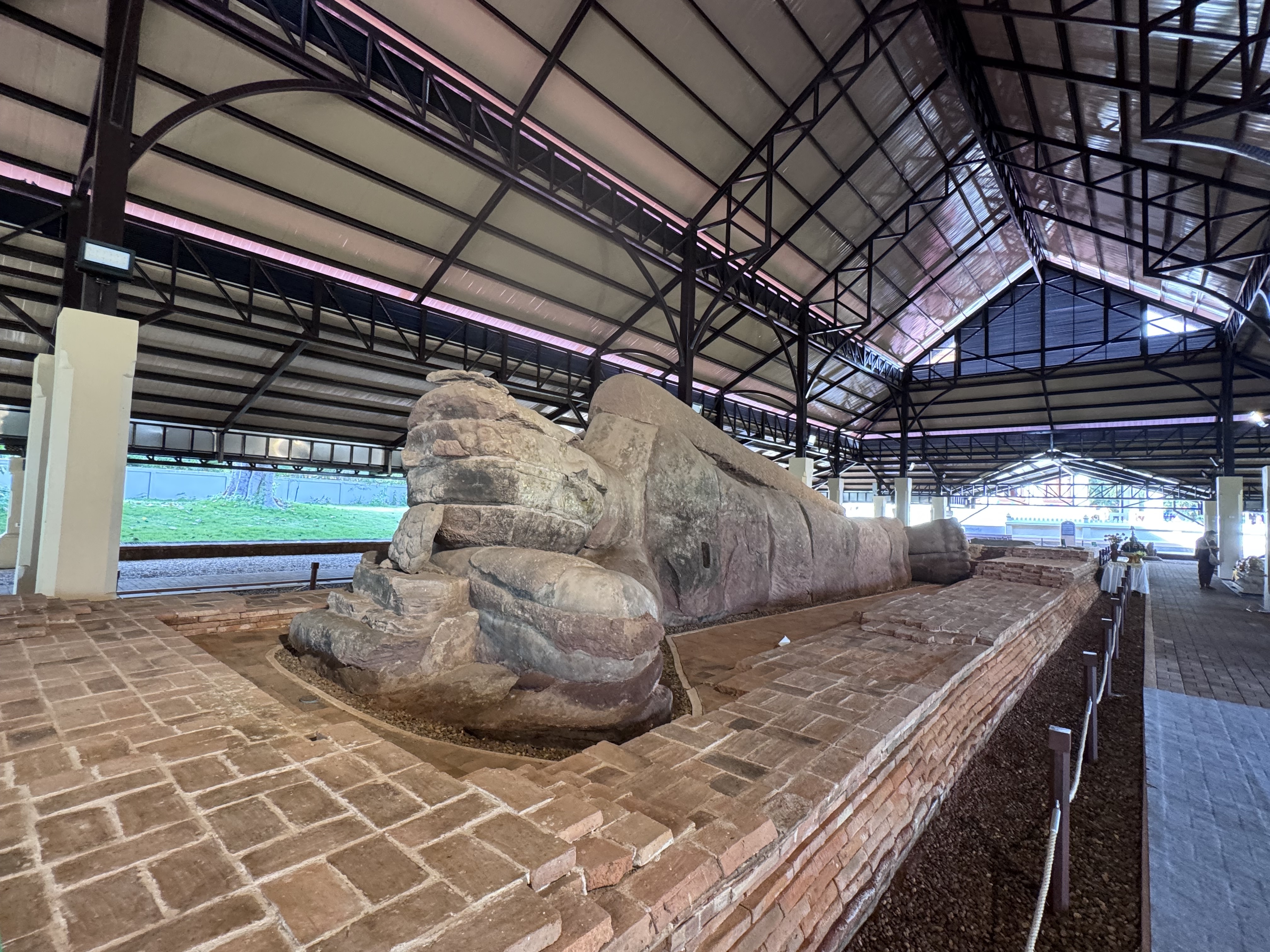
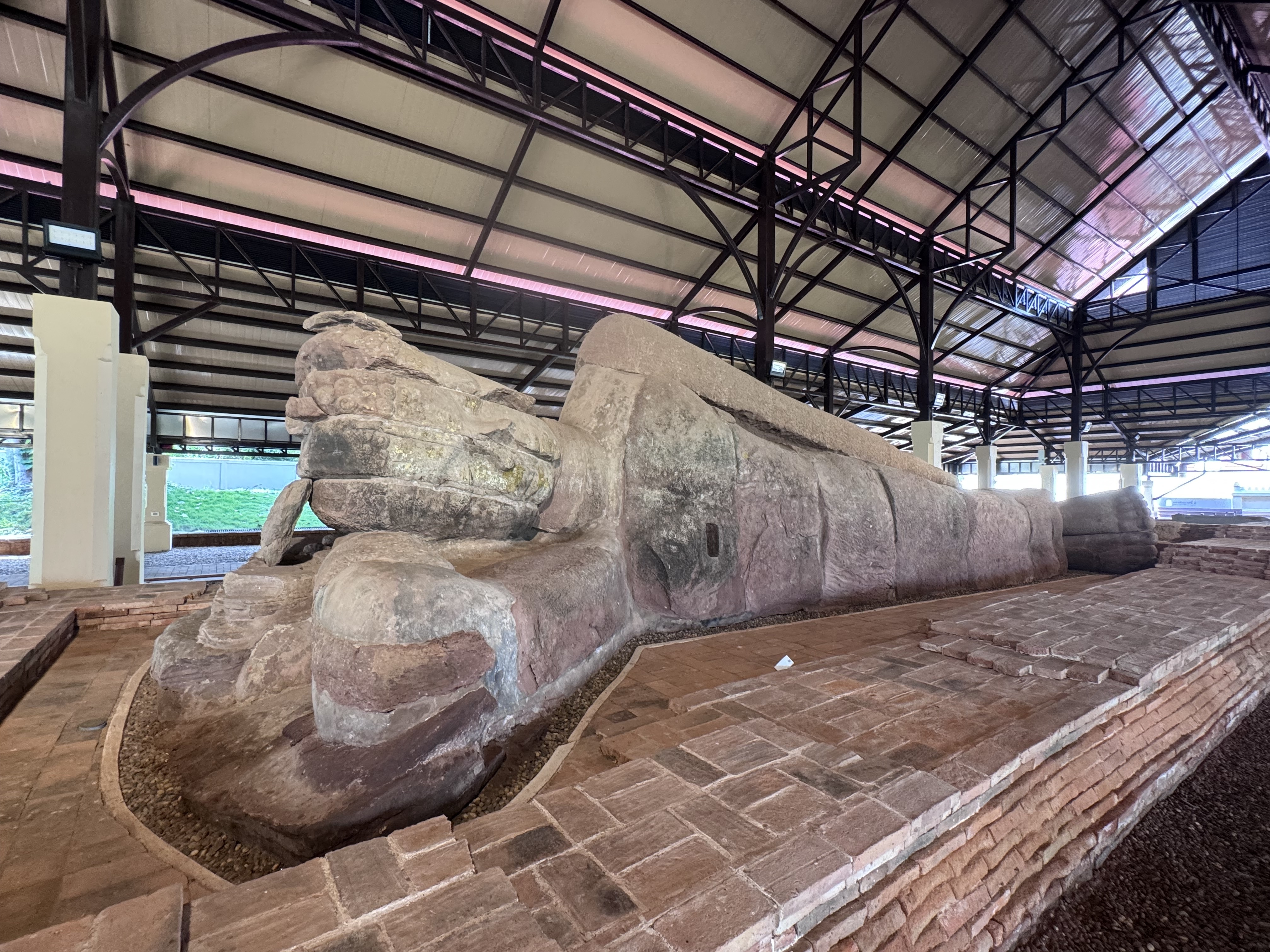
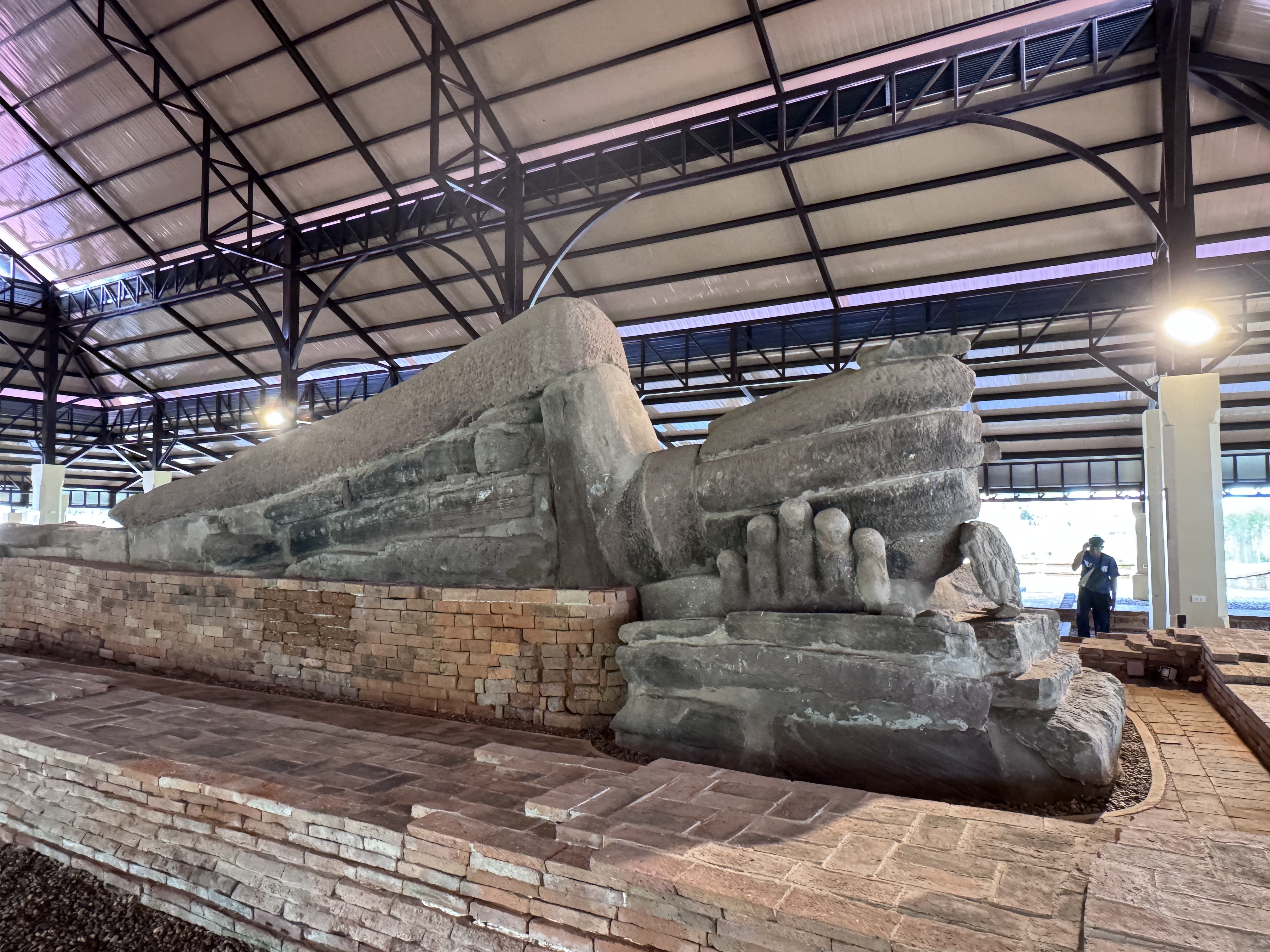
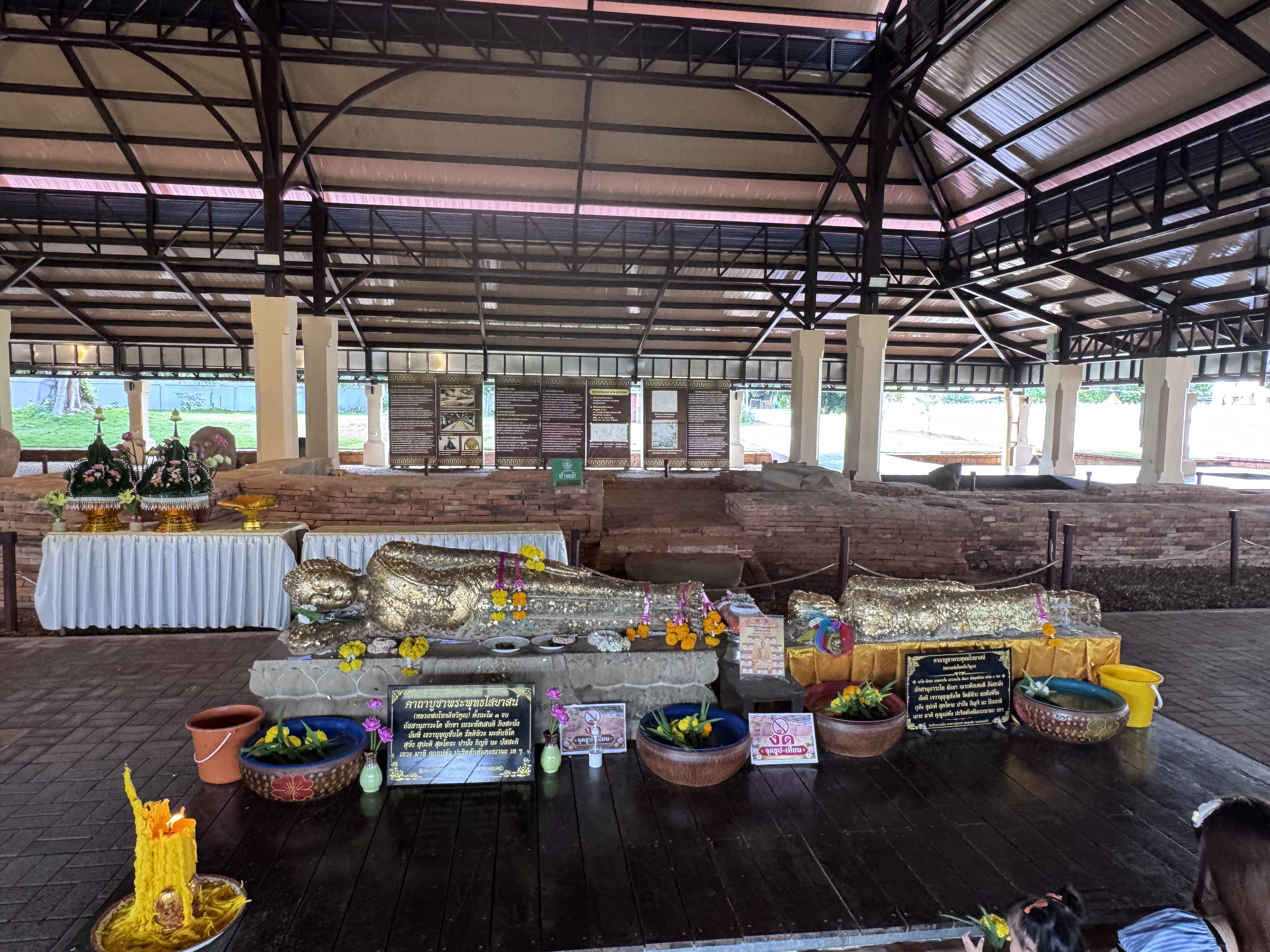
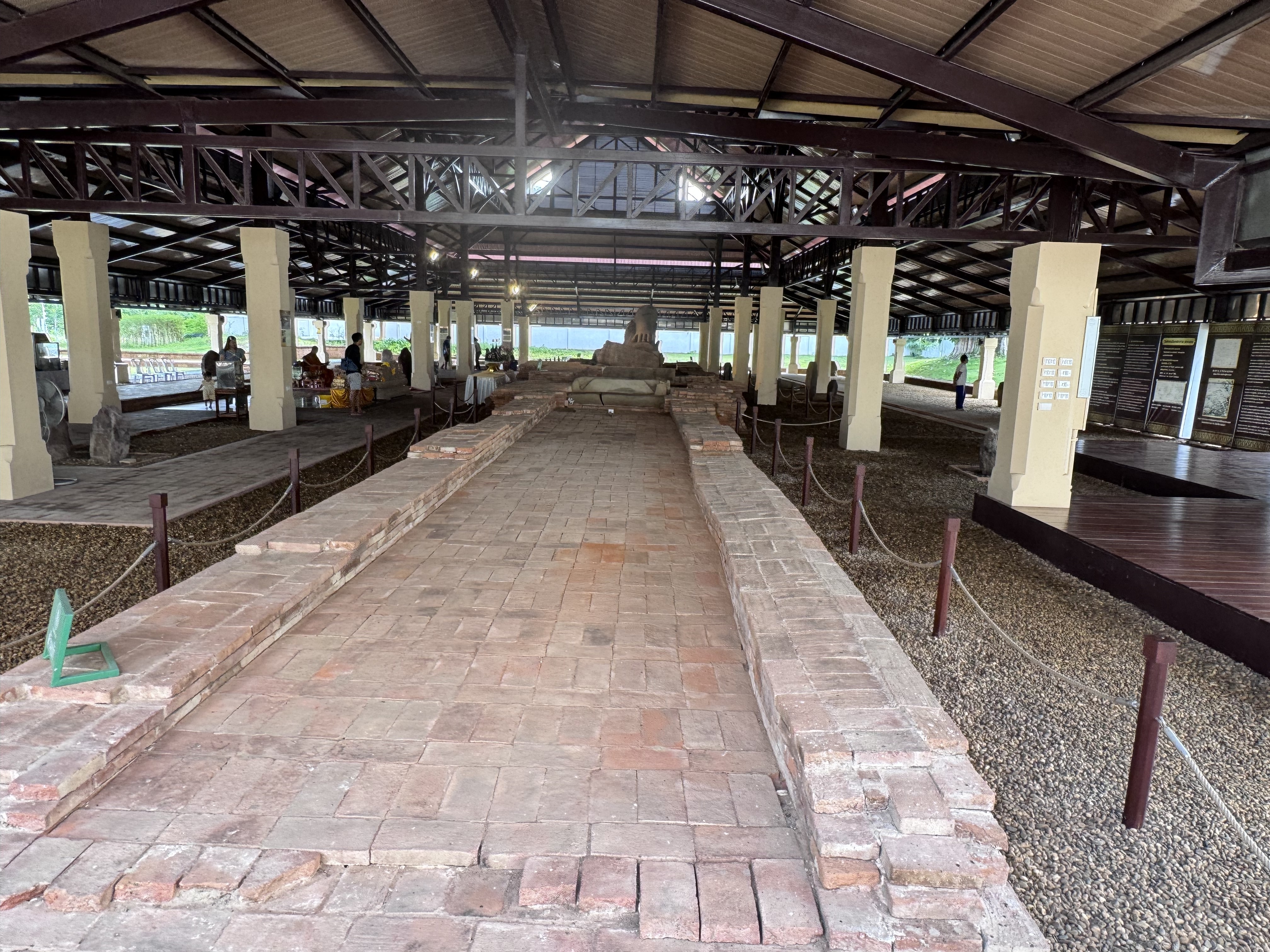
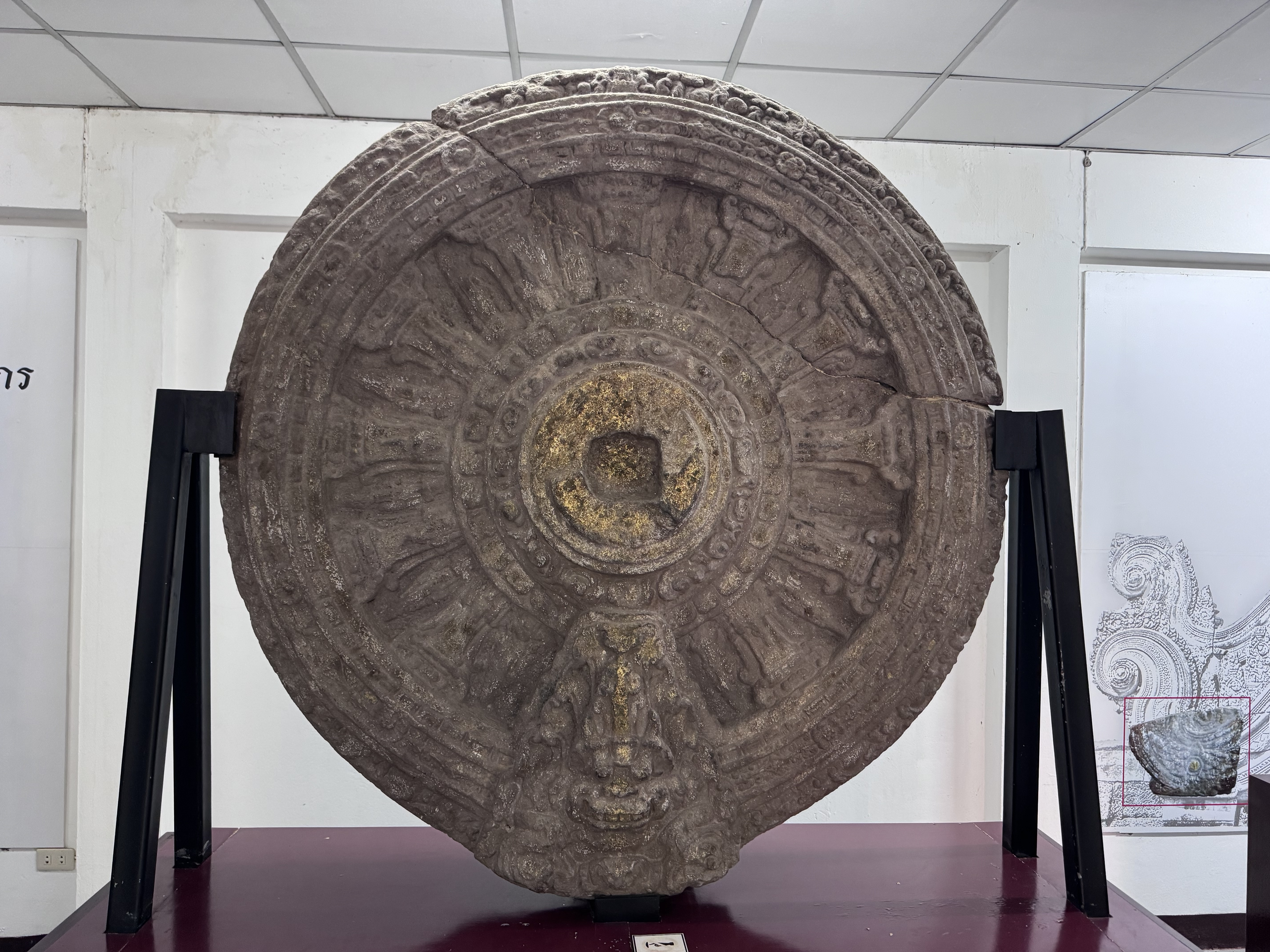
Wat Thammachak Sema Ram, also known locally as Wat Phra Non Khlong Khwang, stands in Nakhon Ratchasima province. Although the present-day monastery traces its formal establishment to the mid-eighteenth century, the site itself is far older and belongs to the Dvaravati cultural sphere that flourished across central and northeastern Thailand from roughly the sixth to the eleventh centuries.
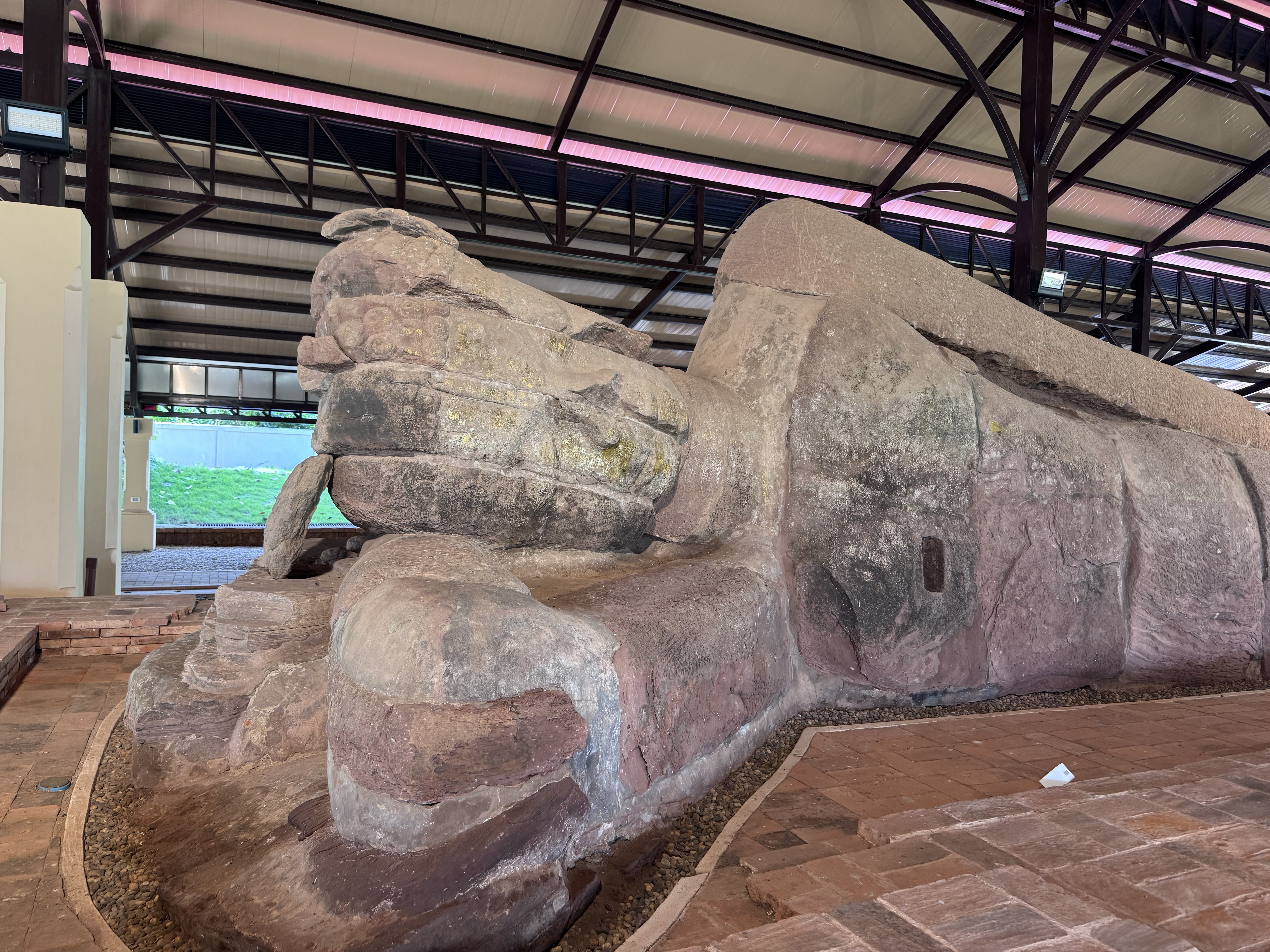
The temple’s greatest treasure is the large sandstone reclining Buddha, widely regarded as both the oldest and among the longest stone images of this type still surviving in the country.
The figure measures approximately 13.3 meters in length and between 2.5 and 2.8 meters in height. It was assembled from multiple blocks of red sandstone arranged along a north–south axis, with the head placed at the southern end and the face turned toward the east.
The face itself is somewhat square, formed from four superimposed slabs, while the body consists of vertically stacked blocks. Stylistic features such as the ...
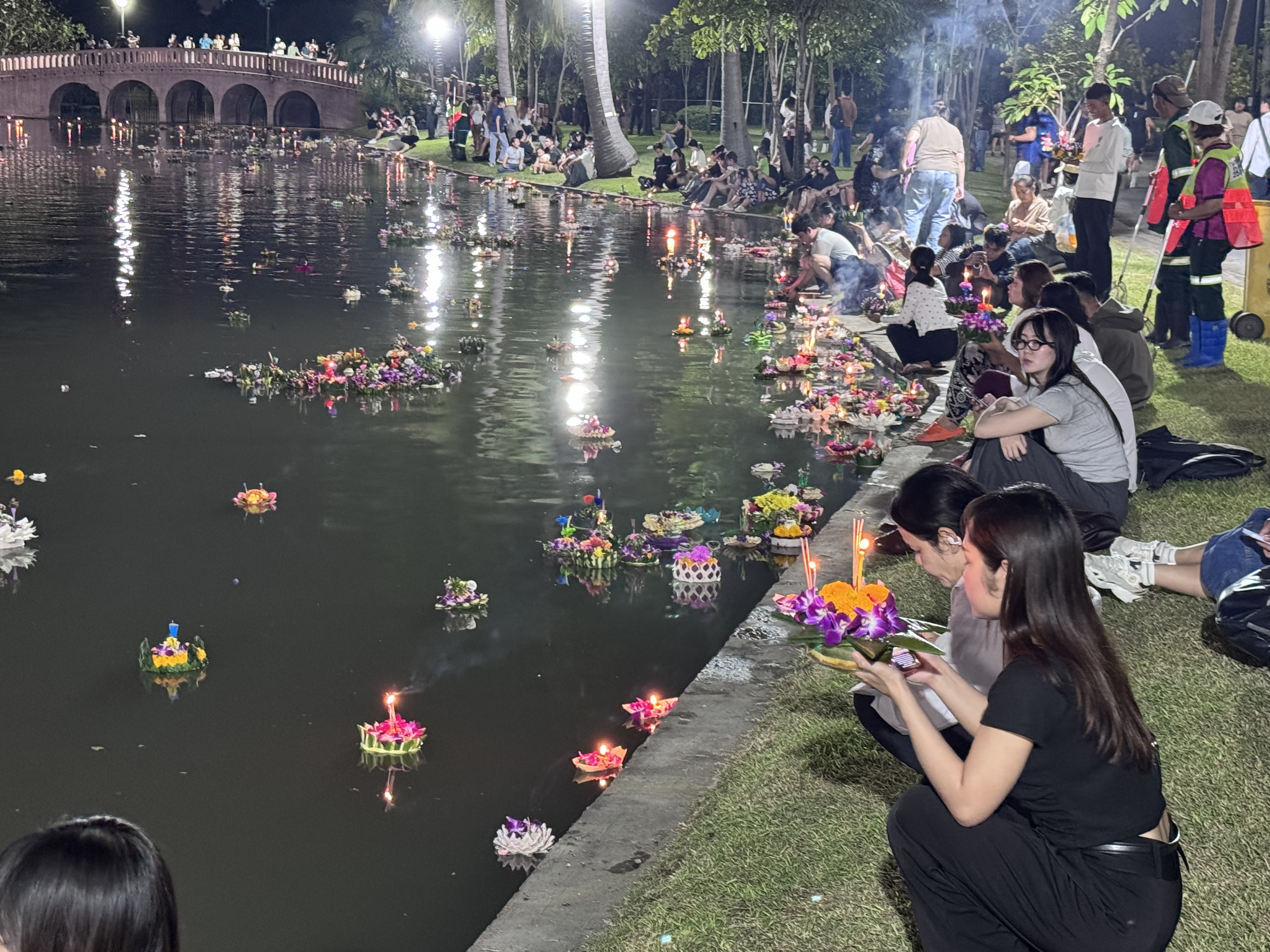
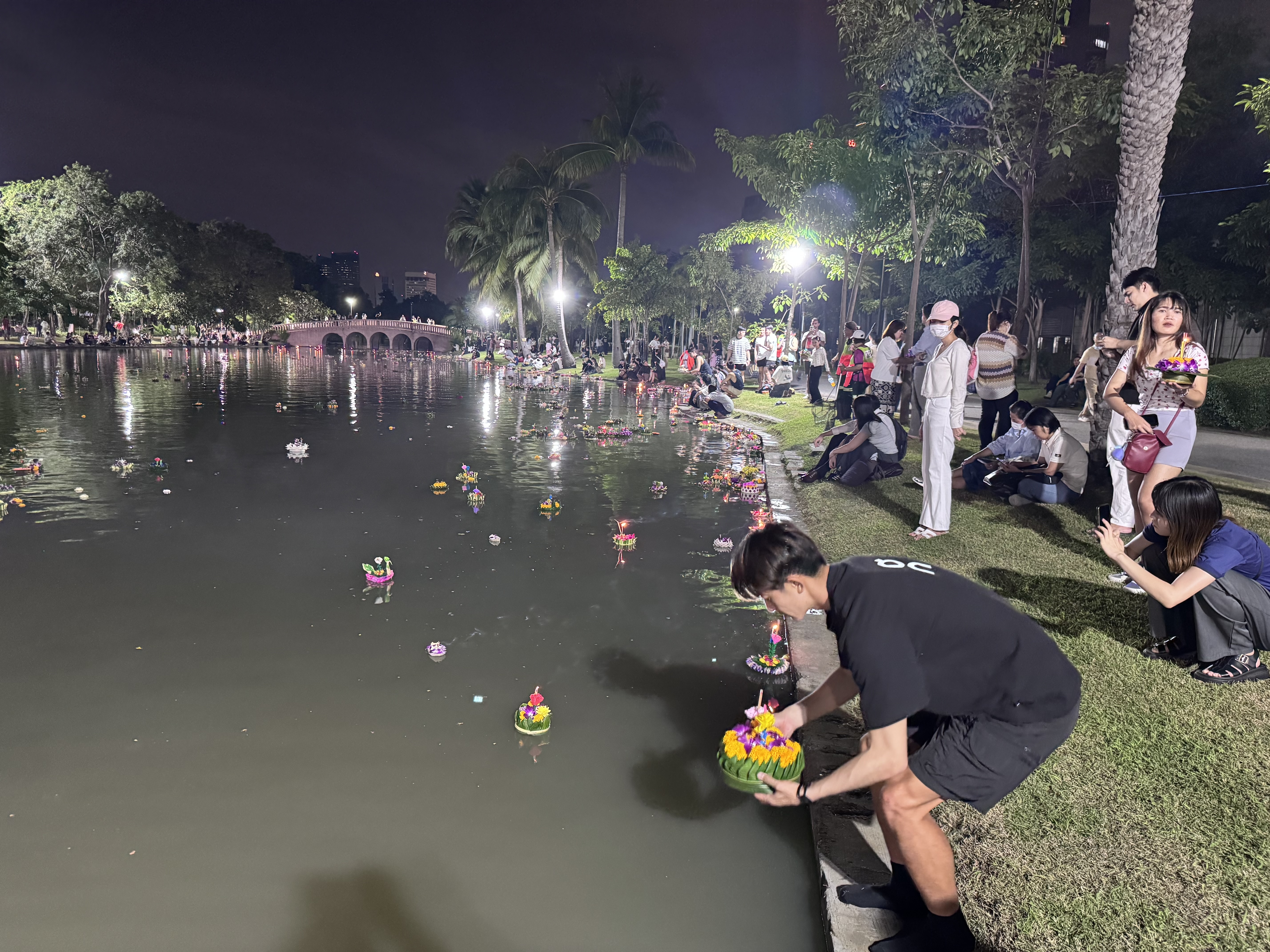
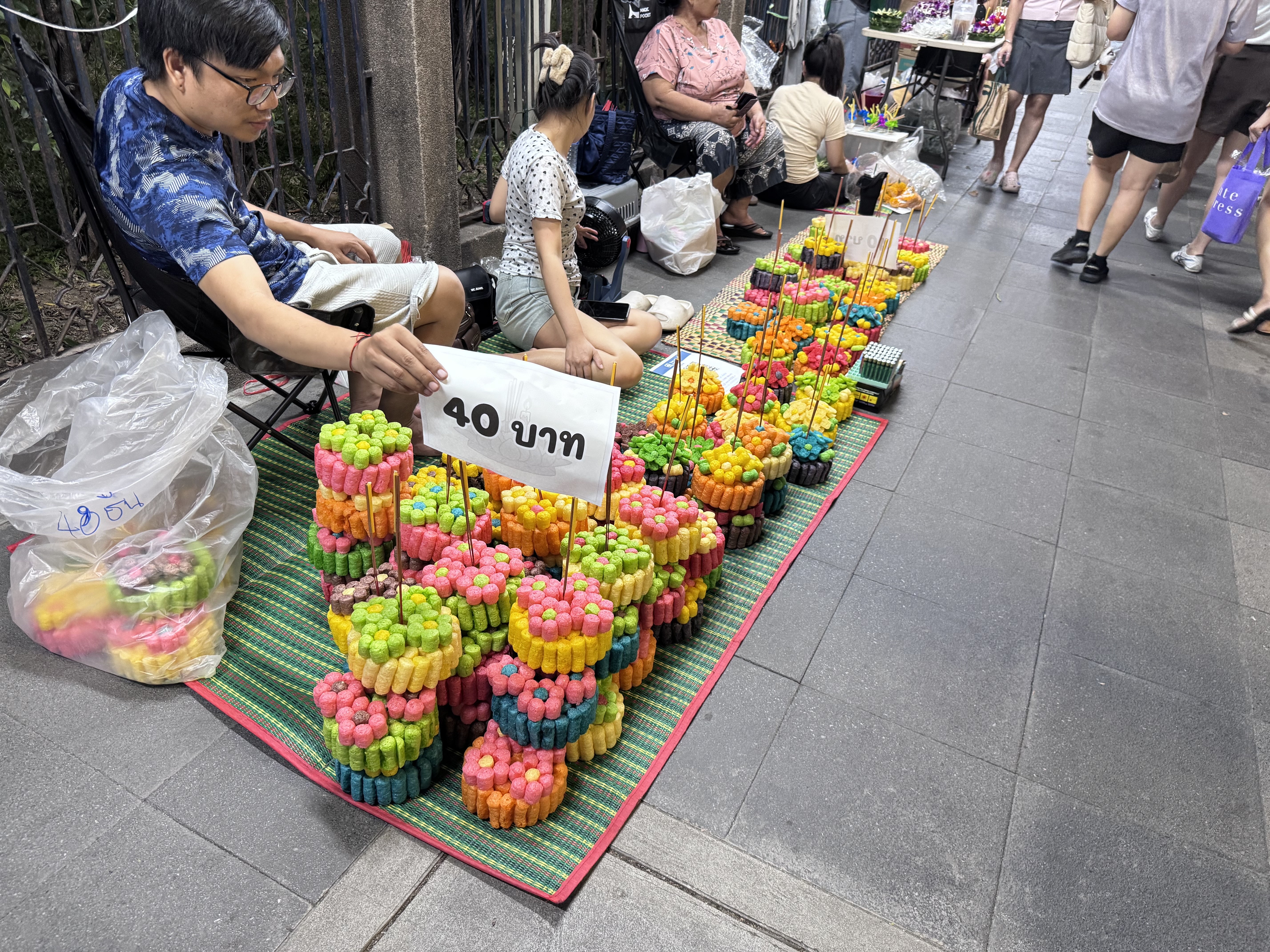
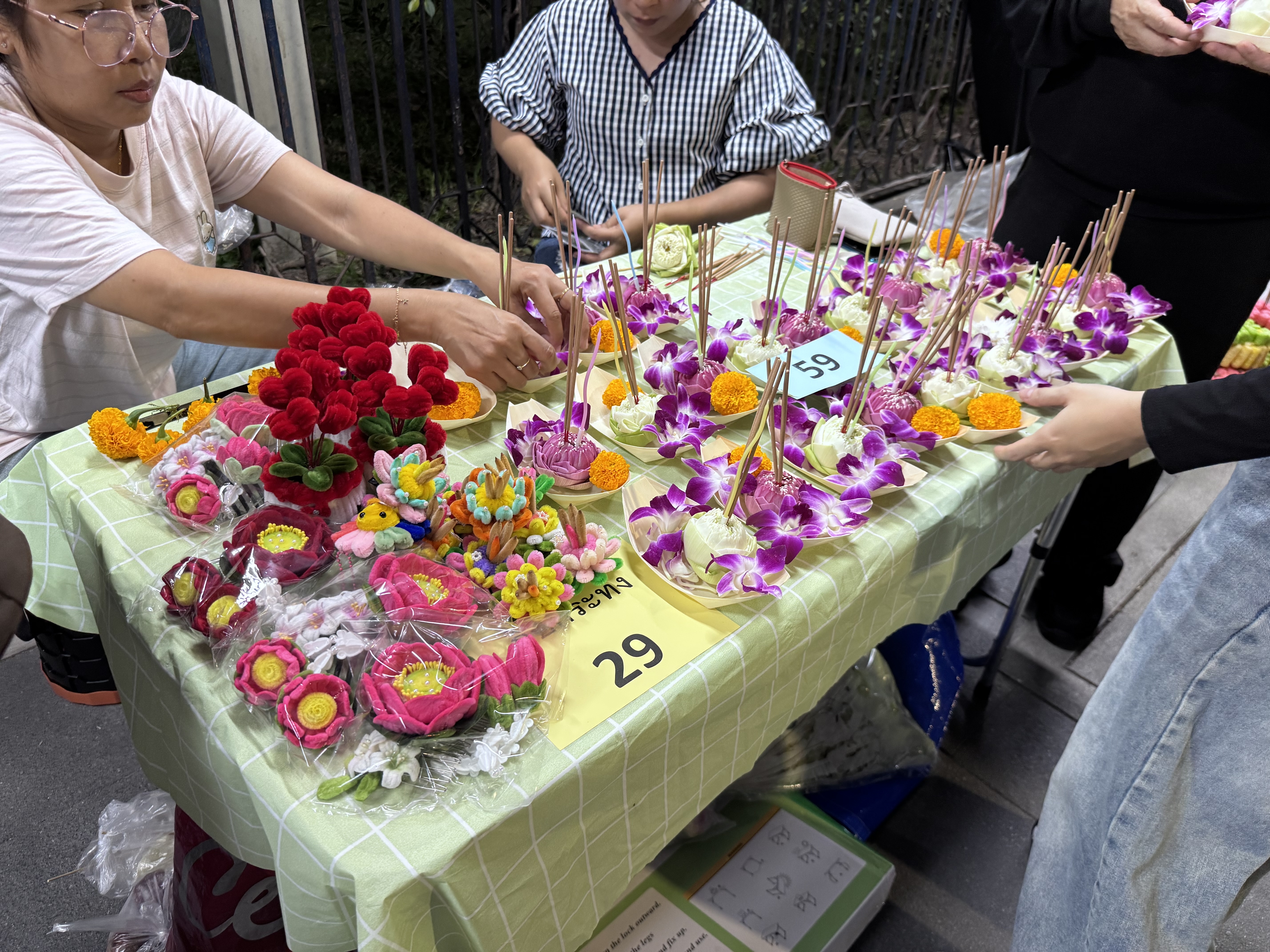
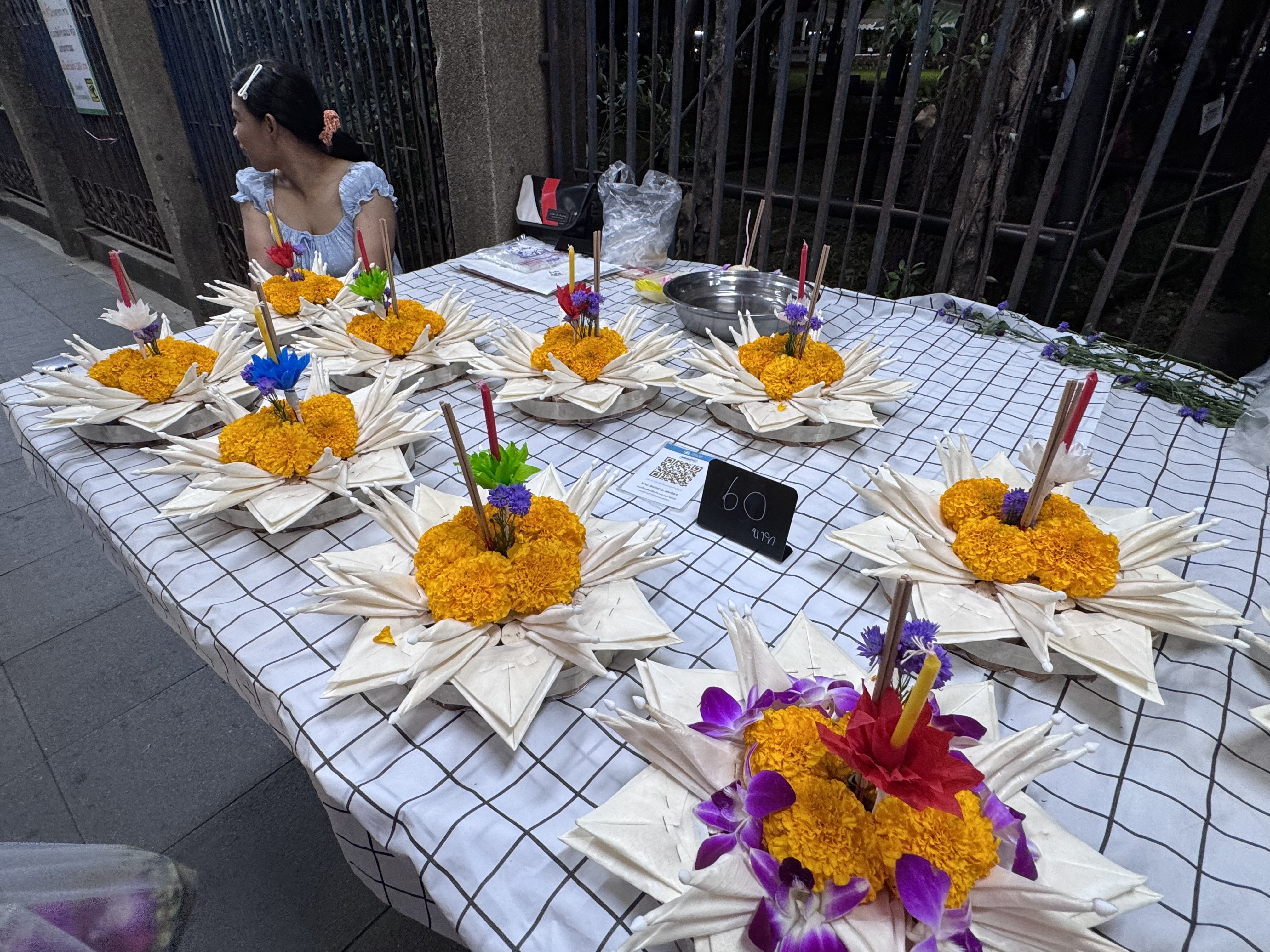
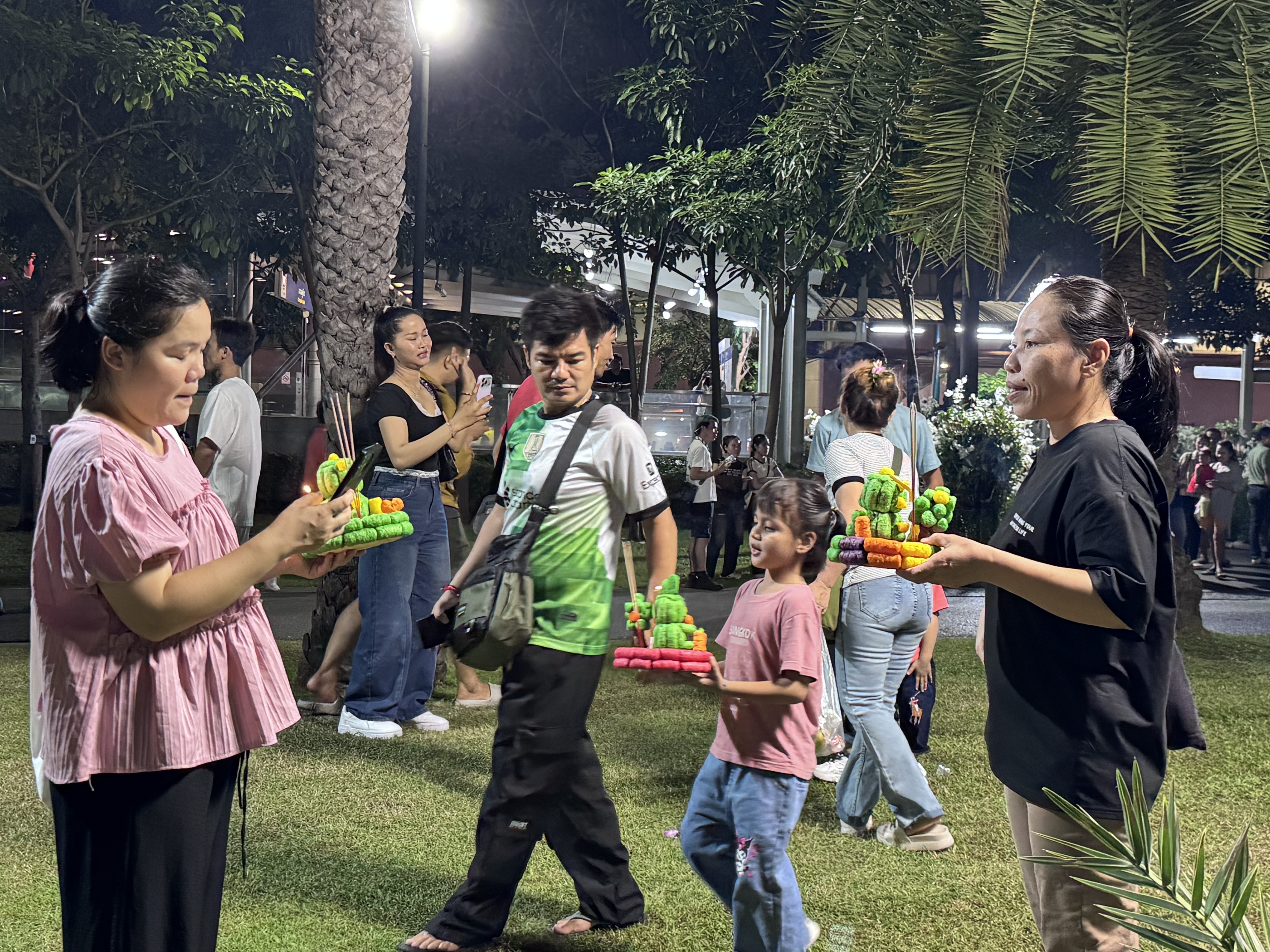
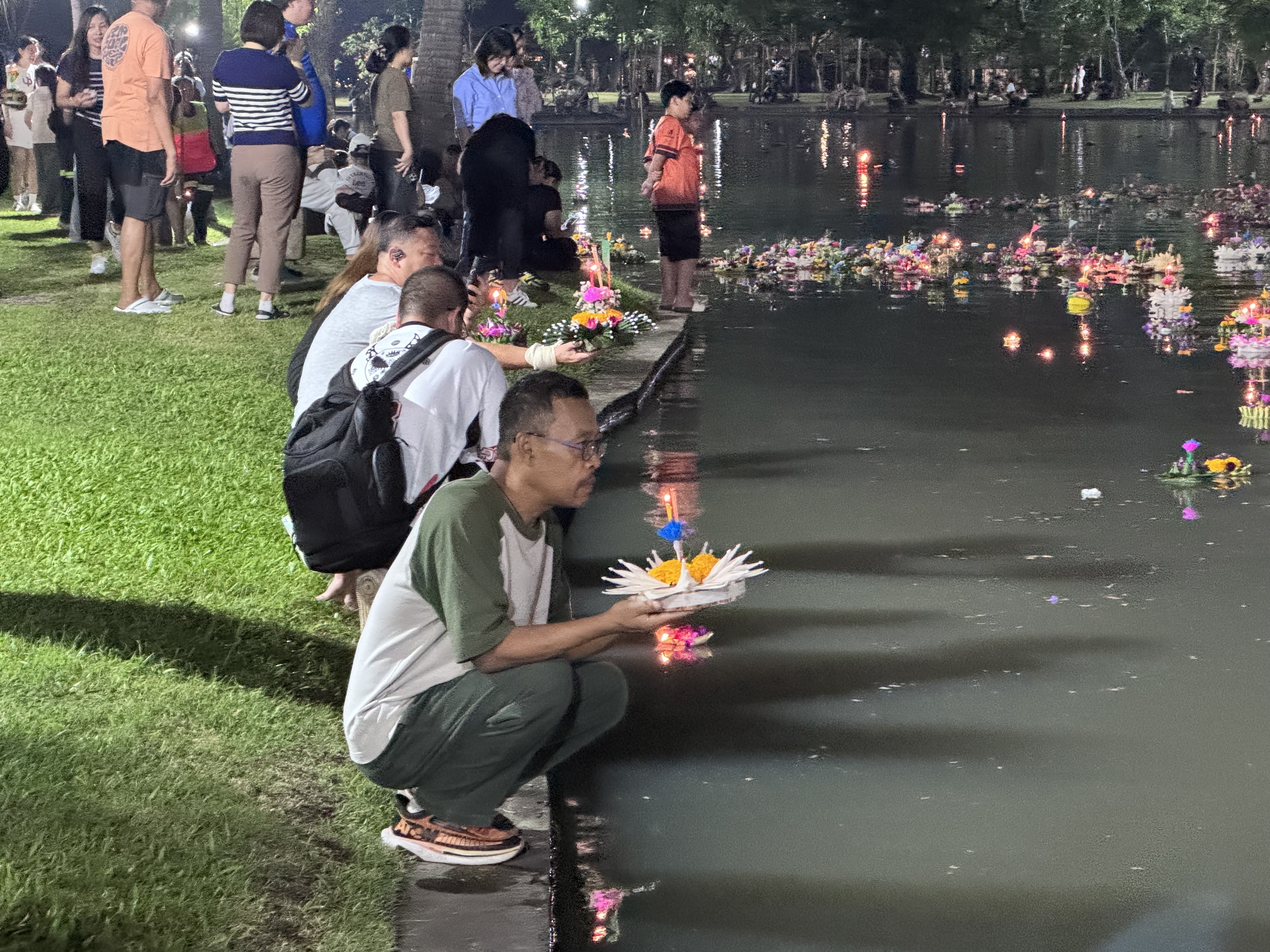
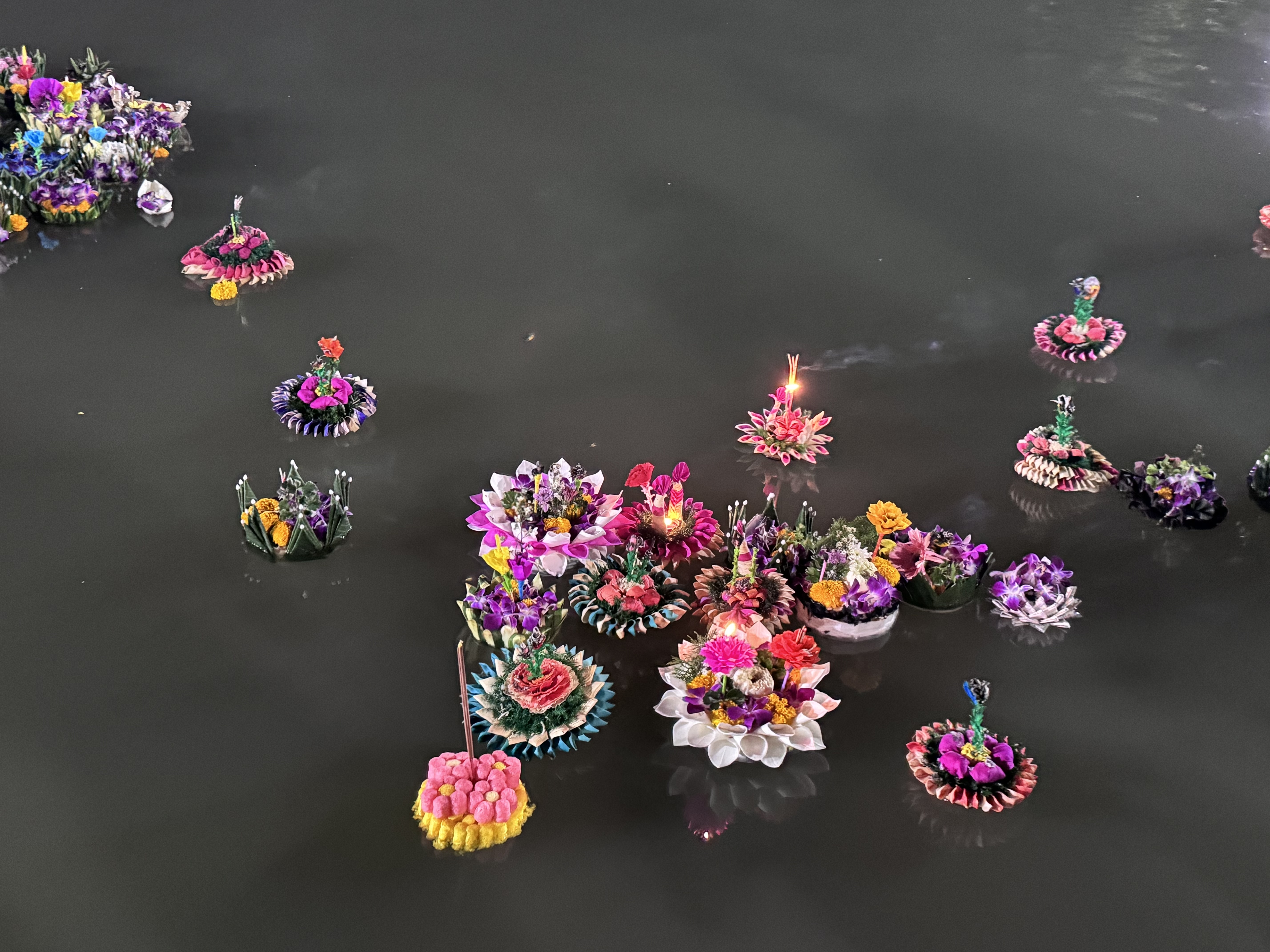
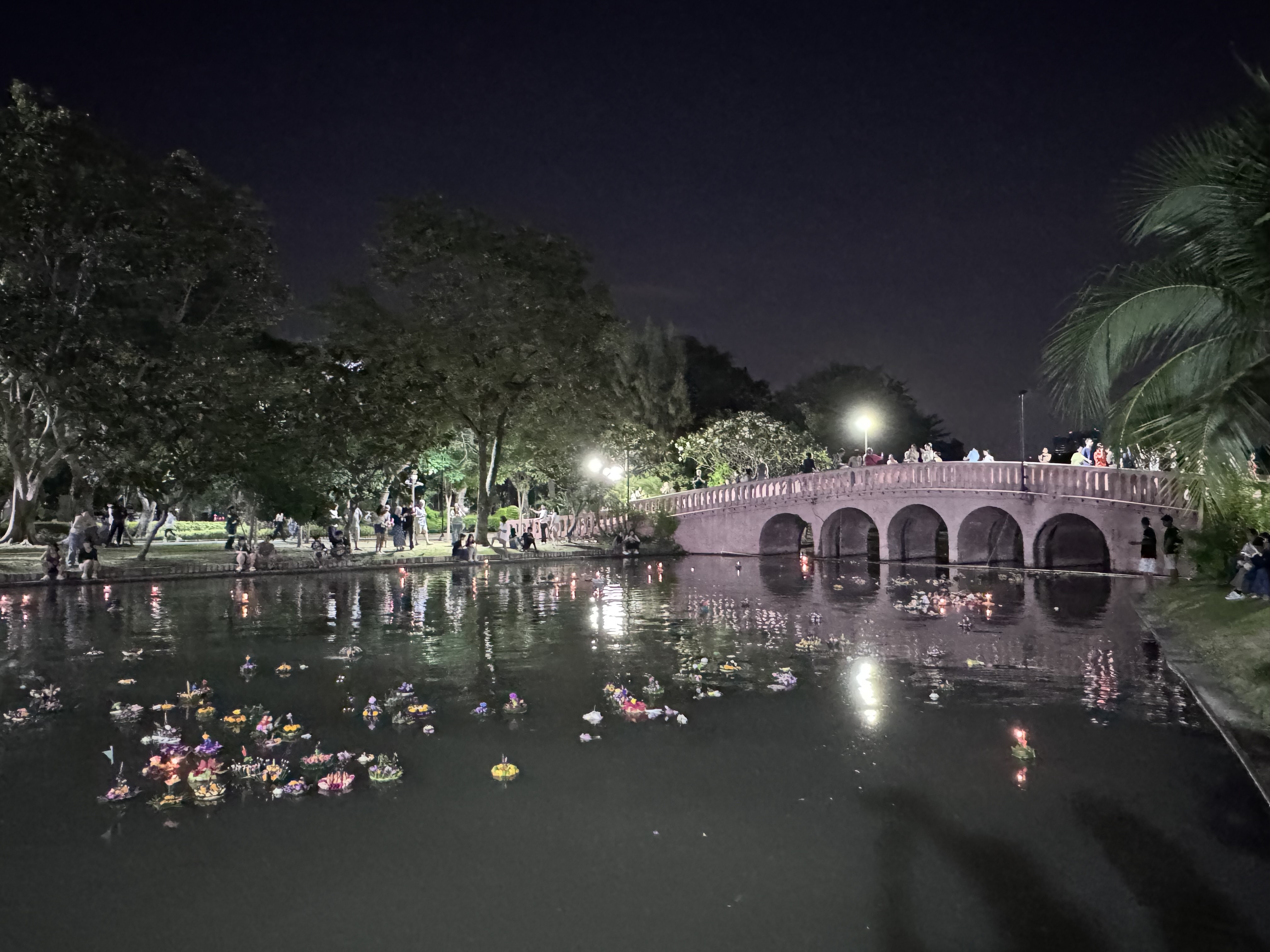
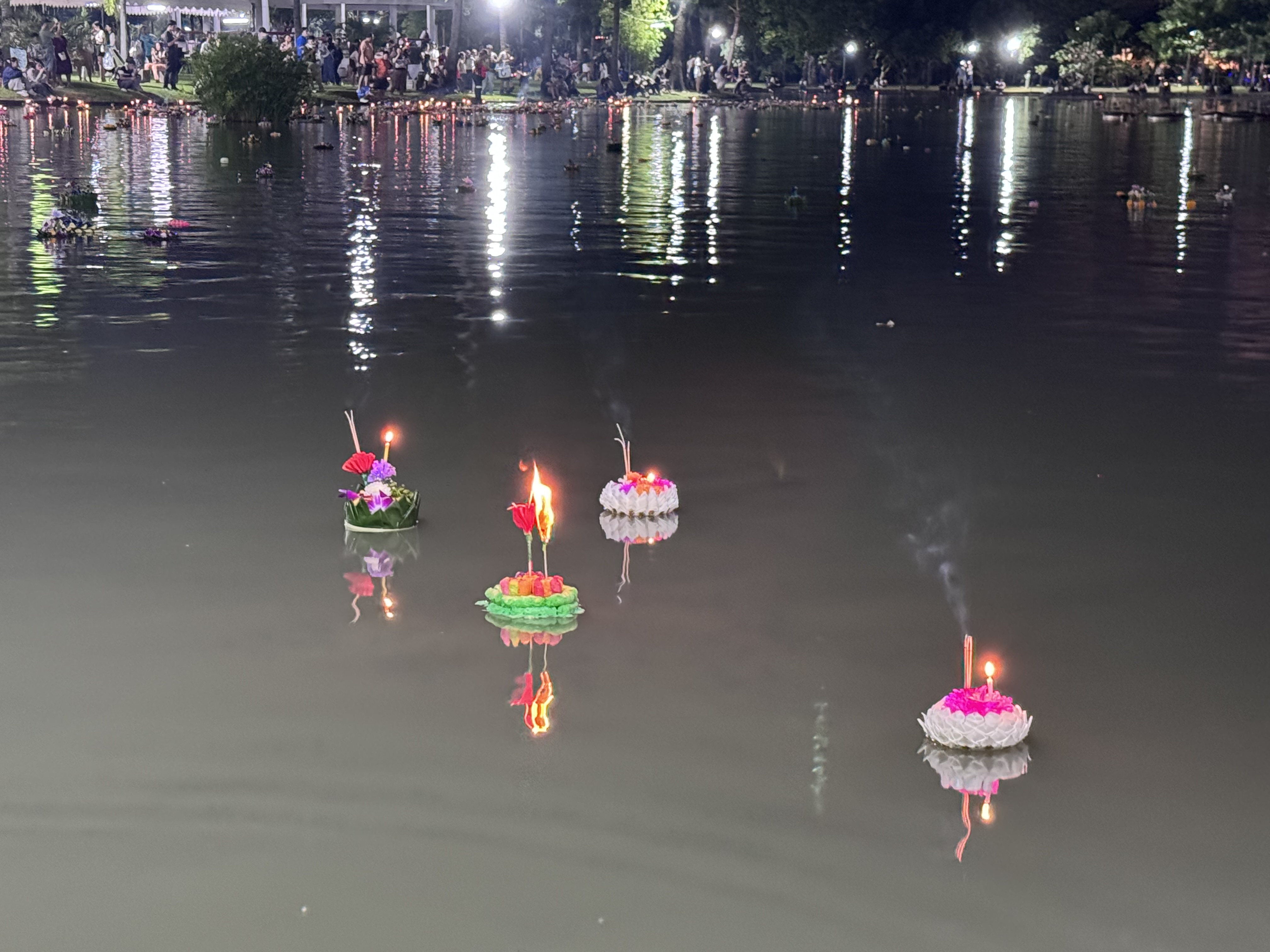
History of Loy Krathong Festival
Loy Krathong Festival originated from an old Brahmin festival that paid respects to the water spirits. Thai people float krathongs to give thanks to the water goddess for the fortune of having water while others will ask for forgiveness for using too much or contaminating it.
Loy Krathong originated in the ancient Sukhothai Kingdom, over 700 years ago. The King, Ramkamhang, was a devout Buddhist and believed that at the end of the Thai year his people should pay tribute to the water goddess, Phra Mae Khong Ka, for all they had been given. So he chose a night with a full moon after the monsoons, meaning the rivers and canals would be at their fullest, to worship.
A popular legend says that one of the King's consorts, Nang Noppamas, was the one who created the first Krathong. Noppamas was the daughter of a Brahmin priest and adapted an existing Brahmin tradition to make the float from banana leaves. The king was impressed and he proclaimed that every year on this ...