

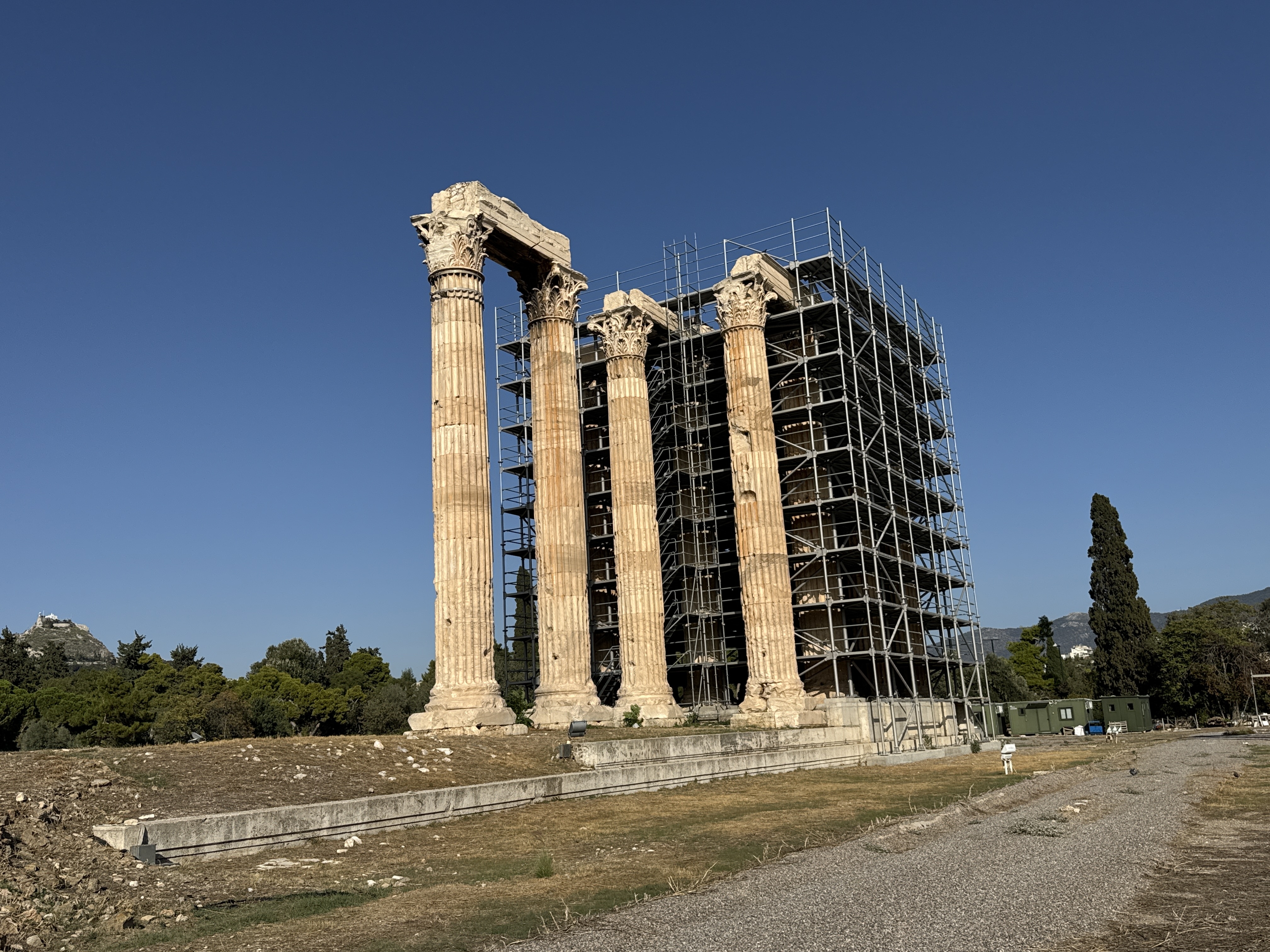
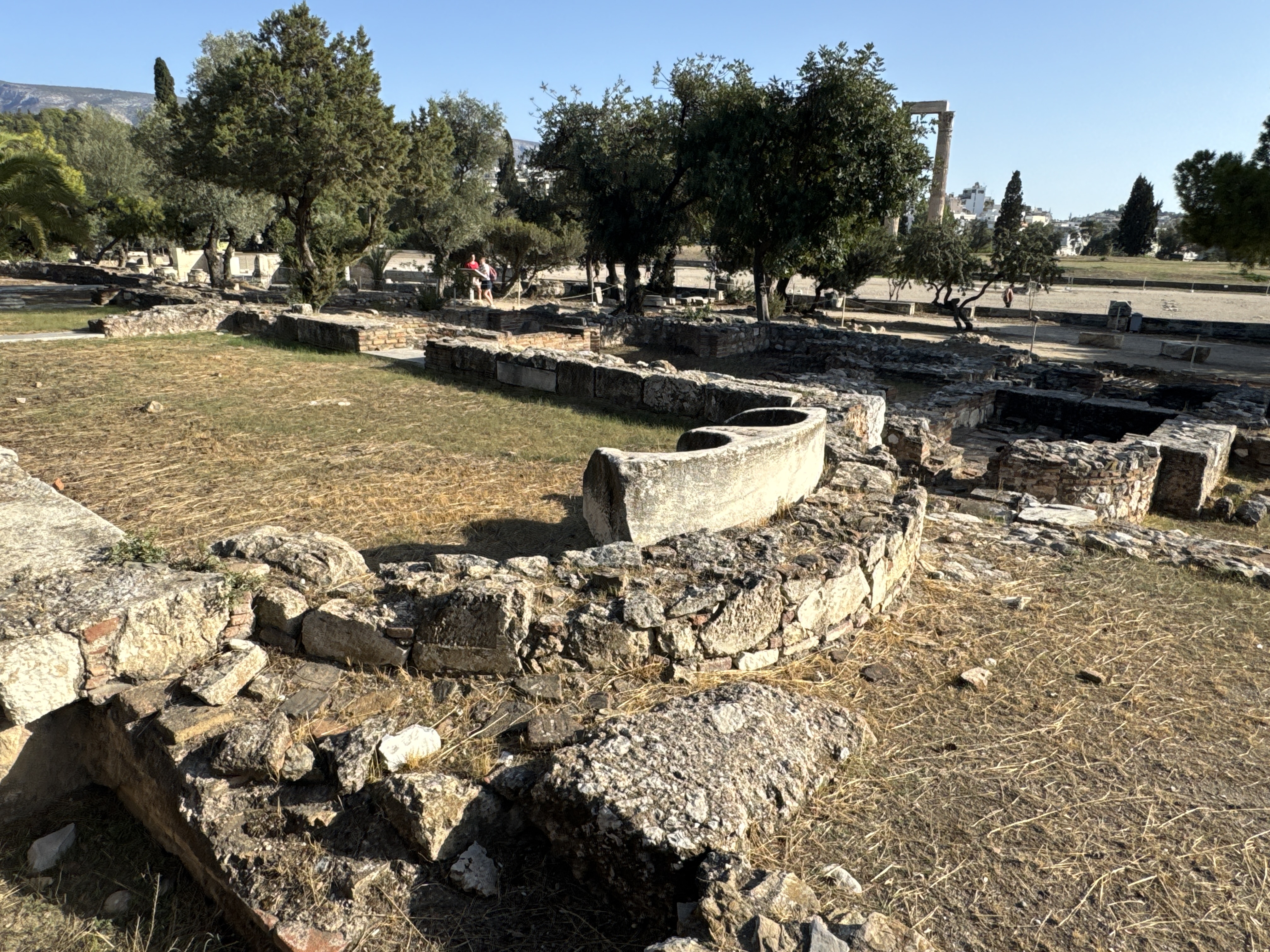
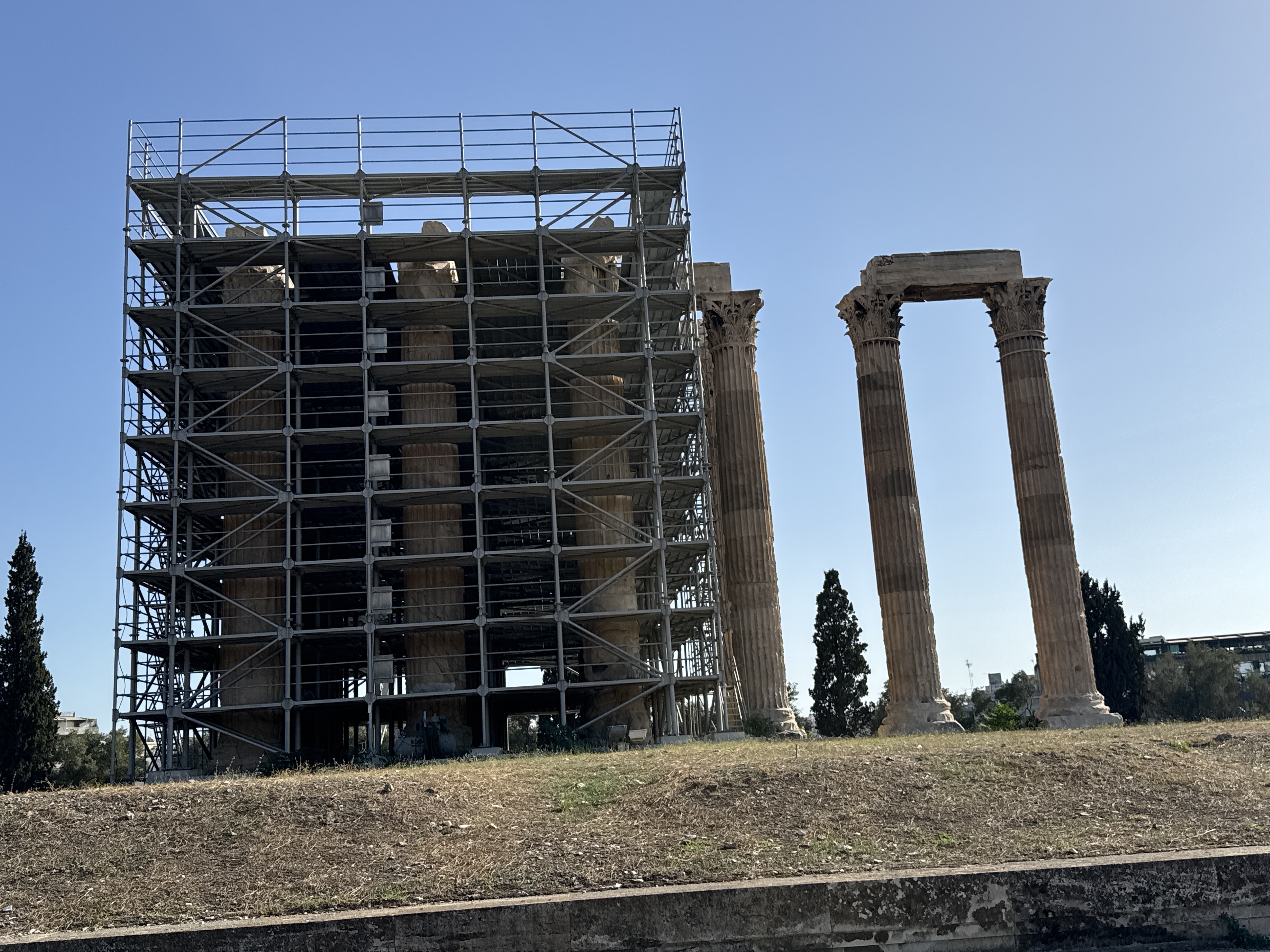
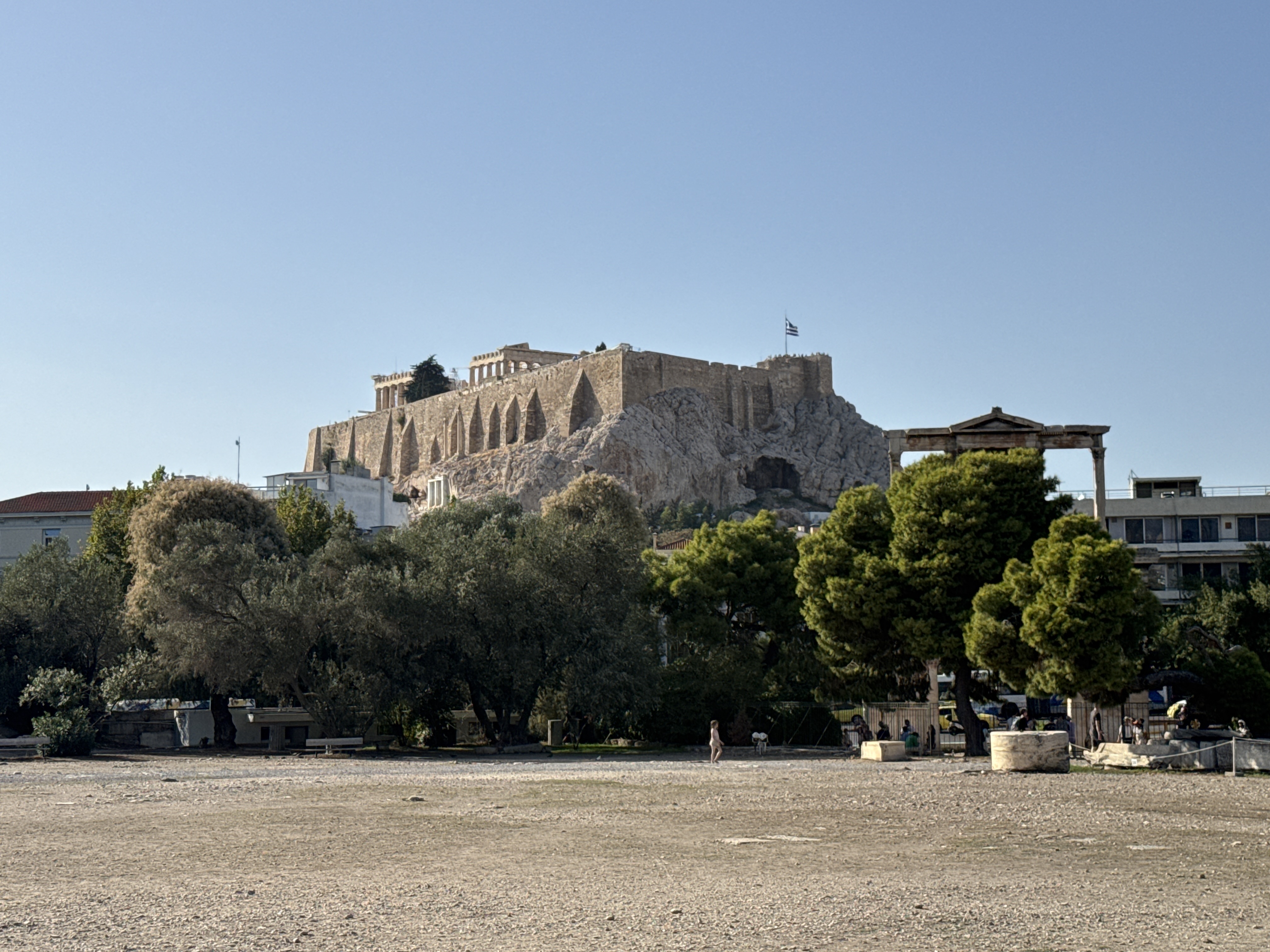
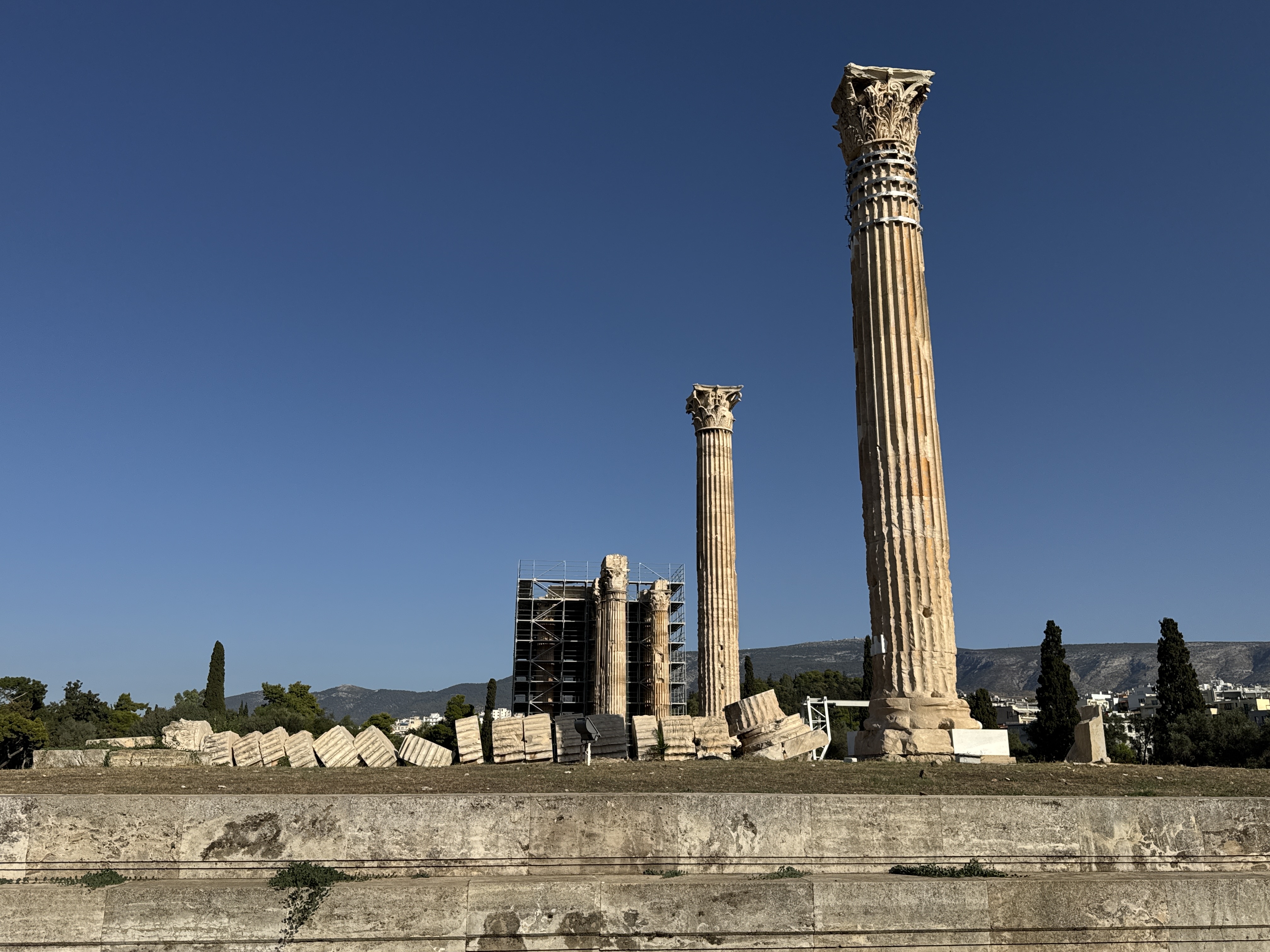
The Temple of Olympian Zeus Ναός του Ολυμπίου Διός. It’s also known as the Olympieion or Columns of the Olympian Zeus, is a former colossal temple at the centre of the Greek capital, Athens. It was dedicated to "Olympian" Zeus, a name originating from his position as head of the Olympian gods.
Construction began in the 6th century BC during the rule of the Athenian tyrants, who envisioned building the greatest temple in the ancient world, but it was not completed until the reign of Roman Emperor Hadrian in the 2nd century AD, some 638 years after the project had begun.
During the Roman period, the temple, which included 104 colossal columns, was renowned as the largest temple in Greece and housed one of the largest cult statues in the ancient world.
The temple's glory was short-lived, as it fell into disuse after being pillaged during a barbarian invasion in 267 AD, just about a century after its completion. It was probably never repaired and was reduced to ruins ...

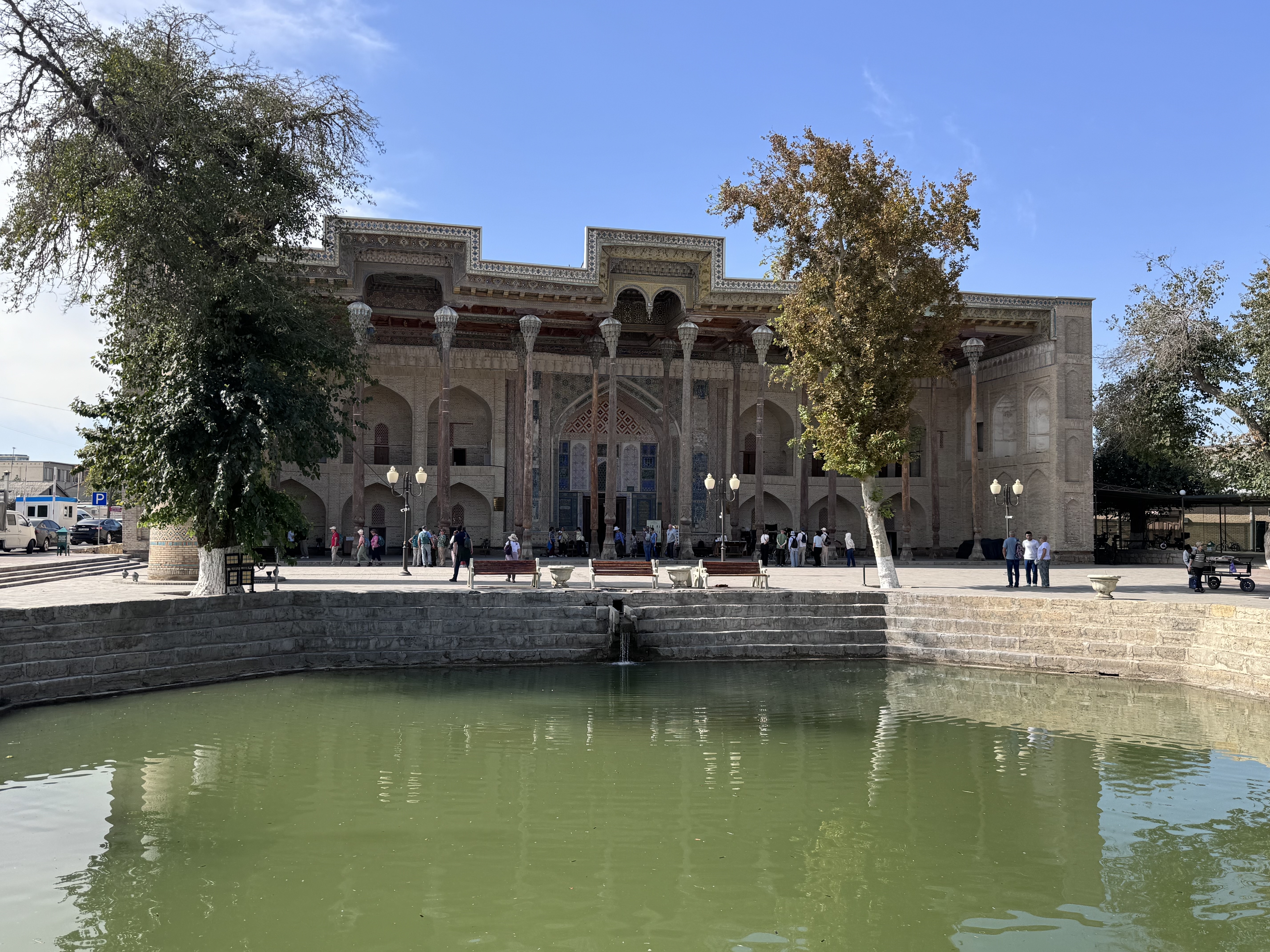
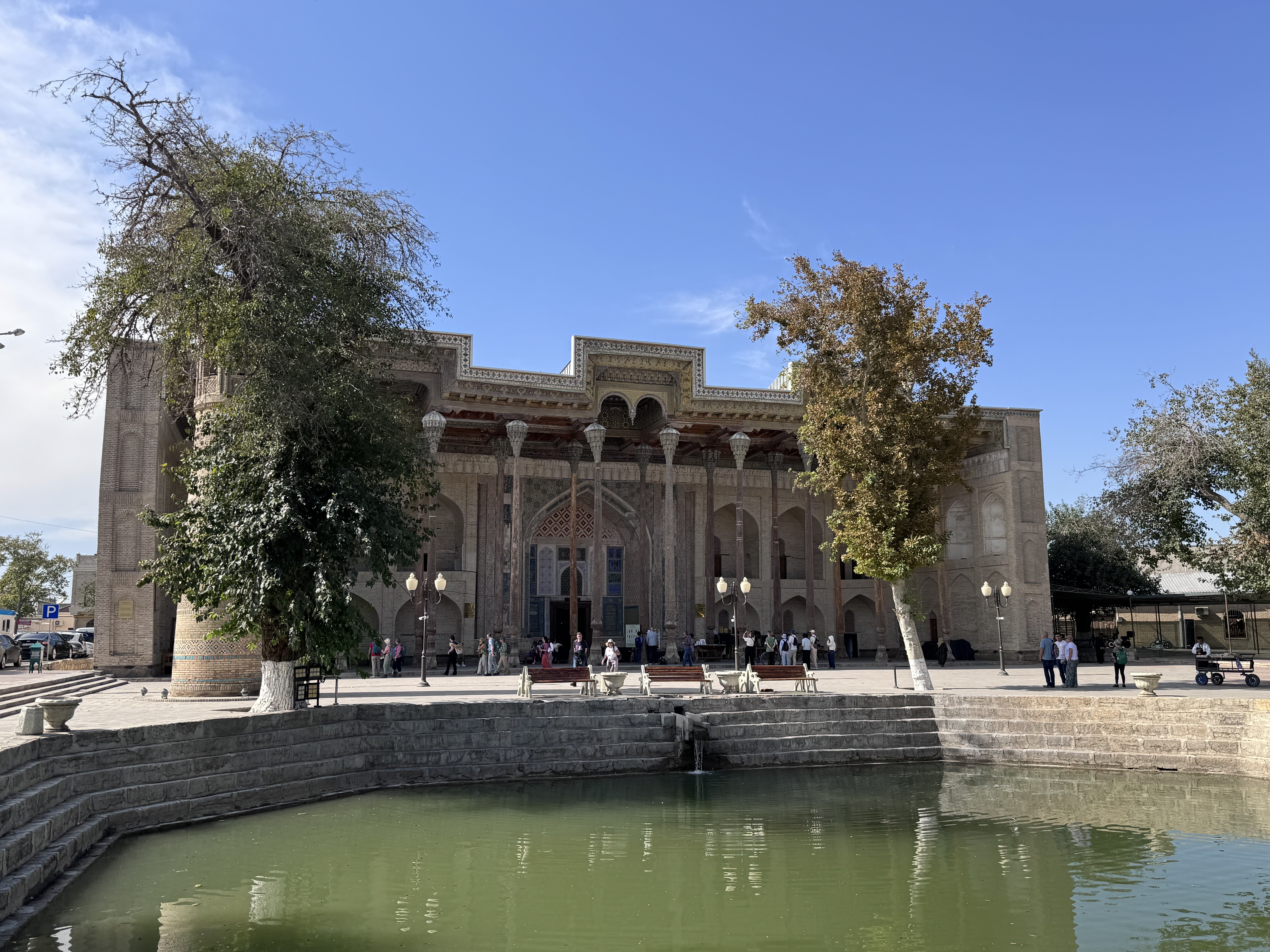
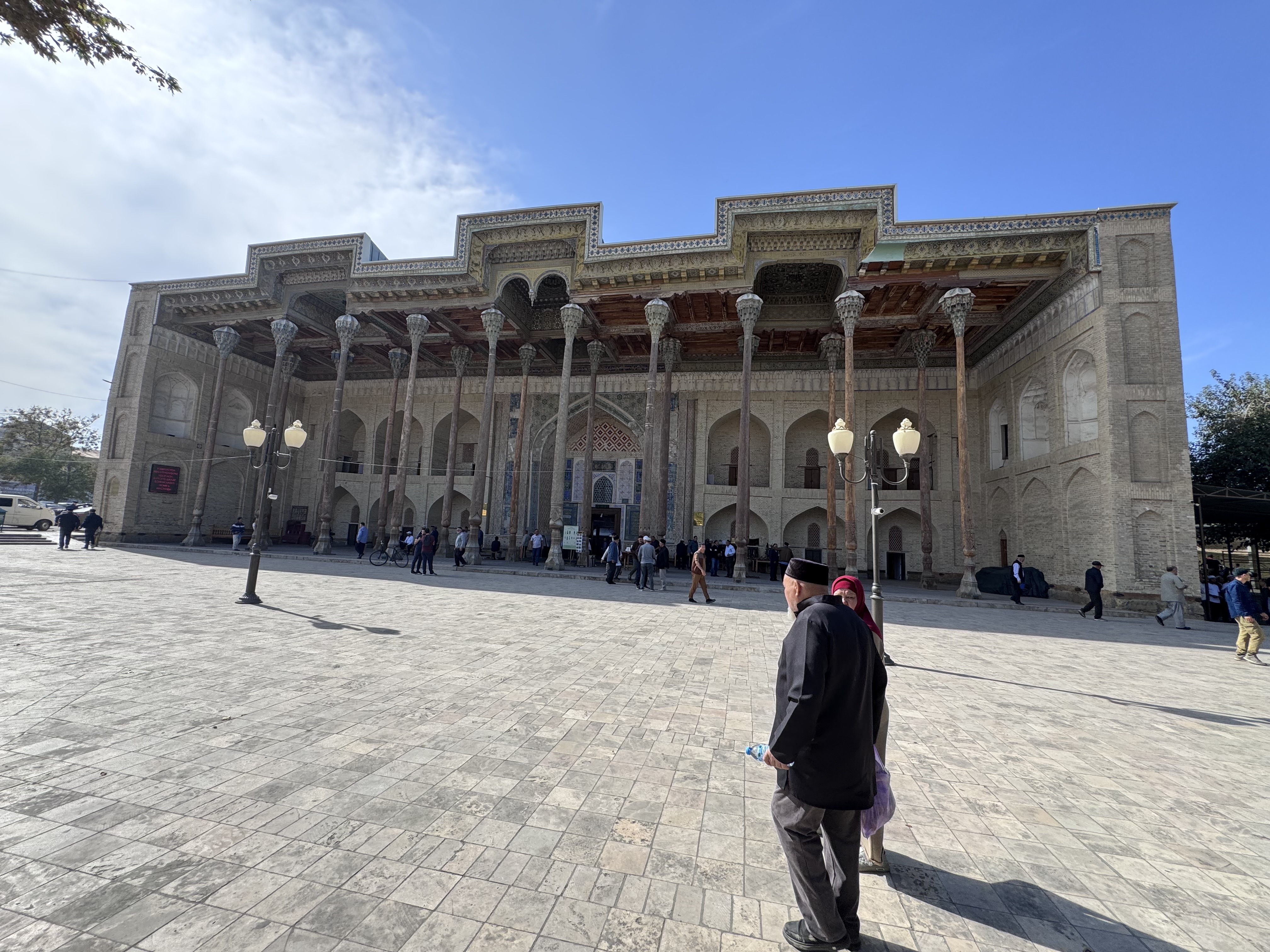
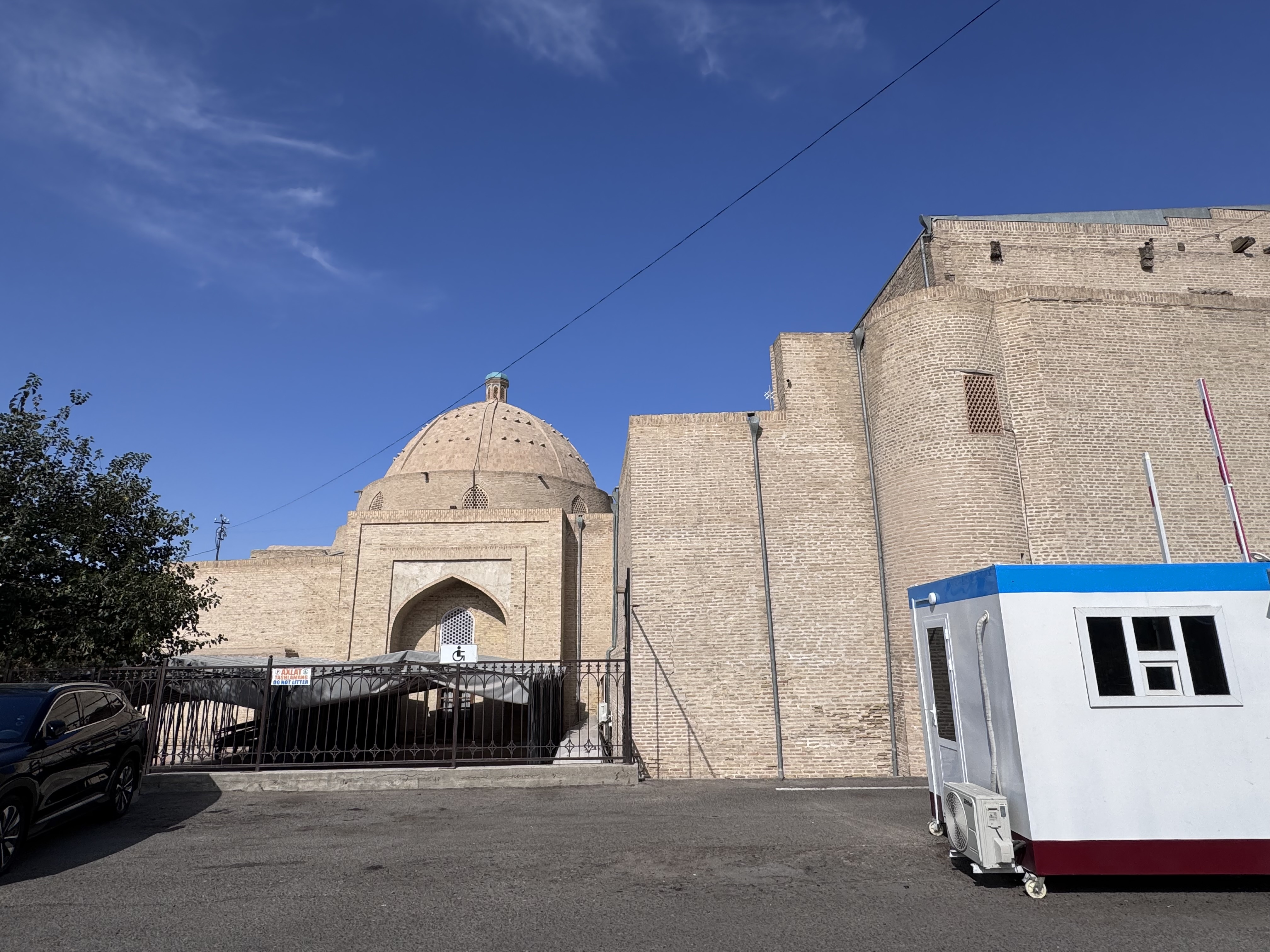
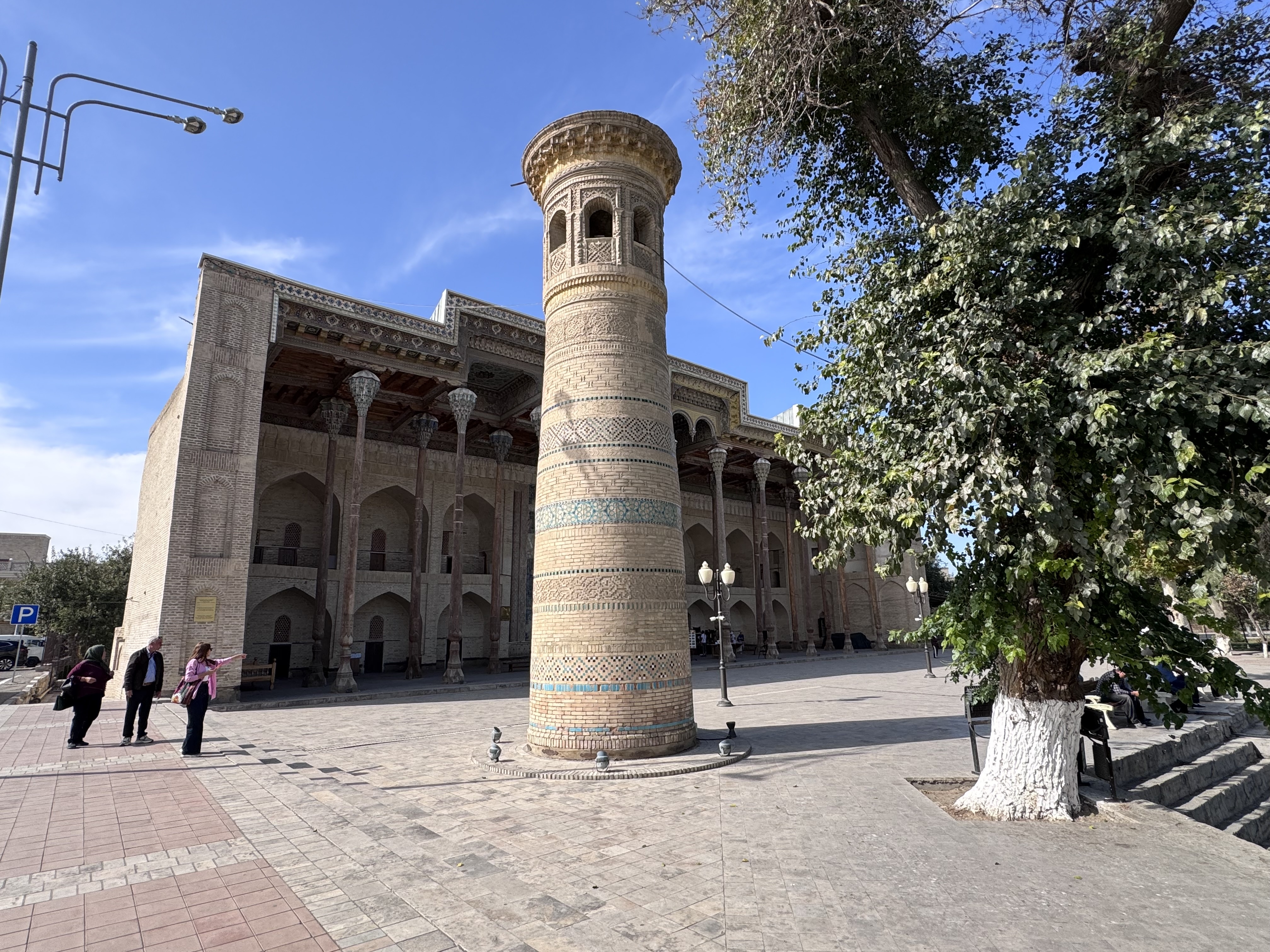
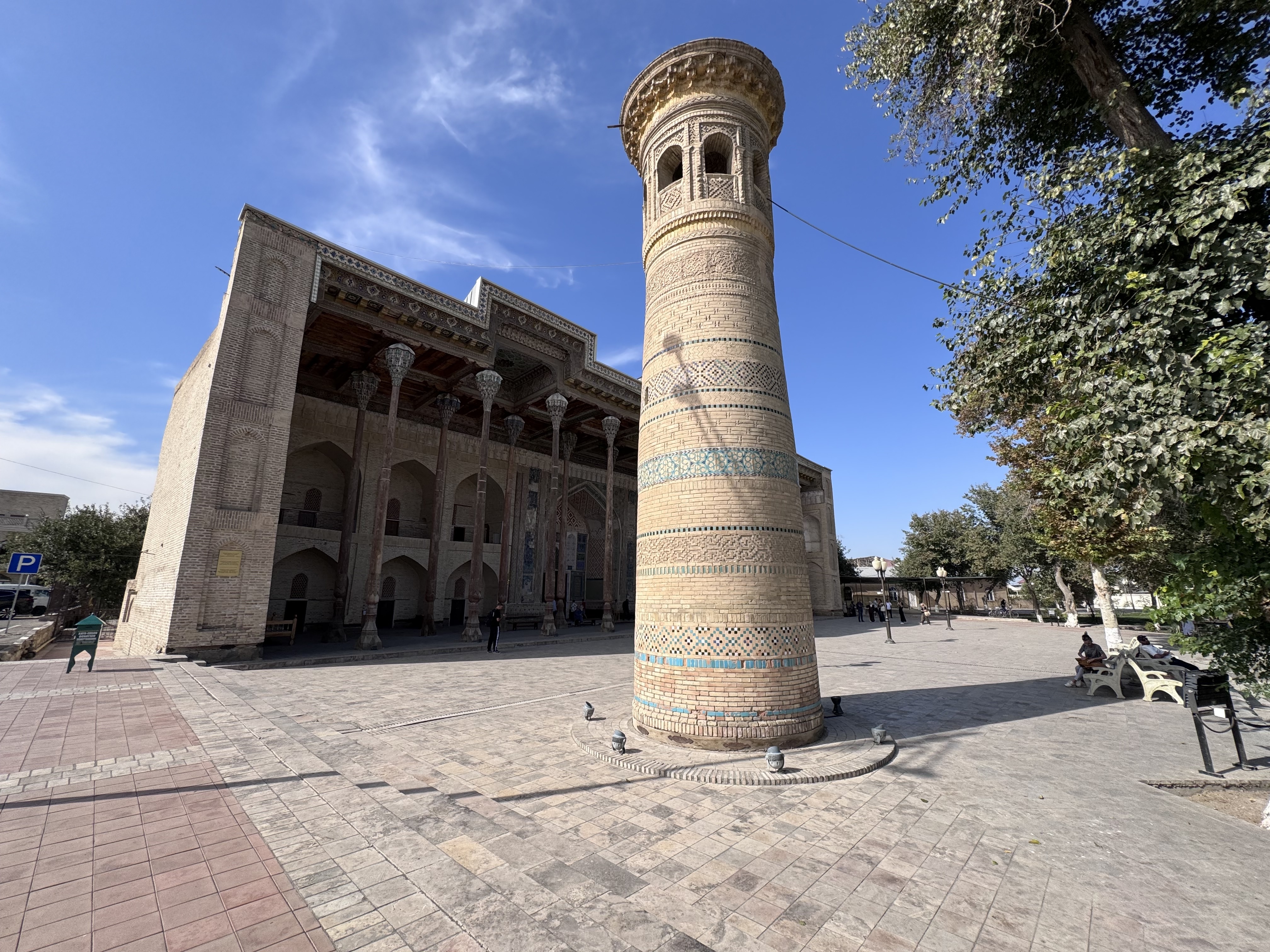
The Bolo Hauz Mosque stands on the western edge of what was once Bukhara’s Registan Square, directly facing the Ark Fortress in a classic paired arrangement that once framed the city’s ceremonial heart.
Built in 1712 early in the reign of Abu’l-Faiz Khan, it ranks among the last major religious monuments raised in Bukhara before the modern era and forms part of the city’s UNESCO-listed Historic Center.
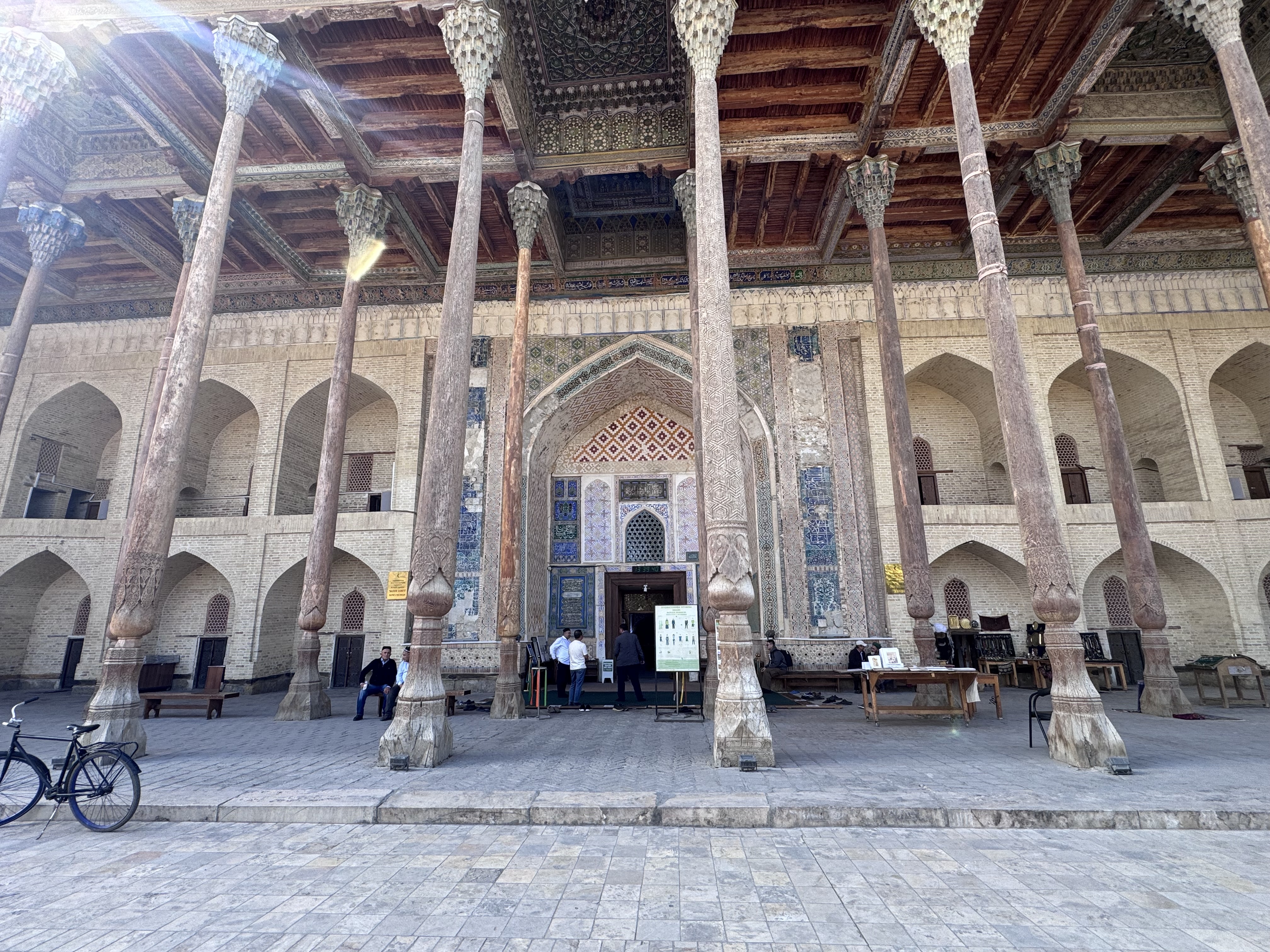
Its name, meaning “above the pool,” refers to the octagonal stone lined hauz that still lies before it, a reservoir that once supplied water for ablutions and daily life and now mirrors the mosque’s slender wooden columns so perfectly that locals call the place the Mosque of Forty Pillars.
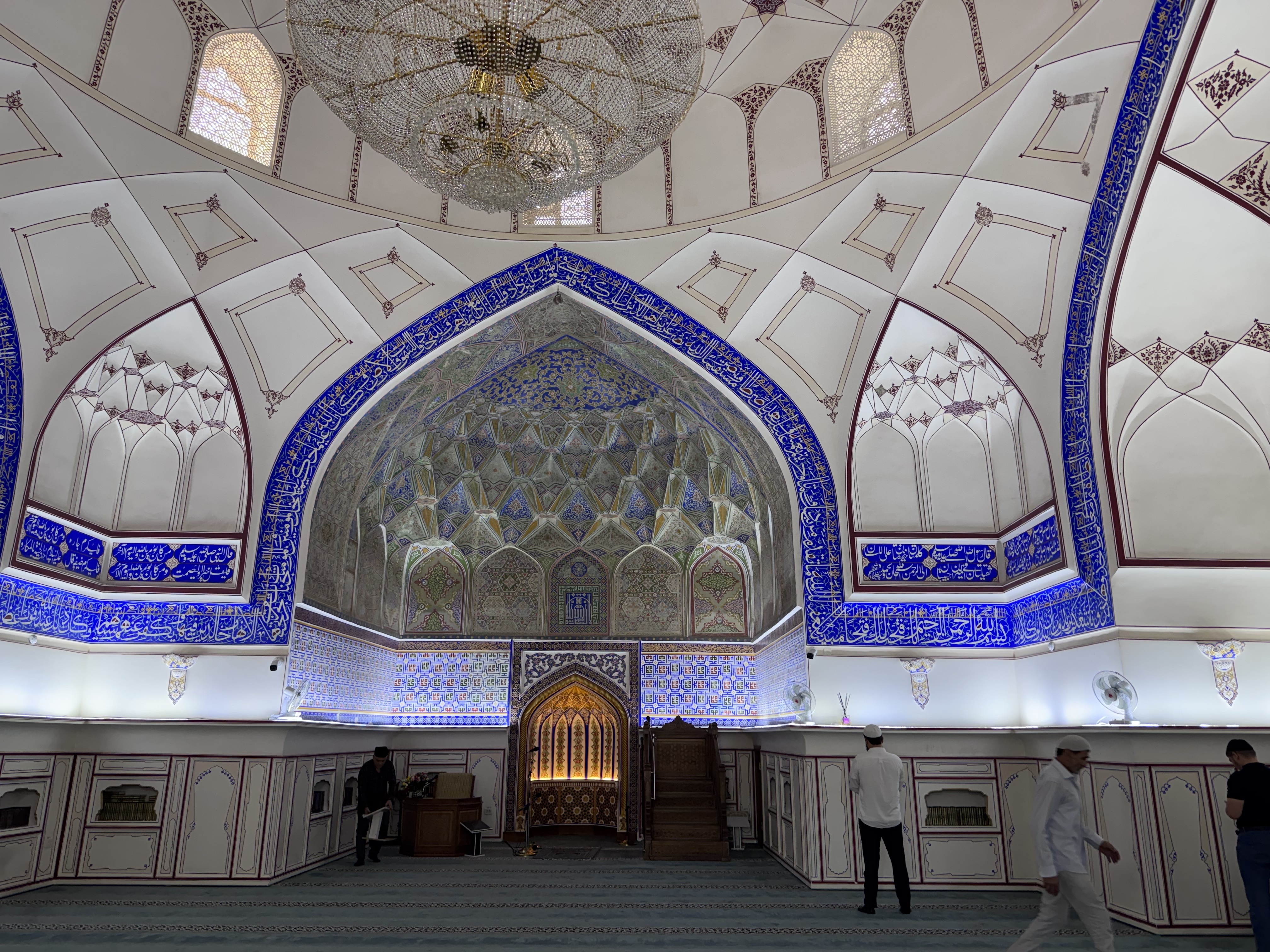
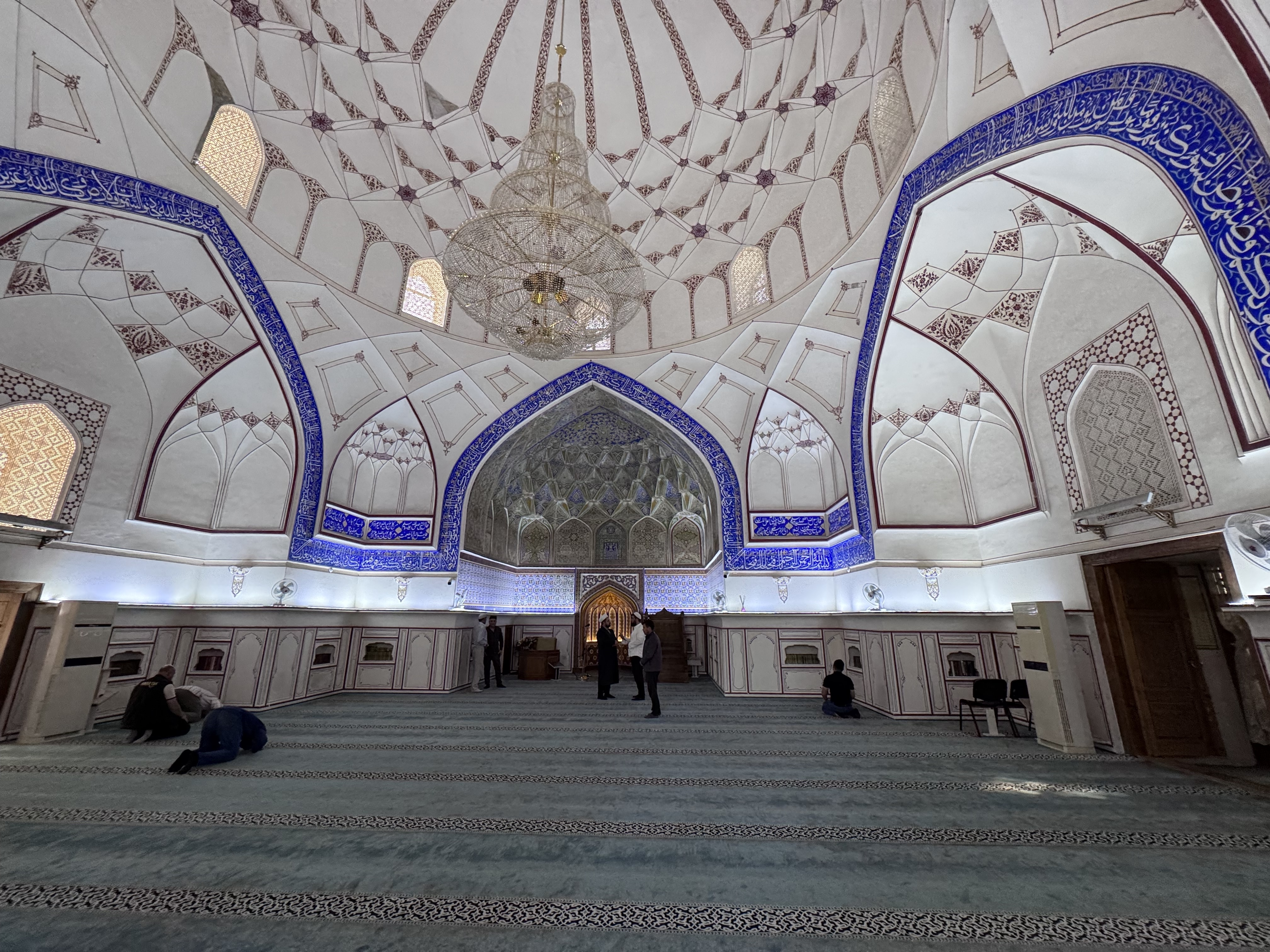
At its core is a solid winter prayer hall of thick brick walls and a spacious dome, its interior marked by the restrained muqarnas vaulting and mihrab typical of eighteenth century Central Asian craftsmanship.
In the early twentieth century, under the last Manghit emir, a luminous summer iwan was ...
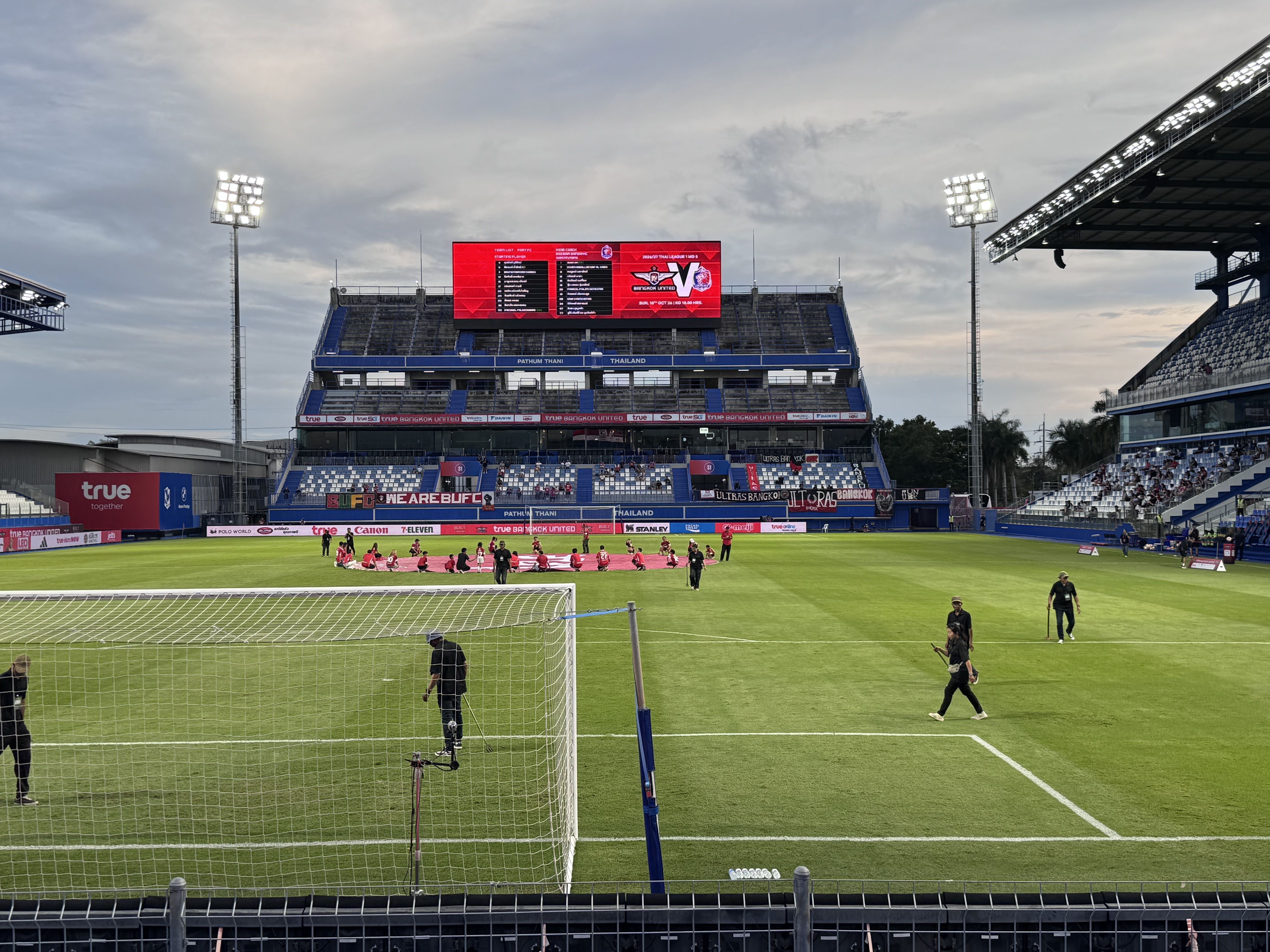
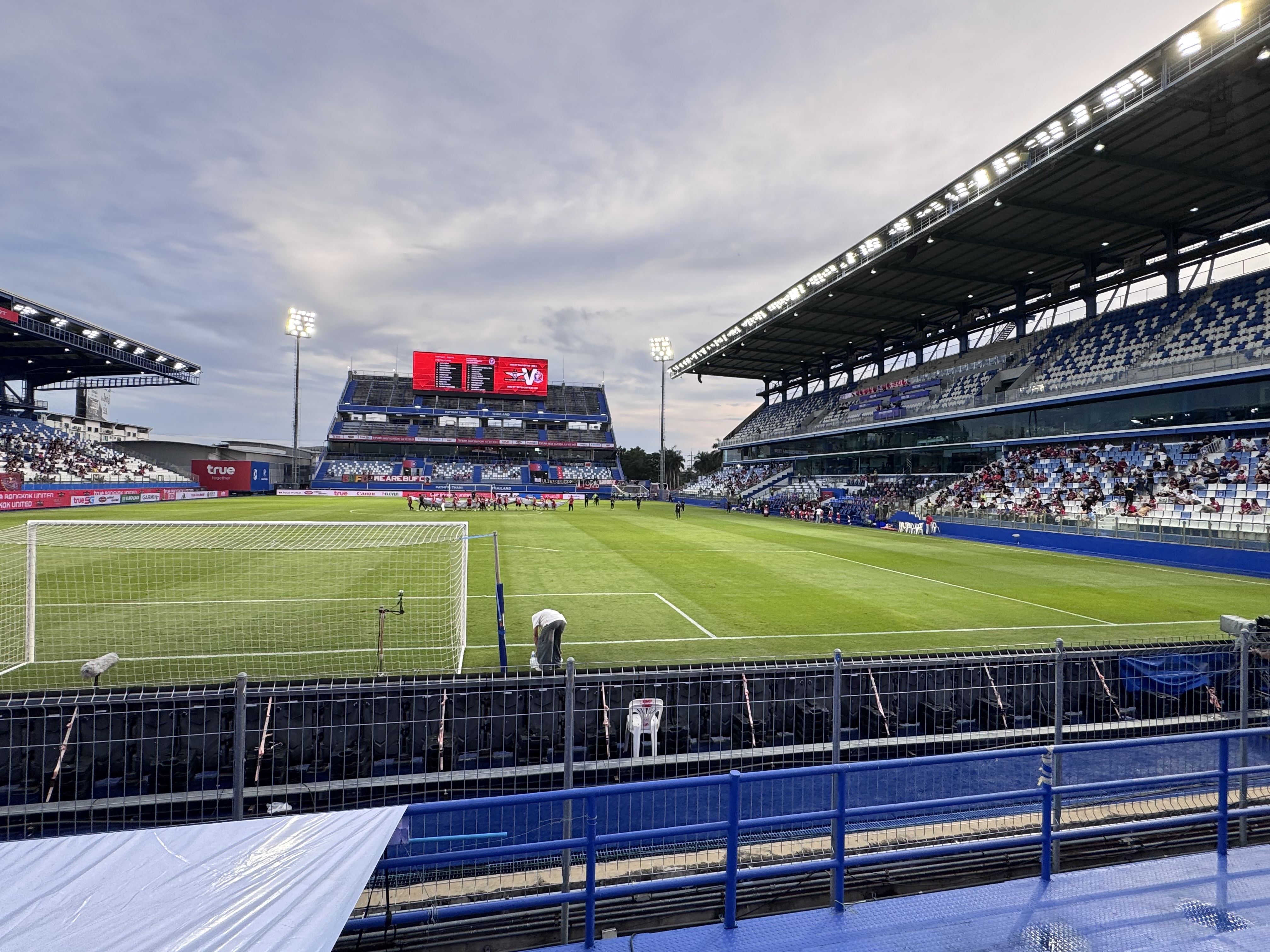
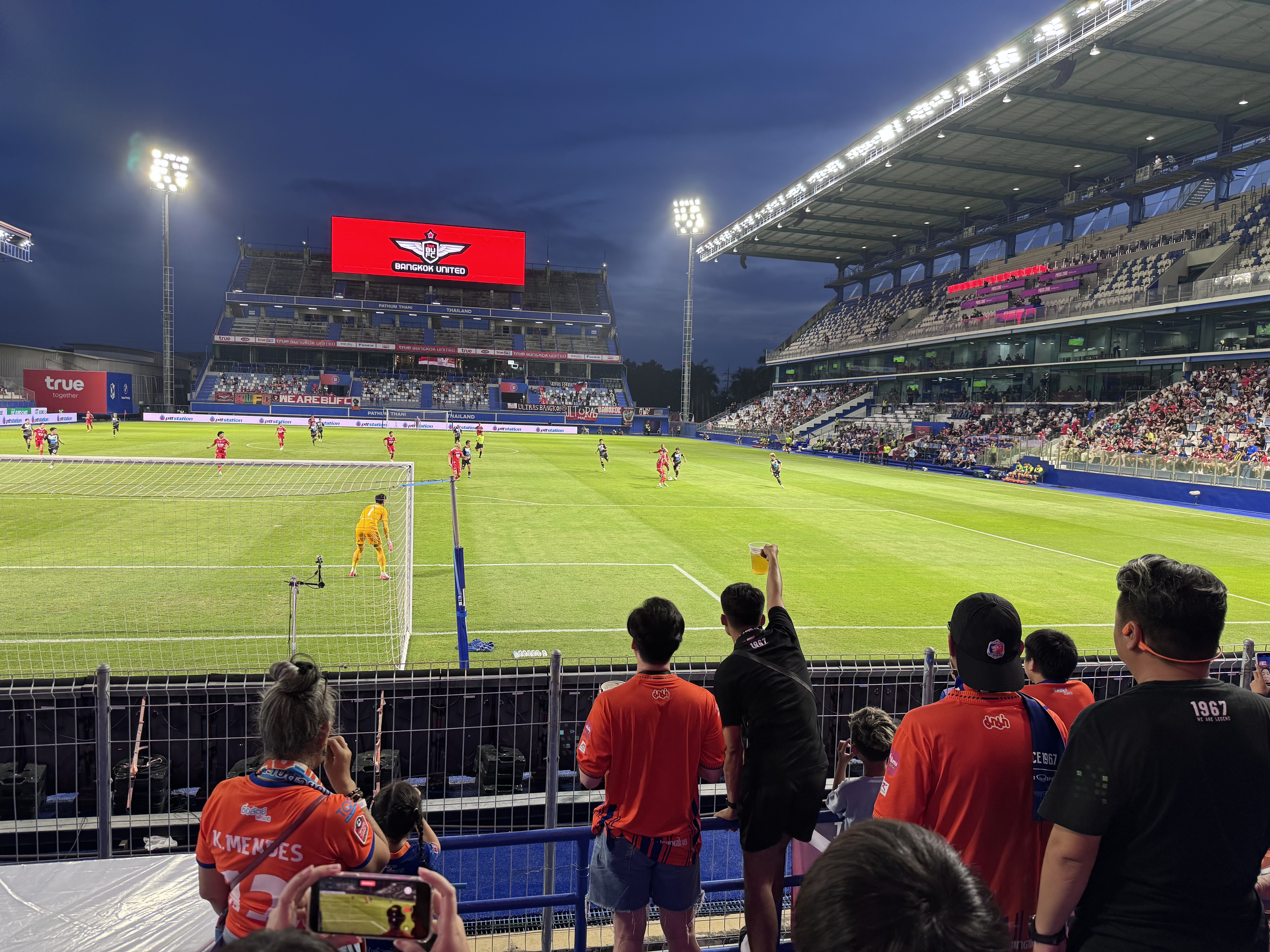
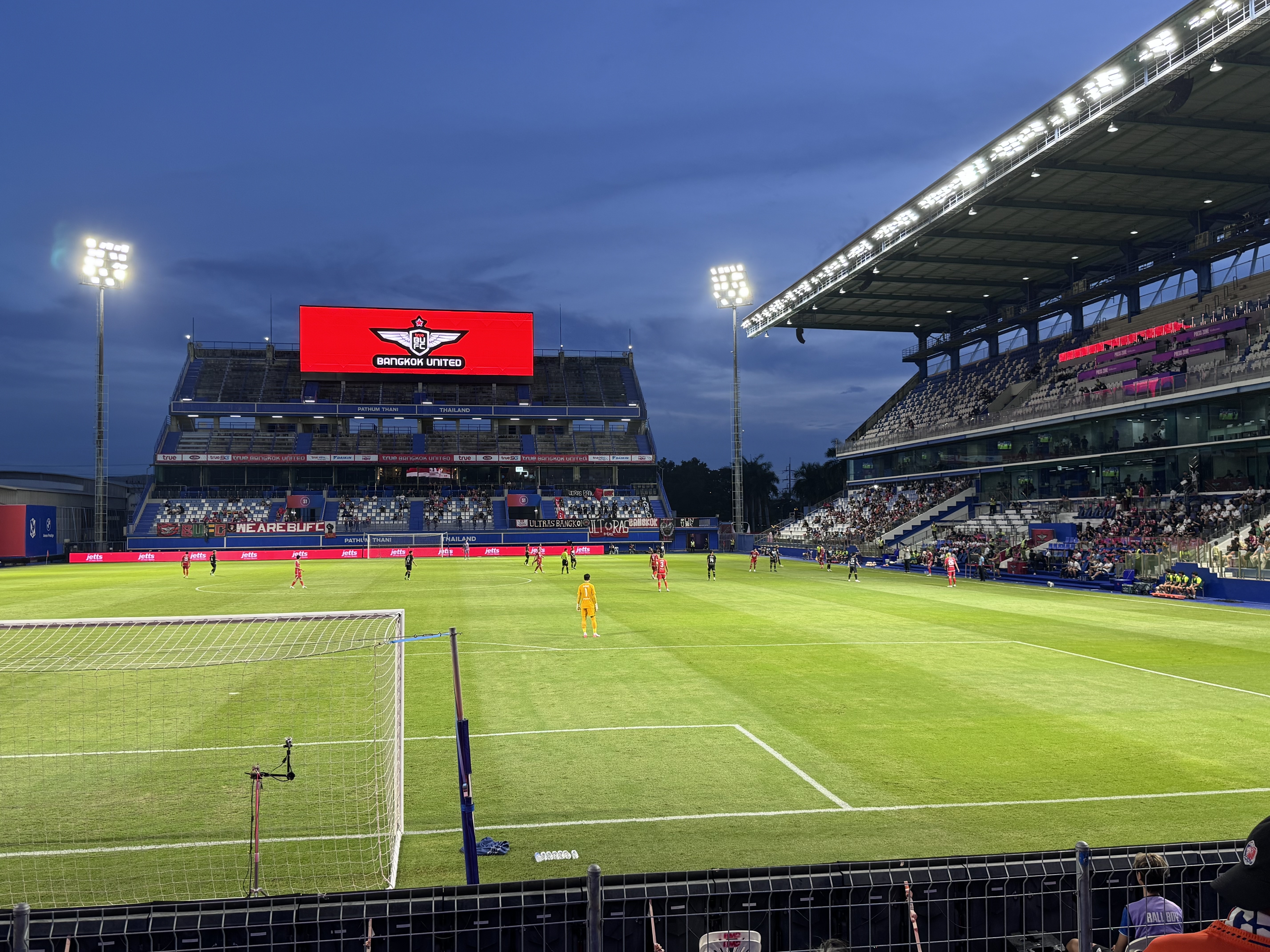
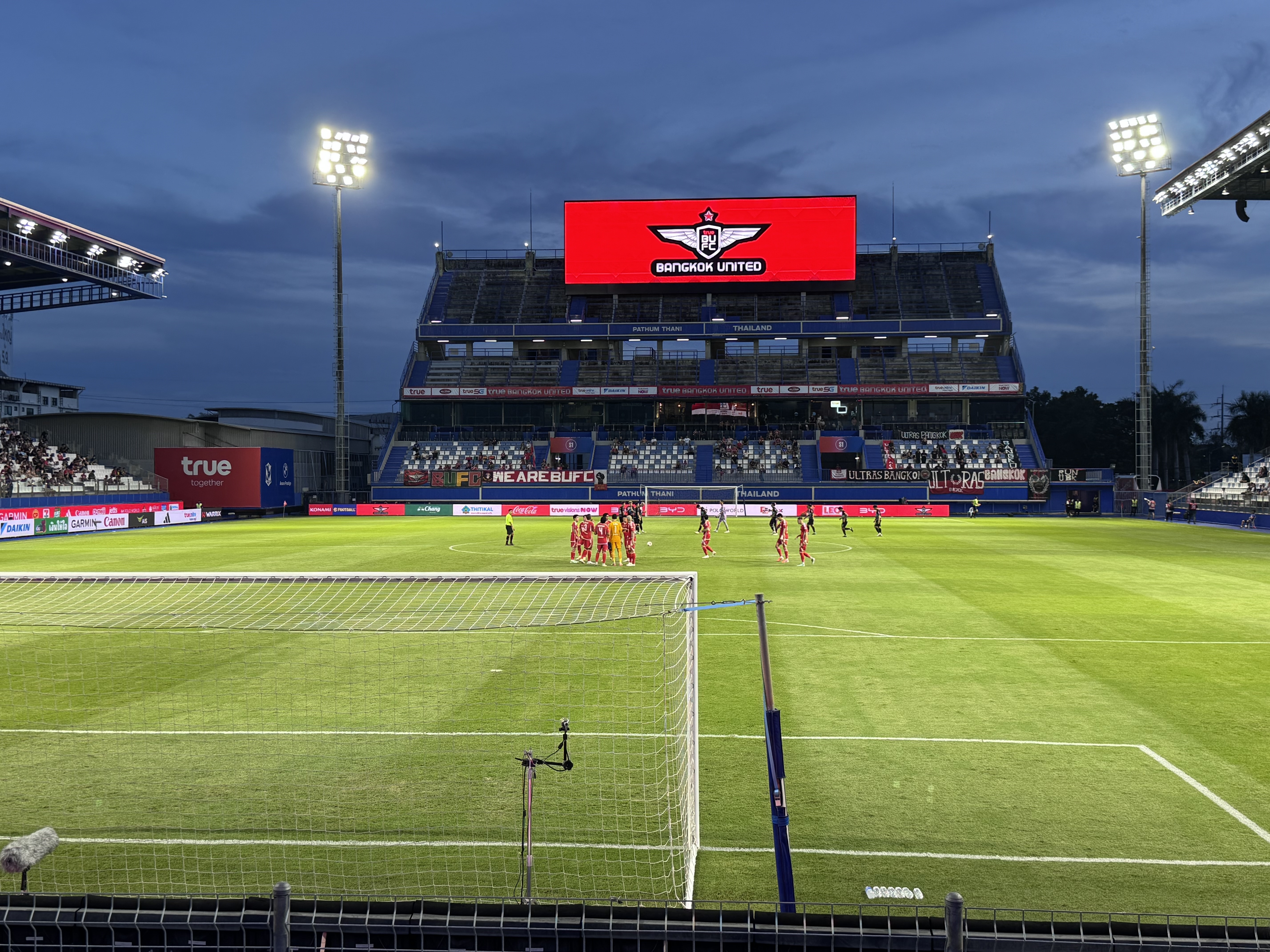
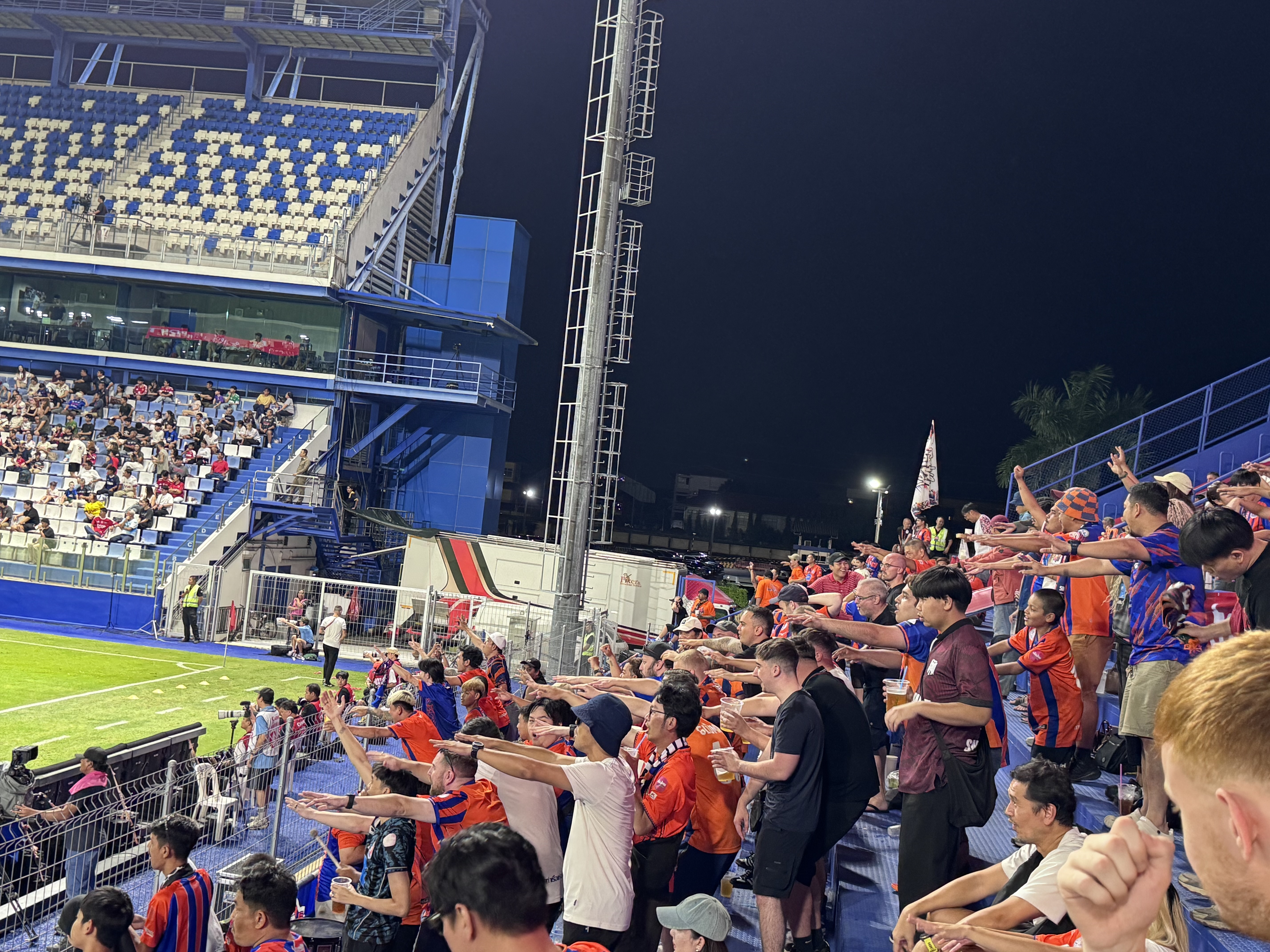
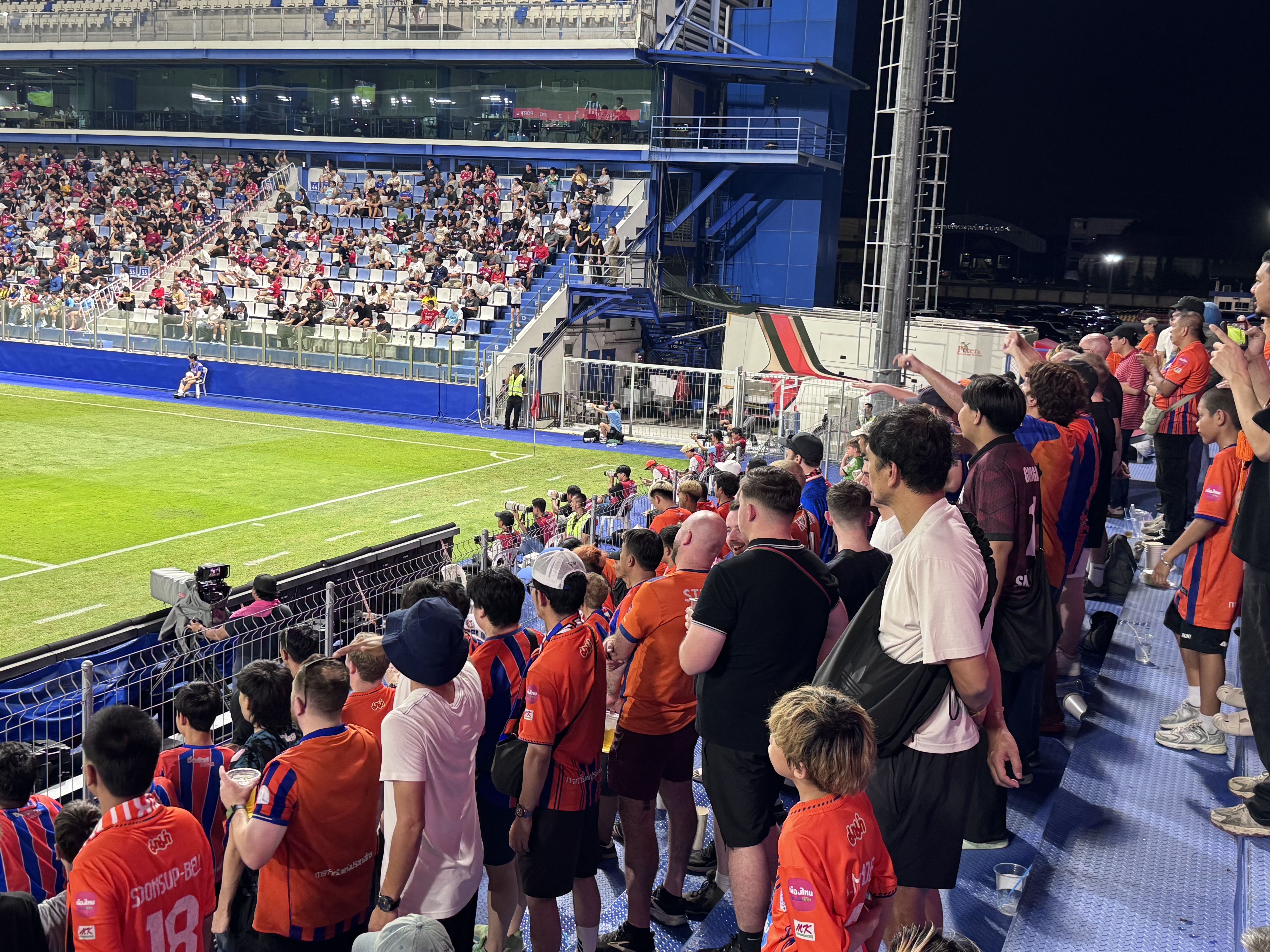
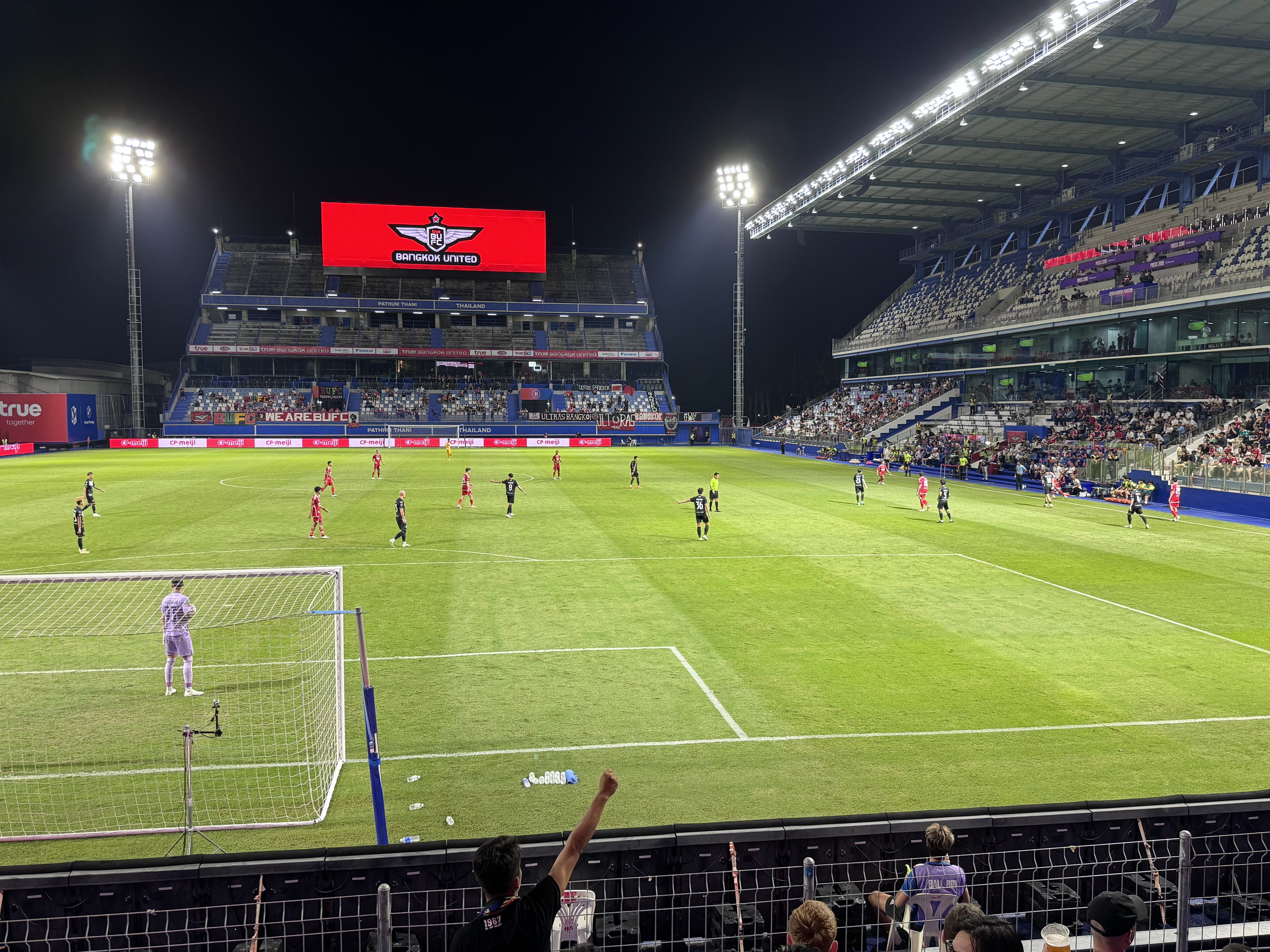
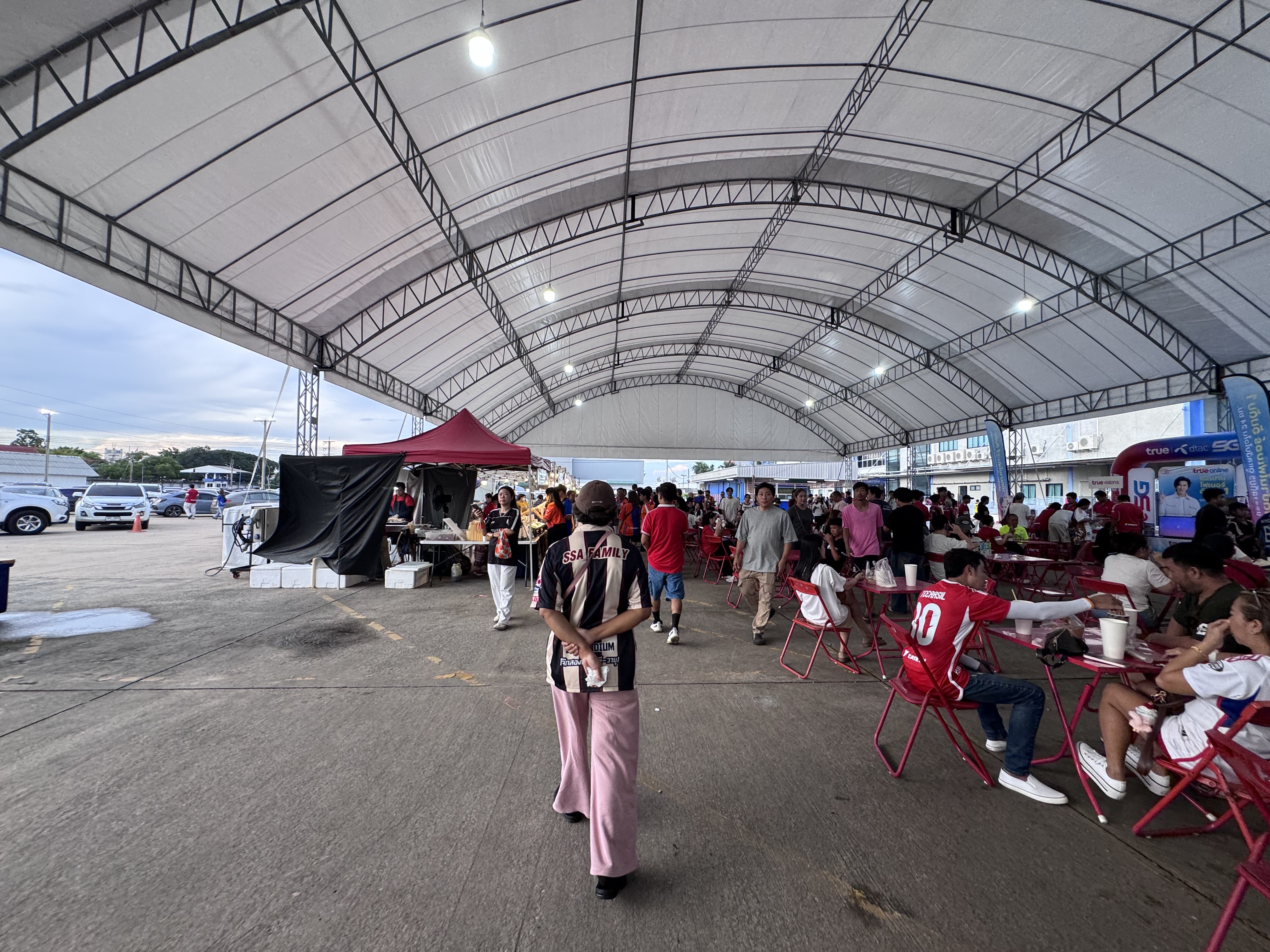
Port FC vs Bangkok United
Thai League 1 - Matchday 5 - 18 October 2026
BG Stadium
Port FC, one of Thailand’s oldest clubs, was founded in 1967 as the Port Authority of Thailand side. The Khlong Toei Lions enjoyed a golden era of multiple Kor Royal Cup and Queen’s Cup titles and have remained a consistent top-flight presence in the modern Thai League era, regularly challenging in the upper half of the table and appearing in Asian competitions.
Bangkok United began life in 1988 as Bangkok University FC before evolving into a professional outfit. The Bangkok Angels claimed the Thai League title in 2006, returned after a brief relegation, and have since established themselves as one of the league’s most consistent challengers, with multiple runner-up finishes and regular AFC involvement under True Corporation backing.
In the 2025–26 season the two sides met twice in the league. Port hosted Bangkok United on 9 November 2025 and the game finished 0–0. The return fixture on 15 March 2026 at Bangkok ...

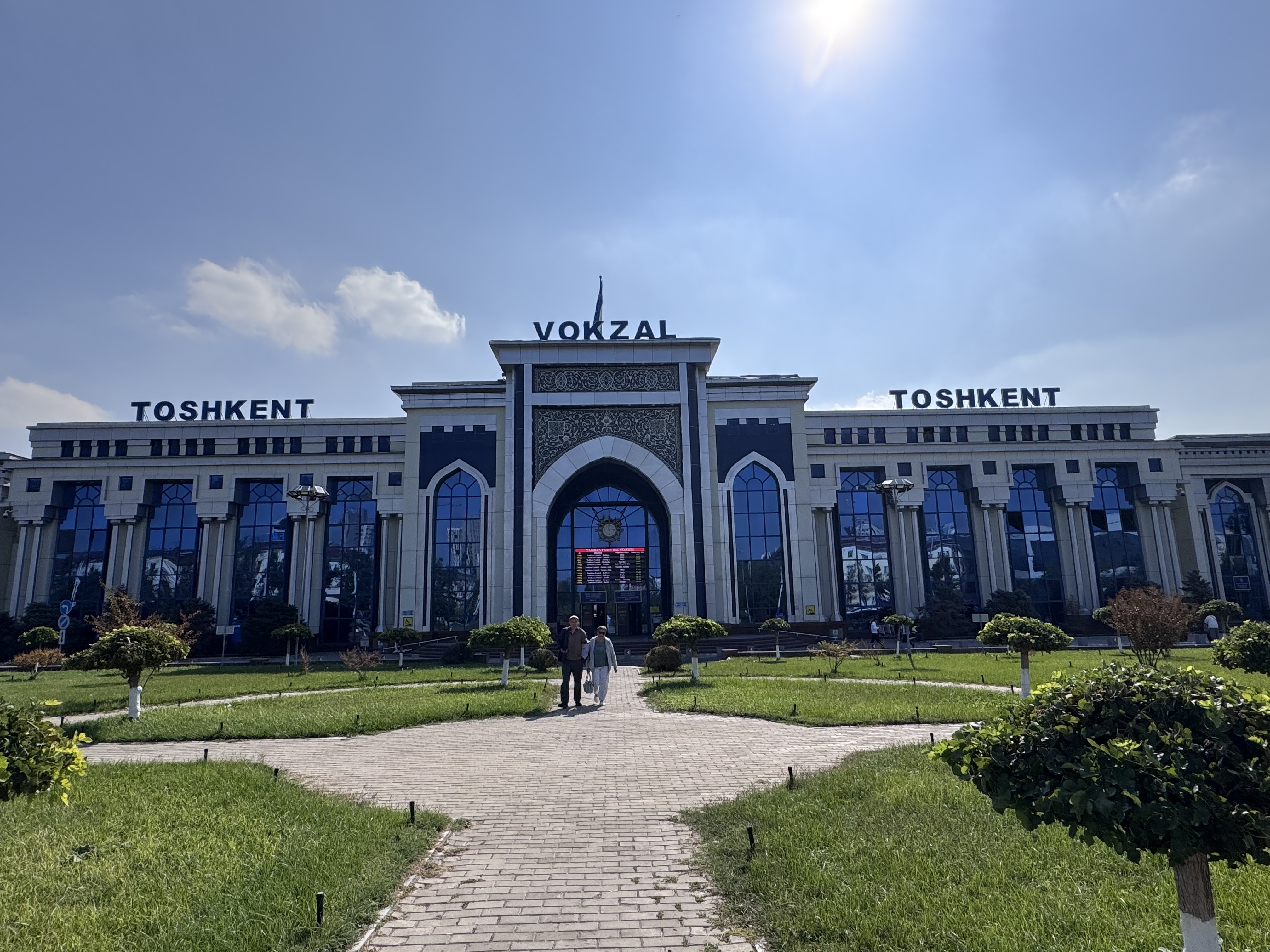
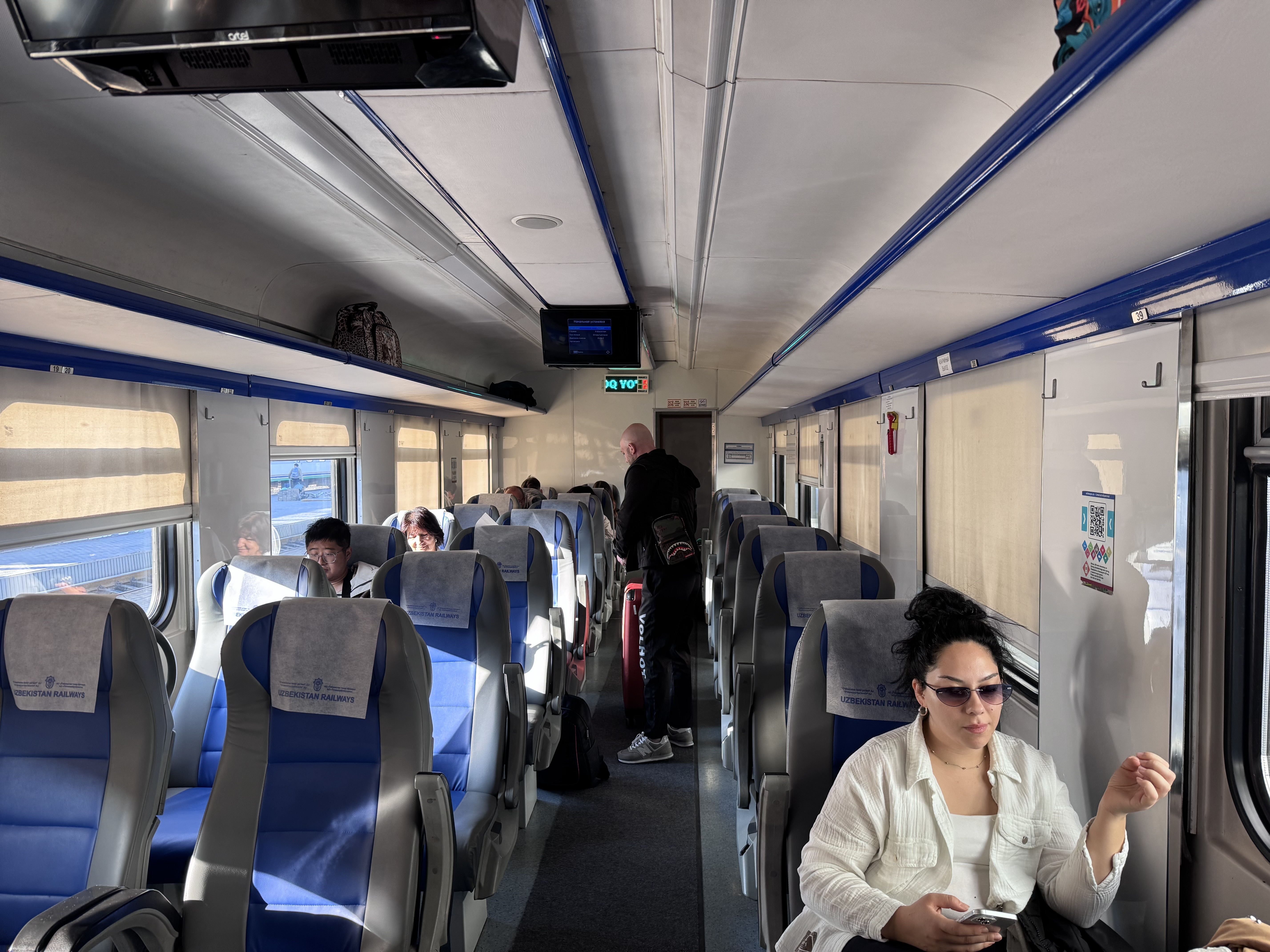
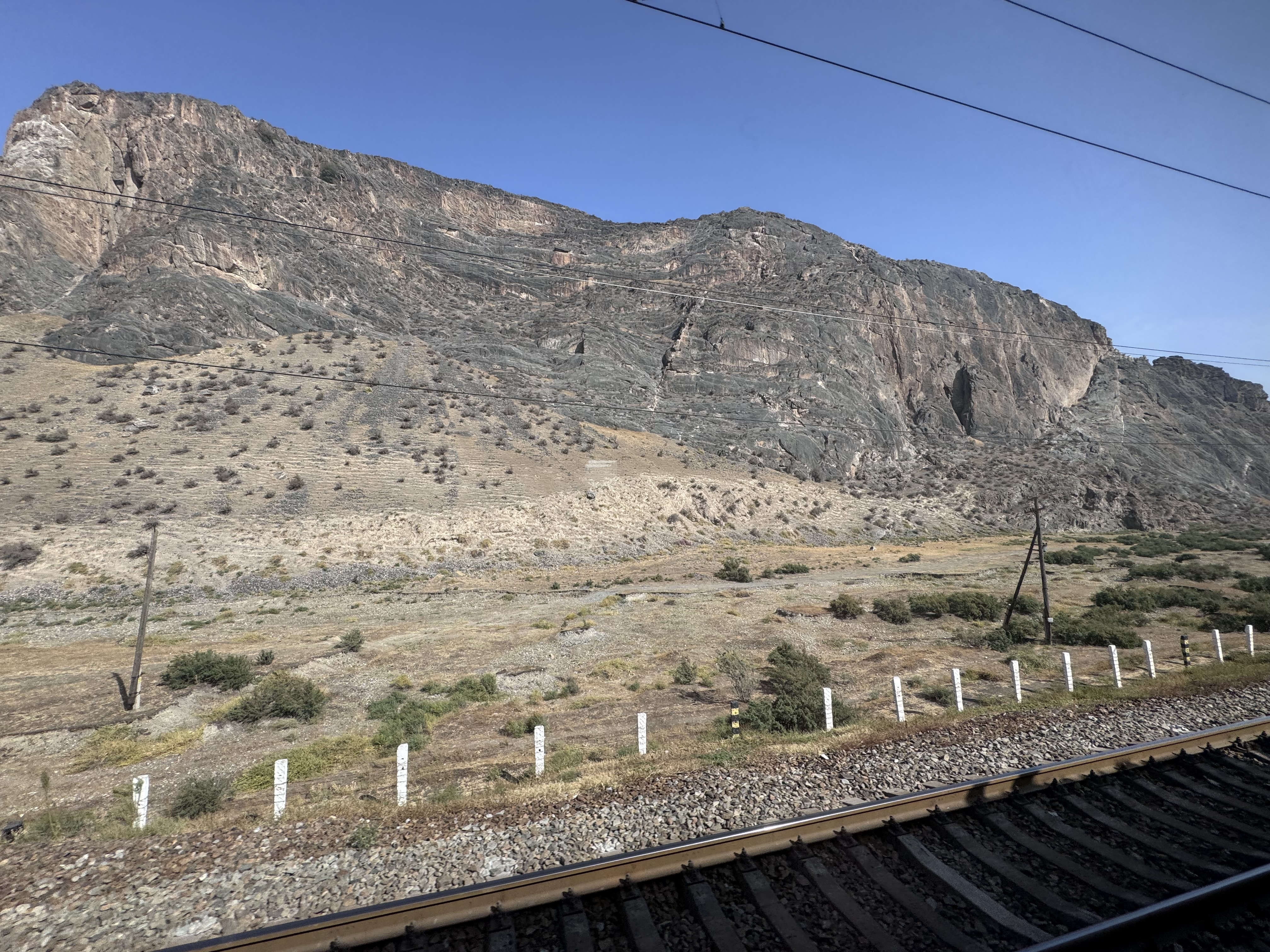
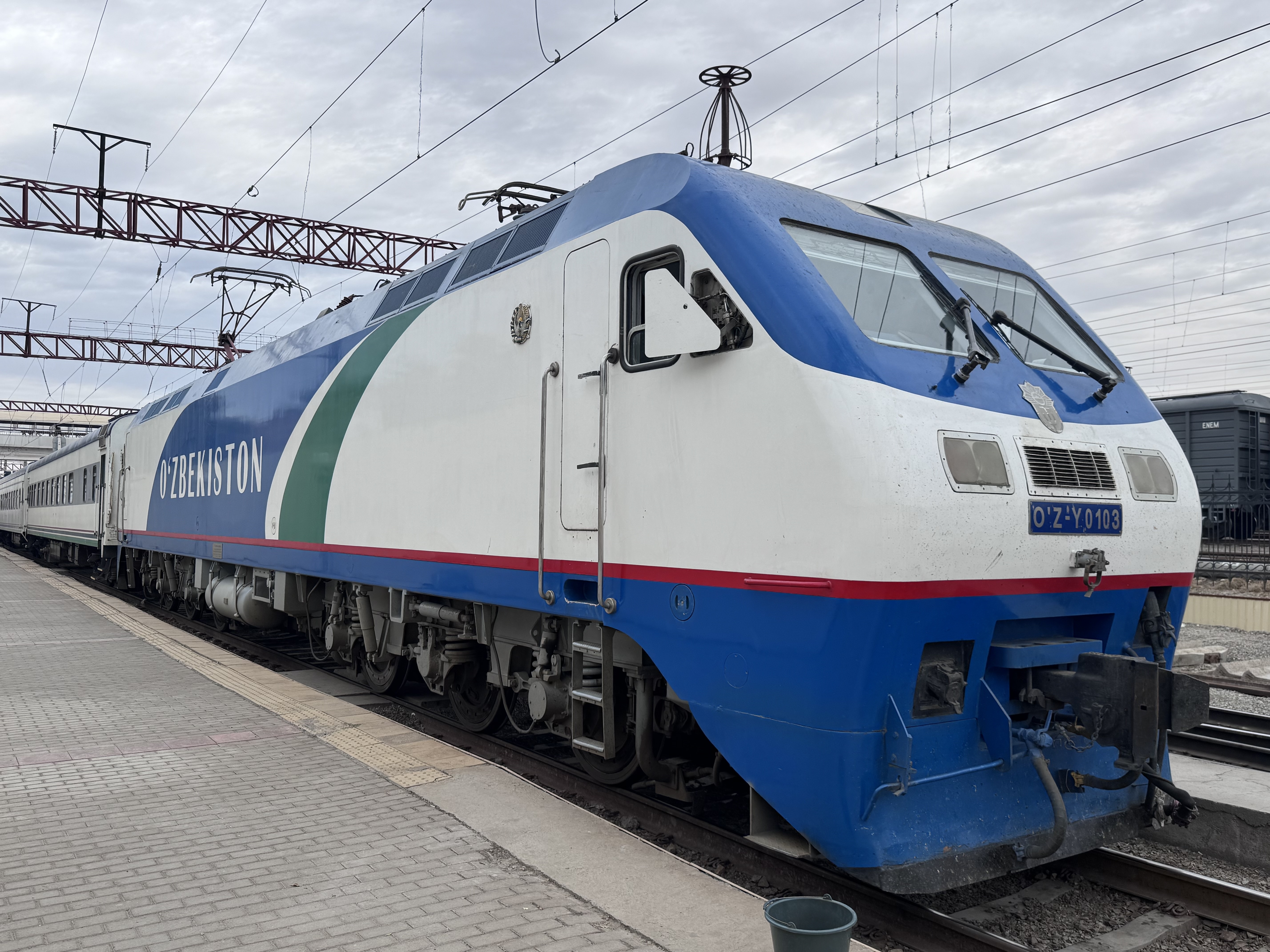
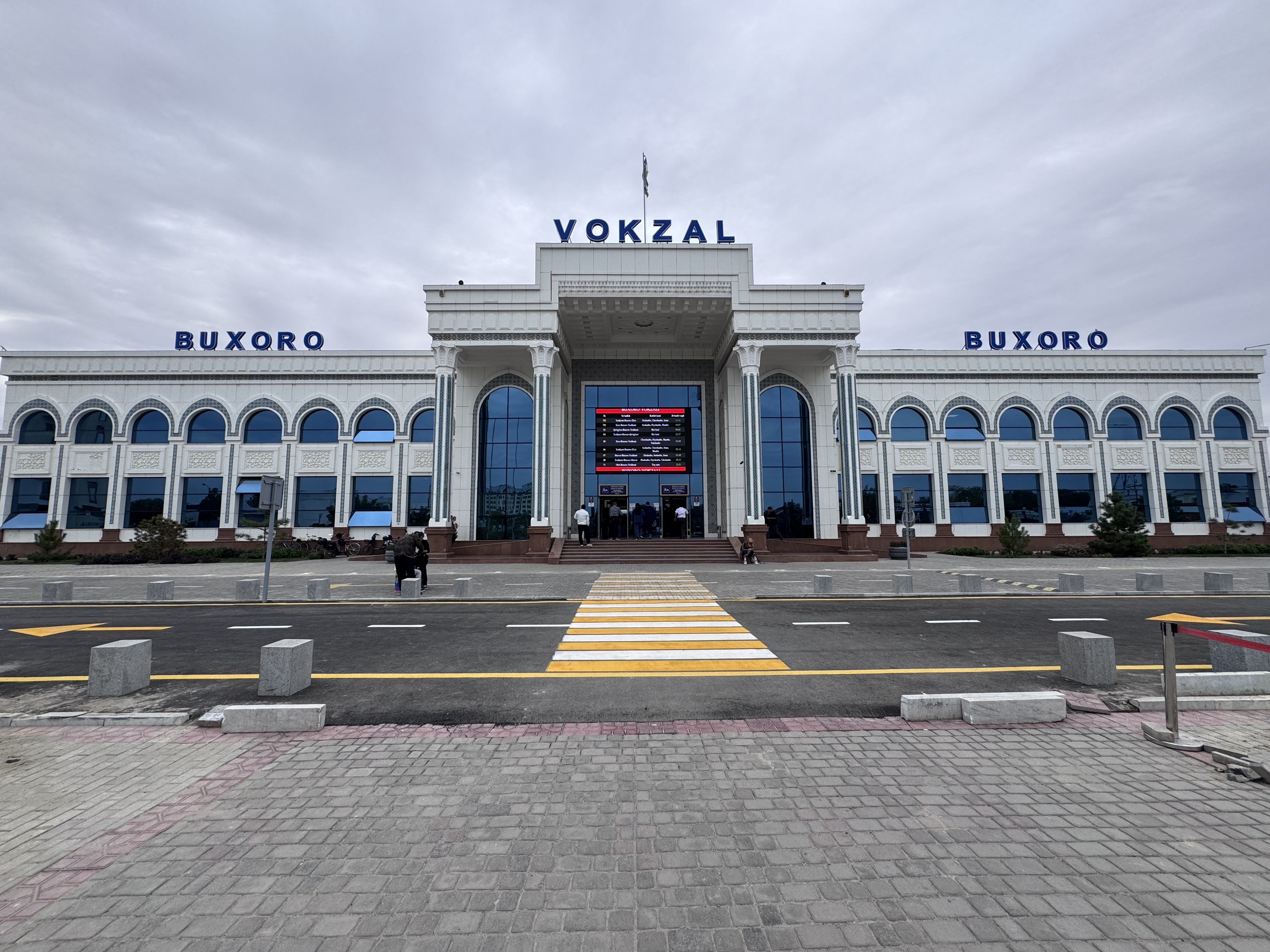
The railways of Uzbekistan began in the late nineteenth century under the Russian Empire with the construction of the Trans-Caspian line that stretched across the deserts to reach Samarkand in 1888 and later connected with Tashkent.
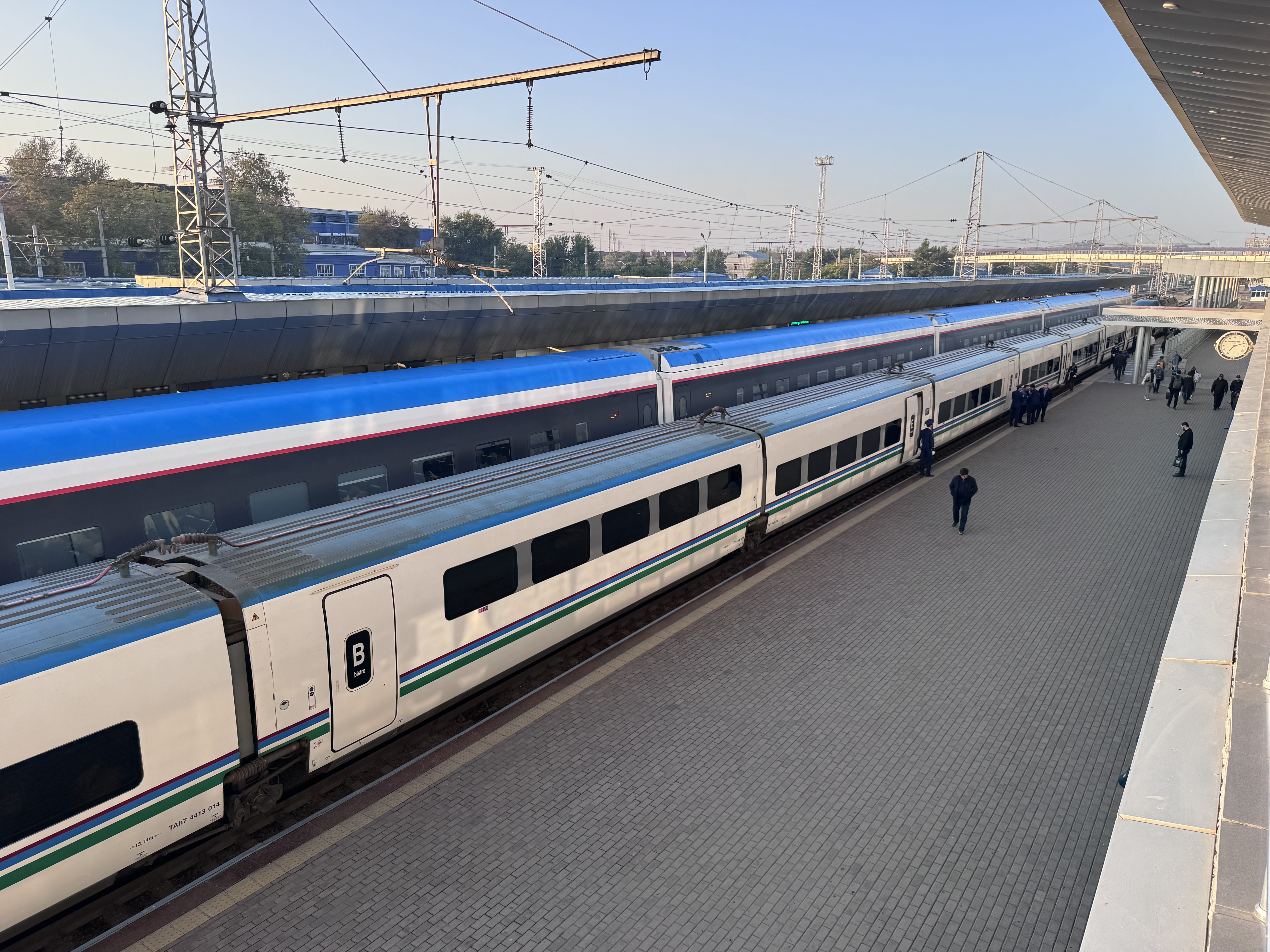
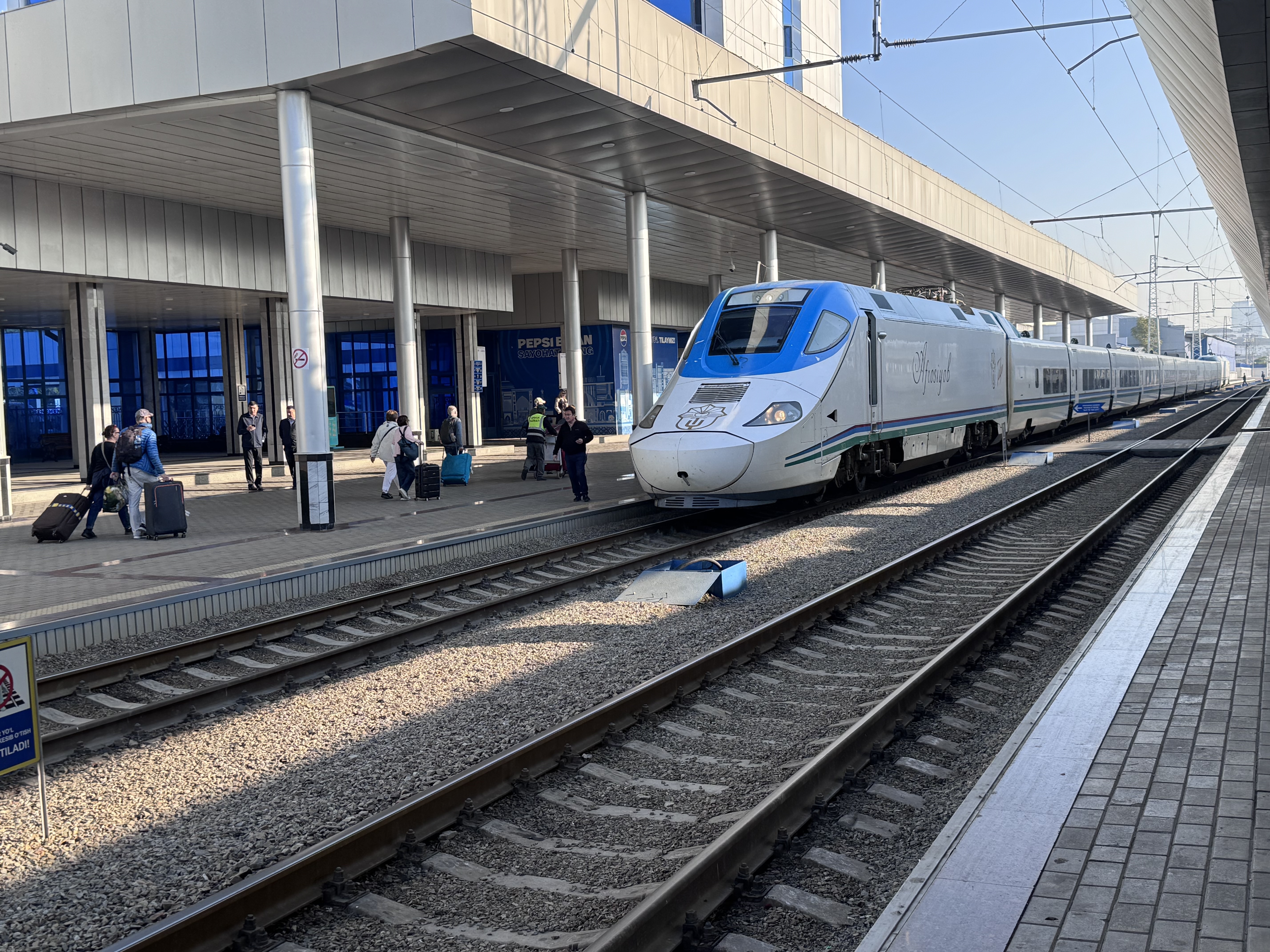
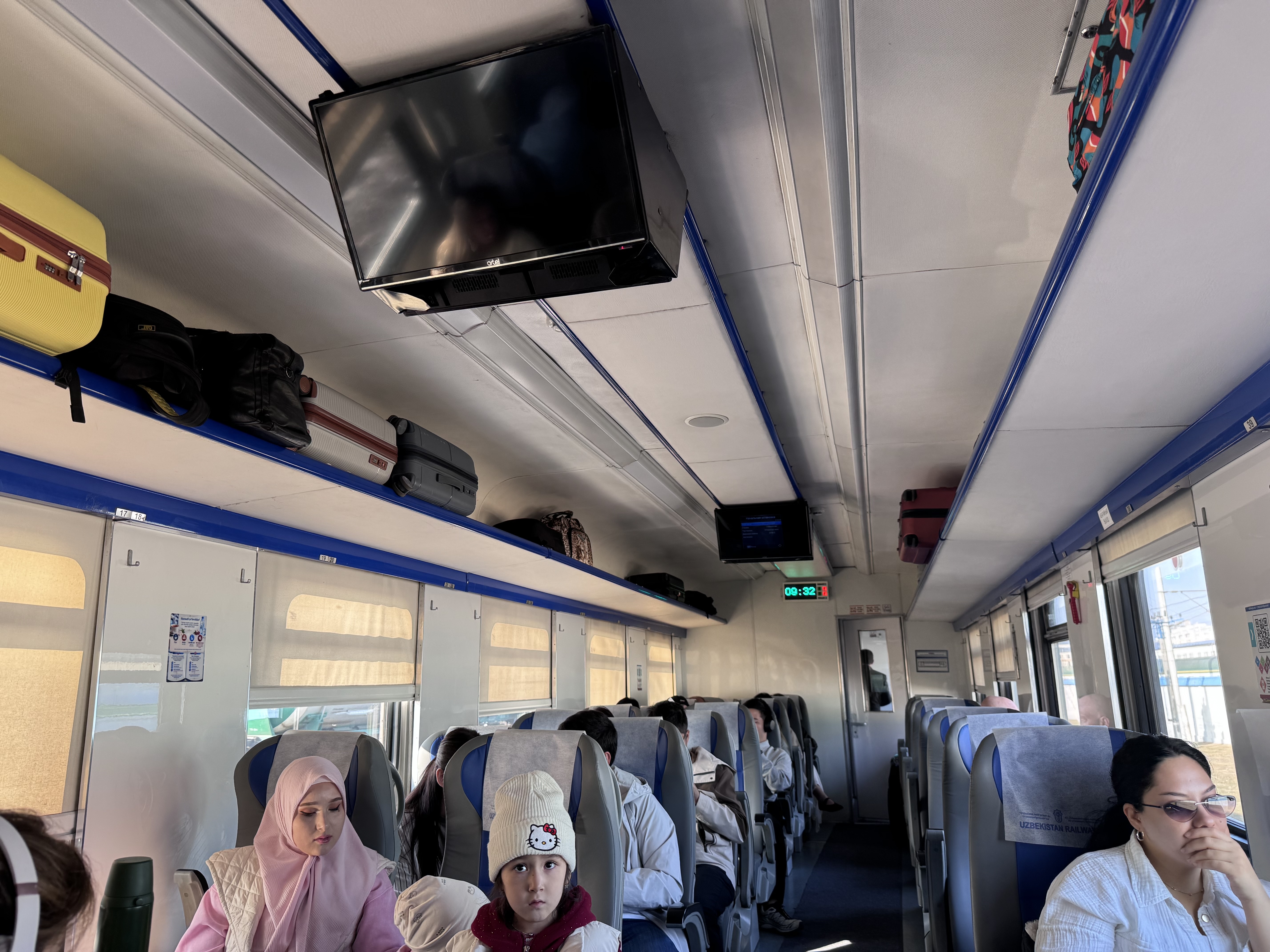
After independence the national operator O‘zbekiston Temir Yo‘llari was created in 1994 and has steadily improved the network. Alongside the newer high-speed services, the reliable Sharq express continues to provide a classic and more affordable way to travel between the country’s main cities.
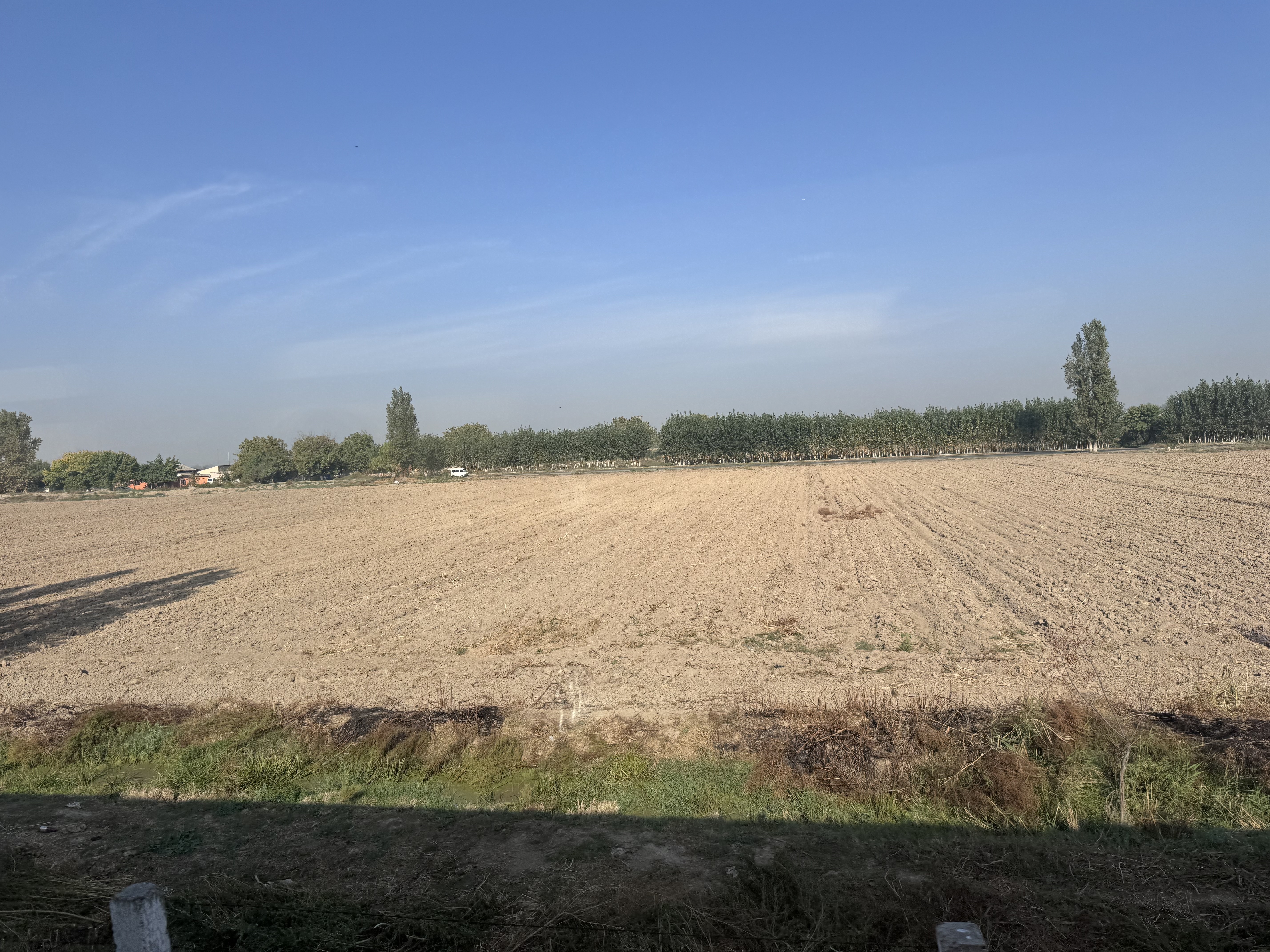
The rail distance from Tashkent to Bukhara is approximately five hundred and eighty to six hundred kilometers. On the regular Sharq train the journey takes around six hours, typically between five hours and fifty minutes and six and a half hours depending on the specific departure and intermediate stops.
Tickets can be purchased online through the official Uzrailway tickets mobile app for Android and iOS or on the website eticket.railway.uz. Select the stations, date, Sharq...