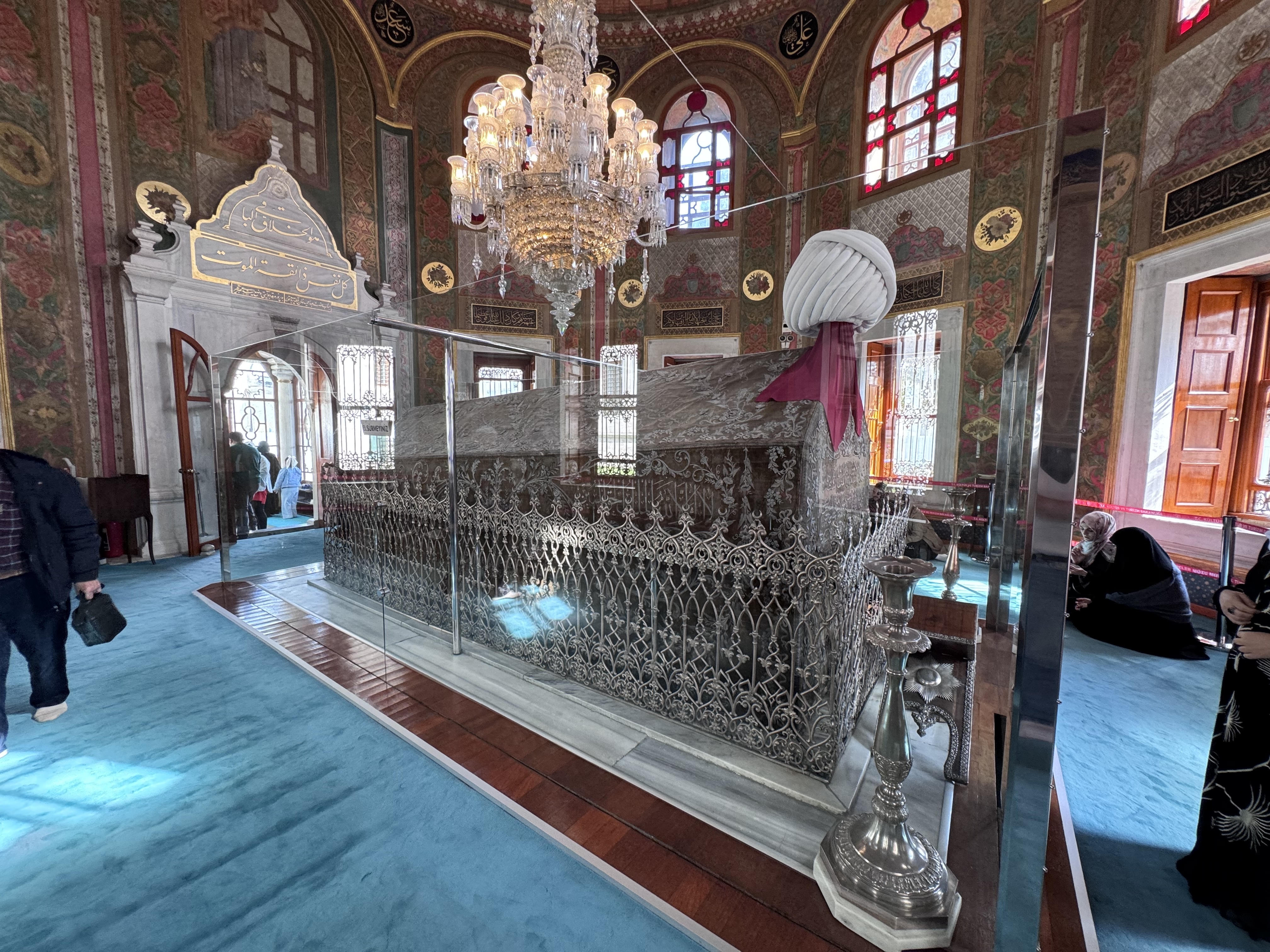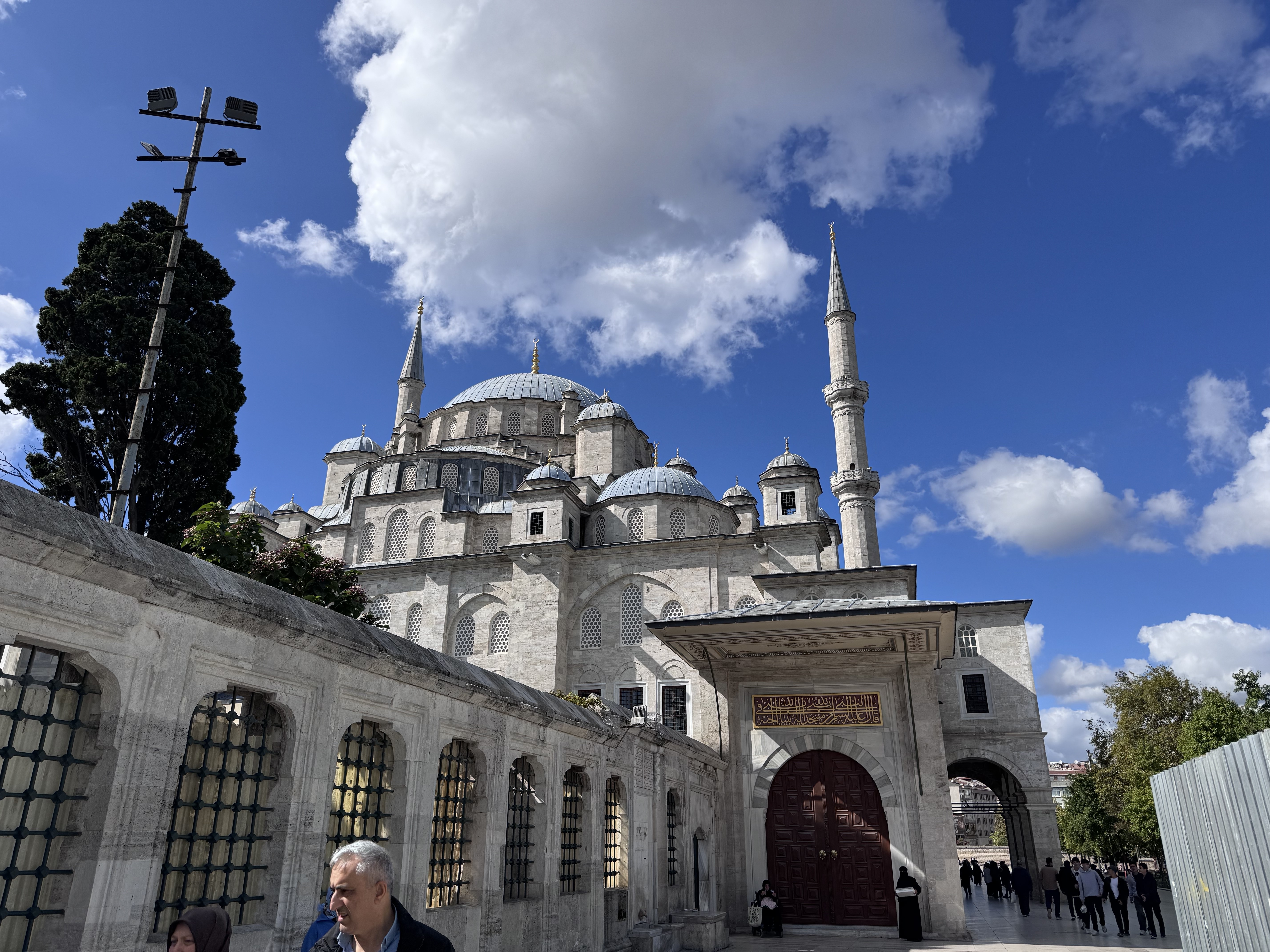


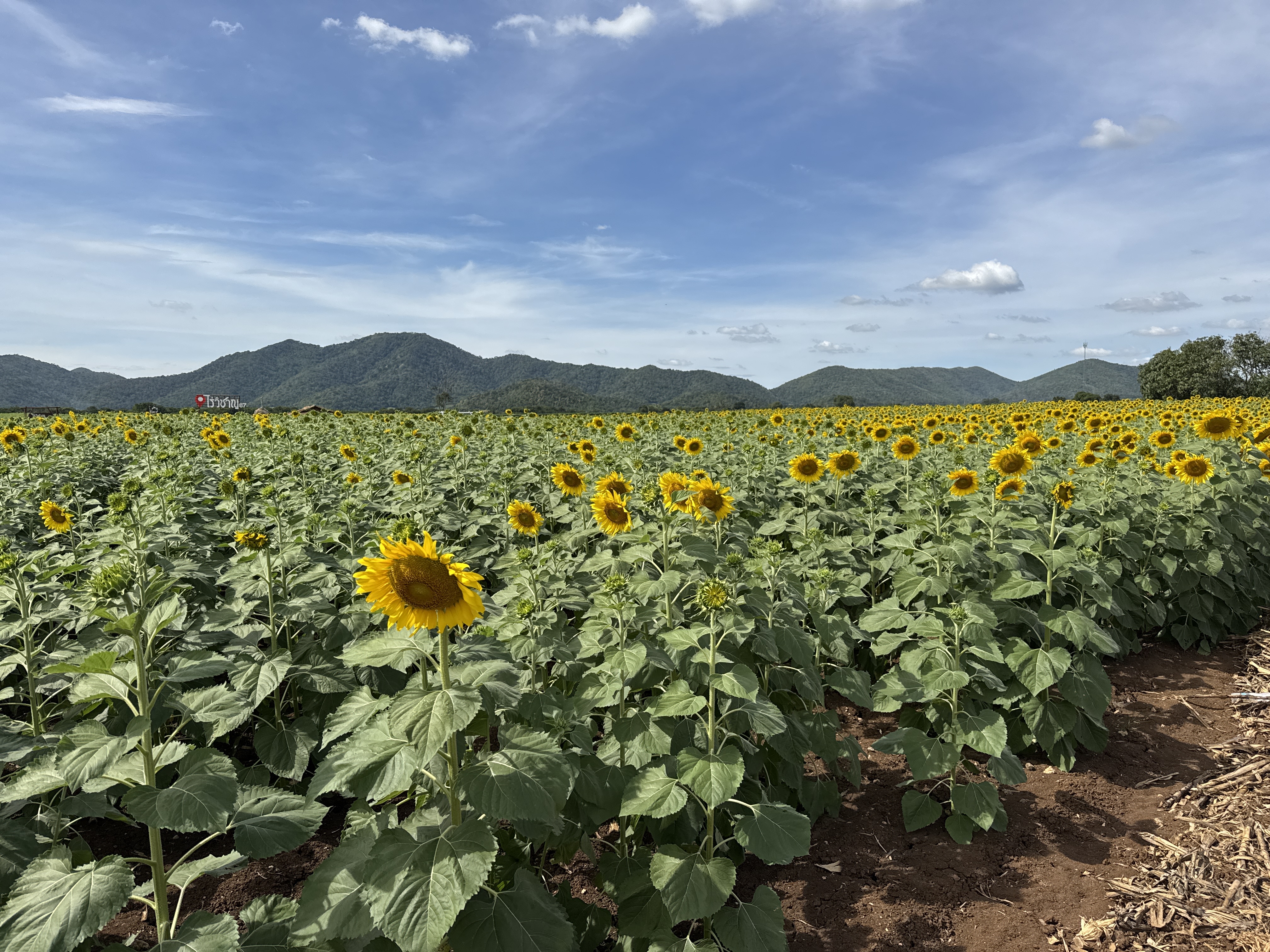
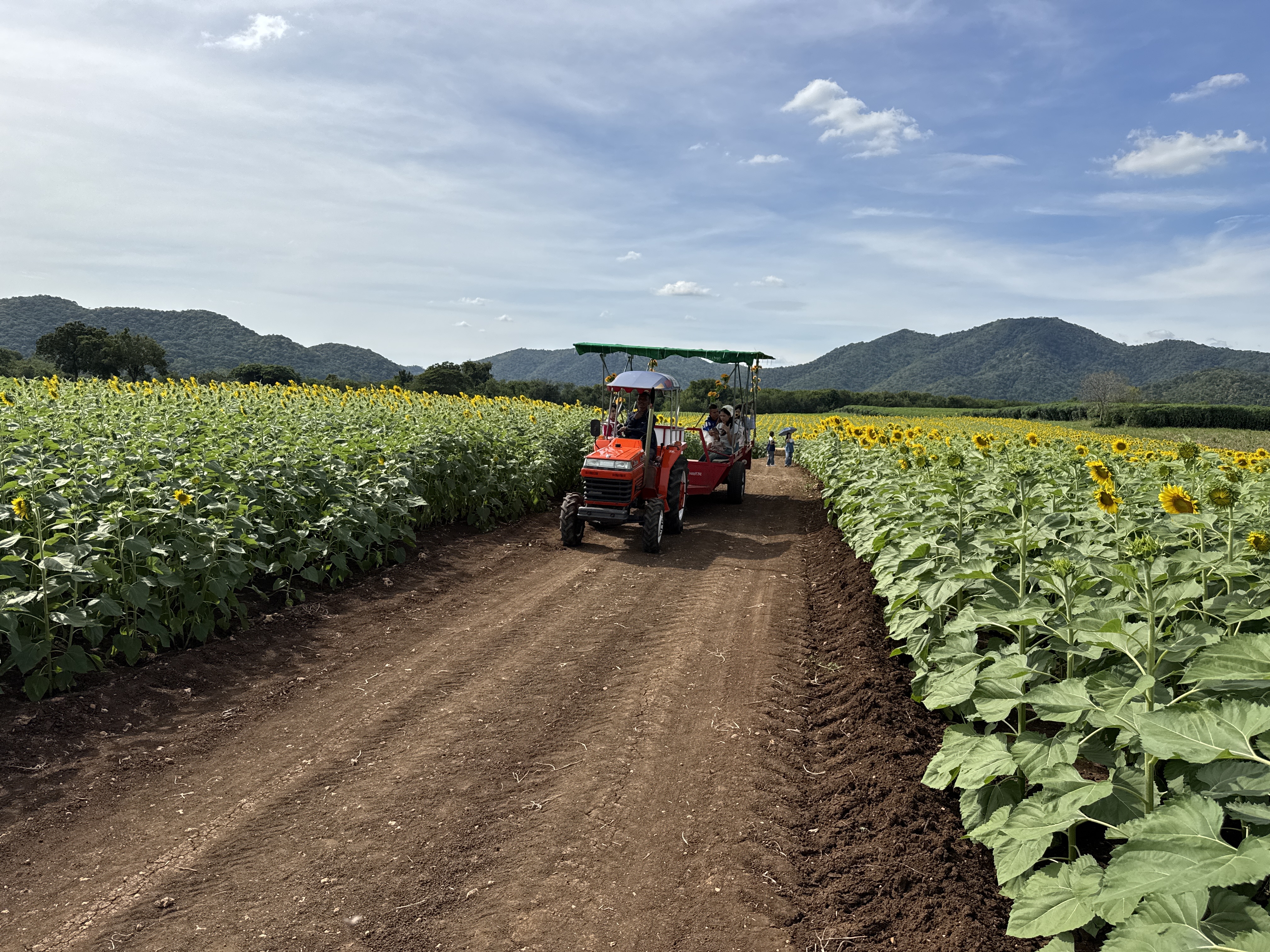
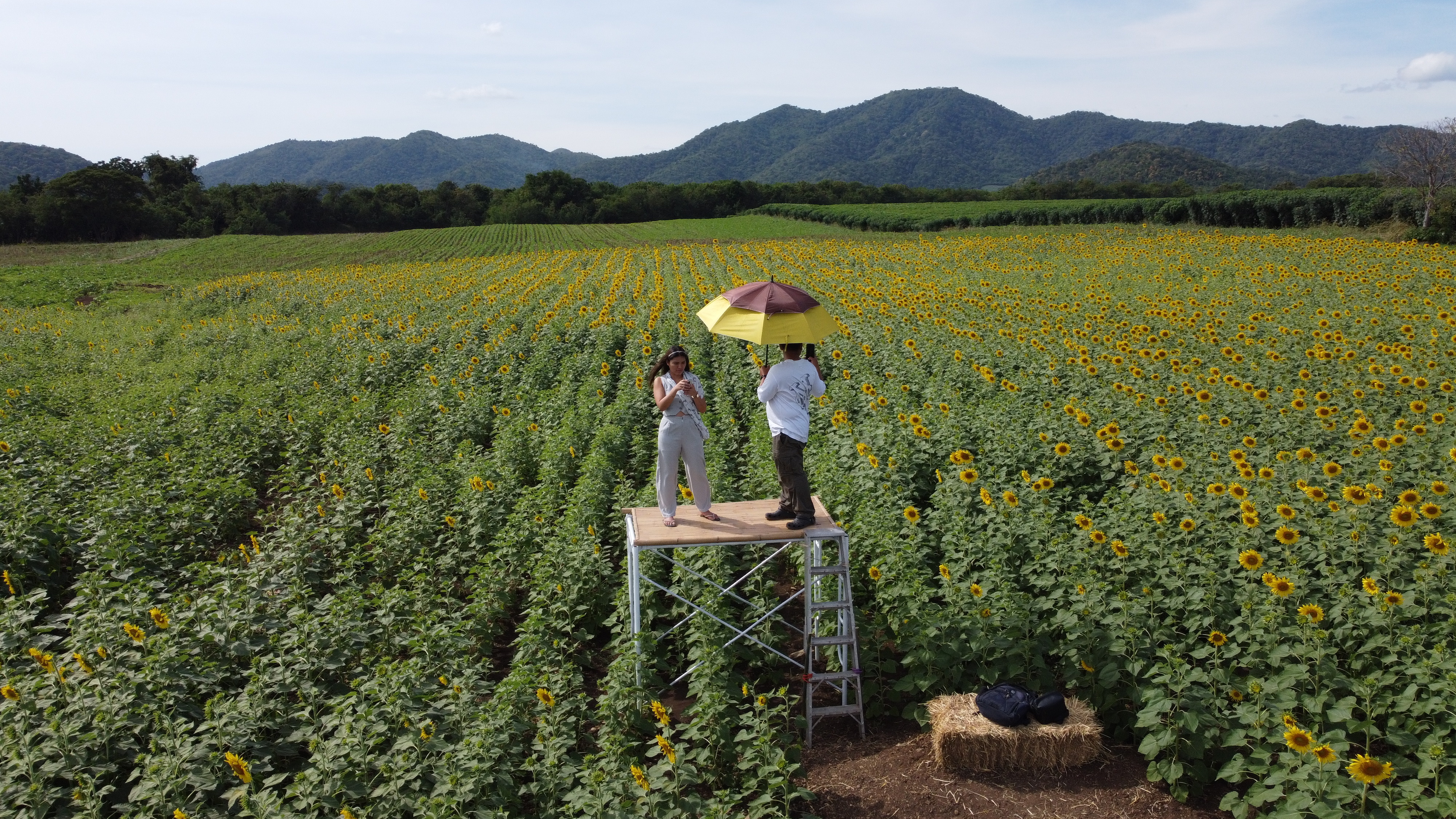
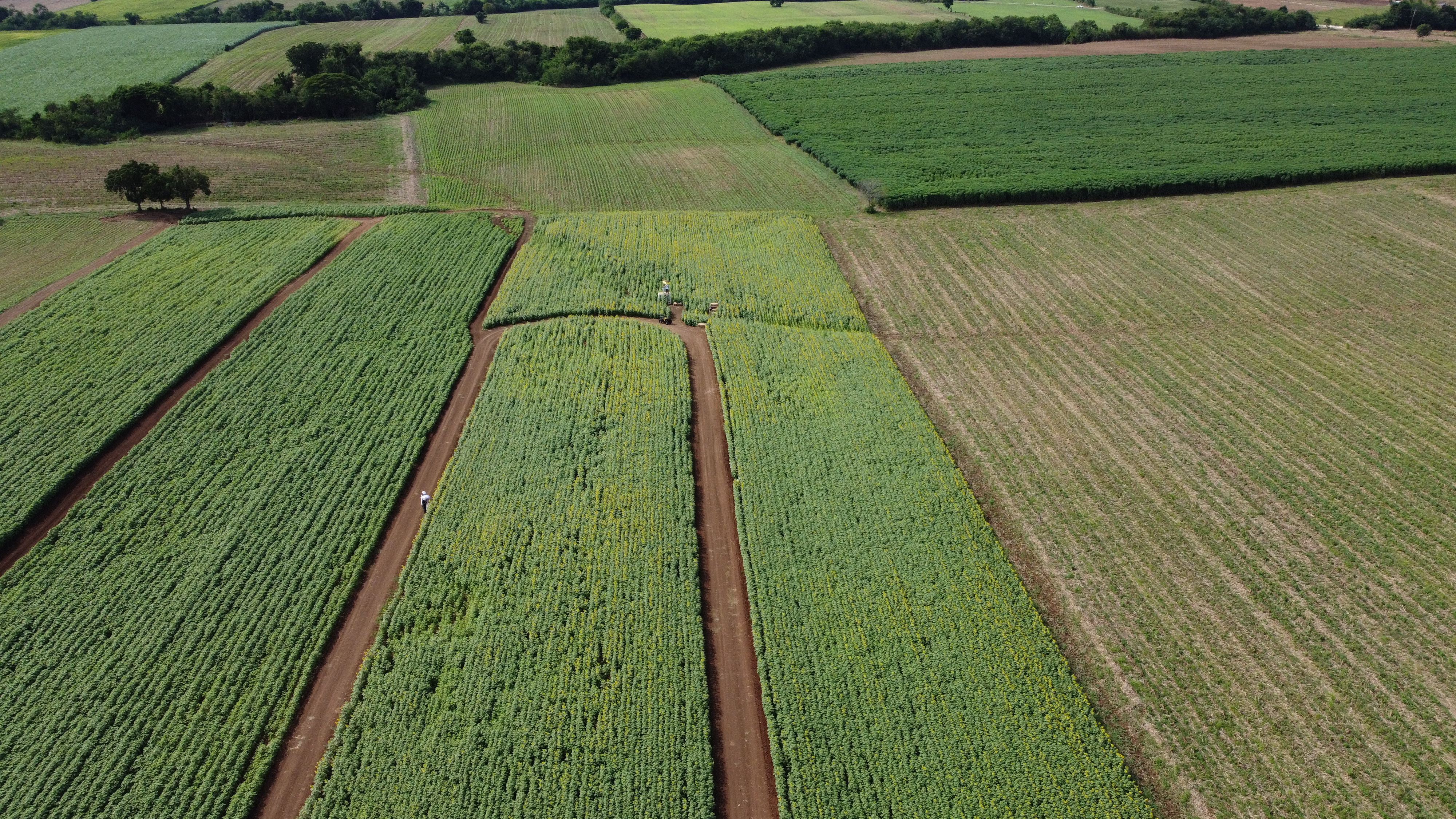
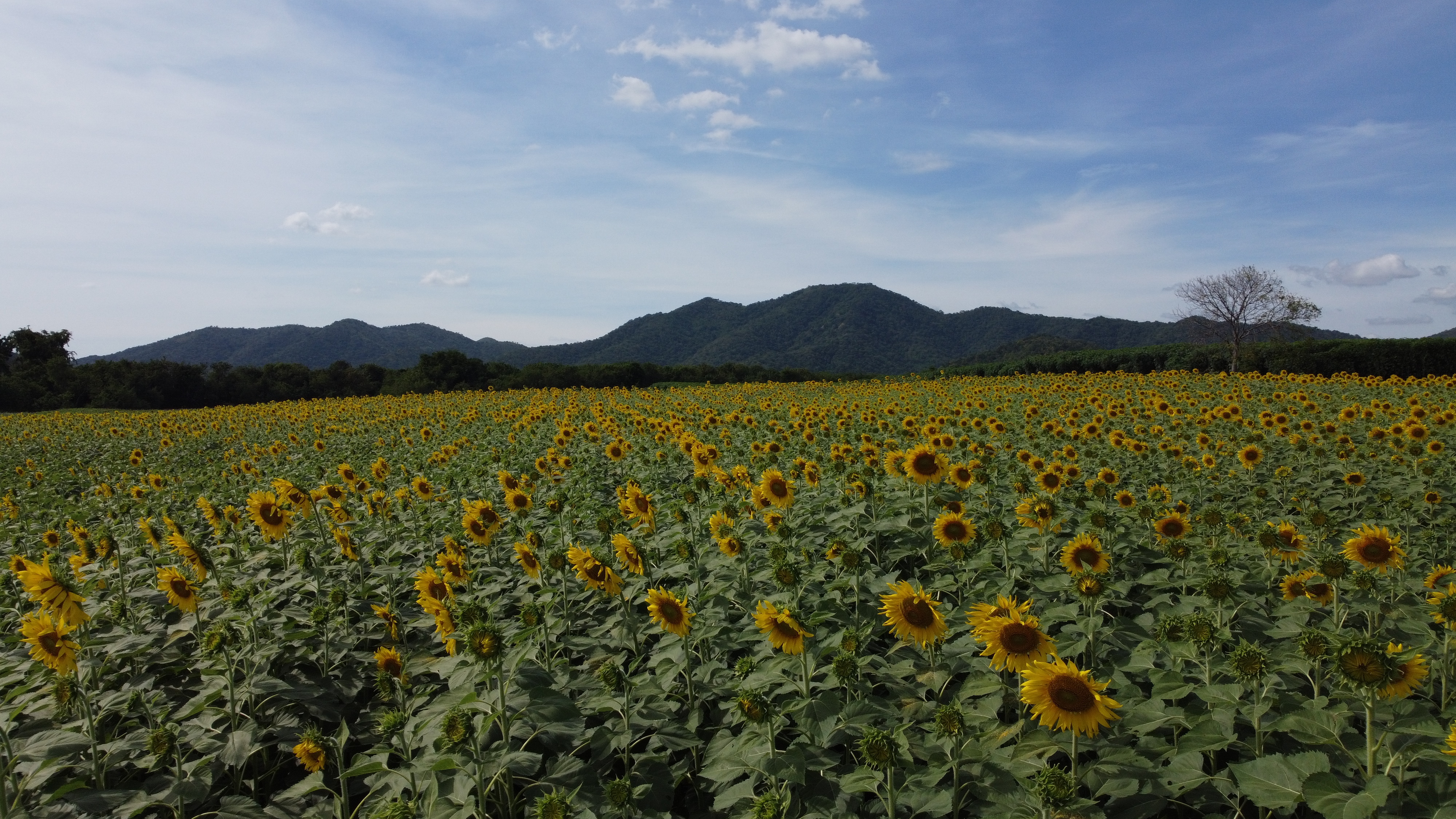
Lopburi province is home to the biggest sunflower fields in Thailand. Every year thousands of acres are filled with this beautiful bright yellow flower, that is in blossom between November and January. The largest fields are located in the Phatthana Nikom district, a little over 40 kilometers East of the provincial capital.
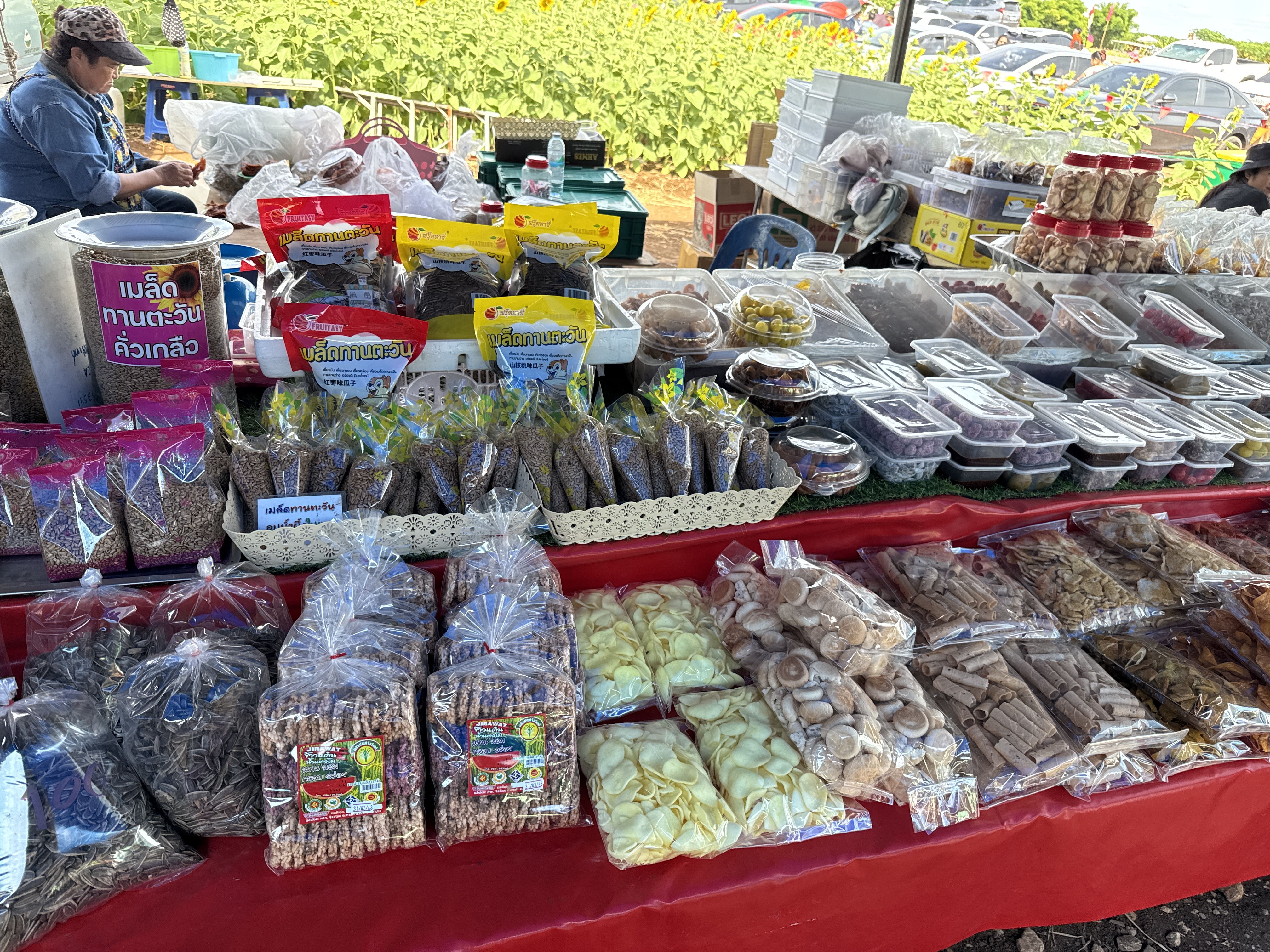
The sunflowers are a beautiful sight and have become an important tourist attraction, the sunflowers are grown to produce sunflower oil used for cooking and for their seeds, that are also eaten as a light snack.
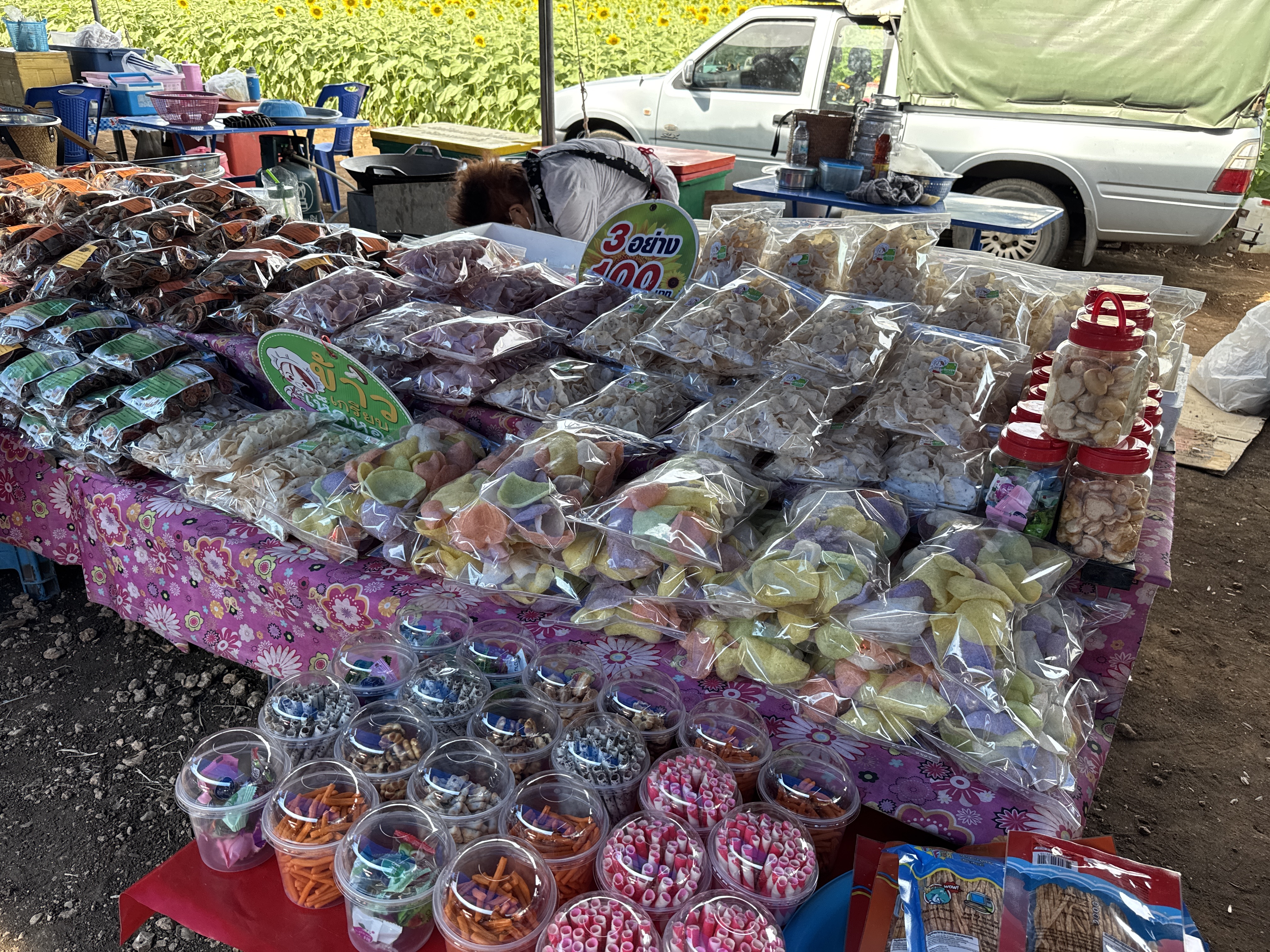
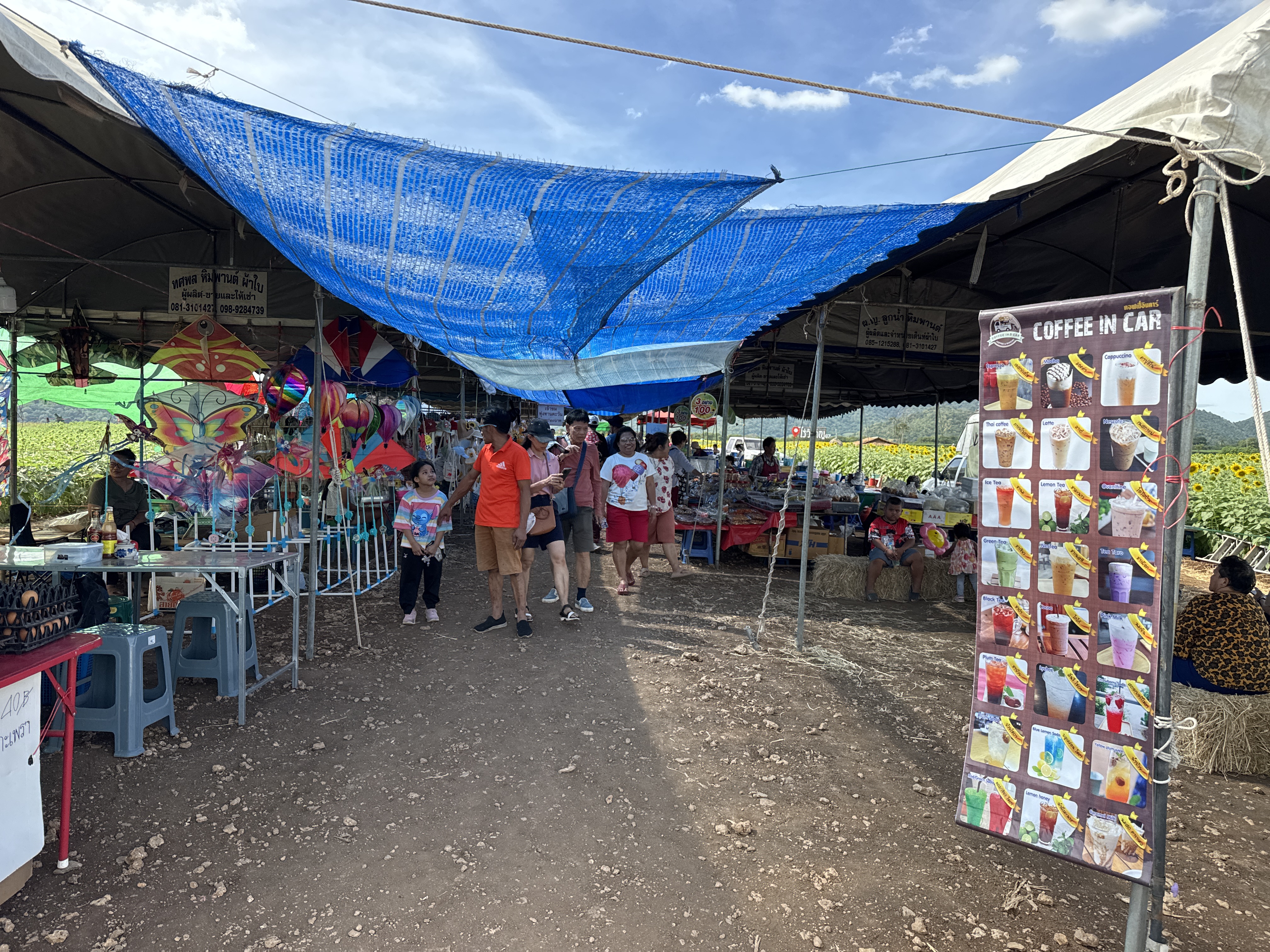
The farms also also feature small farmers markets. You can buy locally grown produce on sight as a way to support the local farmers.
This is one of the top 5 things to do in Lopburi and is very popular for the Thais to visit during the cooler months when the sunflowers are in full bloom.
Sunflower Fields & Farmers Market - Top Attraction in Lopburi - With Drone Footage - Thailand 2024
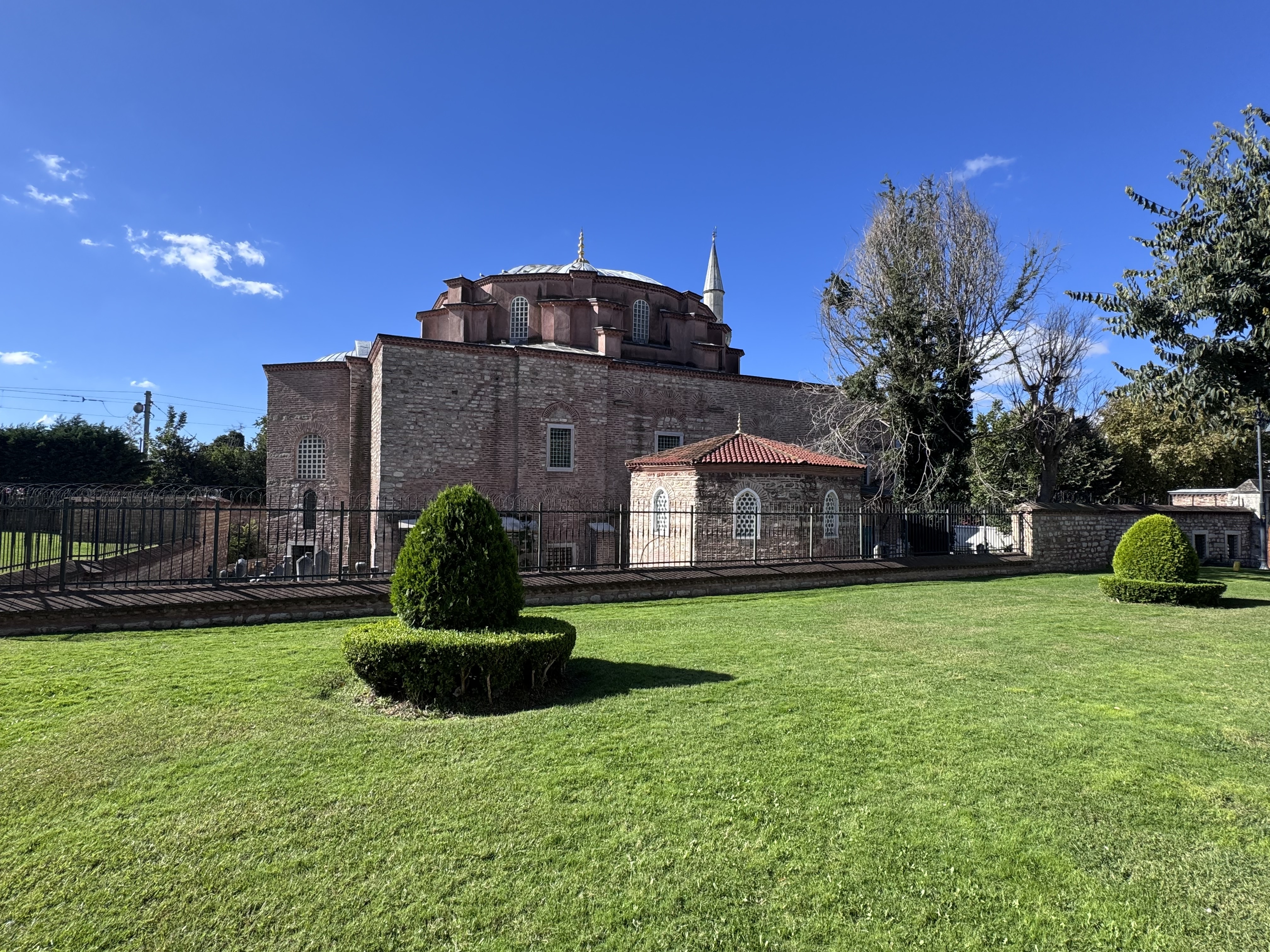
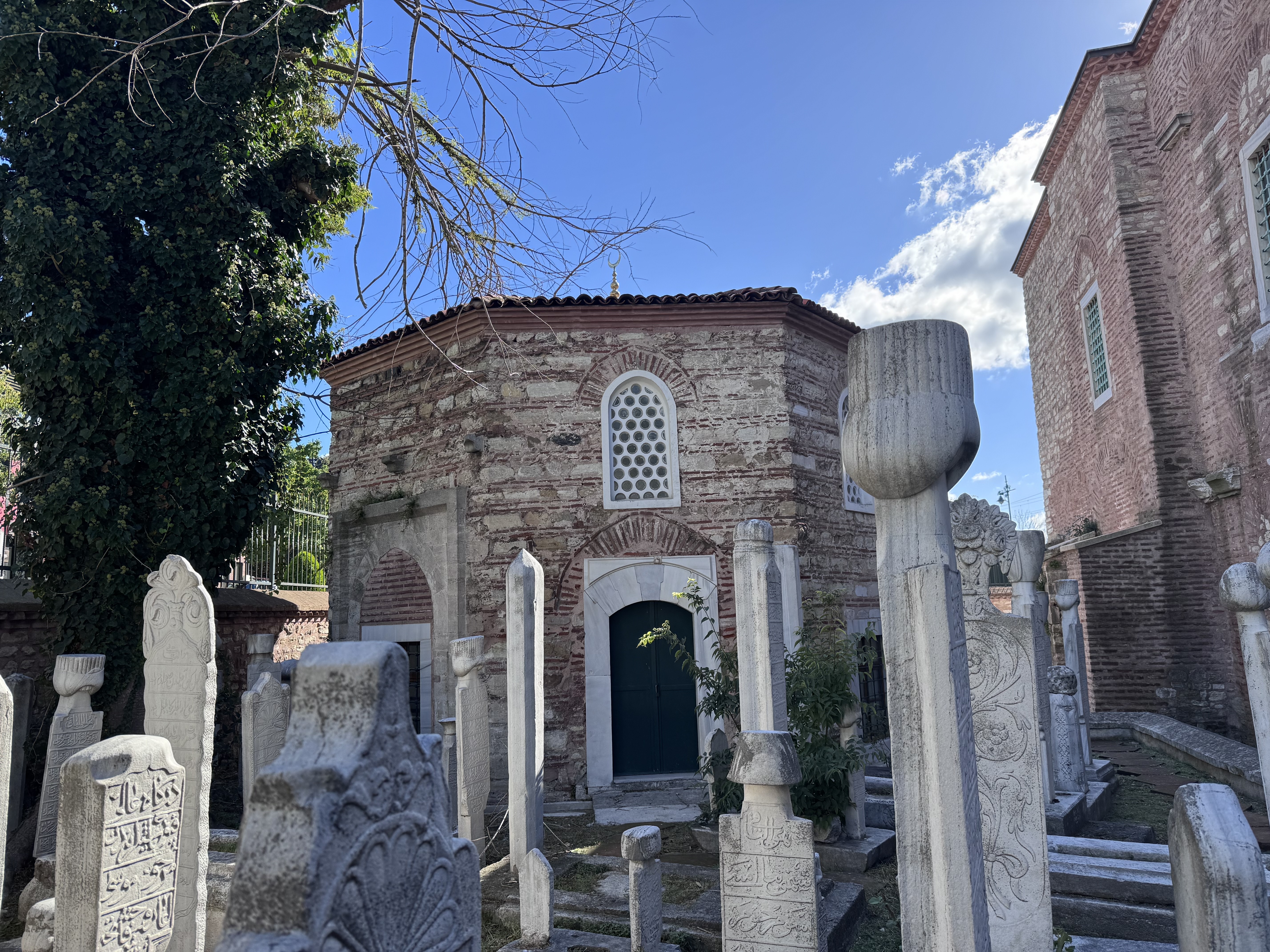
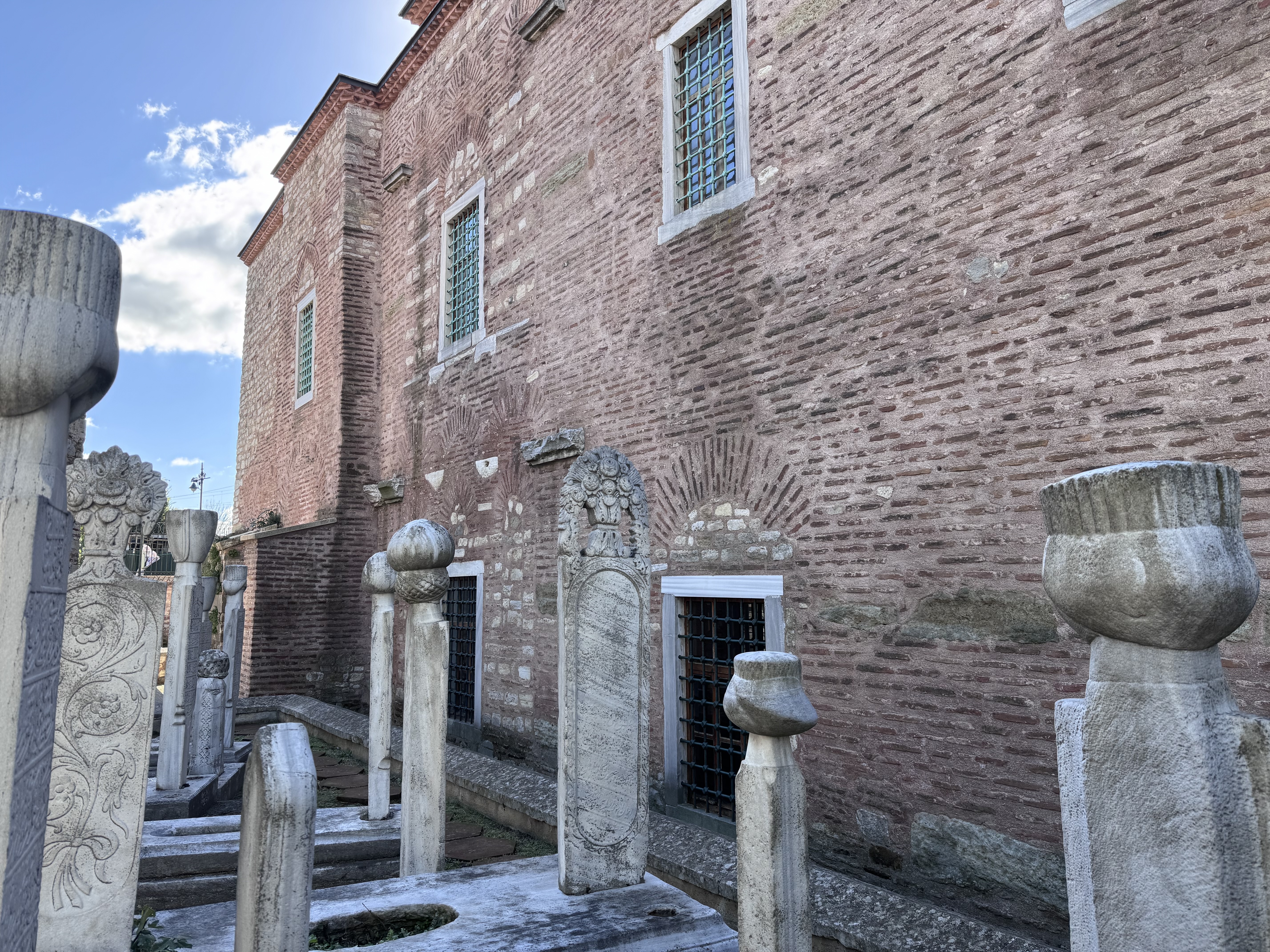
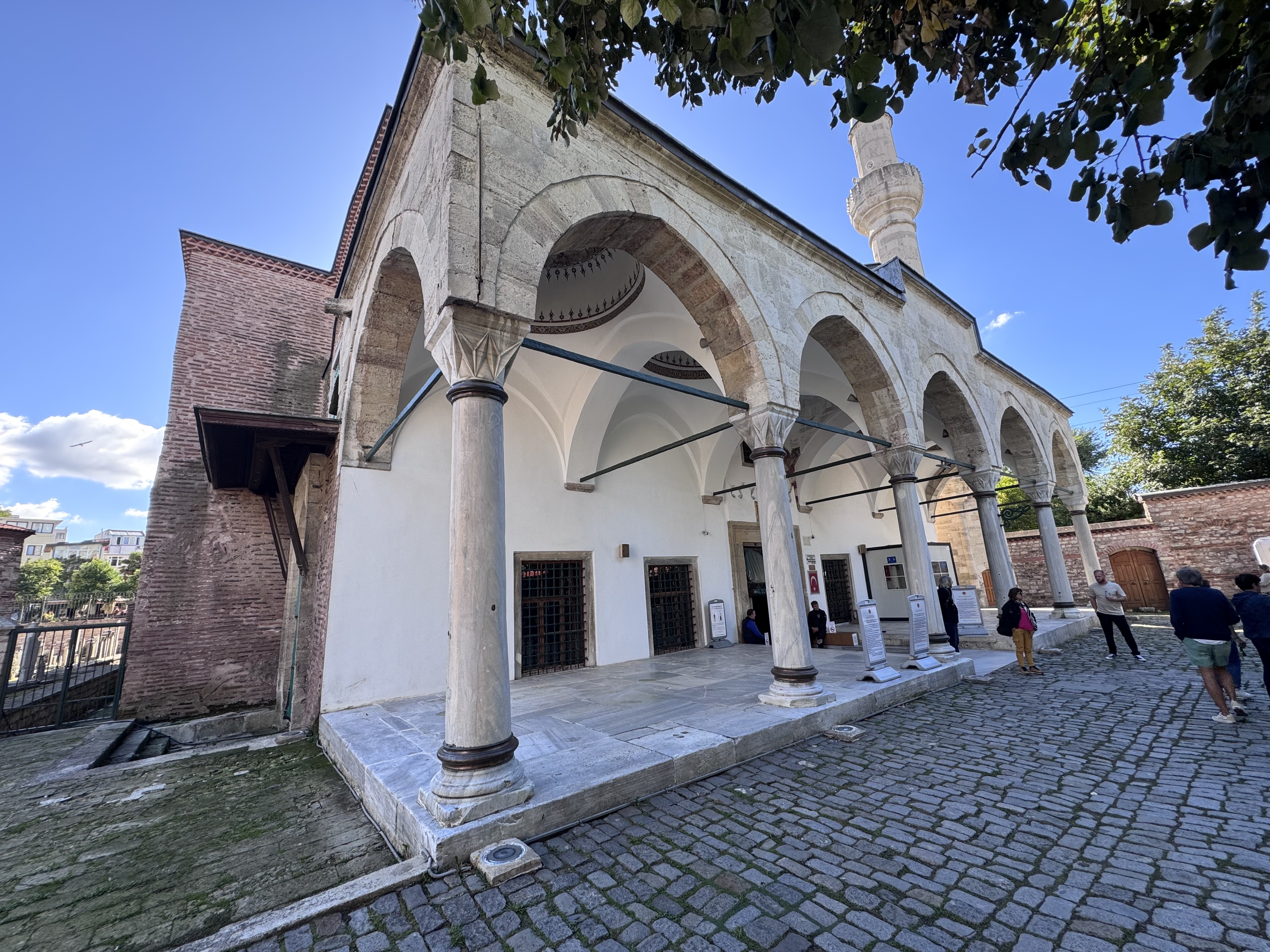
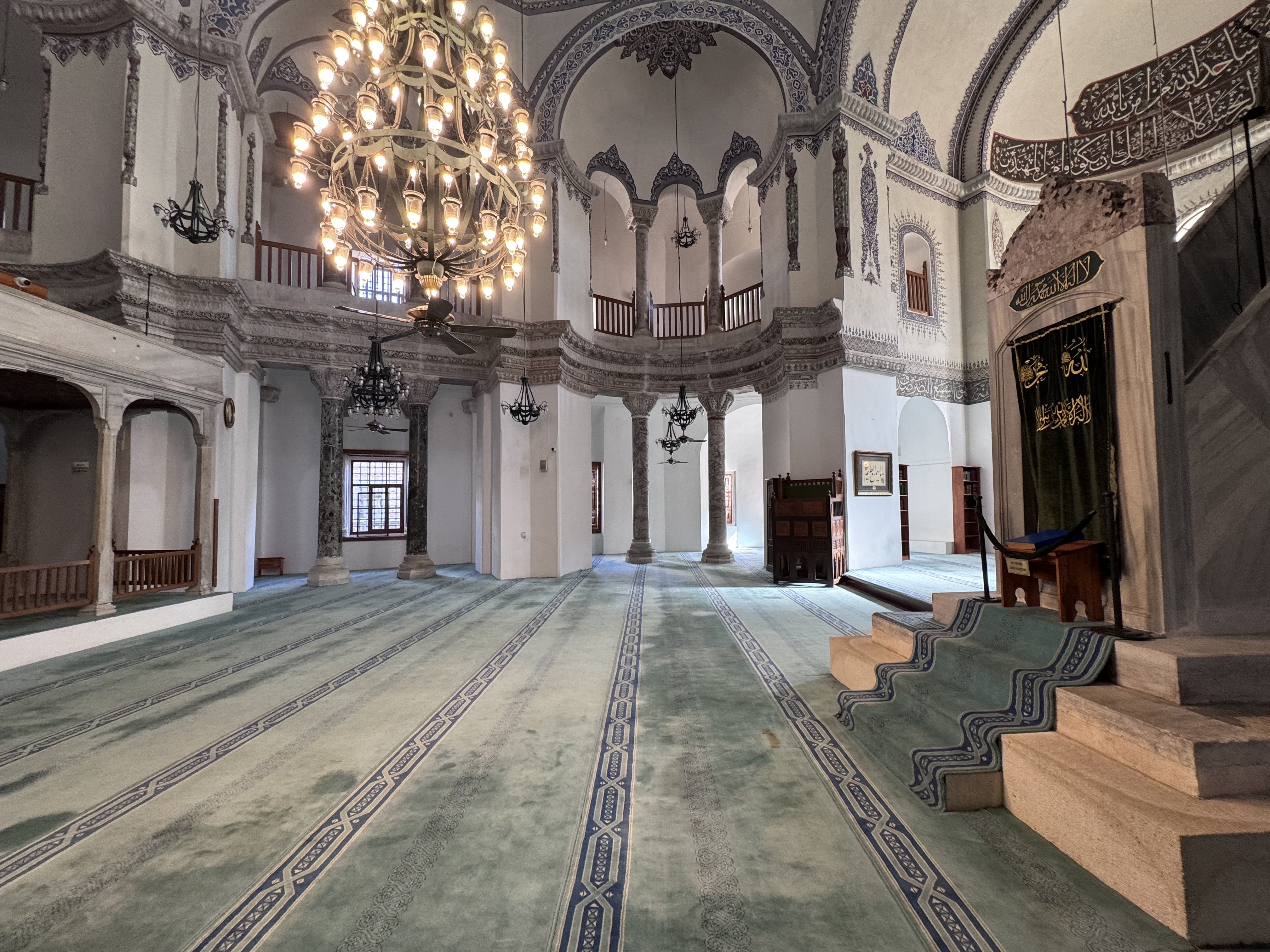
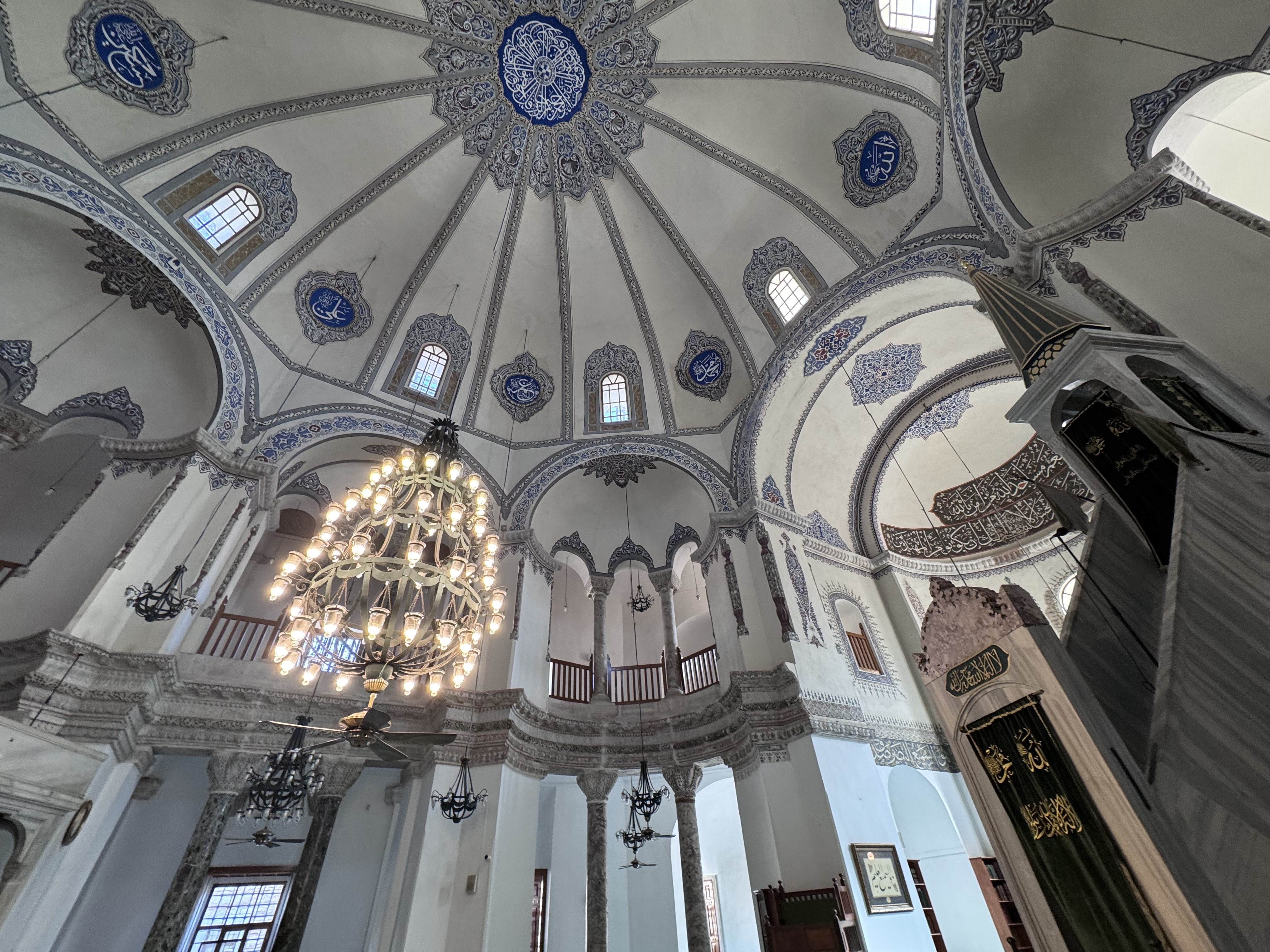
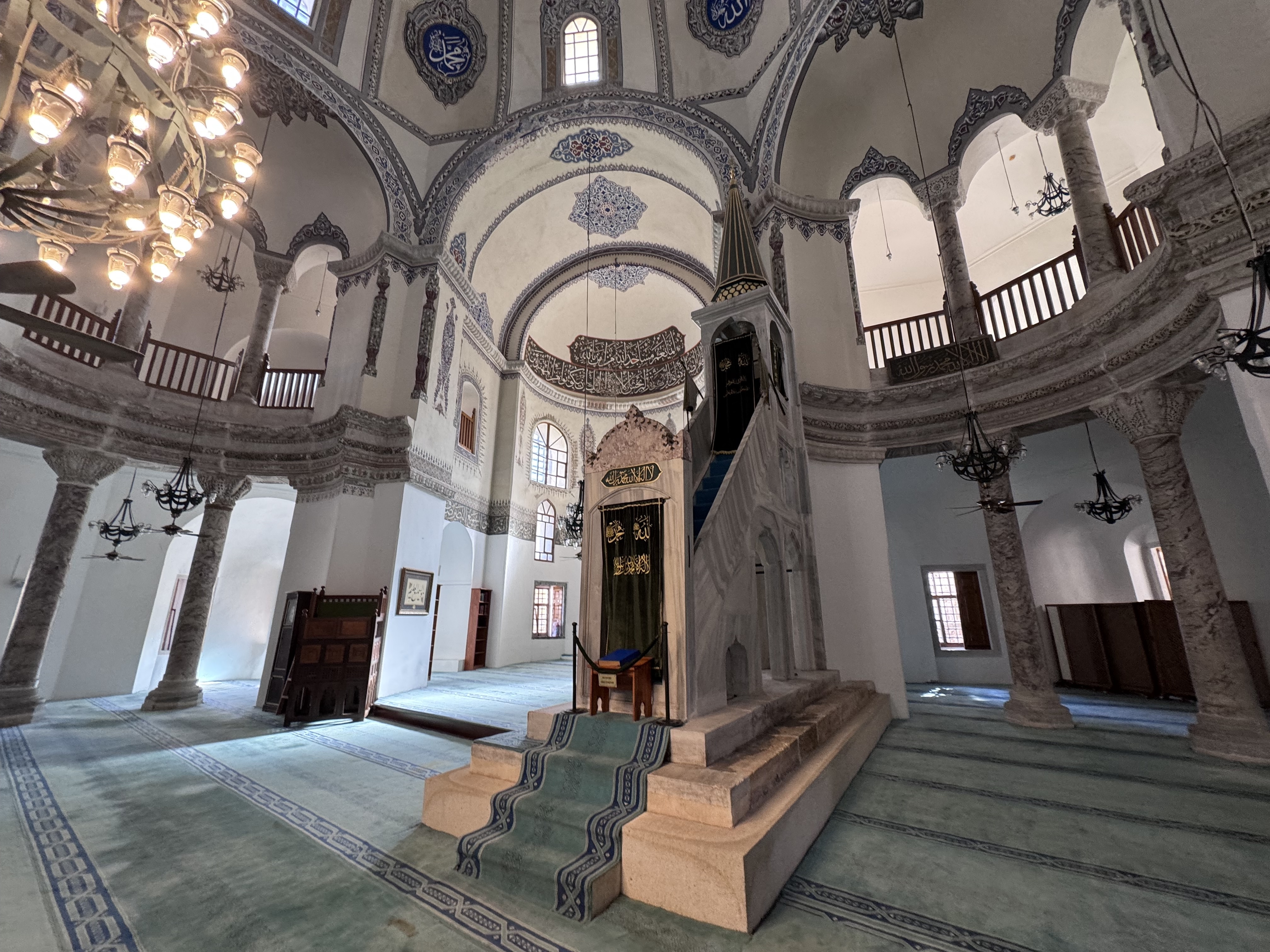
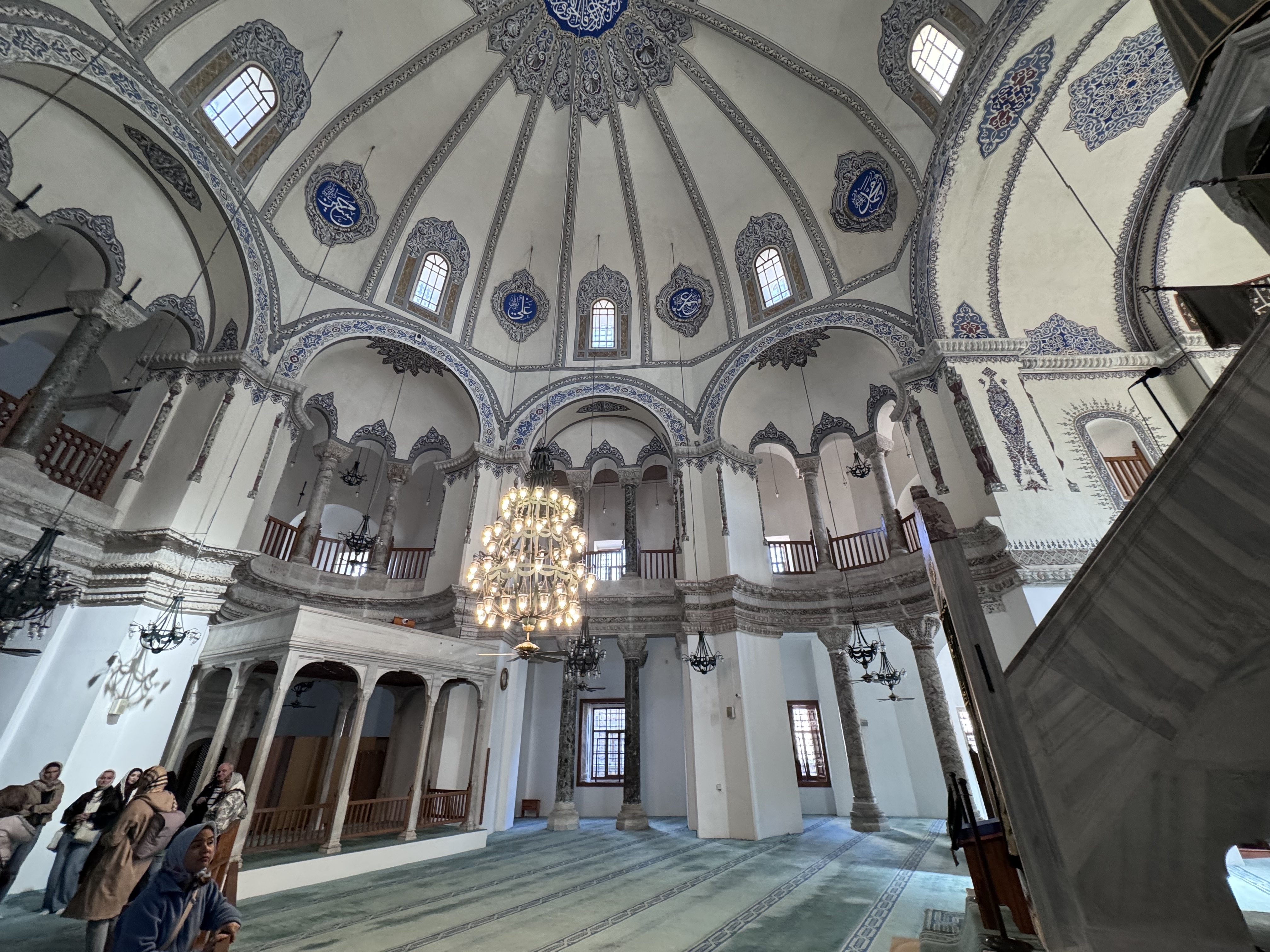
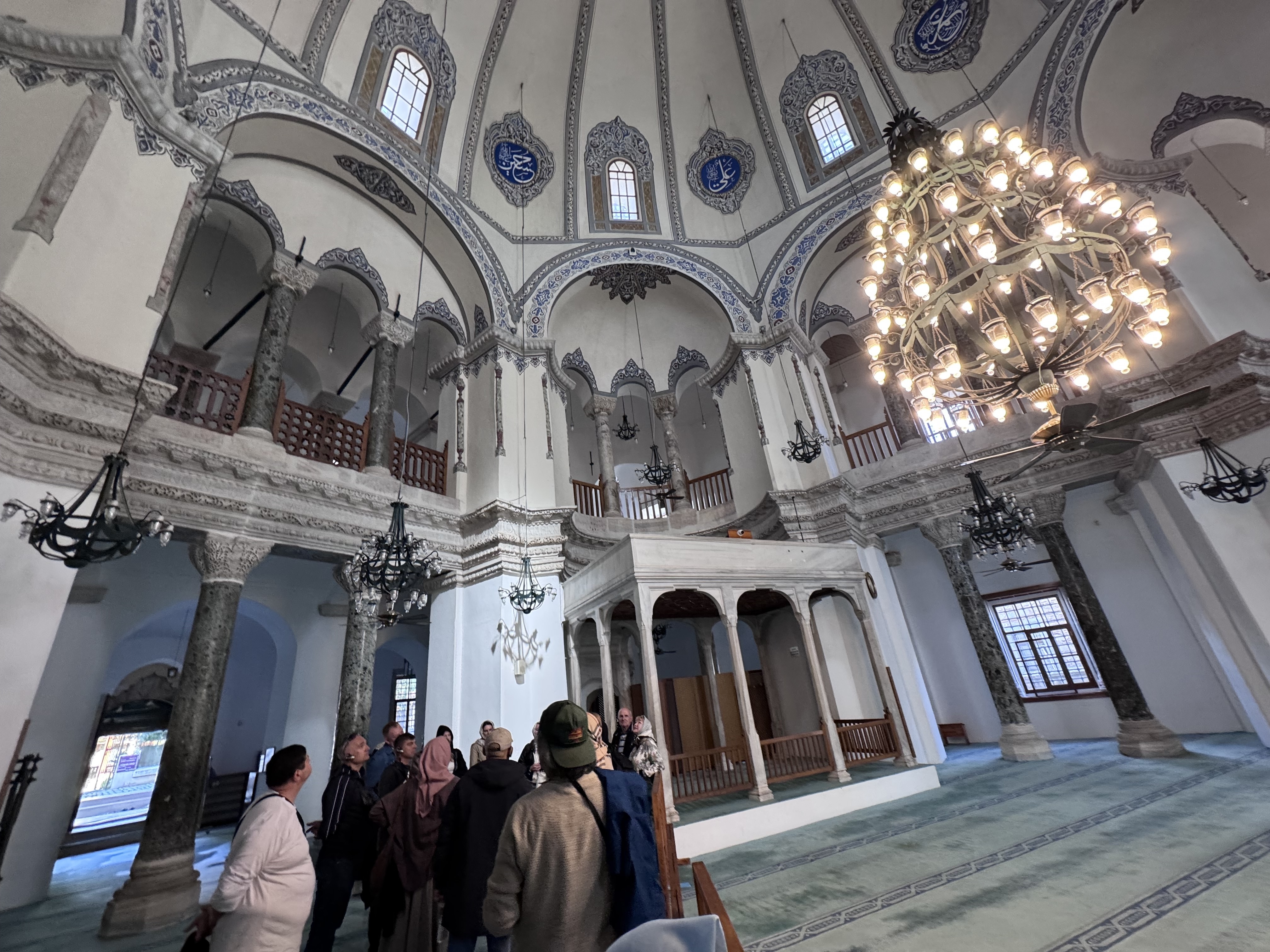
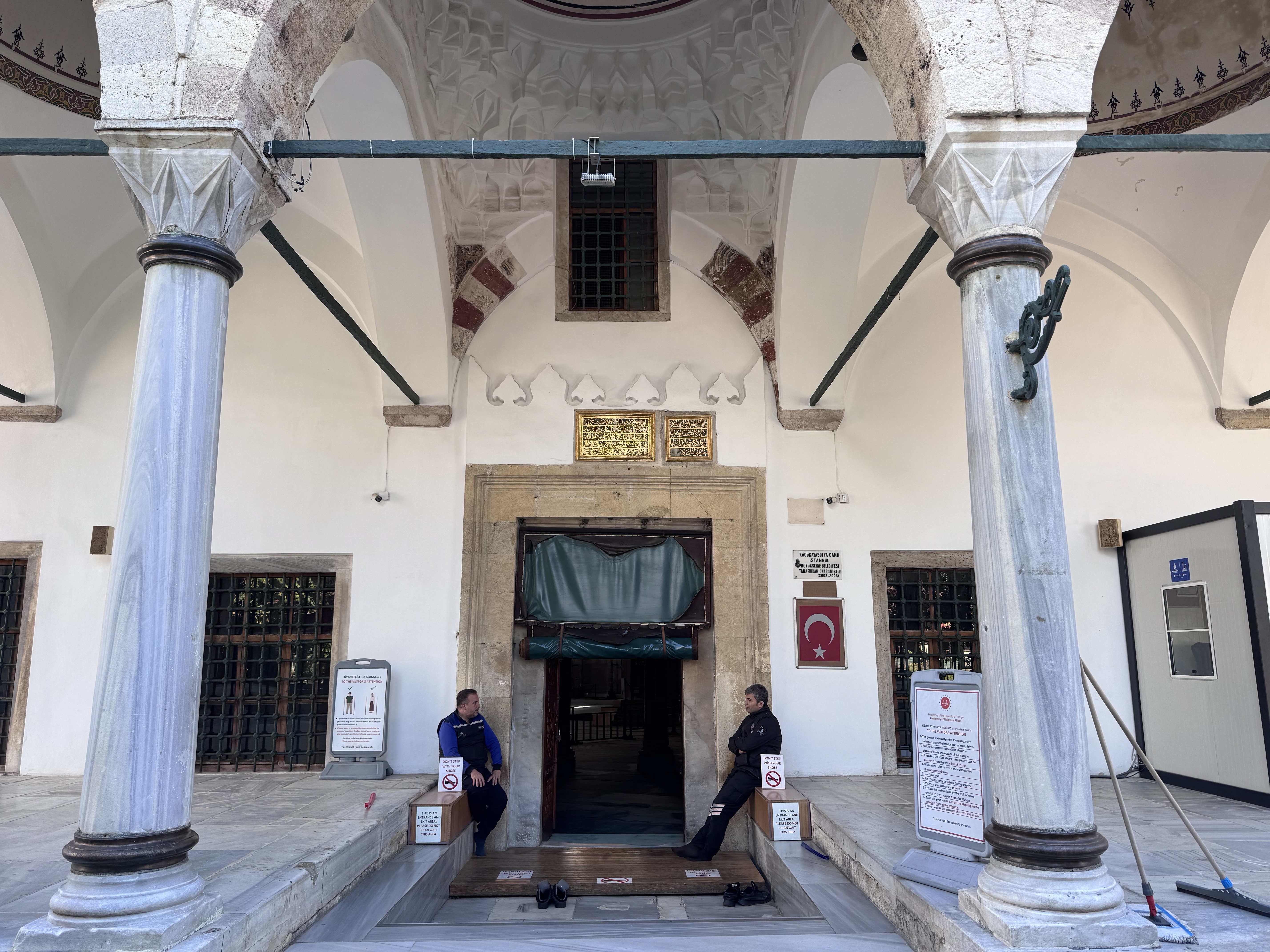
The Little Hagia Sophia, known in Turkish as Küçük Ayasofya Camii, stands in the Fatih district of Istanbul near the shores of the Sea of Marmara, close to the ruins of the Great Palace and south of the Hippodrome. Originally built as the Church of Saints Sergius and Bacchus, it is one of the most important surviving early Byzantine structures in the city and forms part of the Historic Areas of Istanbul, inscribed on the UNESCO World Heritage List in 1985.
Its construction is generally dated between 527 and 536 during the early years of Emperor Justinian I’s reign, though some scholars place the start slightly earlier or later within that decade. The church was dedicated to the Syrian Christian soldier-martyrs Saints Sergius and Bacchus. According to a later legend, Justinian, while still the nephew of Emperor Justin I, had been accused of plotting against the throne and sentenced to death; the two saints appeared to Justin in a dream and vouched for Justinian’s innocence, leading to his ...
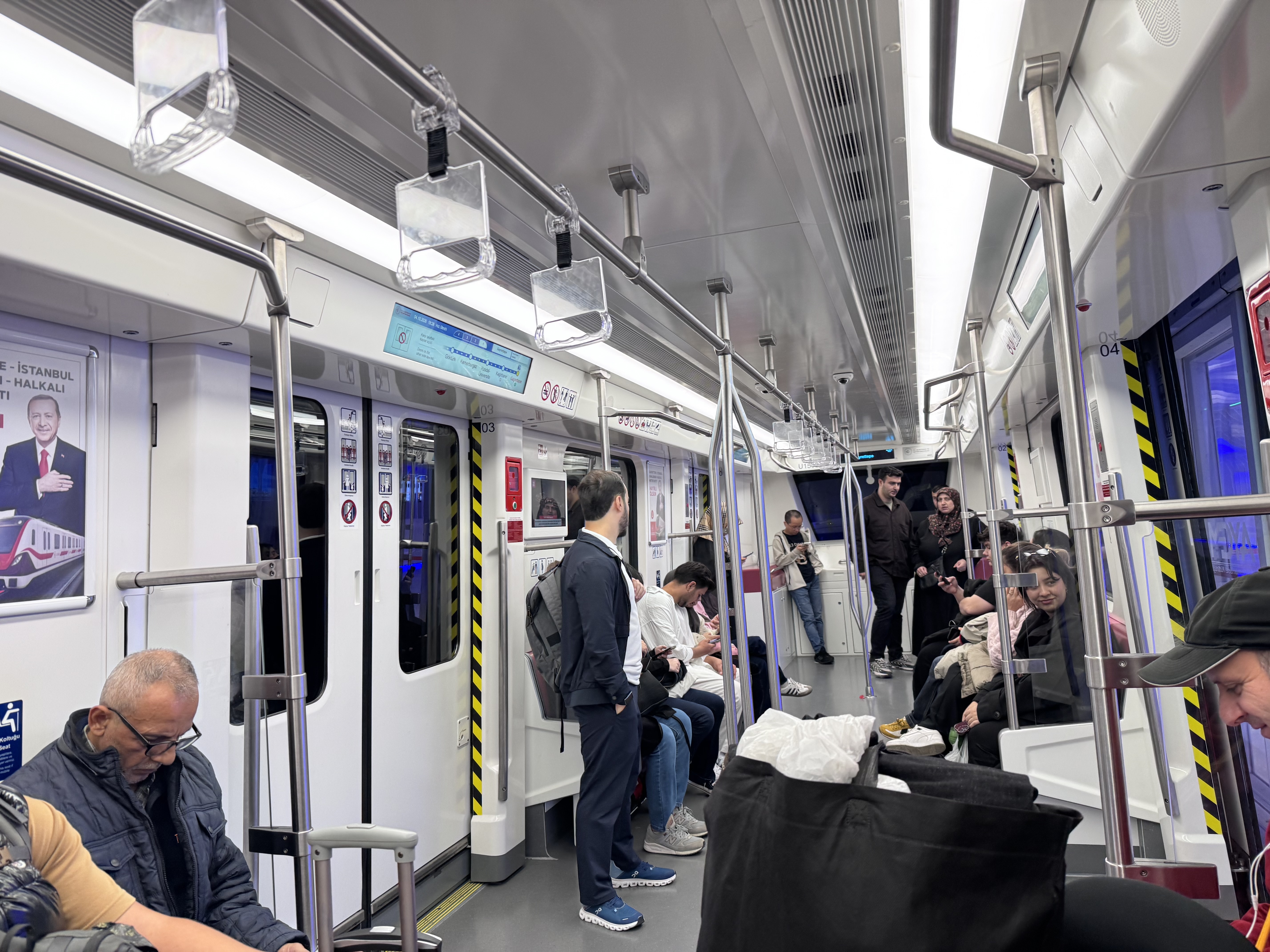
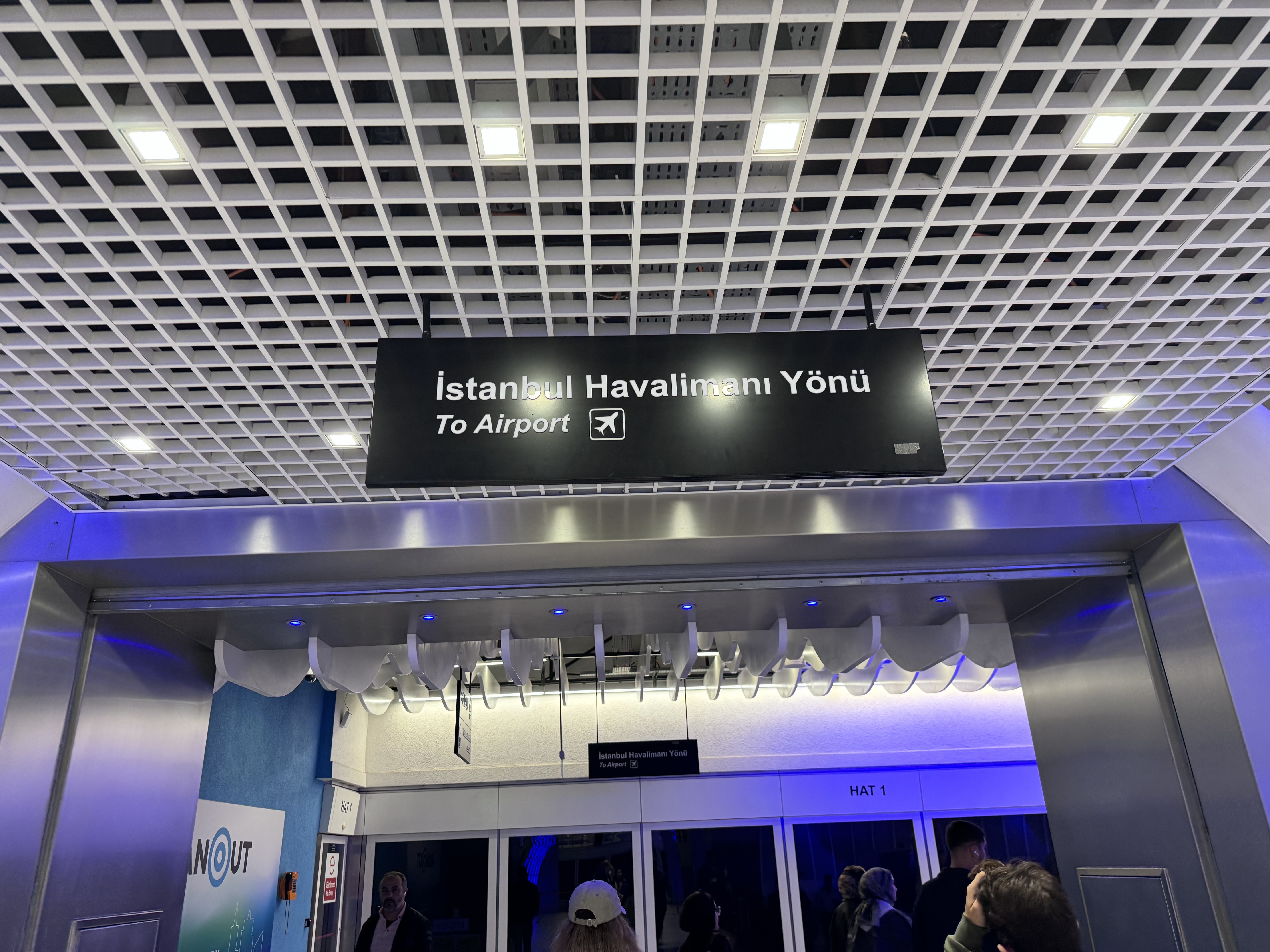
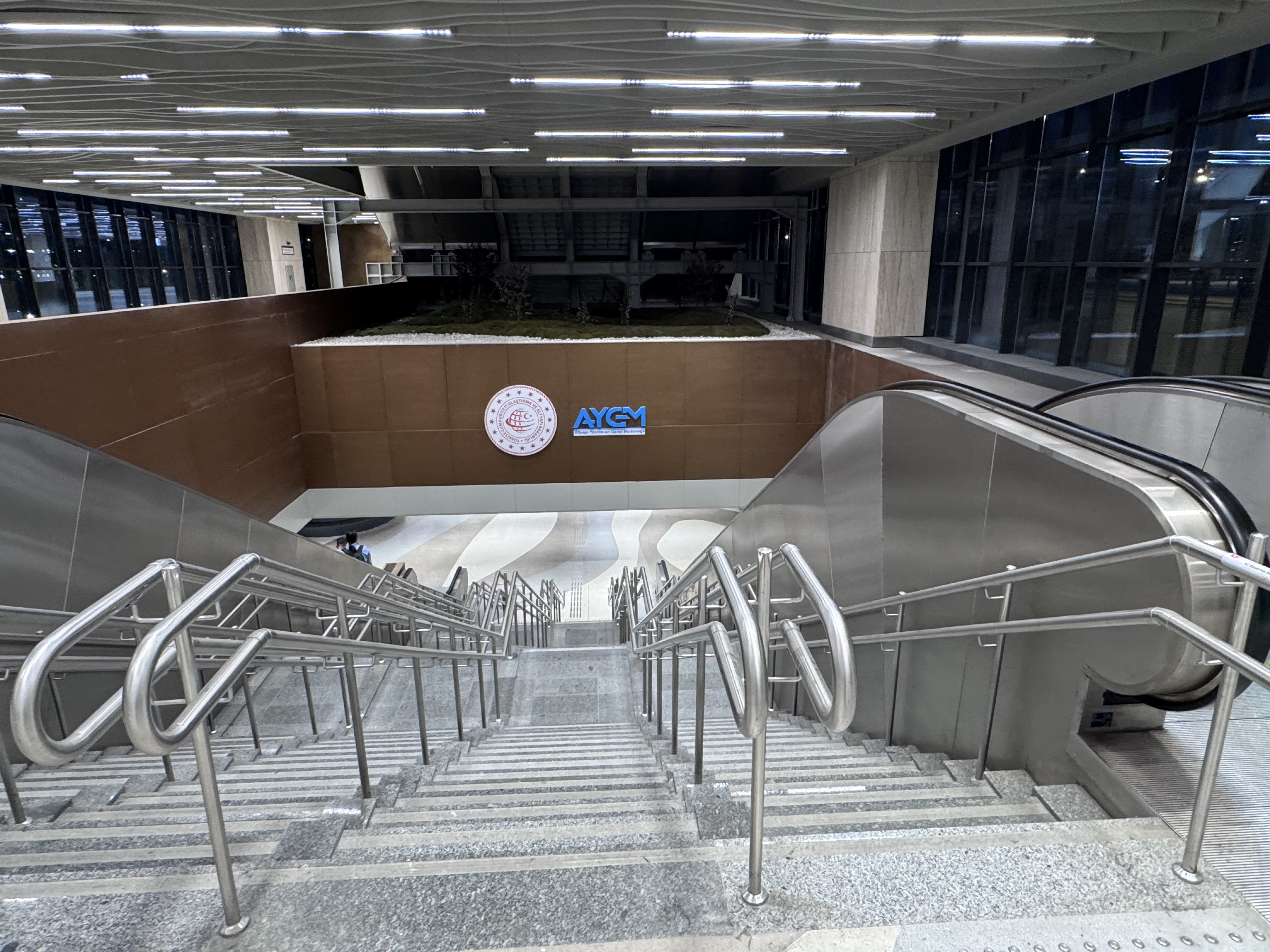
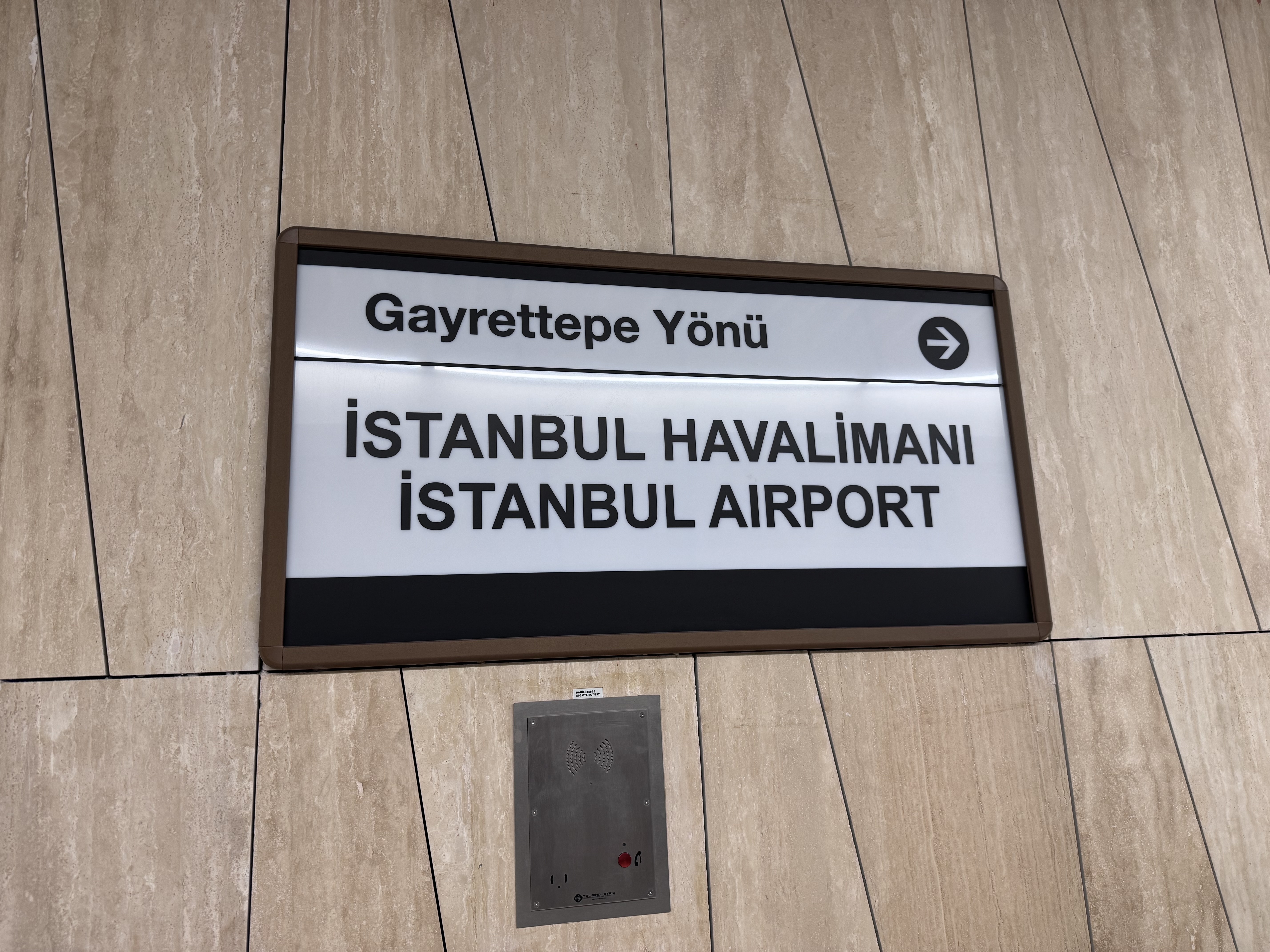
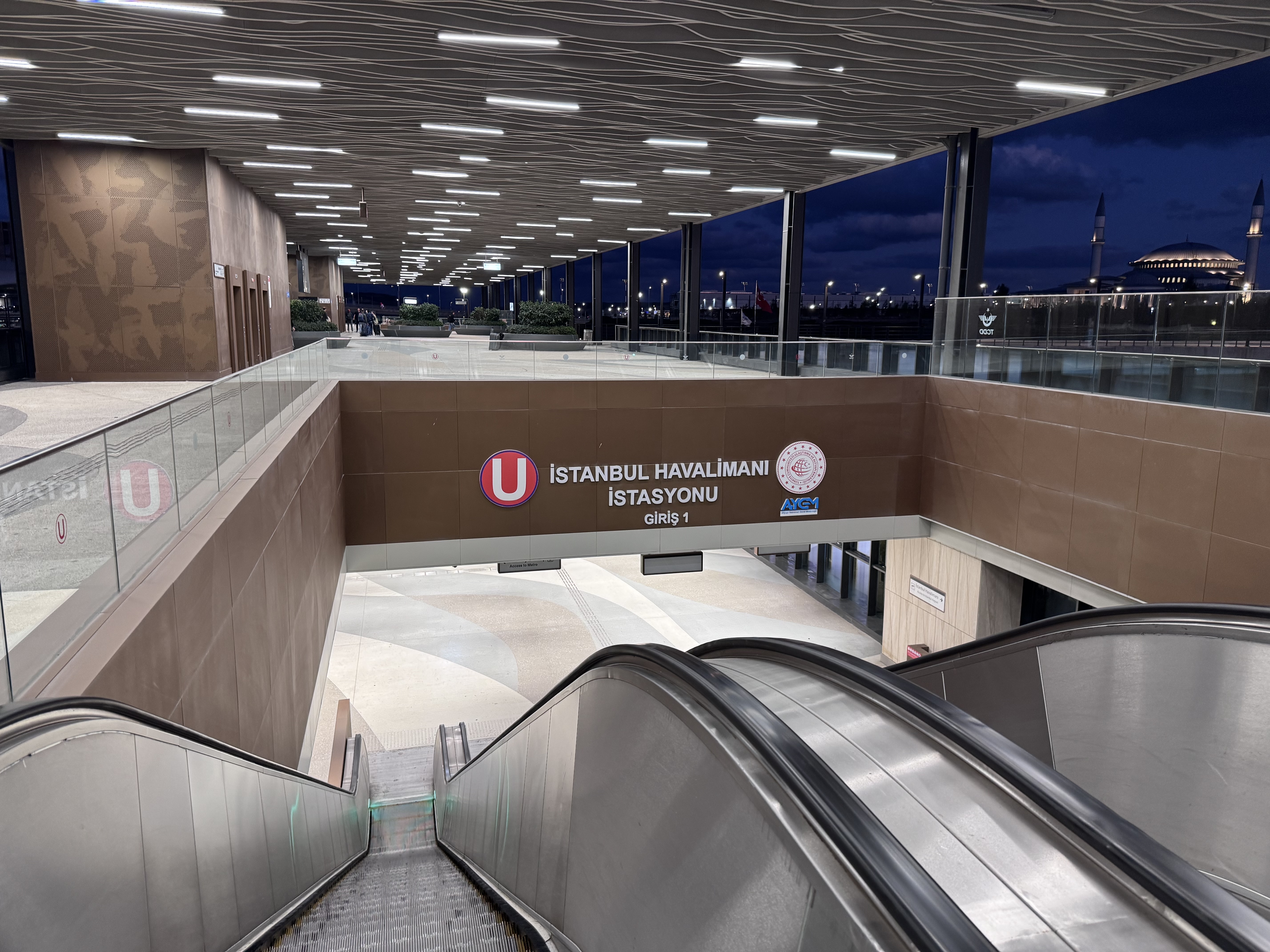
This video shows you exactly how to ride the Istanbul metro from the airport on the M11 line and transfer to the M2 to reach the historical area around Sultanahmet or Taksim Square.
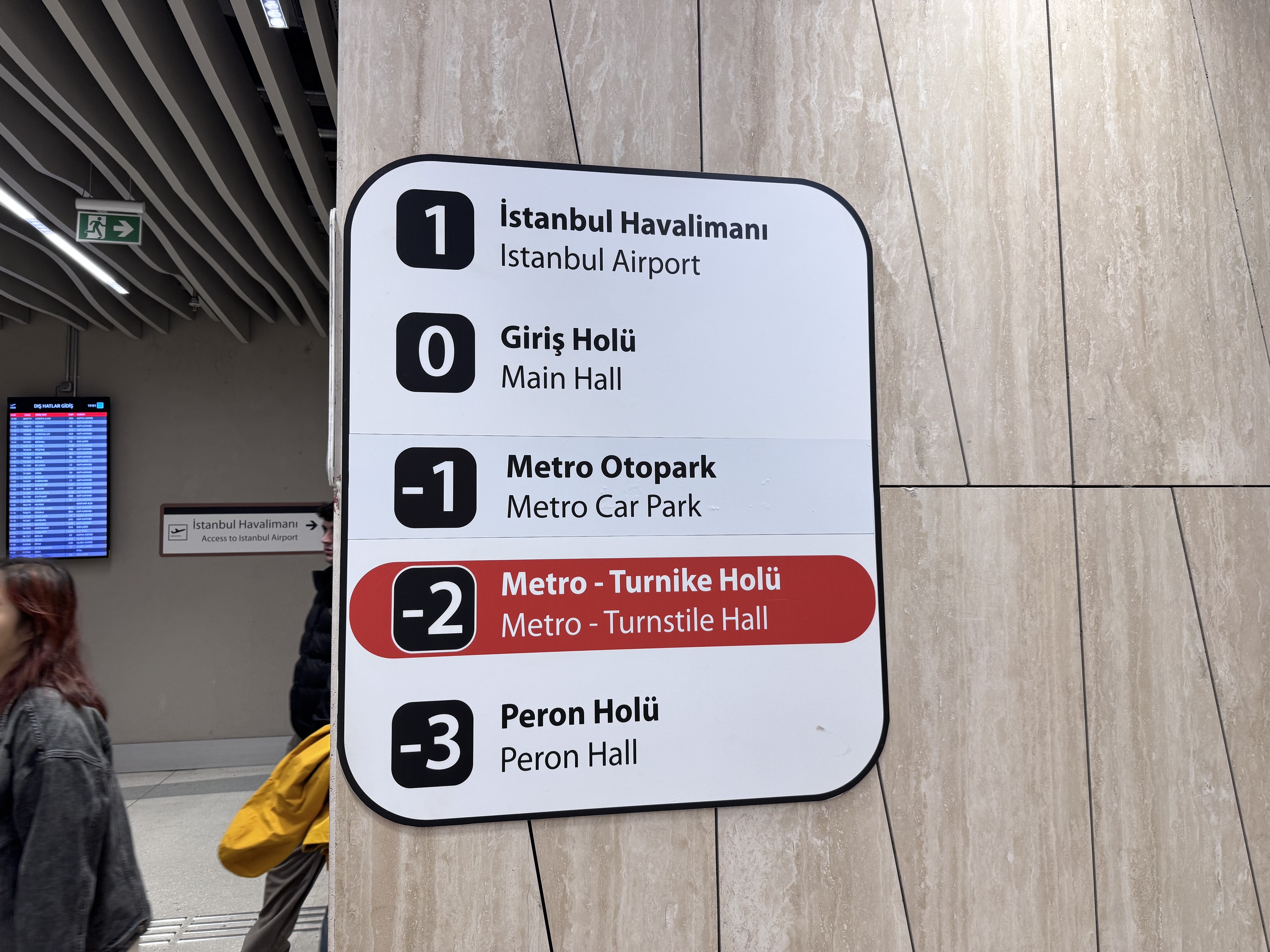
Start by following the metro signs after arrivals at Istanbul Airport, walk a few minutes to the underground station, buy or top up an Istanbulkart at the machines, and board an M11 train heading toward Gayrettepe. The ride takes about 25 to 35 minutes with trains running every 8 to 10 minutes from roughly 6 a.m. until midnight.
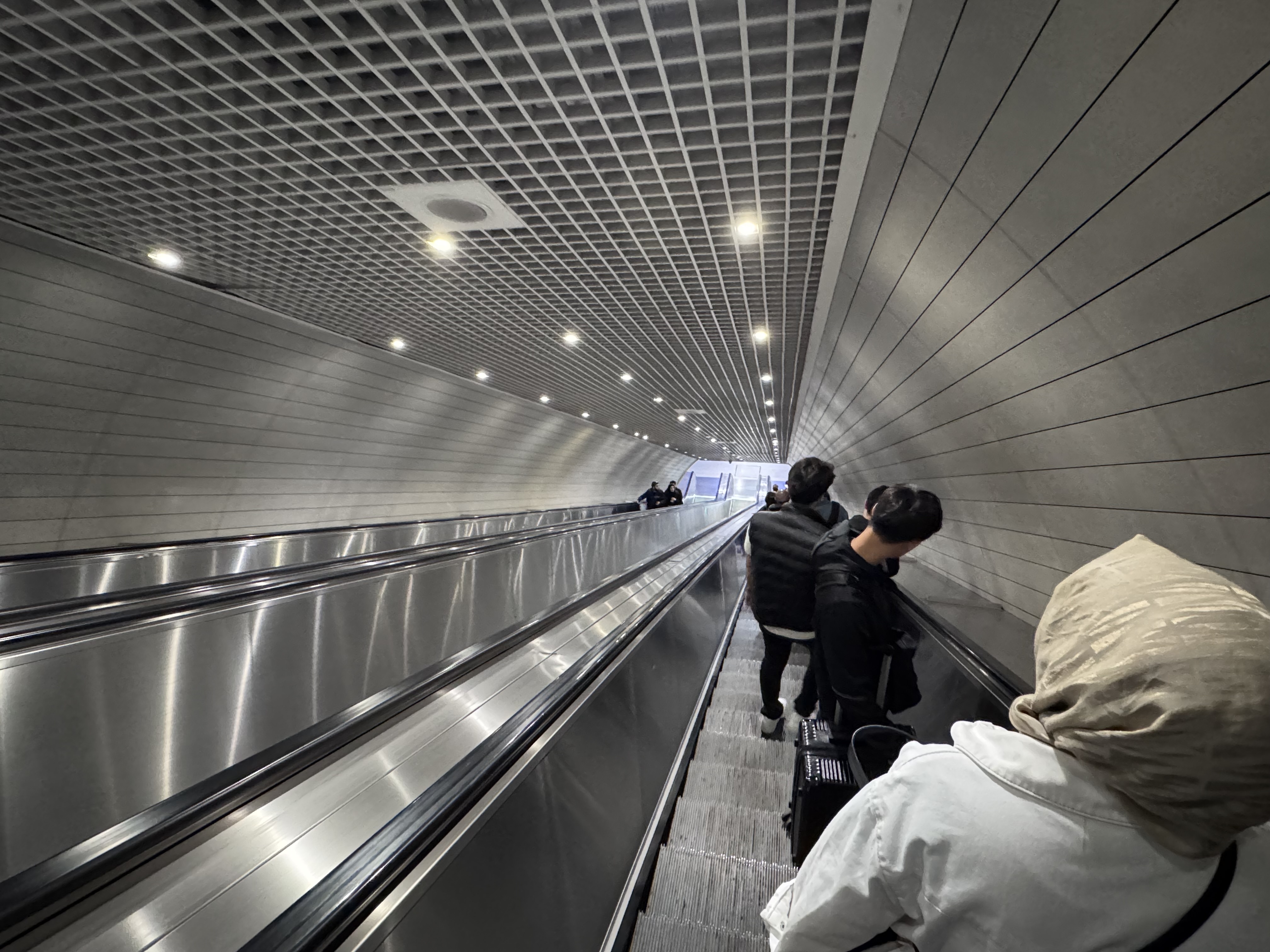
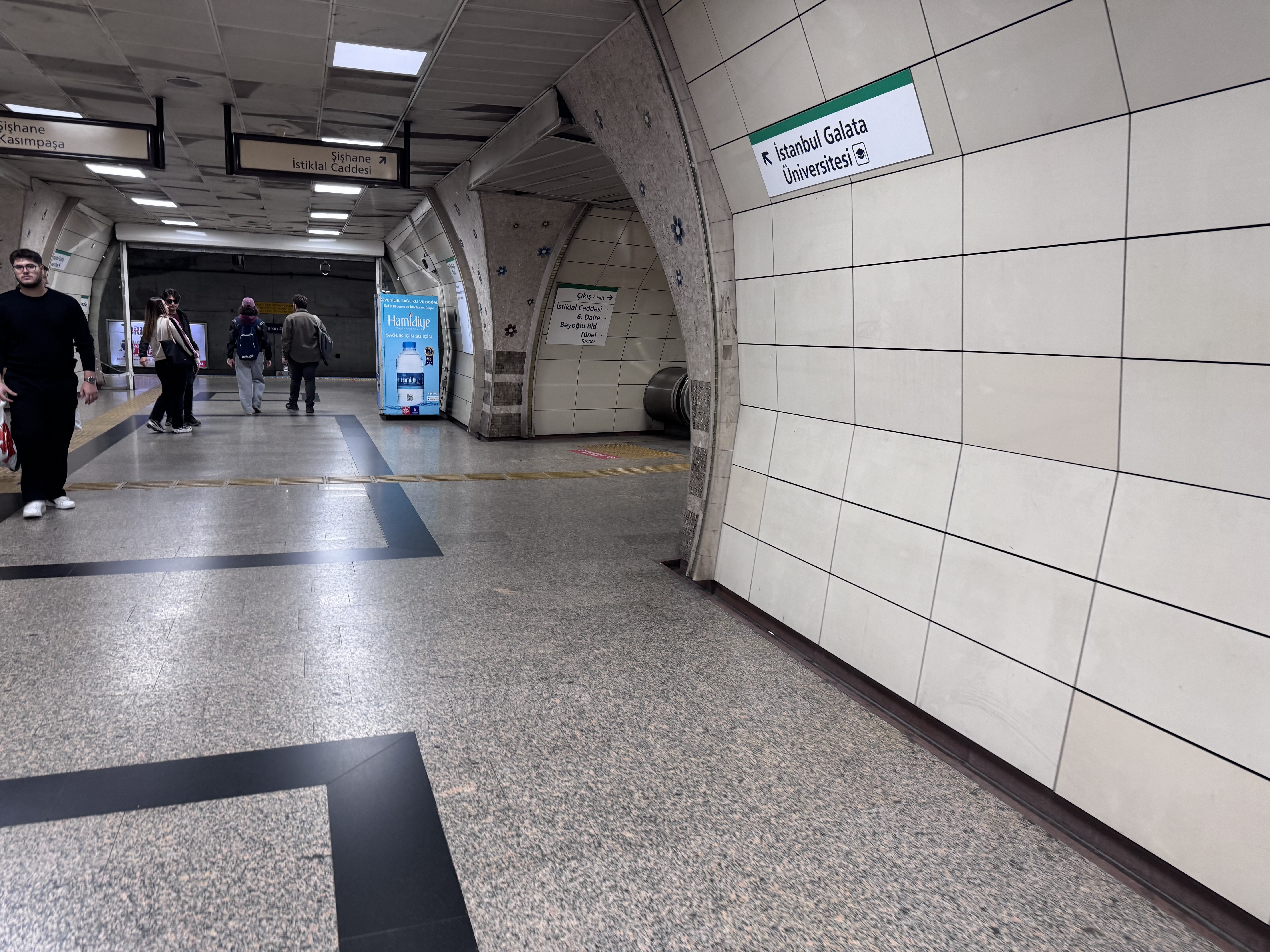
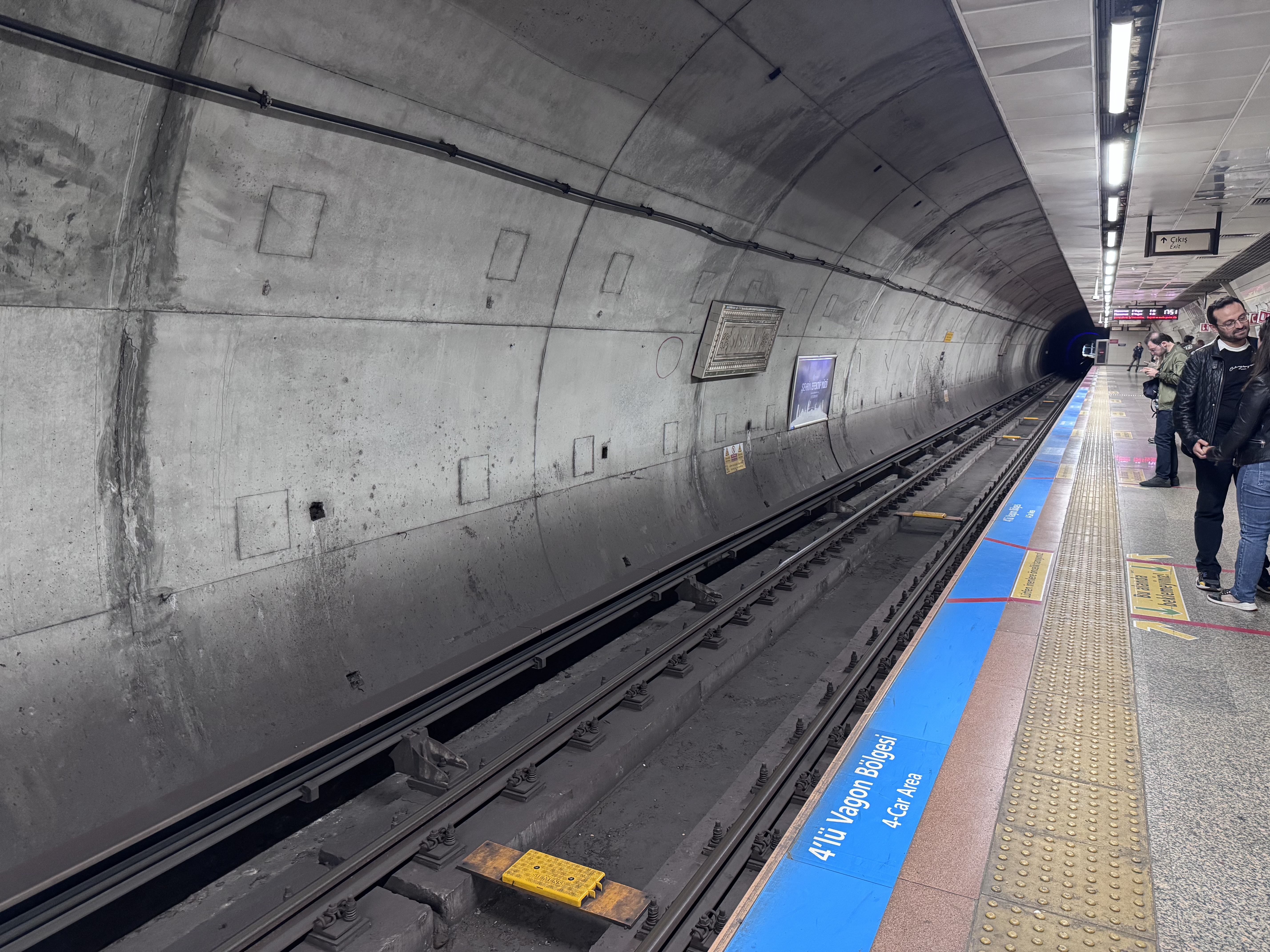
At Gayrettepe follow the signs for the M2 green line, allow 8 to 15 minutes for the long underground walk with escalators, then ride toward Yenikapı and get off at Vezneciler or continue for a short T1 tram connection straight to Sultanahmet near Hagia Sophia and the Blue Mosque.
Total door-to-door time is usually 60 to 90 minutes. The full trip costs roughly 60 to 110 Turkish lira with an Istanbulkart depending on transfers, far cheaper than a taxi that can run 2000 lira or more.
...
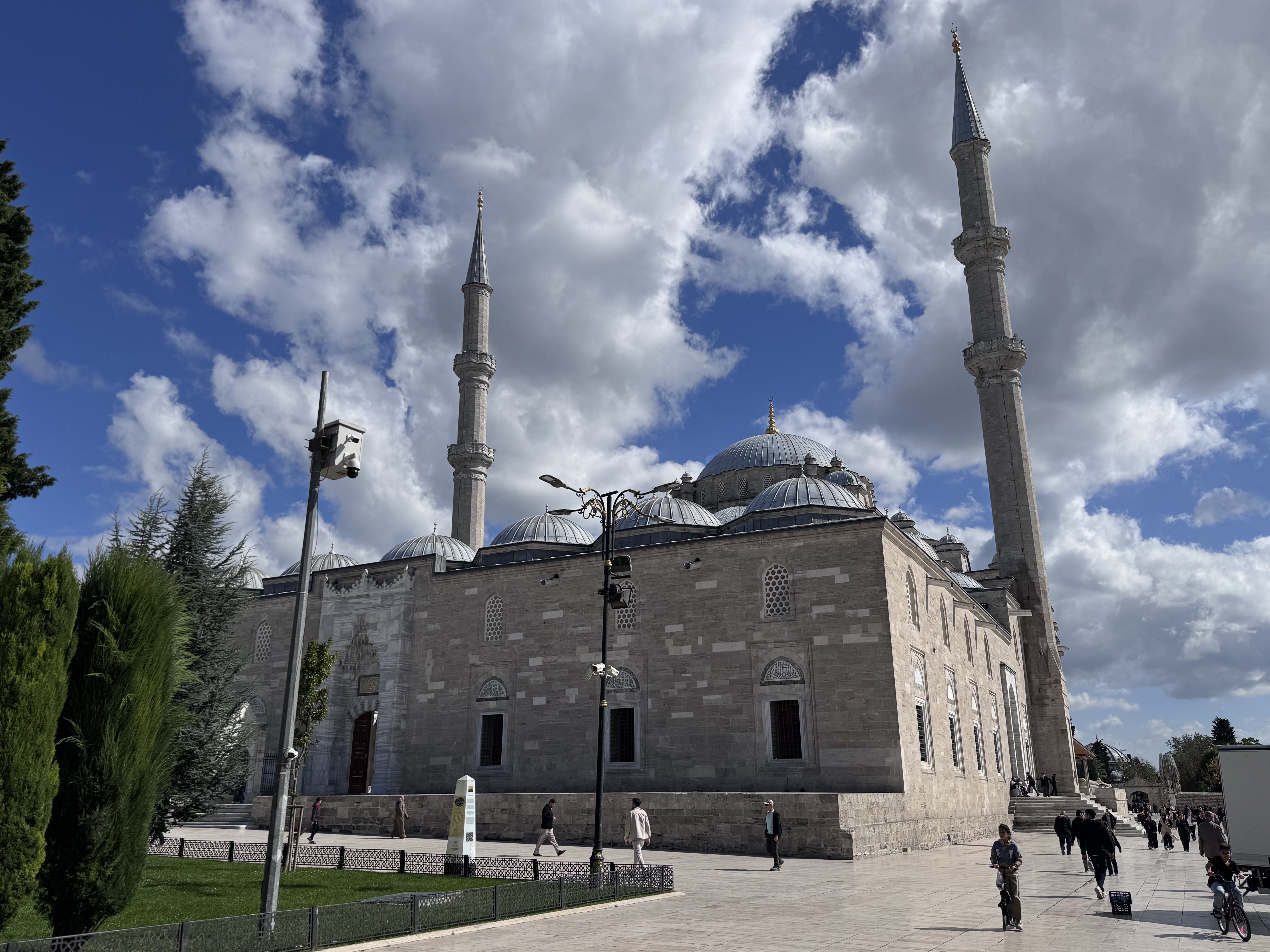
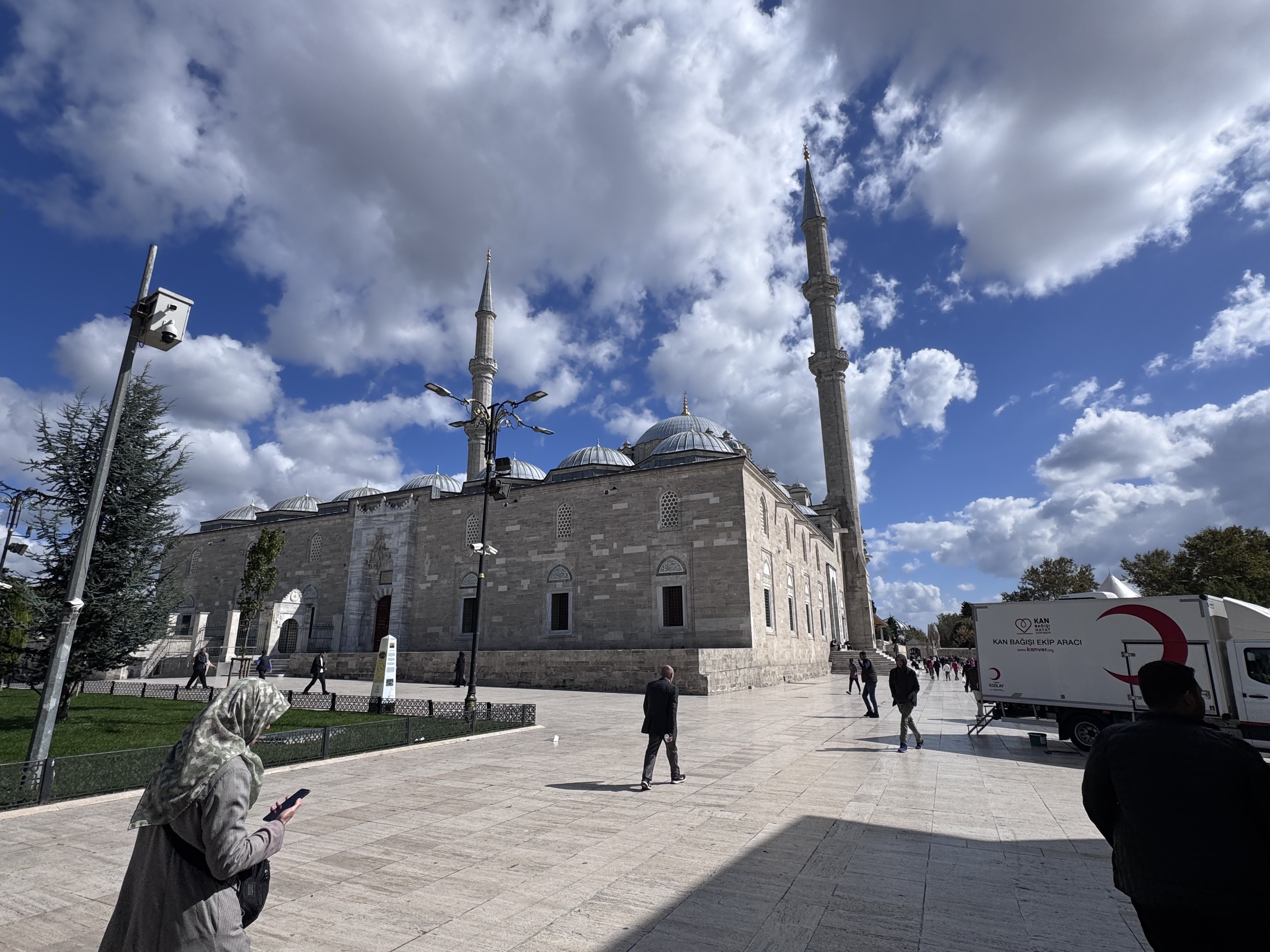
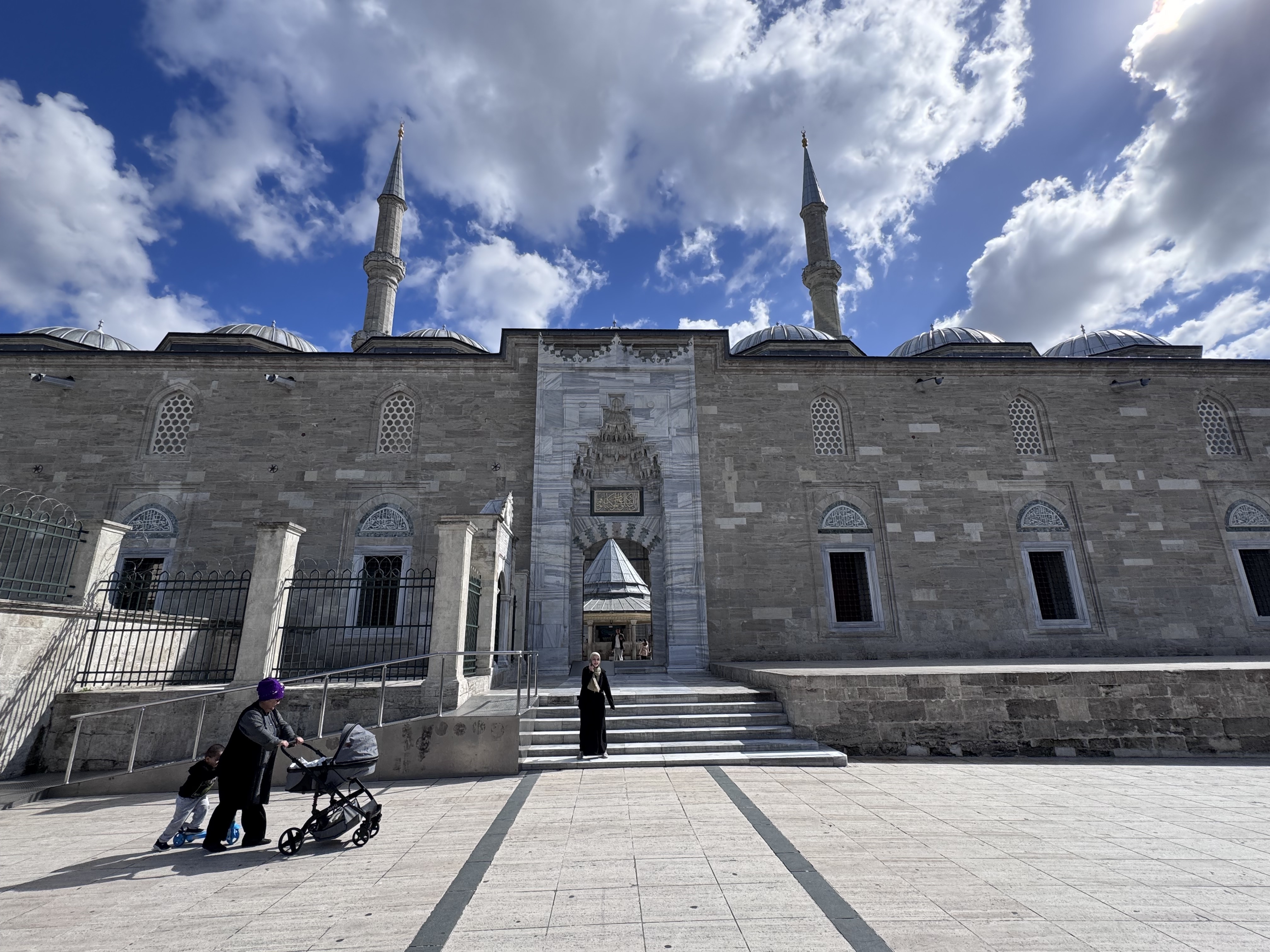
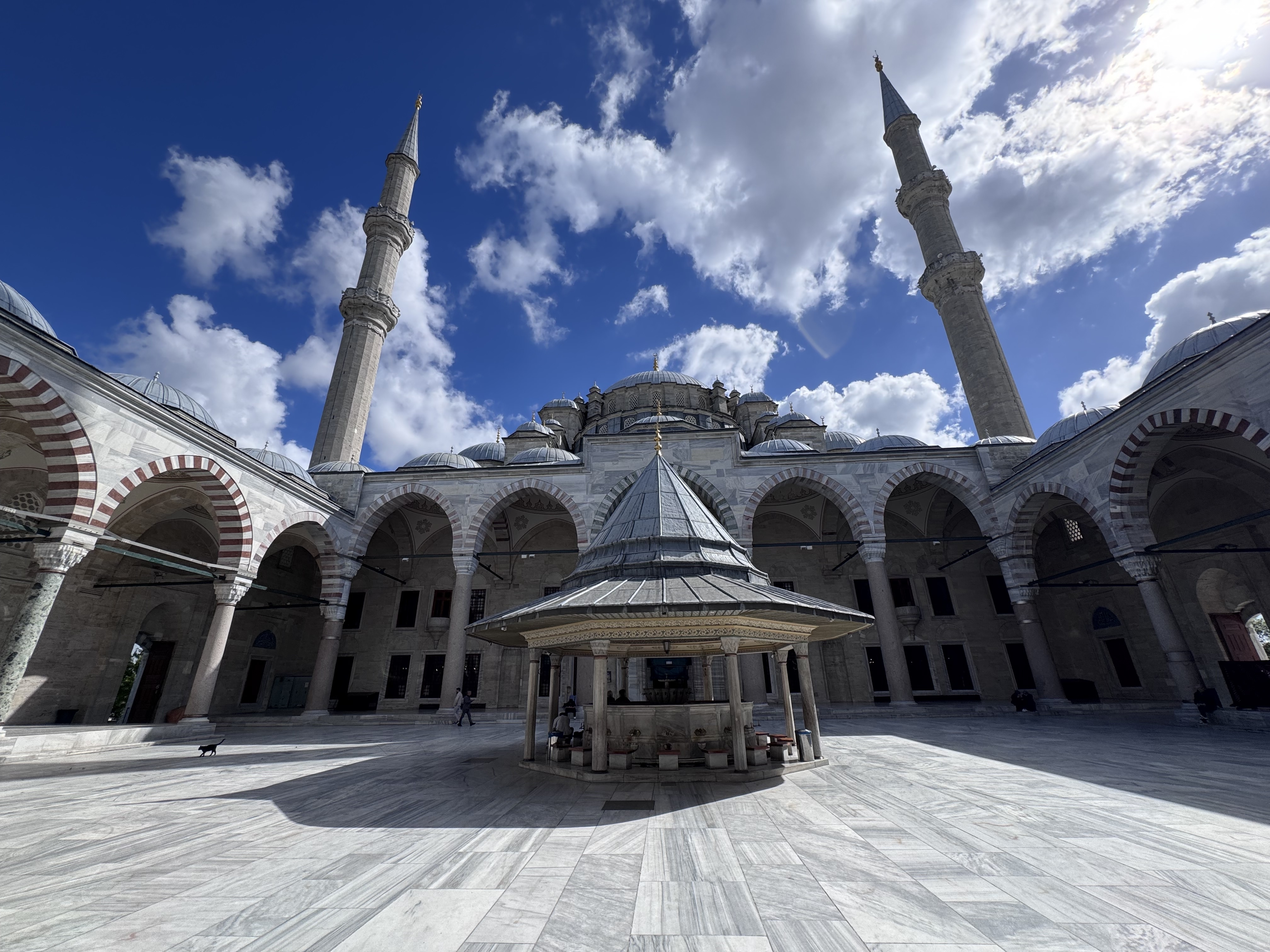
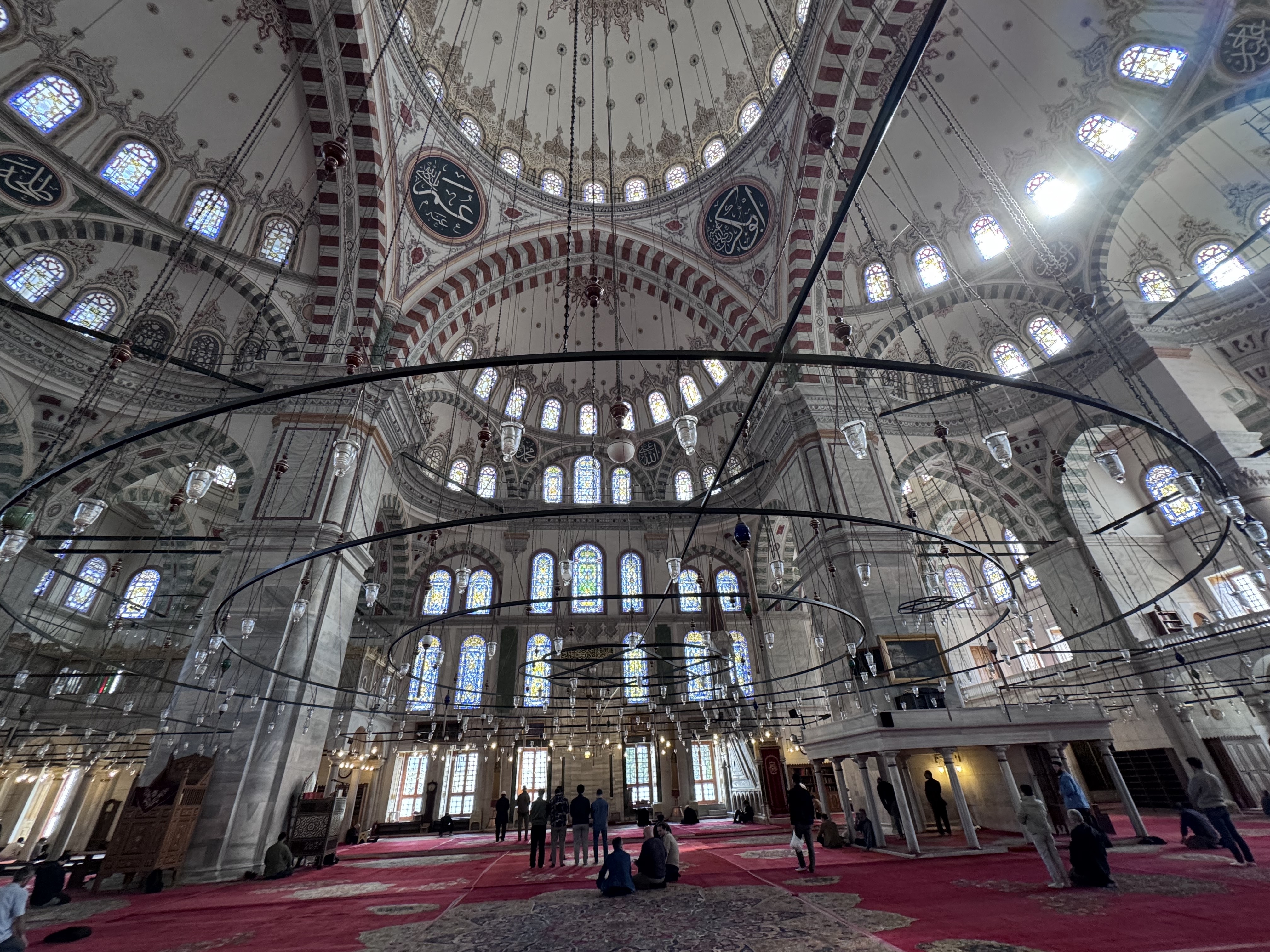
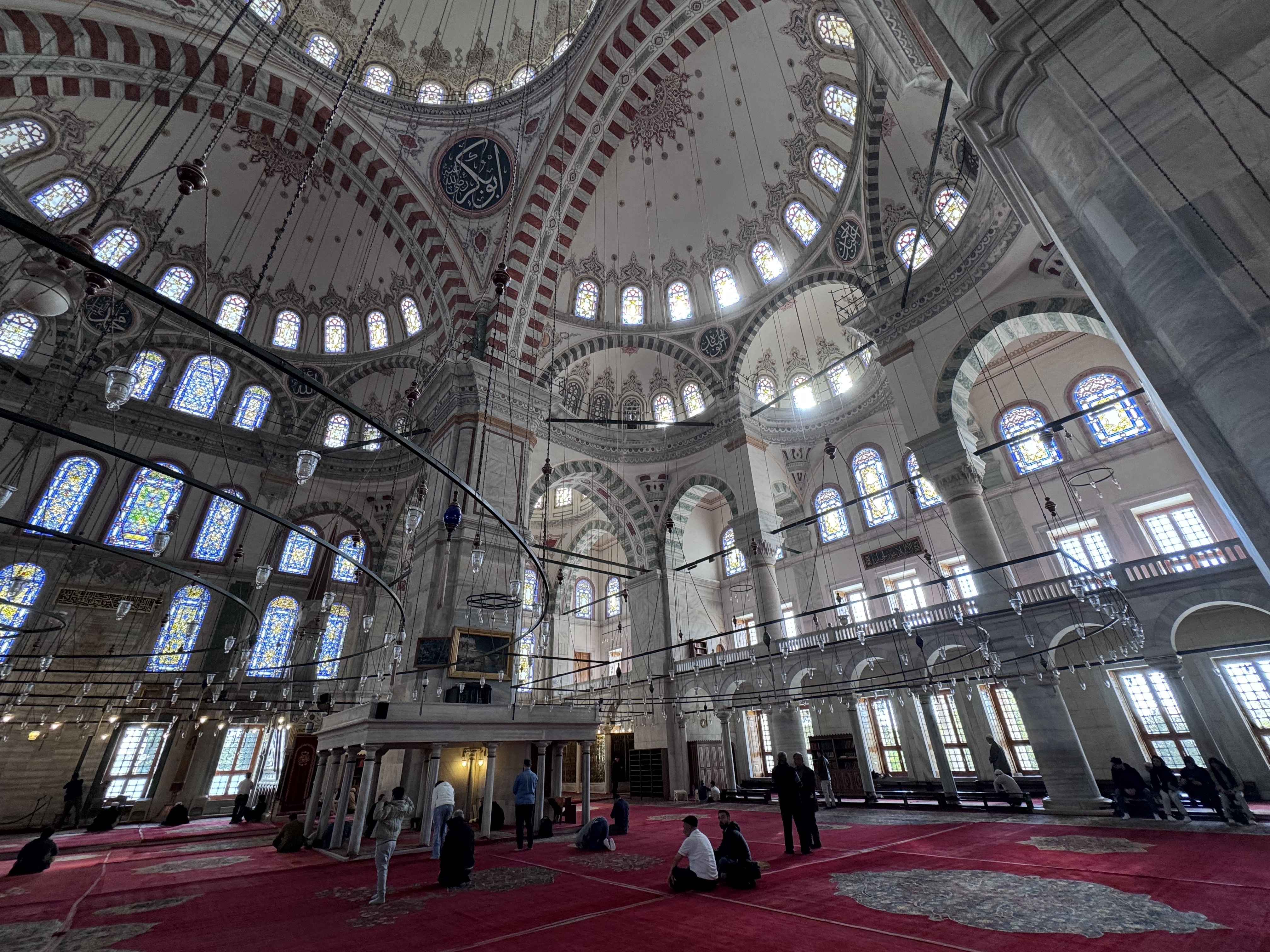
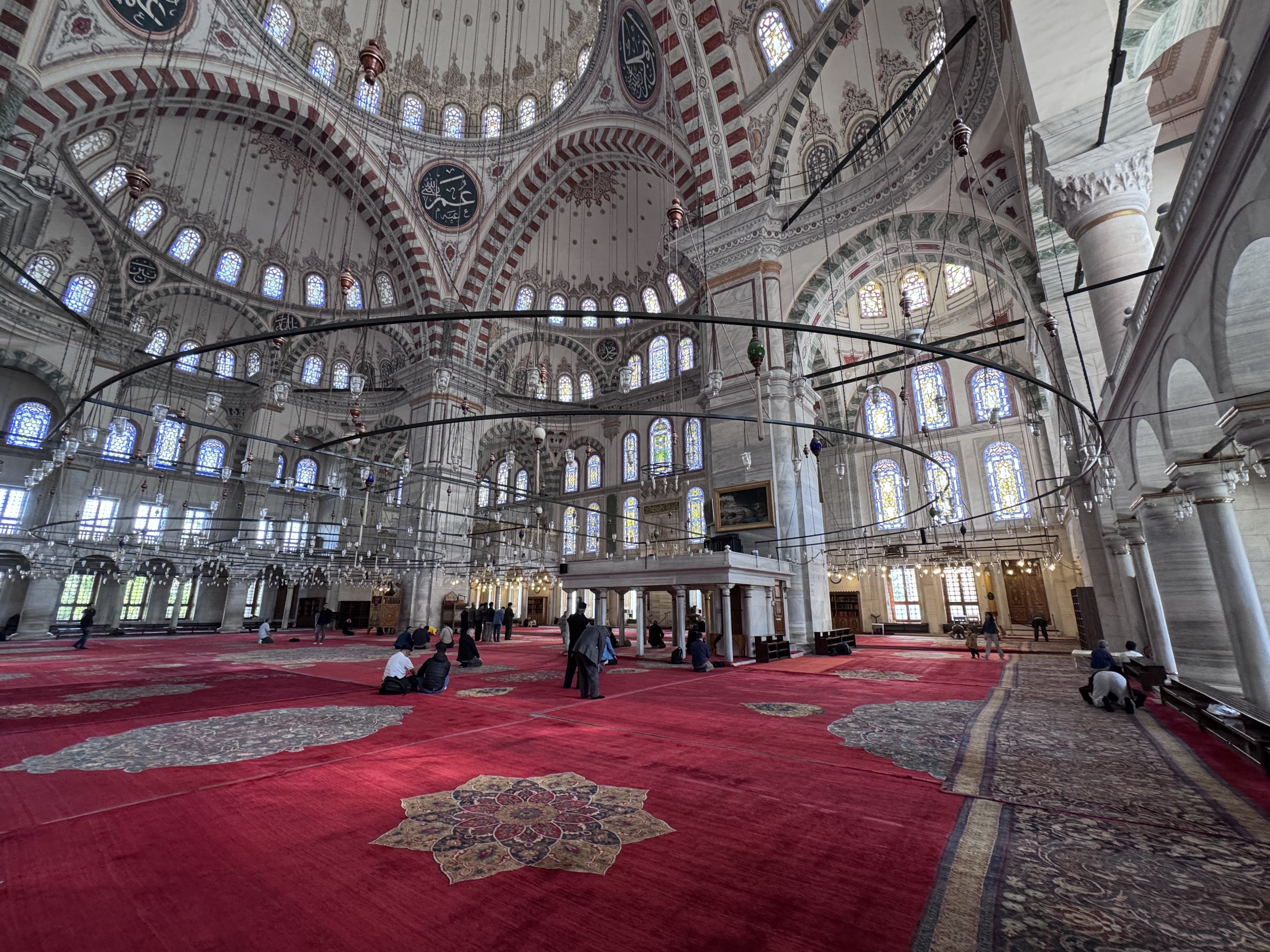
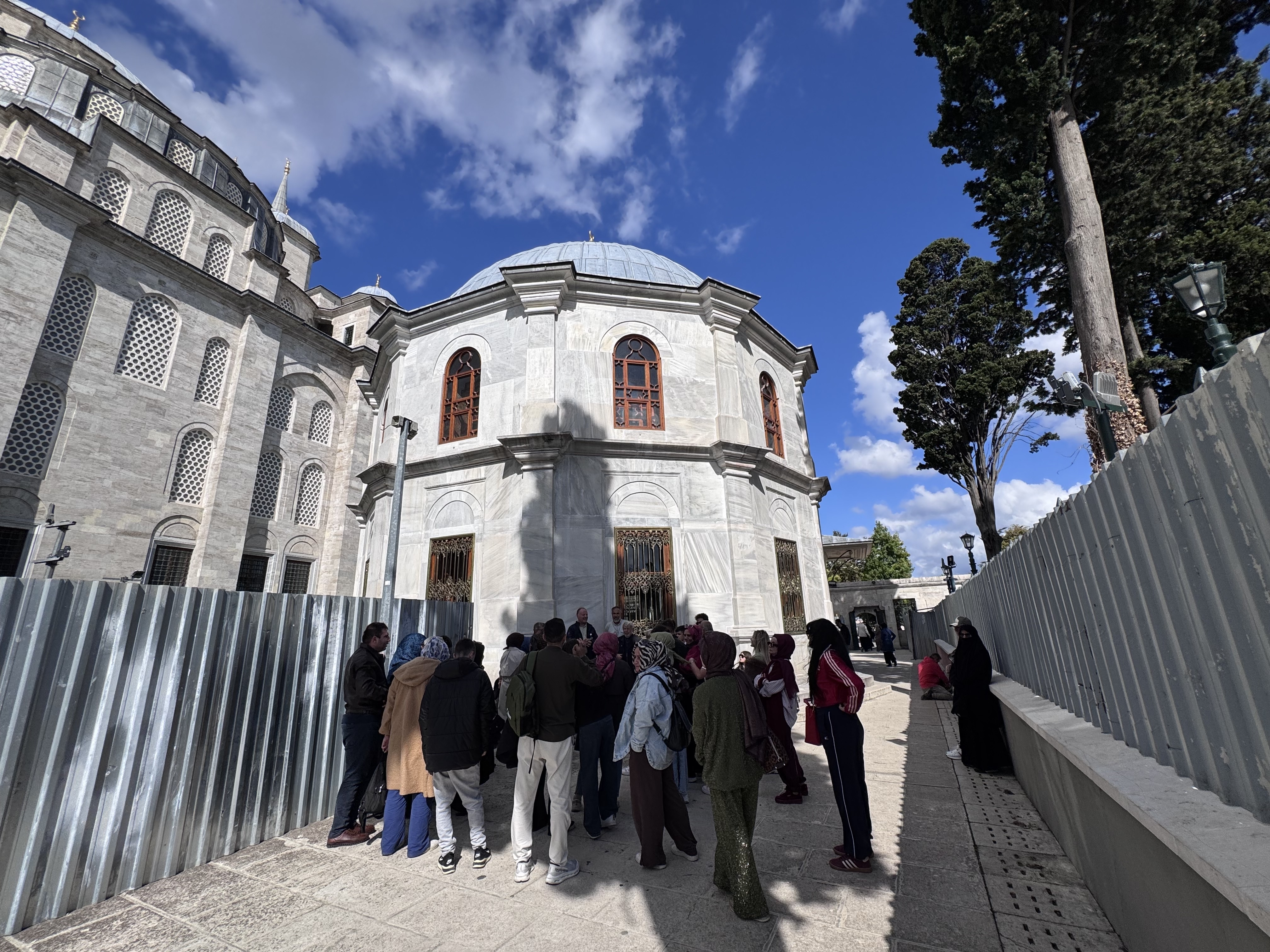
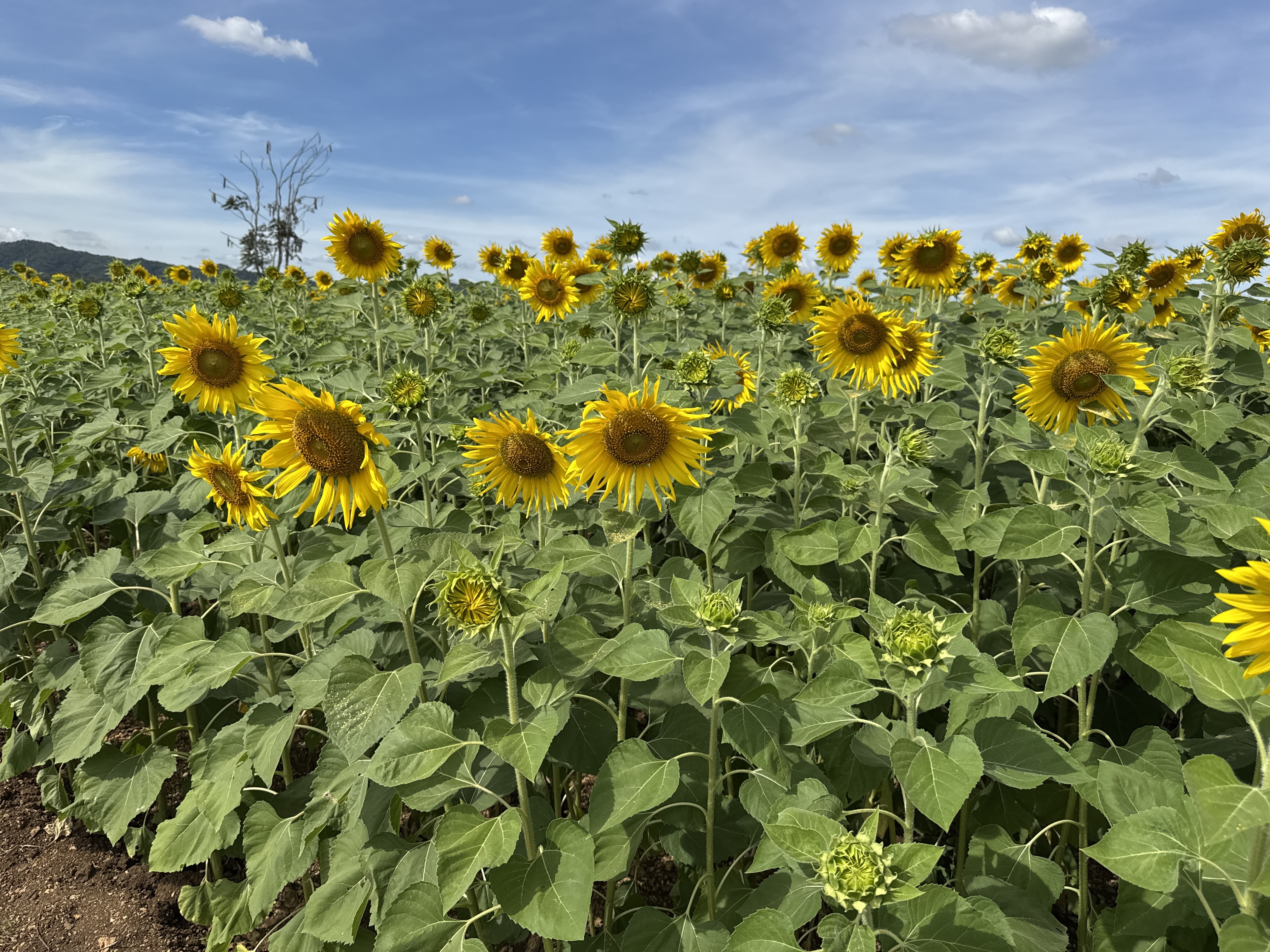
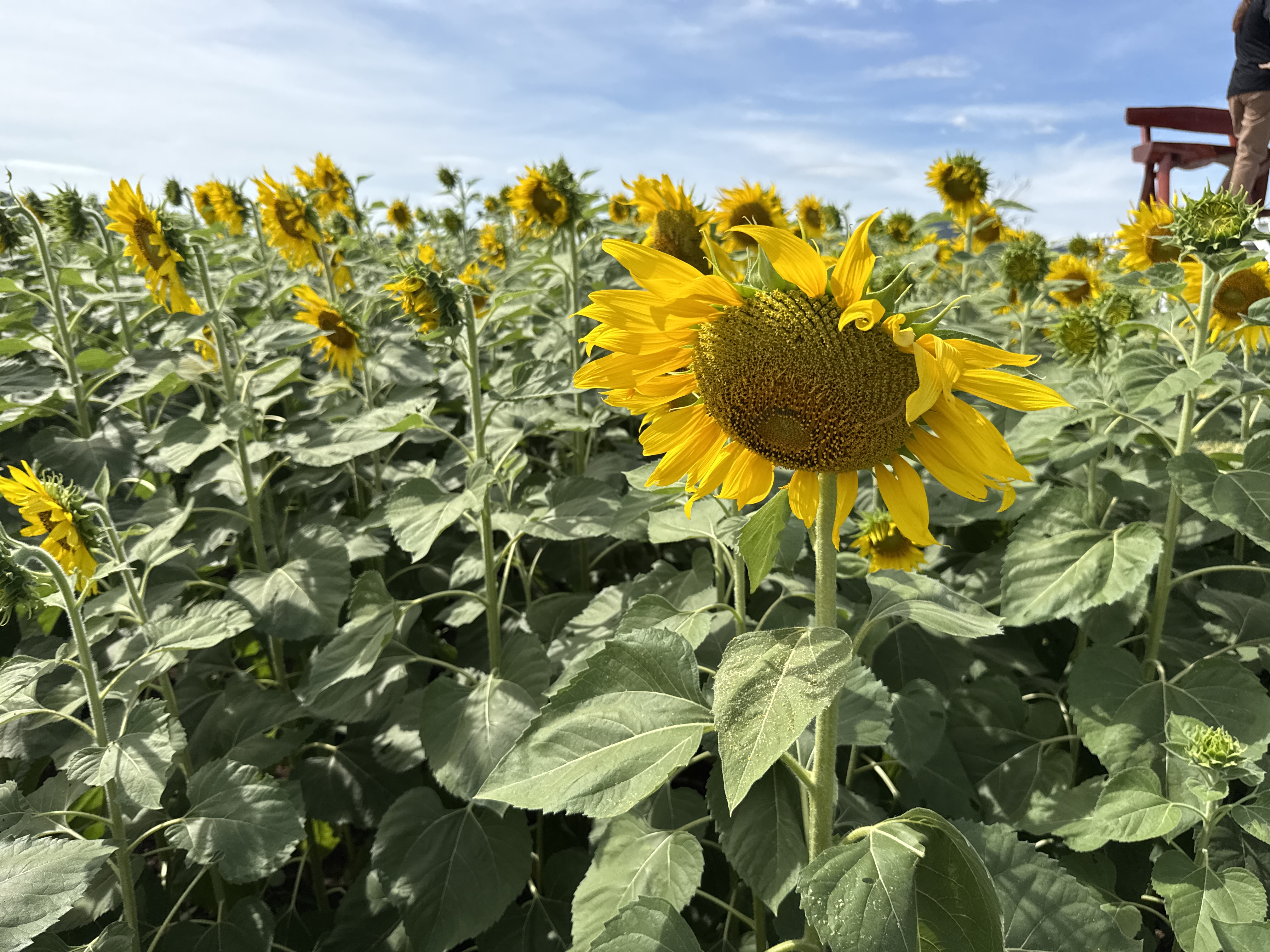
The mosque built by Sultan Mehmet II (Mehmed the Conqueror) after the fall of Constantinople in 1453 is the Fatih Mosque (Turkish: Fatih Camii, meaning “Conqueror’s Mosque”)
The Fatih Mosque, located in Istanbul’s Fatih district, was commissioned by Sultan Mehmet II to commemorate his conquest of Constantinople. Completed in 1470, it was built on the site of the Byzantine Church of the Holy Apostles, a significant 4th-century Christian complex second only to Hagia Sophia in importance. The mosque symbolized Ottoman dominance and the transformation of Constantinople into Istanbul, the new capital of the Ottoman Empire.
The Church of the Holy Apostles, originally constructed around 330–336 AD under Emperor Constantine the Great and rebuilt by Justinian I in the 6th century, housed relics of apostles and served as an imperial burial site. Its location on Constantinople’s fourth hill was strategically supported by the 4th-century Valens Aqueduct (completed 373 AD), which supplied water to ...