

The River Kwai Bridge Festival has been held annually since 1980. The highlight of the festival has always been the light and sound presentation, which recounts the history of the bridge. The festival also includes a big Red Cross fair at the bridge.
The River Kwai Bridge Festival and Red Cross Fair is an annual event held in Kanchanaburi province, Thailand. The festival commemorates the construction of the infamous Death Railway and the Bridge on the River Kwai during World War II.
The festival typically takes place over a period of 10-12 days, usually from late November to early December. This year it’s held 28 Nov 2024 through 8 Dec 2024.
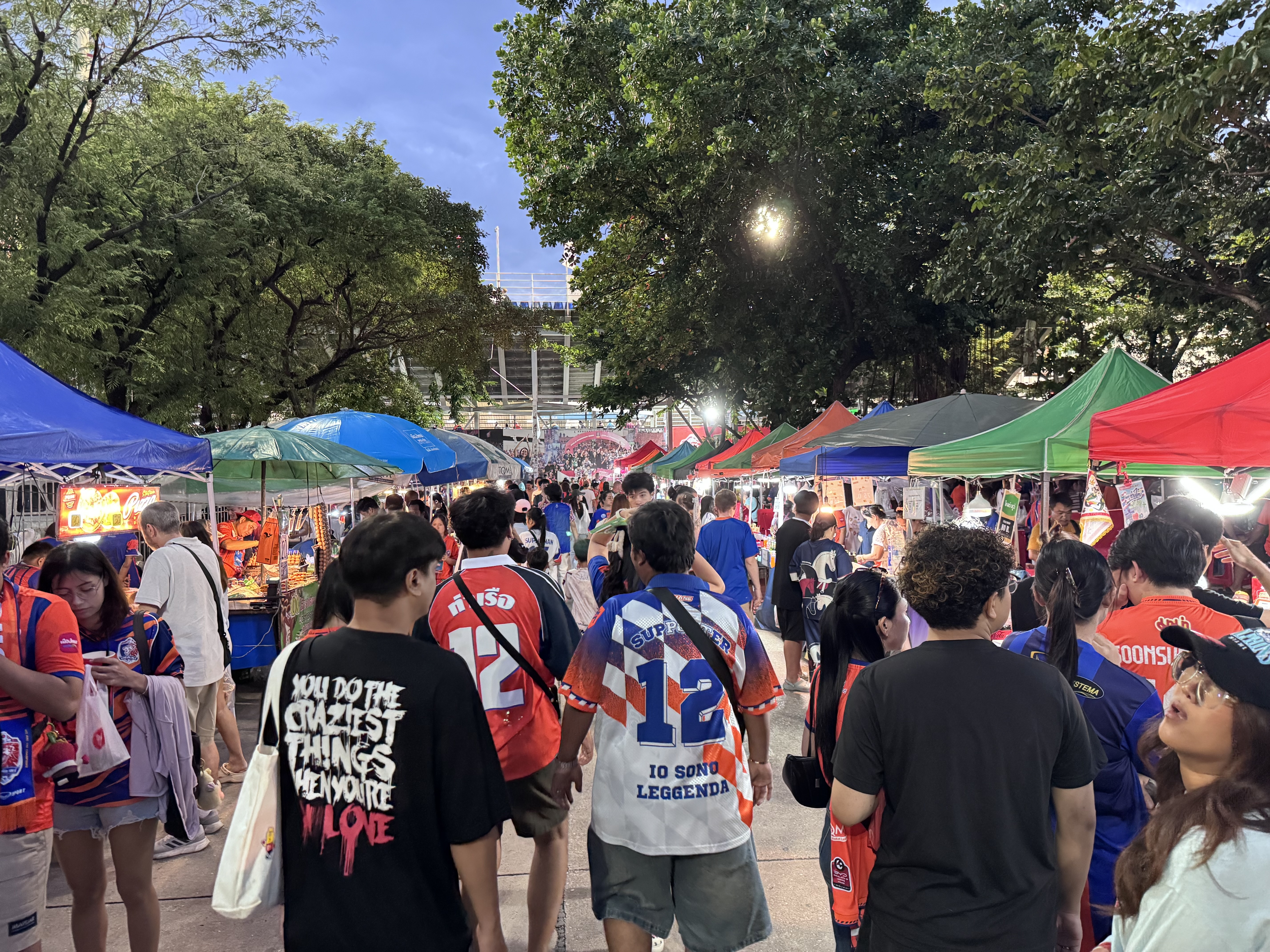
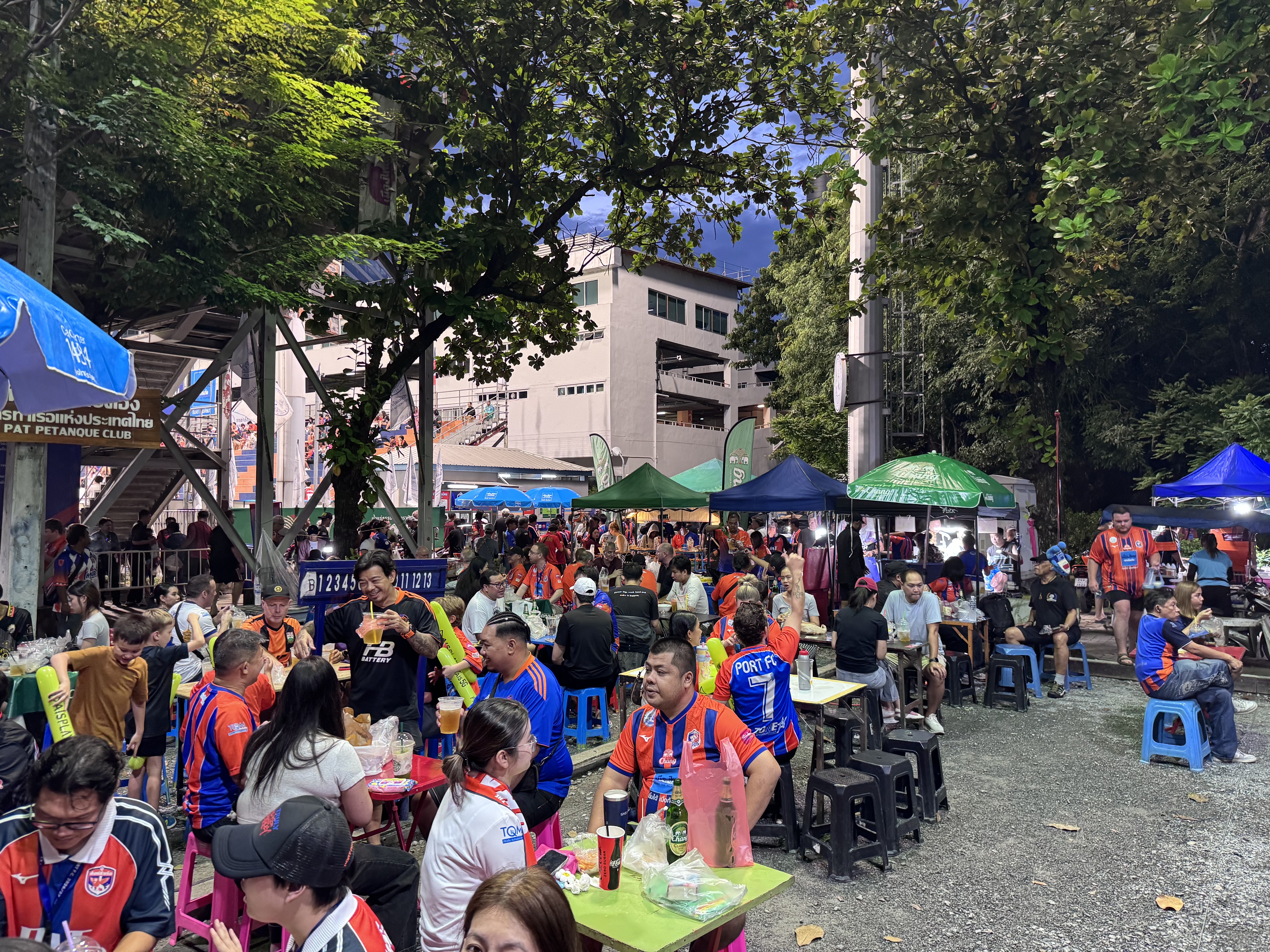
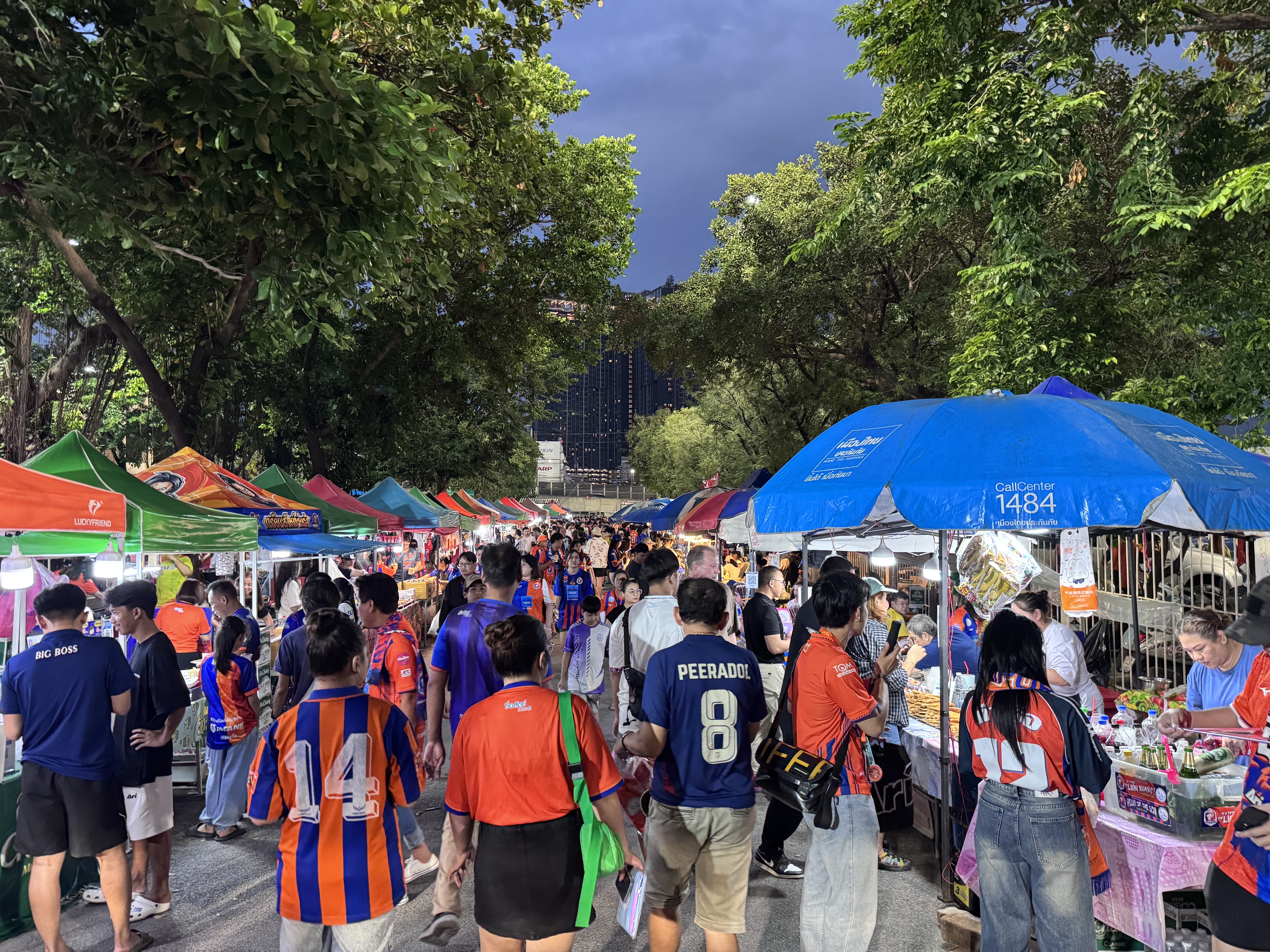
The market is massive with seemingly endless varieties of food to choose from. It’s held each evening during the festival and a great way to spend an evening with family and friends.
The River Kwai Bridge Festival and Red Cross Fair - 28 Nov to 8 Dec - Kanchanaburi Thailand 2024


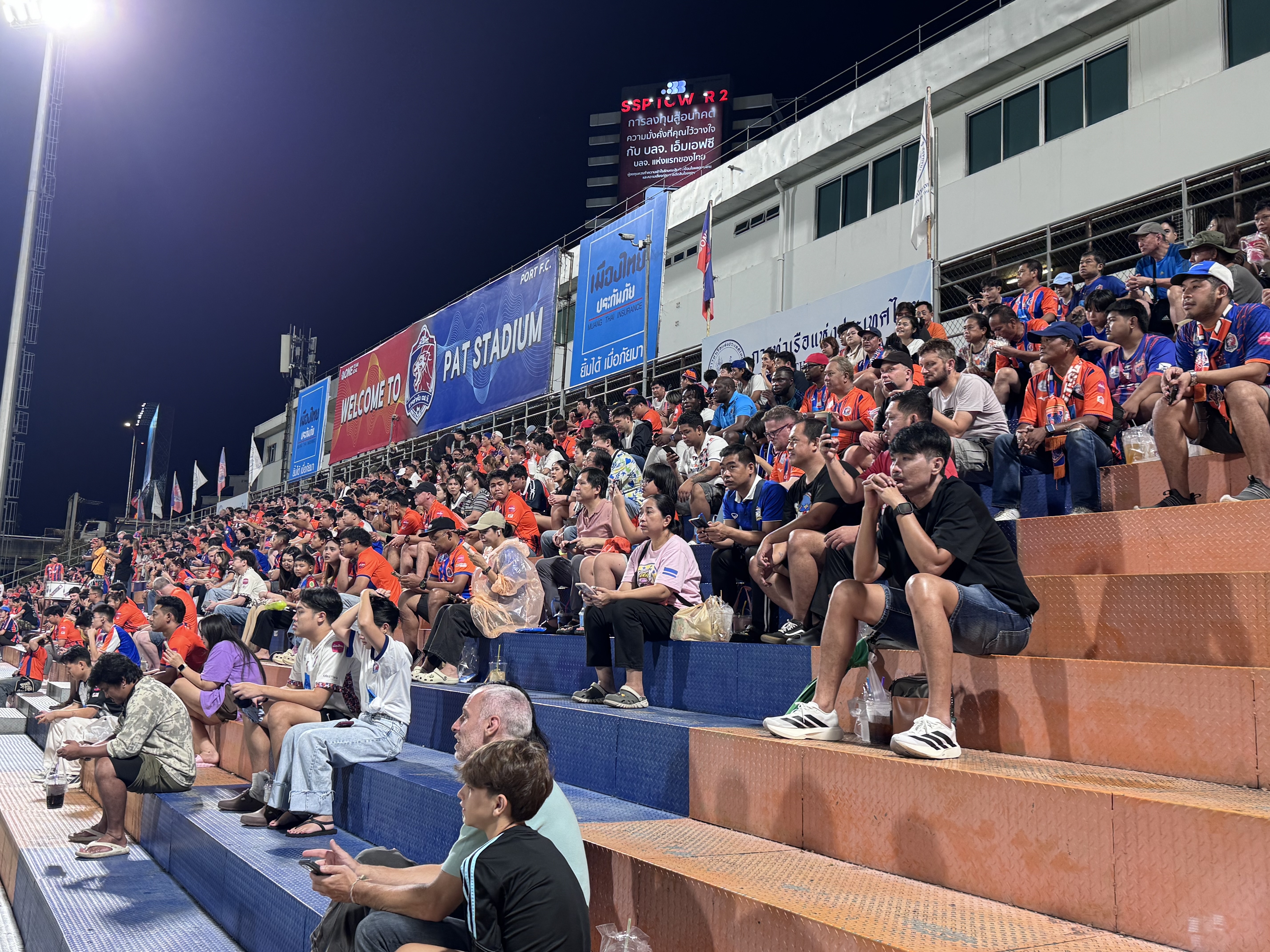
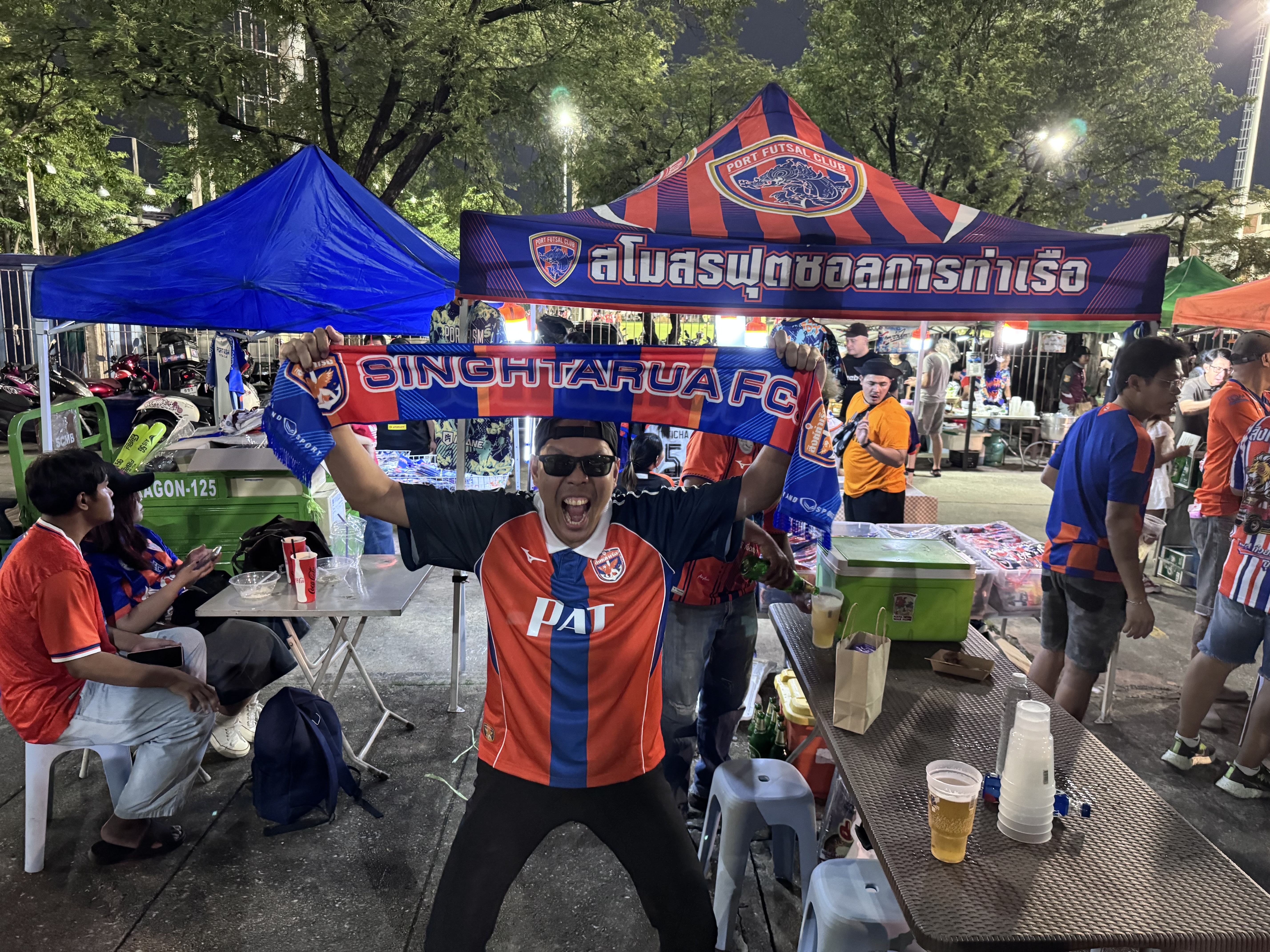
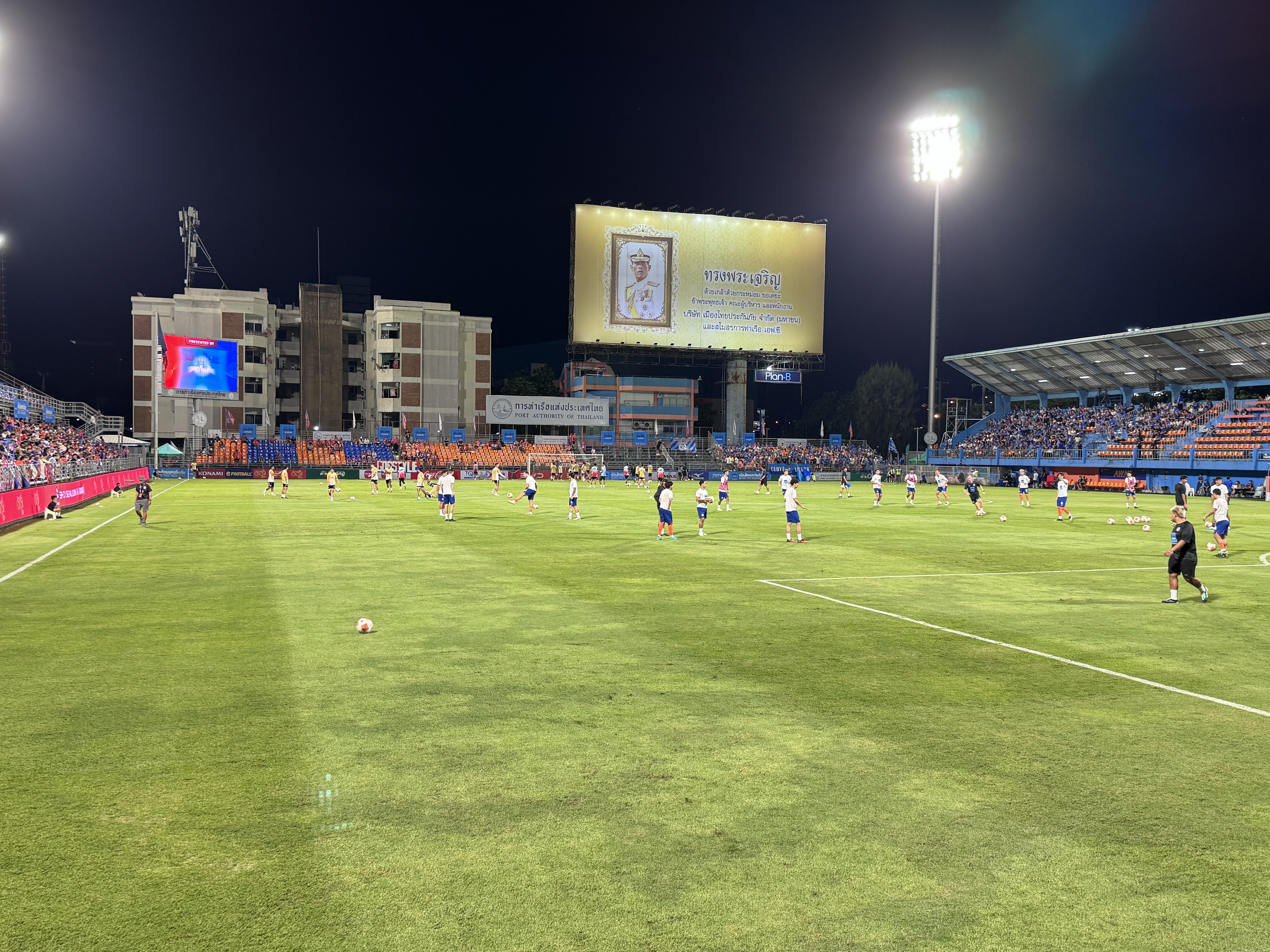
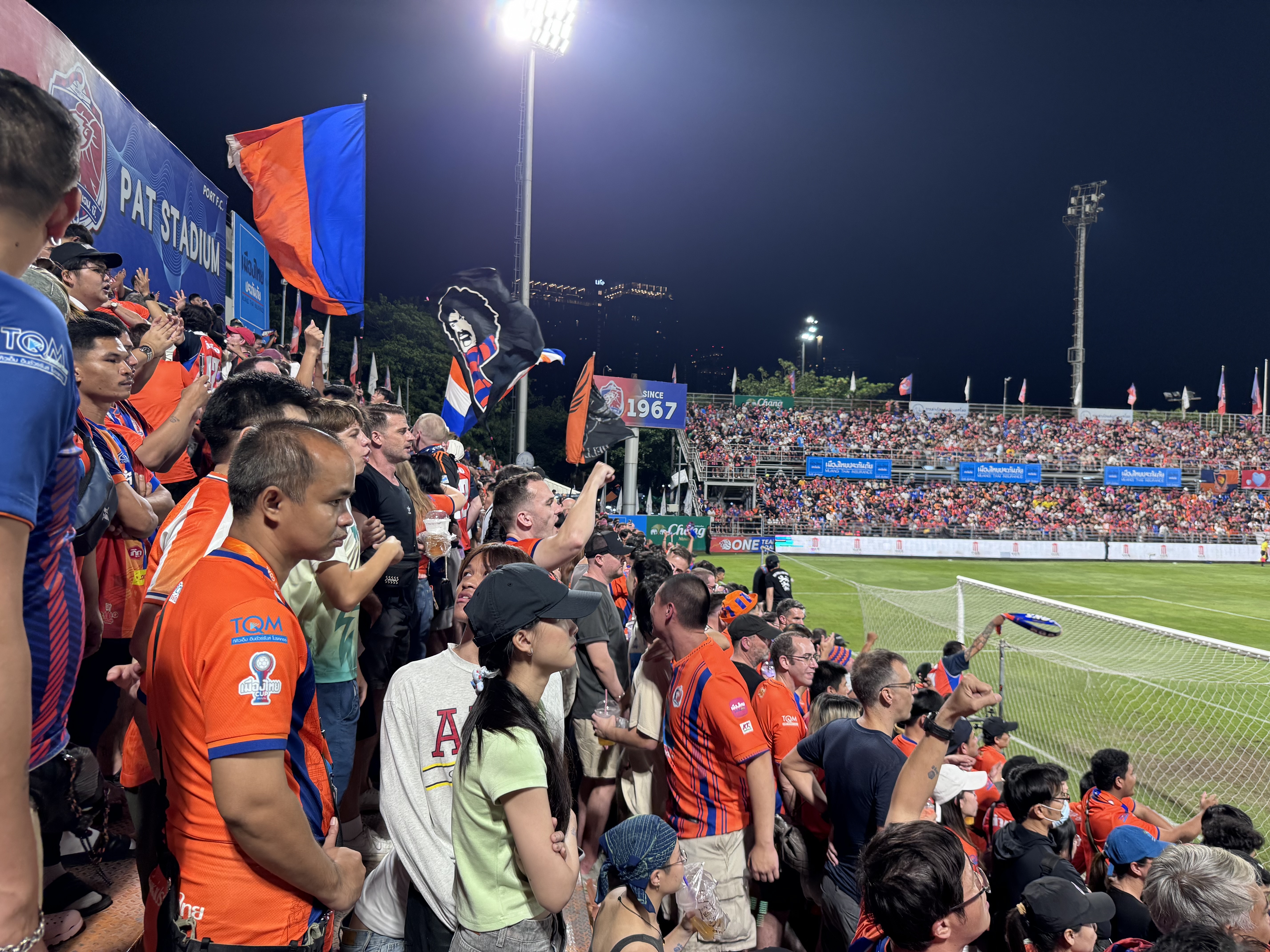
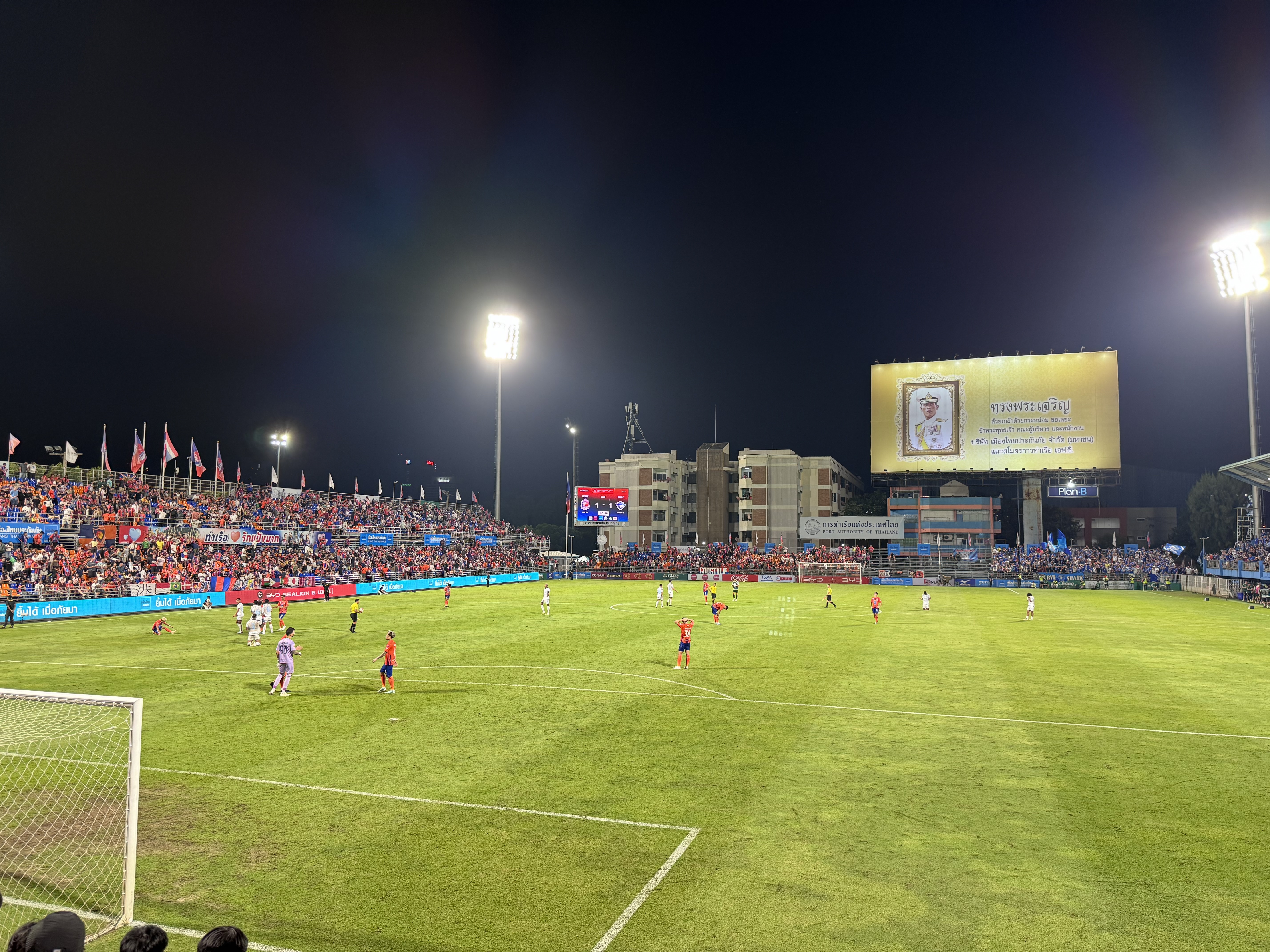
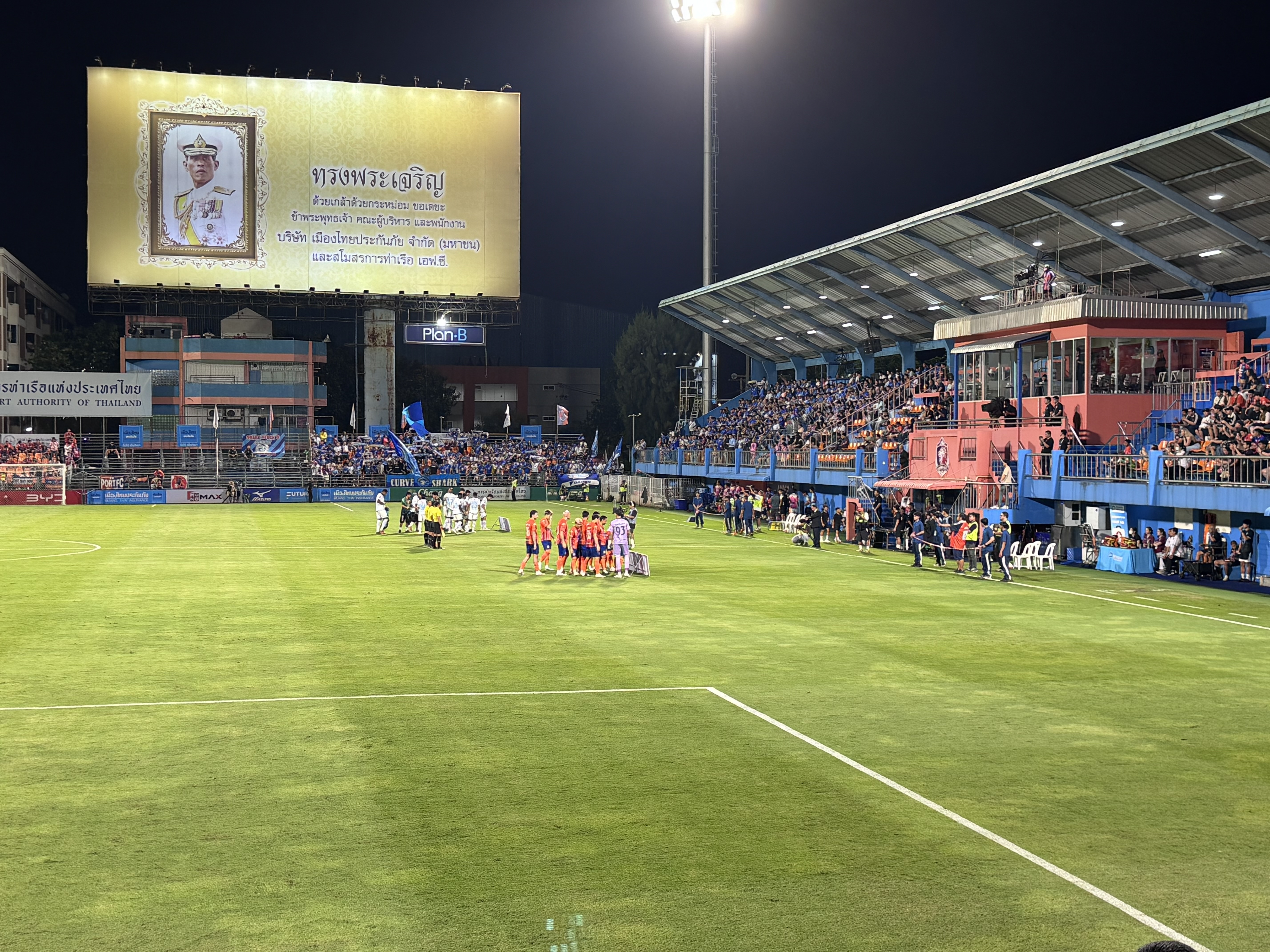
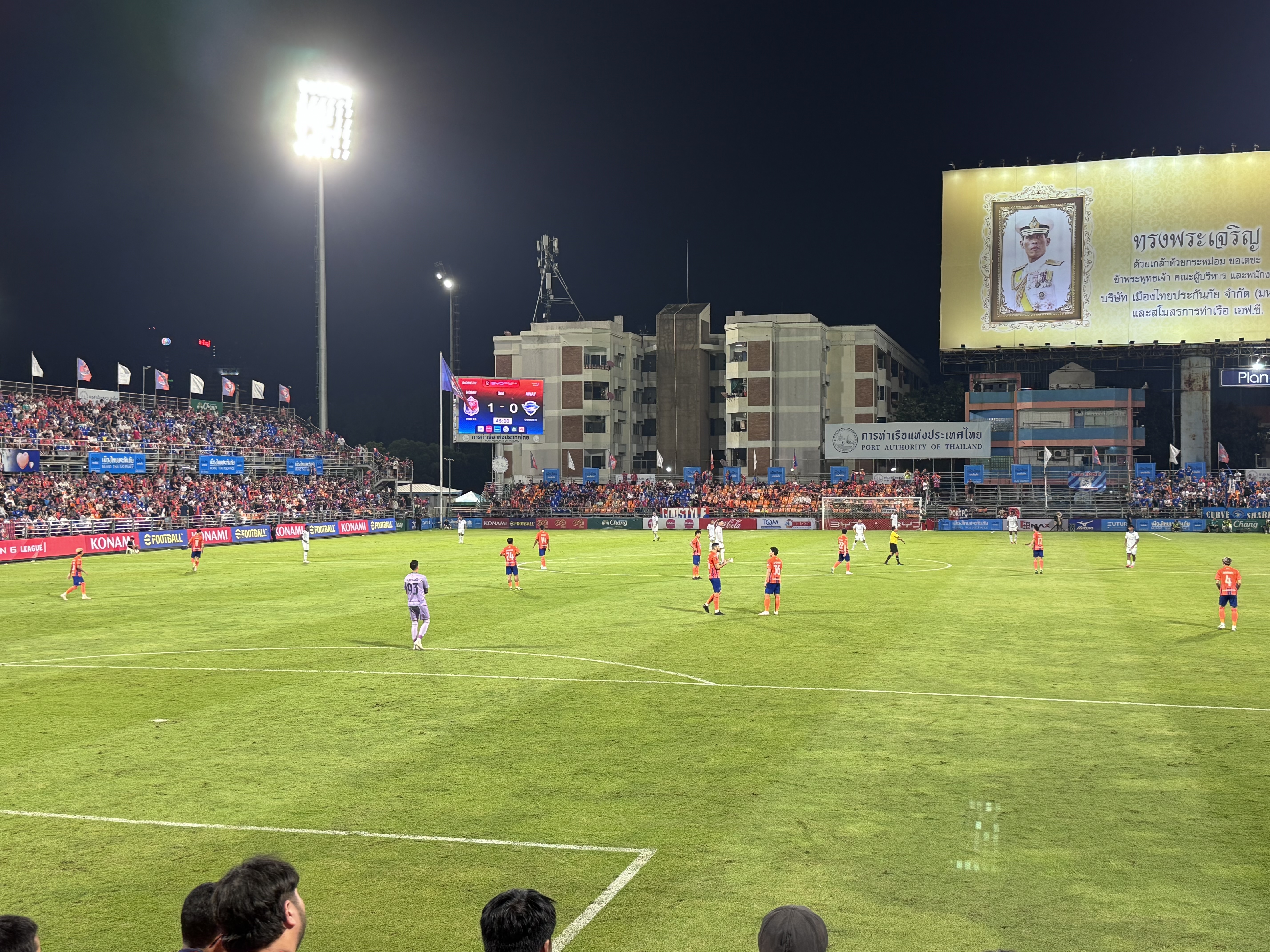
Port FC, one of the oldest professional clubs in Thai football, was founded in 1967 as Port Authority of Thailand Football Club by the Port Authority itself. Based in the Khlong Toei district of Bangkok and playing at the intimate PAT Stadium, the side quickly established itself as a force in the pre-league era, collecting multiple Kor Royal Cup titles in the late 1960s and 1970s along with a string of Queen’s Cup triumphs. Known as the Lions or Singha Chao Tha, the club has experienced periods of both dominance and struggle, including a brief drop to the second tier before returning to the top flight. In recent seasons it has re-emerged as a consistent contender, finishing as high as runners-up and lifting the Muang Thai Cup last season after a hard-fought campaign that included a dramatic semi-final victory over Chonburi.
Chonburi FC traces its roots to the late 1990s, evolving from school and provincial sides linked to Assumption College Sriracha before formally taking shape as a ...
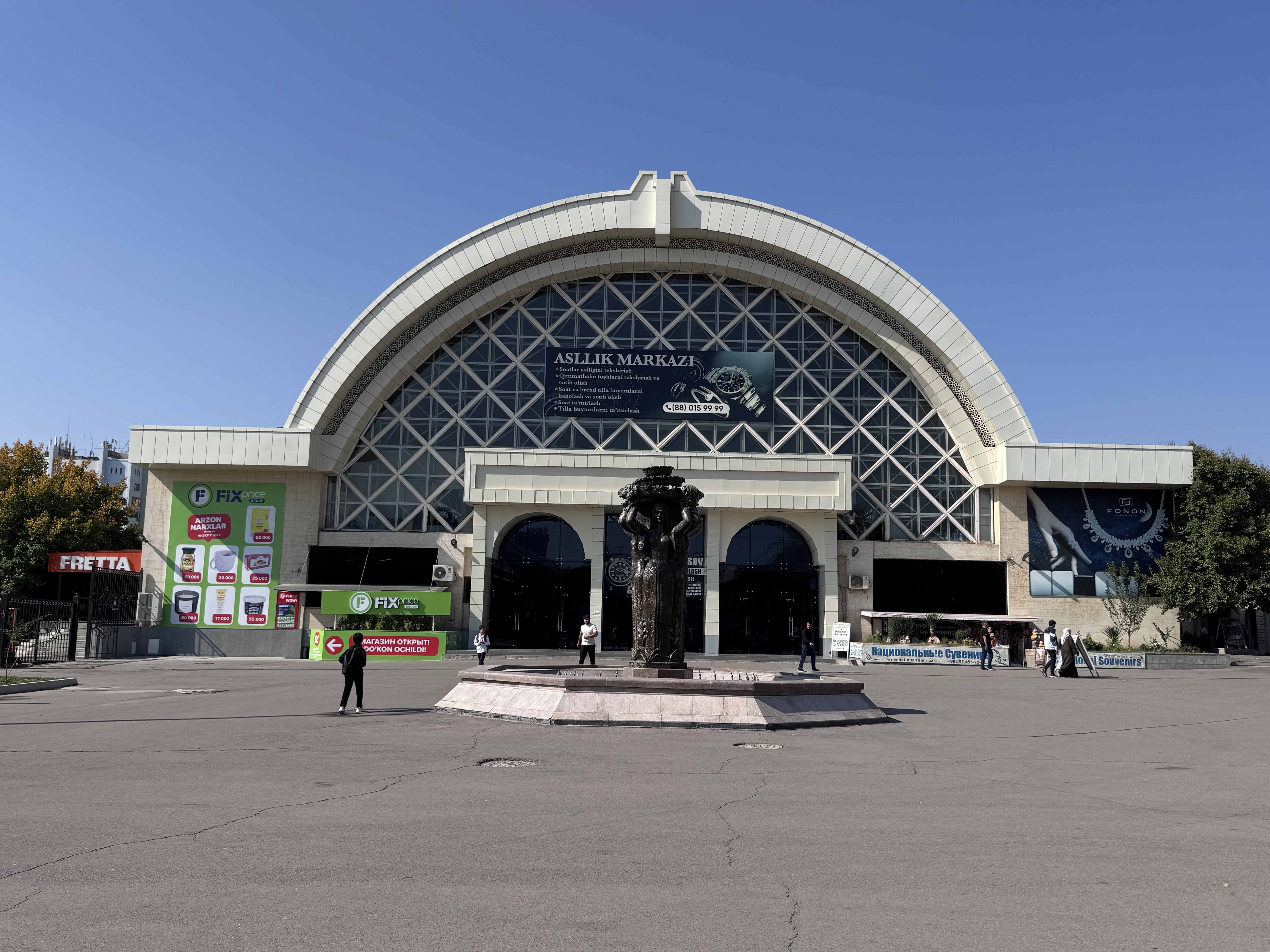
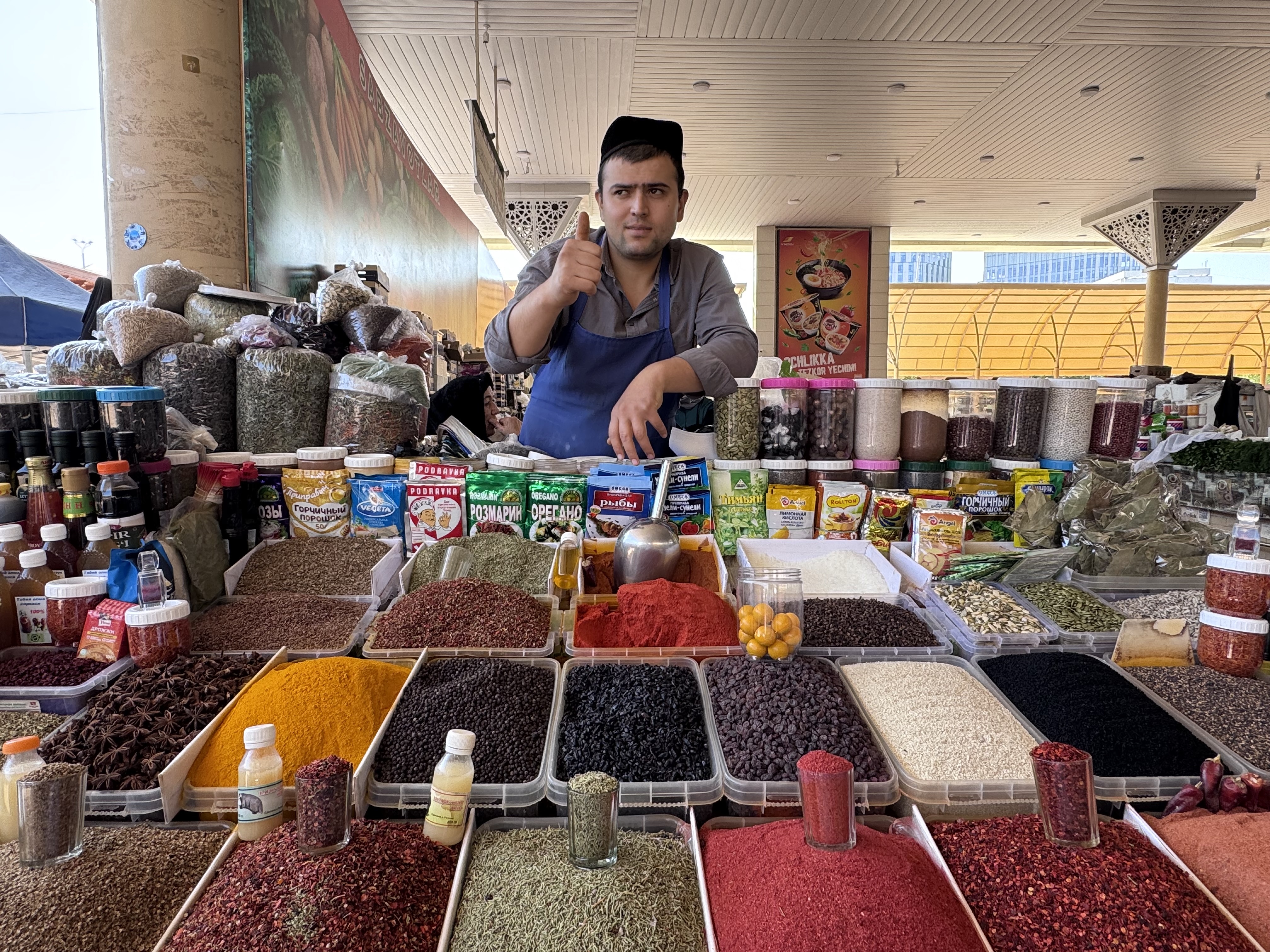
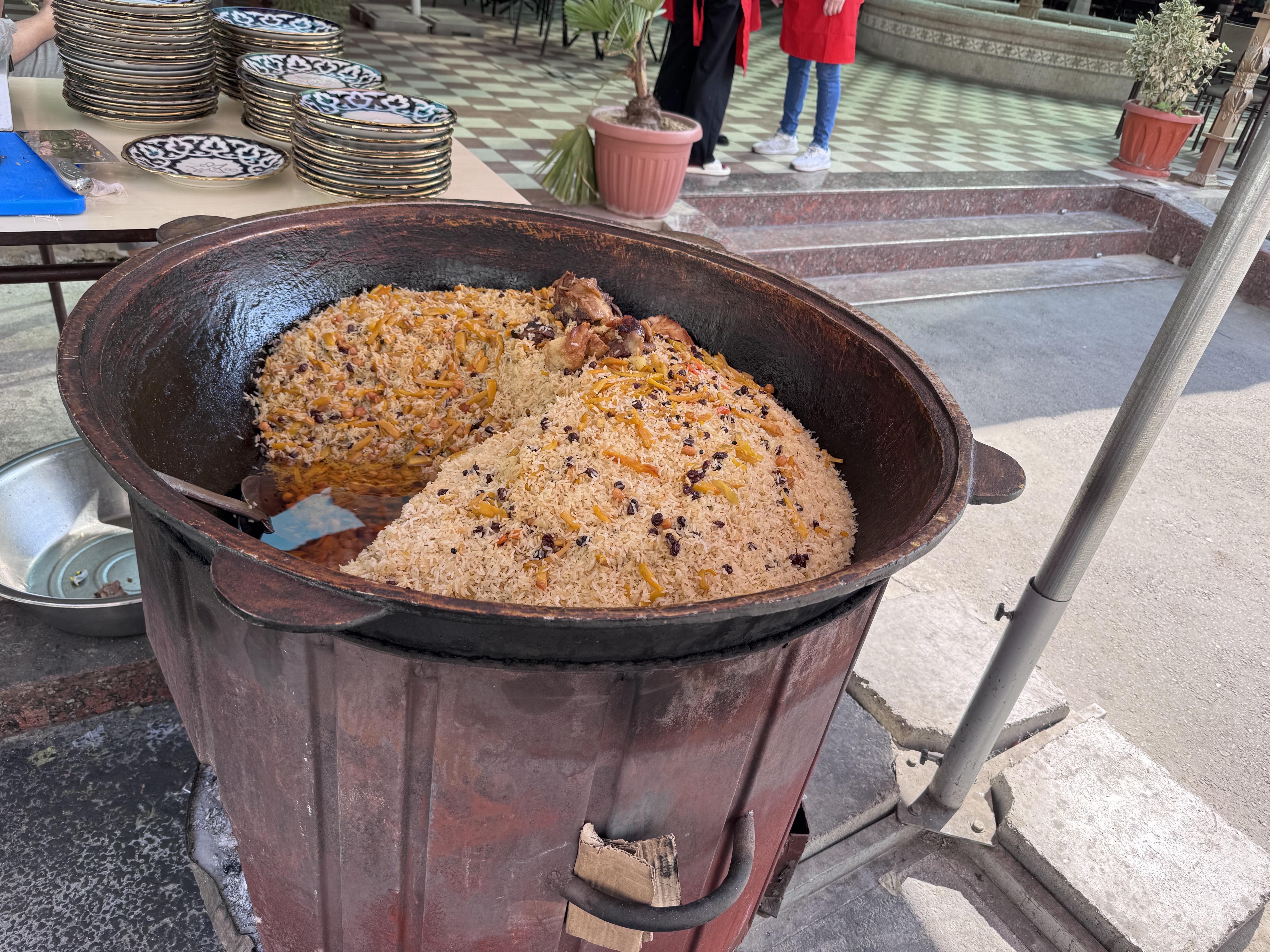
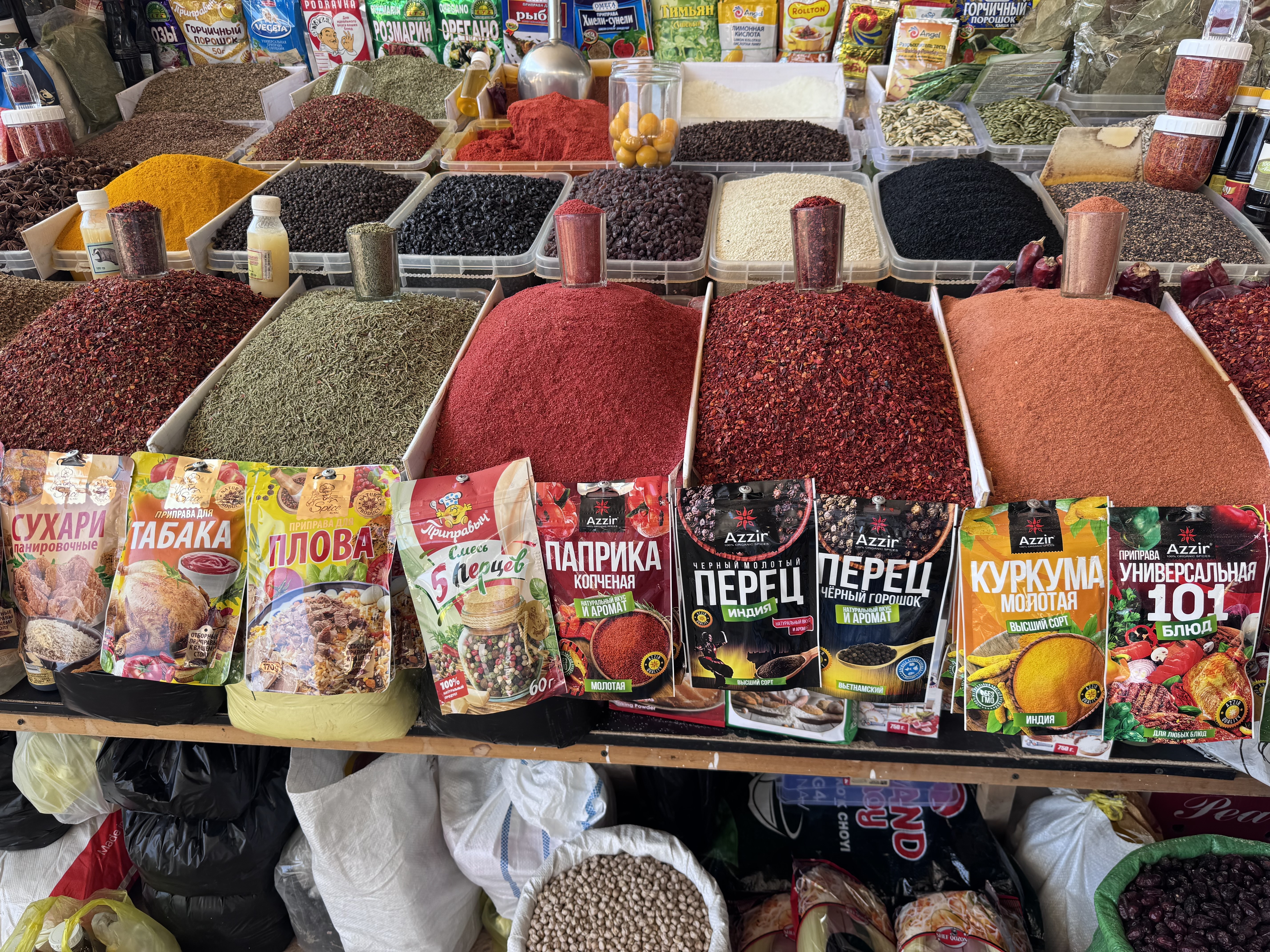
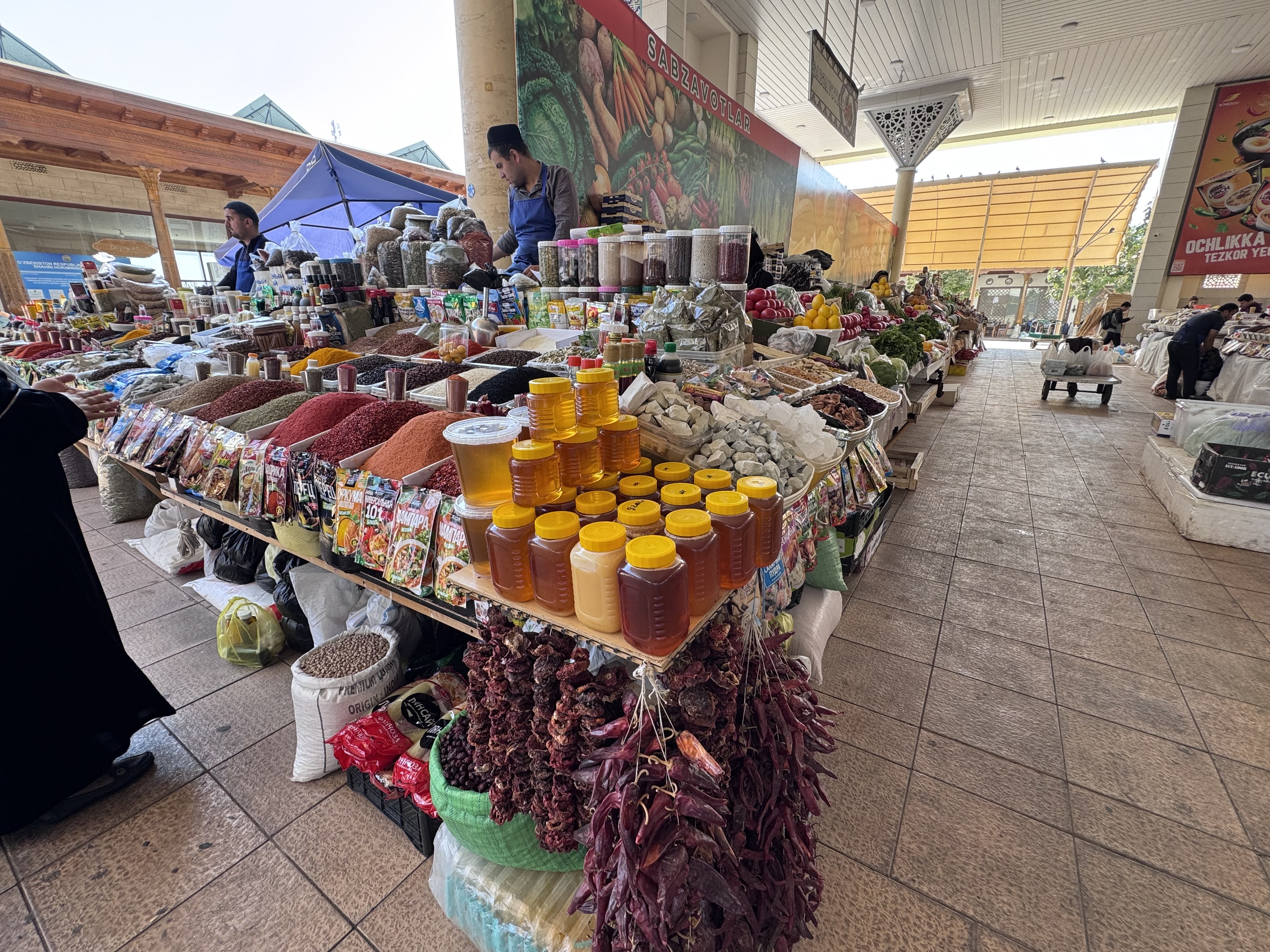
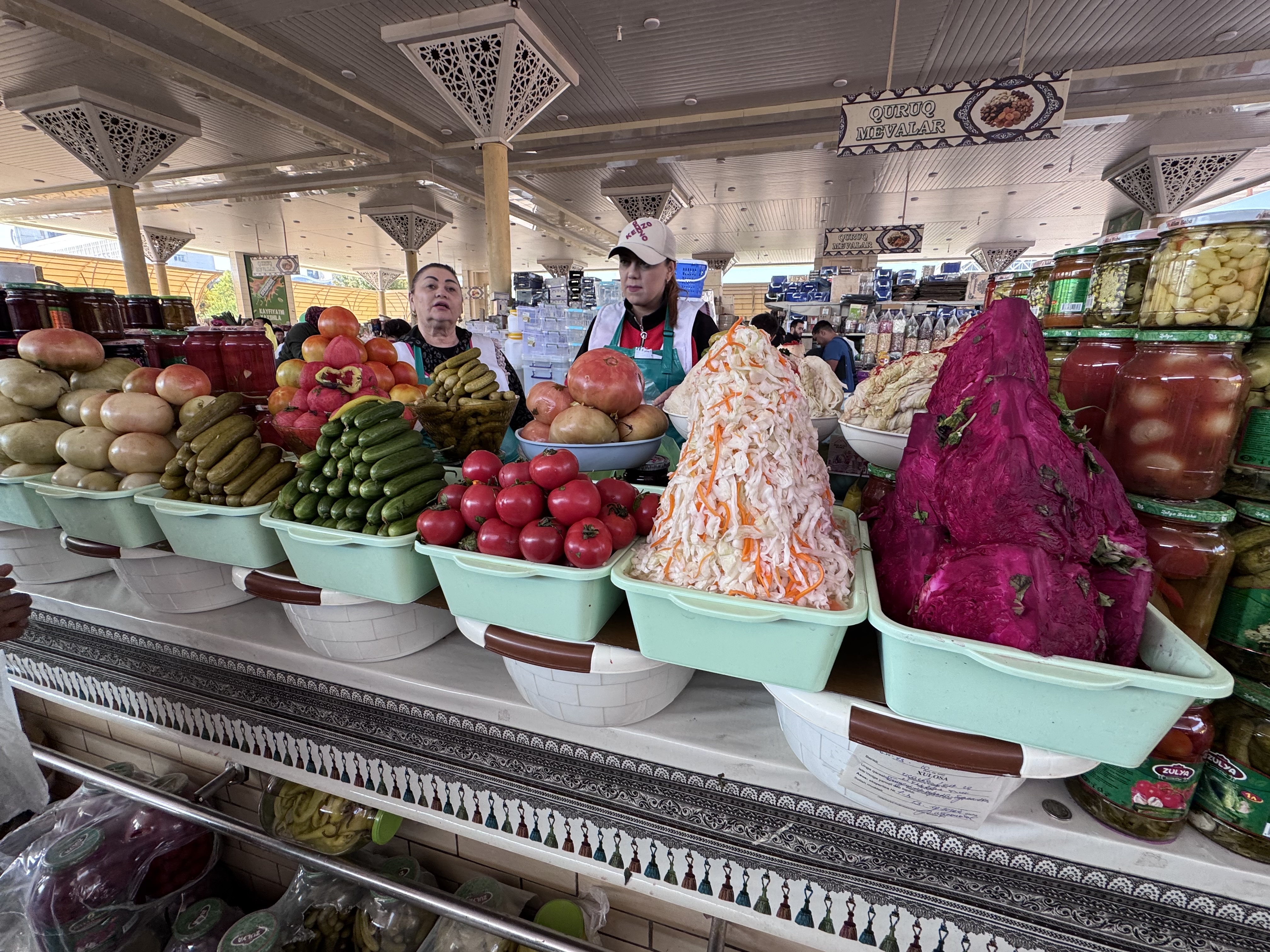
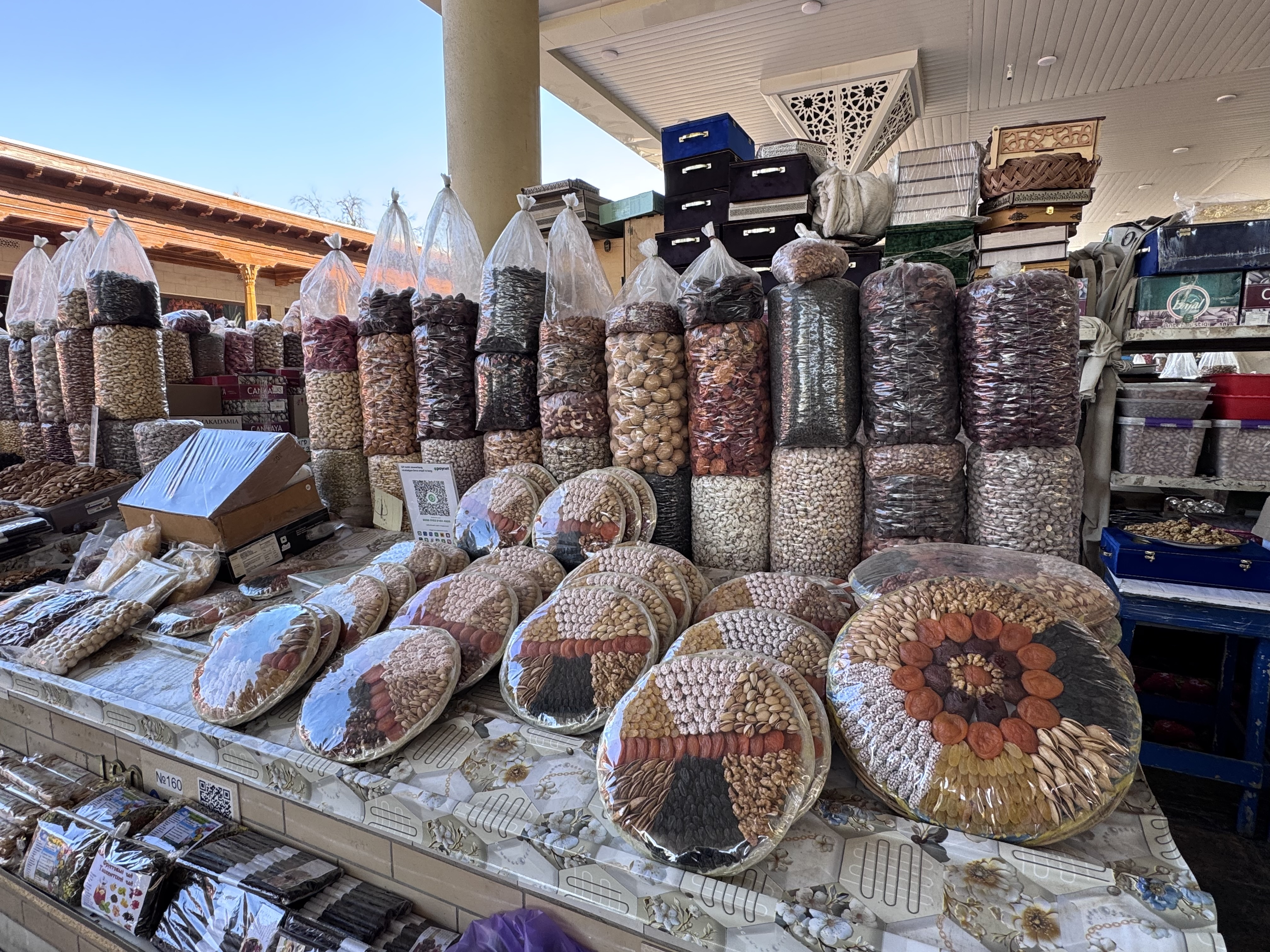
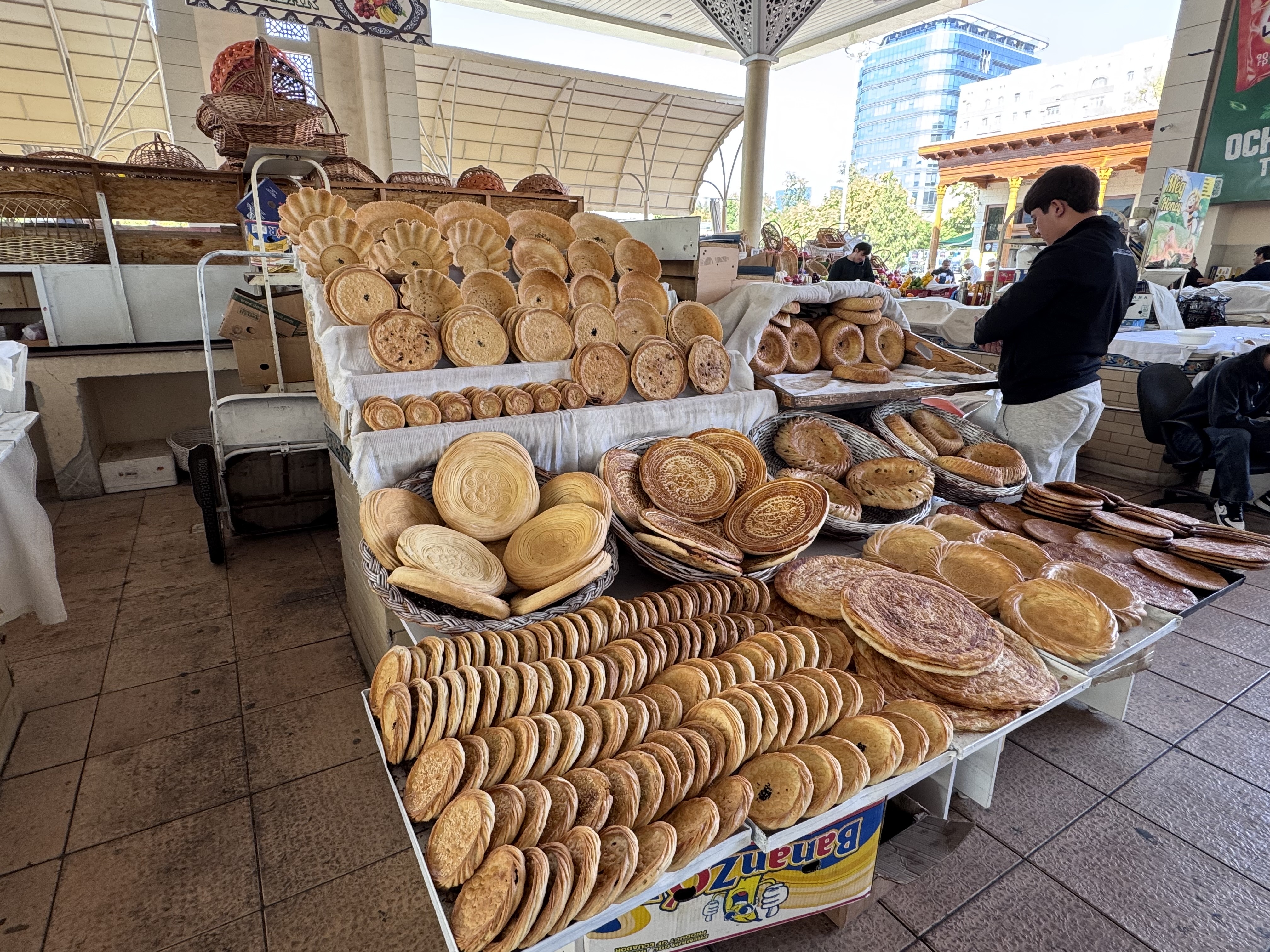
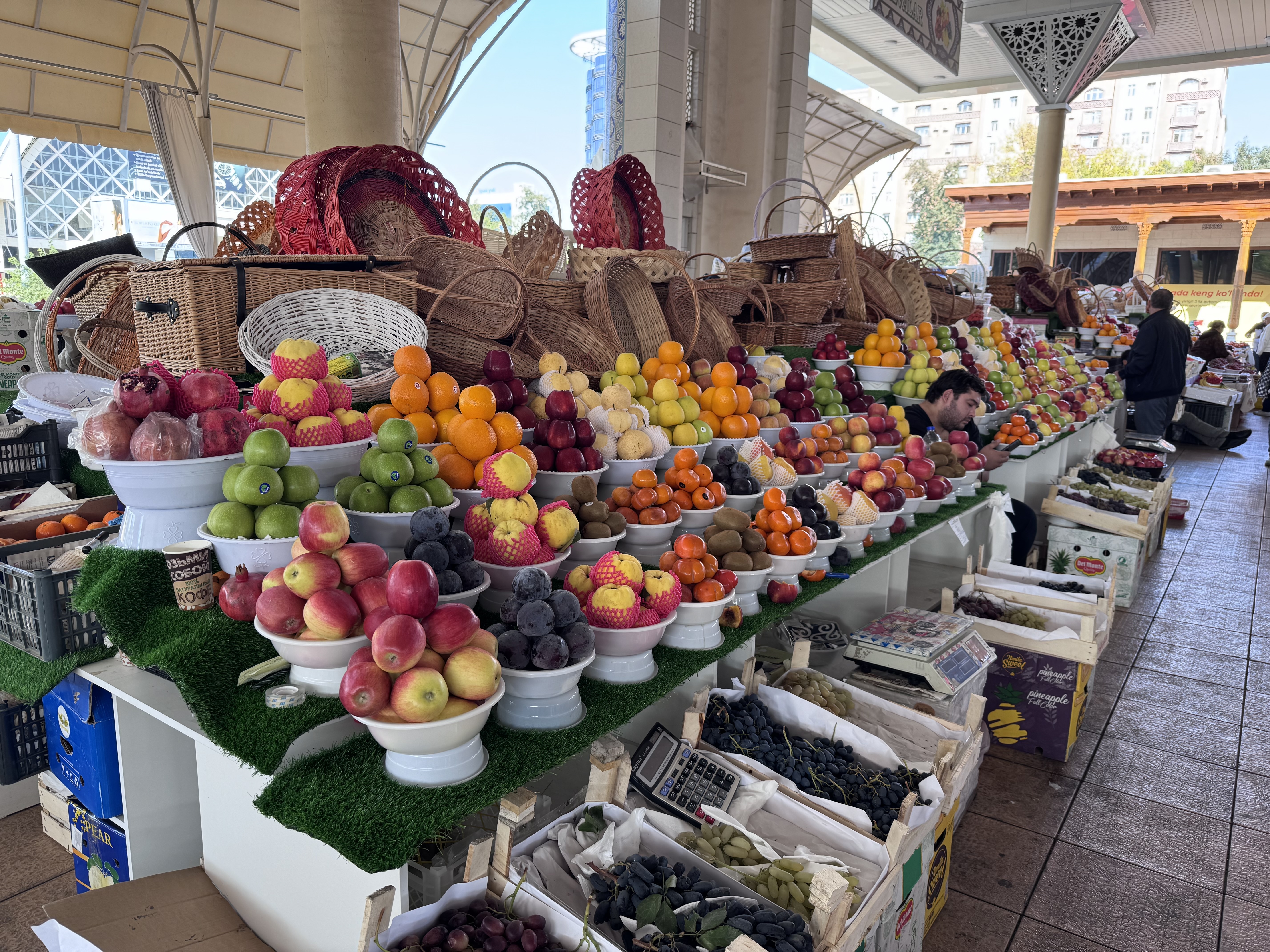
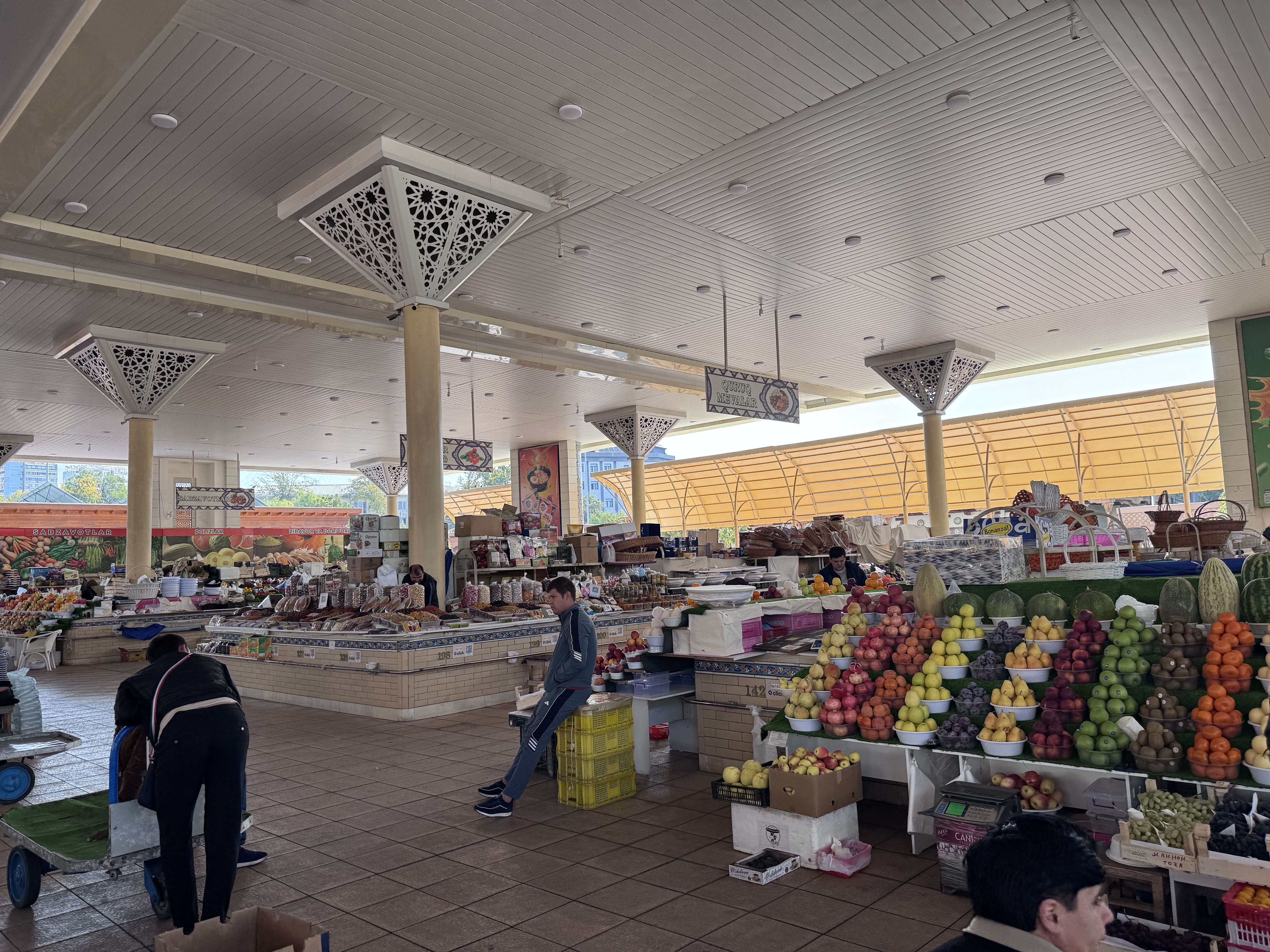
Alay Bazaar, known in Uzbek as Oloy Bozori, is one of the oldest and most well-known markets in Tashkent, Uzbekistan. It sits in the Yunusabad district in the central part of the city and occupies roughly 7.8 hectares. The market is easily reached by metro at the nearby Abdulla Qodiriy station and remains a popular destination for both locals and visitors seeking fresh produce and traditional goods.
There is no single agreed origin for the bazaar or its name. One popular legend links it to the Silk Road era, claiming that trade took place as early as the 12th or 13th century near a mountain called Oloy (or Alay) along the caravan route running from Eastern Turkestan through the Fergana Valley, where livestock and meat were exchanged. A more historically grounded account, supported by architect A. Ziyayev in his book on Tashkent’s bazaars and accepted by many local sources, places the market’s beginnings in the second half of the 19th century.
After the Russian conquest of Tashkent, the city ...
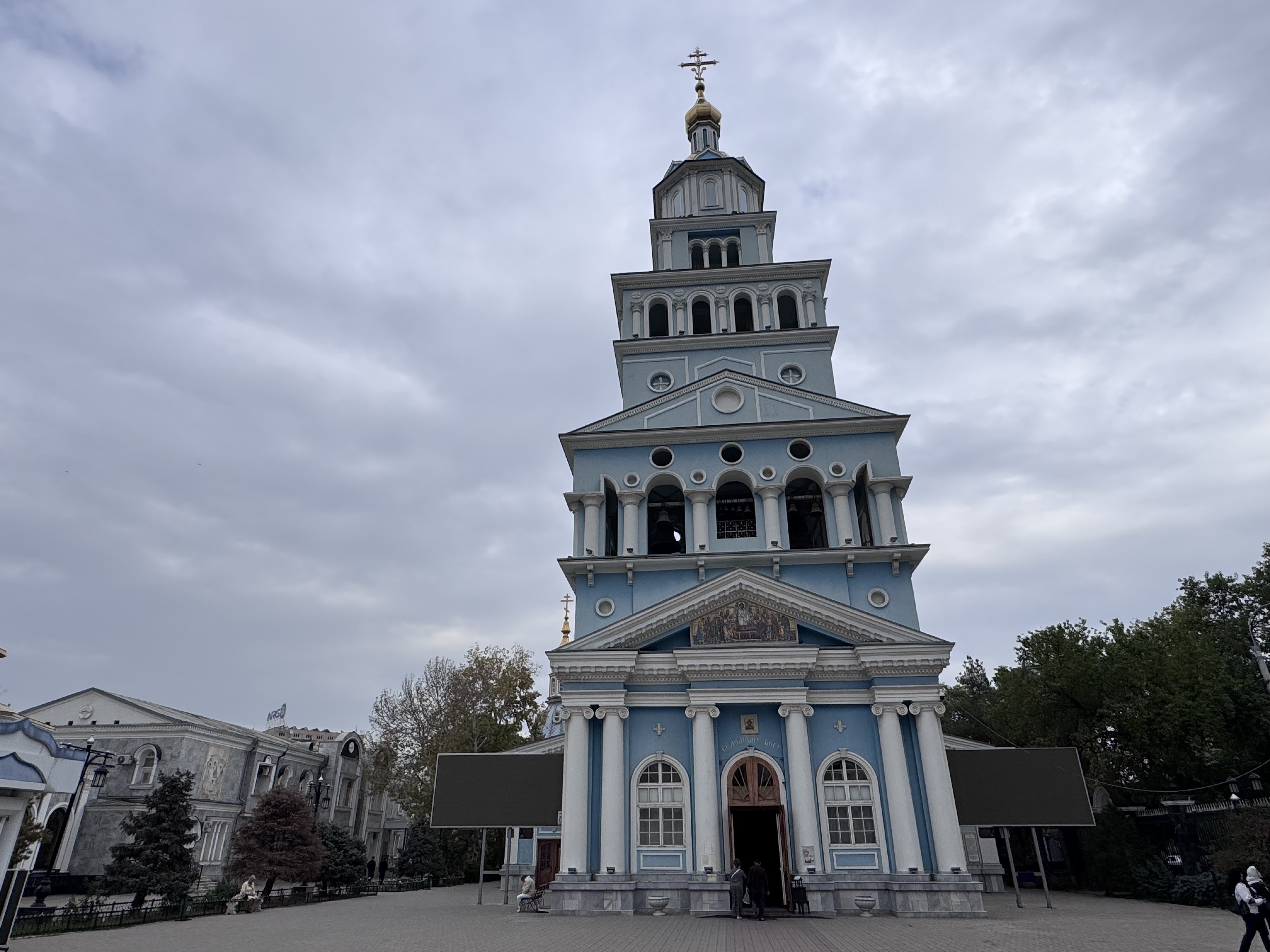
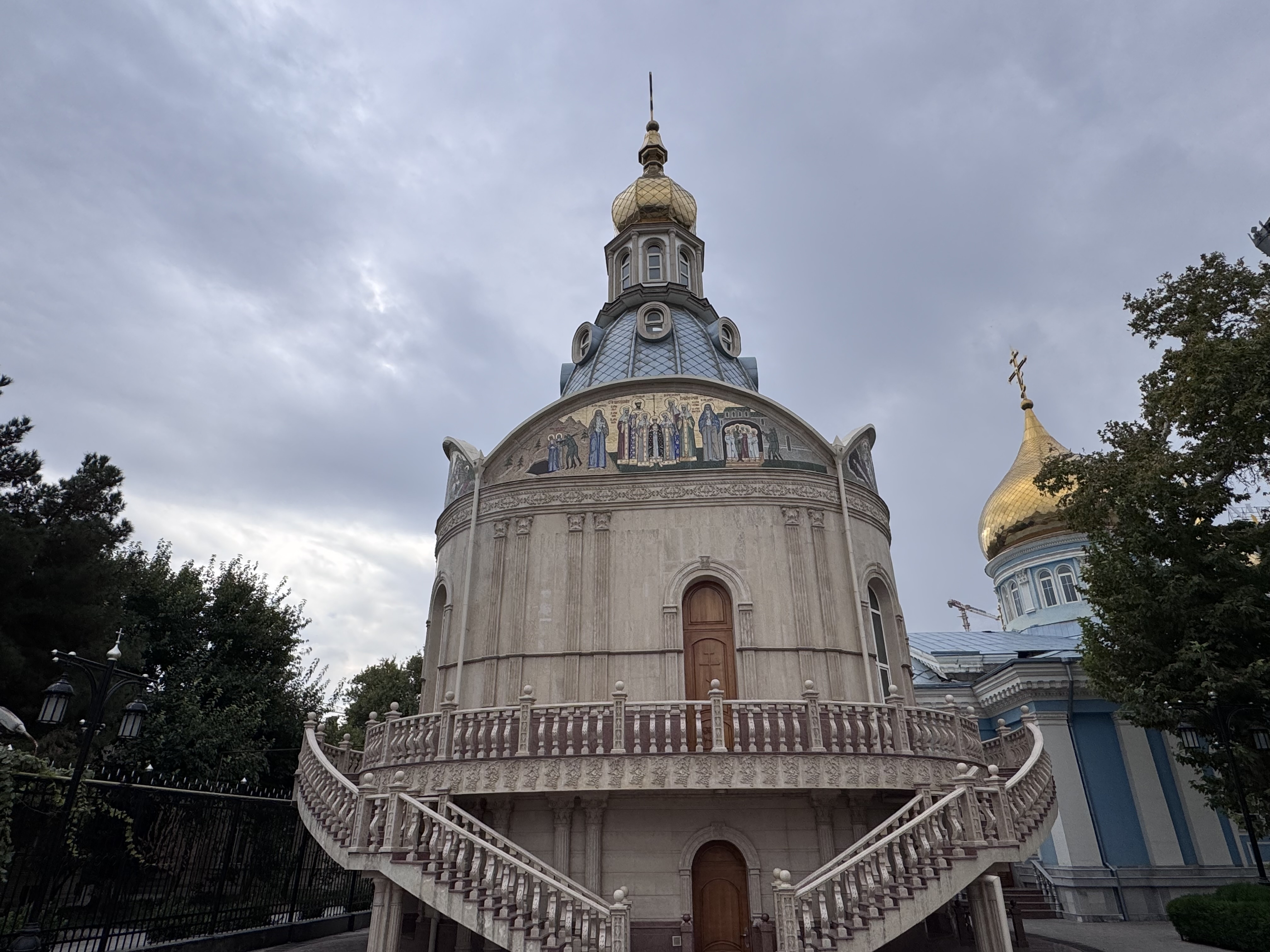
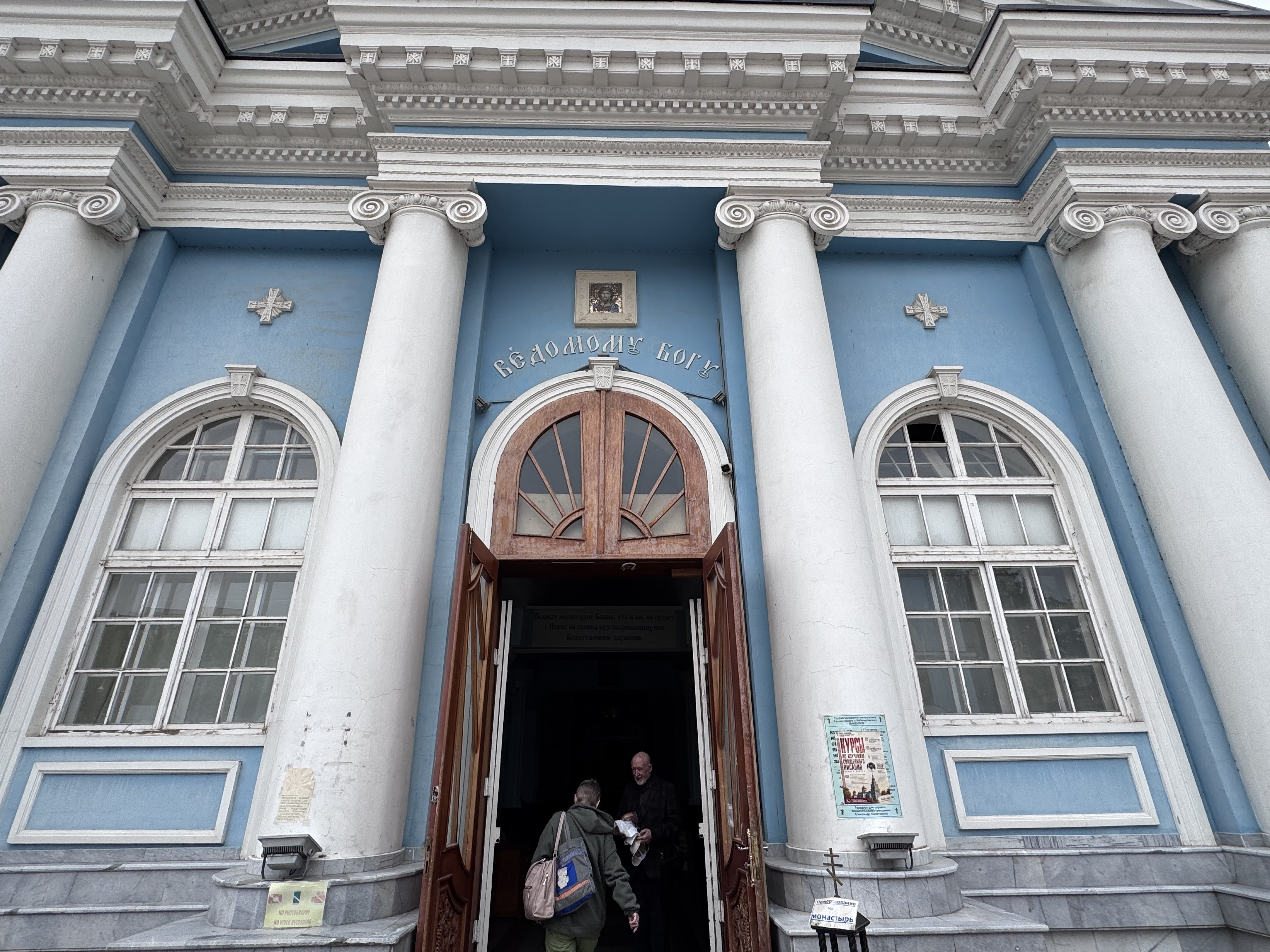
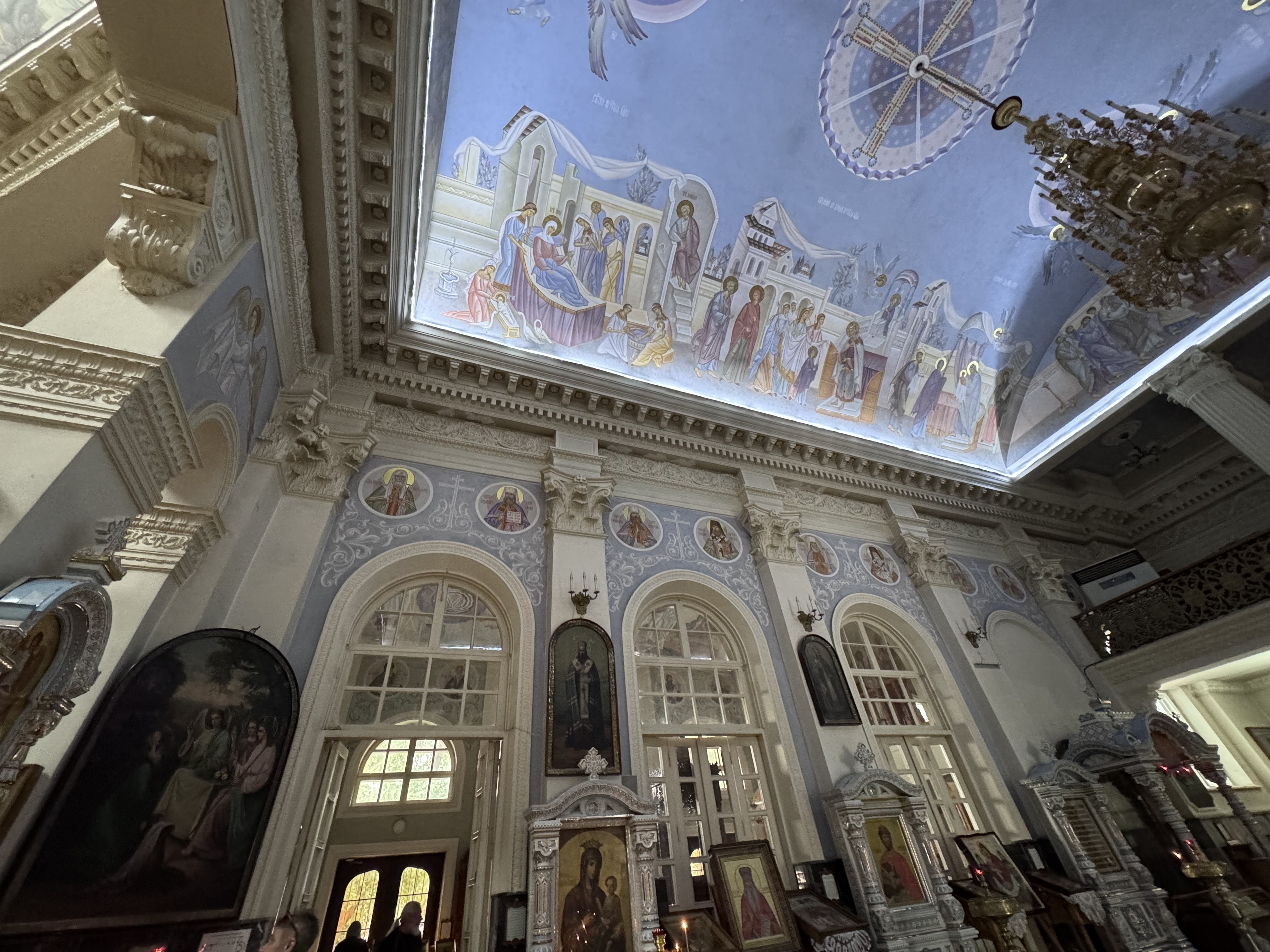
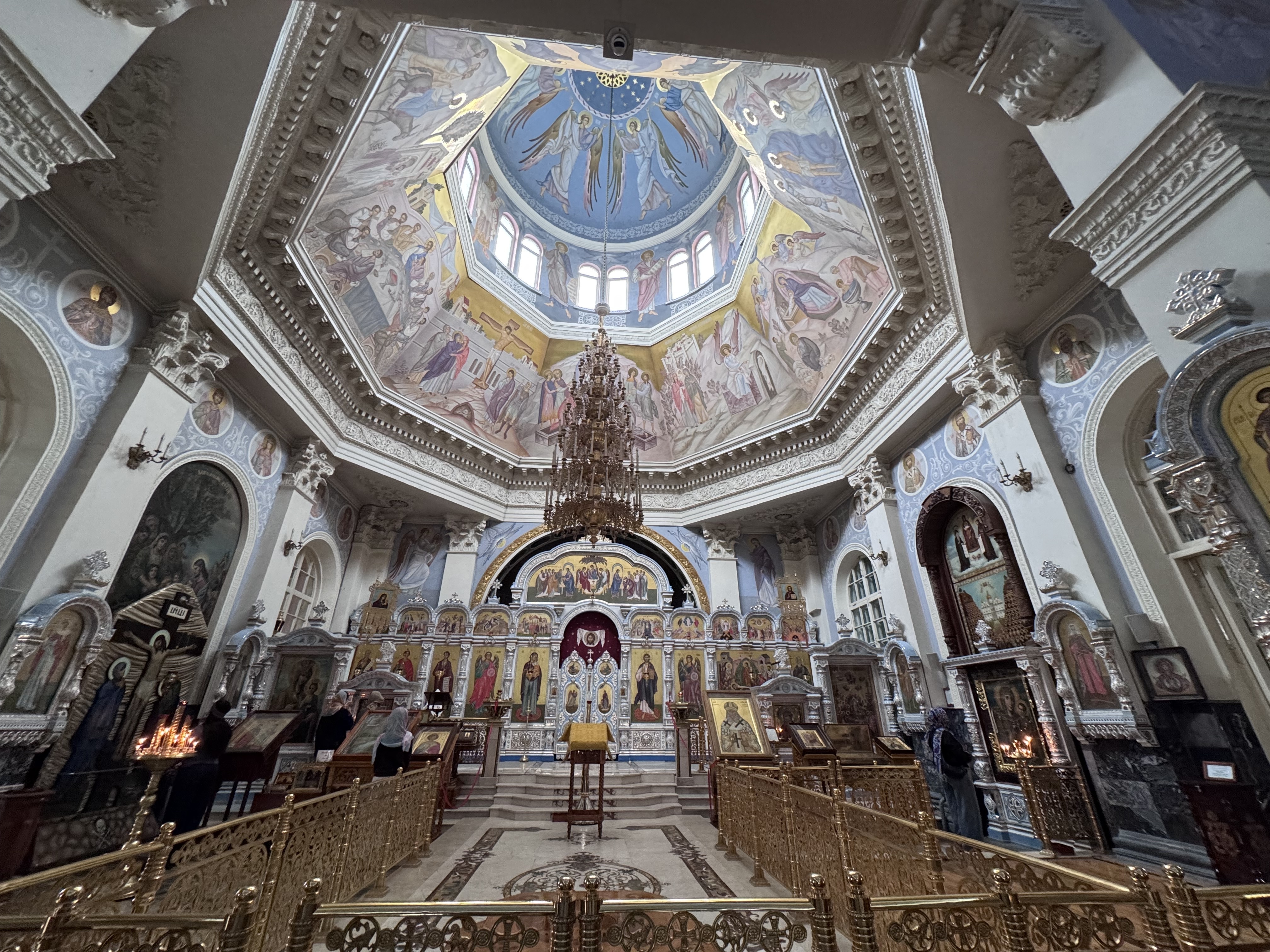
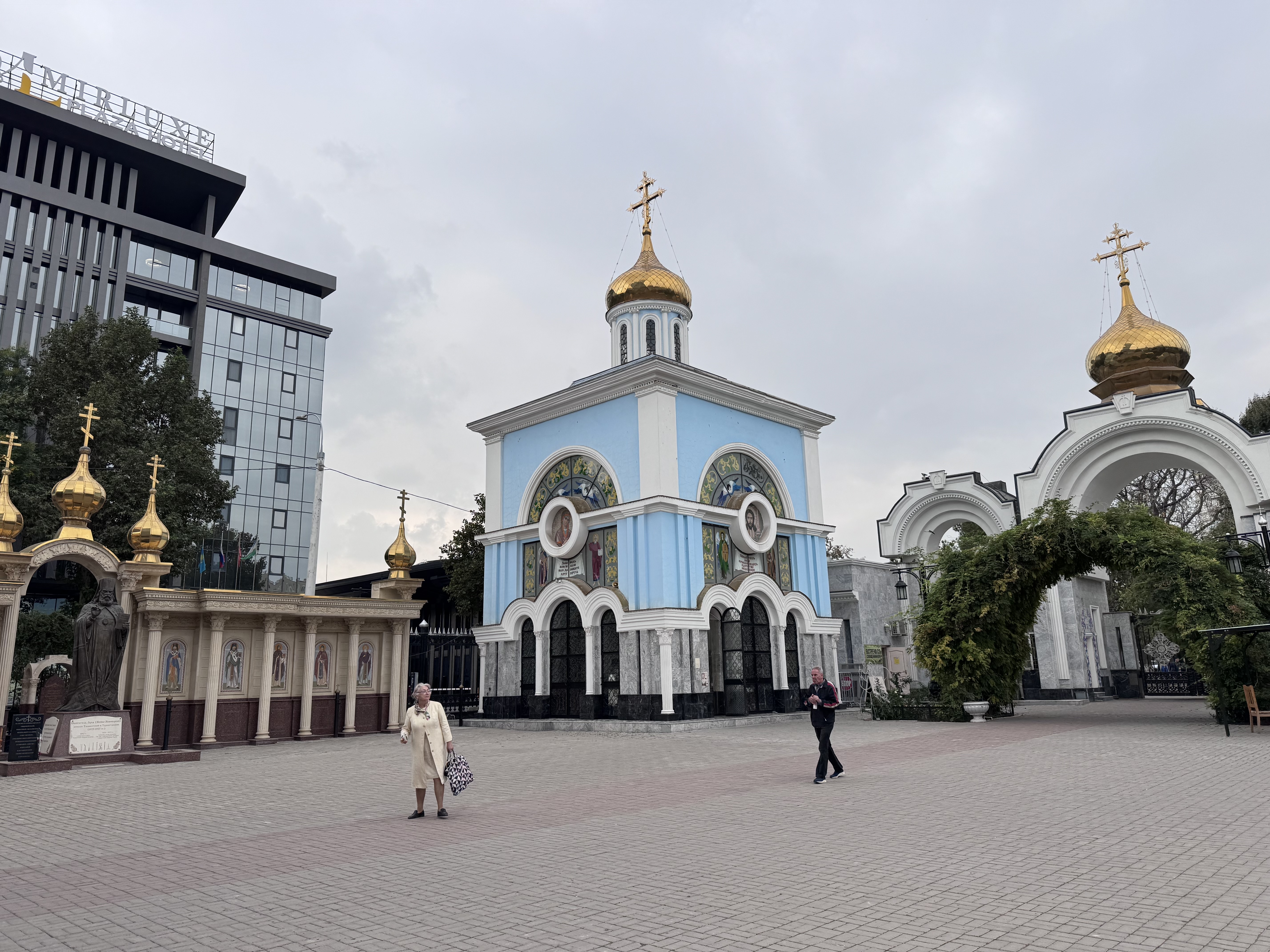
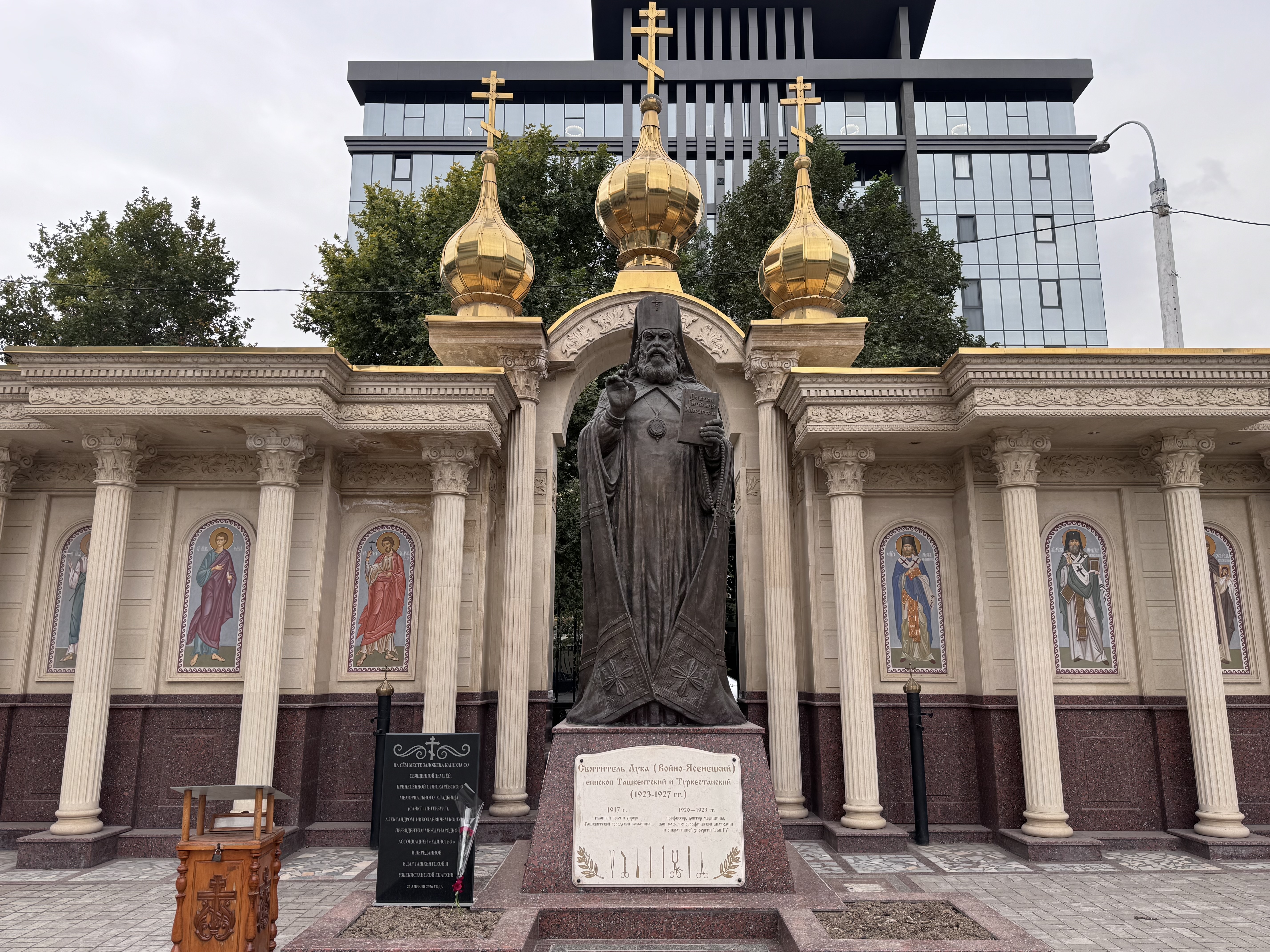
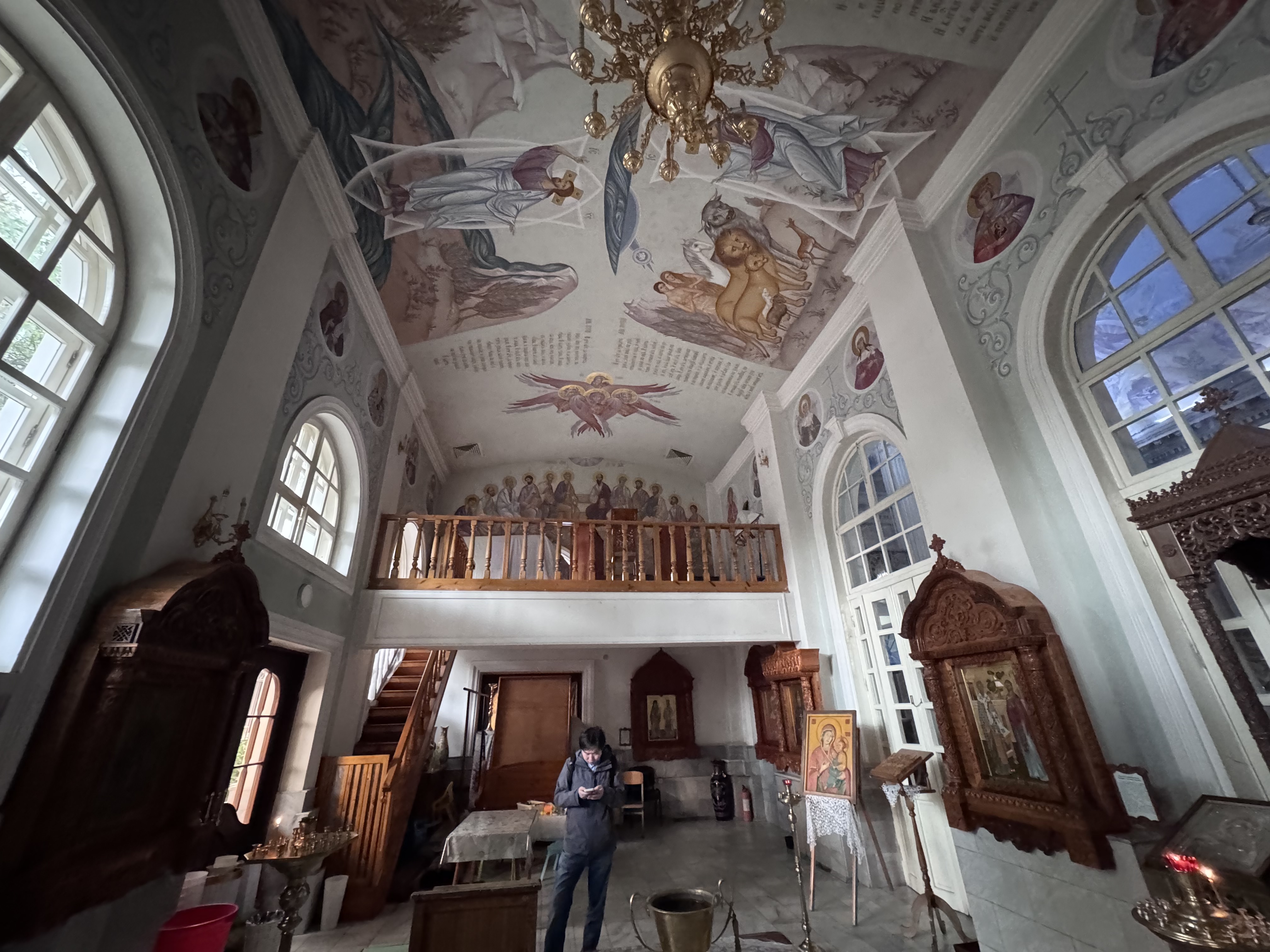
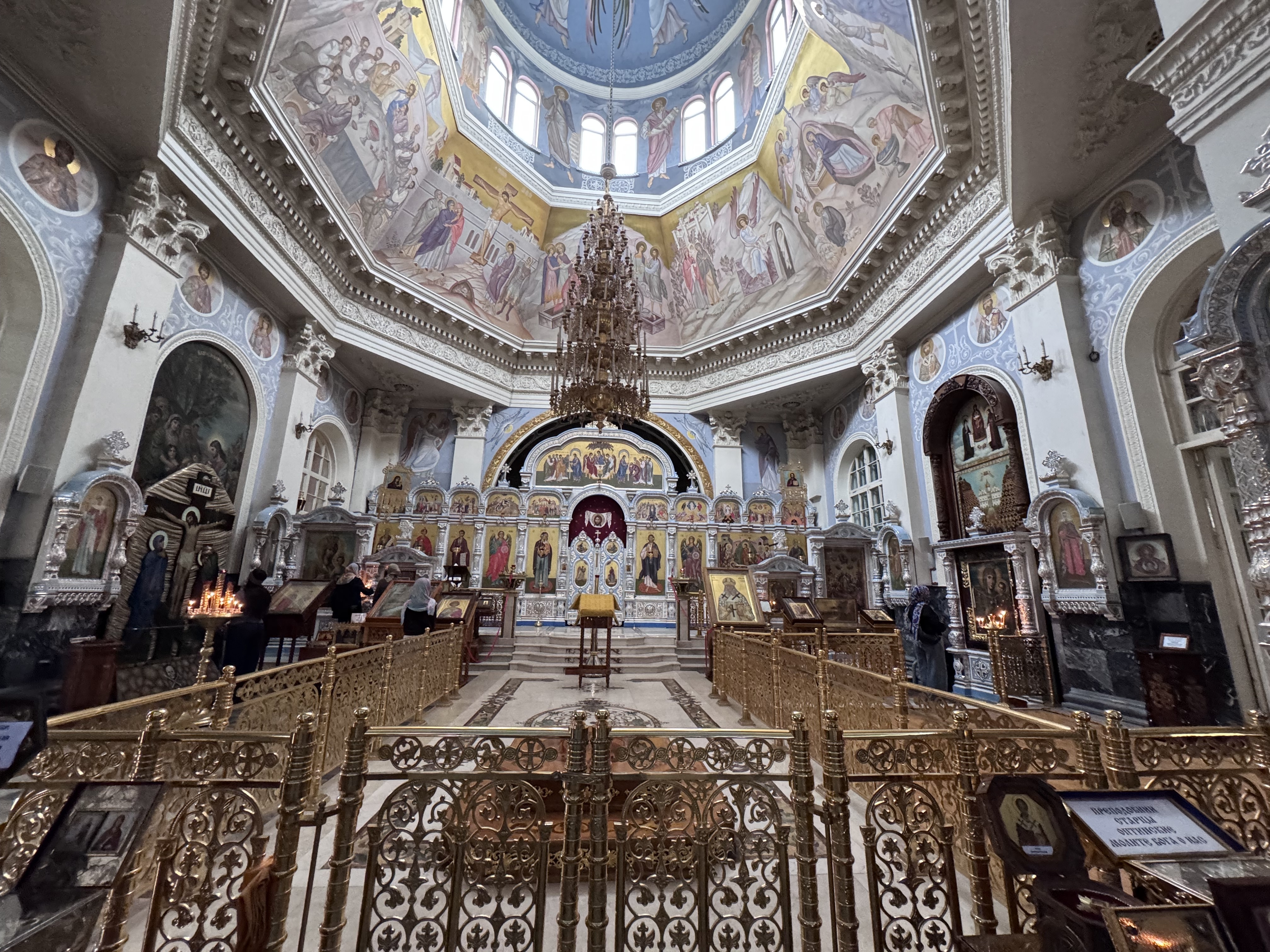
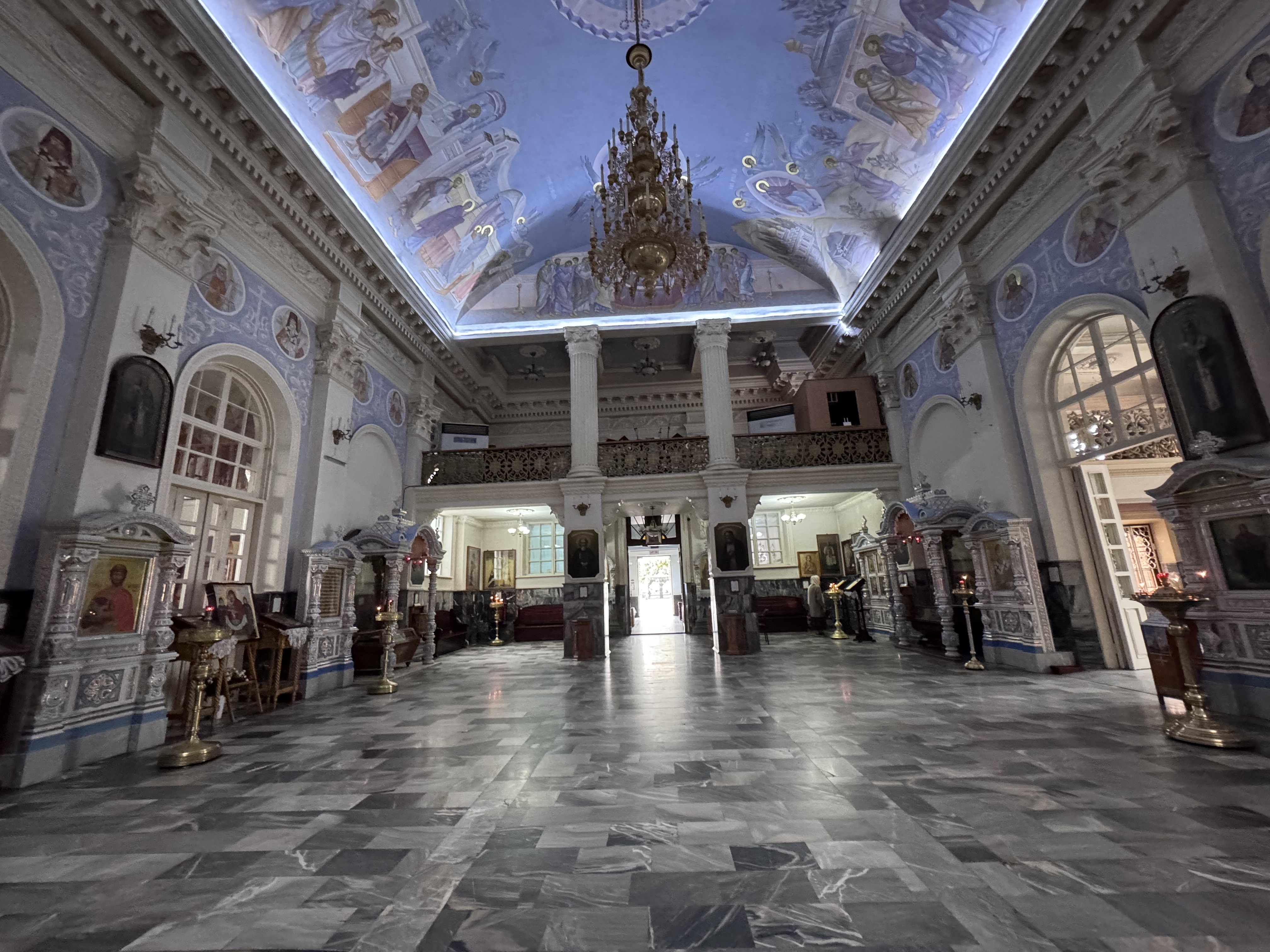
The Holy Assumption Cathedral in Tashkent, formally the Cathedral of the Dormition of the Mother of God, is the principal Russian Orthodox cathedral of the local diocese.
It originated in 1871 as a modest church dedicated to the healer Saint Panteleimon, built beside a military hospital and cemetery during the period of Russian expansion into Central Asia. Growing numbers of worshippers led to construction of a larger brick church between 1877 and 1878, financed by local donations including major gifts from Governor-General Konstantin von Kaufman and merchant Dmitry Zakho; it was consecrated on 31 January 1879.
After the Revolution the parish was assigned to the Renovationist movement. Worship ceased in 1933 and the building served as a military sanitary depot until the end of the Second World War. Returned to the faithful in December 1945, it was reconsecrated in honor of the Dormition of the Mother of God and became the cathedral of the Tashkent Diocese.
Between 1958 and 1960 it was ...