

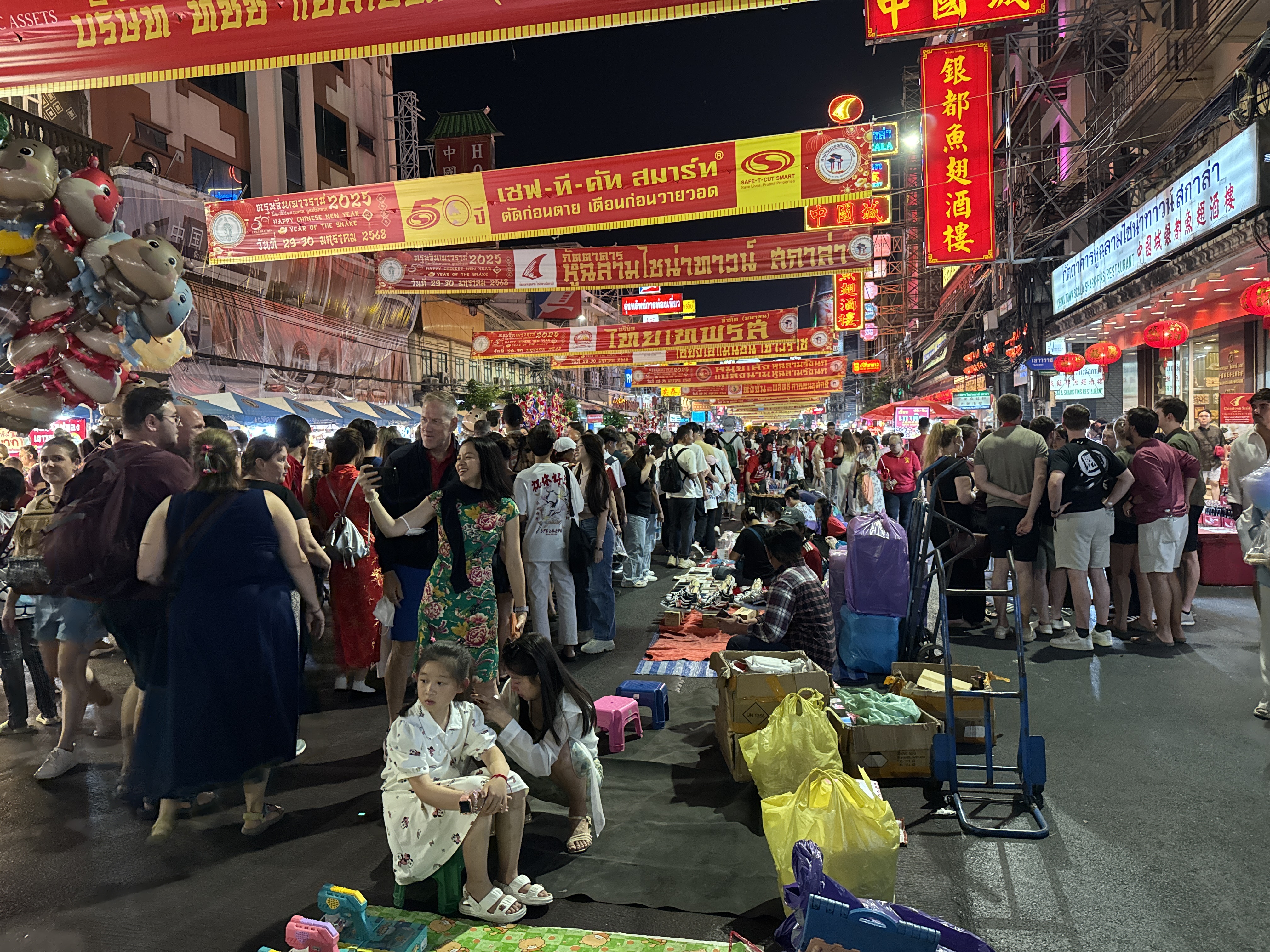
Chinese New Year in Bangkok 2025 on Yaowarat Road.
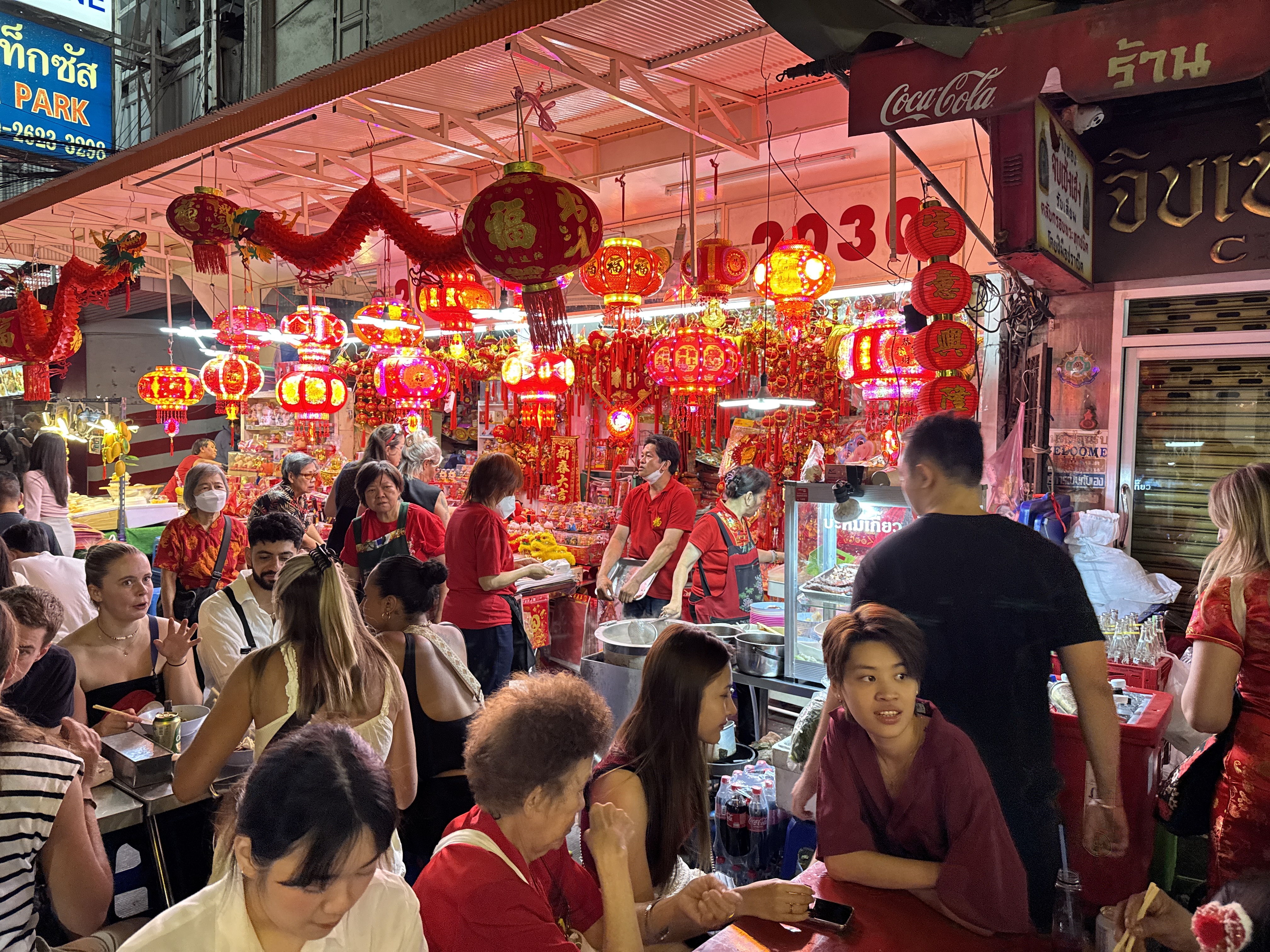
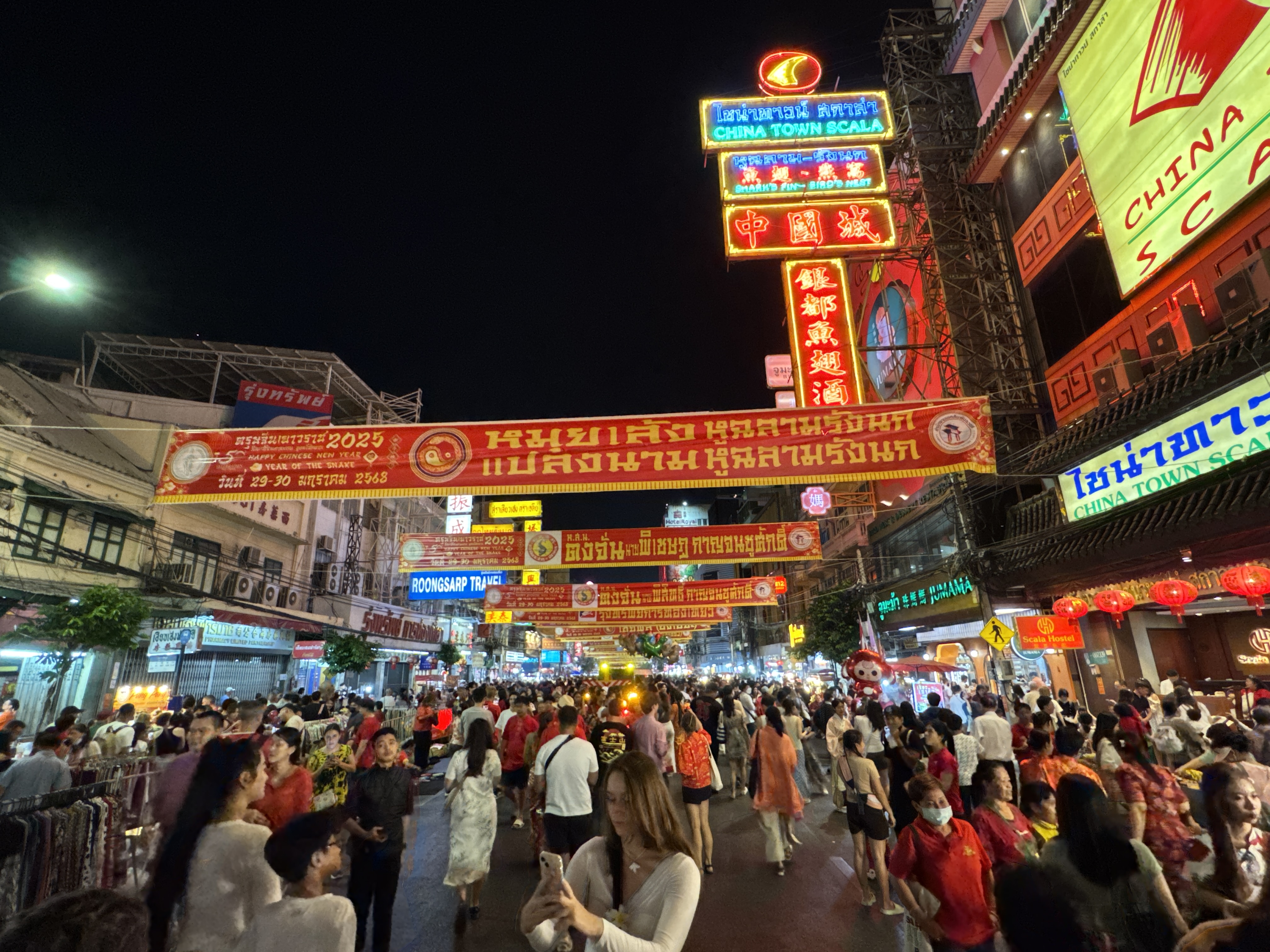
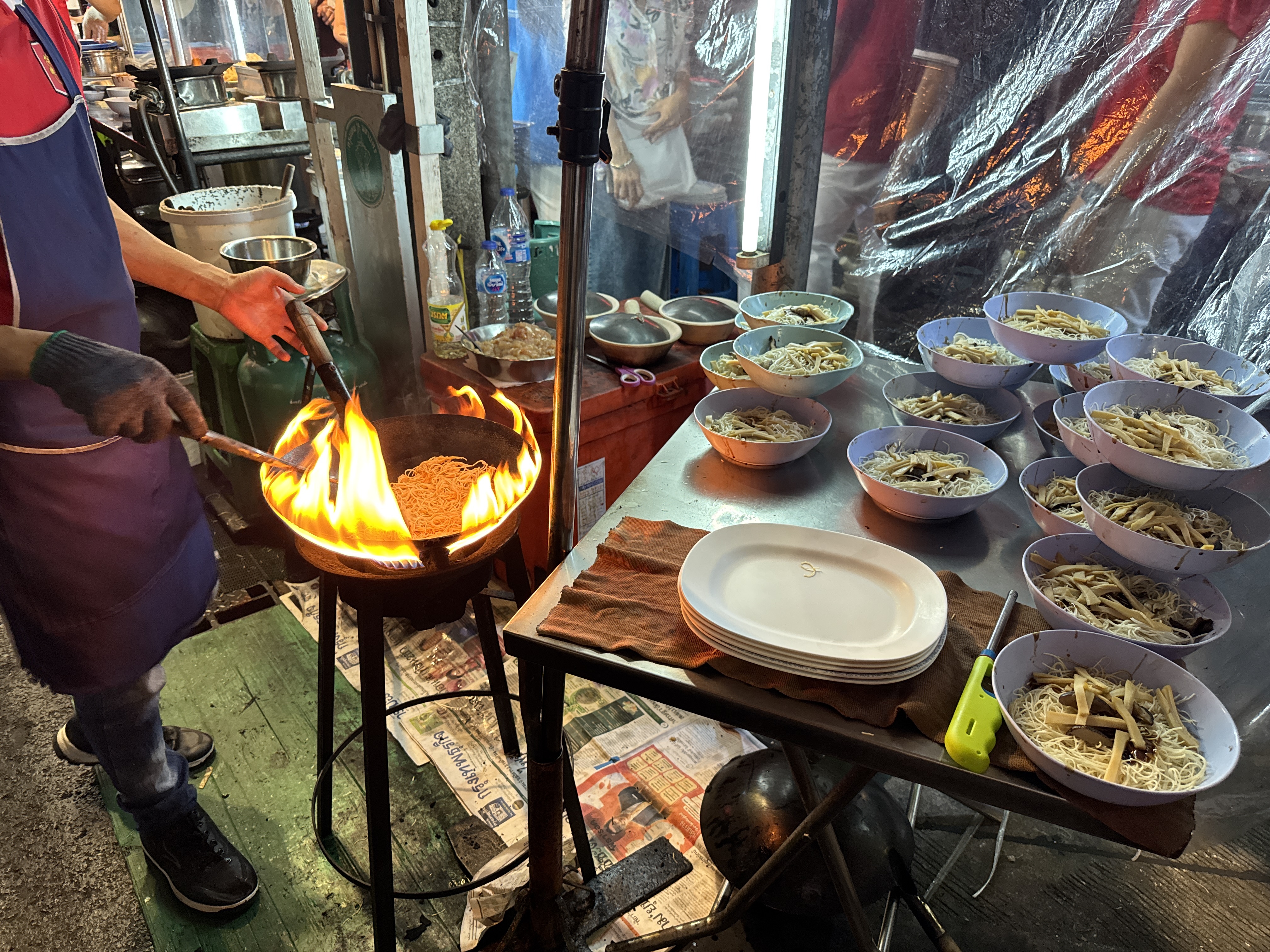
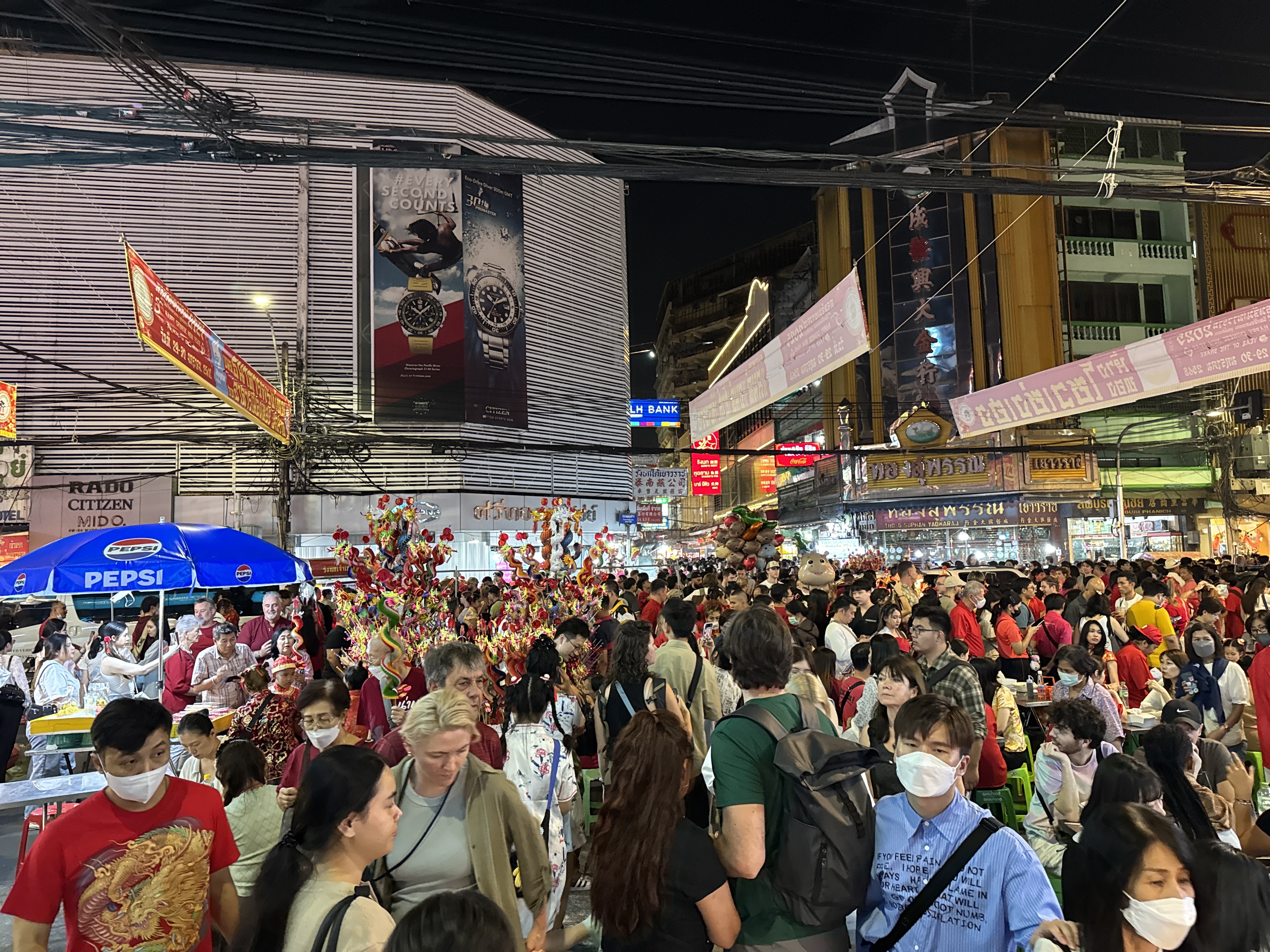
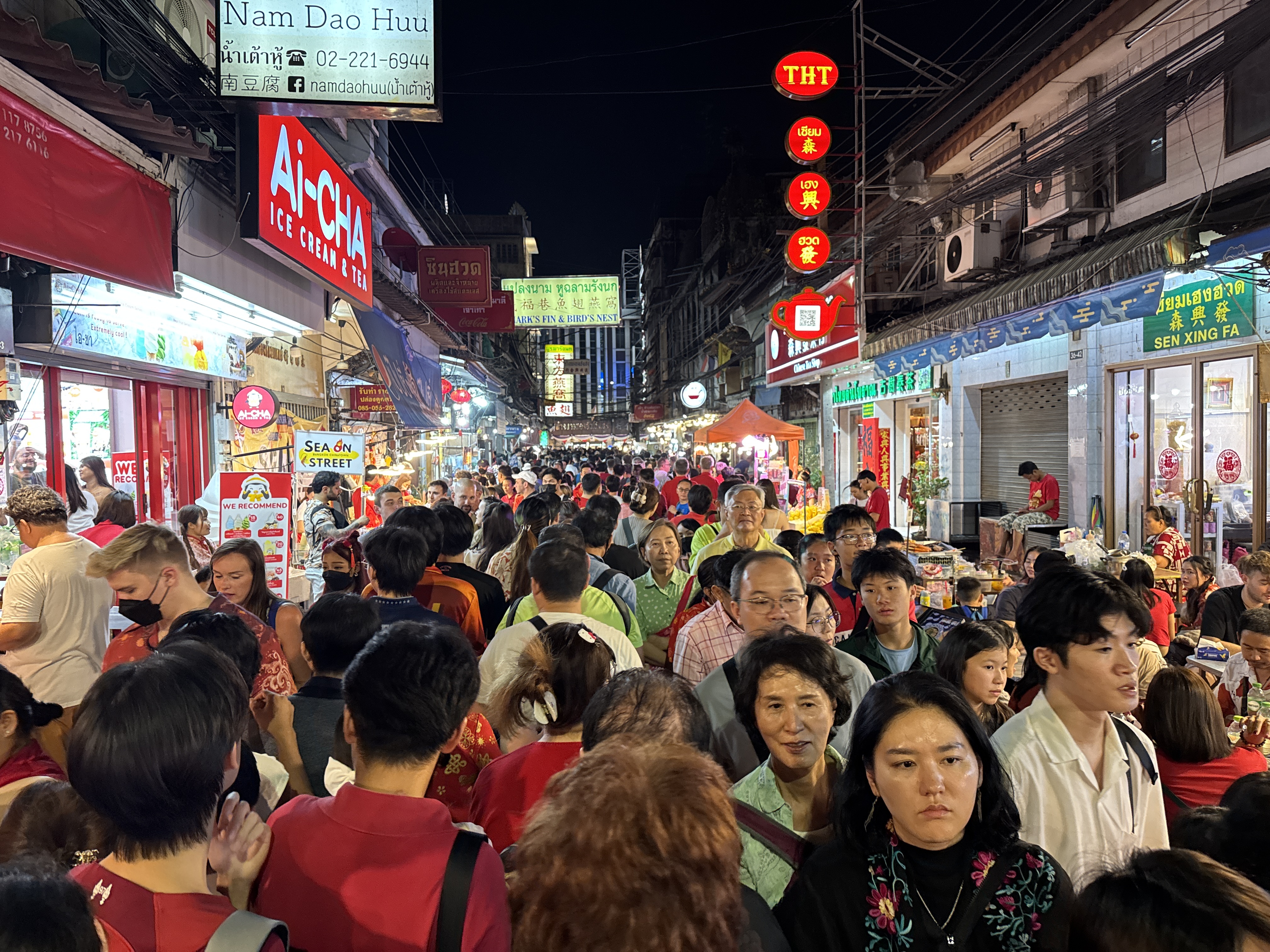
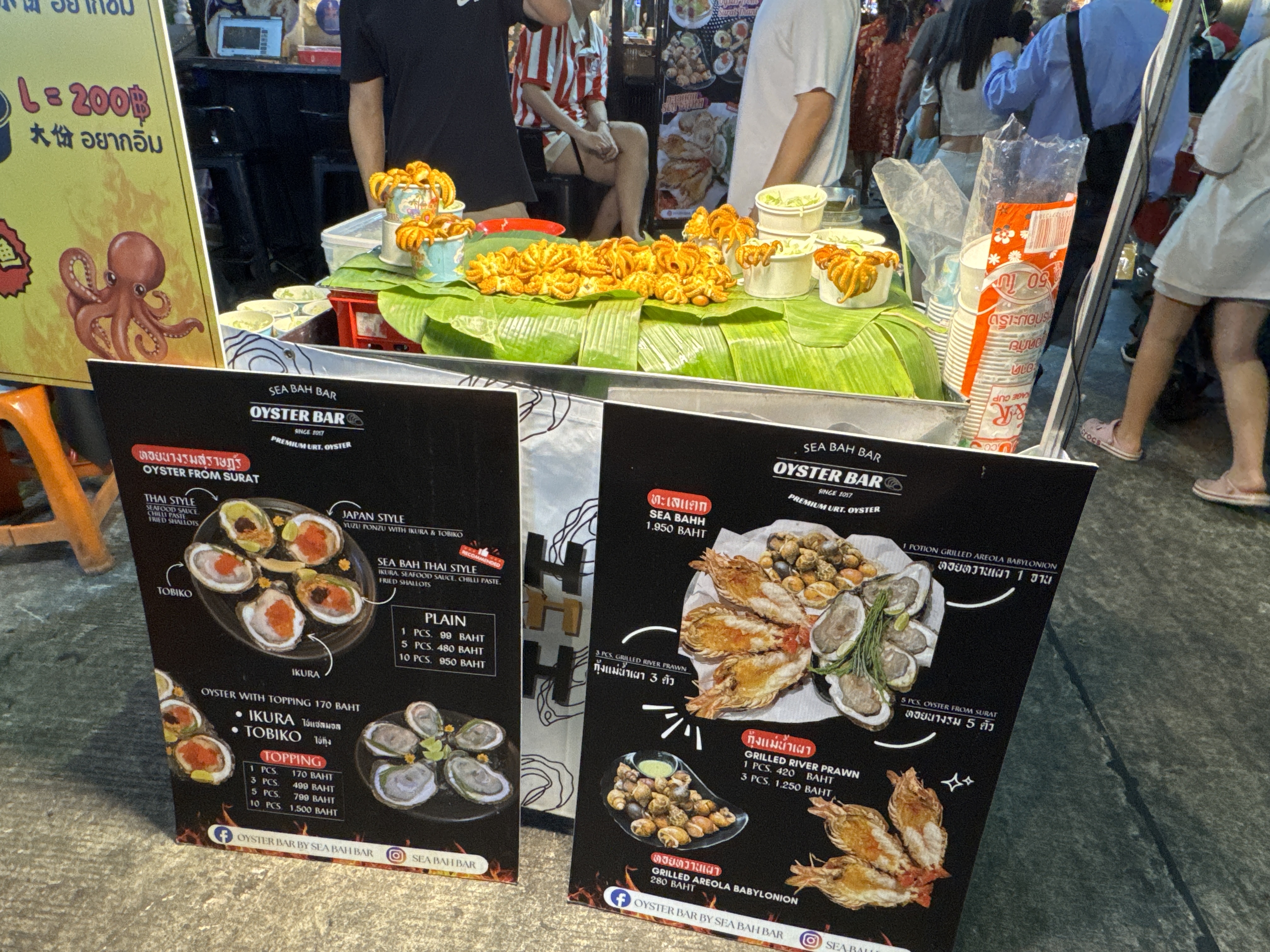
Chinese New Year in Bangkok brings one of the most exhilarating celebrations to Yaowarat Road in the middle of Bangkok’s Chinatown. The entire street comes to life with crowds of worshippers, exploding firecrackers, and dragon dancers. This time of year, families of Chinese descent gather to join in the street celebrations.
This annual event usually takes place around January or February, with exact dates calculated from the Chinese Lunar Calendar.
On New Year’s Day, parents will hand red envelopes called ang pao (containing money) to their unmarried children. Most people start visiting their extended families and relatives to exchange a few oranges and ang pao, as well as wishing them a Happy Chinese New Year.
Chinese New Year is one of the most exhilarating times of the year, with dynamic sights and sounds. Shopowners of Chinese descent decorate their places with red paper lanterns, Chinese calligraphy banners, and posters.
...
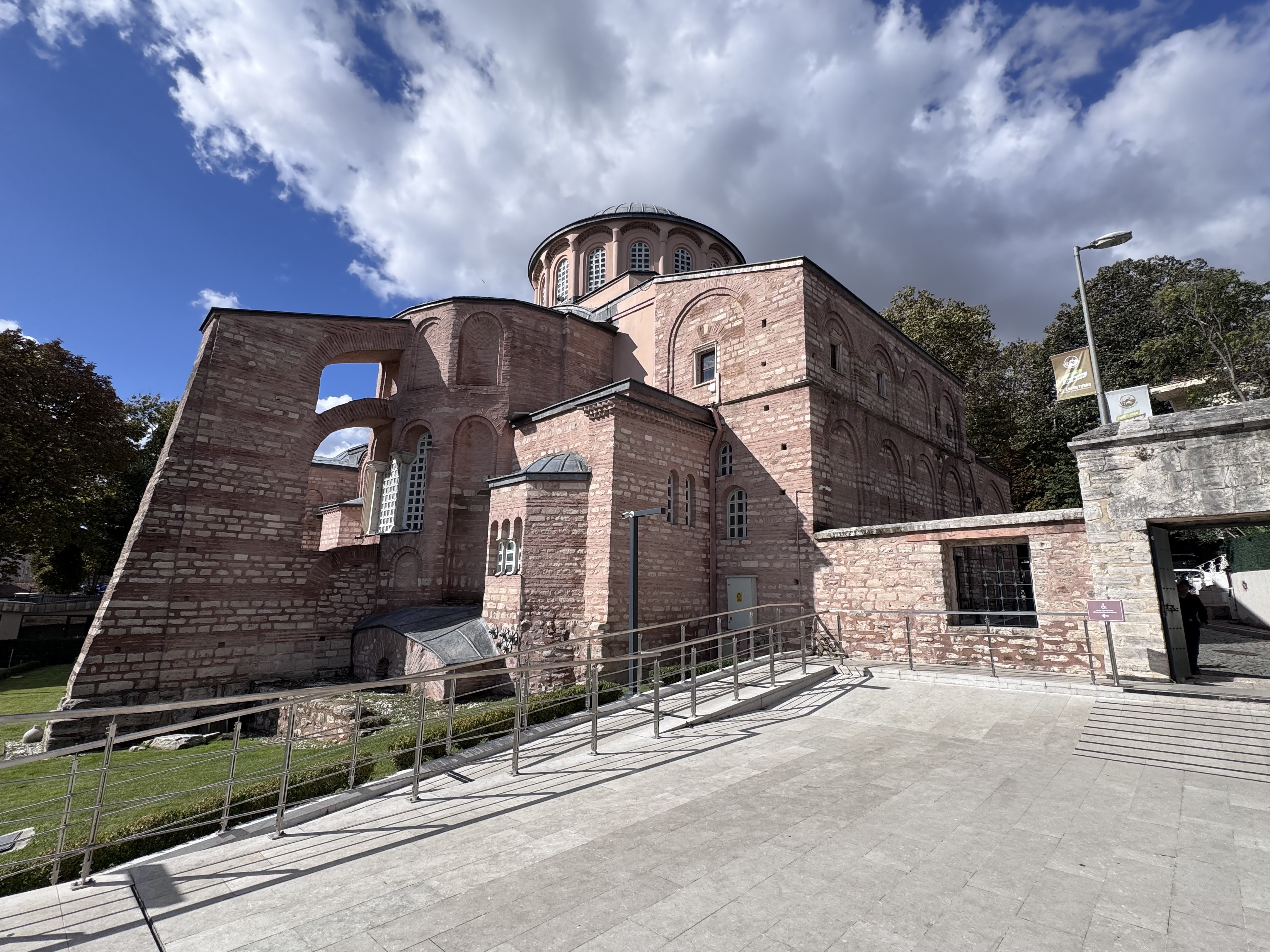
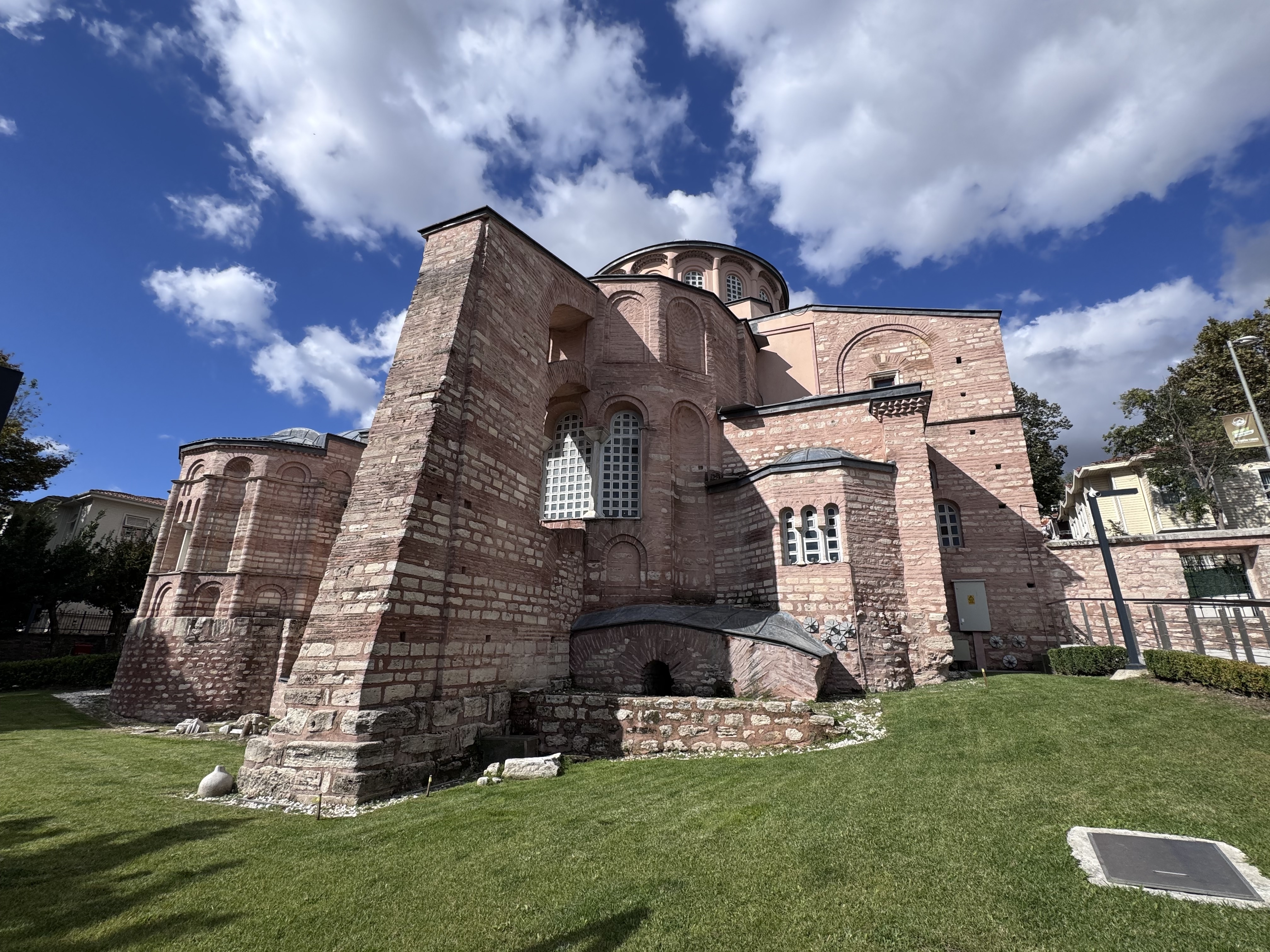
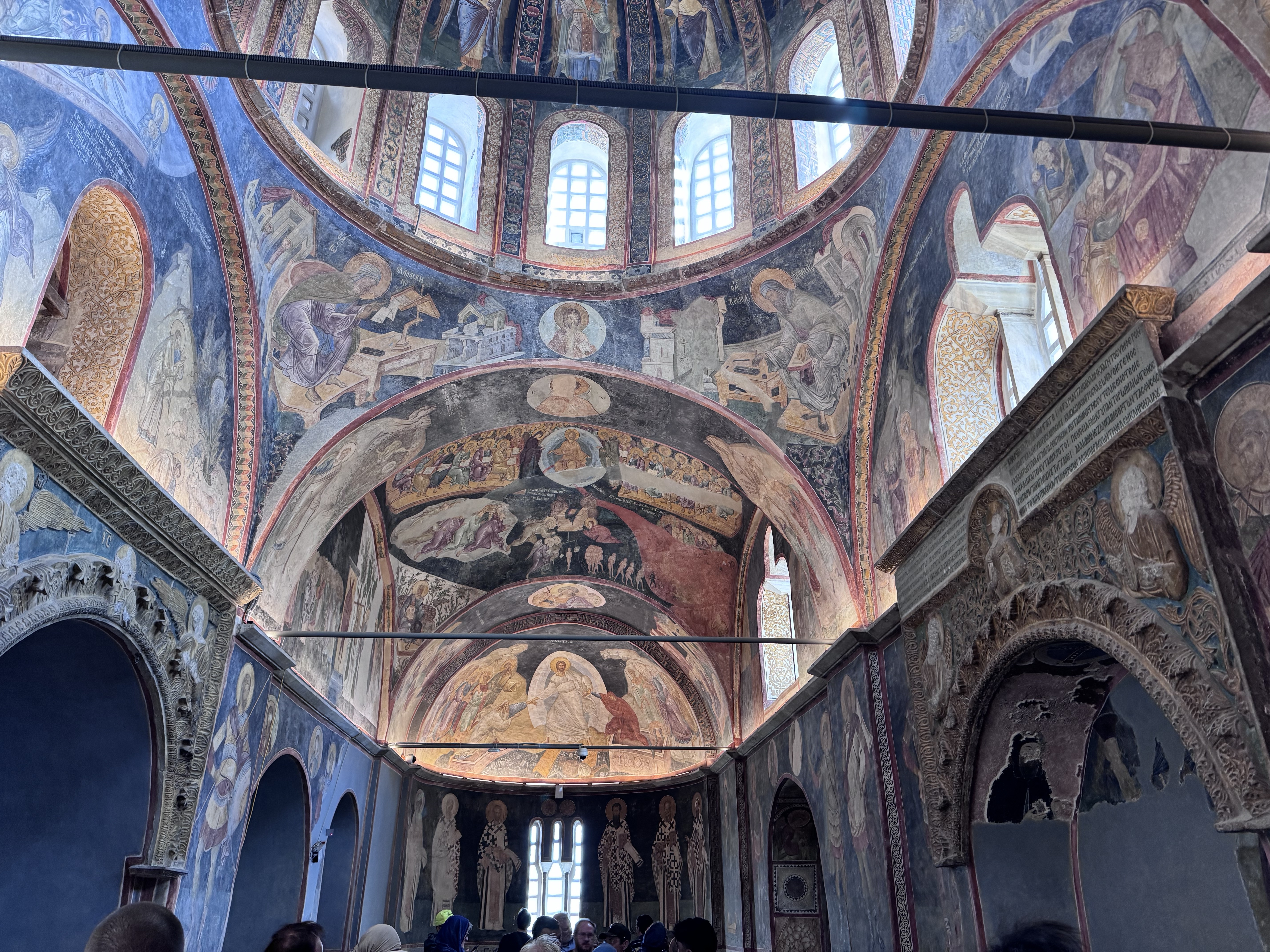
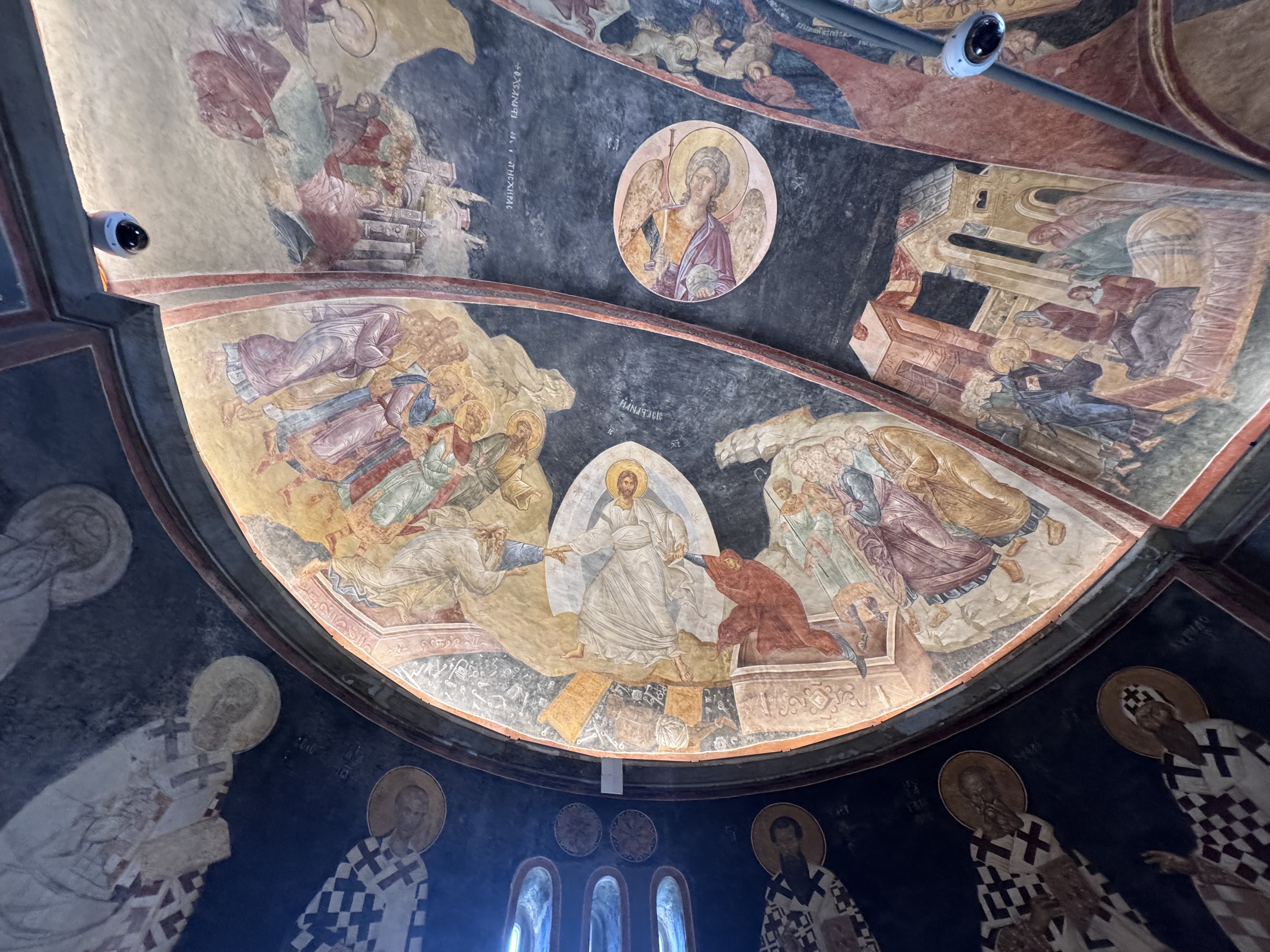
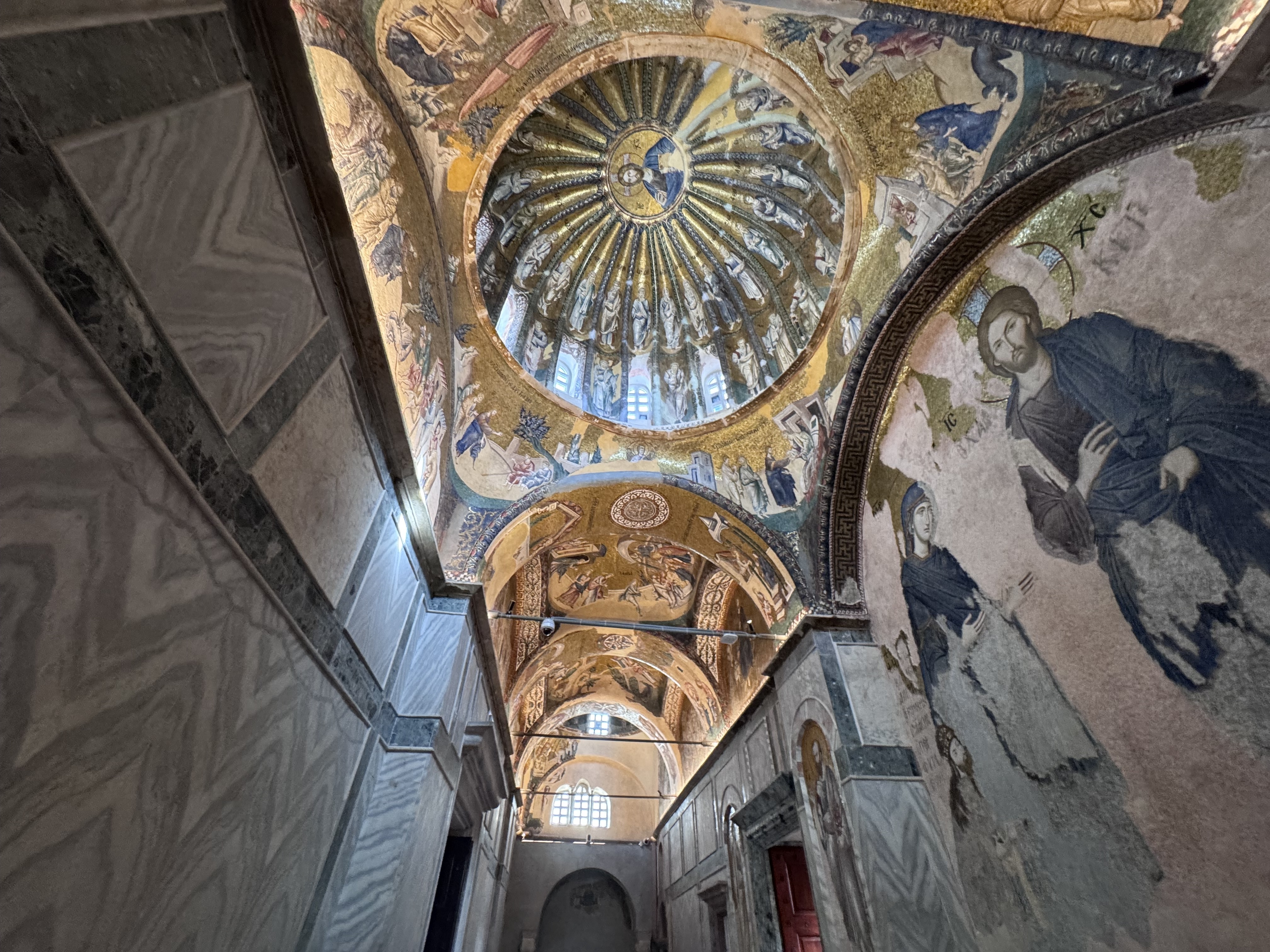
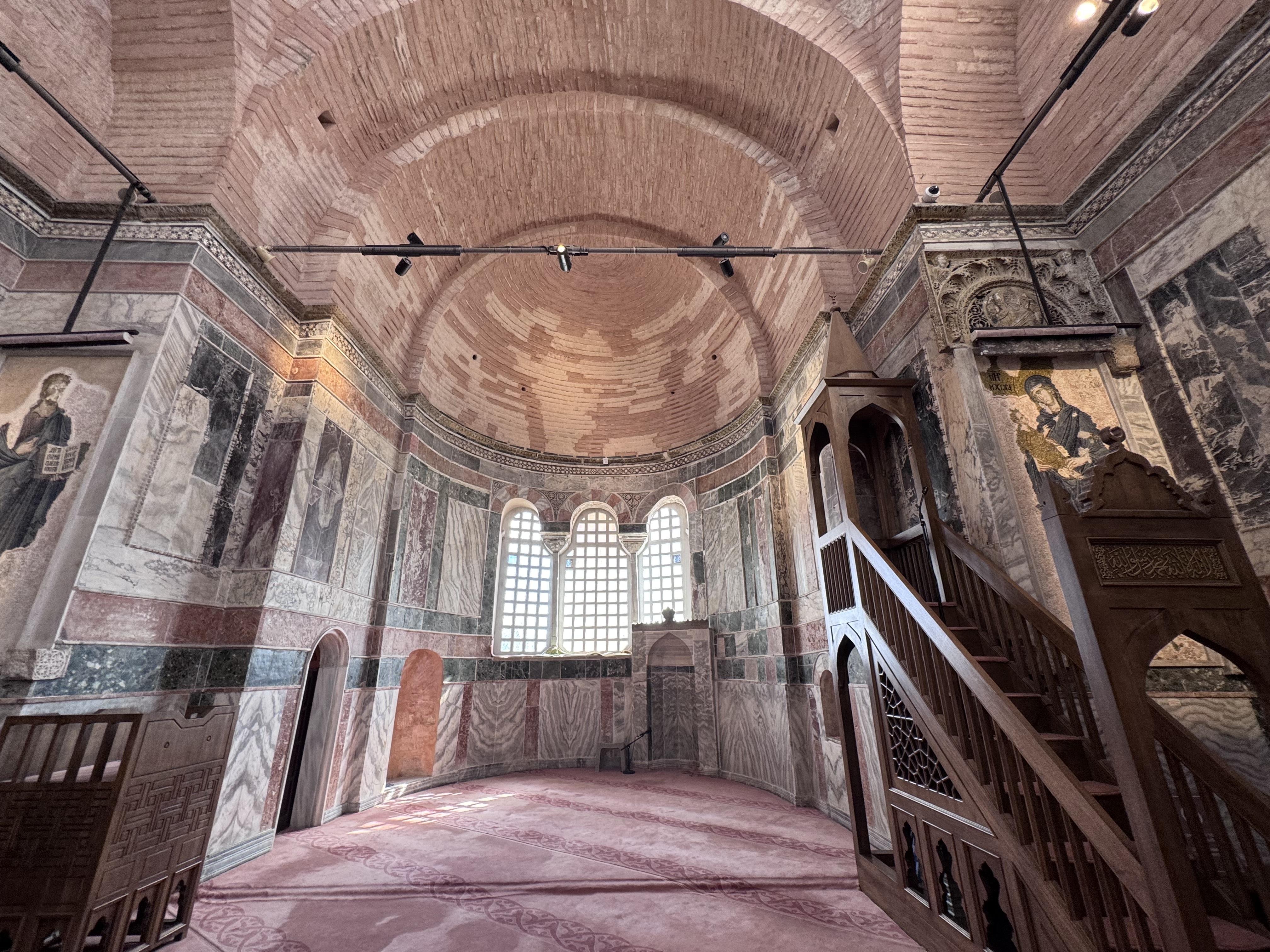
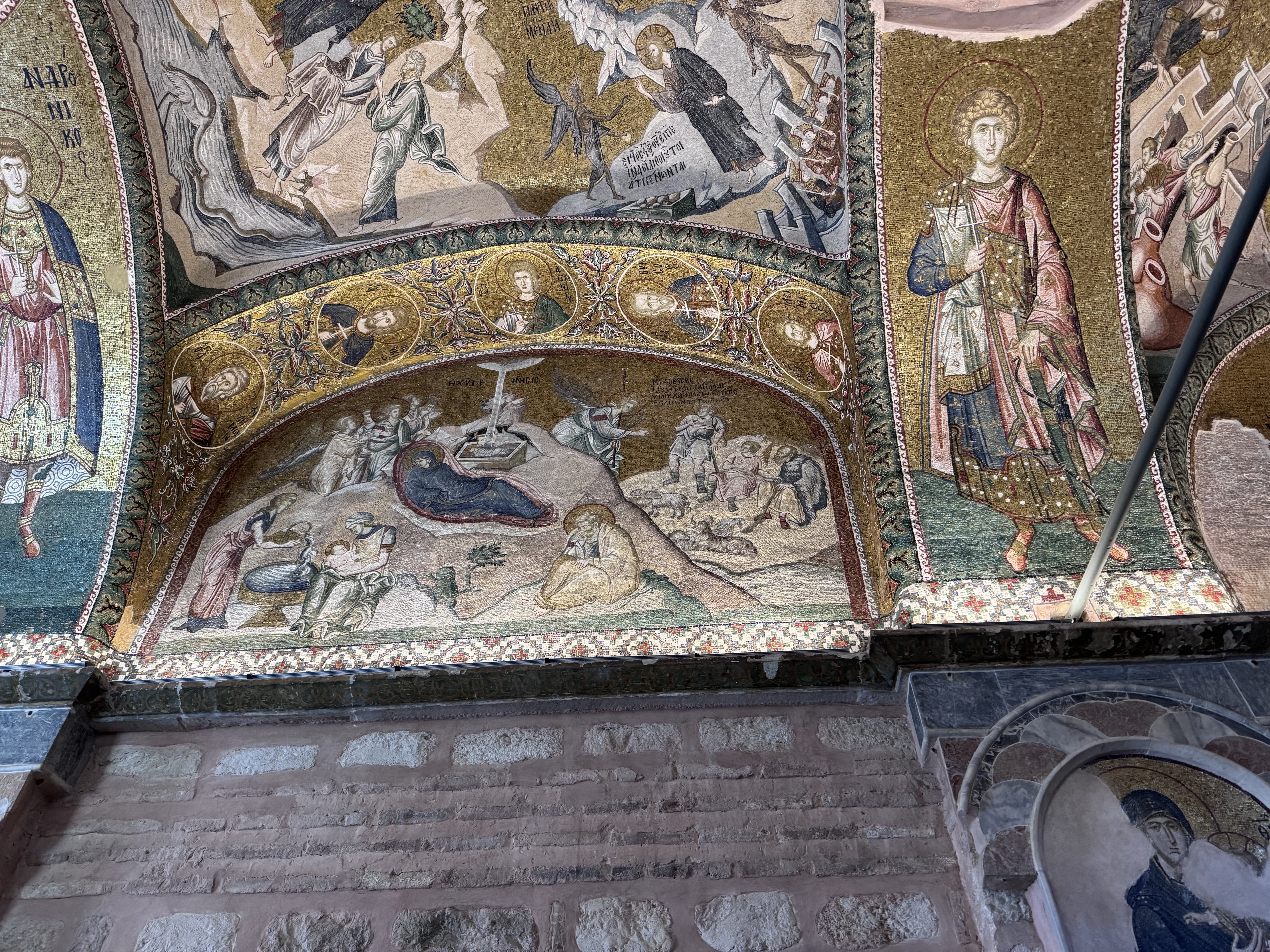
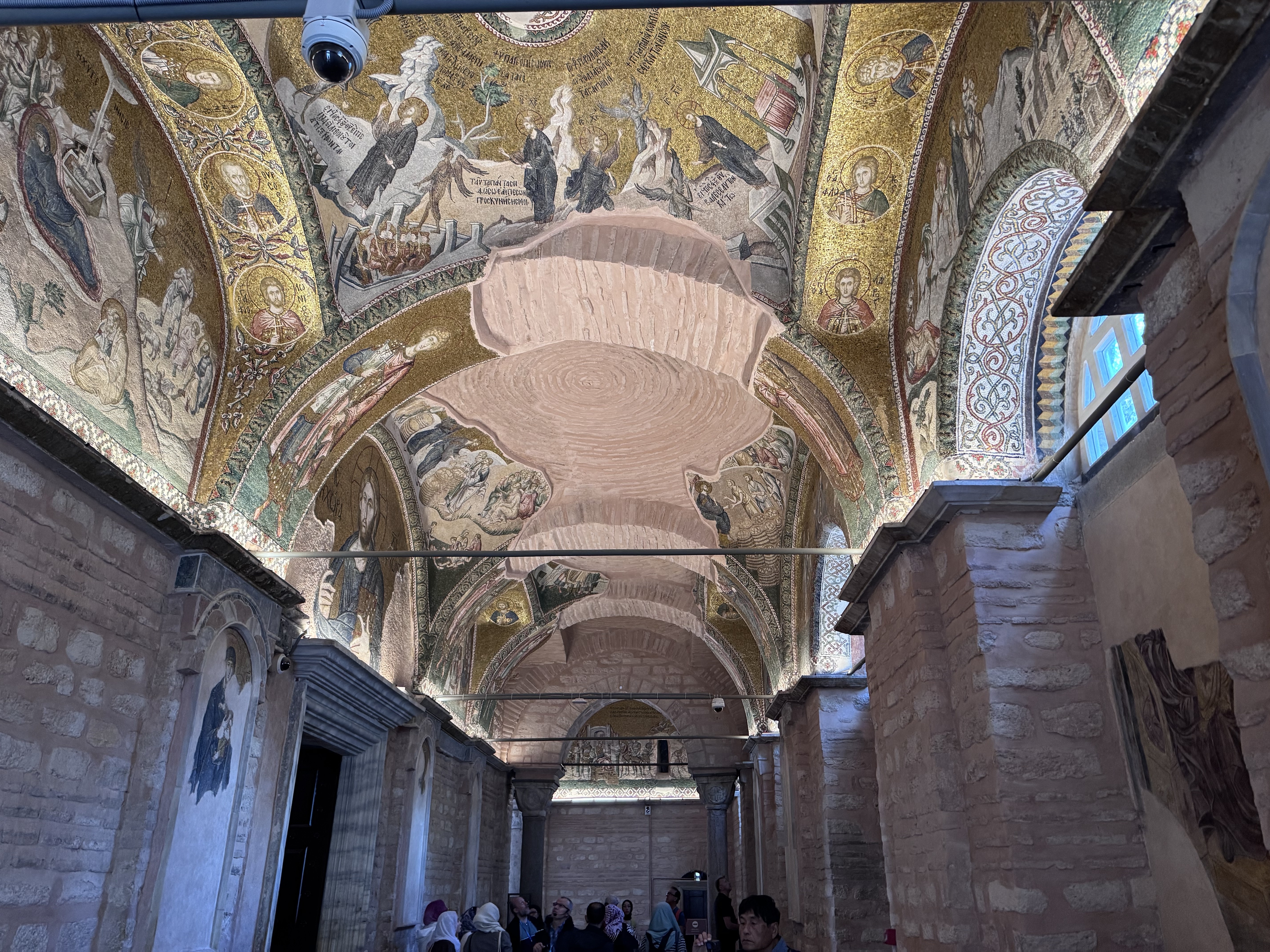
The Kariye Mosque, also known as the Chora Church or Church of the Holy Saviour in Chora, stands in the Edirnekapı neighborhood of Istanbul’s Fatih district as one of the city’s most remarkable surviving monuments of Late Byzantine art and architecture. Its name derives from the Greek word chora, meaning “countryside” or “in the fields,” a reference to its original location outside the early walls of Constantinople built by Constantine the Great in the fourth century; the Turkish form Kariye preserves that same sense of a rural or outer place.
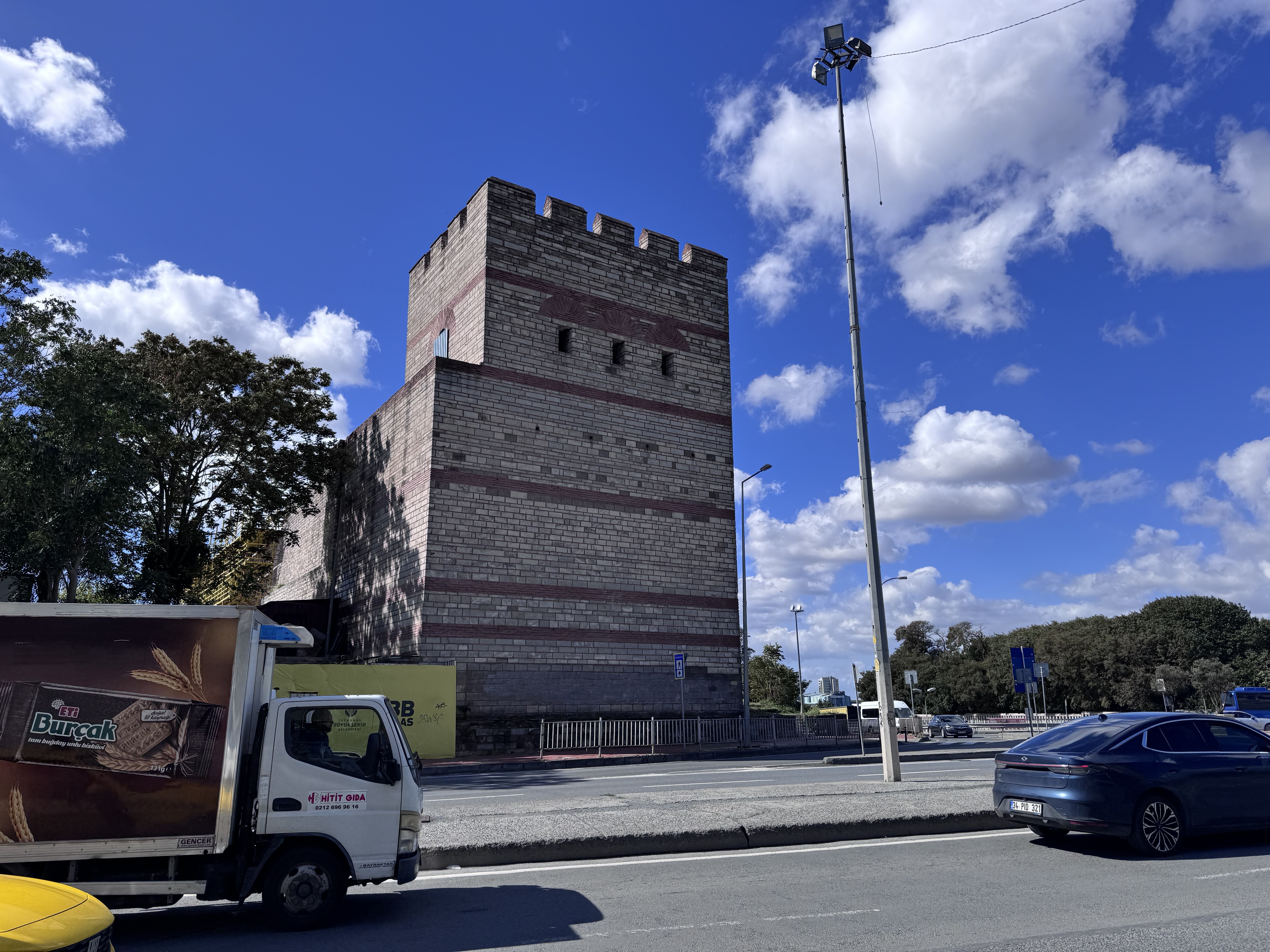
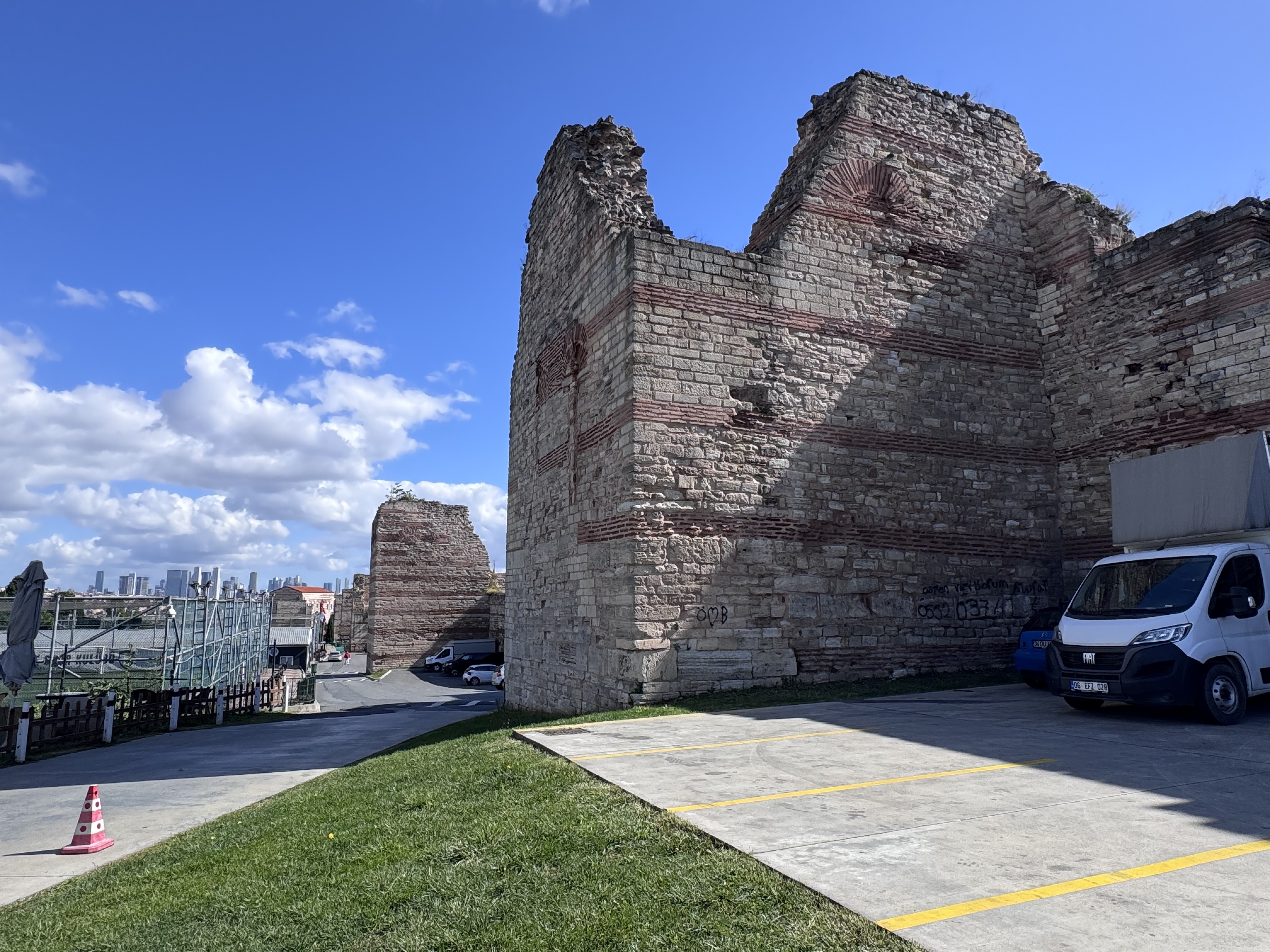
When Emperor Theodosius II constructed the formidable Theodosian land walls between 413 and 414, the church was enclosed within the new defensive circuit yet kept its evocative name.
Today it sits immediately beside those walls in the Edirnekapı area, roughly one hundred meters from the historic fortifications and near the Edirnekapı gate, so that visitors can walk from the mosque to the surviving stretches of the Theodosian Walls in only a few ...
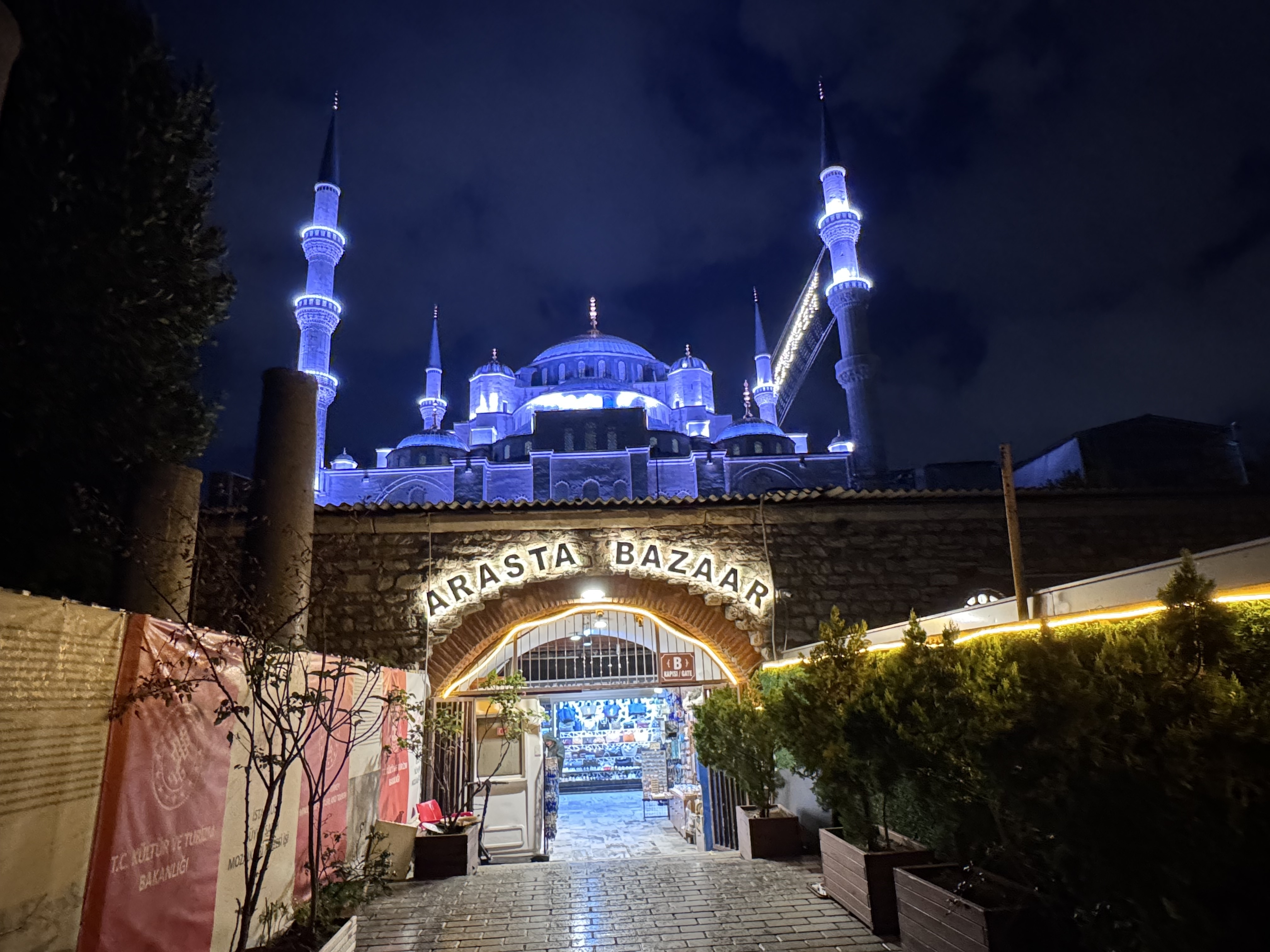
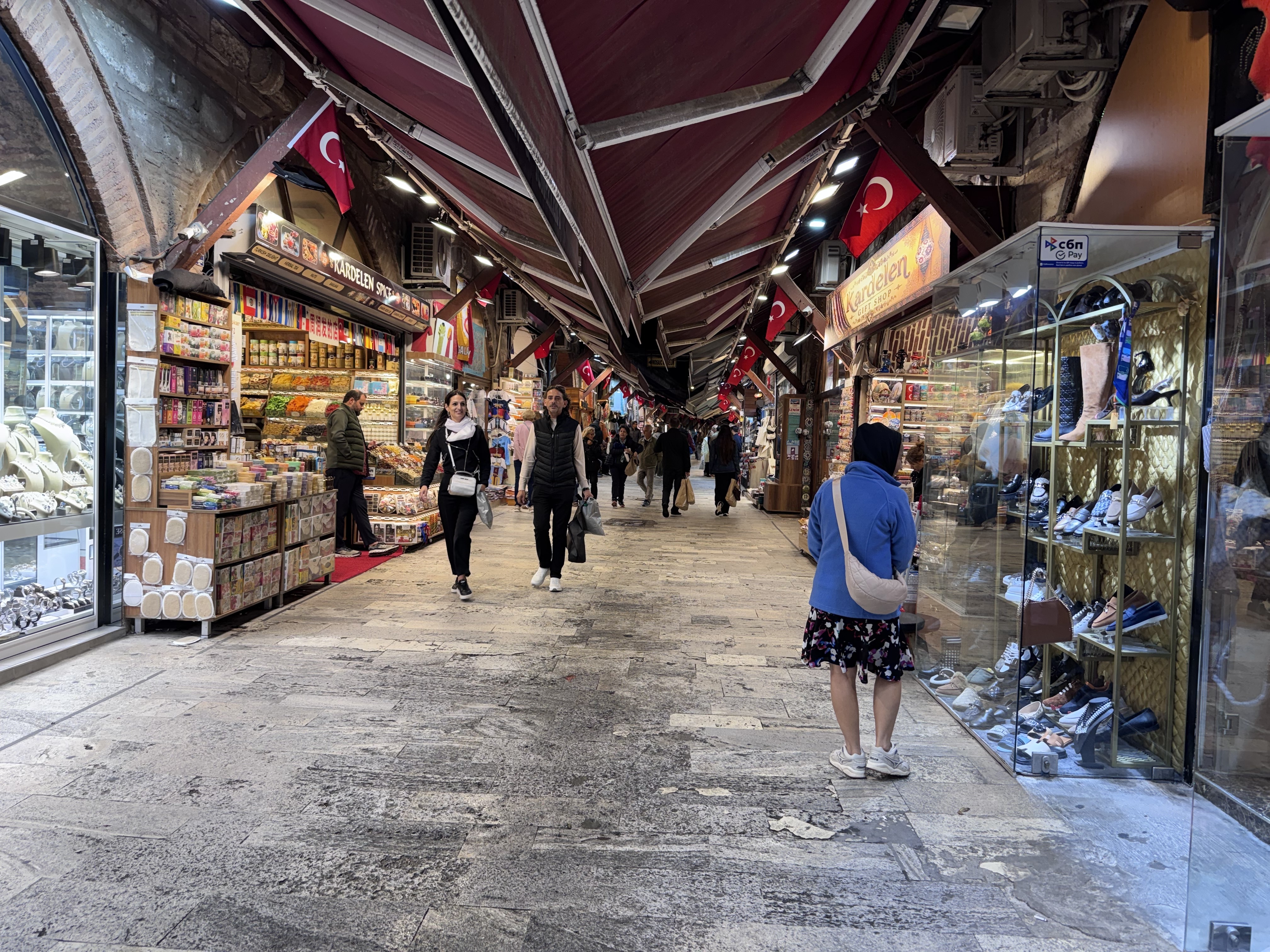
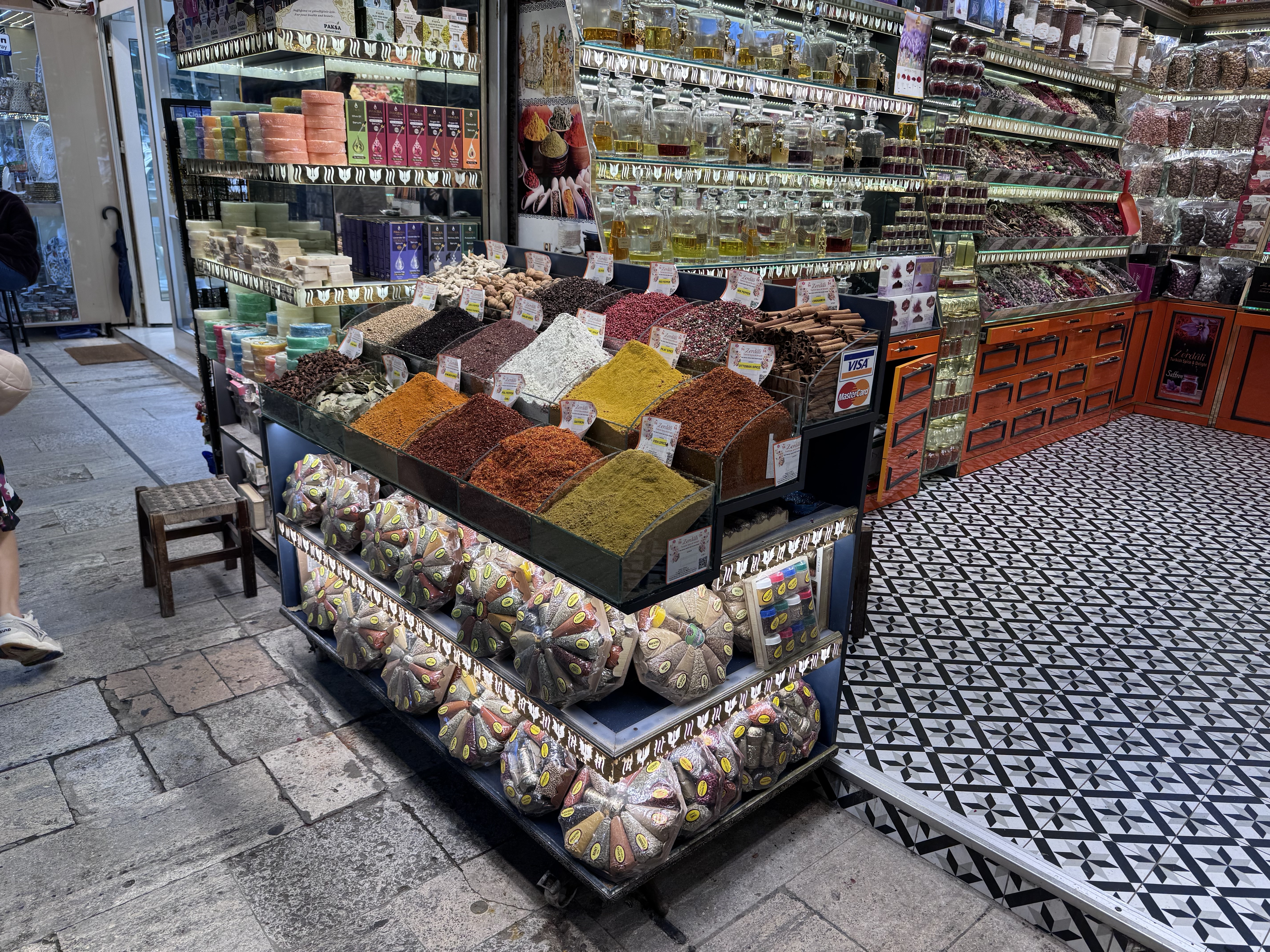
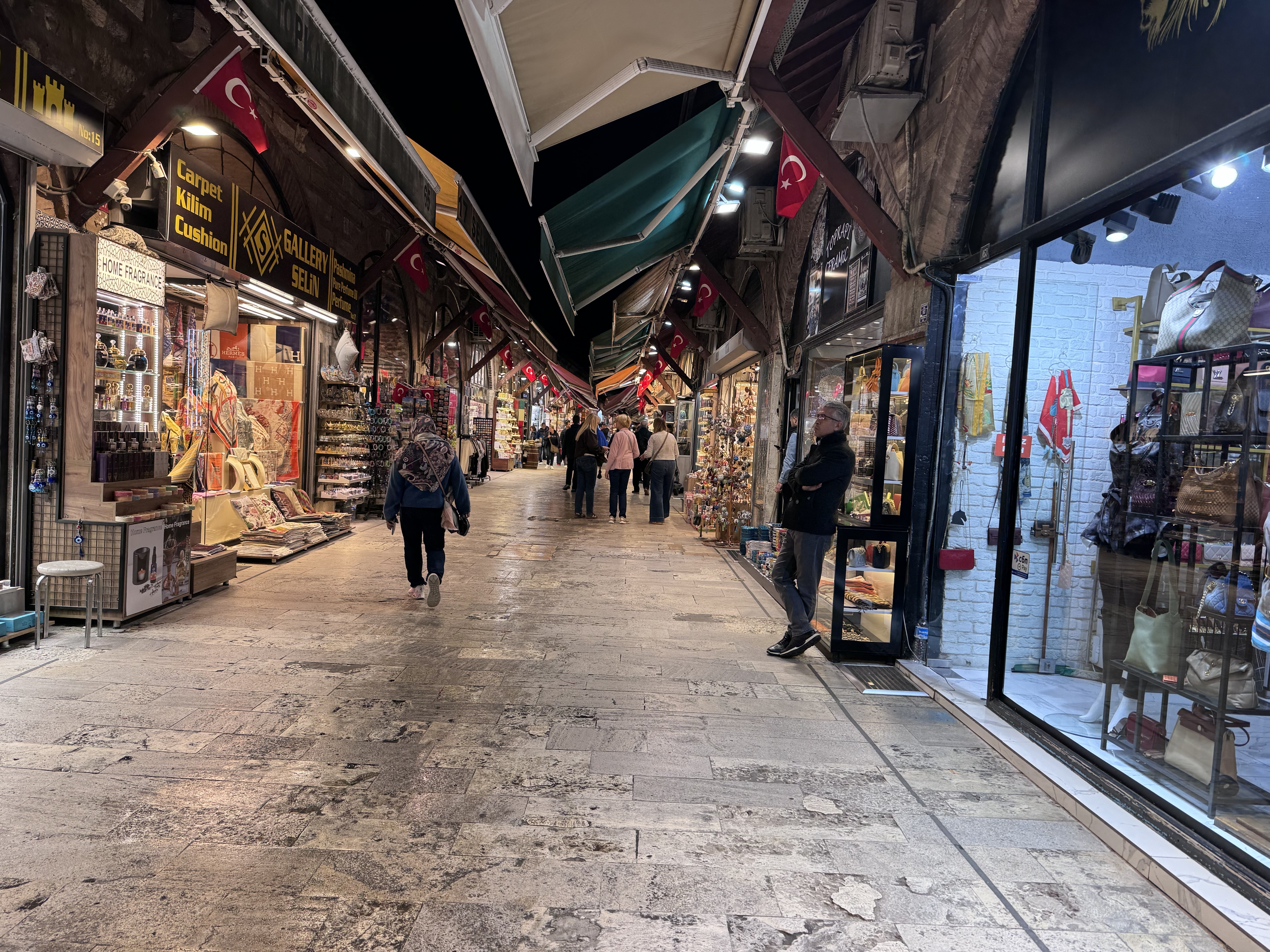
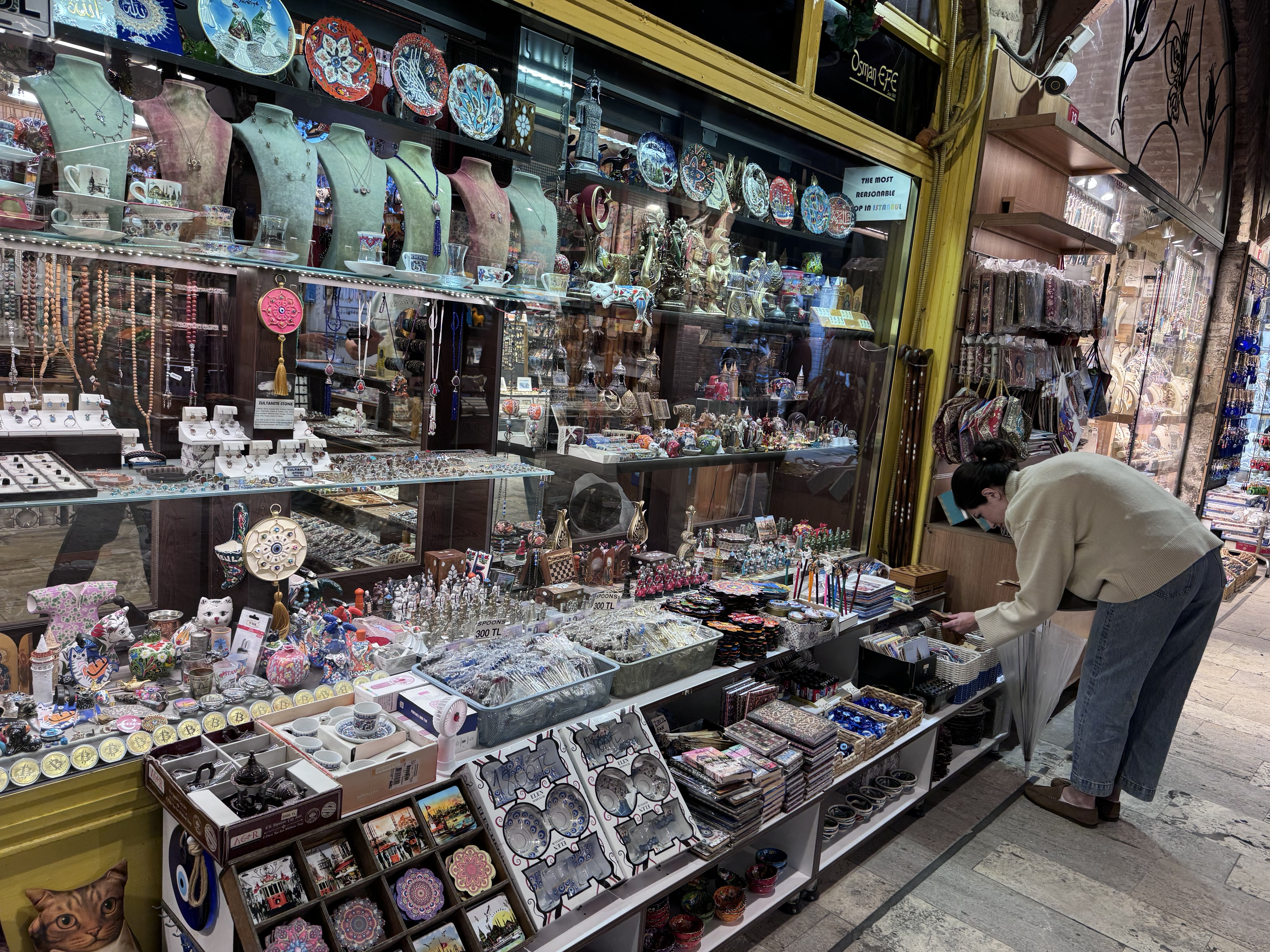
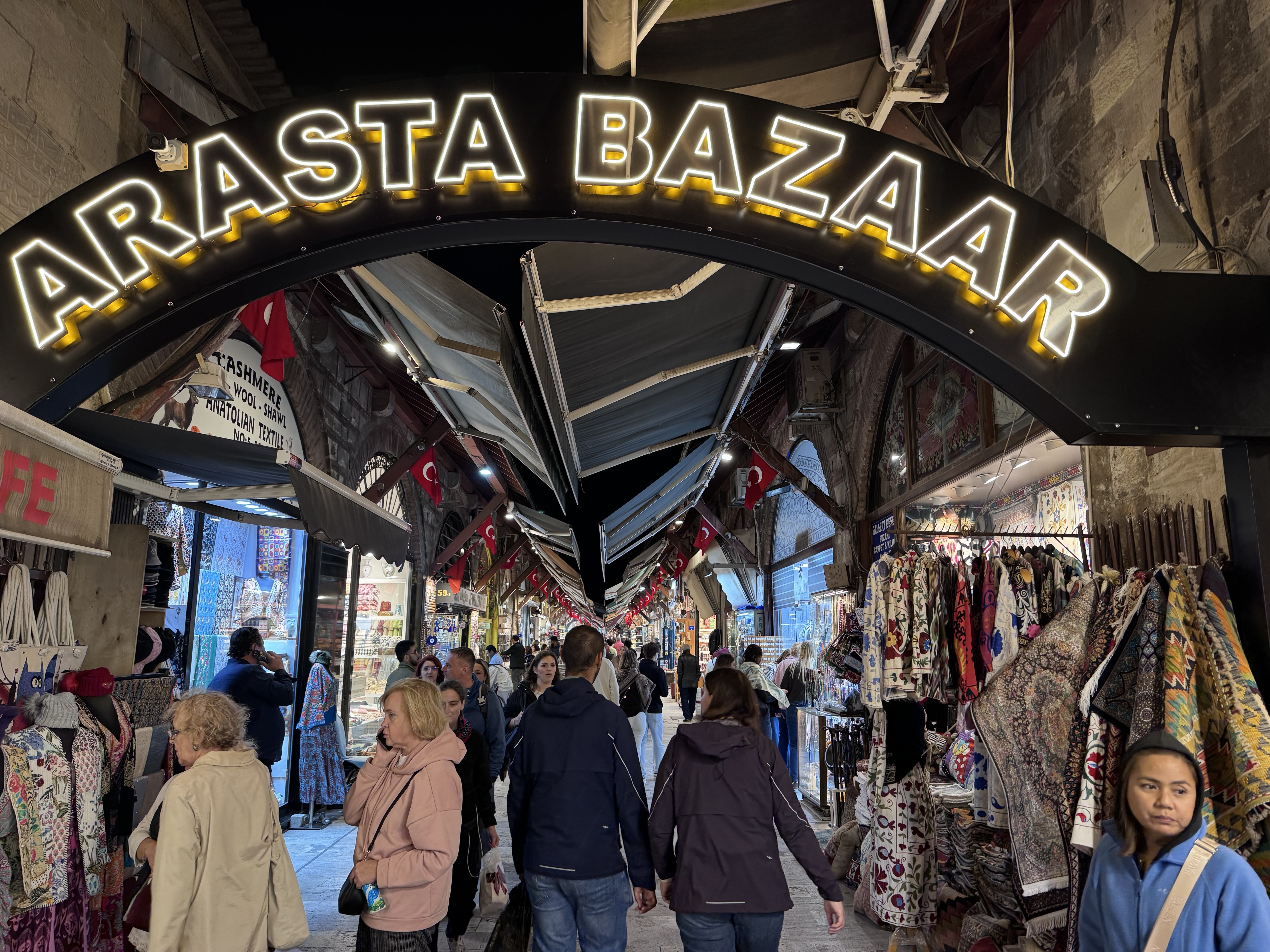
Arasta Bazaar, known locally as Arasta Çarşısı, sits tucked away just behind the Blue Mosque in Istanbul’s historic Sultanahmet district on the European side of the city. It forms a single, relatively narrow pedestrian street lined with roughly seventy to eighty shops, creating an intimate and far quieter alternative to the vast labyrinth of the Grand Bazaar.
The market is free to enter and typically open daily from around 9 a.m. to 9 p.m., though individual shop hours can vary.
Visitors reach it easily by taking the T1 tram to Sultanahmet station and walking a few minutes past the Blue Mosque, or simply by strolling from nearby landmarks such as Hagia Sophia or Topkapı Palace.
The shops specialize in traditional Turkish handicrafts of generally higher quality than the more tourist-oriented stalls found elsewhere: handmade carpets and kilims, Iznik-style ceramics, textiles including pestemal bath towels, jewelry, glassware, lamps, soaps, spices, and other artisanal souvenirs.
The atmosphere ...
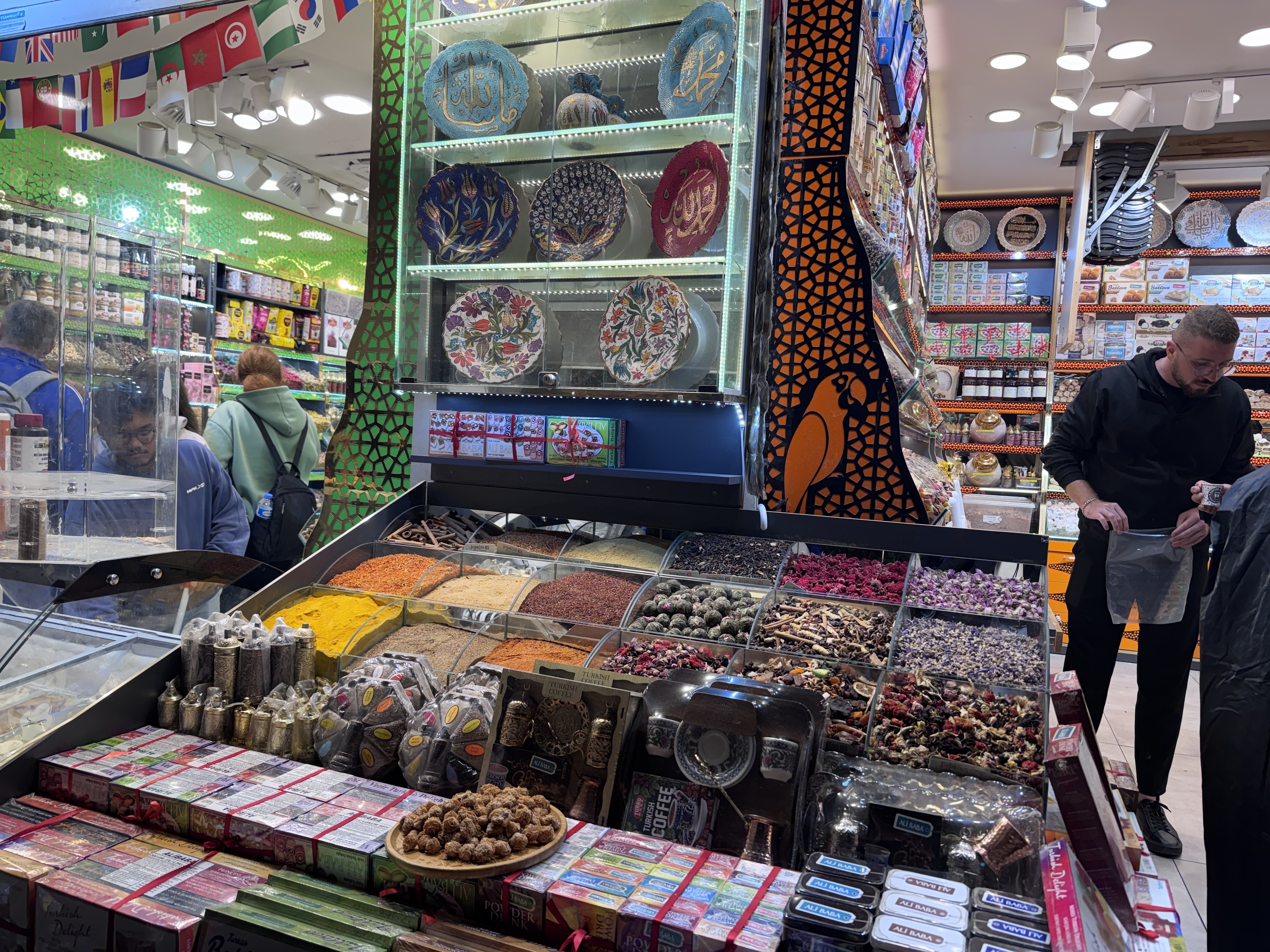
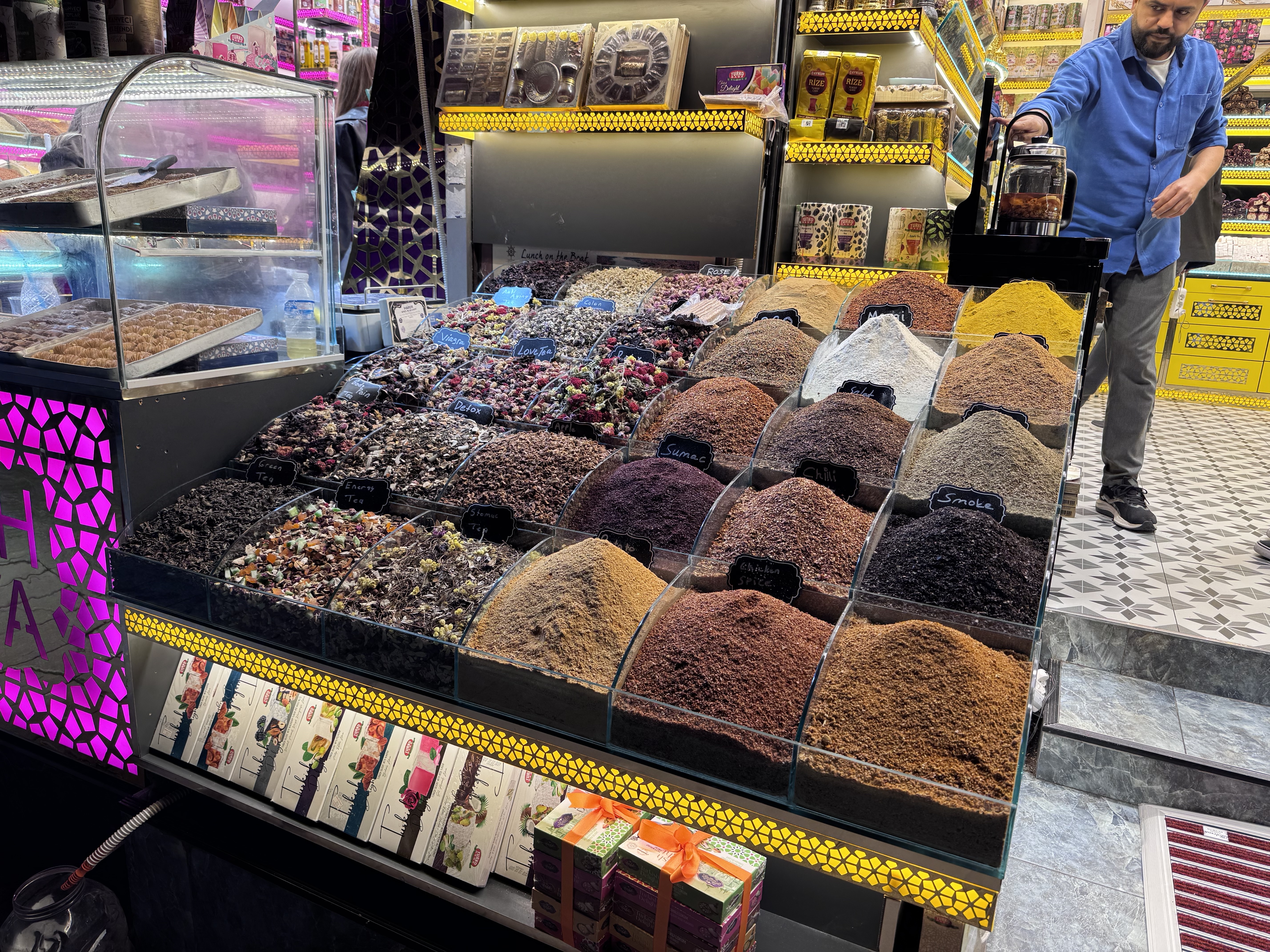
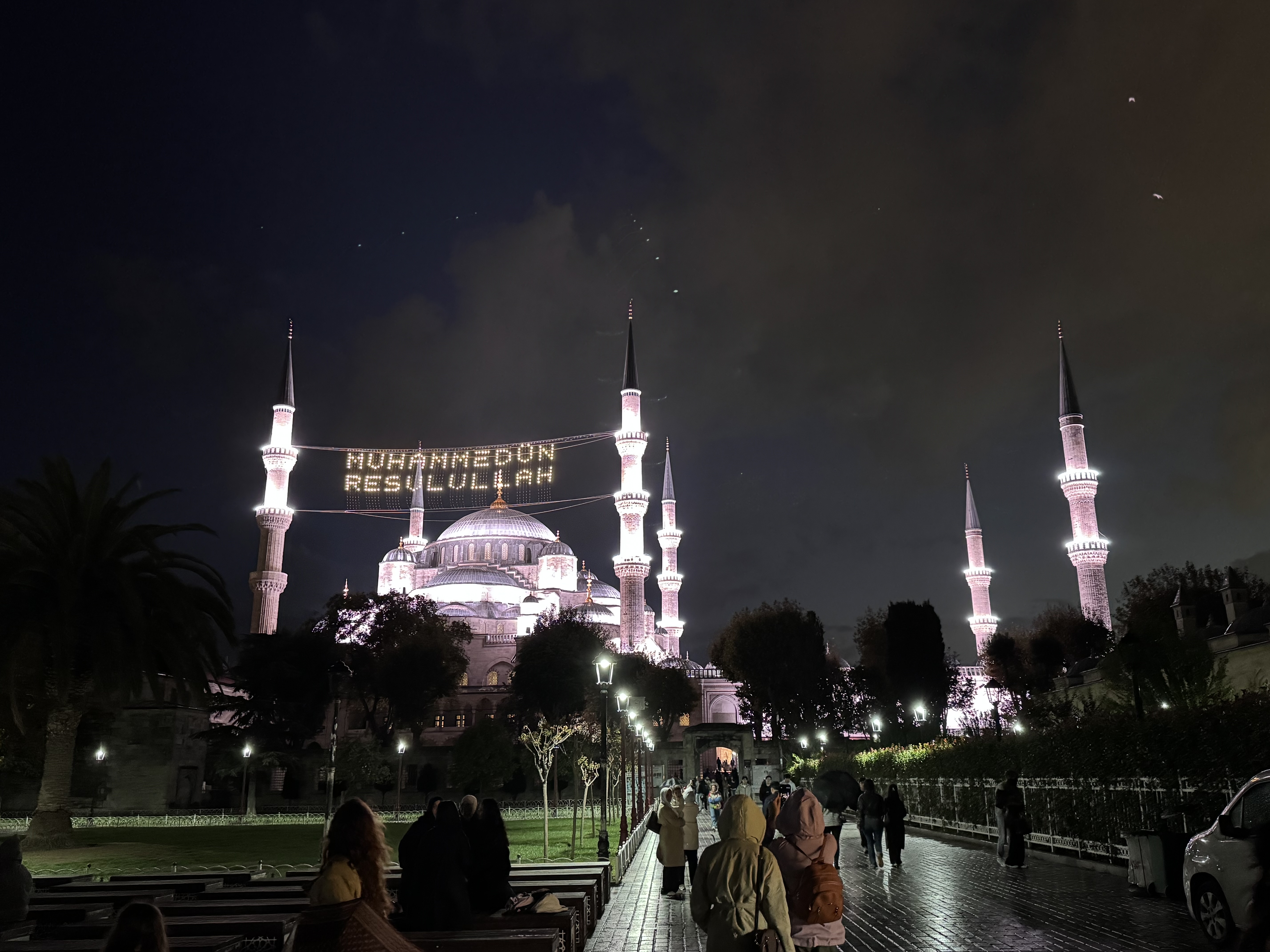
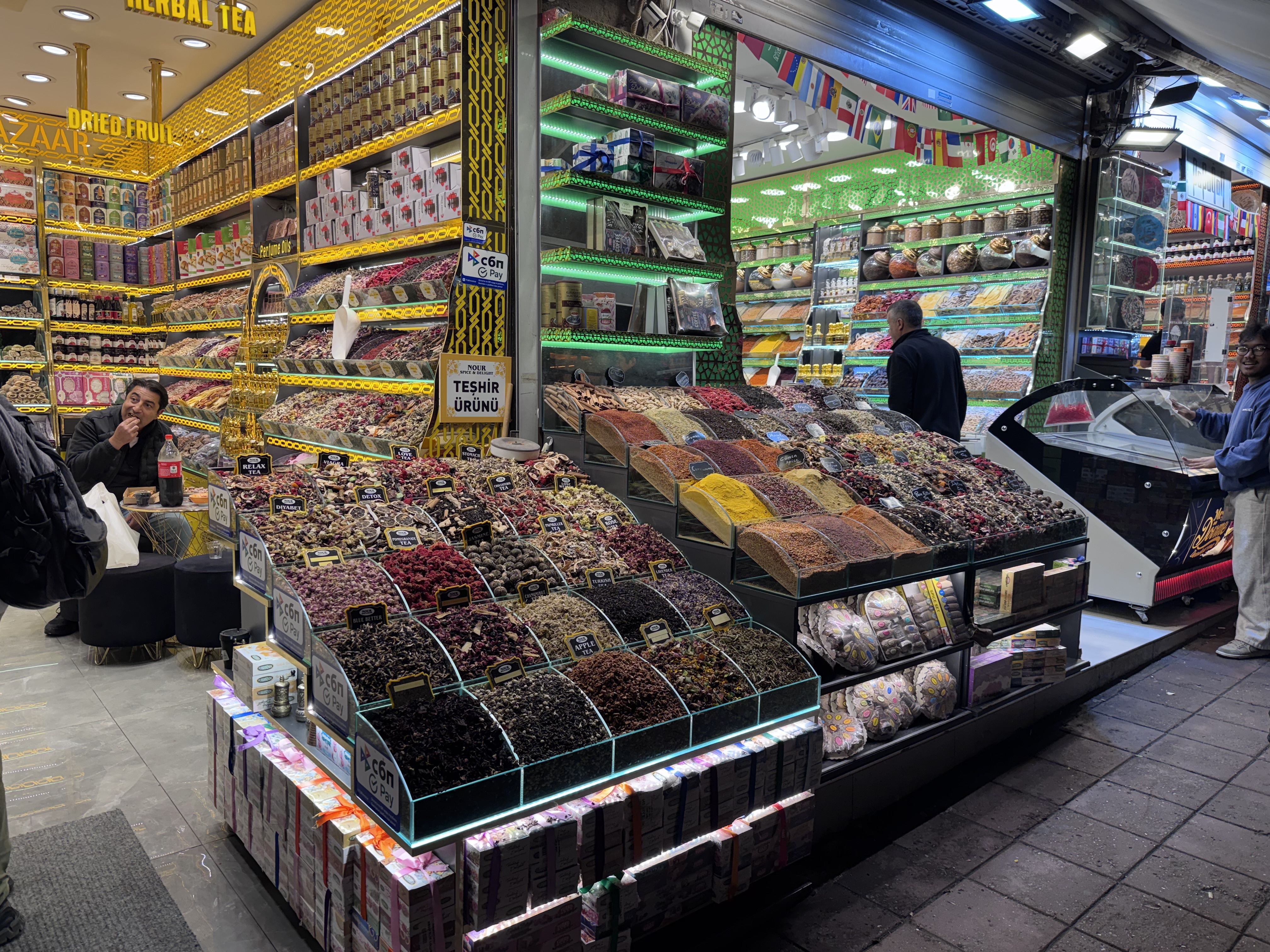
The ancient Greek colony of Byzantium stood at the crossroads of Europe and Asia until 330 AD, when Emperor Constantine the Great refounded it as Constantinople, the new capital of the Roman Empire and a deliberately Christian “Nova Roma.”
For more than a thousand years the city served as the heart of the Eastern Roman, or Byzantine, Empire, its emperors raising churches, forums, cisterns and palaces while defending Roman law and culture. That long continuity ended on 29 May 1453, when Ottoman forces under Mehmed II captured the city and brought the Byzantine Empire to a close.
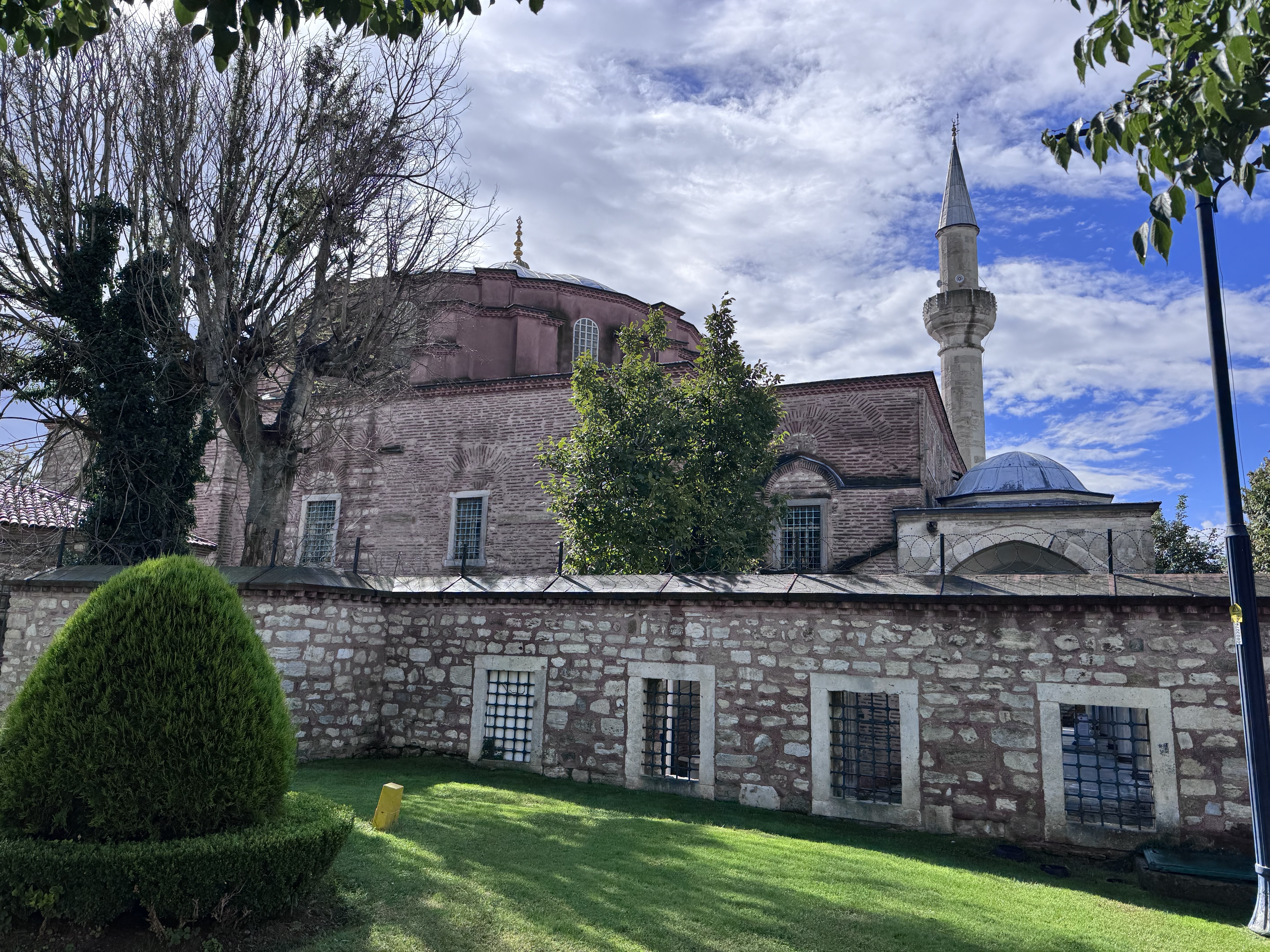
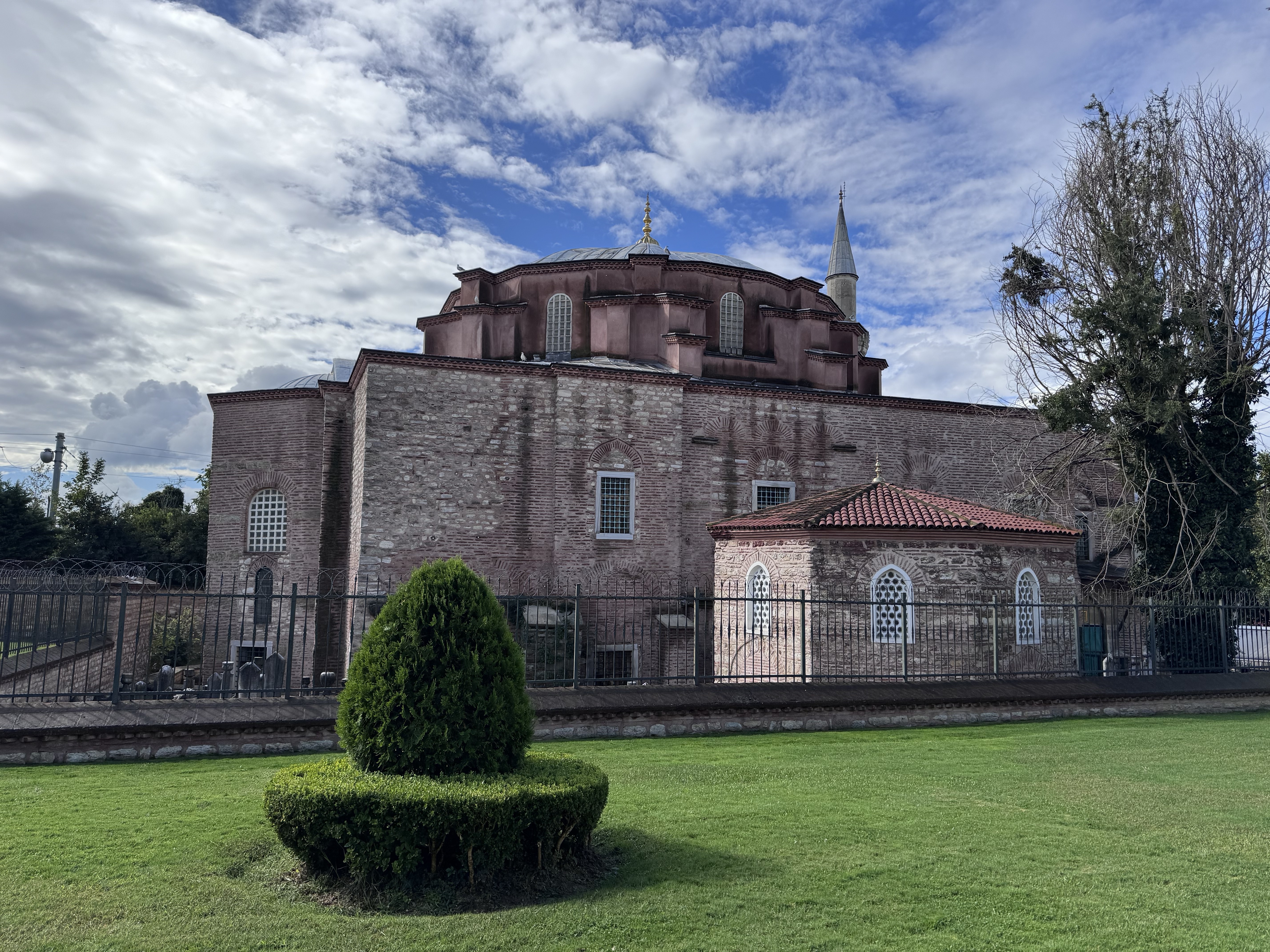
Near the sea walls stands Little Hagia Sophia, originally the Church of Saints Sergius and Bacchus. Built under Justinian and Theodora in the early sixth century, its octagonal core and ribbed dome already experiment with the spatial ideas later perfected in the great Hagia Sophia.
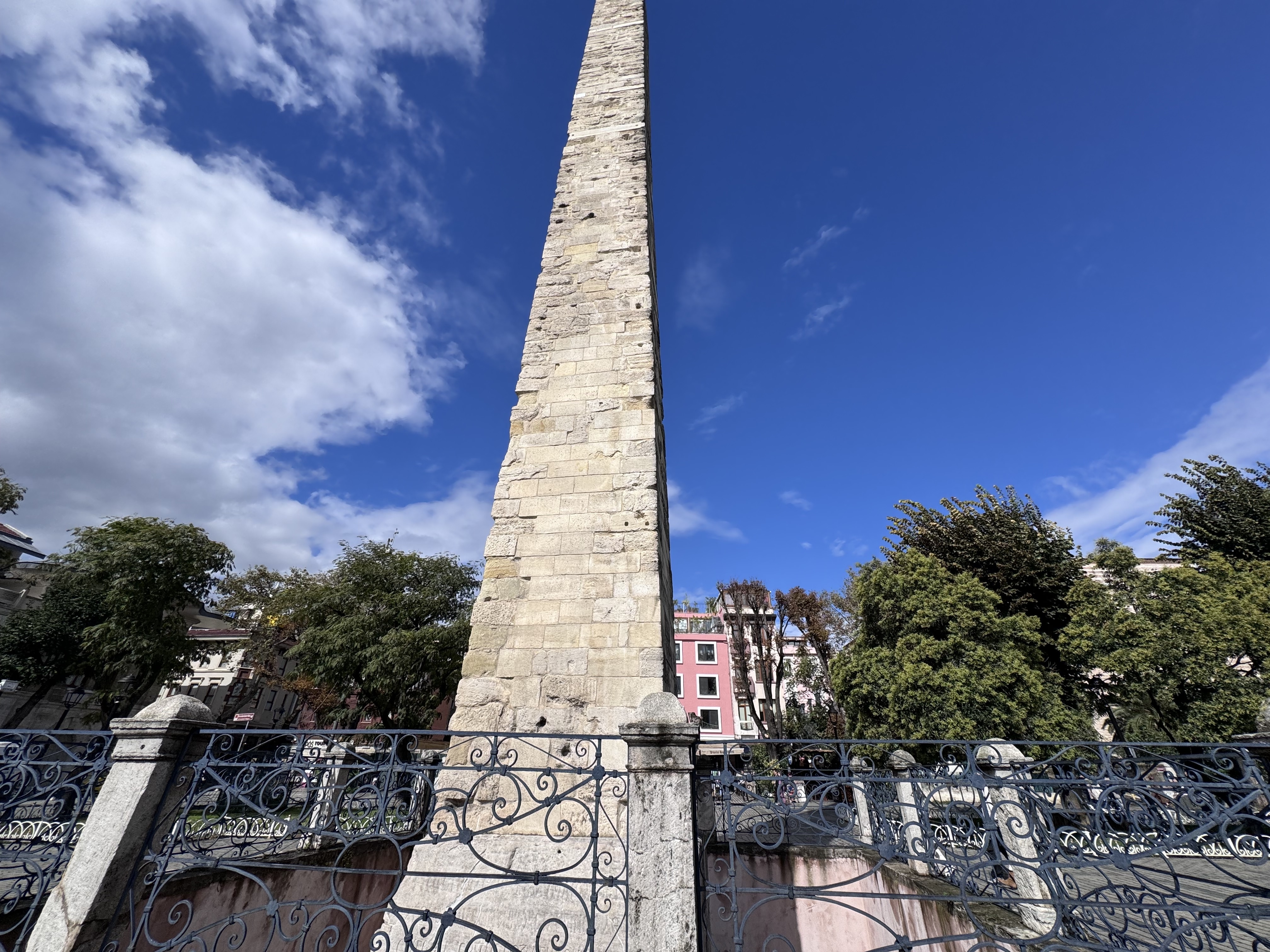
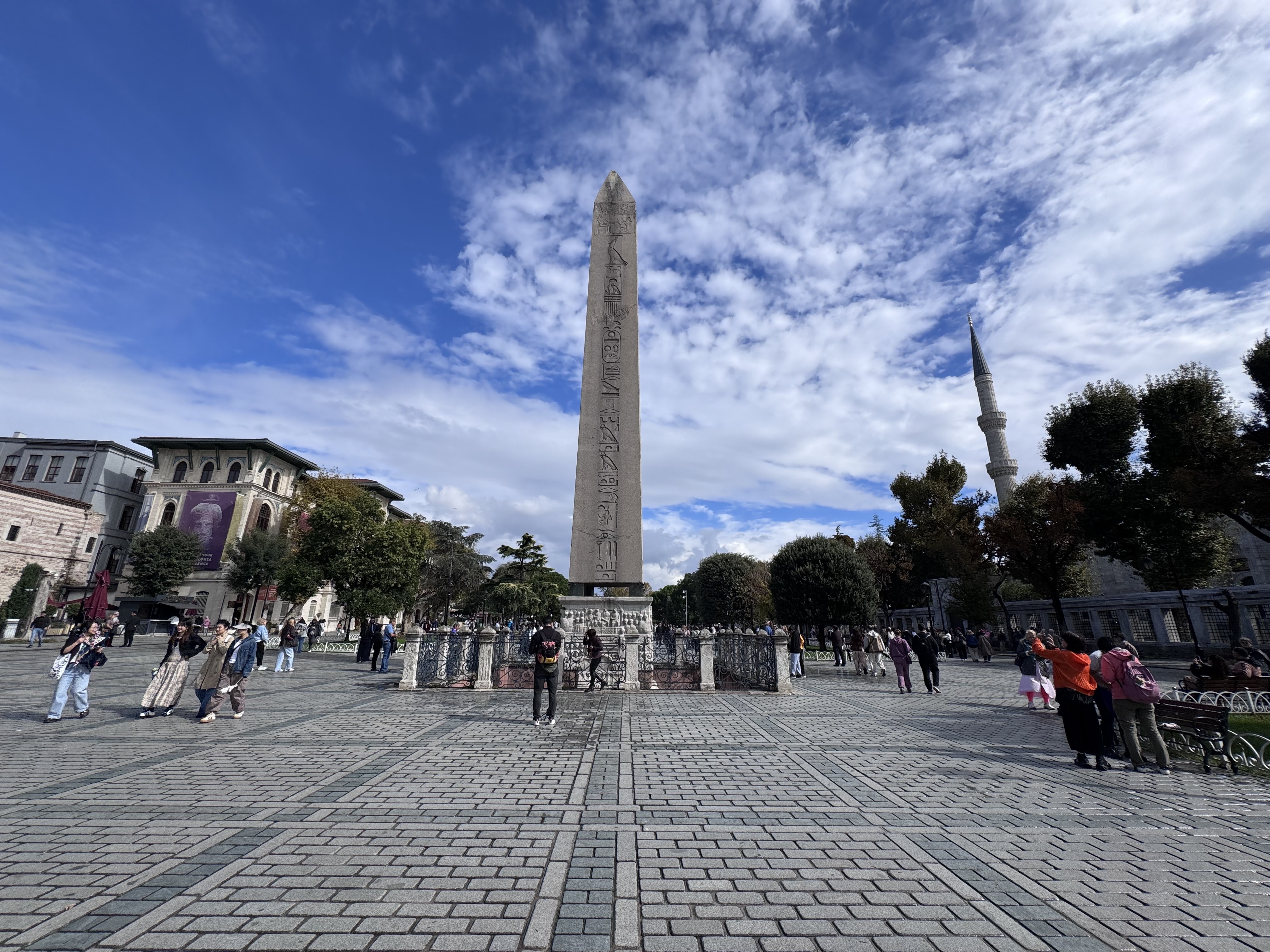
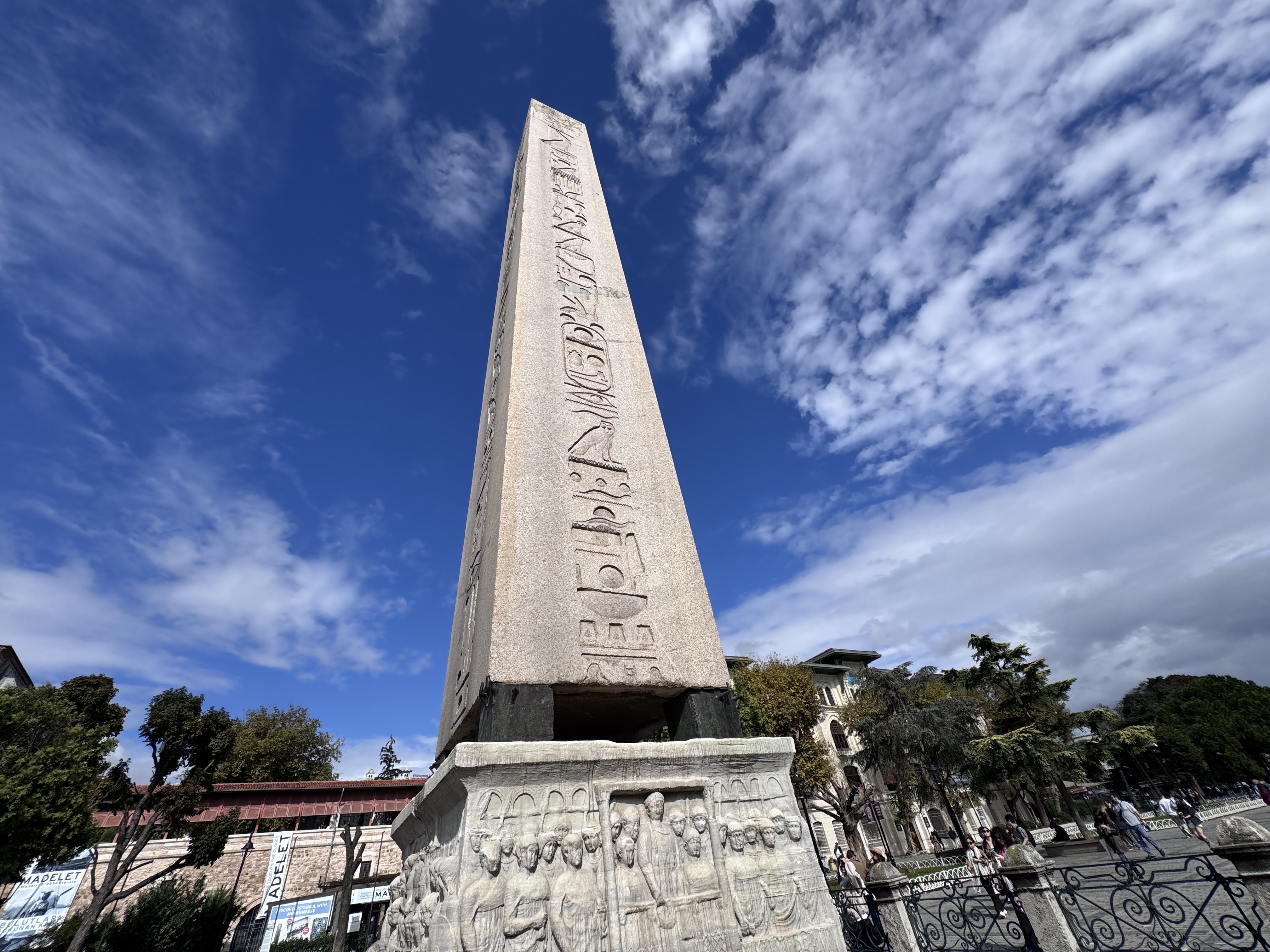
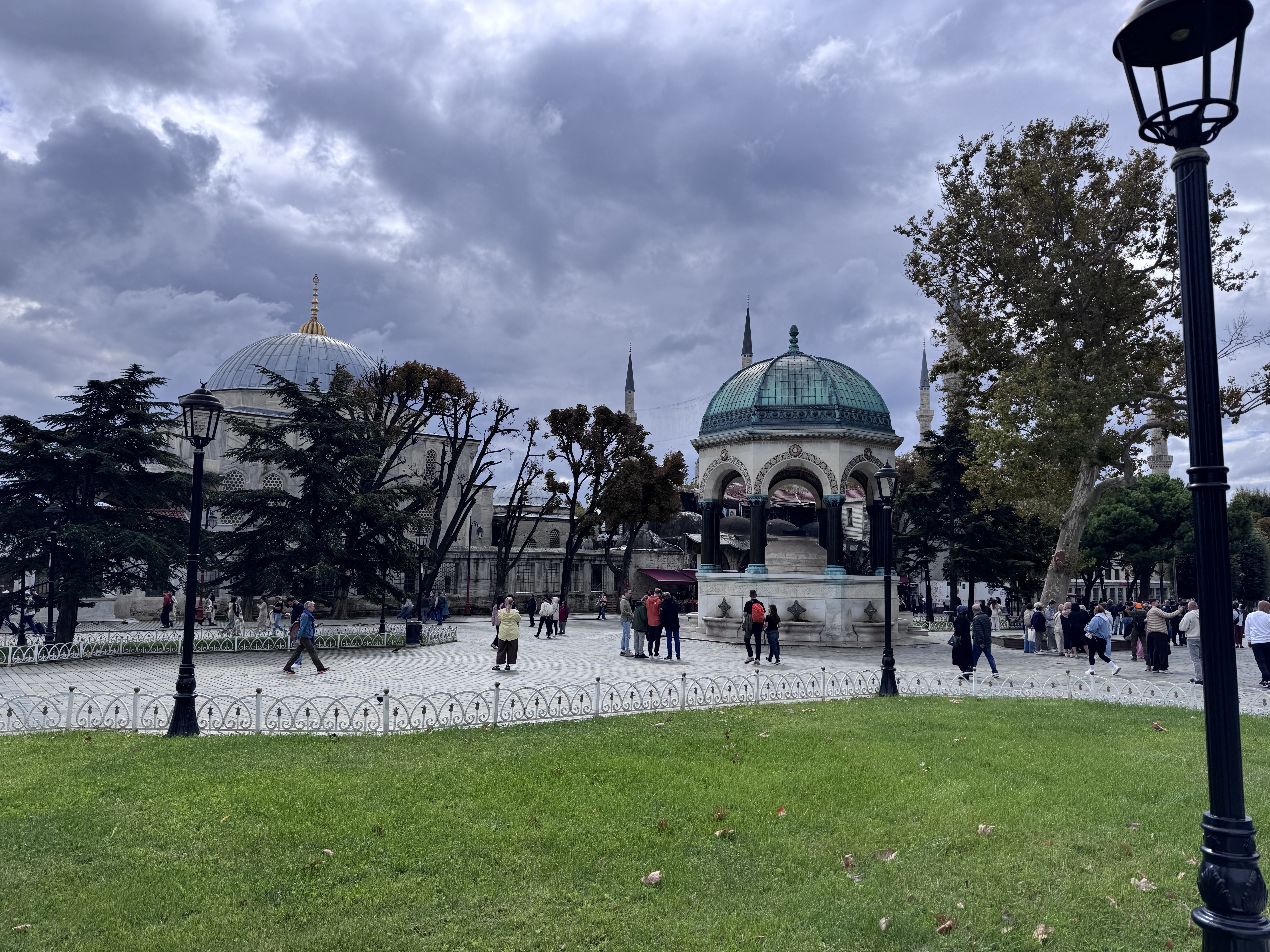
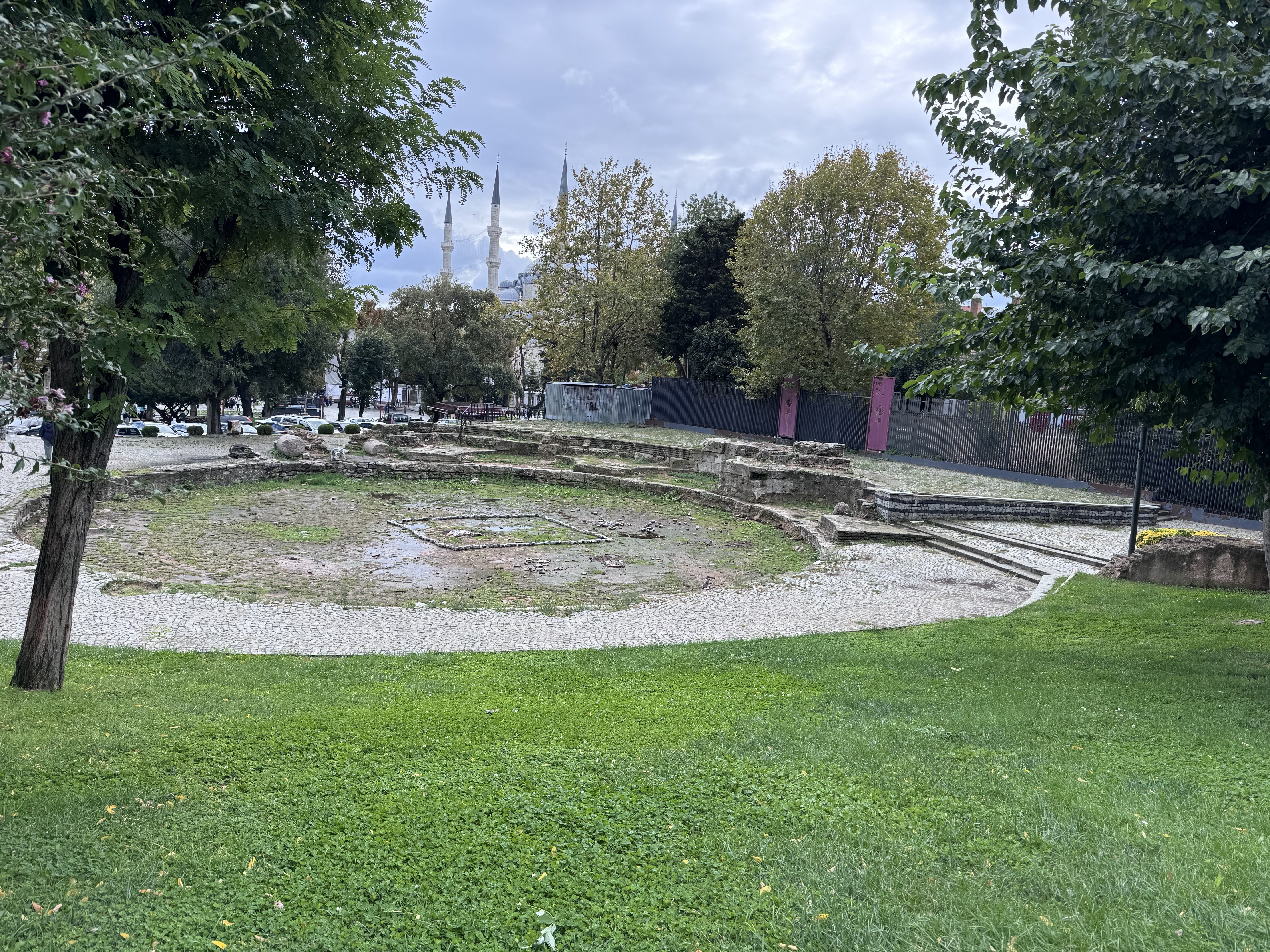
A short distance inland the Hippodrome once staged the chariot races and public spectacles that defined civic life. Three monuments still...