

Guan Yin is the Chinese name for a Bodhisattva (‘an enlightened being’) called Avalokitesvara in Mahayana Buddhism. This temple’s construction was inspired by a traditional Chinese belief that Guan Yin, which is said to represent compassion, travelled to a ‘deserted land’ and called for a large shrine featuring 10,000 Buddha images to be constructed.
A five story building known as the Dragon Hall features images of the Eight Immortals, along with 108 dragon figures. The hall also has a prayer area surrounded by 99 large bells and numerous deities for those seeking good luck, wealth and fame.
A pagoda was named Phra Maha Chedi Phra Phutthachao Muen Phra Ong (‘the Pagoda of 10,000 Buddhas’) features colourful, Chinese-style murals depicting the lives the Lord Buddha and Guan Yin. There are four 8.3 meter tall images of Guan Yin, each facing a different direction, and with each figure featuring 20 faces and 1,000 hands crafted from Chinese sandalwood and coated in real gold.
...


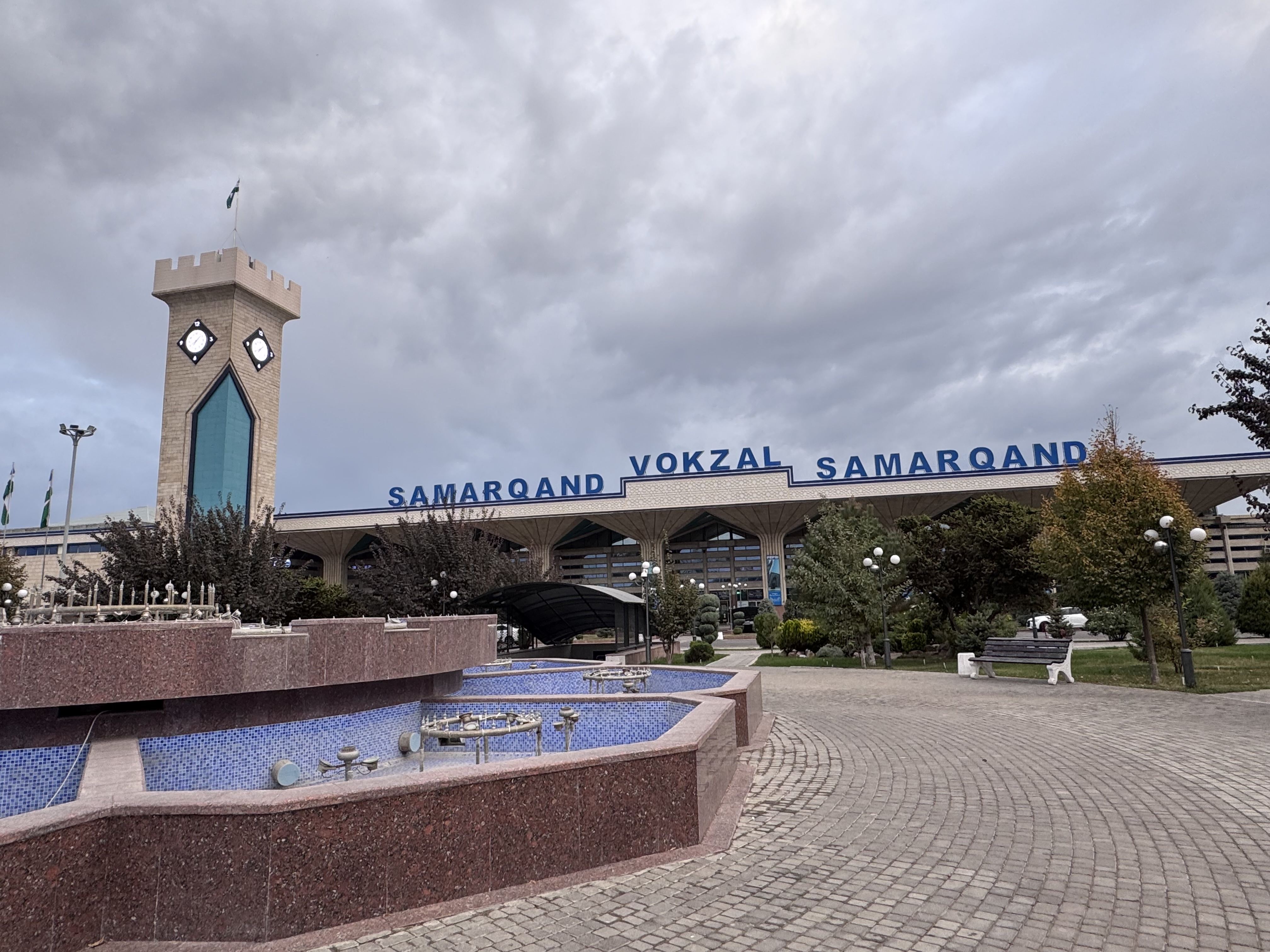
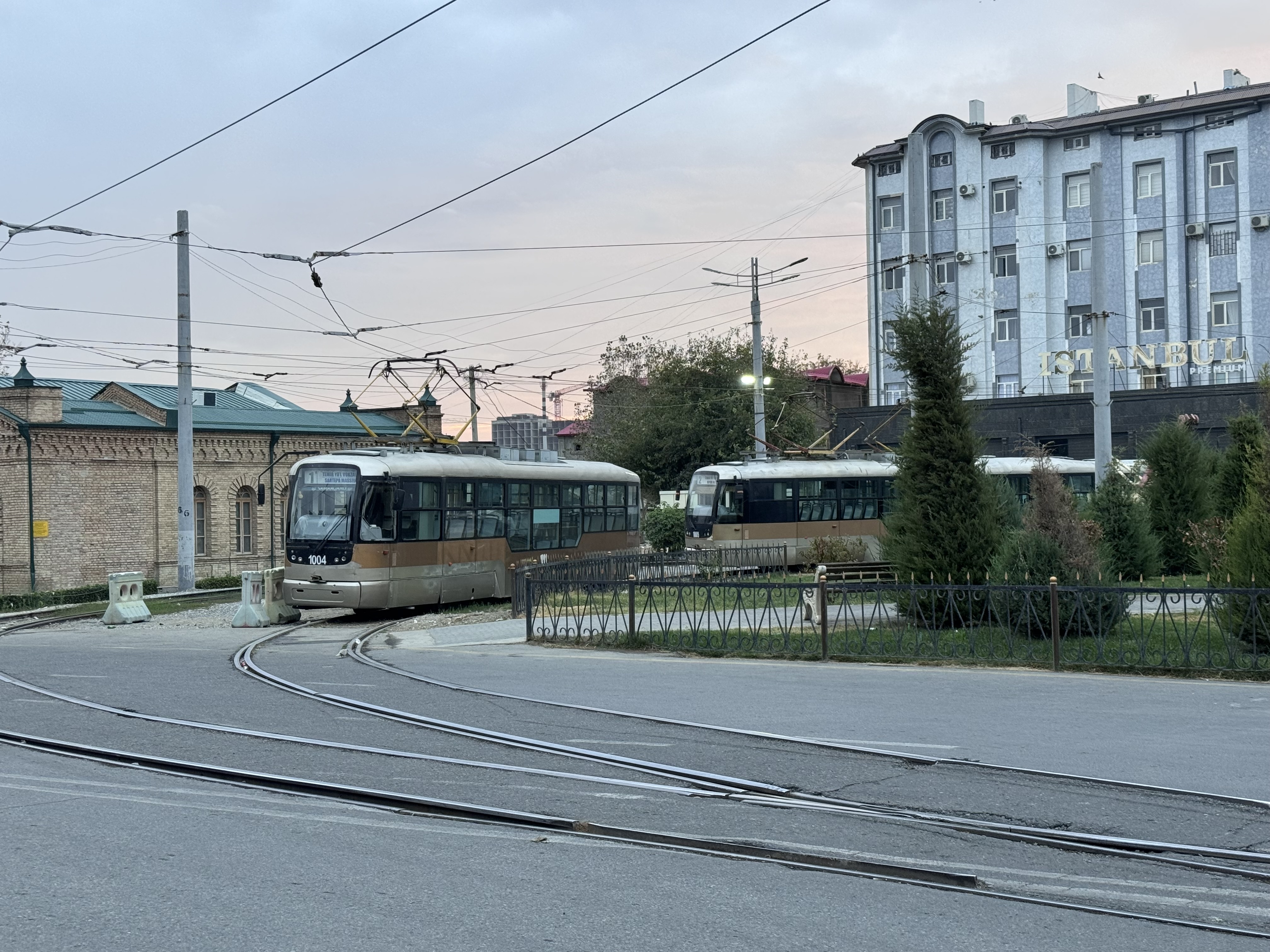
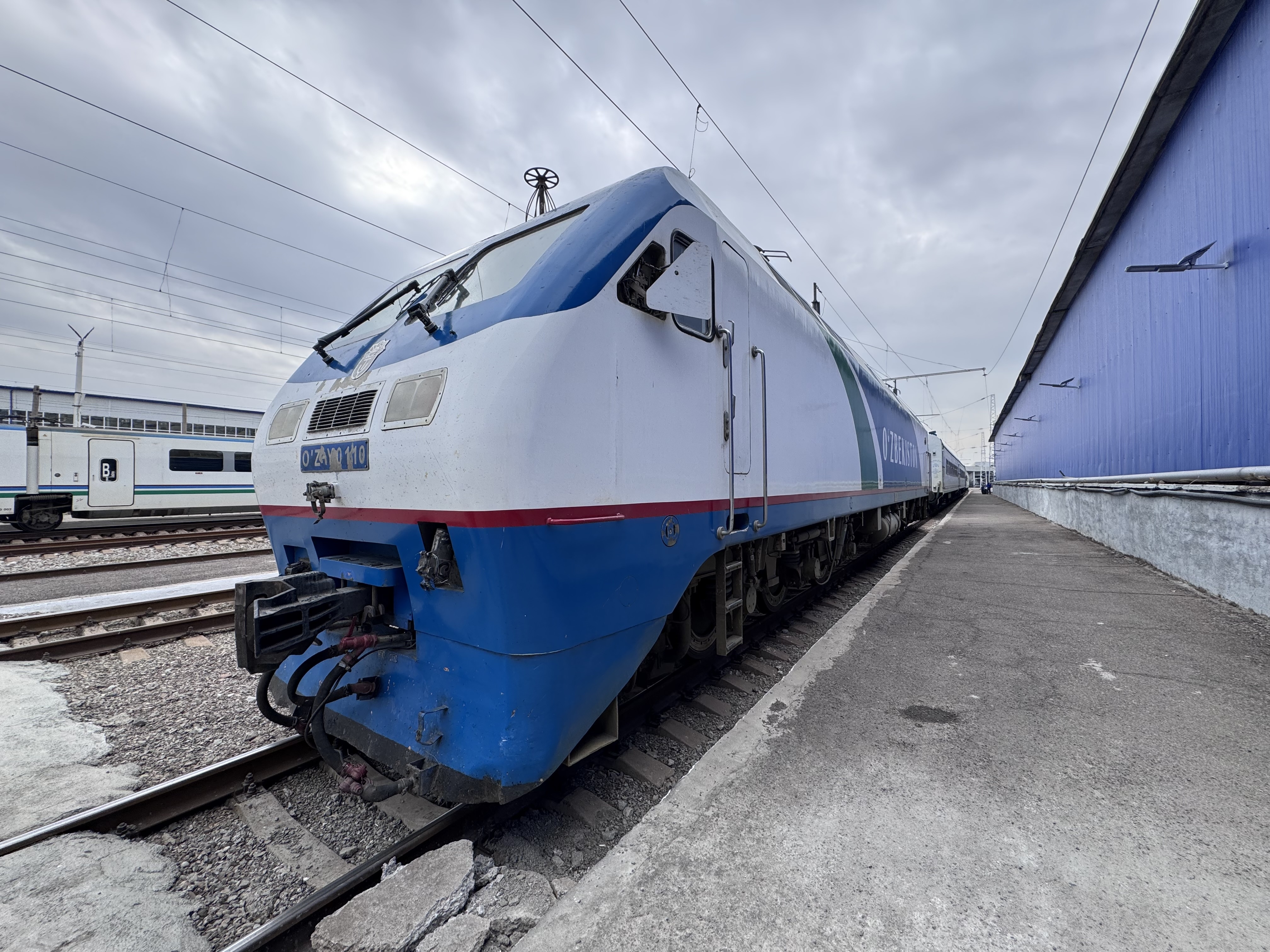
The railway network of Uzbekistan traces its roots to the late nineteenth century when the Russian Empire built the Trans-Caspian line across the region. During the Soviet period the system expanded into a dense network of broad-gauge tracks that linked industrial centers and agricultural zones.
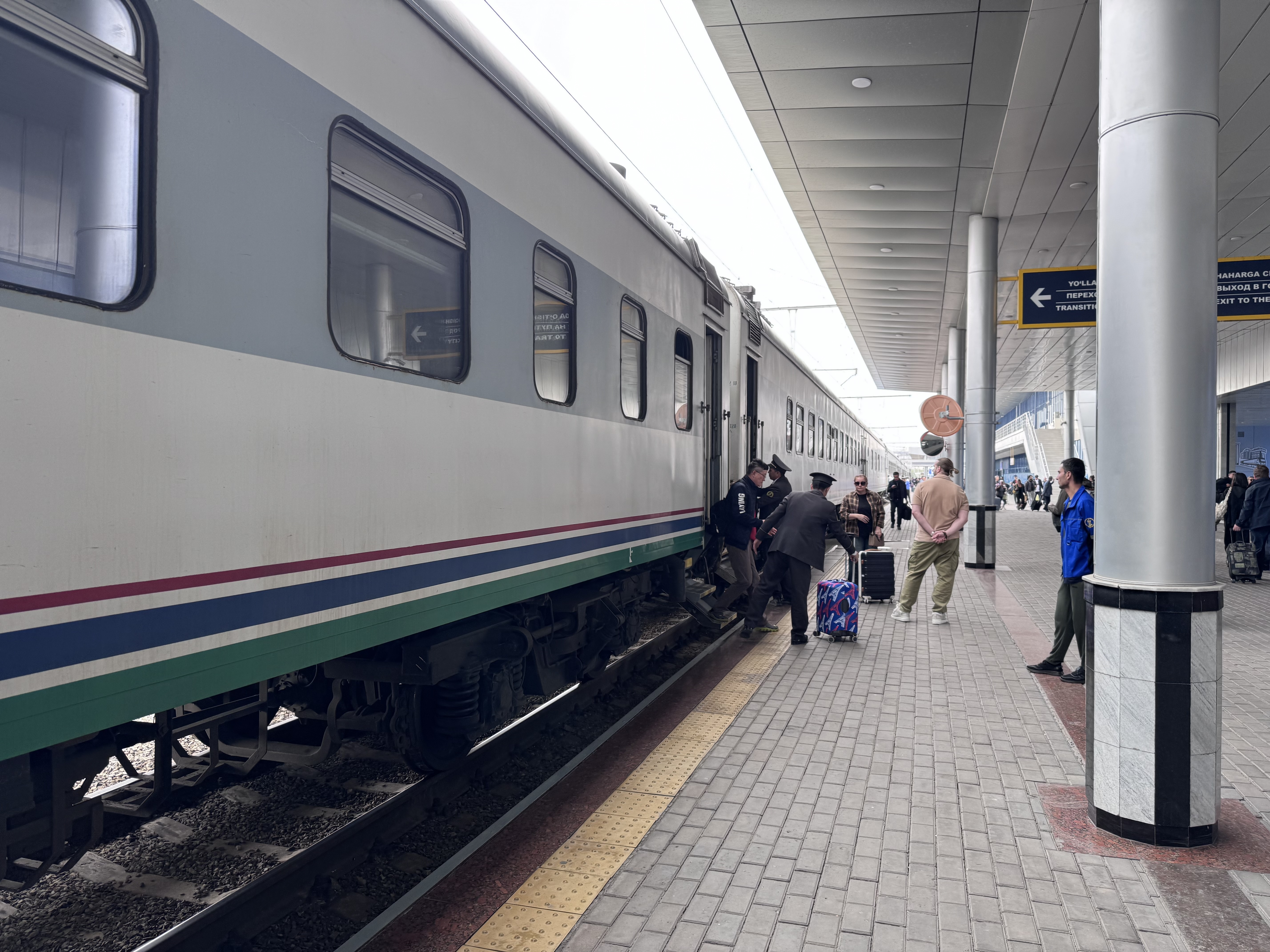
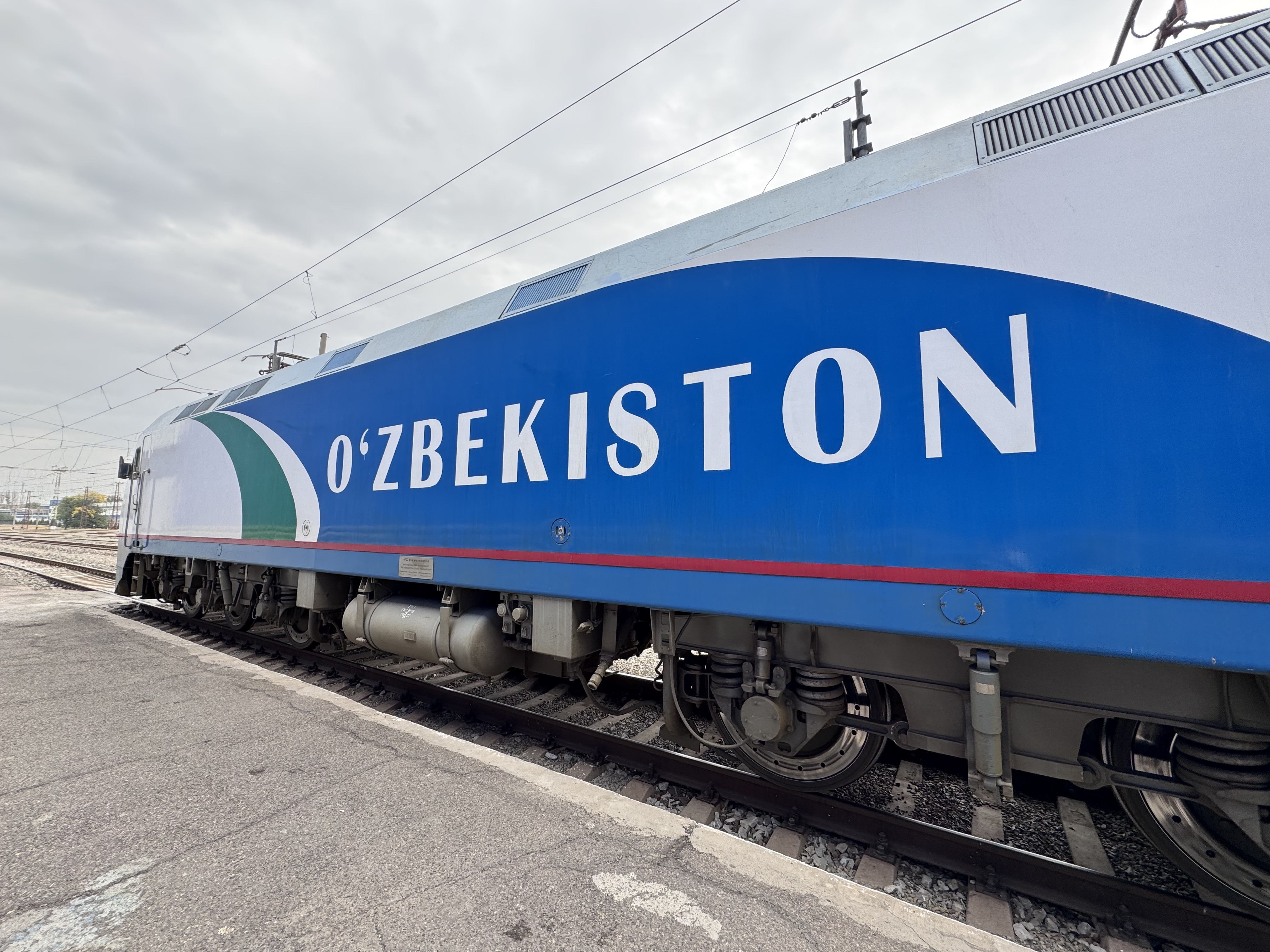
After independence the country began modernizing its rails, focusing first on passenger comfort and then on speed. High-speed services arrived in 2011 with the Spanish-built Afrosiyob trains and expanded further in 2026 with the Korean-built Jaloliddin Manguberdi, yet many travelers still choose the reliable standard trains that continue to form the backbone of everyday intercity travel.
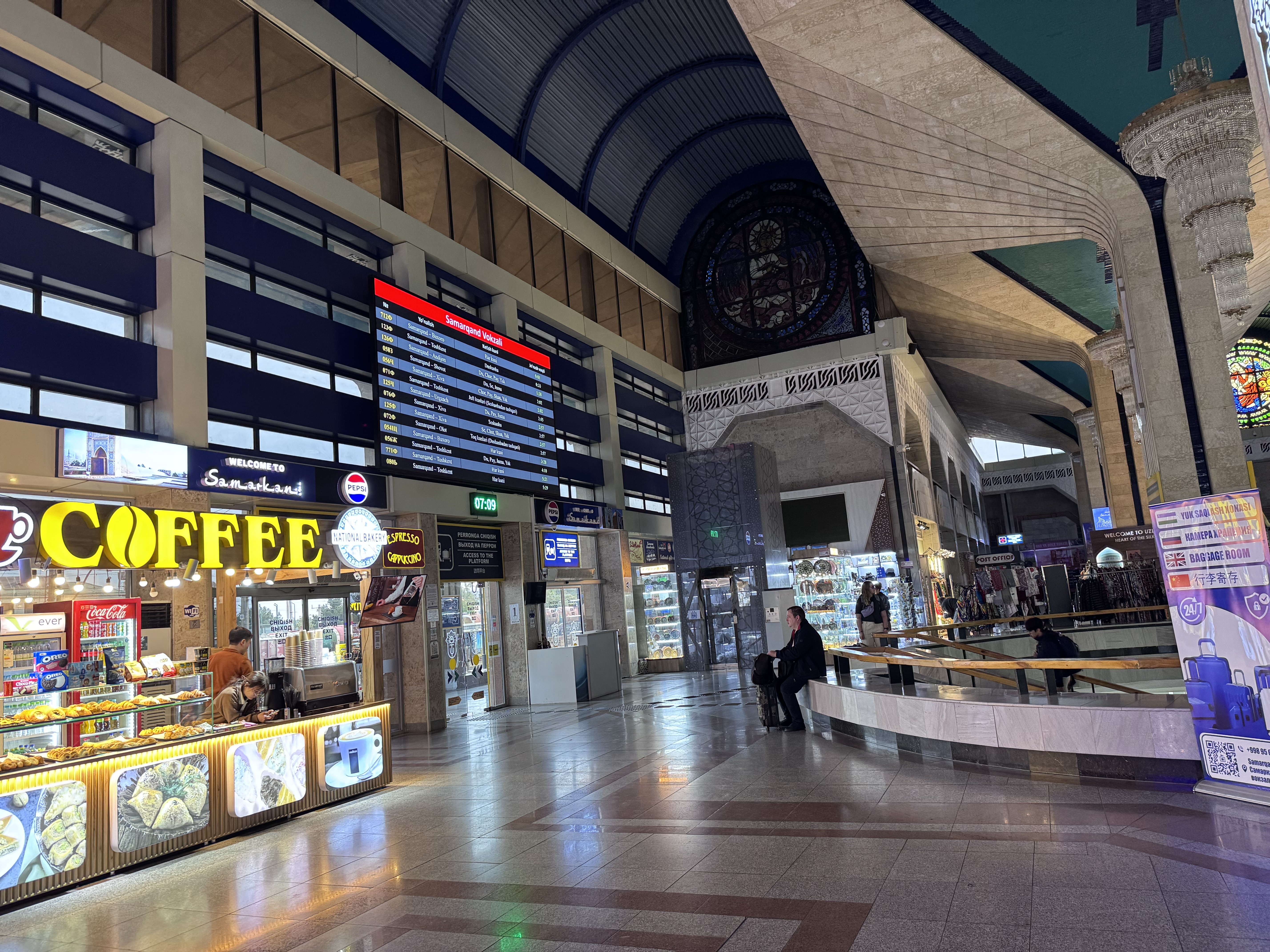
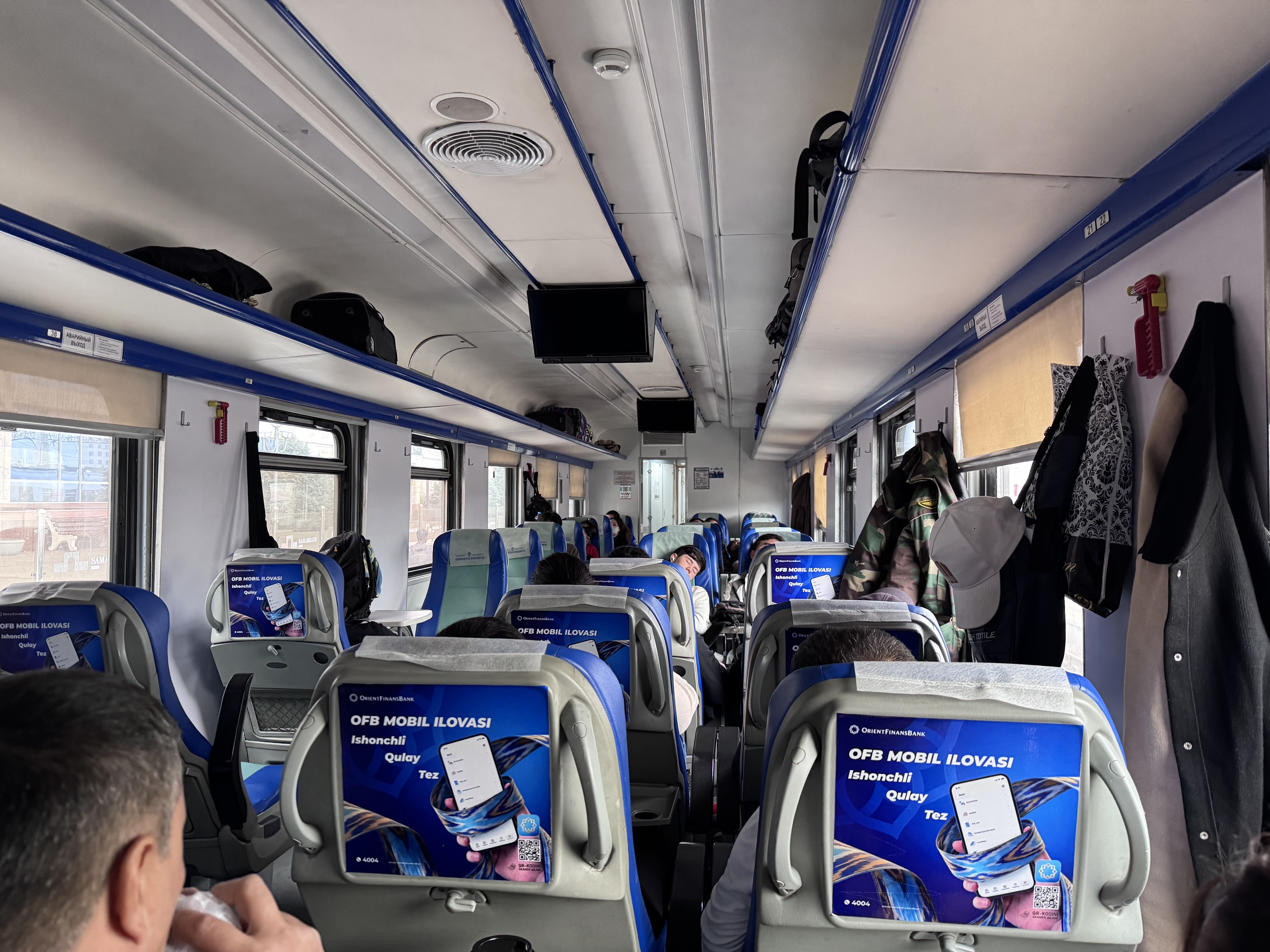
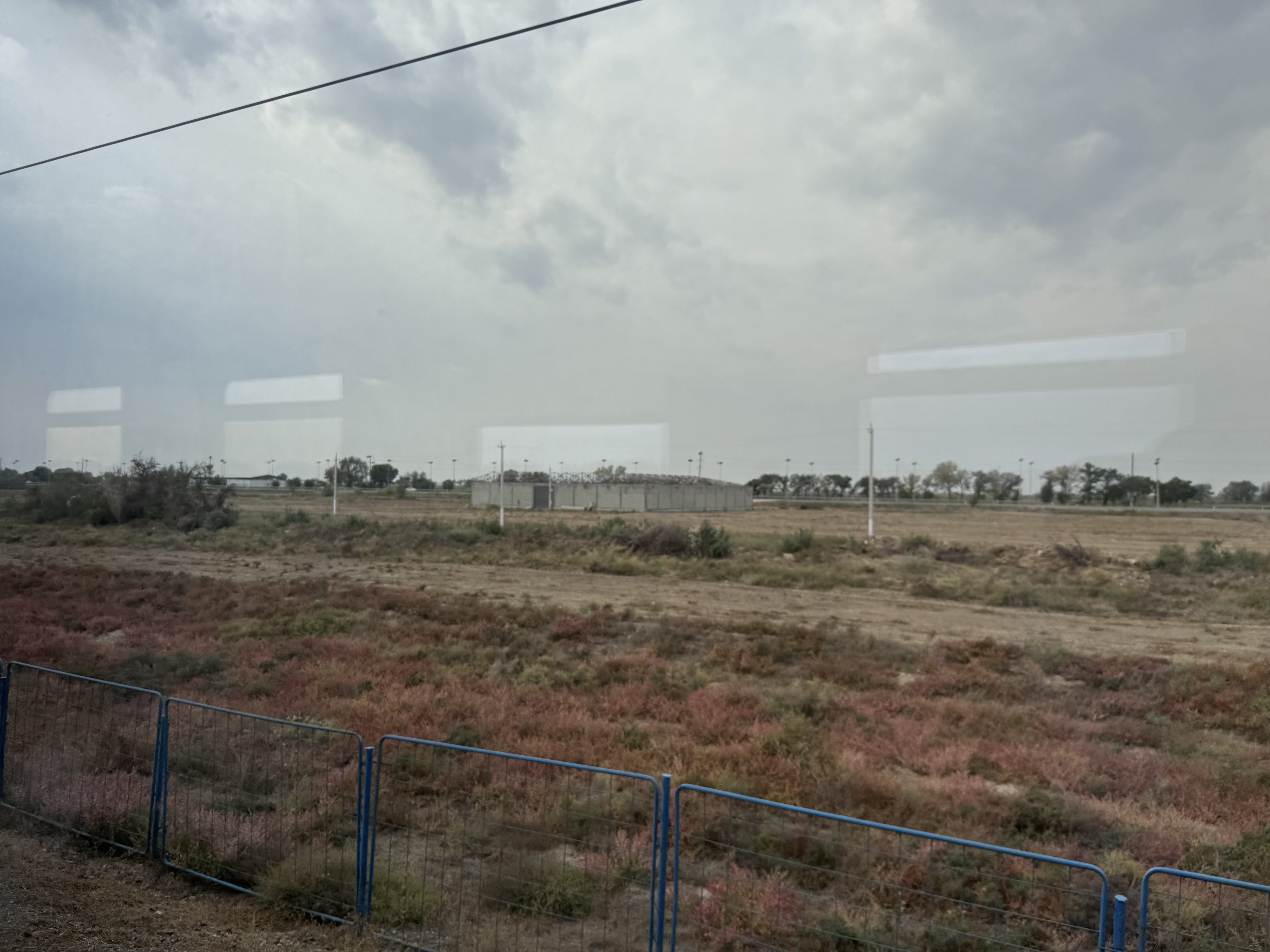
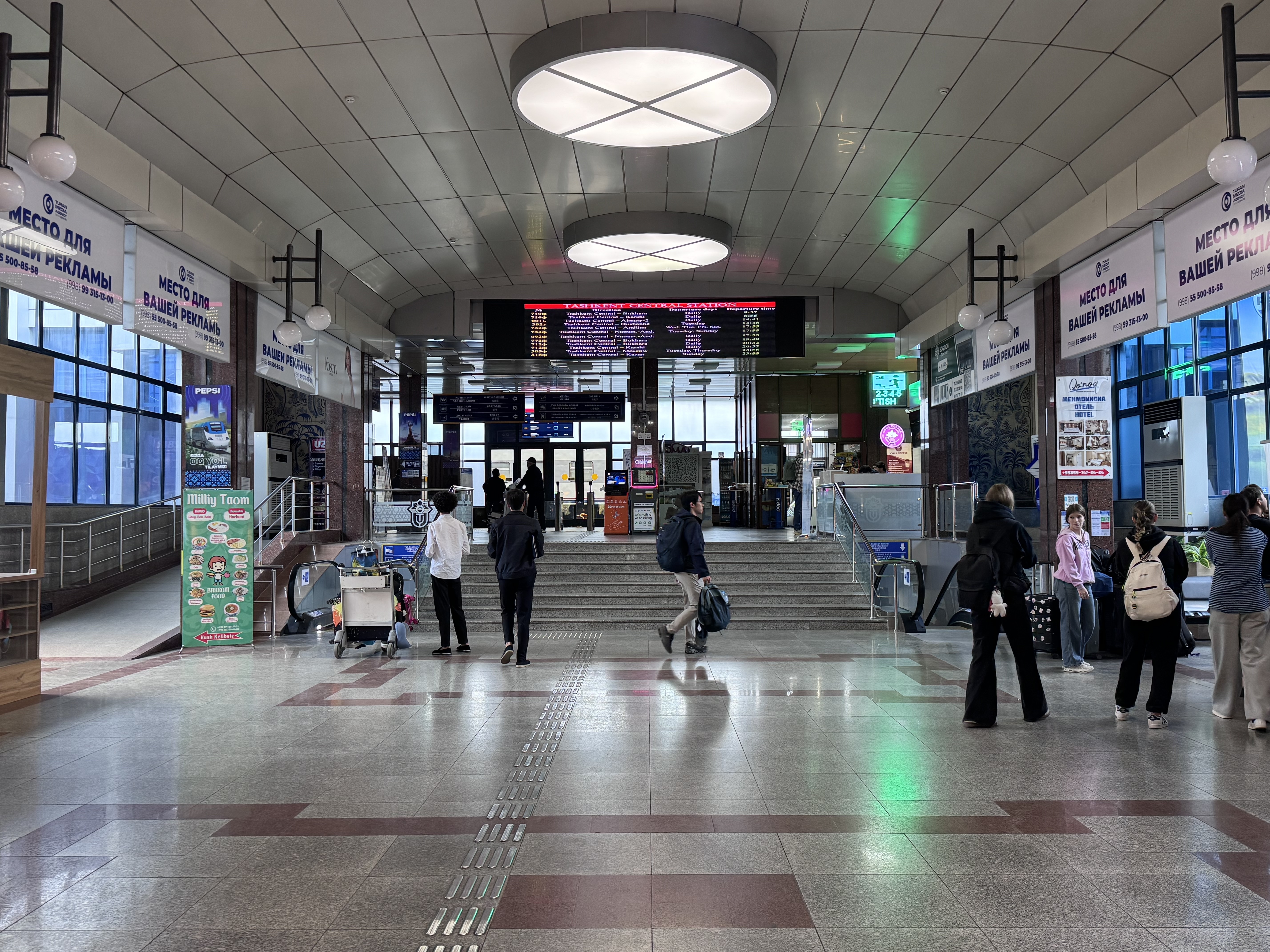
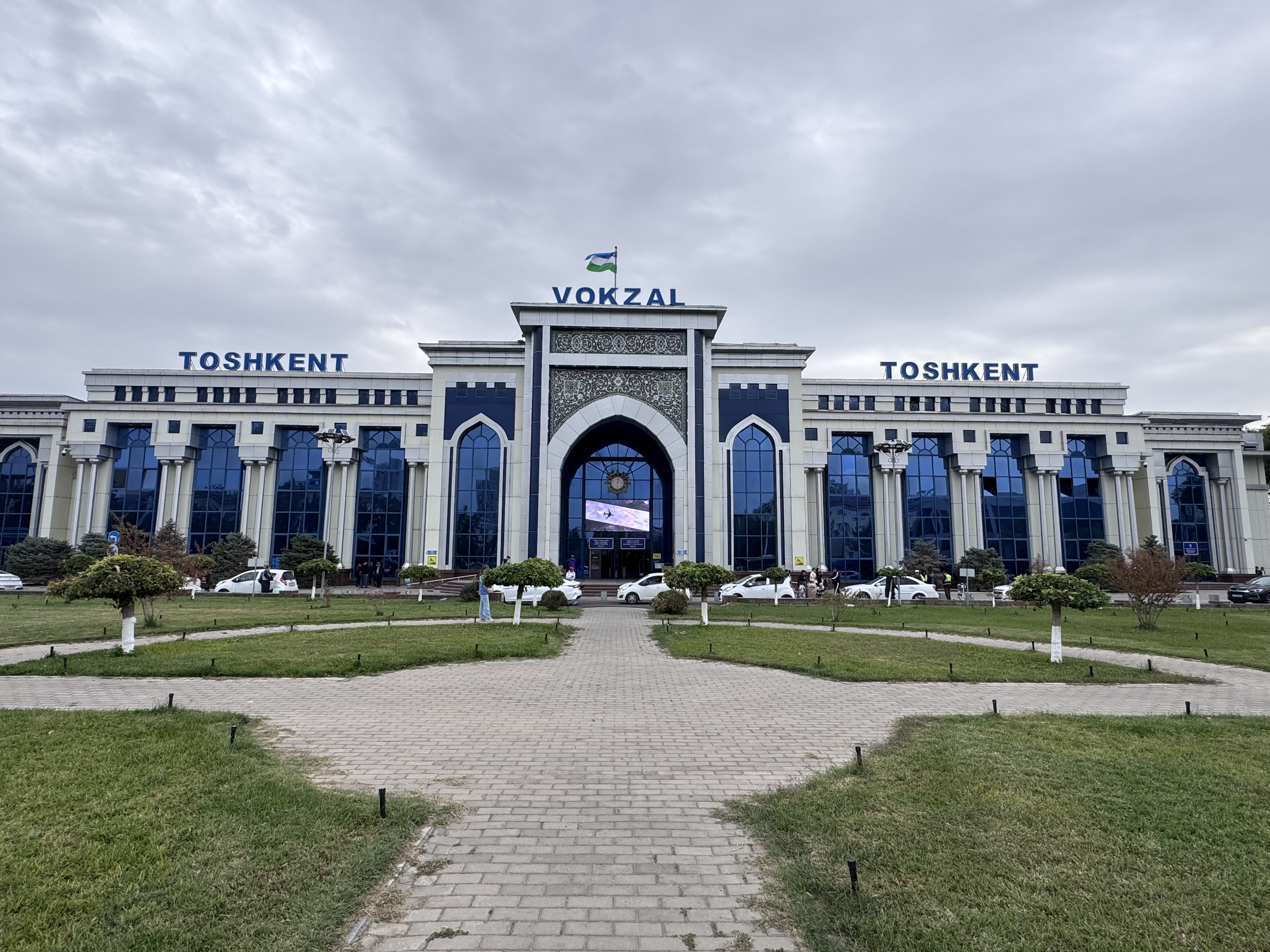
The route from Samarkand to Tashkent covers roughly three hundred thirty to three hundred forty kilometers across open steppe, farmland, and the approaches to the capital. High-speed options such as the Afrosiyob or Jaloliddin Manguberdi complete the trip in about two hours and fifteen minutes, offering modern seating, ...
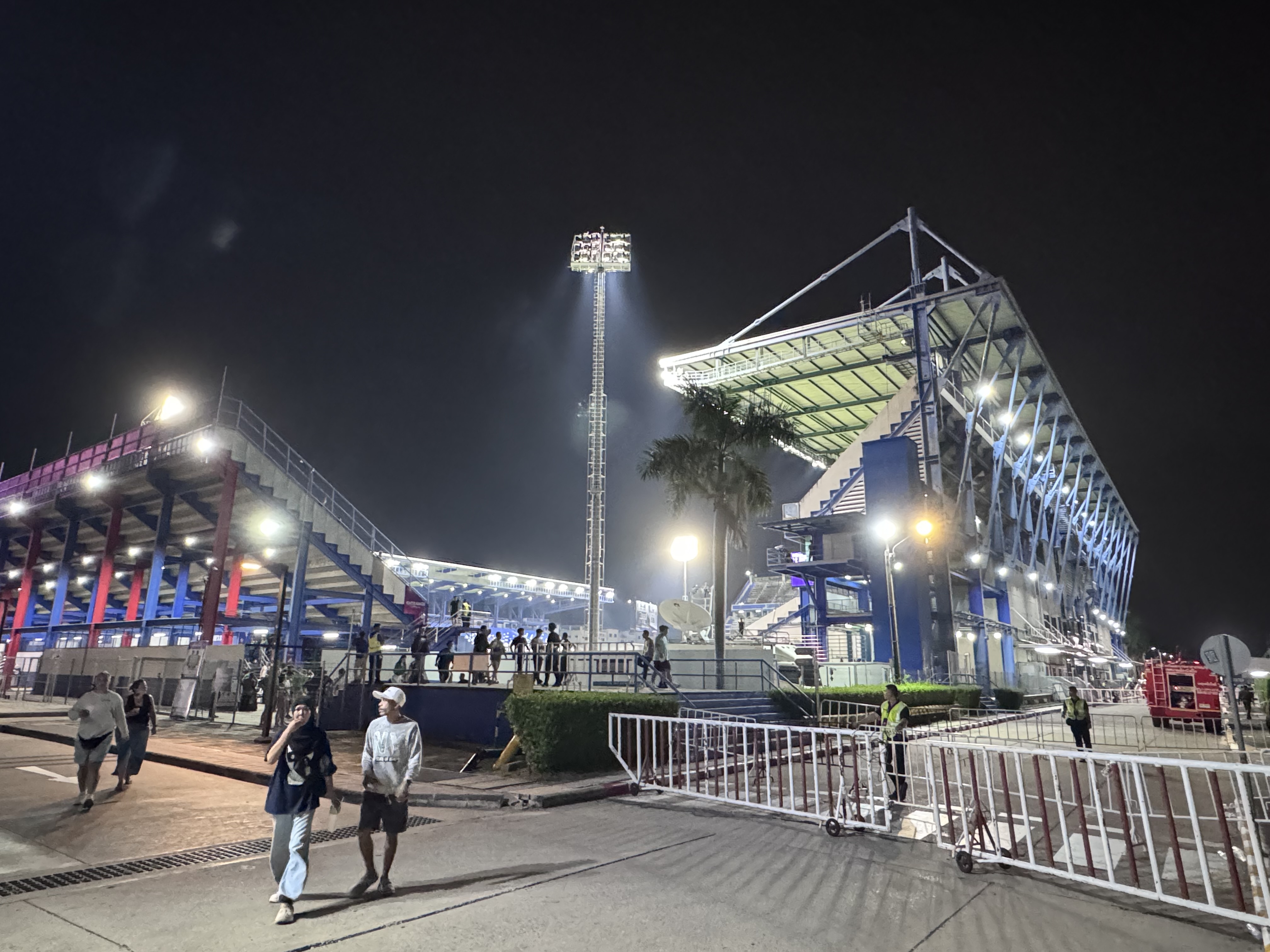
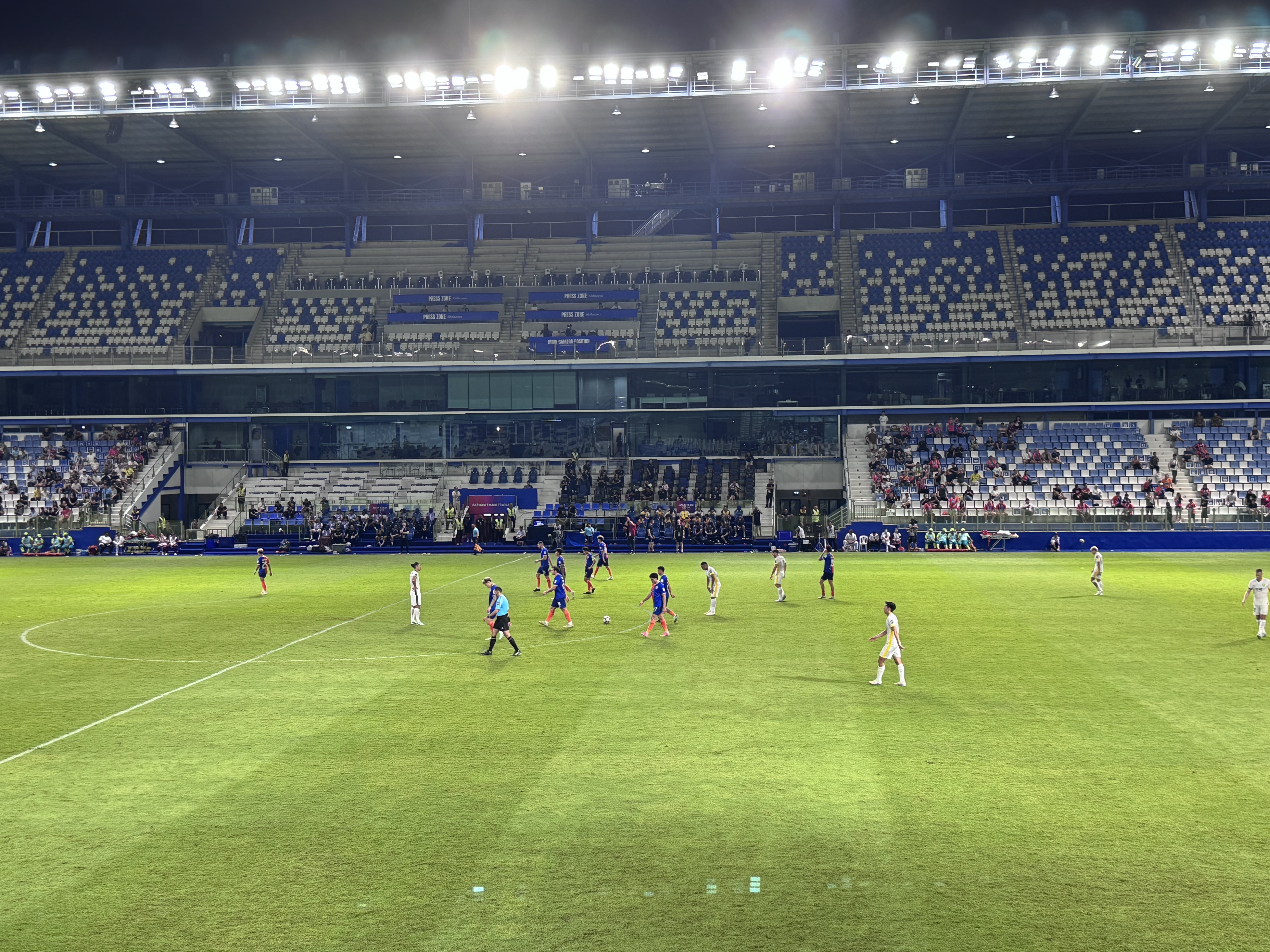
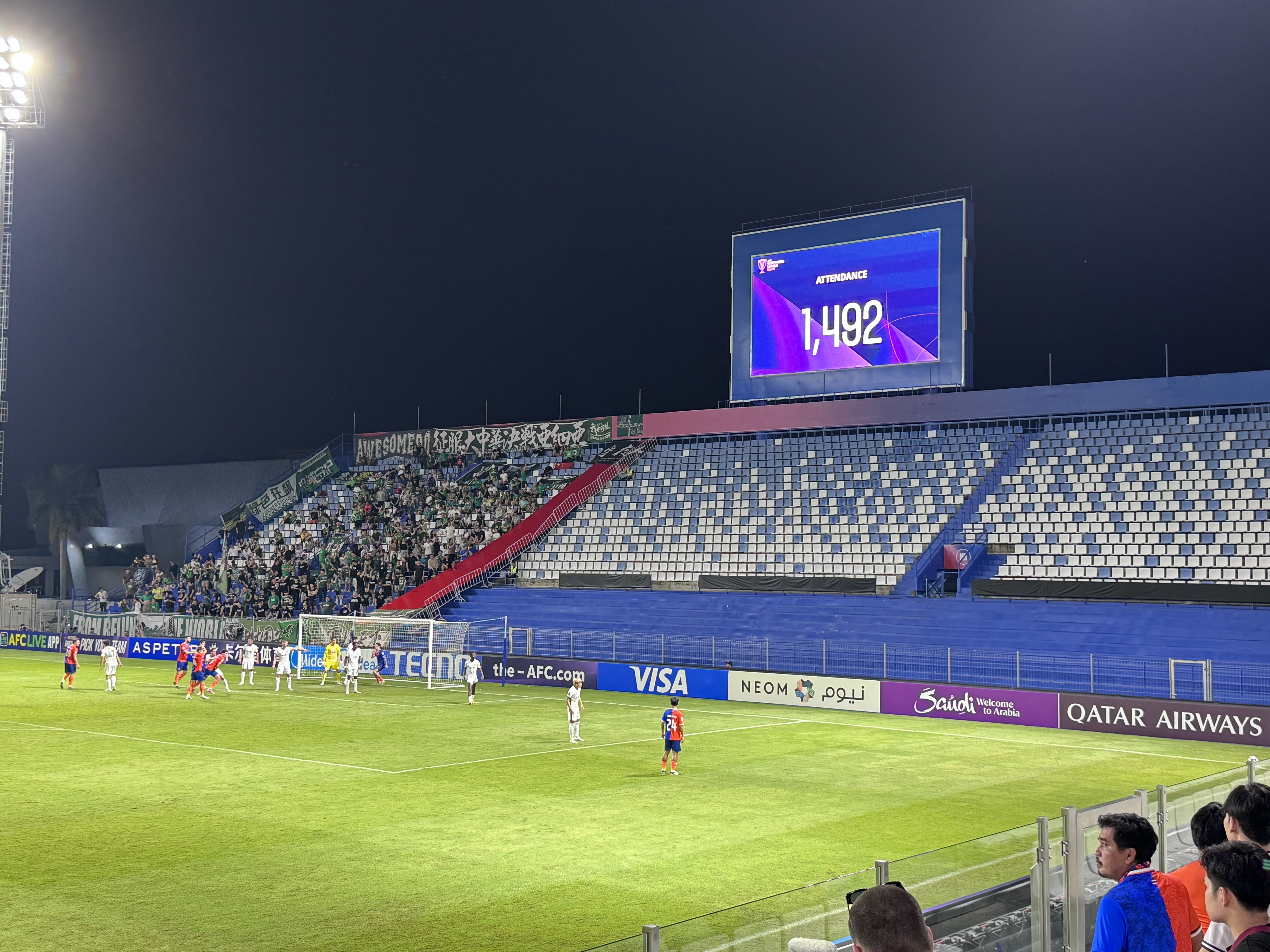
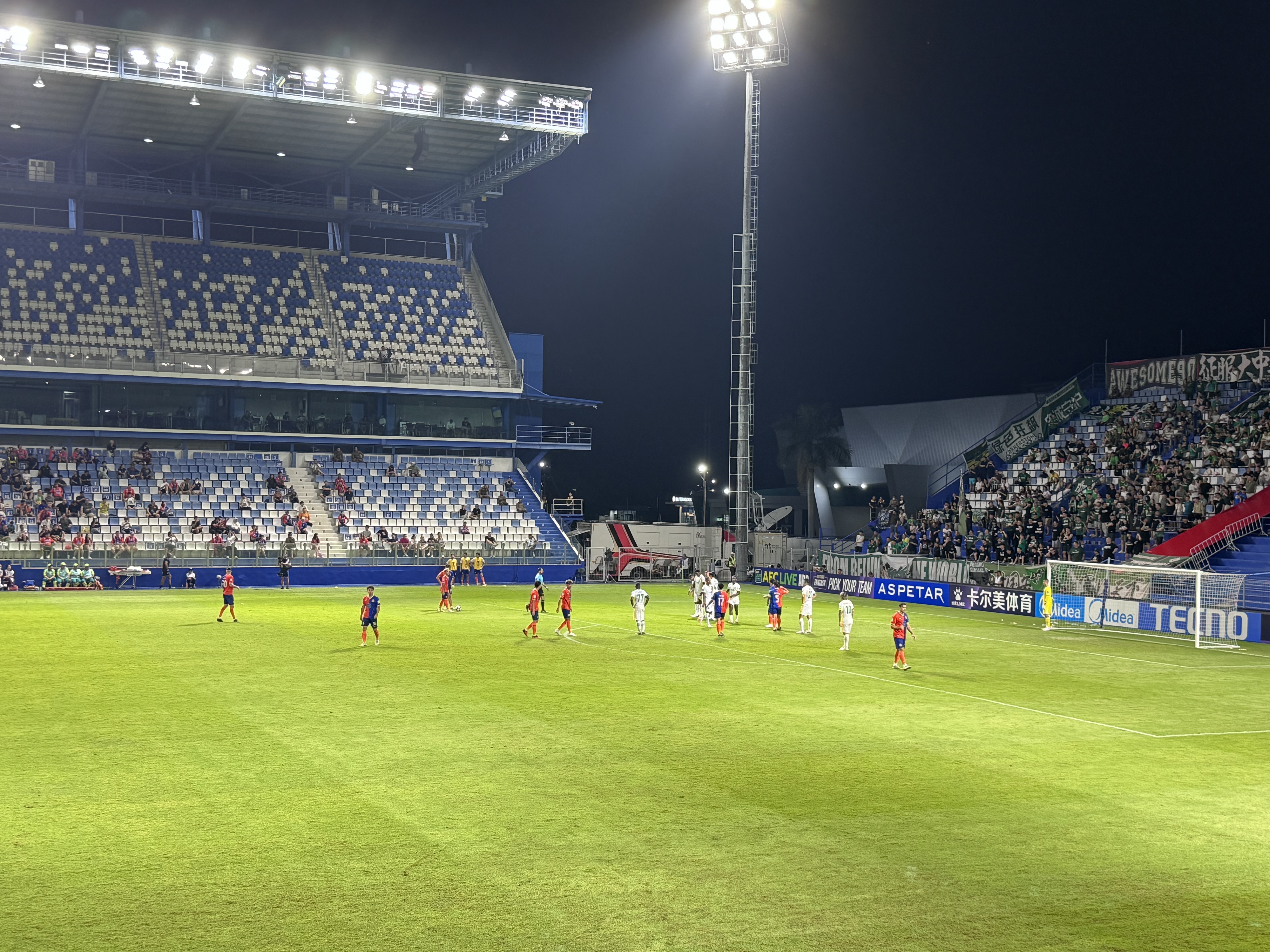
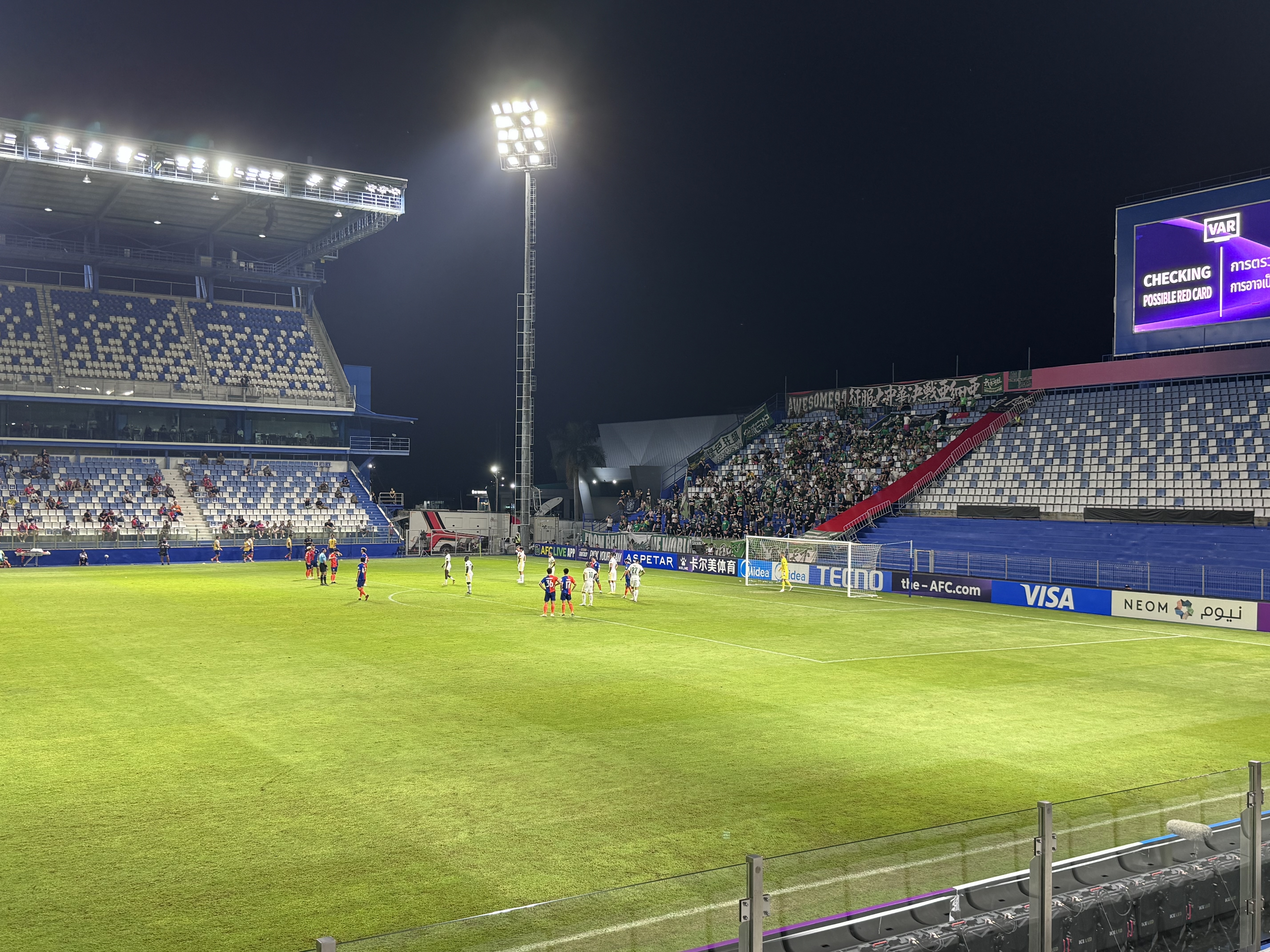
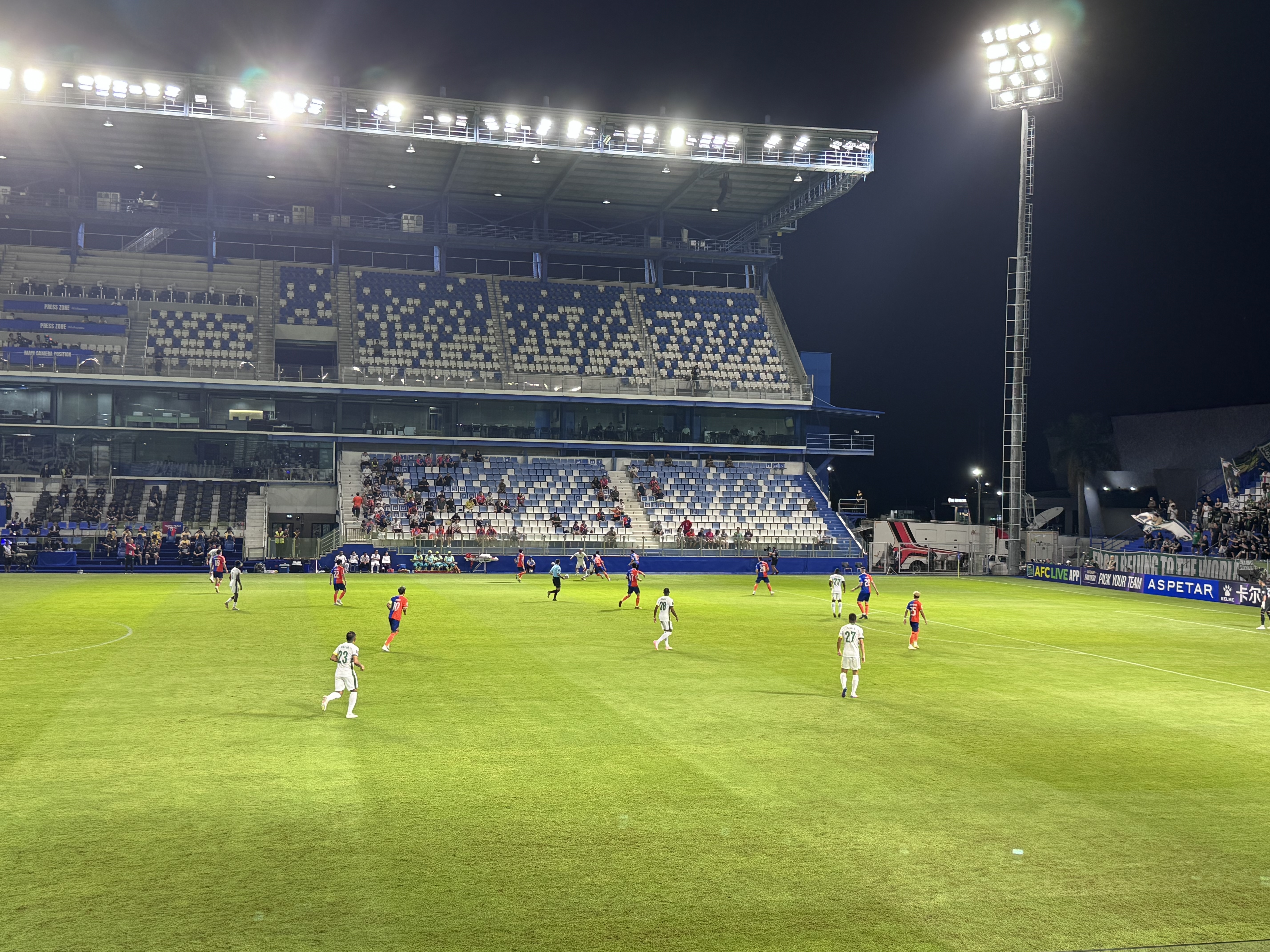
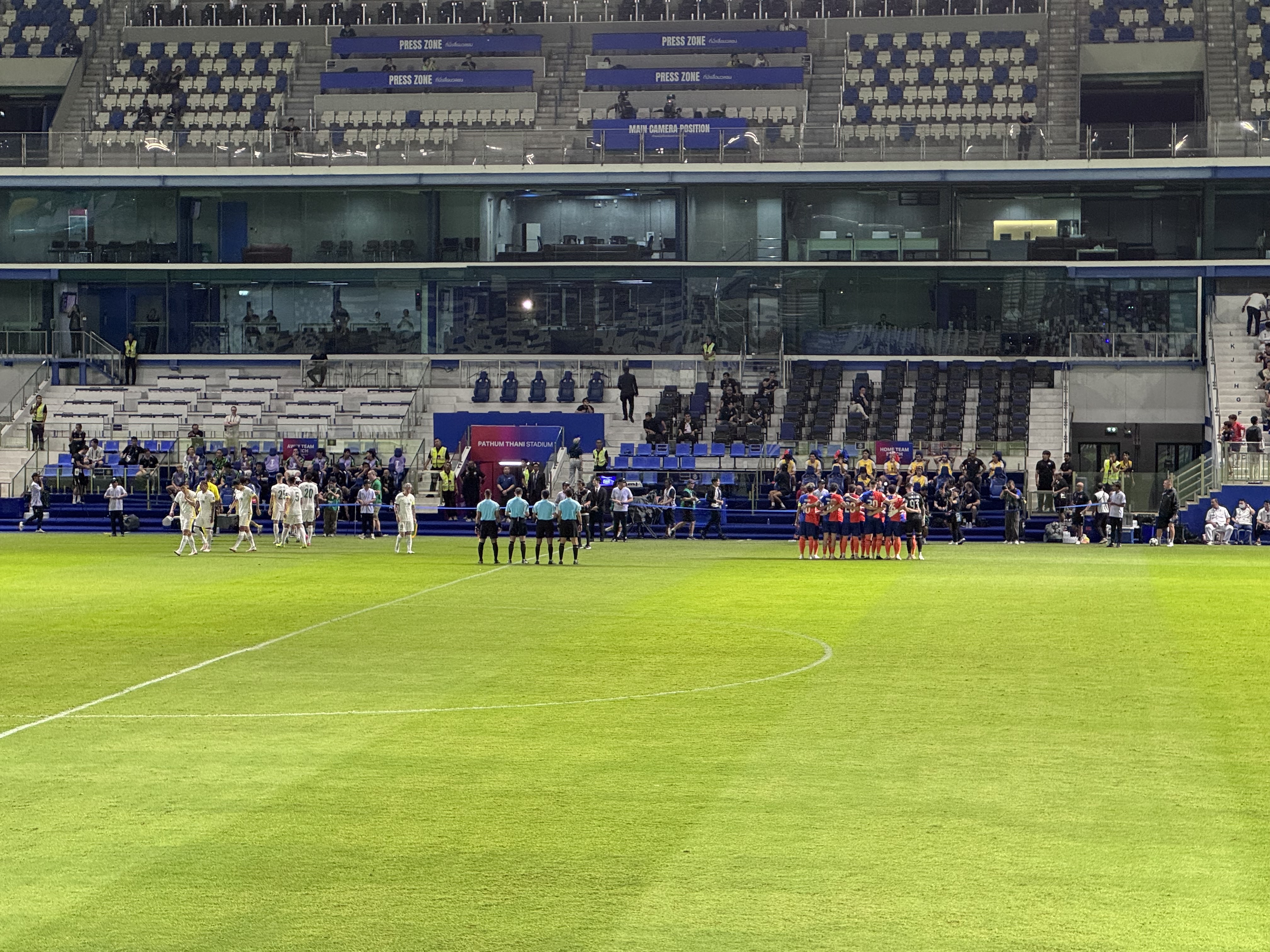
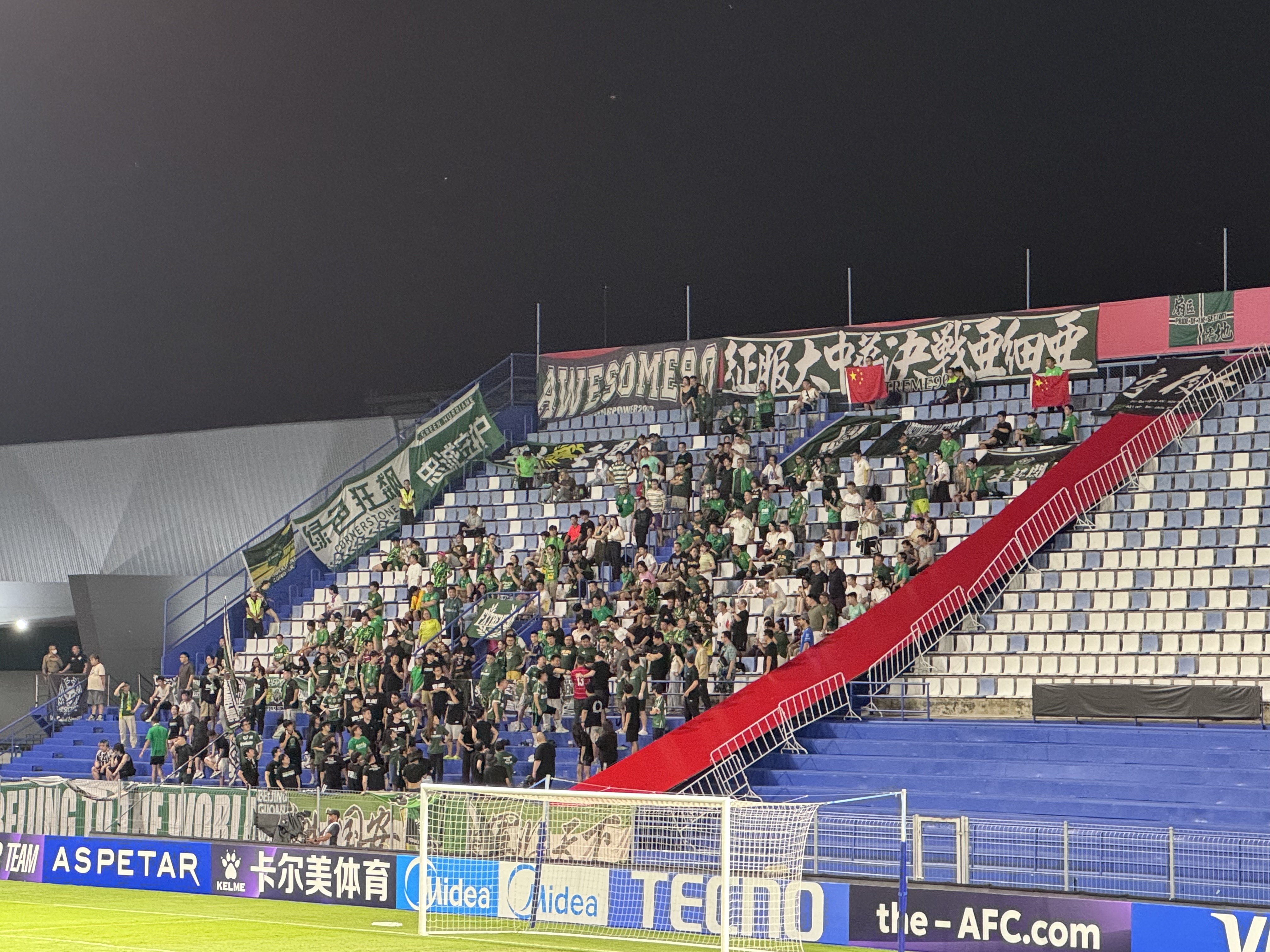
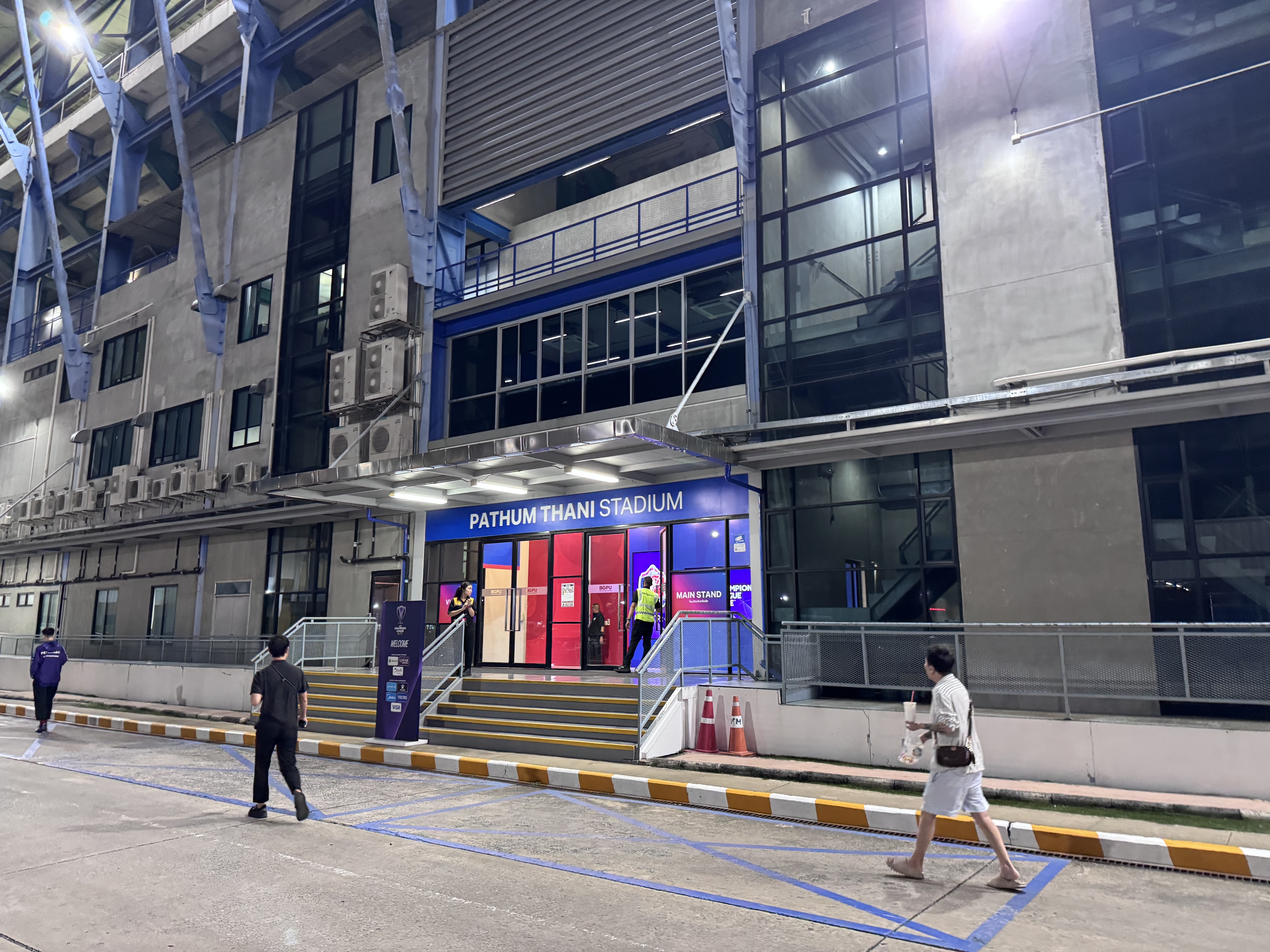
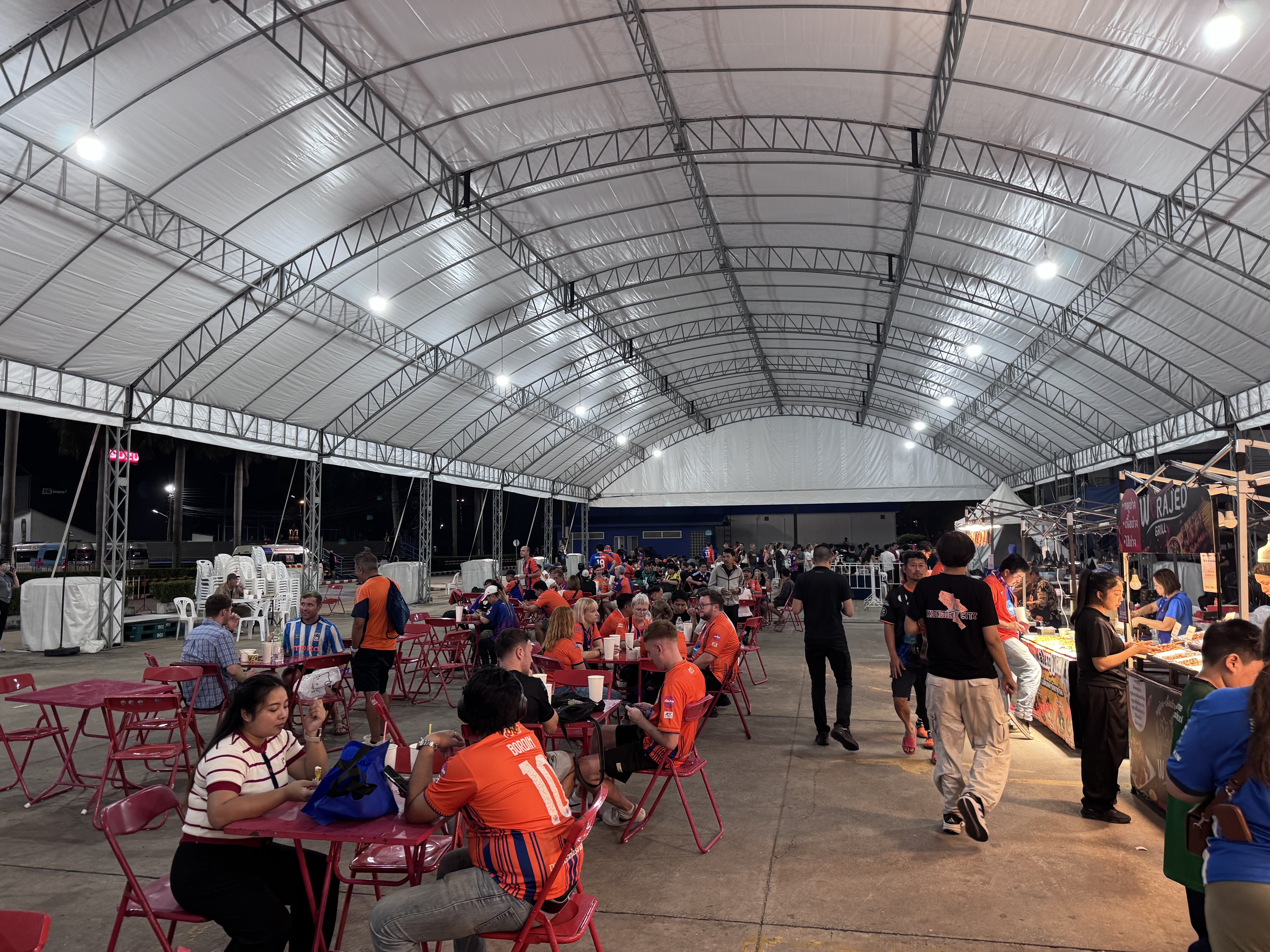
Port FC vs Beijing Guoan – A Night to Remember at BG Stadium
Port FC and Beijing Guoan brought contrasting histories and recent form into their AFC Champions League Elite clash at BG Stadium.
Port FC, founded in 1967 as Port Authority of Thailand FC, is one of Thailand’s oldest clubs. Nicknamed the Port Lions, the Khlong Toei side built a strong reputation through multiple Kor Royal Cup titles in earlier decades and later FA Cup successes, including 2019. While they have never claimed the modern Thai League crown, they remain a passionate top-flight club known for energetic support and competitive football.
Beijing Guoan, one of China’s most traditional and popular clubs, traces its roots to the early 1950s and became fully professional in 1992. A founding member of the Chinese Super League, they have never been relegated from the top flight. Their honours include the 2009 Chinese Super League title and several Chinese FA Cups. Guoan has long been a regular in Asian competition with a large, ...
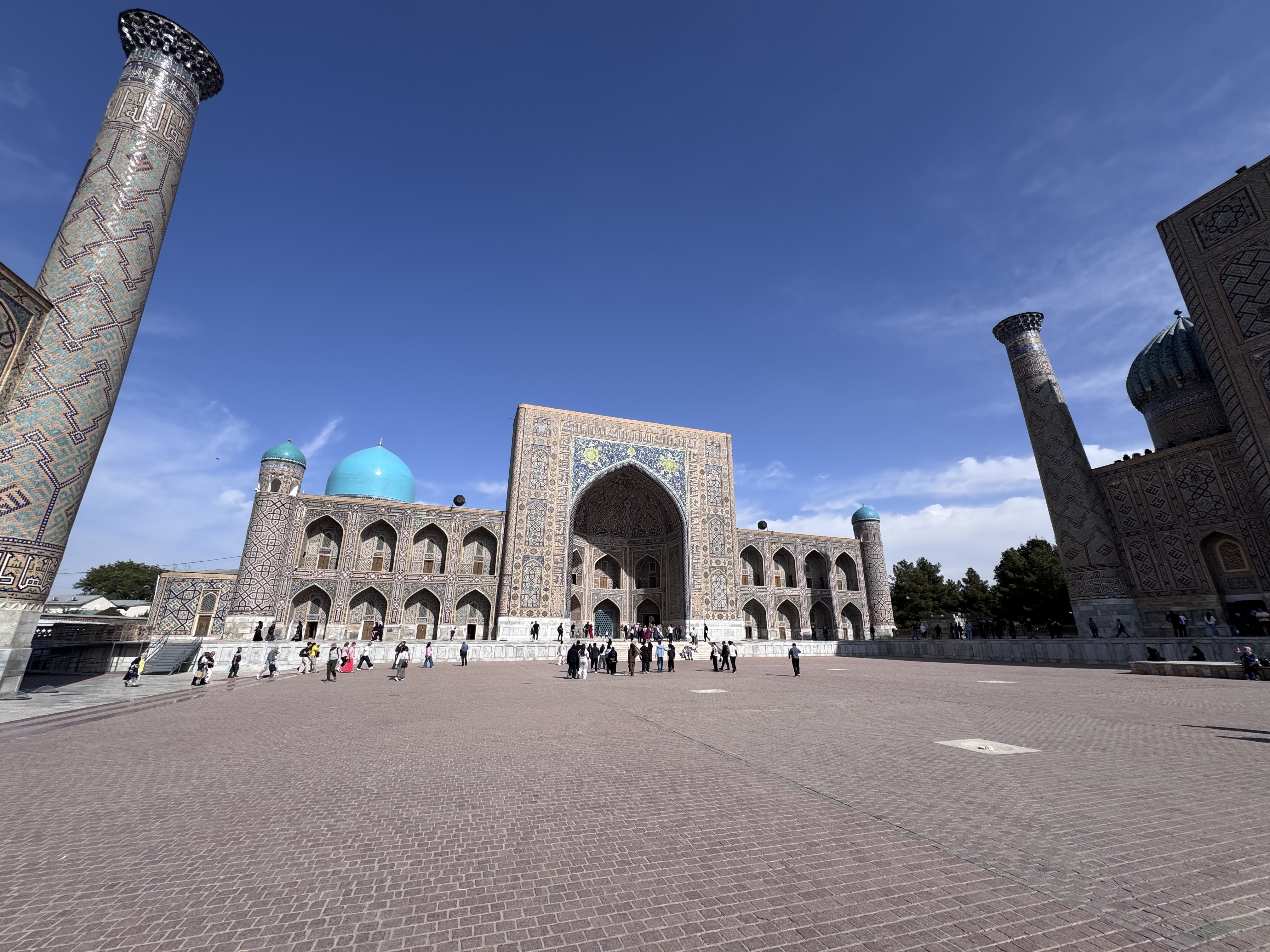
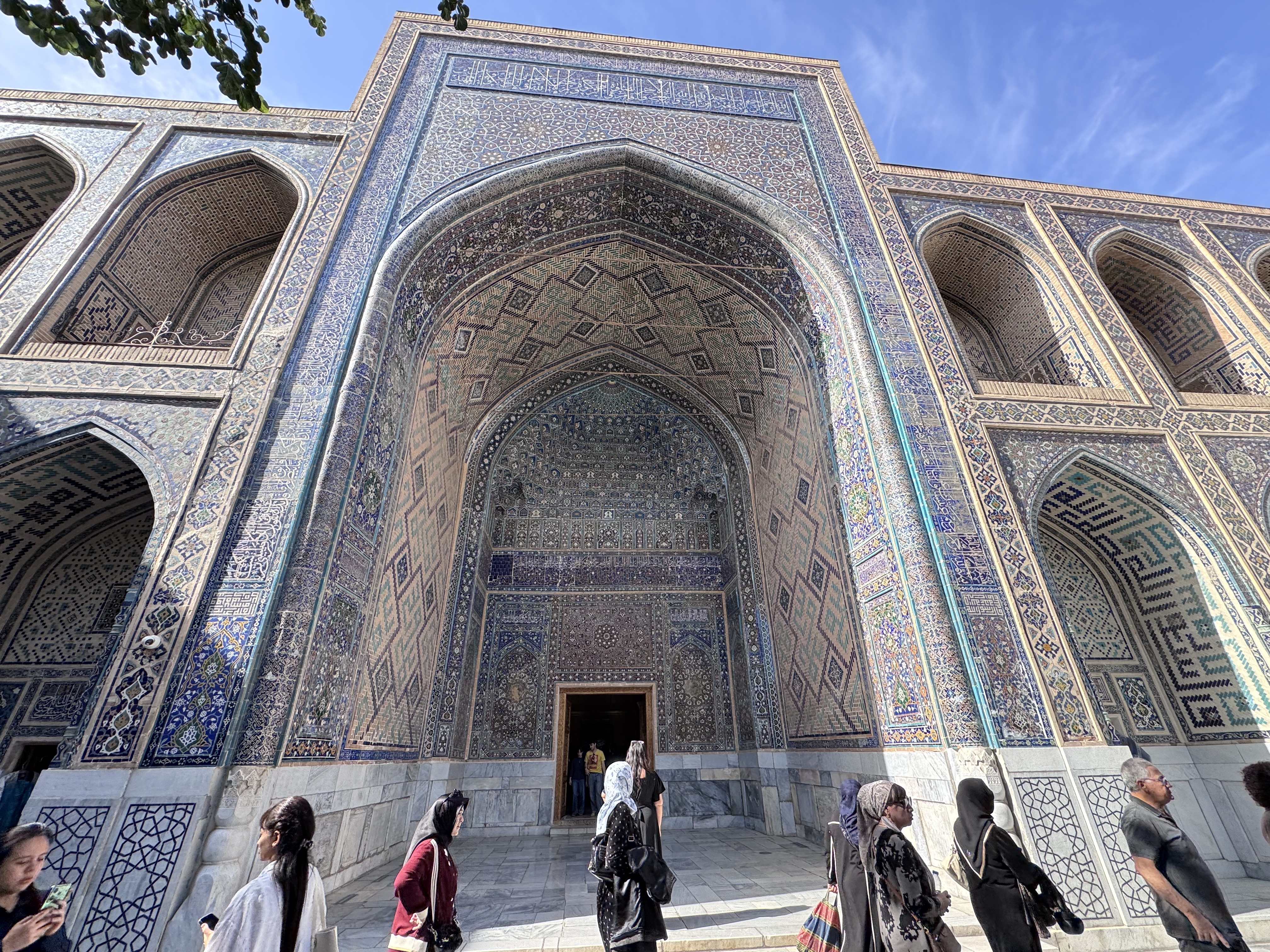
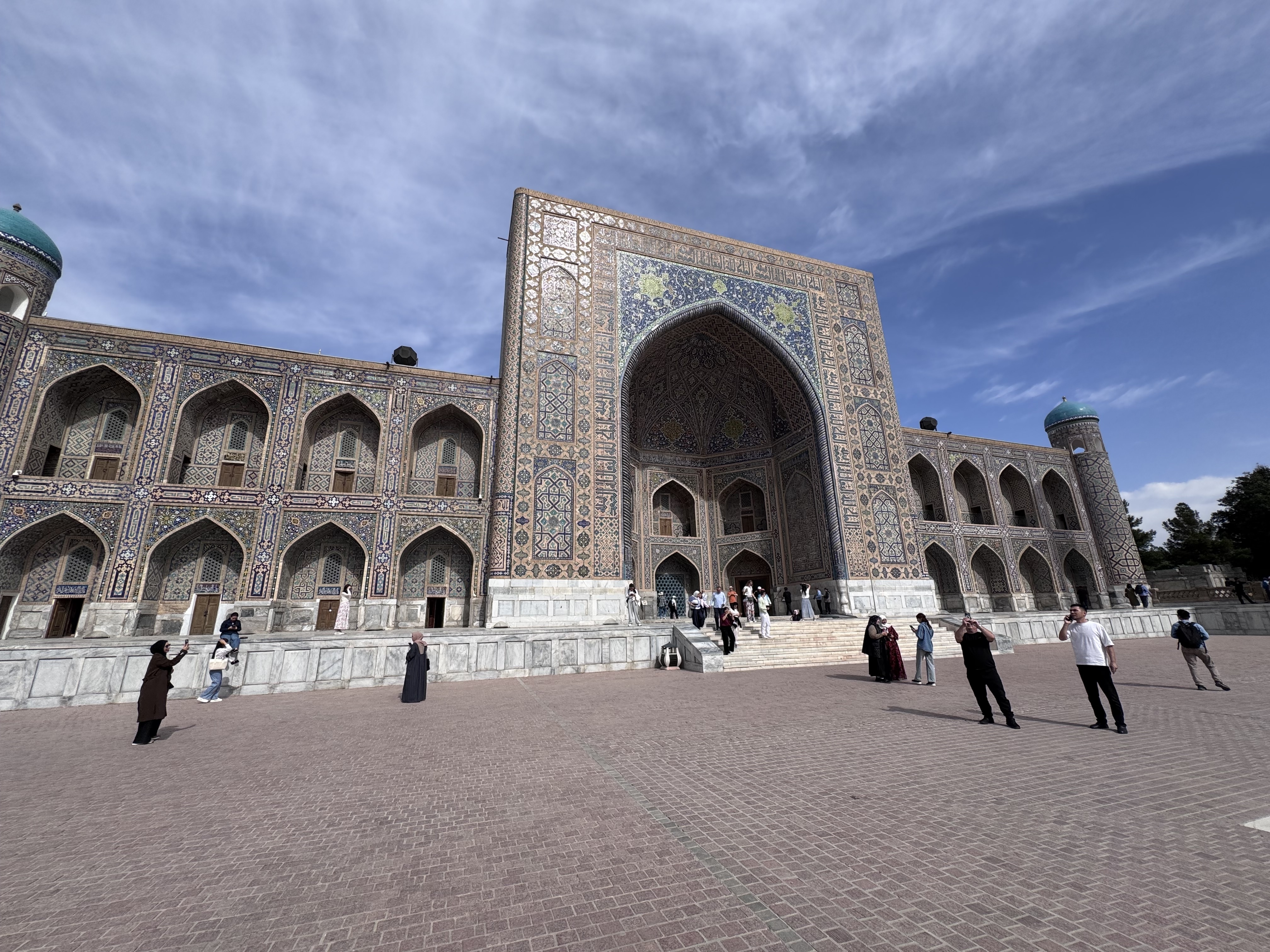
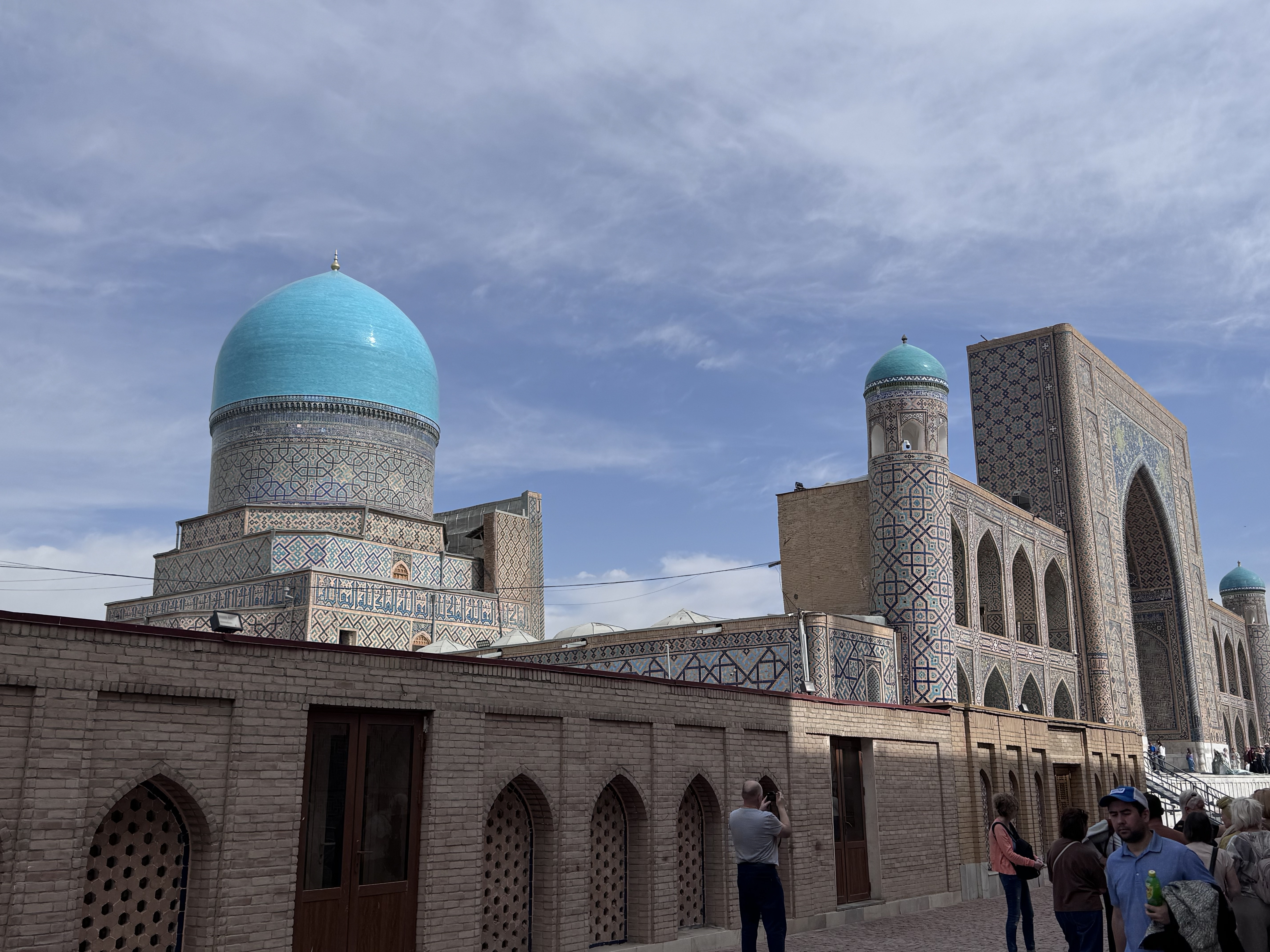
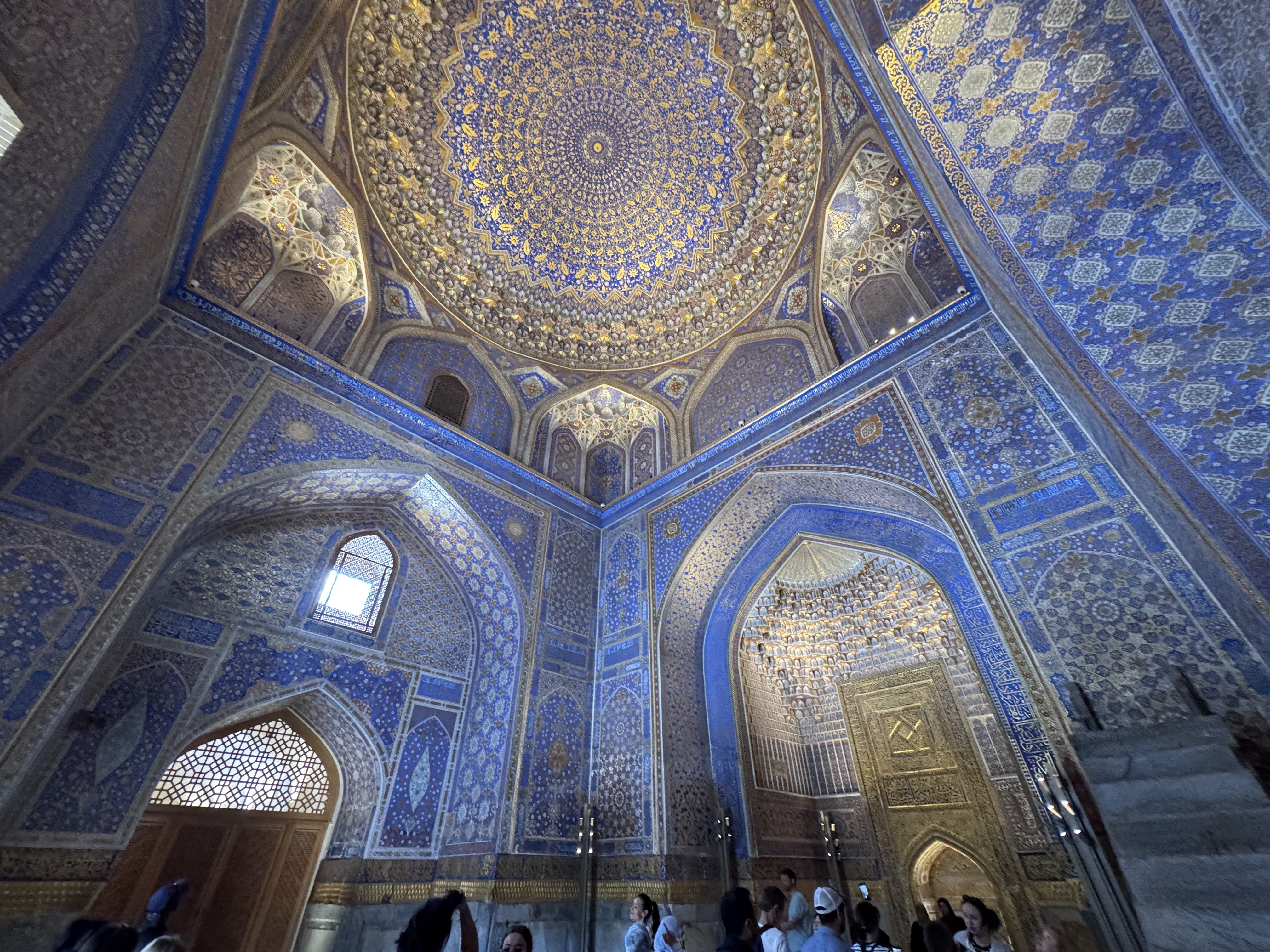
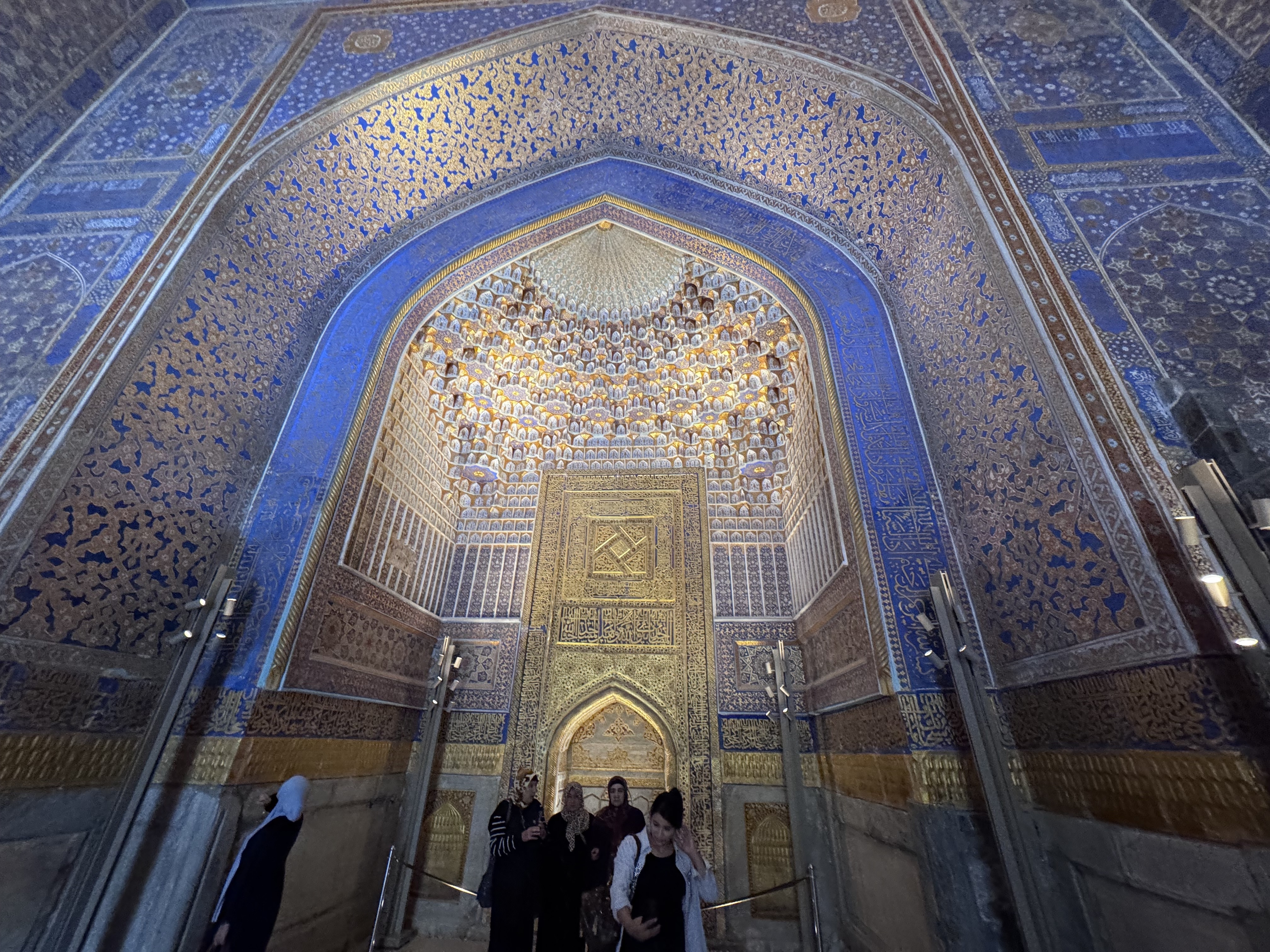
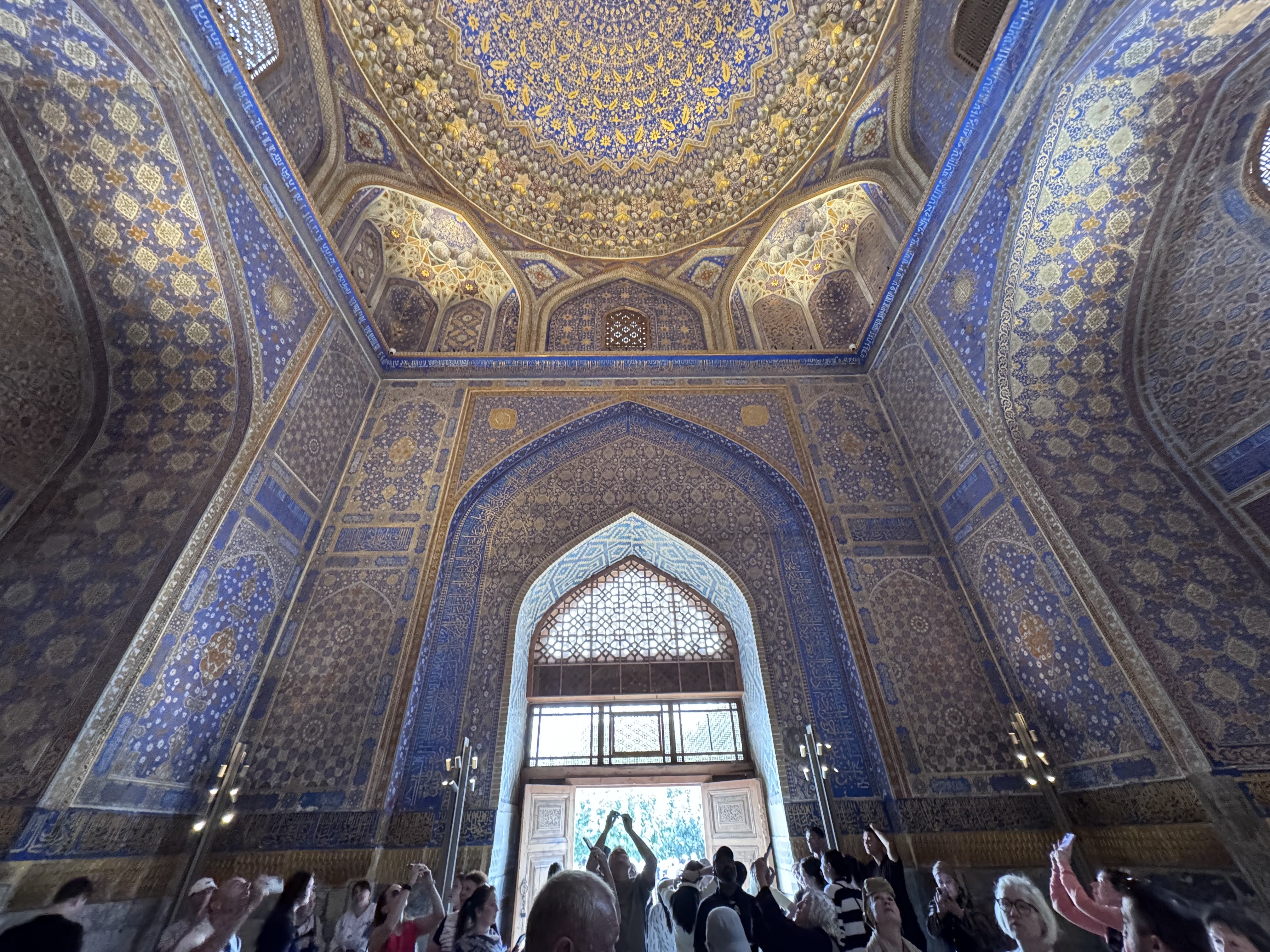
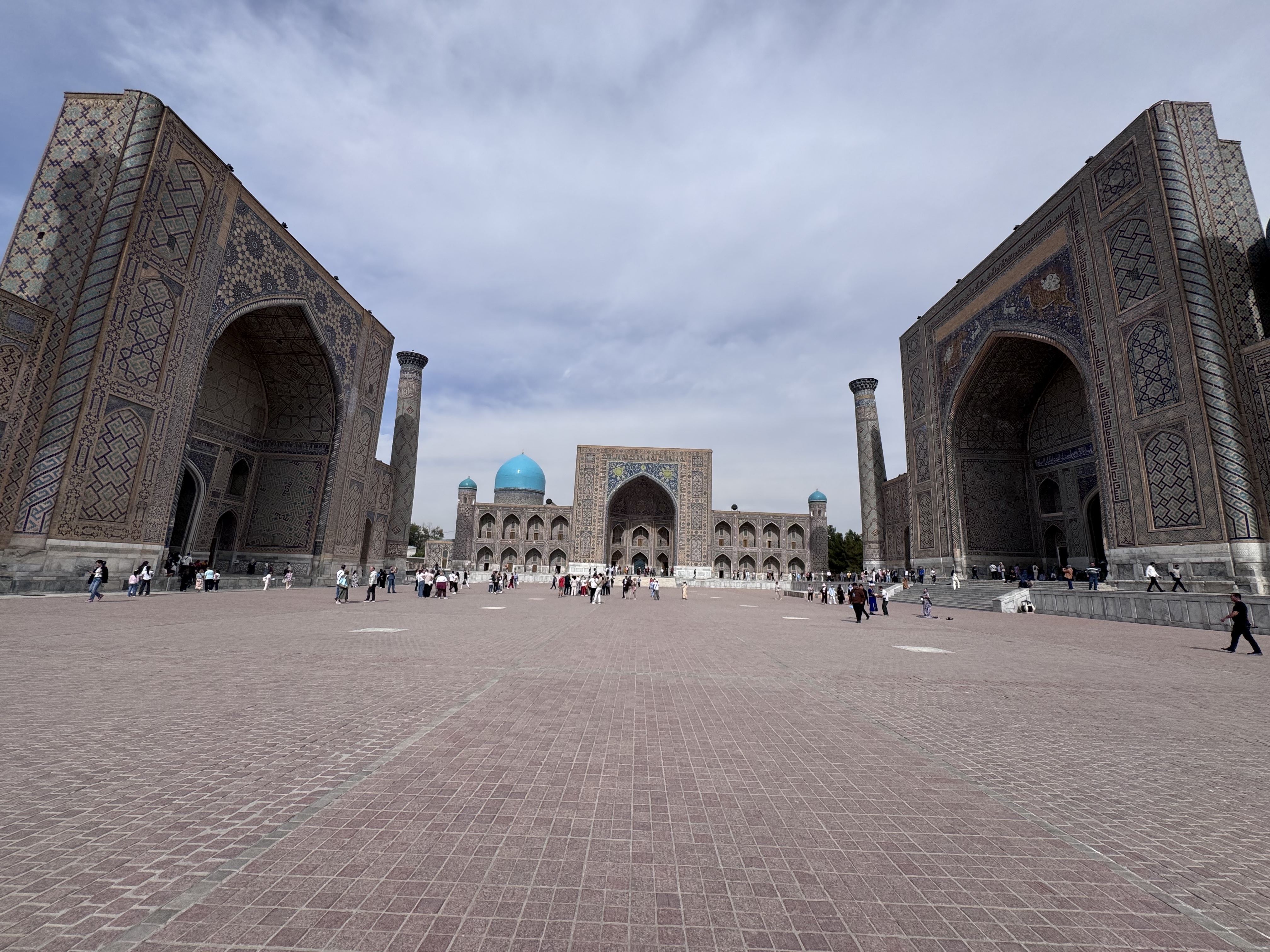
Registan Square stands at the heart of Samarkand as one of the most complete architectural ensembles in the Islamic world. The name means Sandy Place in Persian, a reminder that this open plaza once served as the commercial and civic center of the medieval city. Framed on three sides by monumental madrasas, the square forms a vast outdoor room of turquoise domes, soaring portals, and intricate tilework.
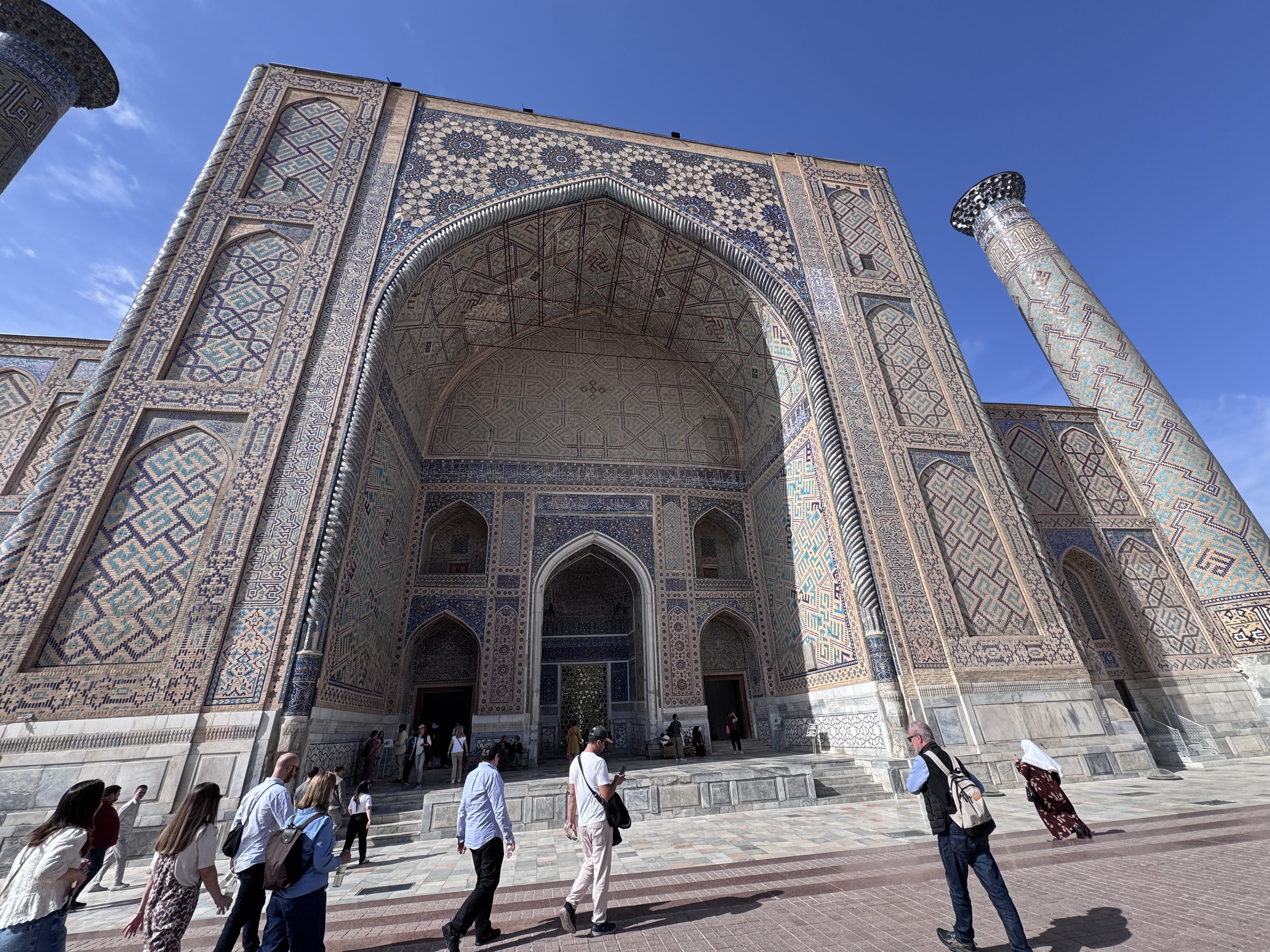
On the western side rises the Ulugh Beg Madrasa, built between 1417 and 1420 by the astronomer-king Ulugh Beg, grandson of Timur. Organized around a central courtyard with four iwans, student cells, and lecture halls, its high portal is covered in refined geometric star patterns in deep blues and gold. Four slender minarets mark the corners. This was a leading center of learning where theology, mathematics, and astronomy were taught side by side.
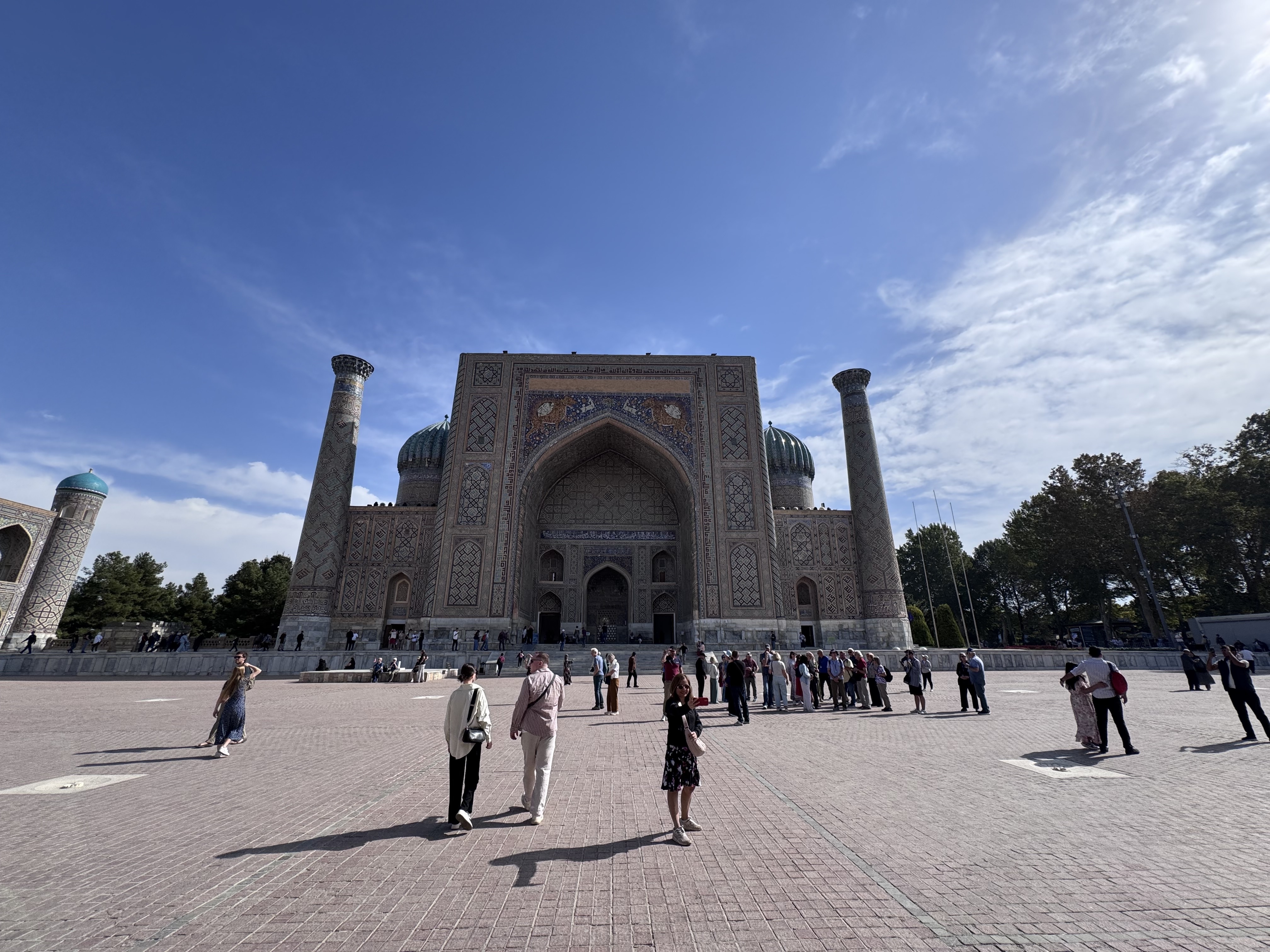
Facing it is the Sher-Dor Madrasa, constructed between 1619 and 1636 by the governor Yalangtush Bahadur as a deliberate mirror of the earlier building. ...