

Thai League 2 ไทยลีก 2, commonly known as the T2. It was originally known as Thai Division 1 League. It is the second-tier professional league in the Thai football league system.
Seasons typically run from August to May, with each team playing 34 games; two against each other team, one home and one away. It is sponsored by Muang Thai Life Assurance and Muang Thai Insurance and therefore officially known as the Muang Thai League.
Champion, runner up and teams ranked 3rd – 6th qualifies for a play off for last spot in top tier with a promotion to Thai League 1 at the end of the season, while three are relegated to Thai League 3.
In this game it features a really nice match up of 2 teams sitting in 8th and 9th place with only 2 points separating them.
Kasetsart takes on Sisaket United at Insi
Chantharasathit Stadium in Chatuchak, March 29th in the 2024/2025 season, for an exciting game in week 30.
There was a lot of action for both teams with a lone goal being the ...


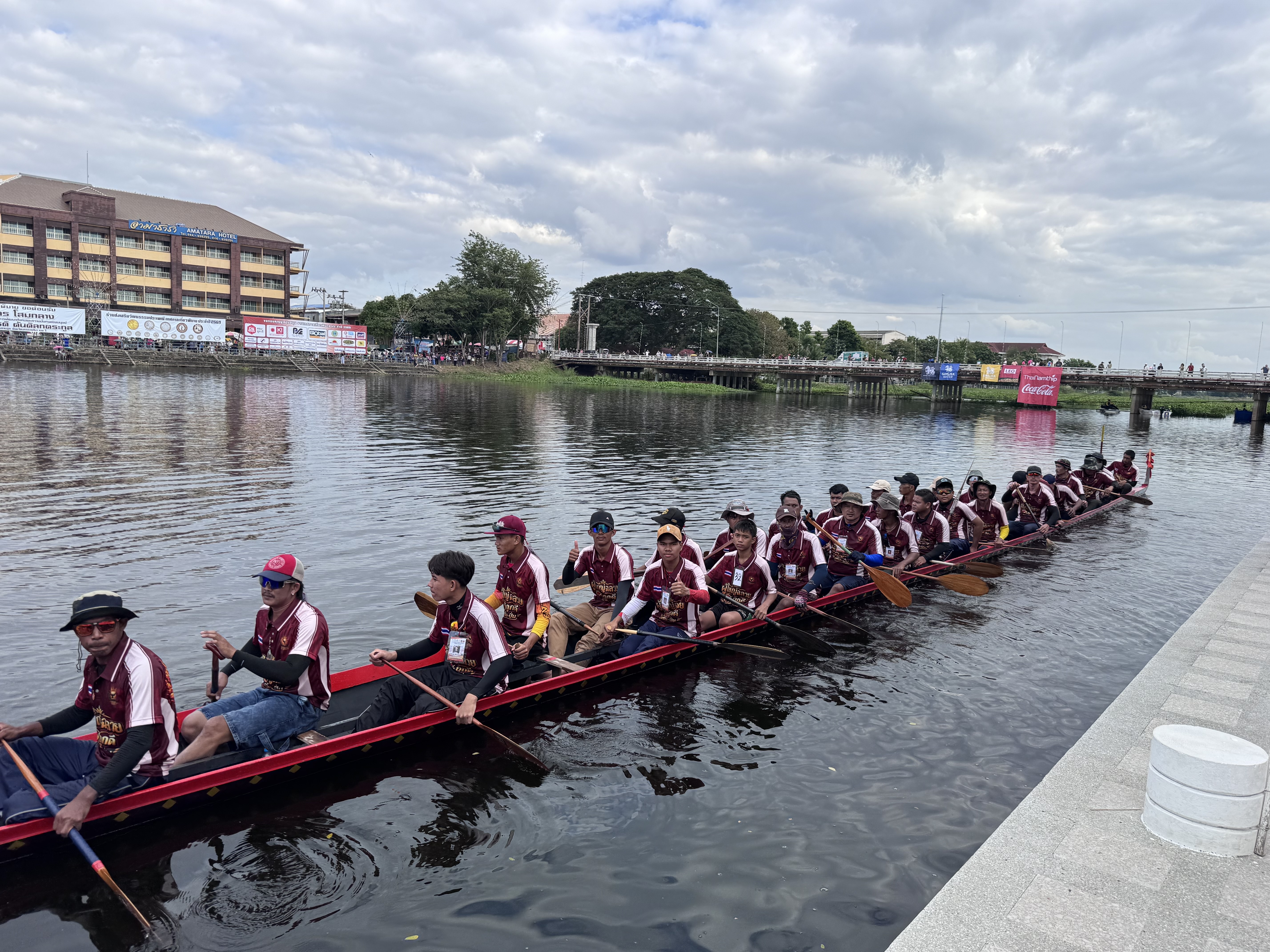
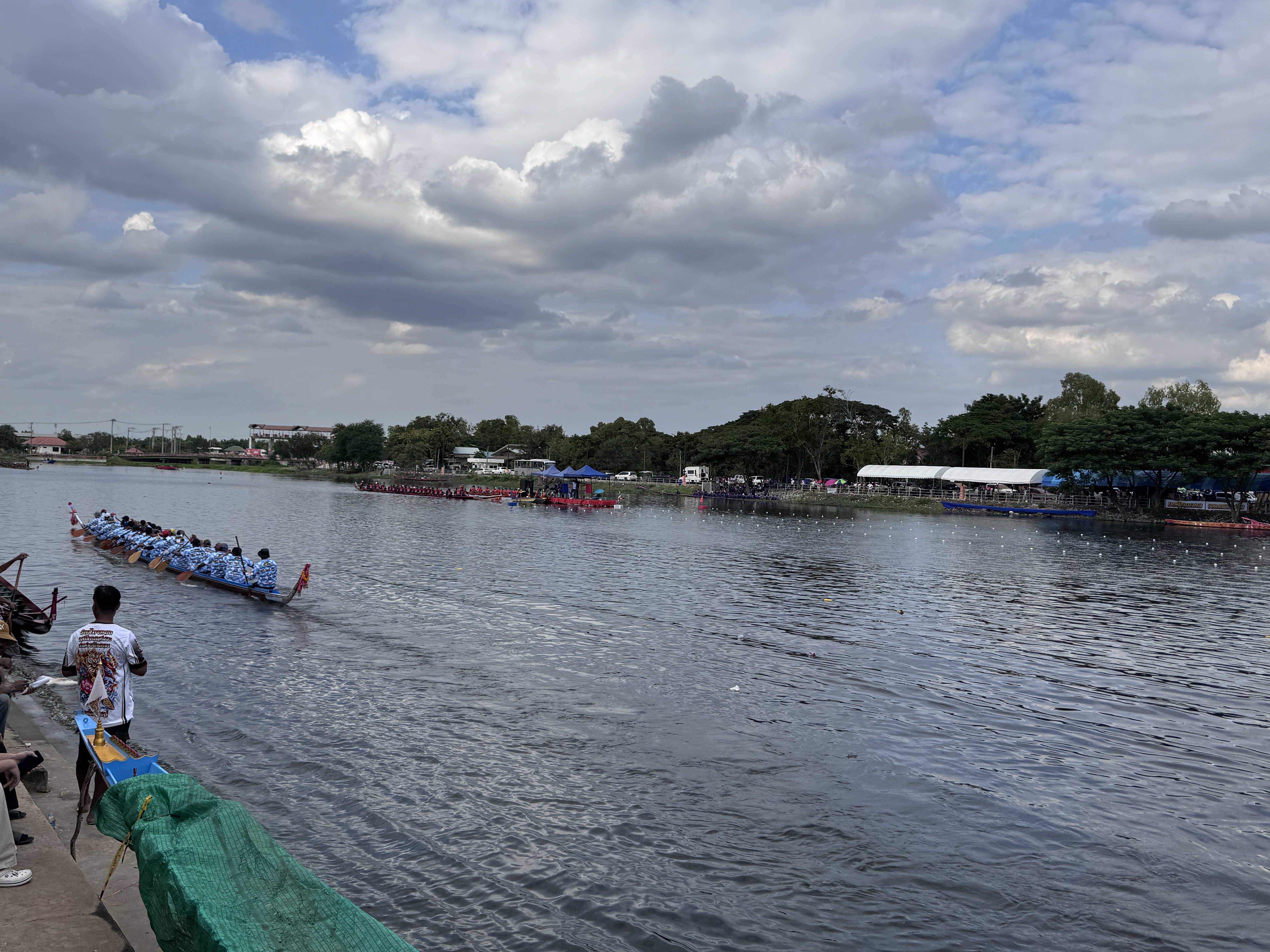
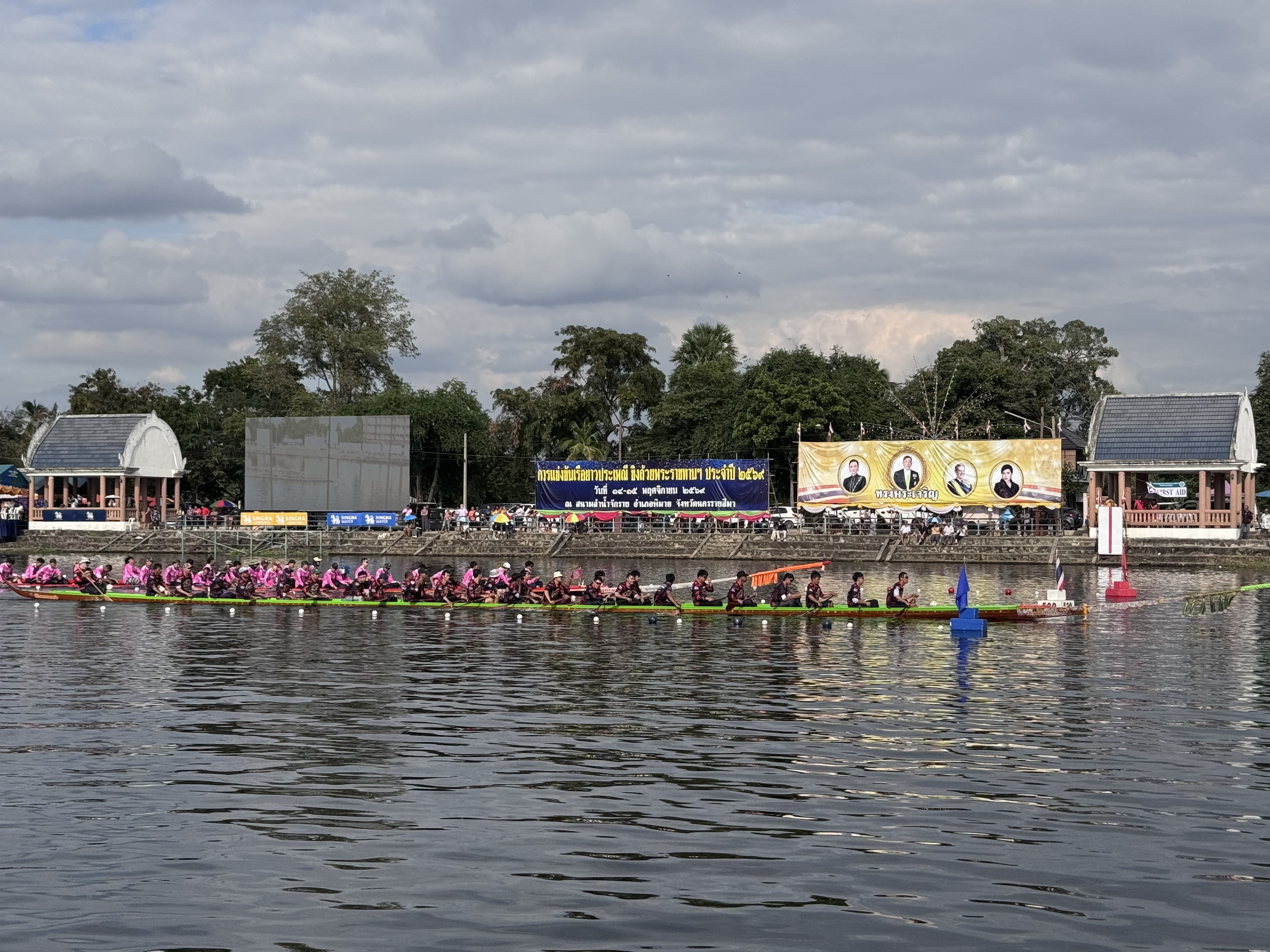
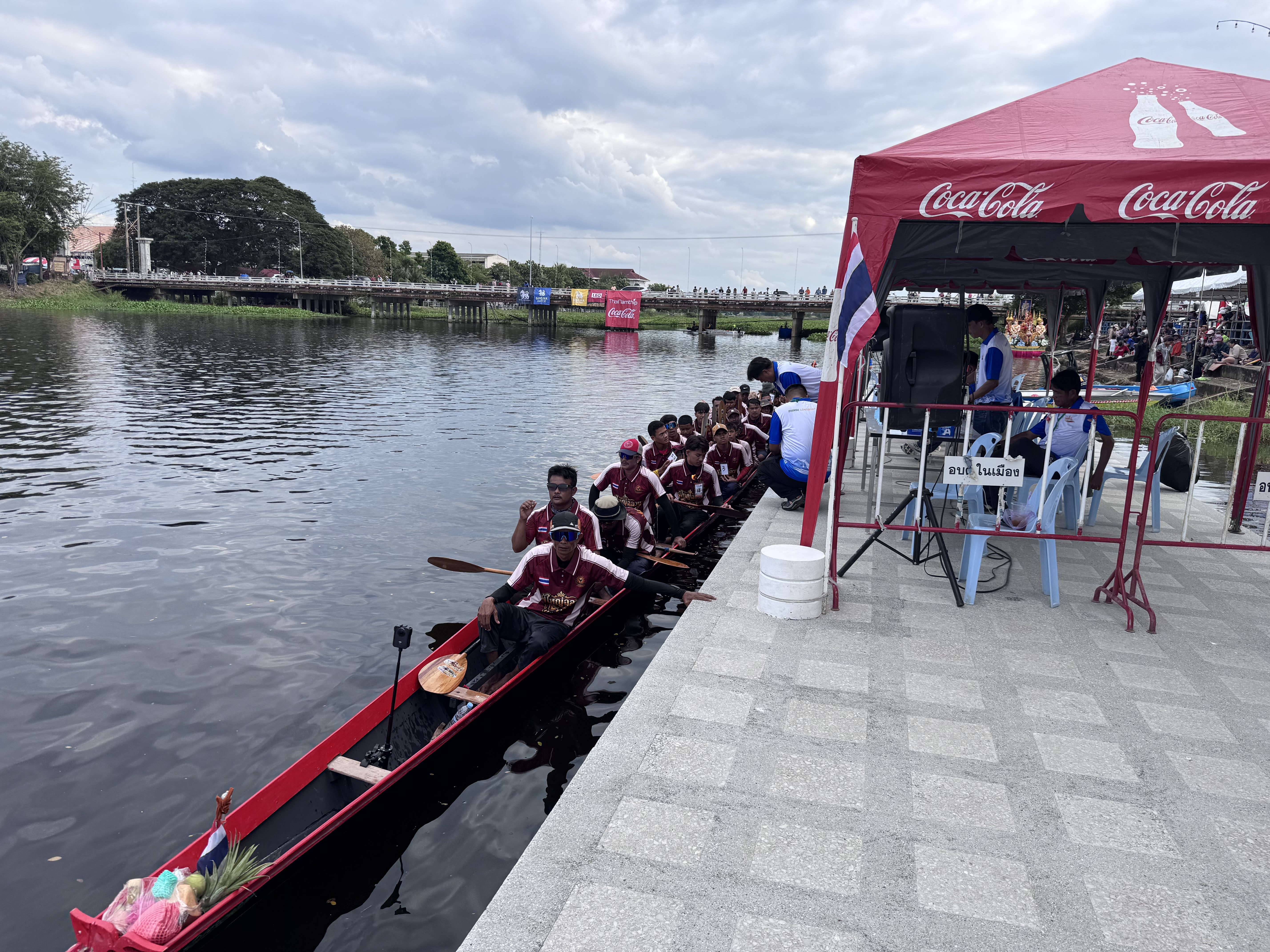
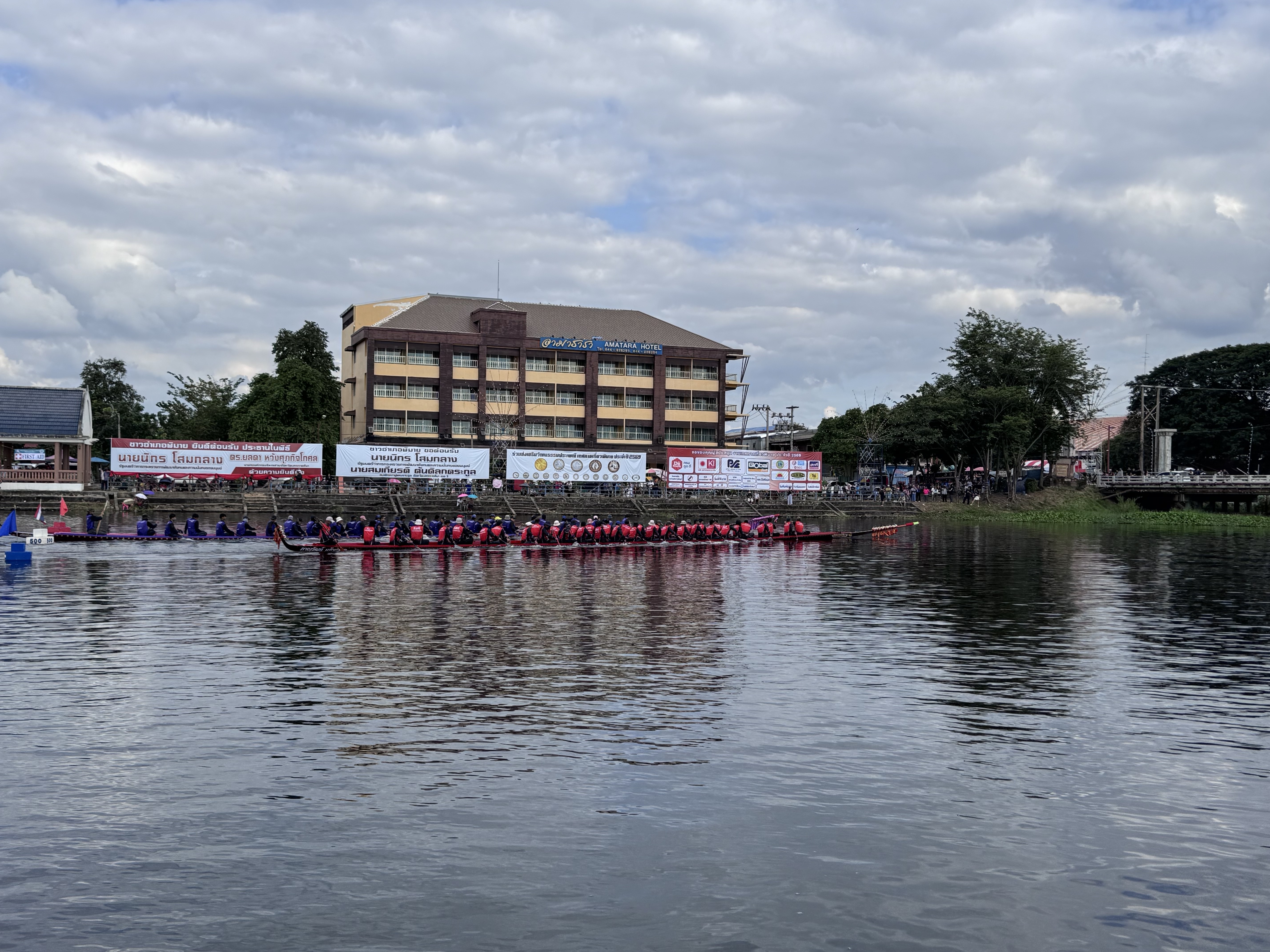
The tradition of long-boat racing in Thailand reaches back to the Ayutthaya era, when the kingdom’s rivers and canals formed the arteries of daily life, trade, and military power. Historical records from the period, including palace regulations for the eleventh lunar month, describe boat races as both a popular pastime among ordinary people and an element of royal ceremony. In those days the long, slender vessels, often carved from single massive tree trunks, were powered by ranks of oarsmen whose coordinated strokes could drive the boat at impressive speed.
Racing served practical purposes as well as entertainment. It kept warriors fit for river warfare, tested the skill of crews, and sometimes carried an element of divination linked to the annual flood cycle and hopes for a bountiful harvest. Royal processions themselves featured elaborately decorated long boats and competitive racing appears to have grown naturally from the rivalry that arose when communities travelled by water to make merit at ...
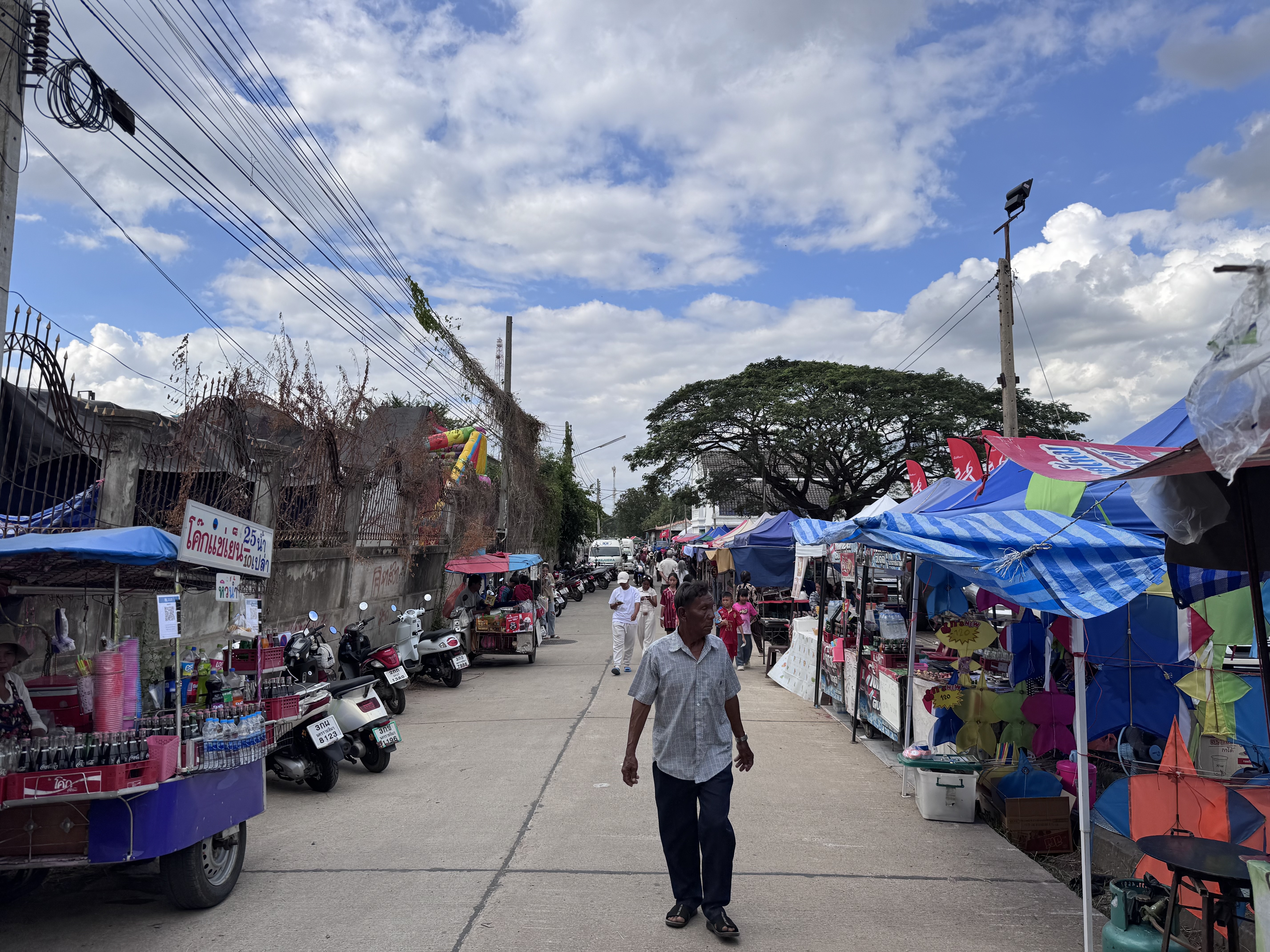
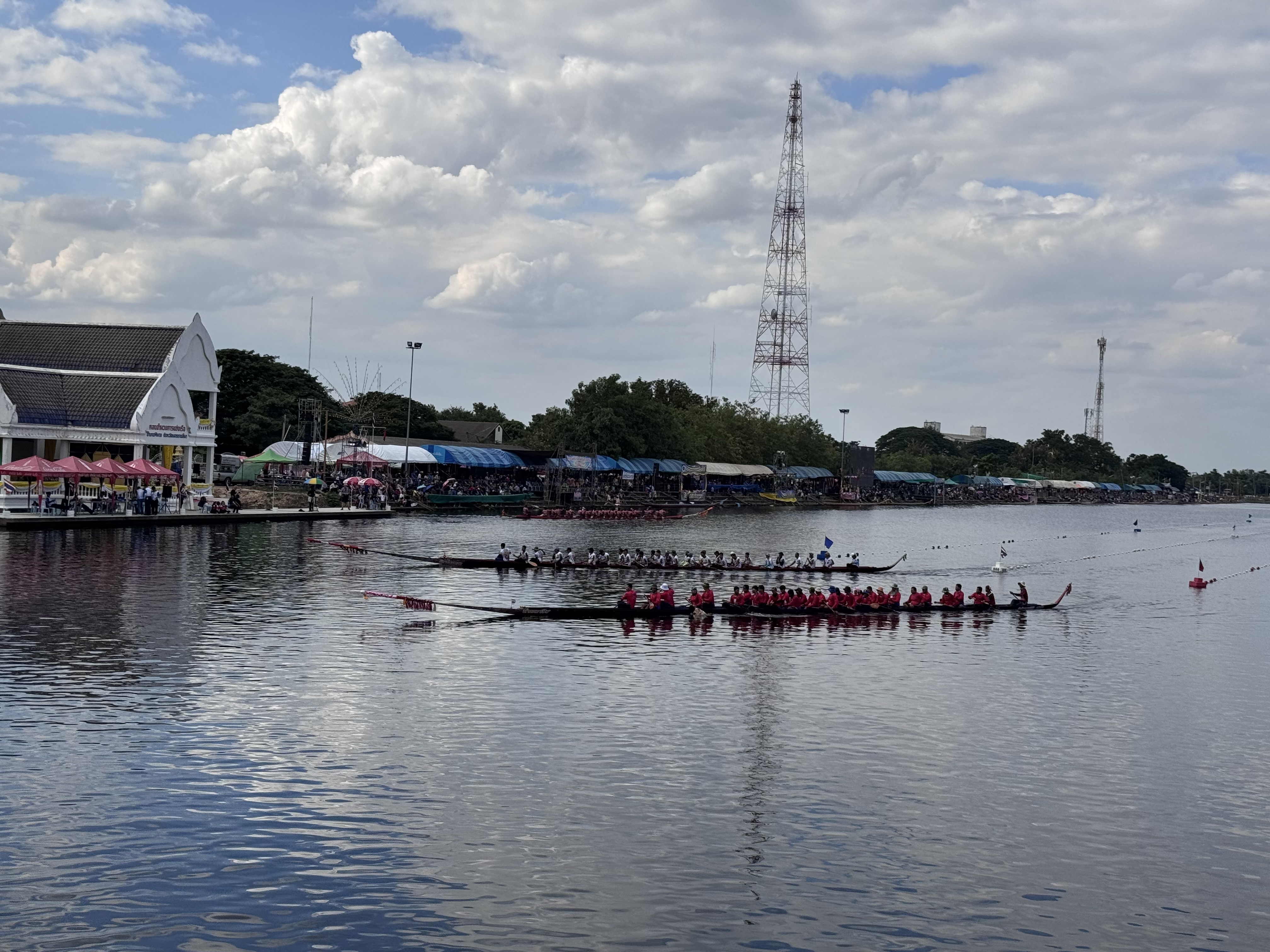
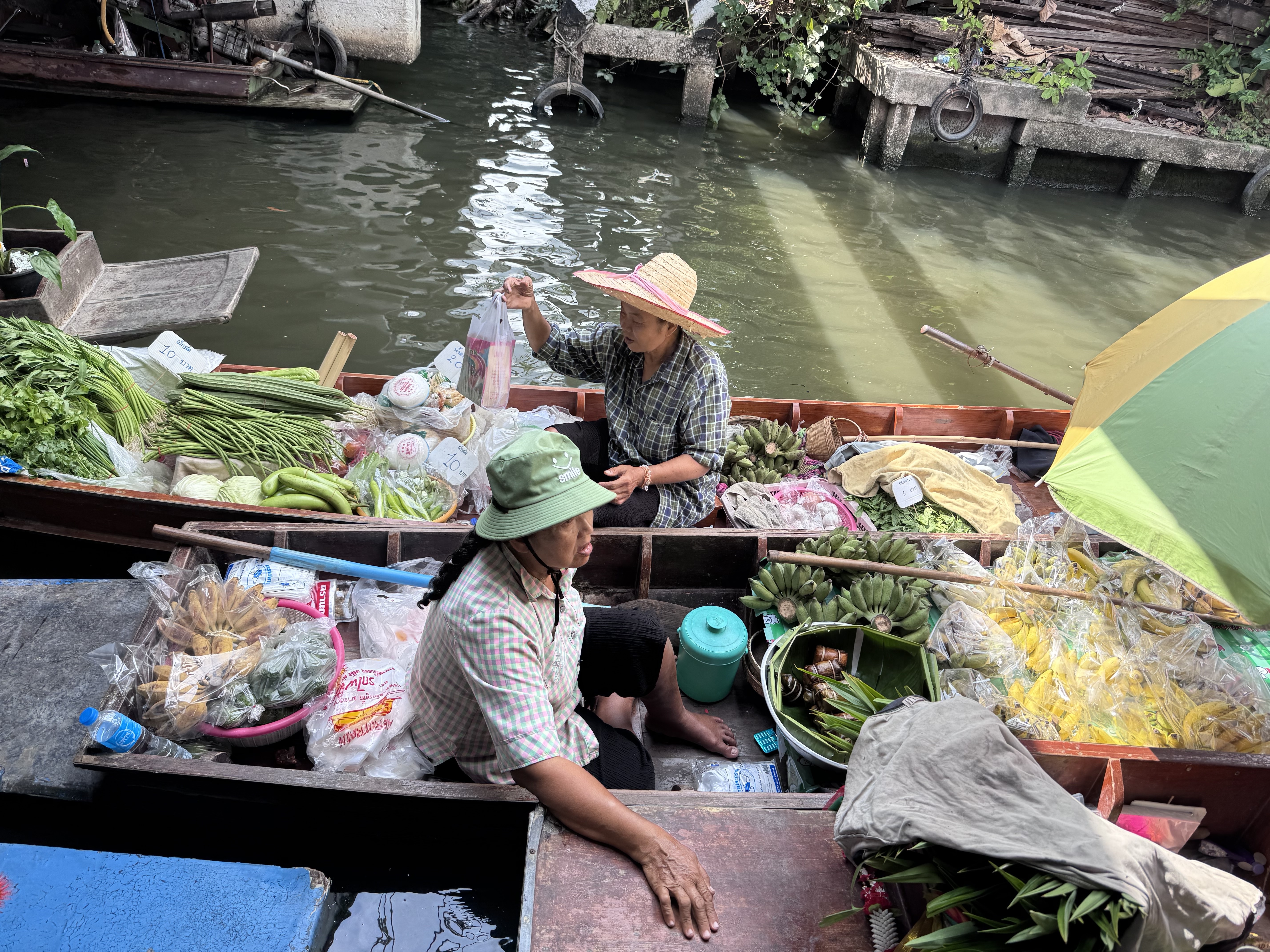
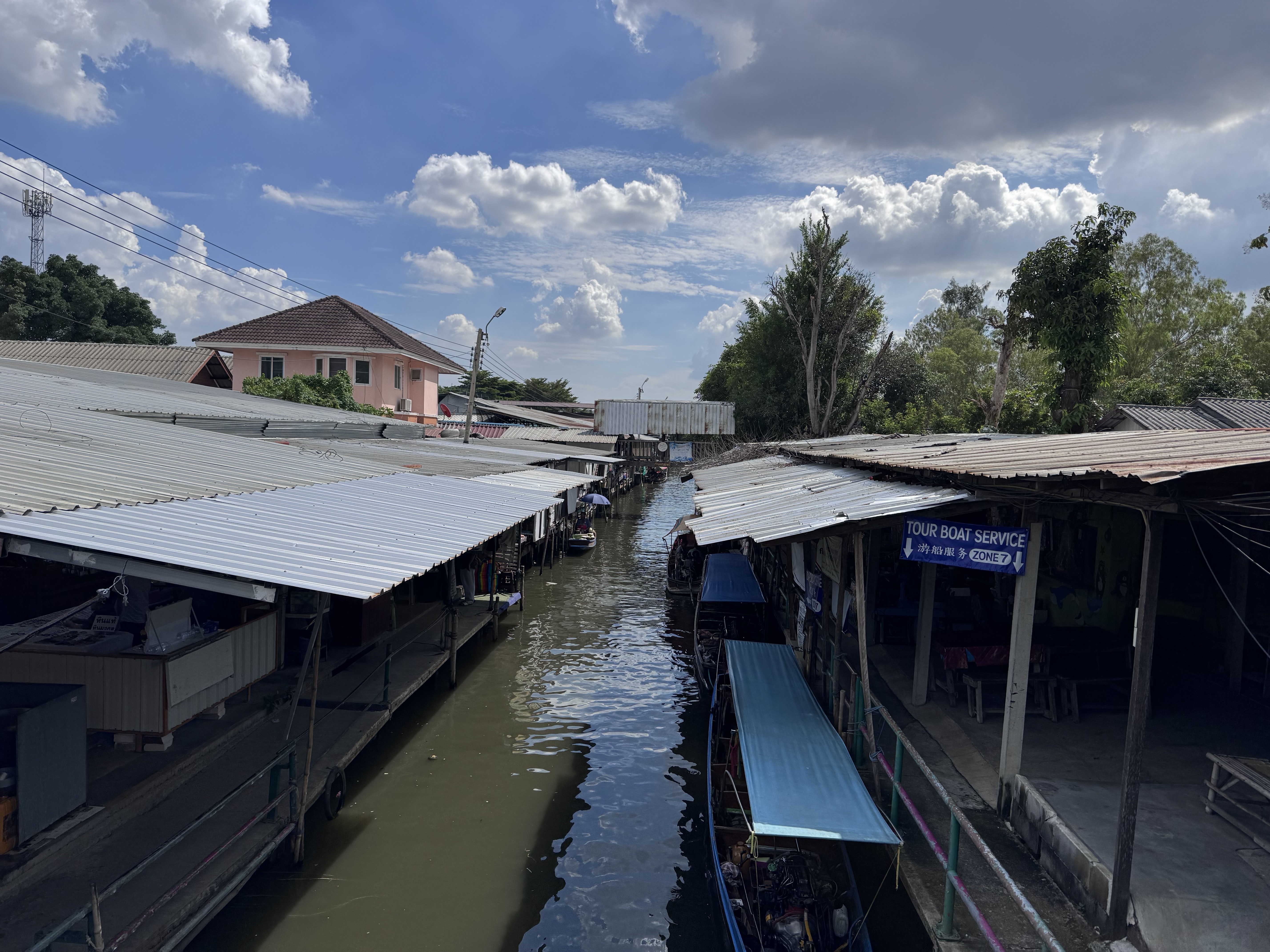
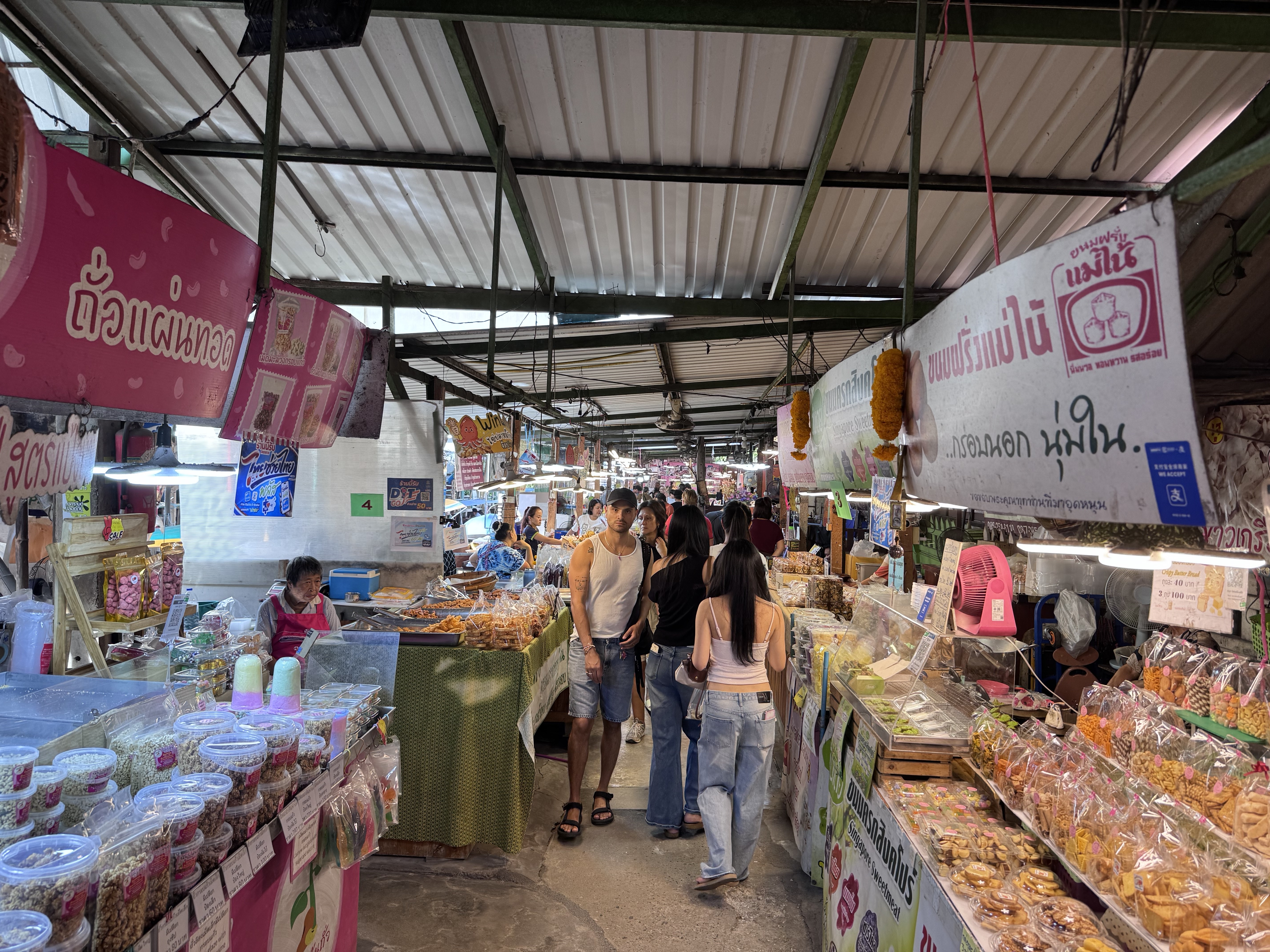
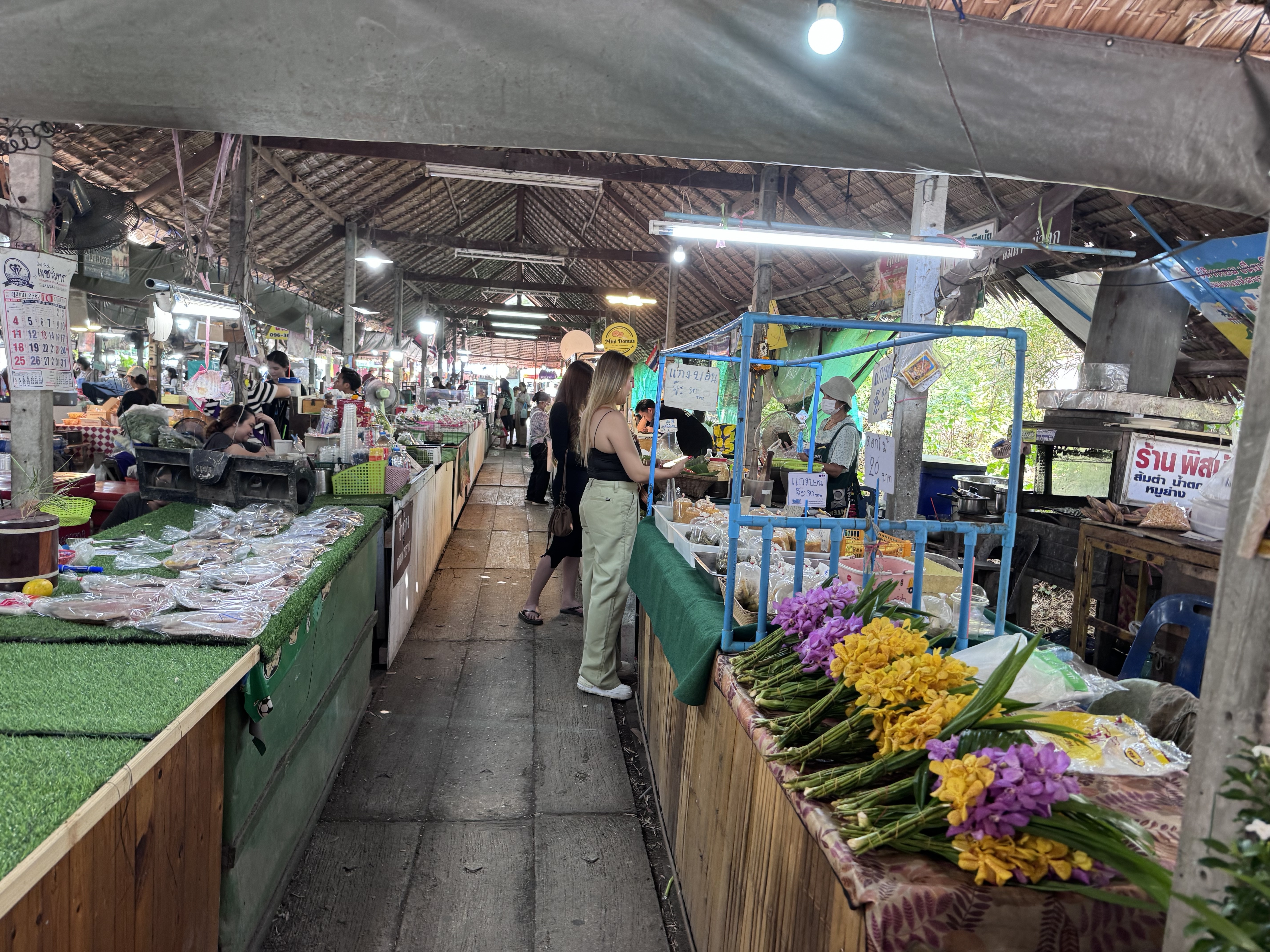
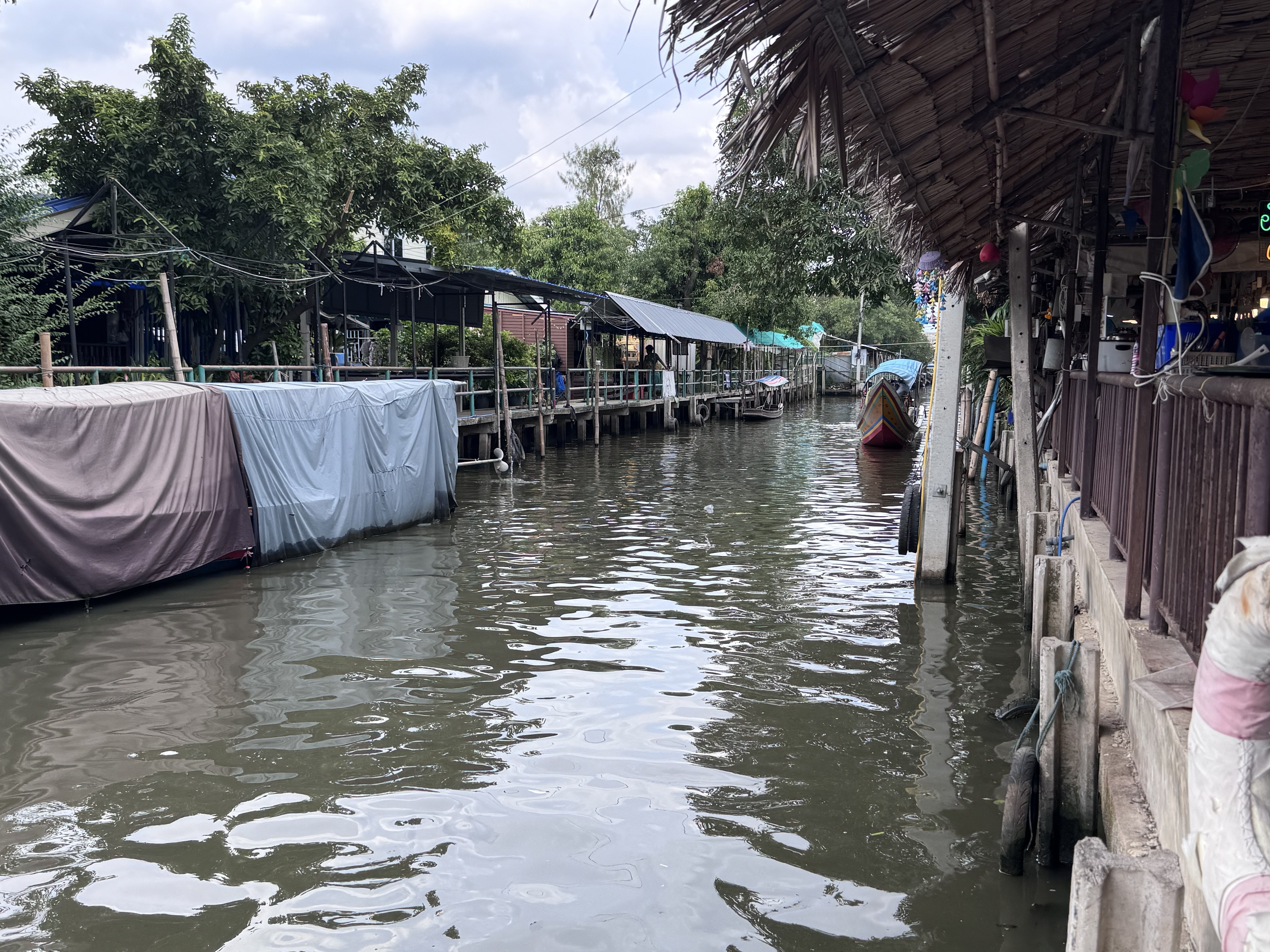
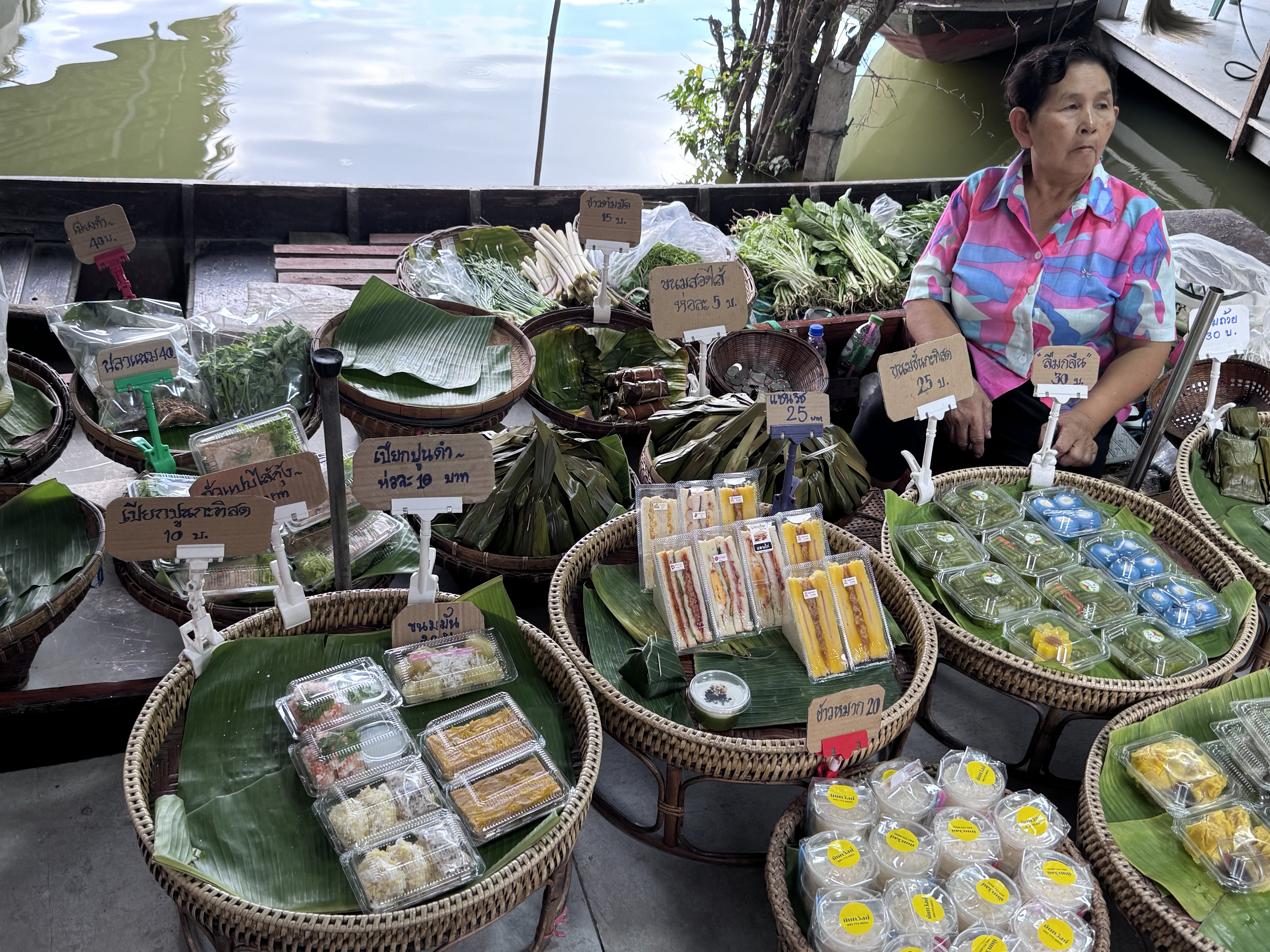
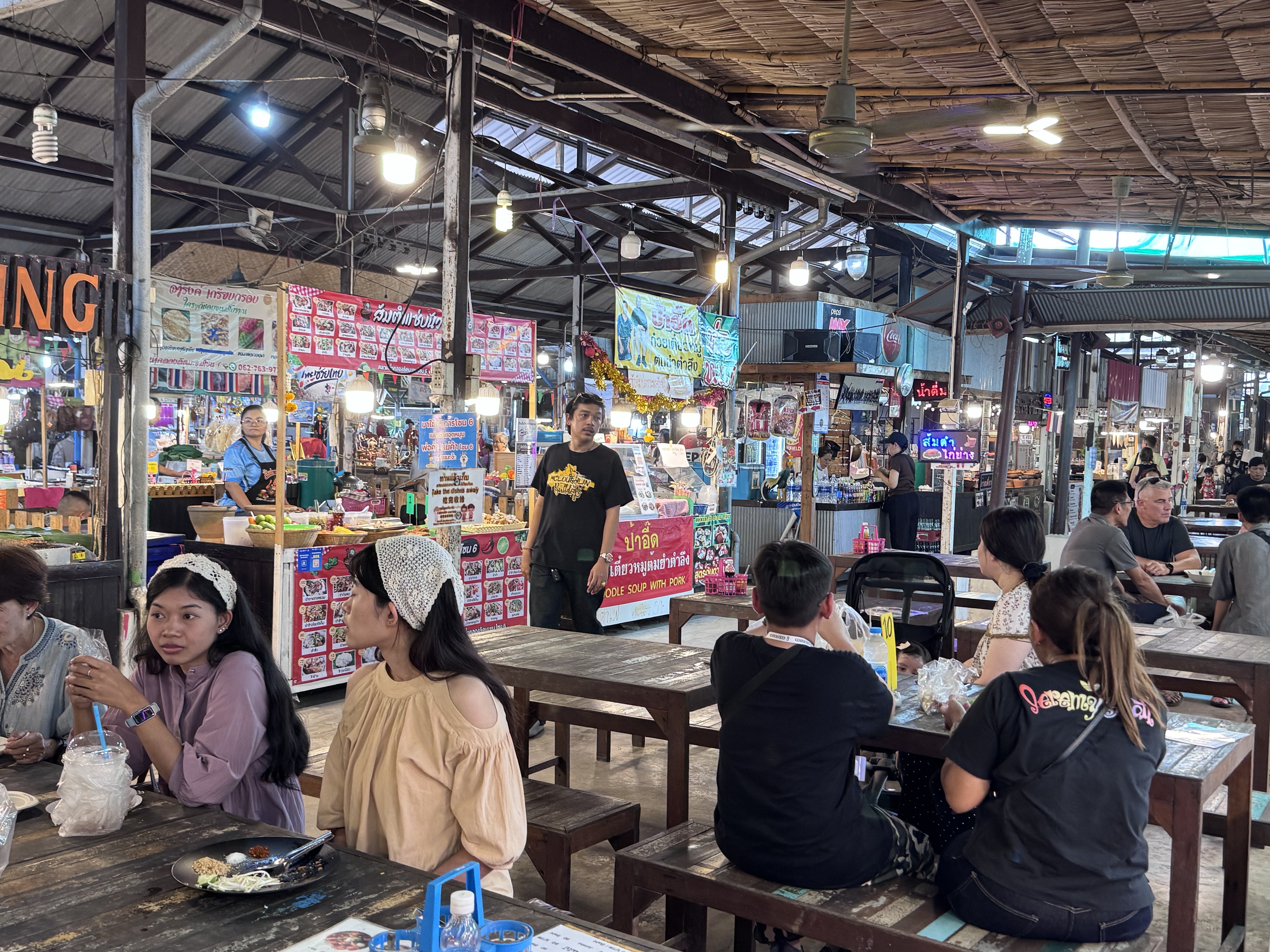
Khlong Lat Mayom Floating Market sits along a quiet canal in Taling Chan on Bangkok’s Thonburi side, roughly half an hour from the city center. Its name comes from the khlong, or canal, and the mayom fruit, the star gooseberry that once grew abundantly in the surrounding orchards. Unlike the heavily photographed tourist markets farther out, this one feels more like a neighborhood gathering place where Thai families come on weekends to eat, shop for produce, and take short boat rides through the green waterways.
The area’s history reaches back to the Ayutthaya period, when the fertile alluvial soils and dense network of rivers made Taling Chan ideal for fruit plantations. Canals such as Khlong Bang Ramat, Khlong Bang Phrom, and others formed a watery web that supported daily life and trade for generations.
By the mid-1990s rapid urbanization brought new roads, construction, and pollution. The once-clean canal filled with garbage, agricultural land lost value relative to housing development, and many ...
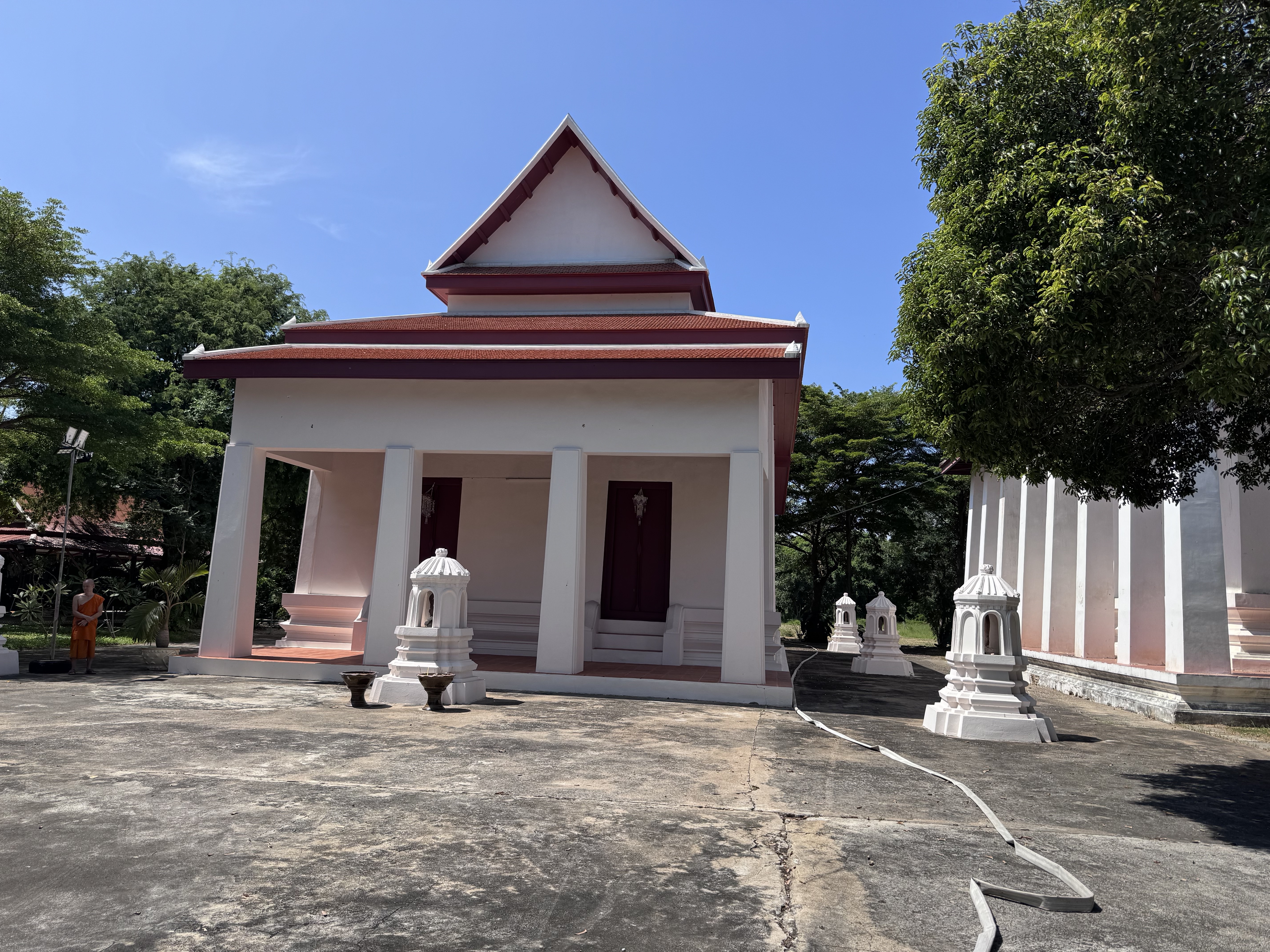
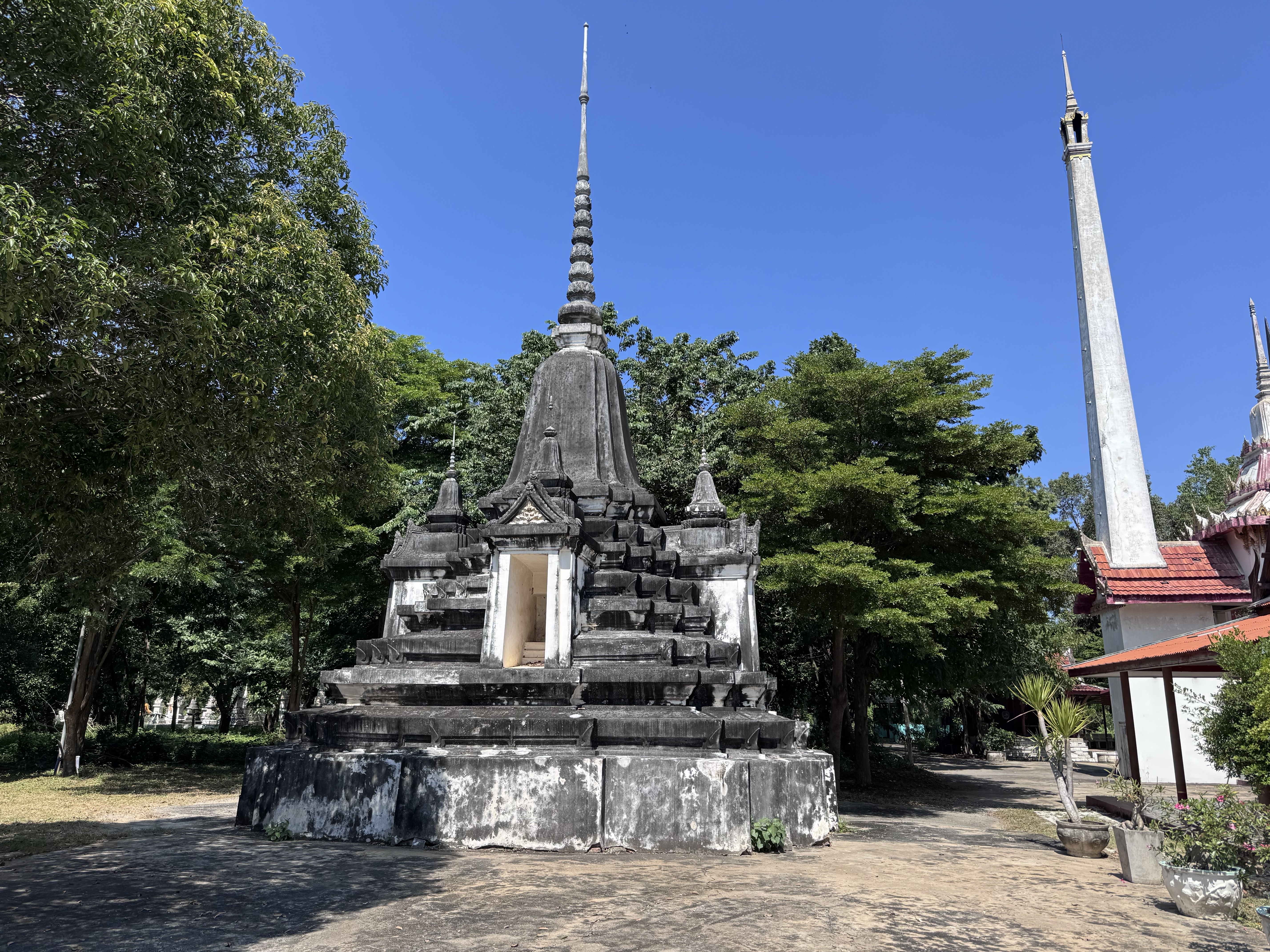
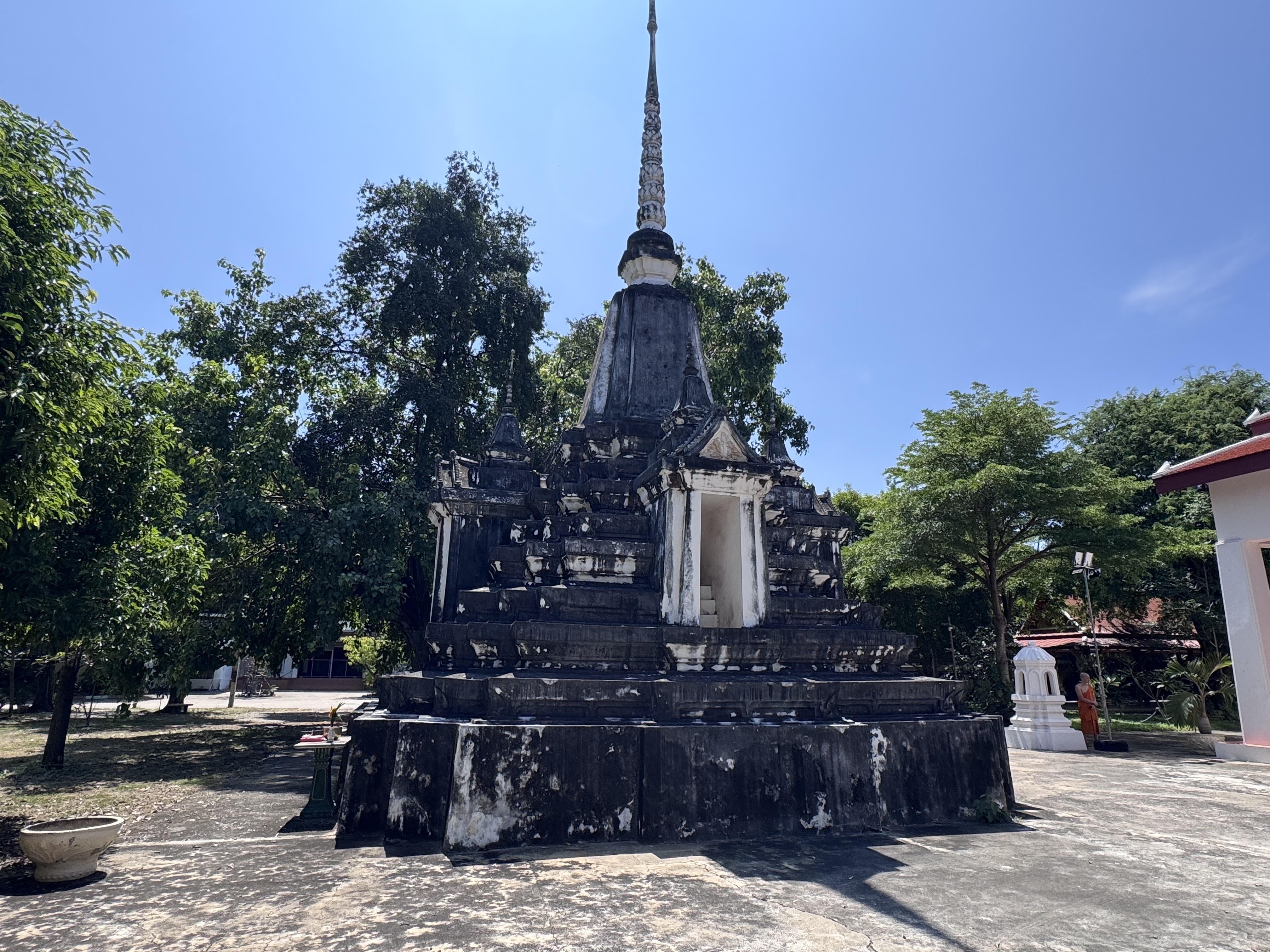
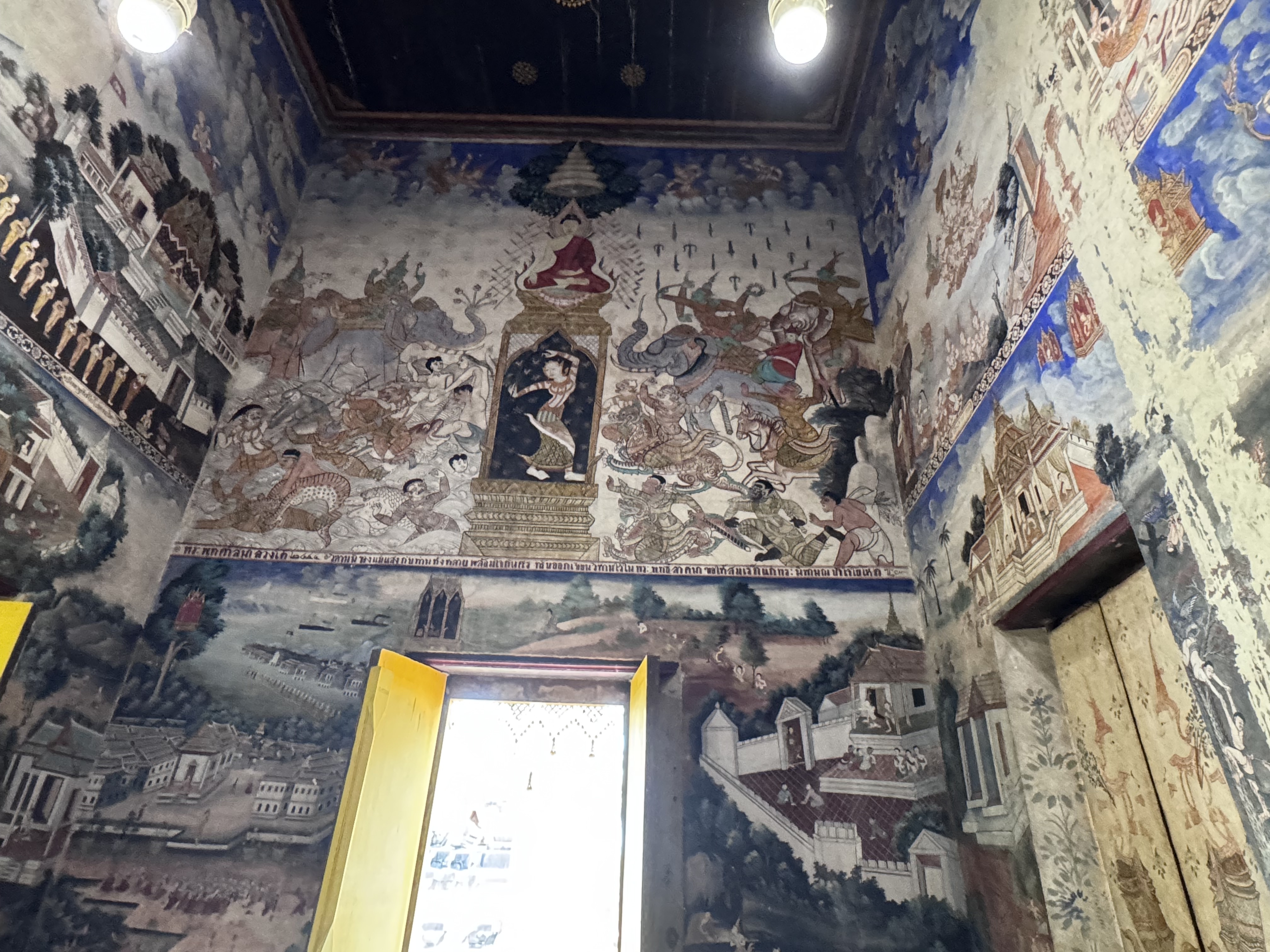
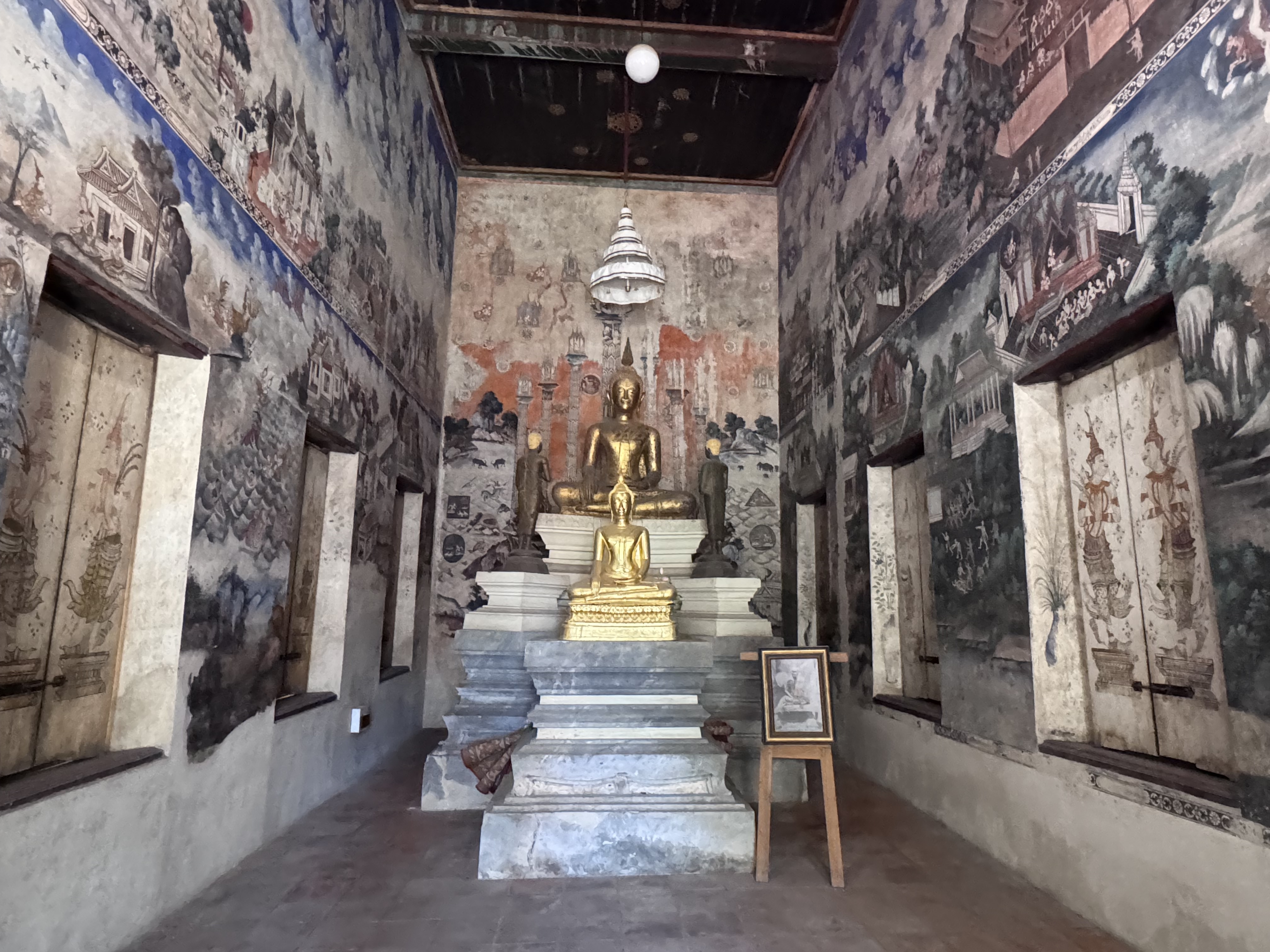
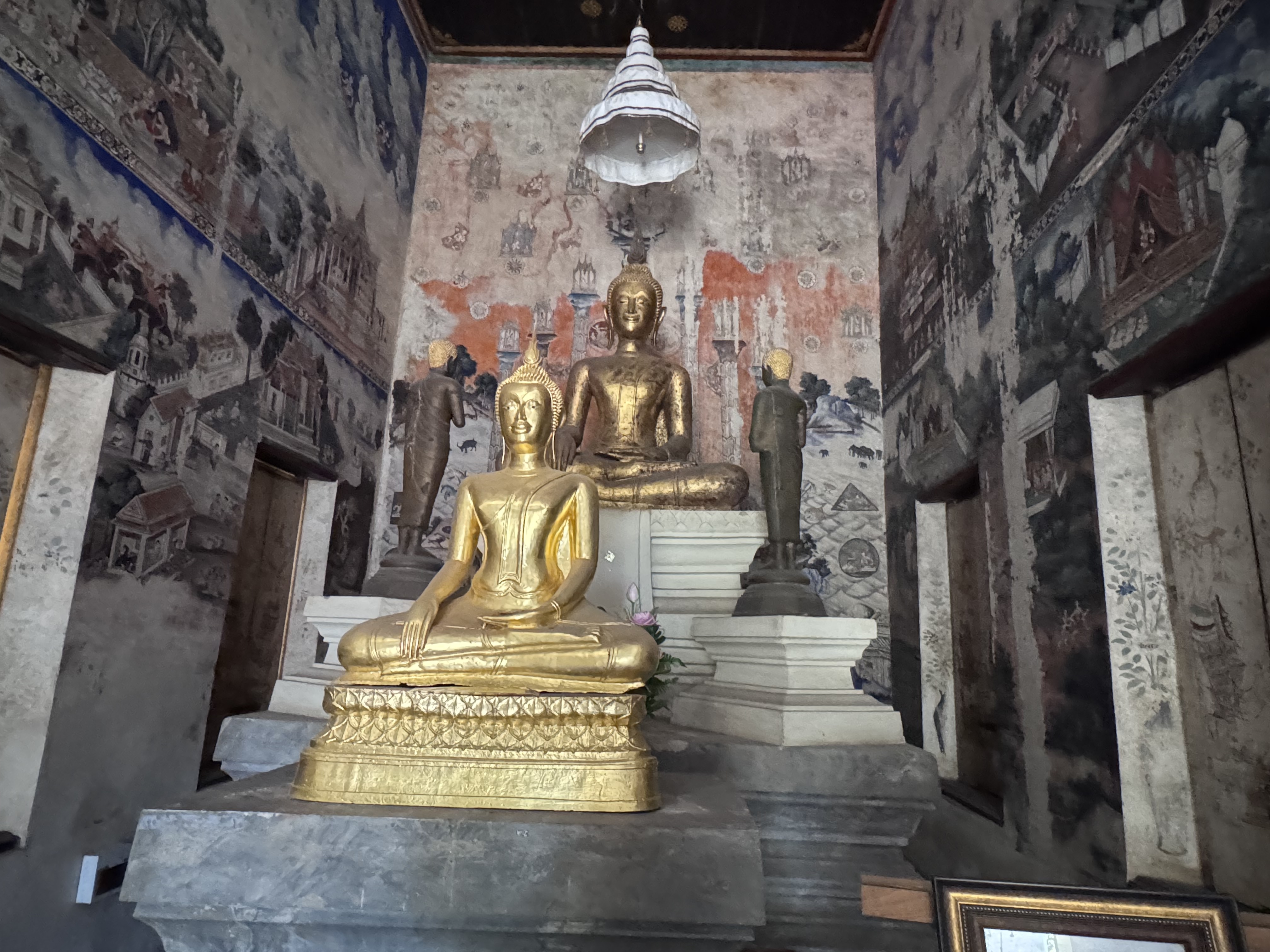
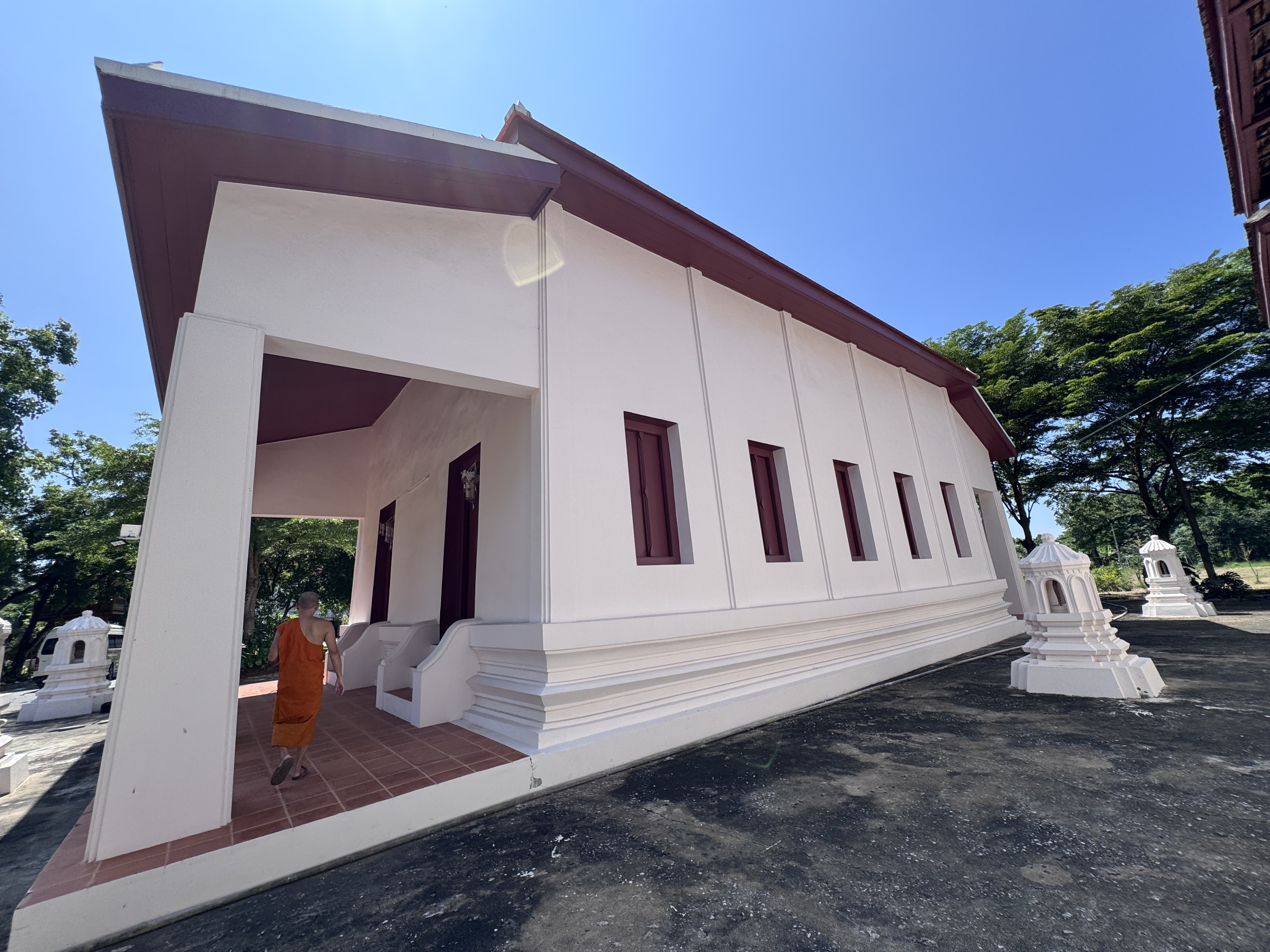
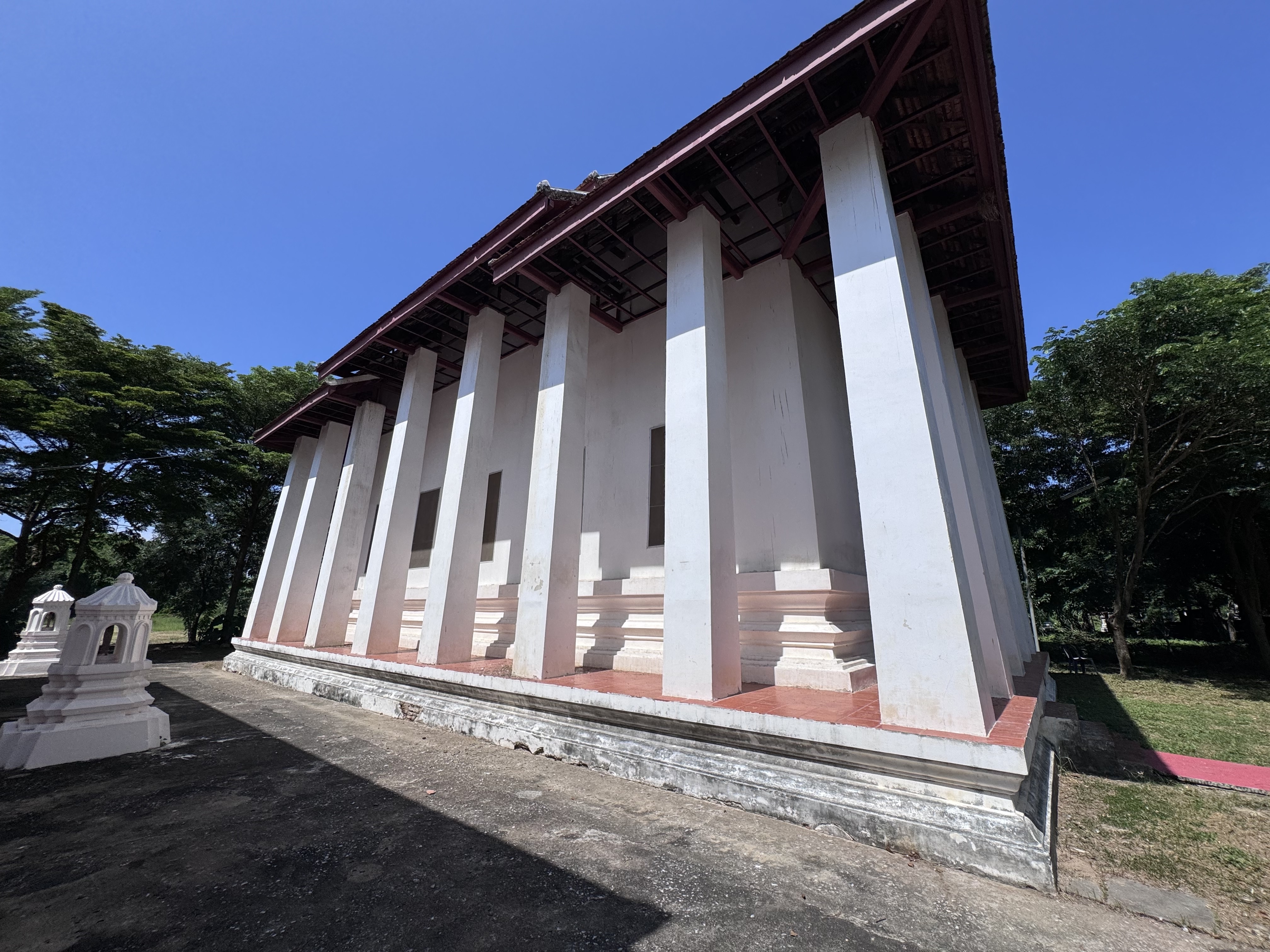
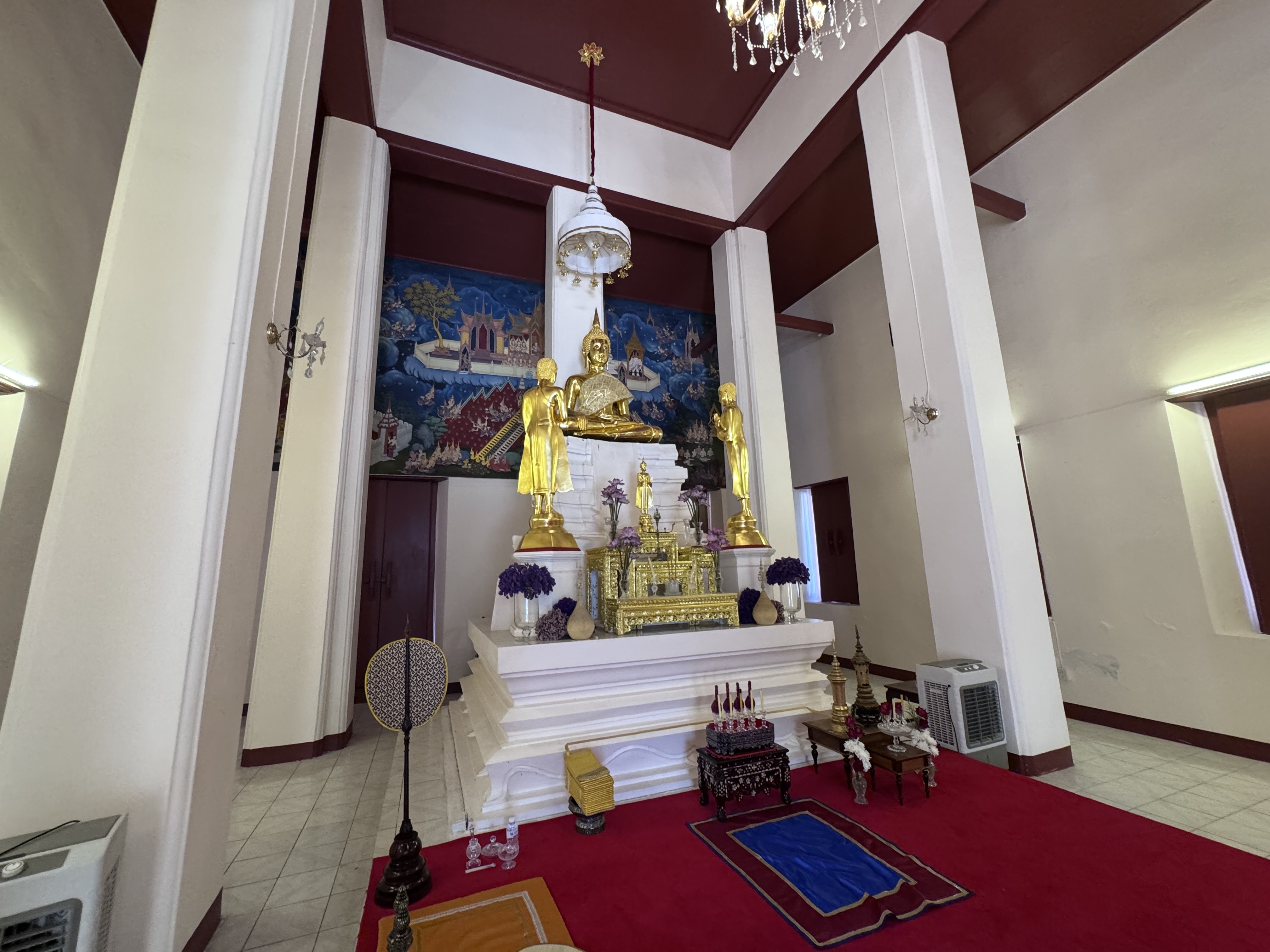
Wat Muang, the Purple Monastery, stands as an active community temple north of the old city island. Its name derives from the earlier village of Ban Muang that occupied the same ground, a common pattern in Thai rural naming where the local monastery takes its identity from the settlement it serves.
The temple sits on land that once lay on the right bank of a meandering stretch of the old Lopburi River. In earlier centuries that waterway curved past the site and continued toward Hua Ro; later road construction severed and silted the channel, though remnants of the former course and the short surviving canal known as Khlong Ban Muang can still be traced in the landscape.
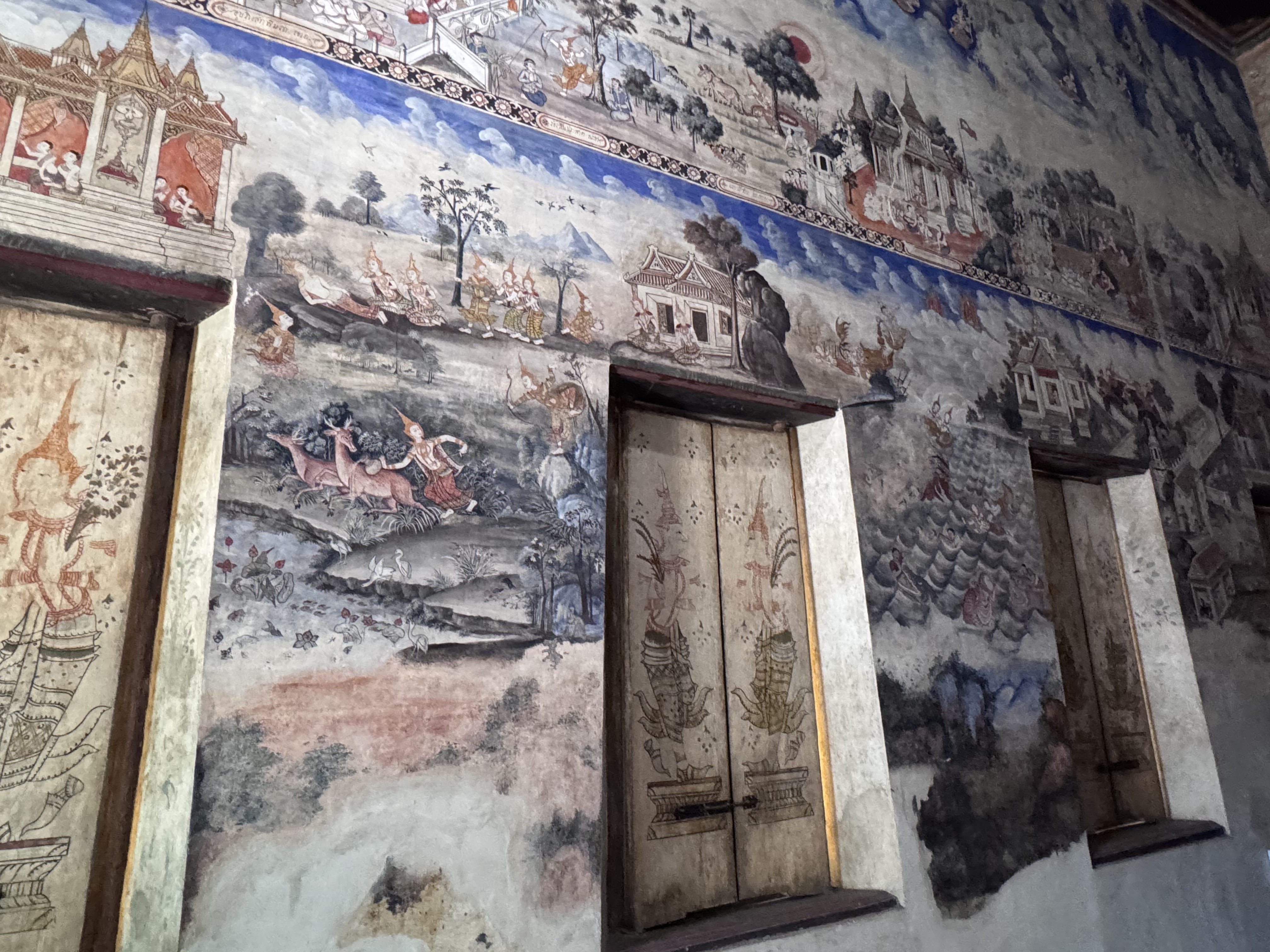
Historical records of the temple’s foundation are sparse and rest largely on oral tradition rather than contemporary documents. The most widely accepted account places its establishment in the early Rattanakosin period, around 1812, with the formal granting of boundary stones two years later in 1814. The ordination hall itself is ...