

Sing Buri Province, nestled along the fertile banks of the Chao Phraya River in central Thailand, traces its origins to the ancient Mon-Khmer settlements that flourished during the Dvaravati period, later flourishing under the Ayutthaya Kingdom as a strategic riverine outpost. The name “Sing Buri” itself derives from local folklore: a mythical lion (singha) spirit is said to have guarded the area, mating with a human woman and fathering a child named Singhapahu, whose lineage symbolically founded the city. This blend of myth and history infuses the region with a quiet pride, evident in its preserved temples, riverside way of life, and enduring agricultural rhythms.
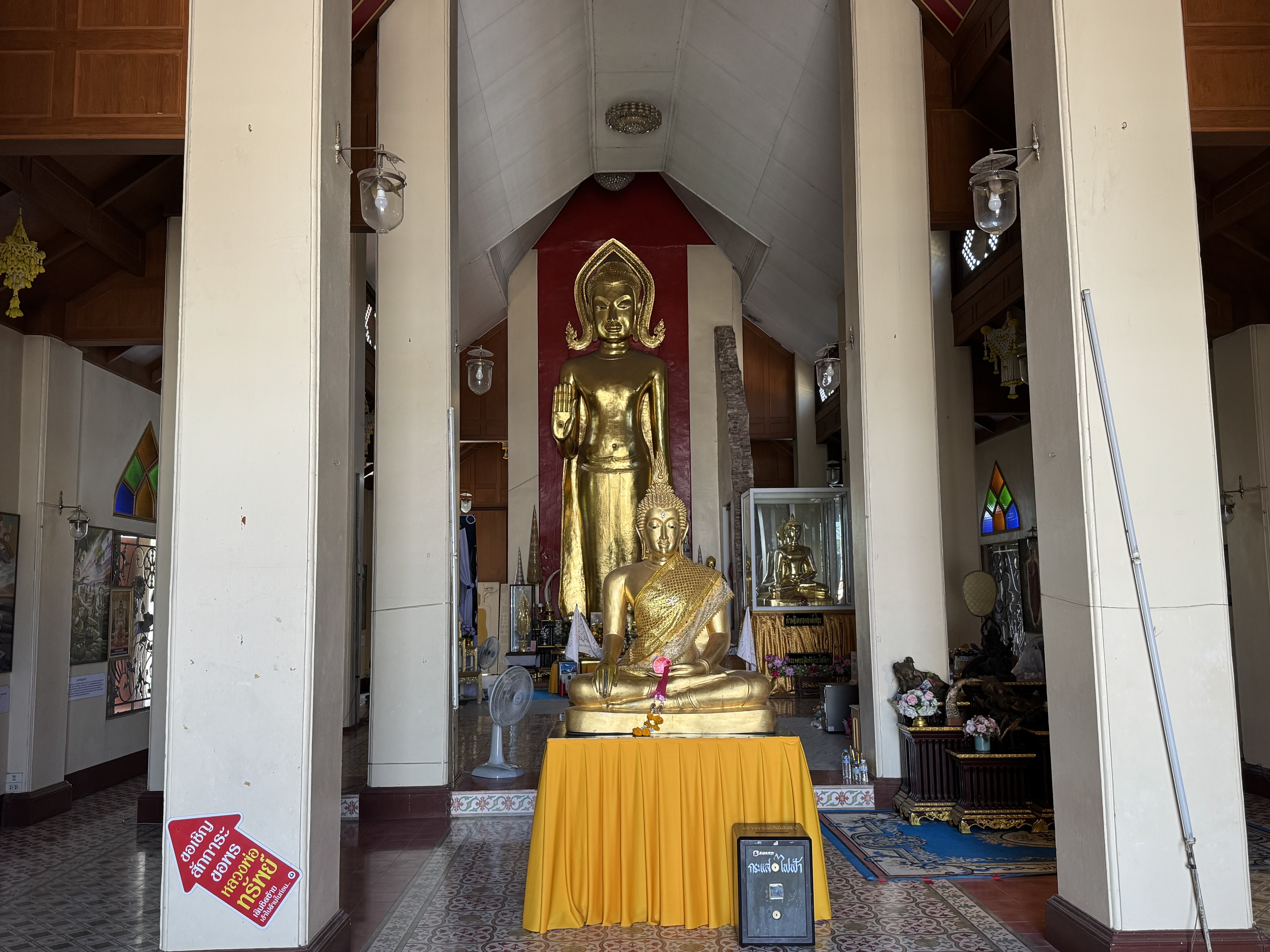
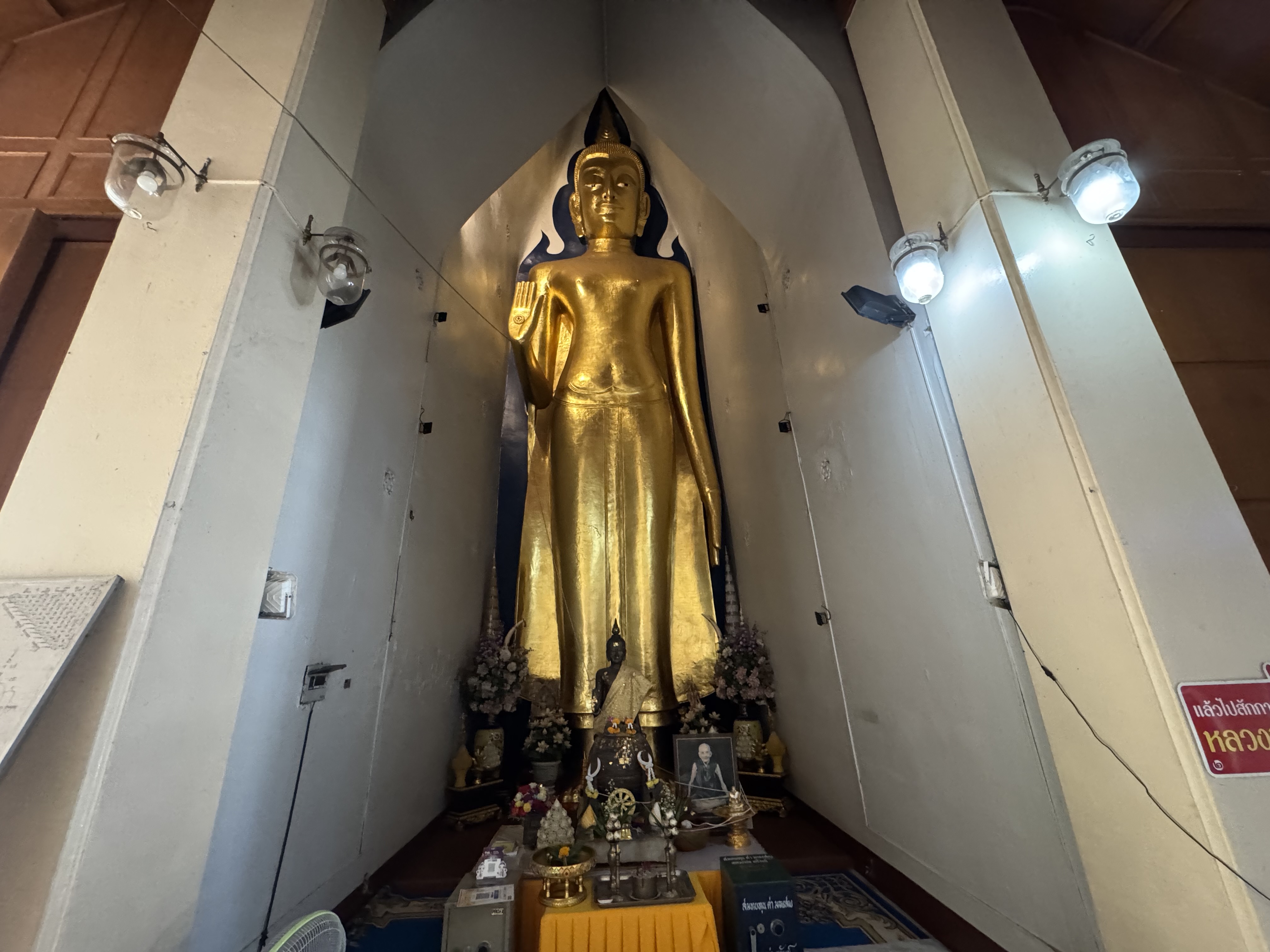
Among these sacred sites stands Wat Prachoti Karam, a serene Ayutthaya-era temple in the Don Kratay area of Bang Krabue Subdistrict, revered for its deep spiritual resonance and architectural grace.
Believed to have been established over four centuries ago, the temple embodies the transitional artistry between Sukhothai and ...
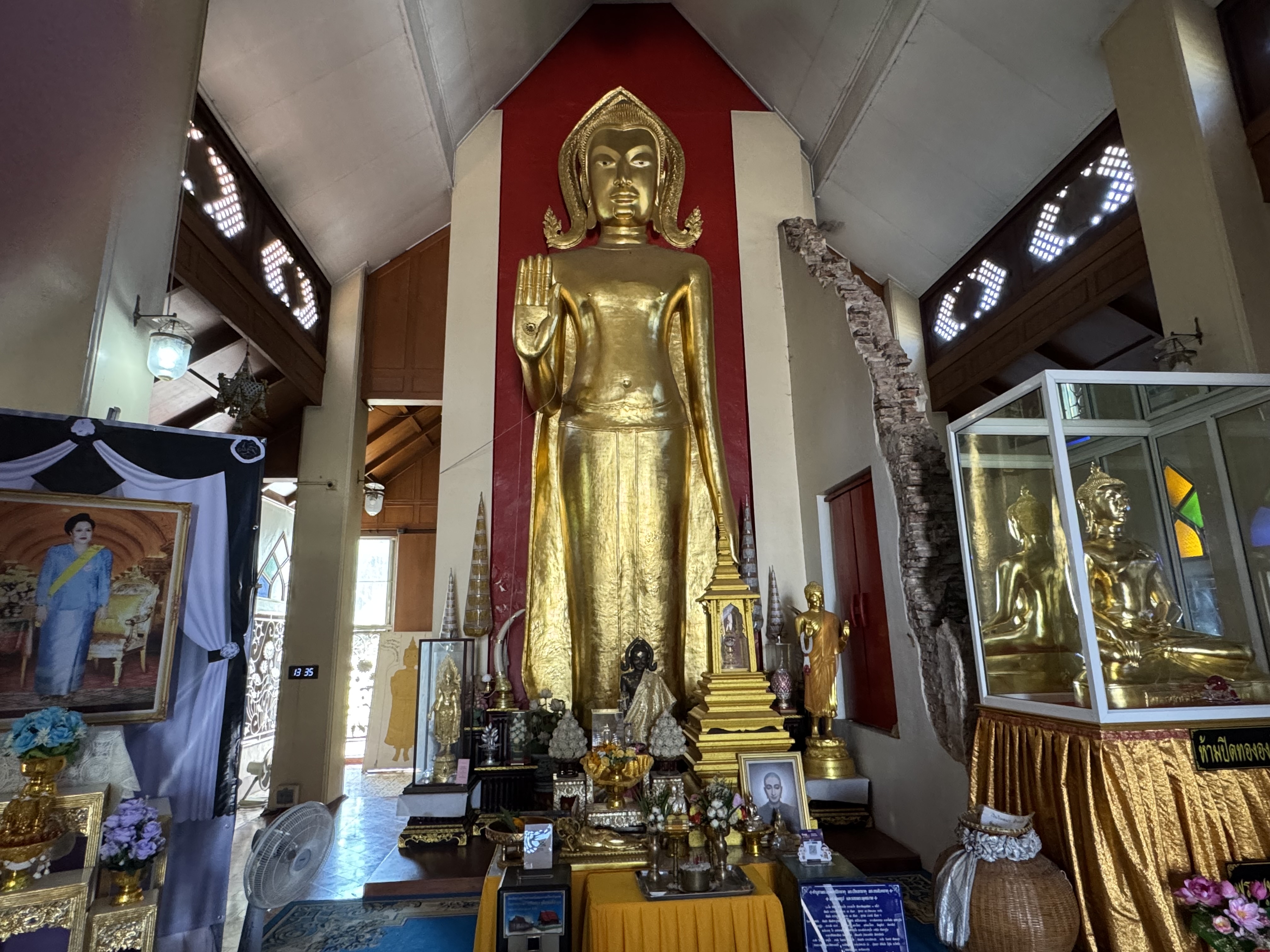
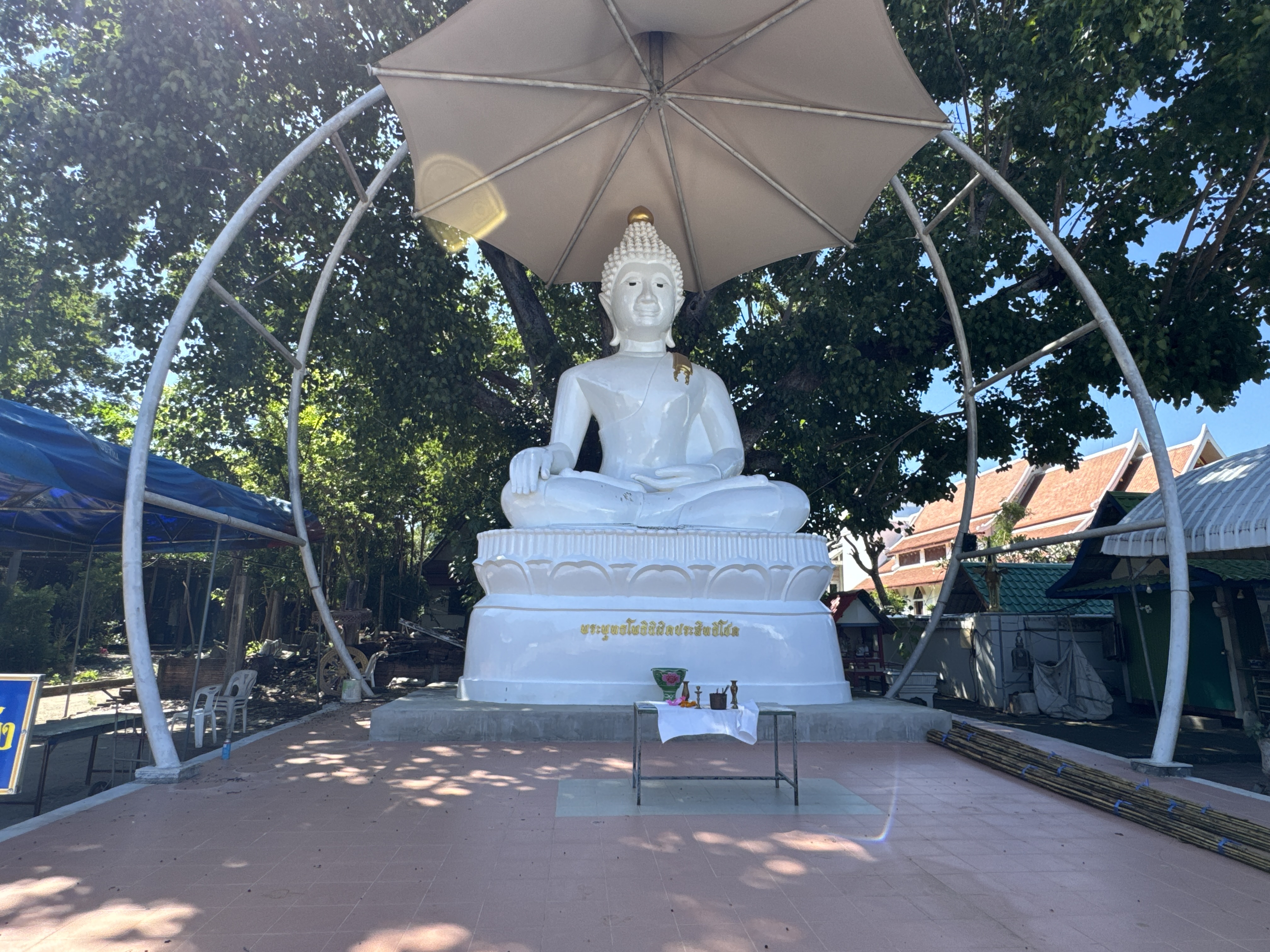
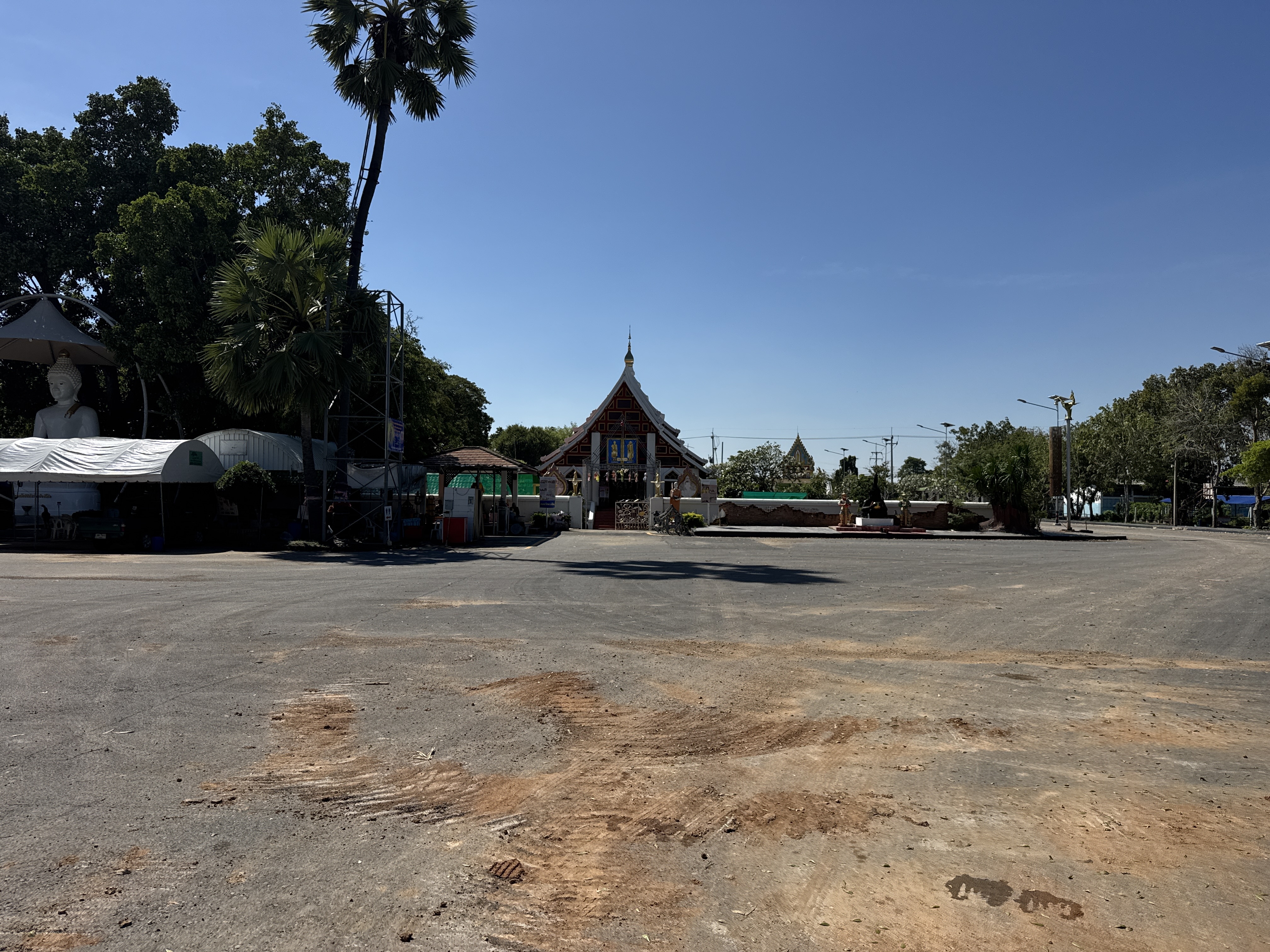
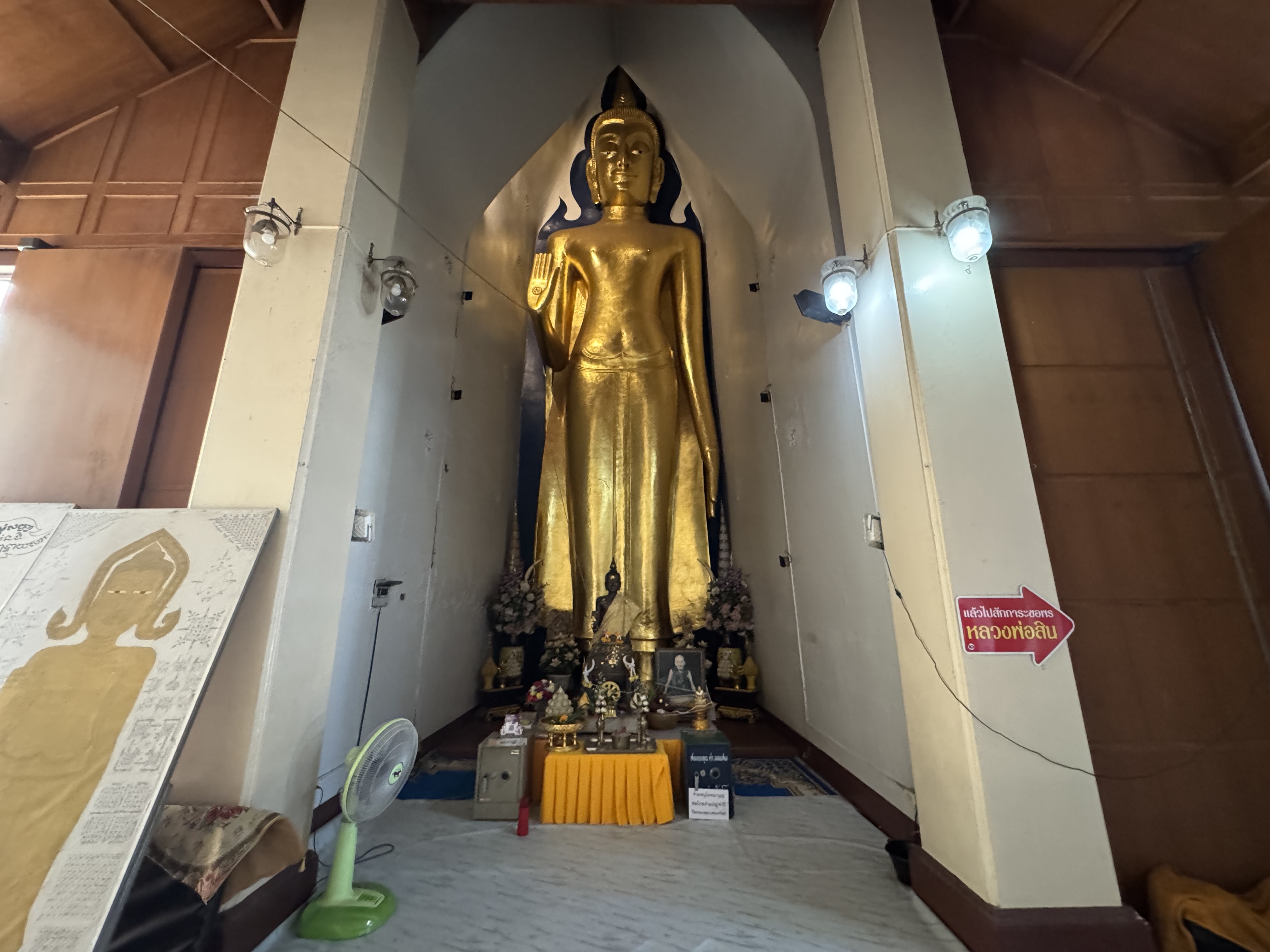
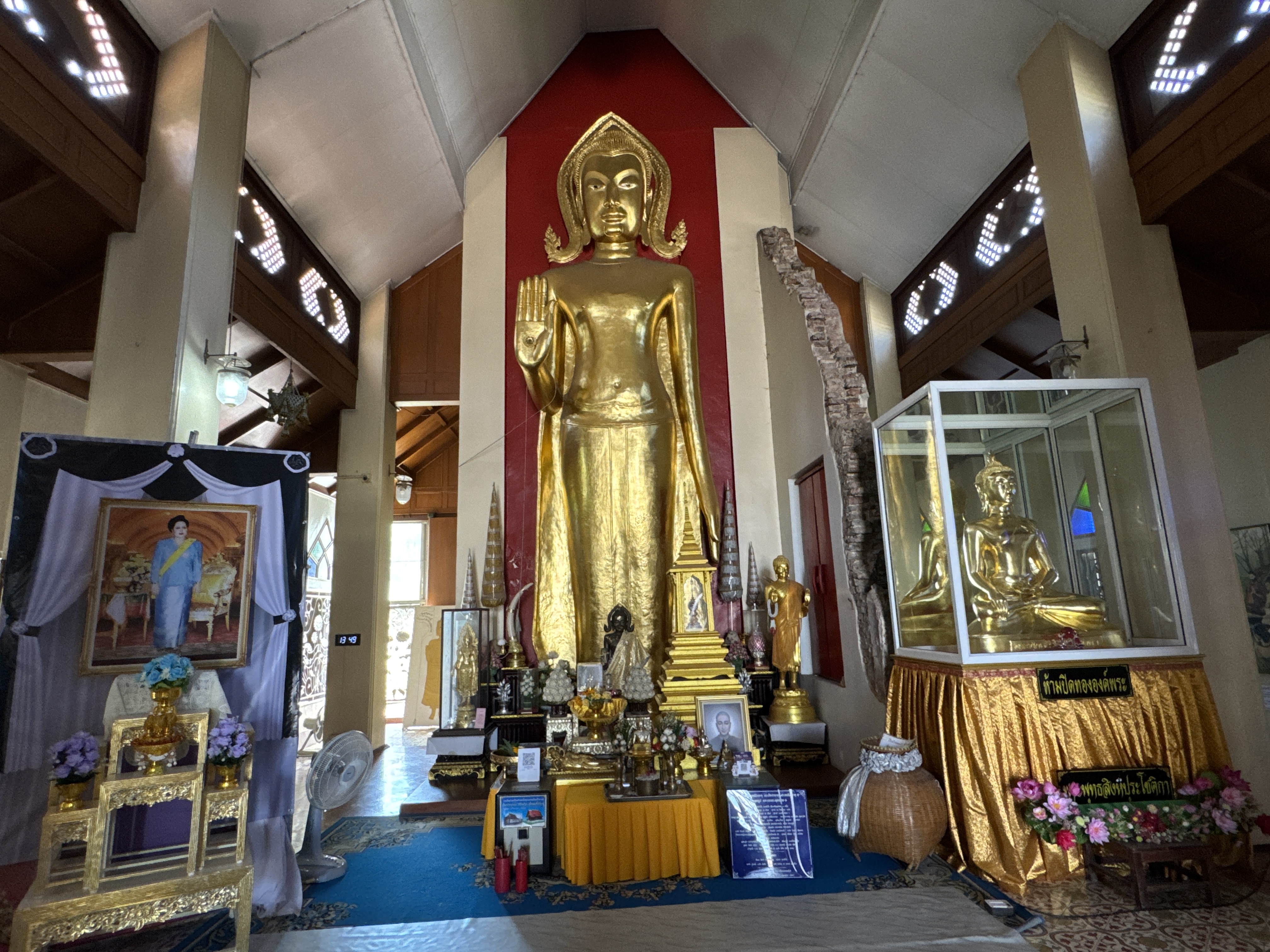
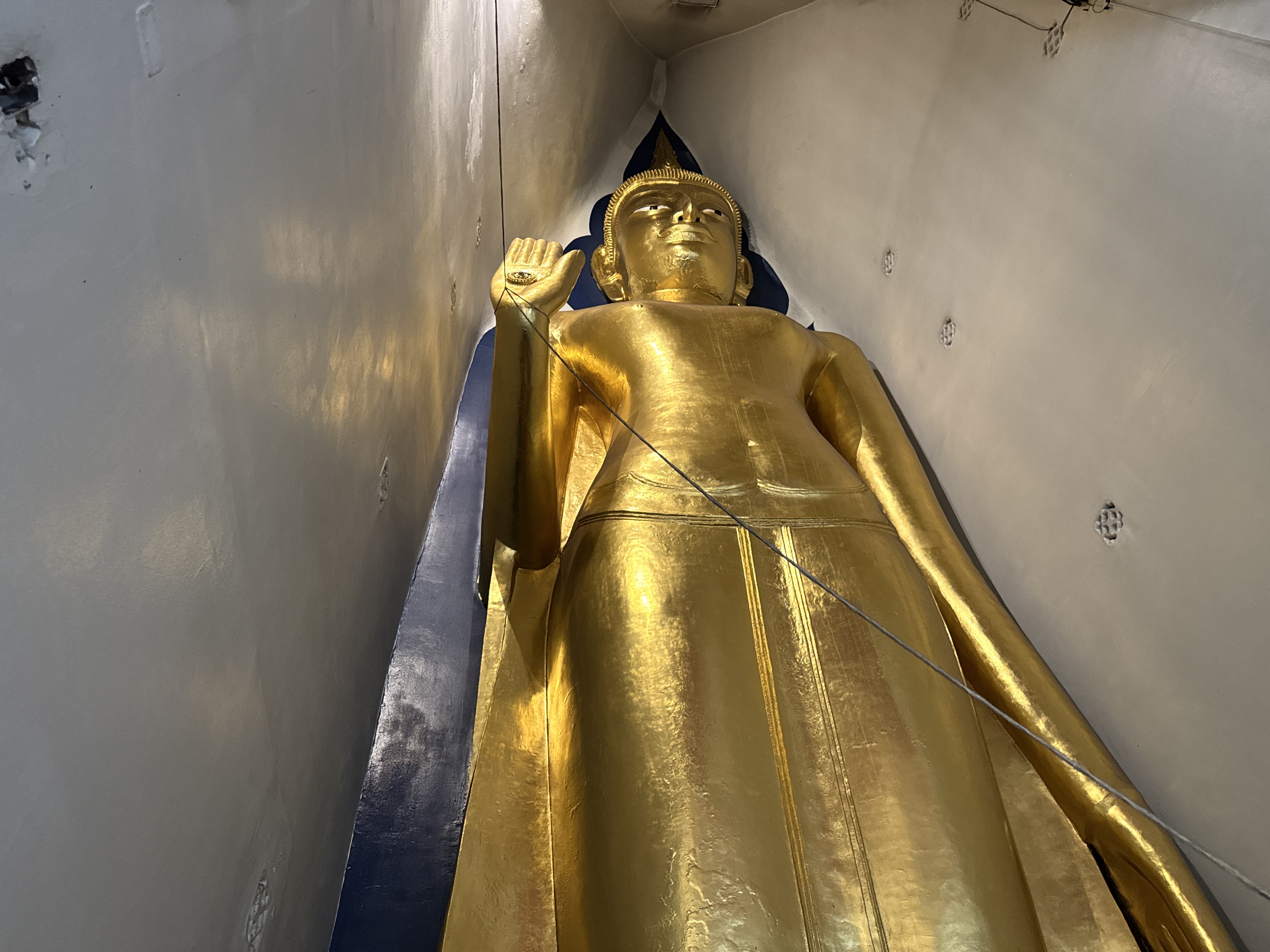
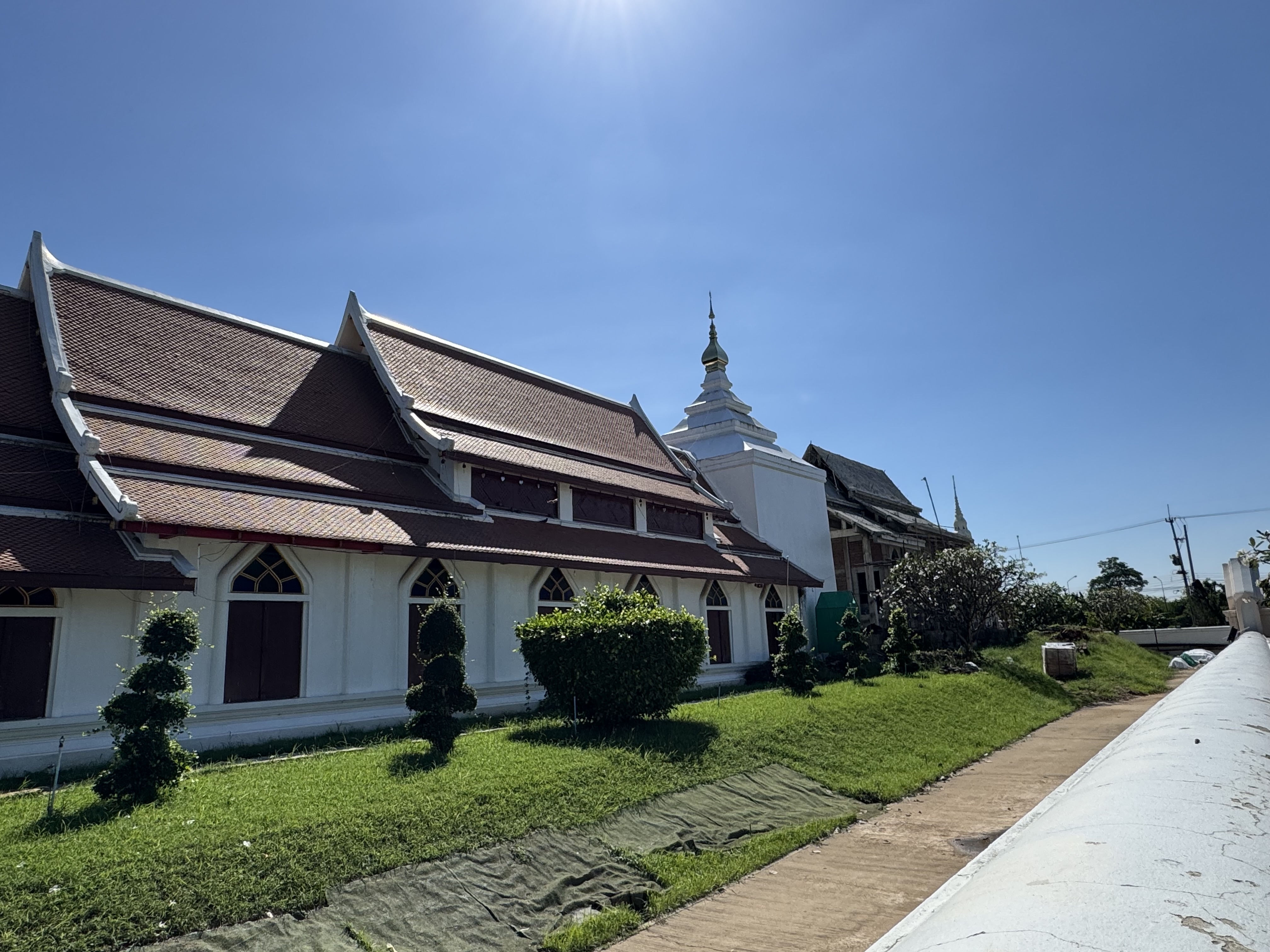
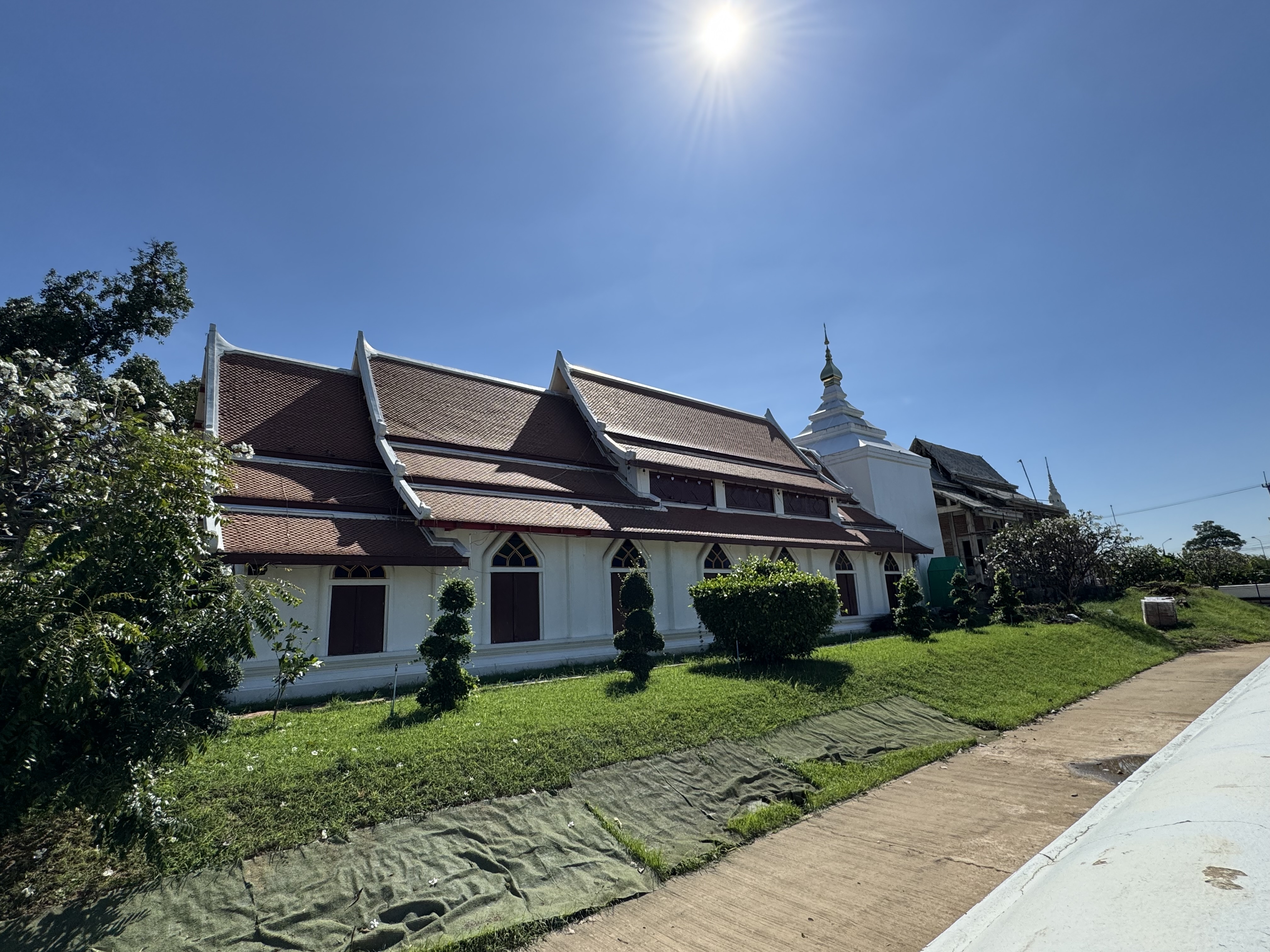
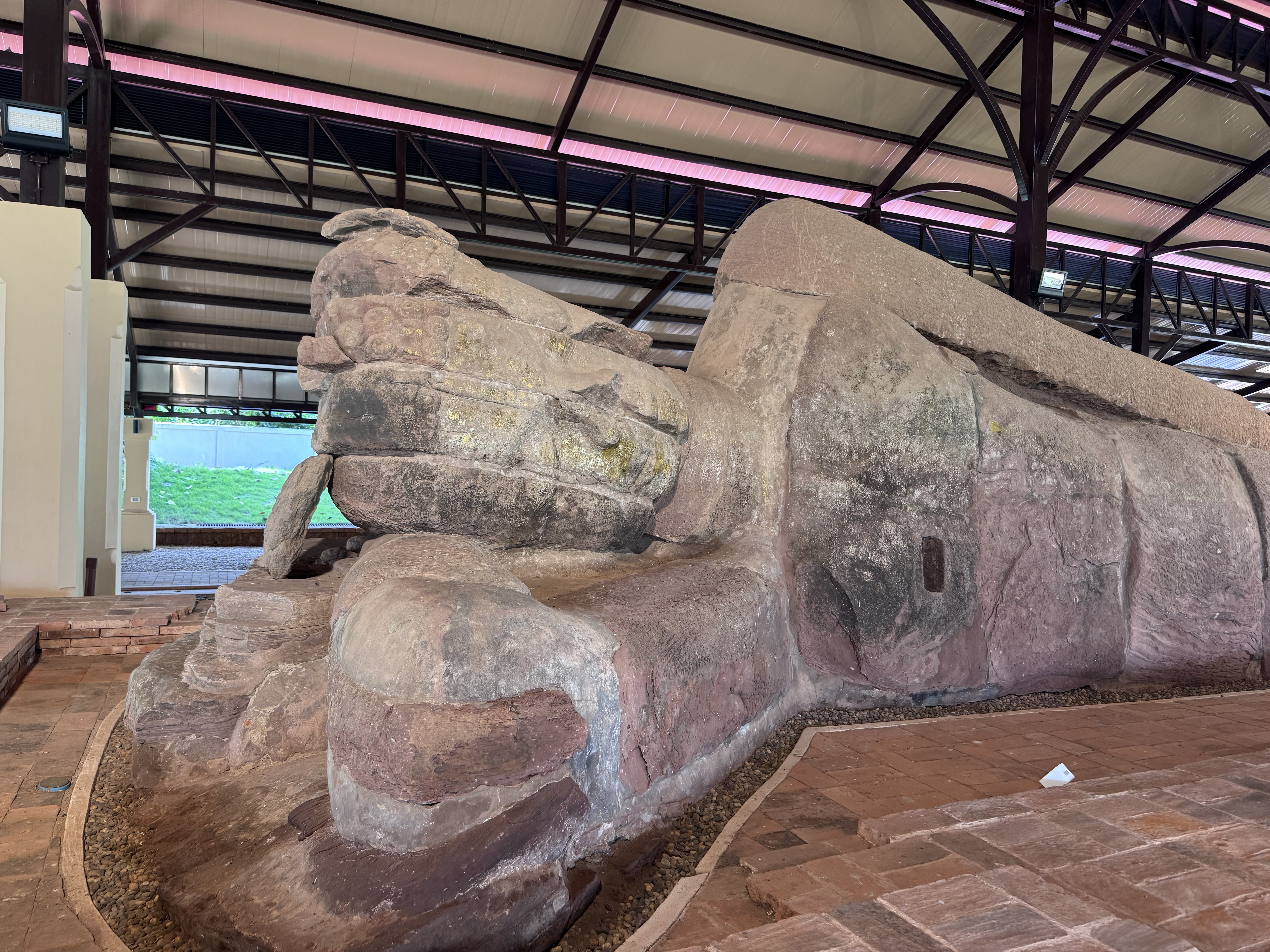
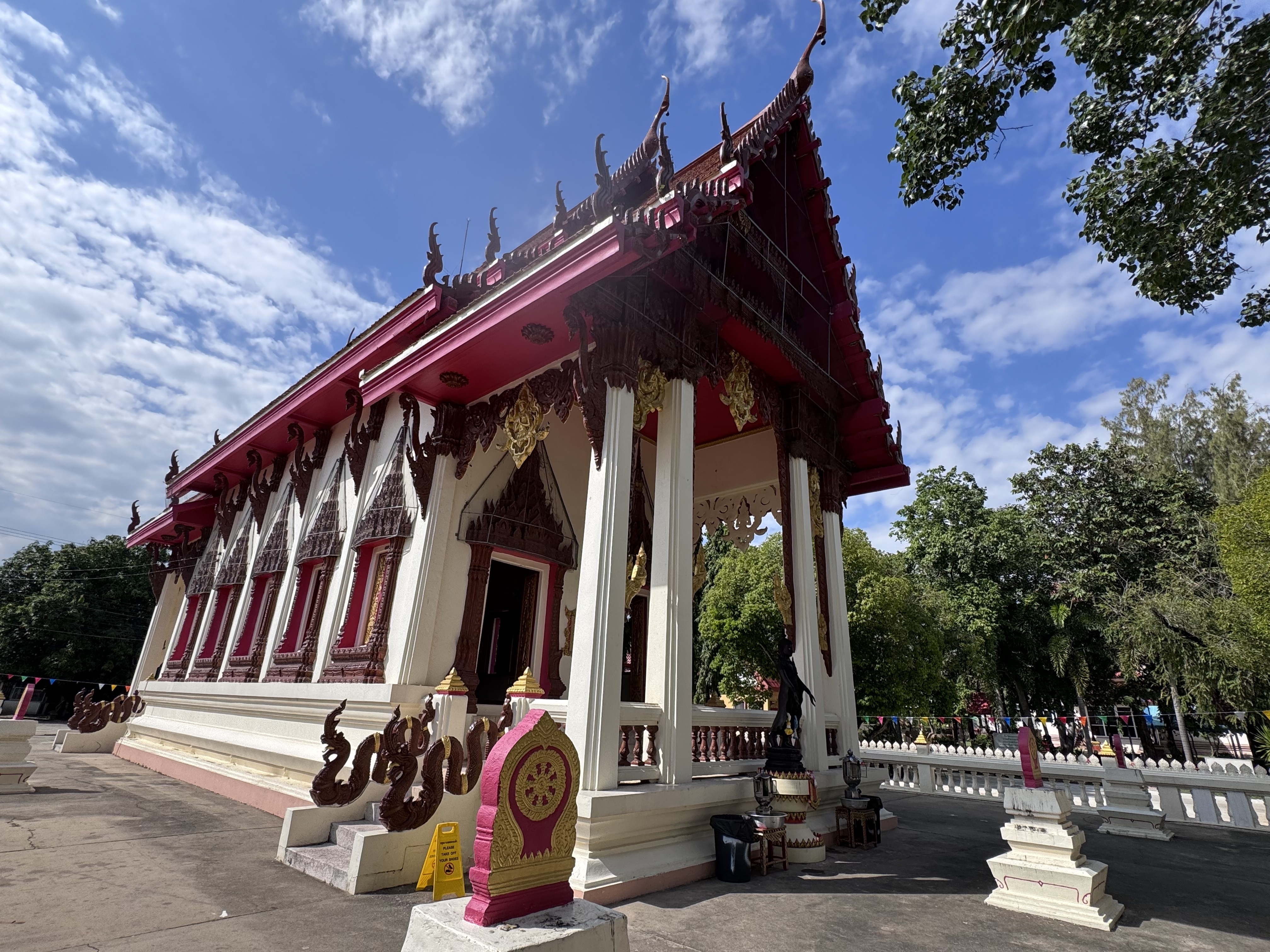
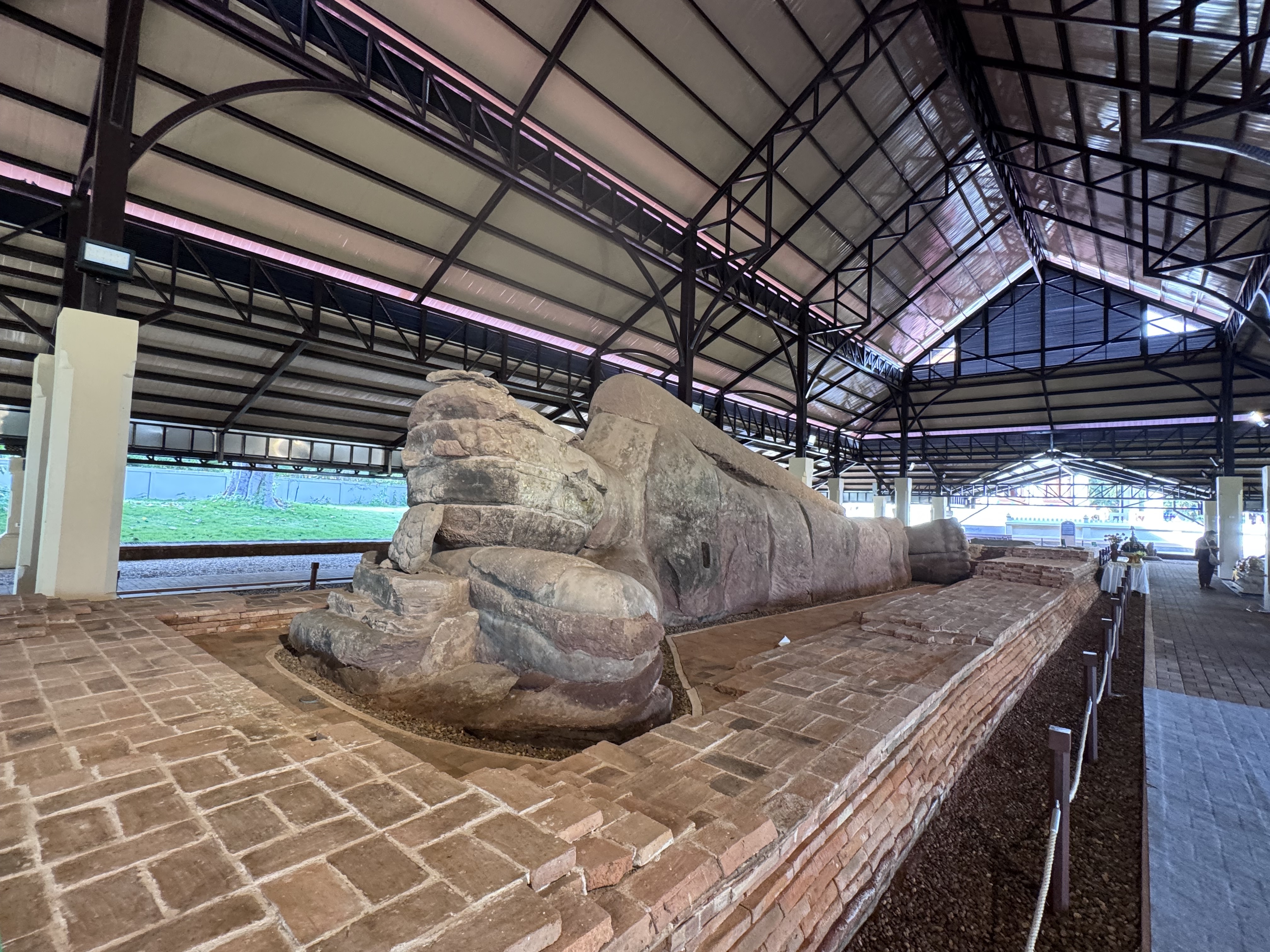
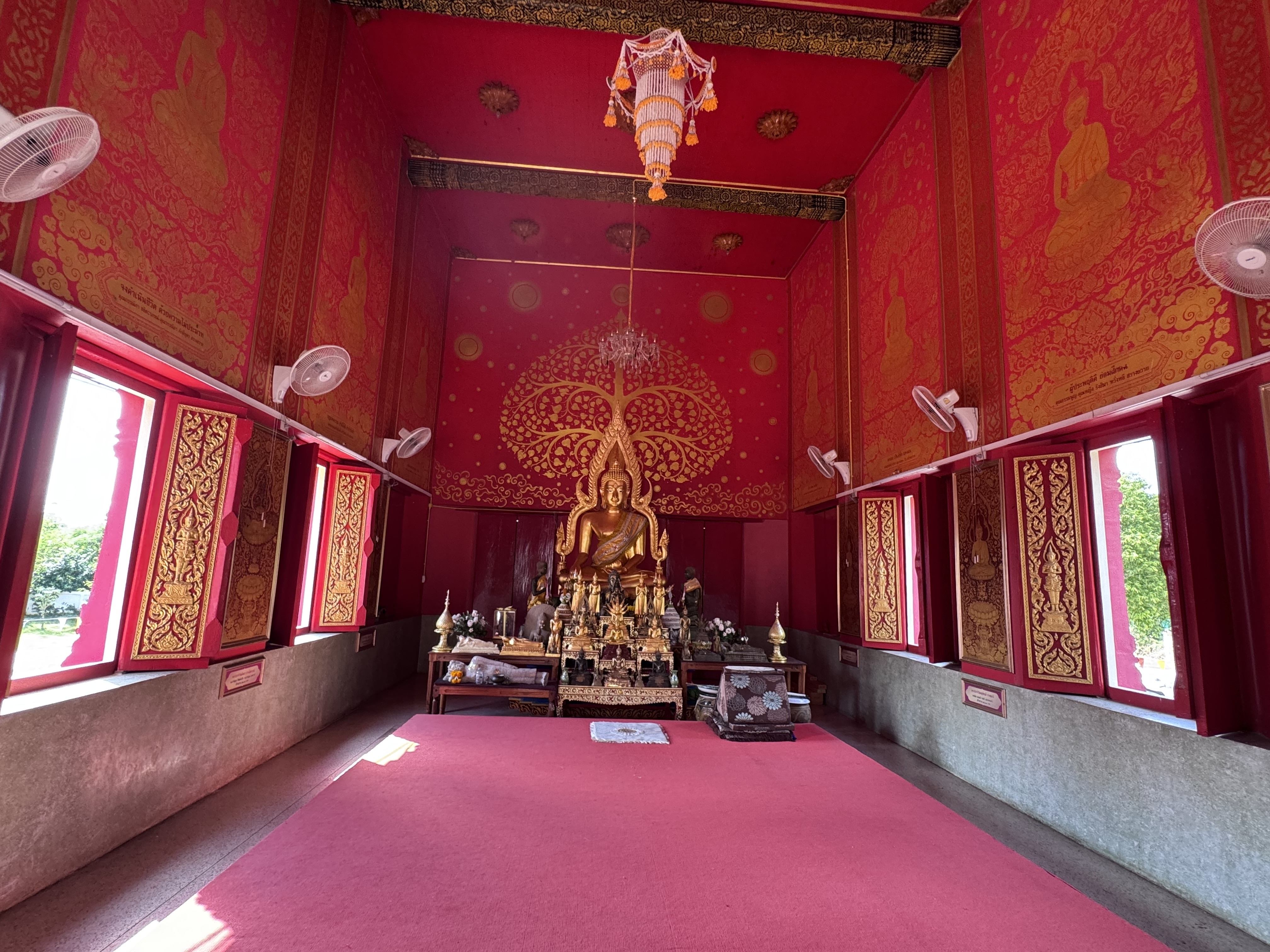
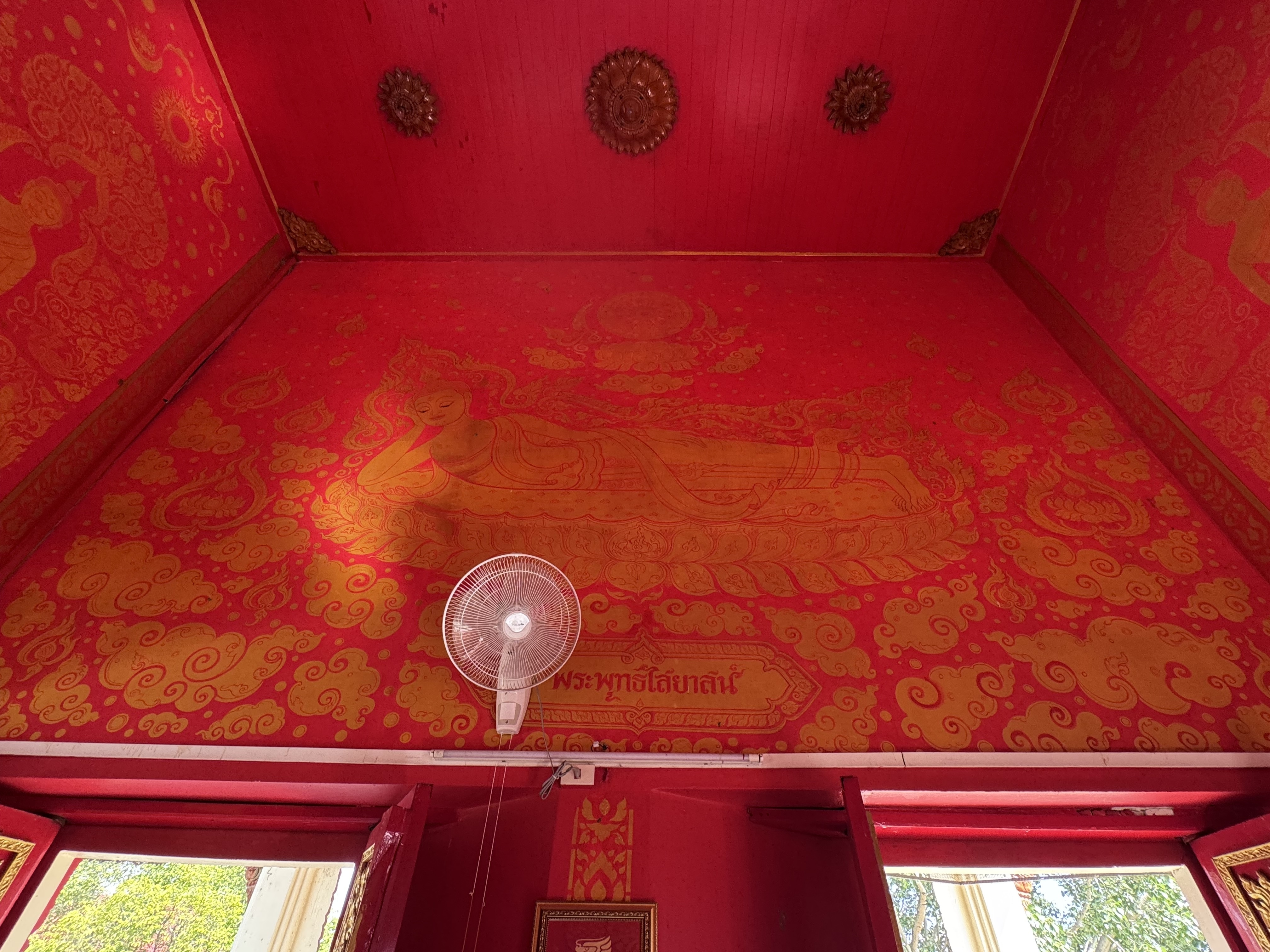
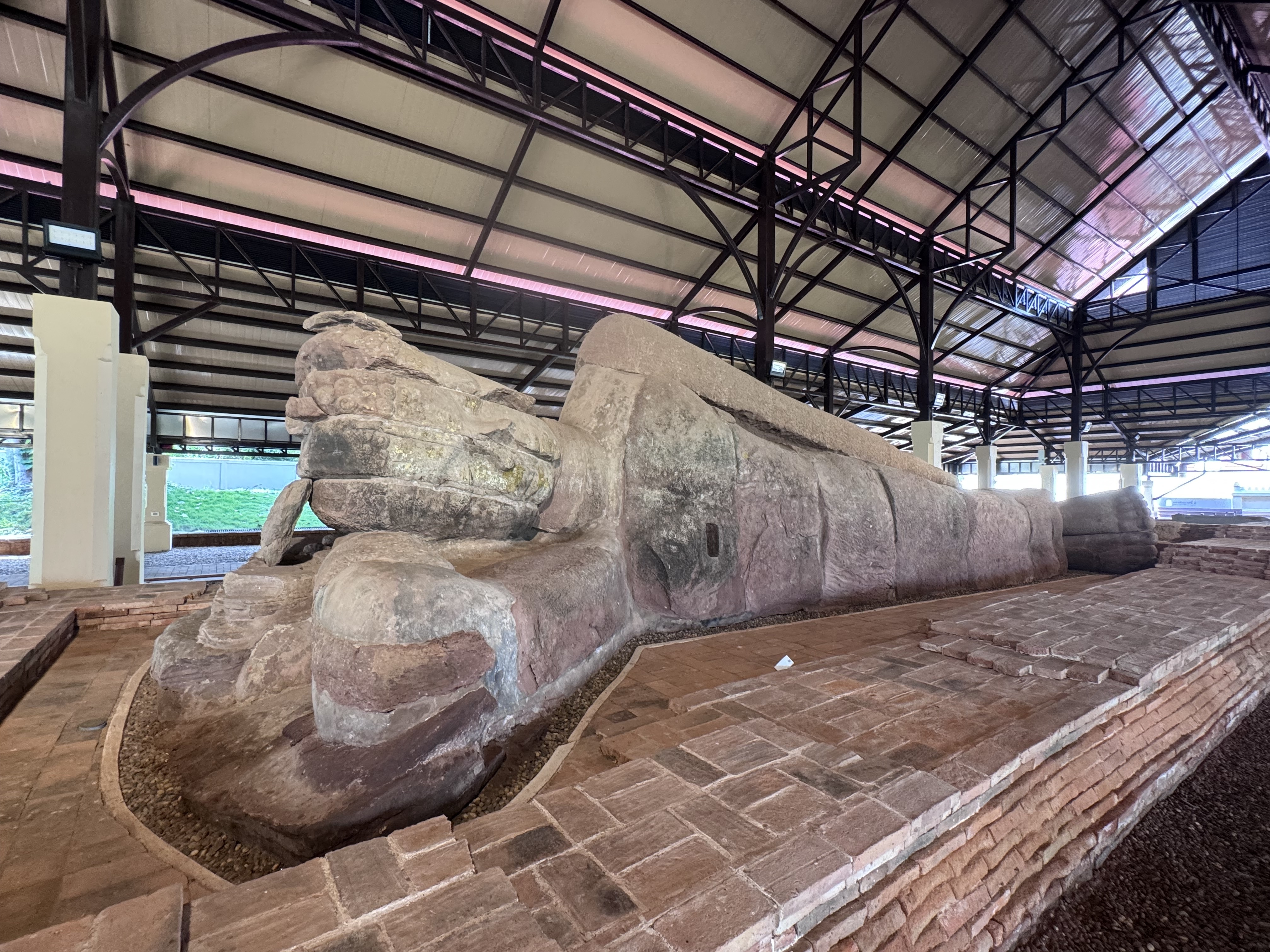
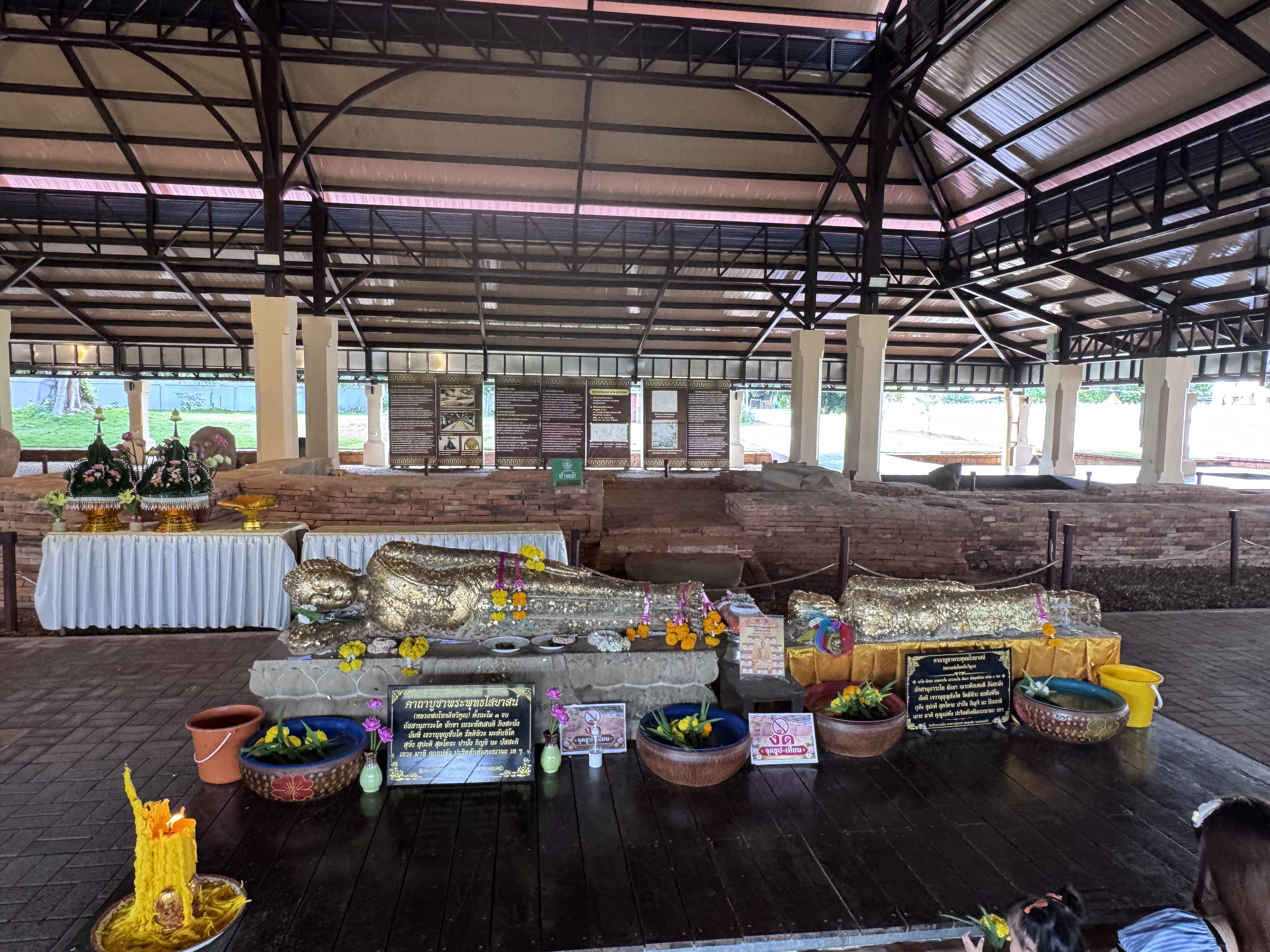
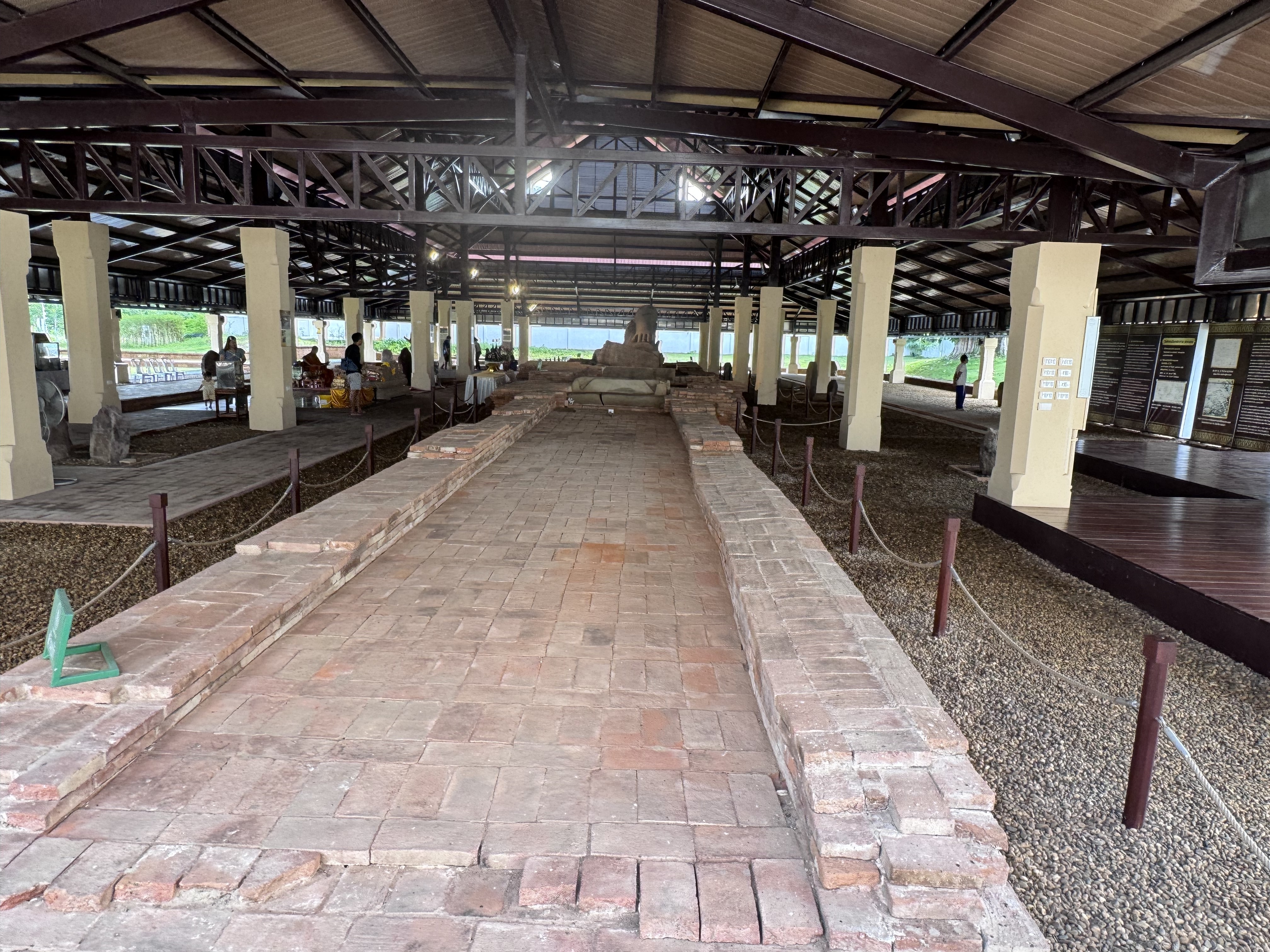
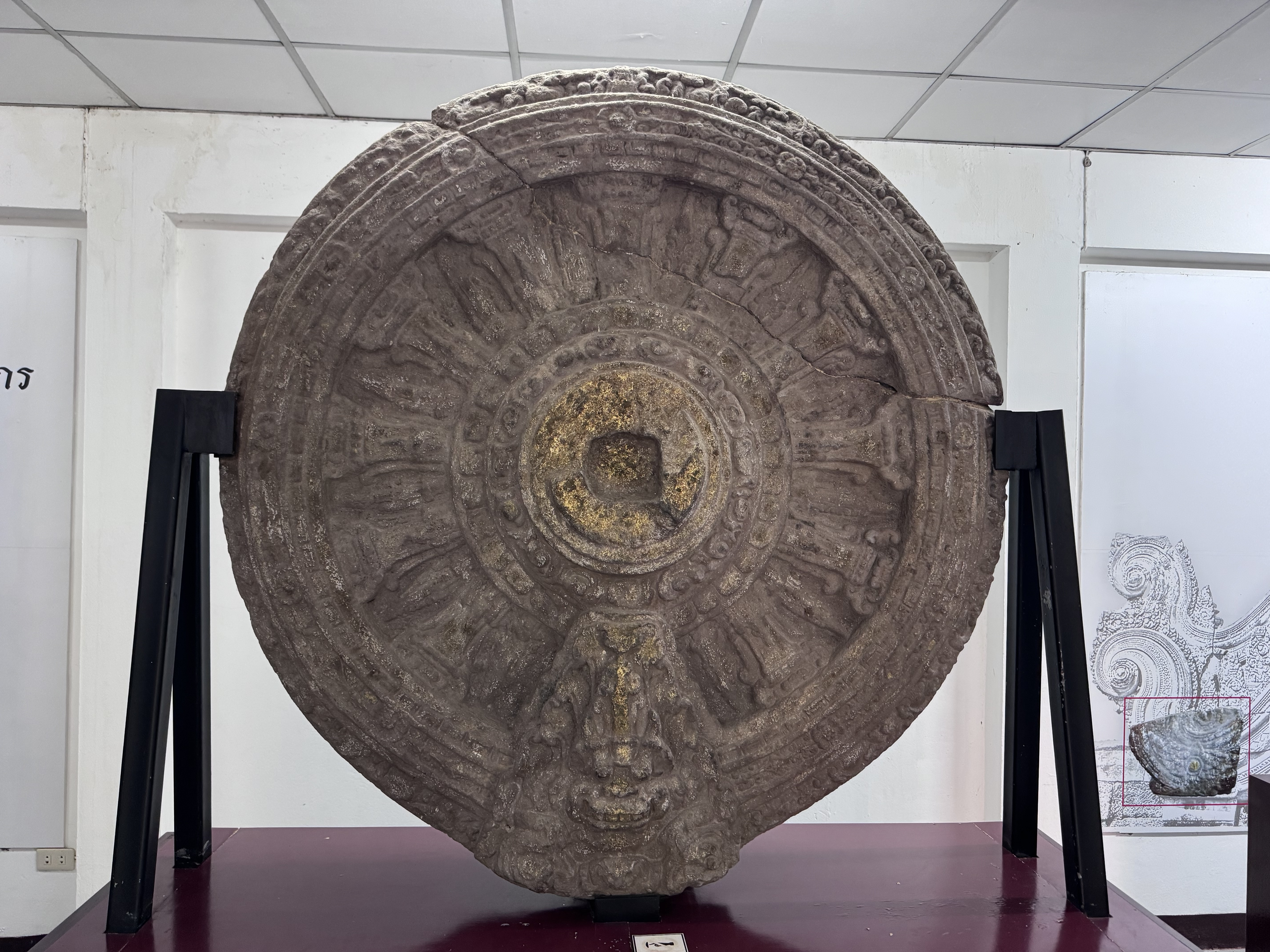
Wat Thammachak Sema Ram, also known locally as Wat Phra Non Khlong Khwang, stands in Nakhon Ratchasima province. Although the present-day monastery traces its formal establishment to the mid-eighteenth century, the site itself is far older and belongs to the Dvaravati cultural sphere that flourished across central and northeastern Thailand from roughly the sixth to the eleventh centuries.
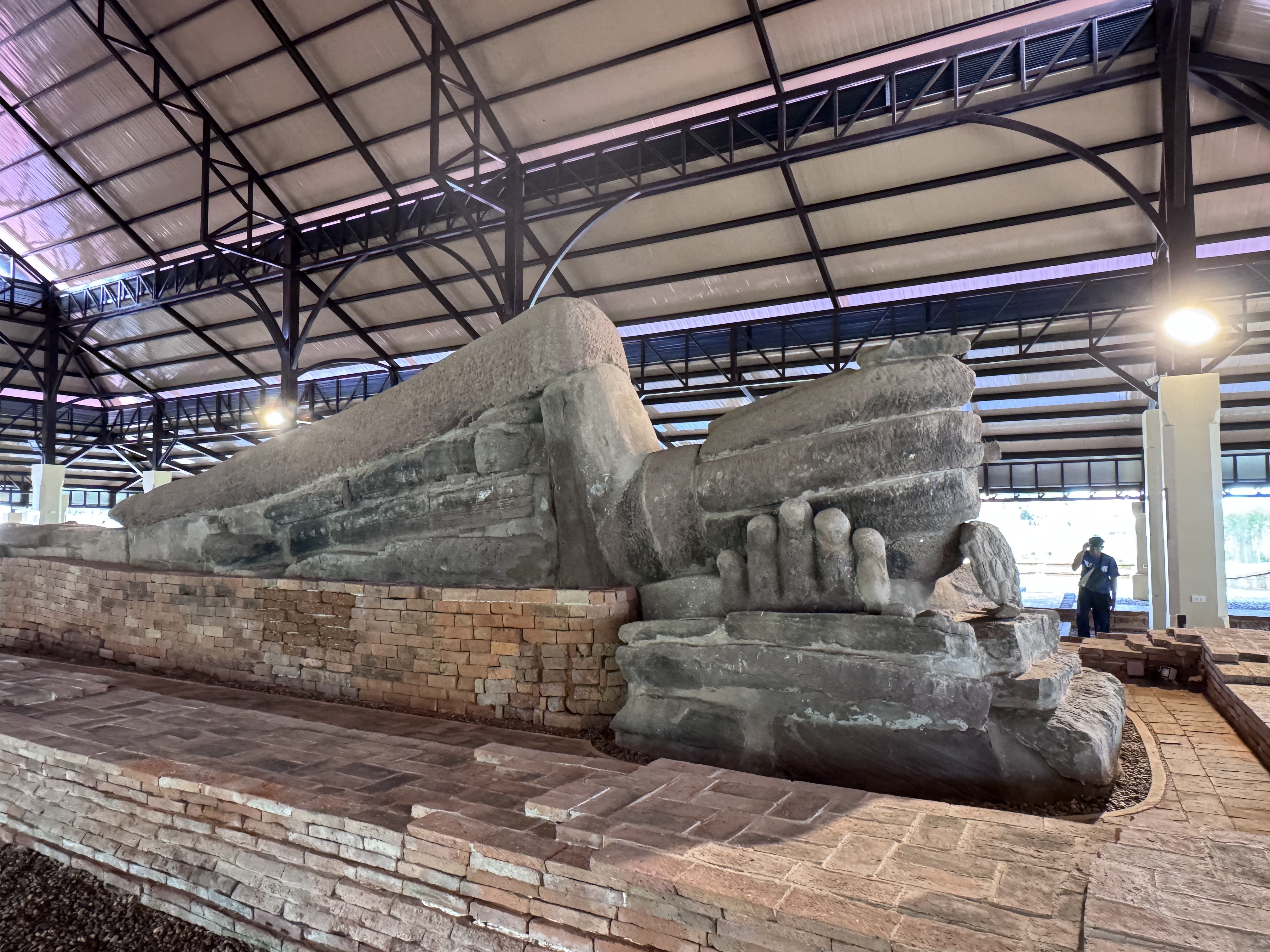
The temple’s greatest treasure is the large sandstone reclining Buddha, widely regarded as both the oldest and among the longest stone images of this type still surviving in the country.
The figure measures approximately 13.3 meters in length and between 2.5 and 2.8 meters in height. It was assembled from multiple blocks of red sandstone arranged along a north–south axis, with the head placed at the southern end and the face turned toward the east.
The face itself is somewhat square, formed from four superimposed slabs, while the body consists of vertically stacked blocks. Stylistic features such as the ...
History of Loy Krathong Festival
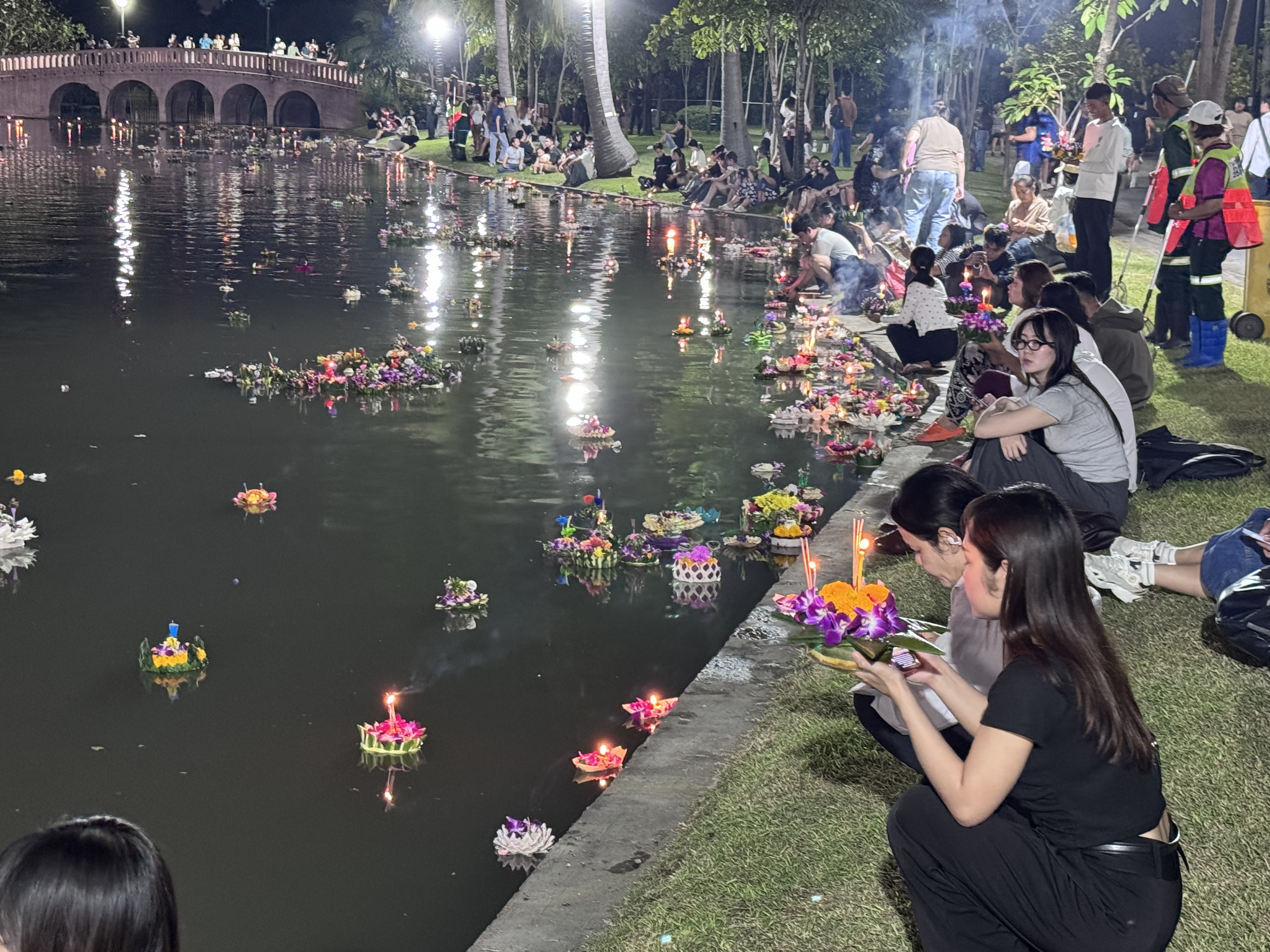
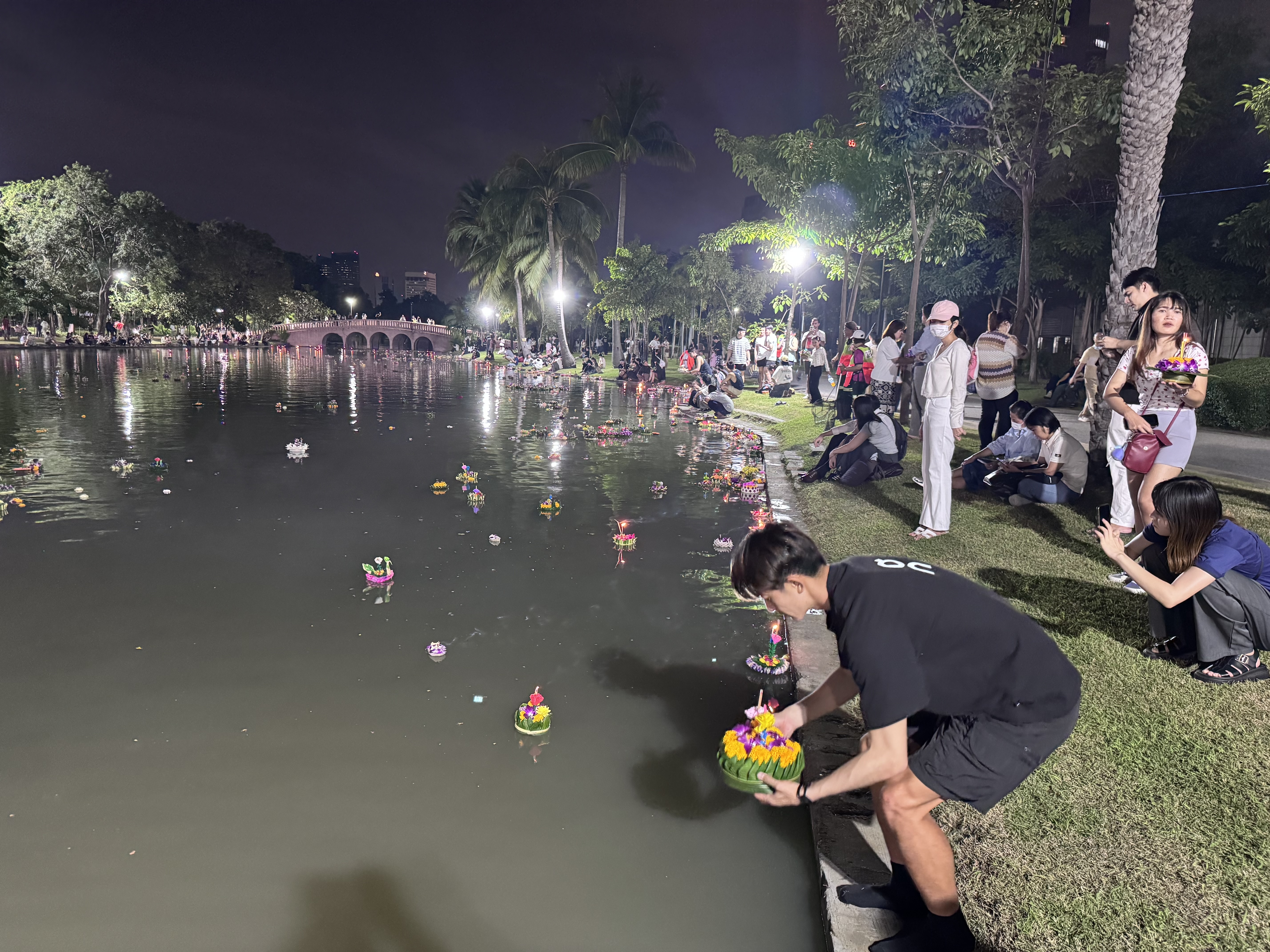
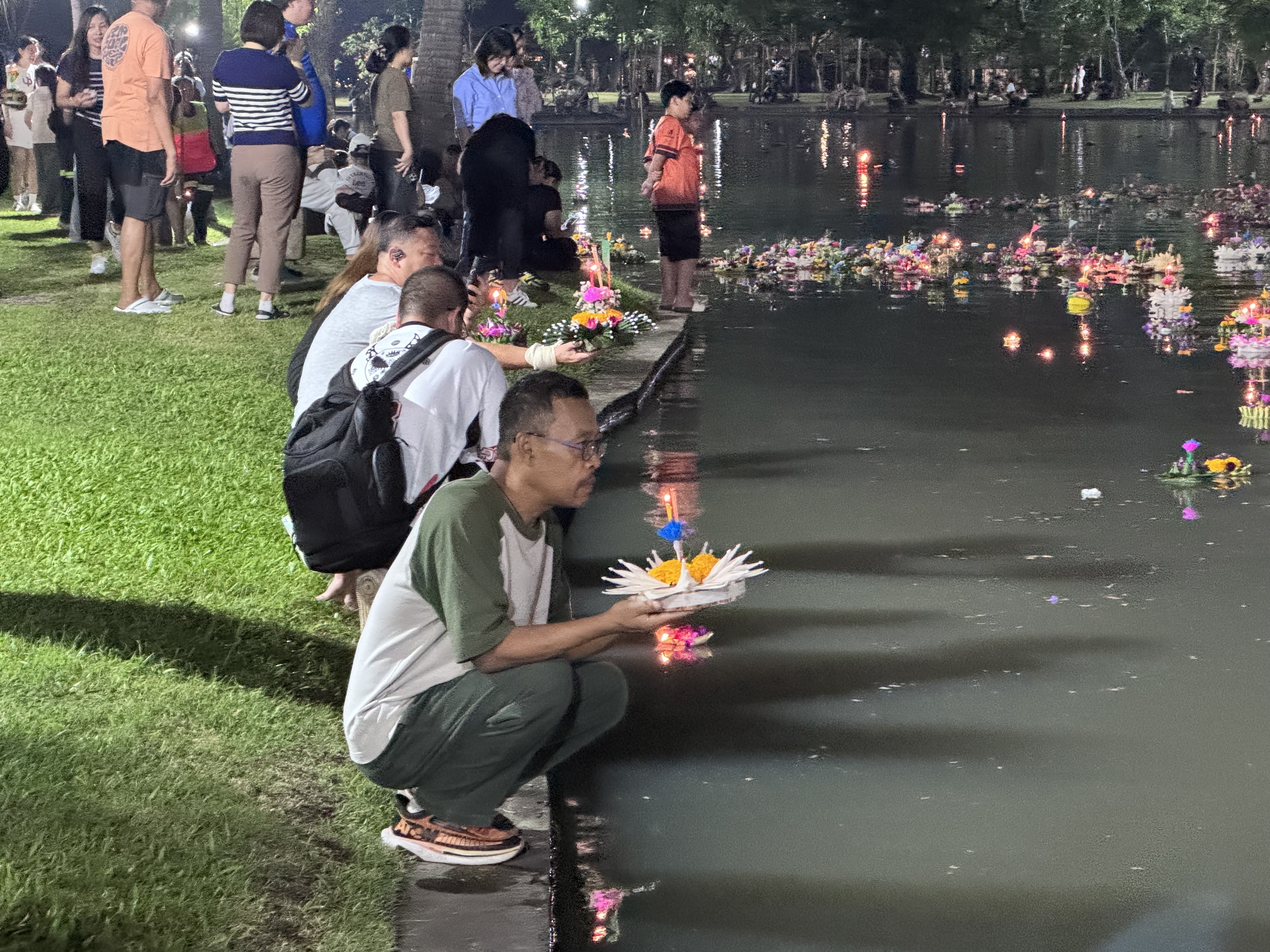
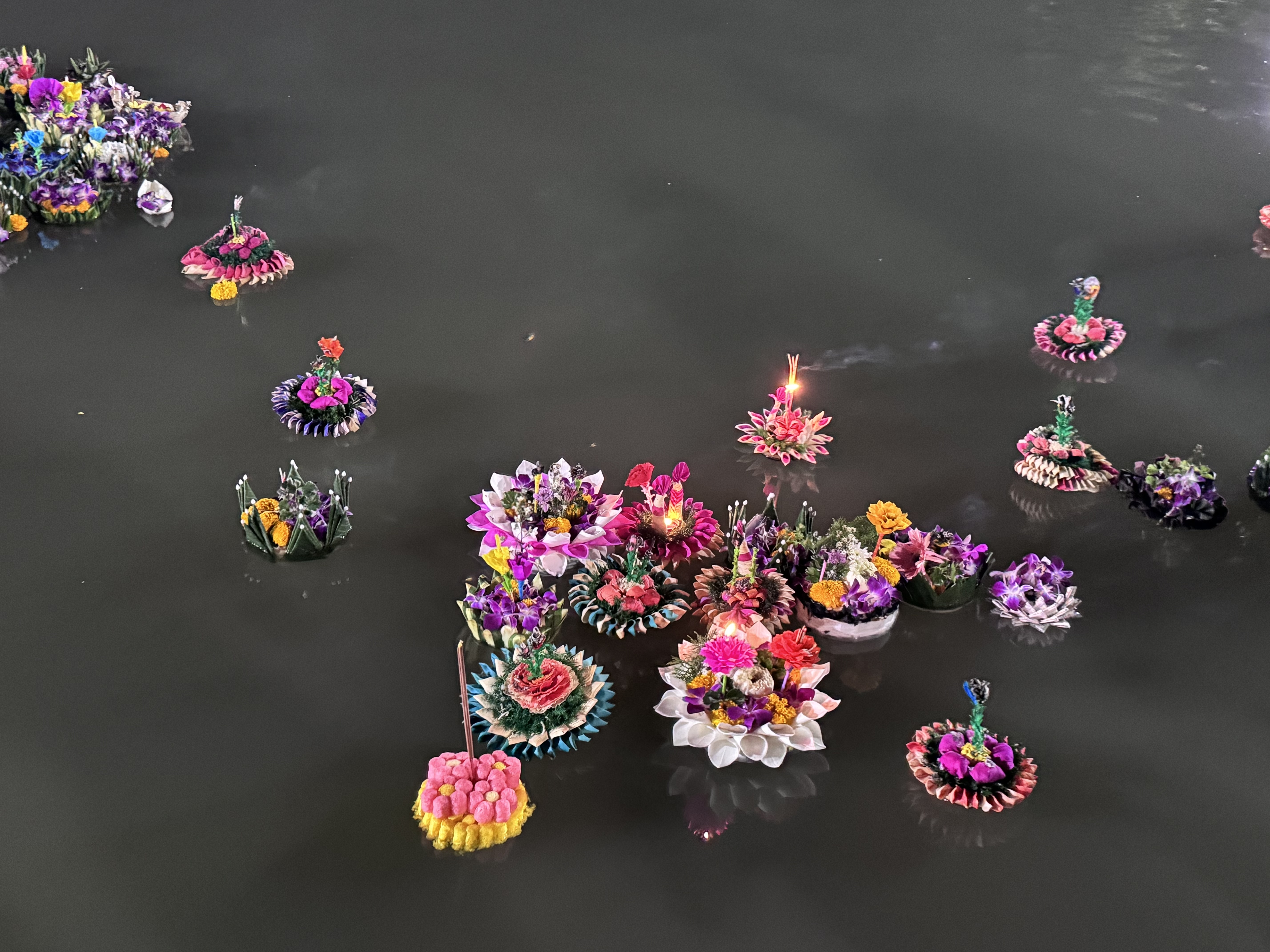
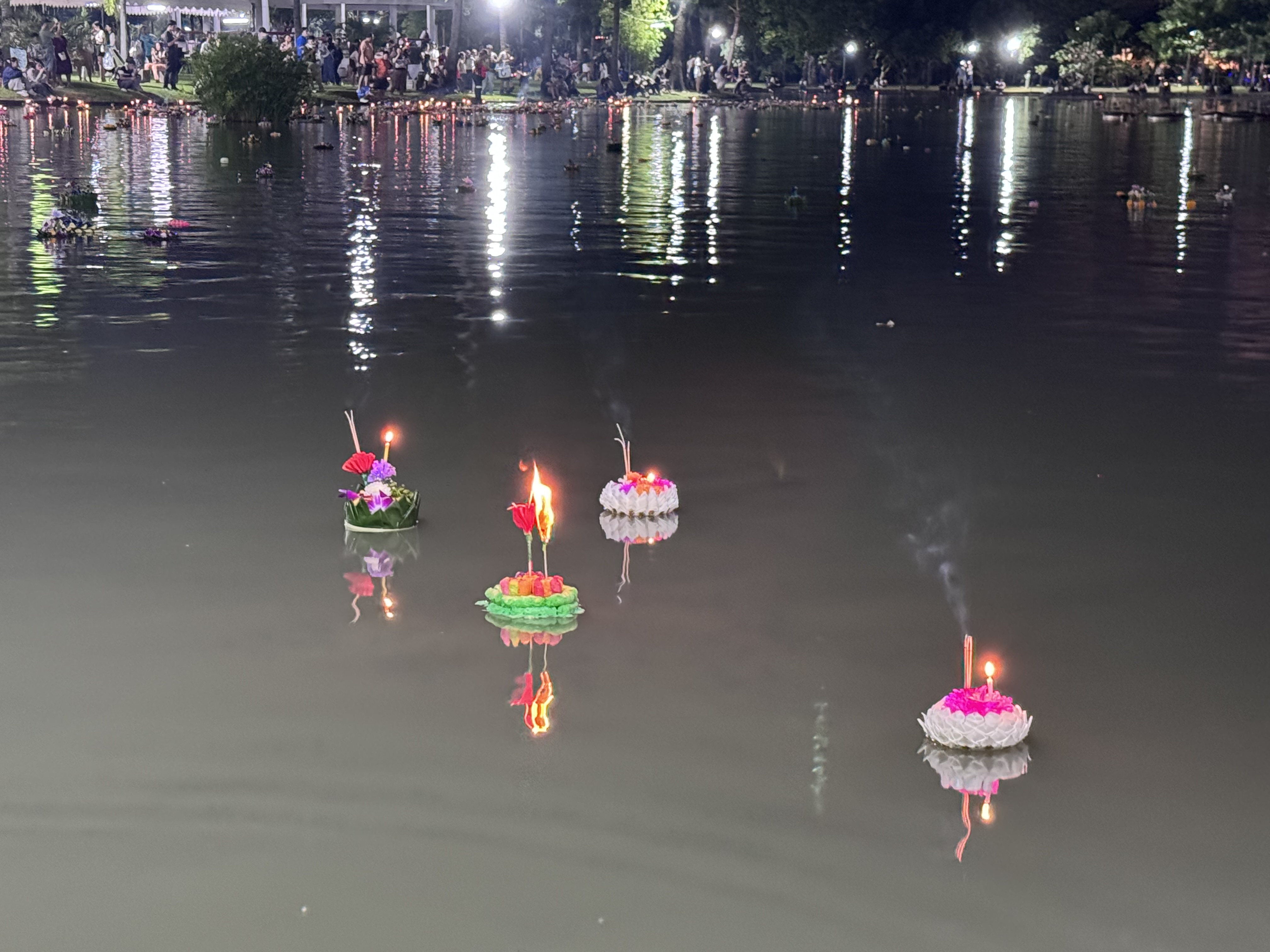
Loy Krathong Festival originated from an old Brahmin festival that paid respects to the water spirits. Thai people float krathongs to give thanks to the water goddess for the fortune of having water while others will ask for forgiveness for using too much or contaminating it.
Loy Krathong originated in the ancient Sukhothai Kingdom, over 700 years ago. The King, Ramkamhang, was a devout Buddhist and believed that at the end of the Thai year his people should pay tribute to the water goddess, Phra Mae Khong Ka, for all they had been given. So he chose a night with a full moon after the monsoons, meaning the rivers and canals would be at their fullest, to worship.
A popular legend says that one of the King's consorts, Nang Noppamas, was the one who created the first Krathong. Noppamas was the daughter of a Brahmin priest and adapted an existing Brahmin tradition to make the float from banana leaves. The king was impressed and he proclaimed that every year on this ...
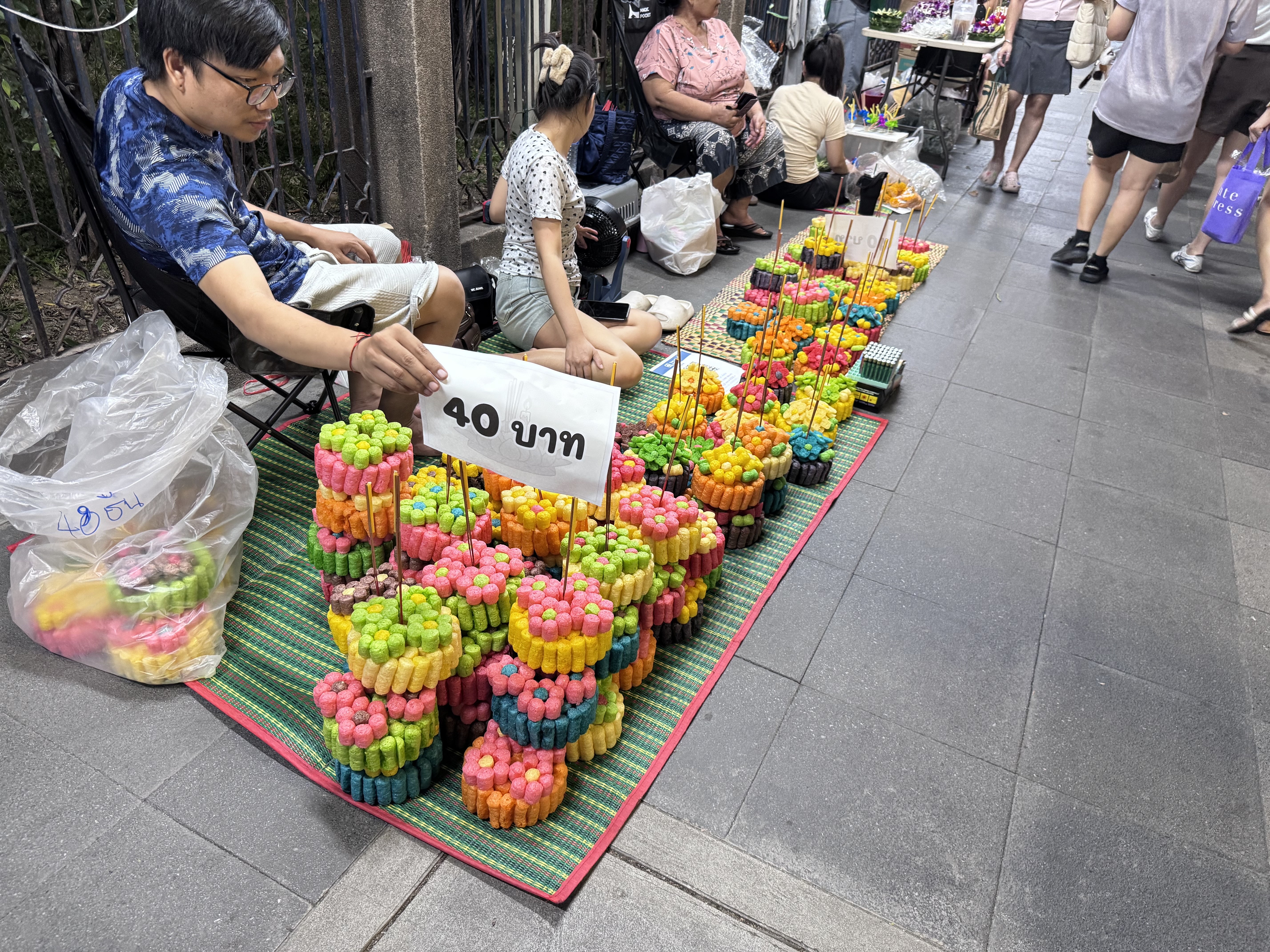
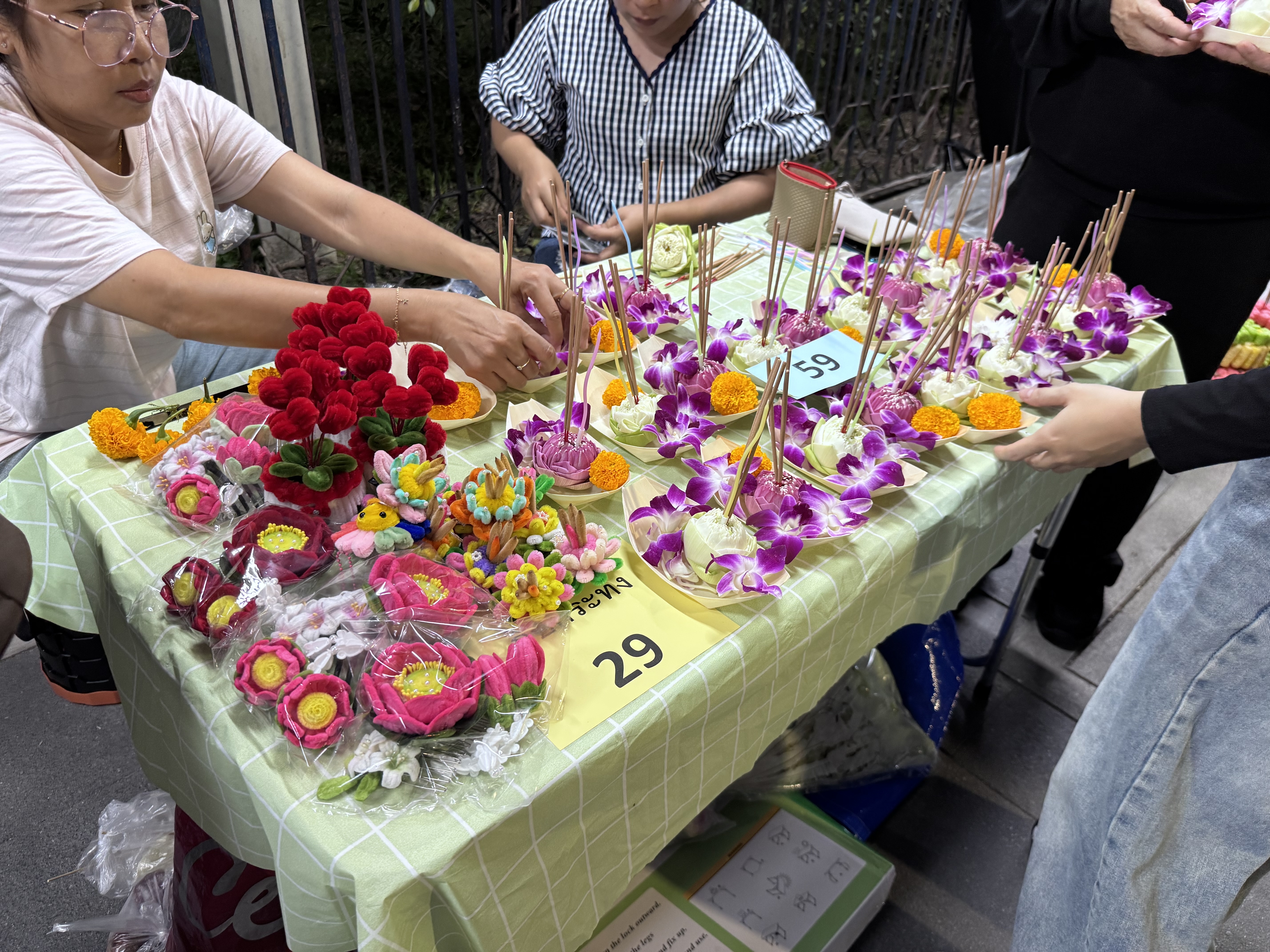
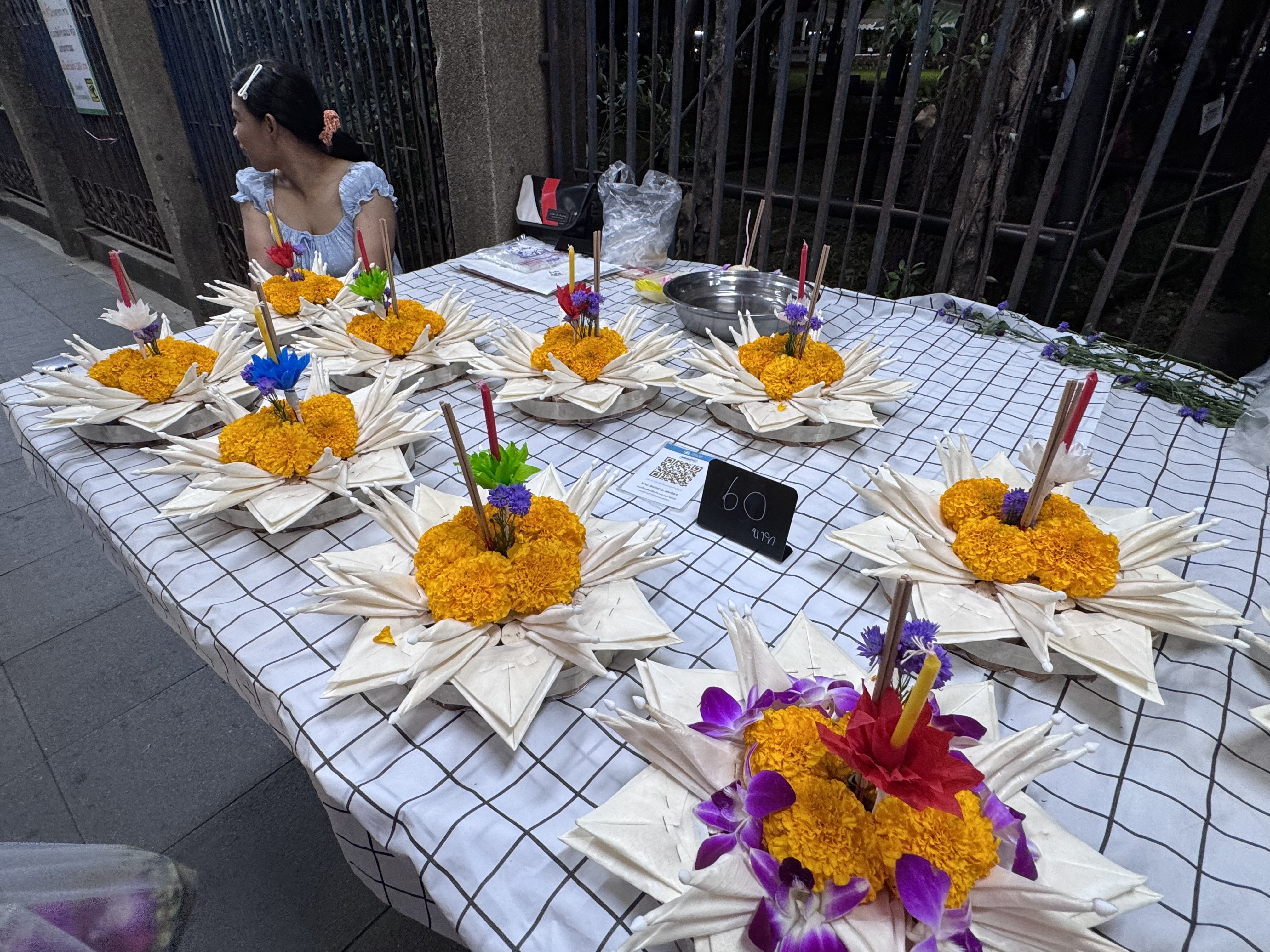
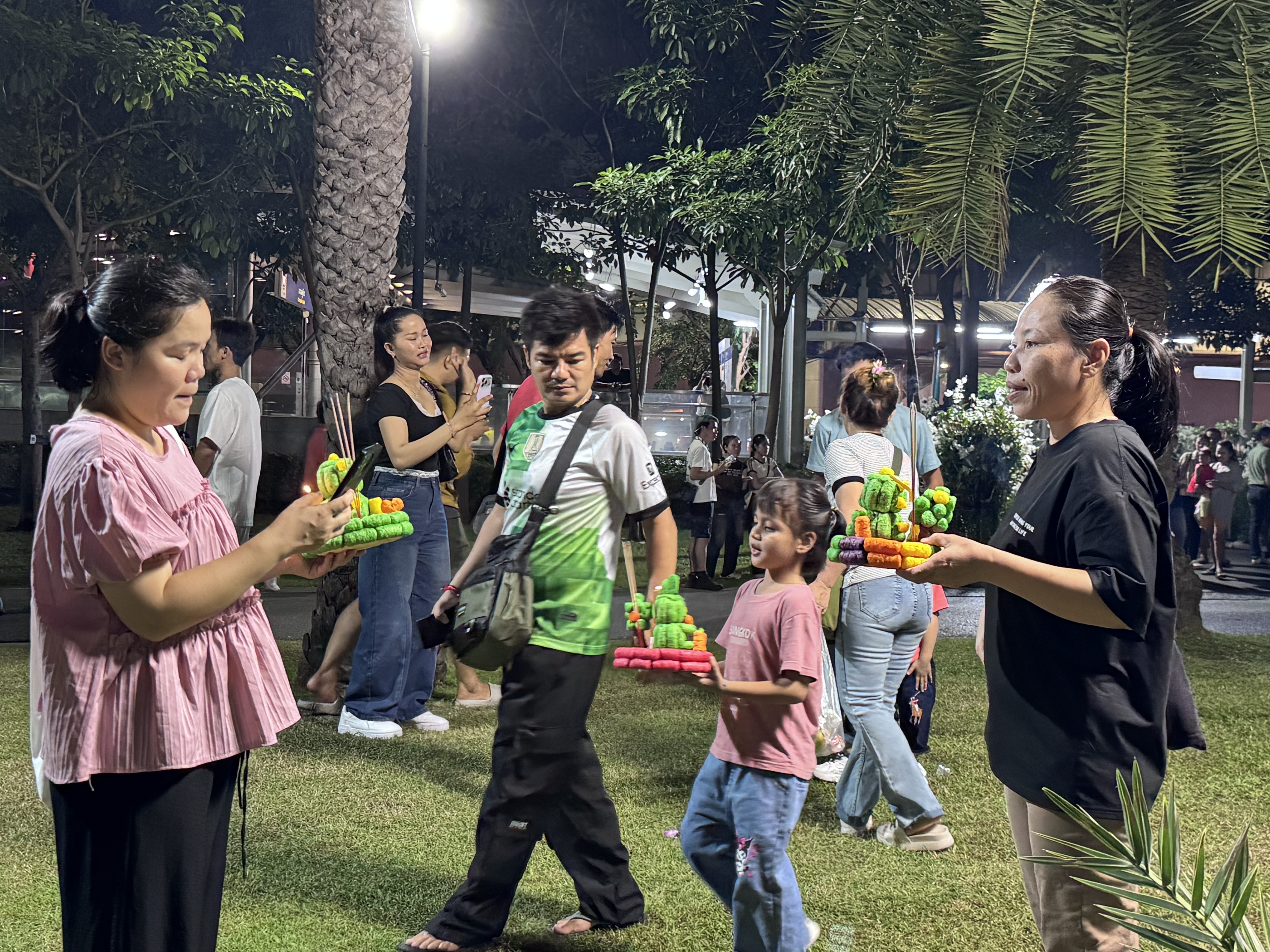
Rama VII Bridge Loy Krathong Market, Bang Kruai, Nonthaburi
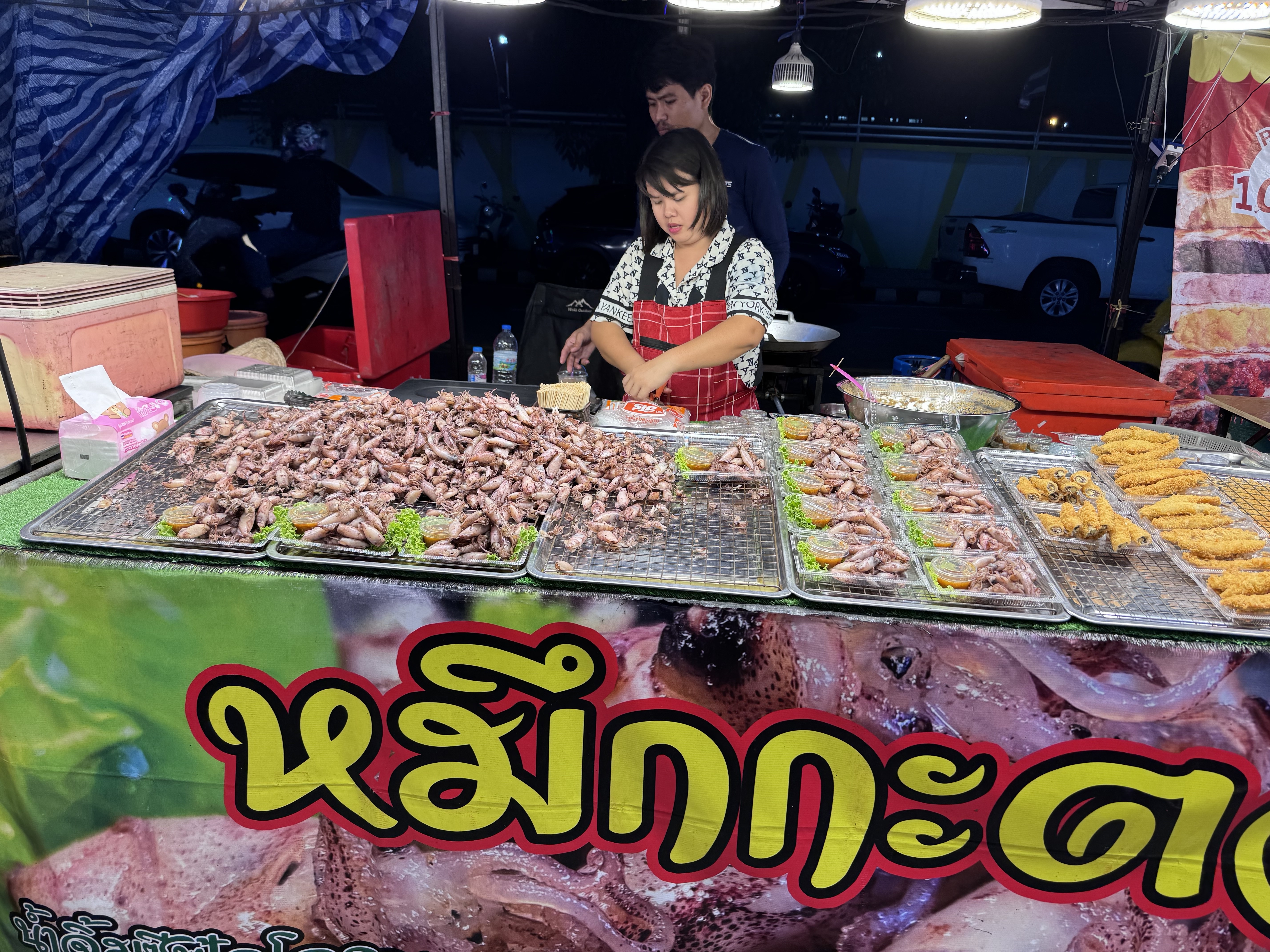
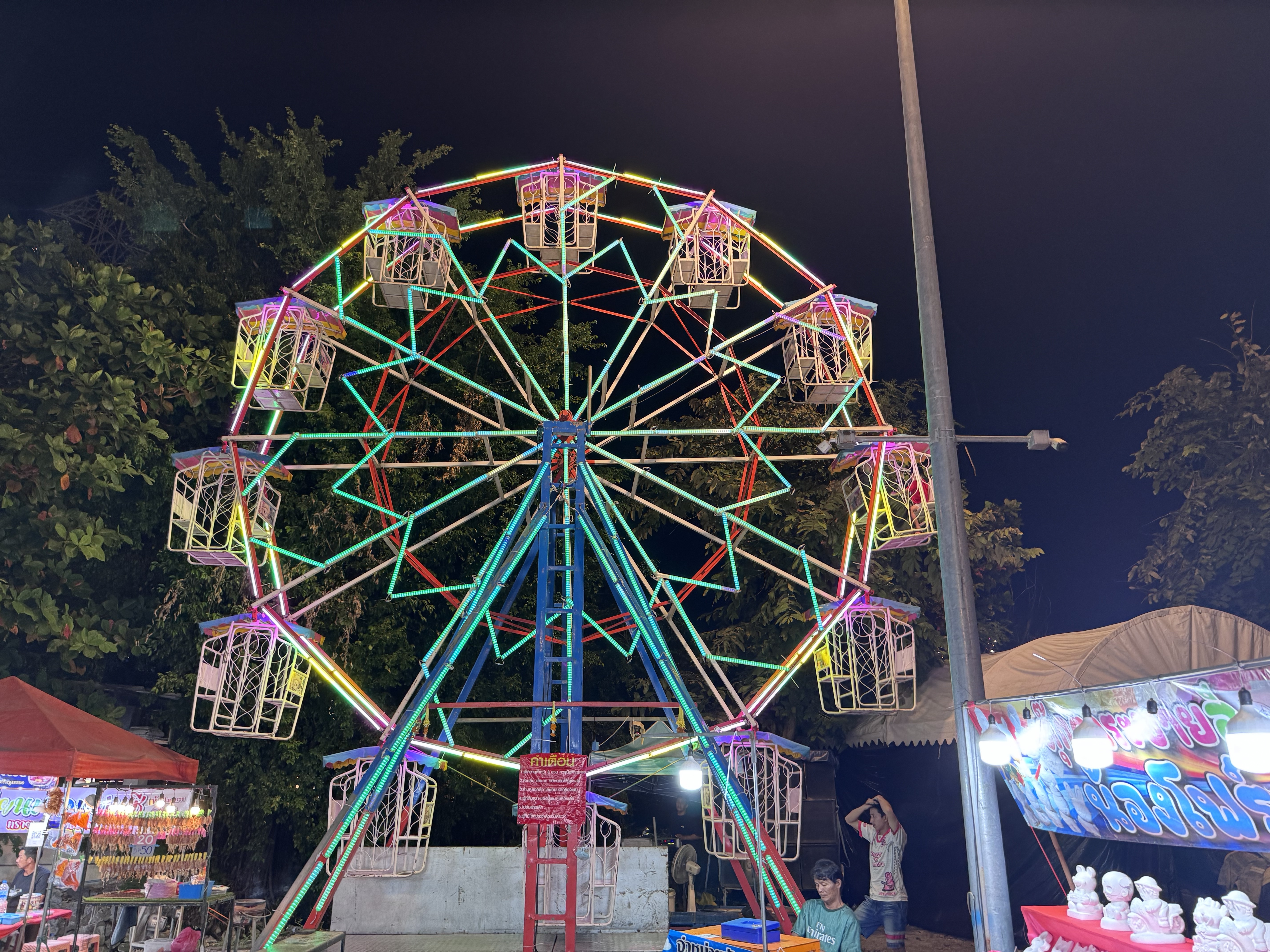
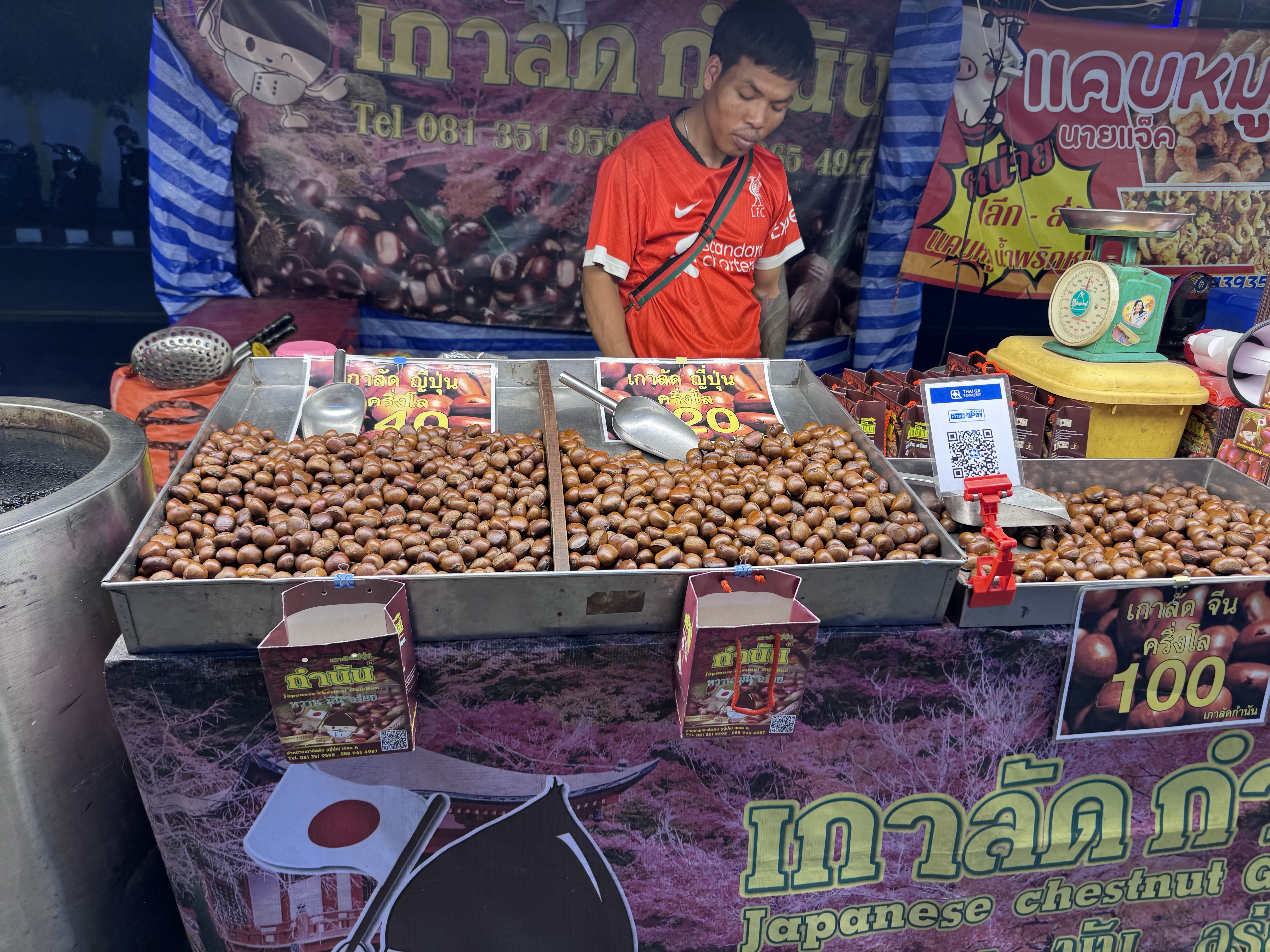
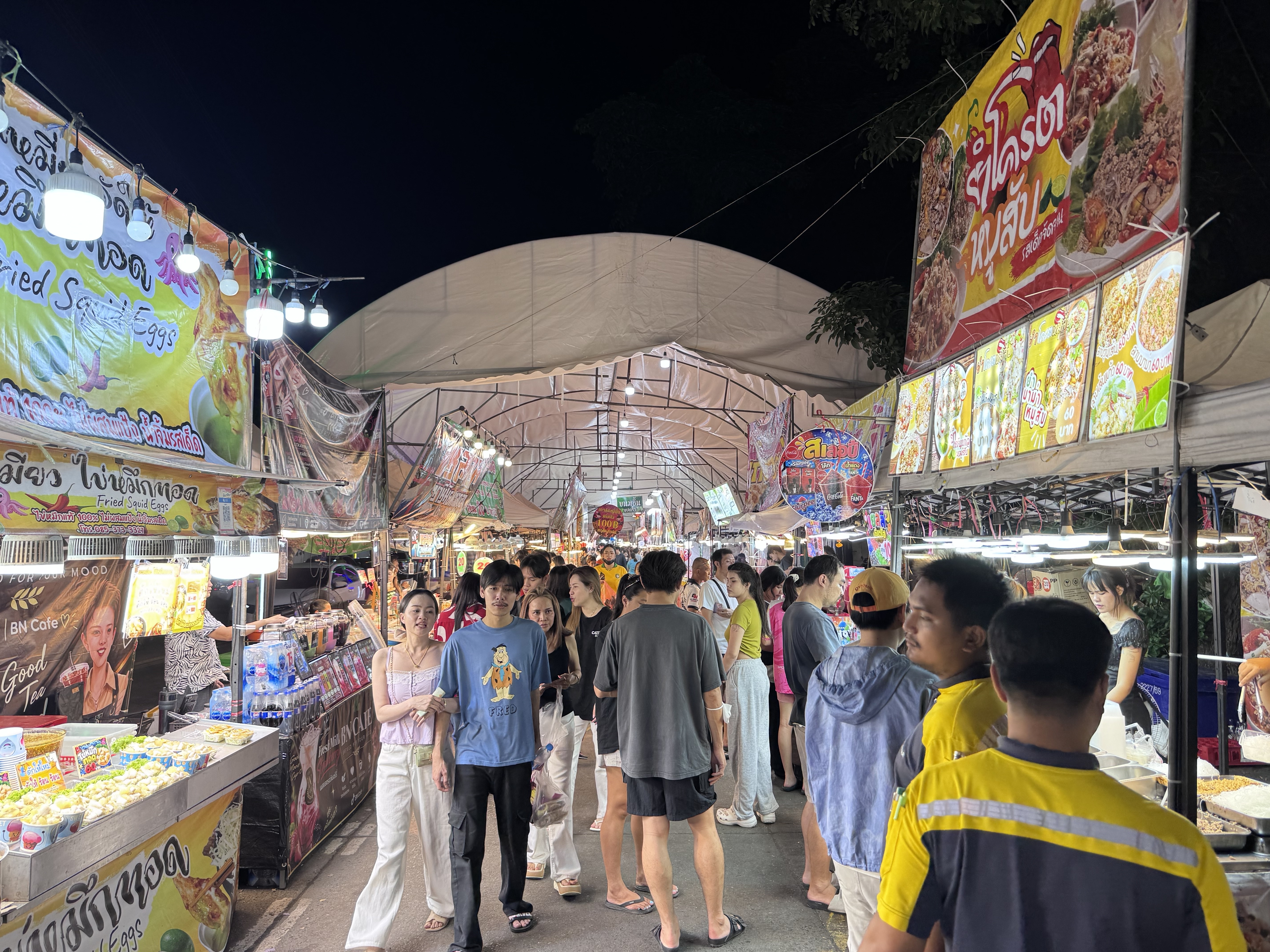
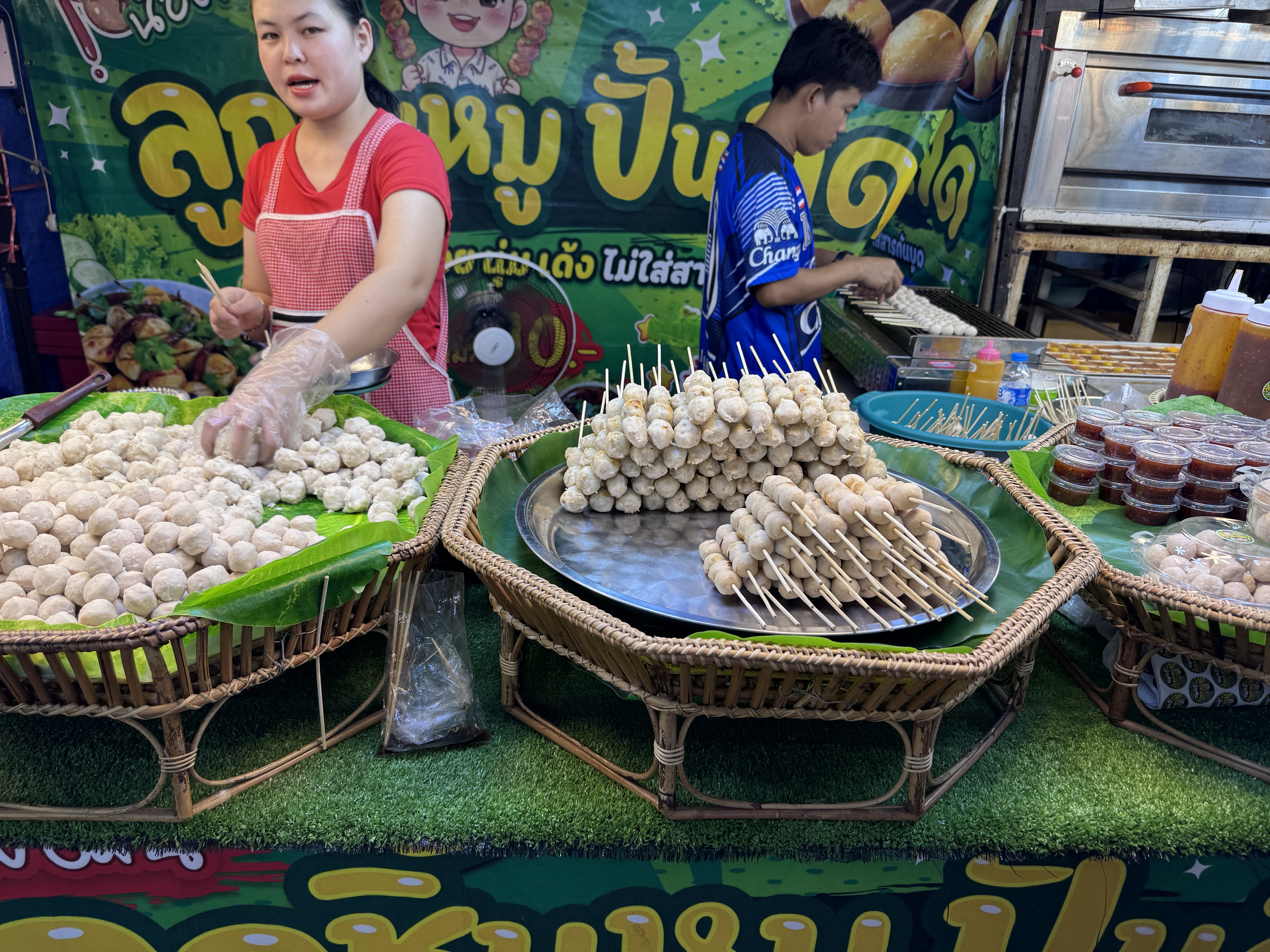
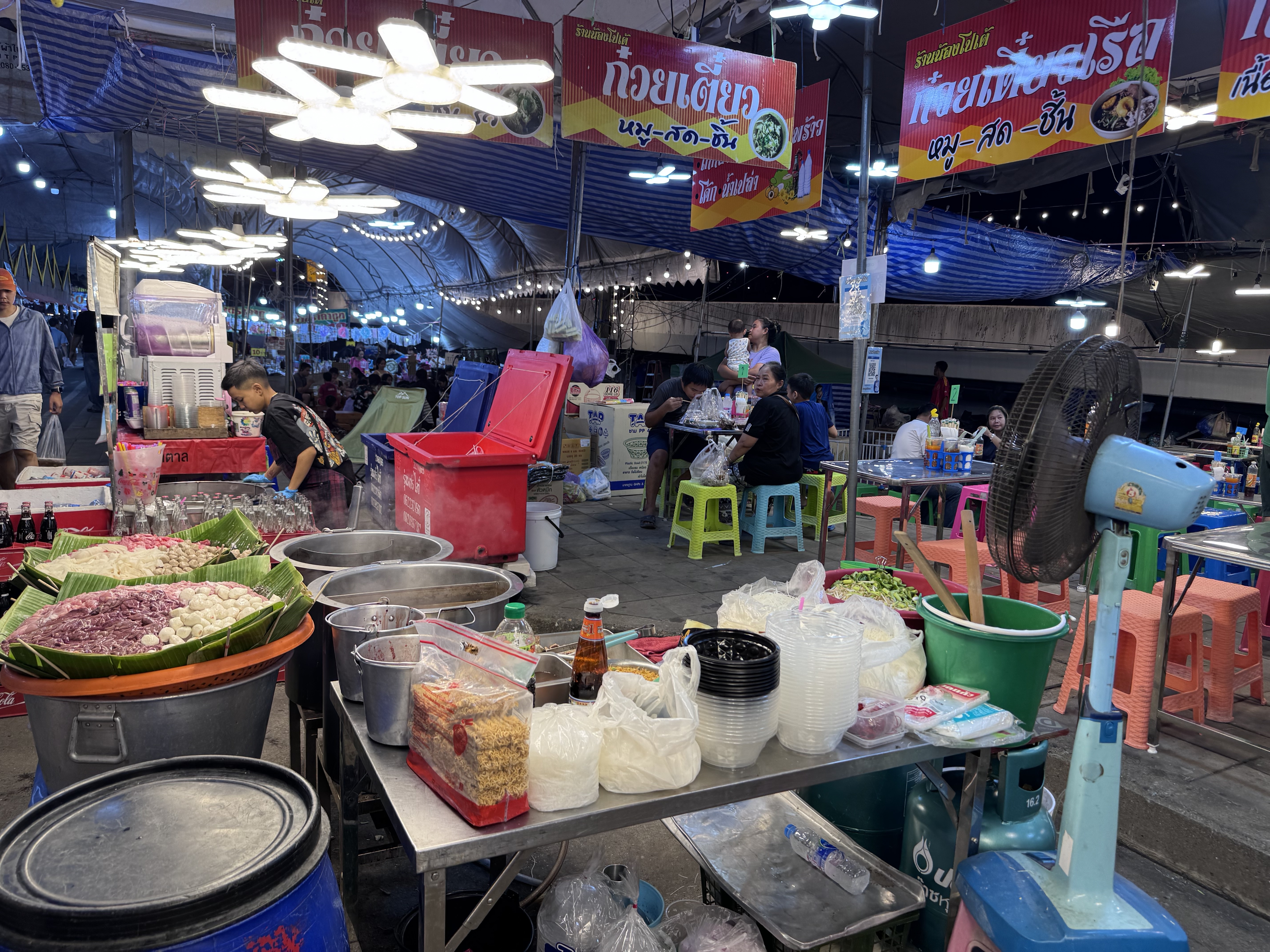
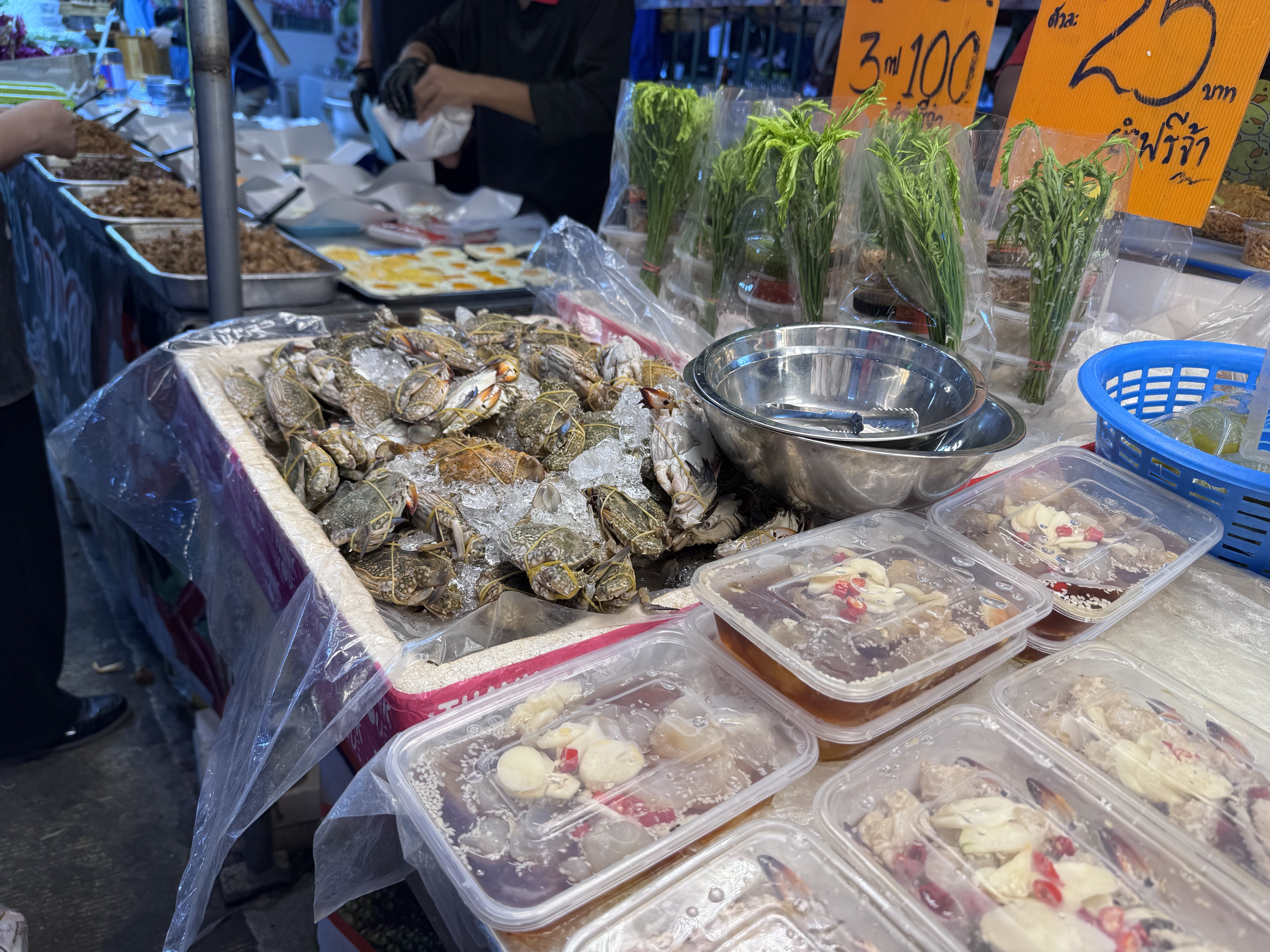
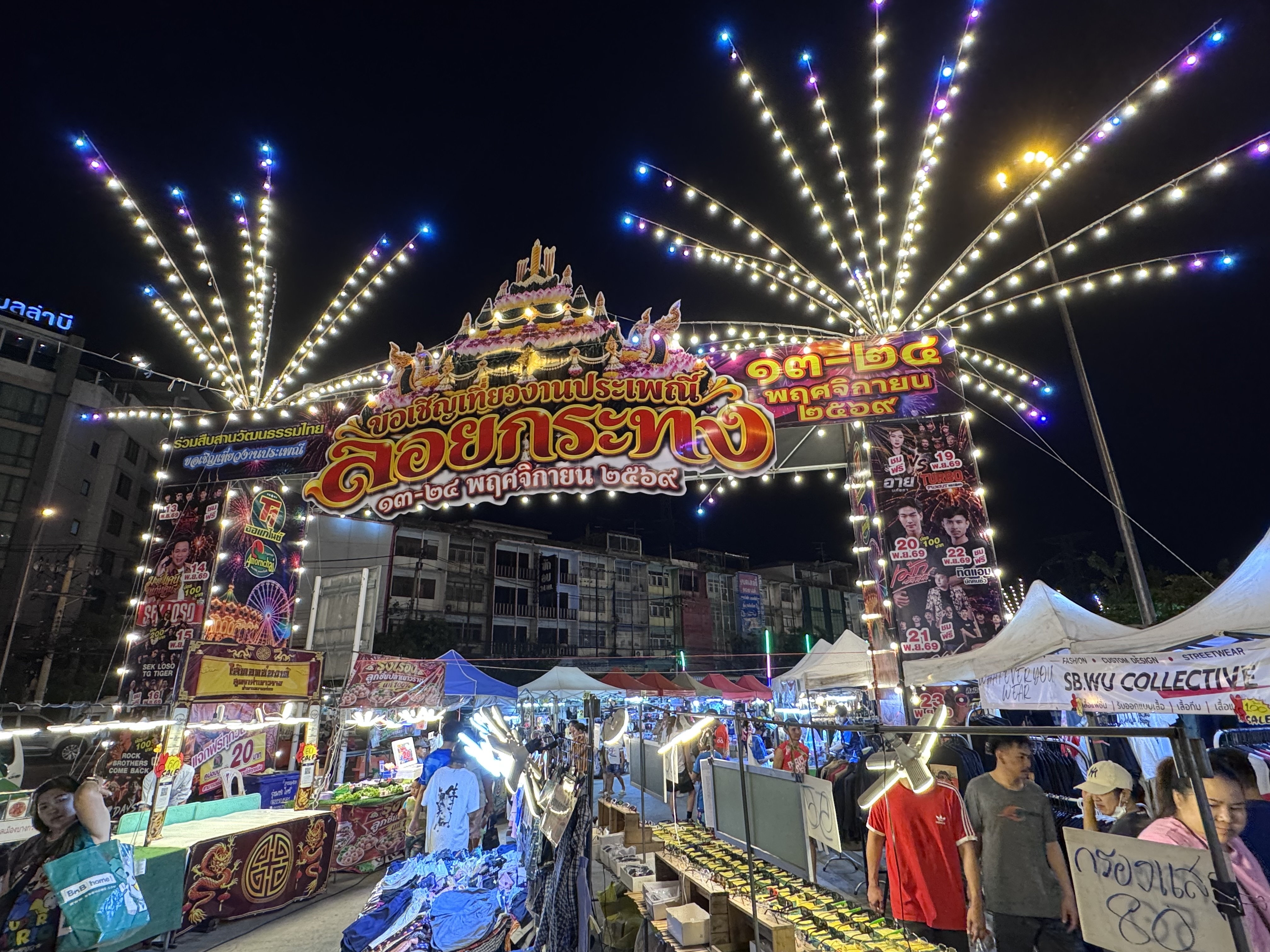
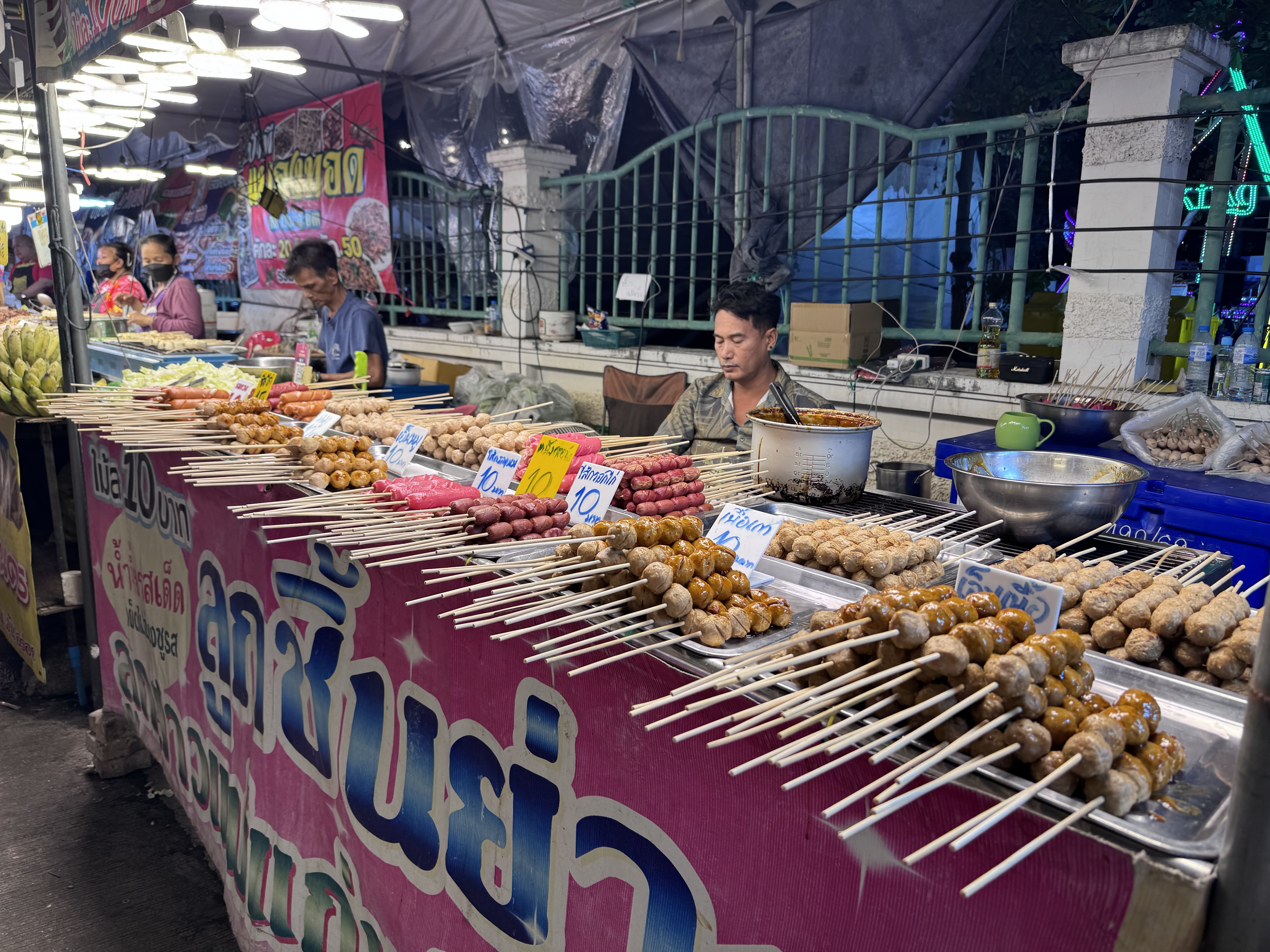
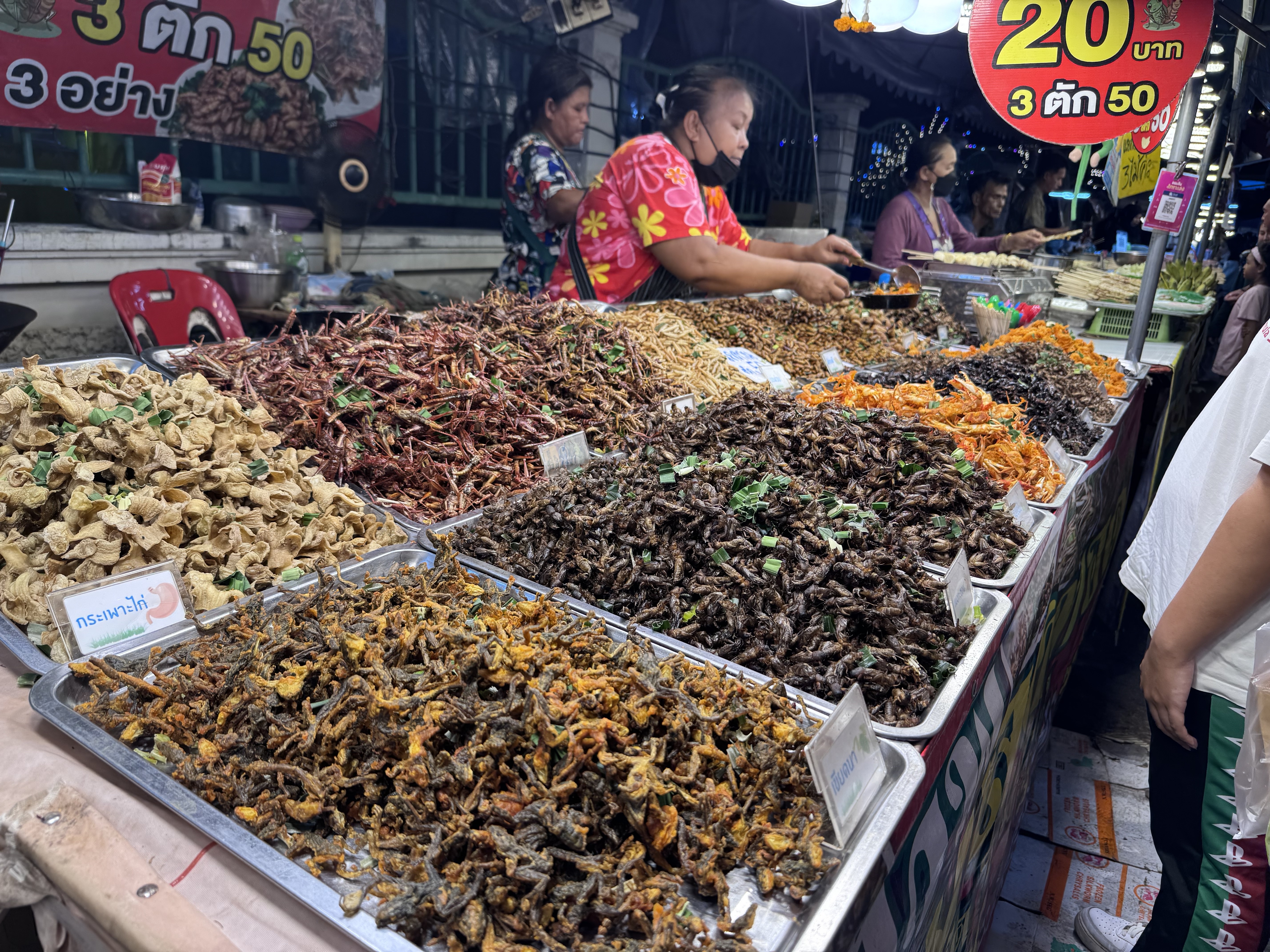
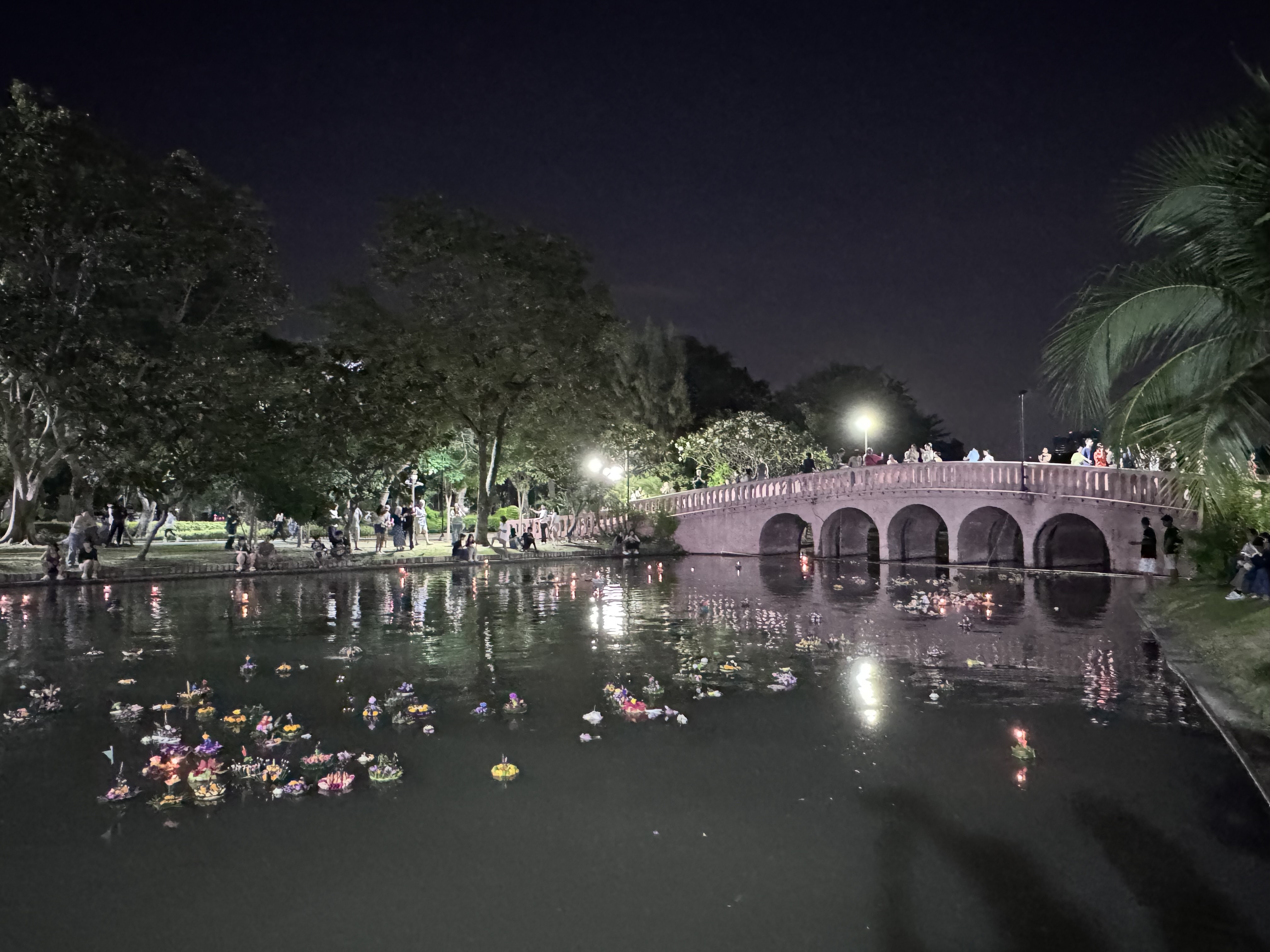
Along the Chao Phraya River embankment beneath and beside the Rama VII Bridge on the Bang Kruai side of Nonthaburi, a lively temporary market springs up each year for the Loy Krathong festival. This riverside gathering, running roughly from mid-November through the full-moon night (this year 13–24 November 2026), transforms the quiet stretch near the EGAT Learning Center into a glowing strip of food stalls, concert stages, krathong vendors, and evening crowds.
It is less a permanent bazaar and more a seasonal celebration market rooted in local community life along the river, drawing both Nonthaburi residents and visitors from Bangkok who cross the bridge for the open-air atmosphere, live music, and the chance to float a krathong under the bridge lights.
Loy Krathong itself is one of Thailand’s most poetic and enduring traditions. Its roots stretch back centuries, most commonly linked to the Sukhothai period when, according to legend, a ...