

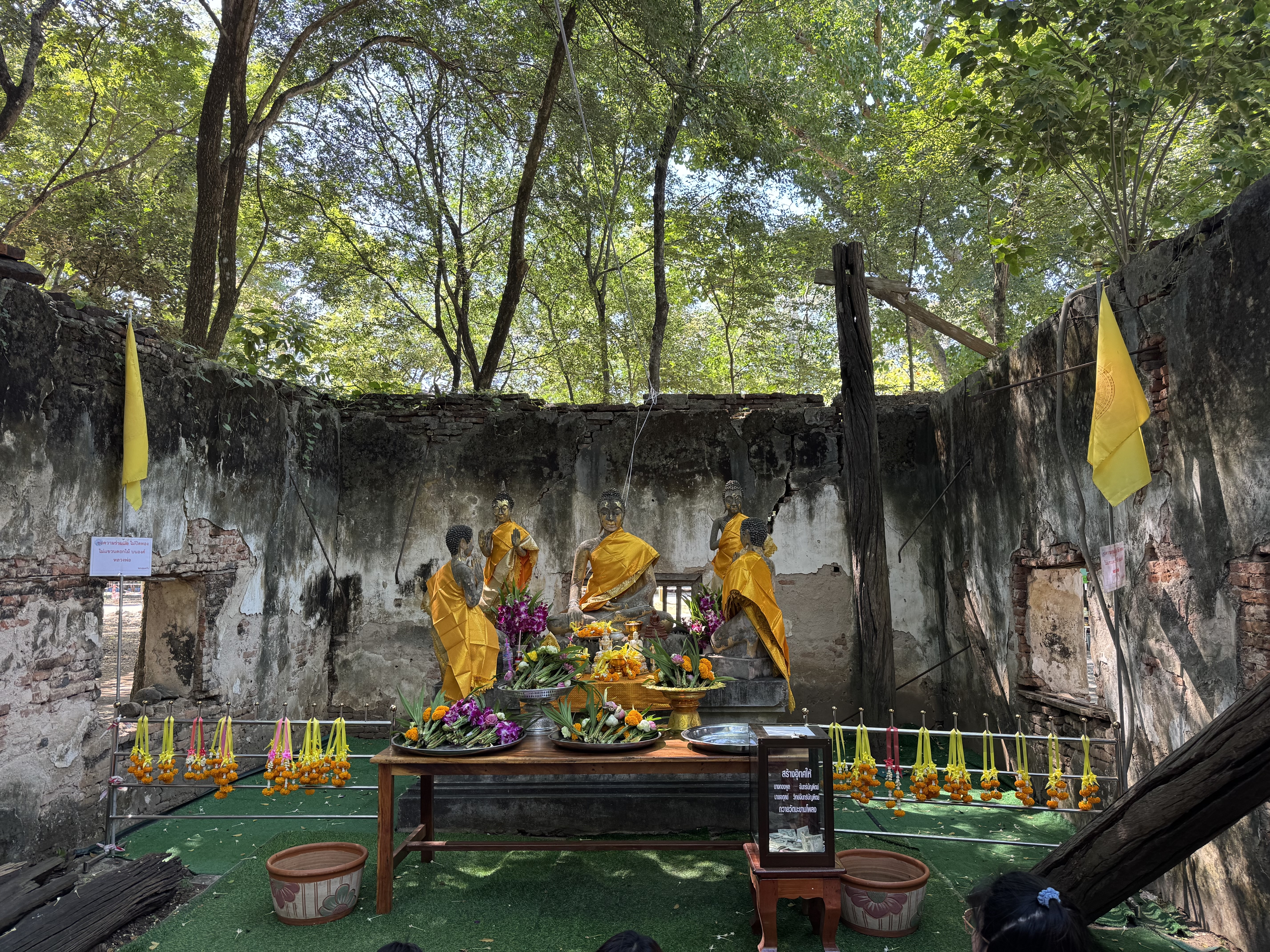
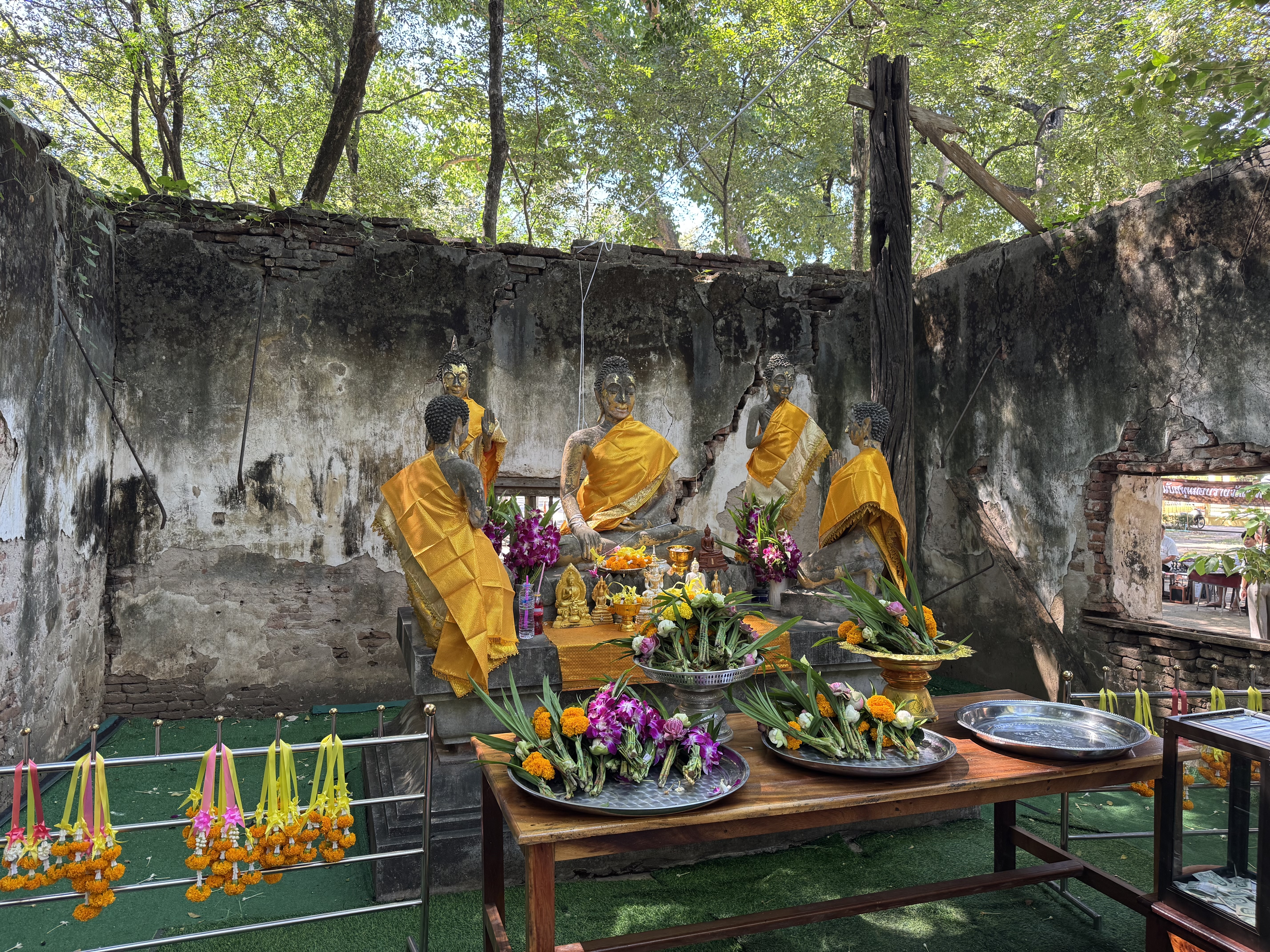
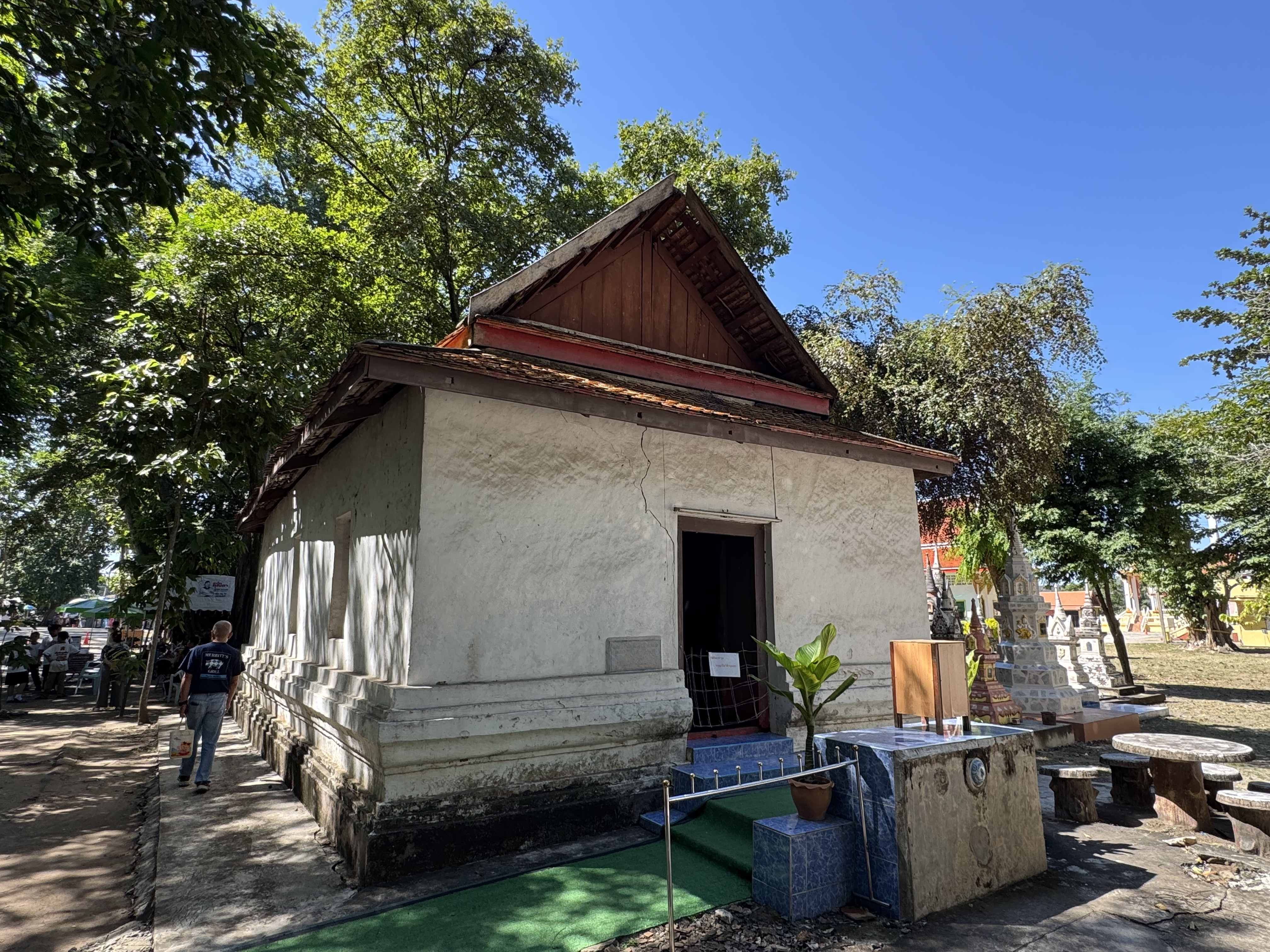
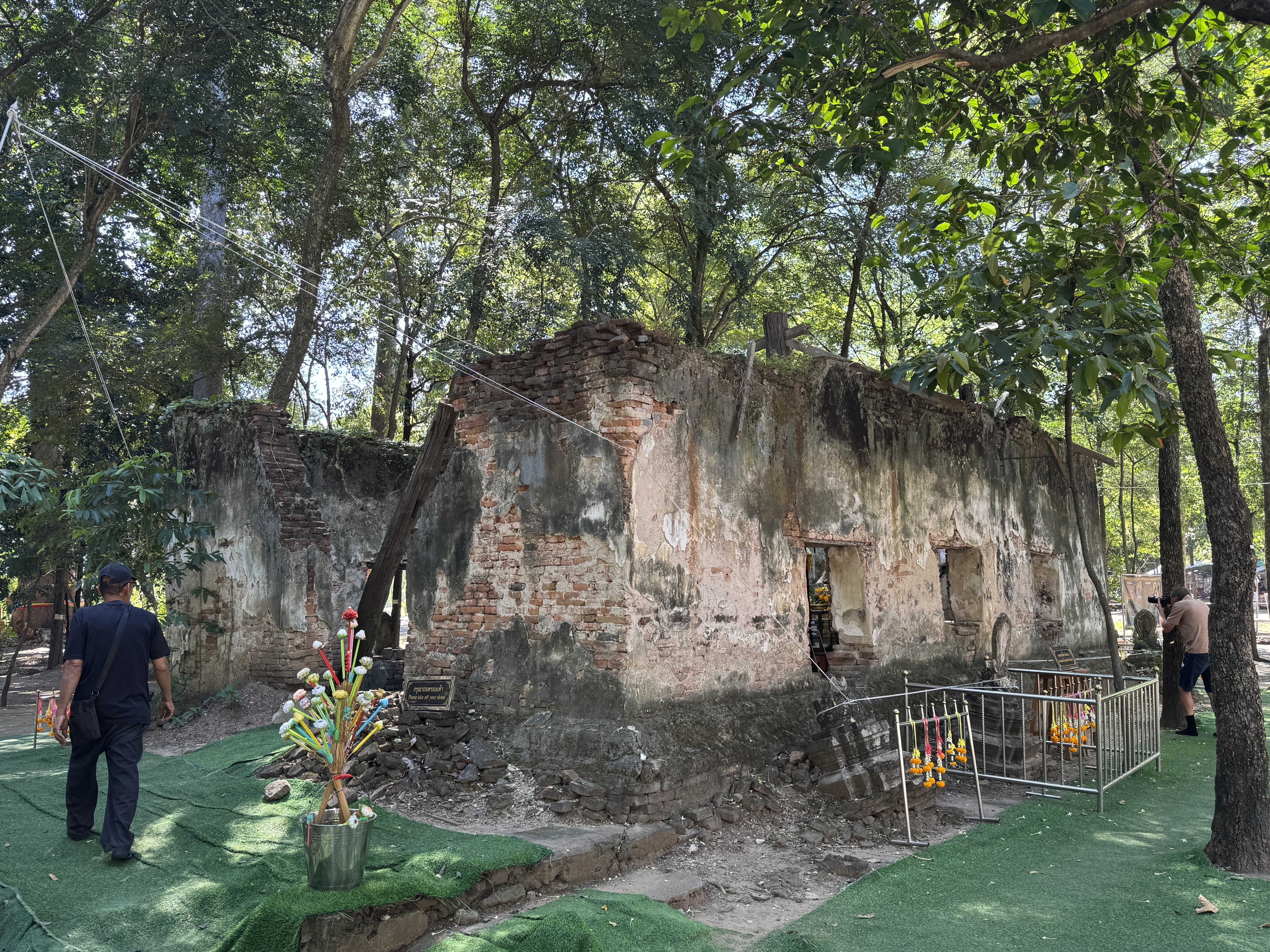
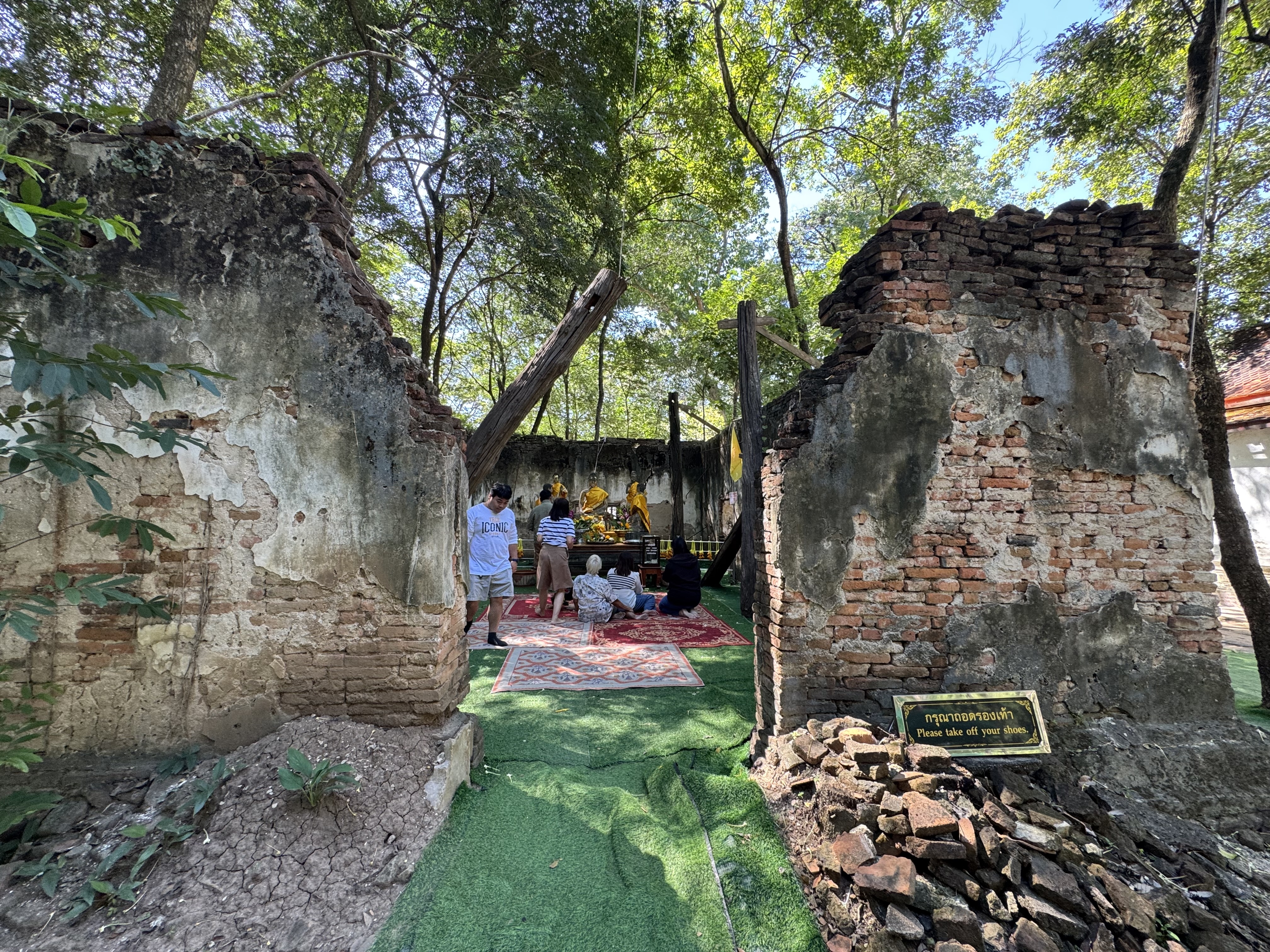
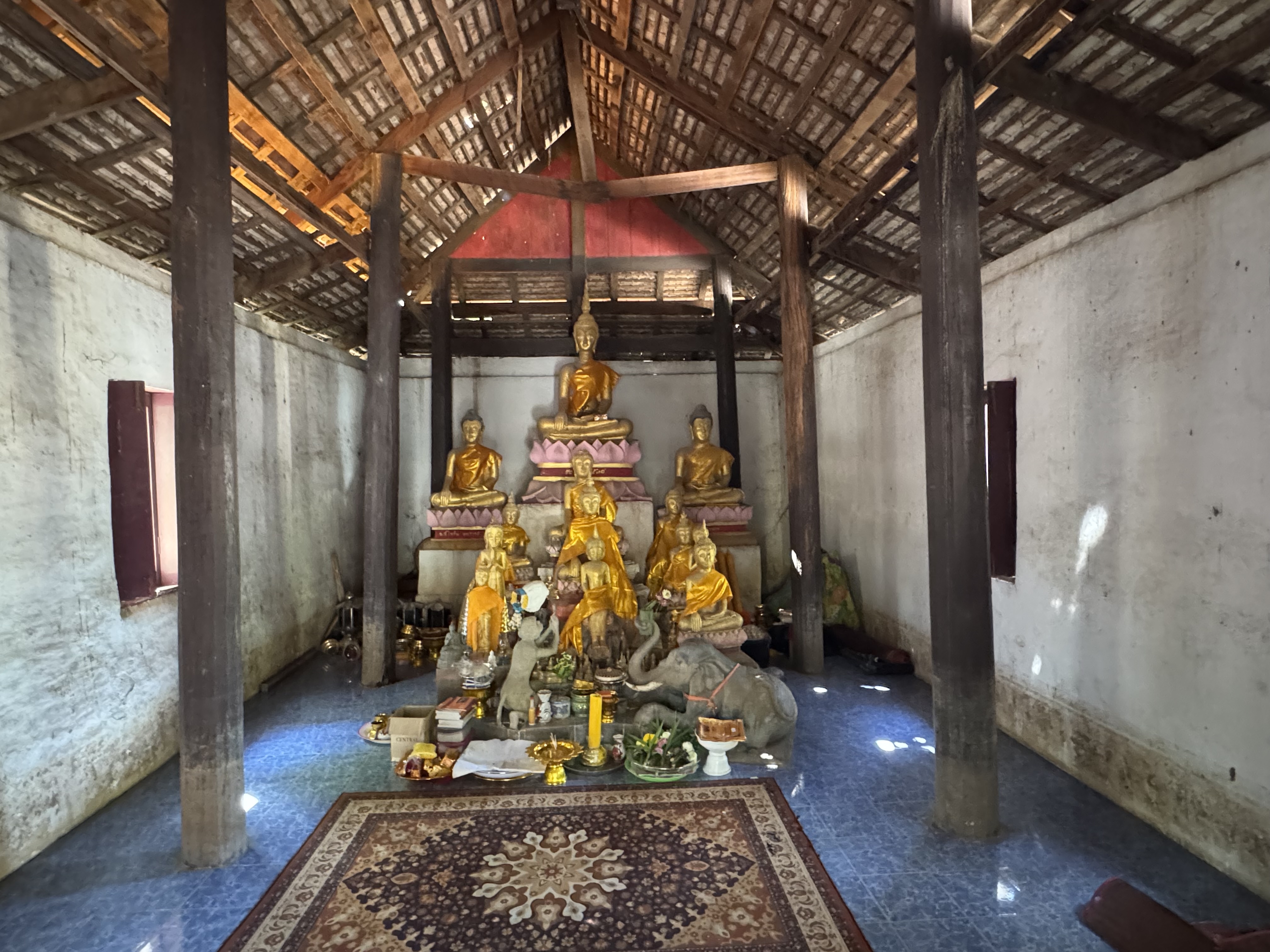
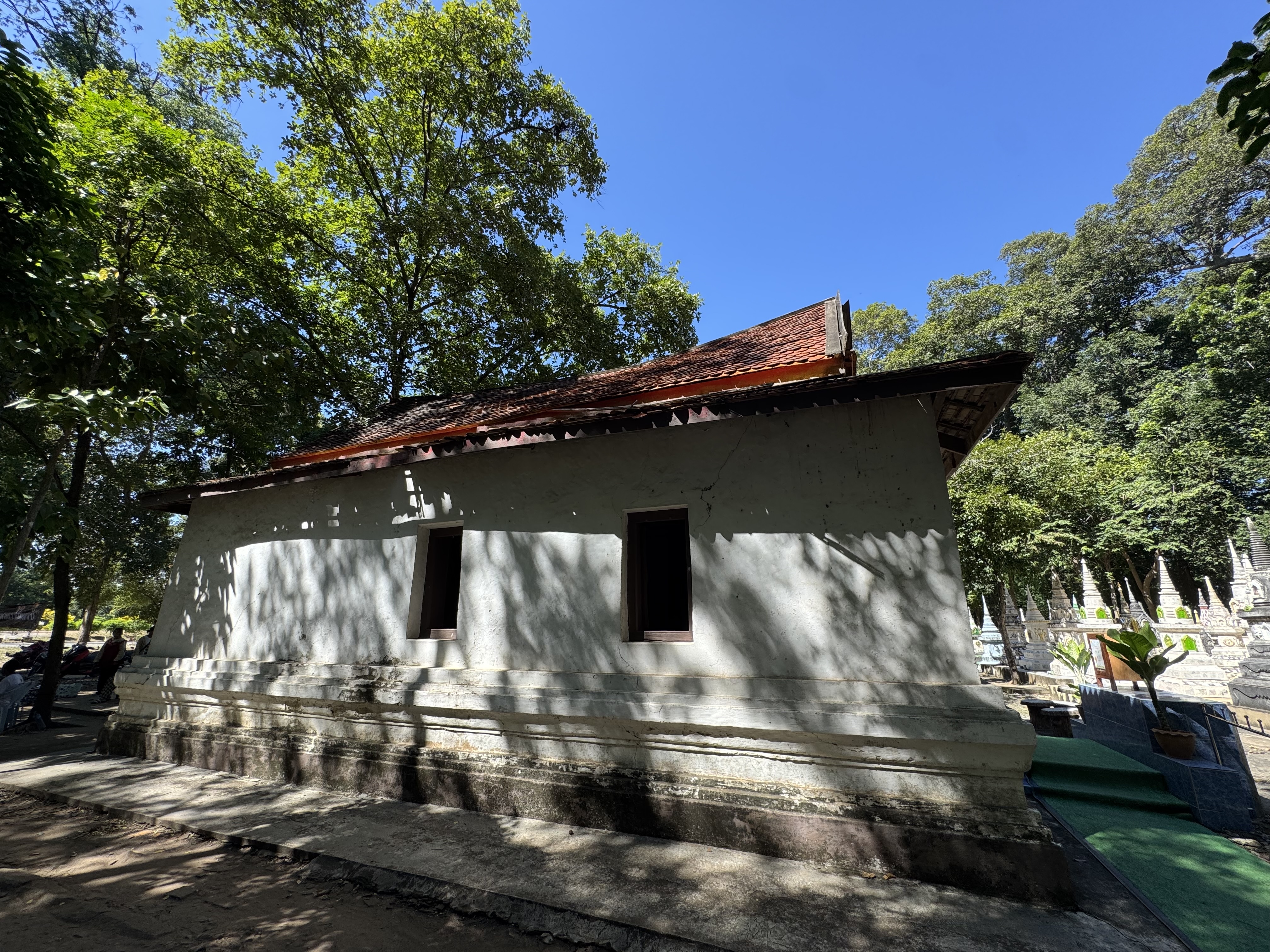
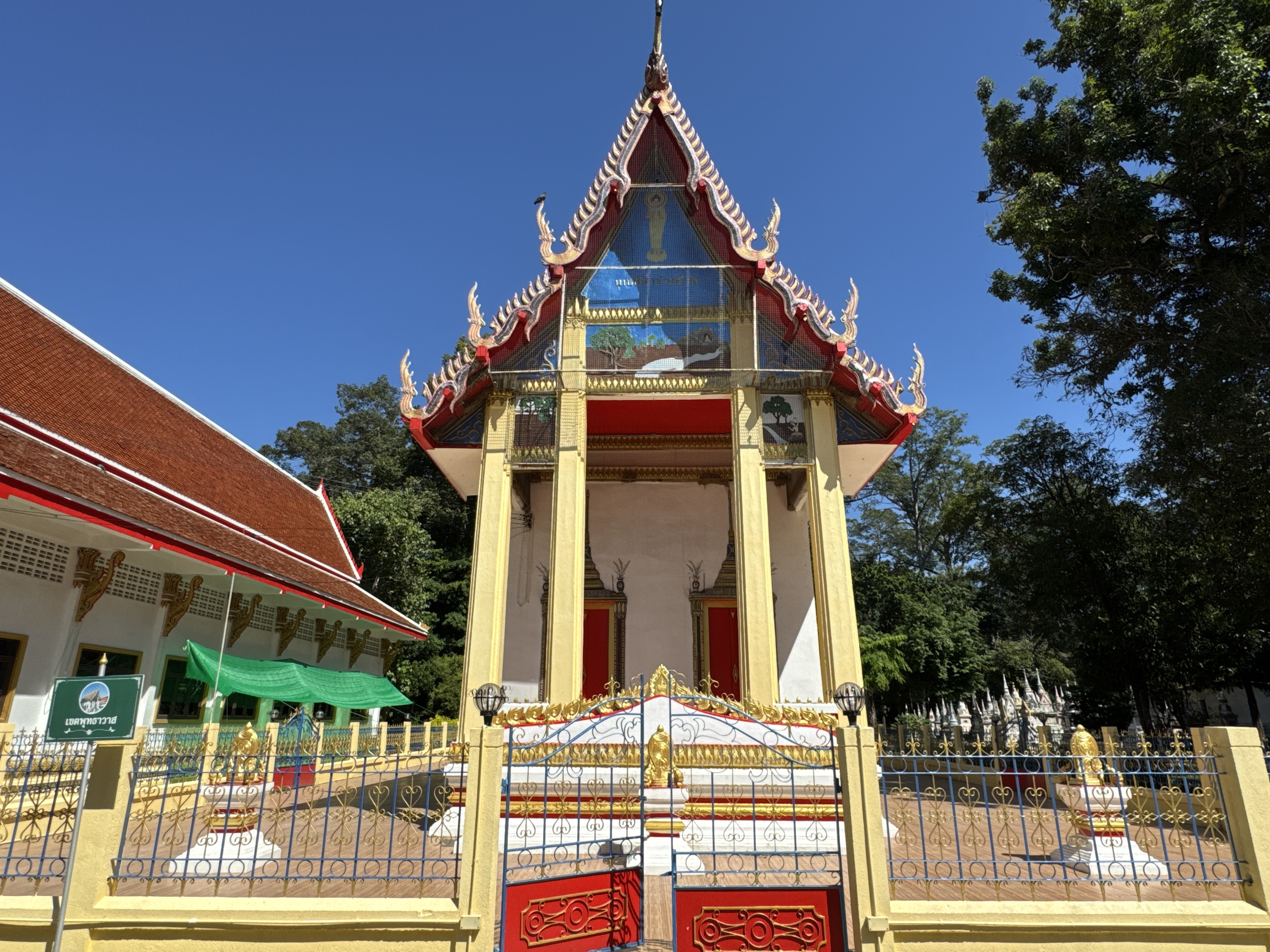
Wat Makham Phlong วัดมะขามโพลง is a mid-19th-century riverside monastery on the Pa Sak River in Tha Ruea District, Ayutthaya Province, founded in 1882 (BE 2425) to serve local farming and trading communities.
It received royal consecration of its sima boundaries in 1957 (BE 2500), marking its formal elevation as a parish temple under the Mahanikaya sect.
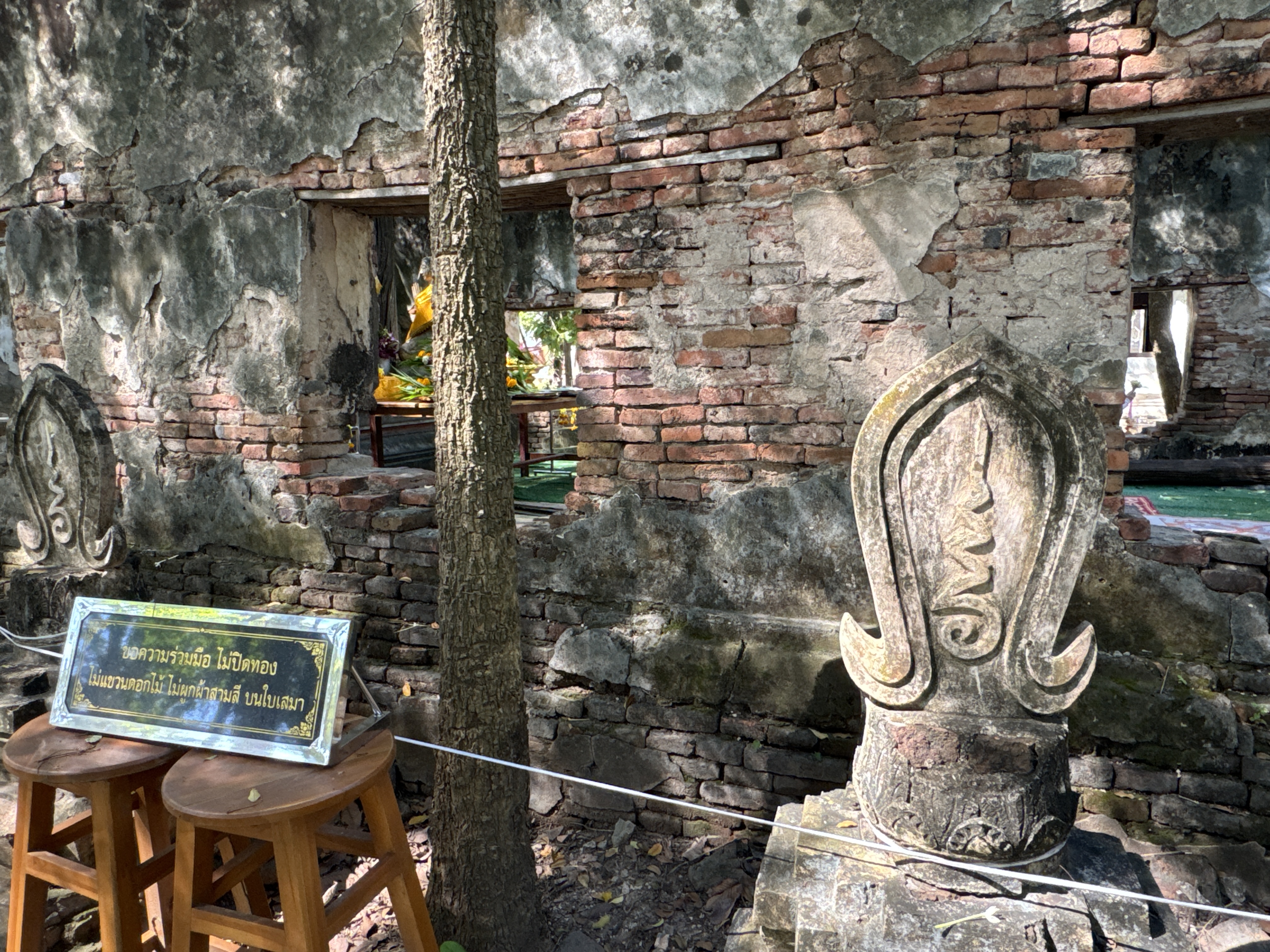
Local lore credits its enduring vitality to protective Unalom inscriptions, believed to channel the Buddha’s ushnisha curl for path-clearing and prosperity—drawing devotees for prayers on career, fortune, and karmic release.
Excavations in the 1970s by the Fine Arts Department authenticated its Ayutthaya-style elements, though the site blends ancient motifs with 20th-century additions, symbolizing continuity from Siamese resilience to modern Thai Buddhism.
The name “Temple of the Long-Pod Tamarind” derives from the ancient makham phlong trees shading the grounds, their elongated pods evoking life’s jointed paths in ...
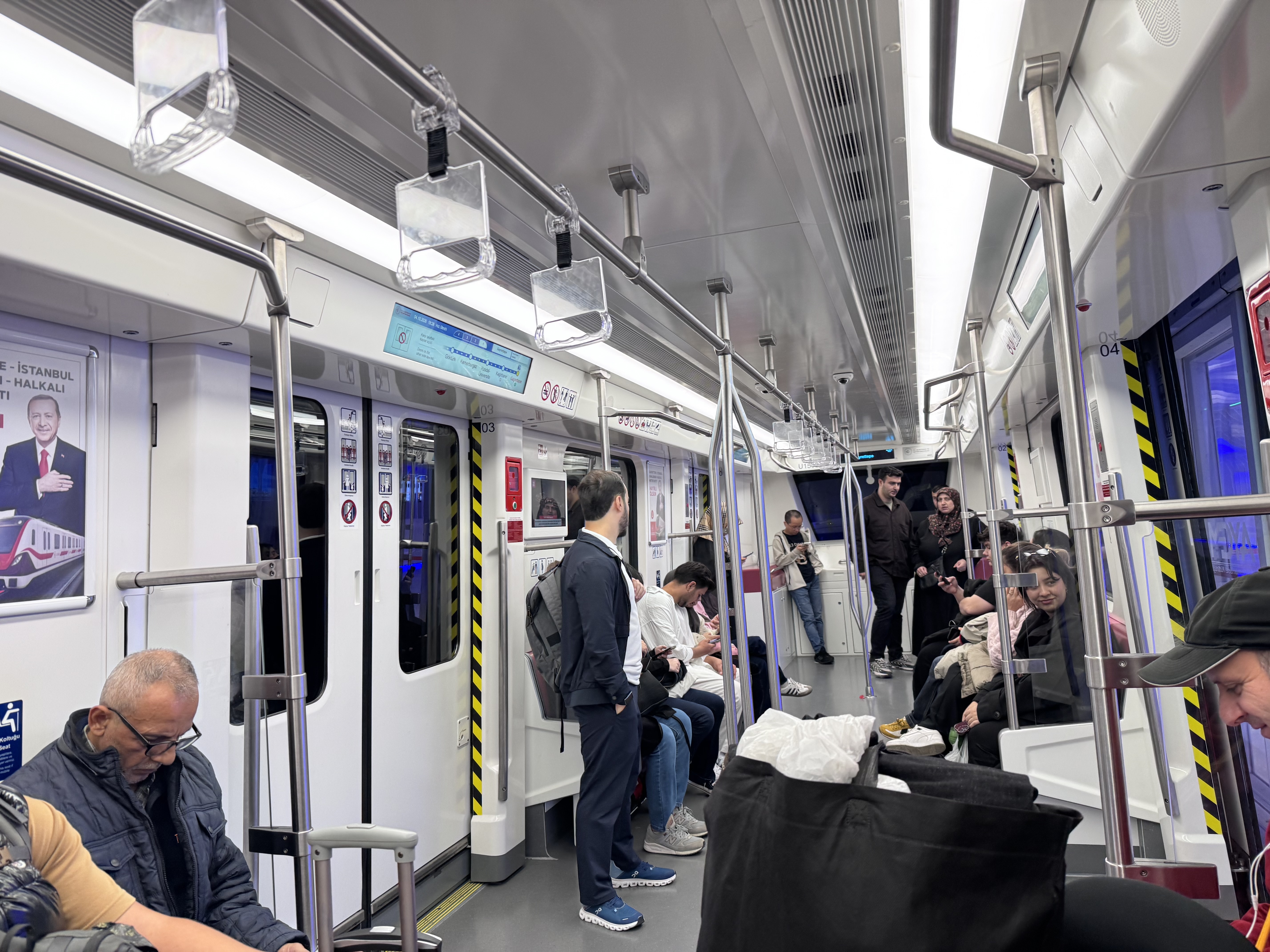
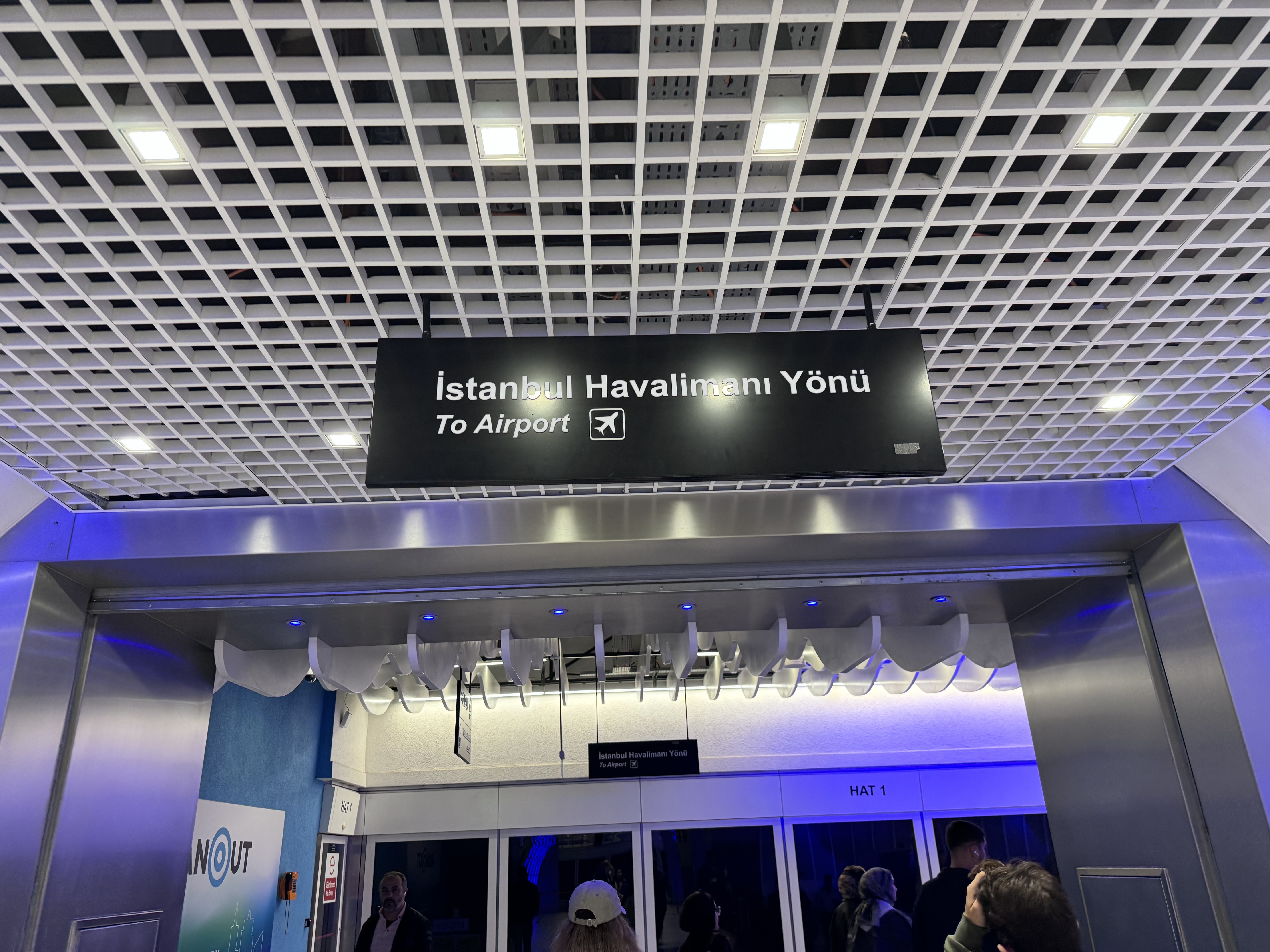
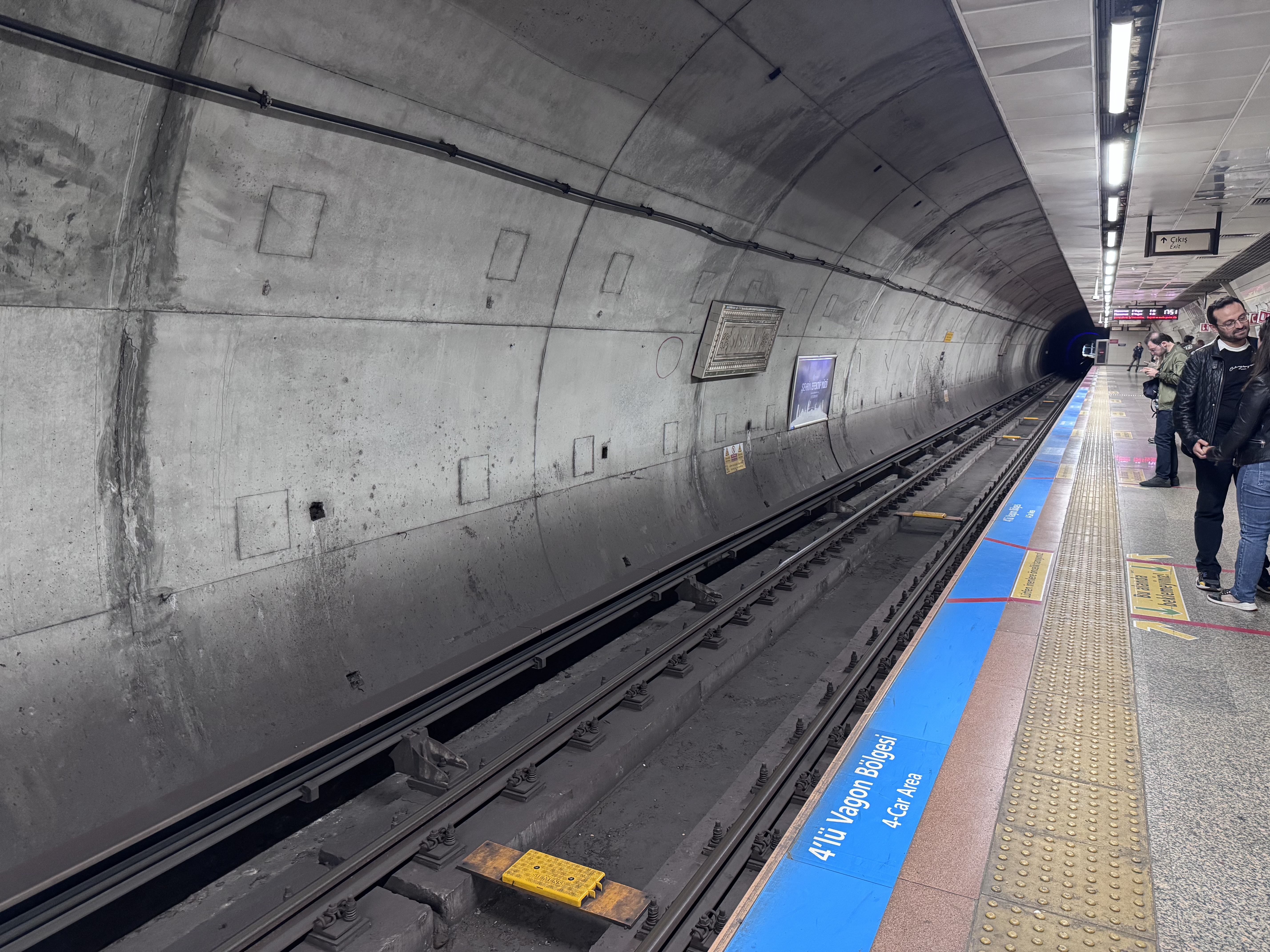
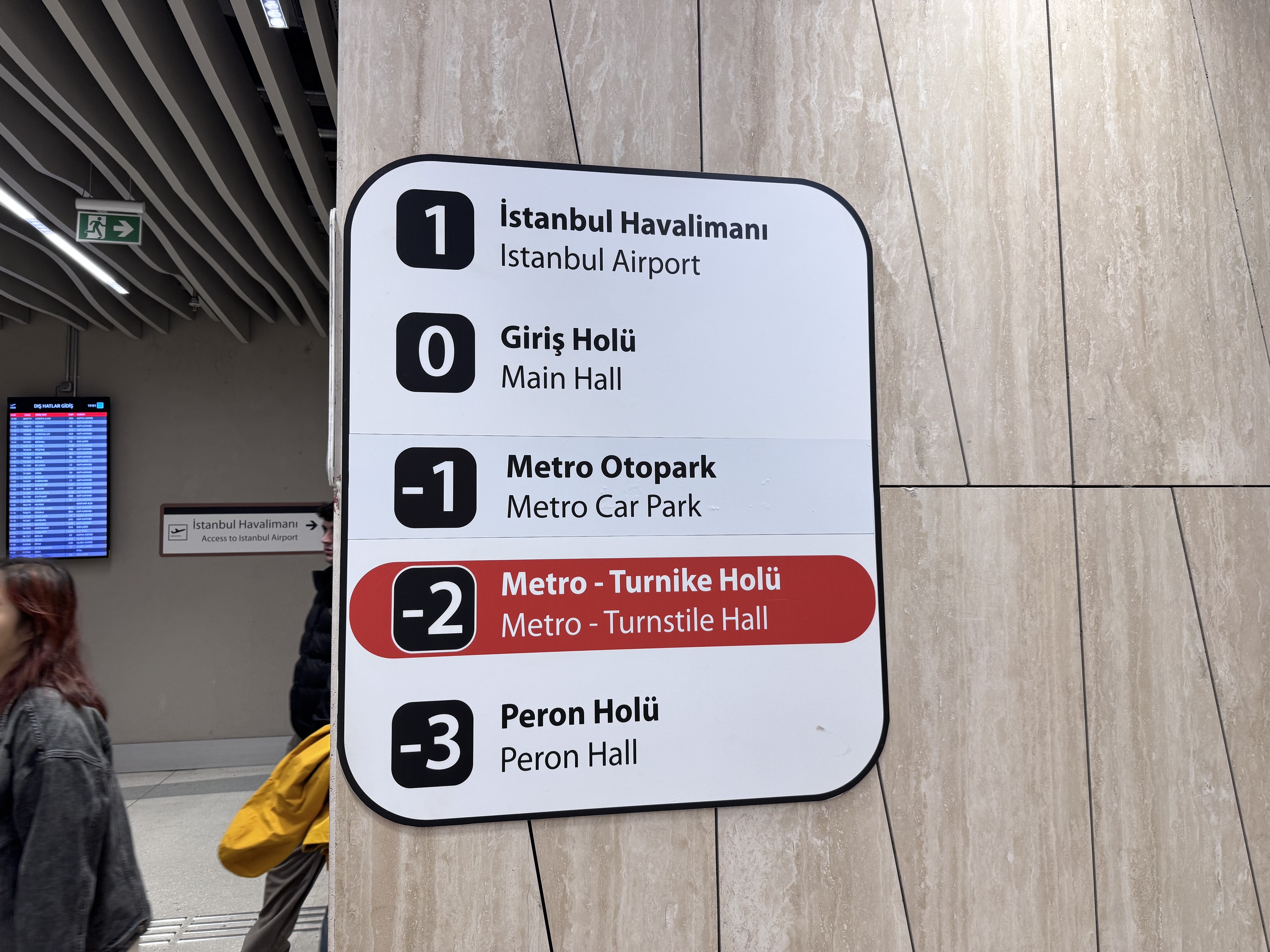
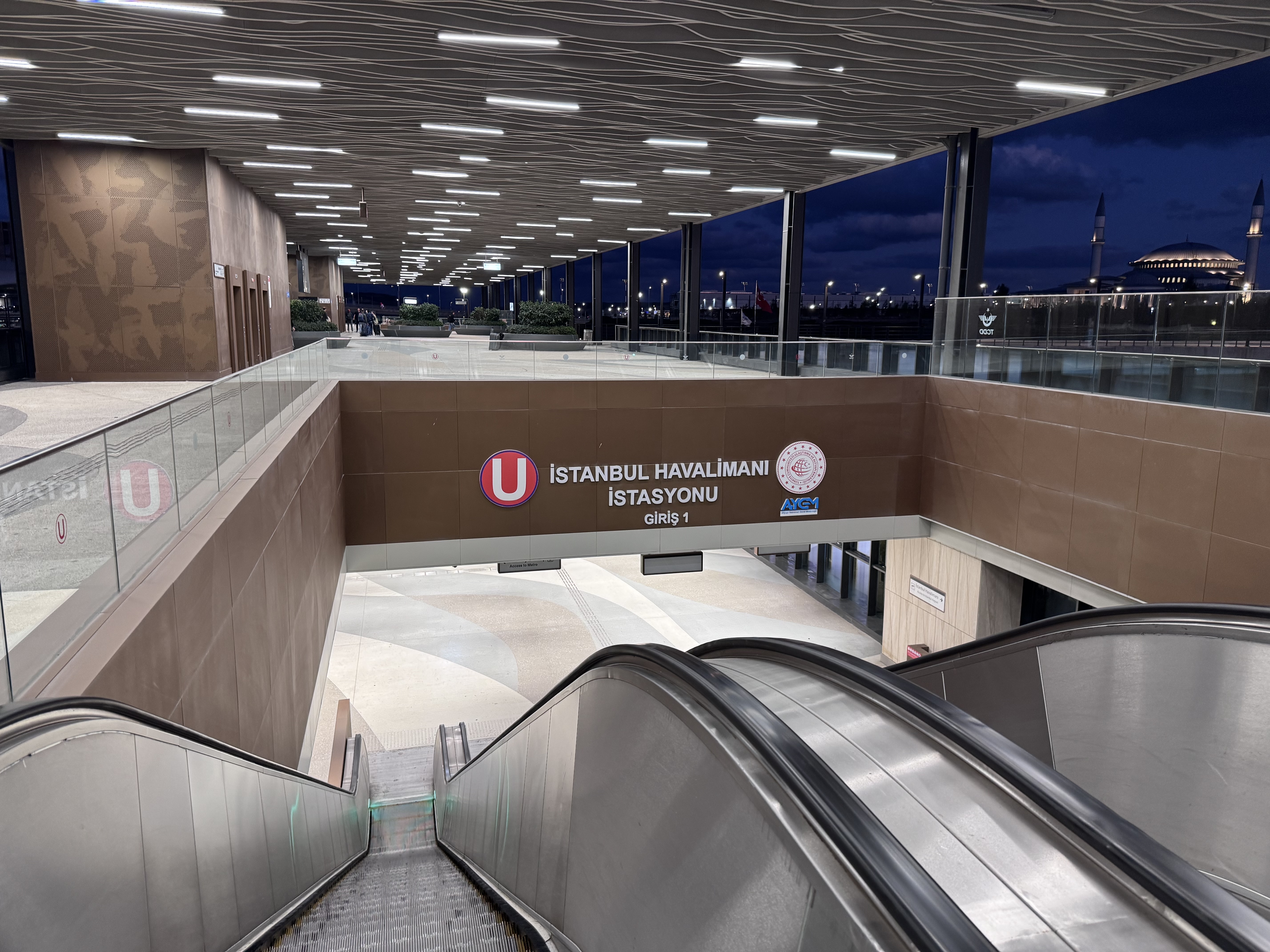
This video shows you exactly how to ride the Istanbul metro from the airport on the M11 line and transfer to the M2 to reach the historical area around Sultanahmet or Taksim Square.
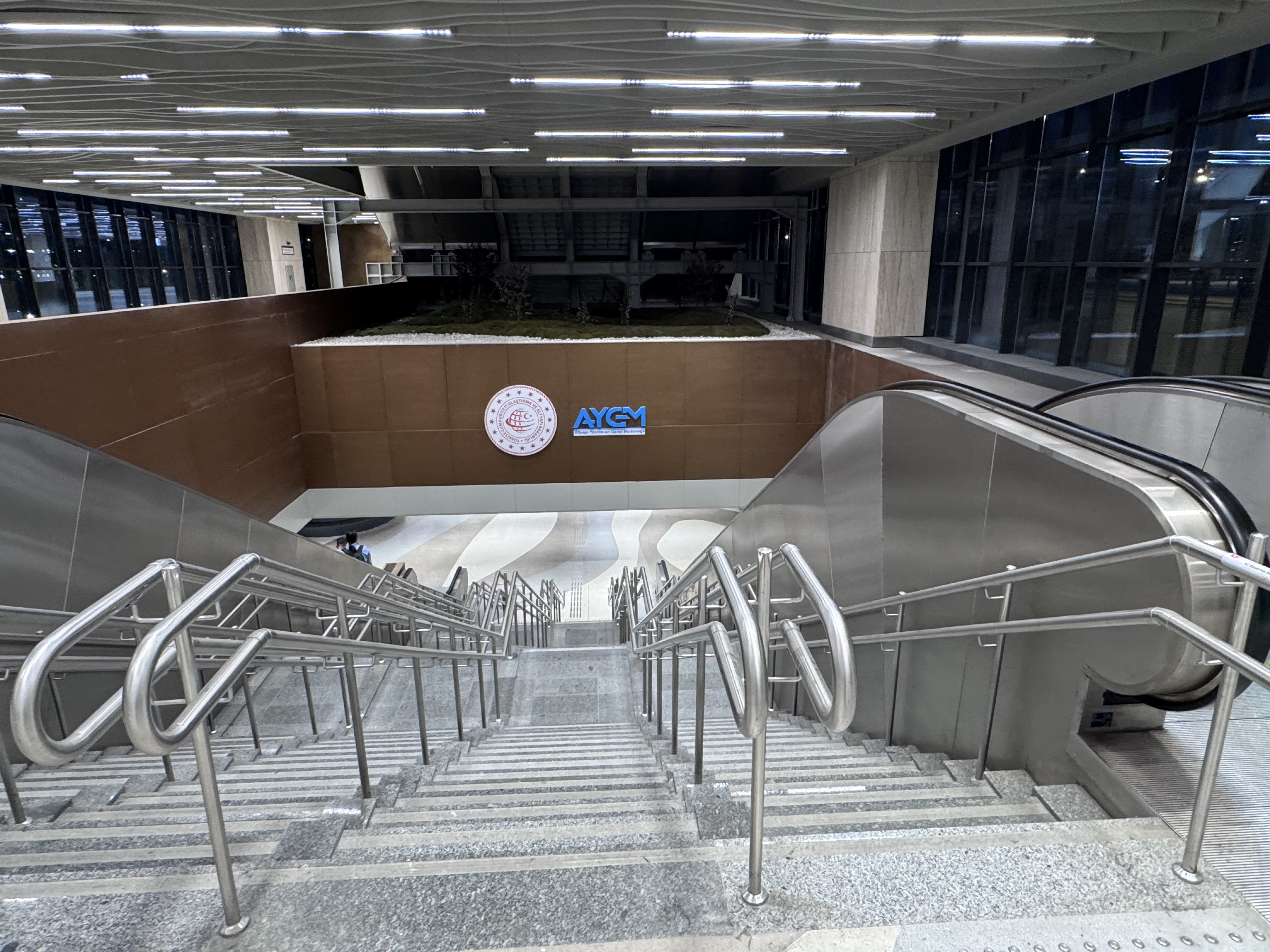
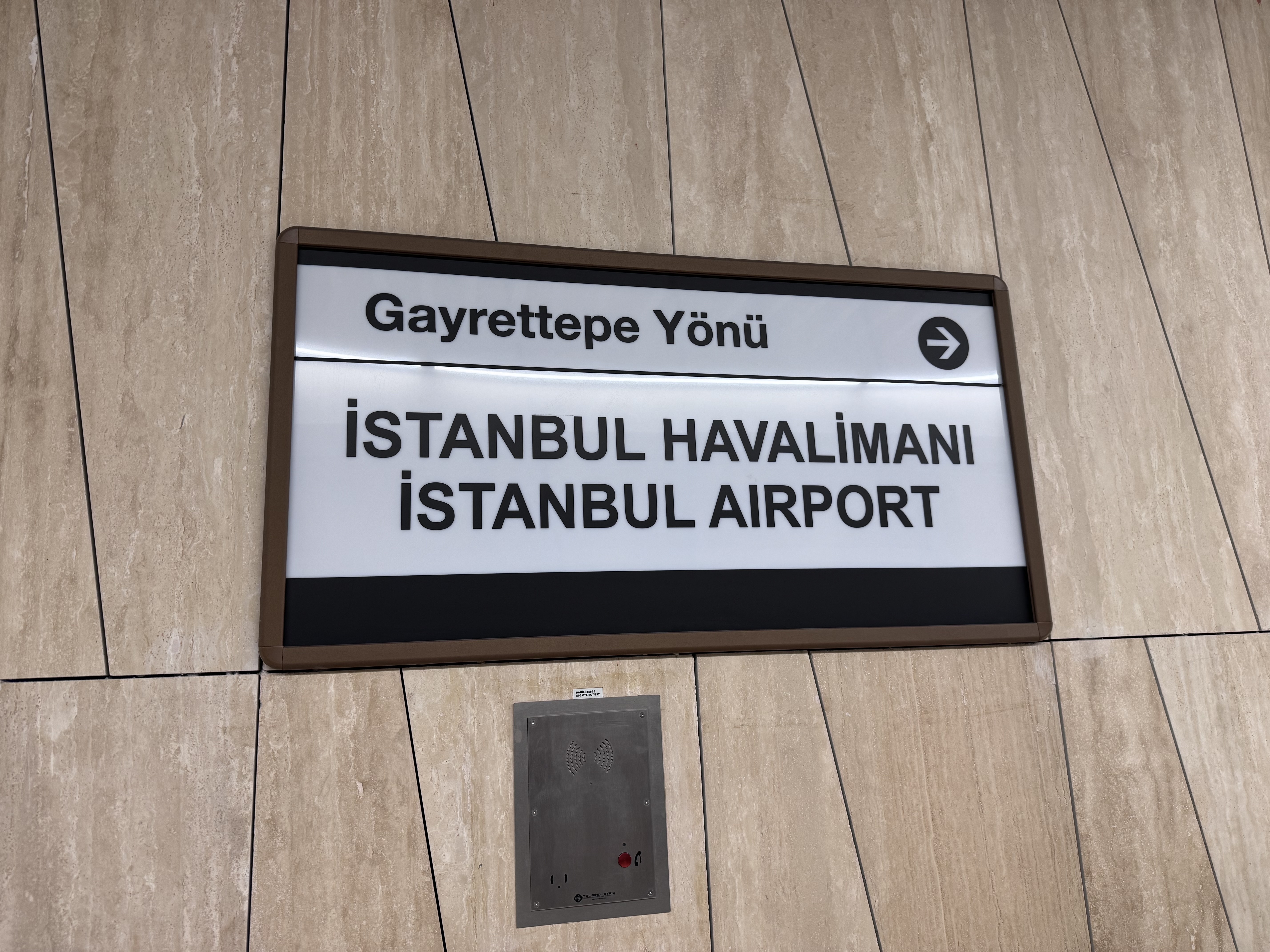
Start by following the metro signs after arrivals at Istanbul Airport, walk a few minutes to the underground station, buy or top up an Istanbulkart at the machines, and board an M11 train heading toward Gayrettepe. The ride takes about 25 to 35 minutes with trains running every 8 to 10 minutes from roughly 6 a.m. until midnight.
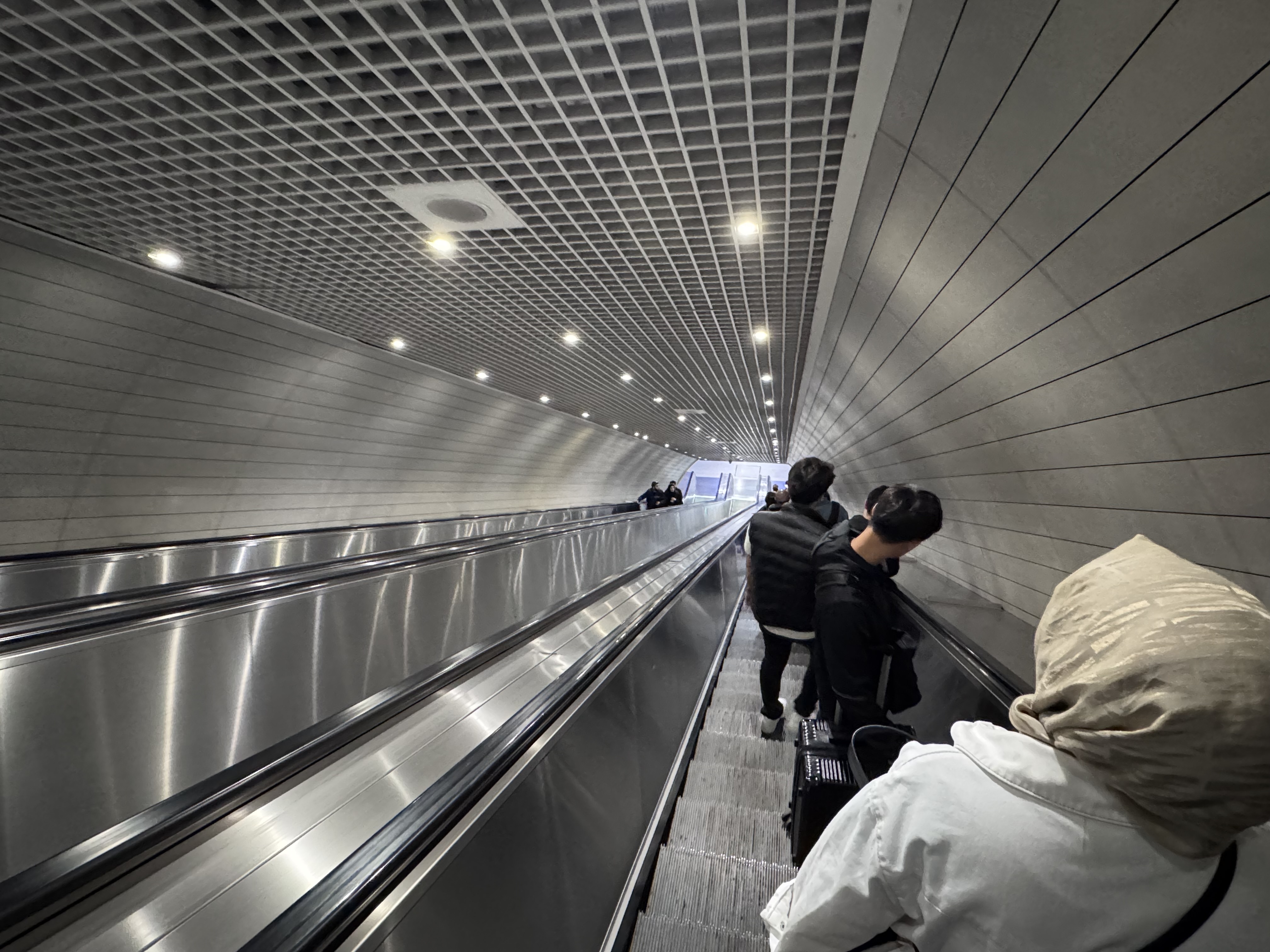
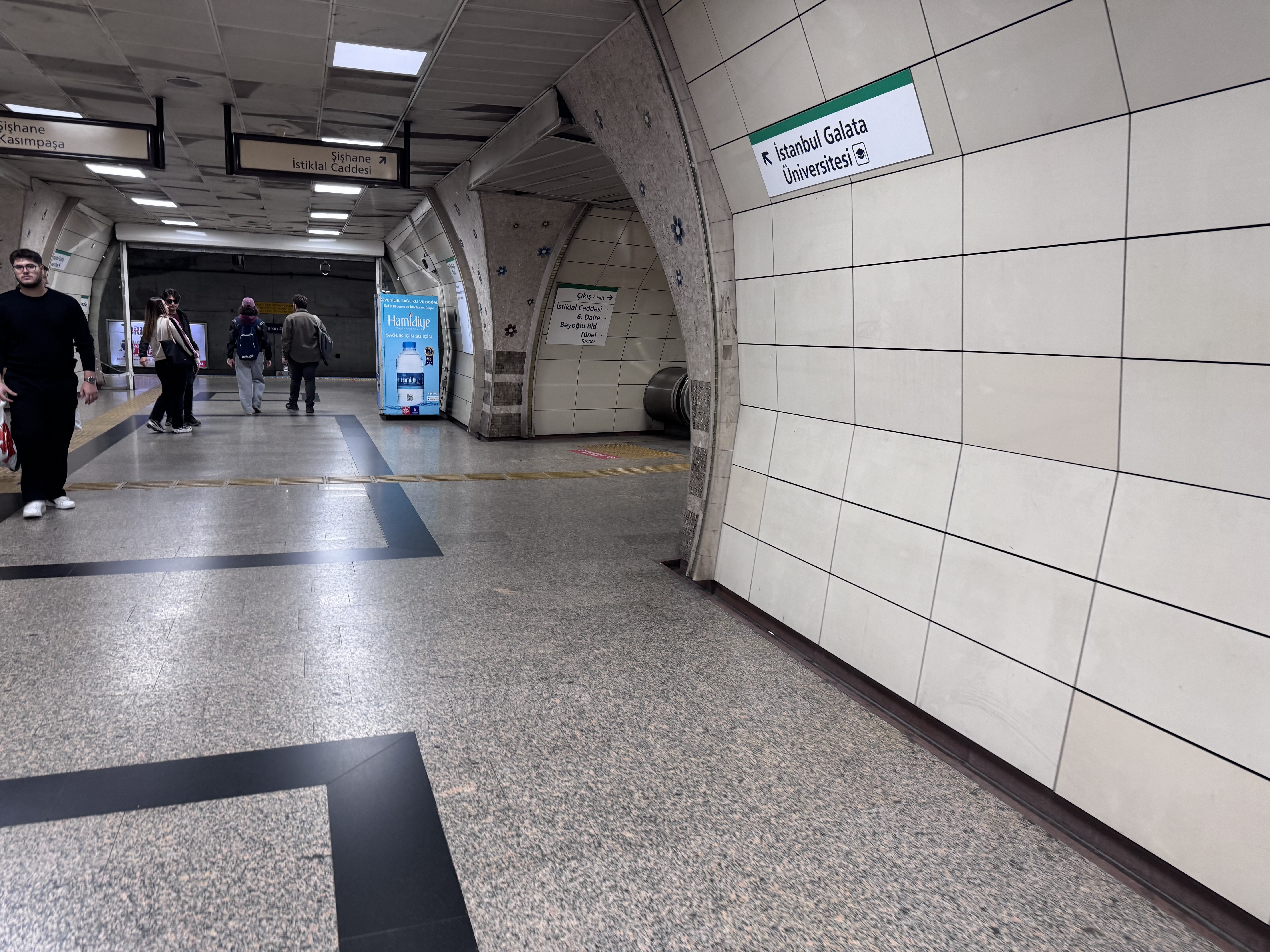
At Gayrettepe follow the signs for the M2 green line, allow 8 to 15 minutes for the long underground walk with escalators, then ride toward Yenikapı and get off at Vezneciler or continue for a short T1 tram connection straight to Sultanahmet near Hagia Sophia and the Blue Mosque.
Total door-to-door time is usually 60 to 90 minutes. The full trip costs roughly 60 to 110 Turkish lira with an Istanbulkart depending on transfers, far cheaper than a taxi that can run 2000 lira or more.
...
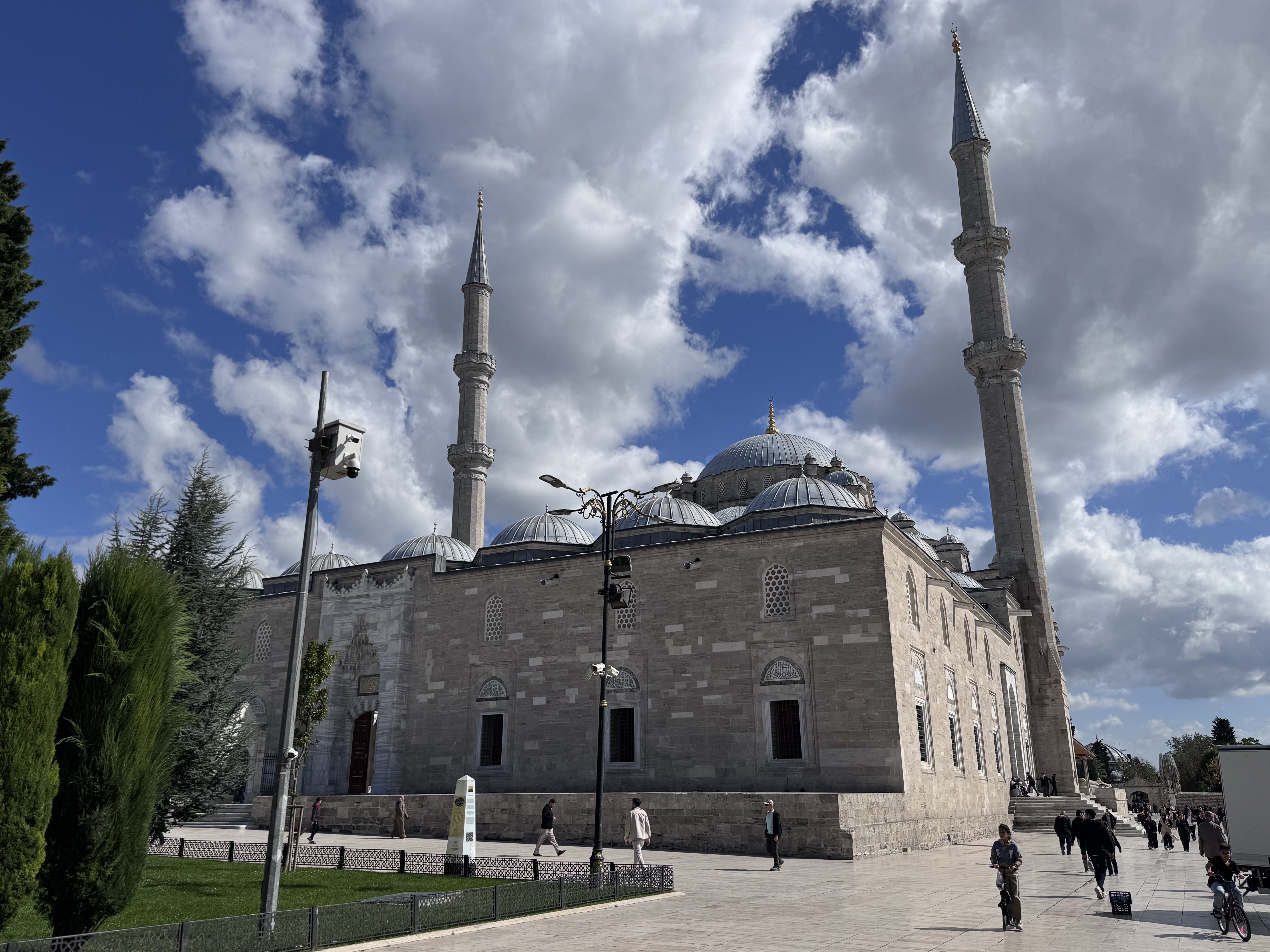
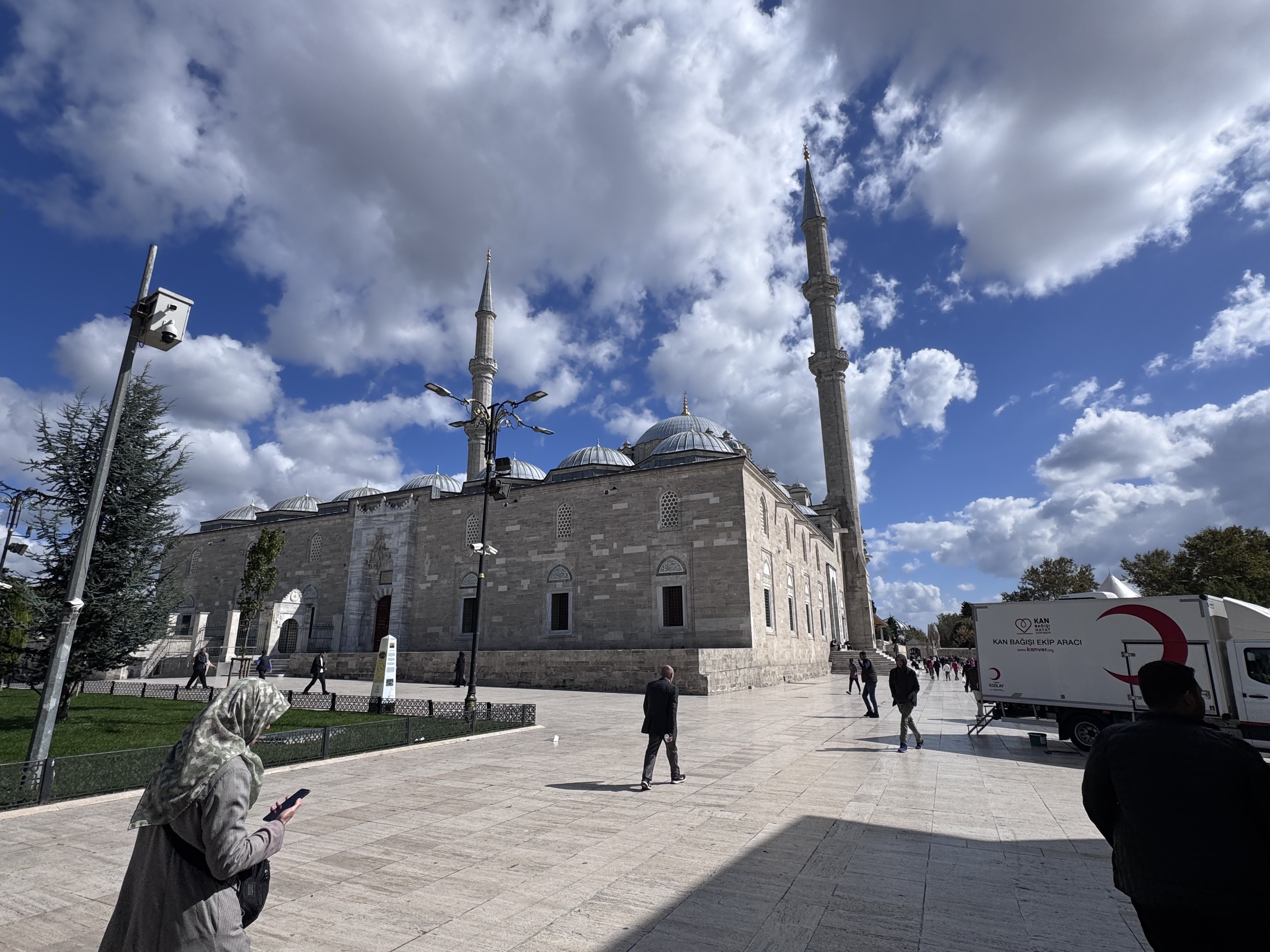
The mosque built by Sultan Mehmet II (Mehmed the Conqueror) after the fall of Constantinople in 1453 is the Fatih Mosque (Turkish: Fatih Camii, meaning “Conqueror’s Mosque”)
The Fatih Mosque, located in Istanbul’s Fatih district, was commissioned by Sultan Mehmet II to commemorate his conquest of Constantinople. Completed in 1470, it was built on the site of the Byzantine Church of the Holy Apostles, a significant 4th-century Christian complex second only to Hagia Sophia in importance. The mosque symbolized Ottoman dominance and the transformation of Constantinople into Istanbul, the new capital of the Ottoman Empire.
The Church of the Holy Apostles, originally constructed around 330–336 AD under Emperor Constantine the Great and rebuilt by Justinian I in the 6th century, housed relics of apostles and served as an imperial burial site. Its location on Constantinople’s fourth hill was strategically supported by the 4th-century Valens Aqueduct (completed 373 AD), which supplied water to ...
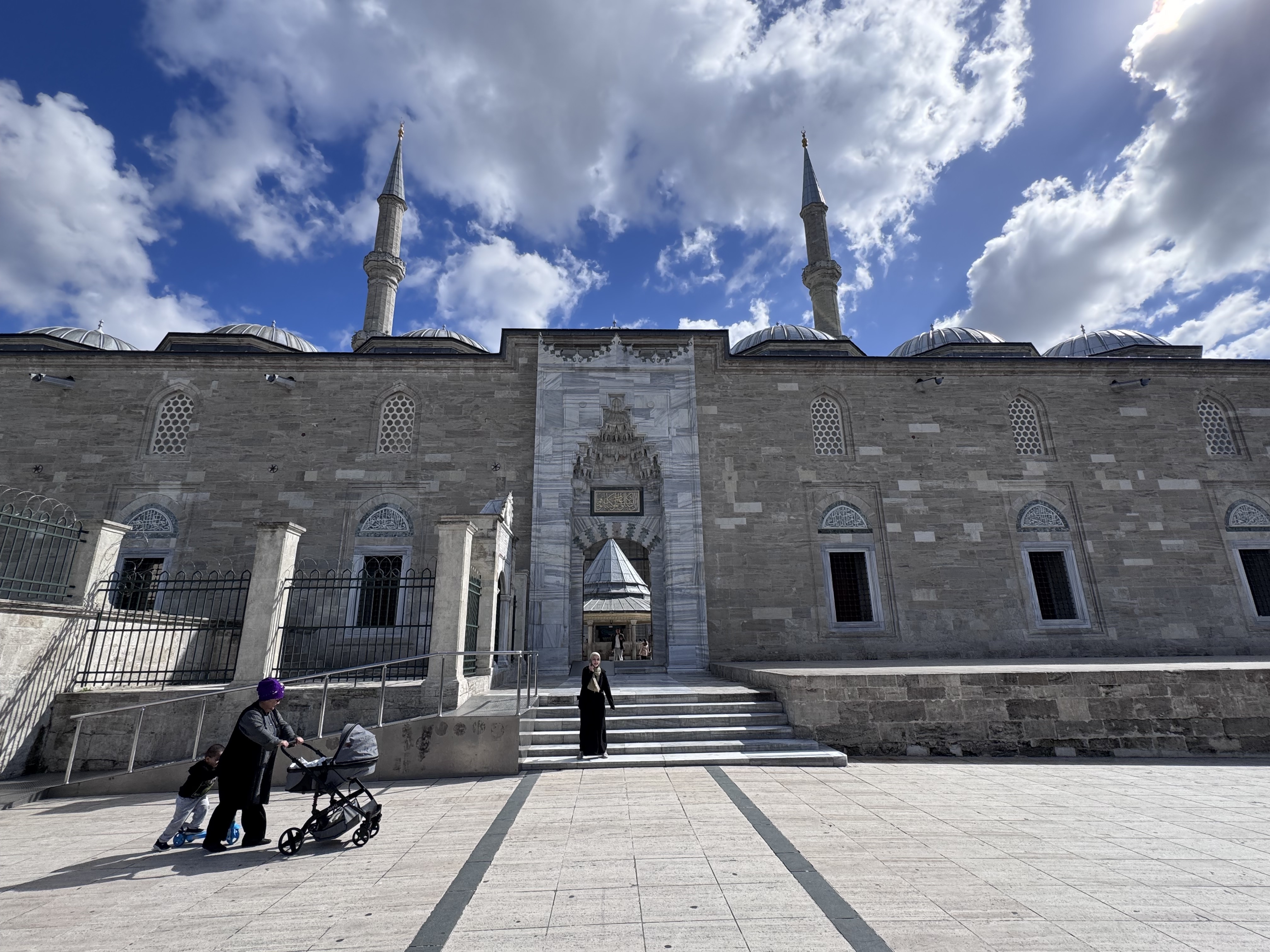
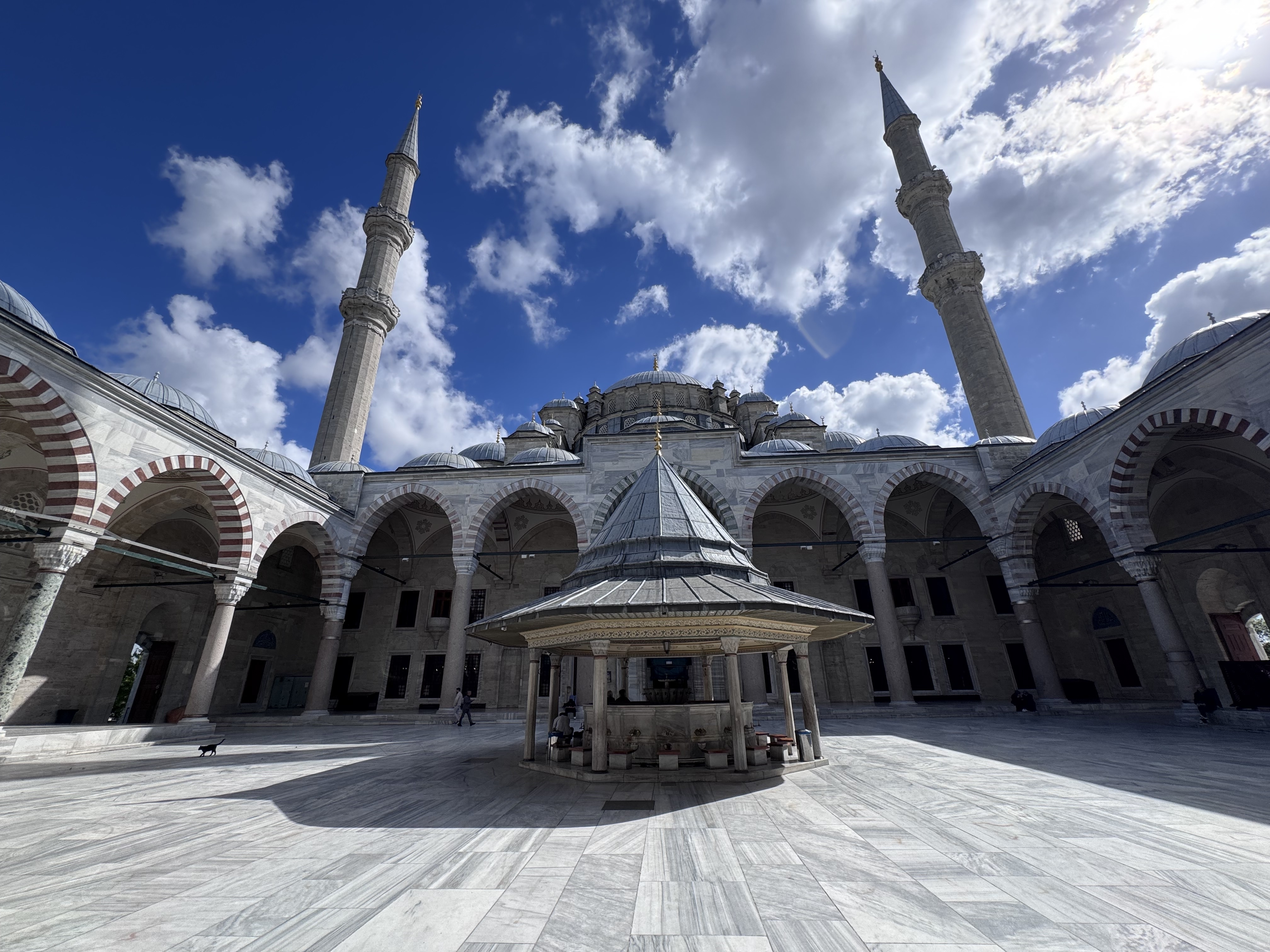
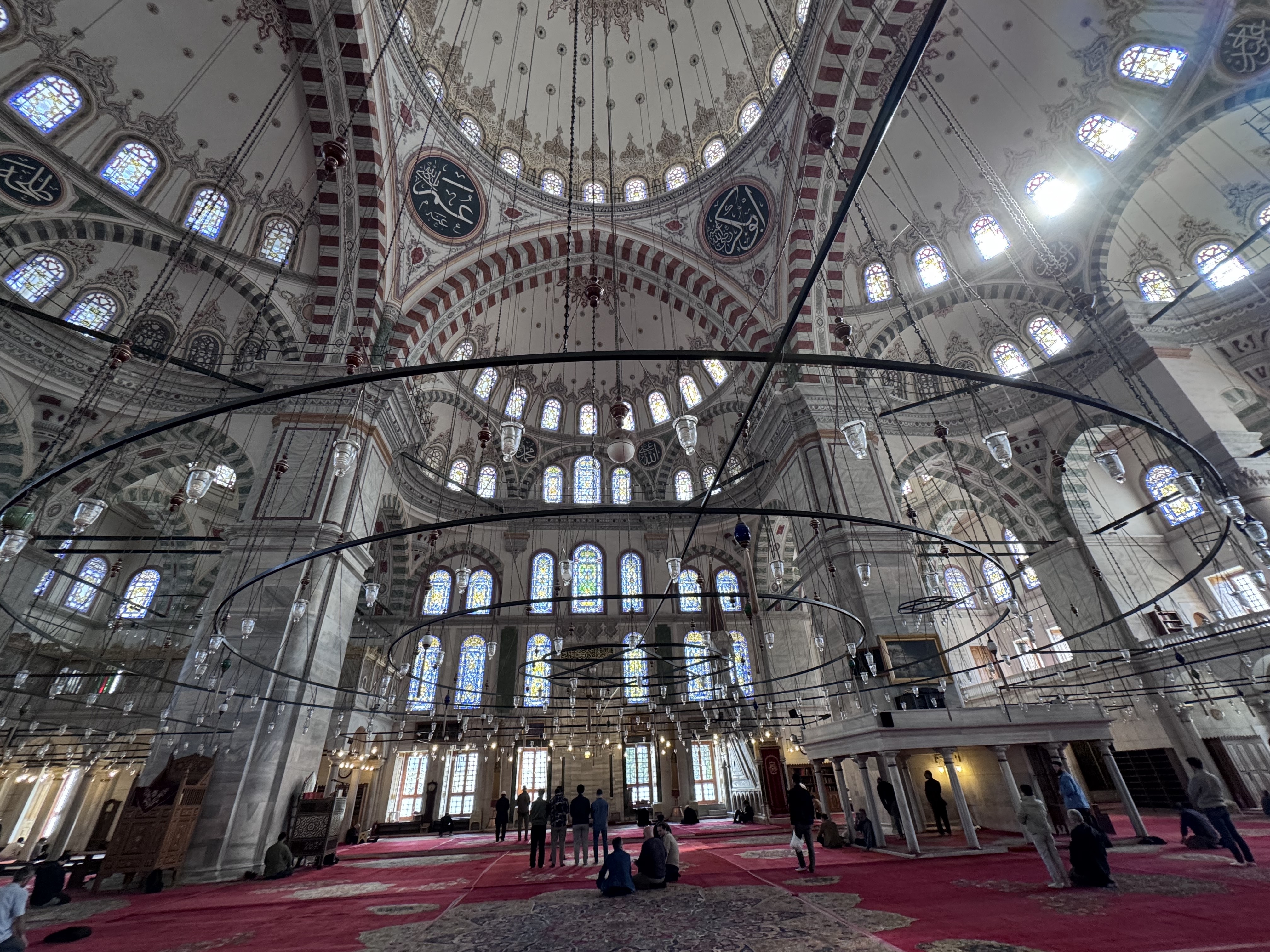
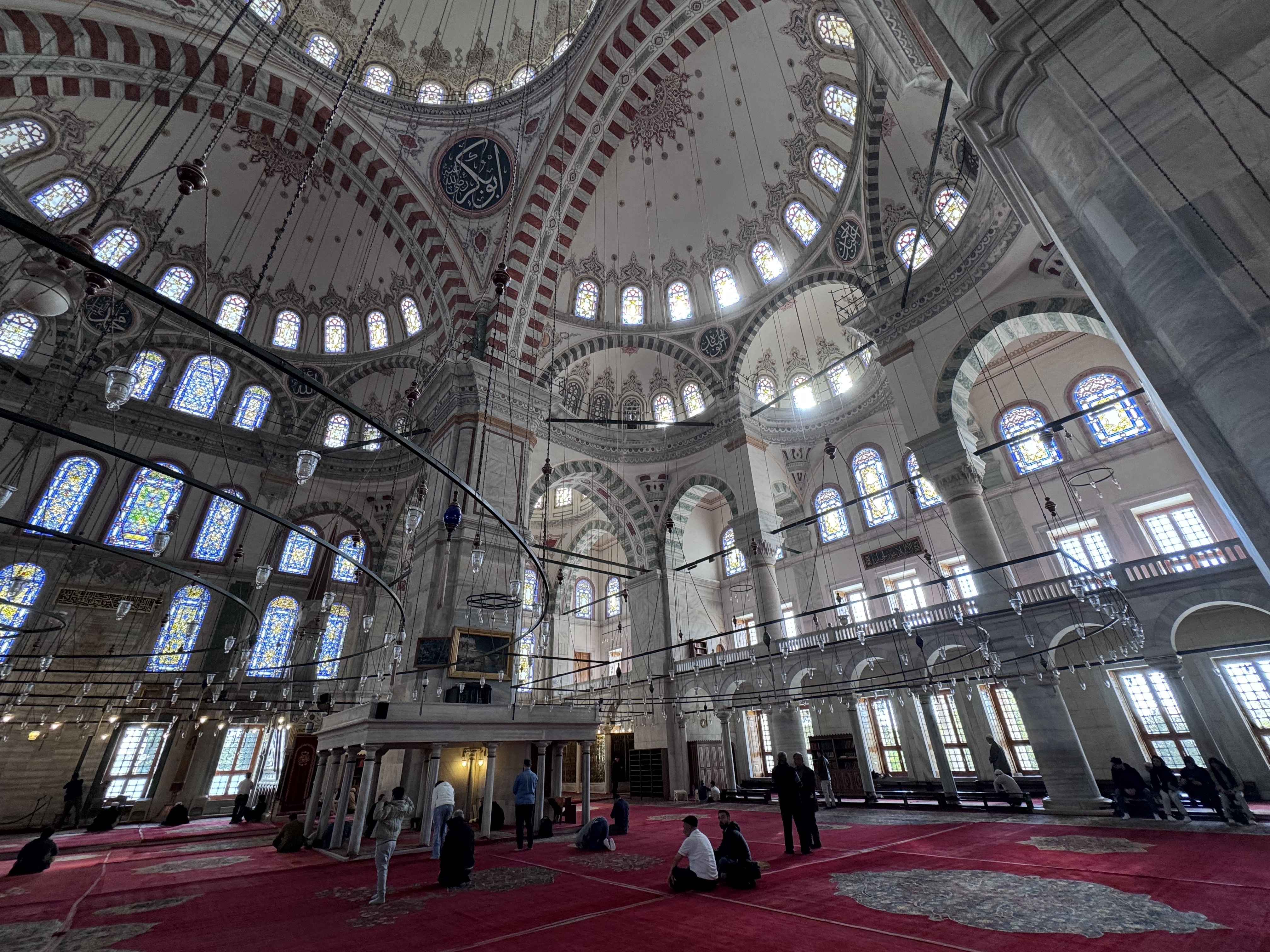
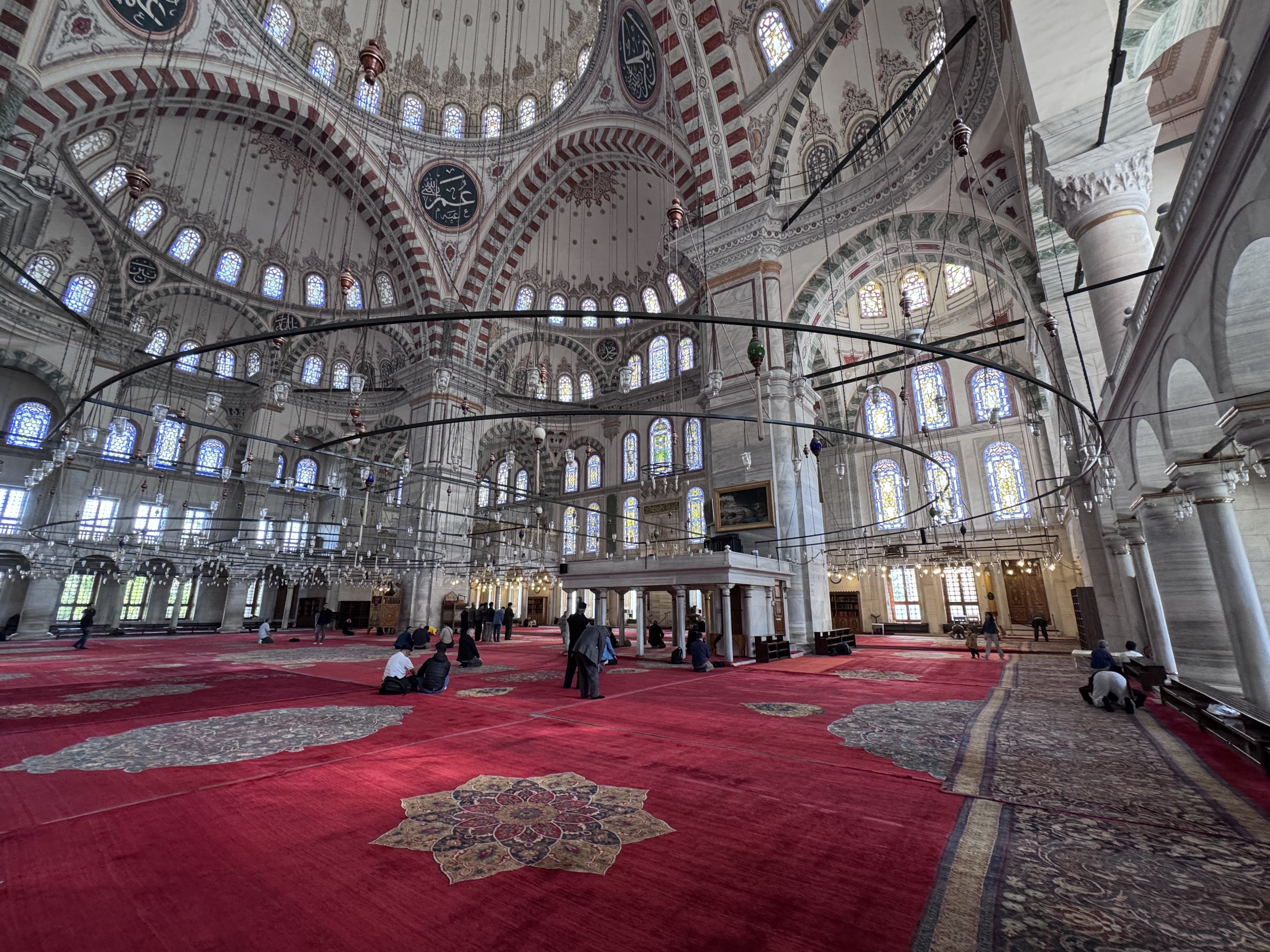
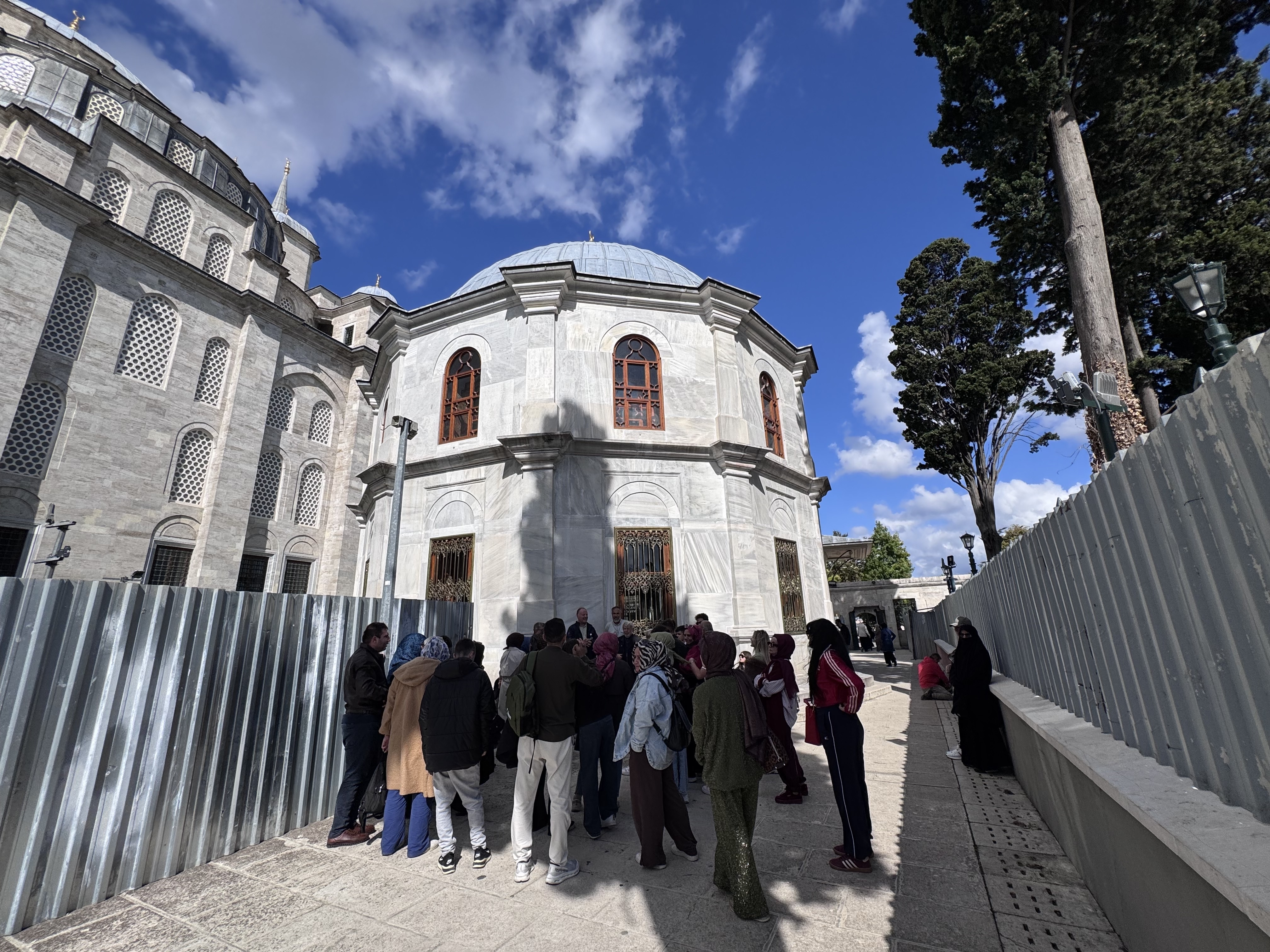
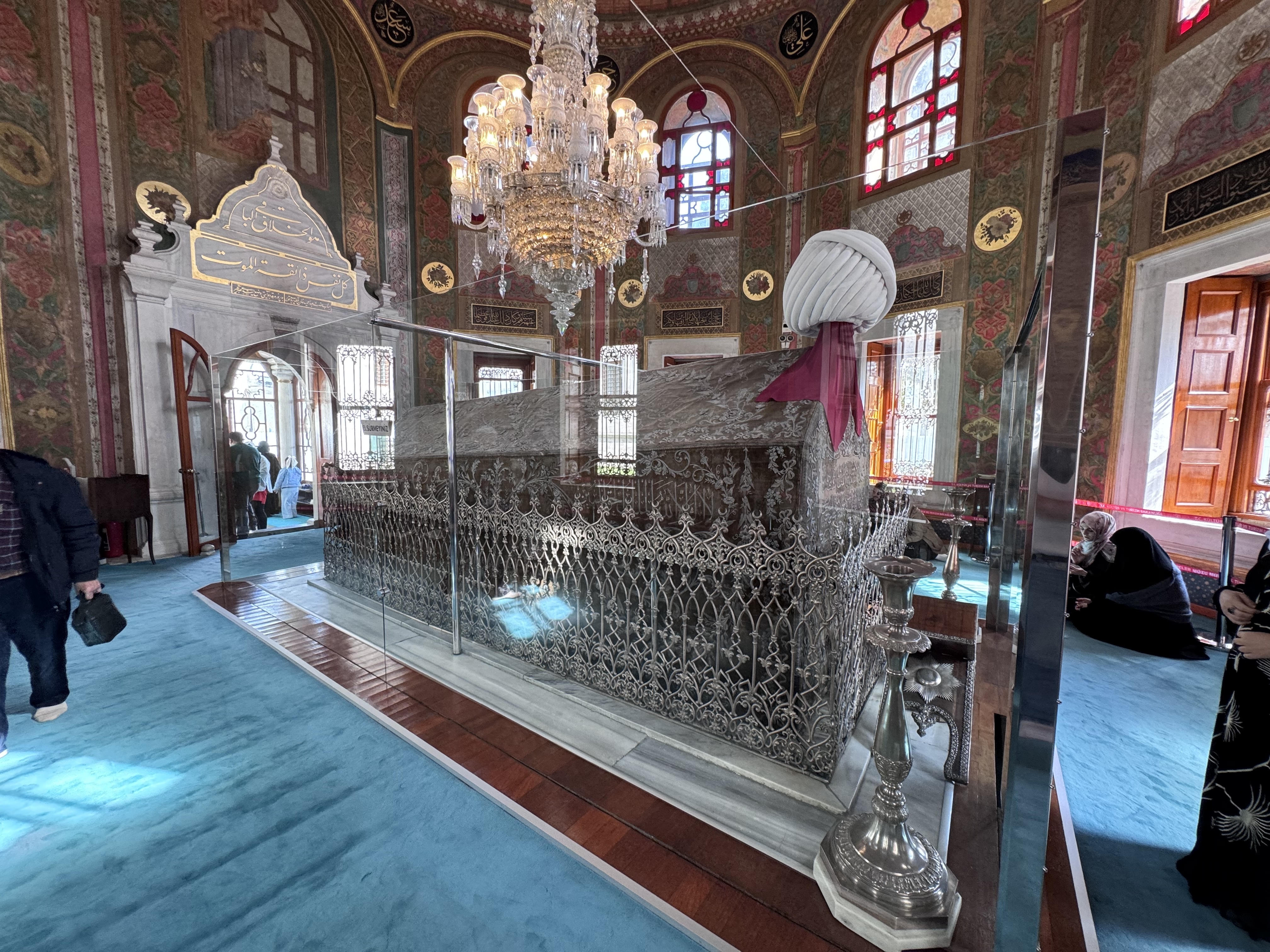
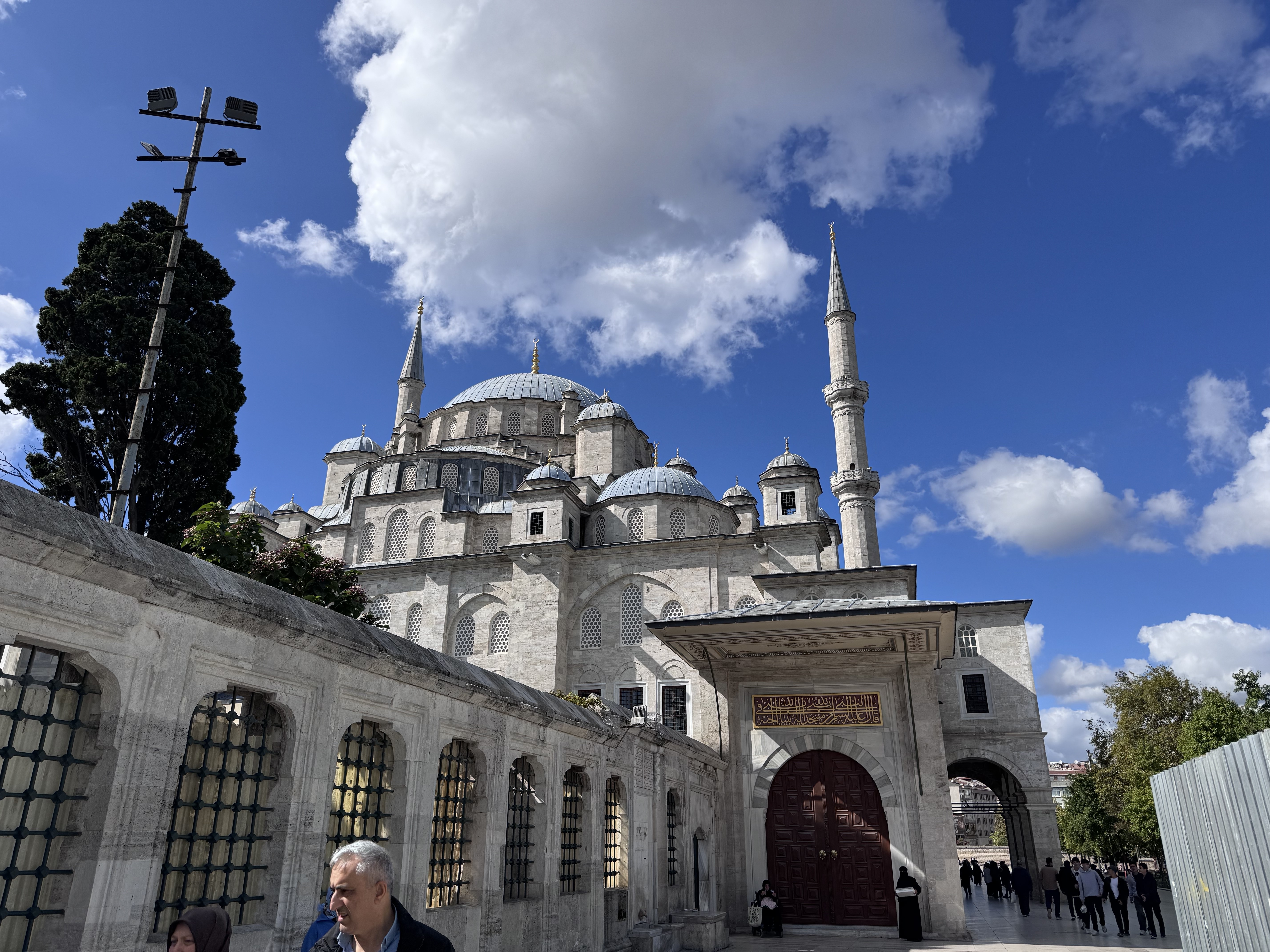
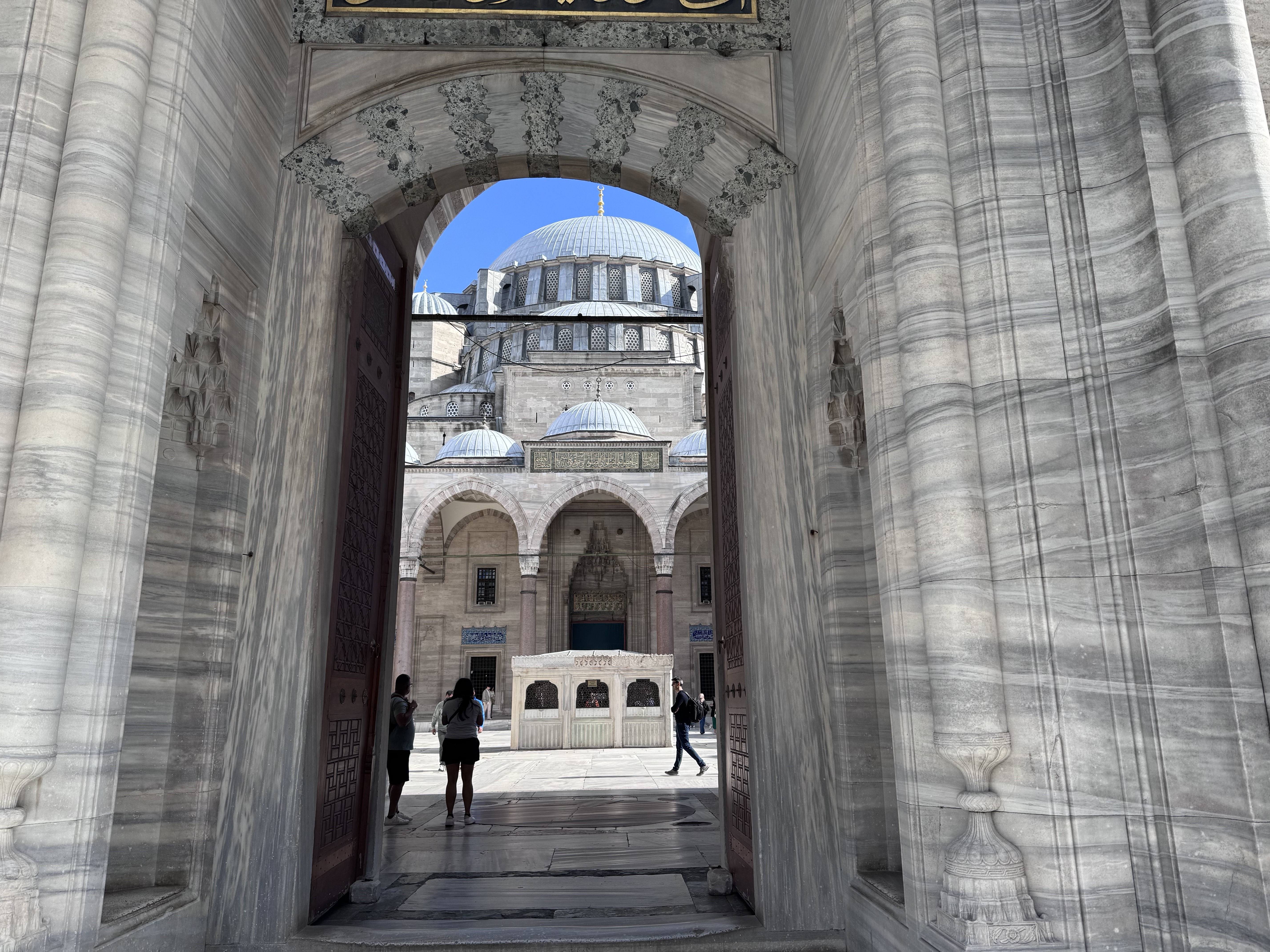
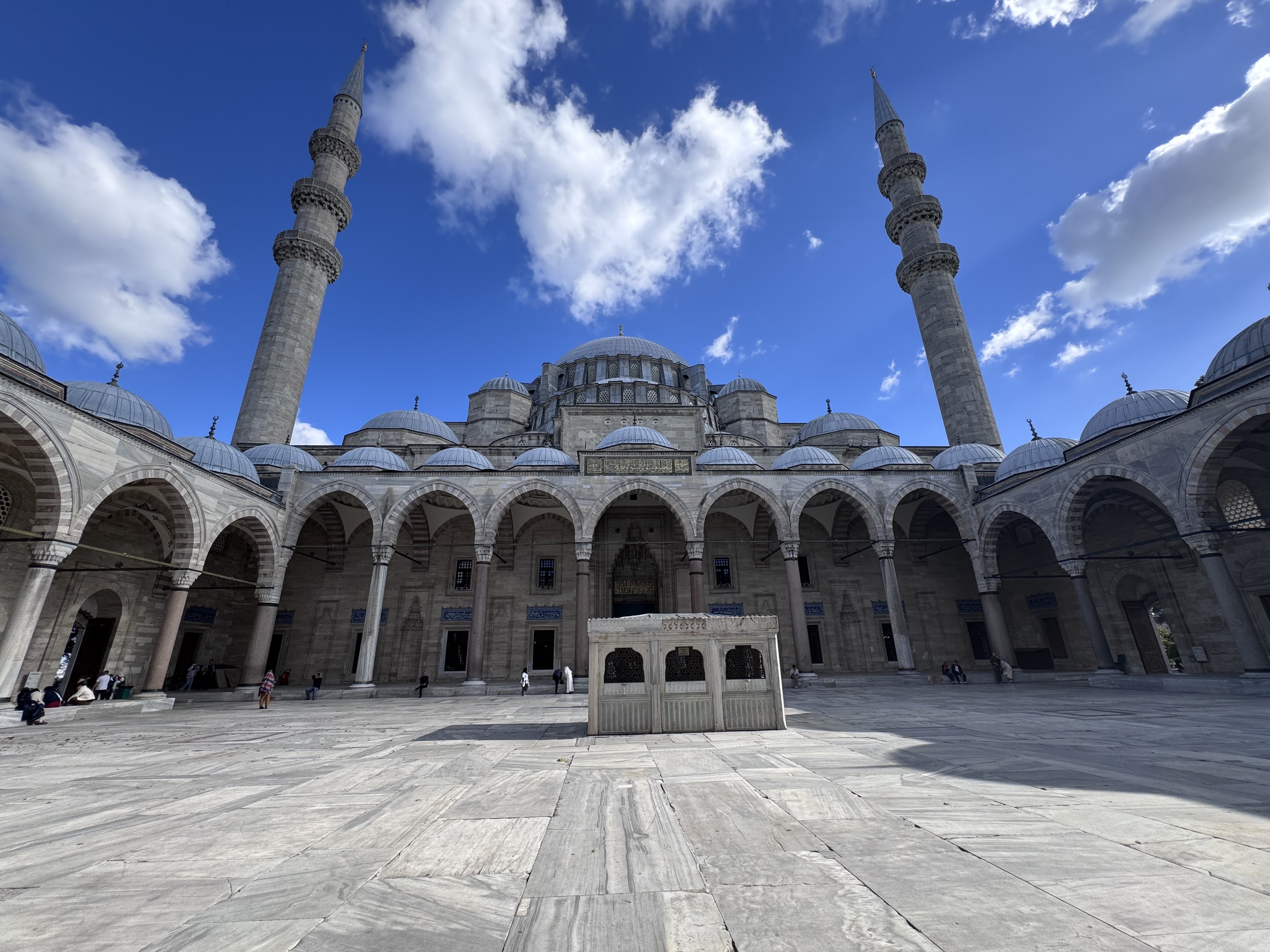
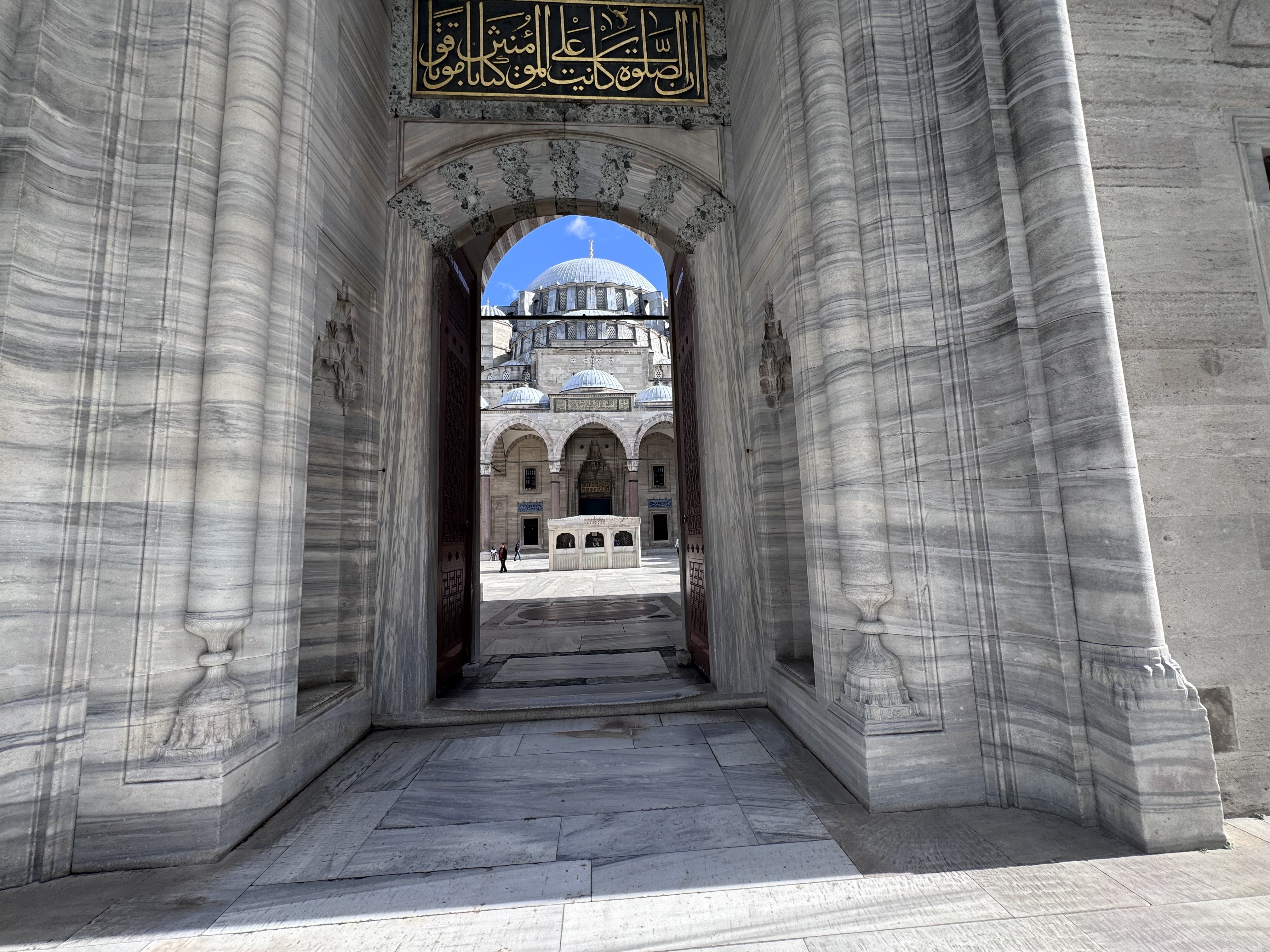
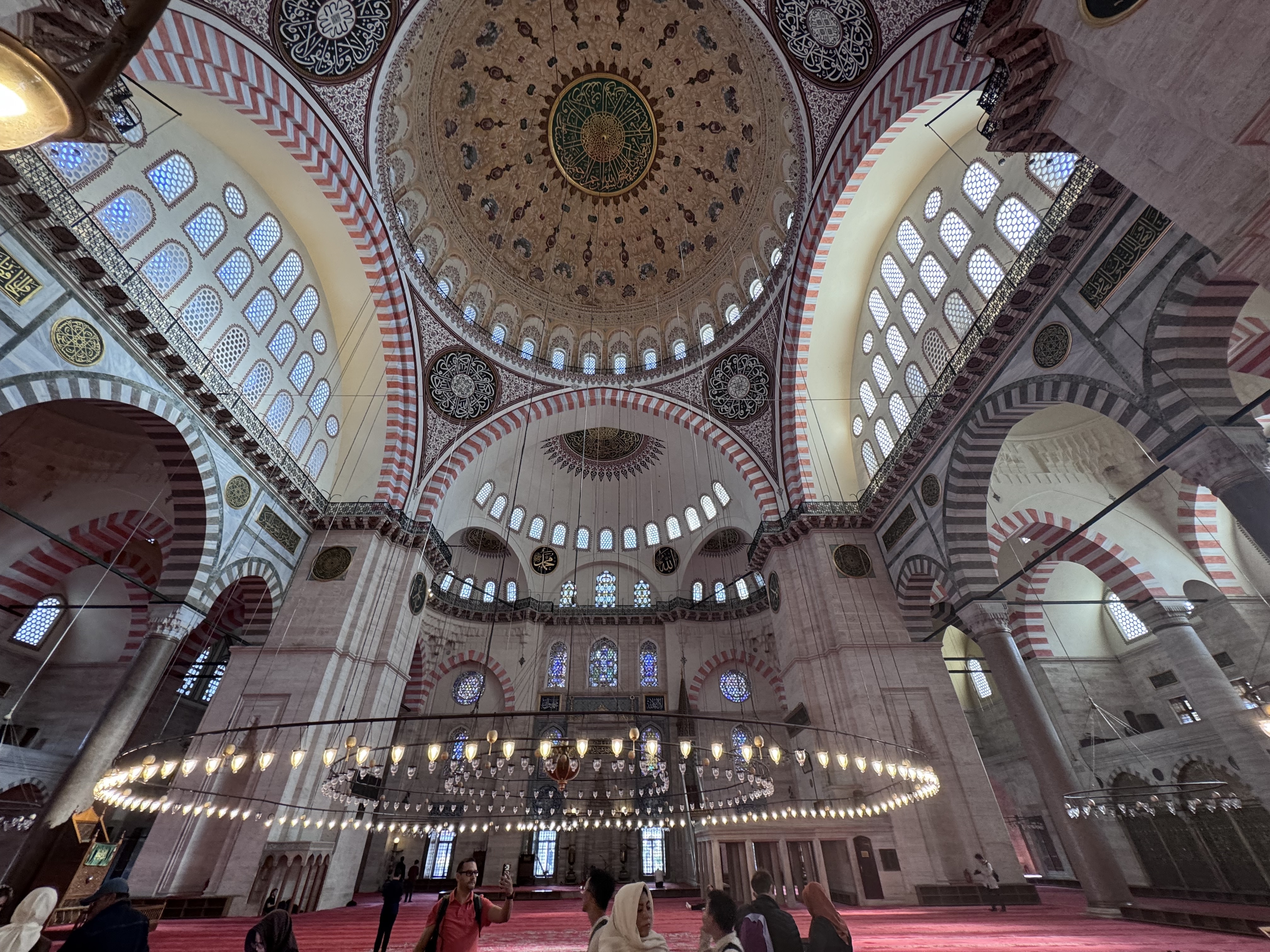
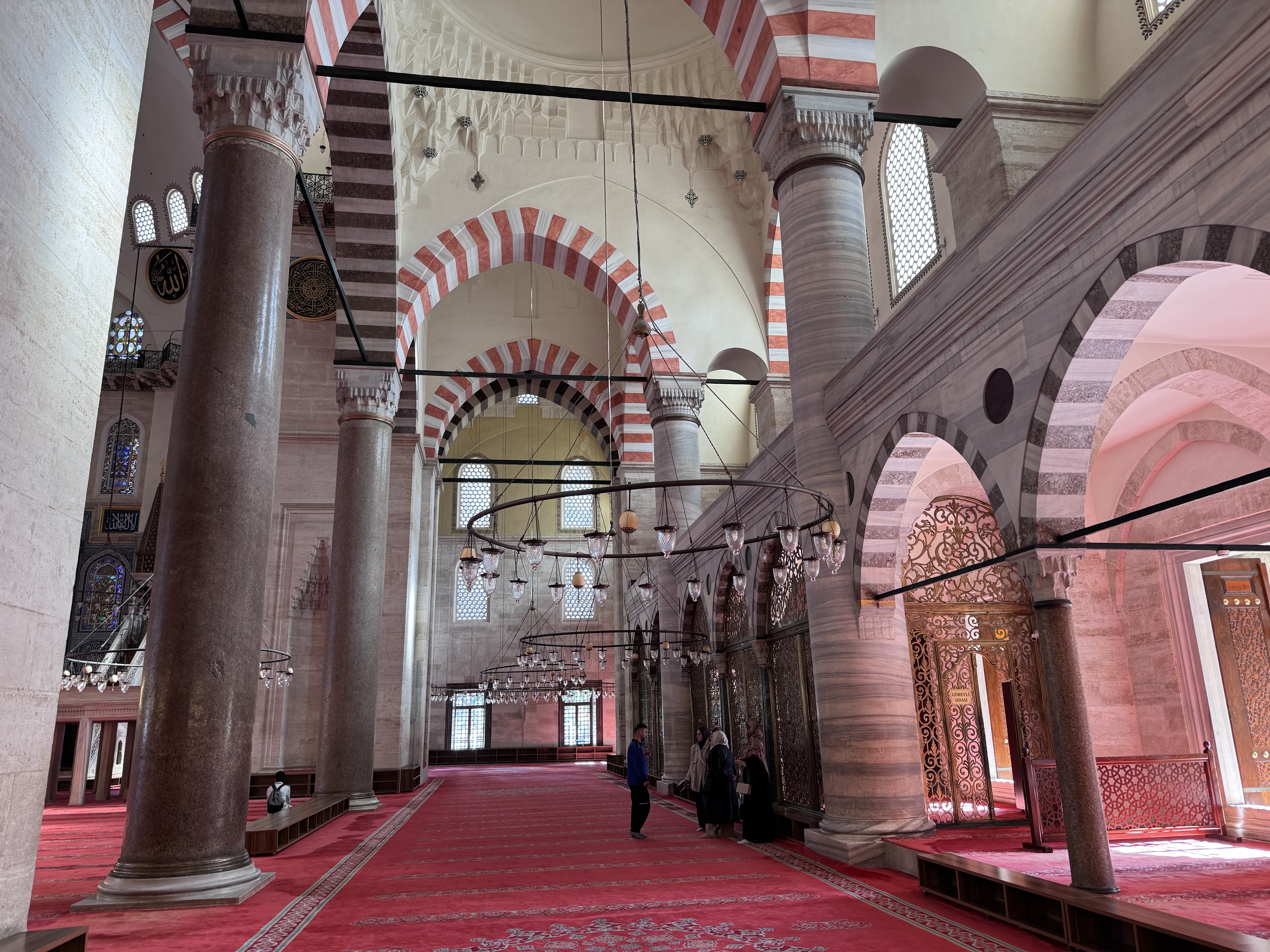
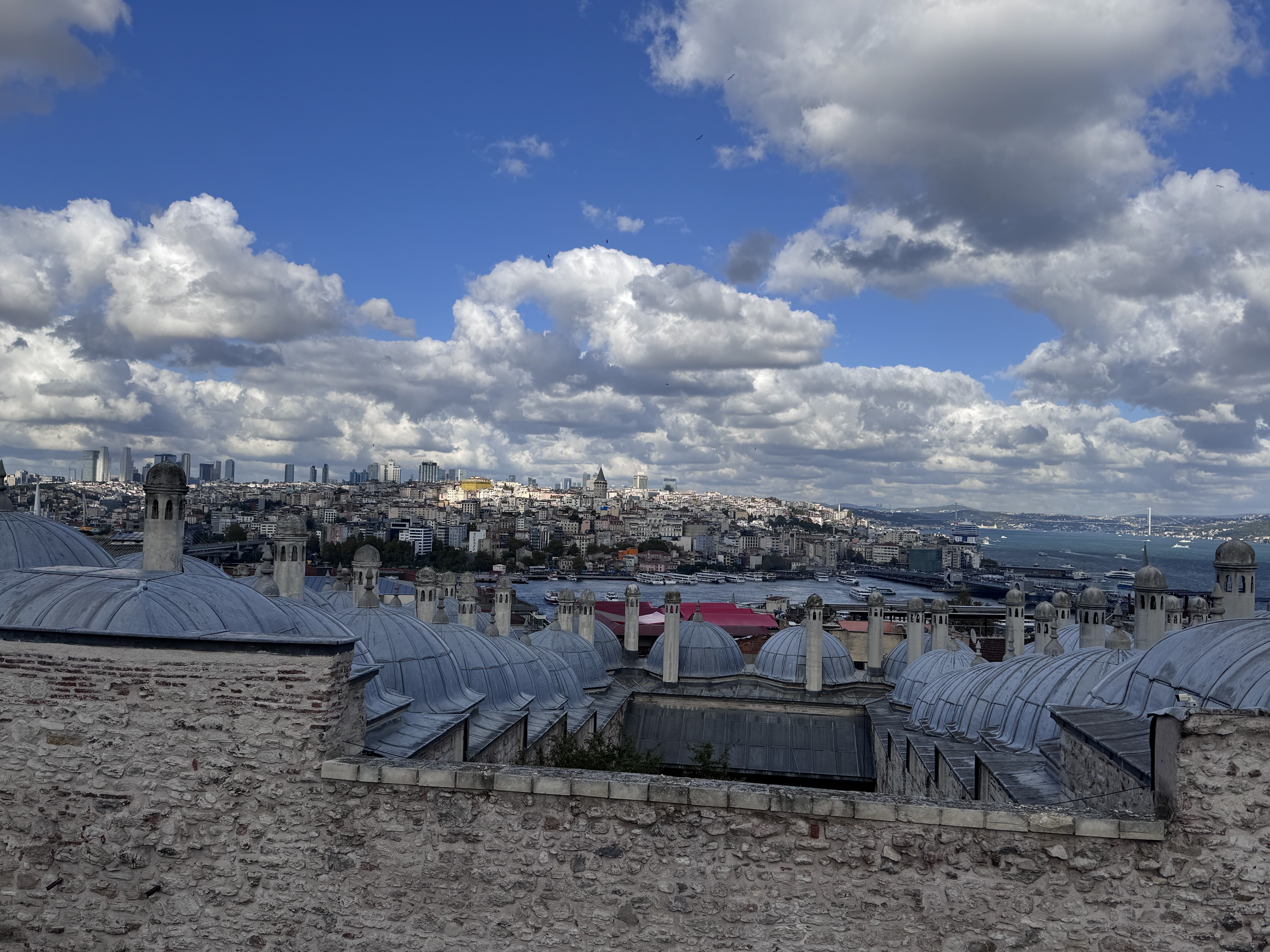
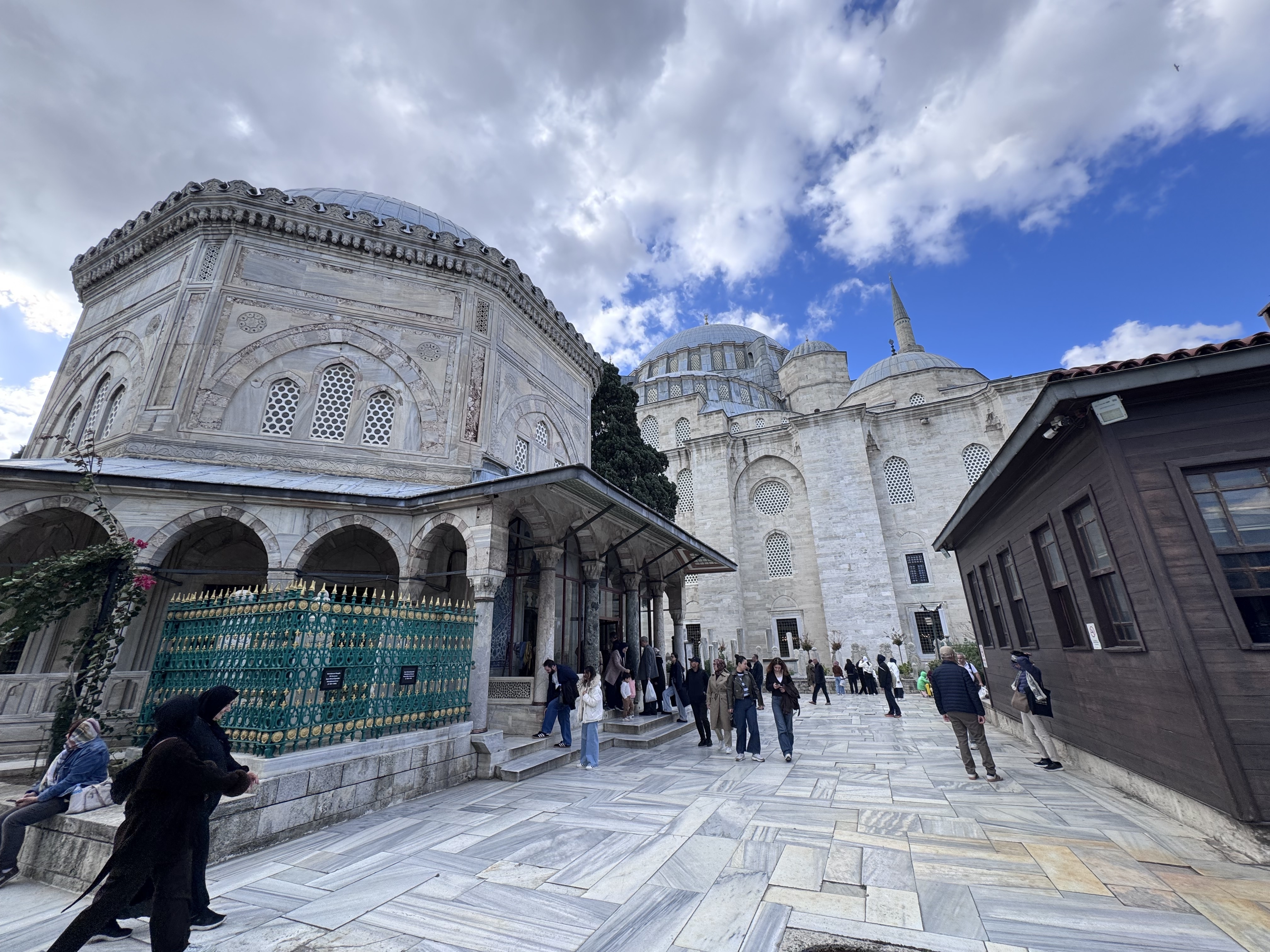
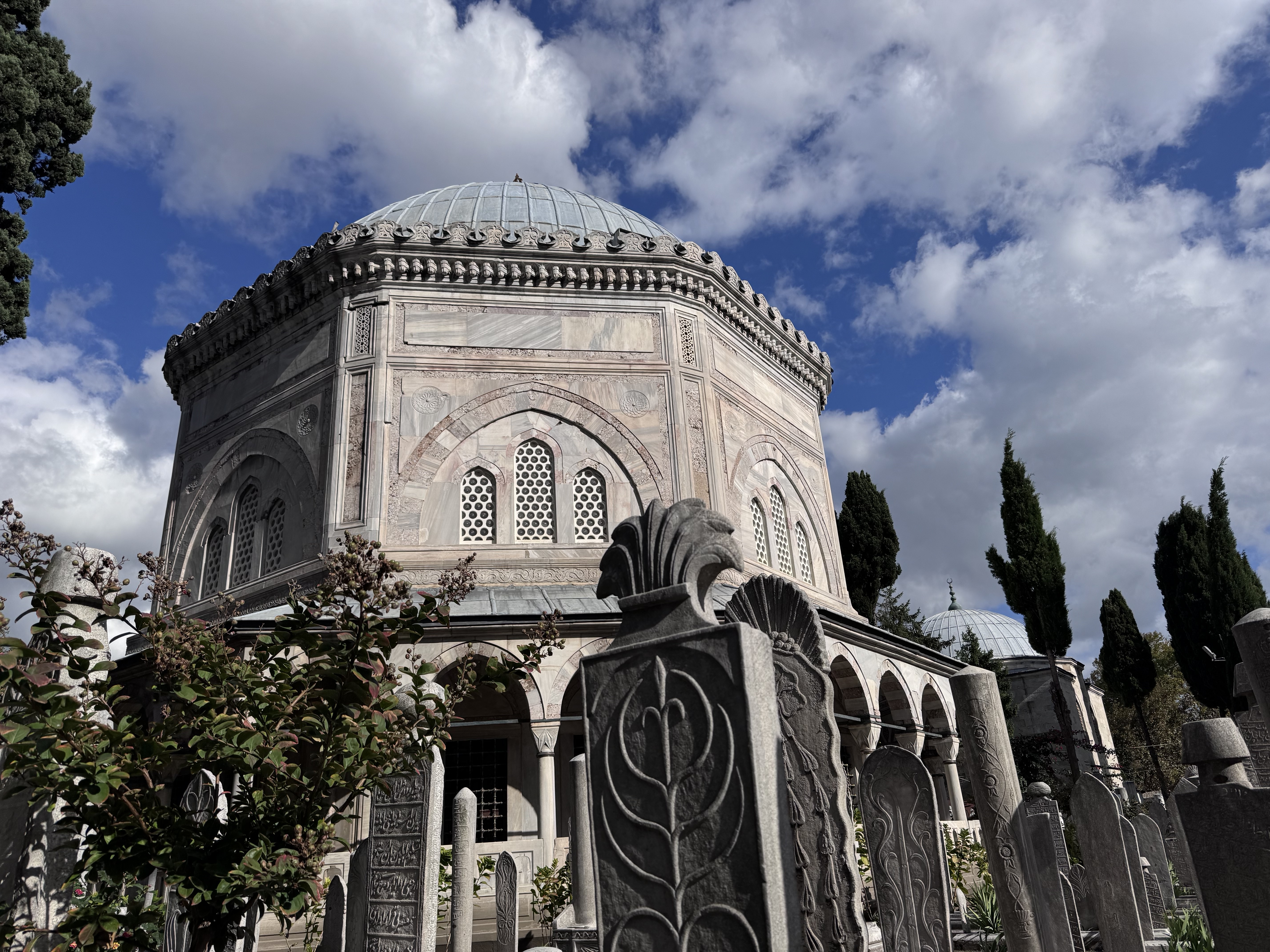
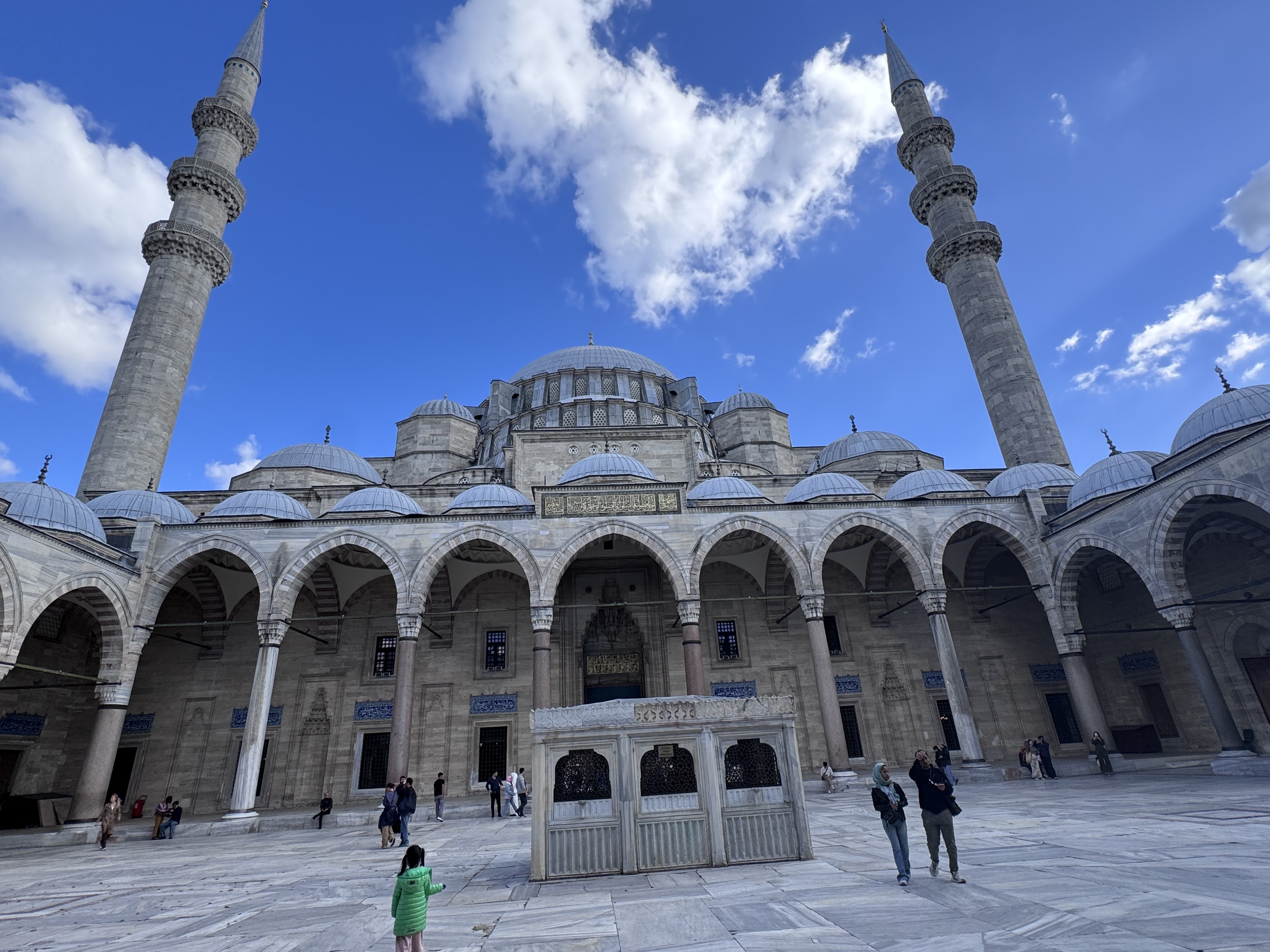
The Süleymaniye Mosque (Turkish: Süleymaniye Camii) is a 16th-century Ottoman masterpiece in Istanbul’s Fatih district, designed by the renowned architect Mimar Sinan for Sultan Suleiman the Magnificent. Celebrated for its elegant dome, four slender minarets, and sprawling külliye (complex), it’s a UNESCO World Heritage site within Istanbul’s Historic Areas.
As an active mosque, it blends architectural grandeur with serene spirituality, attracting worshippers and tourists alike.
Commissioned by Sultan Suleiman I (1520–1566), the mosque was built between 1550 and 1557, at the height of the Ottoman Empire’s power. Sinan, the imperial architect, considered it his finest work, balancing scale and harmony.
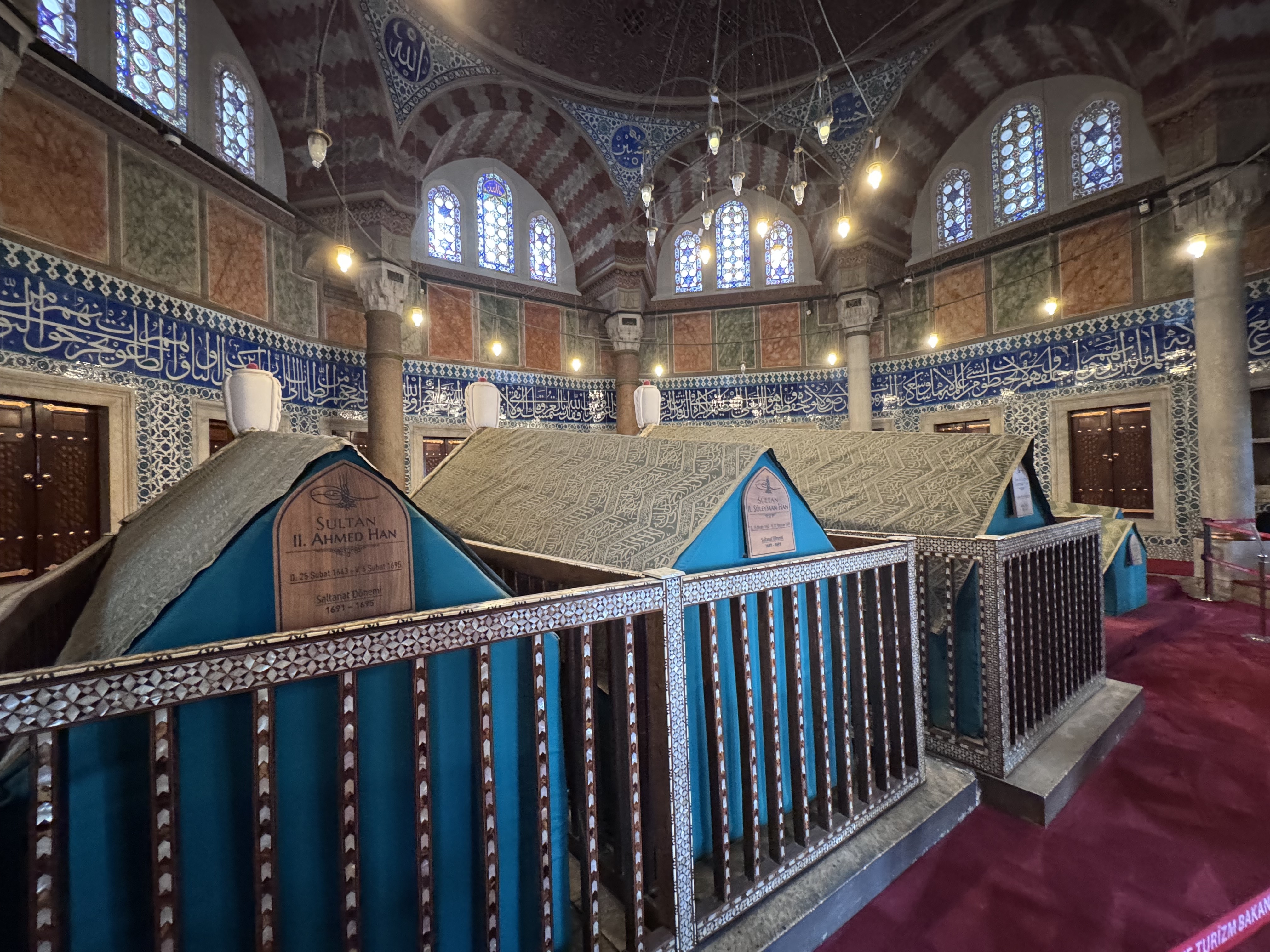
It was constructed on the third hill of Istanbul, on the site of the old Eski Saray (Old Palace), symbolizing Suleiman’s legacy. The külliye included madrasas, a hospital, a soup kitchen, and tombs for Suleiman and his wife Hürrem Sultan. Damaged by fires and earthquakes (notably in ...