

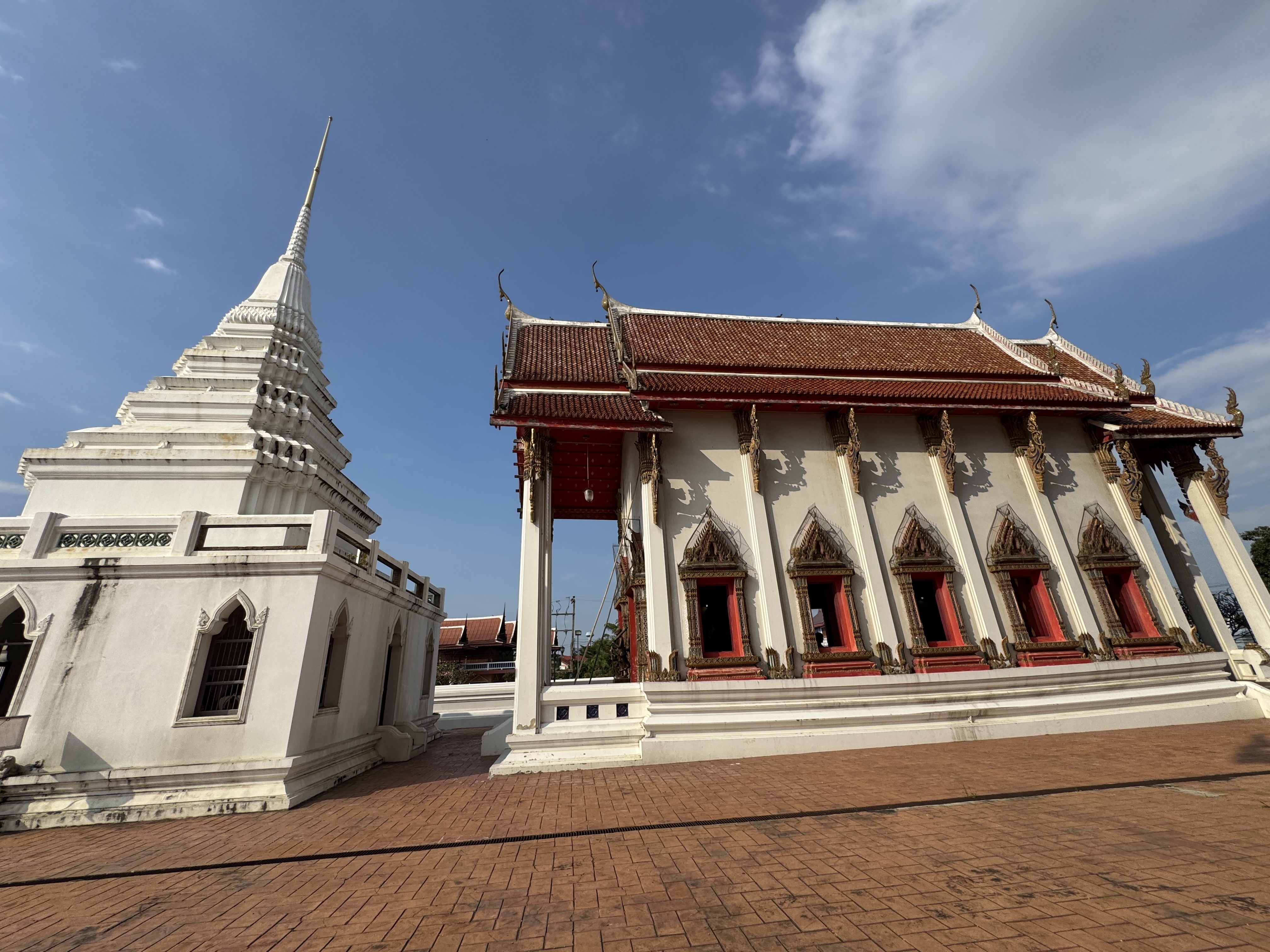
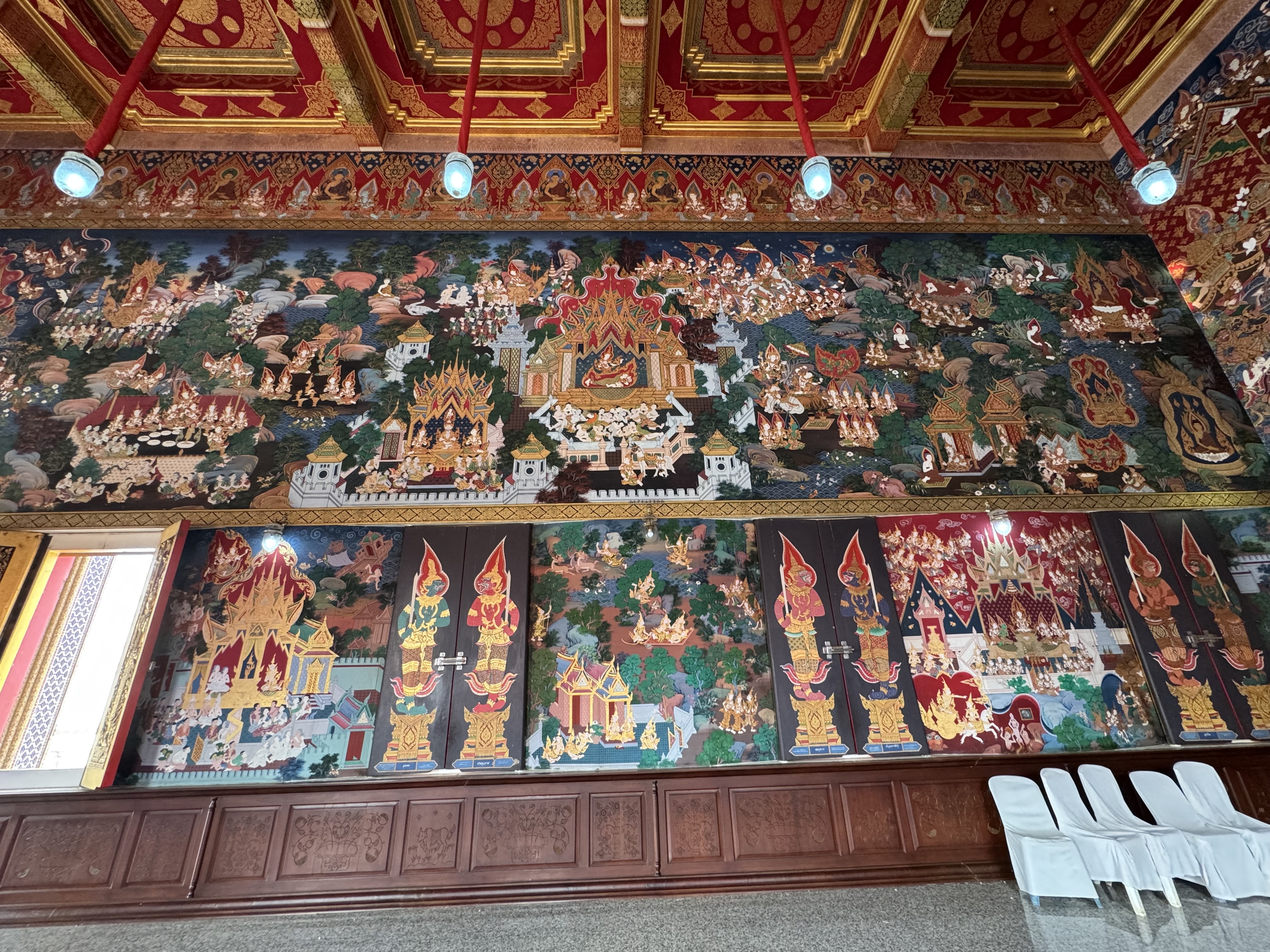
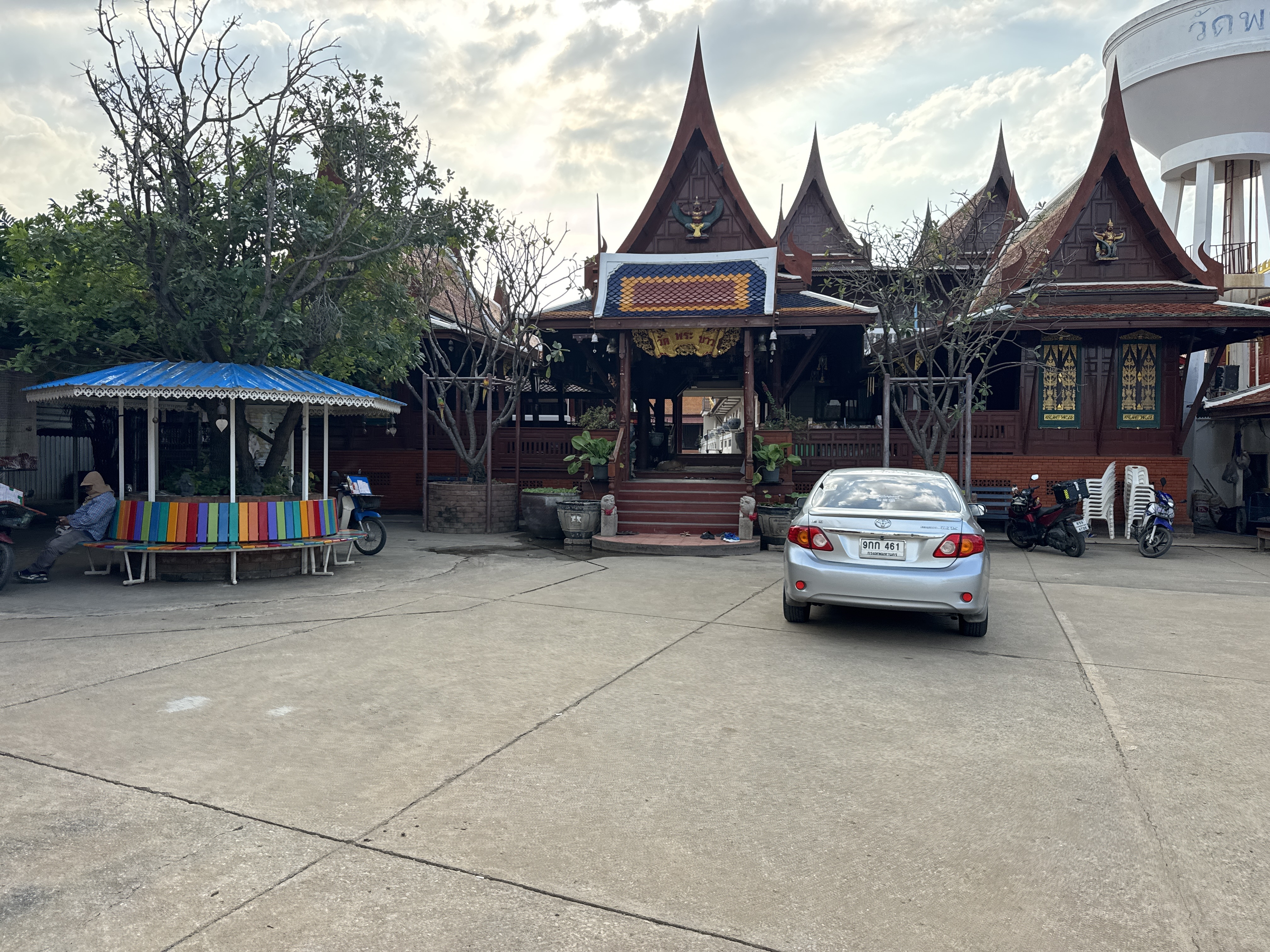
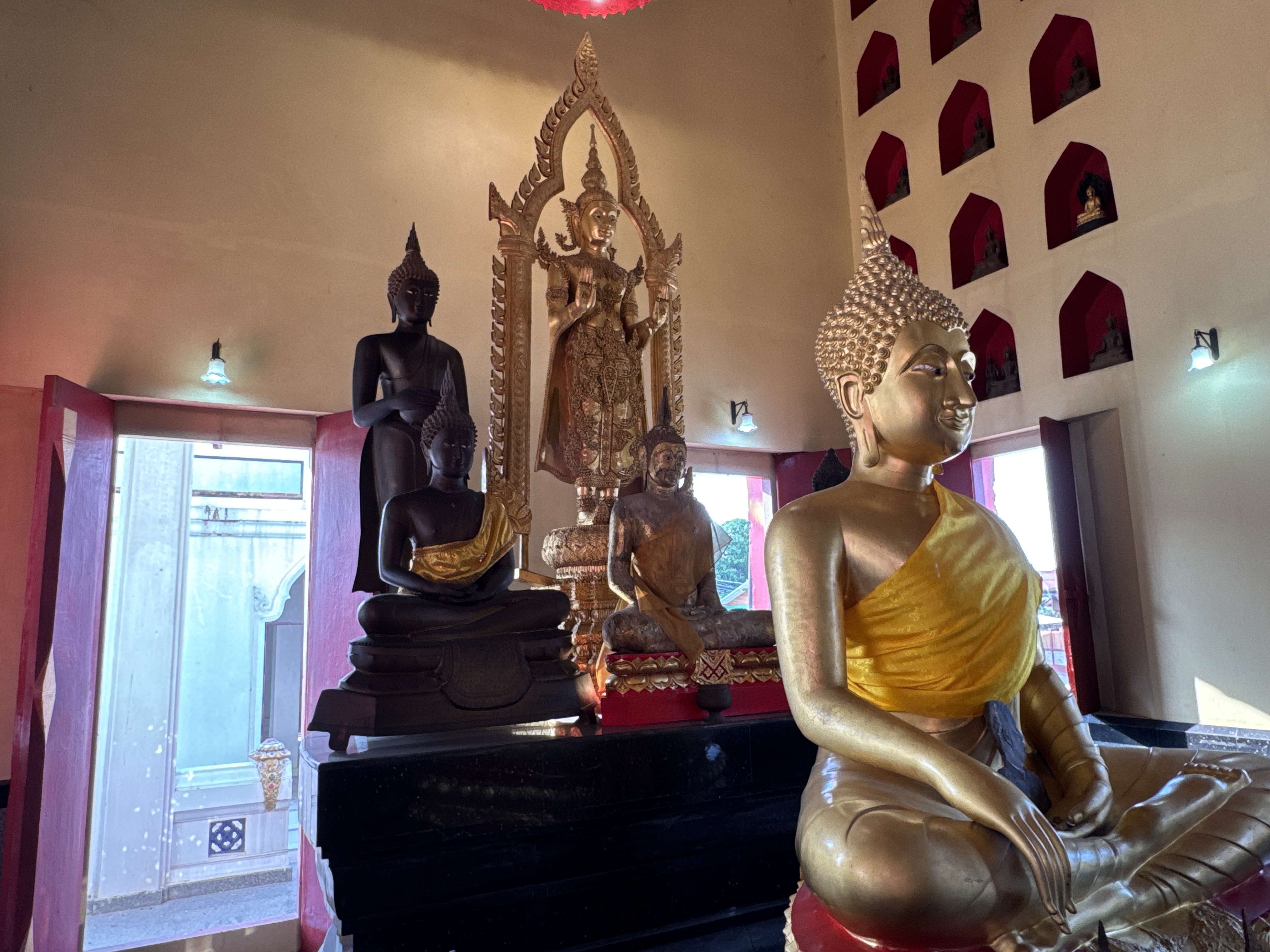
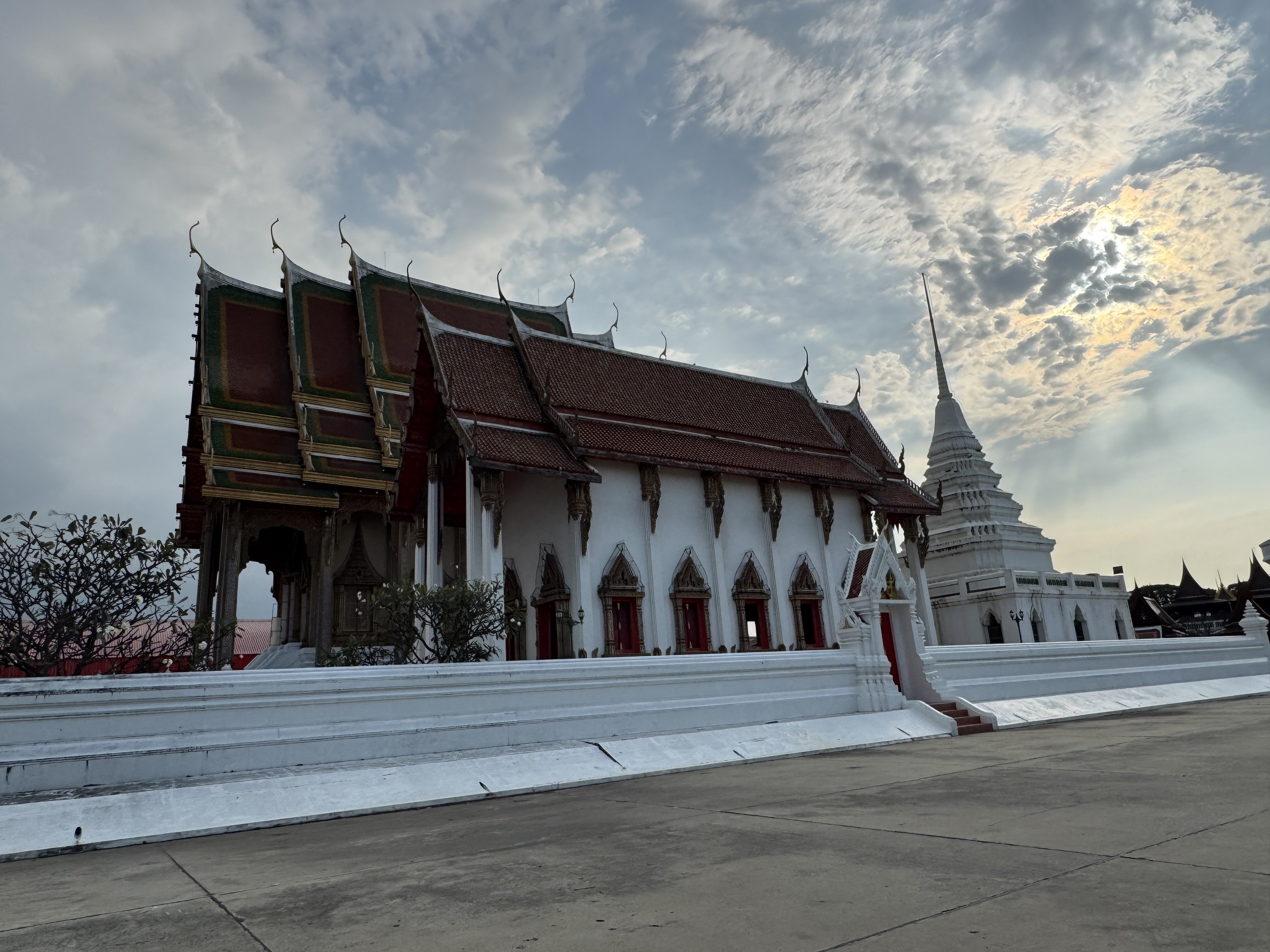
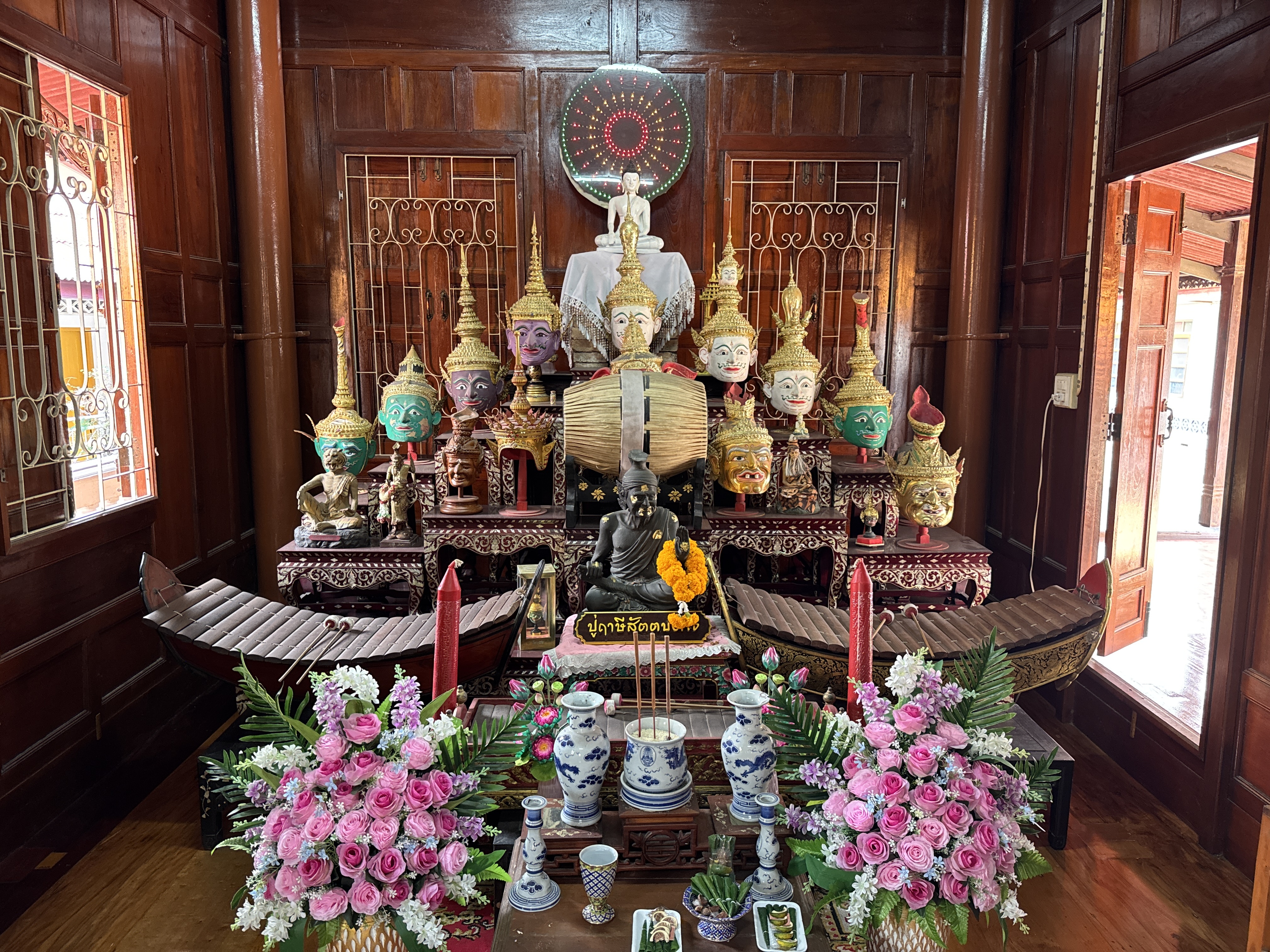
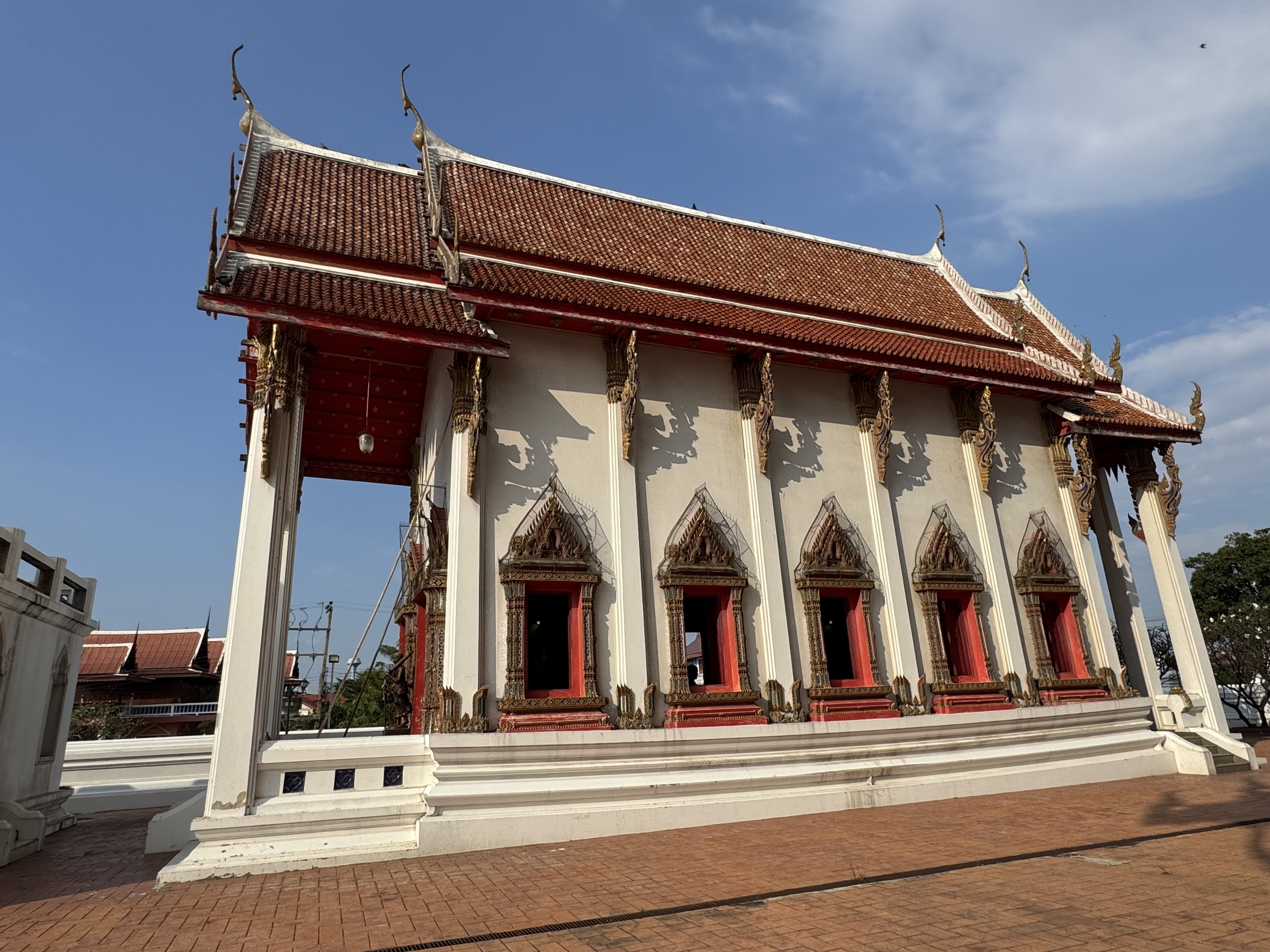
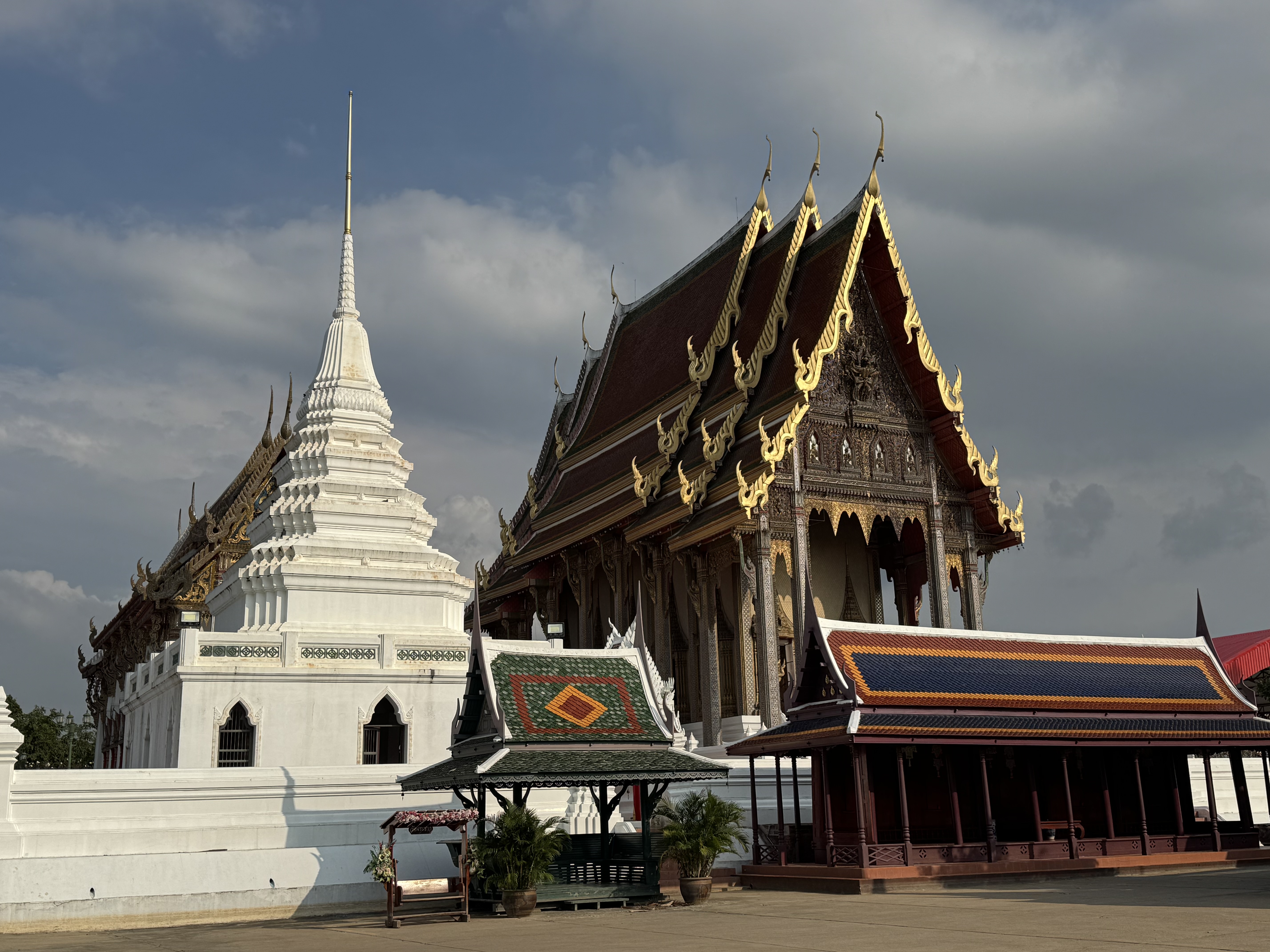
Wat Phra Khao (วัดพระขาว), located in Phra Khao Subdistrict, Bang Ban District, Phra Nakhon Si Ayutthaya Province, is an ancient active Buddhist temple believed to have been established during the Ayutthaya period (likely around the mid-18th century AD, with some estimates placing it circa 1707 AD based on traditional accounts). The temple’s name derives from its principal Buddha image, Luang Pho Khao (หลวงพ่อขาว), a large stucco statue painted white that has been venerated since ancient times.
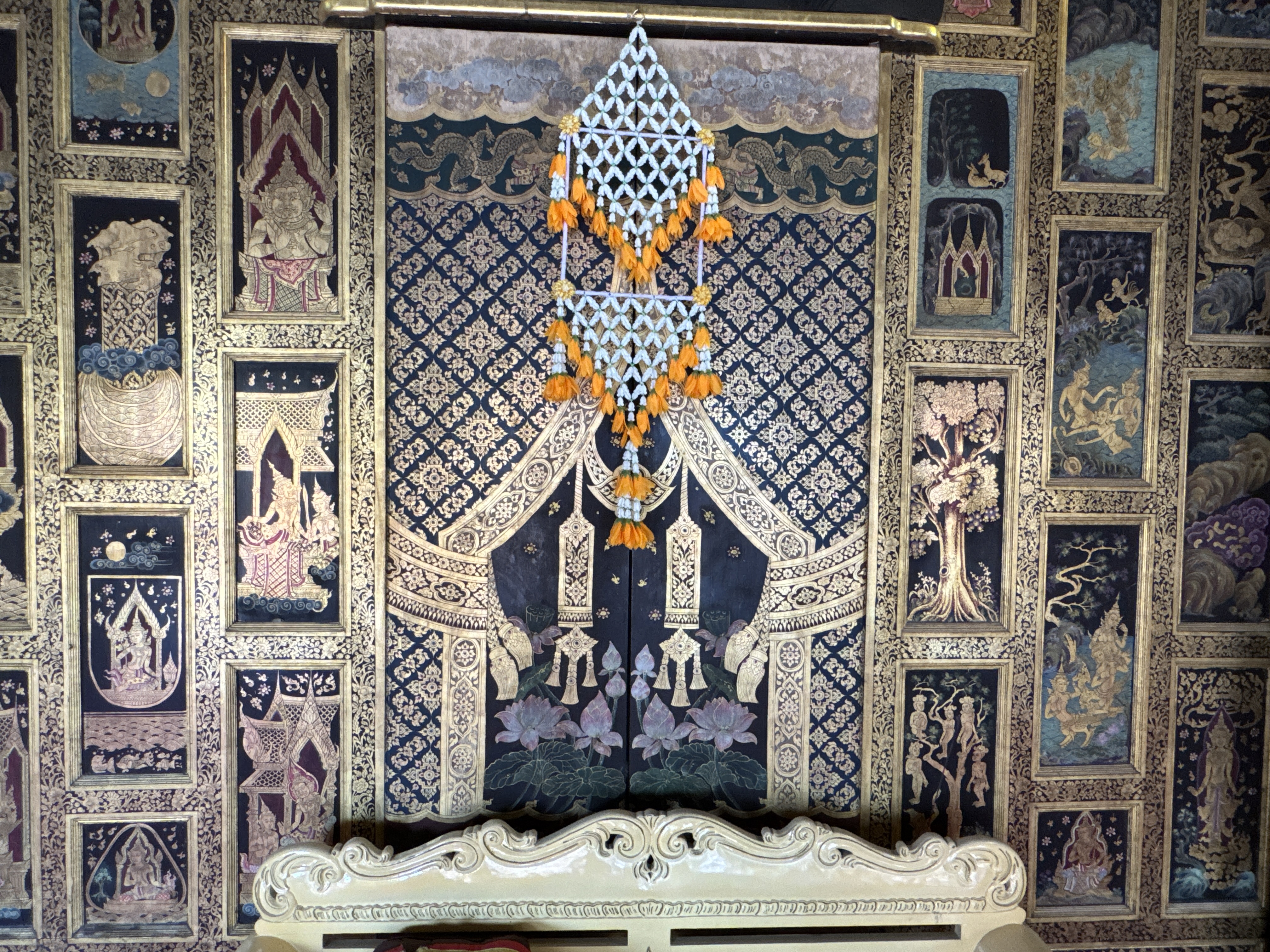
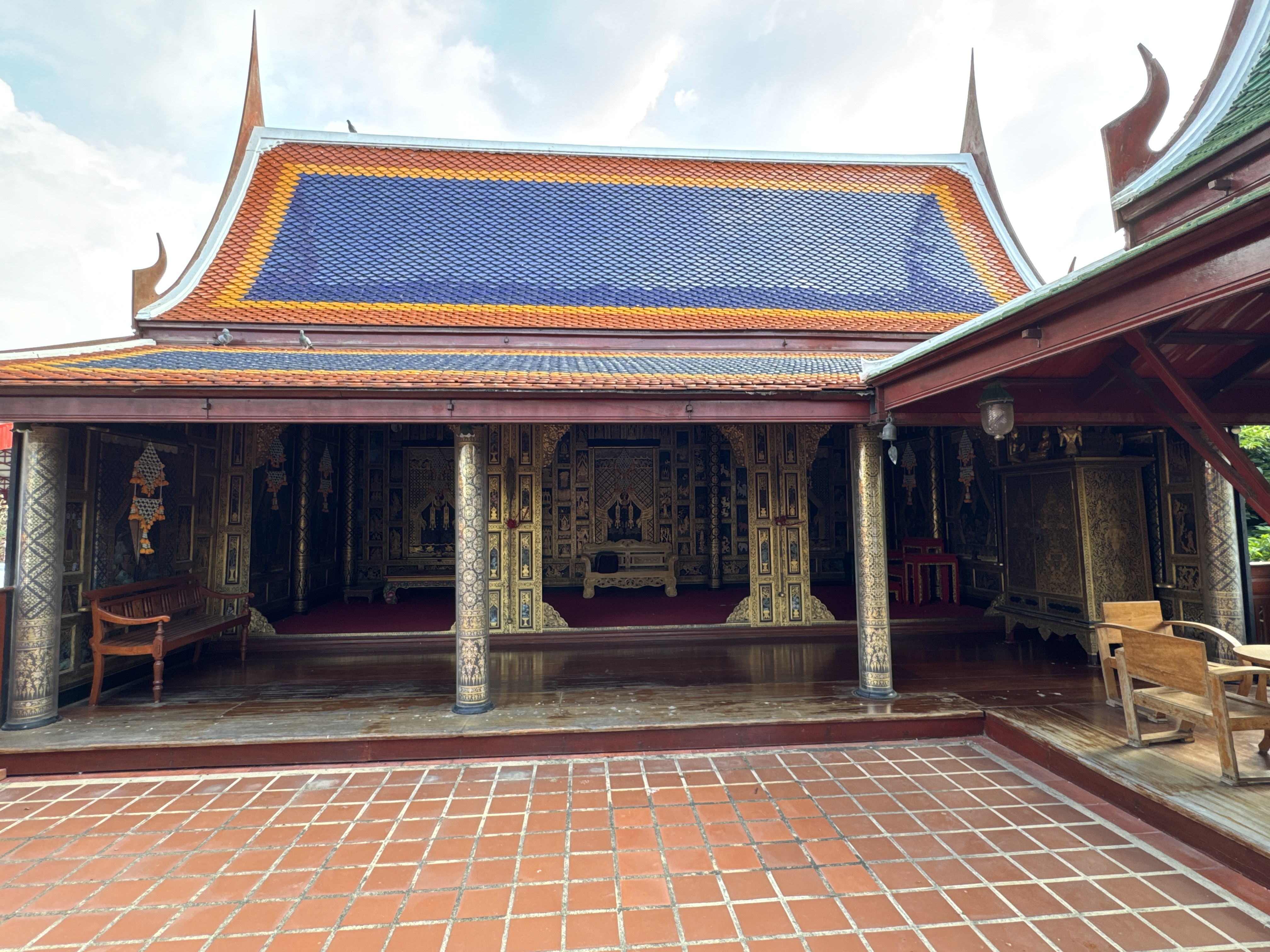
The temple received its official wisungkhamasima (consecrated ordination hall boundary) on September 27, 1927 AD. Unlike many temples in central Ayutthaya that were destroyed in the fall of the kingdom in 1767 AD, Wat Phra Khao survived largely intact, preserving rare Ayutthaya-era kasat lai rot nam (gold leaf stencil murals) inside the ubosot—considered some of the finest and most elaborate examples from that period. These intricate wall paintings, along with ...
The Ark Fortress rises as a monumental earthen citadel in the northwestern quarter of Bukhara’s historic center in Uzbekistan, its massive sloping walls of packed clay and brick climbing 16 to 20 meters above the surrounding streets and enclosing nearly 4 hectares of ground. In plan the structure forms an irregular rectangle elongated from west to east, with an outer wall circuit measuring roughly 790 meters.
A ceremonial western gateway framed by twin 18th-century towers and linked by an upper gallery opens onto a long rising ramp that once led visitors through a covered corridor past storerooms and prison cells into the heart of the royal complex.
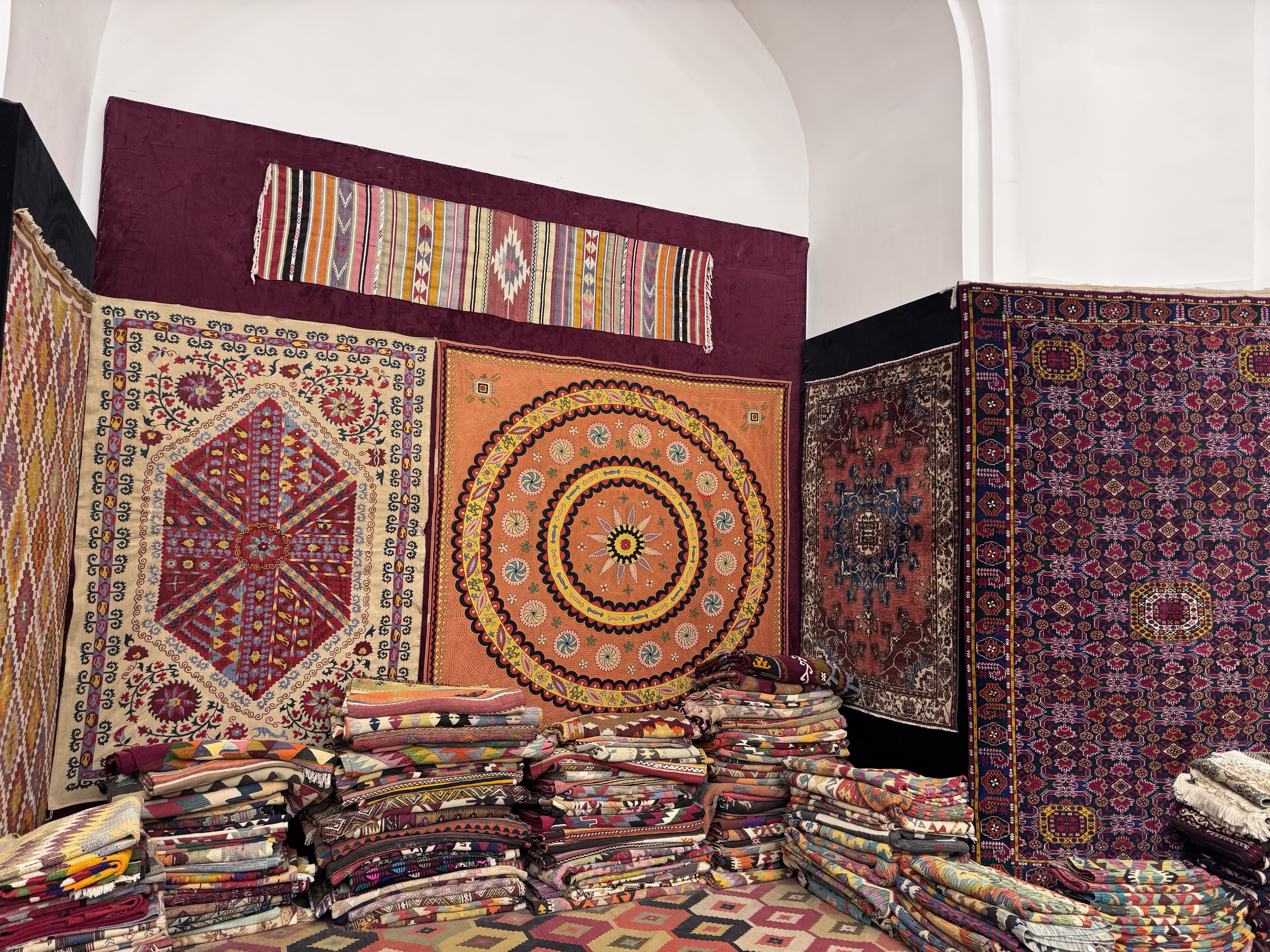
Inside, the surviving western quarter preserves the 17th-century Juma Mosque with its carved wooden columns, the open Reception and Coronation Court where the last emir was crowned in 1910, administrative chambers once occupied by the kushbegi or prime minister, and several museum galleries that display archaeological finds, coins, weapons, textiles, and ...
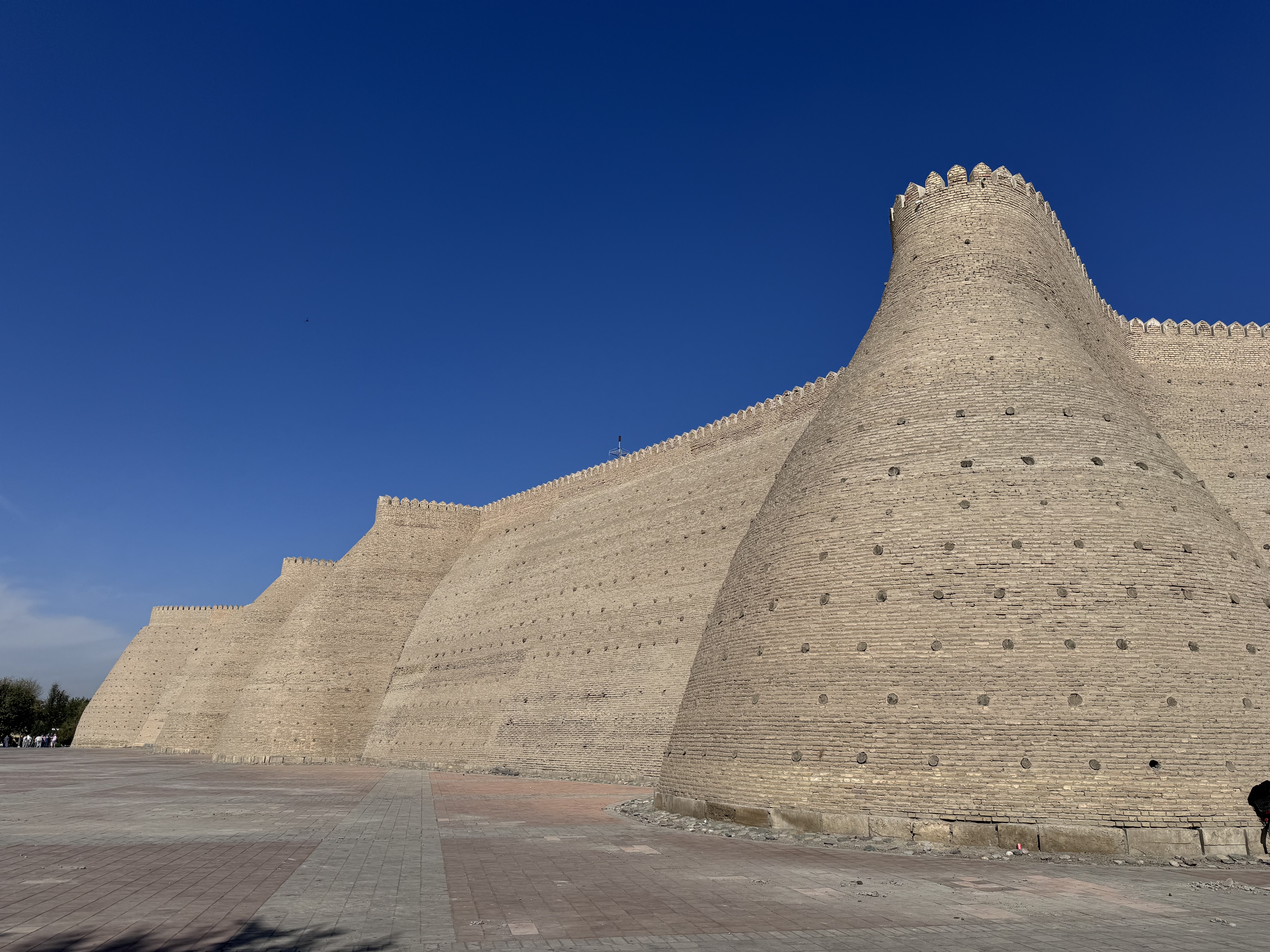
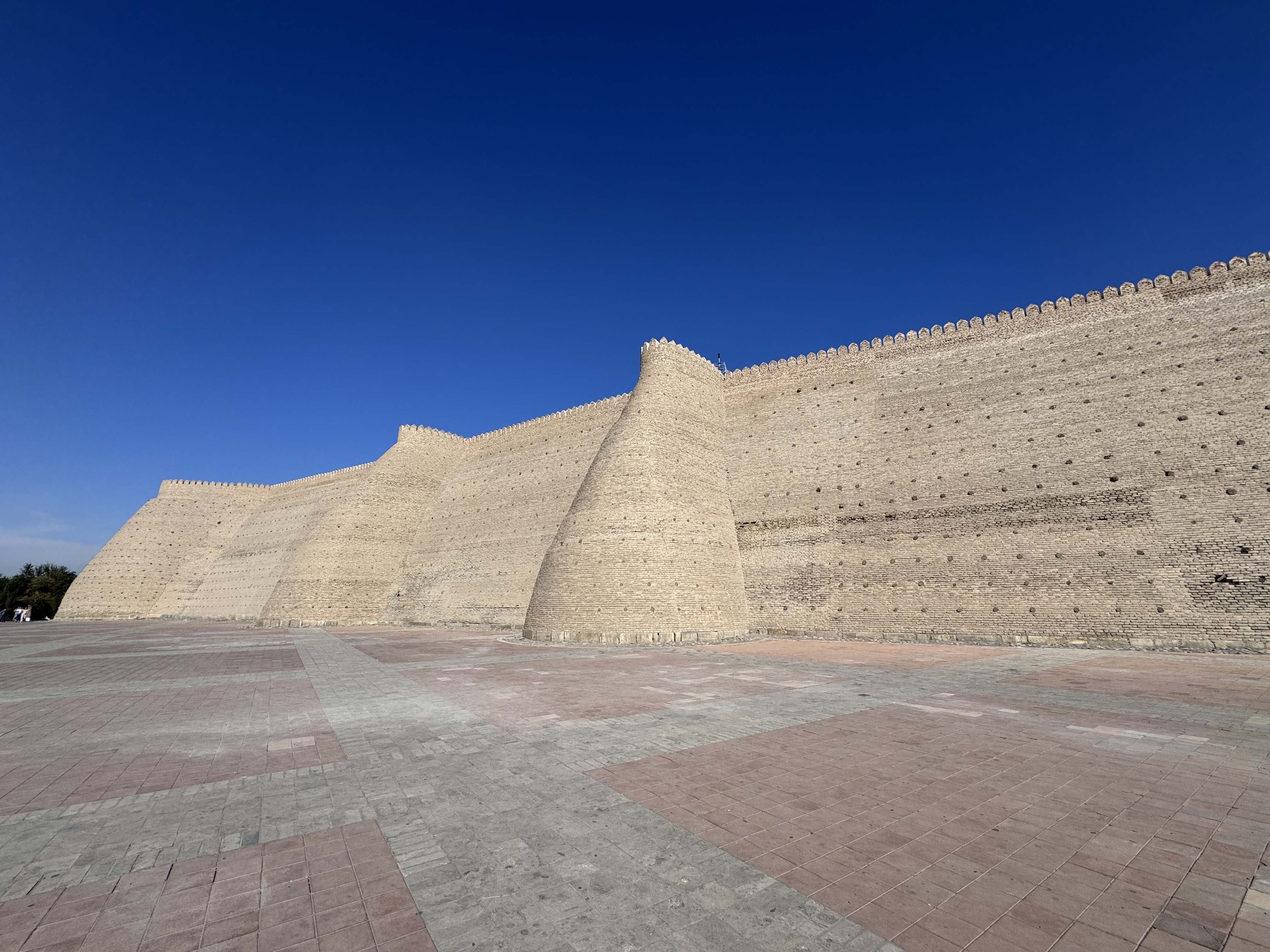
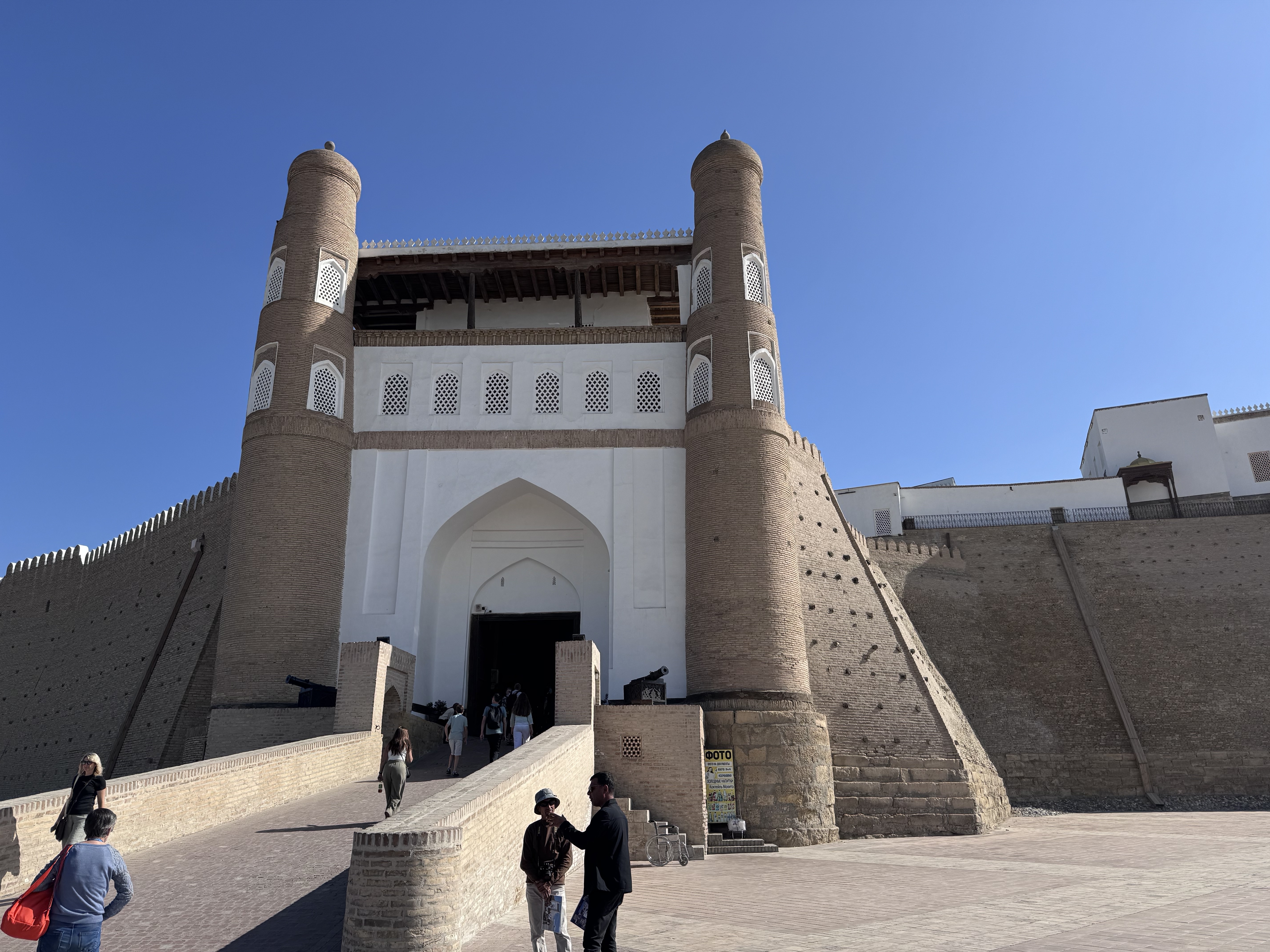
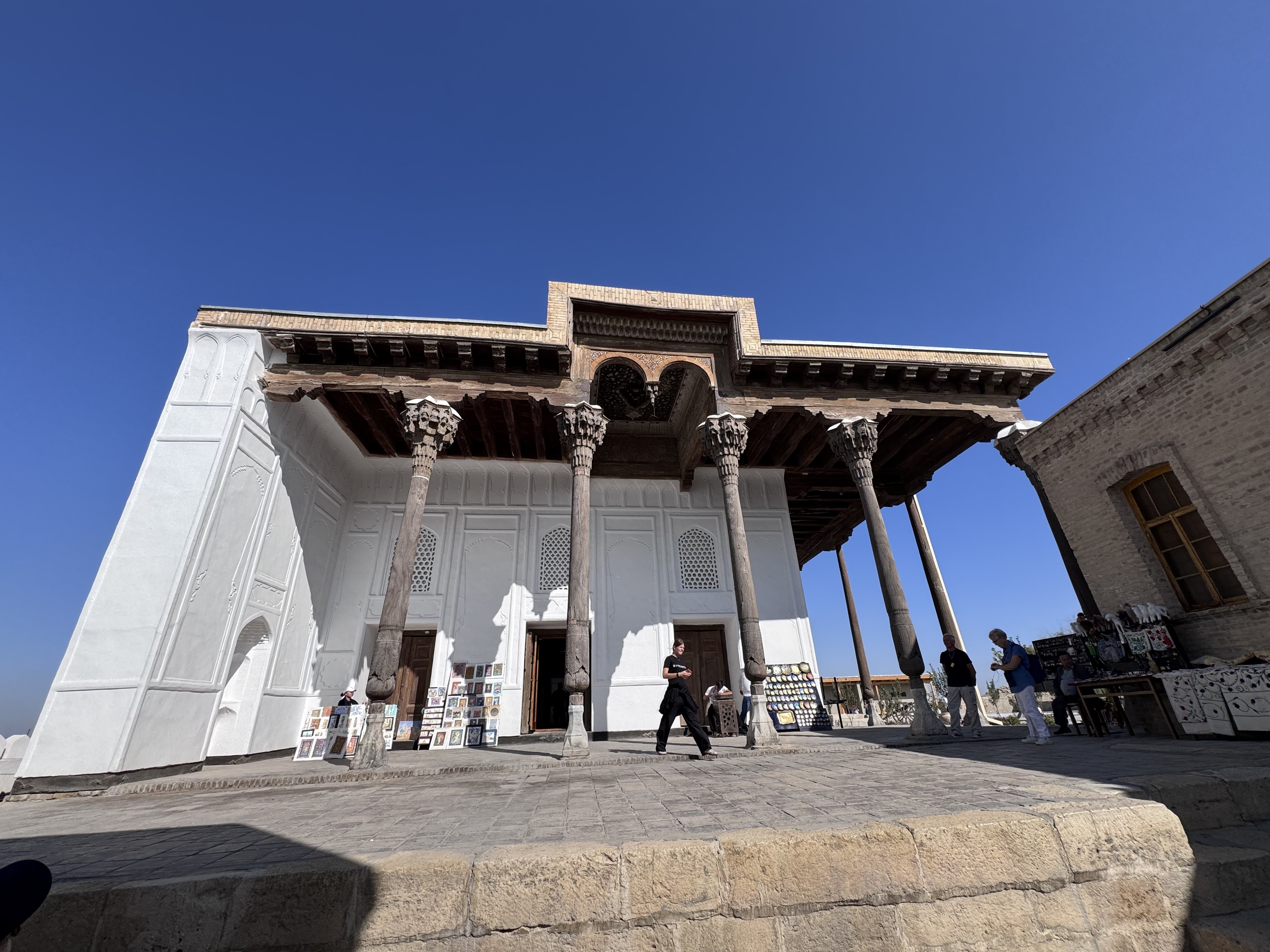
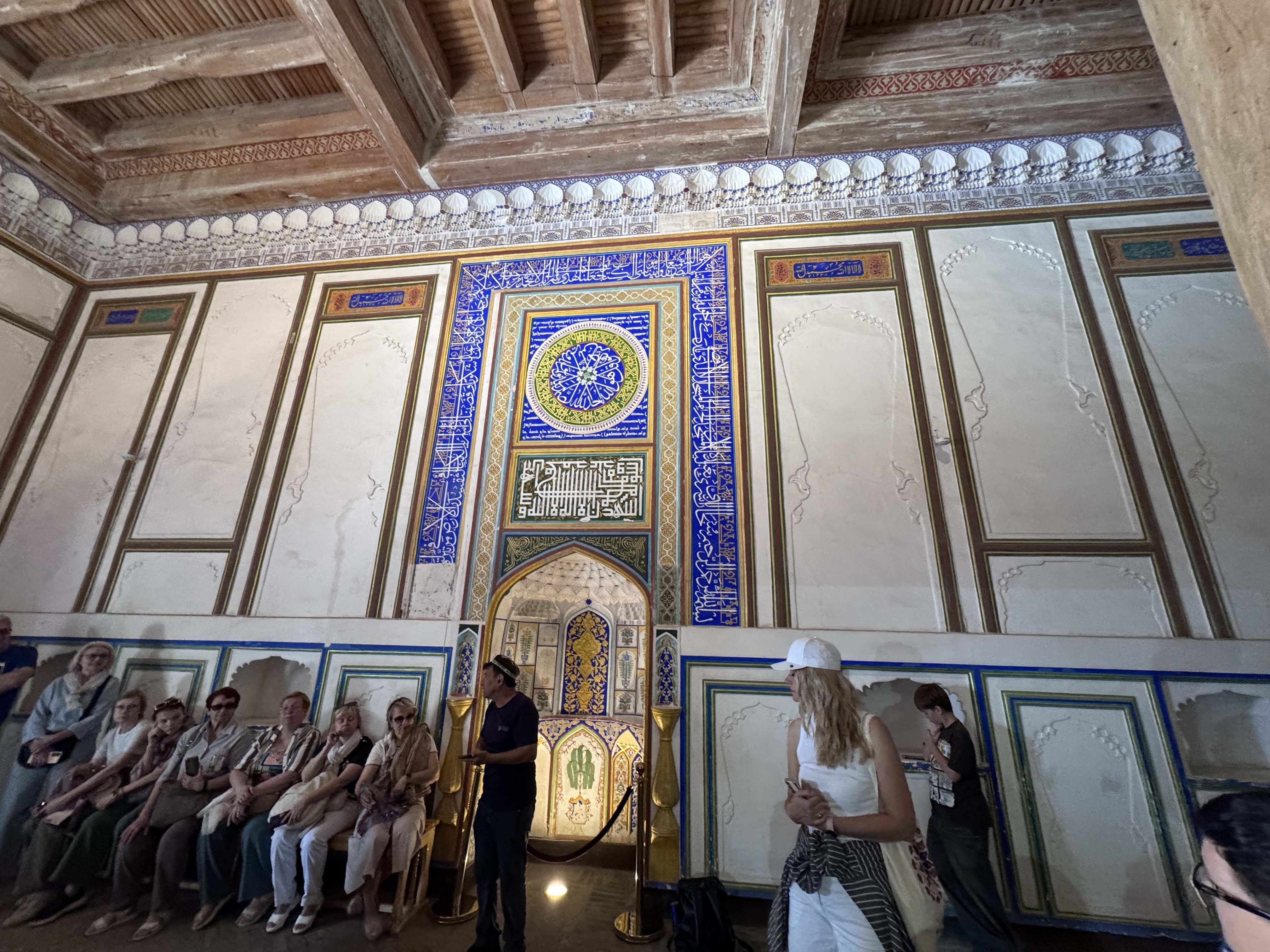
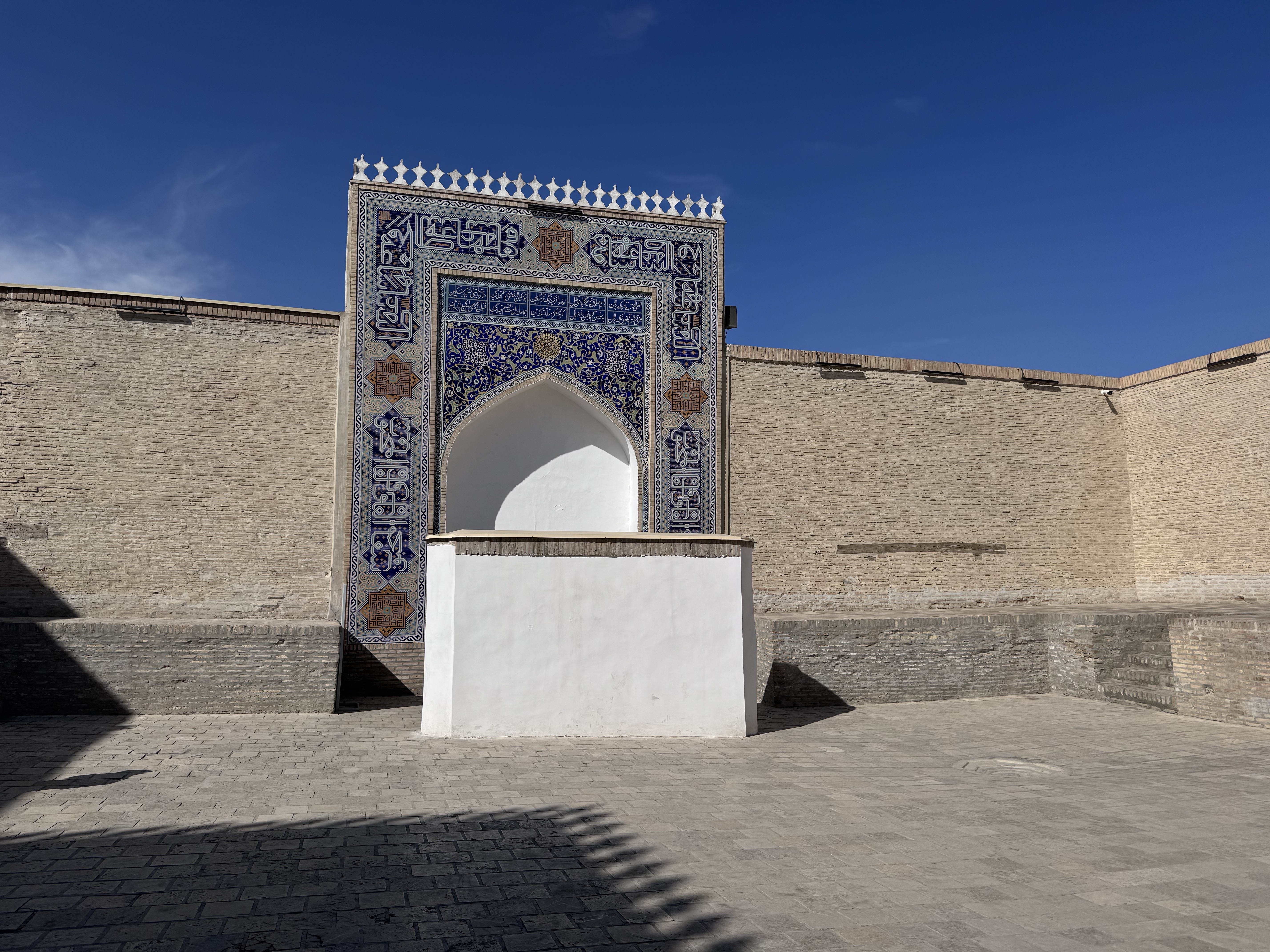
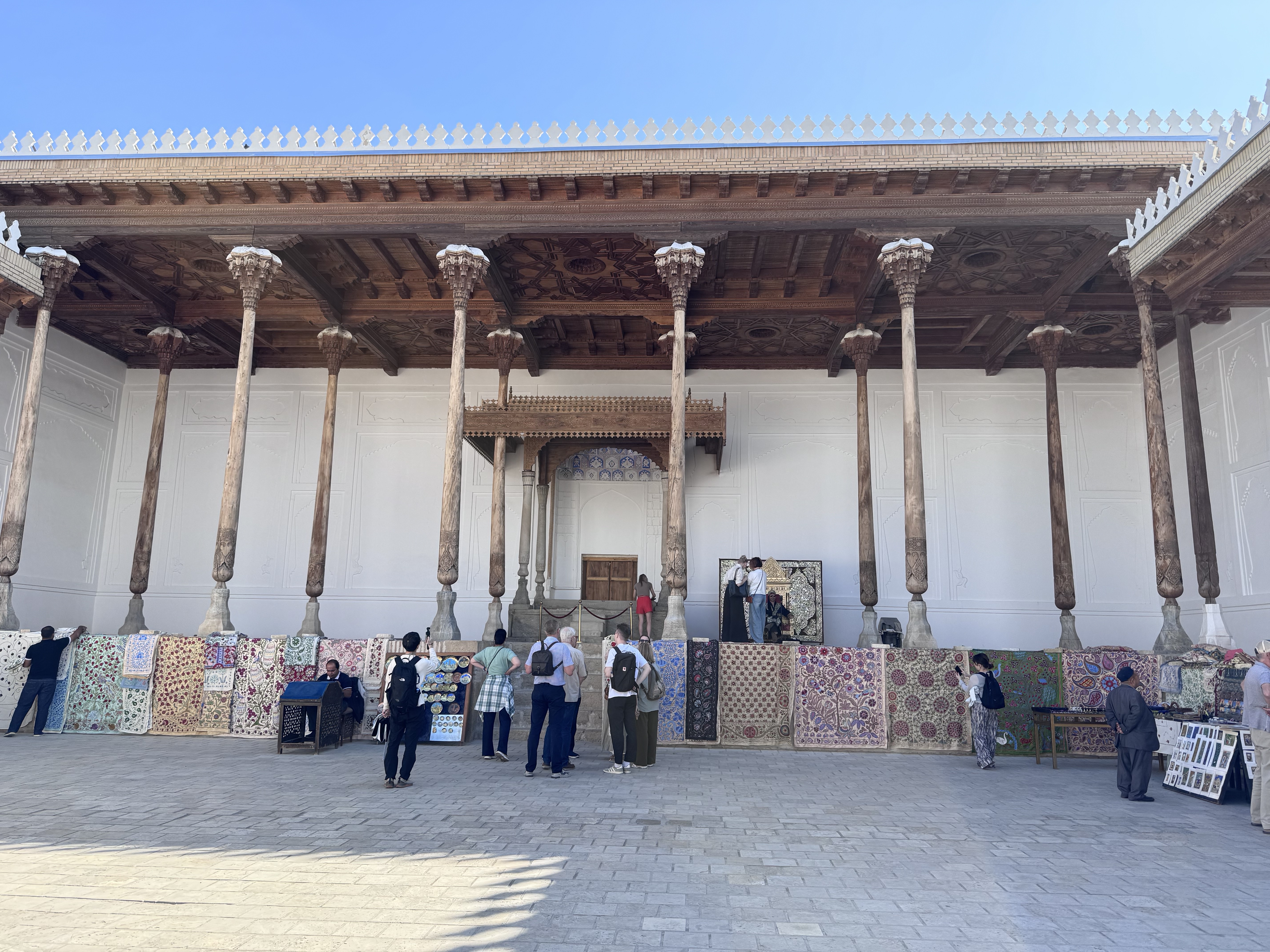
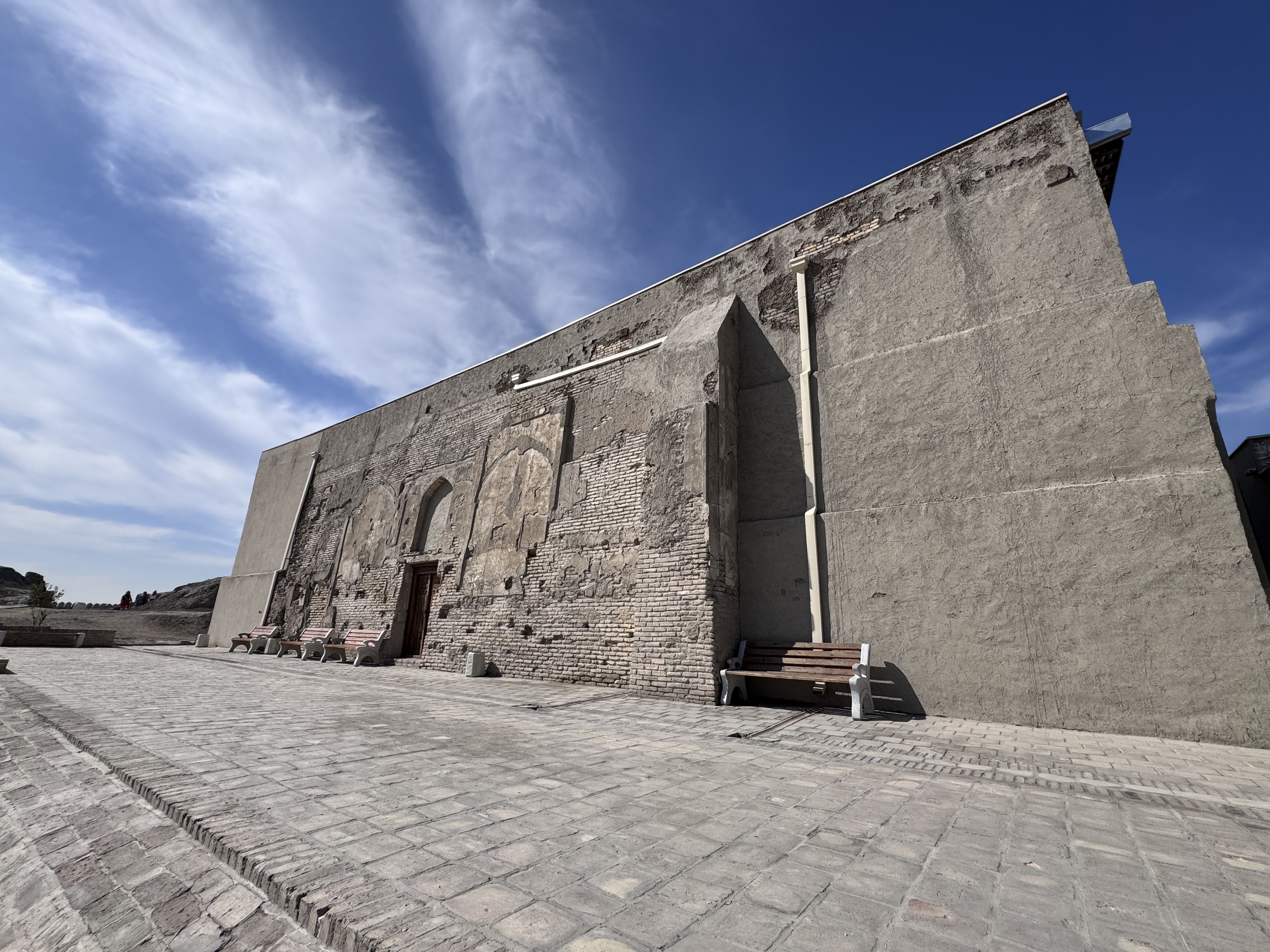
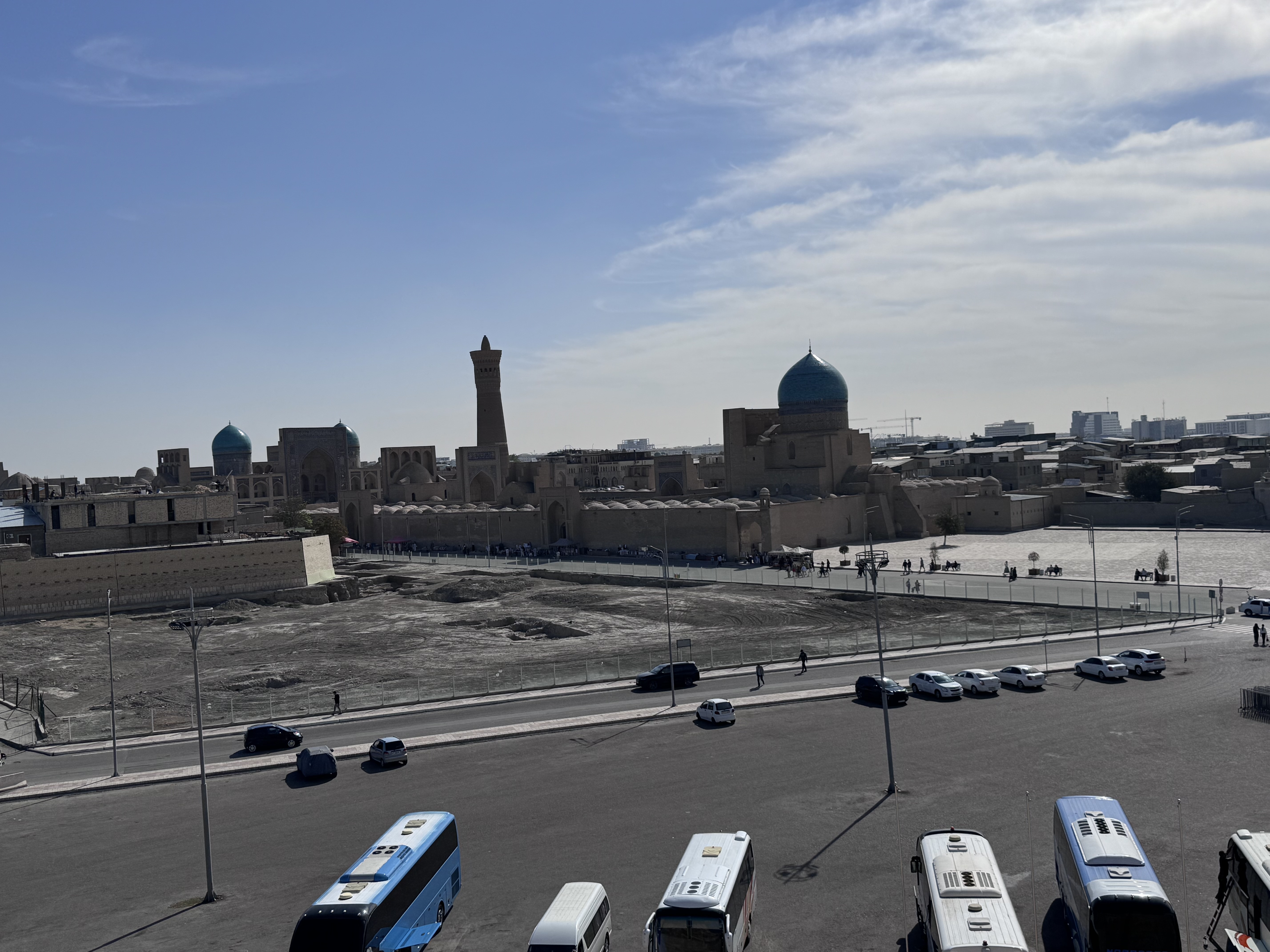
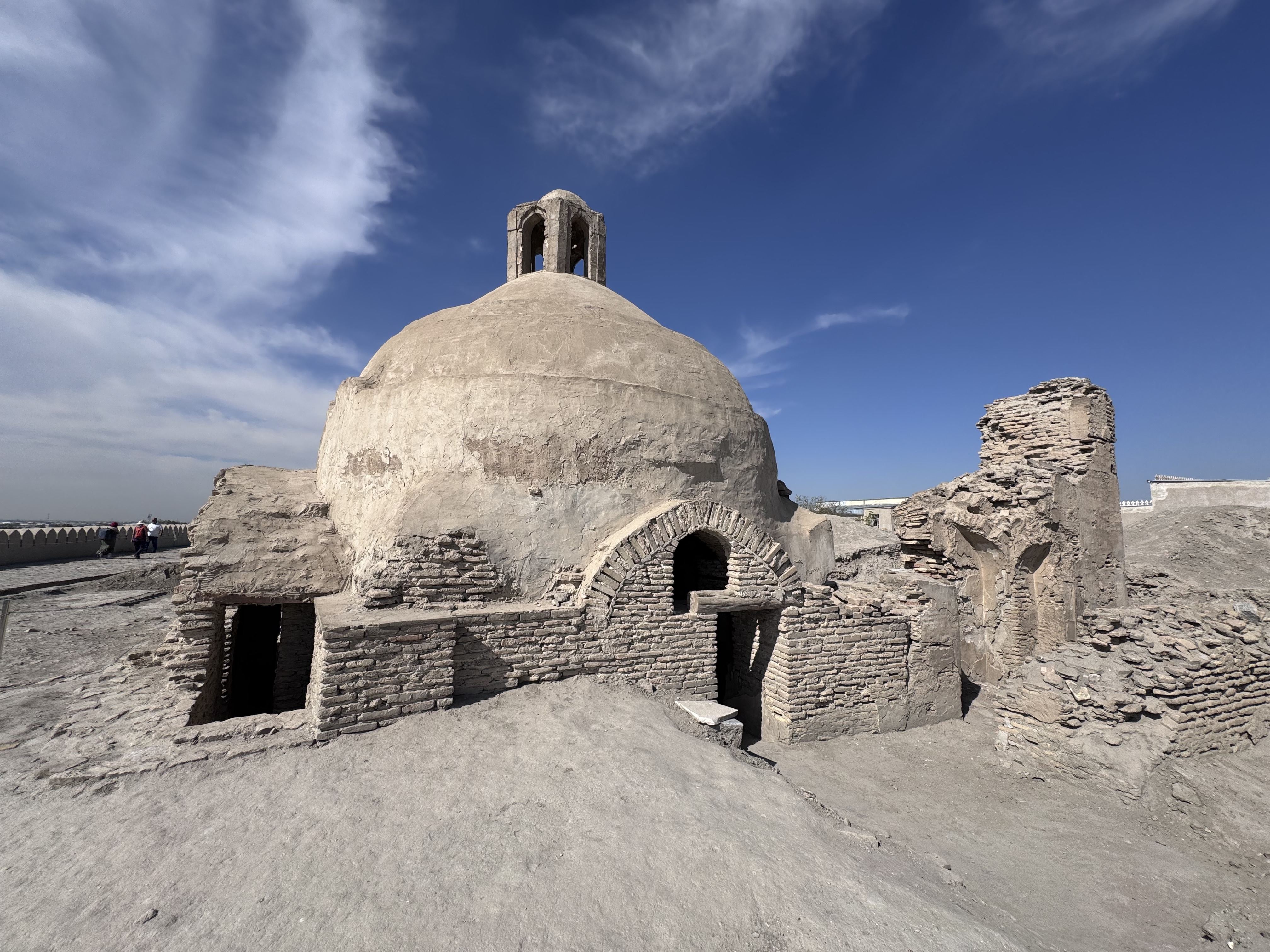
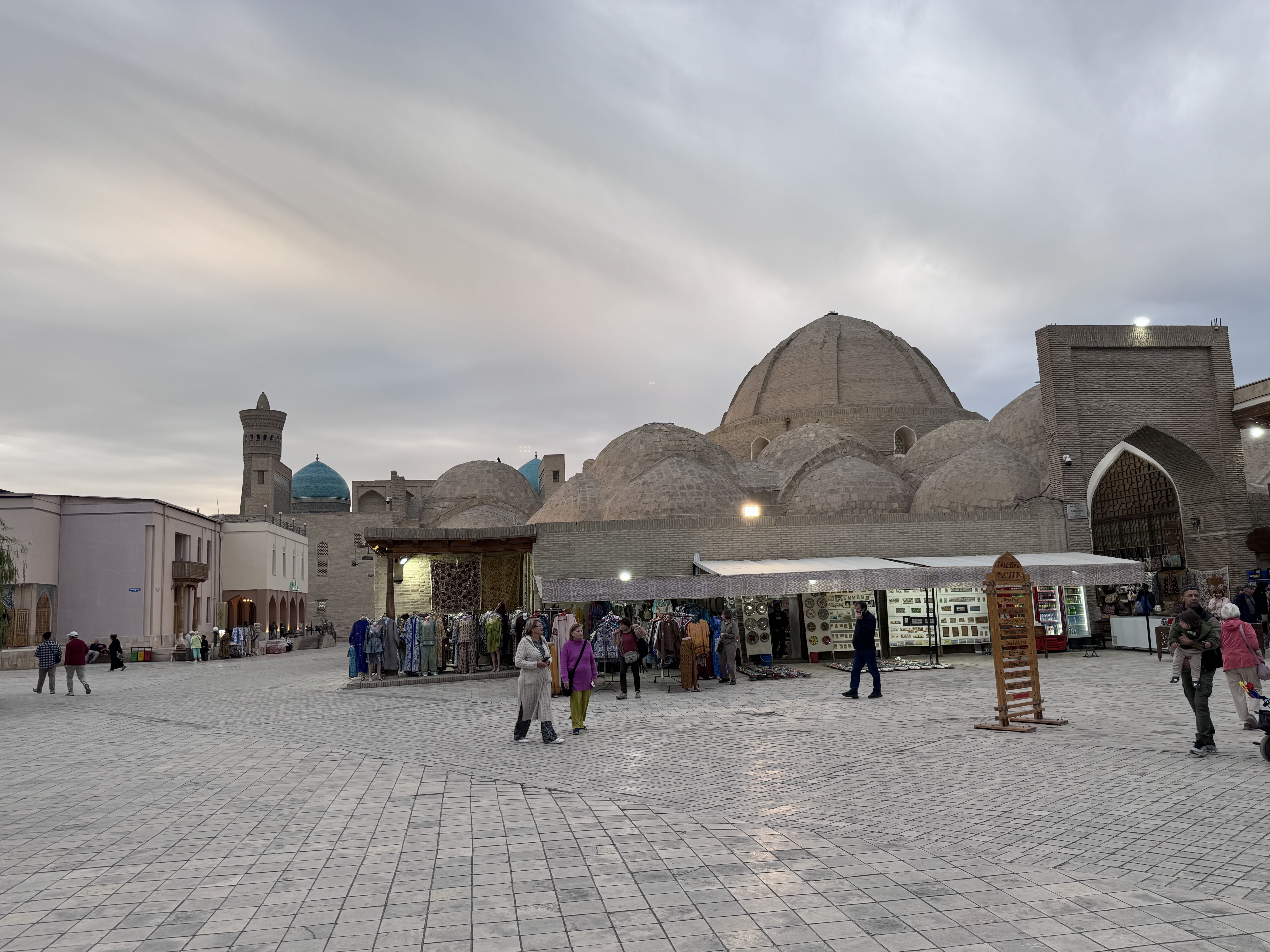
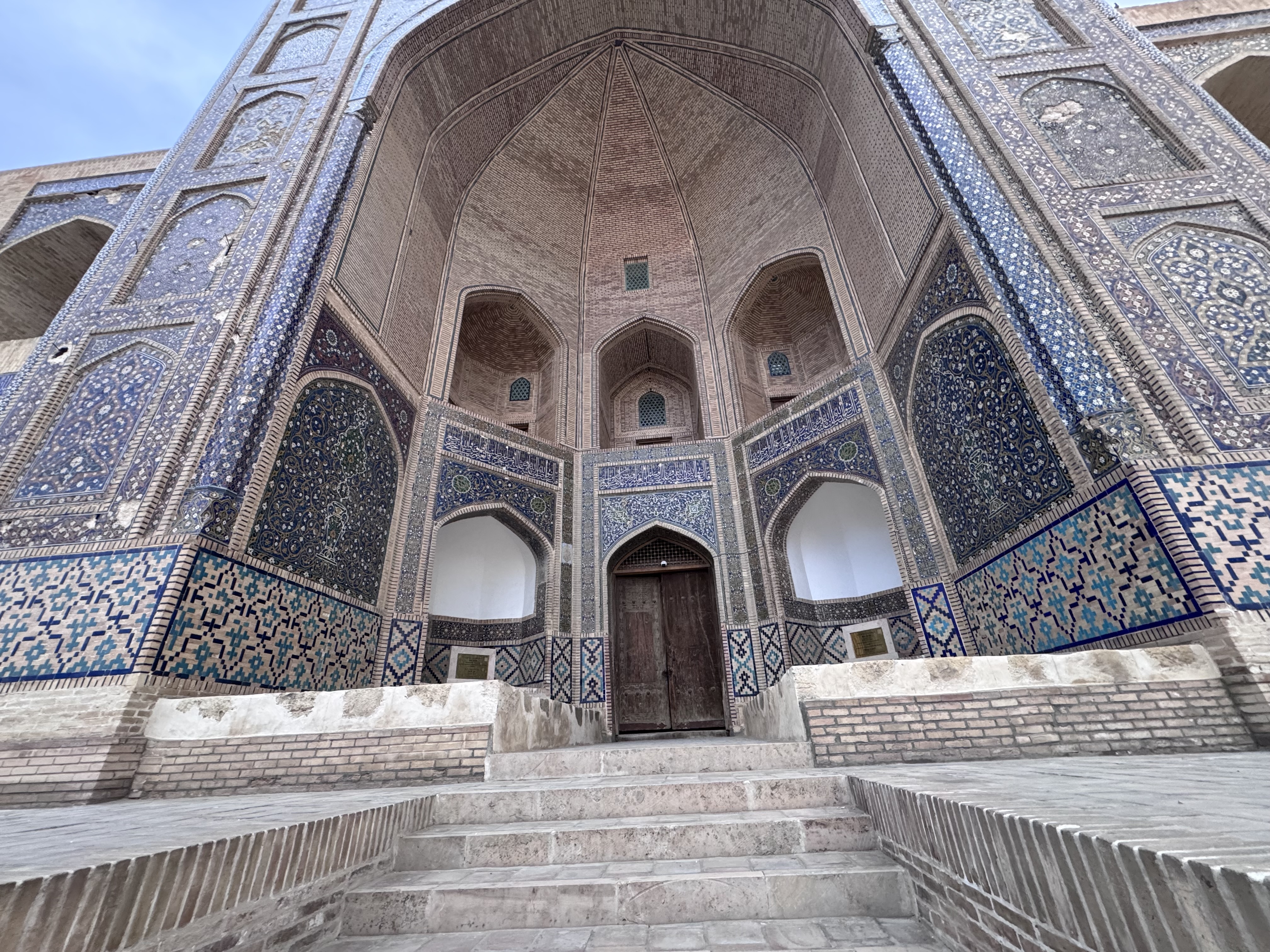
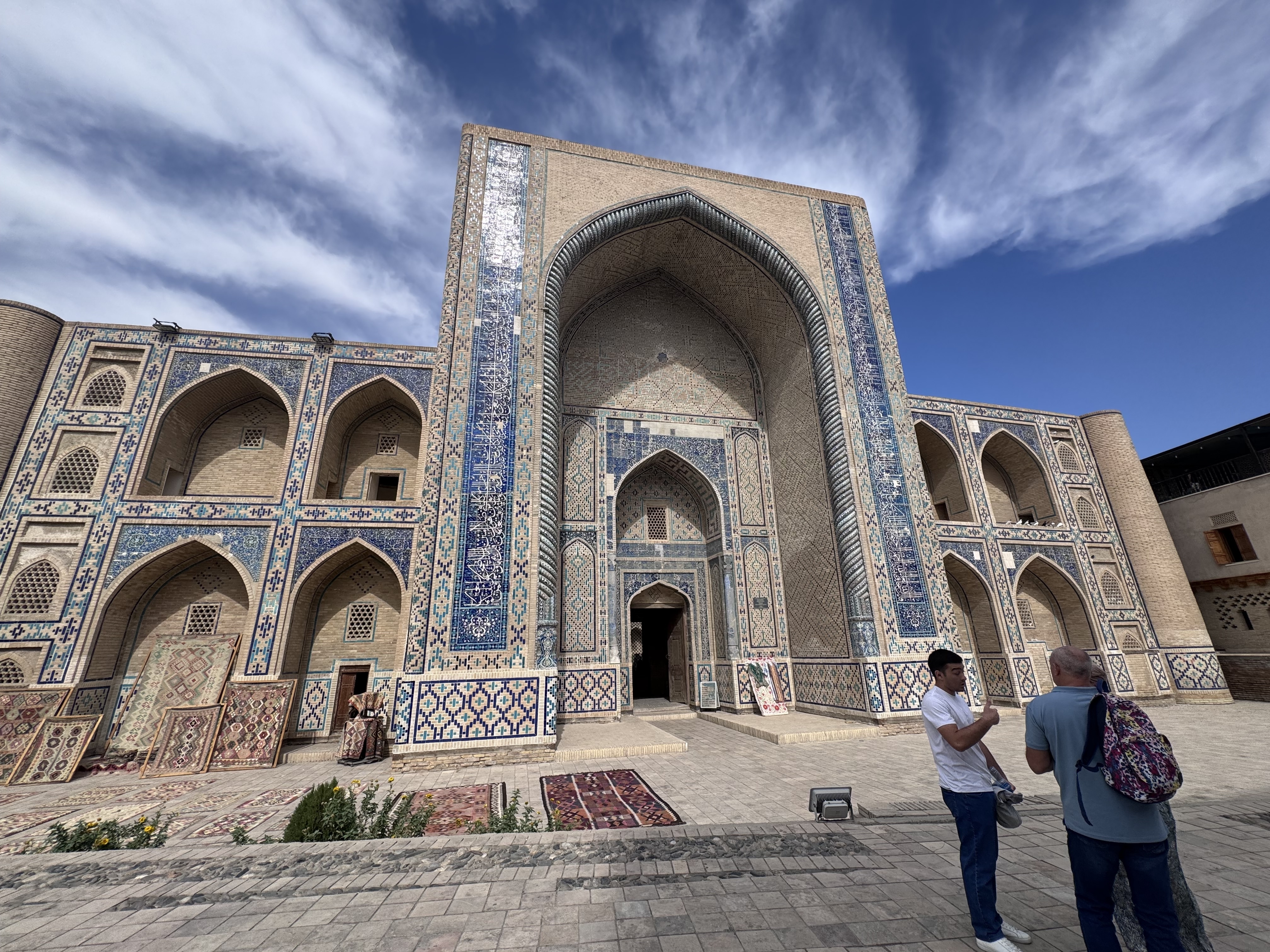
The Historic Center of Bukhara is one of the most complete and best preserved medieval Islamic cities in Central Asia and a UNESCO World Heritage Site inscribed in 1993.
Located in the fertile Zeravshan River oasis of south-central Uzbekistan, this ancient settlement has been continuously inhabited for more than two thousand five hundred years. Long before the arrival of Islam it served as a thriving Sogdian trading center on the Silk Road, and after the Arab conquest in the early eighth century it grew into a major religious, intellectual and commercial capital of the Islamic world, especially under the Samanid dynasty in the ninth and tenth centuries.
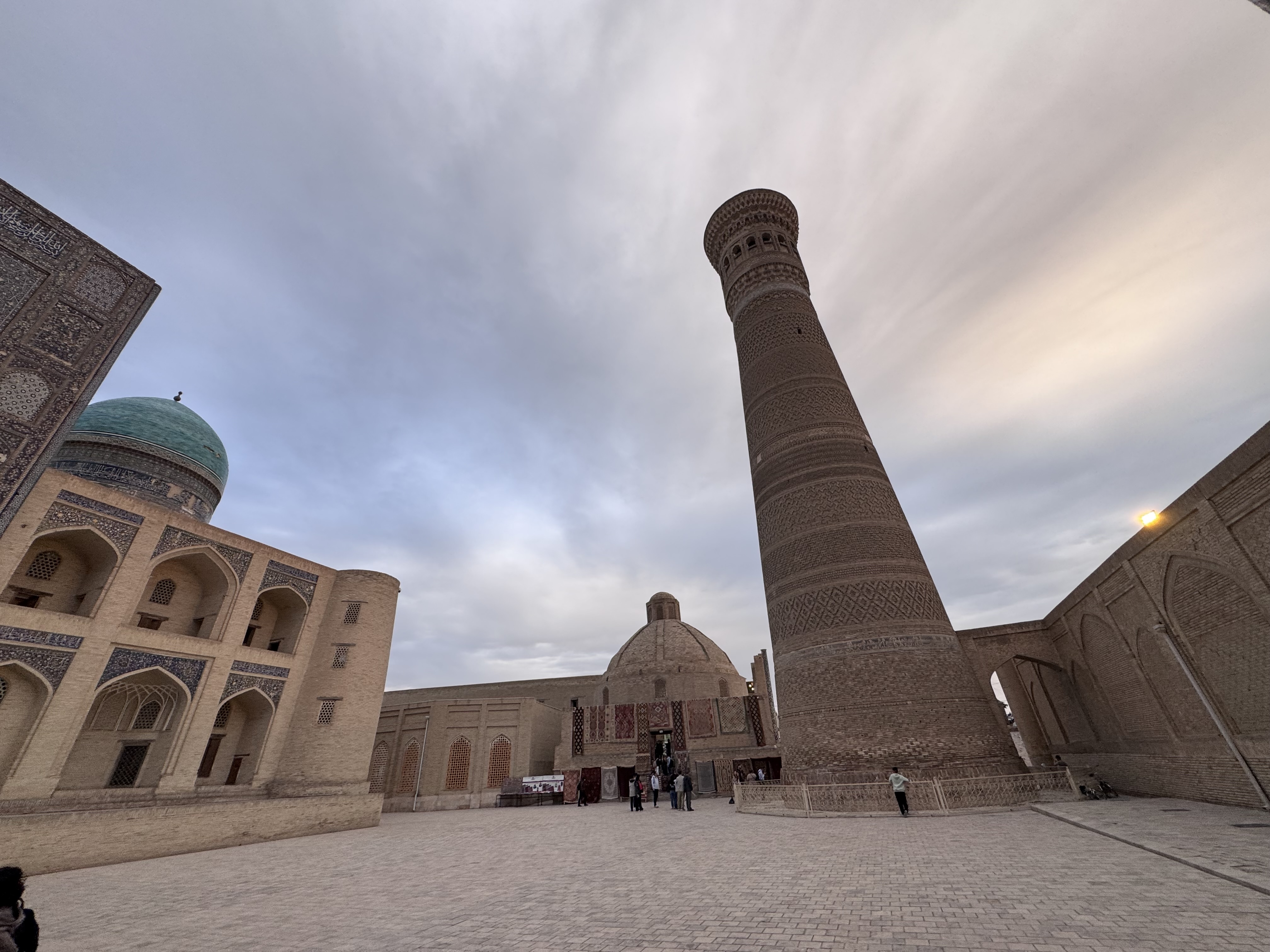
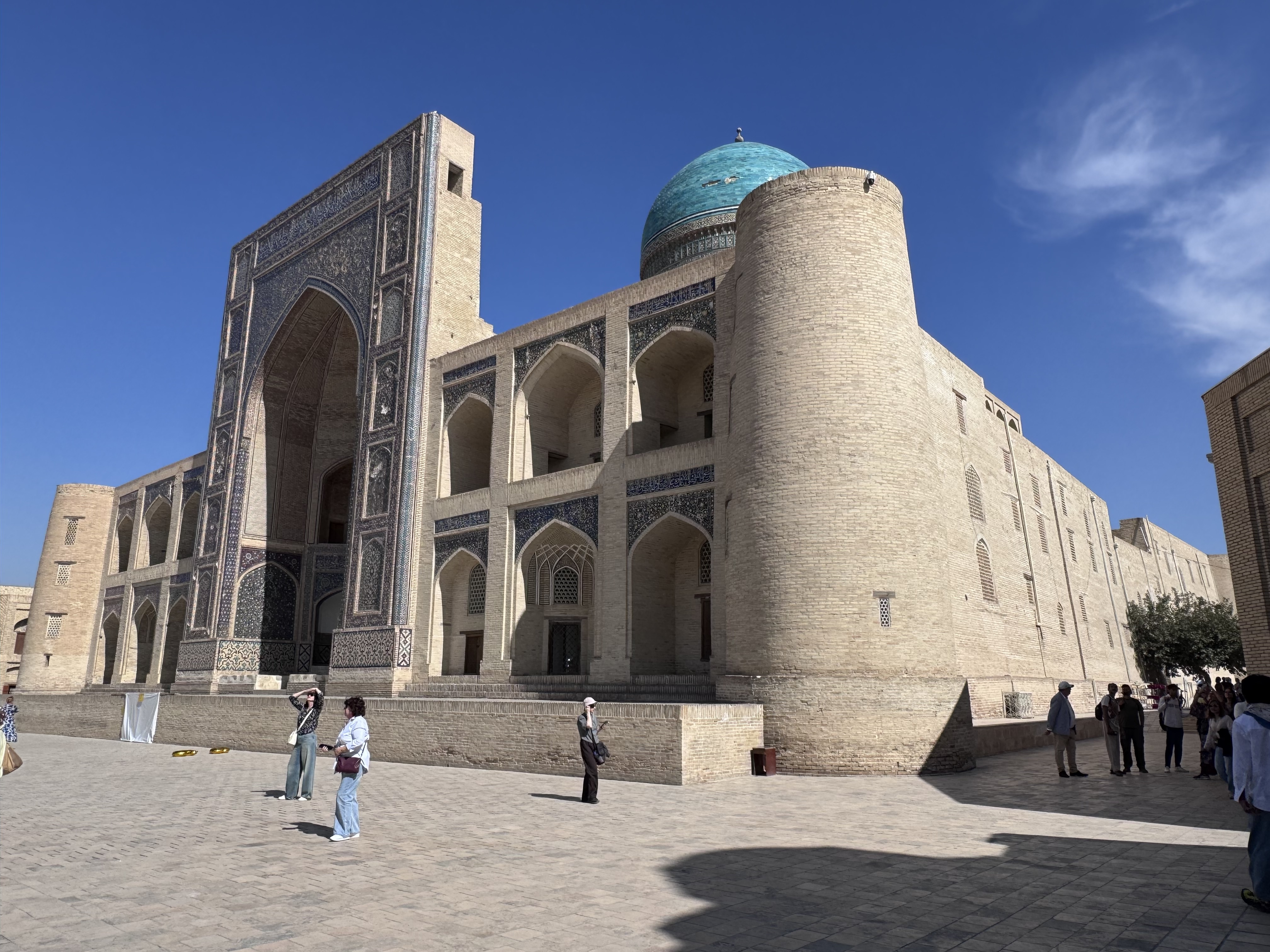
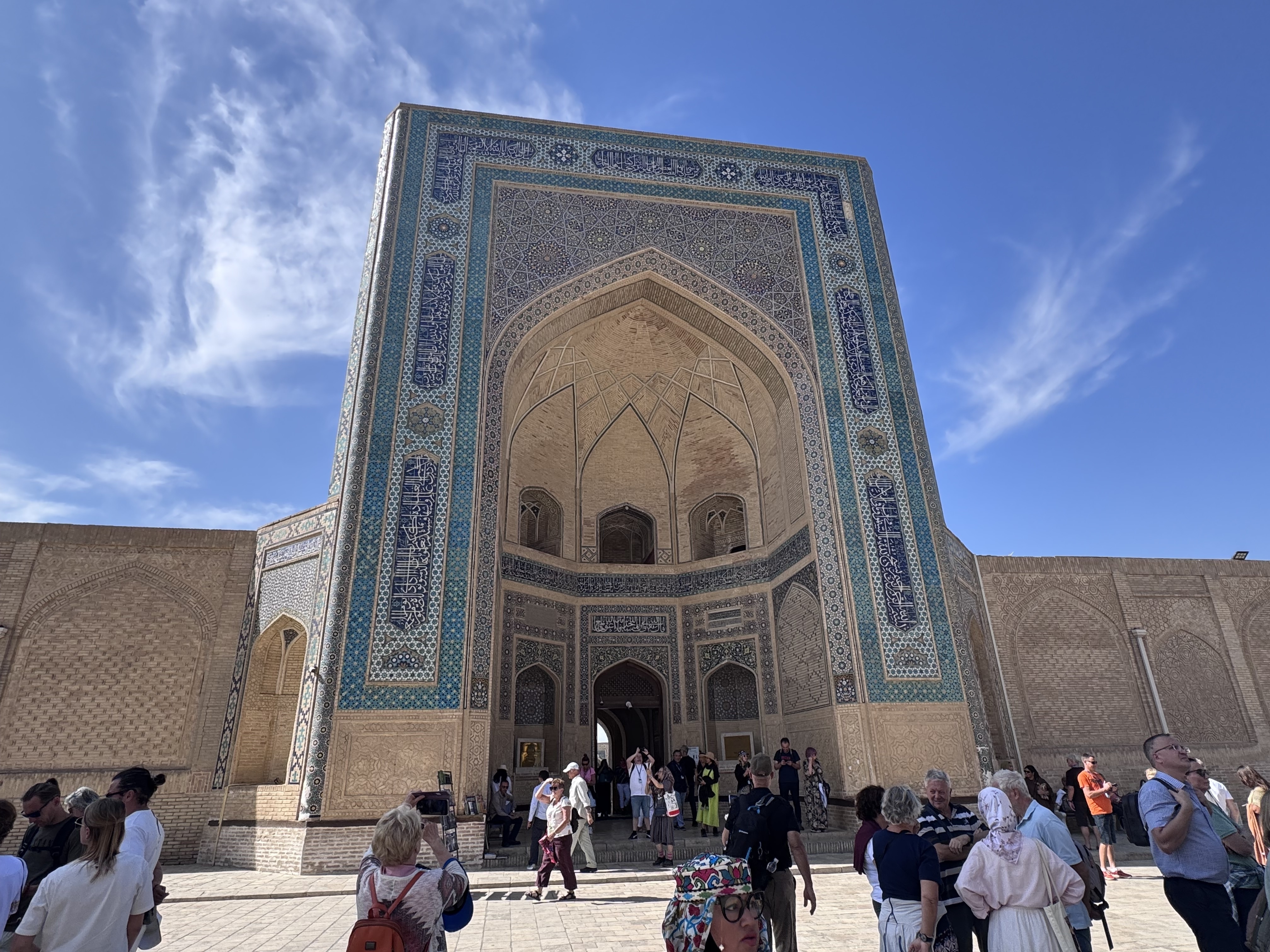
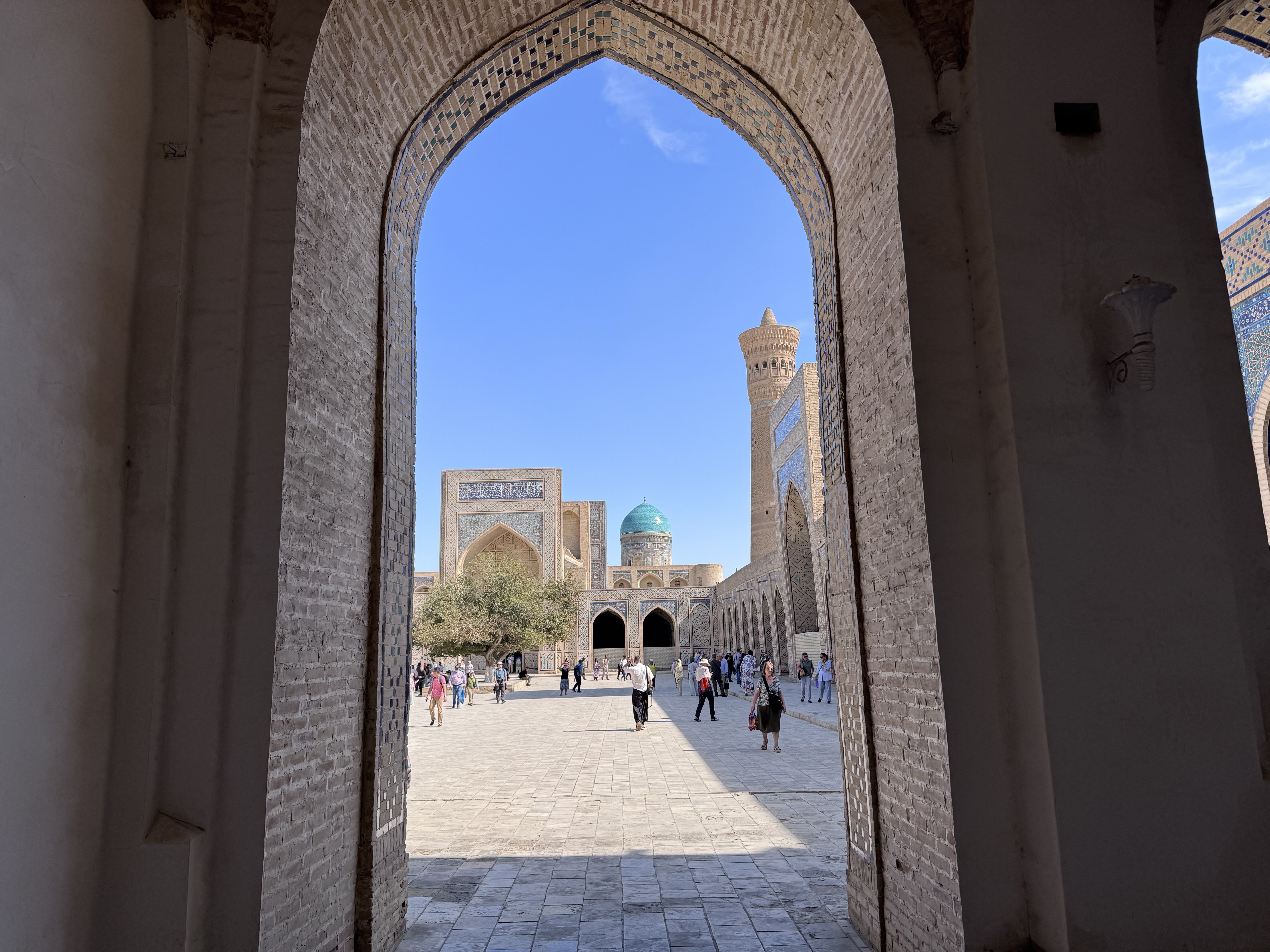
In 1220 the armies of Genghis Khan stormed and largely destroyed the city, yet one structure so impressed the conqueror that it was deliberately spared: the Kalyan Minaret, completed in 1127. Rising nearly fifty meters, this elegant brick tower still dominates the skyline and forms the heart of the Po-i-Kalyan complex, which also includes the ...
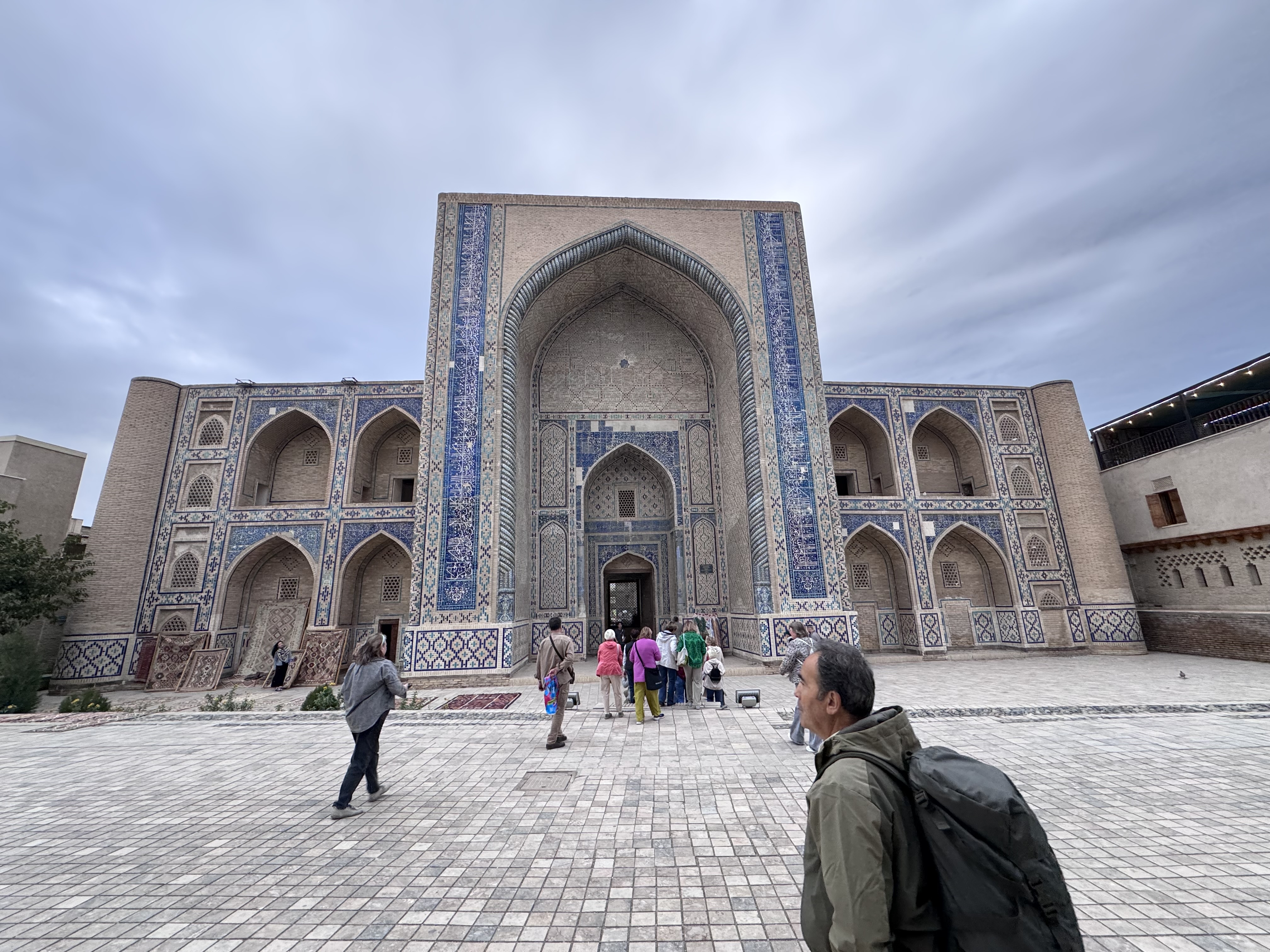
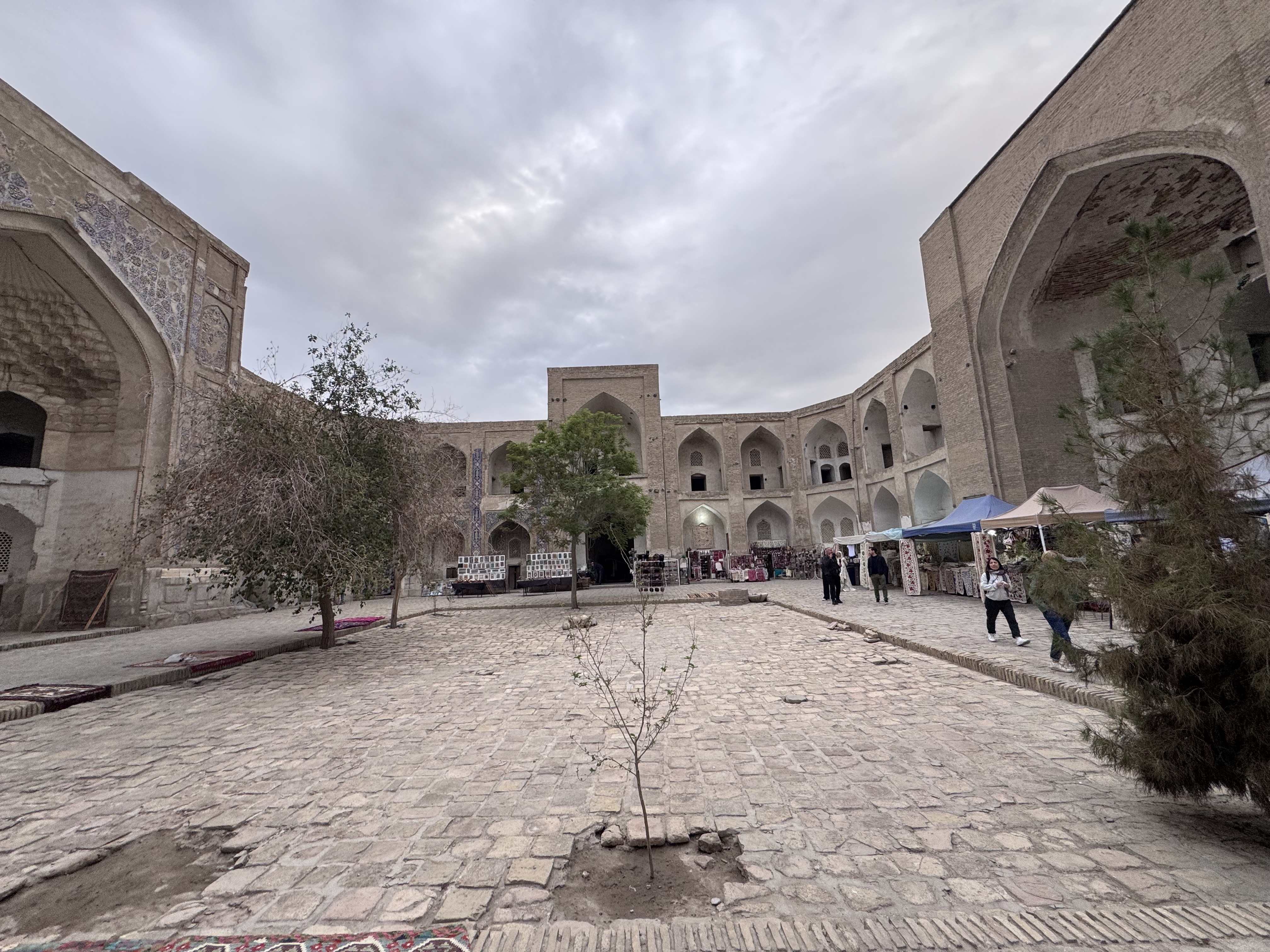
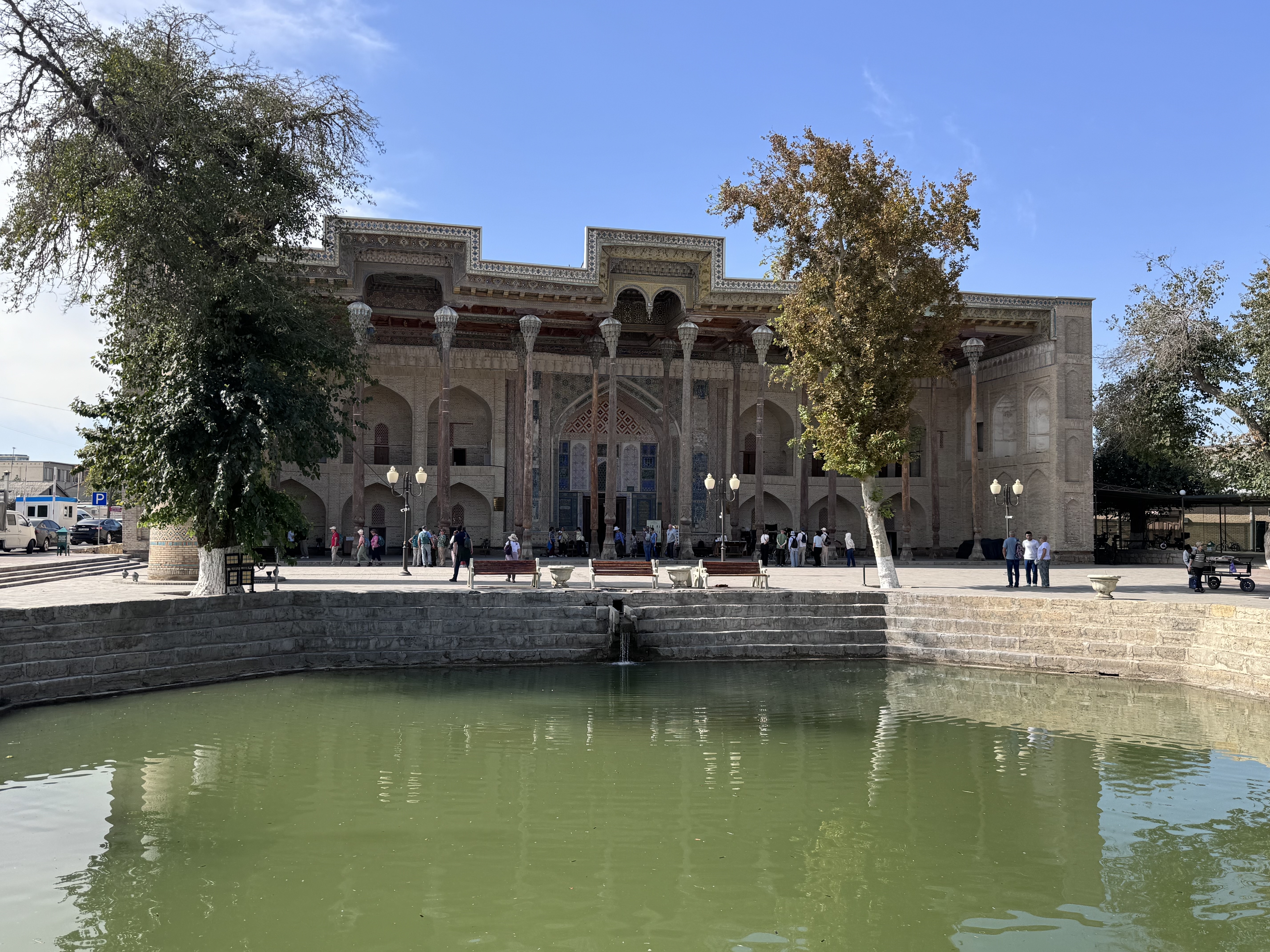
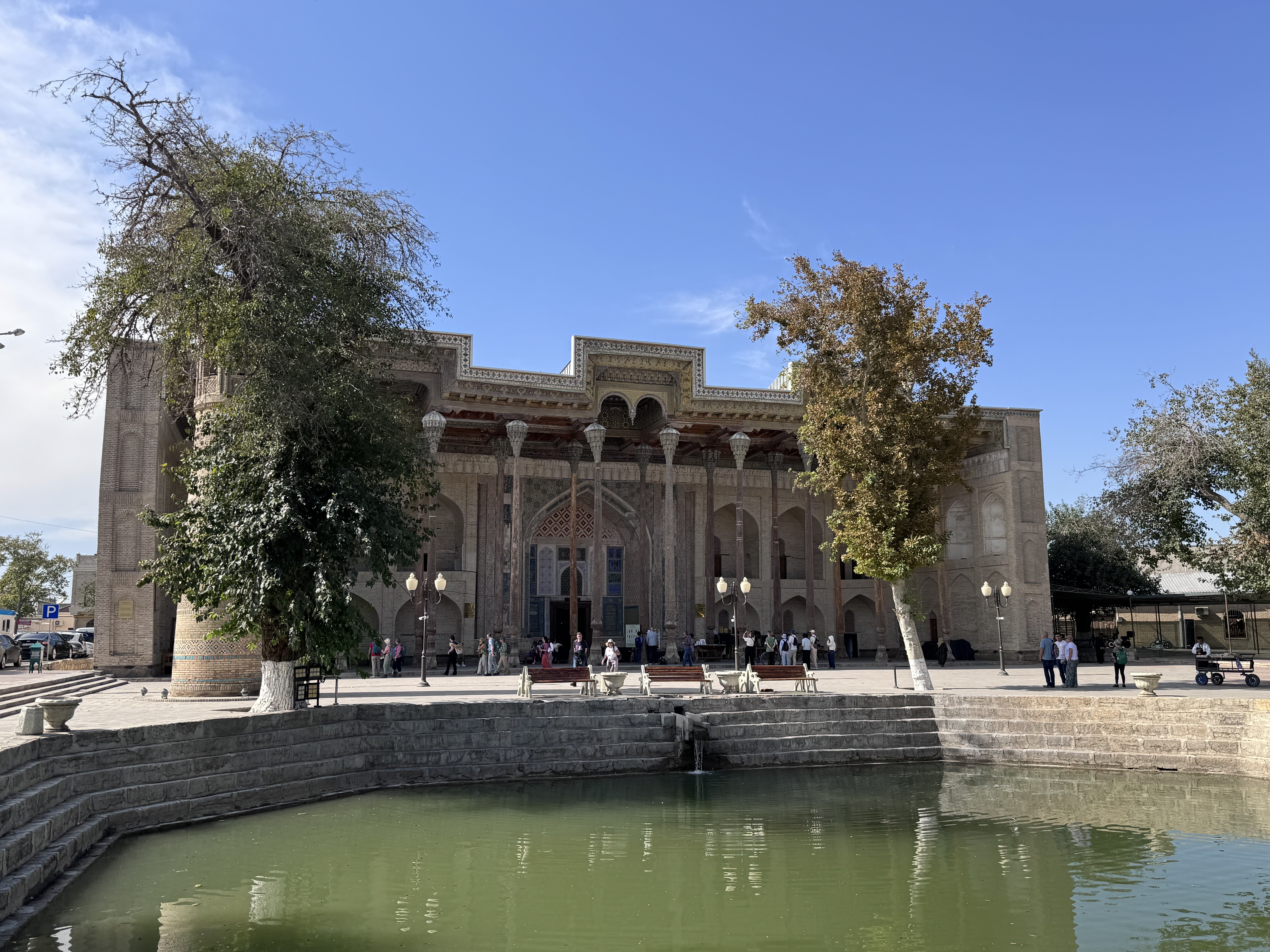
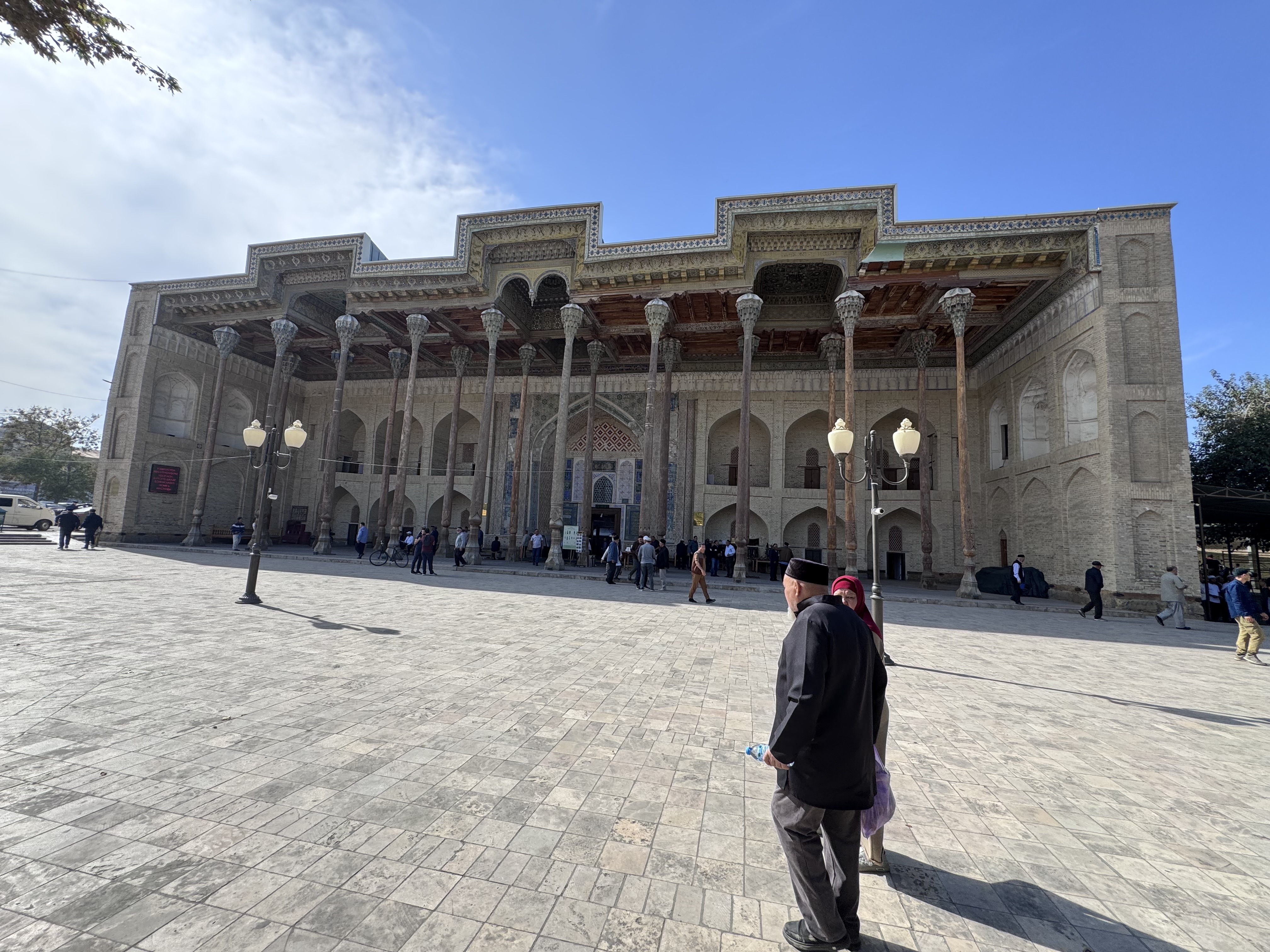
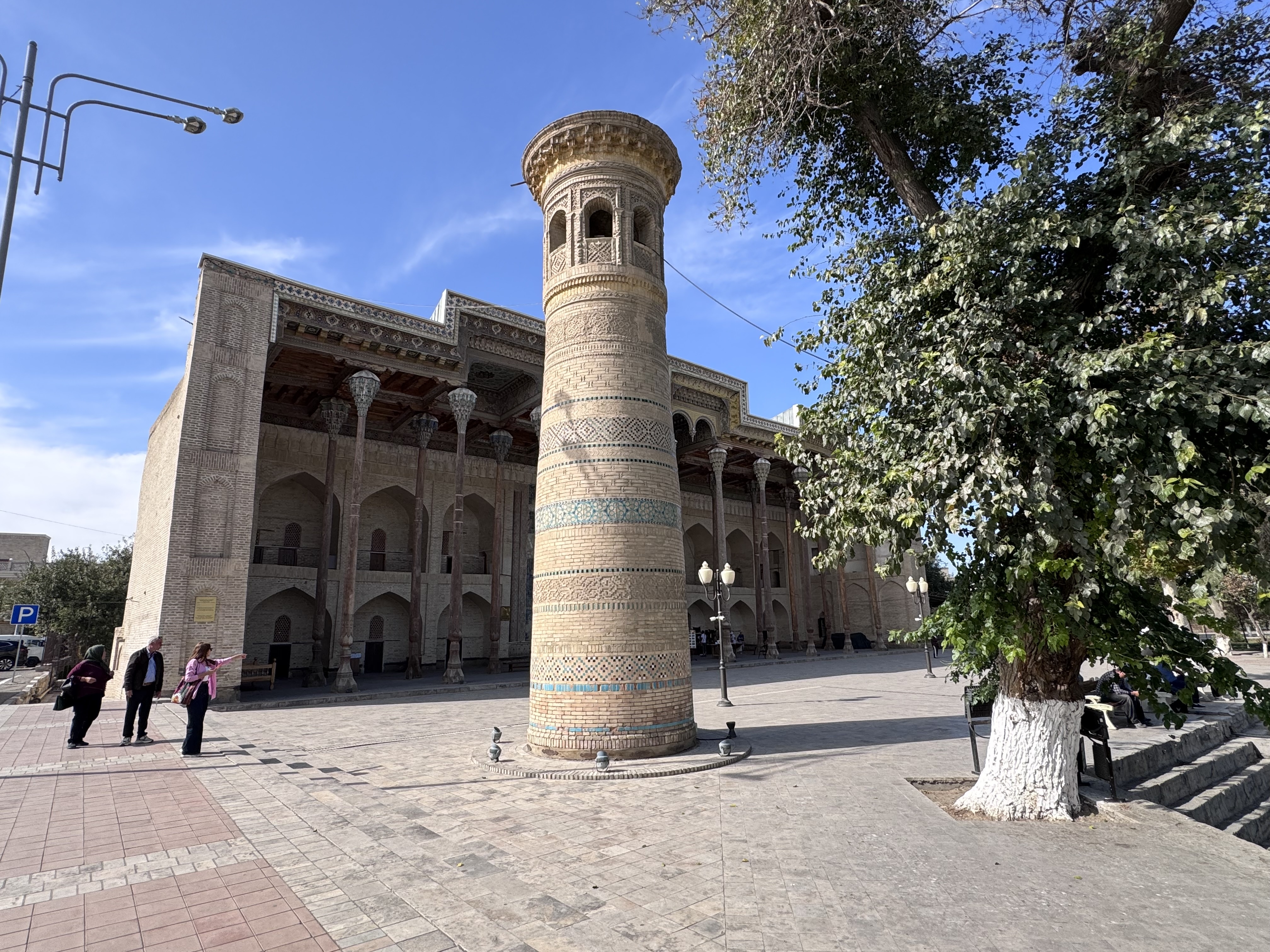
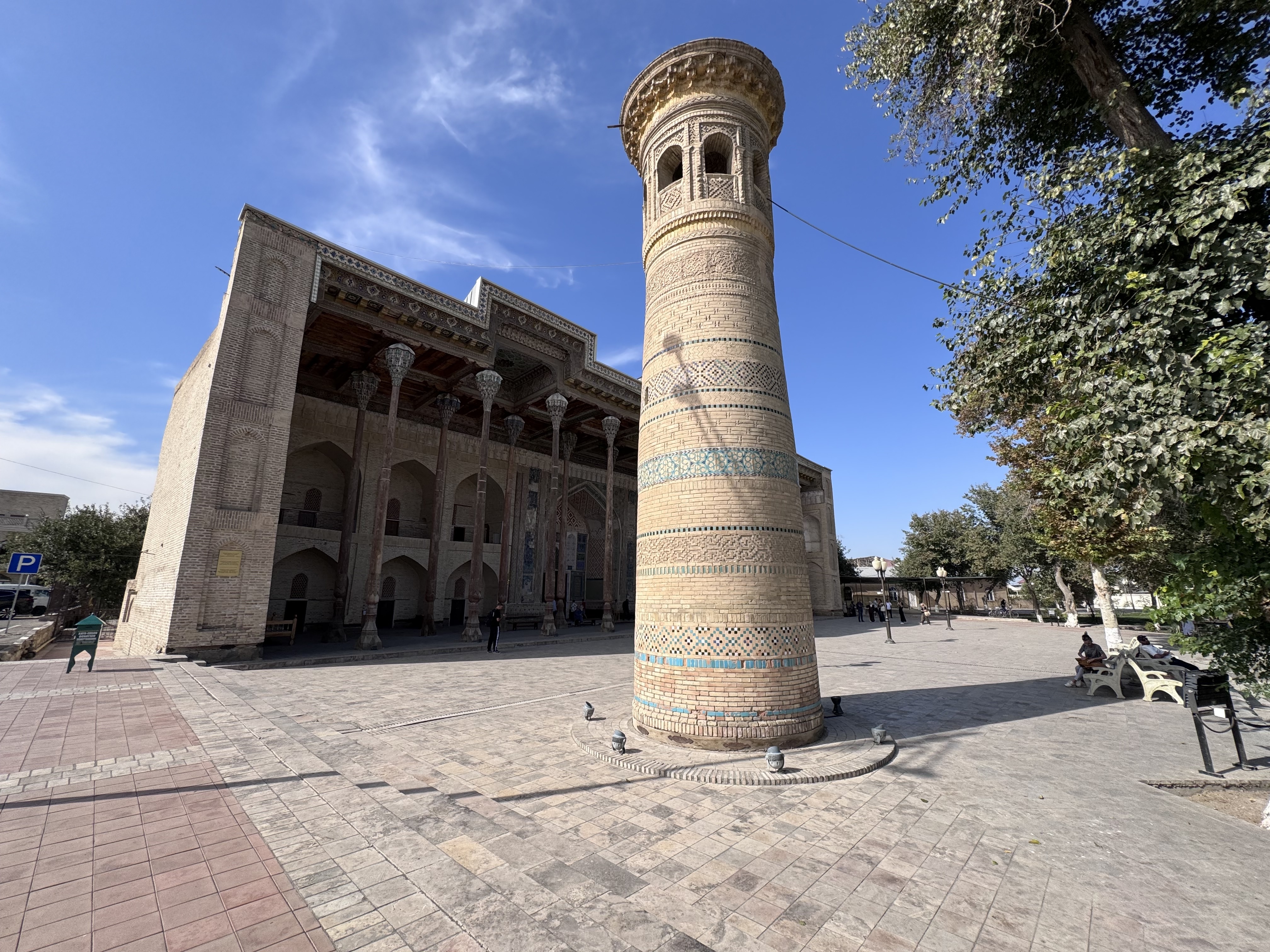
The Bolo Hauz Mosque stands on the western edge of what was once Bukhara’s Registan Square, directly facing the Ark Fortress in a classic paired arrangement that once framed the city’s ceremonial heart.
Built in 1712 early in the reign of Abu’l-Faiz Khan, it ranks among the last major religious monuments raised in Bukhara before the modern era and forms part of the city’s UNESCO-listed Historic Center.
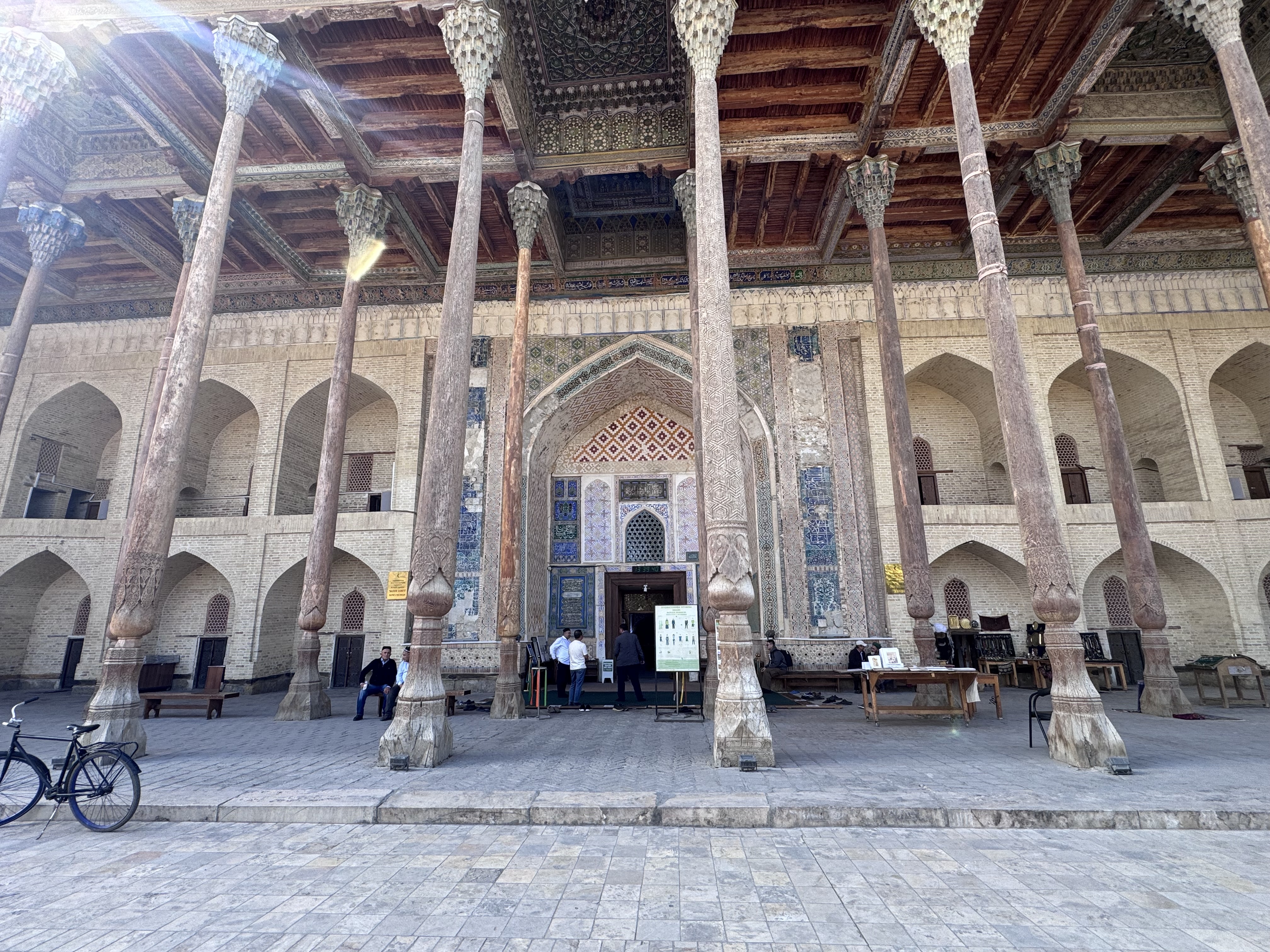
Its name, meaning “above the pool,” refers to the octagonal stone lined hauz that still lies before it, a reservoir that once supplied water for ablutions and daily life and now mirrors the mosque’s slender wooden columns so perfectly that locals call the place the Mosque of Forty Pillars.
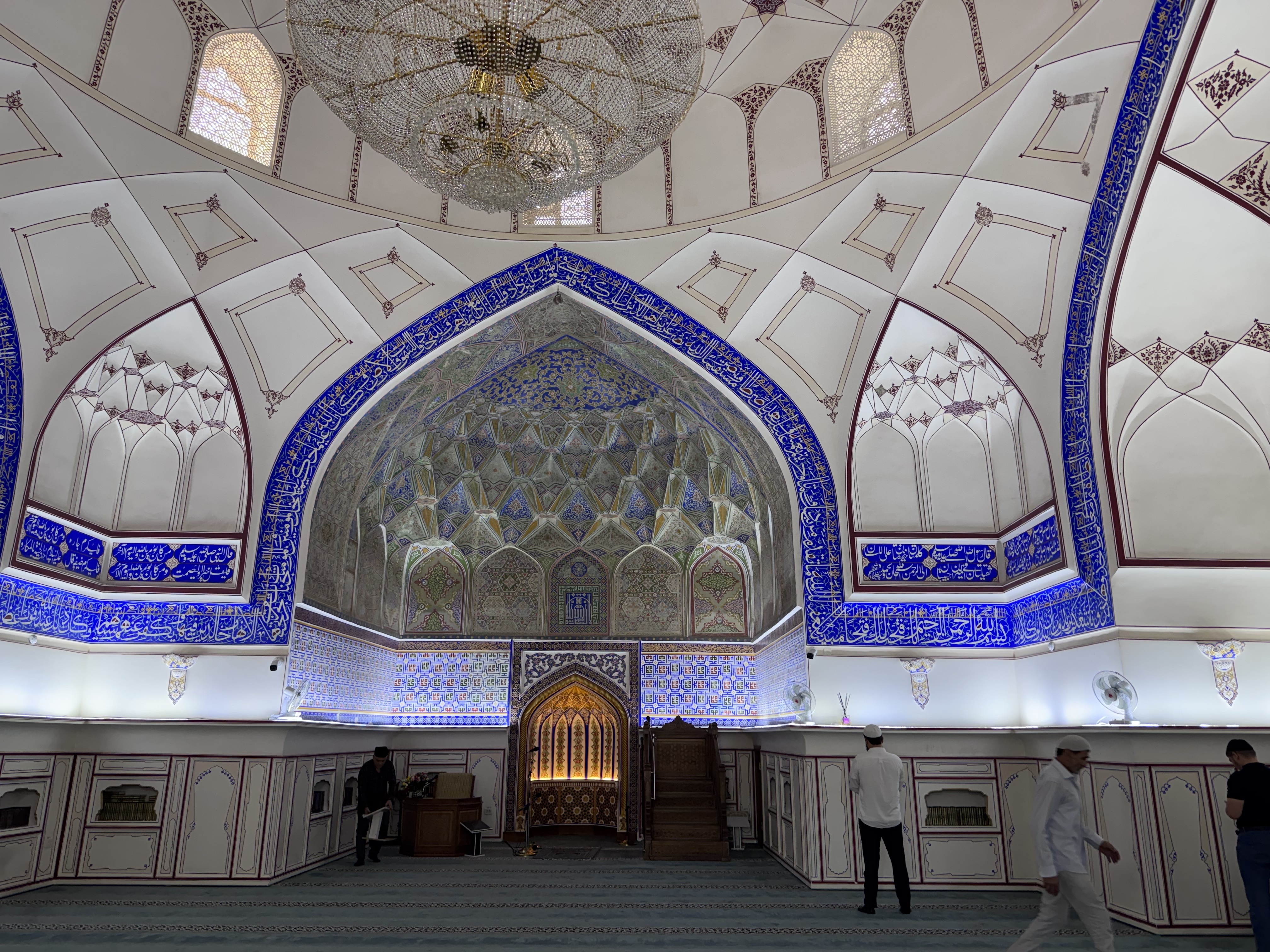
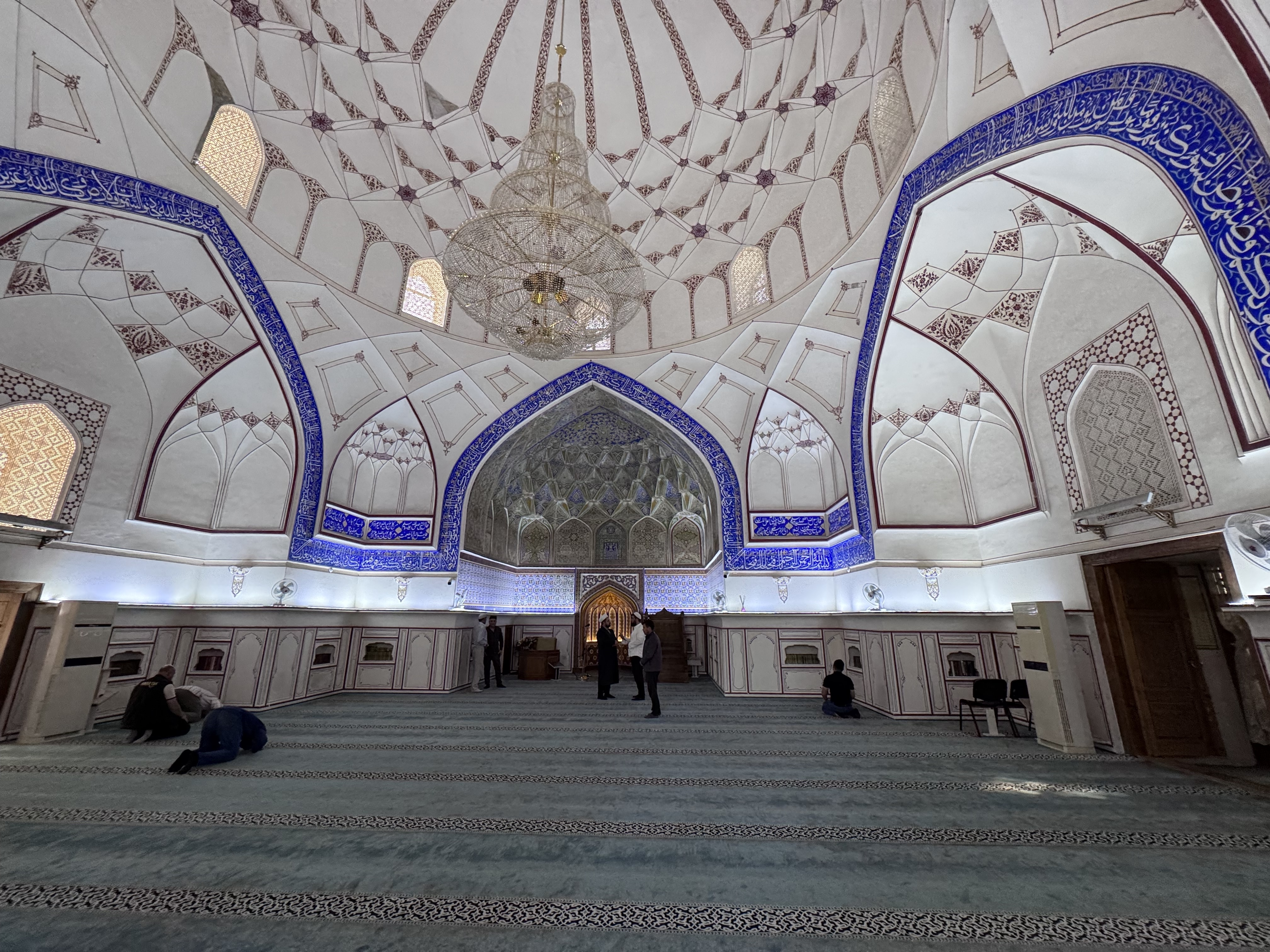
At its core is a solid winter prayer hall of thick brick walls and a spacious dome, its interior marked by the restrained muqarnas vaulting and mihrab typical of eighteenth century Central Asian craftsmanship.
In the early twentieth century, under the last Manghit emir, a luminous summer iwan was ...