

Koh Kret เกาะเกร็ด is a small island in the Chao Phraya River in Nonthaburi Province, Thailand. It is around 3 km long and 3 km wide with an area of over 4.2 square kilometers. It has seven main villages, the largest and most populous being Ban Mon. The island is best known for Thai-Mon people who make pottery for a living. The island is only accessed by ferries.
Koh Kret was originally a meander located on the Chao Praya river. Due to Chao Praya river's curvy path, ships would take longer to reach Ayutthaya, Siam's capital at the time.
During the reign of King Thaisa, the king wanted to reduce shipping time and improve the kingdom's economy. He planned a canal which would bypass the meander and act as a shortcut for maritime transport. The canal was dug in 1722, requiring around 10,000 men and taking over a month to complete. After the canal was dug, shipping to Ayutthaya became faster and the canal was called "Klong Lat Kret" by locals. As time passed, the canal became ...


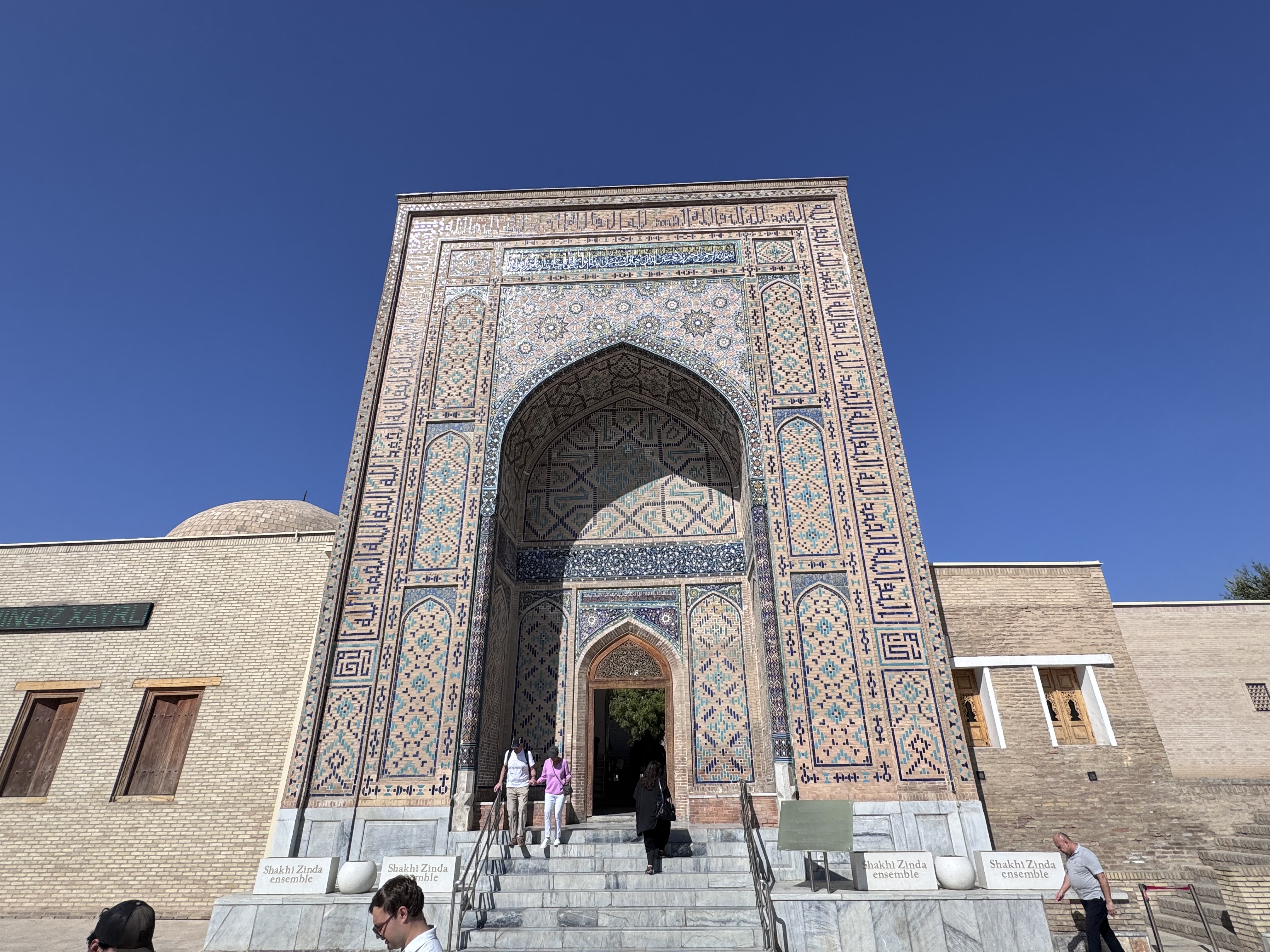
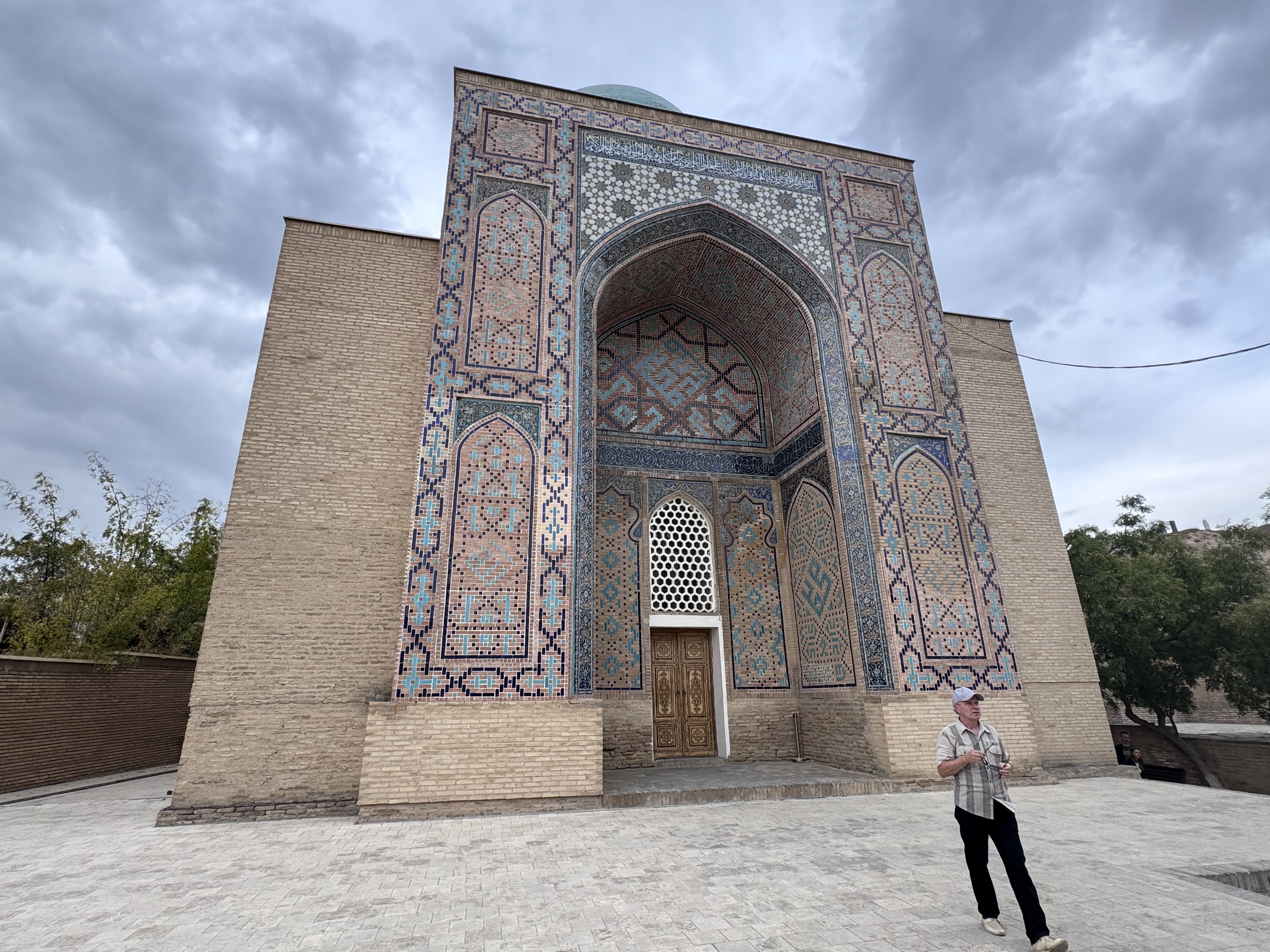
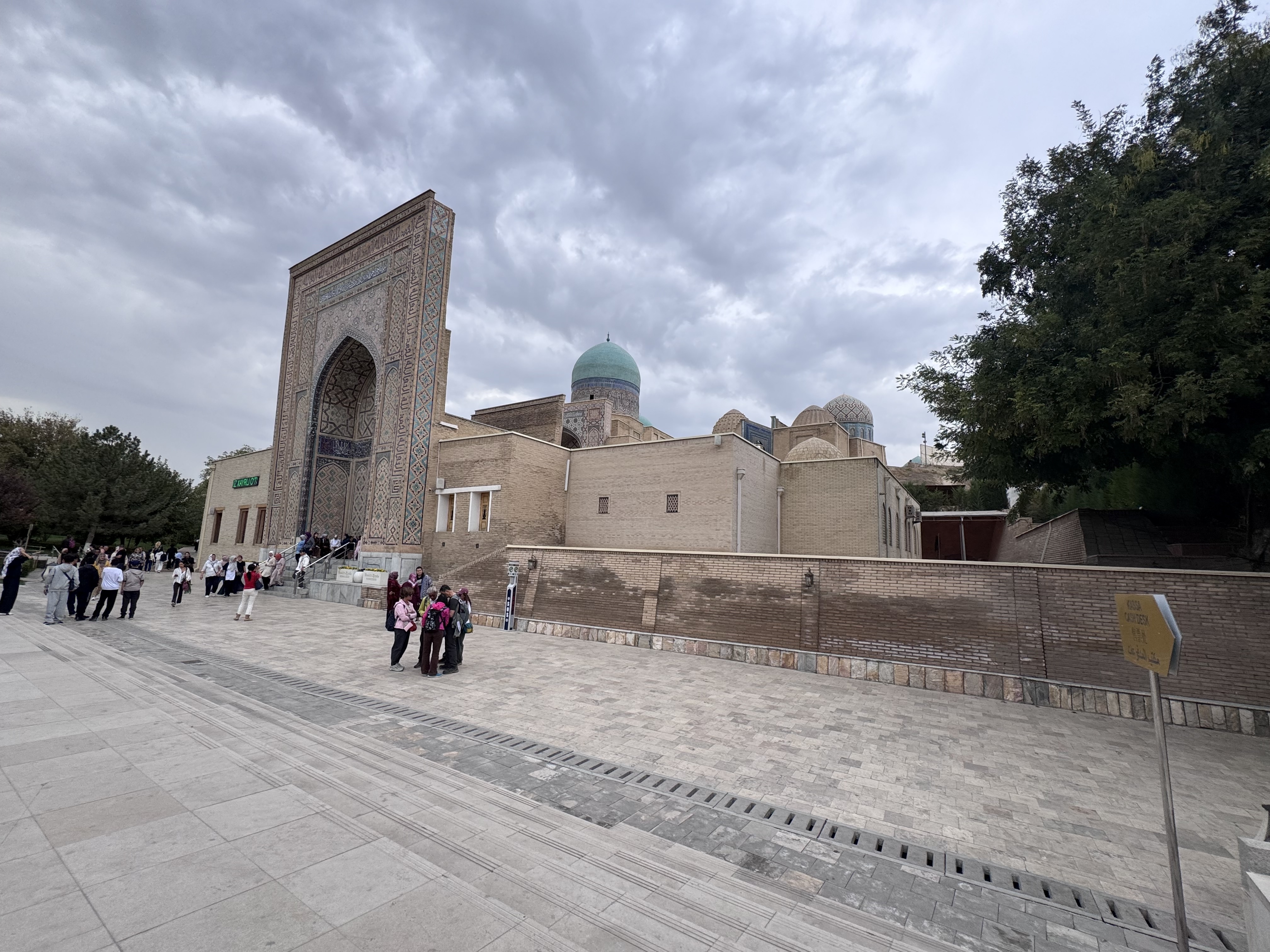
The Shah-i-Zinda ensemble, also known as Shohizinda, is a historic necropolis and funerary complex located on the southern slope of the ancient Afrasiab hill in the northeastern part of Samarkand, Uzbekistan. Its name, drawn from Classical Persian, means “the Living King,” and it centers on a powerful local legend associated with Qutham (or Qusam, Kusam) ibn Abbas, a cousin of the Prophet Muhammad.
Tradition holds that he arrived in the region during the seventh-century Arab conquests to preach Islam. According to one widely told account, he was attacked and beheaded while at prayer; he then picked up his severed head and walked to a deep well or cleft known as the Garden of Paradise, where he is believed to remain alive to this day in a subterranean realm. This legend transformed the site into a major place of pilgrimage, and the complex grew around the reputed shrine of this “living king.”
Archaeological evidence shows that the area had long been occupied. Beneath the medieval layers ...
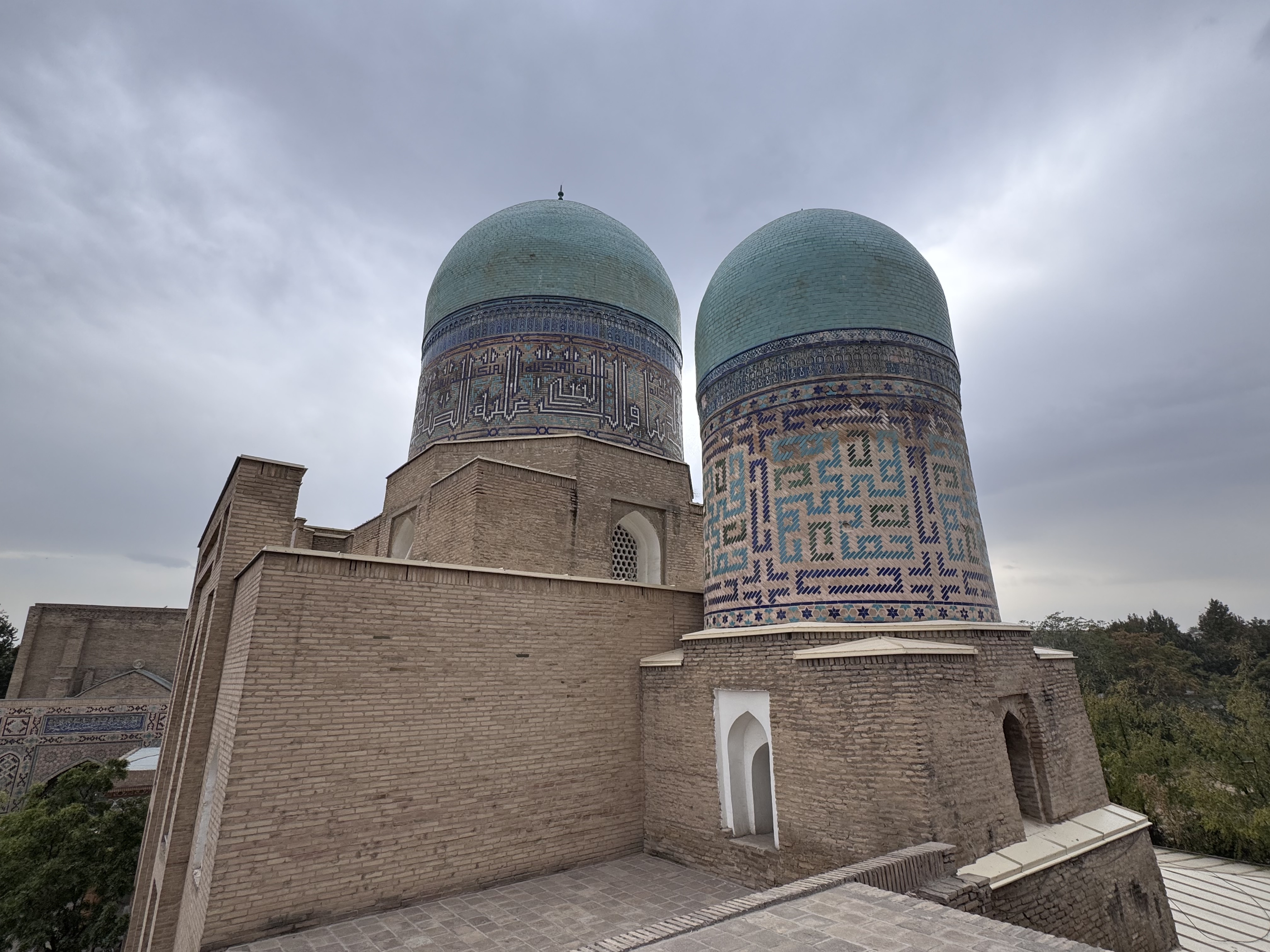
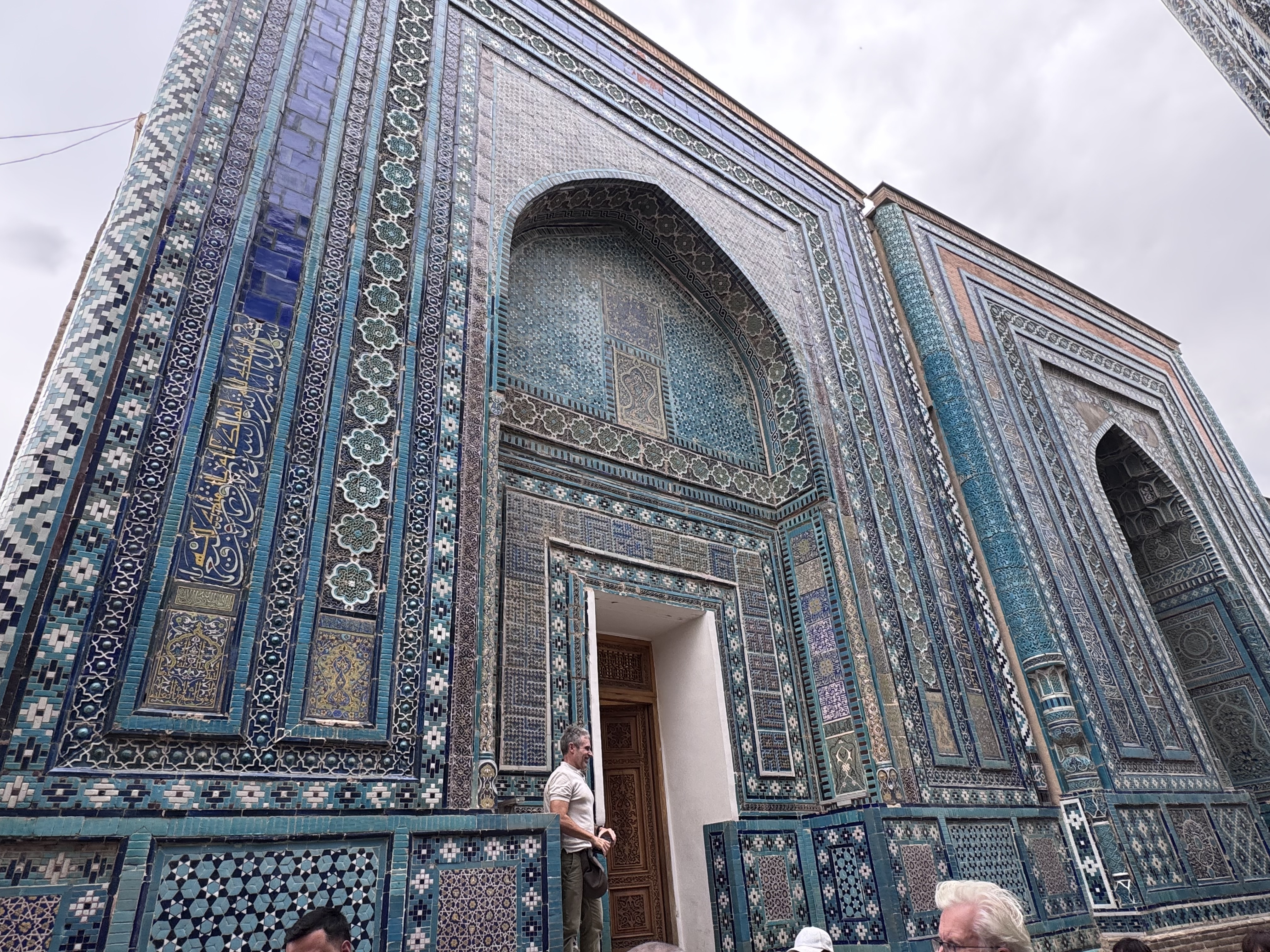
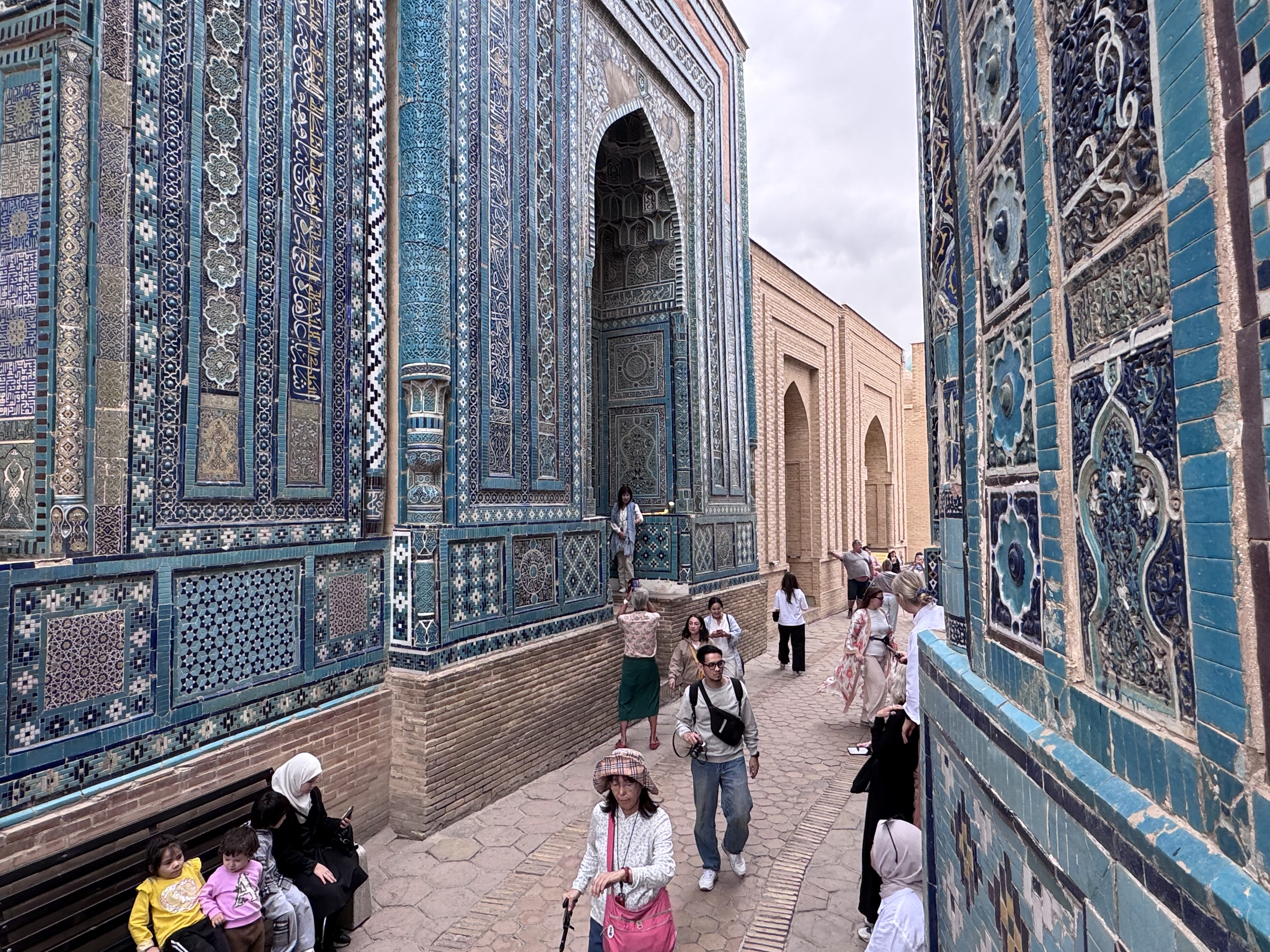
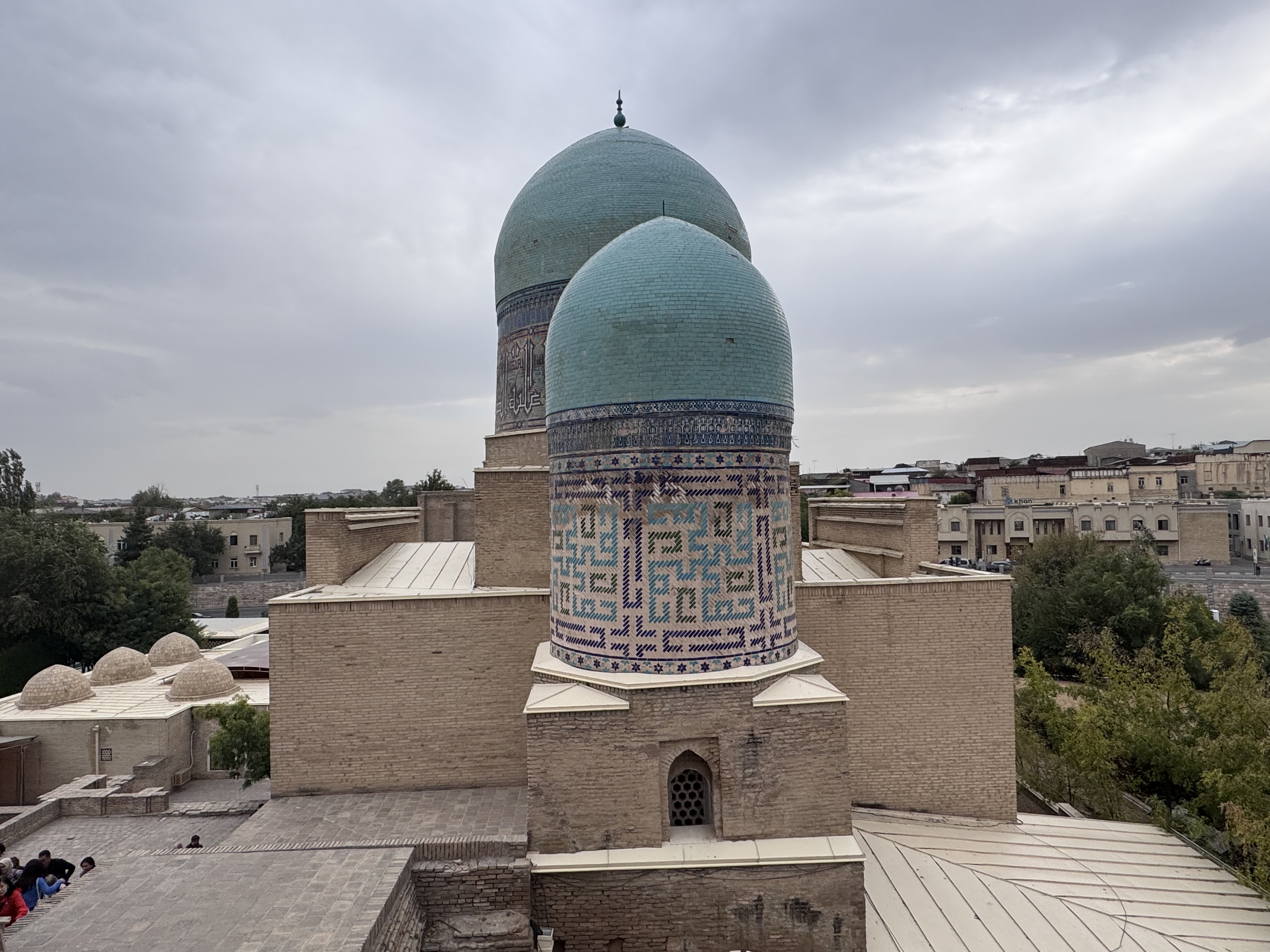
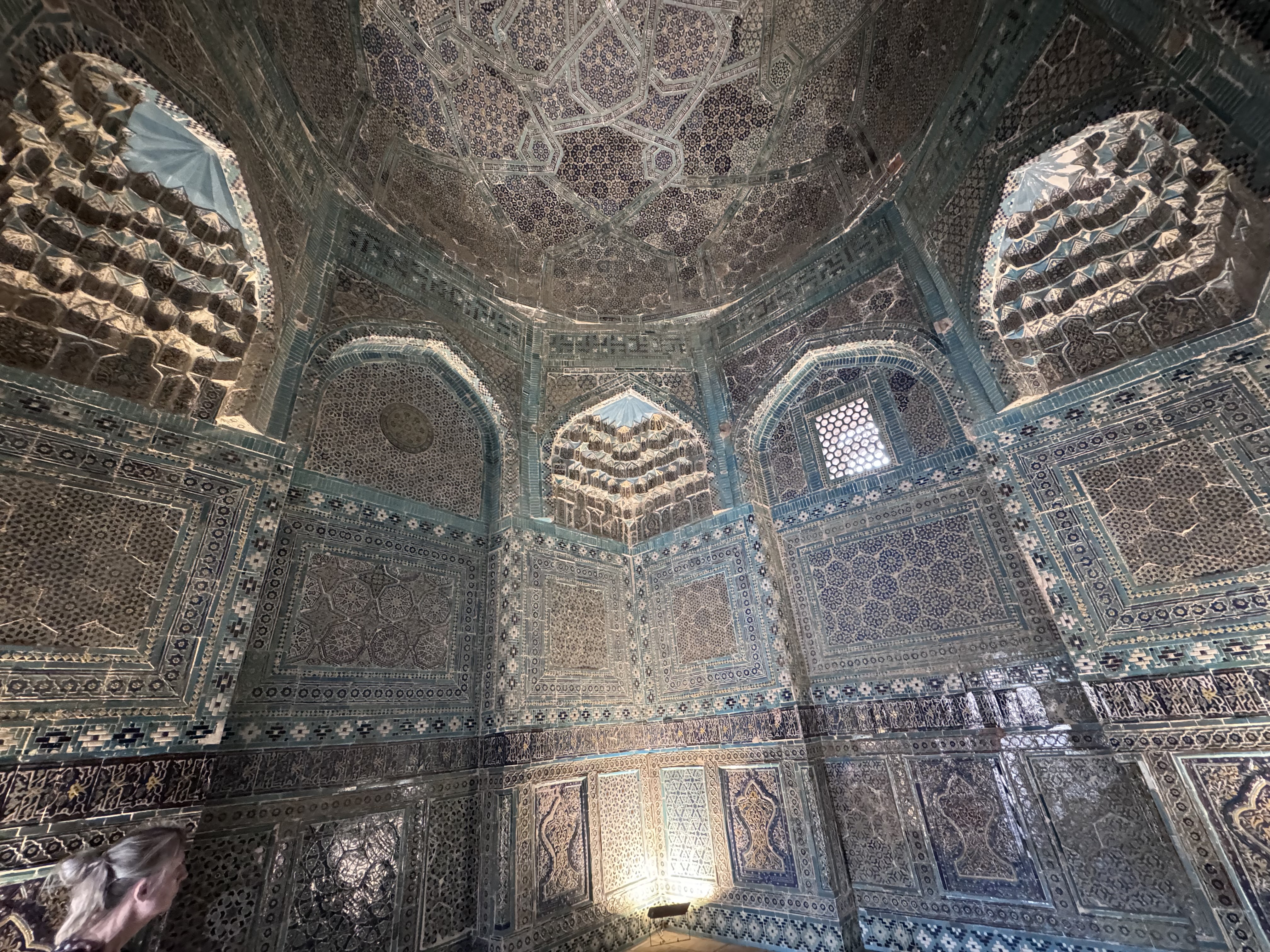
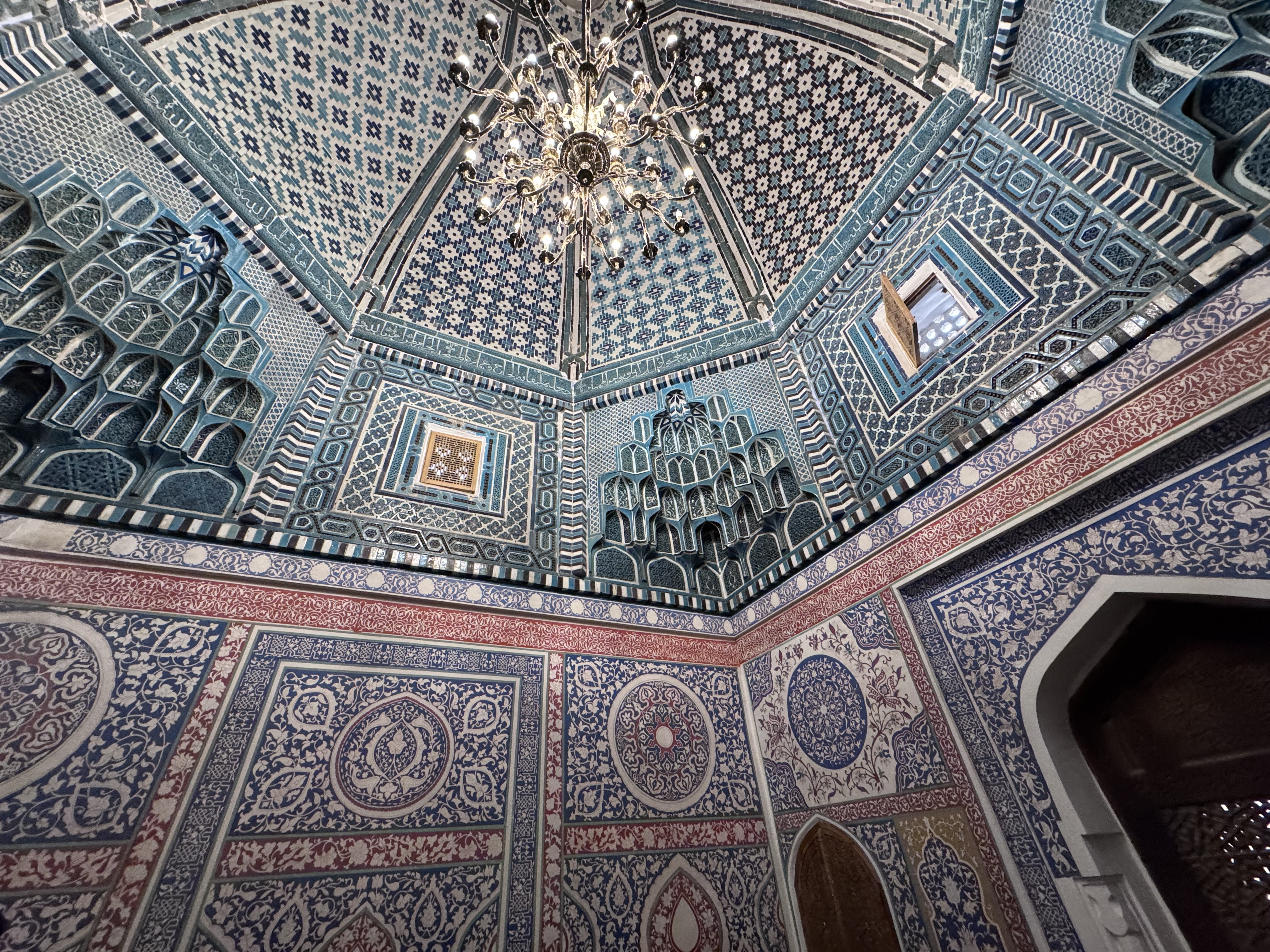
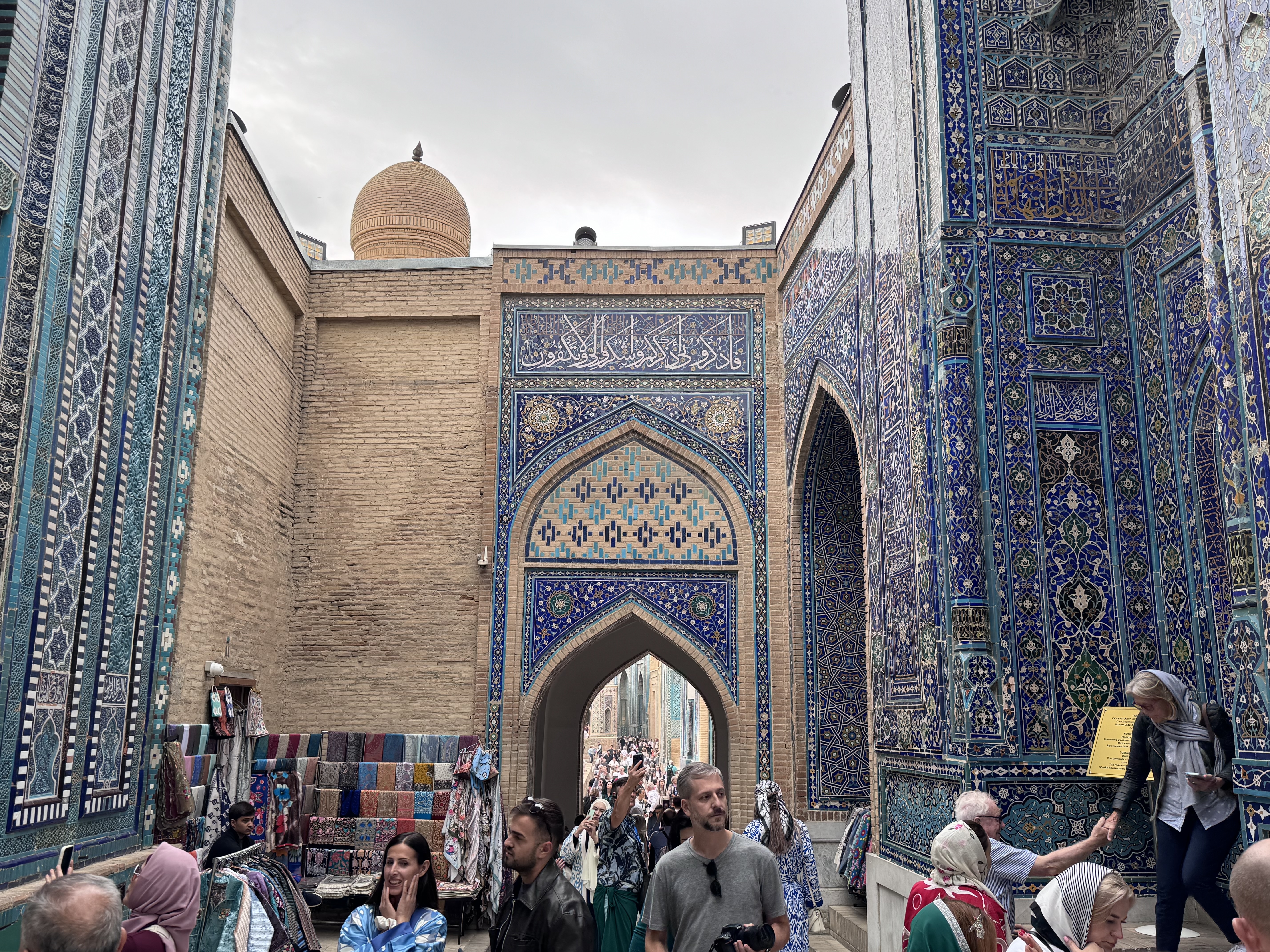
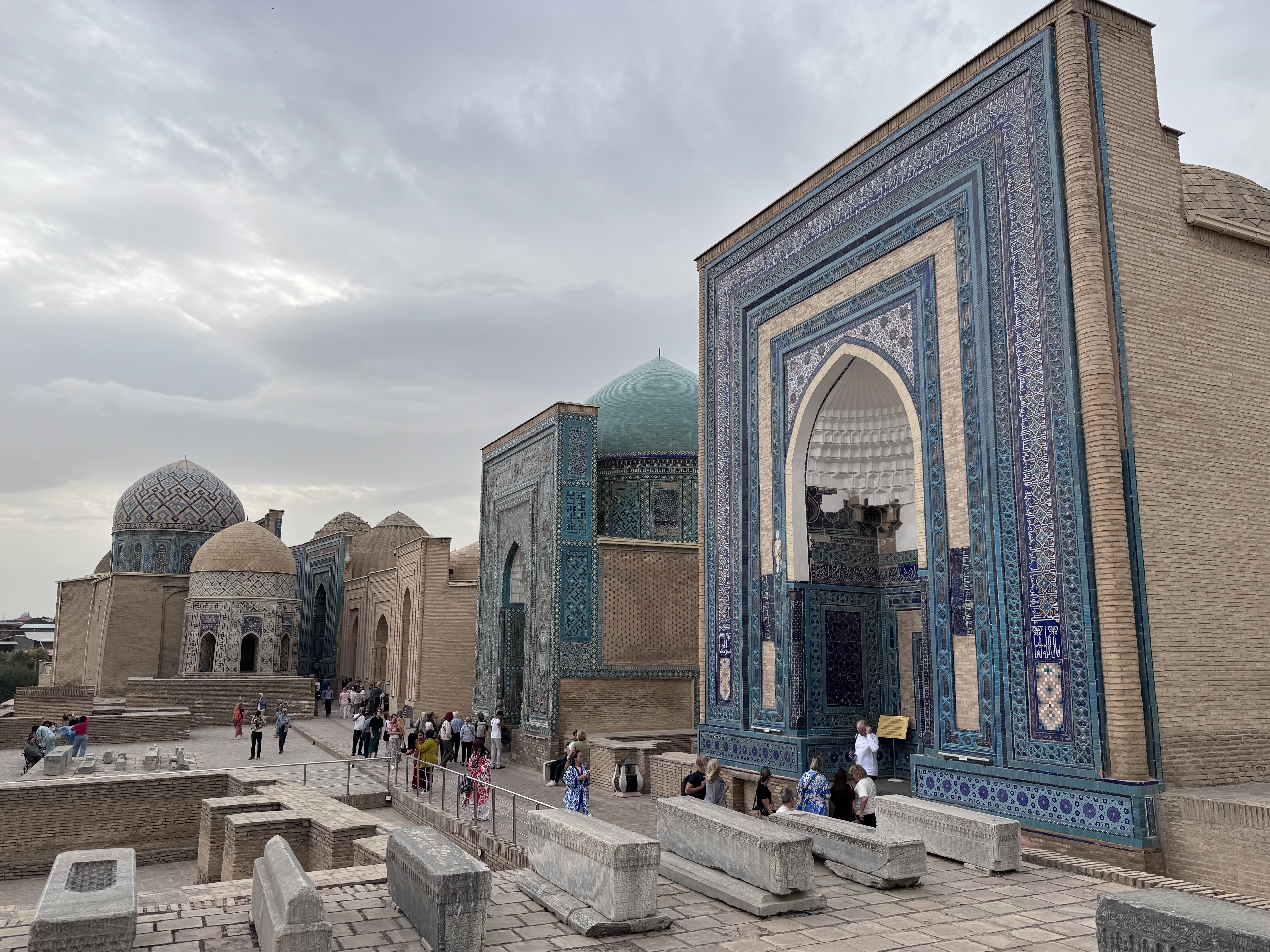
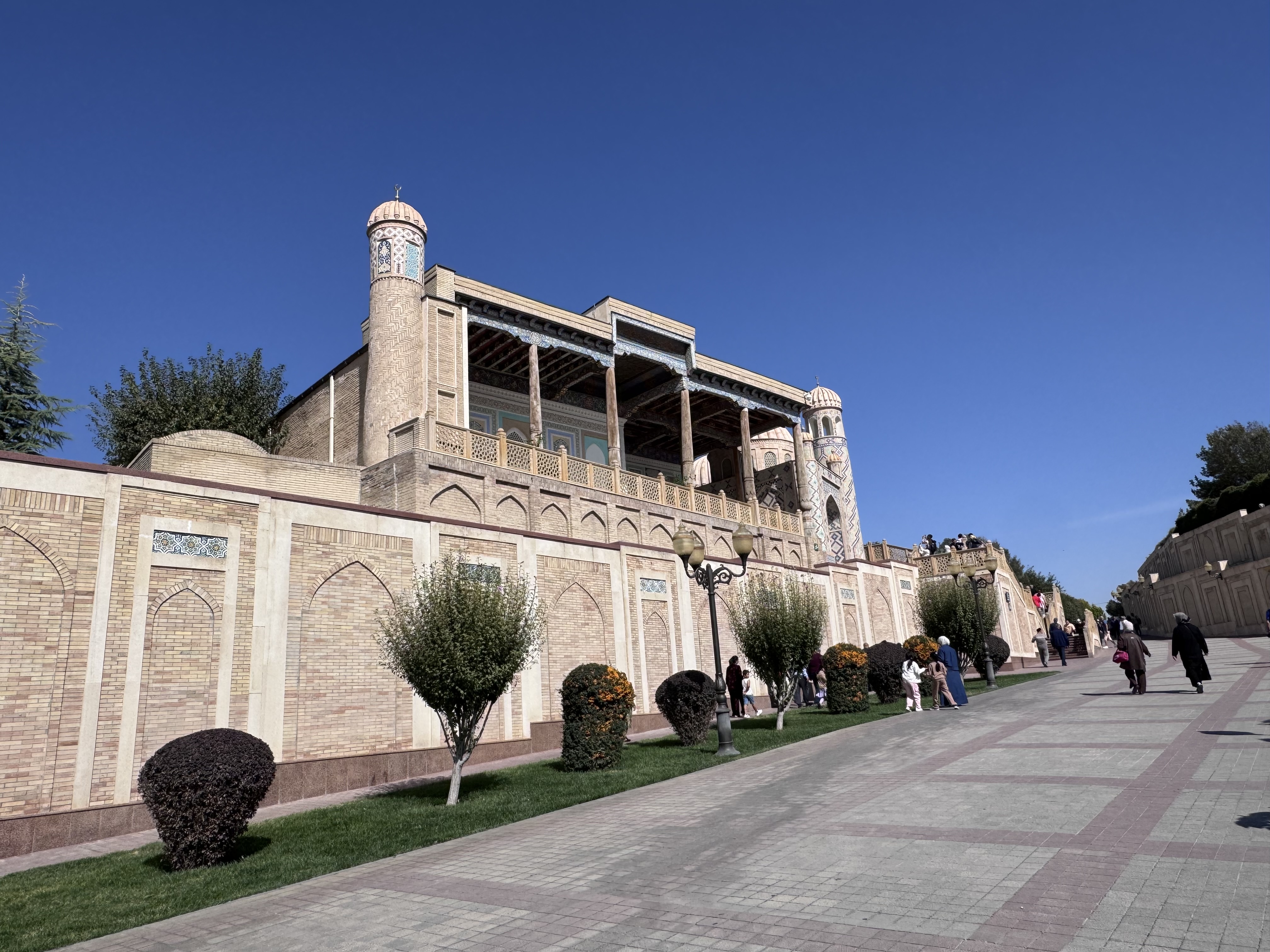
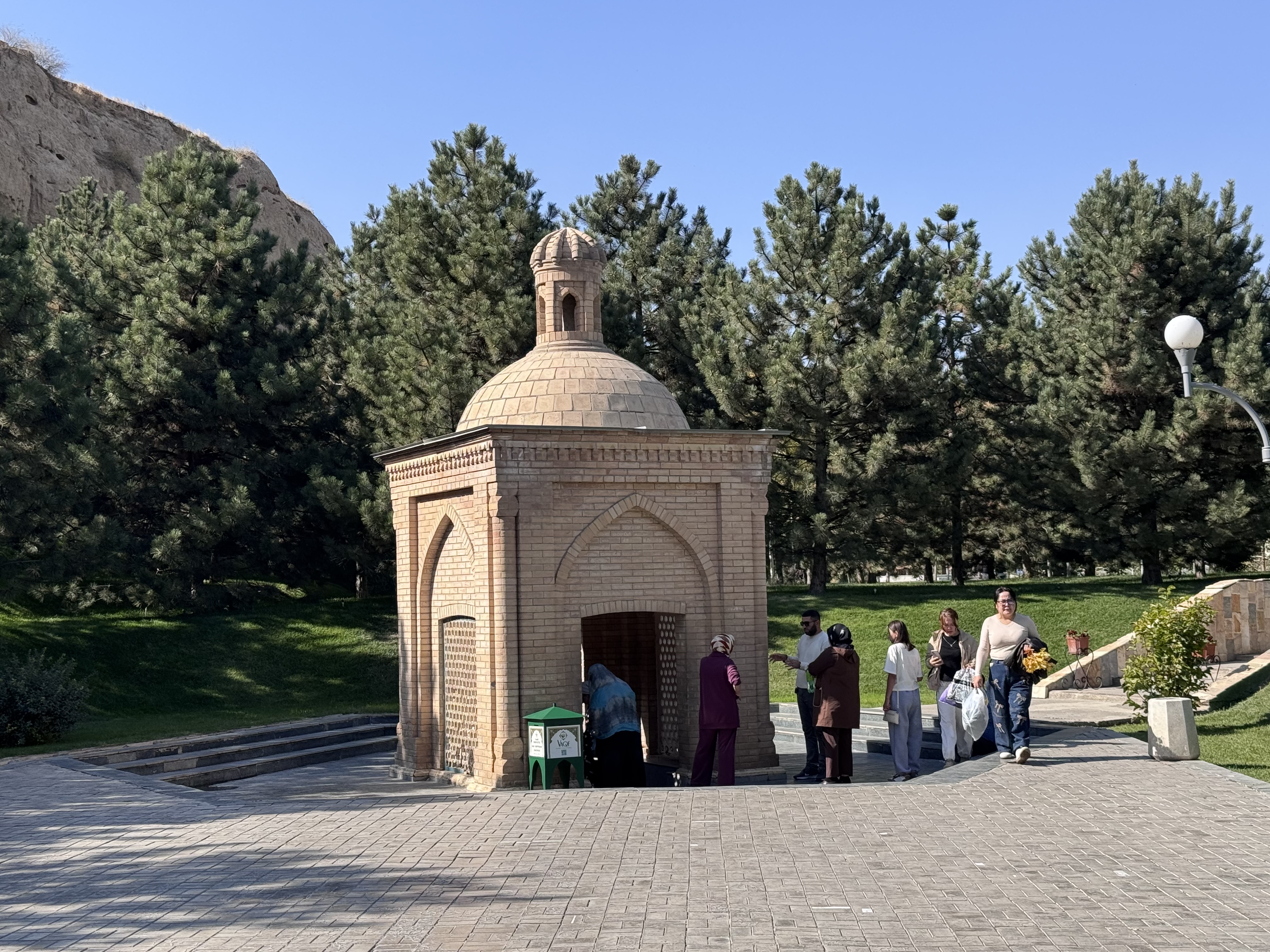
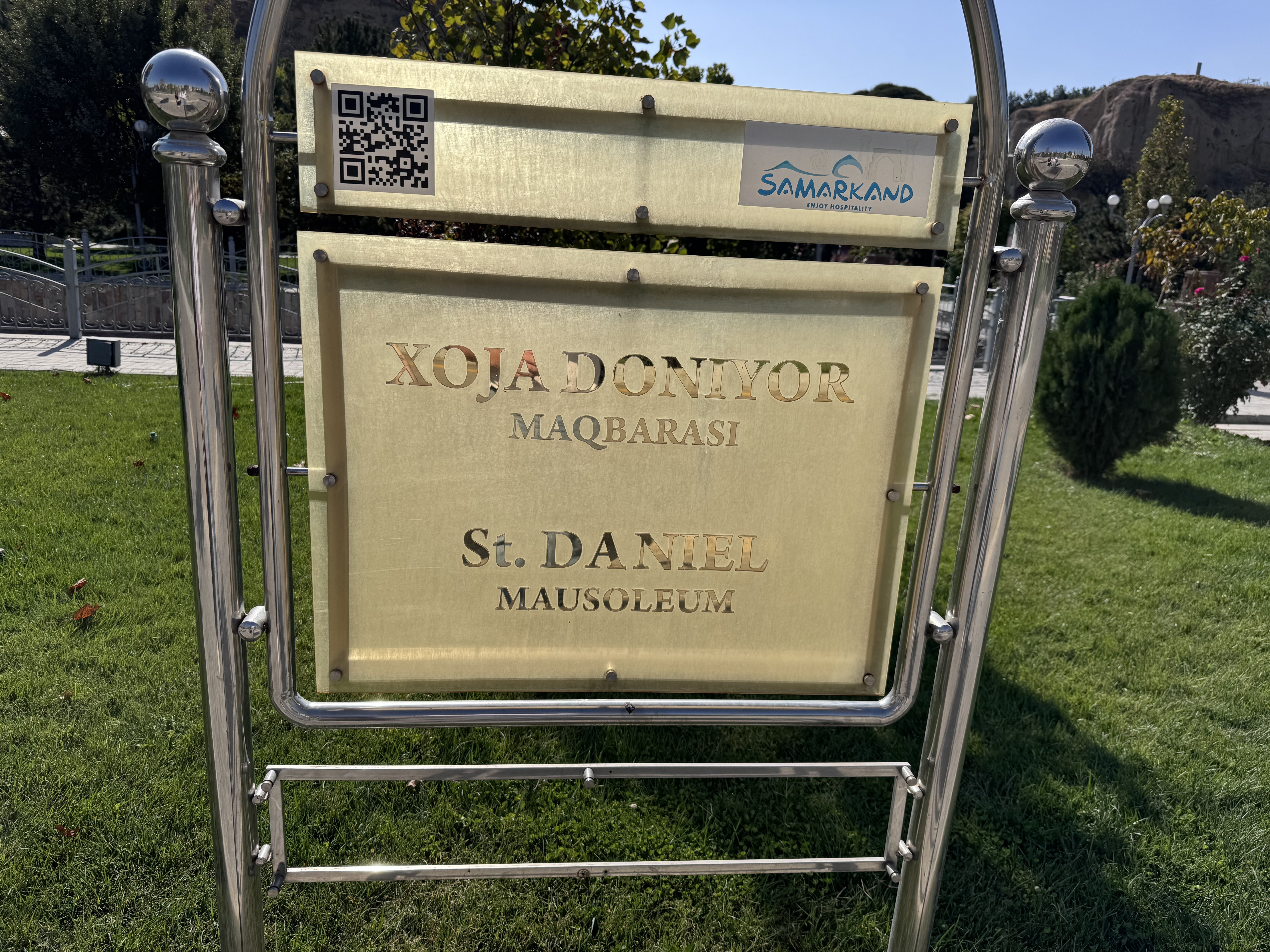
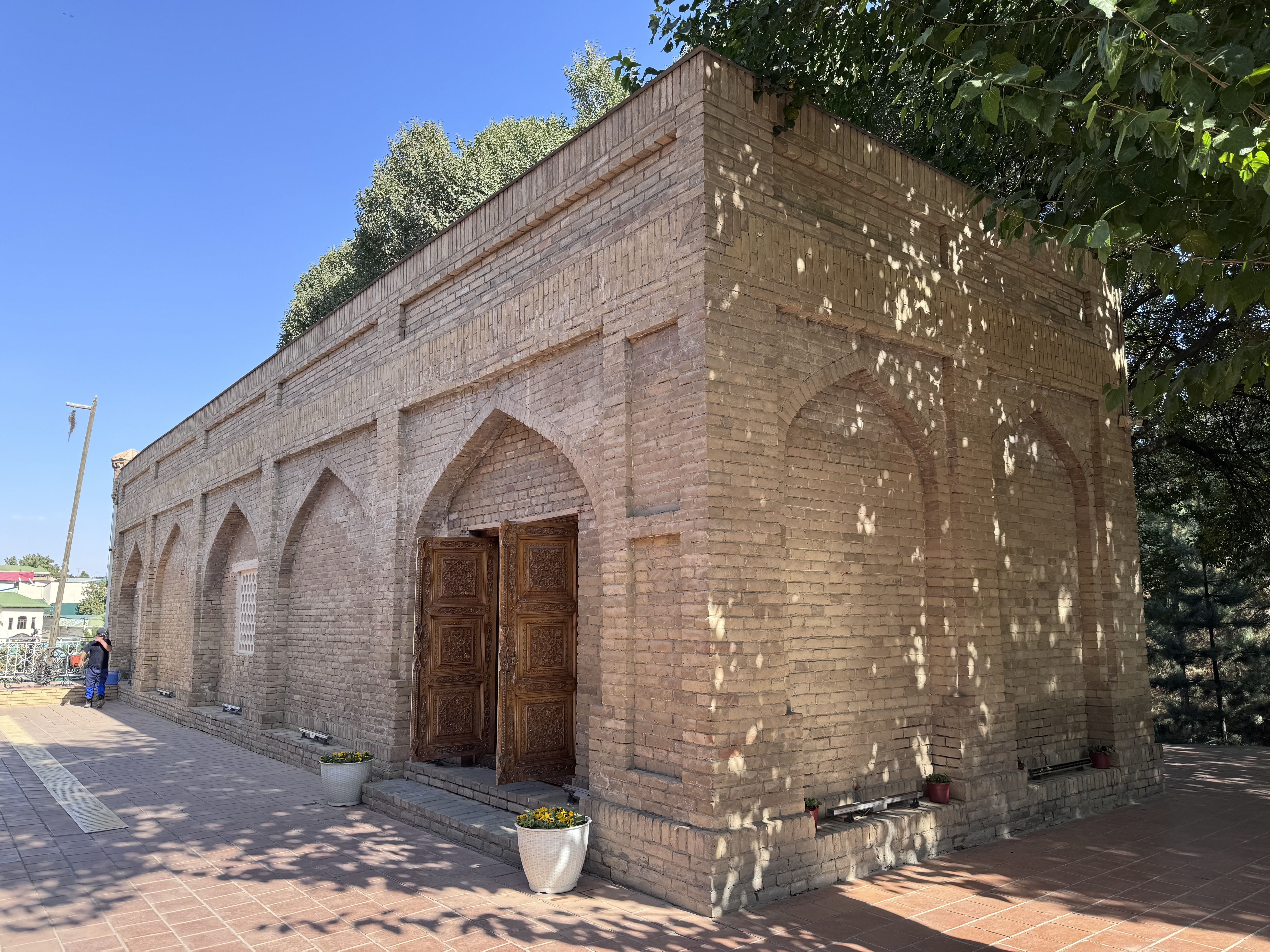
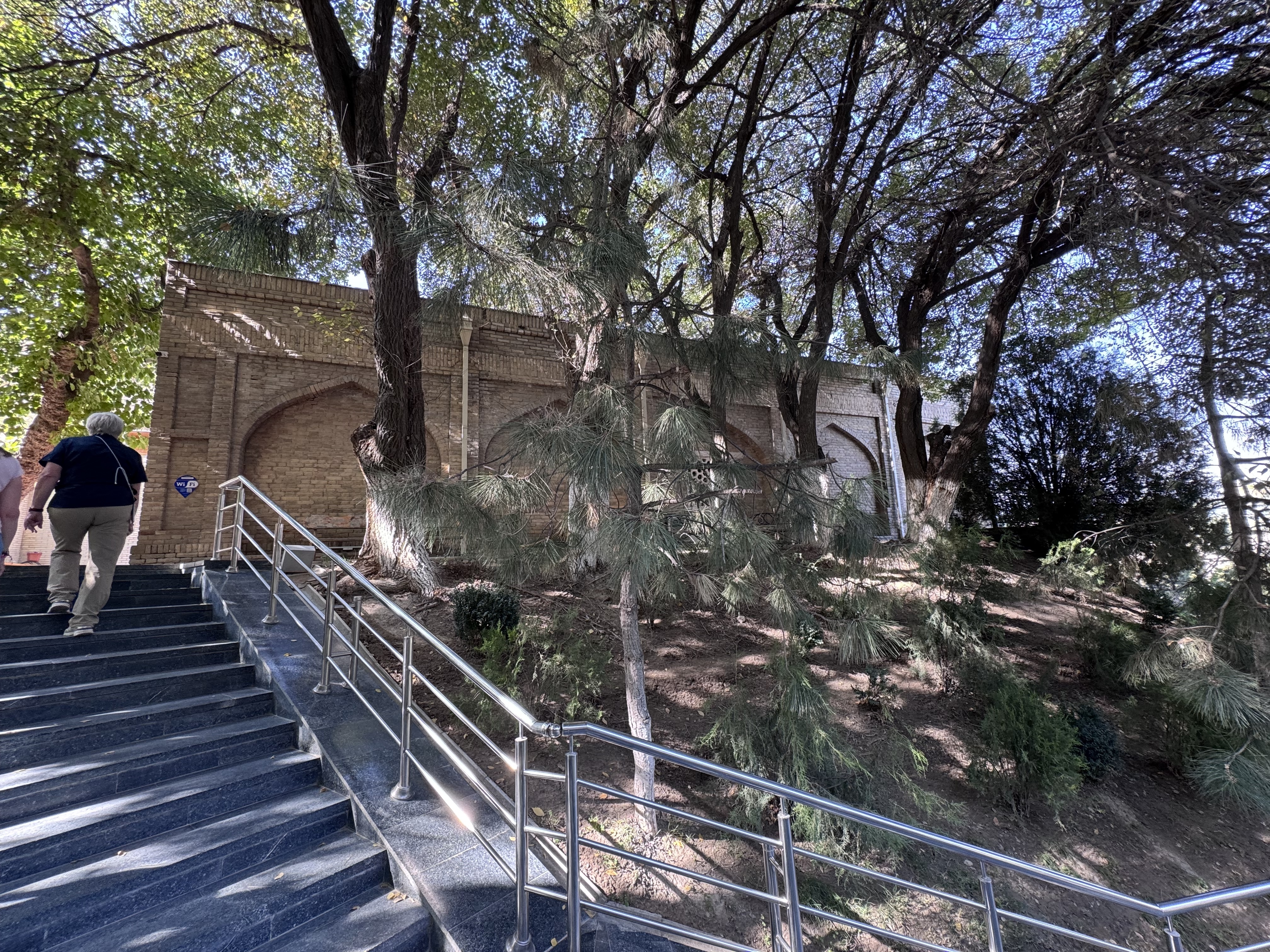
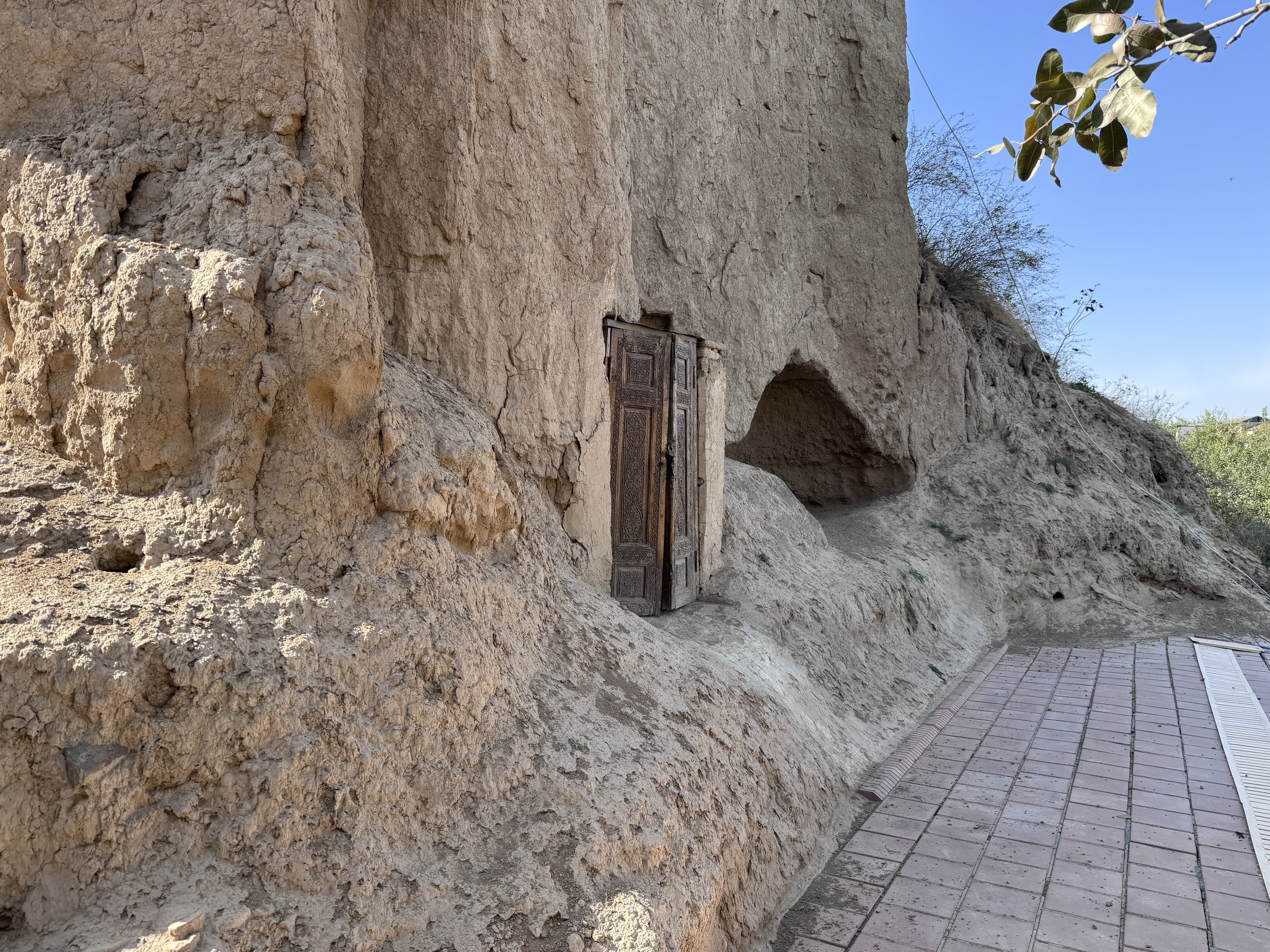
The Mausoleum of Khoja Daniyar sits on a quiet hillside along the northeastern edge of ancient Afrasiab in Samarkand, Uzbekistan, overlooking the Siab River.
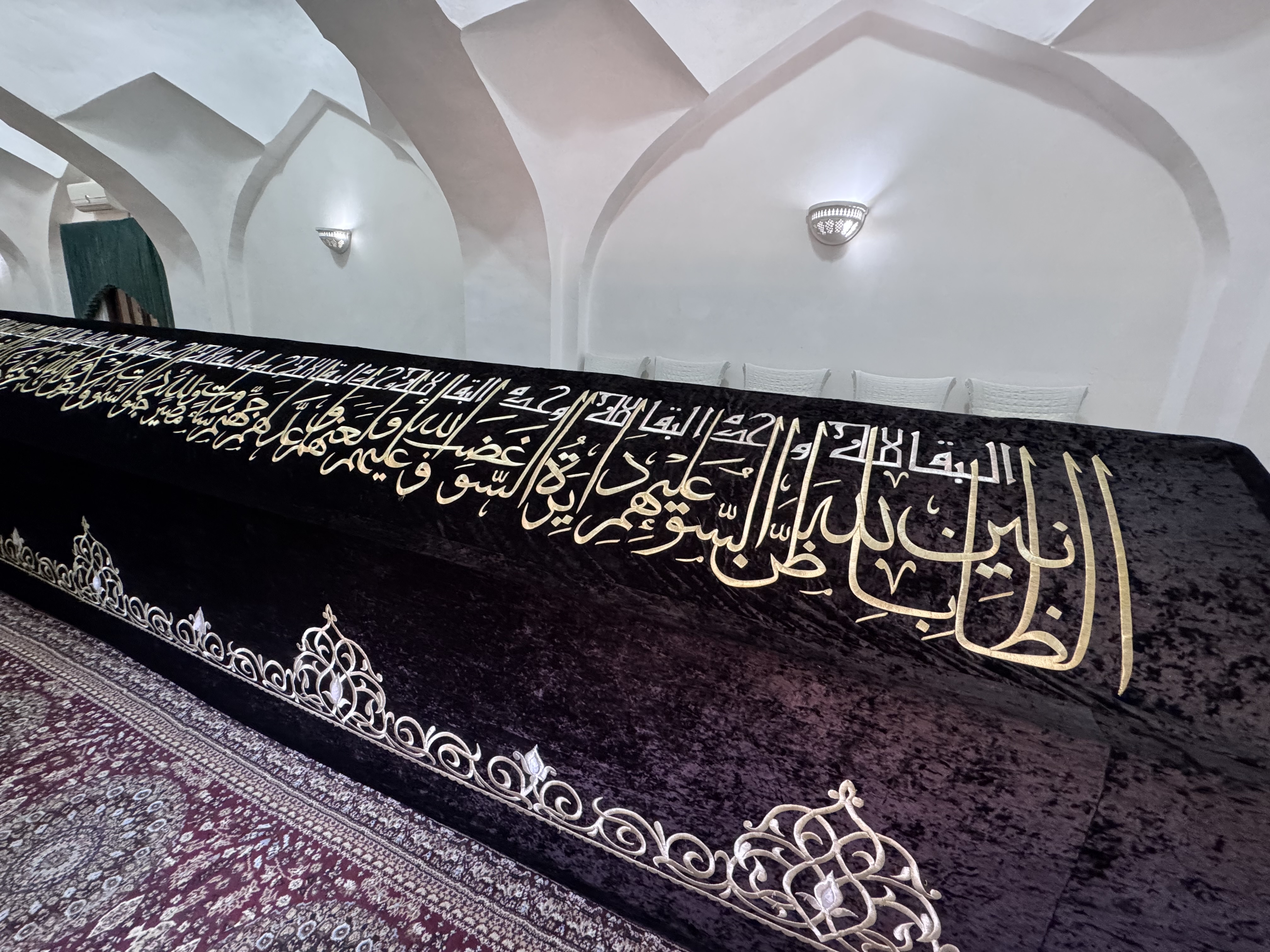
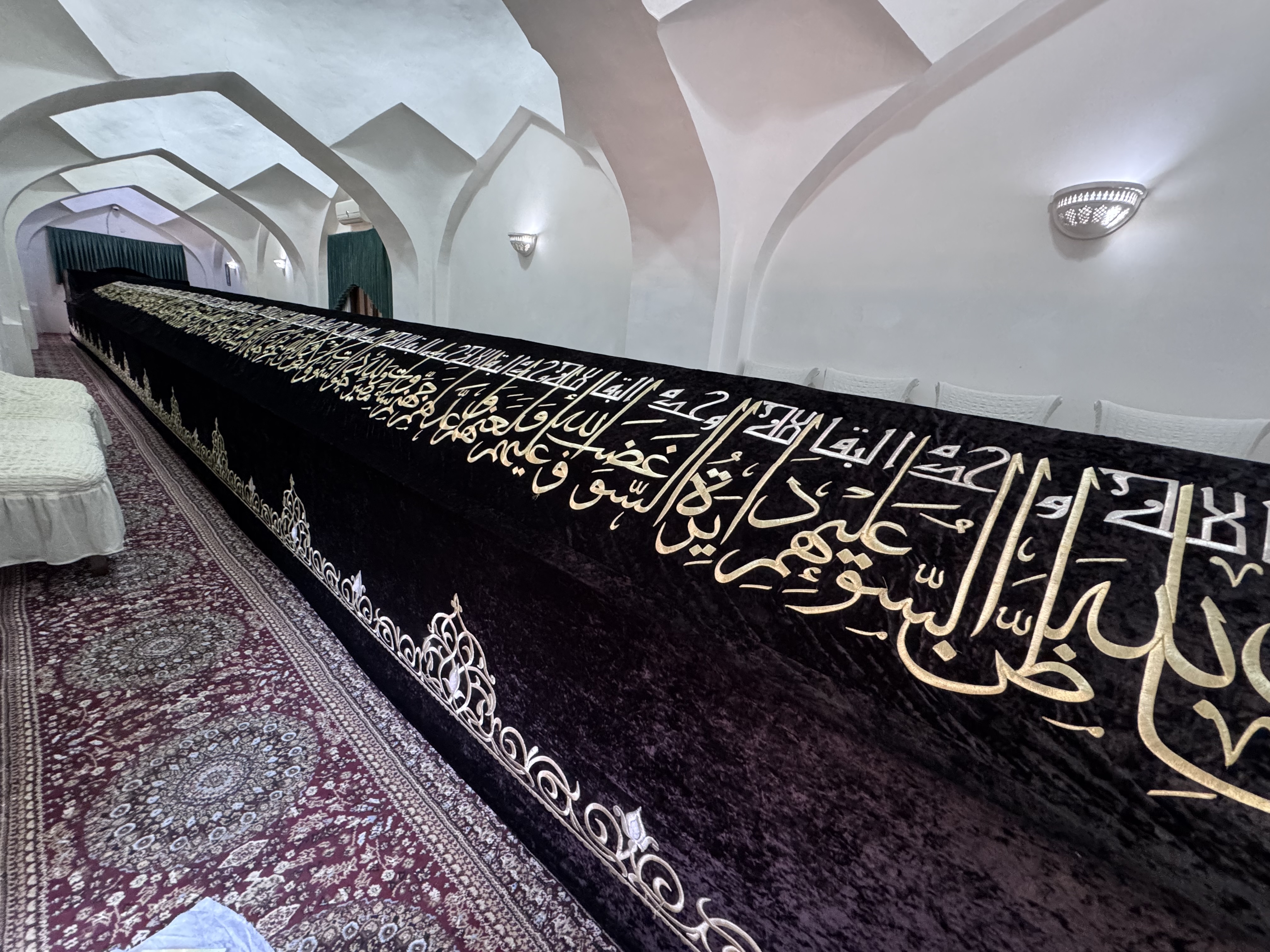
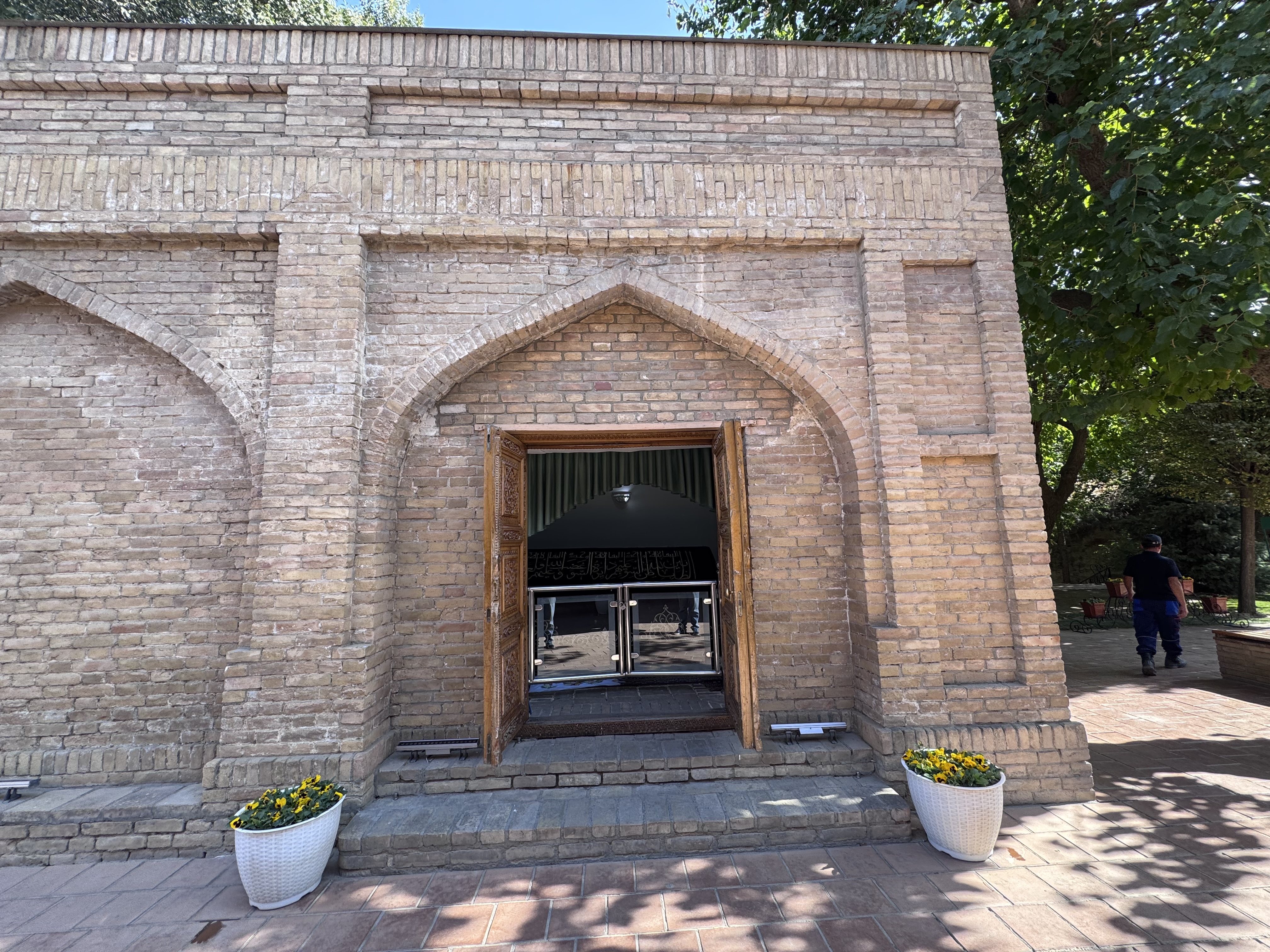
This long, low building crowned with five simple domes houses an extraordinary sarcophagus nearly eighteen meters in length, draped in green velvet embroidered with verses from the Quran. Local tradition holds that the remains of the biblical prophet Daniel rest here, a figure known in the region as Daniyar or Khoja Daniyar.
Daniel was a Jewish prophet of the sixth century BC who served in the courts of Babylonian and Persian kings. Famous for interpreting dreams and surviving a night in a den of lions, he is revered across Judaism, Christianity, and Islam.
Though he is not named in the Quran, Islamic tradition regards him as one of the righteous prophets sent to the Children of Israel. Muslims, Christians, and Jews all visit this site, each praying according to their own custom, making it a rare place of shared devotion.
According to the ...
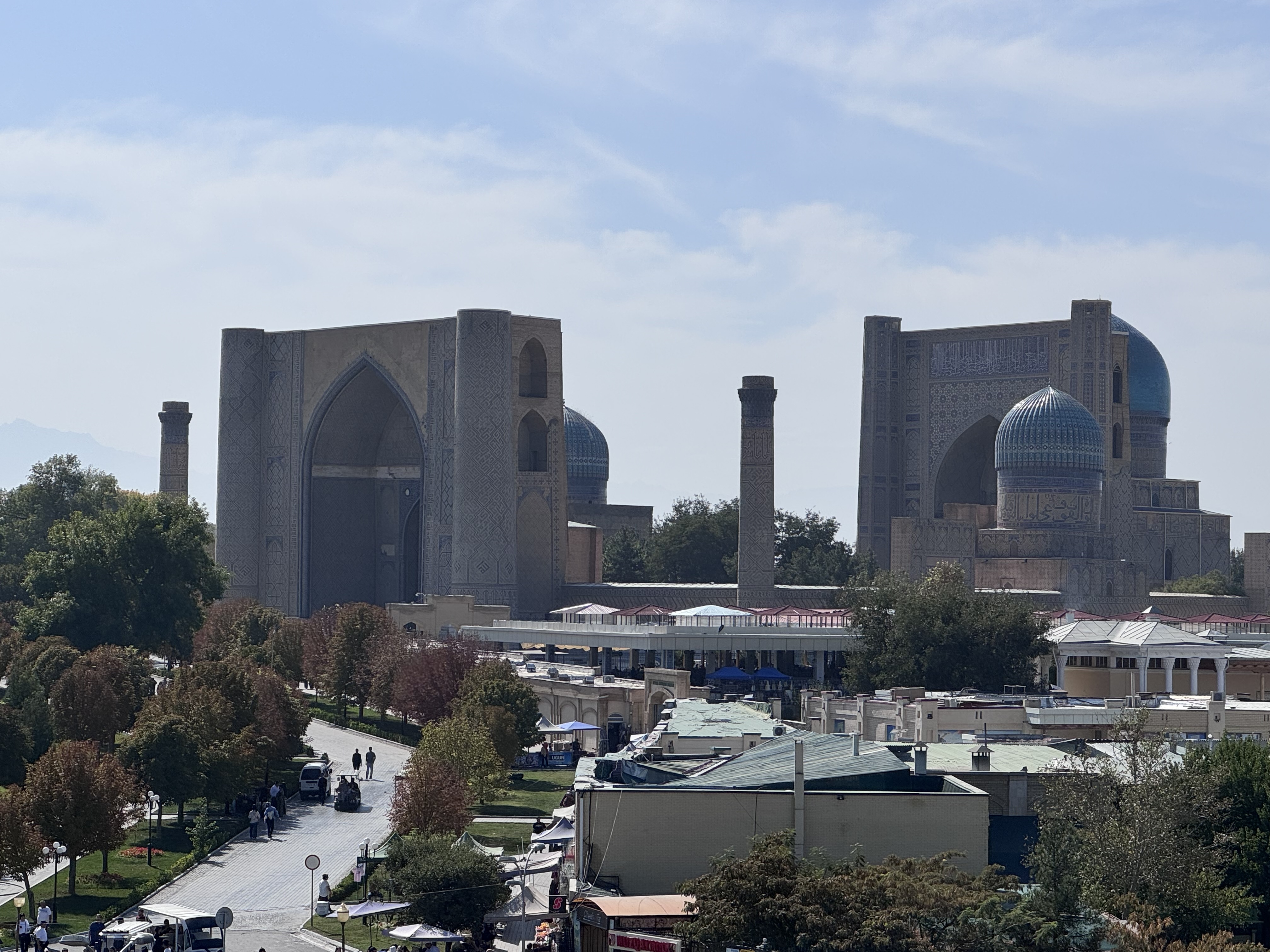
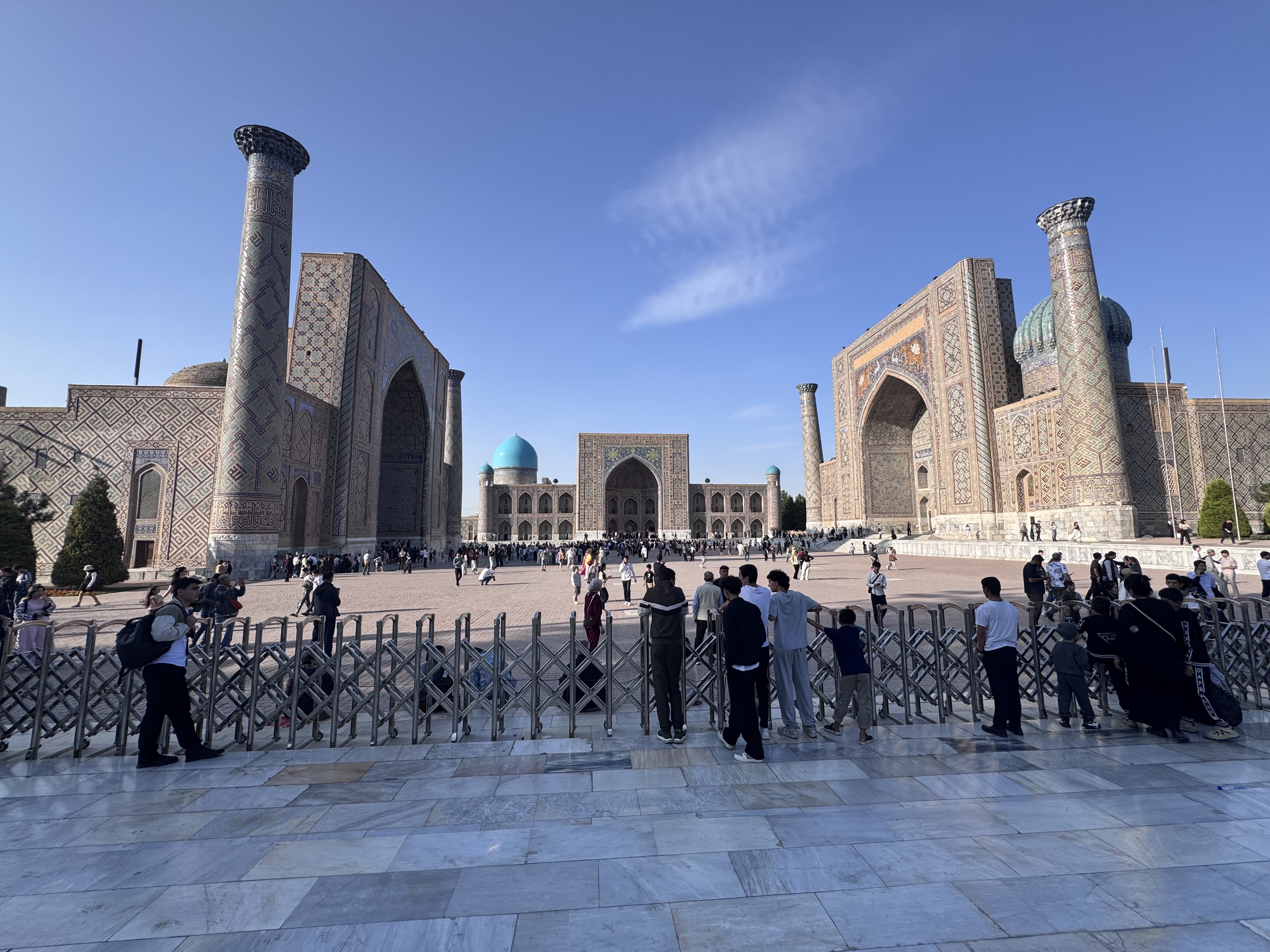
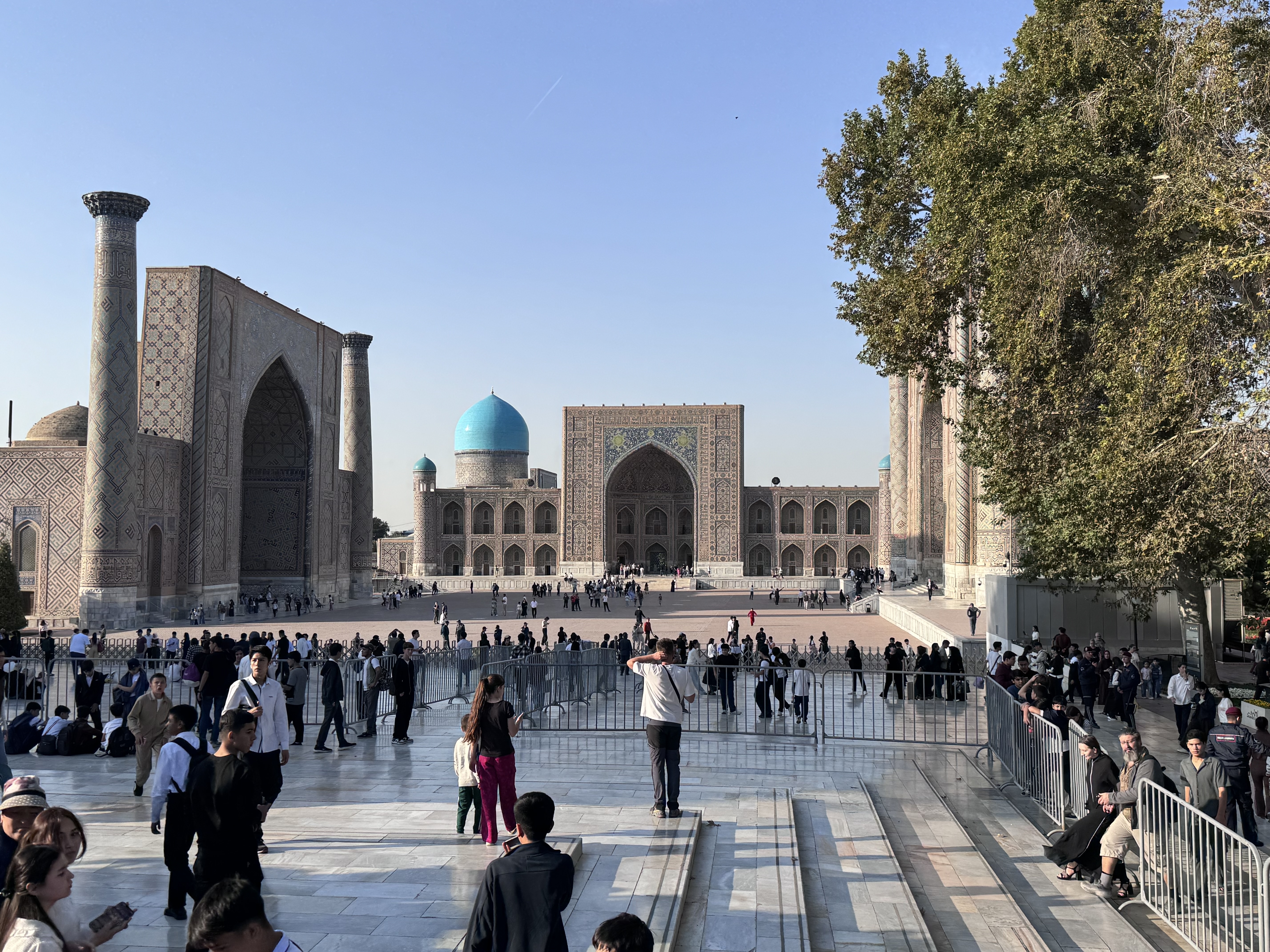
Samarkand ranks among the oldest continuously inhabited cities in Central Asia, with evidence of settlement in the Zerafshan River valley stretching back more than two and a half millennia. Known in antiquity as Maracanda, it served as the capital of Sogdiana and was captured by Alexander the Great in 329 BC.
Over the following centuries it passed under successive Iranian, Turkic, and Arab rule, flourishing as a major Silk Road trading and craft center. In 1220 Genghis Khan’s Mongol armies destroyed much of the city.
After a period of recovery it rose to its greatest prominence when Timur, known in the West as Tamerlane, chose it as the capital of his vast empire in the late fourteenth century. Under the Timurid dynasty, especially during the reign of Timur’s grandson Ulugh Beg, Samarkand became a brilliant hub of architecture, science, and Islamic learning.
The city later declined, was absorbed into the Khanate of Bukhara, and stood largely deserted for decades in the eighteenth century ...