

Bắc Mỹ An Market, also known as Chợ Bắc Mỹ An, takes its name from the Bắc Mỹ An Ward where it stands in what used to be District 3 of Da Nang during the Republic of Vietnam era before 1975.
The market has served the local community in some form for more than eighty years, beginning as an informal open-air trading spot in the 1940s where villagers gathered to sell fresh seafood, produce, and everyday goods near the coast.
Formal construction of the covered structure started on 19 May 1990, transforming the spontaneous gathering into an organized wet market with dedicated sections for fresh goods and food stalls.
Over the following decades it remained a traditional daily-life market focused on groceries, but its location right beside the University of Economics drew waves of students and residents in the 1990s and 2000s, sparking the growth of dozens of affordable street-food stalls.
By the 2010s it had earned a city-wide reputation as a genuine food paradise while still functioning as a ...


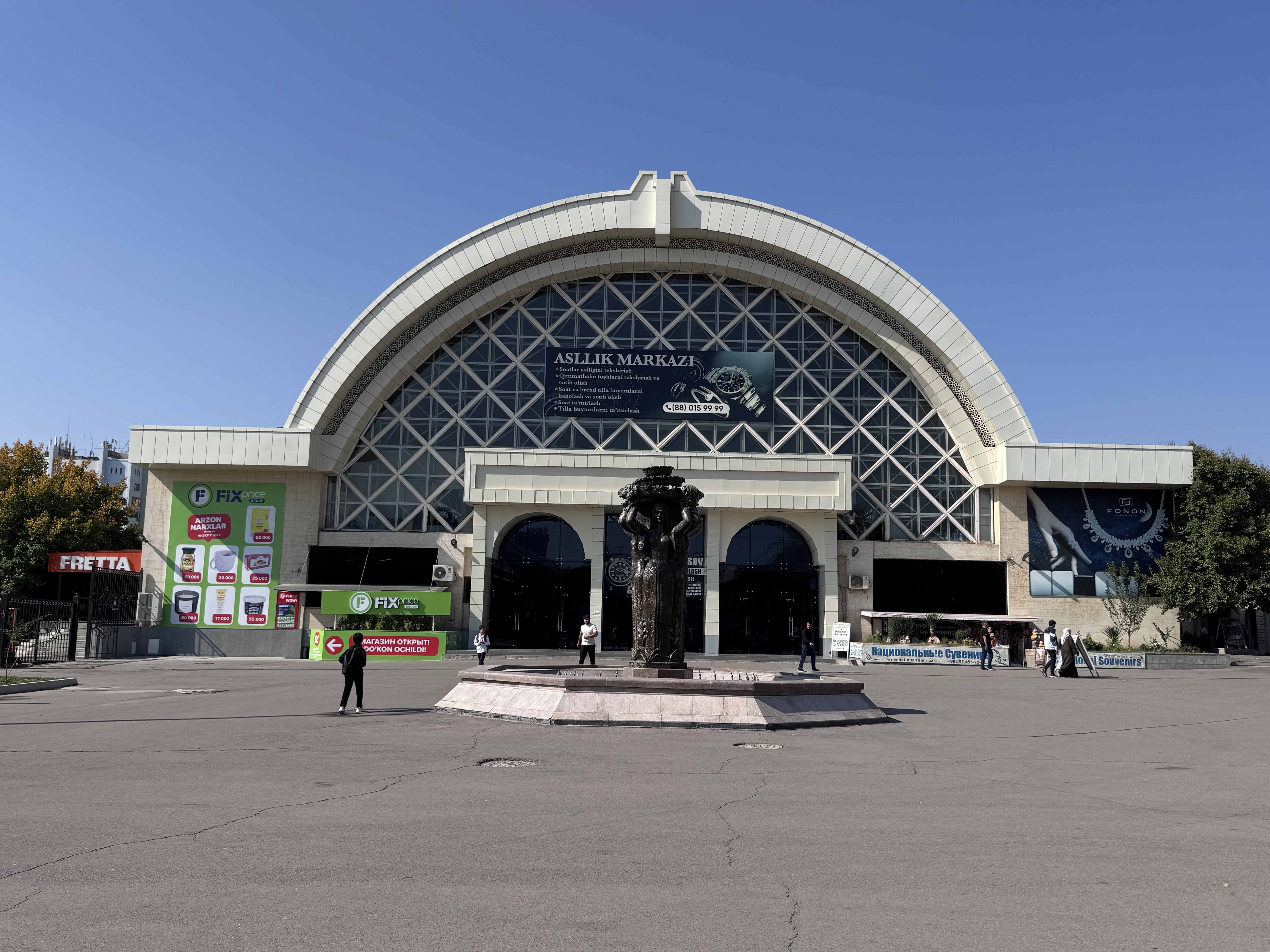
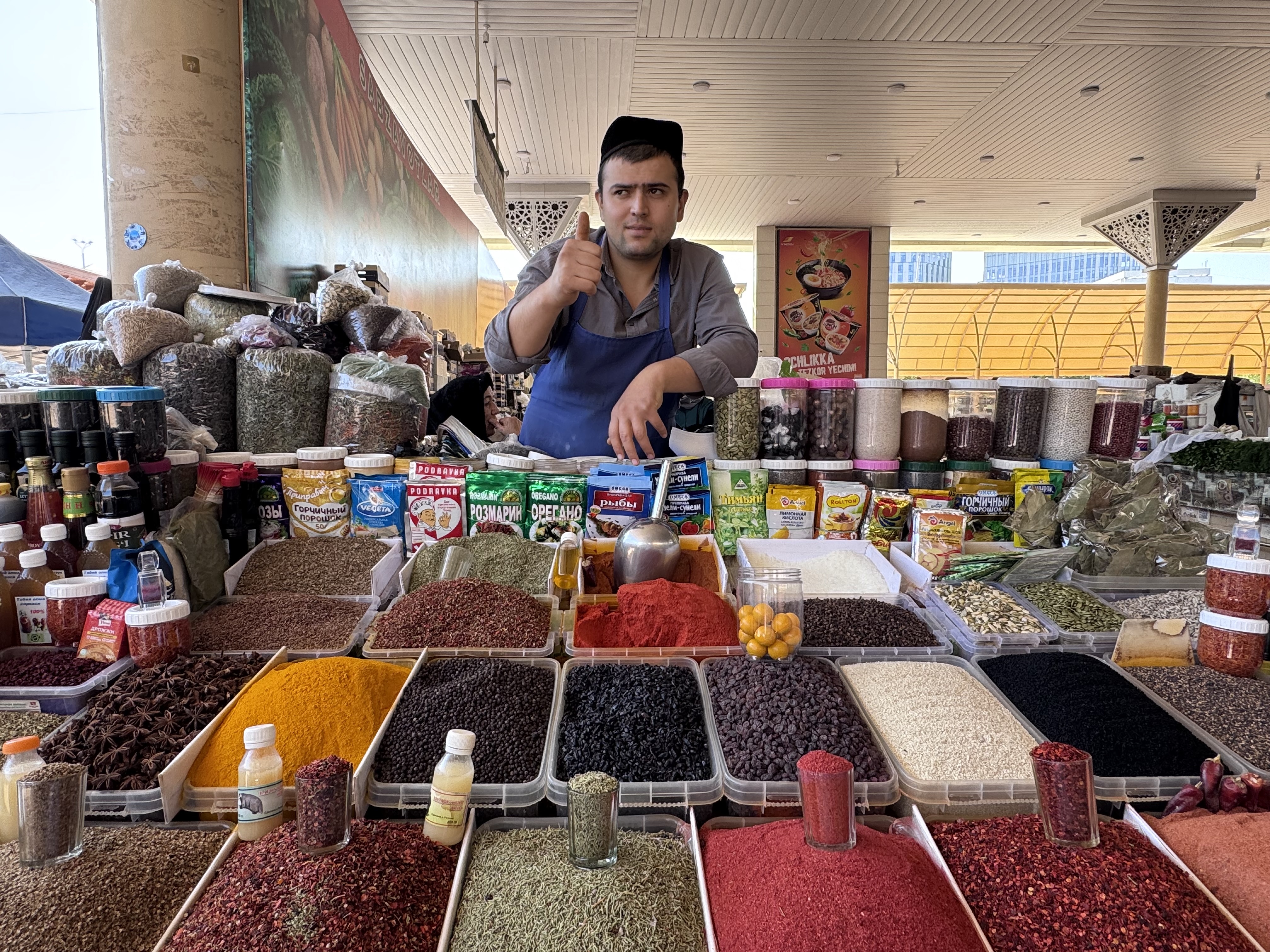
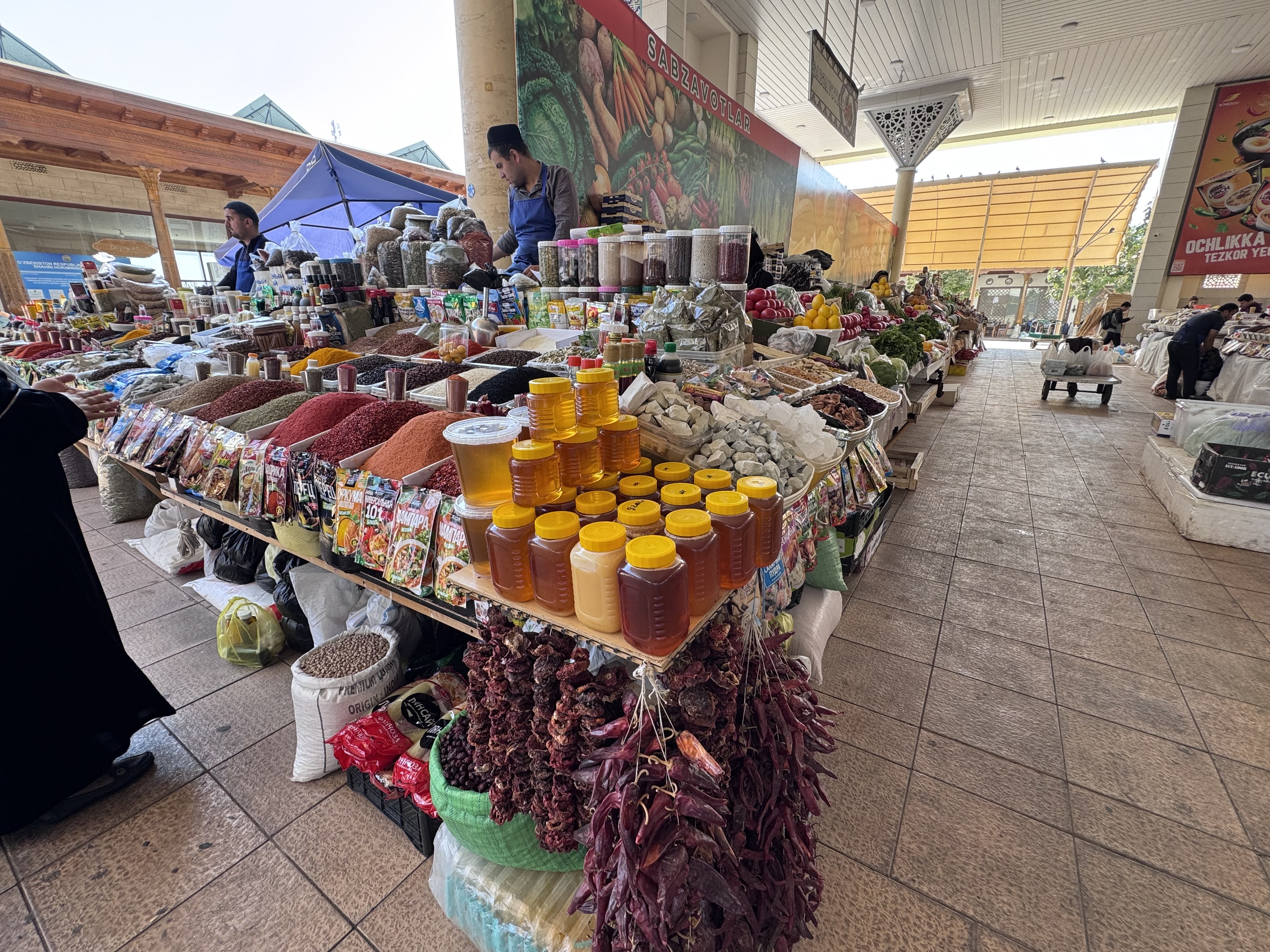
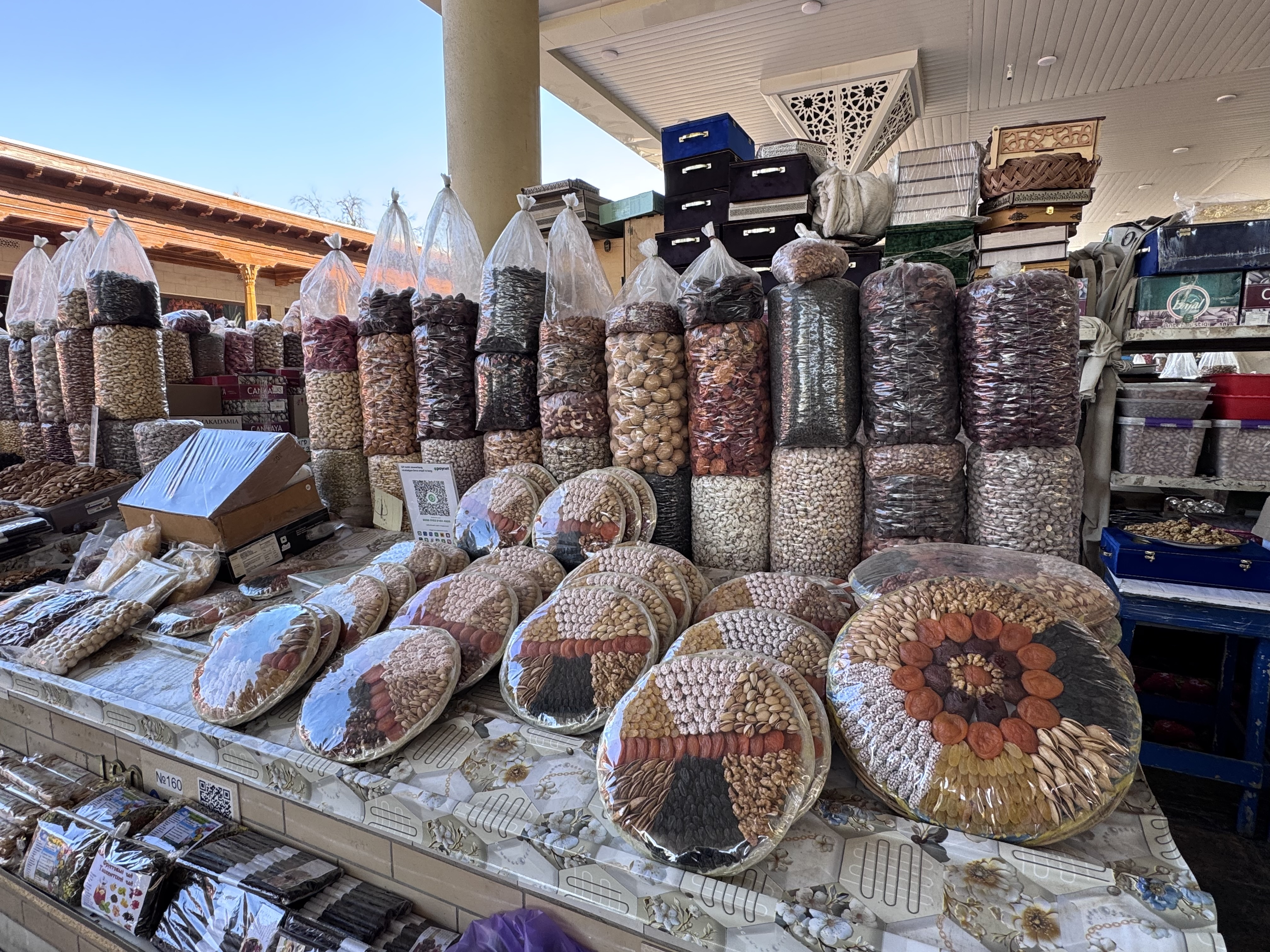
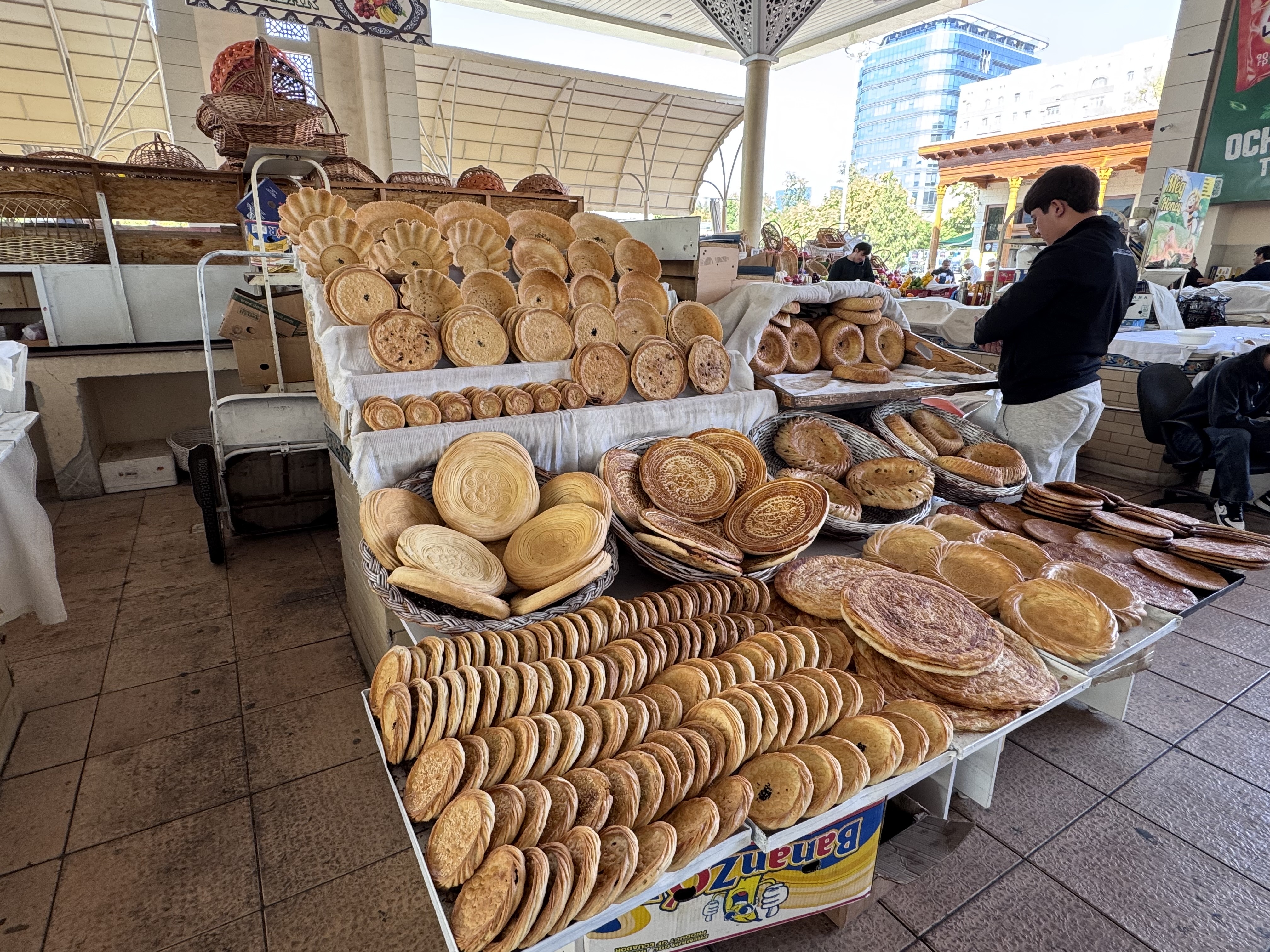
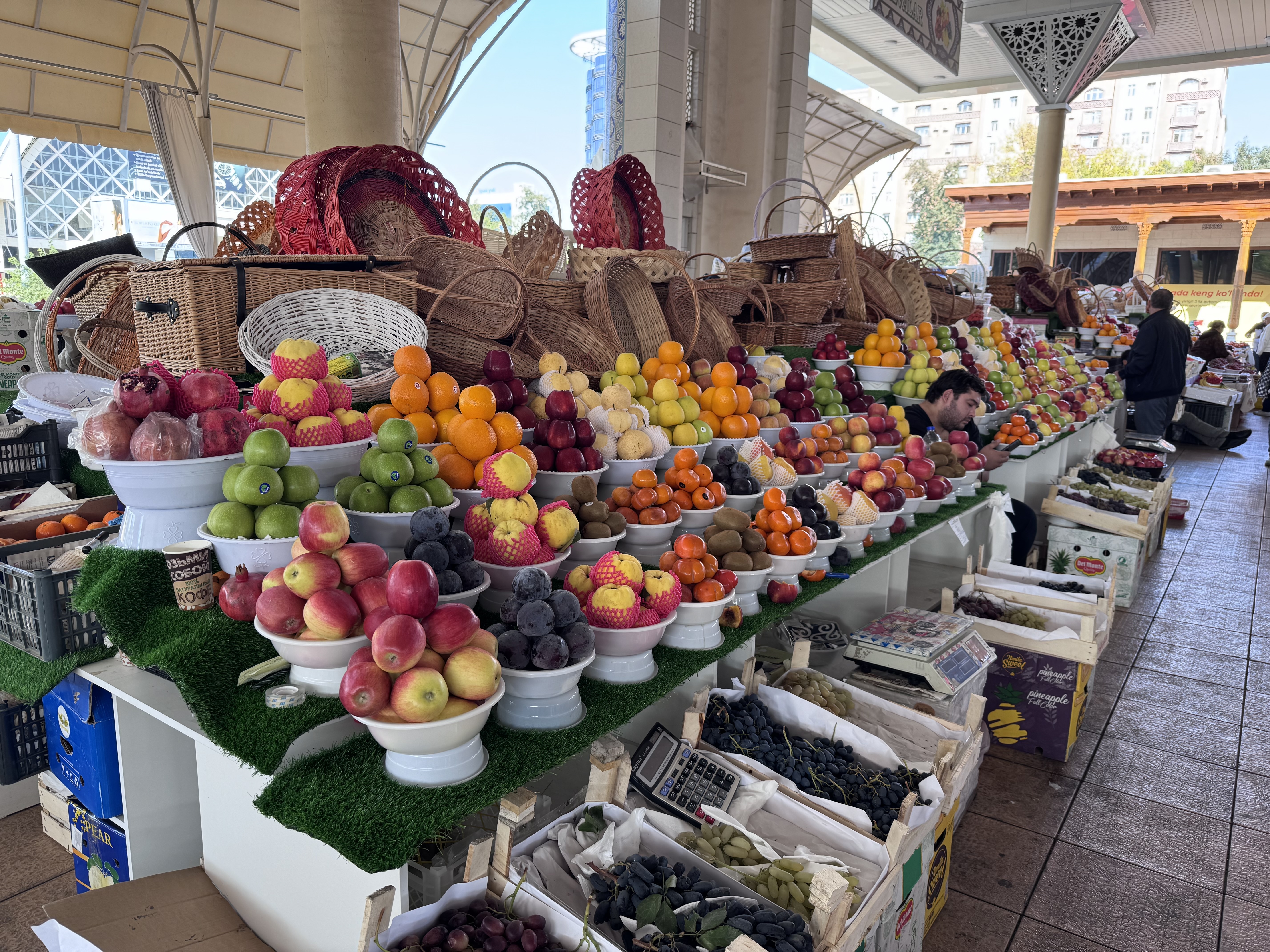
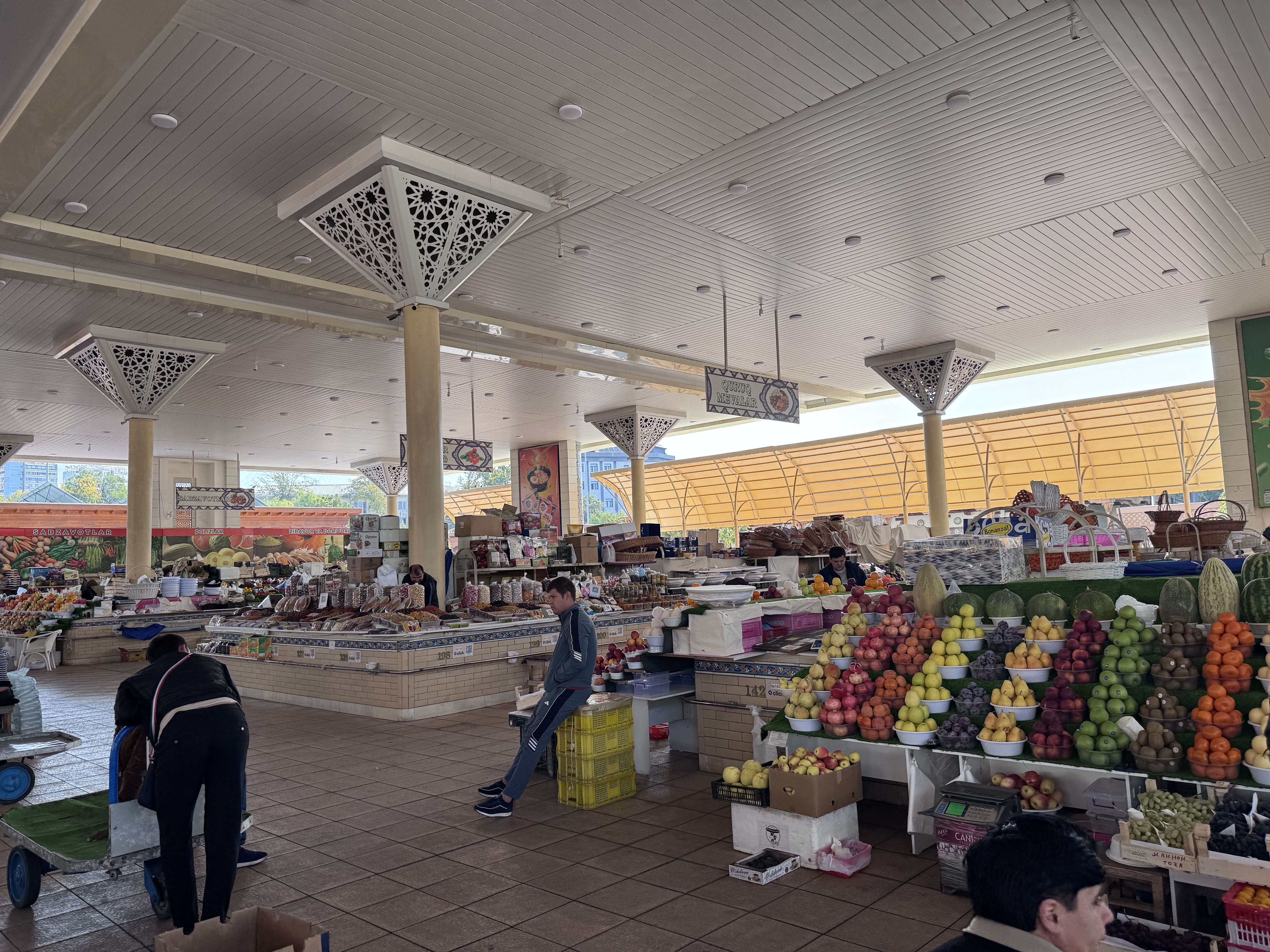
Alay Bazaar, known in Uzbek as Oloy Bozori, is one of the oldest and most well-known markets in Tashkent, Uzbekistan. It sits in the Yunusabad district in the central part of the city and occupies roughly 7.8 hectares. The market is easily reached by metro at the nearby Abdulla Qodiriy station and remains a popular destination for both locals and visitors seeking fresh produce and traditional goods.
There is no single agreed origin for the bazaar or its name. One popular legend links it to the Silk Road era, claiming that trade took place as early as the 12th or 13th century near a mountain called Oloy (or Alay) along the caravan route running from Eastern Turkestan through the Fergana Valley, where livestock and meat were exchanged. A more historically grounded account, supported by architect A. Ziyayev in his book on Tashkent’s bazaars and accepted by many local sources, places the market’s beginnings in the second half of the 19th century.
After the Russian conquest of Tashkent, the city ...
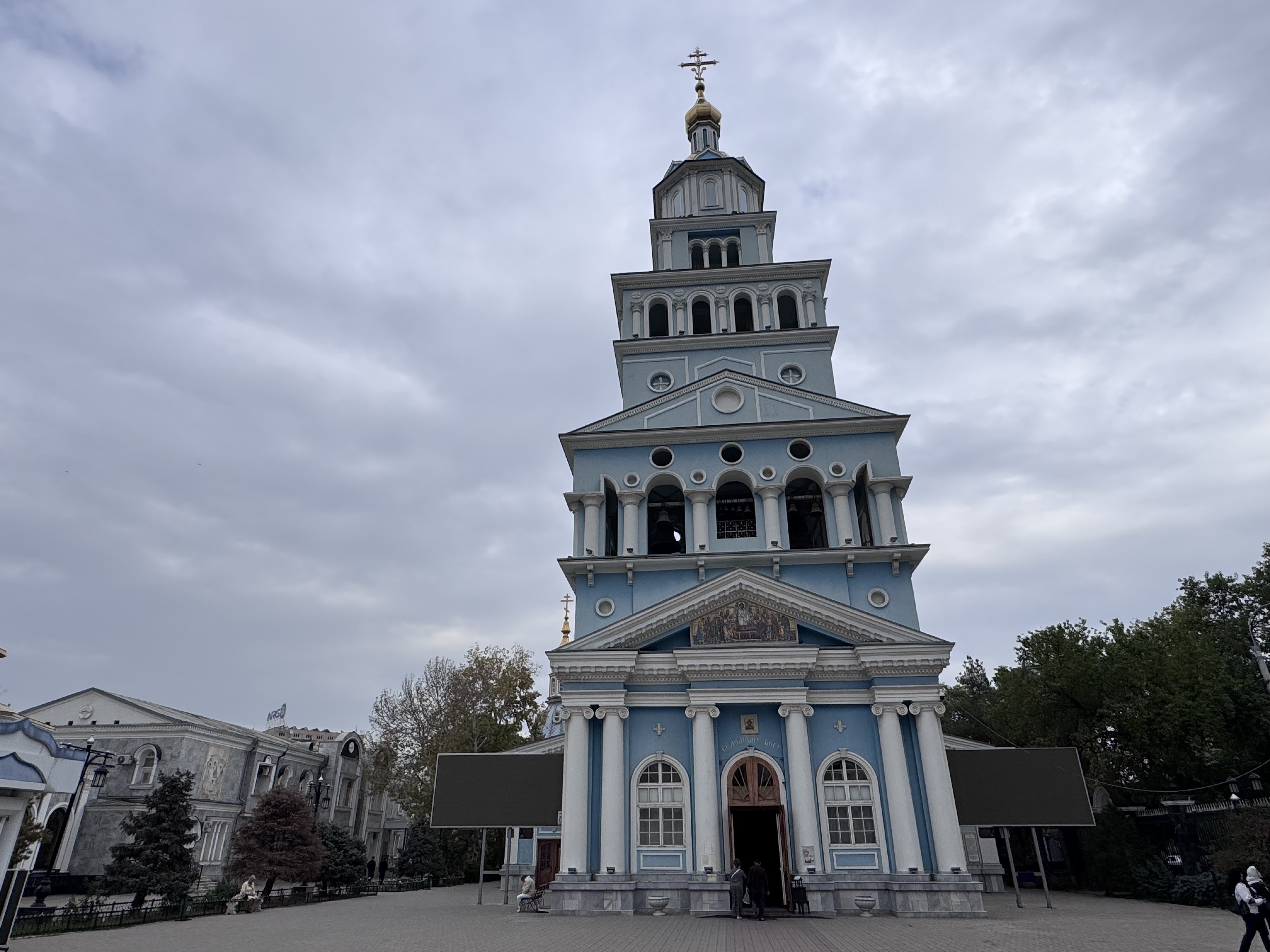
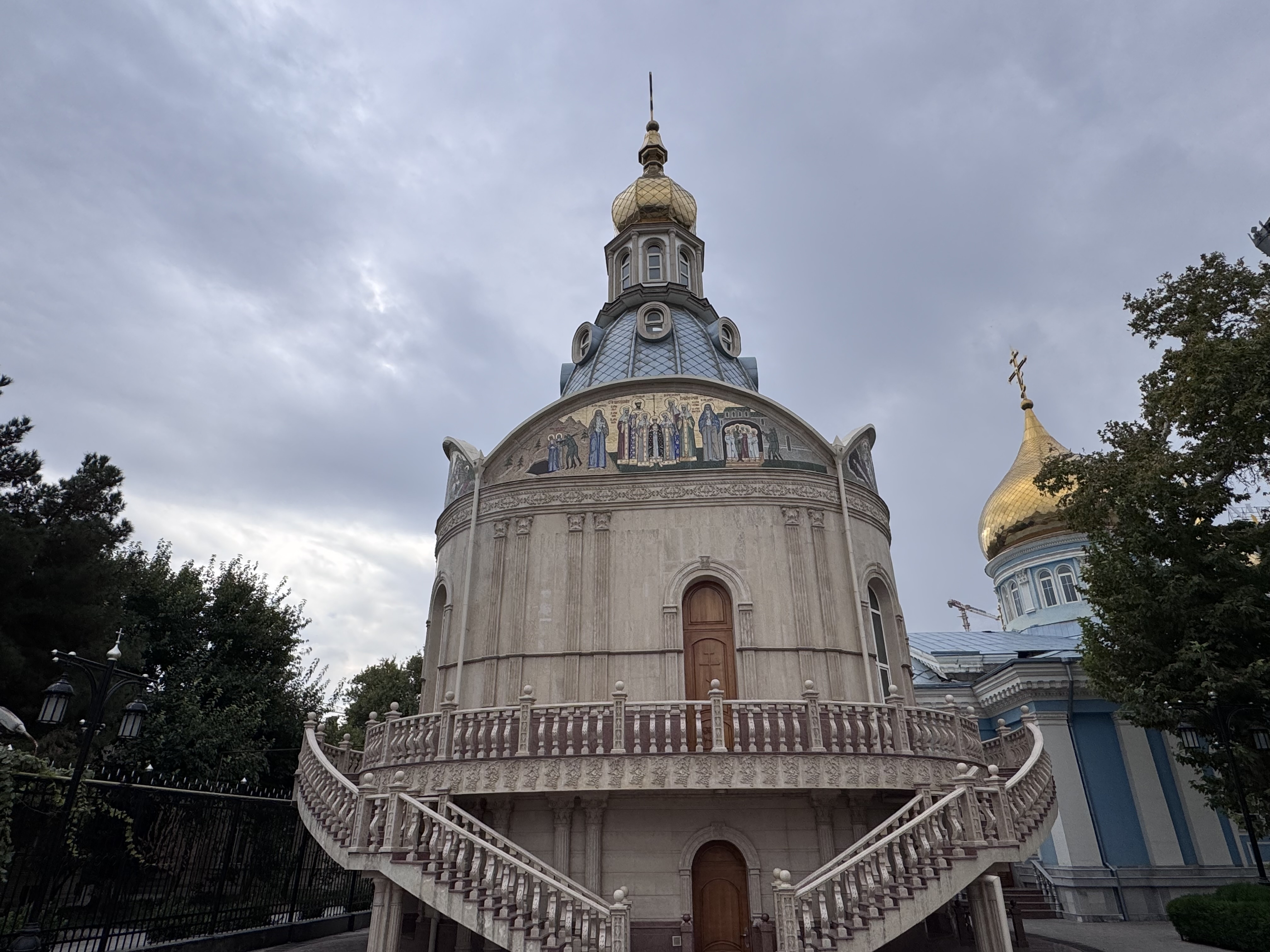
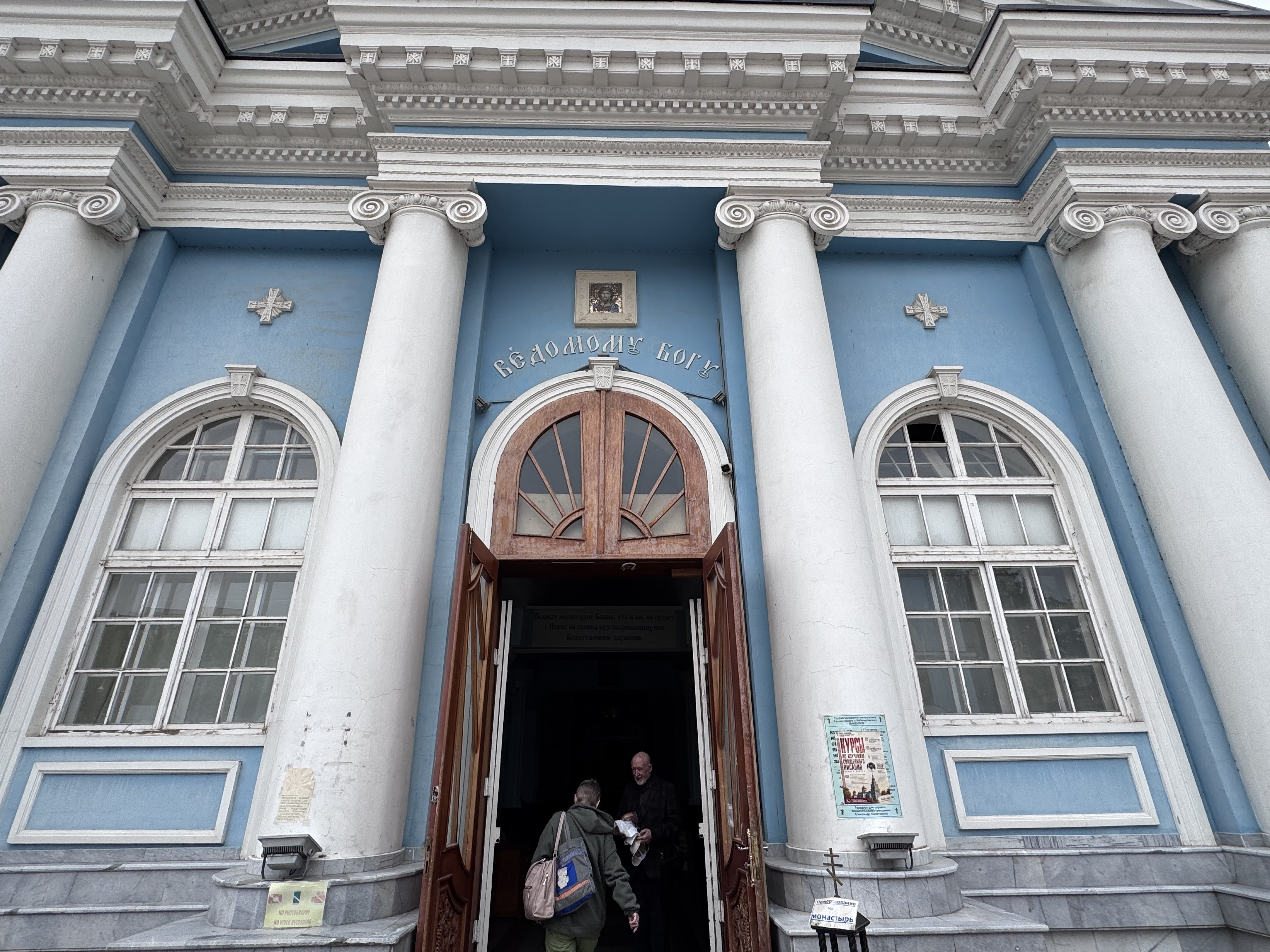
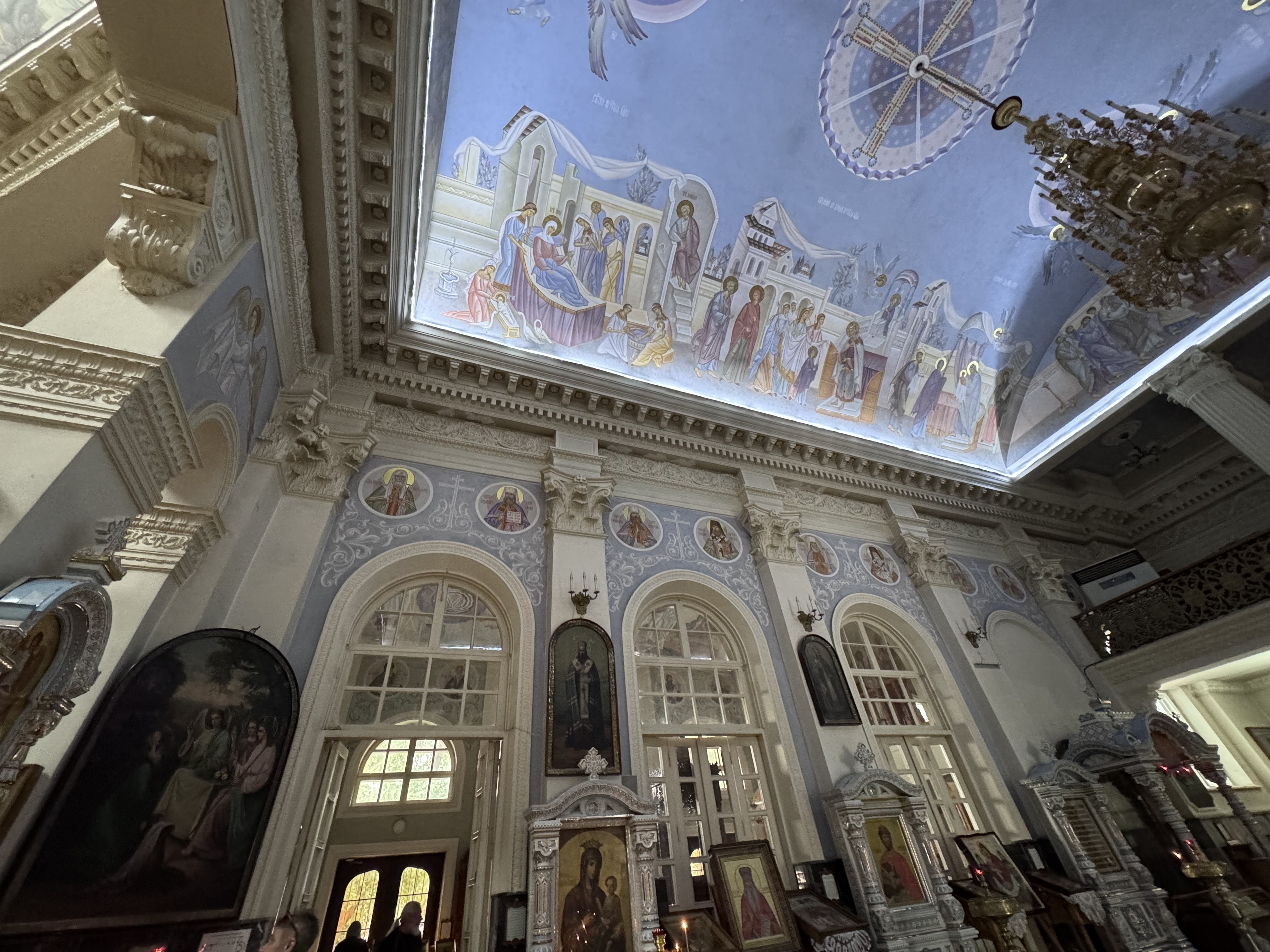
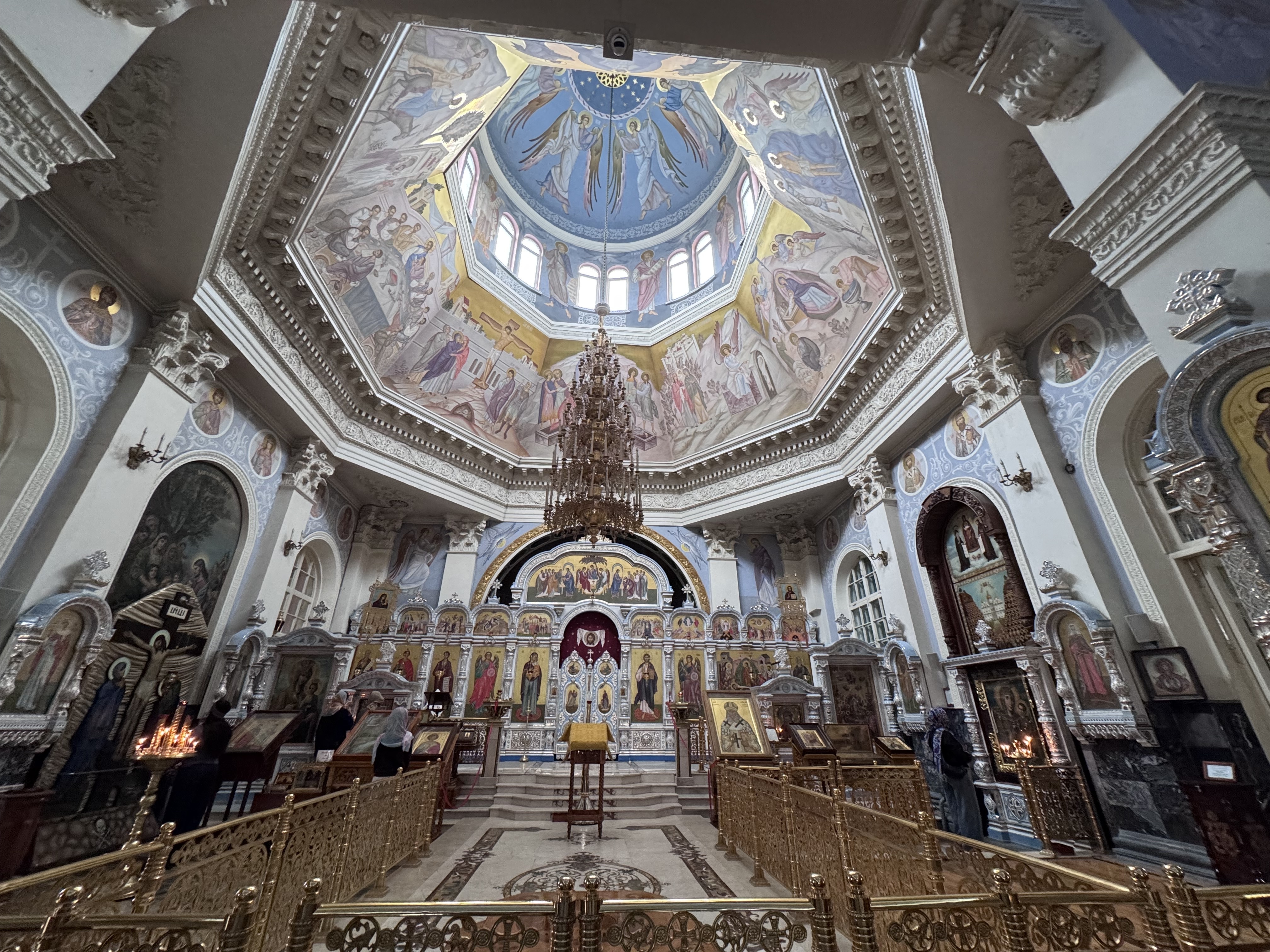
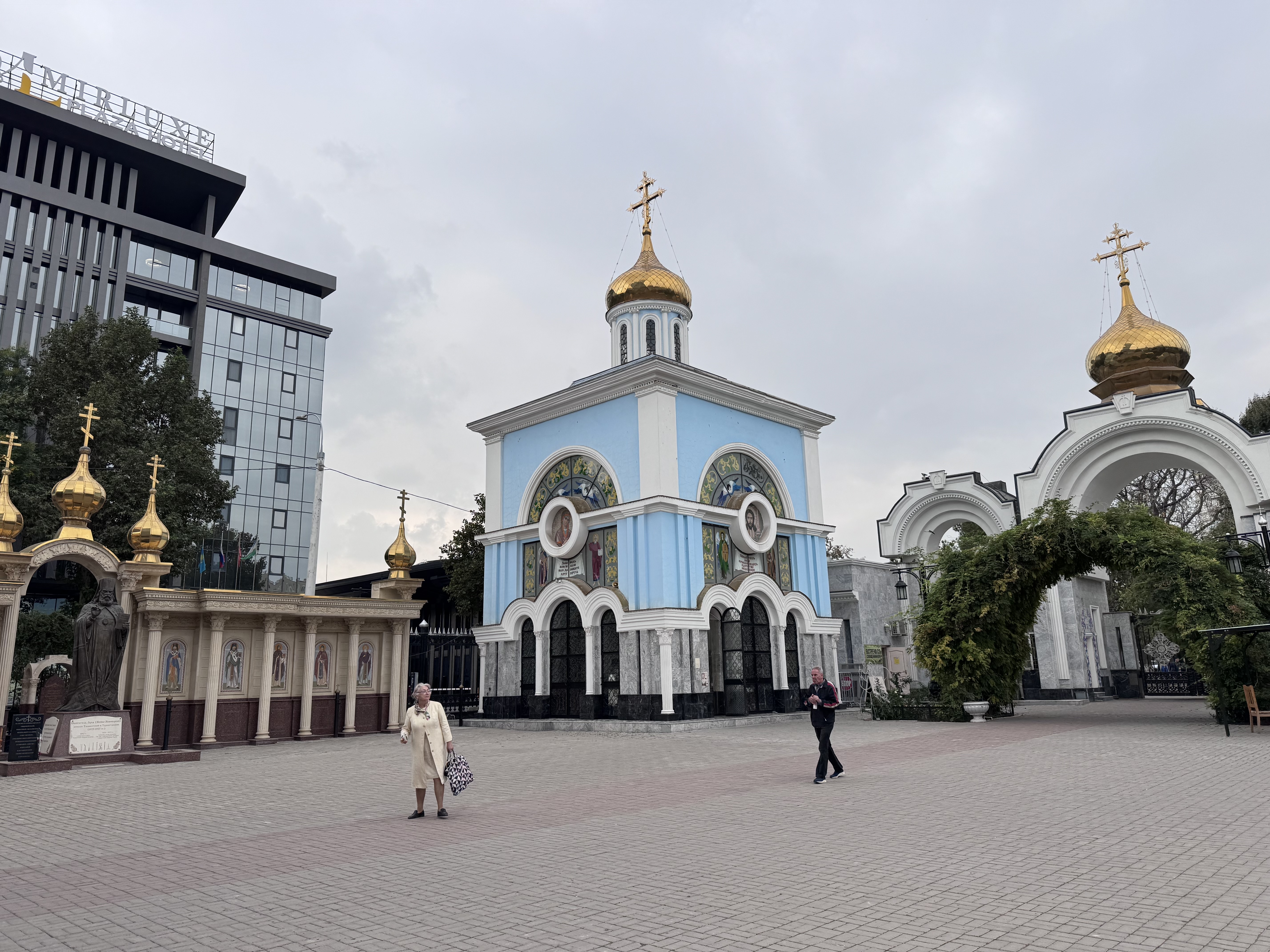
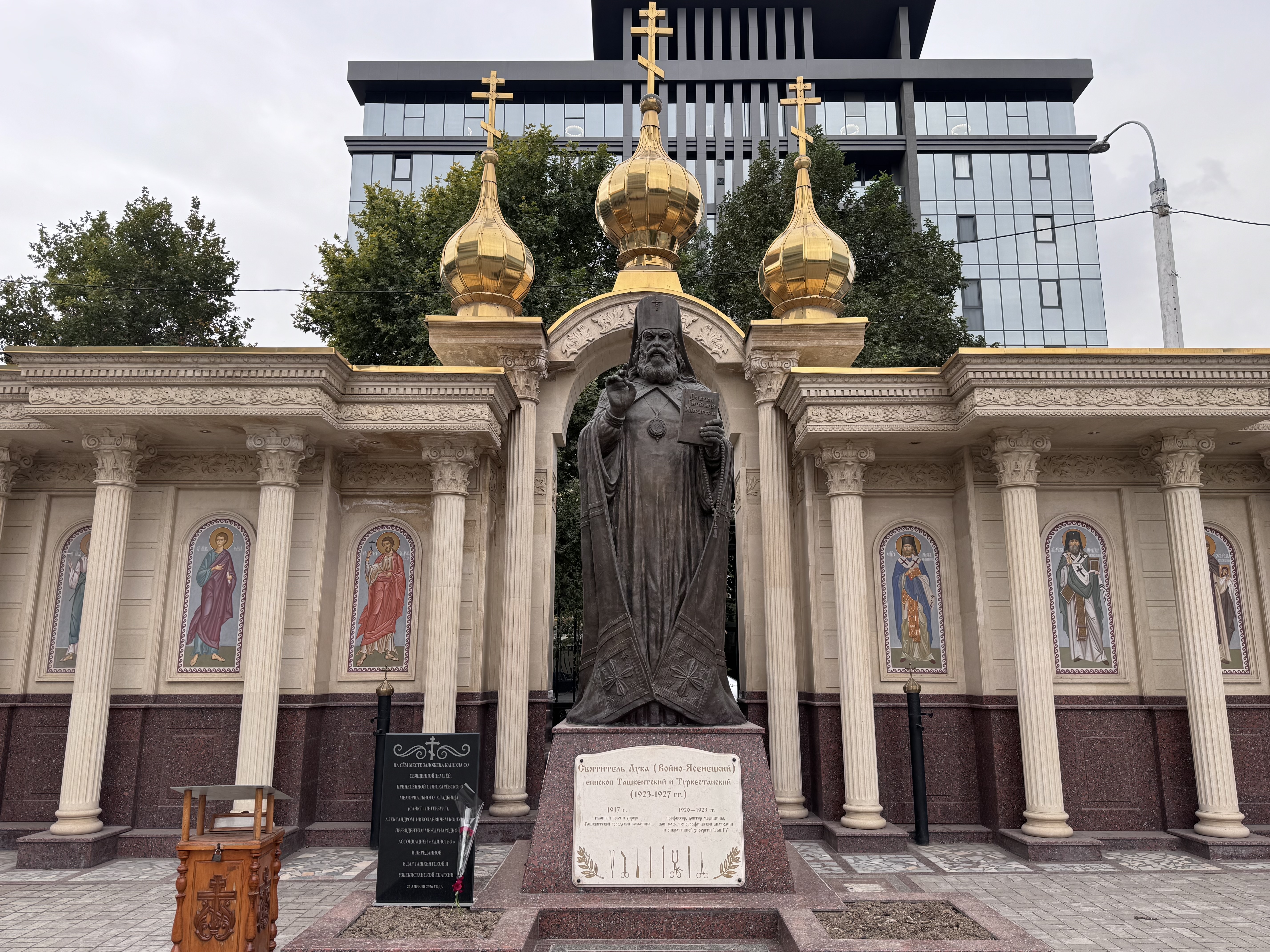
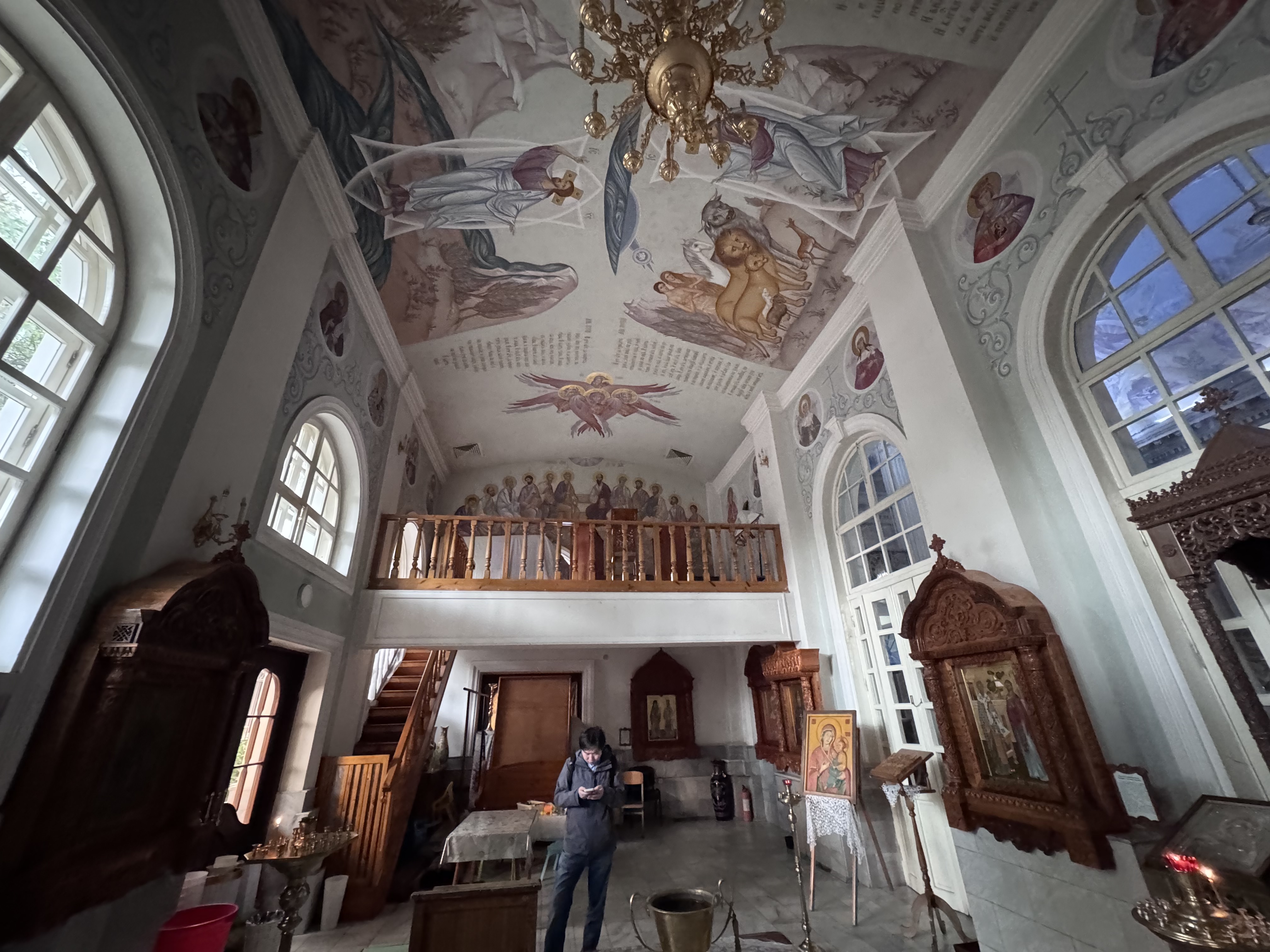
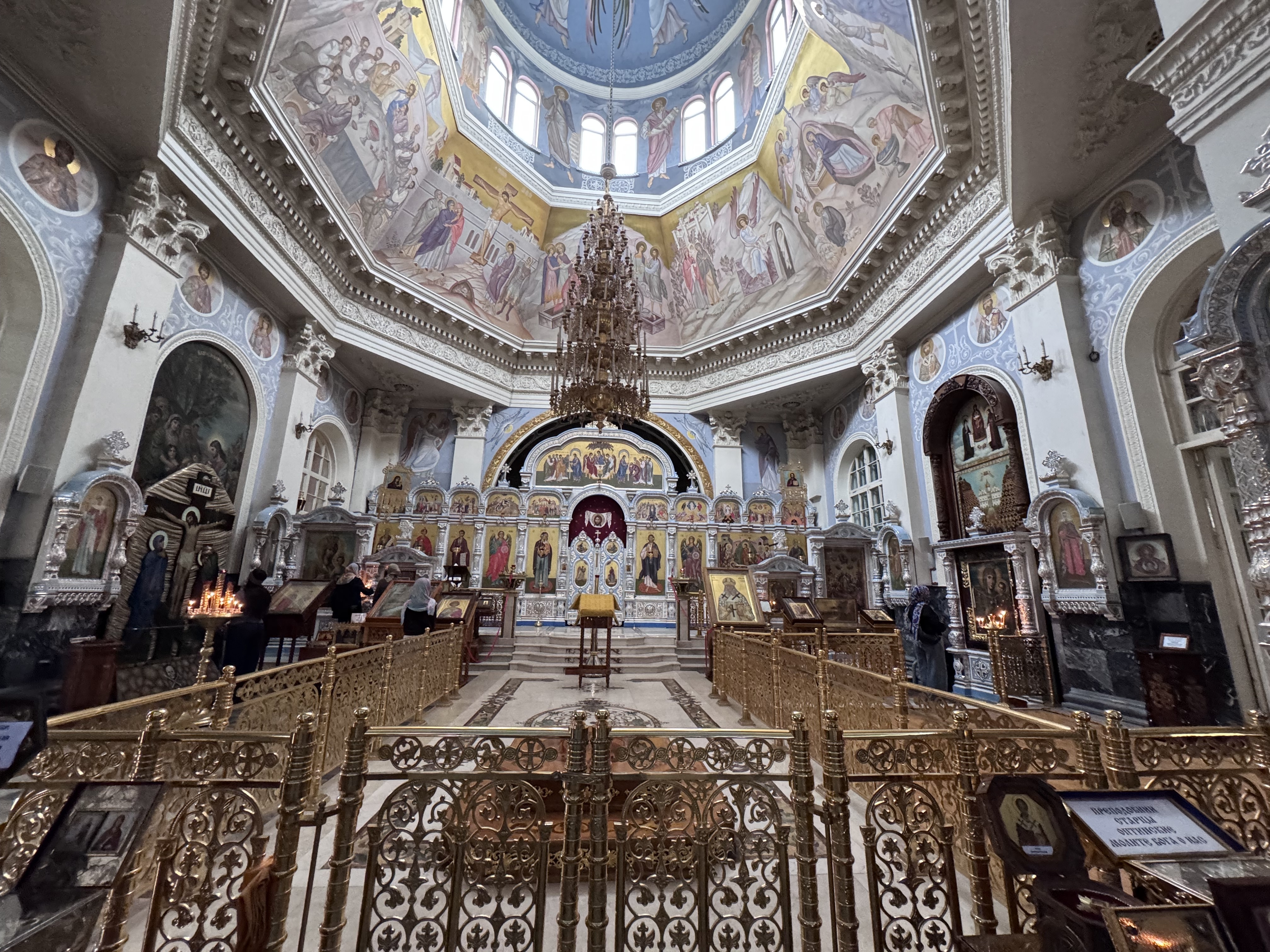
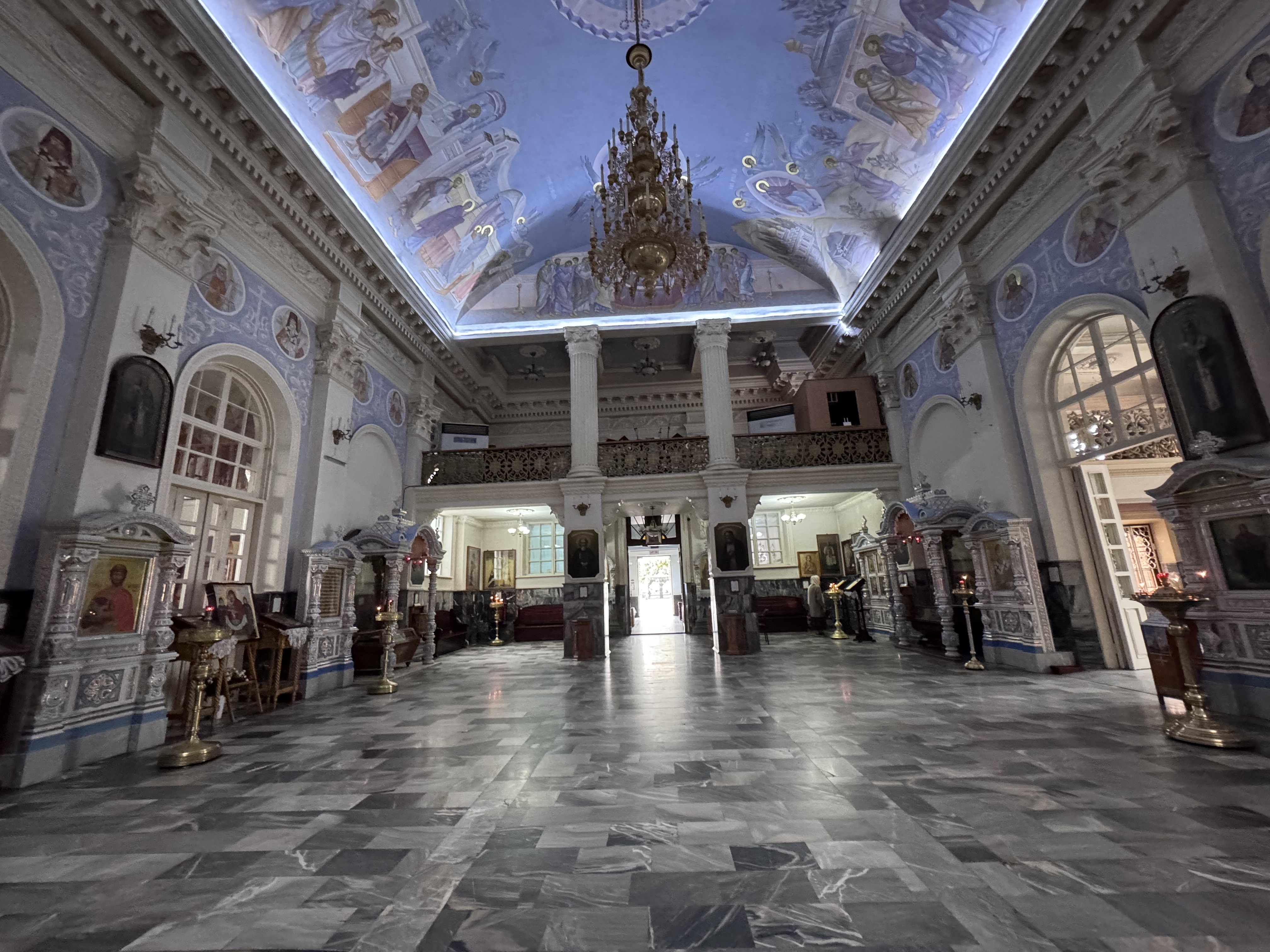
The Holy Assumption Cathedral in Tashkent, formally the Cathedral of the Dormition of the Mother of God, is the principal Russian Orthodox cathedral of the local diocese.
It originated in 1871 as a modest church dedicated to the healer Saint Panteleimon, built beside a military hospital and cemetery during the period of Russian expansion into Central Asia. Growing numbers of worshippers led to construction of a larger brick church between 1877 and 1878, financed by local donations including major gifts from Governor-General Konstantin von Kaufman and merchant Dmitry Zakho; it was consecrated on 31 January 1879.
After the Revolution the parish was assigned to the Renovationist movement. Worship ceased in 1933 and the building served as a military sanitary depot until the end of the Second World War. Returned to the faithful in December 1945, it was reconsecrated in honor of the Dormition of the Mother of God and became the cathedral of the Tashkent Diocese.
Between 1958 and 1960 it was ...
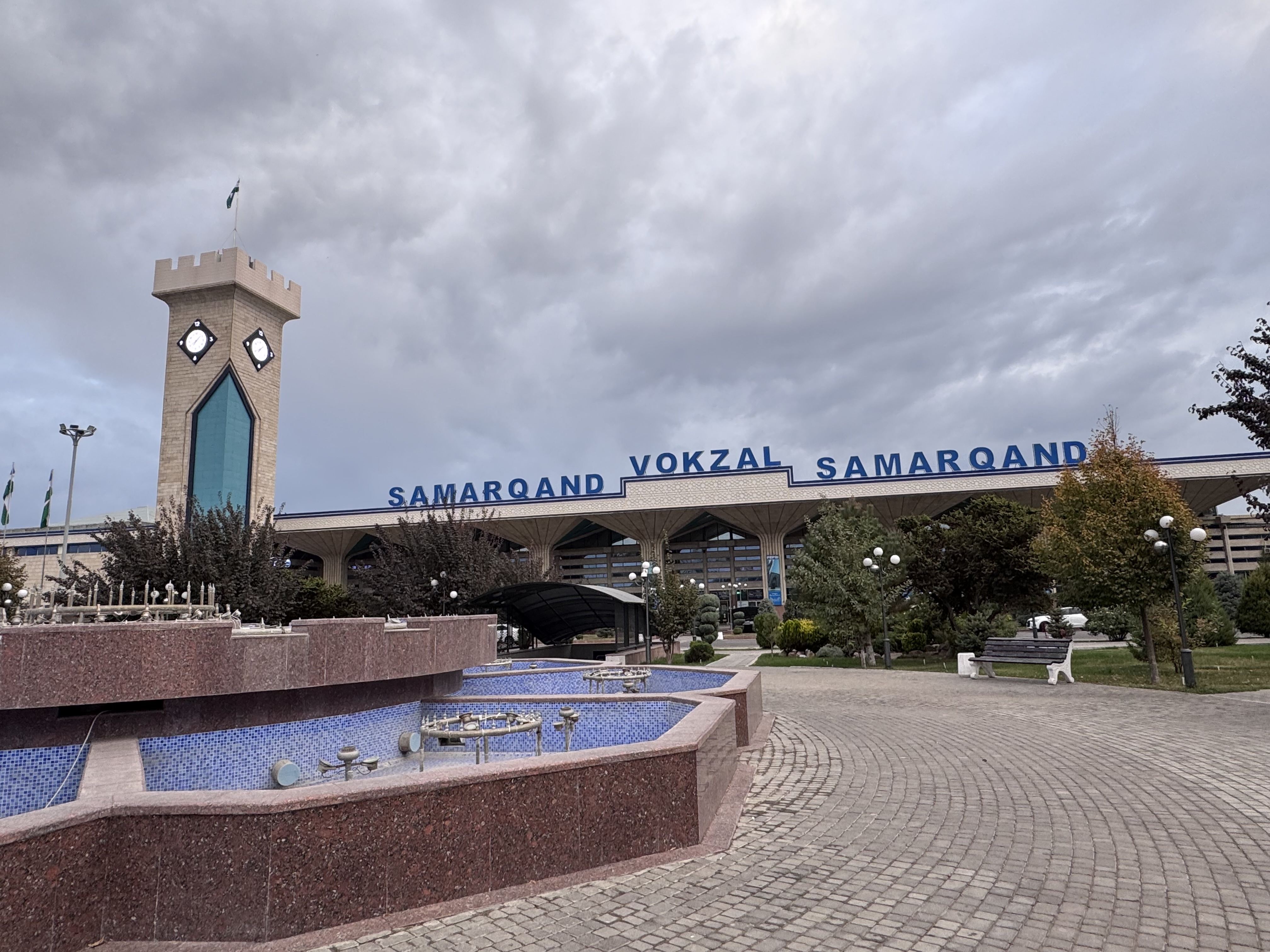
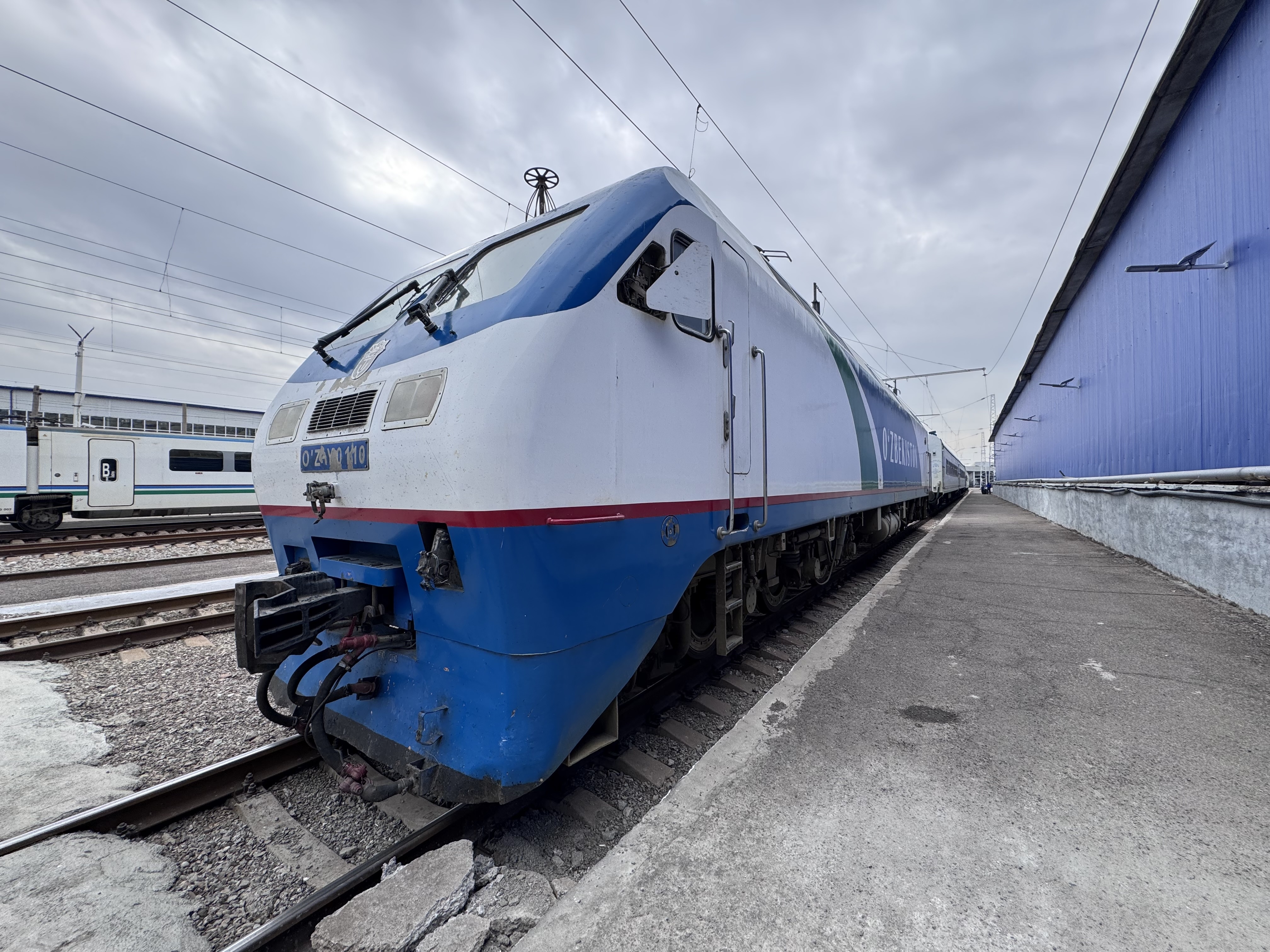
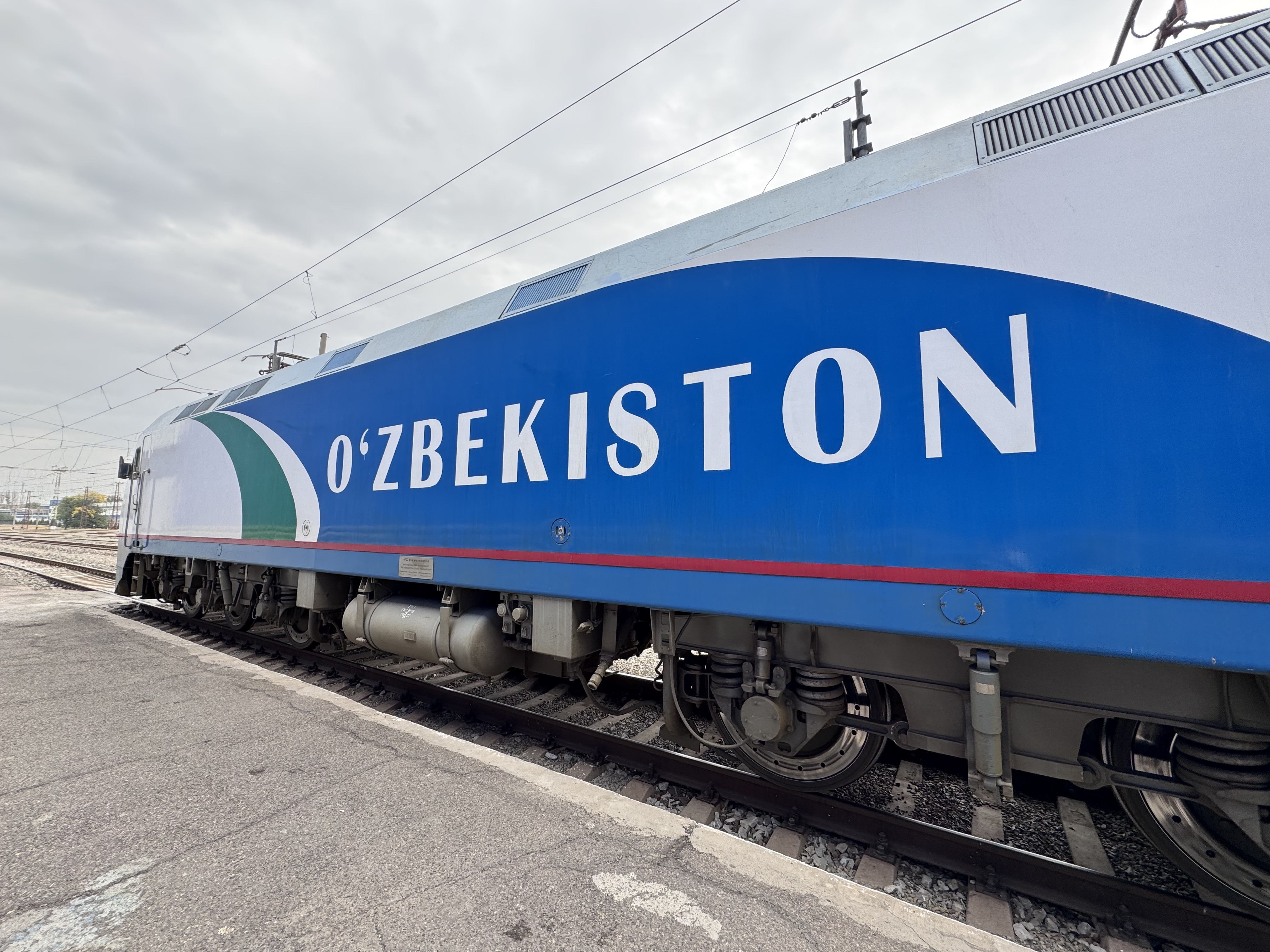
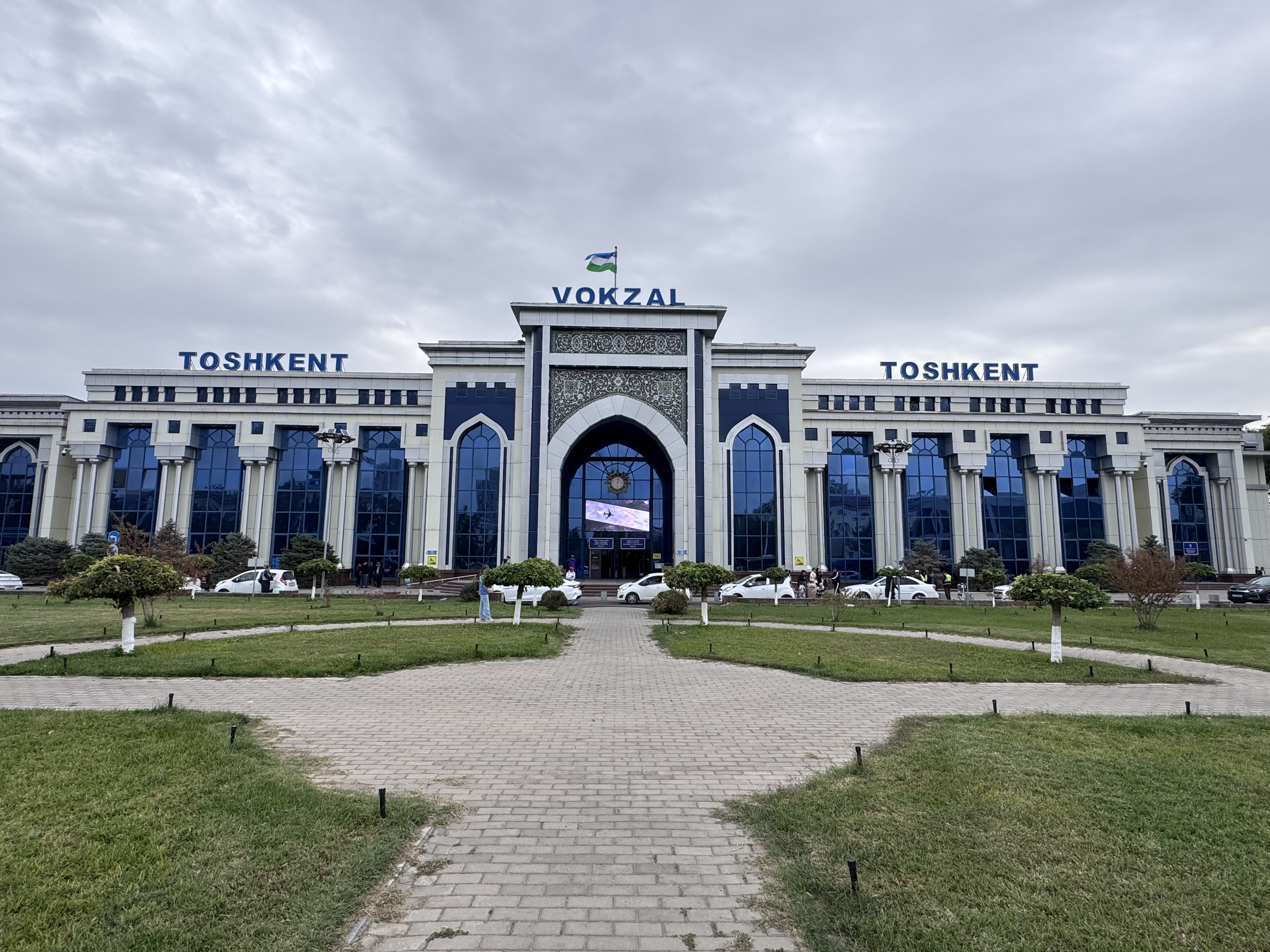
The railway network of Uzbekistan traces its roots to the late nineteenth century when the Russian Empire built the Trans-Caspian line across the region. During the Soviet period the system expanded into a dense network of broad-gauge tracks that linked industrial centers and agricultural zones.
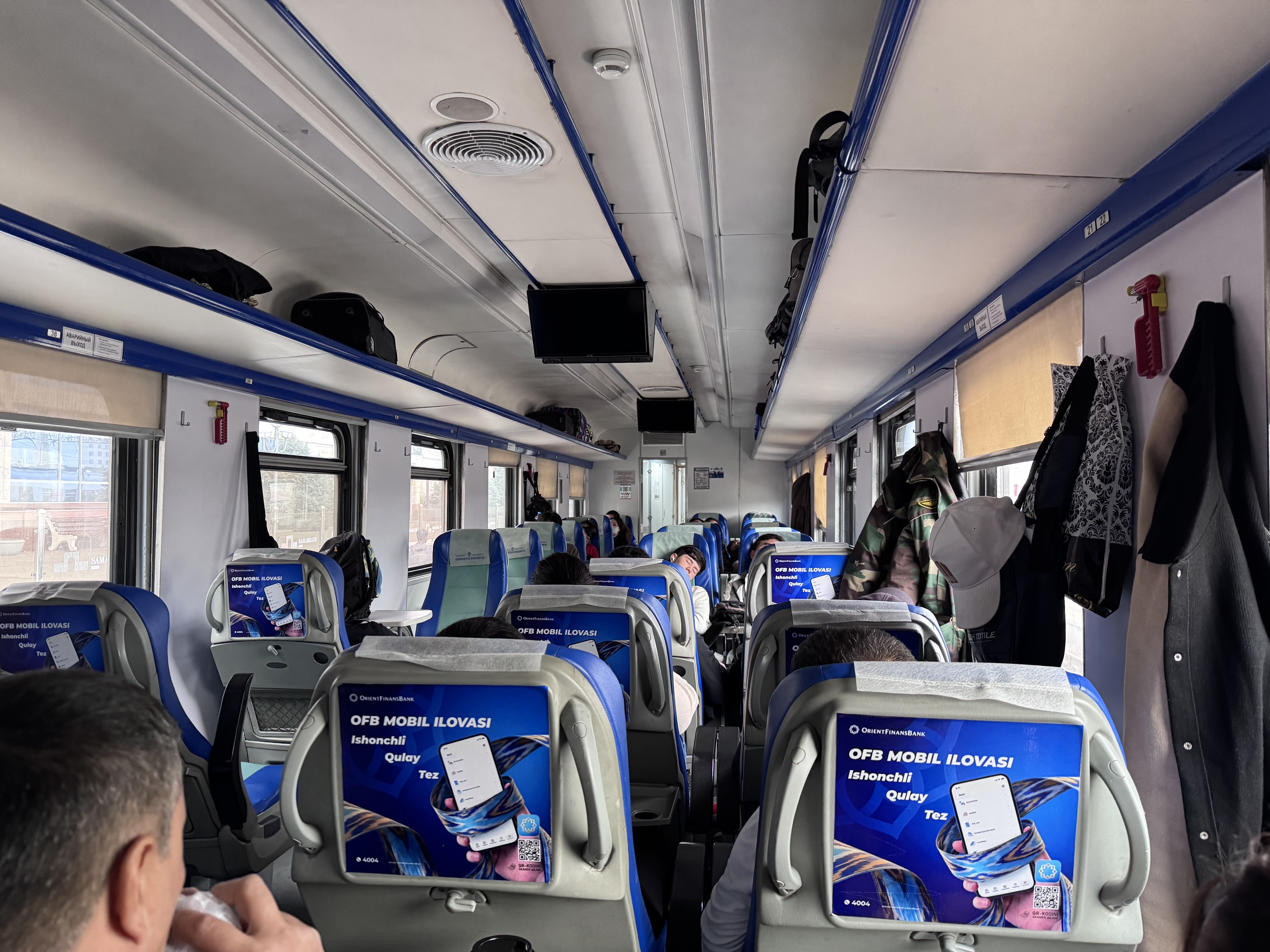
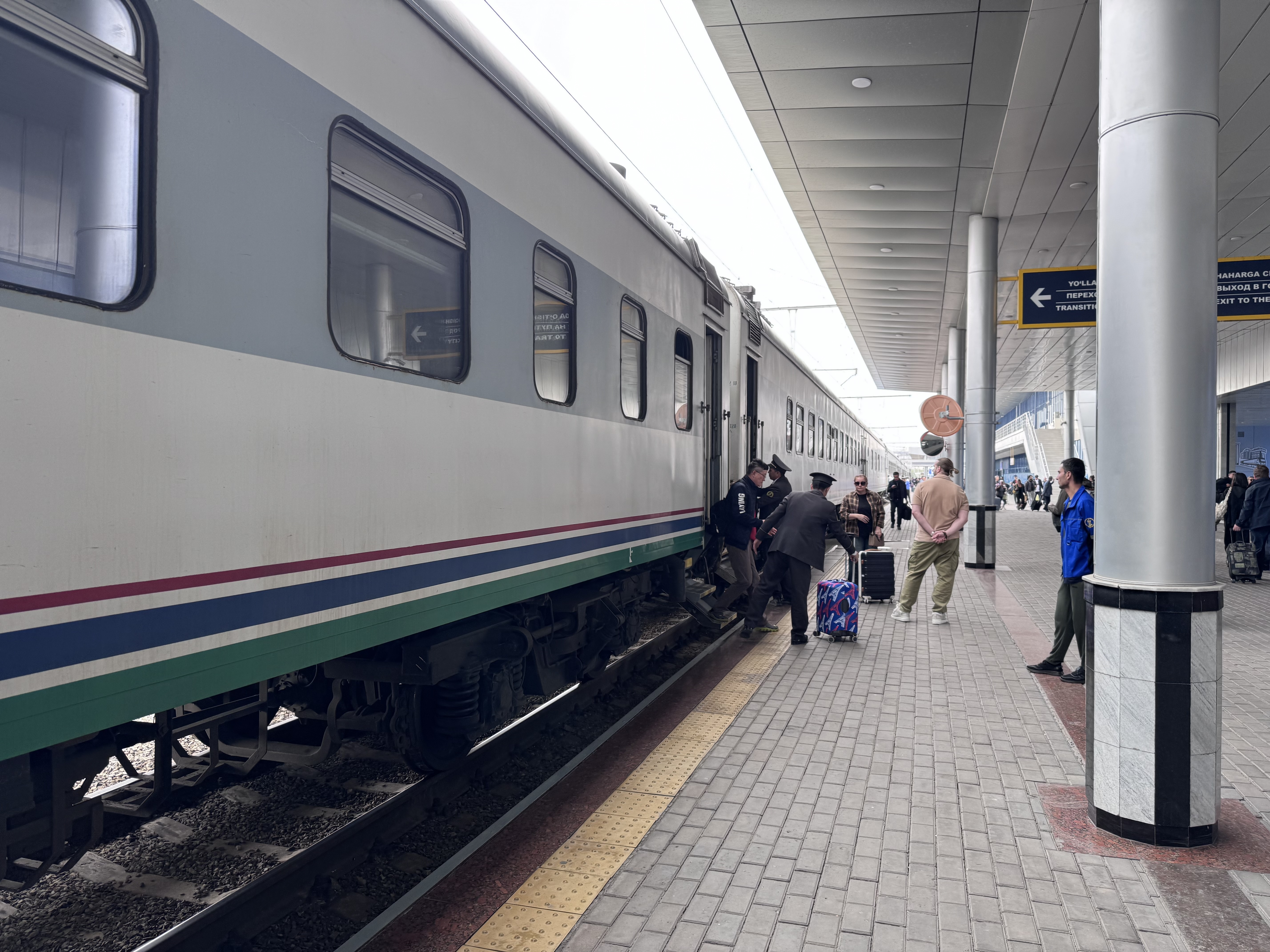
After independence the country began modernizing its rails, focusing first on passenger comfort and then on speed. High-speed services arrived in 2011 with the Spanish-built Afrosiyob trains and expanded further in 2026 with the Korean-built Jaloliddin Manguberdi, yet many travelers still choose the reliable standard trains that continue to form the backbone of everyday intercity travel.
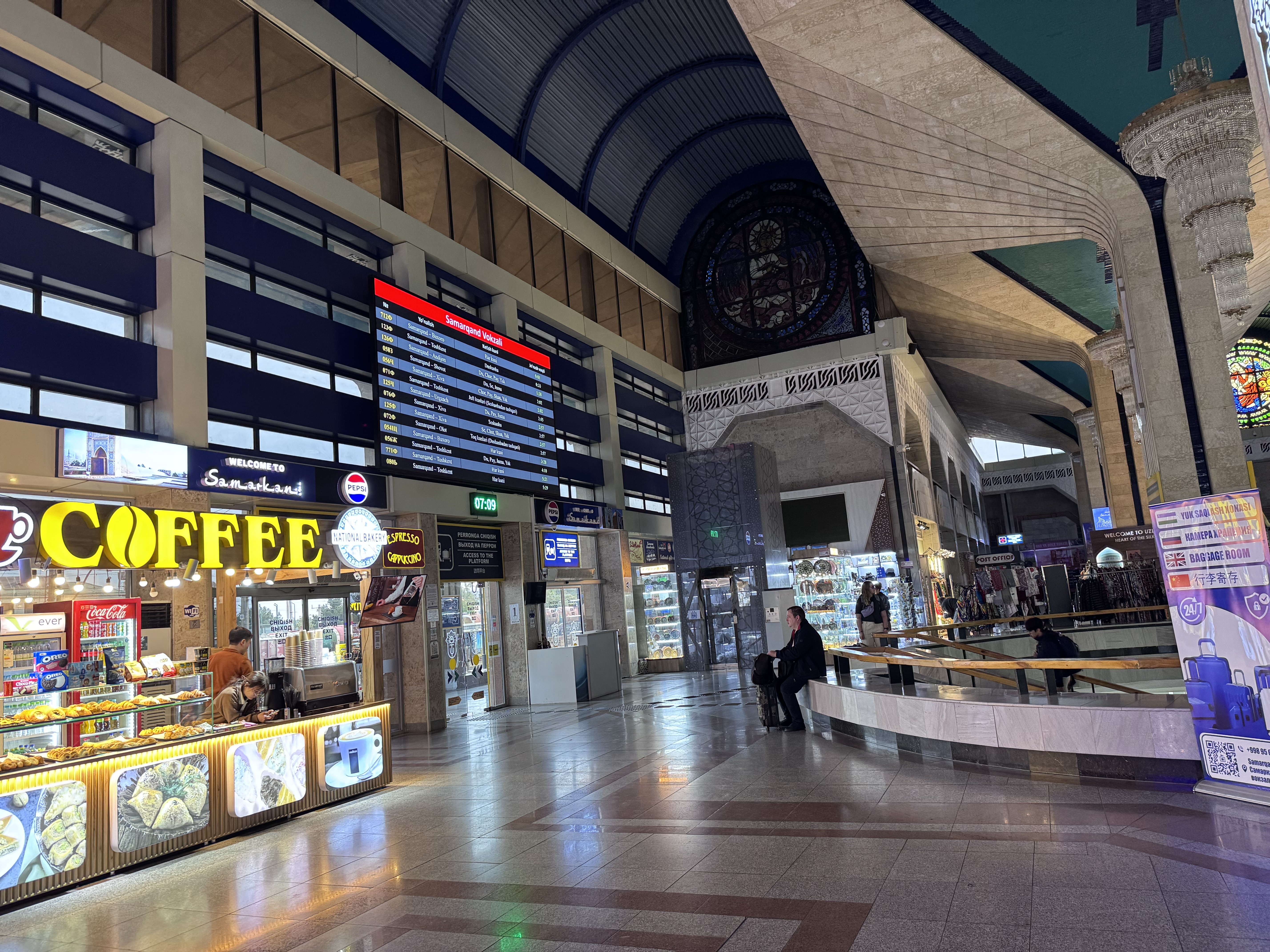
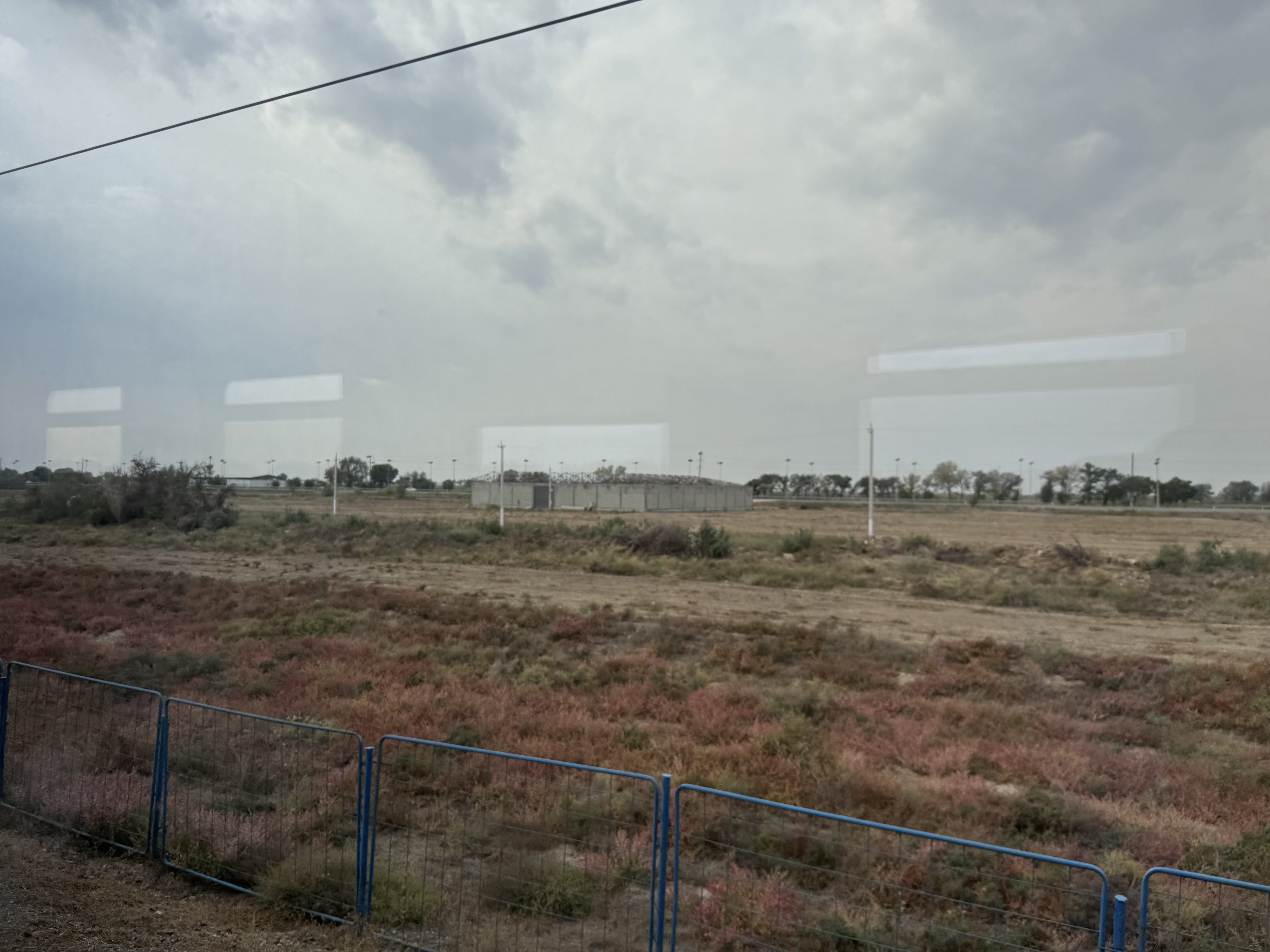
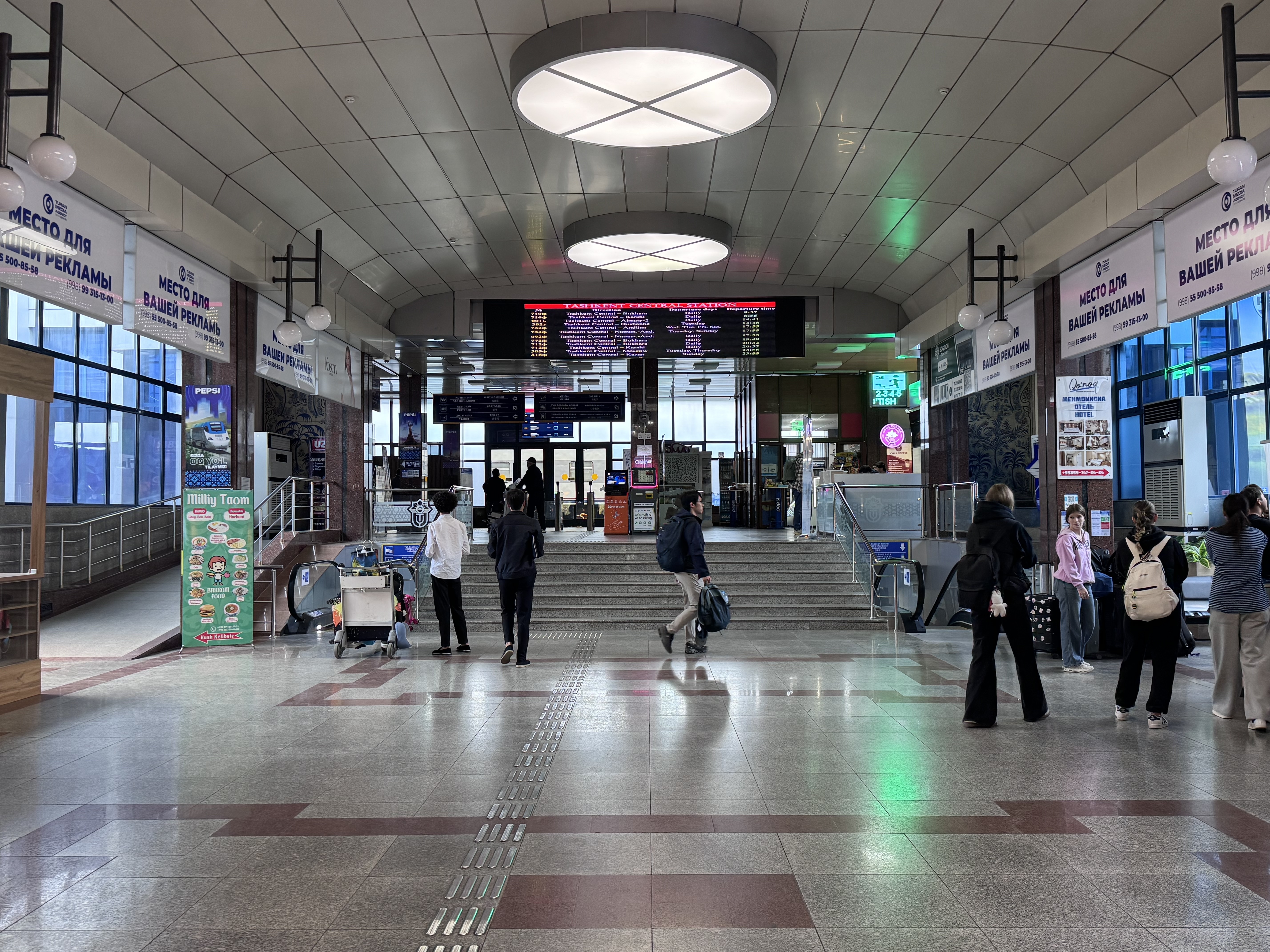
The route from Samarkand to Tashkent covers roughly three hundred thirty to three hundred forty kilometers across open steppe, farmland, and the approaches to the capital. High-speed options such as the Afrosiyob or Jaloliddin Manguberdi complete the trip in about two hours and fifteen minutes, offering modern seating, ...