

Wat Intharam Ratchaworawihan is a third-class royal temple of the ratchaworawihan type located along the southern bank of Khlong Bangkok Yai in Bangkok’s Thonburi district. Originally built during the Ayutthaya period as Wat Bang Yi Rua Nok (also known as Wat Bang Yi Rua Tai or Wat Suan Phlu), it was a modest community temple until King Taksin the Great restored and elevated it to royal status during the Thonburi era.
The king held deep devotion to the site, frequently visiting to observe precepts, practice meditation, and perform royal merit-making ceremonies. Tradition holds that the temple hosted the enshrinement of his body, his cremation, and the interment of his ashes.
A major renovation occurred in the reign of King Rama III under Phraya Si Sahathep (Peng Sriphen), which included constructing a new ordination hall and other structures. The king then bestowed the current name, Wat Intharam. Infrastructure projects later divided the grounds, leaving the main monastic area of roughly ...


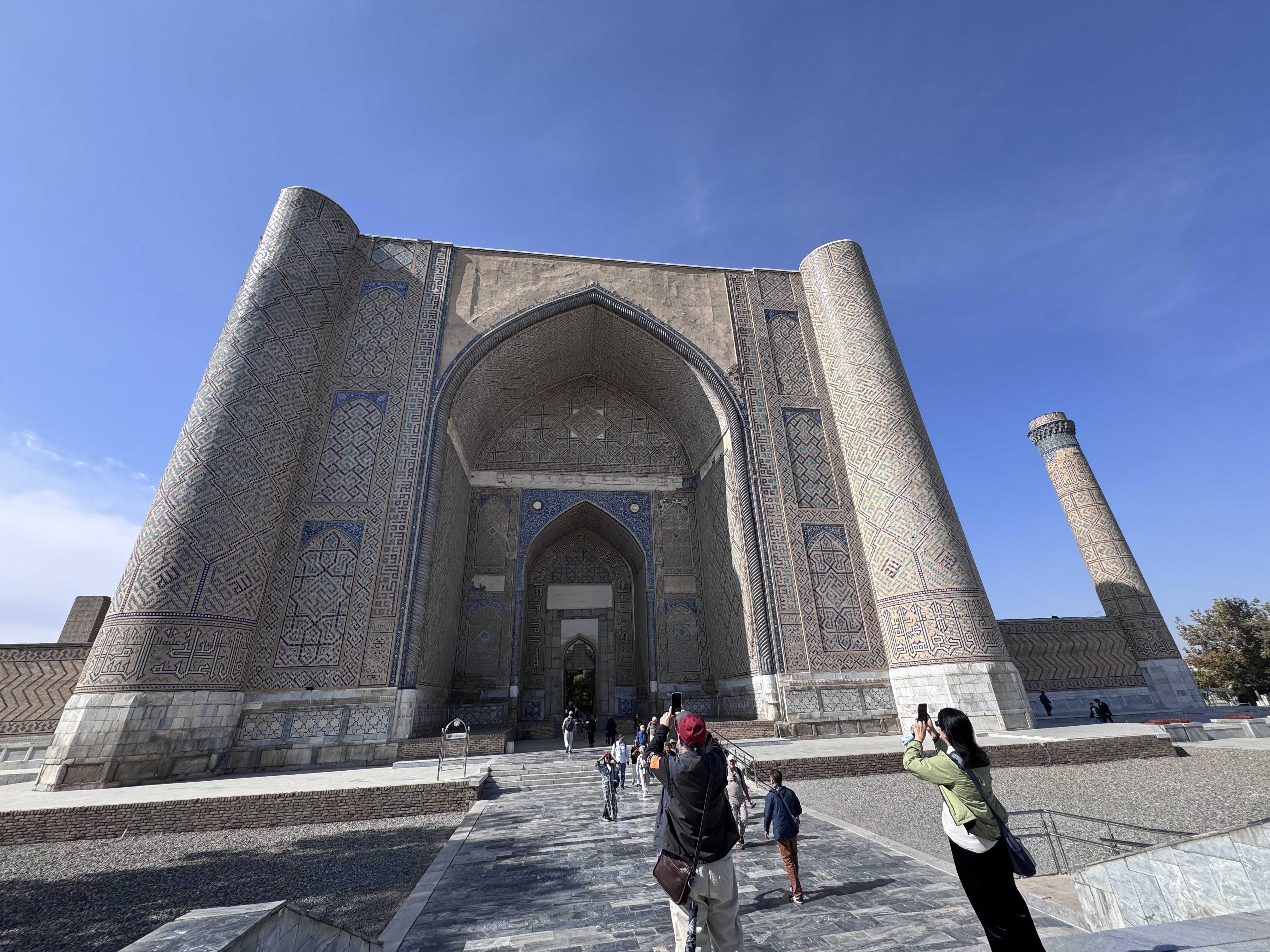
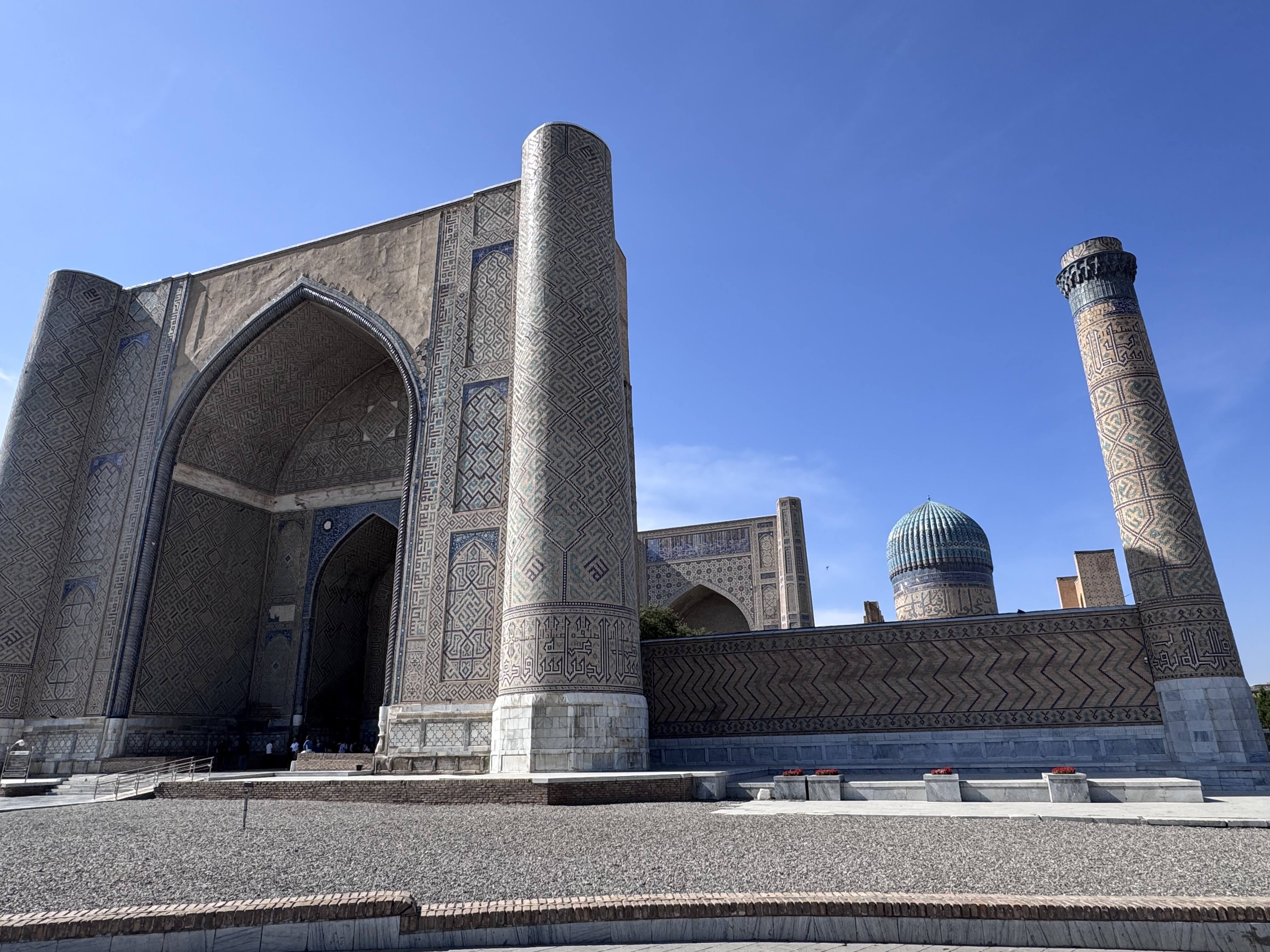
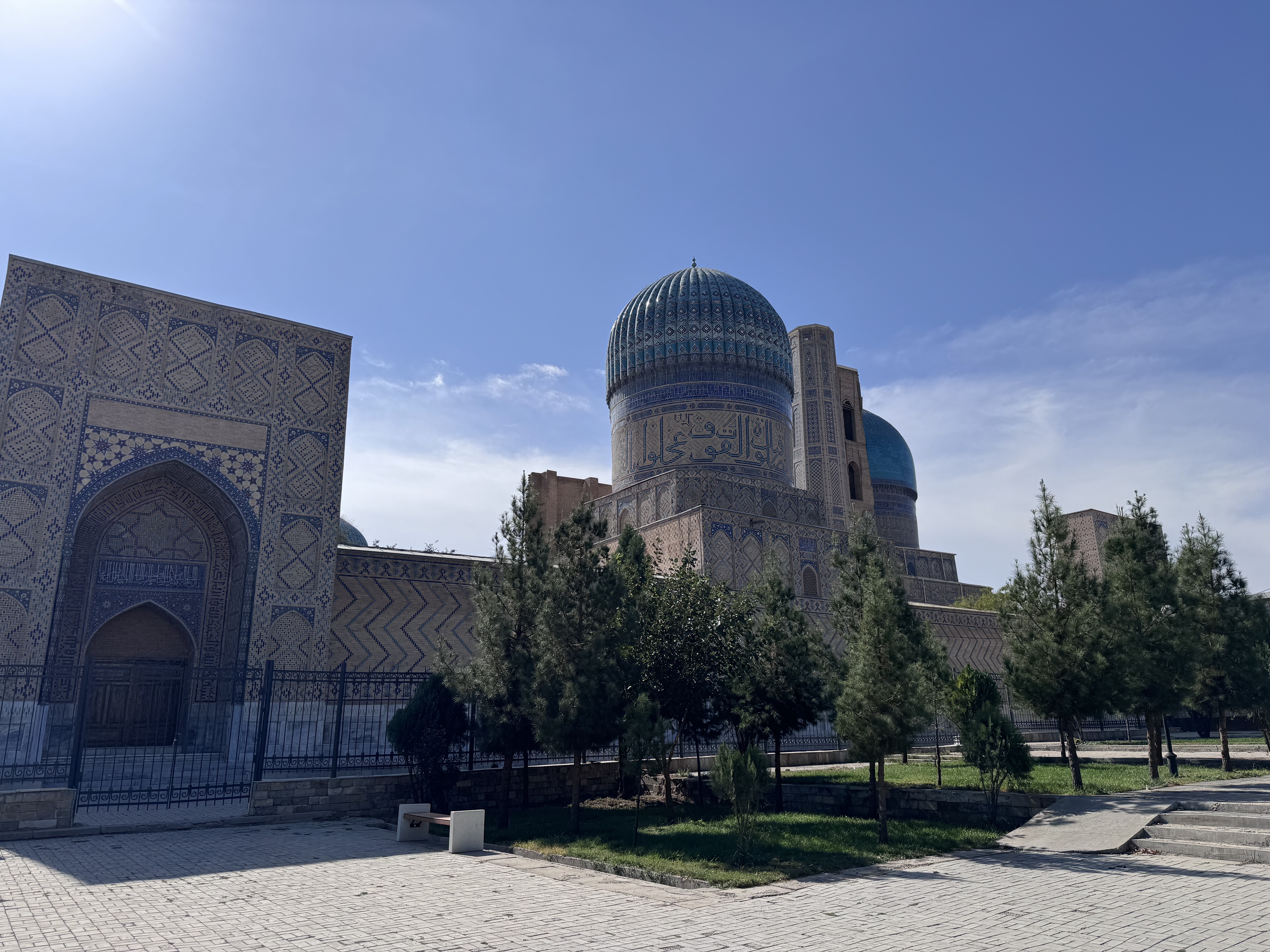
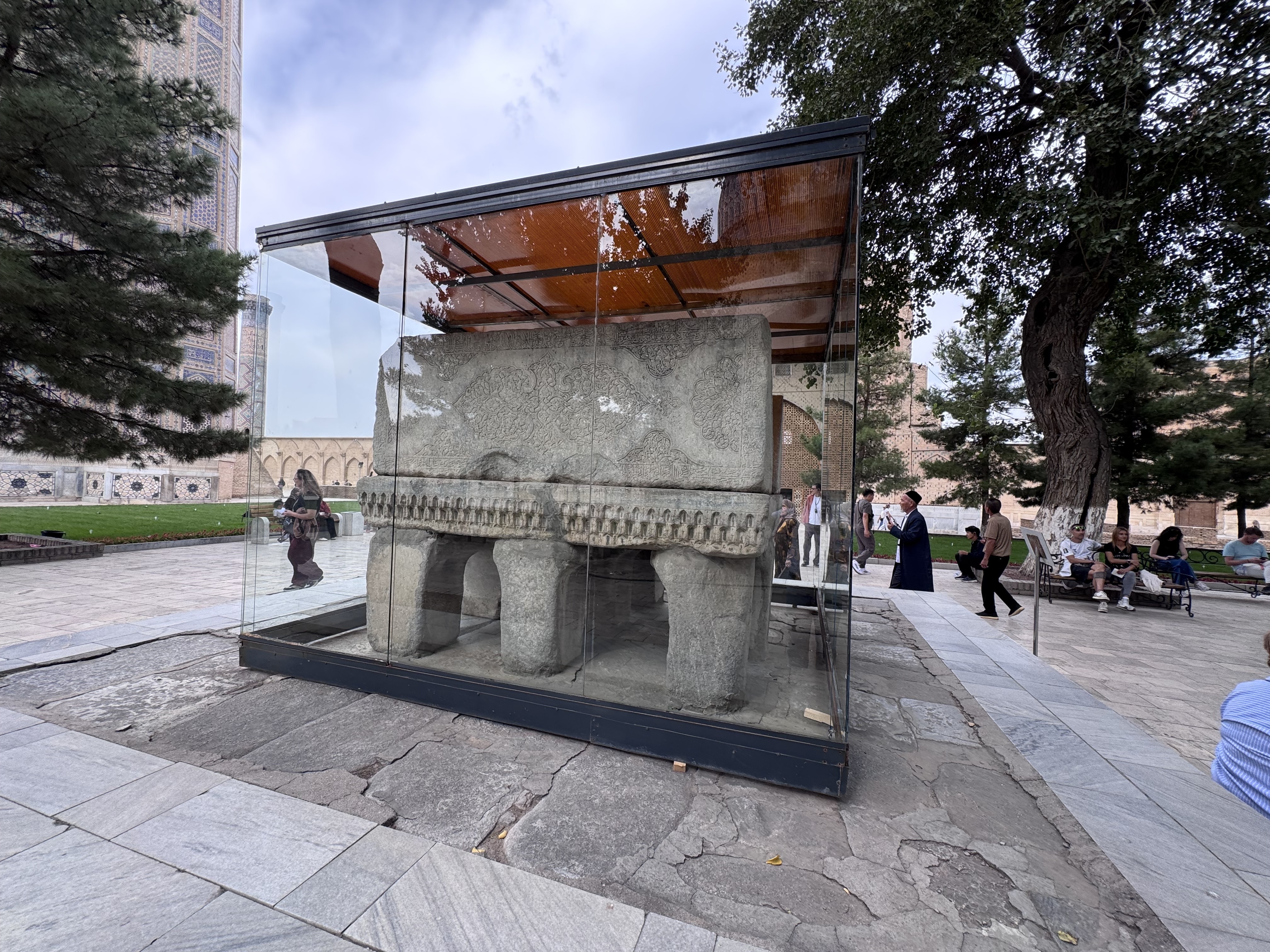
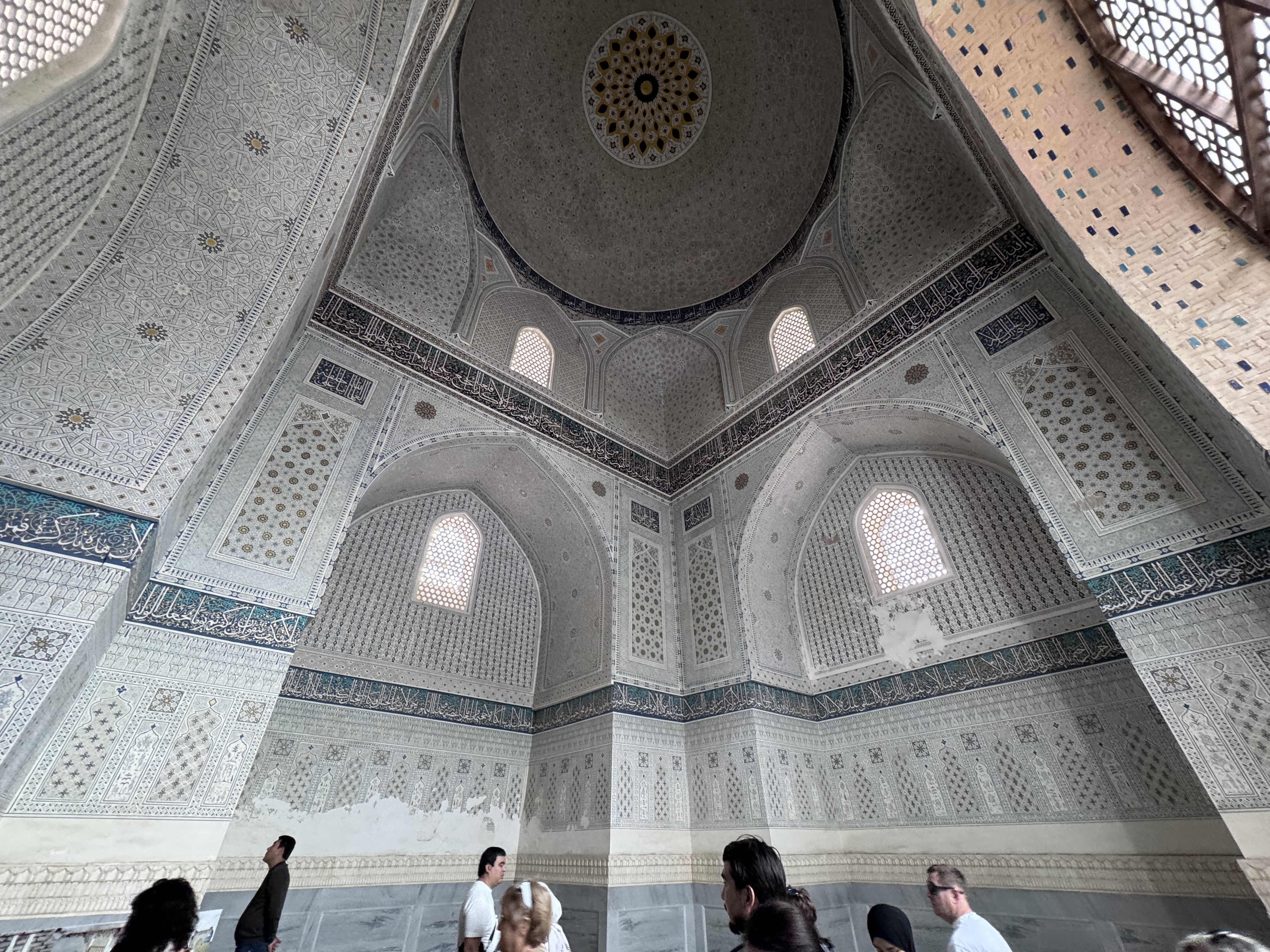
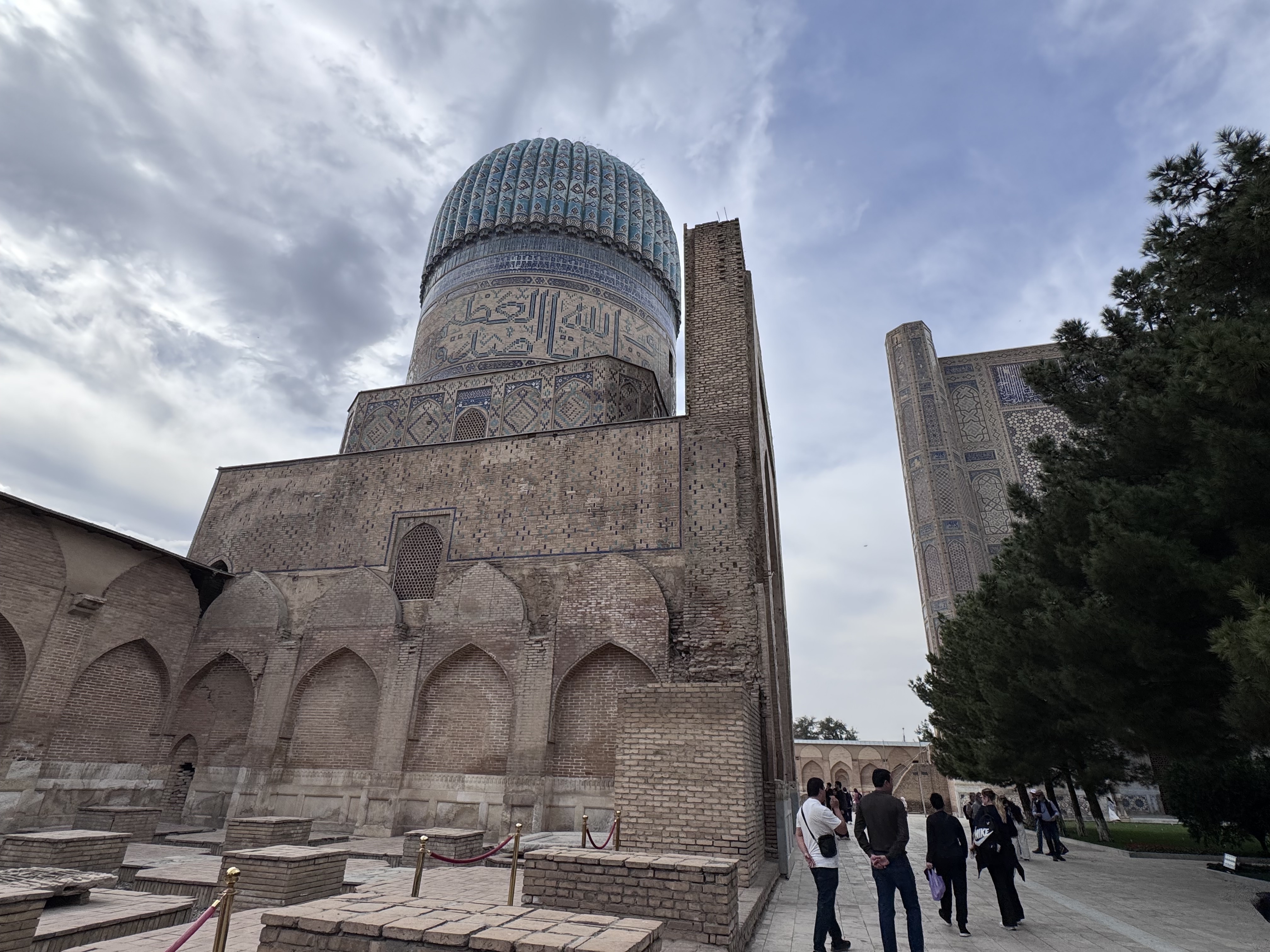
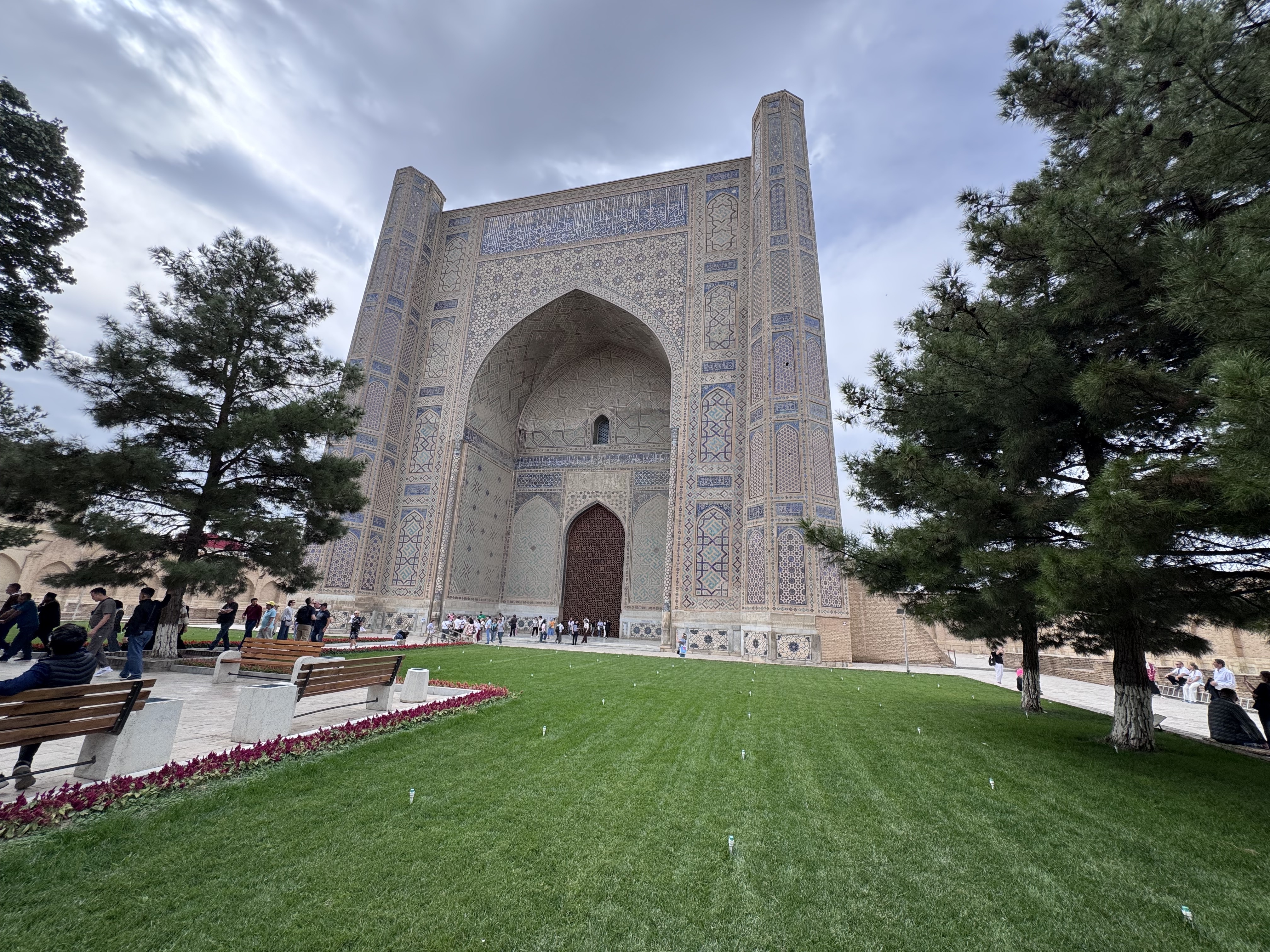
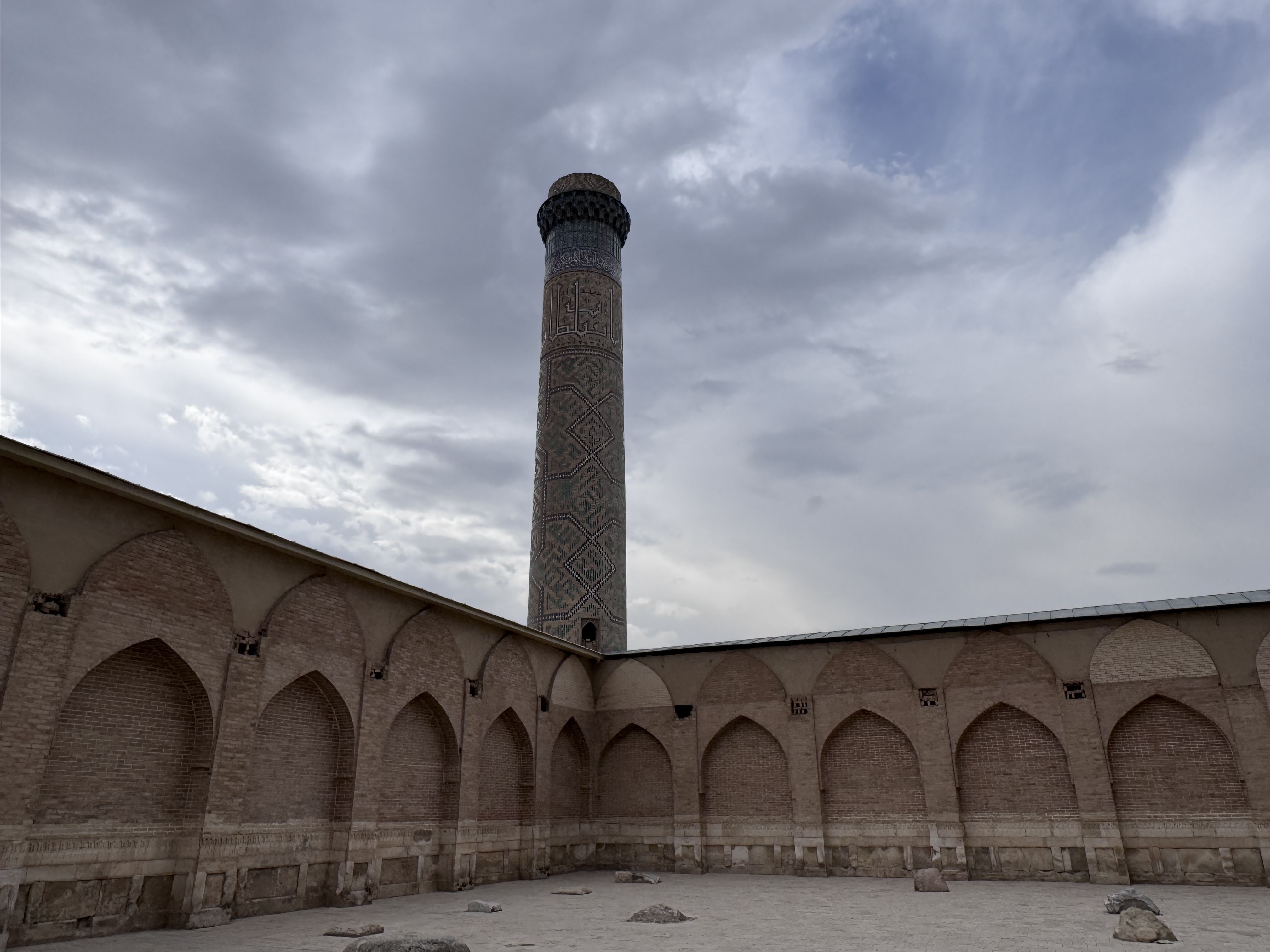
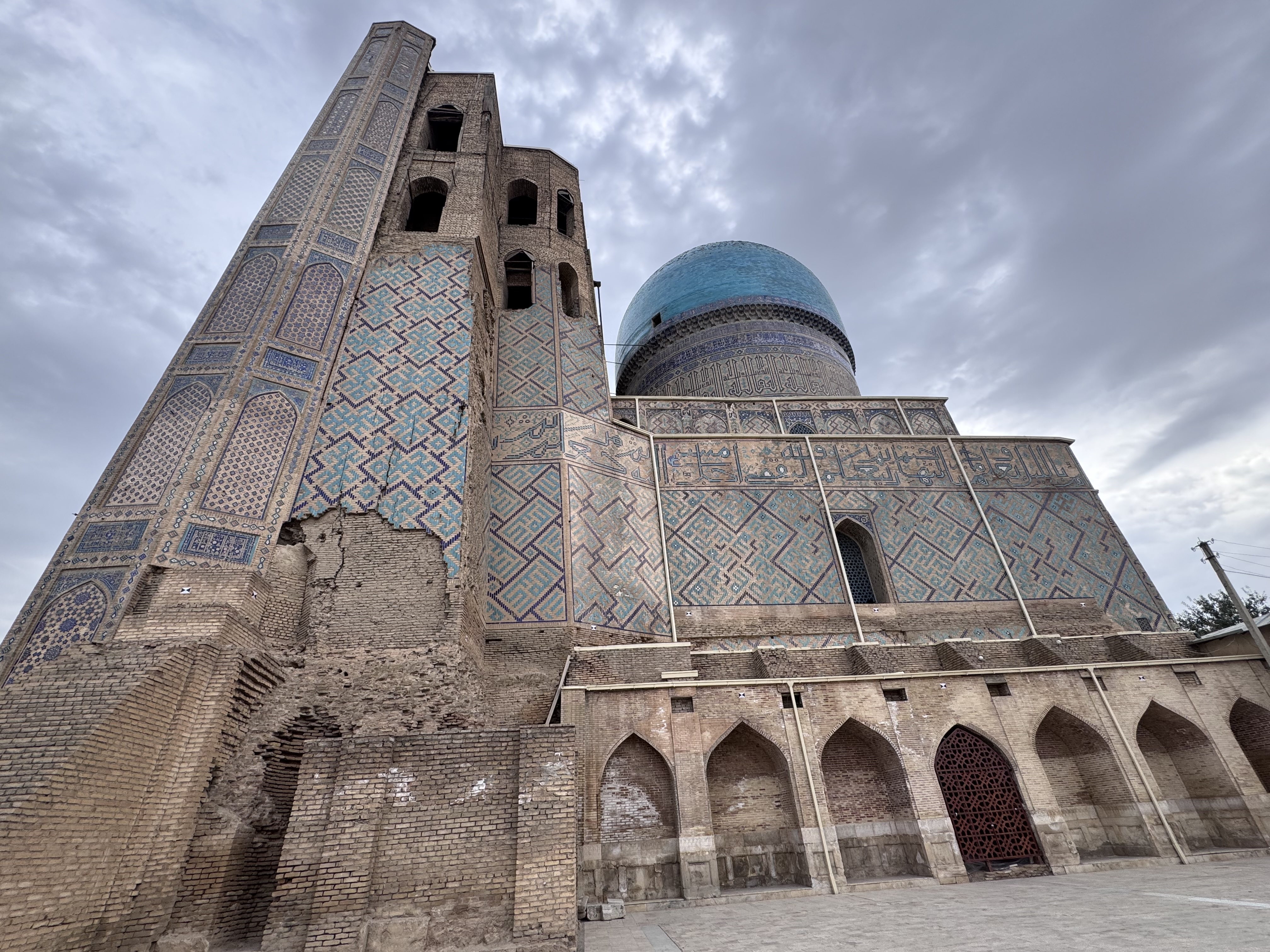
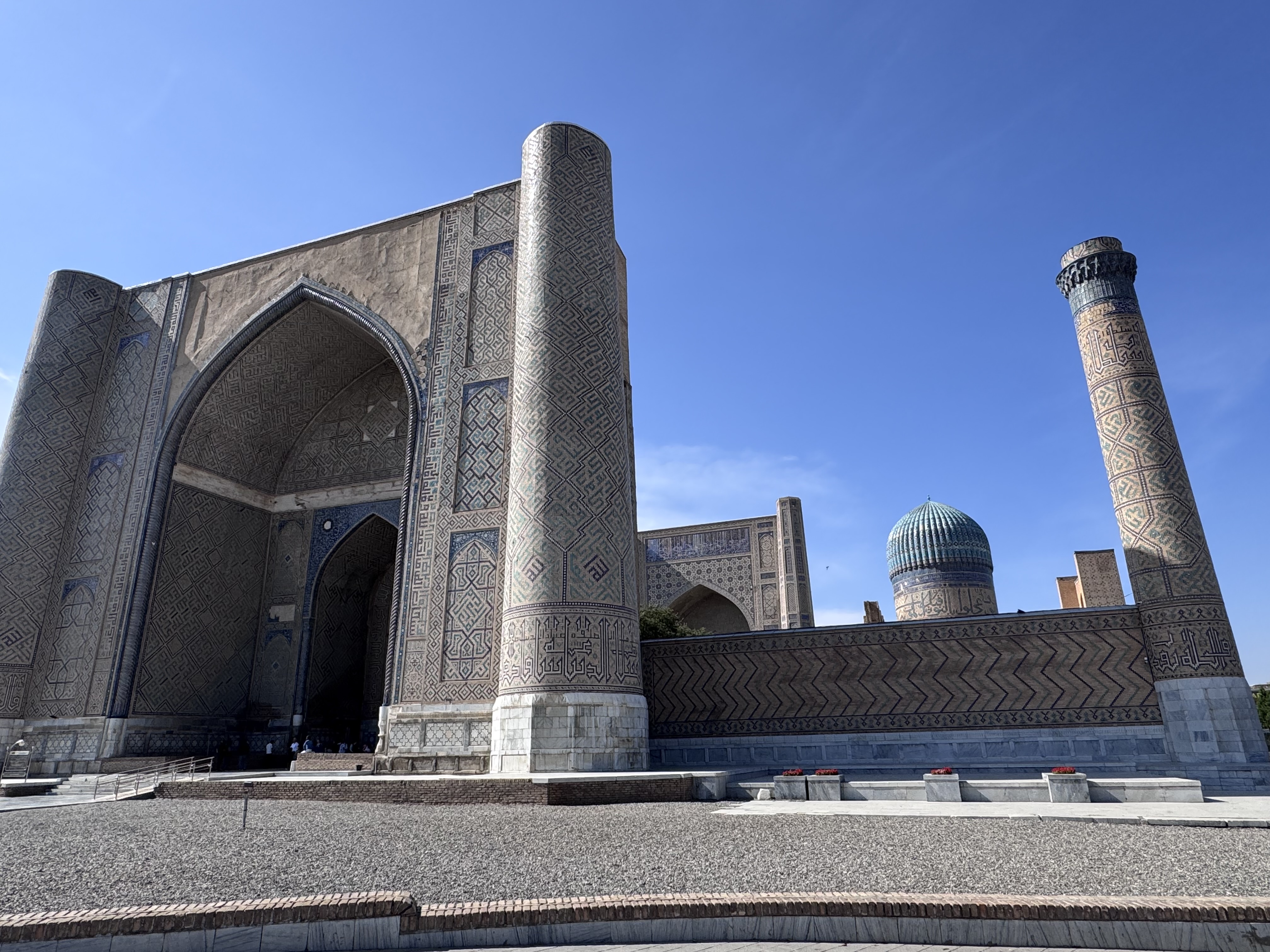
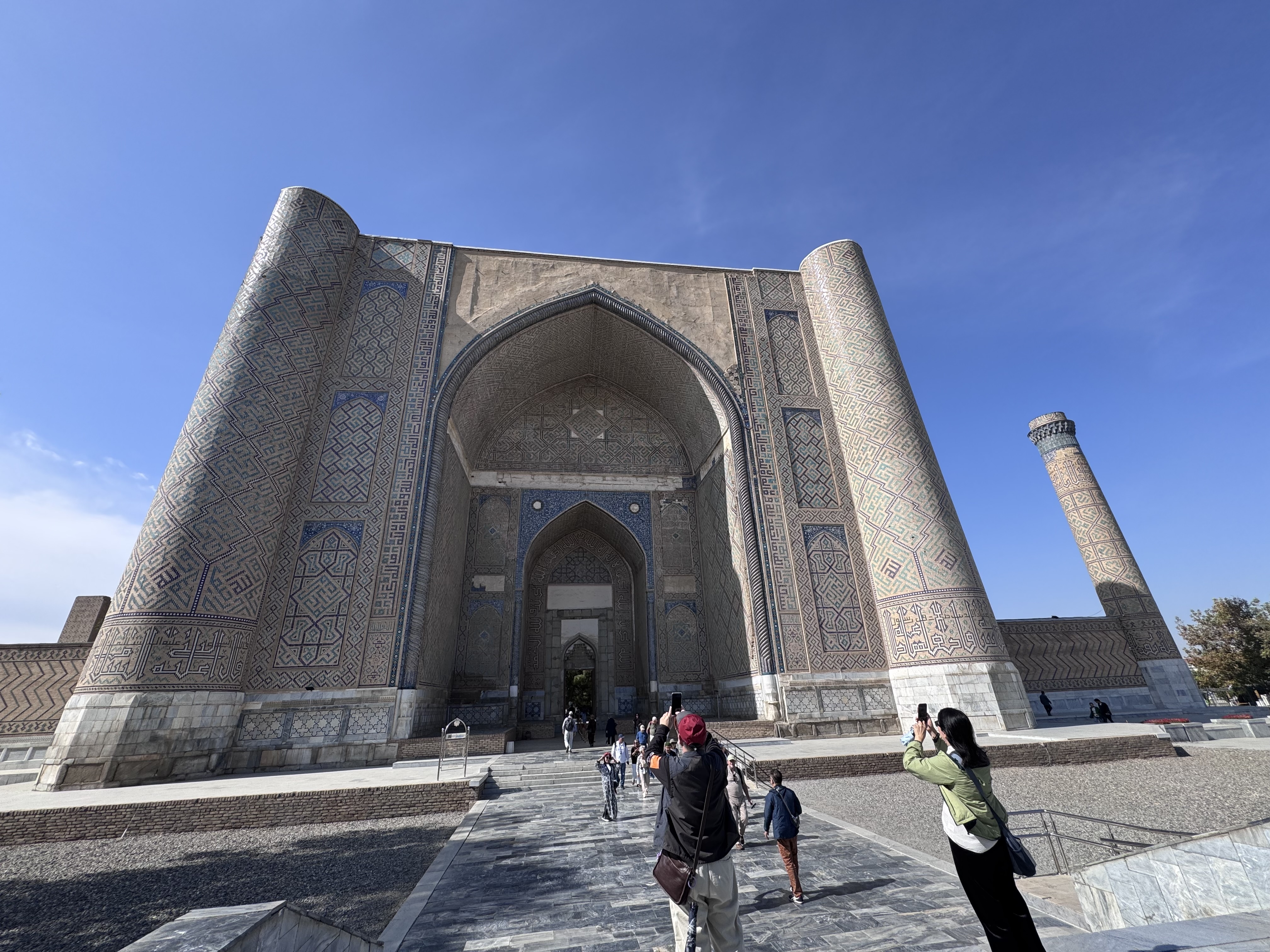
The Bibi-Khanym Mosque (Bibi Khanum, Bibi Khanom or similar variants) stands in the heart of Samarkand, Uzbekistan, as one of the grandest architectural achievements of the Timurid Renaissance and, in its day, among the largest and most ambitious mosques in the Islamic world.
Construction began in the spring of 1399, specifically on 7 May according to contemporary accounts, shortly after Timur (Tamerlane) returned from his victorious campaign in India. He ordered the building of a monumental congregational Friday mosque for his capital, drawing on the vast spoils of war, including the labour of craftsmen from Persia, Azerbaijan, India and elsewhere, as well as nearly a hundred war elephants pressed into service to haul materials.
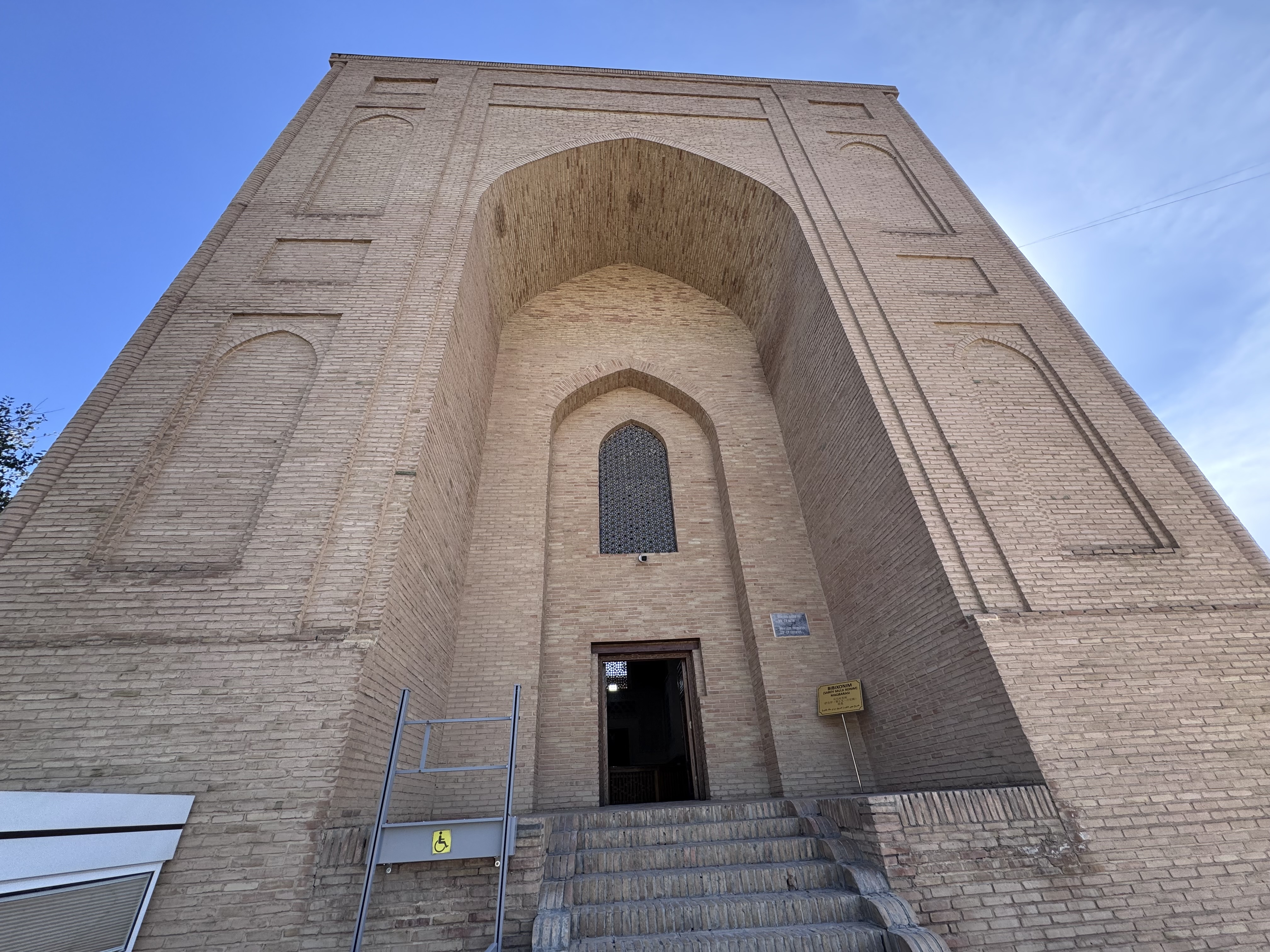
The mosque is named after his chief wife, Saray Mulk Khanum (popularly known as Bibi Khanym), the daughter of a Chagatai khan. A madrasa and mausoleum associated with her stood nearby across the road.
The complex formed a vast rectangle measuring roughly 167 meters by 109 meters,...
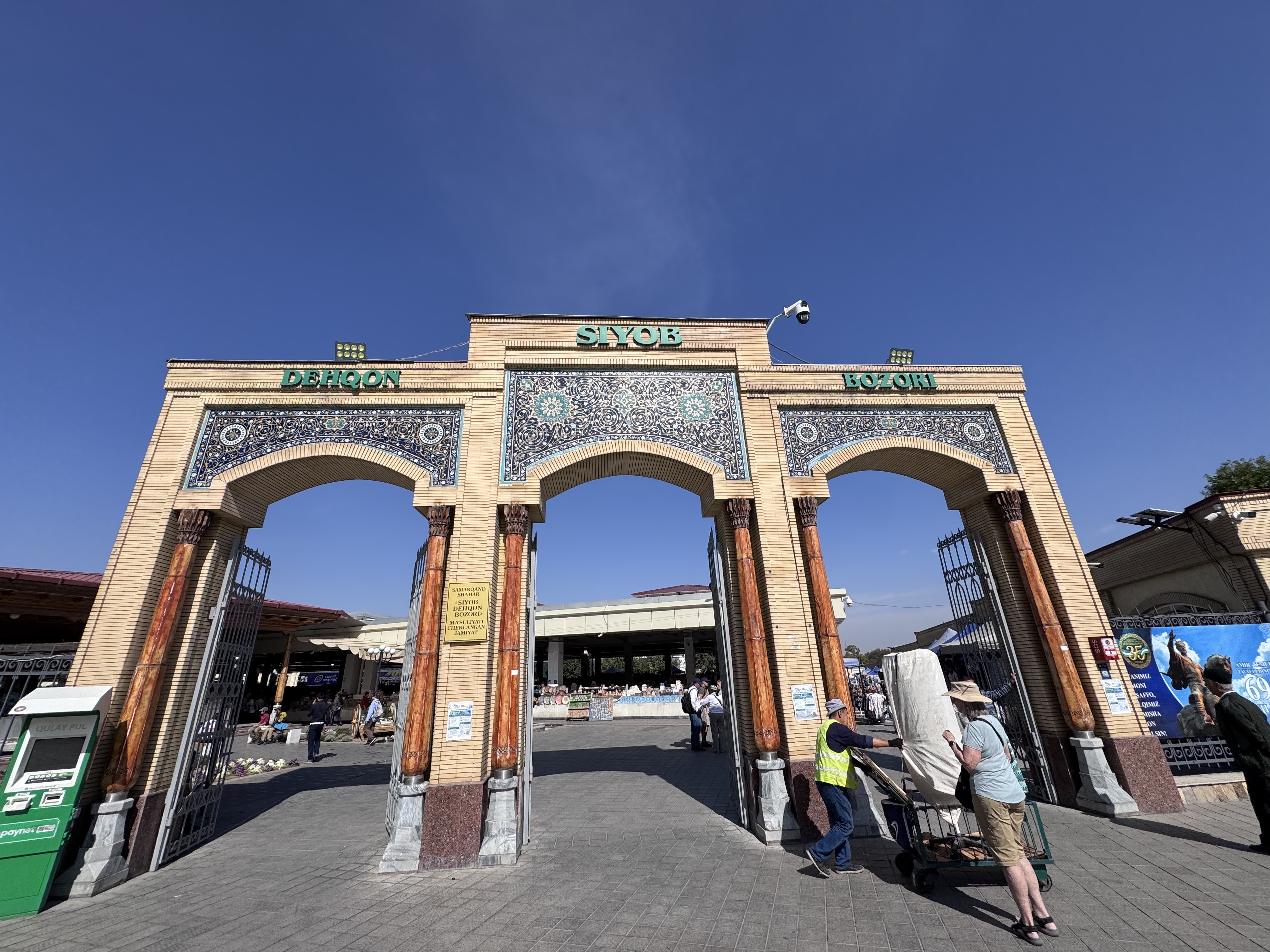
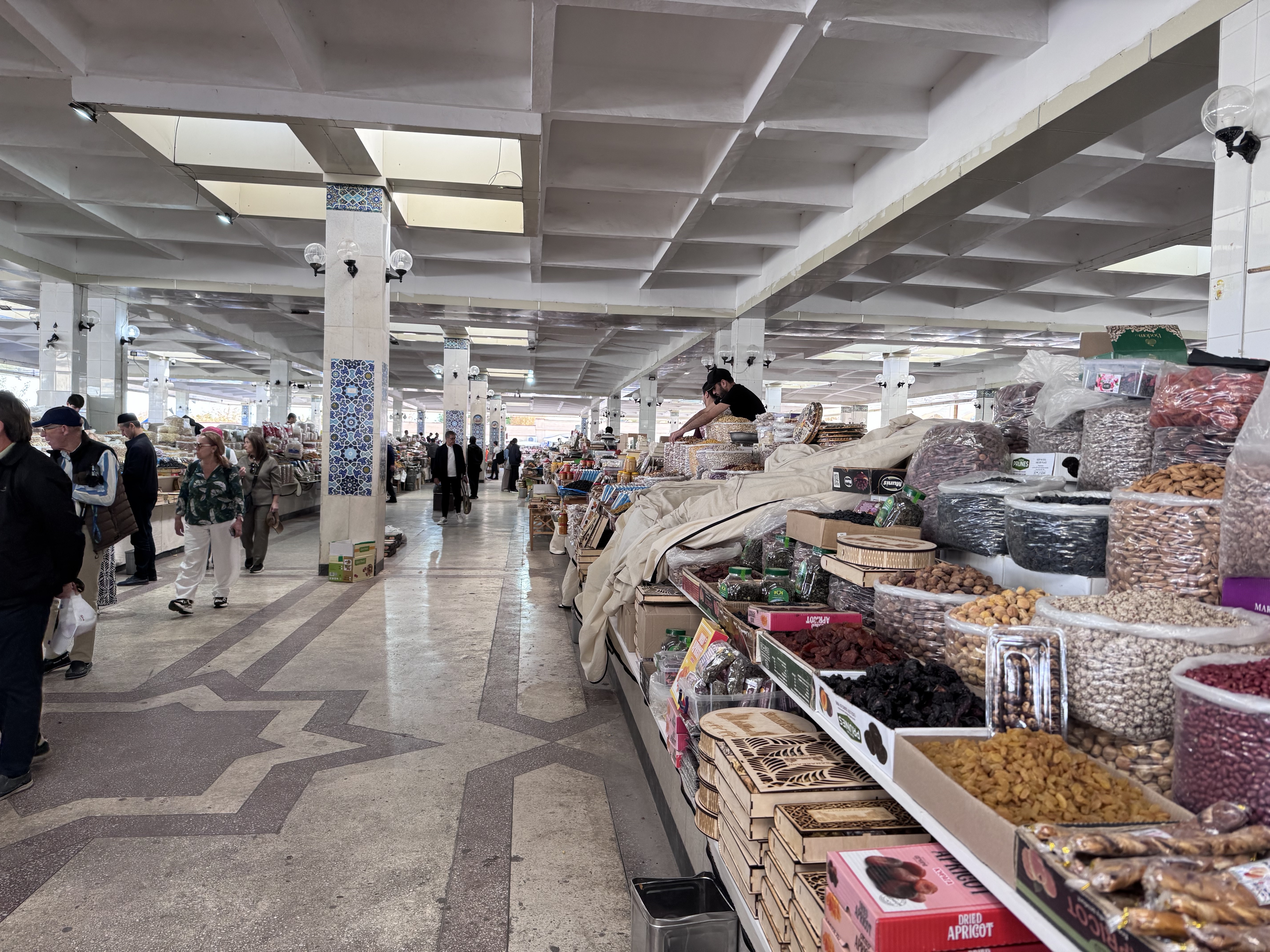
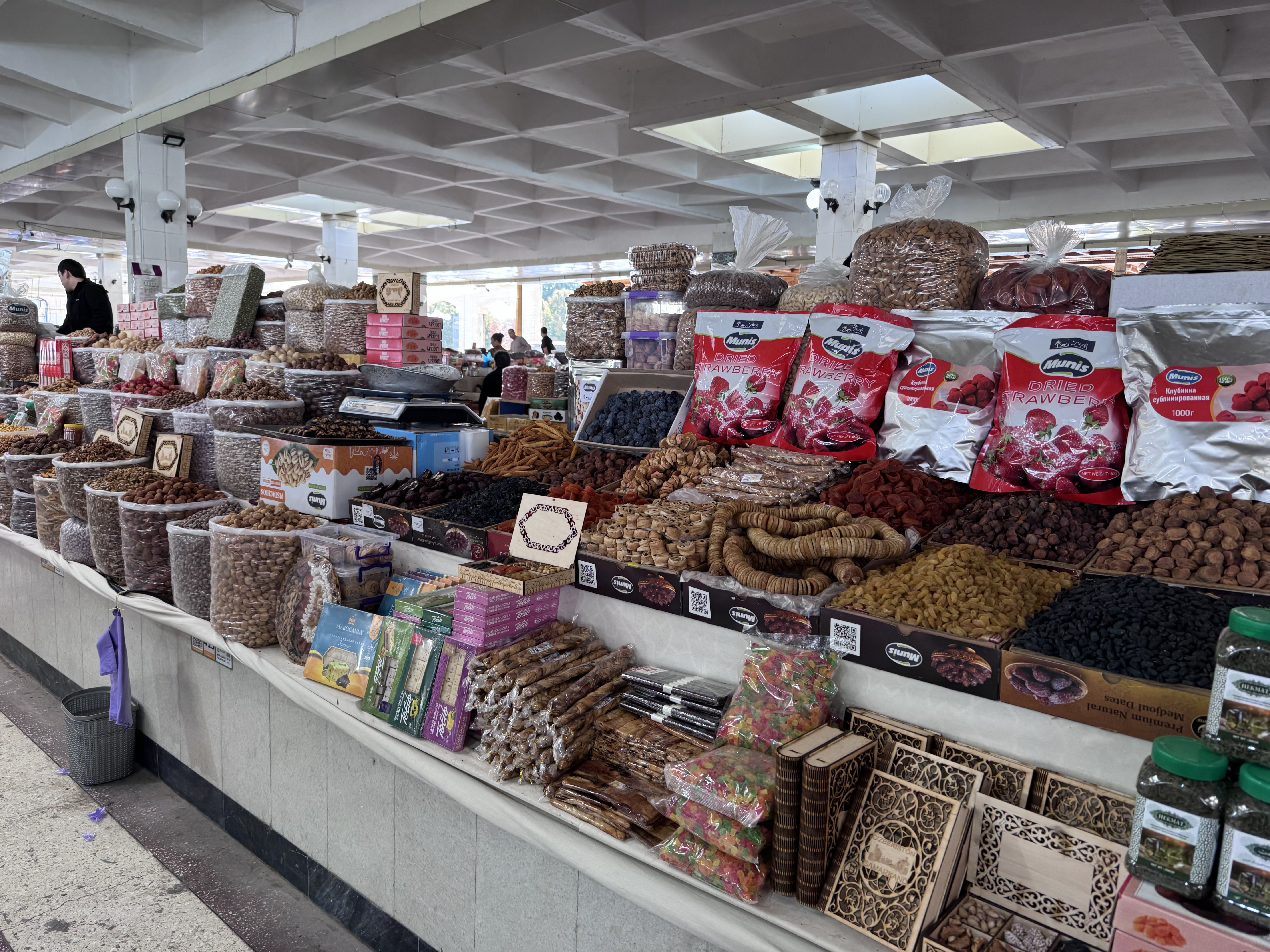
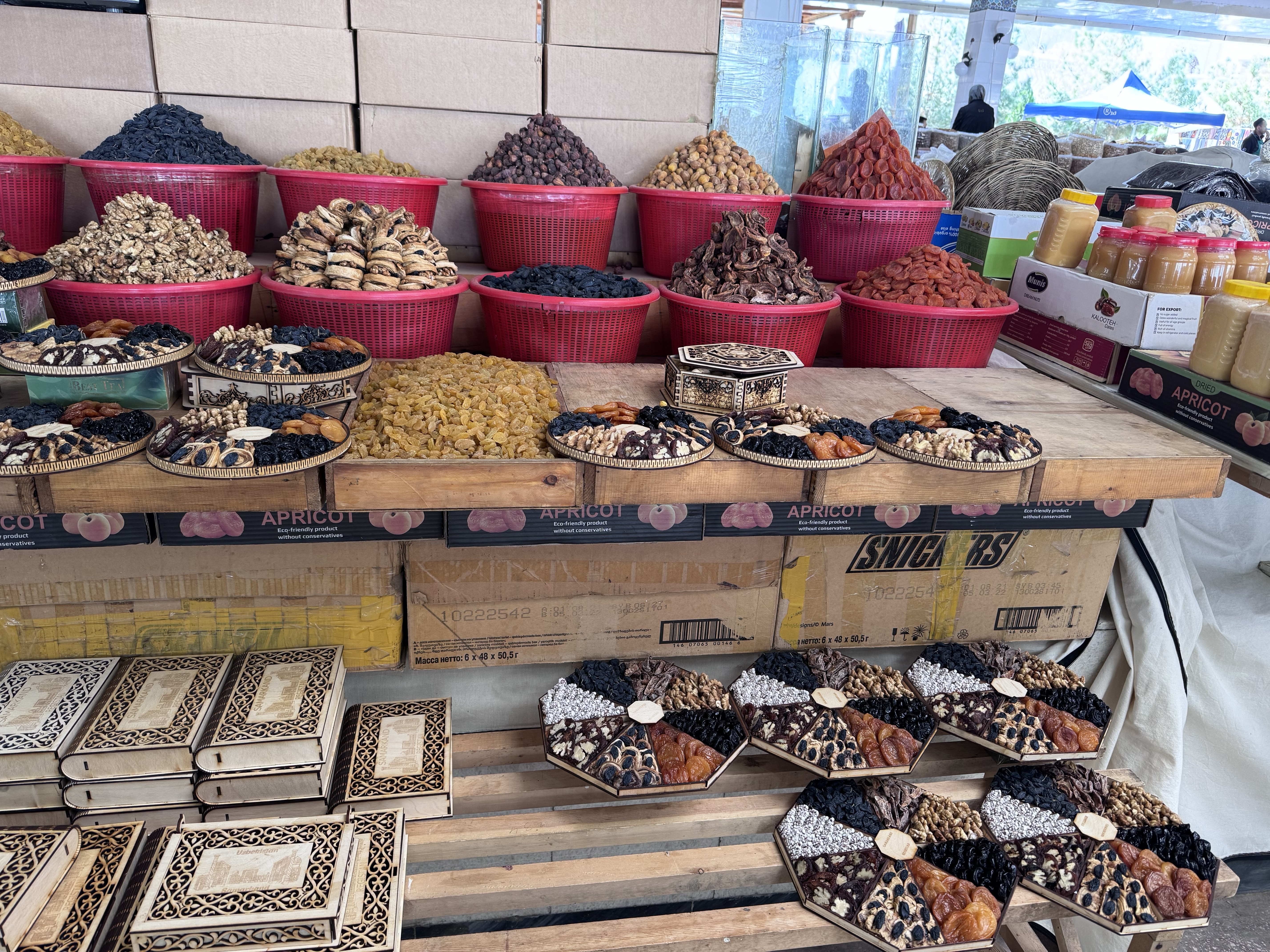
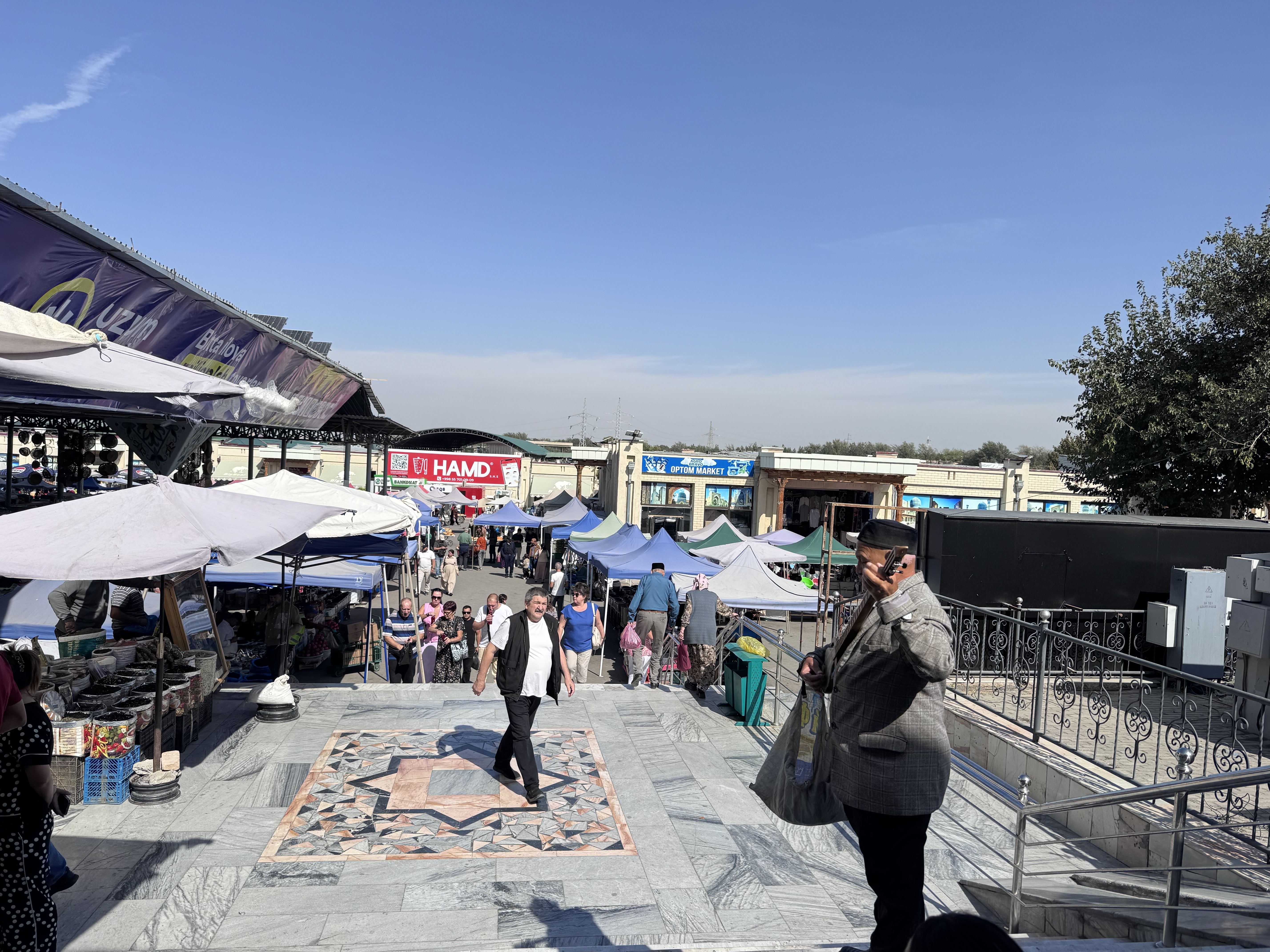
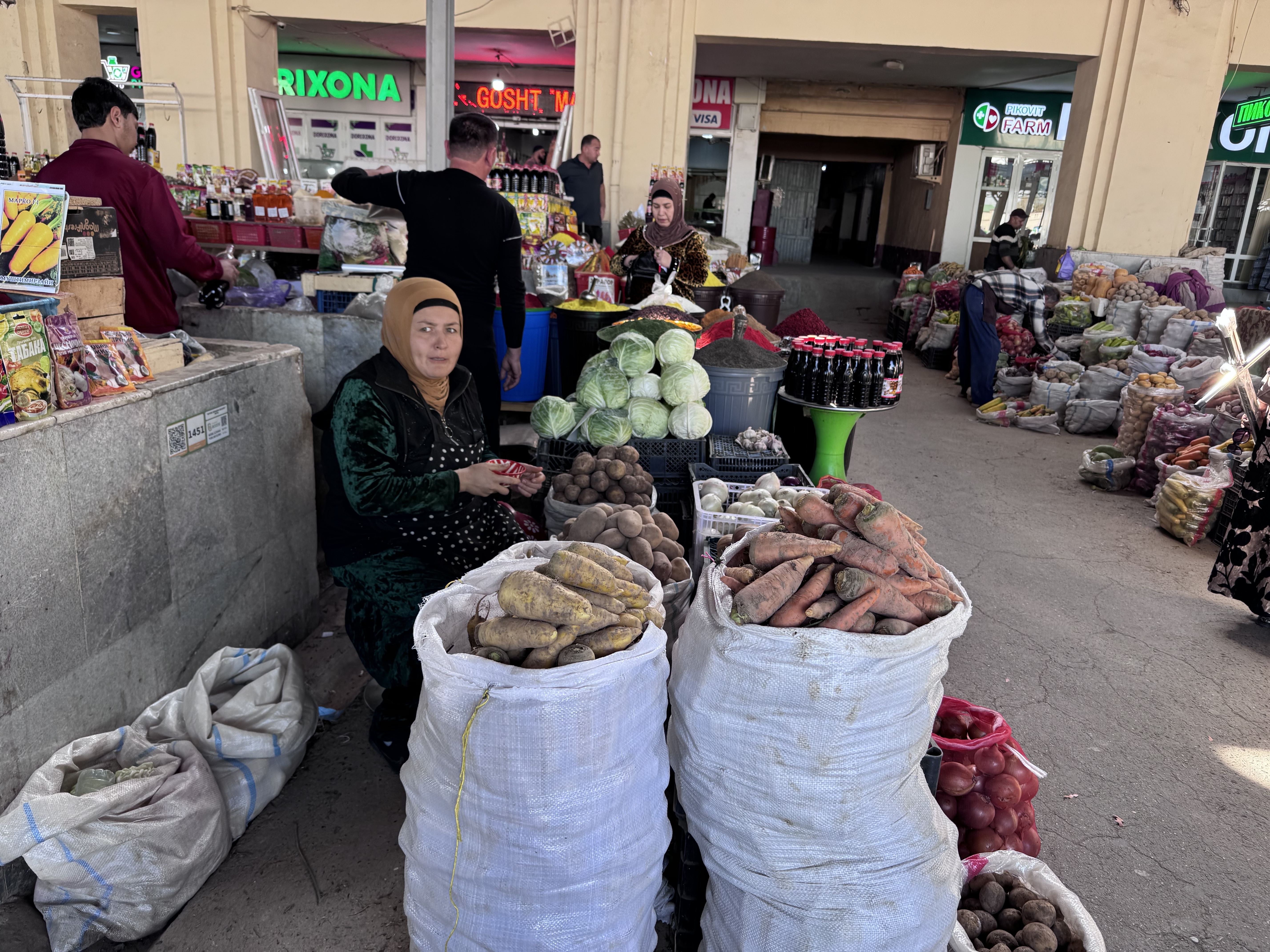
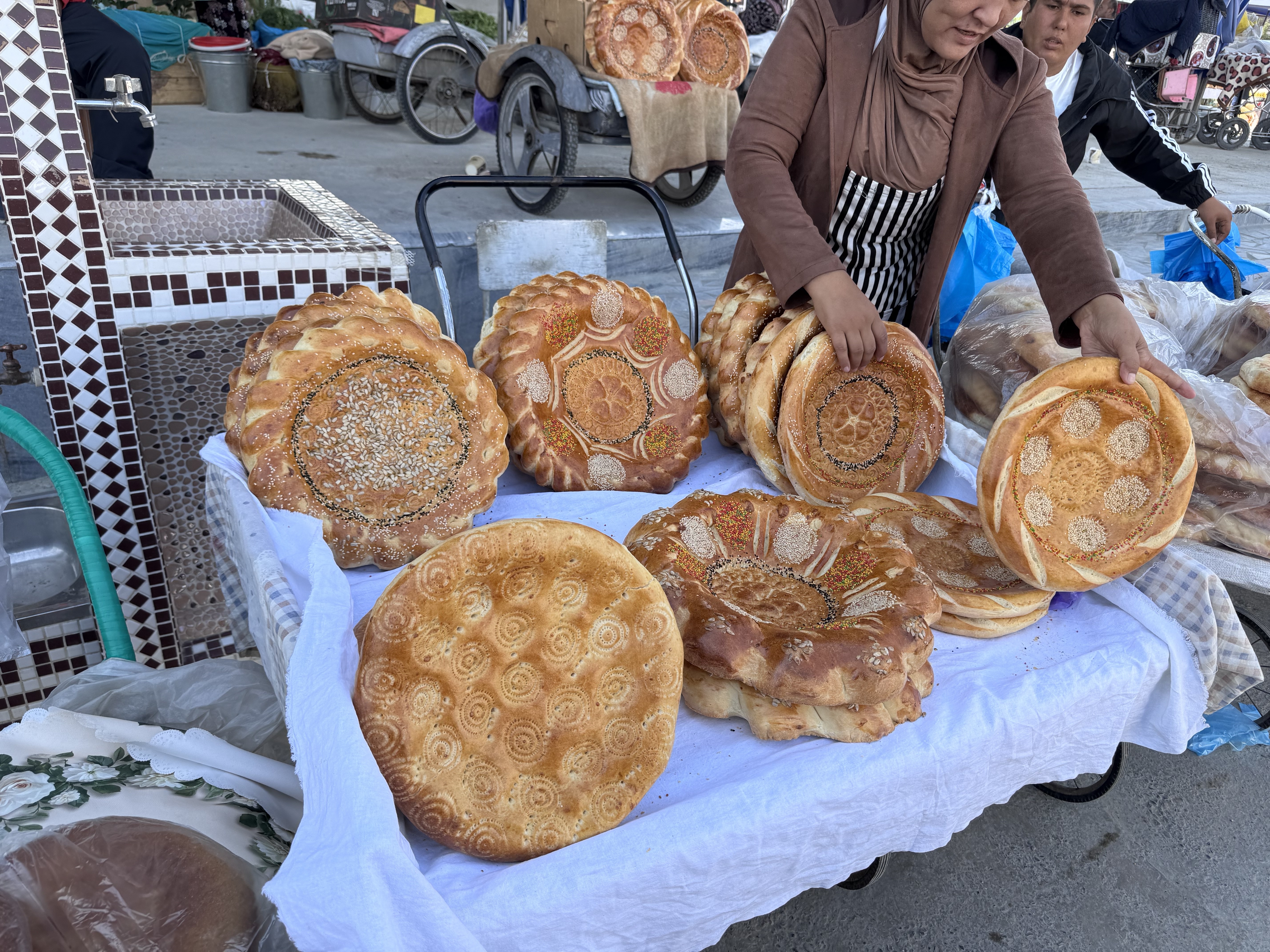
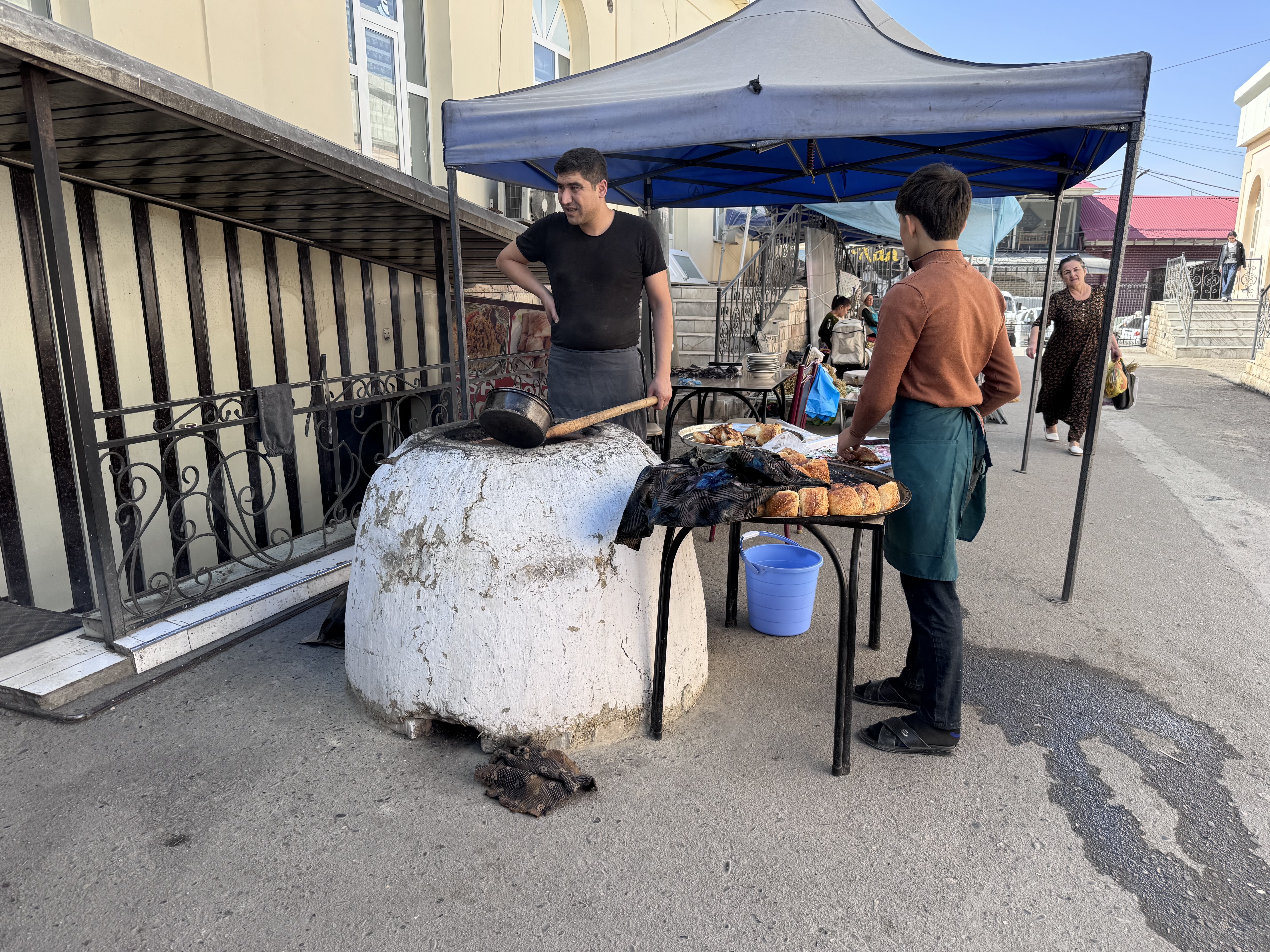
Siyob Bazaar, also known as Siab or Siab Bazaar, is the largest and oldest market in Samarkand, Uzbekistan, covering more than seven hectares in the heart of the old city. Its name derives from the historic Siyob district and the nearby Siyob River, a Persian and Tajik term meaning “black water” or “black river.”
The market sits directly adjacent to the monumental Bibi-Khanym Mosque and lies within easy reach of the Shah-i-Zinda necropolis and Registan Square, making it a natural extension of any visit to the city’s great Timurid landmarks.
Trade has taken place on or near this site for centuries, intertwined with Samarkand’s role as a major Silk Road crossroads. Some accounts place the beginnings of organized commerce here as early as the early medieval period, with references stretching back to the ninth century and local tradition claiming even older roots tied to caravan stops and watering places along the river.
The market flourished during the Timurid era of the fourteenth and ...
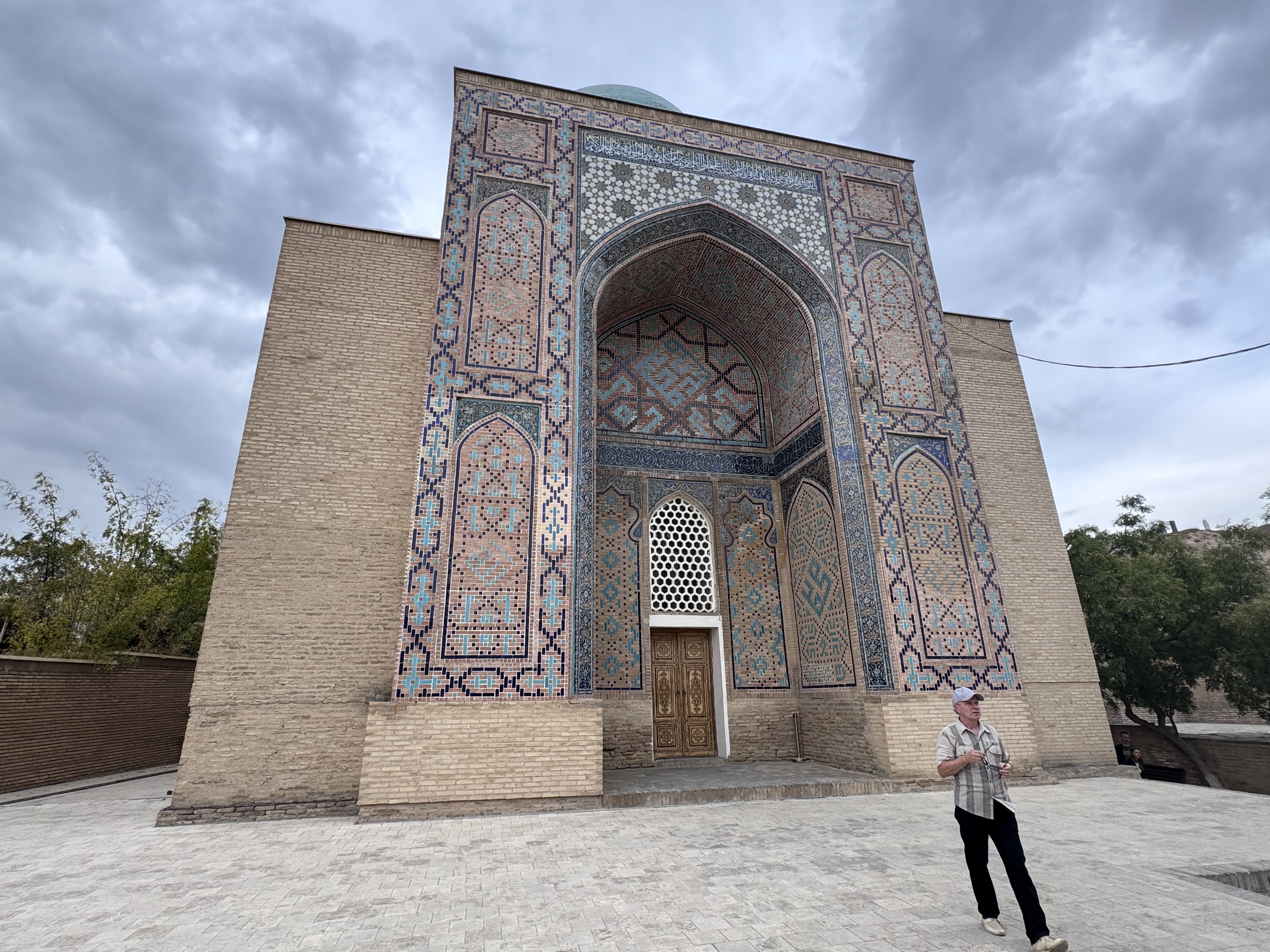
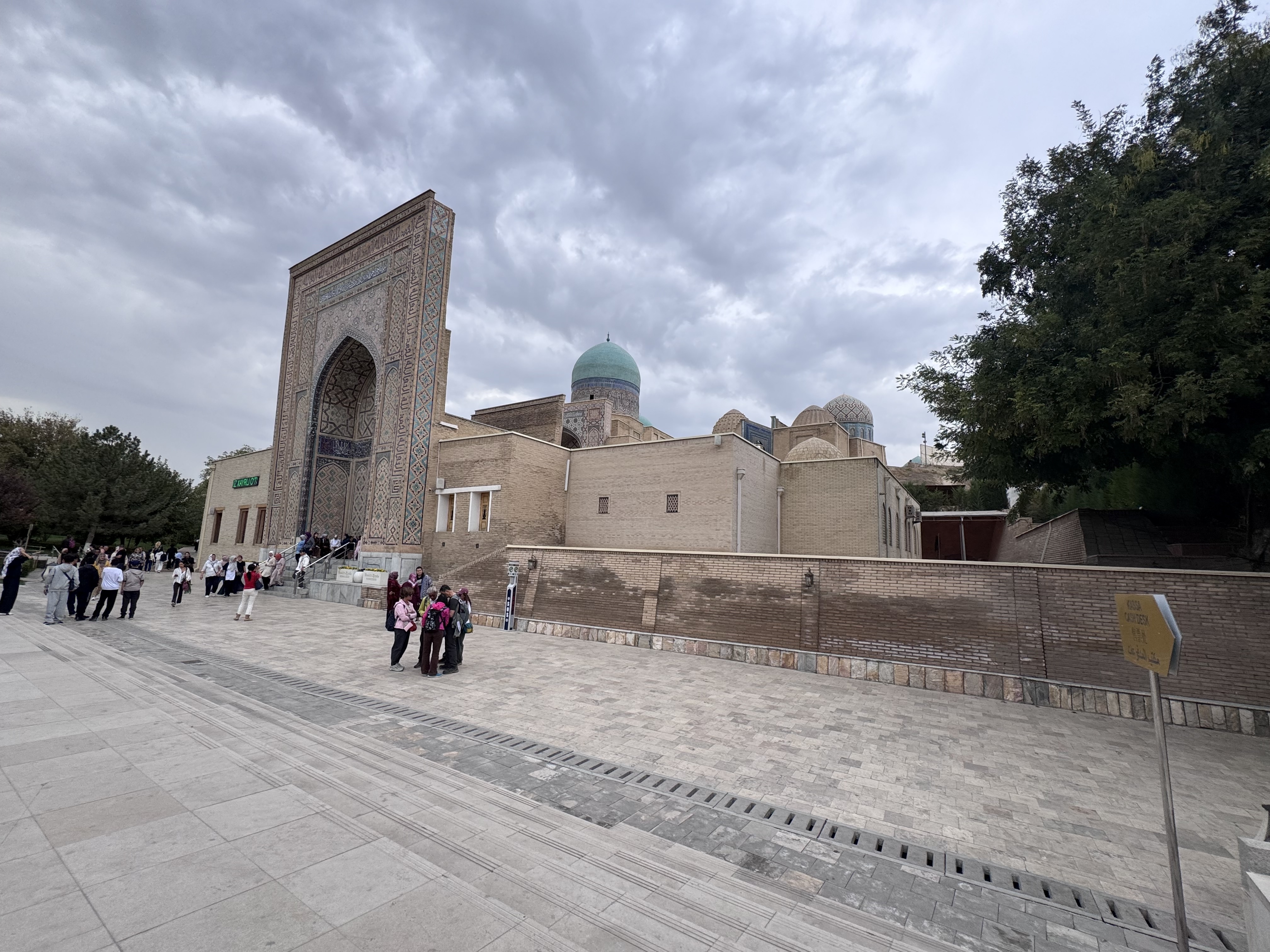
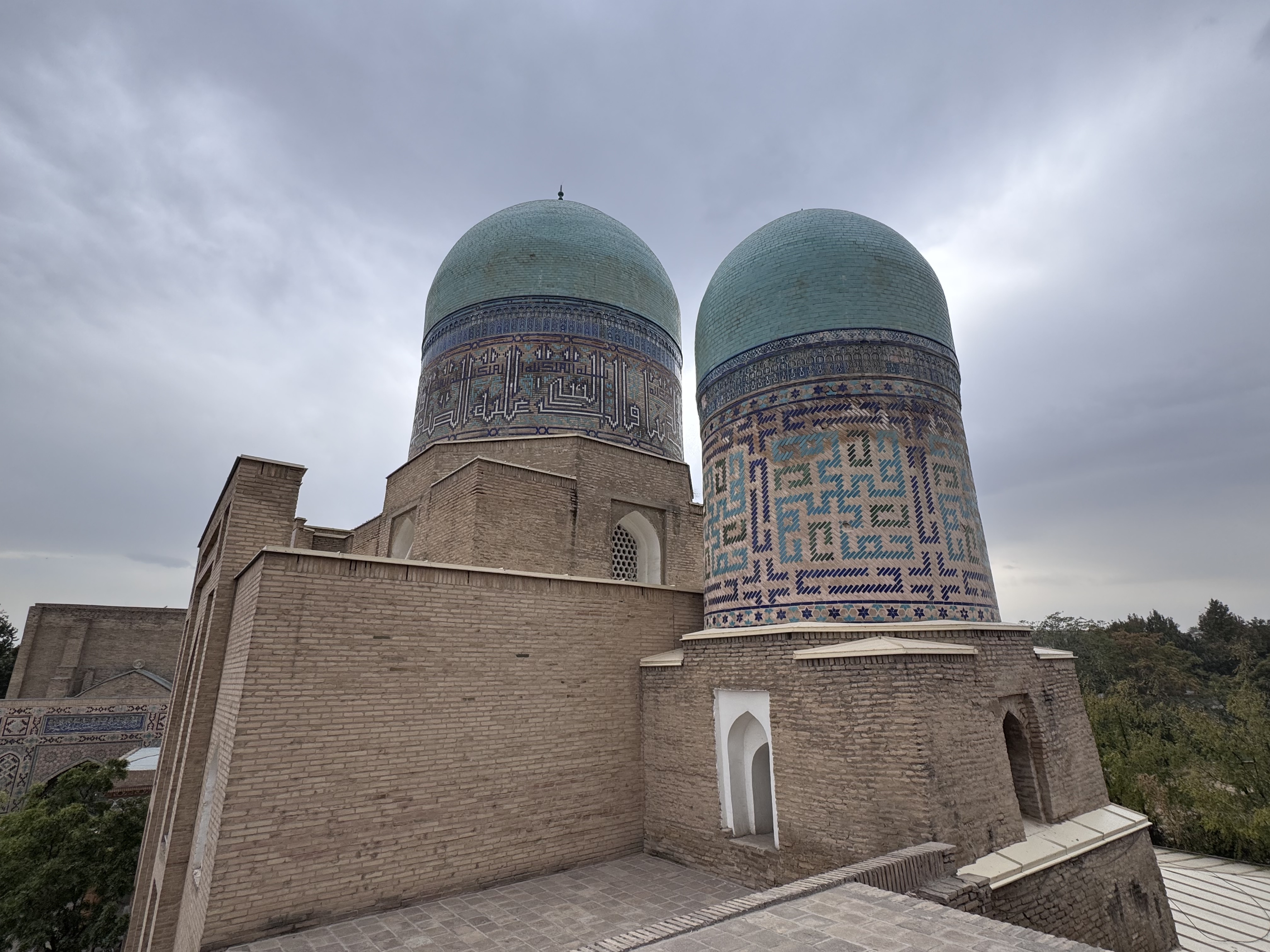
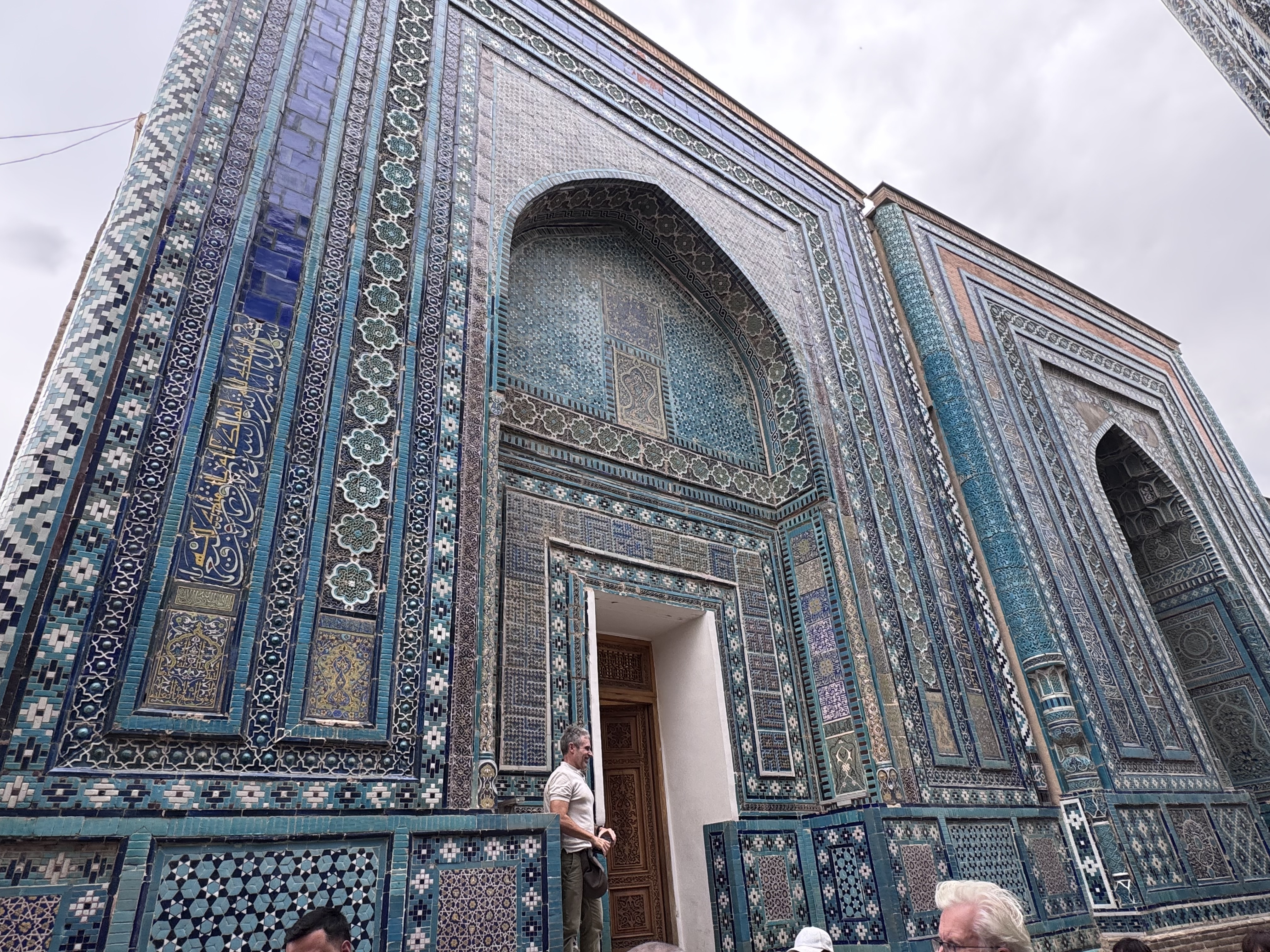
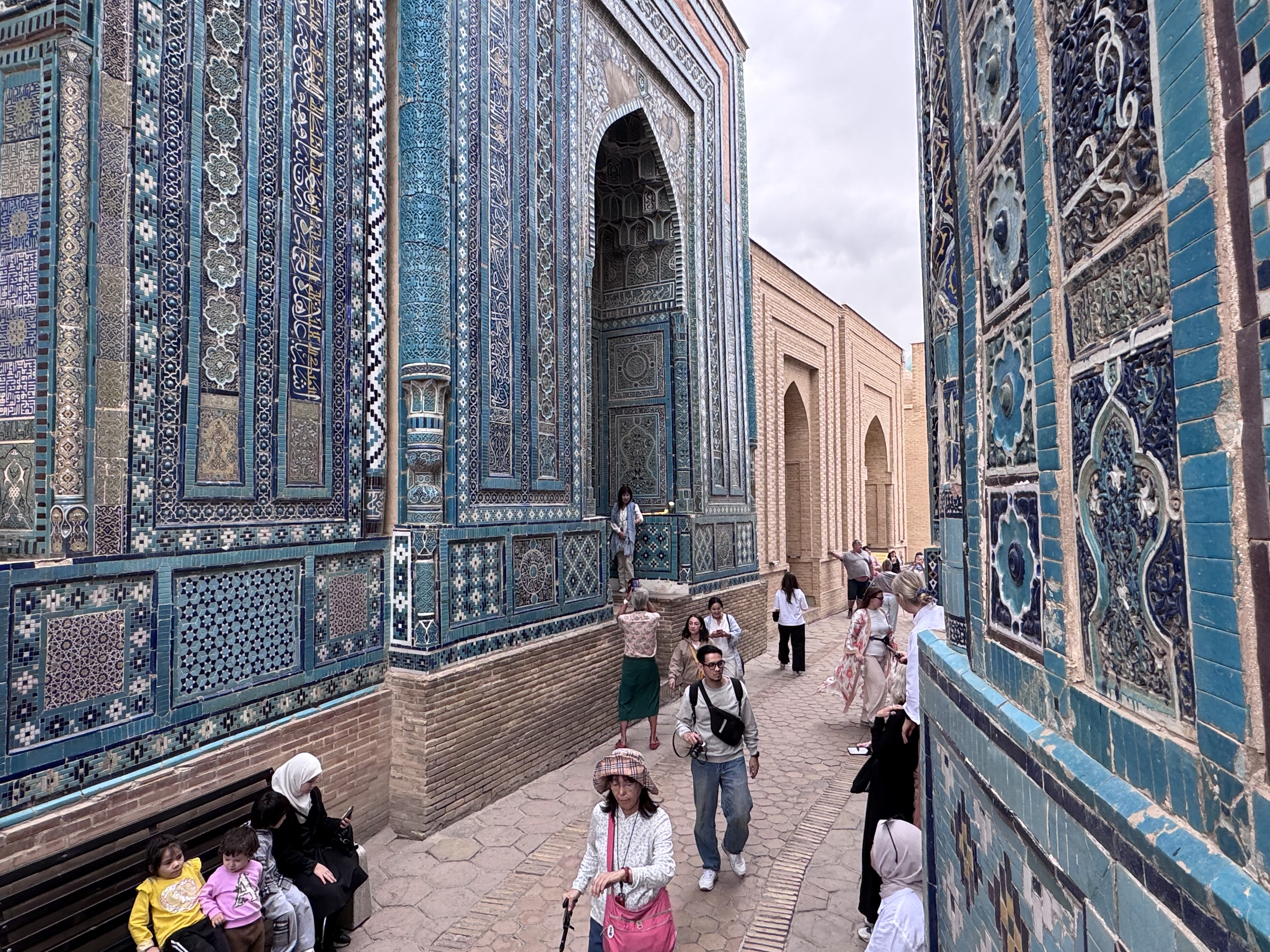
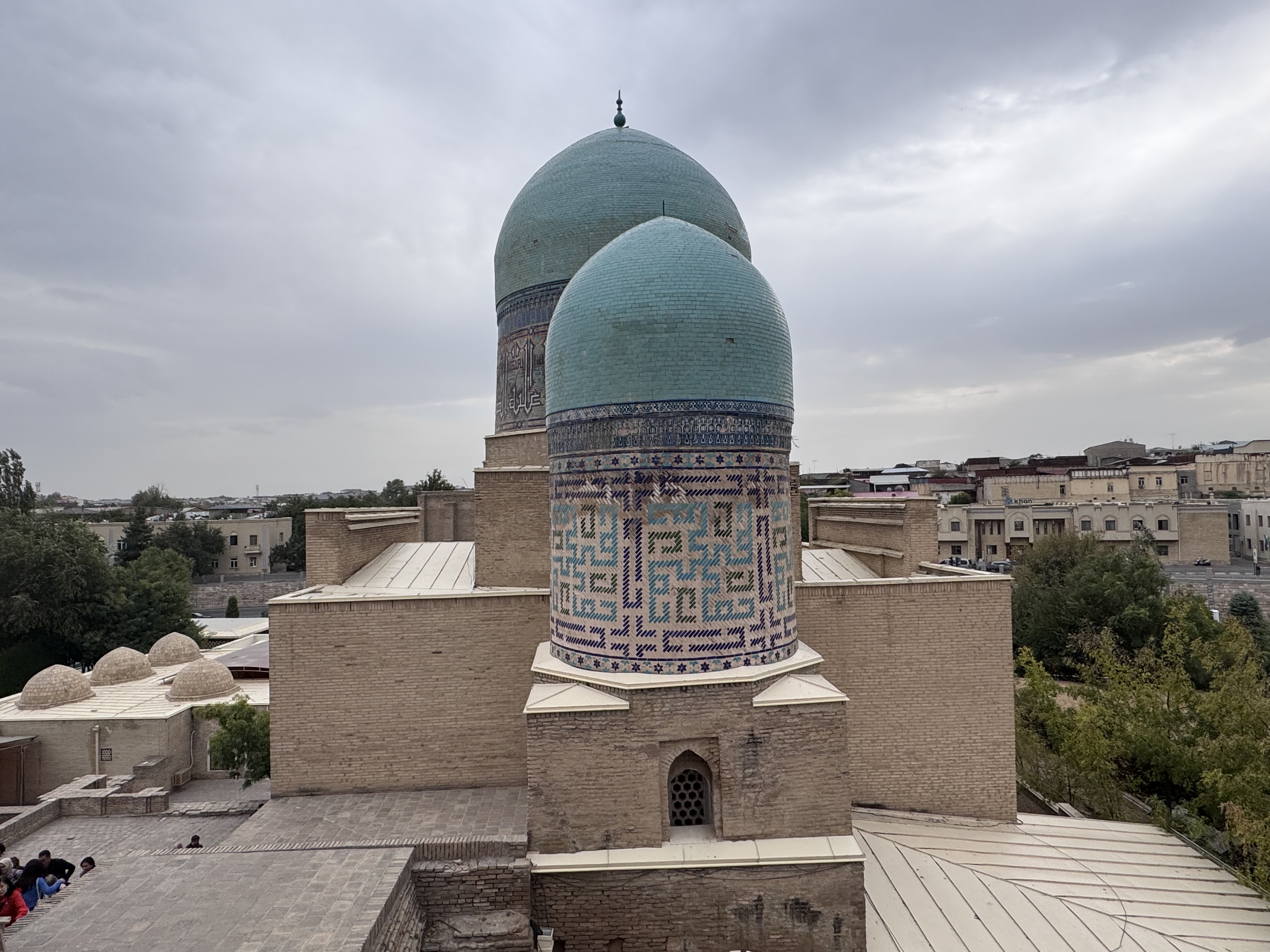
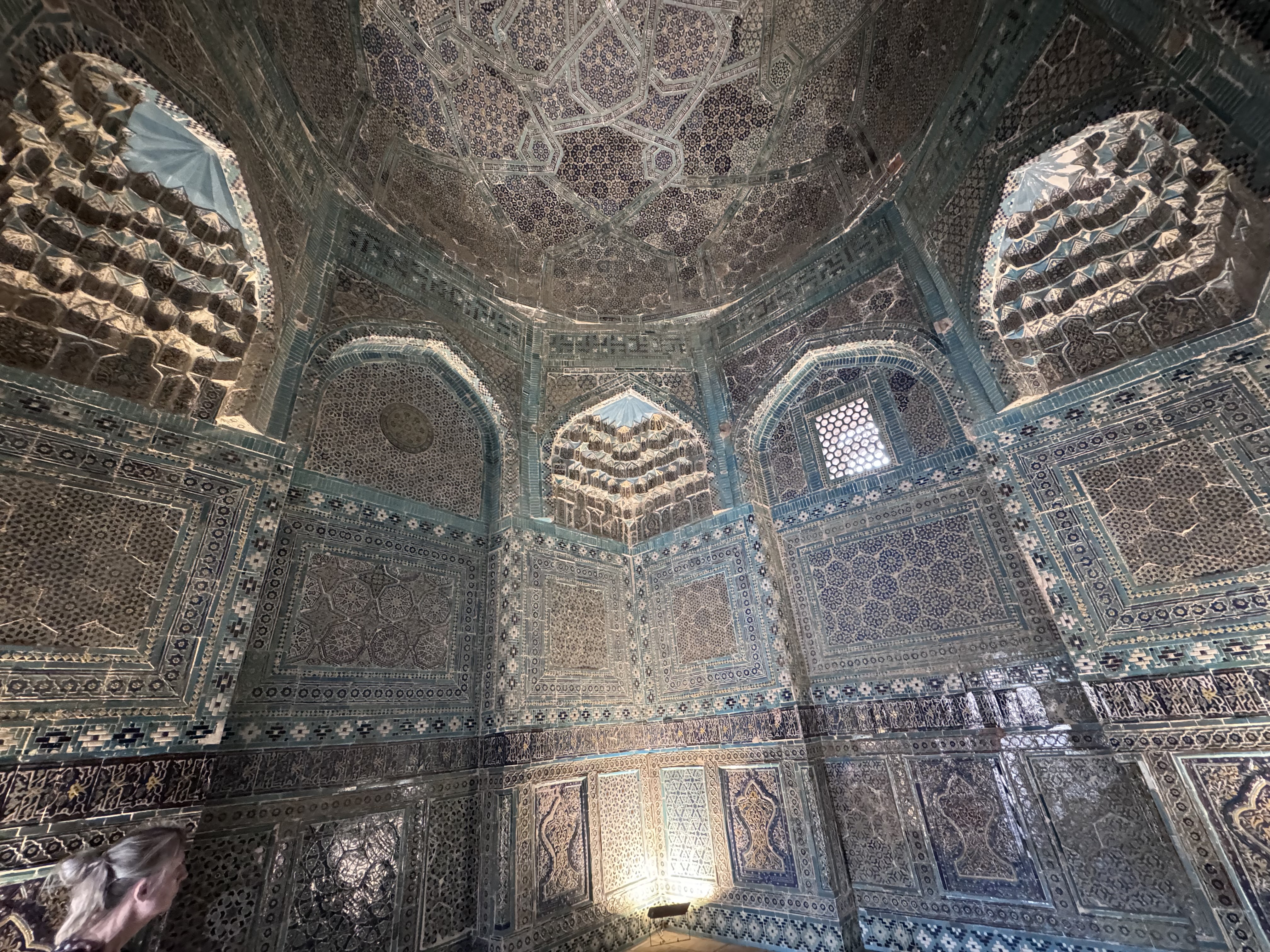
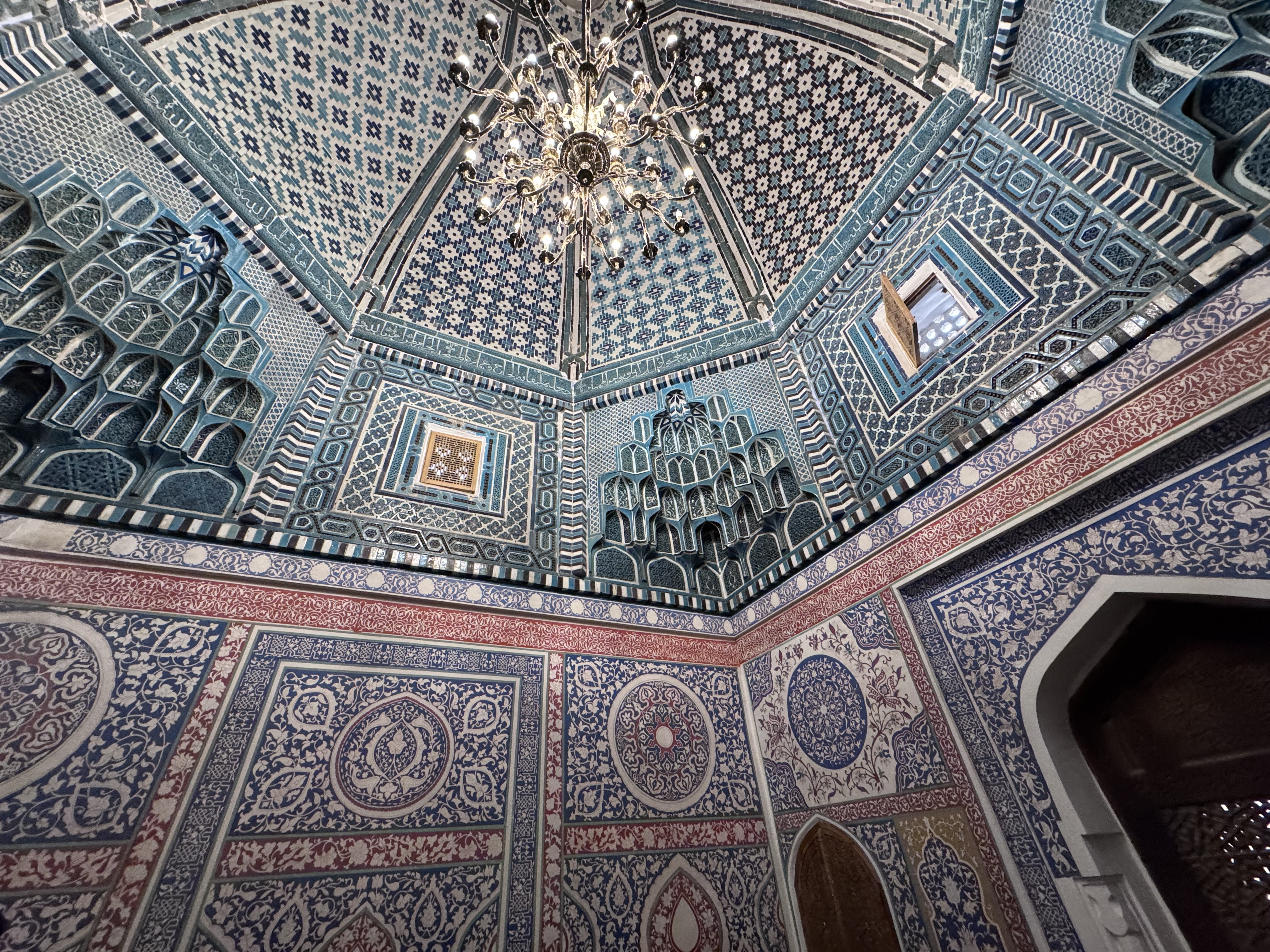
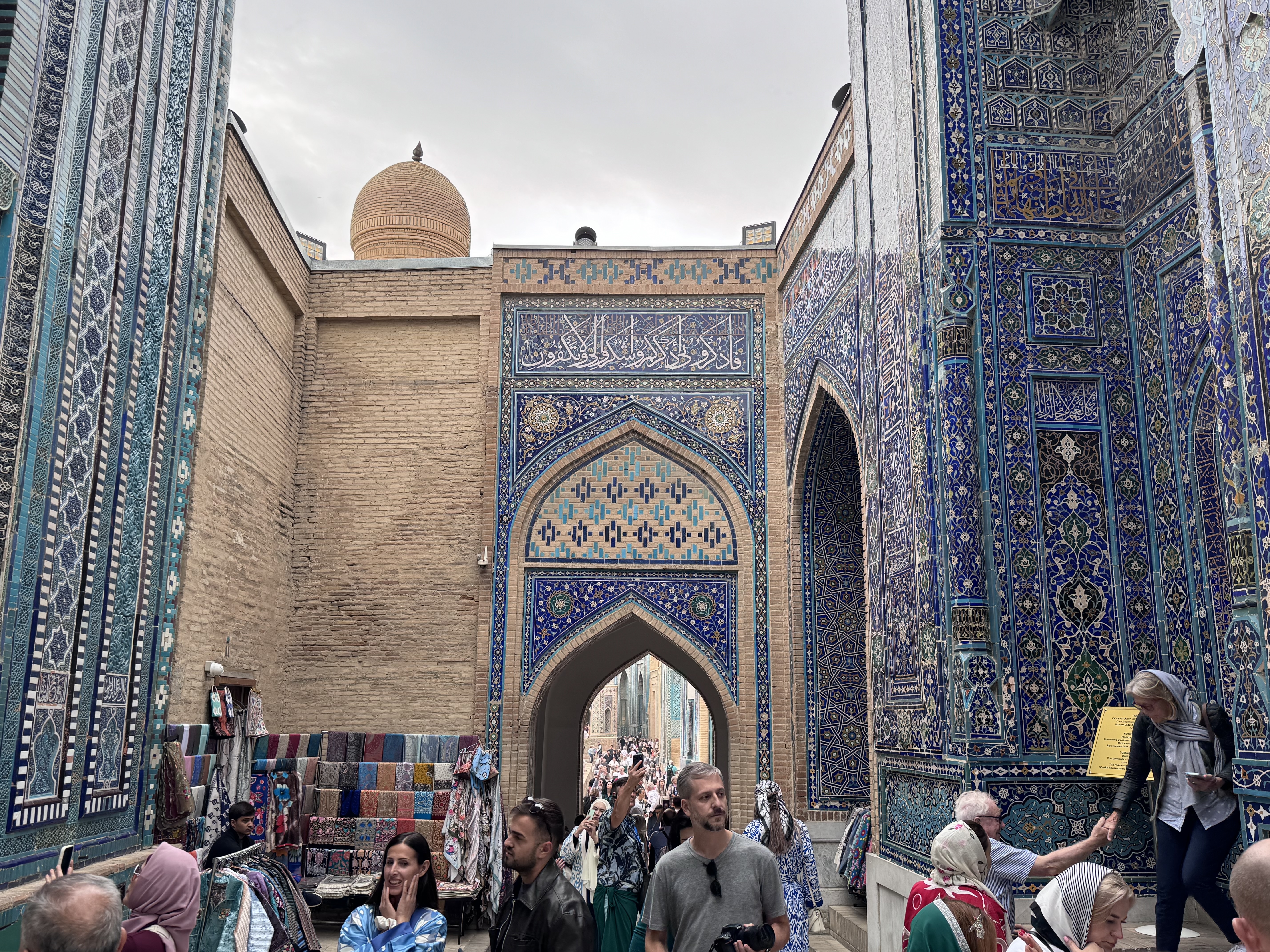
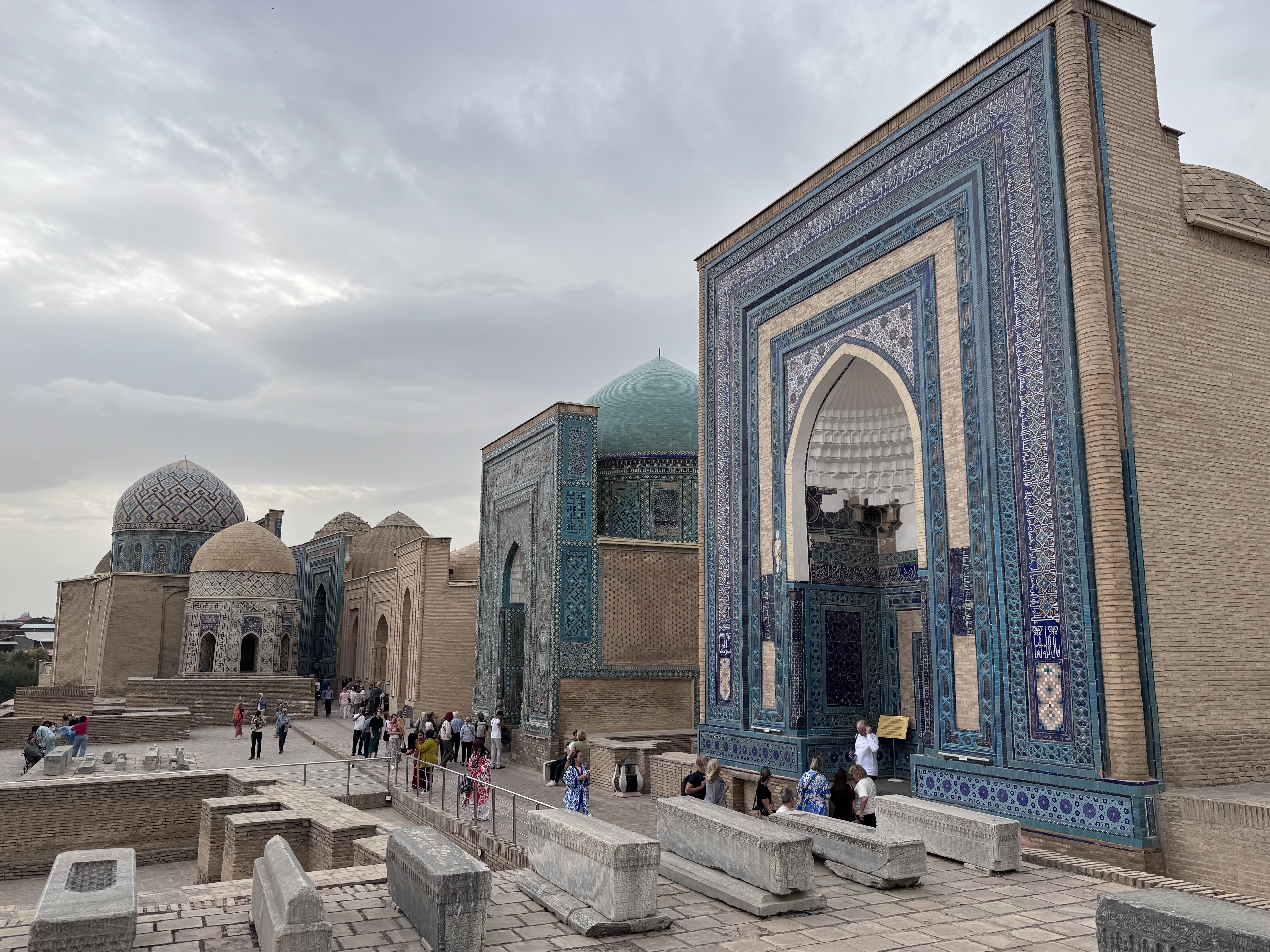
The Shah-i-Zinda ensemble, also known as Shohizinda, is a historic necropolis and funerary complex located on the southern slope of the ancient Afrasiab hill in the northeastern part of Samarkand, Uzbekistan. Its name, drawn from Classical Persian, means “the Living King,” and it centers on a powerful local legend associated with Qutham (or Qusam, Kusam) ibn Abbas, a cousin of the Prophet Muhammad.
Tradition holds that he arrived in the region during the seventh-century Arab conquests to preach Islam. According to one widely told account, he was attacked and beheaded while at prayer; he then picked up his severed head and walked to a deep well or cleft known as the Garden of Paradise, where he is believed to remain alive to this day in a subterranean realm. This legend transformed the site into a major place of pilgrimage, and the complex grew around the reputed shrine of this “living king.”
Archaeological evidence shows that the area had long been occupied. Beneath the medieval layers ...