

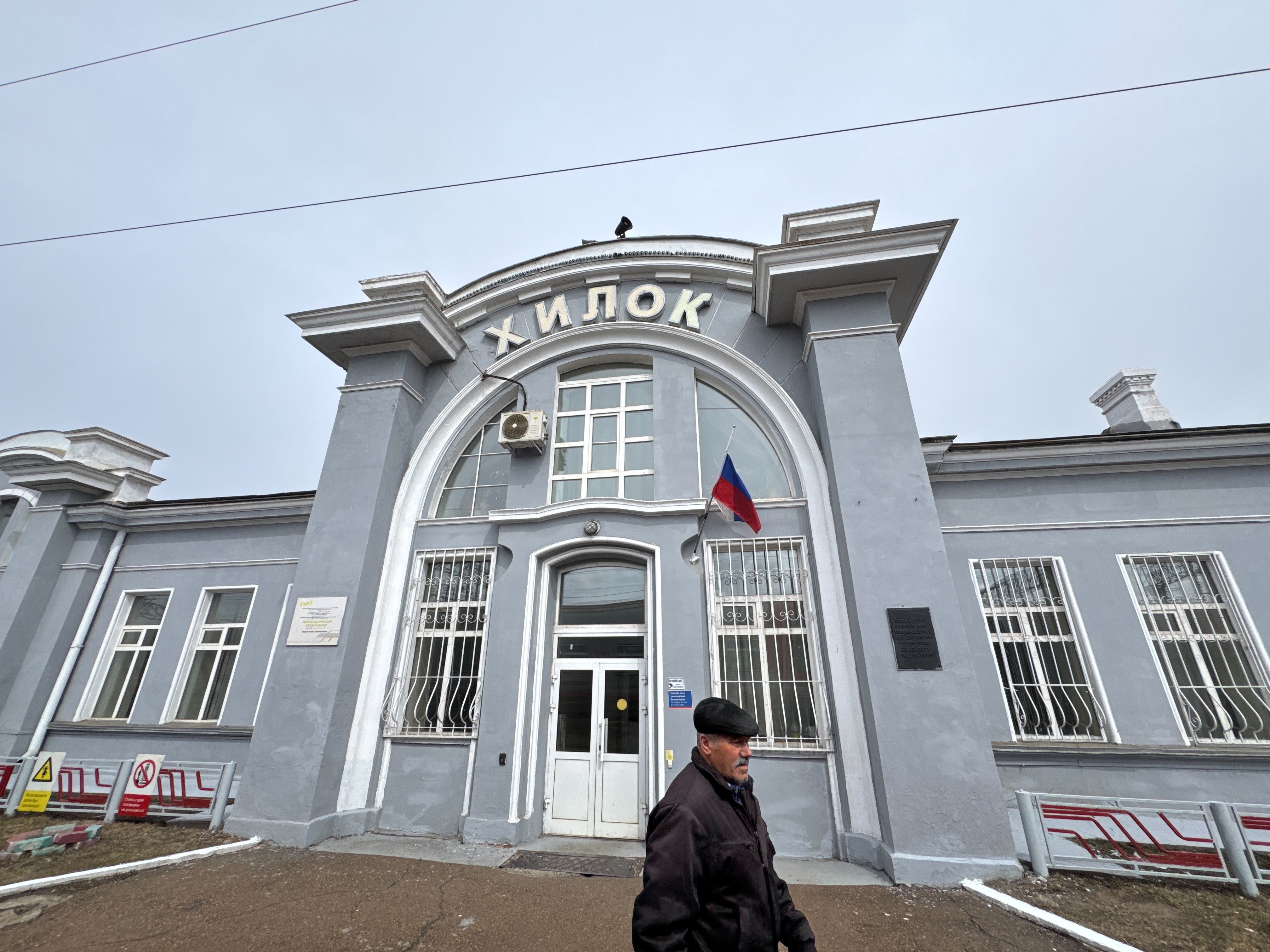
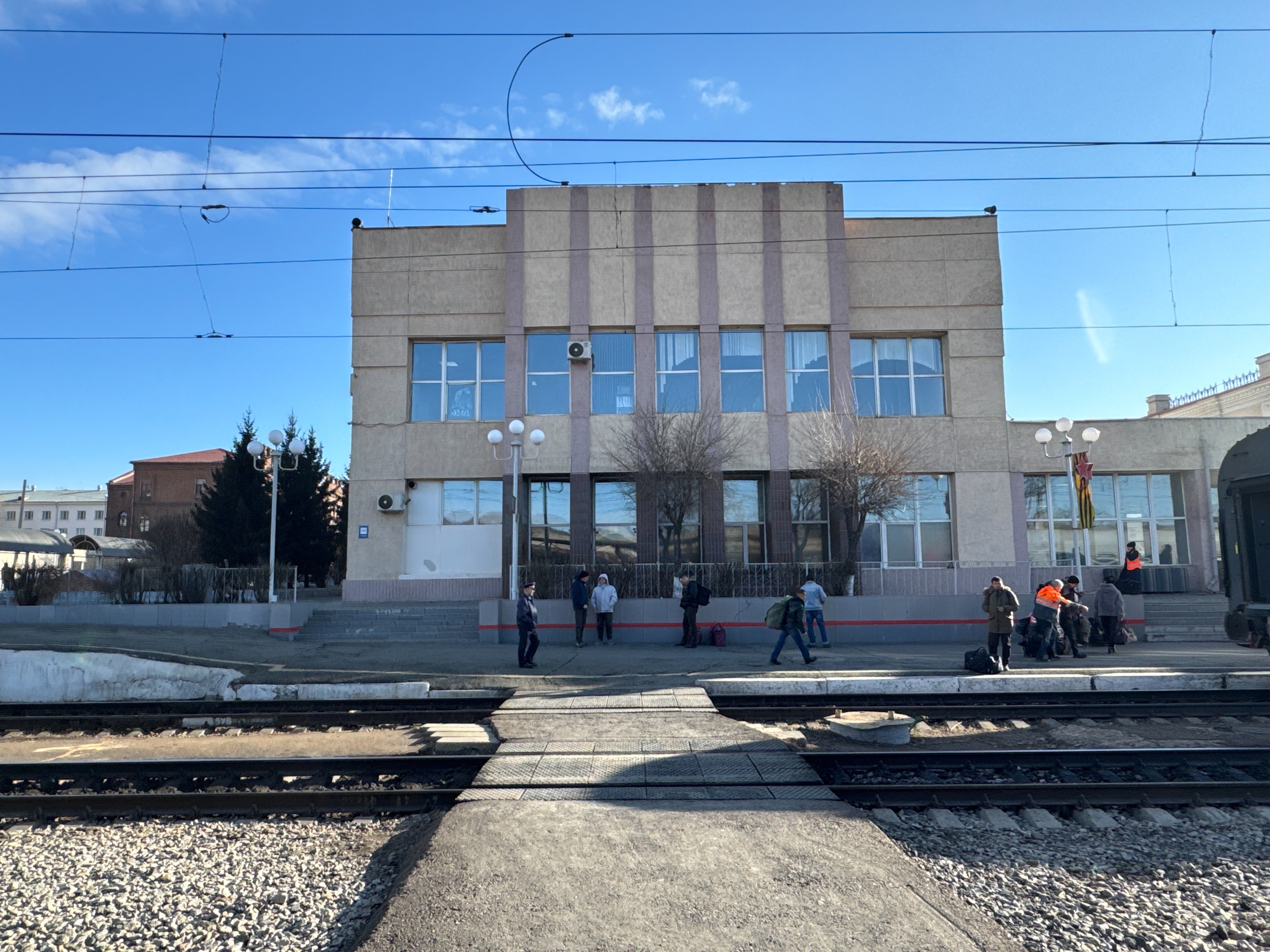
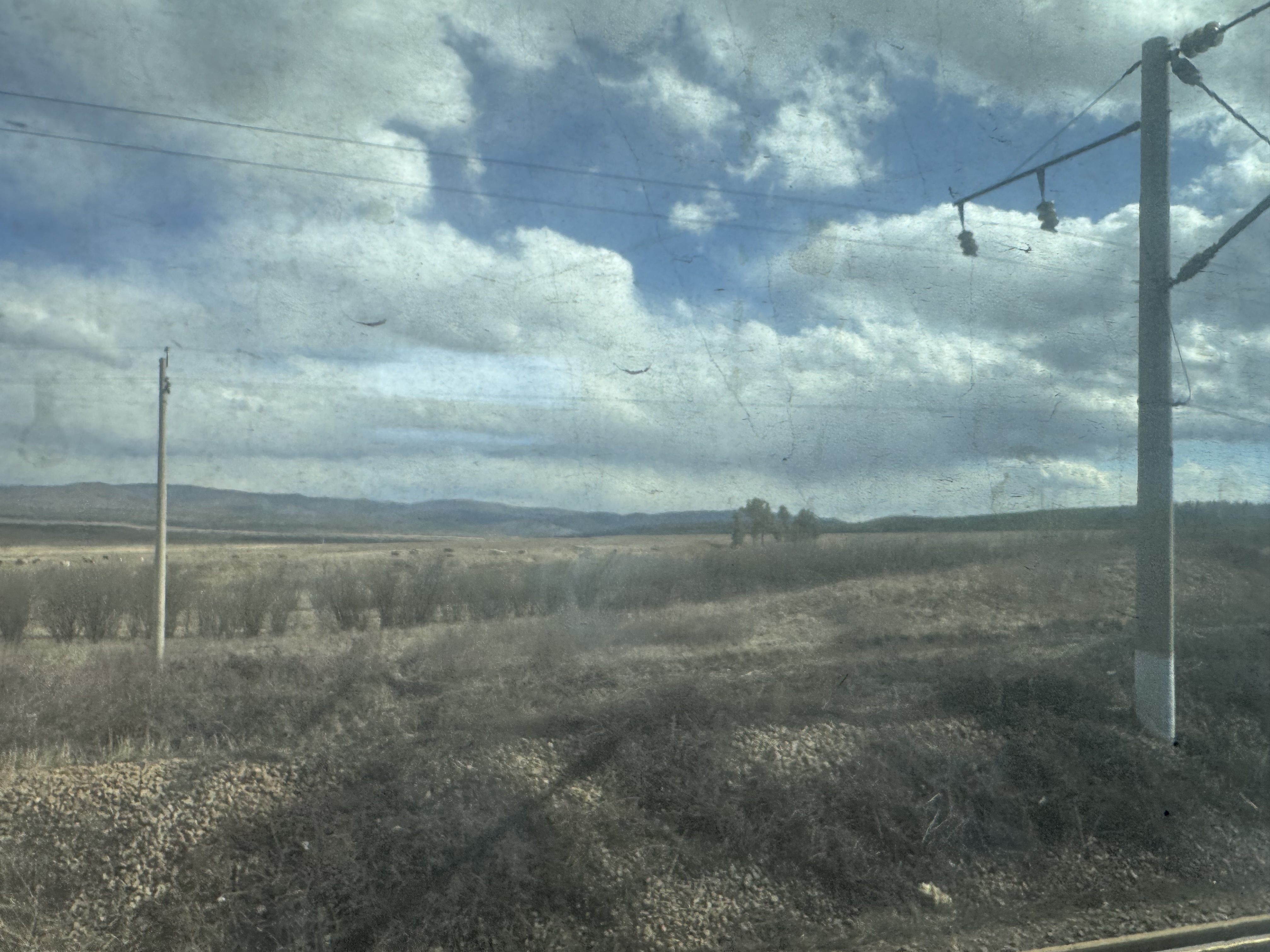
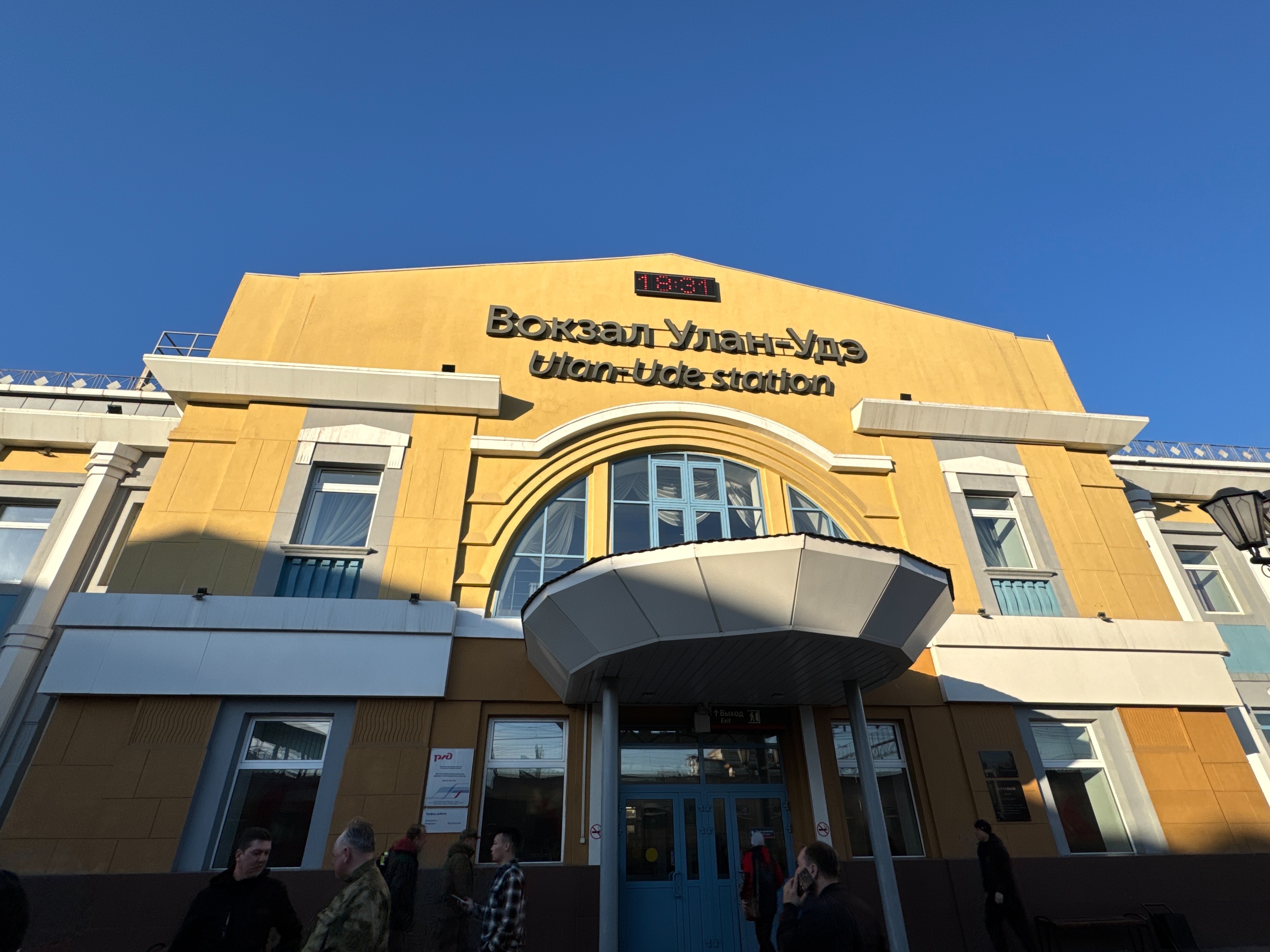
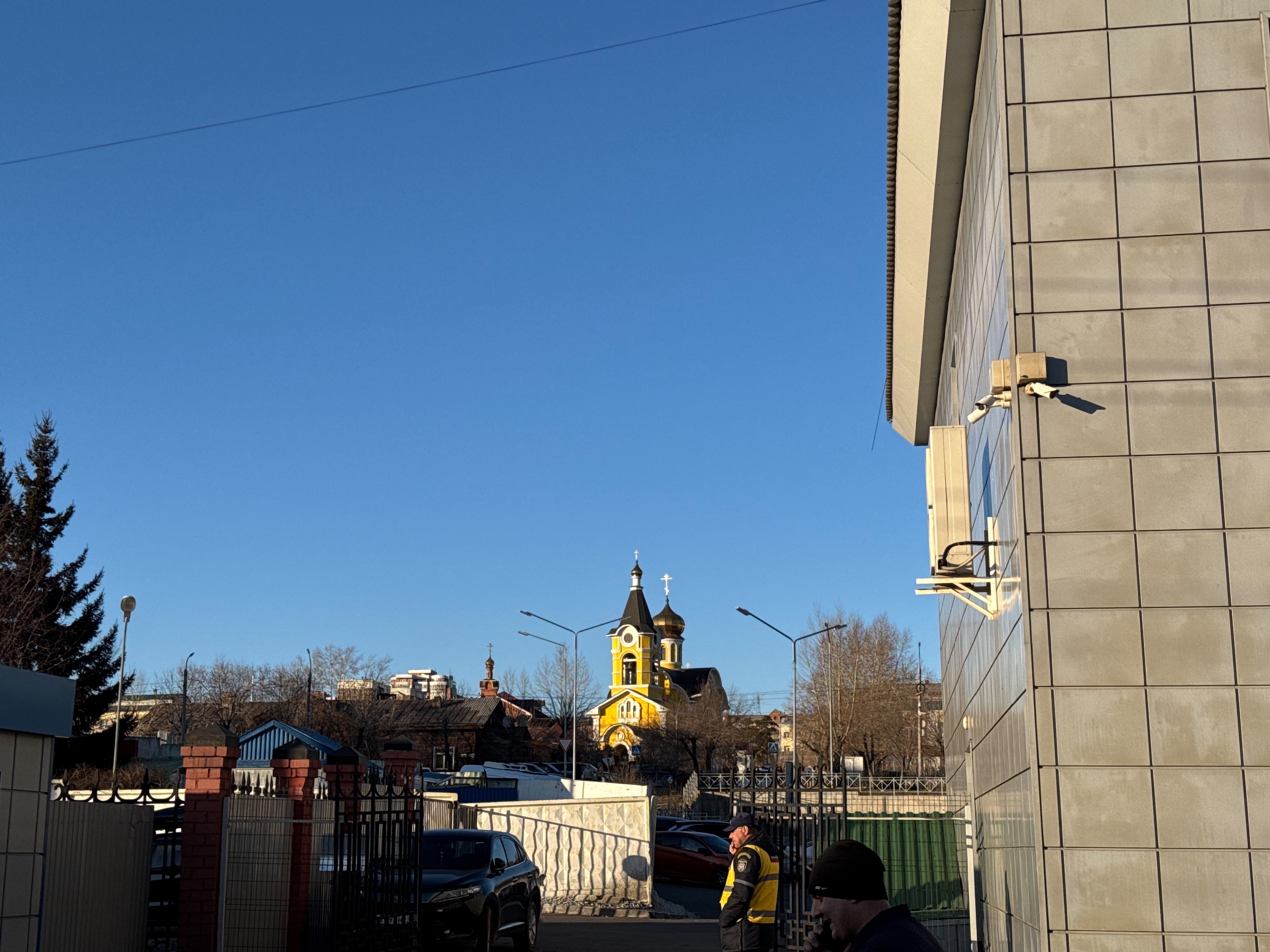
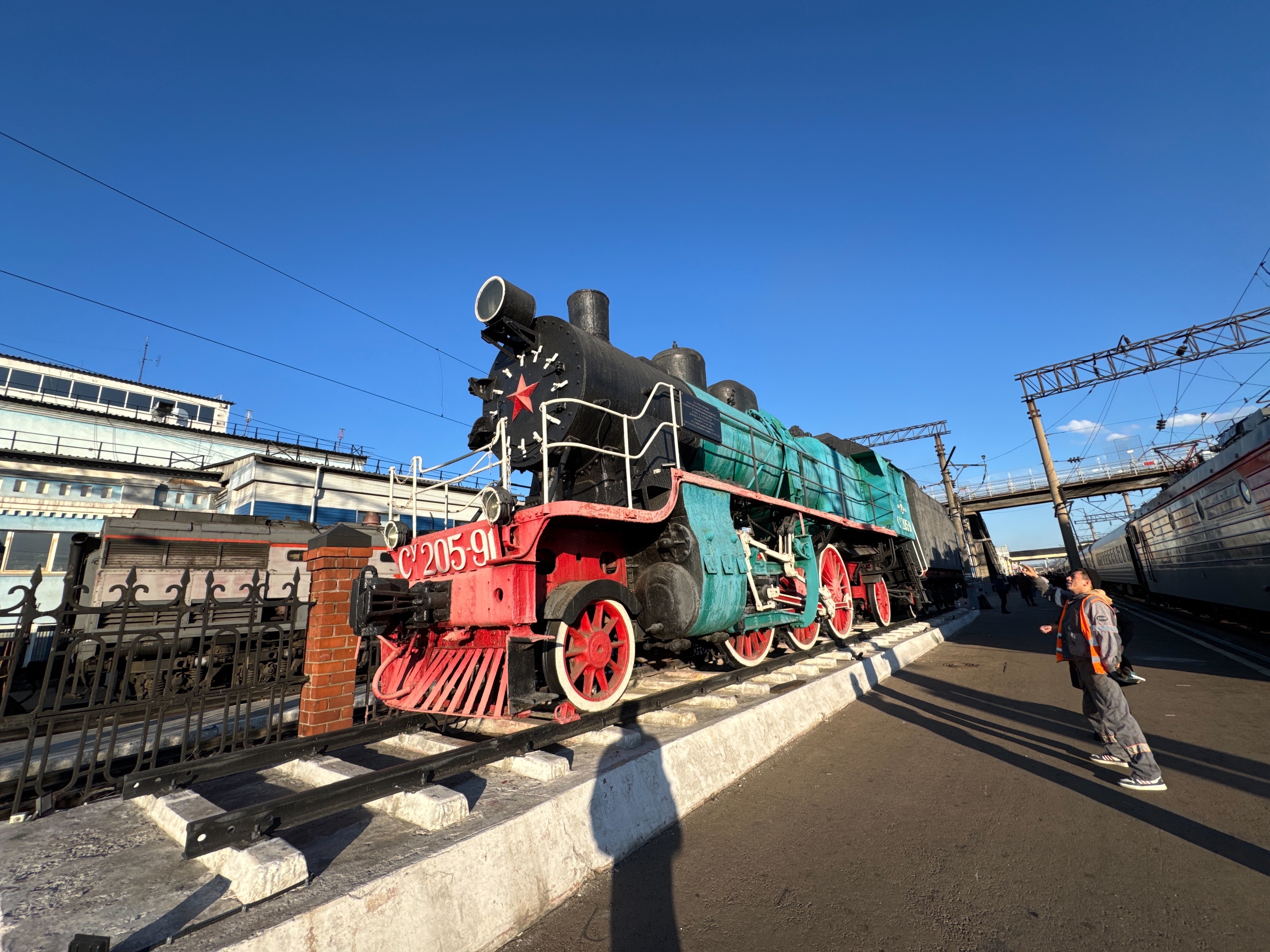
The Trans-Siberian Railway is the world’s longest single continuous rail line, spanning about 9,289 kilometers from Moscow to Vladivostok across eight time zones, vast taiga forests, steppe, mountains, and 16 major rivers.
Construction began in 1891 under Tsar Alexander III, with Tsarevich Nicholas II laying the first stone in Vladivostok. The project aimed to unite the Russian Empire, boost trade with Asia, and develop Siberia’s resources.
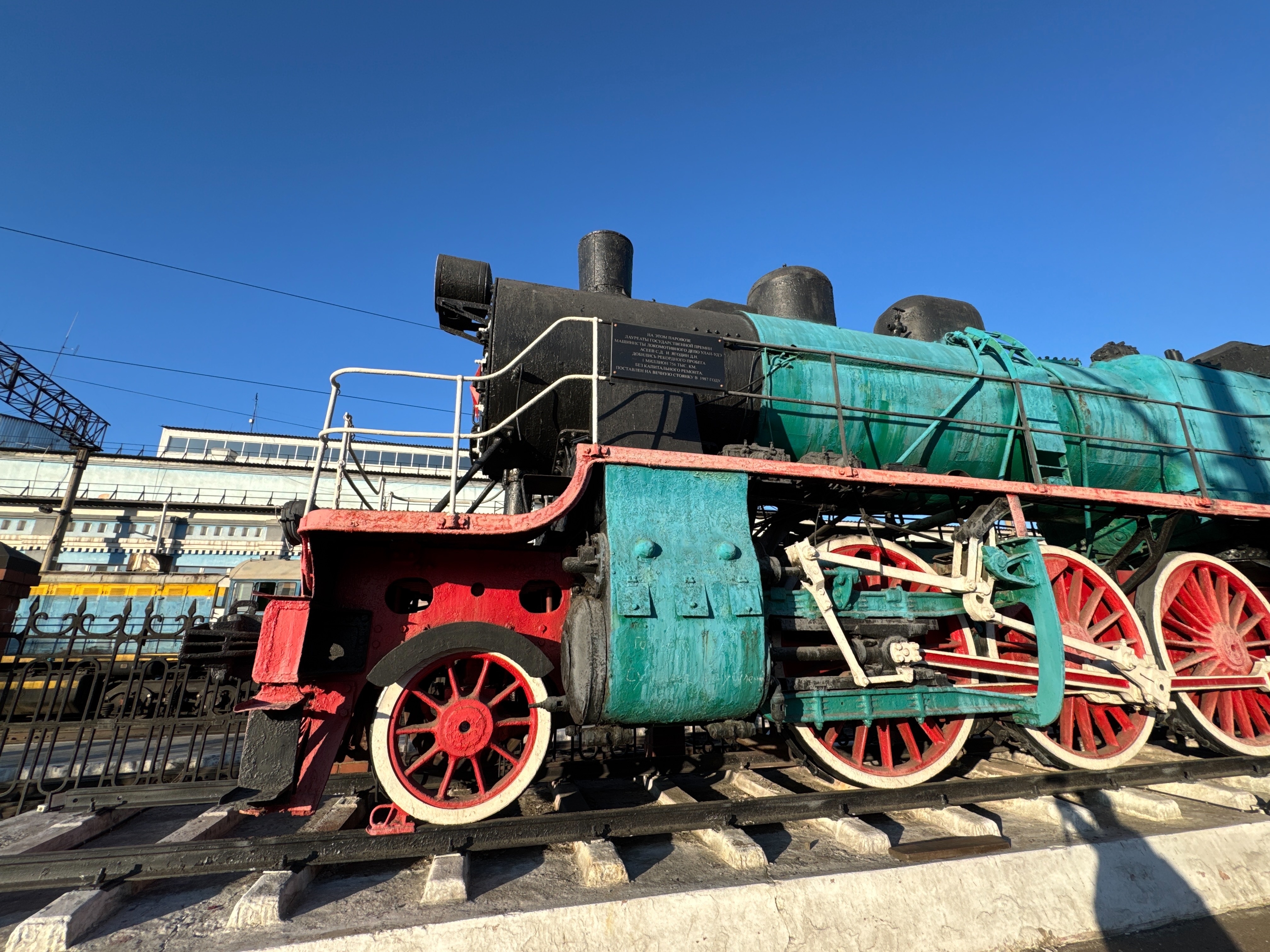
Built in sections from both ends amid harsh terrain and permafrost, the full Russian route (avoiding earlier Manchurian shortcuts) was completed in 1916. It later supported Soviet industrialization, World War II logistics, and remains a key passenger and freight corridor operated by Russian Railways.
The premier service is the Rossiya train number 001/002, a comfortable firmeny train with renovated carriages featuring air conditioning, power outlets, USB ports, and showers in some cars. It offers first-class (two-berth), second-class kupe (four-berth), and...
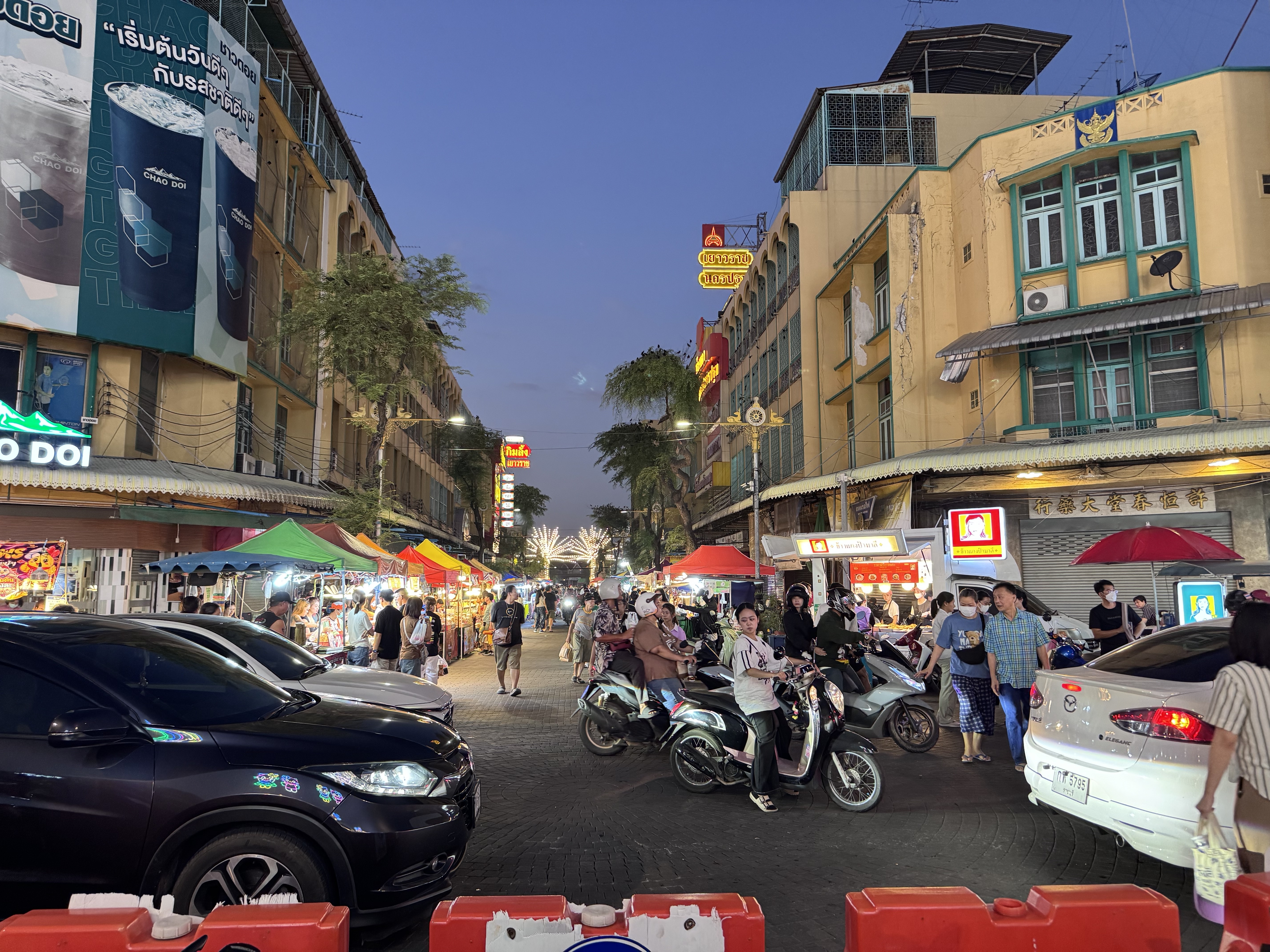
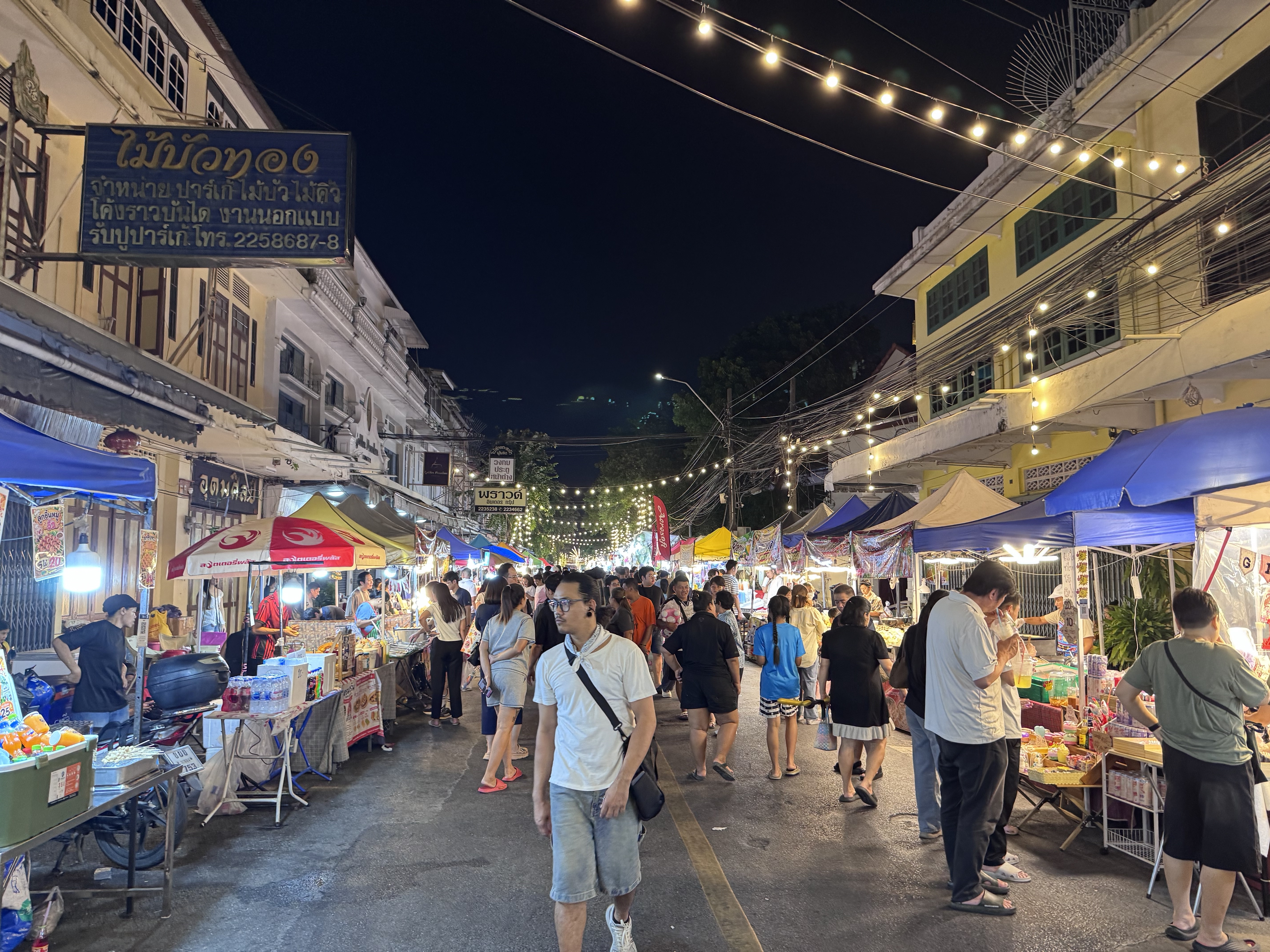
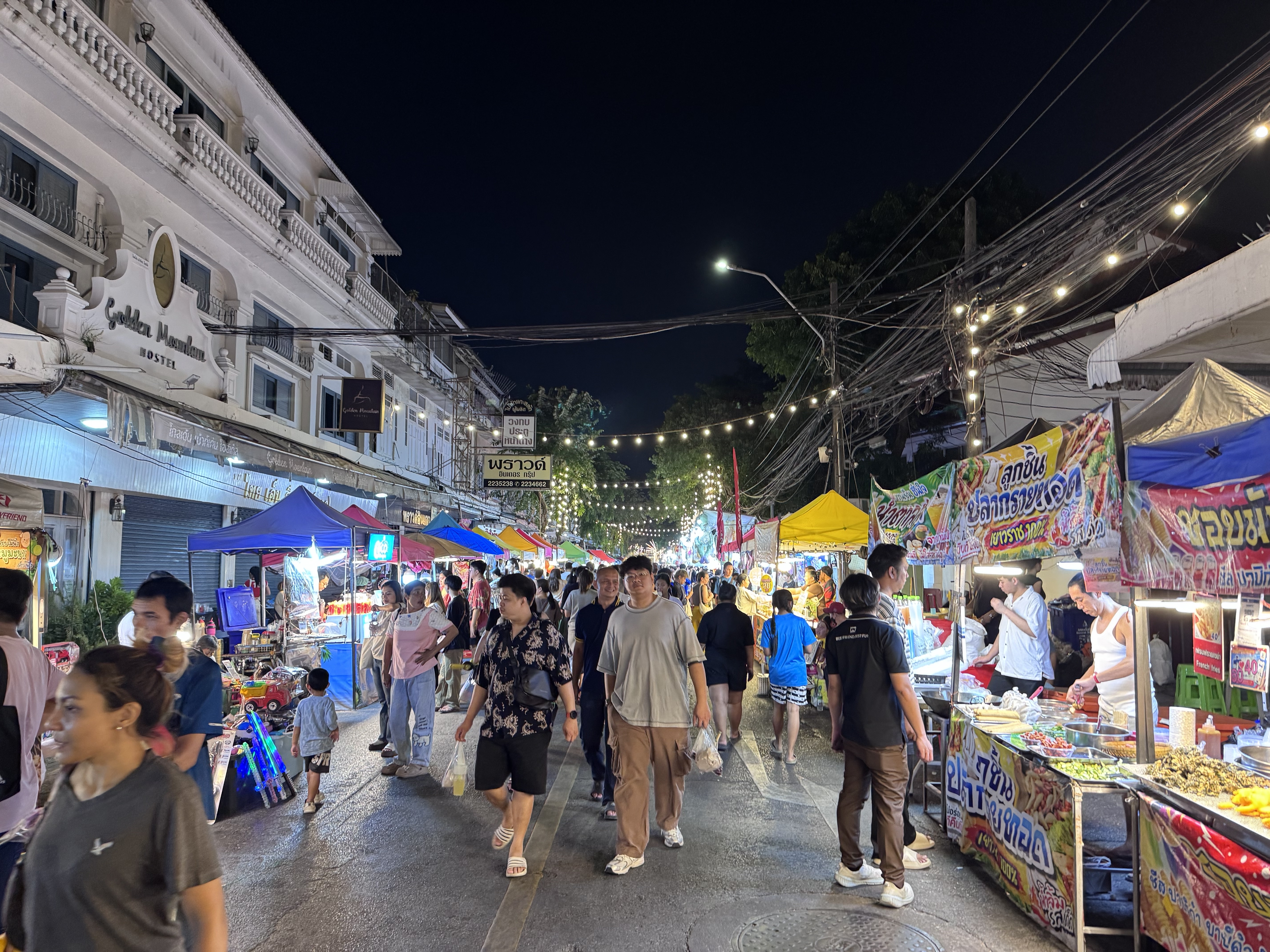
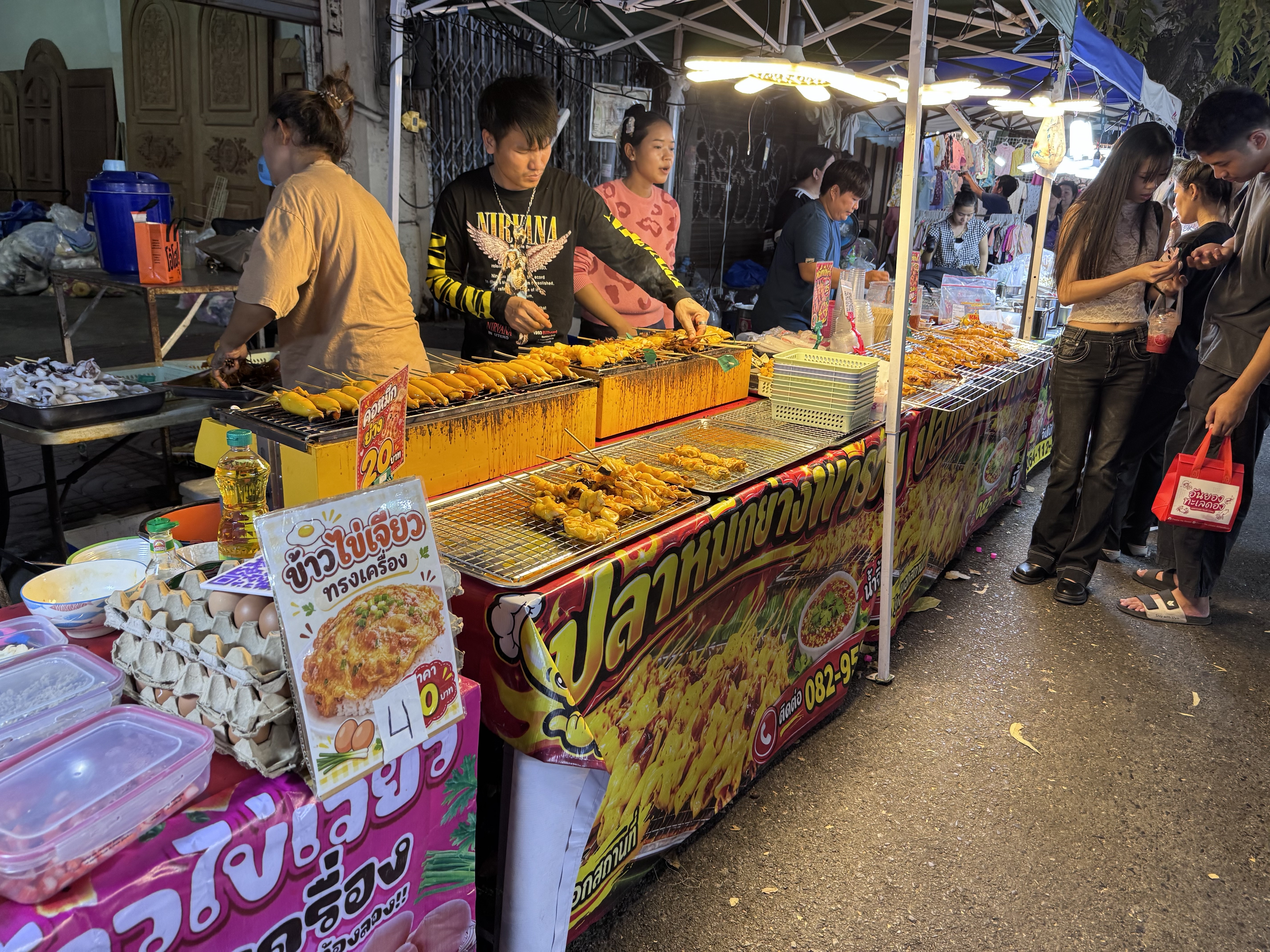
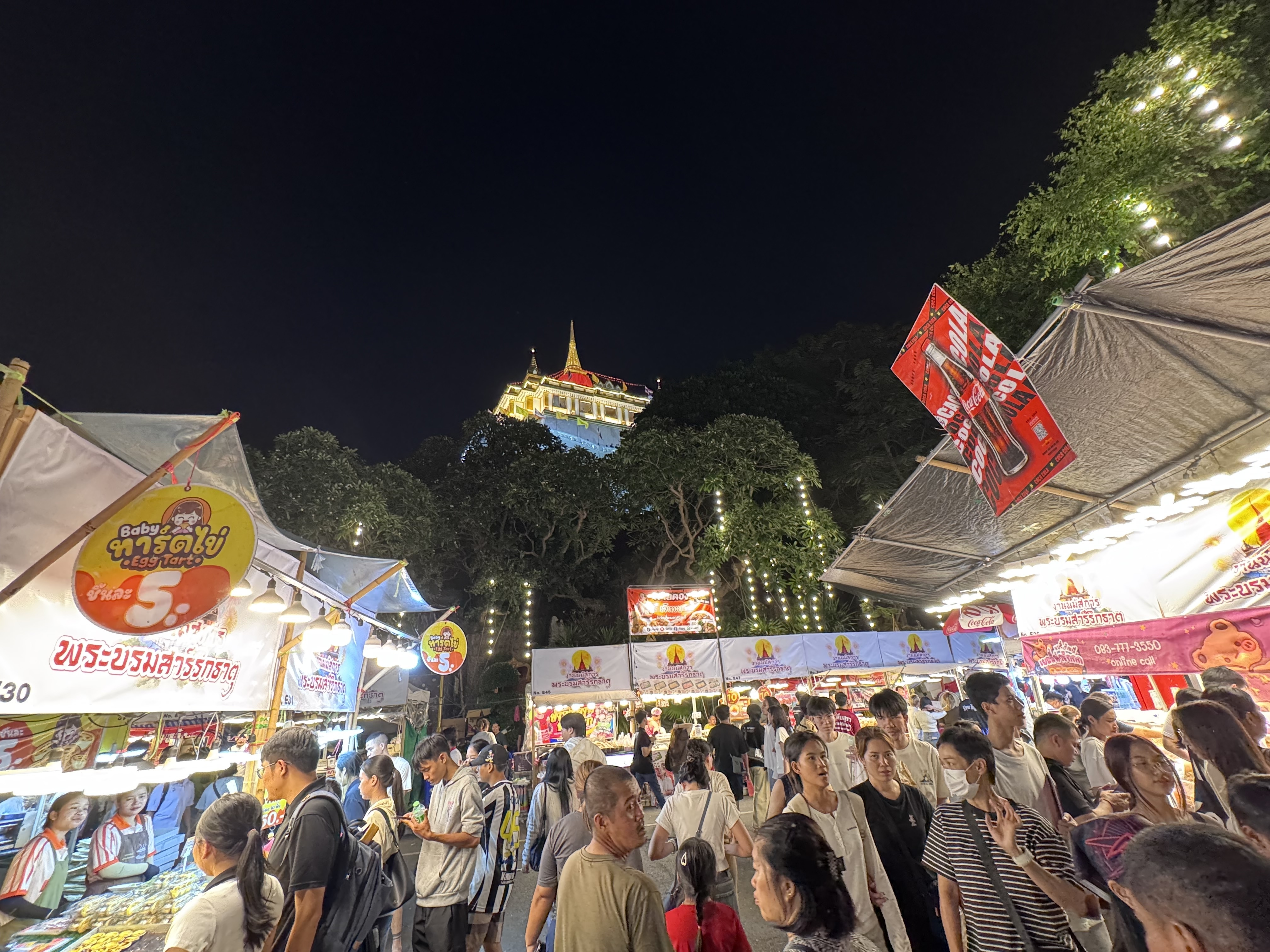
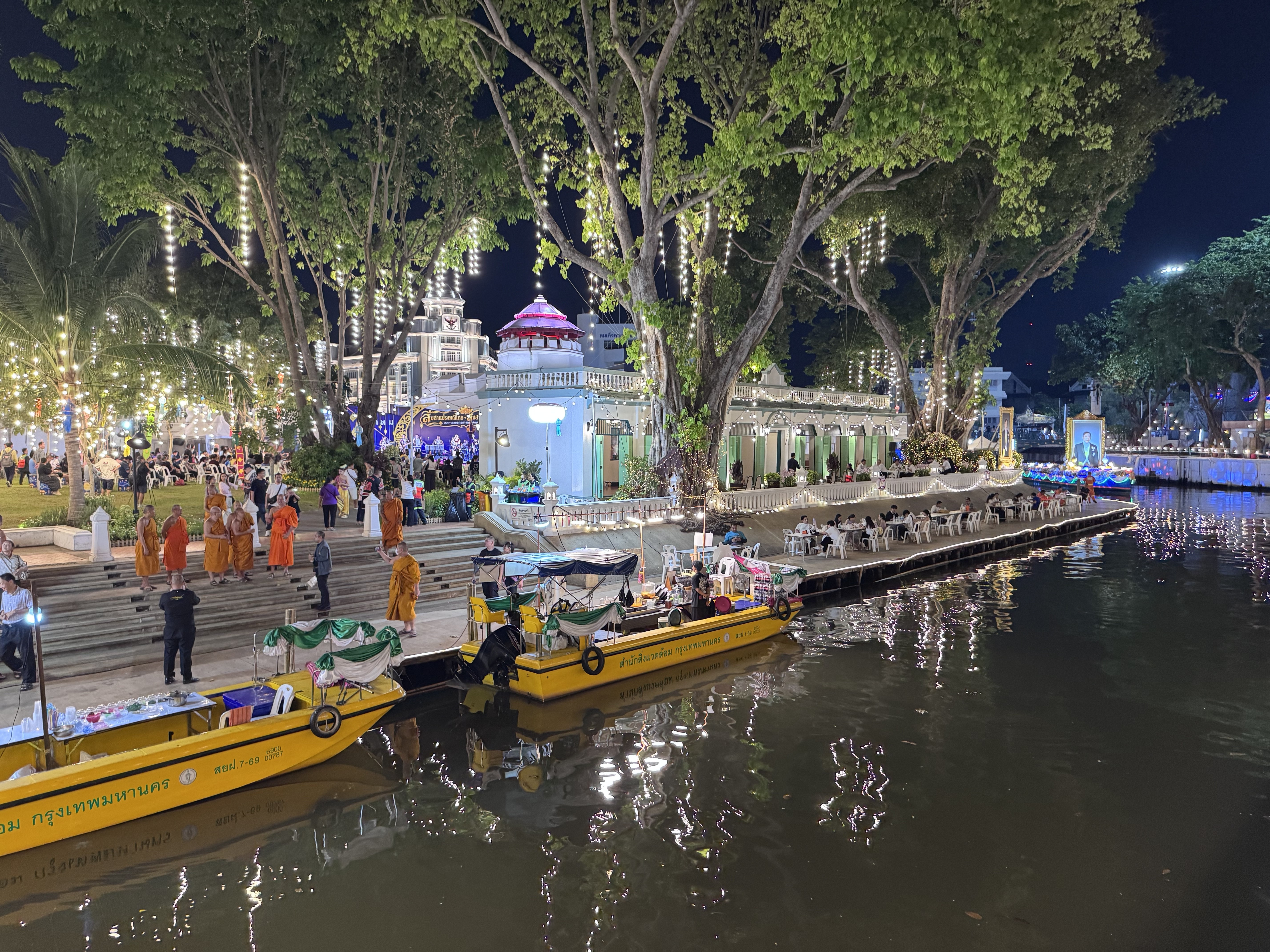
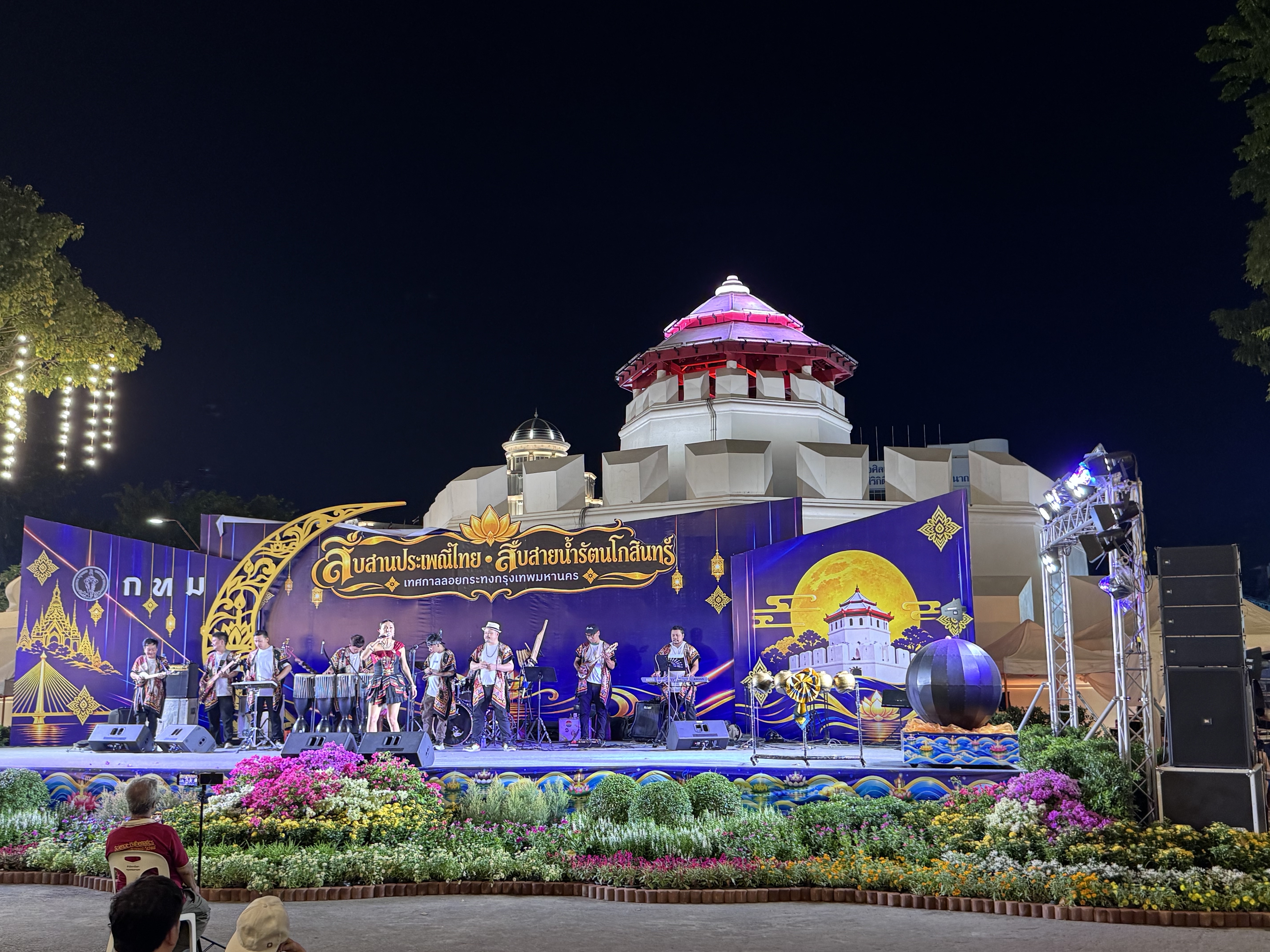
Running from November 17 to 29th 2026, "Preserving Rattanakosin's Waterway Traditions: Three Temples and One Fort" unites four historic landmarks along Bangkok's old city canal into a single cultural circuit. Rather than standing alone, the event weaves together the temple fair at Wat Saket, the architectural heritage of Wat Ratchanatdaram, the literary legacy of Wat Thepthidaram, and the Loy Krathong festivities of Mahakan Fort for thirteen nights of relic worship, craft markets, folk performances, and illuminated canal walks.
The festival's anchor is the annual Golden Mount Temple Fair, inaugurated in 1899 when King Rama V enshrined sacred Buddha relics from Kapilavastu atop Phu Khao Thong around the twelfth lunar full moon. Over more than a century, this royal pilgrimage grew into Bangkok's grandest temple fair, famous for its dawn red-cloth stupa wrapping ceremony, markets and carnival rides.
In November 2026, the city expanded this tradition into "Preserving Rattanakosin's Waterway Traditions: ...
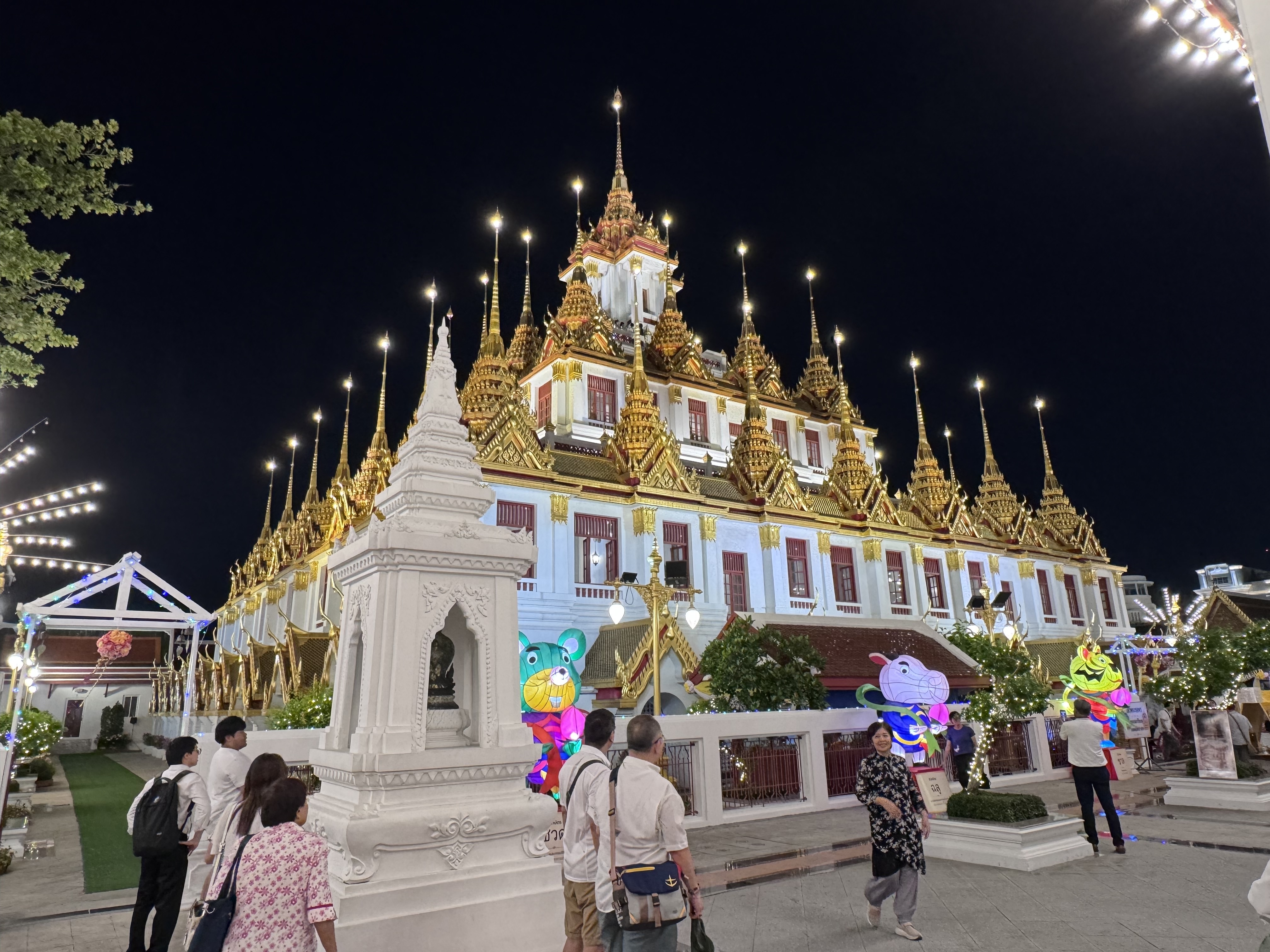
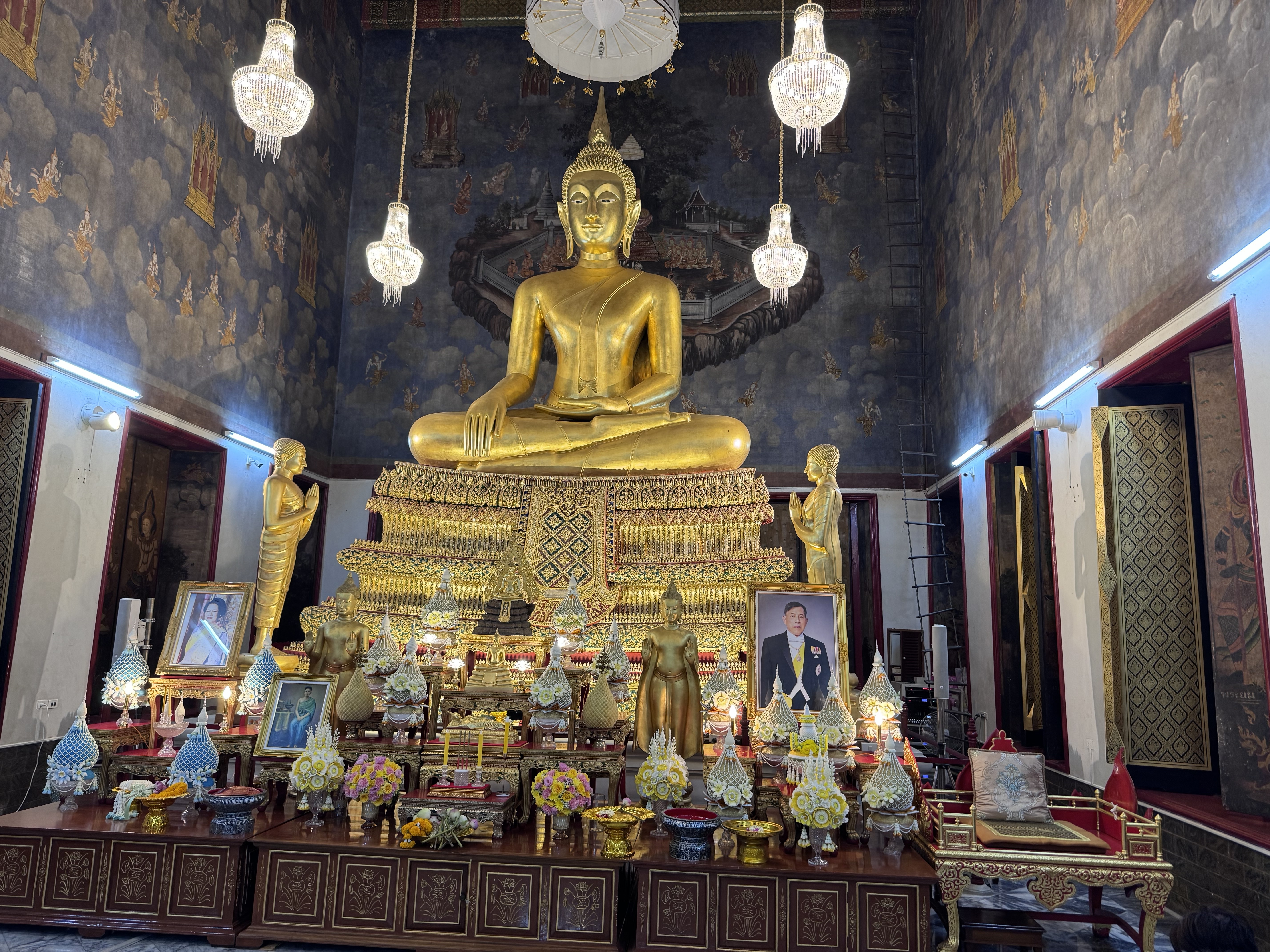
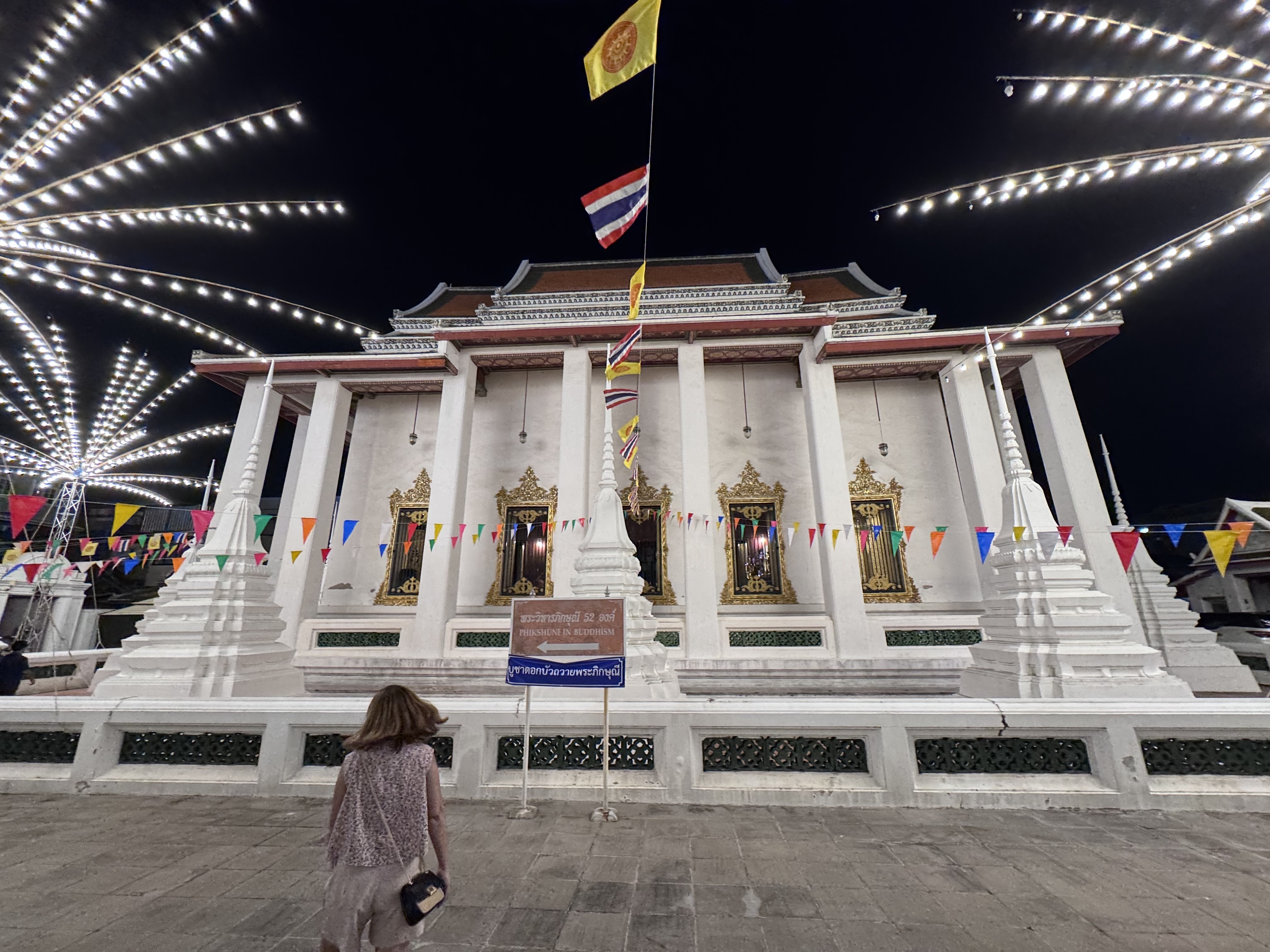
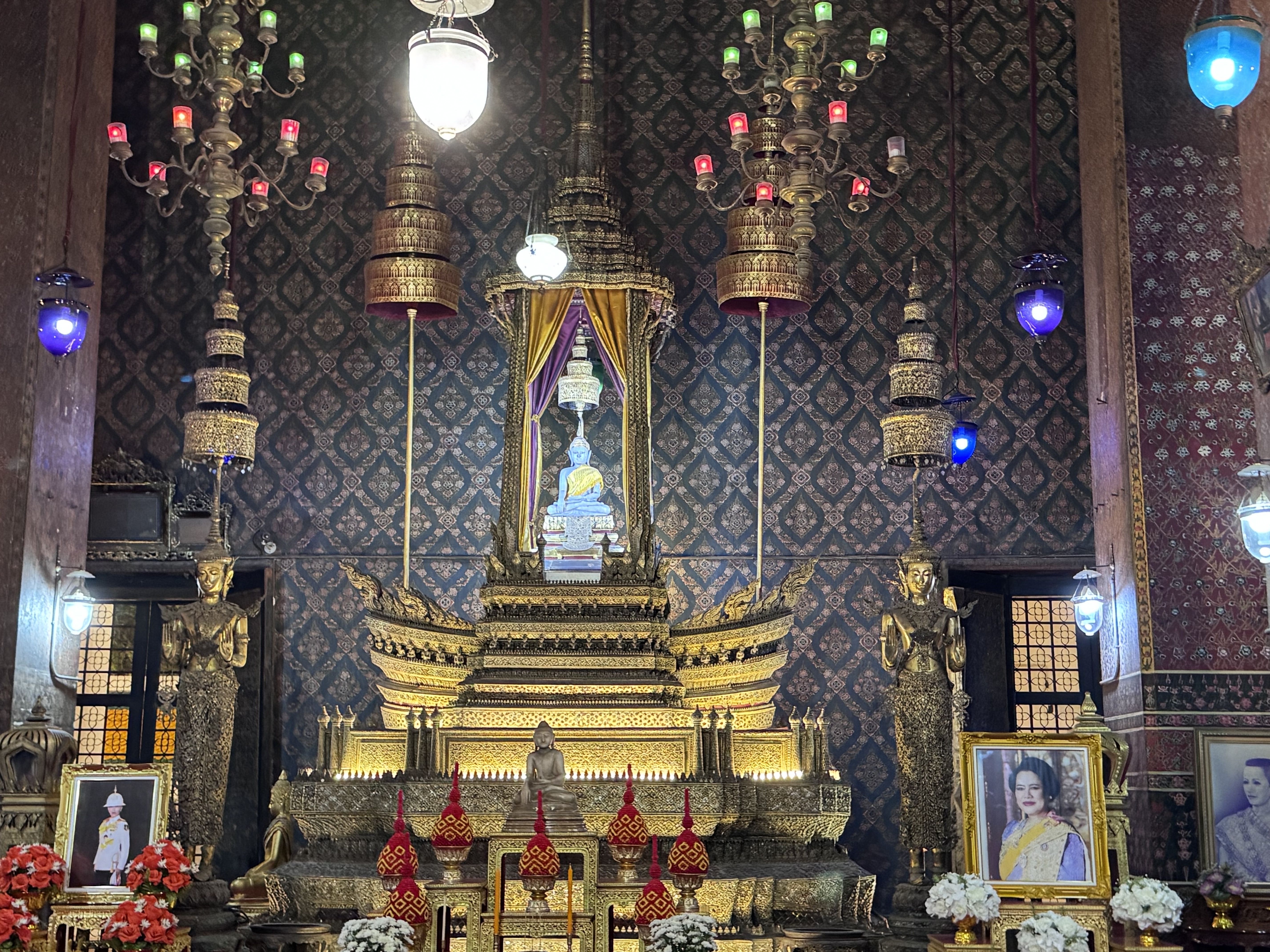
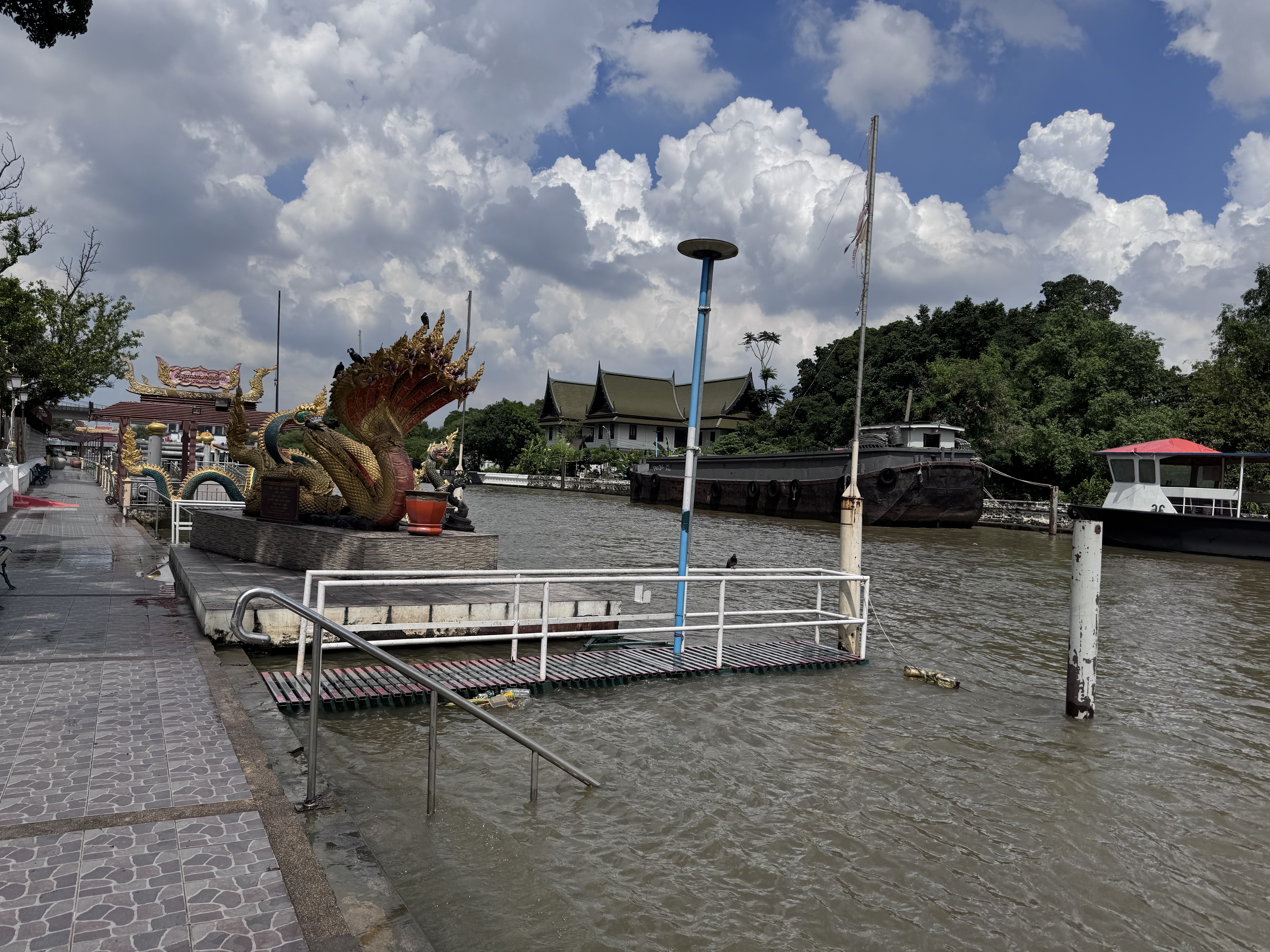
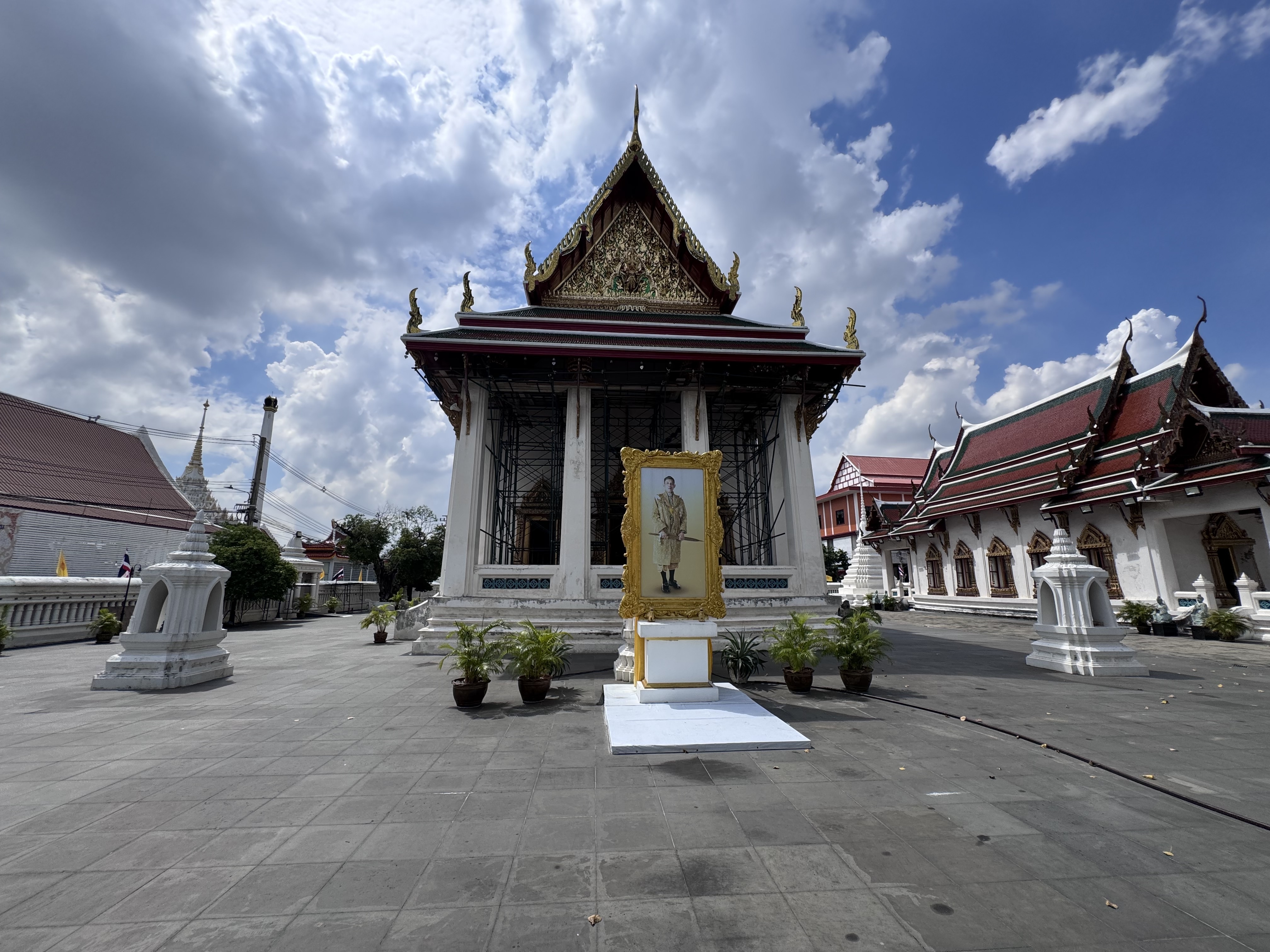
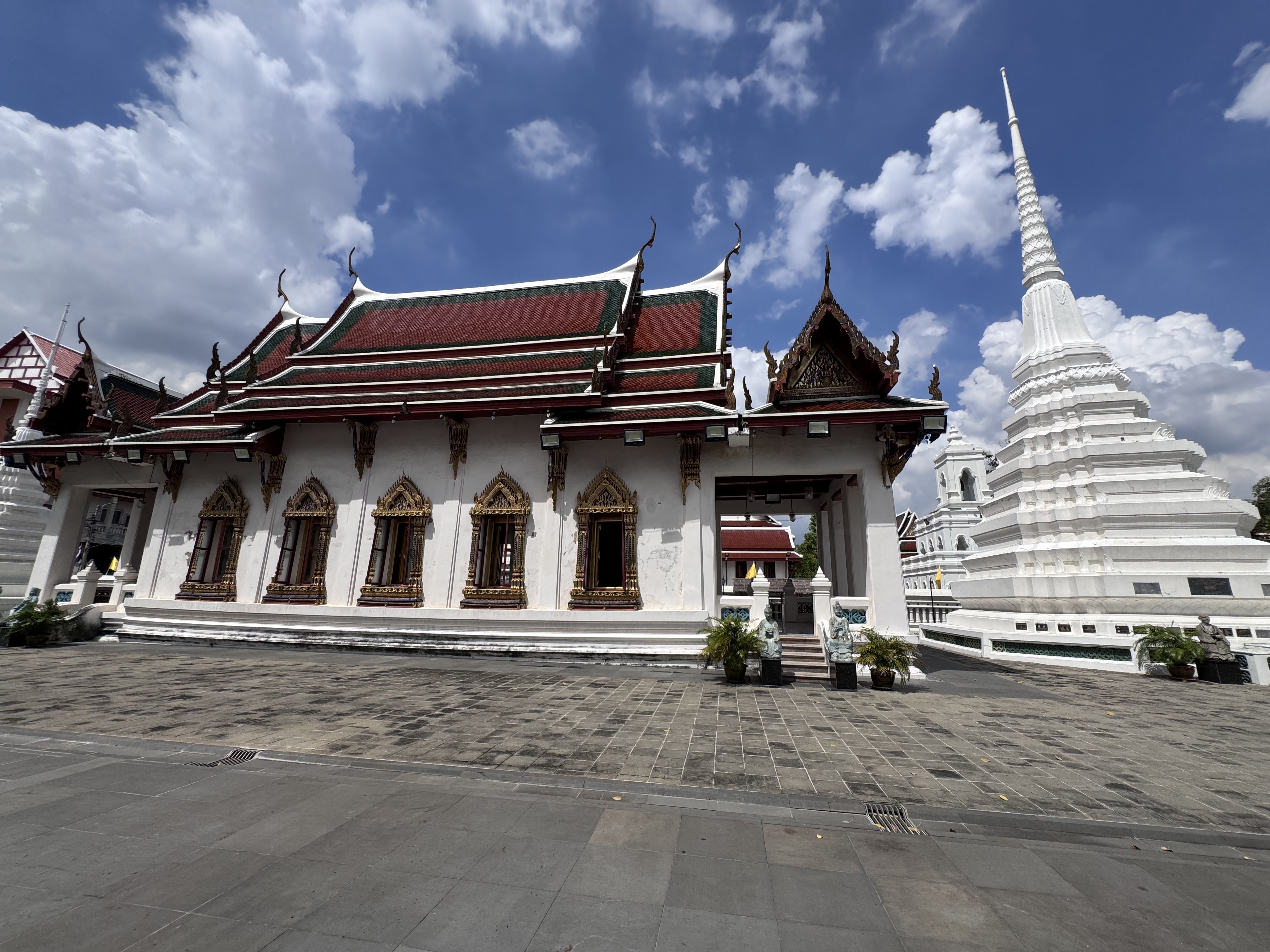
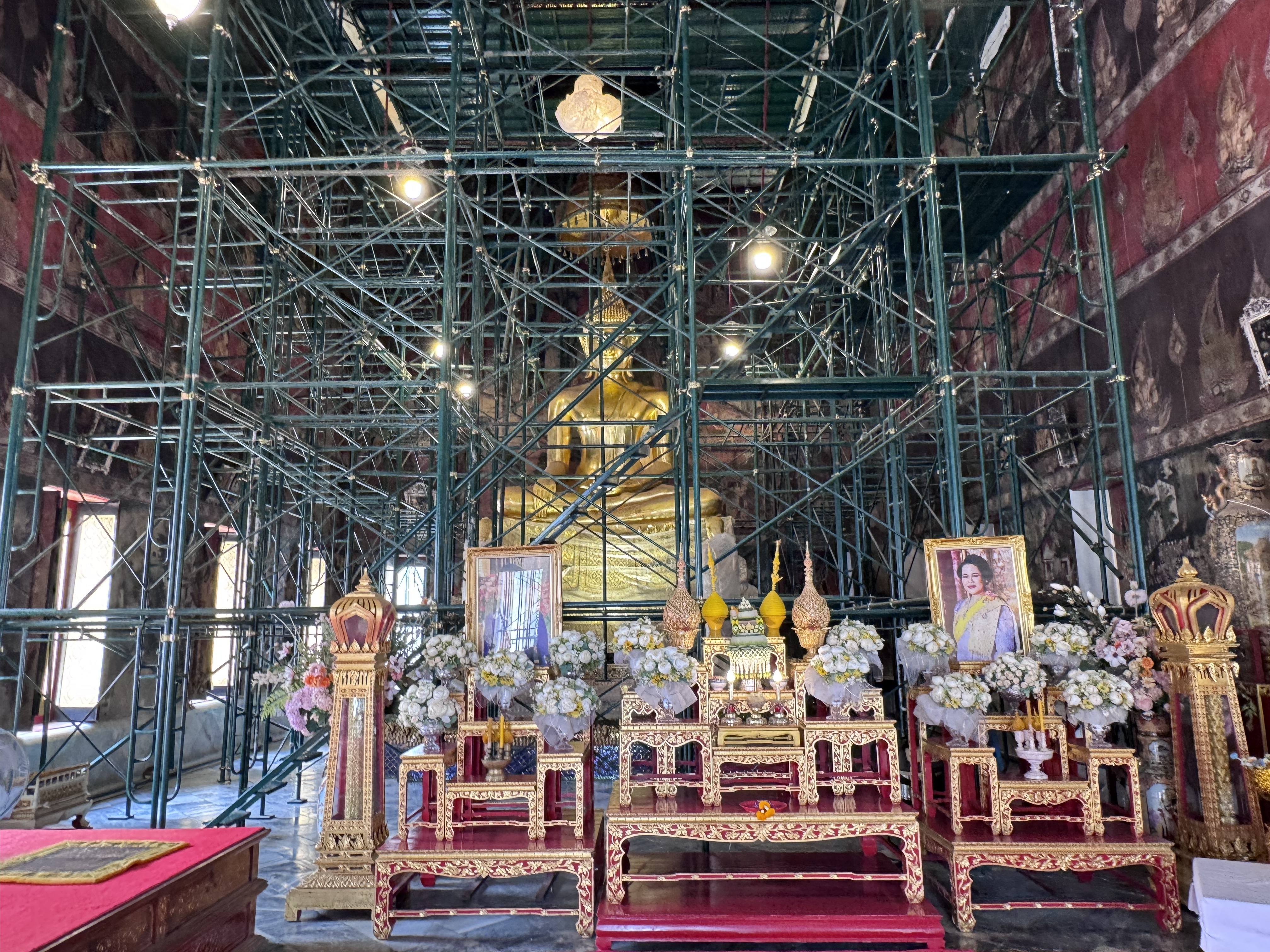
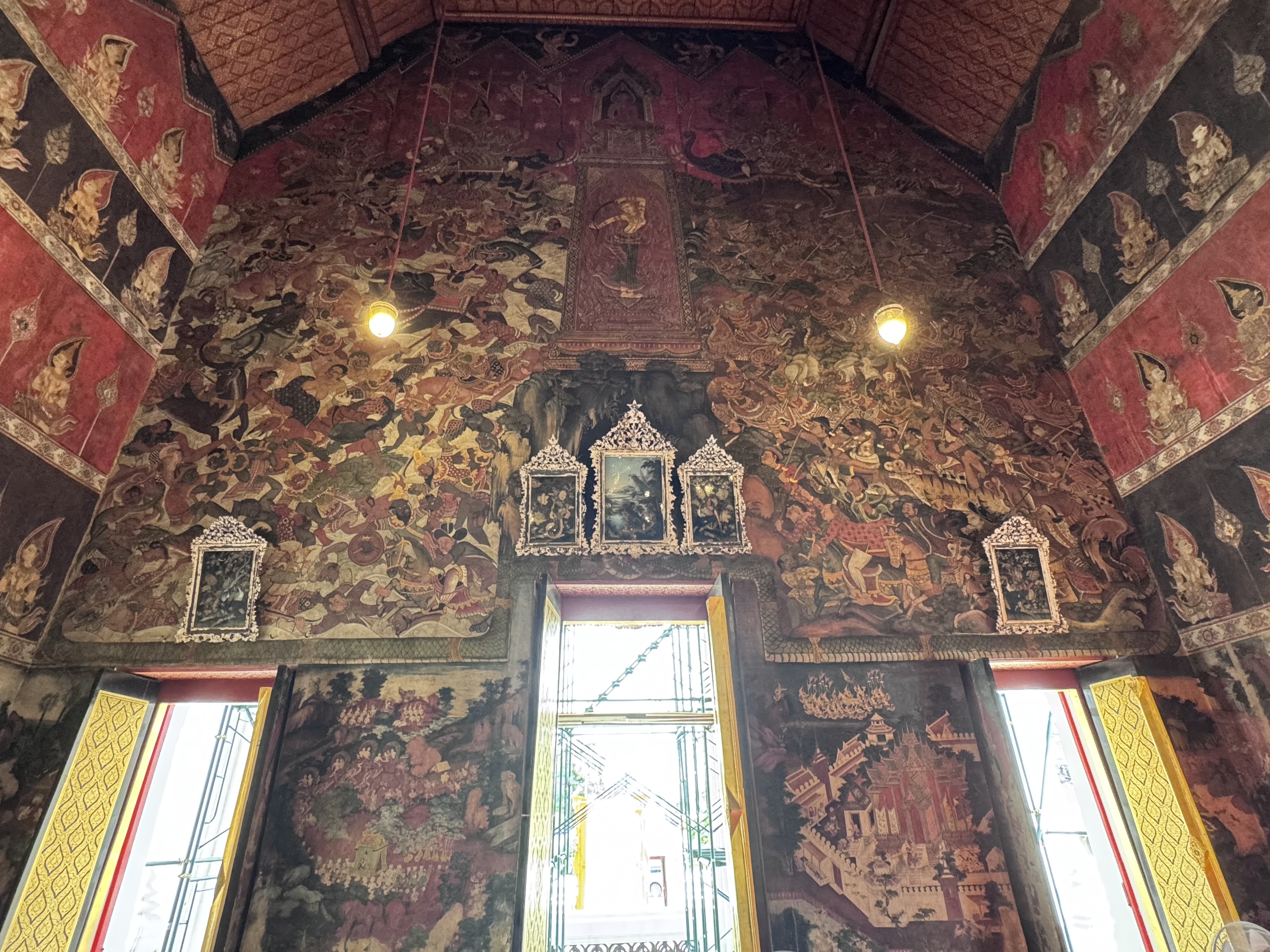
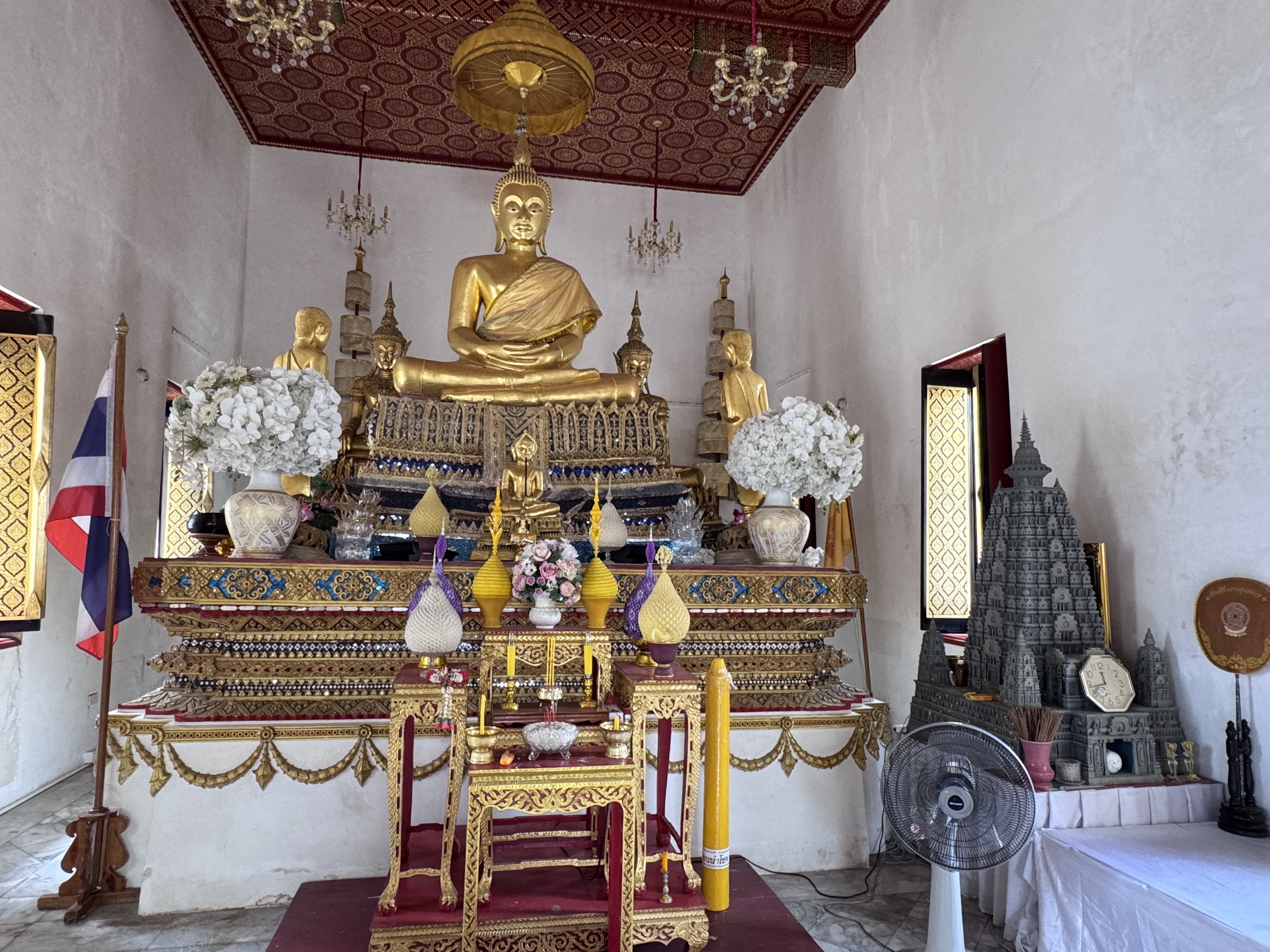
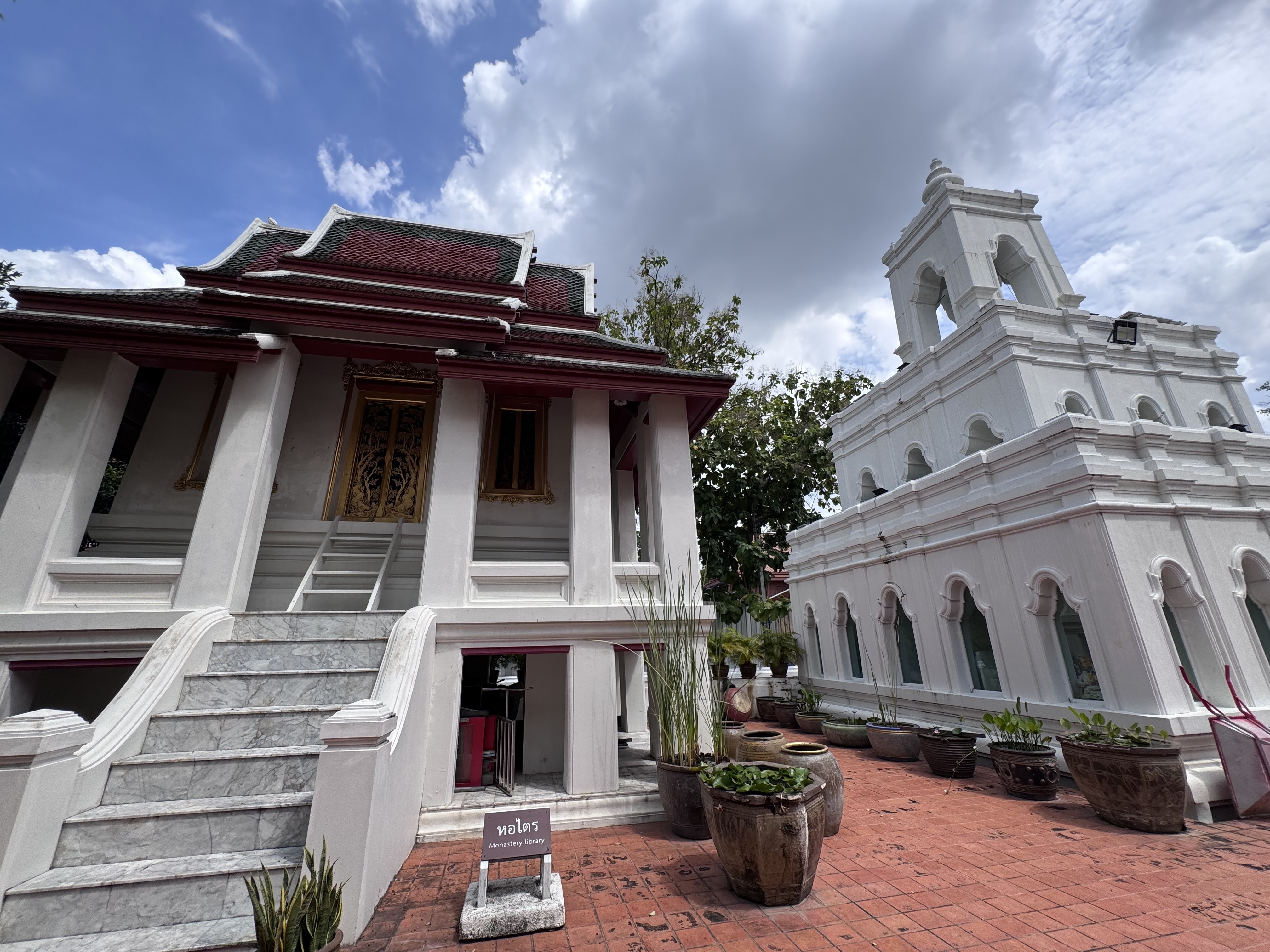
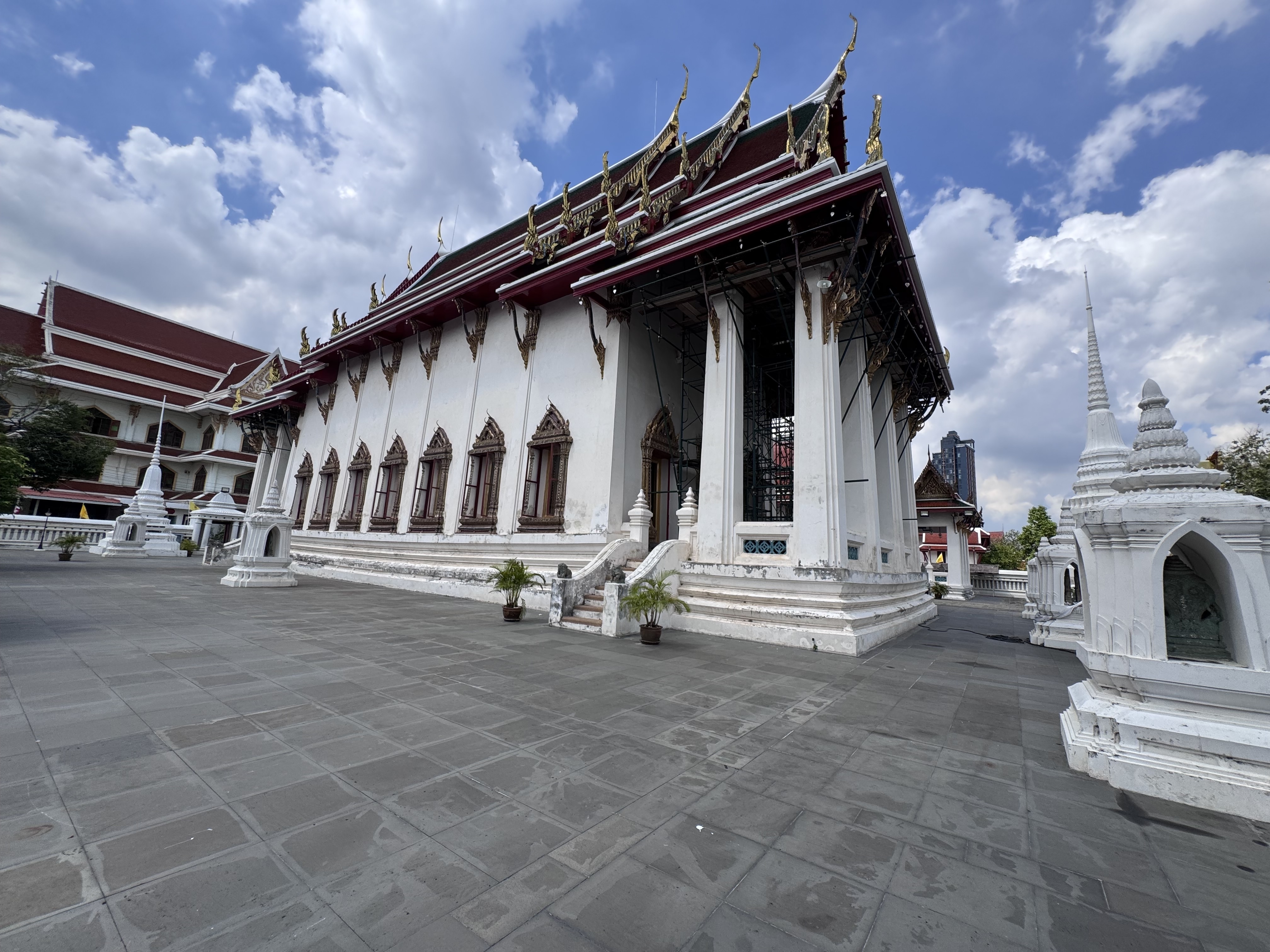
Wat Suwannaram Ratchaworawihan, often simply called Wat Suwannaram or Wat Suwan, stands as a second-class royal temple on the western bank of Khlong Bangkok Noi in Bangkok Noi’s Siri Rat subdistrict, Thonburi side.
Its origins reach back to the Ayutthaya period, when it was known as Wat Thong, the Golden Monastery, though no clear record identifies its original founder.
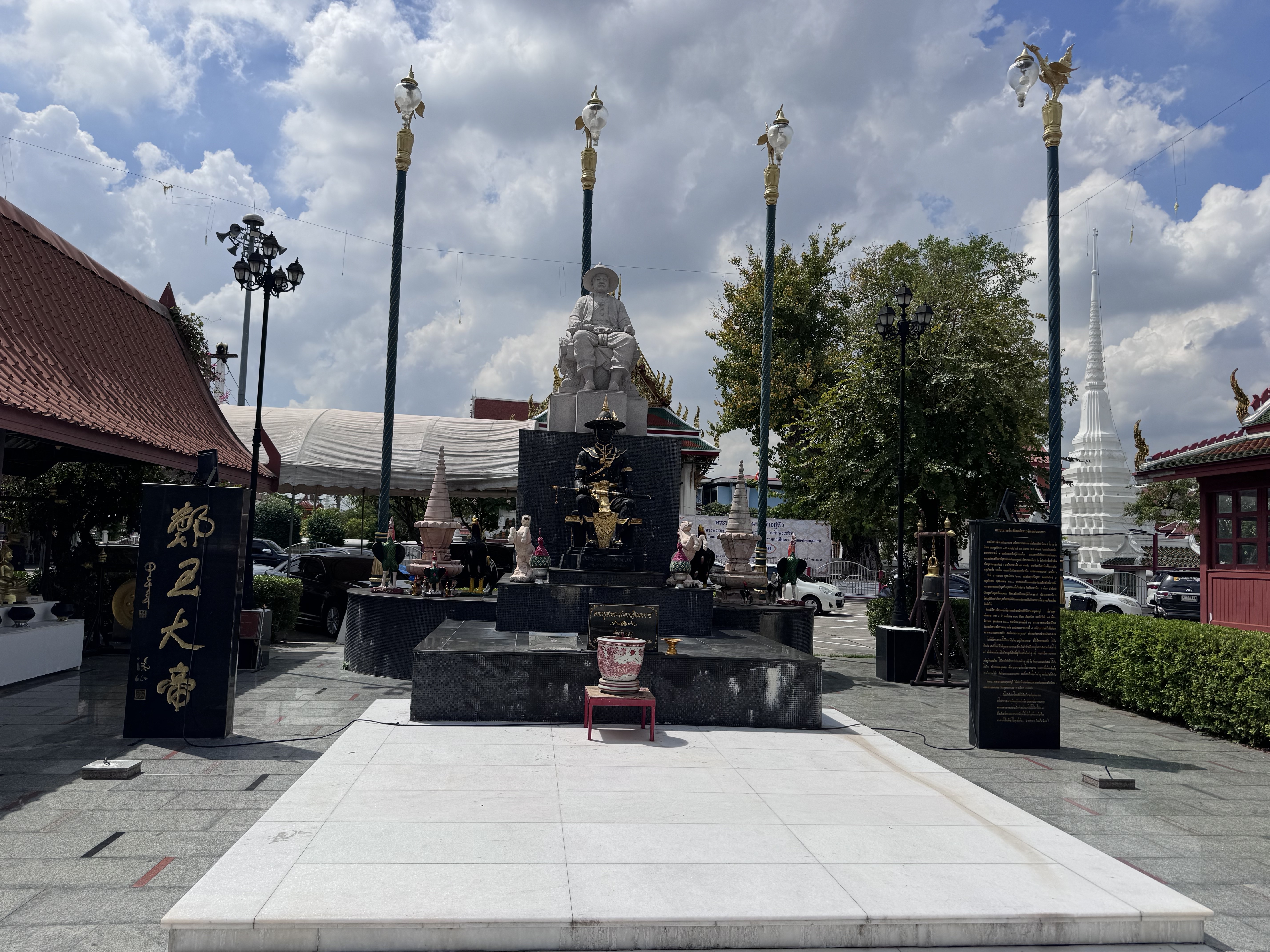
The site’s history took a darker turn during the reign of King Taksin, founder of the Thonburi Kingdom after the fall of Ayutthaya in 1767. In that turbulent era of war and reconstruction, the temple grounds served as an execution site for Burmese prisoners of war, a practice paralleled at other locations such as the former Wat Khok.
This use of a religious space for military justice reflected the harsh necessities of the time as Taksin fought to reclaim and defend Siamese territory. Local accounts and later discoveries of human remains during school construction have long fueled stories of hauntings, including claims of headless ...
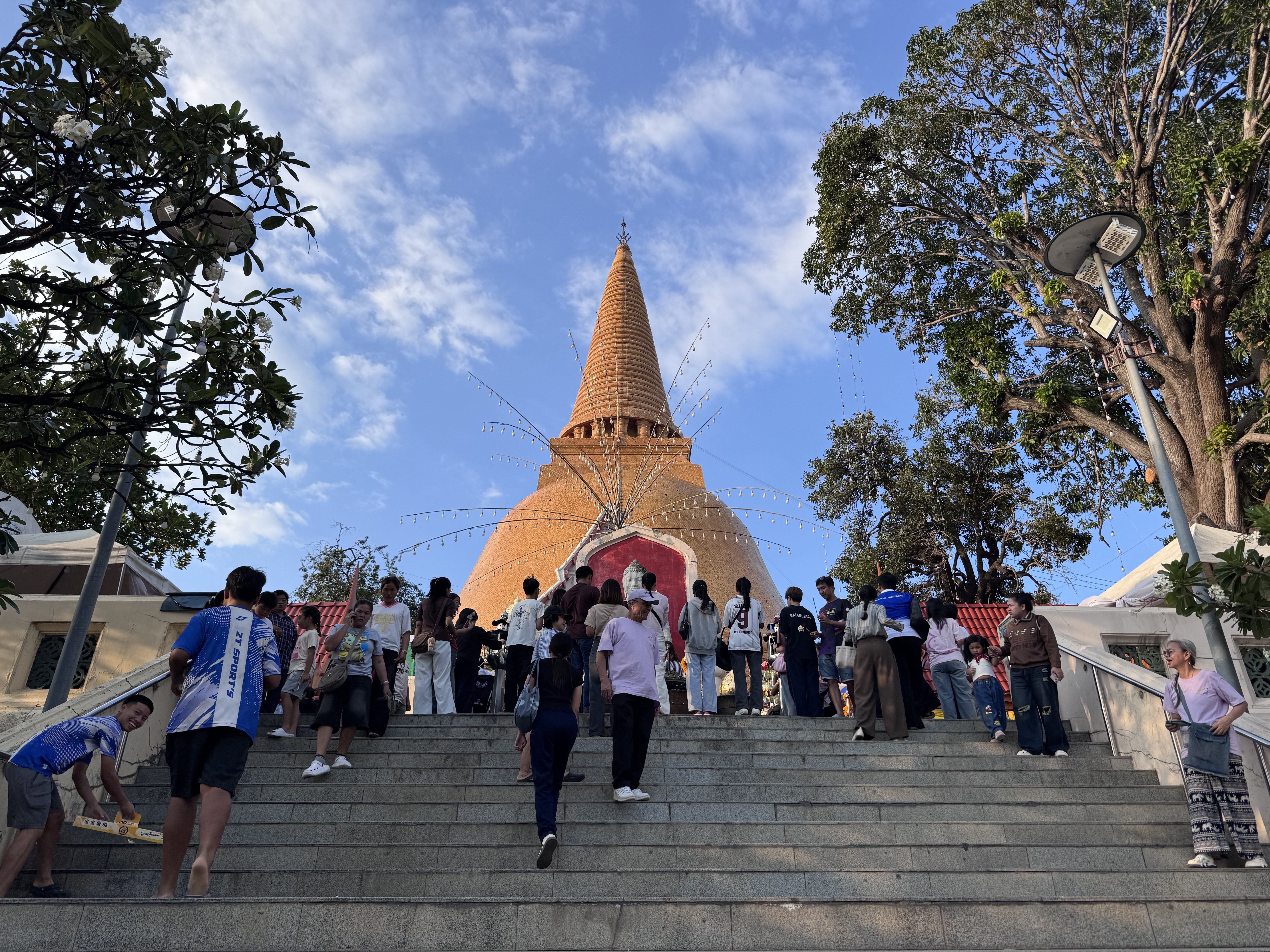
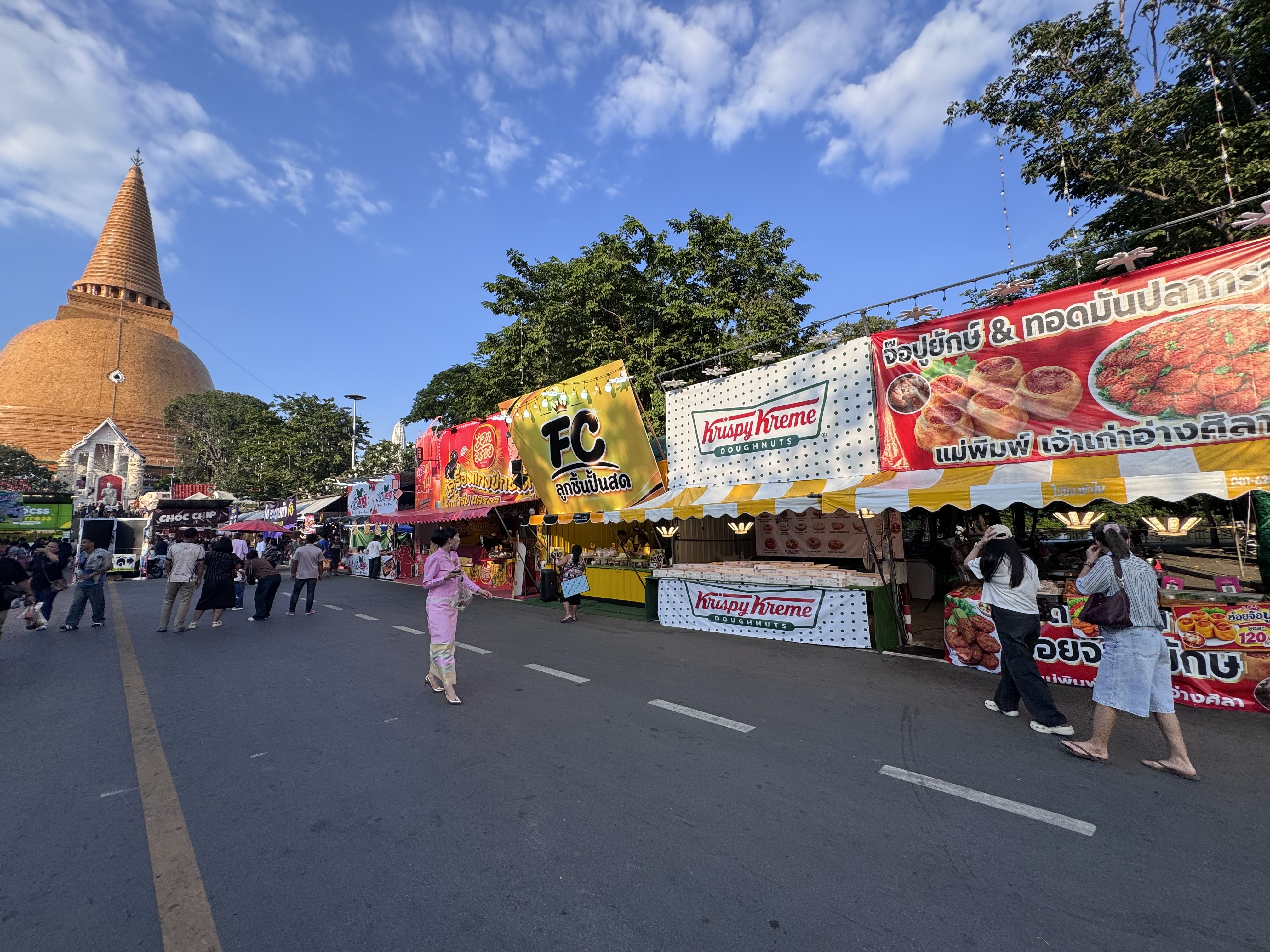
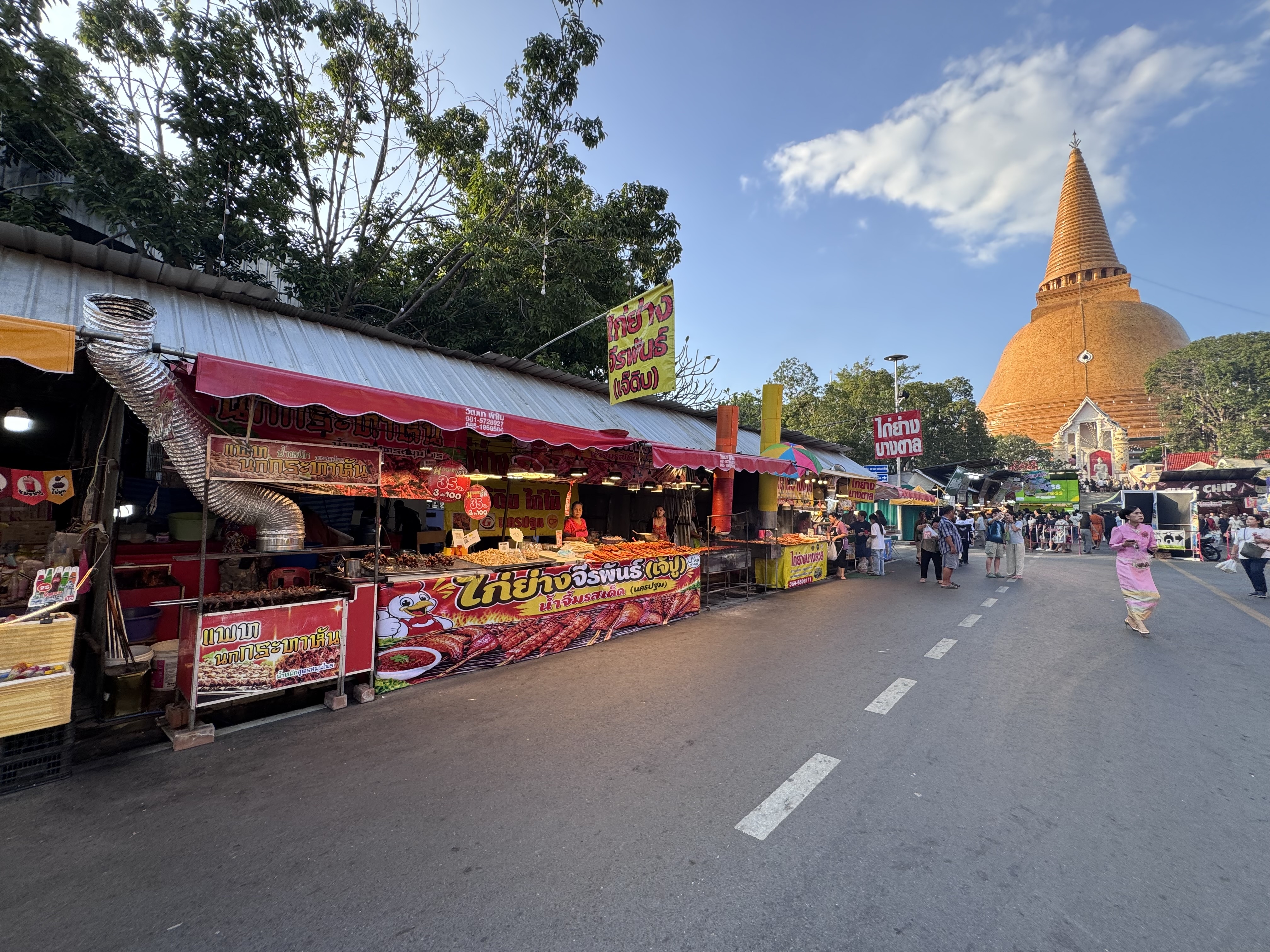
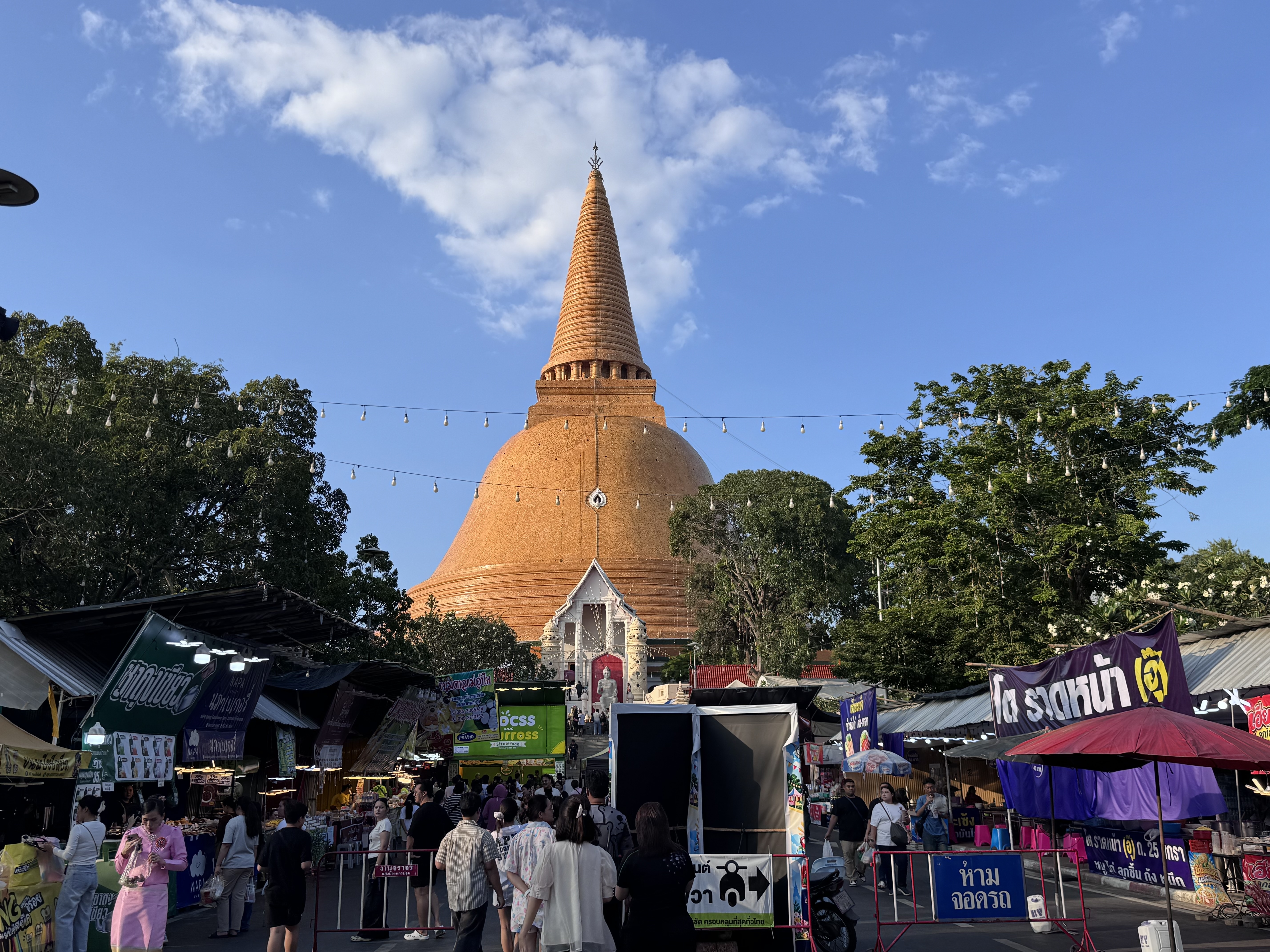
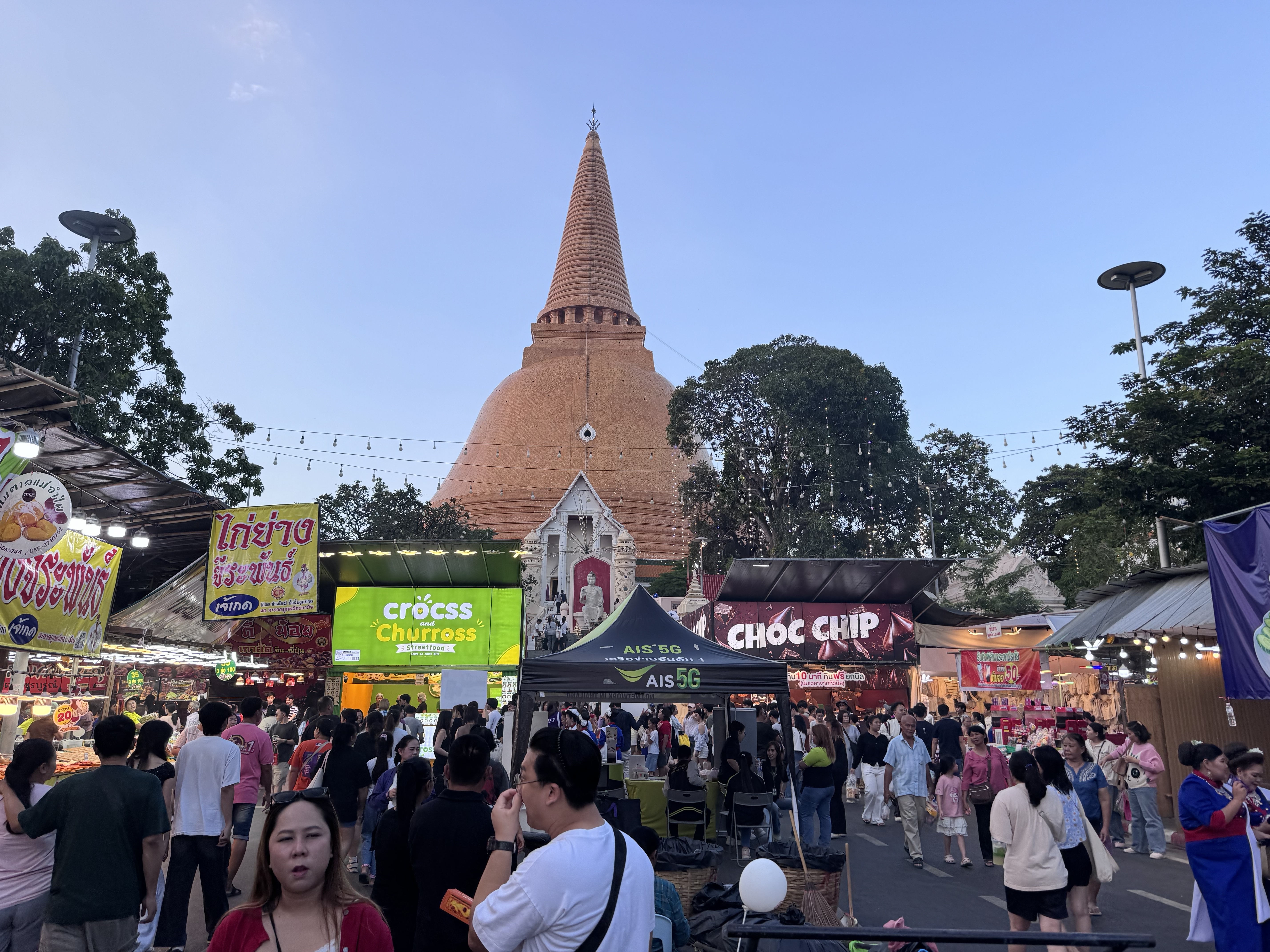
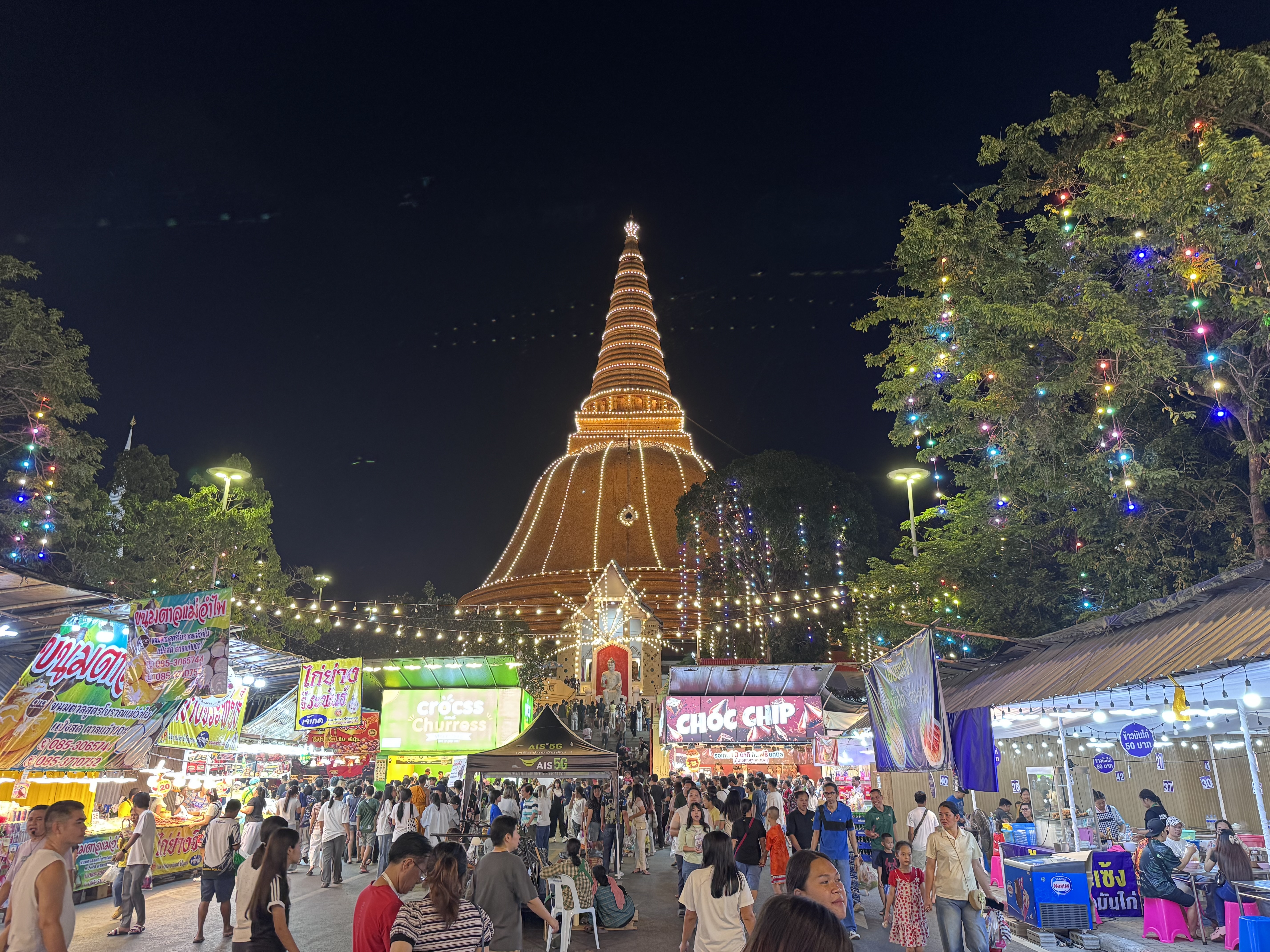
The annual Phra Pathom Chedi Worship Festival is taking place right now at Wat Phra Pathom Chedi Ratchaworamahawihan in Mueang Nakhon Pathom District, with the official nine-day and nine-night religious celebration running from November 21 to November 29, 2026.
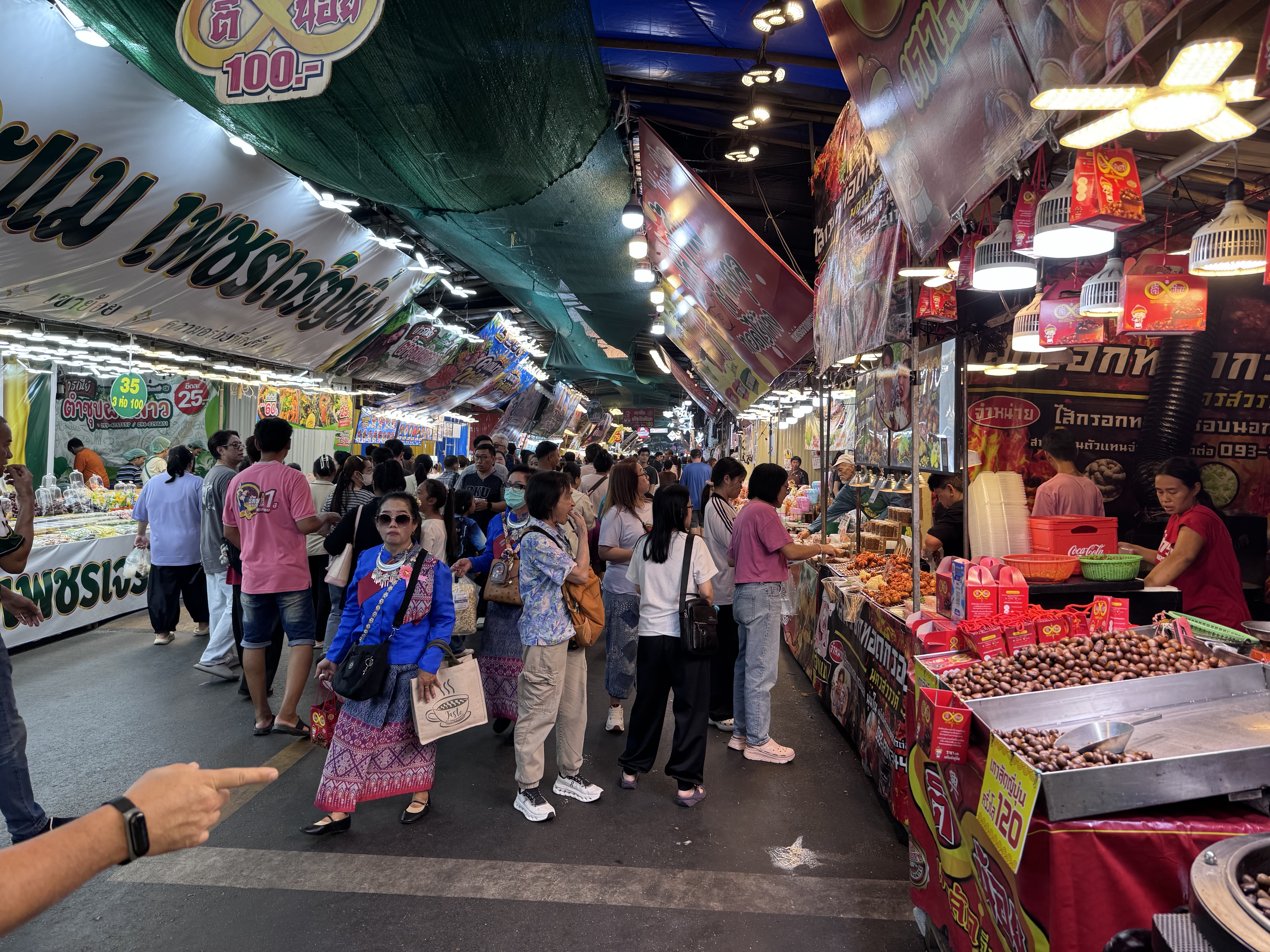
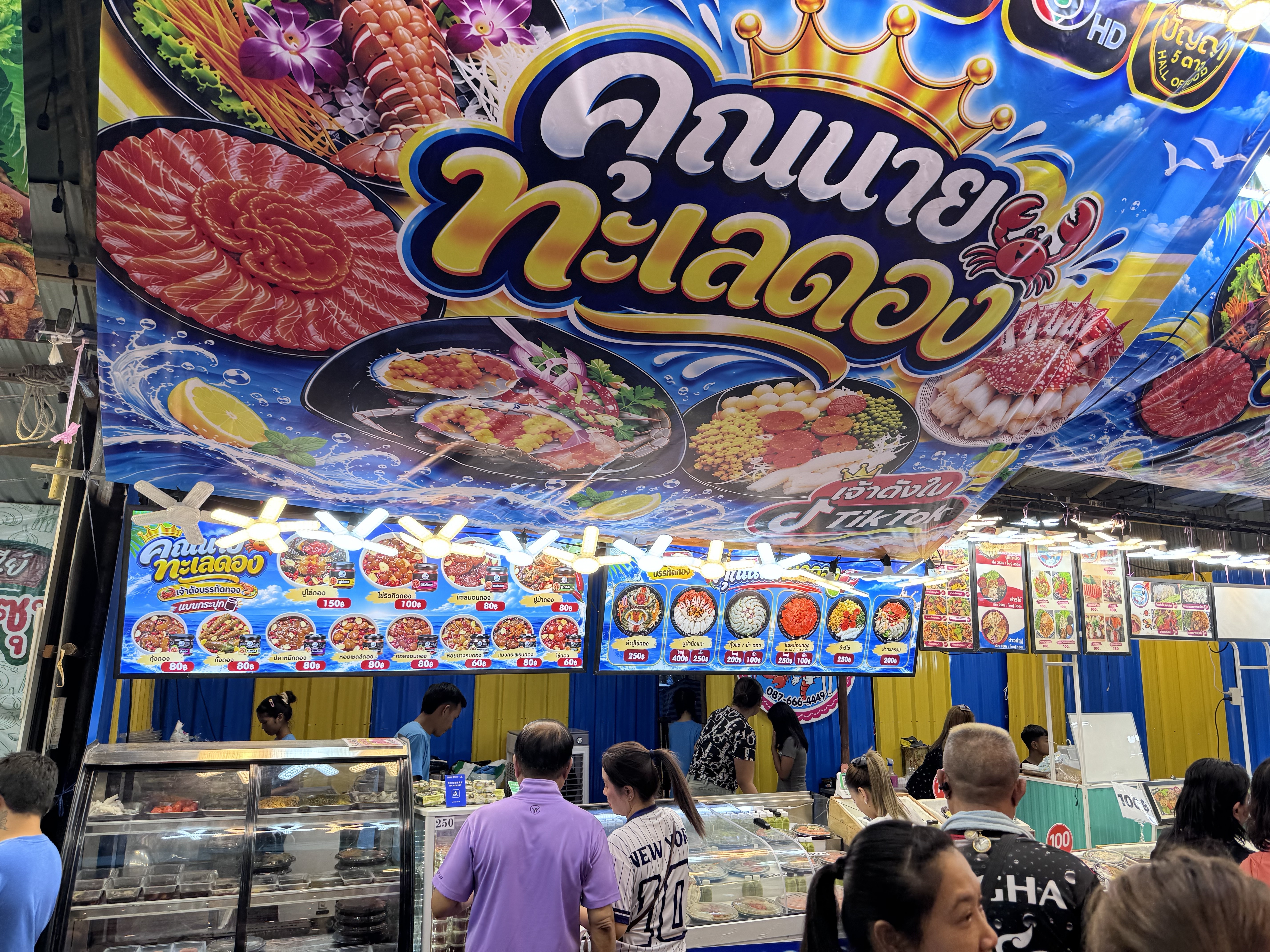
Daily festivities run from 10:00 AM until late at night, and the broader street market surrounding the temple grounds extends from November 10 through December 6, 2026, filling the esplanade with hundreds of food stalls, carnival rides, traditional performances, and merit-making ceremonies.
Rising to a height of roughly 120.5 meters, Phra Pathom Chedi is the tallest stupa in Thailand and marks one of the oldest centers of Buddhism in the country, dating back to the ancient Dvaravati period between the 6th and 8th centuries.
According to local legend, the original monument was built by King Phaya Phan to atone for unknowingly killing his father, with sages advising him to erect a stupa higher than a wild pigeon could fly.
After ...