

The Trans-Siberian Railway is the world’s longest single continuous rail line, spanning about 9,289 kilometers from Moscow to Vladivostok across eight time zones, vast taiga forests, steppe, mountains, and 16 major rivers.
Construction began in 1891 under Tsar Alexander III, with Tsarevich Nicholas II laying the first stone in Vladivostok. The project aimed to unite the Russian Empire, boost trade with Asia, and develop Siberia’s resources.
Built in sections from both ends amid harsh terrain and permafrost, the full Russian route (avoiding earlier Manchurian shortcuts) was completed in 1916. It later supported Soviet industrialization, World War II logistics, and remains a key passenger and freight corridor operated by Russian Railways.
The premier service is the Rossiya train number 001/002, a comfortable firmeny train with renovated carriages featuring air conditioning, power outlets, USB ports, and showers in some cars. It offers first-class (two-berth), second-class kupe (four-berth), ...


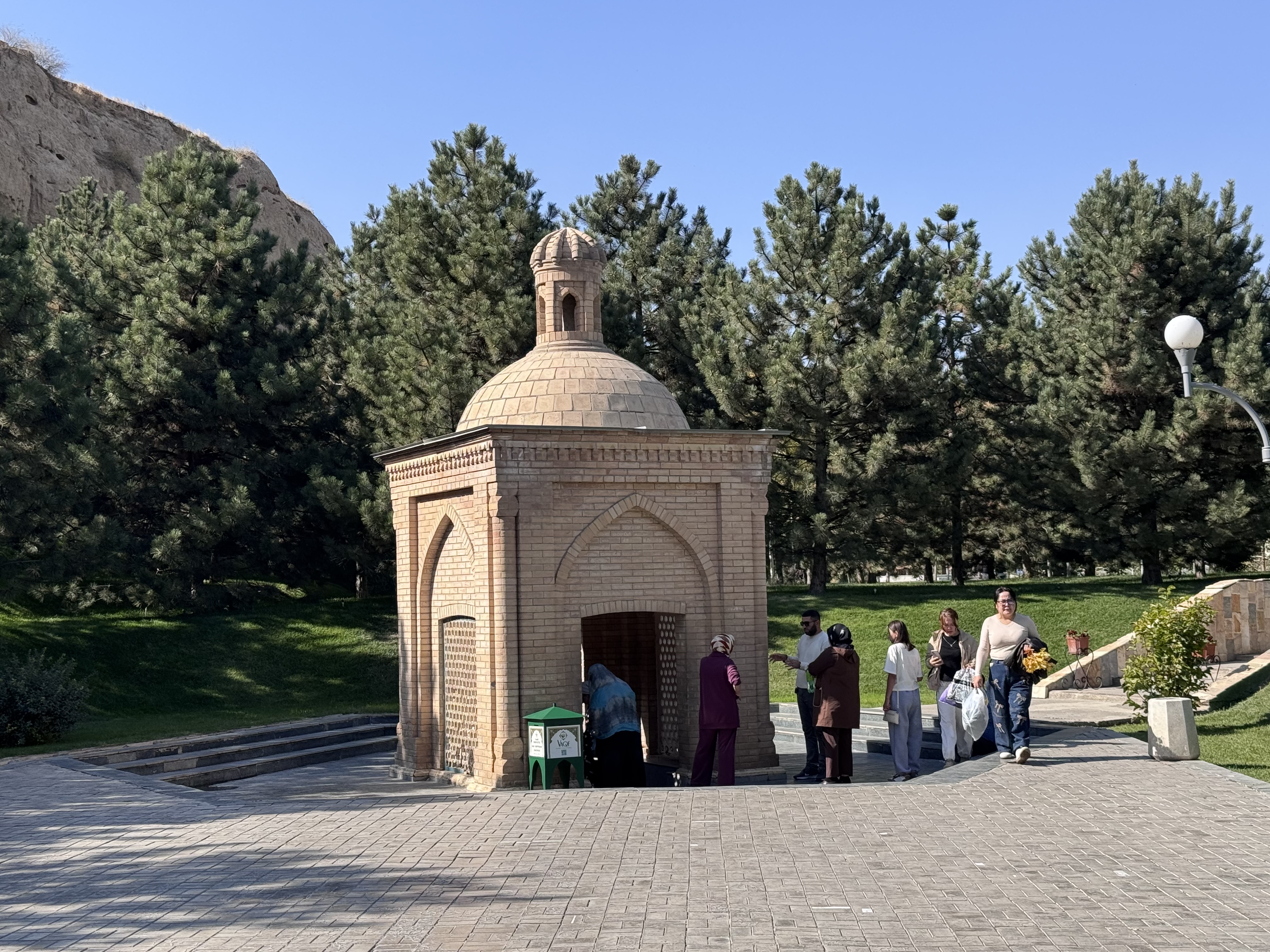
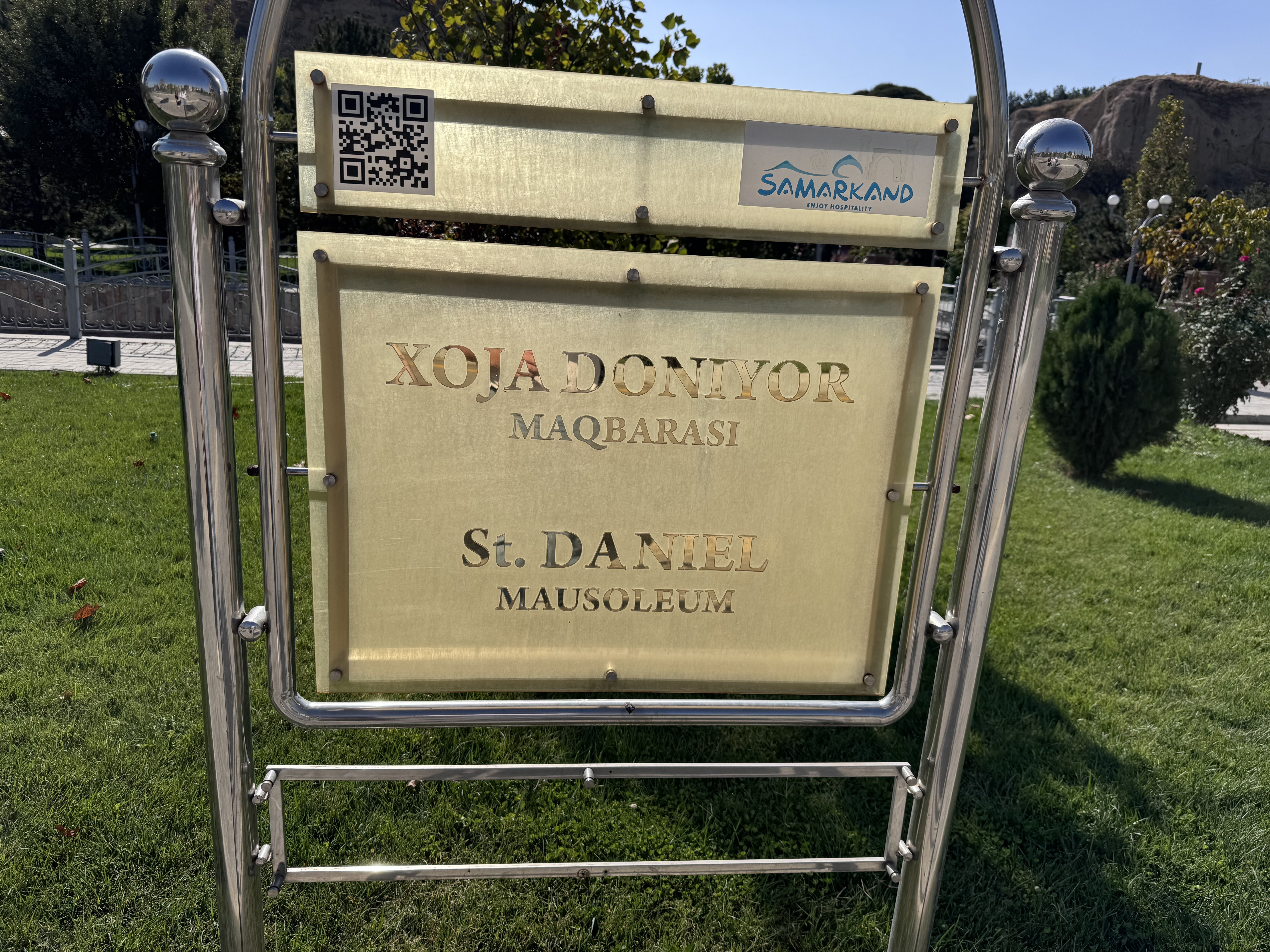
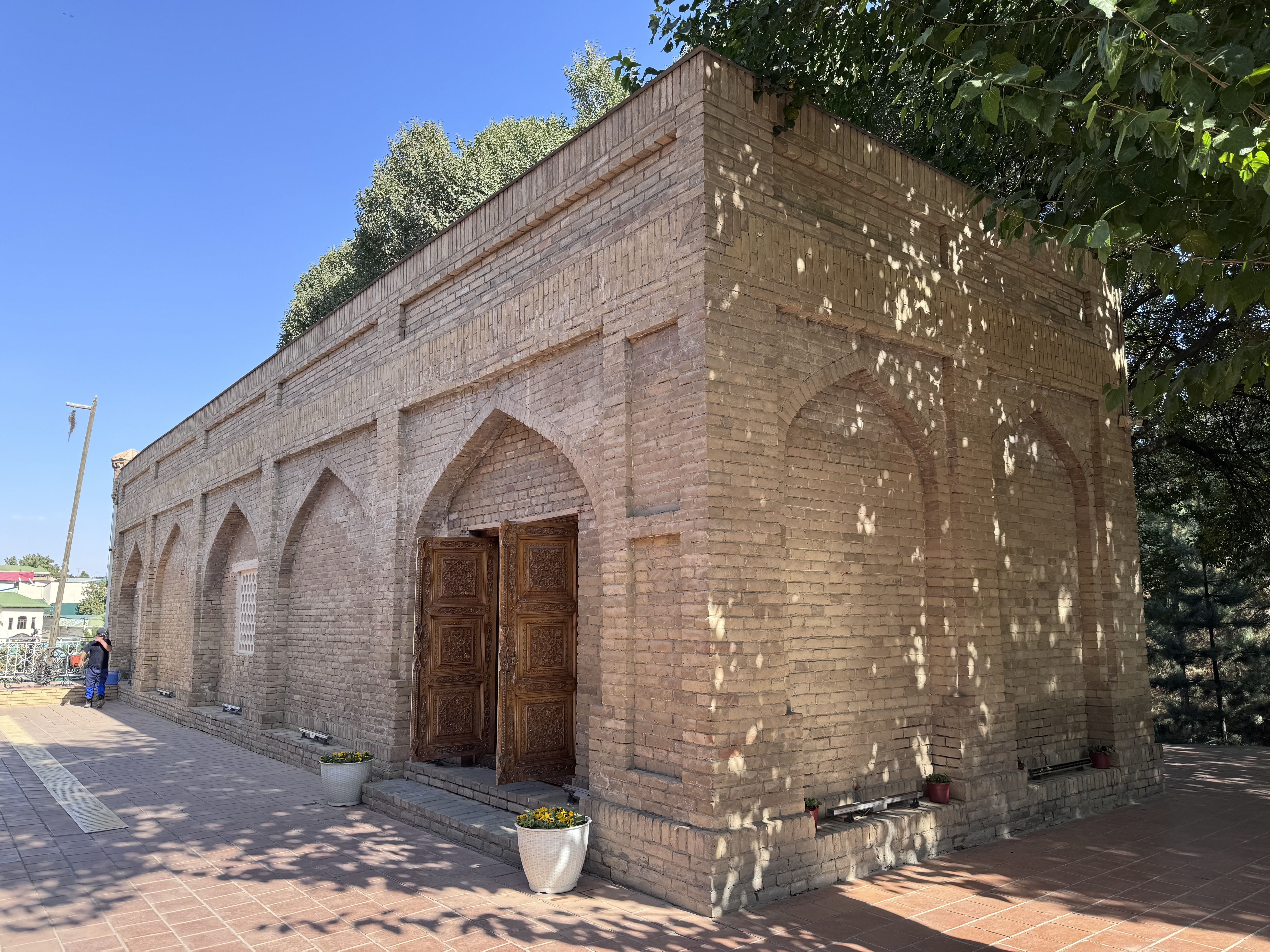
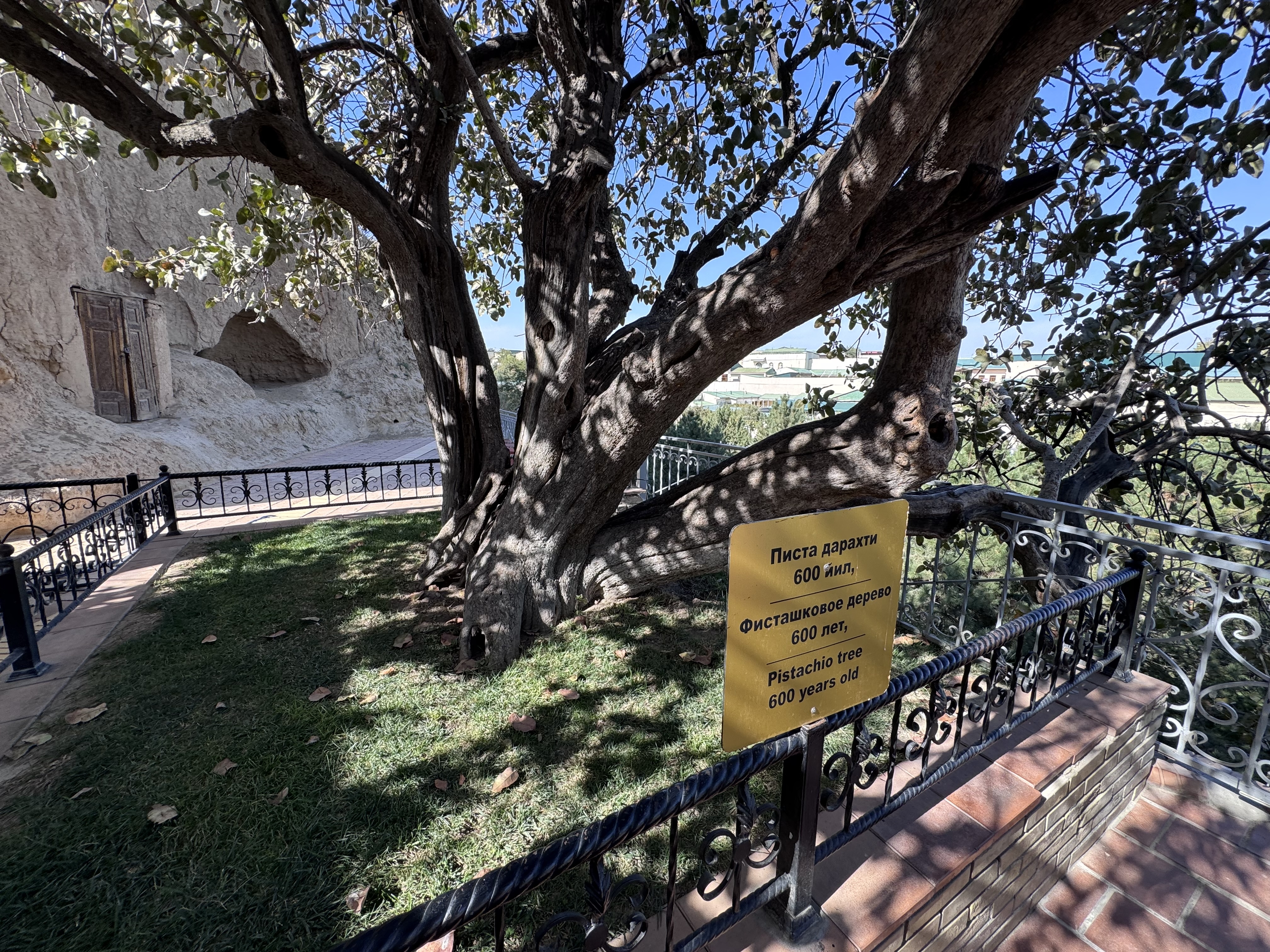
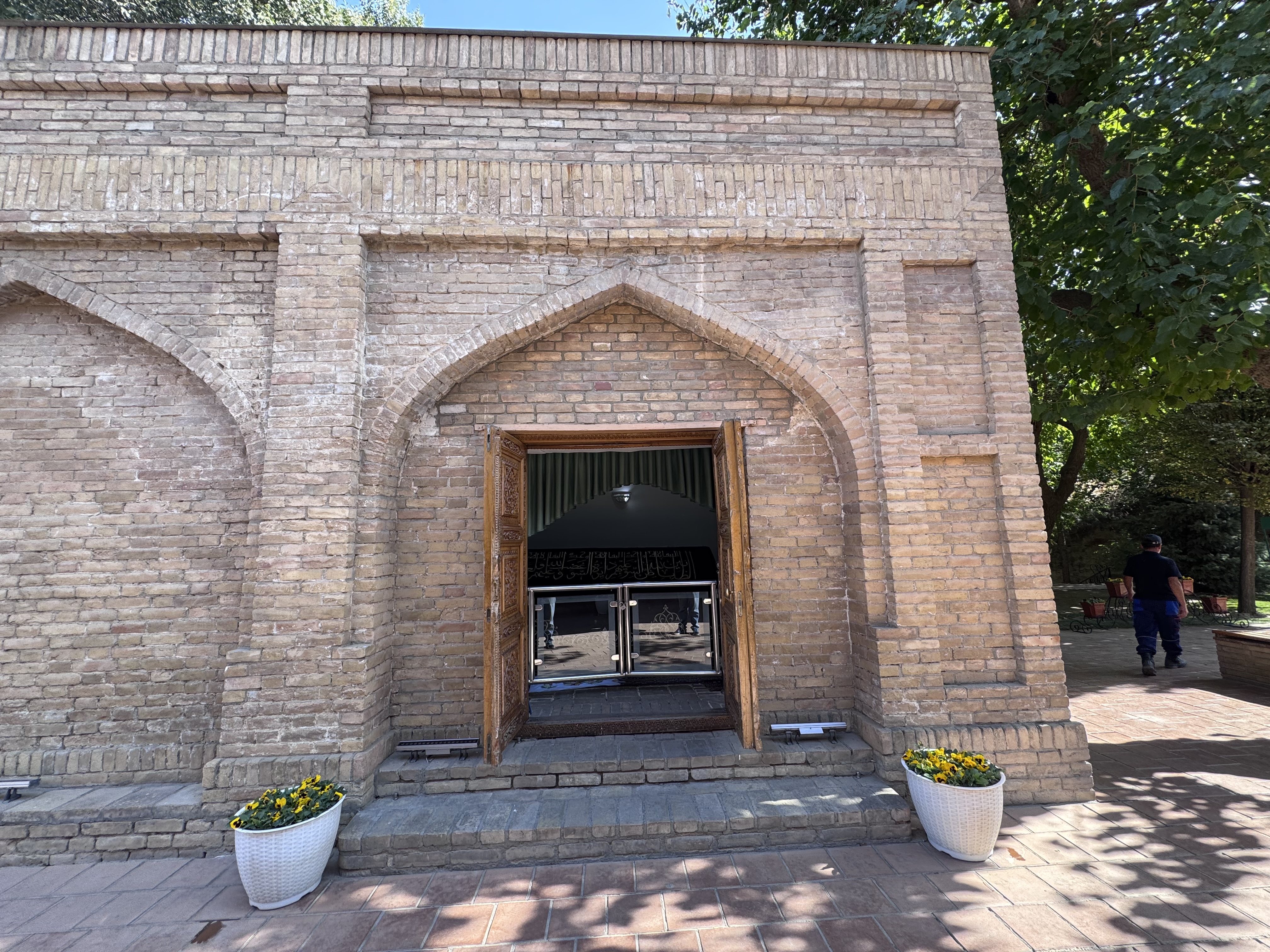
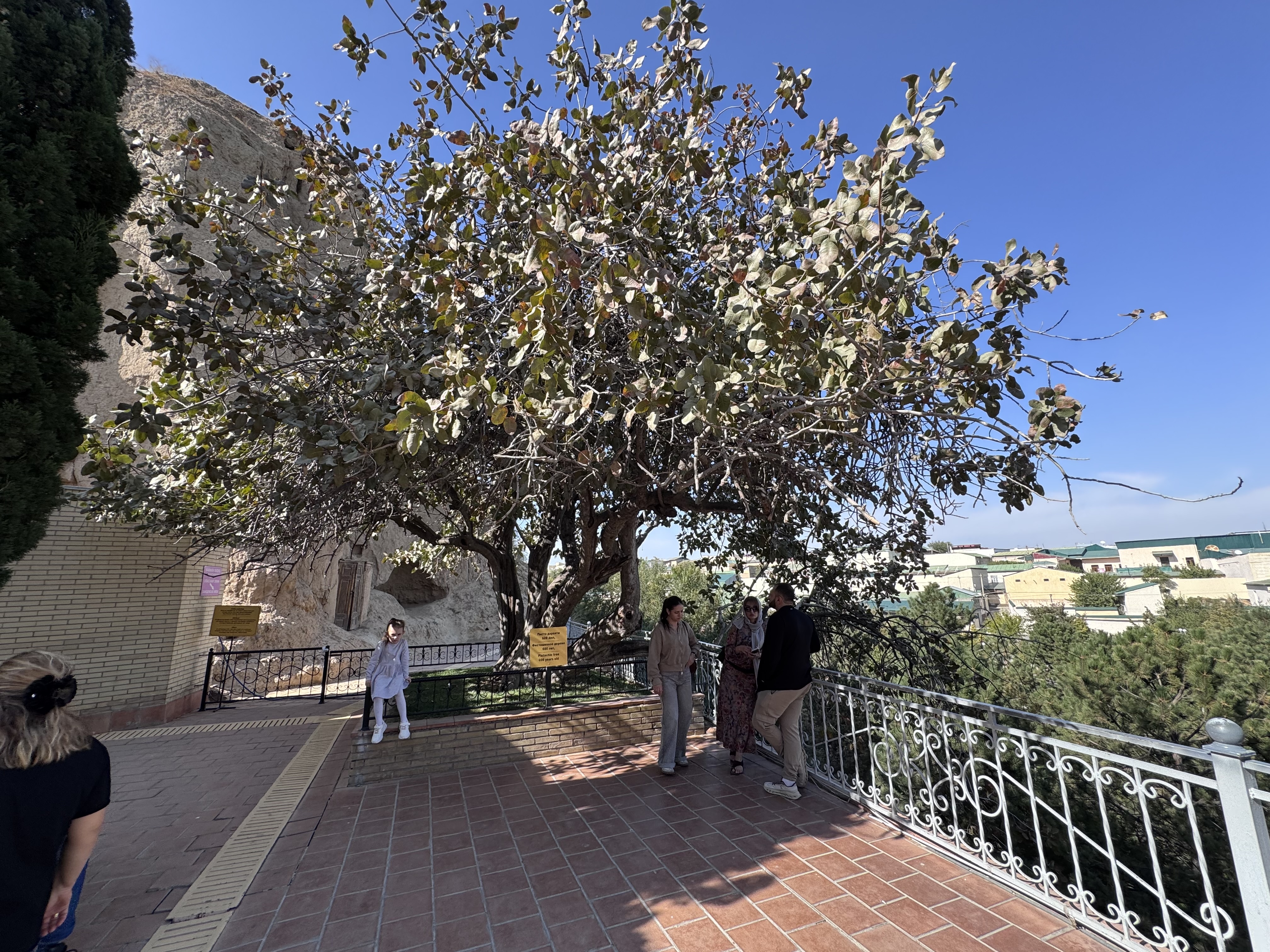
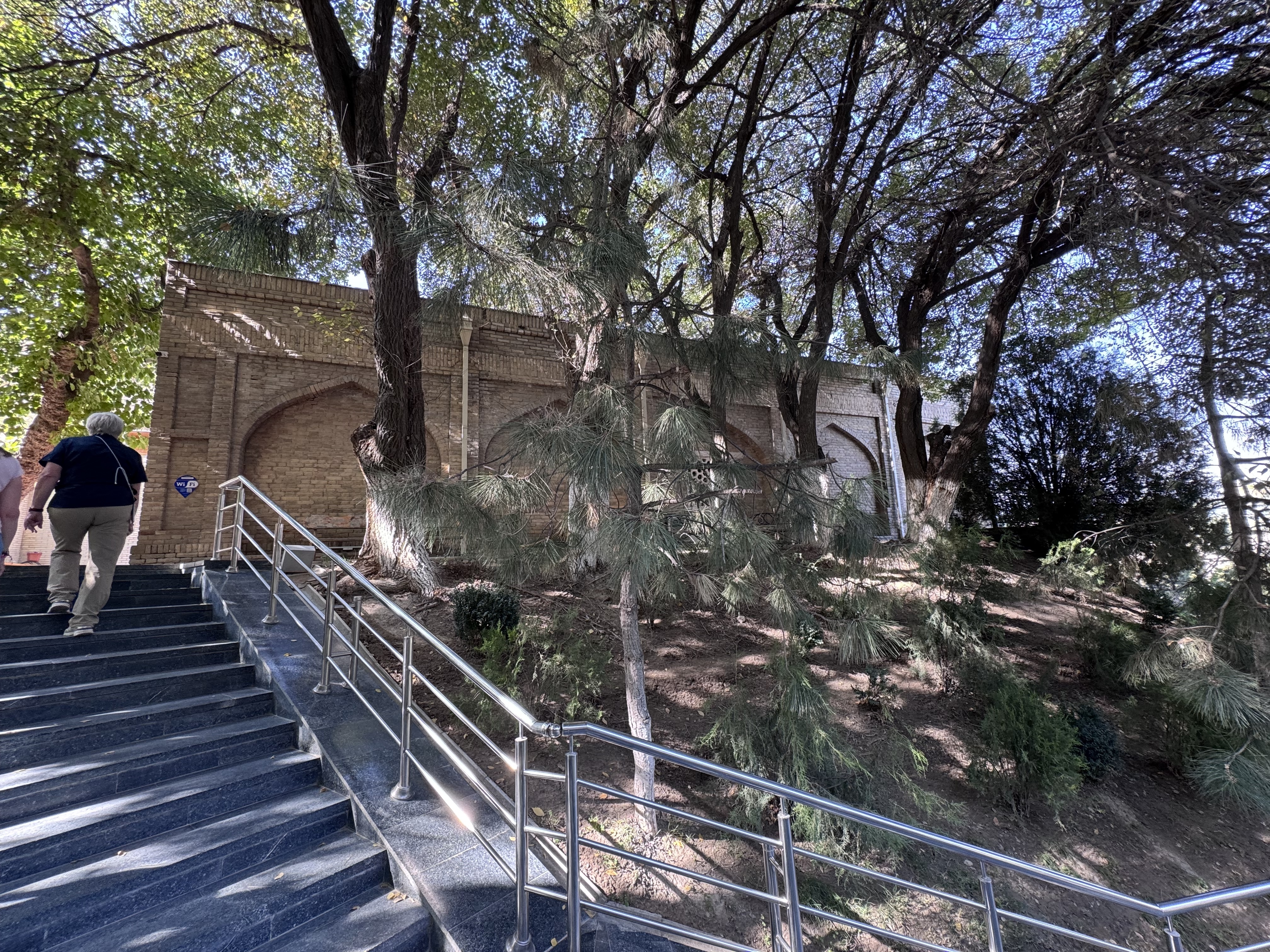
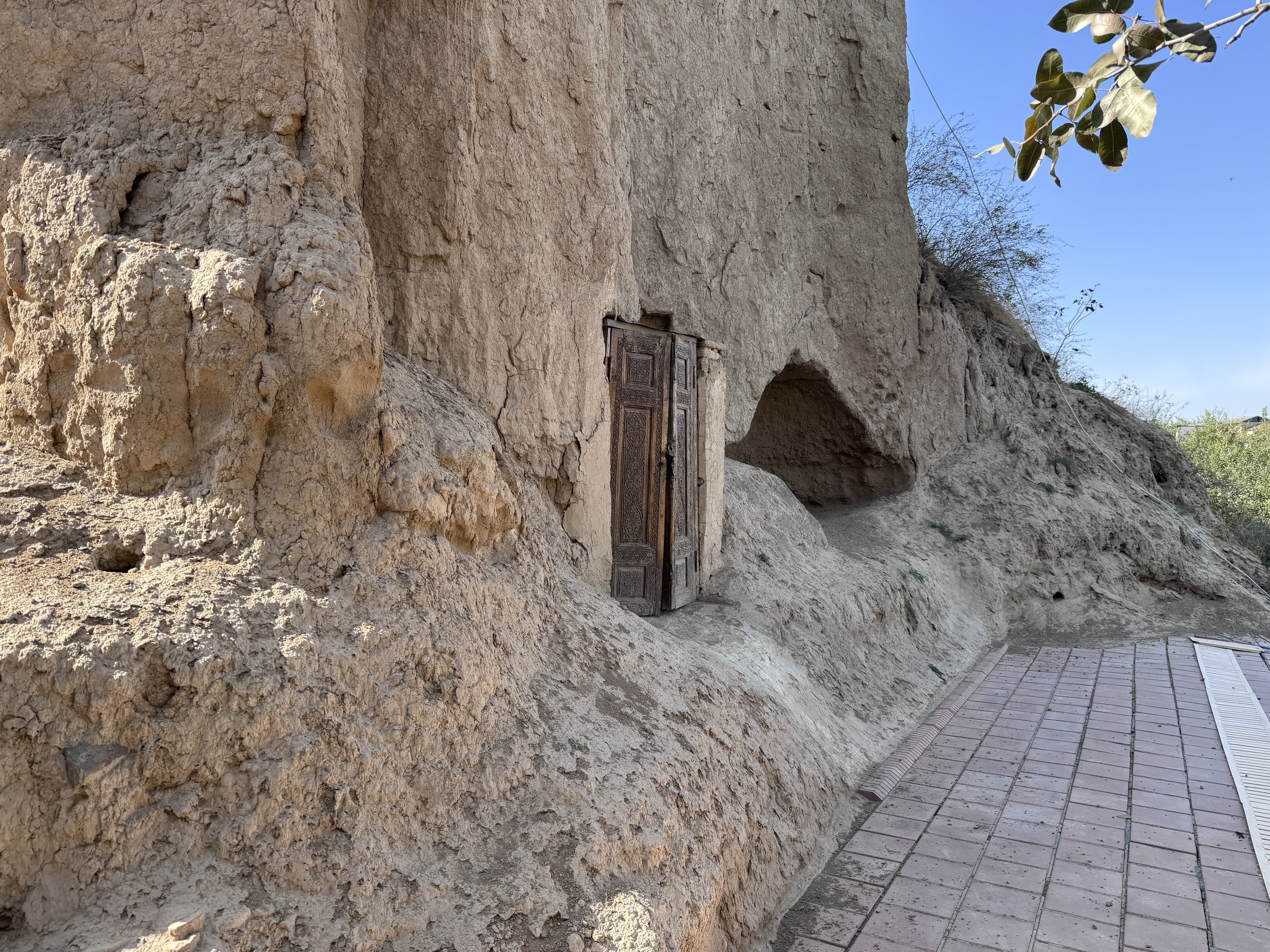
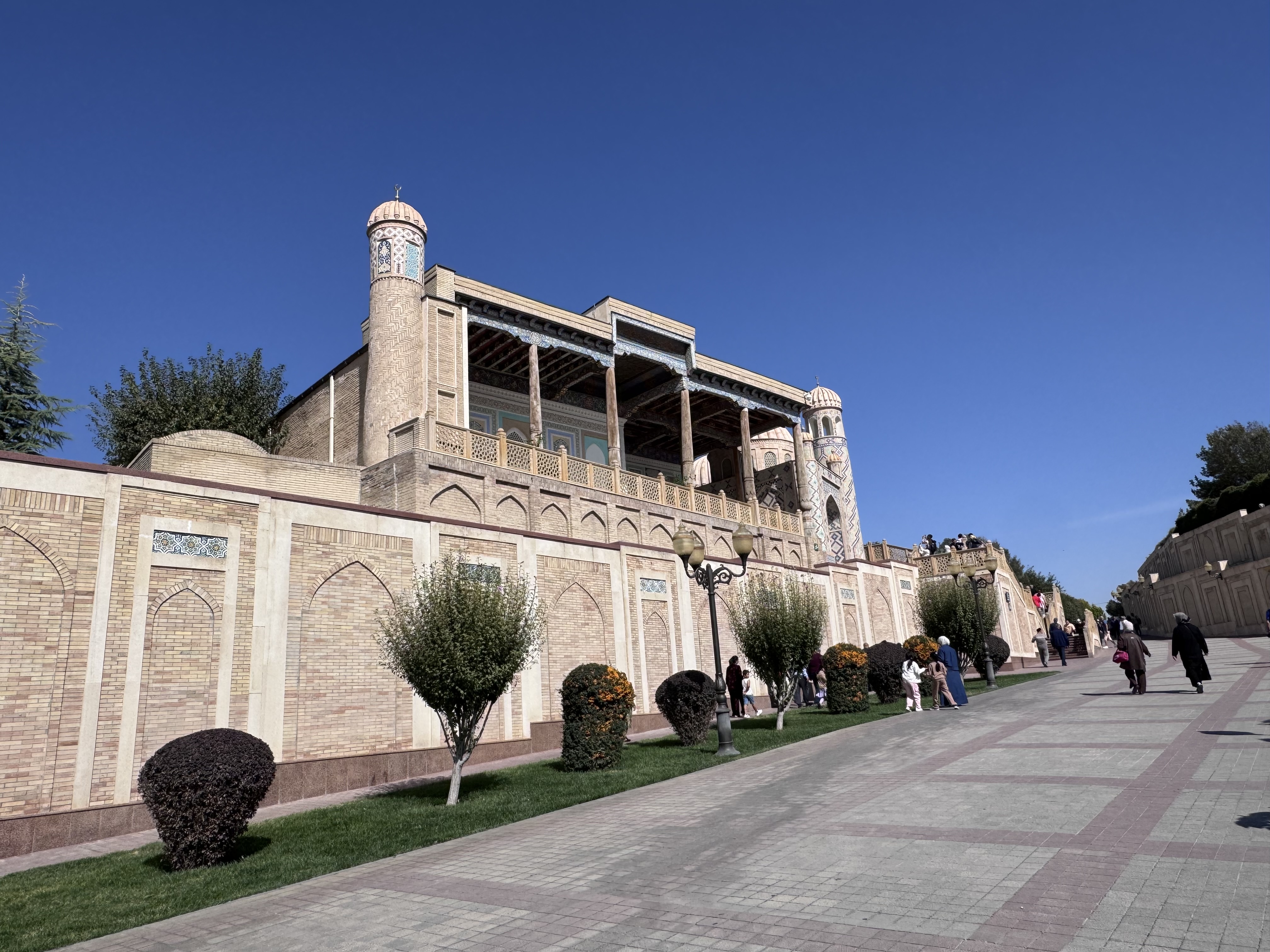
The Mausoleum of Khoja Daniyar sits on a quiet hillside along the northeastern edge of ancient Afrasiab in Samarkand, Uzbekistan, overlooking the Siab River.
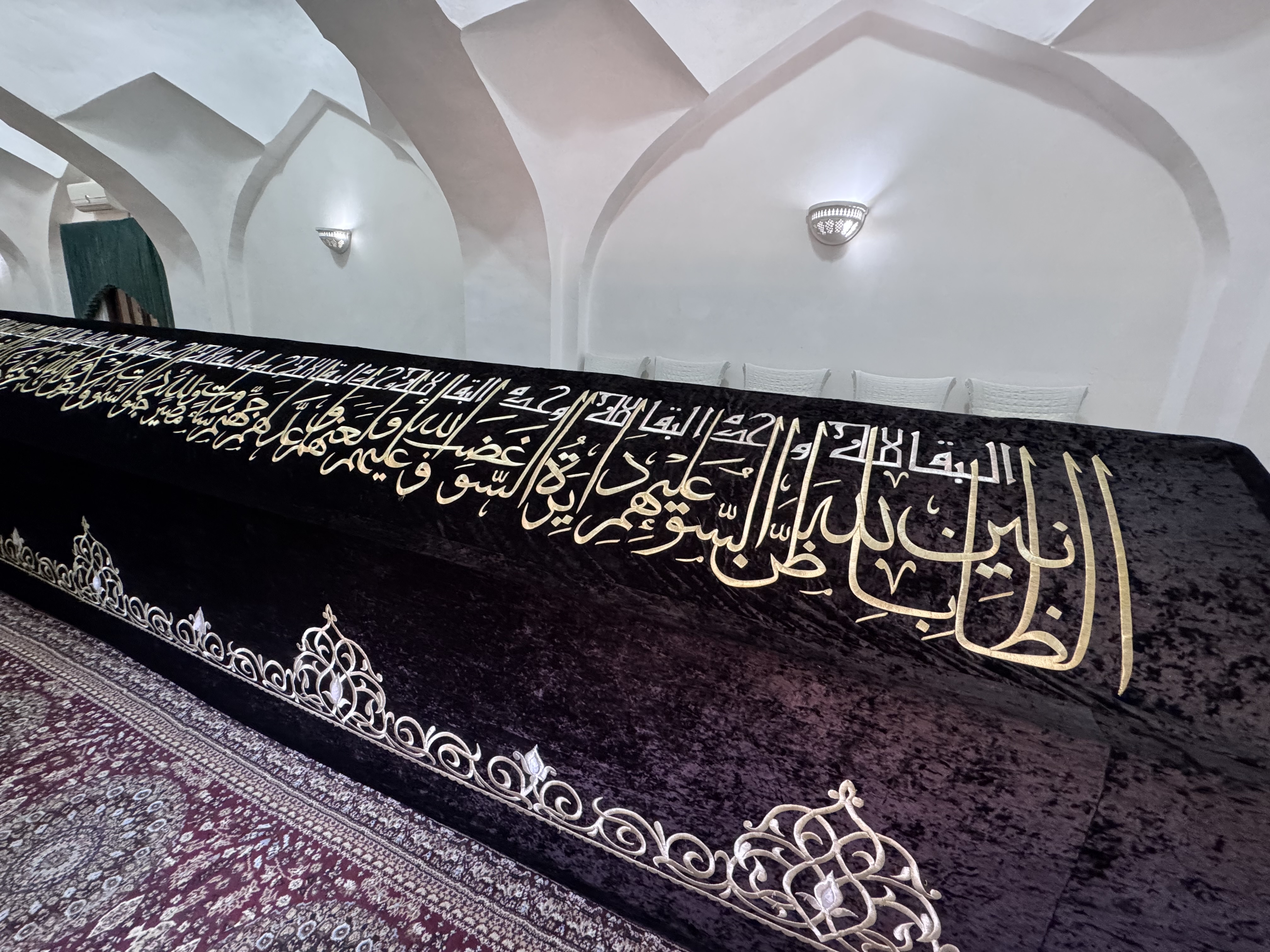
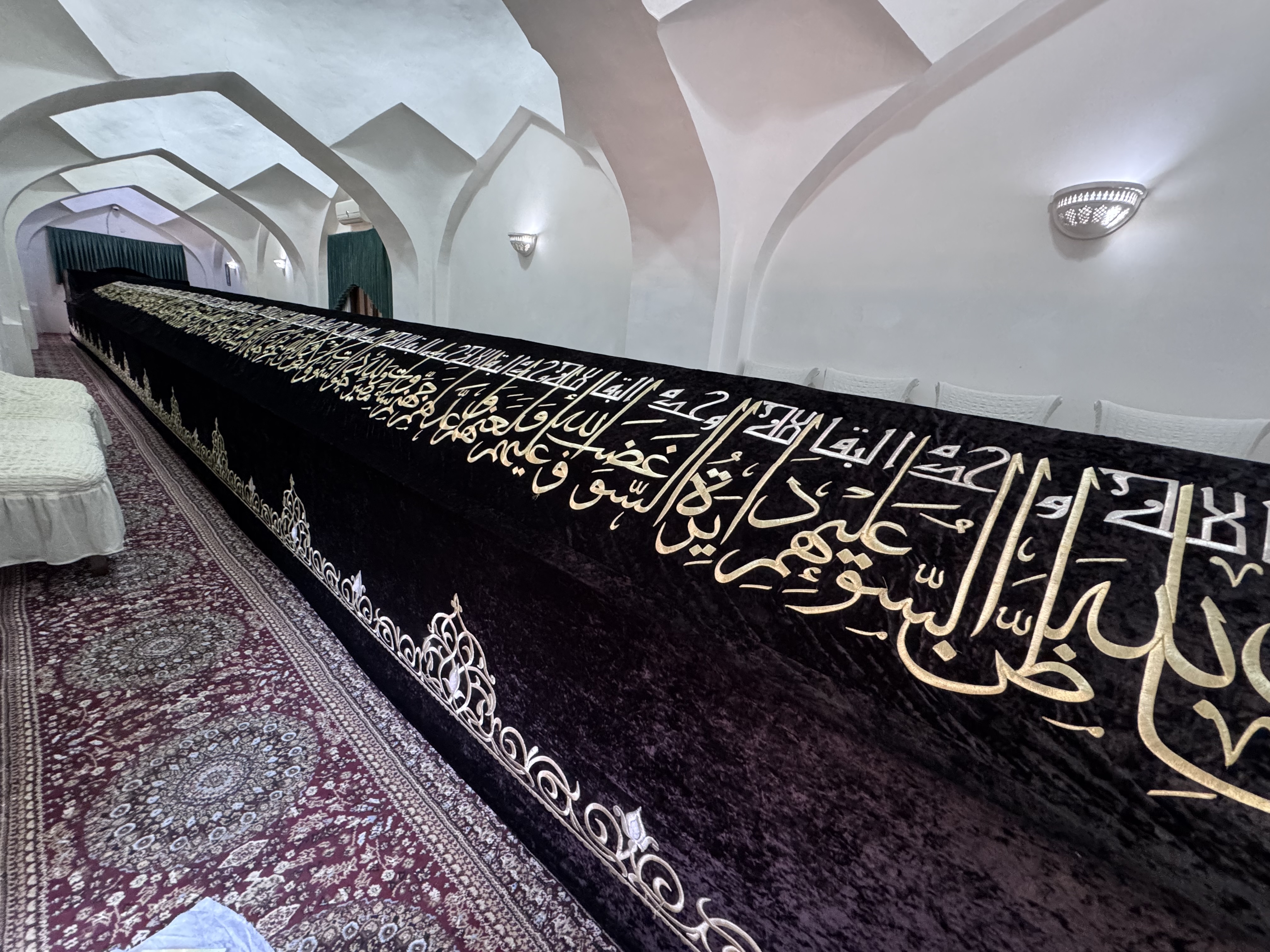
This long, low building crowned with five simple domes houses an extraordinary sarcophagus nearly eighteen meters in length, draped in green velvet embroidered with verses from the Quran. Local tradition holds that the remains of the biblical prophet Daniel rest here, a figure known in the region as Daniyar or Khoja Daniyar.
Daniel was a Jewish prophet of the sixth century BC who served in the courts of Babylonian and Persian kings. Famous for interpreting dreams and surviving a night in a den of lions, he is revered across Judaism, Christianity, and Islam.
Though he is not named in the Quran, Islamic tradition regards him as one of the righteous prophets sent to the Children of Israel. Muslims, Christians, and Jews all visit this site, each praying according to their own custom, making it a rare place of shared devotion.
According to the ...
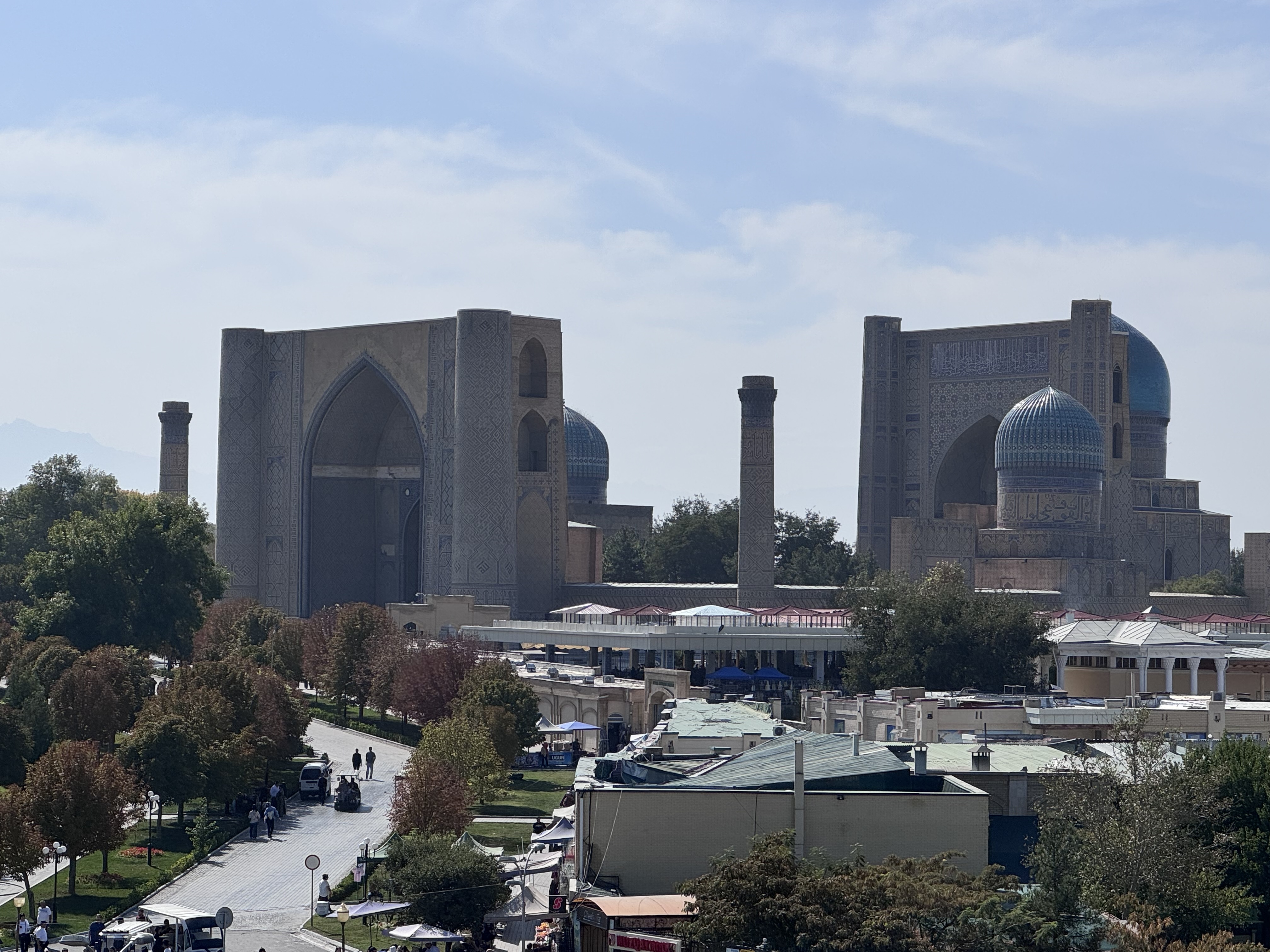
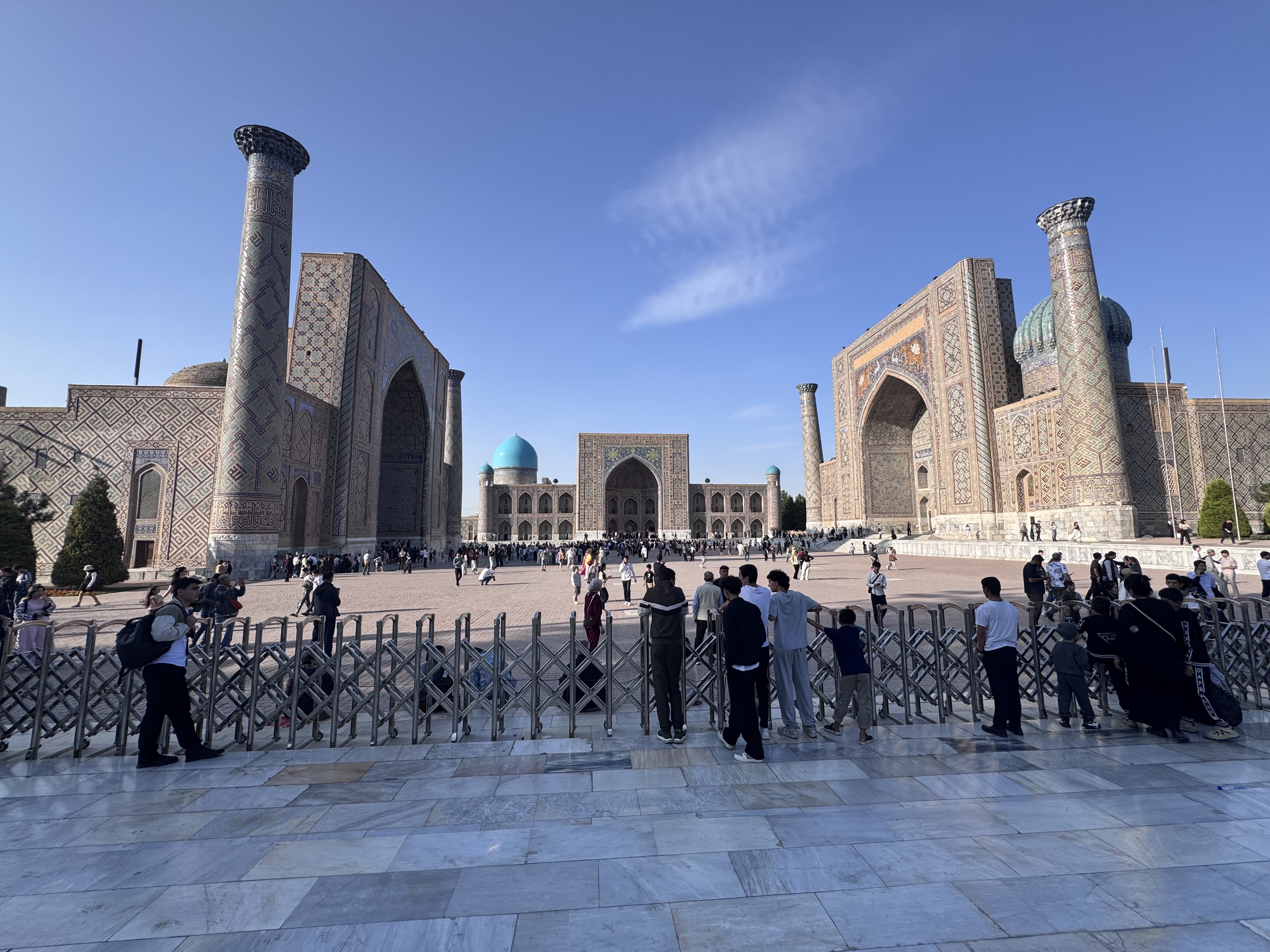
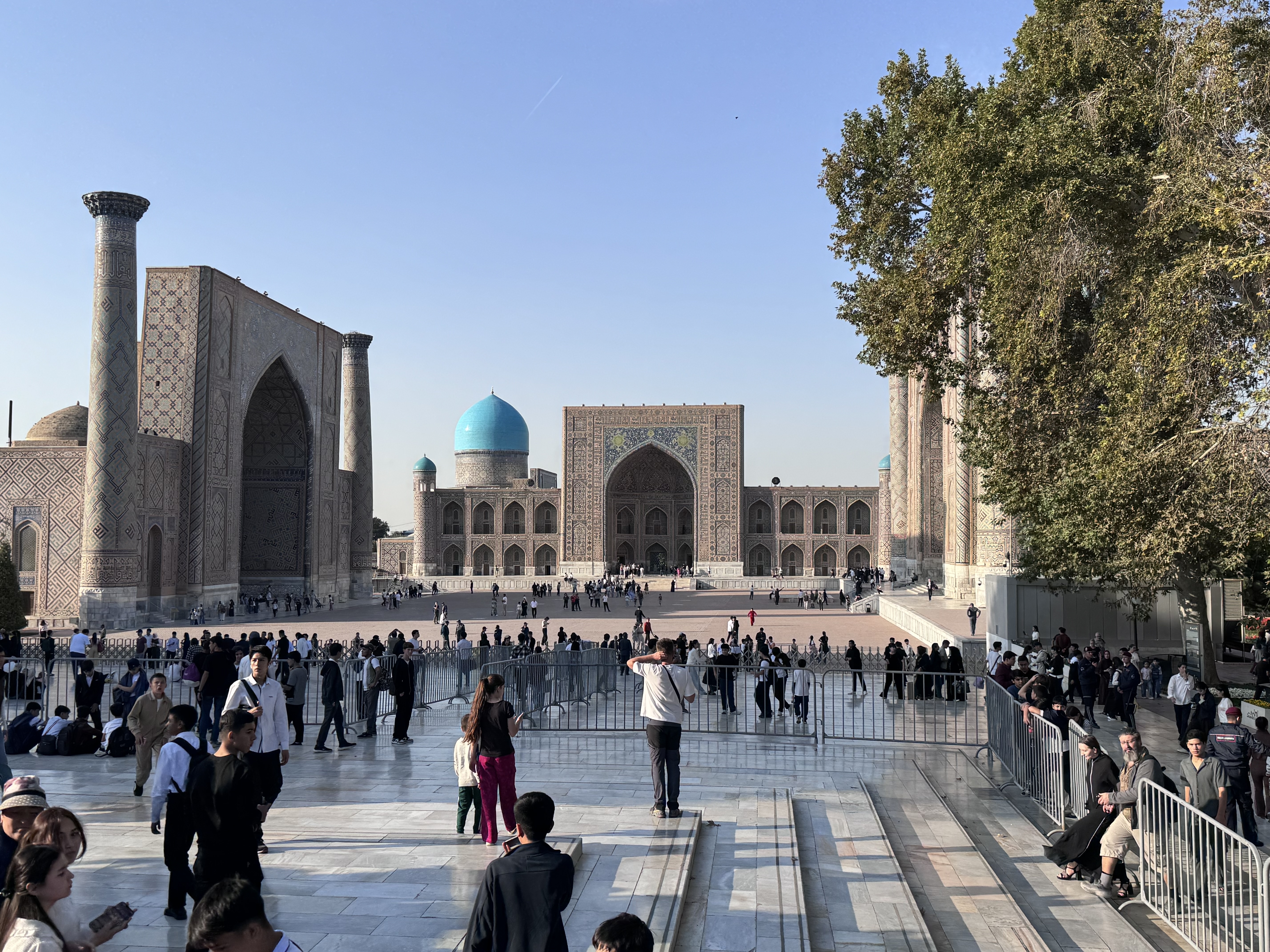
Samarkand ranks among the oldest continuously inhabited cities in Central Asia, with evidence of settlement in the Zerafshan River valley stretching back more than two and a half millennia. Known in antiquity as Maracanda, it served as the capital of Sogdiana and was captured by Alexander the Great in 329 BC.
Over the following centuries it passed under successive Iranian, Turkic, and Arab rule, flourishing as a major Silk Road trading and craft center. In 1220 Genghis Khan’s Mongol armies destroyed much of the city.
After a period of recovery it rose to its greatest prominence when Timur, known in the West as Tamerlane, chose it as the capital of his vast empire in the late fourteenth century. Under the Timurid dynasty, especially during the reign of Timur’s grandson Ulugh Beg, Samarkand became a brilliant hub of architecture, science, and Islamic learning.
The city later declined, was absorbed into the Khanate of Bukhara, and stood largely deserted for decades in the eighteenth century ...
The railway network of Uzbekistan traces its roots to the late nineteenth century when the Russian Empire built the Trans-Caspian line across the region. During the Soviet period the system expanded into a dense network of broad-gauge tracks that linked industrial centers and agricultural zones.
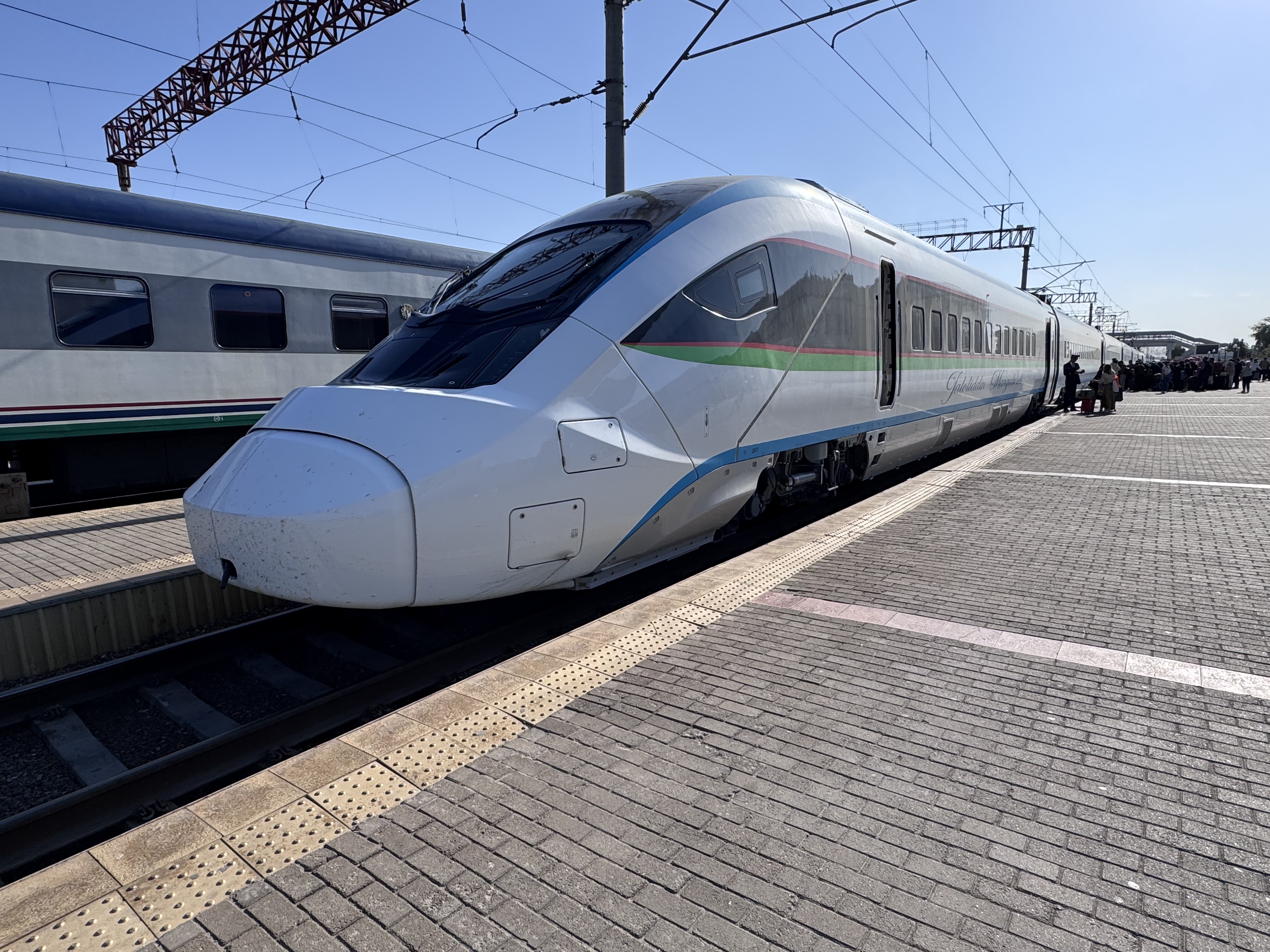
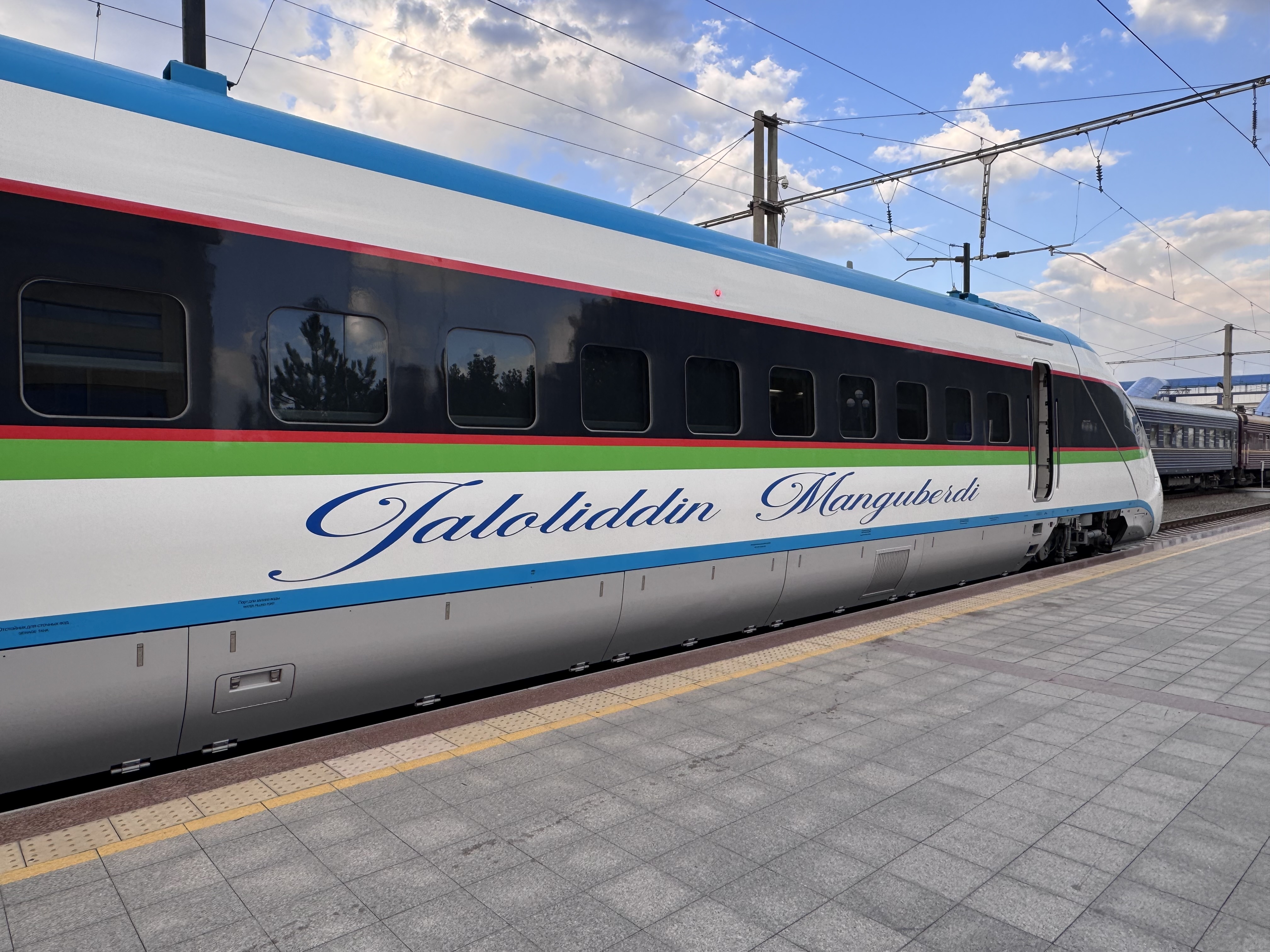
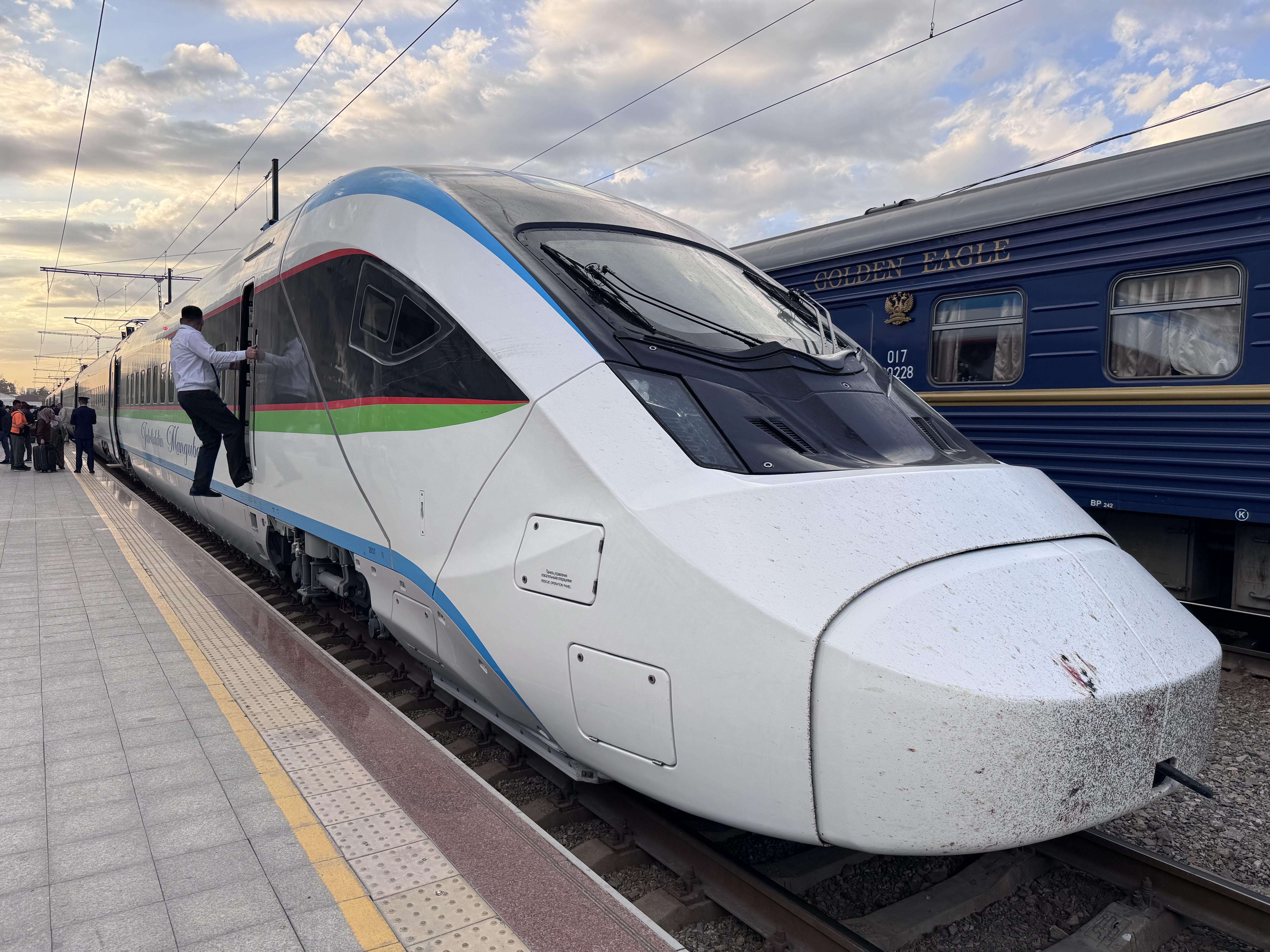
After independence the country began modernizing its rails, focusing first on passenger comfort and then on speed. The breakthrough came in 2011 with the introduction of the Afrosiyob high-speed trains built by Spain’s Talgo.
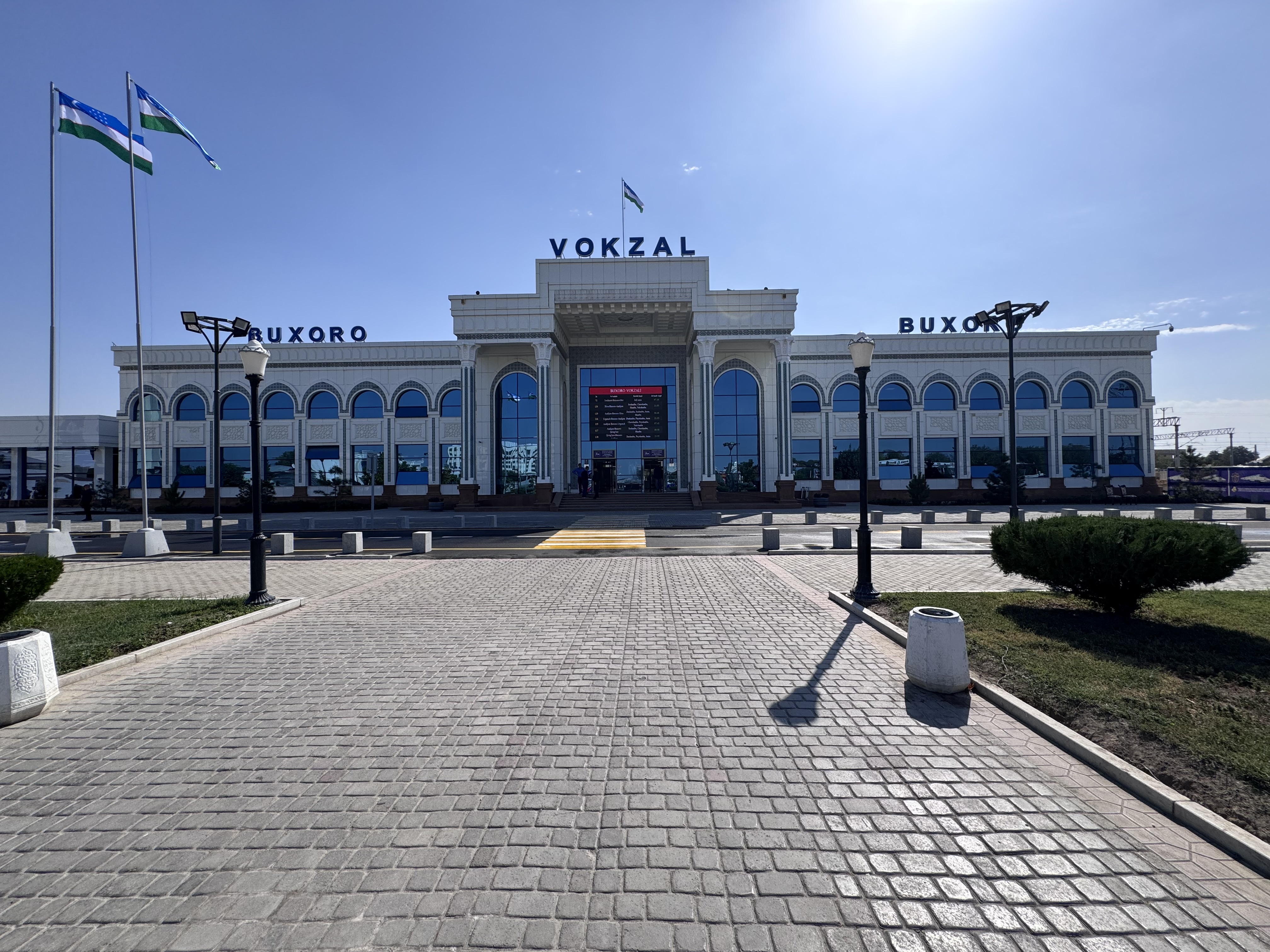
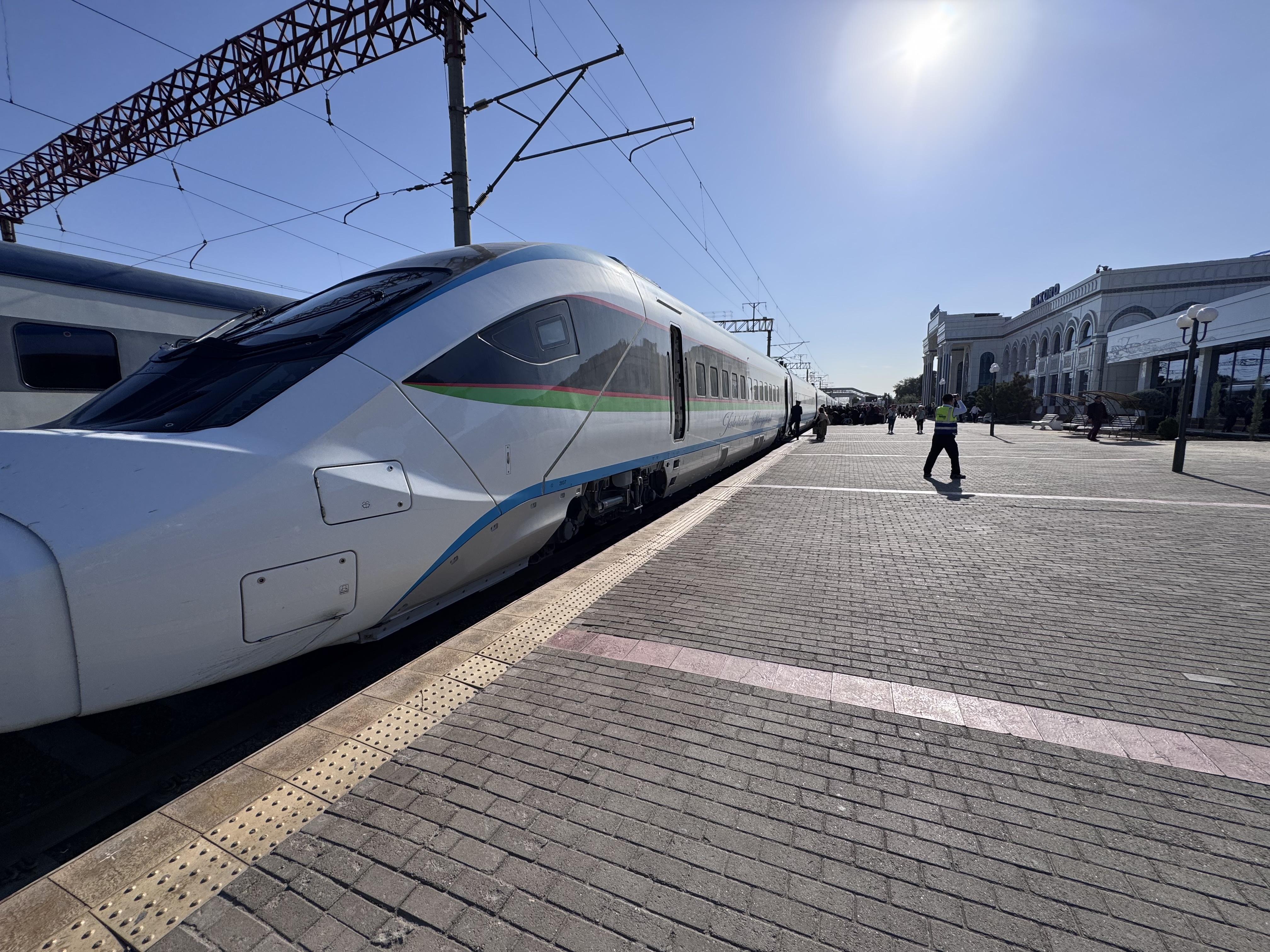
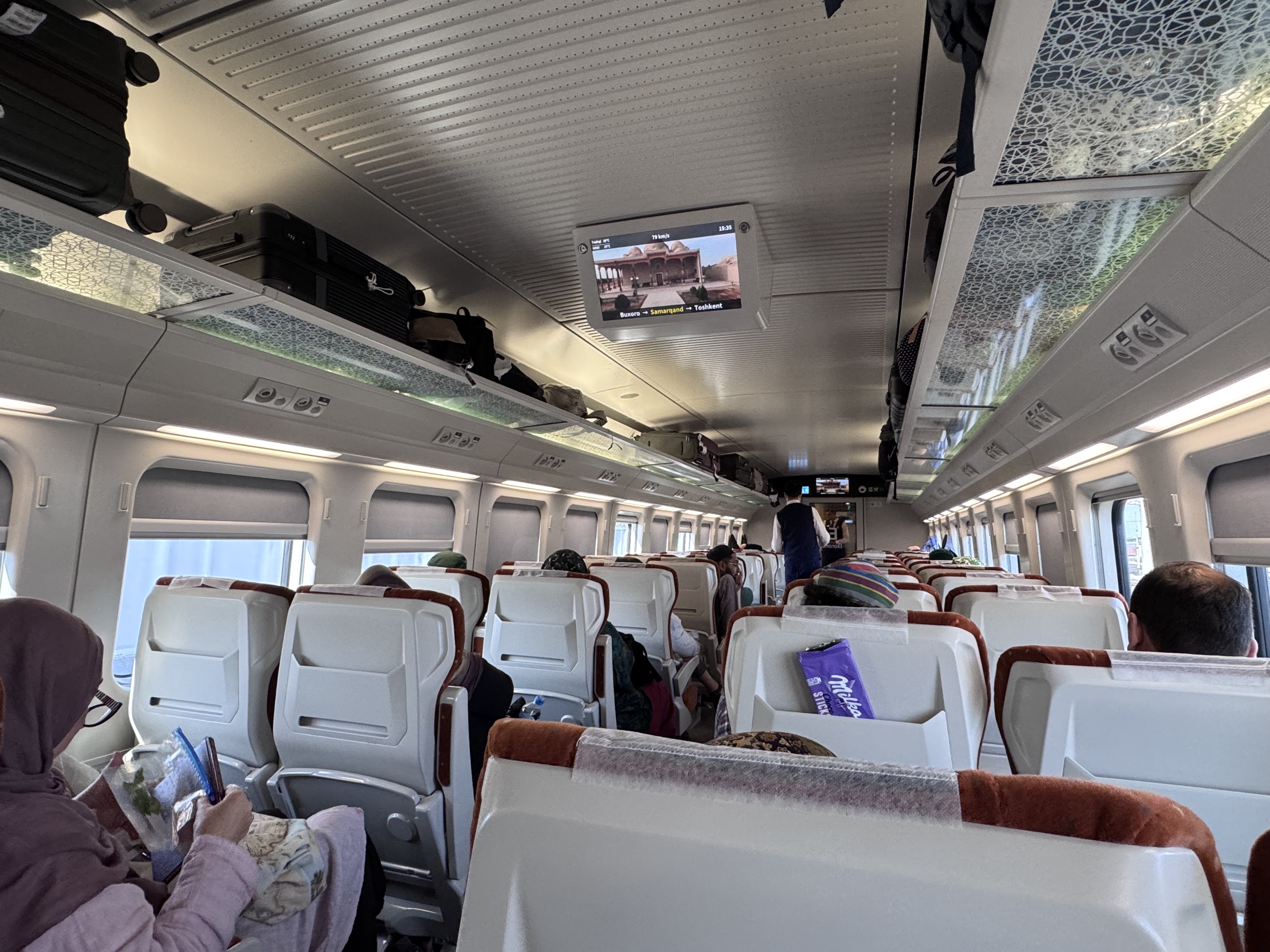
These Spanish trainsets cut the Tashkent to Samarkand journey from more than four hours to roughly two hours and soon extended service to Bukhara. In 2026 Uzbekistan Railways added a new generation of Korean-built trains that pushed the high-speed corridor farther west to Khiva, completing a continuous modern spine across the heart of the country.
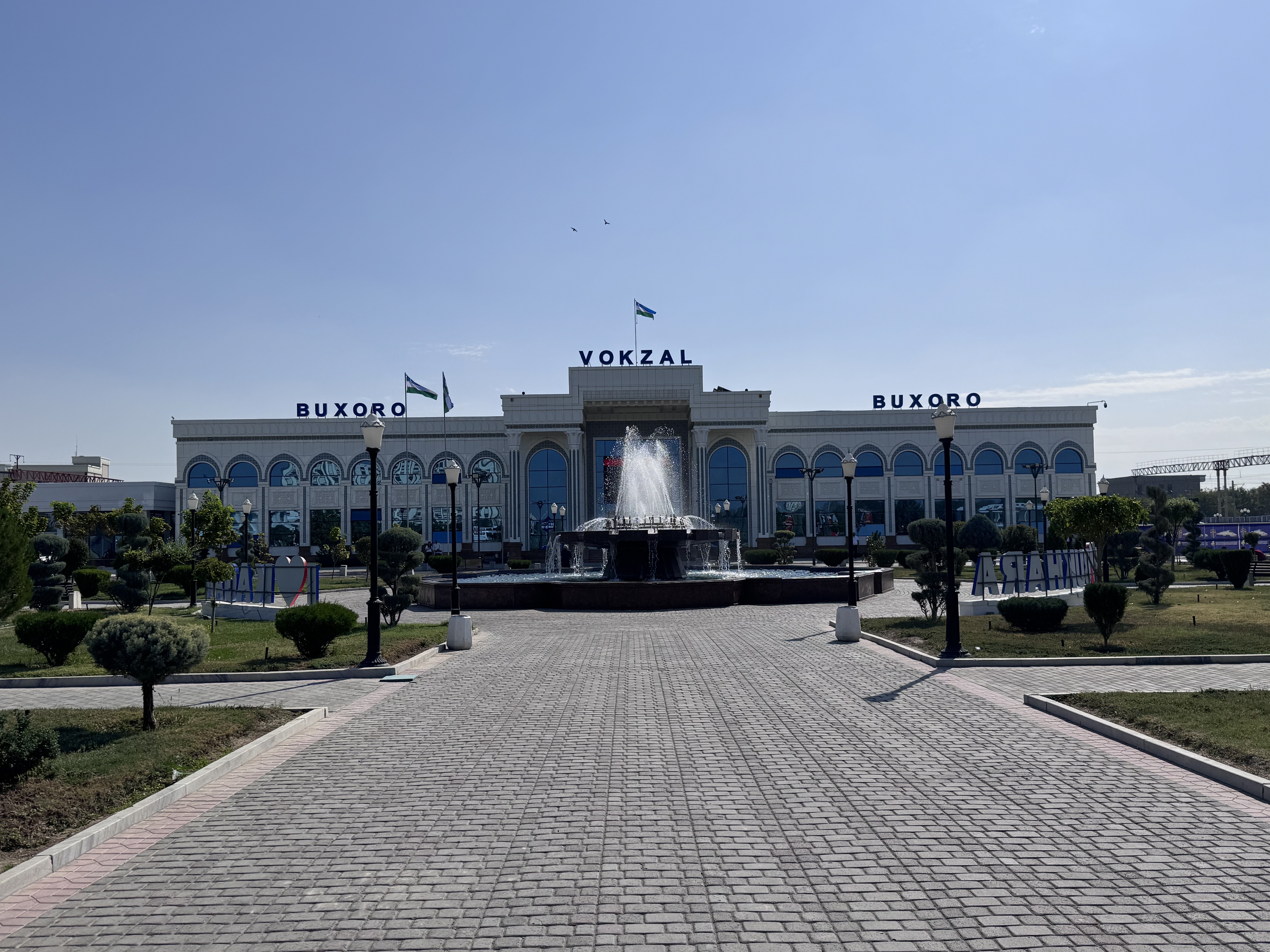
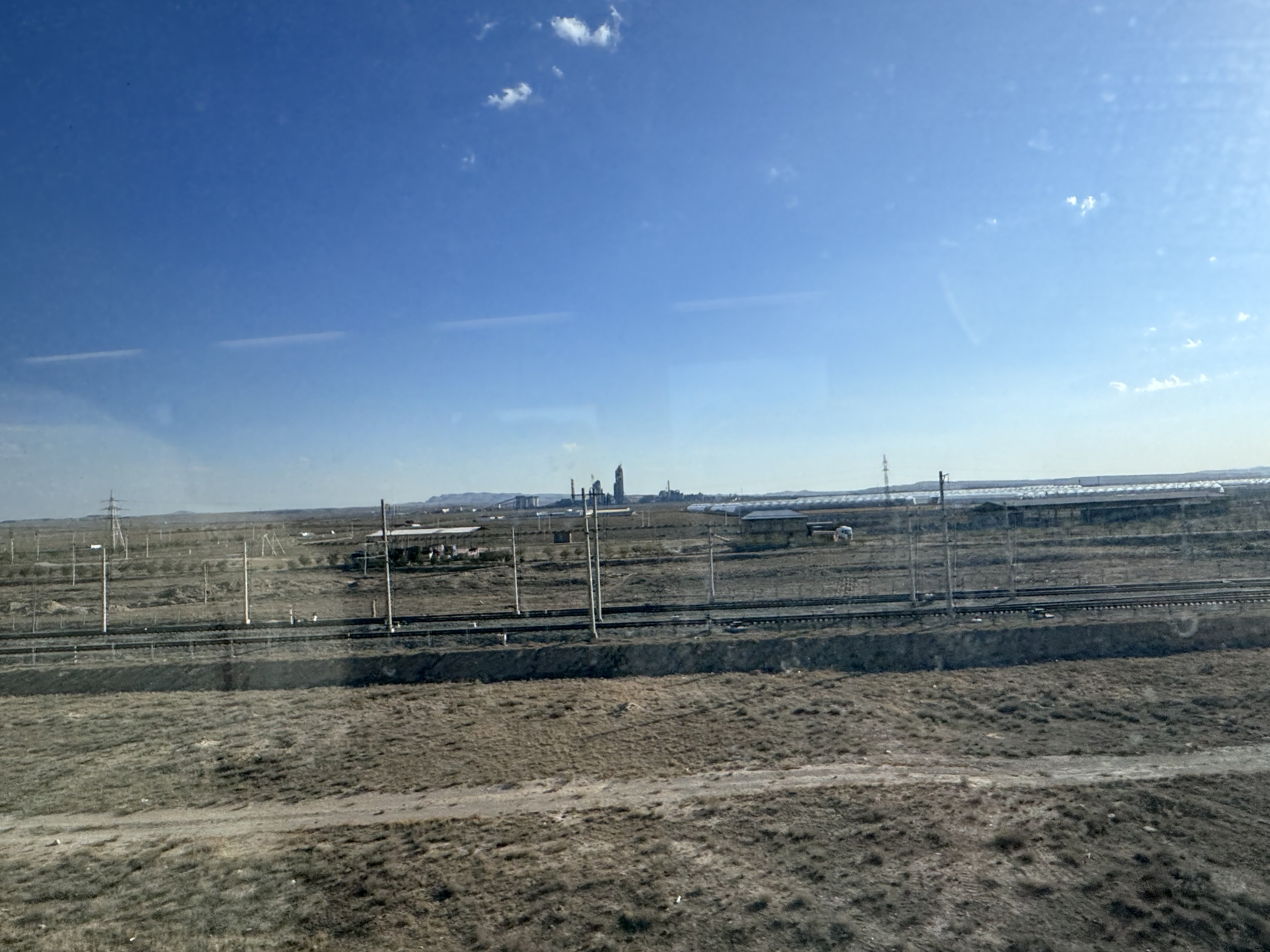
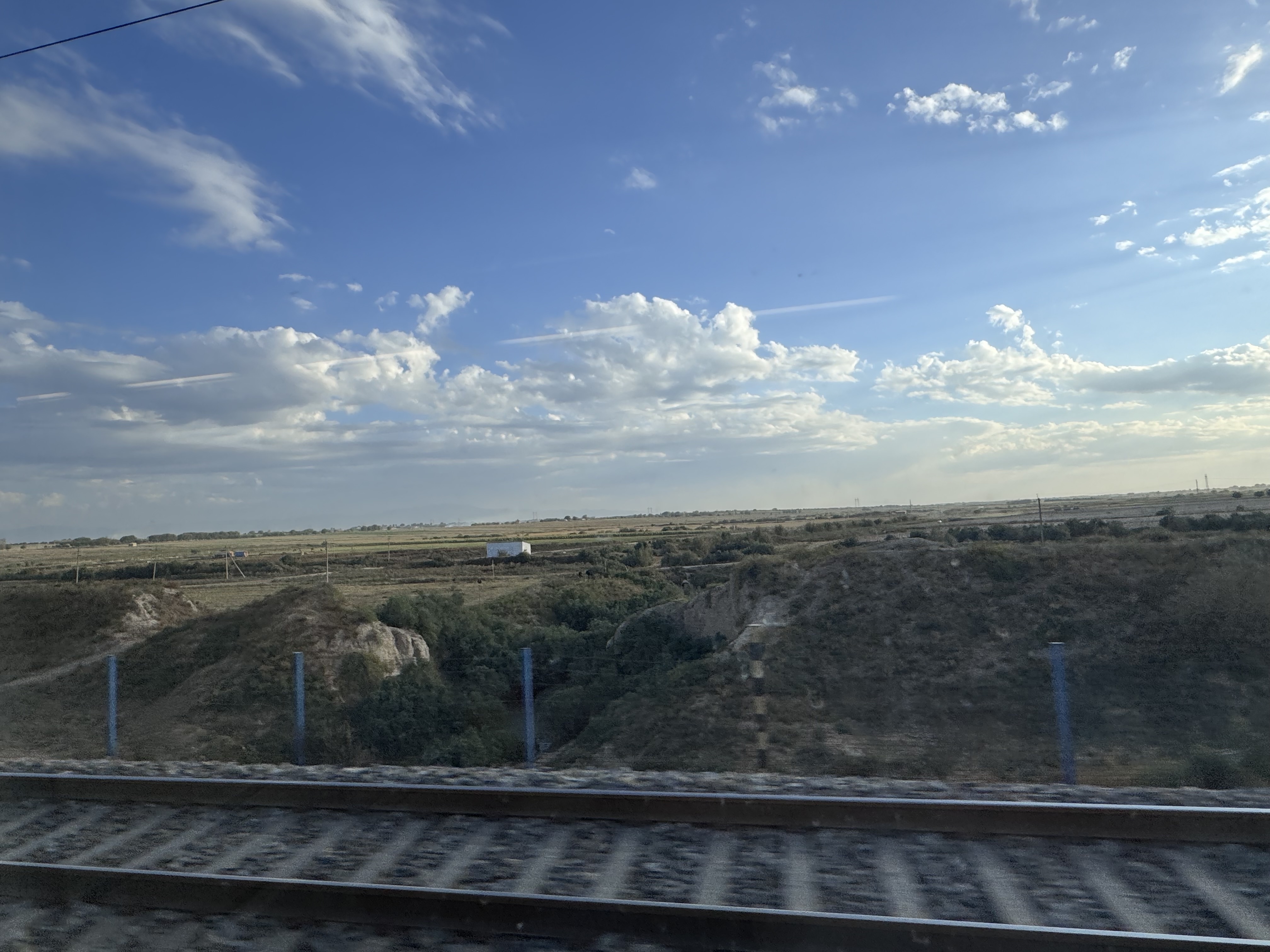
The route from Bukhara to Samarkand follows the upgraded high-speed line that runs roughly two hundred twenty kilometers across the open ...