

The Chinese Professional Baseball League (CPBL) stands as Taiwan’s premier professional baseball circuit. It was established on October 23, 1989, following a campaign led by Brother Hotel chairman Hung Teng-sheng, with the inaugural season launching in 1990 featuring four teams: the Brother Elephants, Mercuries Tigers, Uni-President Lions, and Wei Chuan Dragons. The league’s first game saw the Lions defeat the Elephants 4-3 before a packed crowd at the old Taipei Municipal Baseball Stadium.
Over the years, the CPBL expanded and faced challenges, including competition from the Taiwan Major League (TML) in the late 1990s, which it eventually absorbed in 2003. Today, with six teams, it thrives as a beloved national pastime blending intense competition, passionate fan culture, and community engagement, drawing strong attendance especially in modern venues.
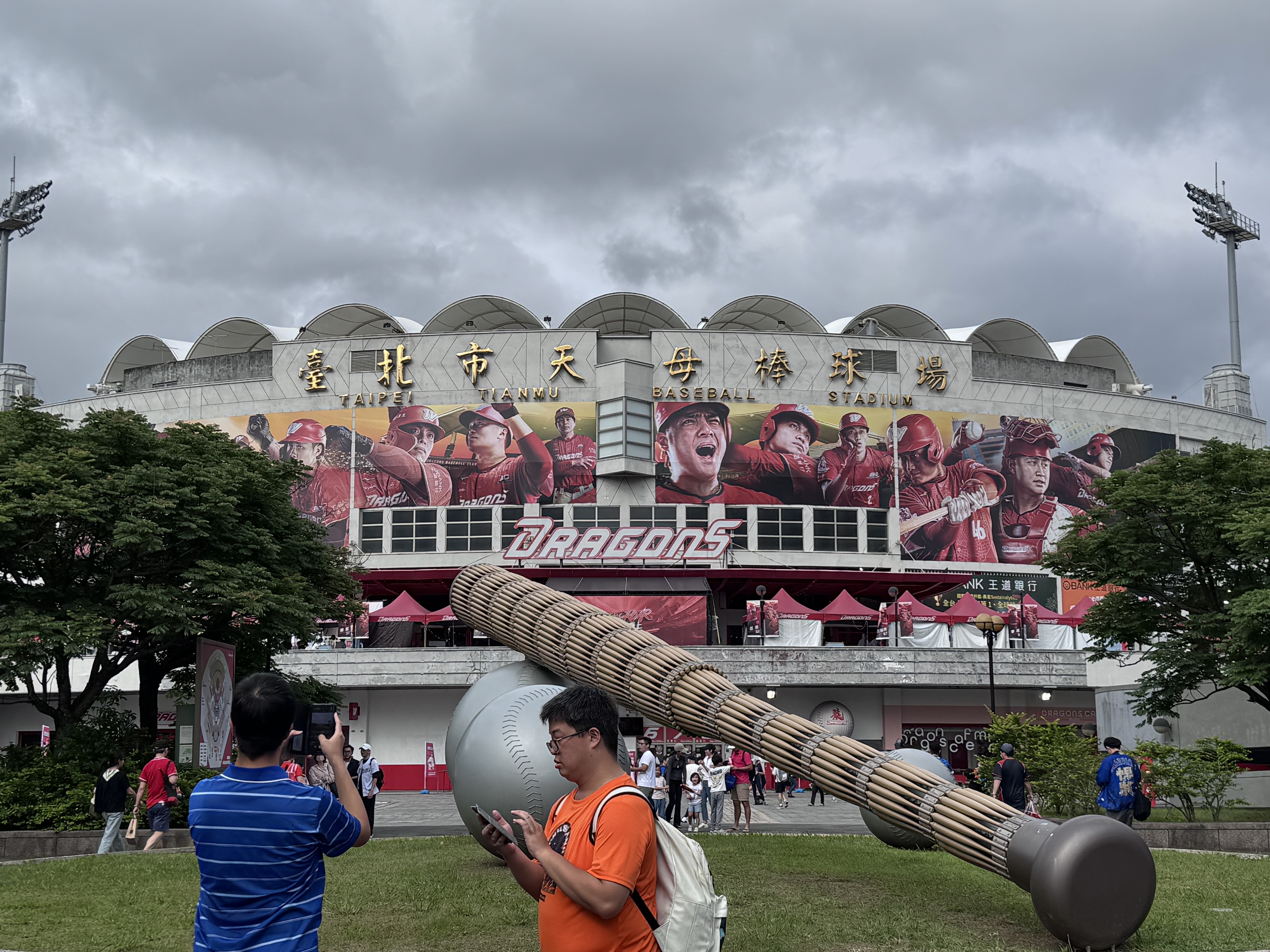
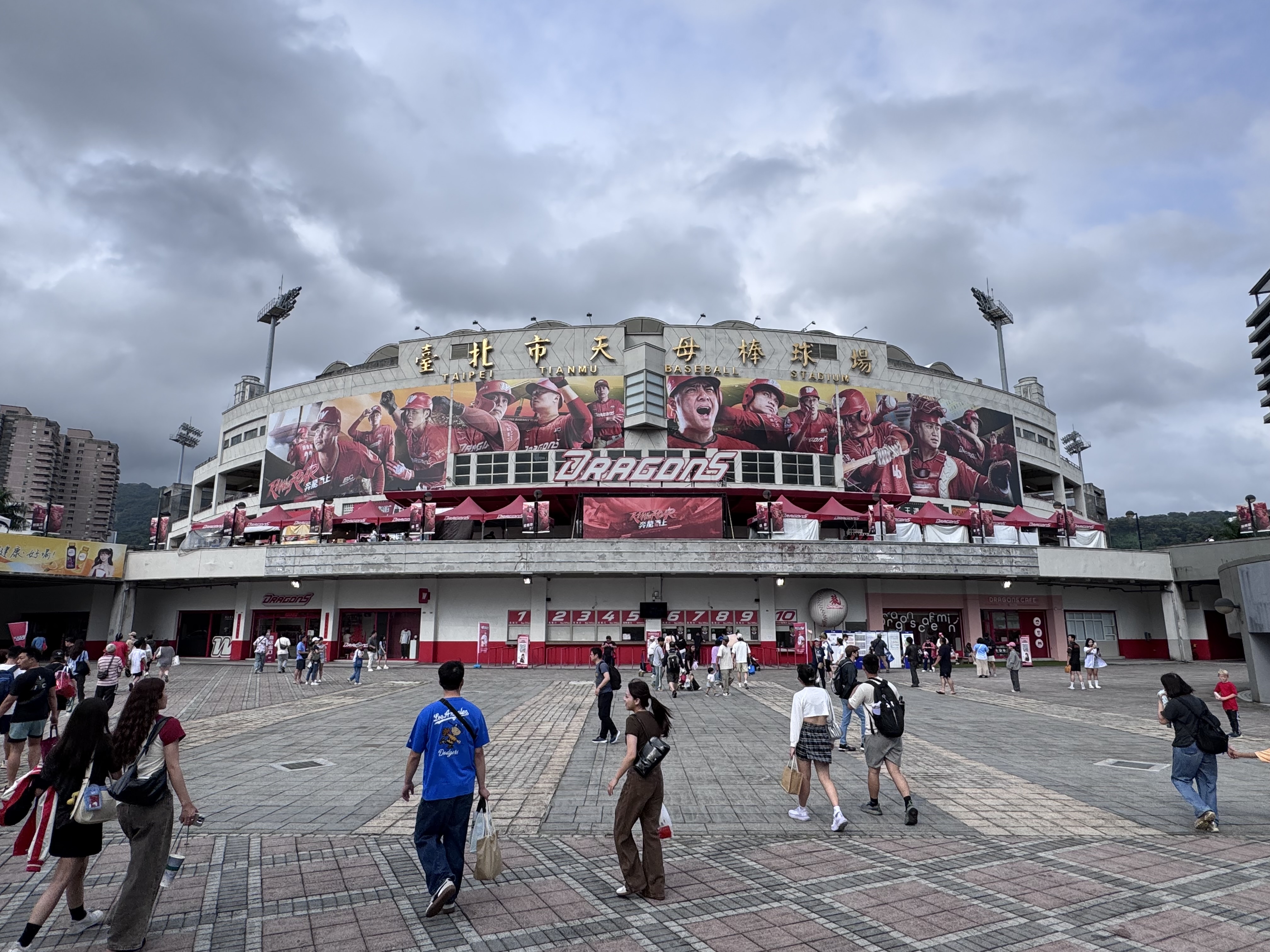
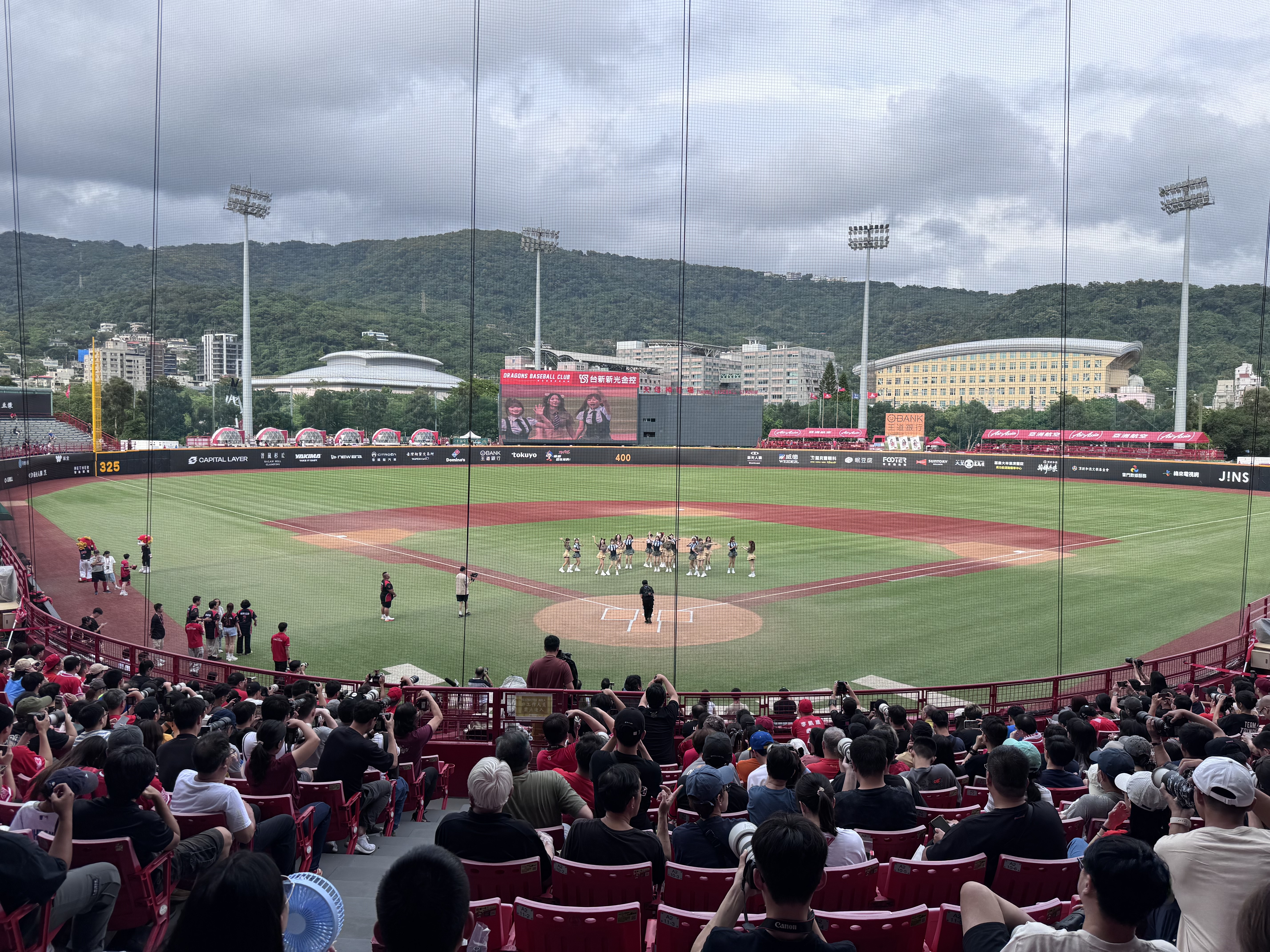
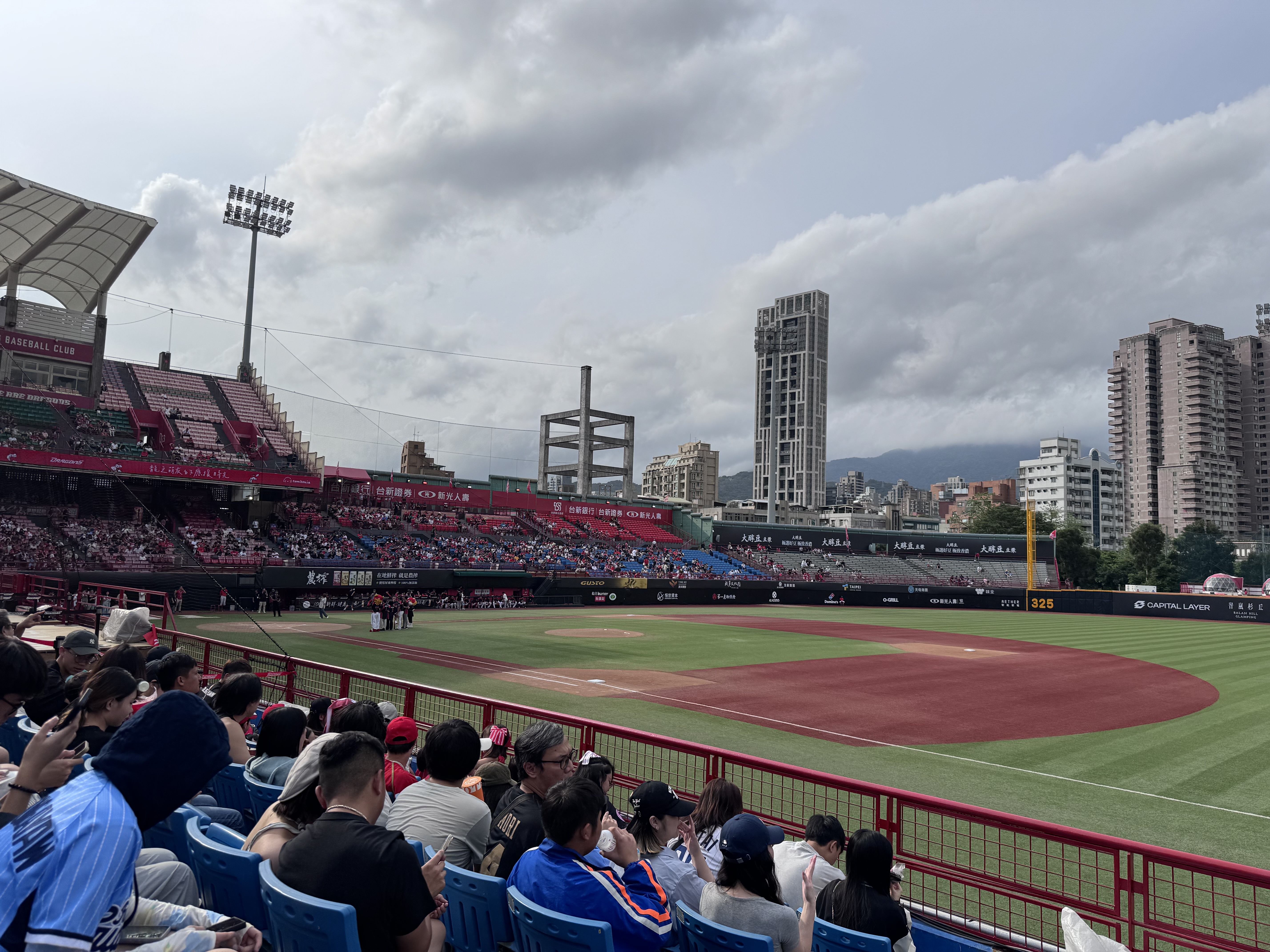
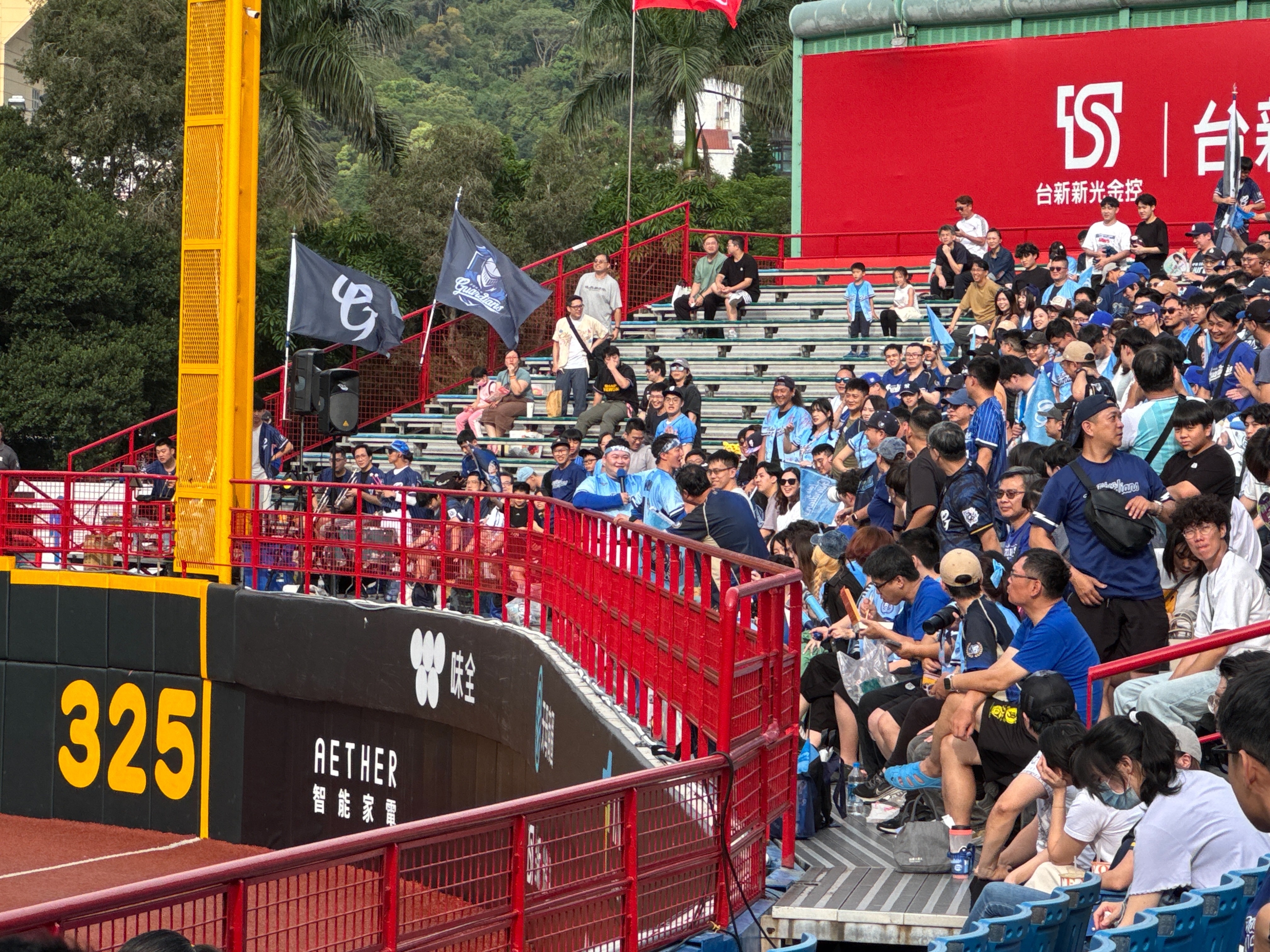
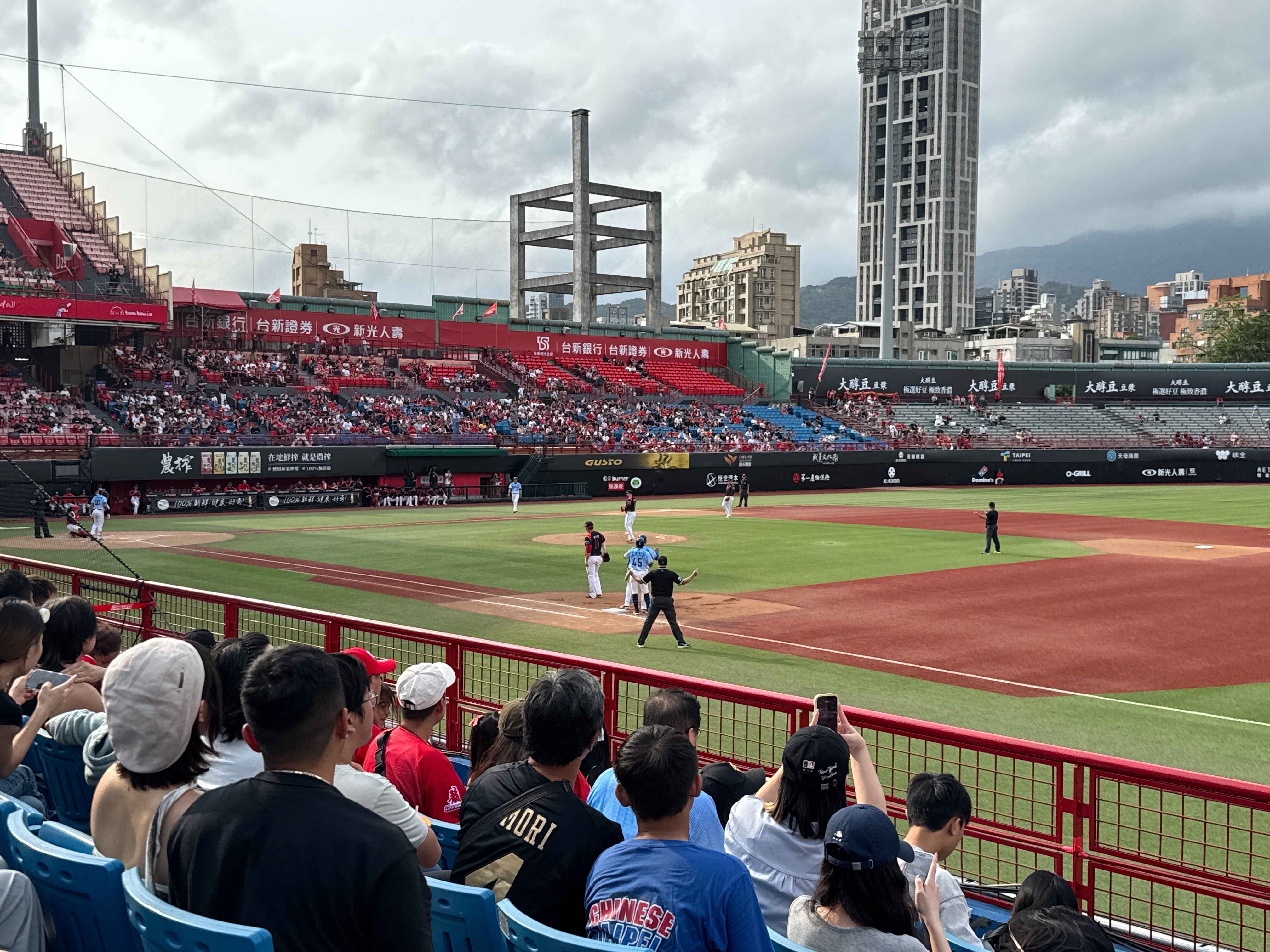
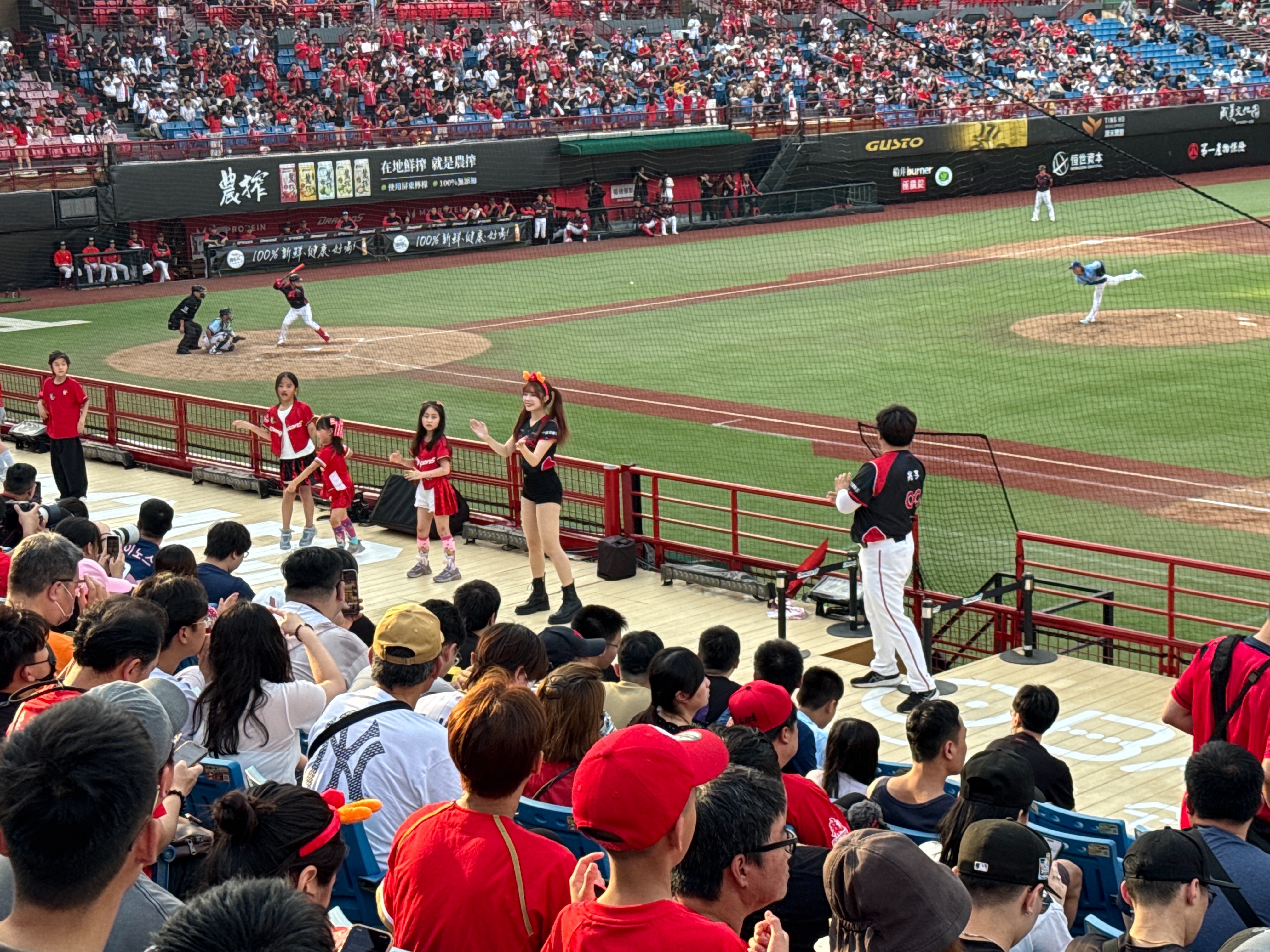
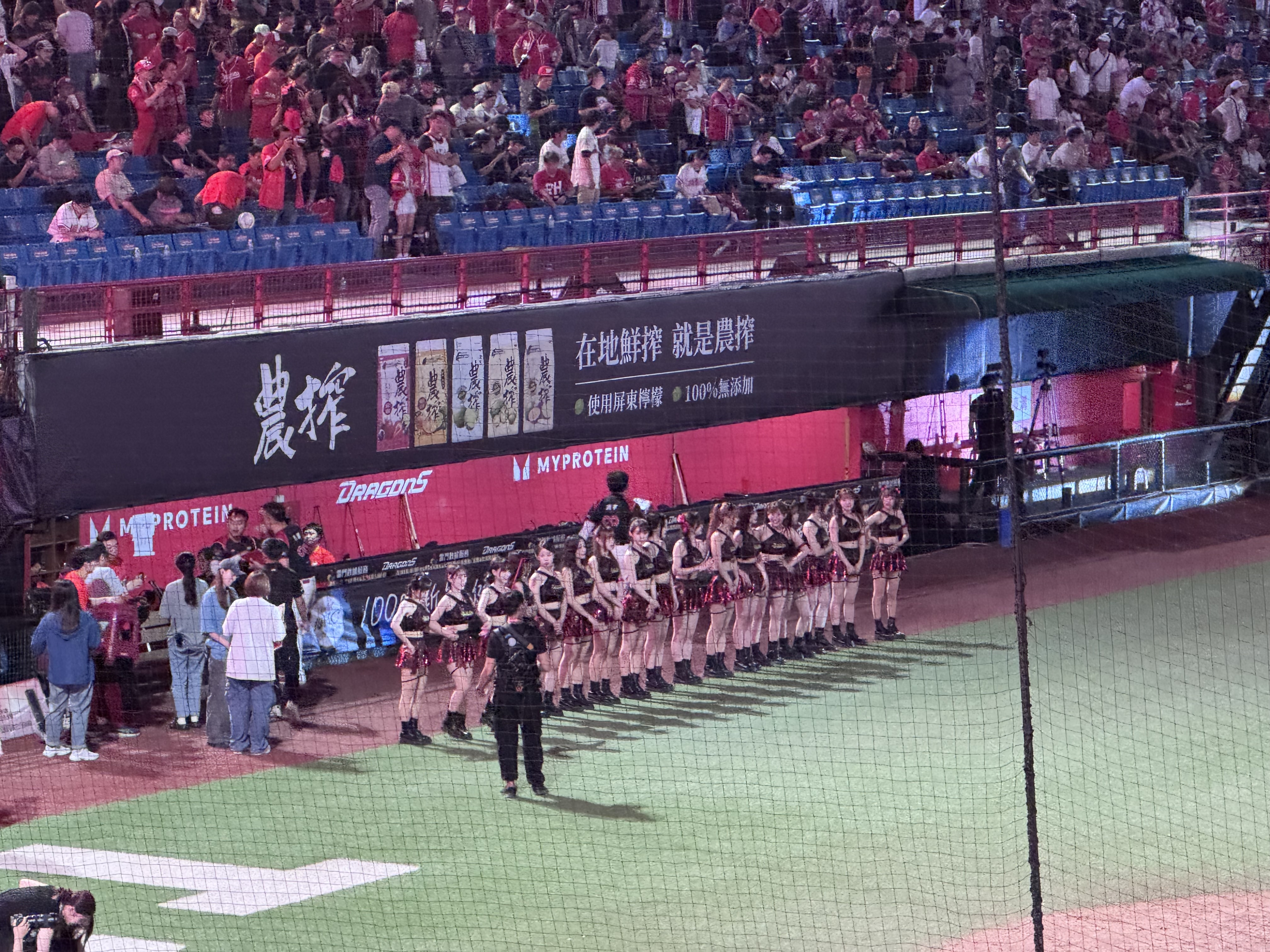
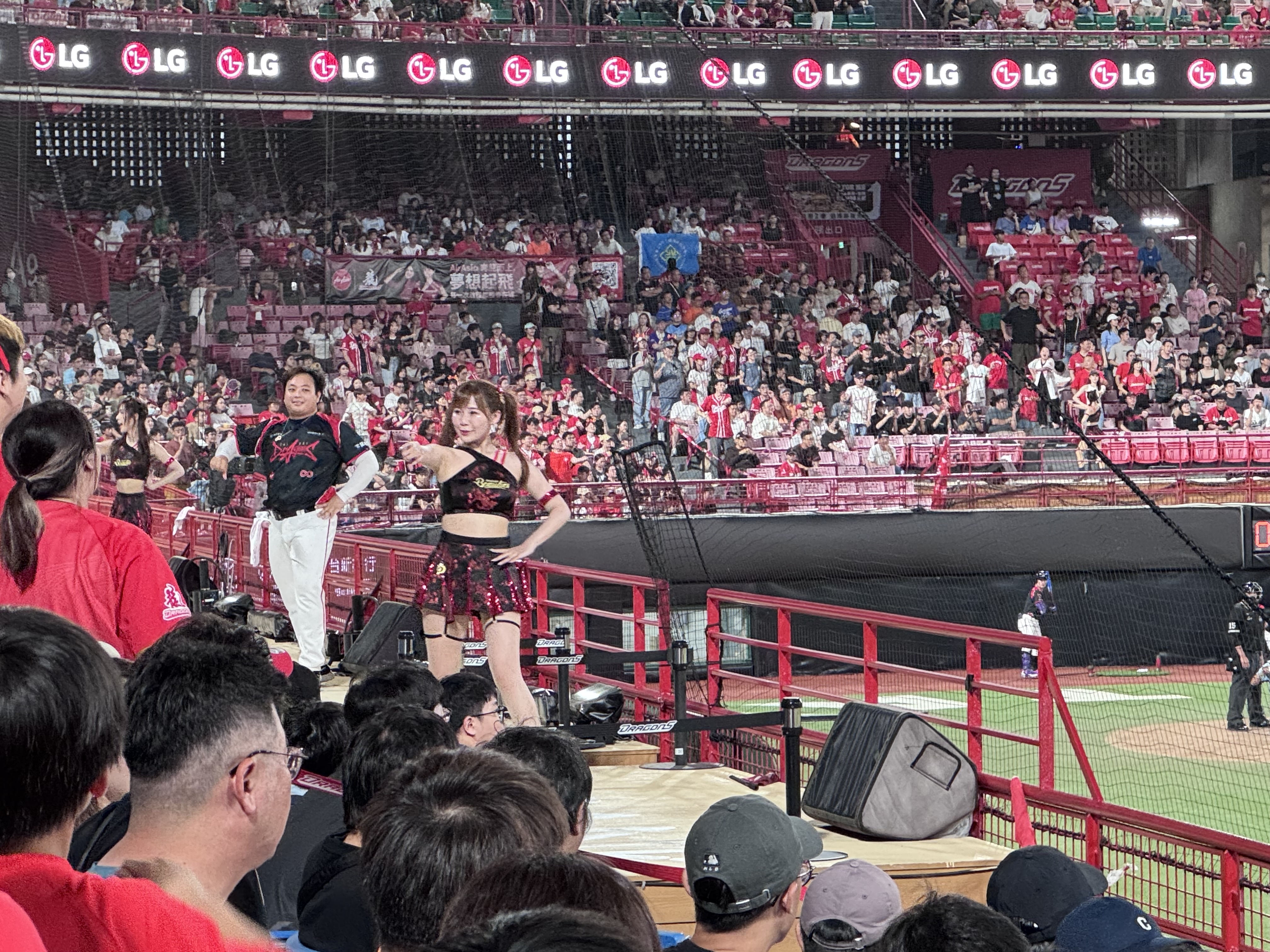
Tianmu Baseball Stadium, the primary home venue for the Wei Chuan Dragons, hosted the May 3, 2026, matchup against the Fubon Guardians.
...

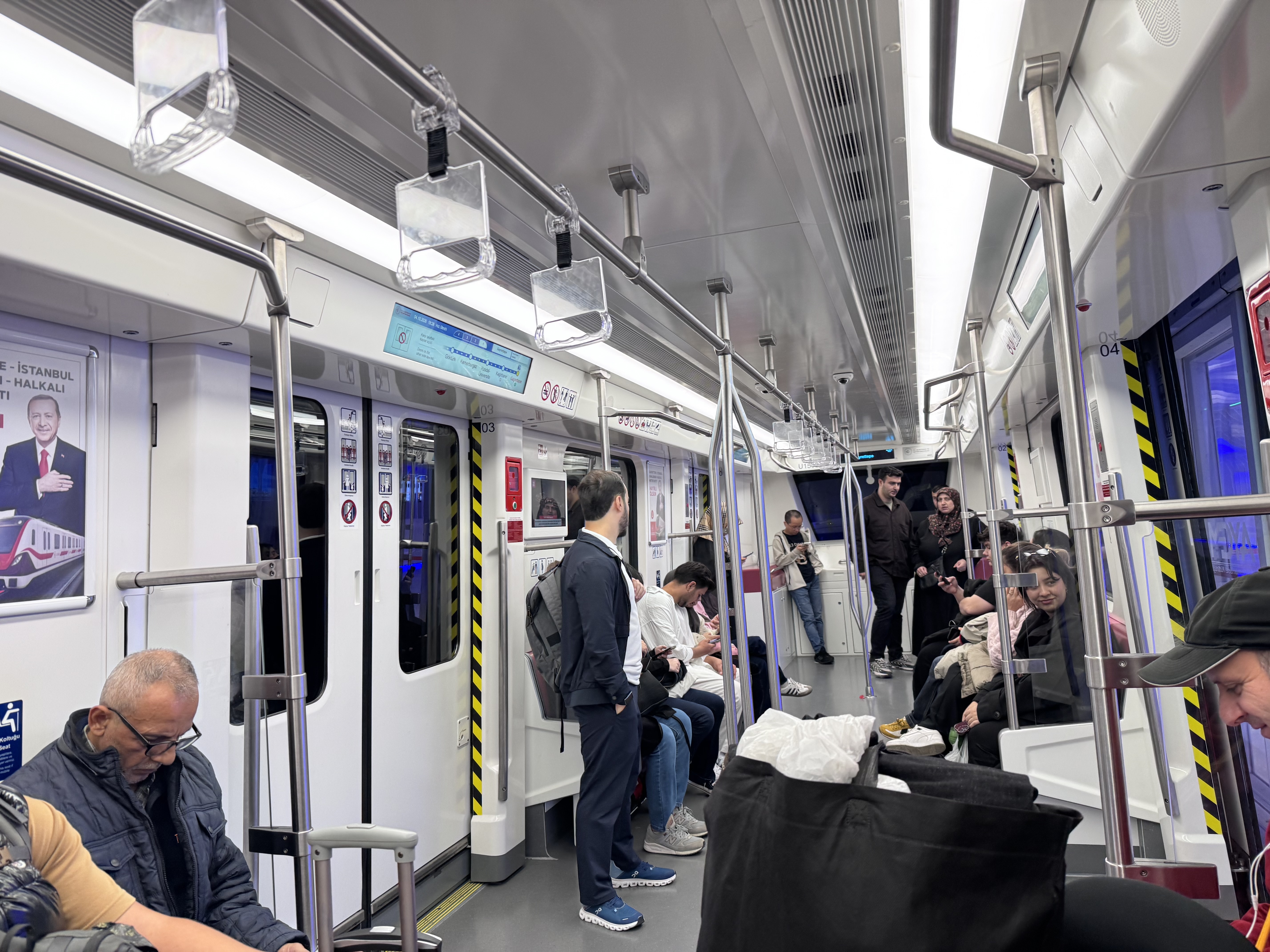
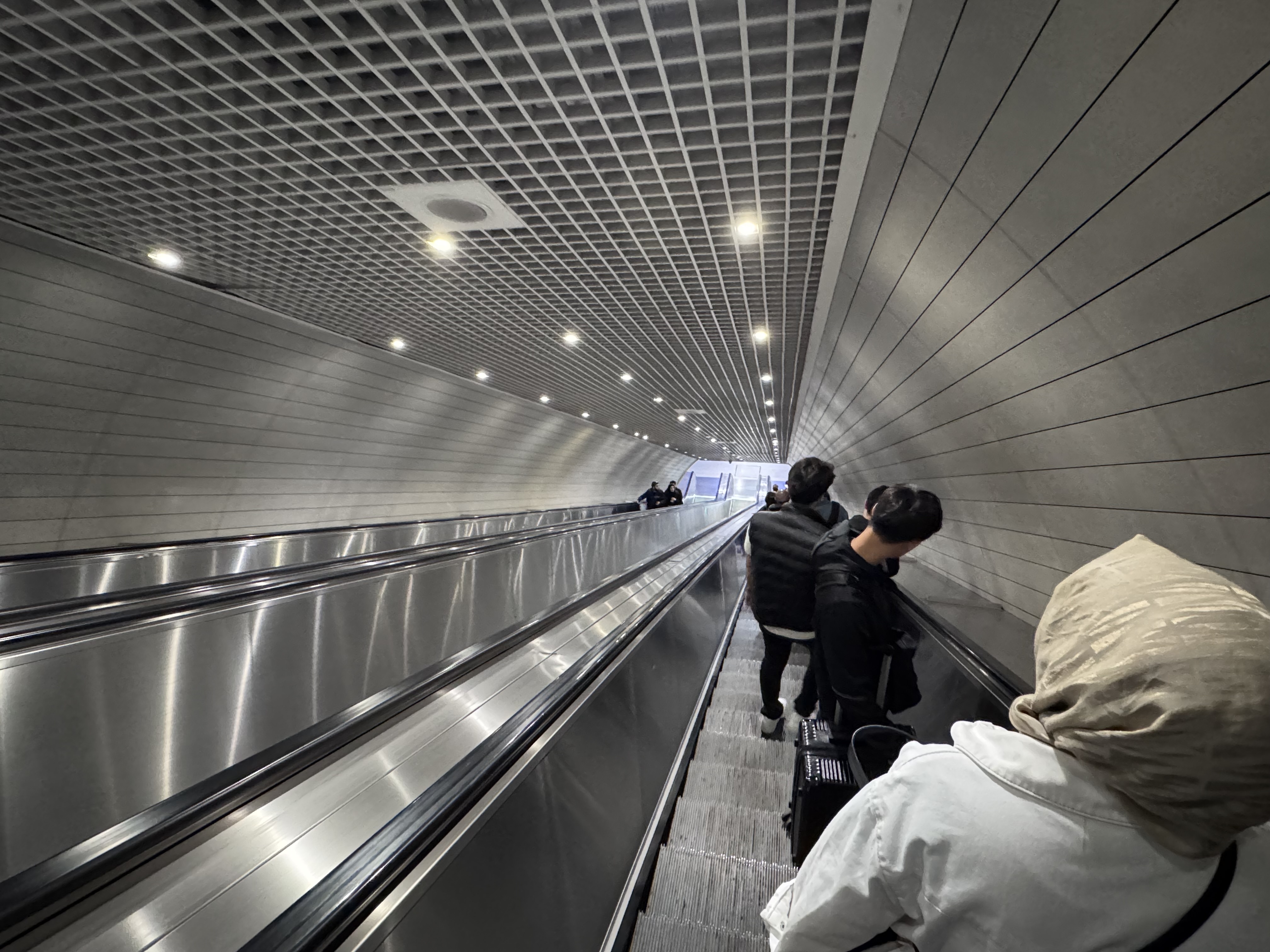
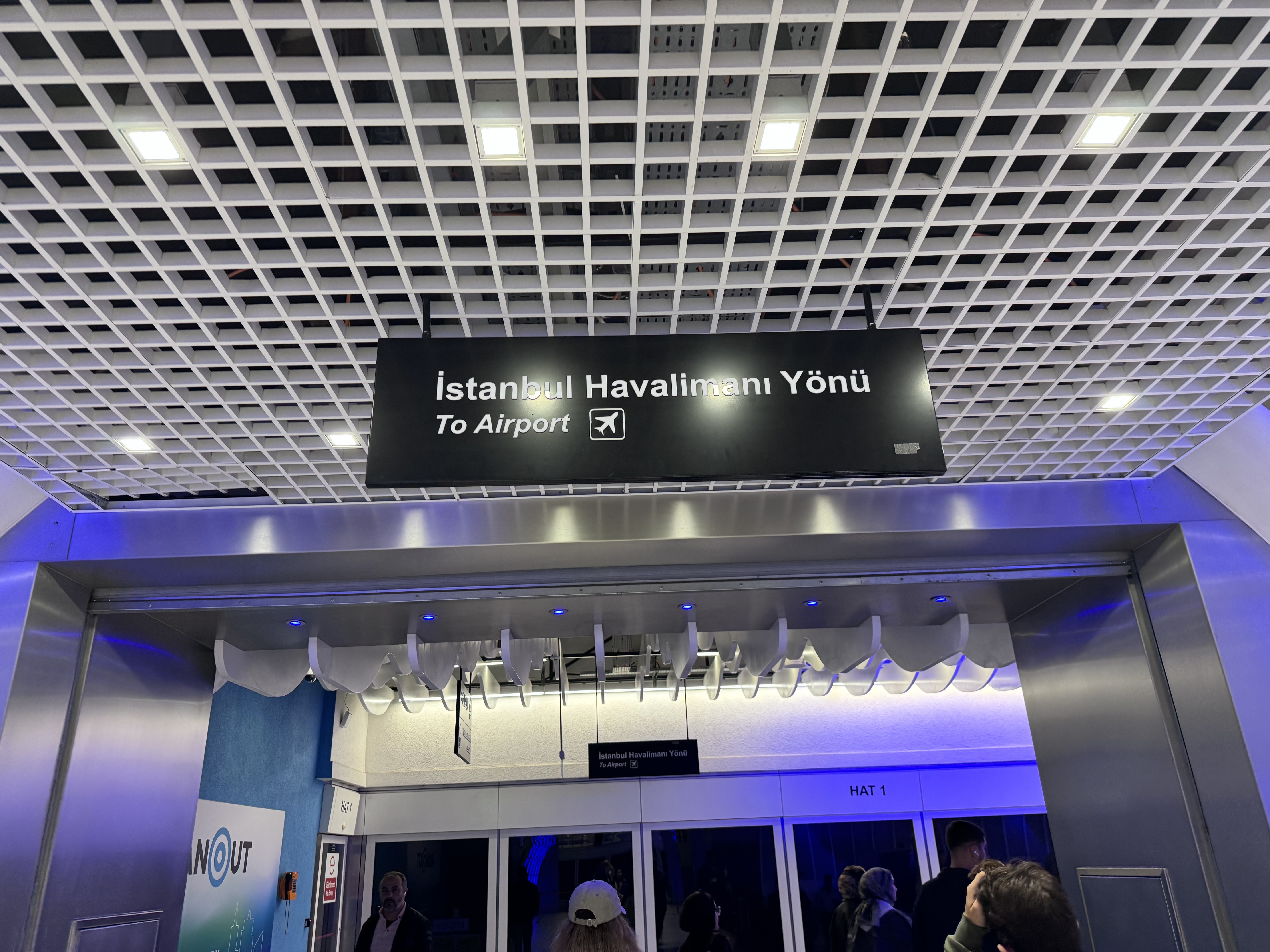
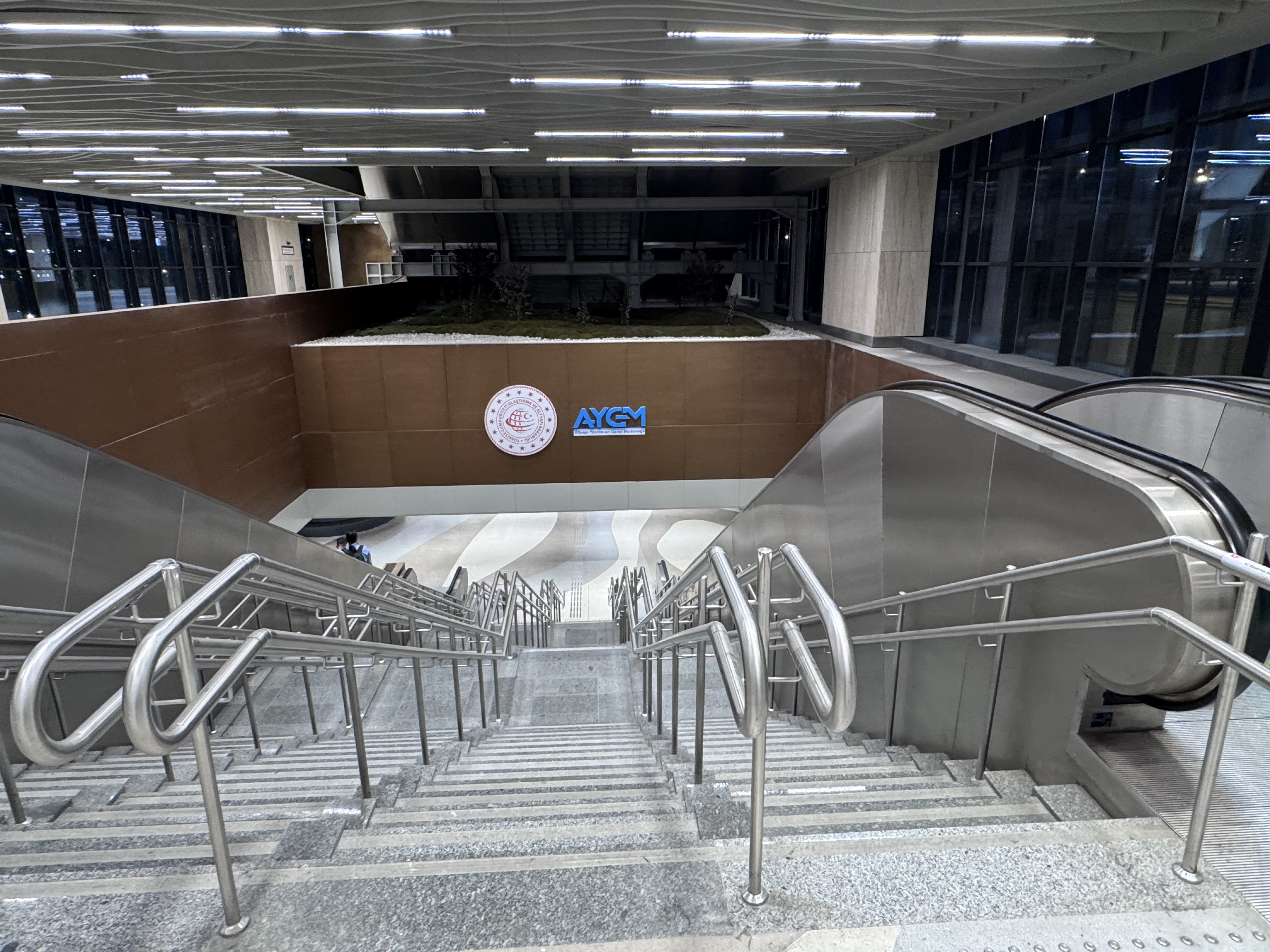
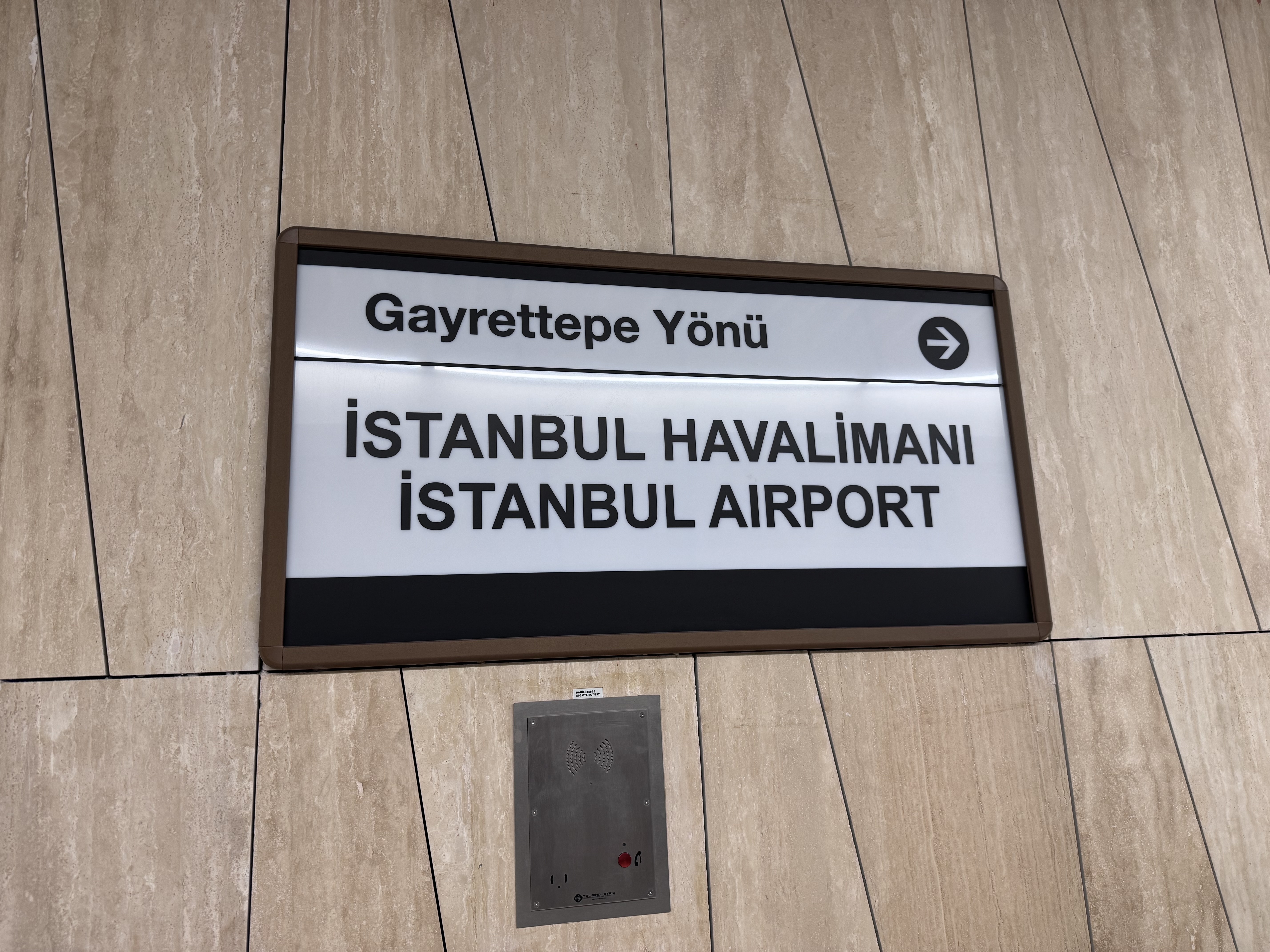
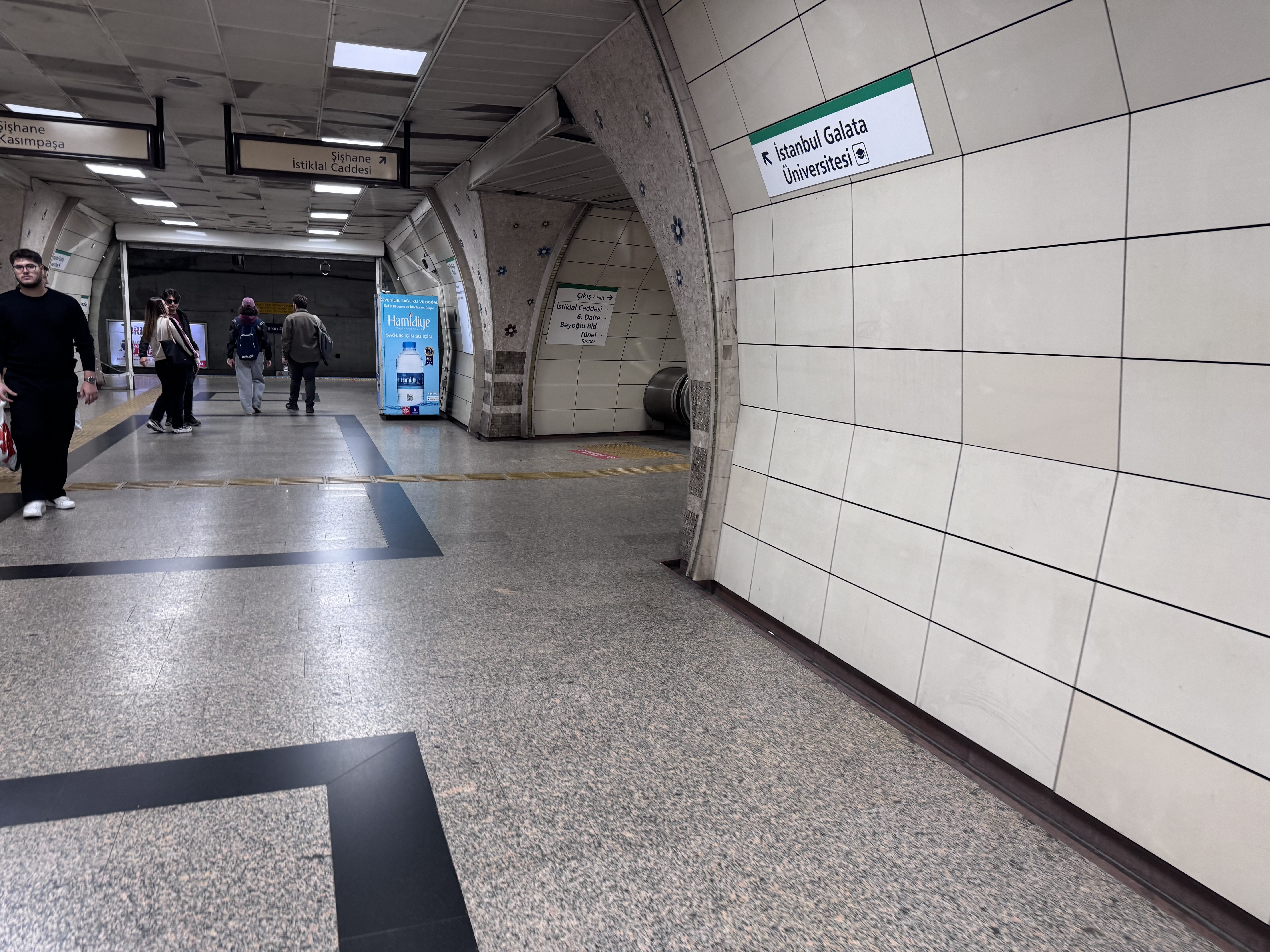
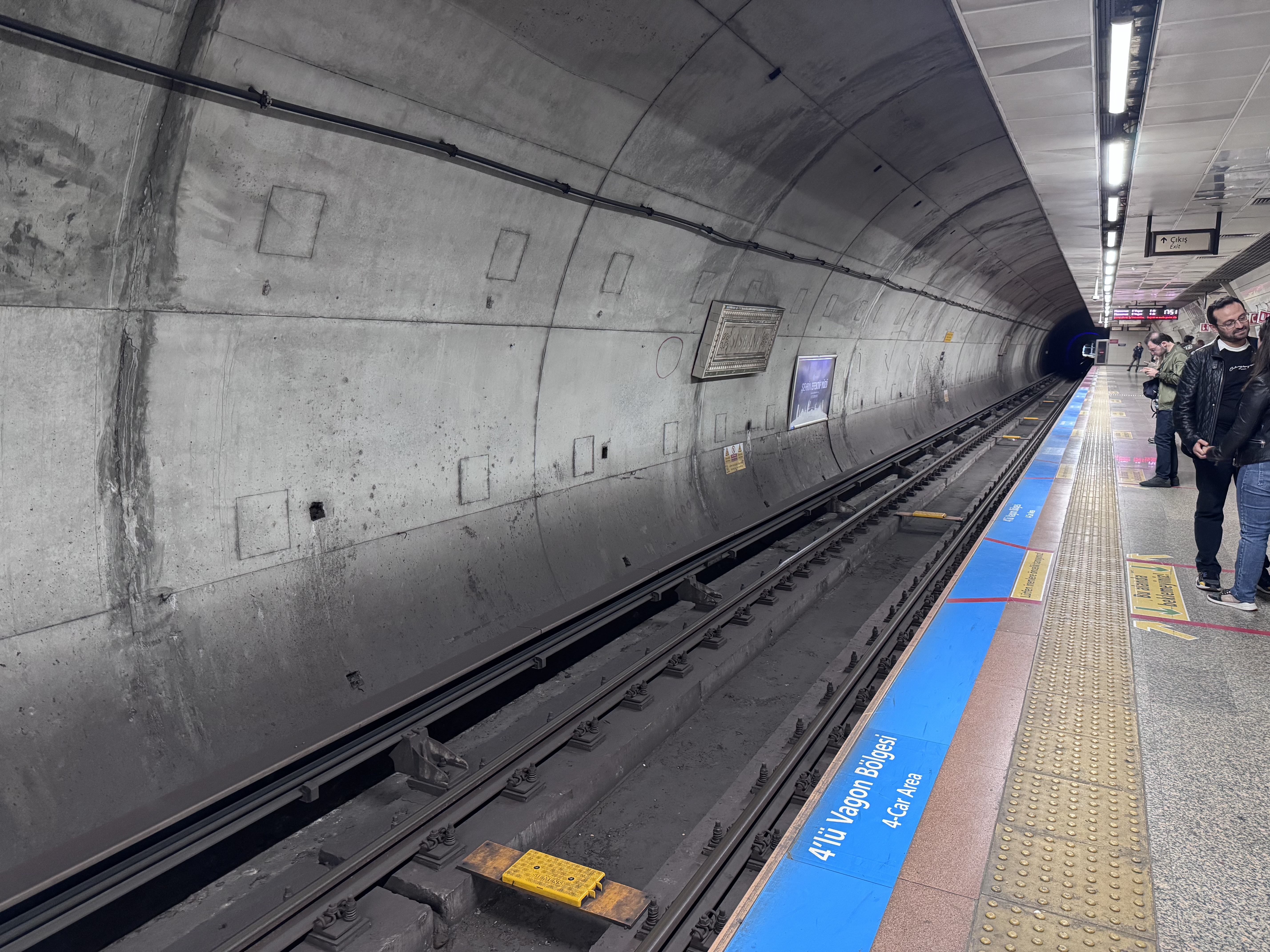
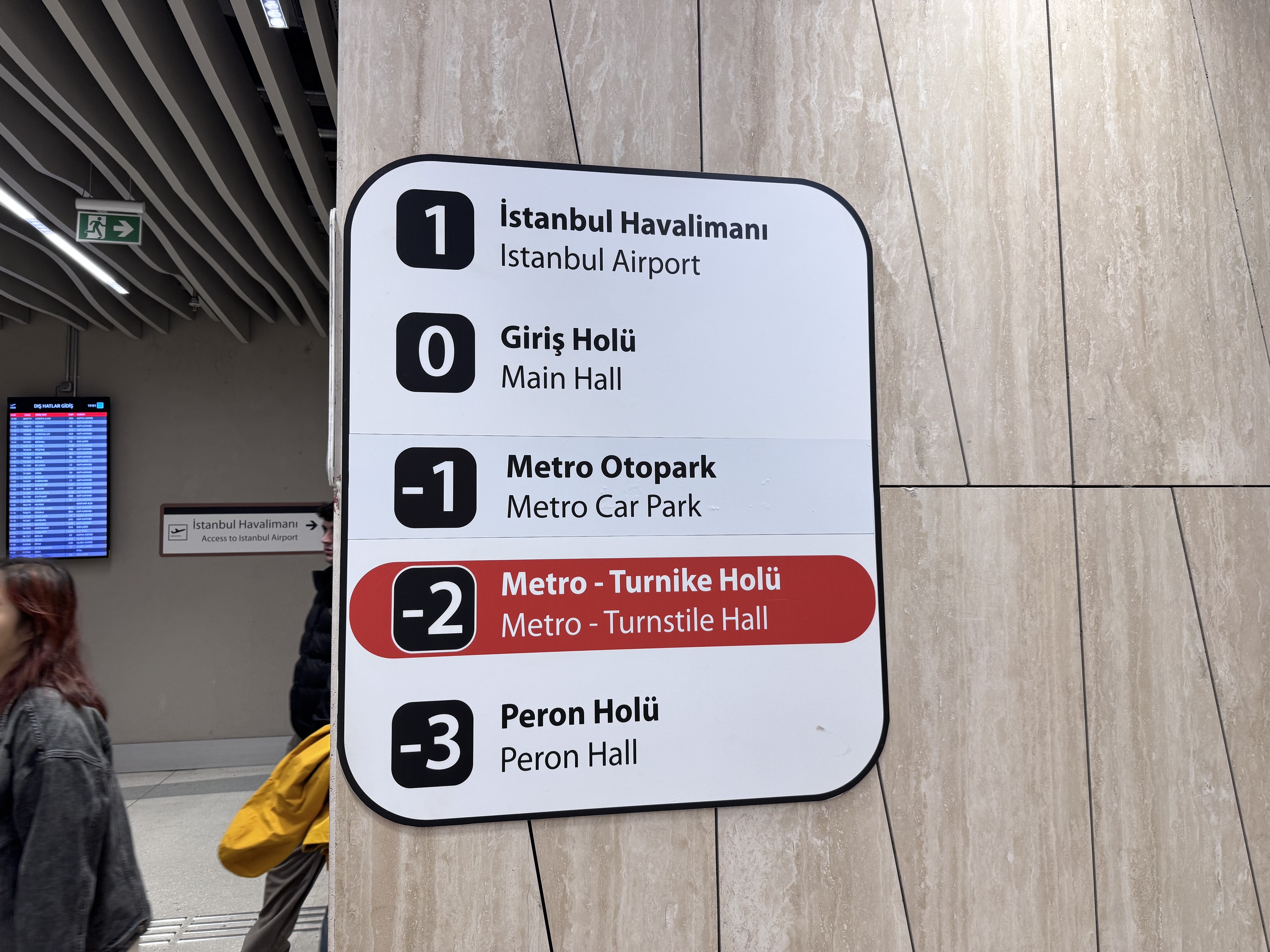
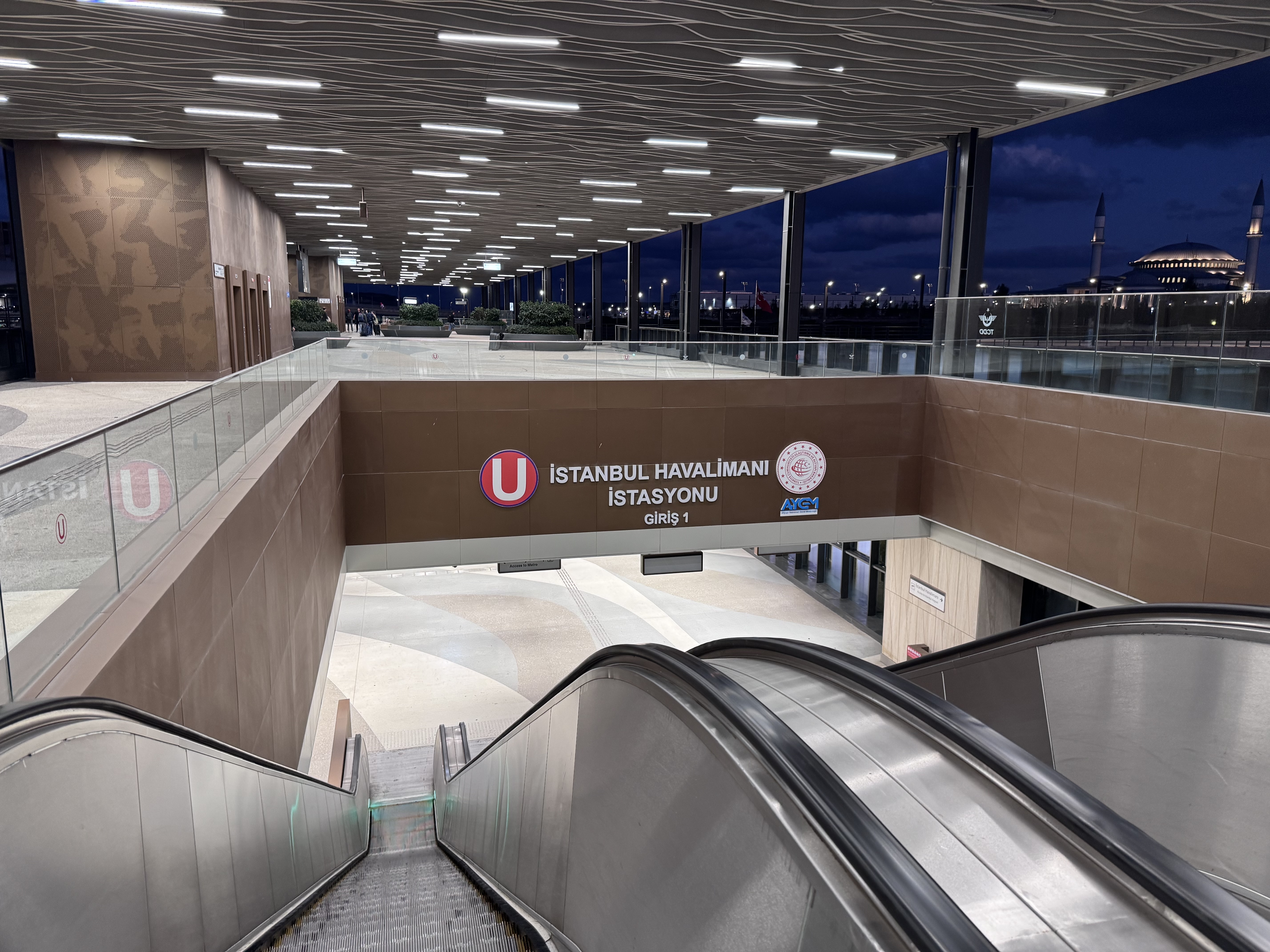
This video shows you exactly how to ride the Istanbul metro from the airport on the M11 line and transfer to the M2 to reach the historical area around Sultanahmet or Taksim Square.
Start by following the metro signs after arrivals at Istanbul Airport, walk a few minutes to the underground station, buy or top up an Istanbulkart at the machines, and board an M11 train heading toward Gayrettepe. The ride takes about 25 to 35 minutes with trains running every 8 to 10 minutes from roughly 6 a.m. until midnight.
At Gayrettepe follow the signs for the M2 green line, allow 8 to 15 minutes for the long underground walk with escalators, then ride toward Yenikapı and get off at Vezneciler or continue for a short T1 tram connection straight to Sultanahmet near Hagia Sophia and the Blue Mosque.
Total door-to-door time is usually 60 to 90 minutes. The full trip costs roughly 60 to 110 Turkish lira with an Istanbulkart depending on transfers, far cheaper than a taxi that can run 2000 lira or more.
...
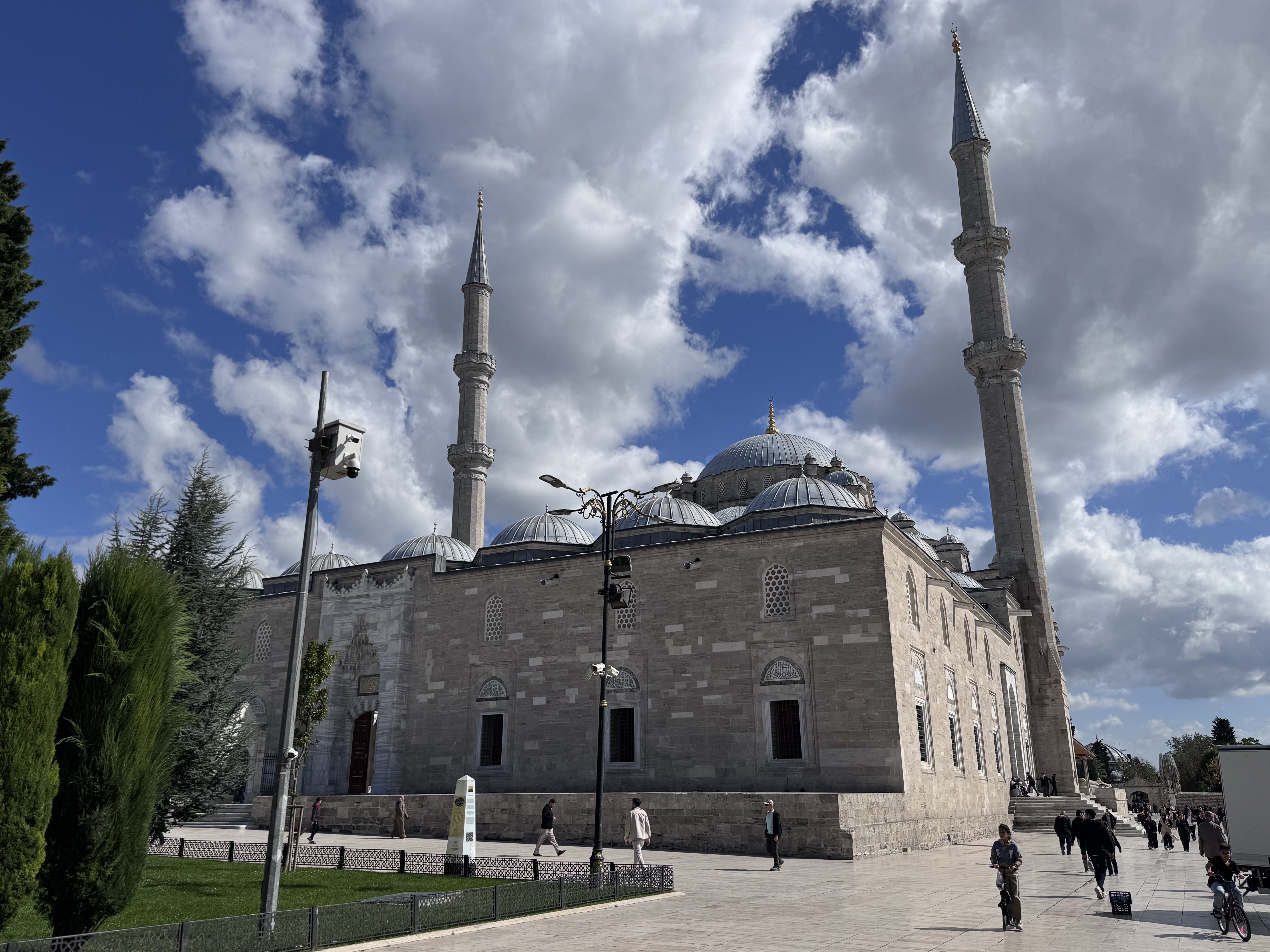
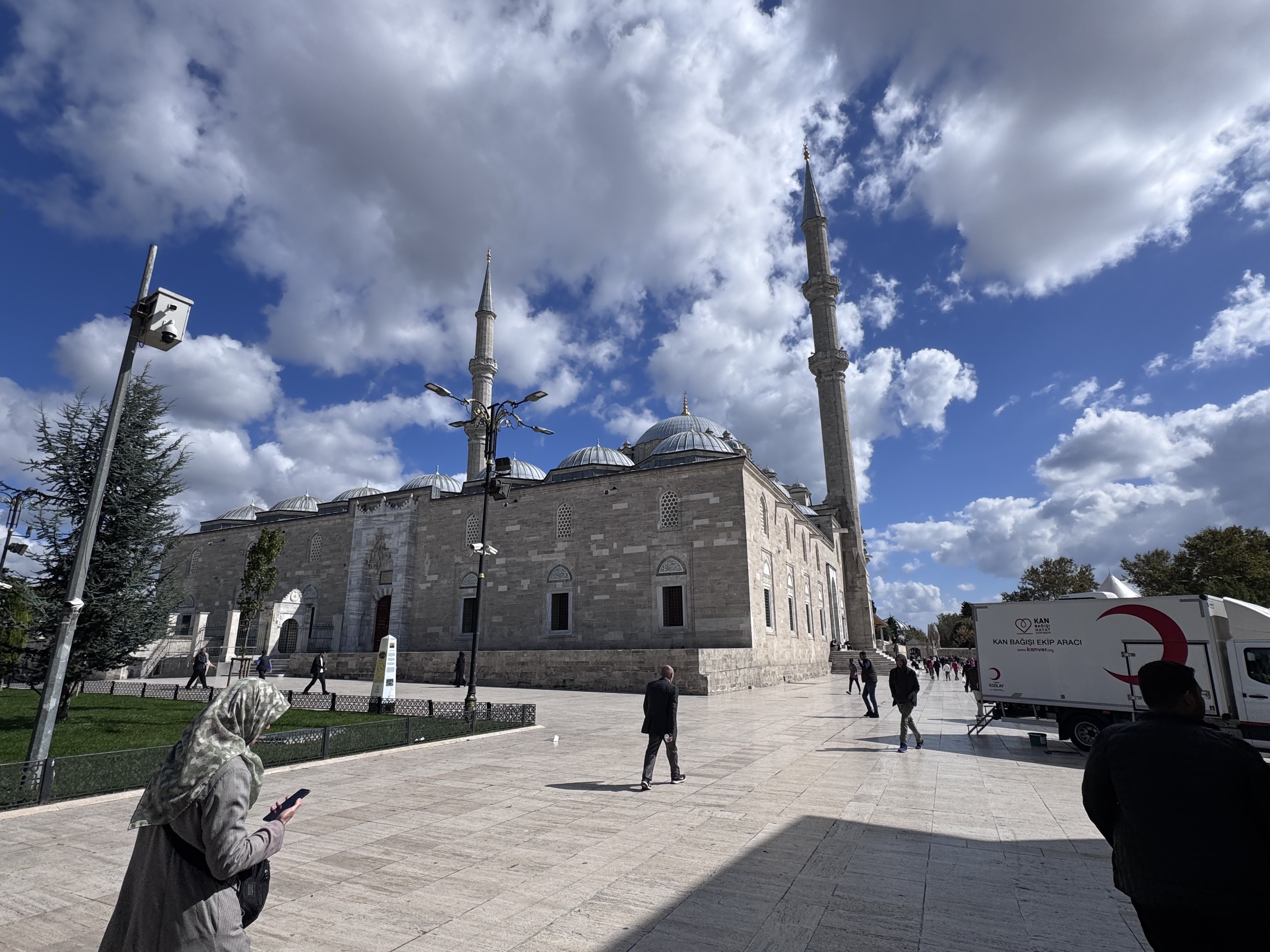
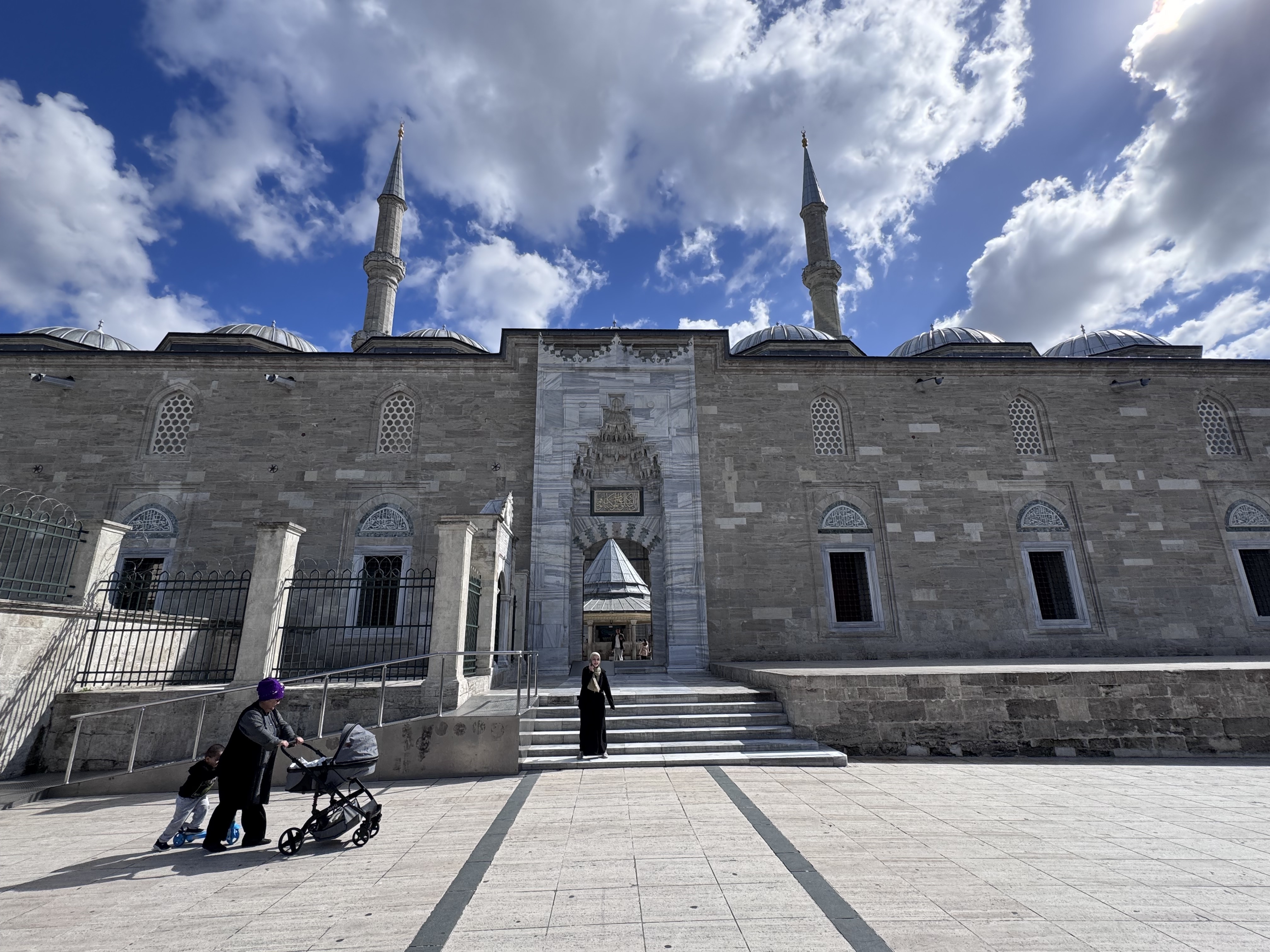
The mosque built by Sultan Mehmet II (Mehmed the Conqueror) after the fall of Constantinople in 1453 is the Fatih Mosque (Turkish: Fatih Camii, meaning “Conqueror’s Mosque”)
The Fatih Mosque, located in Istanbul’s Fatih district, was commissioned by Sultan Mehmet II to commemorate his conquest of Constantinople. Completed in 1470, it was built on the site of the Byzantine Church of the Holy Apostles, a significant 4th-century Christian complex second only to Hagia Sophia in importance. The mosque symbolized Ottoman dominance and the transformation of Constantinople into Istanbul, the new capital of the Ottoman Empire.
The Church of the Holy Apostles, originally constructed around 330–336 AD under Emperor Constantine the Great and rebuilt by Justinian I in the 6th century, housed relics of apostles and served as an imperial burial site. Its location on Constantinople’s fourth hill was strategically supported by the 4th-century Valens Aqueduct (completed 373 AD), which supplied water to ...
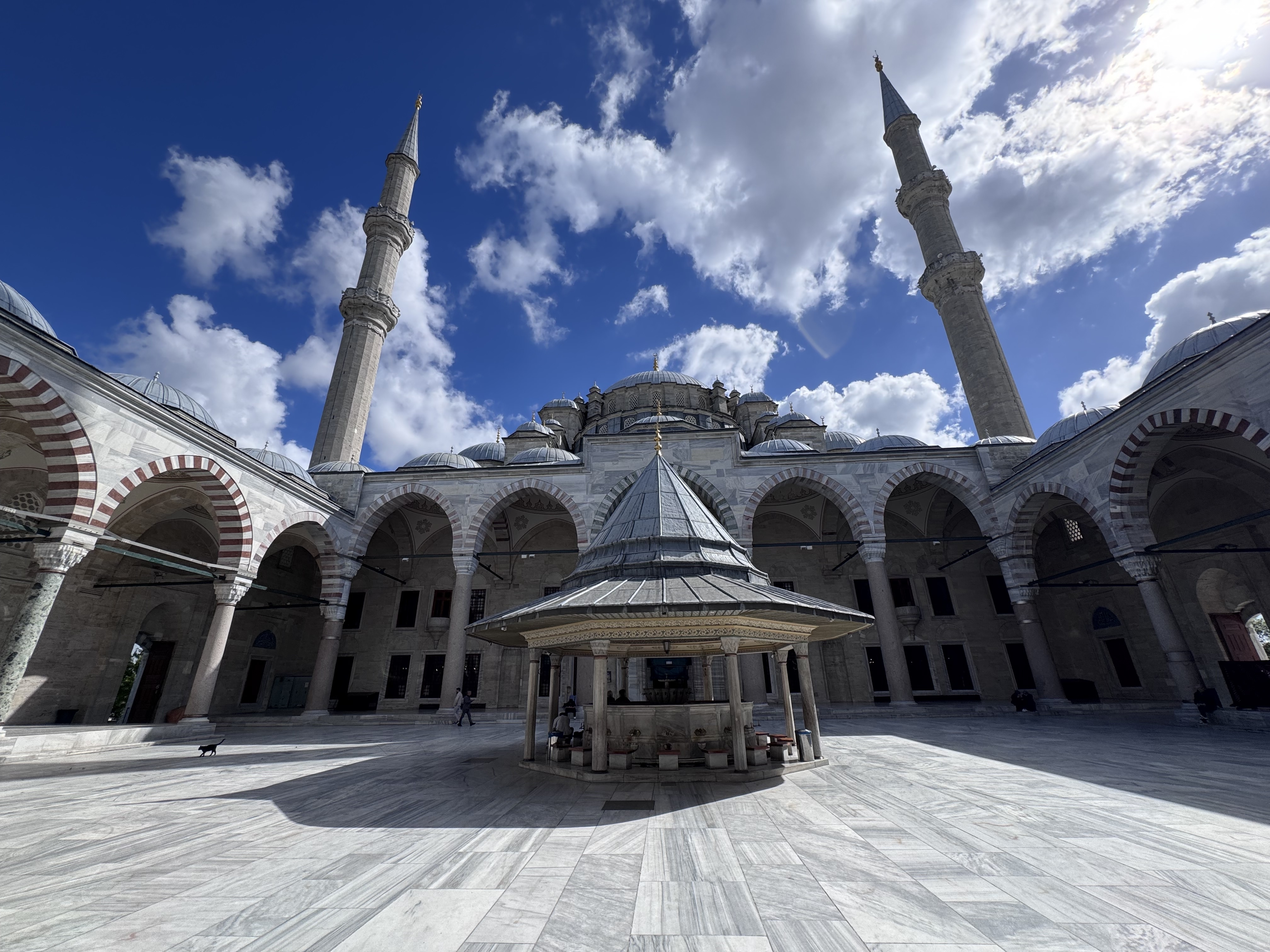
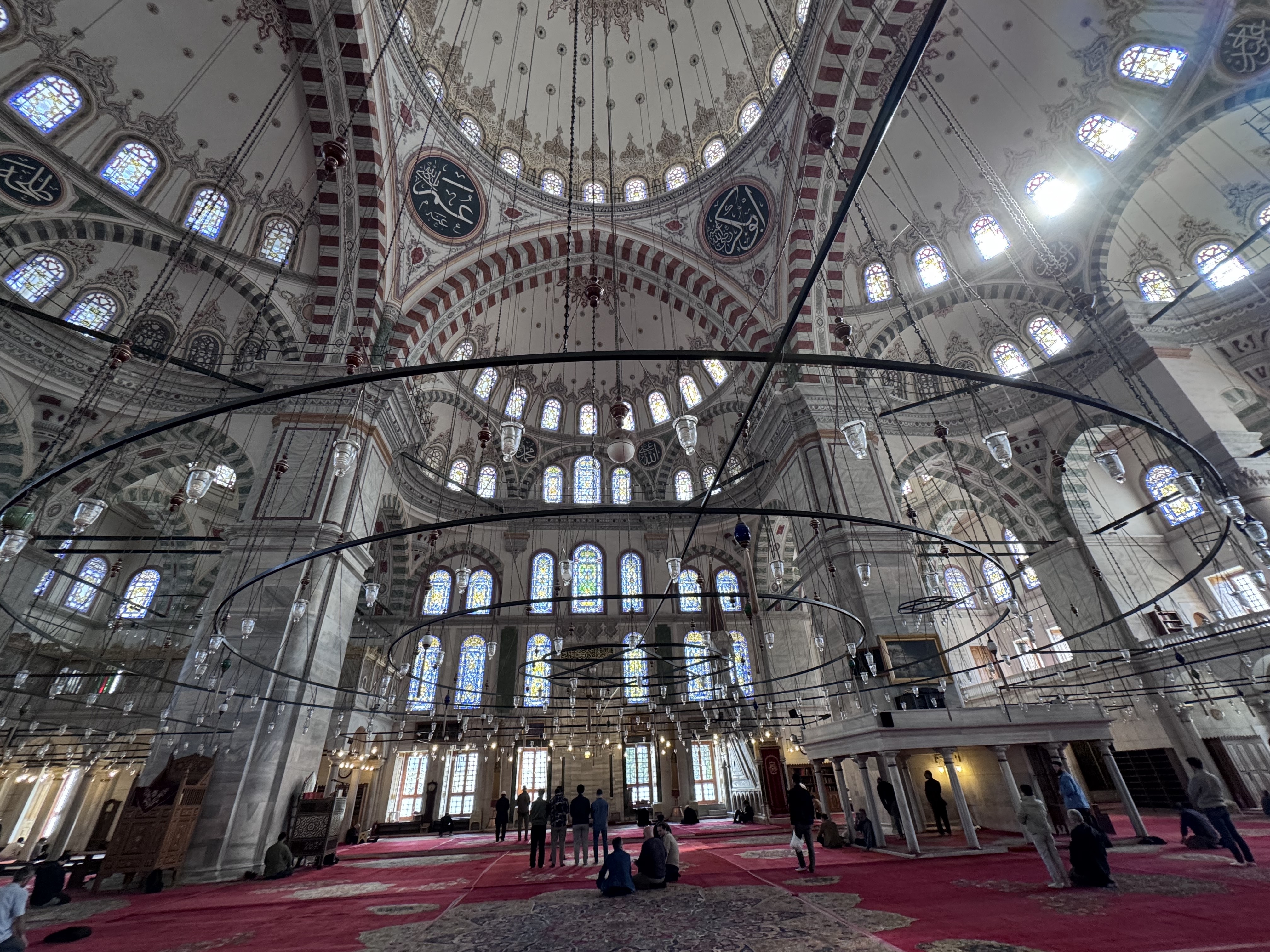
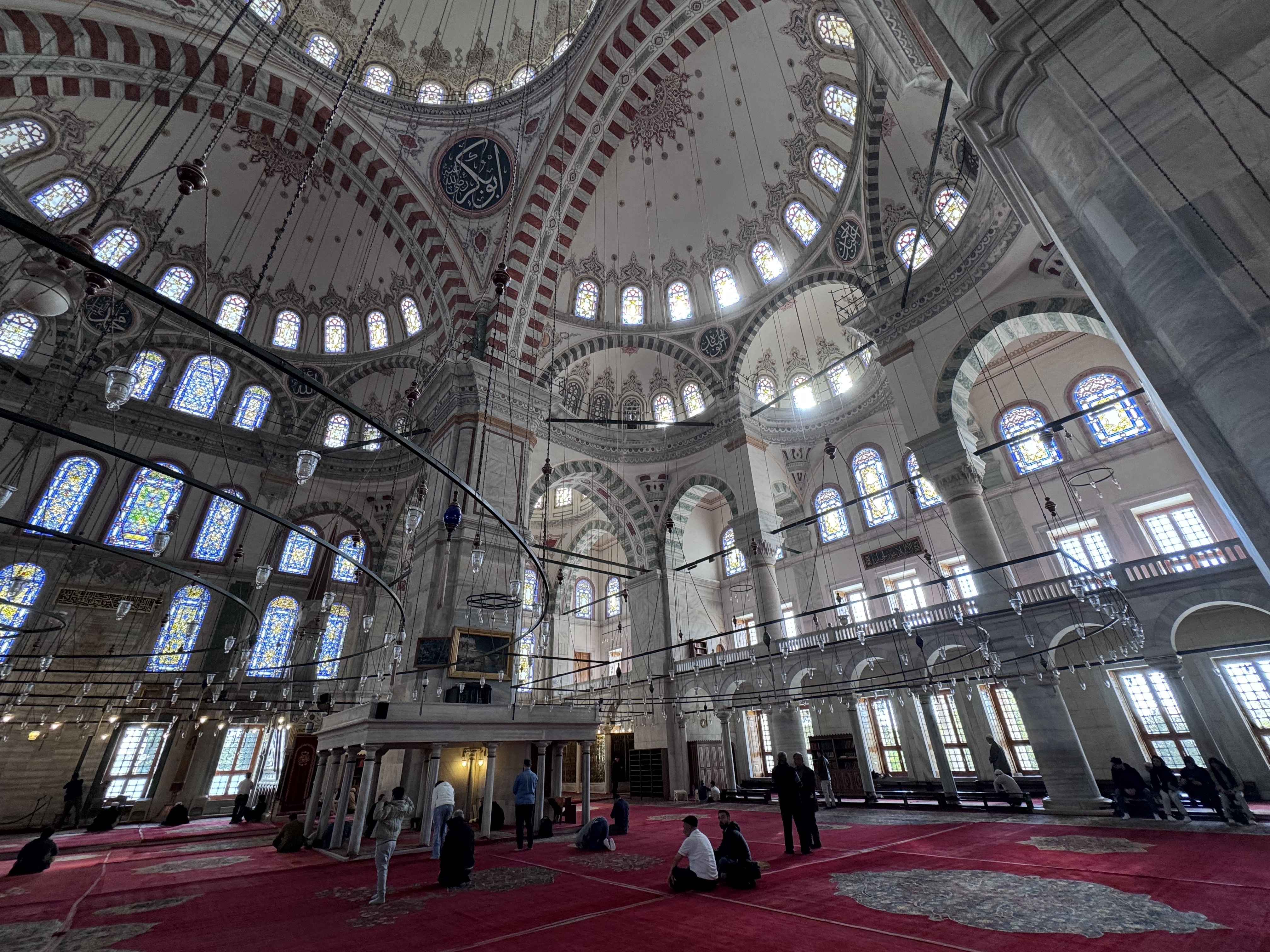
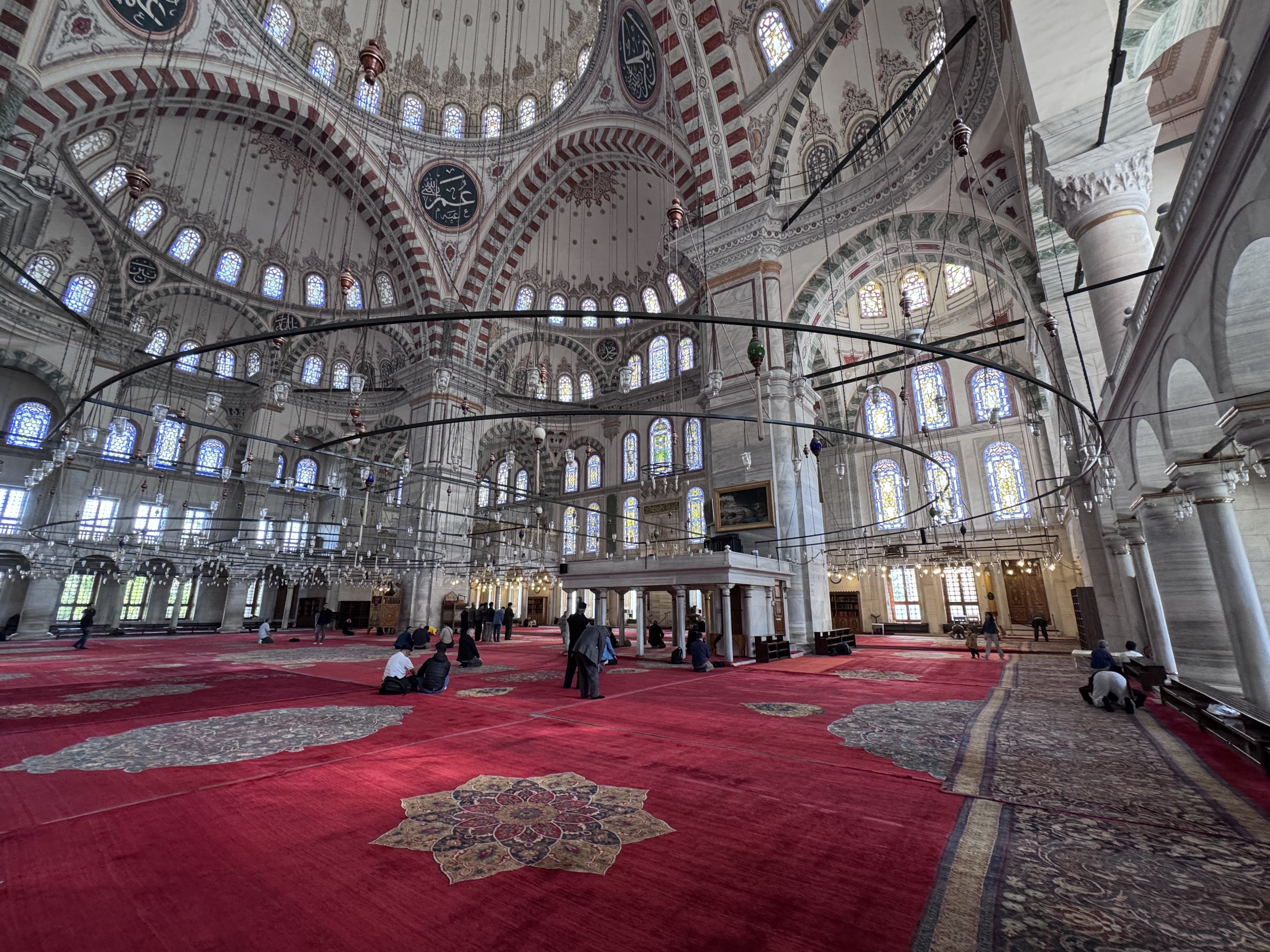
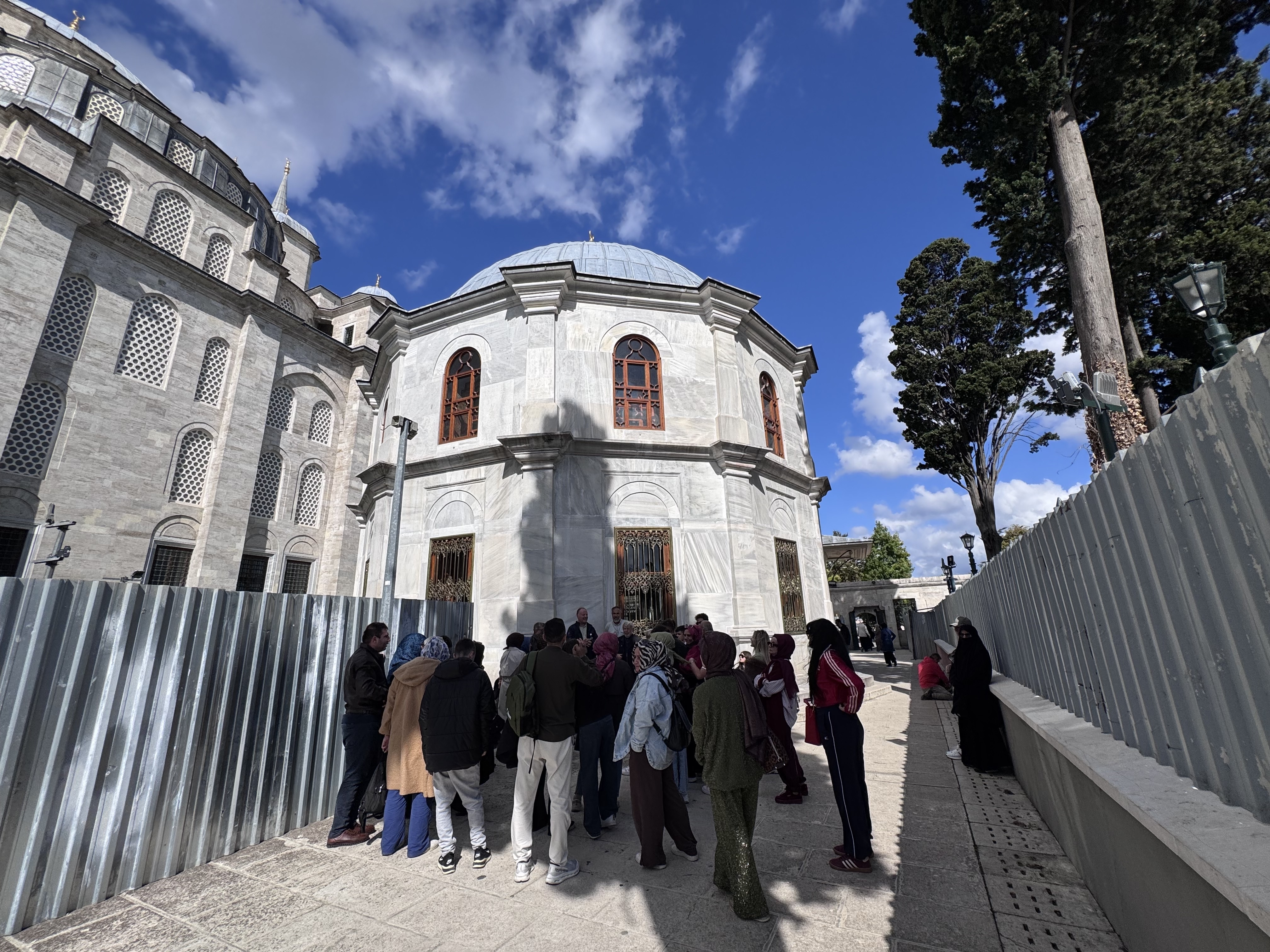
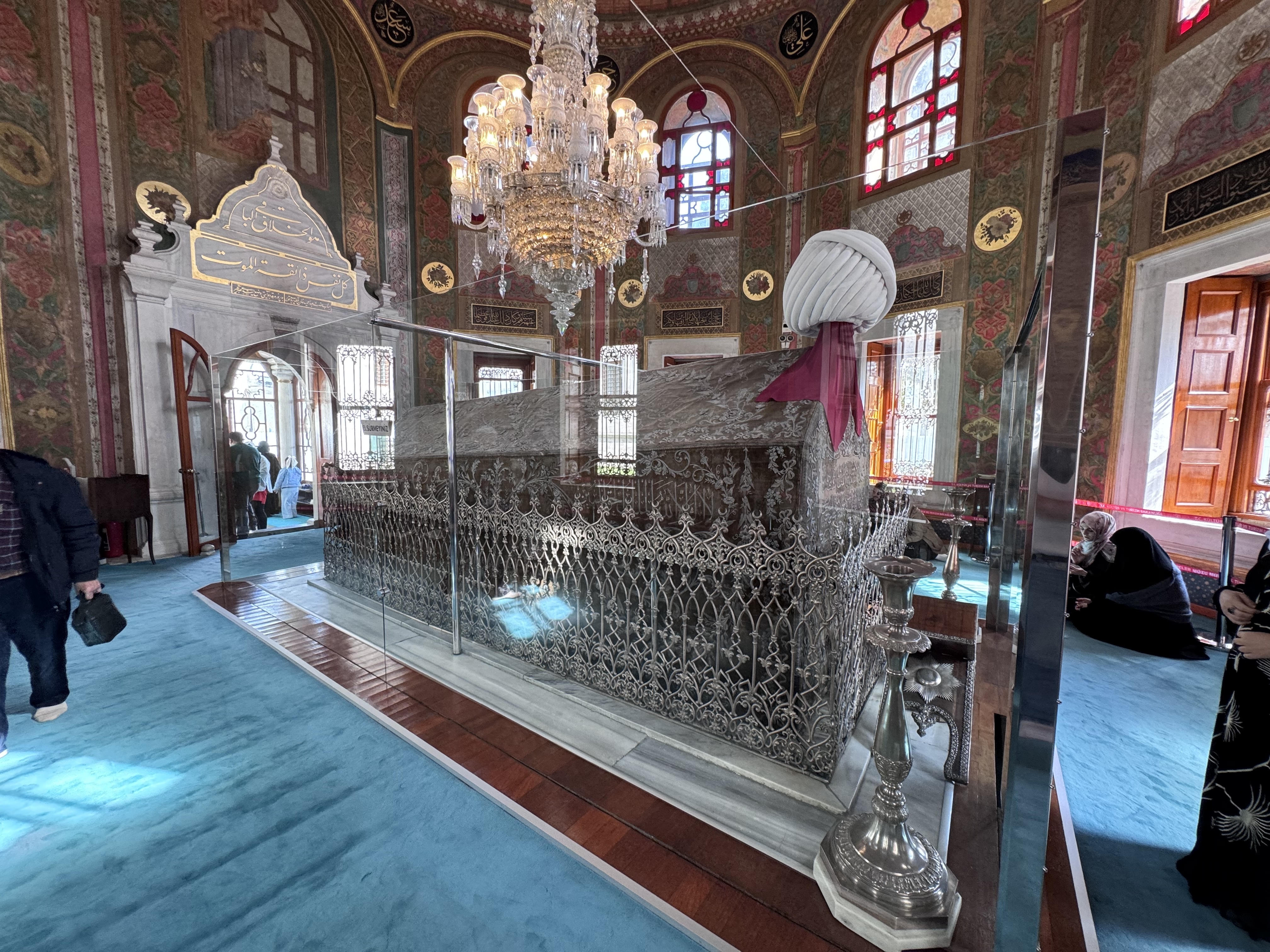
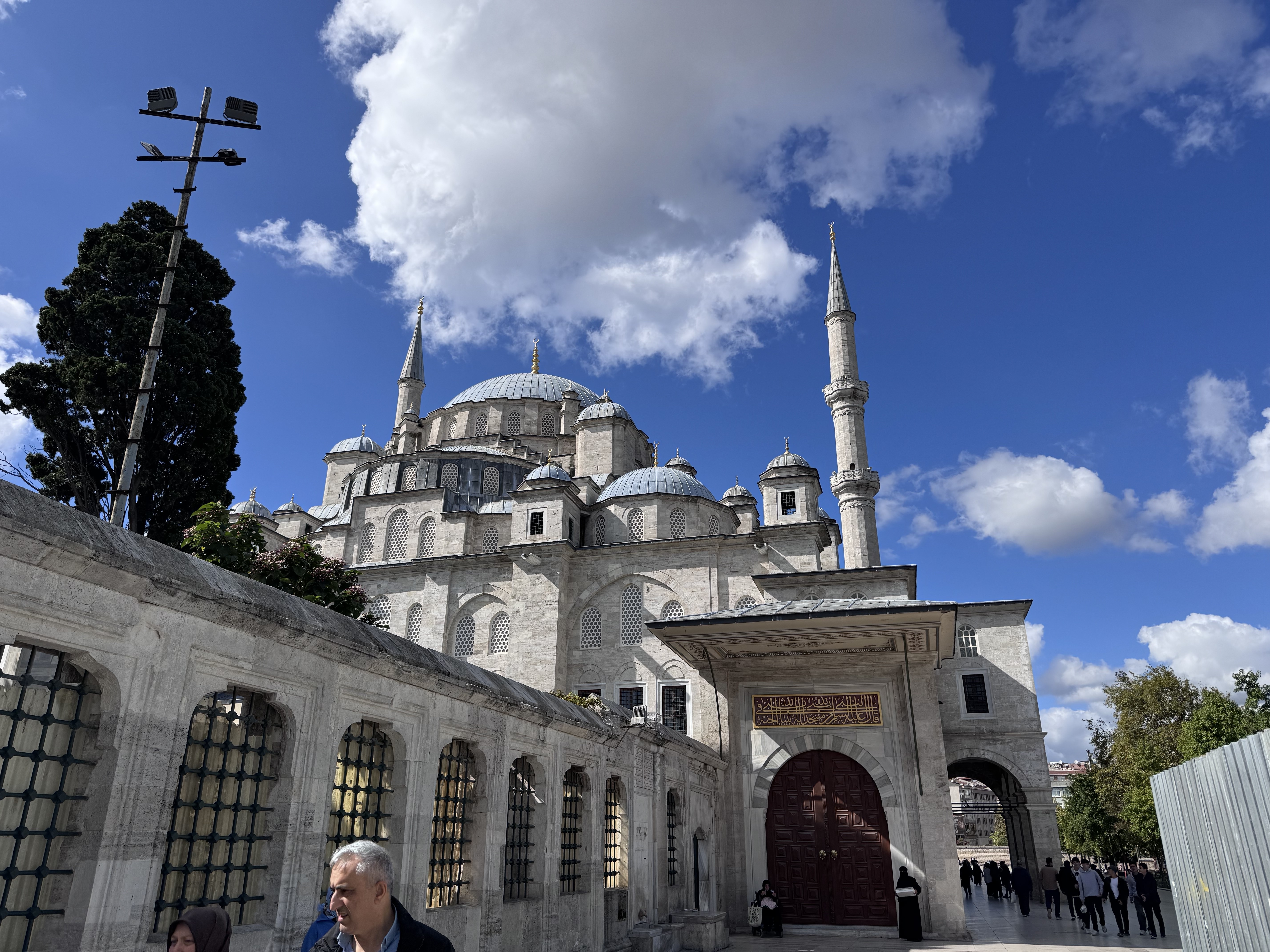
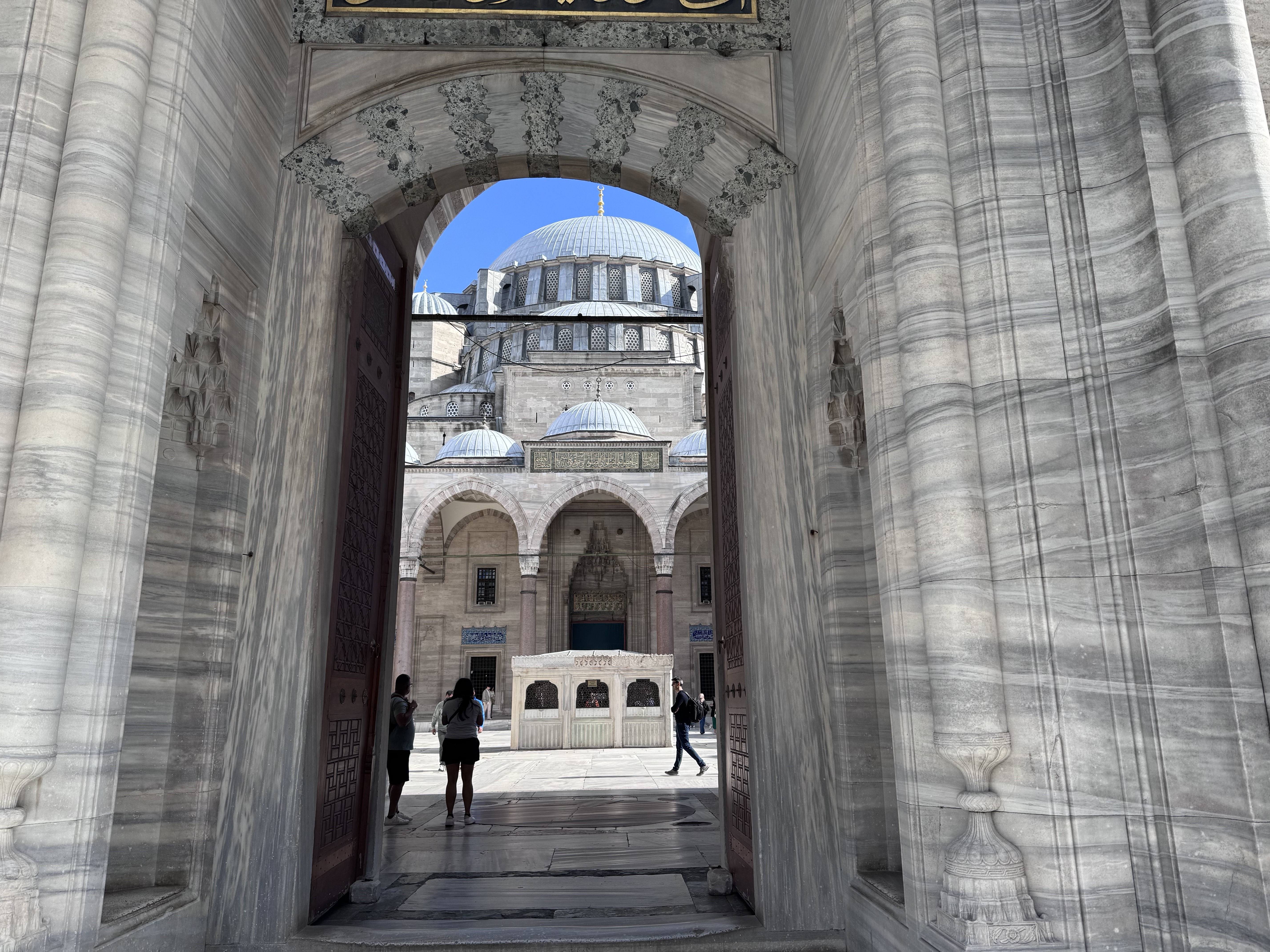
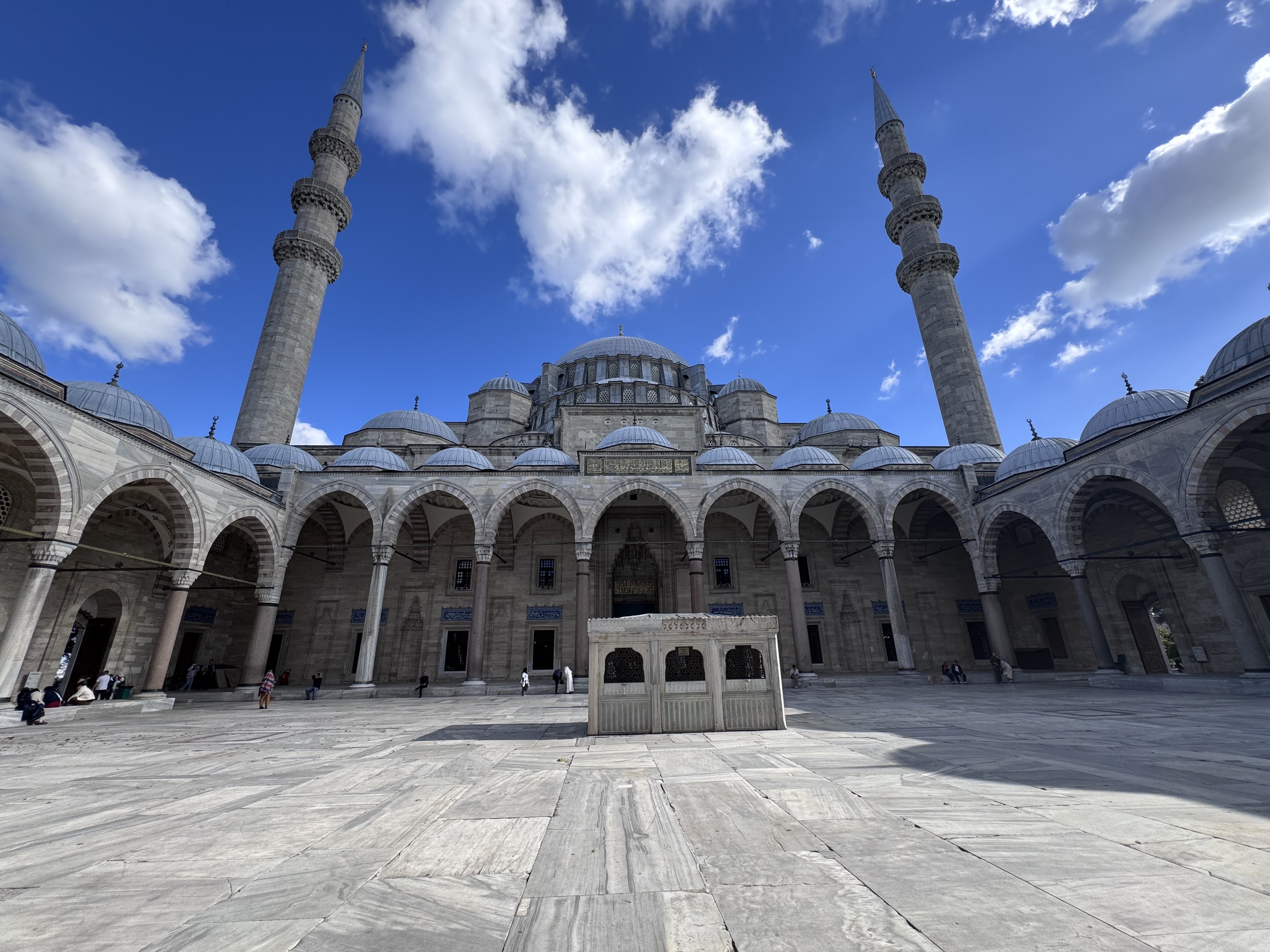
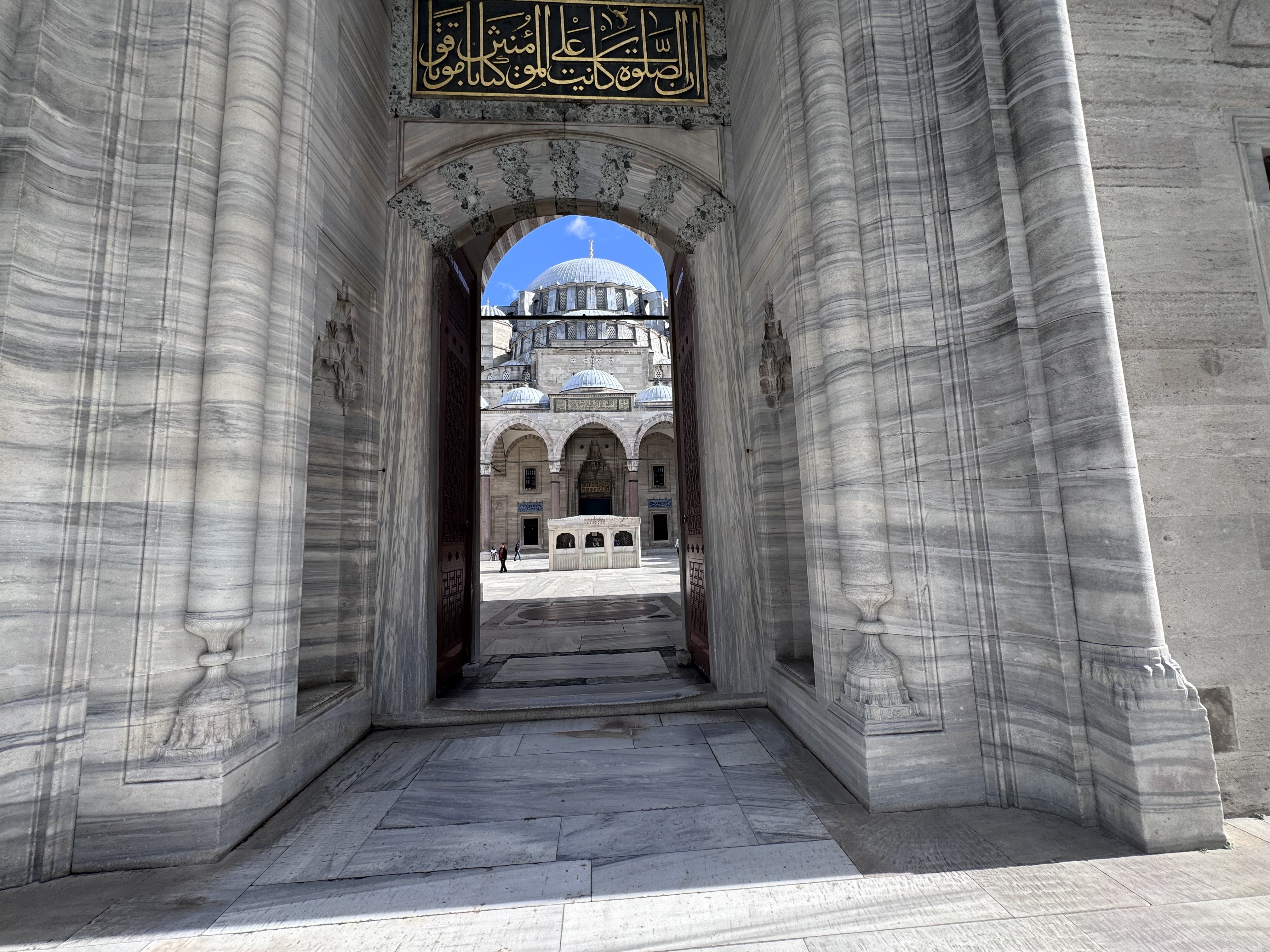
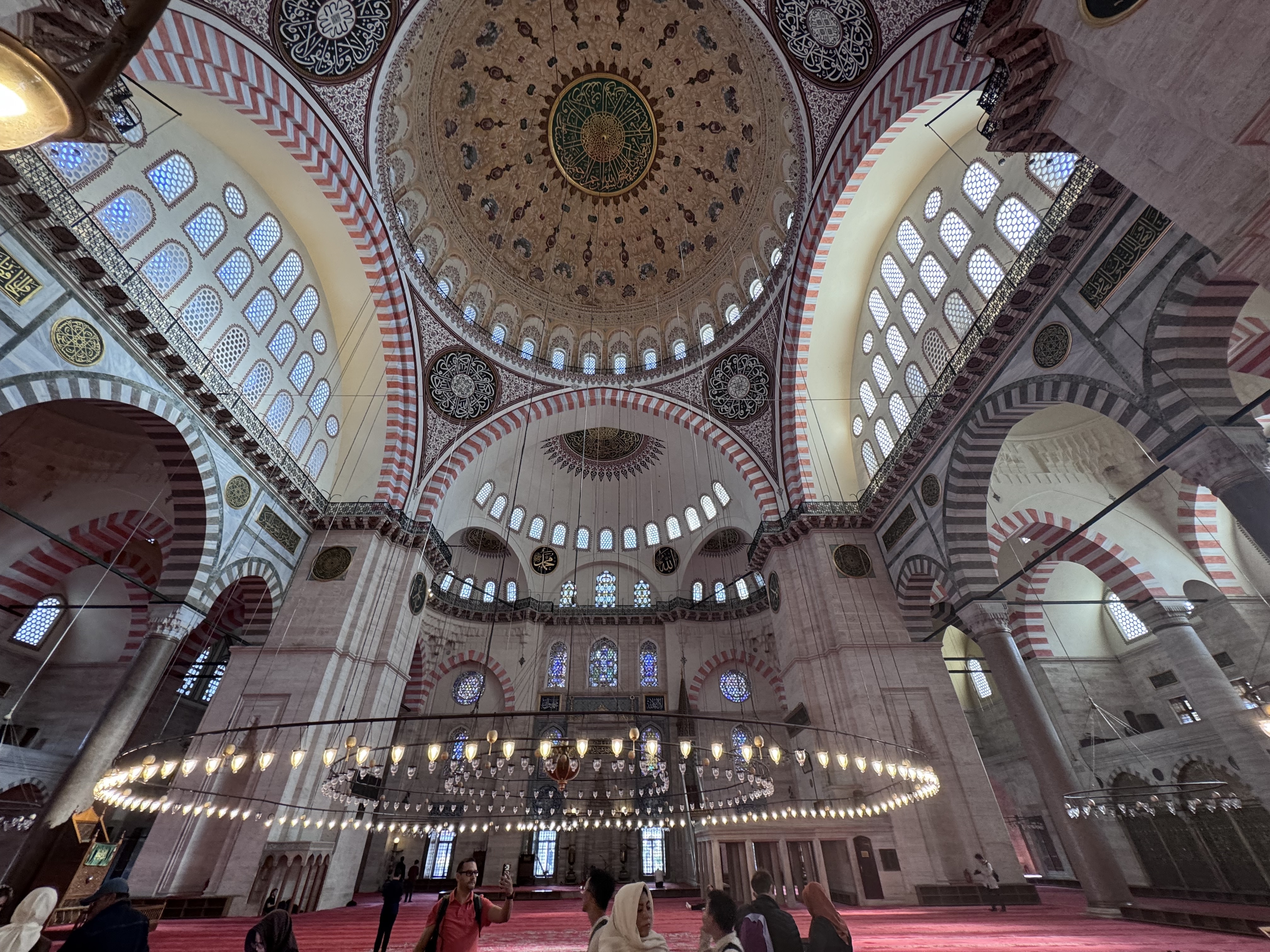
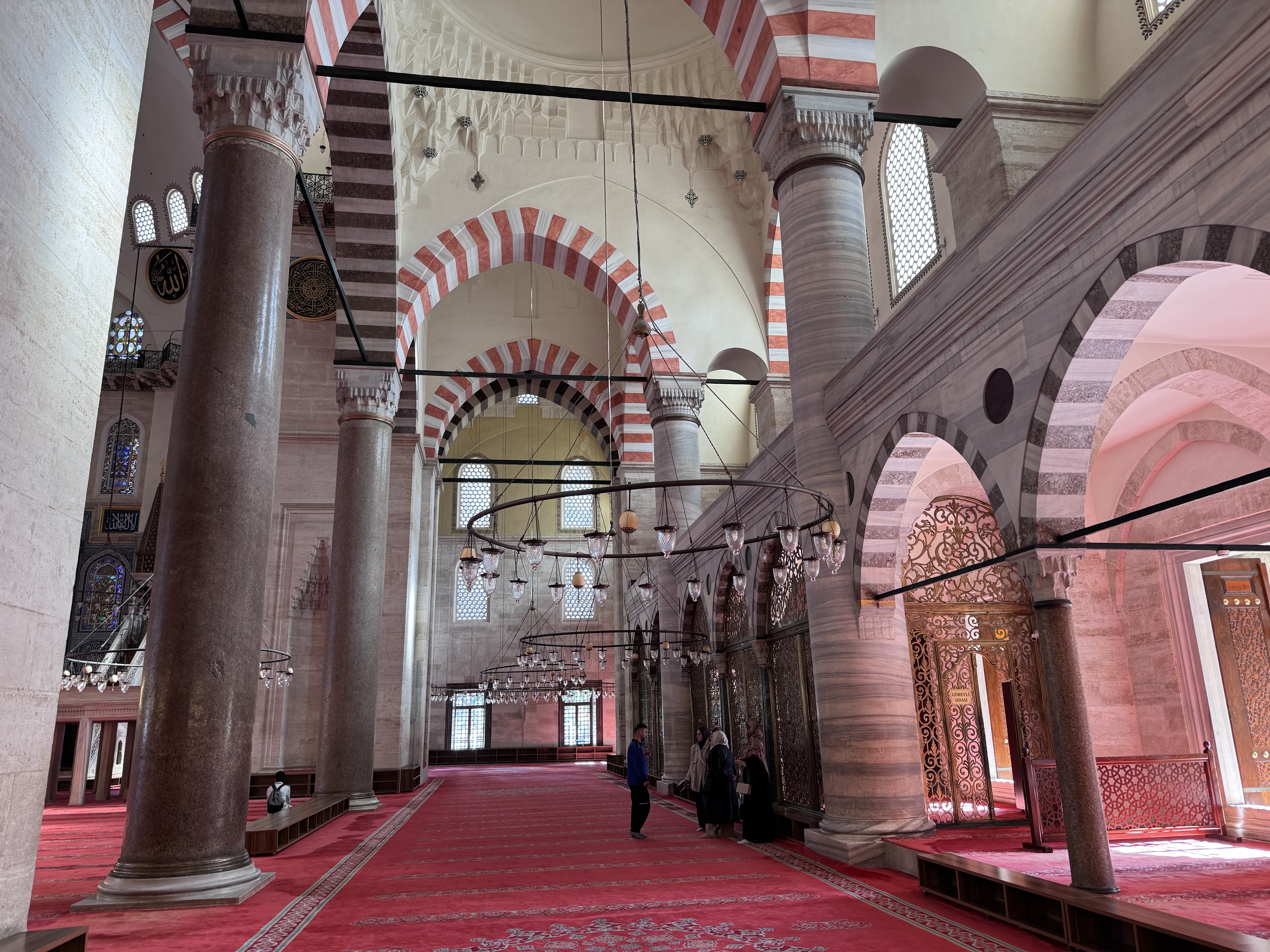
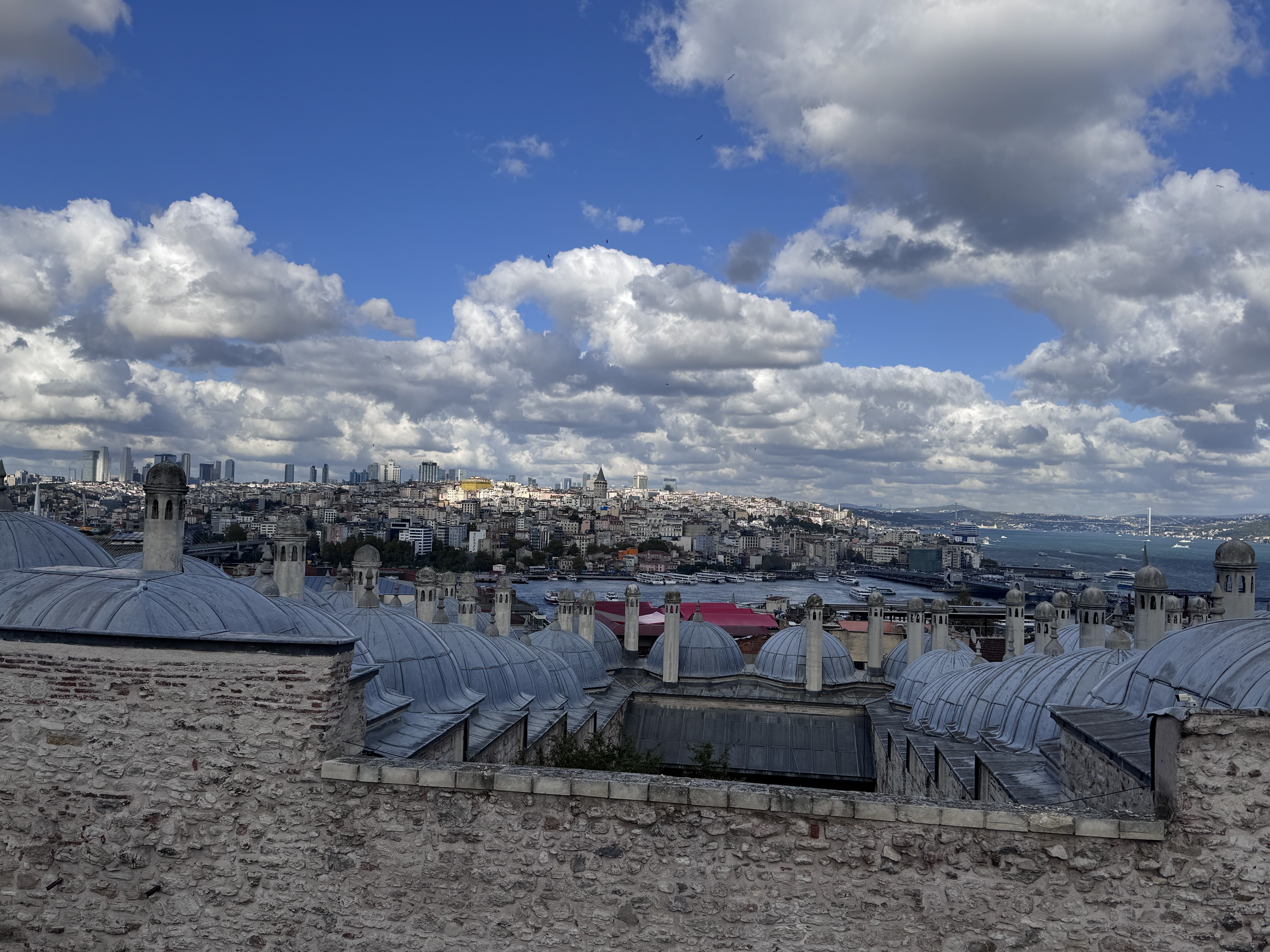
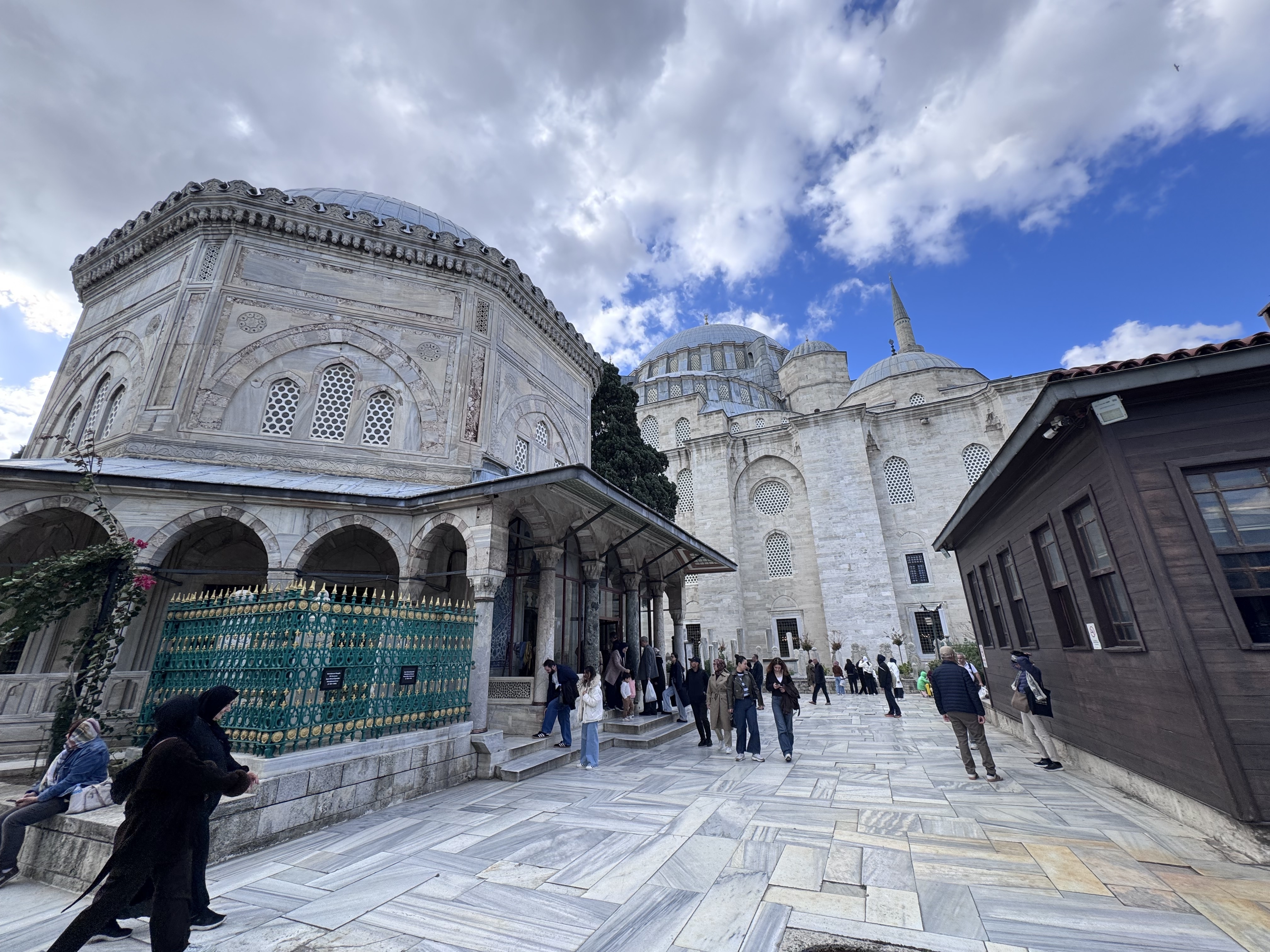
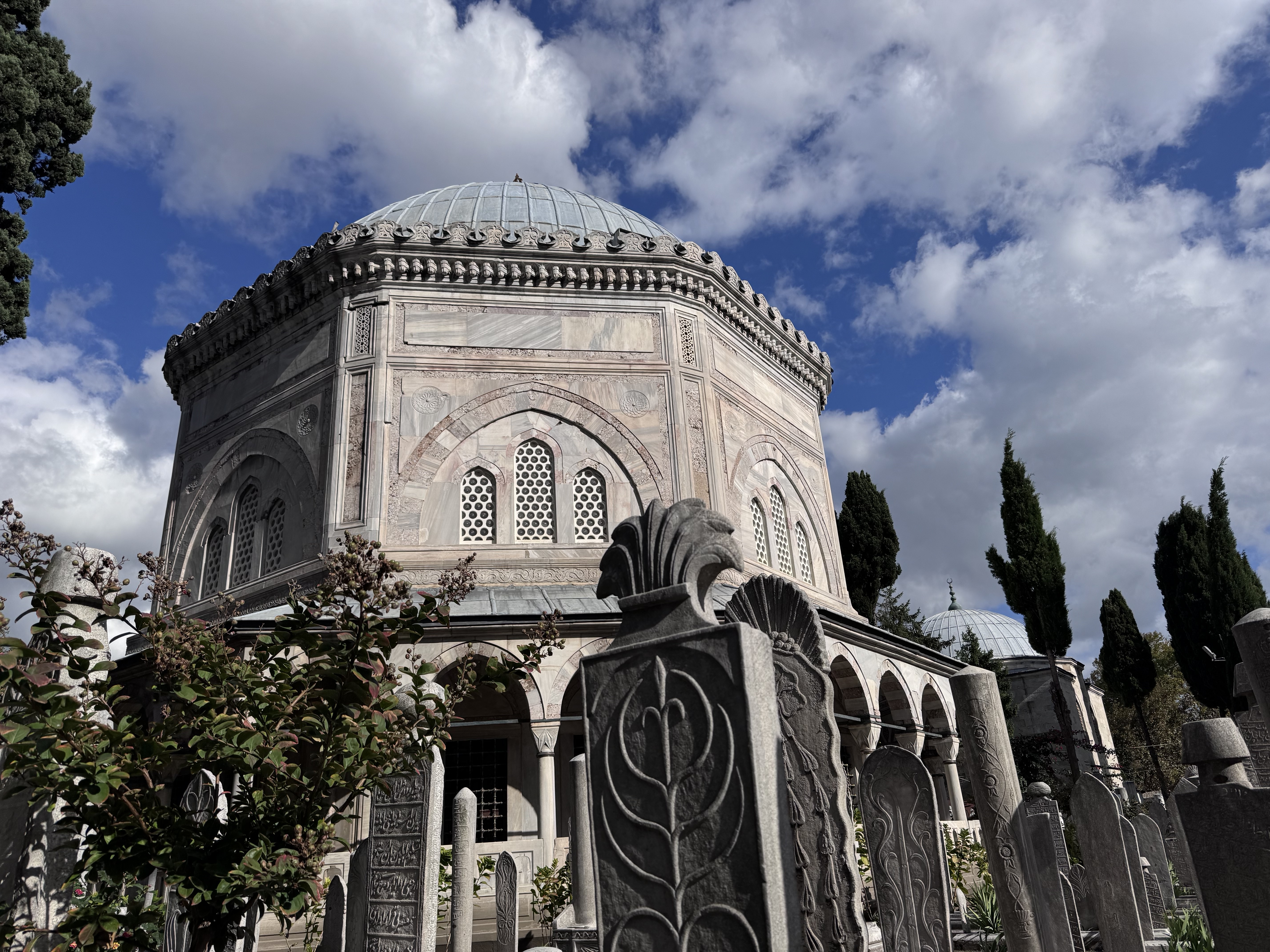
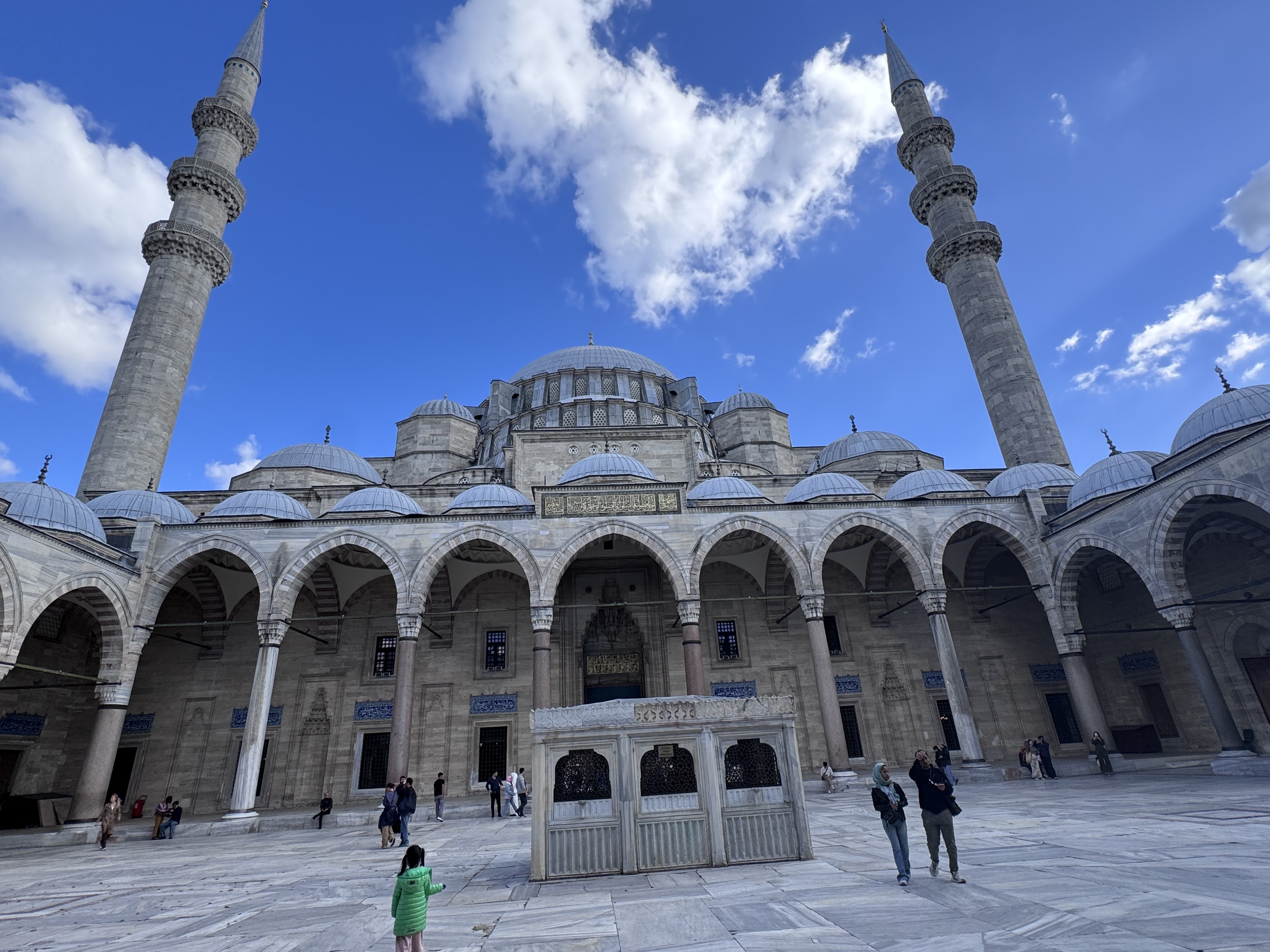
The Süleymaniye Mosque (Turkish: Süleymaniye Camii) is a 16th-century Ottoman masterpiece in Istanbul’s Fatih district, designed by the renowned architect Mimar Sinan for Sultan Suleiman the Magnificent. Celebrated for its elegant dome, four slender minarets, and sprawling külliye (complex), it’s a UNESCO World Heritage site within Istanbul’s Historic Areas.
As an active mosque, it blends architectural grandeur with serene spirituality, attracting worshippers and tourists alike.
Commissioned by Sultan Suleiman I (1520–1566), the mosque was built between 1550 and 1557, at the height of the Ottoman Empire’s power. Sinan, the imperial architect, considered it his finest work, balancing scale and harmony.
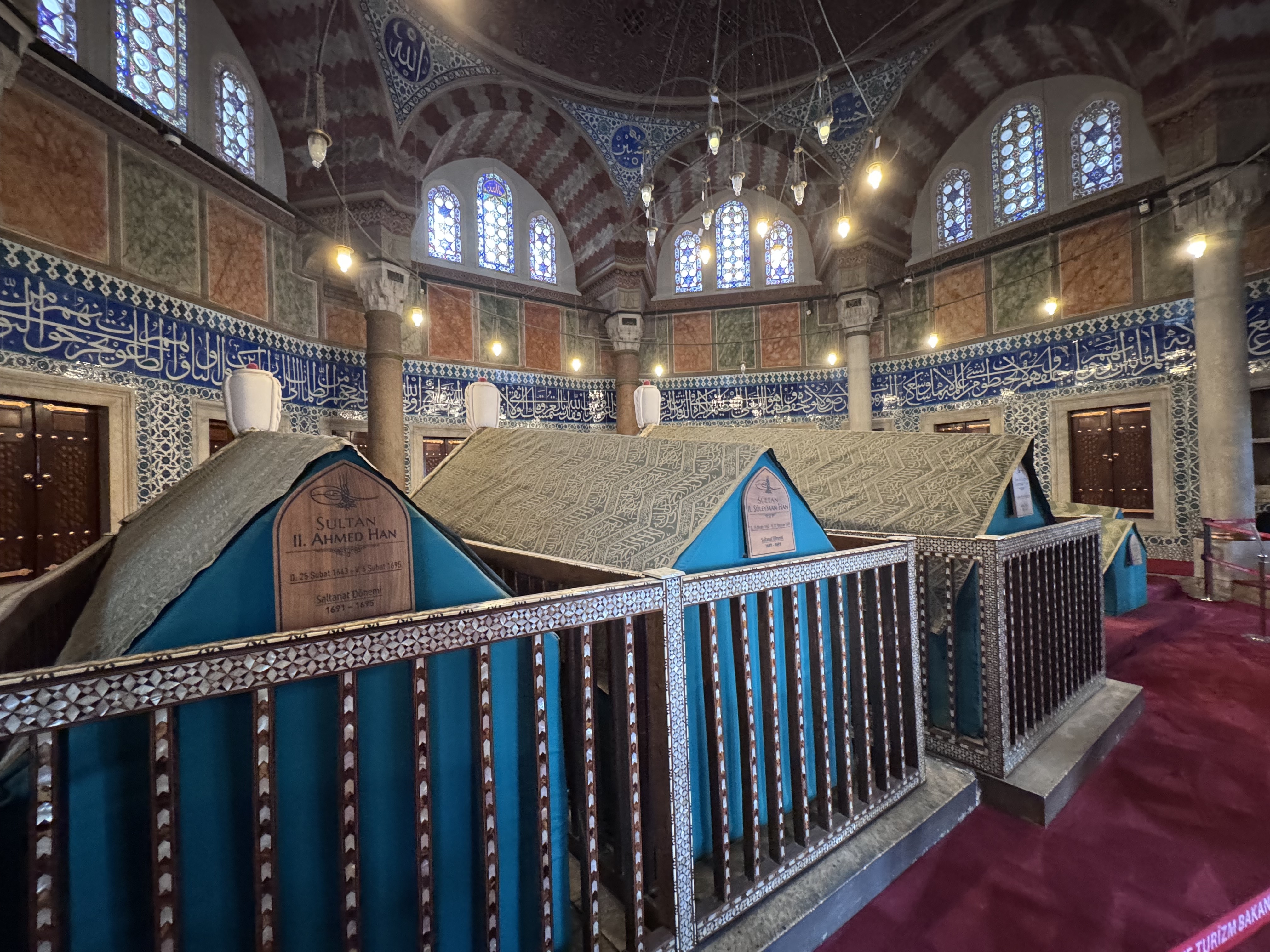
It was constructed on the third hill of Istanbul, on the site of the old Eski Saray (Old Palace), symbolizing Suleiman’s legacy. The külliye included madrasas, a hospital, a soup kitchen, and tombs for Suleiman and his wife Hürrem Sultan. Damaged by fires and earthquakes (notably in ...