

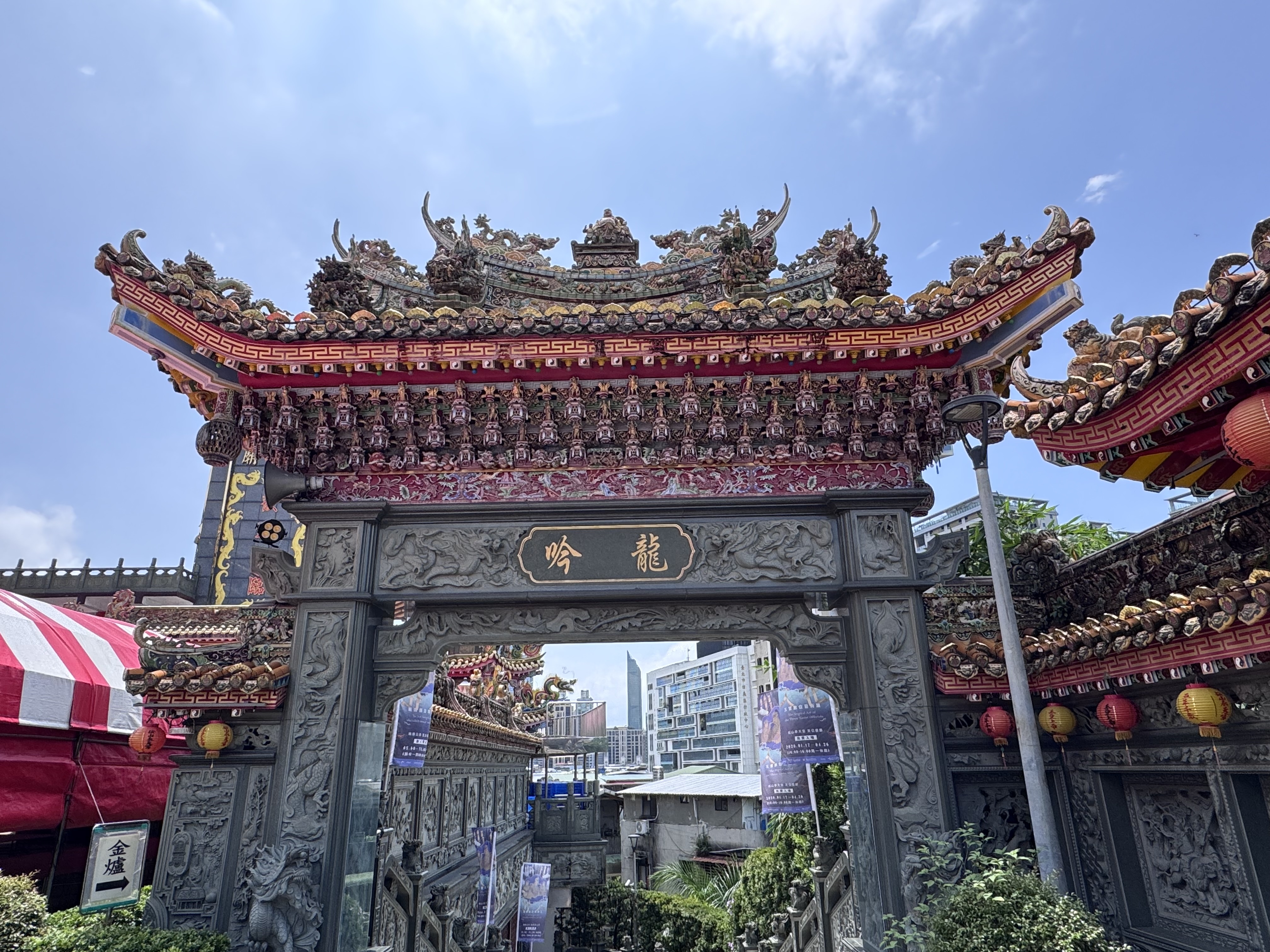
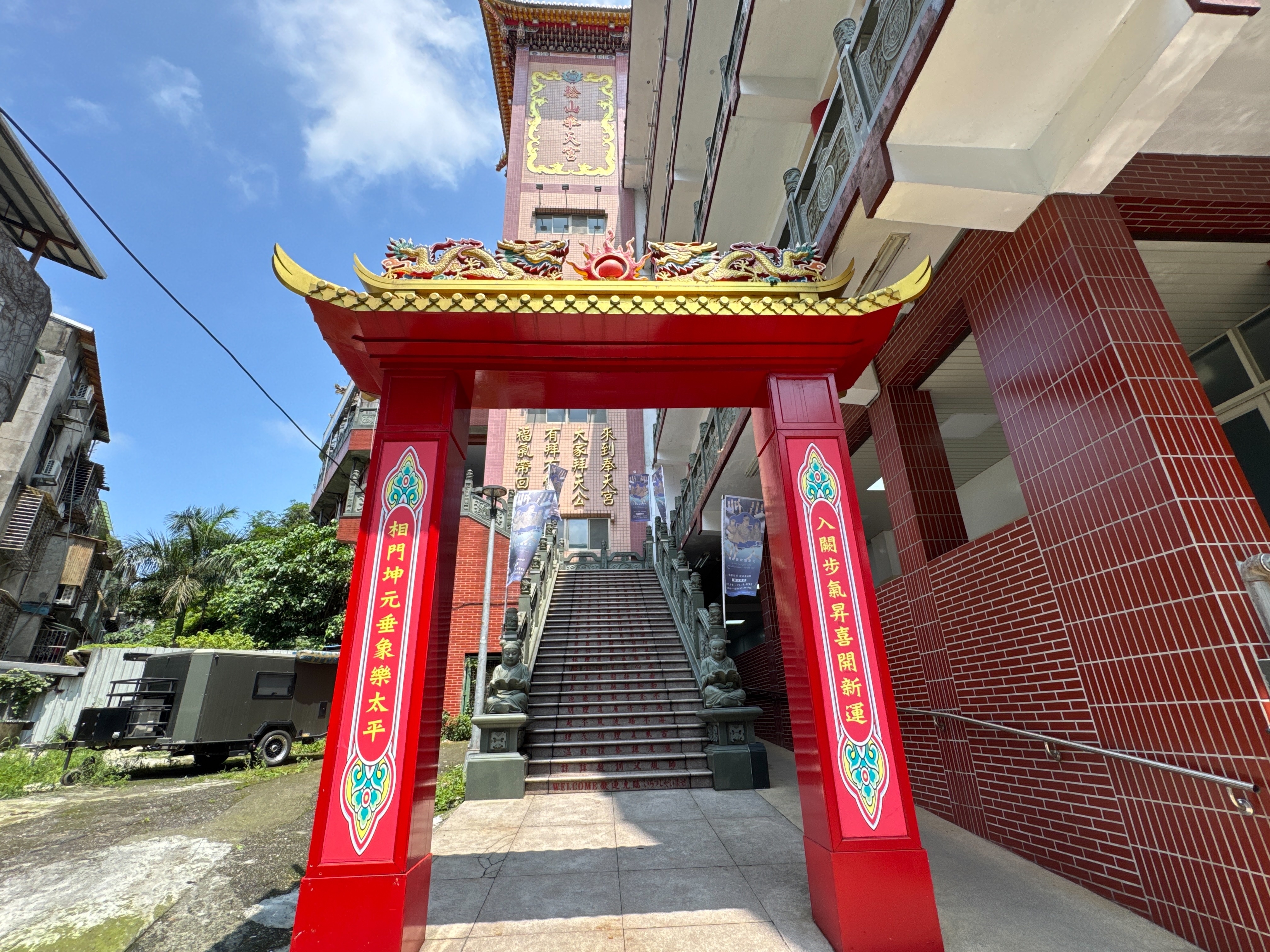
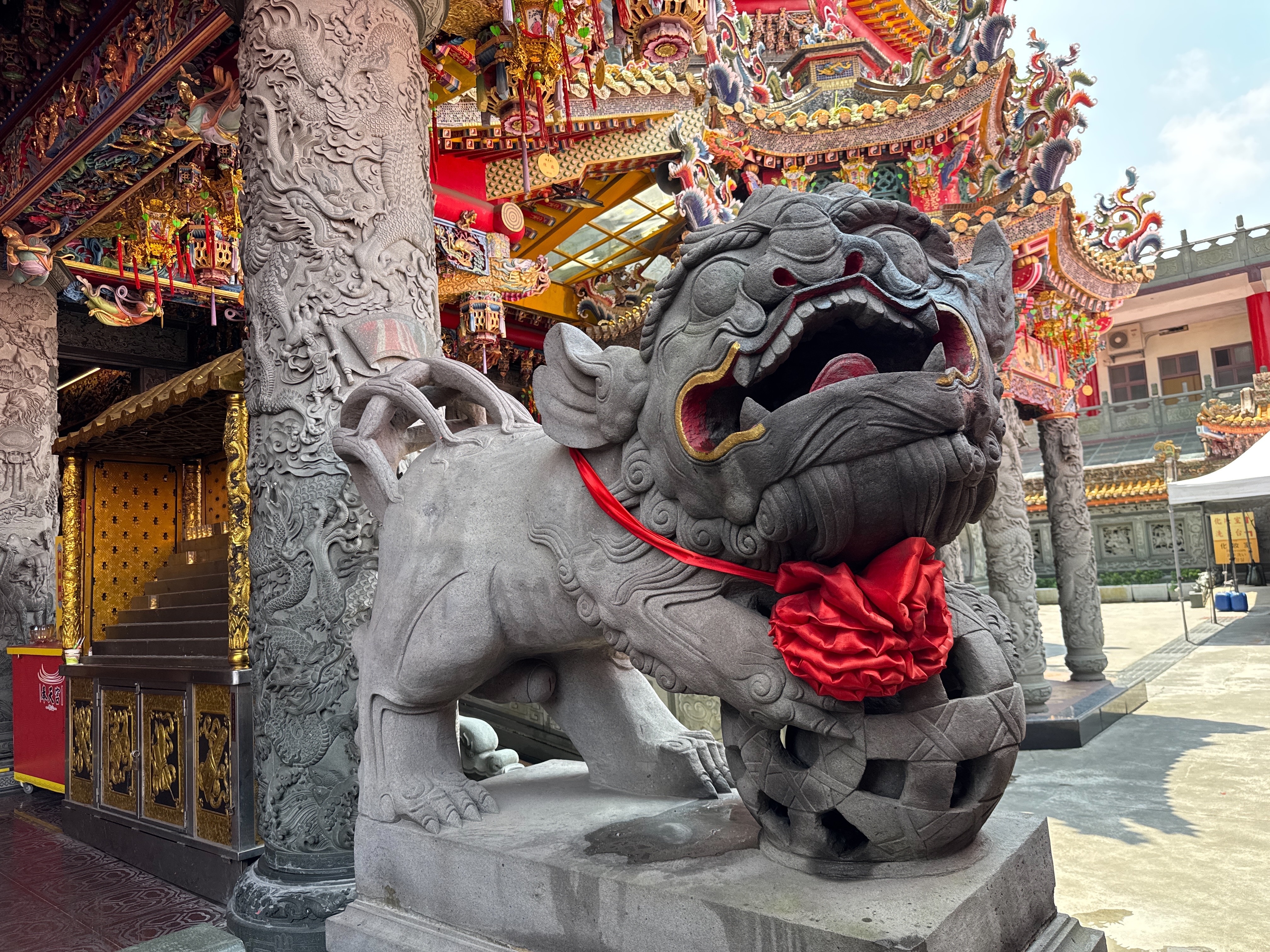
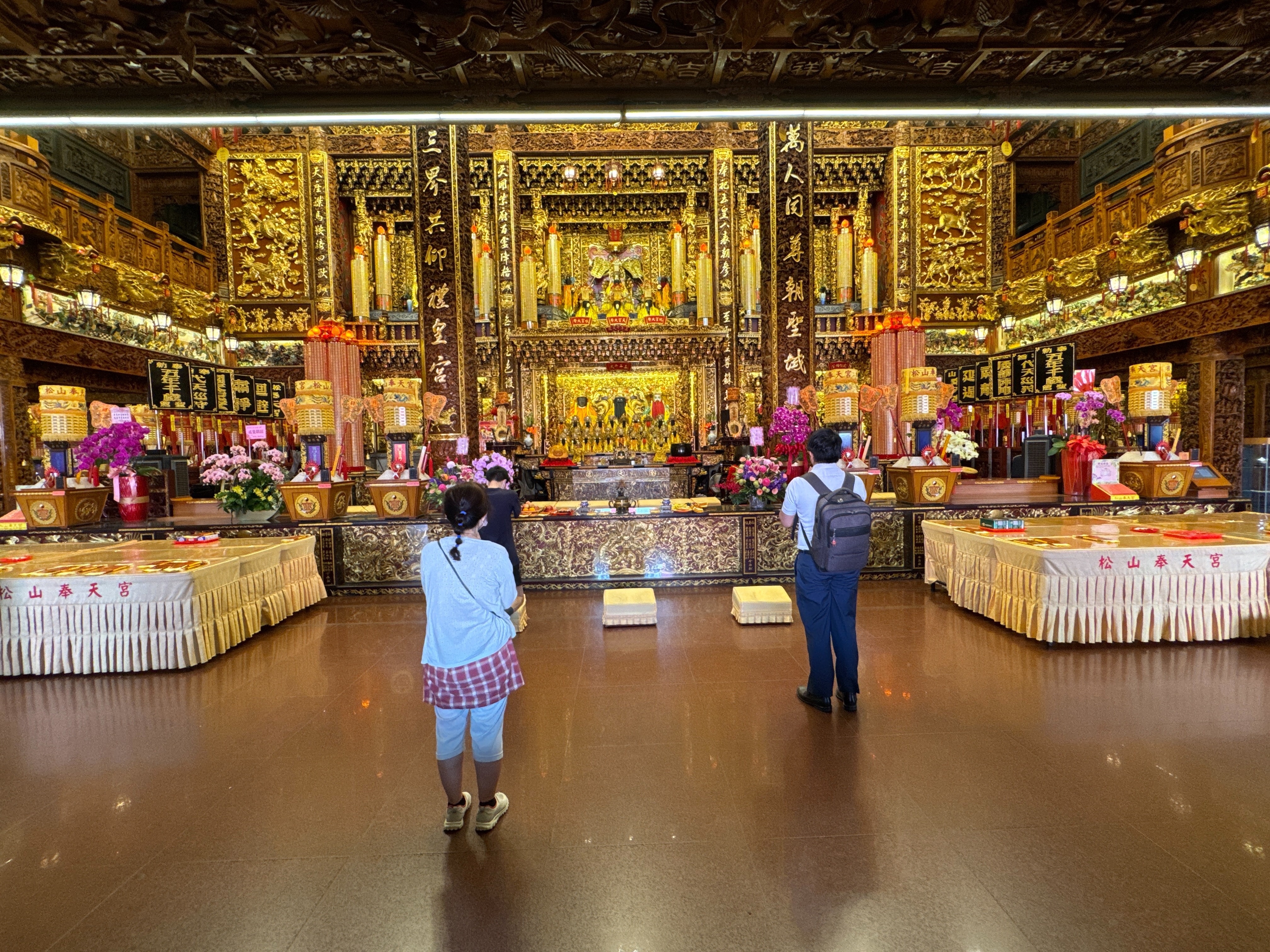
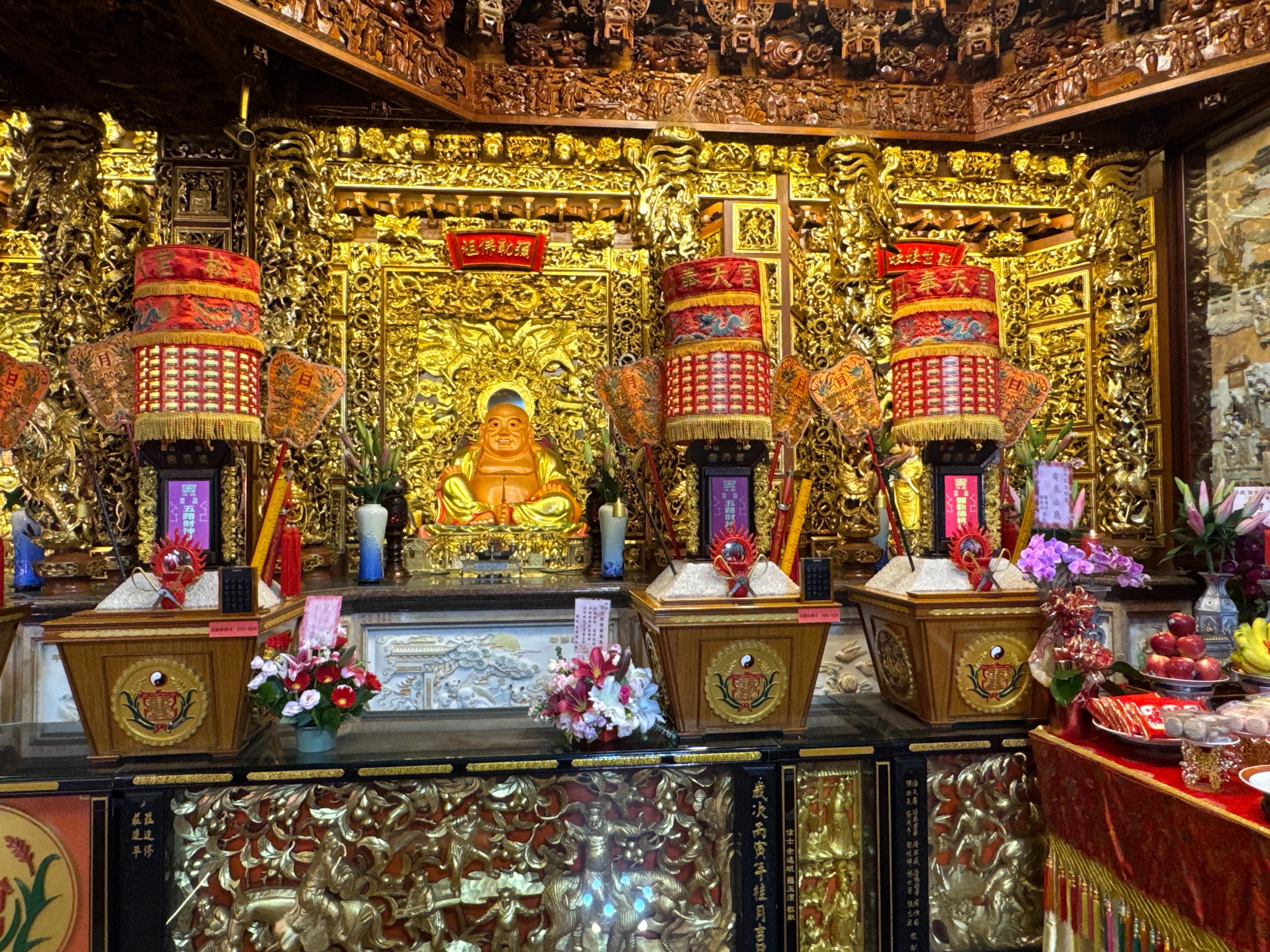
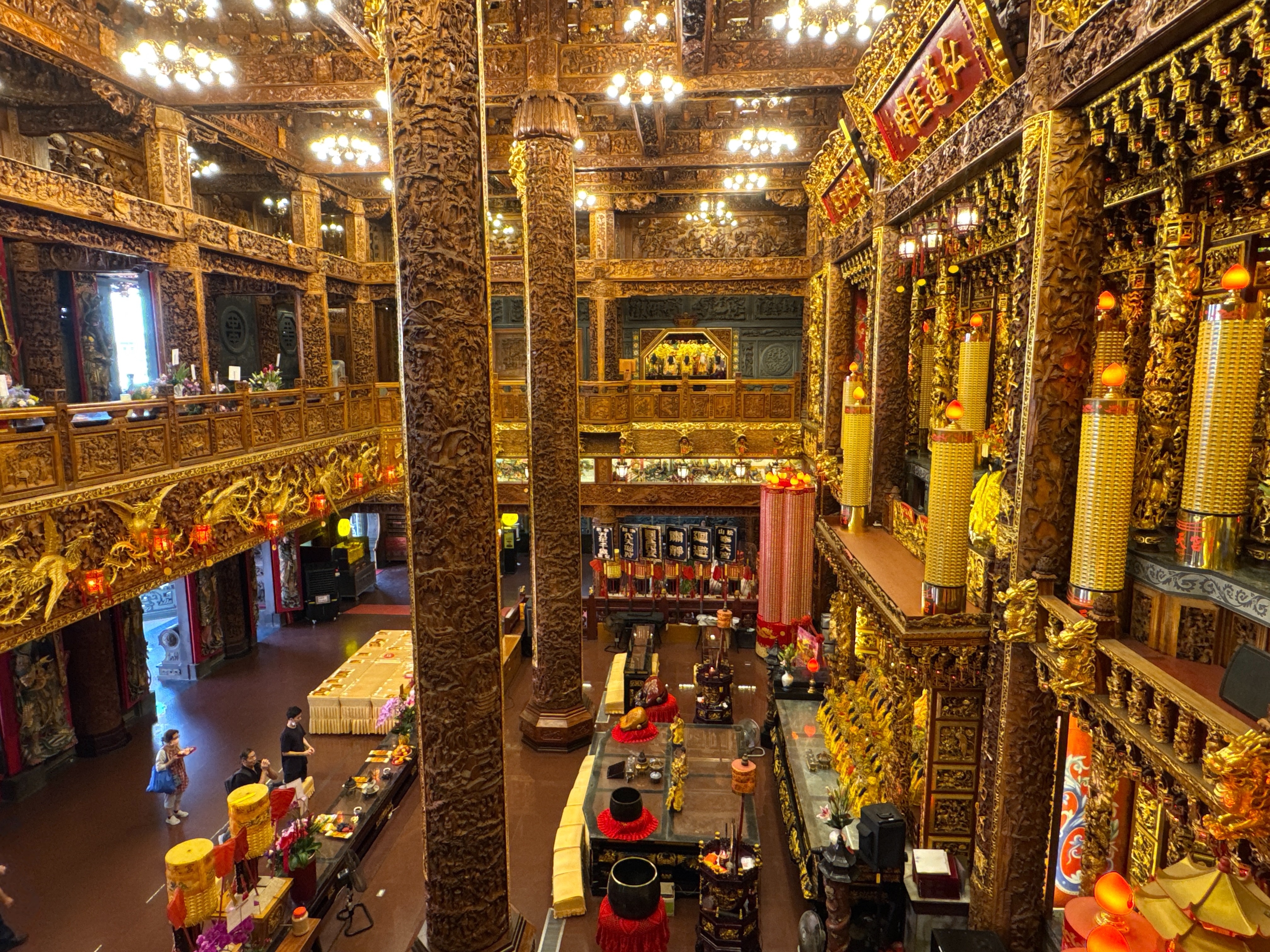
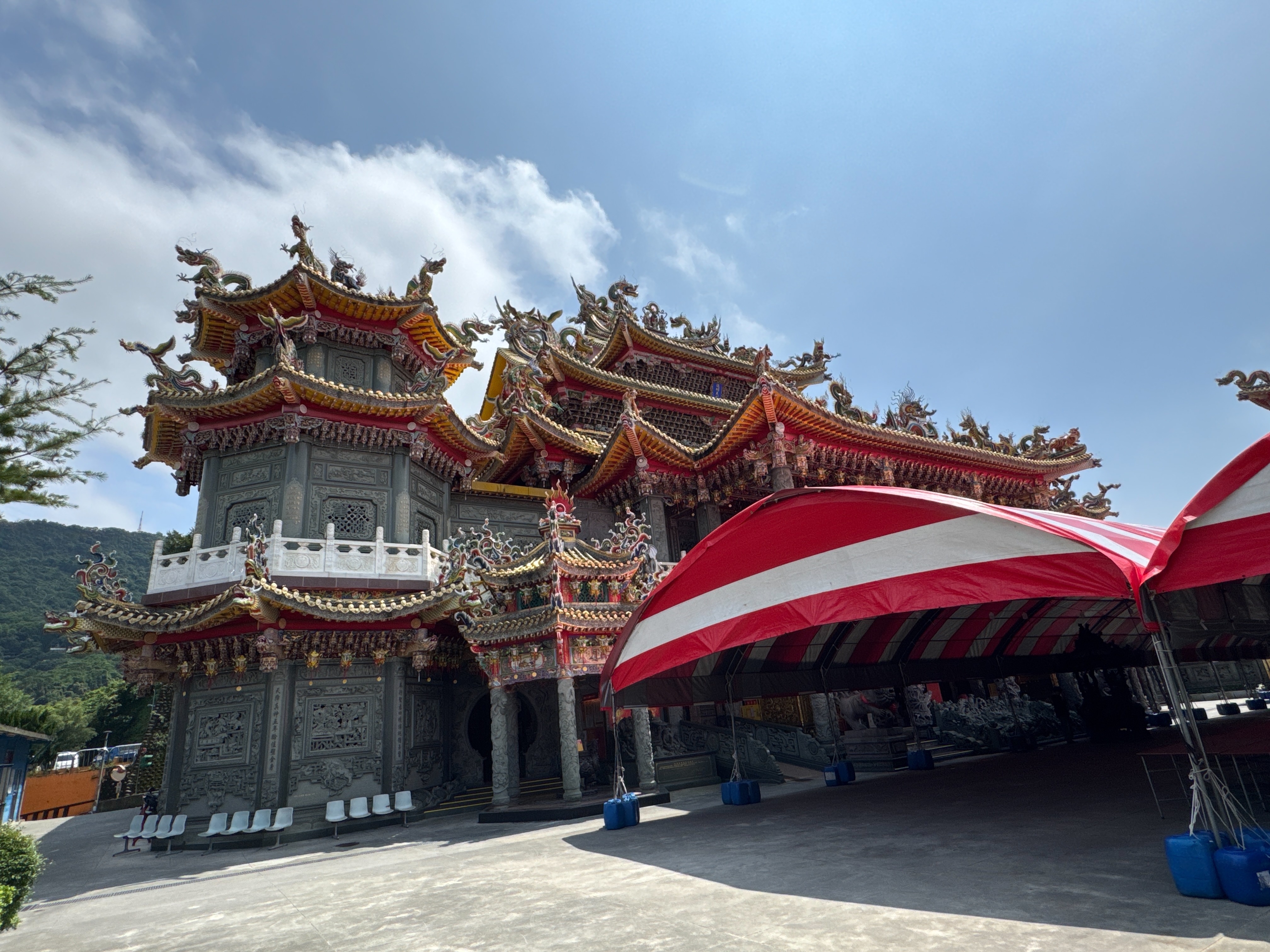
Songshan Feng-Tian Temple, also known as the Temple of Heaven, stands as one of the most important Taoist temples in Taipei, located in the Xinyi District near the iconic Four Beasts Mountains.
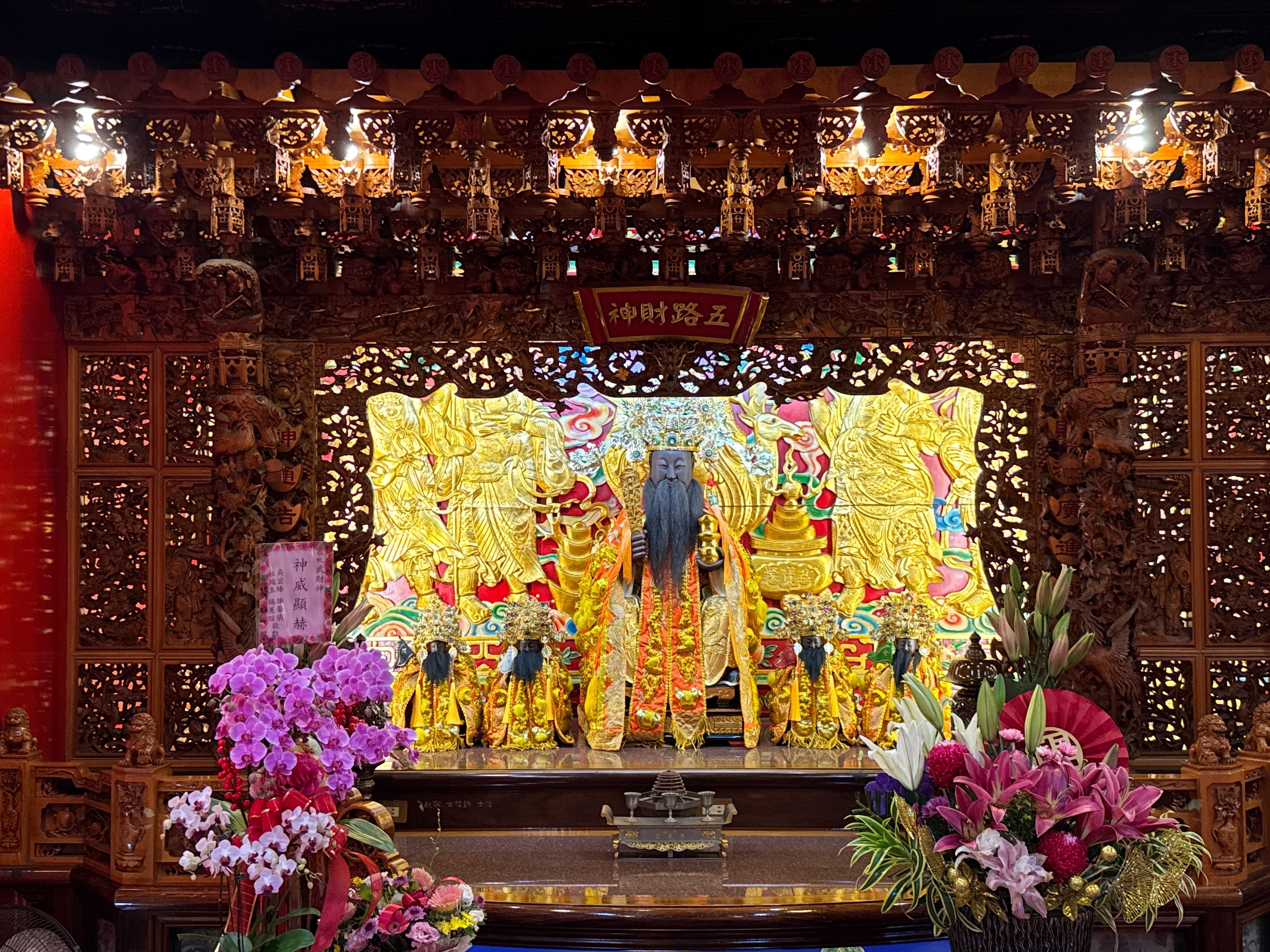
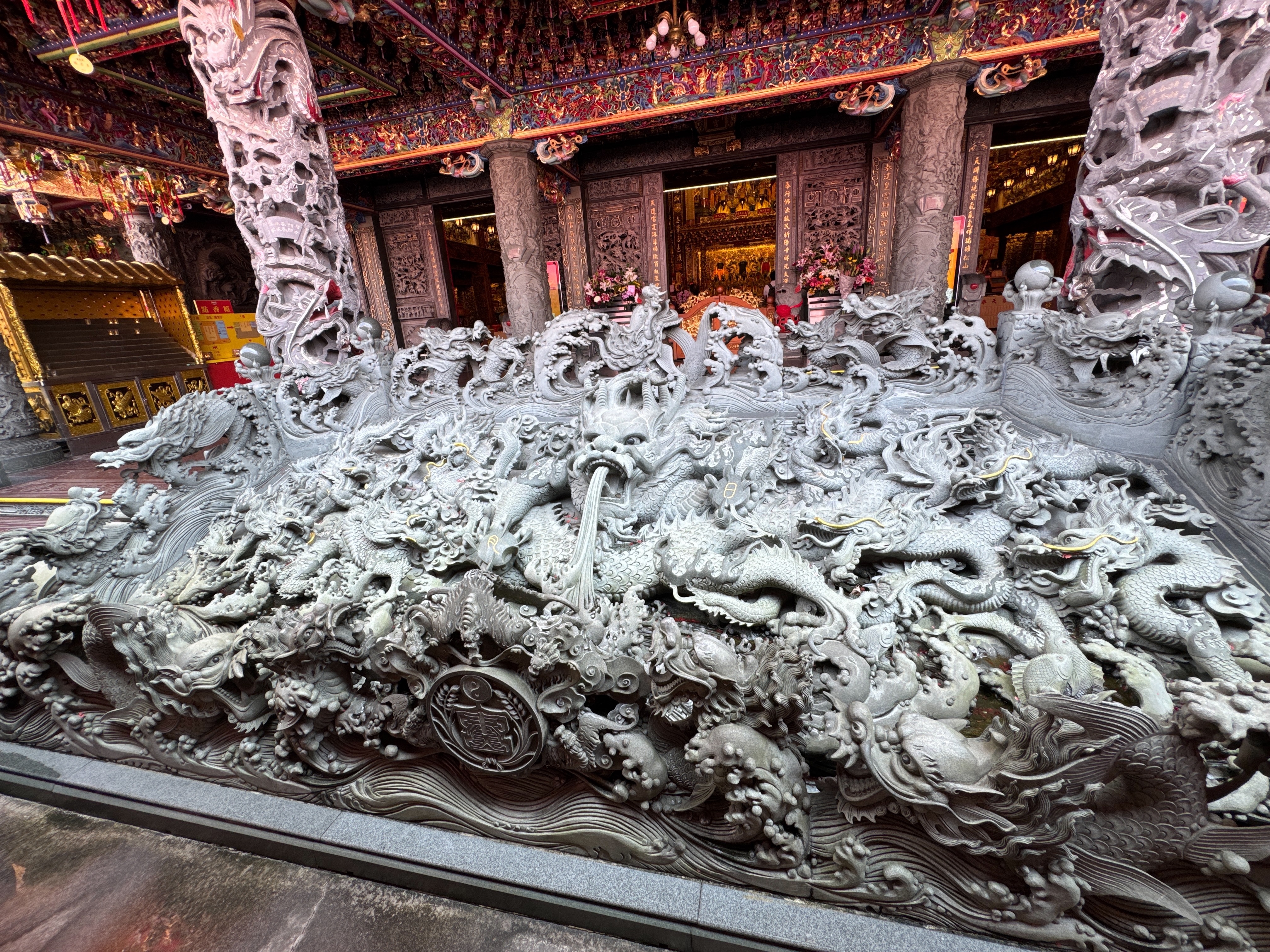
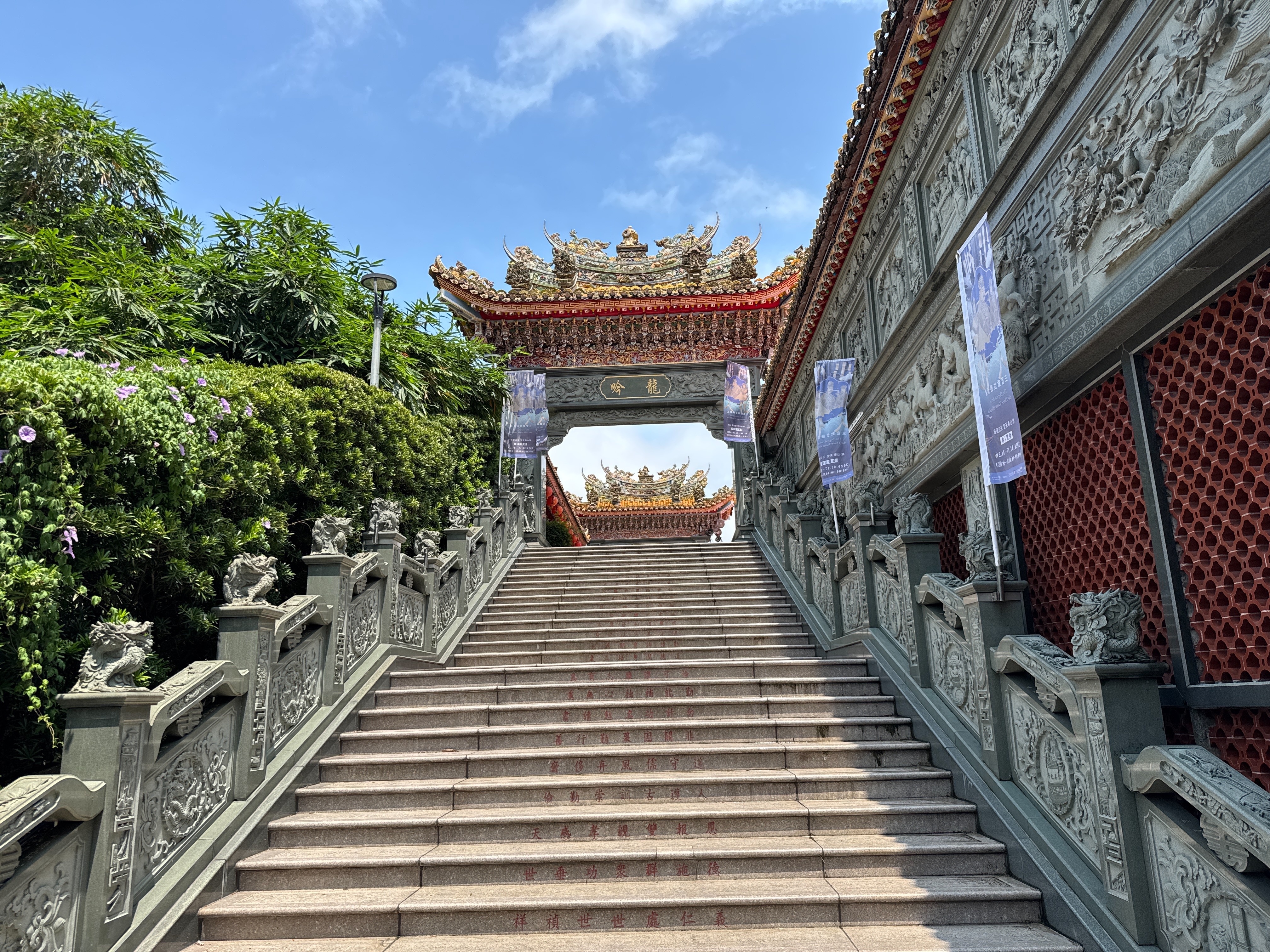
Dedicated primarily to the Jade Emperor, the temple has grown into a sprawling complex that serves as both a major religious center and a community landmark, blending ornate traditional southern Chinese architecture with vibrant cultural significance.
The temple’s origins date back to the Tongzhi era of the Qing Dynasty around the 1860s, when a Chinese immigrant from Tangshan settled in a cave on Tiger Mountain and began worshiping the Jade Emperor by hanging a red silk banner and placing a stone incense burner. Local residents gradually joined the daily rituals, establishing a simple devotional site.
During the Japanese colonial period, the cave was repurposed as an air-raid shelter amid policies that suppressed traditional religious practices.
After Taiwan’s retrocession, local gentry and elders raised ...
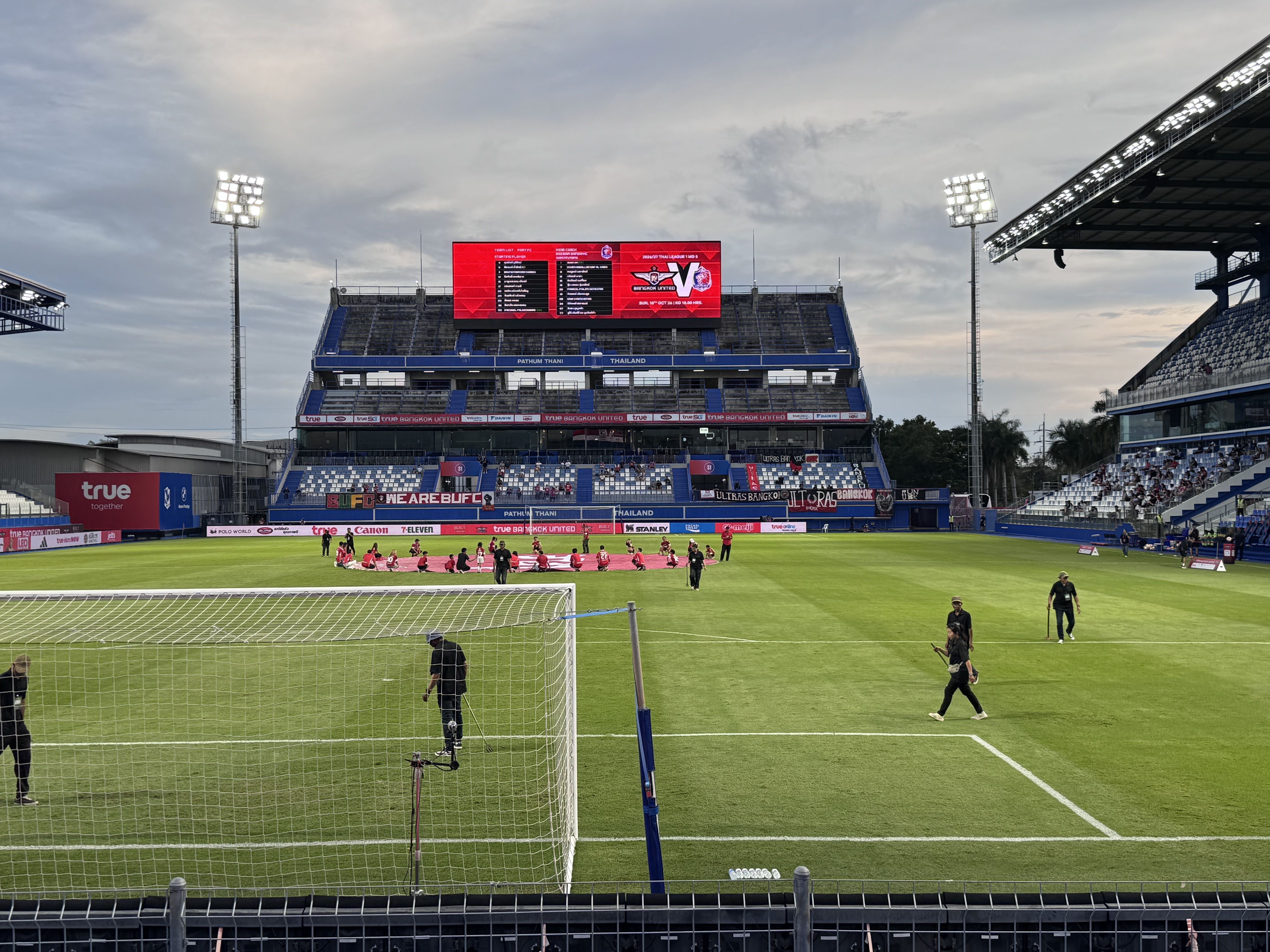
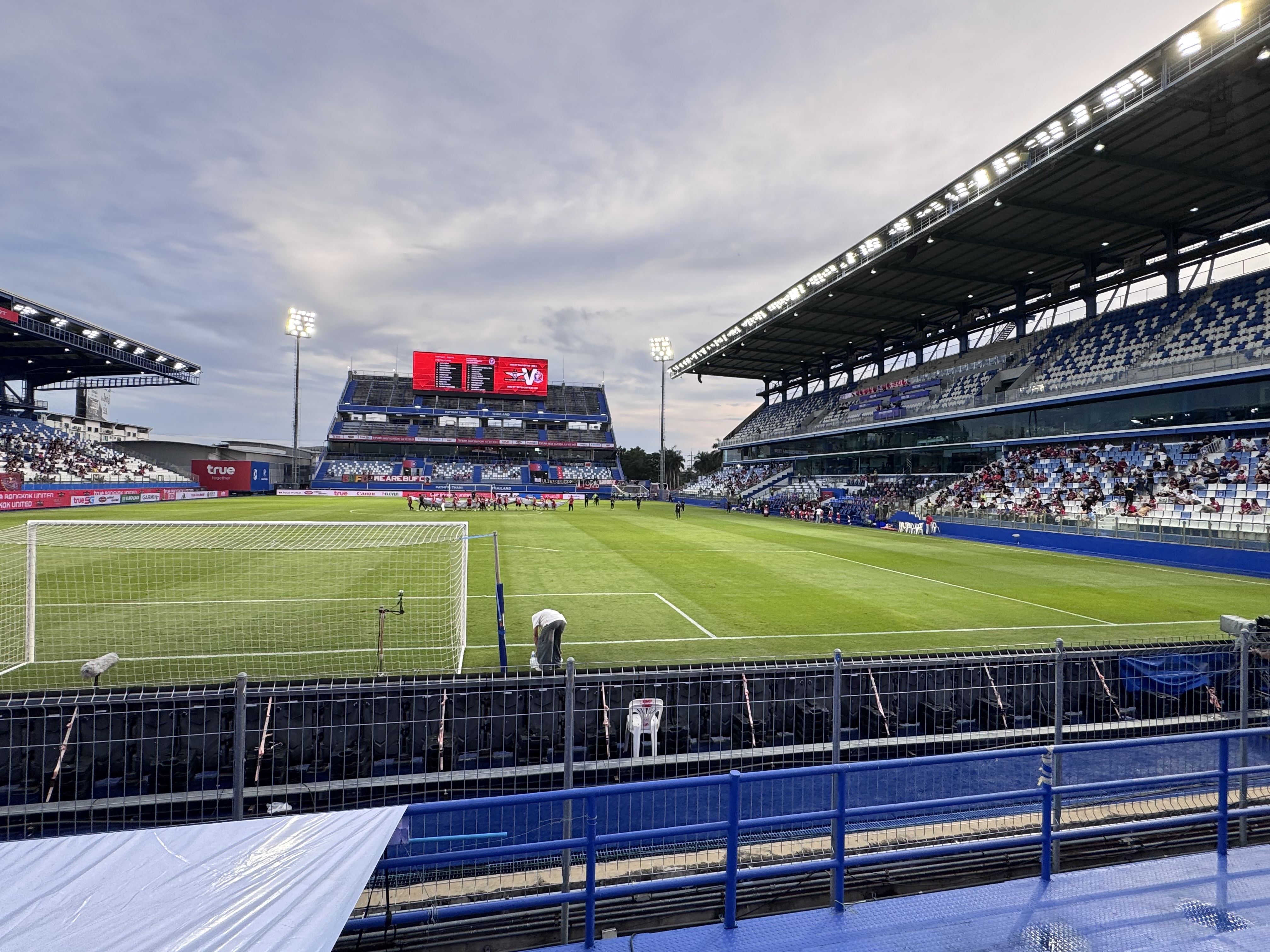
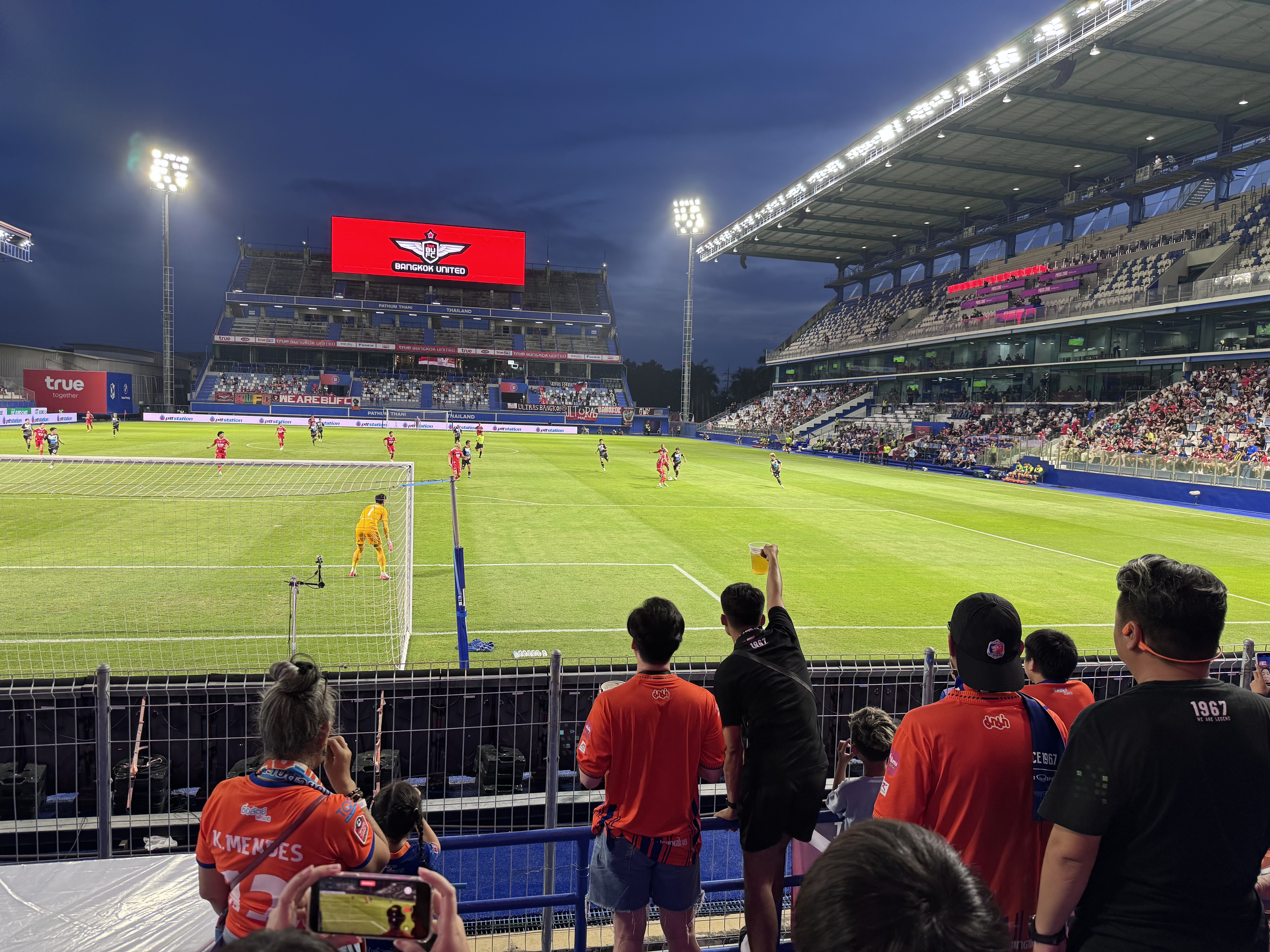
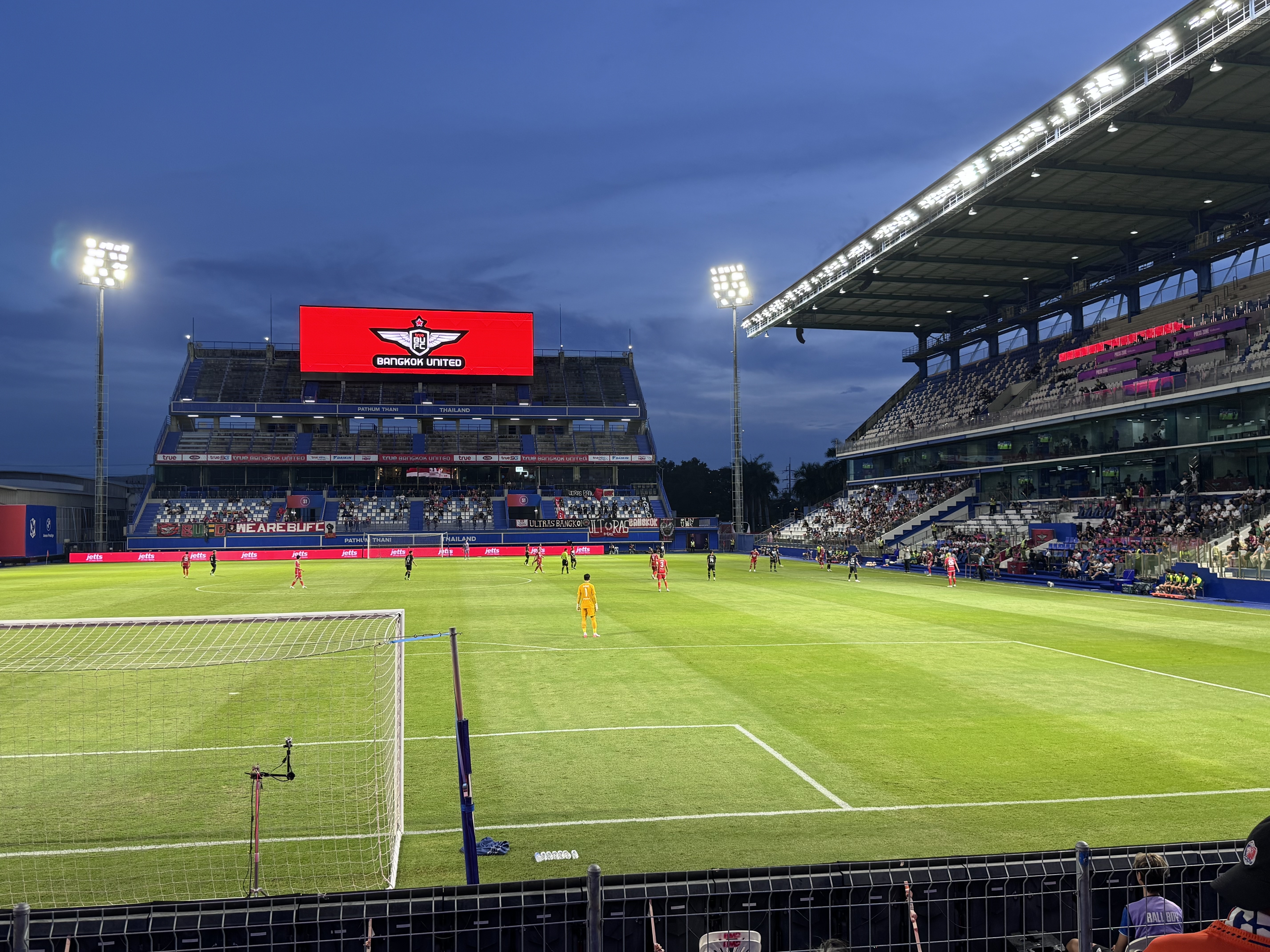
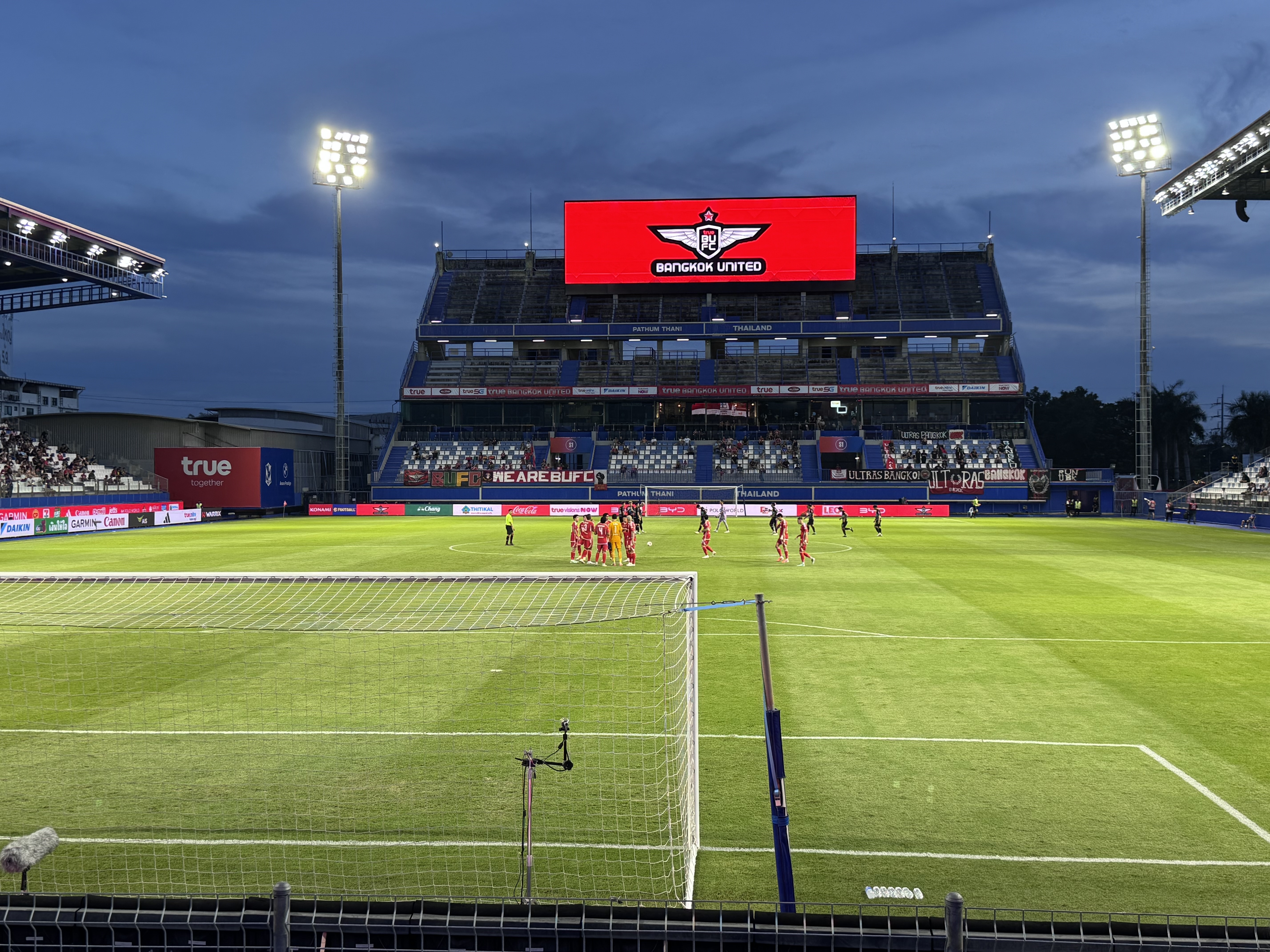
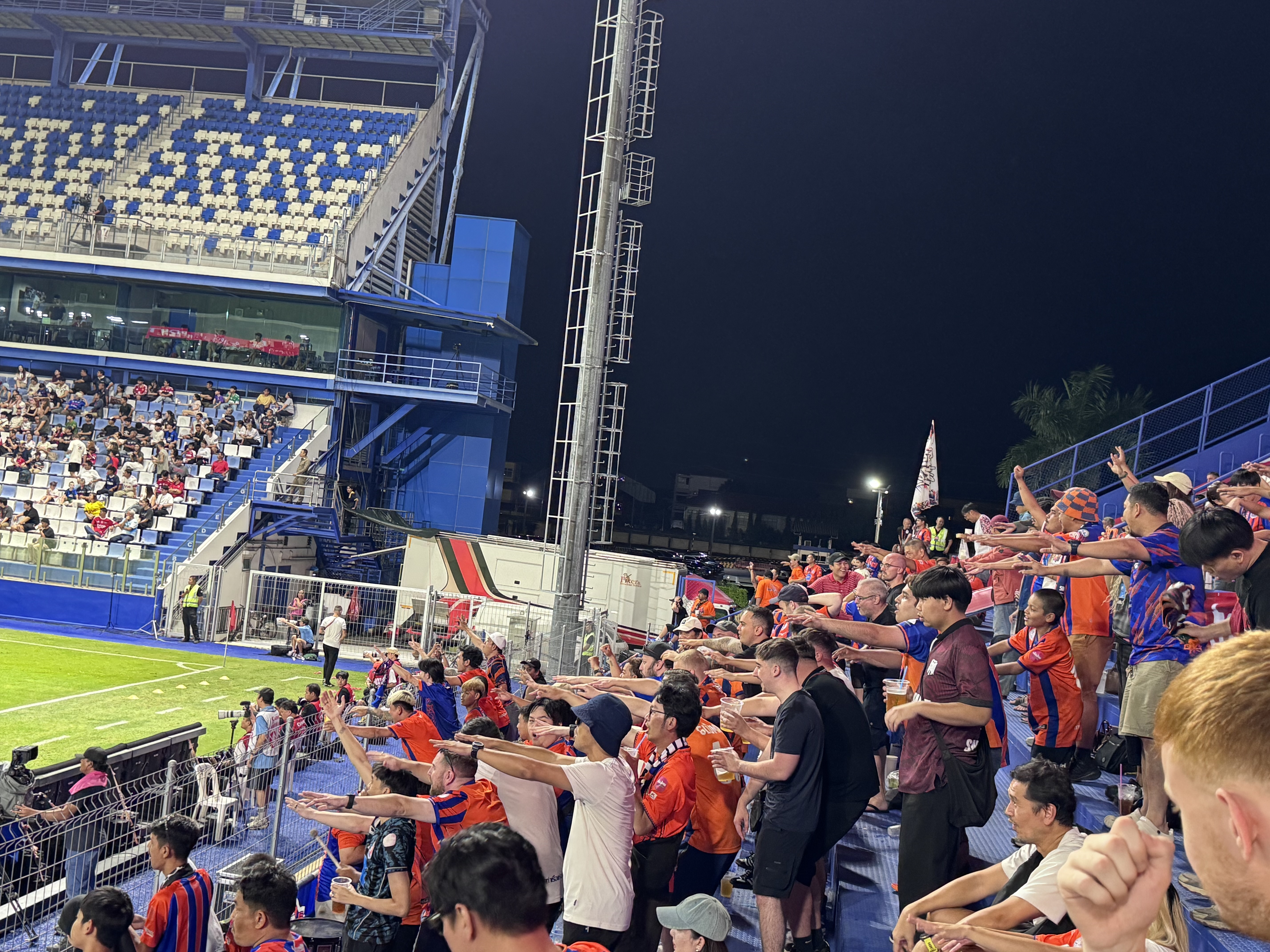
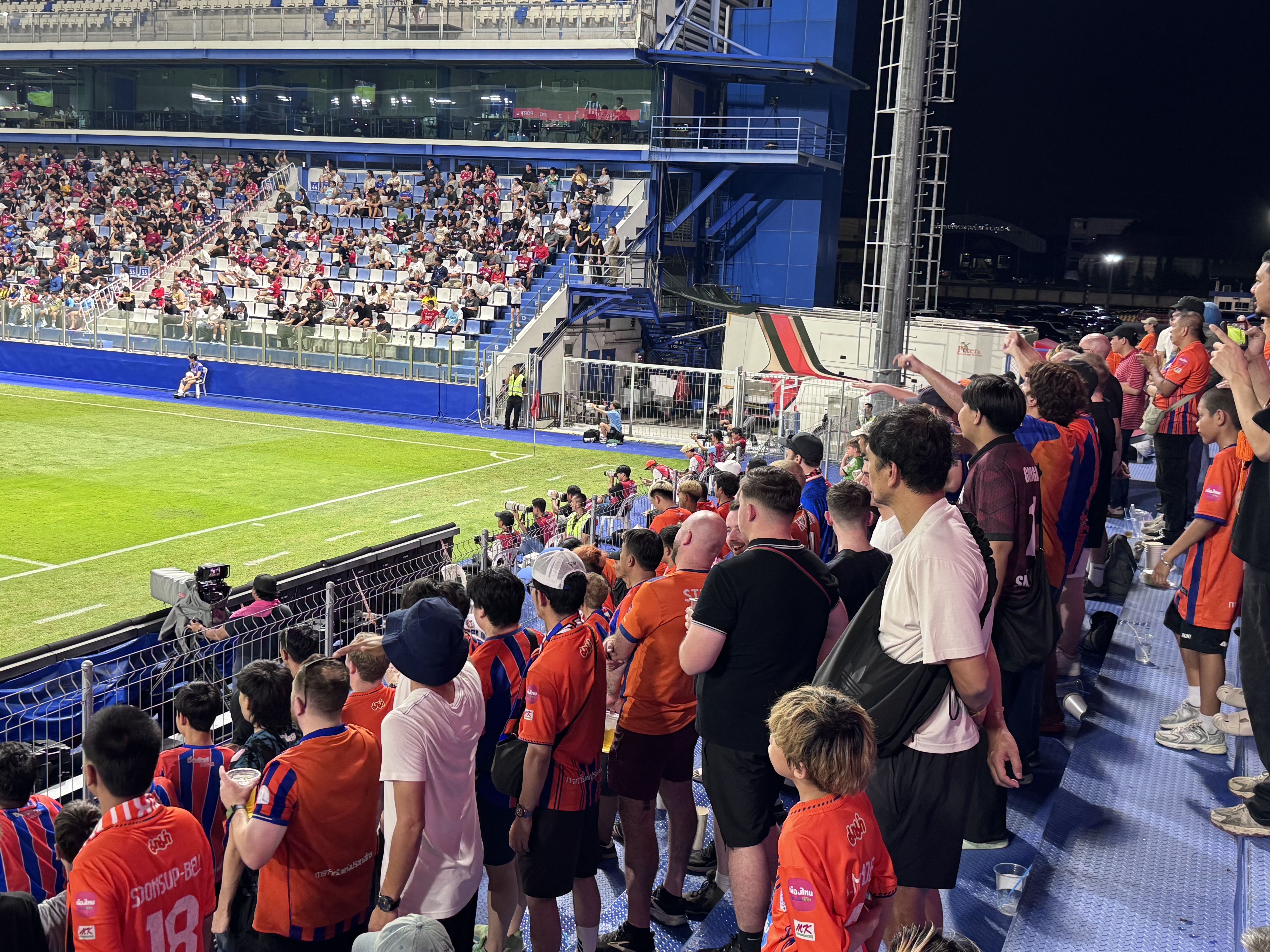
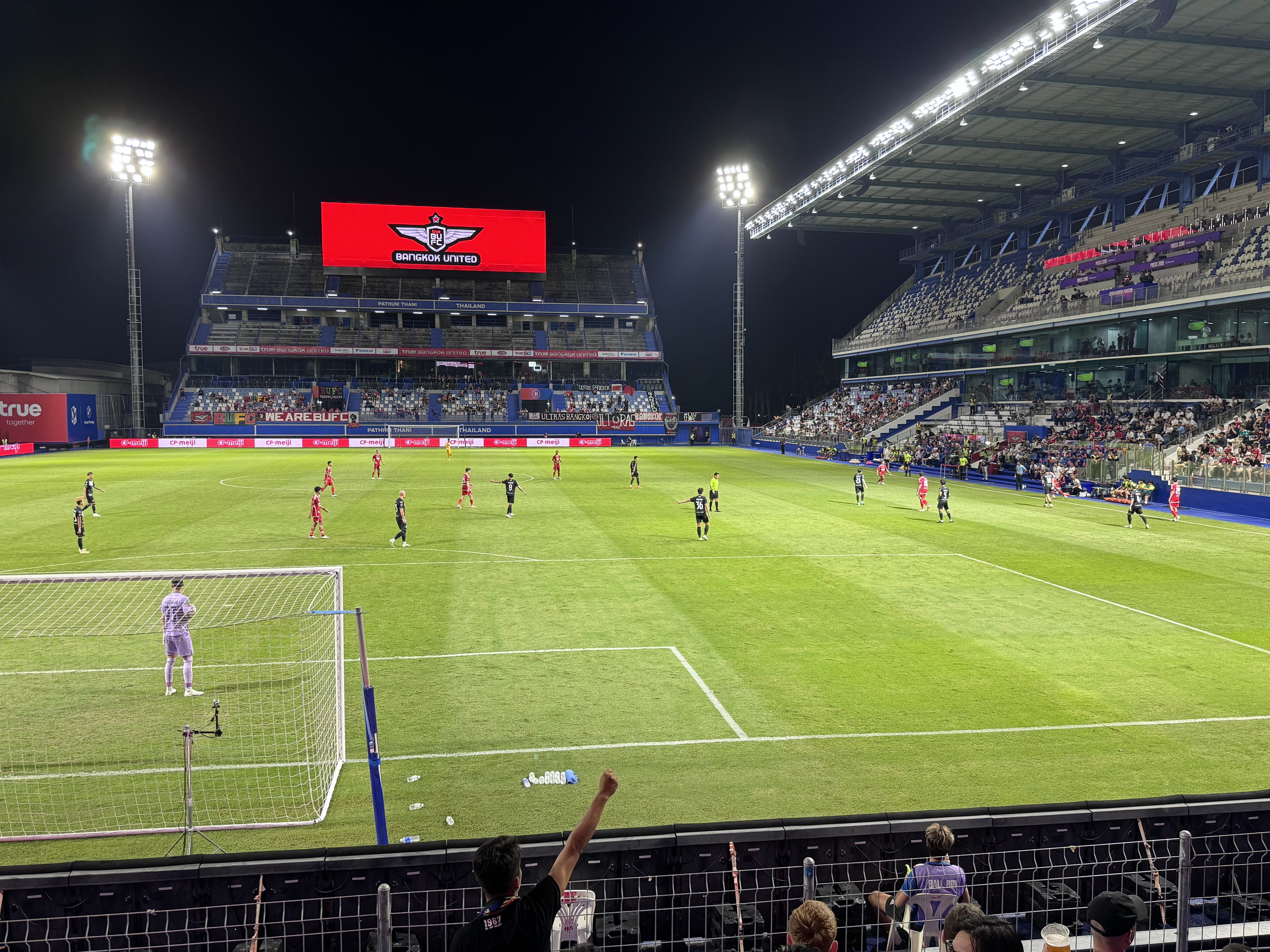
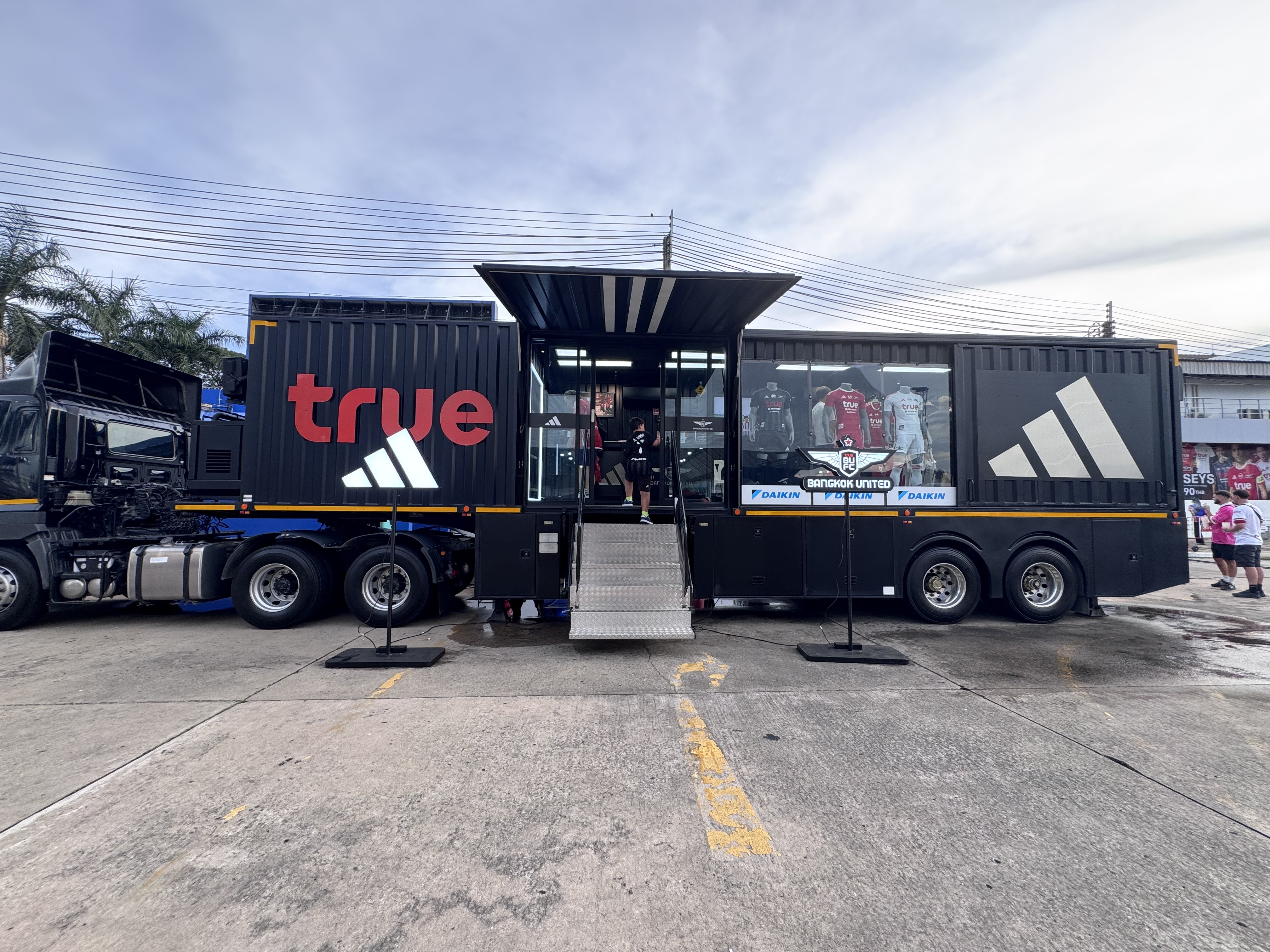
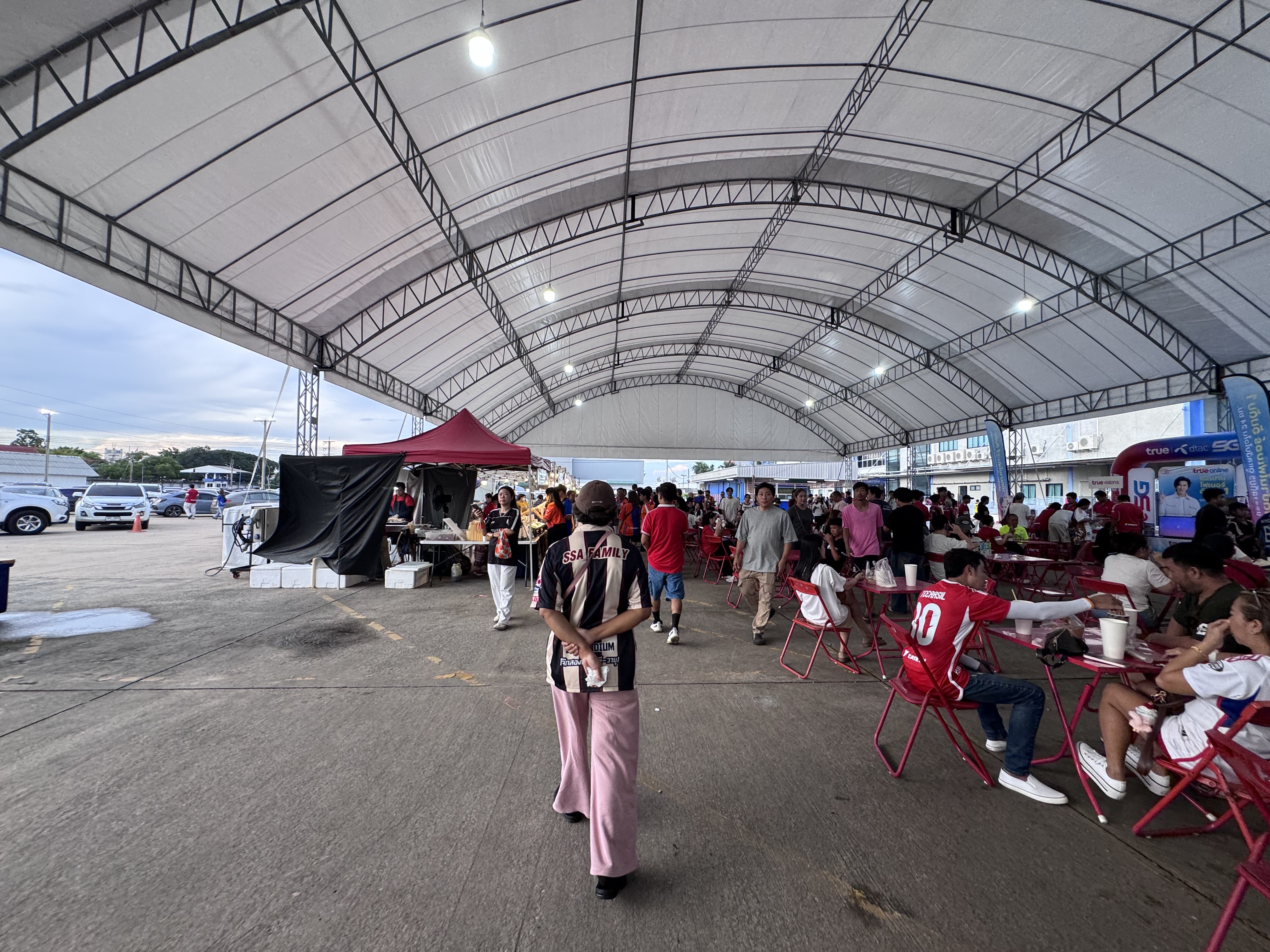
Port FC vs Bangkok United
Thai League 1 - Matchday 5 - 18 October 2026
BG Stadium
Port FC, one of Thailand’s oldest clubs, was founded in 1967 as the Port Authority of Thailand side. The Khlong Toei Lions enjoyed a golden era of multiple Kor Royal Cup and Queen’s Cup titles and have remained a consistent top-flight presence in the modern Thai League era, regularly challenging in the upper half of the table and appearing in Asian competitions.
Bangkok United began life in 1988 as Bangkok University FC before evolving into a professional outfit. The Bangkok Angels claimed the Thai League title in 2006, returned after a brief relegation, and have since established themselves as one of the league’s most consistent challengers, with multiple runner-up finishes and regular AFC involvement under True Corporation backing.
In the 2025–26 season the two sides met twice in the league. Port hosted Bangkok United on 9 November 2025 and the game finished 0–0. The return fixture on 15 March 2026 at Bangkok ...
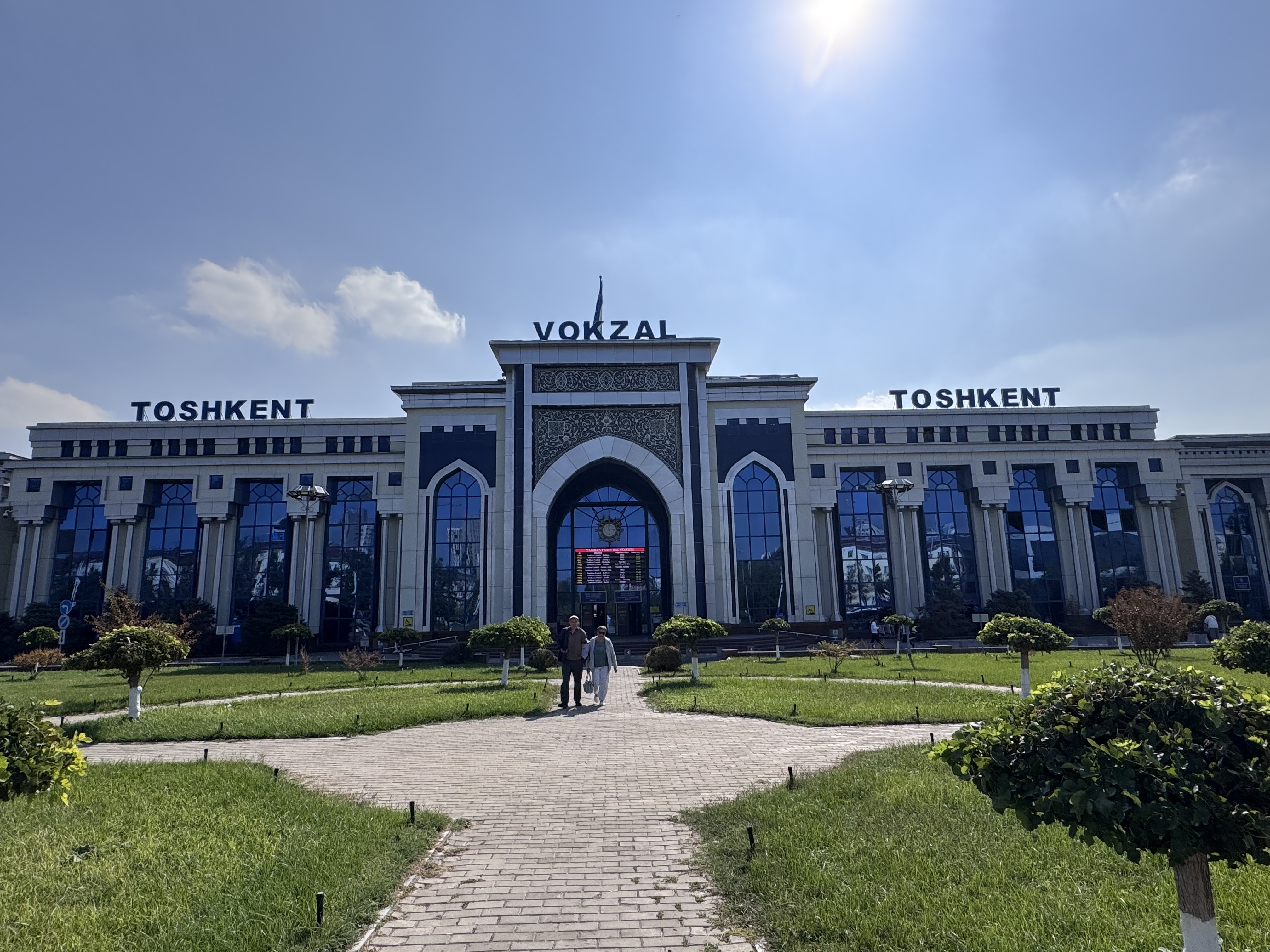
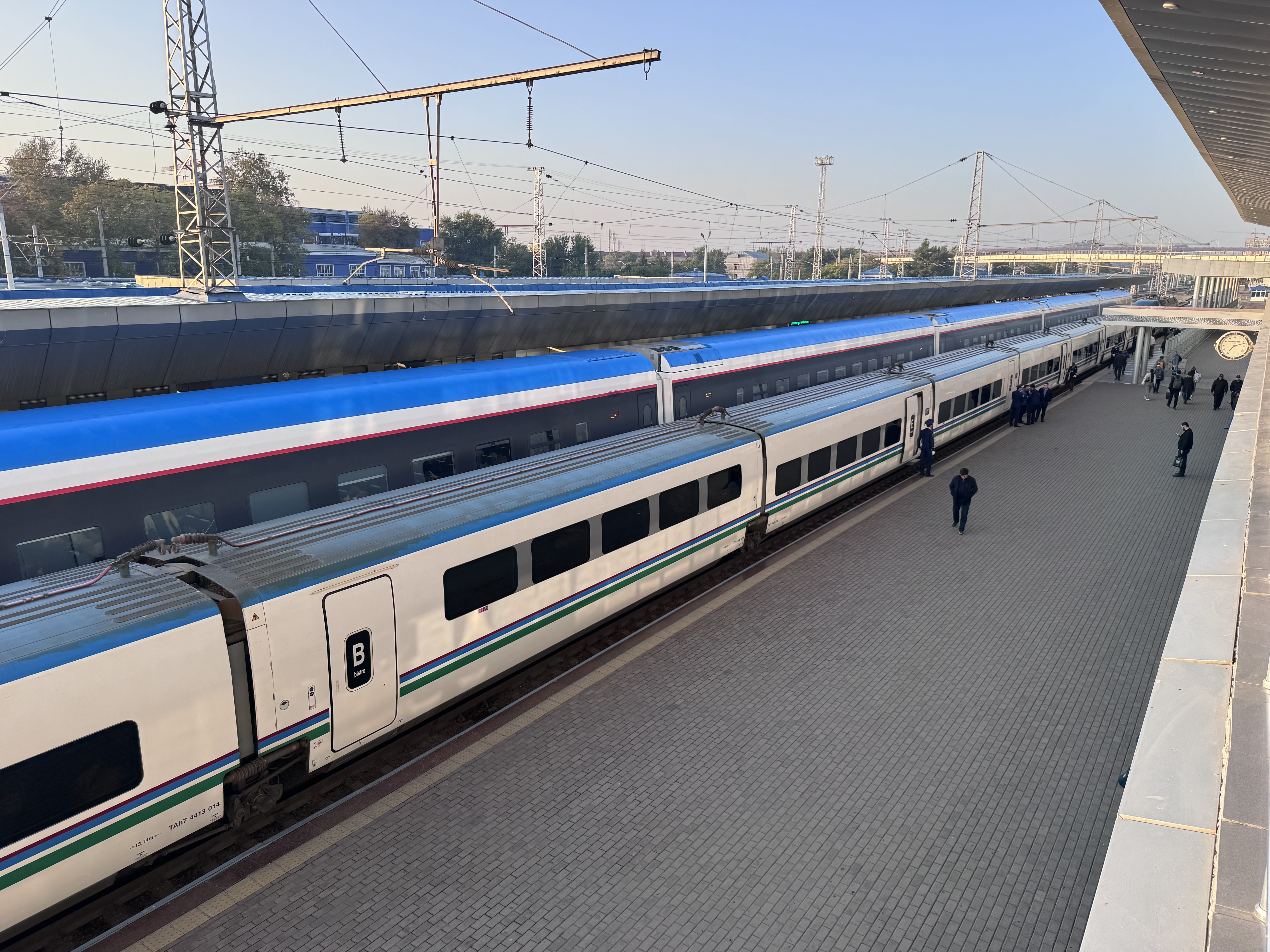
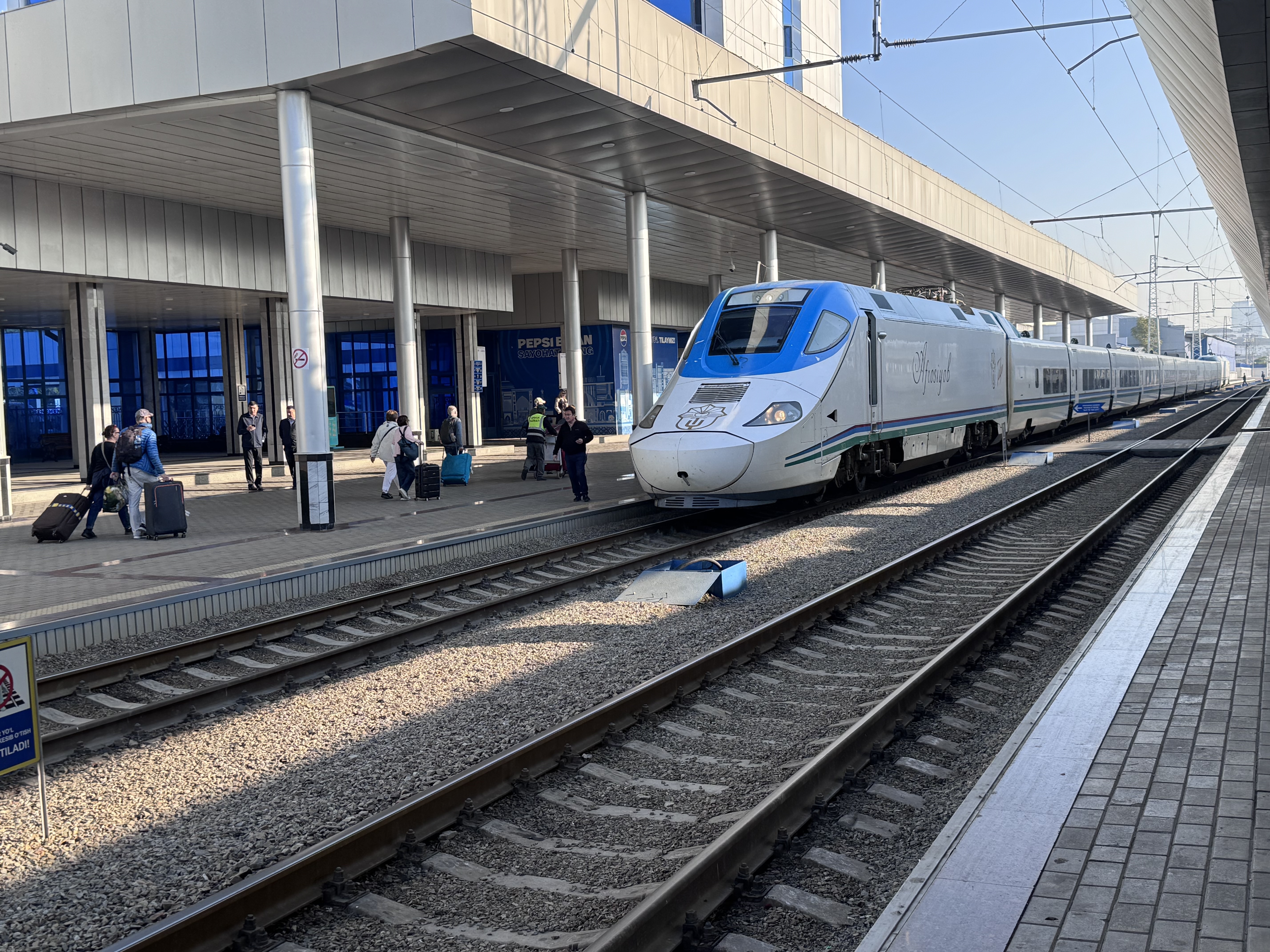
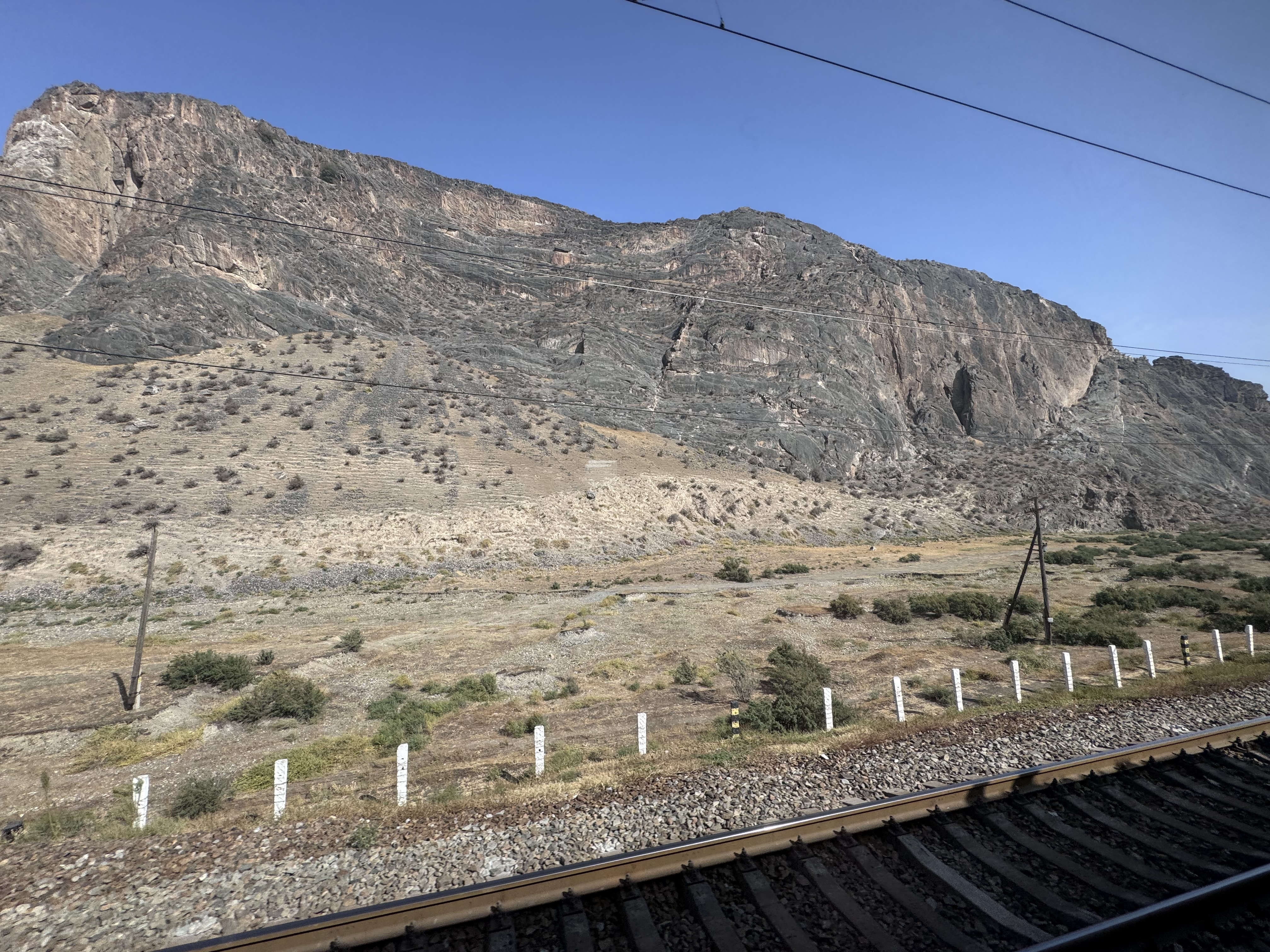
The railways of Uzbekistan began in the late nineteenth century under the Russian Empire with the construction of the Trans-Caspian line that stretched across the deserts to reach Samarkand in 1888 and later connected with Tashkent.
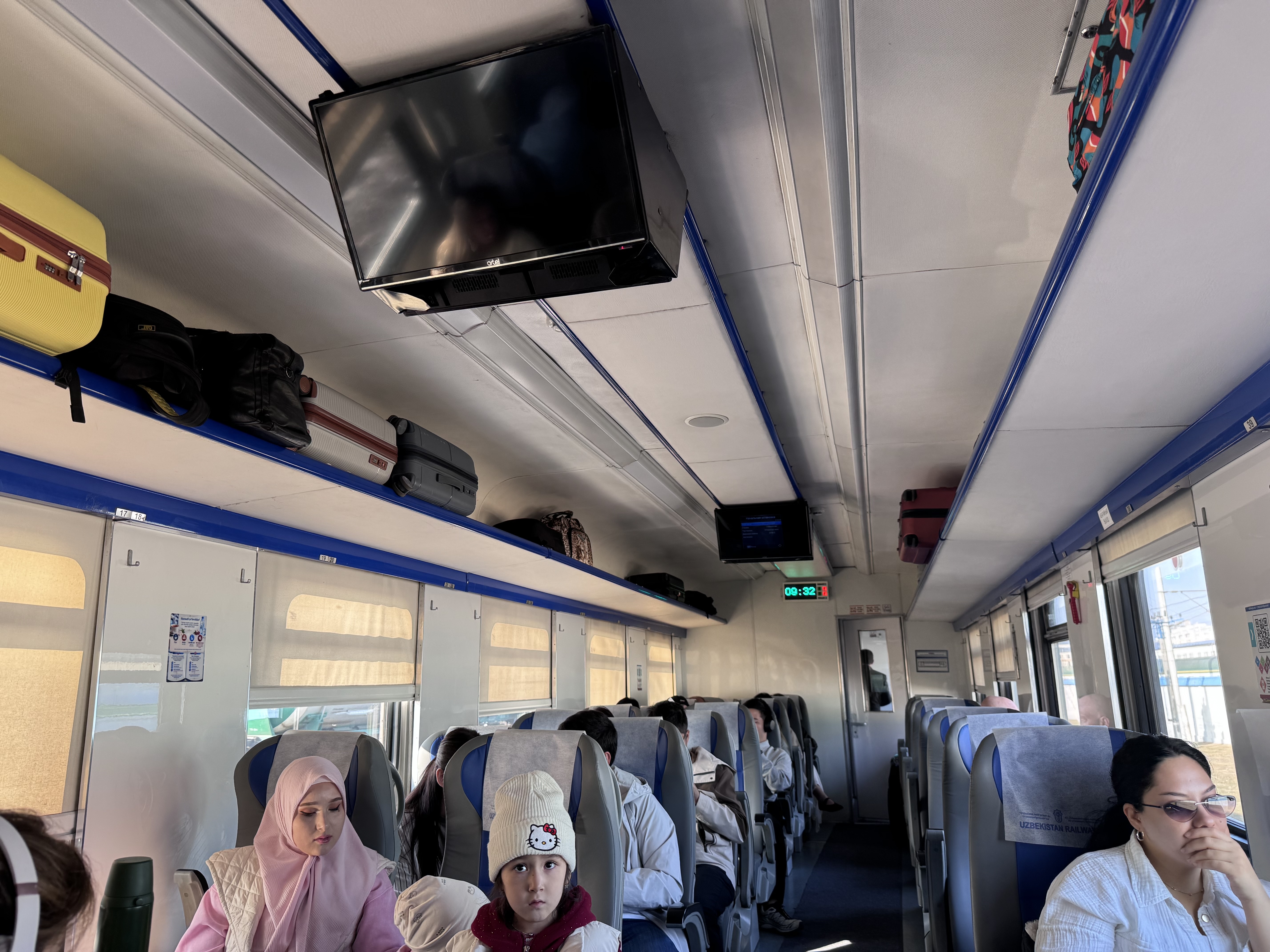
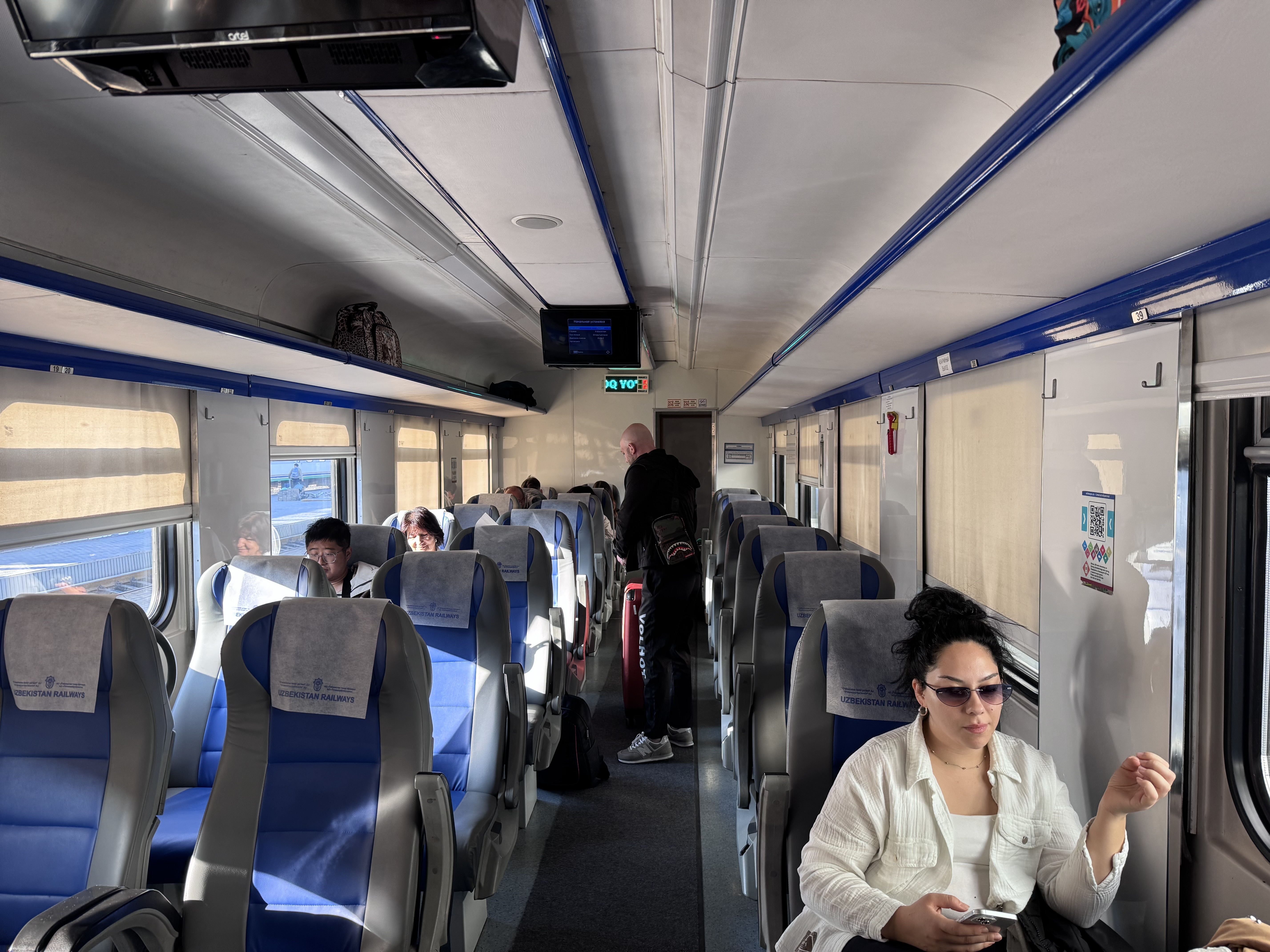
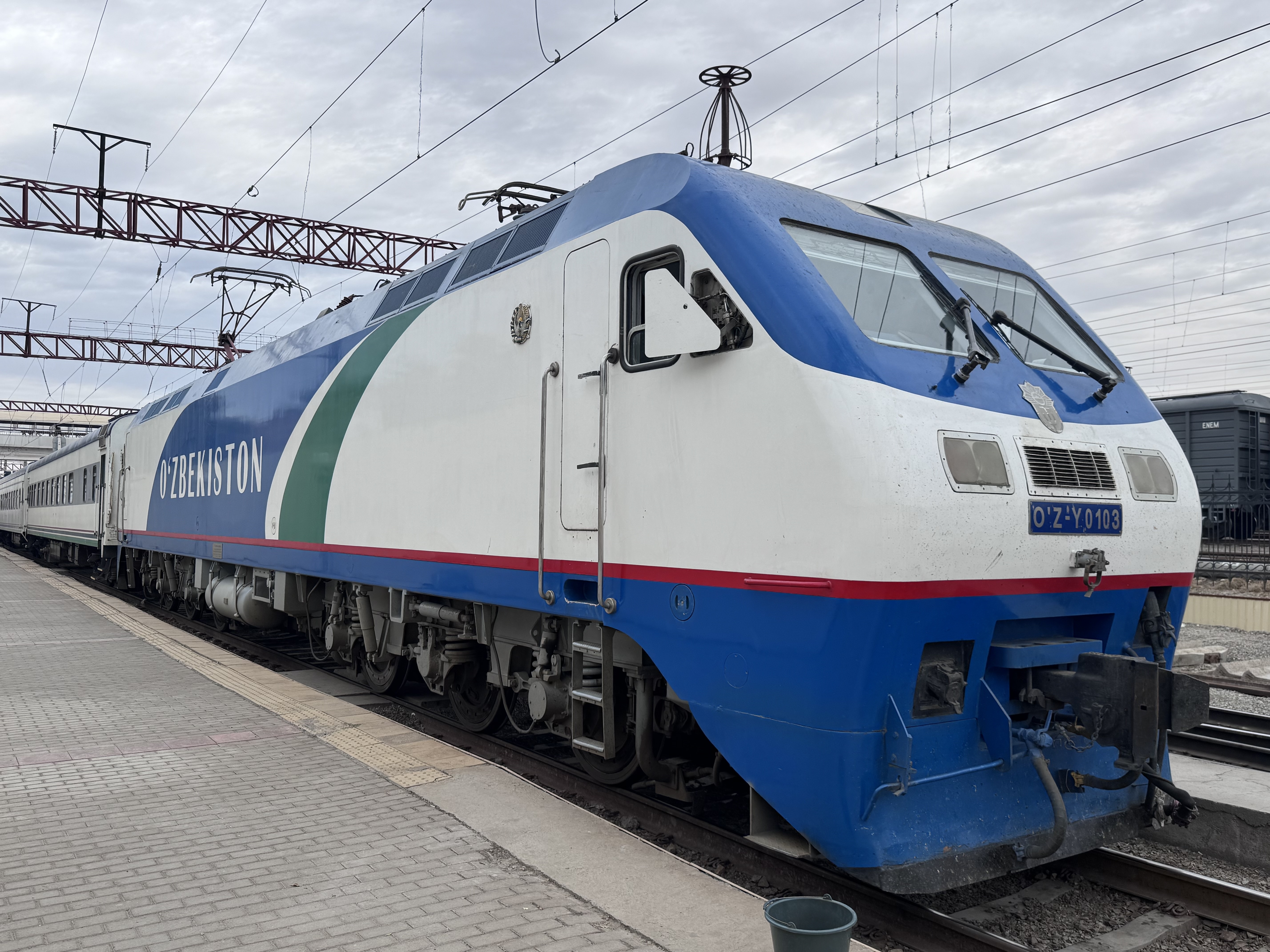
After independence the national operator O‘zbekiston Temir Yo‘llari was created in 1994 and has steadily improved the network. Alongside the newer high-speed services, the reliable Sharq express continues to provide a classic and more affordable way to travel between the country’s main cities.
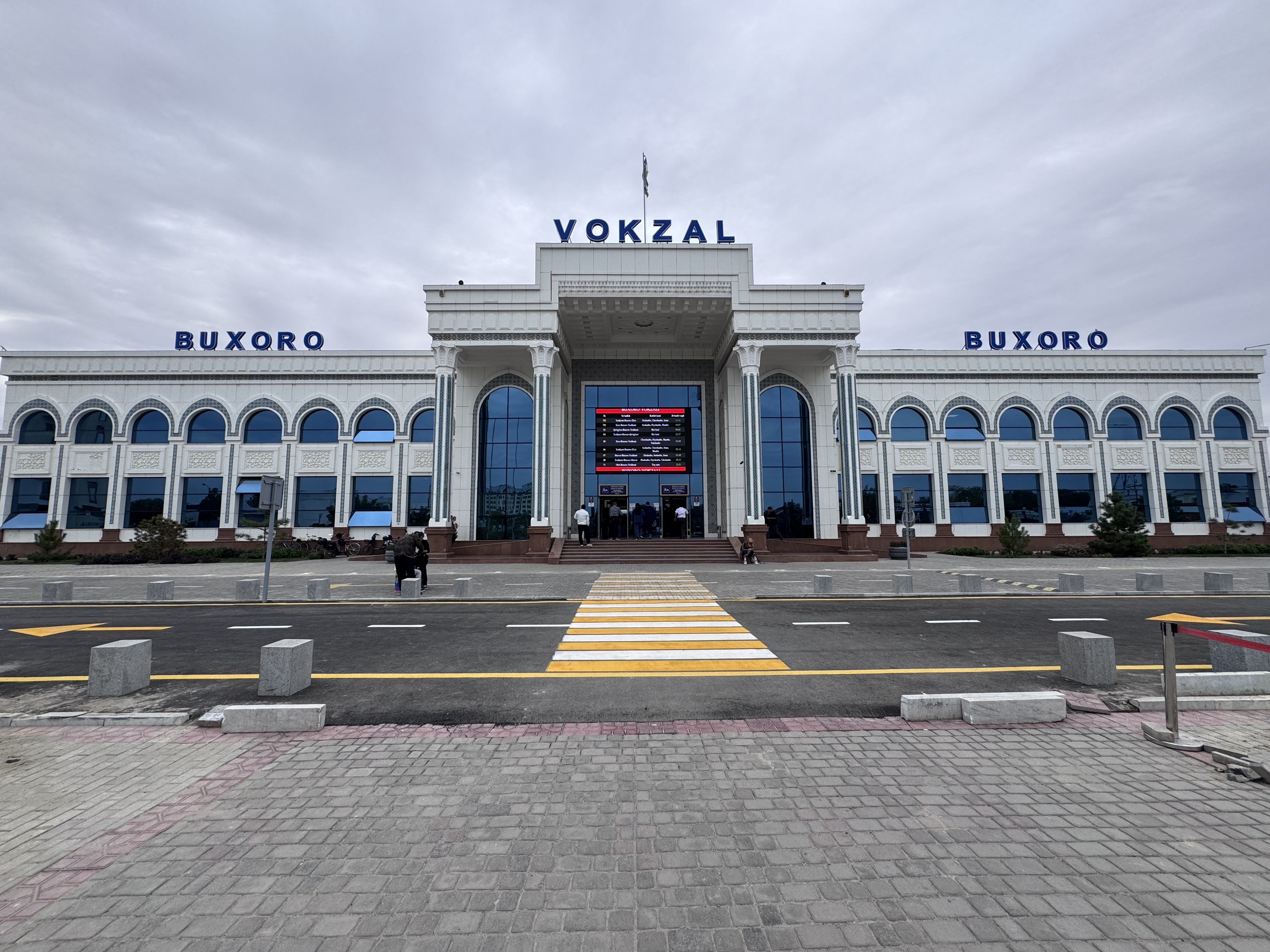
The rail distance from Tashkent to Bukhara is approximately five hundred and eighty to six hundred kilometers. On the regular Sharq train the journey takes around six hours, typically between five hours and fifty minutes and six and a half hours depending on the specific departure and intermediate stops.
Tickets can be purchased online through the official Uzrailway tickets mobile app for Android and iOS or on the website eticket.railway.uz. Select the stations, date, Sharq...
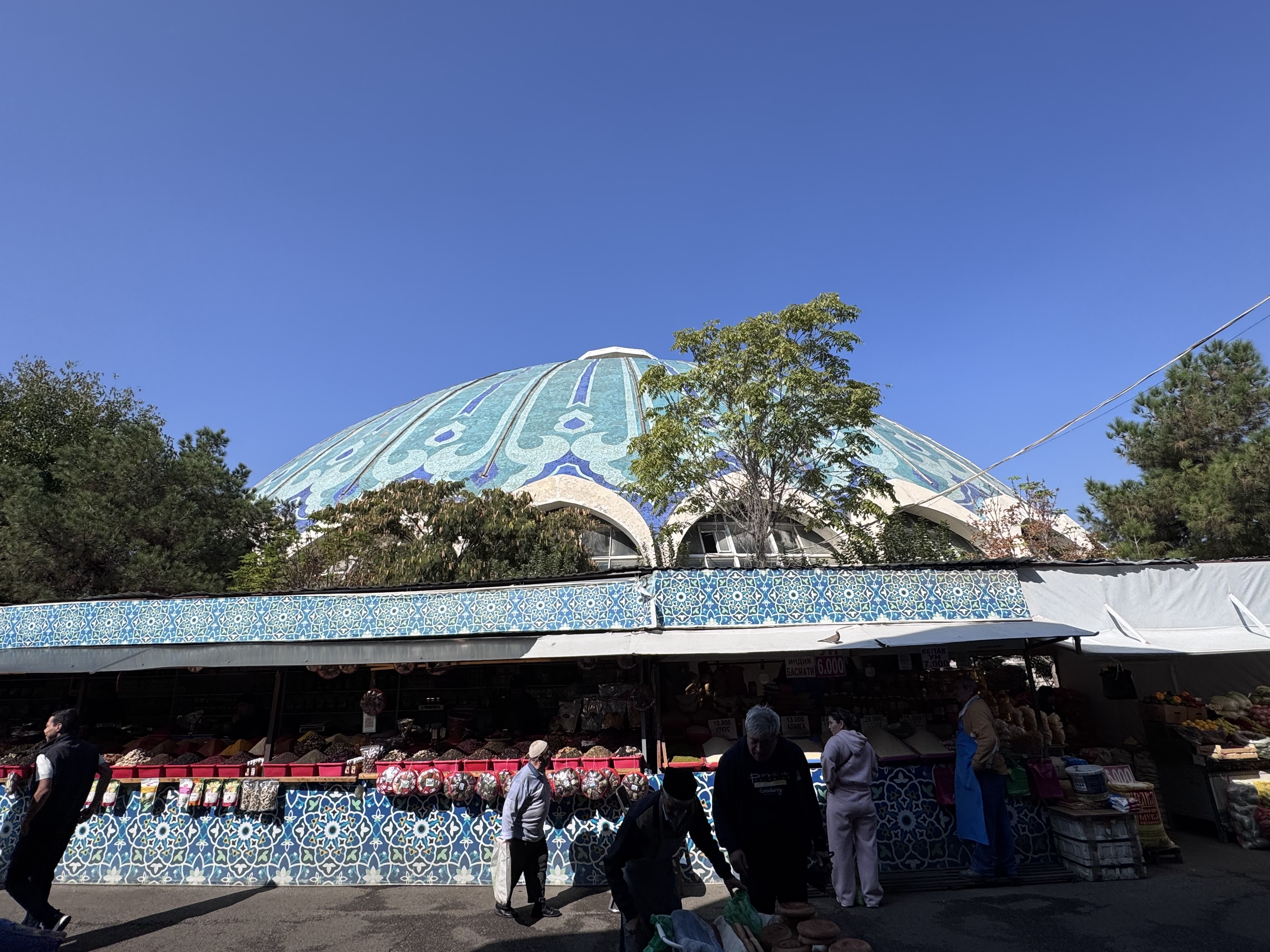
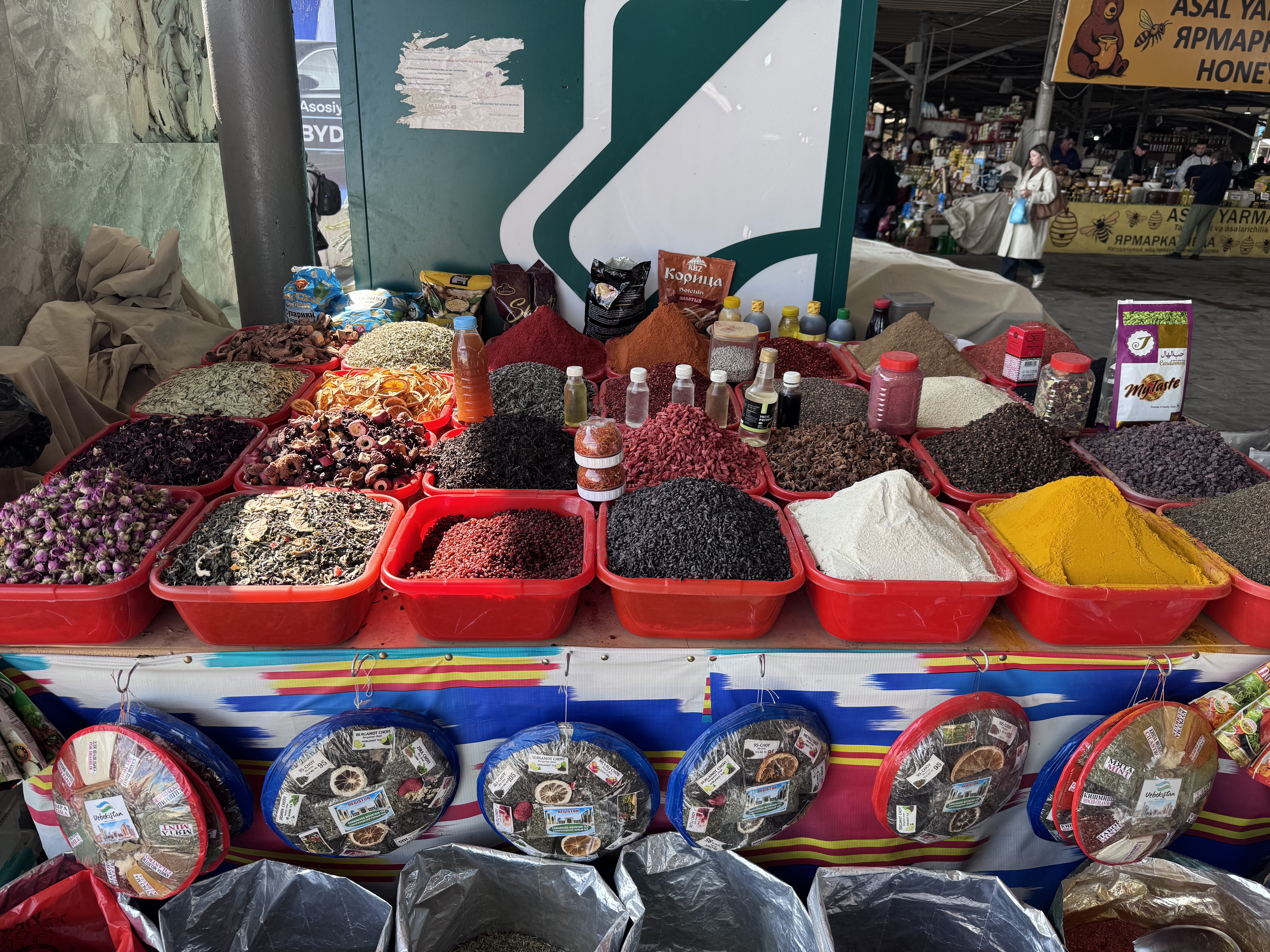
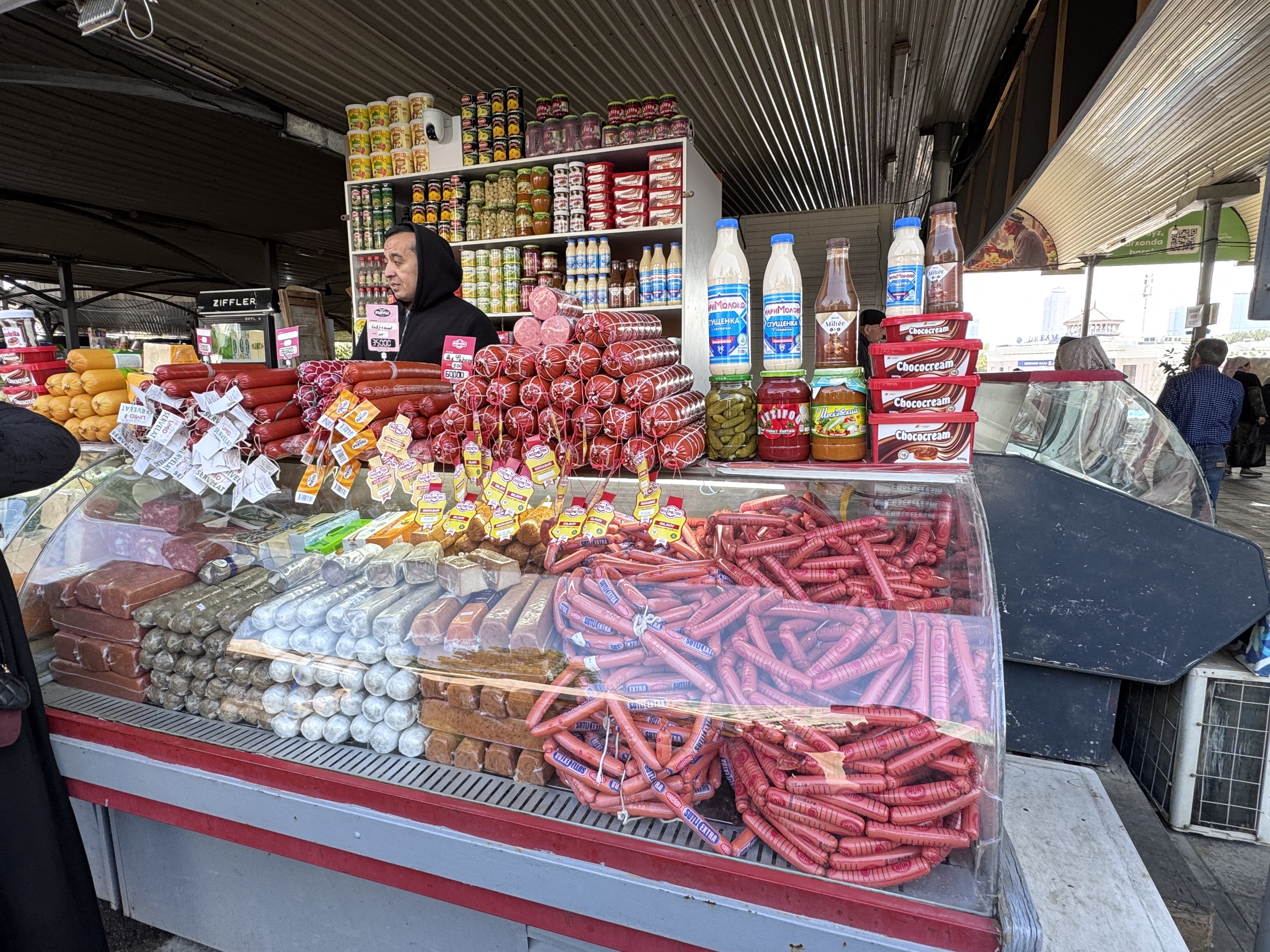
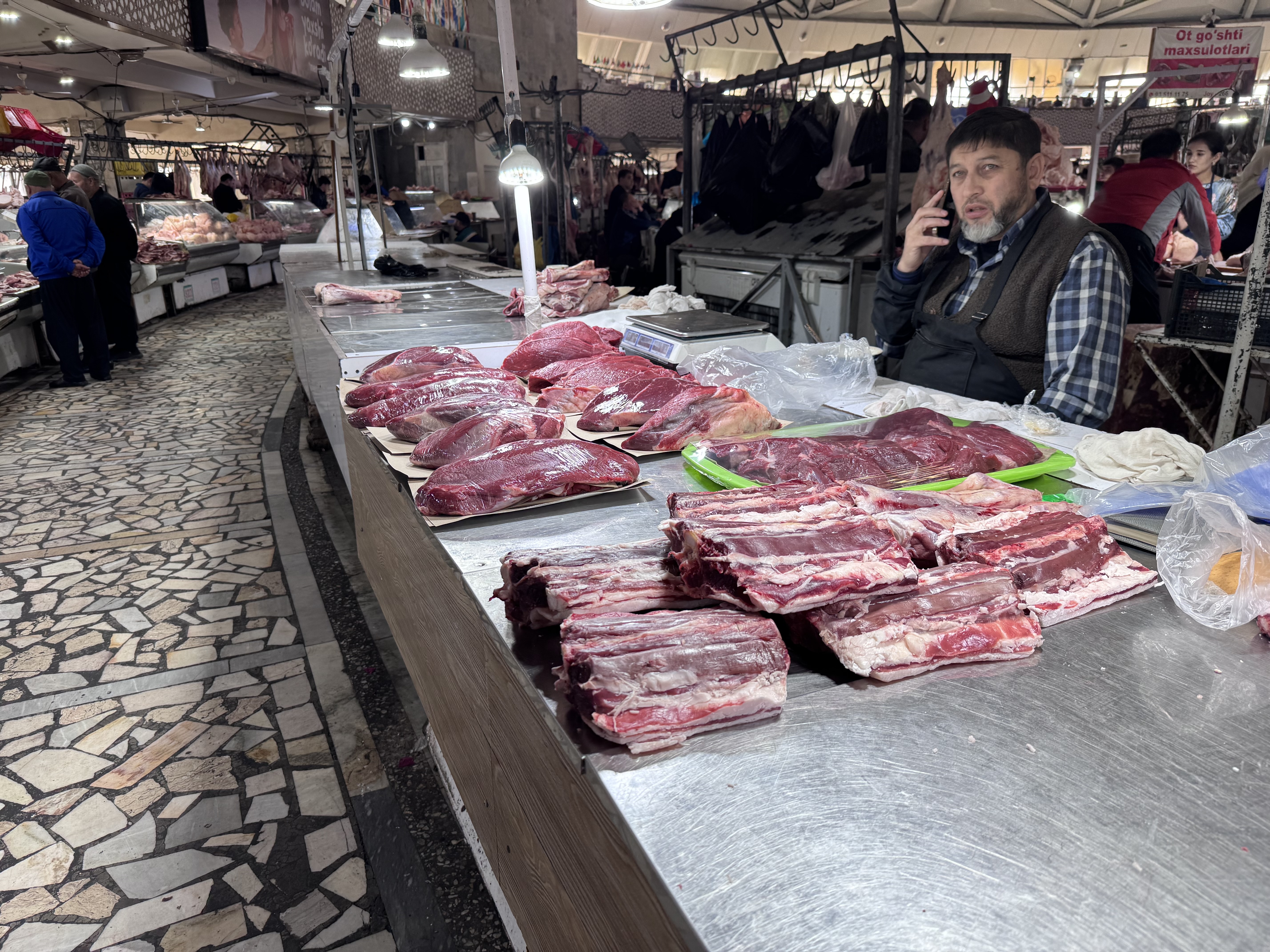
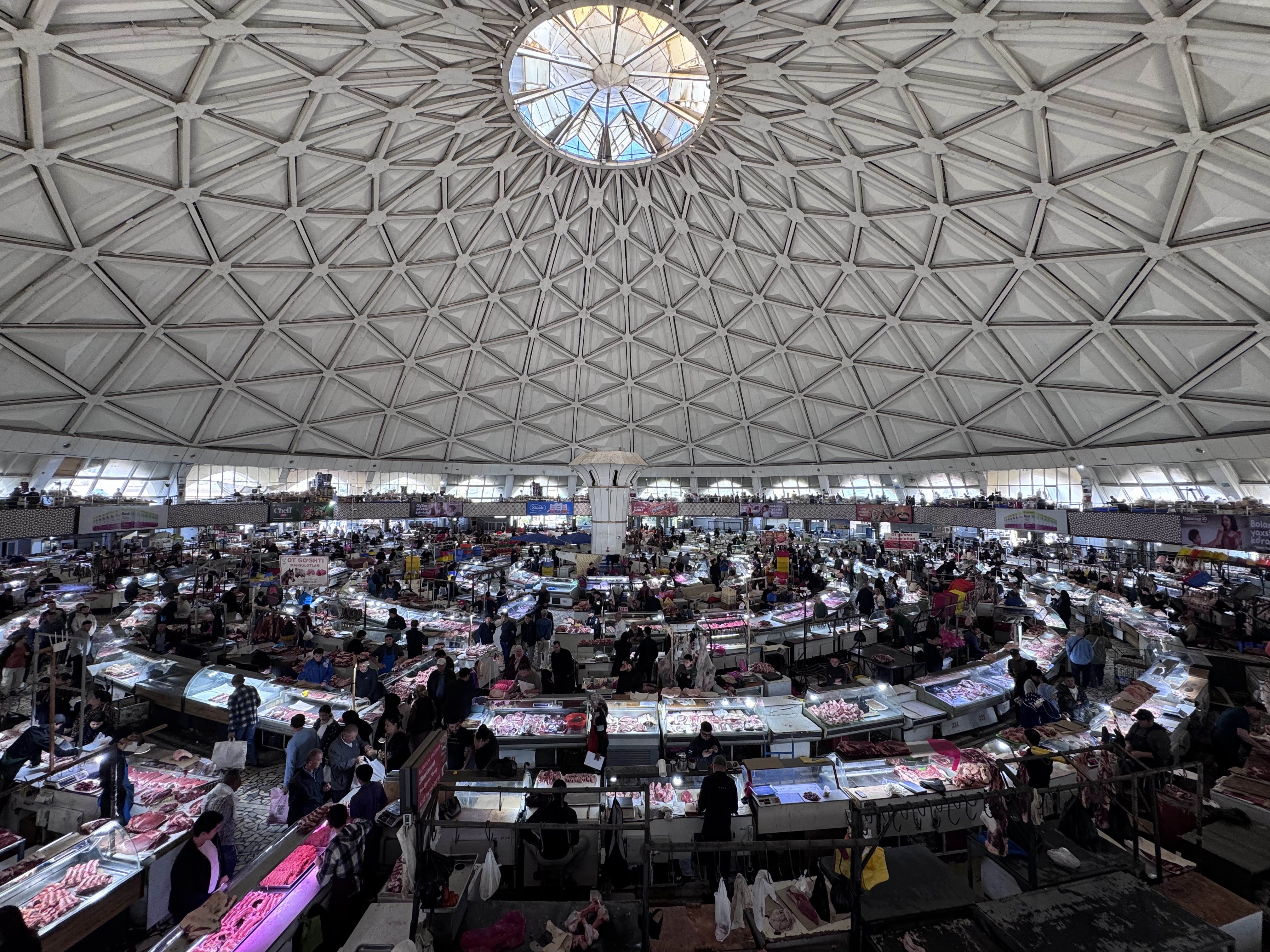
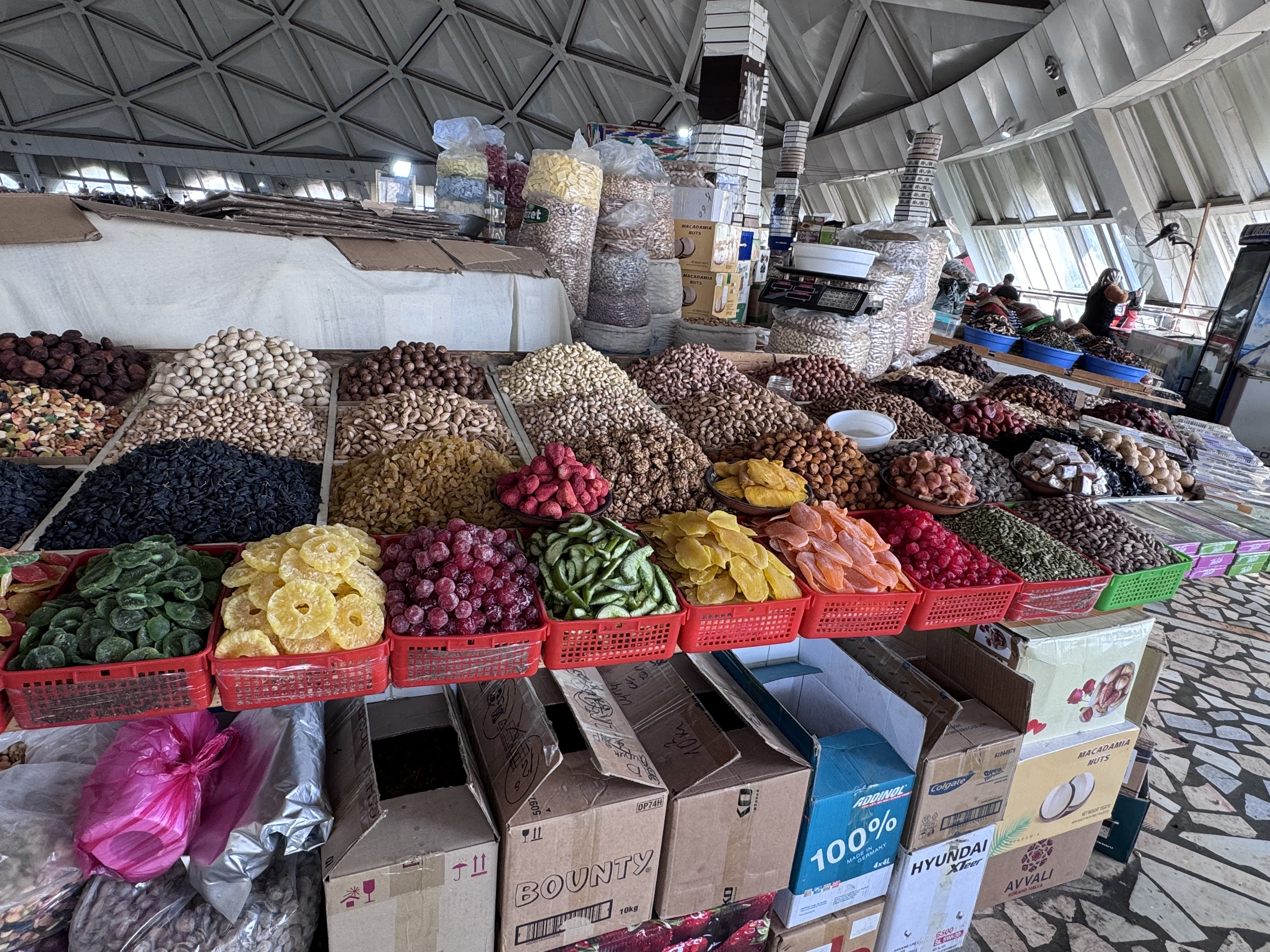
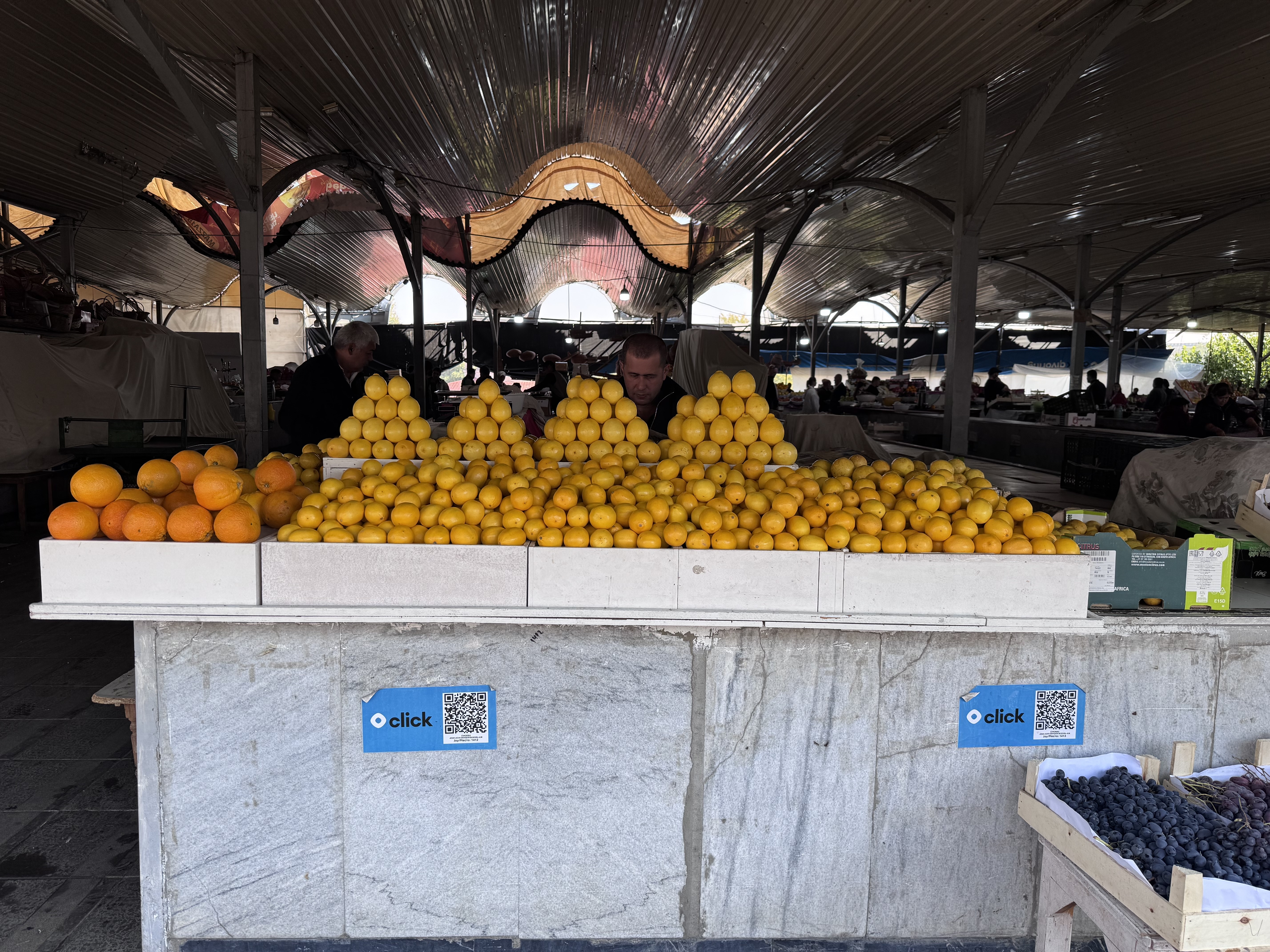
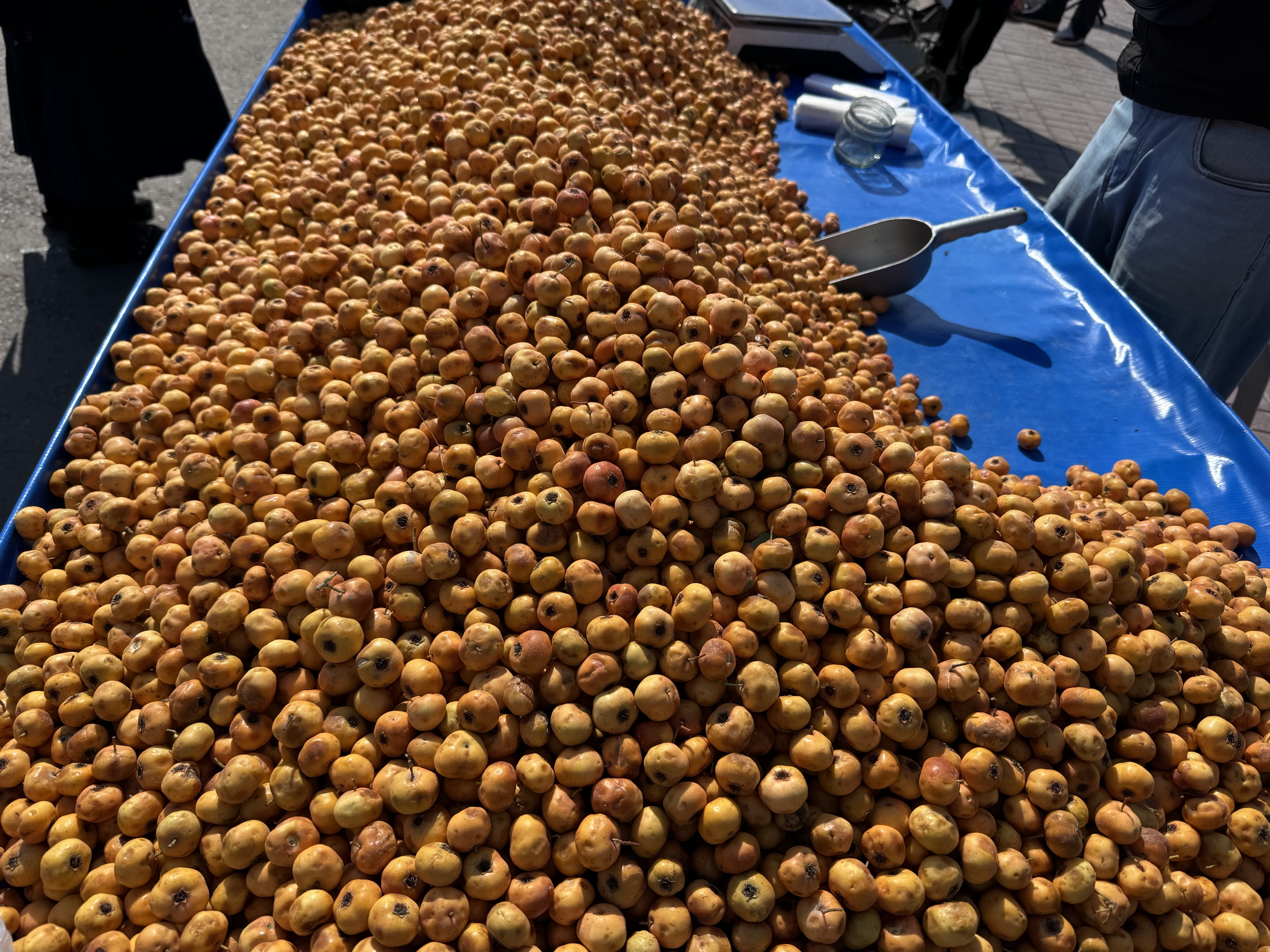
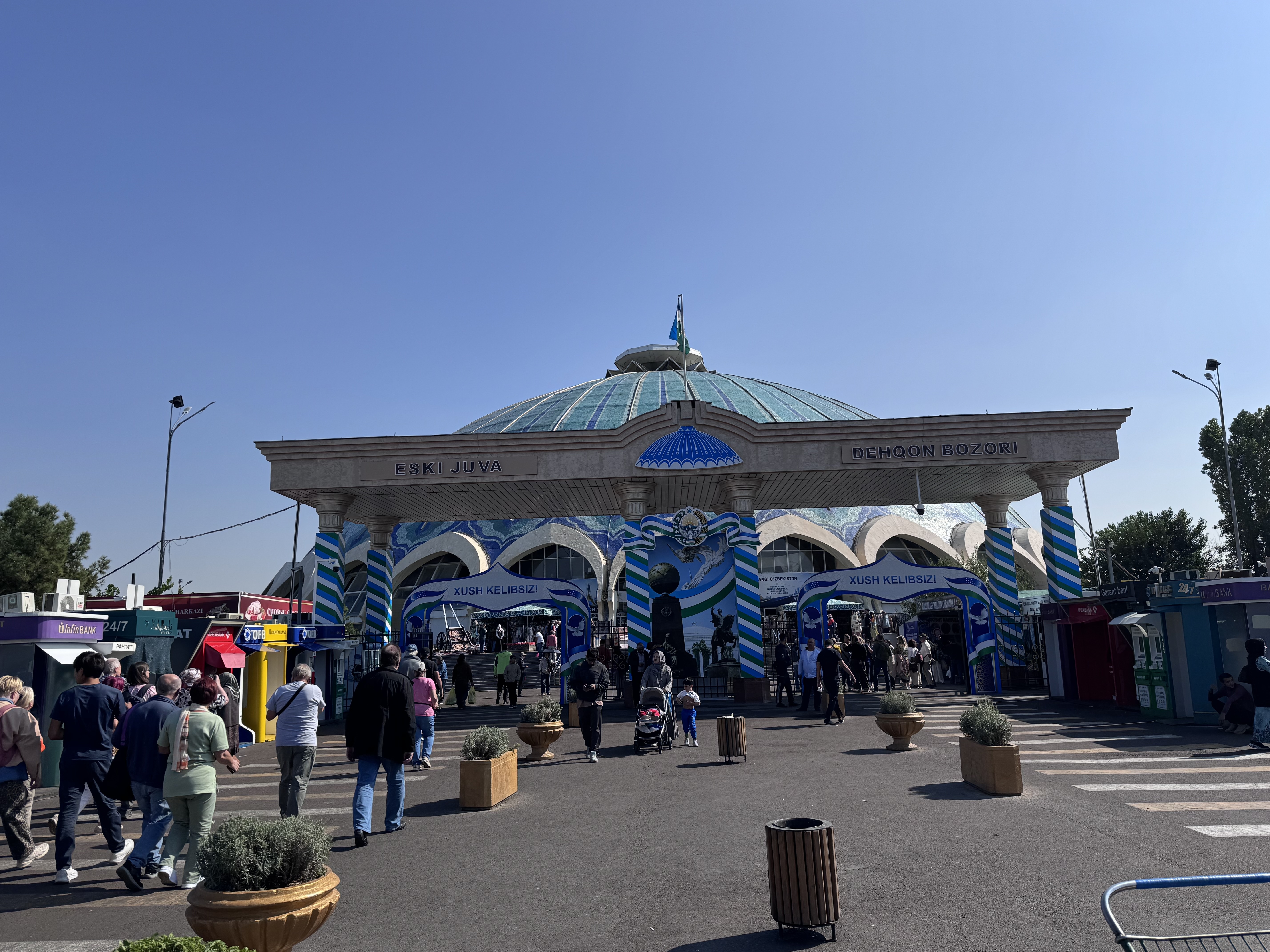
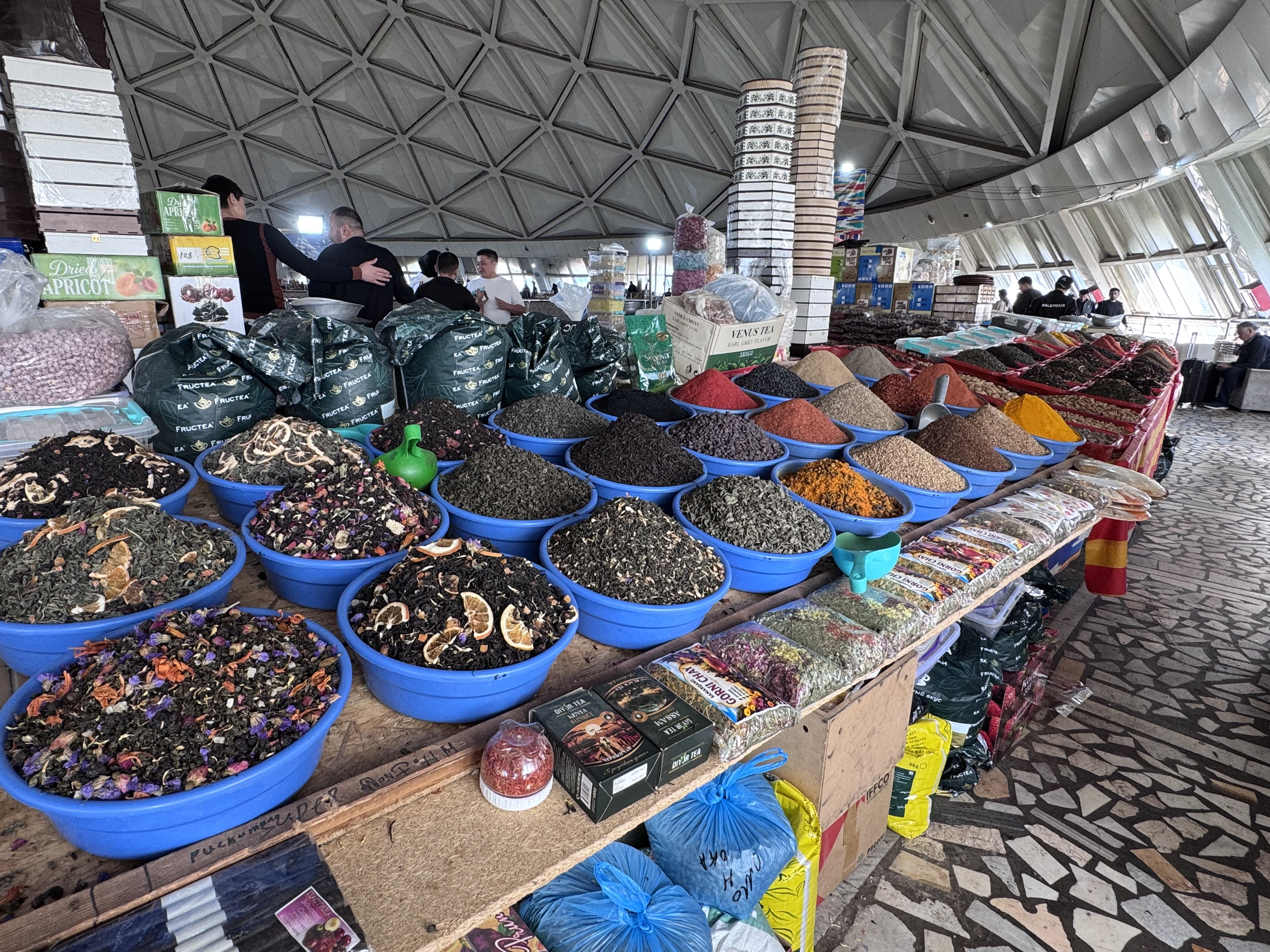
Chorsu Bazaar stands at the heart of Tashkent’s old city, a living marketplace whose name, drawn from Persian, evokes the crossroads and four streams that once guided Silk Road caravans through Central Asia.
For centuries this site has drawn merchants, artisans and travellers, its trading activity continuous since at least the medieval period and firmly established under the Timurids when Tashkent flourished as a vital stop between East and West. Domes were raised in the Shaybanid era to shield goods from sun and dust, and the bazaar remained the commercial and social core of the city’s four traditional quarters long after the Russian conquest divided Tashkent into old and new.
The devastating earthquake of 1966 levelled much of the earlier fabric, yet the market’s spirit endured. In 1980 architects Vladimir Azimov and Sabir Adylov completed the present complex, a late Soviet modernist landmark whose vast turquoise dome, nearly eighty metres across, rises above concentric trading floors and...