

The Rocket Festival ประเพณีบุญบั้งไฟ Bun Bang Fai is a merit-making ceremony traditionally practiced by ethnic Lao people at the beginning of the wet season in various villages and municipalities in Northeastern Thailand and Laos.
The festivities typically include music and dance performances, competitive processions of floats, dancers and musicians on the second day, and culminating on the third day with the competitive firing of homemade rockets.
Local participants and sponsors take advantage of the occasion to enhance their social prestige, as is customary in traditional Buddhist folk festivals throughout Southeast Asia.
The festival in Thailand also includes special programs and specific local patterns like Bang Fai (Parade dance) and a Beautiful Bang Fai float such as Yasothon on the third weekend of May, and continues Suwannaphum District, Roi Et on the first weekend of June, Phanom Phrai District Roi Et during the full moon of the seventh month in Lunar year's...


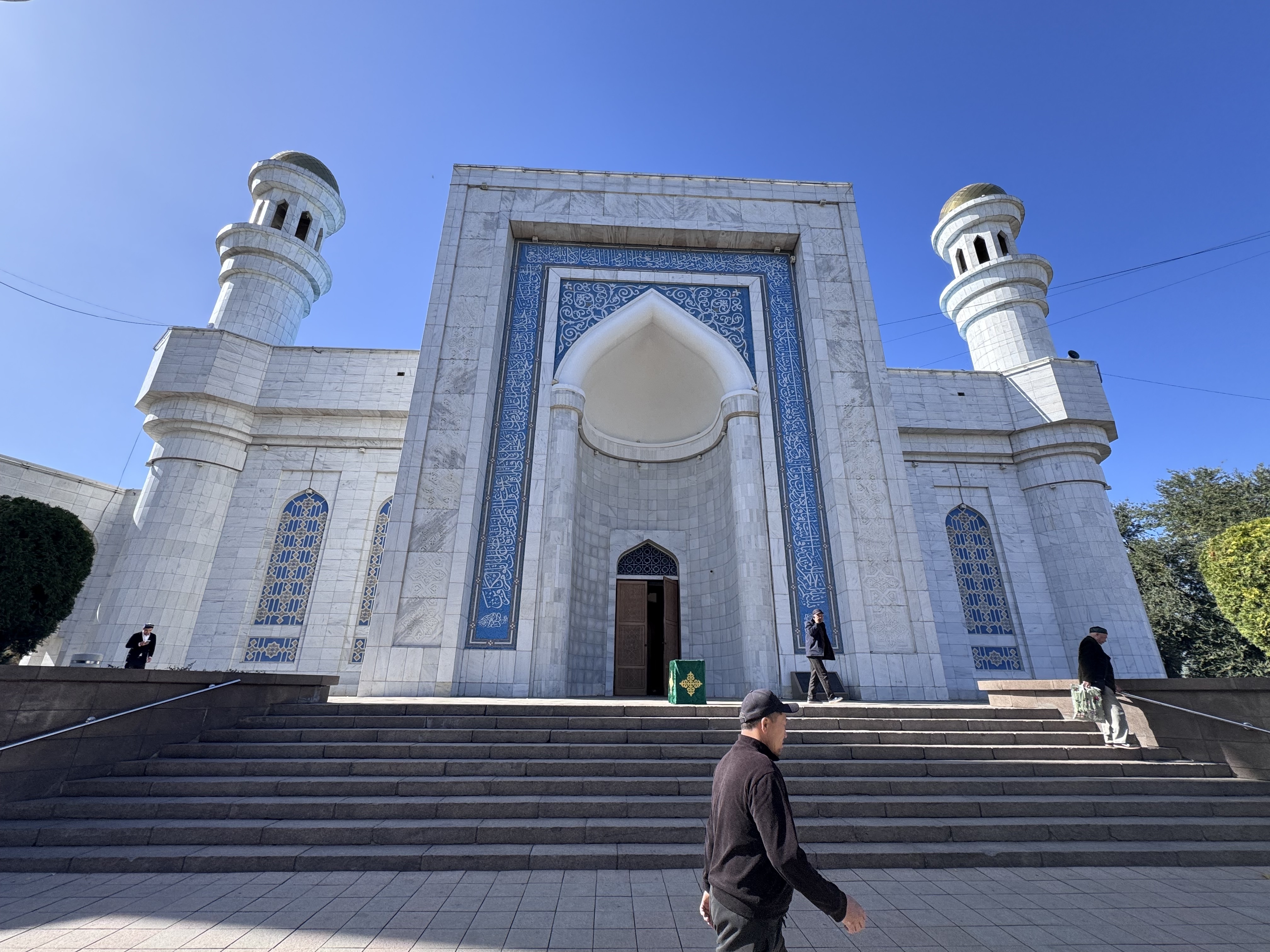
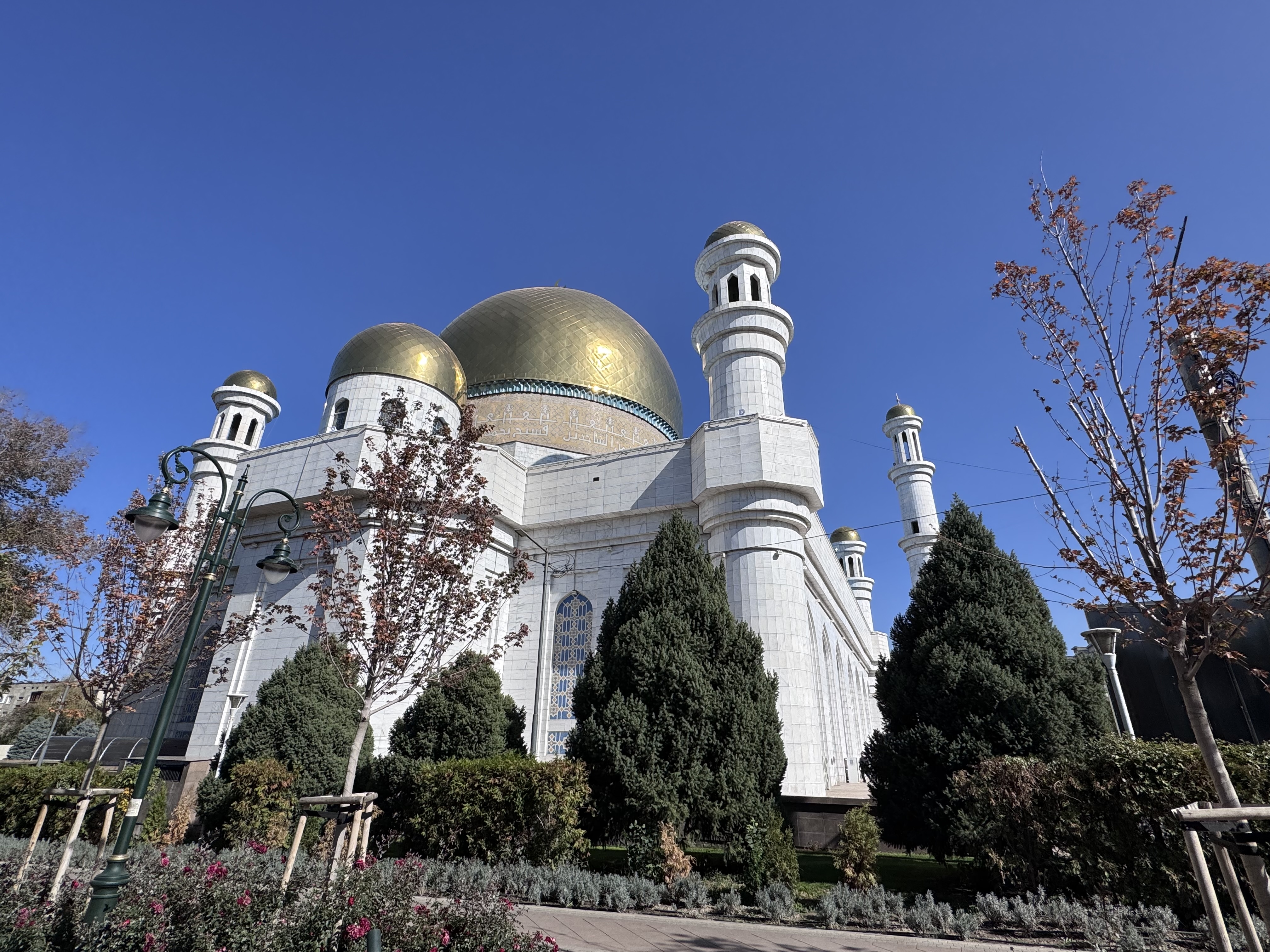
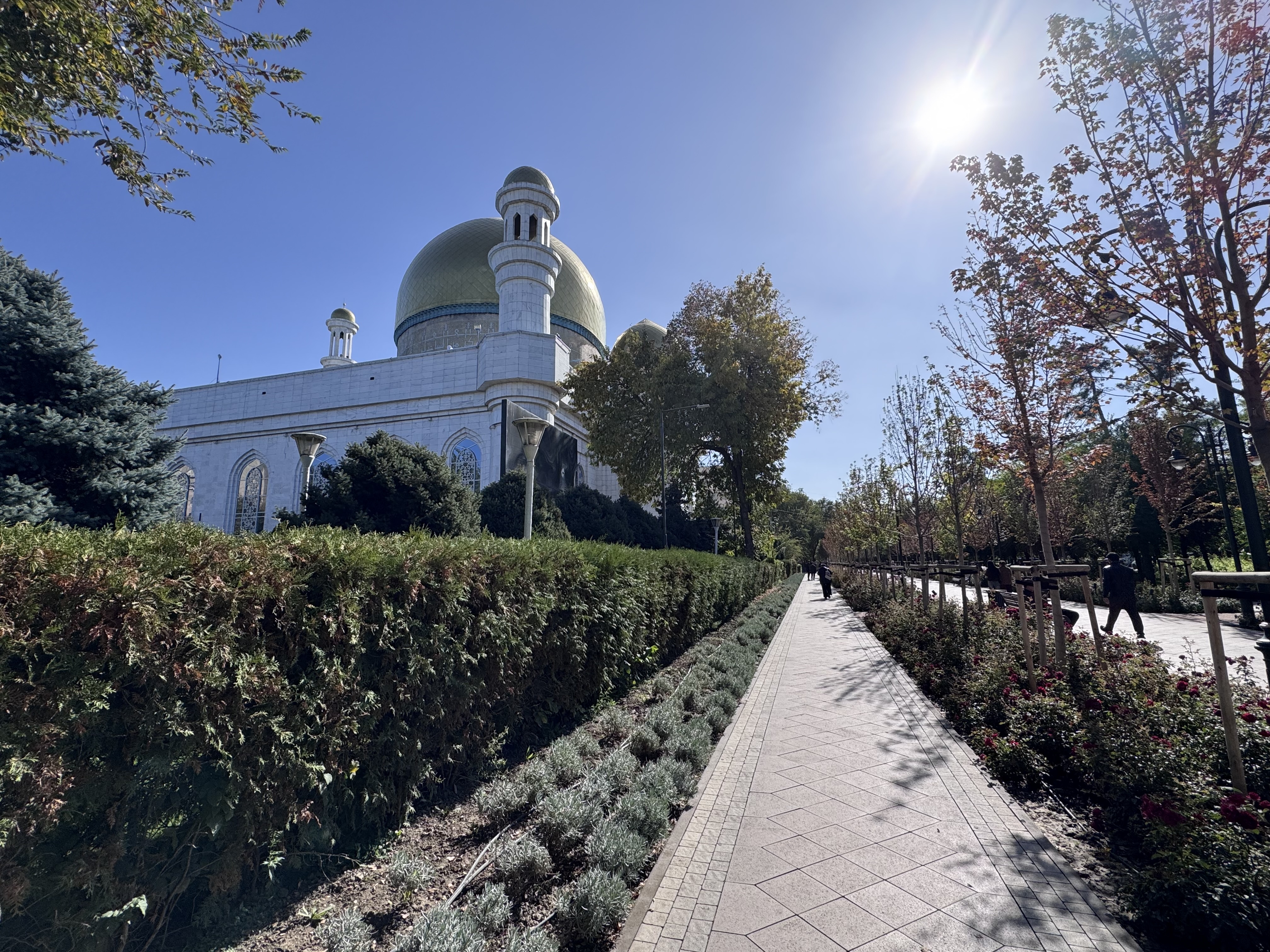
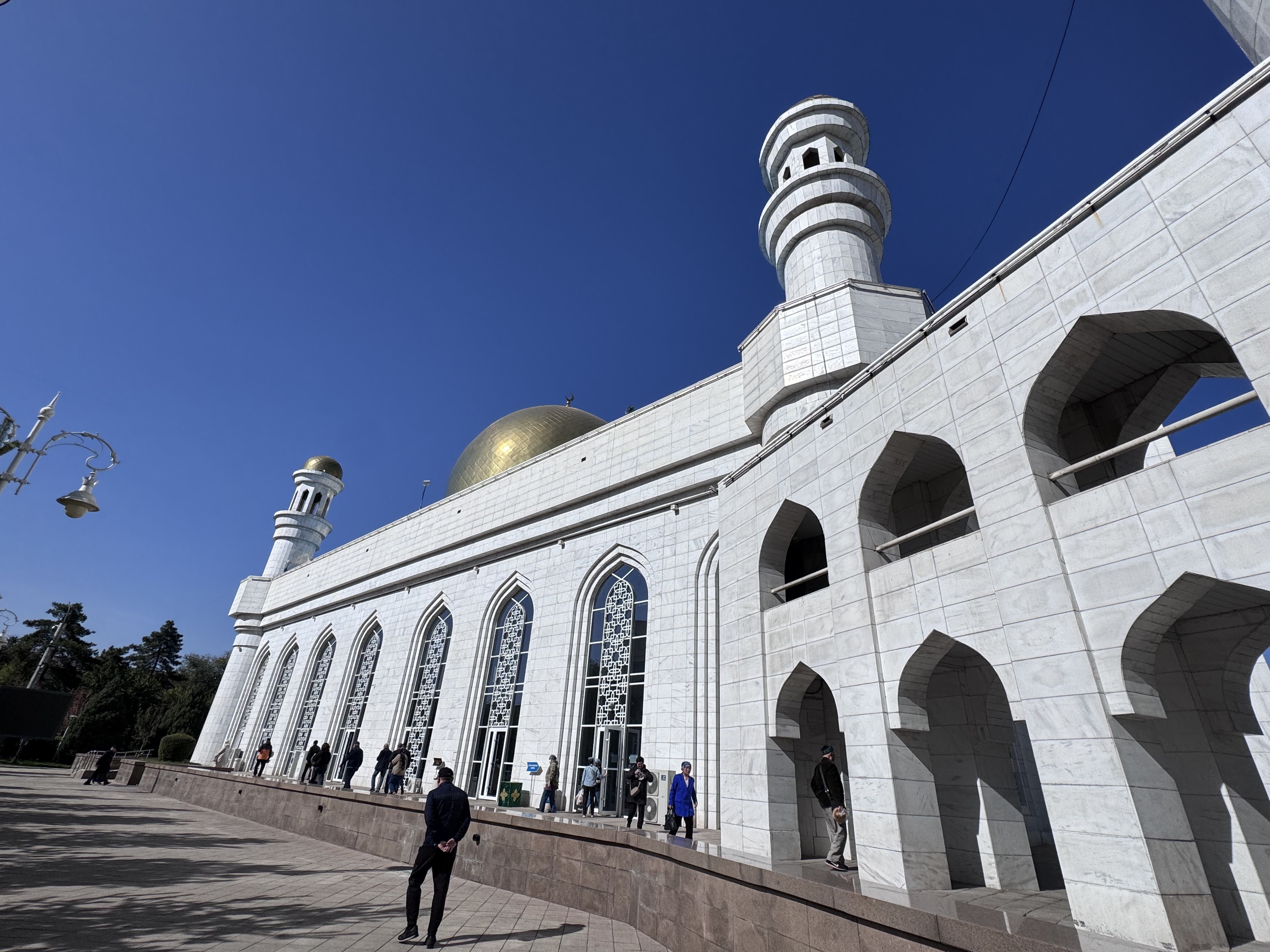
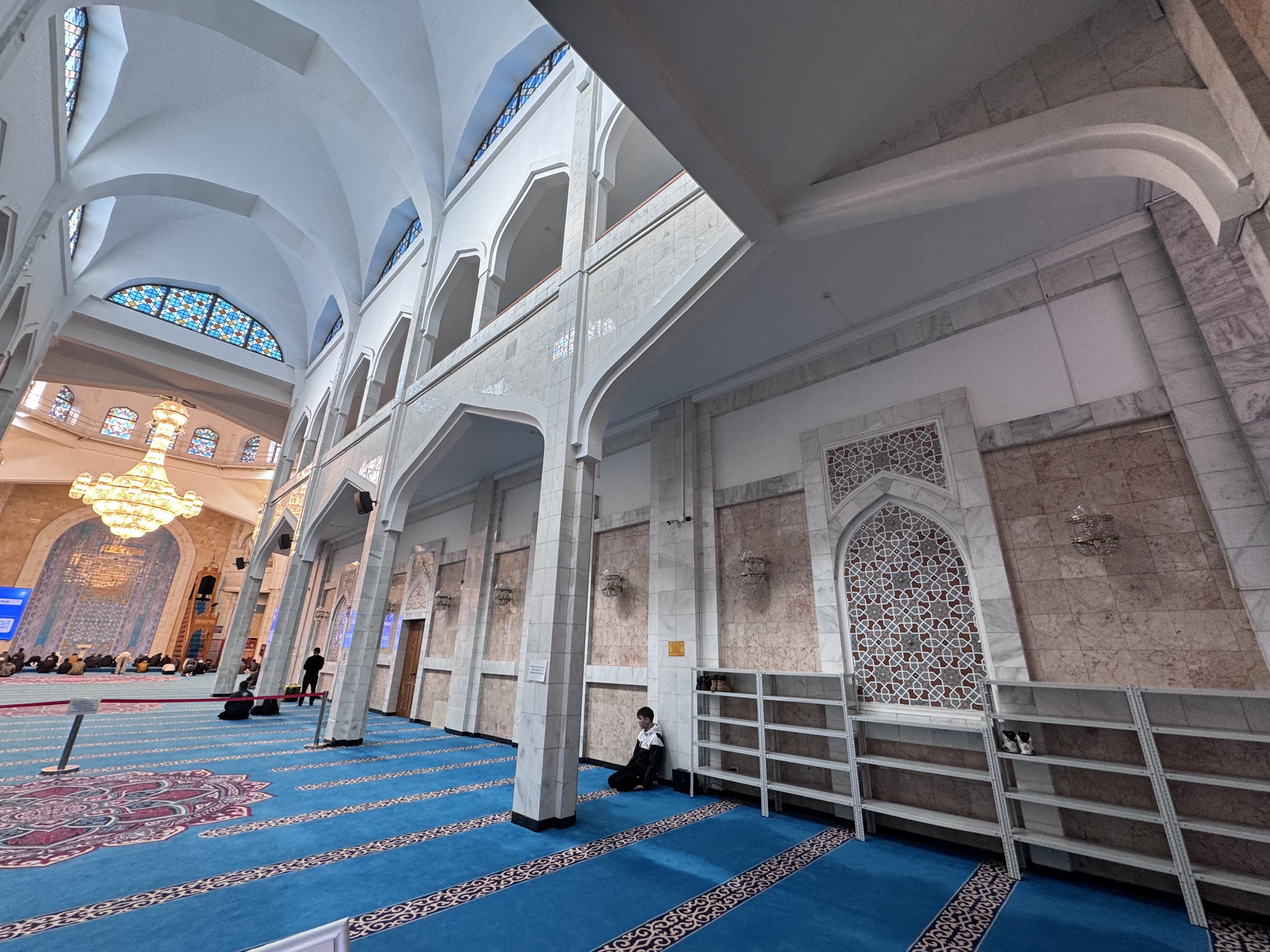
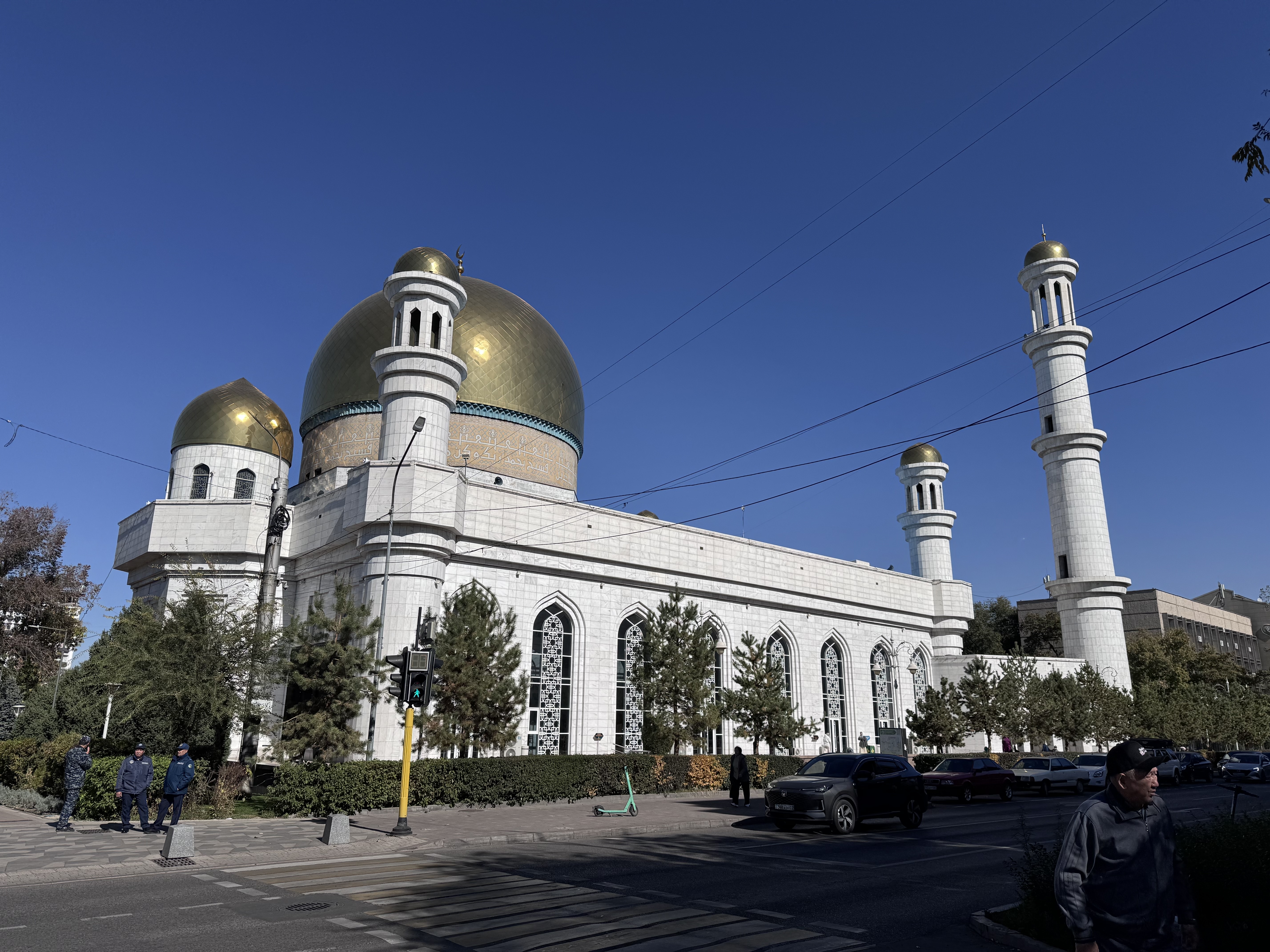
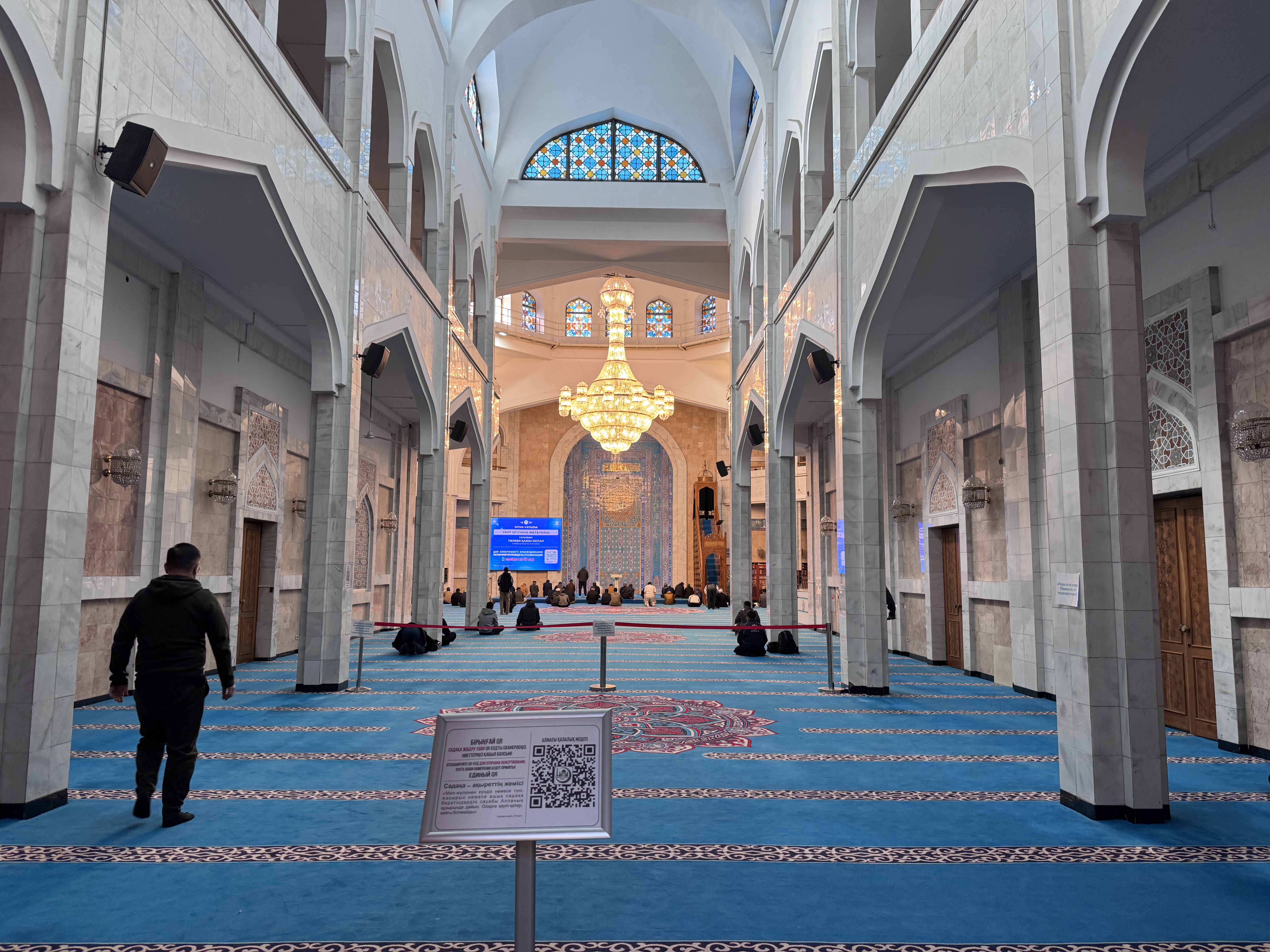
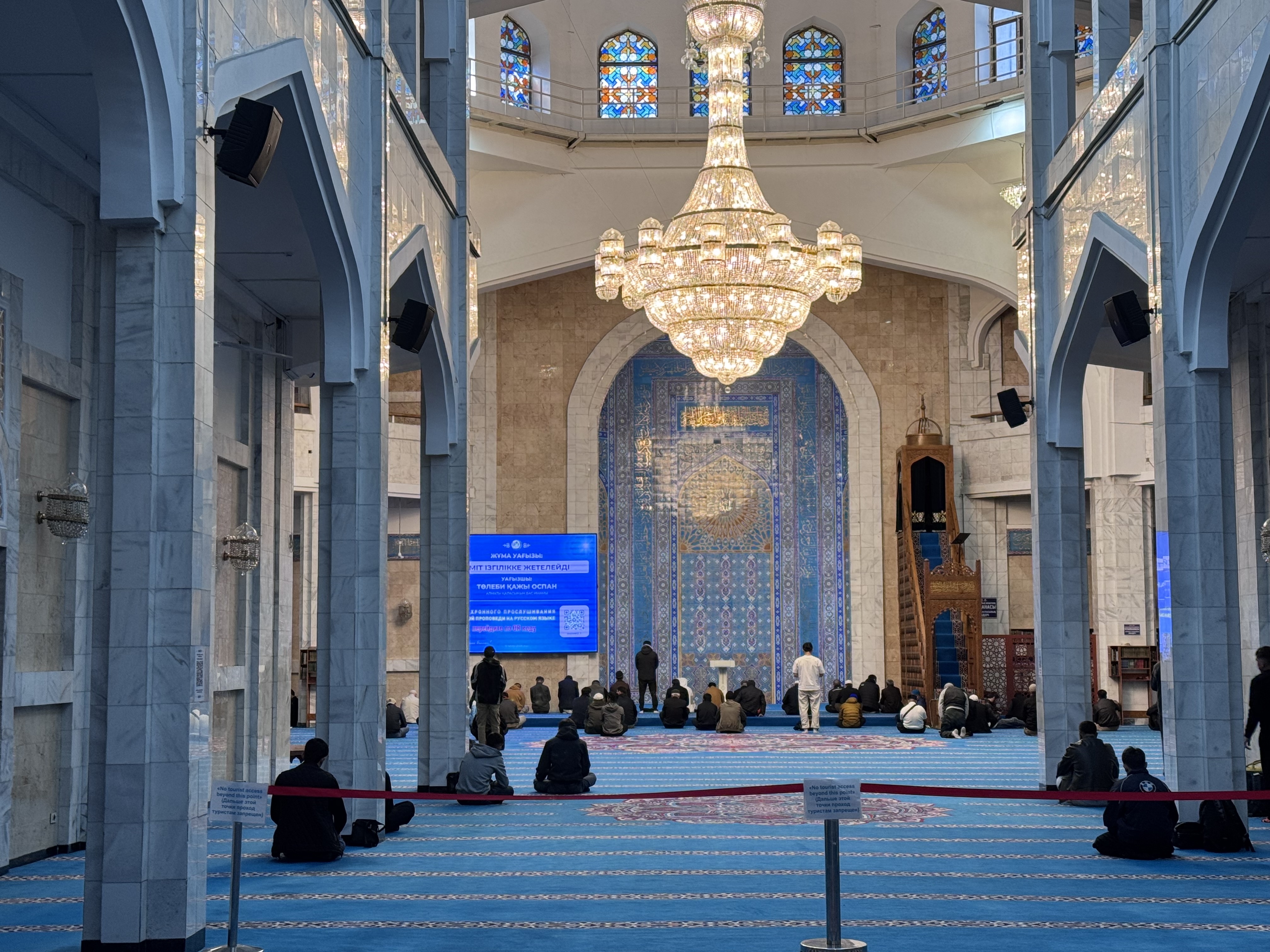
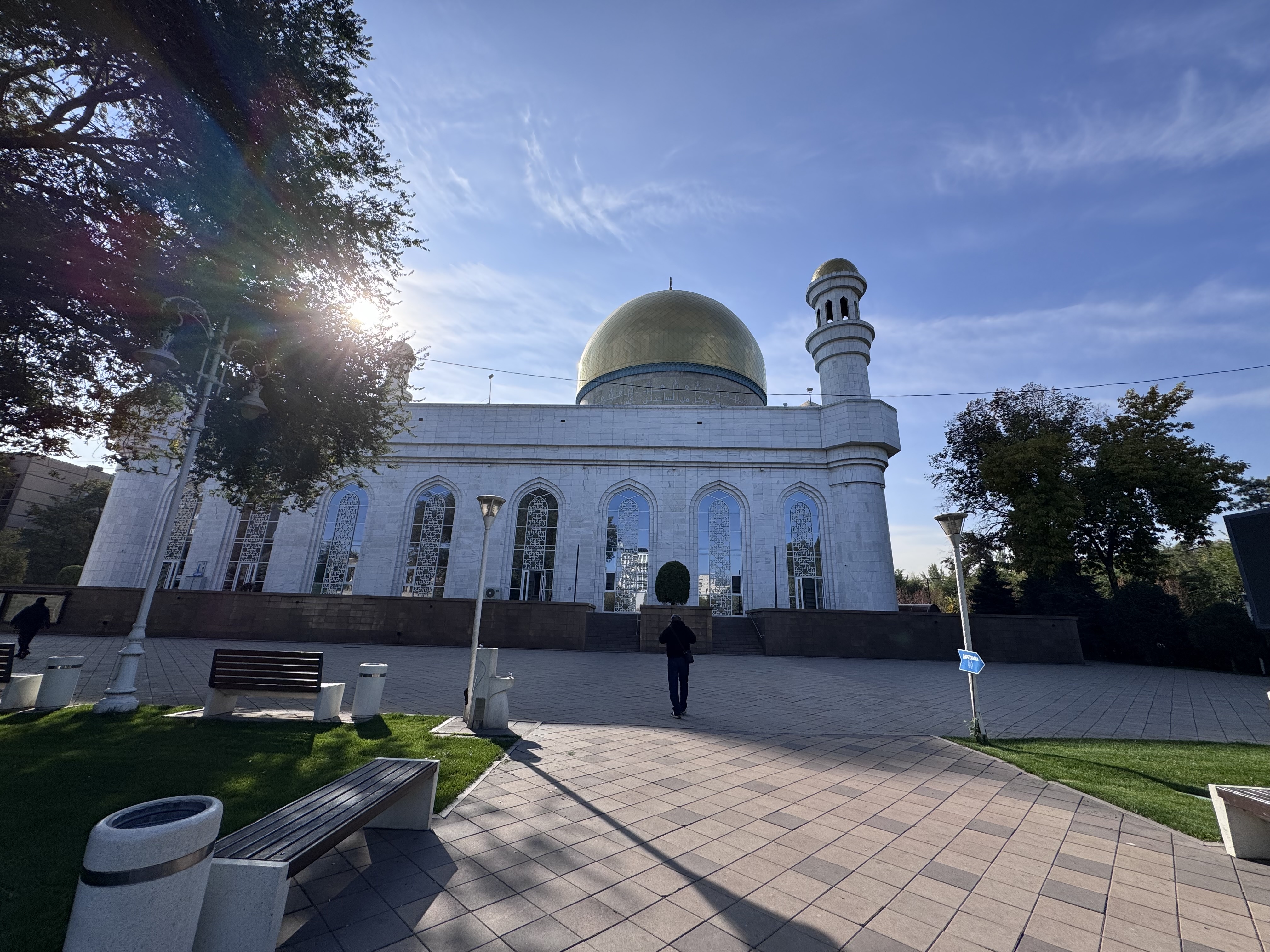
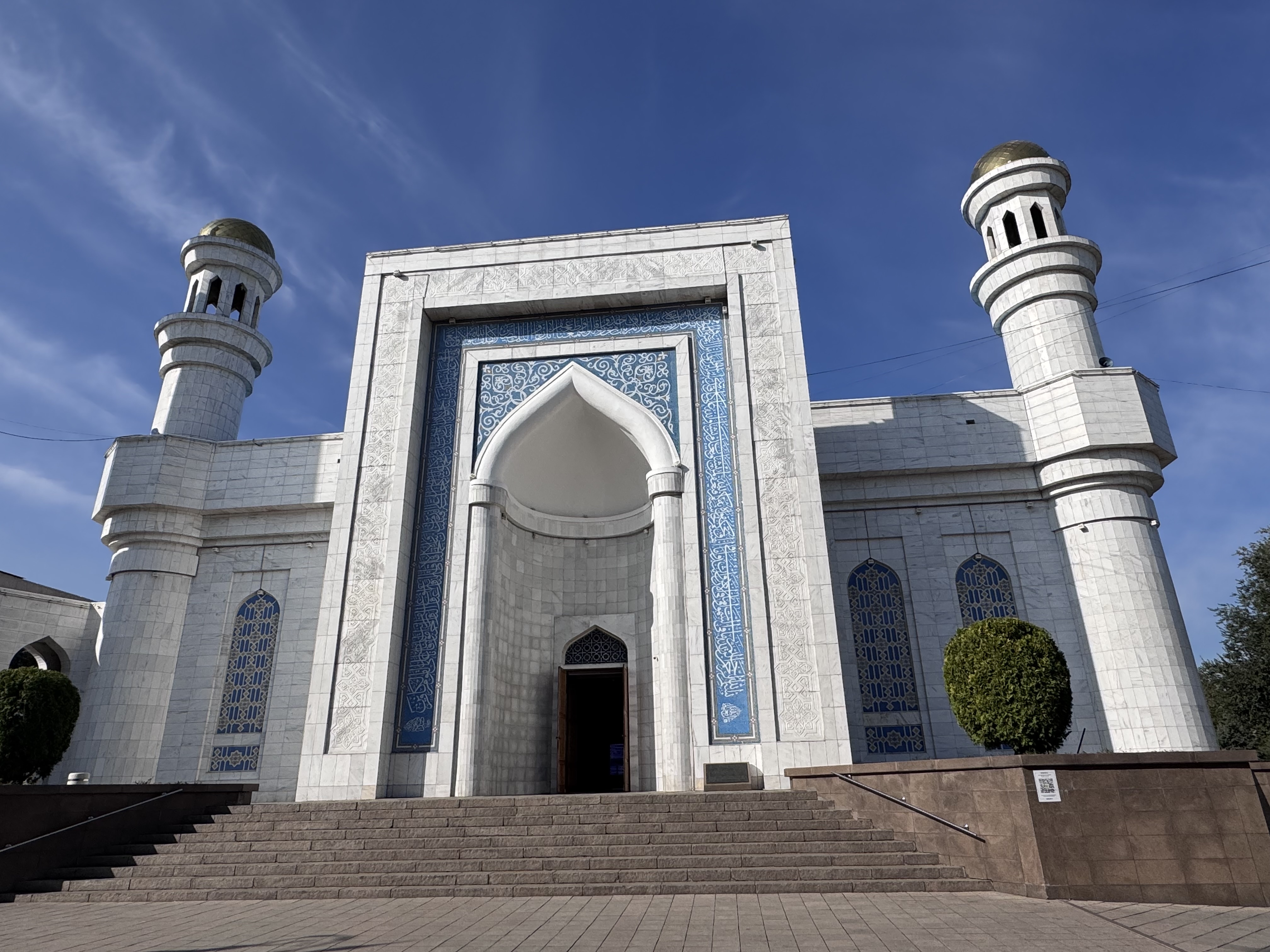
The Almaty Central Mosque, known in Kazakh as Almaty ortalyq meshiti, stands as one of the largest and most prominent mosques in Almaty and throughout Kazakhstan.
The current structure was erected on the site of an earlier Tatar Mosque that had operated since 1890, serving the local Muslim community of Tatar traders, artisans, and settlers during the period of Russian imperial expansion into Central Asia. That wooden mosque was destroyed by fire in 1987. In the years following Kazakhstan’s independence, plans advanced for a major new mosque to meet the needs of a growing Muslim population and to mark a revival of religious life after the Soviet era. The foundation was poured in 1993, and construction continued for six years until the building opened in 1999.
The mosque is a rectangular, domed building oriented along an east-west axis and clad in white marble, giving it a luminous appearance. Its main dome rises 36 meters with a diameter of 20 meters and rests on a two-tiered drum that transitions ...
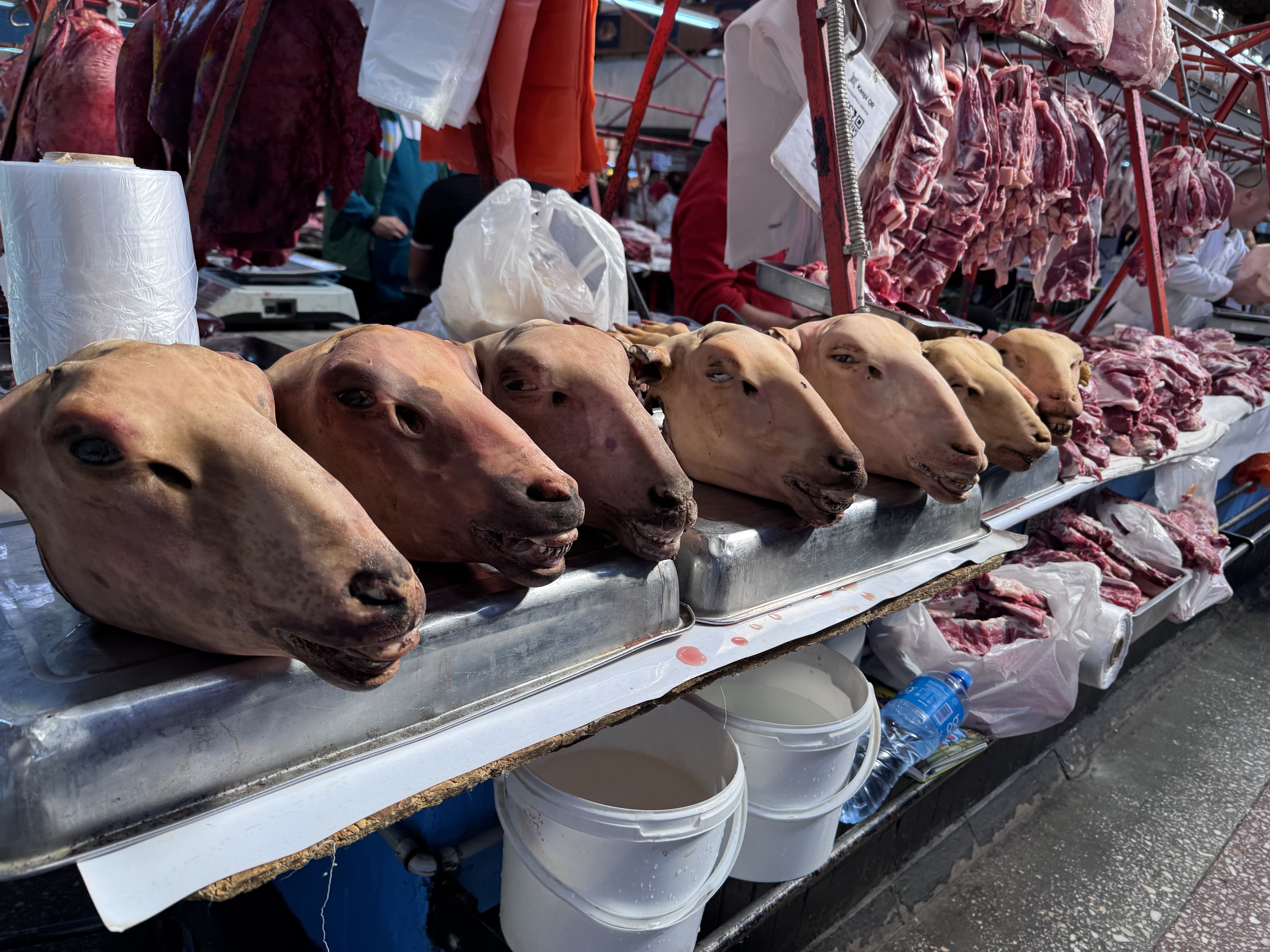
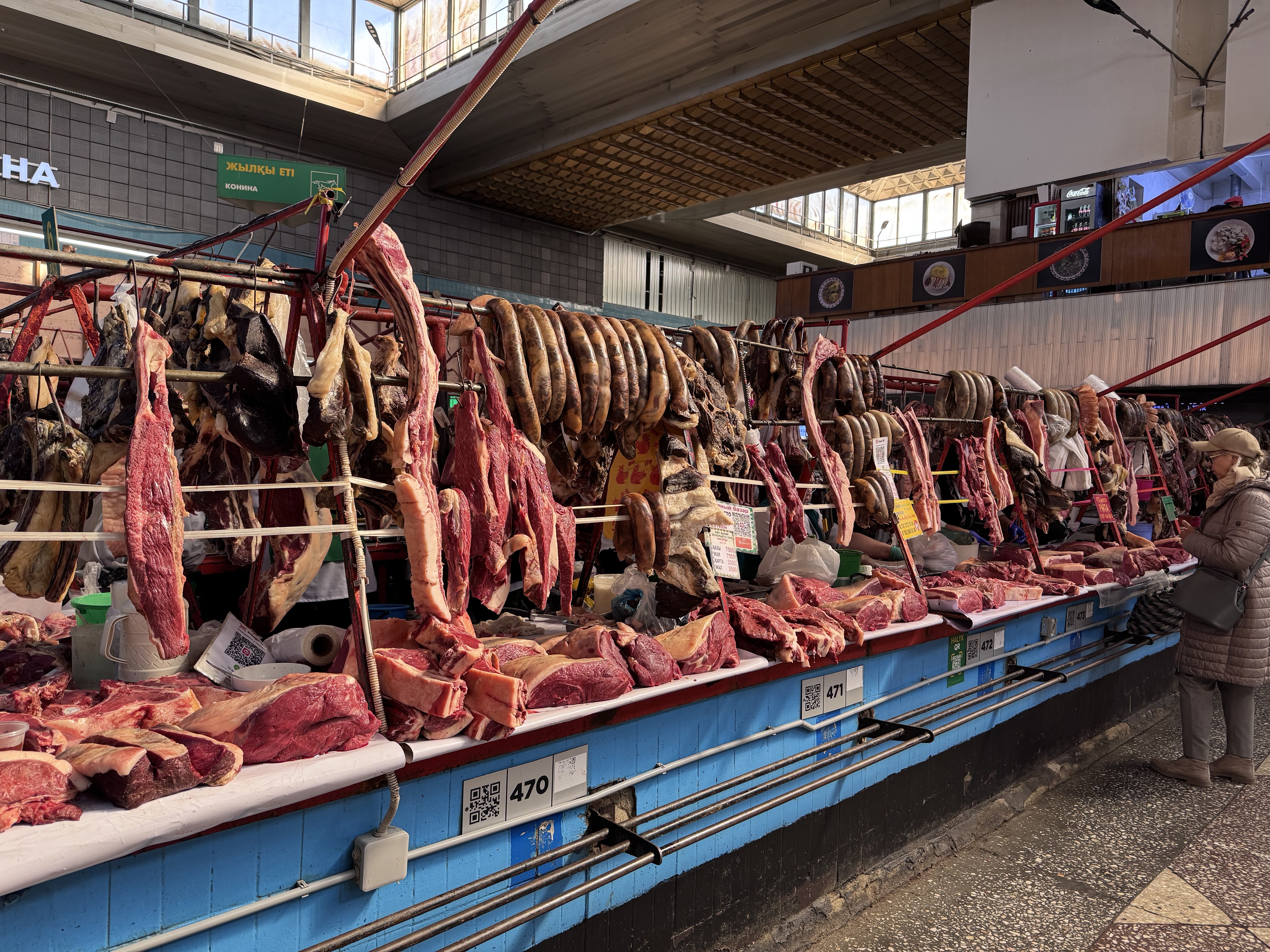
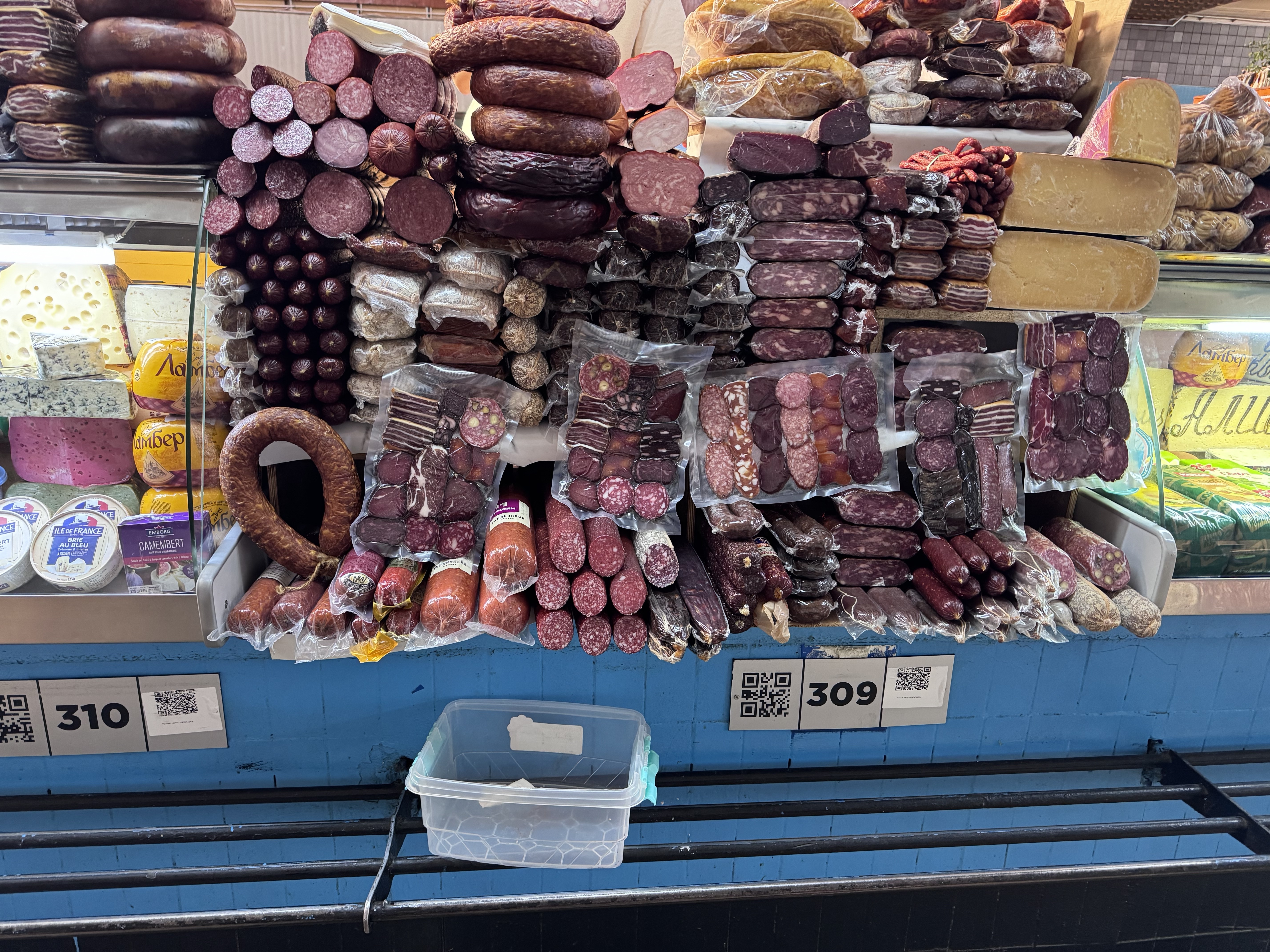
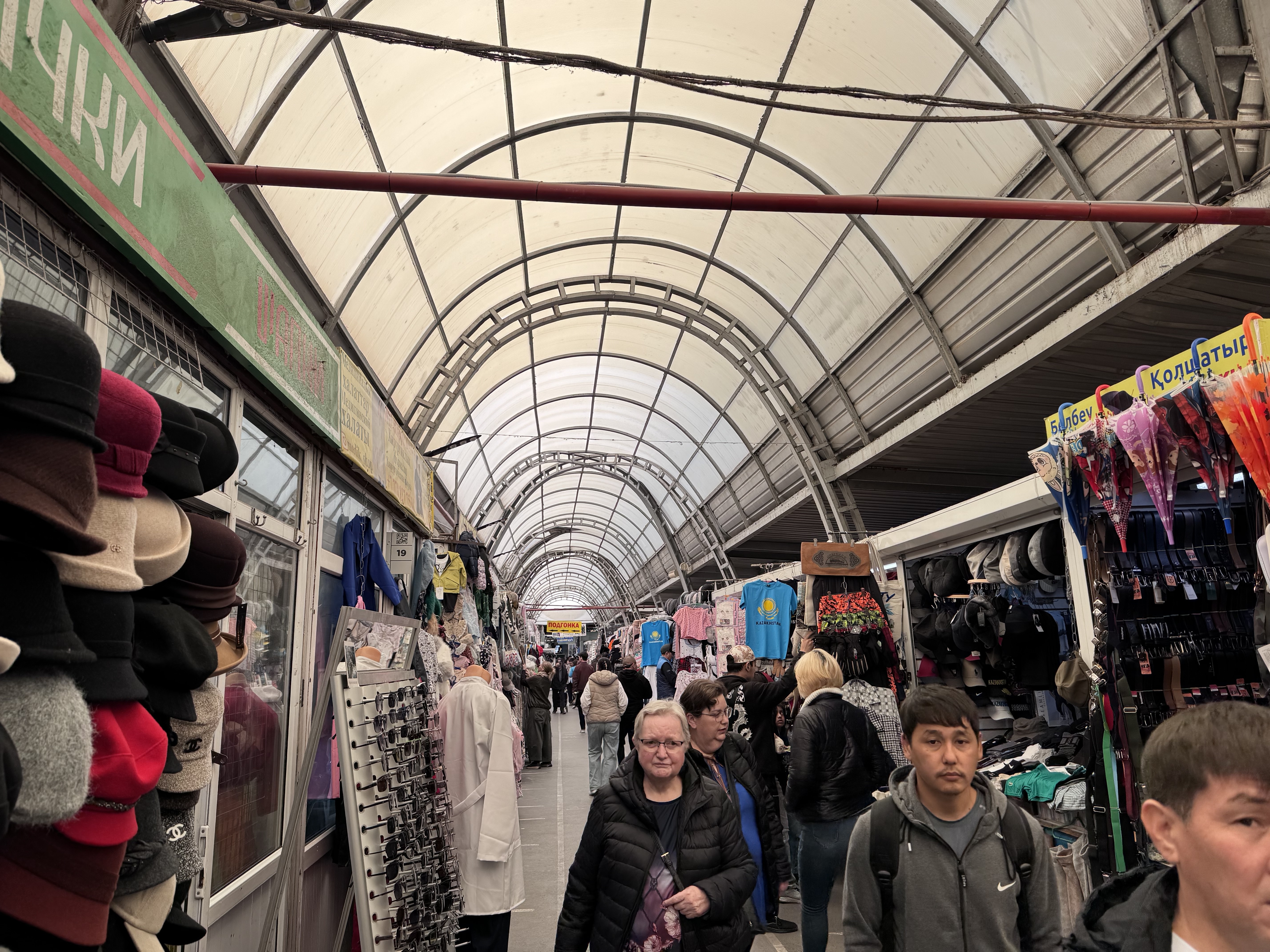
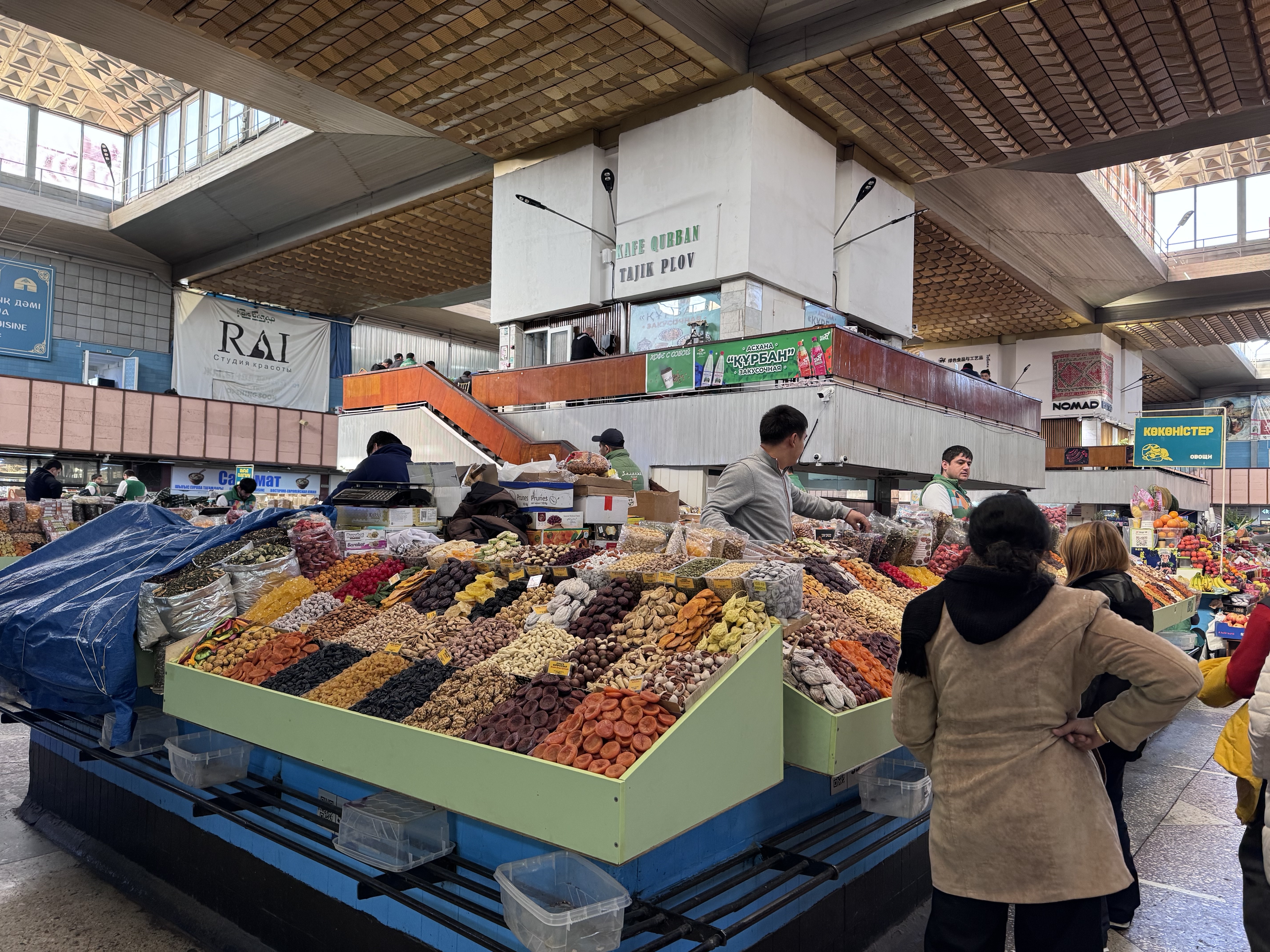
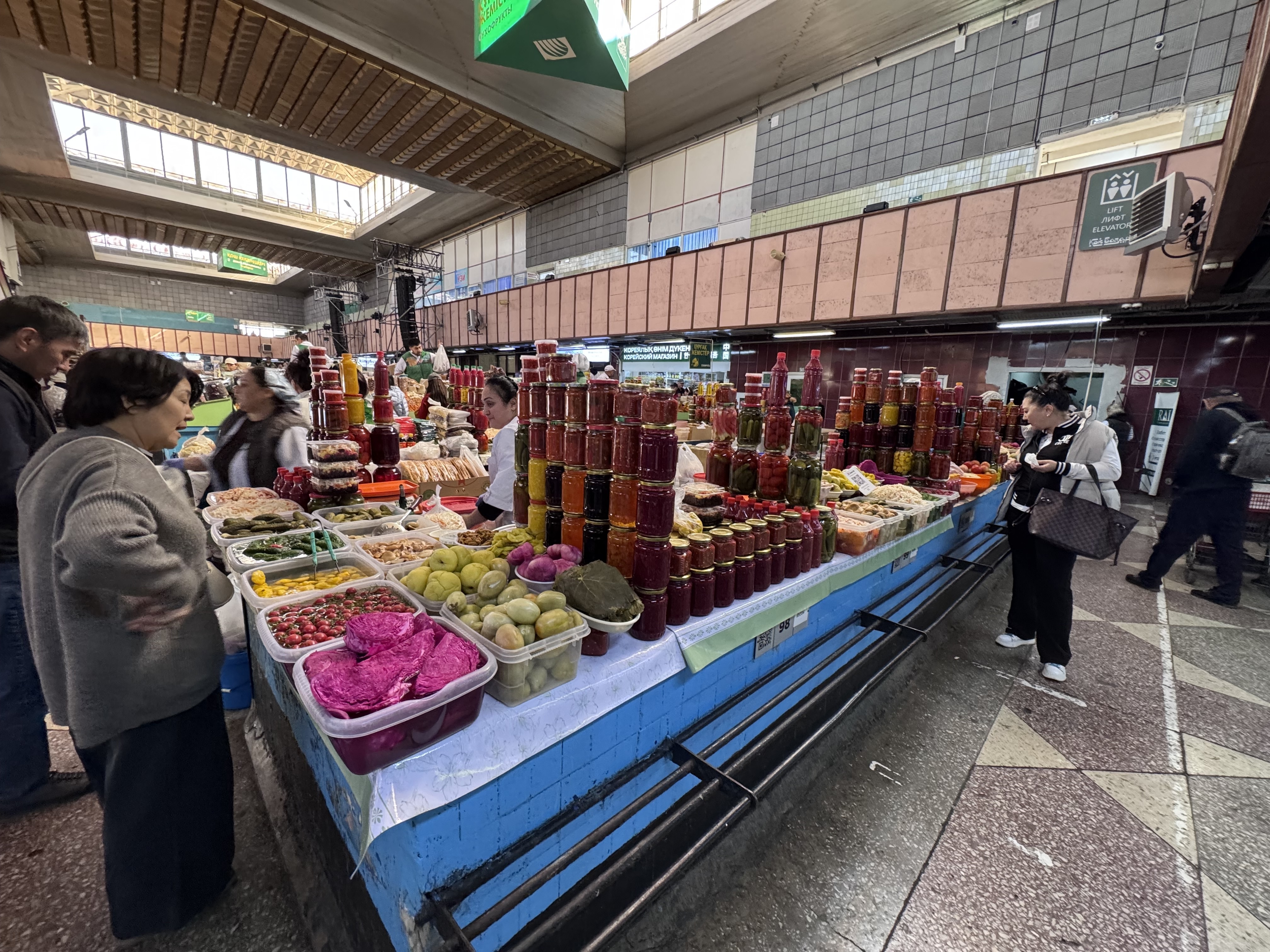
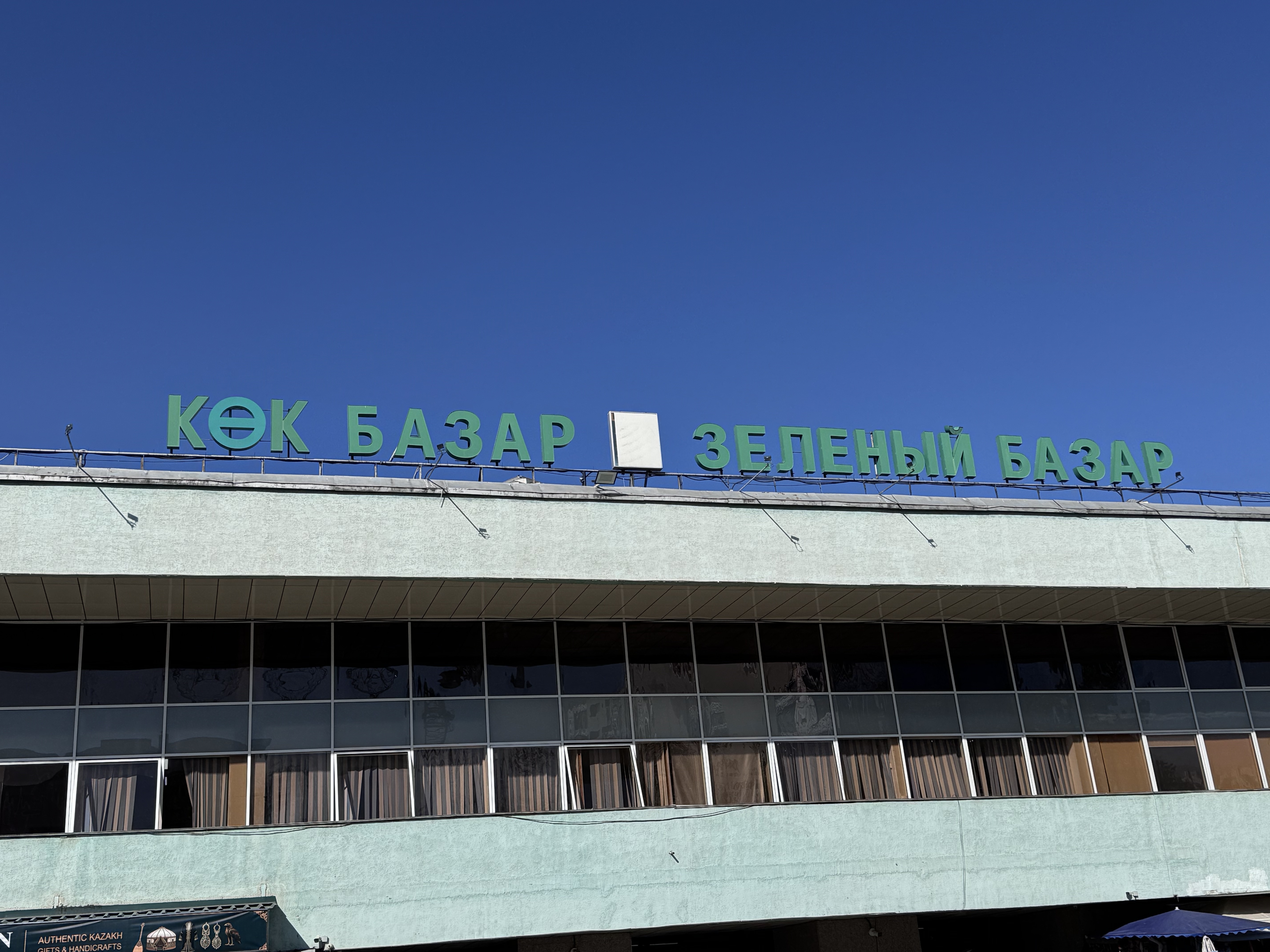
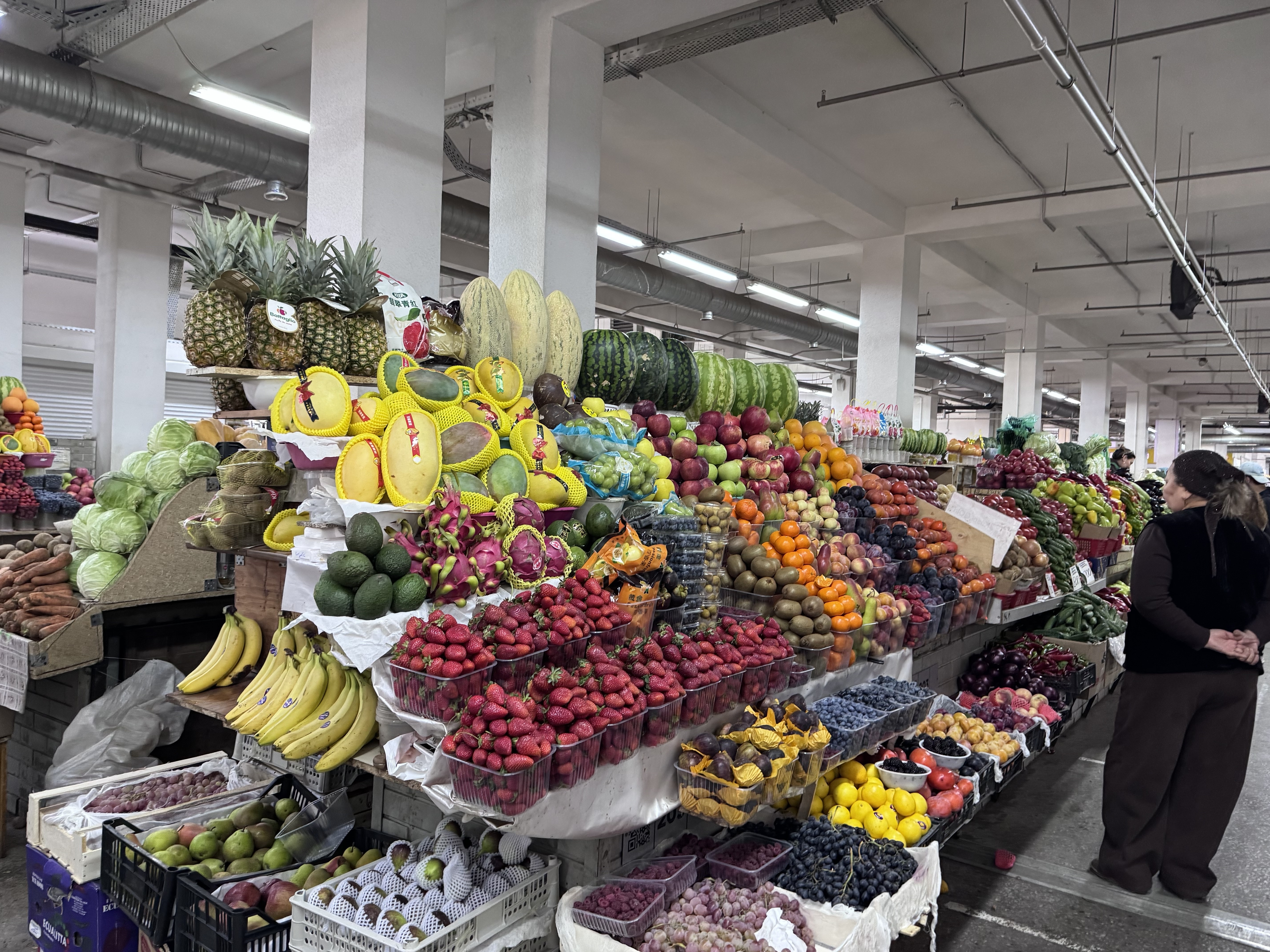
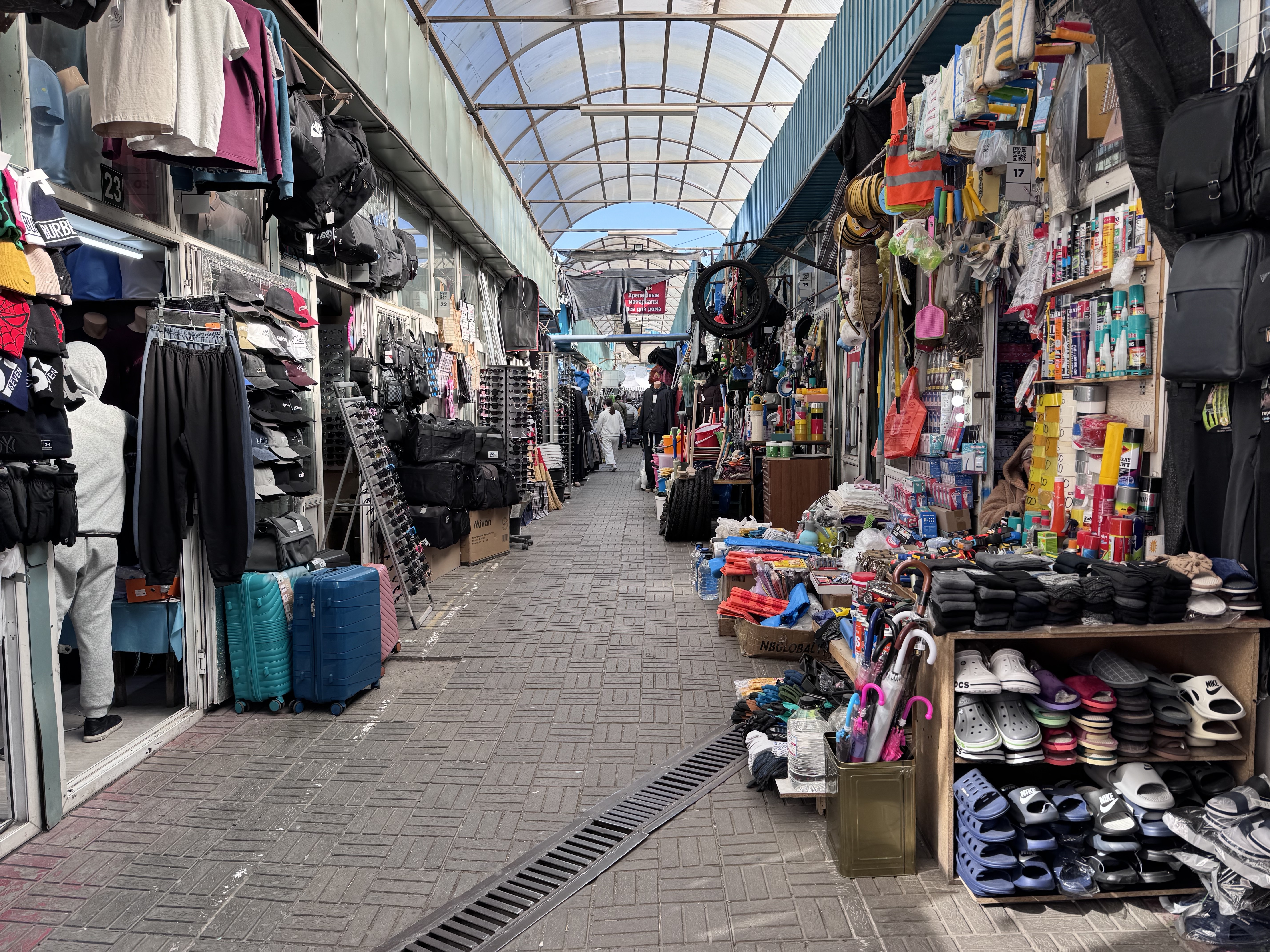
The Green Bazaar in Almaty, also known as Zelyony Bazaar in Russian or Kök Bazaar in Kazakh, stands as one of the city’s oldest and most enduring commercial and cultural landmarks. Trading on this site in the heart of what was then the Russian colonial settlement of Verny began around 1868, when the area nearby streets served as an informal marketplace.
In 1875 a more formal structure known as the Gostiny Dvor, or Merchant’s Yard, was erected there. It consisted of two low pavilions stretching along Torgovaya Street. The complex functioned both as a trading floor and as a guest yard for caravans and merchants arriving from across Central Asia and beyond, reflecting the city’s growing role on regional trade routes.
A catastrophic earthquake in 1887 destroyed much of Verny, including the original Gostiny Dvor. The market was rebuilt afterward, yet it gradually lost some of its earlier preeminence as other specialized bazaars appeared around the expanding city.
In 1927, during the Soviet period, the ...
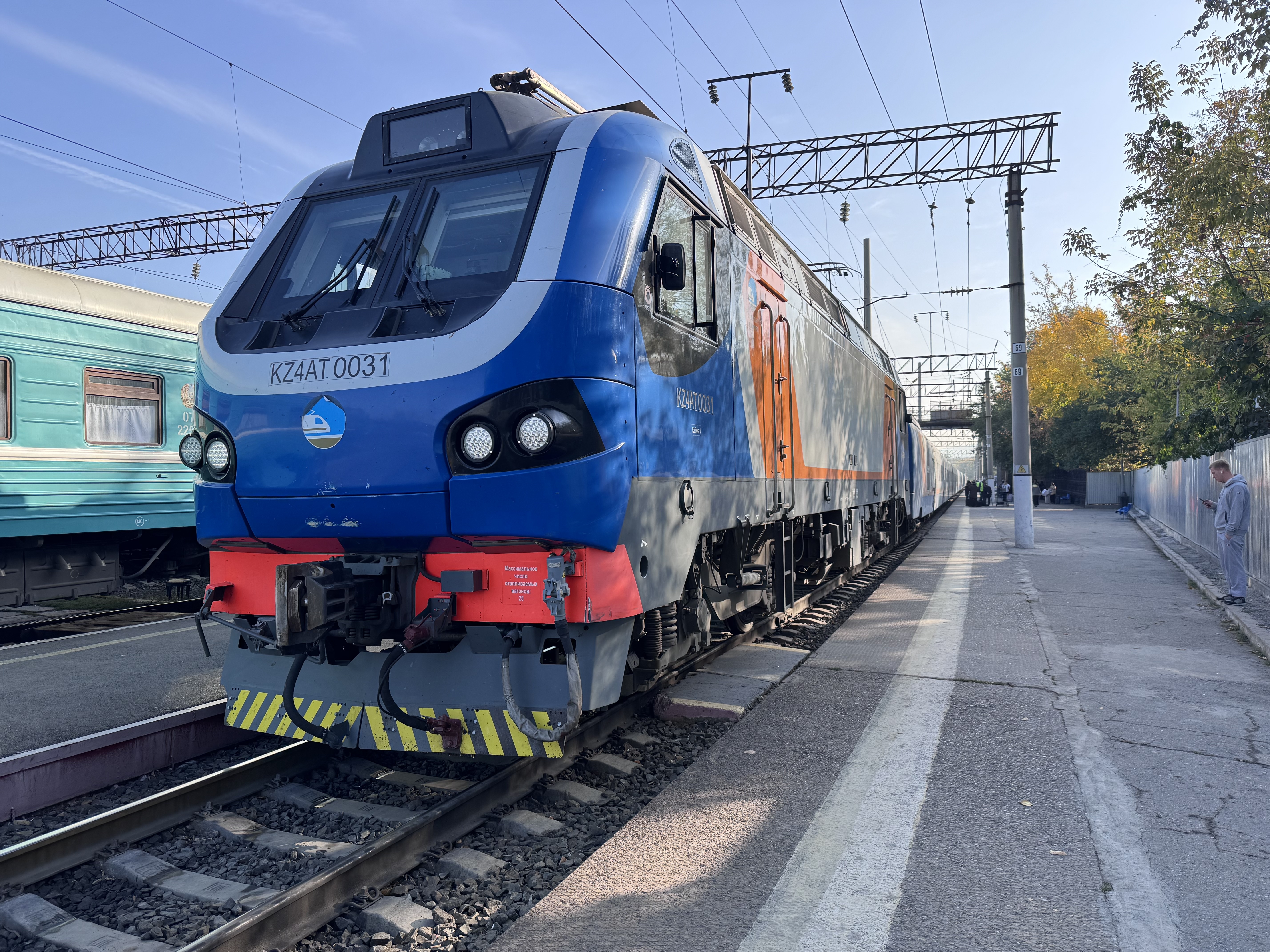
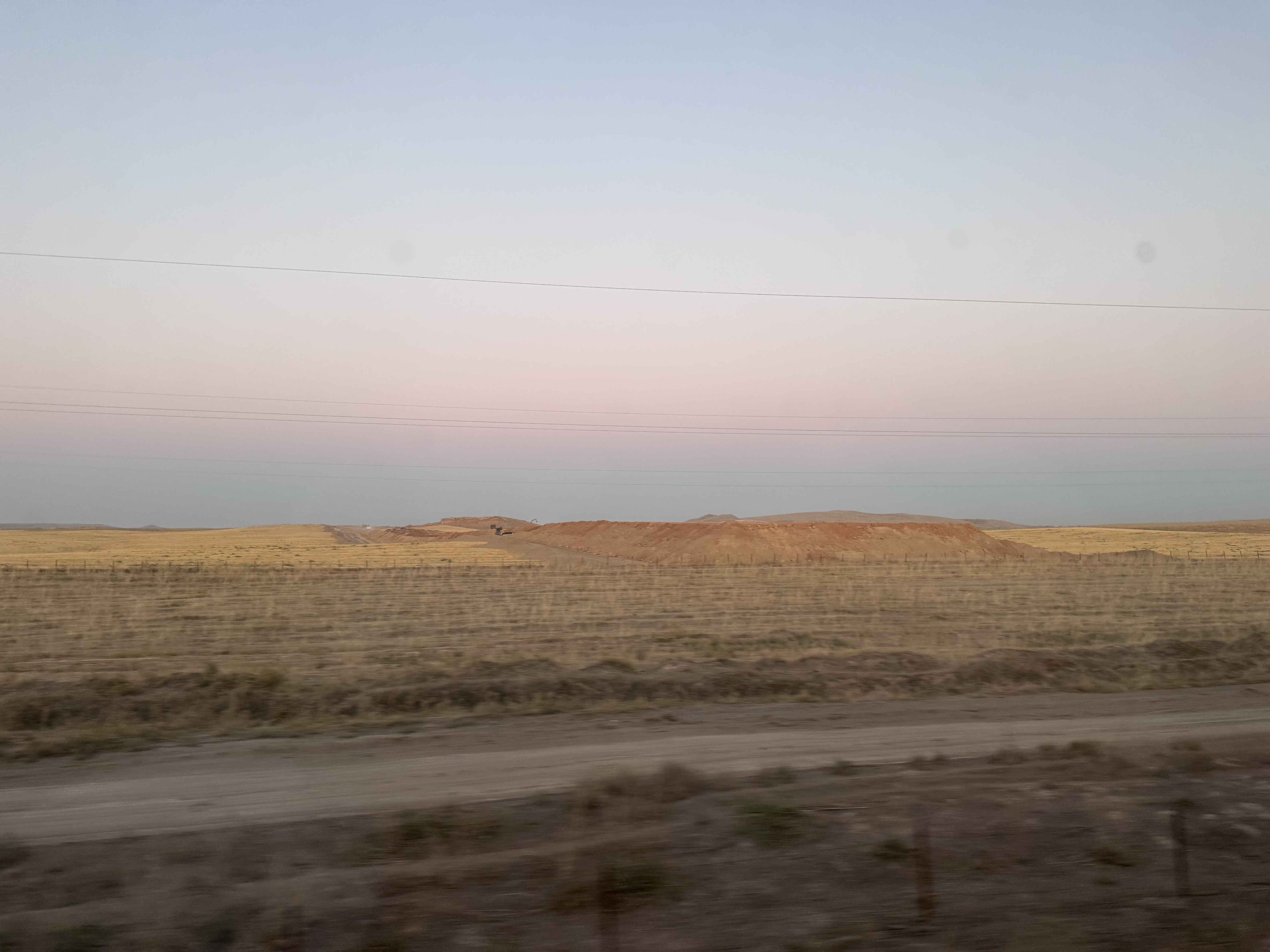
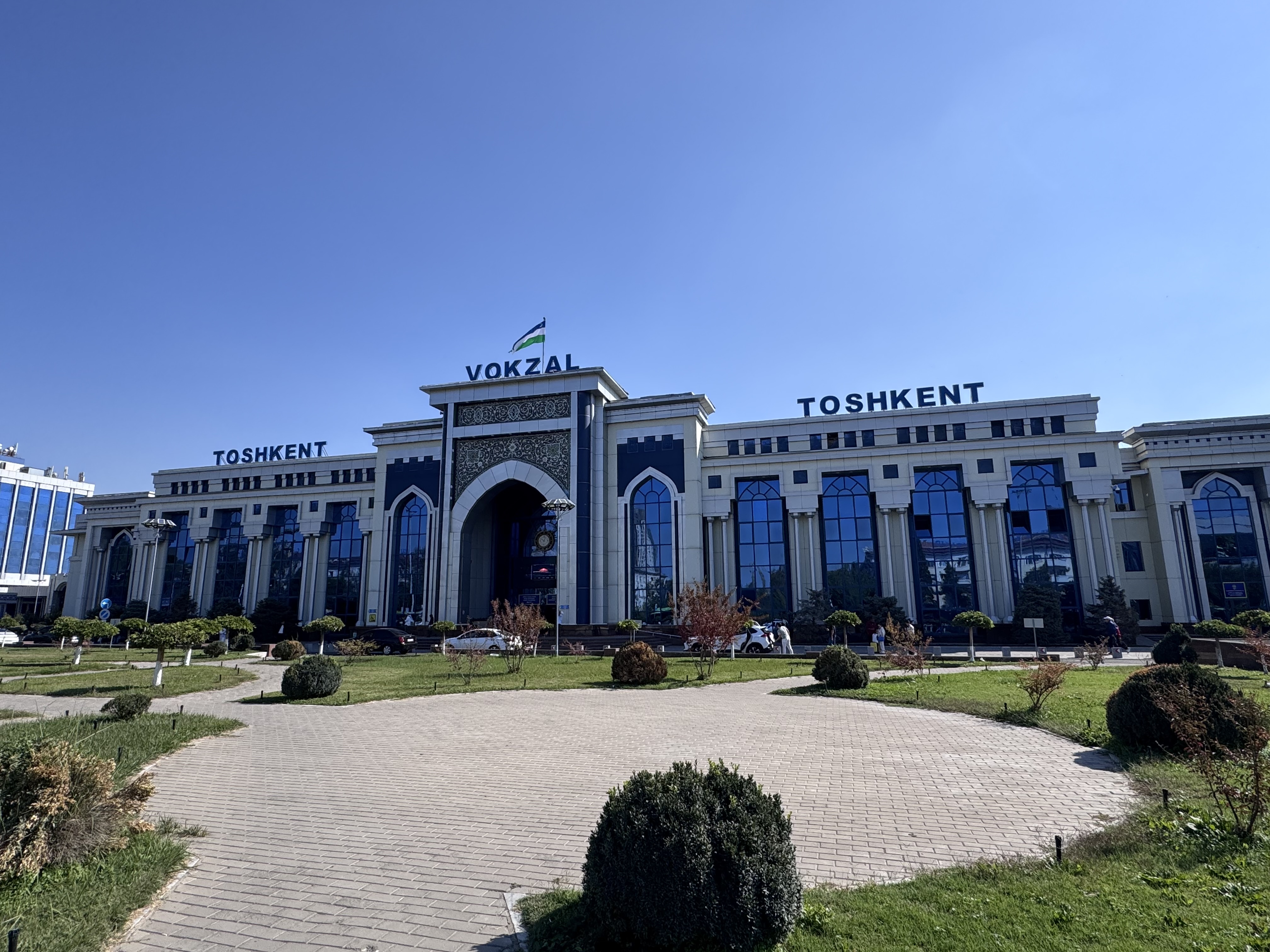
The railway connection between Tashkent and Almaty has deep roots in the expansion of the Russian Empire’s rail network across Central Asia. In the early twentieth century the Trans-Aral line linked European Russia to Turkestan, and later Soviet projects including the Turksib railway strengthened east-west corridors through the steppe.
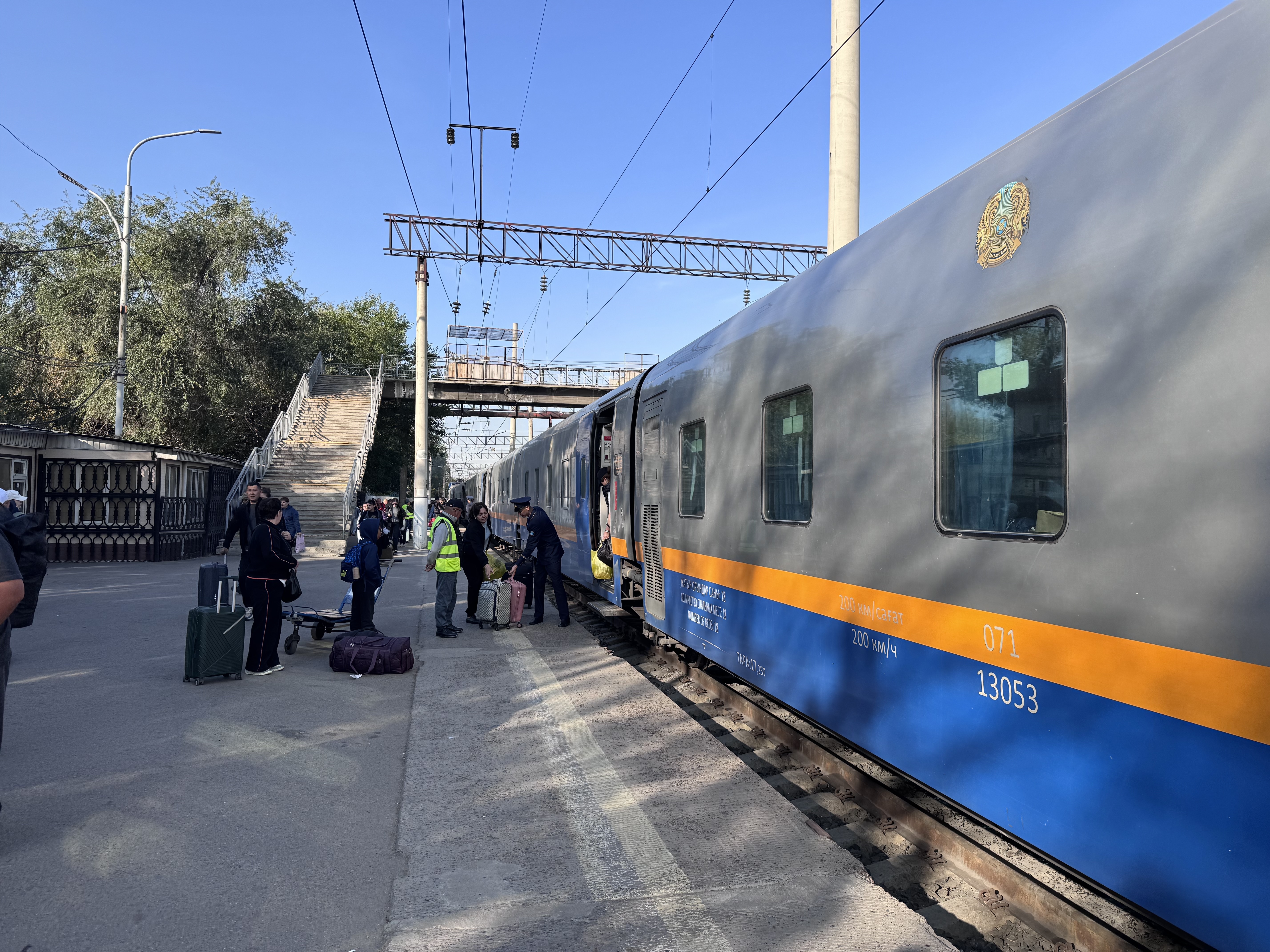
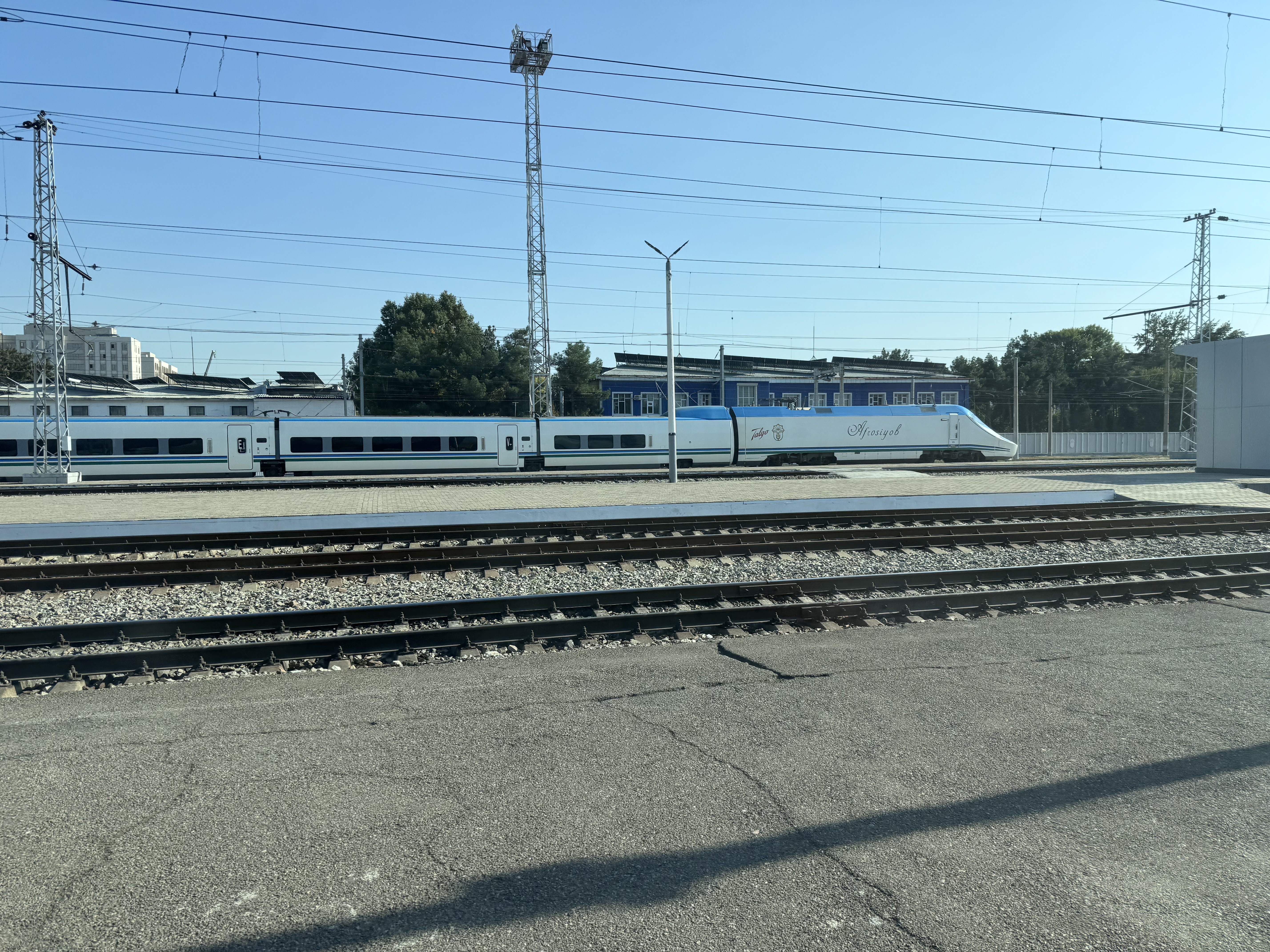
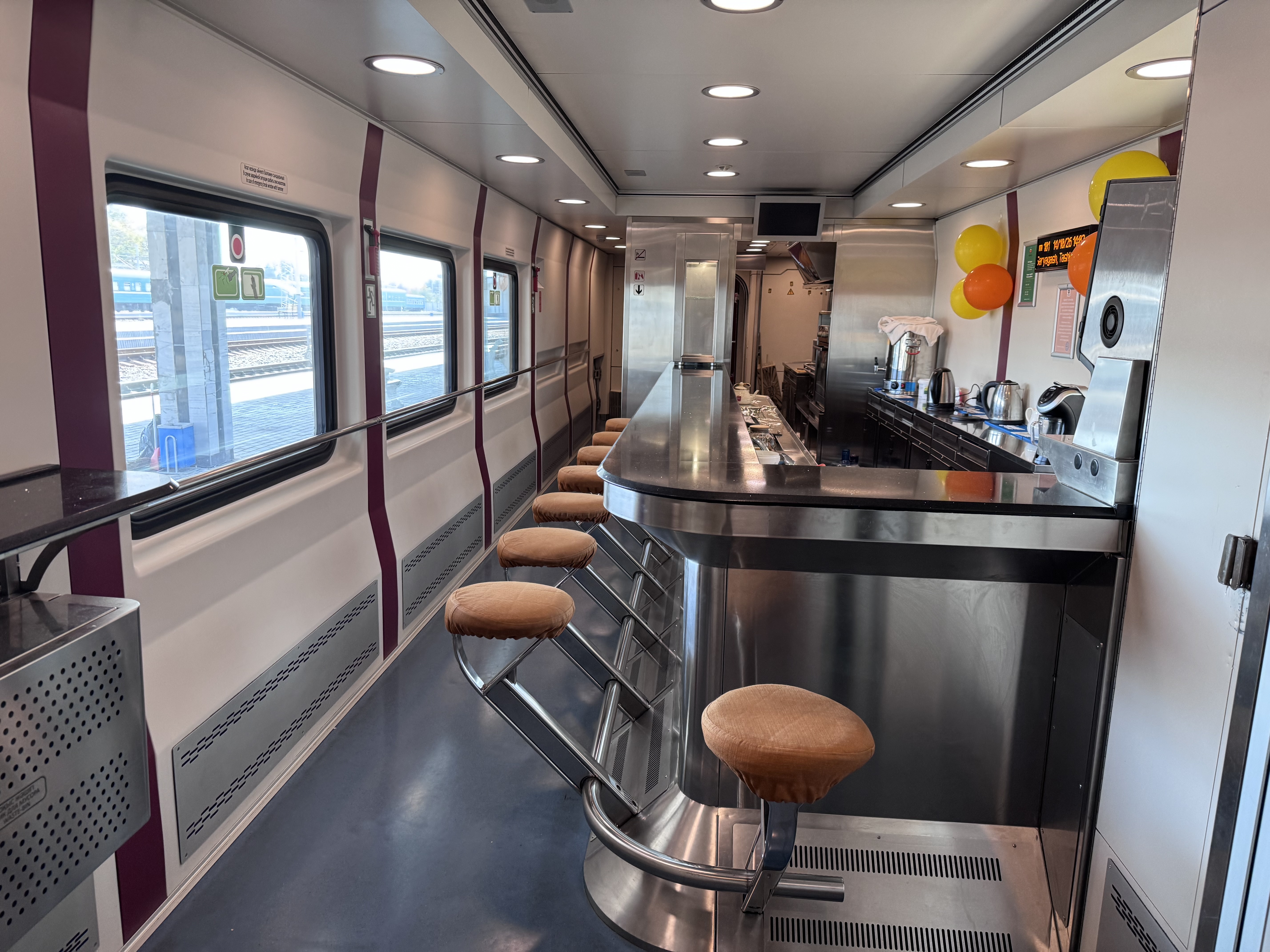
After independence the route evolved into a regular international service. In 2017 Kazakhstan and Uzbekistan introduced more modern wide-bodied Talgo-style coaches on the Almaty-Tashkent run, improving comfort and reducing journey times.
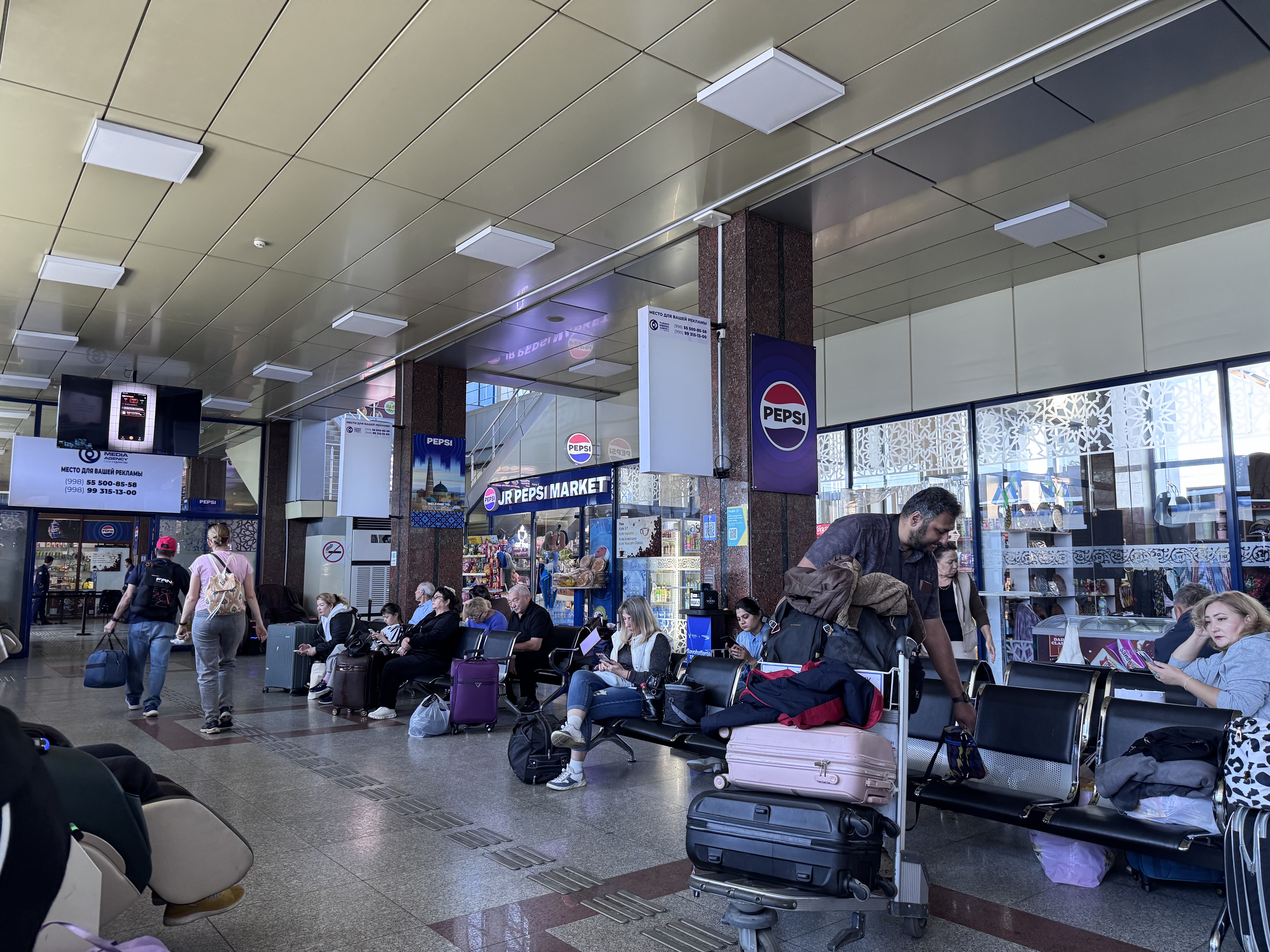
Today the train operates daily as a practical overnight link between the two cities.
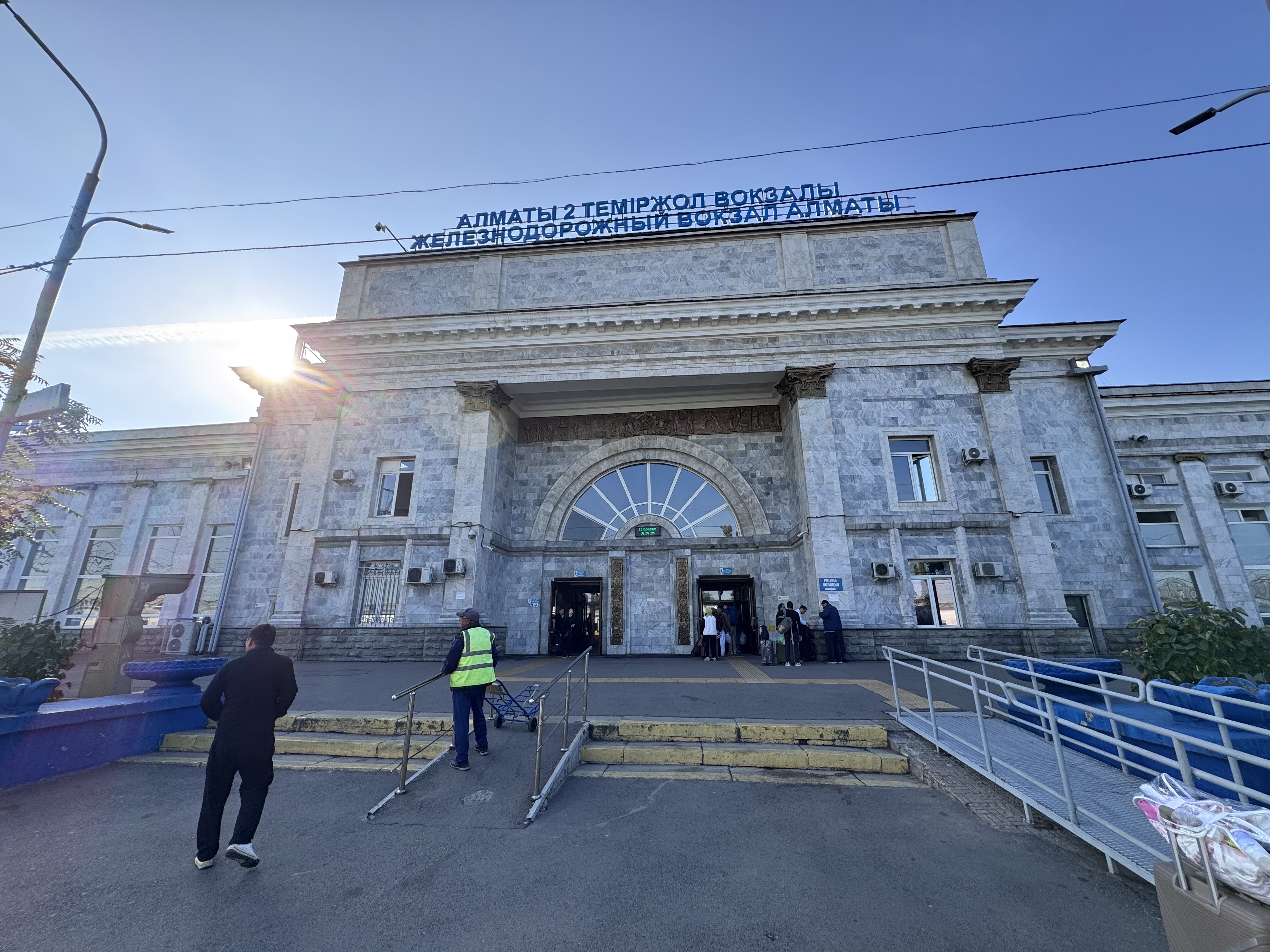
The distance is roughly nine hundred eighty kilometers and the journey takes about eighteen hours and ten minutes. Trains typically leave Tashkent Central in the mid-afternoon and arrive at Almaty-2 the following morning, allowing passengers to sleep through most of the travel and the border formalities.
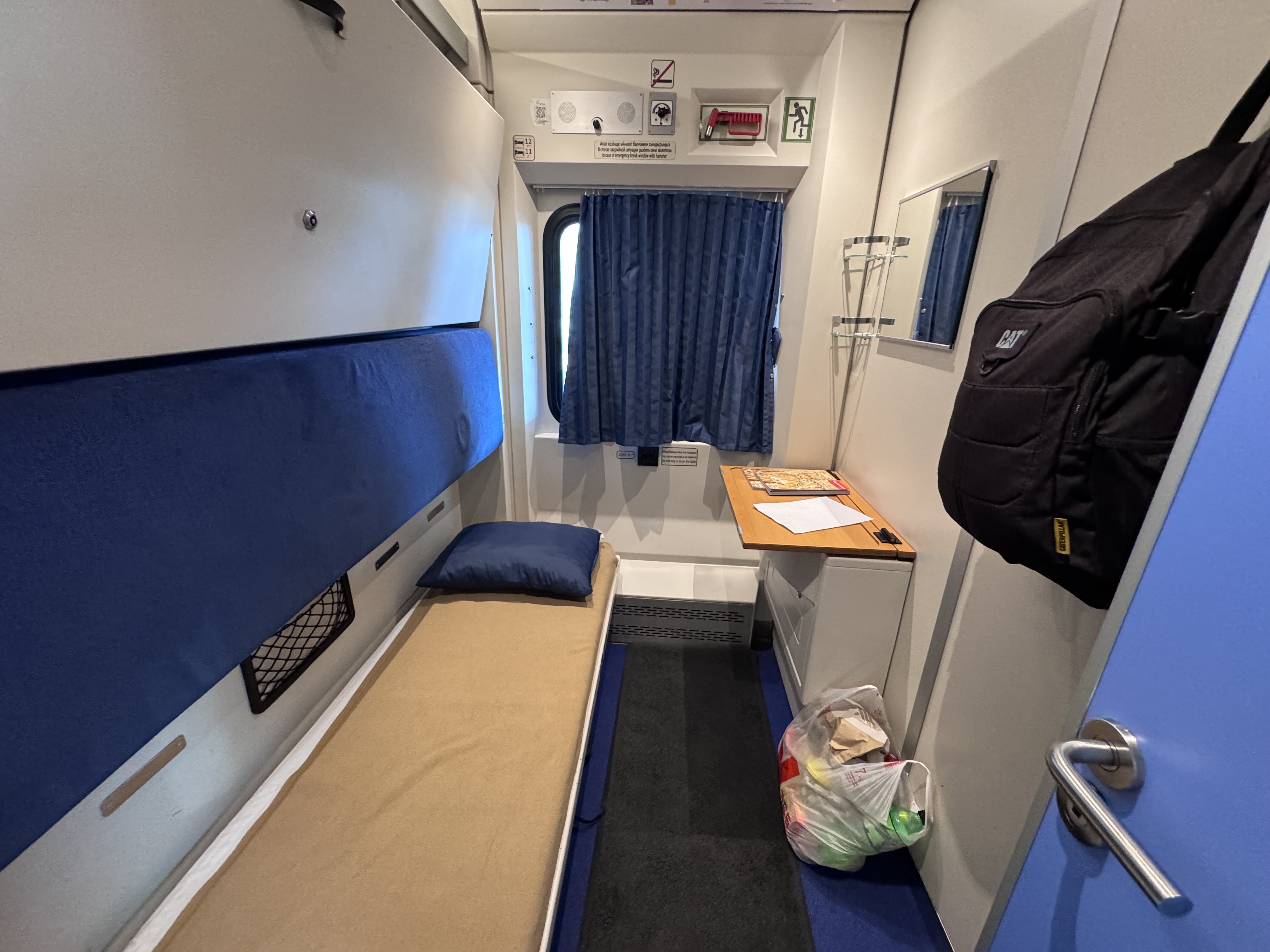
First-class sleeper, often labeled SV or Lux,...