

The Maeklong Railway Market, also known as Talat Rom Hup or the “Umbrella Pulldown Market,” in Samut Songkhram Province has existed since around 1905. It began as a bustling local fresh seafood market in a fishing-dependent area near the Gulf of Thailand.
When the Maeklong Railway was built to improve goods distribution, including seafood, from the region to Bangkok and other provinces, the tracks were laid directly through the existing market.
Rather than relocating, the resilient vendors adapted by continuing operations around the tracks. They quickly pull back awnings, umbrellas, and stalls whenever a train approaches, then promptly reset everything once it passes.
This unique coexistence turned the market into one of Thailand’s largest fresh seafood markets, blending everyday commerce with the precision of railway schedules. Over time, it evolved from a practical local hub into a world-famous attraction showcasing Thai ingenuity and adaptability.
One of the most authentic and cheapest ways to...


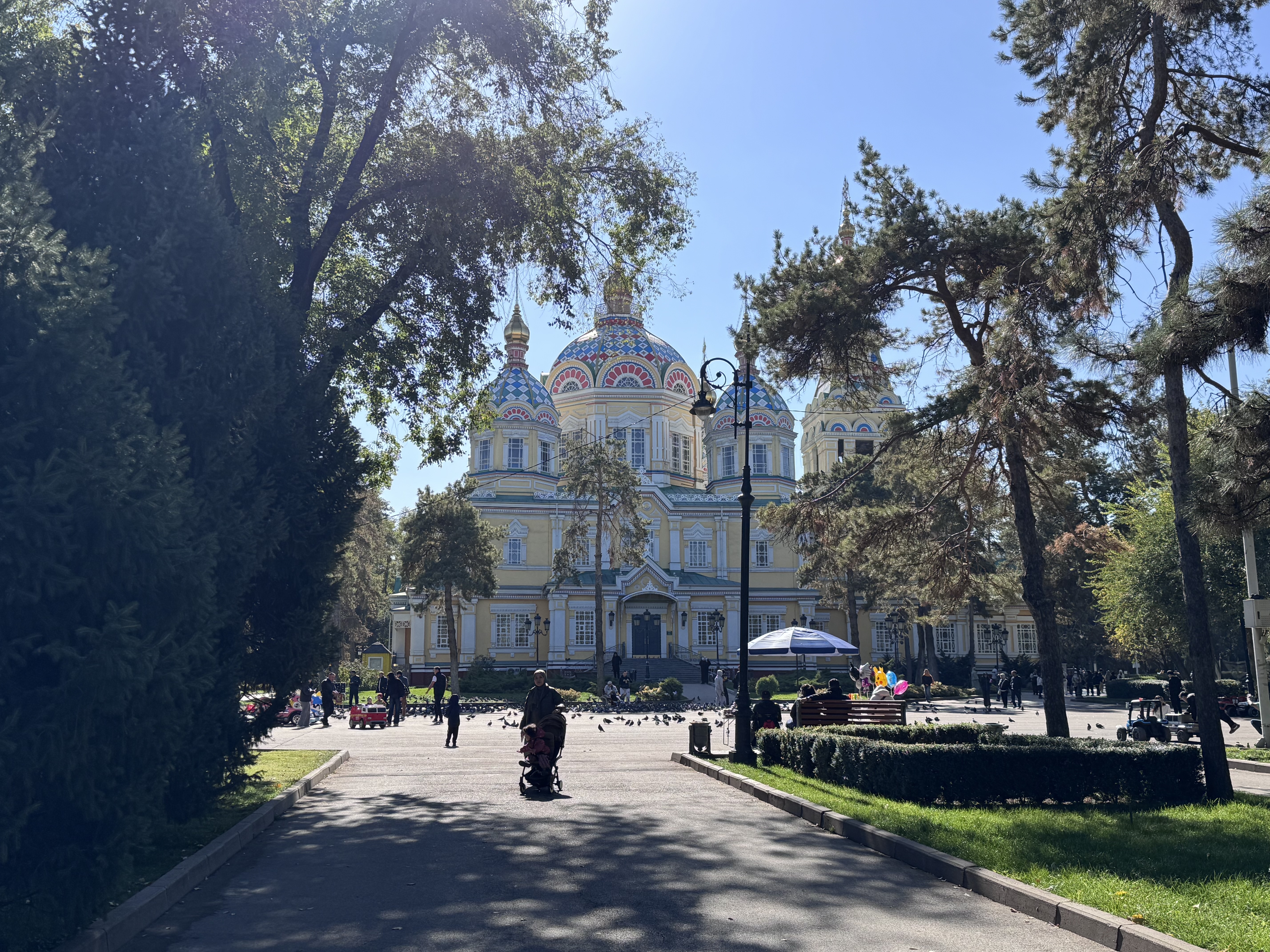
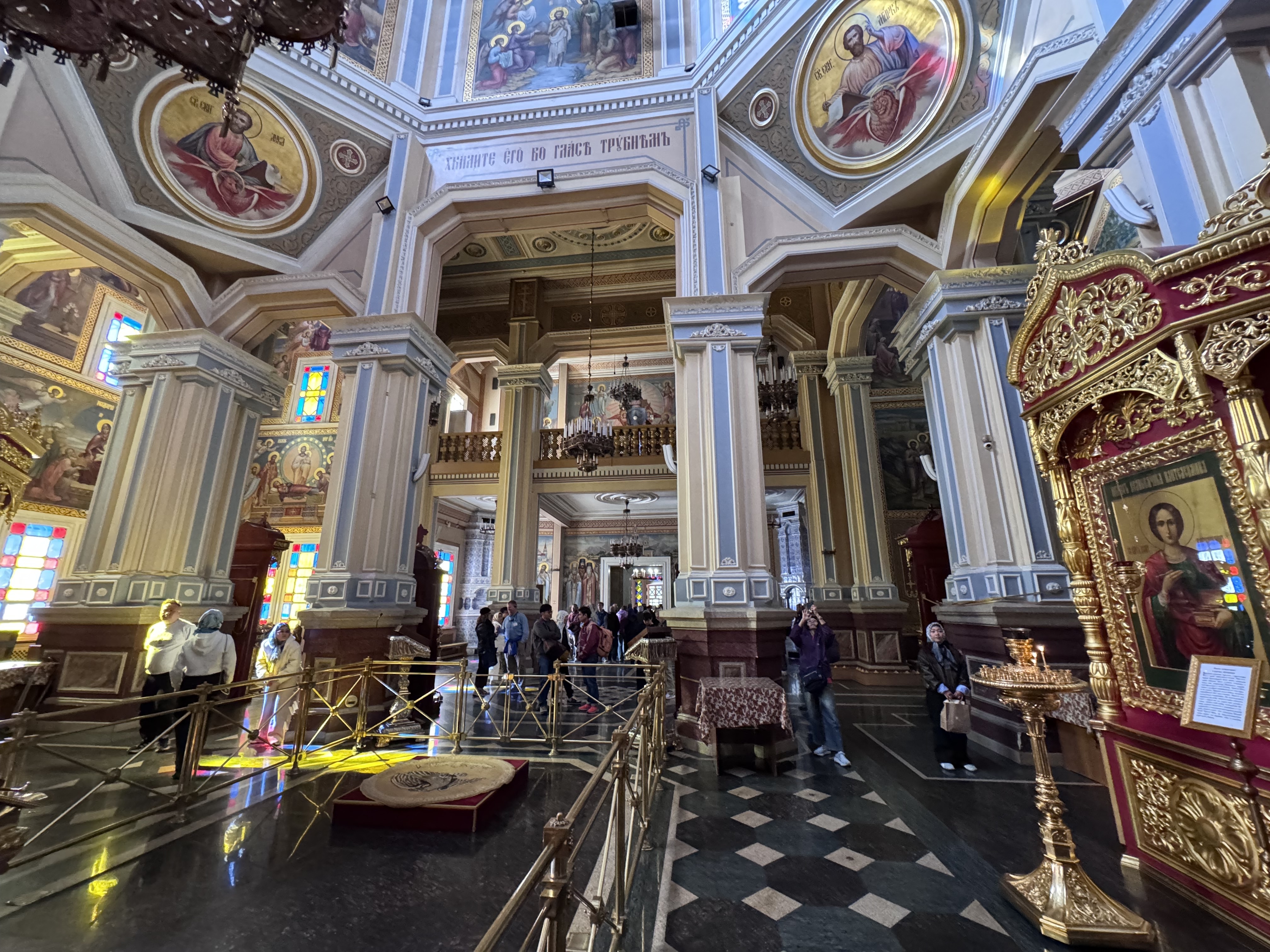
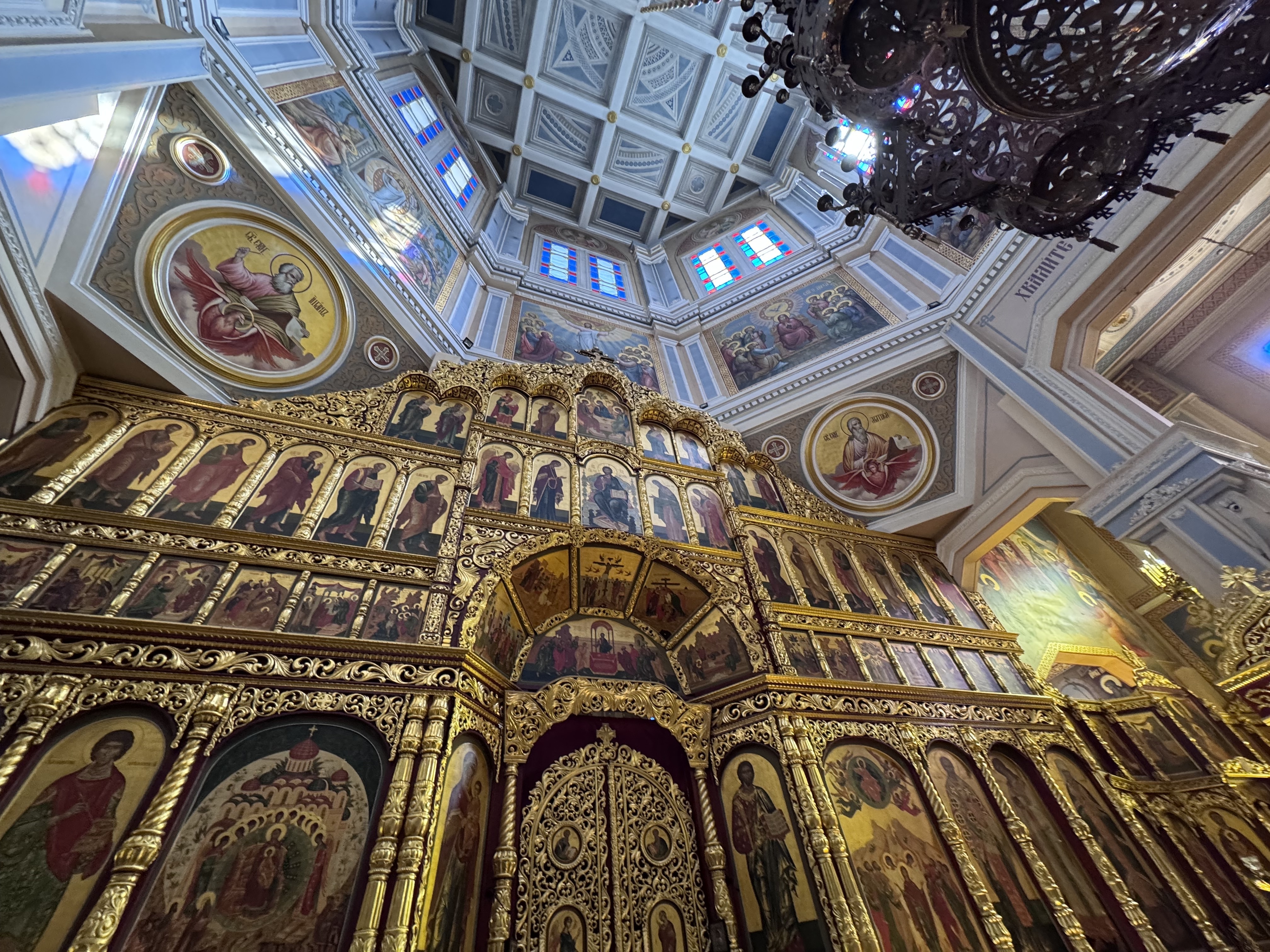
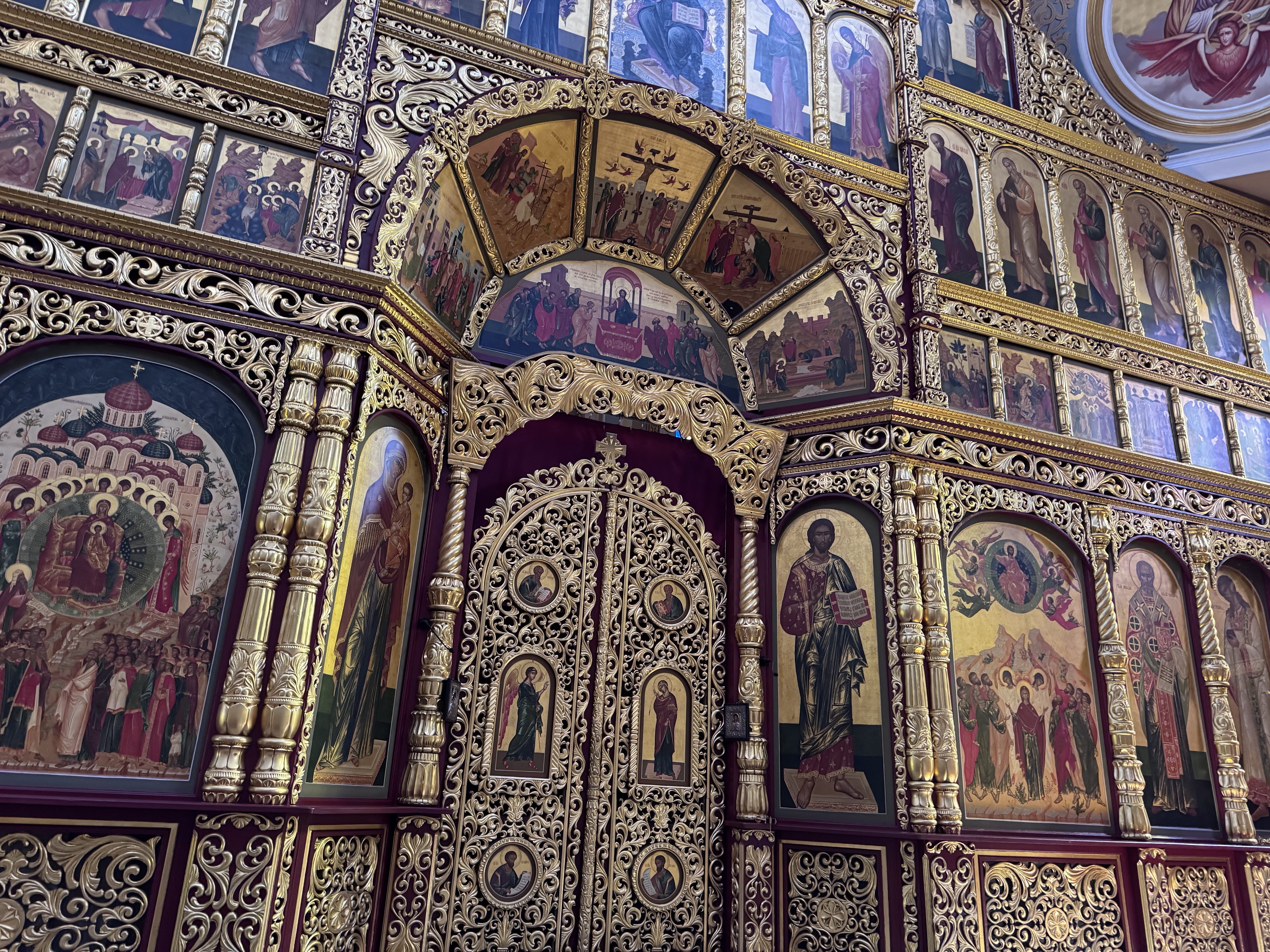
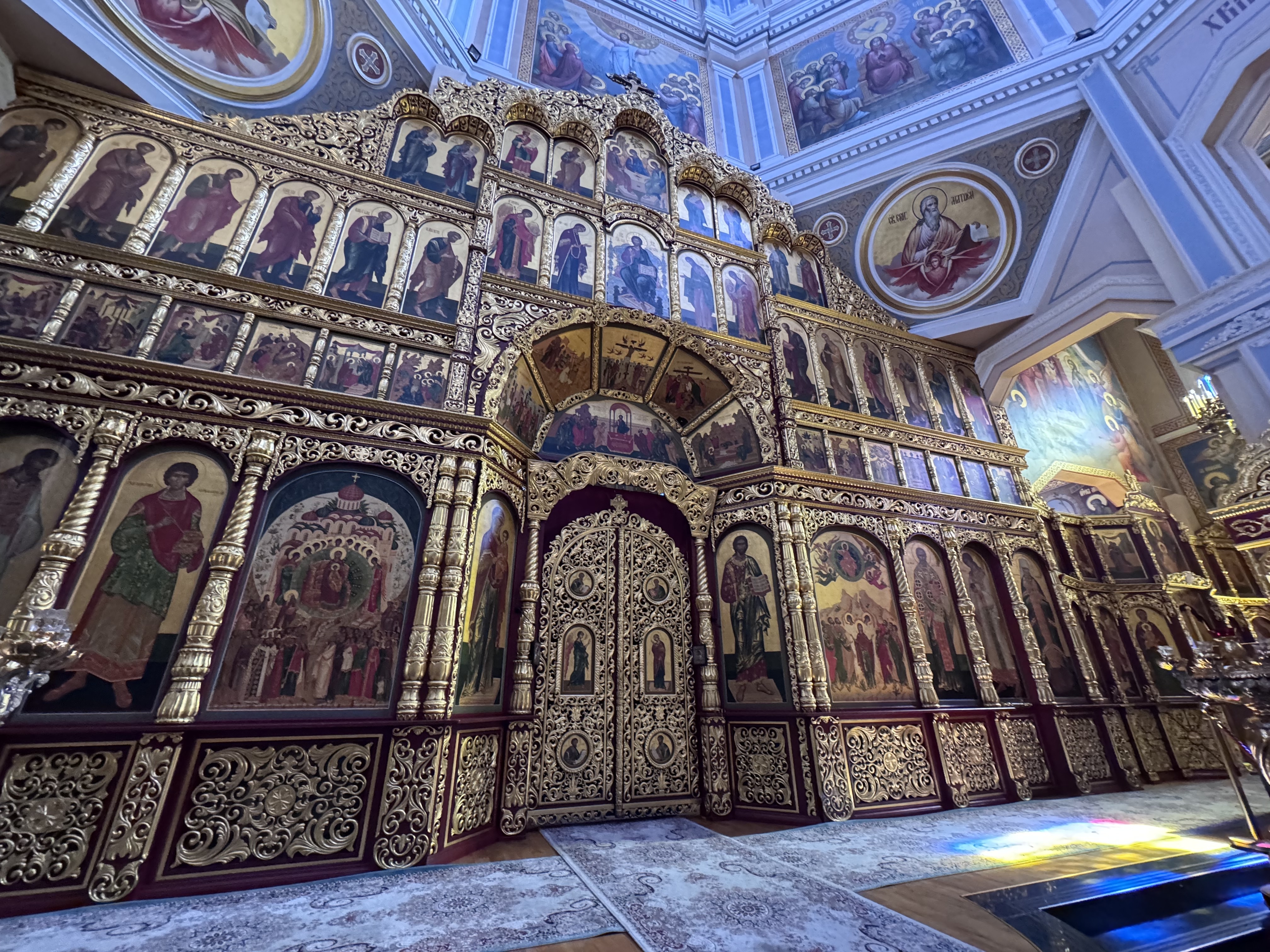
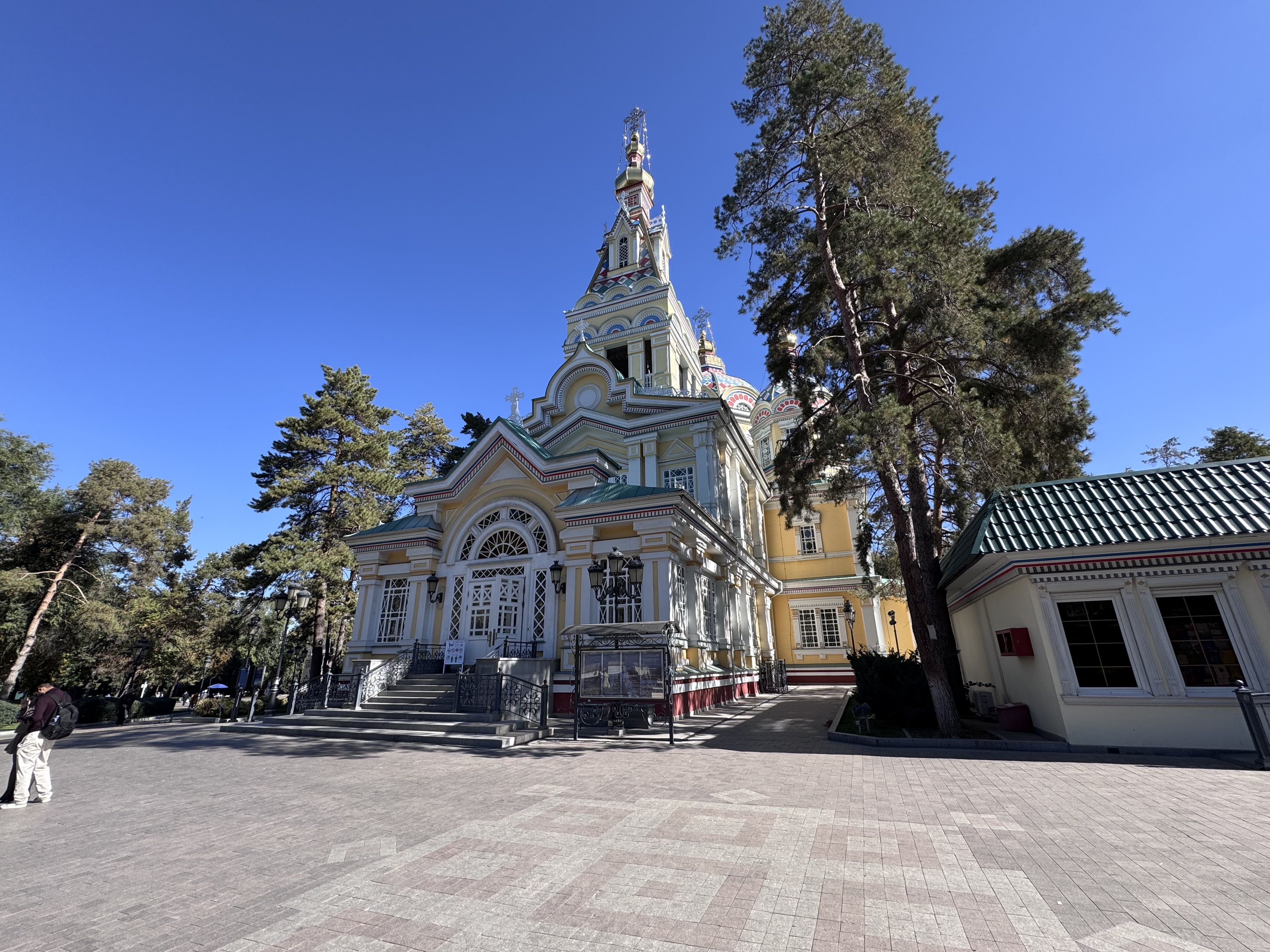
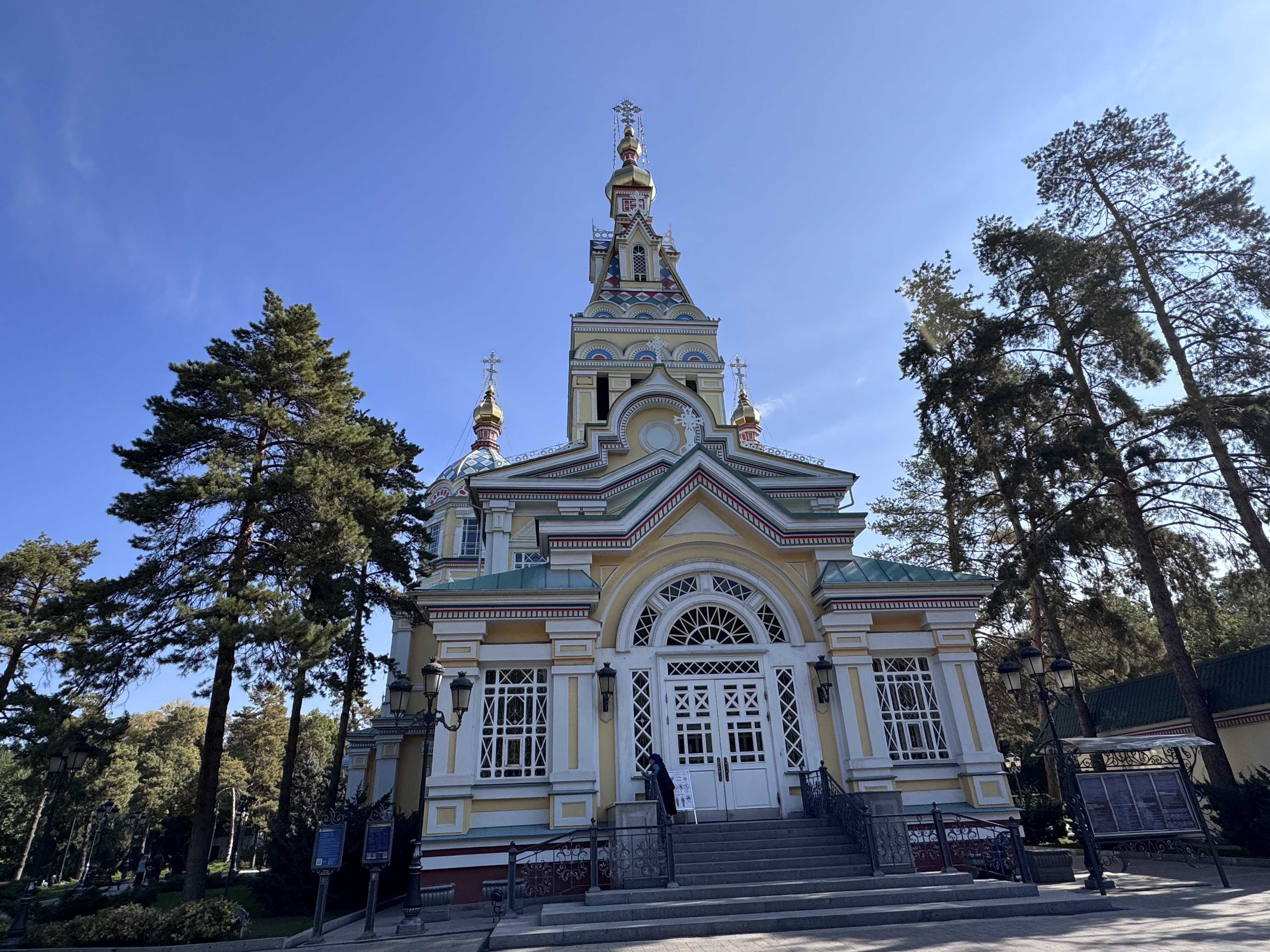
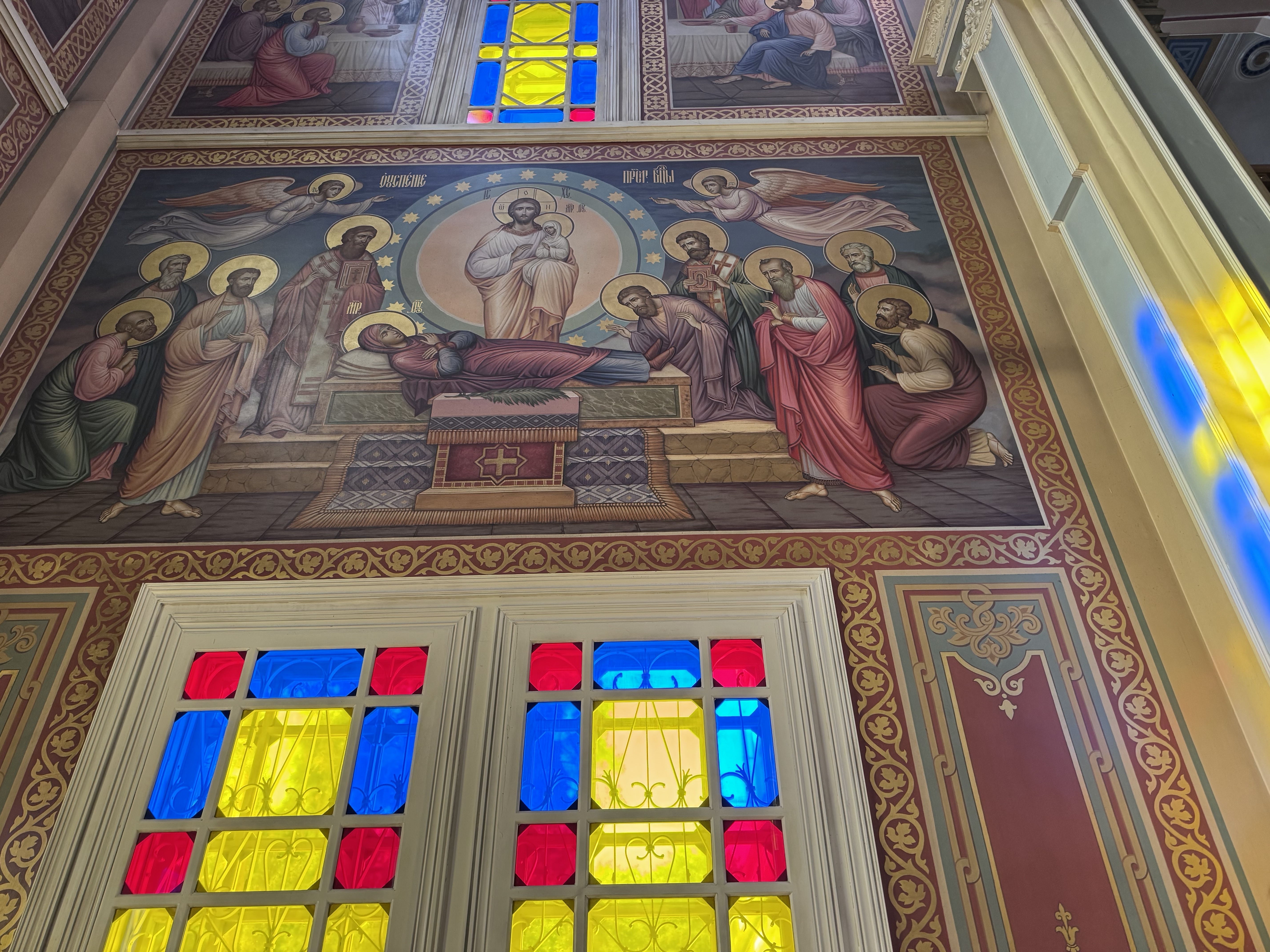
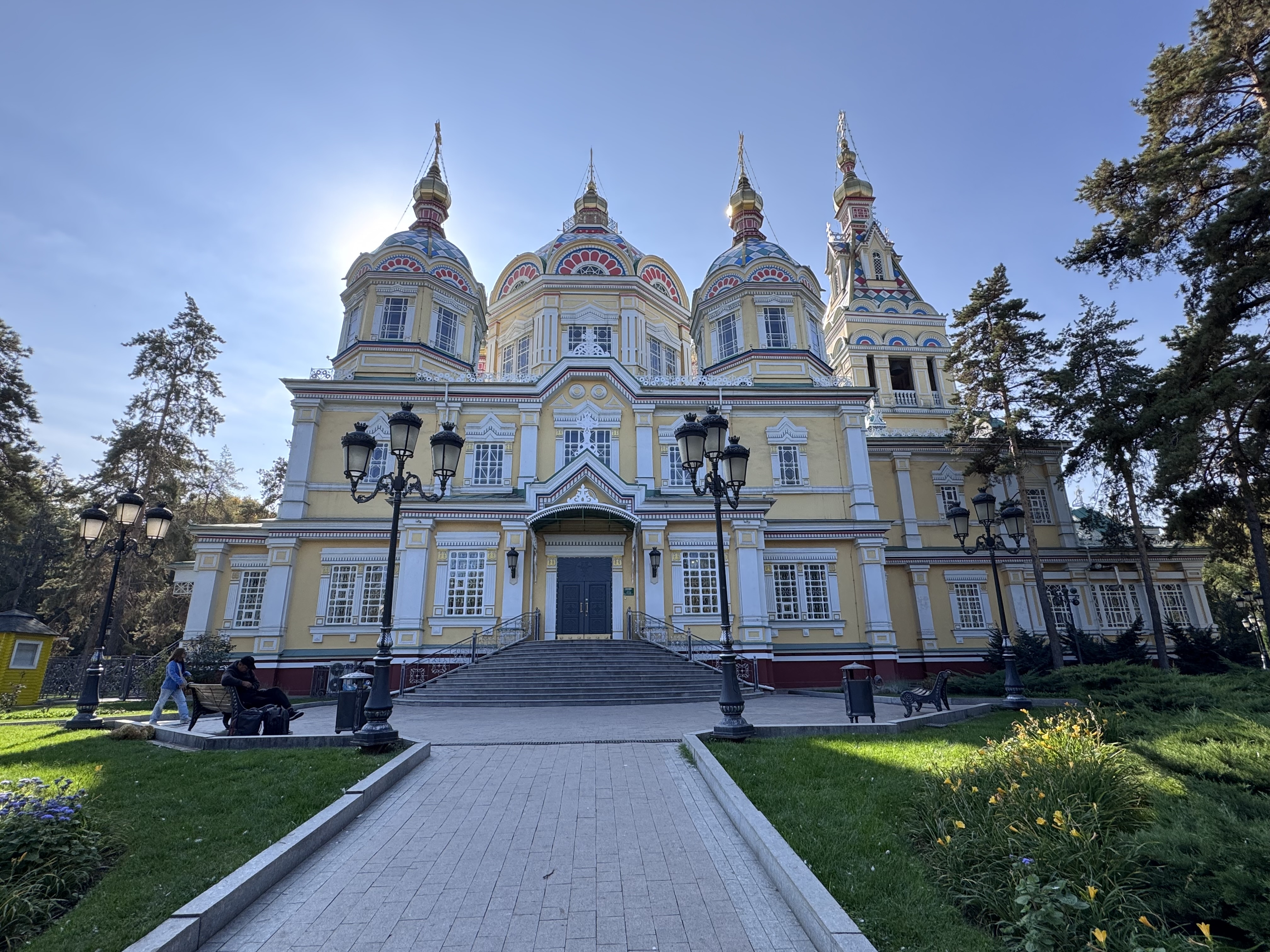
The Ascension Cathedral in Almaty, Kazakhstan, also known as Zenkov Cathedral, stands as a striking Russian Orthodox church and one of the most remarkable examples of wooden ecclesiastical architecture in the world.
Constructed entirely of wood between 1904 and 1907 under the guidance of engineer Andrei Pavlovich Zenkov, who refined earlier plans by architect Konstantin Borisoglebsky, the cathedral was built primarily from durable local Tian Shan spruce using traditional joinery techniques that relied on interlocking wooden elements rather than metal nails for its main structural frame.
This all wood construction reaches approximately 56 meters in height to the tip of its central dome and cross, earning it widespread recognition as the second tallest wooden church on the planet.
Its five onion domes, vibrant pastel exterior of blues, greens, and whites accented with gold, and cruciform plan embody classic Russian Orthodox design adapted to the seismic realities of the region. The flexible wooden ...
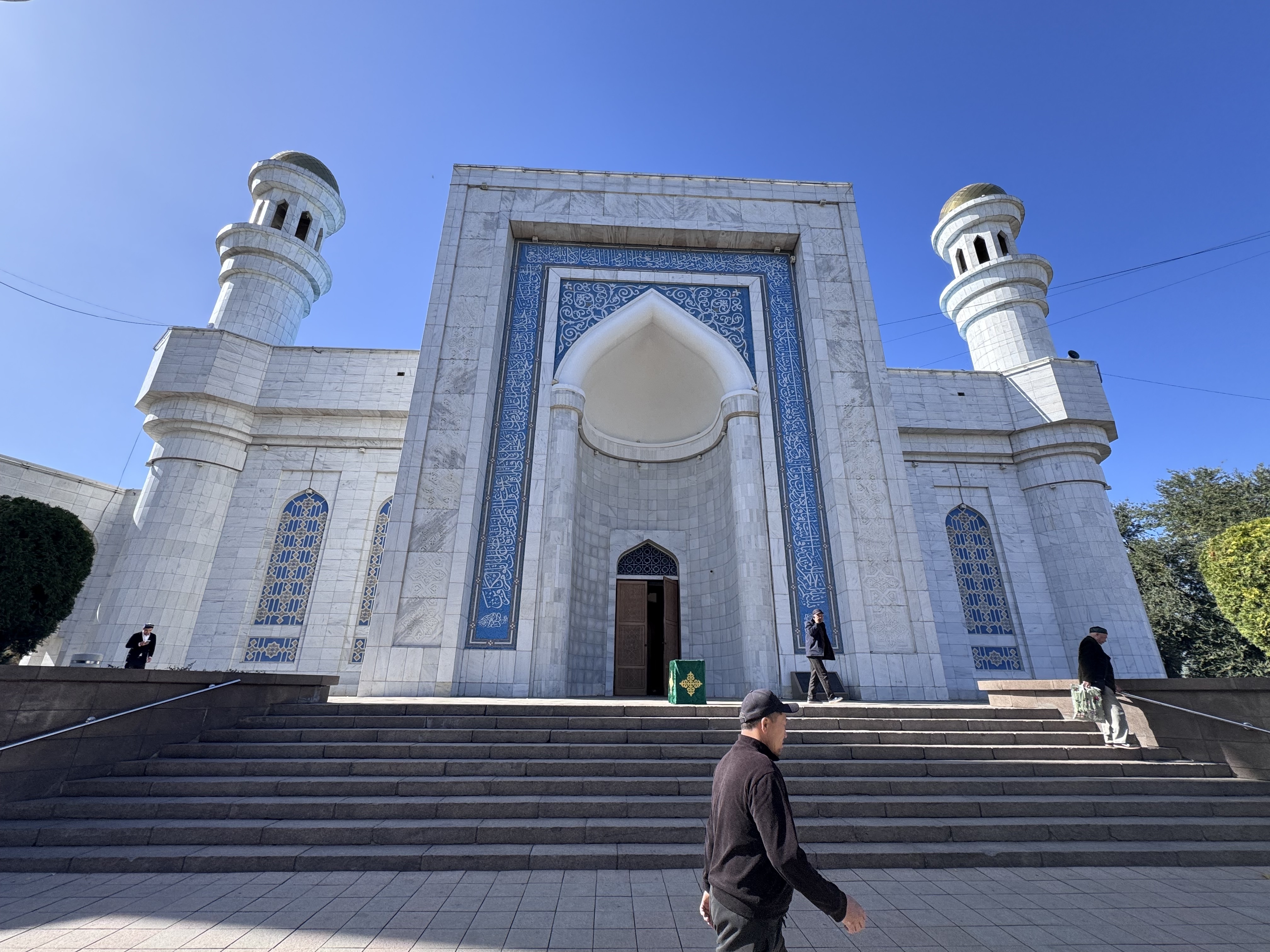
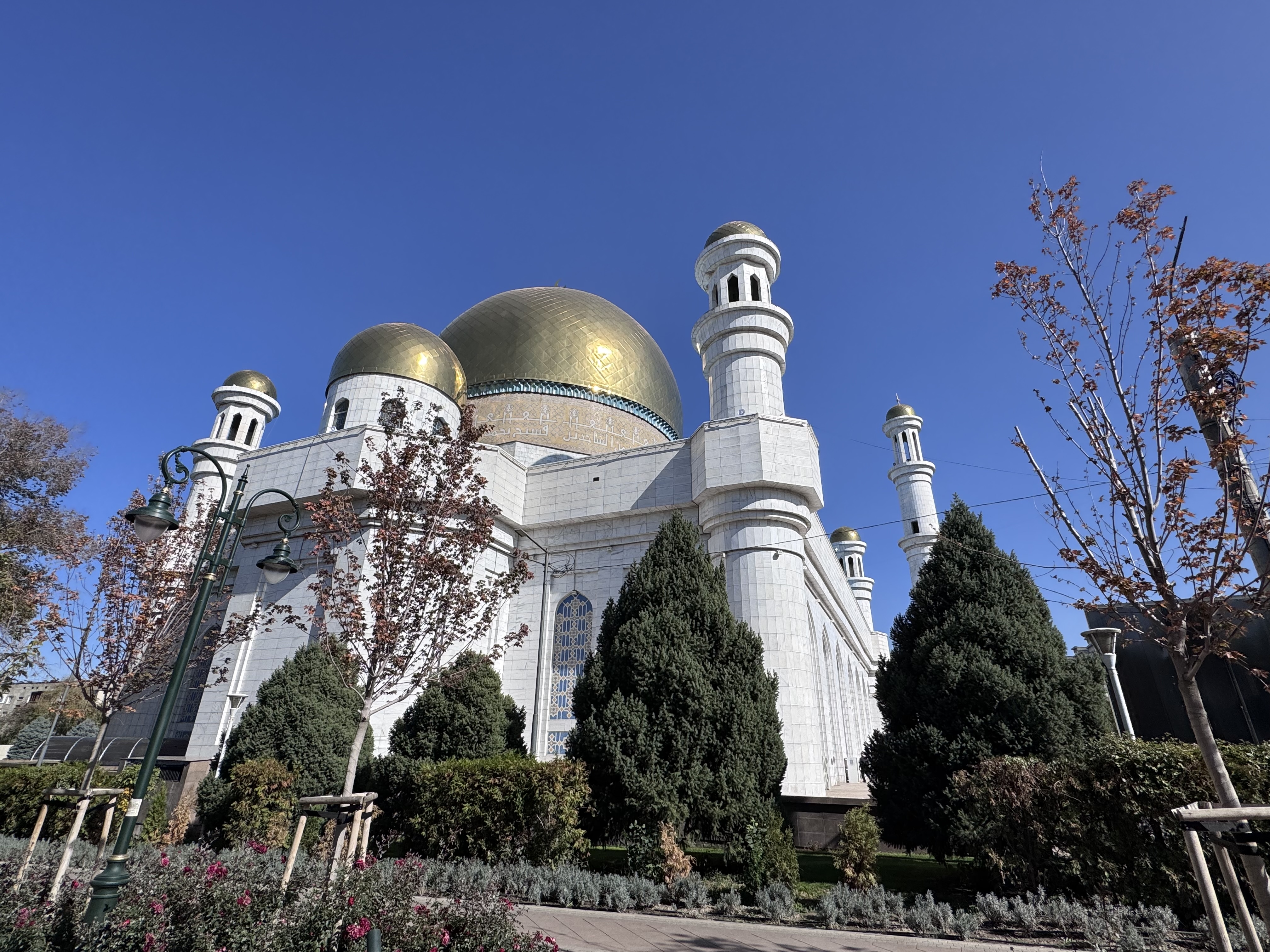
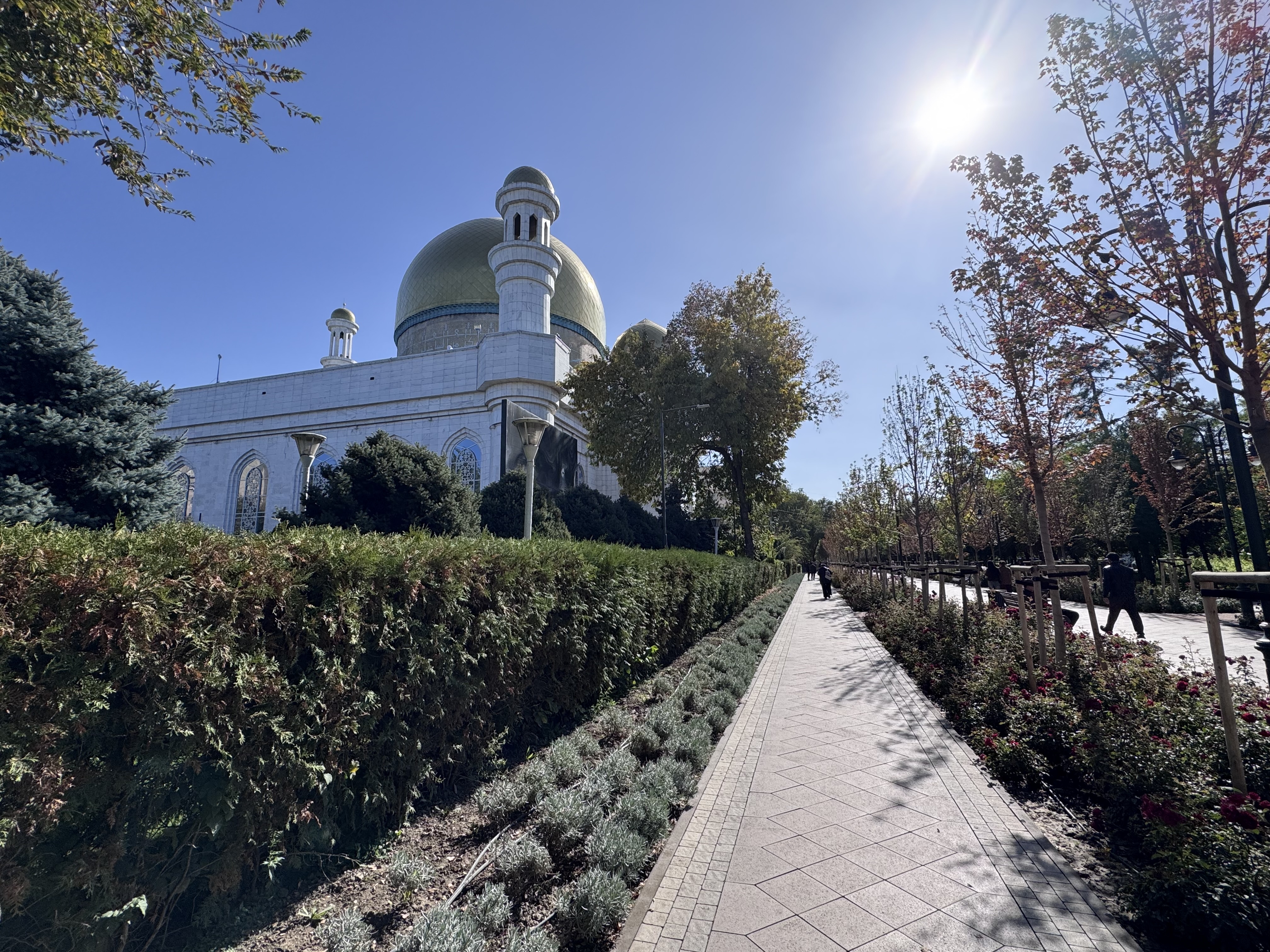
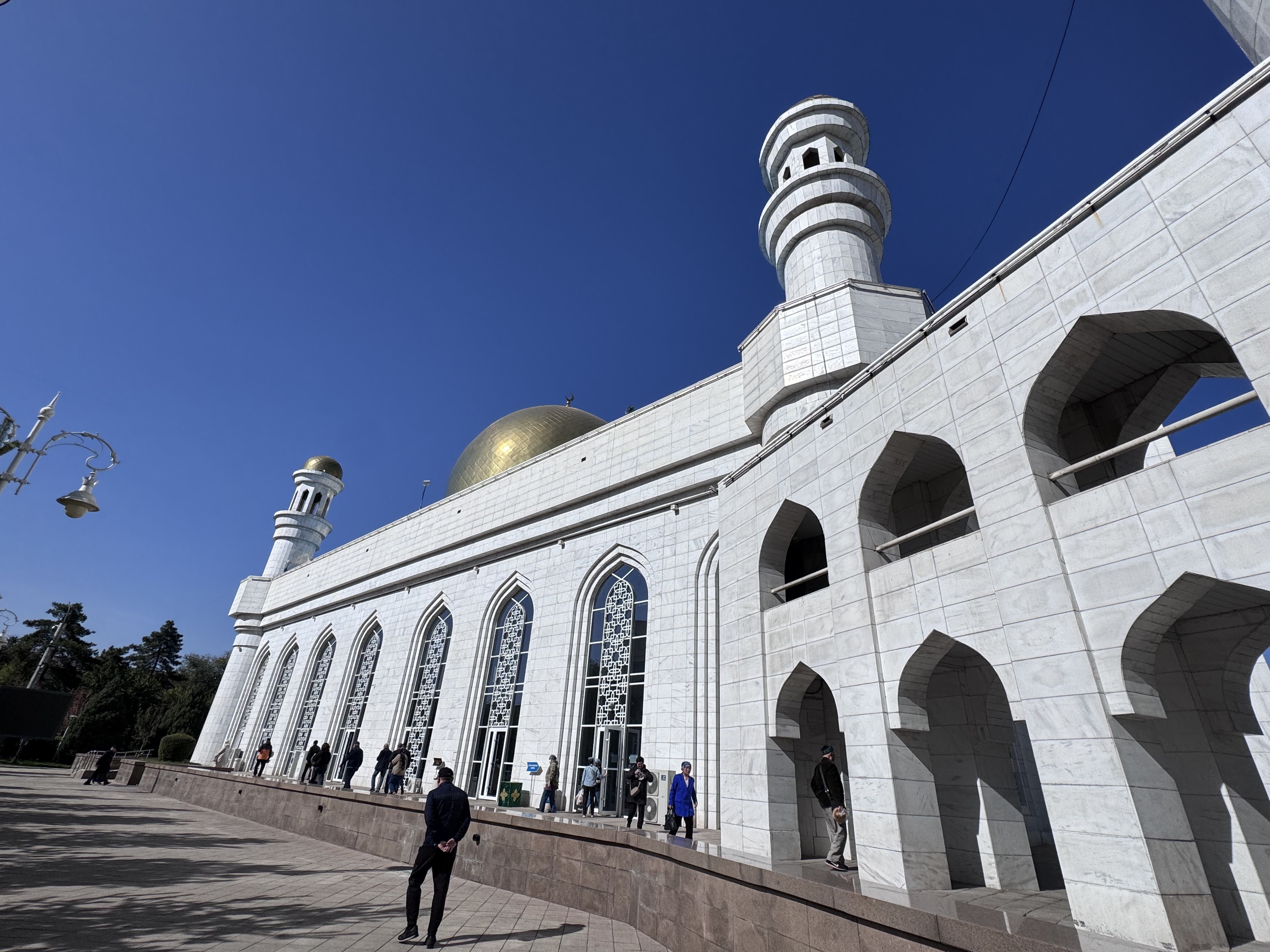
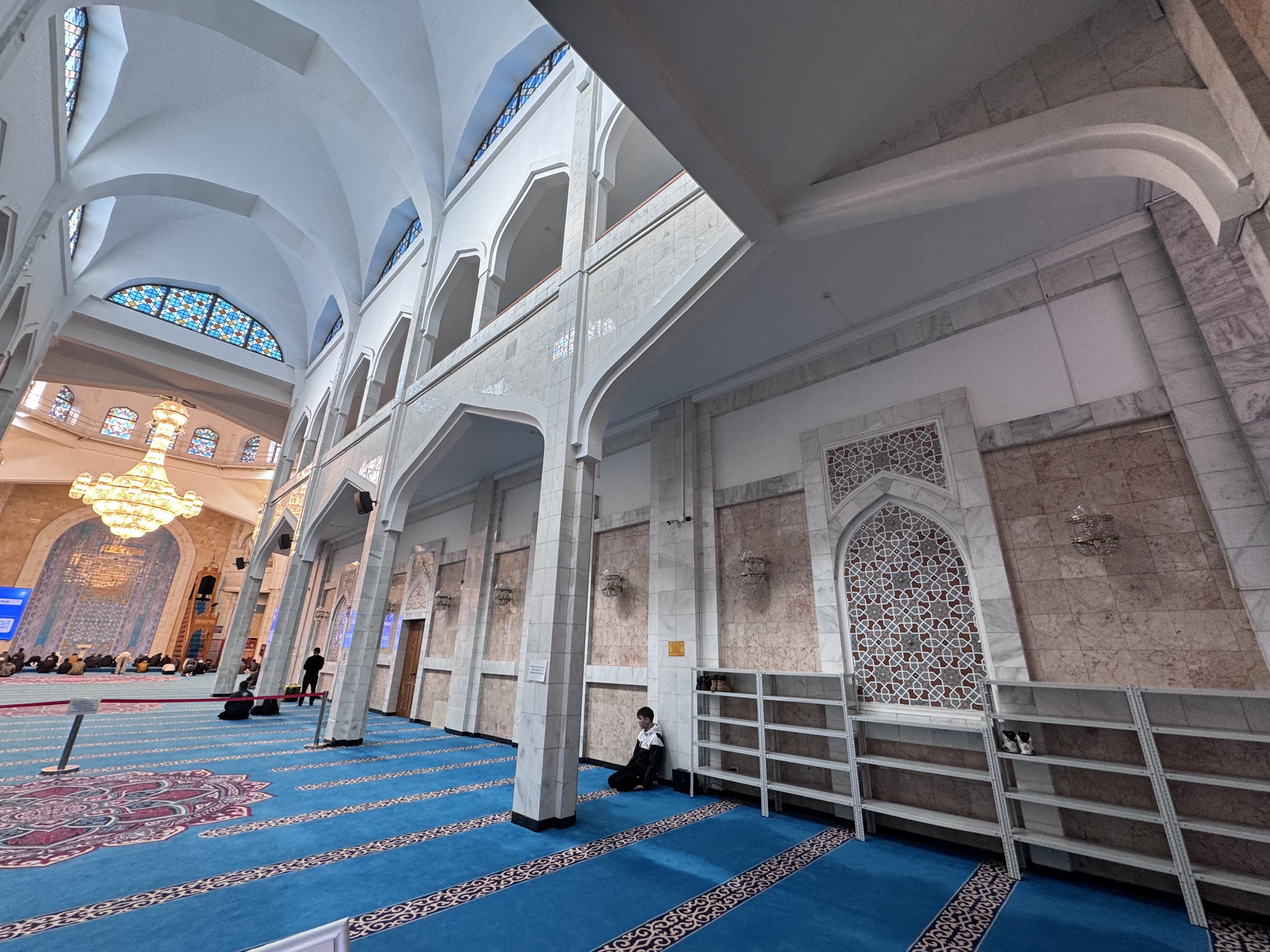
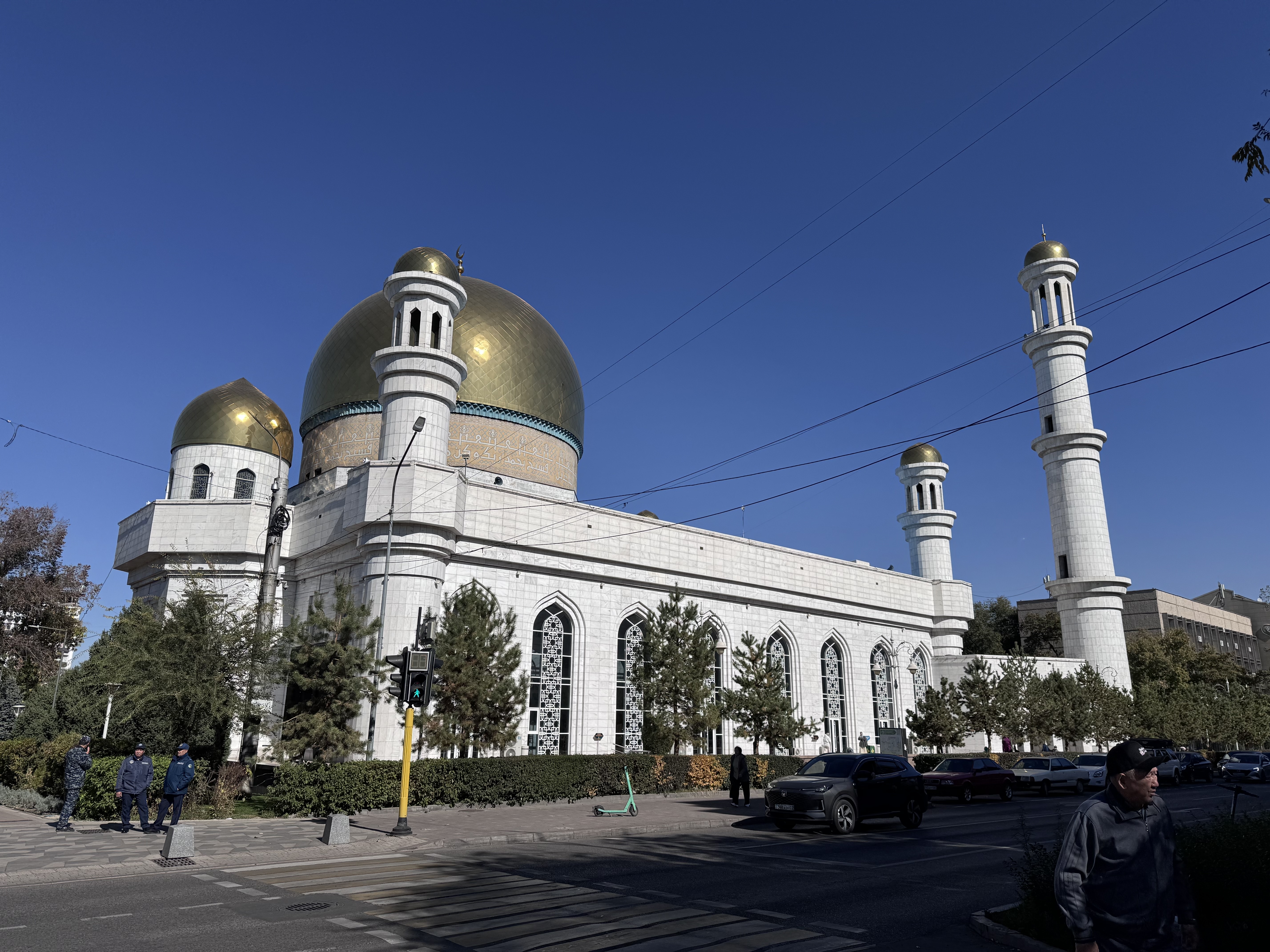
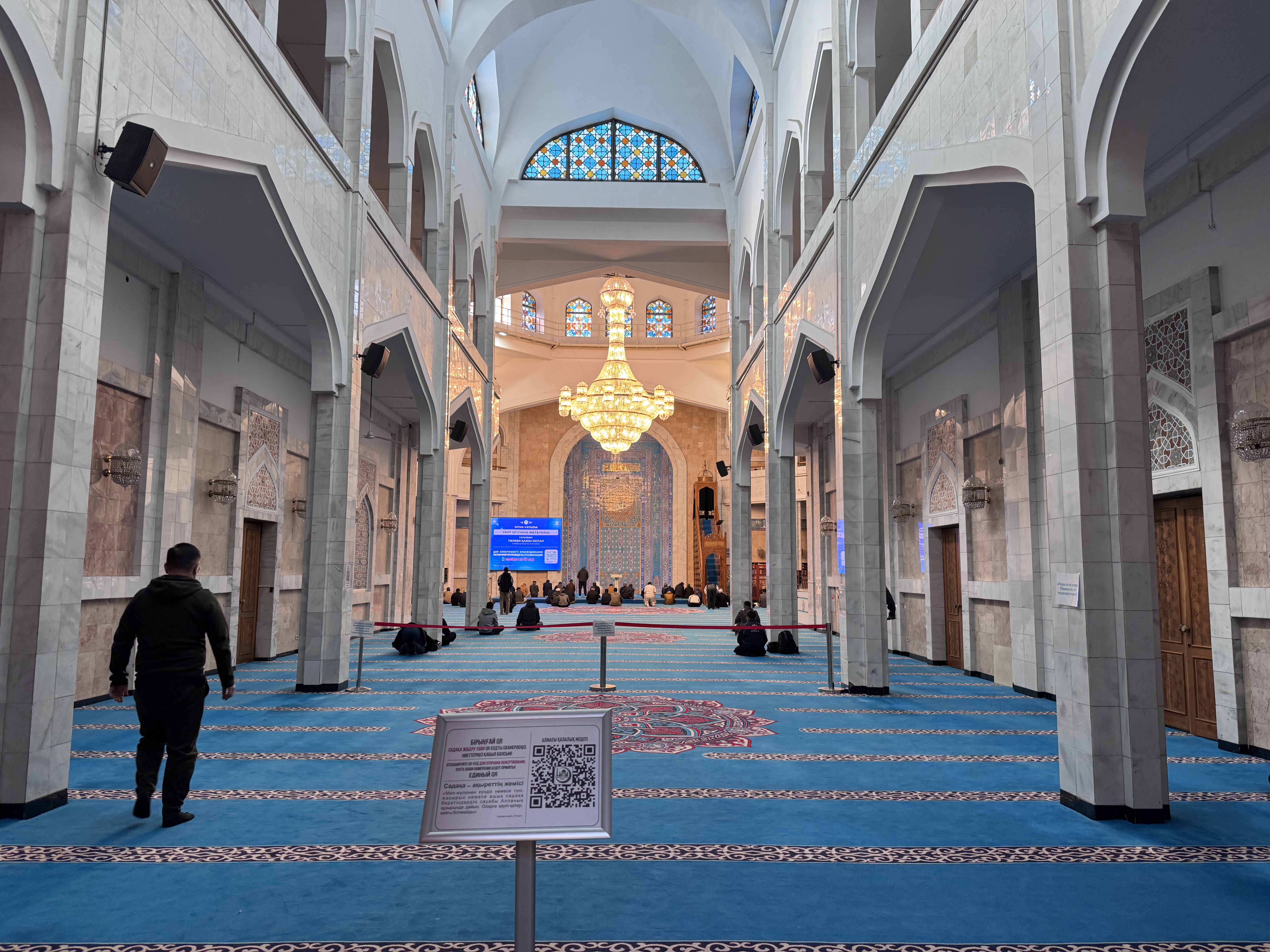
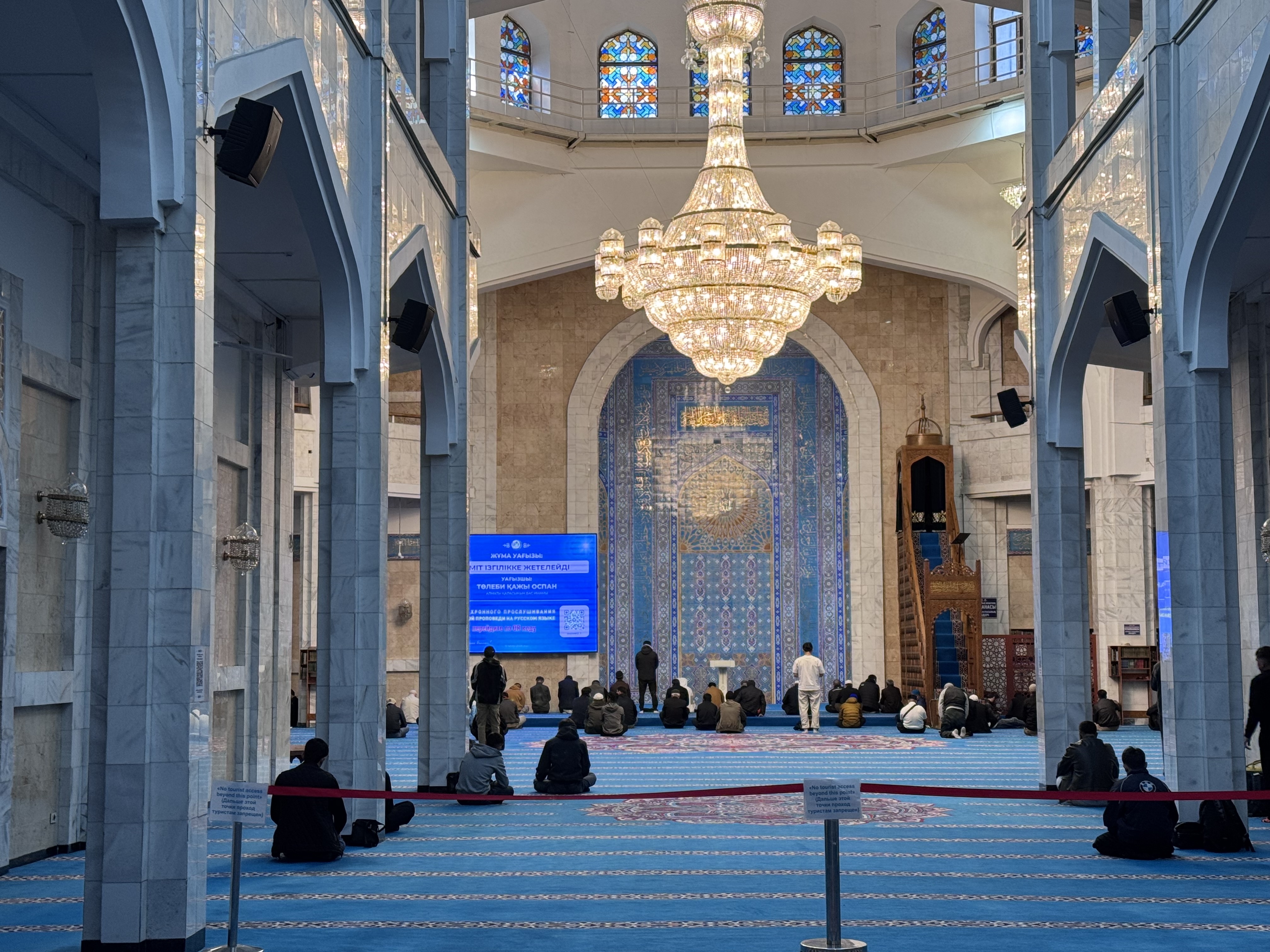
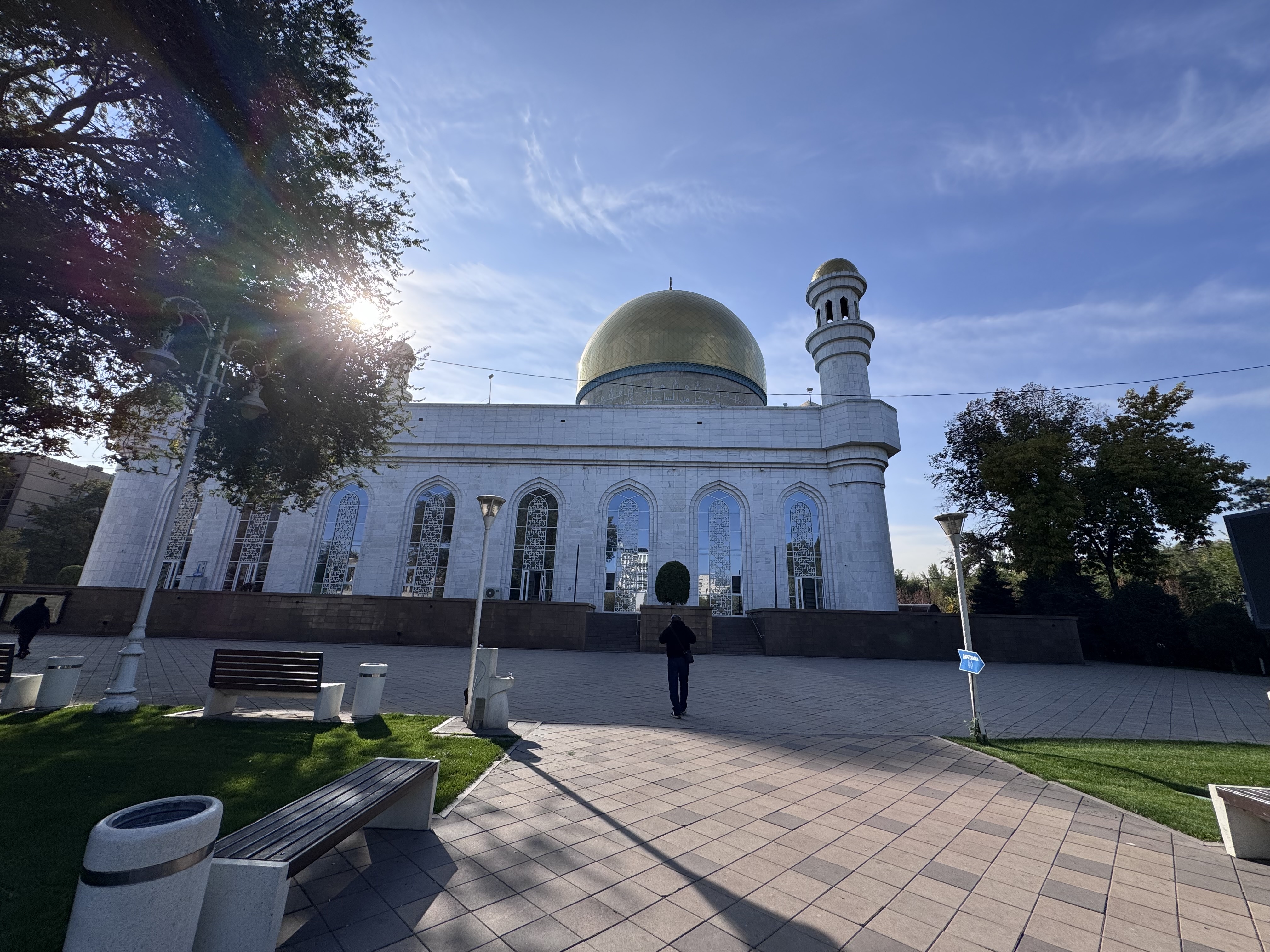
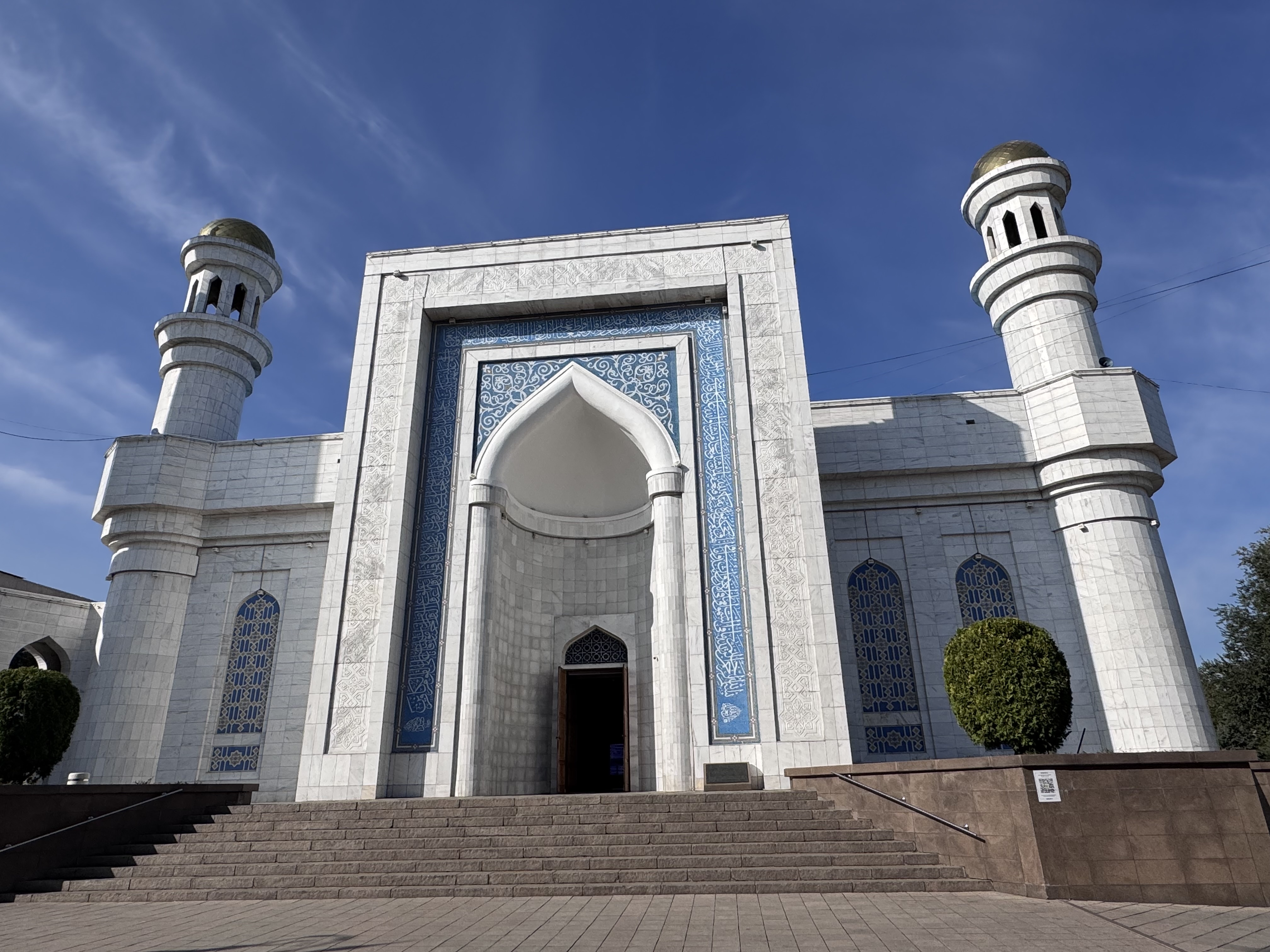
The Almaty Central Mosque, known in Kazakh as Almaty ortalyq meshiti, stands as one of the largest and most prominent mosques in Almaty and throughout Kazakhstan.
The current structure was erected on the site of an earlier Tatar Mosque that had operated since 1890, serving the local Muslim community of Tatar traders, artisans, and settlers during the period of Russian imperial expansion into Central Asia. That wooden mosque was destroyed by fire in 1987. In the years following Kazakhstan’s independence, plans advanced for a major new mosque to meet the needs of a growing Muslim population and to mark a revival of religious life after the Soviet era. The foundation was poured in 1993, and construction continued for six years until the building opened in 1999.
The mosque is a rectangular, domed building oriented along an east-west axis and clad in white marble, giving it a luminous appearance. Its main dome rises 36 meters with a diameter of 20 meters and rests on a two-tiered drum that transitions ...
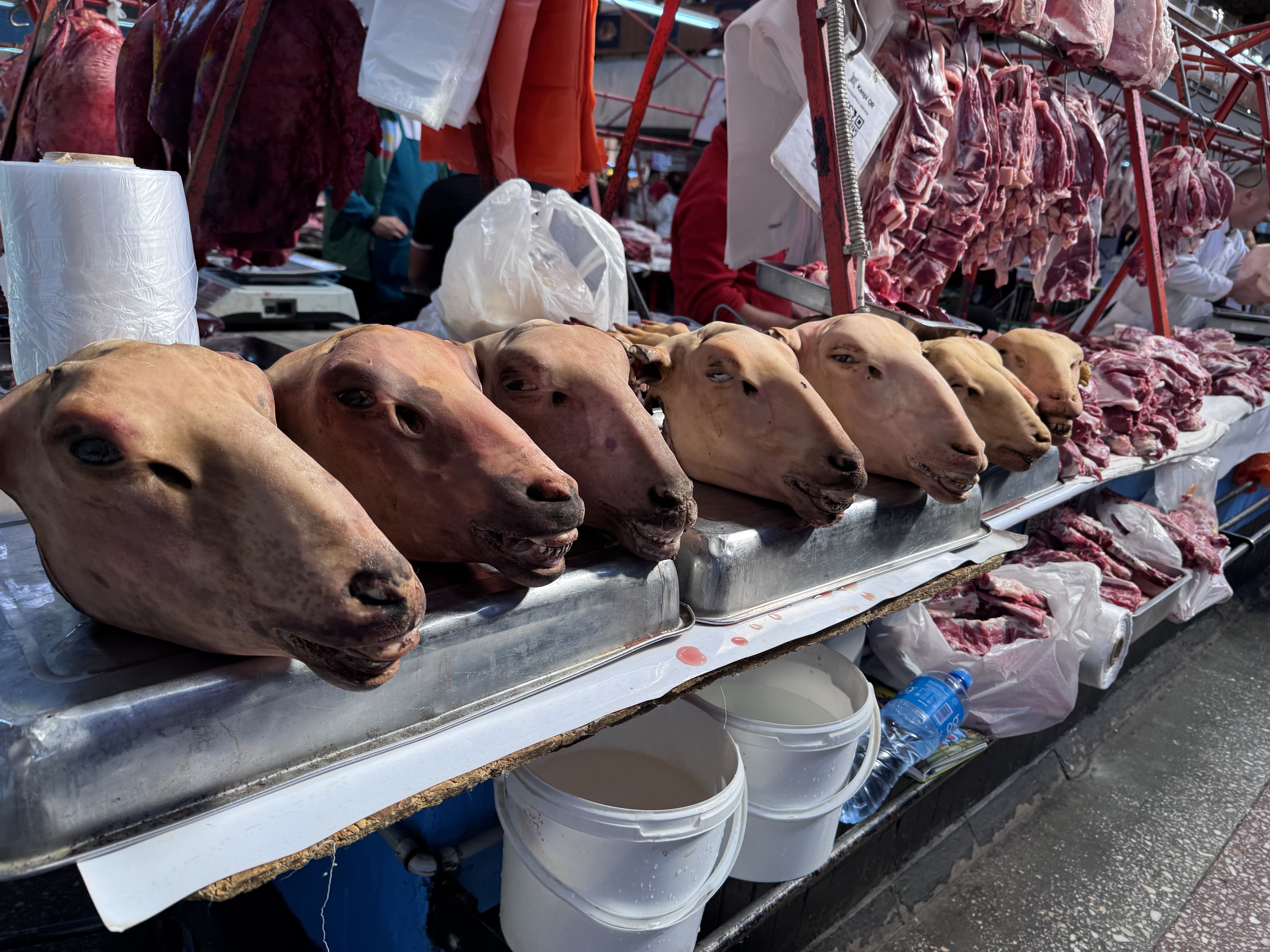
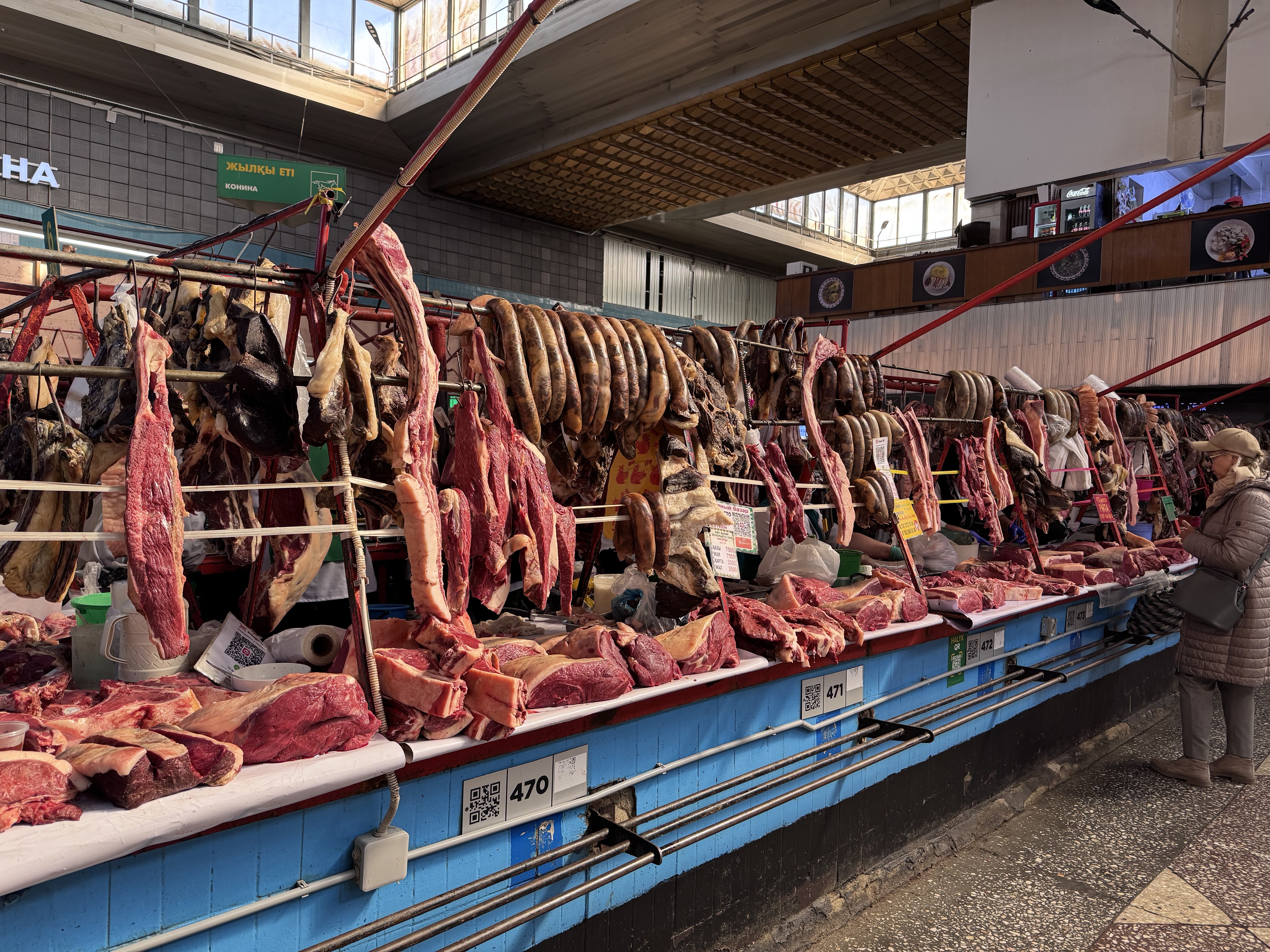
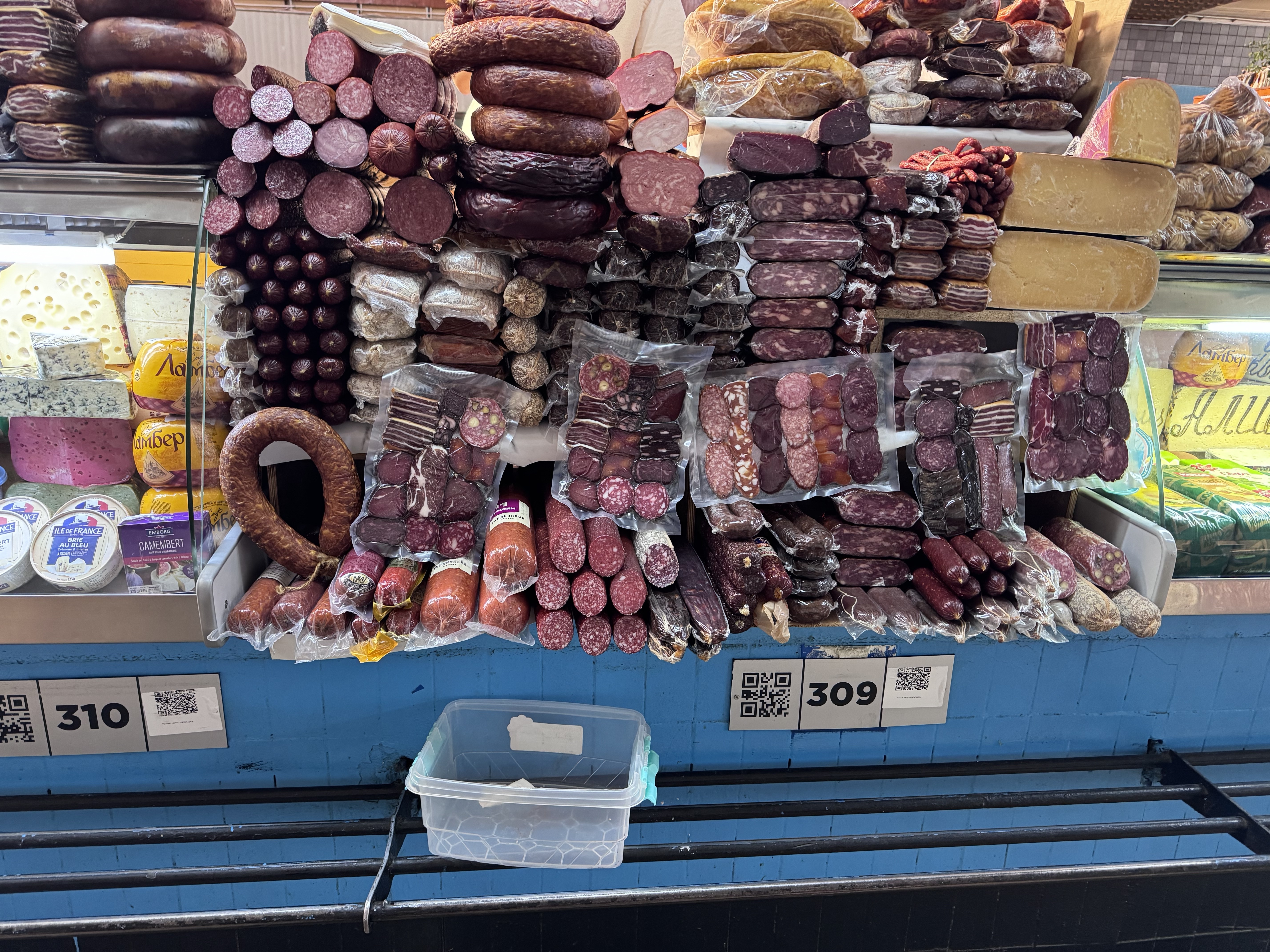
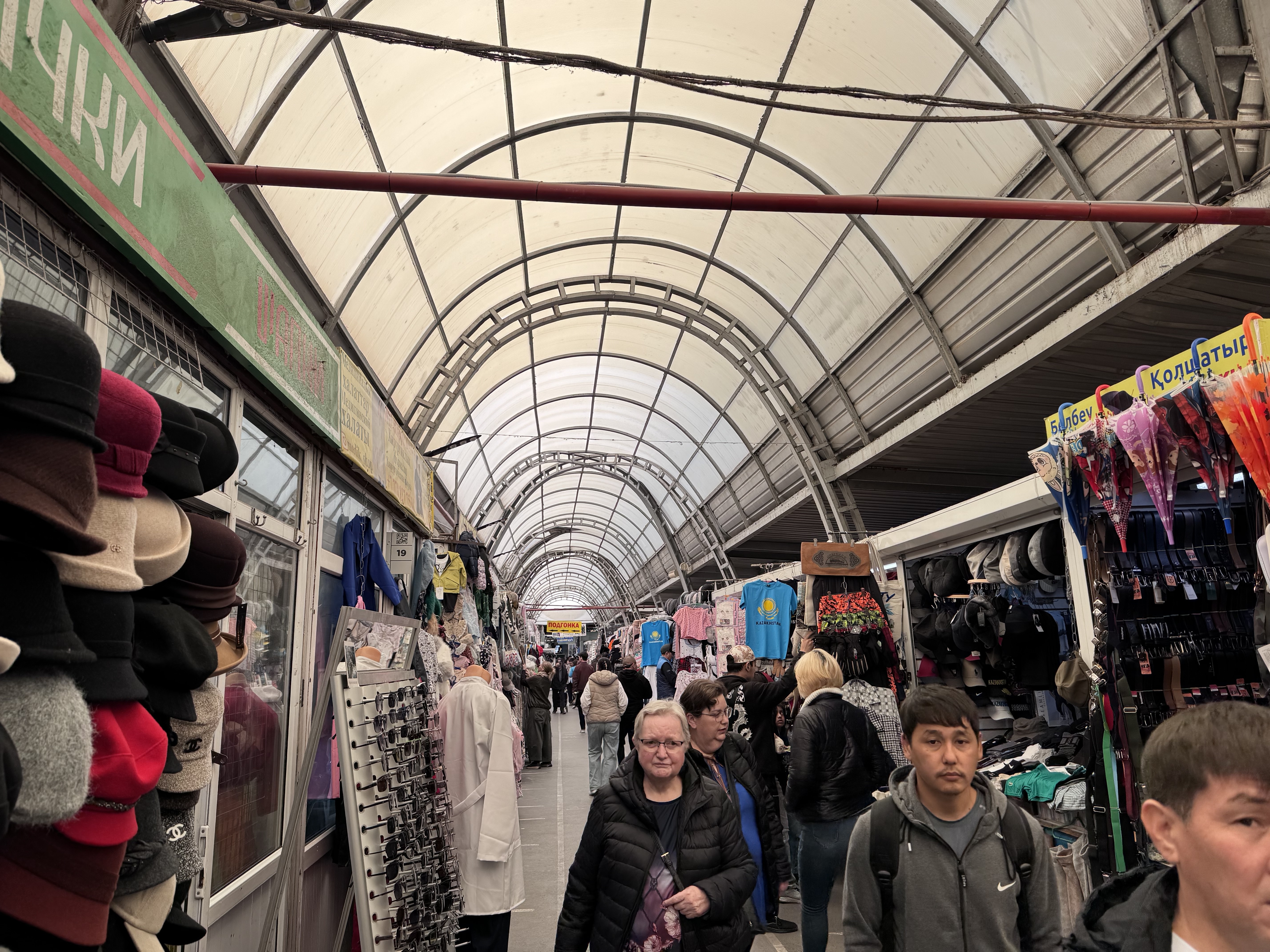
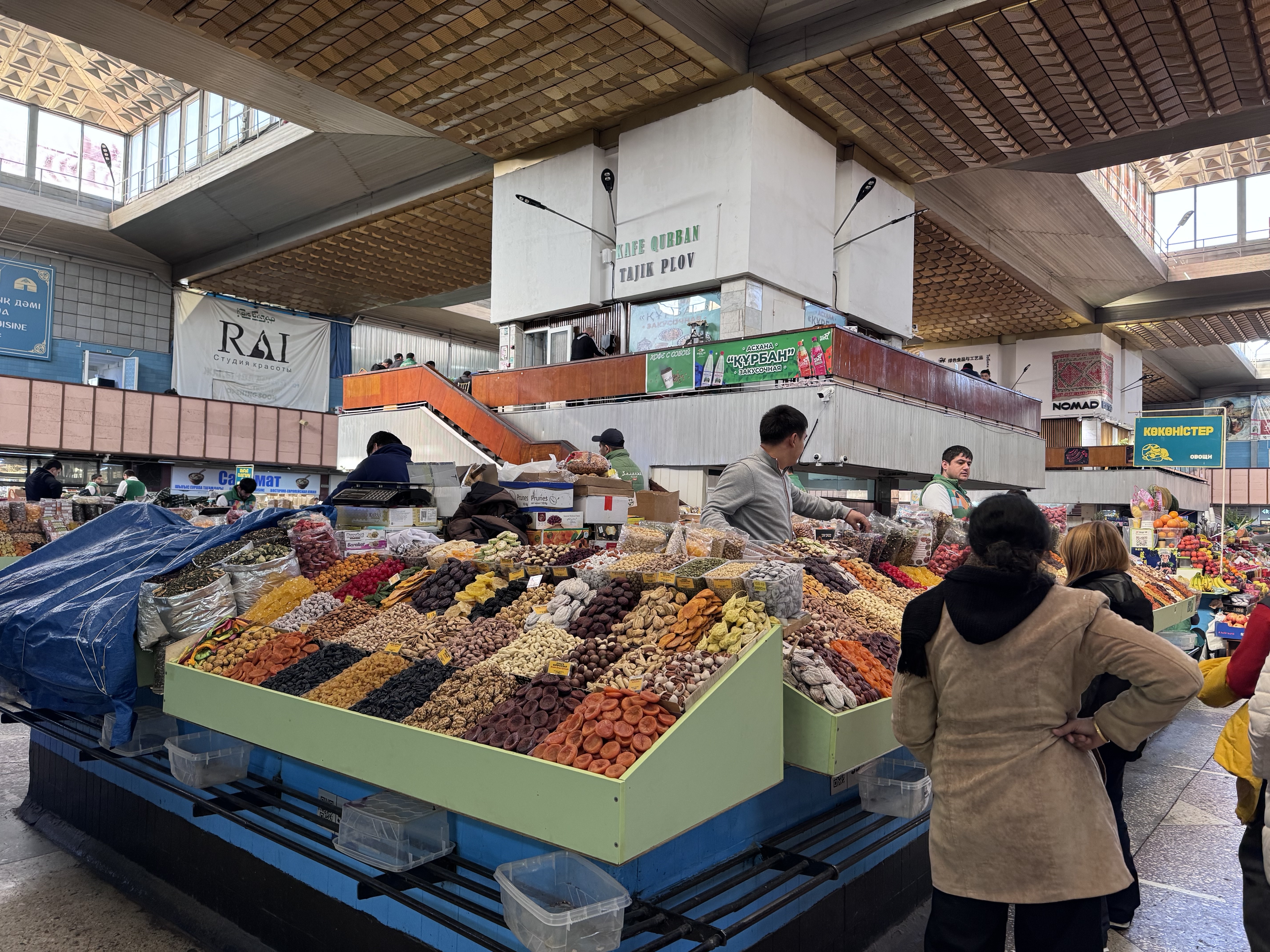
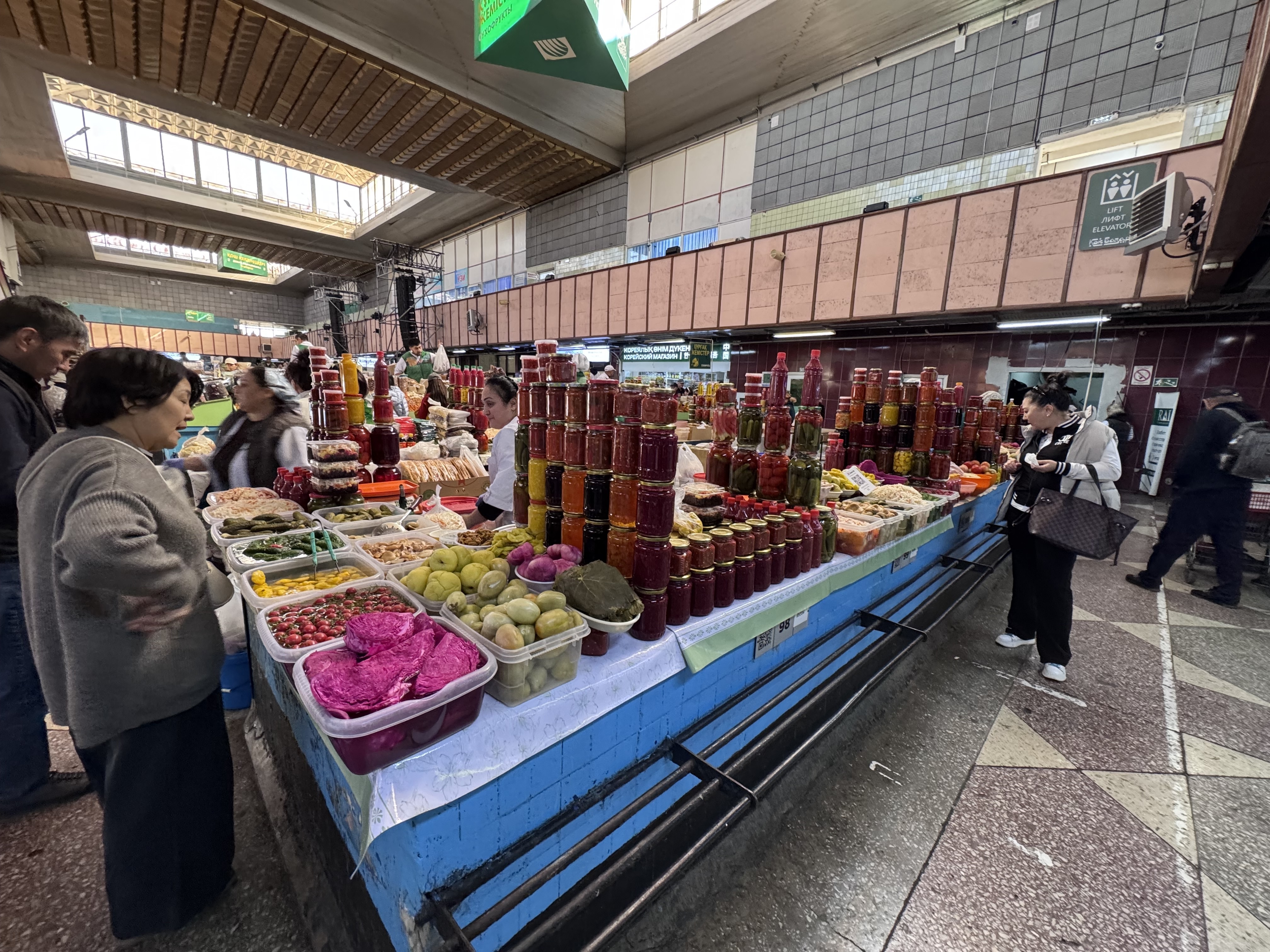
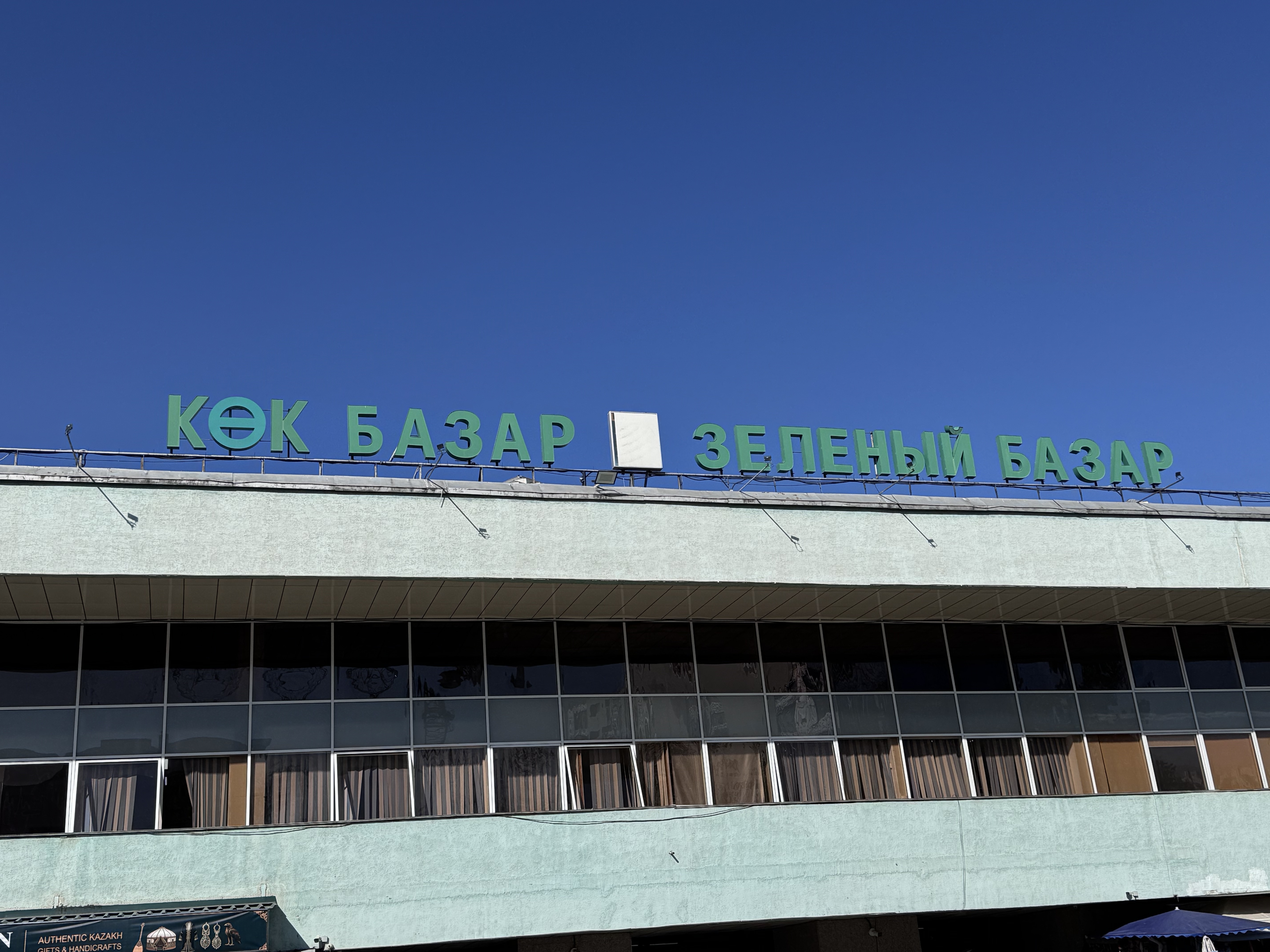
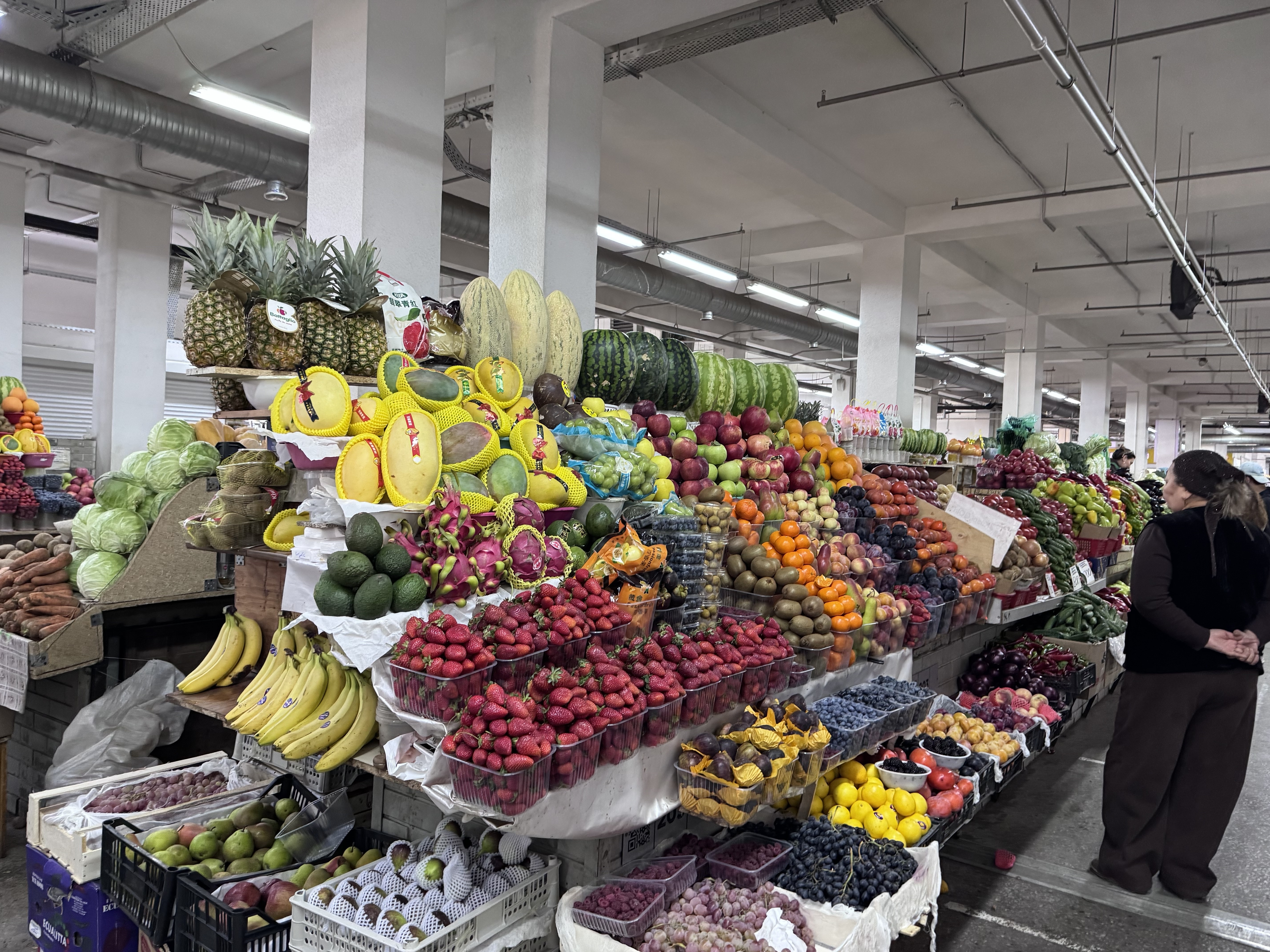
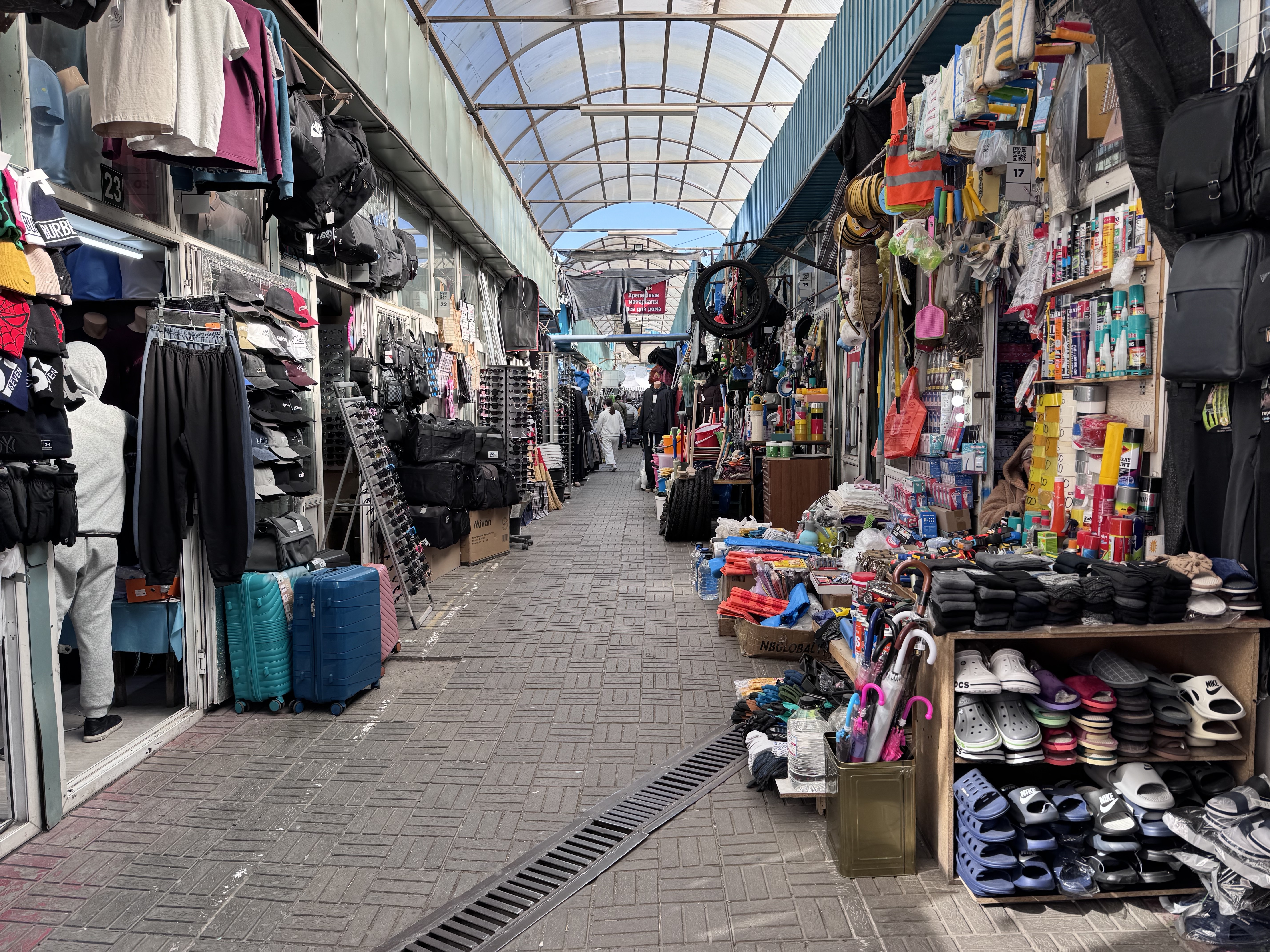
The Green Bazaar in Almaty, also known as Zelyony Bazaar in Russian or Kök Bazaar in Kazakh, stands as one of the city’s oldest and most enduring commercial and cultural landmarks. Trading on this site in the heart of what was then the Russian colonial settlement of Verny began around 1868, when the area nearby streets served as an informal marketplace.
In 1875 a more formal structure known as the Gostiny Dvor, or Merchant’s Yard, was erected there. It consisted of two low pavilions stretching along Torgovaya Street. The complex functioned both as a trading floor and as a guest yard for caravans and merchants arriving from across Central Asia and beyond, reflecting the city’s growing role on regional trade routes.
A catastrophic earthquake in 1887 destroyed much of Verny, including the original Gostiny Dvor. The market was rebuilt afterward, yet it gradually lost some of its earlier preeminence as other specialized bazaars appeared around the expanding city.
In 1927, during the Soviet period, the ...