

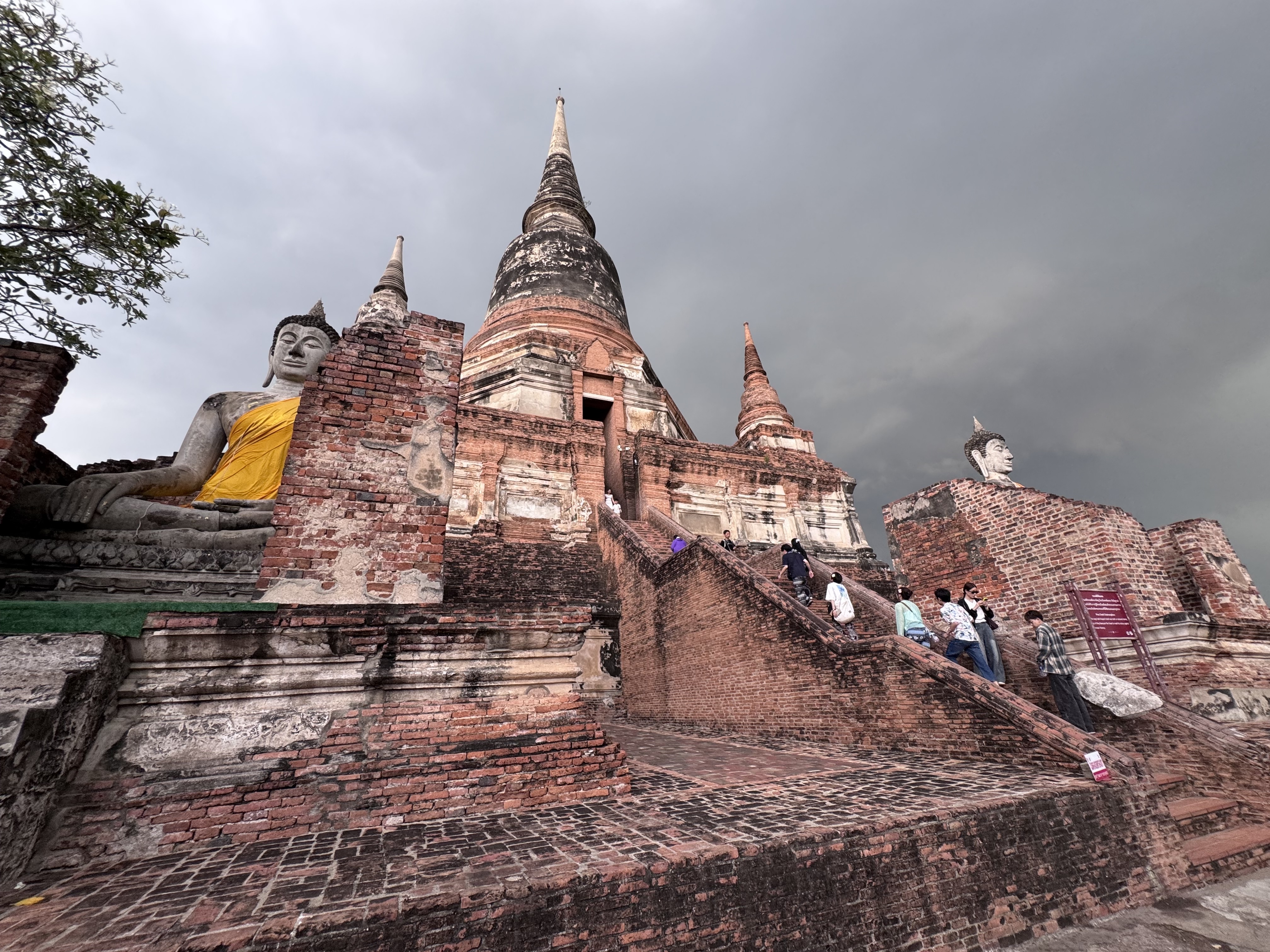
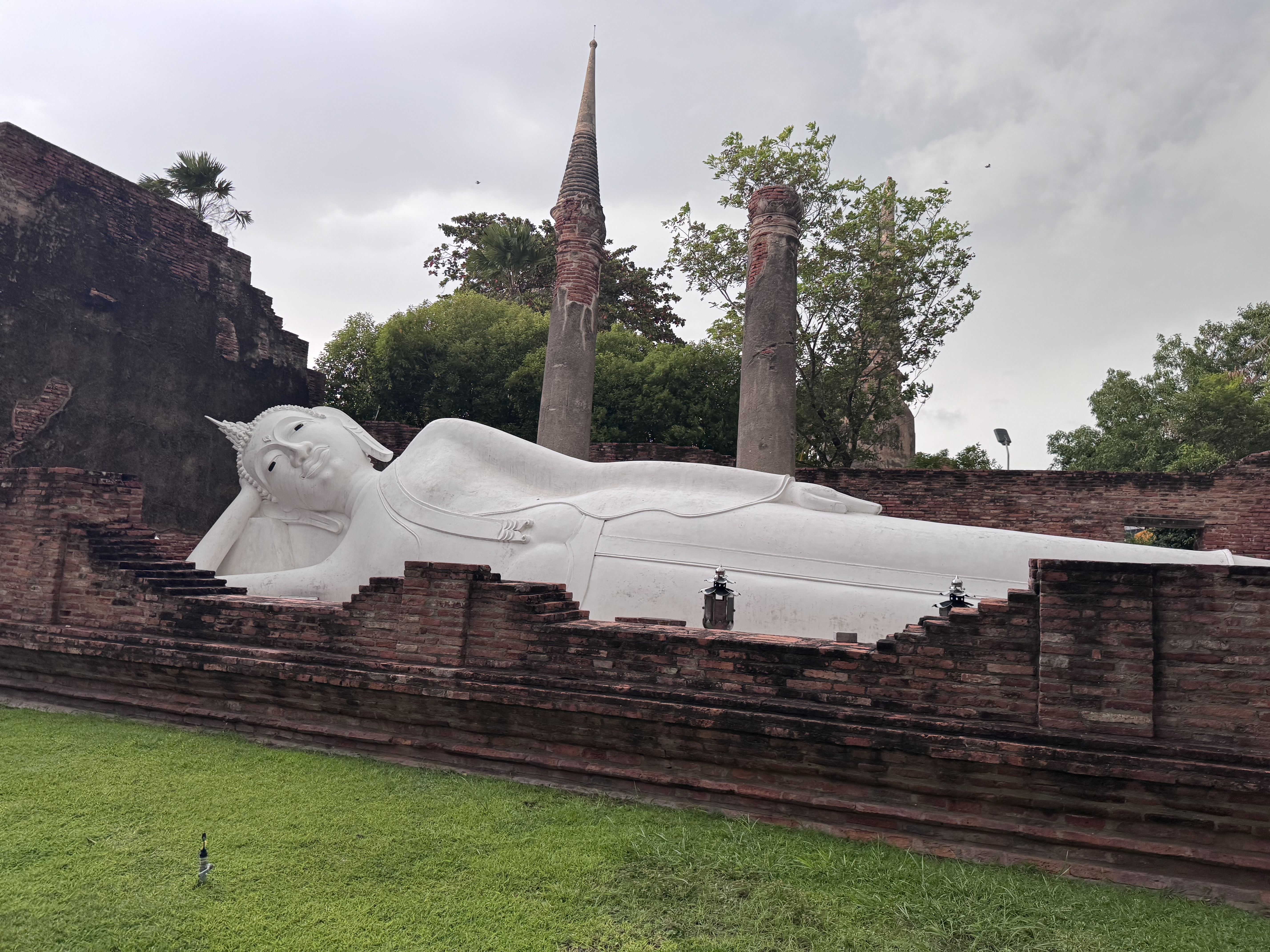
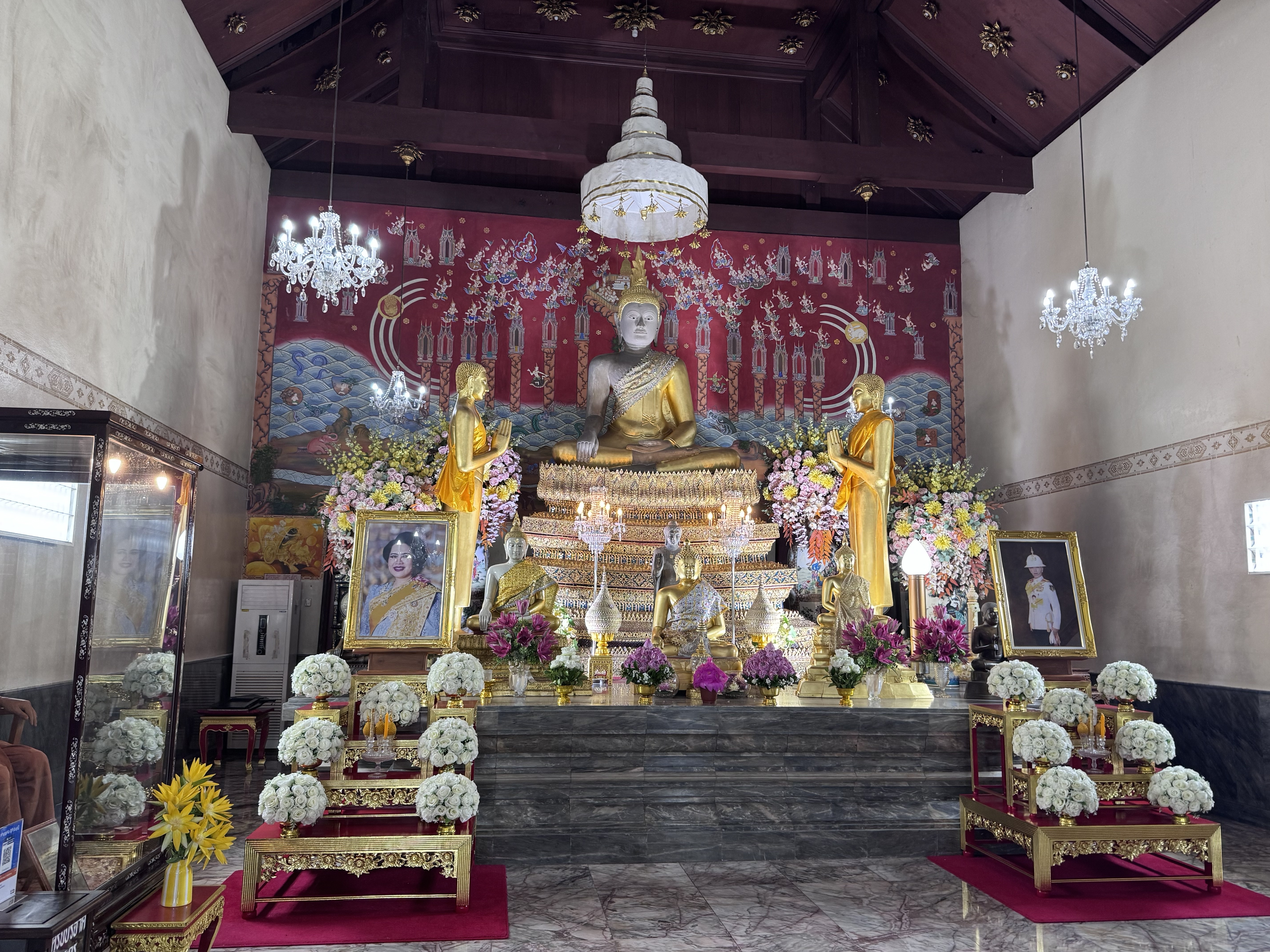
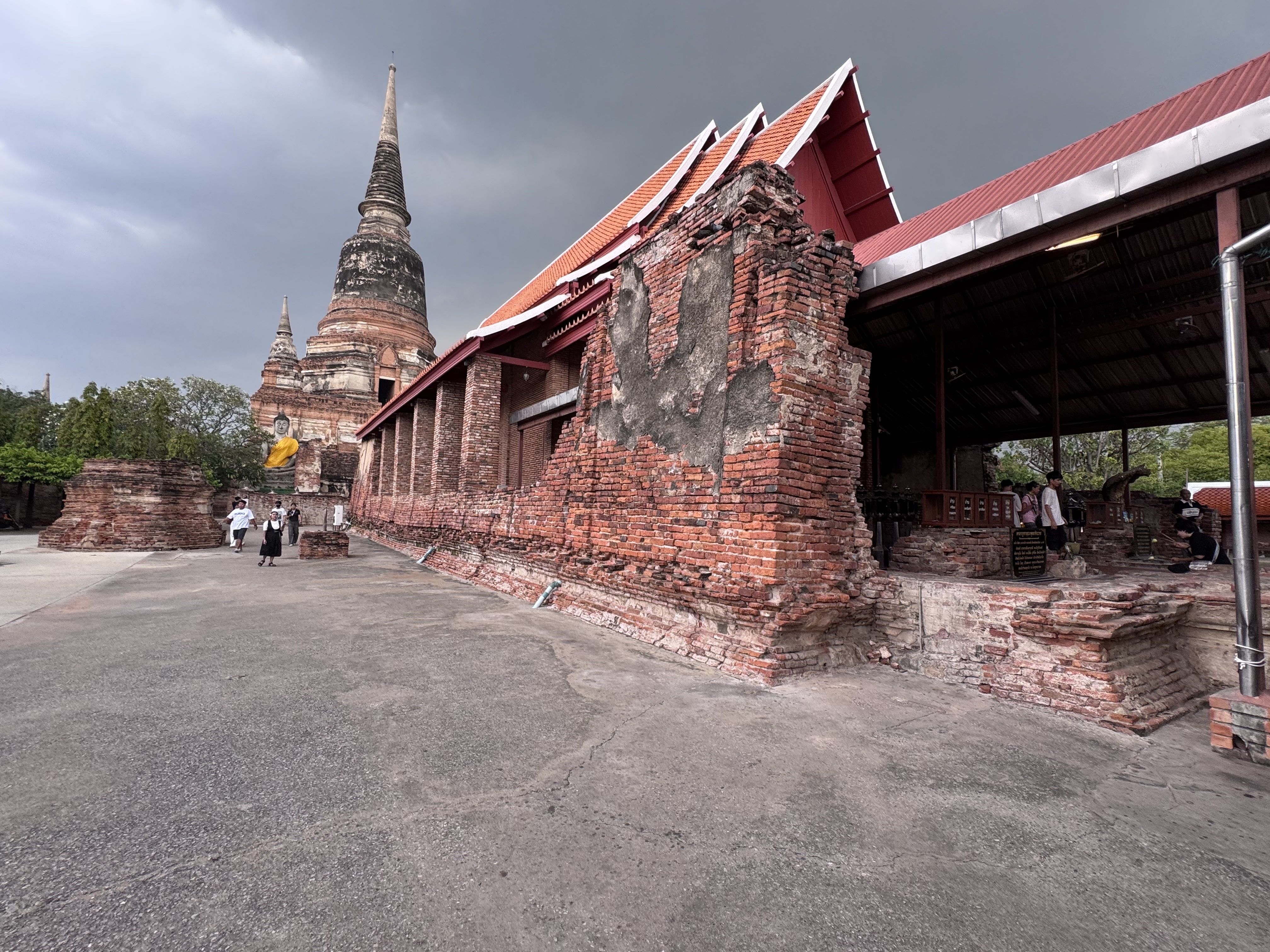
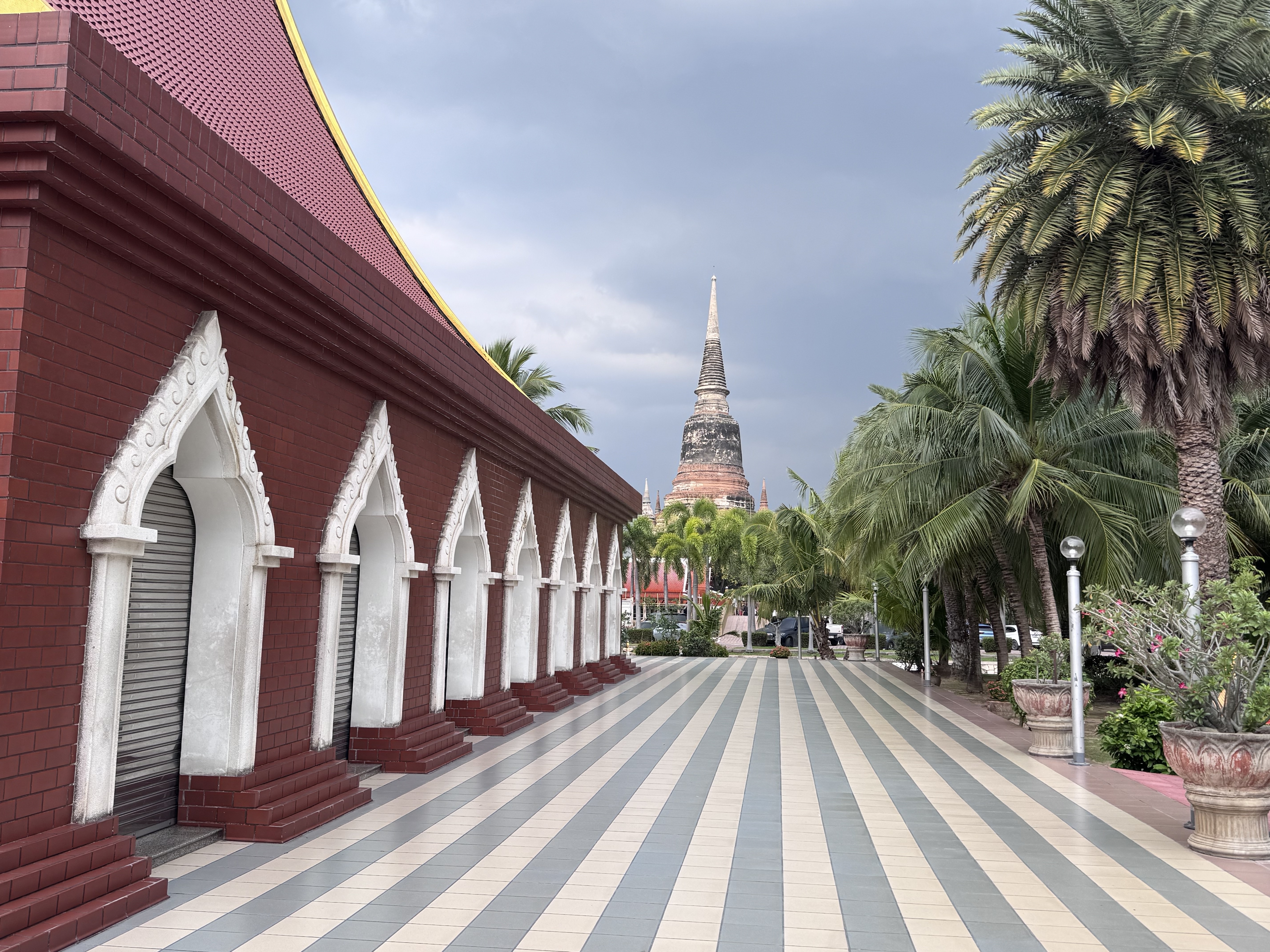
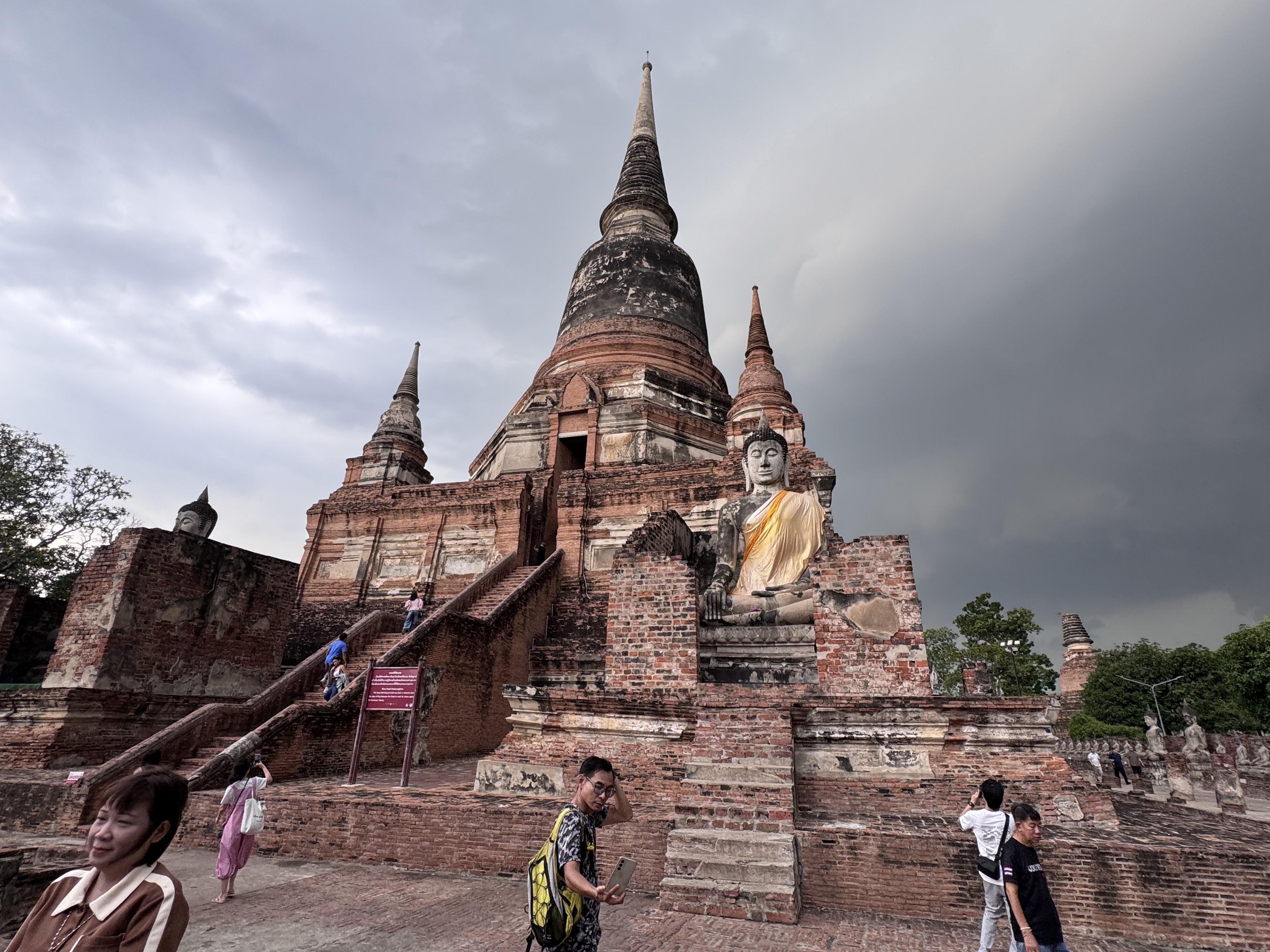
Wat Yai Chai Mongkhon occupies a site that may reach back far earlier than the Ayutthaya kingdom itself. Historians and archaeologists point to traces of a large surrounding moat and the outline of an ancient baray, or rectangular reservoir, near the southwestern edge of the present monastery. These features are characteristic of Khmer temple planning, in which a broad outer moat symbolized the cosmic ocean encircling Mount Meru. The evidence suggests that an important religious complex, possibly Khmer or linked to the earlier Dvaravati culture of the sixth to eleventh centuries, once stood here, though no standing structures from that period remain visible today.
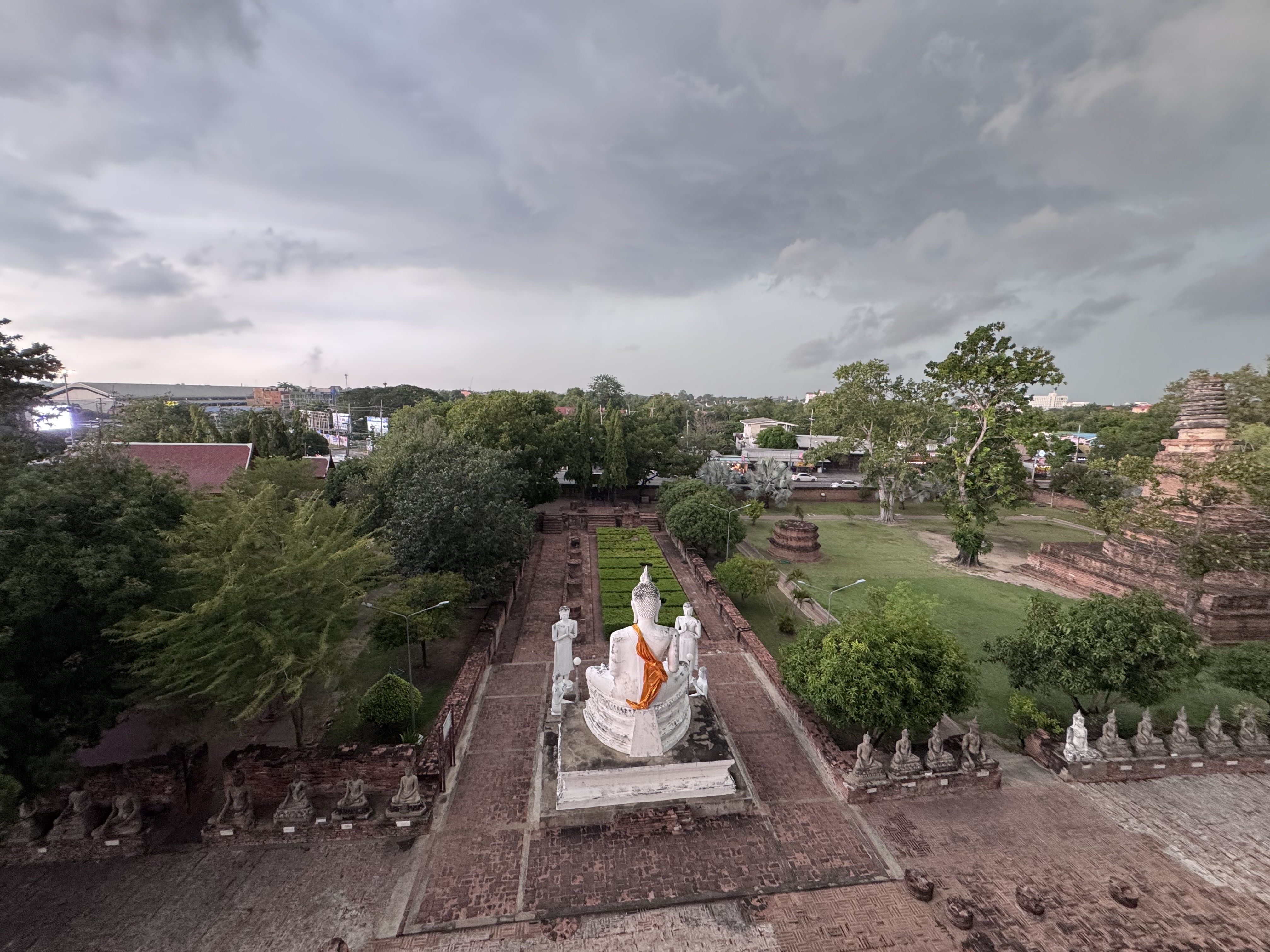
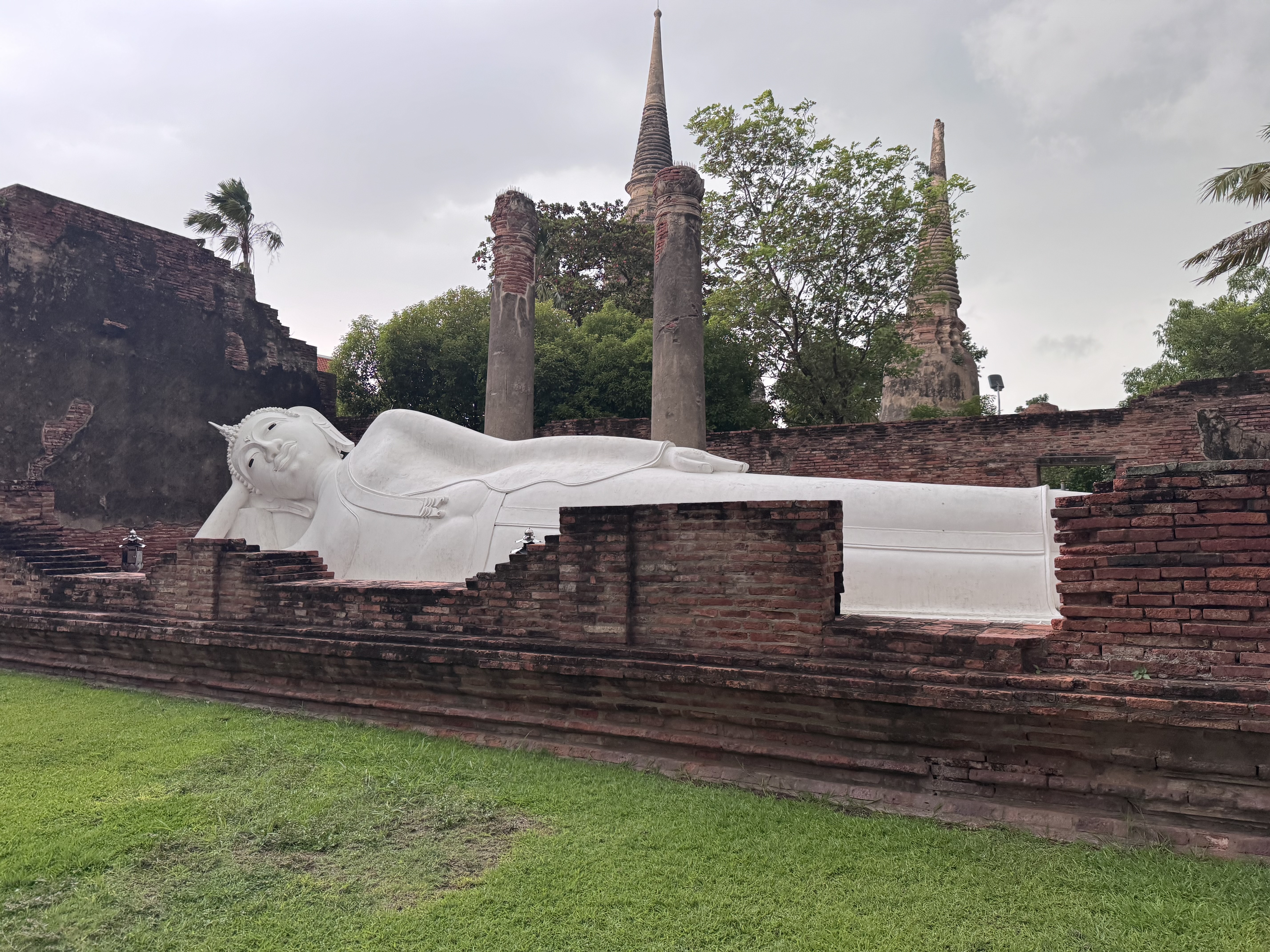
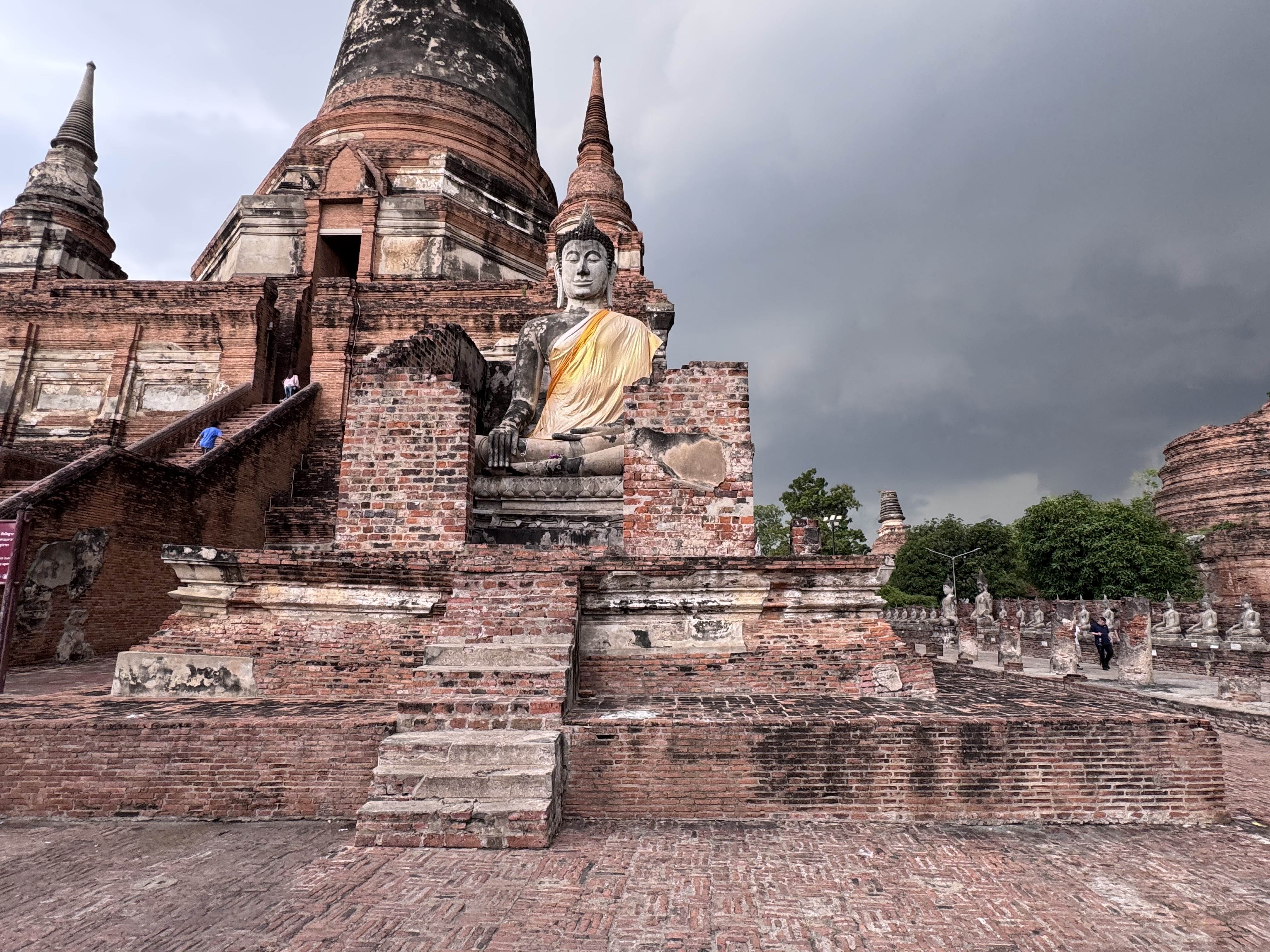
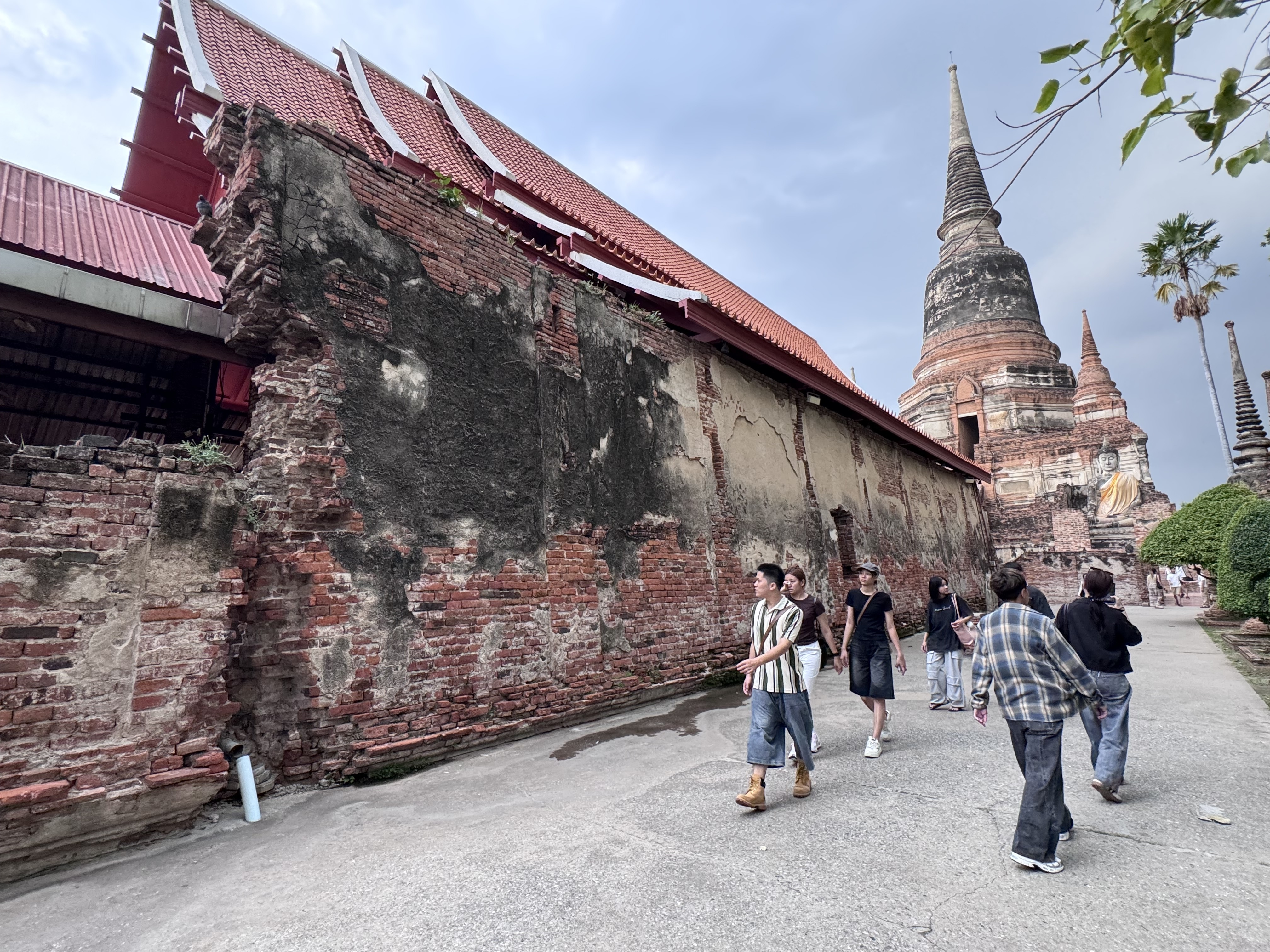
The monastery that visitors now see was founded in 1357 by King Ramathibodi I, known as U-Thong, the first ruler of Ayutthaya. After two royal princes, Chao Kaeo and Chao Thai, died of cholera, the king ordered their remains cremated and a sacred site established at the place of the ceremony. A stupa and preaching hall were raised, and the ...
History of Loy Krathong Festival
Loy Krathong Festival originated from an old Brahmin festival that paid respects to the water spirits. Thai people float krathongs to give thanks to the water goddess for the fortune of having water while others will ask for forgiveness for using too much or contaminating it.
Loy Krathong originated in the ancient Sukhothai Kingdom, over 700 years ago. The King, Ramkamhang, was a devout Buddhist and believed that at the end of the Thai year his people should pay tribute to the water goddess, Phra Mae Khong Ka, for all they had been given. So he chose a night with a full moon after the monsoons, meaning the rivers and canals would be at their fullest, to worship.
A popular legend says that one of the King's consorts, Nang Noppamas, was the one who created the first Krathong. Noppamas was the daughter of a Brahmin priest and adapted an existing Brahmin tradition to make the float from banana leaves. The king was impressed and he proclaimed that every year on this ...
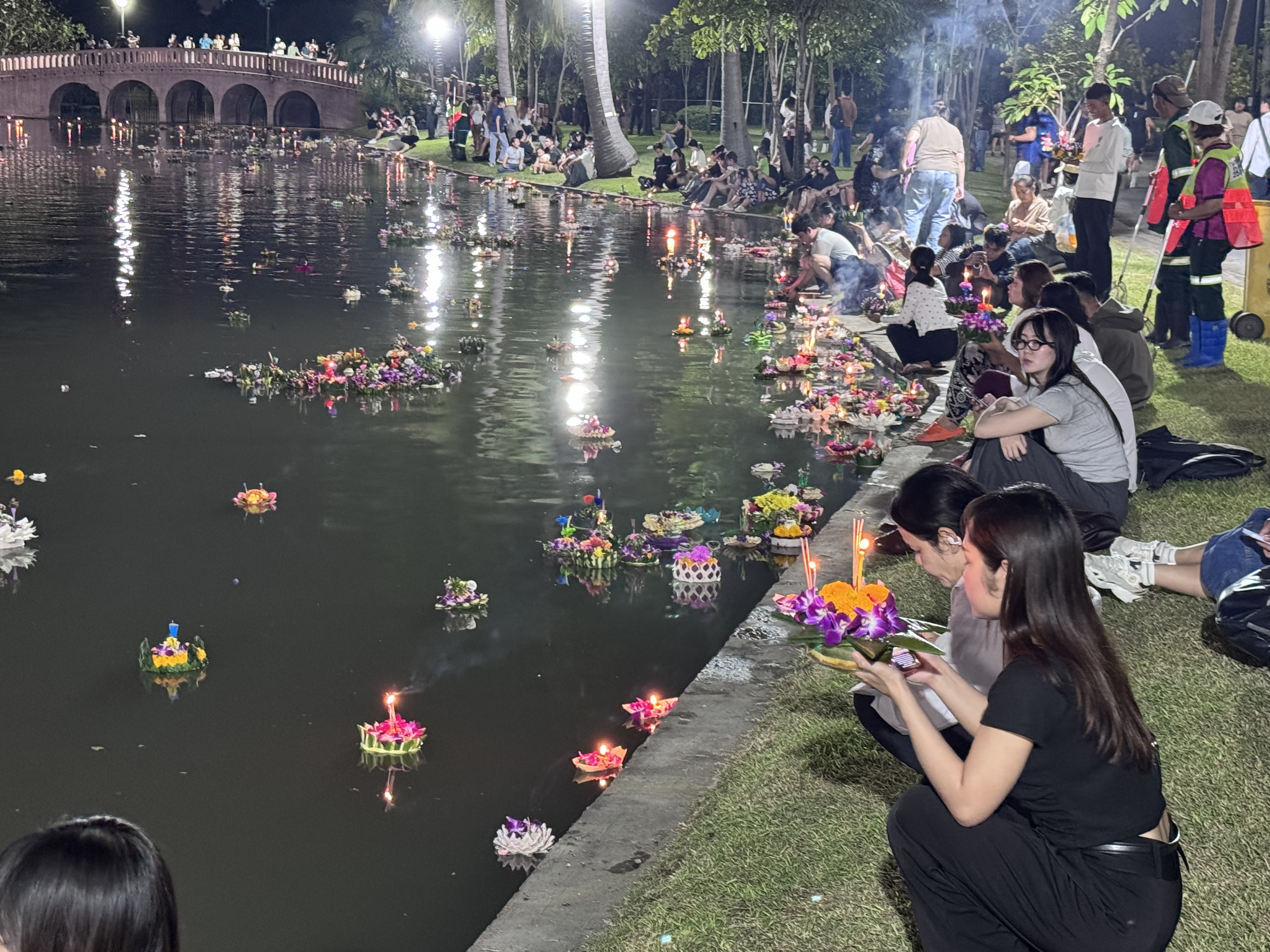
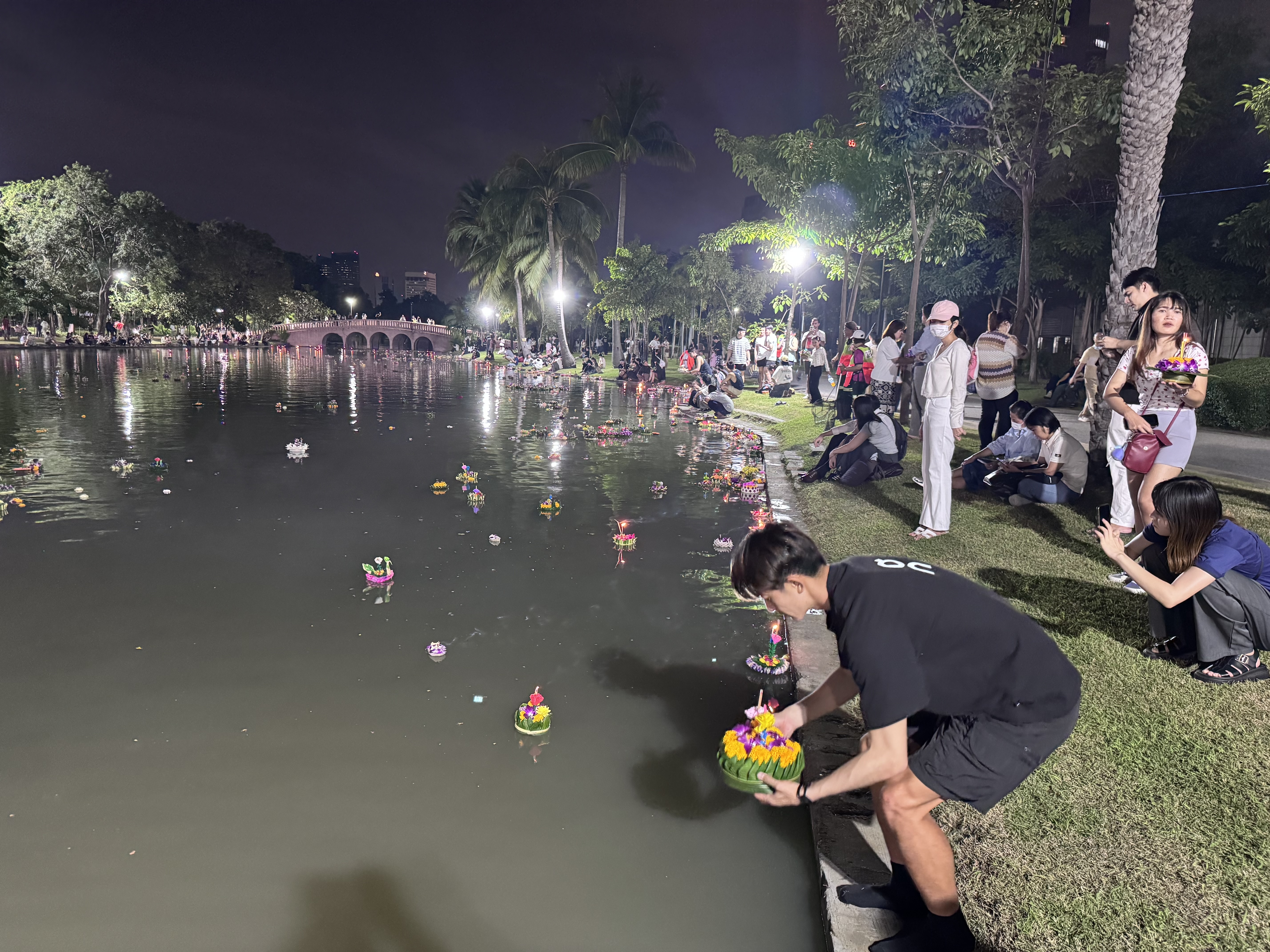
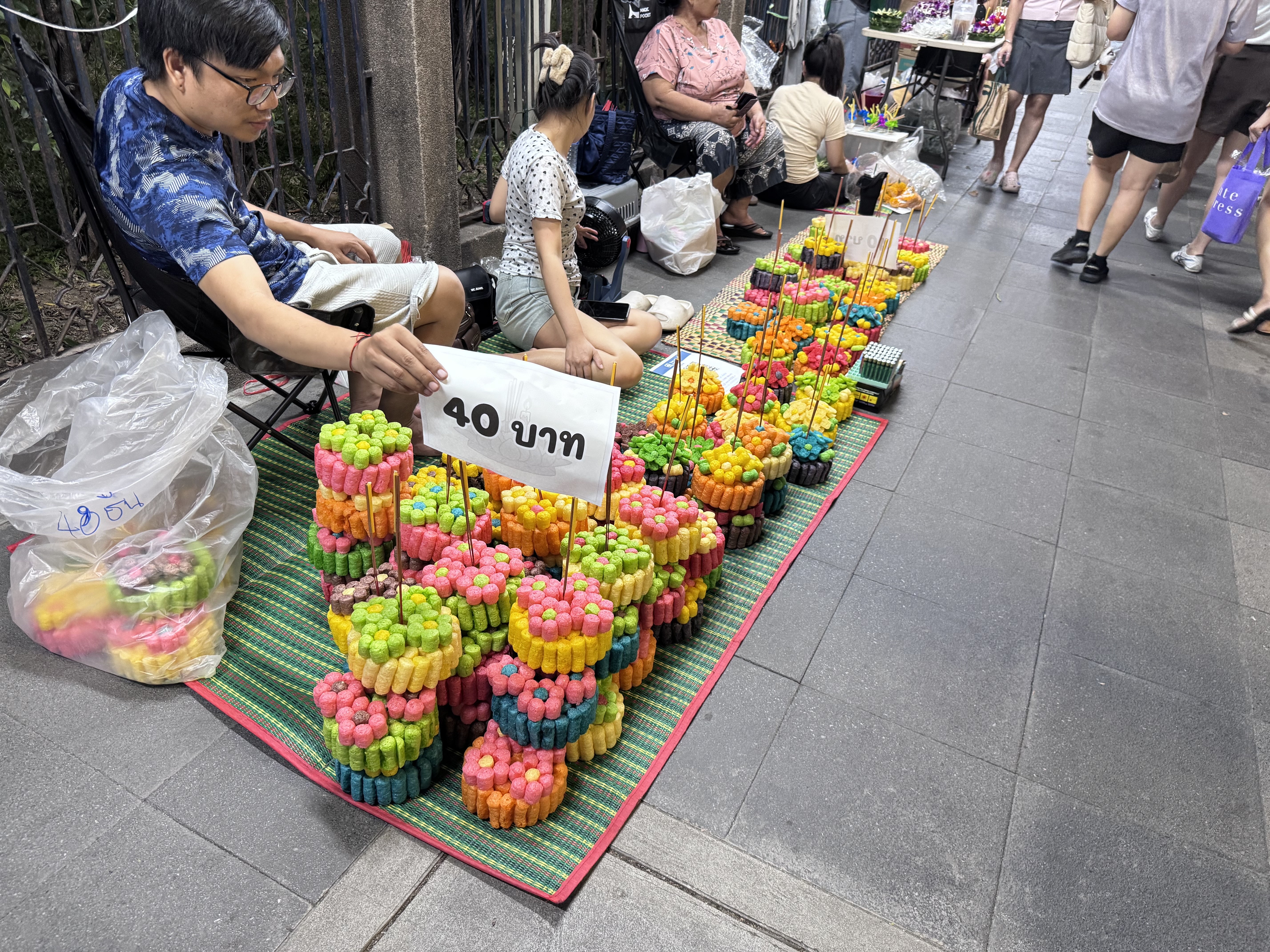
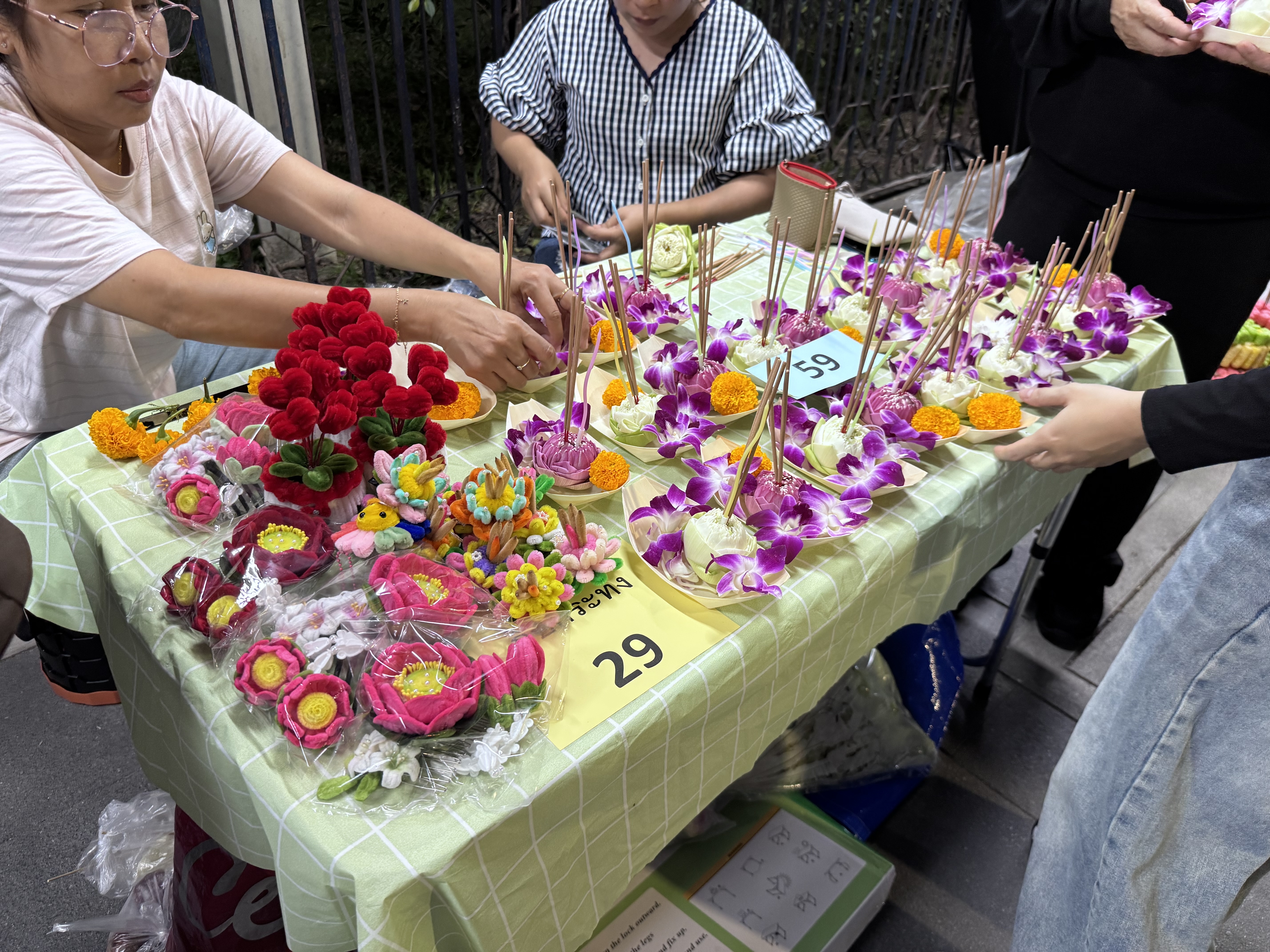
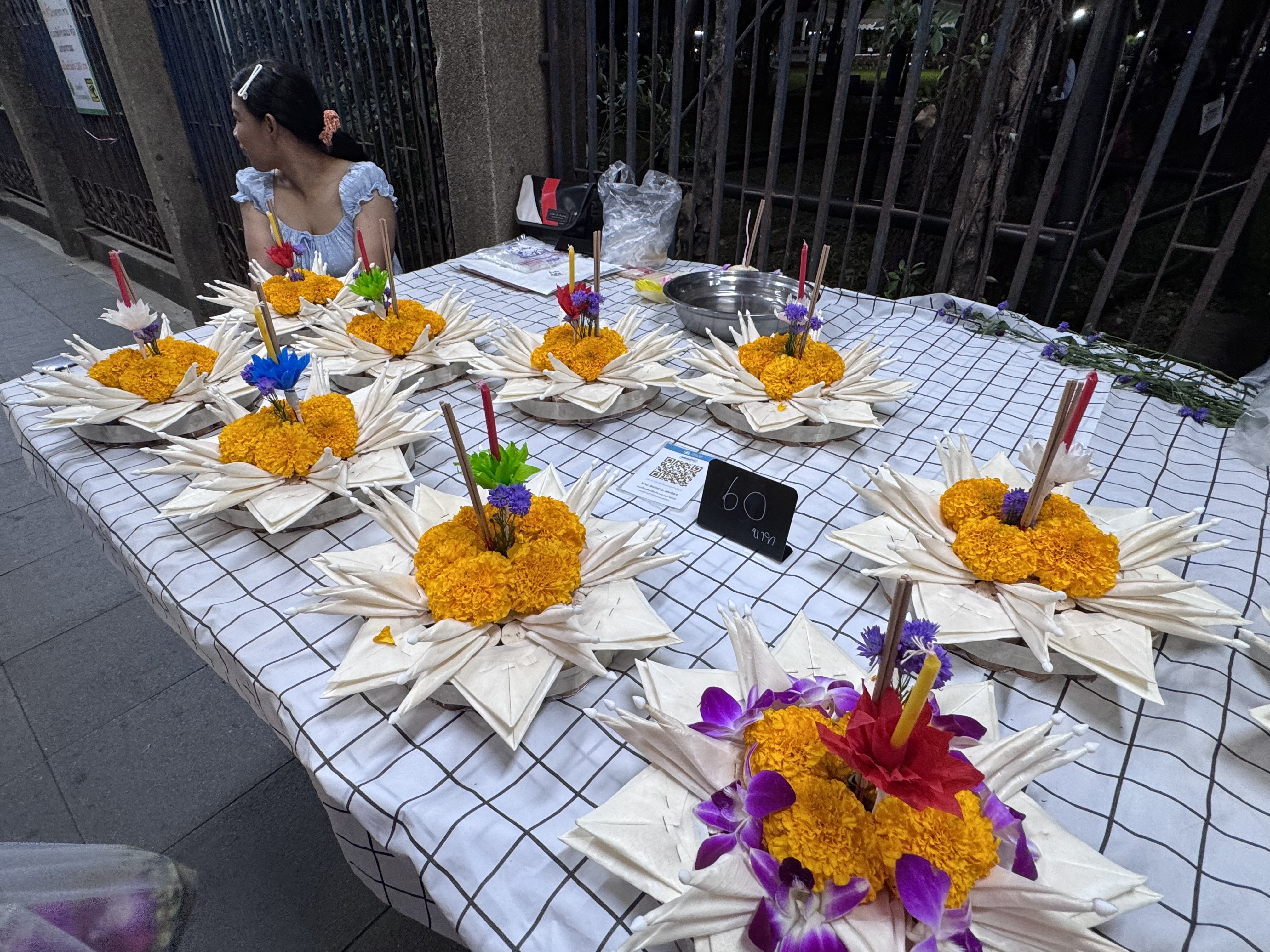
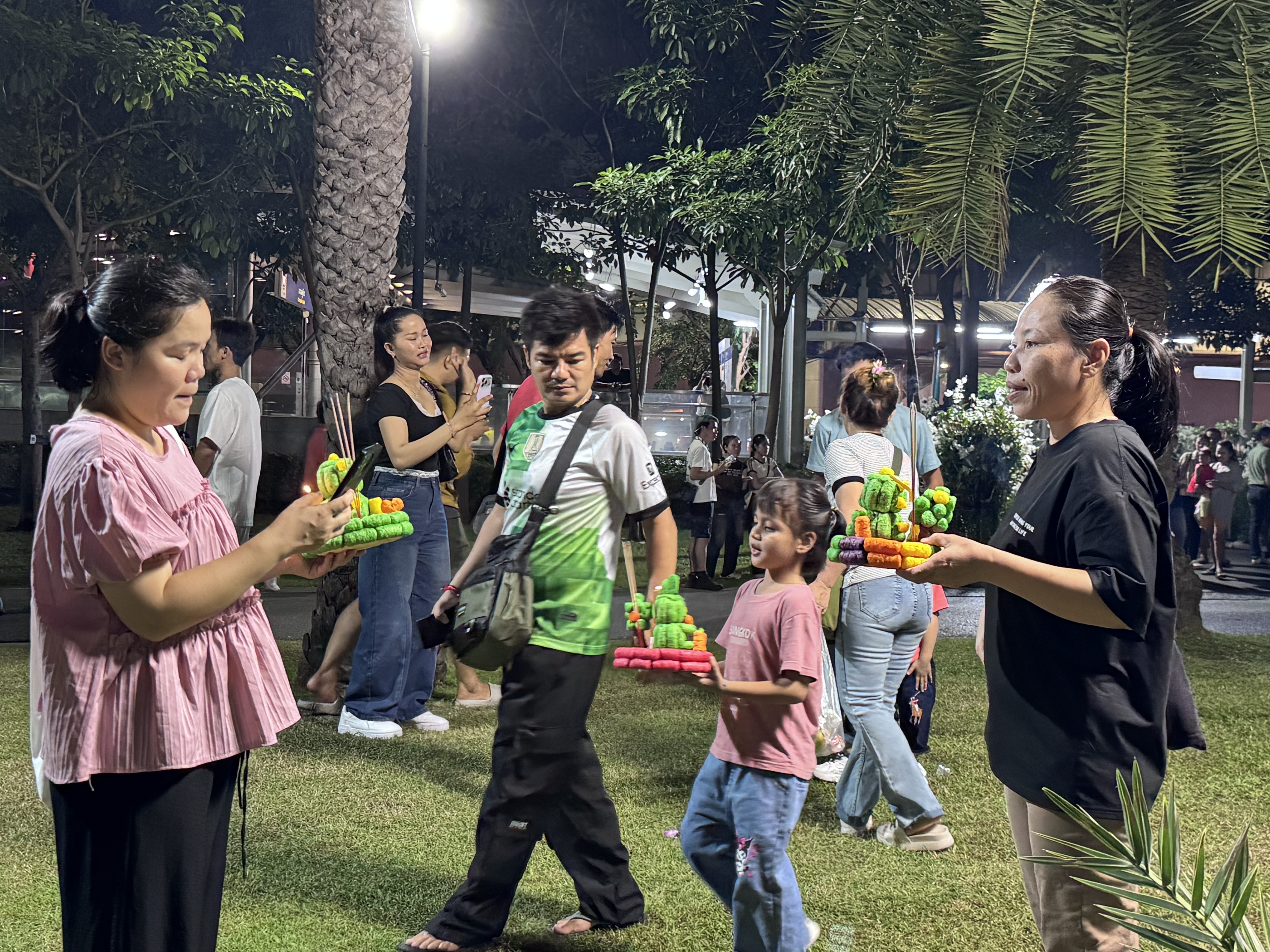
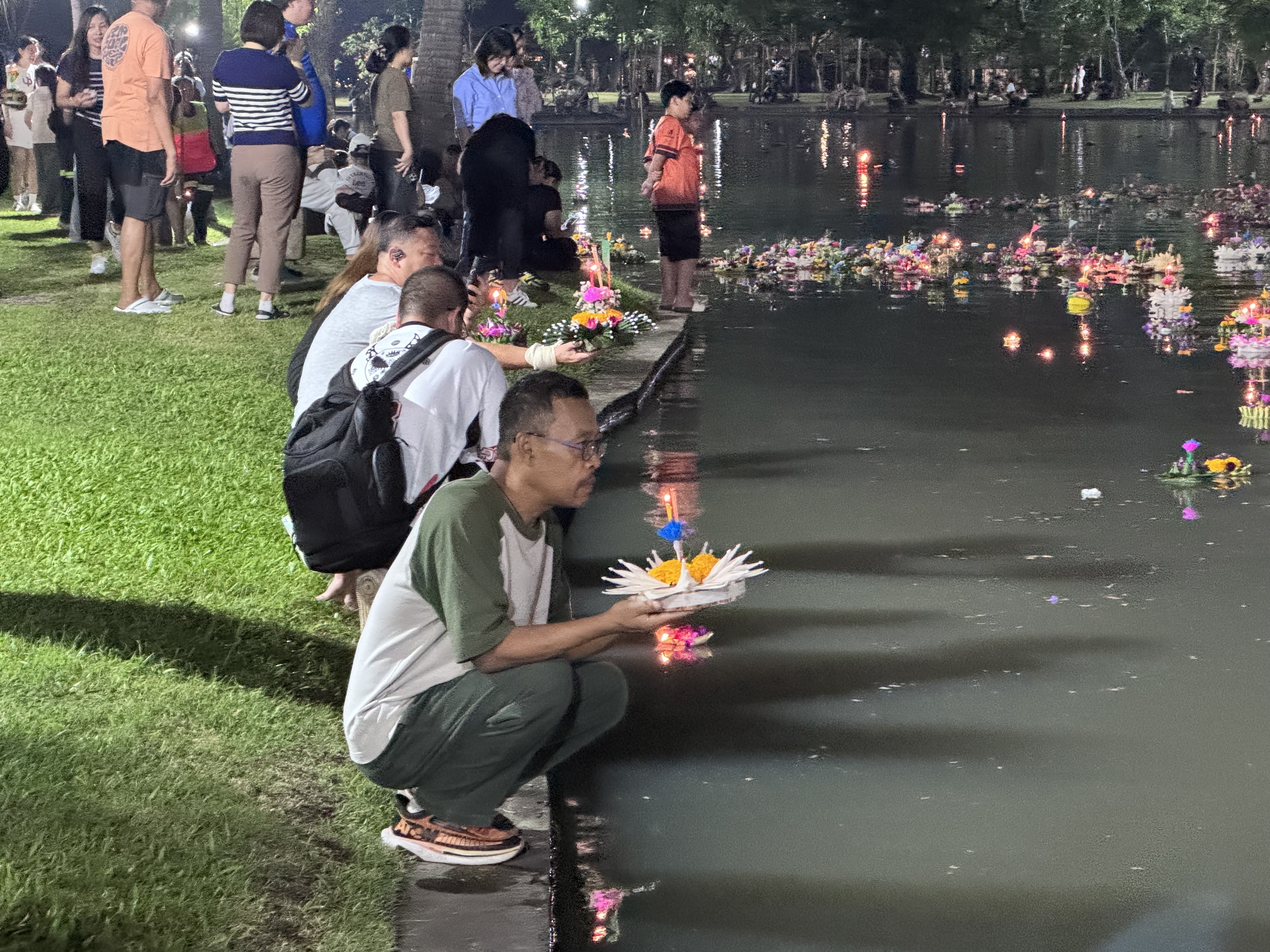
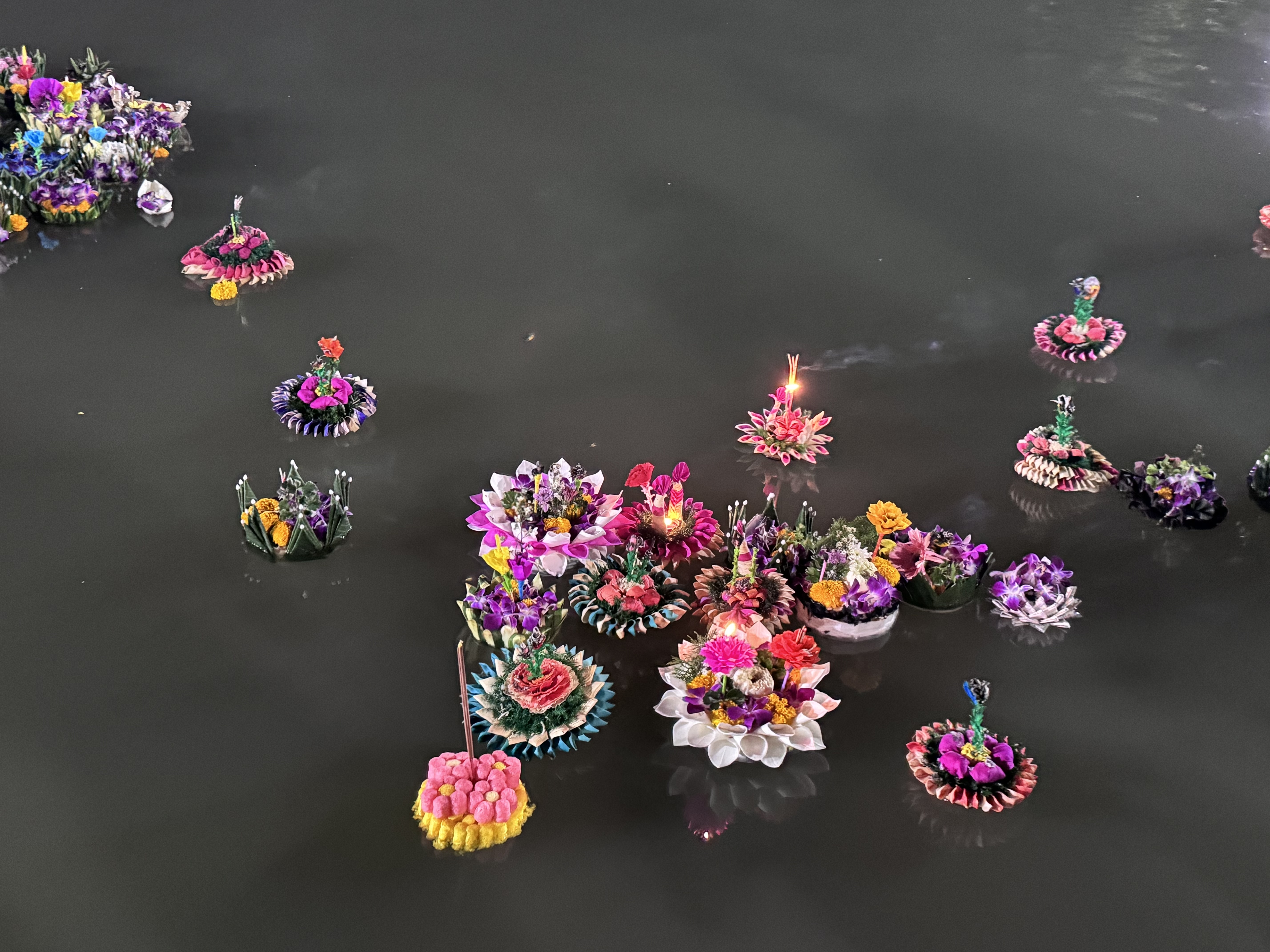
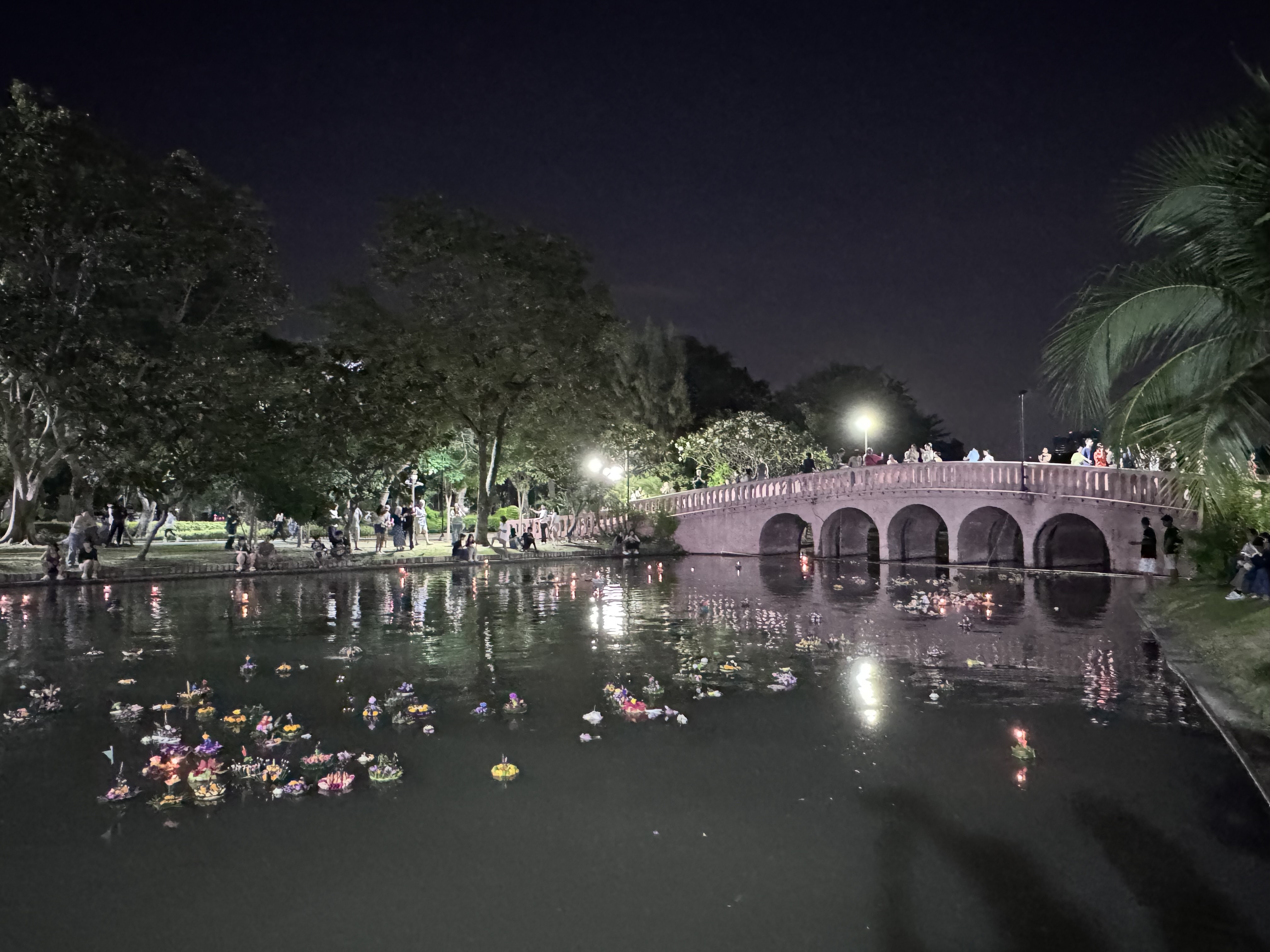
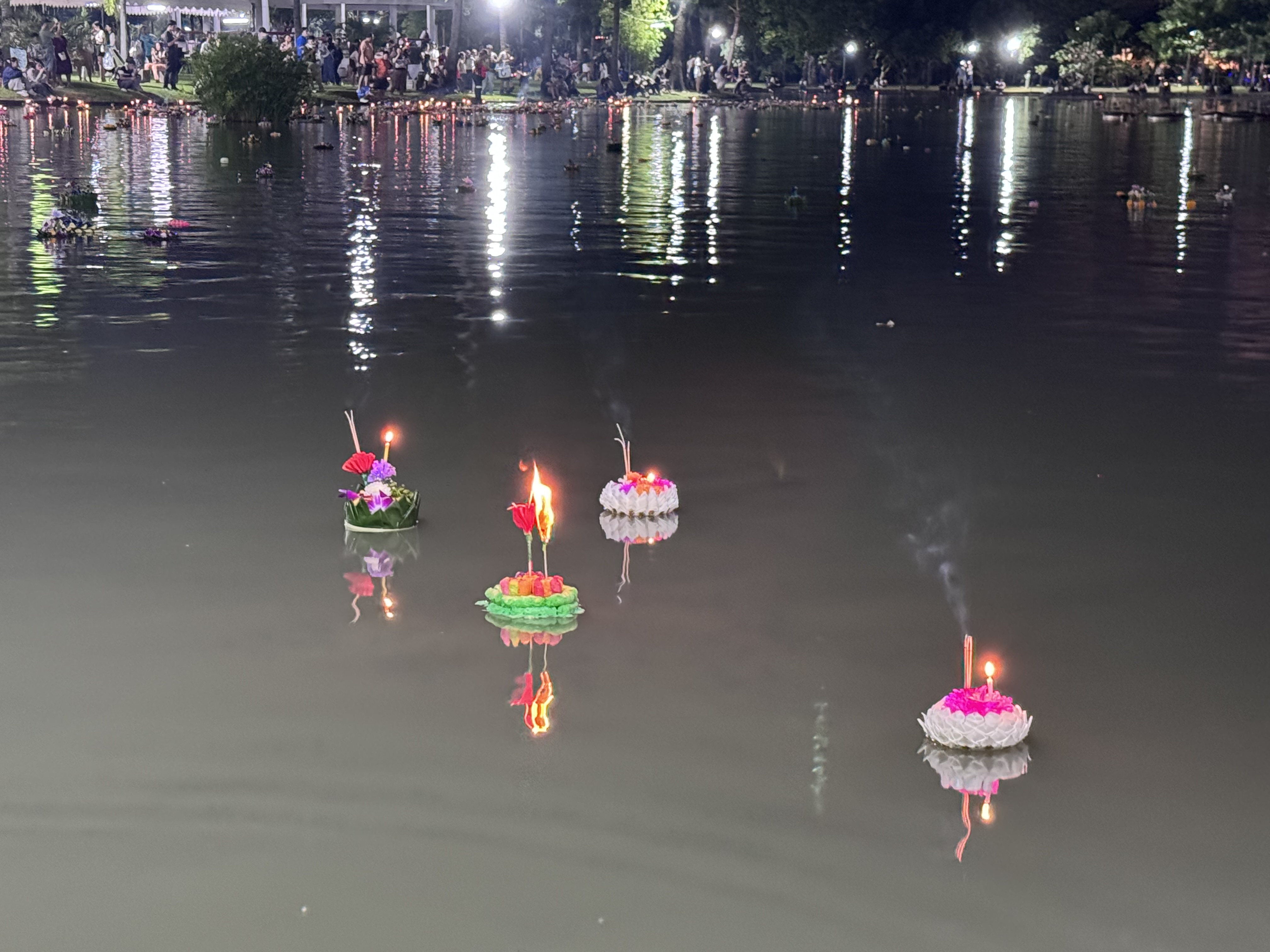
Rama VII Bridge Loy Krathong Market, Bang Kruai, Nonthaburi
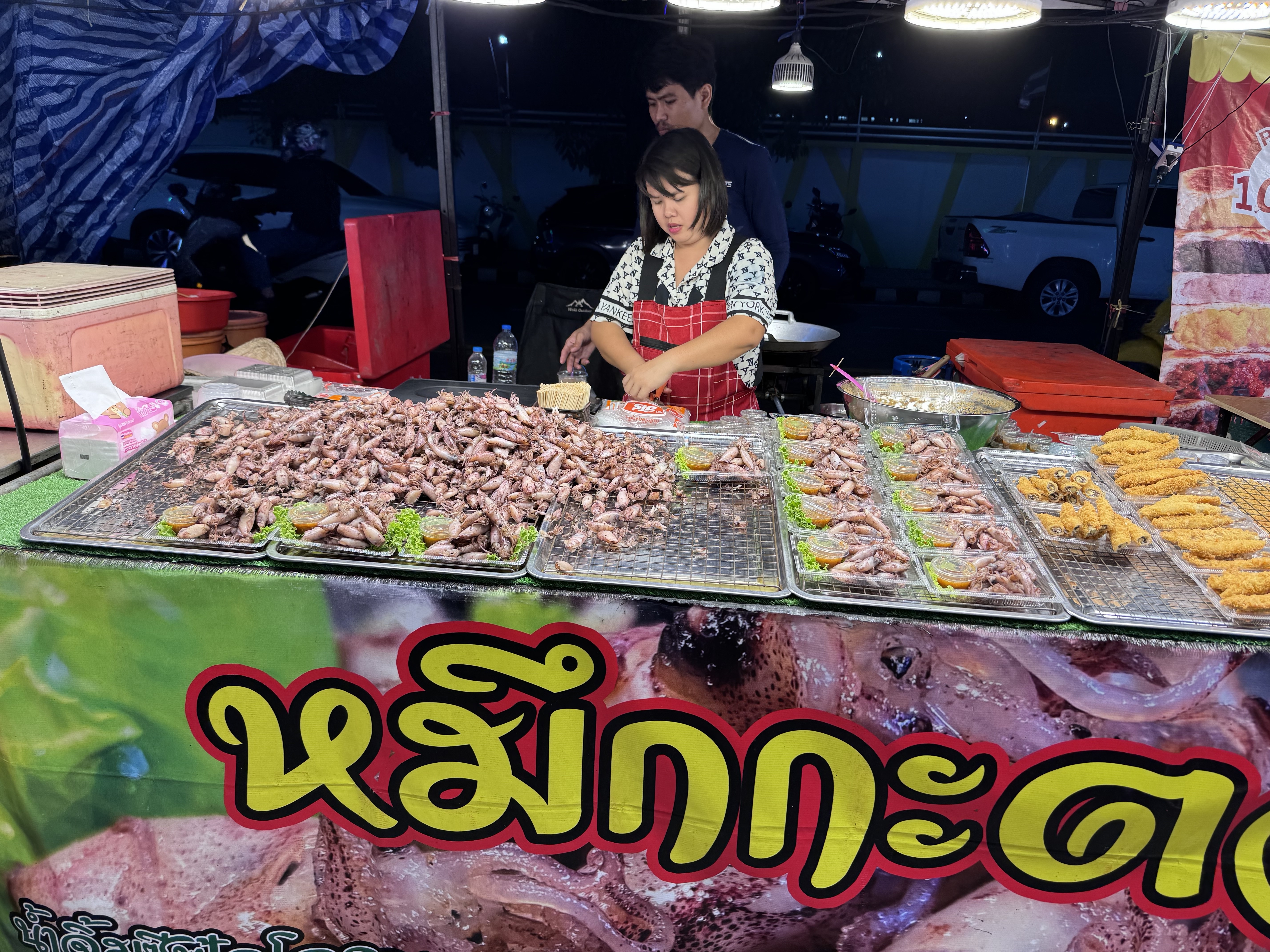
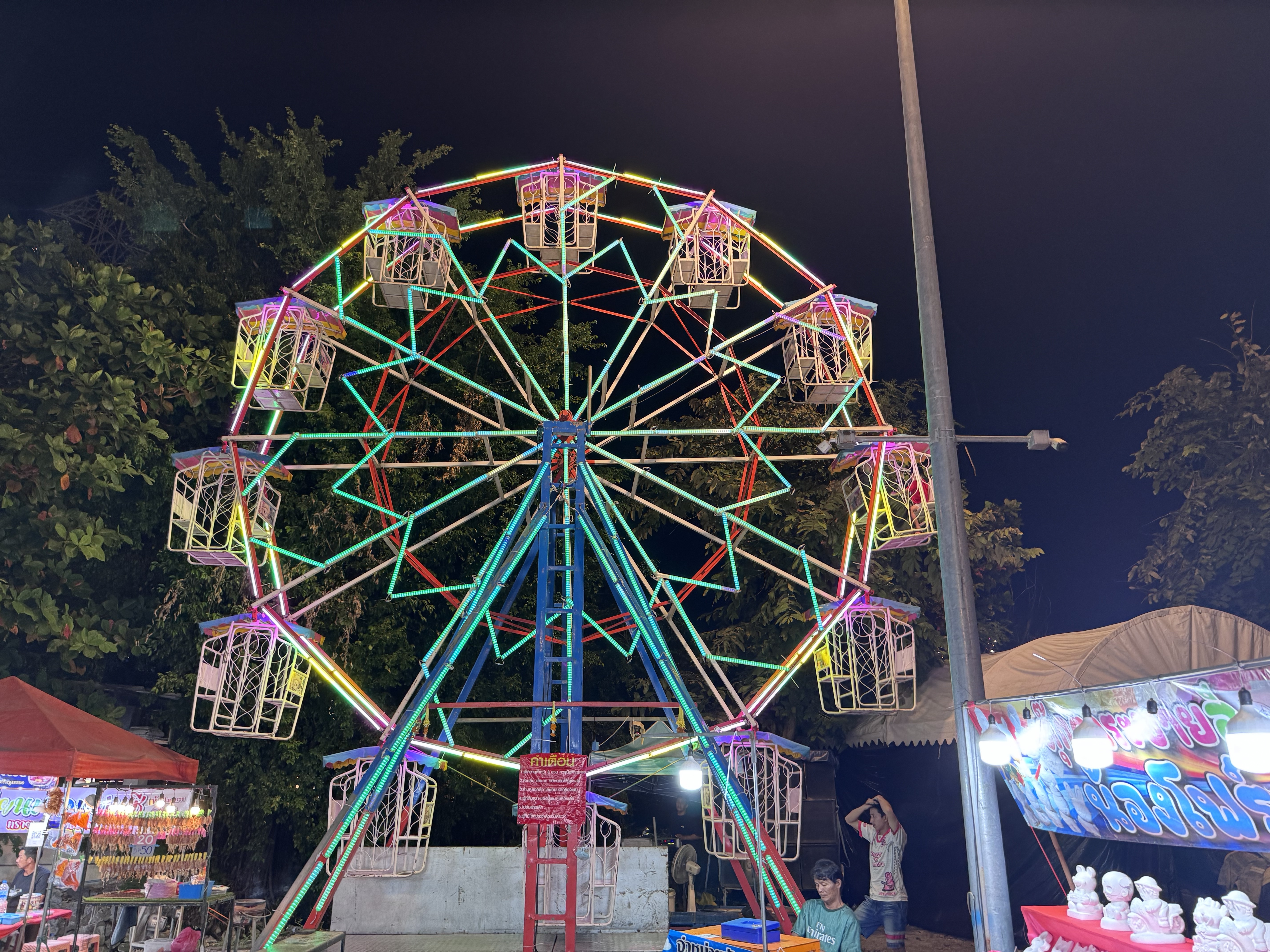
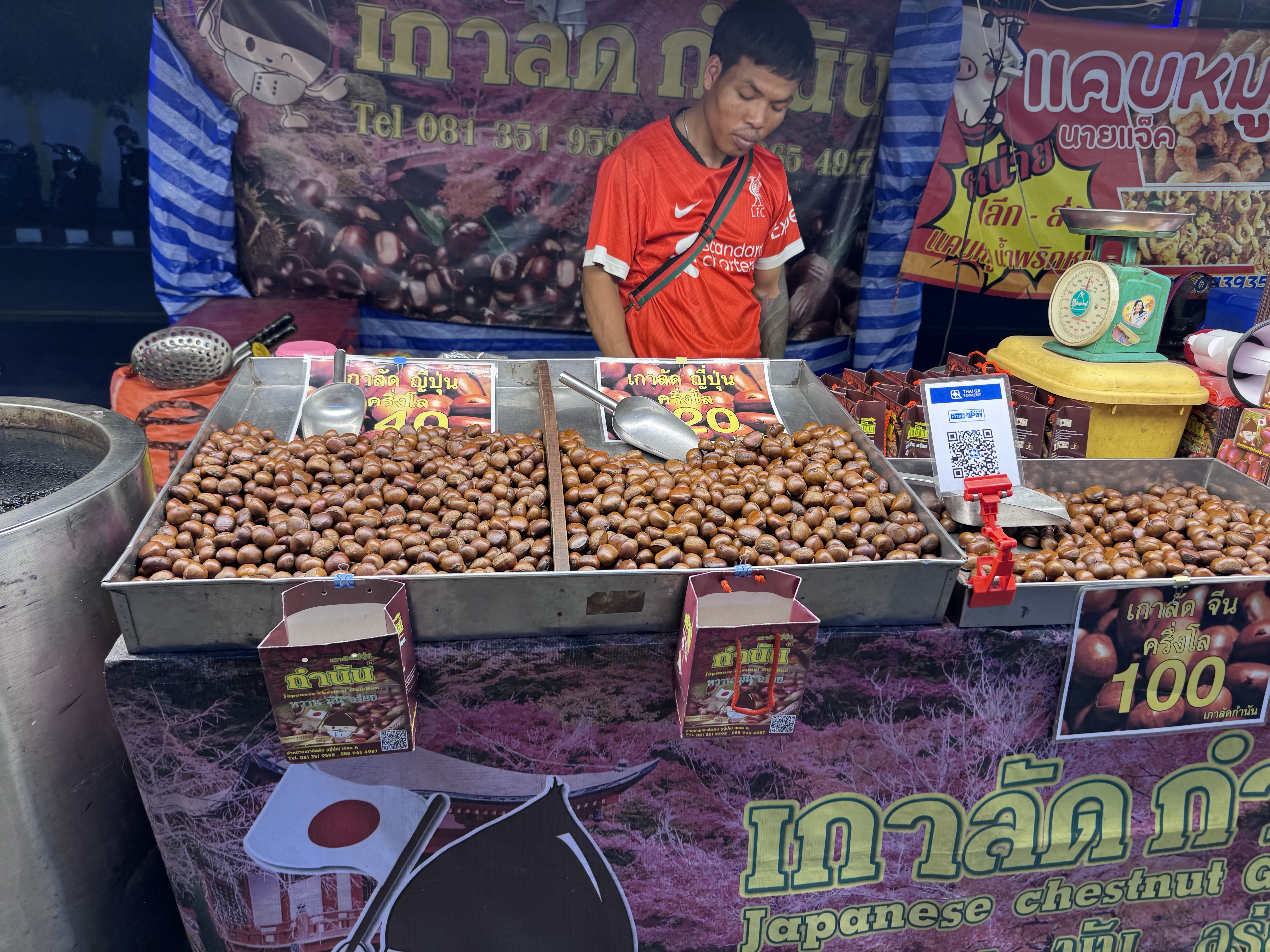
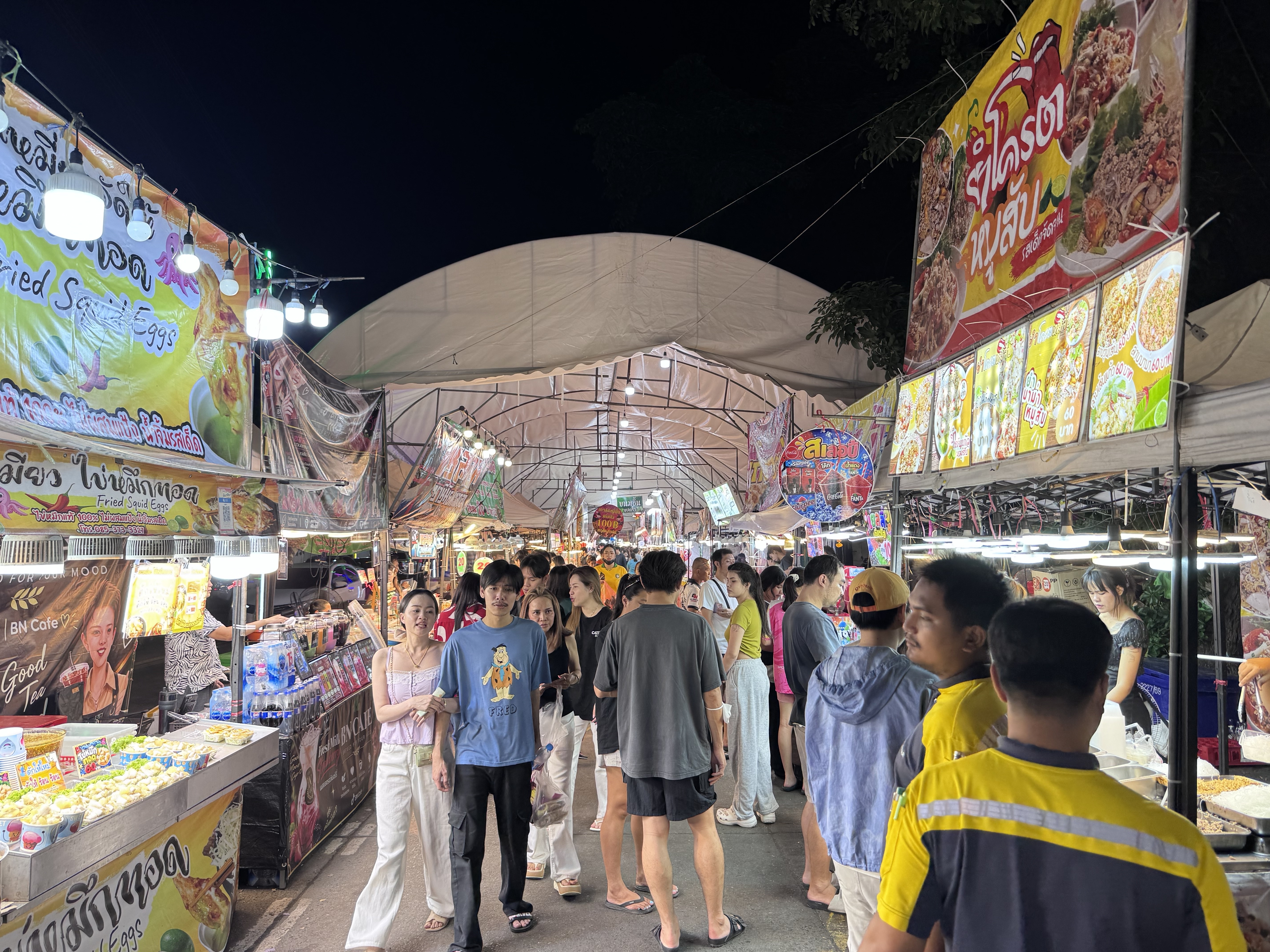
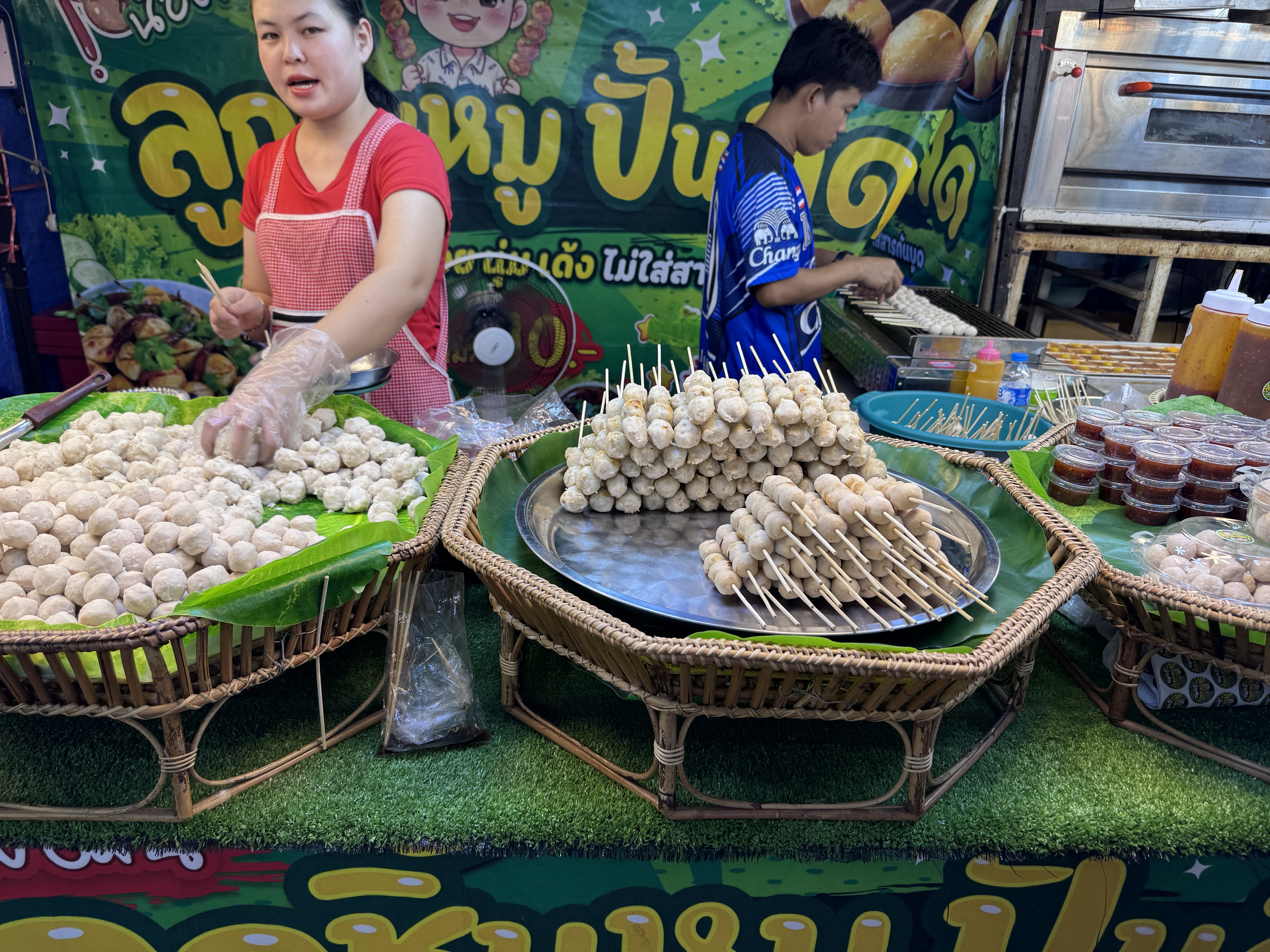
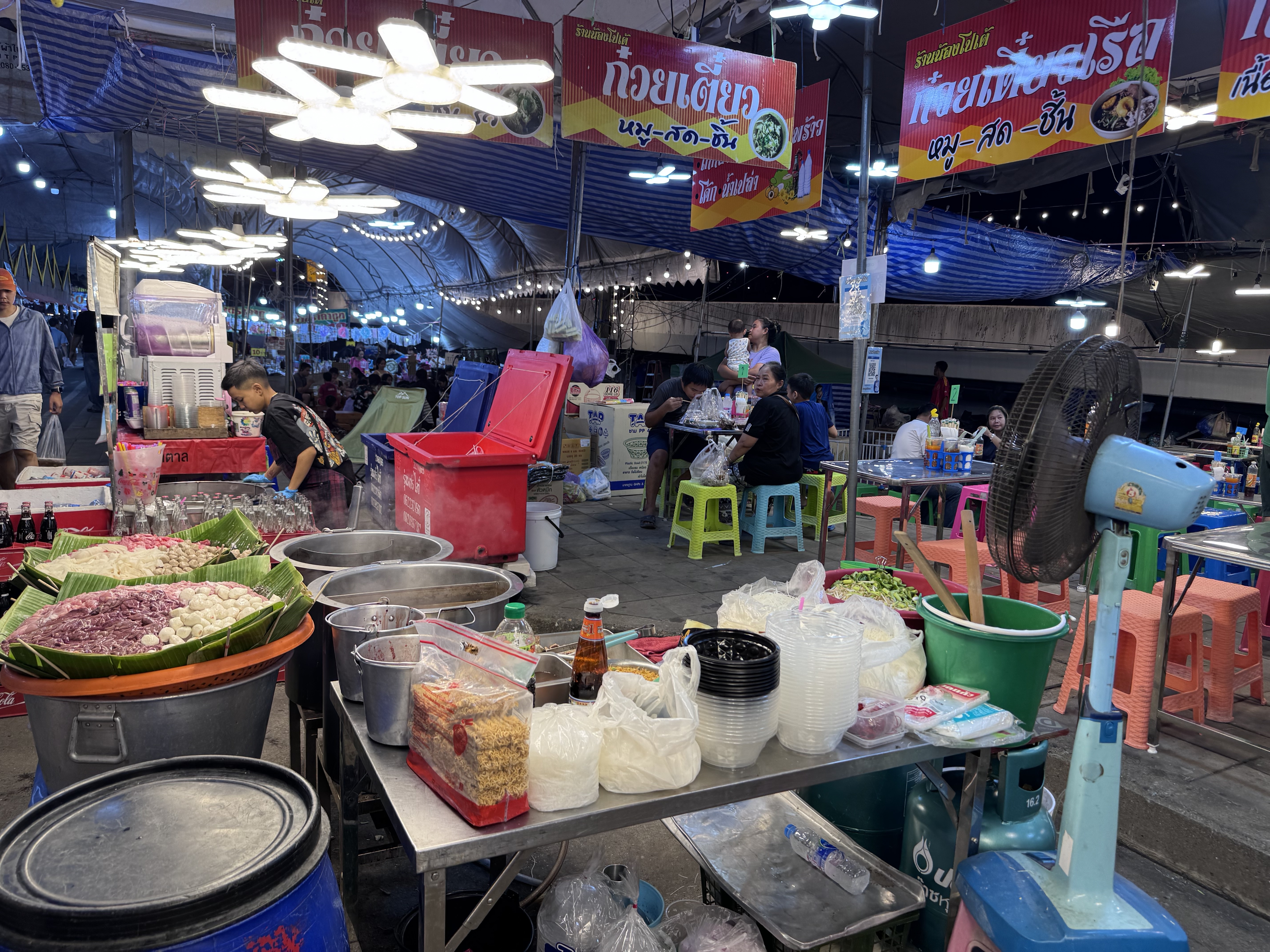
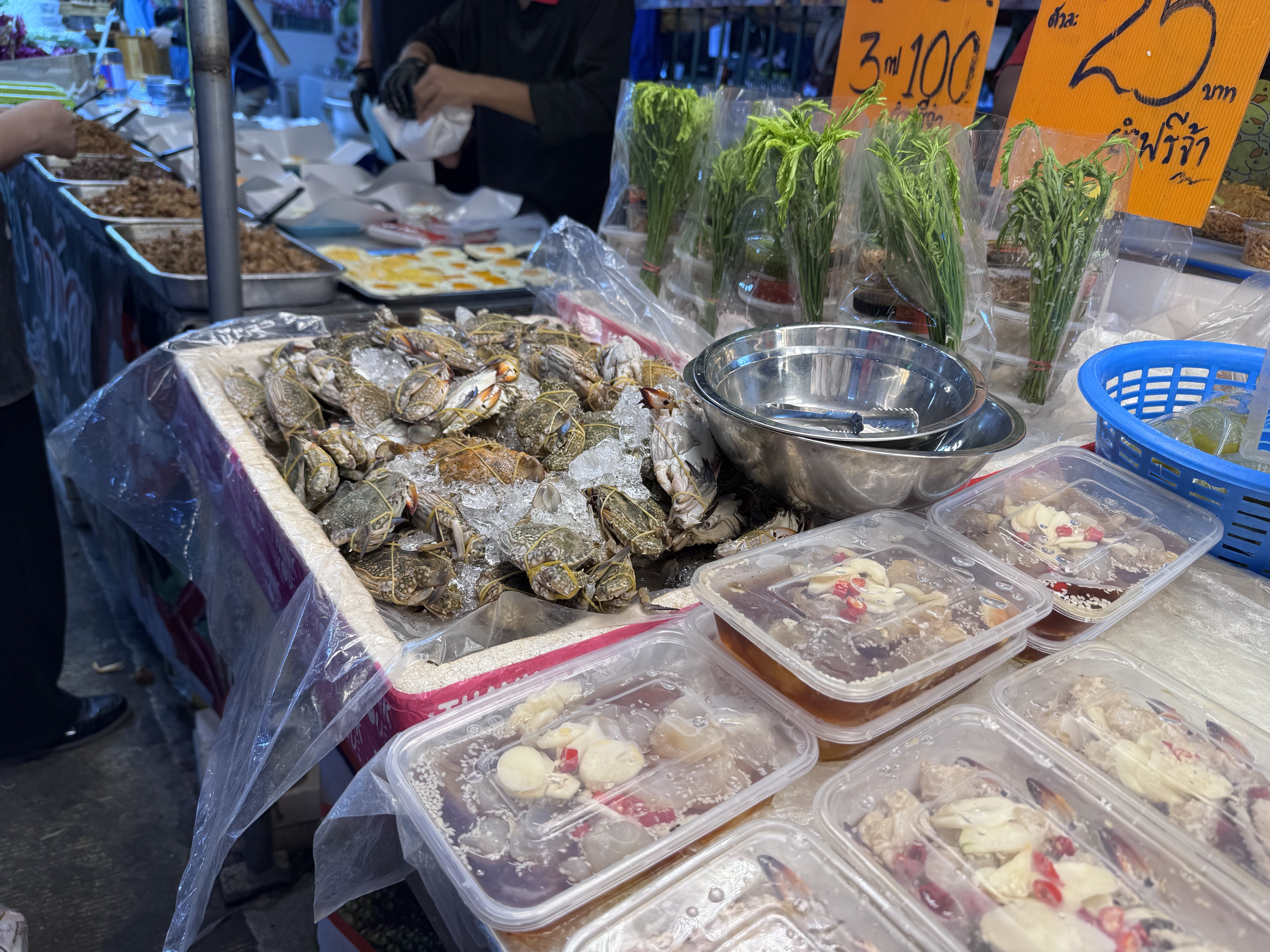
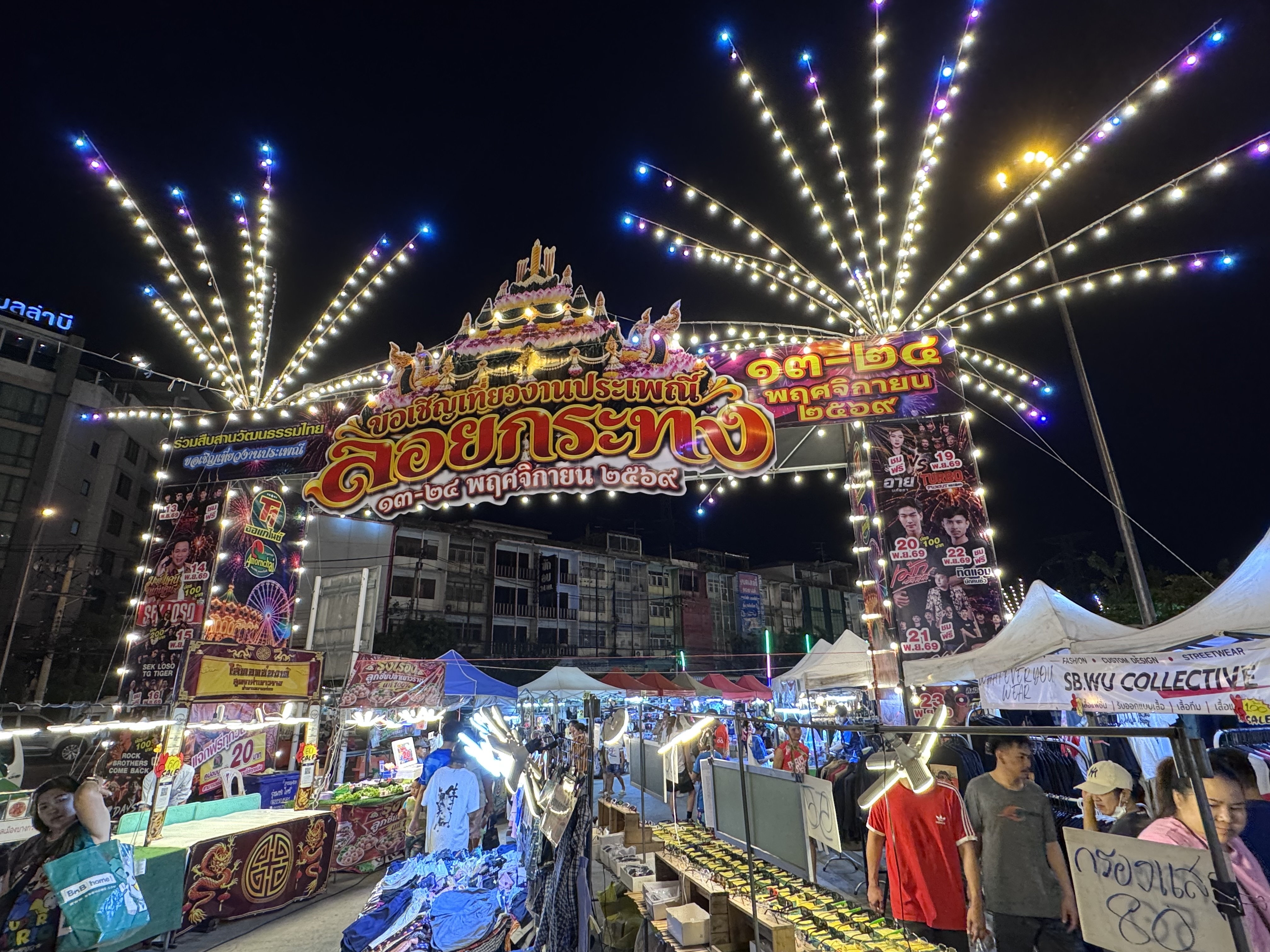
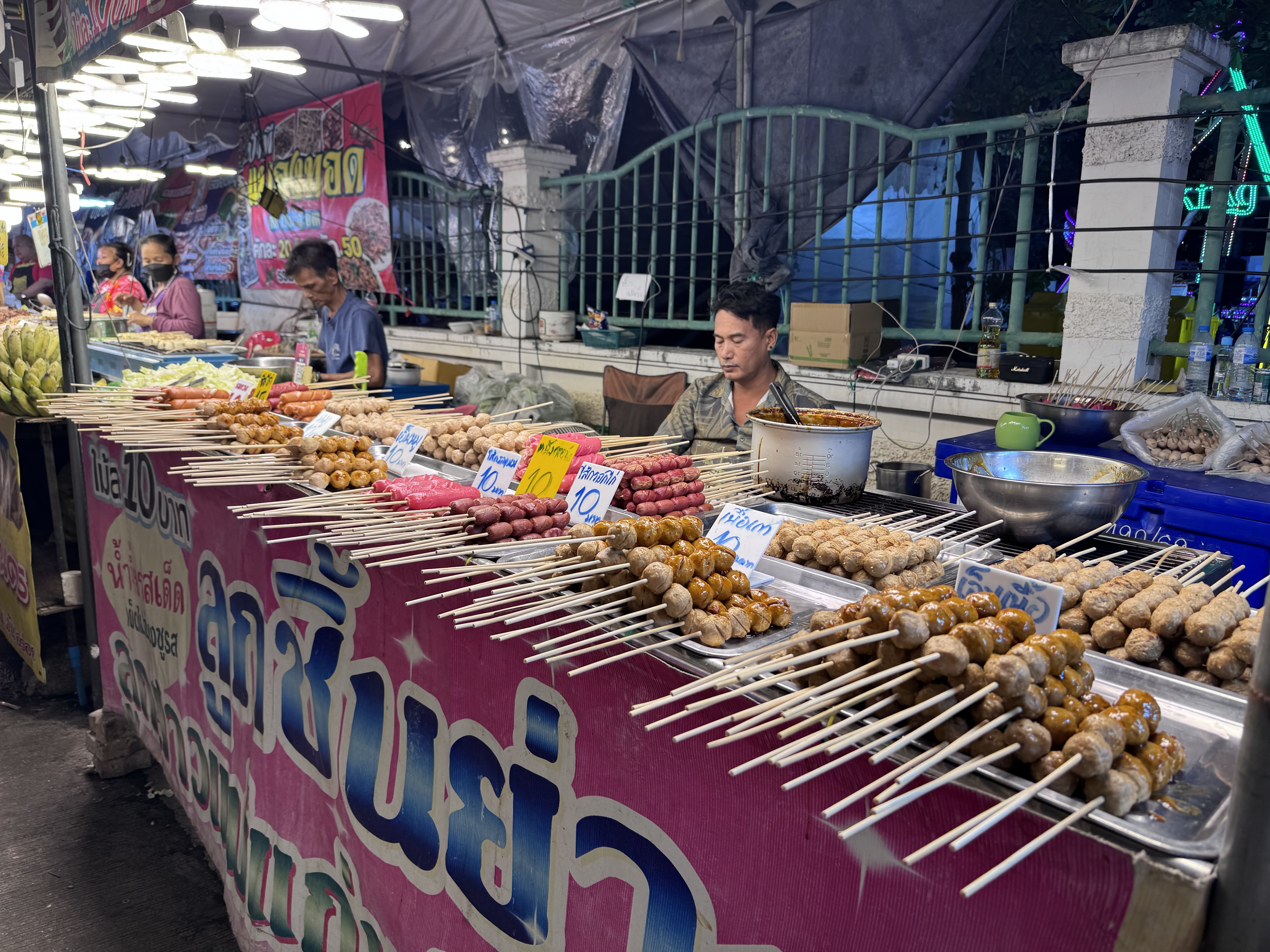
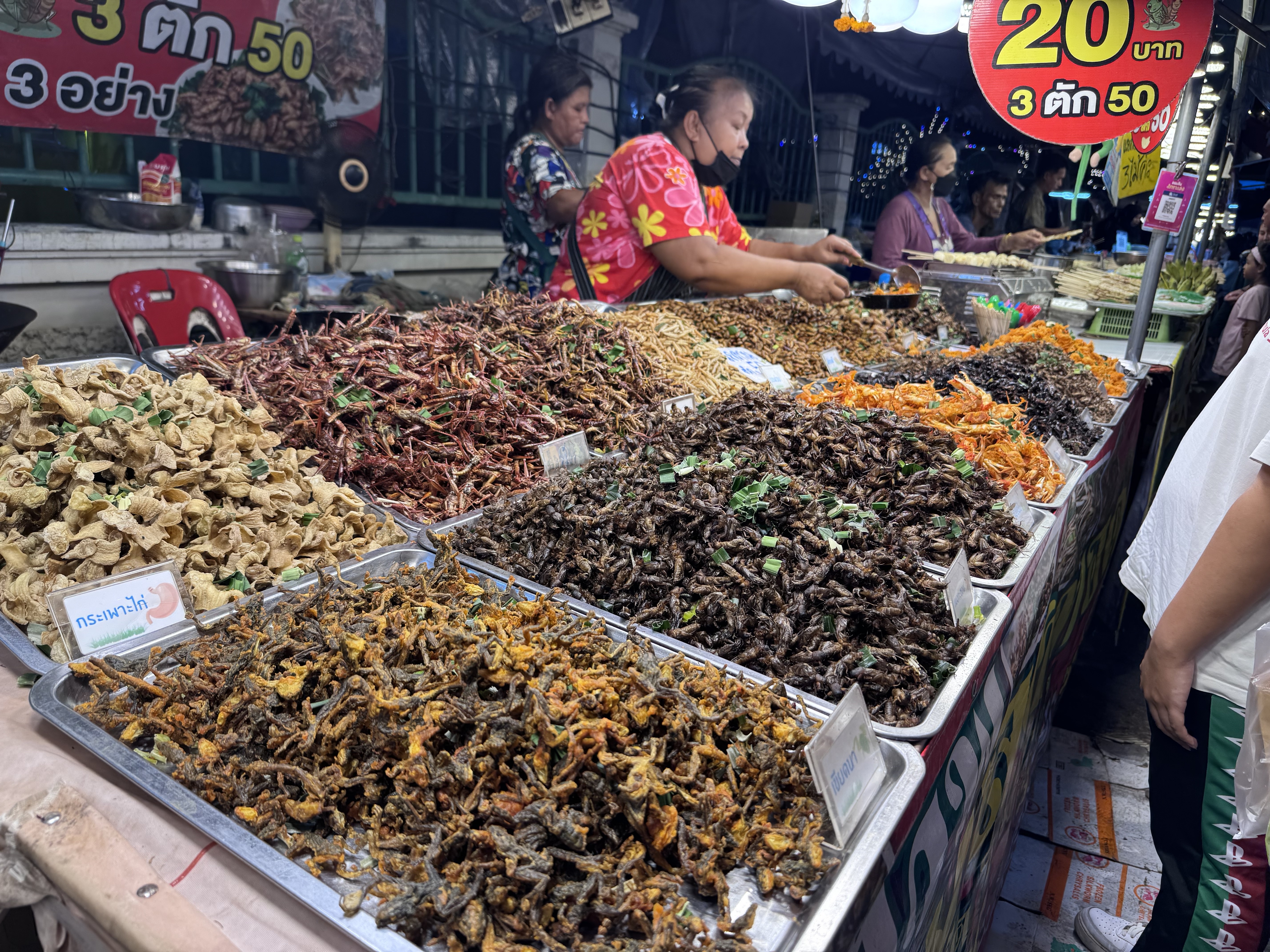
Along the Chao Phraya River embankment beneath and beside the Rama VII Bridge on the Bang Kruai side of Nonthaburi, a lively temporary market springs up each year for the Loy Krathong festival. This riverside gathering, running roughly from mid-November through the full-moon night (this year 13–24 November 2026), transforms the quiet stretch near the EGAT Learning Center into a glowing strip of food stalls, concert stages, krathong vendors, and evening crowds.
It is less a permanent bazaar and more a seasonal celebration market rooted in local community life along the river, drawing both Nonthaburi residents and visitors from Bangkok who cross the bridge for the open-air atmosphere, live music, and the chance to float a krathong under the bridge lights.
Loy Krathong itself is one of Thailand’s most poetic and enduring traditions. Its roots stretch back centuries, most commonly linked to the Sukhothai period when, according to legend, a ...
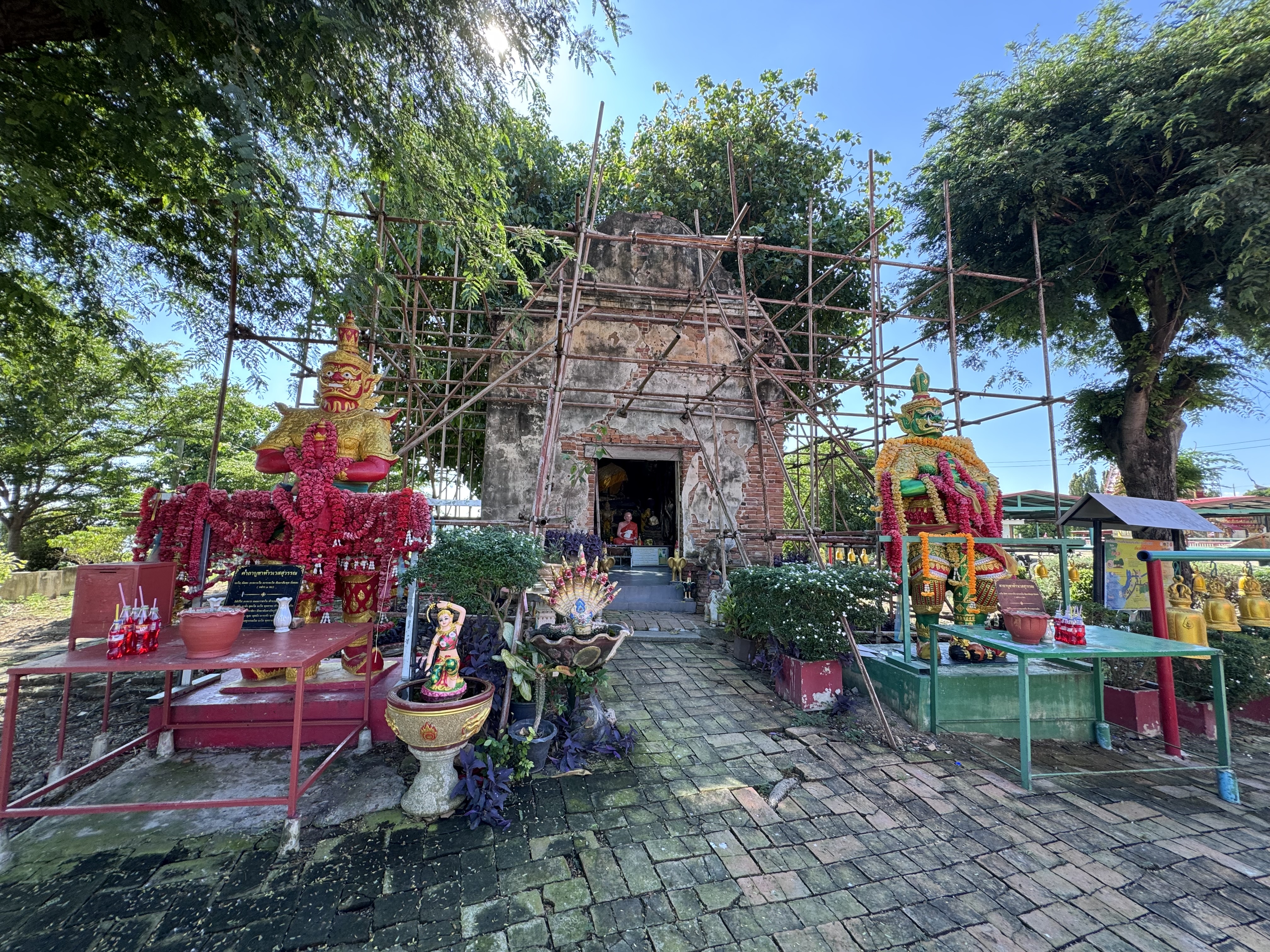
Wat Padutabong stands quietly in the rural fields of Tambon Kathum in Maha Rat district, a short distance from the better-known ruins of Ayutthaya’s historic island yet far enough to feel removed from the usual tourist circuits.
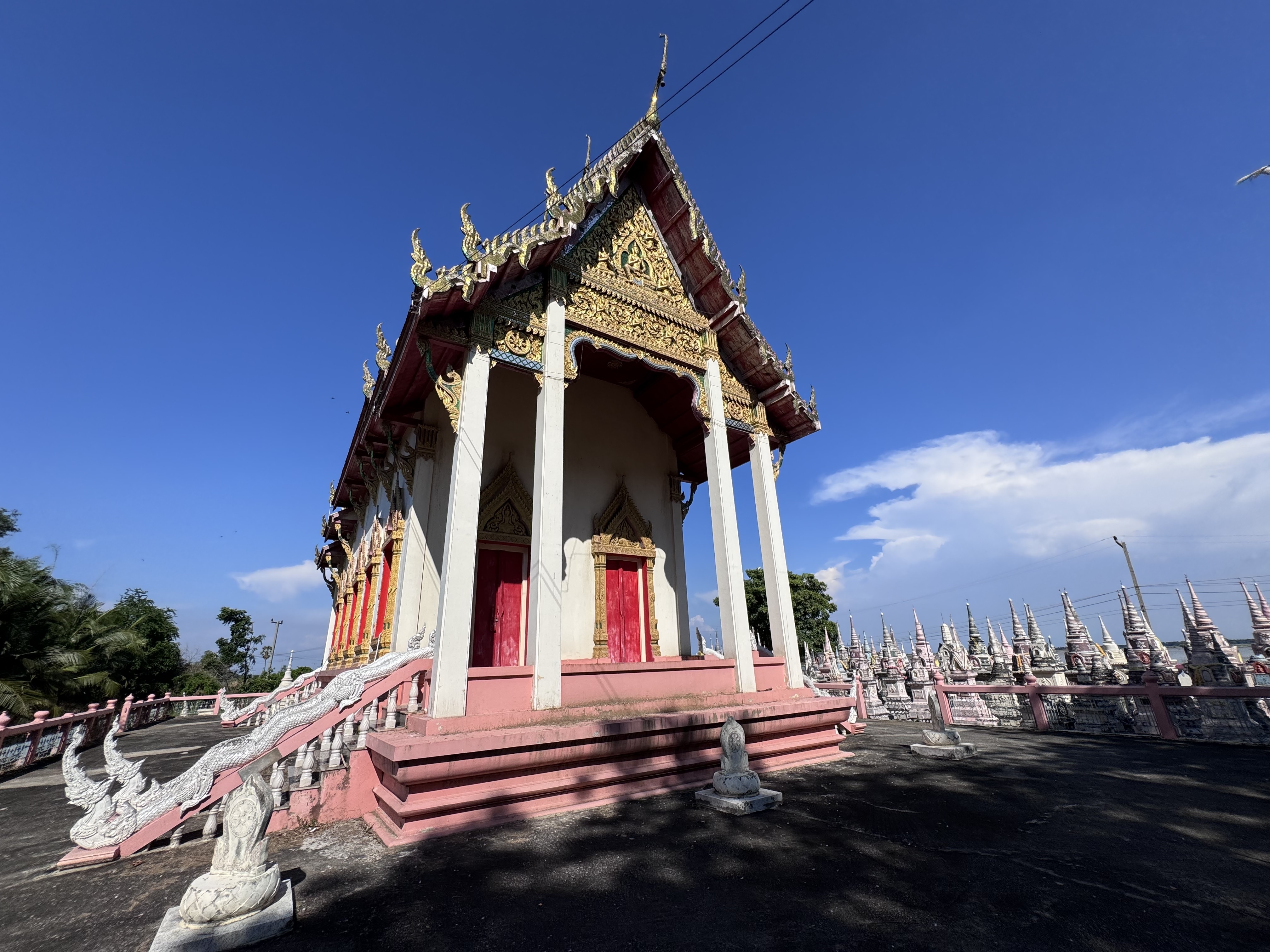
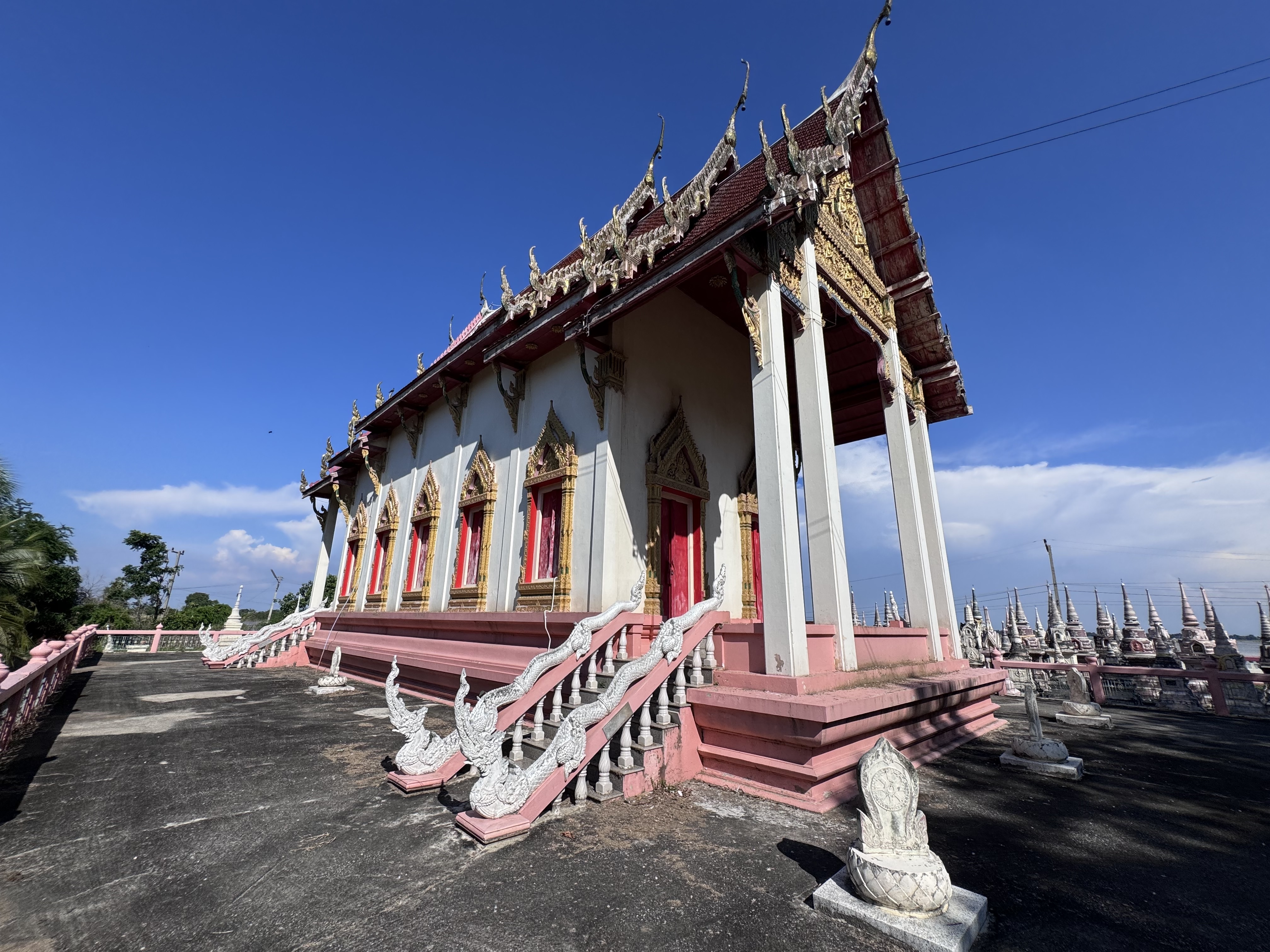
The active temple compound, formally established in 1857 under the earlier name Wat Tabong and later granted its official boundaries, continues to serve the local community with an ordination hall, wooden-pillared assembly hall, and traditional monks’ residences.
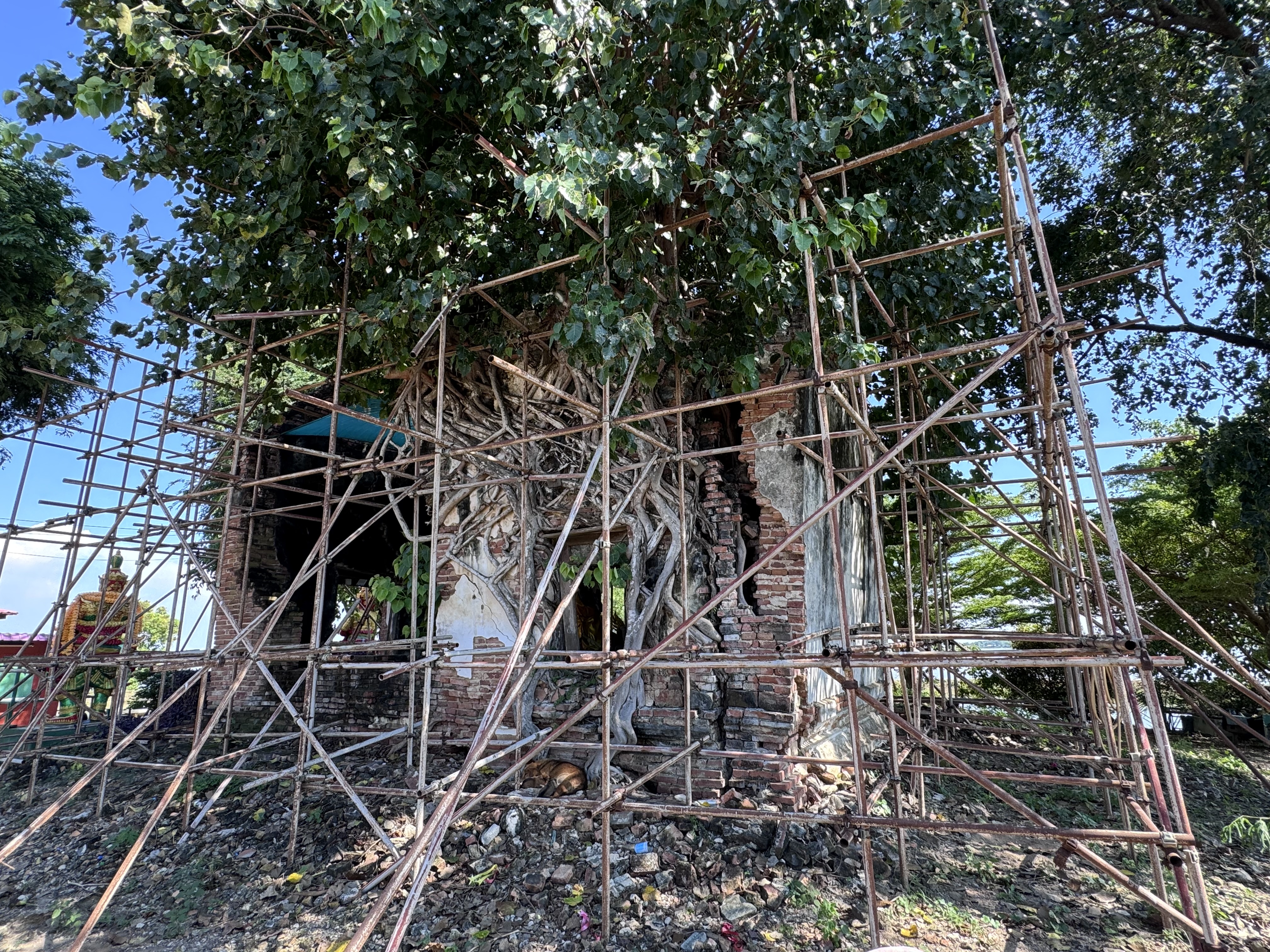
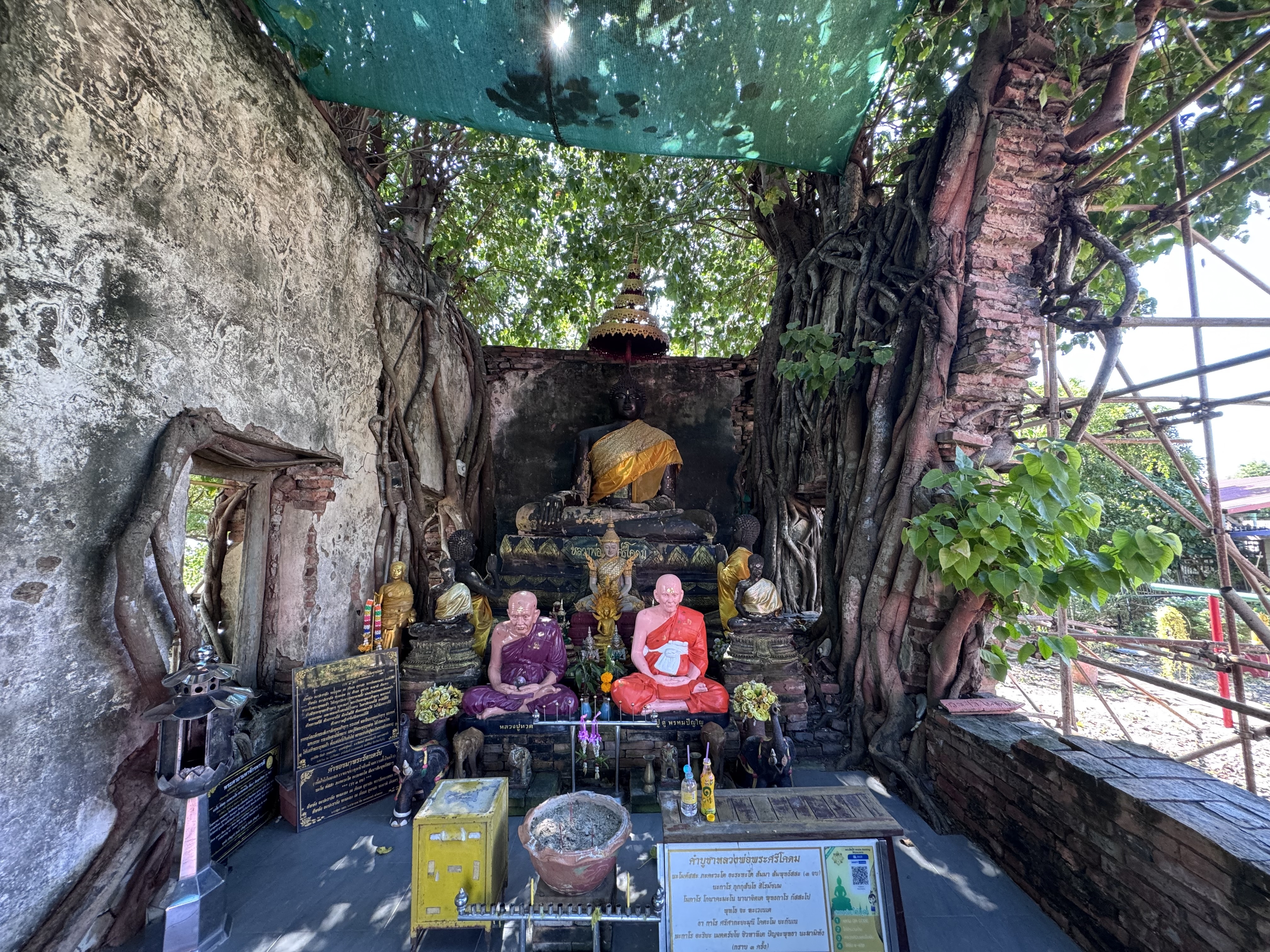
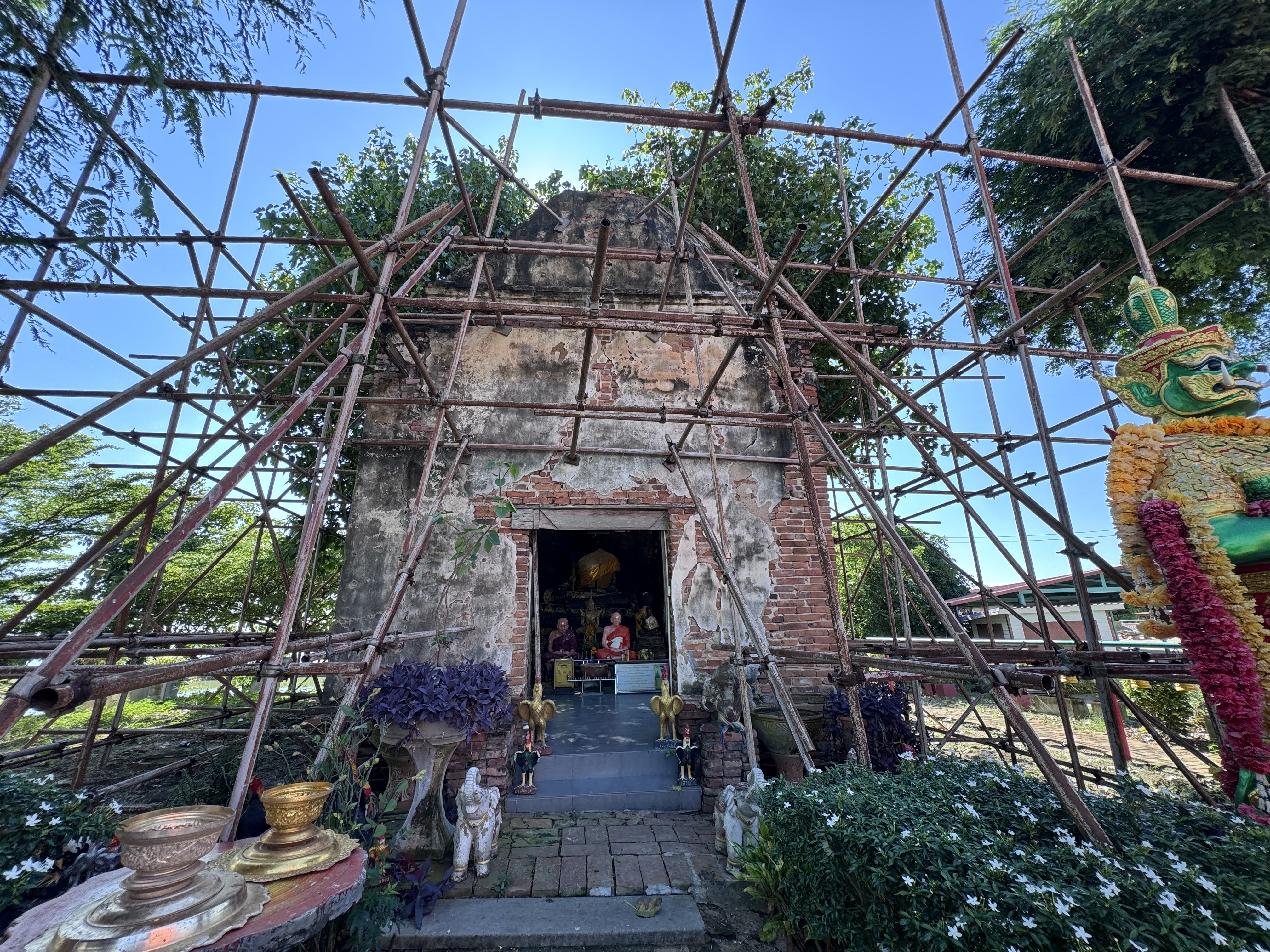
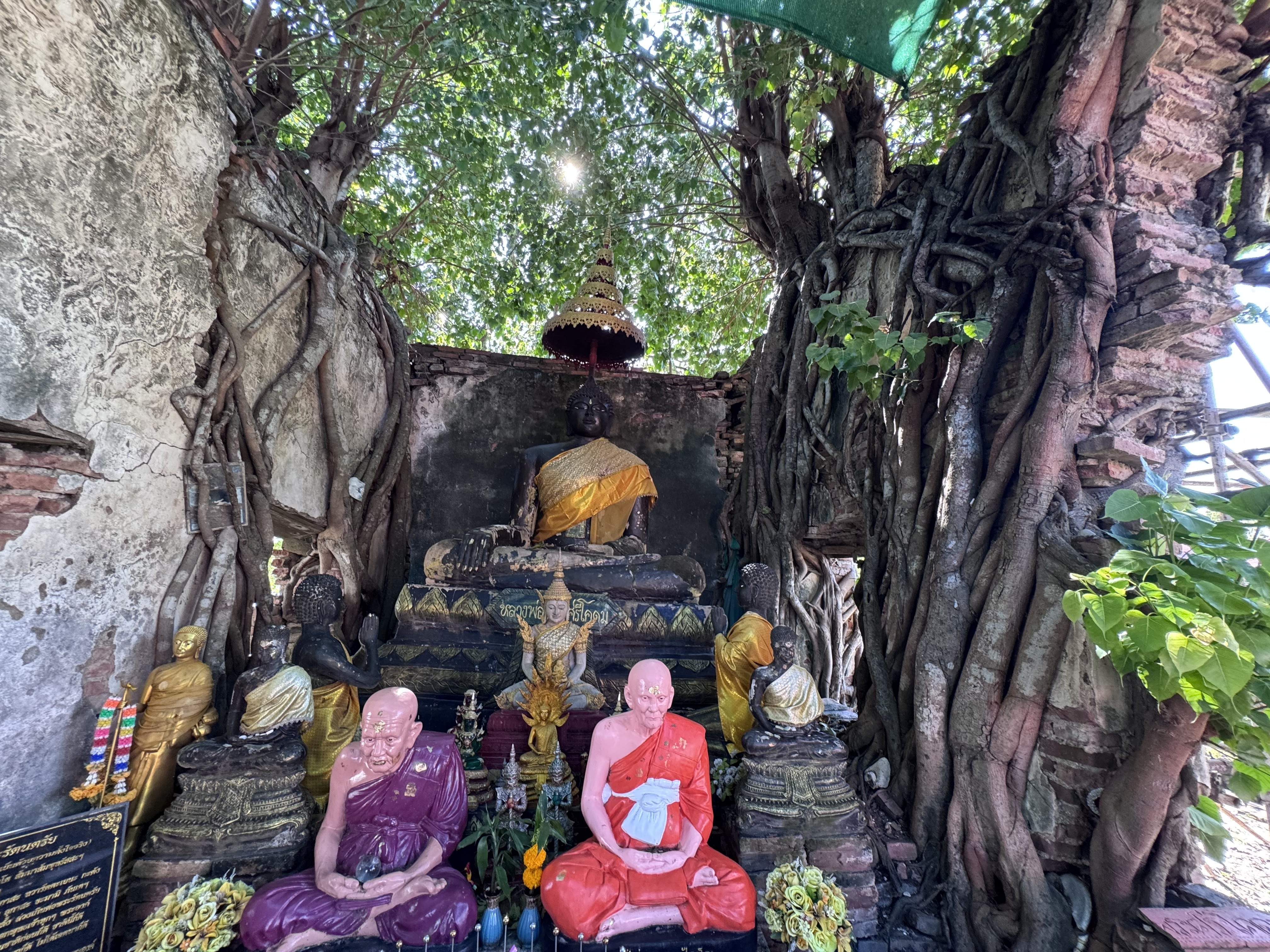
What draws the eye beyond the living monastery, however, is the much older brick chapel that rises alone among the rice paddies, its walls gripped and half-swallowed by the thick roots of Bodhi and banyan trees.
Local accounts and the appearance of the structure itself place this abandoned building in the middle Ayutthaya period, more than two centuries old and quite possibly older still.
For generations the slightly elevated ground around it served as a burial place for infants and young children ...