

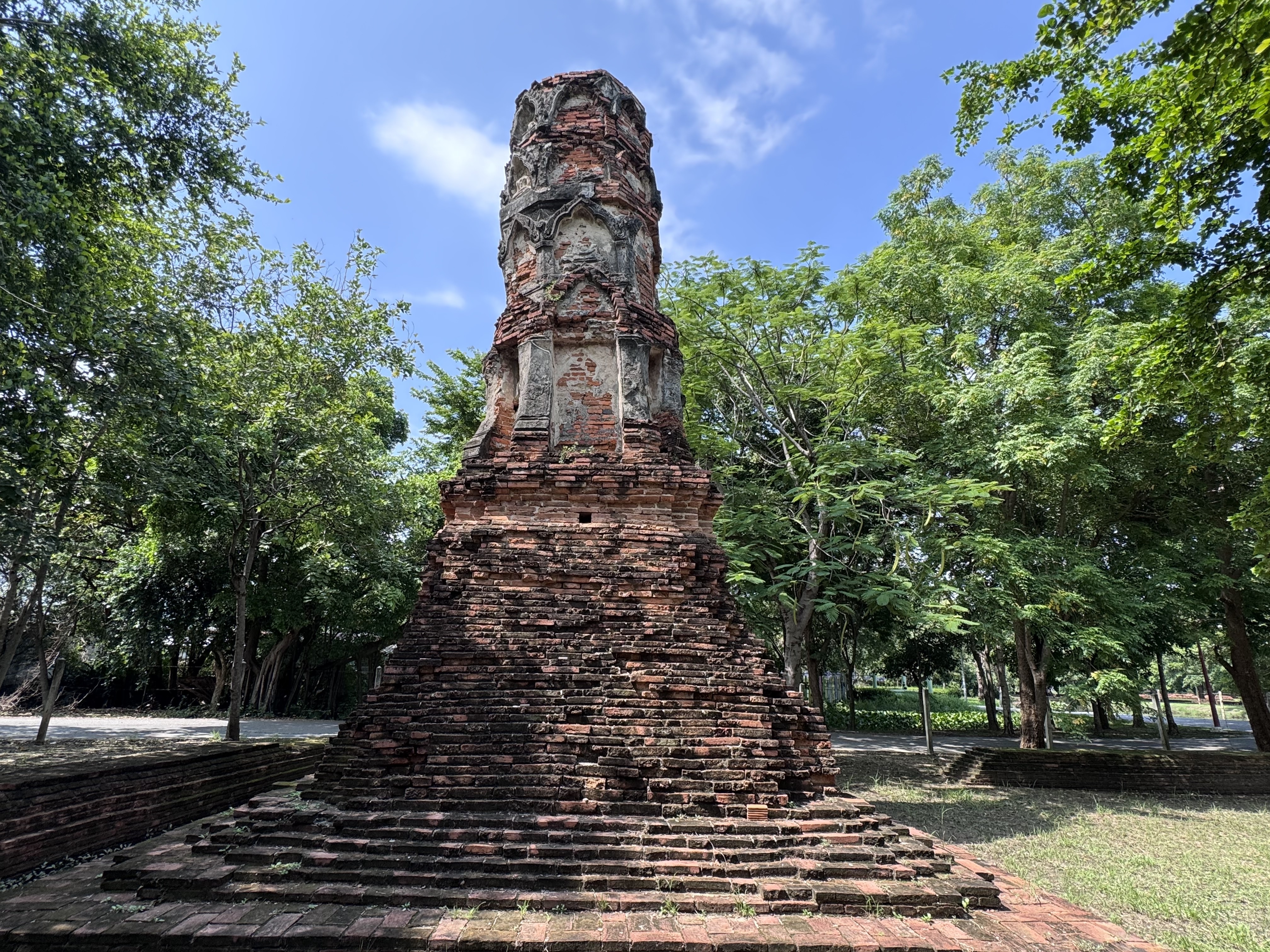
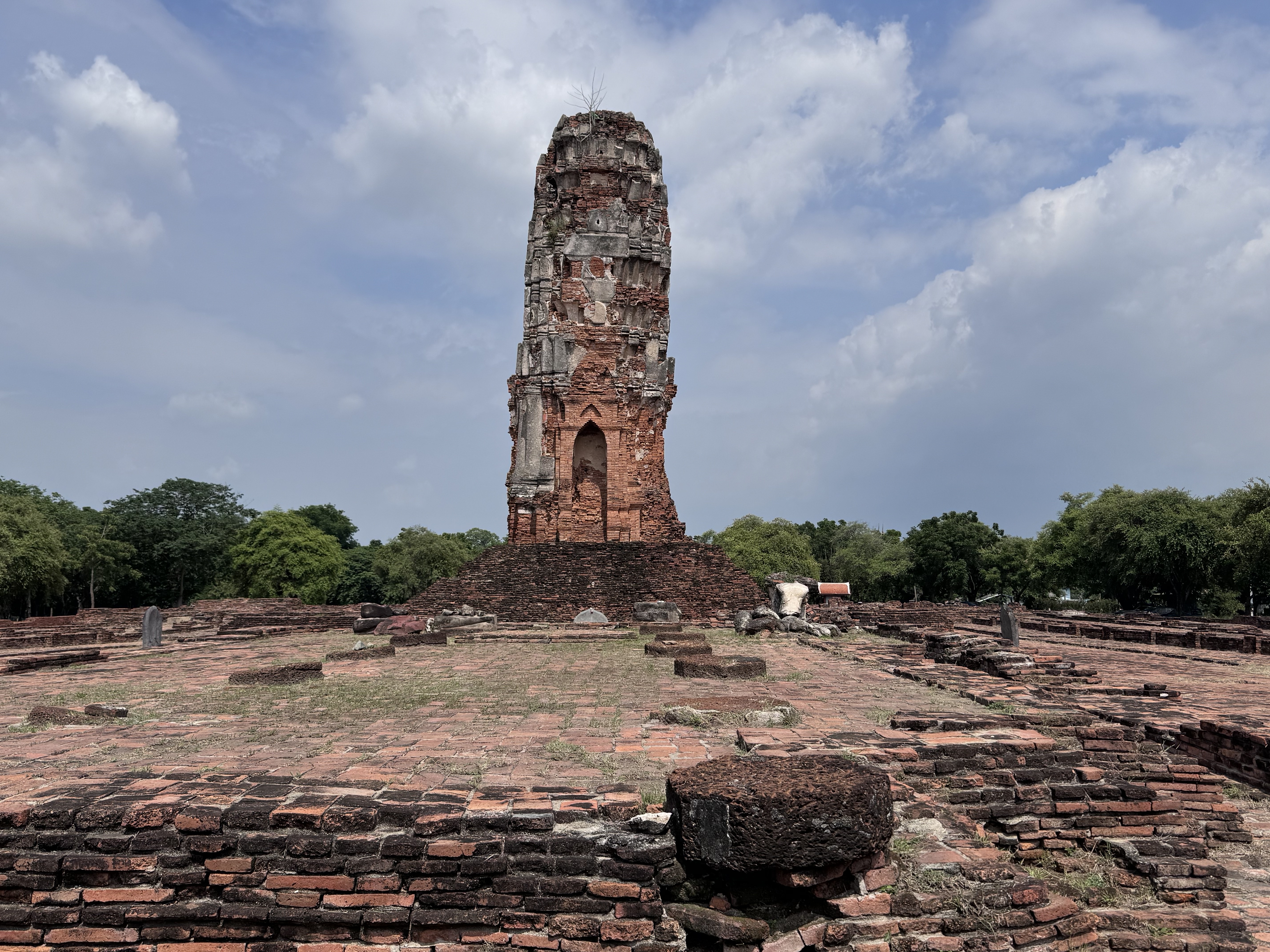
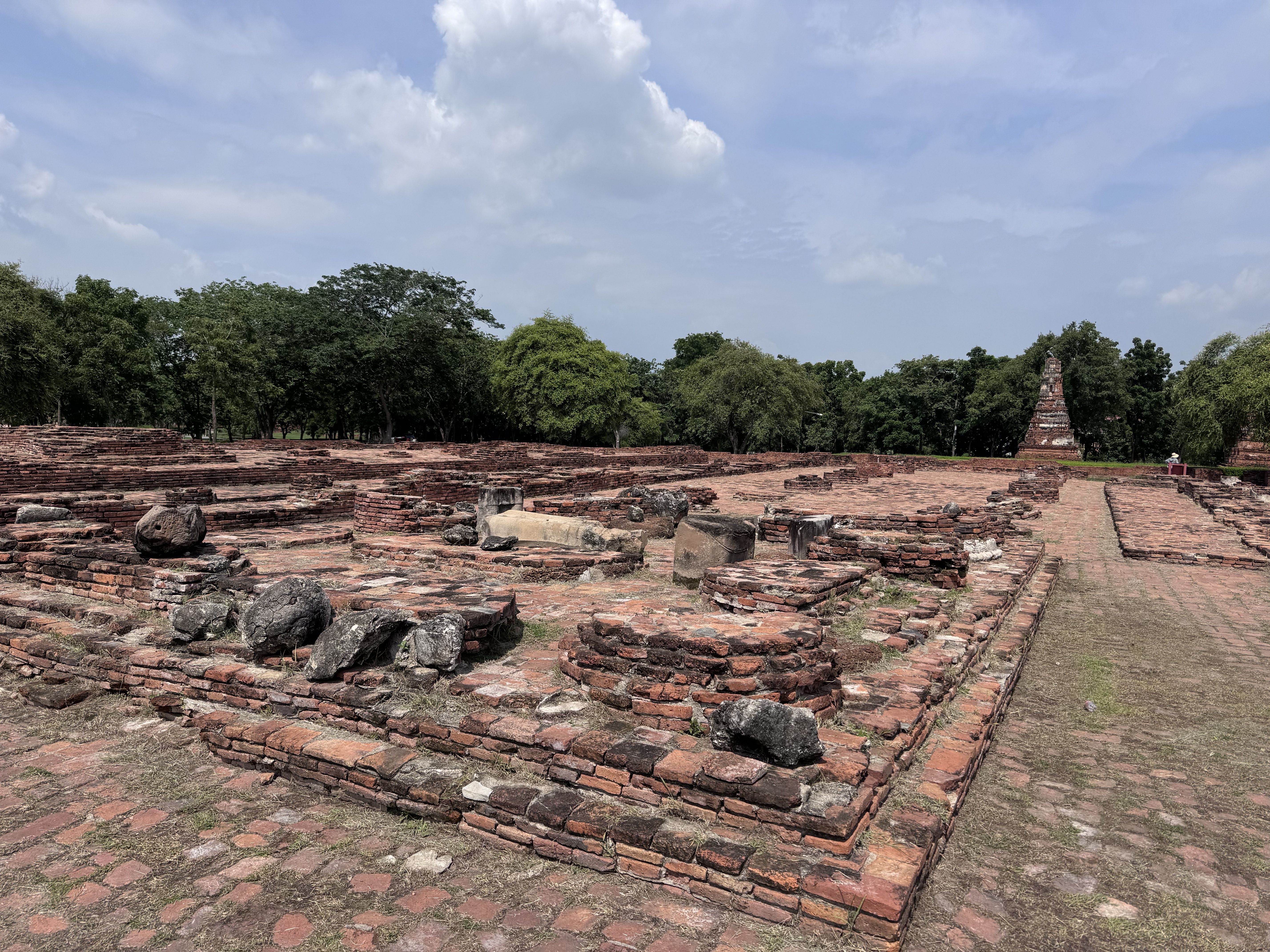
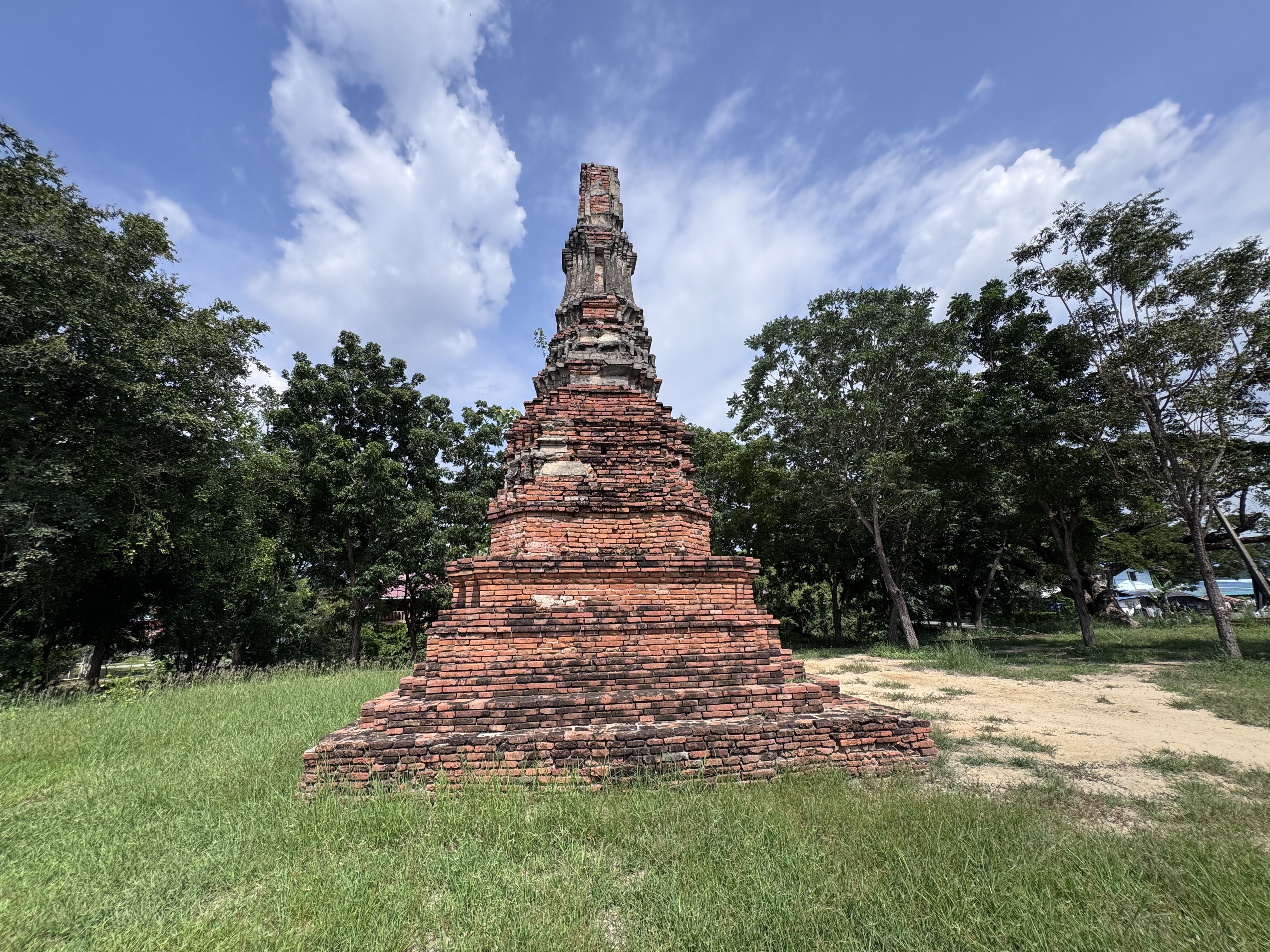
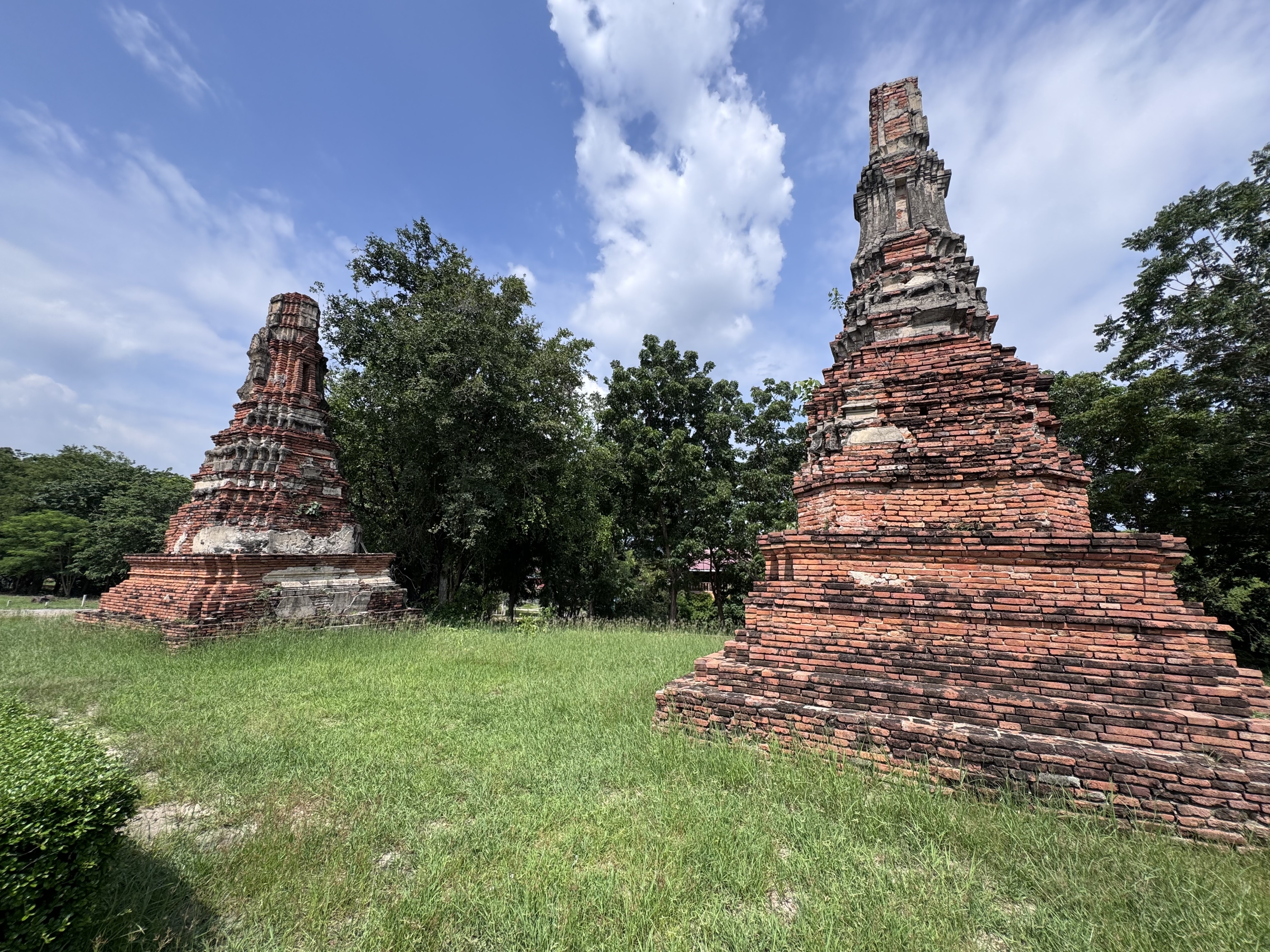
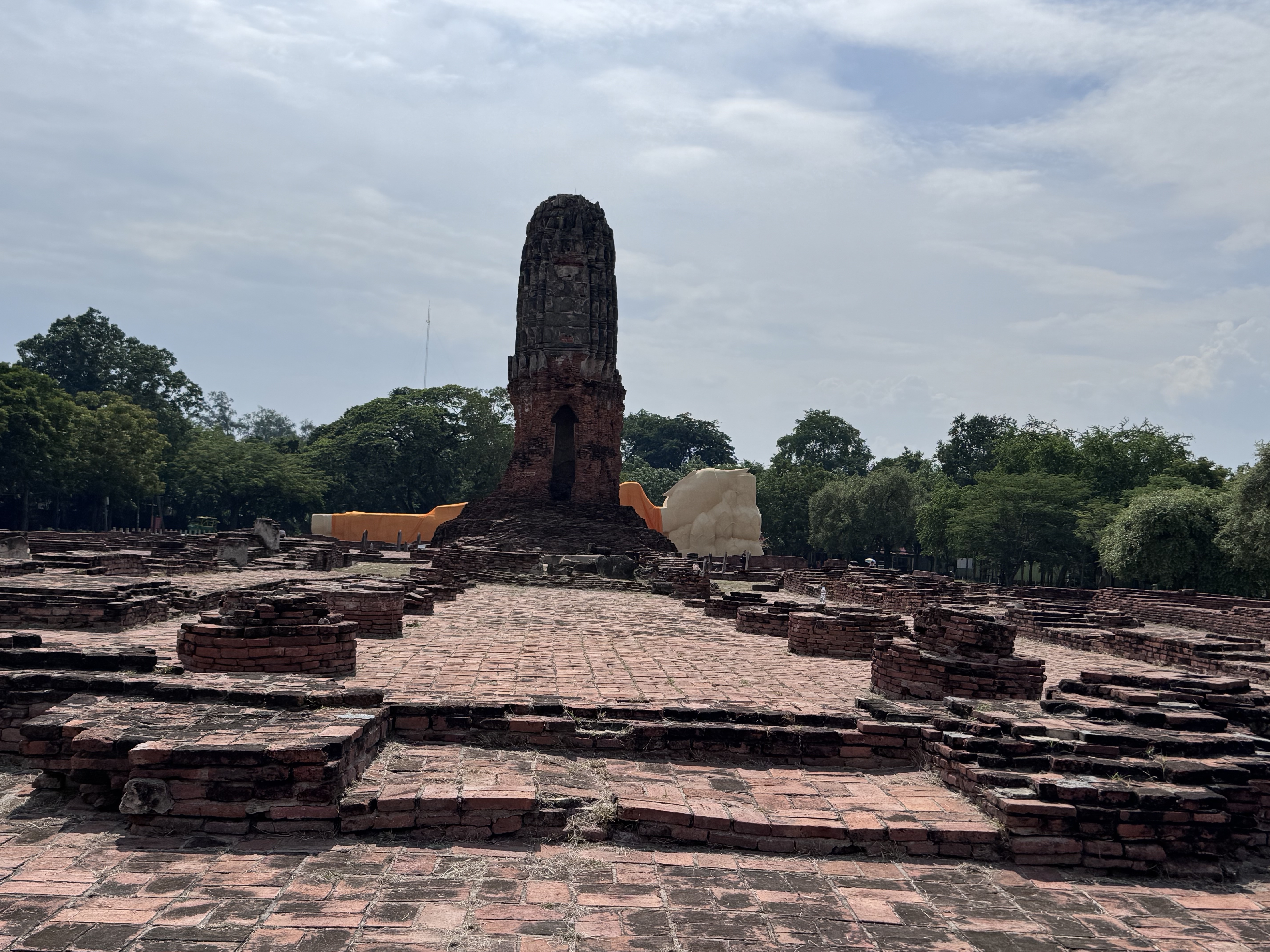
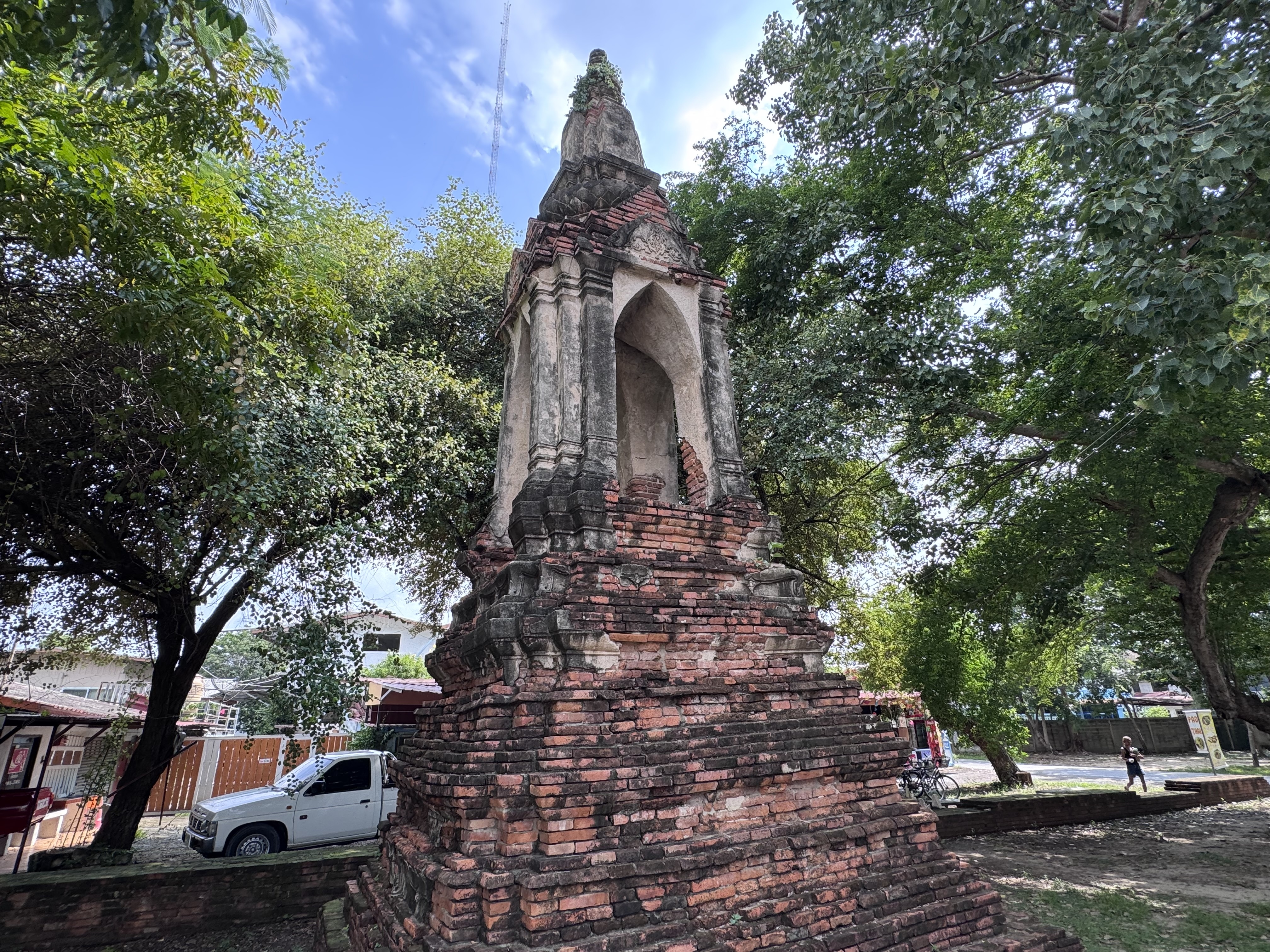
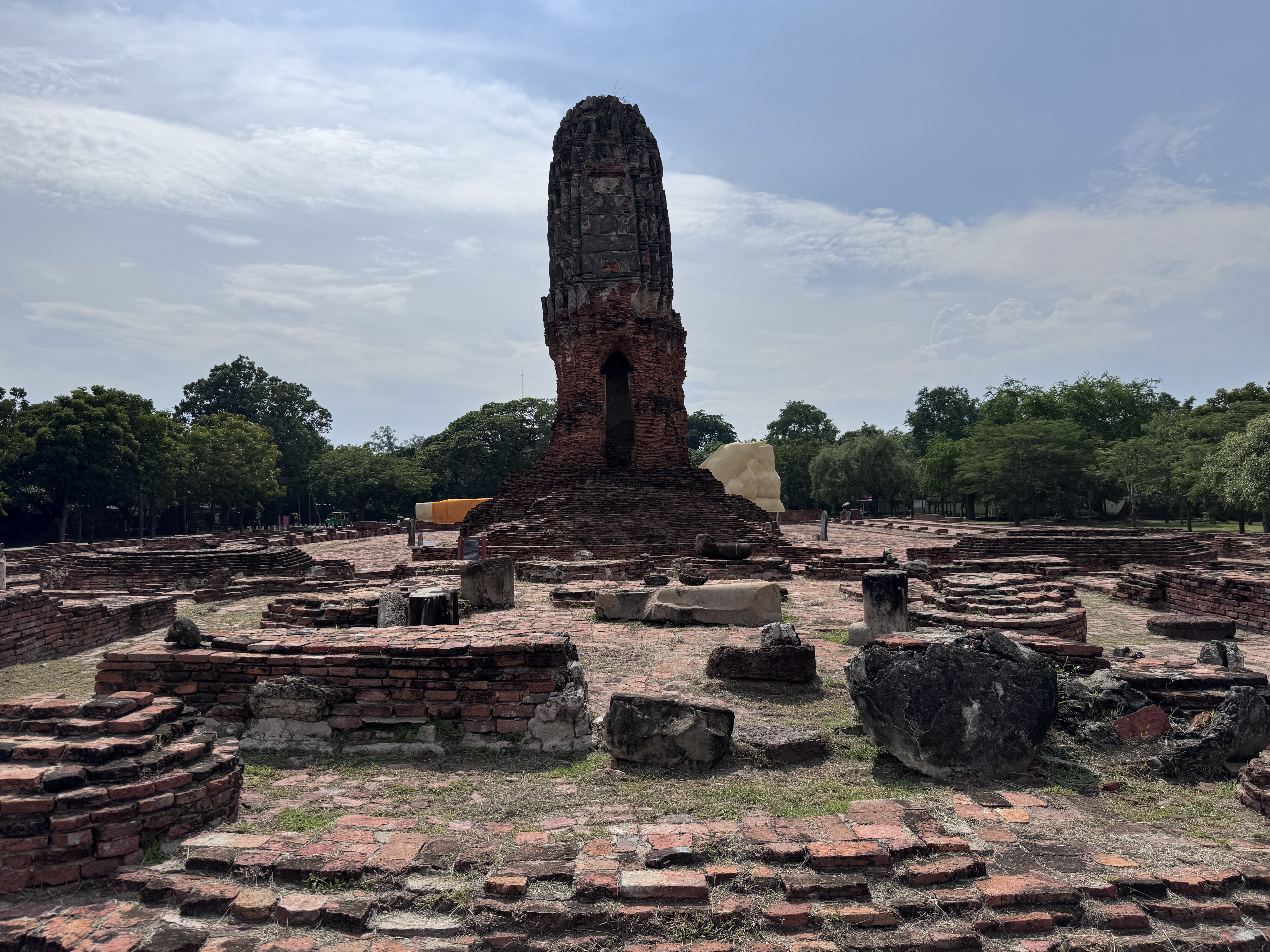
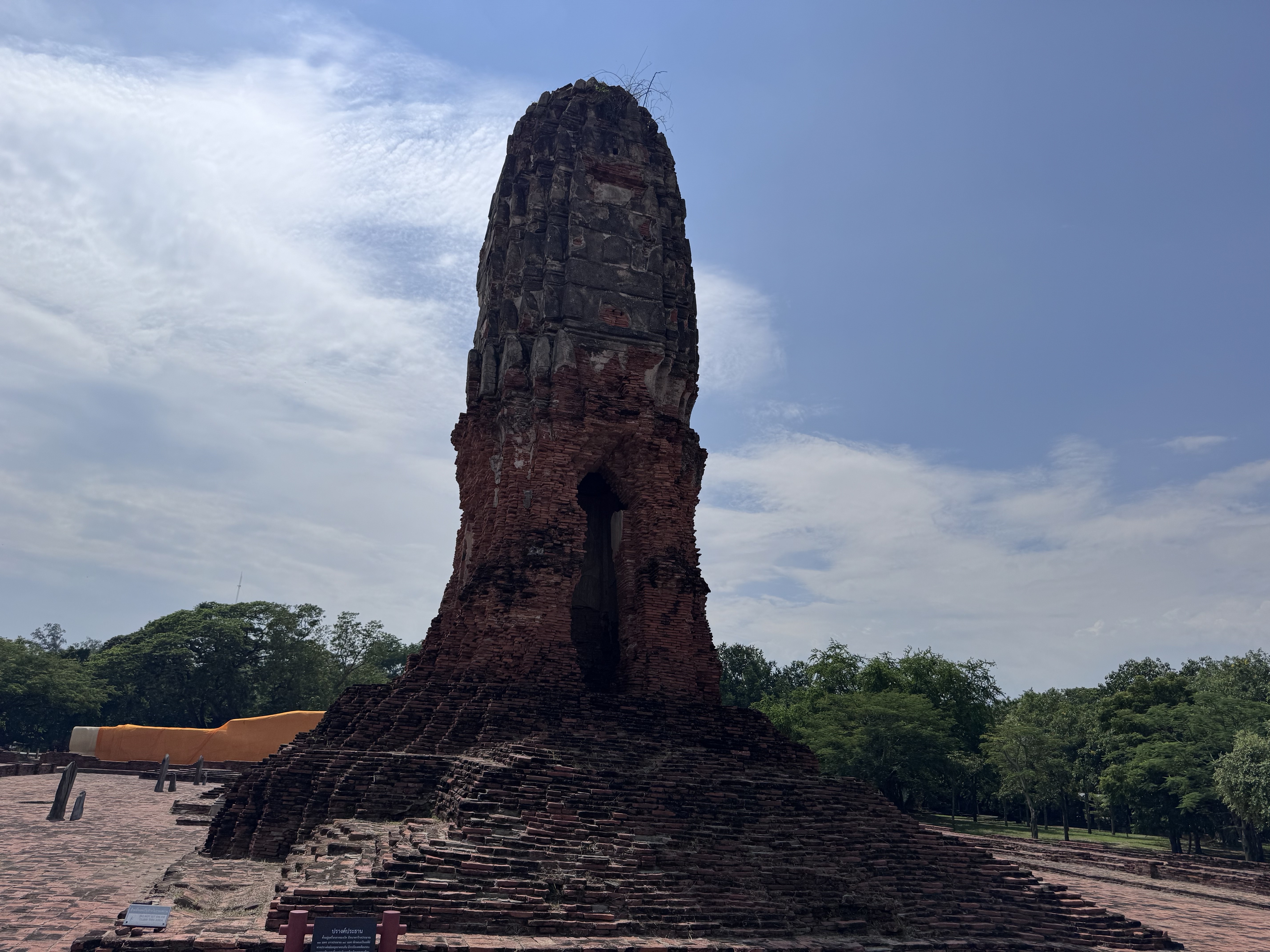
Wat Lokaya Sutha, also known as Wat Lokayasutharam or Wat Lokayasutha, is a ruined Buddhist temple located in the northwest section of the Ayutthaya Historical Park. It stands directly west of the former Royal Palace and near Wat Phra Si Sanphet. The name has been interpreted as “Temple of the Earth” or linked to earlier references as Wat Lok Sutha, meaning the Monastery of the Celestial World. Its proximity to the royal palace, about 350 meters away, and the presence of a surrounding moat connected to nearby canals indicate that it once held considerable importance.
Little definitive information survives about its founding. The exact construction date remains unknown, though the architectural style of its central prang, which shares elements with those at nearby Wat Mahathat and Wat Ratchaburana, points to the early Ayutthaya period. Estimates place its origin in the fourteenth or early fifteenth century, with some sources associating it with the reign of King Intharatcha I, also known as ...
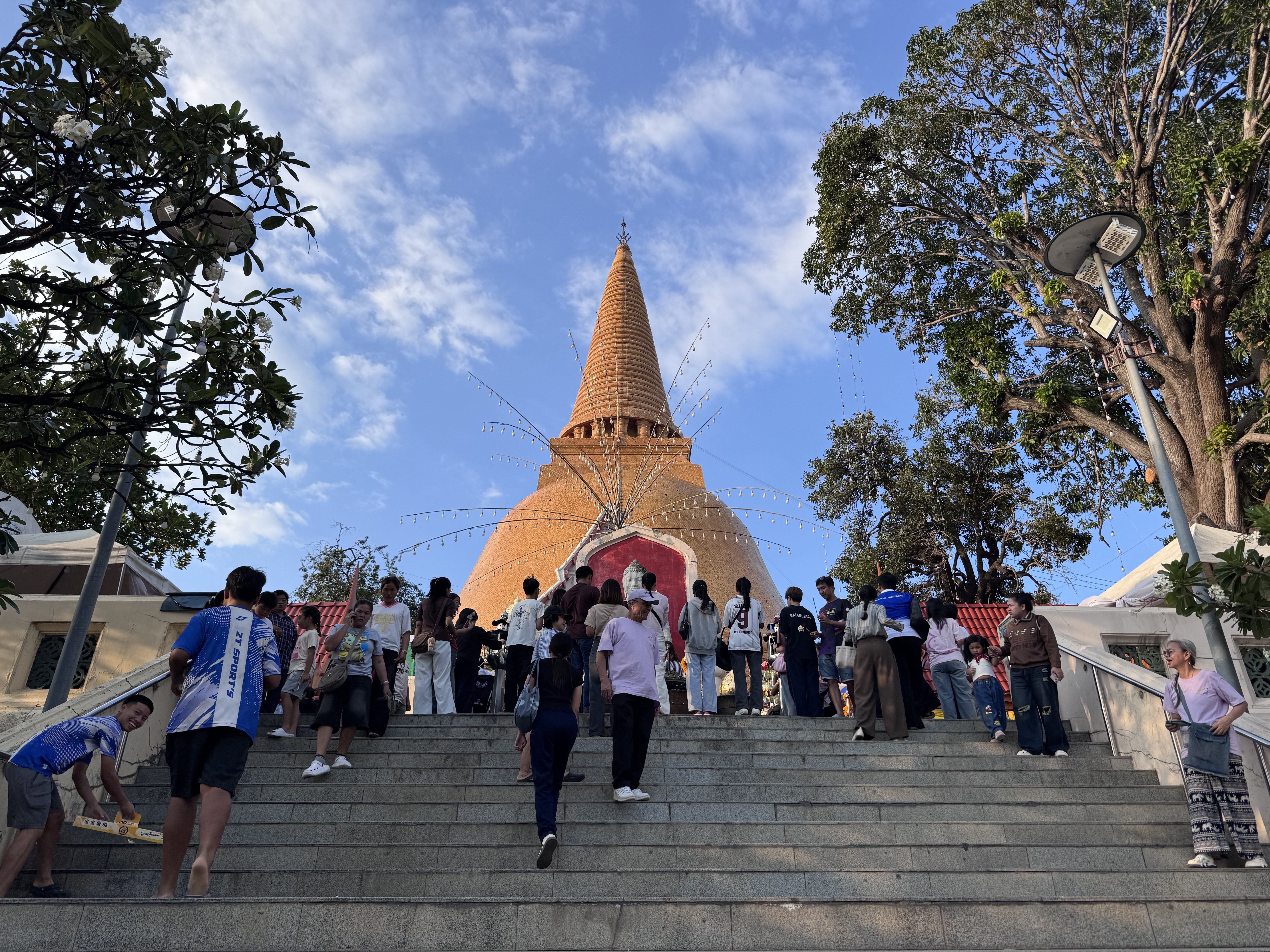
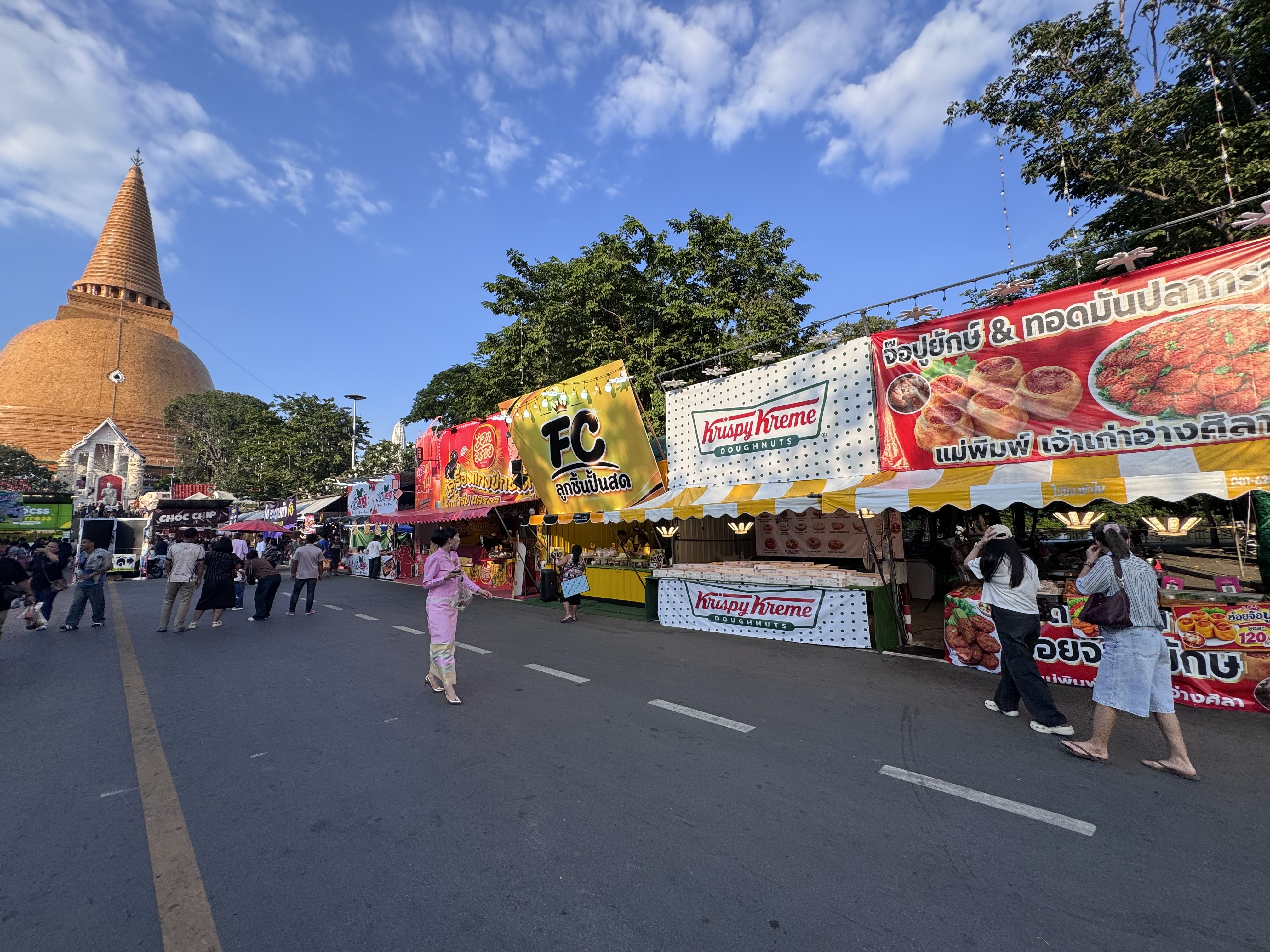
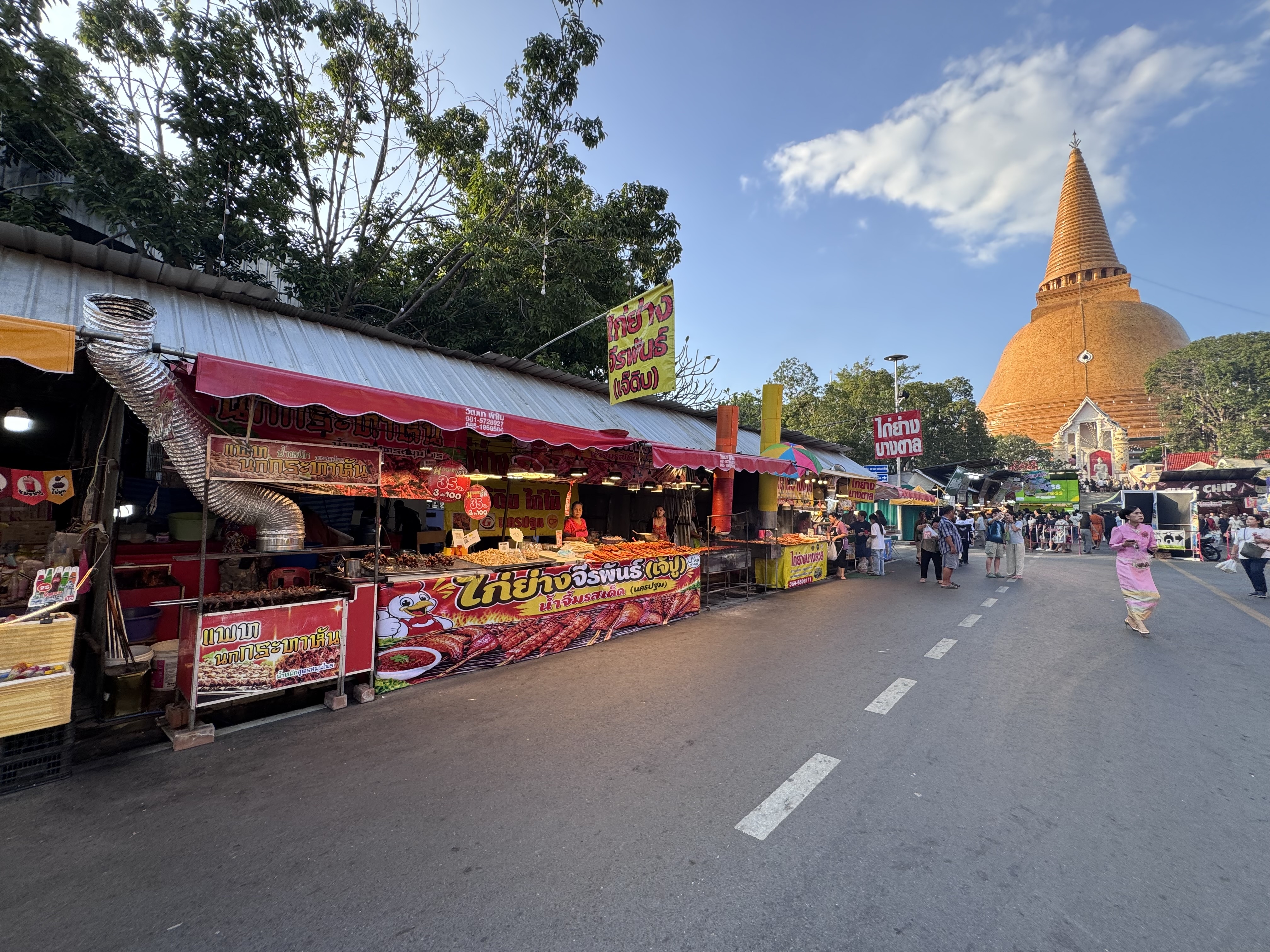
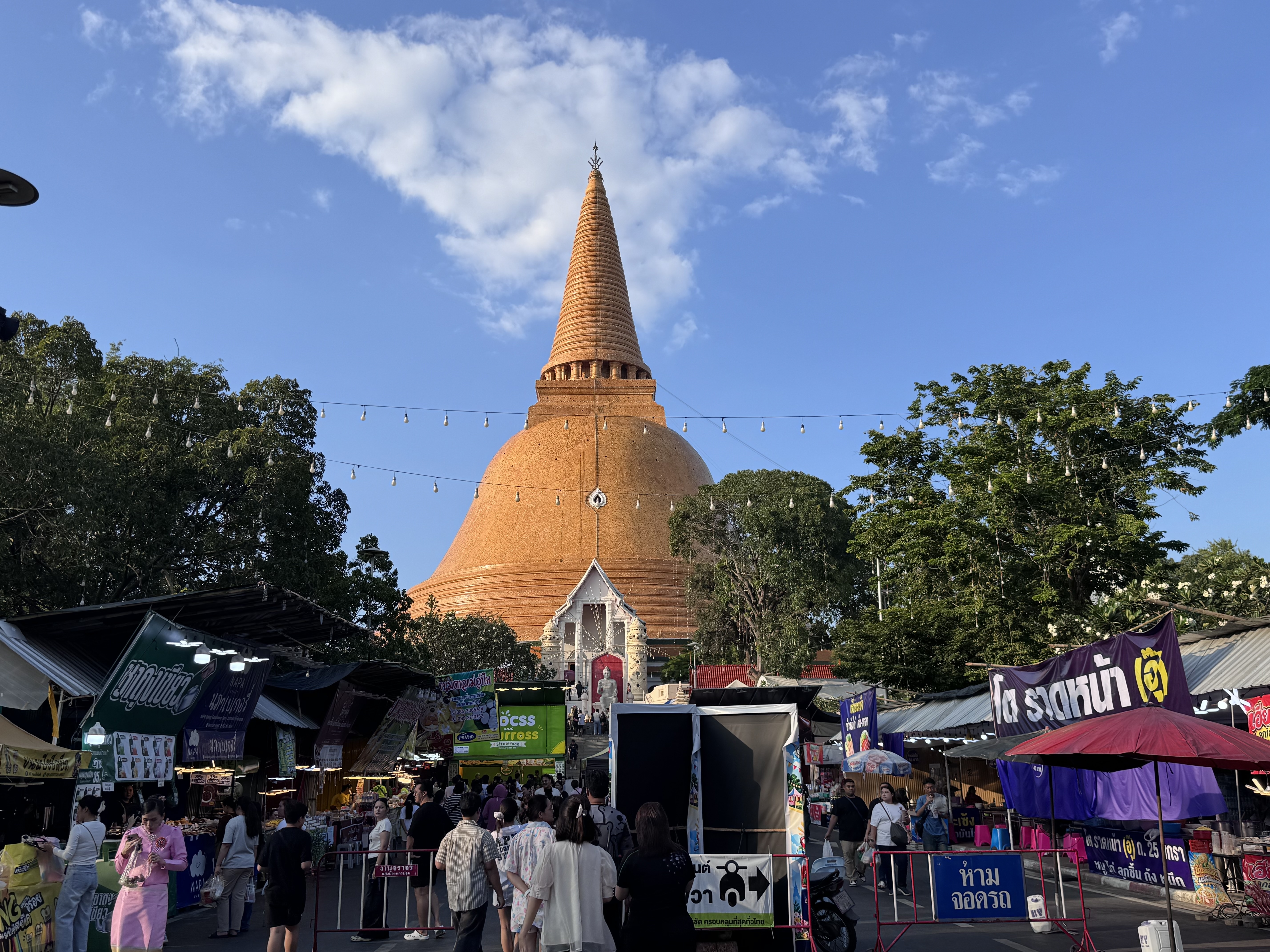
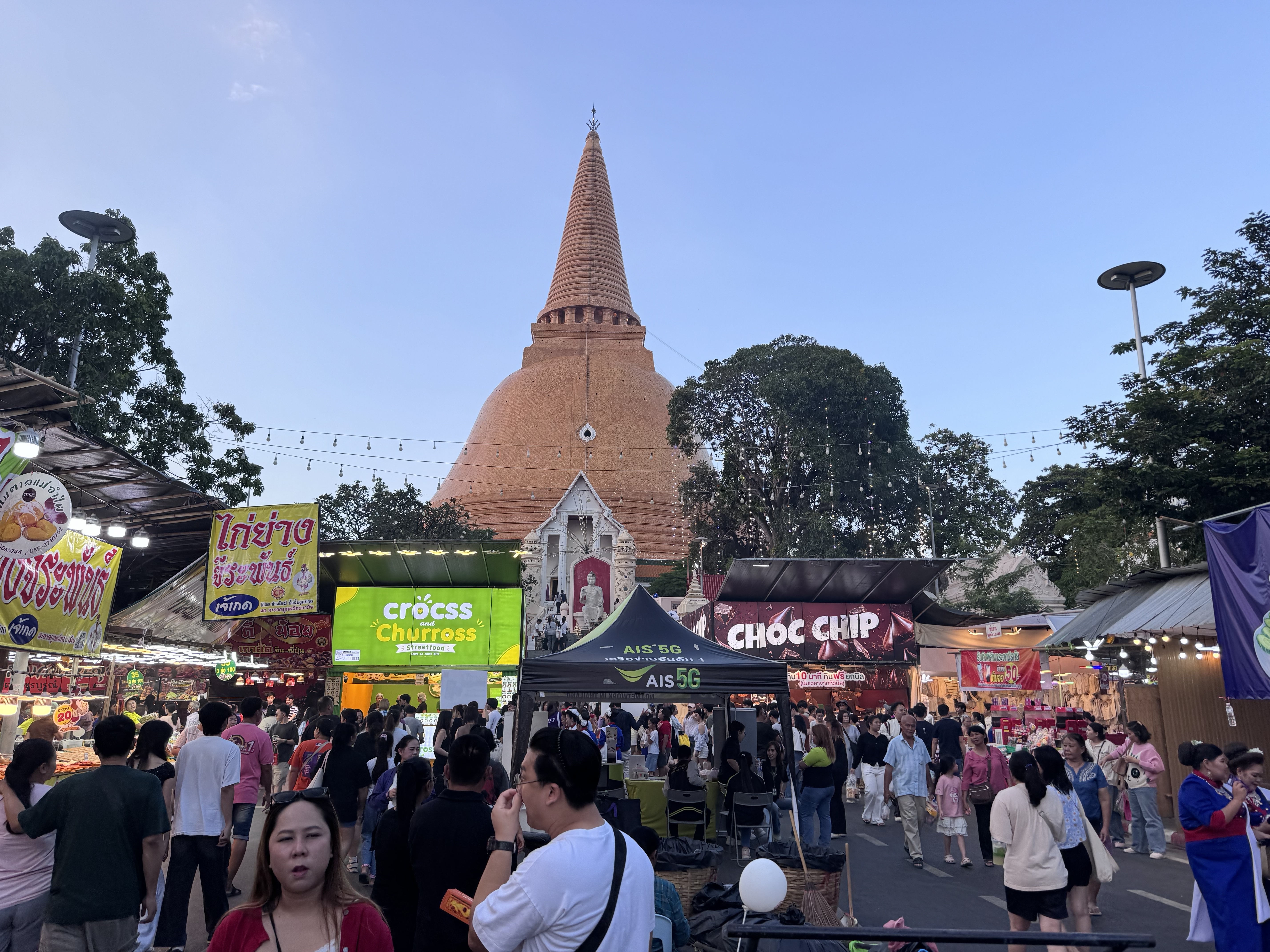
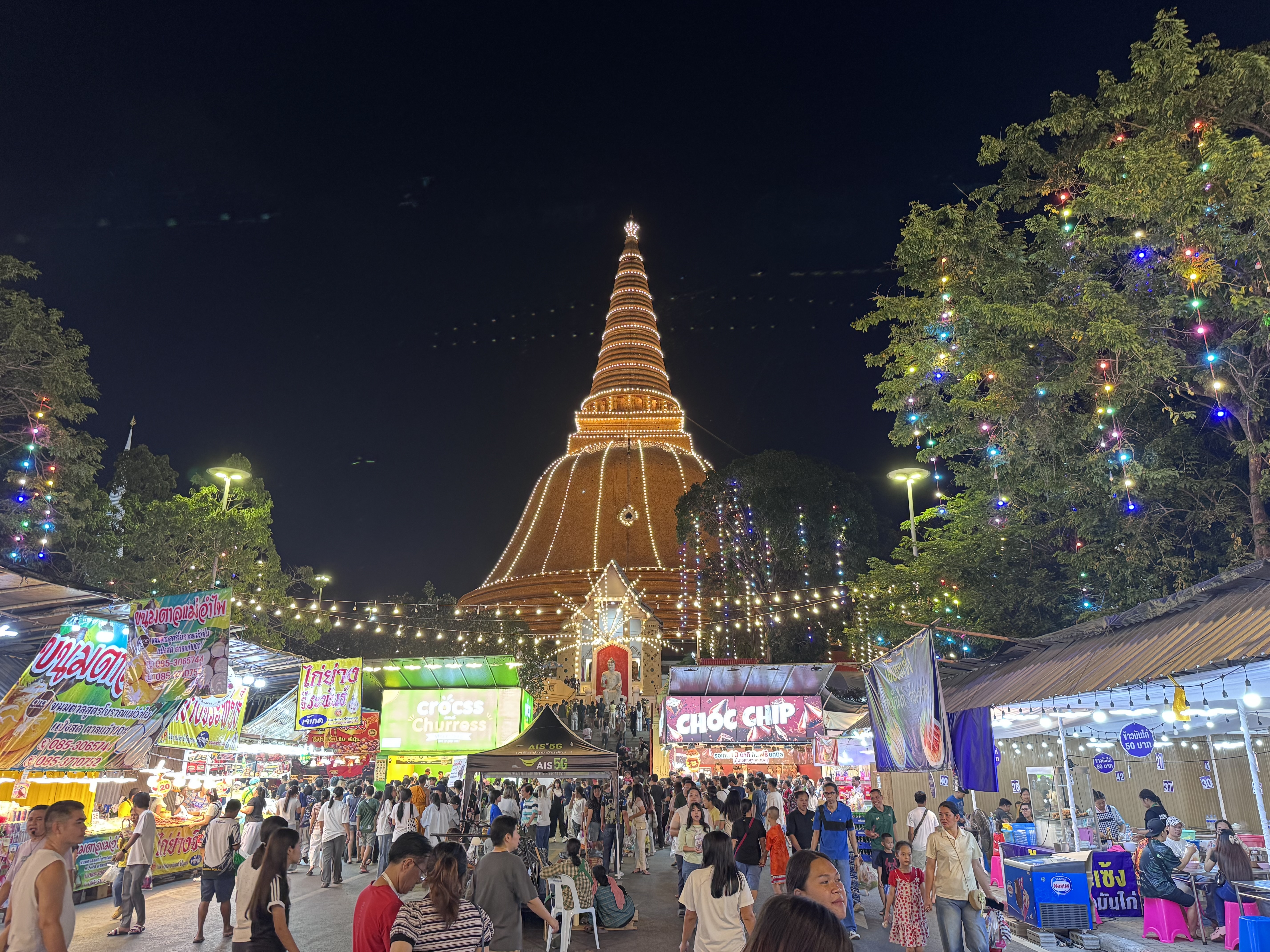
The annual Phra Pathom Chedi Worship Festival is taking place right now at Wat Phra Pathom Chedi Ratchaworamahawihan in Mueang Nakhon Pathom District, with the official nine-day and nine-night religious celebration running from November 21 to November 29, 2026.
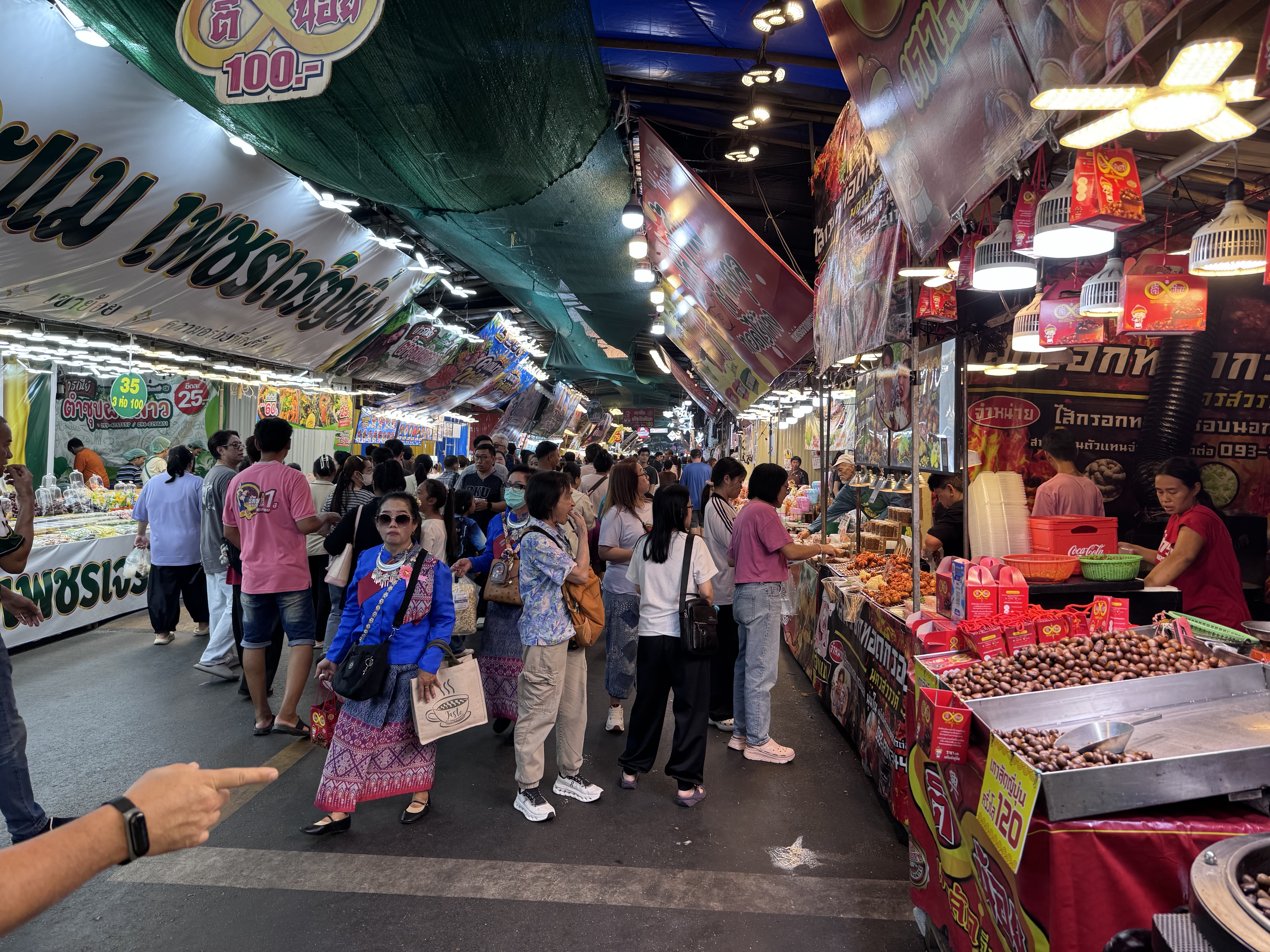
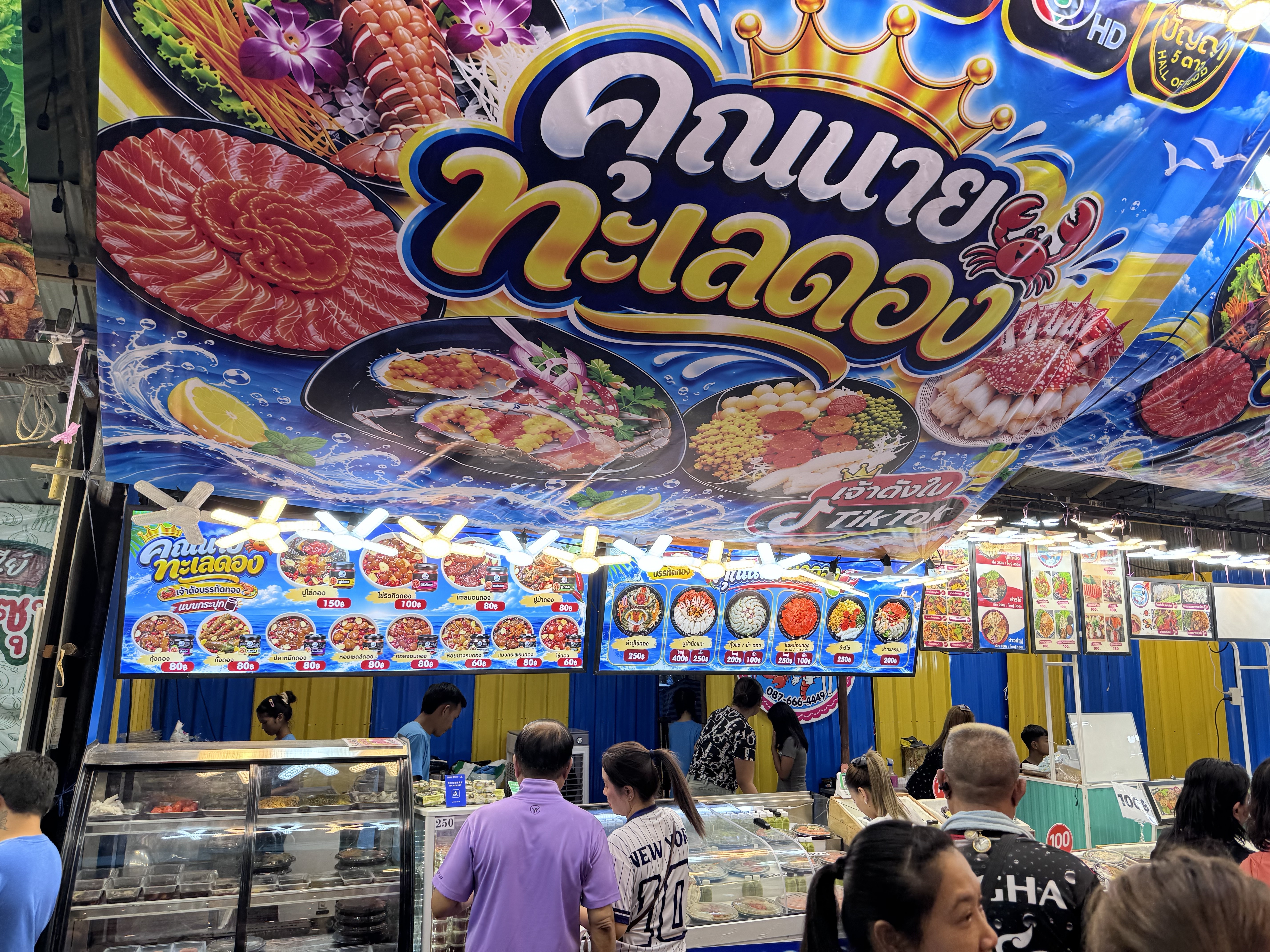
Daily festivities run from 10:00 AM until late at night, and the broader street market surrounding the temple grounds extends from November 10 through December 6, 2026, filling the esplanade with hundreds of food stalls, carnival rides, traditional performances, and merit-making ceremonies.
Rising to a height of roughly 120.5 meters, Phra Pathom Chedi is the tallest stupa in Thailand and marks one of the oldest centers of Buddhism in the country, dating back to the ancient Dvaravati period between the 6th and 8th centuries.
According to local legend, the original monument was built by King Phaya Phan to atone for unknowingly killing his father, with sages advising him to erect a stupa higher than a wild pigeon could fly.
After ...
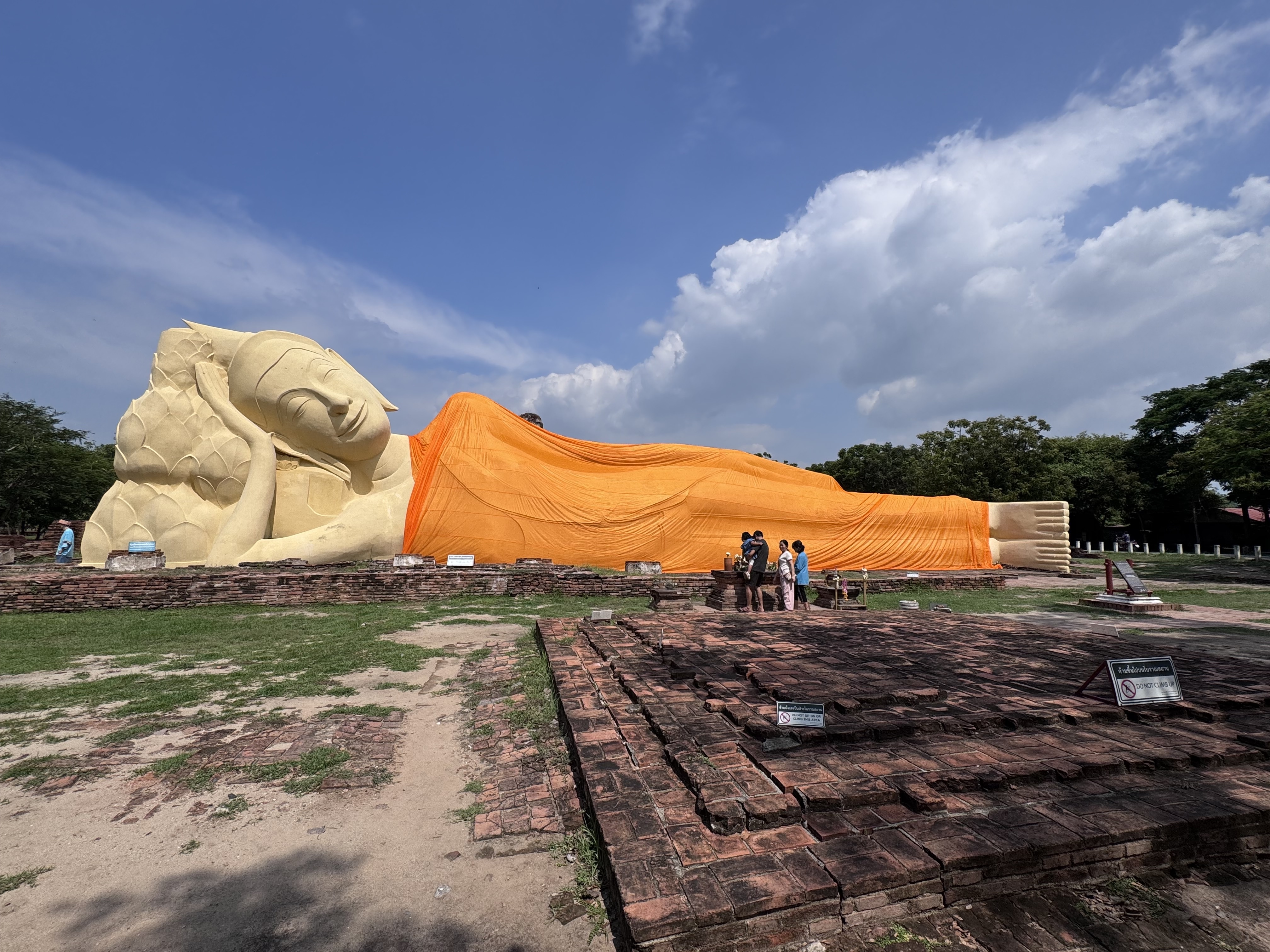
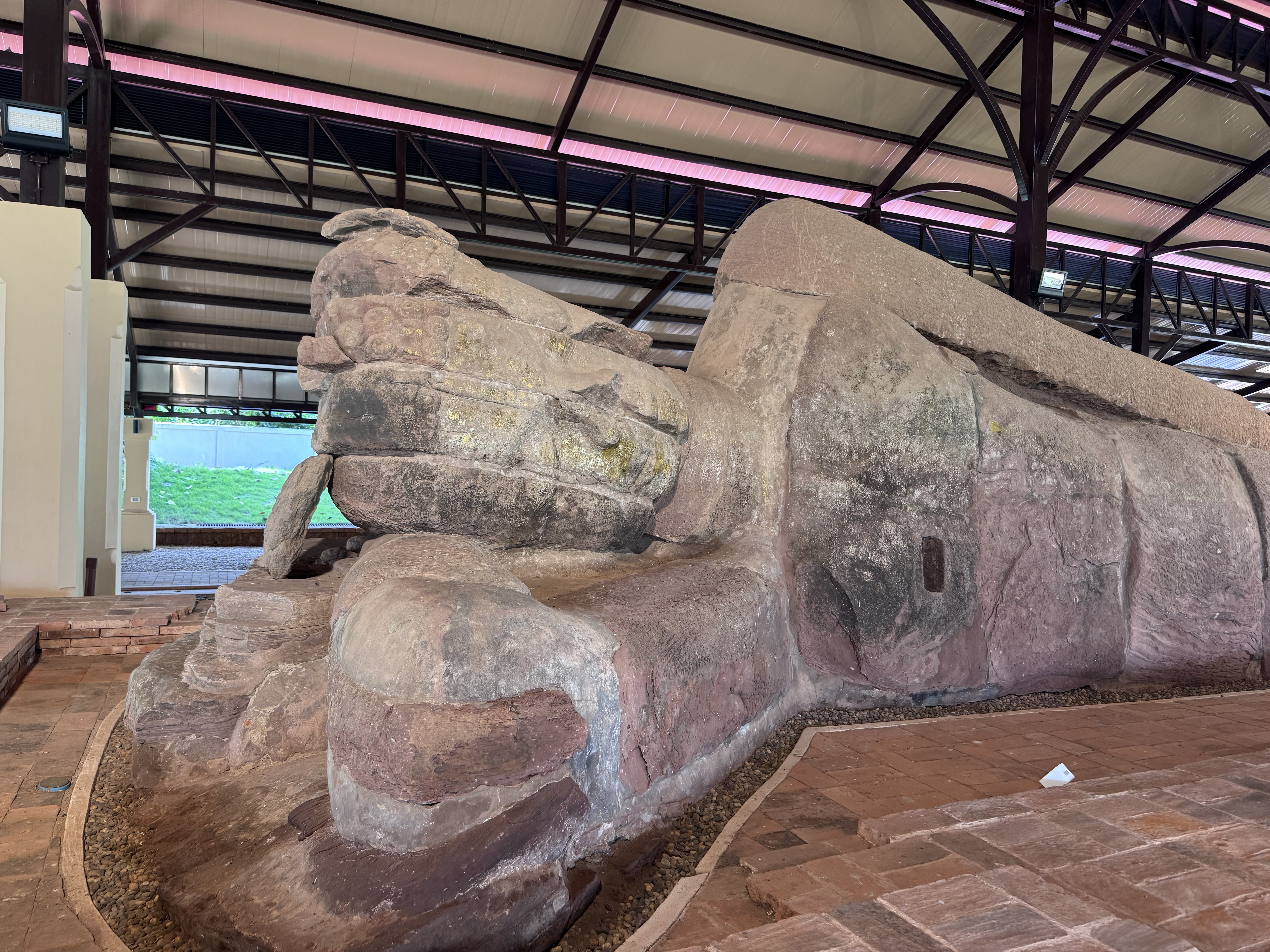
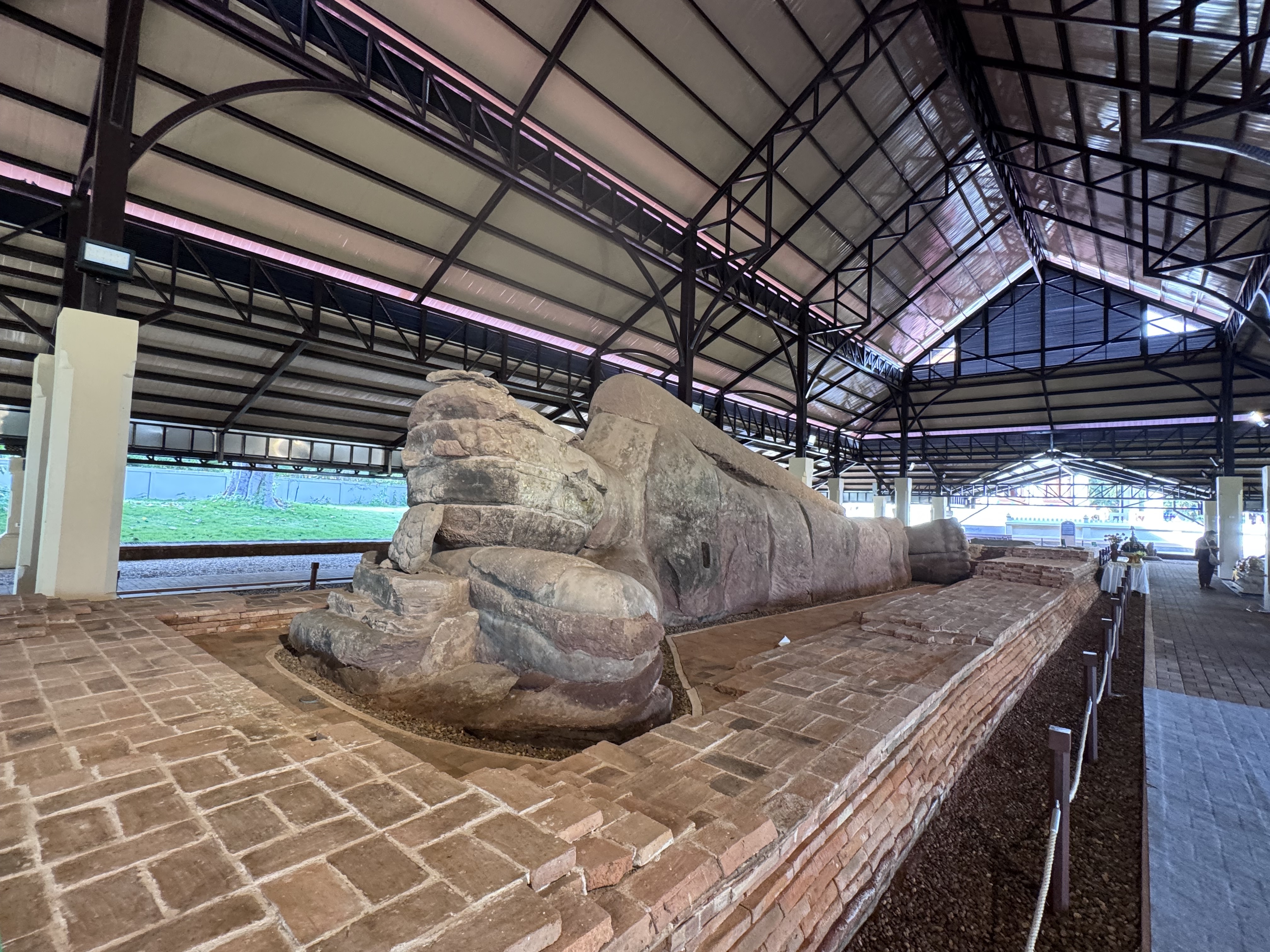
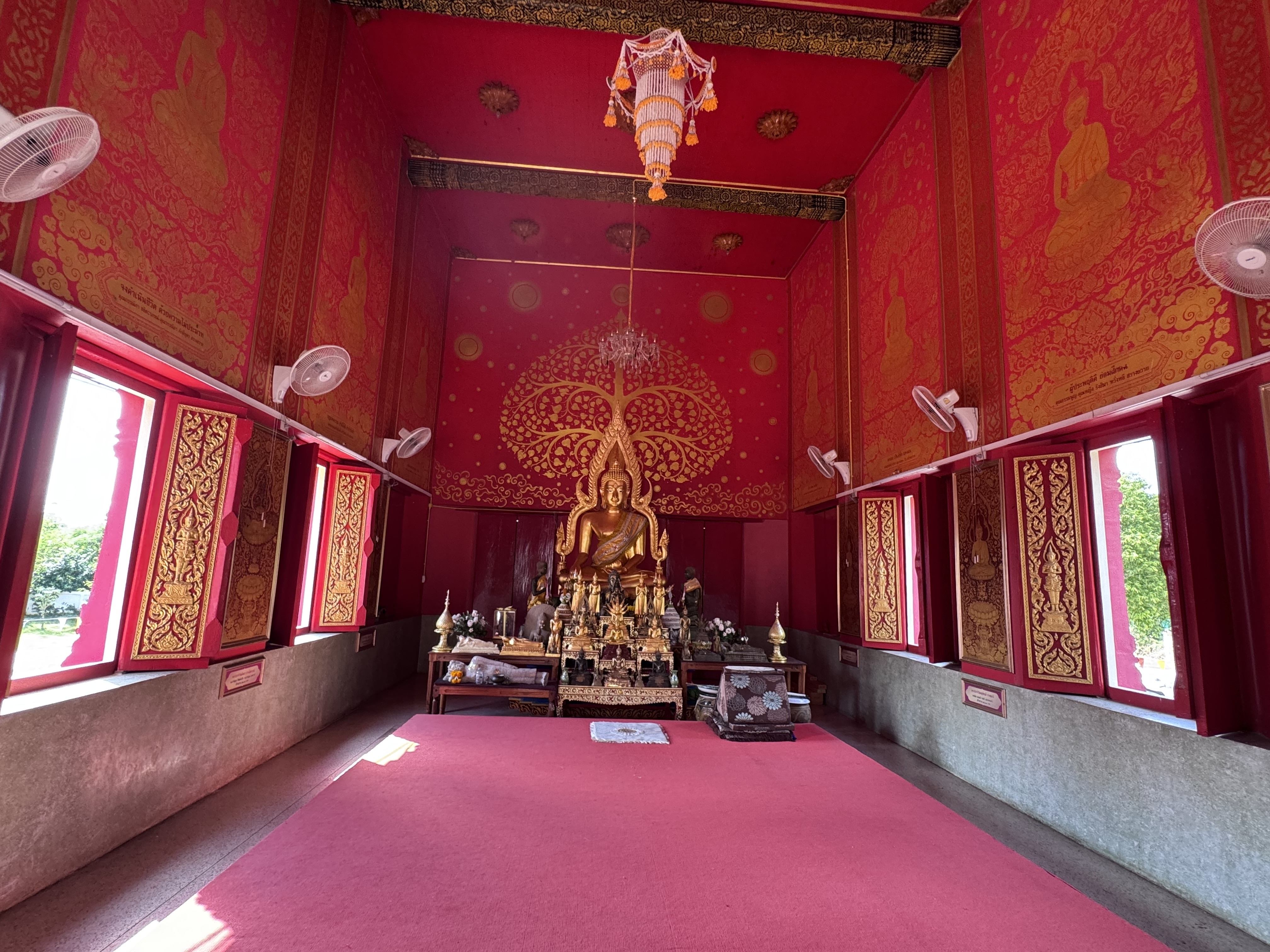
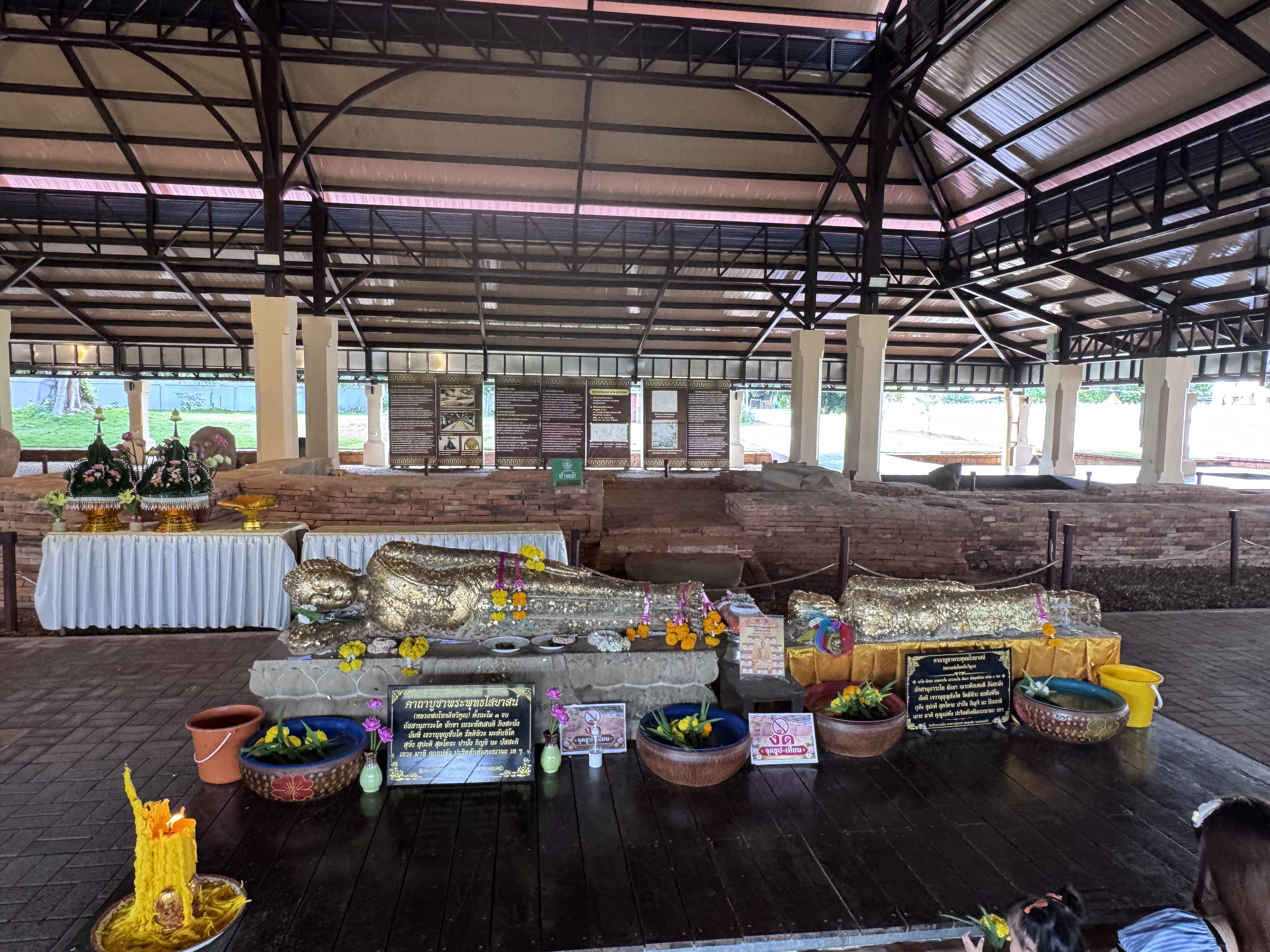
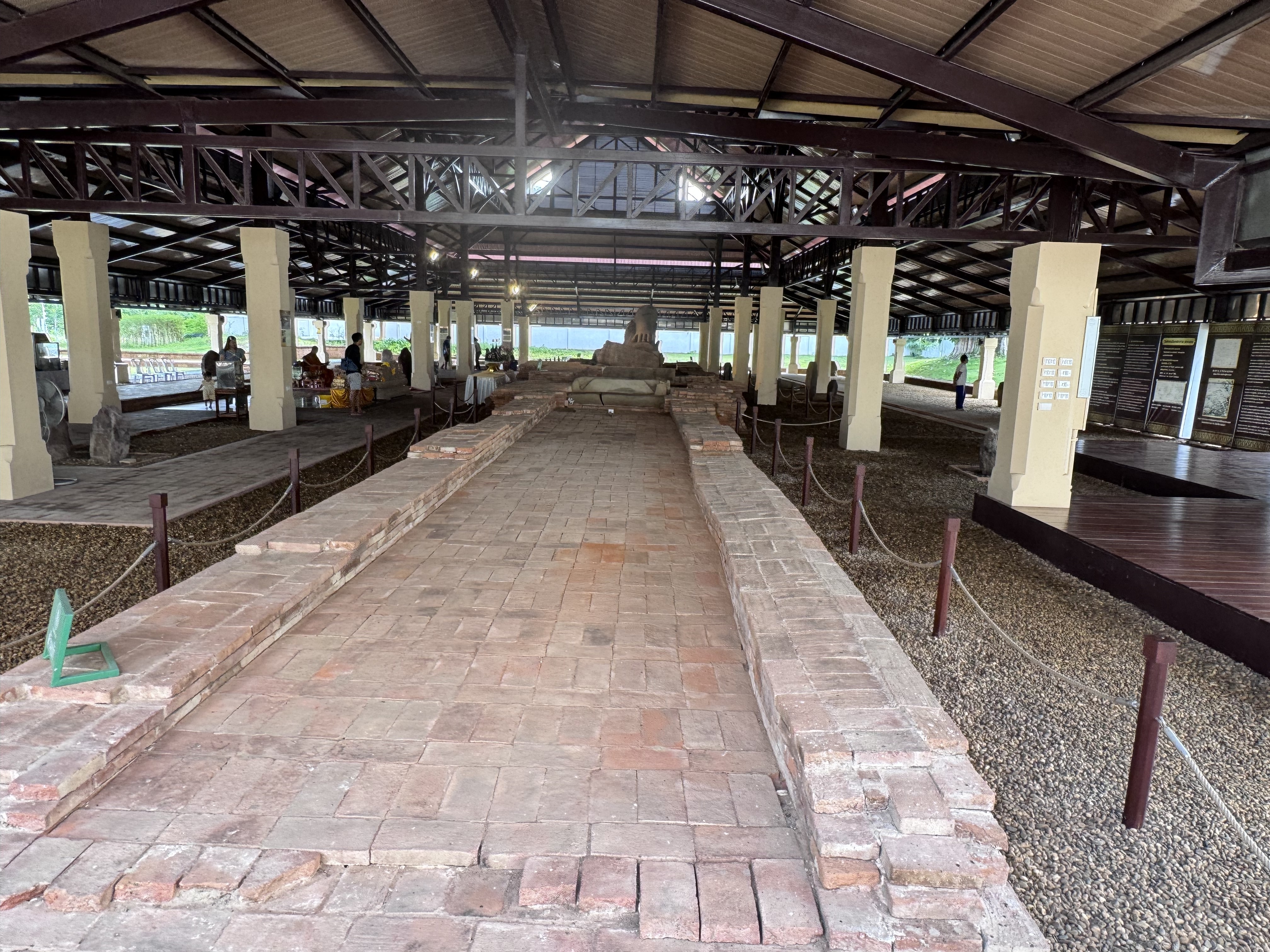
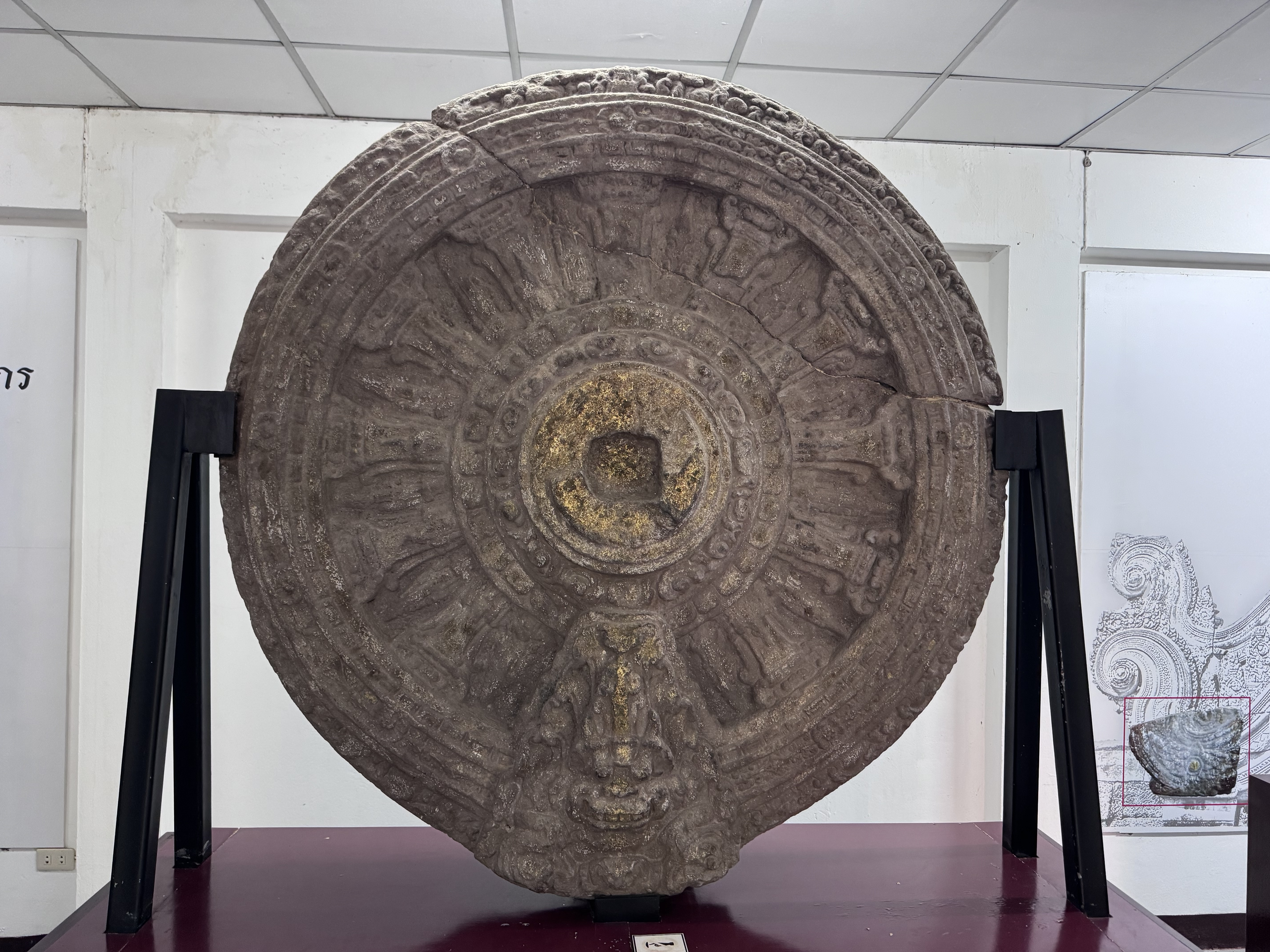
Wat Thammachak Sema Ram, also known locally as Wat Phra Non Khlong Khwang, stands in Nakhon Ratchasima province. Although the present-day monastery traces its formal establishment to the mid-eighteenth century, the site itself is far older and belongs to the Dvaravati cultural sphere that flourished across central and northeastern Thailand from roughly the sixth to the eleventh centuries.
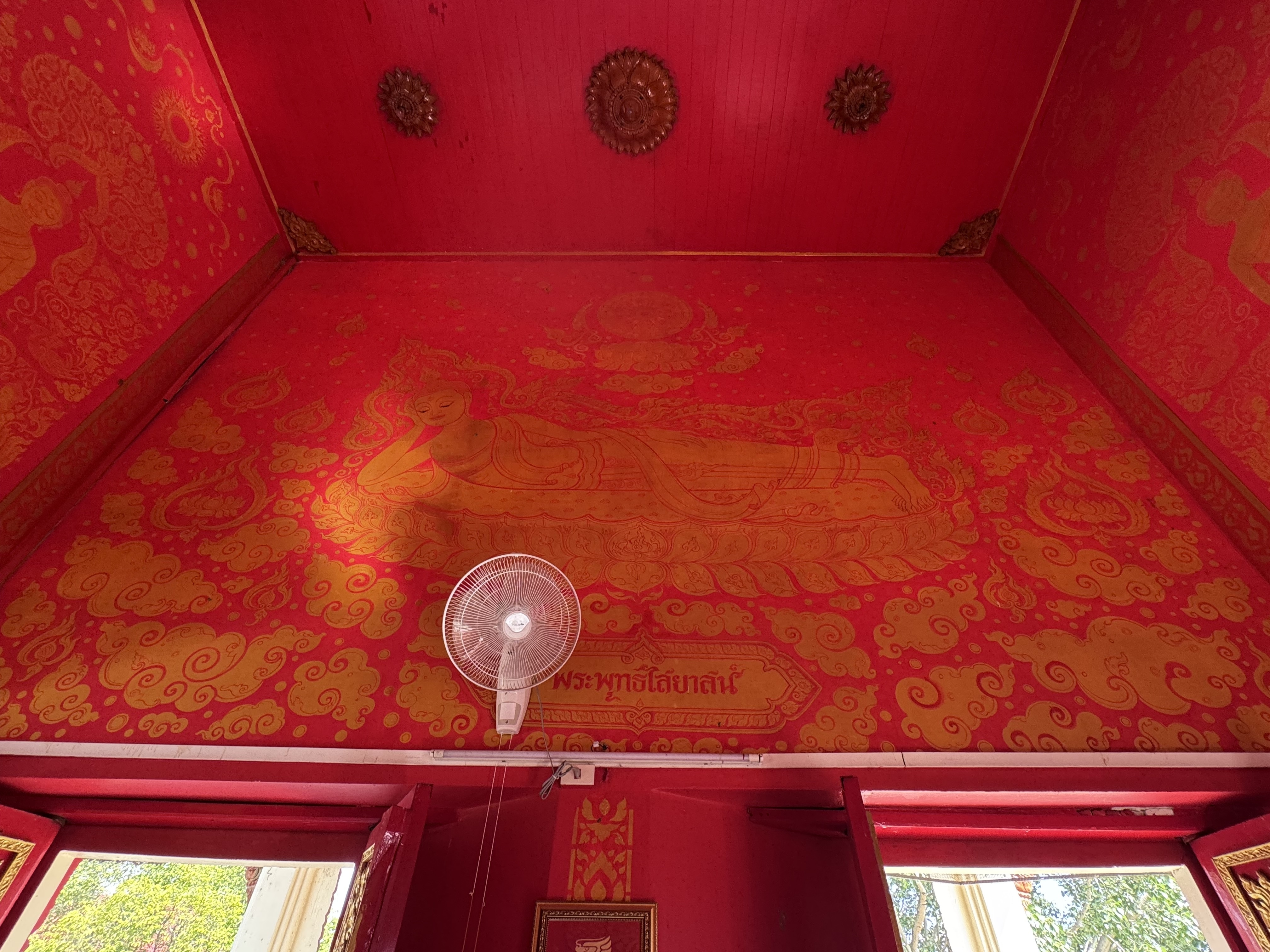
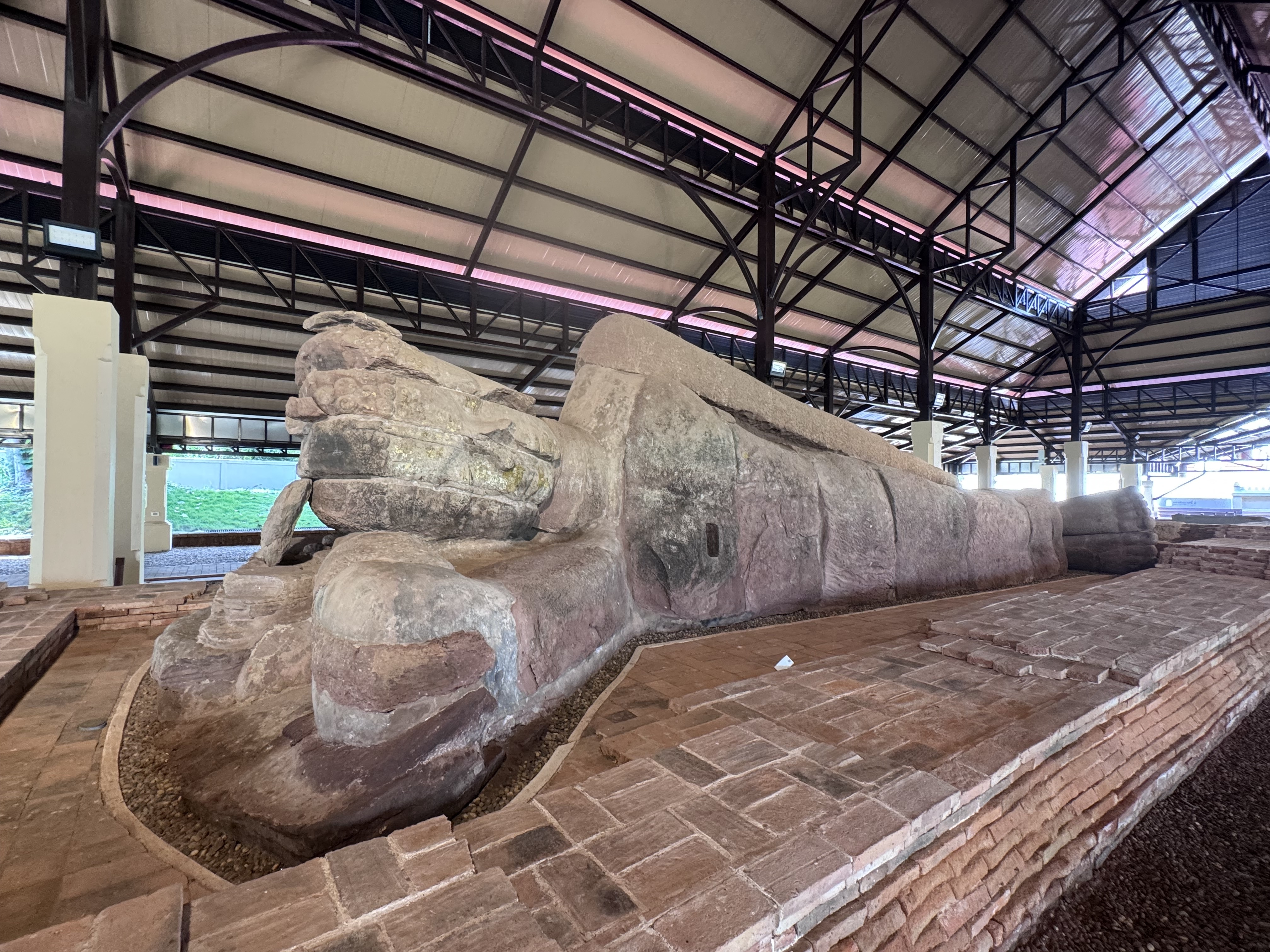
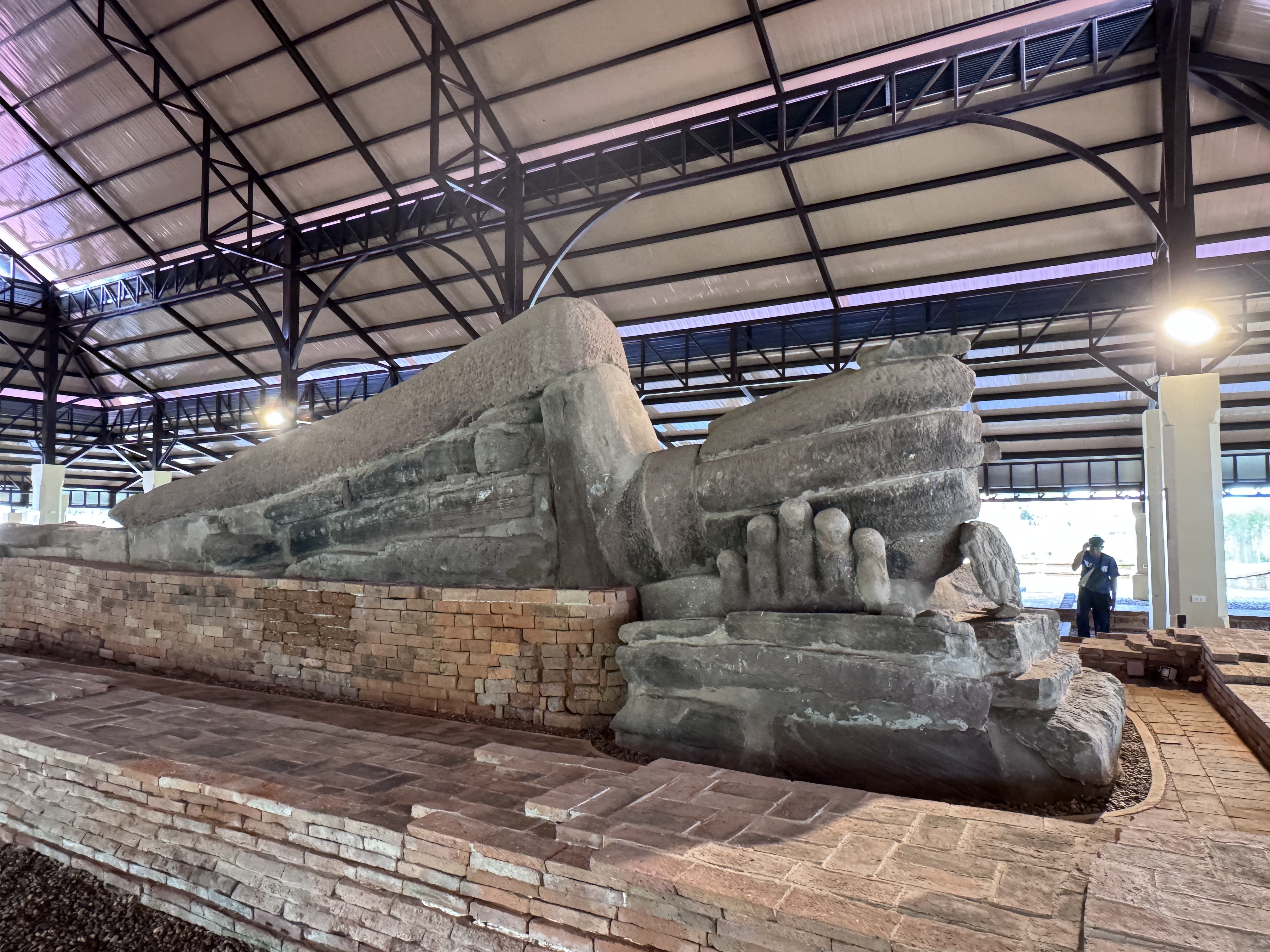
The temple’s greatest treasure is the large sandstone reclining Buddha, widely regarded as both the oldest and among the longest stone images of this type still surviving in the country.
The figure measures approximately 13.3 meters in length and between 2.5 and 2.8 meters in height. It was assembled from multiple blocks of red sandstone arranged along a north–south axis, with the head placed at the southern end and the face turned toward the east.
The face itself is somewhat square, formed from four superimposed slabs, while the body consists of vertically stacked blocks. Stylistic features such as the ...
History of Loy Krathong Festival
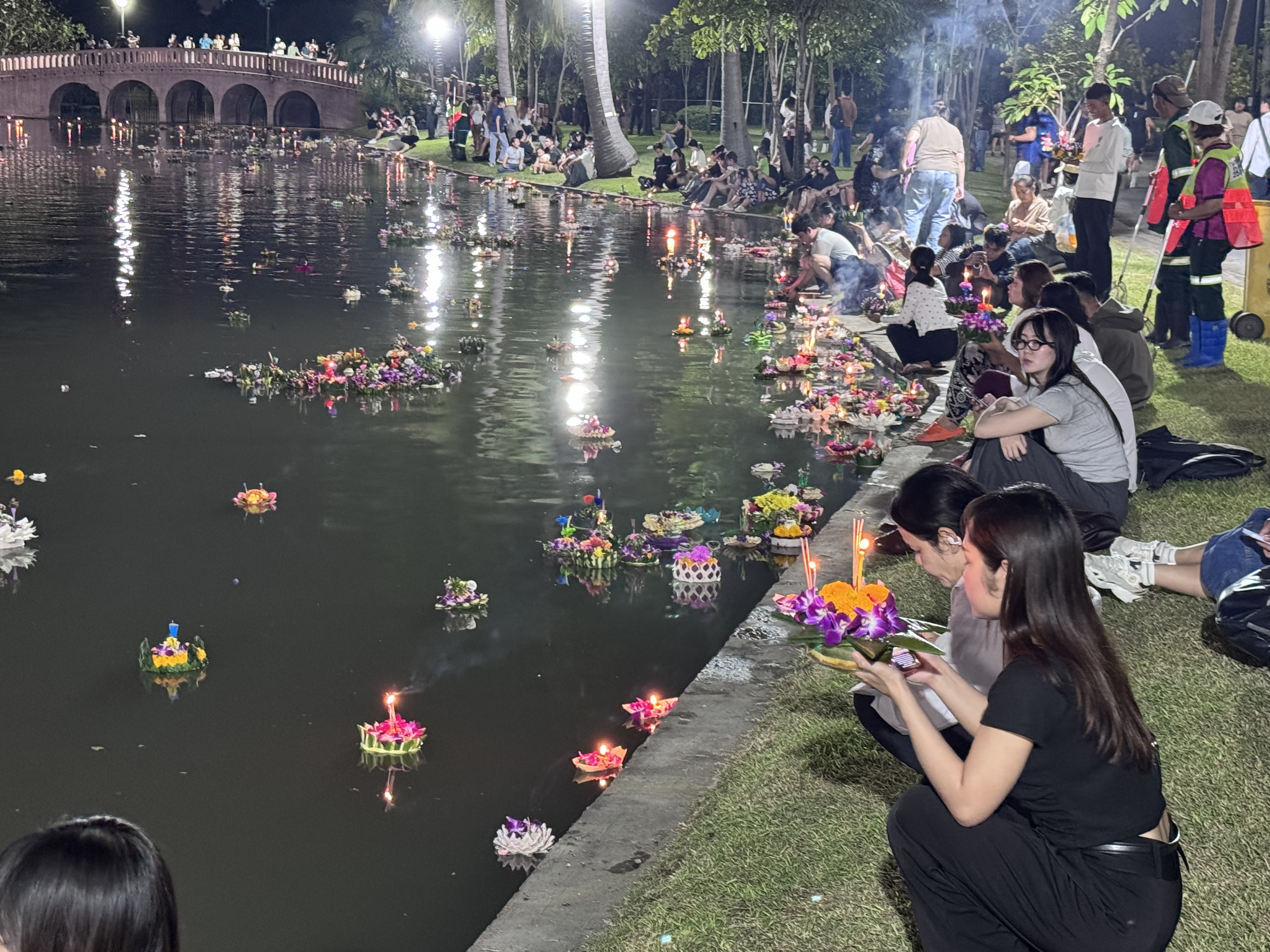
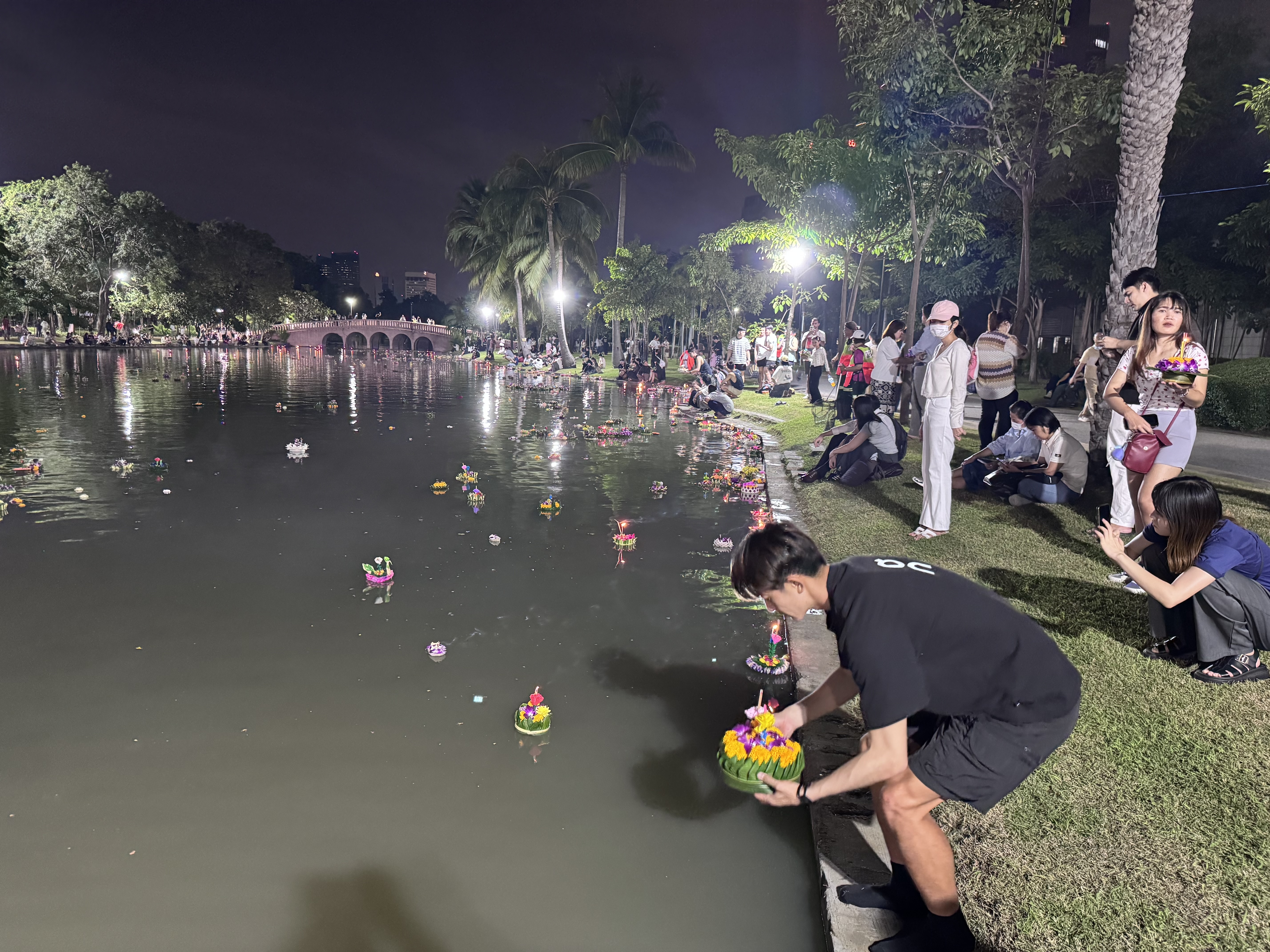
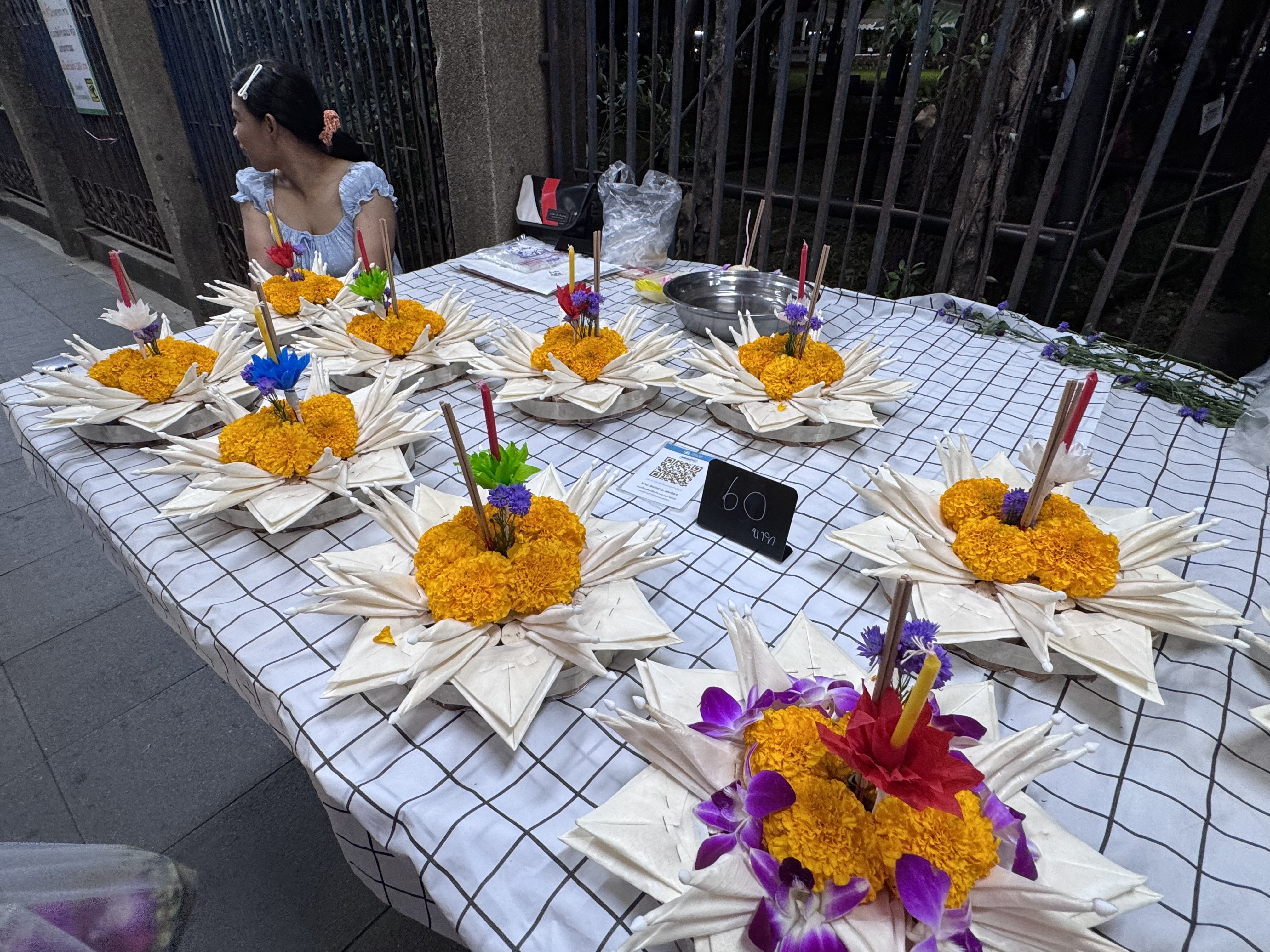
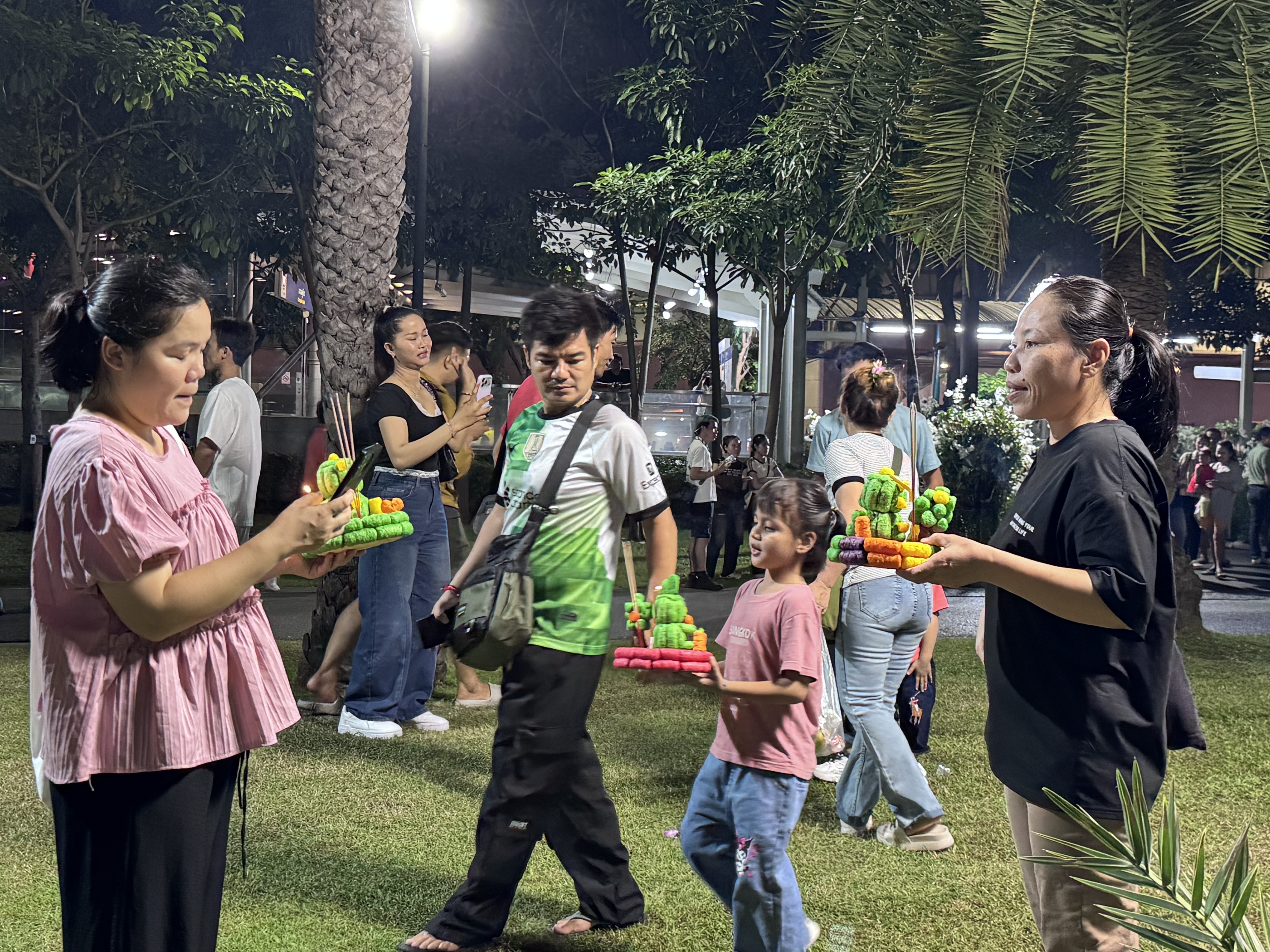
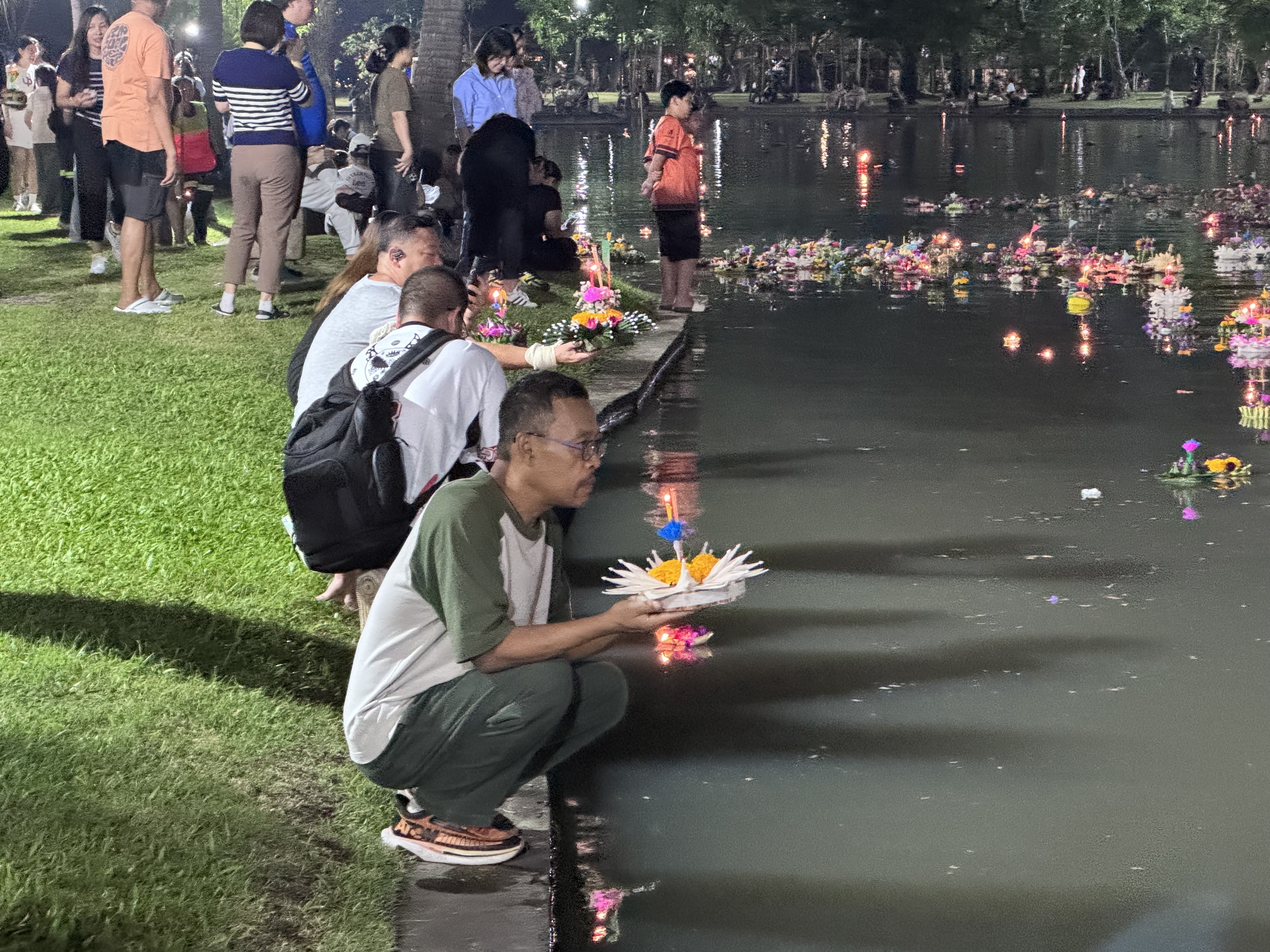
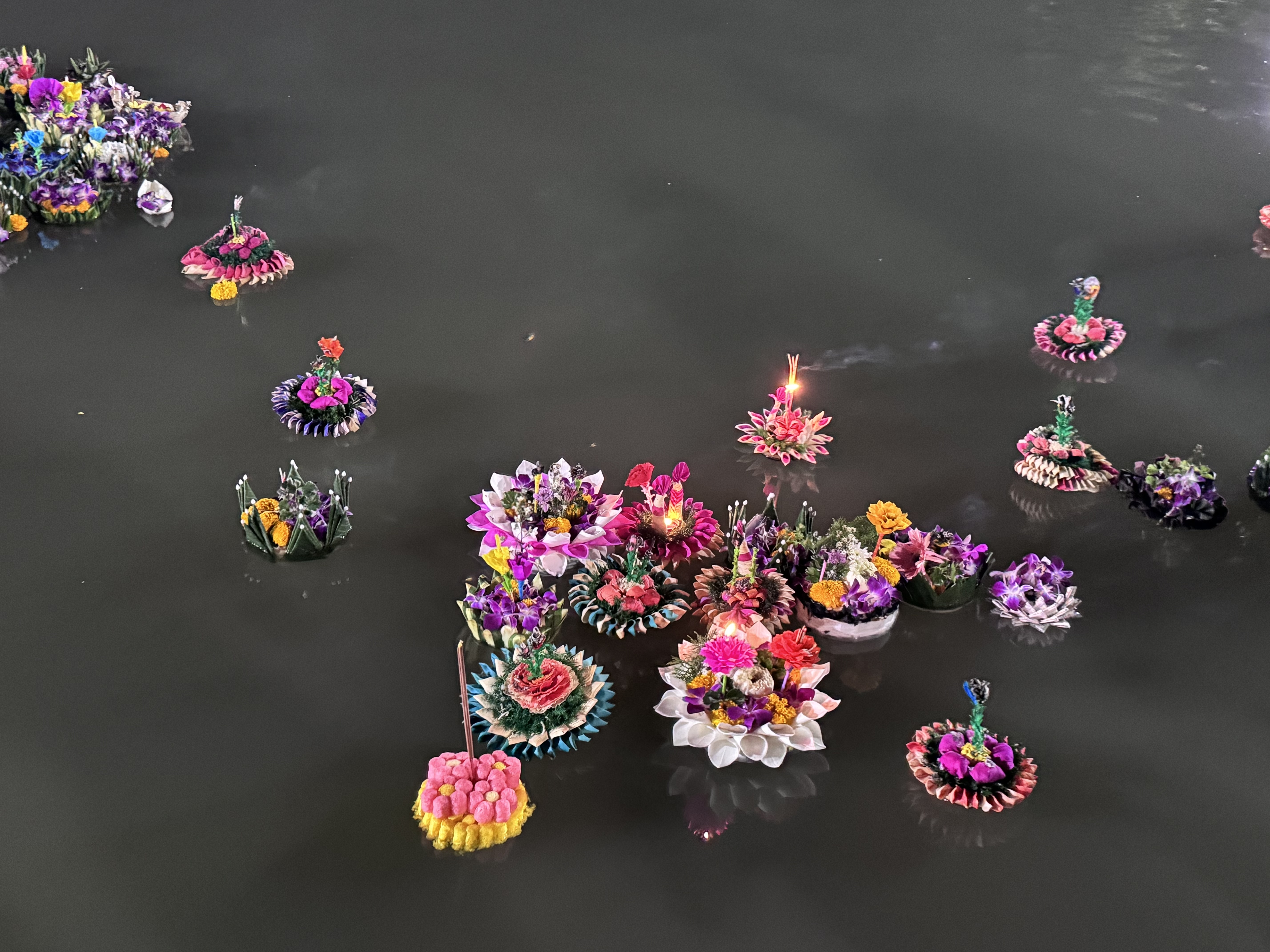
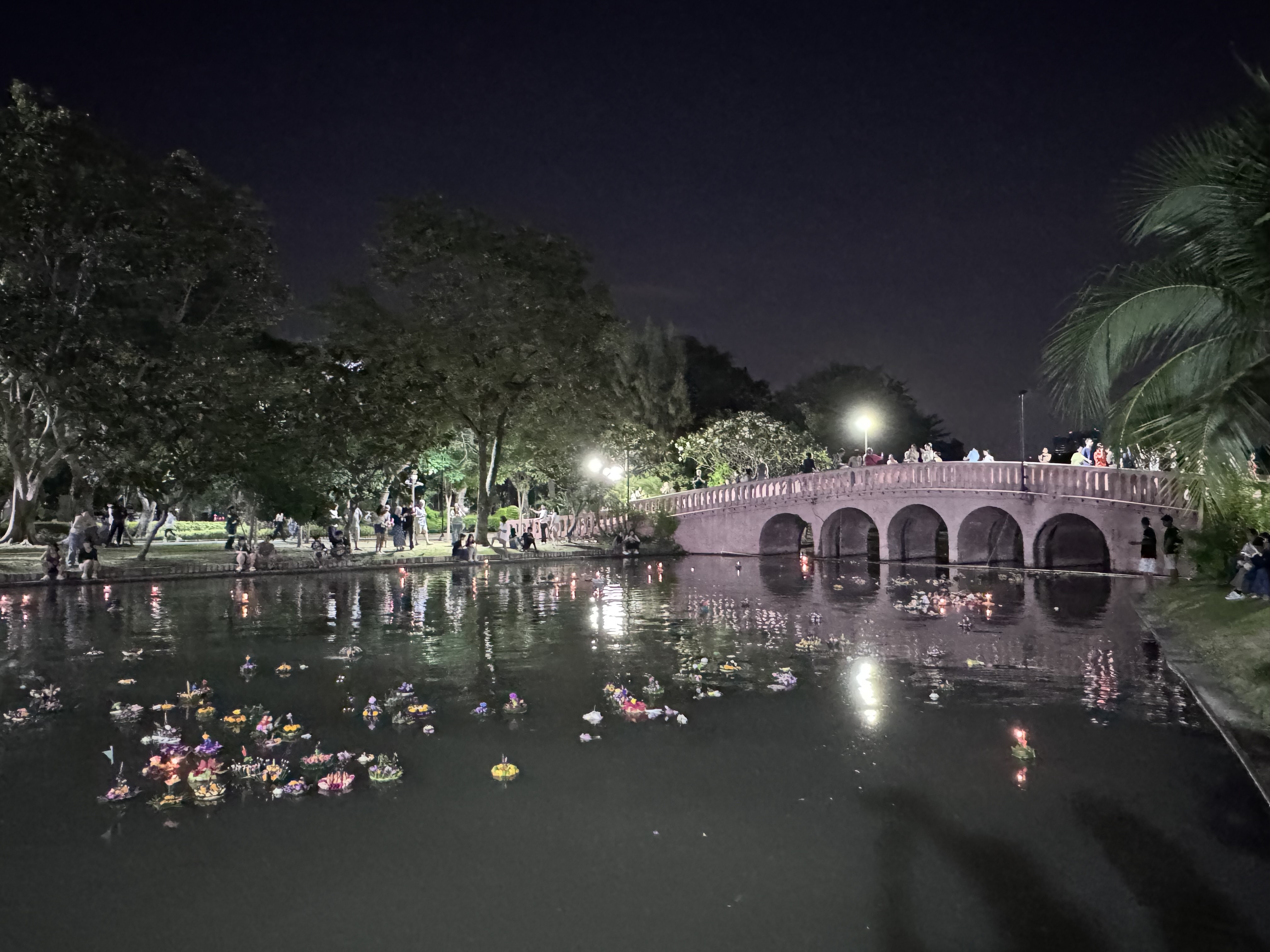
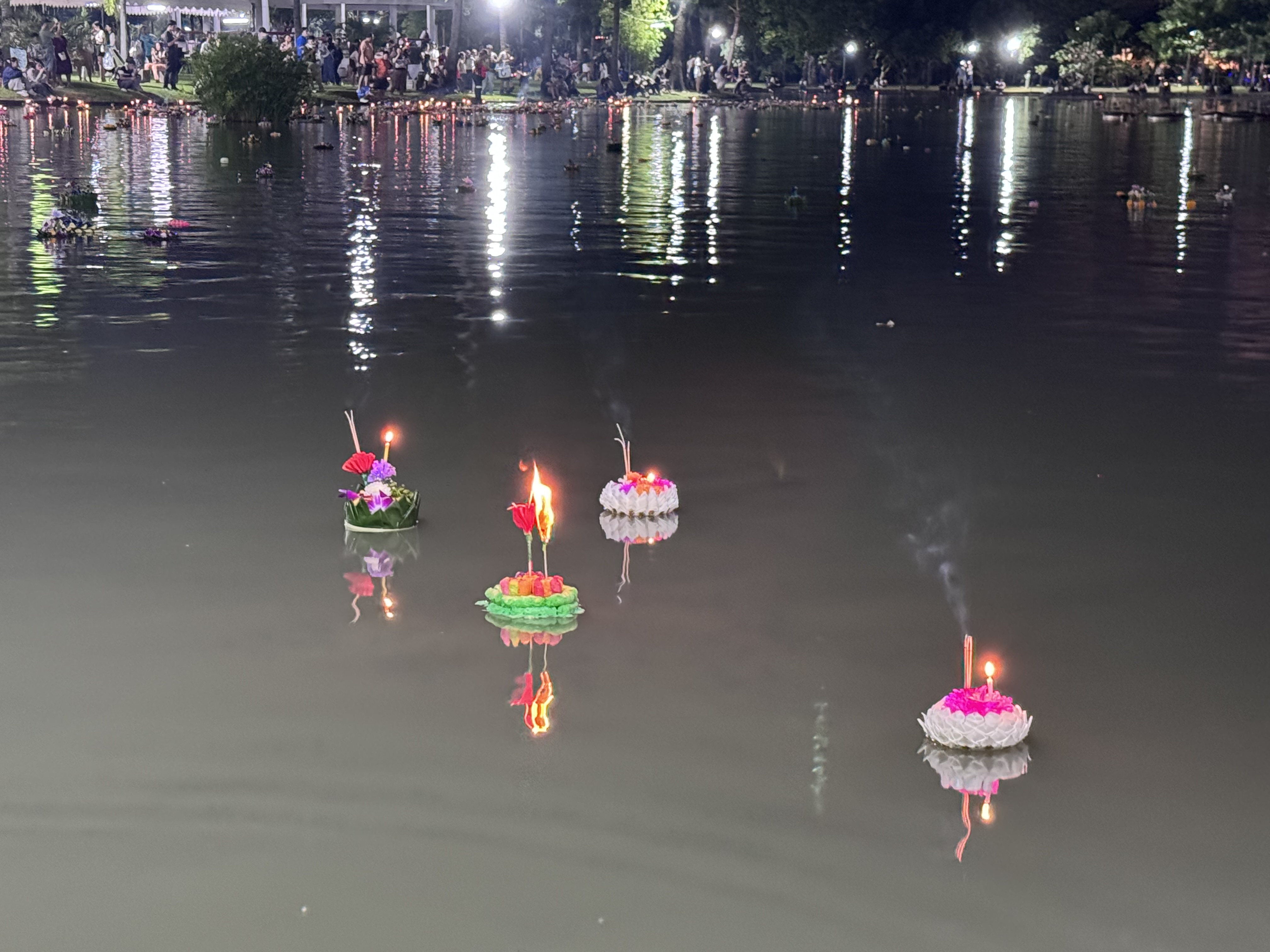
Loy Krathong Festival originated from an old Brahmin festival that paid respects to the water spirits. Thai people float krathongs to give thanks to the water goddess for the fortune of having water while others will ask for forgiveness for using too much or contaminating it.
Loy Krathong originated in the ancient Sukhothai Kingdom, over 700 years ago. The King, Ramkamhang, was a devout Buddhist and believed that at the end of the Thai year his people should pay tribute to the water goddess, Phra Mae Khong Ka, for all they had been given. So he chose a night with a full moon after the monsoons, meaning the rivers and canals would be at their fullest, to worship.
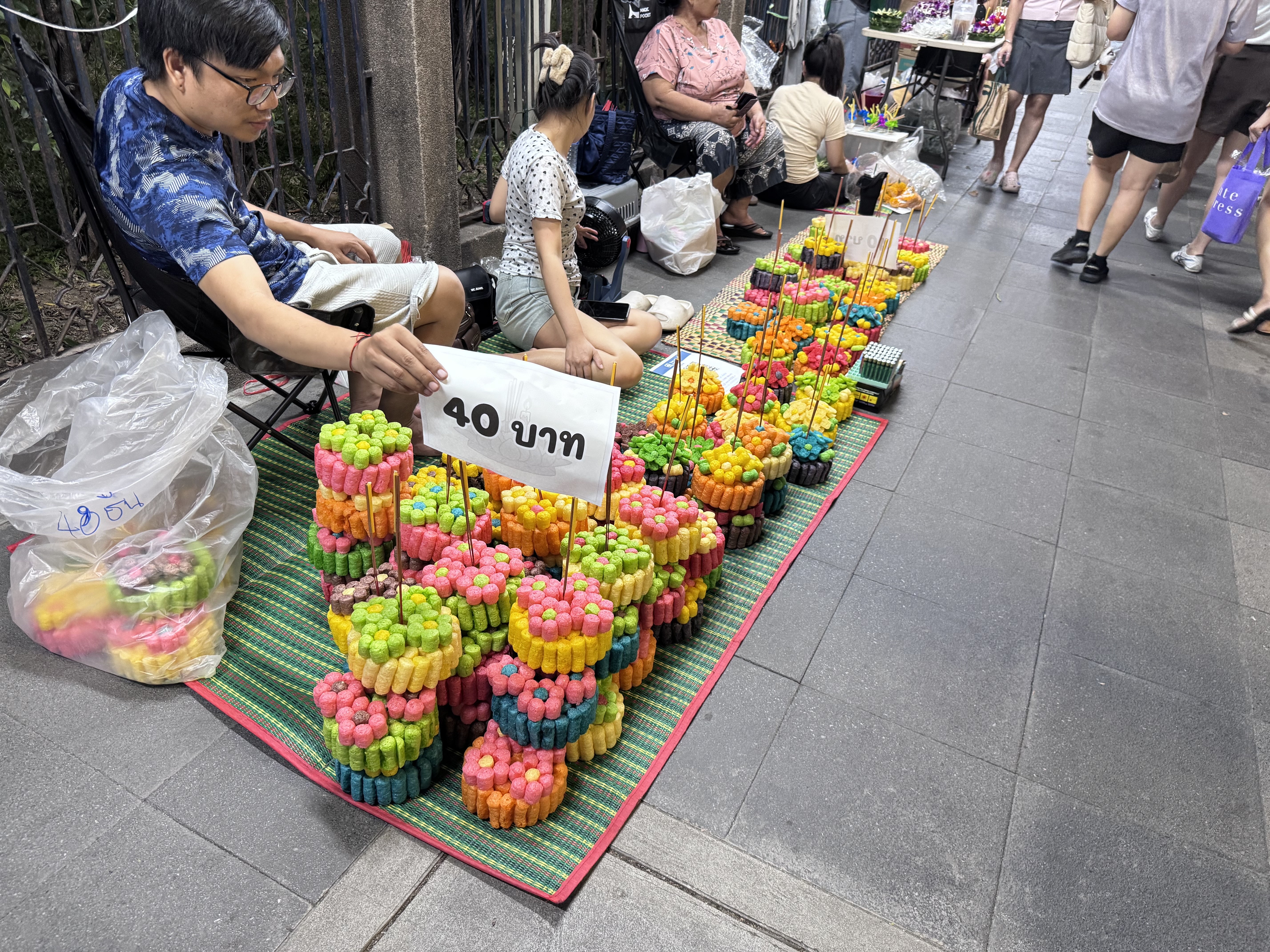
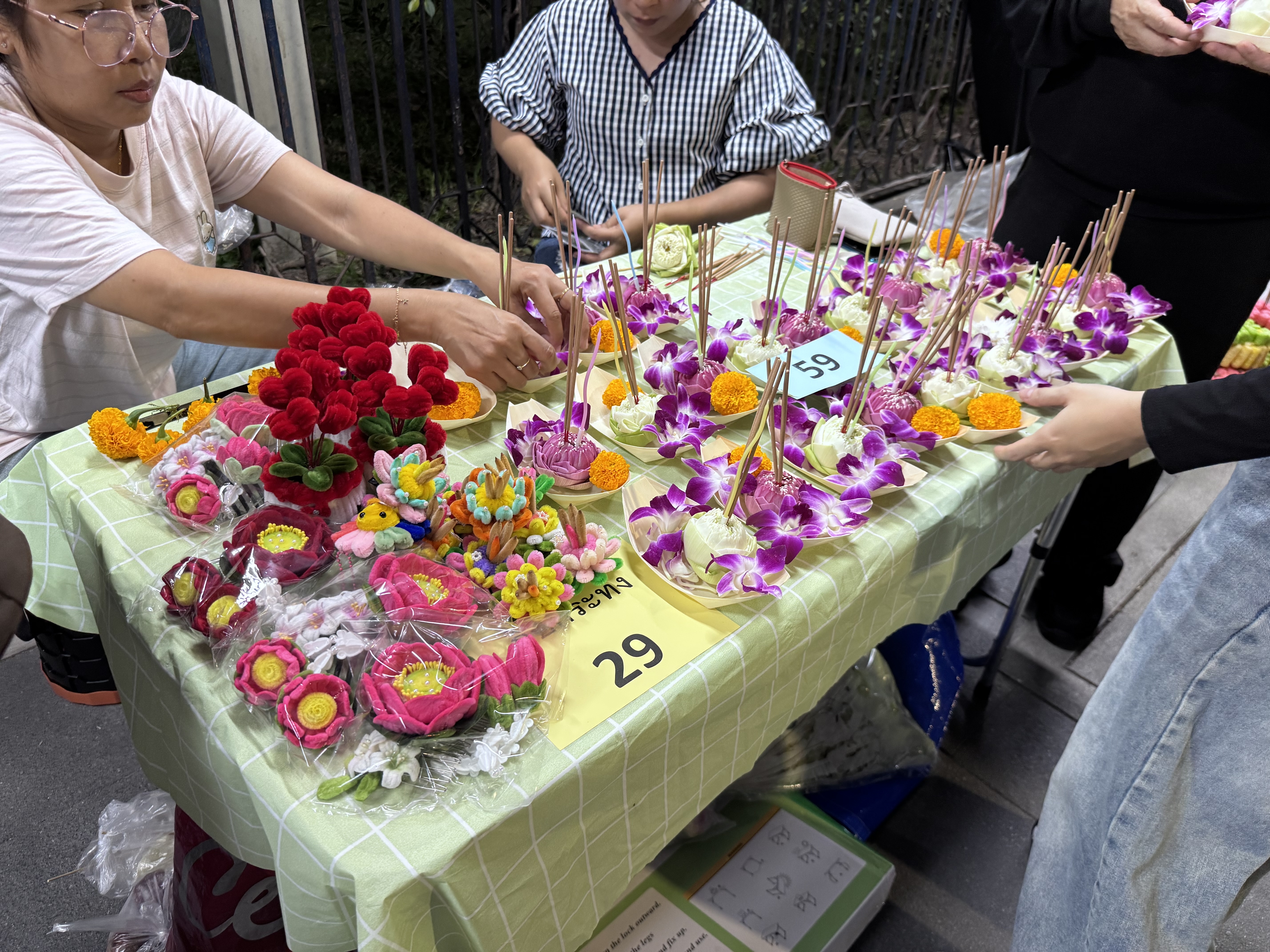
A popular legend says that one of the King's consorts, Nang Noppamas, was the one who created the first Krathong. Noppamas was the daughter of a Brahmin priest and adapted an existing Brahmin tradition to make the float from banana leaves. The king was impressed and he proclaimed that every year on this ...