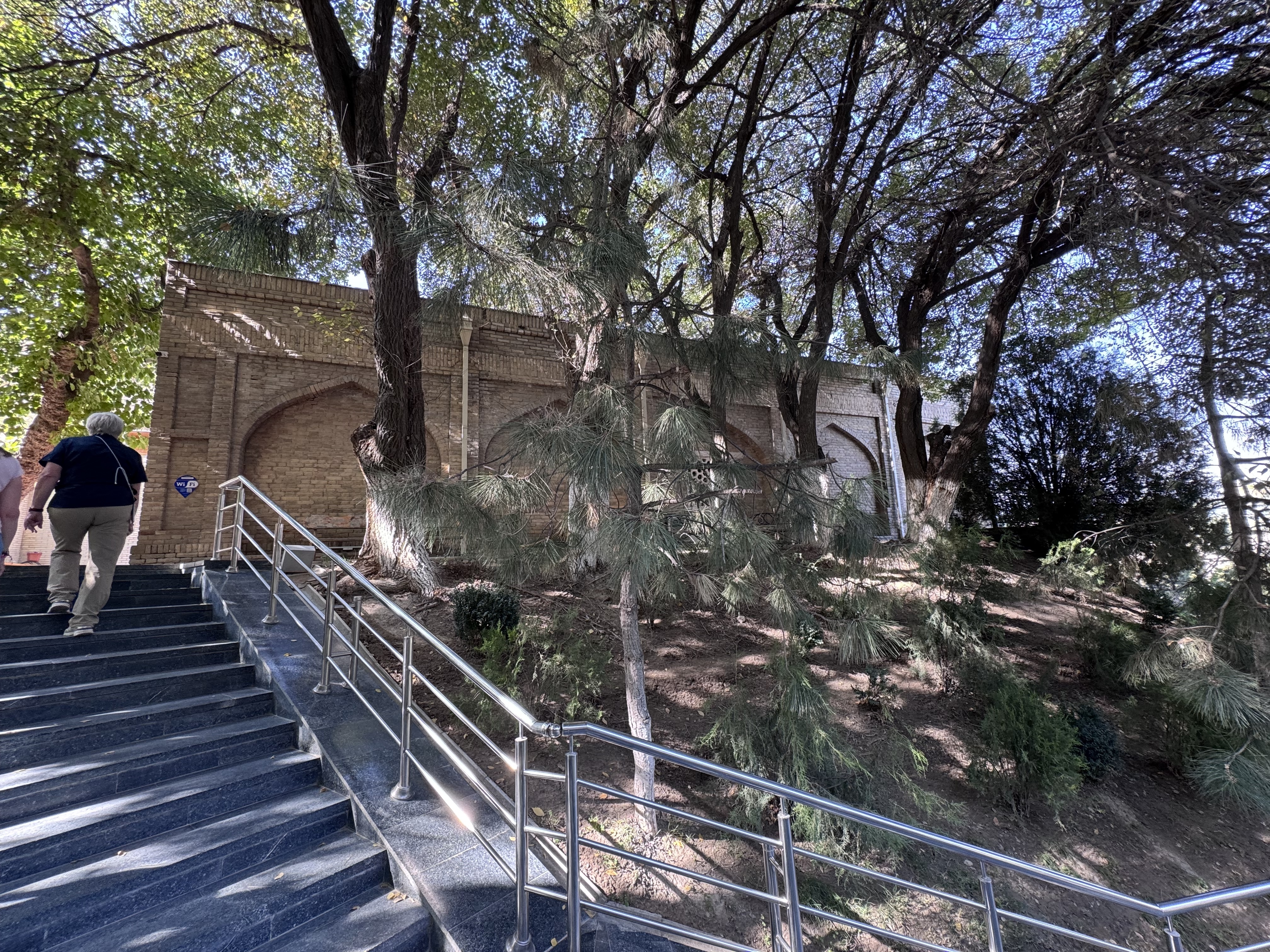


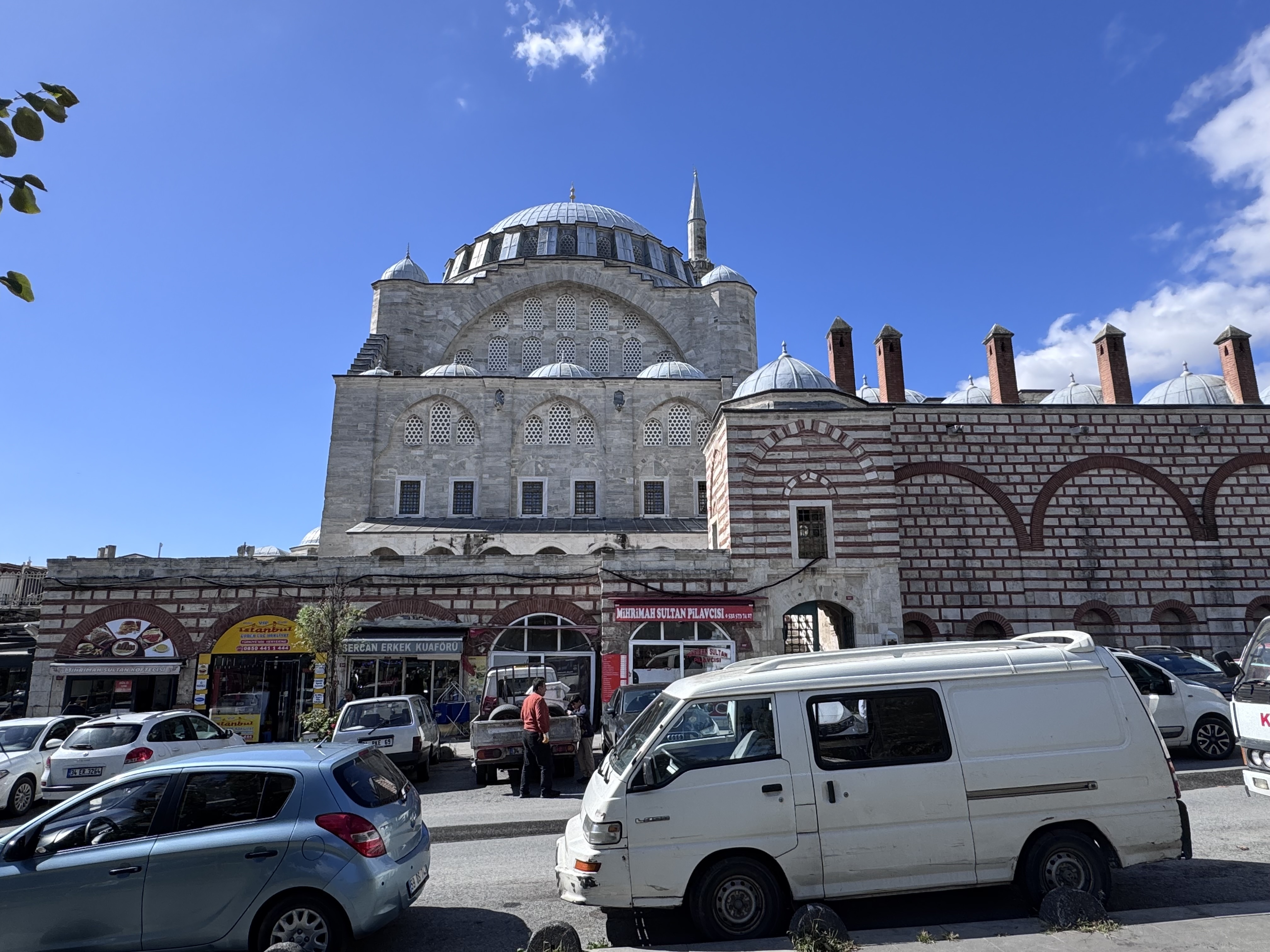
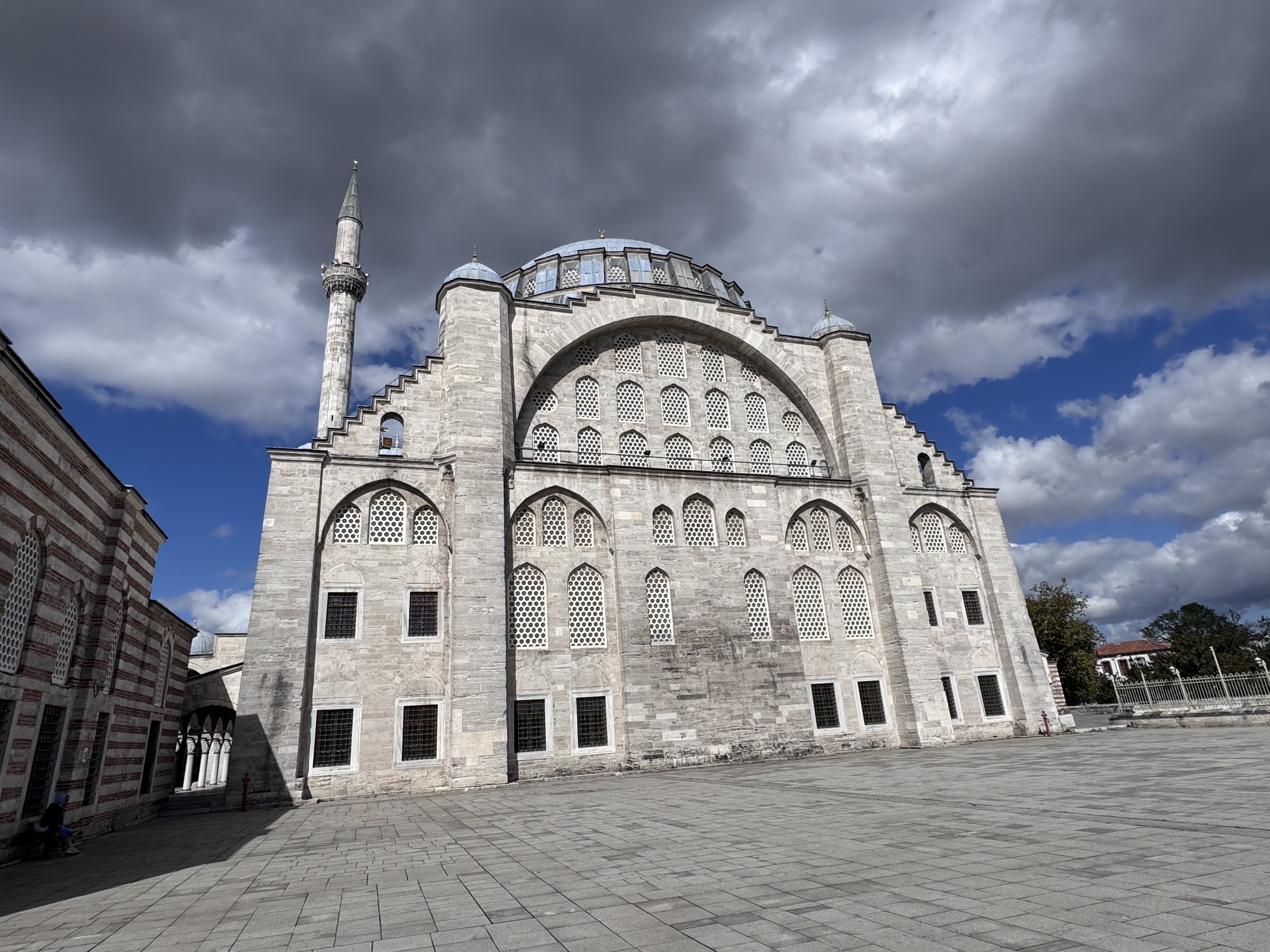
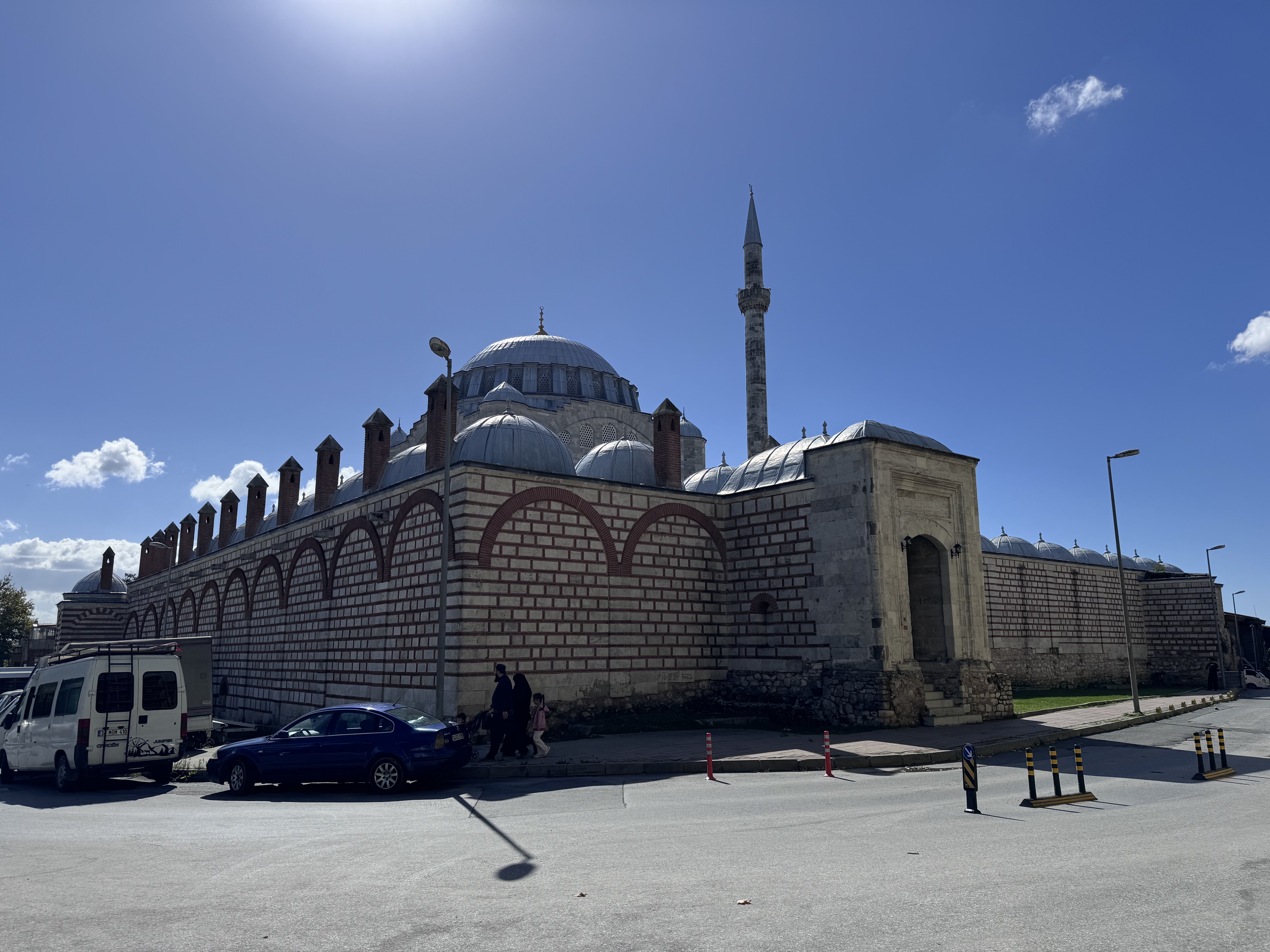
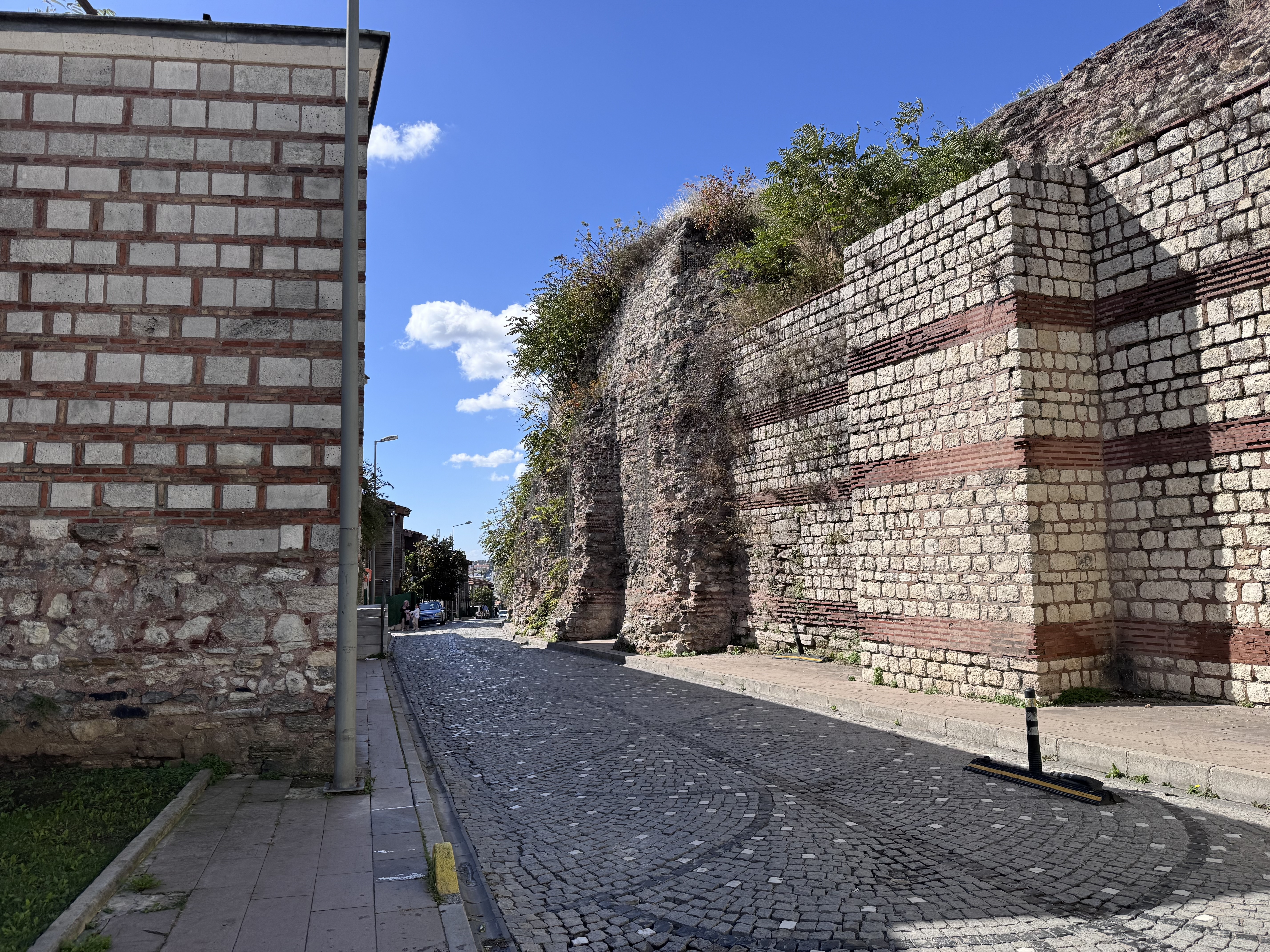
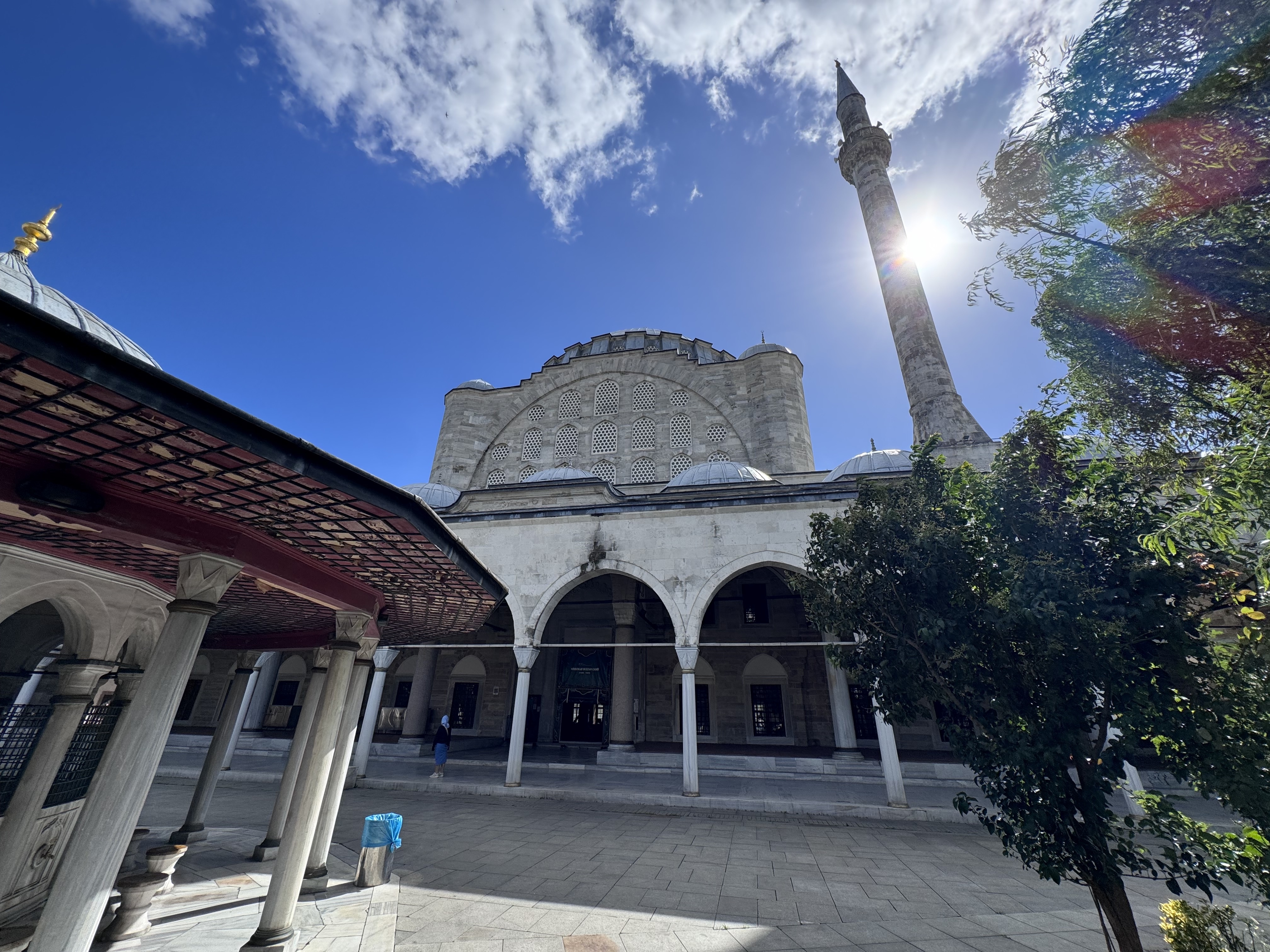
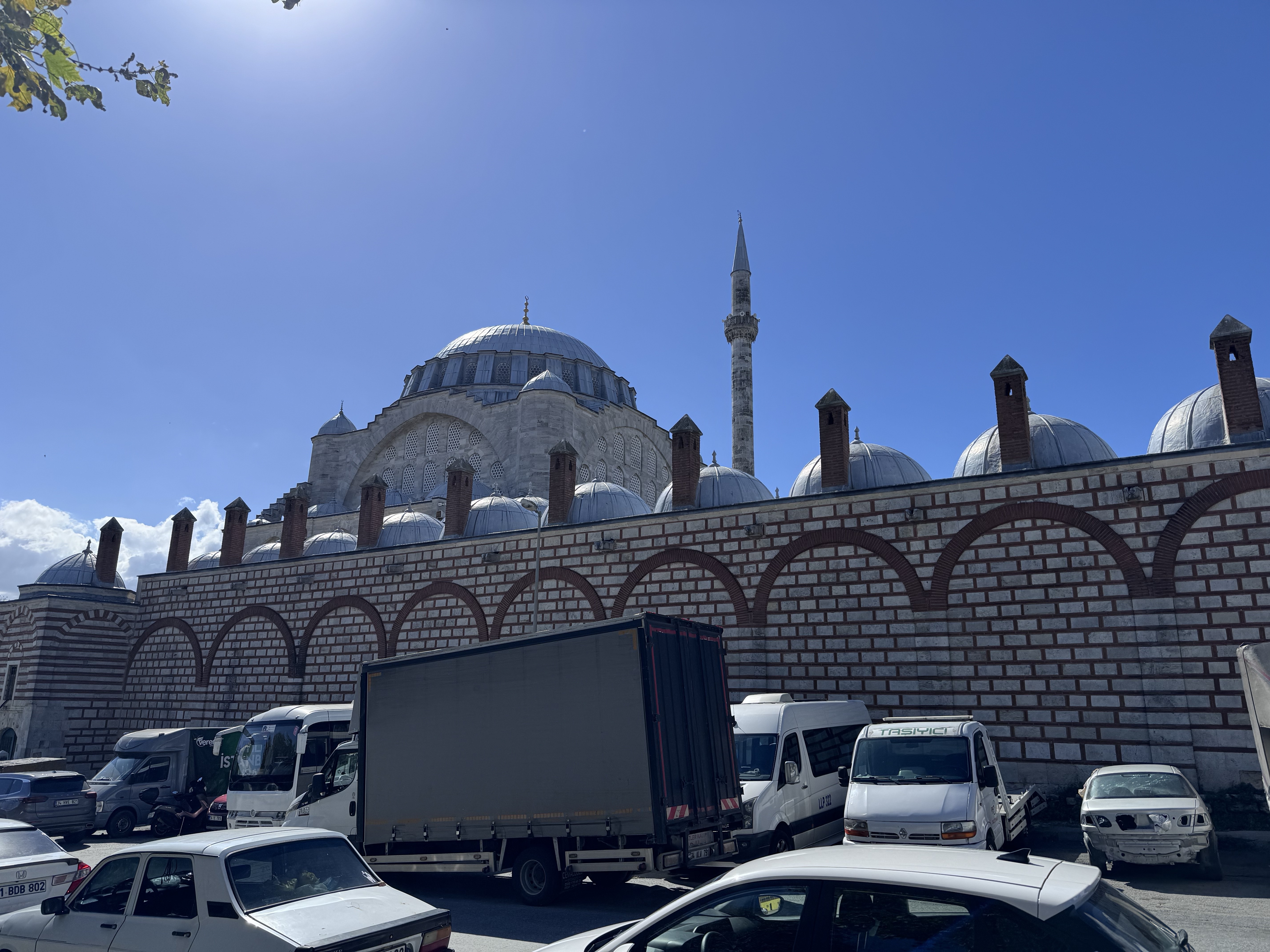
The Mihrimah Sultan Mosque in Edirnekapı stands just inside the Theodosian land walls of Istanbul, near the historic Edirne Gate and a short walk from the former Chora Church. Commissioned by Mihrimah Sultan, the only daughter of Sultan Suleiman the Magnificent and Hürrem Sultan, it was designed by the imperial architect Mimar Sinan.
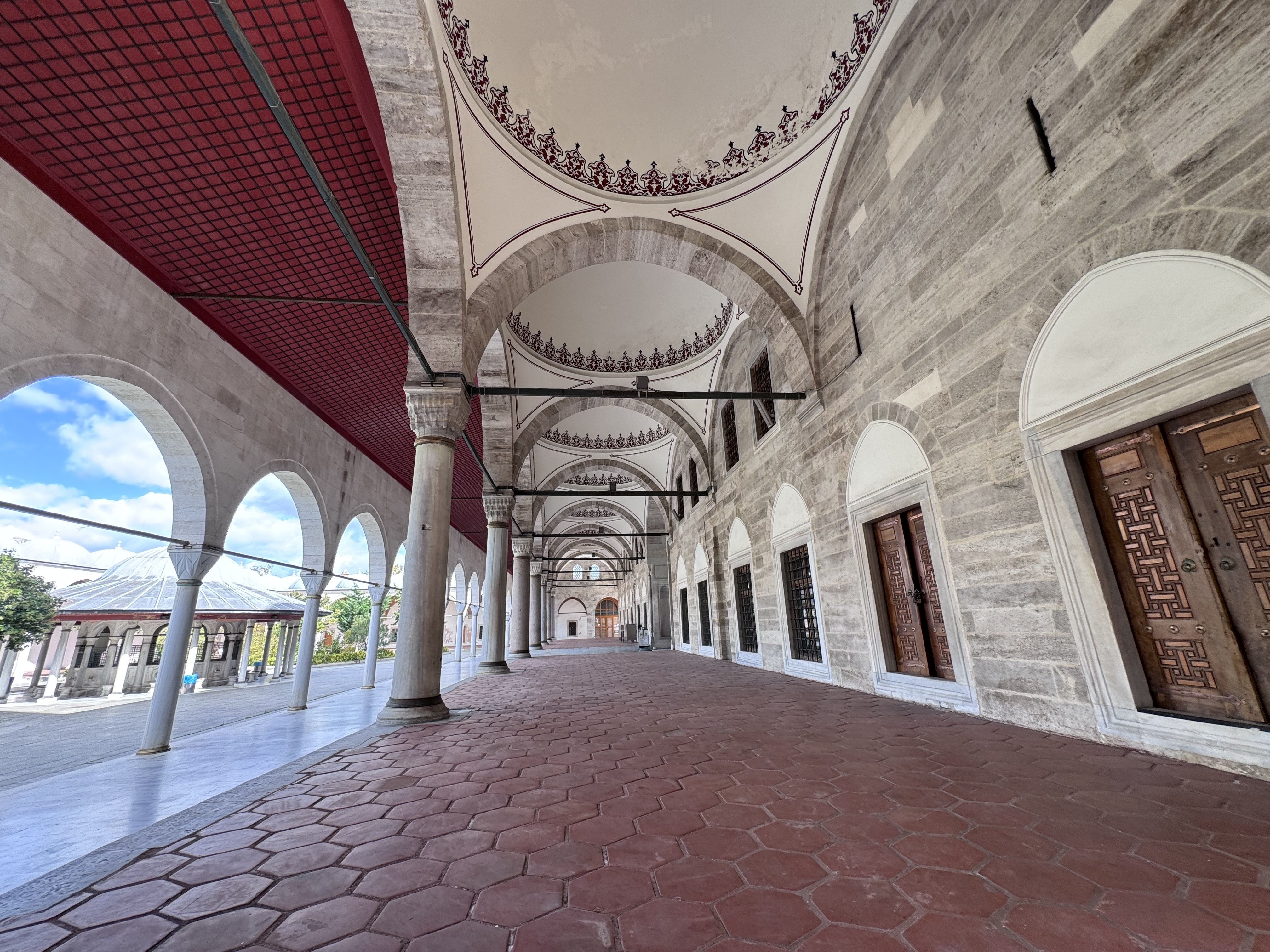
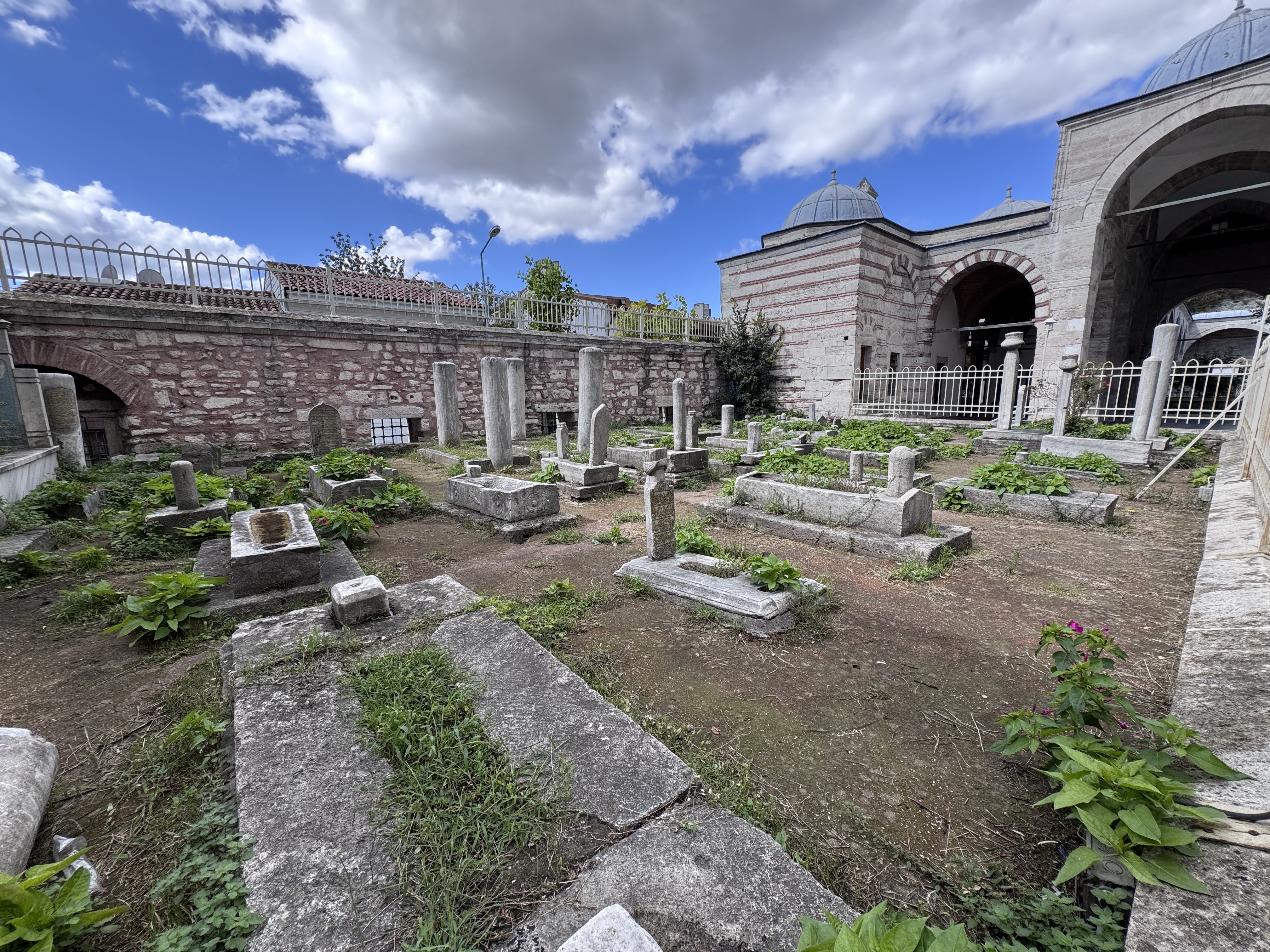
Construction began around 1563 and was completed by approximately 1570, after the death of Suleiman. The mosque formed the heart of a larger charitable complex that originally included a madrasa whose cells line the courtyard portico, a primary school, a double bathhouse, a tomb, and a row of shops whose rents helped sustain the foundation.
Its elevated position on the summit of the city’s Sixth Hill, one of Istanbul’s highest points, places it prominently against the ancient fortifications and allows it to command views across the surrounding neighborhood and beyond.
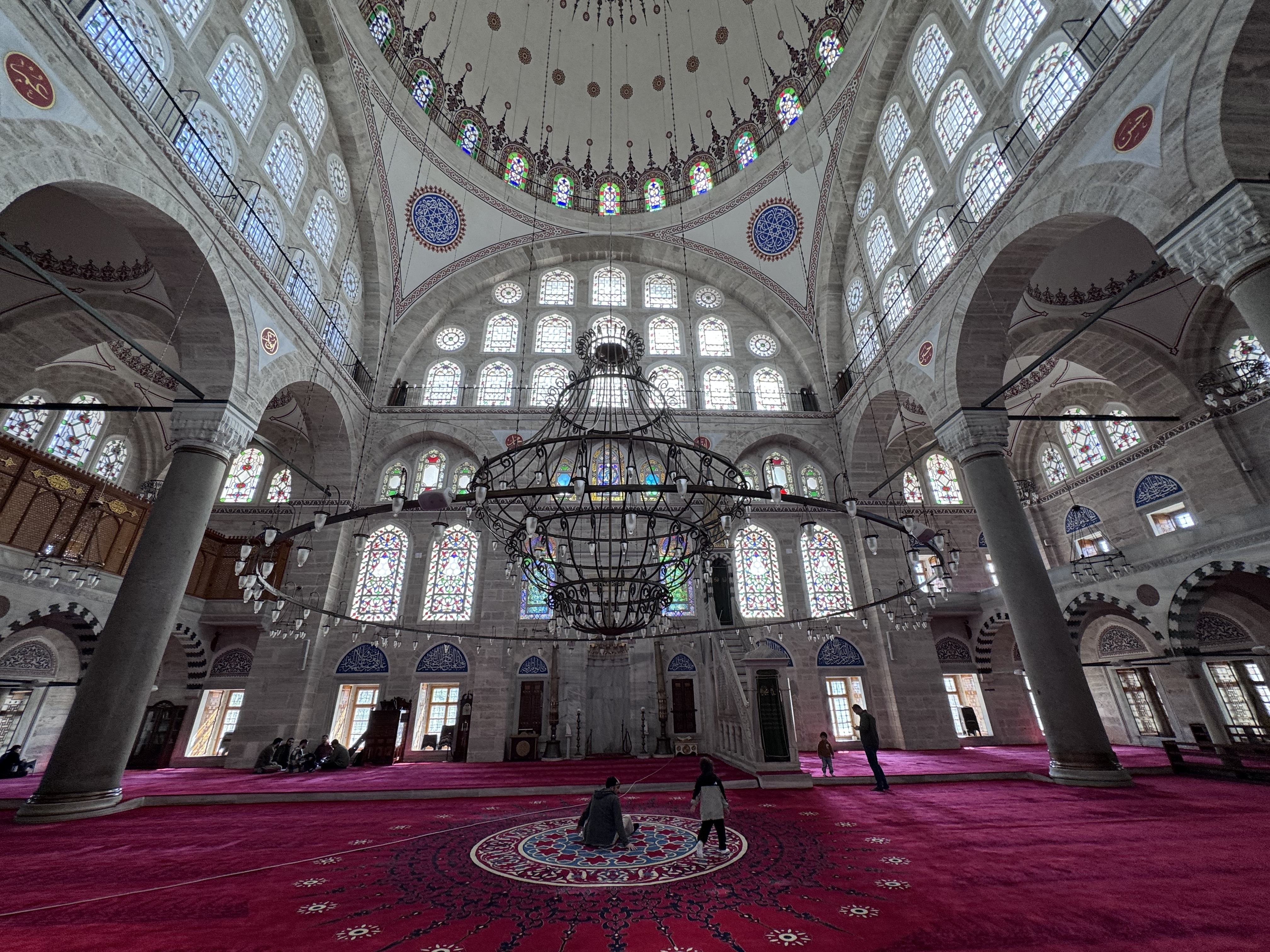
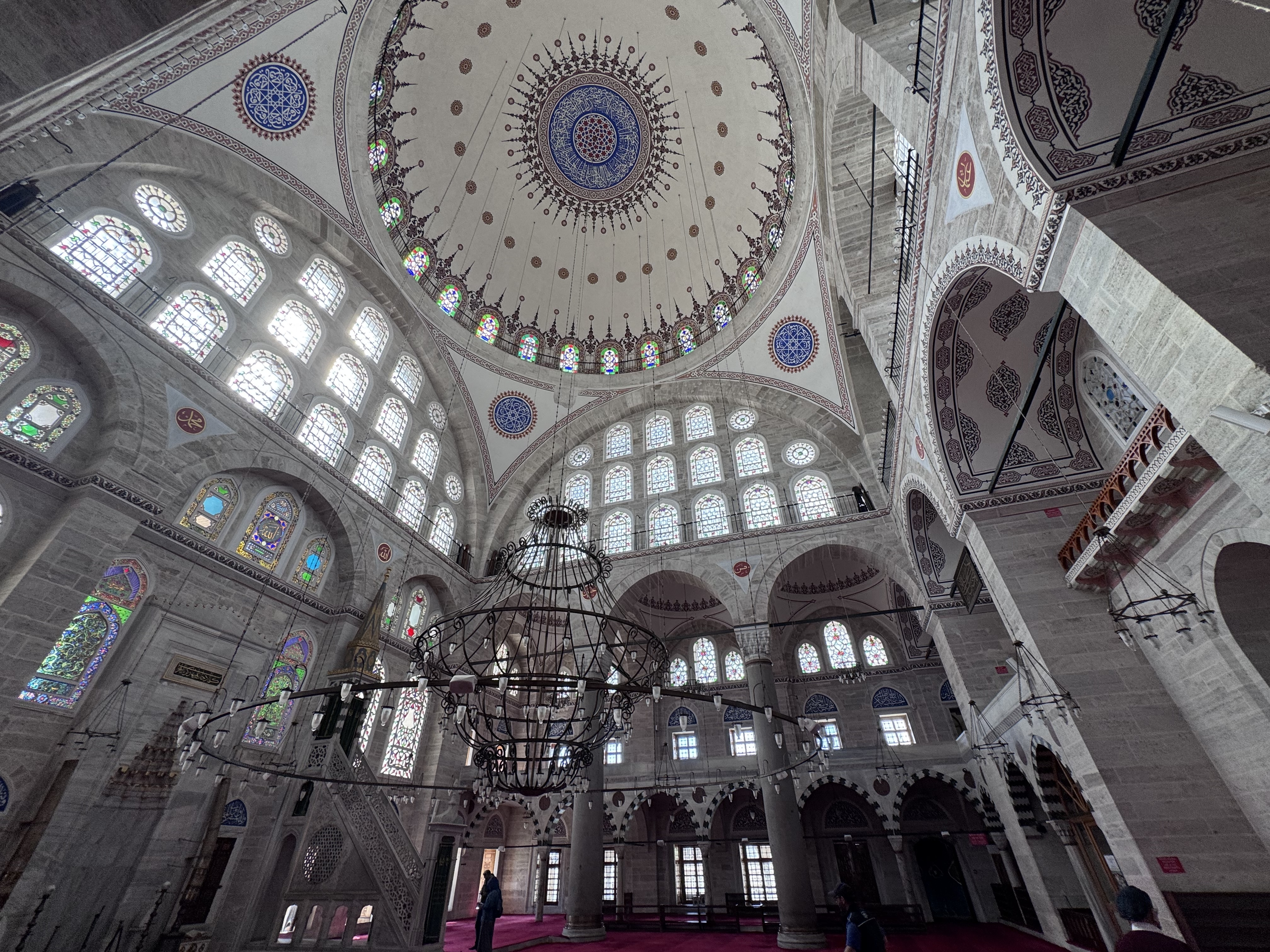
The prayer hall is essentially a cube crowned by a single vast dome that measures roughly 20 ...
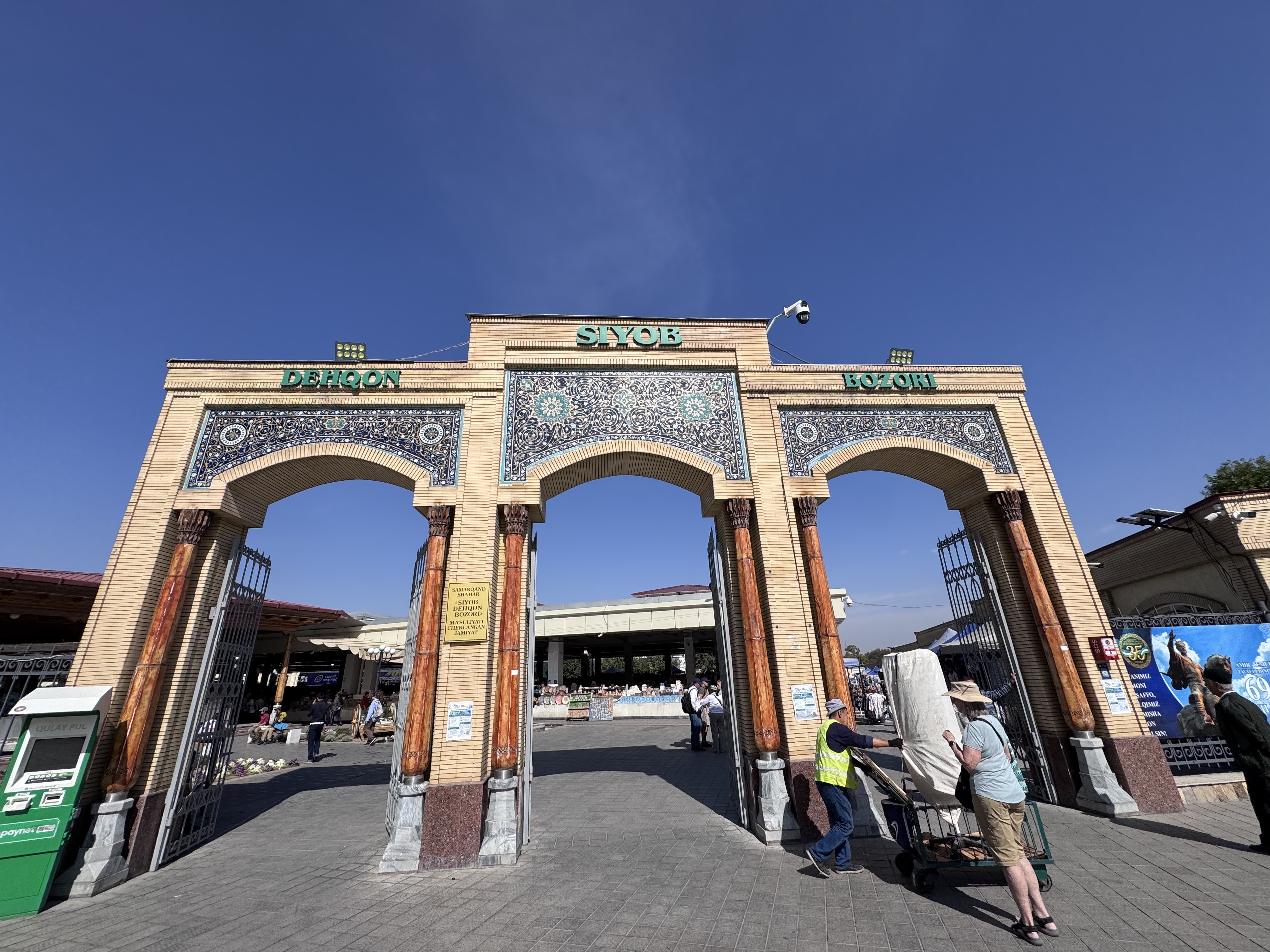
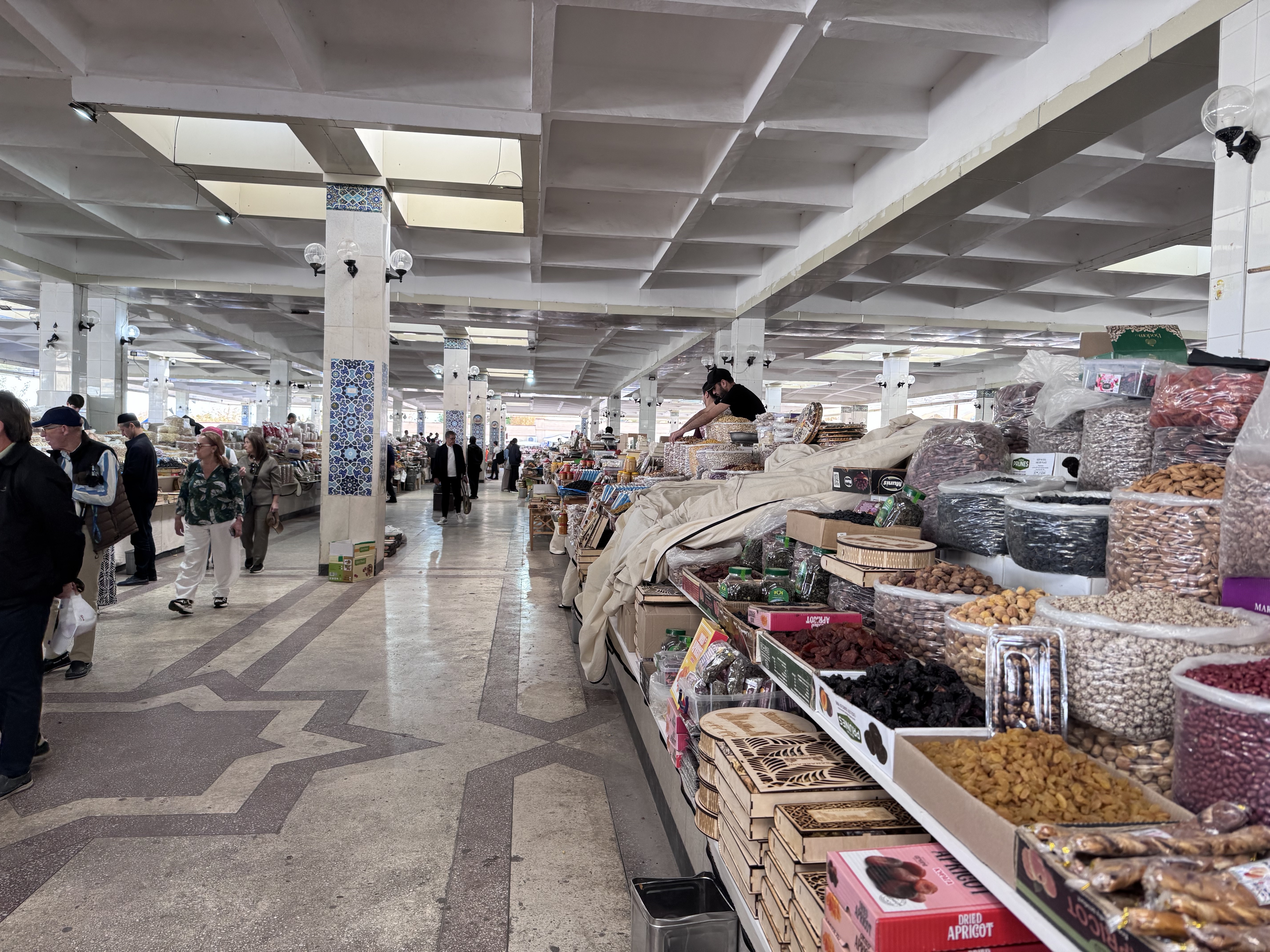
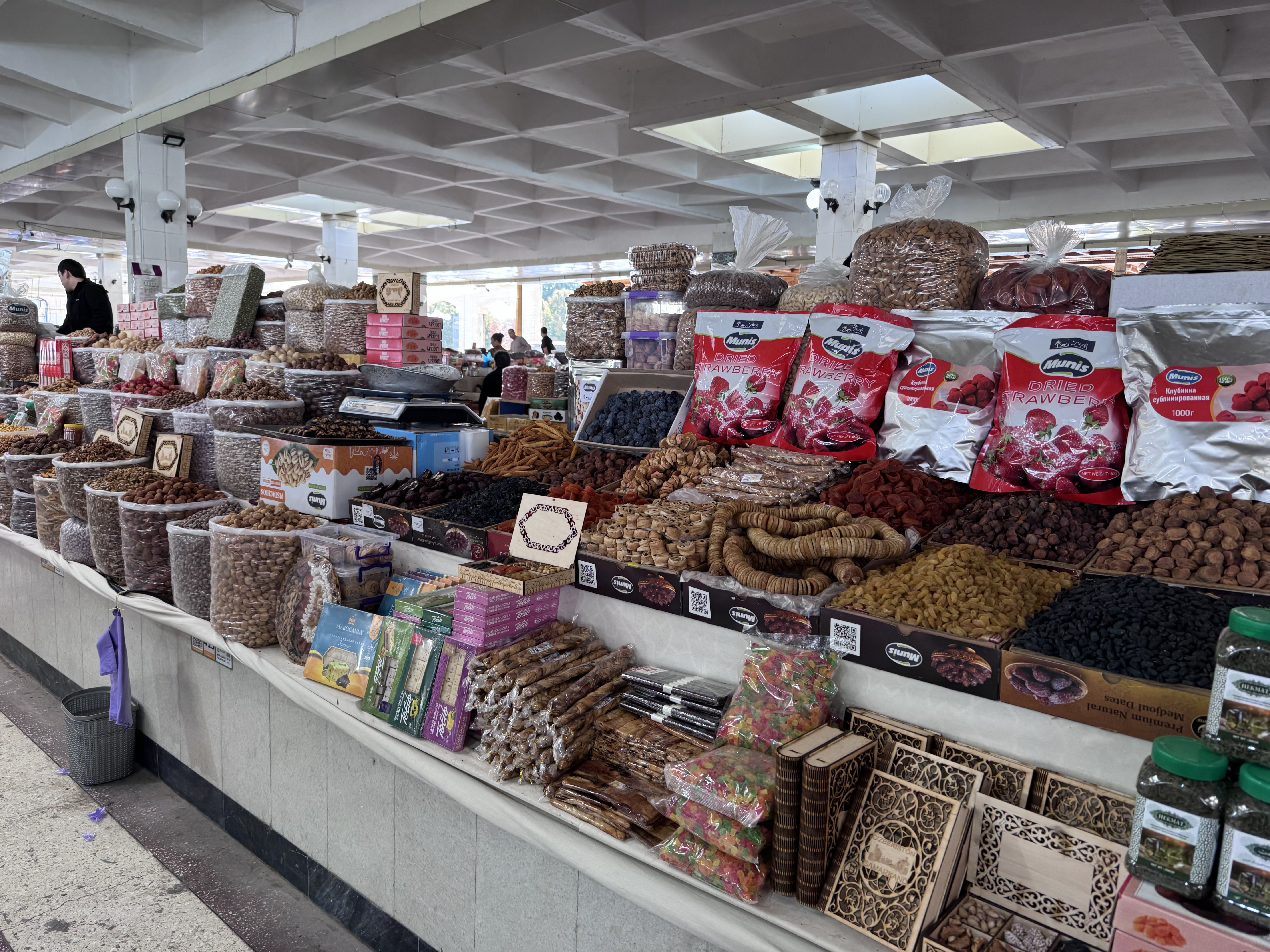
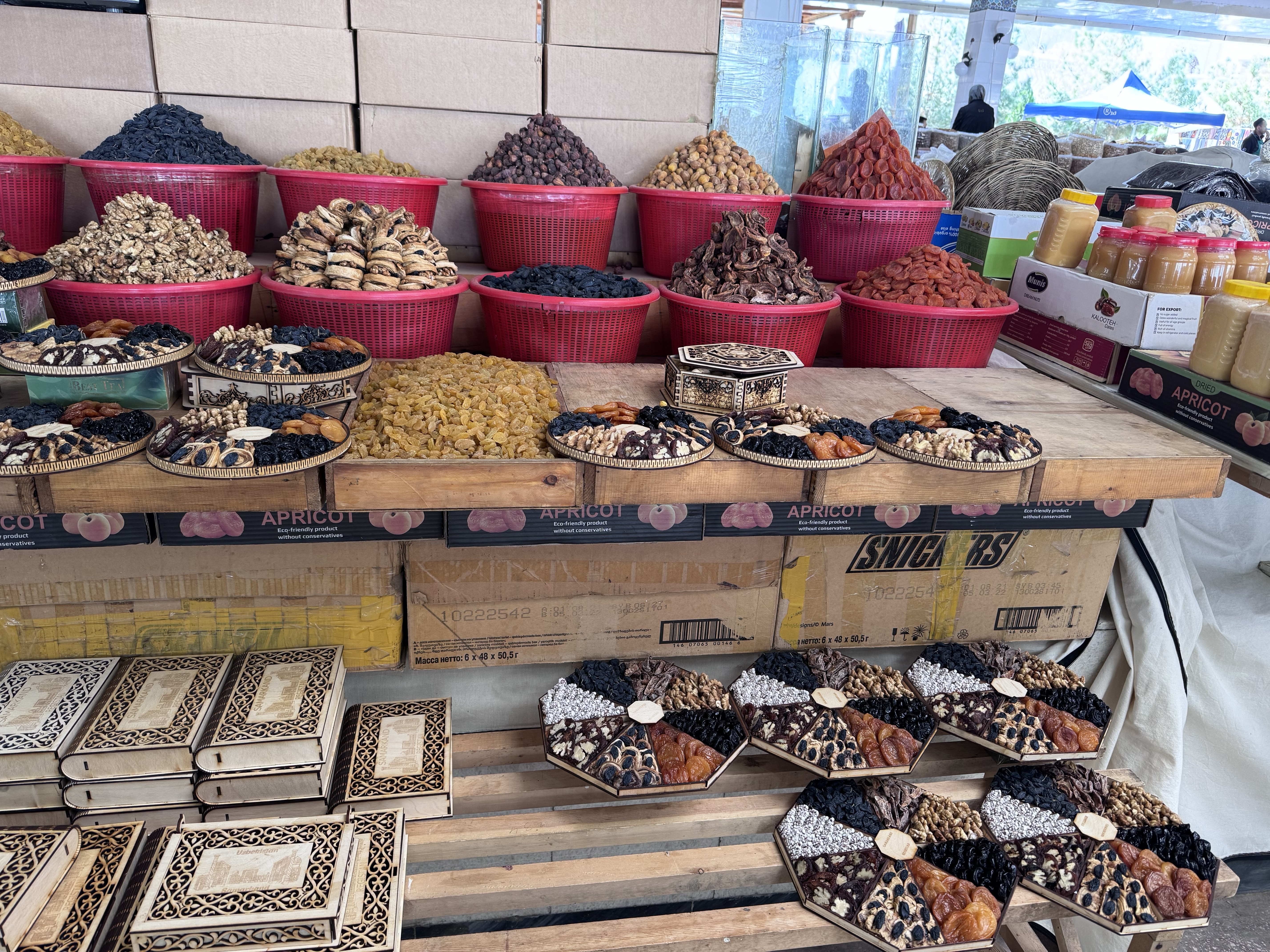
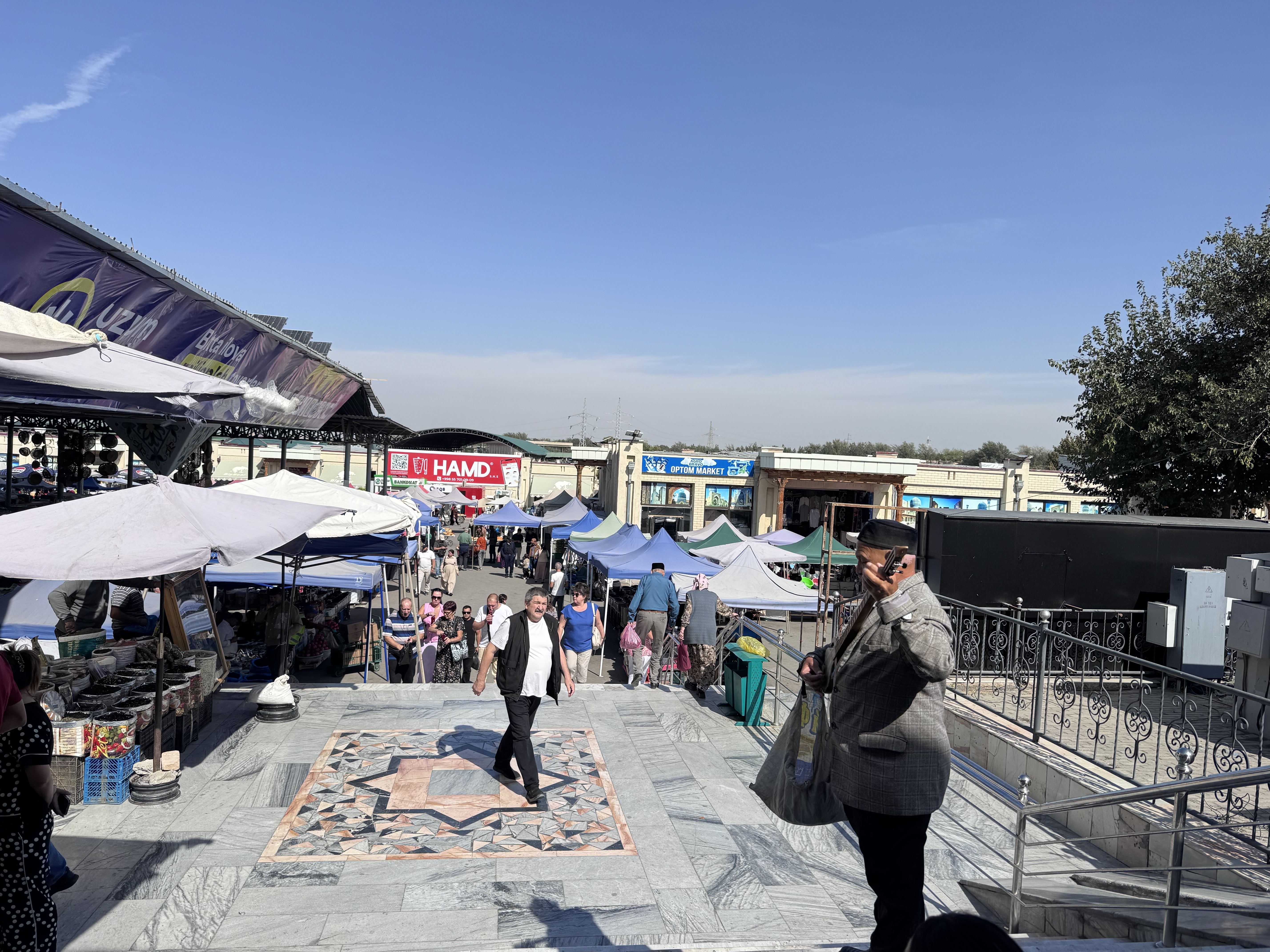
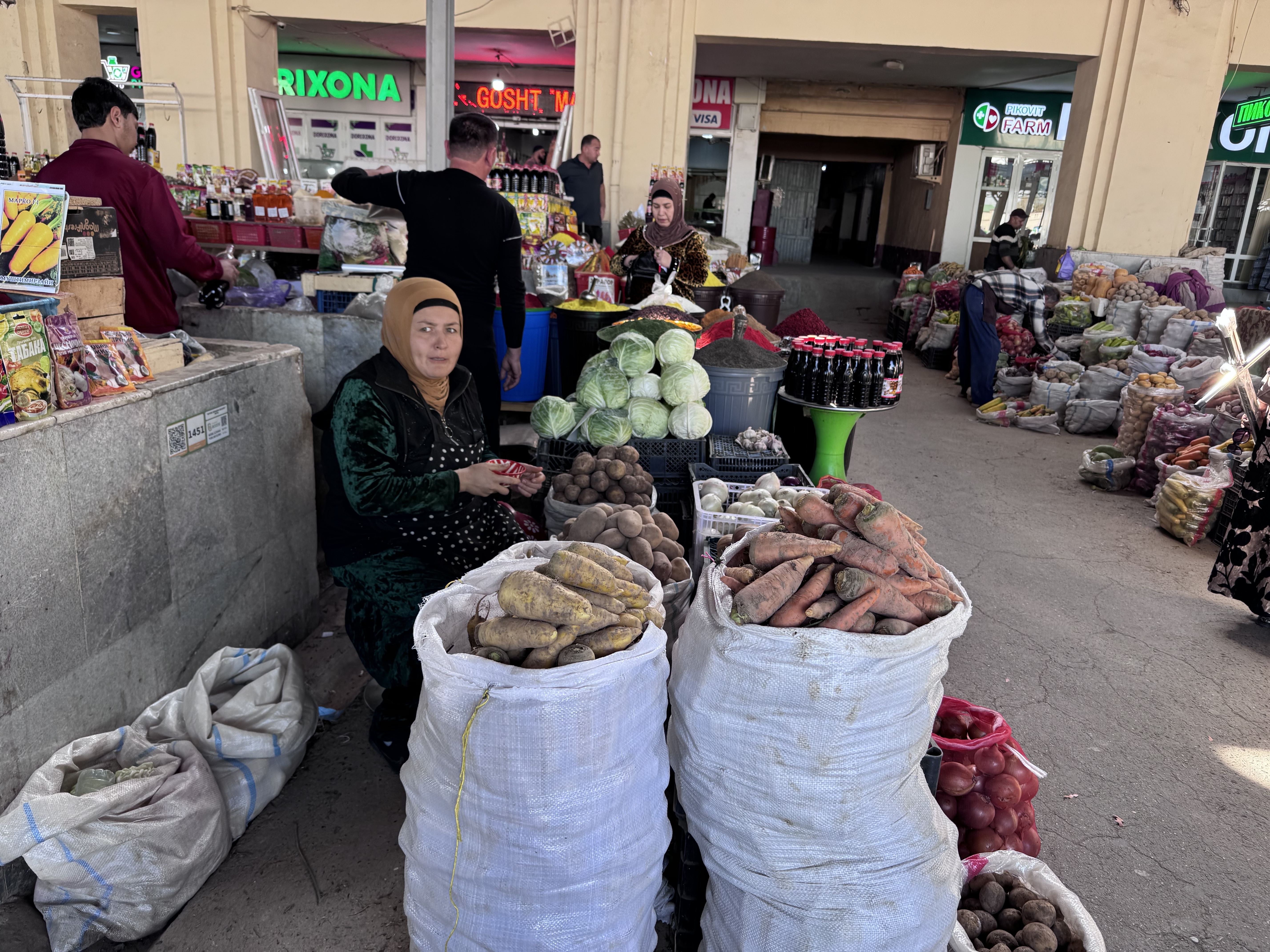
Siyob Bazaar, also known as Siab or Siab Bazaar, is the largest and oldest market in Samarkand, Uzbekistan, covering more than seven hectares in the heart of the old city. Its name derives from the historic Siyob district and the nearby Siyob River, a Persian and Tajik term meaning “black water” or “black river.”
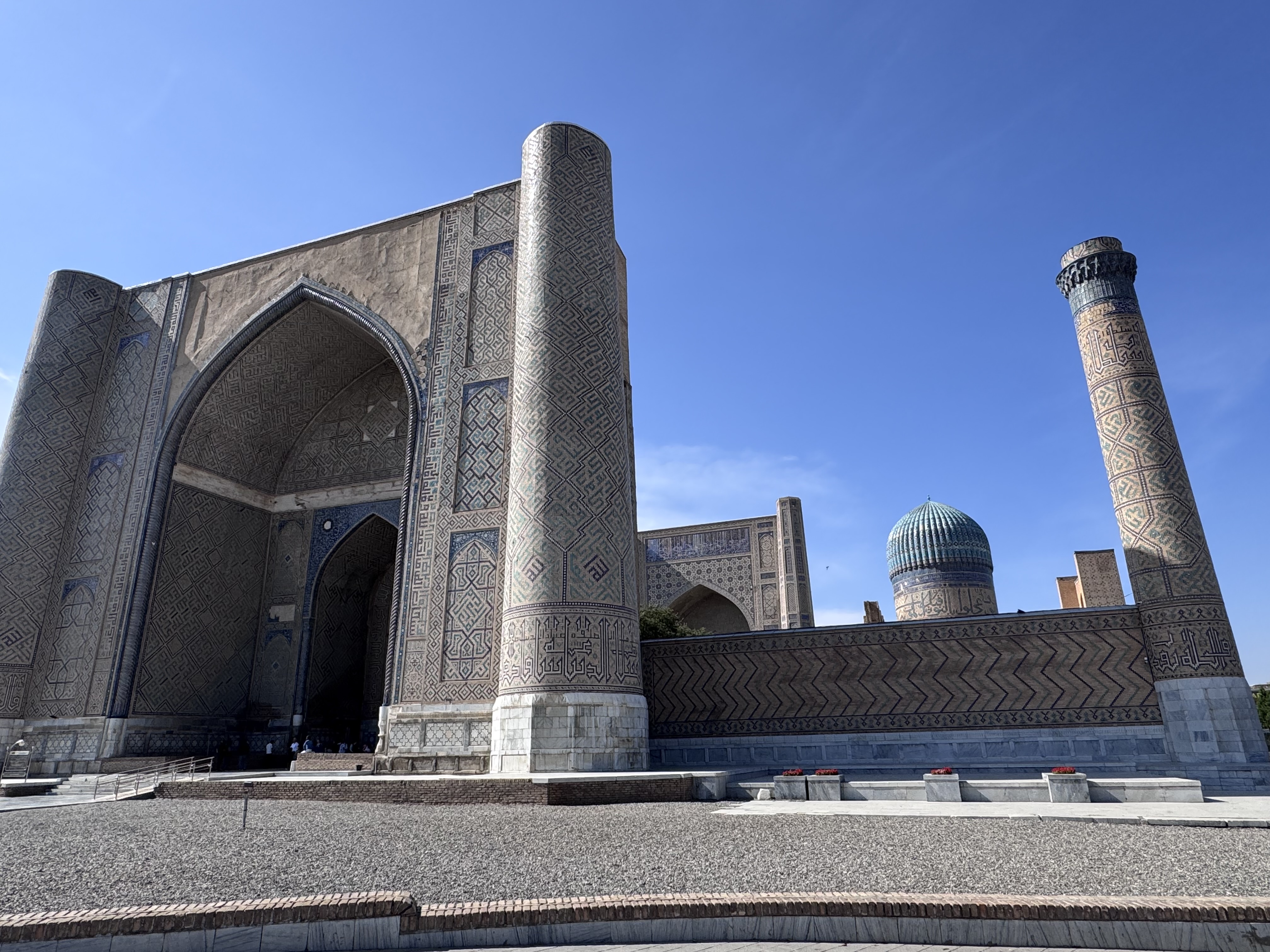
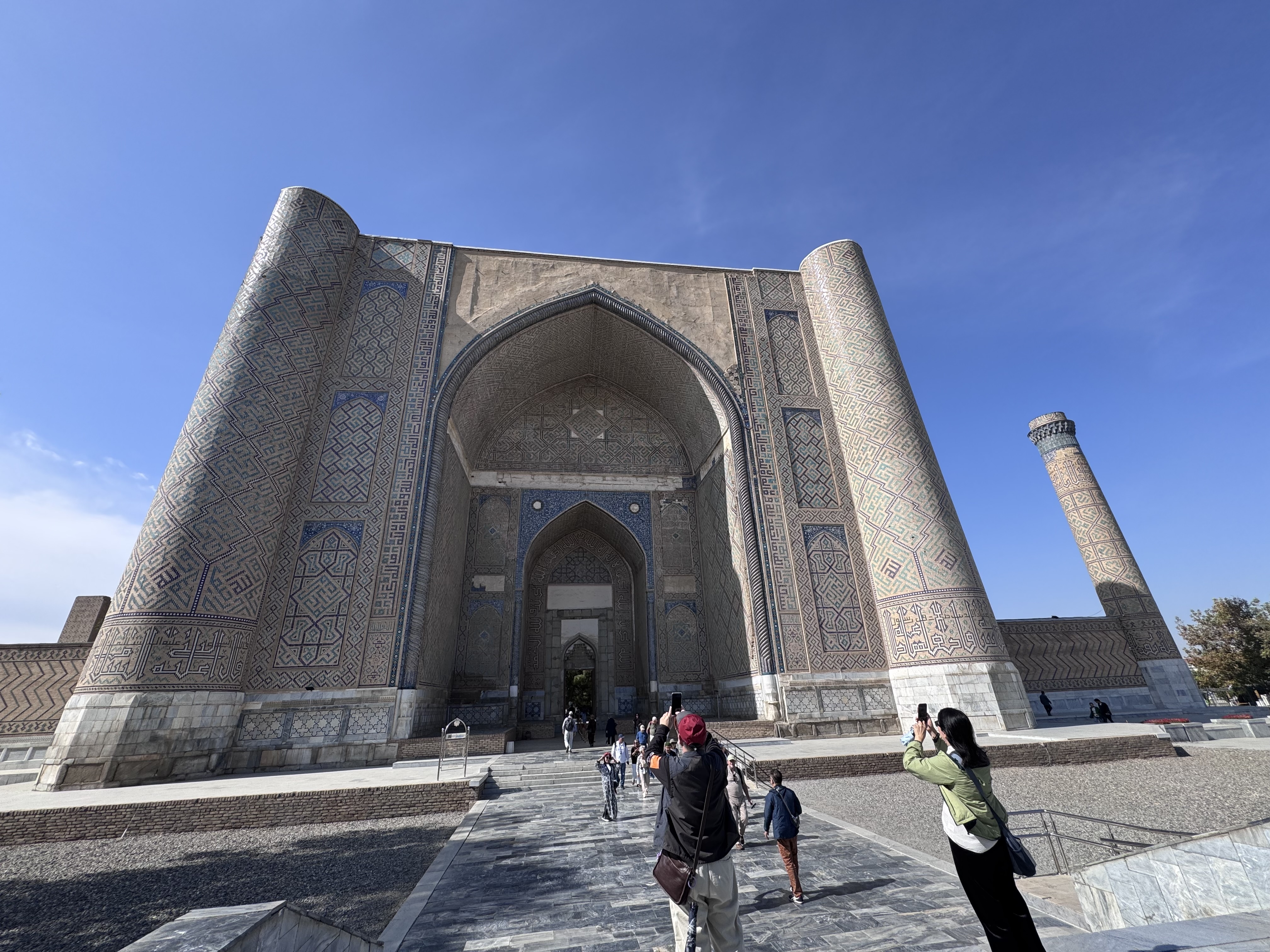
The market sits directly adjacent to the monumental Bibi-Khanym Mosque and lies within easy reach of the Shah-i-Zinda necropolis and Registan Square, making it a natural extension of any visit to the city’s great Timurid landmarks.
Trade has taken place on or near this site for centuries, intertwined with Samarkand’s role as a major Silk Road crossroads. Some accounts place the beginnings of organized commerce here as early as the early medieval period, with references stretching back to the ninth century and local tradition claiming even older roots tied to caravan stops and watering places along the river.
The market flourished during the Timurid era of the fourteenth and ...
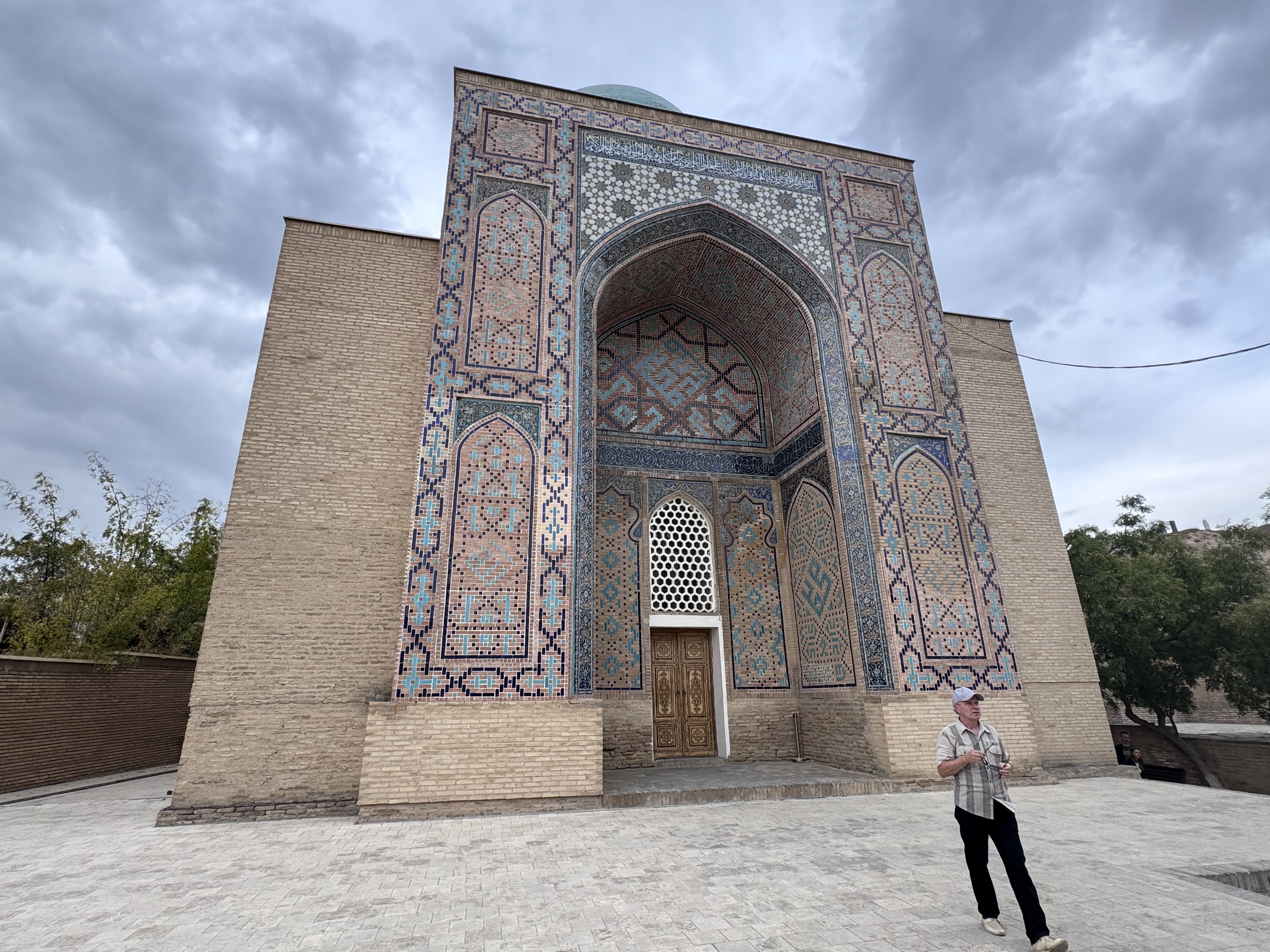
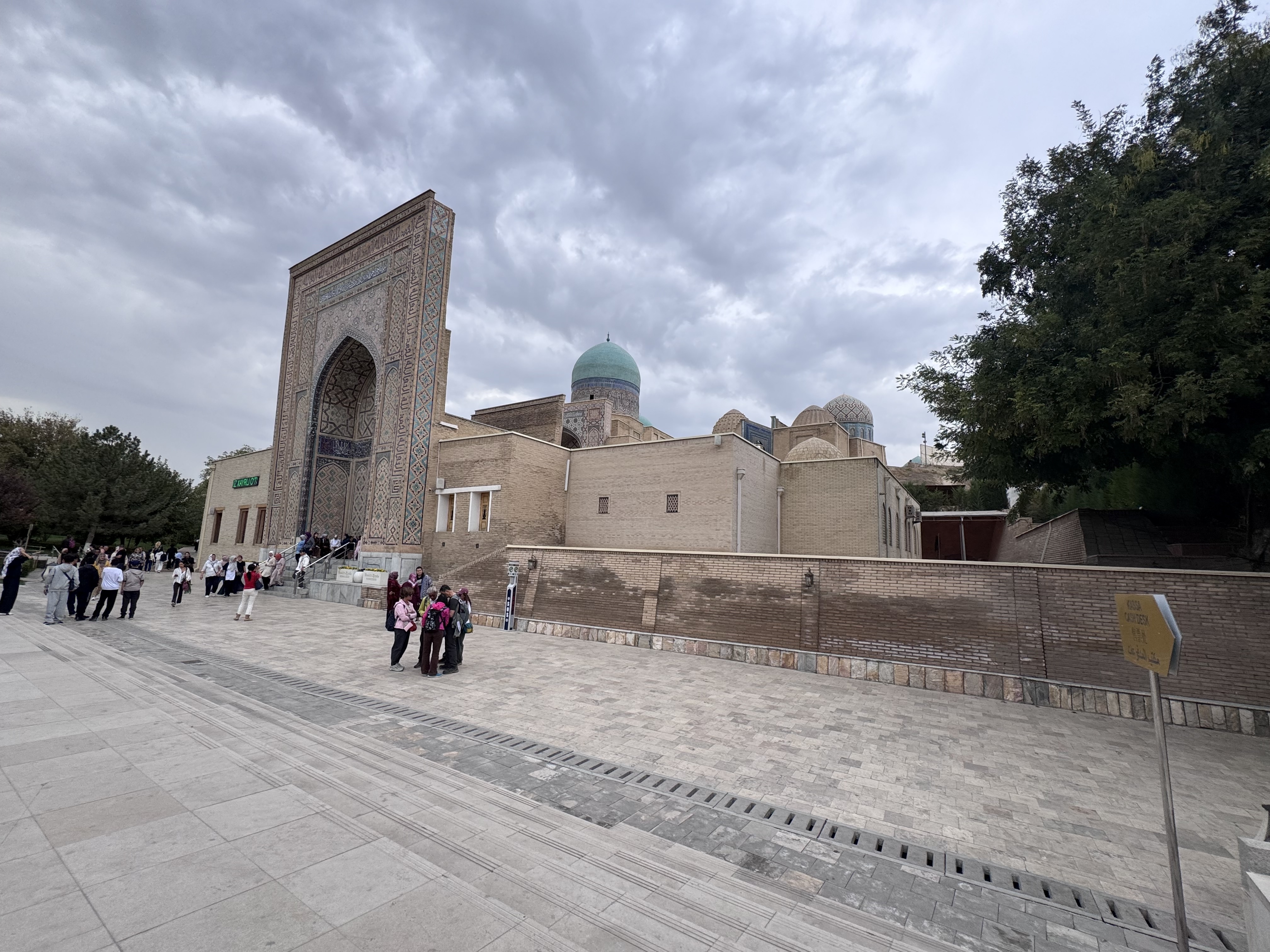
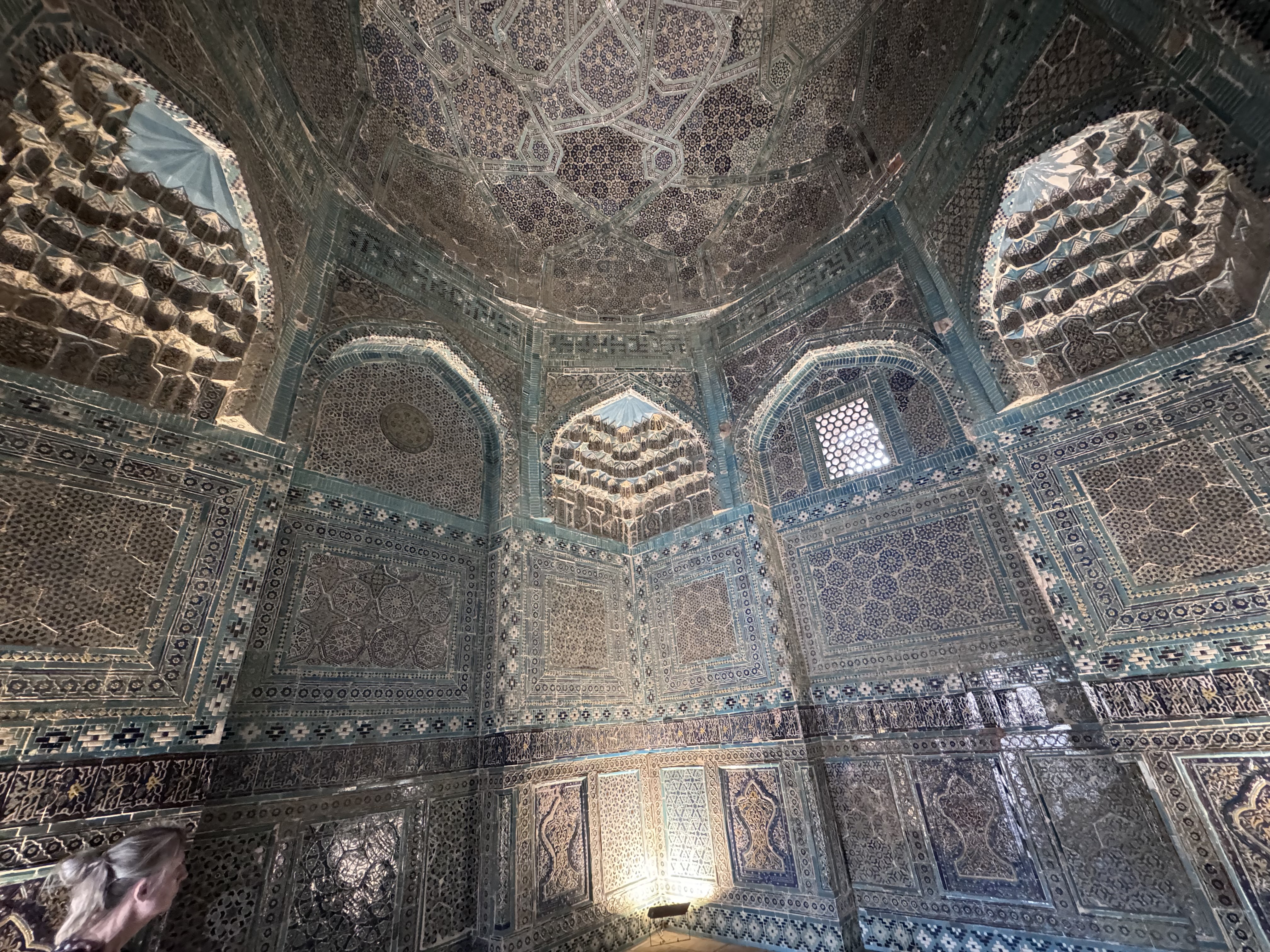
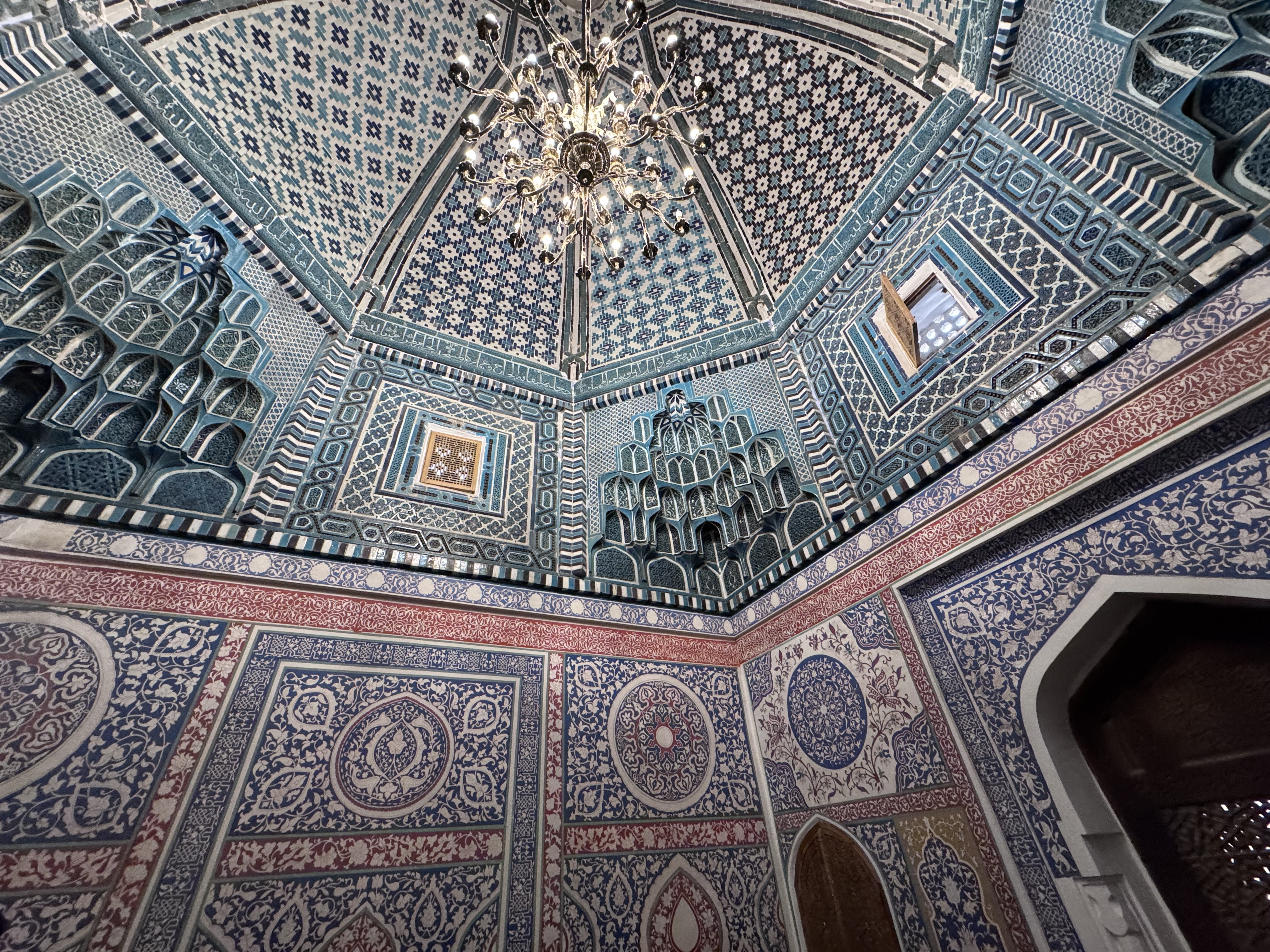
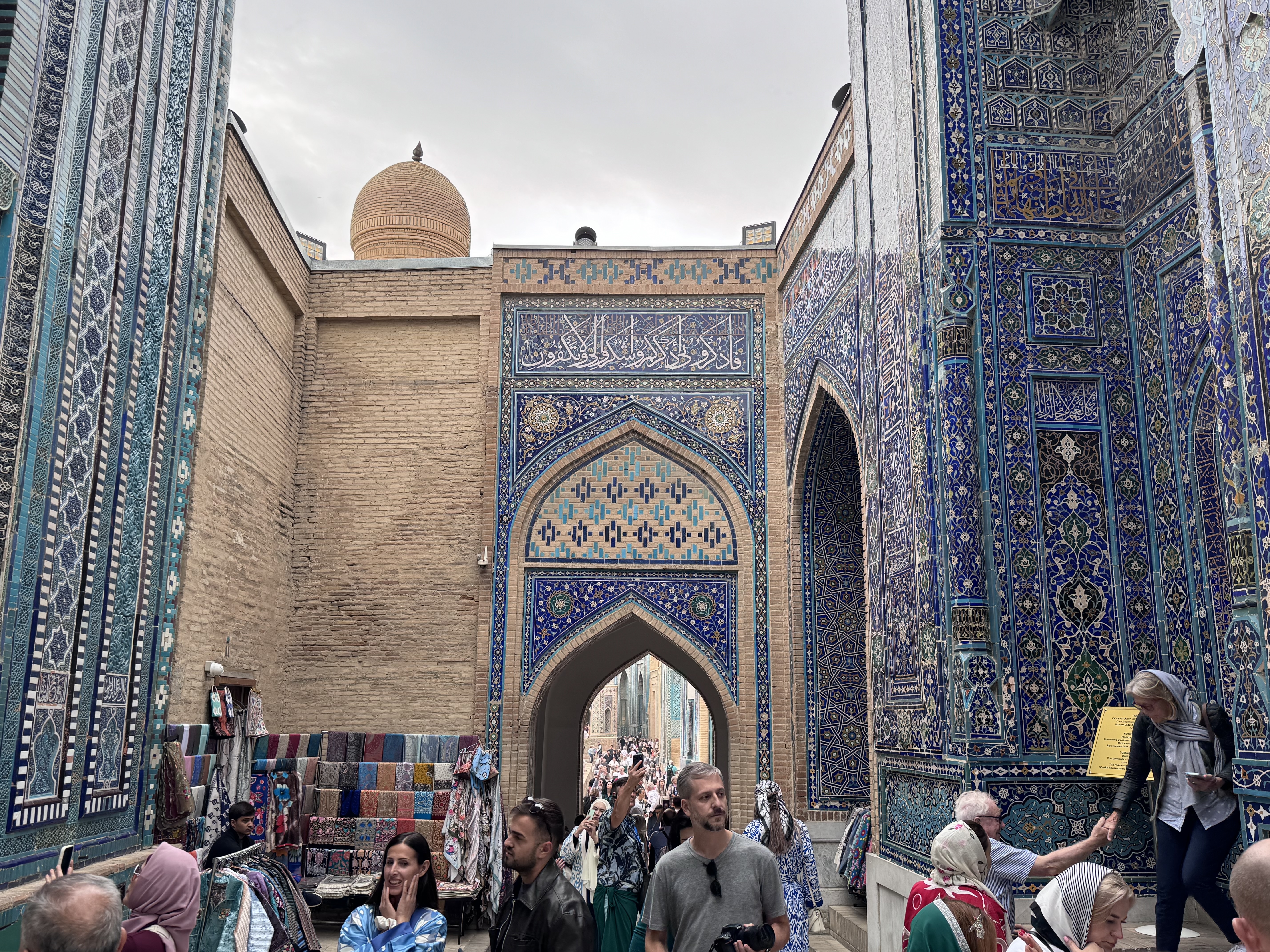
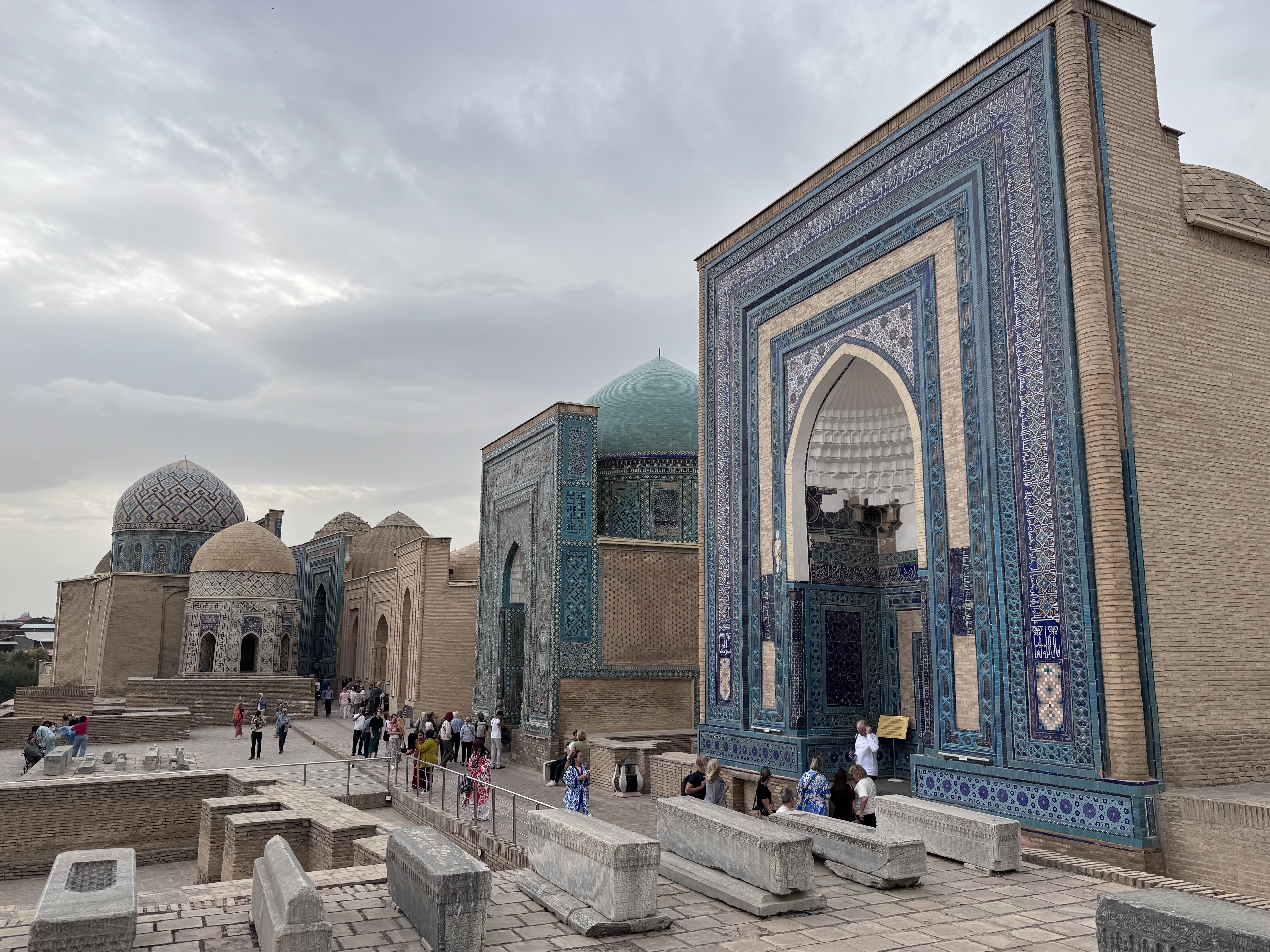
The Shah-i-Zinda ensemble, also known as Shohizinda, is a historic necropolis and funerary complex located on the southern slope of the ancient Afrasiab hill in the northeastern part of Samarkand, Uzbekistan. Its name, drawn from Classical Persian, means “the Living King,” and it centers on a powerful local legend associated with Qutham (or Qusam, Kusam) ibn Abbas, a cousin of the Prophet Muhammad.
Tradition holds that he arrived in the region during the seventh-century Arab conquests to preach Islam. According to one widely told account, he was attacked and beheaded while at prayer; he then picked up his severed head and walked to a deep well or cleft known as the Garden of Paradise, where he is believed to remain alive to this day in a subterranean realm. This legend transformed the site into a major place of pilgrimage, and the complex grew around the reputed shrine of this “living king.”
Archaeological evidence shows that the area had long been occupied. Beneath the medieval layers ...
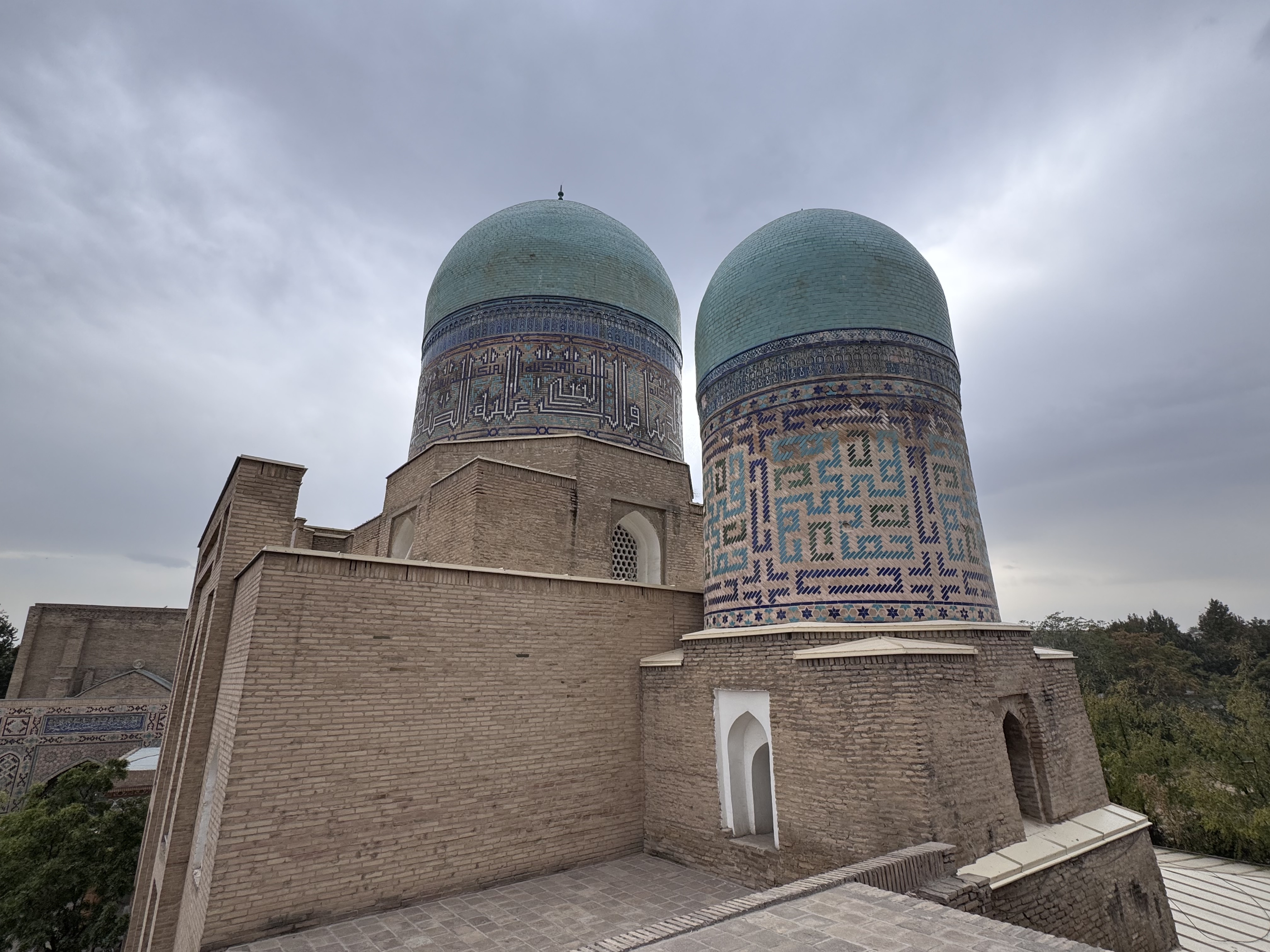
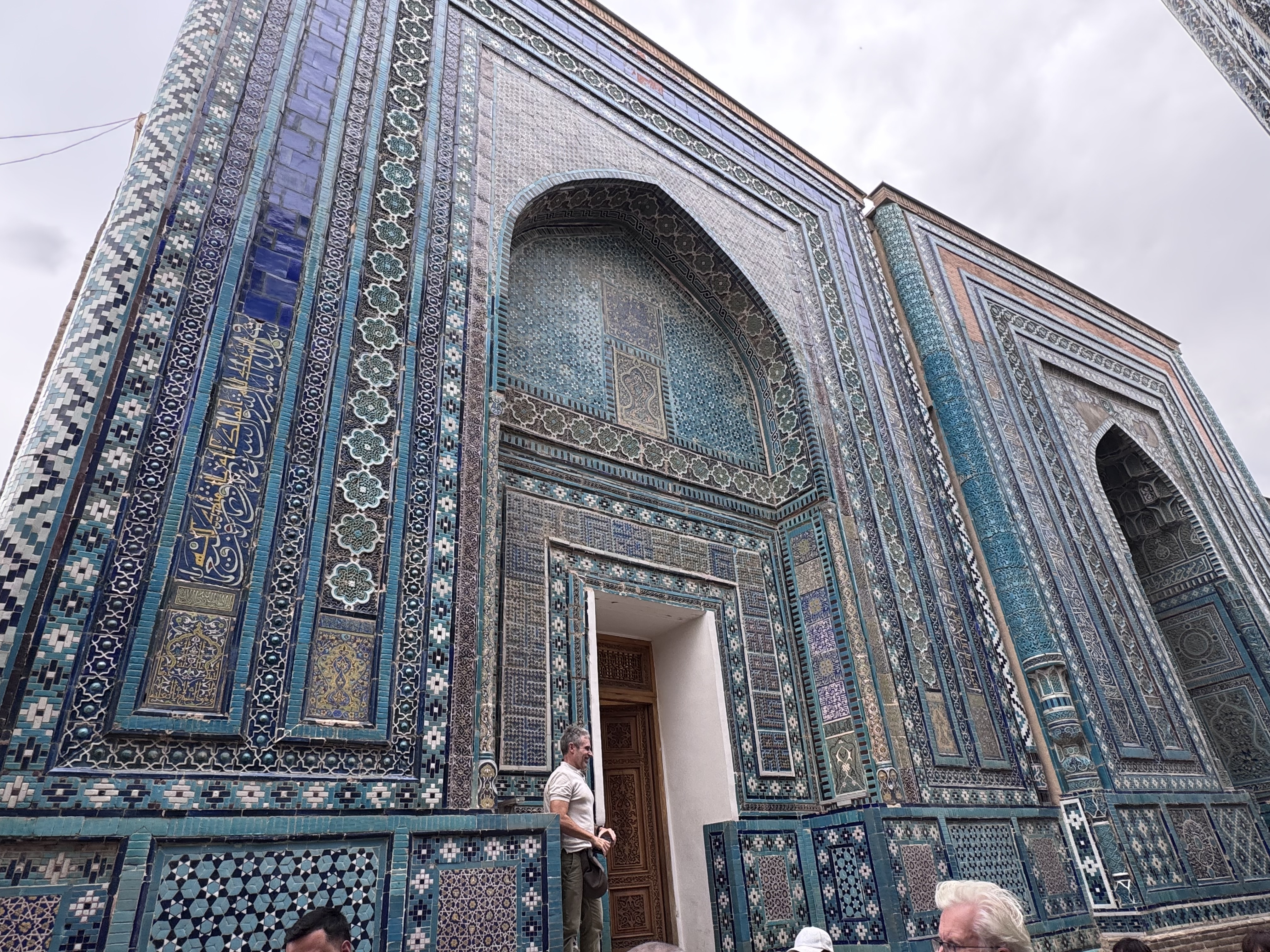
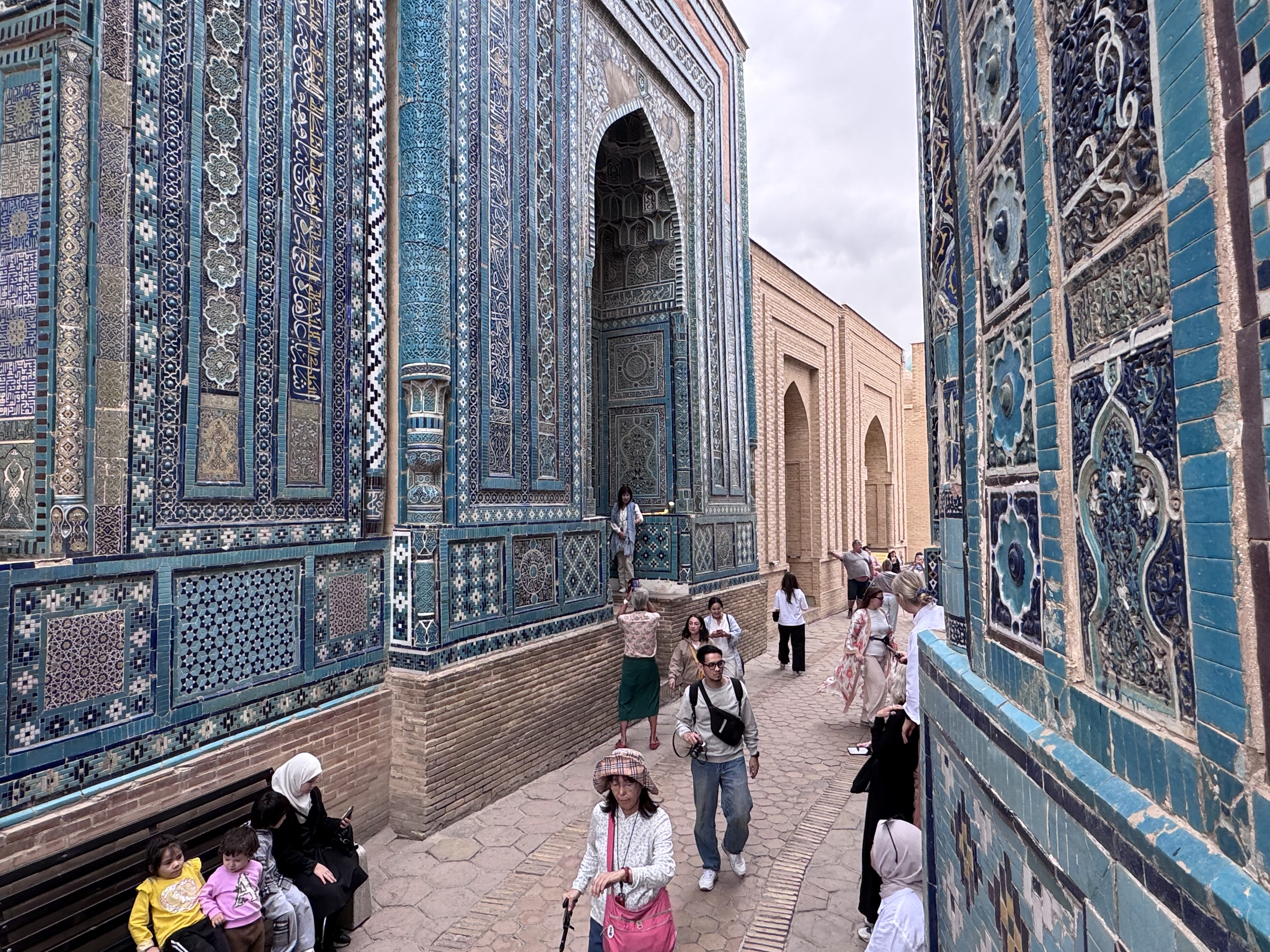
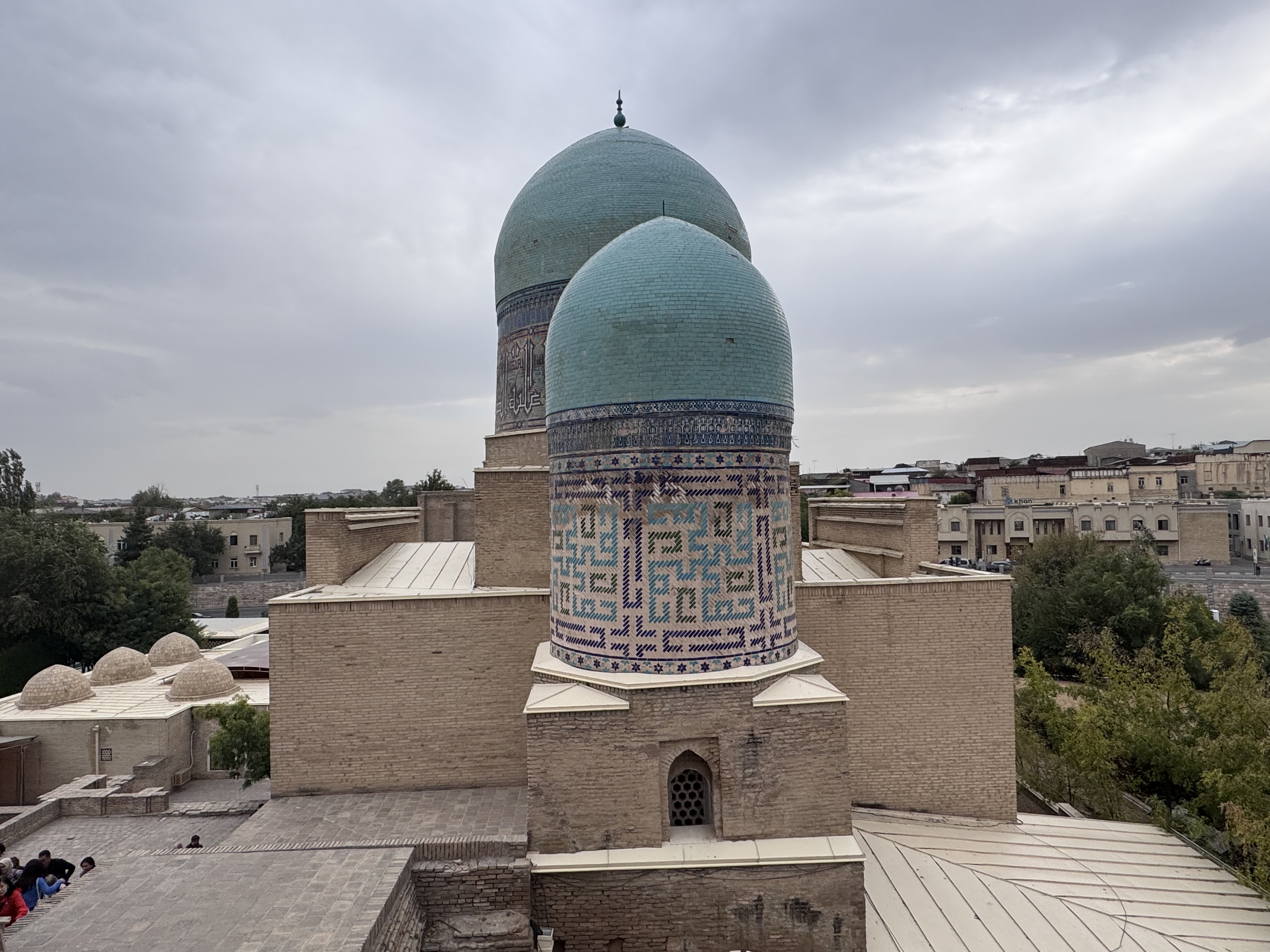
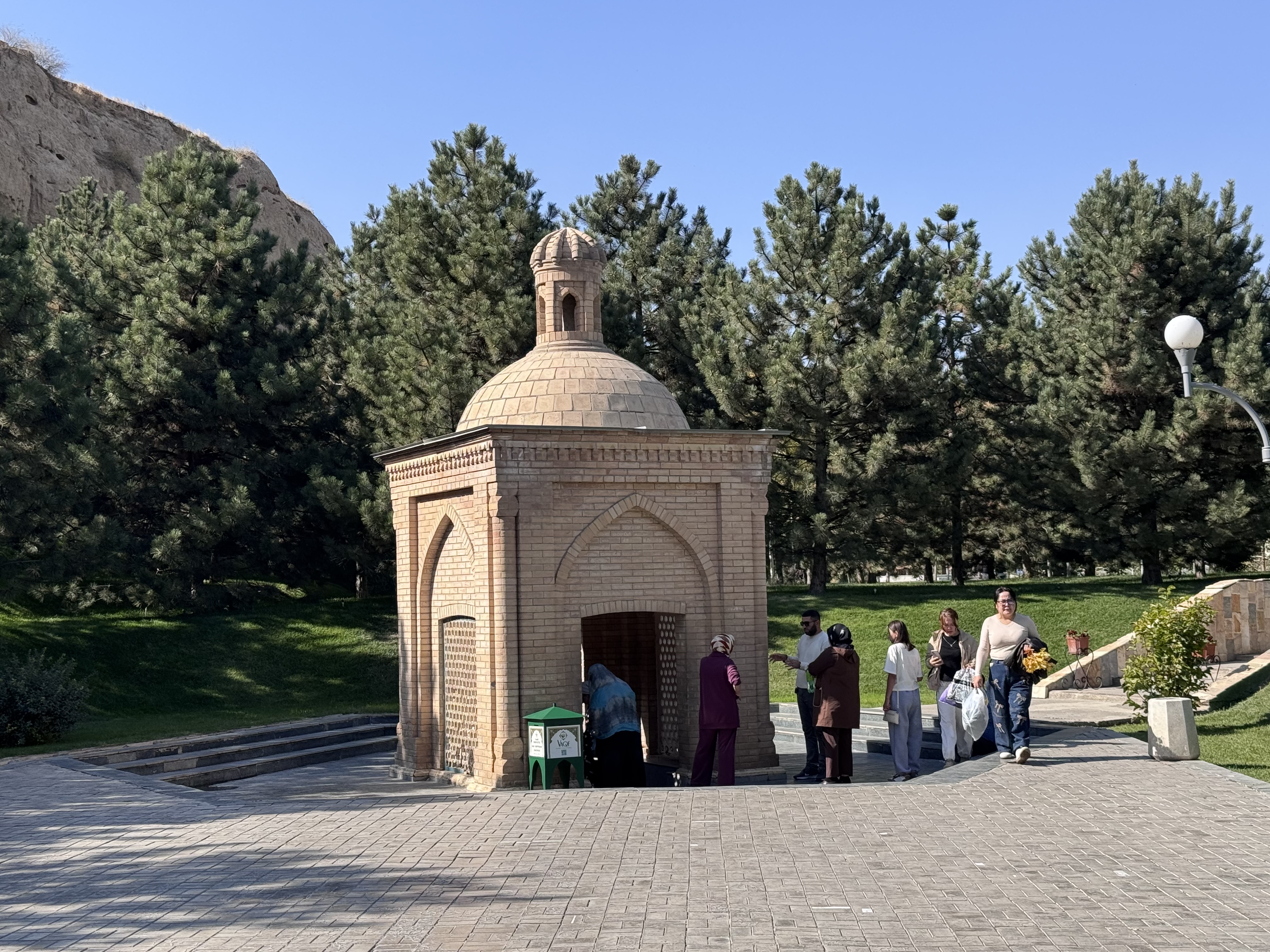
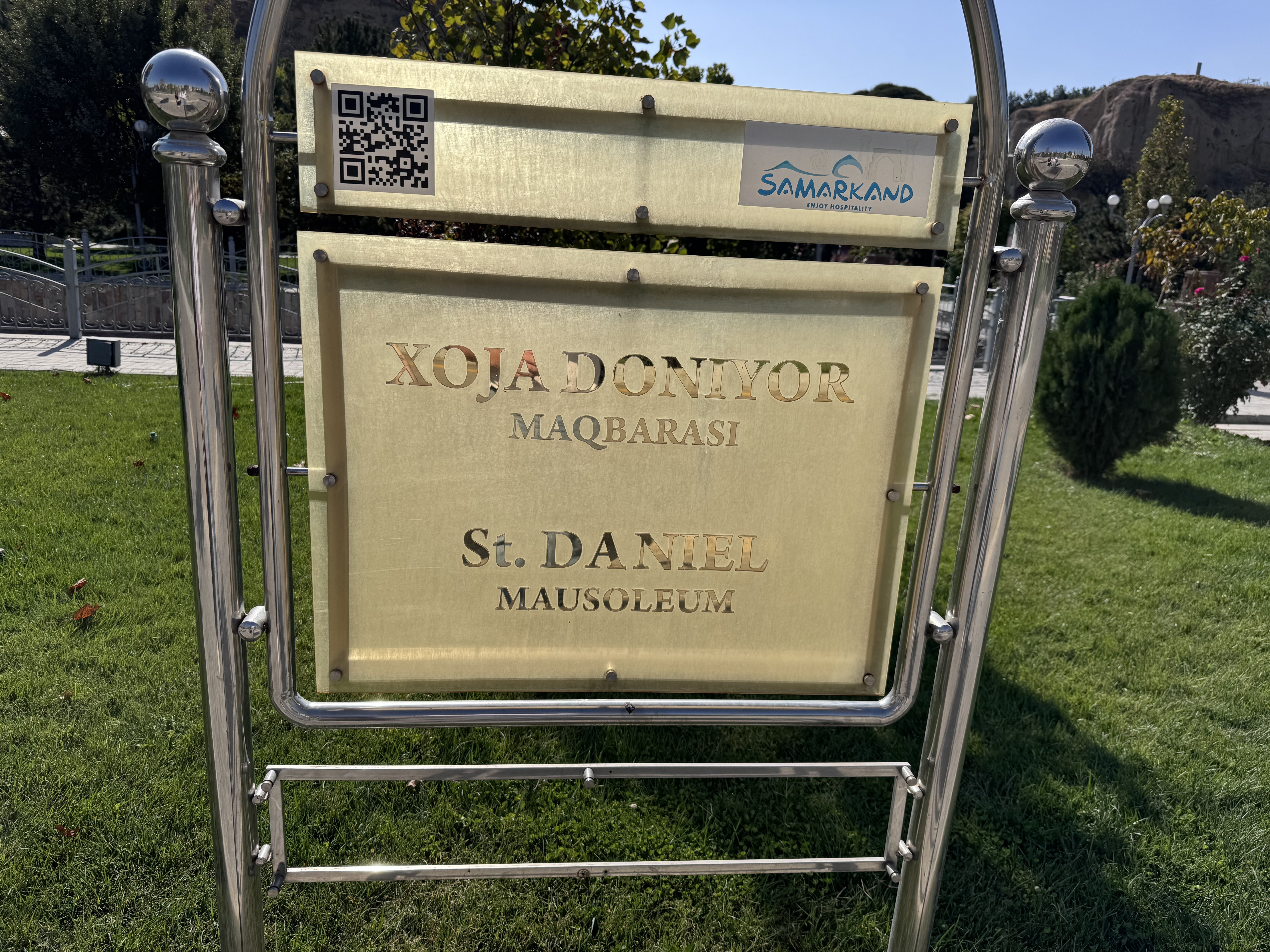
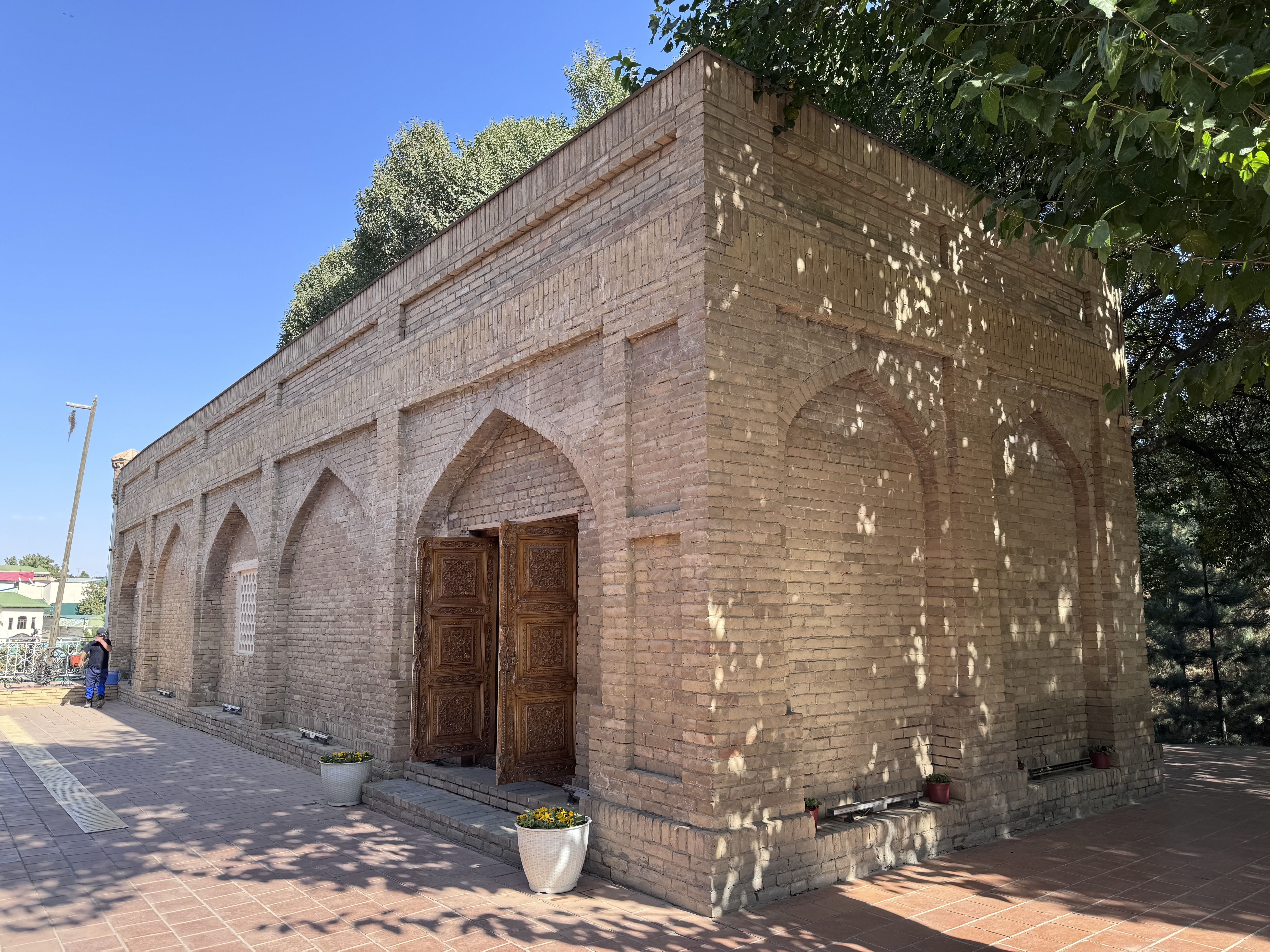
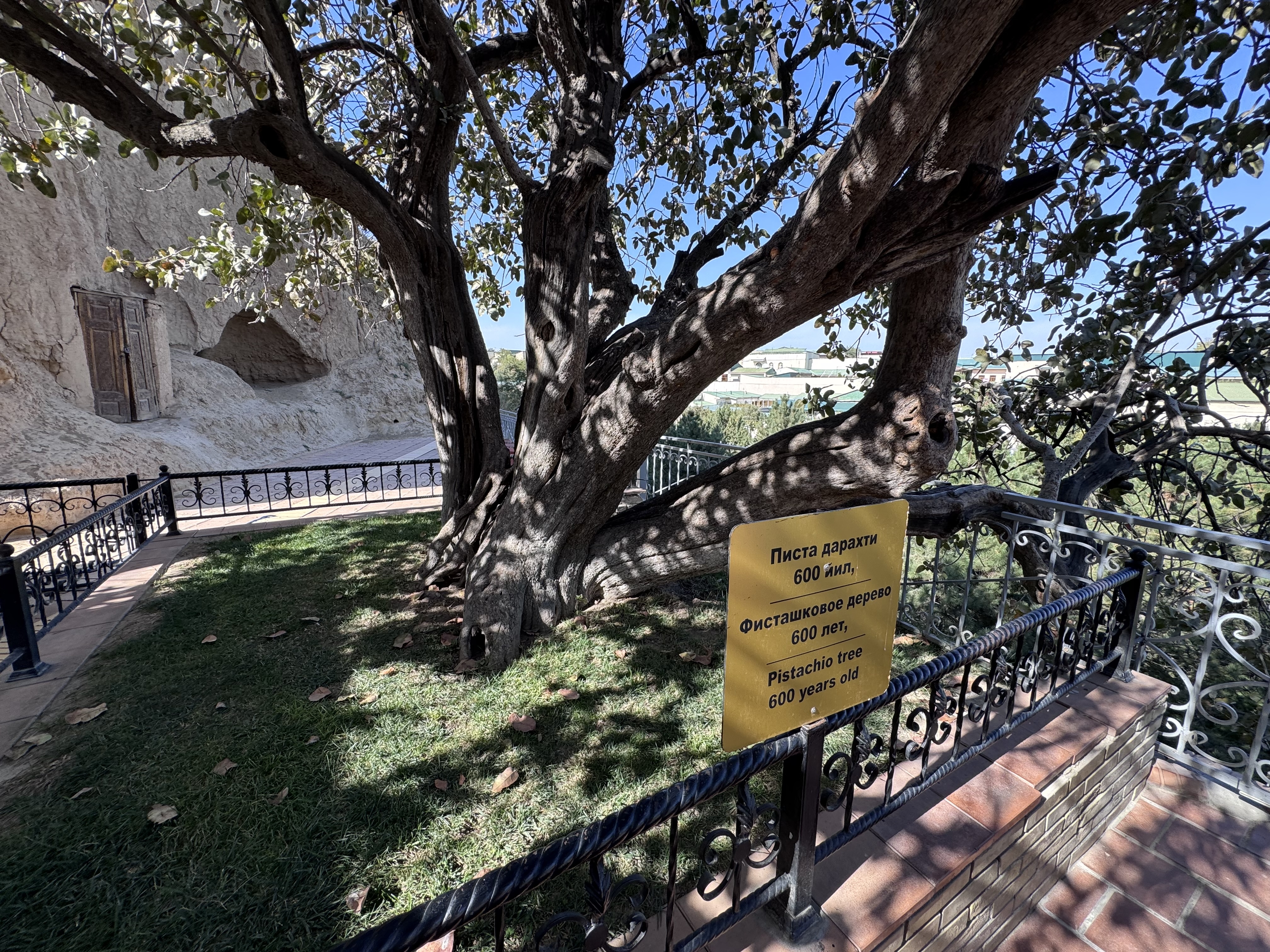
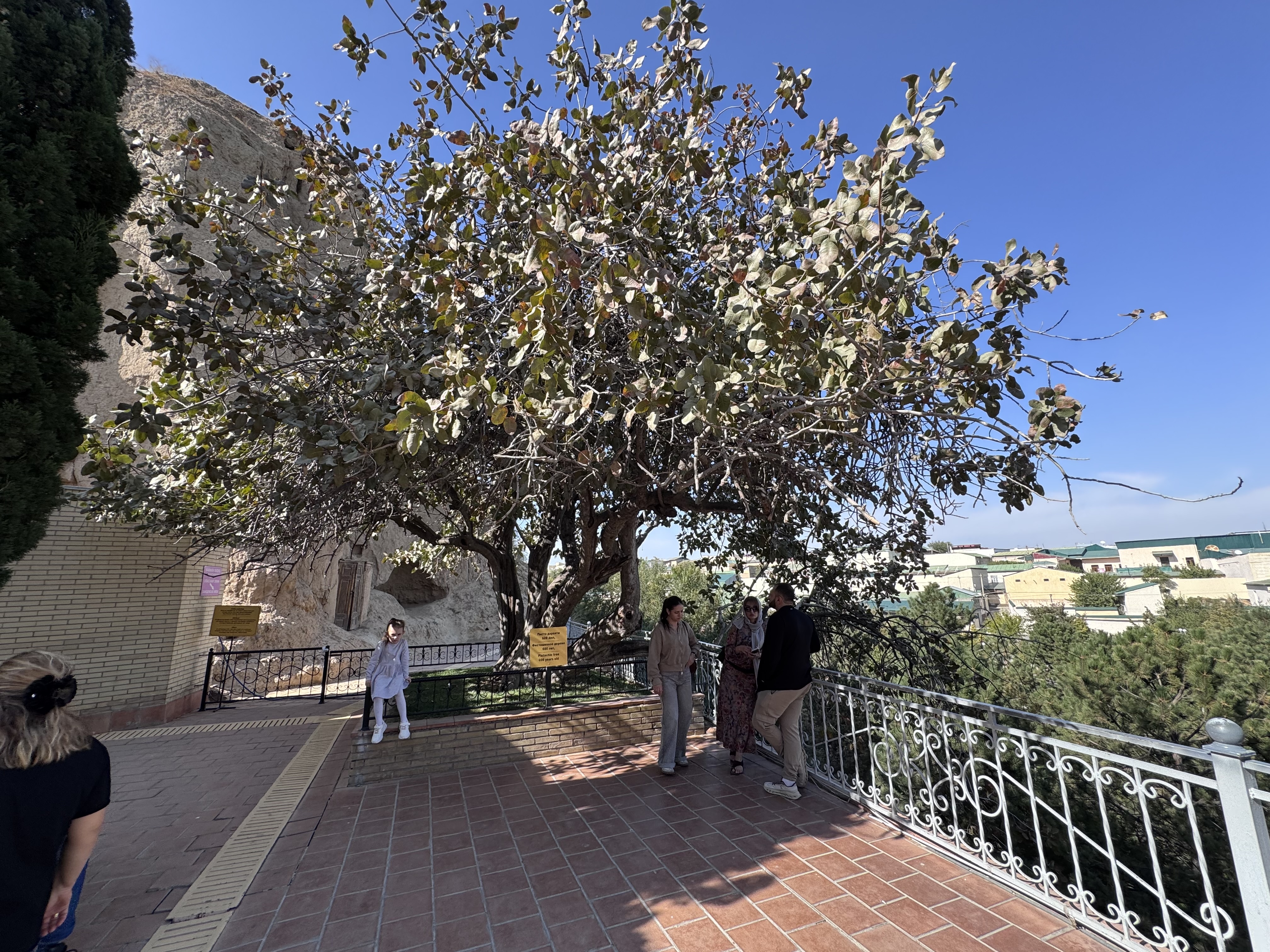
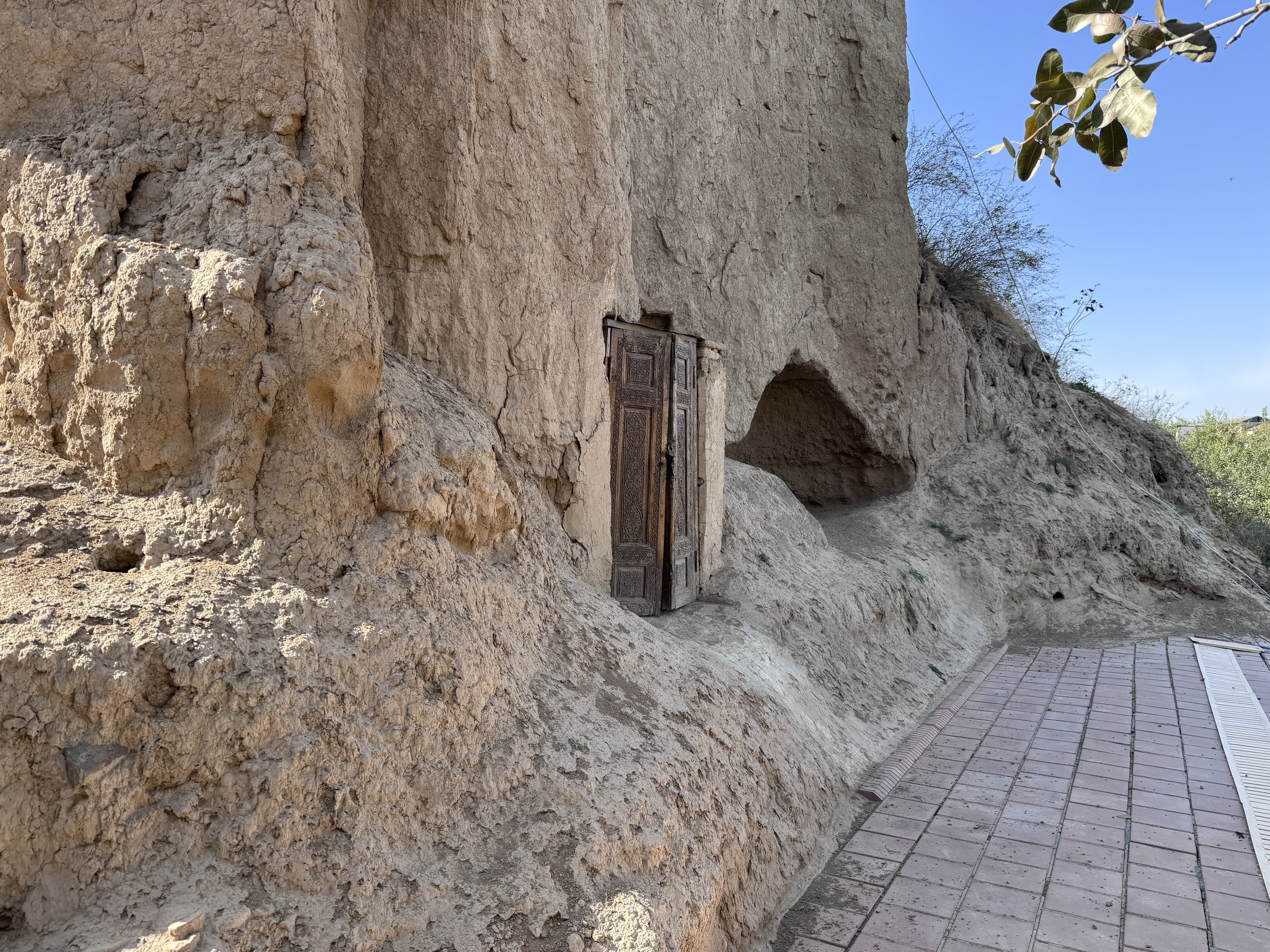
The Mausoleum of Khoja Daniyar sits on a quiet hillside along the northeastern edge of ancient Afrasiab in Samarkand, Uzbekistan, overlooking the Siab River.
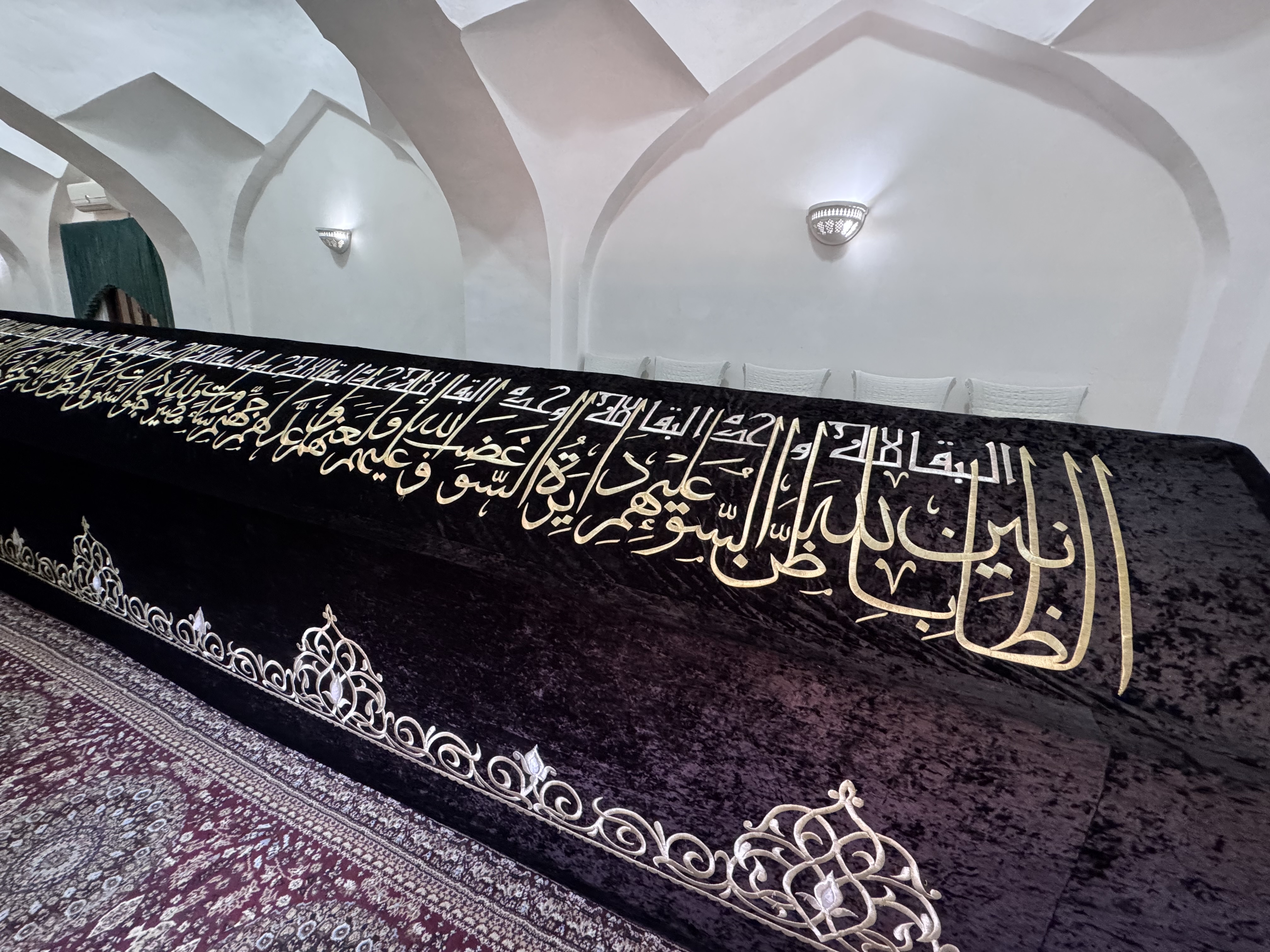
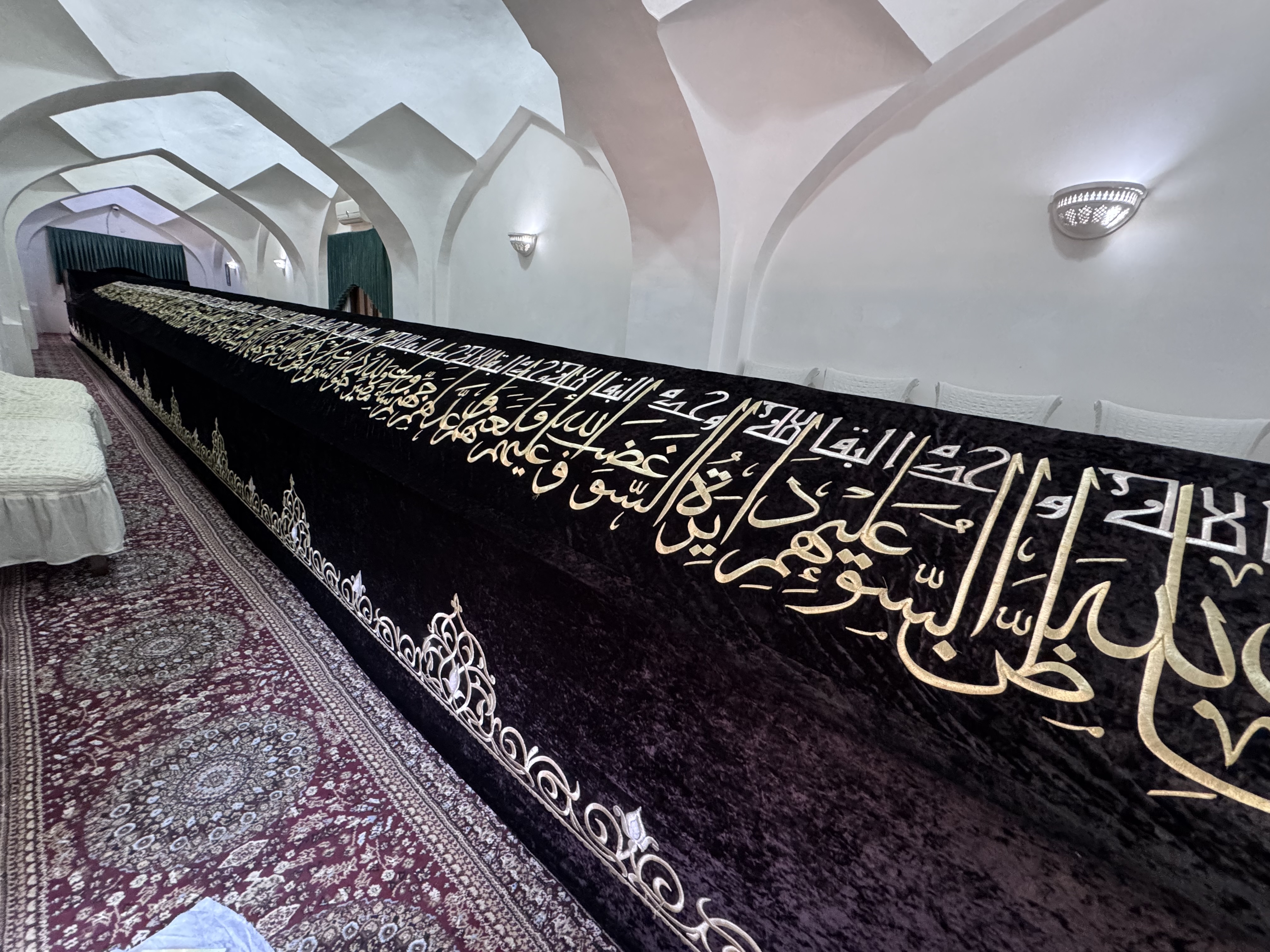
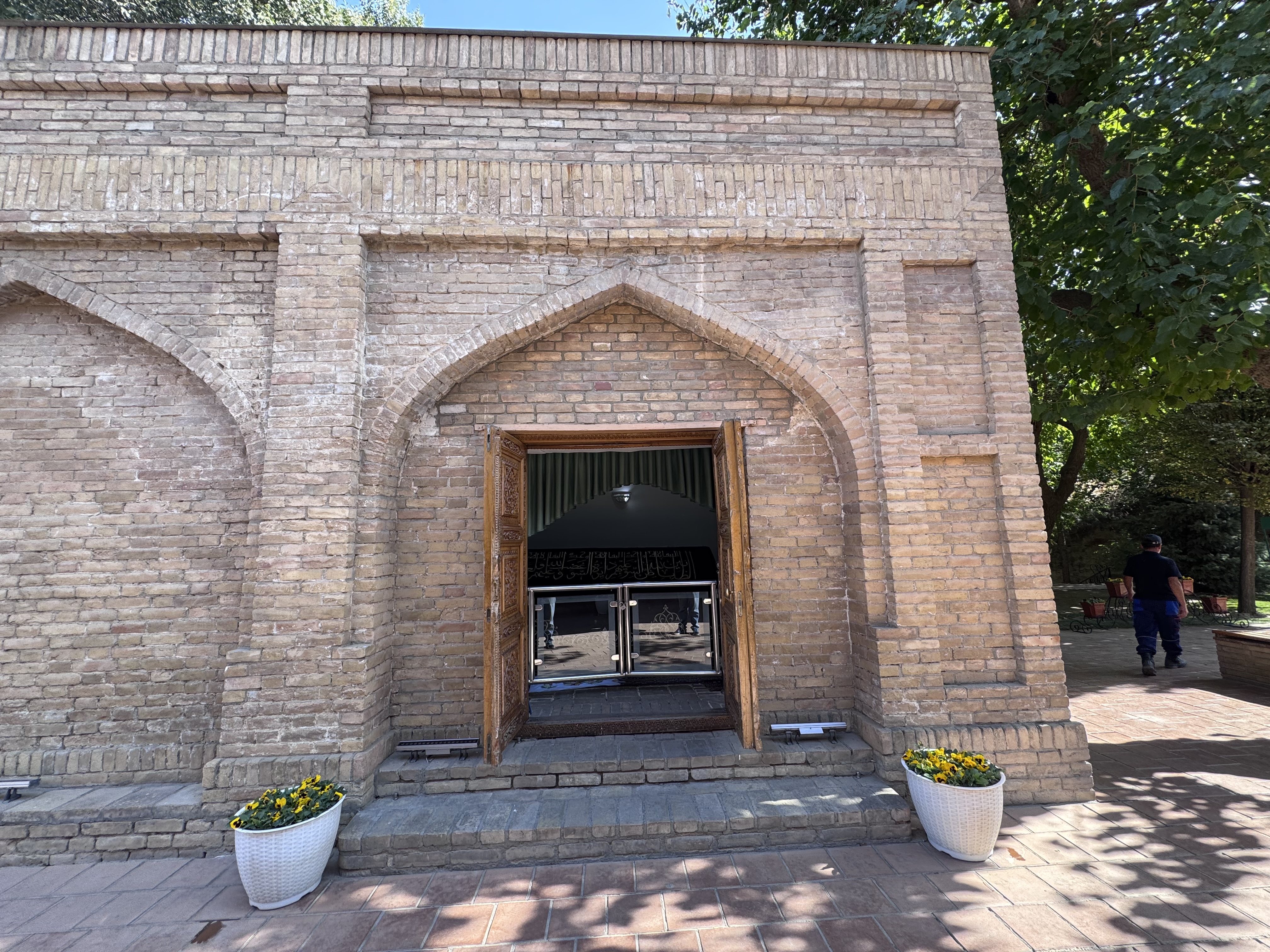
This long, low building crowned with five simple domes houses an extraordinary sarcophagus nearly eighteen meters in length, draped in green velvet embroidered with verses from the Quran. Local tradition holds that the remains of the biblical prophet Daniel rest here, a figure known in the region as Daniyar or Khoja Daniyar.
Daniel was a Jewish prophet of the sixth century BC who served in the courts of Babylonian and Persian kings. Famous for interpreting dreams and surviving a night in a den of lions, he is revered across Judaism, Christianity, and Islam.
Though he is not named in the Quran, Islamic tradition regards him as one of the righteous prophets sent to the Children of Israel. Muslims, Christians, and Jews all visit this site, each praying according to their own custom, making it a rare place of shared devotion.
According to the ...