

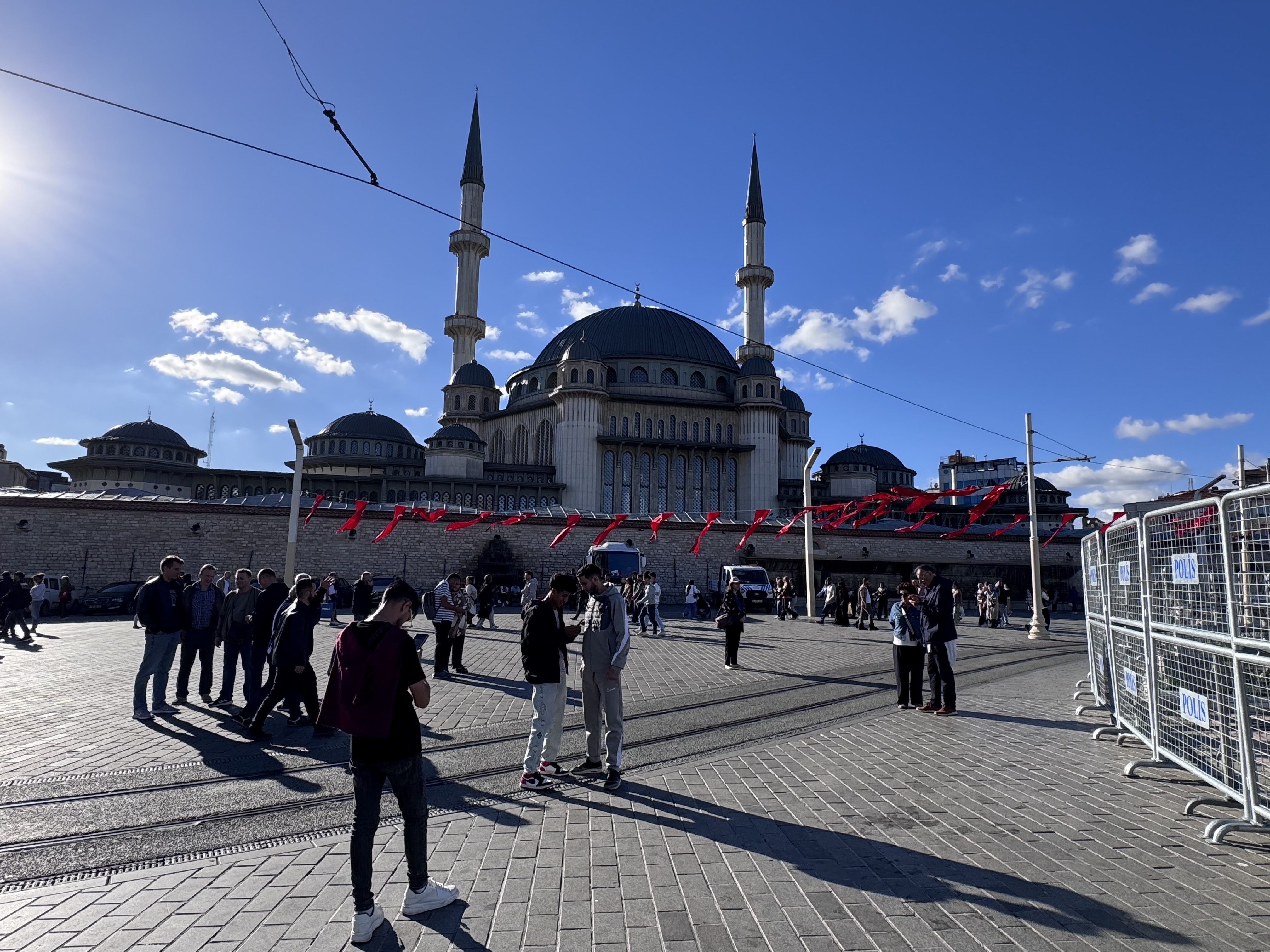
Taksim Square forms a central open plaza in Istanbul, historically linked to the city’s water distribution system and later transformed into a major public gathering space.
The Republic Monument, completed in the 1920s, commemorates the founding of the Turkish Republic and stands as a focal landmark amid the surrounding avenues and nearby Gezi Park.
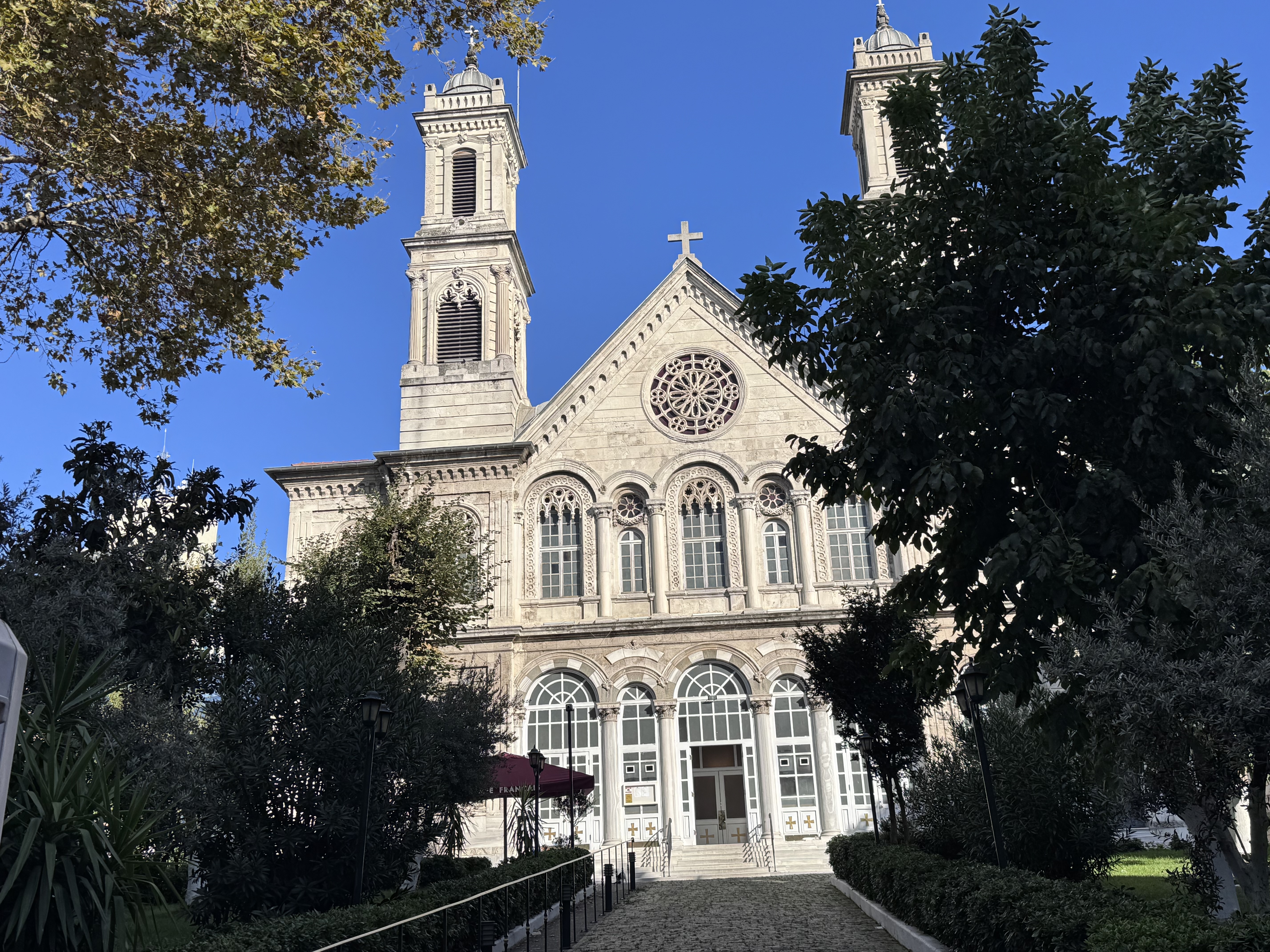
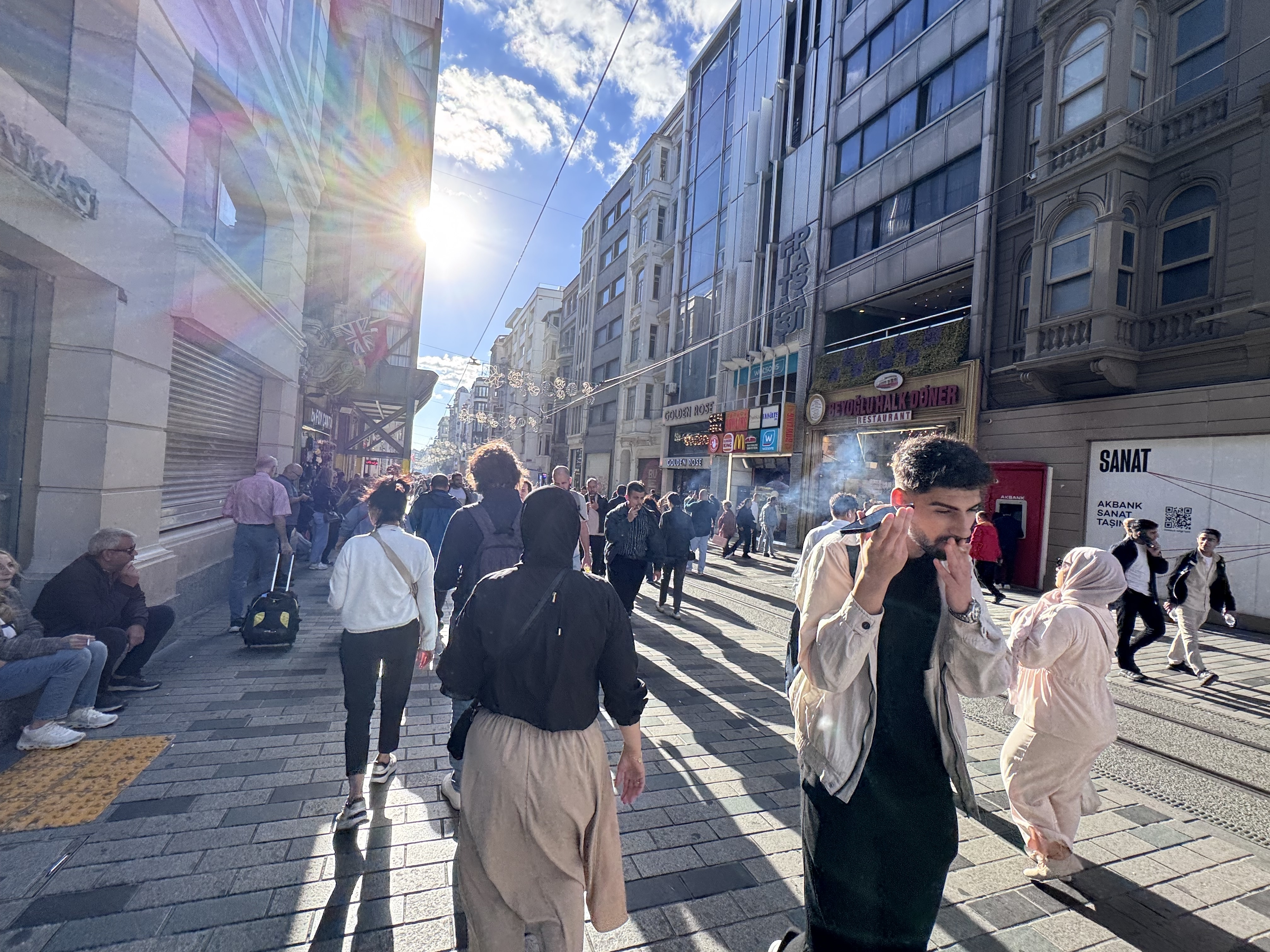
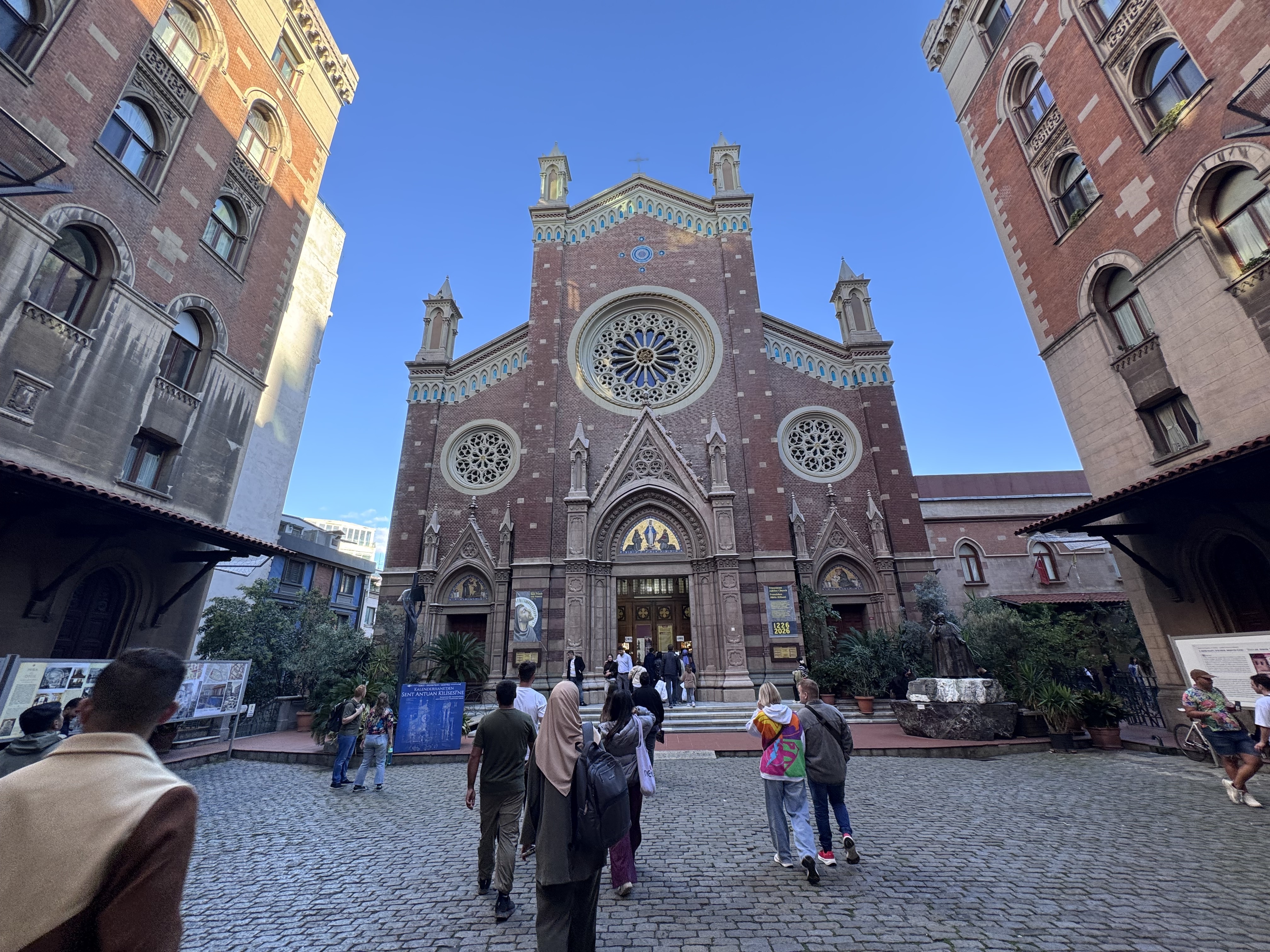
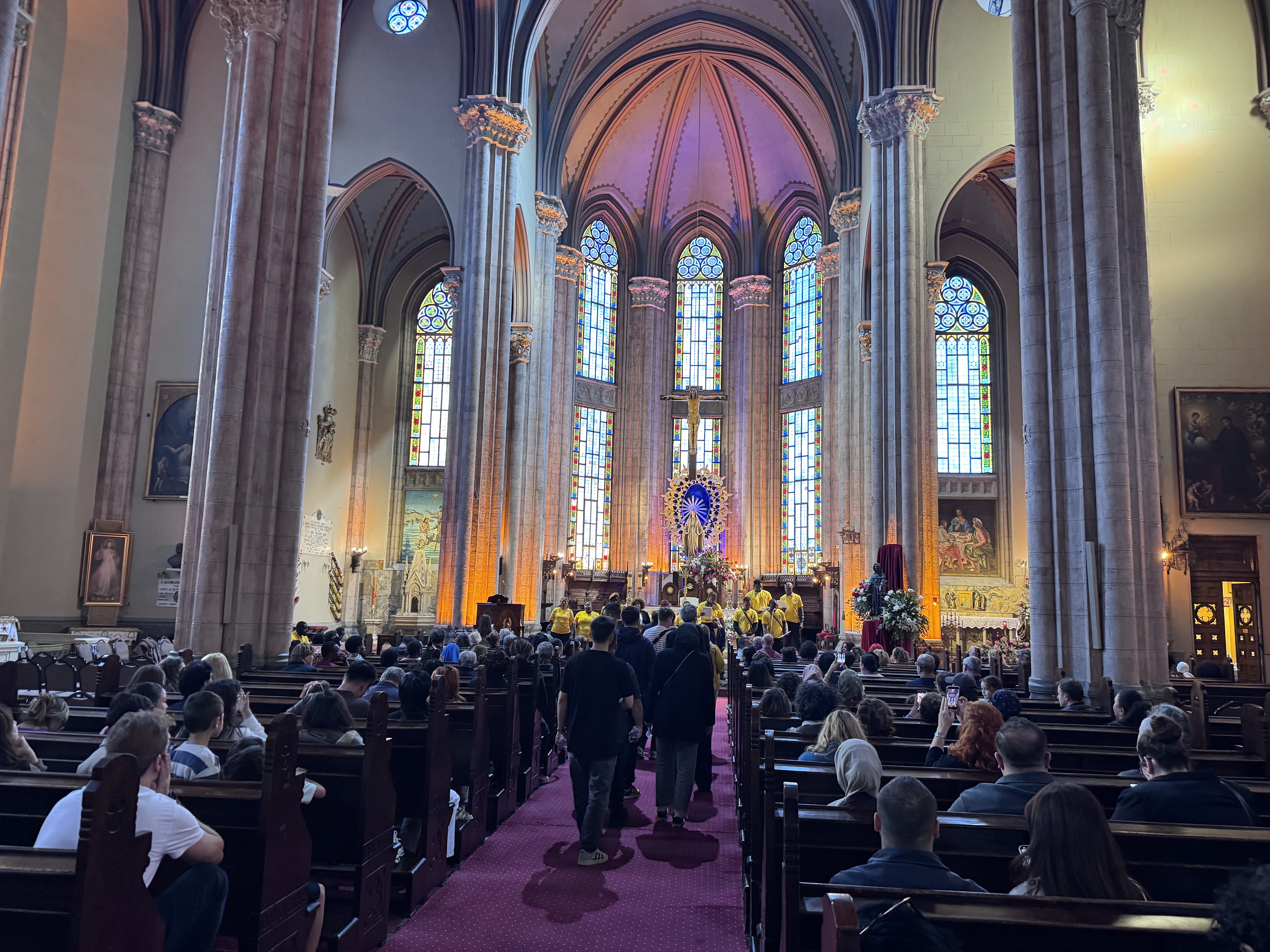
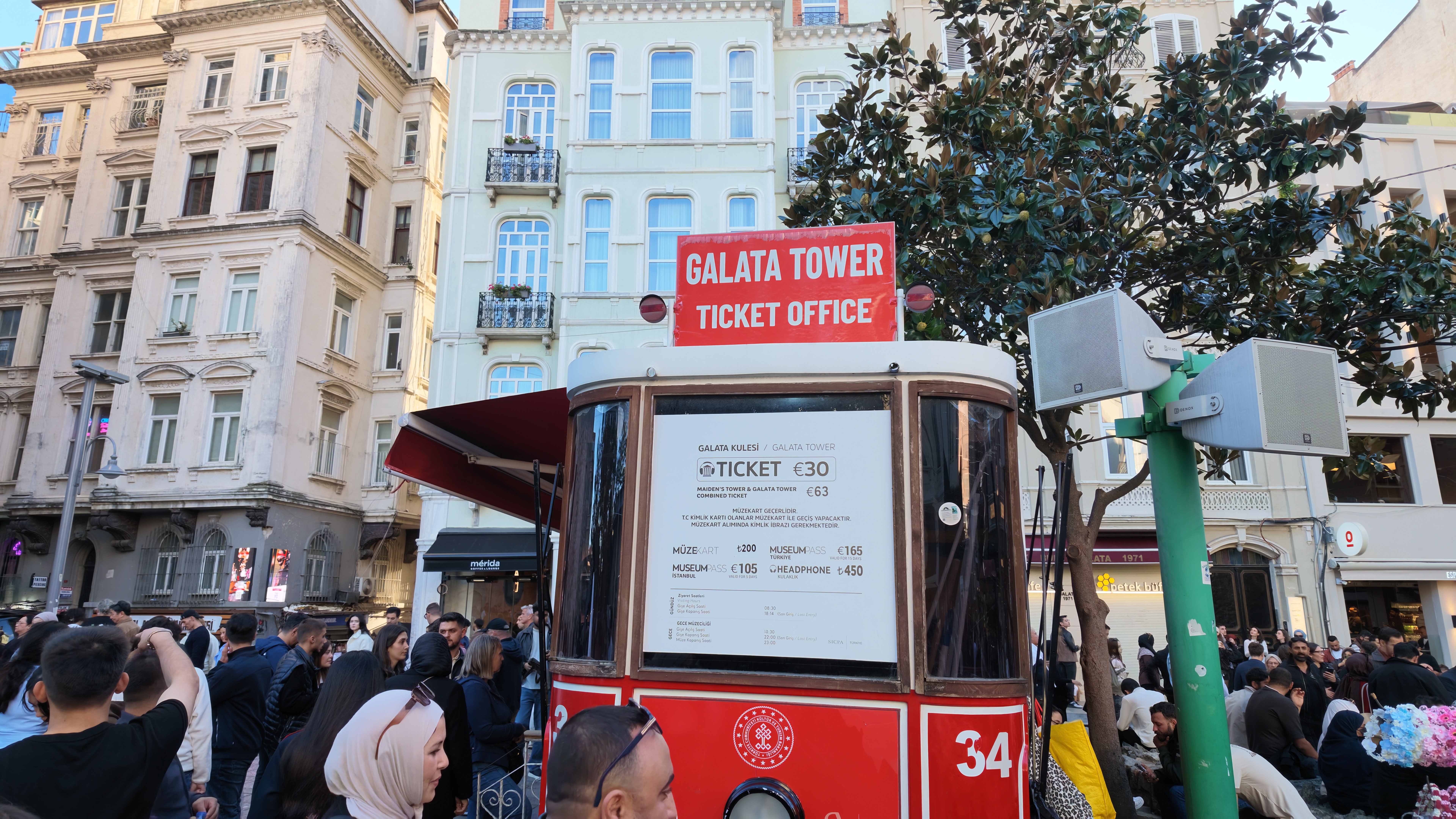
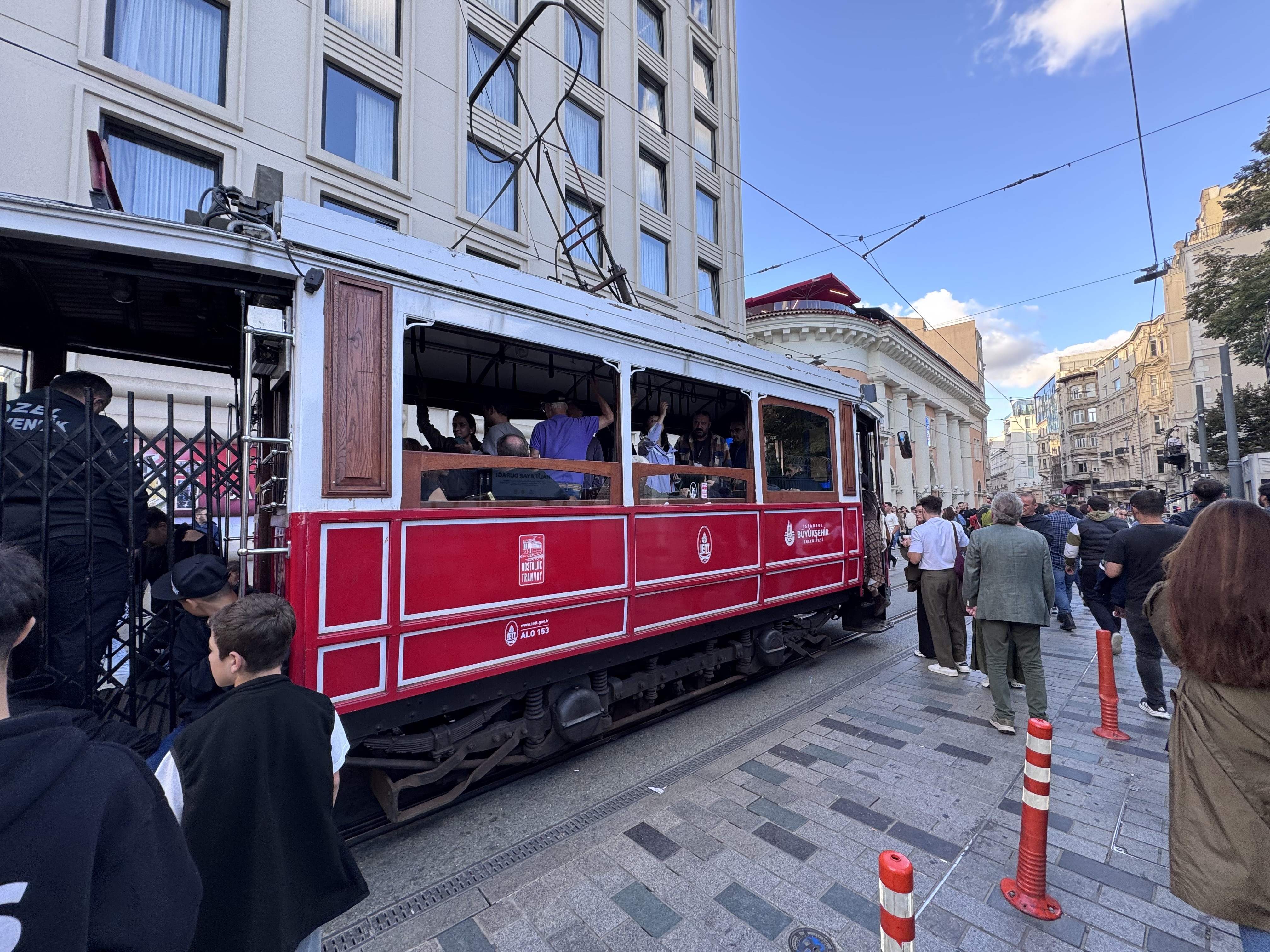
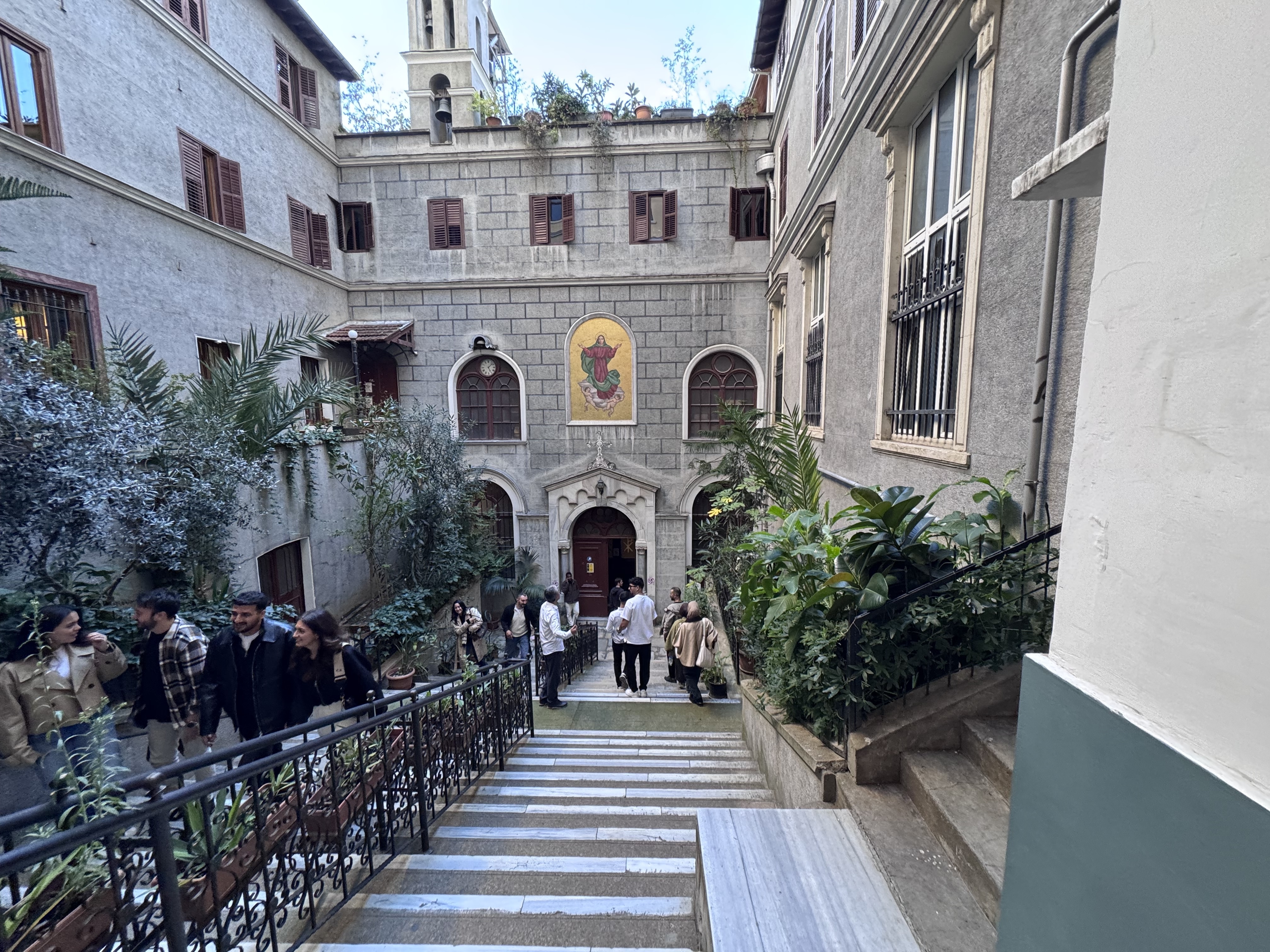
From the square, İstiklal Avenue extends as a broad pedestrian thoroughfare once known as the Grand Rue de Pera, the cosmopolitan spine of the nineteenth-century European quarter. Lined with former embassies, ornate residential buildings, theaters, and commercial spaces, the avenue retains its role as one of Istanbul’s most visited corridors, featuring the historic tram line, cafés, bookstores, and the distinctive Gothic Revival façade of the Church of St. Anthony of Padua.
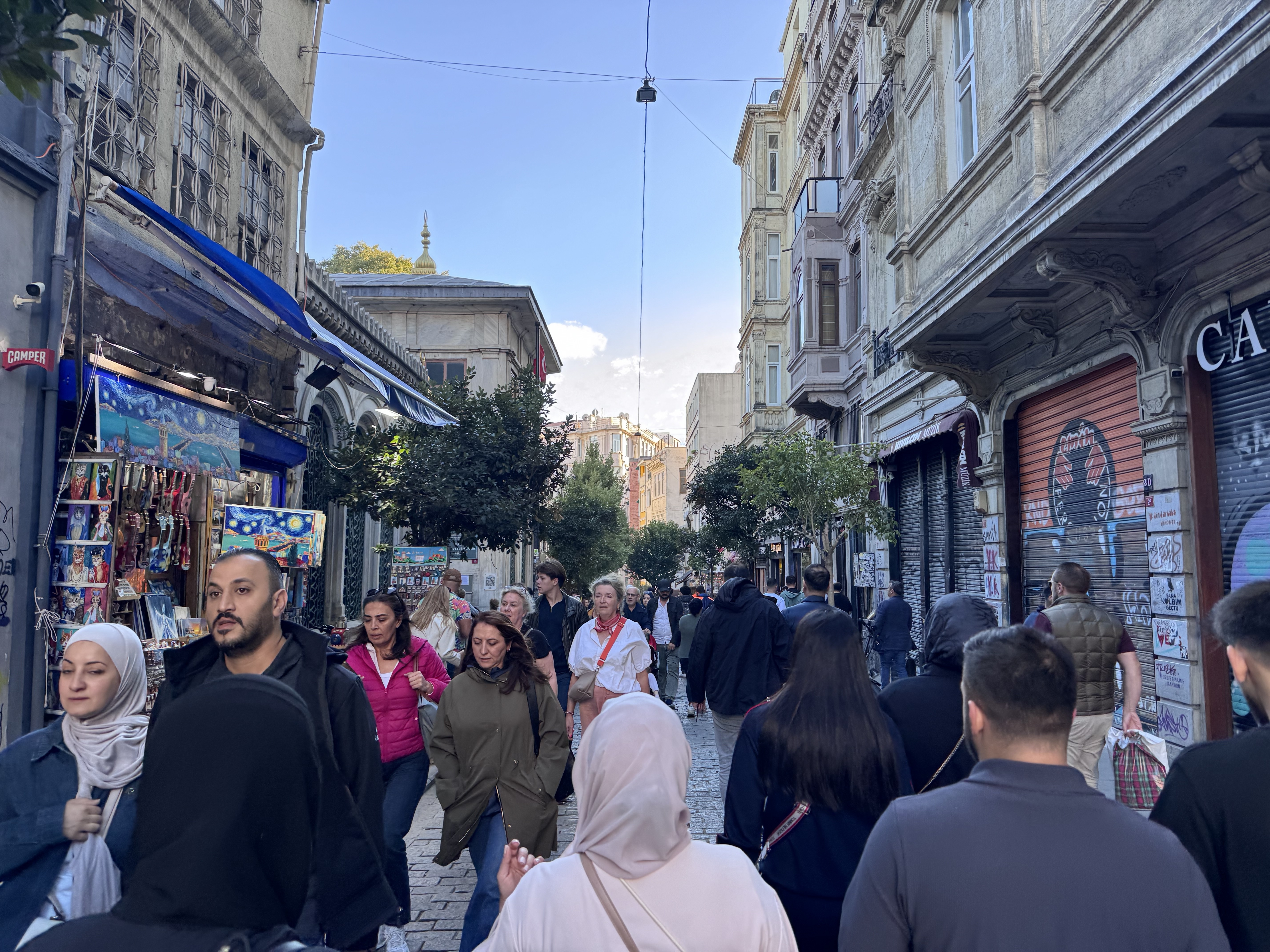
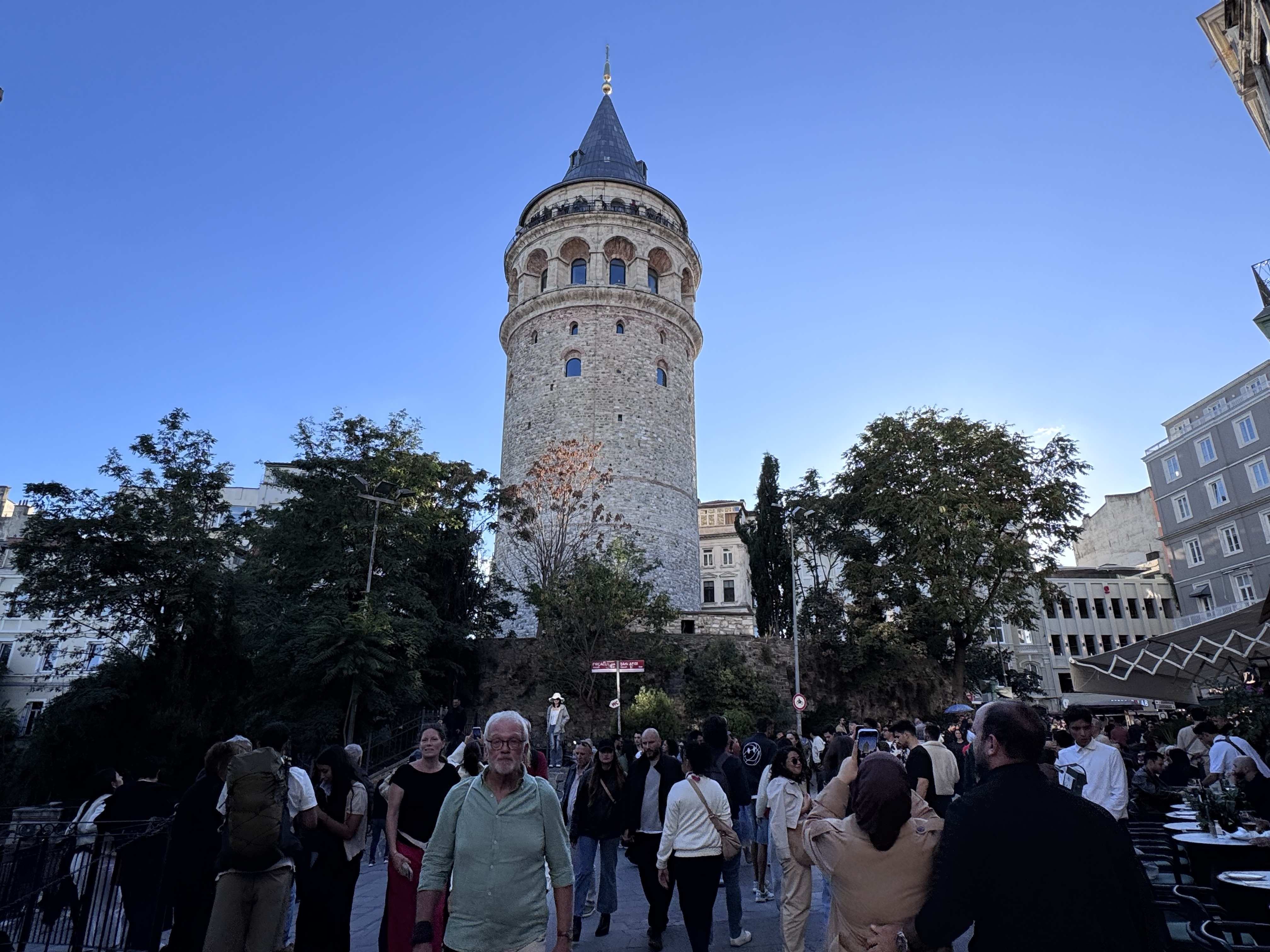
Descending toward the Golden Horn, the streets enter the Galata district, a former Genoese trading colony whose medieval layout of narrow lanes and steep slopes remains ...
Rama VII Bridge Loy Krathong Market, Bang Kruai, Nonthaburi
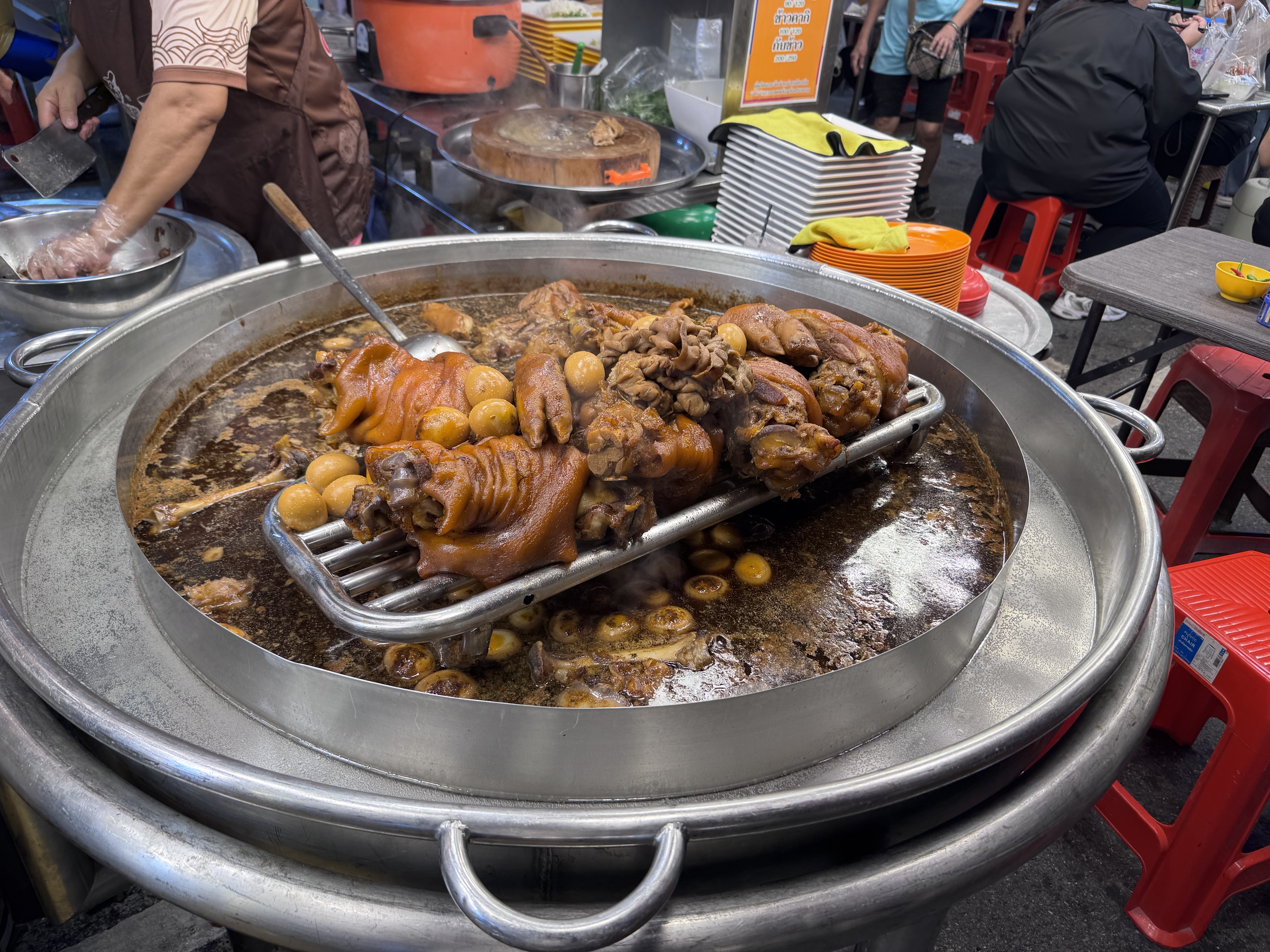
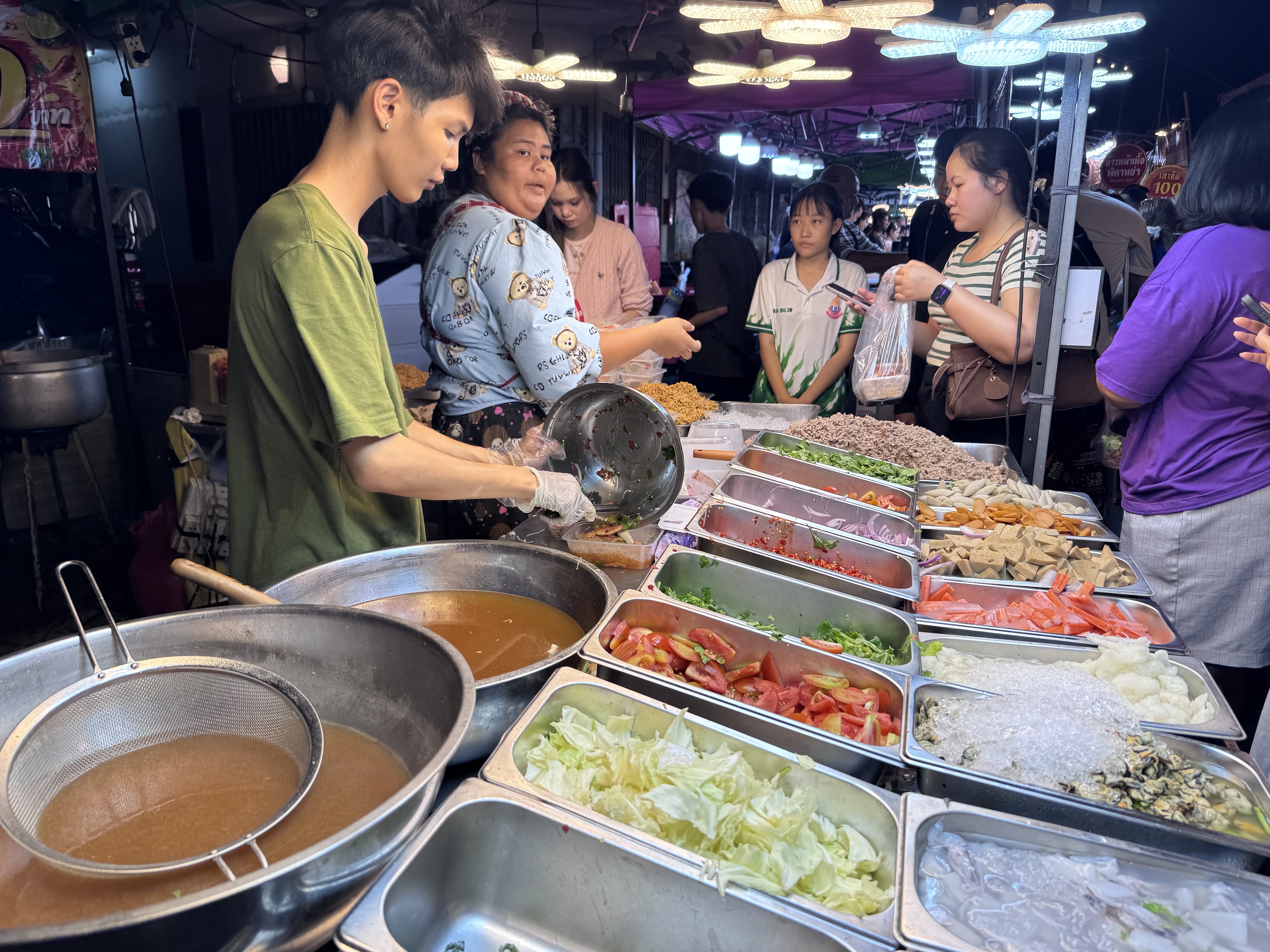
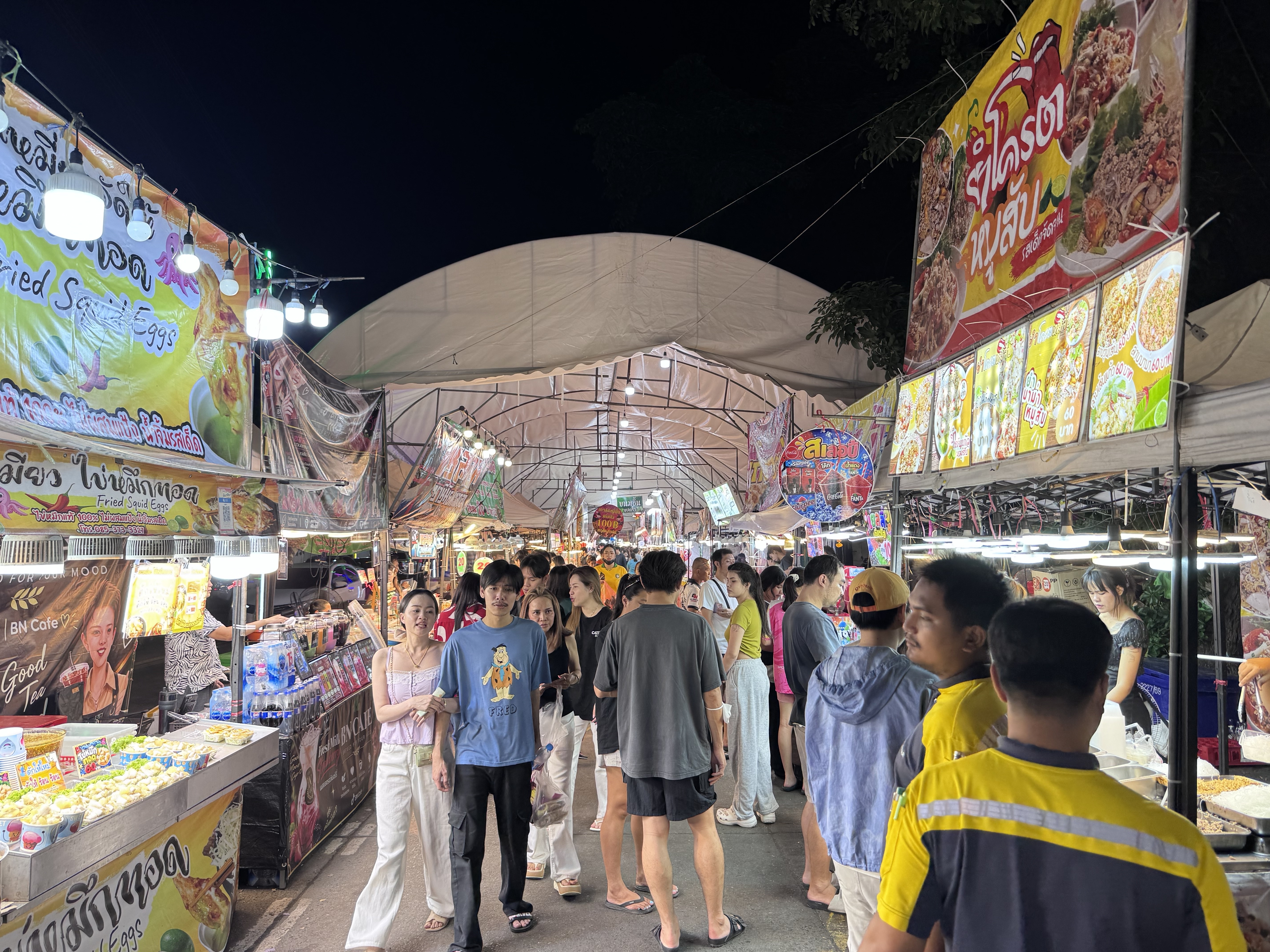
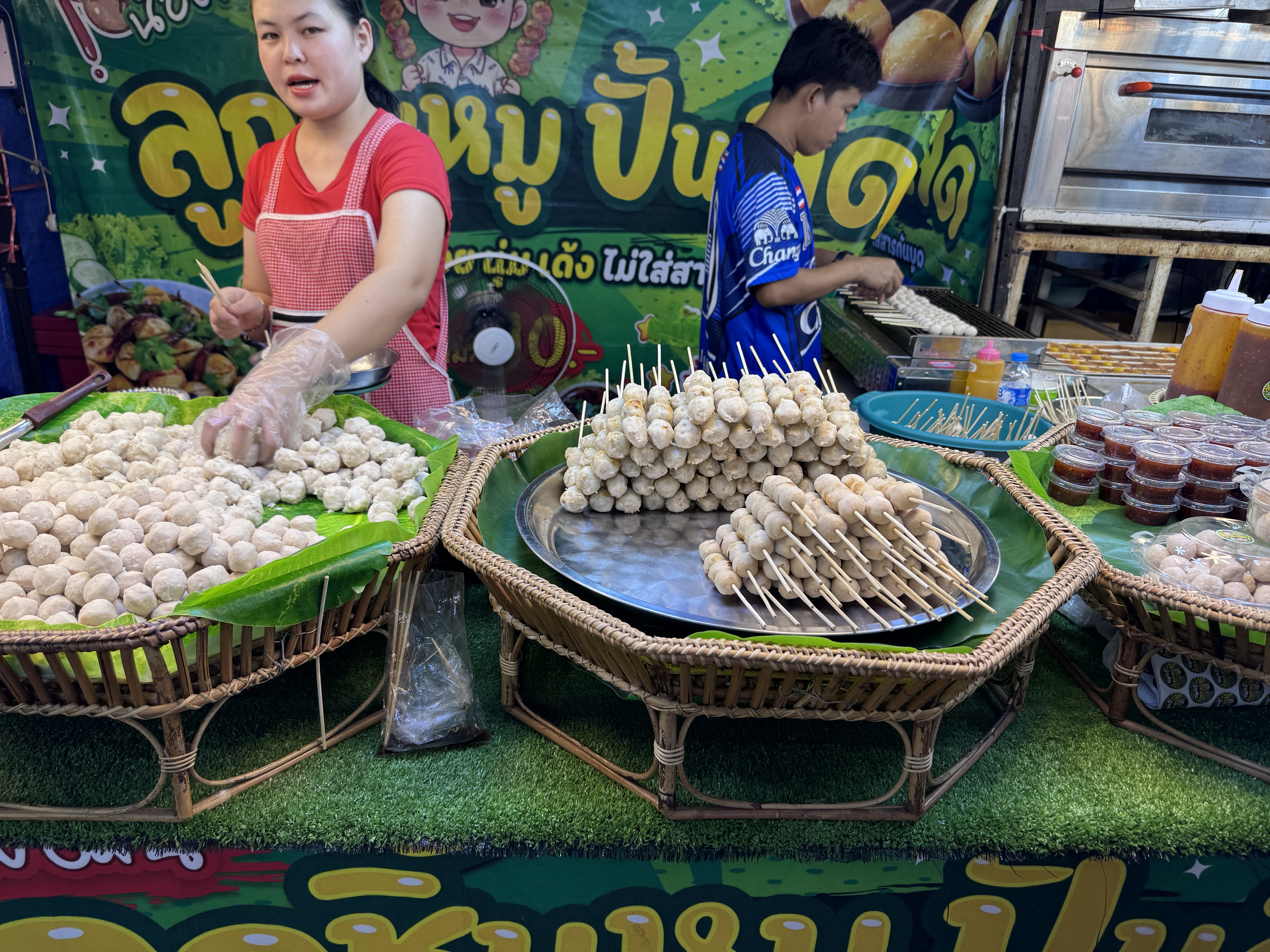
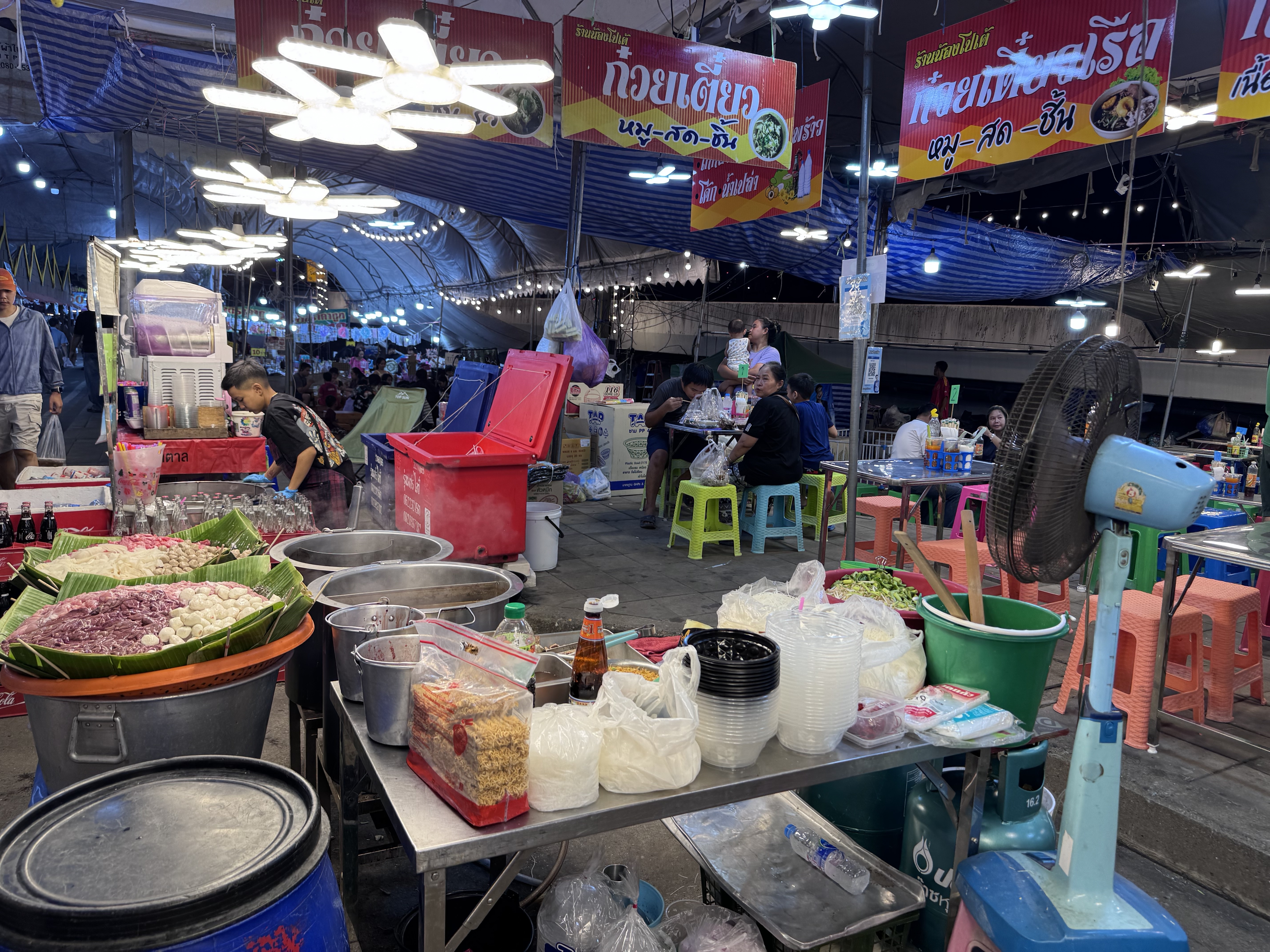
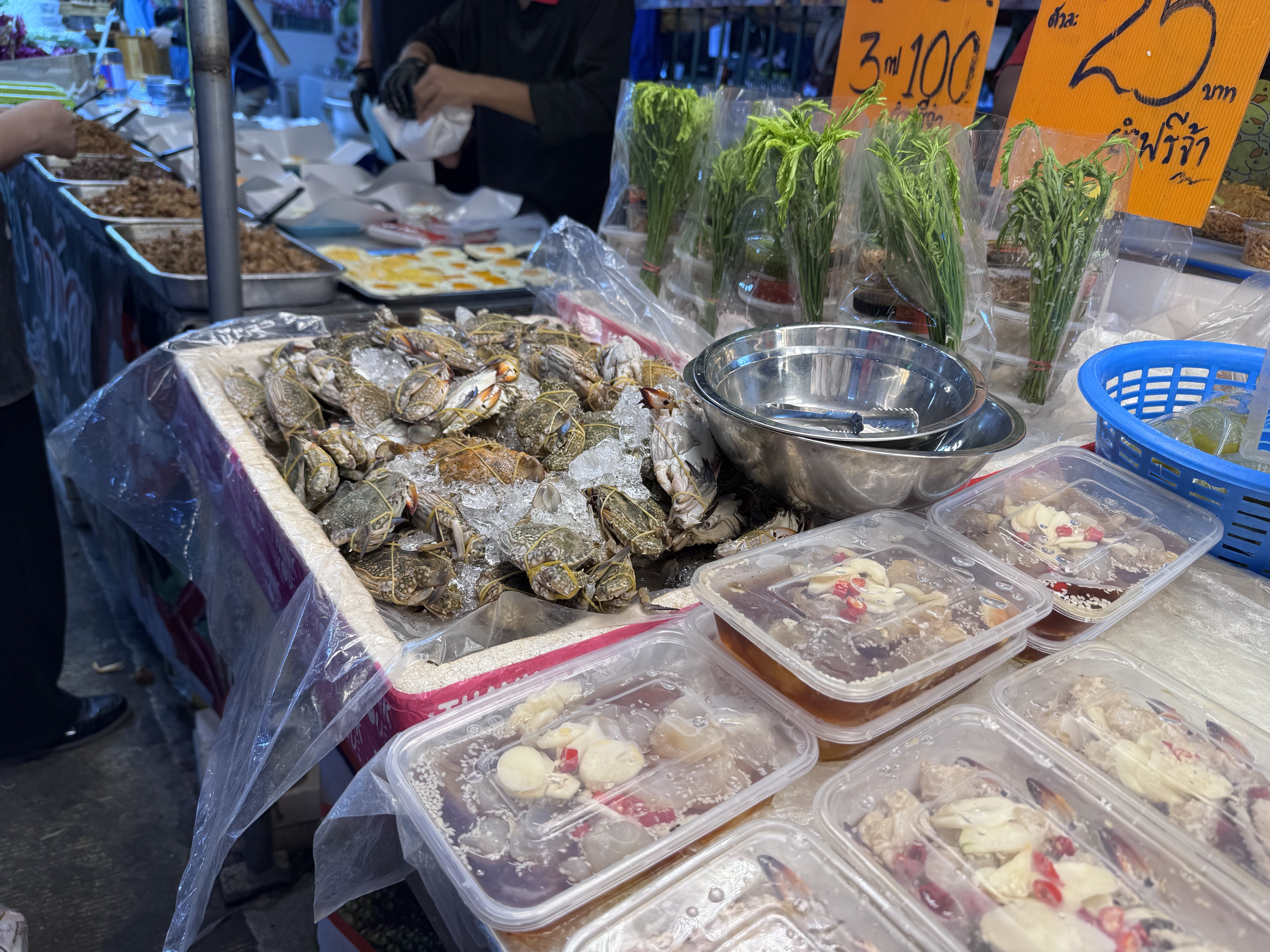
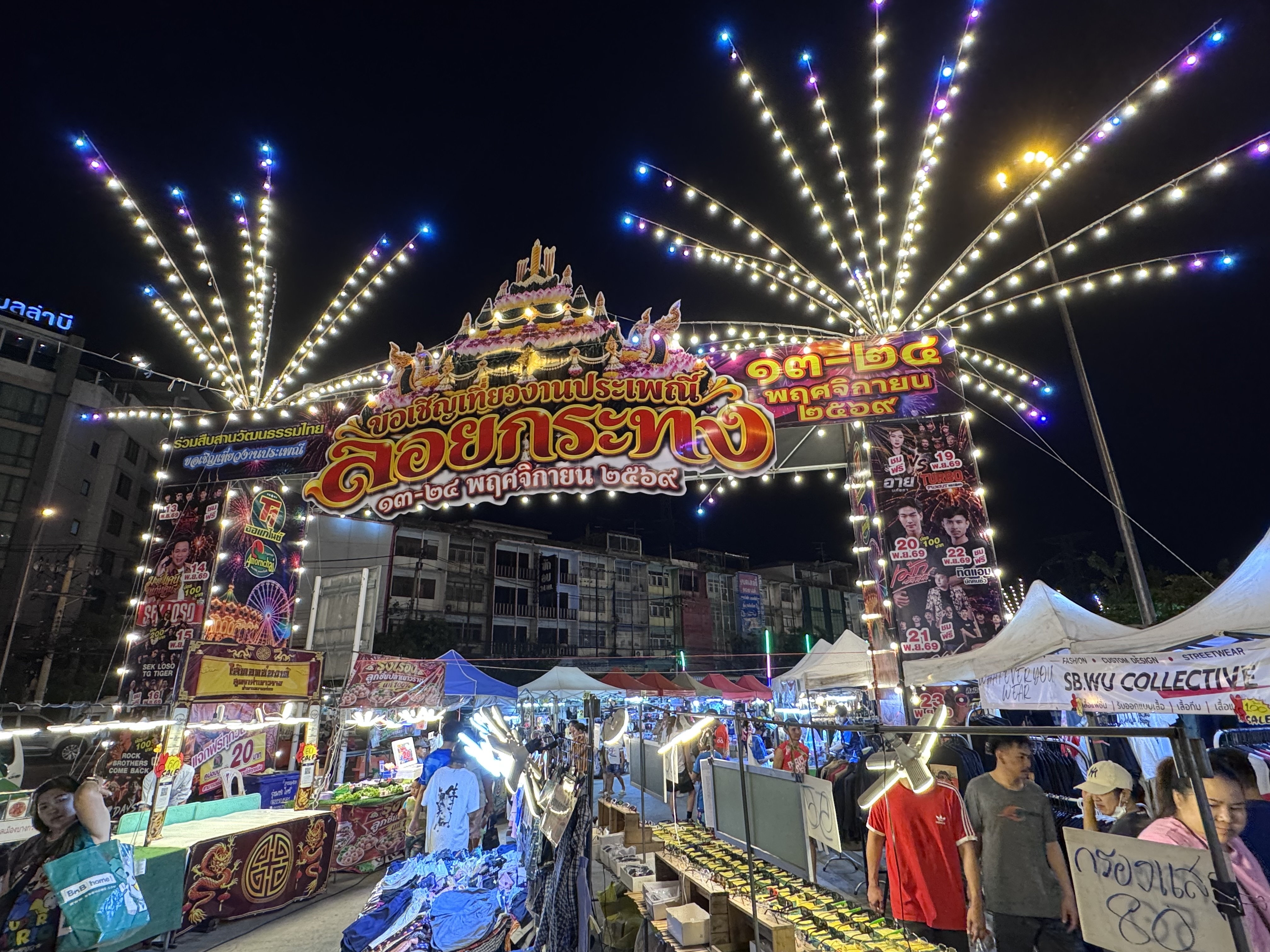
Along the Chao Phraya River embankment beneath and beside the Rama VII Bridge on the Bang Kruai side of Nonthaburi, a lively temporary market springs up each year for the Loy Krathong festival. This riverside gathering, running roughly from mid-November through the full-moon night (this year 13–24 November 2026), transforms the quiet stretch near the EGAT Learning Center into a glowing strip of food stalls, concert stages, krathong vendors, and evening crowds.
It is less a permanent bazaar and more a seasonal celebration market rooted in local community life along the river, drawing both Nonthaburi residents and visitors from Bangkok who cross the bridge for the open-air atmosphere, live music, and the chance to float a krathong under the bridge lights.
Loy Krathong itself is one of Thailand’s most poetic and enduring traditions. Its roots stretch back centuries, most commonly linked to the Sukhothai period when, according to legend, a ...
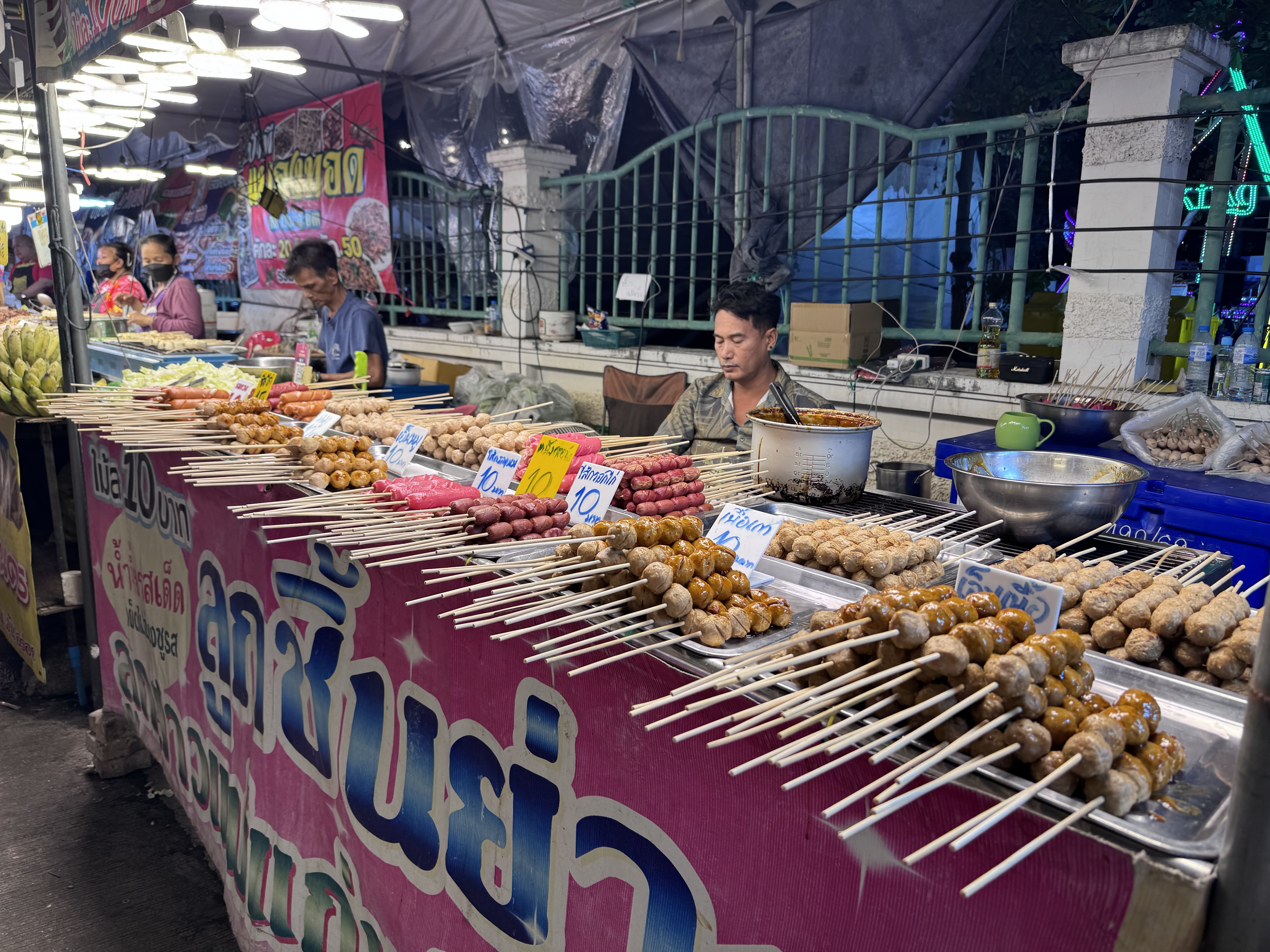
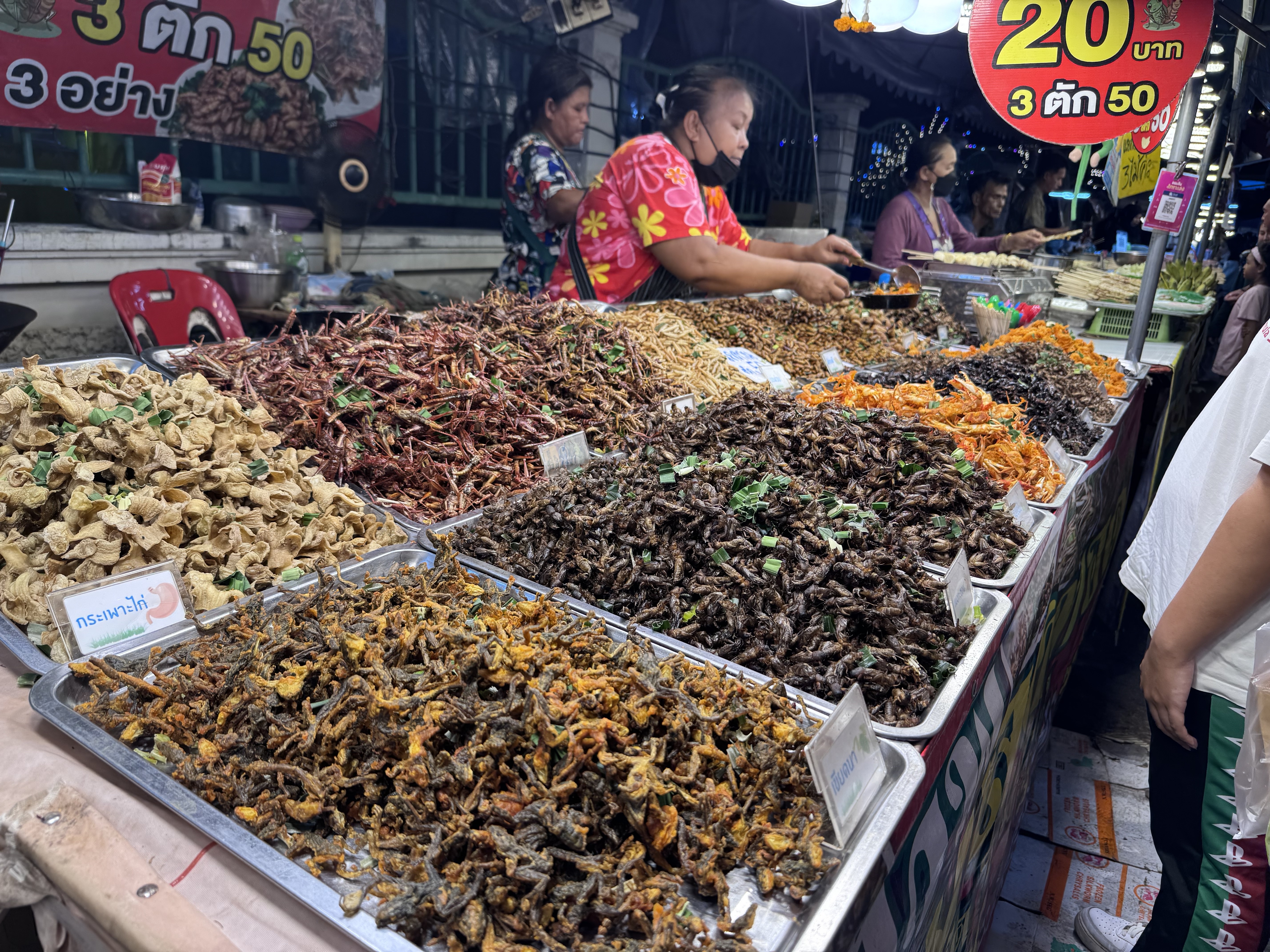
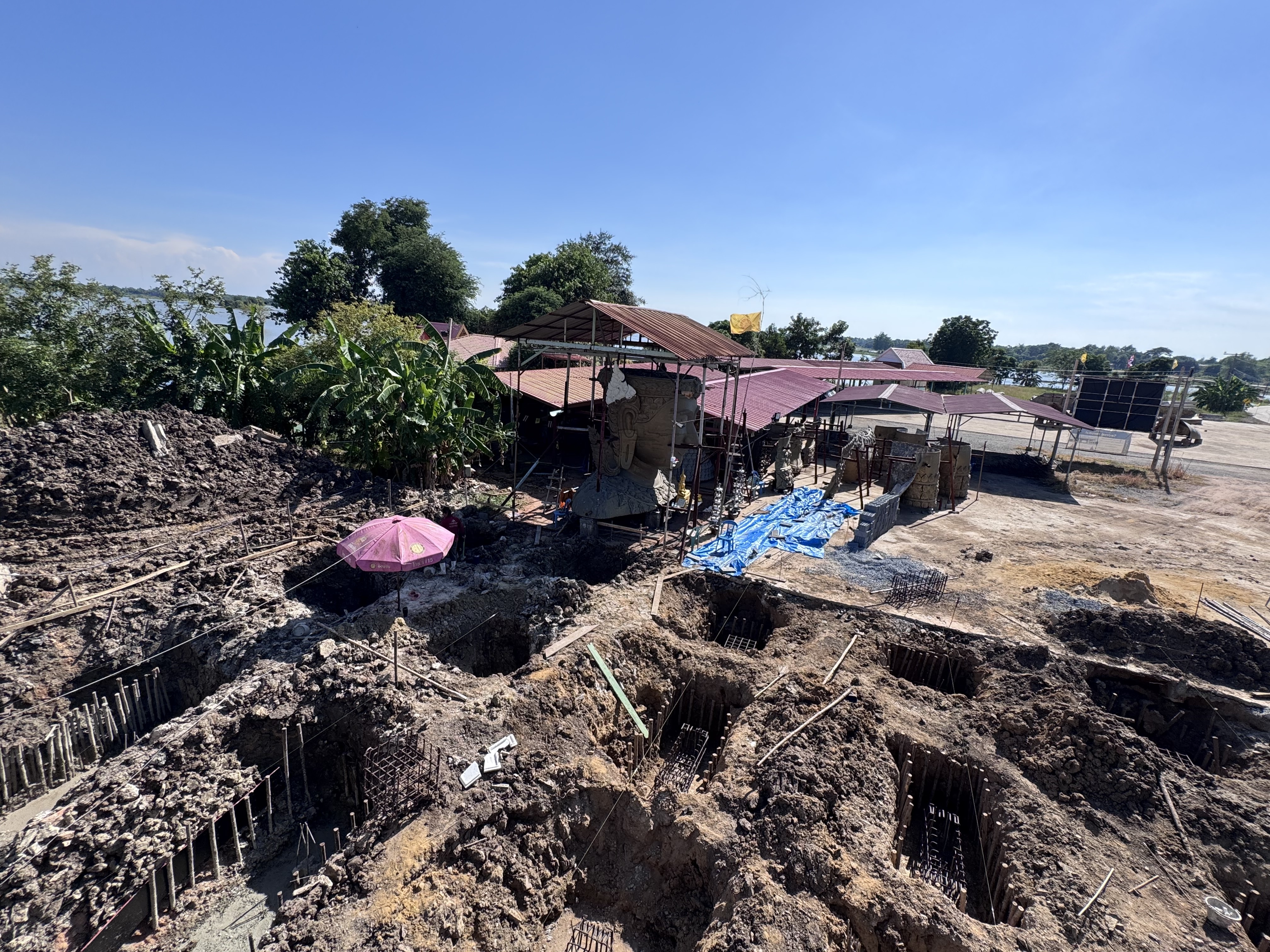
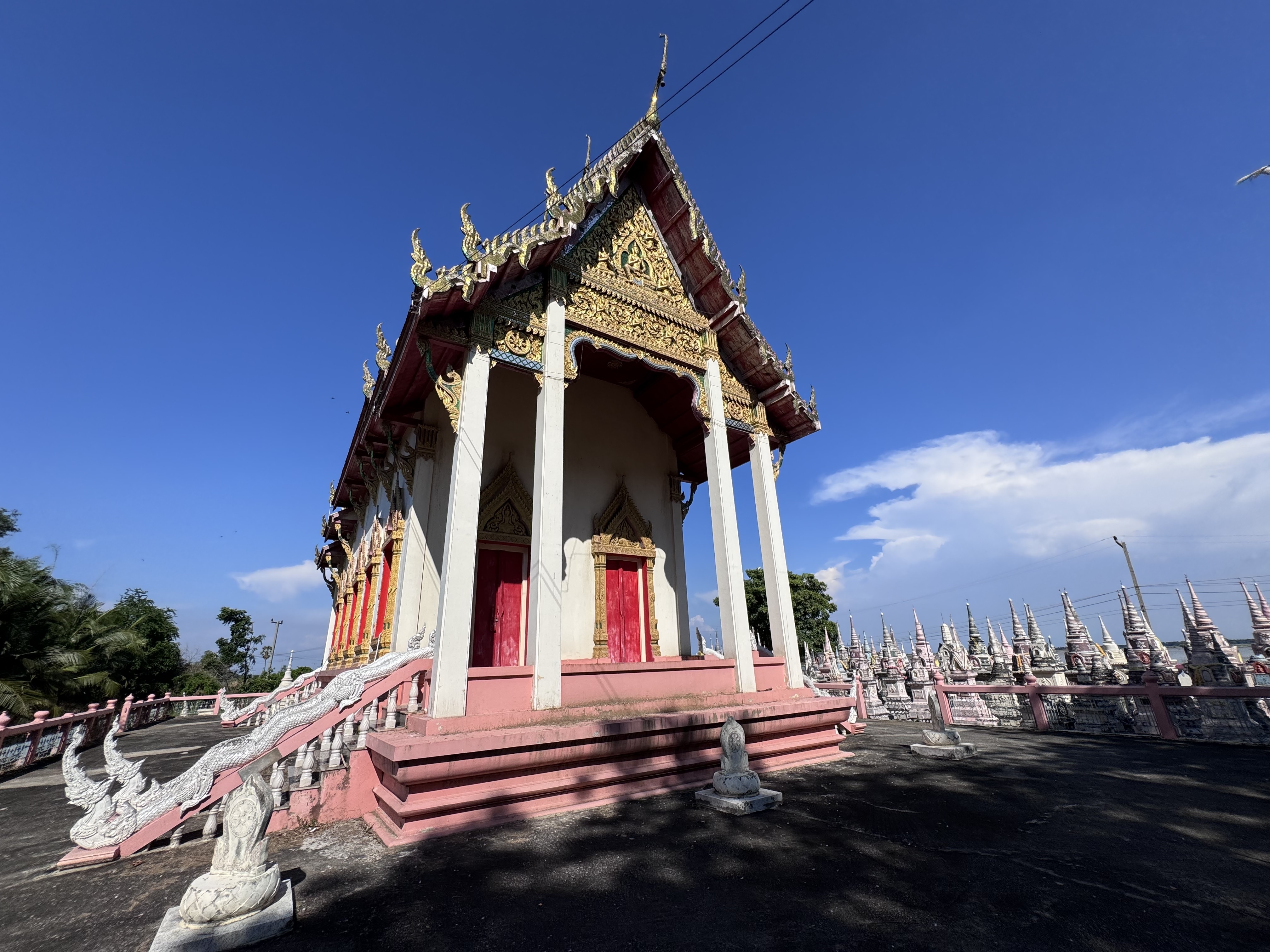
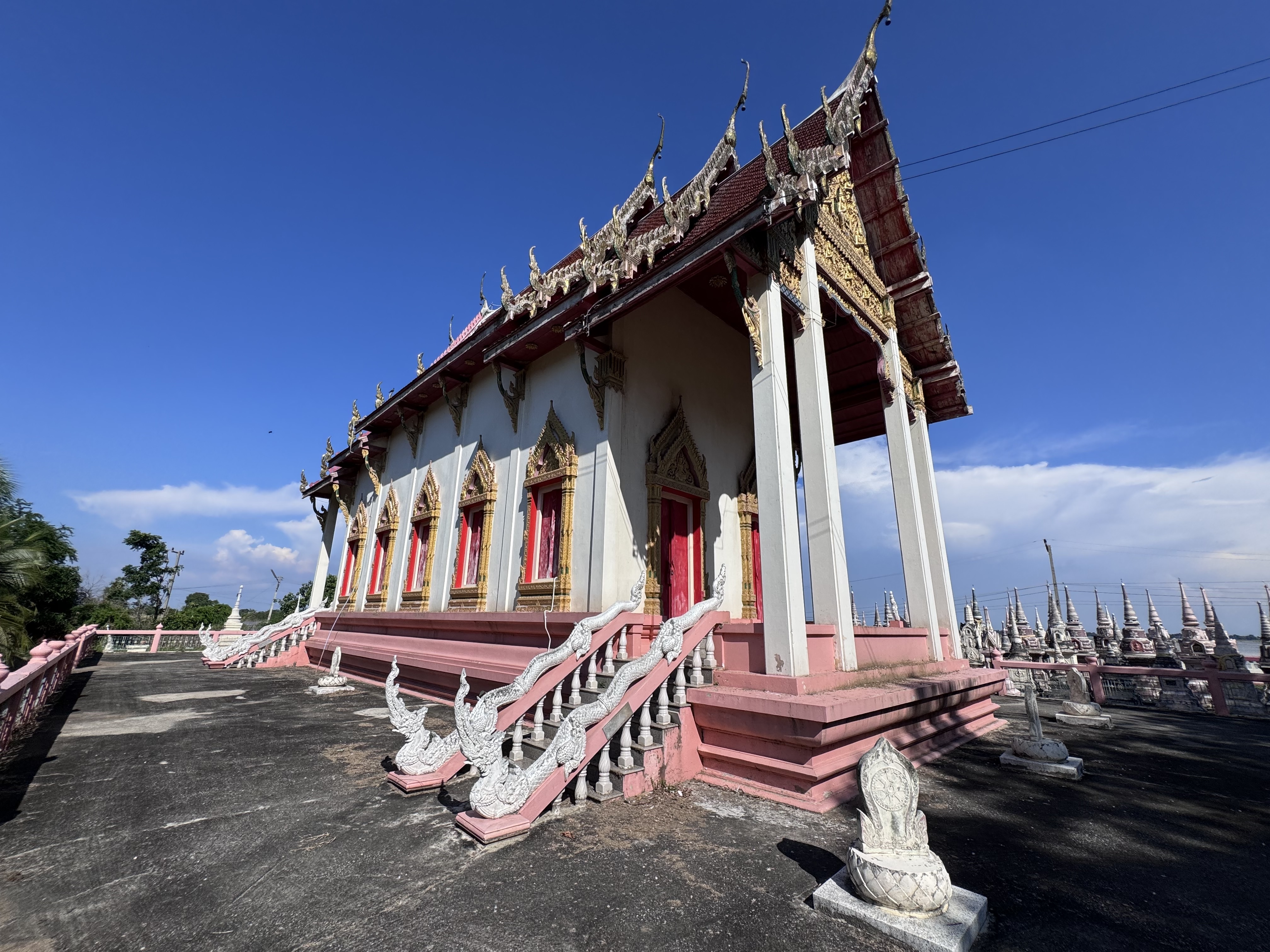
Wat Padutabong stands quietly in the rural fields of Tambon Kathum in Maha Rat district, a short distance from the better-known ruins of Ayutthaya’s historic island yet far enough to feel removed from the usual tourist circuits.
The active temple compound, formally established in 1857 under the earlier name Wat Tabong and later granted its official boundaries, continues to serve the local community with an ordination hall, wooden-pillared assembly hall, and traditional monks’ residences.
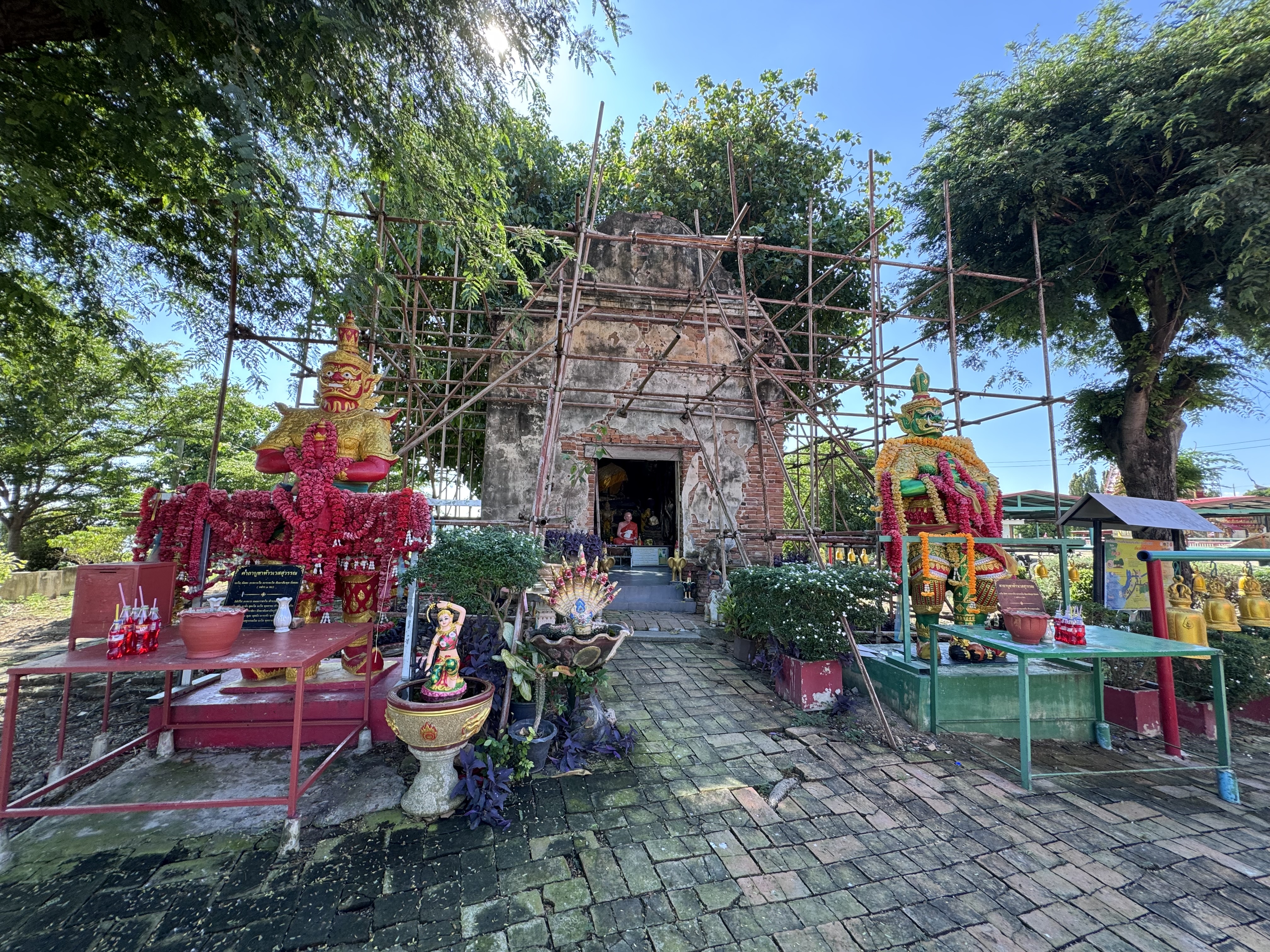
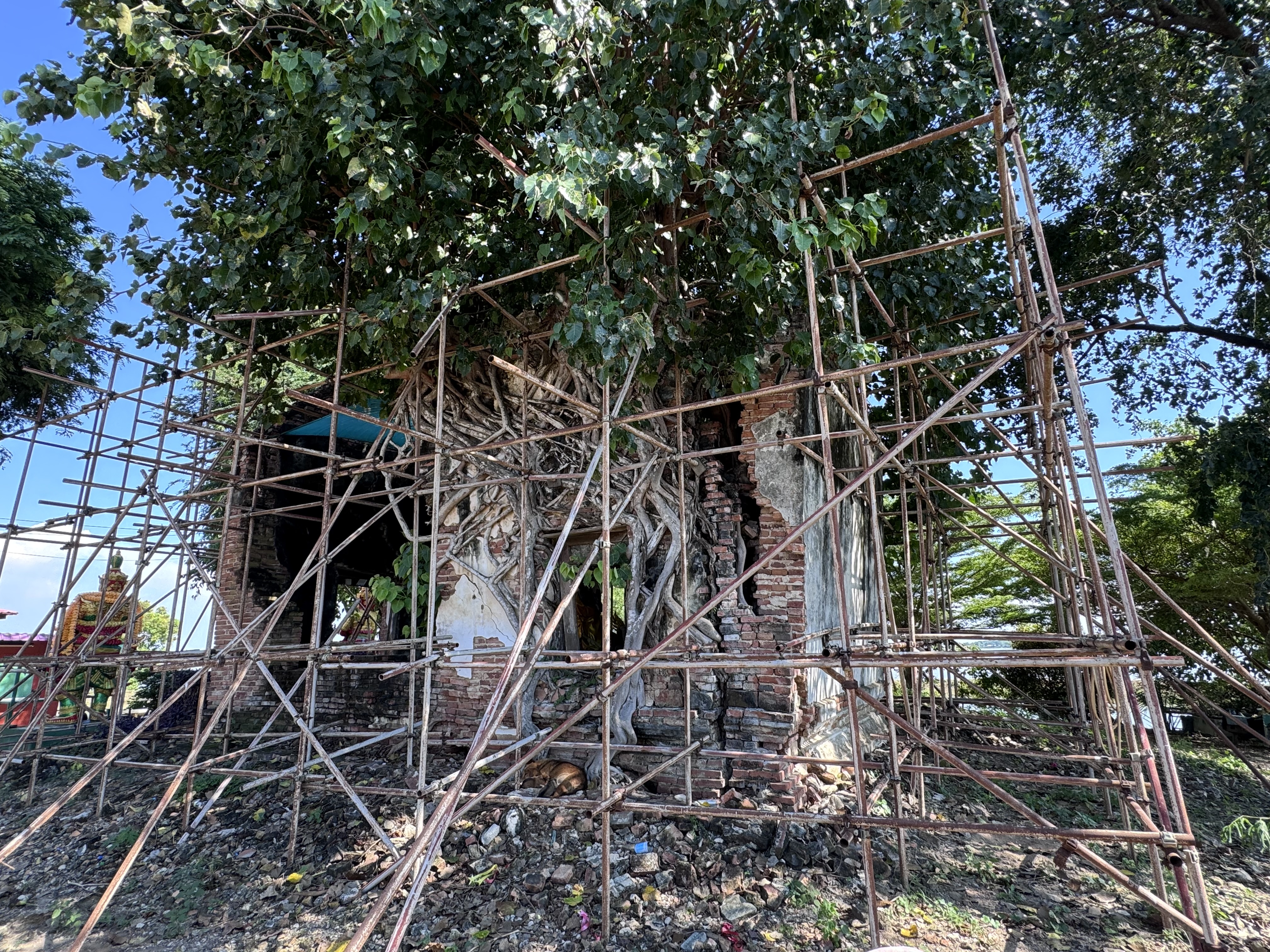
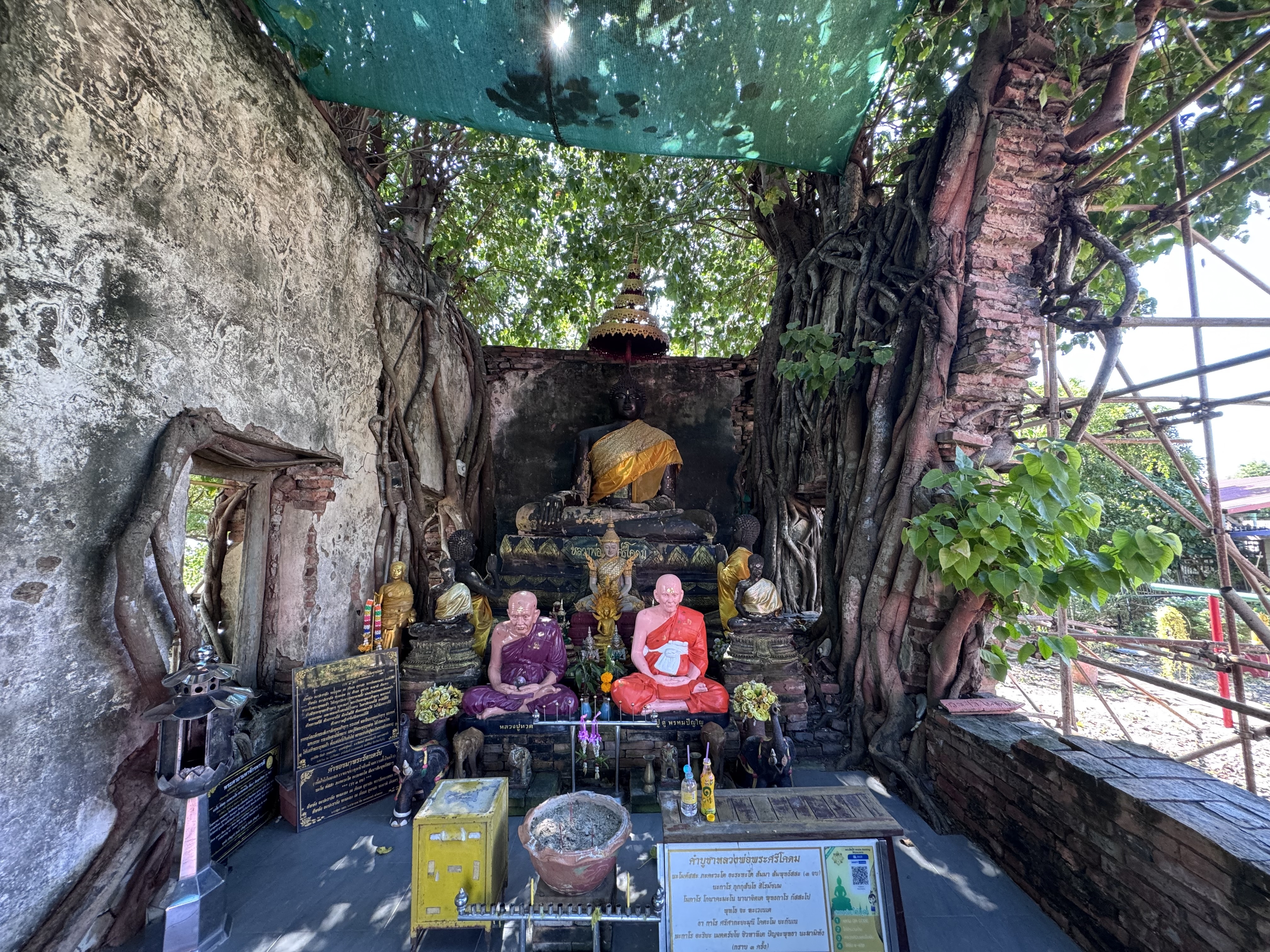
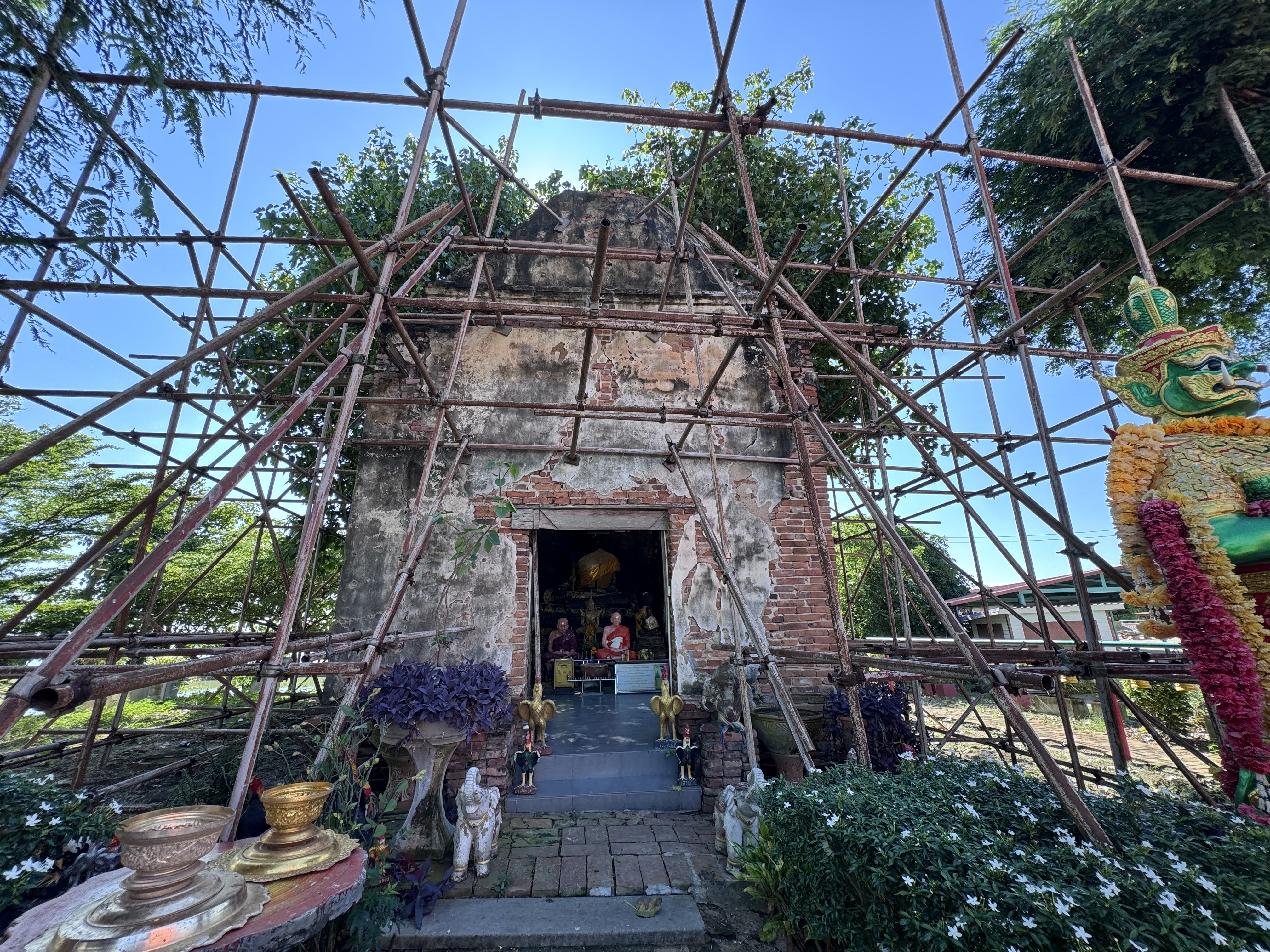
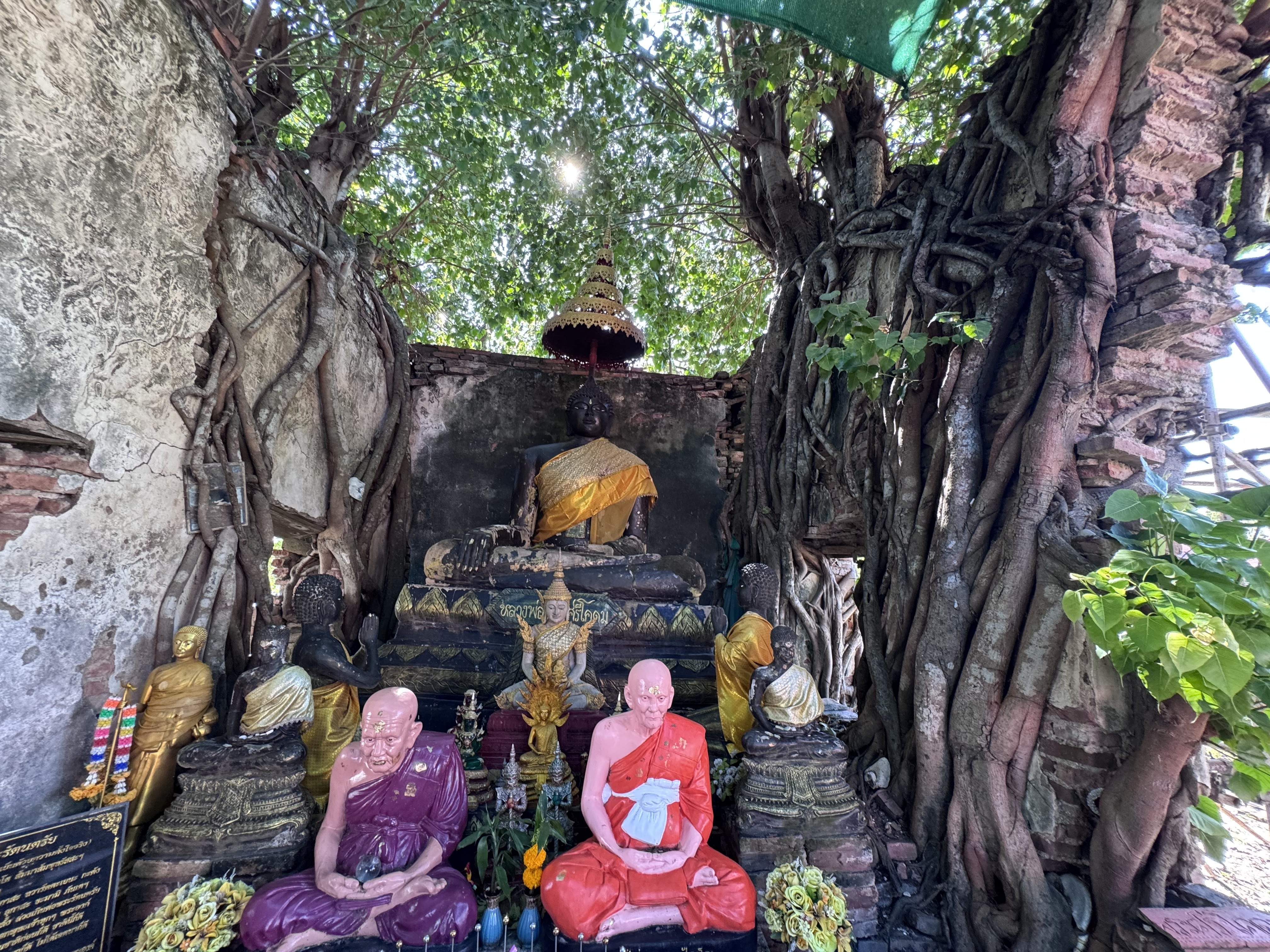
What draws the eye beyond the living monastery, however, is the much older brick chapel that rises alone among the rice paddies, its walls gripped and half-swallowed by the thick roots of Bodhi and banyan trees.
Local accounts and the appearance of the structure itself place this abandoned building in the middle Ayutthaya period, more than two centuries old and quite possibly older still.
For generations the slightly elevated ground around it served as a burial place for infants and young children ...
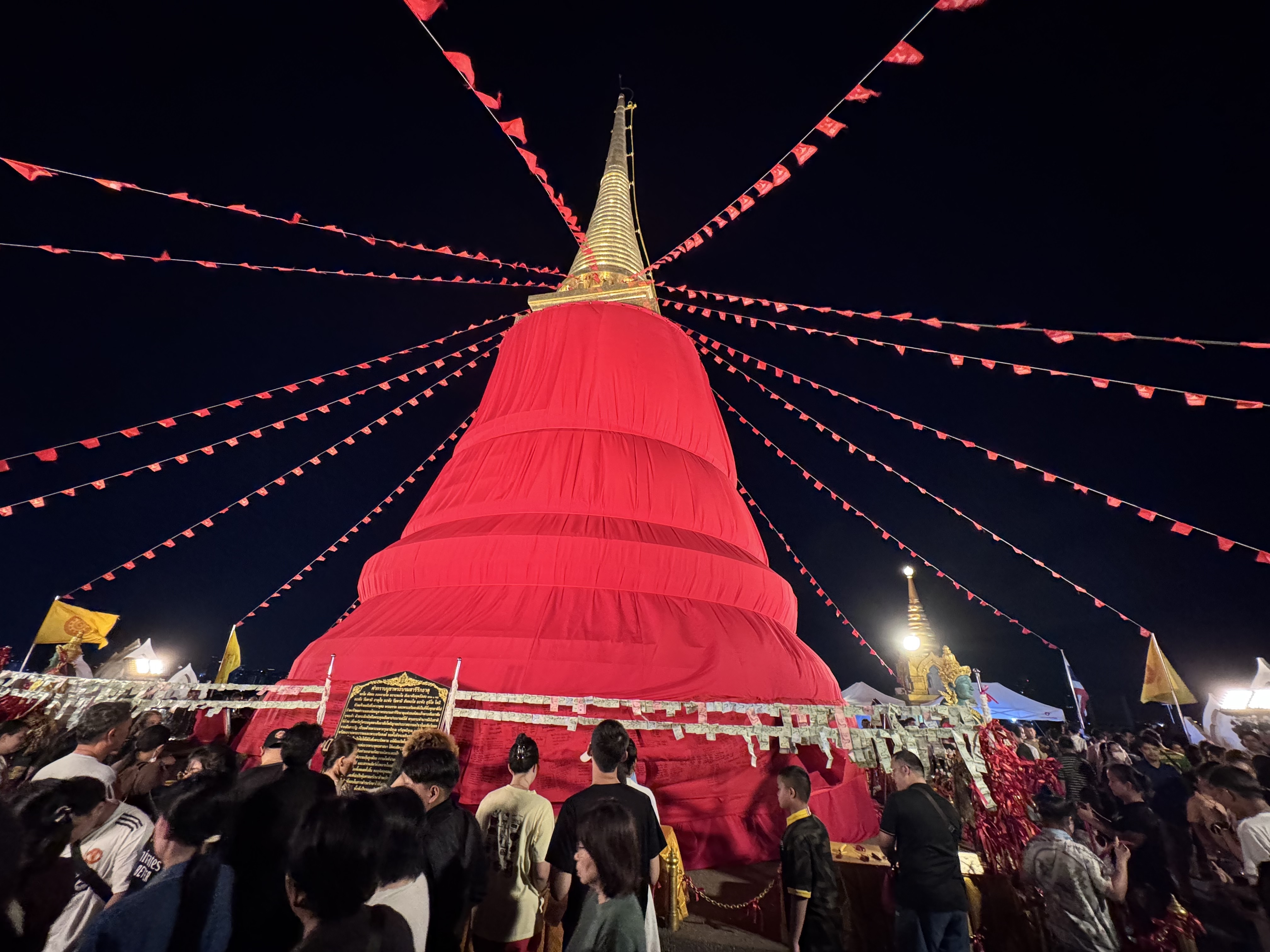
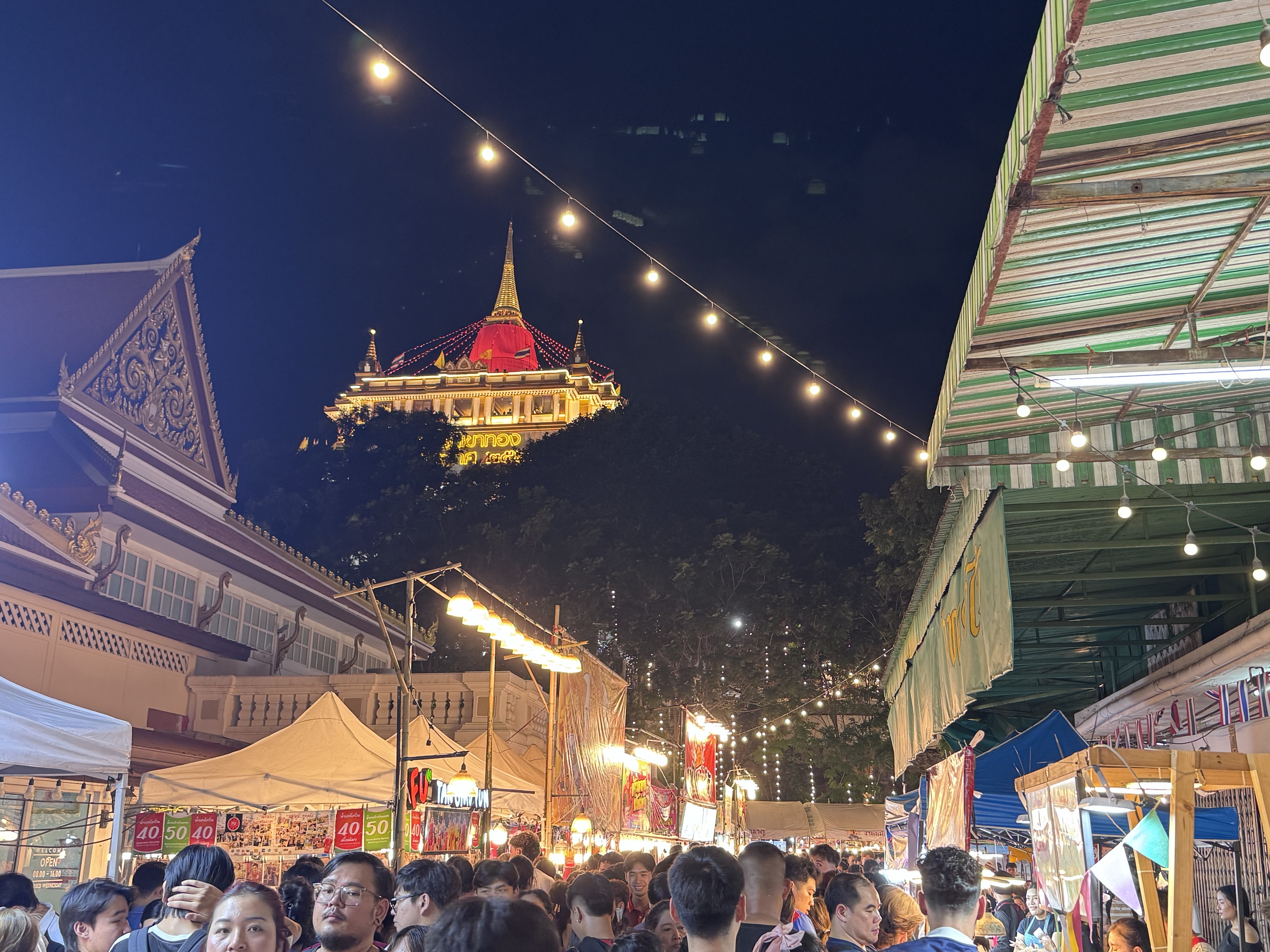
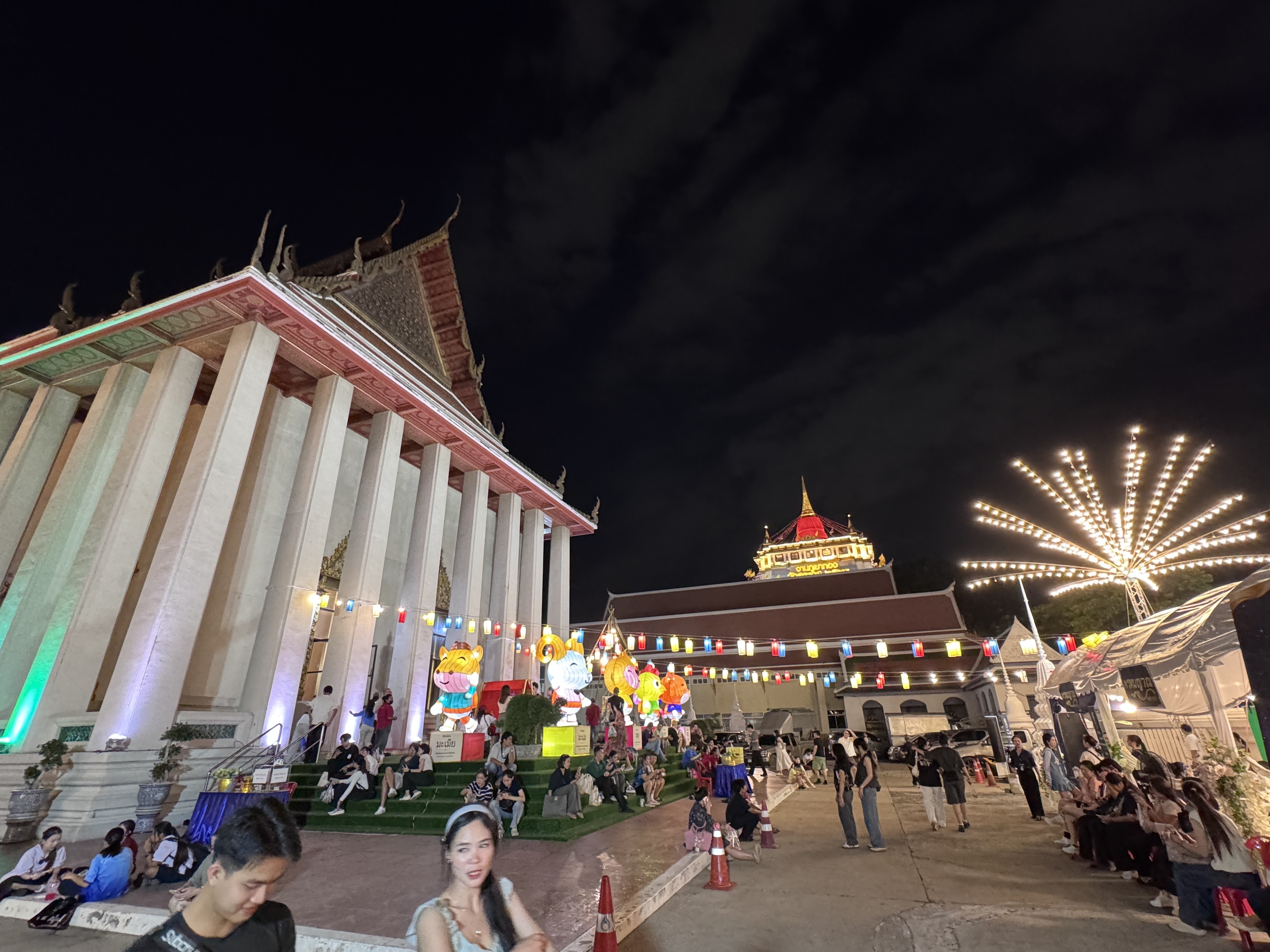
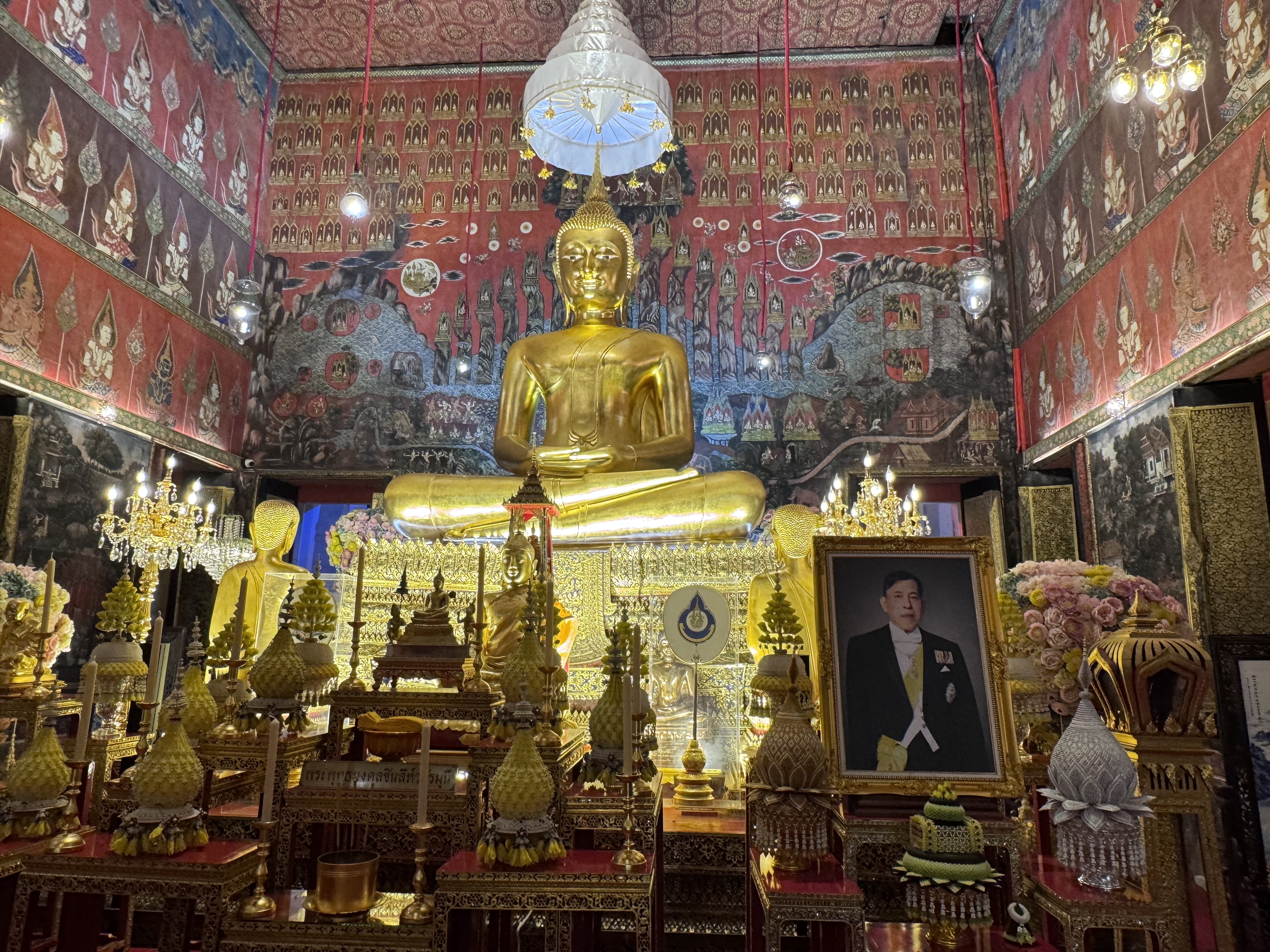
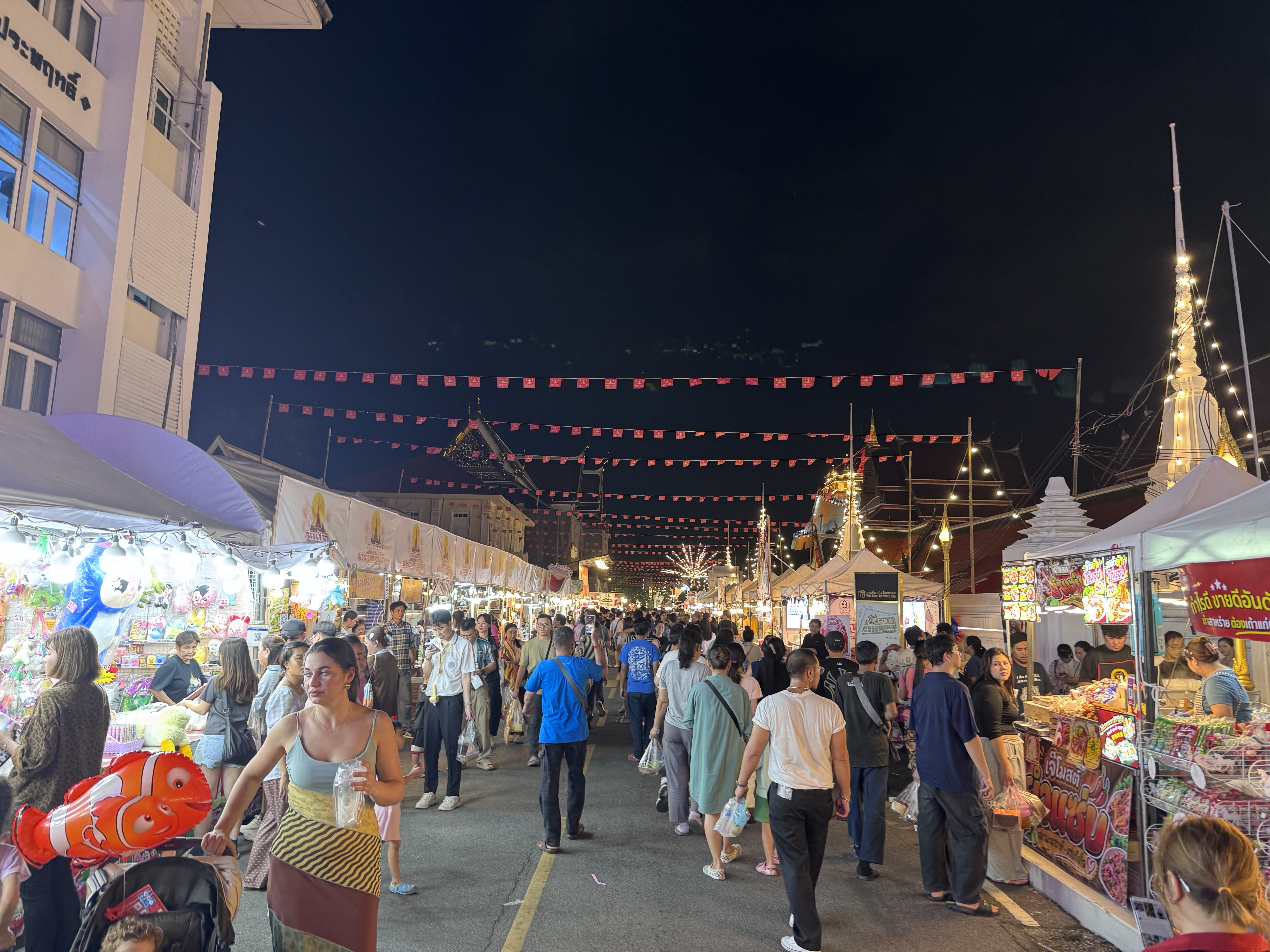
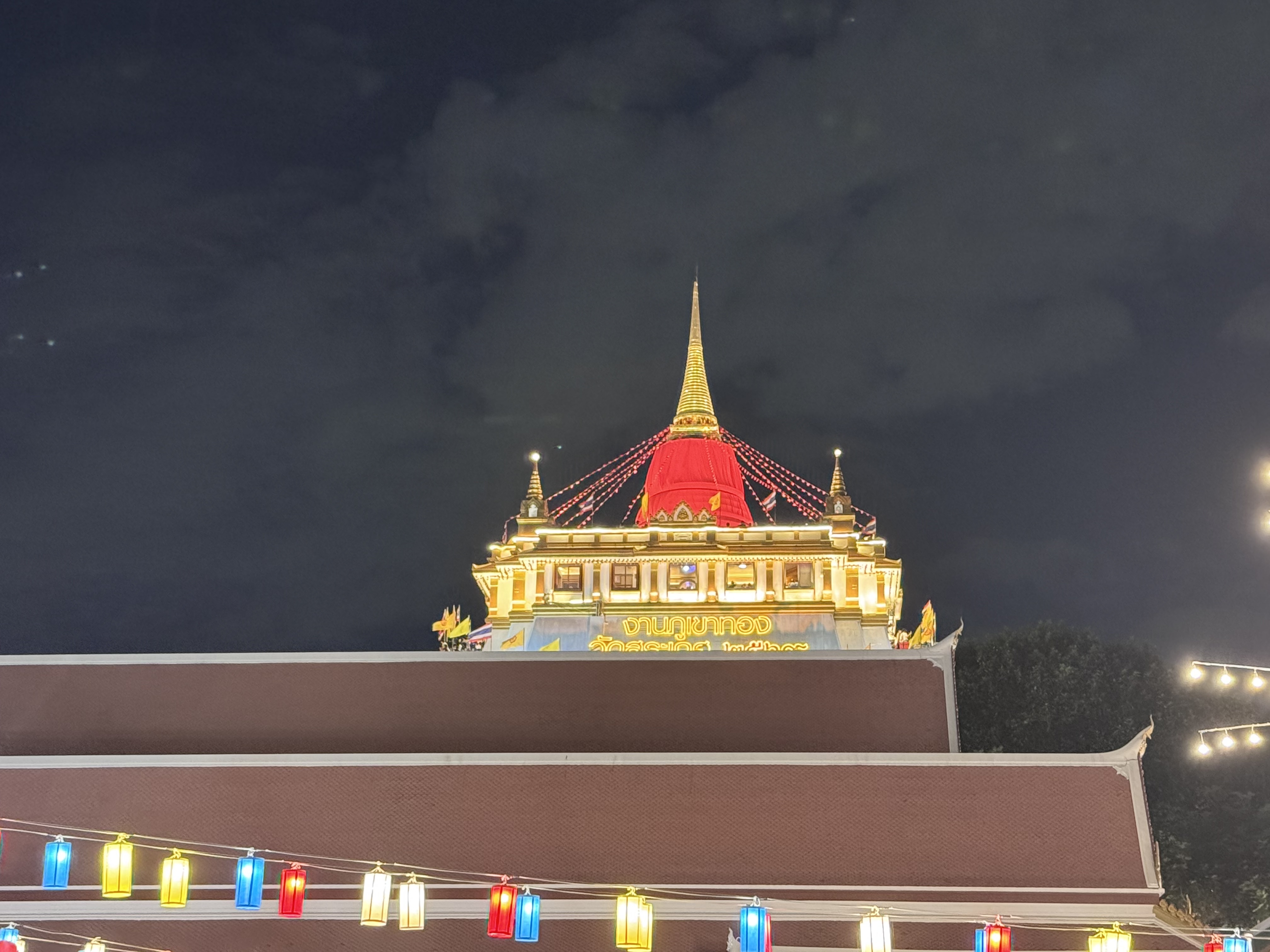
The Wat Saket Fair (known as Ngan Wat Phu Khao Thong or งานวัดภูเขาทอง), held at Wat Saket Ratchawora Maha Wihan (the Temple of the Golden Mount), is Bangkok’s most iconic temple fair. This 100+ year-old tradition honors the sacred Buddha relic enshrined in the 58-meter golden chedi atop the man-made “Golden Mountain.”
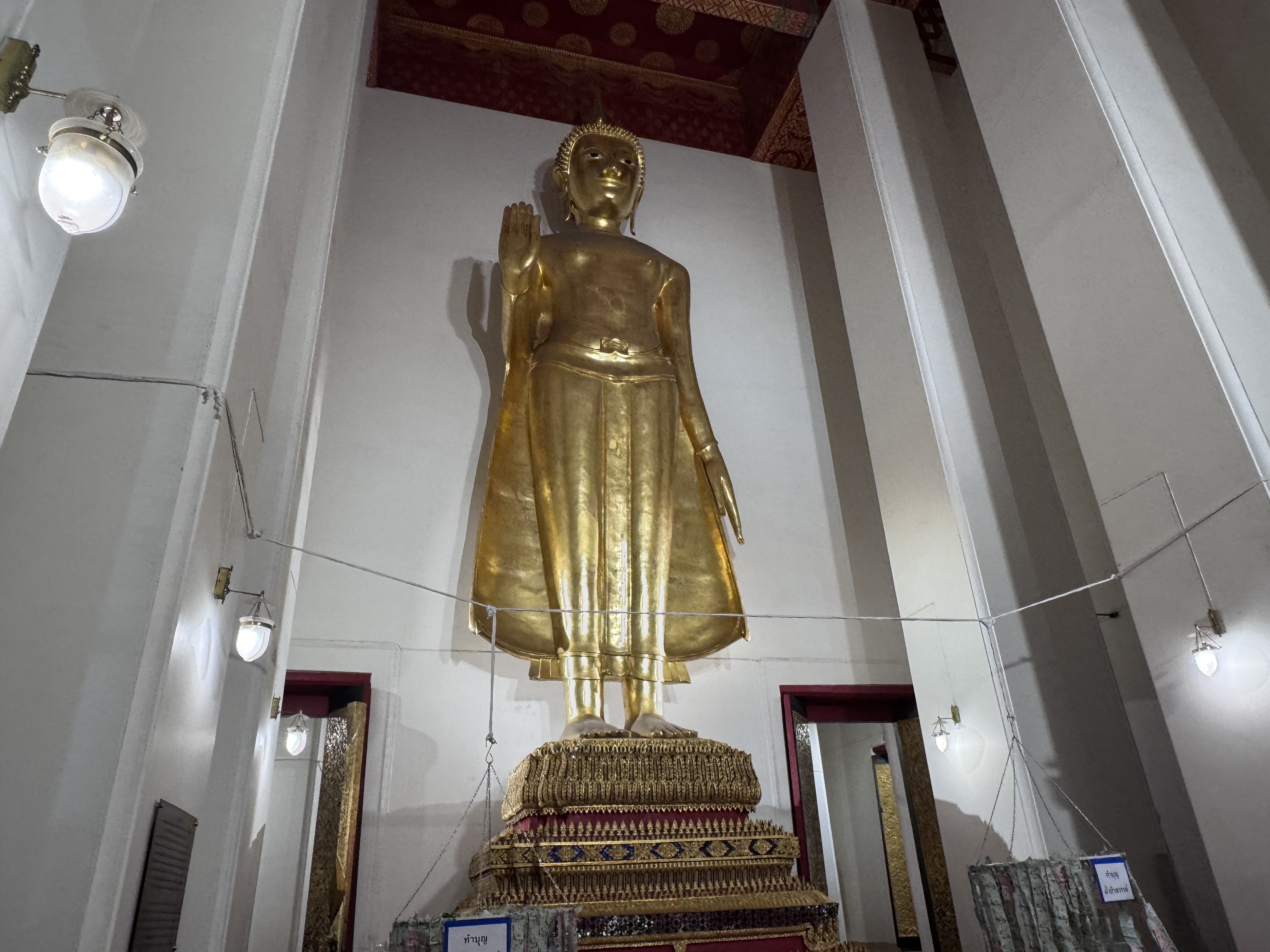
Wat Saket Ratcha Wora Maha Wihan, better known simply as Wat Saket or the Golden Mount Temple, stands in Bangkok’s Pom Prap Sattru Phai district just outside the old city walls of Rattanakosin.
The temple itself dates to the Ayutthaya period, when it was called Wat Sakae. After King Rama I established Bangkok as the new capital in 1782, he renovated the monastery and gave it its present name. Tradition holds that the king stopped here to bathe and wash his hair on his return from war before entering the inner city, and the name reflects that act of purification.
In the early Rattanakosin era the temple lay outside the city walls and served as a ...