

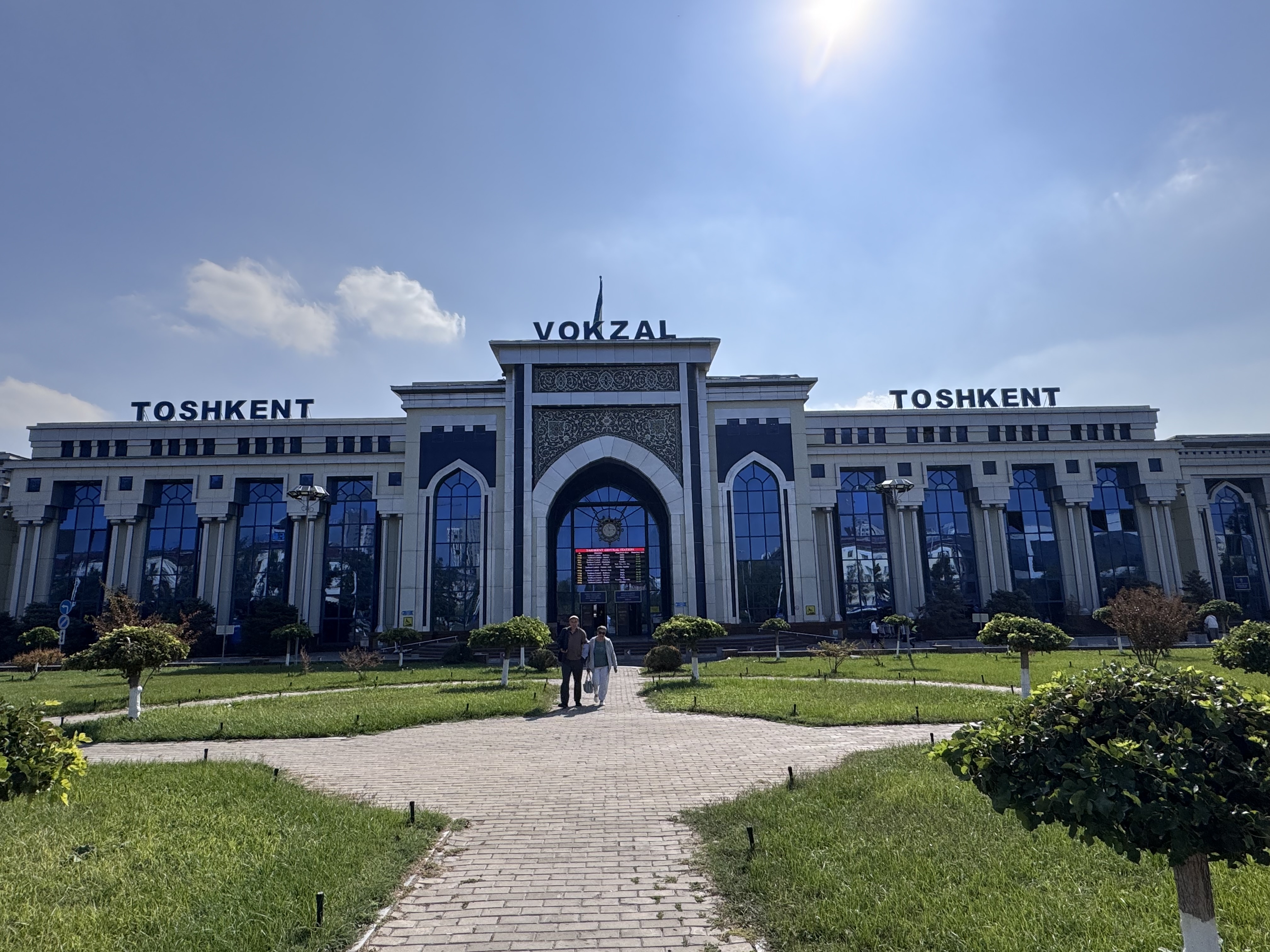
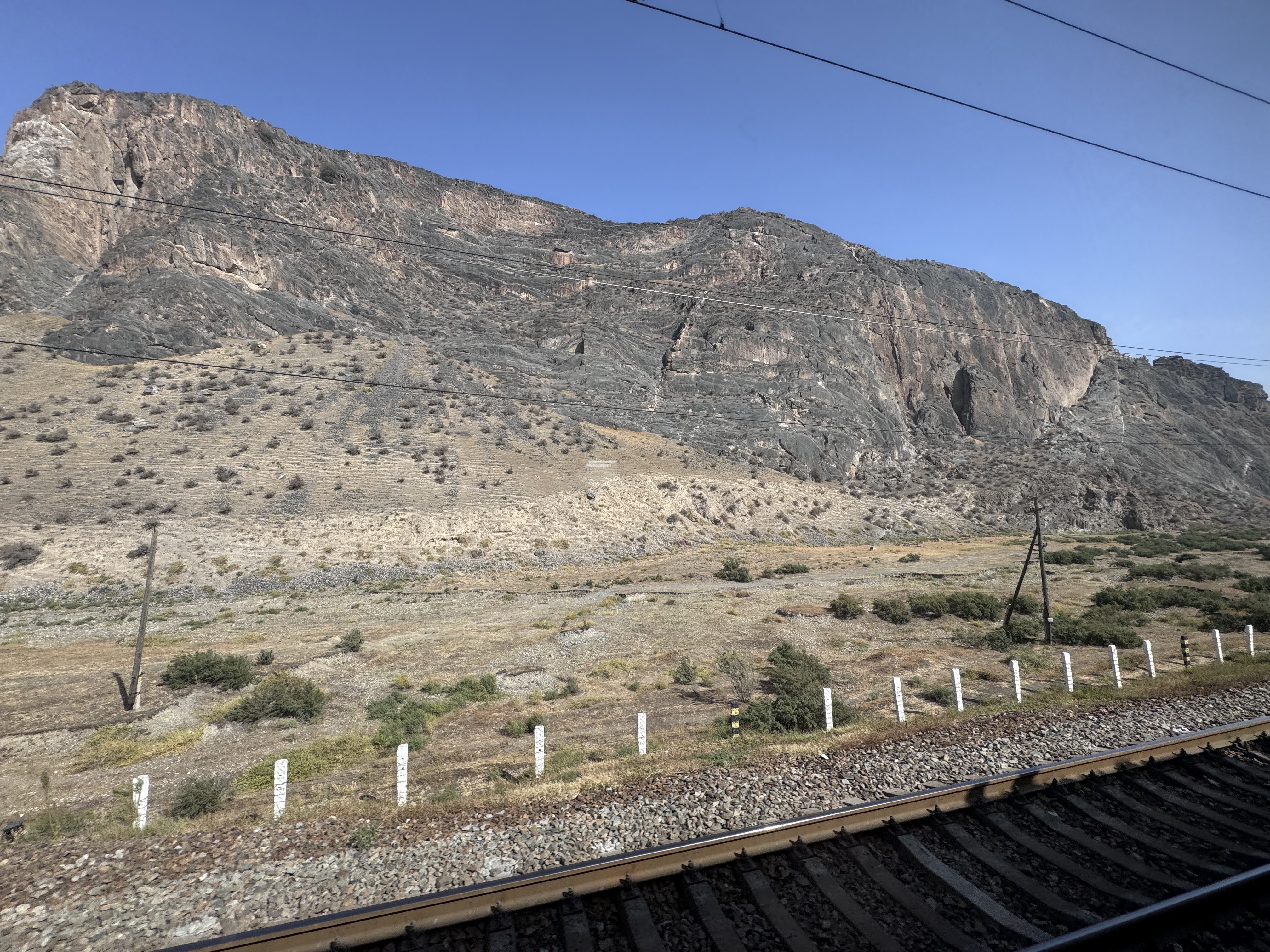
The railways of Uzbekistan began in the late nineteenth century under the Russian Empire with the construction of the Trans-Caspian line that stretched across the deserts to reach Samarkand in 1888 and later connected with Tashkent.
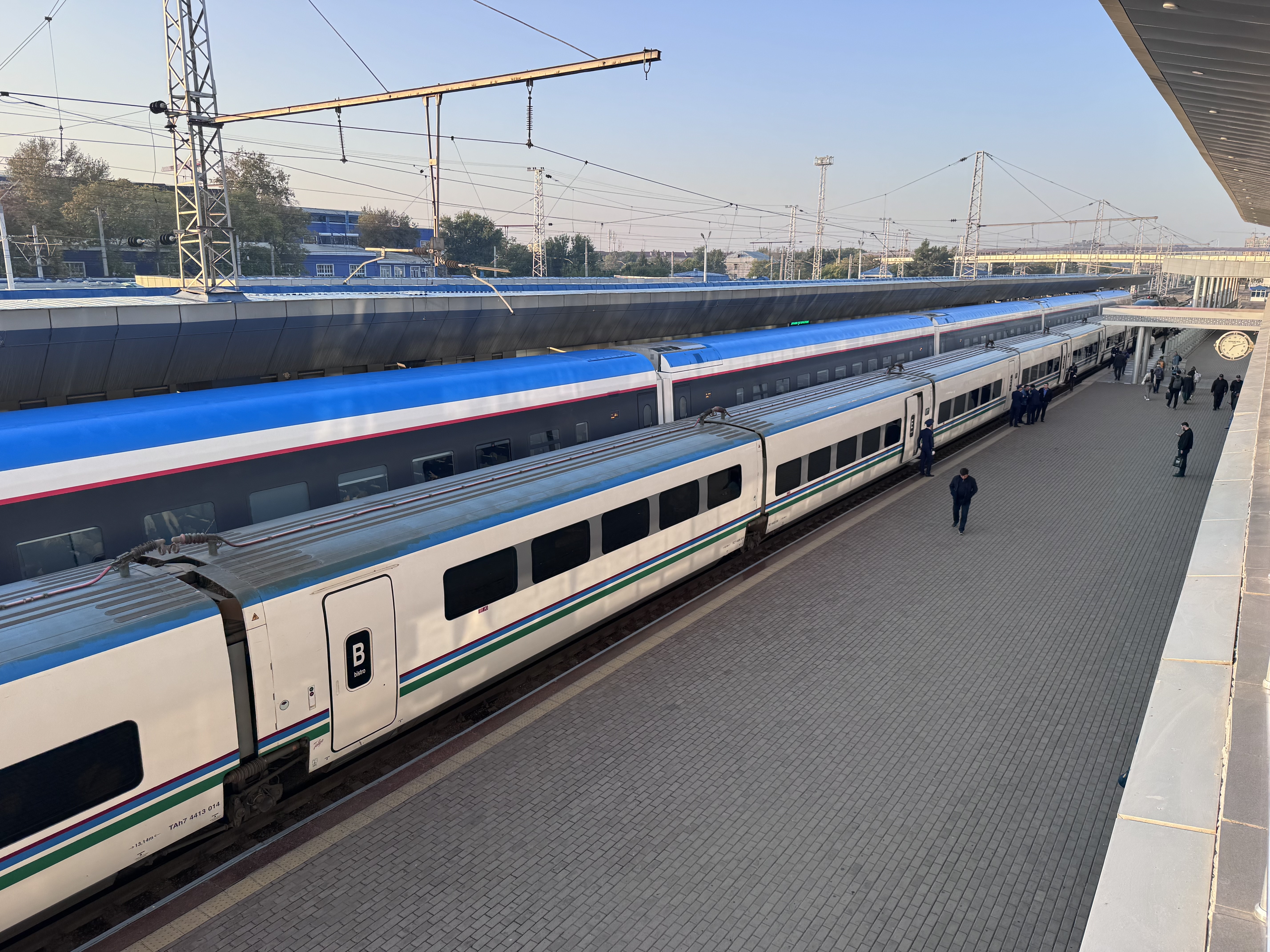
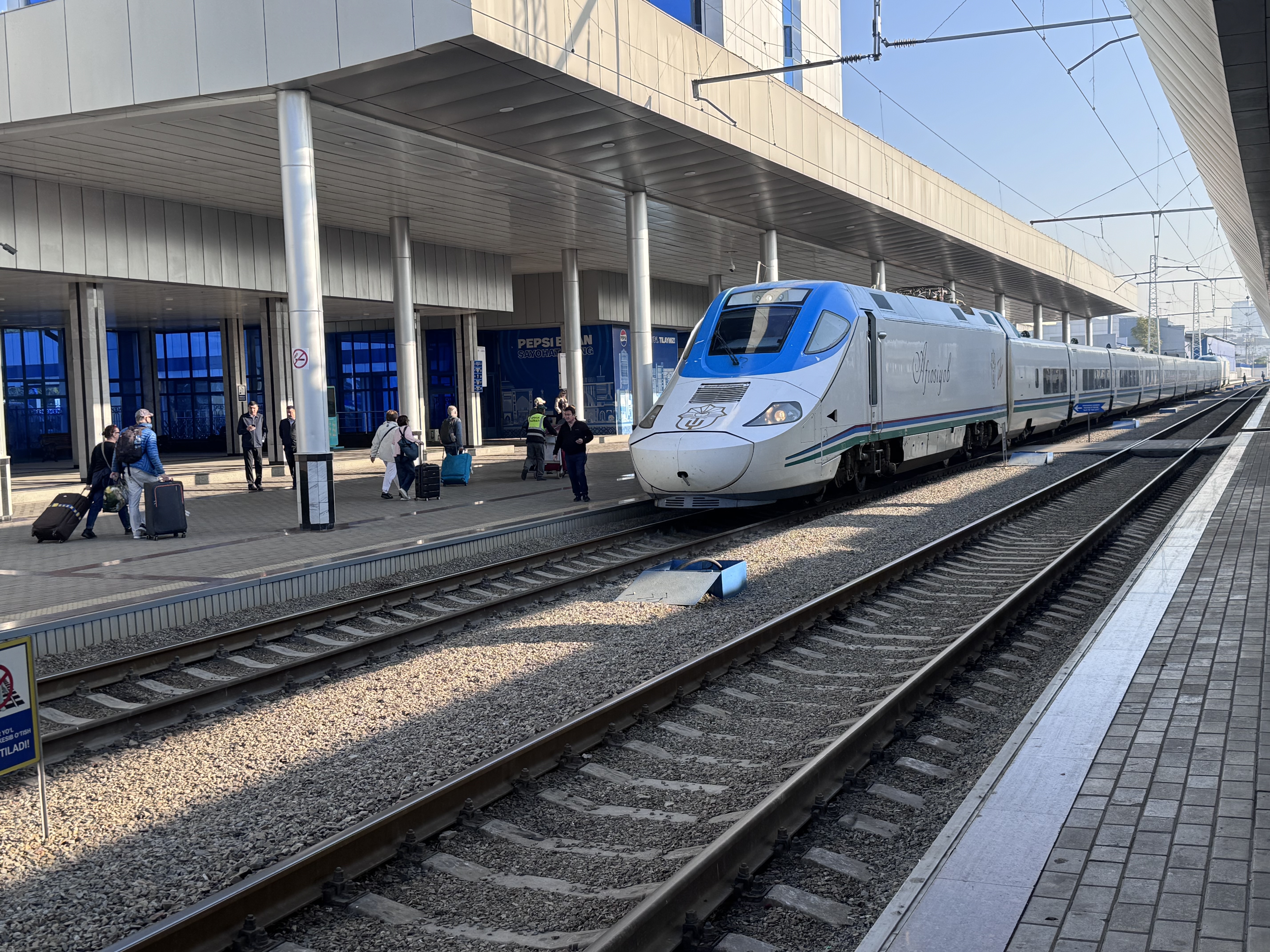
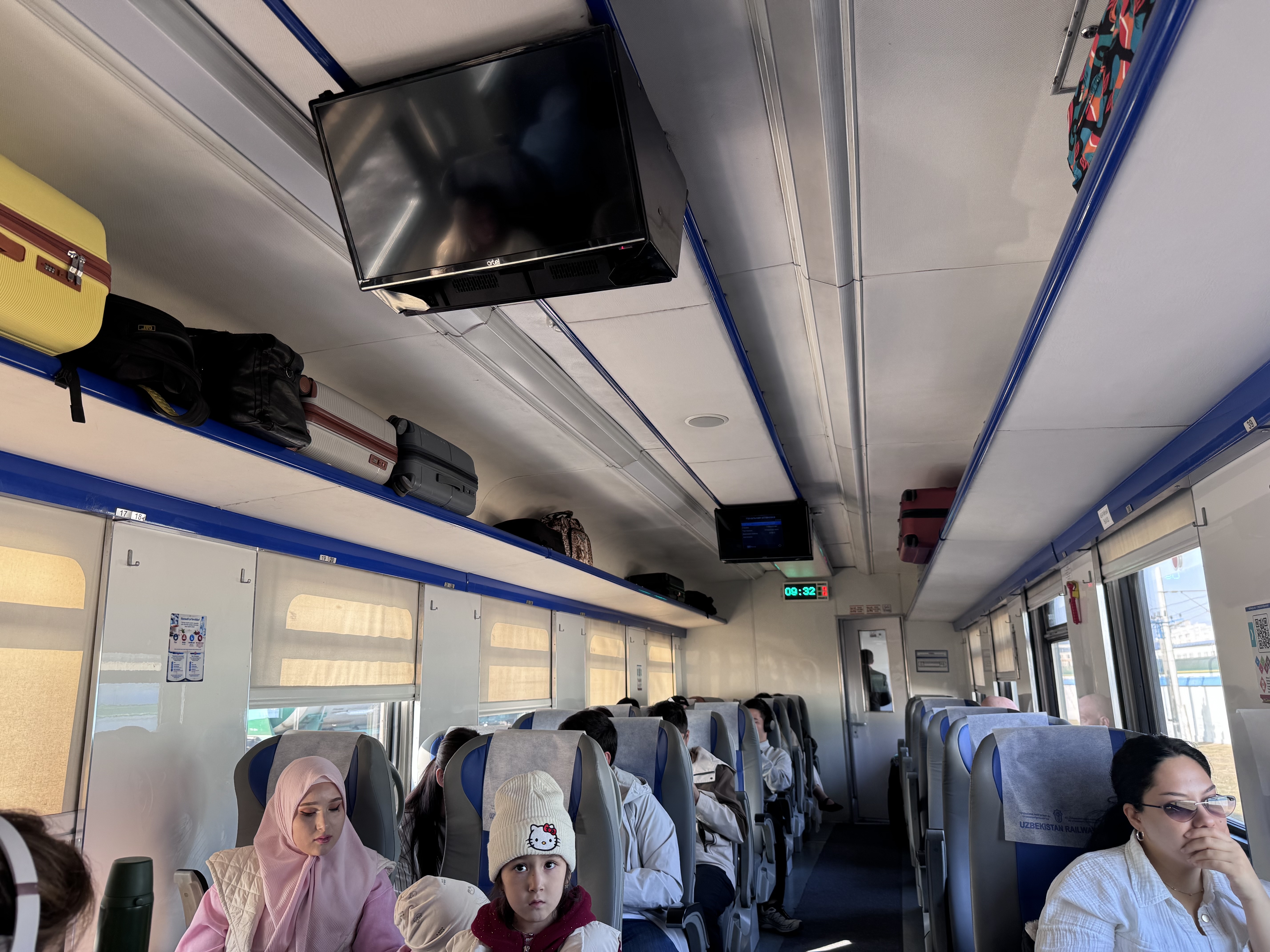
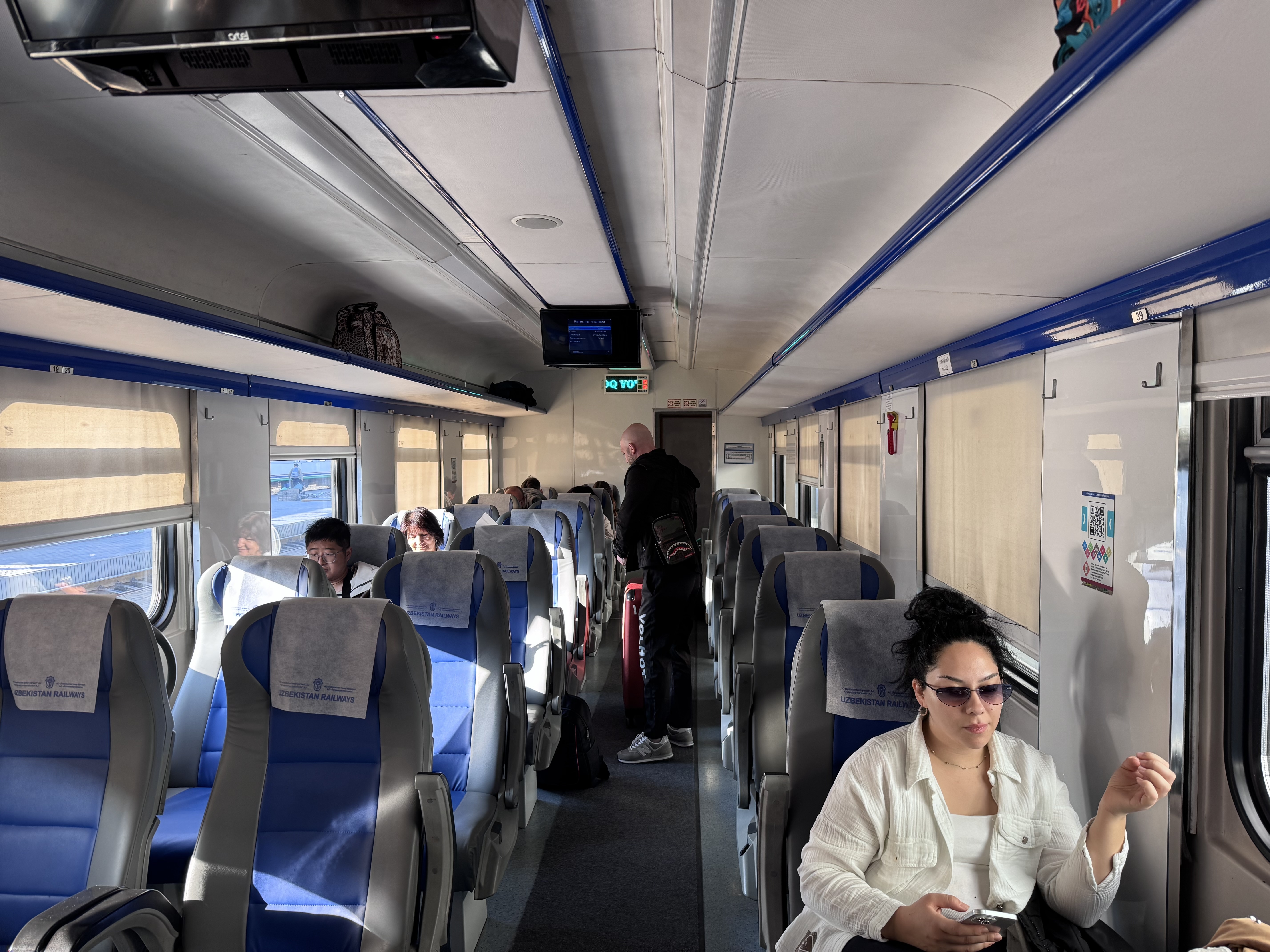
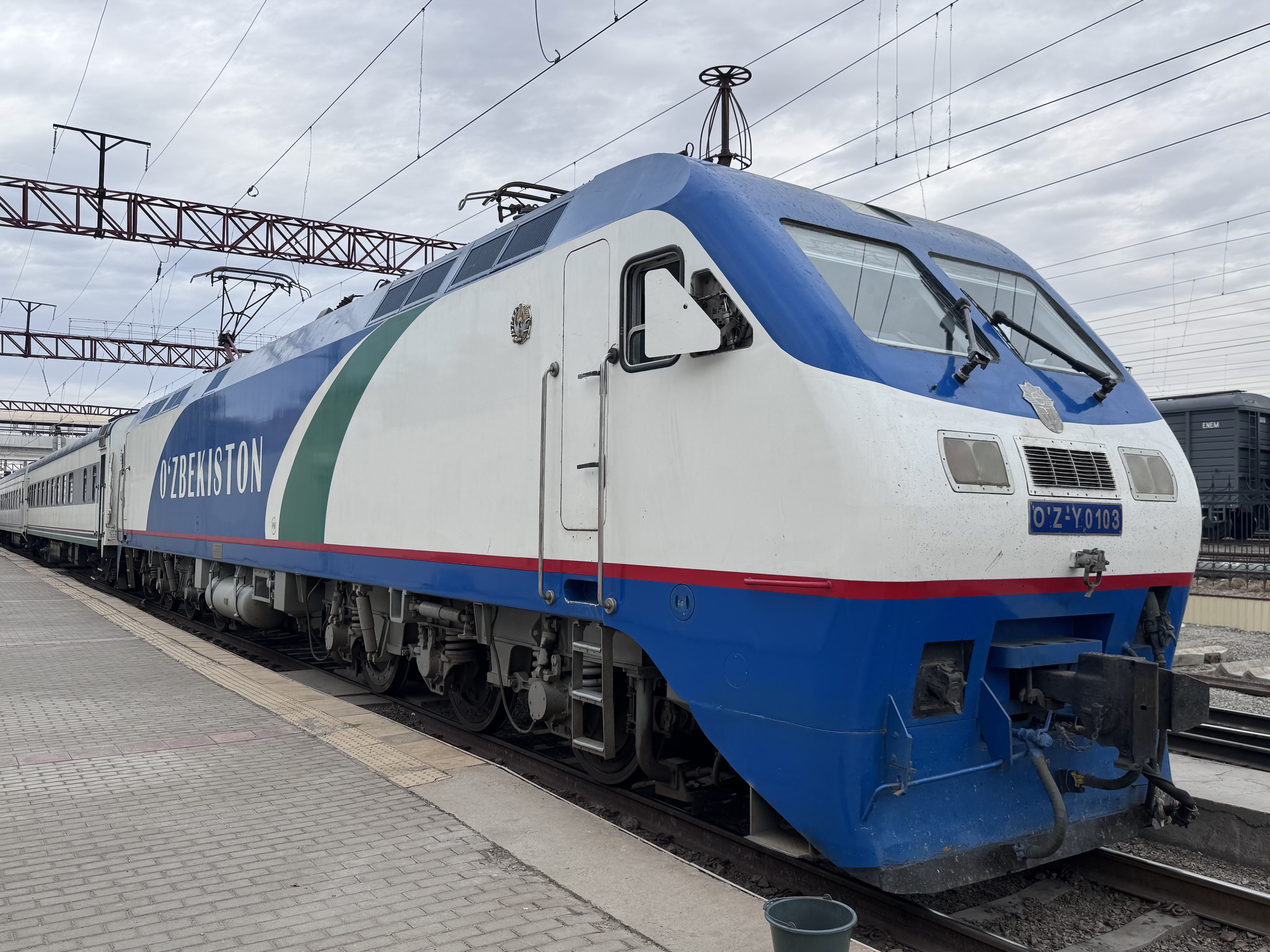
After independence the national operator O‘zbekiston Temir Yo‘llari was created in 1994 and has steadily improved the network. Alongside the newer high-speed services, the reliable Sharq express continues to provide a classic and more affordable way to travel between the country’s main cities.
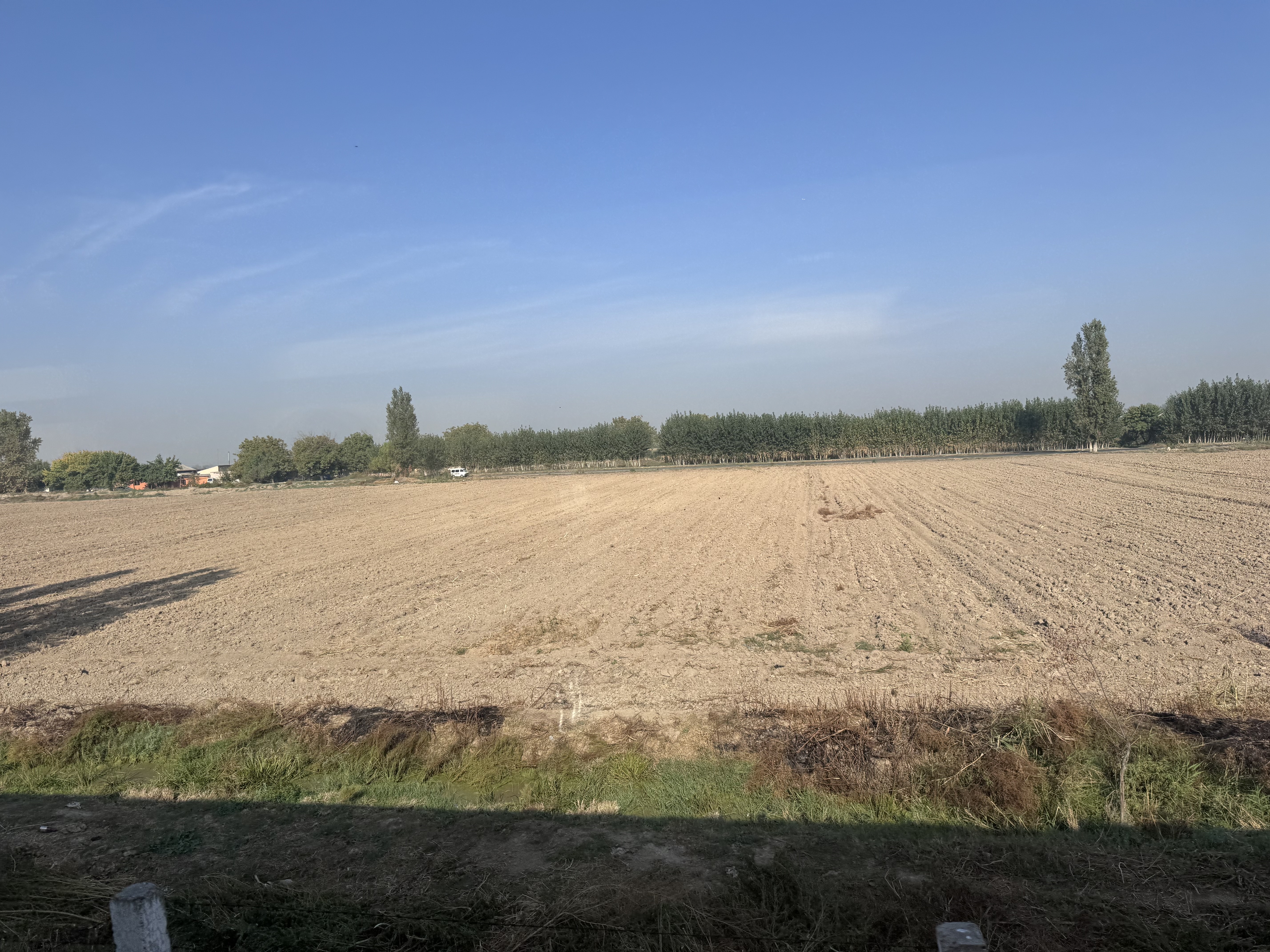
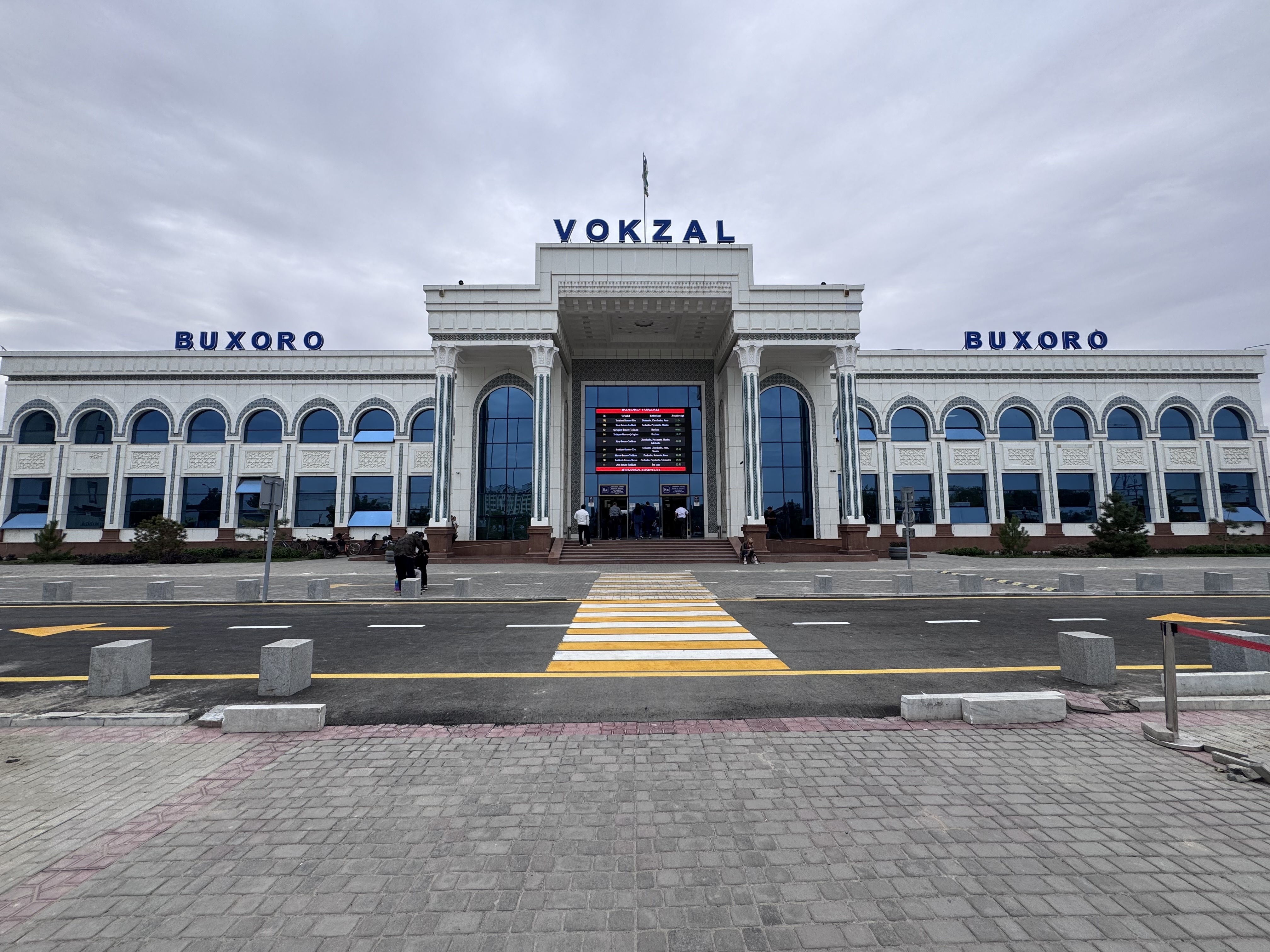
The rail distance from Tashkent to Bukhara is approximately five hundred and eighty to six hundred kilometers. On the regular Sharq train the journey takes around six hours, typically between five hours and fifty minutes and six and a half hours depending on the specific departure and intermediate stops.
Tickets can be purchased online through the official Uzrailway tickets mobile app for Android and iOS or on the website eticket.railway.uz. Select the stations, date, Sharq...
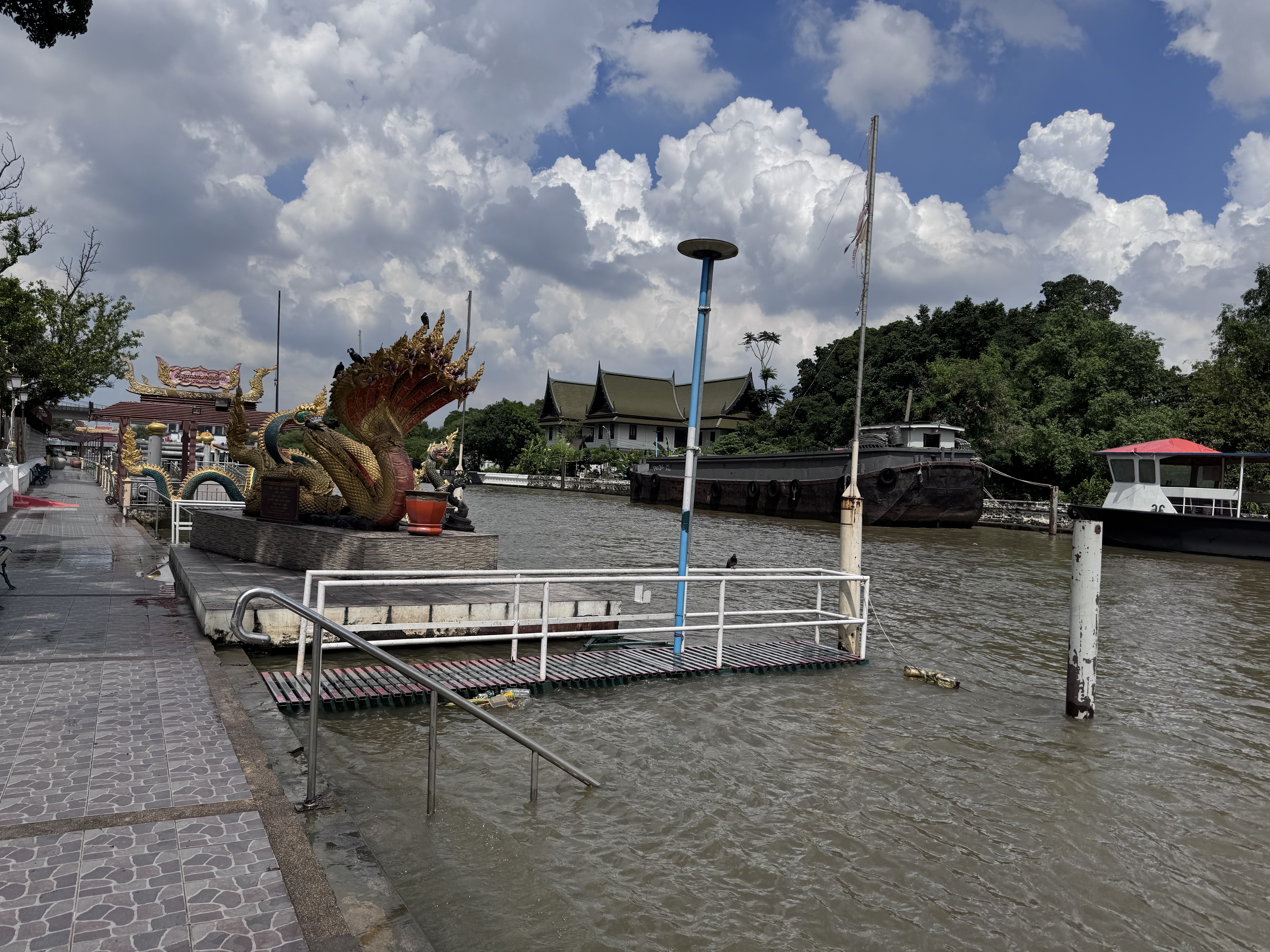
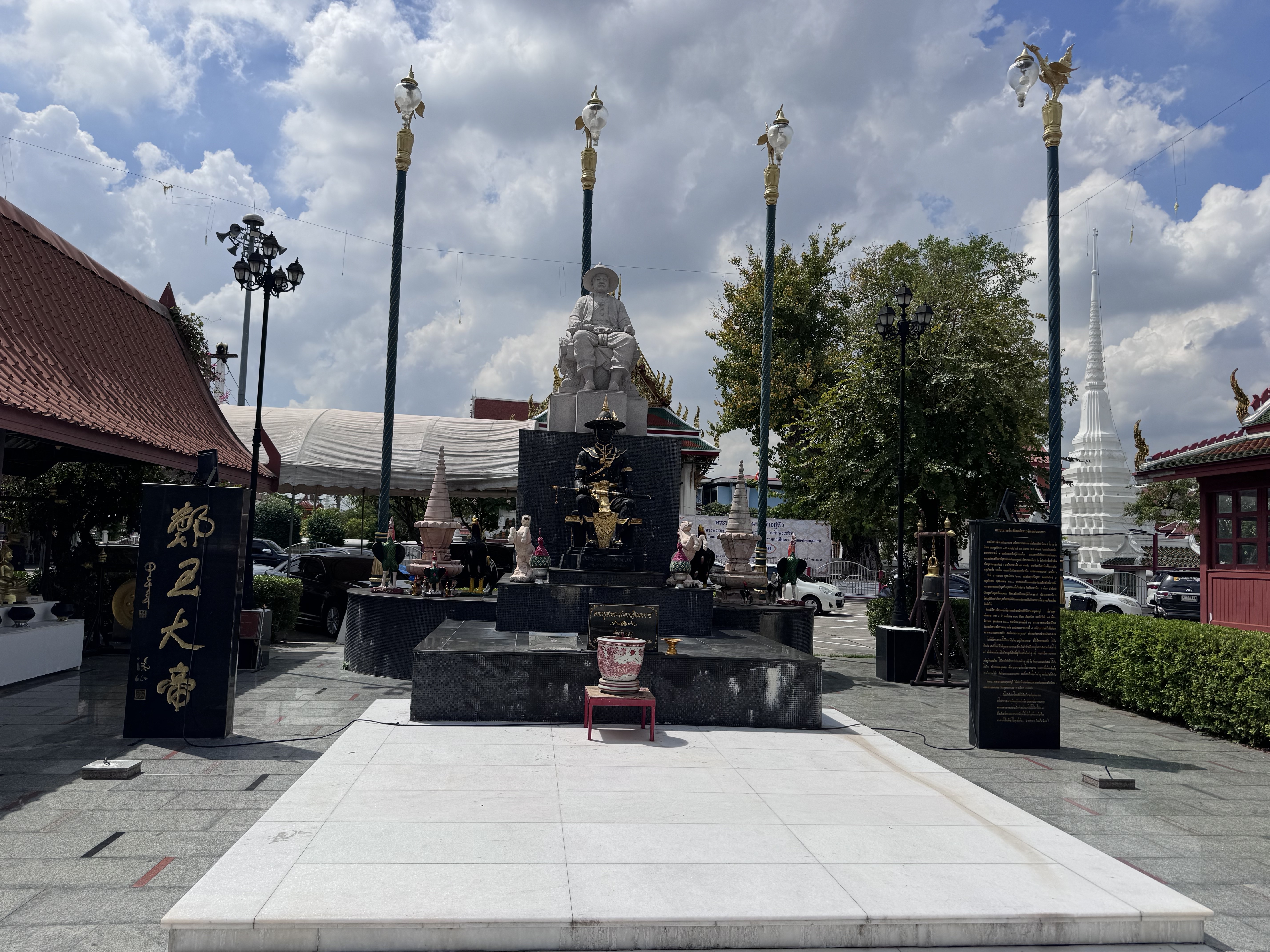
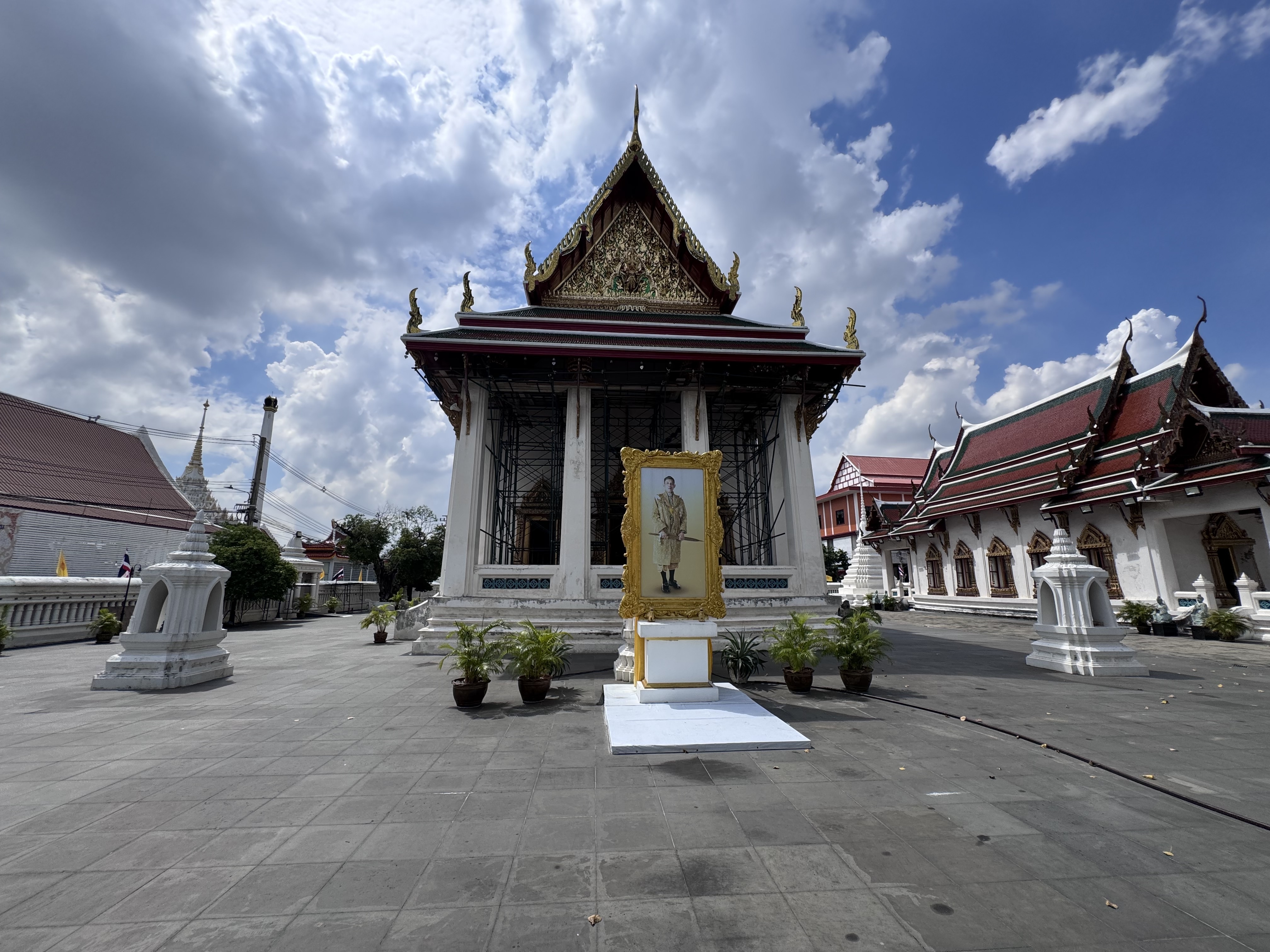
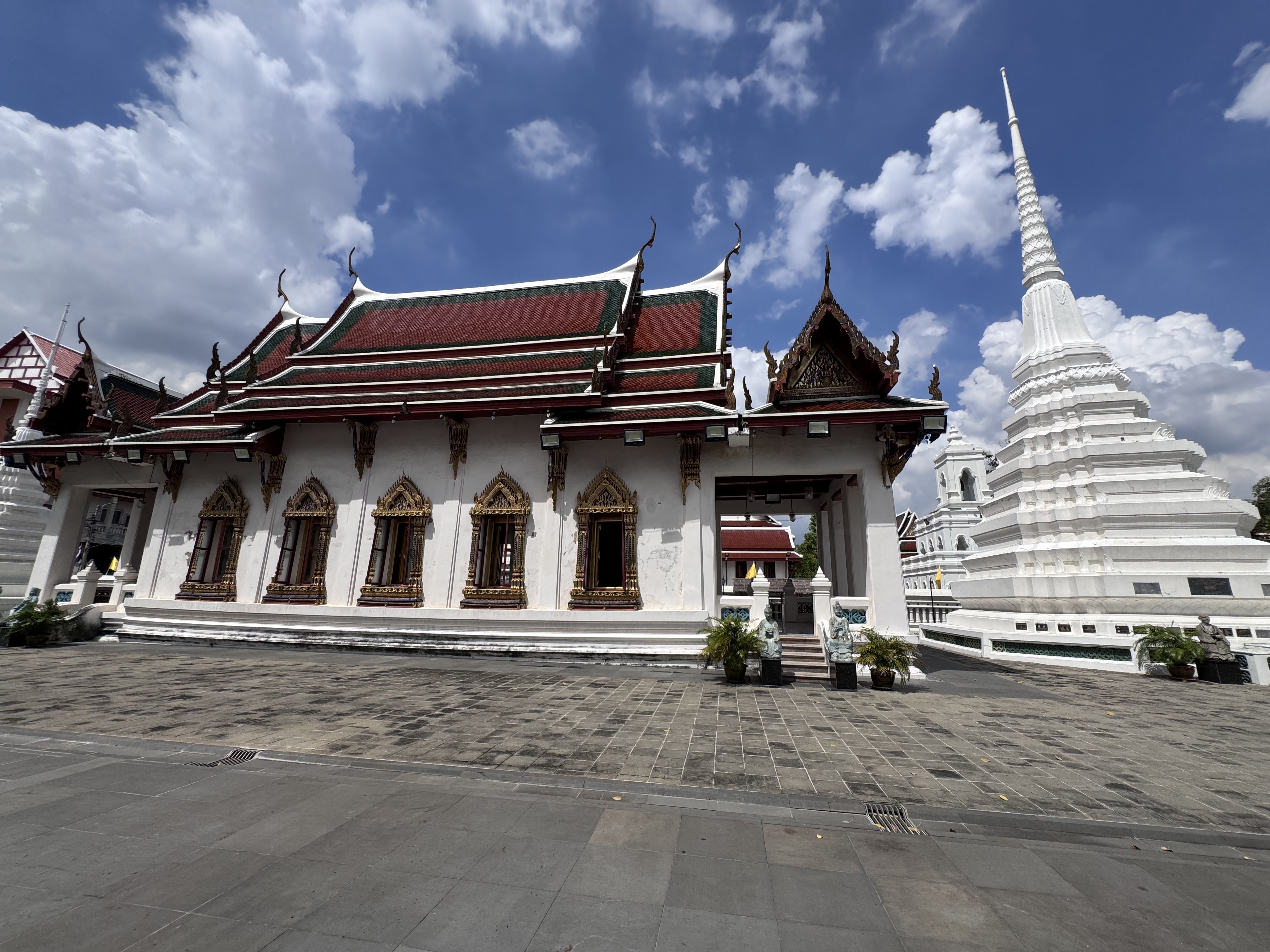
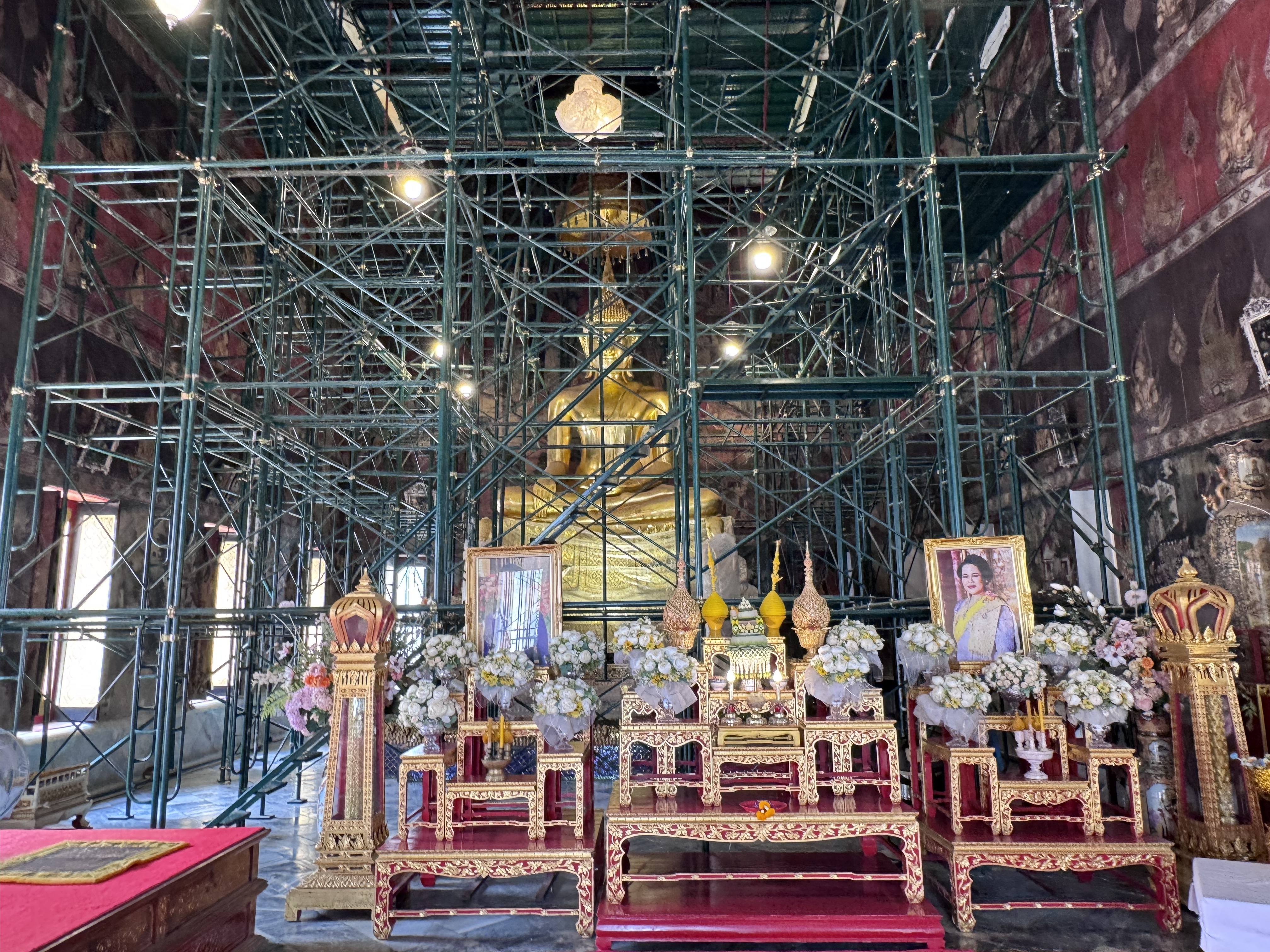
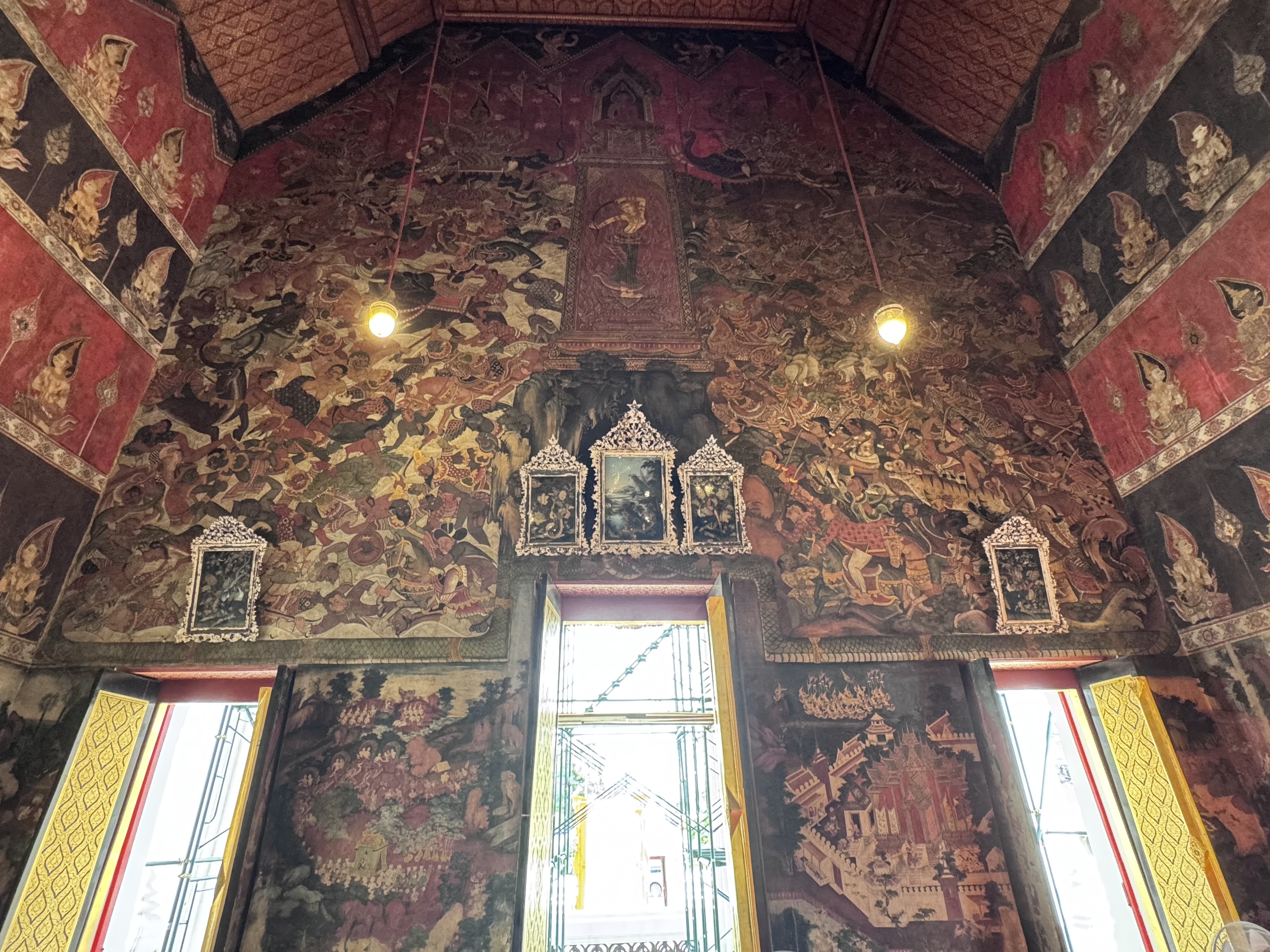
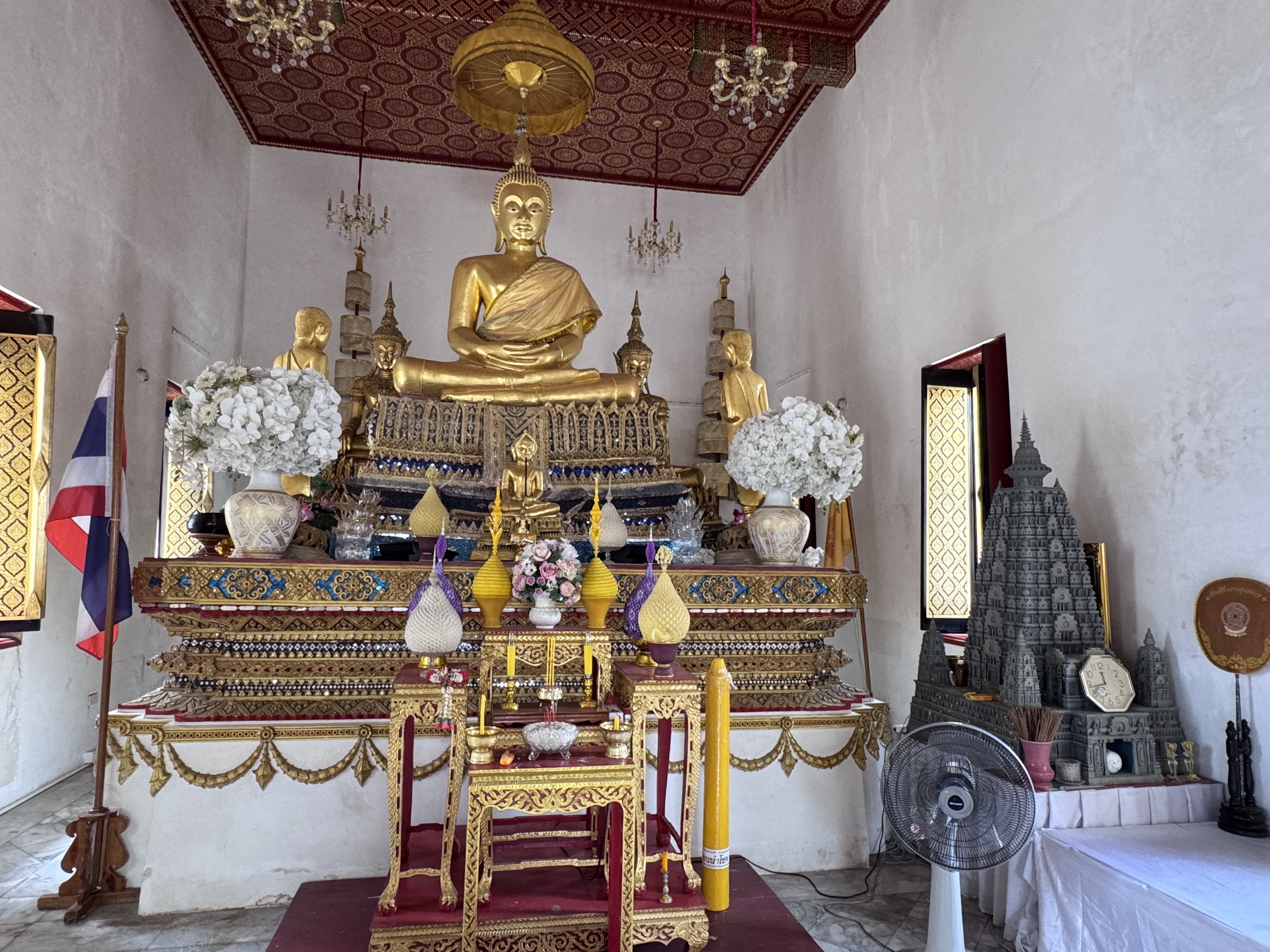
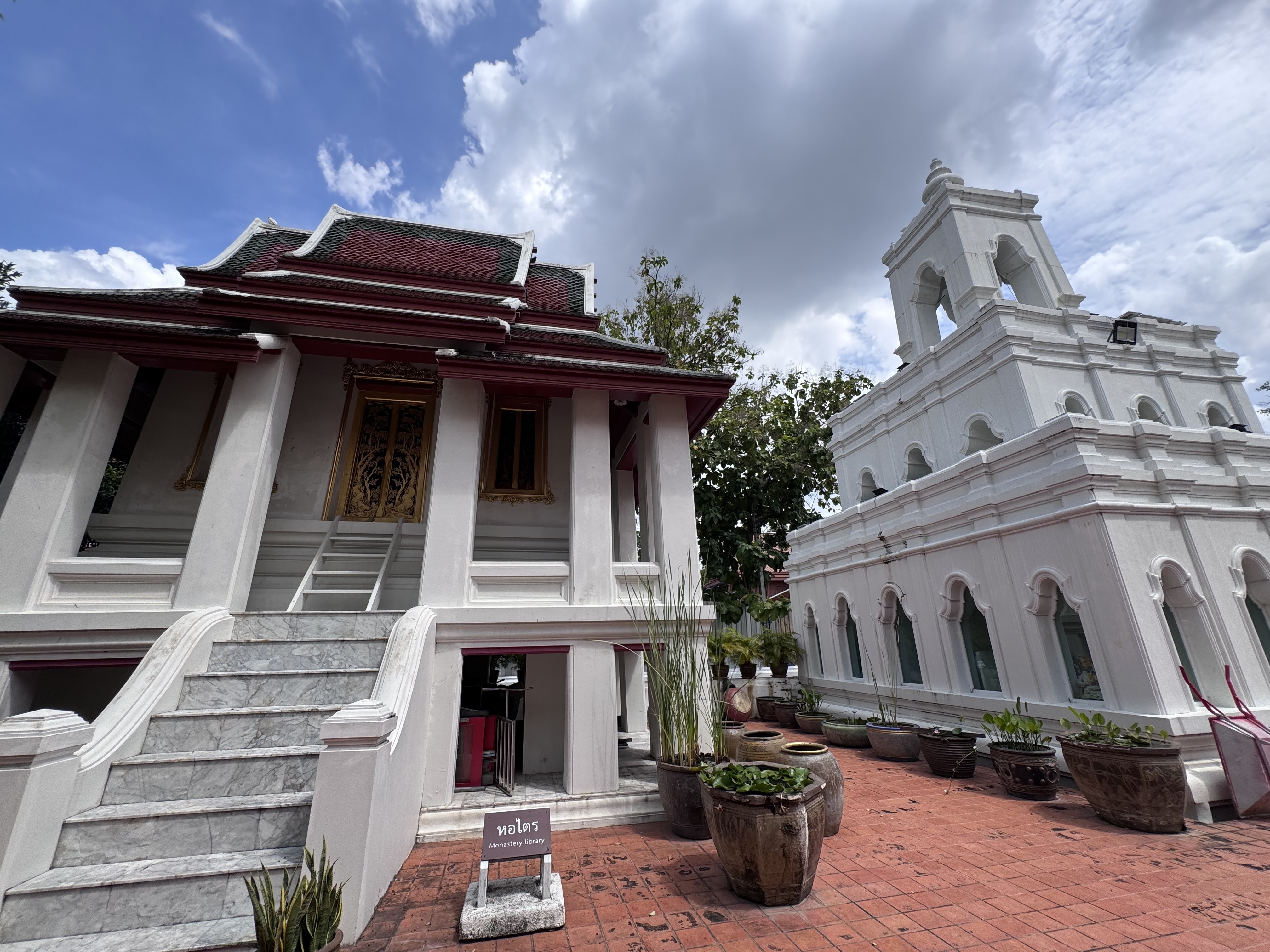
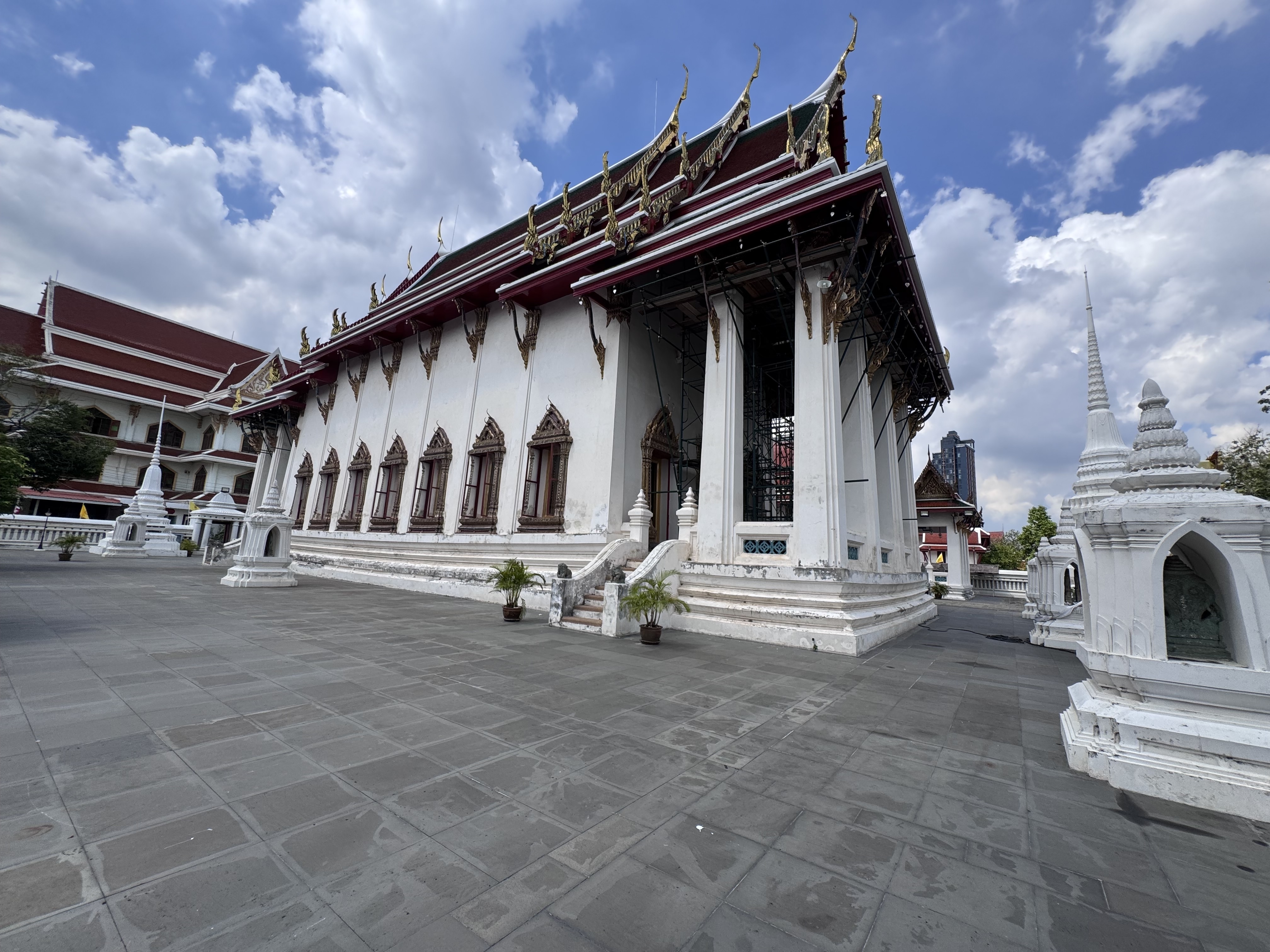
Wat Suwannaram Ratchaworawihan, often simply called Wat Suwannaram or Wat Suwan, stands as a second-class royal temple on the western bank of Khlong Bangkok Noi in Bangkok Noi’s Siri Rat subdistrict, Thonburi side.
Its origins reach back to the Ayutthaya period, when it was known as Wat Thong, the Golden Monastery, though no clear record identifies its original founder.
The site’s history took a darker turn during the reign of King Taksin, founder of the Thonburi Kingdom after the fall of Ayutthaya in 1767. In that turbulent era of war and reconstruction, the temple grounds served as an execution site for Burmese prisoners of war, a practice paralleled at other locations such as the former Wat Khok.
This use of a religious space for military justice reflected the harsh necessities of the time as Taksin fought to reclaim and defend Siamese territory. Local accounts and later discoveries of human remains during school construction have long fueled stories of hauntings, including claims of headless ...
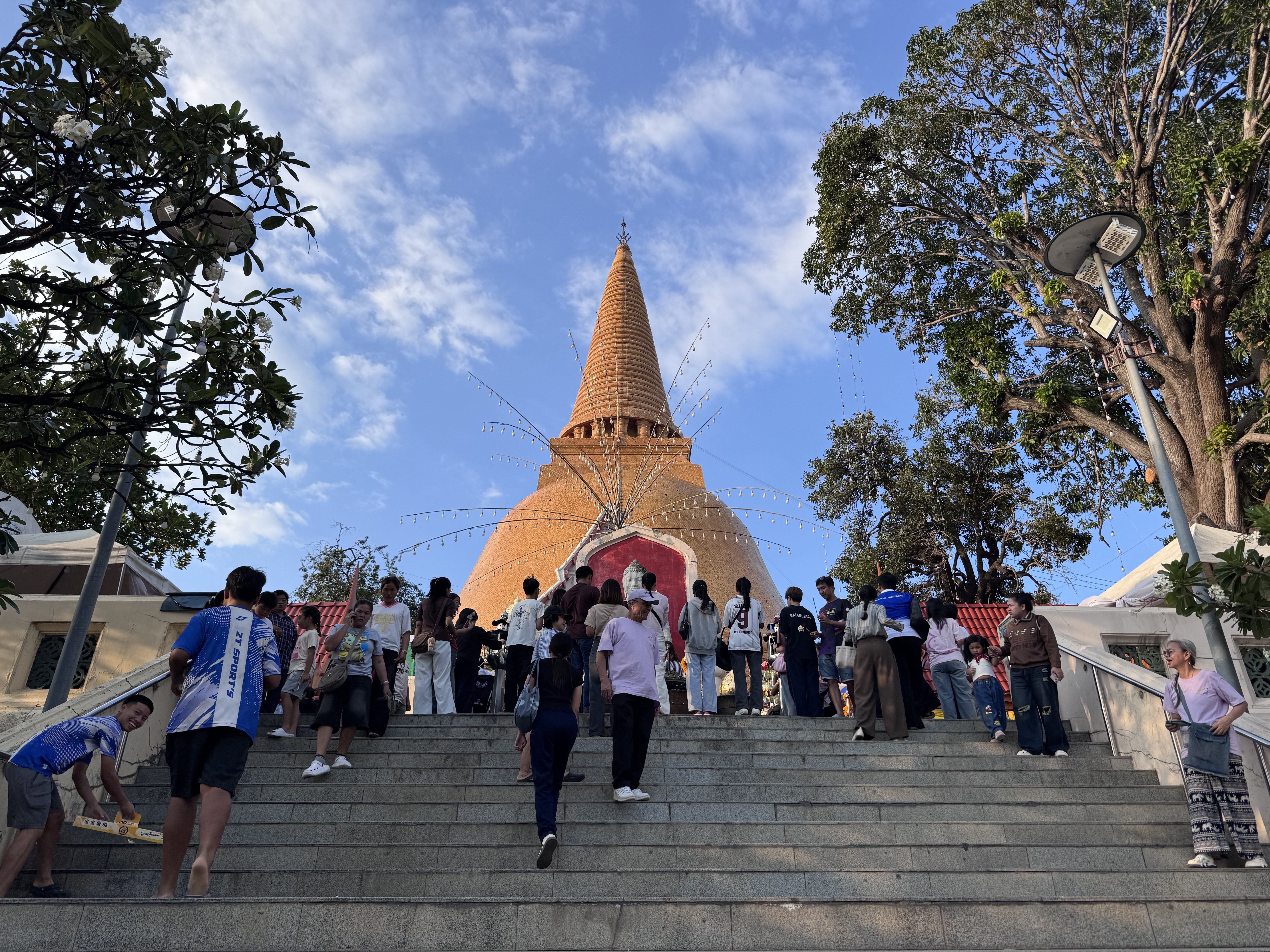
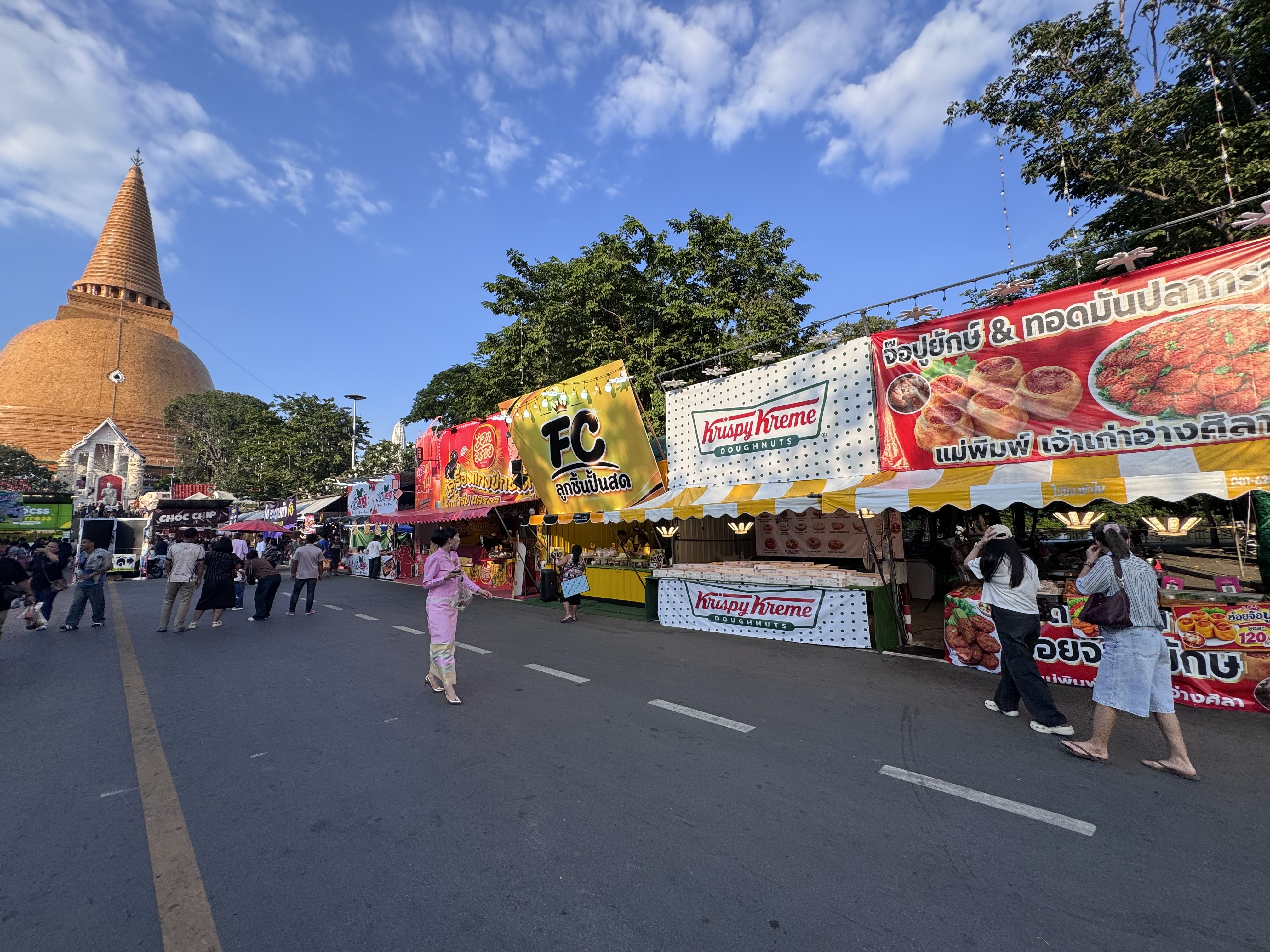
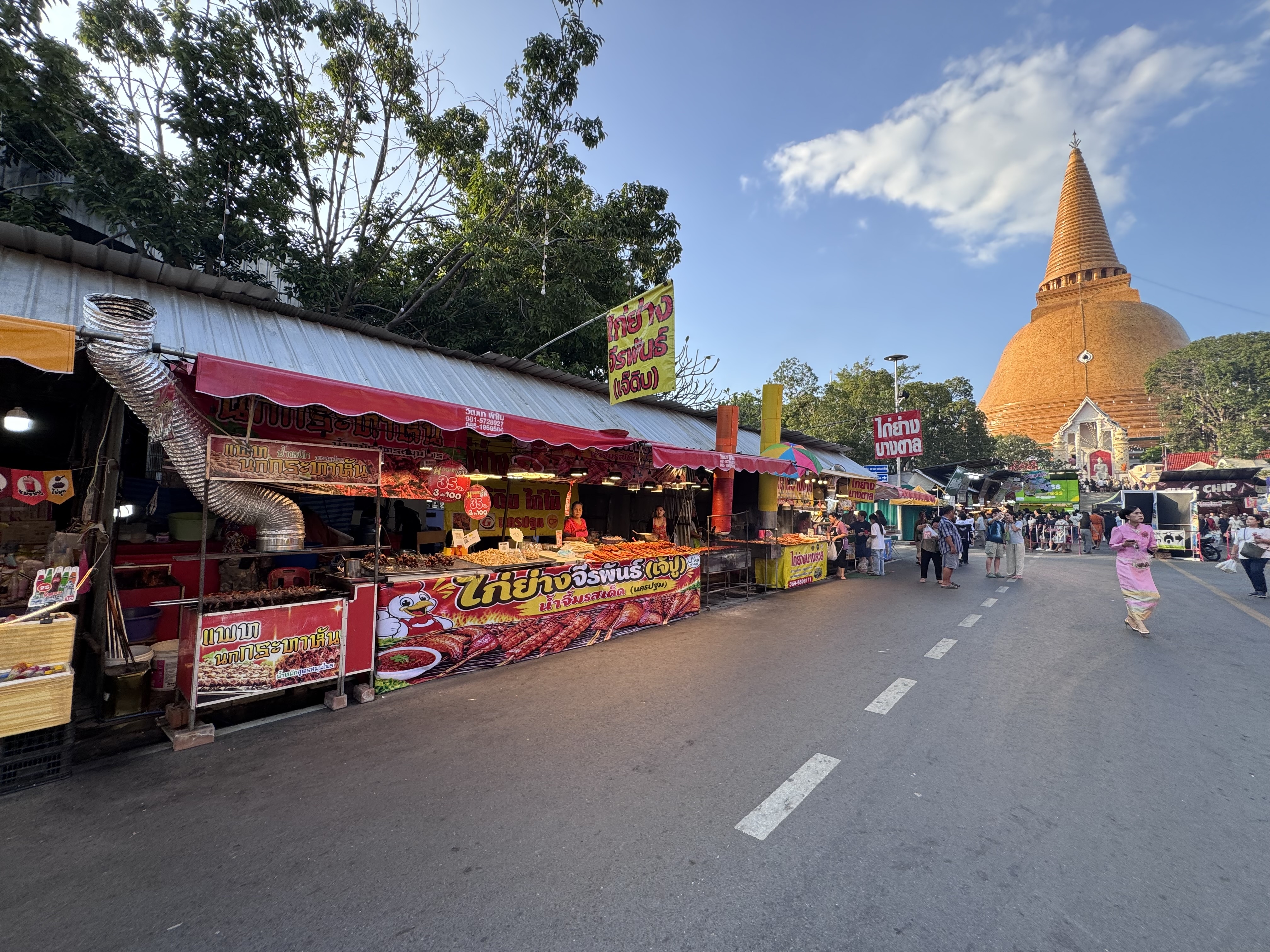
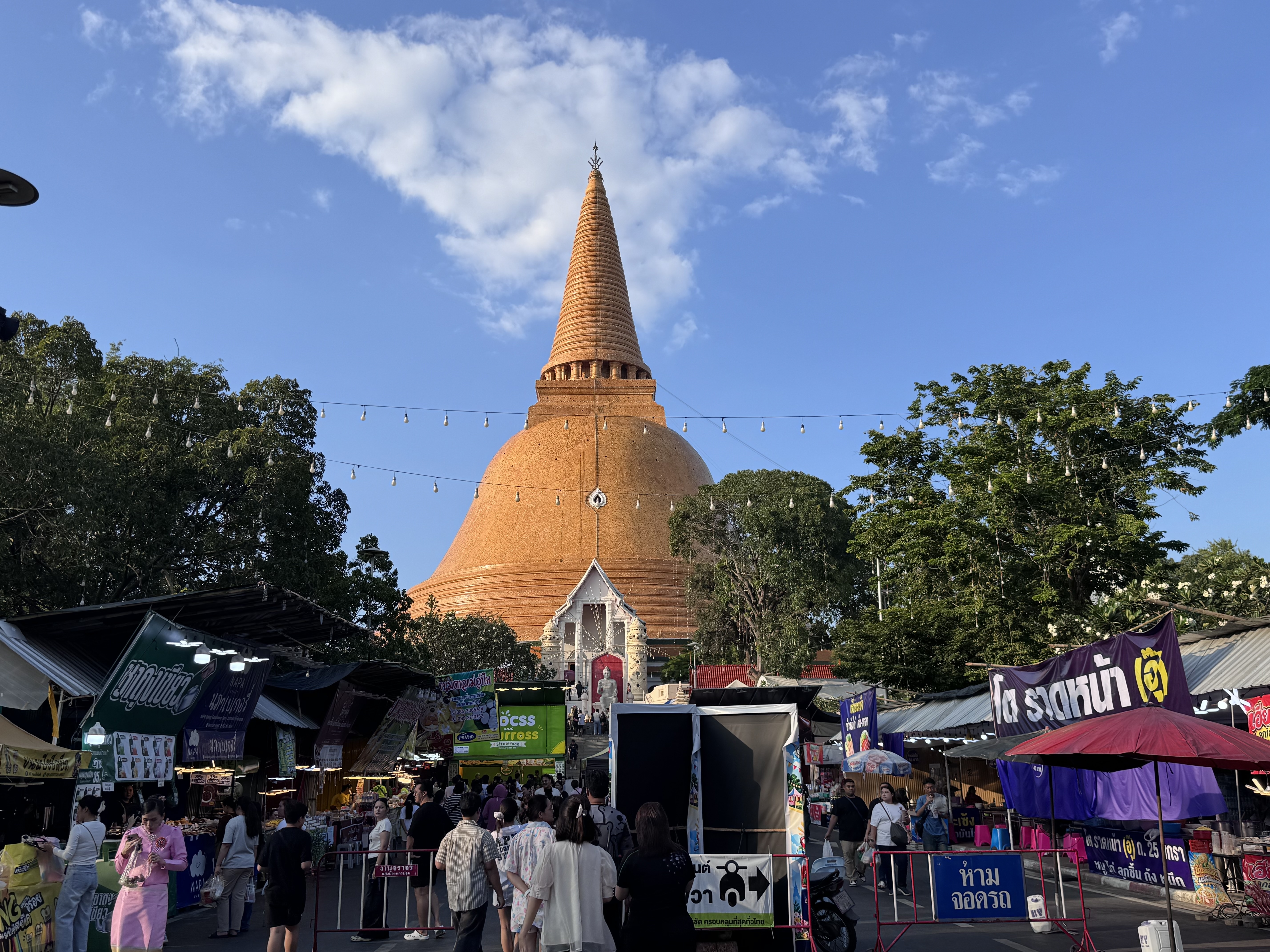
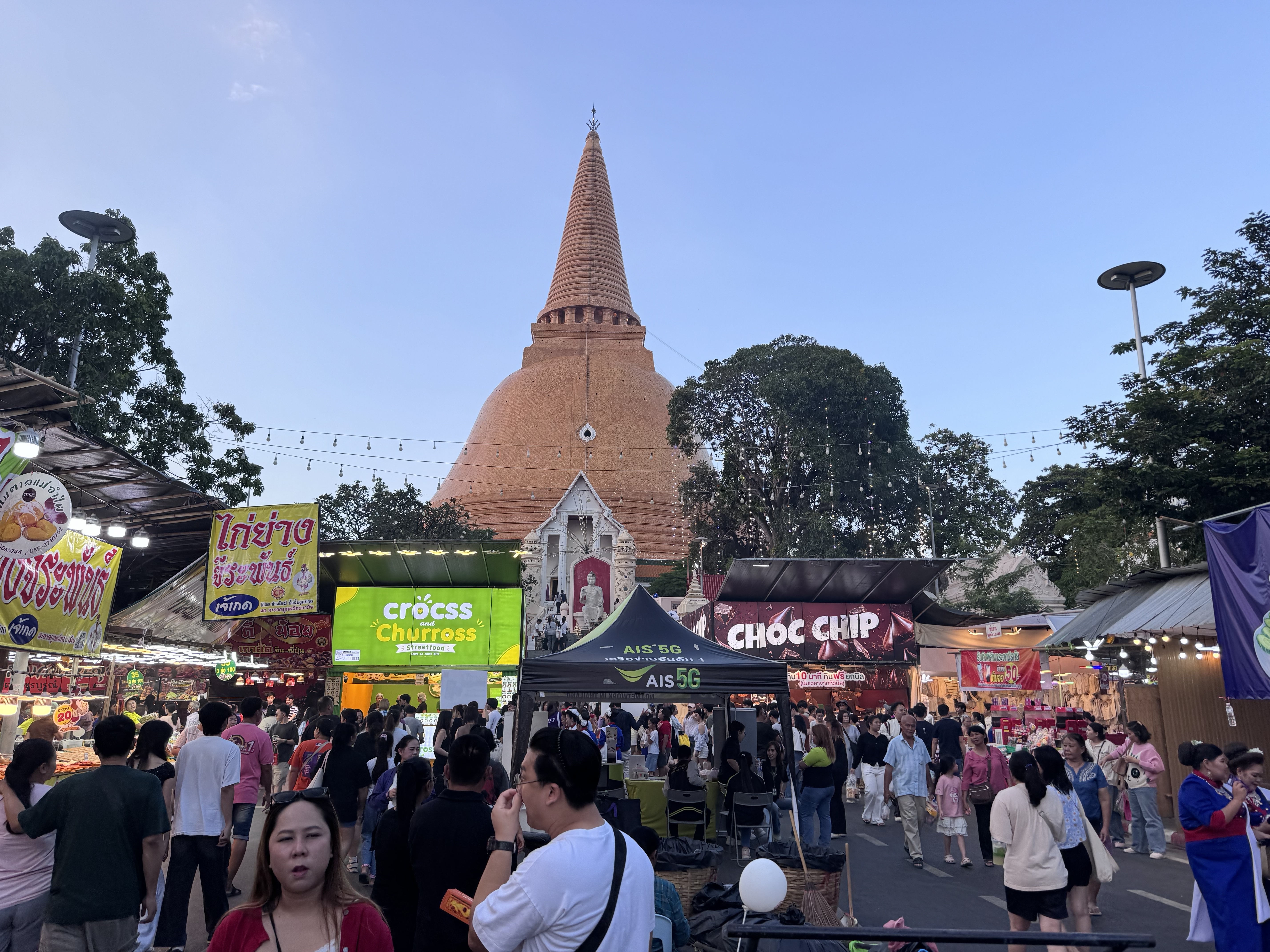
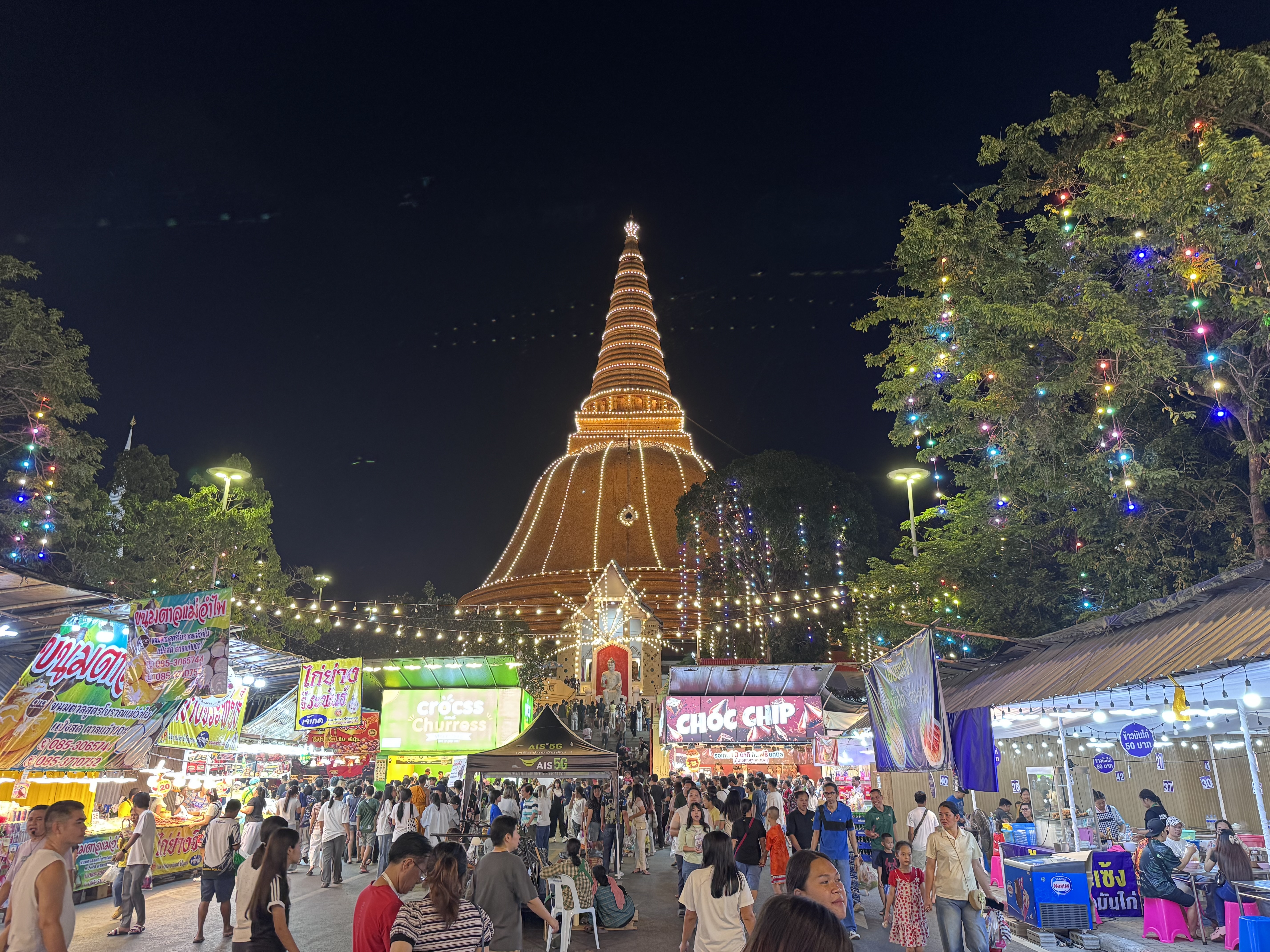
The annual Phra Pathom Chedi Worship Festival is taking place right now at Wat Phra Pathom Chedi Ratchaworamahawihan in Mueang Nakhon Pathom District, with the official nine-day and nine-night religious celebration running from November 21 to November 29, 2026.
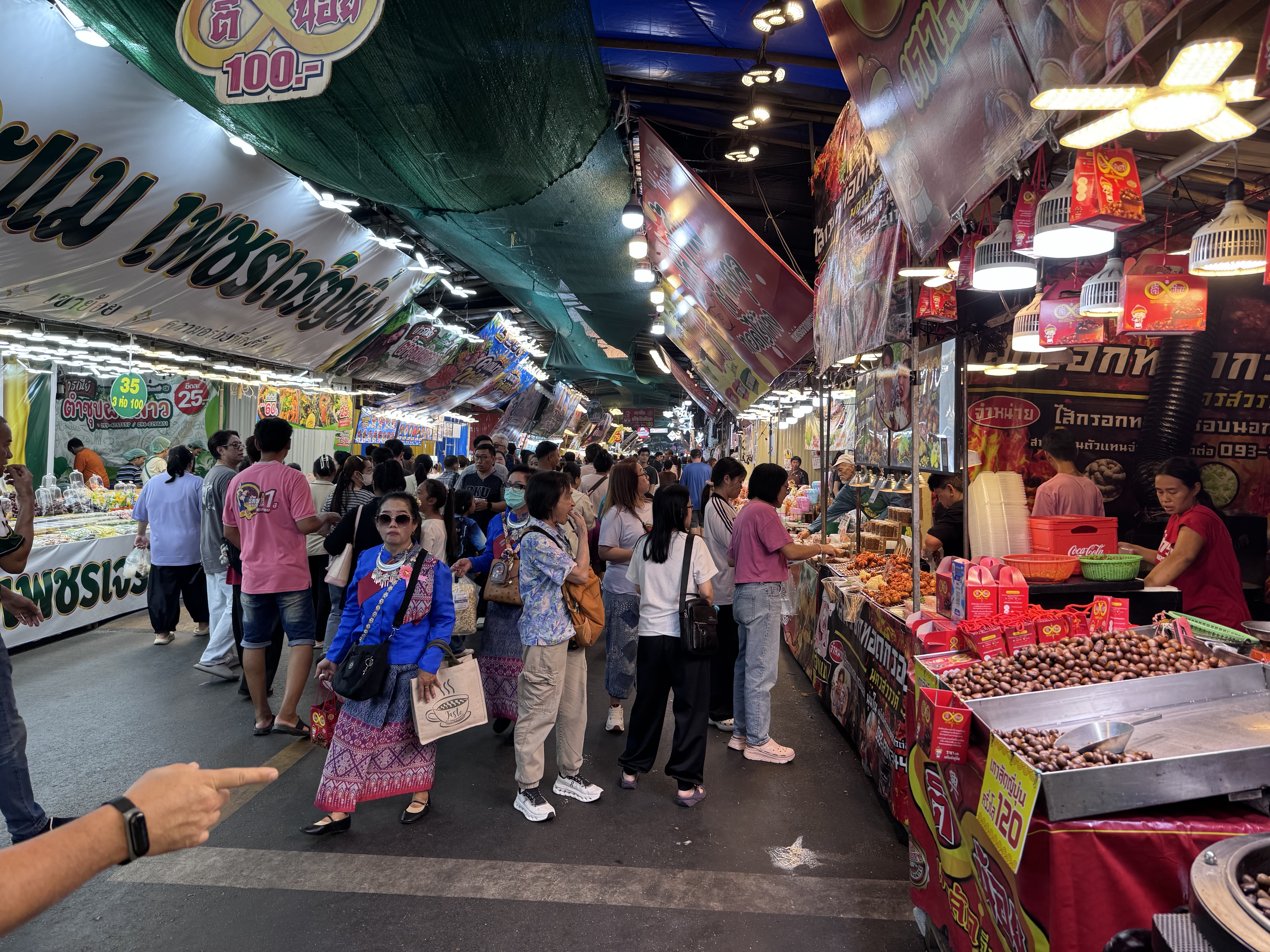
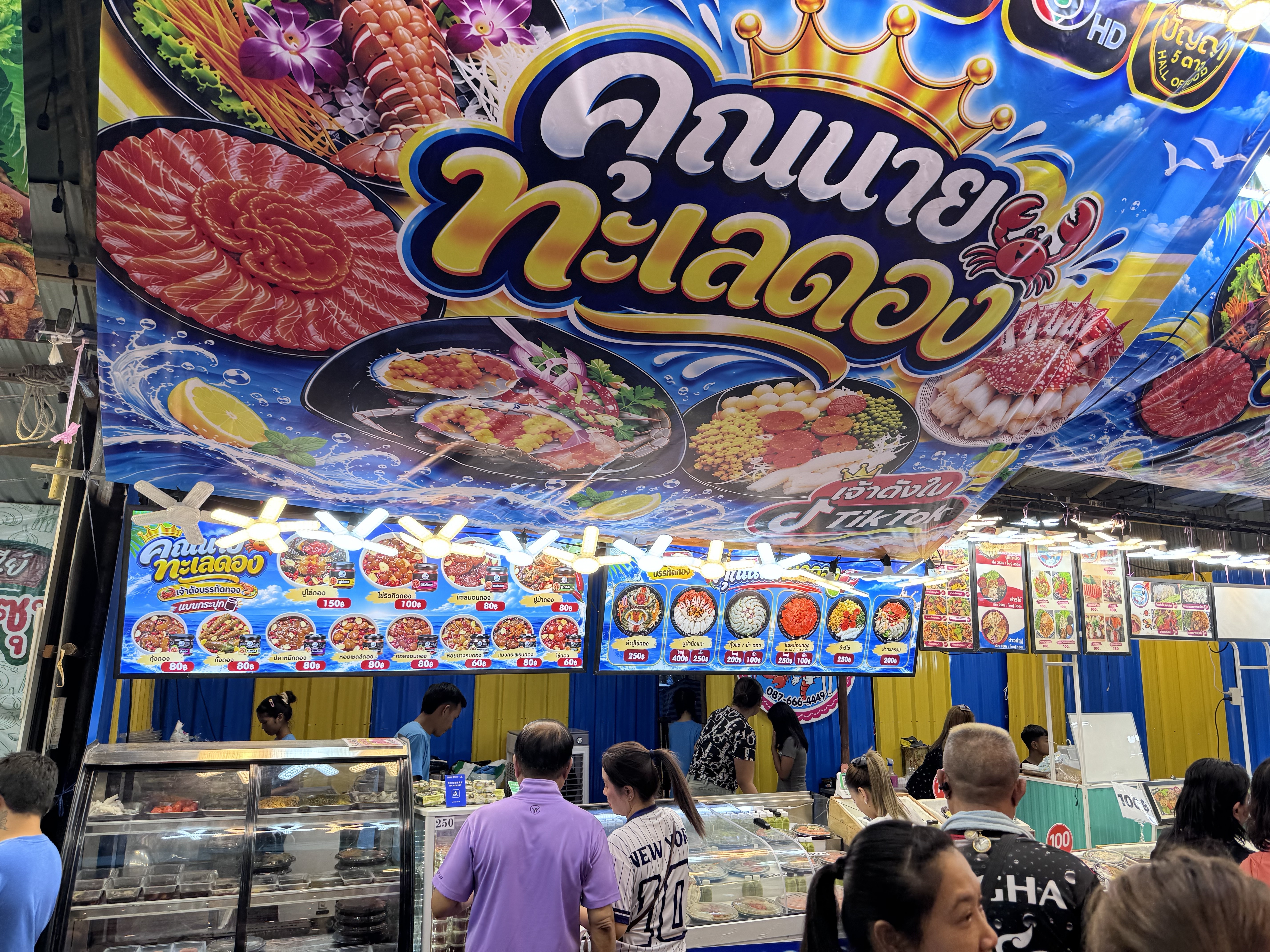
Daily festivities run from 10:00 AM until late at night, and the broader street market surrounding the temple grounds extends from November 10 through December 6, 2026, filling the esplanade with hundreds of food stalls, carnival rides, traditional performances, and merit-making ceremonies.
Rising to a height of roughly 120.5 meters, Phra Pathom Chedi is the tallest stupa in Thailand and marks one of the oldest centers of Buddhism in the country, dating back to the ancient Dvaravati period between the 6th and 8th centuries.
According to local legend, the original monument was built by King Phaya Phan to atone for unknowingly killing his father, with sages advising him to erect a stupa higher than a wild pigeon could fly.
After ...
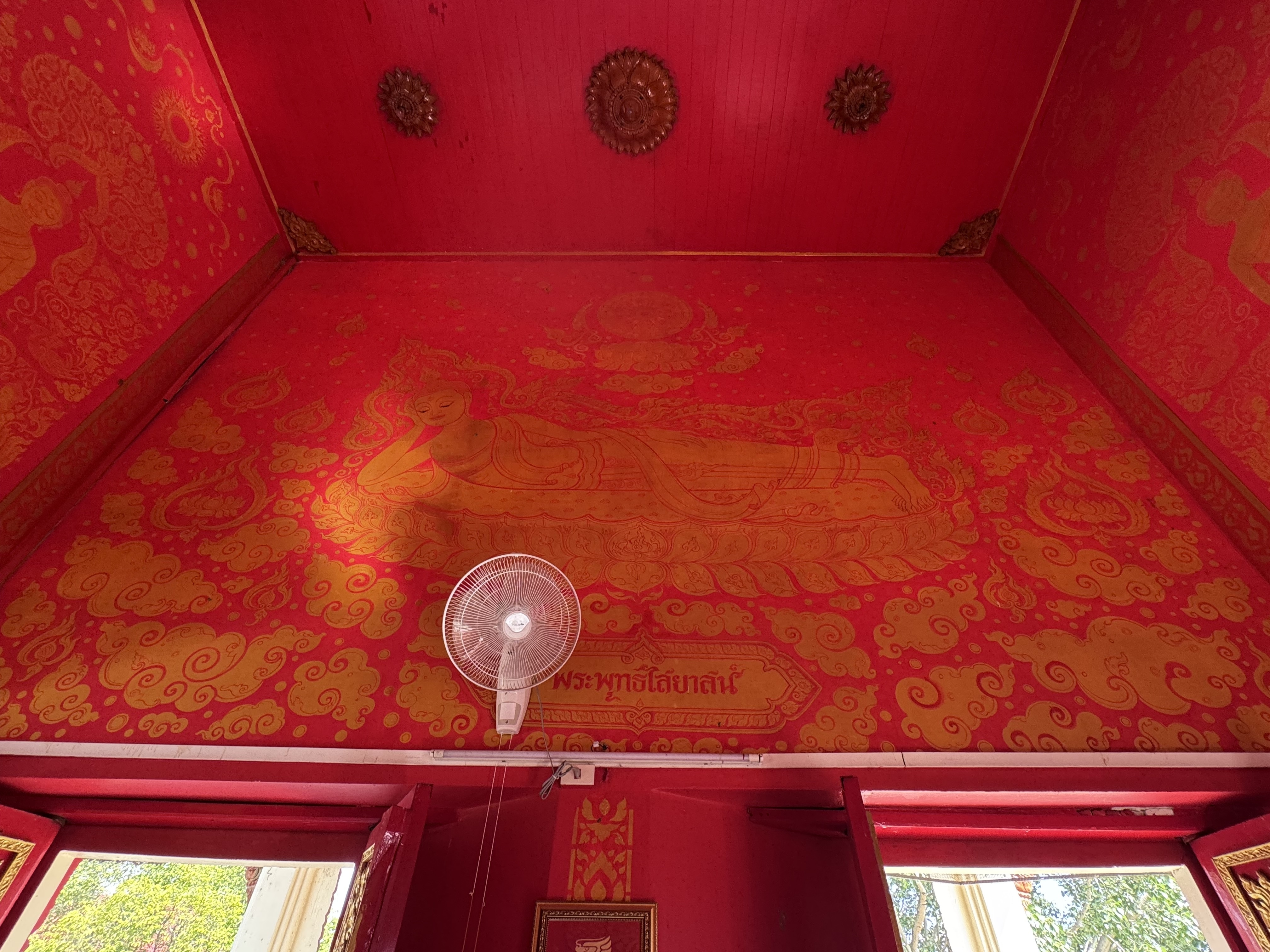
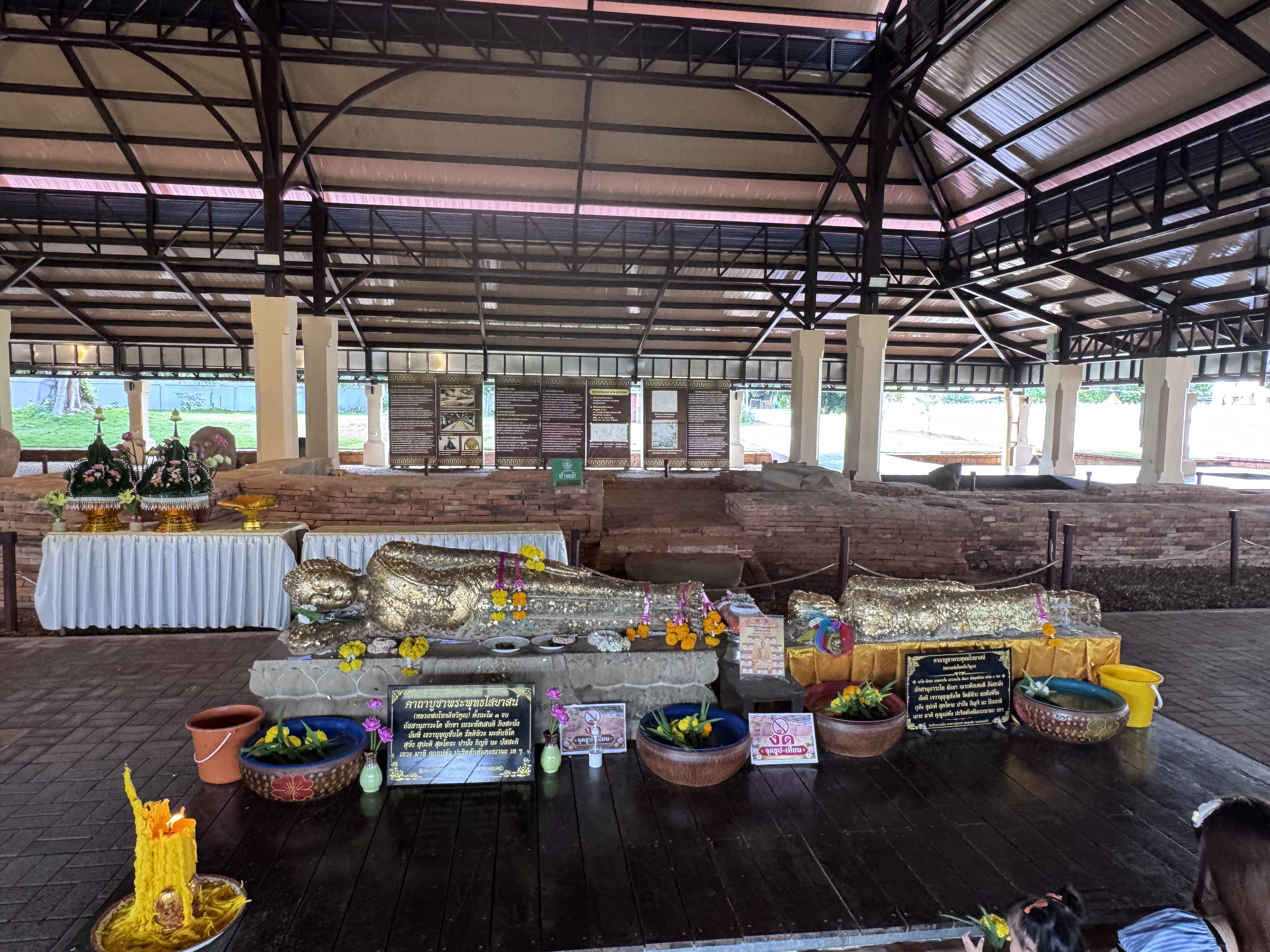
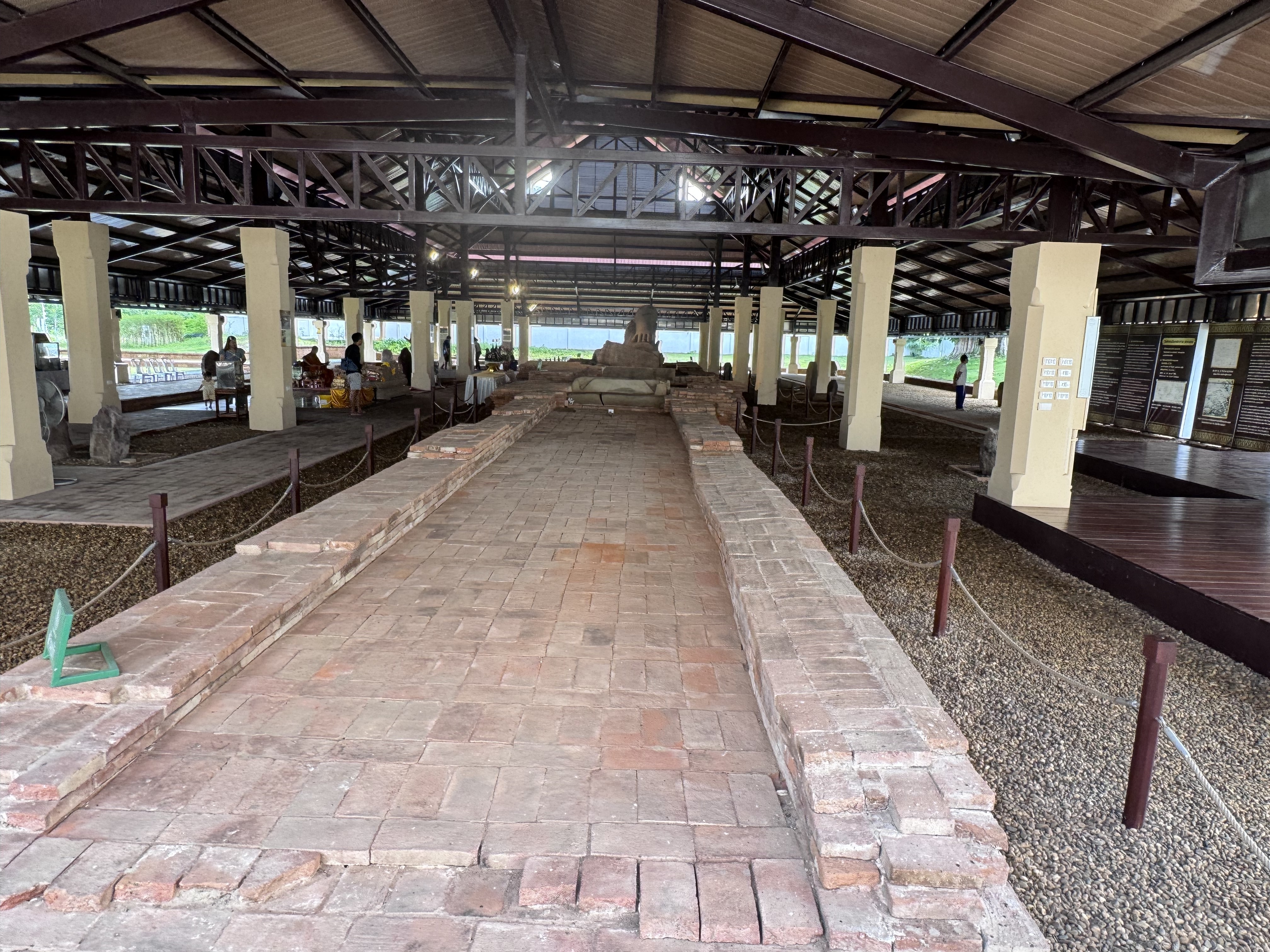
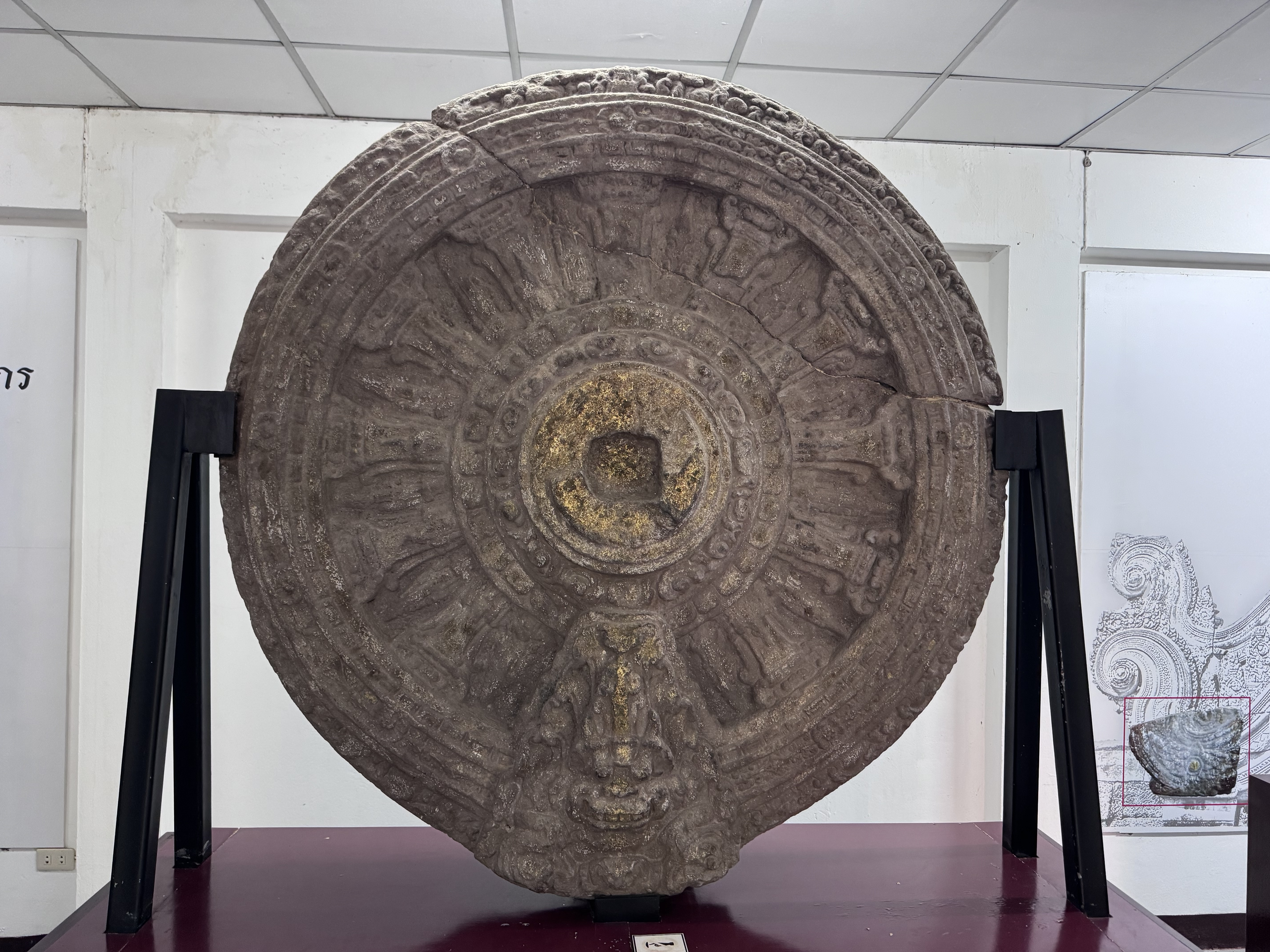
Wat Thammachak Sema Ram, also known locally as Wat Phra Non Khlong Khwang, stands in Nakhon Ratchasima province. Although the present-day monastery traces its formal establishment to the mid-eighteenth century, the site itself is far older and belongs to the Dvaravati cultural sphere that flourished across central and northeastern Thailand from roughly the sixth to the eleventh centuries.
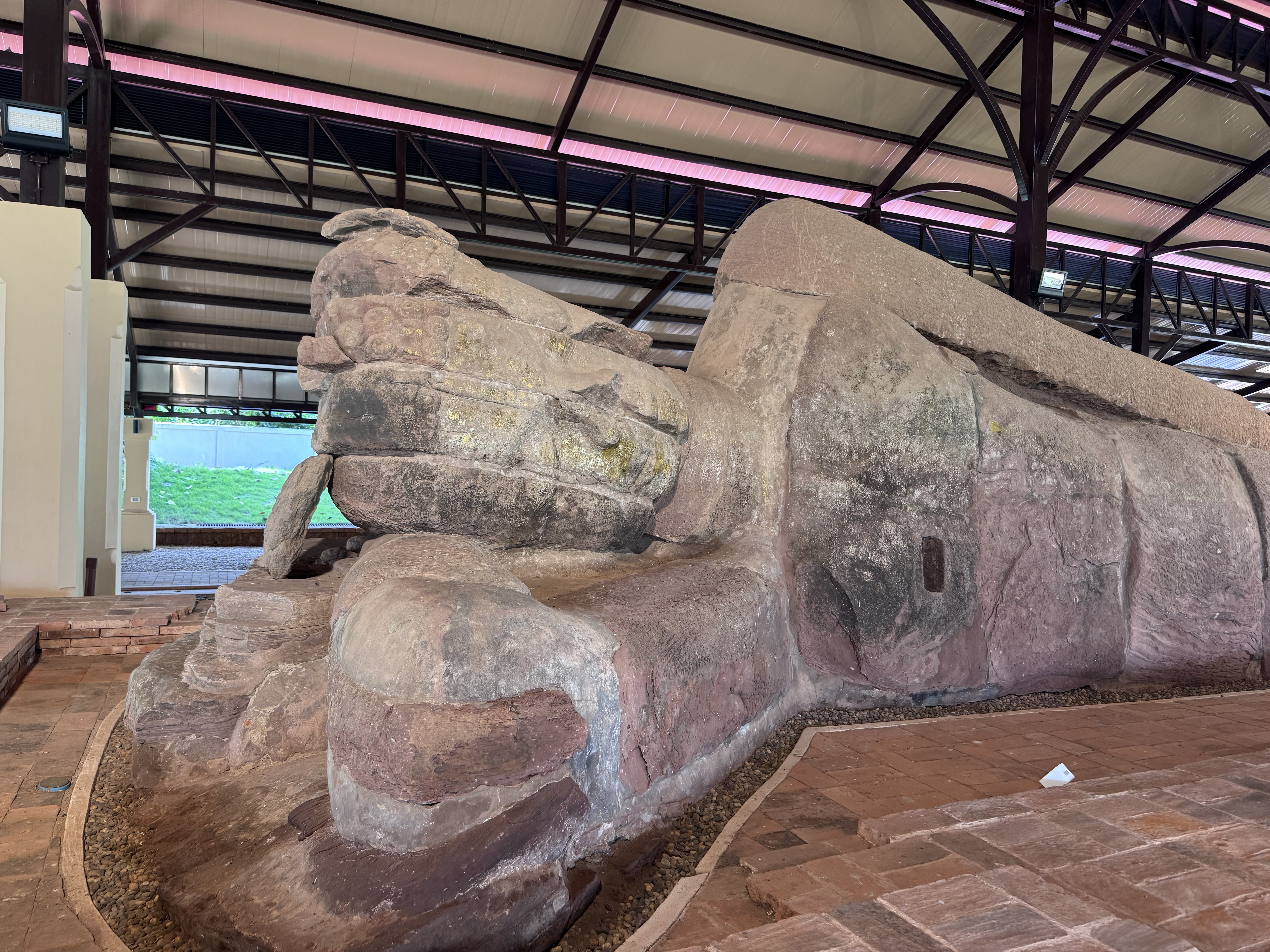
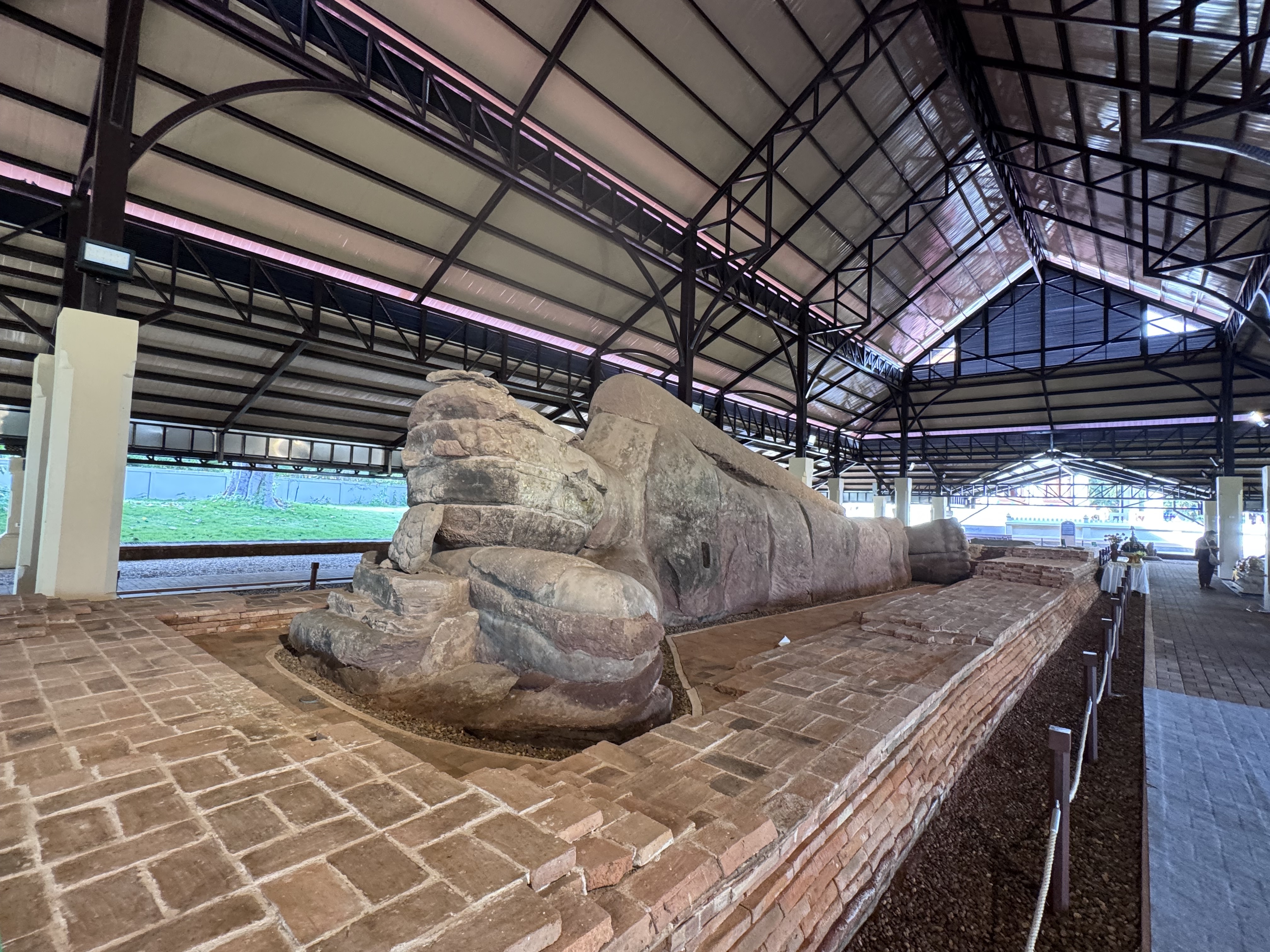
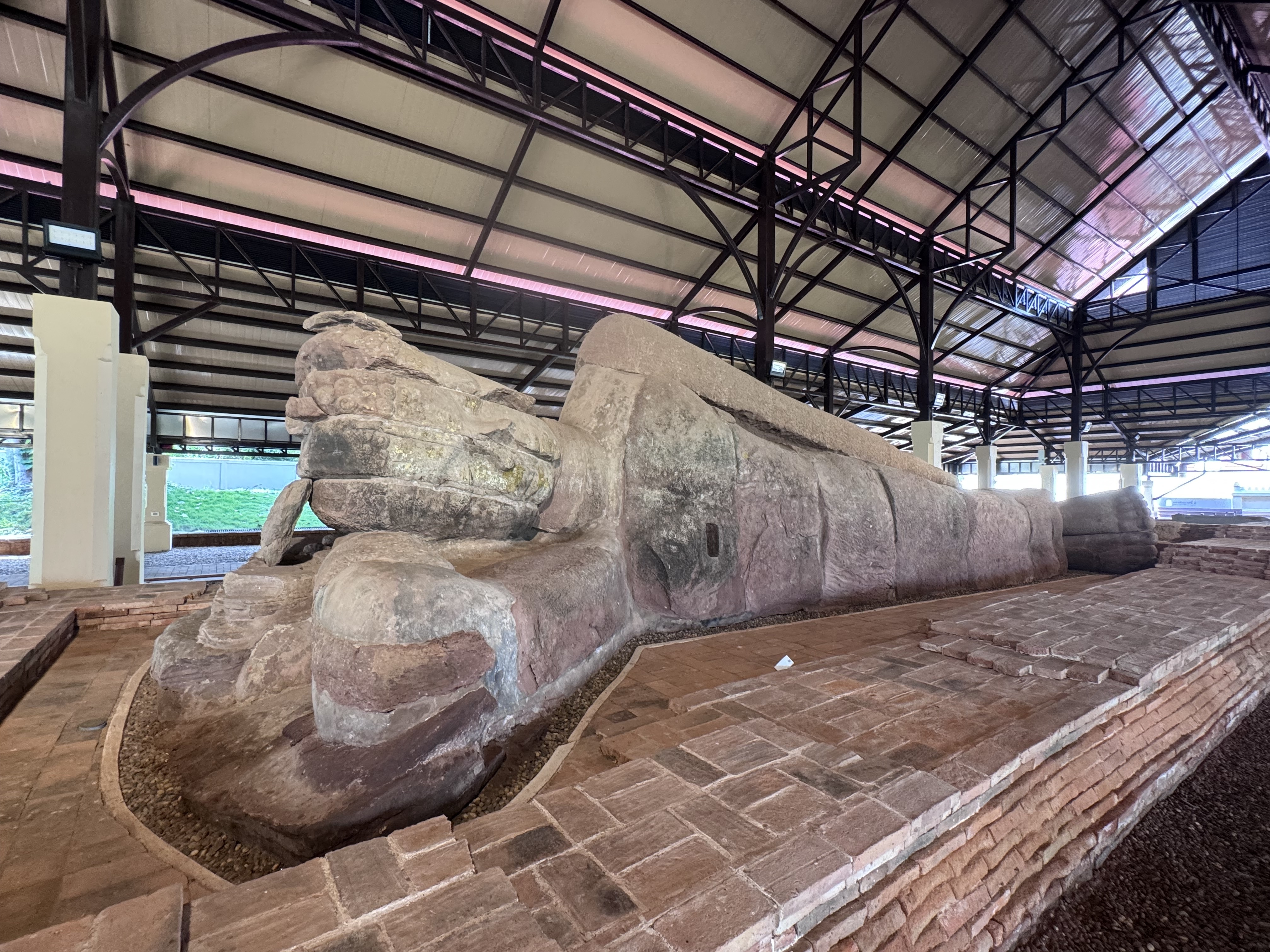
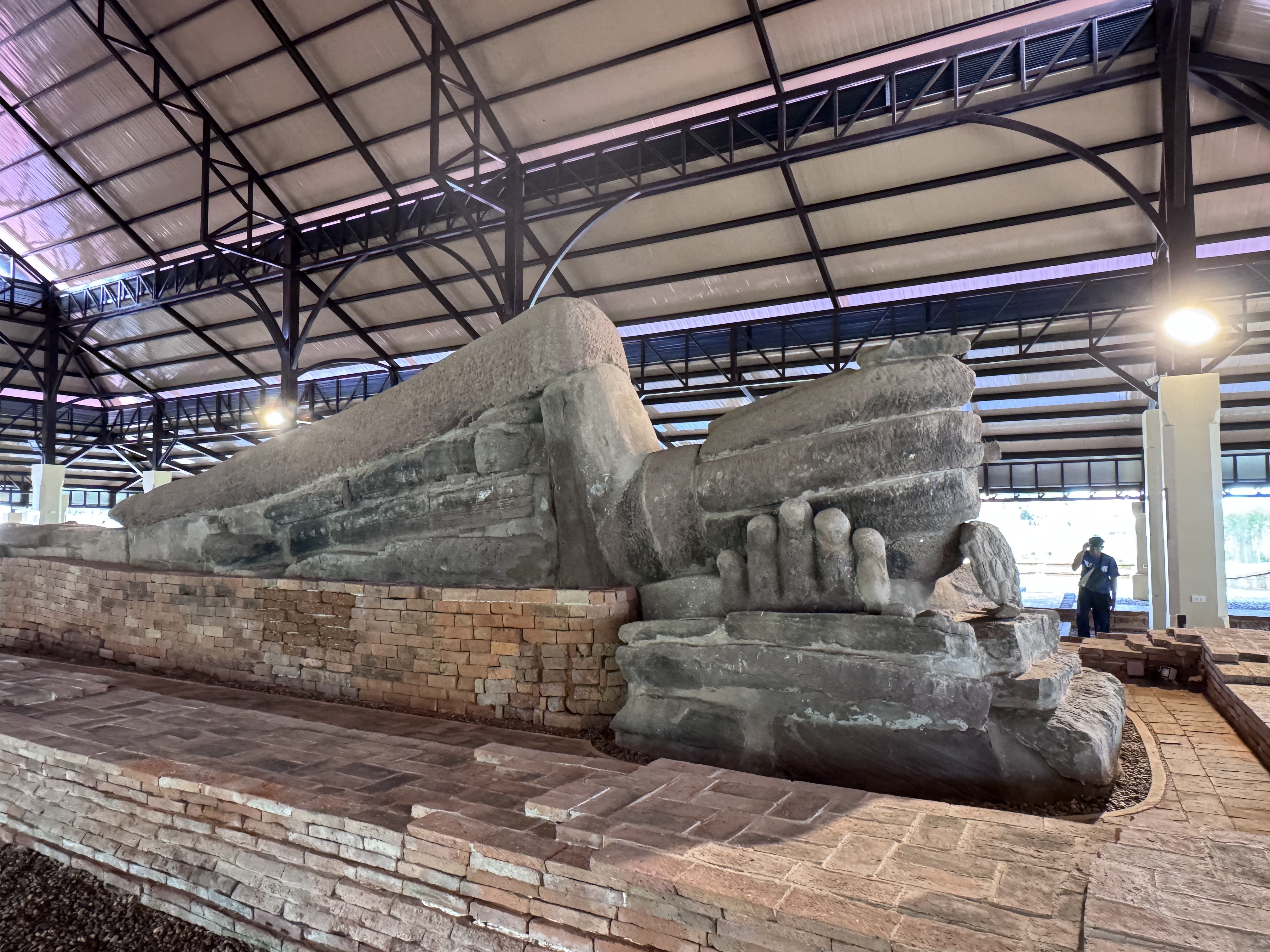
The temple’s greatest treasure is the large sandstone reclining Buddha, widely regarded as both the oldest and among the longest stone images of this type still surviving in the country.
The figure measures approximately 13.3 meters in length and between 2.5 and 2.8 meters in height. It was assembled from multiple blocks of red sandstone arranged along a north–south axis, with the head placed at the southern end and the face turned toward the east.
The face itself is somewhat square, formed from four superimposed slabs, while the body consists of vertically stacked blocks. Stylistic features such as the ...