

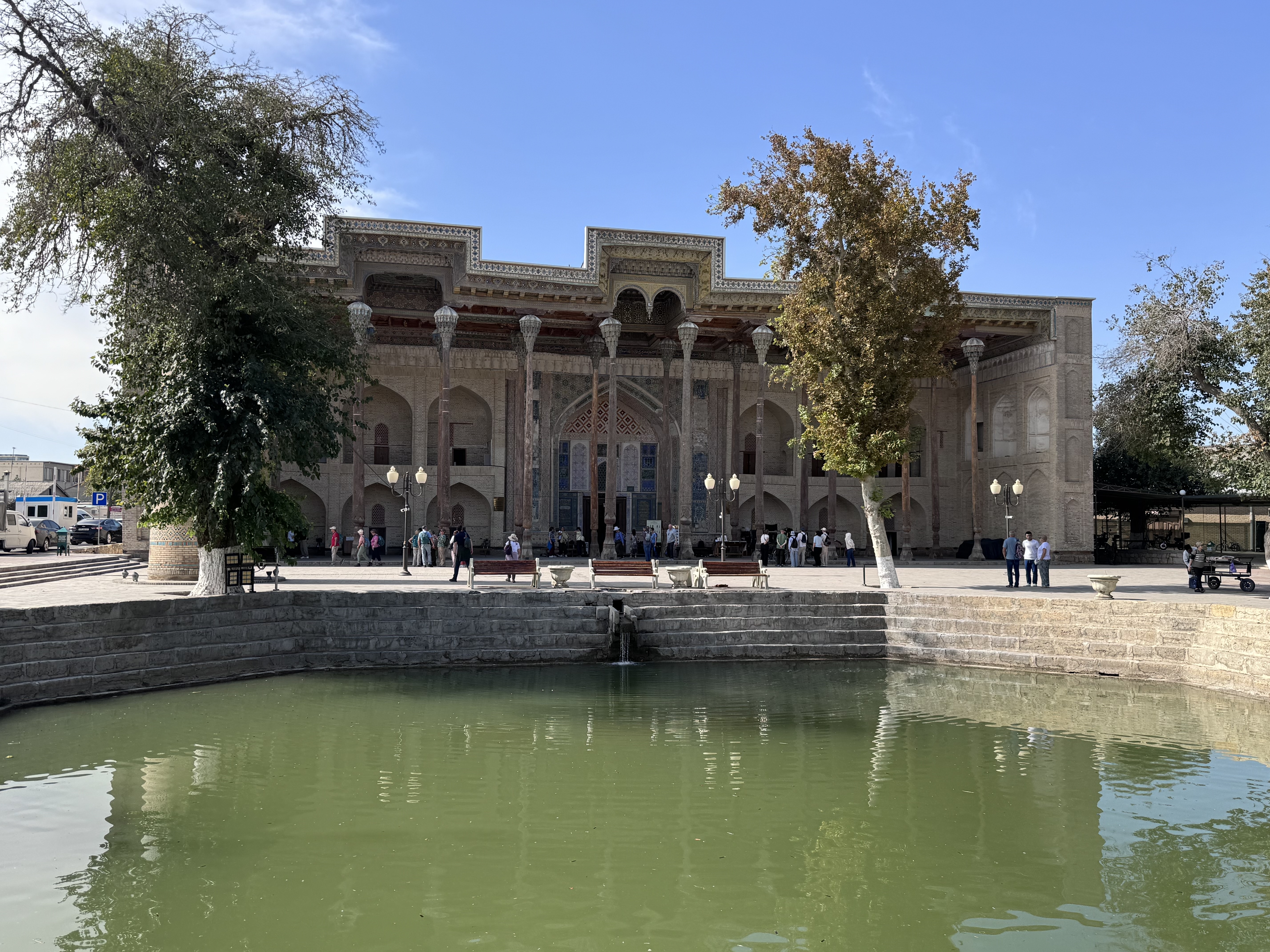
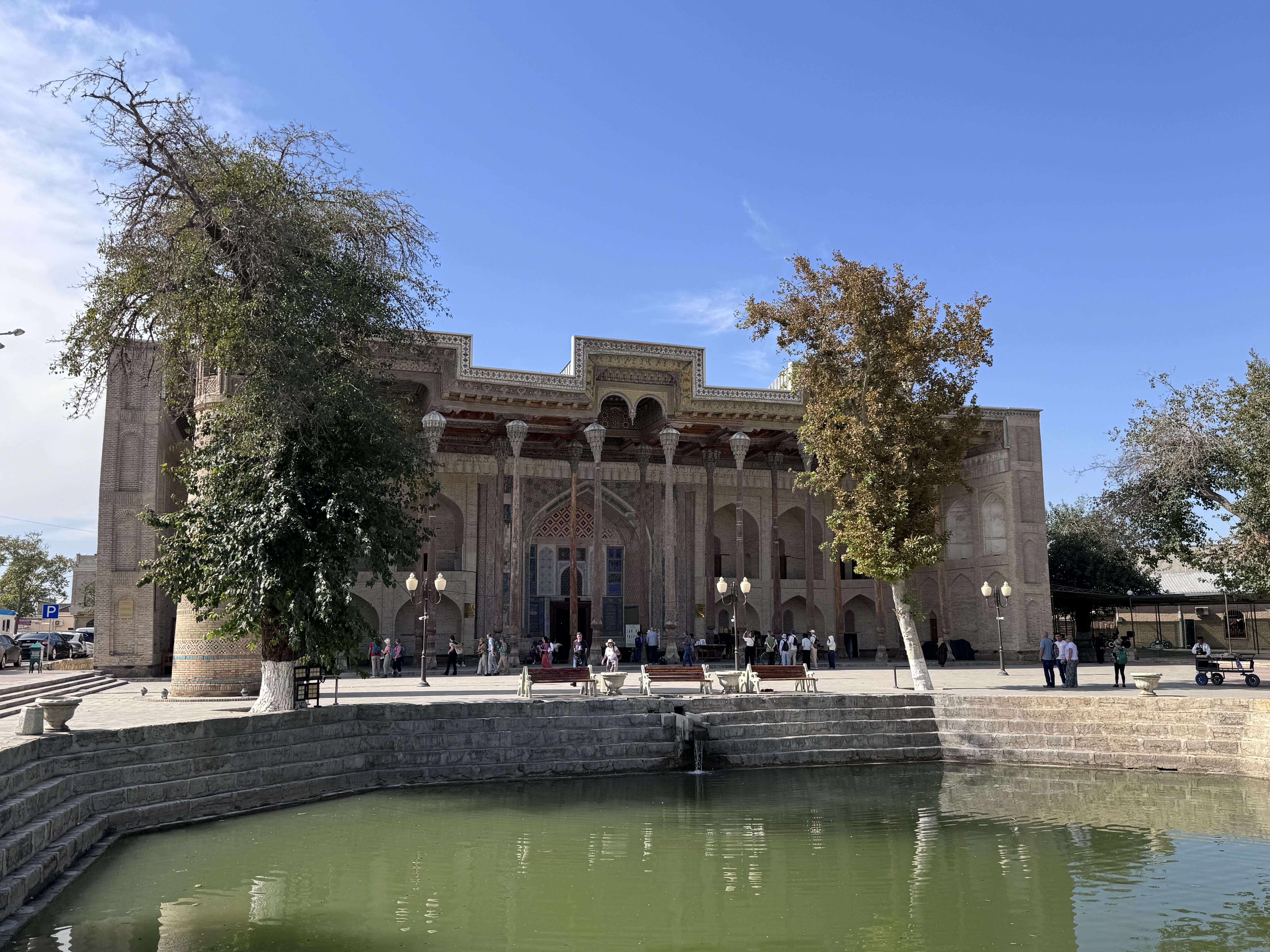
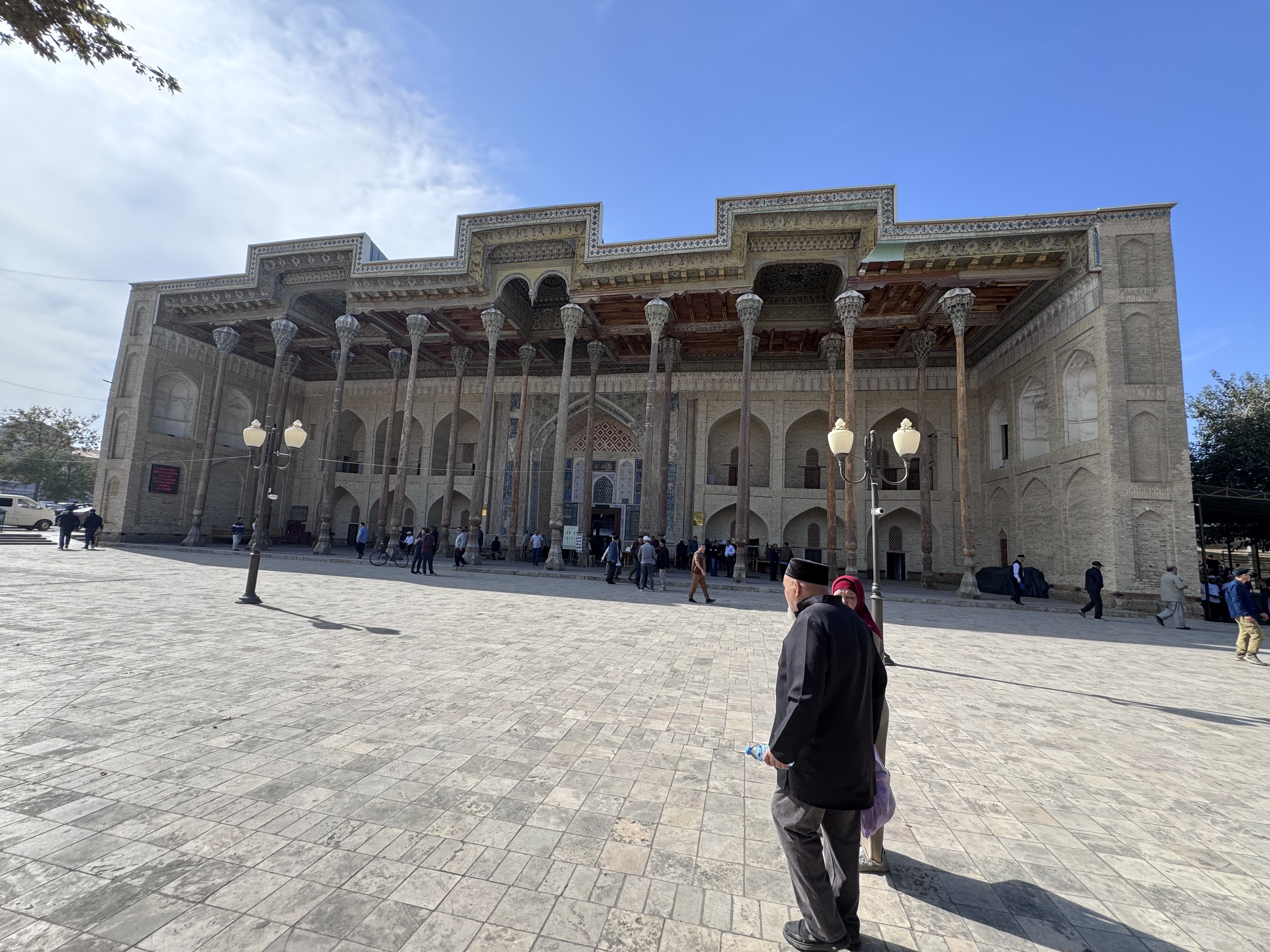
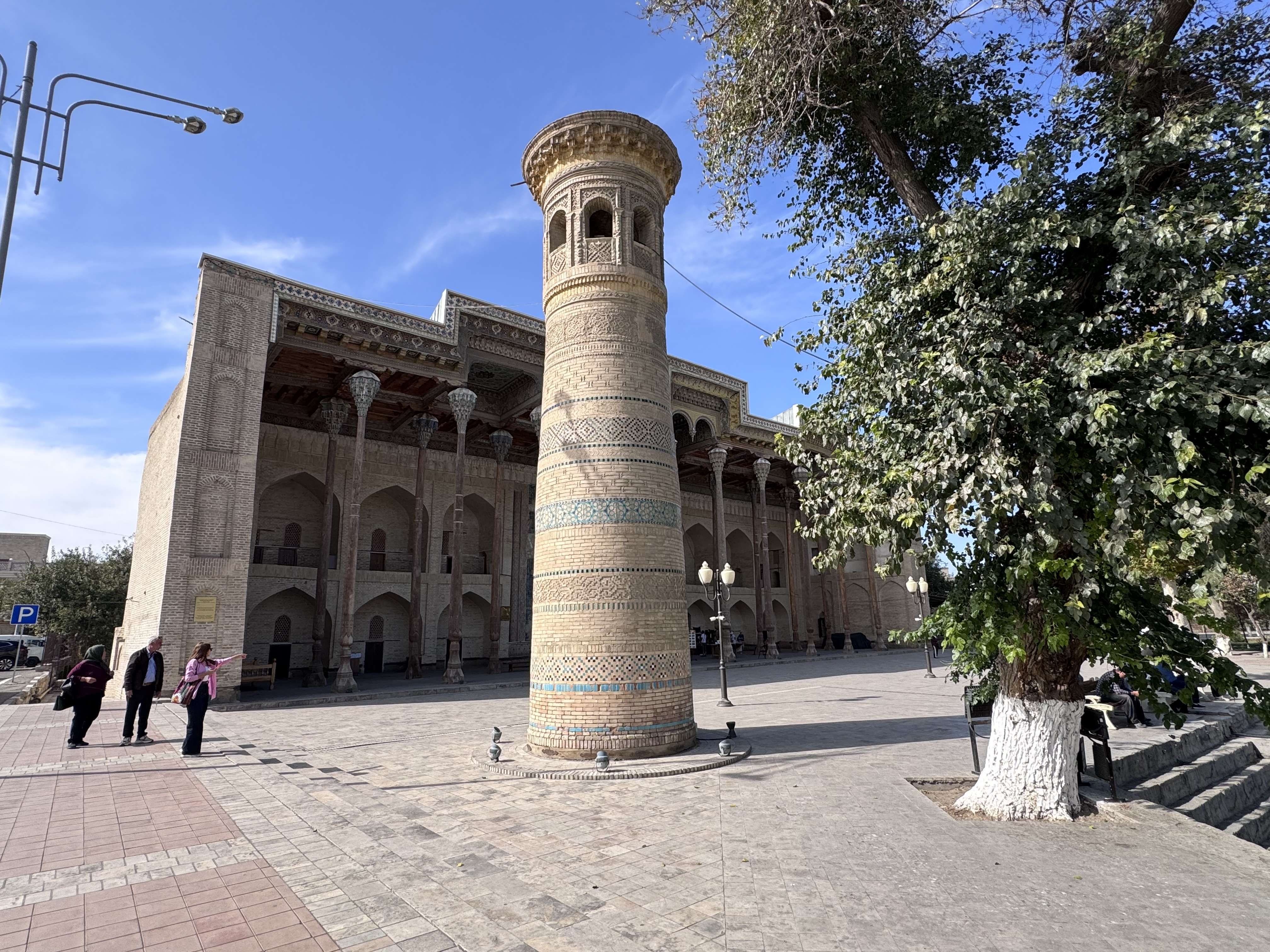
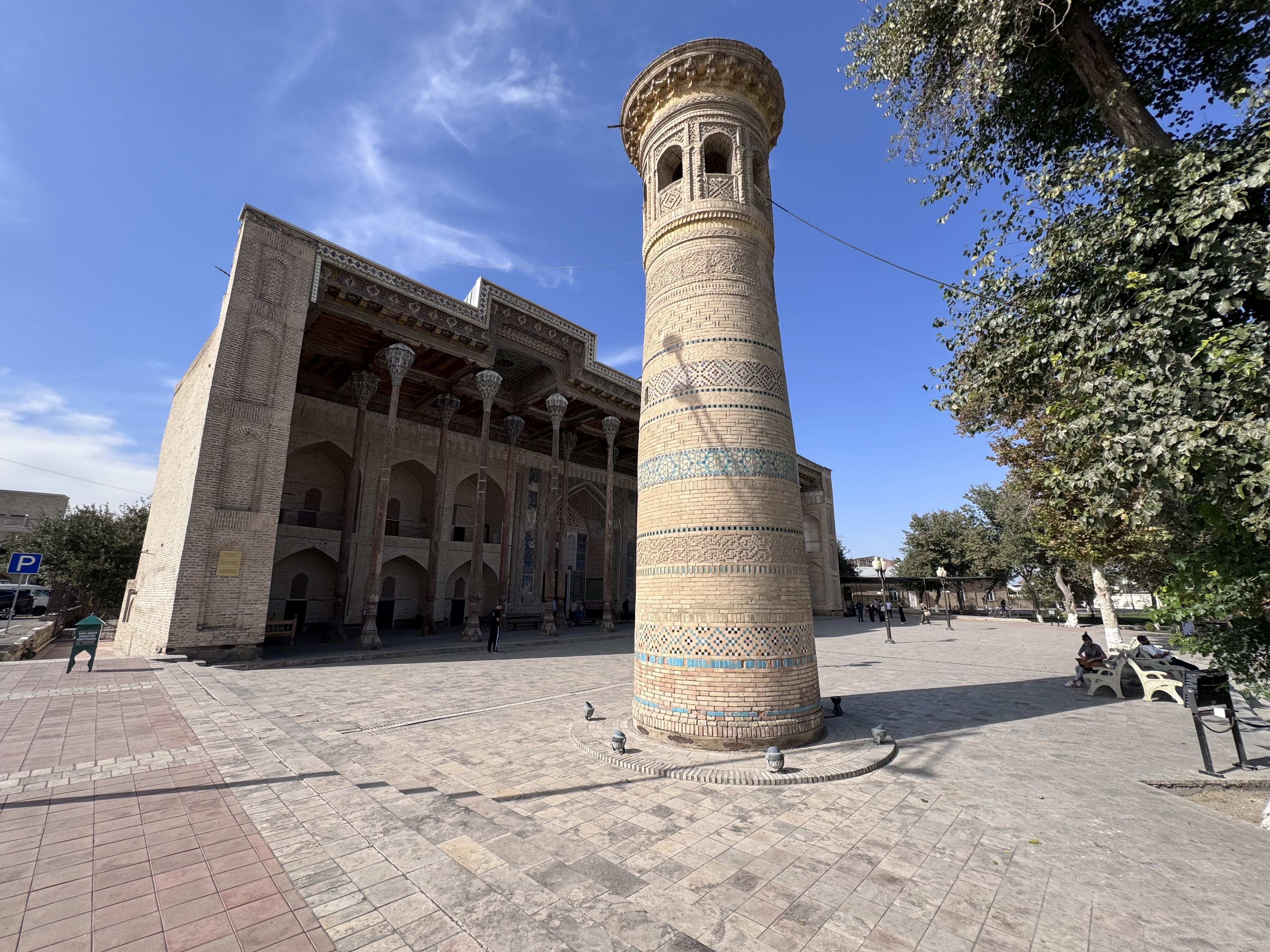
The Bolo Hauz Mosque stands on the western edge of what was once Bukhara’s Registan Square, directly facing the Ark Fortress in a classic paired arrangement that once framed the city’s ceremonial heart.
Built in 1712 early in the reign of Abu’l-Faiz Khan, it ranks among the last major religious monuments raised in Bukhara before the modern era and forms part of the city’s UNESCO-listed Historic Center.
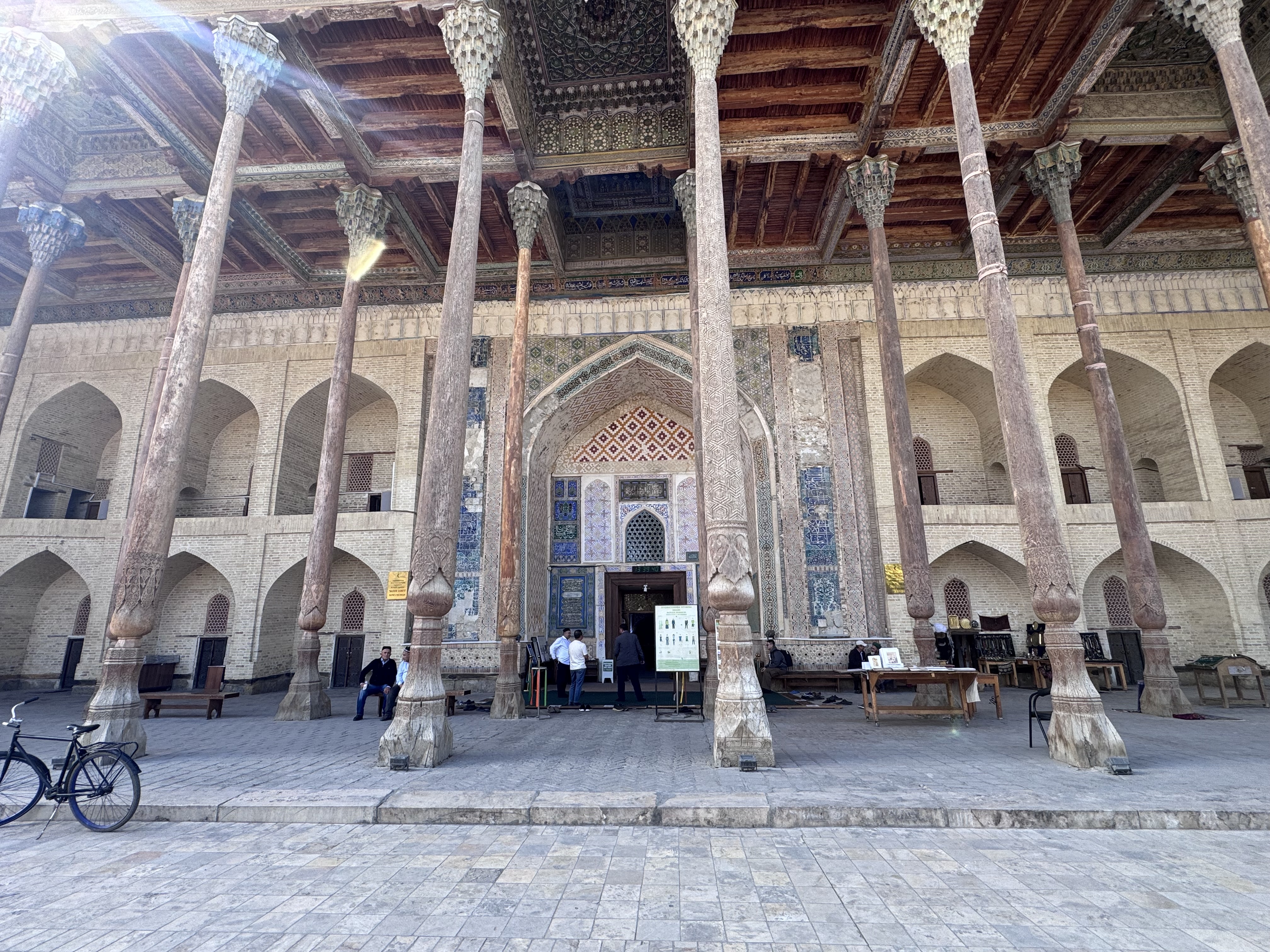
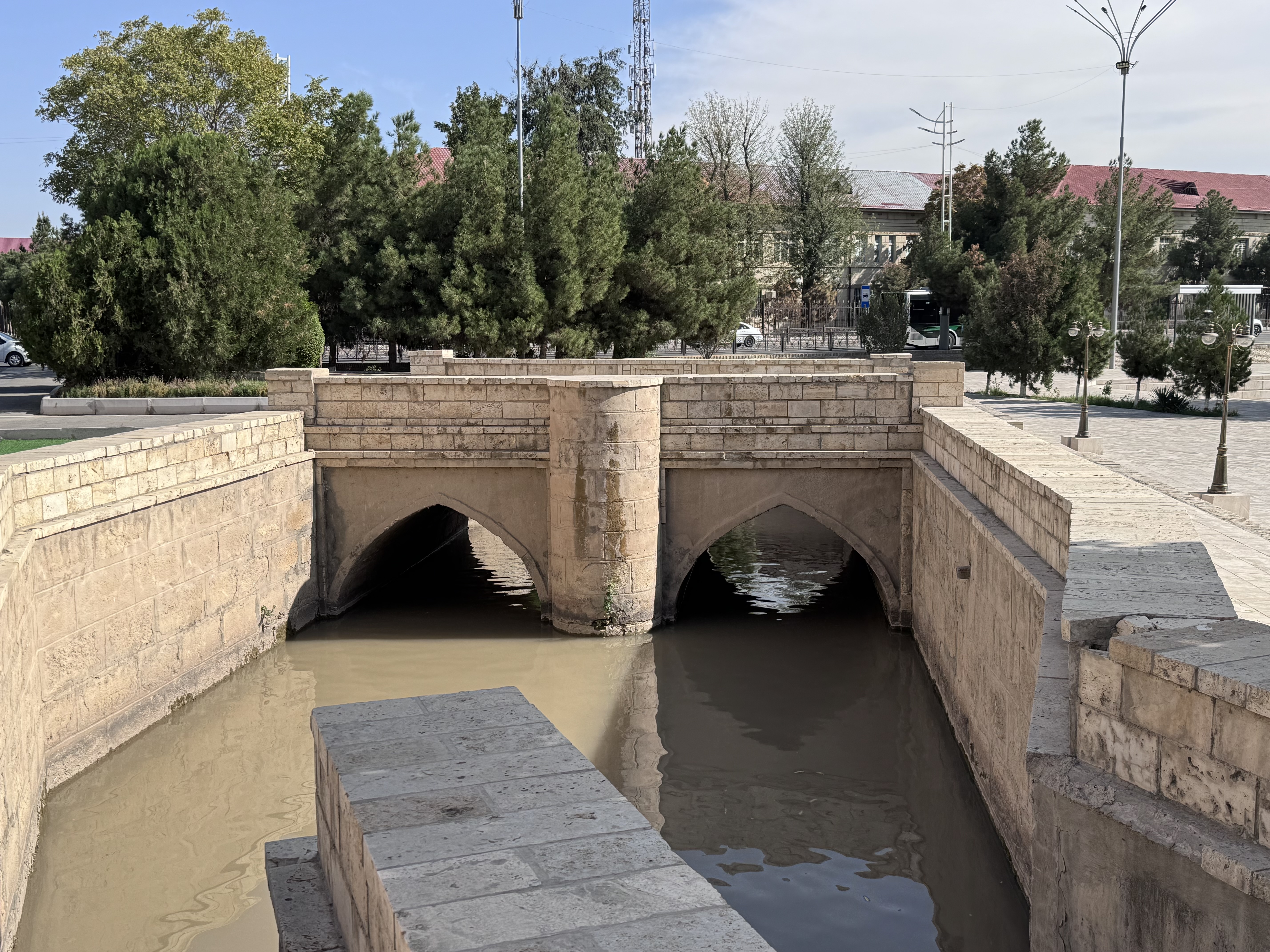
Its name, meaning “above the pool,” refers to the octagonal stone lined hauz that still lies before it, a reservoir that once supplied water for ablutions and daily life and now mirrors the mosque’s slender wooden columns so perfectly that locals call the place the Mosque of Forty Pillars.
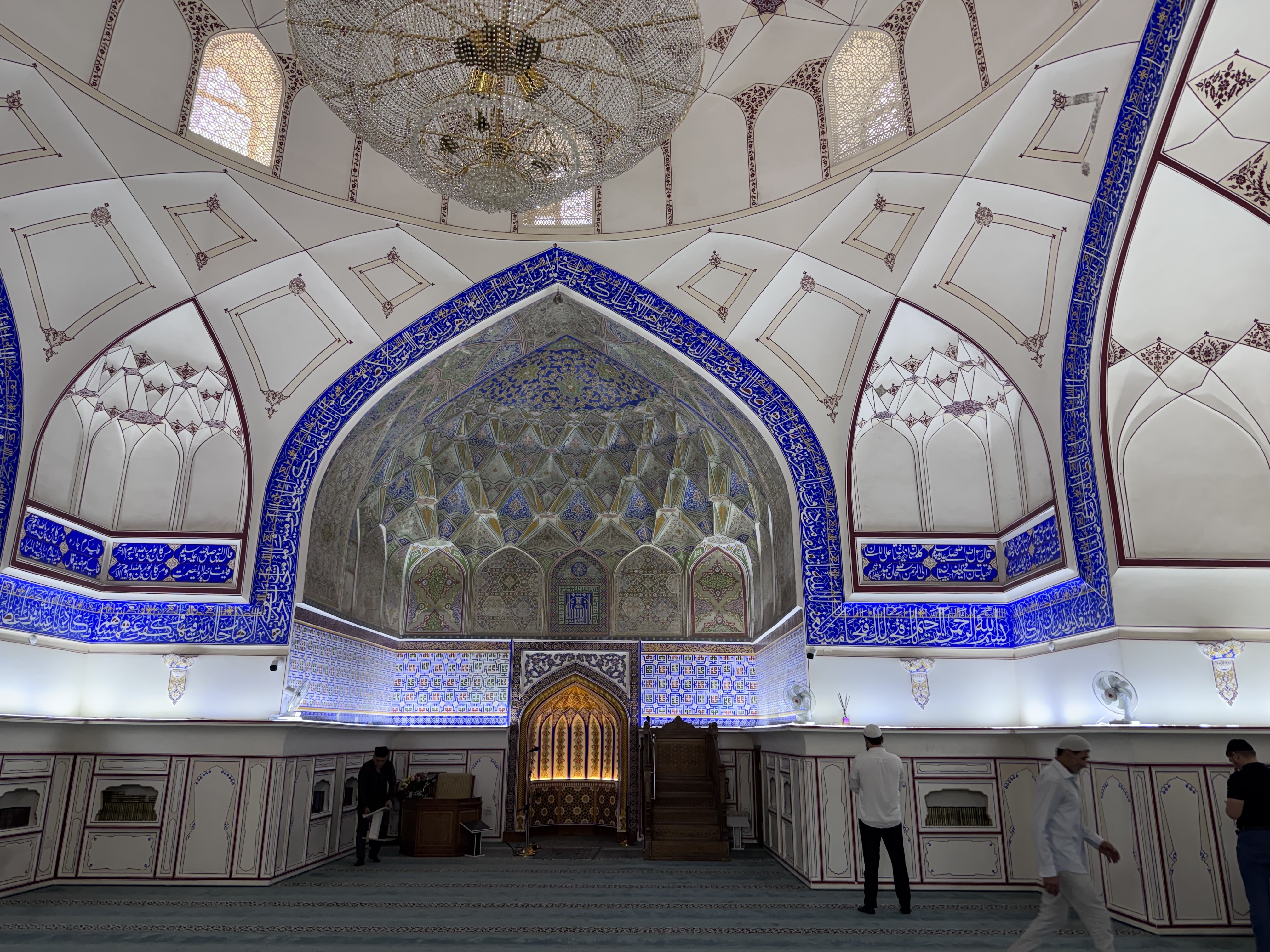
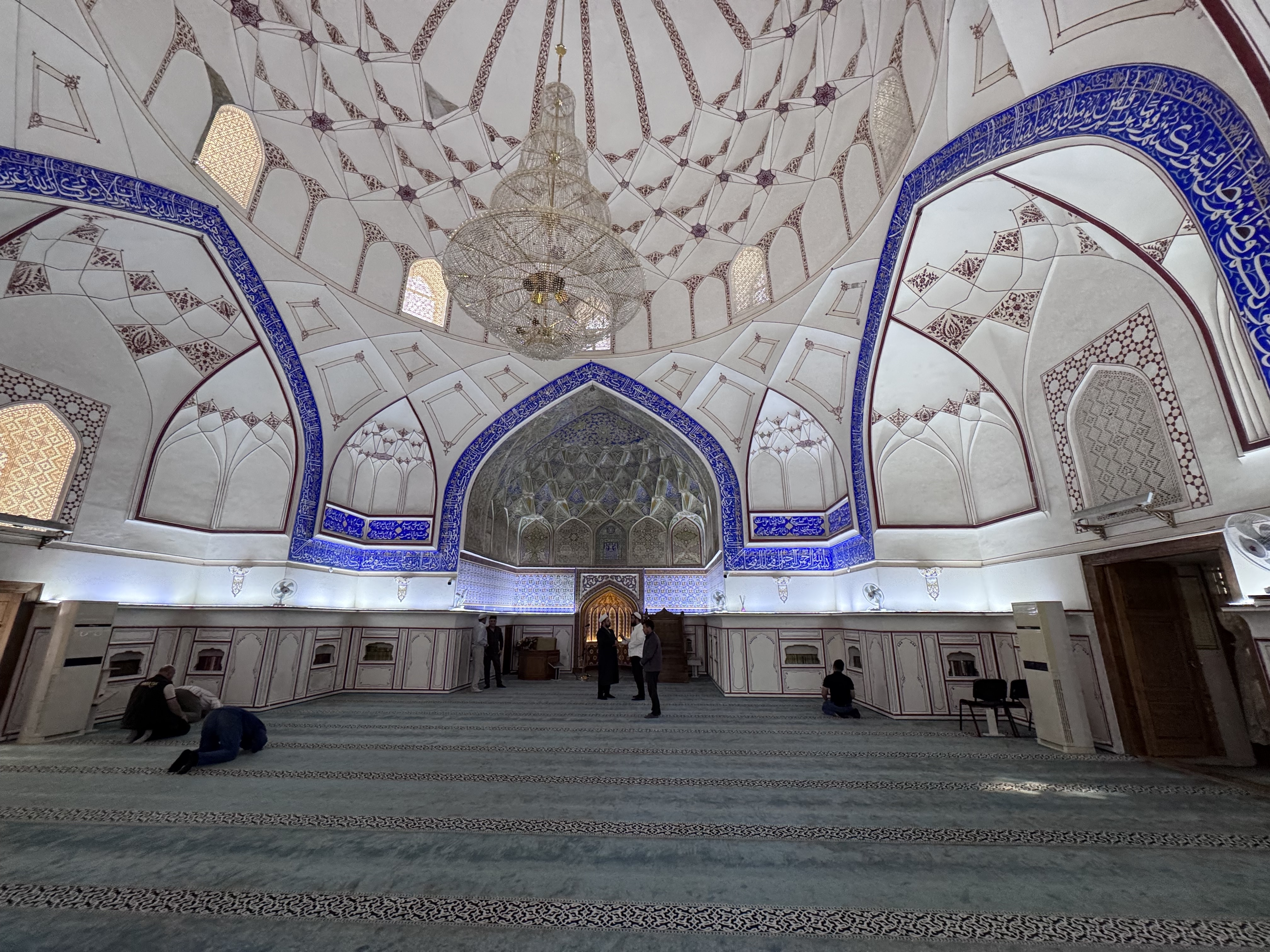
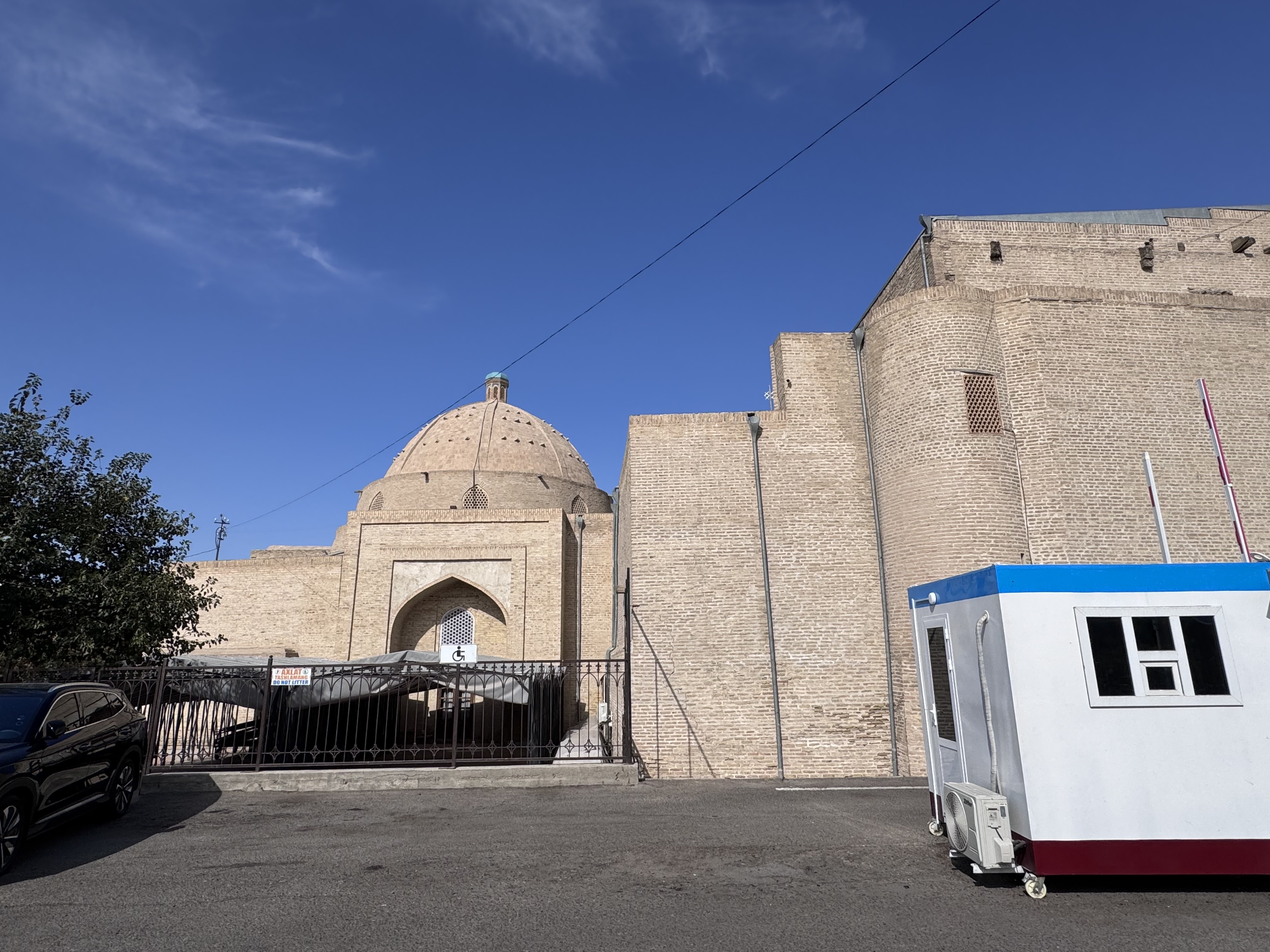
At its core is a solid winter prayer hall of thick brick walls and a spacious dome, its interior marked by the restrained muqarnas vaulting and mihrab typical of eighteenth century Central Asian craftsmanship.
In the early twentieth century, under the last Manghit emir, a luminous summer iwan was ...
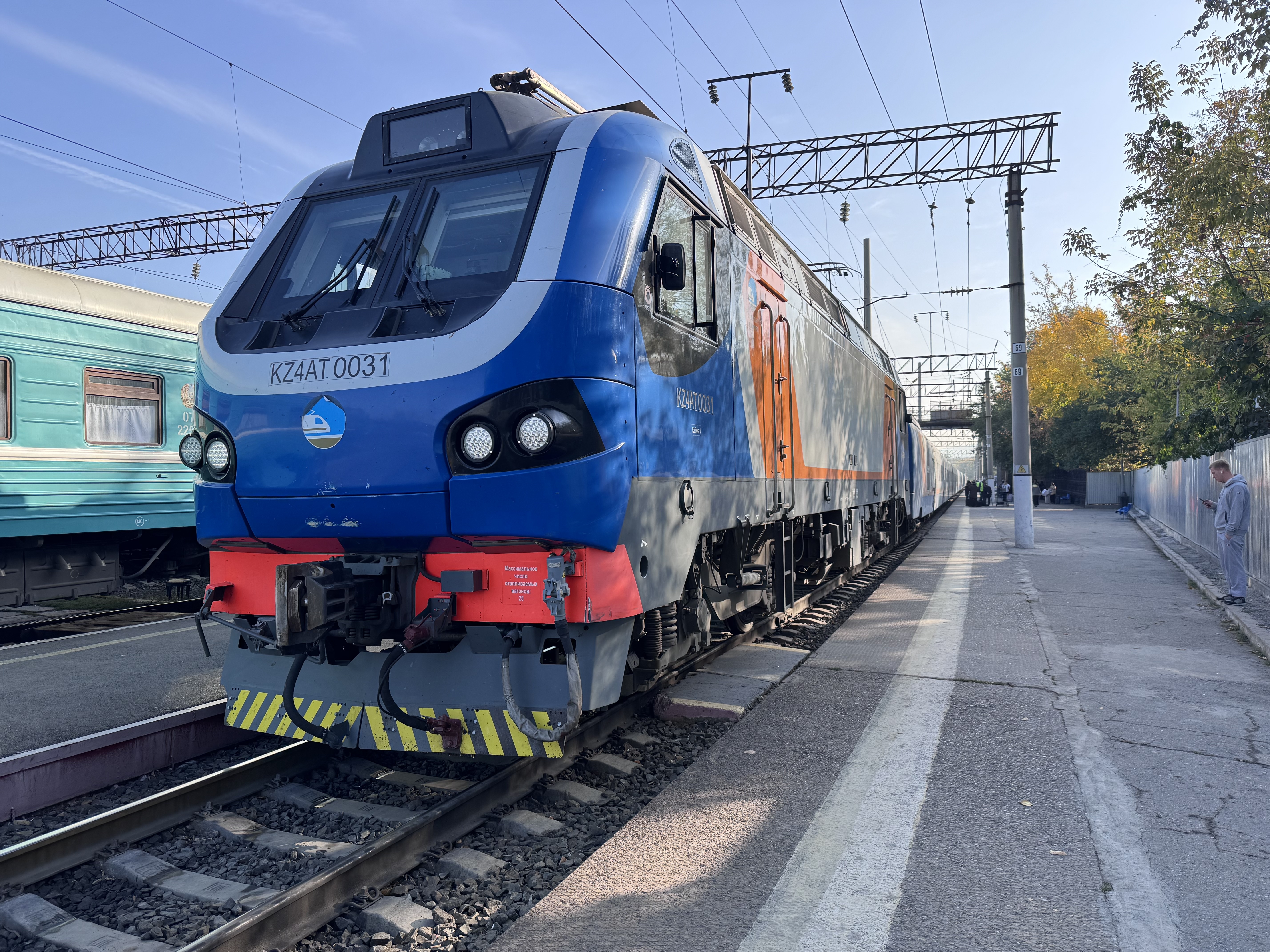
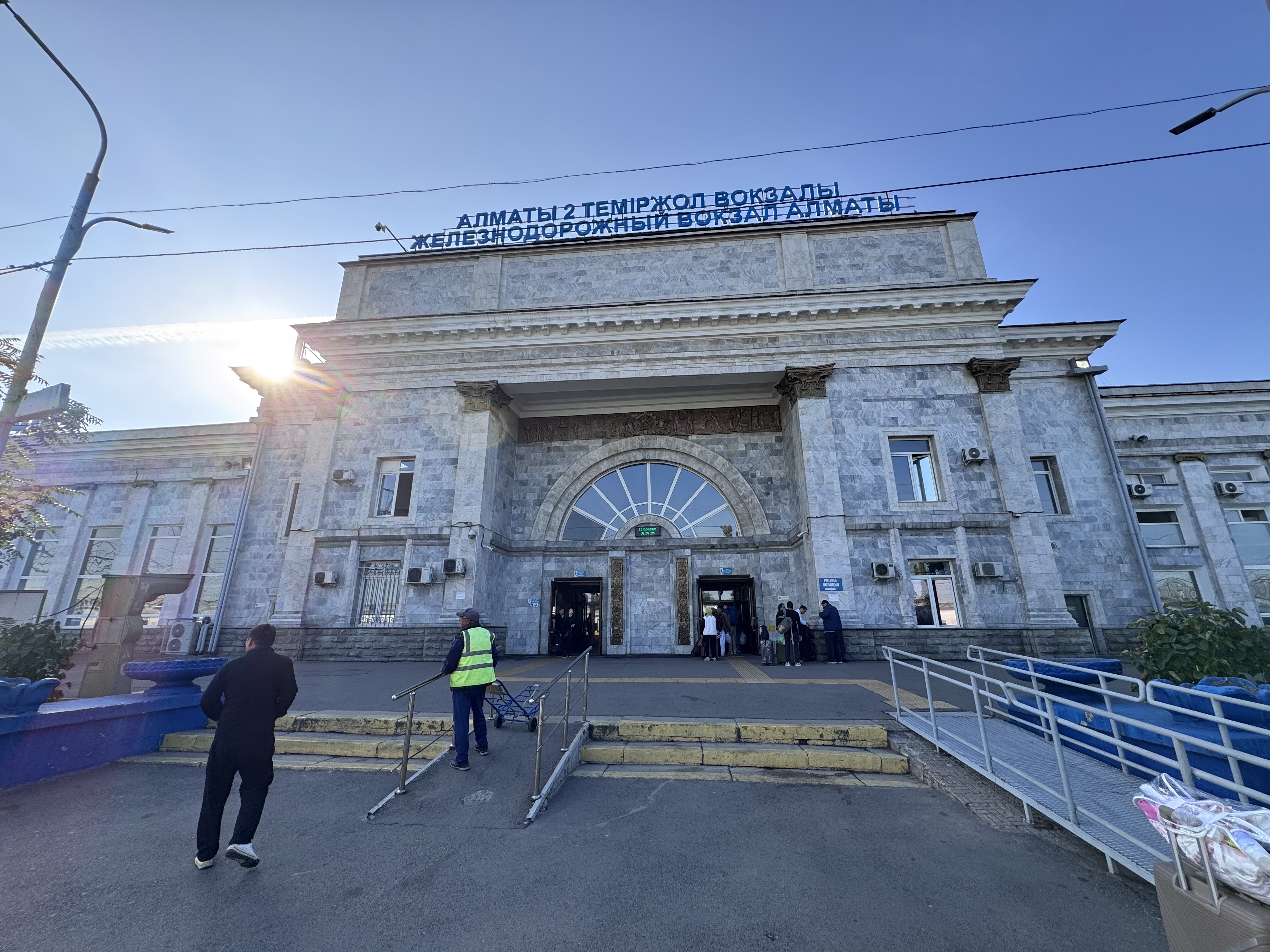
The railway connection between Tashkent and Almaty has deep roots in the expansion of the Russian Empire’s rail network across Central Asia. In the early twentieth century the Trans-Aral line linked European Russia to Turkestan, and later Soviet projects including the Turksib railway strengthened east-west corridors through the steppe.
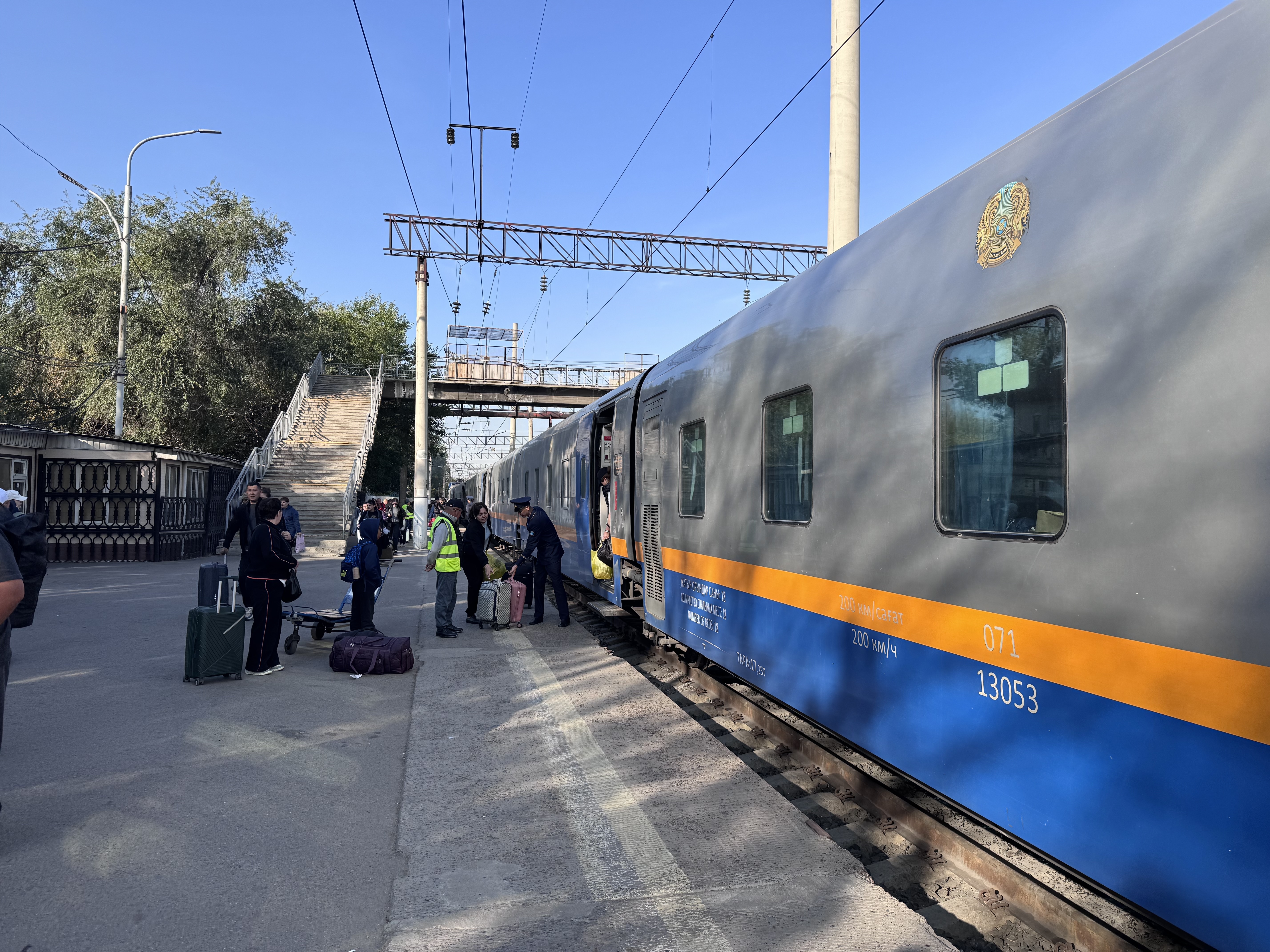
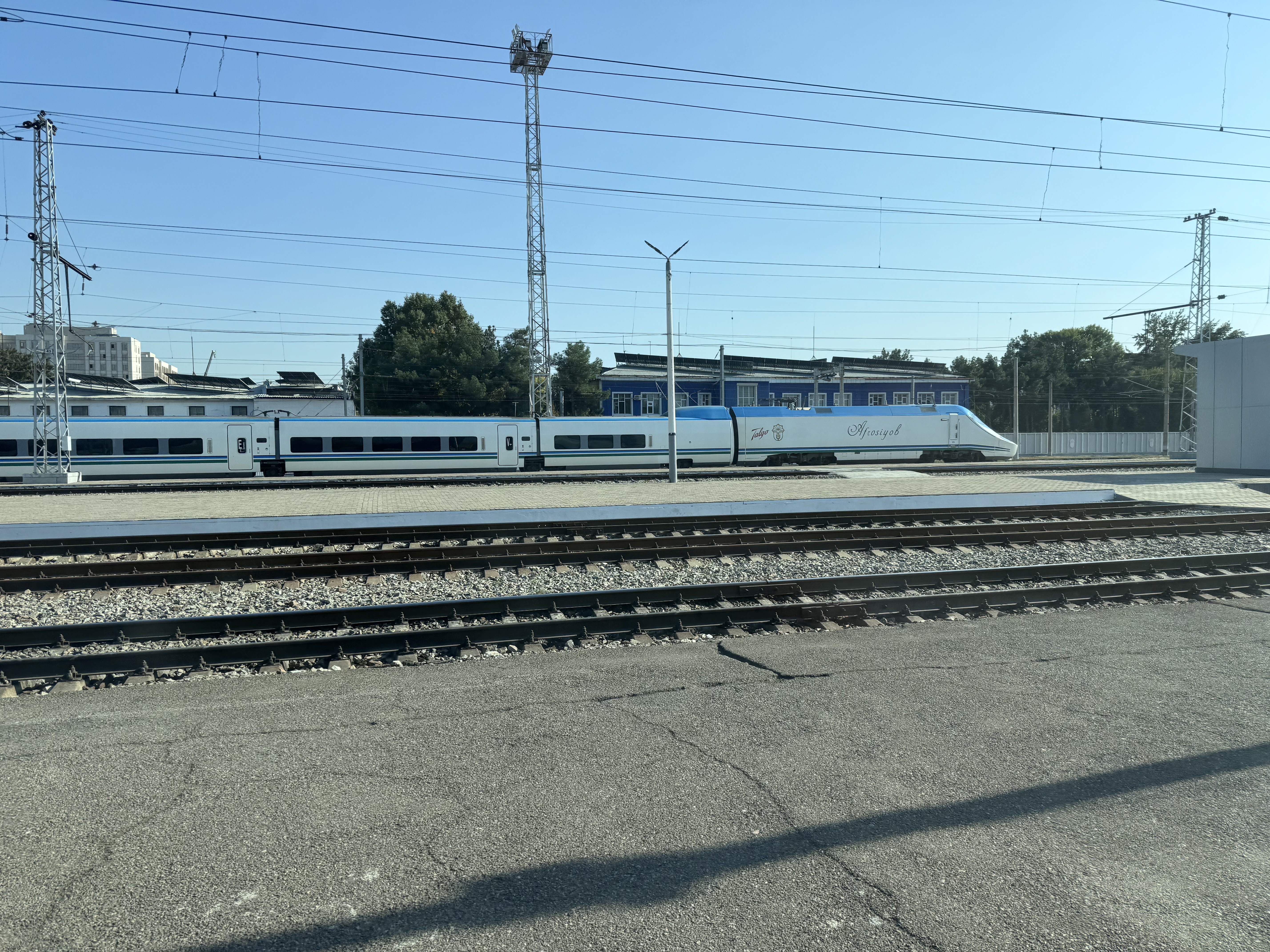
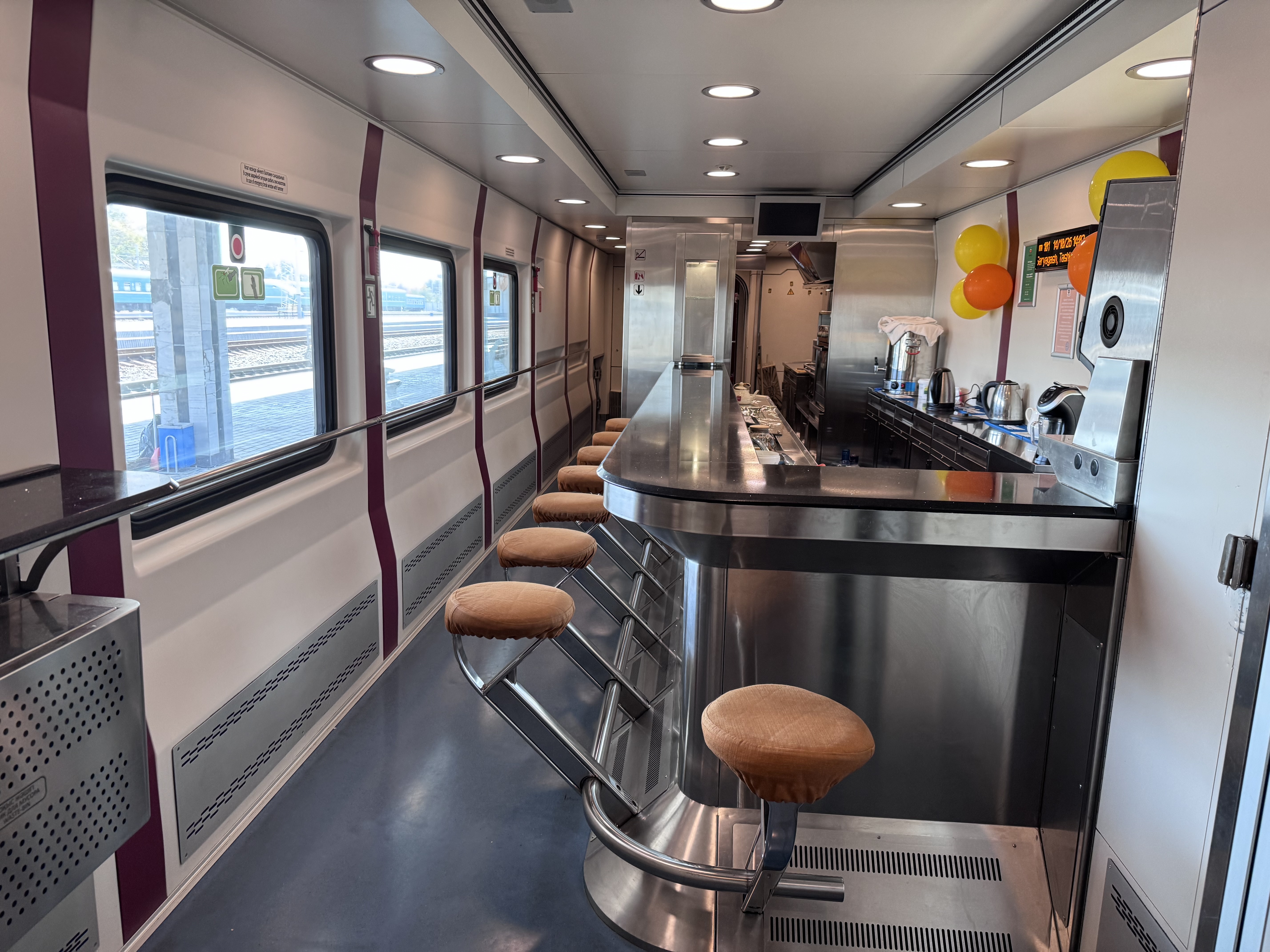
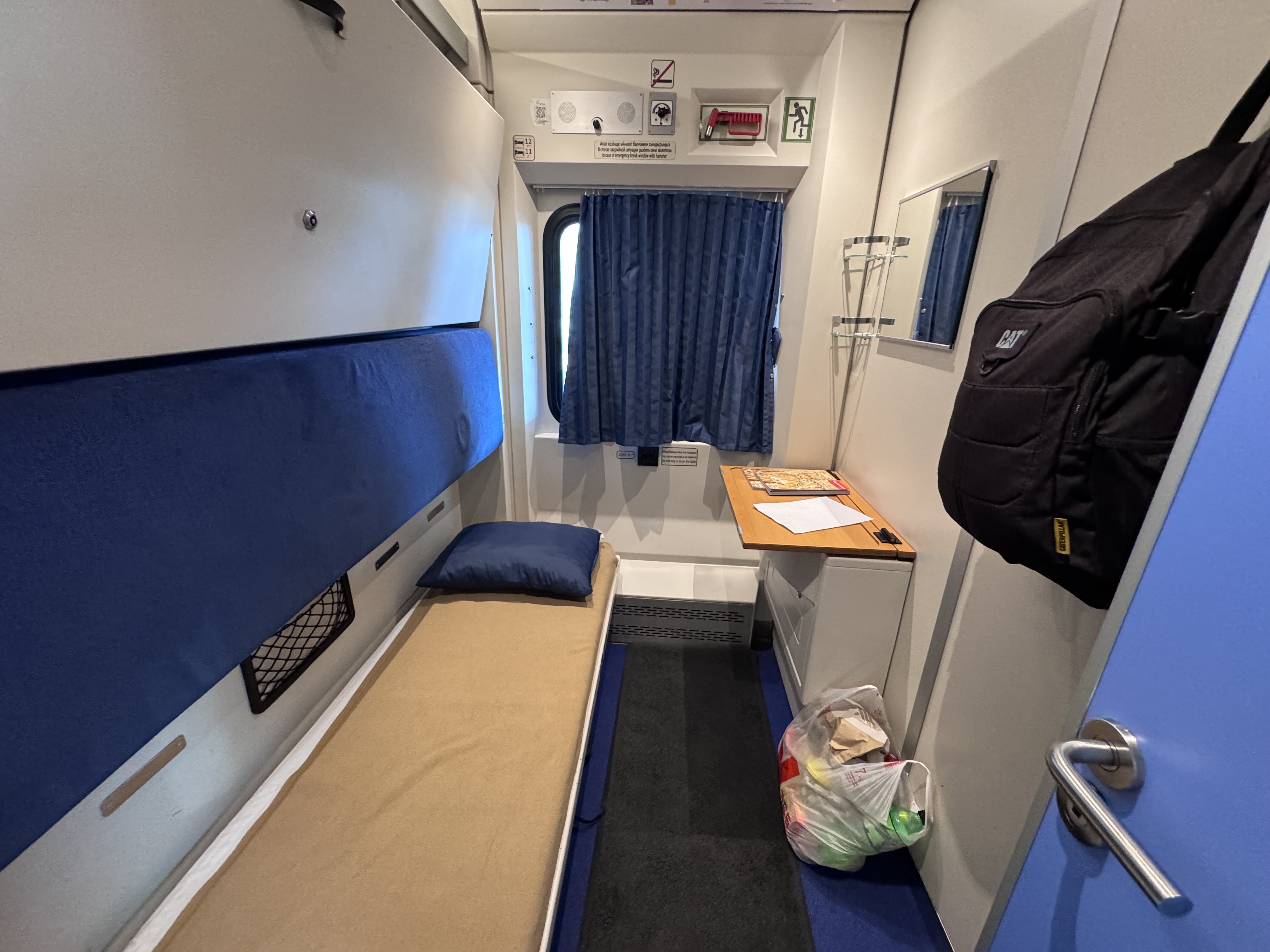
After independence the route evolved into a regular international service. In 2017 Kazakhstan and Uzbekistan introduced more modern wide-bodied Talgo-style coaches on the Almaty-Tashkent run, improving comfort and reducing journey times.
Today the train operates daily as a practical overnight link between the two cities.
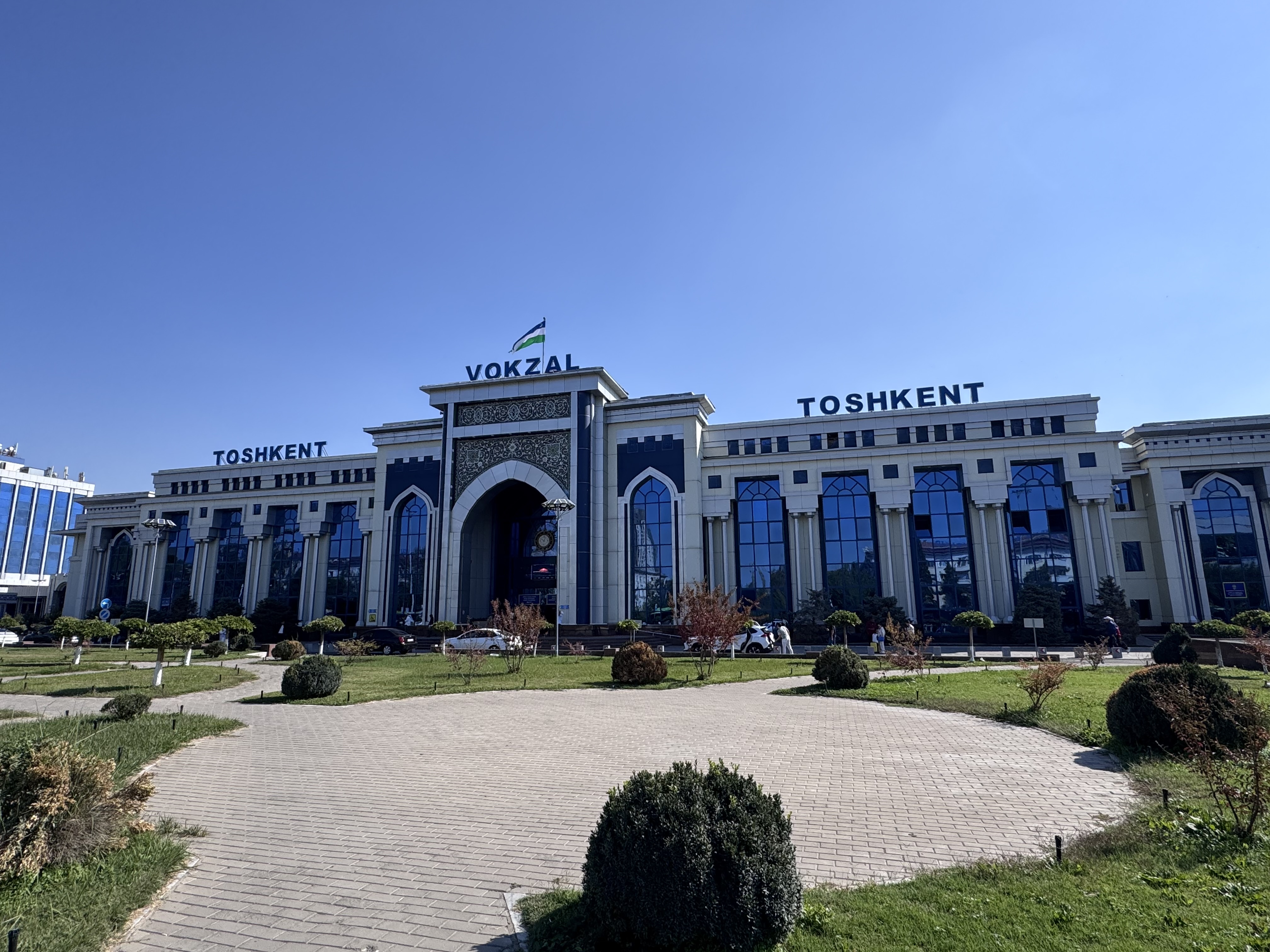
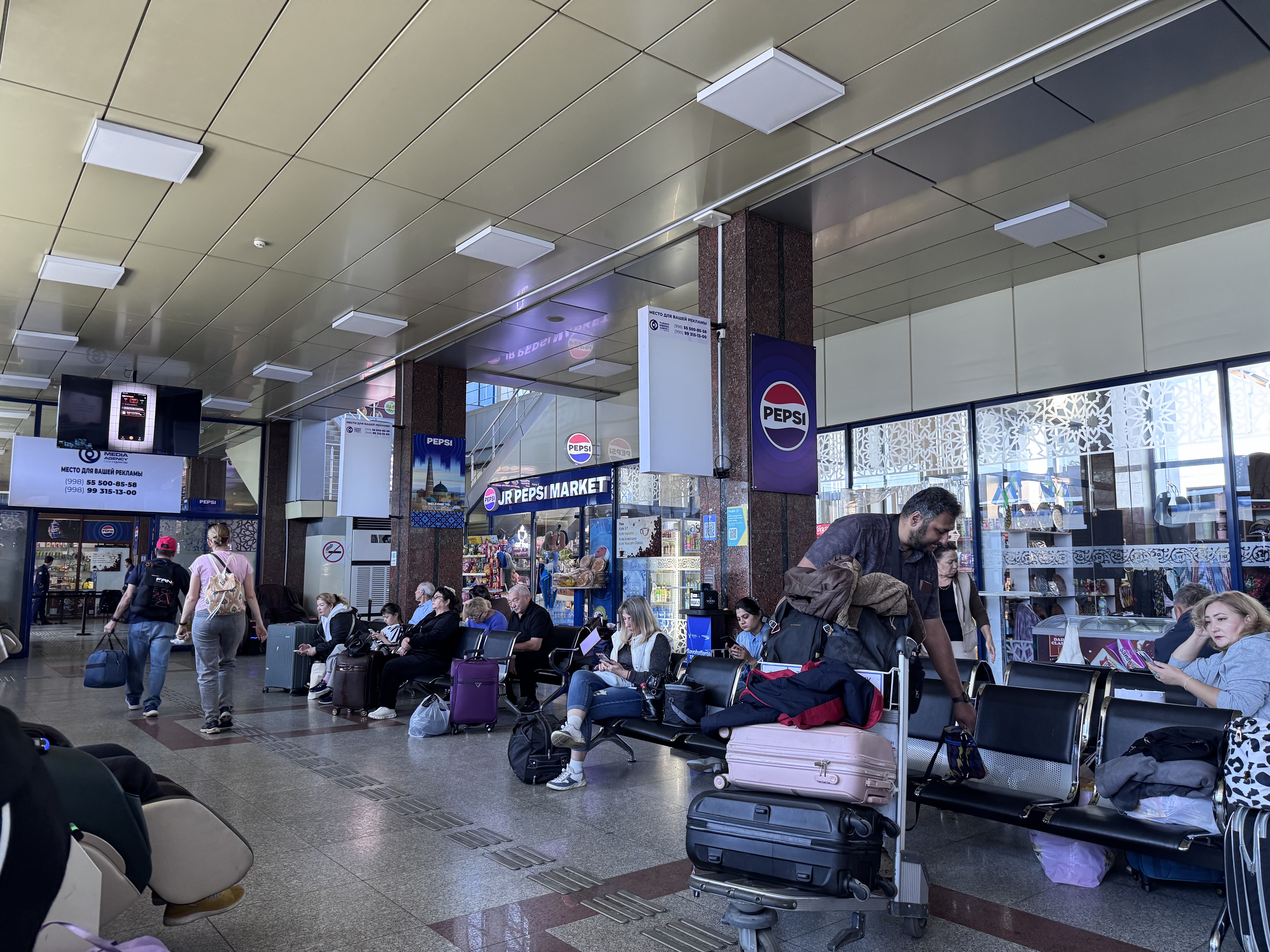
The distance is roughly nine hundred eighty kilometers and the journey takes about eighteen hours and ten minutes. Trains typically leave Tashkent Central in the mid-afternoon and arrive at Almaty-2 the following morning, allowing passengers to sleep through most of the travel and the border formalities.
First-class sleeper, often labeled SV or Lux,...

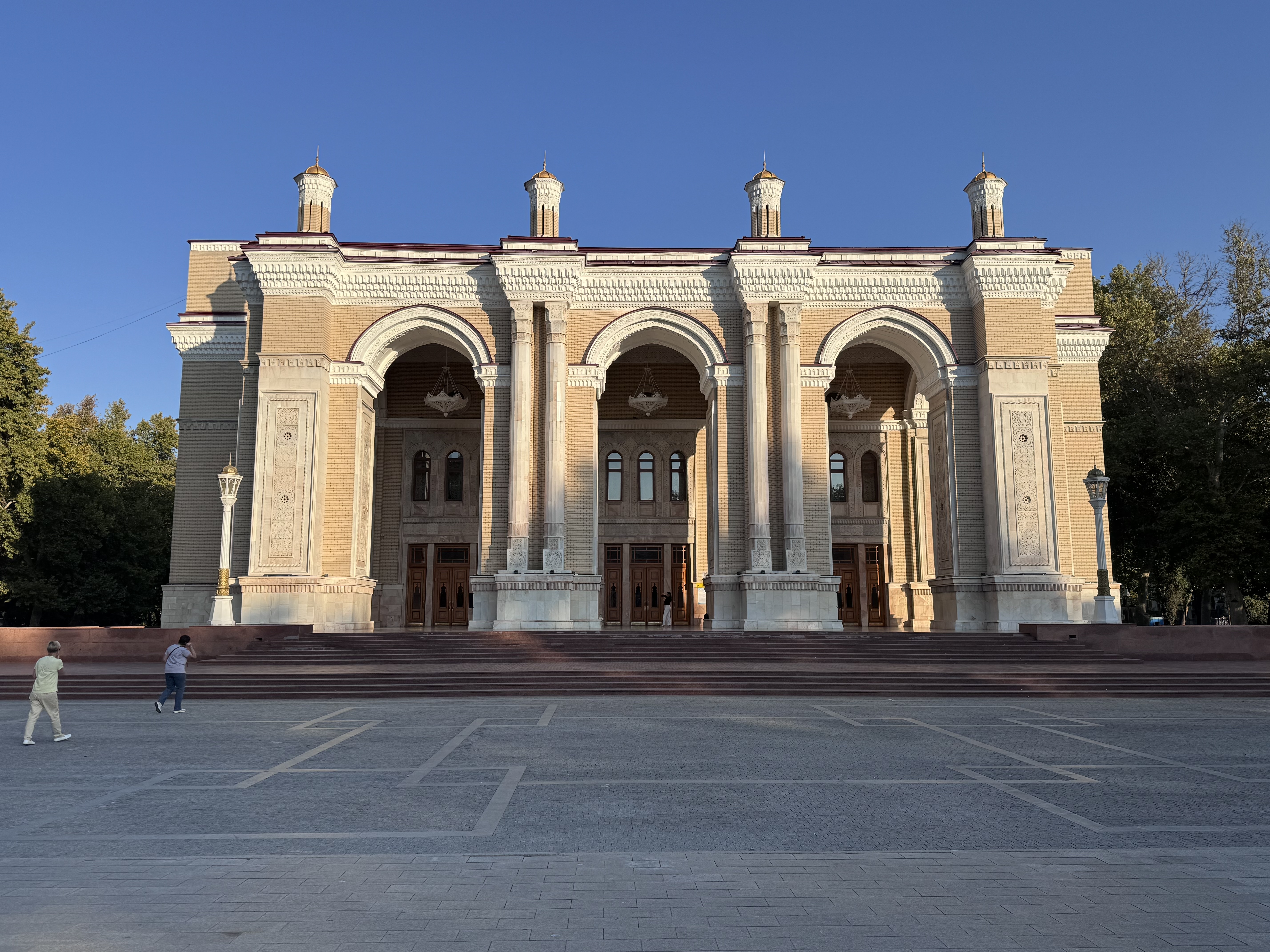
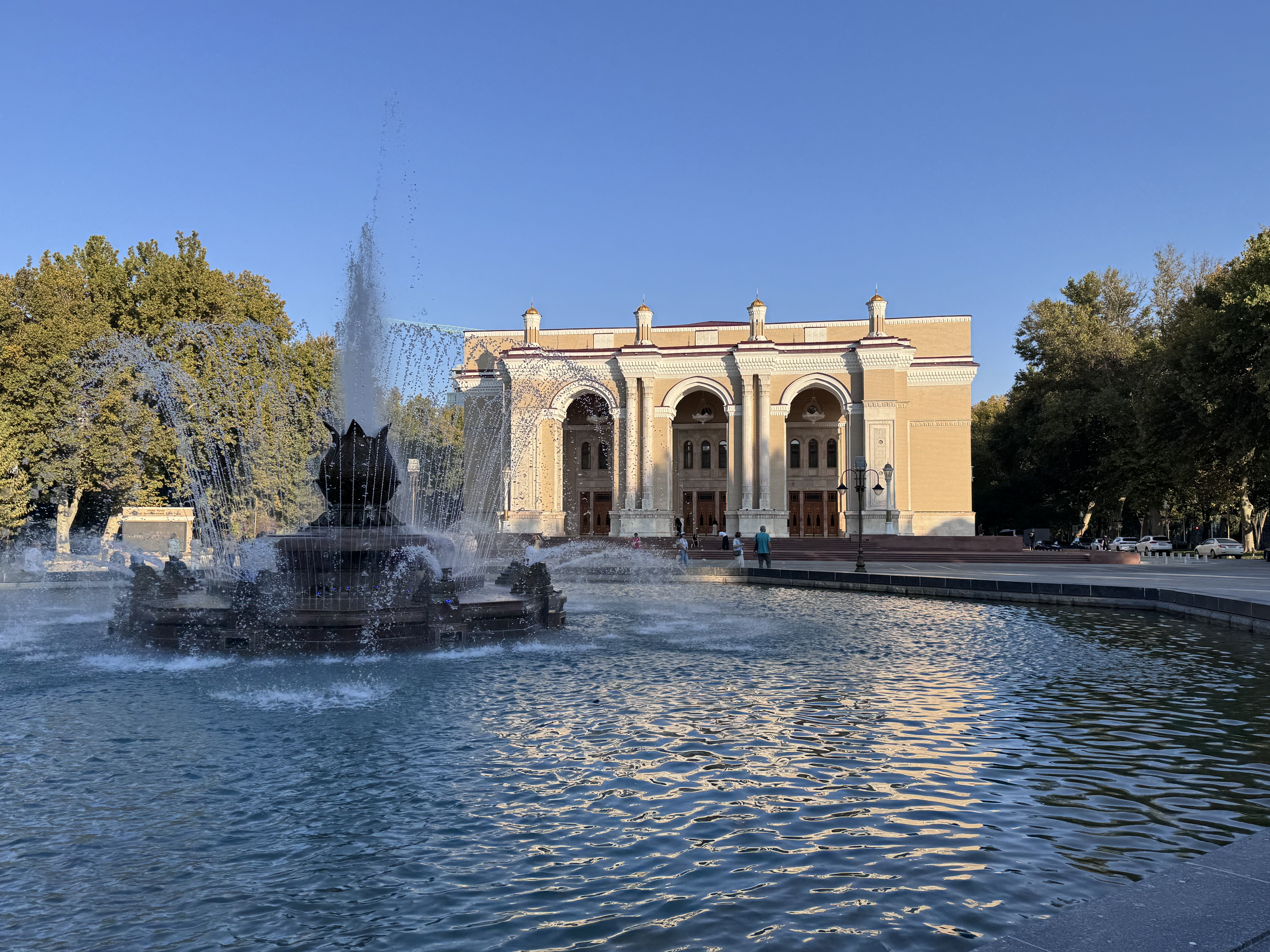
In the center of Tashkent stands the Alisher Navoi State Academic Grand Theatre, designed by Alexey Shchusev and opened in 1947. Its exterior mixes Soviet neoclassicism with Central Asian arches and minaret like turrets, while the interior features six foyers decorated in the styles of Uzbekistan’s historic regions and an auditorium seating around fourteen hundred. Built partly with Japanese prisoner of war labour on the site of the old Voskresensky Market, it remains the country’s leading opera and ballet house.
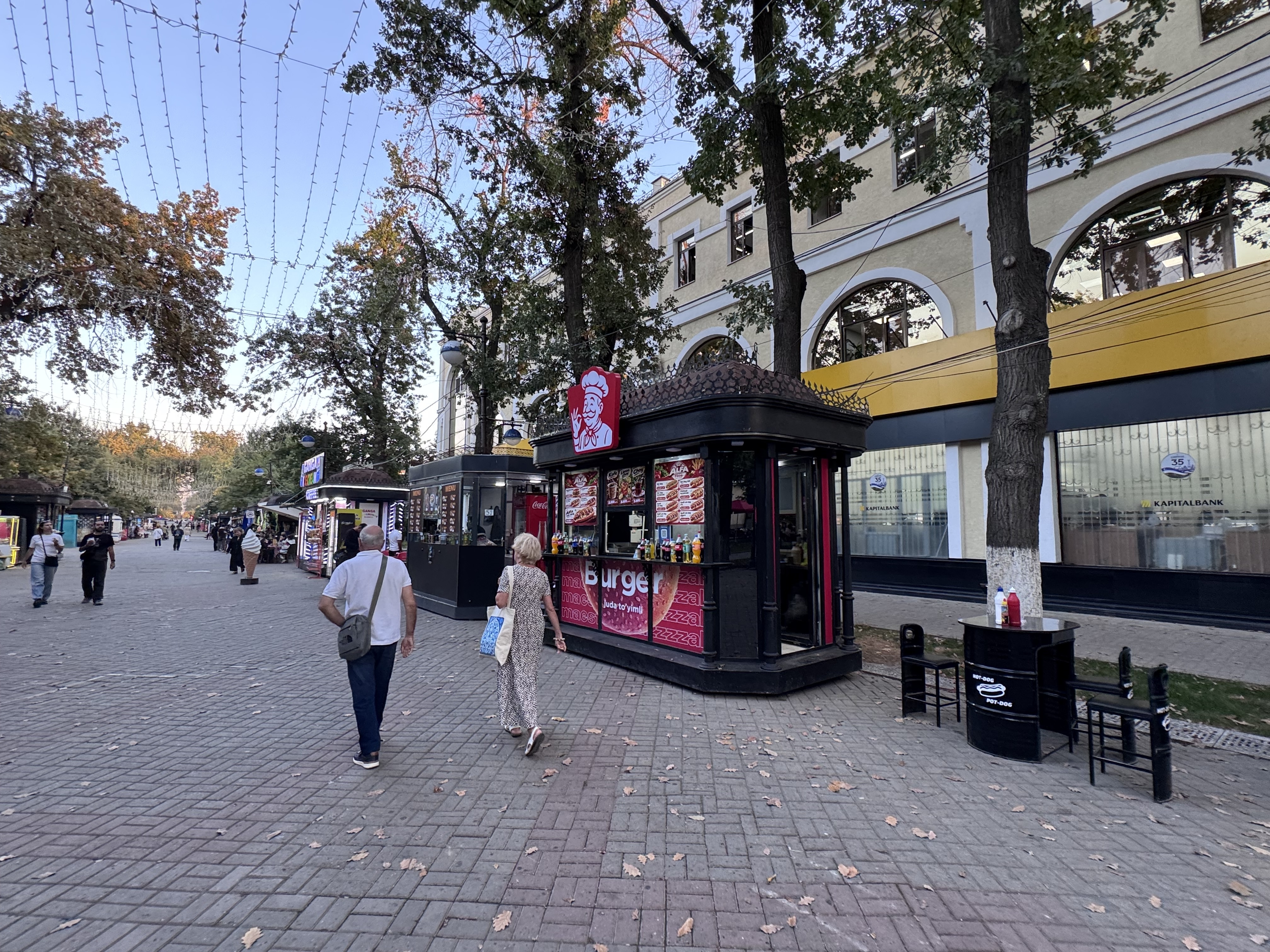
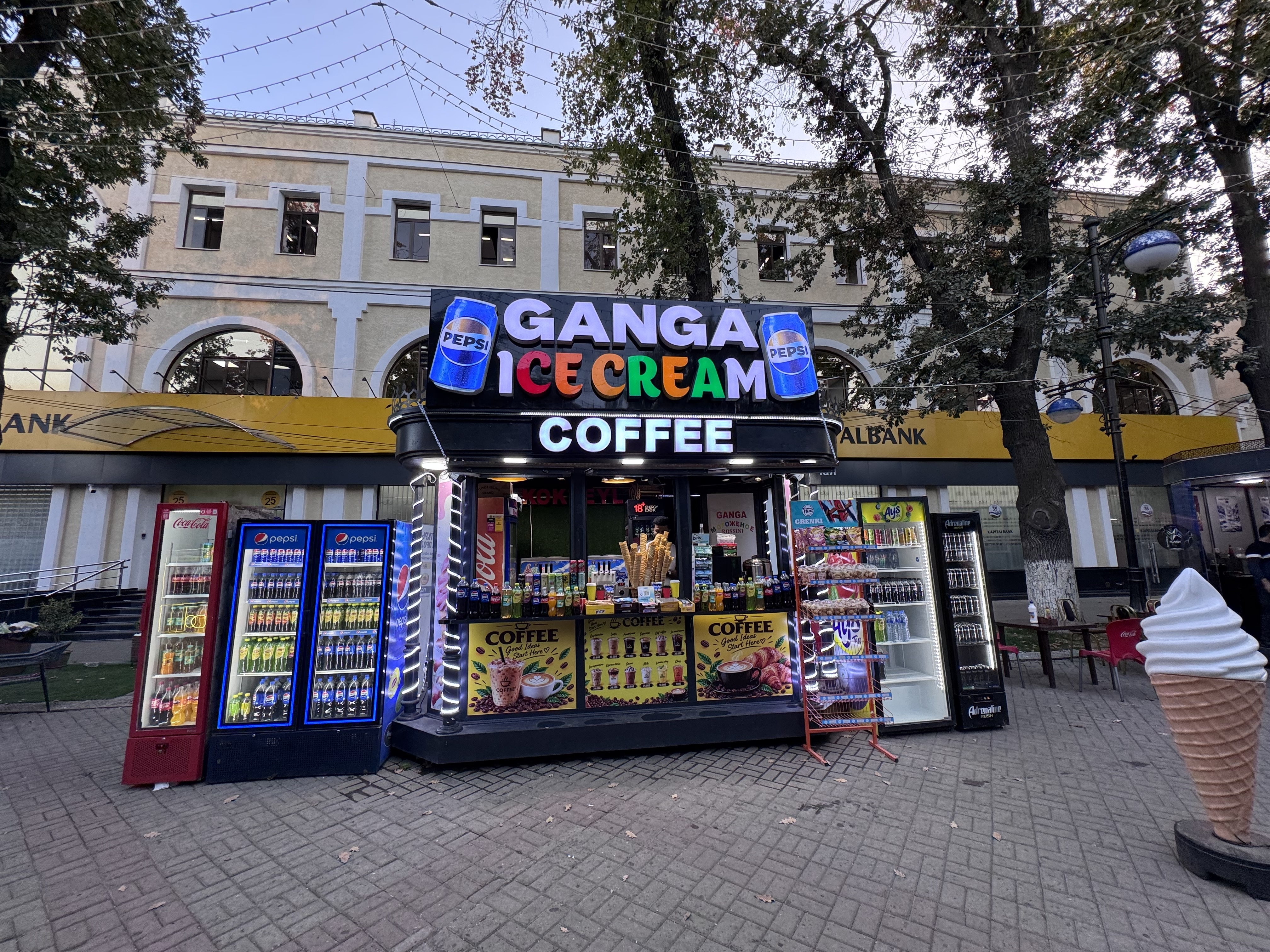
A short walk leads into Sailgokh Street, known as Broadway and the Night Lights Walking District.
This pedestrian promenade comes alive after sunset with families, street artists, musicians, food stalls and casual games. Once a commercial artery of the nineteenth century Russian New City, it was fully pedestrianised after independence and now forms one of Tashkent’s most popular evening gathering places.
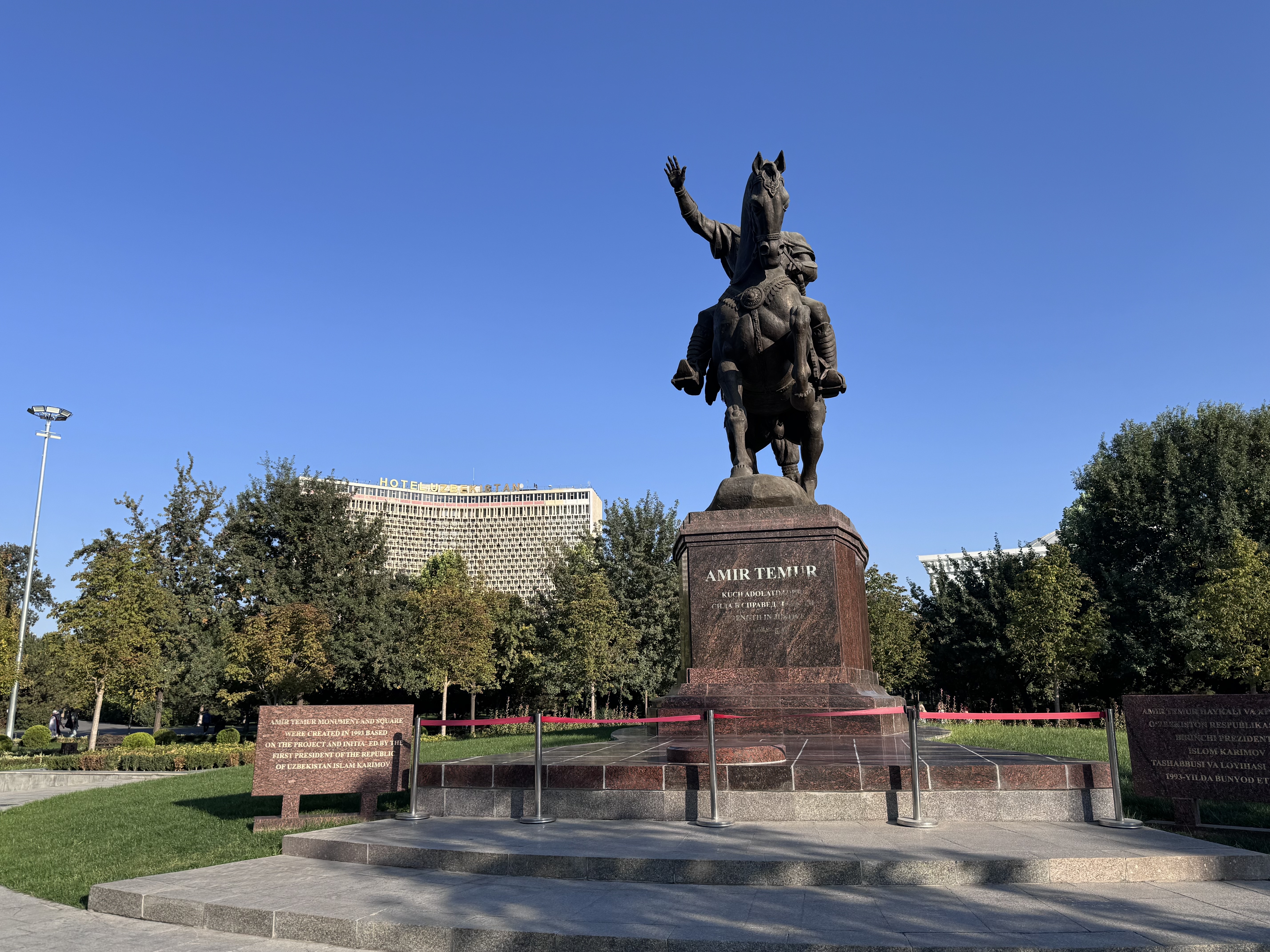
At its northern end opens Amir Temur Square, centred on the bronze ...
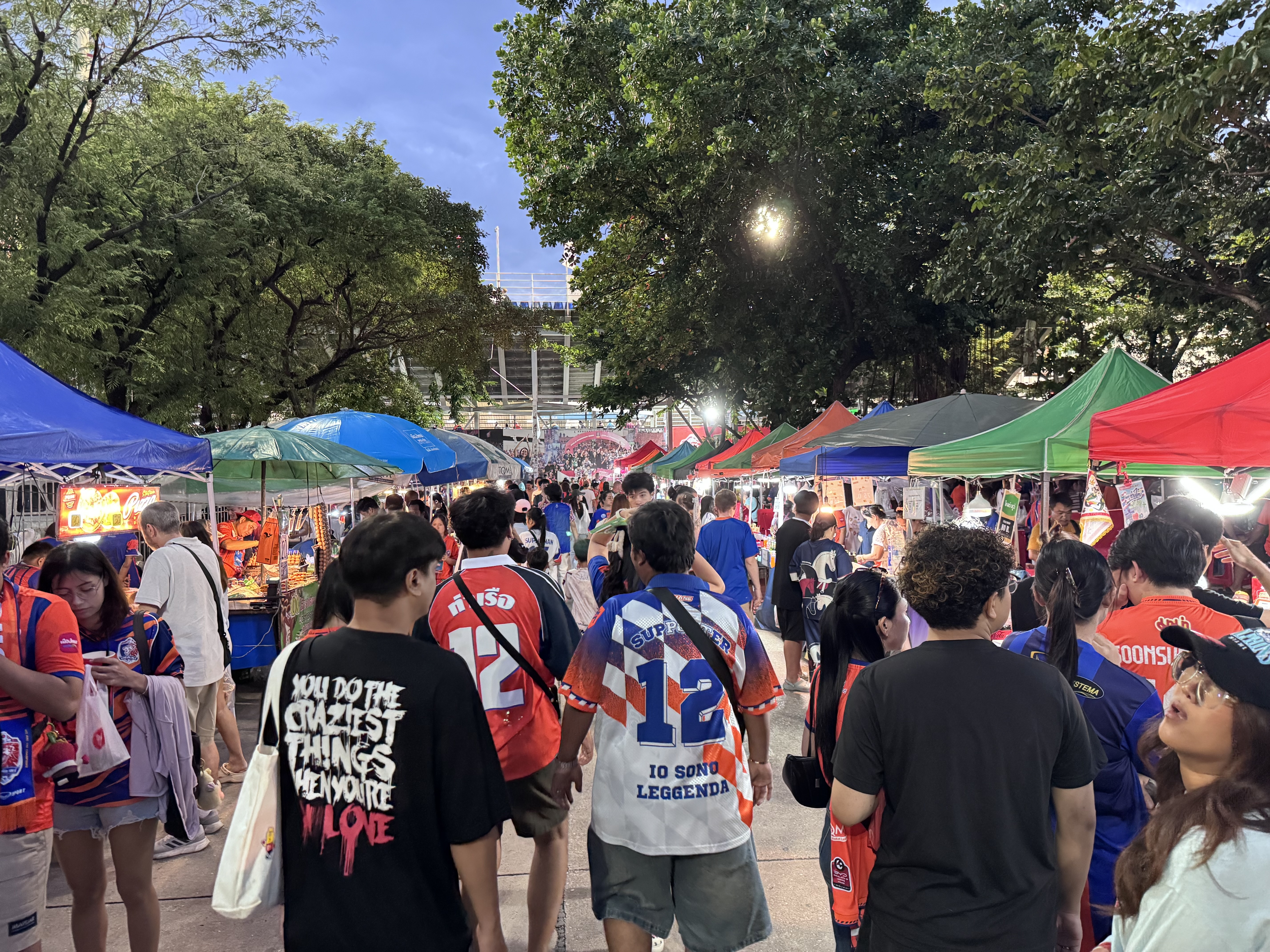
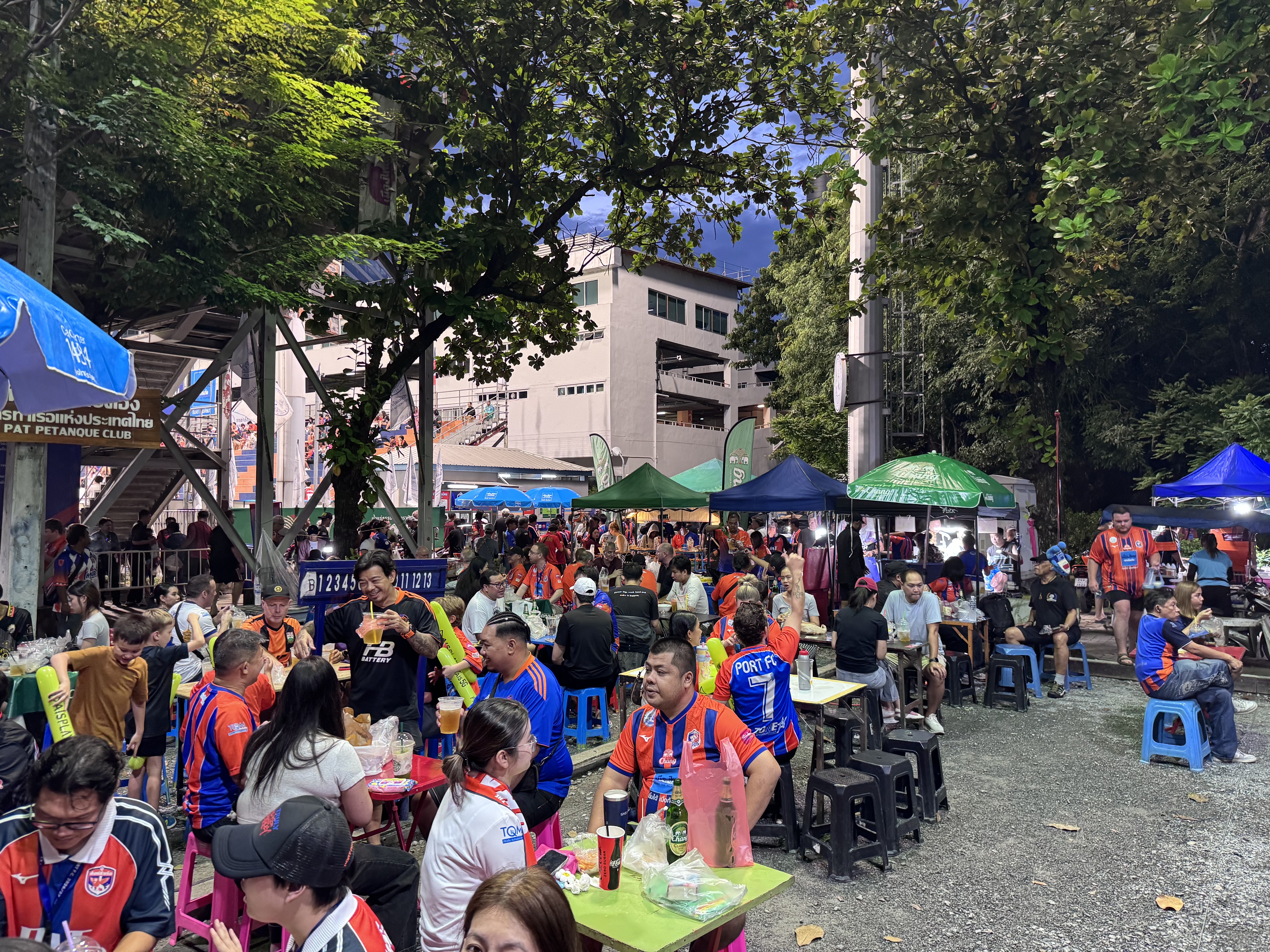
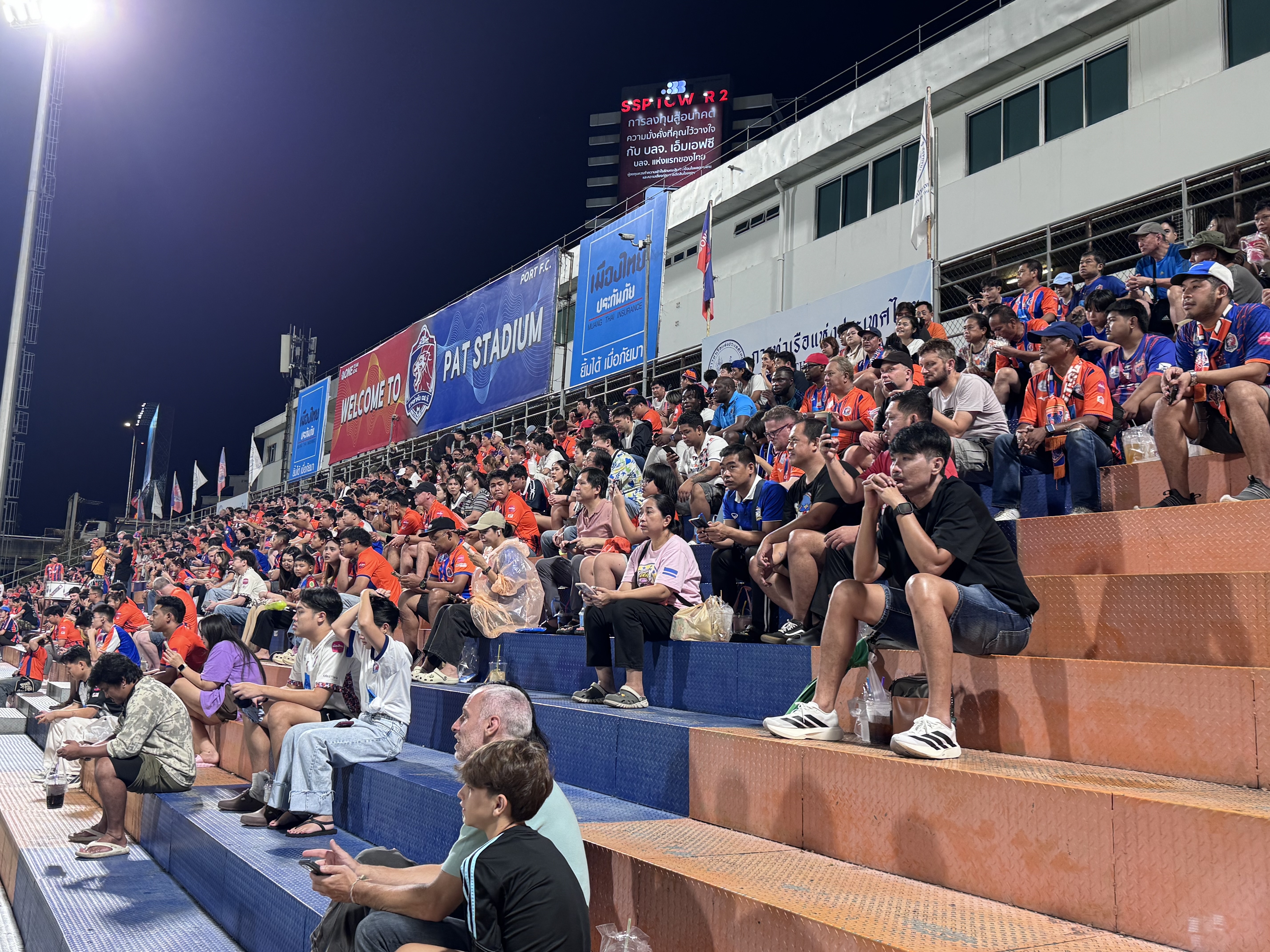
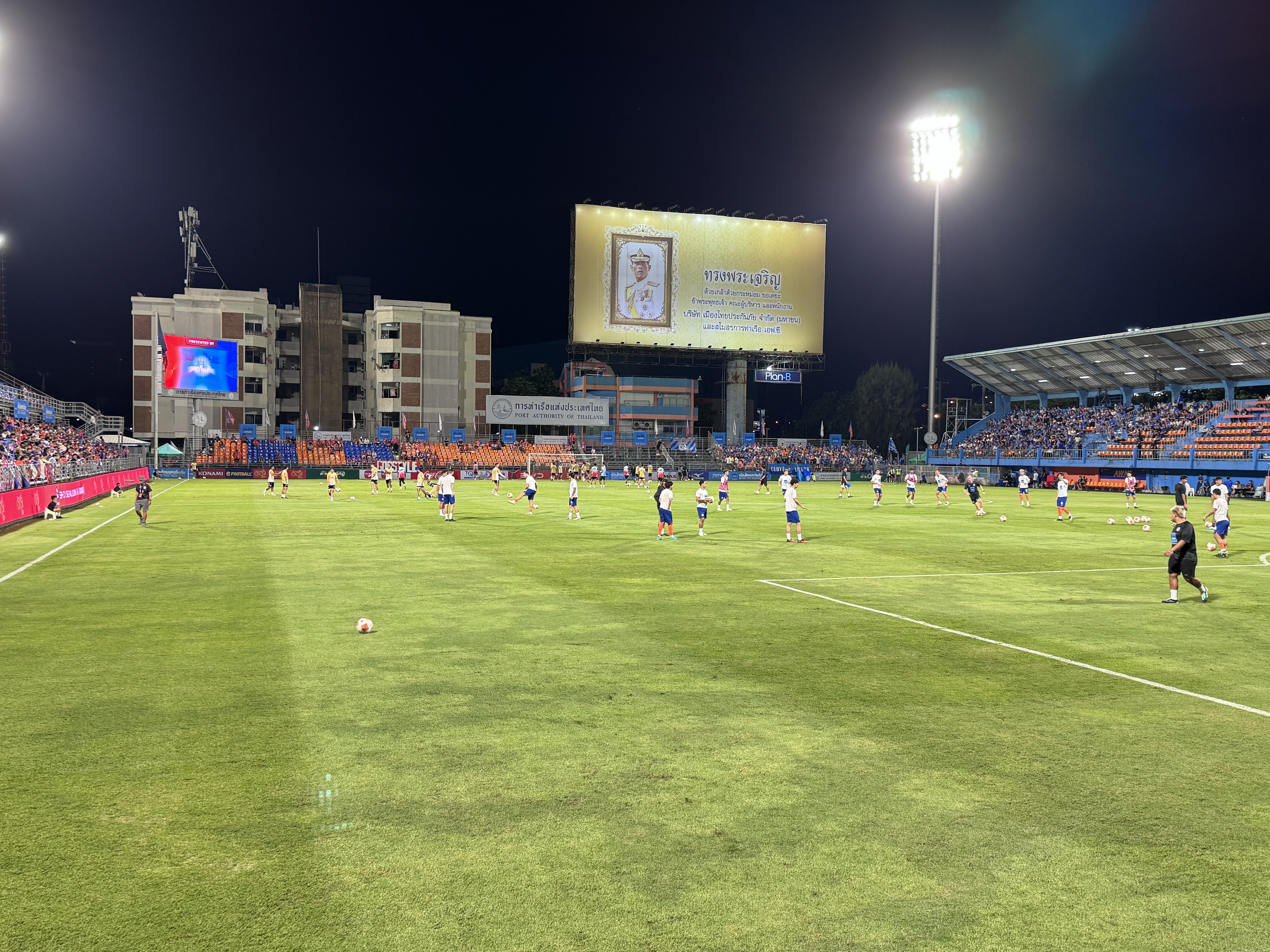
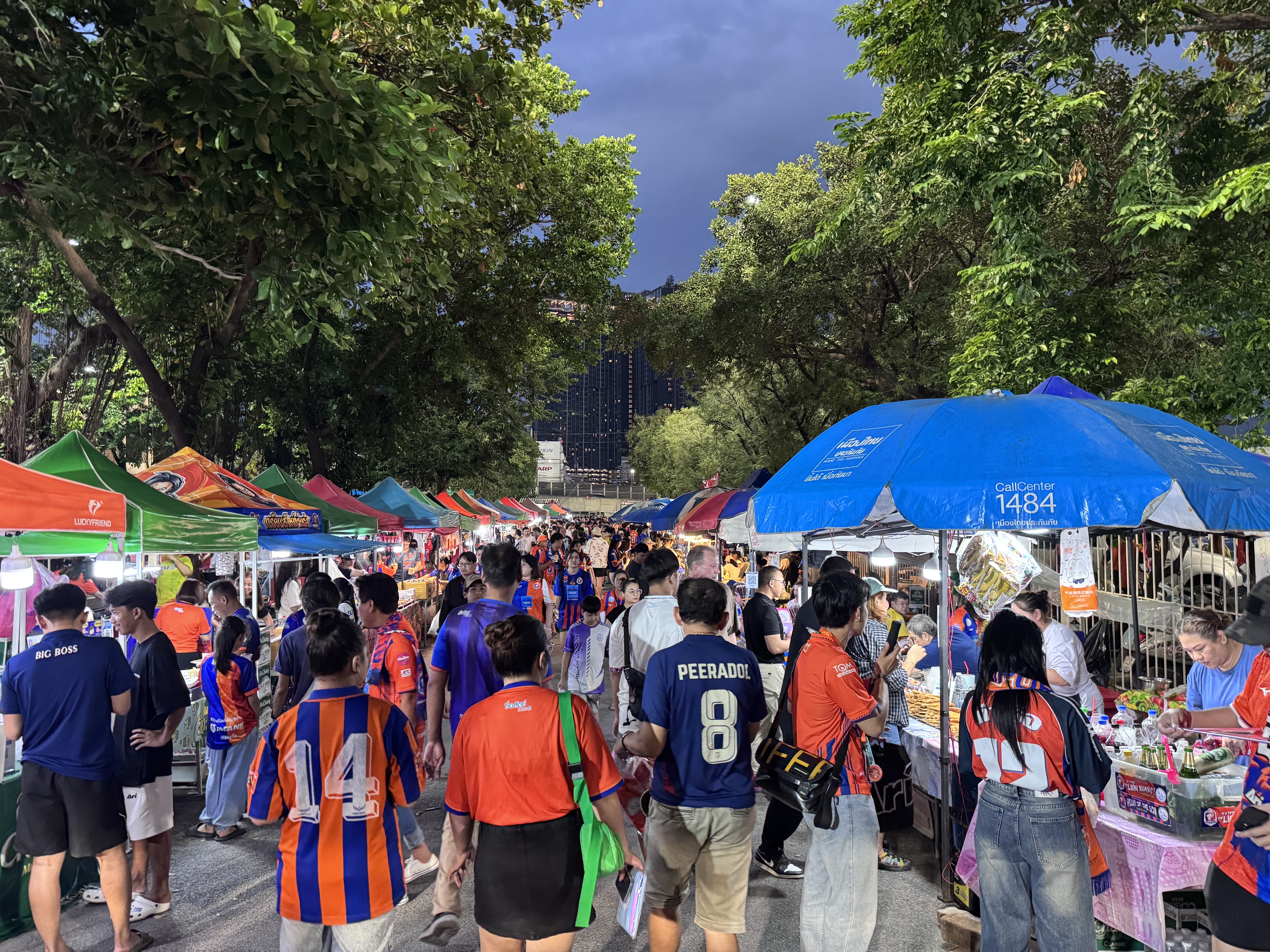
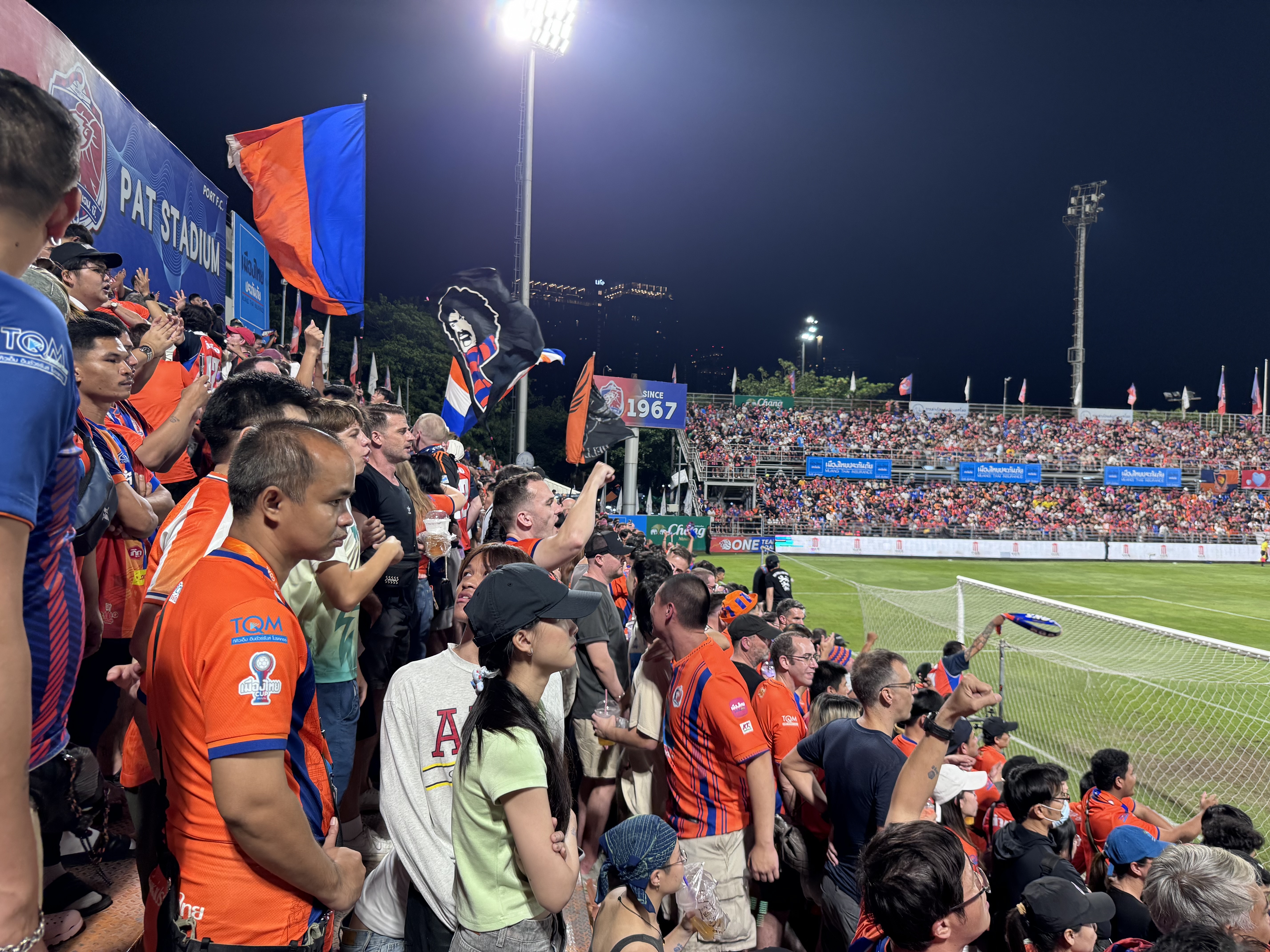
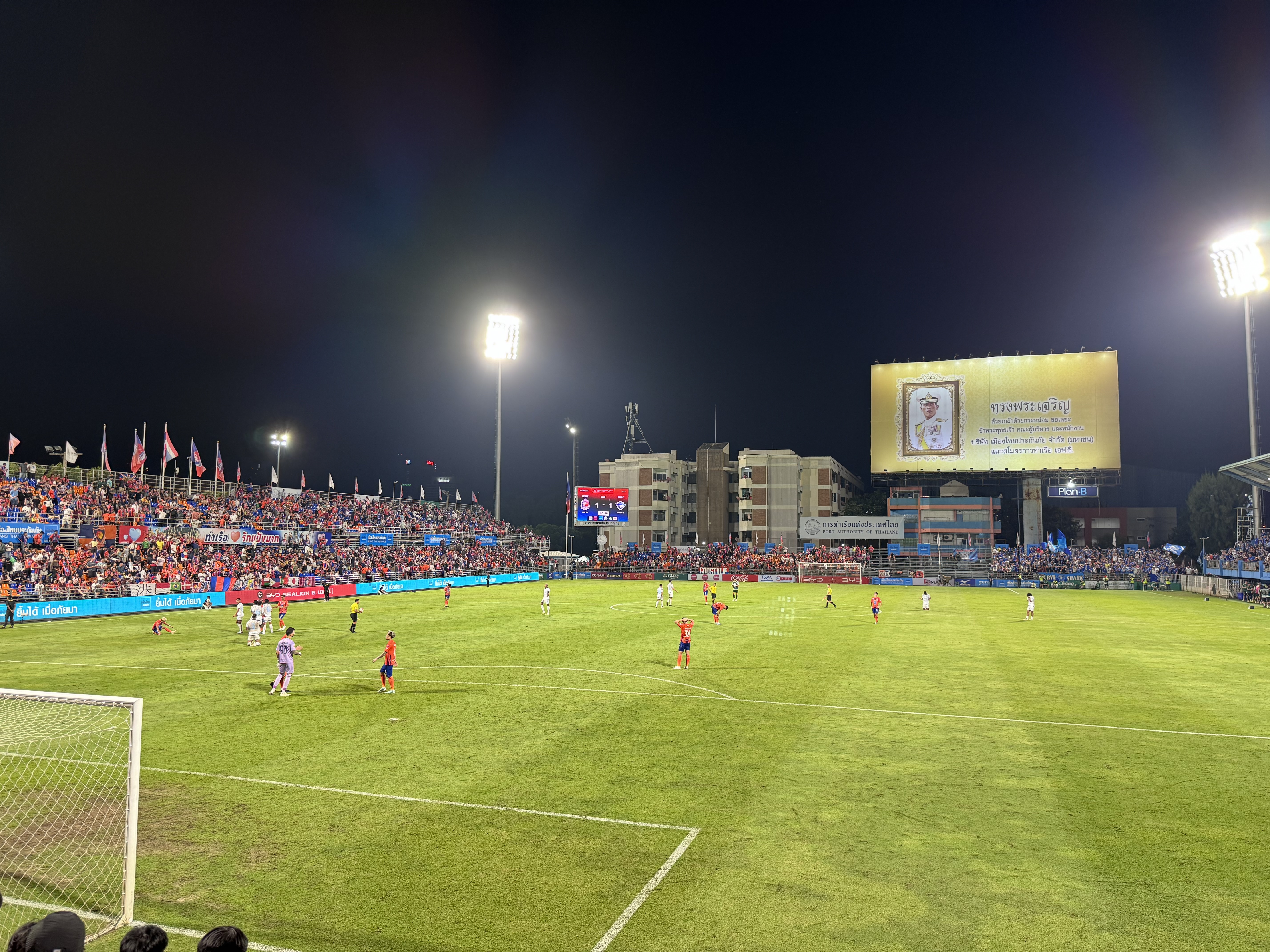
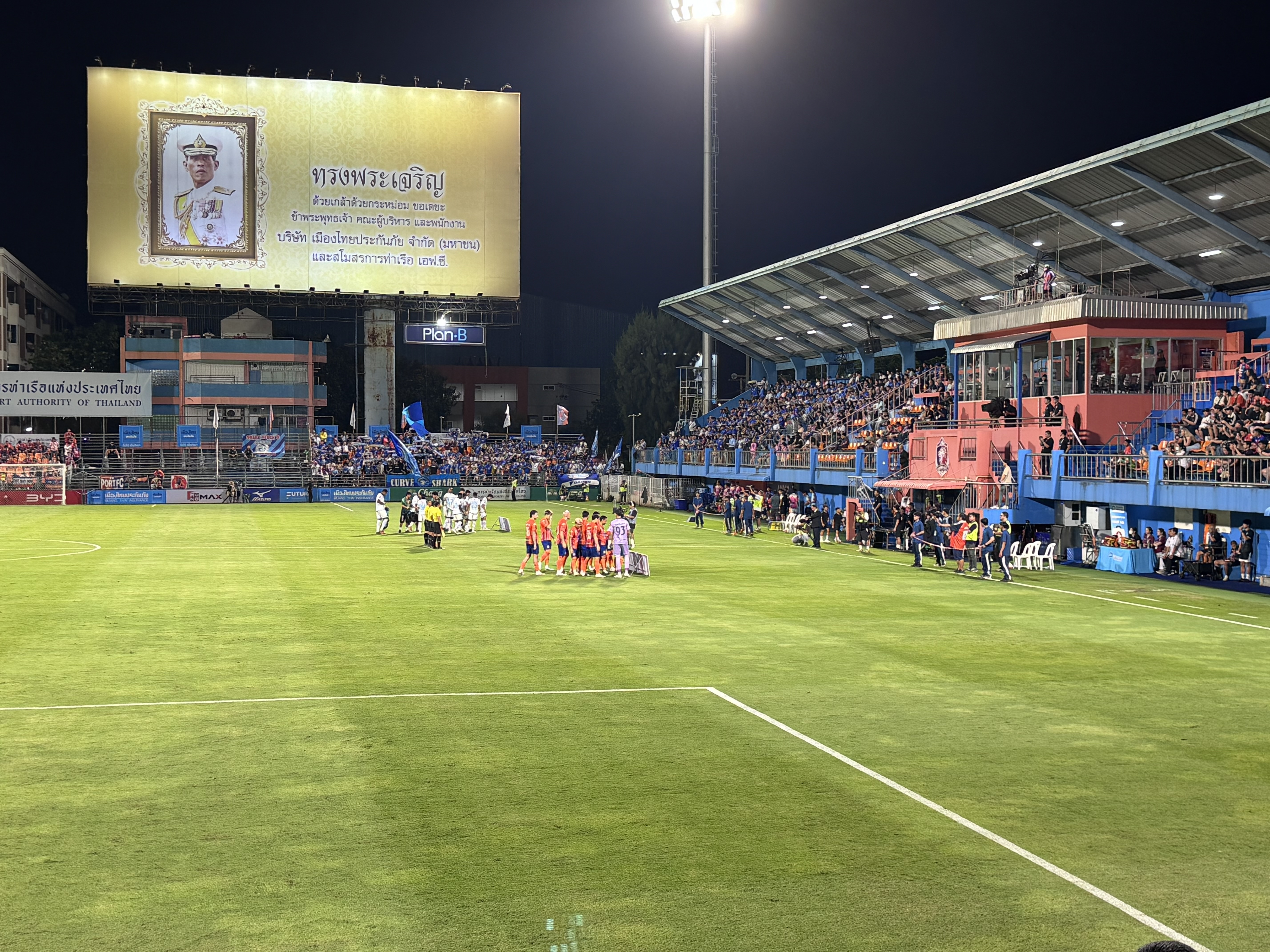
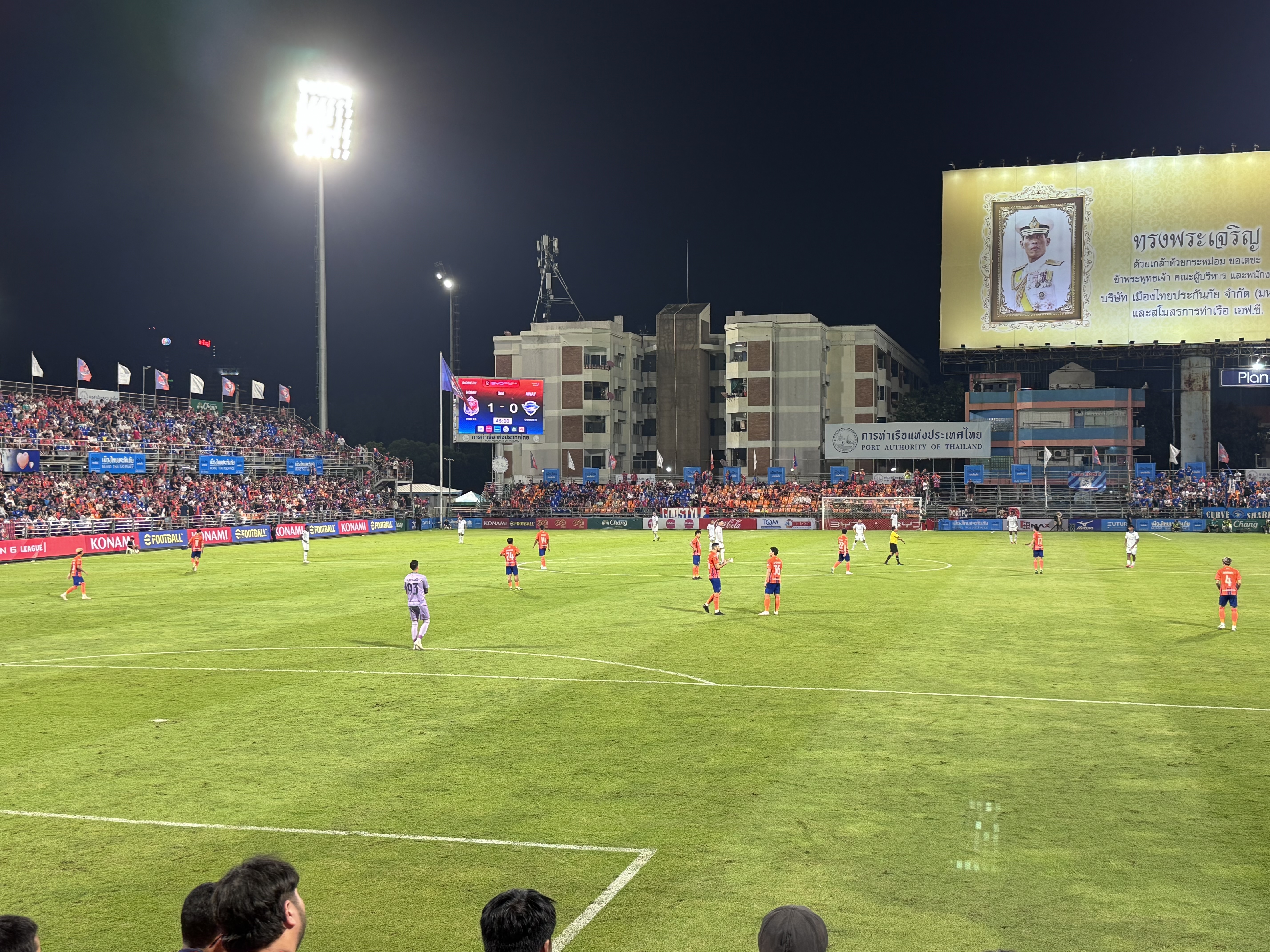
Port FC, one of the oldest professional clubs in Thai football, was founded in 1967 as Port Authority of Thailand Football Club by the Port Authority itself. Based in the Khlong Toei district of Bangkok and playing at the intimate PAT Stadium, the side quickly established itself as a force in the pre-league era, collecting multiple Kor Royal Cup titles in the late 1960s and 1970s along with a string of Queen’s Cup triumphs. Known as the Lions or Singha Chao Tha, the club has experienced periods of both dominance and struggle, including a brief drop to the second tier before returning to the top flight. In recent seasons it has re-emerged as a consistent contender, finishing as high as runners-up and lifting the Muang Thai Cup last season after a hard-fought campaign that included a dramatic semi-final victory over Chonburi.
Chonburi FC traces its roots to the late 1990s, evolving from school and provincial sides linked to Assumption College Sriracha before formally taking shape as a ...