

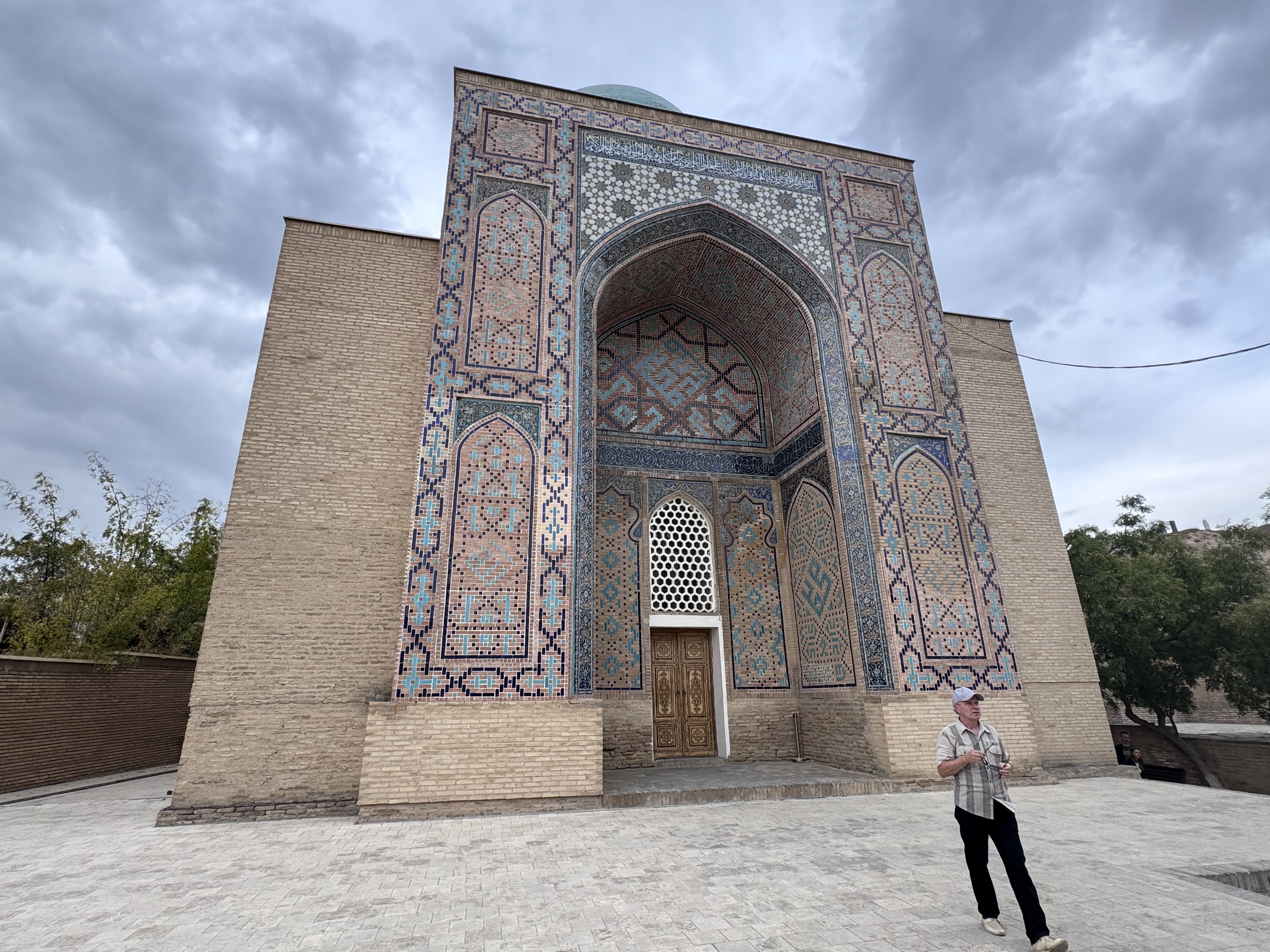
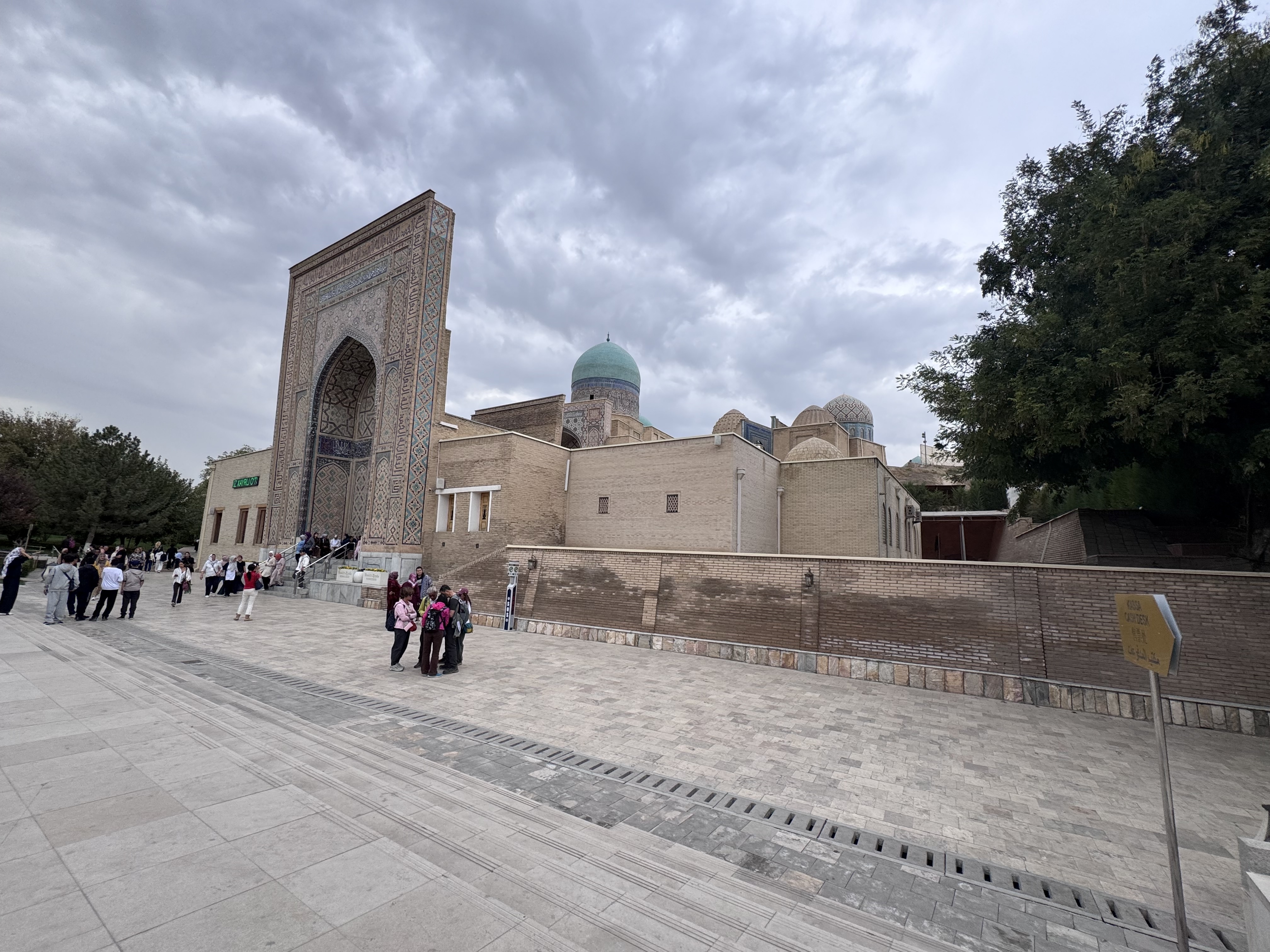
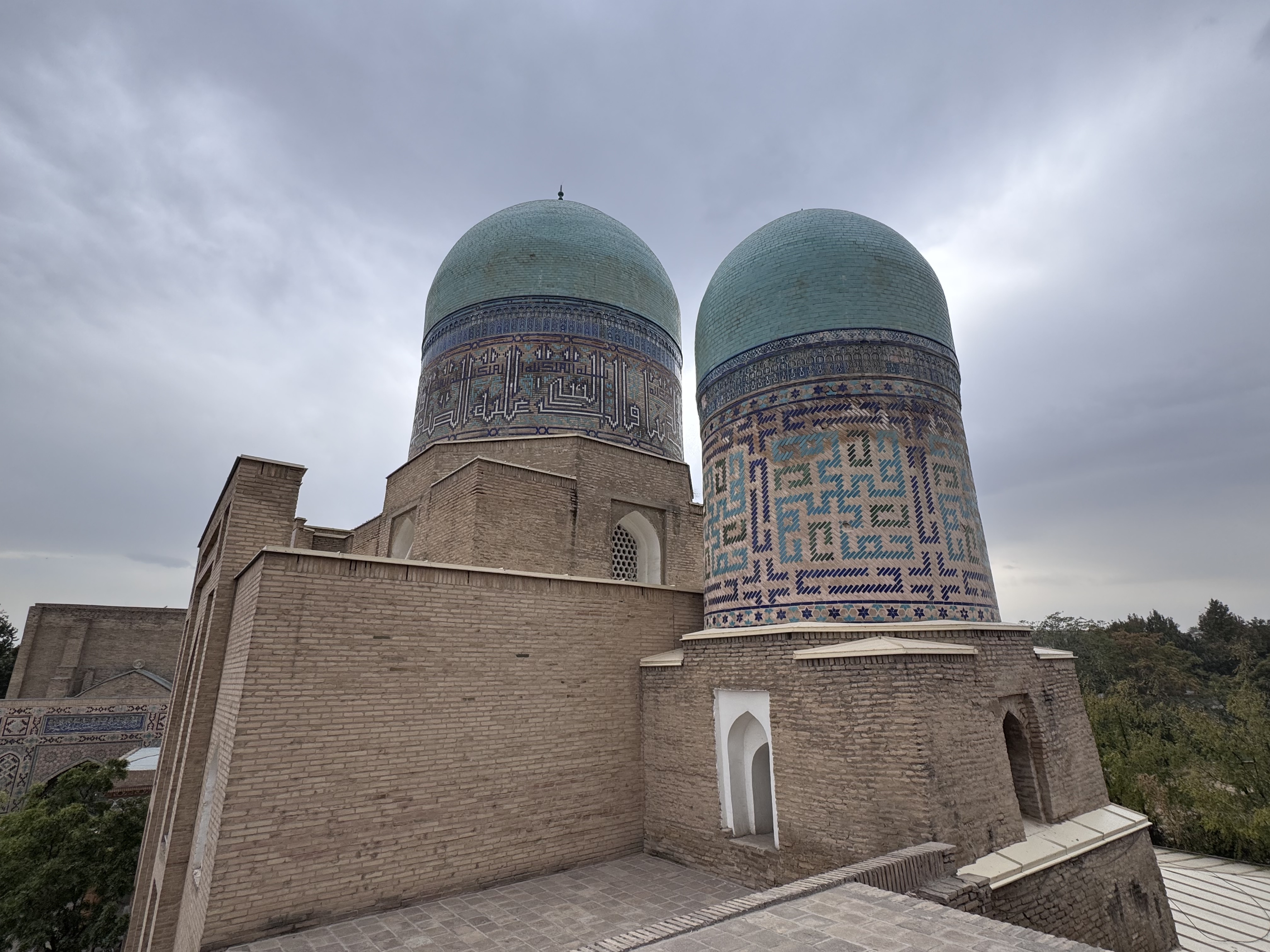
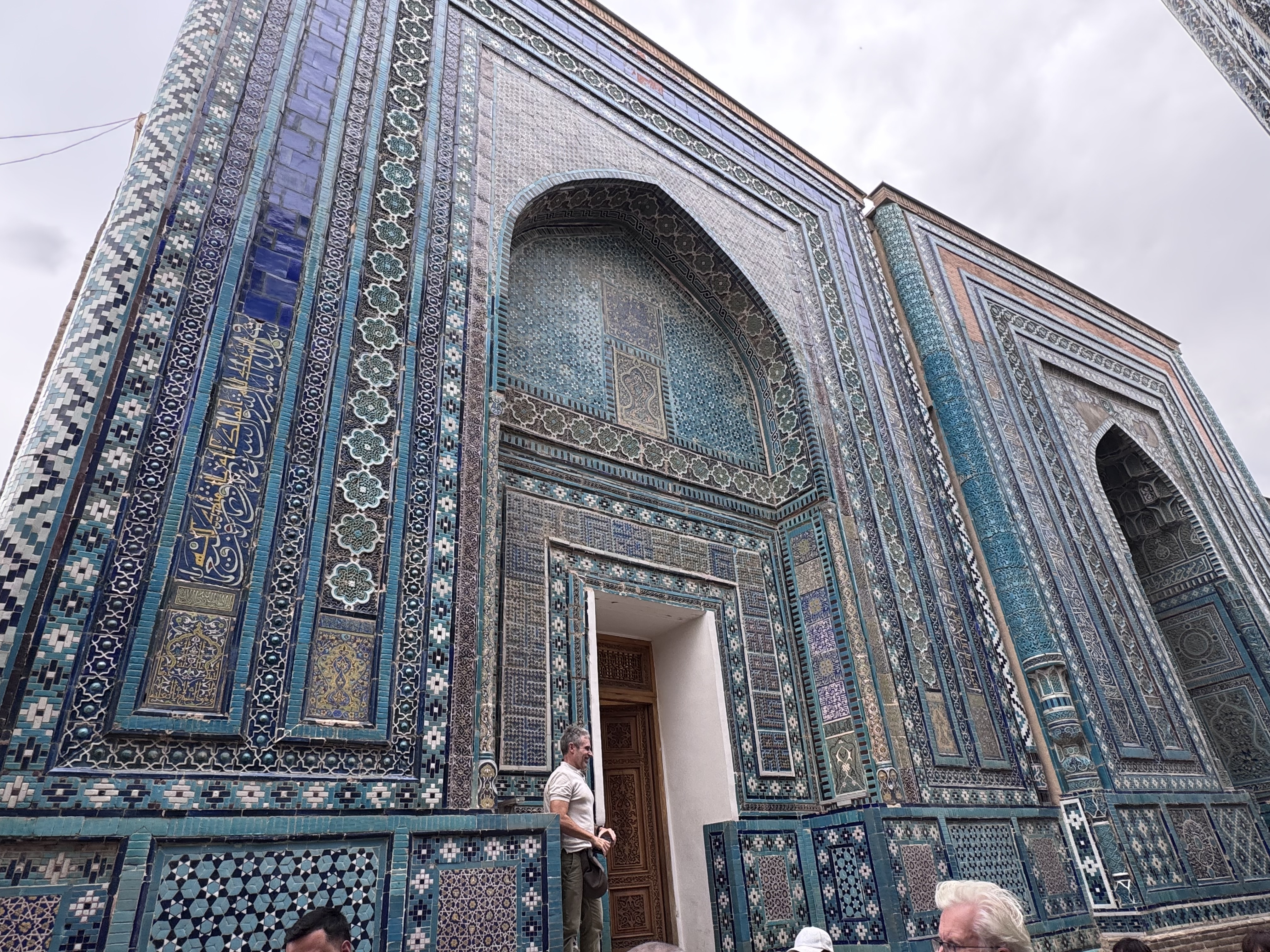
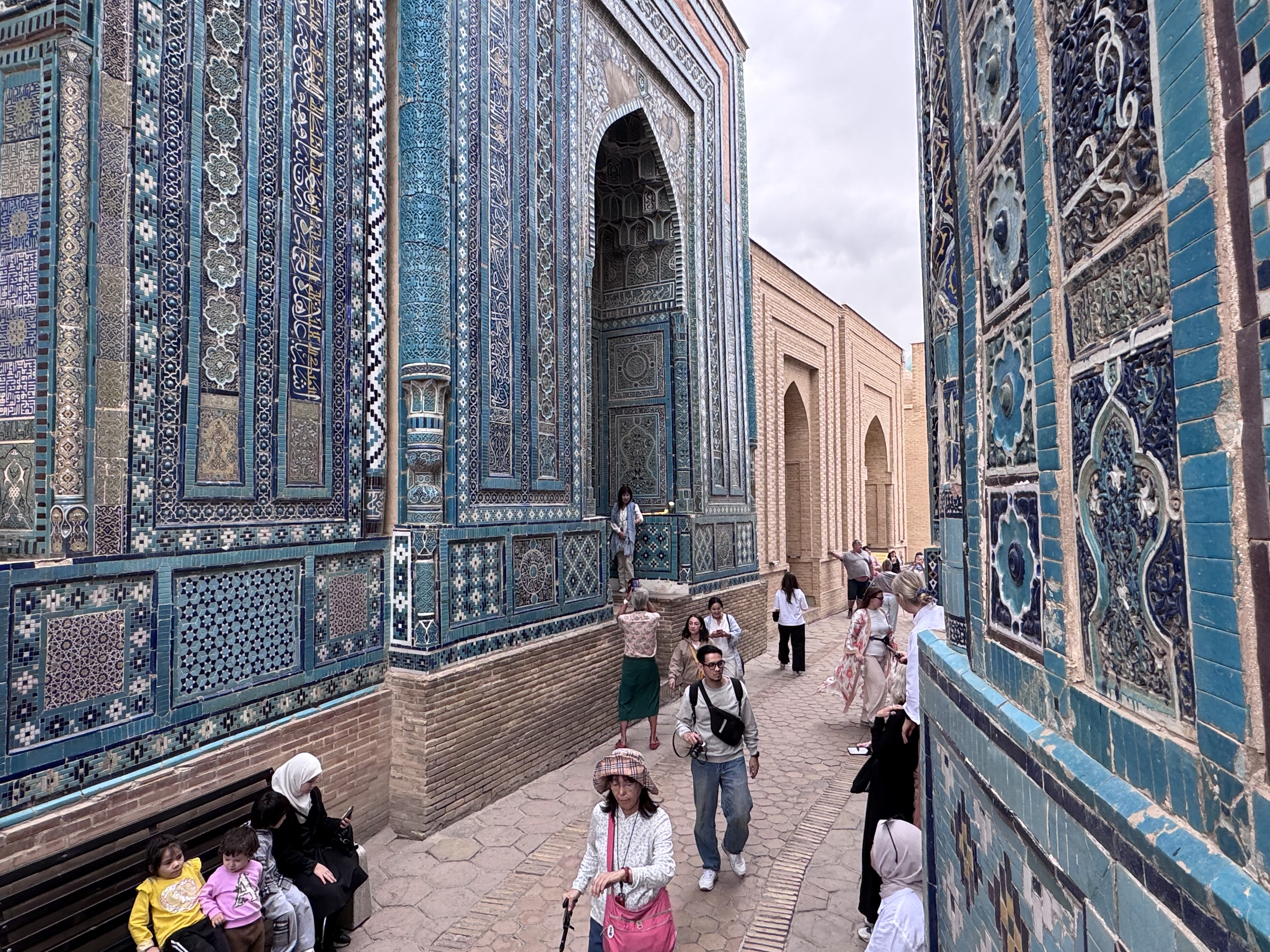
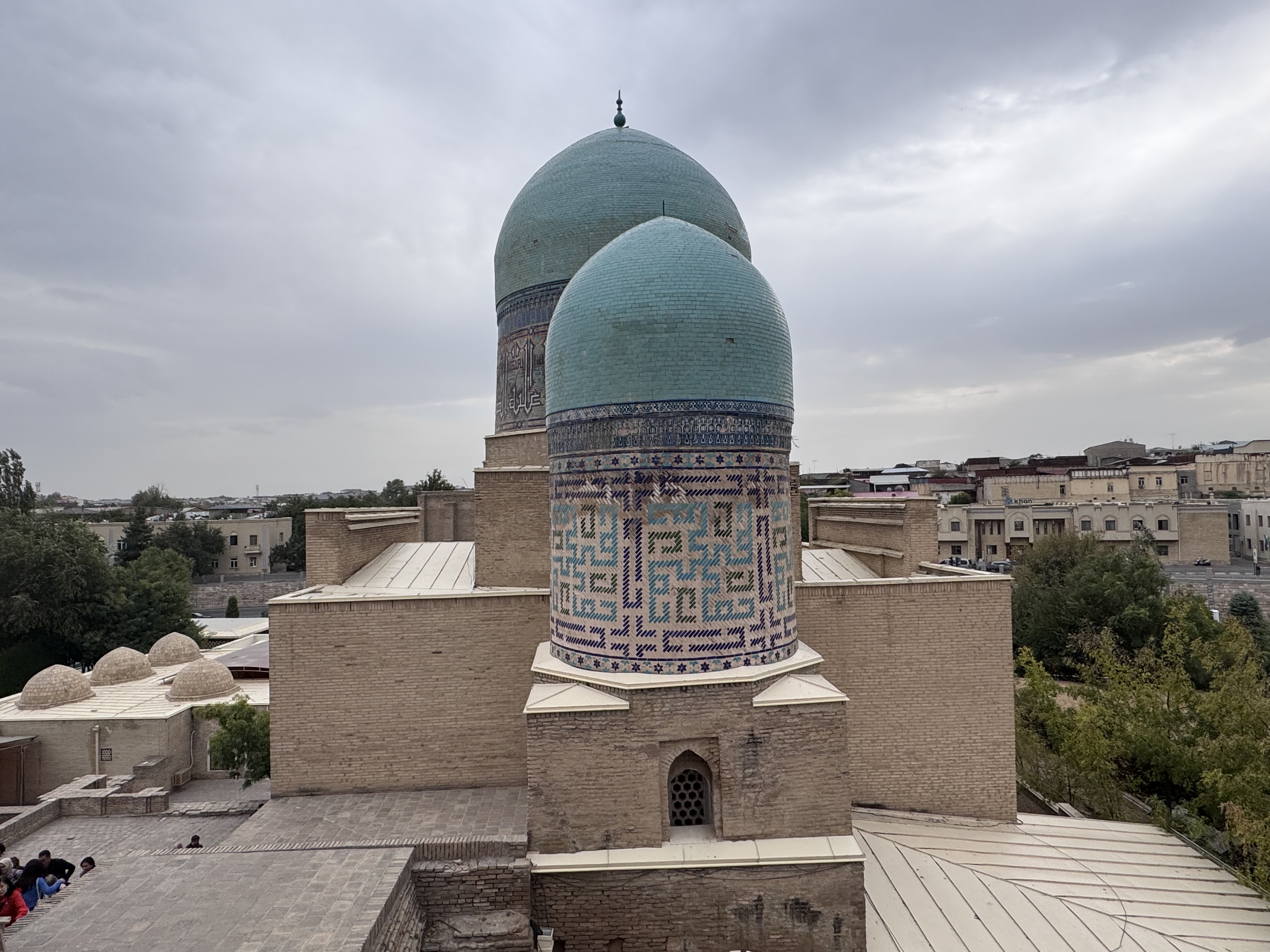
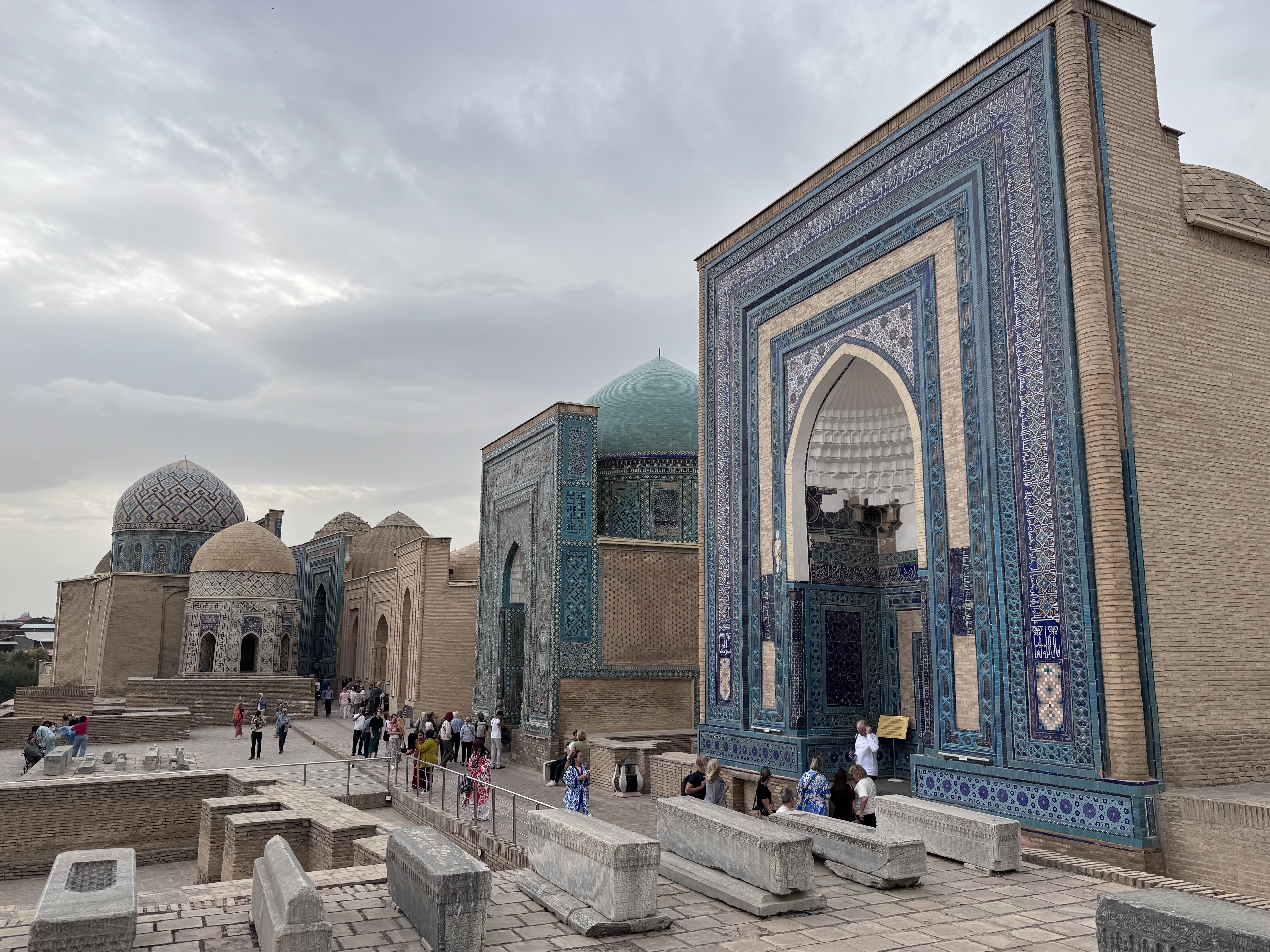
The Shah-i-Zinda ensemble, also known as Shohizinda, is a historic necropolis and funerary complex located on the southern slope of the ancient Afrasiab hill in the northeastern part of Samarkand, Uzbekistan. Its name, drawn from Classical Persian, means “the Living King,” and it centers on a powerful local legend associated with Qutham (or Qusam, Kusam) ibn Abbas, a cousin of the Prophet Muhammad.
Tradition holds that he arrived in the region during the seventh-century Arab conquests to preach Islam. According to one widely told account, he was attacked and beheaded while at prayer; he then picked up his severed head and walked to a deep well or cleft known as the Garden of Paradise, where he is believed to remain alive to this day in a subterranean realm. This legend transformed the site into a major place of pilgrimage, and the complex grew around the reputed shrine of this “living king.”
Archaeological evidence shows that the area had long been occupied. Beneath the medieval layers ...
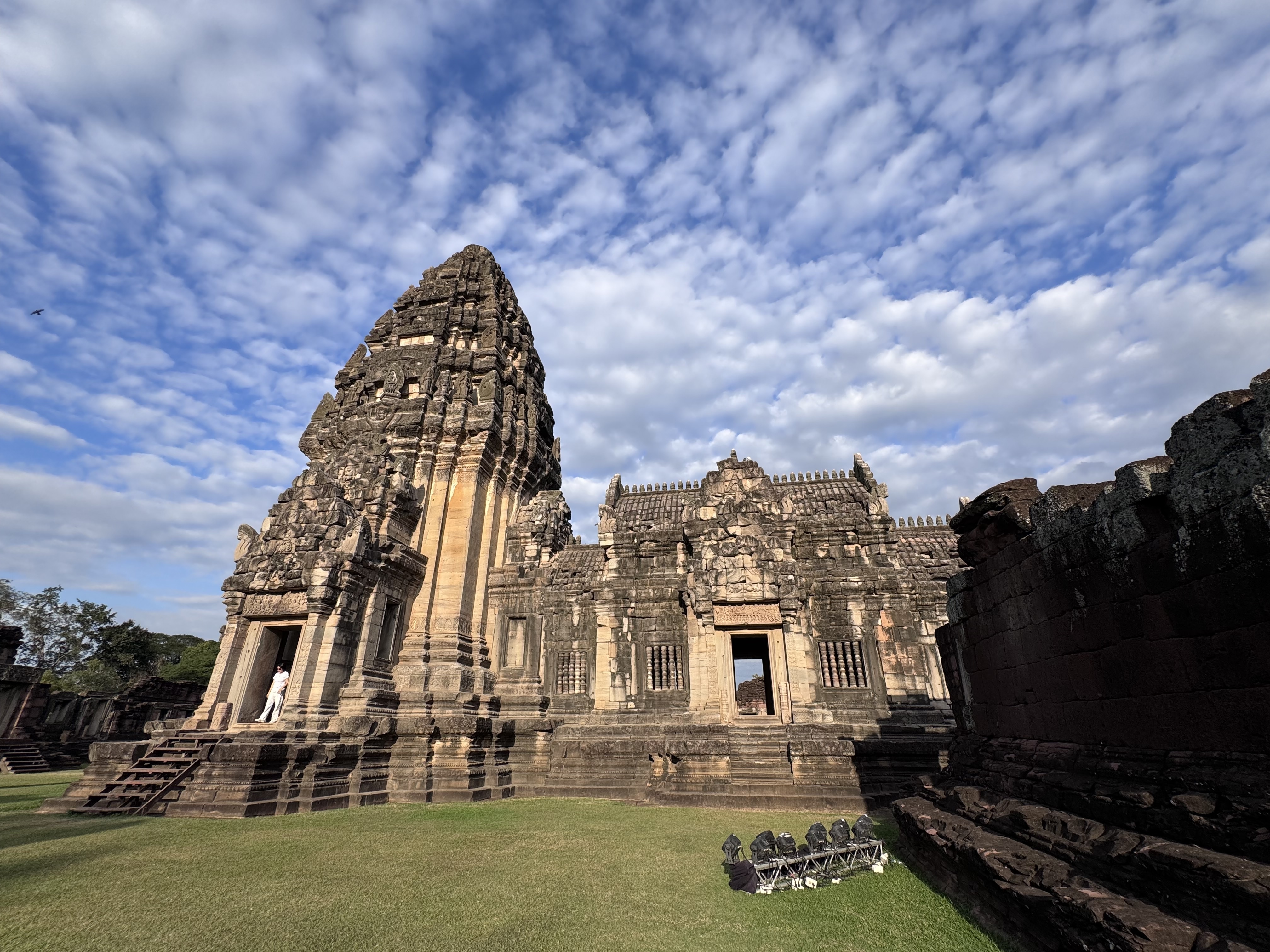
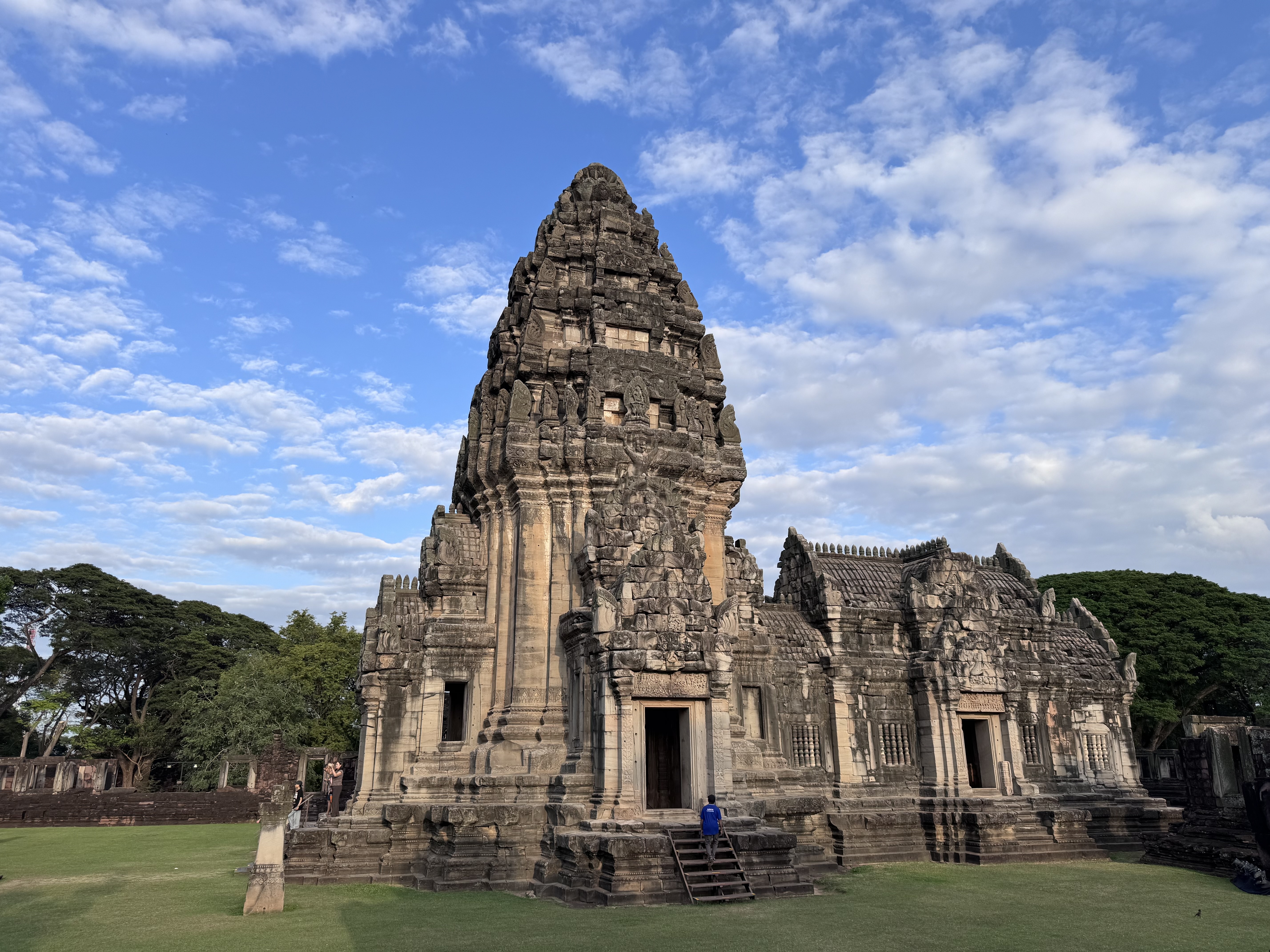
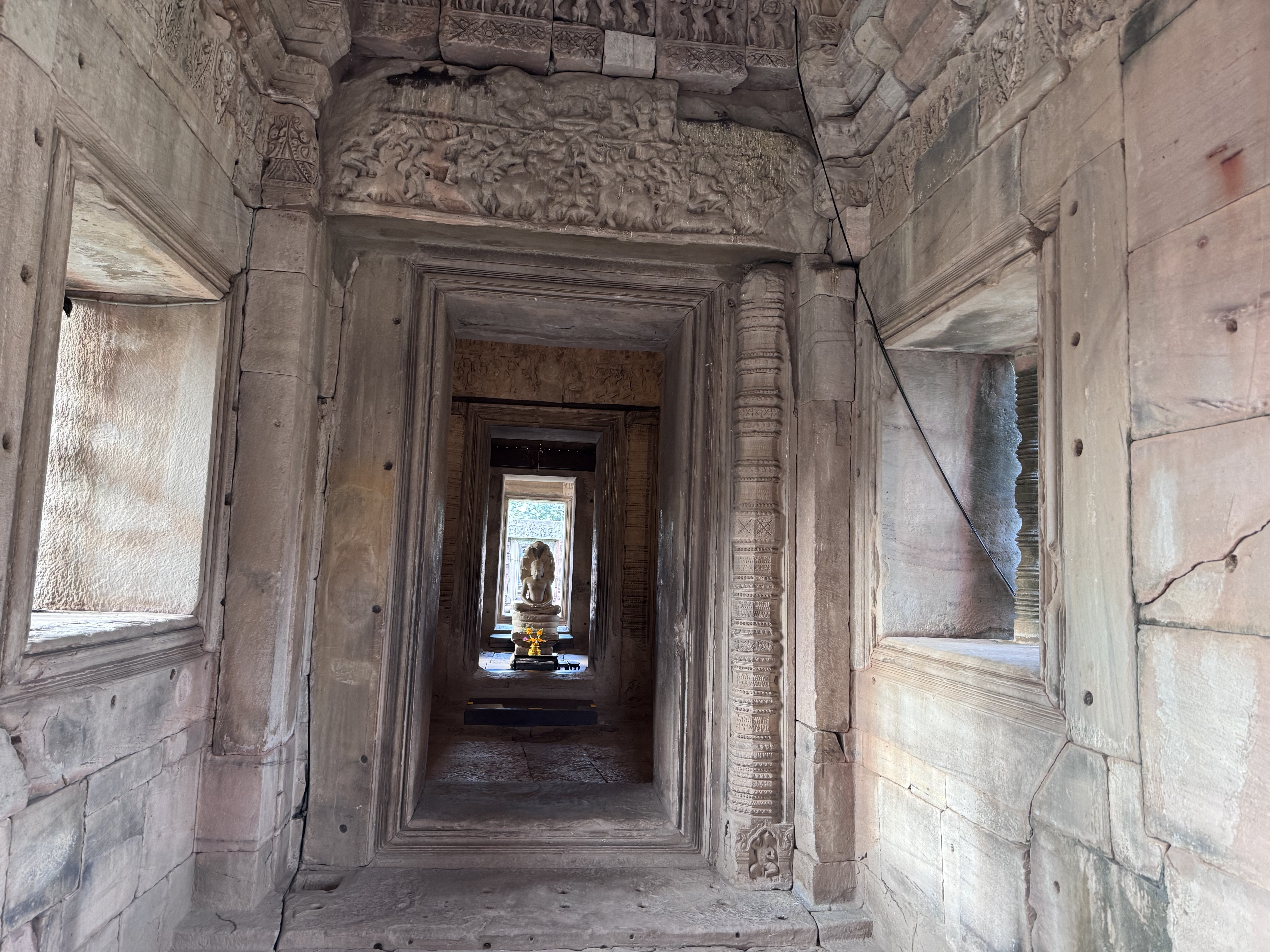
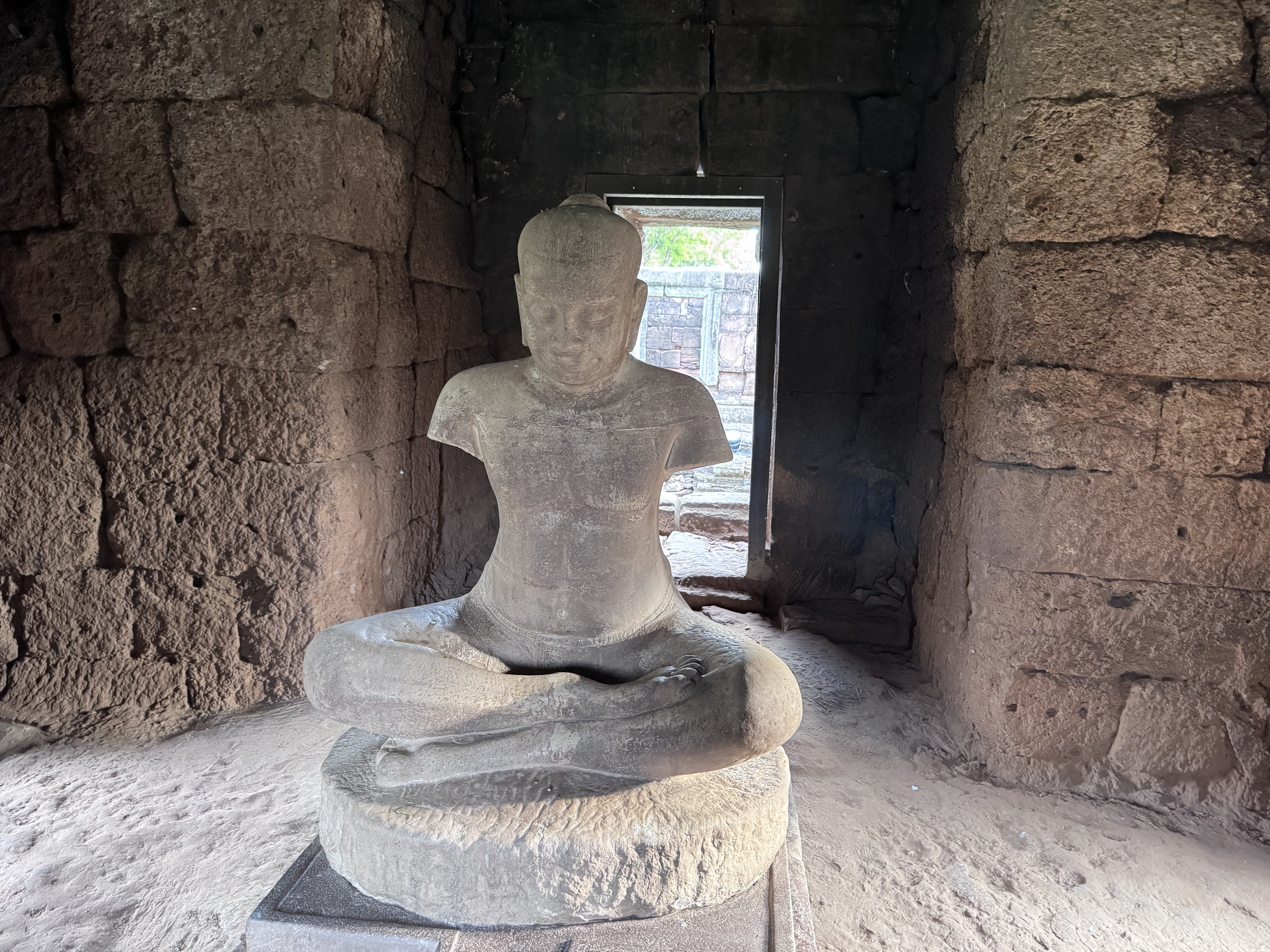
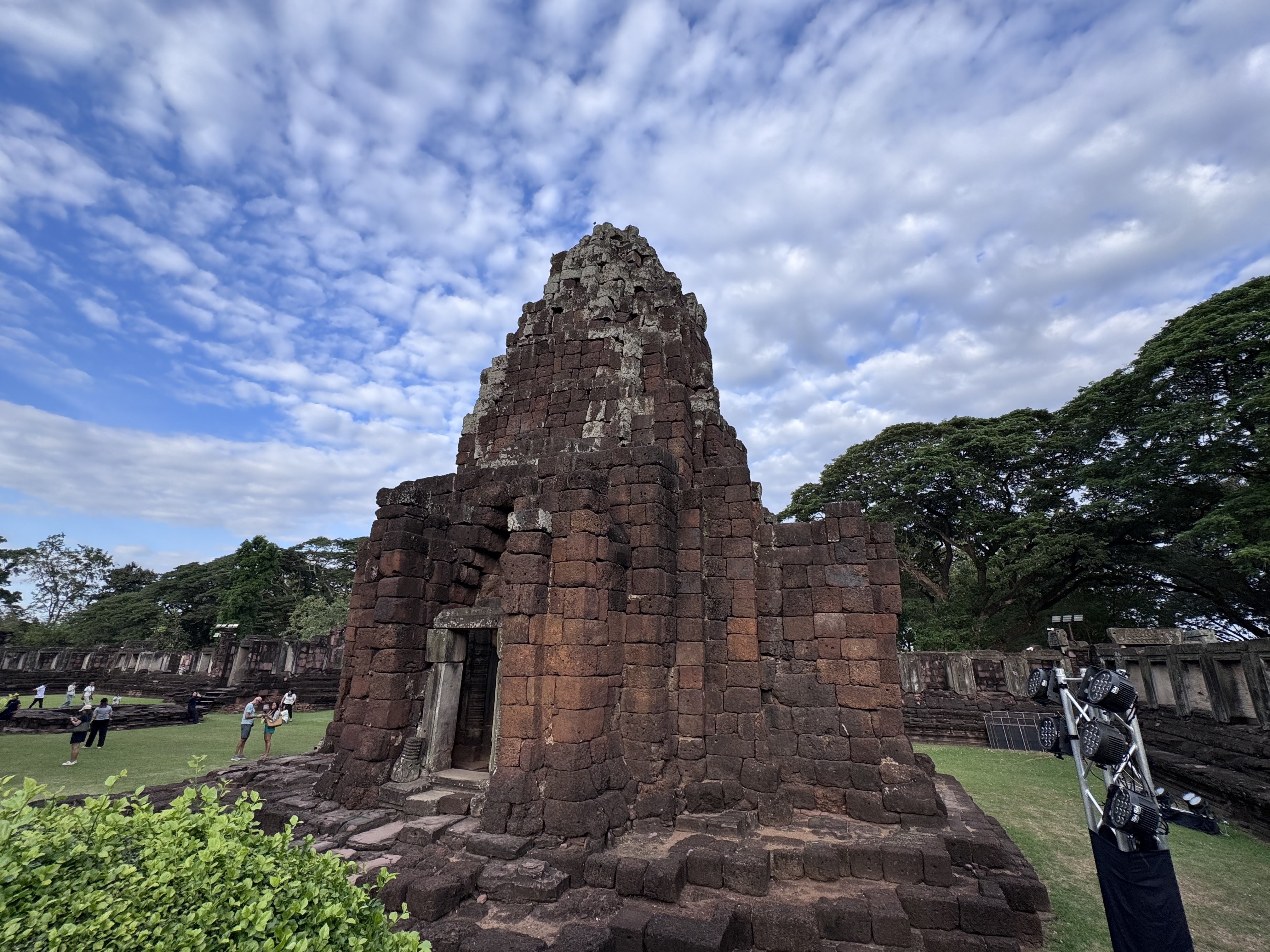
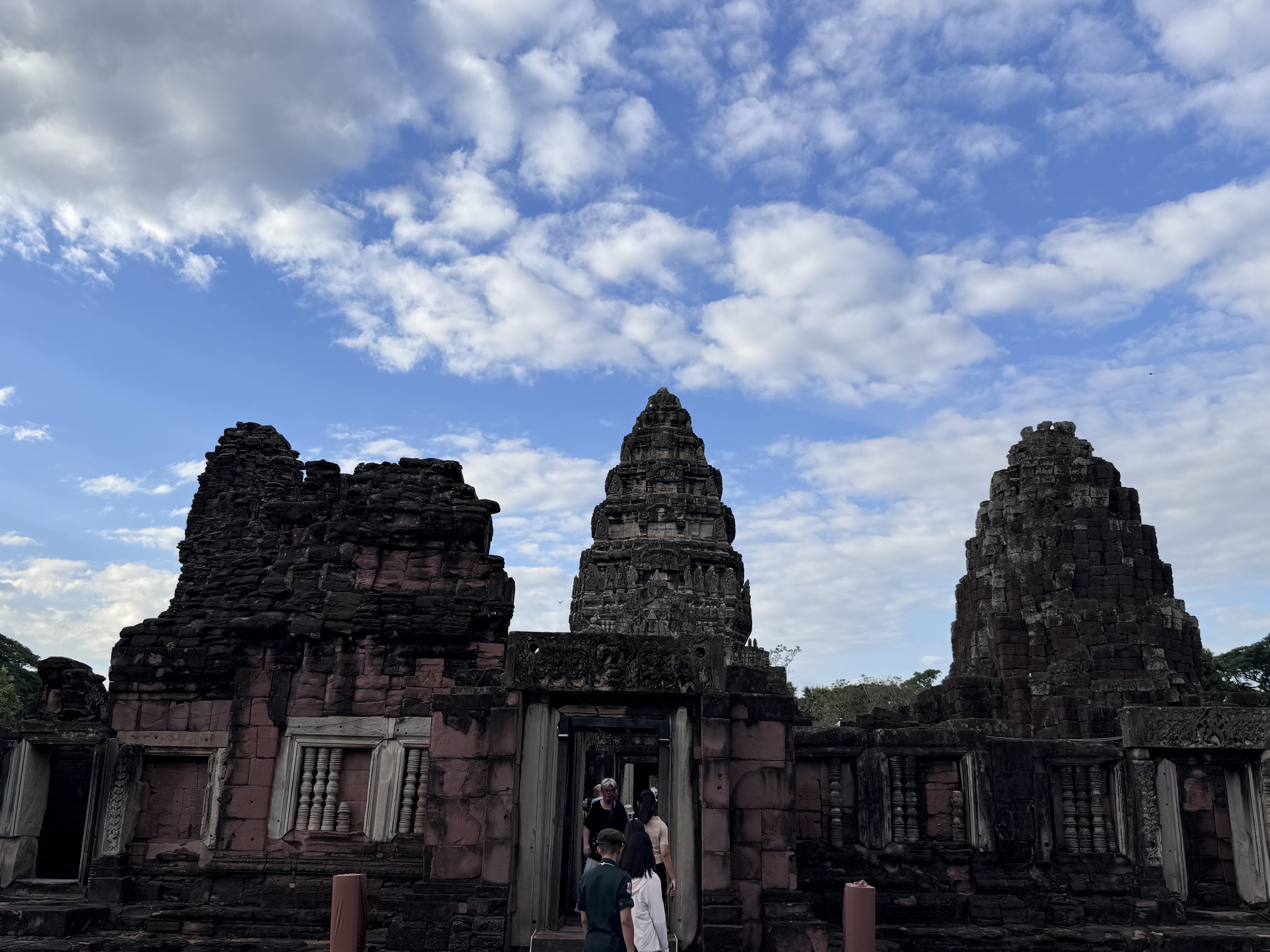
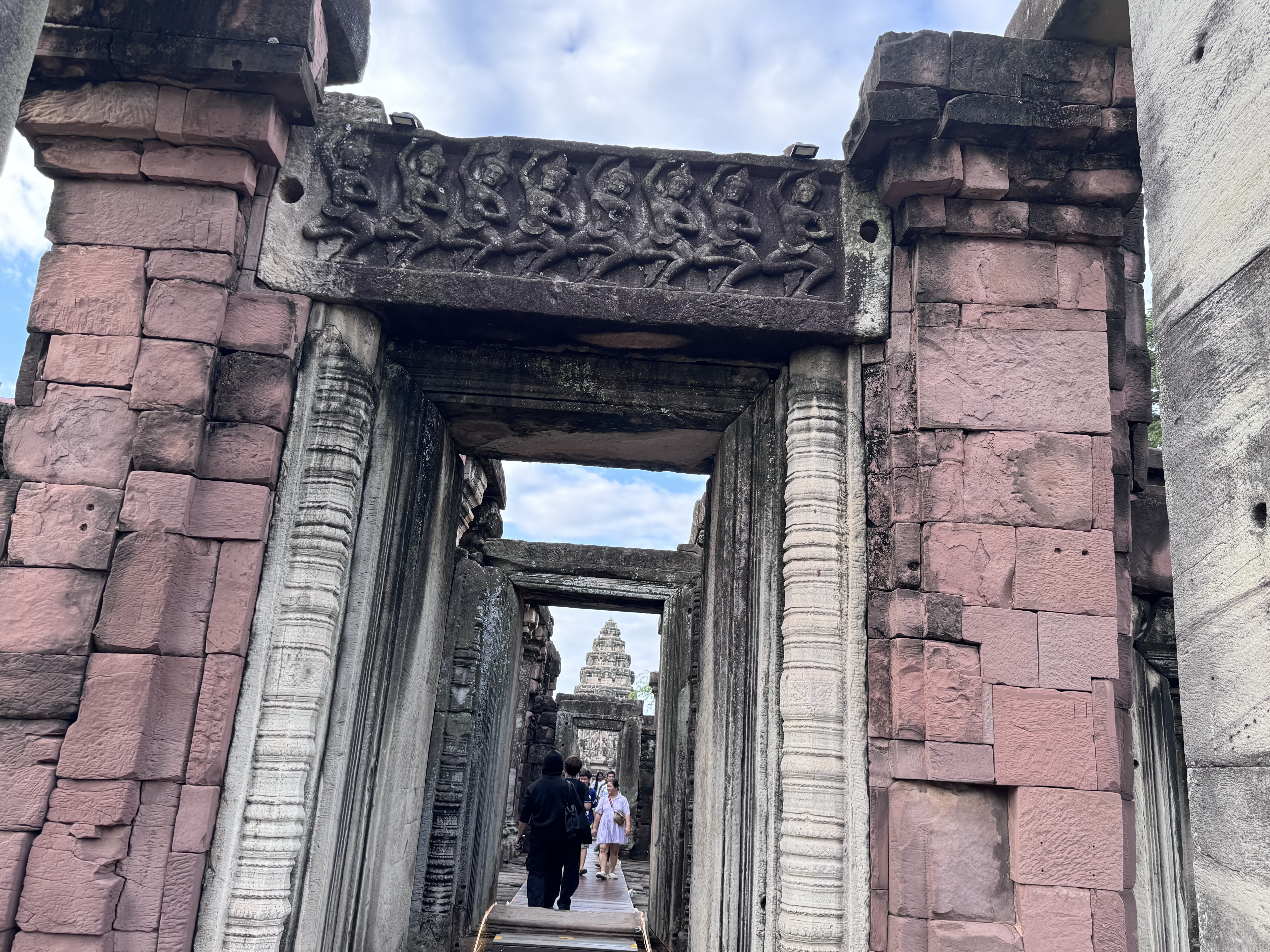
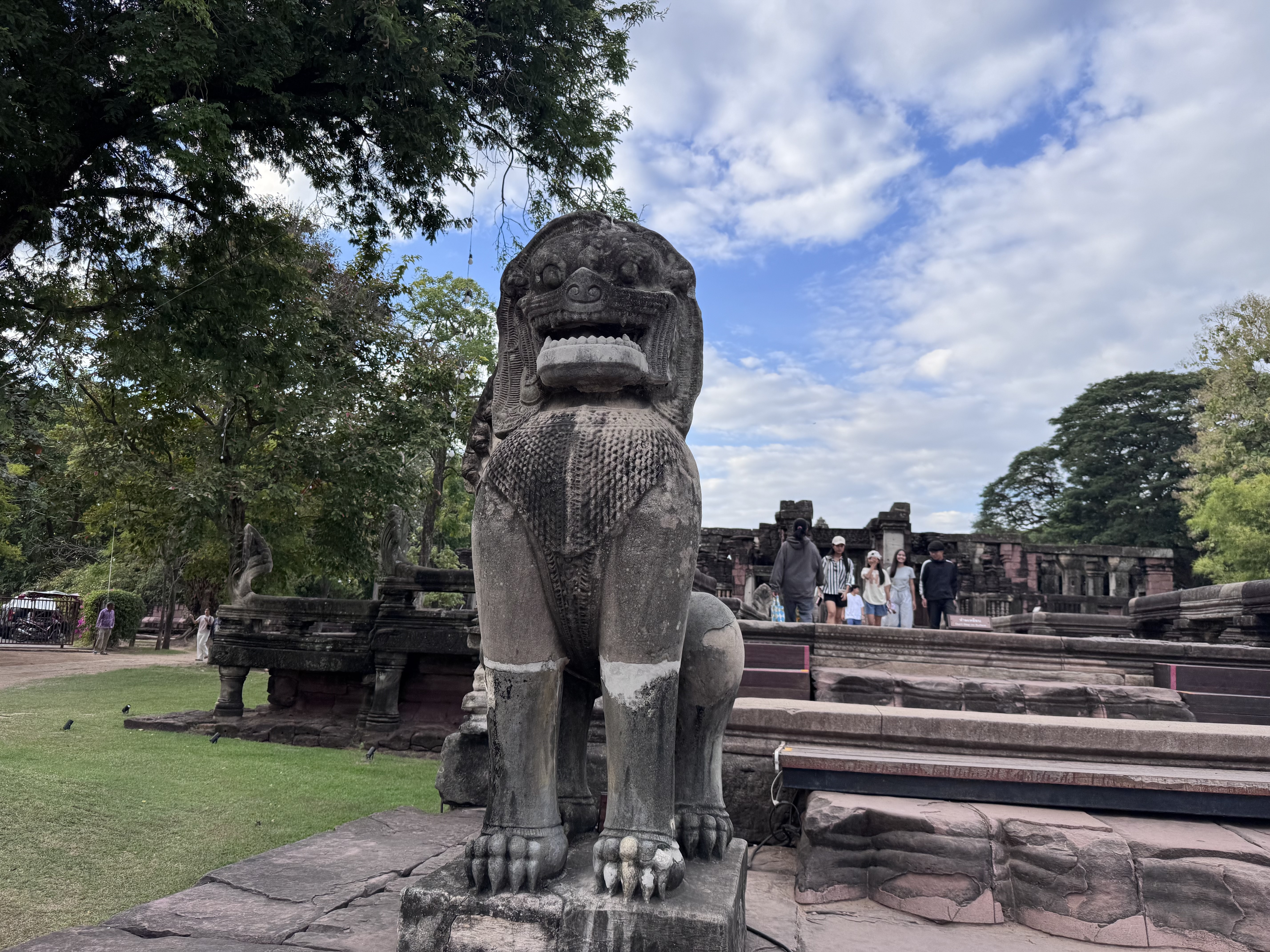
Each November the ancient stones of Phimai Historical Park come alive after dark, and in 2026 the light and sound show formed the glowing heart of the Amazing Korat Phimai Festival.
Held from the eleventh to the fifteenth of November against the backdrop of Thailand’s largest Khmer sanctuary, the production carried the title “อารยธรรมวิจิตร วิมายะนฤมิตร สถิตเลิศหล้า พสุธาพิมาย,” in English, “Magnificent Civilization: The Glorious Heritage of Phimai”.
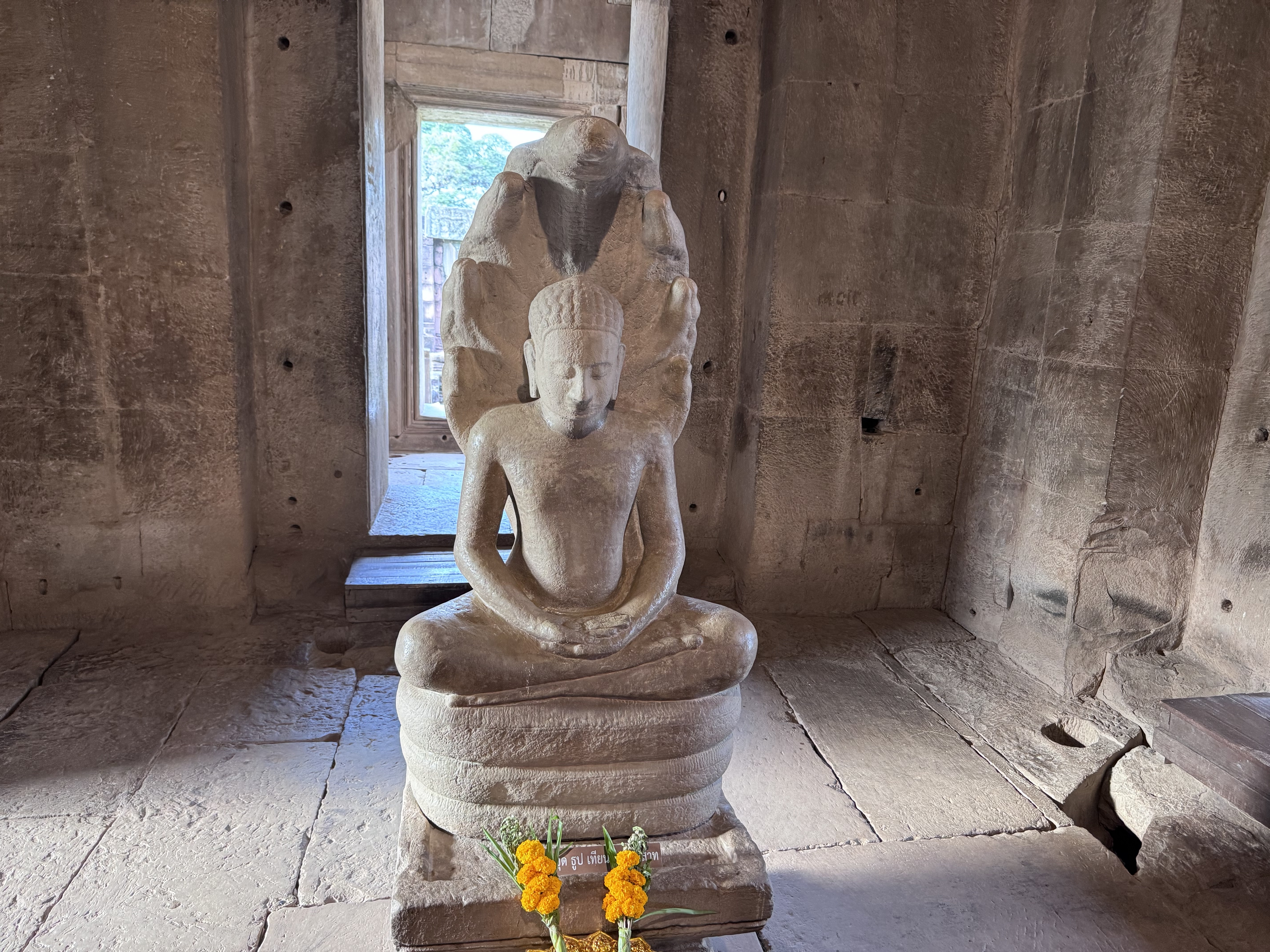
Through sweeping lights, projected imagery, music and live performance, the show traced the story of Vimayapura, the ancient city that once stood as a major centre of Khmer culture and Mahayana Buddhist devotion, linked in local tradition to the era of King Jayavarman VII.
Spectators gathered in the open spaces of the historical park as evening fell and the sandstone towers of Prasat Hin Phimai began to transform under carefully choreographed ...
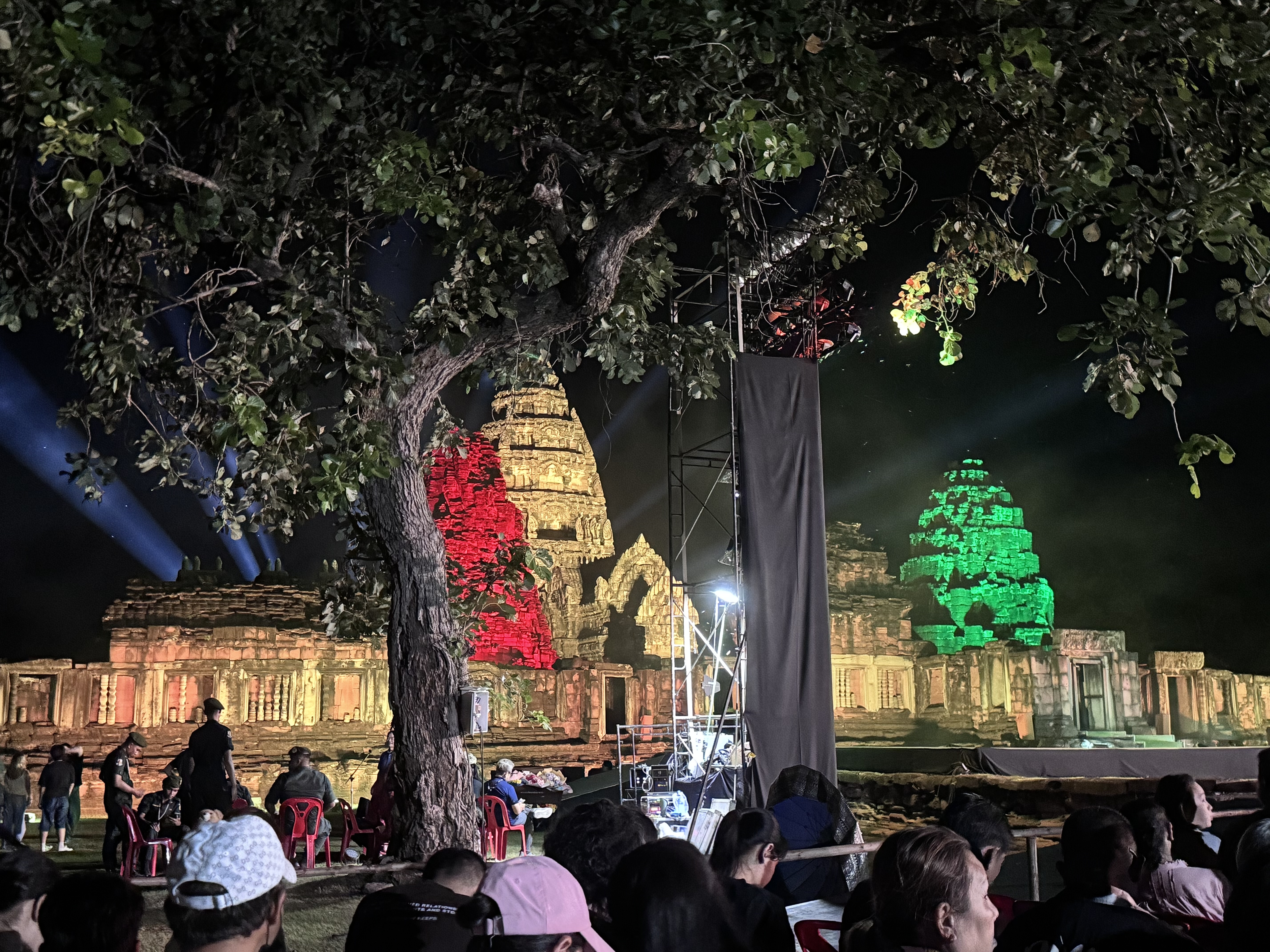
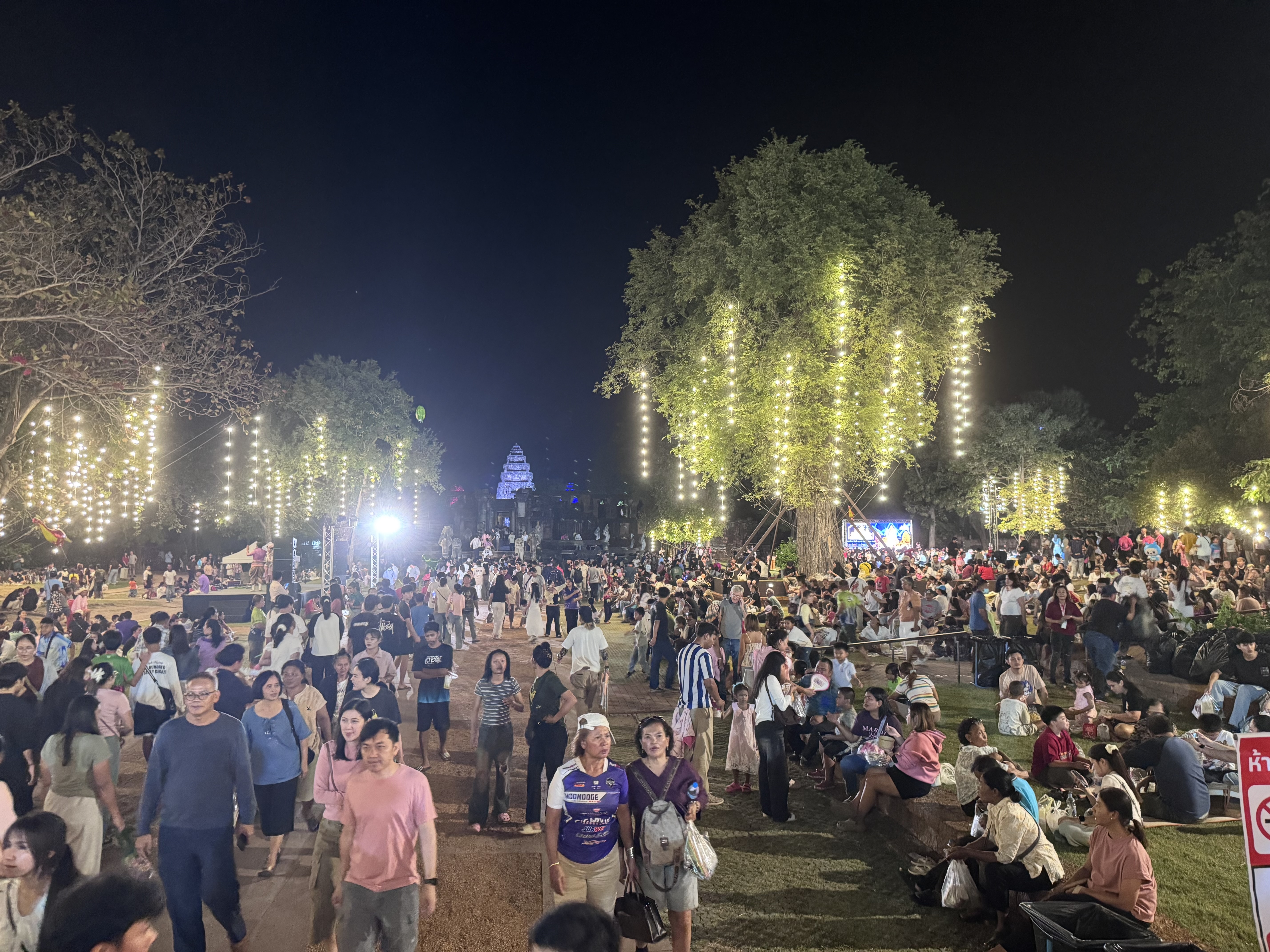
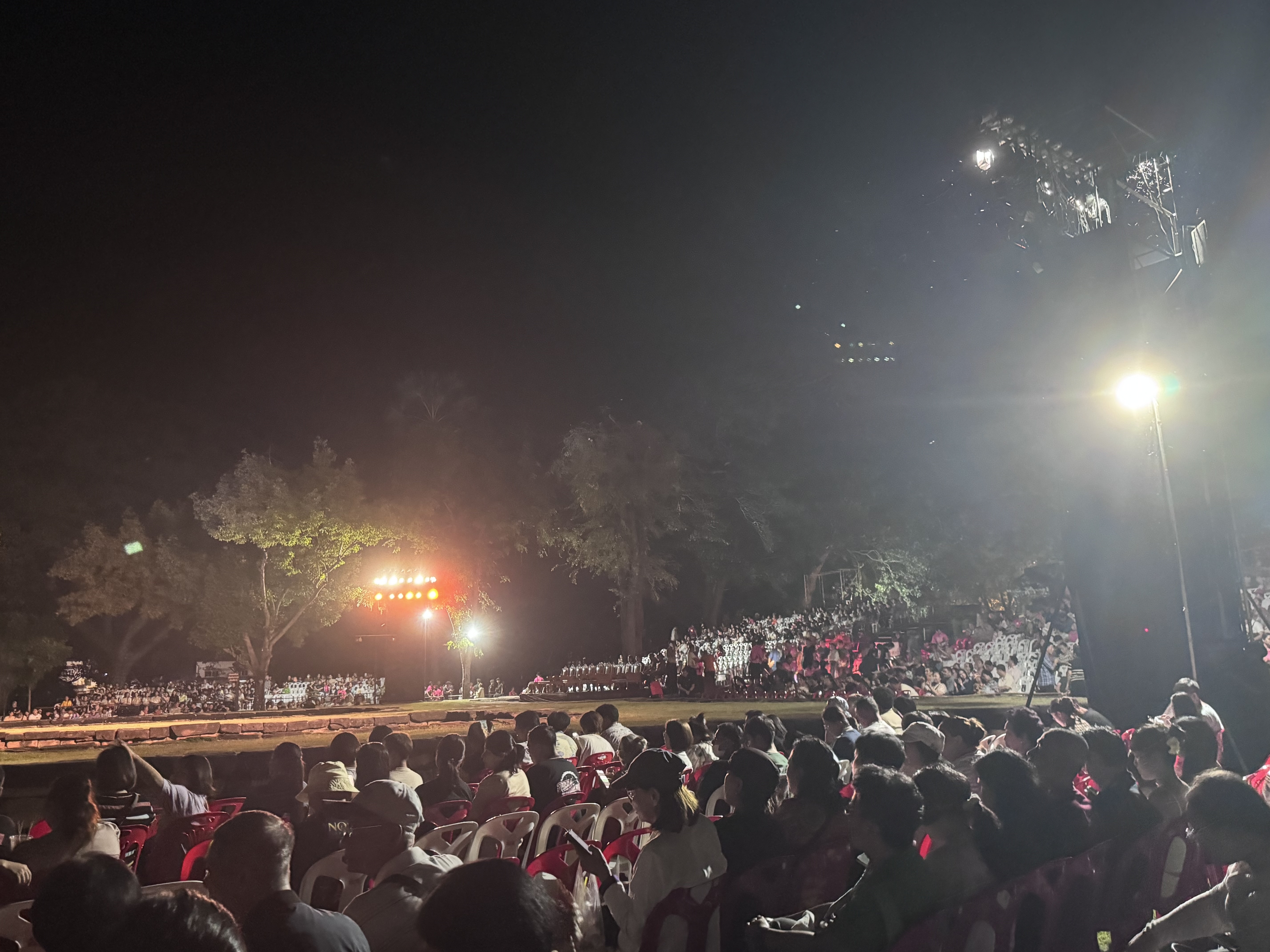
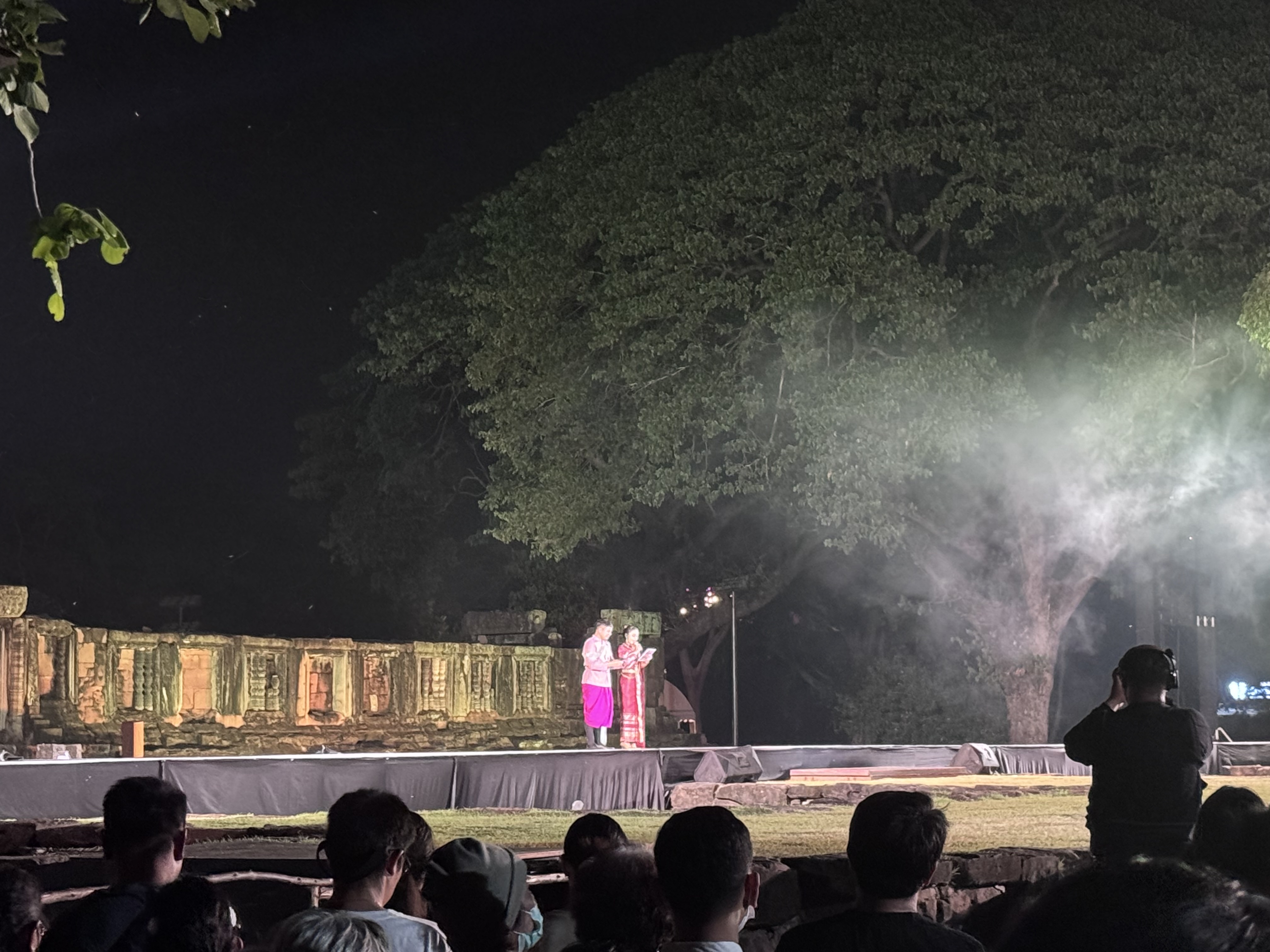
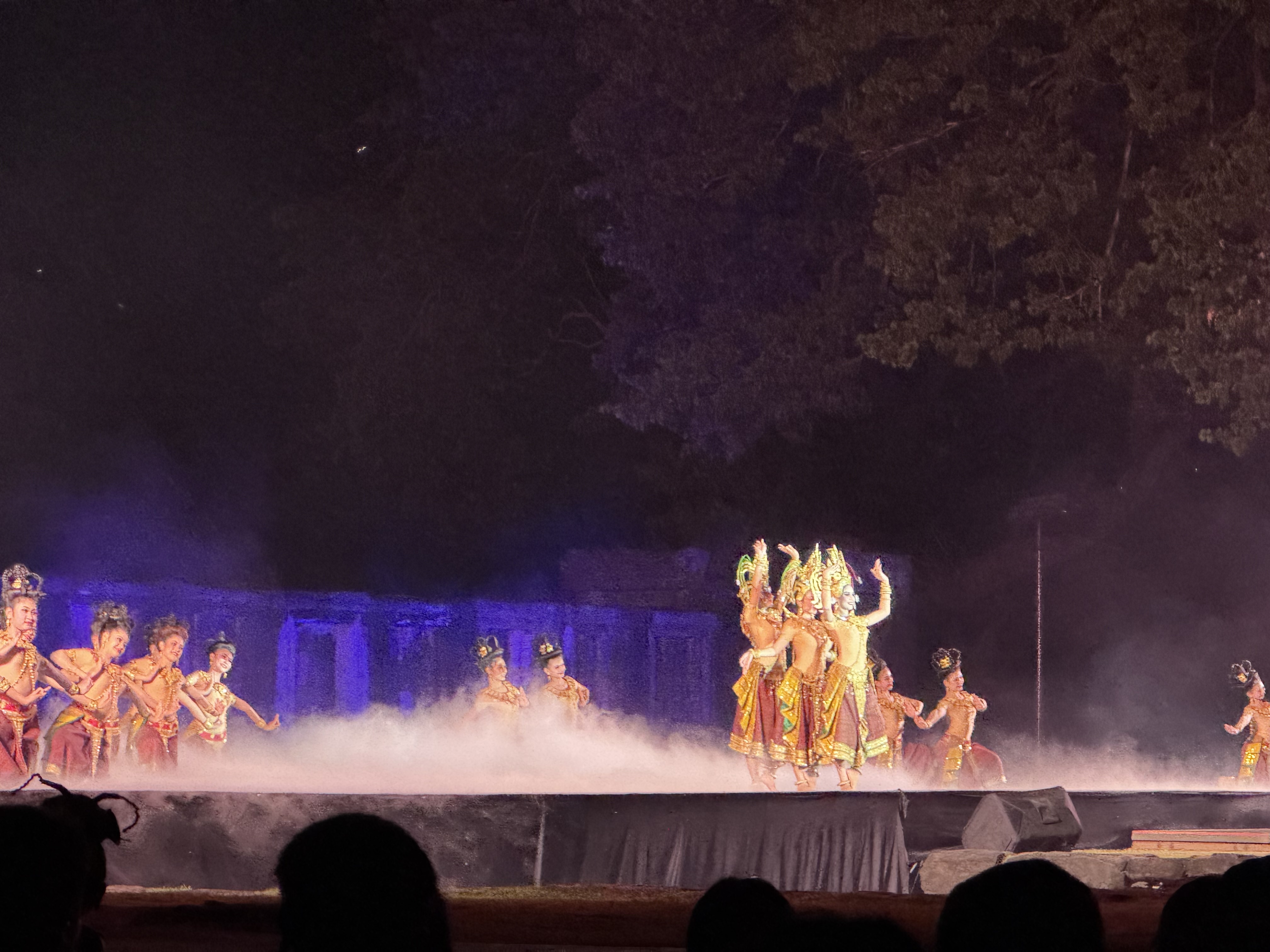
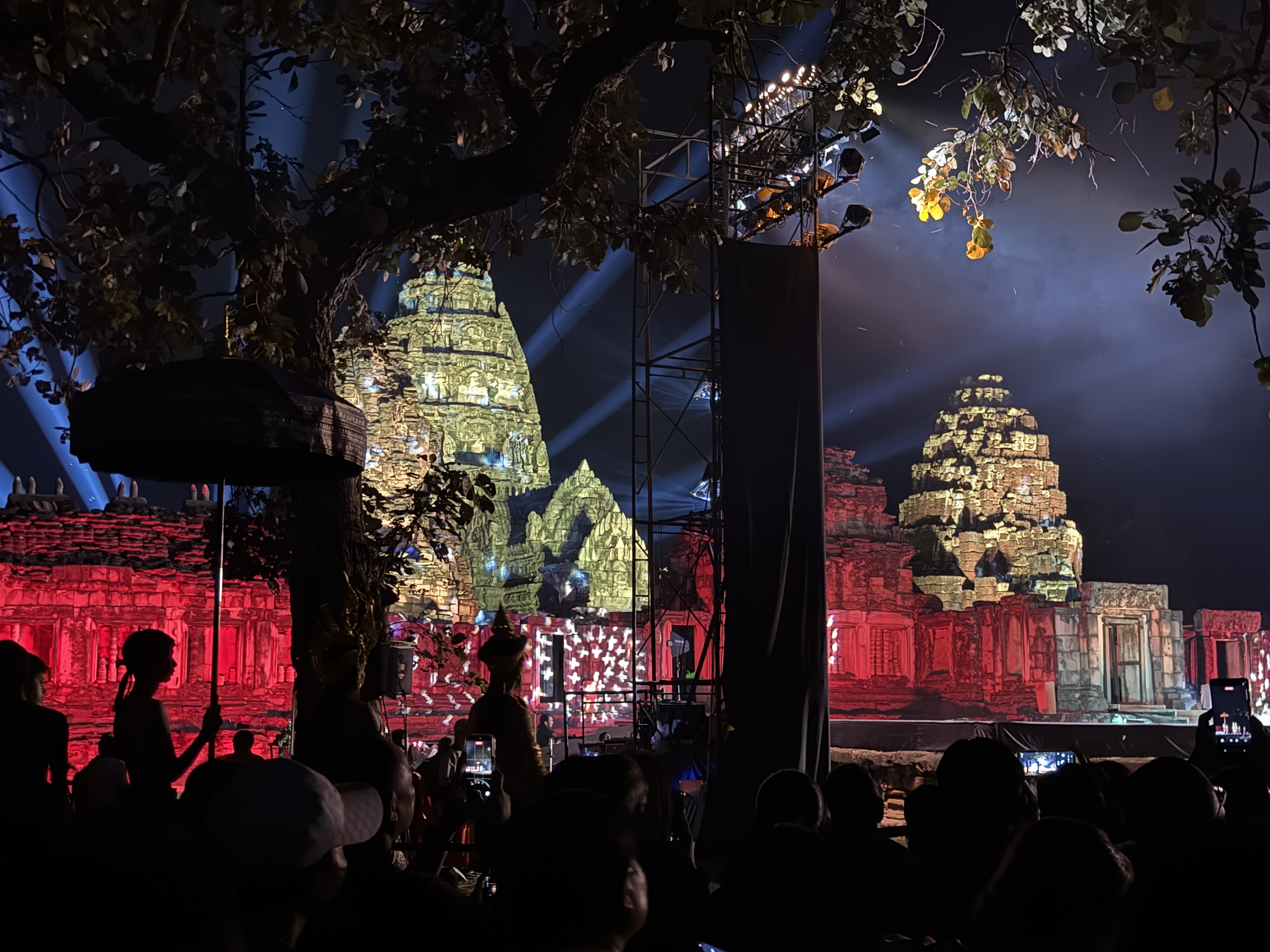
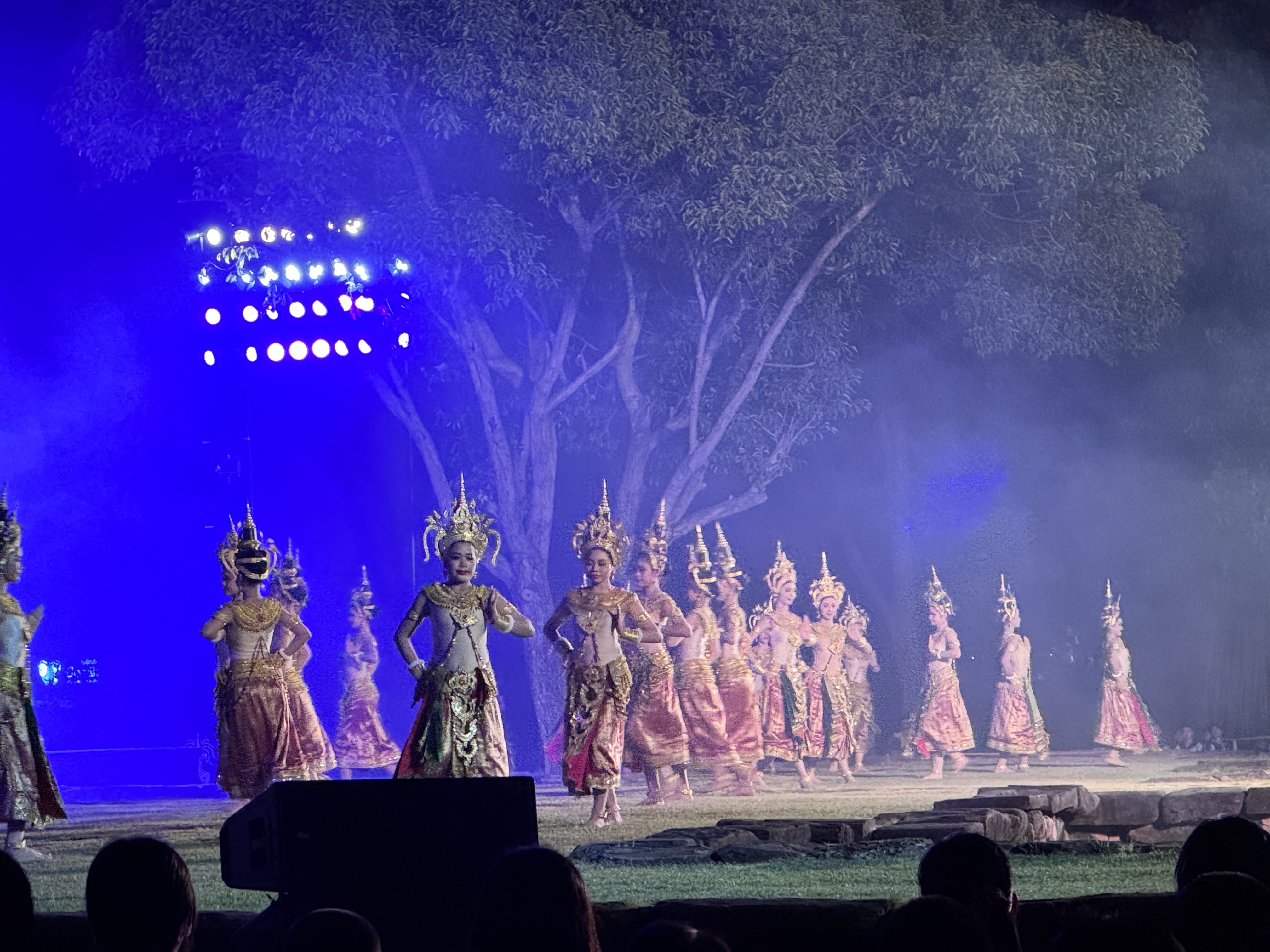
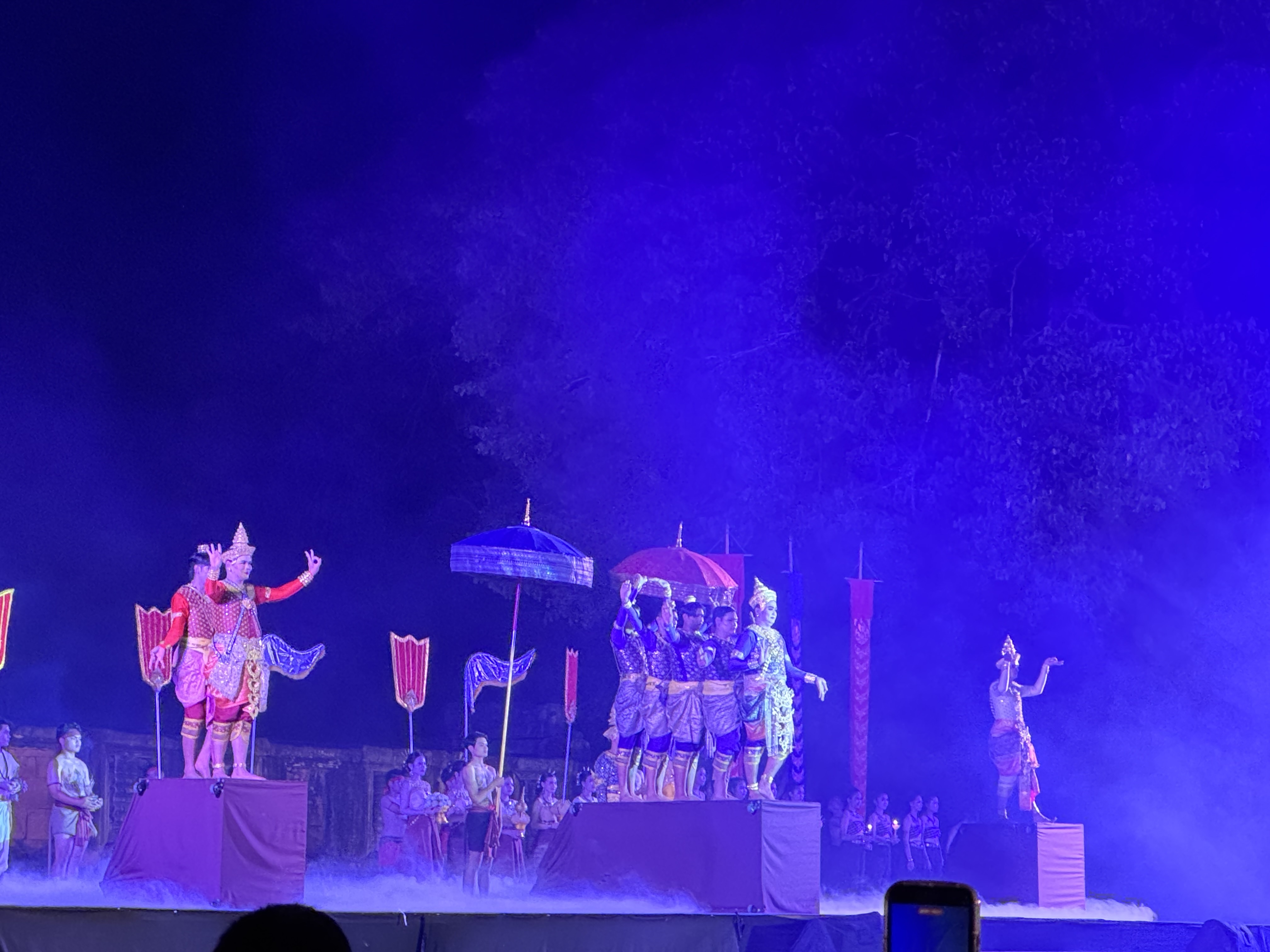
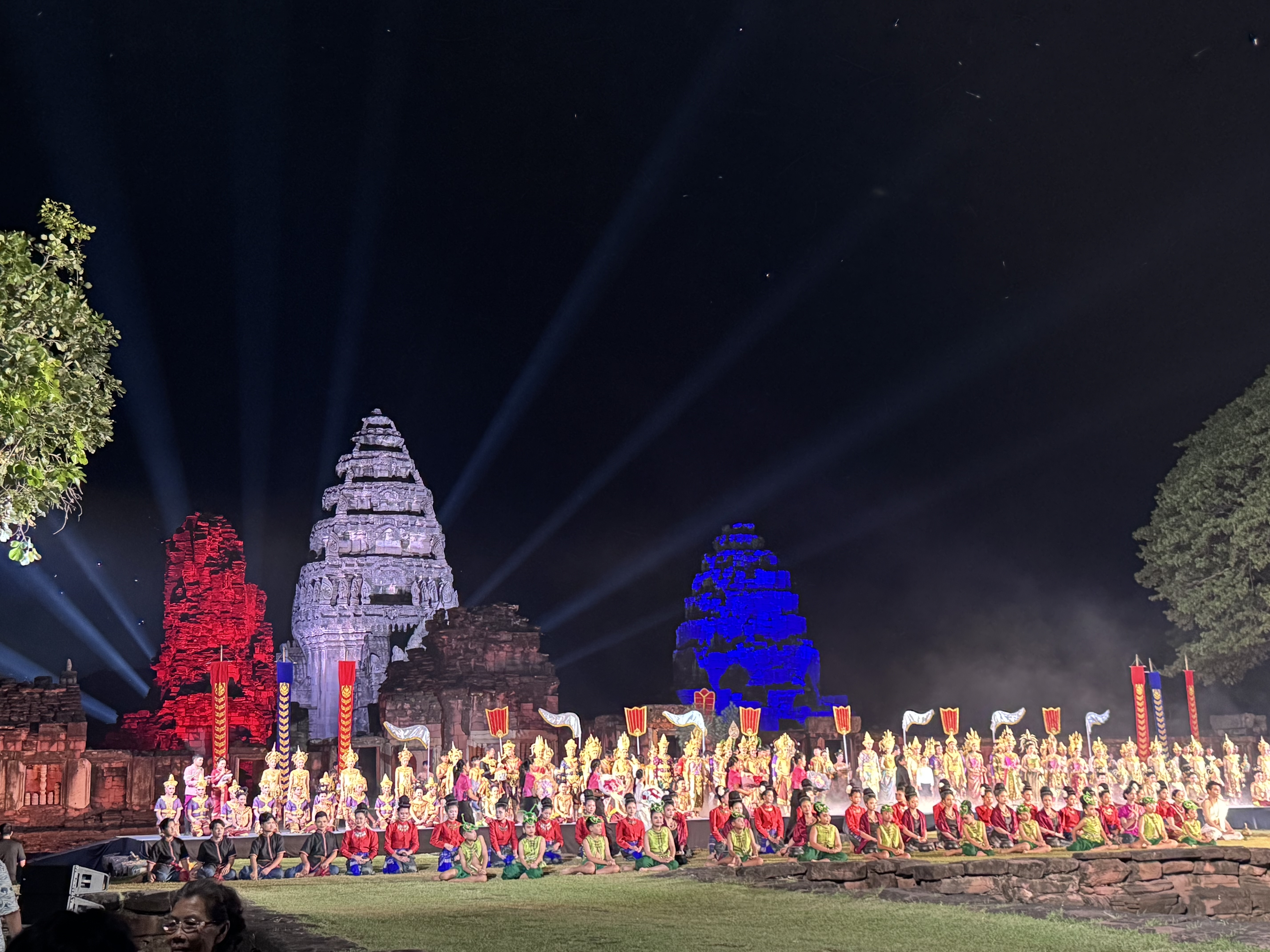
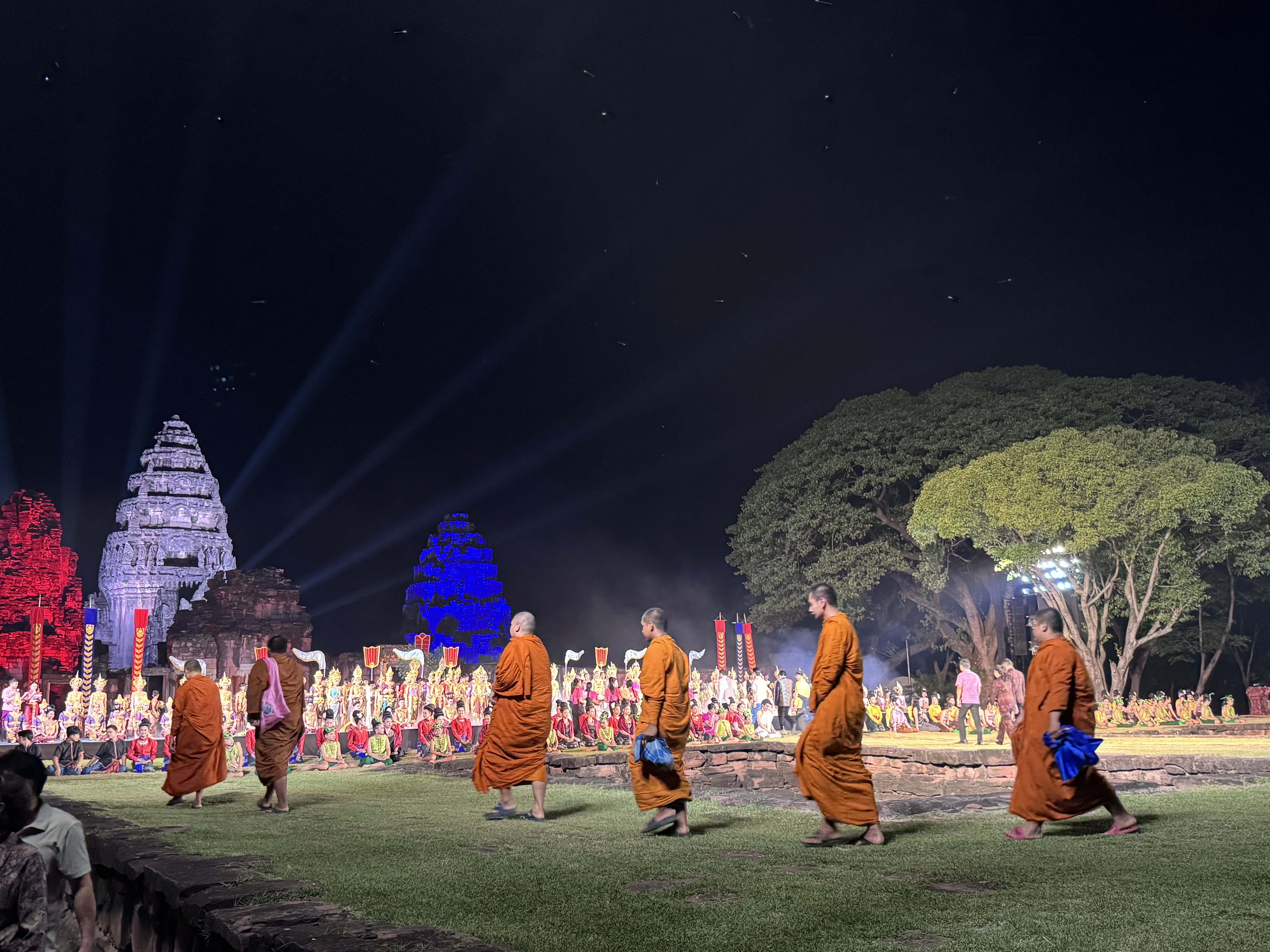
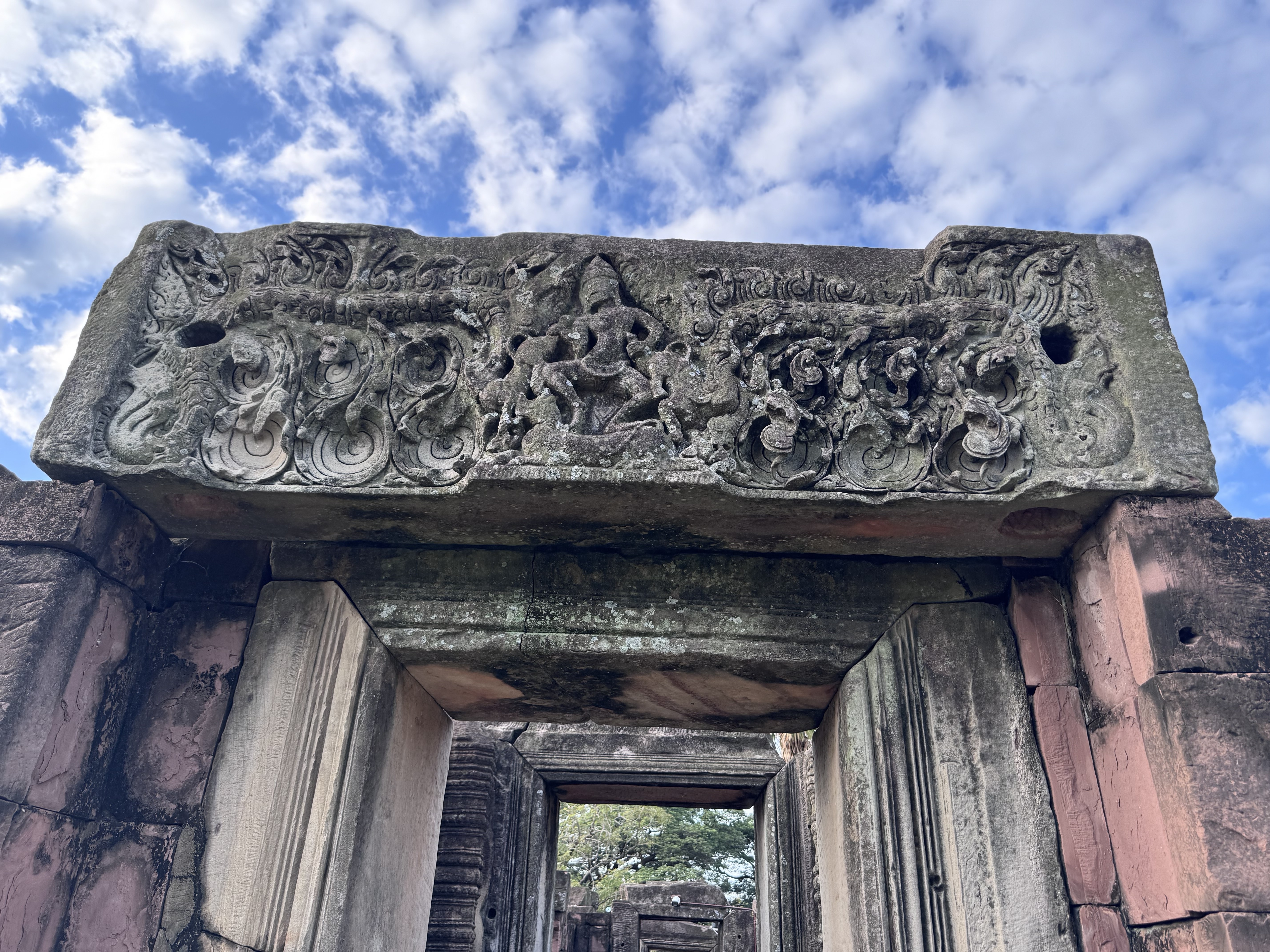
The Phimai Festival, also known as the Phimai Boat Race Festival, is an annual cultural extravaganza held in Phimai, Nakhon Ratchasima Province (Isaan region, Thailand). It celebrates the area’s Khmer heritage, centered around the 1,000-year-old Phimai Historical Park (Prasat Hin Phimai).
The 2026 occurred during the second weekend of November, 11-15th 2026. Key highlights include long-boat races on the Chakrat River, light-and-sound shows depicting Khmer history, traditional performances, and cultural markets. The festival draws thousands of visitors, transforming the quiet town into a vibrant hub of Isaan traditions.
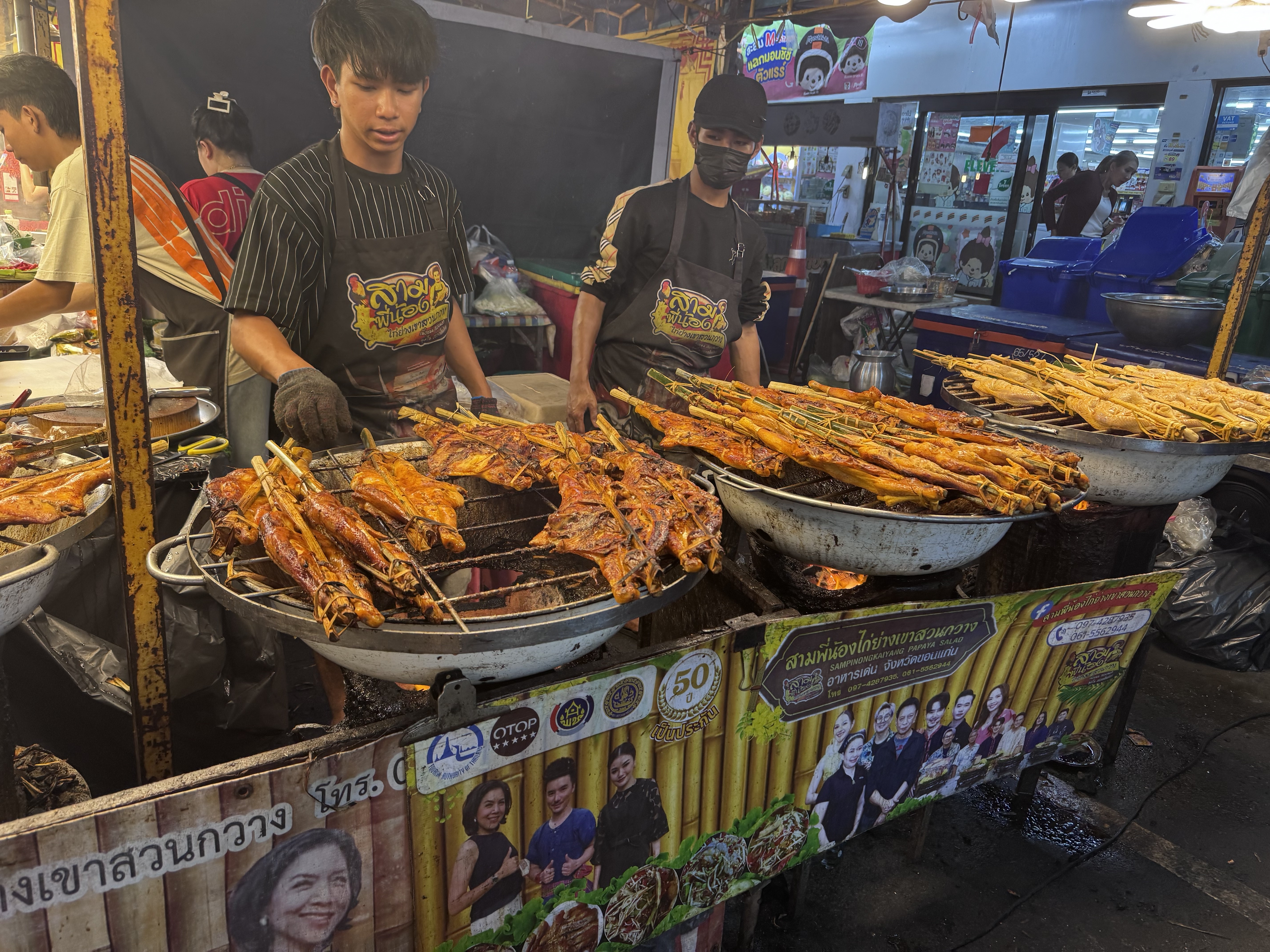
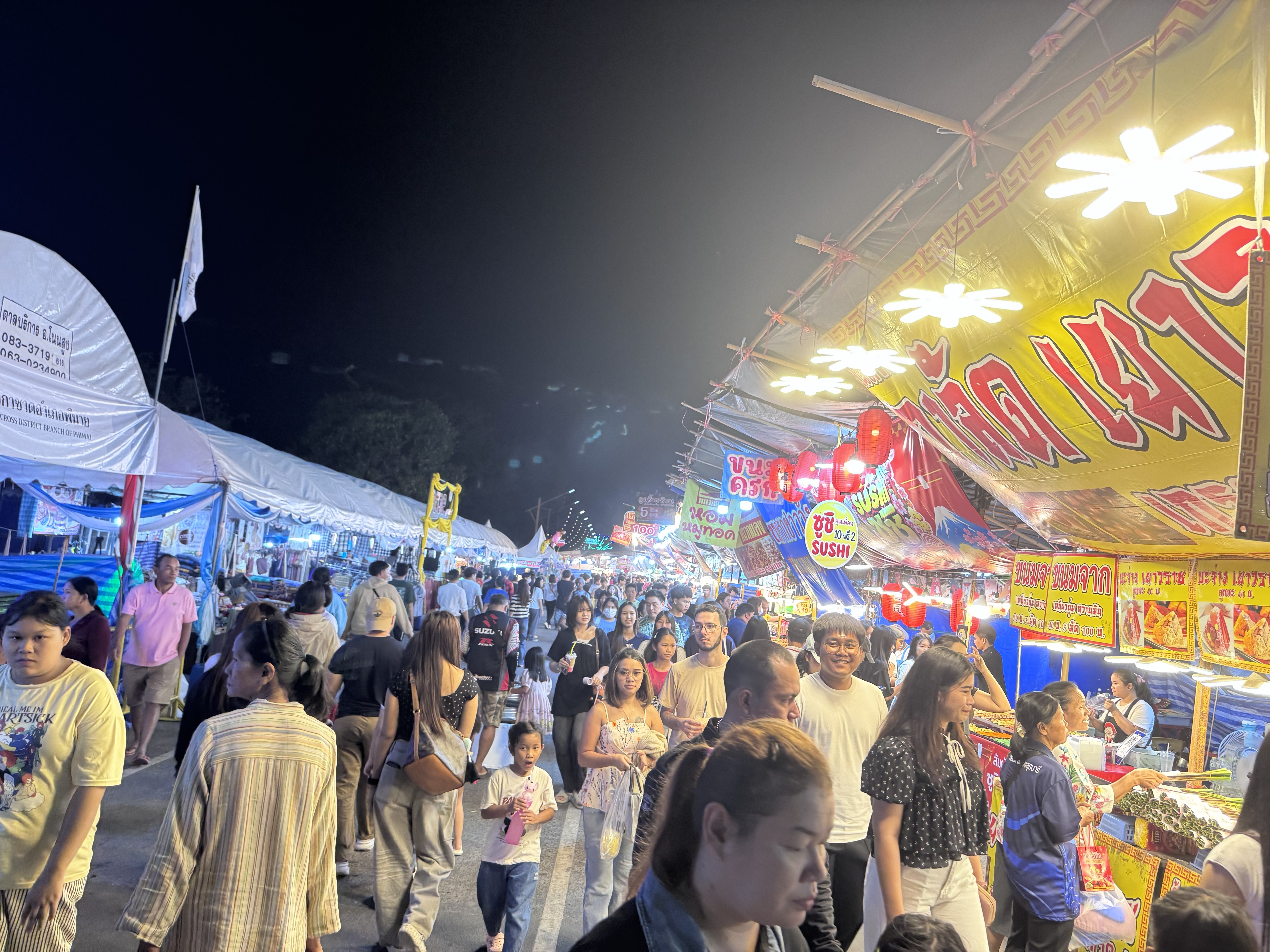
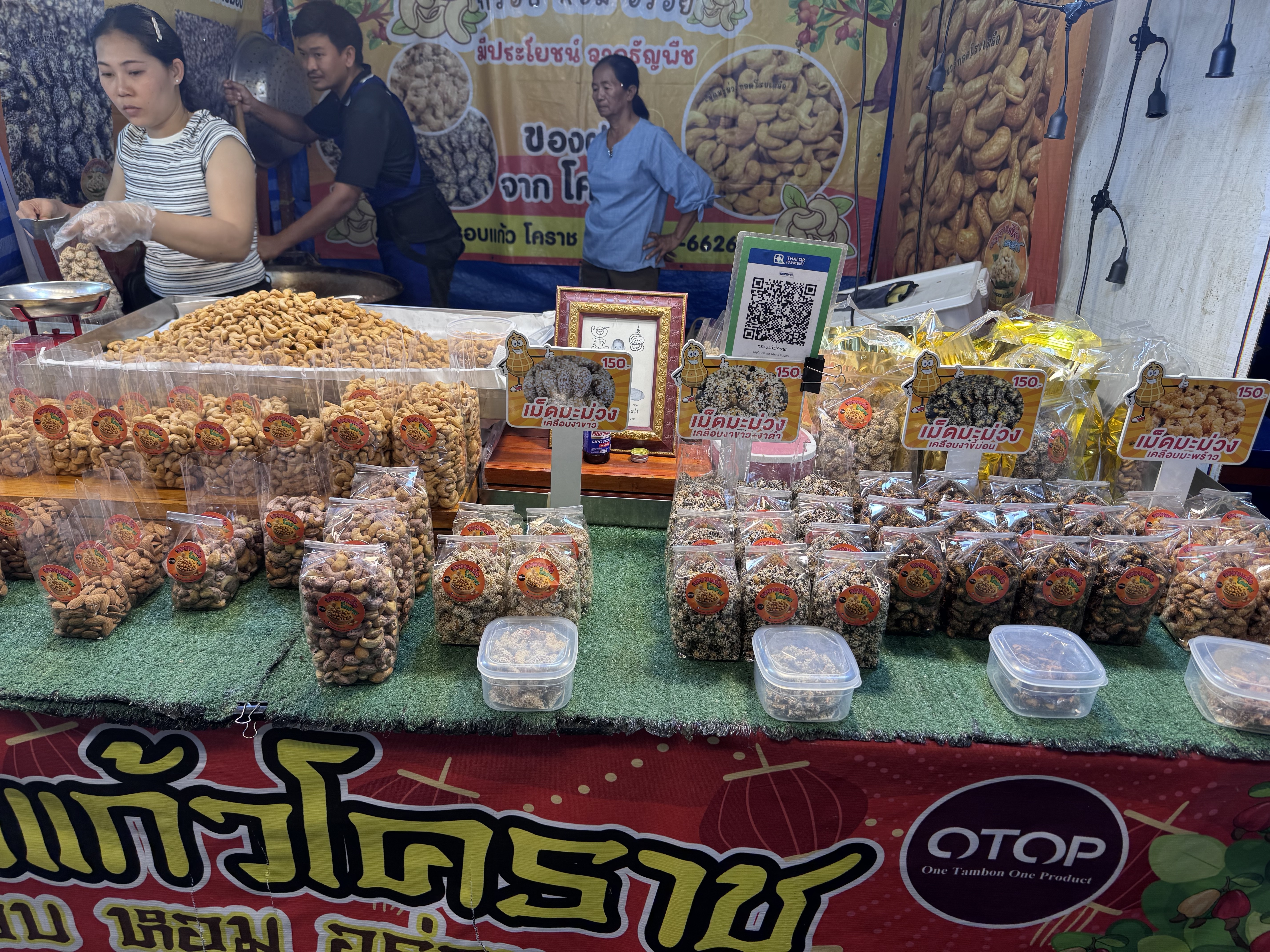
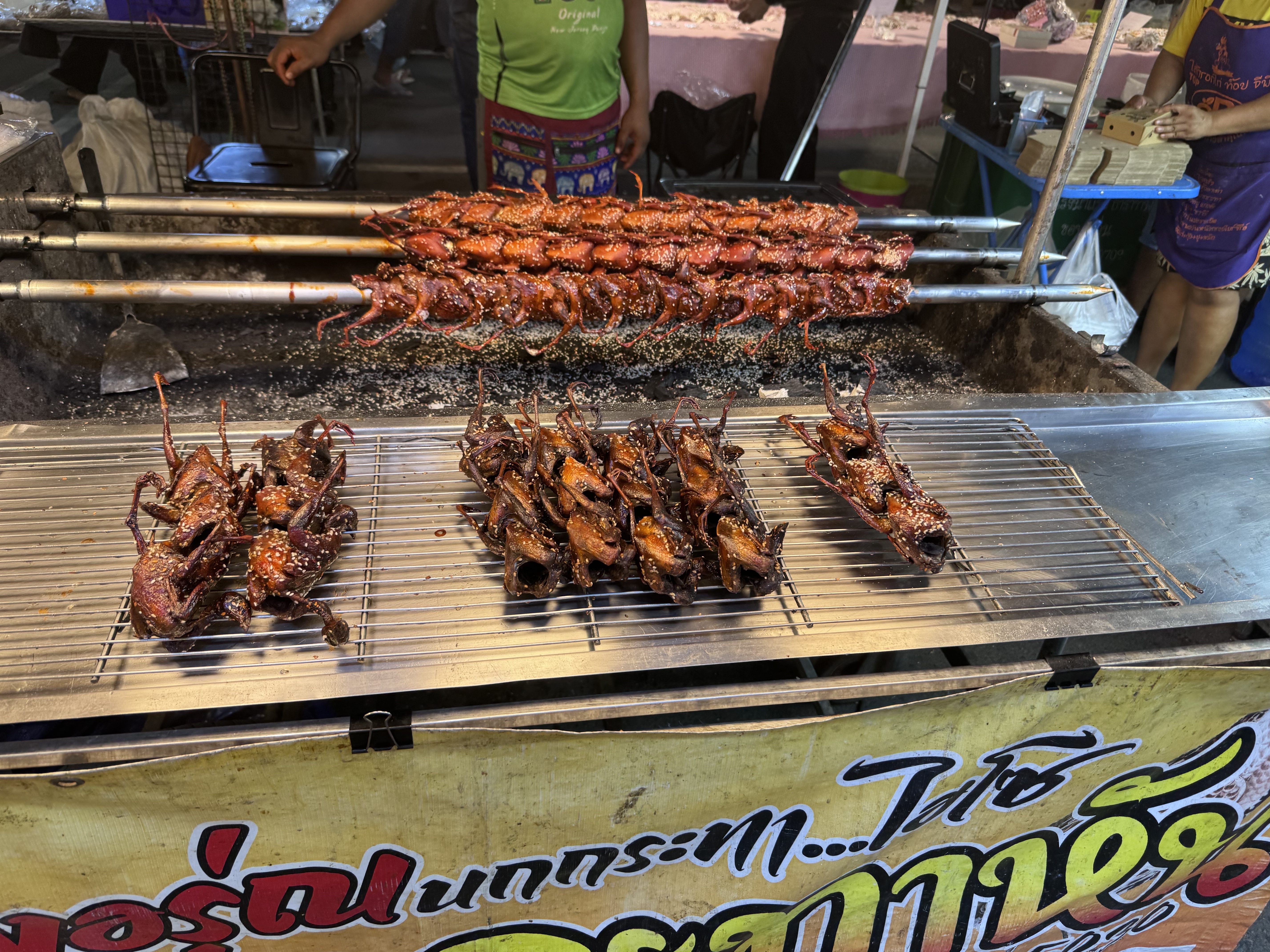
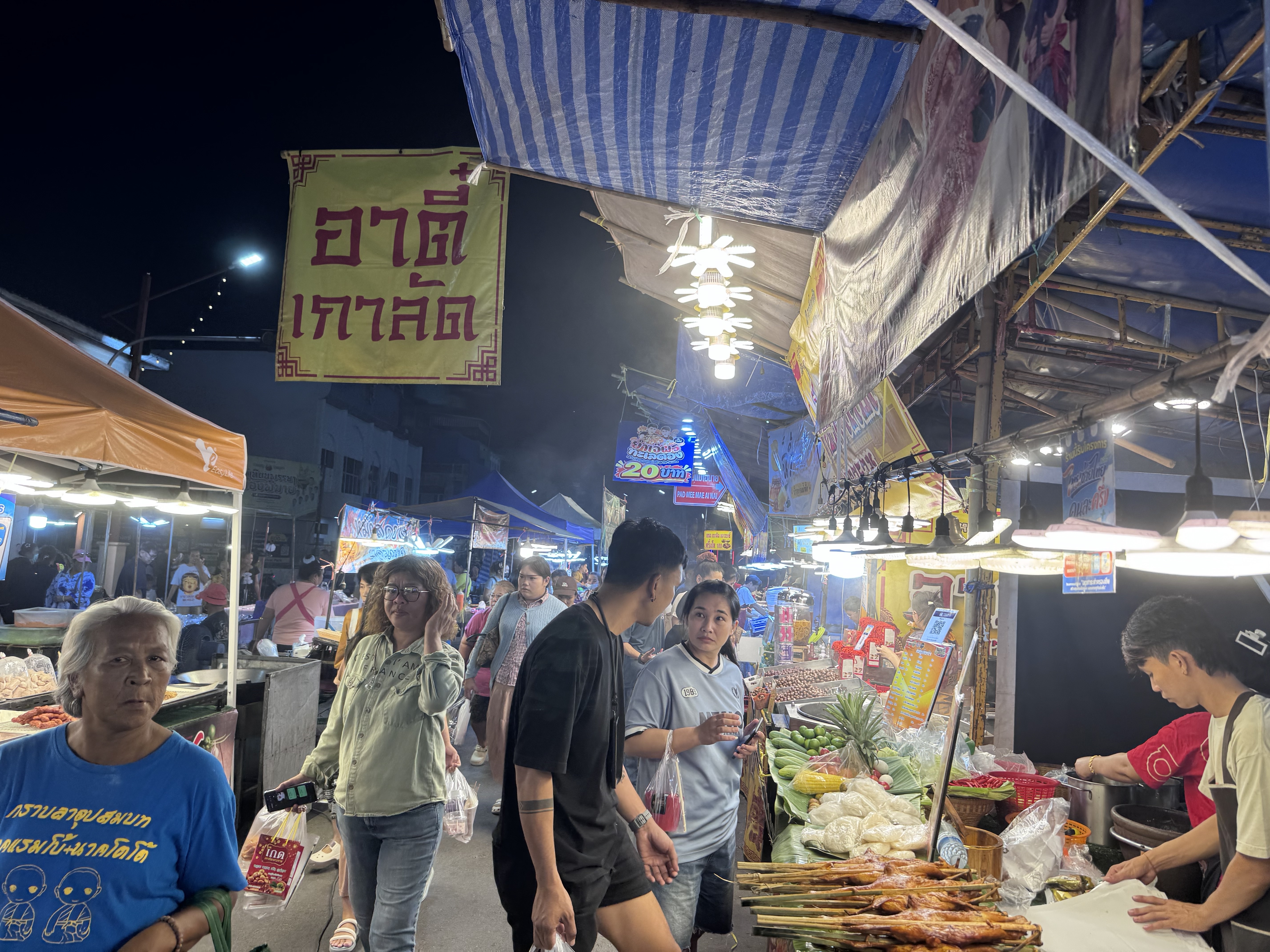
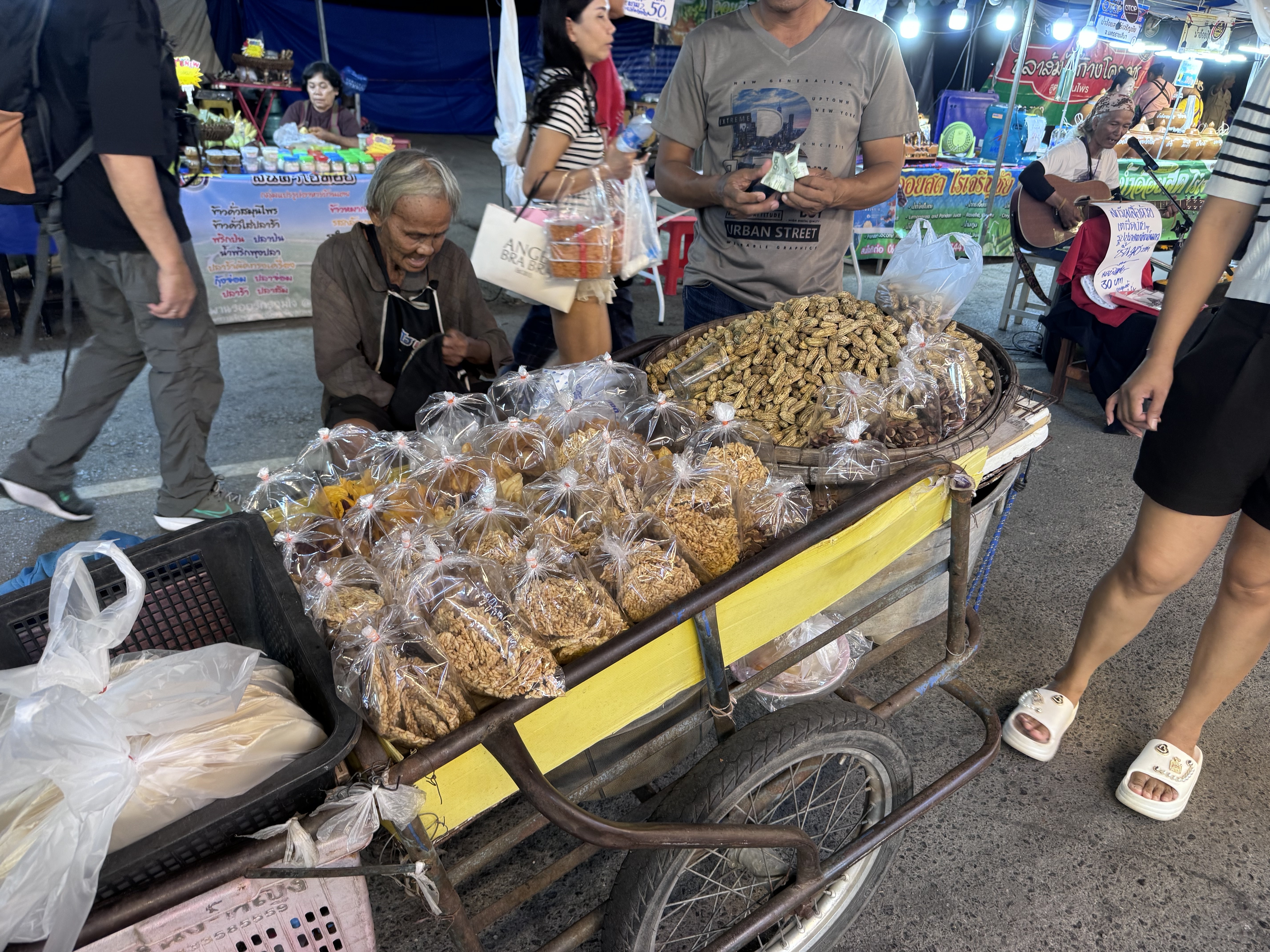
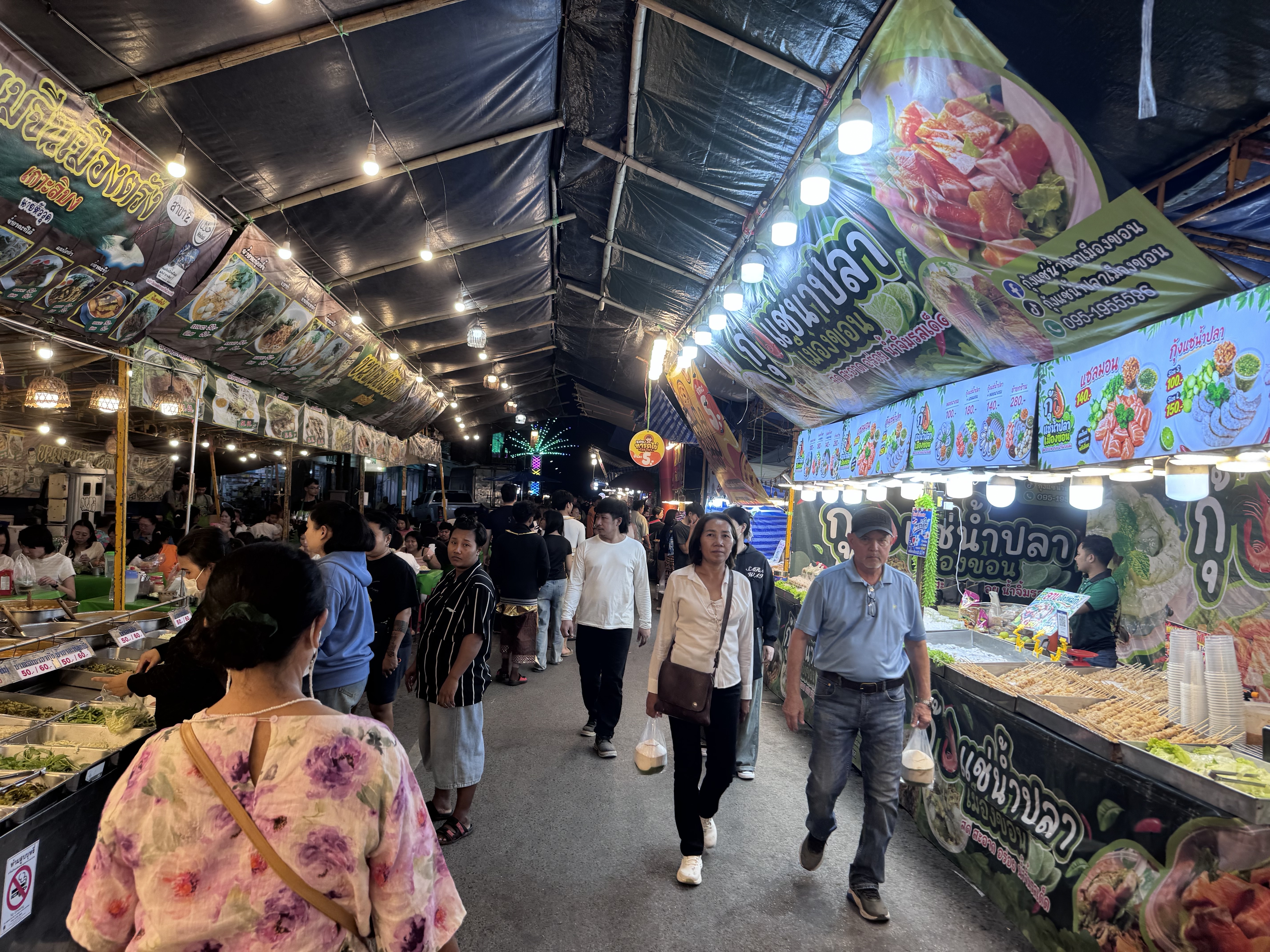
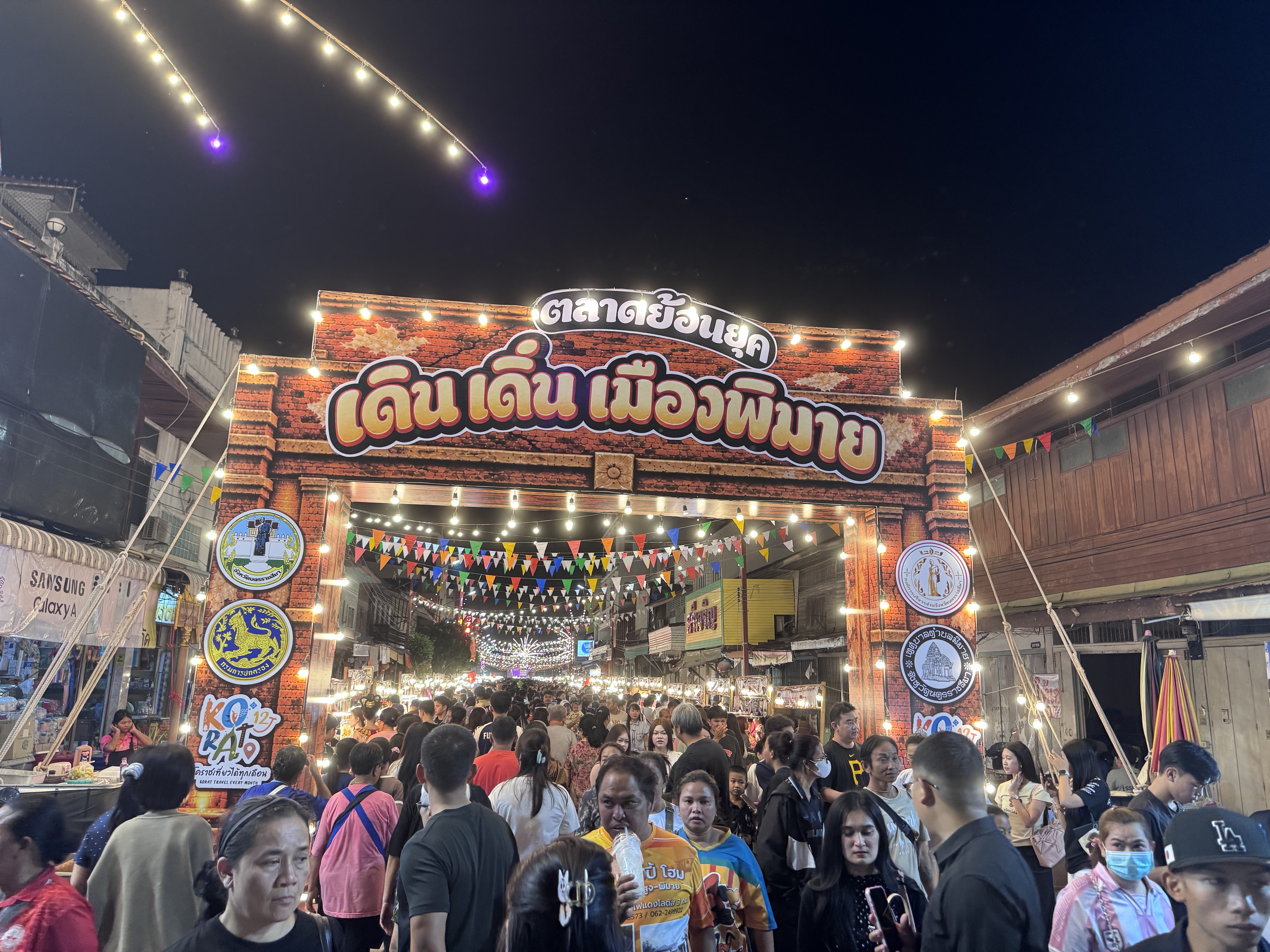
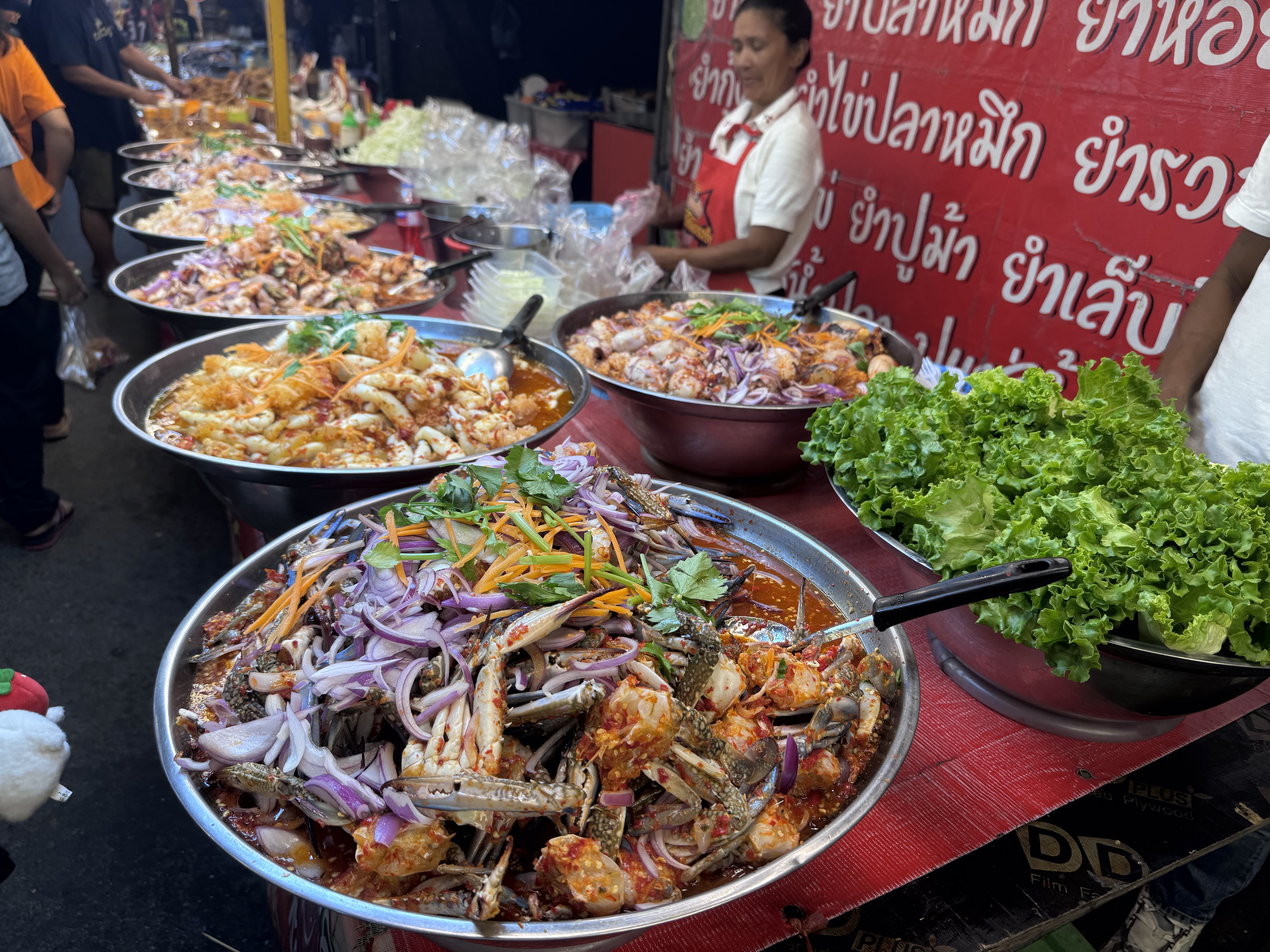
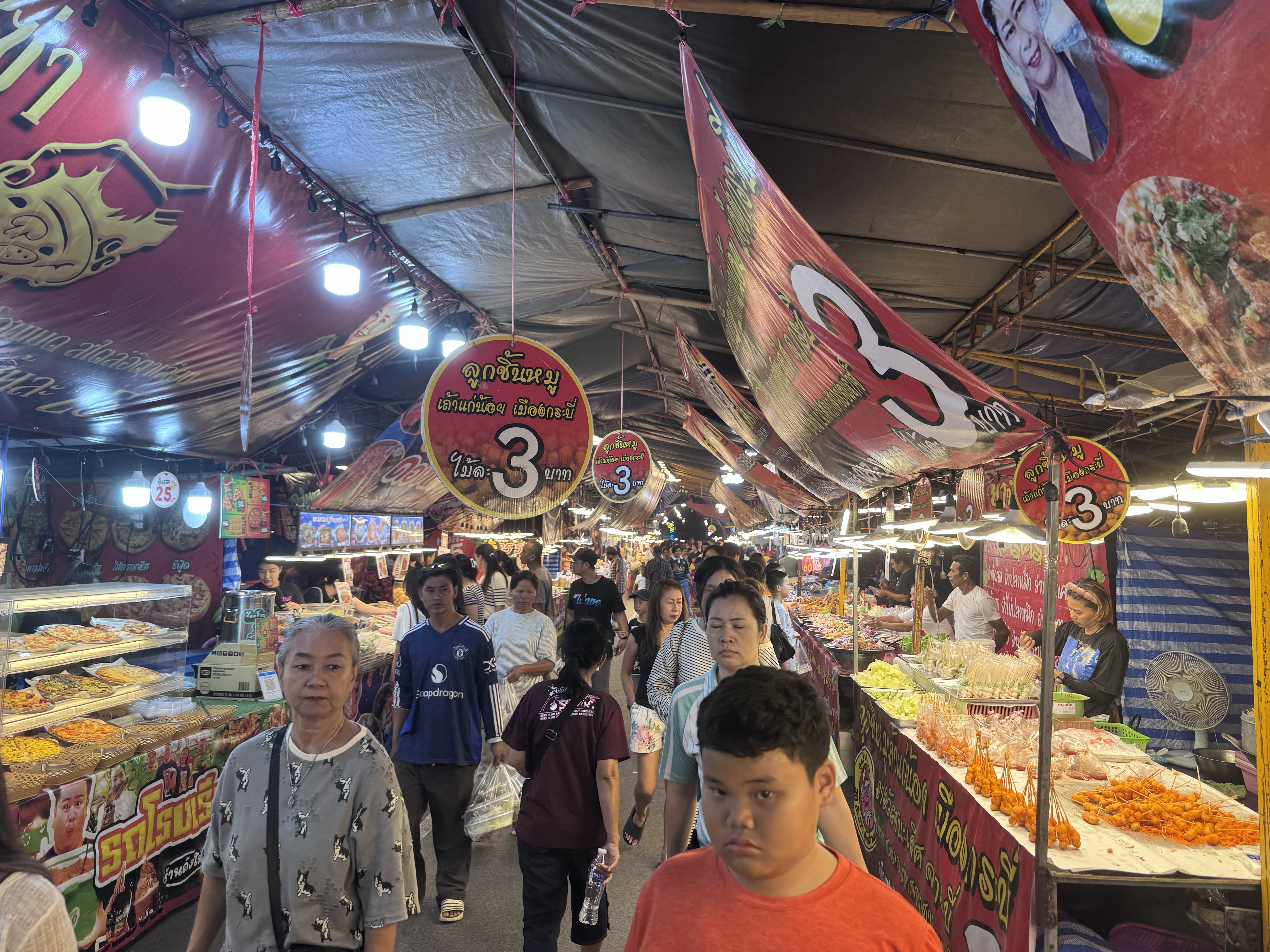
The night market, often styled as an “ancient market” during the festival, is one of the event’s most enchanting features. It turns the streets surrounding Phimai Historical Park into a lively, bamboo-constructed bazaar evoking ancient Khmer trading hubs, blending historical reenactment with modern street vibes.
Centered near the Clock Tower and the park’s entrance, the...
The Khmer Empire was a powerful Kingdom in South-East Asia. Its major architectural works (temples and sculptures) are located in present day Cambodia, where the capital of the empire was located. However, during long periods of time the Khmer ruled over parts of present day Thailand, Laos and Vietnam.
Like other major ethnic groups in the history of South-East Asia (the Thais, the Mons, The Chams) the Khmer are thought to have descended in the prehistoric period from the river valleys in Eastern Tibet and Southwest China. The Khmer appear first on the scene (in Chinese records) in the second half of the 6th century A.D. with the Kingdom known as Chenla.
Since the Khmer reigned for long periods over extended areas of present day Thailand, Thailand has a substantial number of important Khmer monuments on its territory, mainly in its Northeastern Region (such as Phonom Rung and Muang Tam in Buriram Province, Phimai in Nakhon Ratchasima province, Muang Singh in Kanchanaburi province). Any look around the...