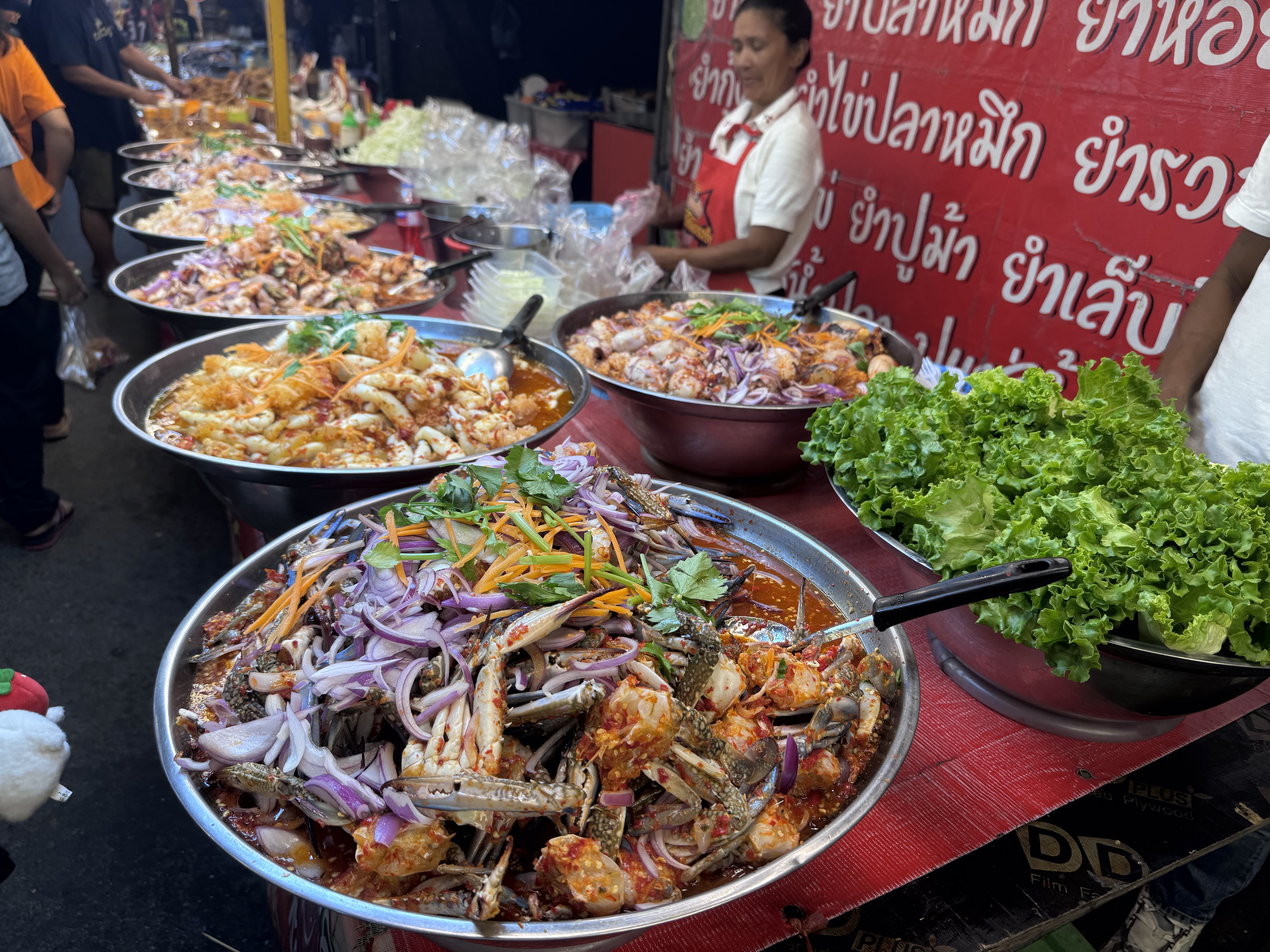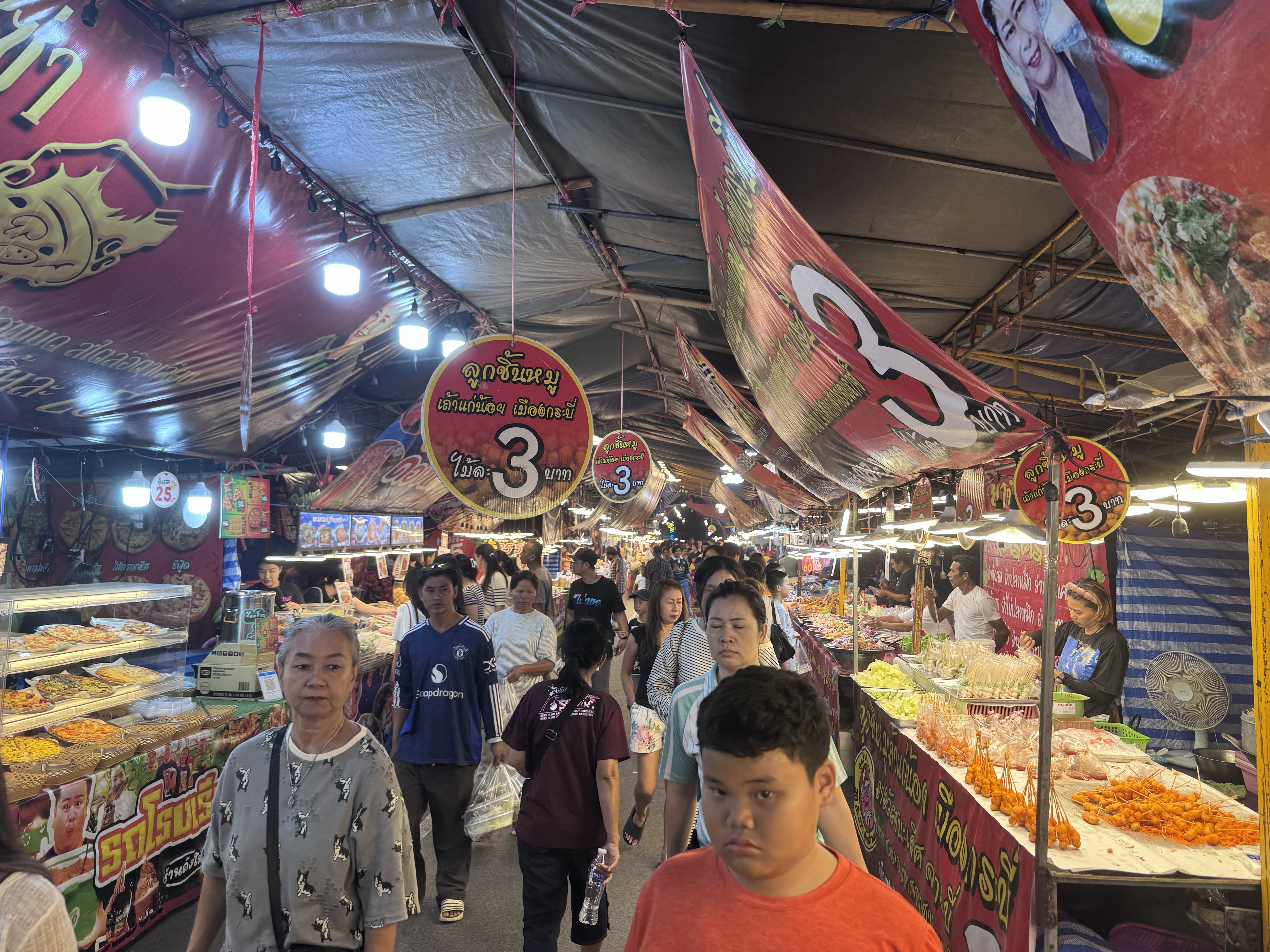


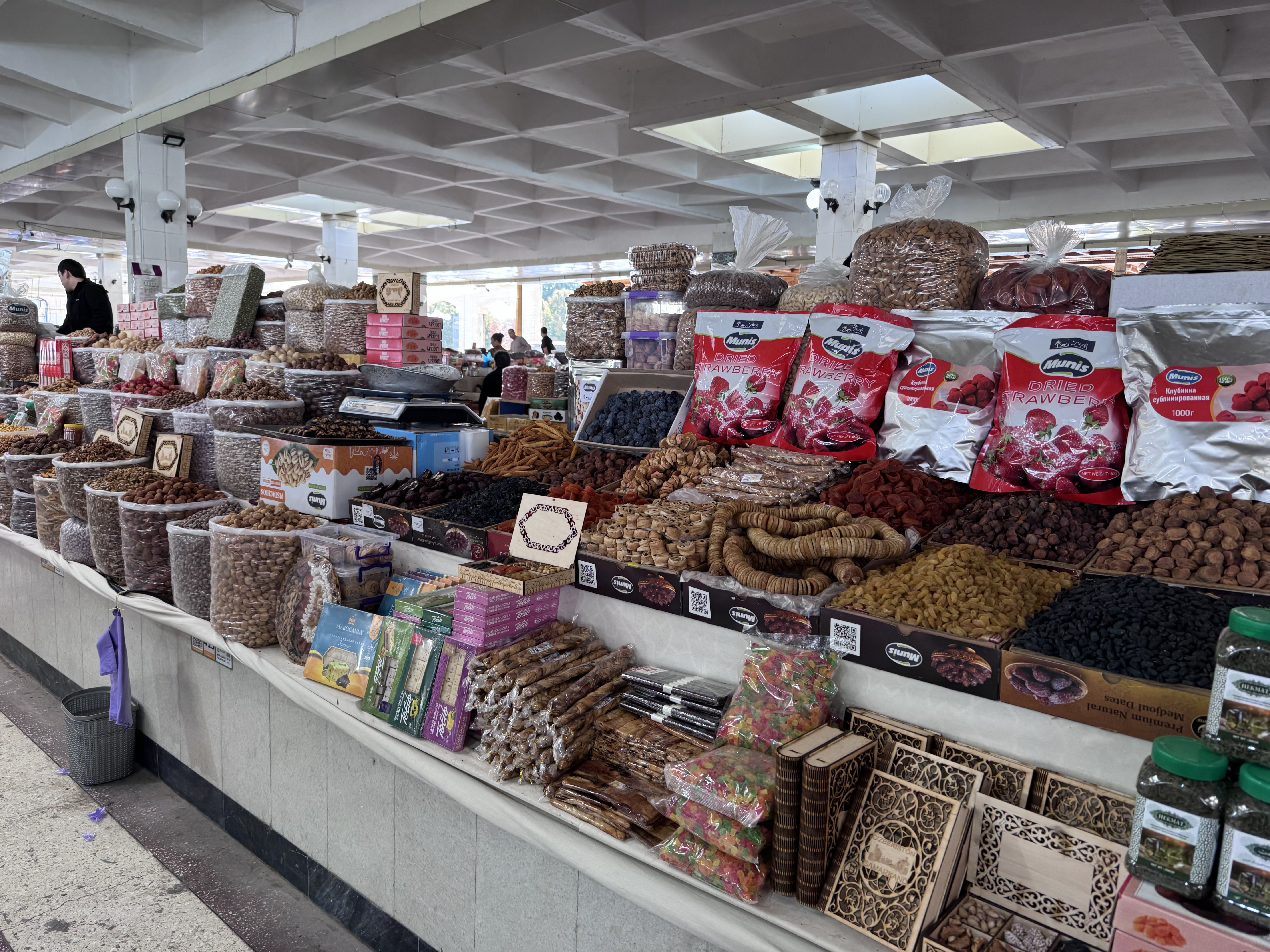
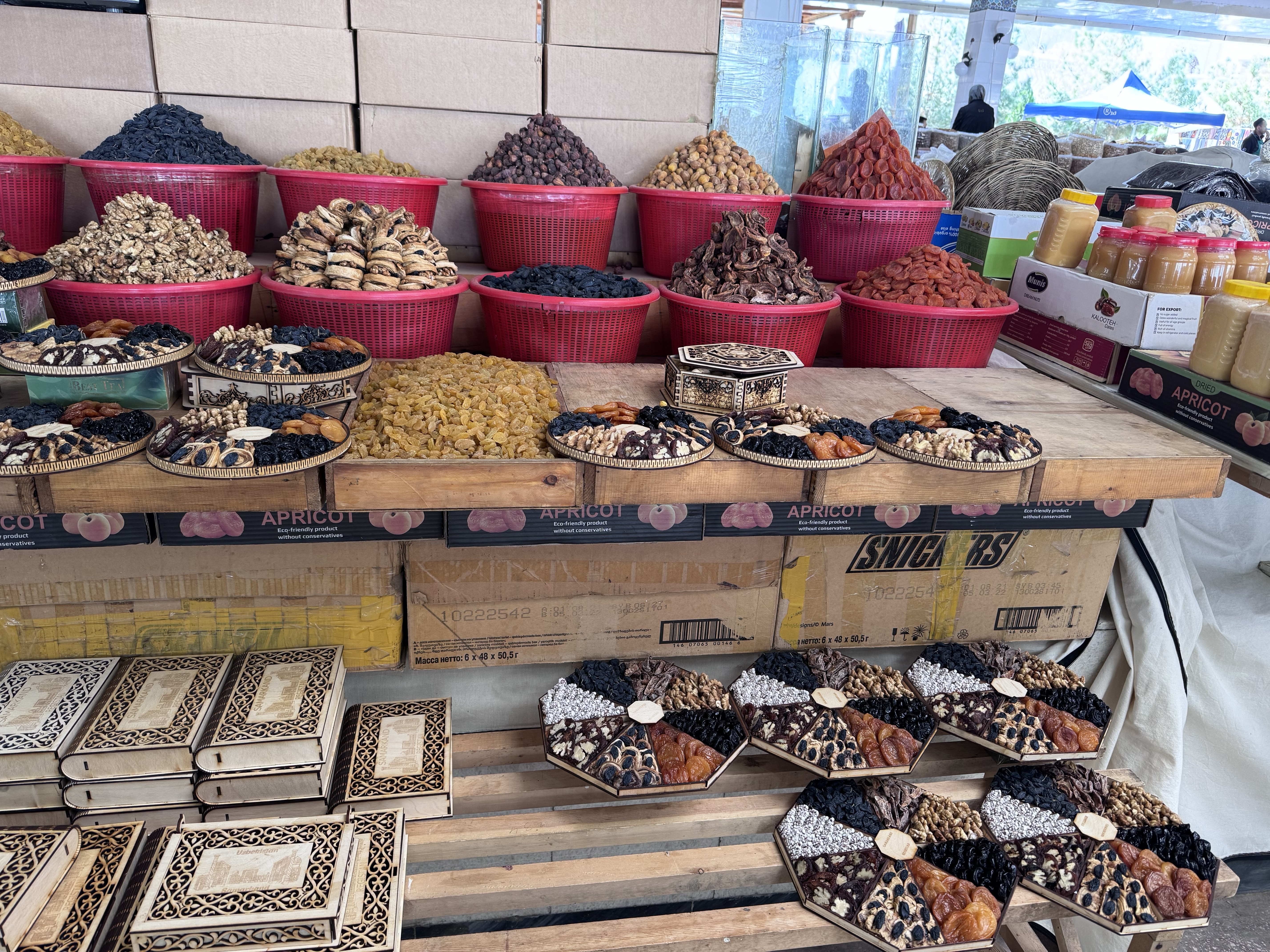
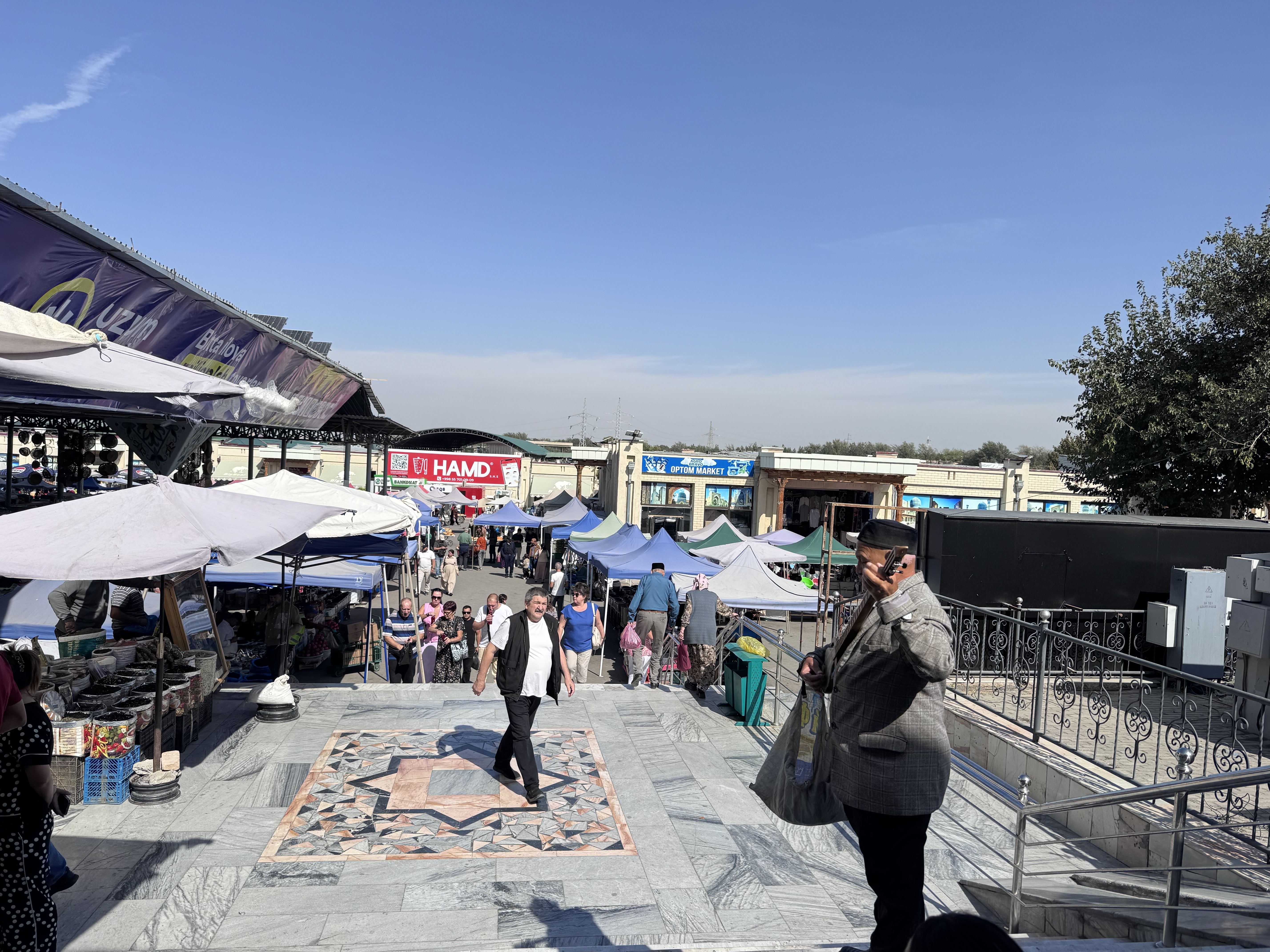
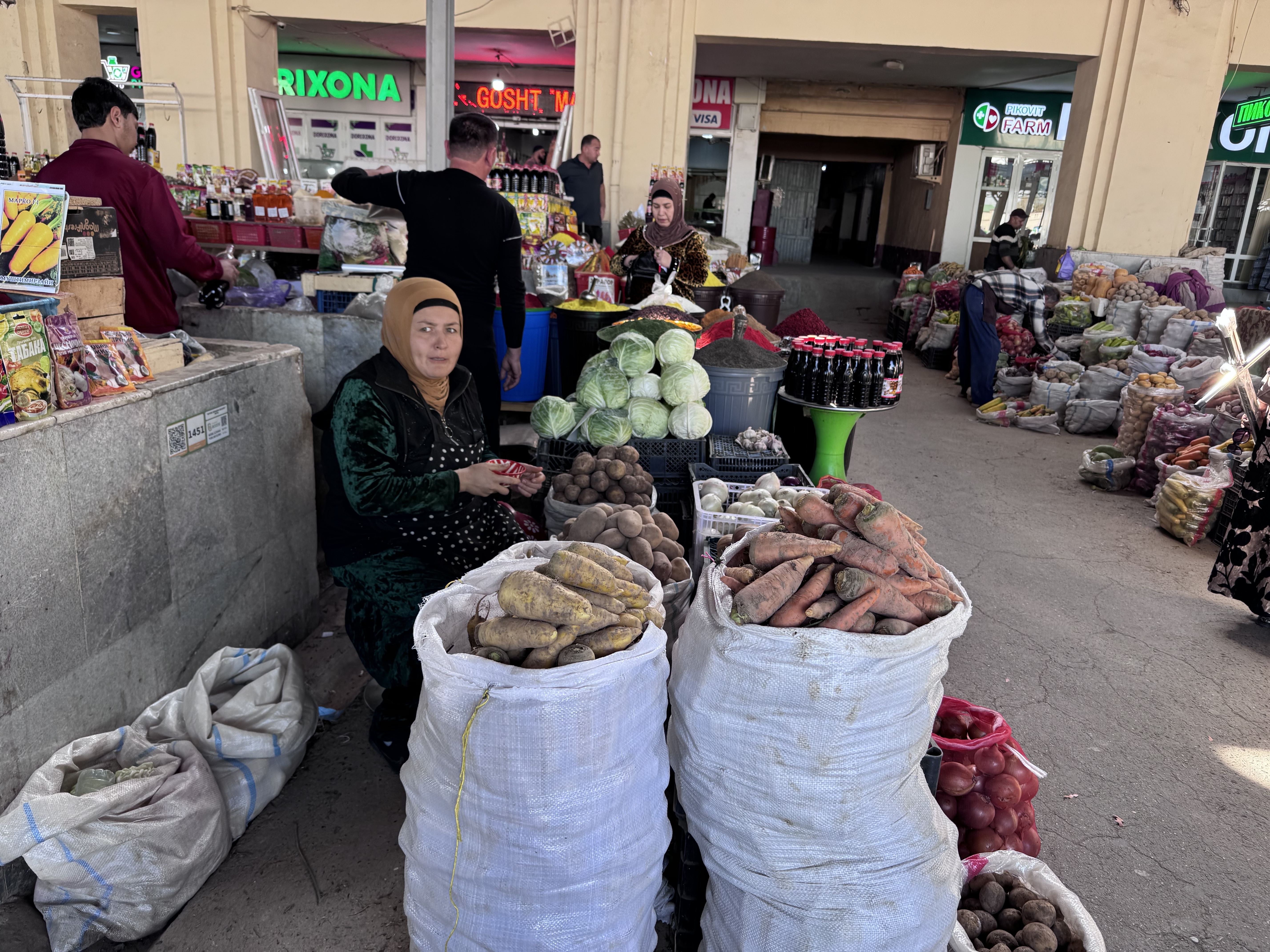
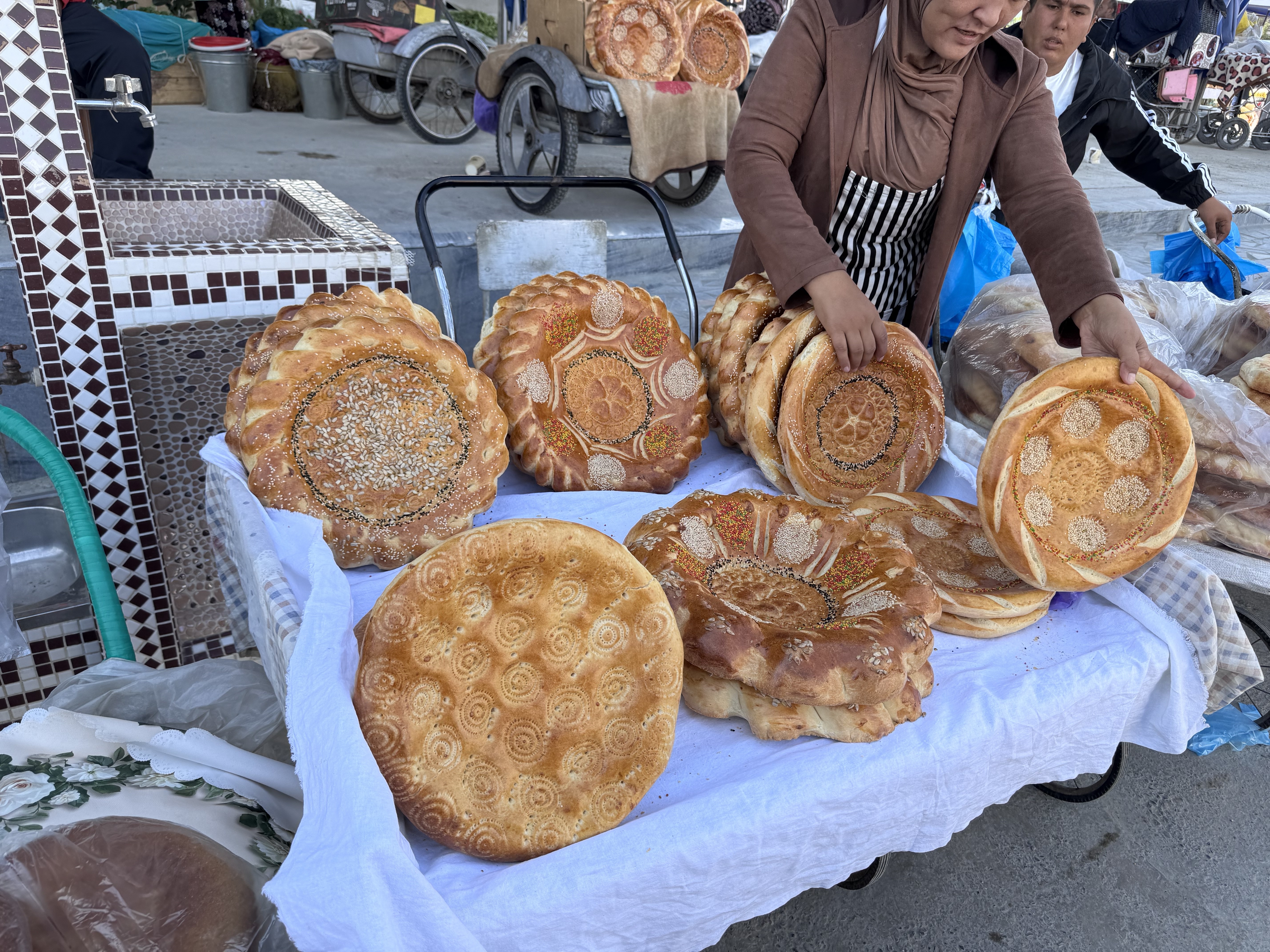
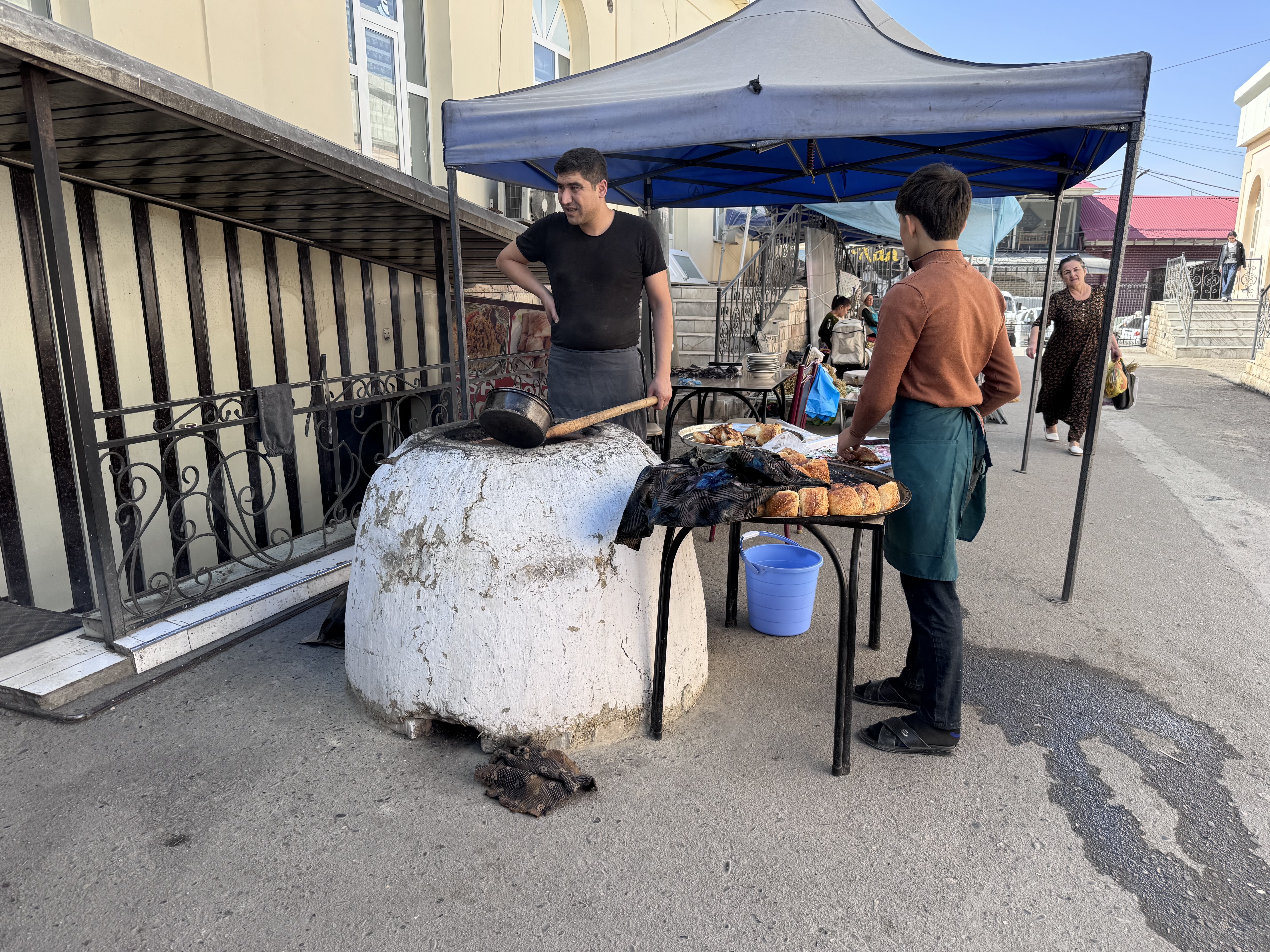
Siyob Bazaar, also known as Siab or Siab Bazaar, is the largest and oldest market in Samarkand, Uzbekistan, covering more than seven hectares in the heart of the old city. Its name derives from the historic Siyob district and the nearby Siyob River, a Persian and Tajik term meaning “black water” or “black river.”
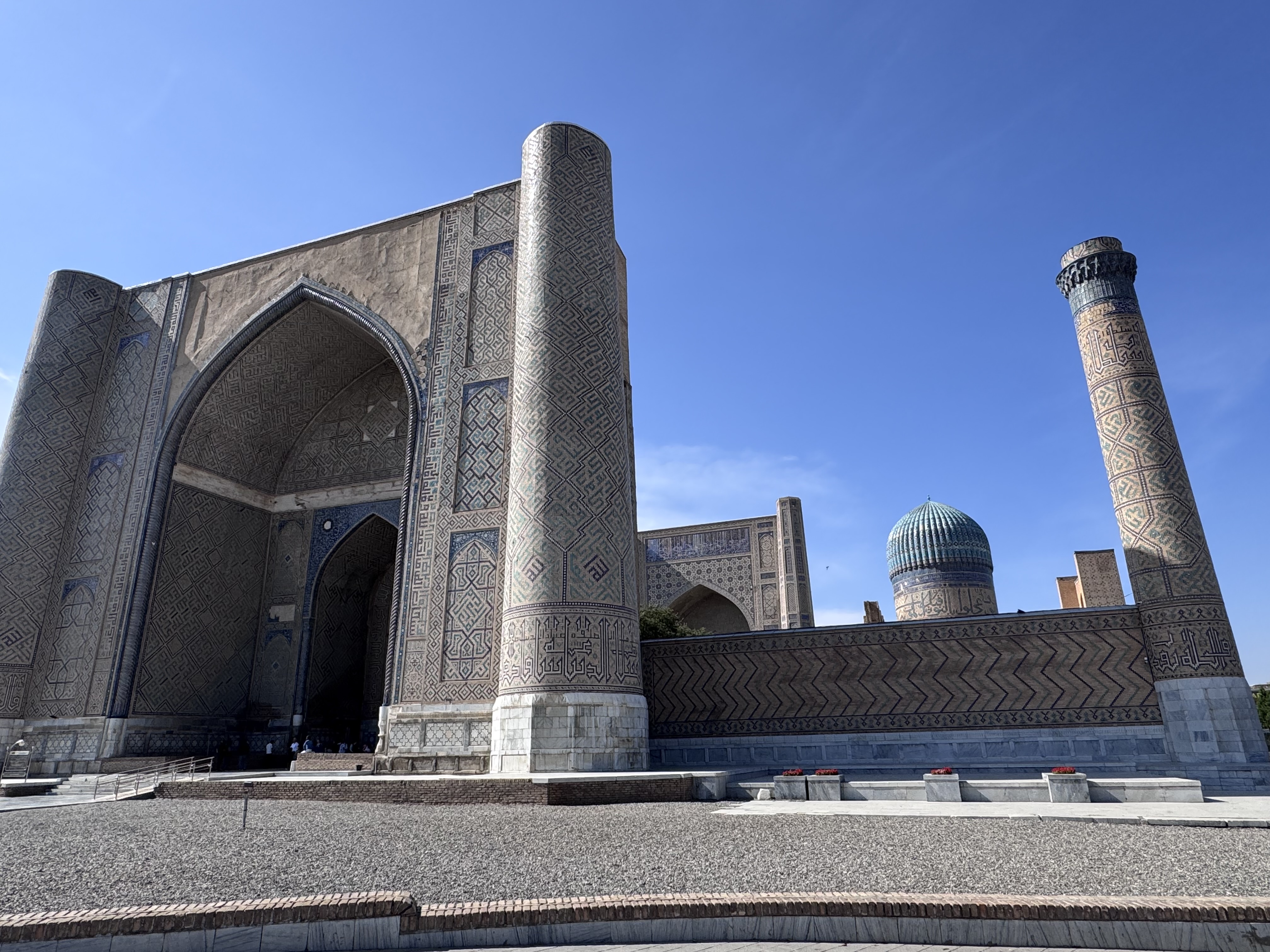
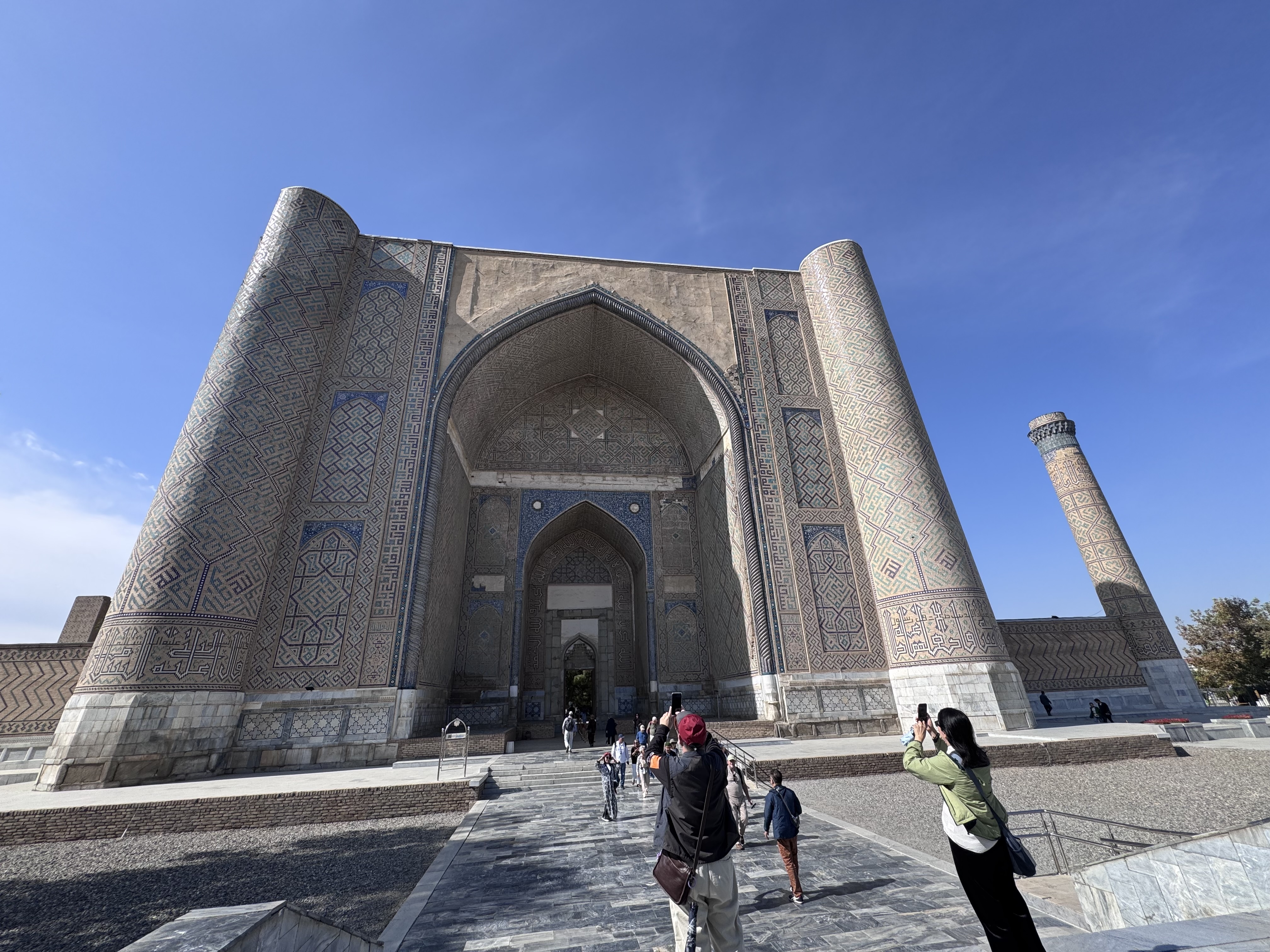
The market sits directly adjacent to the monumental Bibi-Khanym Mosque and lies within easy reach of the Shah-i-Zinda necropolis and Registan Square, making it a natural extension of any visit to the city’s great Timurid landmarks.
Trade has taken place on or near this site for centuries, intertwined with Samarkand’s role as a major Silk Road crossroads. Some accounts place the beginnings of organized commerce here as early as the early medieval period, with references stretching back to the ninth century and local tradition claiming even older roots tied to caravan stops and watering places along the river.
The market flourished during the Timurid era of the fourteenth and ...
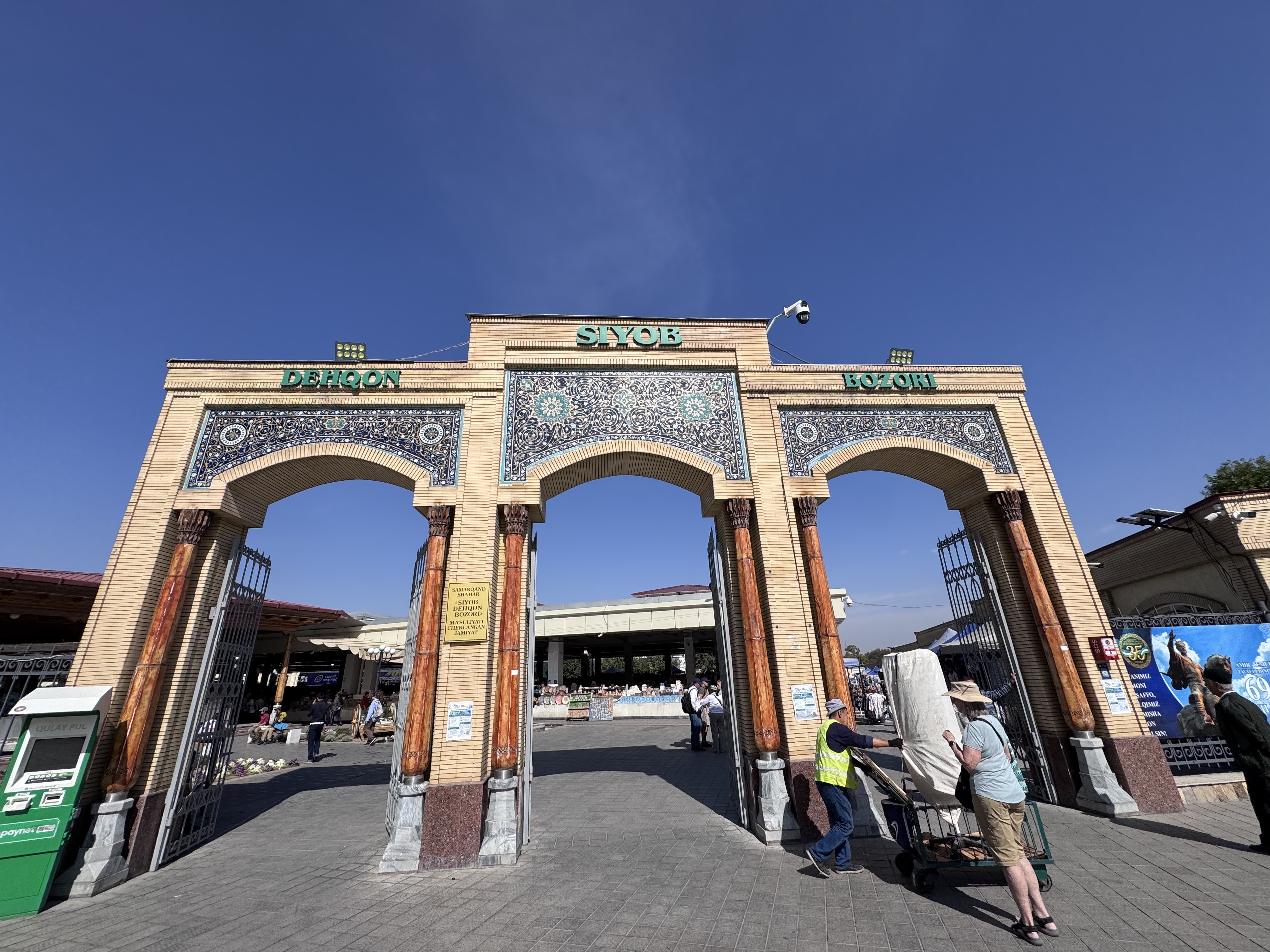
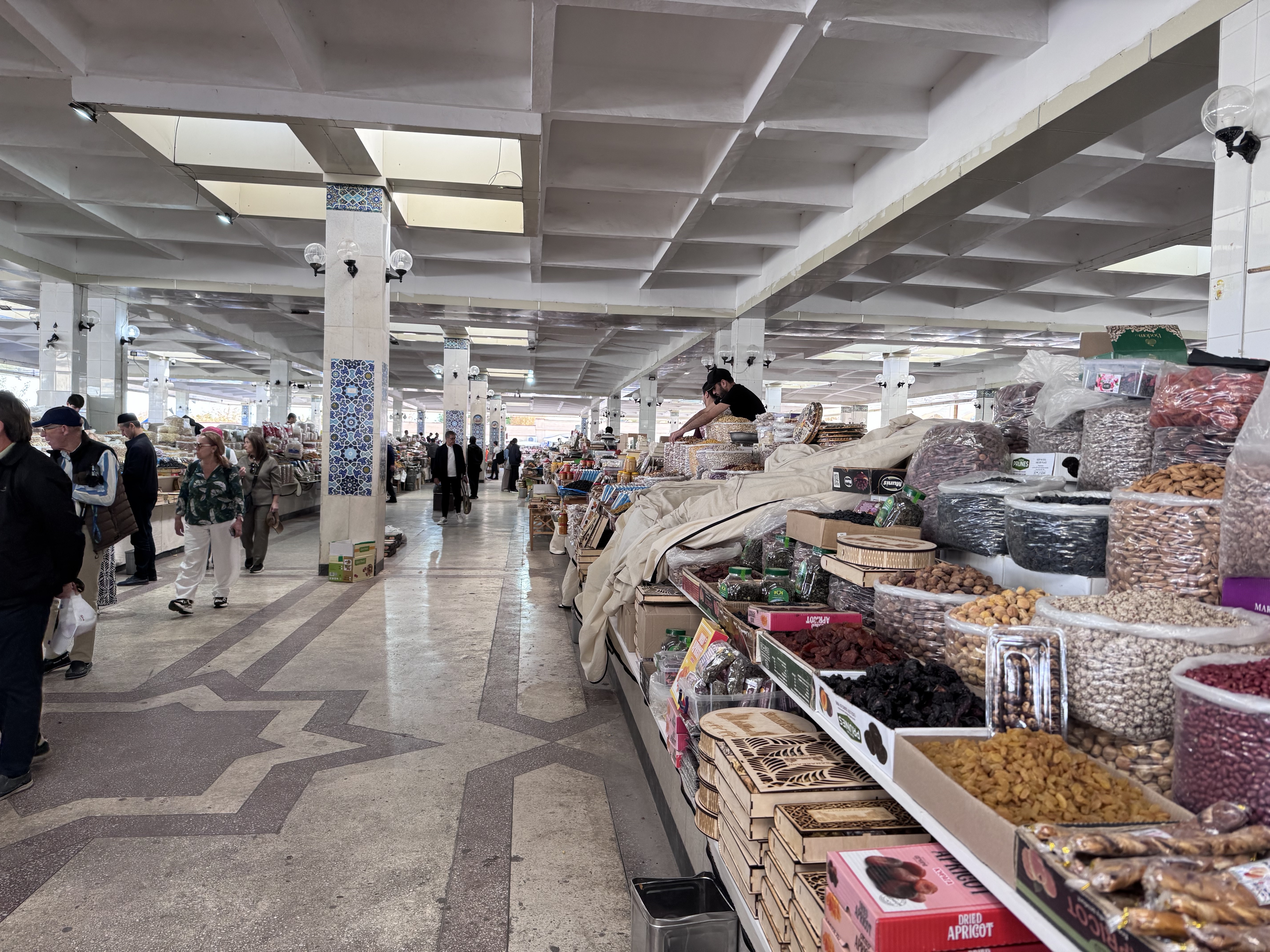
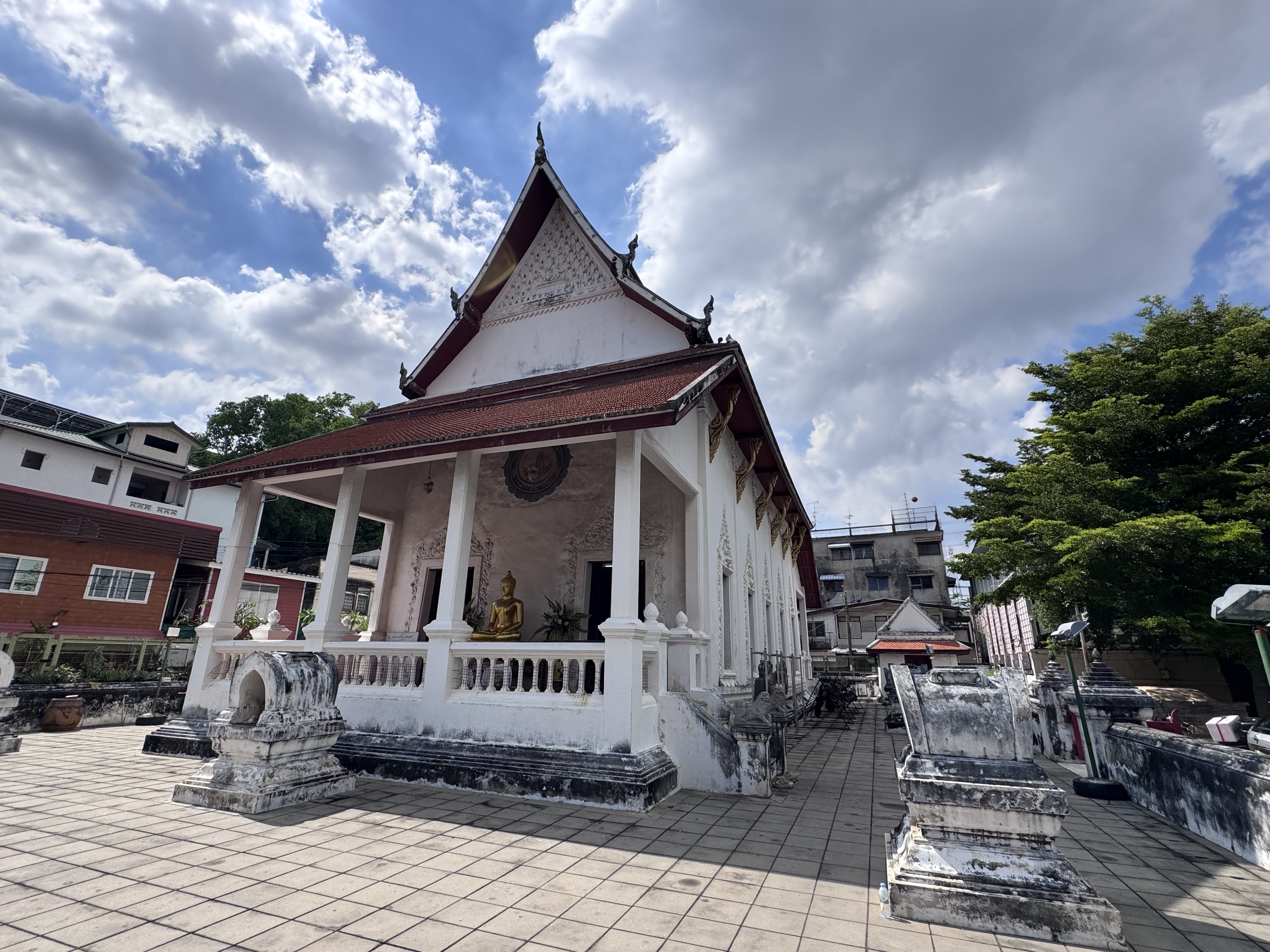
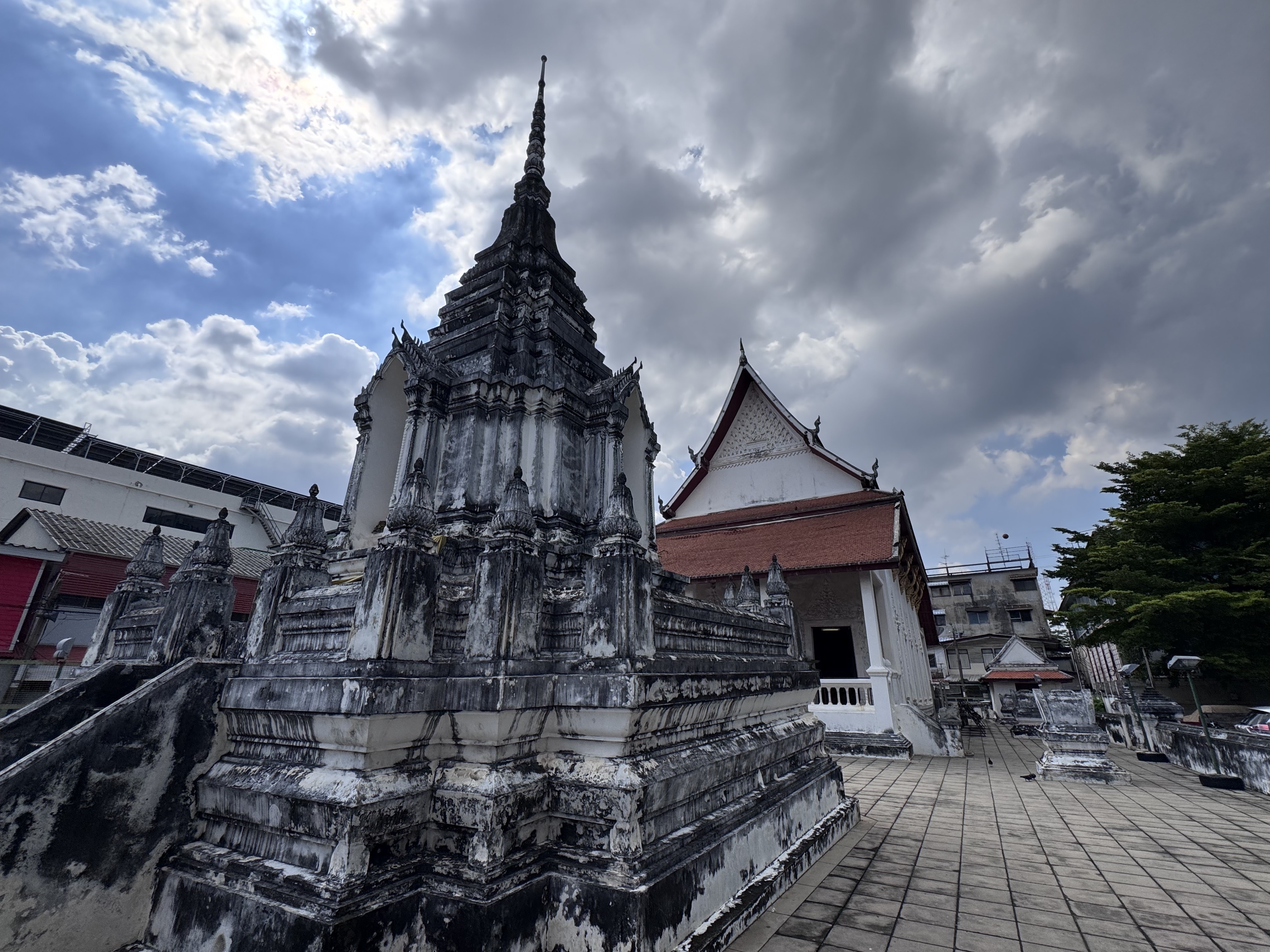
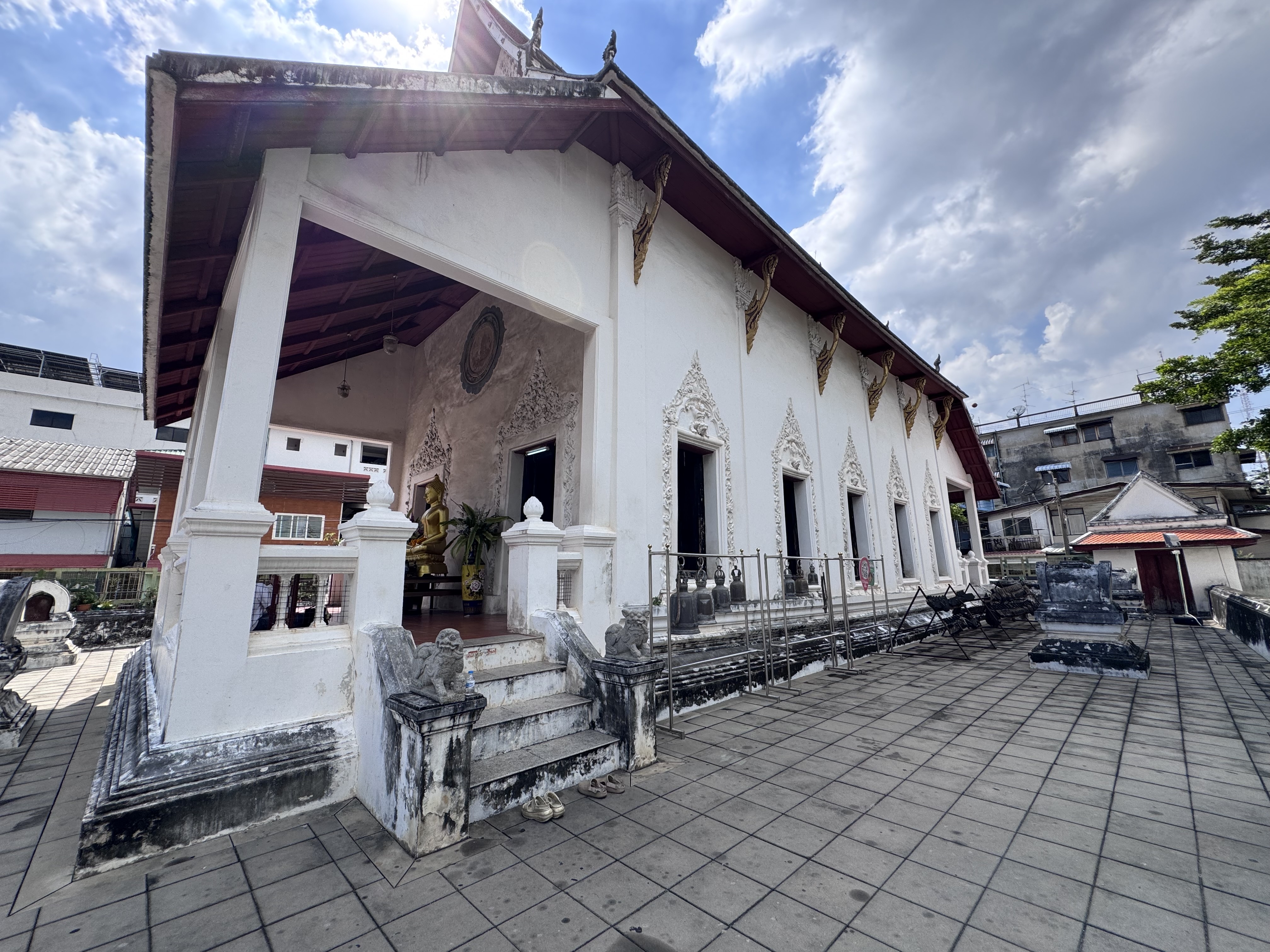
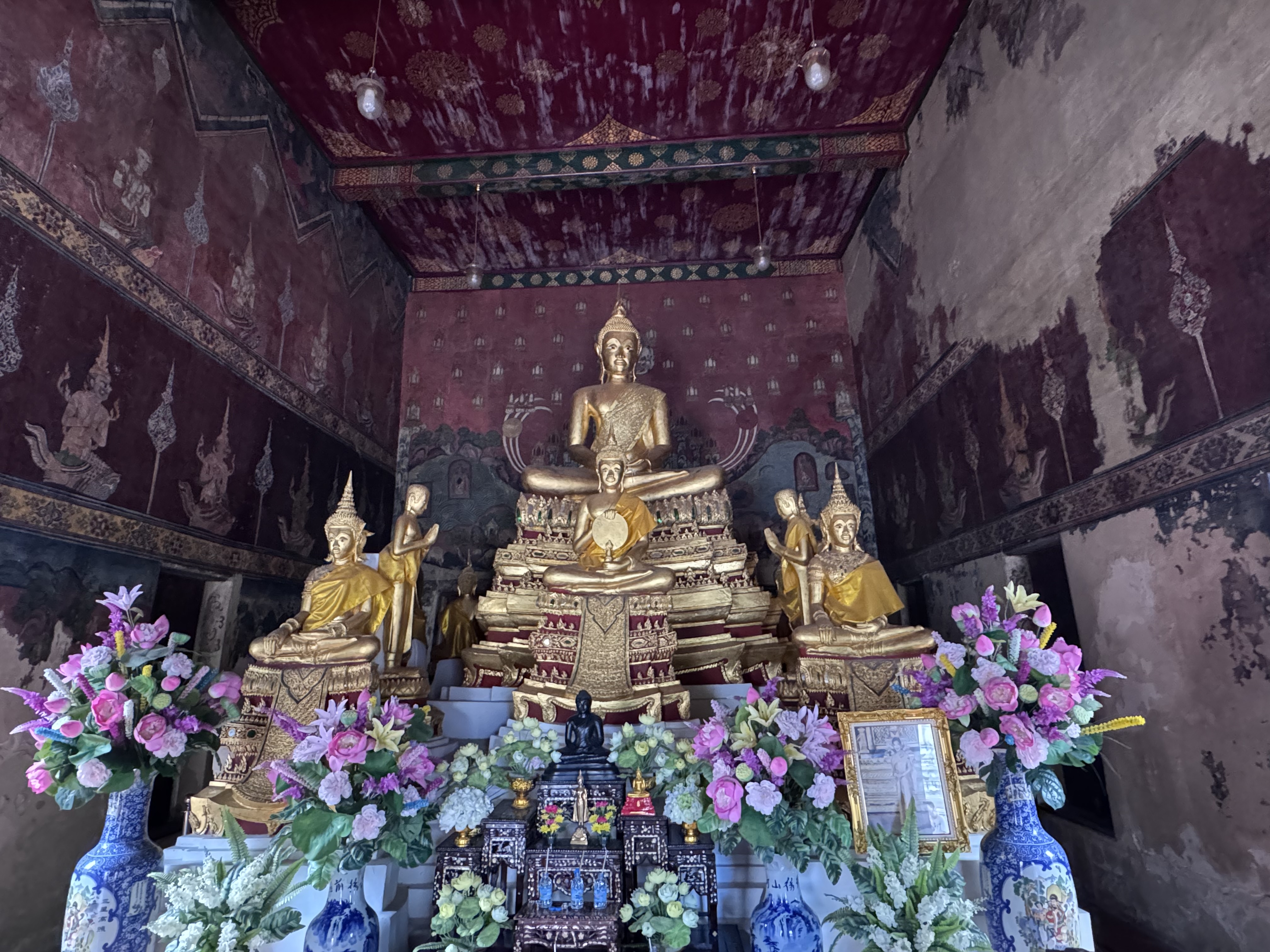
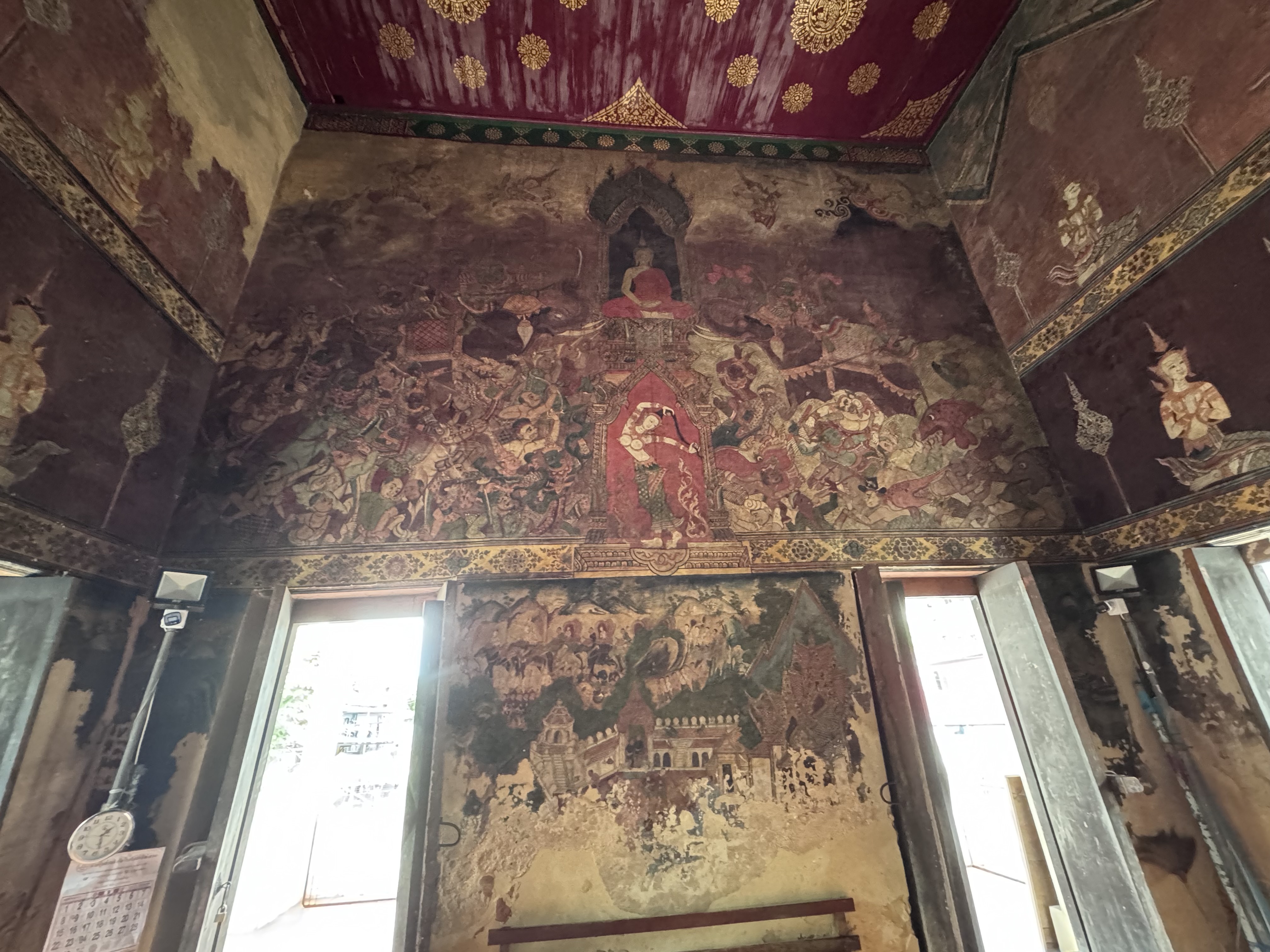
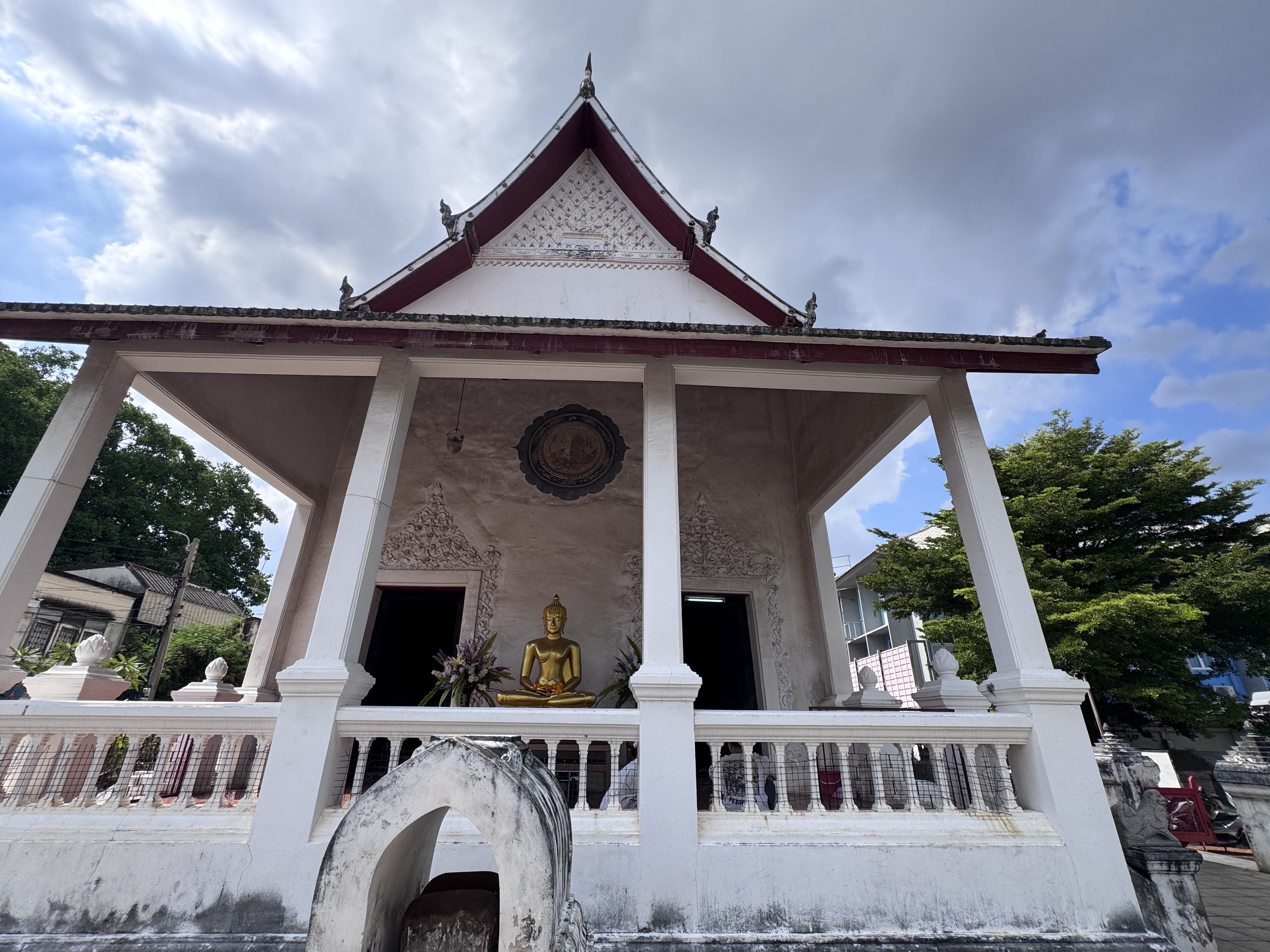
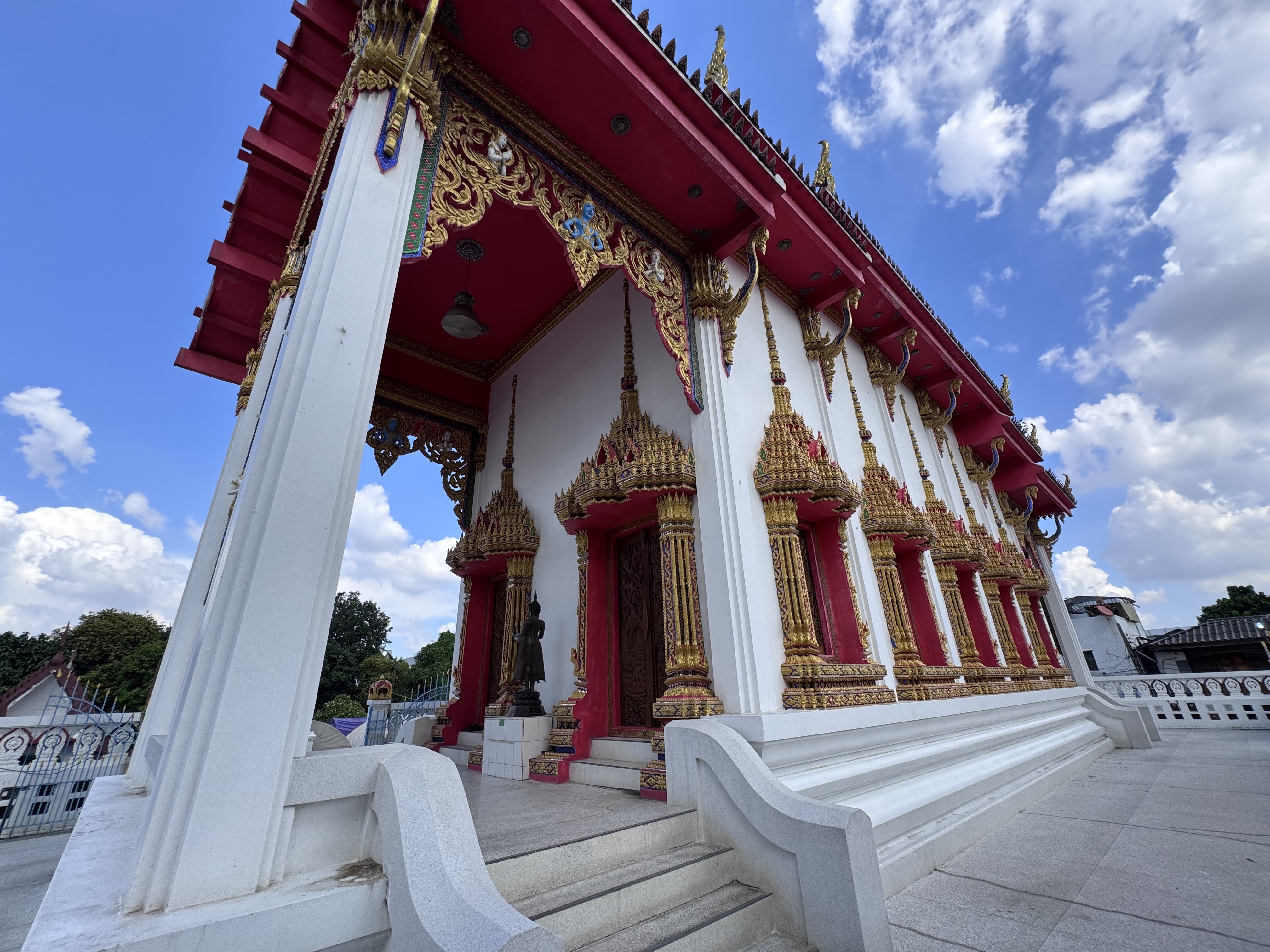
Wat Bot Samsen (วัดโบสถ์สามเสน)
The name means “Temple of the Ordination Hall at Samsen.”
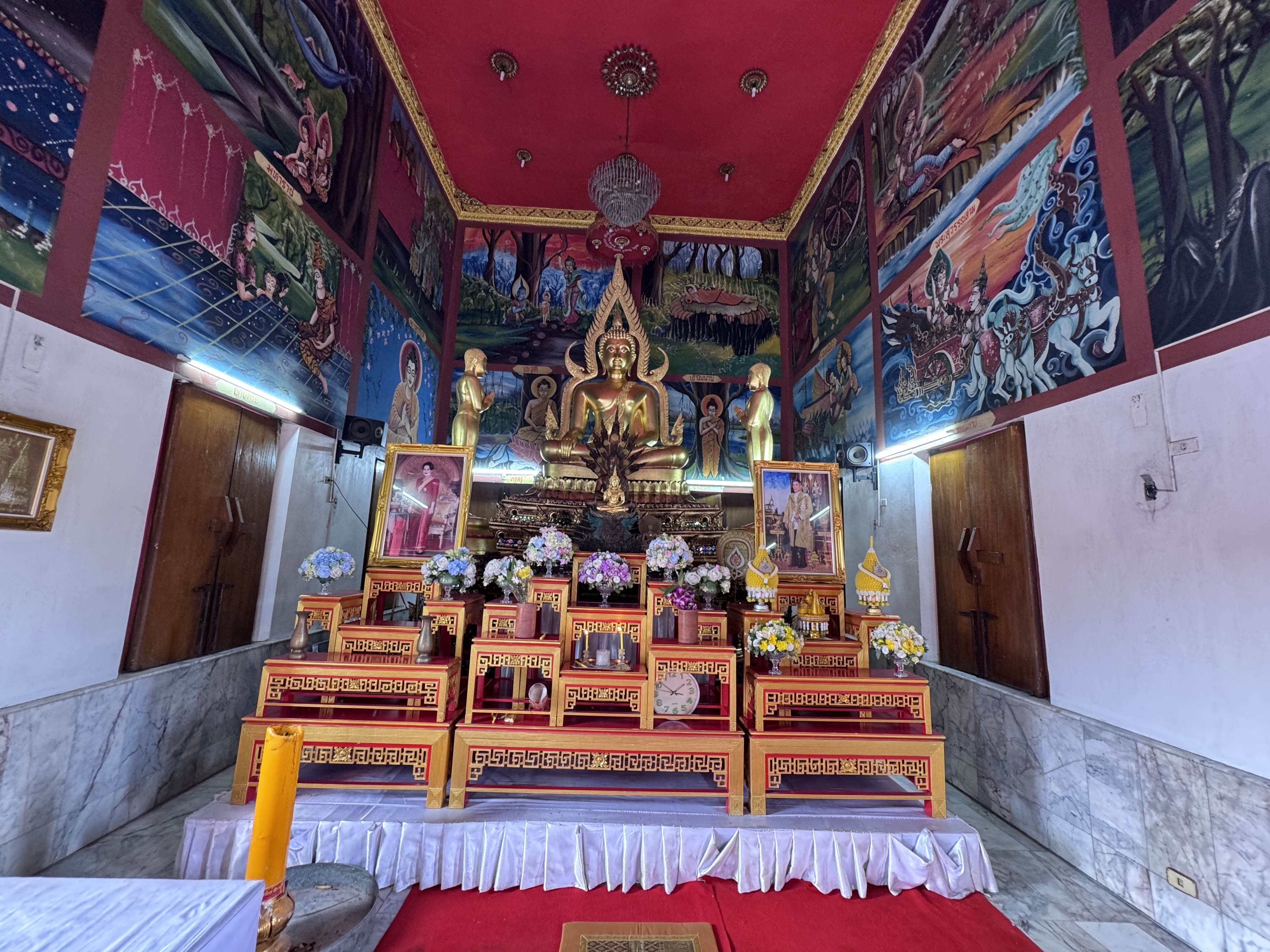
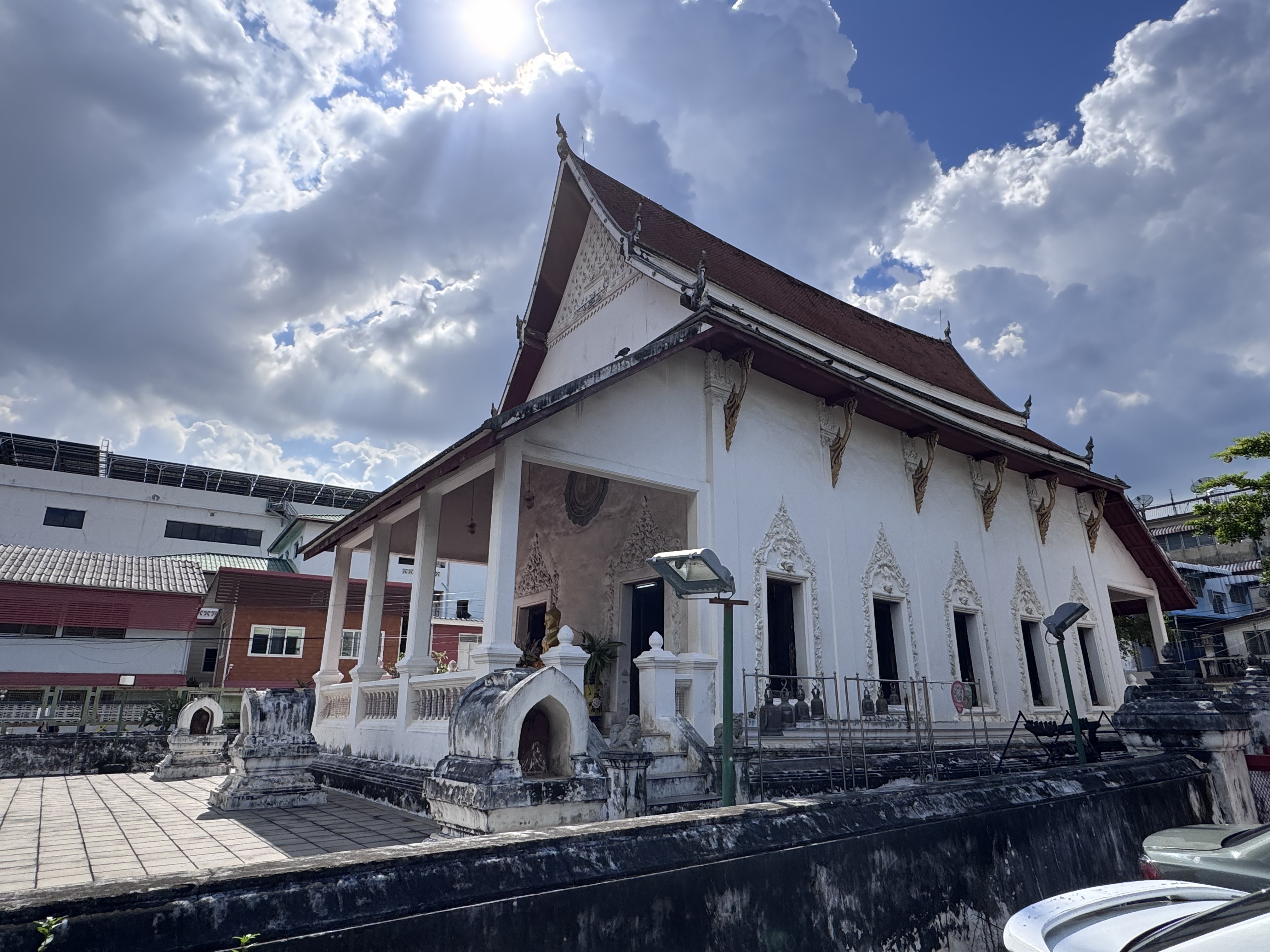
Wat Bot Samsen stands quietly beside Khlong Samsen in Bangkok’s Dusit district, a modest temple whose history reaches back to the final decades of the Ayutthaya kingdom. According to records of the Department of Religious Affairs it was founded around 1708 and received its first royal boundary consecration twenty years later.
Over time the monastery fell into neglect; its original name was forgotten and only the single ordination hall remained, so the local people simply called it Wat Bot – the Temple of the Ordination Hall.
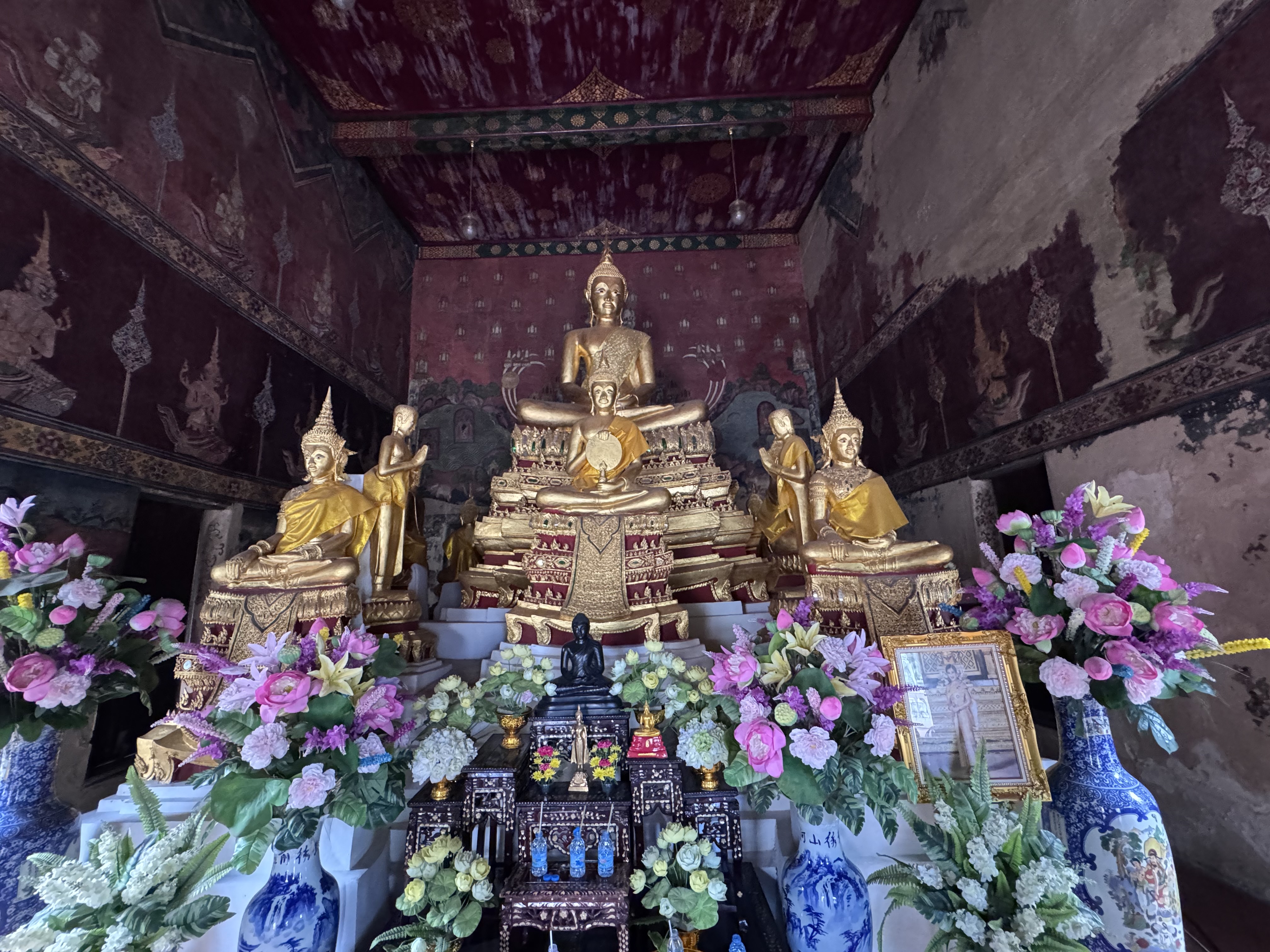
The story of its principal Buddha image, Luang Pho Sukkasem, is one of the most enduring local legends. In the Ayutthaya period kings sometimes cast sacred images and set them adrift on great rafts of lashed logs, intending that any riverside temple without a principal Buddha could claim the statue when the raft came to shore. The raft carrying Luang Pho ...
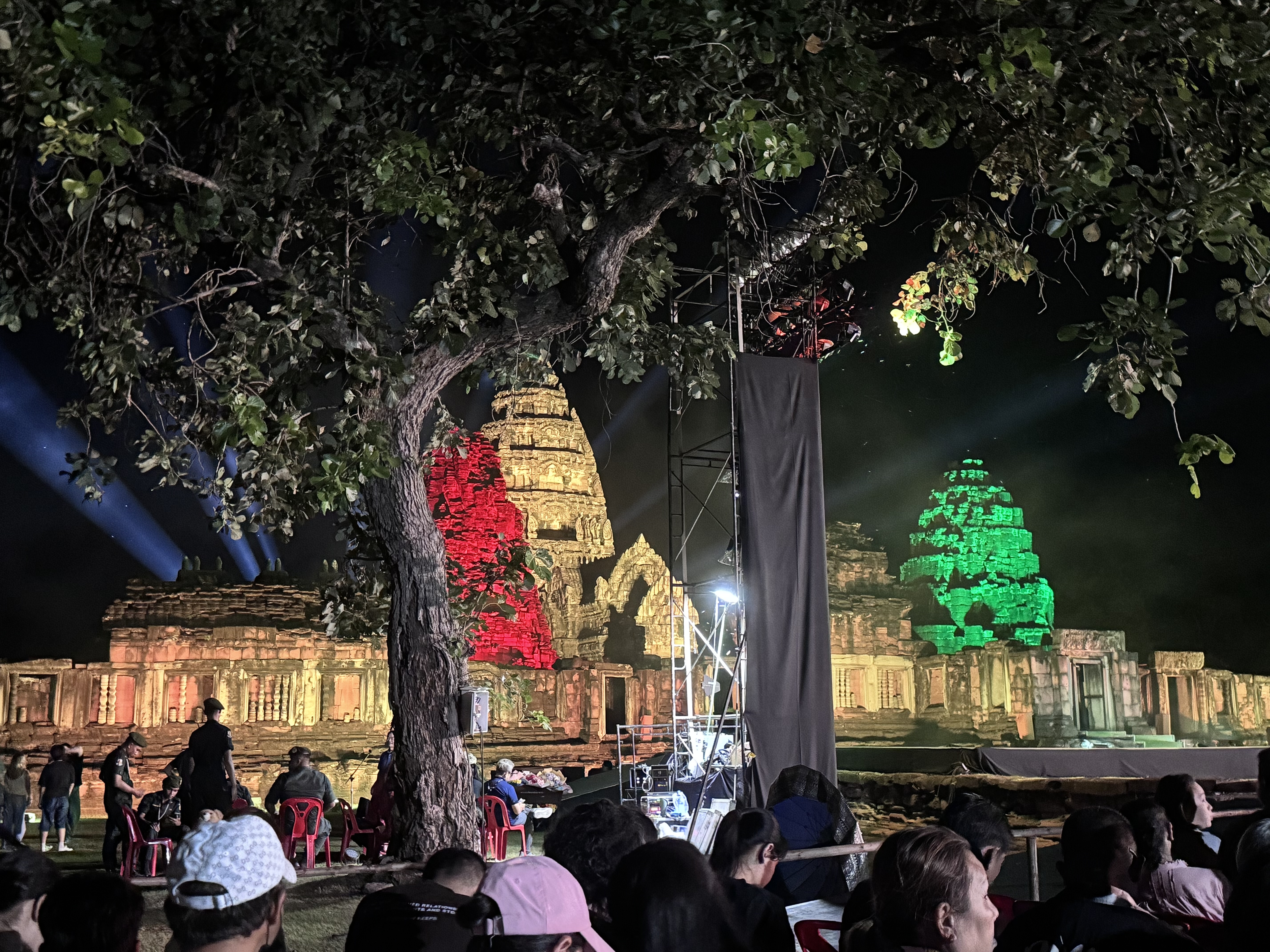
Each November the ancient stones of Phimai Historical Park come alive after dark, and in 2026 the light and sound show formed the glowing heart of the Amazing Korat Phimai Festival.
Held from the eleventh to the fifteenth of November against the backdrop of Thailand’s largest Khmer sanctuary, the production carried the title “อารยธรรมวิจิตร วิมายะนฤมิตร สถิตเลิศหล้า พสุธาพิมาย,” in English, “Magnificent Civilization: The Glorious Heritage of Phimai”.
Through sweeping lights, projected imagery, music and live performance, the show traced the story of Vimayapura, the ancient city that once stood as a major centre of Khmer culture and Mahayana Buddhist devotion, linked in local tradition to the era of King Jayavarman VII.
Spectators gathered in the open spaces of the historical park as evening fell and the sandstone towers of Prasat Hin Phimai began to transform under carefully choreographed ...
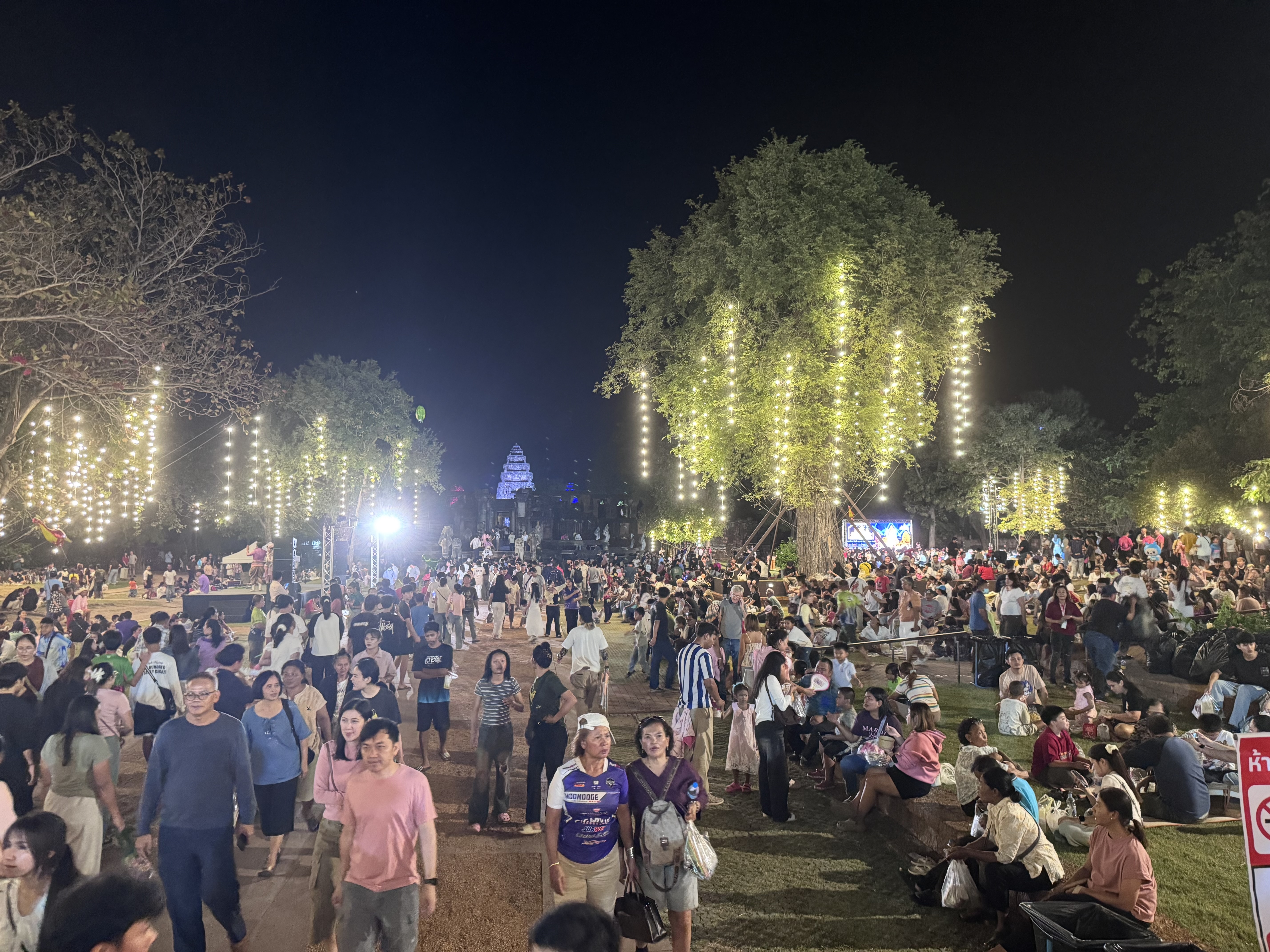
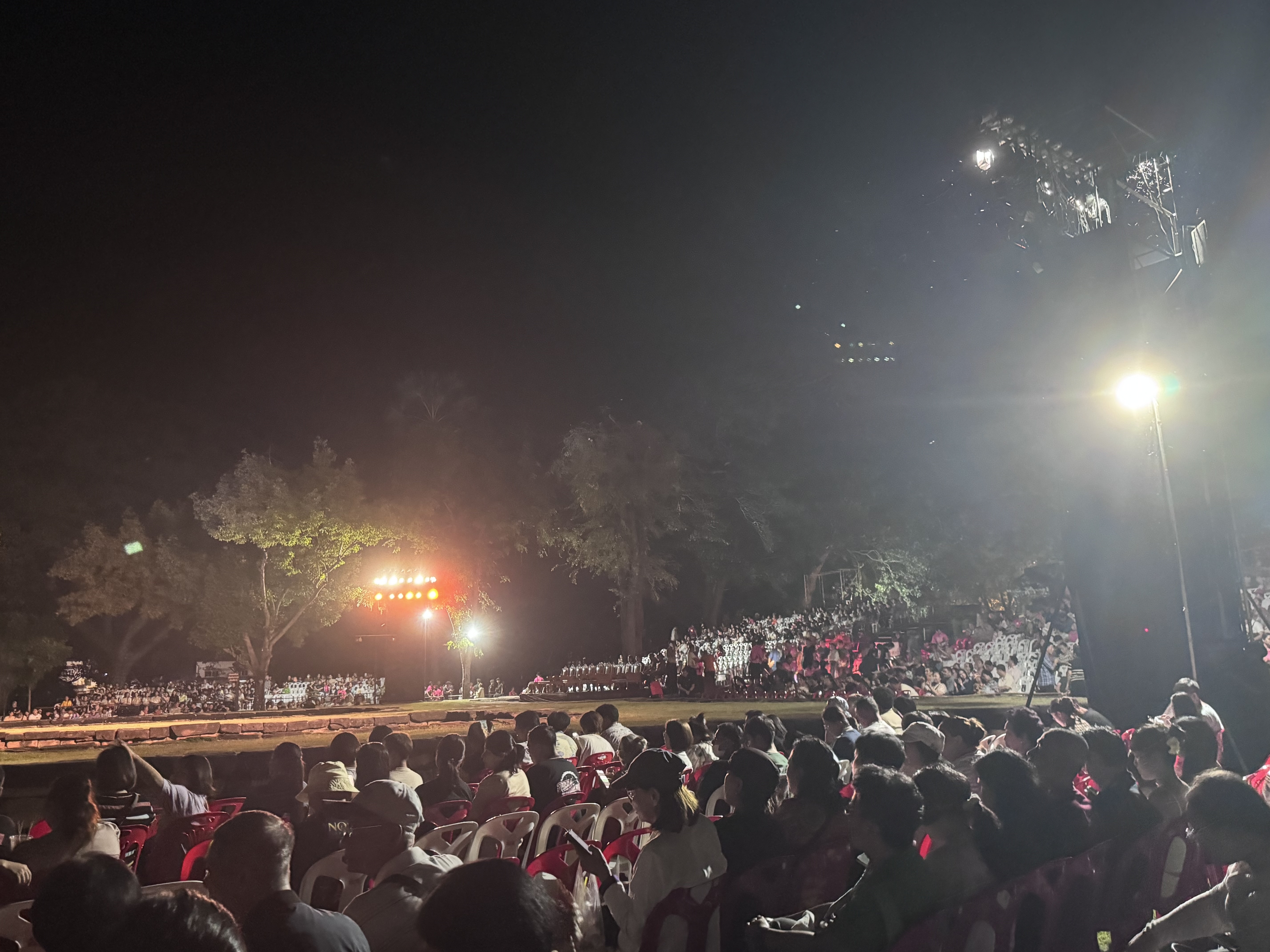
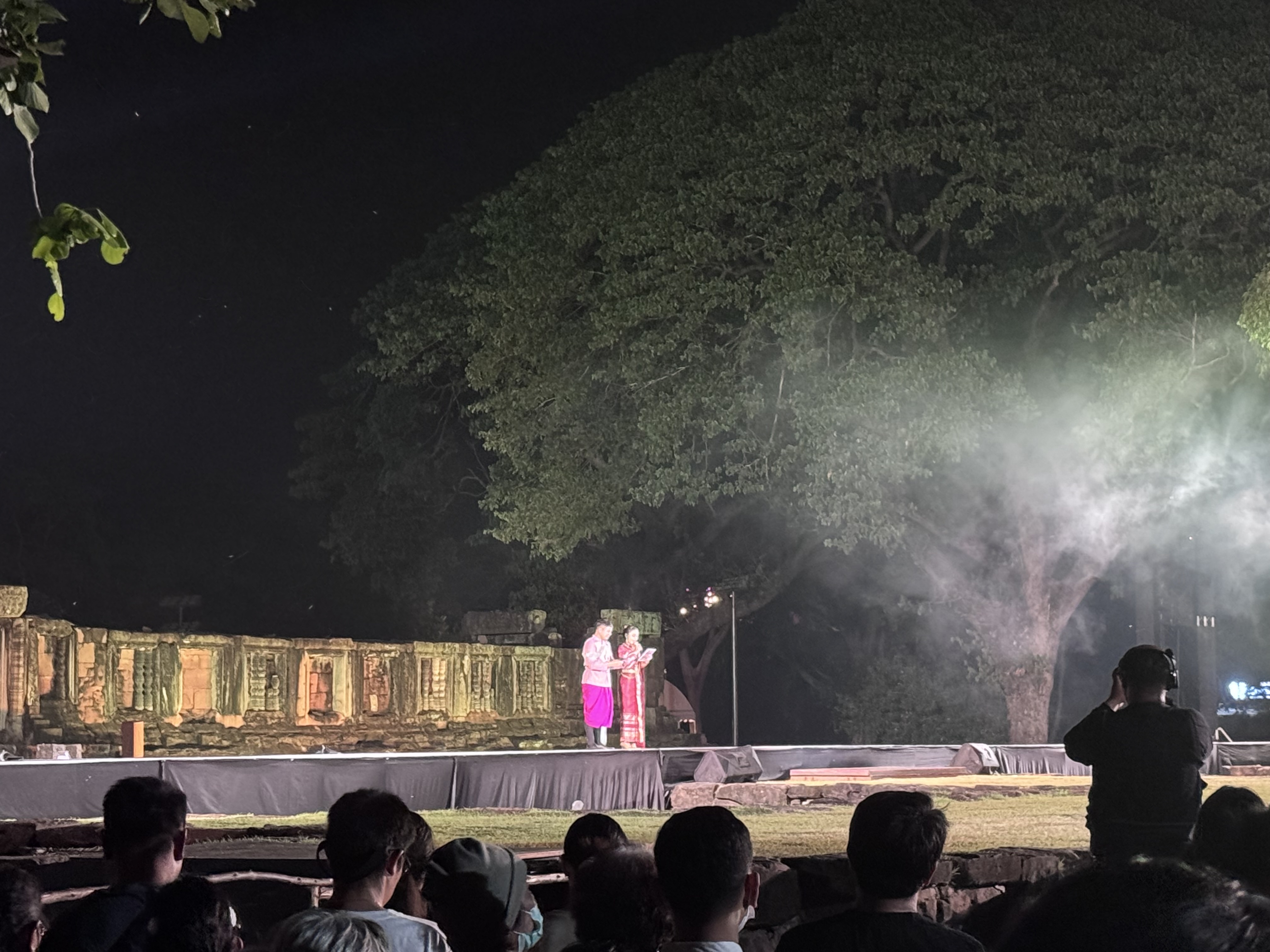
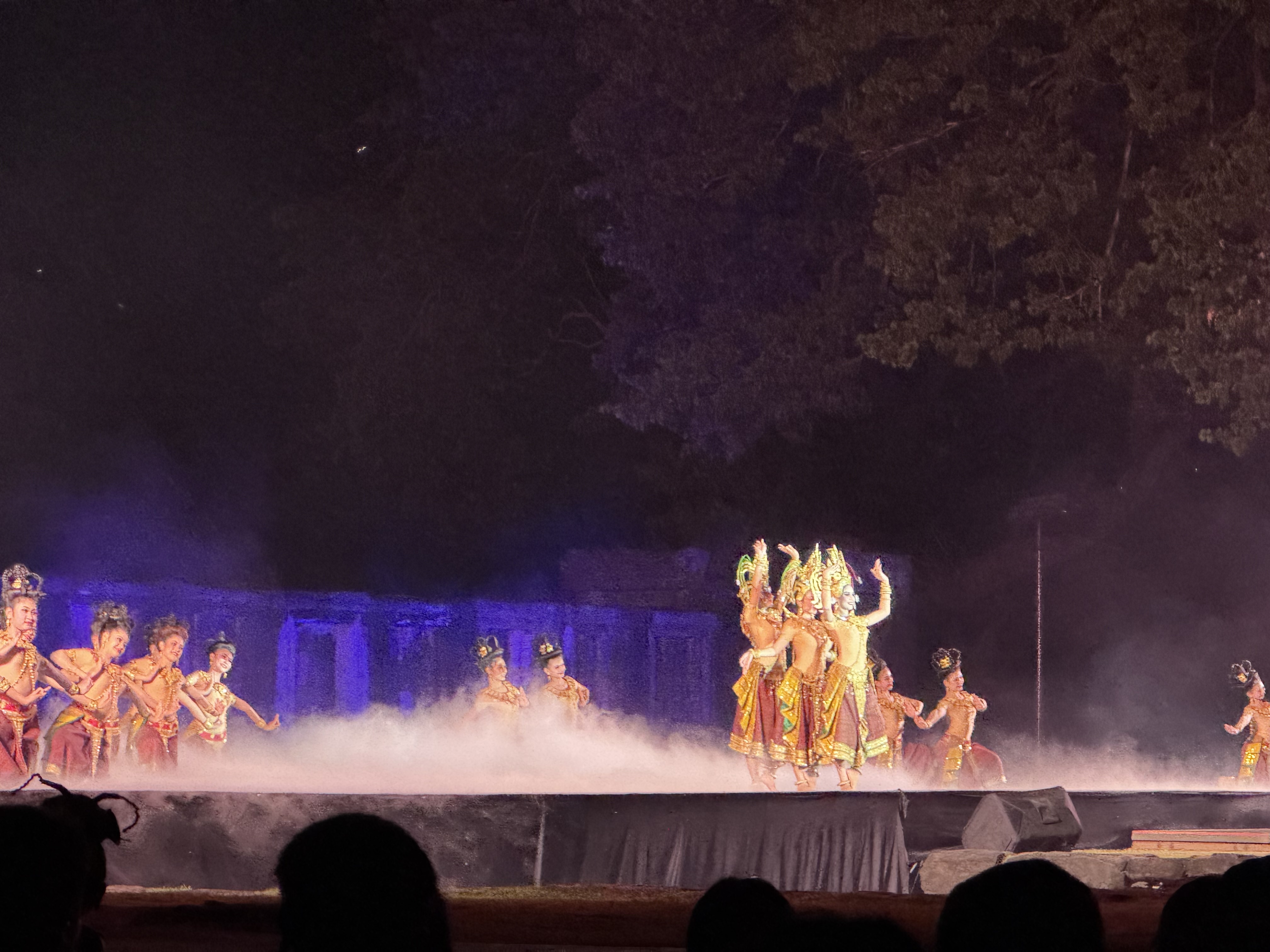
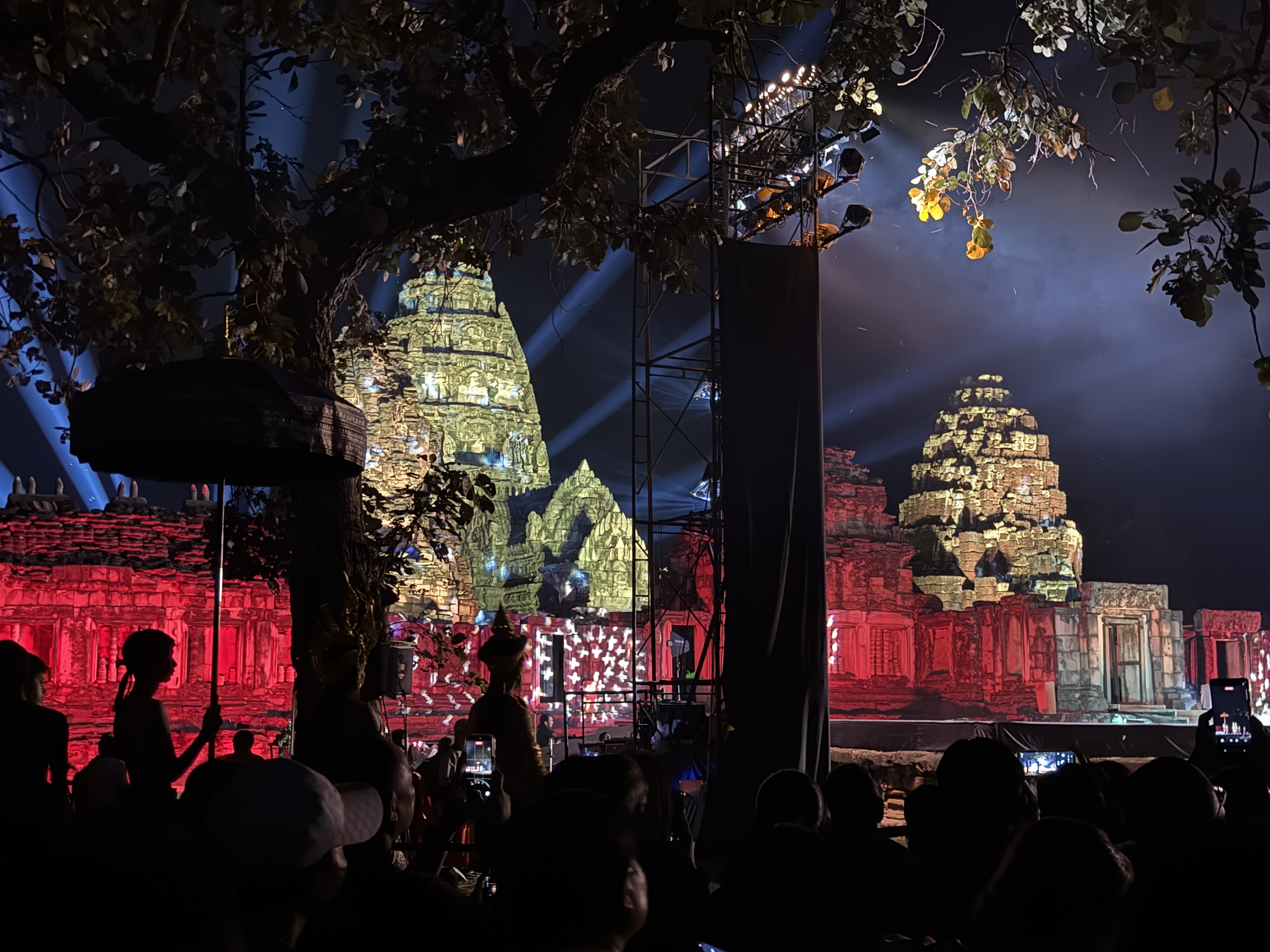
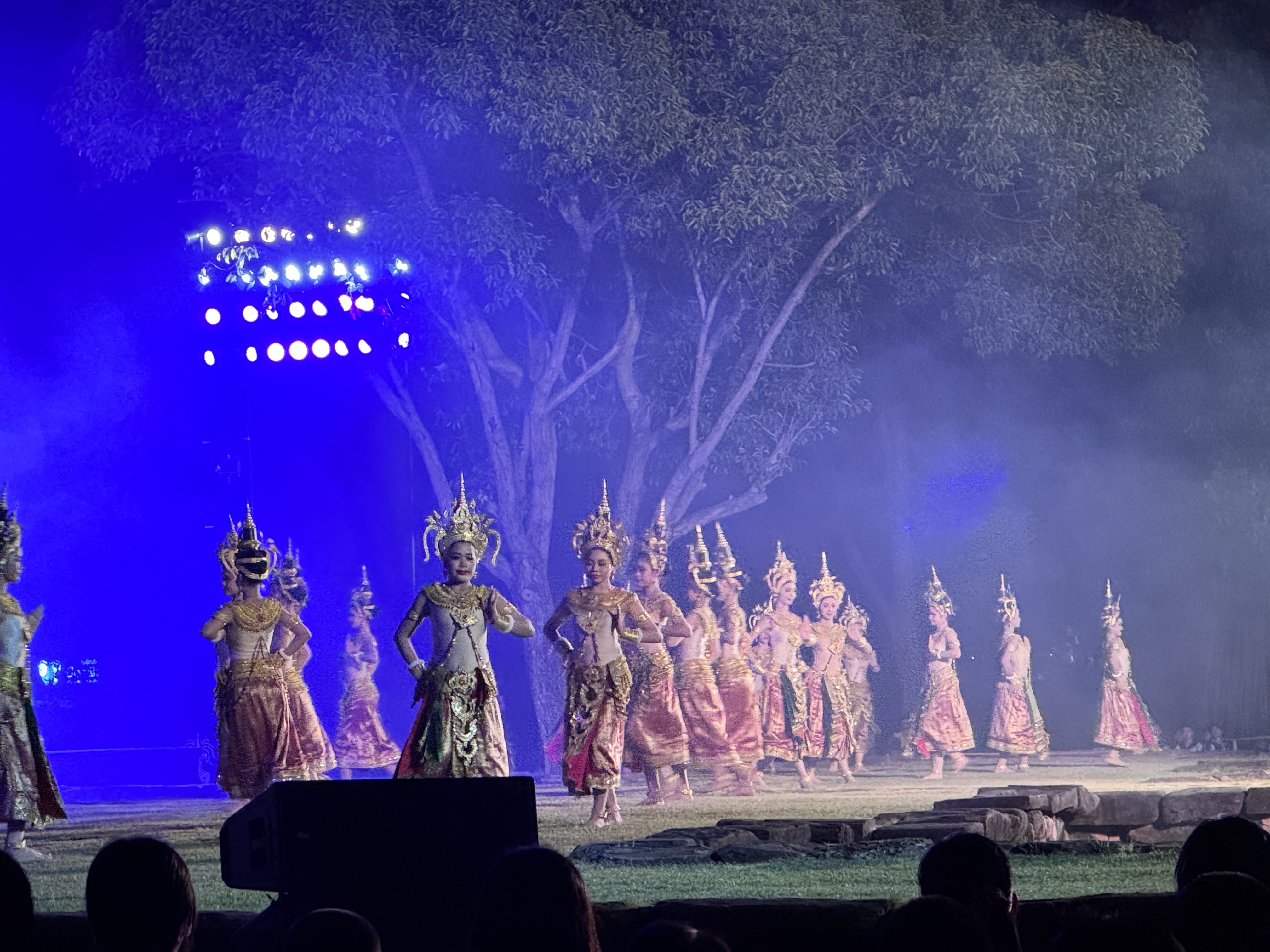
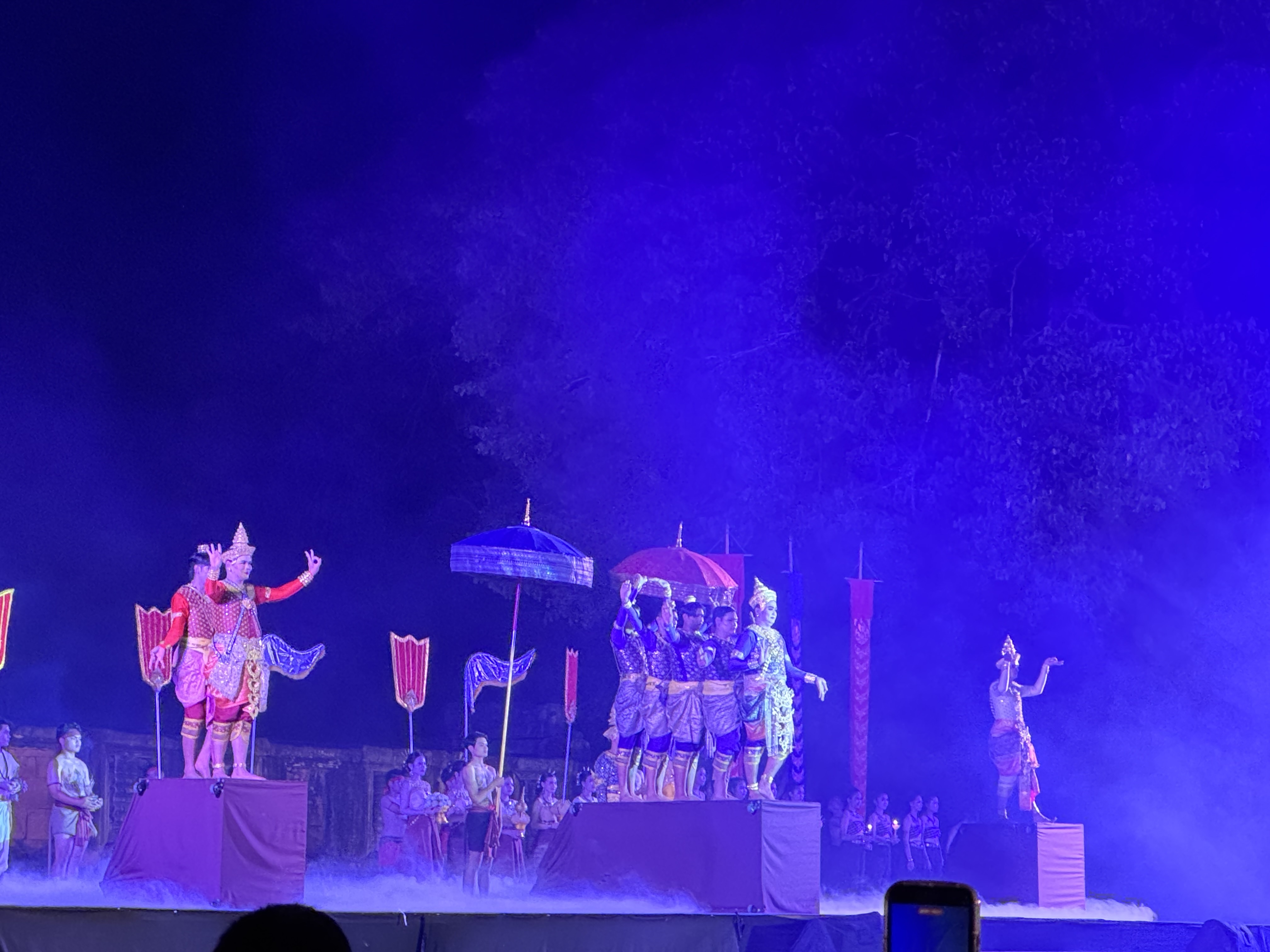
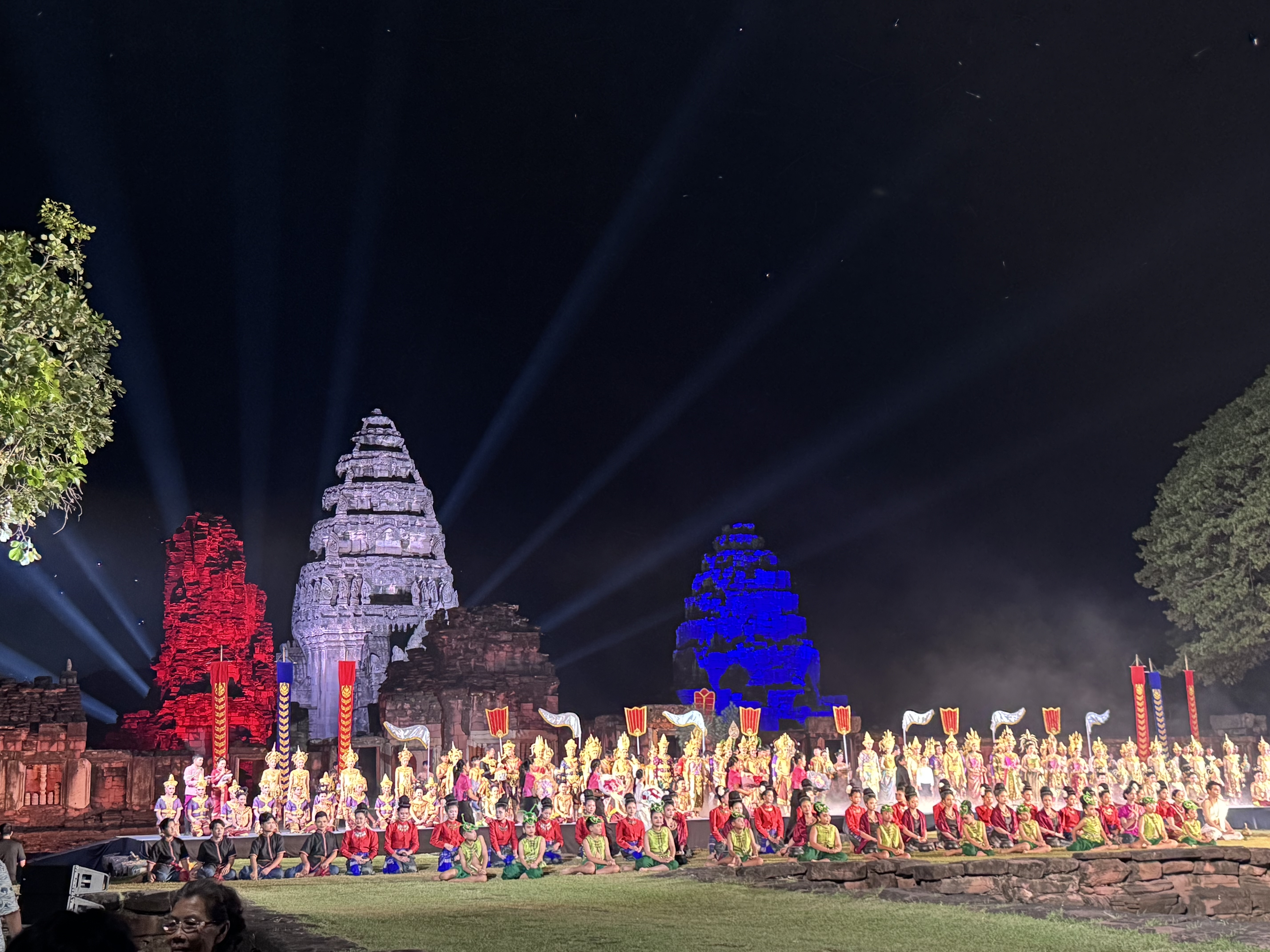
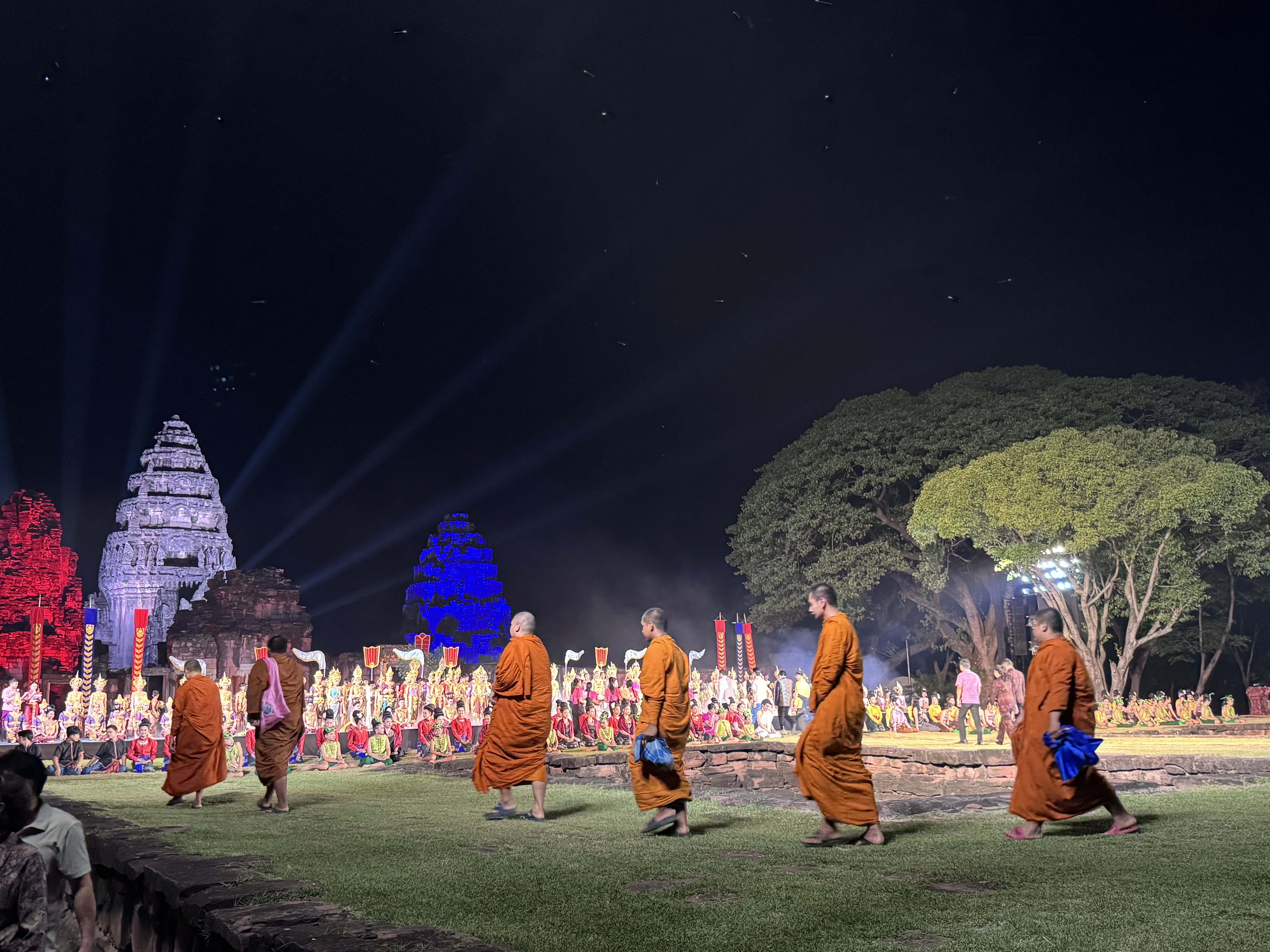
The Phimai Festival, also known as the Phimai Boat Race Festival, is an annual cultural extravaganza held in Phimai, Nakhon Ratchasima Province (Isaan region, Thailand). It celebrates the area’s Khmer heritage, centered around the 1,000-year-old Phimai Historical Park (Prasat Hin Phimai).
The 2026 occurred during the second weekend of November, 11-15th 2026. Key highlights include long-boat races on the Chakrat River, light-and-sound shows depicting Khmer history, traditional performances, and cultural markets. The festival draws thousands of visitors, transforming the quiet town into a vibrant hub of Isaan traditions.
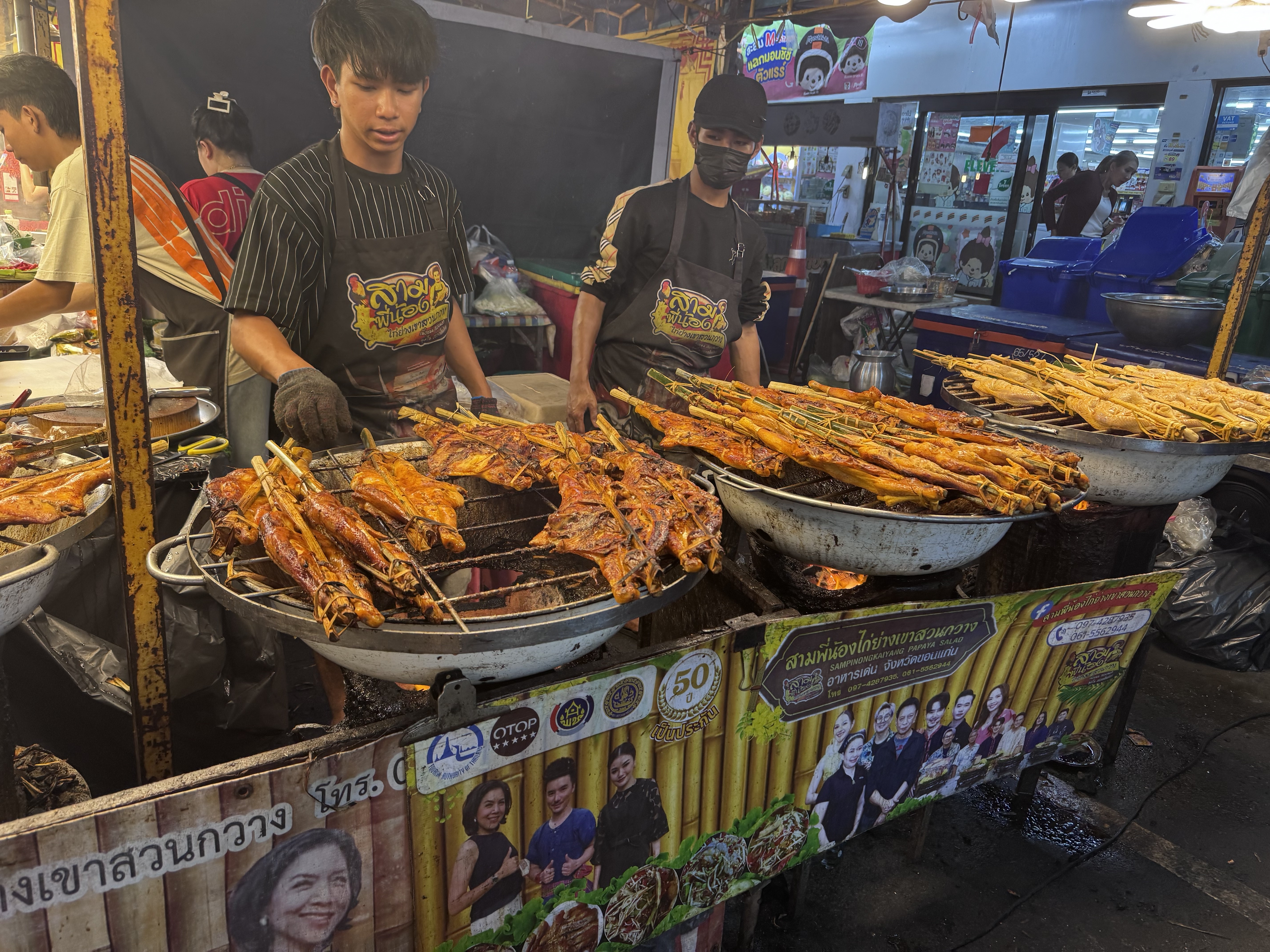
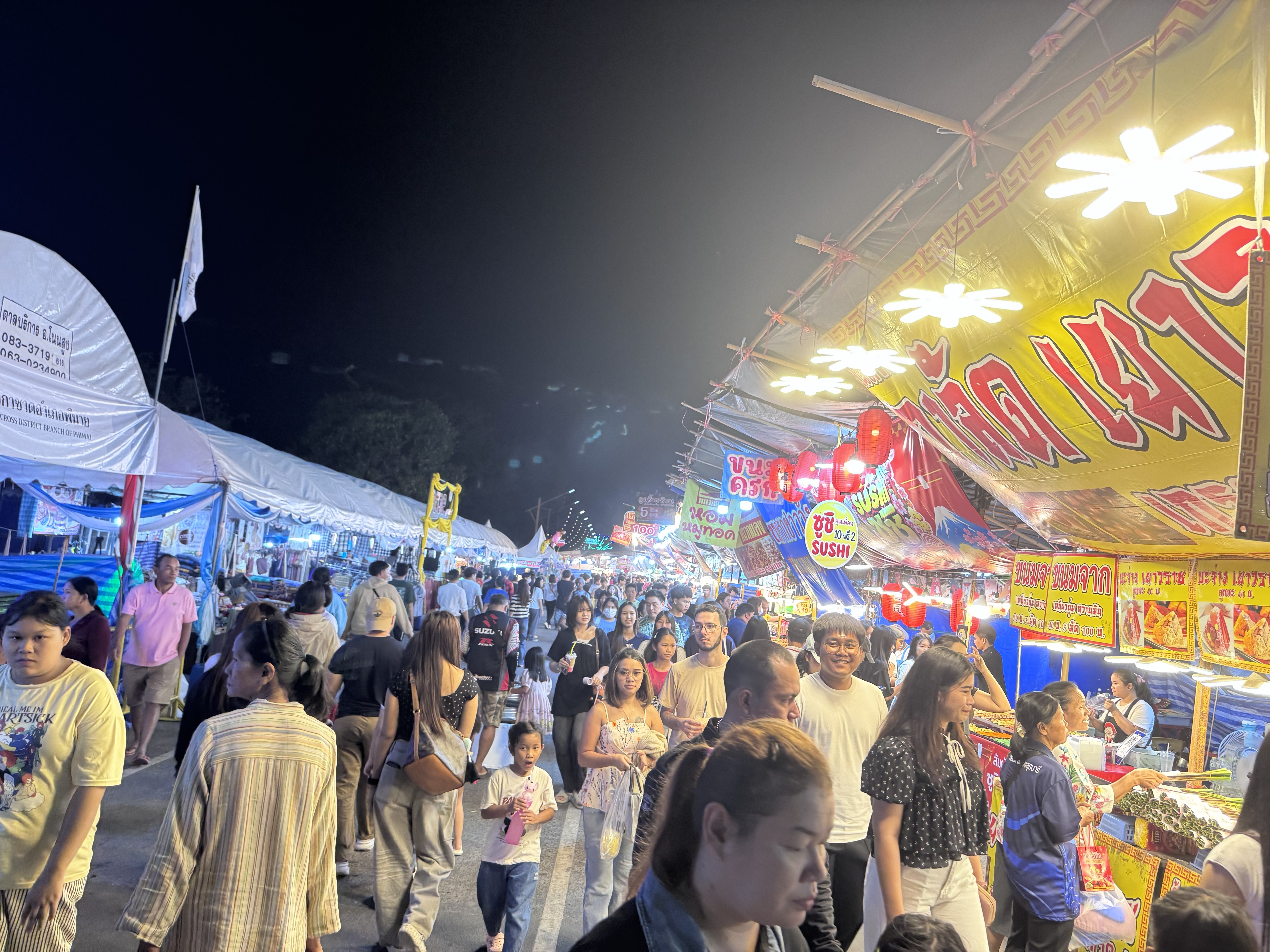
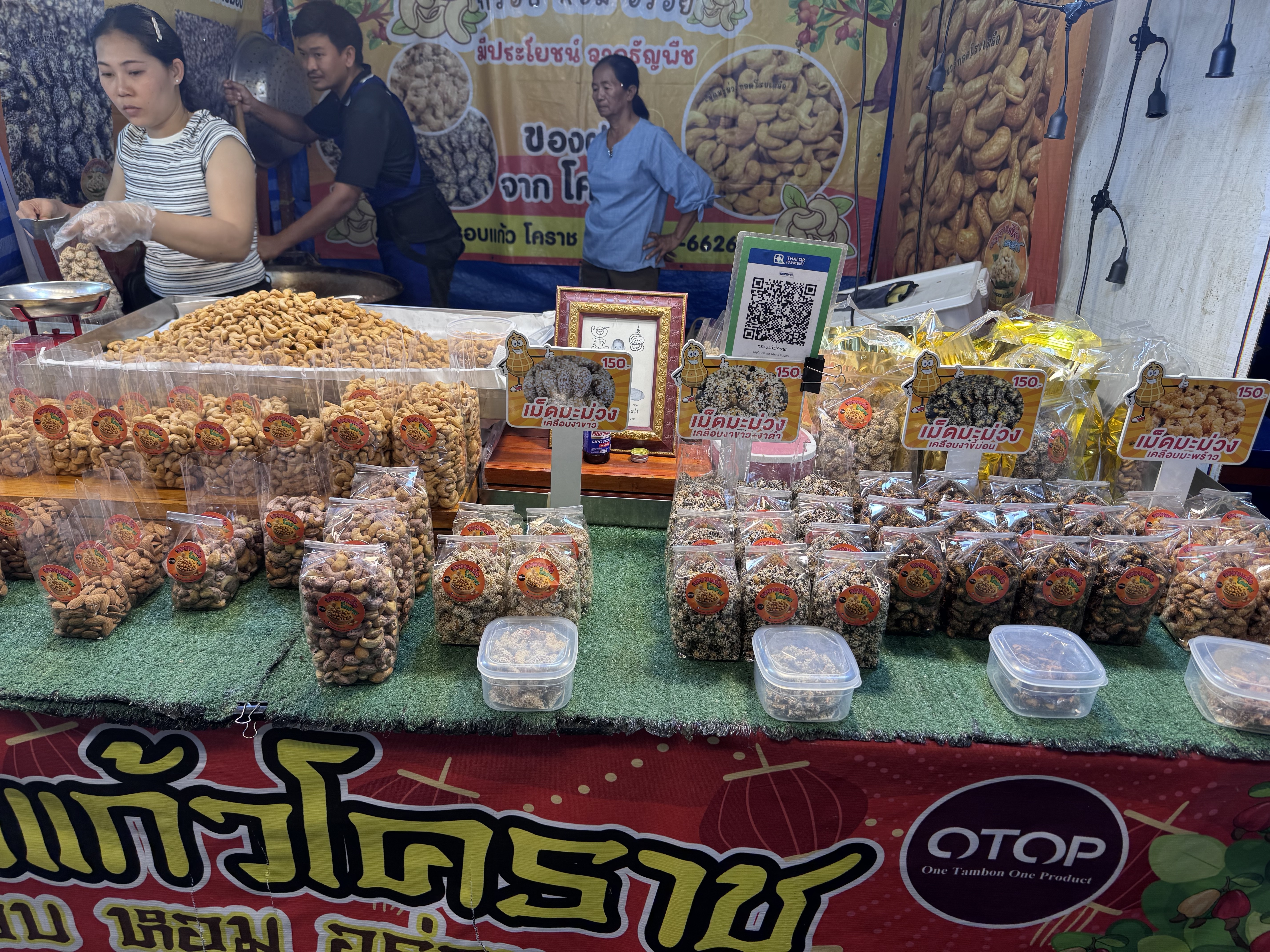
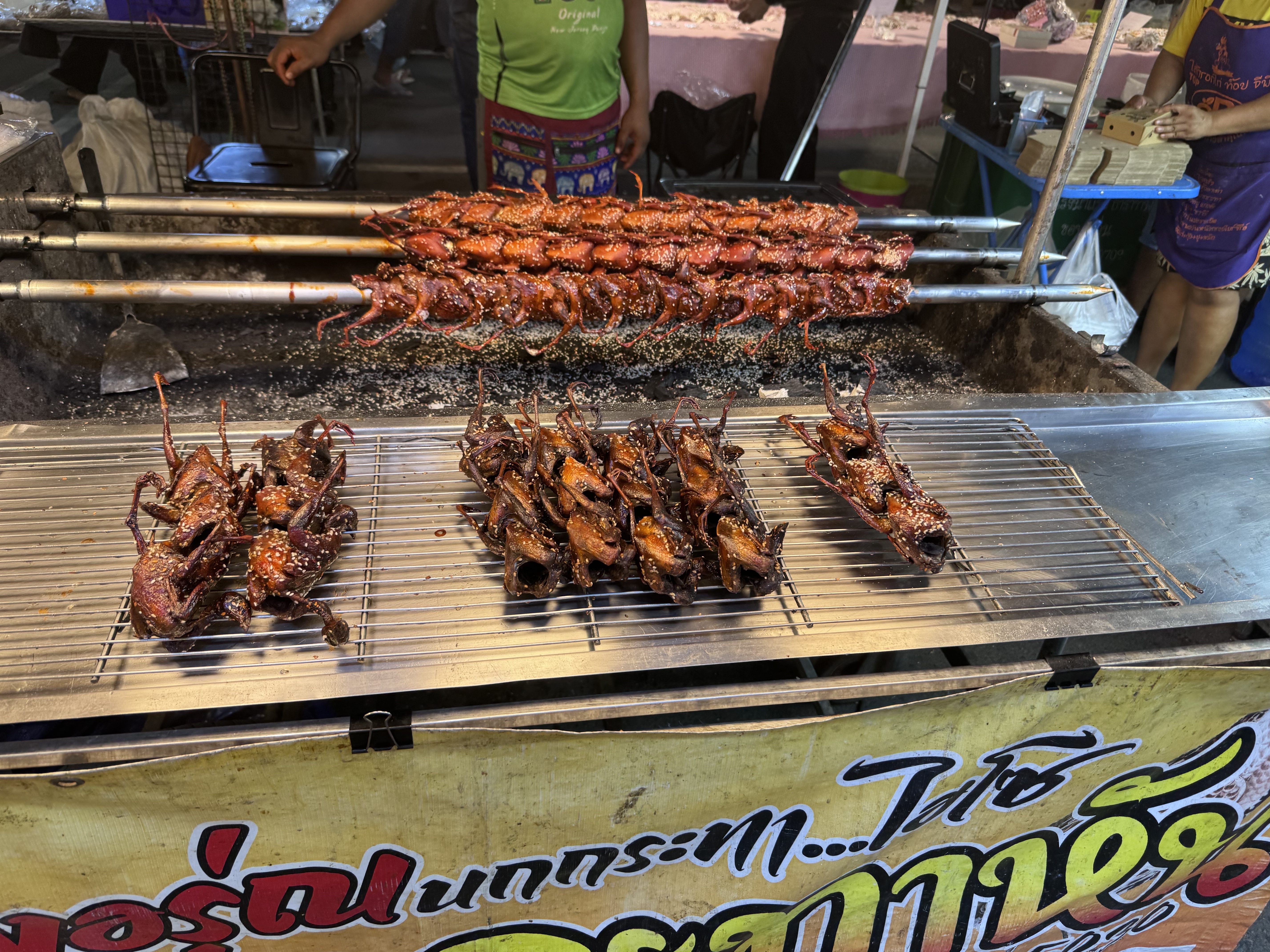
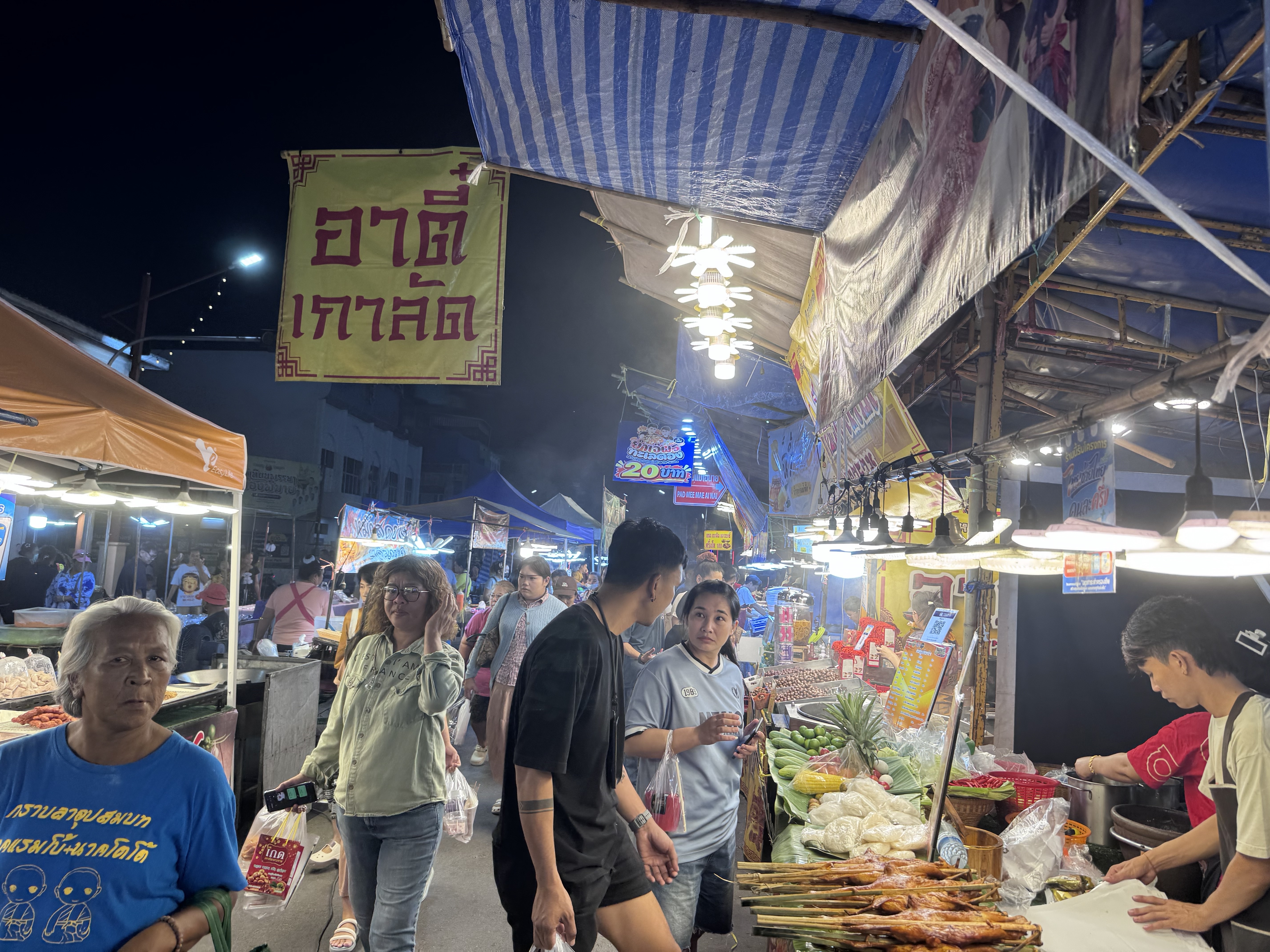
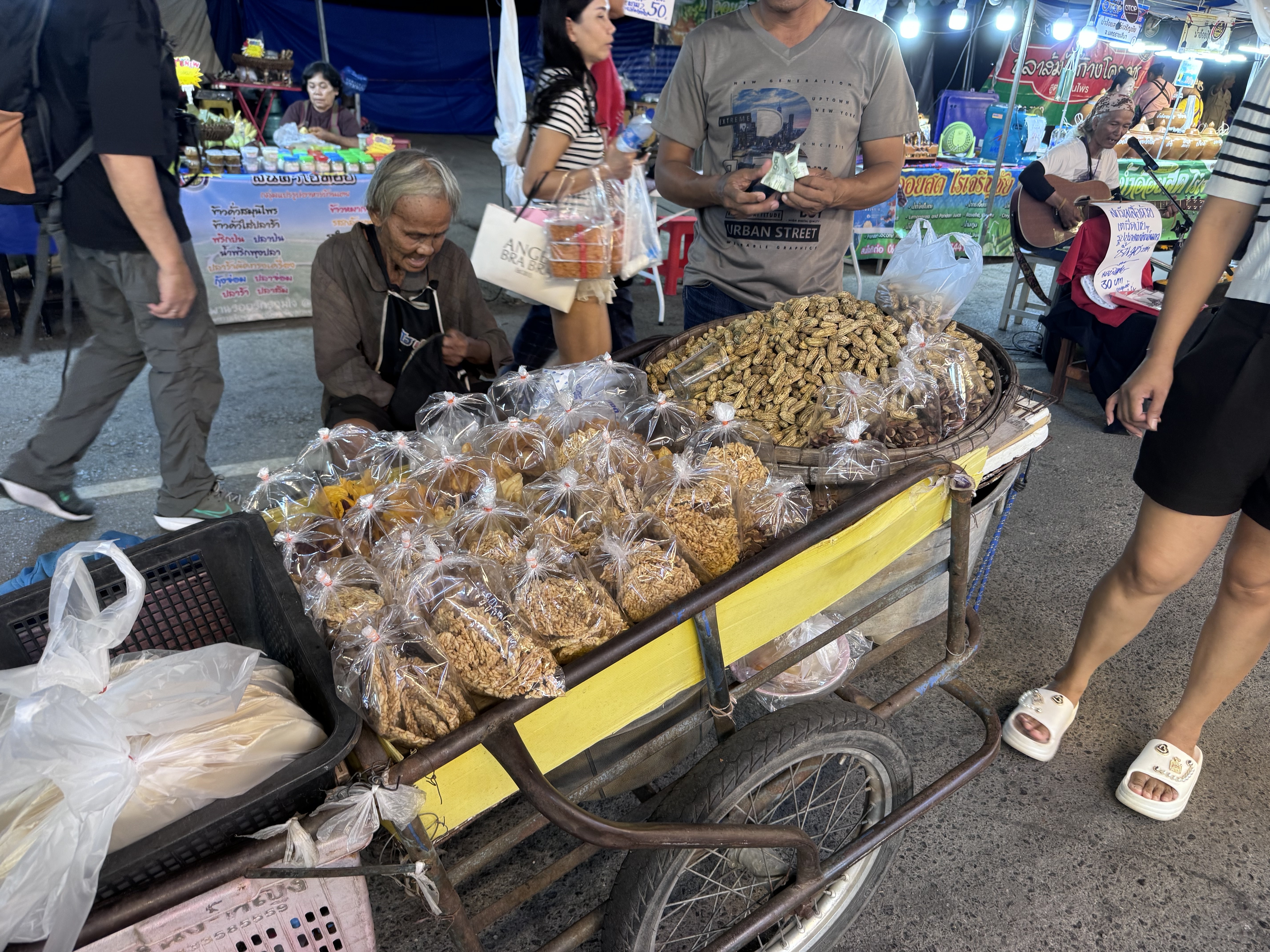
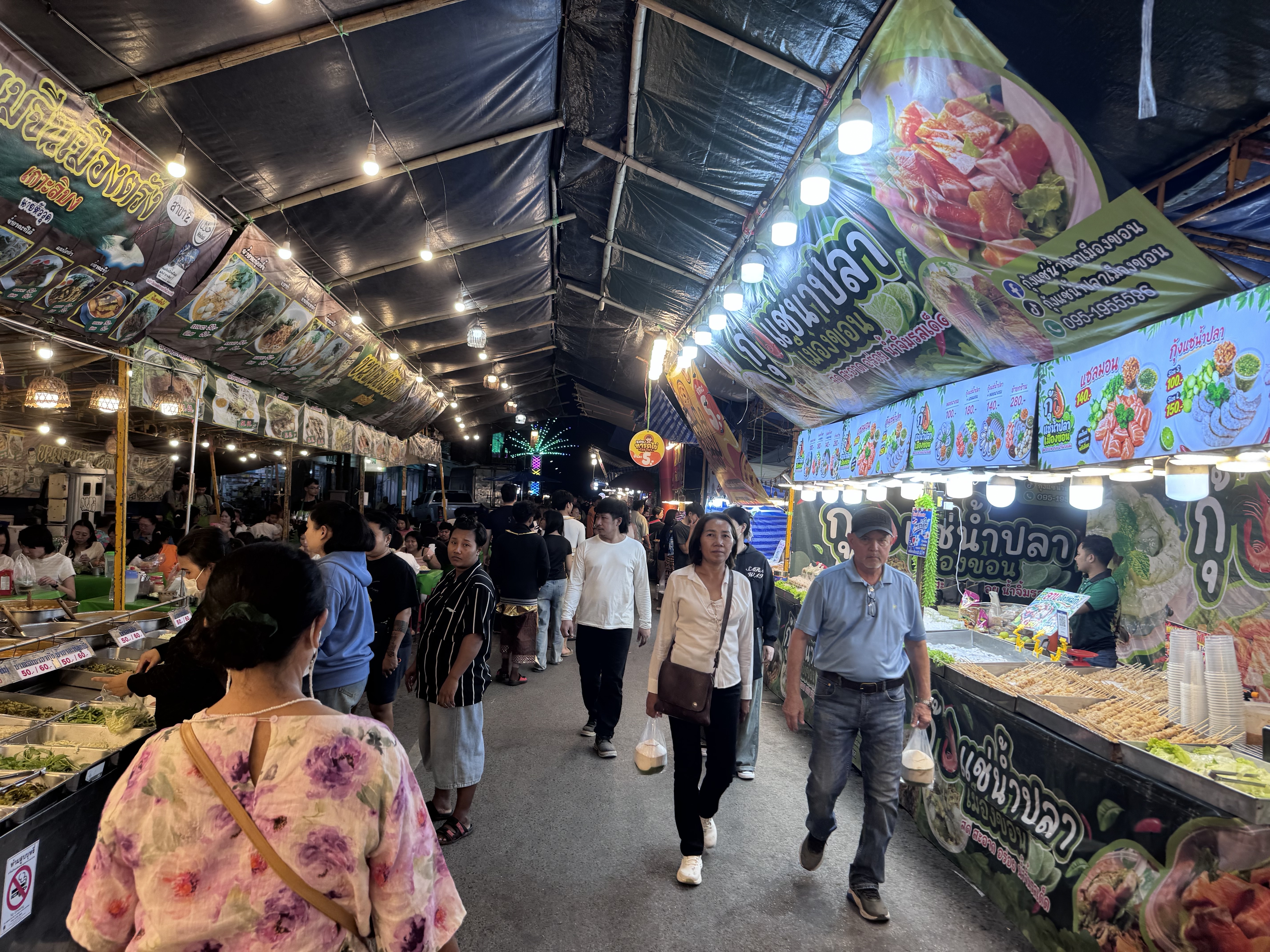
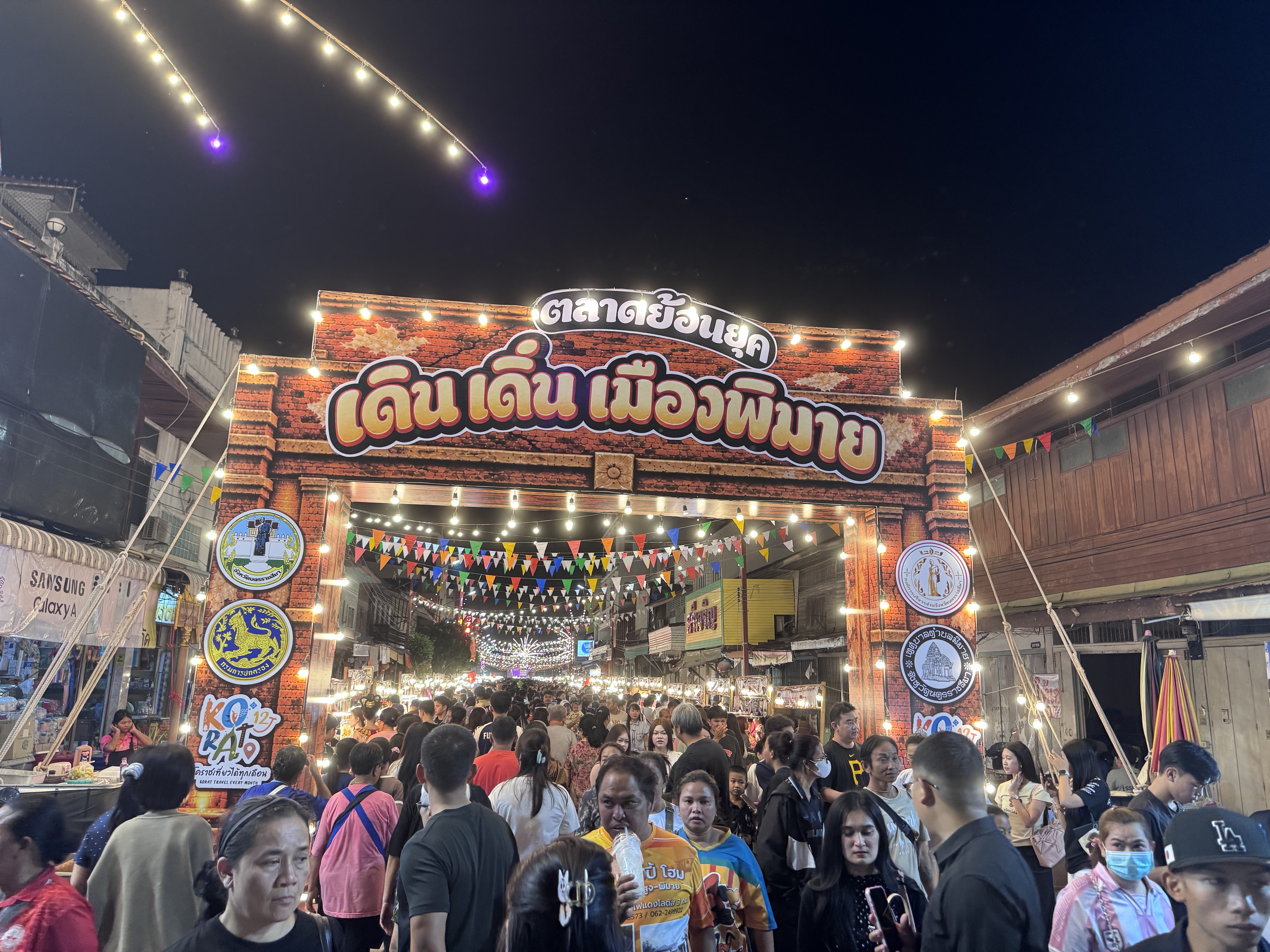
The night market, often styled as an “ancient market” during the festival, is one of the event’s most enchanting features. It turns the streets surrounding Phimai Historical Park into a lively, bamboo-constructed bazaar evoking ancient Khmer trading hubs, blending historical reenactment with modern street vibes.
Centered near the Clock Tower and the park’s entrance, the...