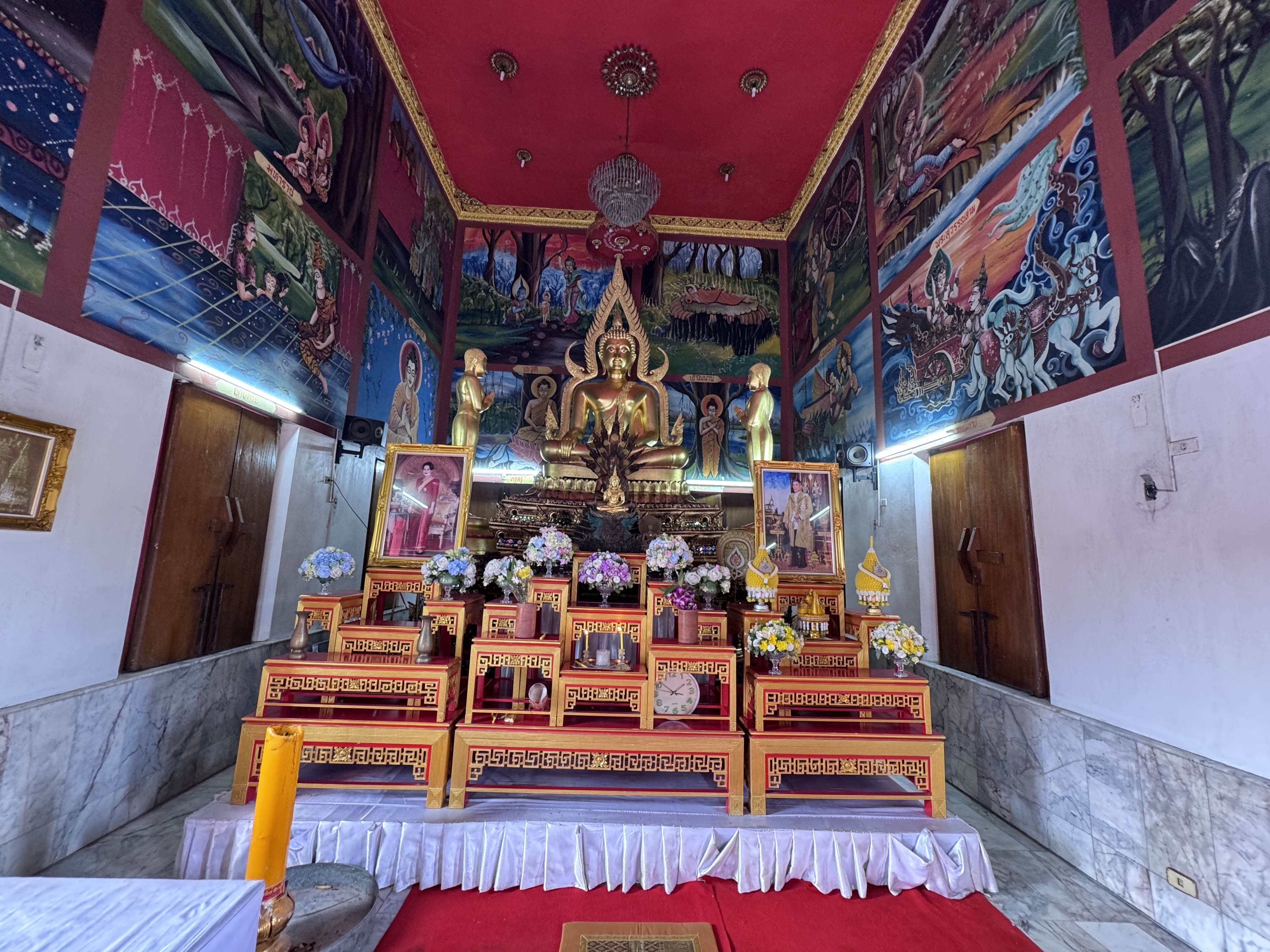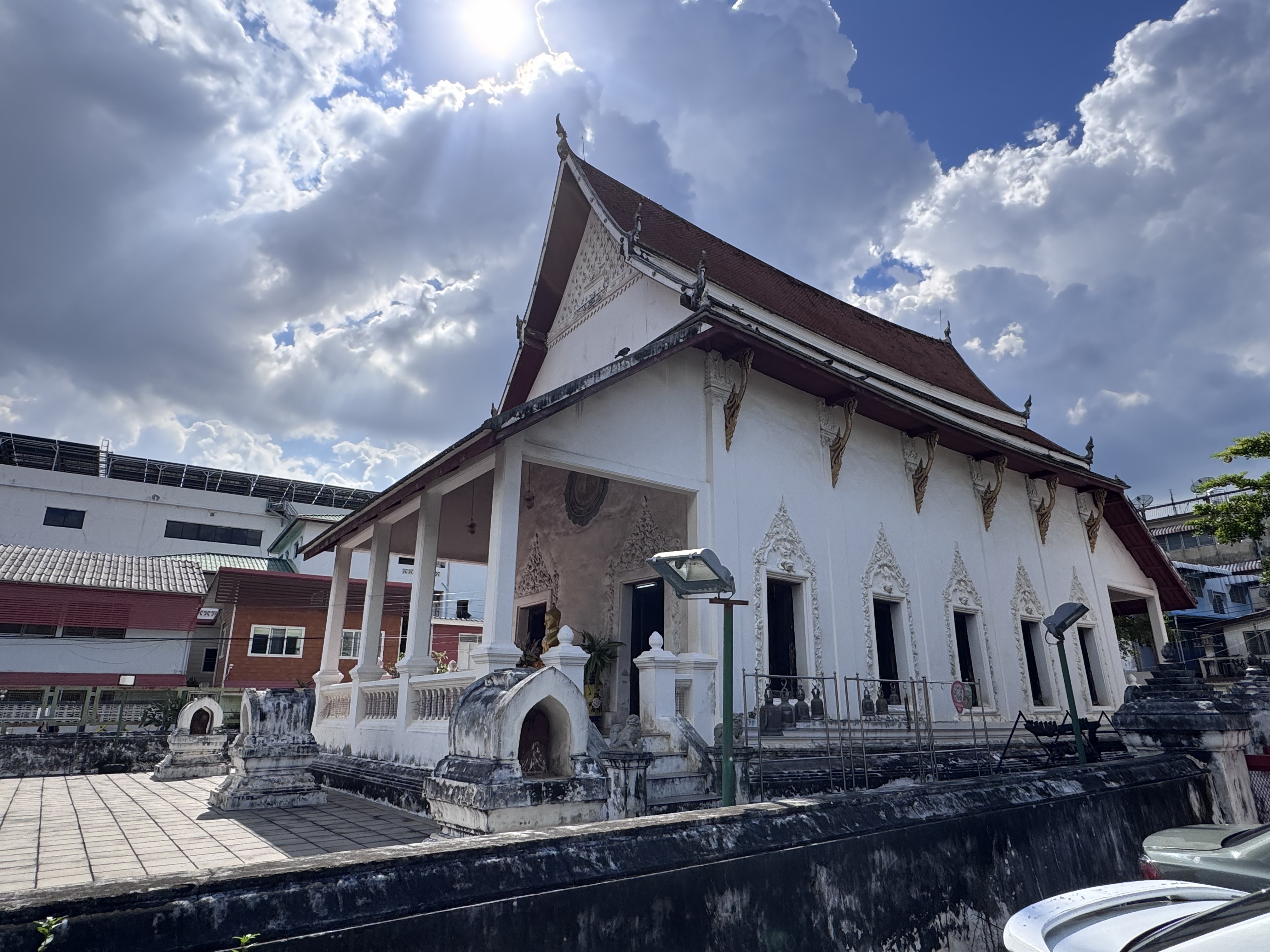


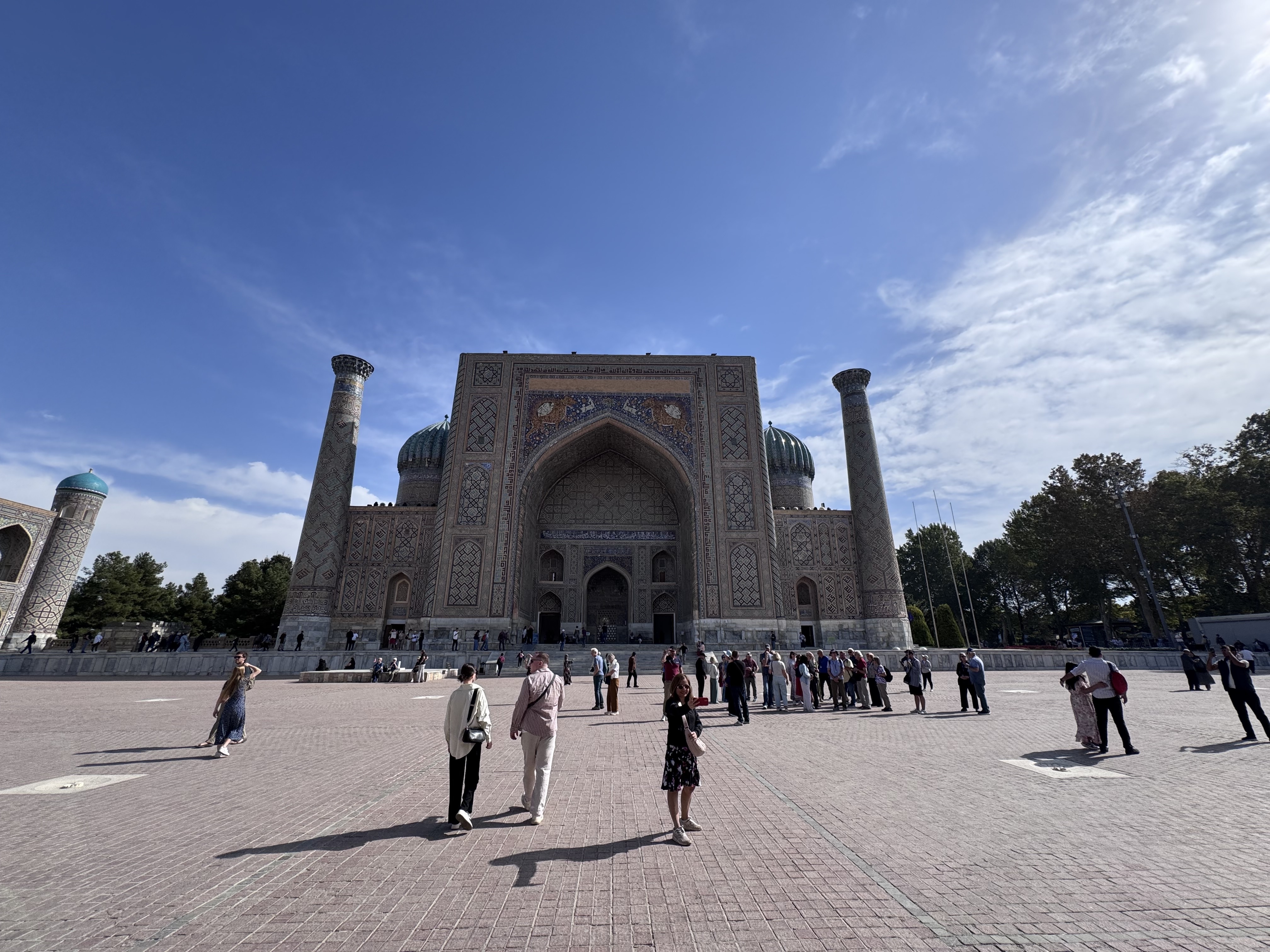
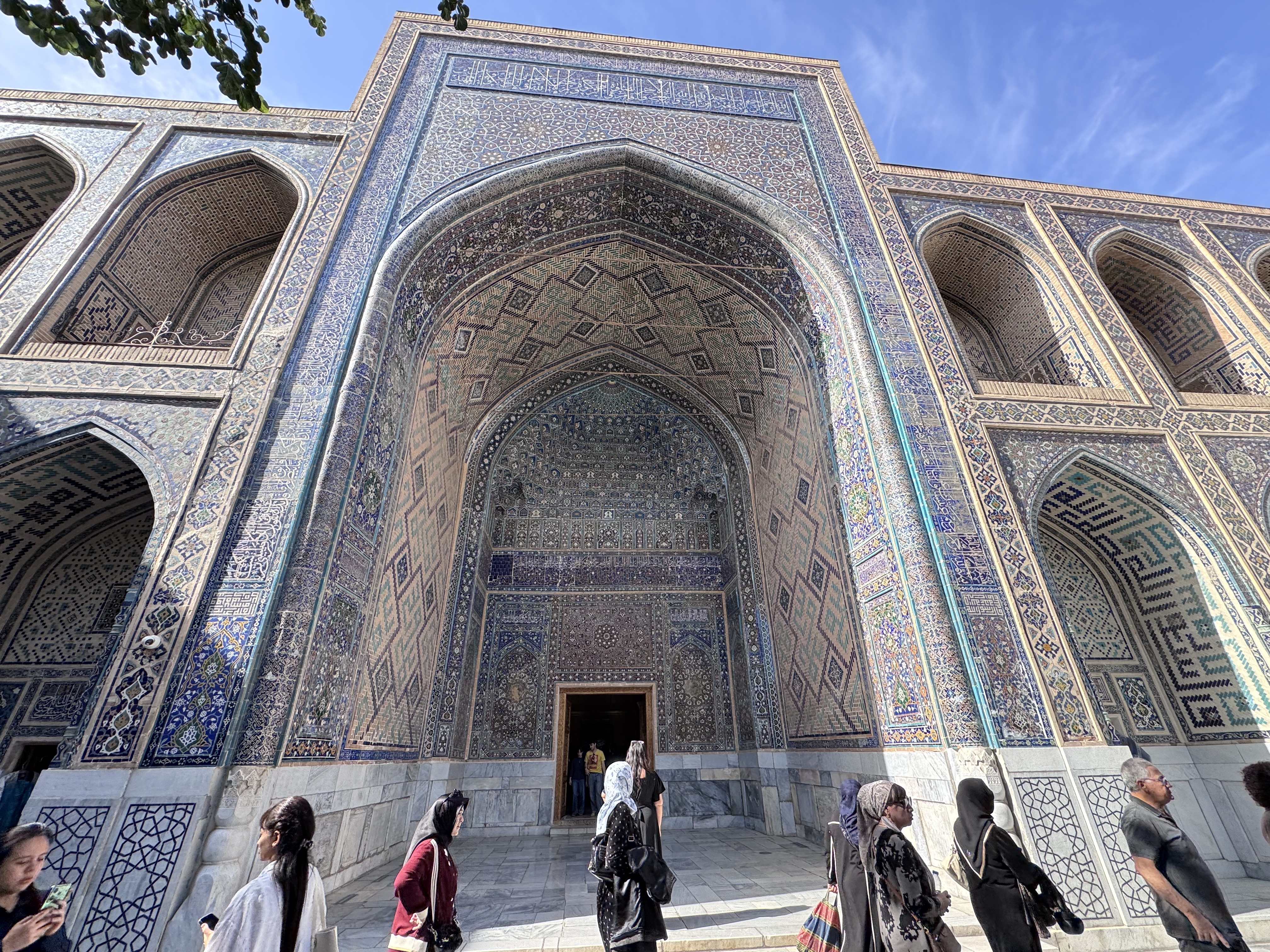
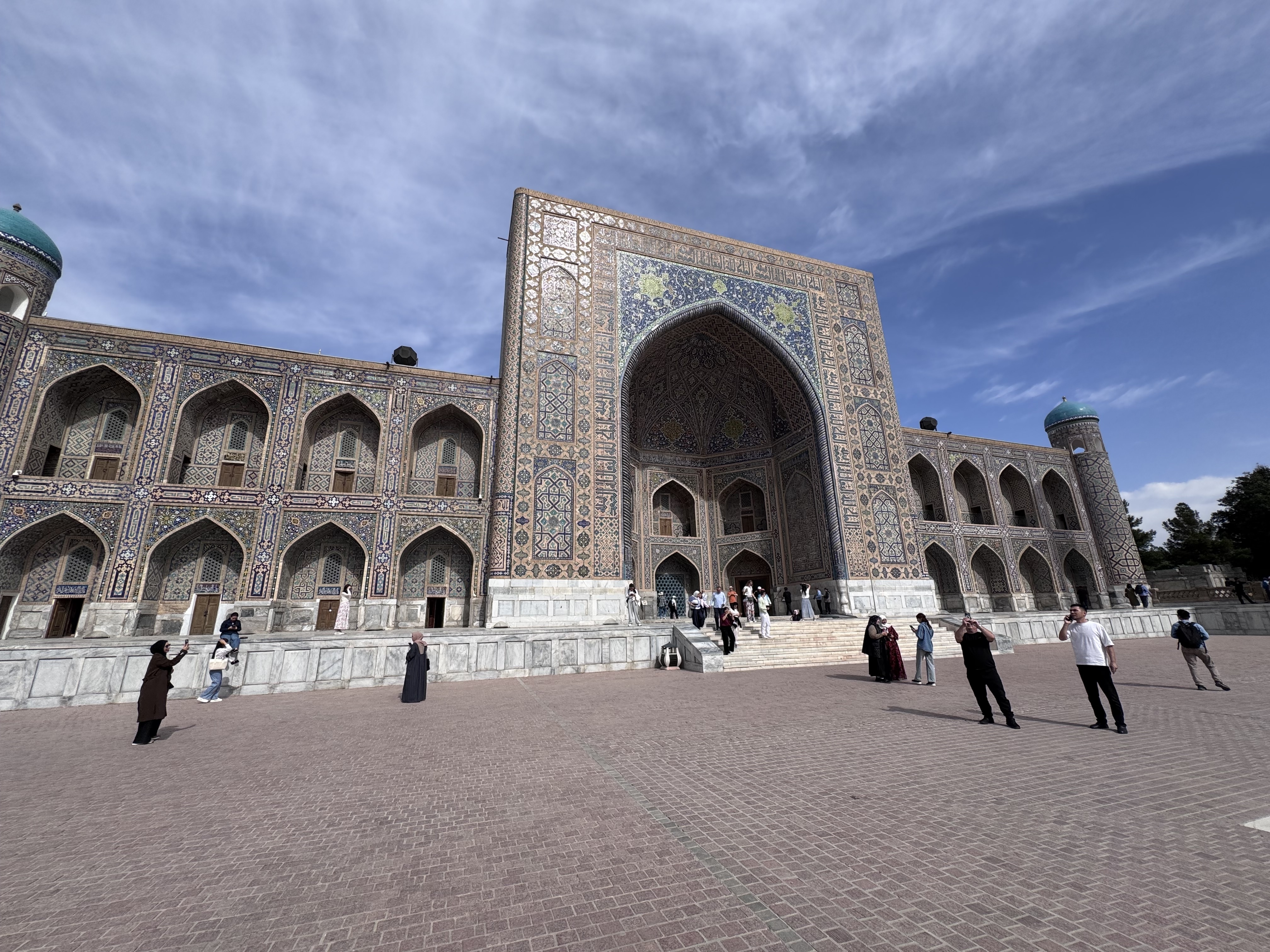
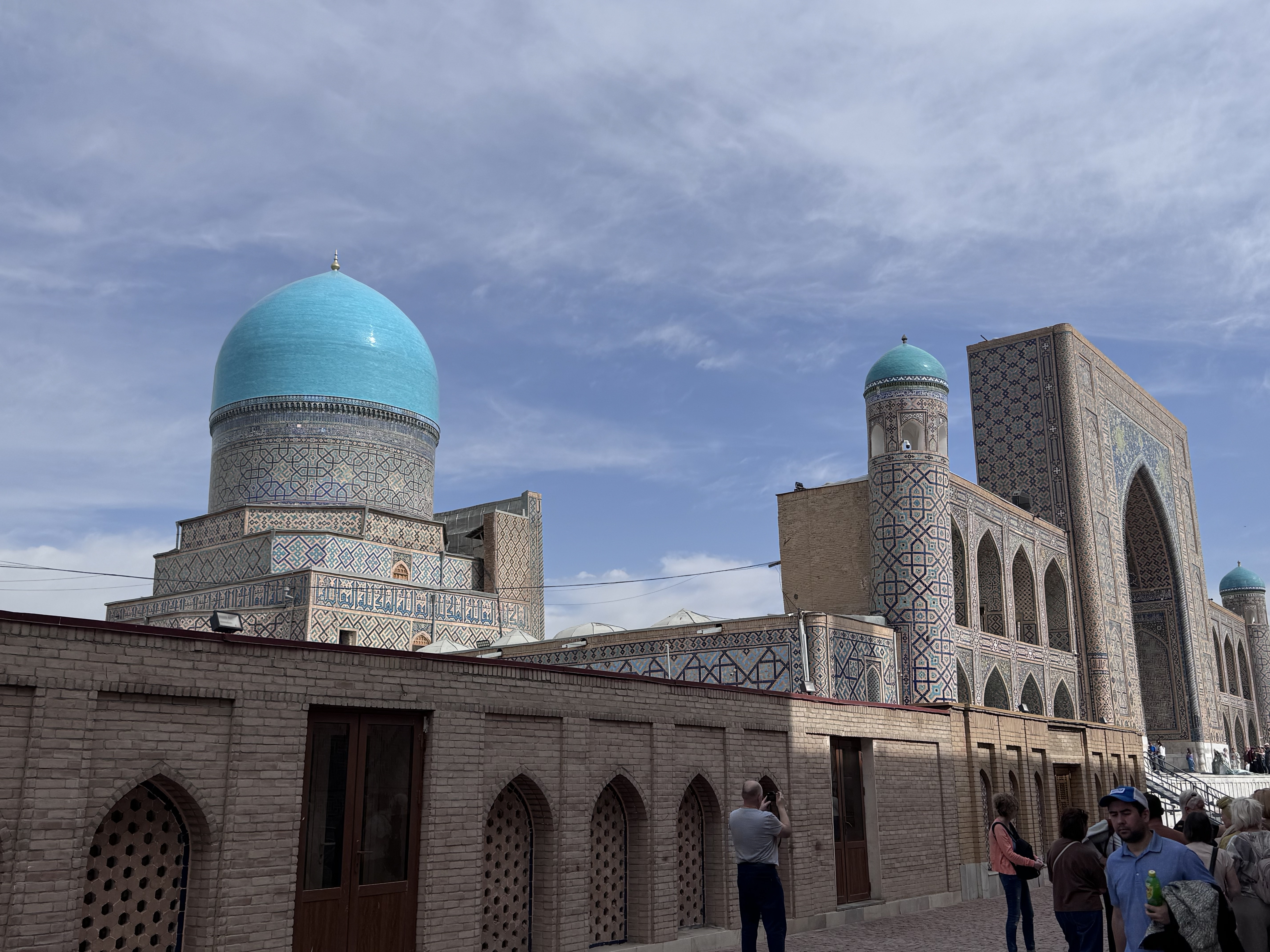
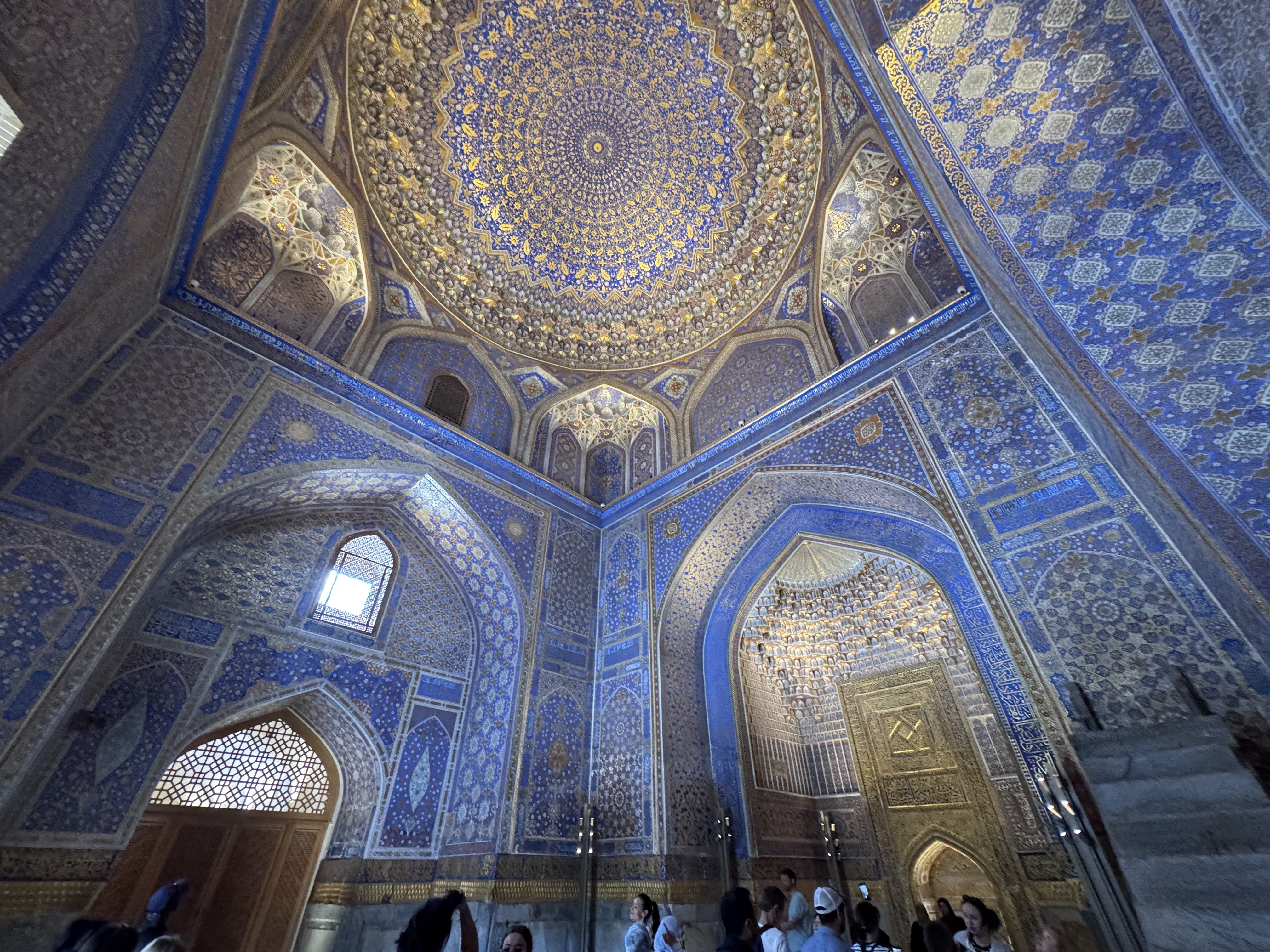
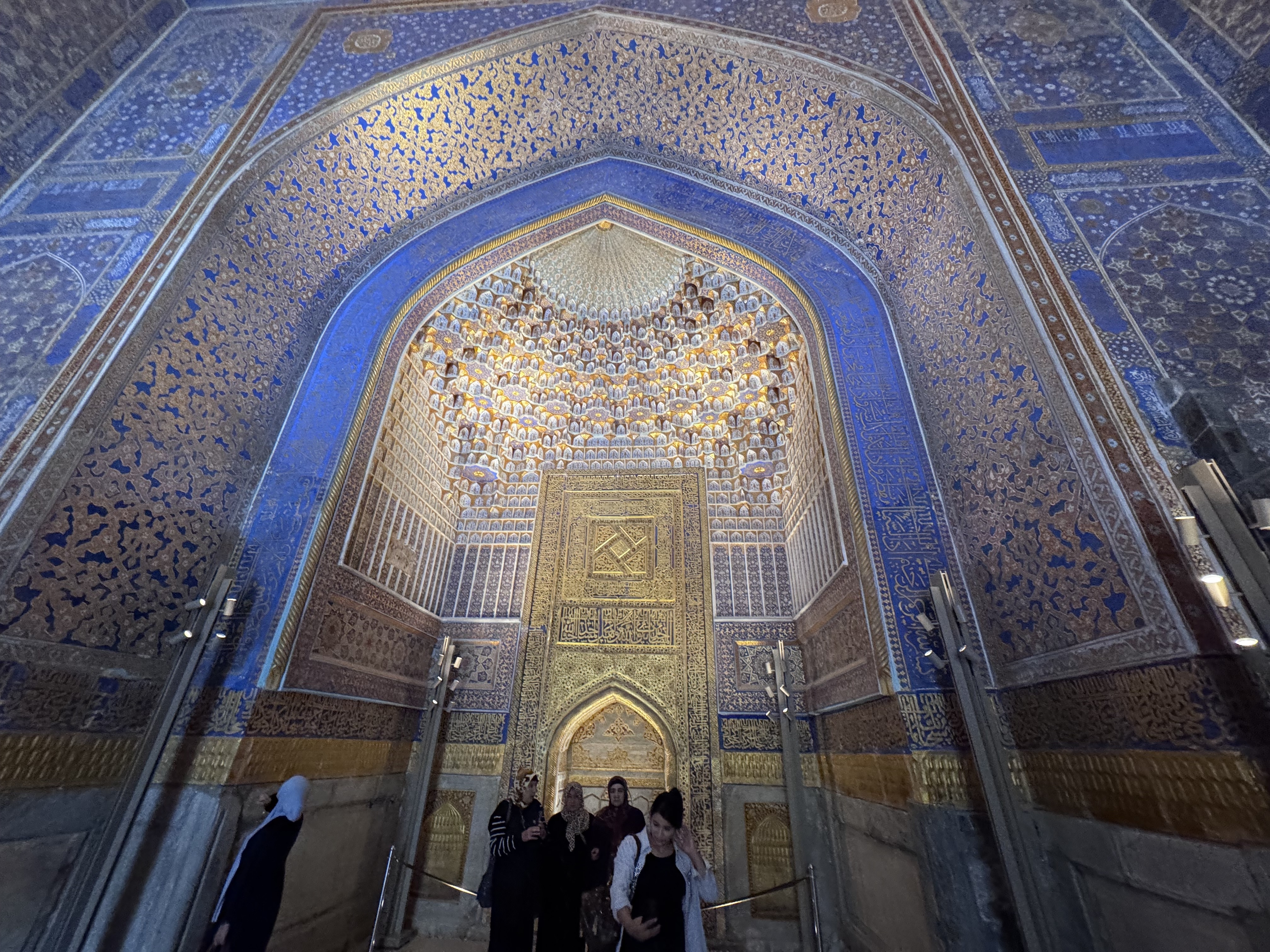
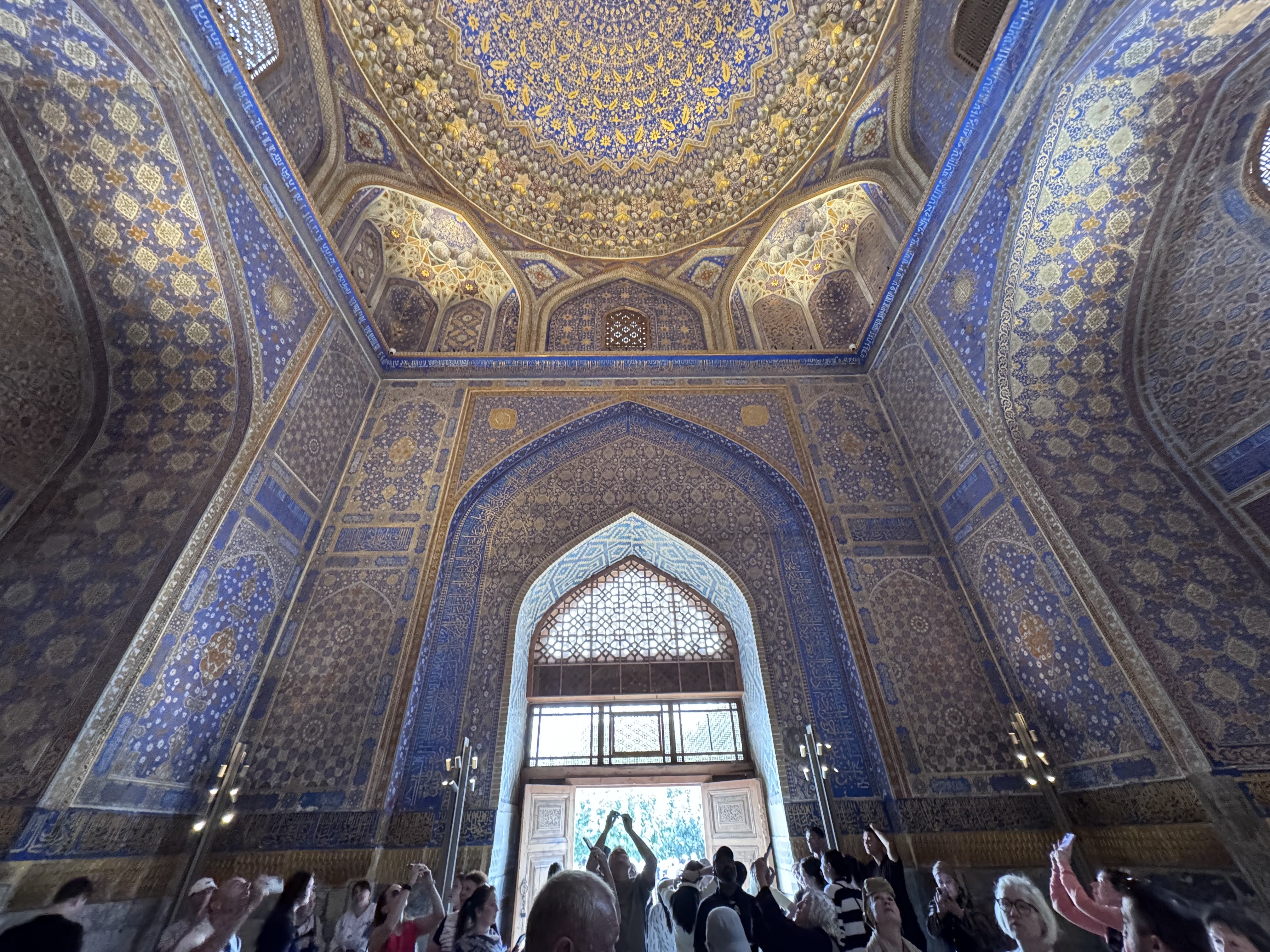
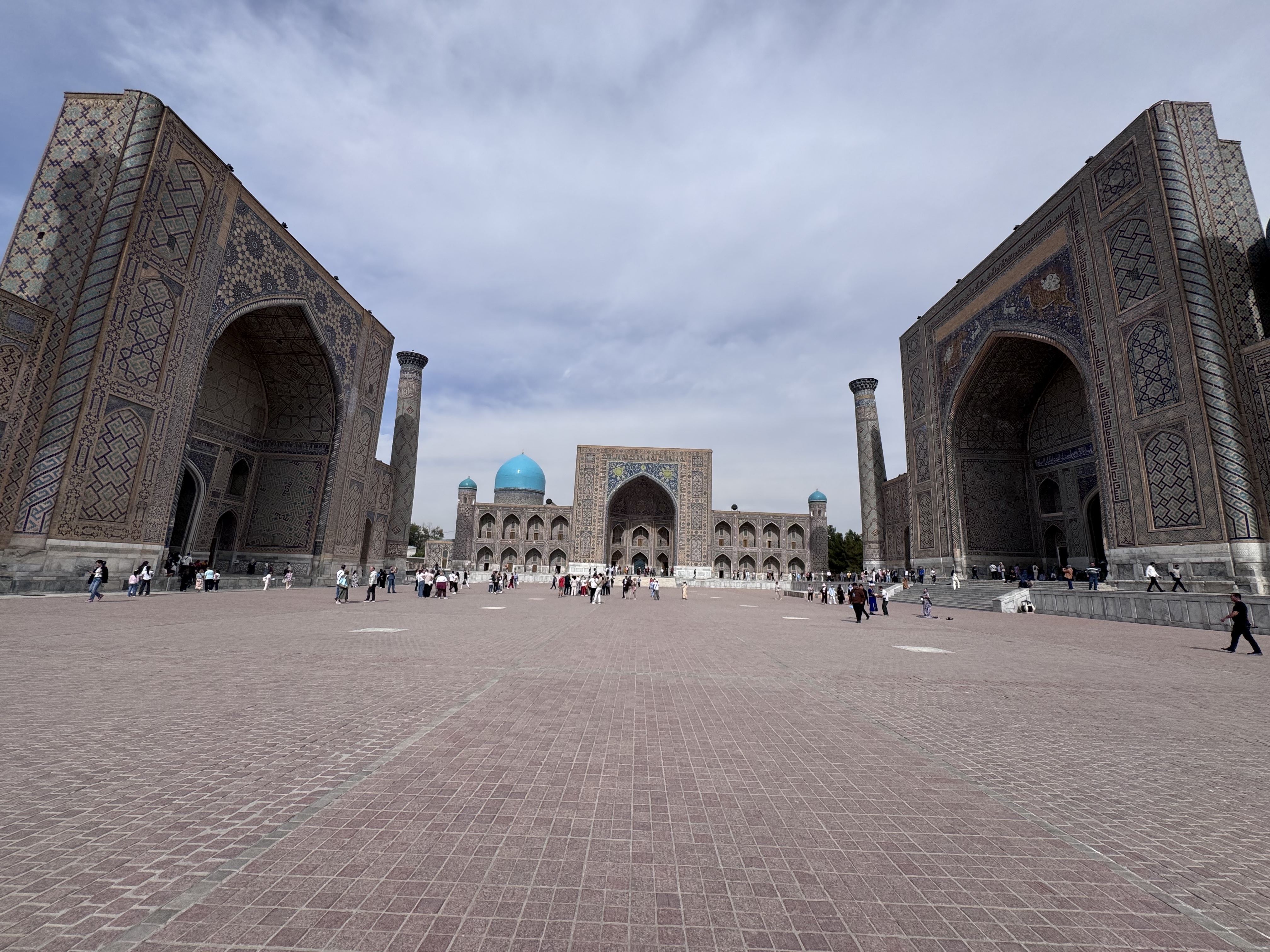
Registan Square stands at the heart of Samarkand as one of the most complete architectural ensembles in the Islamic world. The name means Sandy Place in Persian, a reminder that this open plaza once served as the commercial and civic center of the medieval city. Framed on three sides by monumental madrasas, the square forms a vast outdoor room of turquoise domes, soaring portals, and intricate tilework.
On the western side rises the Ulugh Beg Madrasa, built between 1417 and 1420 by the astronomer-king Ulugh Beg, grandson of Timur. Organized around a central courtyard with four iwans, student cells, and lecture halls, its high portal is covered in refined geometric star patterns in deep blues and gold. Four slender minarets mark the corners. This was a leading center of learning where theology, mathematics, and astronomy were taught side by side.
Facing it is the Sher-Dor Madrasa, constructed between 1619 and 1636 by the governor Yalangtush Bahadur as a deliberate mirror of the earlier building. ...
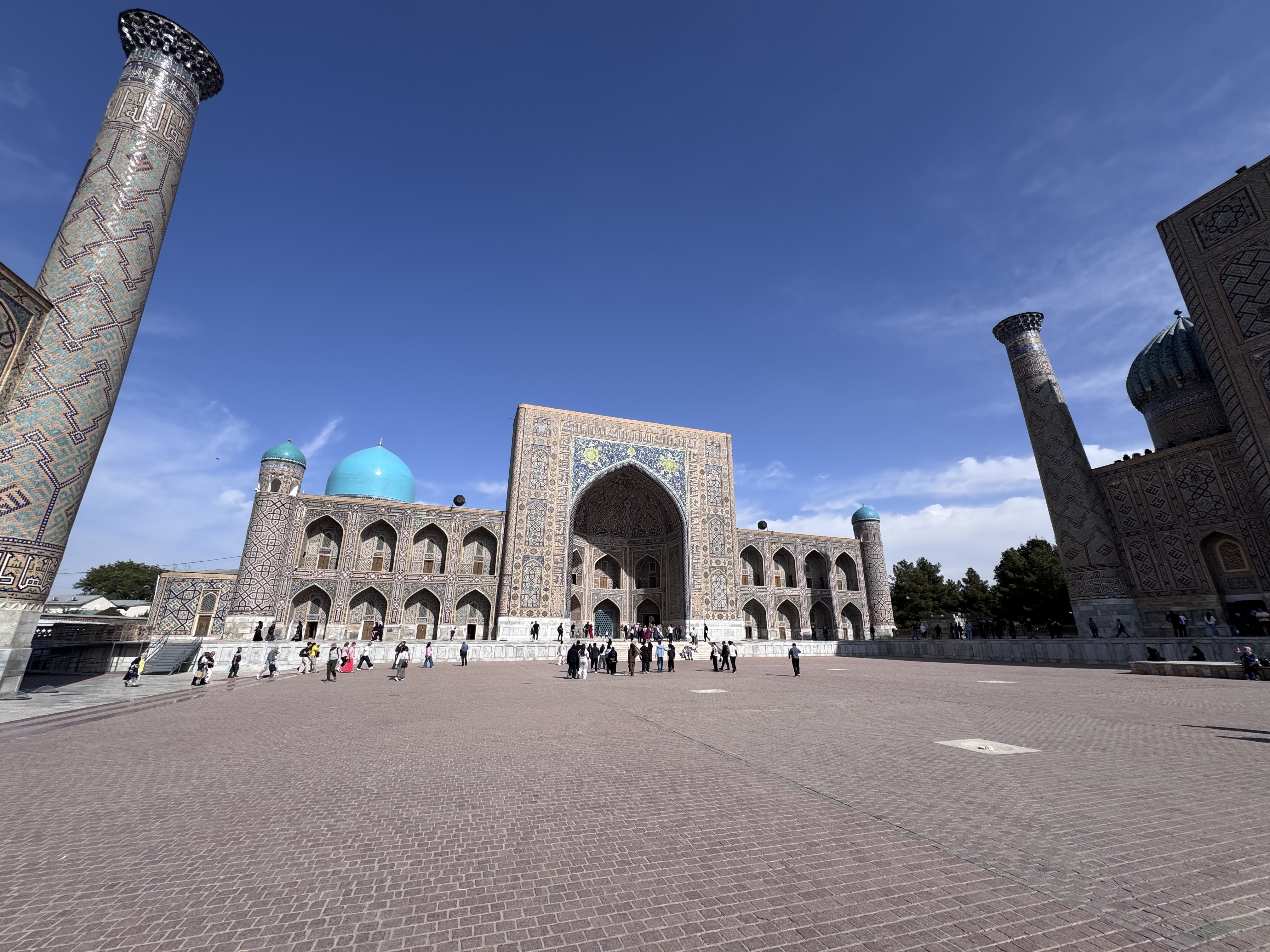
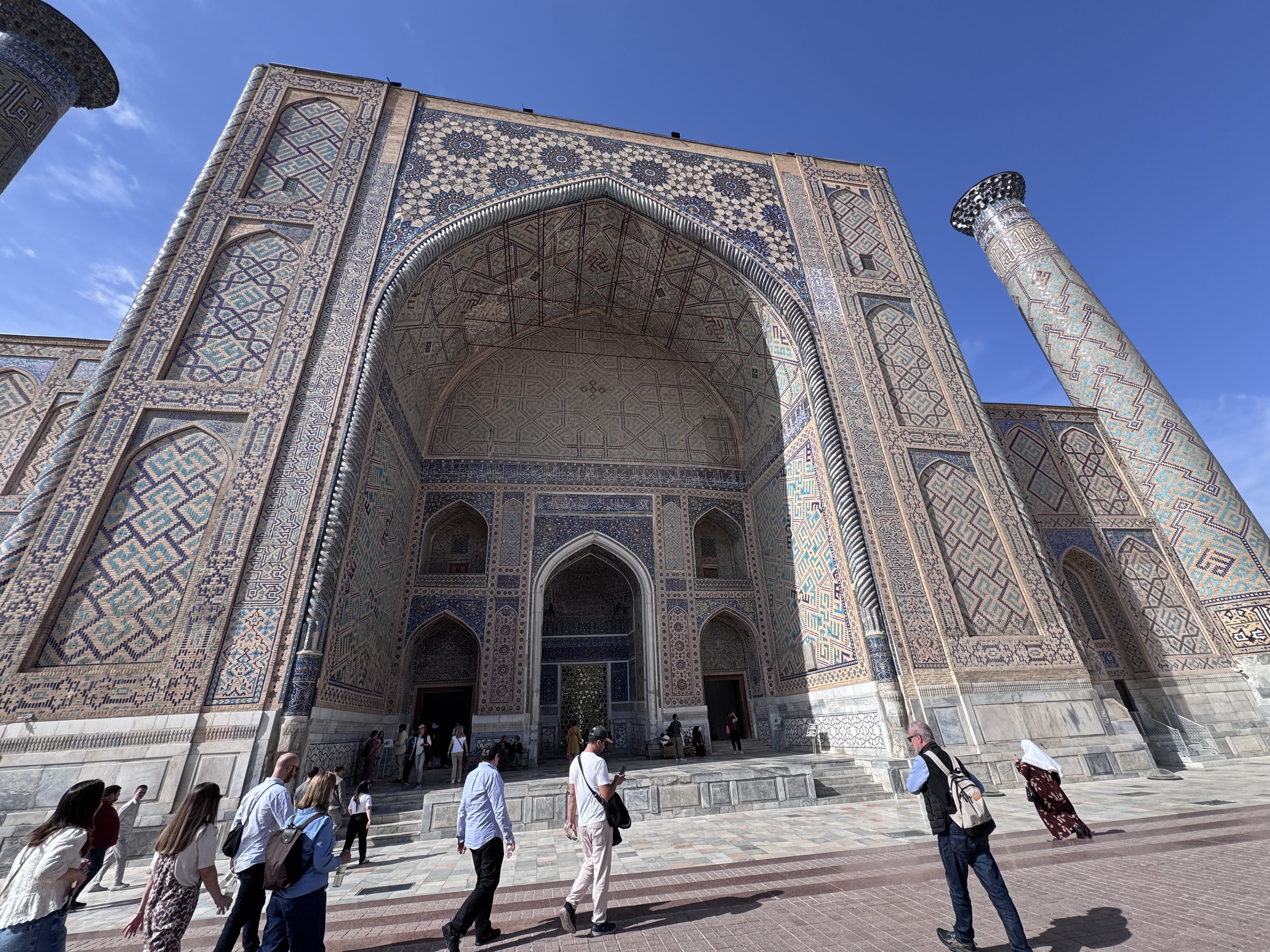
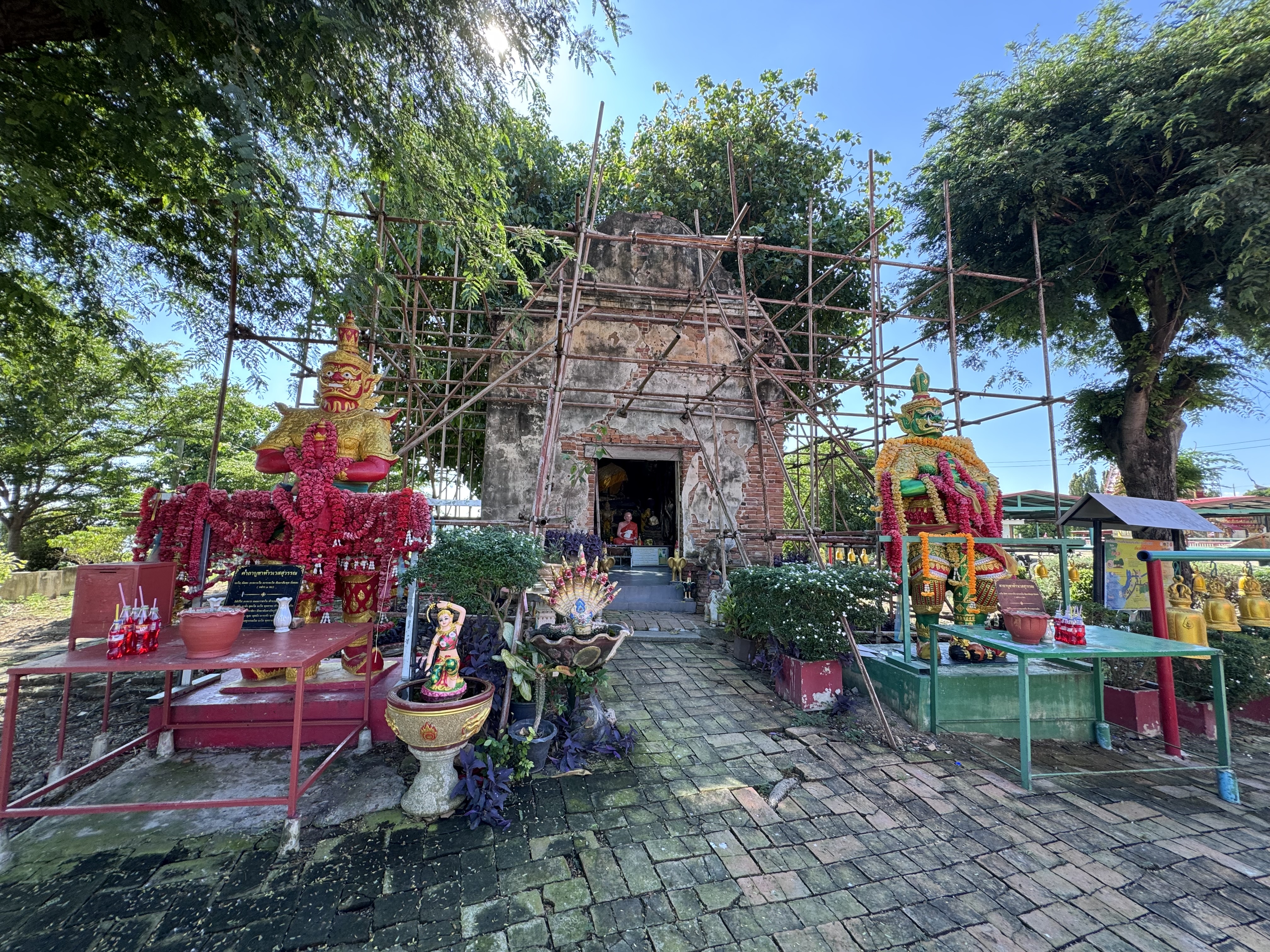
Wat Padutabong stands quietly in the rural fields of Tambon Kathum in Maha Rat district, a short distance from the better-known ruins of Ayutthaya’s historic island yet far enough to feel removed from the usual tourist circuits.
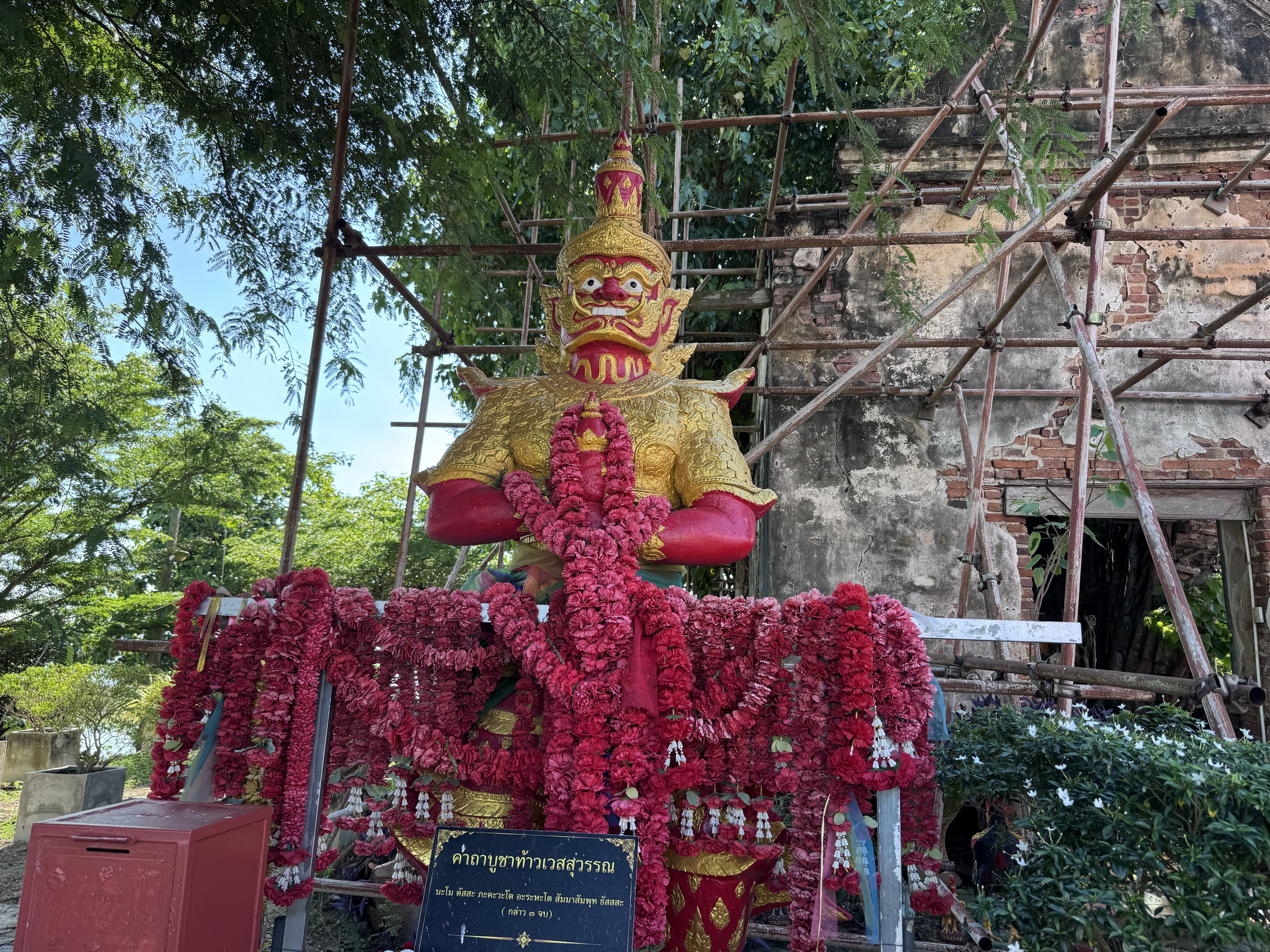
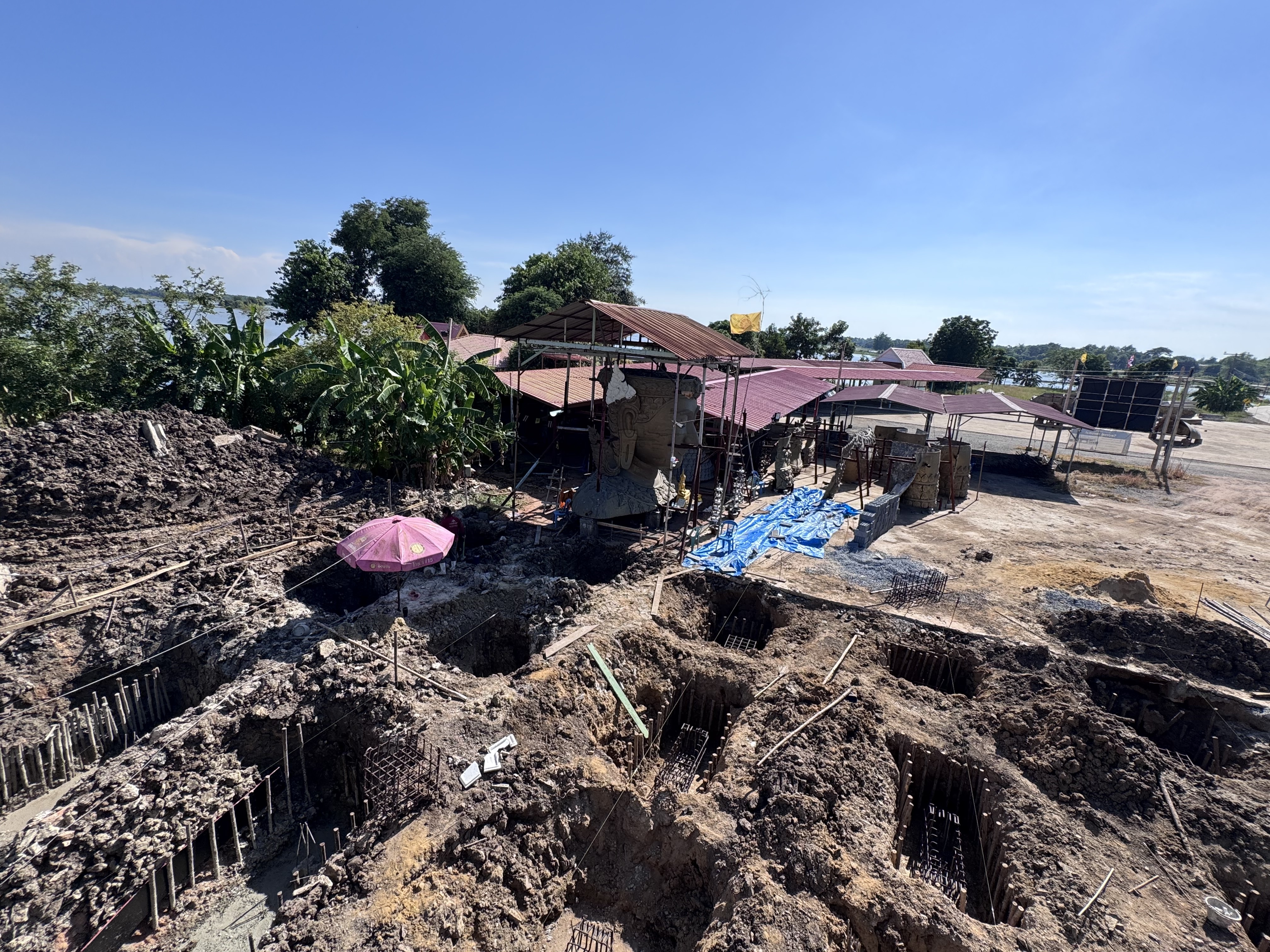
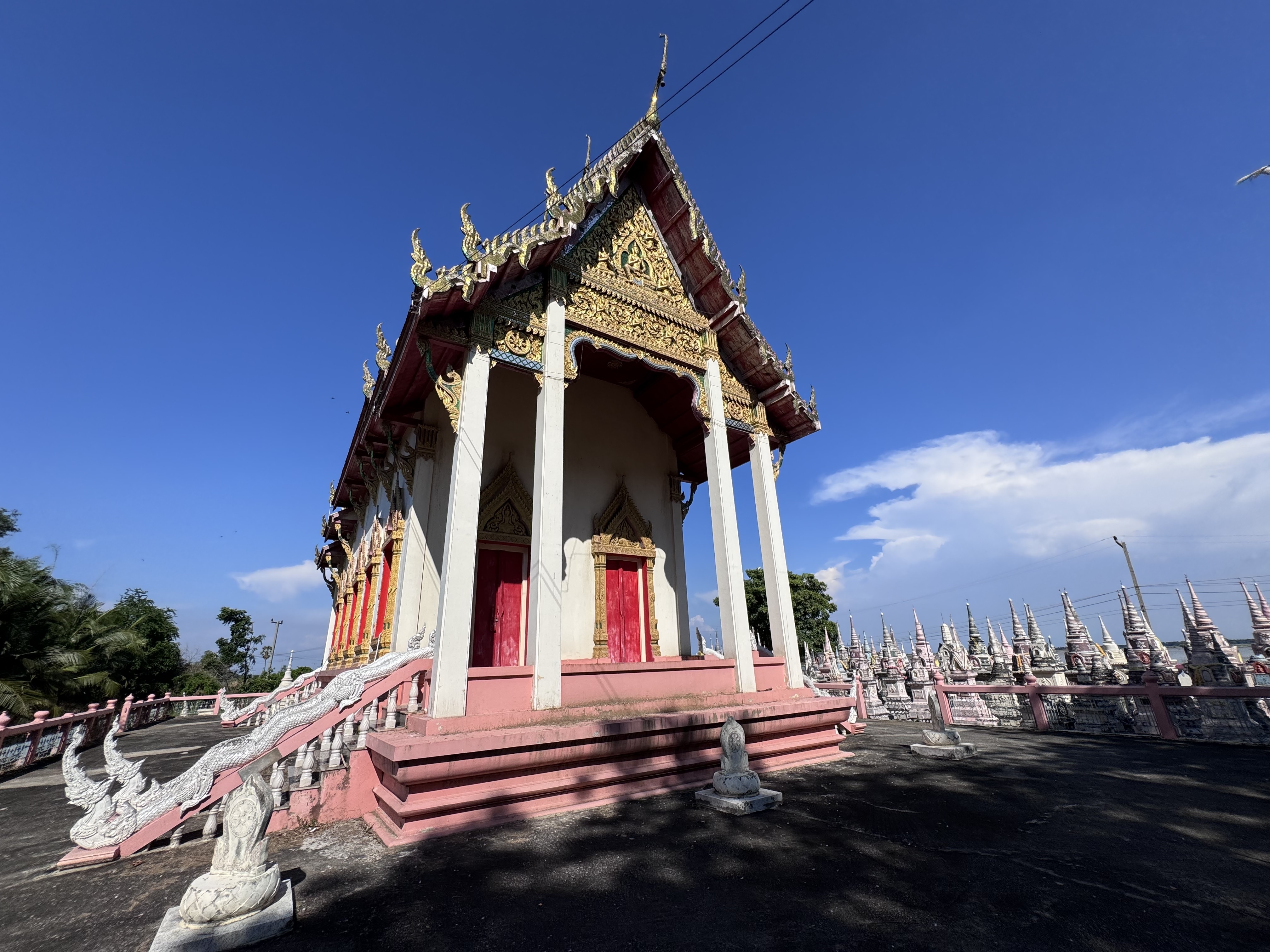
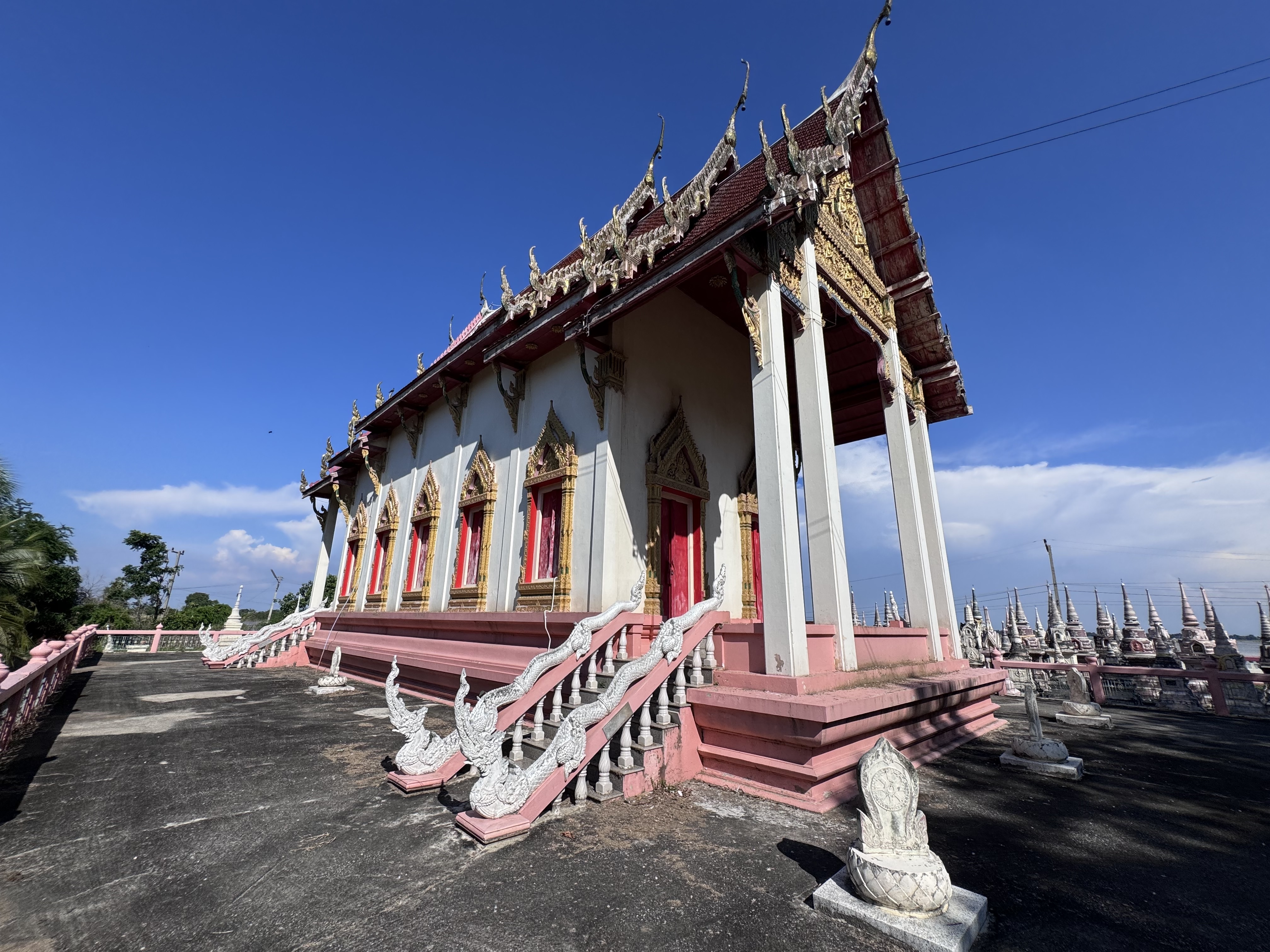
The active temple compound, formally established in 1857 under the earlier name Wat Tabong and later granted its official boundaries, continues to serve the local community with an ordination hall, wooden-pillared assembly hall, and traditional monks’ residences.
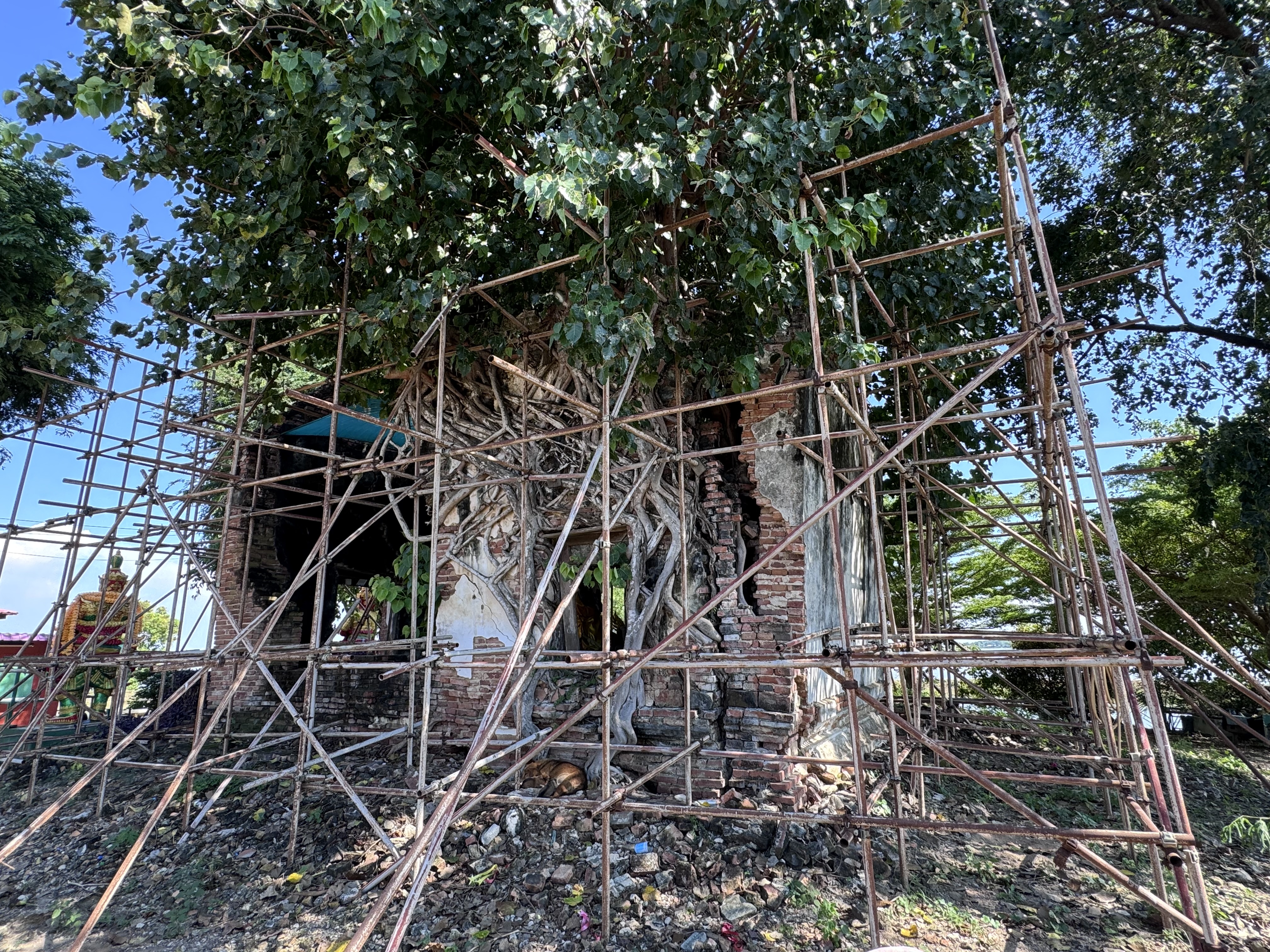
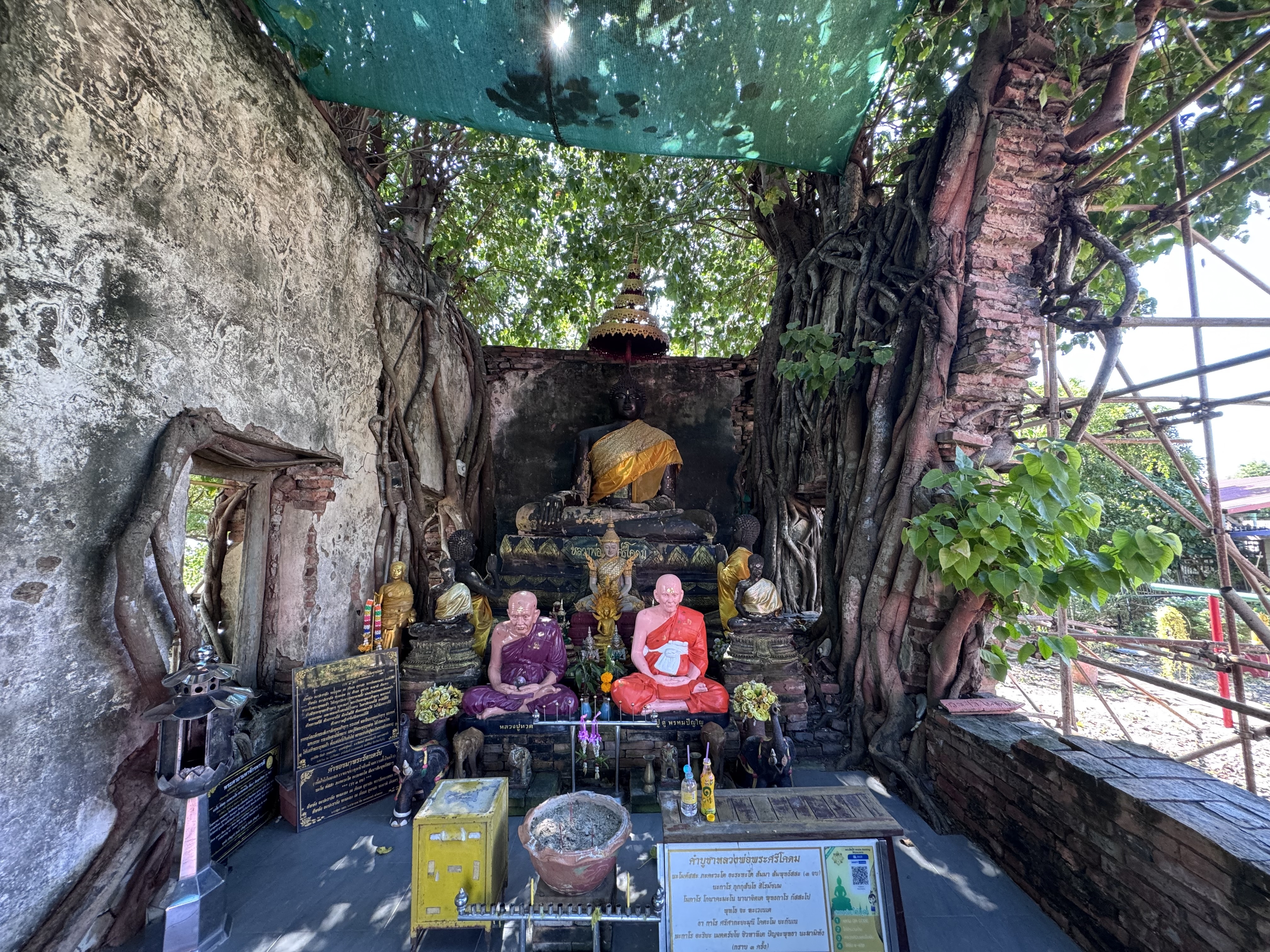
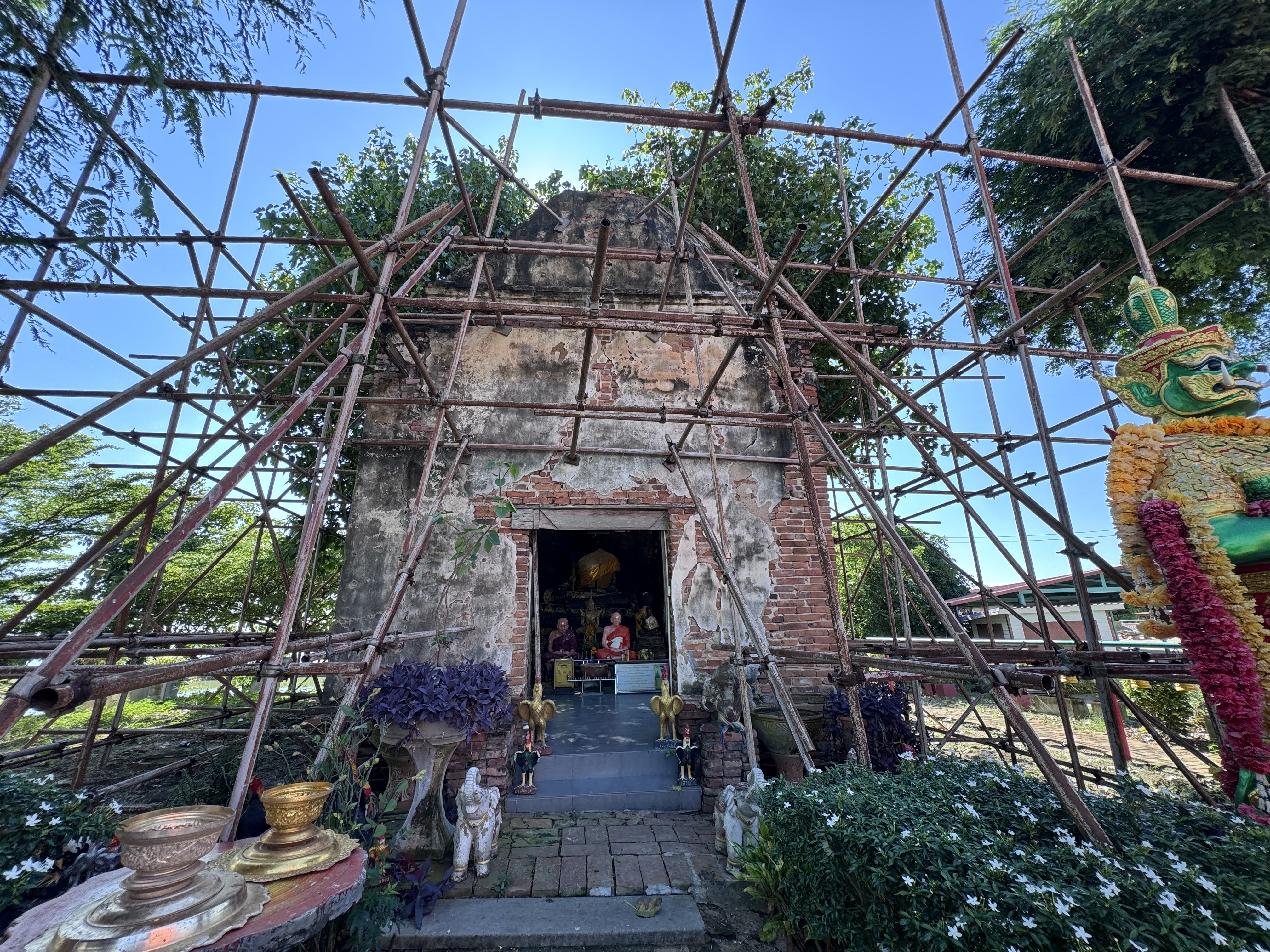
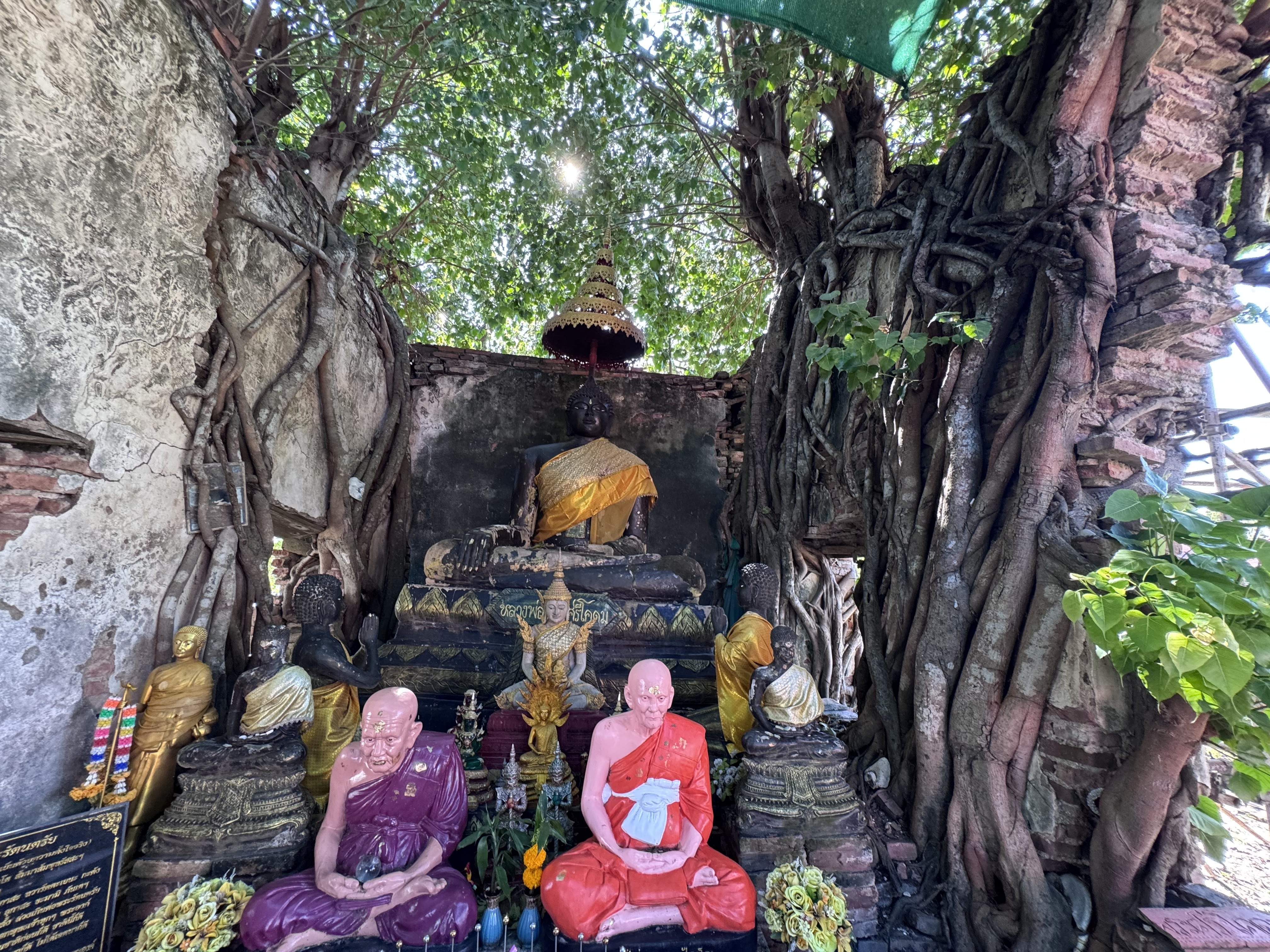
What draws the eye beyond the living monastery, however, is the much older brick chapel that rises alone among the rice paddies, its walls gripped and half-swallowed by the thick roots of Bodhi and banyan trees.
Local accounts and the appearance of the structure itself place this abandoned building in the middle Ayutthaya period, more than two centuries old and quite possibly older still.
For generations the slightly elevated ground around it served as a burial place for infants and young children ...
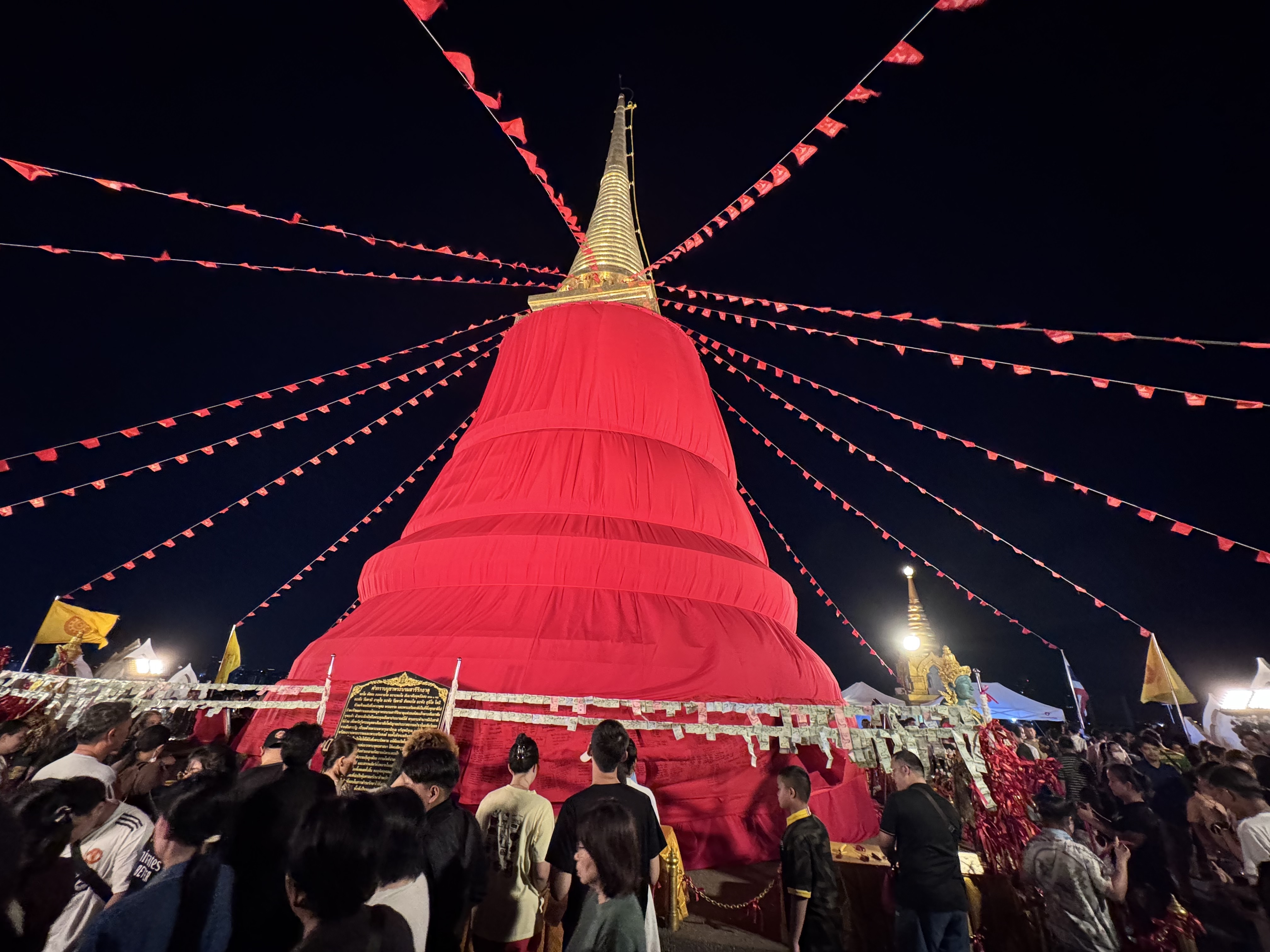
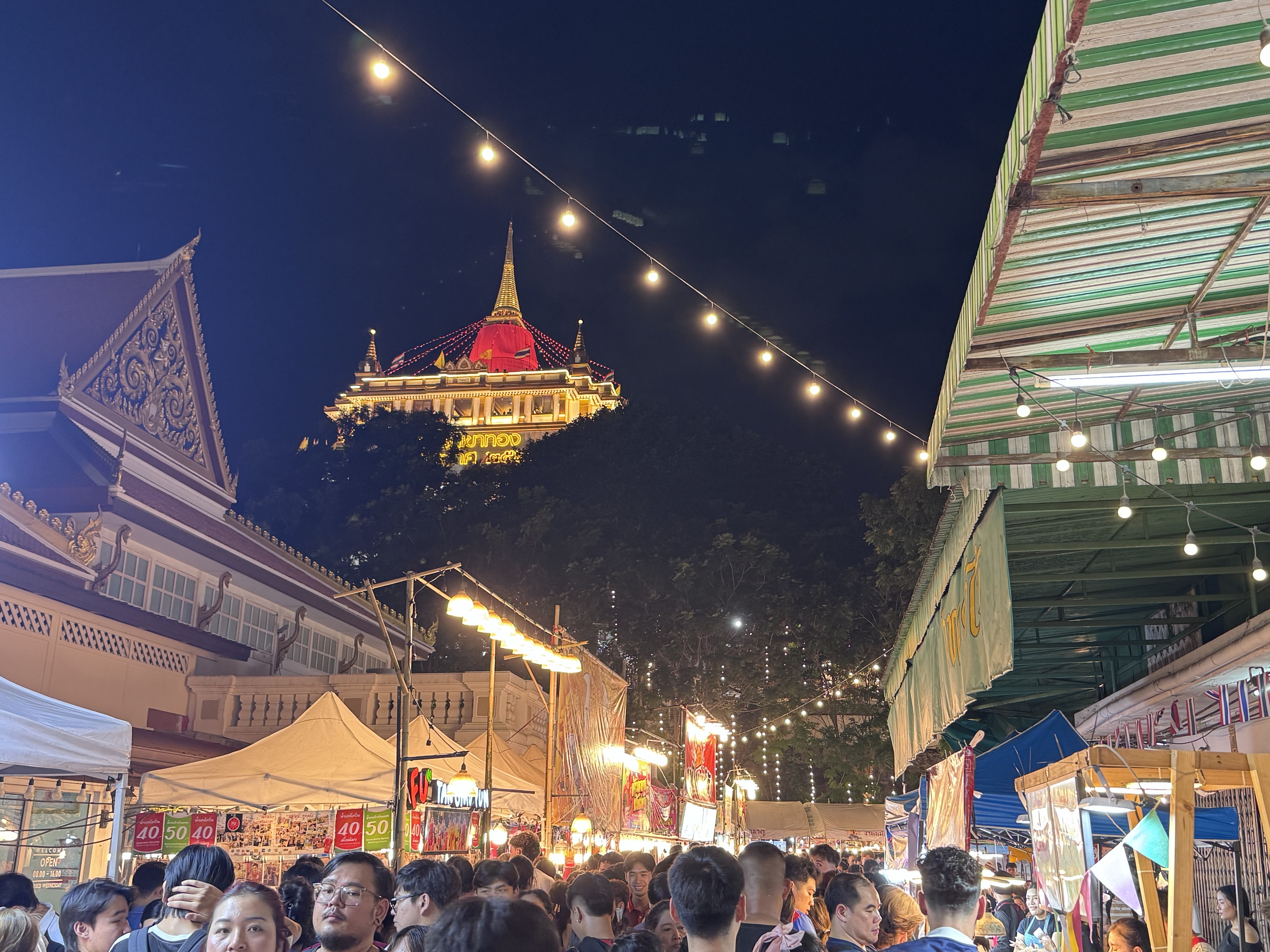
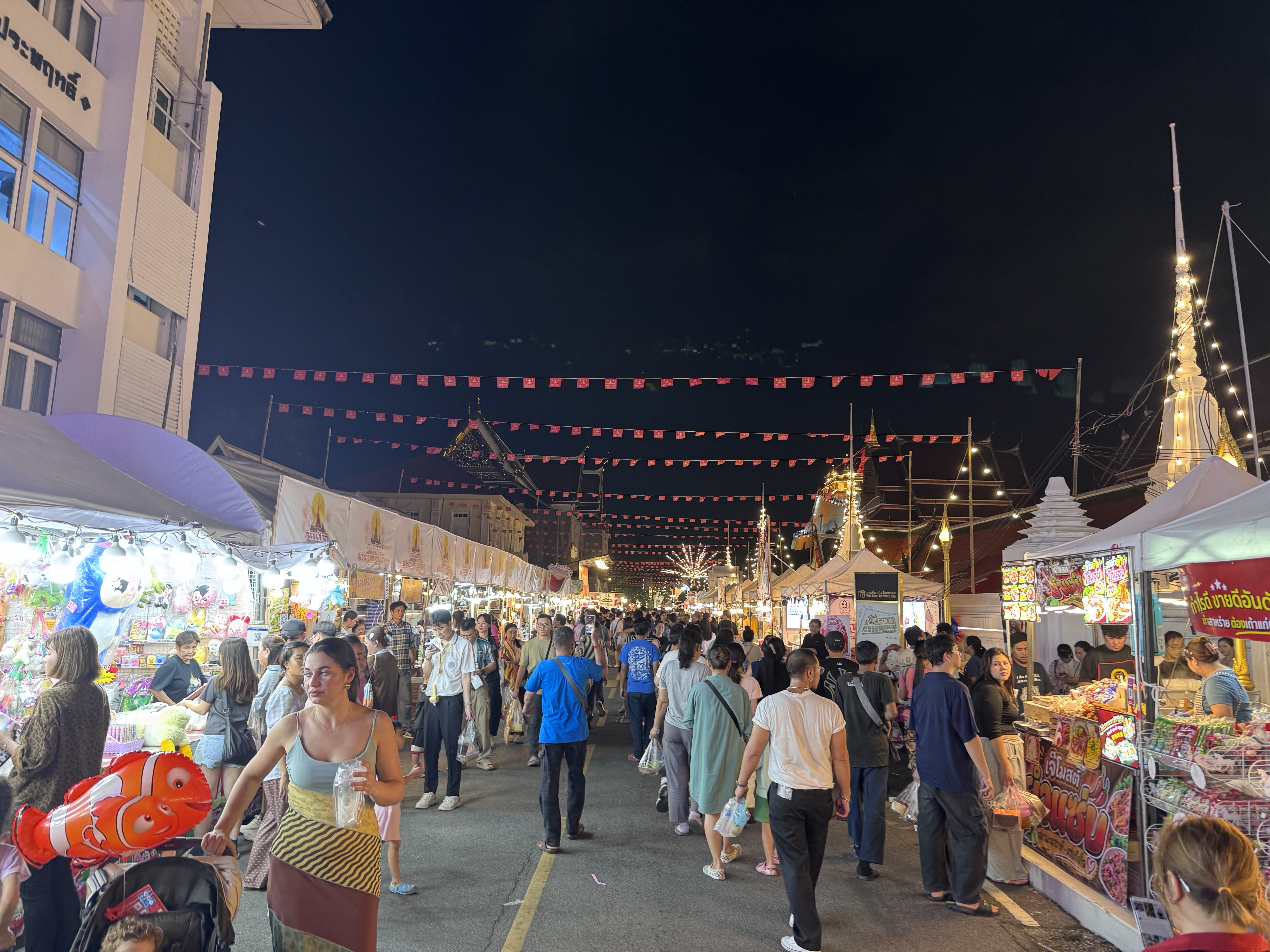
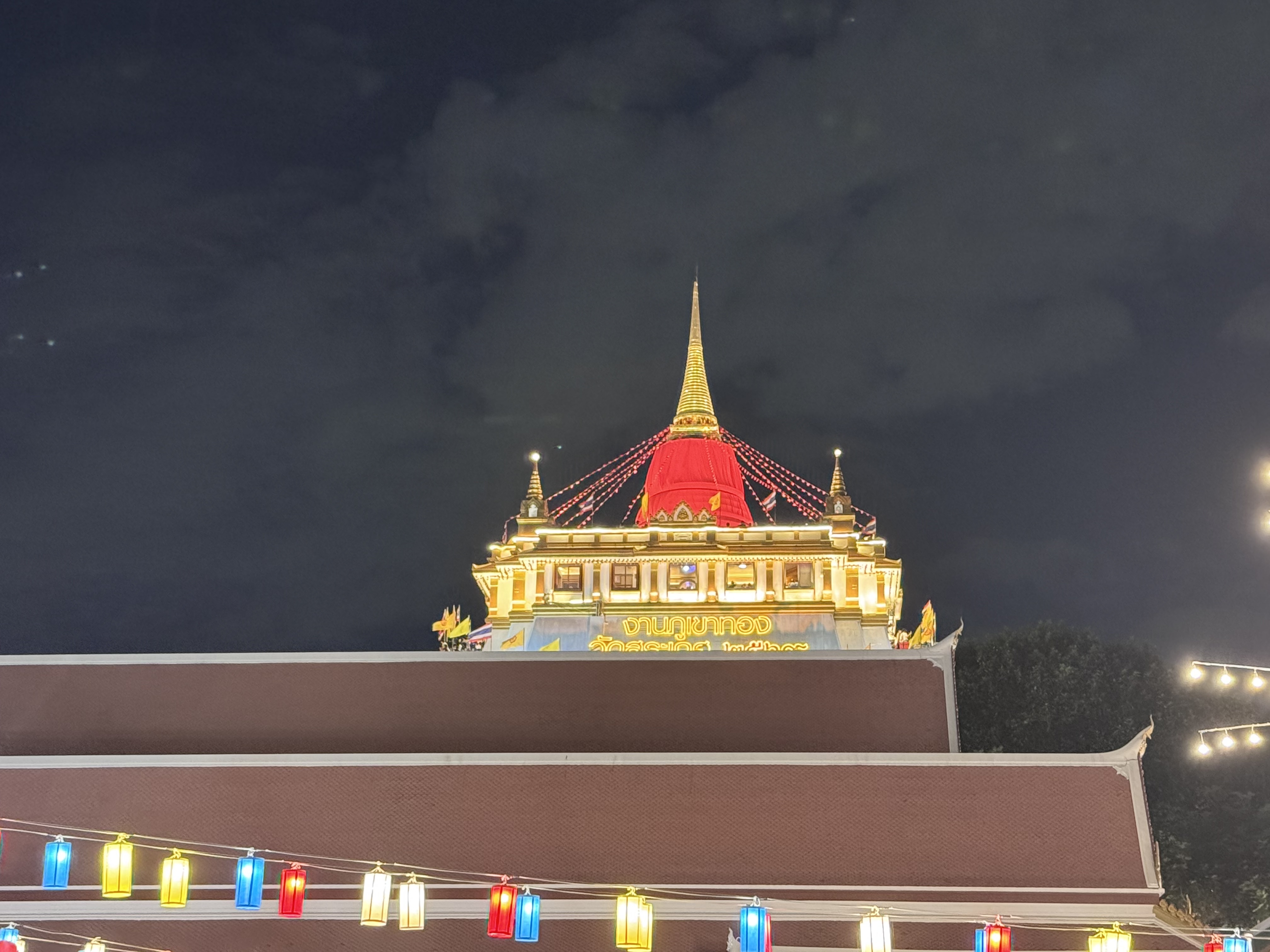
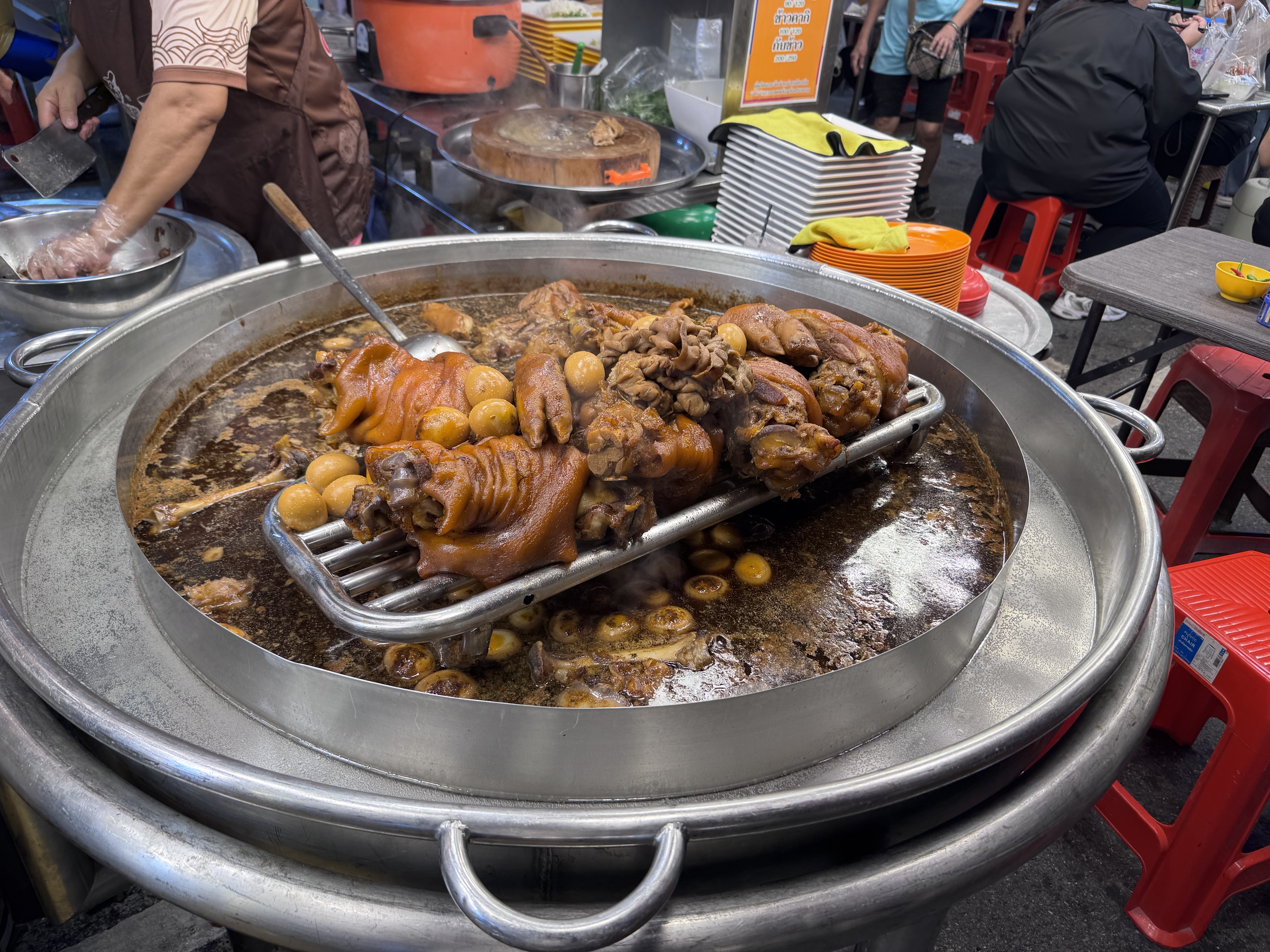
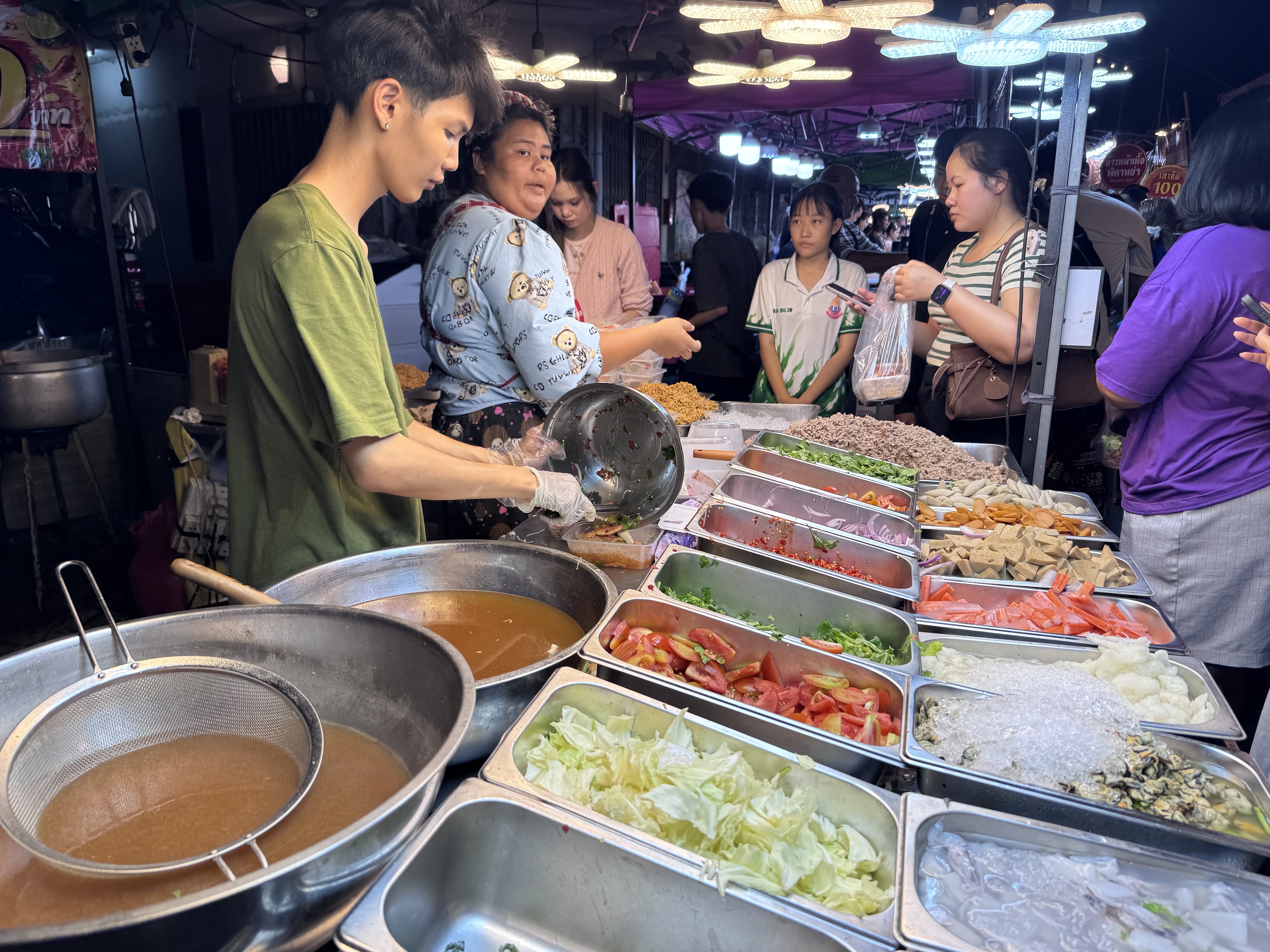
The Wat Saket Fair (known as Ngan Wat Phu Khao Thong or งานวัดภูเขาทอง), held at Wat Saket Ratchawora Maha Wihan (the Temple of the Golden Mount), is Bangkok’s most iconic temple fair. This 100+ year-old tradition honors the sacred Buddha relic enshrined in the 58-meter golden chedi atop the man-made “Golden Mountain.”
Wat Saket Ratcha Wora Maha Wihan, better known simply as Wat Saket or the Golden Mount Temple, stands in Bangkok’s Pom Prap Sattru Phai district just outside the old city walls of Rattanakosin.
The temple itself dates to the Ayutthaya period, when it was called Wat Sakae. After King Rama I established Bangkok as the new capital in 1782, he renovated the monastery and gave it its present name. Tradition holds that the king stopped here to bathe and wash his hair on his return from war before entering the inner city, and the name reflects that act of purification.
In the early Rattanakosin era the temple lay outside the city walls and served as a ...
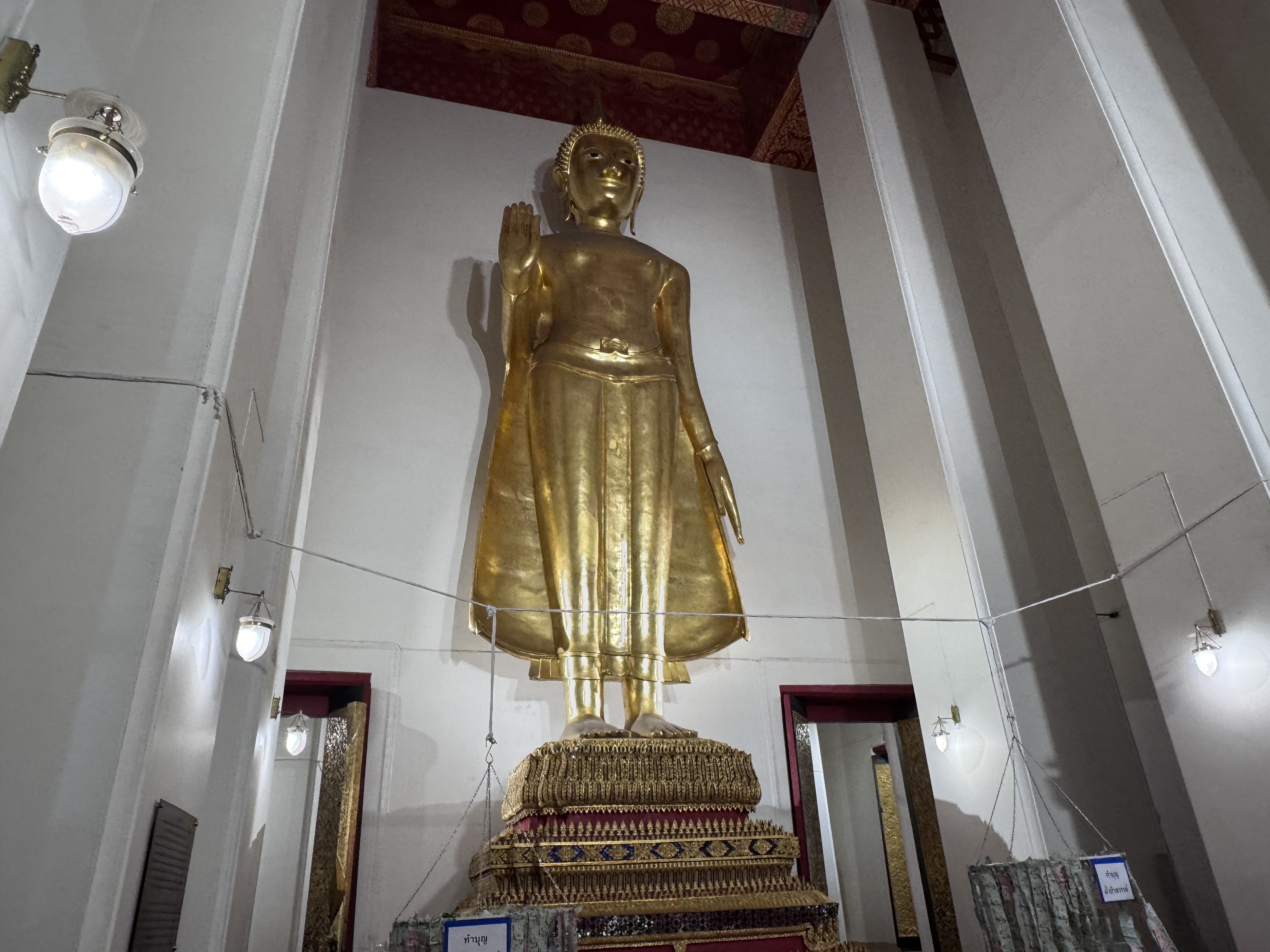
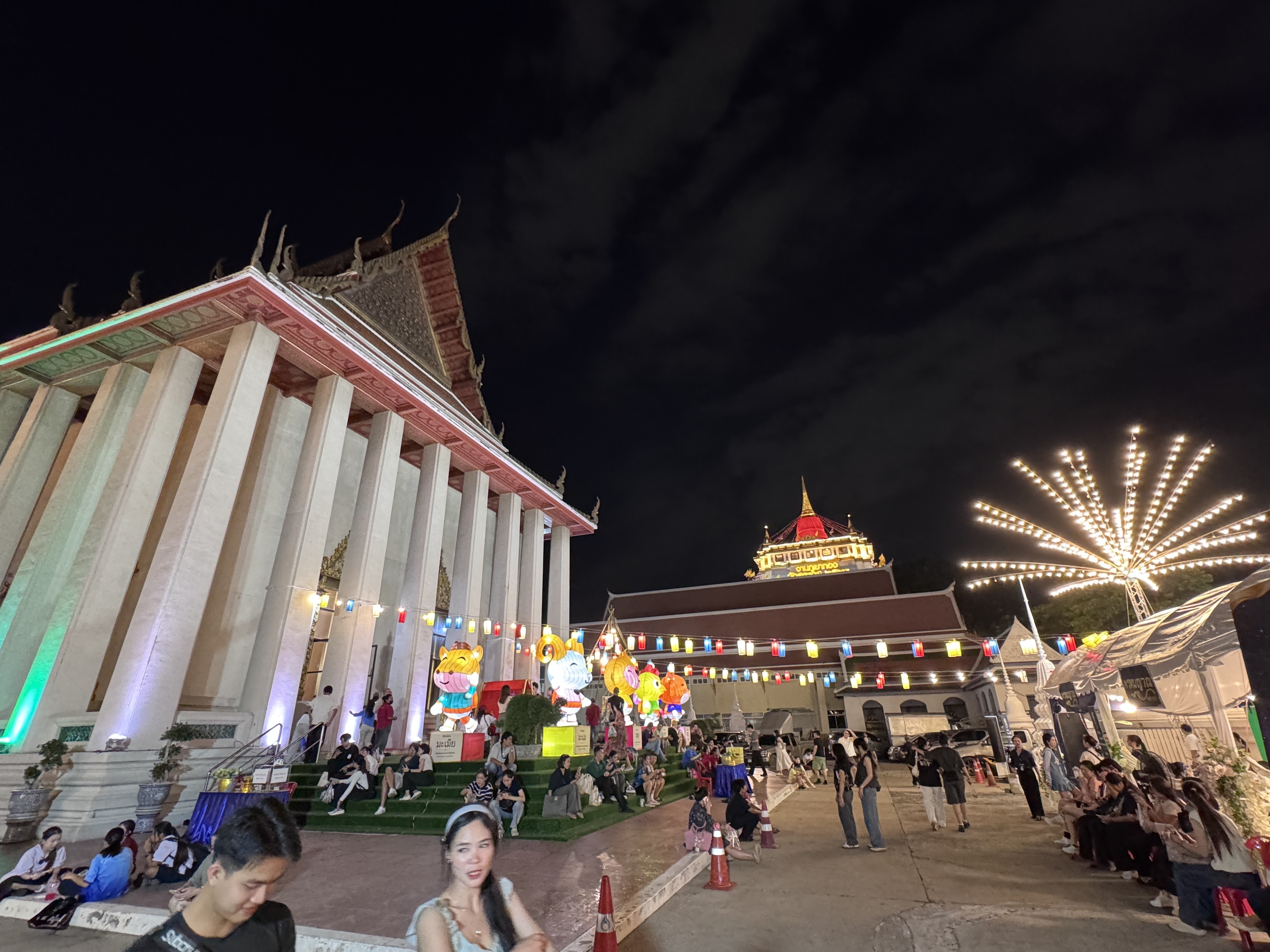
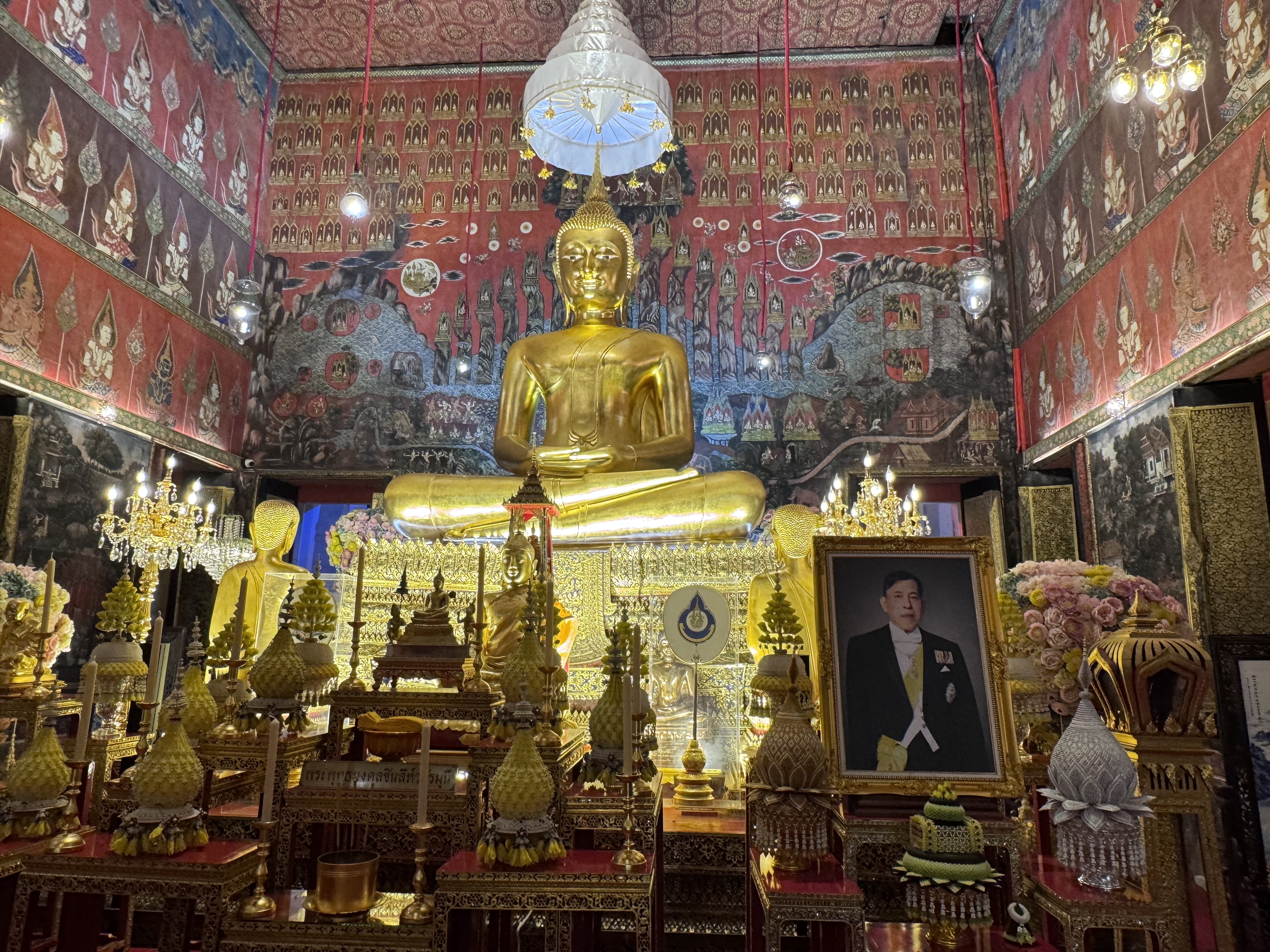
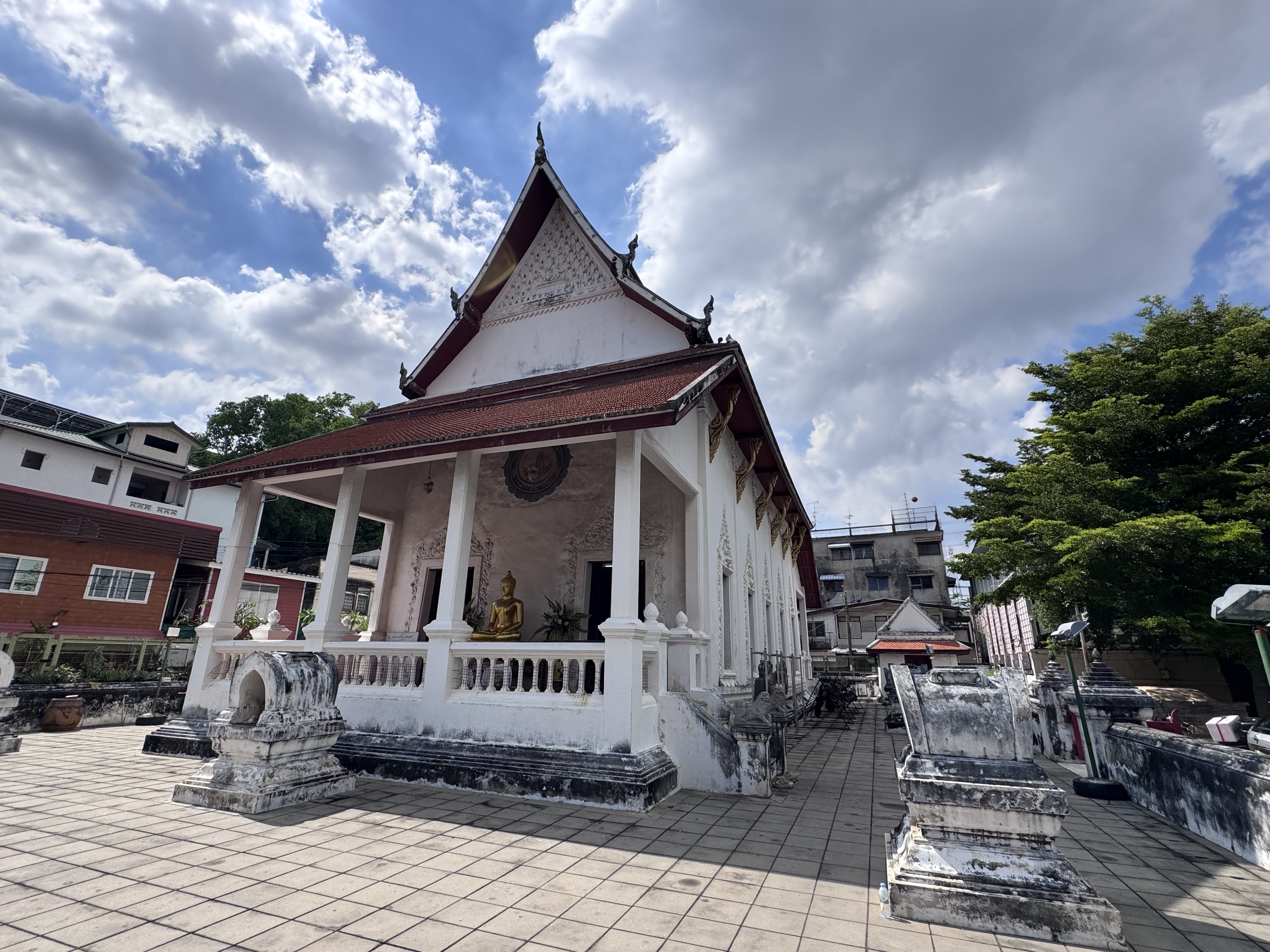
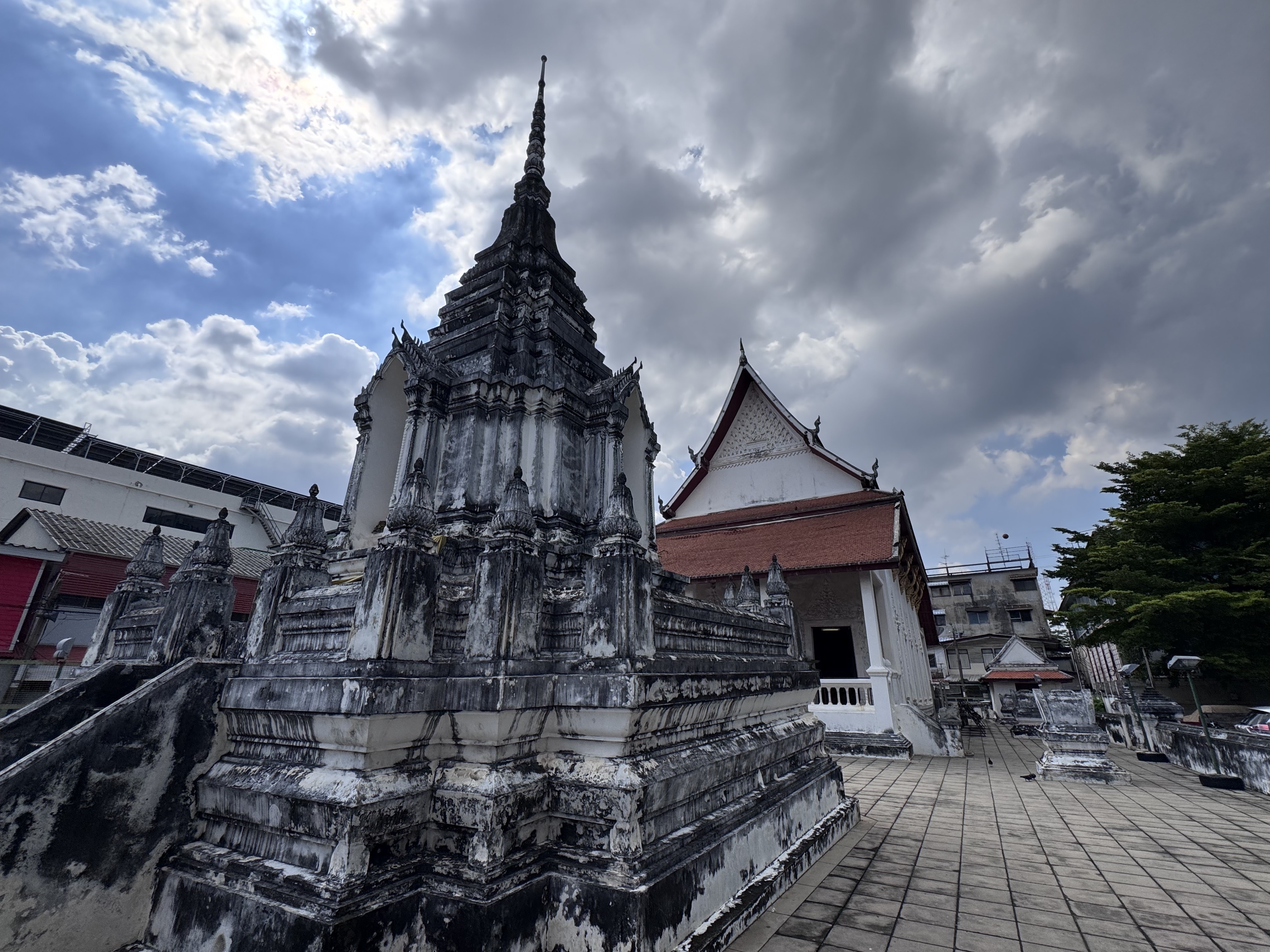
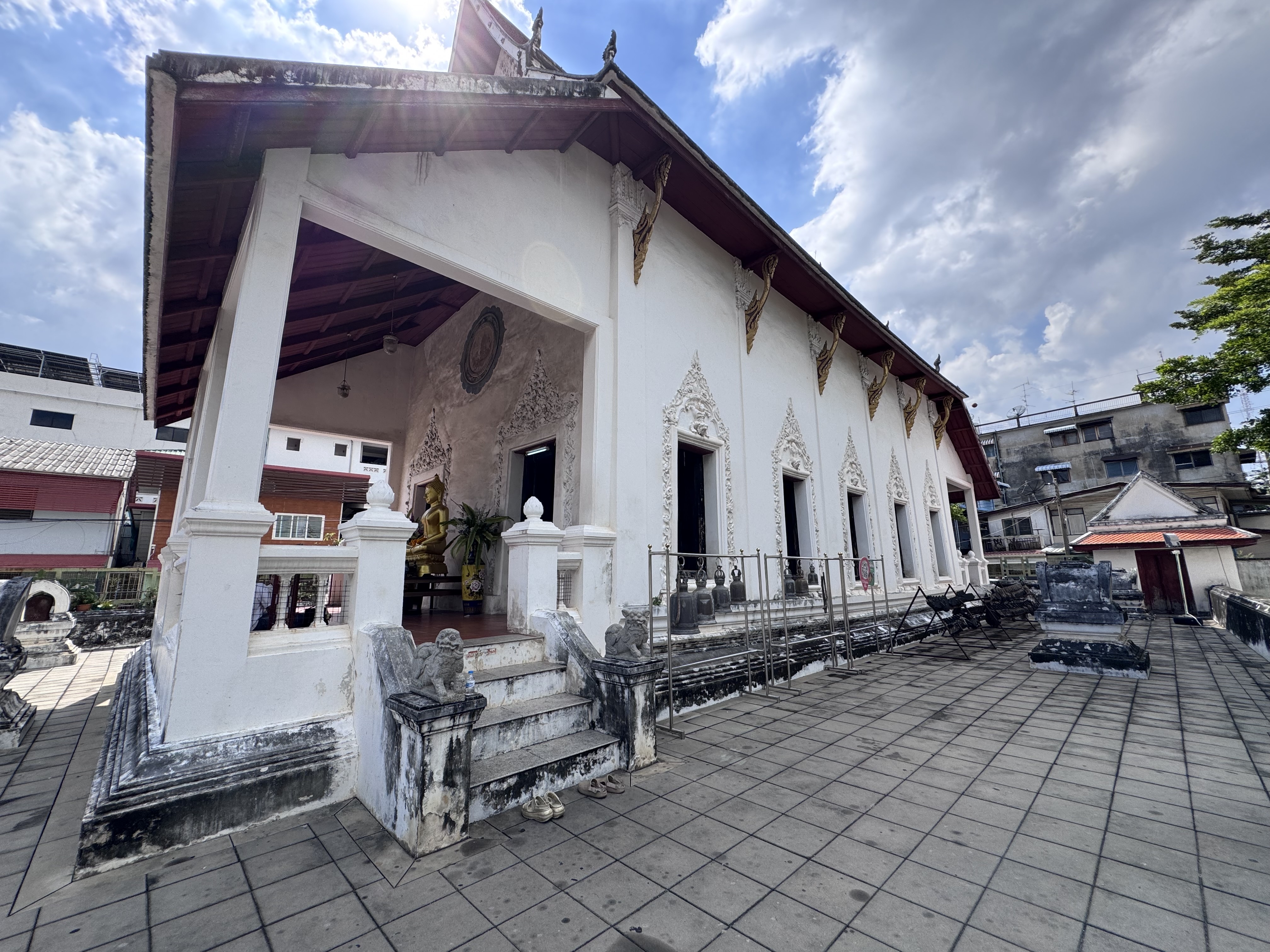
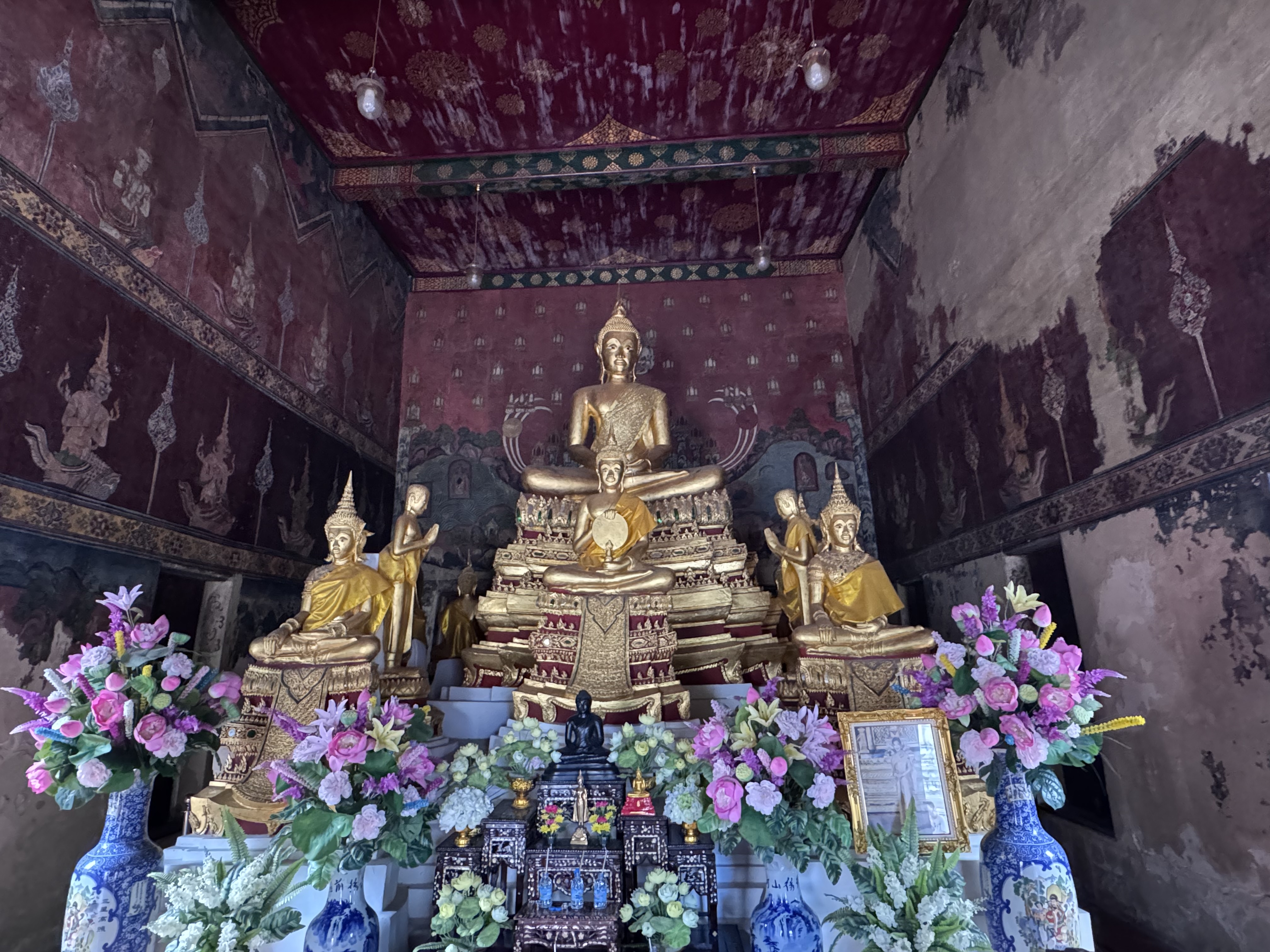
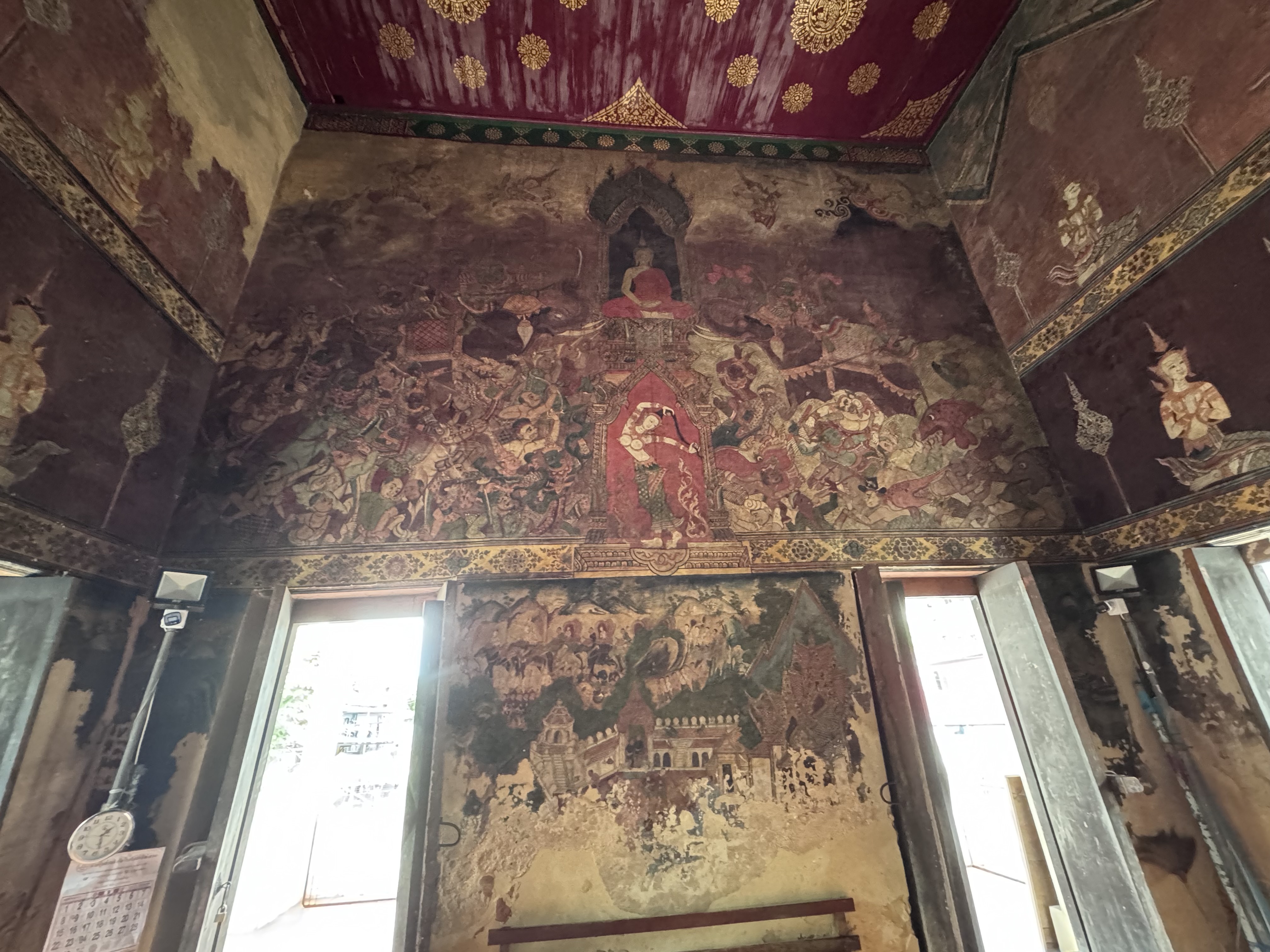
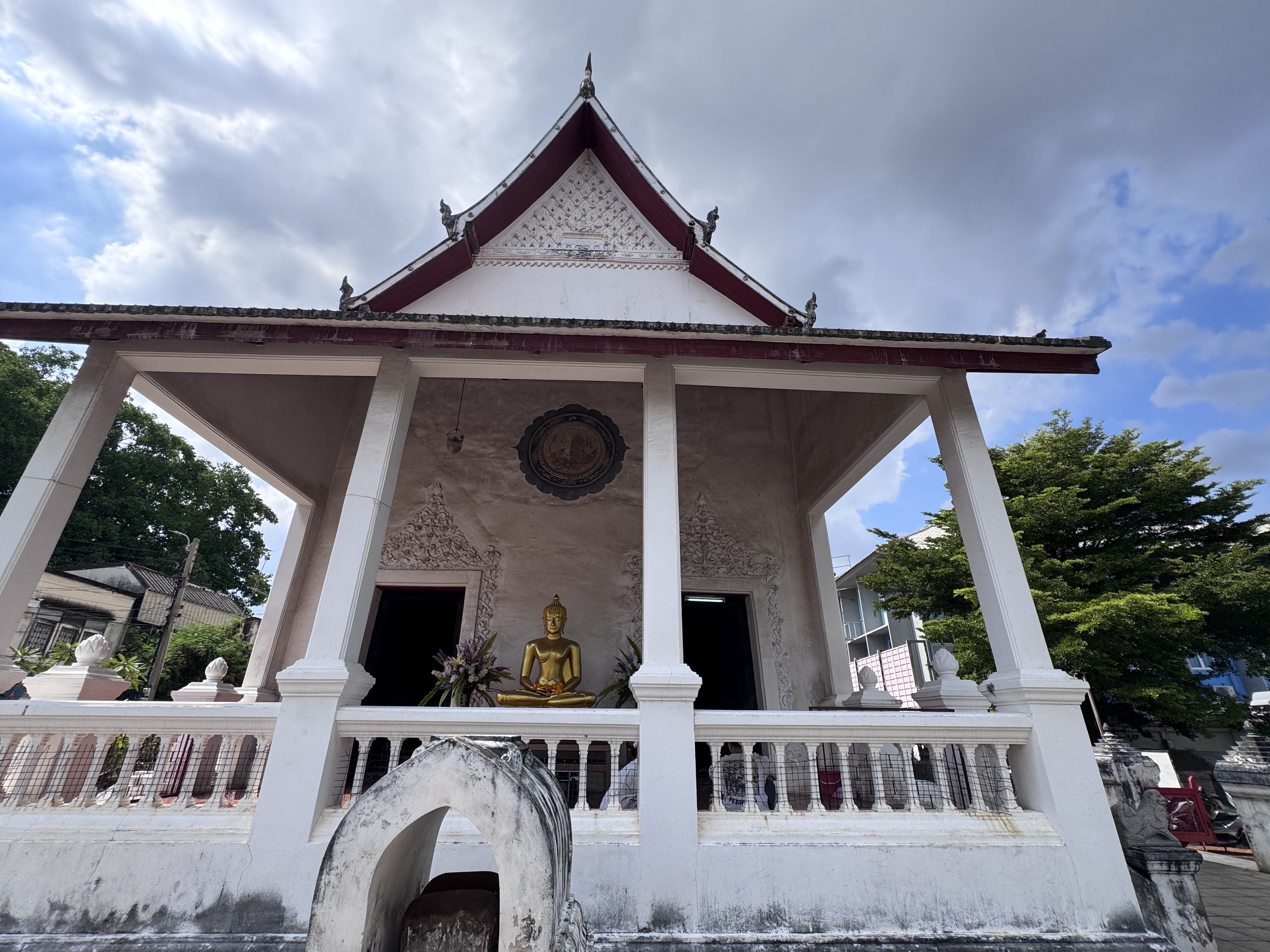
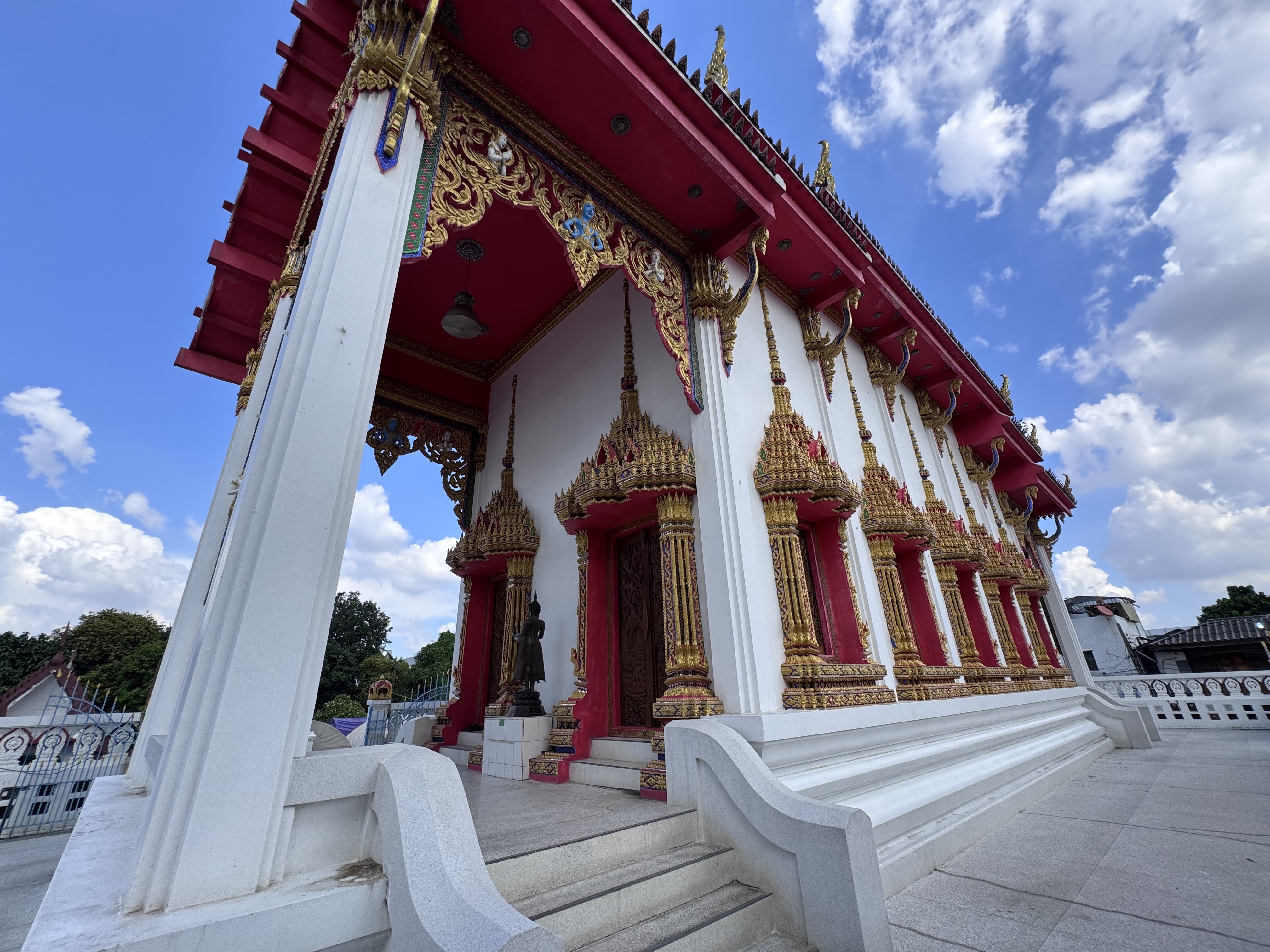
Wat Bot Samsen (วัดโบสถ์สามเสน)
The name means “Temple of the Ordination Hall at Samsen.”
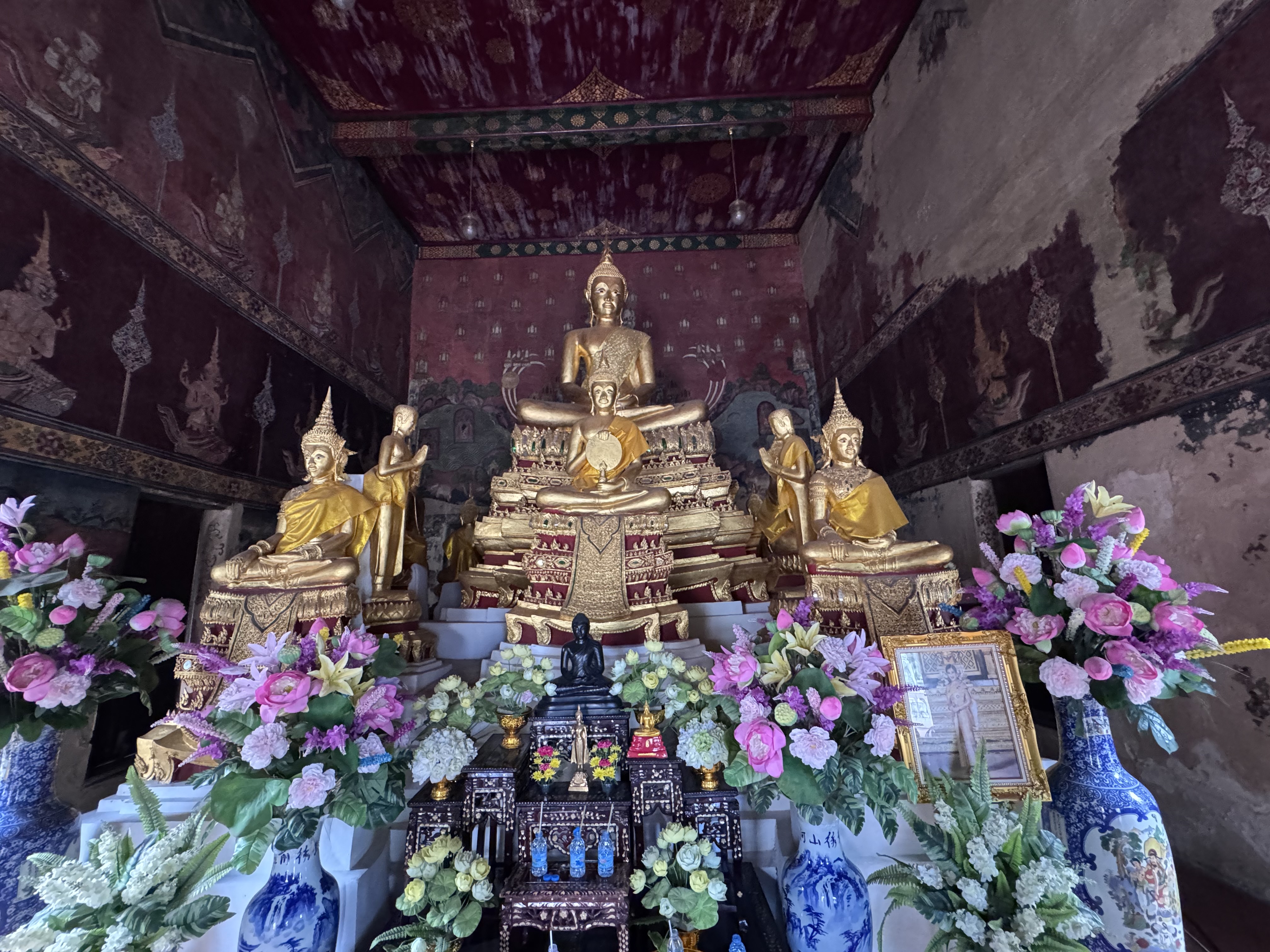
Wat Bot Samsen stands quietly beside Khlong Samsen in Bangkok’s Dusit district, a modest temple whose history reaches back to the final decades of the Ayutthaya kingdom. According to records of the Department of Religious Affairs it was founded around 1708 and received its first royal boundary consecration twenty years later.
Over time the monastery fell into neglect; its original name was forgotten and only the single ordination hall remained, so the local people simply called it Wat Bot – the Temple of the Ordination Hall.
The story of its principal Buddha image, Luang Pho Sukkasem, is one of the most enduring local legends. In the Ayutthaya period kings sometimes cast sacred images and set them adrift on great rafts of lashed logs, intending that any riverside temple without a principal Buddha could claim the statue when the raft came to shore. The raft carrying Luang Pho ...